





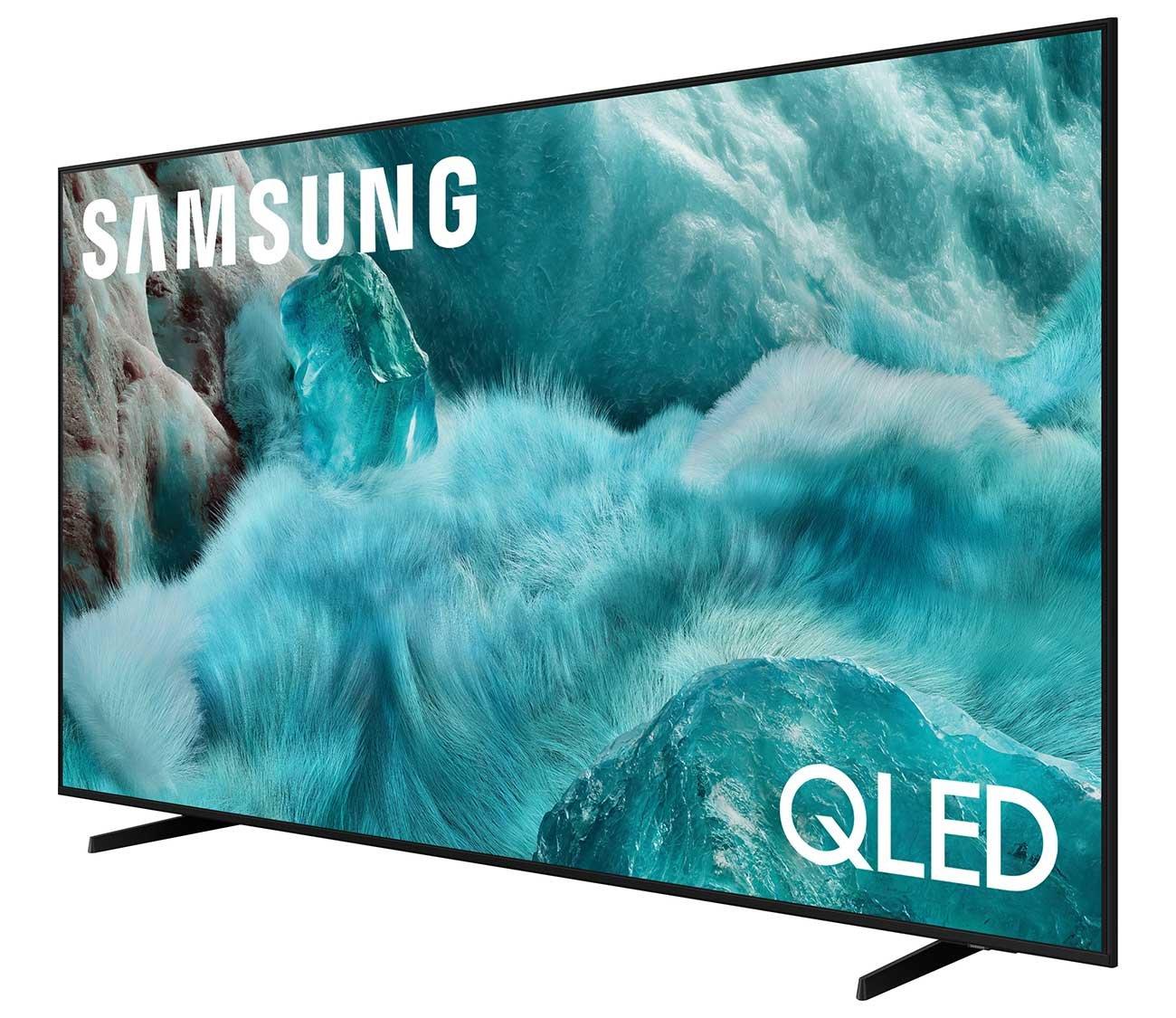
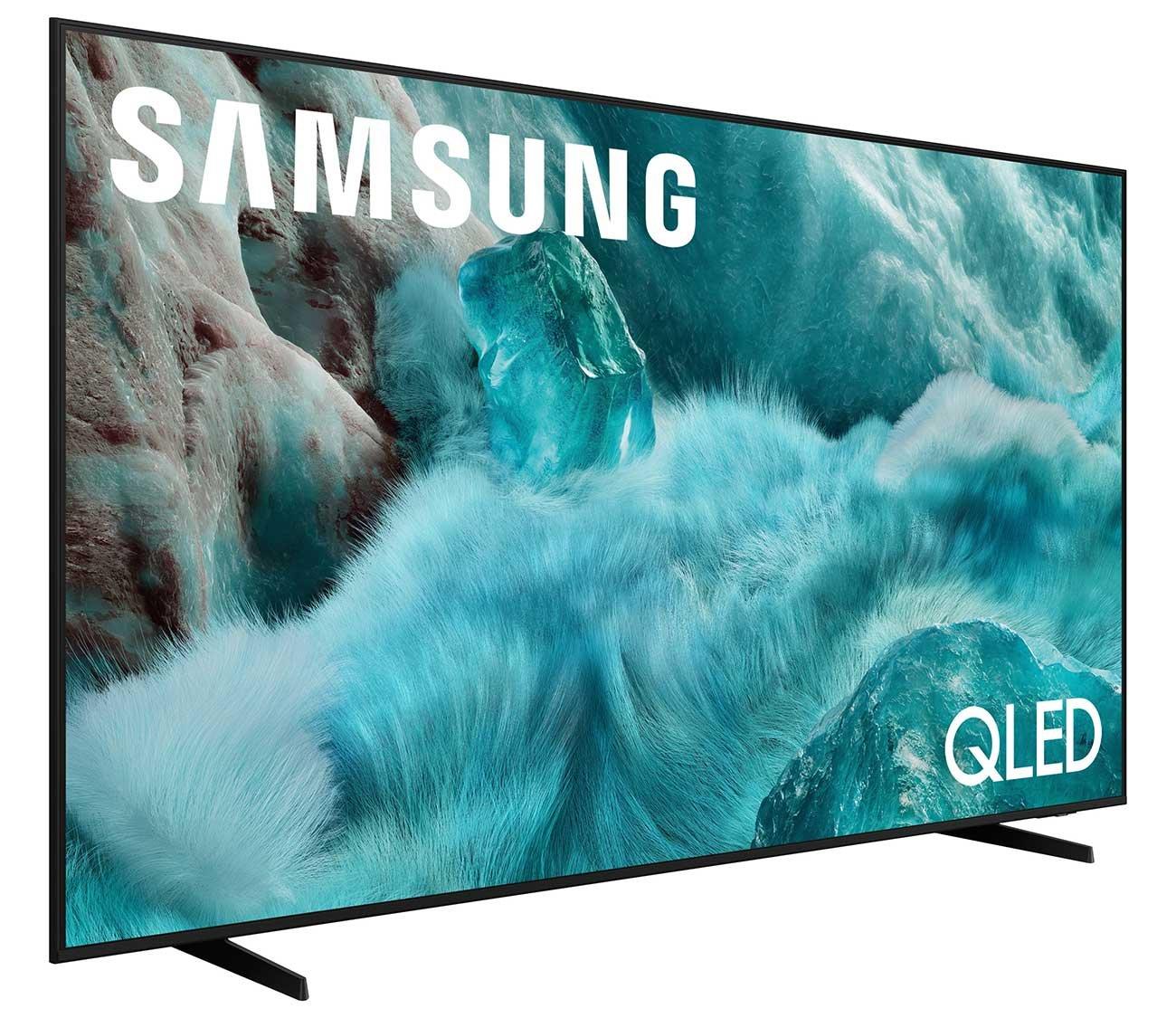


When shopping for a new 65-inch QLED TV, you might think all models in this category serve the same basic purpose. But the Hisense 65" S7N CanvasTV and Samsung 65" Q7F QLED 4K Vision AI Smart TV 2025 prove that assumption wrong. Despite both carrying the QLED label, these TVs represent fundamentally different philosophies about what a television should be in your living space.
The Hisense S7N CanvasTV launched in 2024 as a direct challenger to Samsung's premium Frame TV series, bringing art-focused design to a more accessible price point. Meanwhile, Samsung's Q7F model represents their 2025 entry-level QLED offering, positioned as an affordable way to get Samsung's smart TV ecosystem without premium features. Understanding these different approaches is crucial to making the right choice for your home.
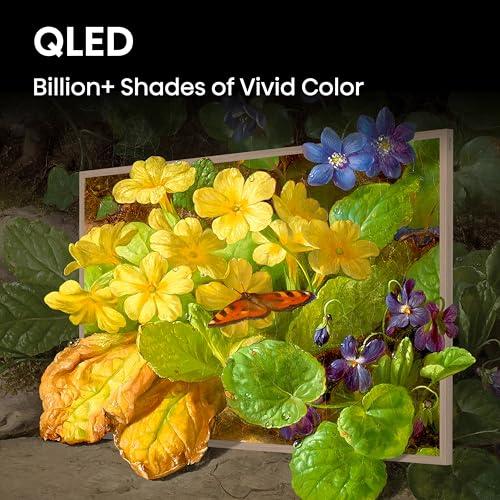
Before diving into specifics, let's clarify what QLED actually means. QLED stands for Quantum Dot Light Emitting Diode, which sounds impressive but essentially means these TVs use tiny nanocrystals called quantum dots to enhance color reproduction. When blue LED backlights hit these quantum dots, they emit pure red and green light, creating more accurate and vibrant colors than traditional LED TVs can produce.
Both the Hisense CanvasTV and Samsung Q7F use this technology, but they implement it differently based on their target audiences. The key considerations when evaluating any QLED TV include display quality, smart features, gaming performance, and overall design philosophy. However, as you'll see, these two models prioritize these elements very differently.
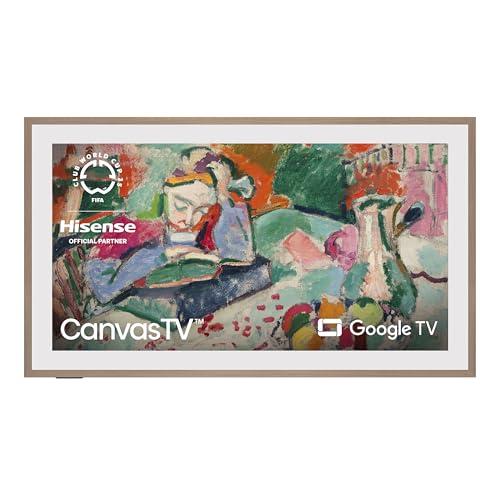
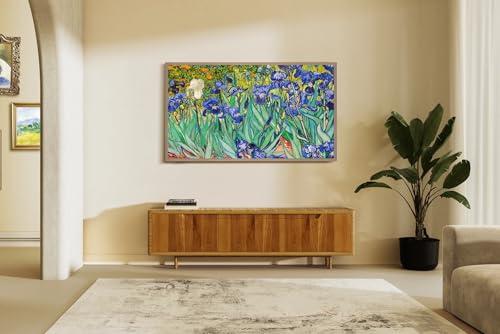
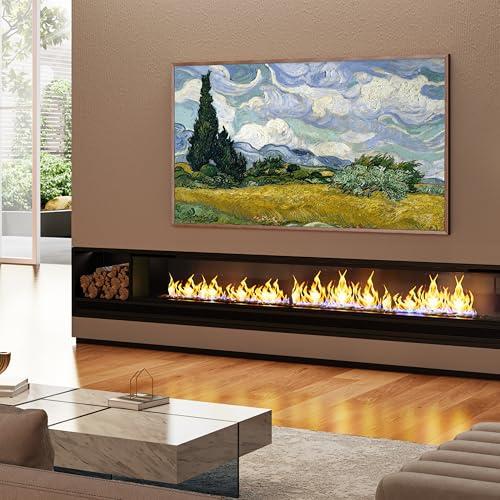
The Hisense S7N CanvasTV represents something relatively new in the TV world – a display designed to be beautiful even when turned off. At the time of writing, this approach commands a significant premium over traditional TVs, but it solves a real problem many people face: the unsightly black rectangle dominating their living room when not watching content.
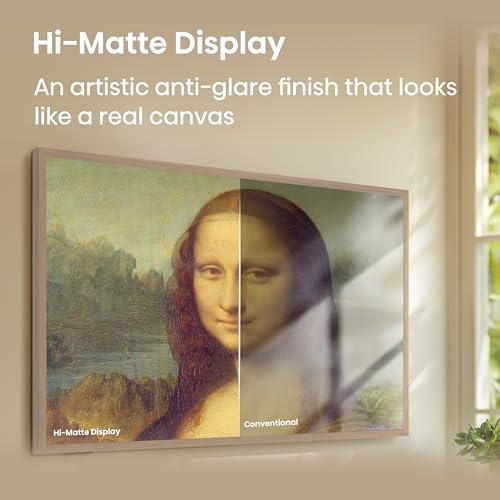
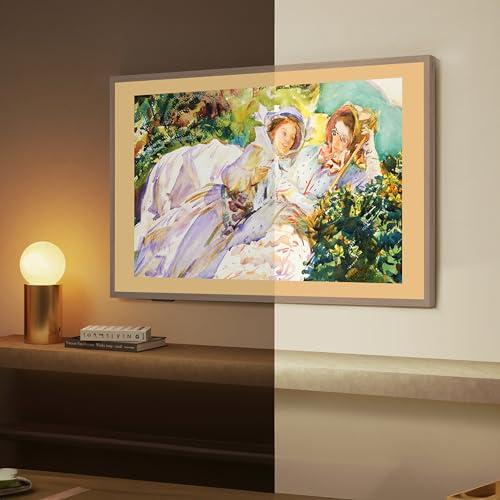
The standout feature here is the Hi-Matte Display technology, which reduces reflections to just 5% compared to standard glossy TV screens. This matte finish serves dual purposes – it makes the TV nearly invisible in bright rooms and gives displayed artwork a texture that mimics real paintings. Having evaluated numerous TVs in bright living spaces, this anti-glare performance is genuinely impressive and addresses one of the most common complaints about modern TVs.
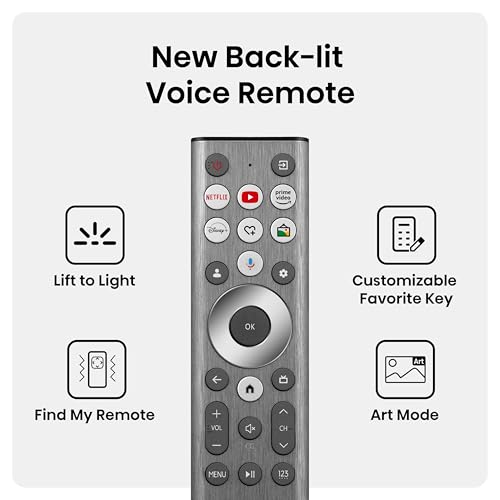
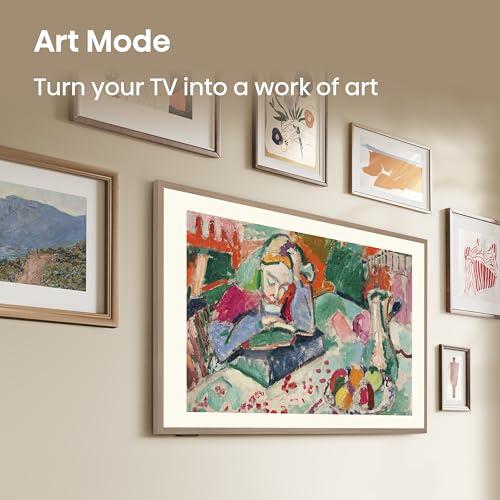
The Art Mode functionality transforms the CanvasTV into a digital art gallery when not actively displaying TV content. Unlike Samsung's Frame TV which requires ongoing subscription fees for artwork, Hisense includes a substantial library of curated pieces at no additional cost. The motion sensor automatically detects when someone enters the room and displays art, then powers down when the space is empty to save energy.
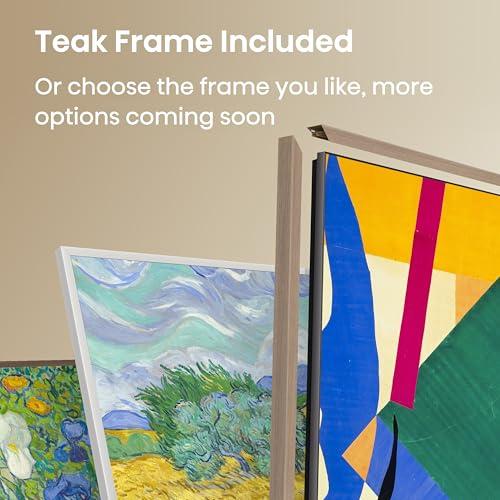
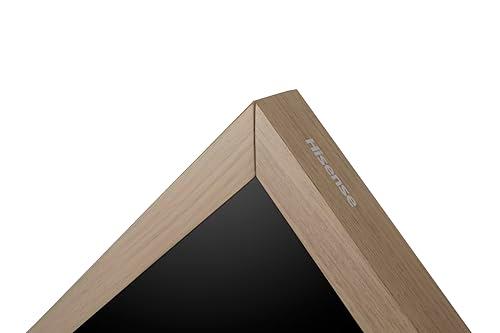
What sets this implementation apart is the magnetic frame system. The TV comes with a teak-colored frame, and you can purchase additional colors to match your décor. The frames attach magnetically, making swapping them as simple as pulling off one and clicking on another. This modularity extends the TV's aesthetic flexibility beyond what fixed-bezel competitors offer.
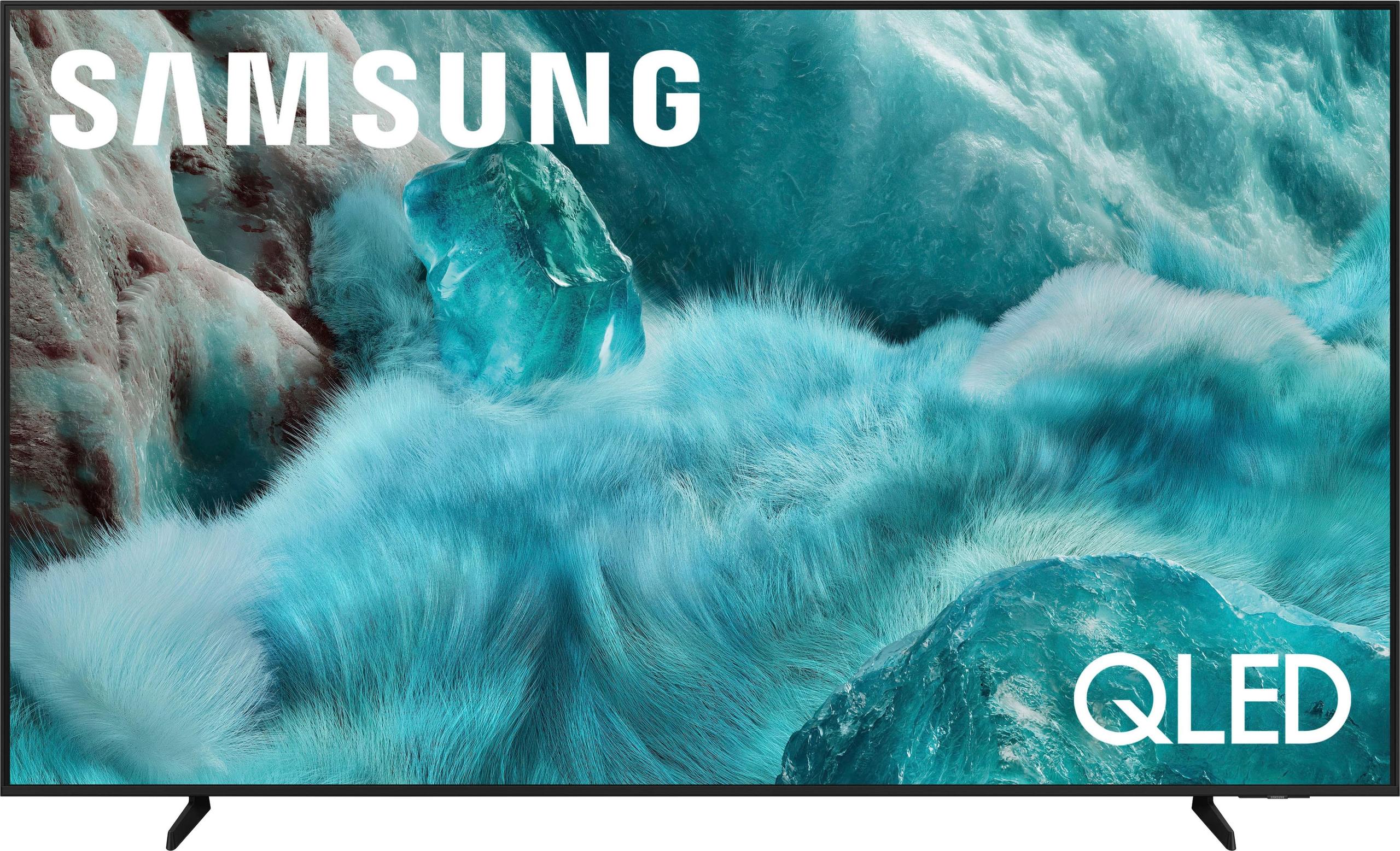
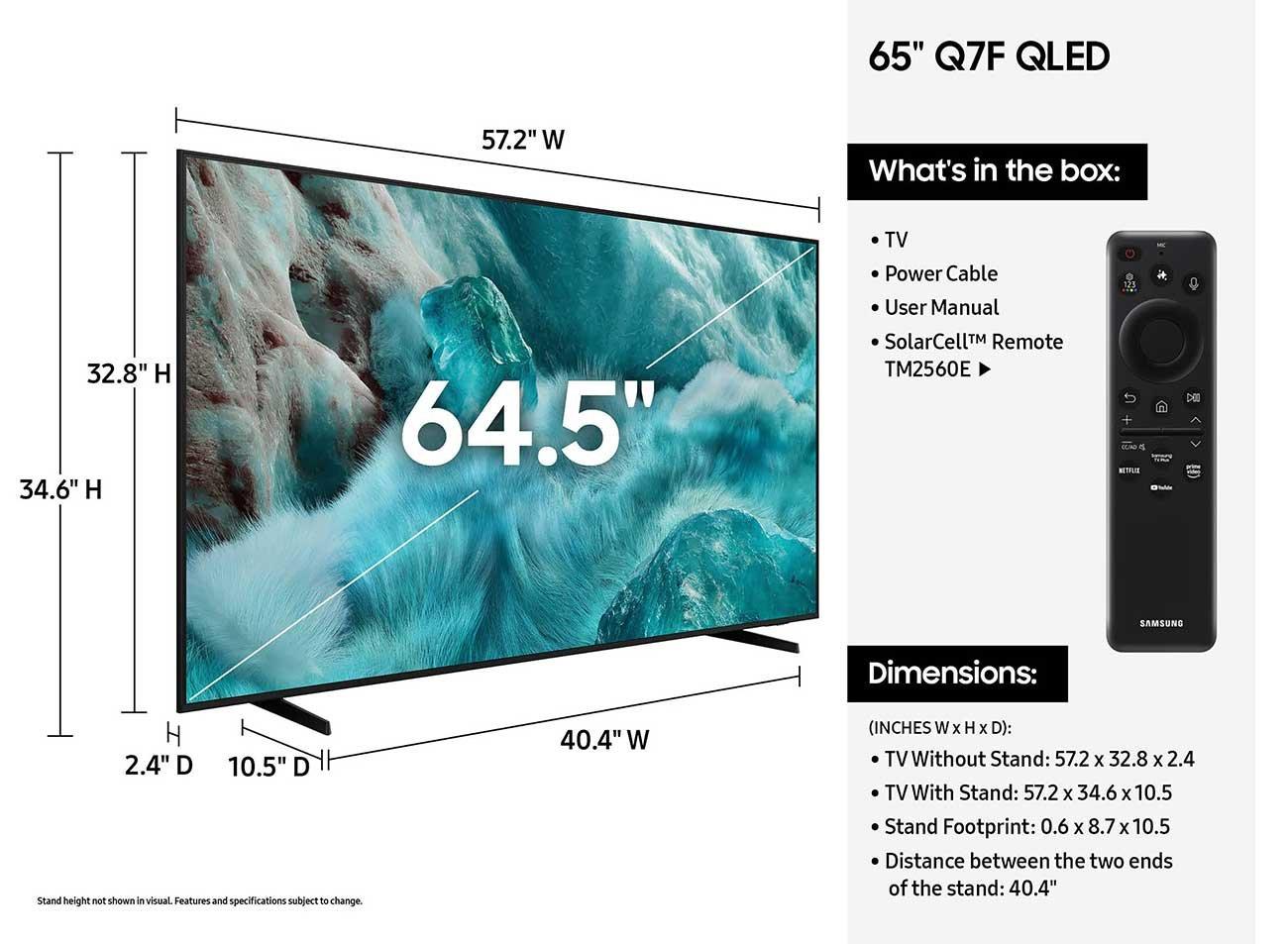
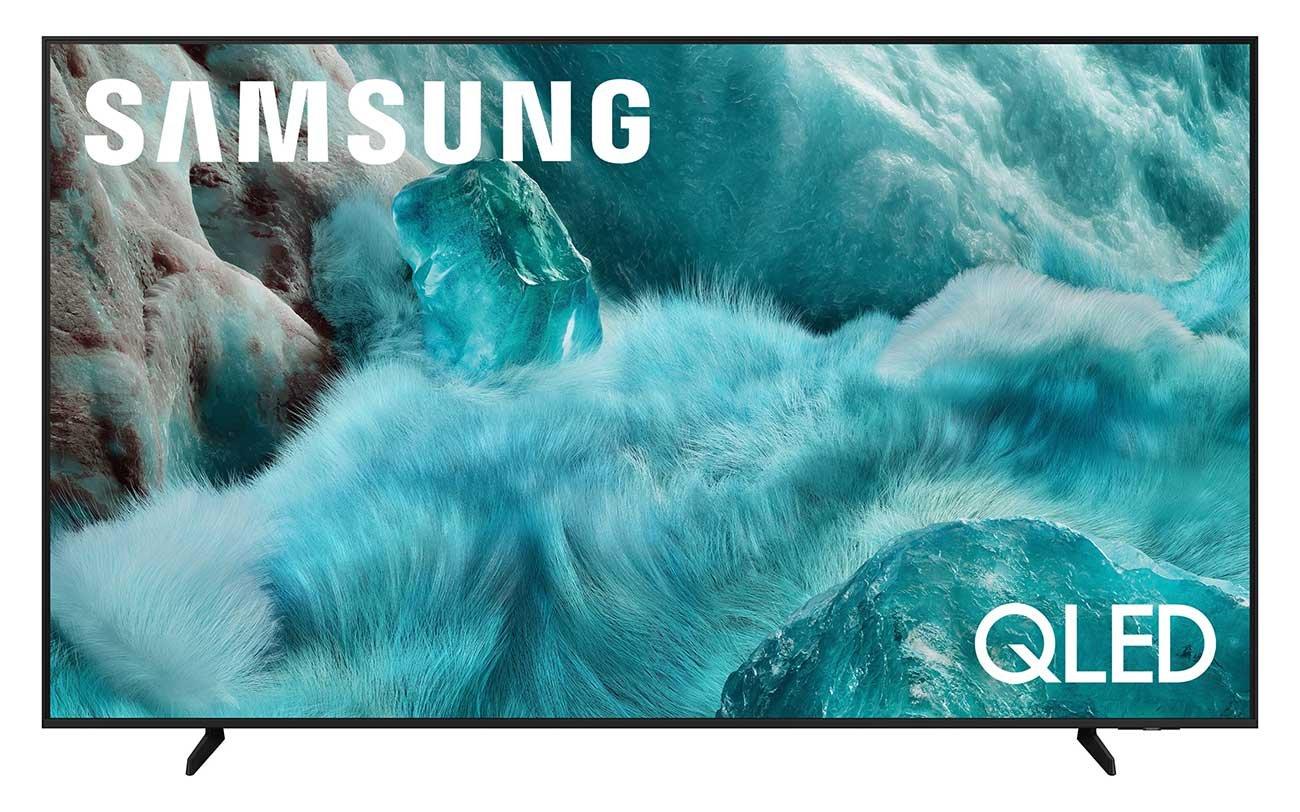
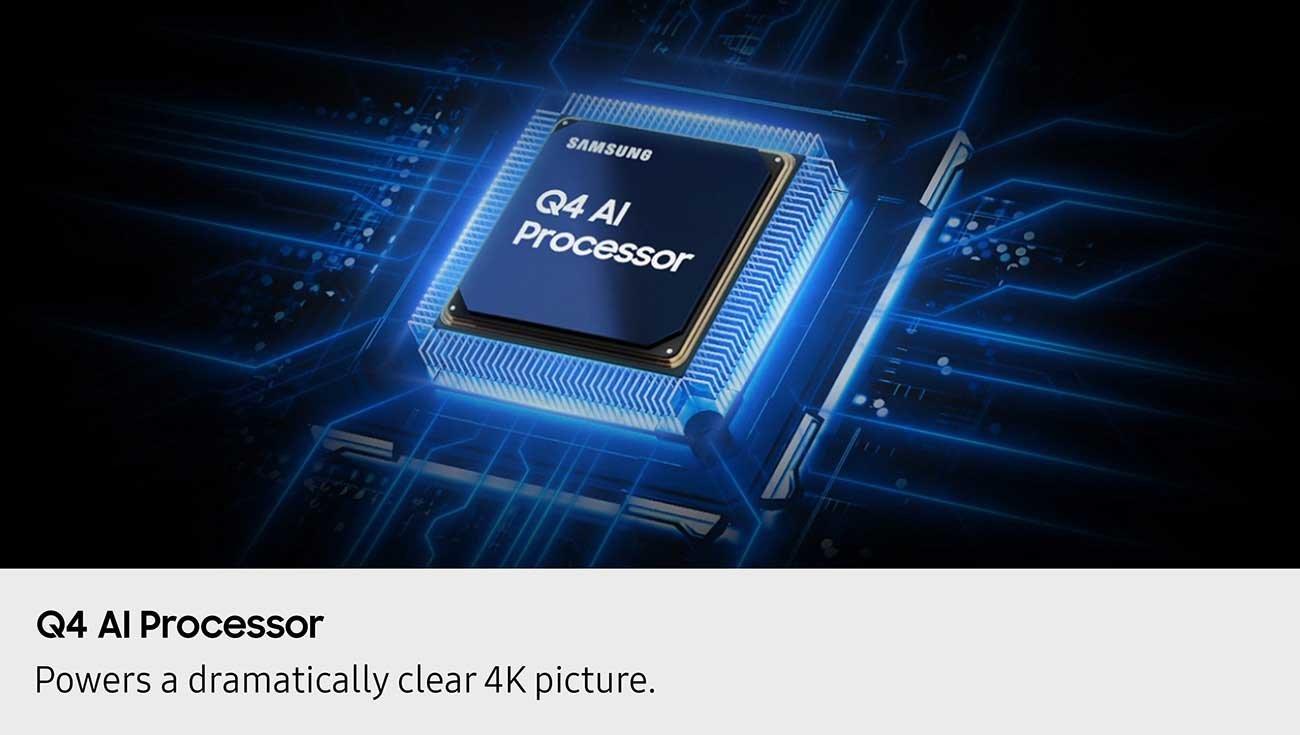
The Samsung Q7F 2025 takes a completely different path, focusing on delivering core Samsung smart TV features at an entry-level QLED price point. At the time of writing, it costs roughly half what the Hisense CanvasTV does, making it an attractive option for budget-conscious buyers who still want quantum dot color enhancement.
Samsung's Vision AI represents the most interesting technology here. This system analyzes what's currently on screen – whether it's a movie, show, or sports event – and provides contextual information and recommendations. It can identify actors and suggest other content they appear in, or recognize sports teams and offer related programming. While this might sound gimmicky, user feedback suggests it genuinely enhances the viewing experience for people who enjoy discovering new content.
The Samsung Q7F also integrates deeply with Samsung's broader ecosystem. If you already use Samsung smartphones, tablets, or smart home devices, the TV becomes a natural hub for controlling and displaying content from these devices. The Multi-View feature lets you watch TV while simultaneously displaying content from your phone or tablet, which proves surprisingly useful for following social media during live events.
However, this budget positioning means significant compromises. The TV maxes out at 60Hz refresh rate and lacks modern gaming features that have become standard on mid-range TVs since 2022. There's no variable refresh rate (VRR) support, which eliminates screen tearing during gaming, and no HDMI 2.1 ports capable of handling 4K at higher frame rates.
The most fundamental difference between these TVs lies in their display approach. The Hisense CanvasTV prioritizes versatility with its 144Hz native refresh rate and matte finish, while the Samsung Q7F focuses on traditional glossy sharpness at a basic 60Hz.
For motion handling, the difference is substantial. The CanvasTV's 144Hz capability means it can display up to 144 unique frames per second, creating incredibly smooth motion for sports, gaming, and action movies. This higher refresh rate also enables features like black frame insertion, which reduces motion blur by briefly inserting black frames between regular content frames.
The Samsung Q7F's 60Hz limitation means it can only display 60 frames per second maximum. While this is adequate for most streaming content and broadcast TV, it creates noticeable judder during fast-paced scenes and completely eliminates compatibility with high-frame-rate gaming.
Regarding brightness and HDR performance, both TVs make compromises, but for different reasons. The CanvasTV optimizes brightness for ambient art display rather than peak HDR performance, typically reaching around 450 cd/m² at maximum. The Samsung Q7F achieves slightly higher peak brightness at 500 cd/m², but lacks local dimming zones to create true contrast between bright and dark areas of the same image.
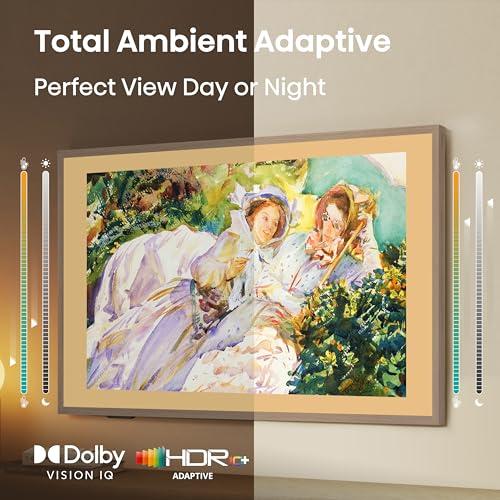
HDR (High Dynamic Range) support differs significantly. The Hisense supports multiple formats including Dolby Vision, HDR10, and HDR10+, while the Samsung notably omits Dolby Vision support. Dolby Vision uses dynamic metadata to optimize brightness and color on a scene-by-scene basis, often providing noticeably better HDR performance than static HDR10 formats.
For gaming, the Hisense CanvasTV dominates this comparison. Its 144Hz refresh rate enables smooth gameplay at frame rates that the Samsung Q7F simply cannot display. More importantly, it includes ALLM (Auto Low Latency Mode) and VRR (Variable Refresh Rate) support.
ALLM automatically switches the TV to its lowest latency mode when it detects a gaming console, reducing input lag – the delay between pressing a button and seeing the action on screen – to just 5.4 milliseconds. VRR synchronizes the TV's refresh rate with the console's frame rate, eliminating screen tearing and stuttering that occurs when these rates don't match.
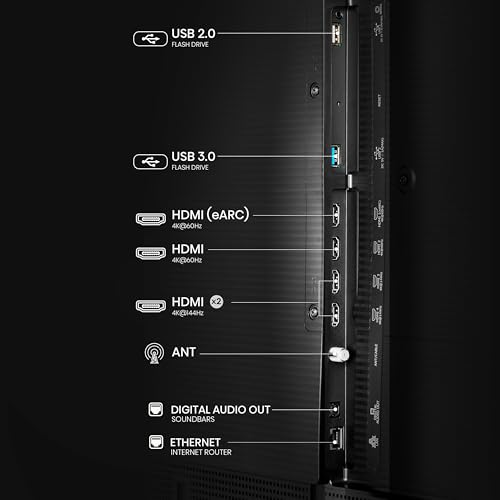
The CanvasTV also includes two HDMI 2.1 ports capable of handling 4K at 144Hz or 1080p at 240Hz. This future-proofs the TV for next-generation gaming consoles and high-end PC gaming setups that can push frame rates beyond traditional limits.
In contrast, the Samsung Q7F offers only basic gaming functionality. Its 60Hz limitation means it cannot take advantage of modern consoles' 120Hz modes, and the lack of VRR support will result in visible tearing during fast-paced games. For casual gaming, it's adequate, but serious gamers will find it limiting.
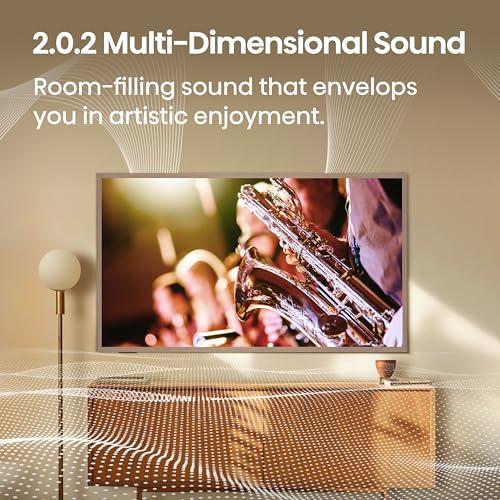
Audio represents one of the most overlooked aspects of TV comparison, but it significantly impacts daily viewing experience. The Hisense CanvasTV includes a 2.0.2 channel surround sound system with upward-firing speakers and DTS Virtual:X processing. This creates genuine surround sound effects without requiring additional speakers.
The upward-firing speakers bounce sound off the ceiling to create the illusion of height effects, particularly noticeable during movie scenes with helicopters, rain, or other overhead audio elements. User reviews consistently praise this audio system as "room-filling" and sufficient for most viewing without adding a soundbar.
The Samsung Q7F includes only basic stereo speakers typical of budget TVs. While Samsung's audio processing helps maximize what these speakers can produce, they lack the power and sophistication to create immersive audio experiences. Most users will want to add a soundbar, representing additional cost beyond the TV's purchase price.
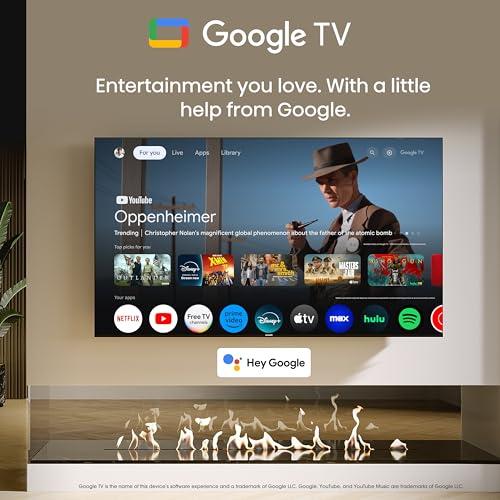
Both TVs offer modern smart platforms, but with different strengths. The Hisense CanvasTV runs Google TV, which provides excellent content discovery and integrates seamlessly with Google services and Android devices. The interface is clean and intuitive, with personalized recommendations based on viewing history across multiple streaming services.
Samsung's Tizen platform on the Q7F offers deeper integration with Samsung's ecosystem and includes some unique features like Samsung TV Plus, which provides free ad-supported streaming channels. The Vision AI functionality adds contextual information and recommendations that go beyond simple content discovery.
Both platforms support major streaming services and voice control, but Google TV tends to offer more frequent updates and broader app compatibility, while Tizen excels at Samsung device integration and multi-tasking features.
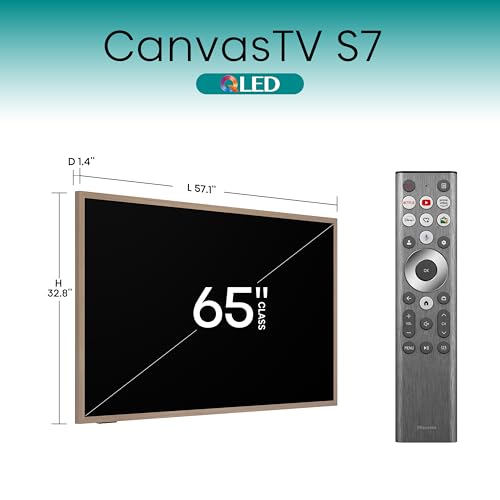
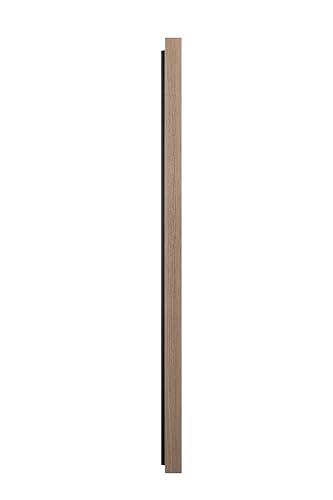
The aesthetic differences between these TVs reflect their core purposes. The Hisense CanvasTV is designed to disappear when not in use, becoming indistinguishable from wall art. The included UltraSlim Wall Mount positions the TV just 3mm from the wall, creating a flush, painting-like appearance.
The magnetic frame system adds genuine flexibility. Beyond the included teak frame, white and walnut options are available separately. This modularity means you can change the TV's appearance seasonally or when redecorating, something impossible with traditional fixed-bezel TVs.
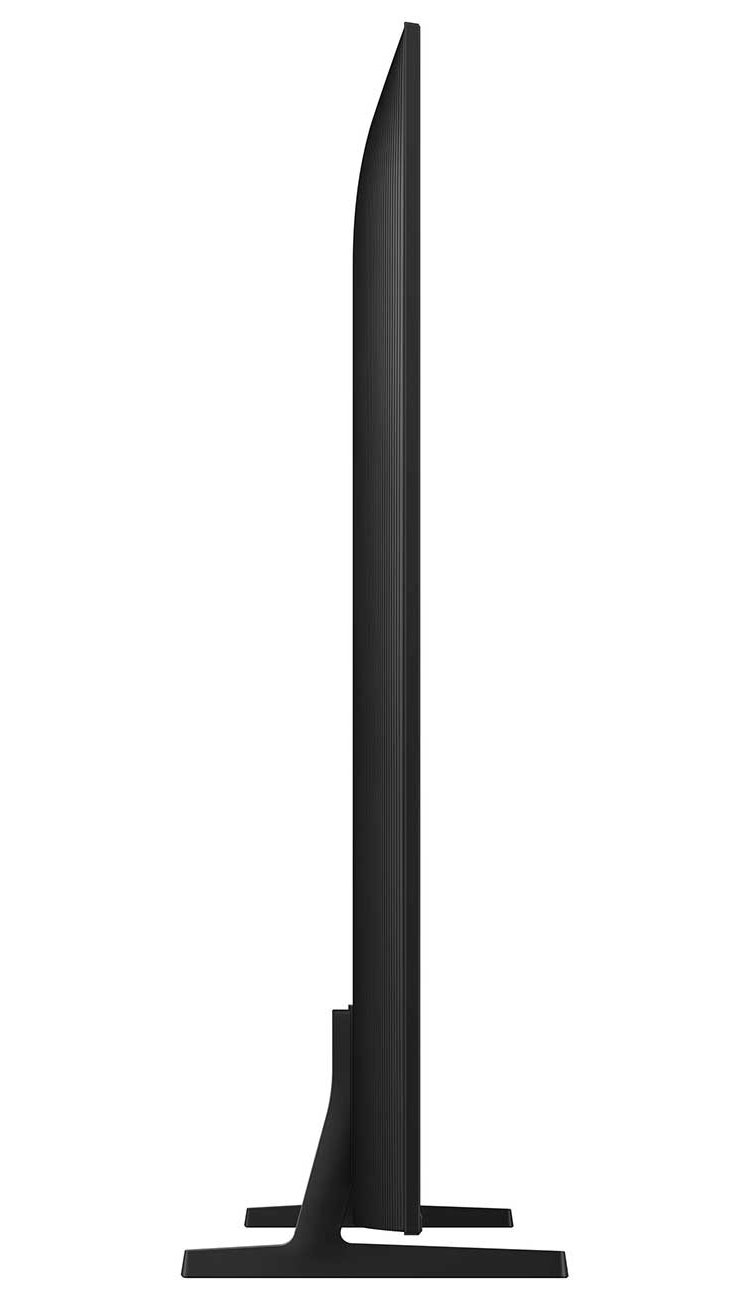
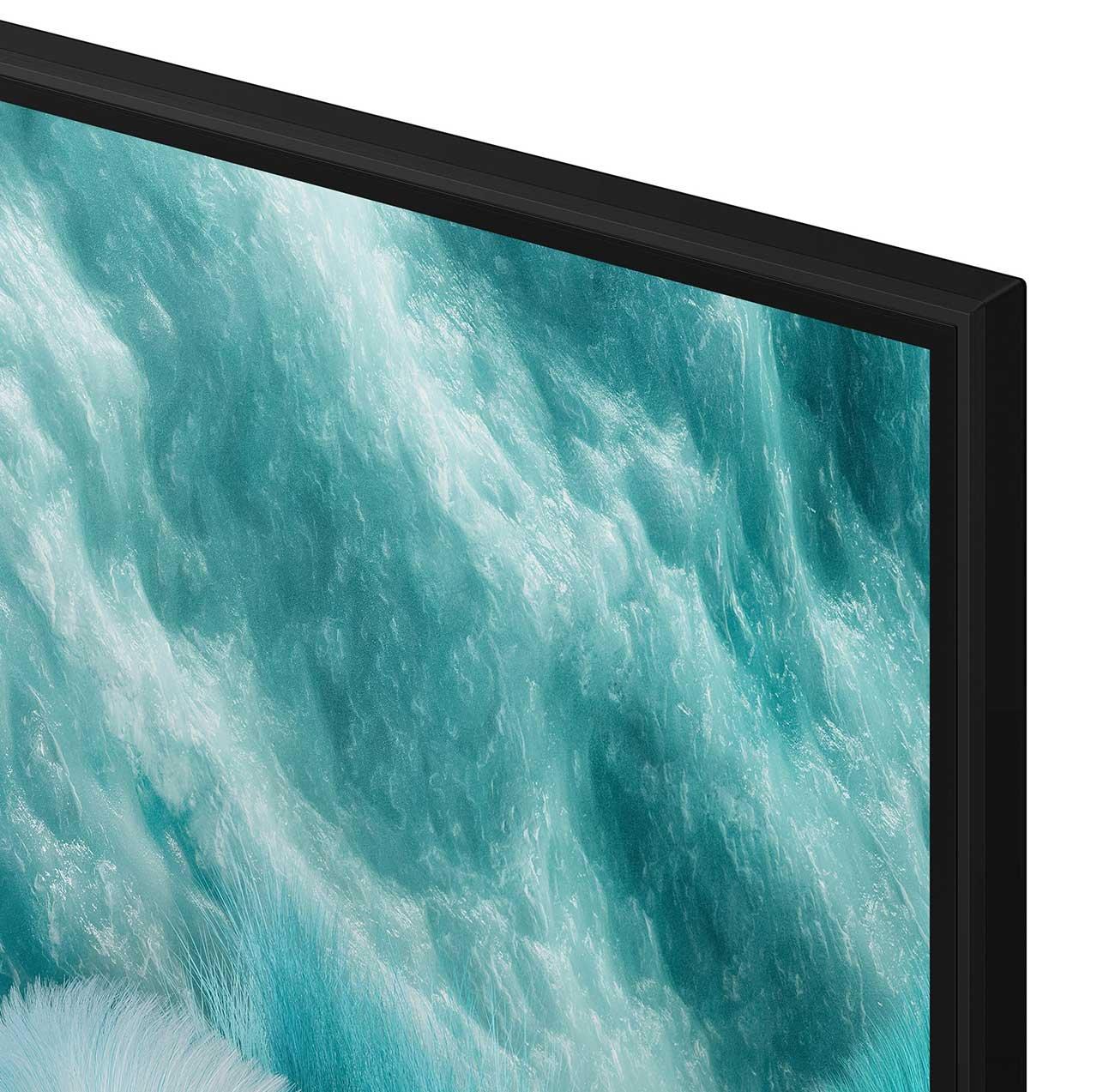
The Samsung Q7F follows conventional TV design principles with a standard black bezel and traditional stand. While it looks like a quality TV, it doesn't attempt to blend into room décor when powered off.
For dedicated home theater use, both TVs present compromises, but for different reasons. The Hisense CanvasTV's matte finish reduces reflections but also slightly softens image sharpness compared to glossy panels. In a dark, controlled environment where reflections aren't an issue, this represents a pure disadvantage.
However, the CanvasTV's superior motion handling, gaming features, and audio system make it more versatile for theater use that includes gaming or sports viewing. The 144Hz refresh rate ensures smooth motion during action sequences, and the built-in surround sound reduces the need for additional audio equipment.
The Samsung Q7F offers sharper images in dark environments thanks to its glossy panel, but the 60Hz limitation creates noticeable judder during film content shot at 24fps. This is particularly problematic for movie enthusiasts who notice the stuttering motion during camera pans and fast action.
Neither TV offers the peak brightness or local dimming capabilities ideal for HDR movie viewing in dedicated theaters. For serious home theater use, stepping up to higher-end models with Mini-LED or OLED technology would provide substantially better performance.
The decision between the Hisense CanvasTV and Samsung Q7F ultimately depends on your priorities and budget constraints.
Choose the Hisense CanvasTV if you want a TV that enhances your living space even when turned off. The art display functionality, anti-glare properties, and flush wall mounting create a genuinely different aesthetic experience. The superior gaming features, higher refresh rate, and better audio system also provide more versatility for different types of content. At the time of writing, expect to pay roughly double what the Samsung costs, but you're getting specialized functionality that traditional TVs cannot match.
The Samsung Q7F makes sense for buyers who prioritize brand recognition and smart features over cutting-edge performance. Samsung's ecosystem integration and Vision AI provide genuine value for users already invested in Samsung products. The significantly lower price point makes it attractive for secondary rooms, rental properties, or buyers who plan to upgrade again within a few years.
For most buyers, the CanvasTV represents better long-term value despite its higher upfront cost. The 144Hz refresh rate and modern gaming features provide future-proofing that the Samsung's 60Hz limitation simply cannot match. The art display functionality might seem like a novelty, but it genuinely transforms how the TV fits into your living space.
However, if budget is the primary concern and you don't need advanced gaming features, the Samsung Q7F delivers solid basic performance with the reliability and ecosystem benefits of a major brand. Just be aware that you're buying entry-level performance that may feel outdated sooner than a more feature-rich alternative.
Both TVs serve their intended audiences well, but they're solving very different problems. Understanding which problem matters more to you – budget constraints or aesthetic integration – will guide you to the right choice.
| Hisense 65" S7N CanvasTV QLED 4K Smart Display | Samsung 65" Q7F QLED 4K Vision AI Smart TV 2025 |
|---|---|
| Display Type - Core technology affecting color and brightness | |
| QLED with Hi-Matte anti-glare coating (5% reflections) | QLED with standard glossy panel |
| Refresh Rate - Critical for gaming and smooth motion | |
| 144Hz native (excellent for gaming and sports) | 60Hz only (basic performance, noticeable judder) |
| Art Mode - Transforms TV into wall art when off | |
| Yes, with motion sensor and free artwork library | No art display functionality |
| Gaming Features - Modern console compatibility | |
| ALLM, VRR, HDMI 2.1, 5.4ms input lag | Basic only, no VRR or HDMI 2.1 |
| HDR Support - Enhanced contrast and color range | |
| Dolby Vision, HDR10, HDR10+, HLG | HDR10+ only (no Dolby Vision) |
| Audio System - Built-in sound quality | |
| 2.0.2 surround with upward-firing speakers, DTS Virtual:X | Basic stereo speakers |
| Wall Mounting - Installation and aesthetics | |
| UltraSlim mount included (3mm from wall, flush appearance) | Standard mounting (traditional TV look) |
| Smart Platform - Interface and app ecosystem | |
| Google TV with Chromecast built-in | Samsung Tizen with Vision AI and ecosystem integration |
| Frame Customization - Aesthetic flexibility | |
| Magnetic interchangeable frames (teak included, others available) | Fixed black bezel only |
| Brightness - Peak light output for HDR content | |
| 450 cd/m² peak (optimized for art display) | 500 cd/m² peak (slightly brighter for HDR) |
| Price Positioning - Value and target market | |
| Premium art TV alternative (roughly double Samsung's cost) | Budget QLED entry point from major brand |
The Hisense 65" S7N CanvasTV is significantly better for gaming with its 144Hz refresh rate, VRR support, ALLM, and 5.4ms input lag. The Samsung 65" Q7F is limited to 60Hz with no modern gaming features, making it suitable only for casual gaming.
The Hisense CanvasTV is designed as an art display TV that doubles as entertainment, featuring Art Mode and anti-glare coating. The Samsung Q7F is a traditional budget QLED focused on basic 4K viewing with Samsung's smart features.
Picture quality depends on your needs. The Samsung Q7F has a slightly sharper glossy display, while the Hisense CanvasTV offers better motion handling with 144Hz and superior HDR support including Dolby Vision. The Hisense also handles bright rooms better with its anti-glare coating.
Both offer excellent smart platforms. The Samsung Q7F features Vision AI for content recognition and deep Samsung ecosystem integration. The Hisense CanvasTV runs Google TV with intuitive navigation and broader app compatibility. Samsung excels at device integration while Google TV offers better content discovery.
No, the Samsung Q7F doesn't have Art Mode functionality. Only the Hisense CanvasTV can transform into a digital art gallery with motion sensors, free artwork library, and interchangeable magnetic frames designed specifically for art display.
The Samsung Q7F offers better immediate value as a budget QLED option, while the Hisense CanvasTV provides better long-term value with future-proof gaming features, superior audio, and unique art display functionality that justifies its premium positioning.
The Hisense CanvasTV excels in bright rooms with its Hi-Matte anti-glare coating that reduces reflections to just 5%. The Samsung Q7F has a standard glossy screen that will show more reflections in bright lighting conditions.
The Hisense CanvasTV has significantly better audio with a 2.0.2 surround sound system, upward-firing speakers, and DTS Virtual:X processing. The Samsung Q7F has basic stereo speakers that will likely require a soundbar for quality audio.
Neither is ideal for dedicated home theaters. The Hisense CanvasTV offers better motion handling and audio but has a matte finish that slightly reduces sharpness in dark rooms. The Samsung Q7F has a sharper glossy panel but suffers from 60Hz judder during movies. Both lack the peak brightness for optimal HDR performance.
The Hisense CanvasTV offers 144Hz native refresh rate for smooth gaming and sports, while the Samsung Q7F is limited to 60Hz, which creates noticeable motion issues during fast-paced content and eliminates high-frame-rate gaming compatibility.
The Hisense CanvasTV includes an UltraSlim wall mount that positions the TV just 3mm from the wall for a painting-like appearance. The Samsung Q7F requires standard wall mounting with typical spacing from the wall.
Both Samsung Q7F and Hisense CanvasTV come from established manufacturers with good support records. Samsung has a longer track record in premium TVs and broader service network, while Hisense has improved significantly in recent years and often provides better value with their warranty and feature updates.
We've done our best to create useful and informative comparisons to help you decide what product to buy. Our research uses advanced automated methods to create this comparison and perfection is not possible - please contact us for corrections or questions. These are the sites we've researched in the creation of this article: bestbuy.com - hisense.sg - tomsguide.com - content.syndigo.com - rtings.com - hisense-usa.com - youtube.com - bestbuy.com - youtube.com - displayspecifications.com - displayspecifications.com - manuals.plus - displayspecifications.com - bestbuy.com - hisense-canada.com - manuals.plus - bargainoutletandmore.com - bestbuy.com - device.report - bestbuy.com - youtube.com - samsung.com - samsung.com - pcrichard.com - samsung.com - samsung.com - videoandaudiocenter.com - displayspecifications.com - bestbuy.com - samsung.com - samsung.com - samsung.com - samsung.com - news.samsung.com

Privacy Policy
Terms and Conditions - Affiliate Policy
Home Security
© Copyright 2008-2026.
11816 Inwood Rd #1211, Dallas, TX 75244