


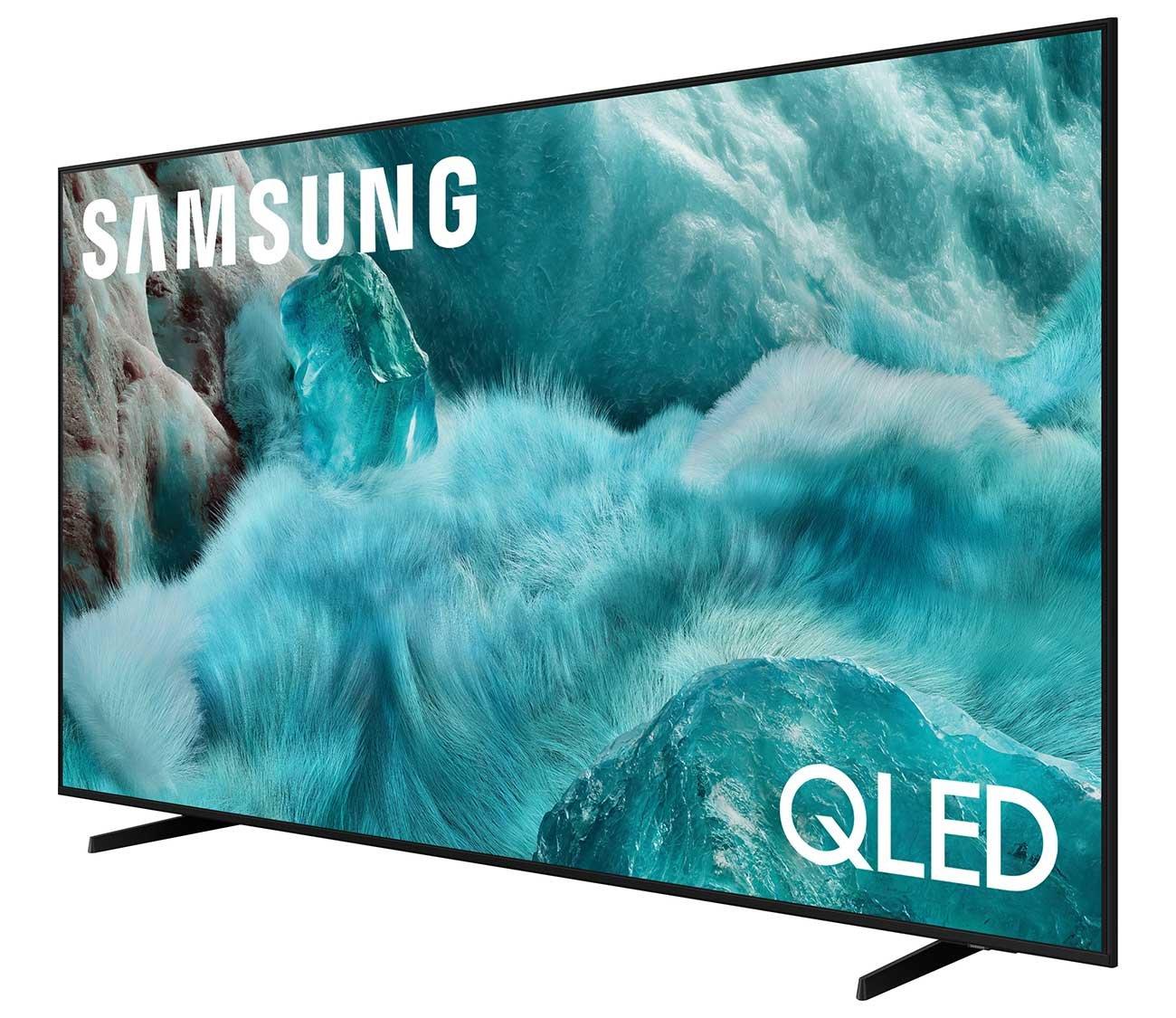
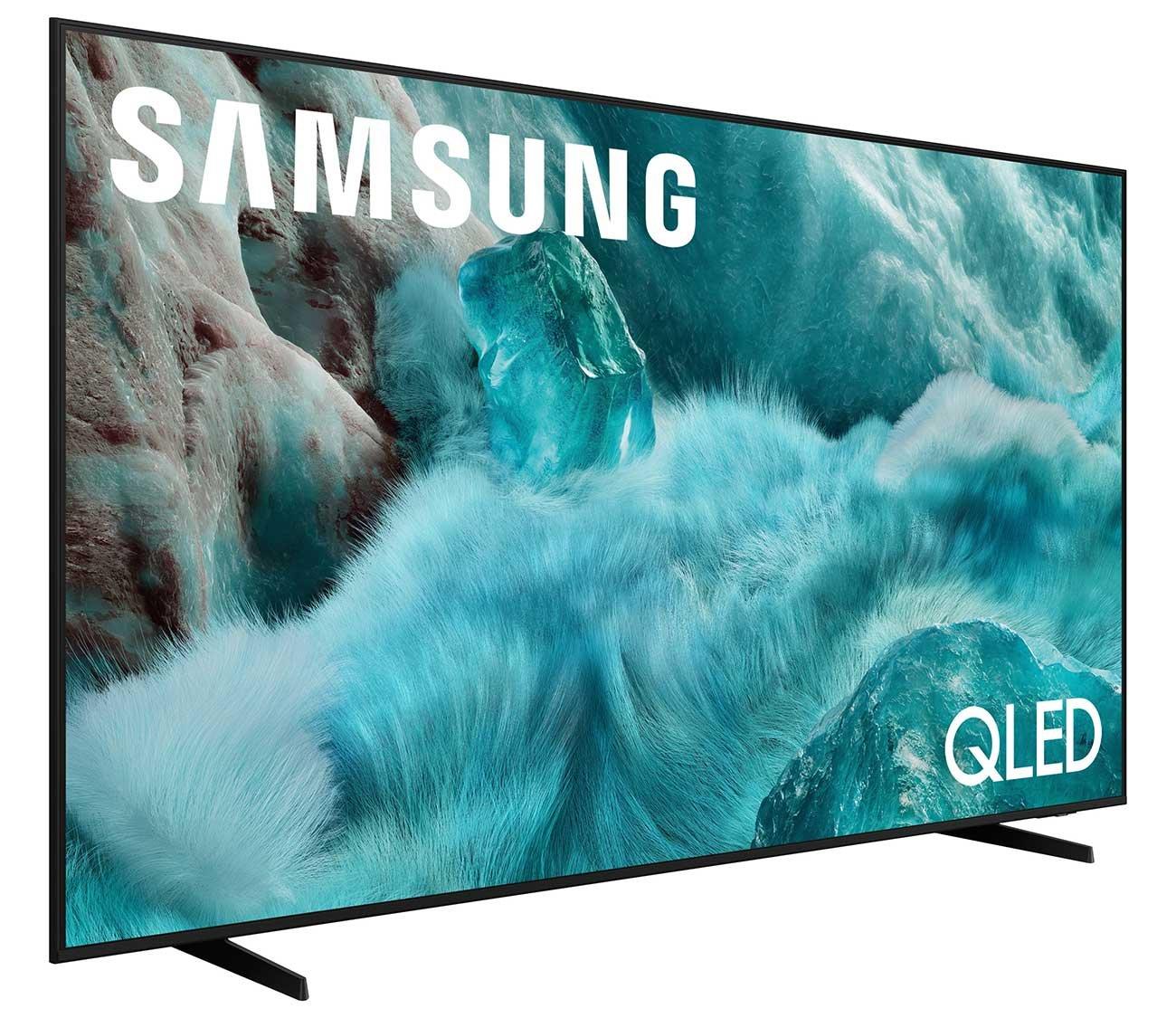

Shopping for a premium TV in 2024 and 2025 means navigating an increasingly complex landscape of display technologies, resolutions, and smart features. Samsung offers two compelling options that represent very different approaches to premium television: the Q7F 4K Vision AI Smart TV from 2025 and the QN900D Neo QLED 8K from 2024. While both carry Samsung's premium badge, they target distinctly different buyers and use cases.
At the time of writing, these models sit at opposite ends of Samsung's premium spectrum. The Q7F positions itself as accessible luxury—delivering genuine premium features without the flagship price tag. The QN900D, meanwhile, represents Samsung's technological showcase, packing every cutting-edge feature into what was their 2024 flagship model.
The premium TV category has evolved dramatically over the past few years. What separates a premium TV from budget options isn't just picture quality anymore—it's the combination of advanced display technology, powerful processing, comprehensive smart features, and future-proofing capabilities.
Modern premium TVs compete on several key fronts. Display technology determines how well your TV can reproduce colors, handle bright and dark scenes simultaneously, and maintain picture quality from different viewing angles. Processing power affects everything from how quickly menus respond to how effectively the TV can enhance lower-quality content. Smart features and connectivity determine how well your TV integrates with your digital life and other devices.
Perhaps most importantly, gaming performance has become a crucial differentiator as consoles like the PlayStation 5 and Xbox Series X push the boundaries of what TVs need to handle. The ability to display high frame rates, support variable refresh rates (which eliminates screen tearing by syncing the TV's refresh with the game's frame rate), and minimize input lag (the delay between pressing a button and seeing the result on screen) now separates good TVs from great ones.
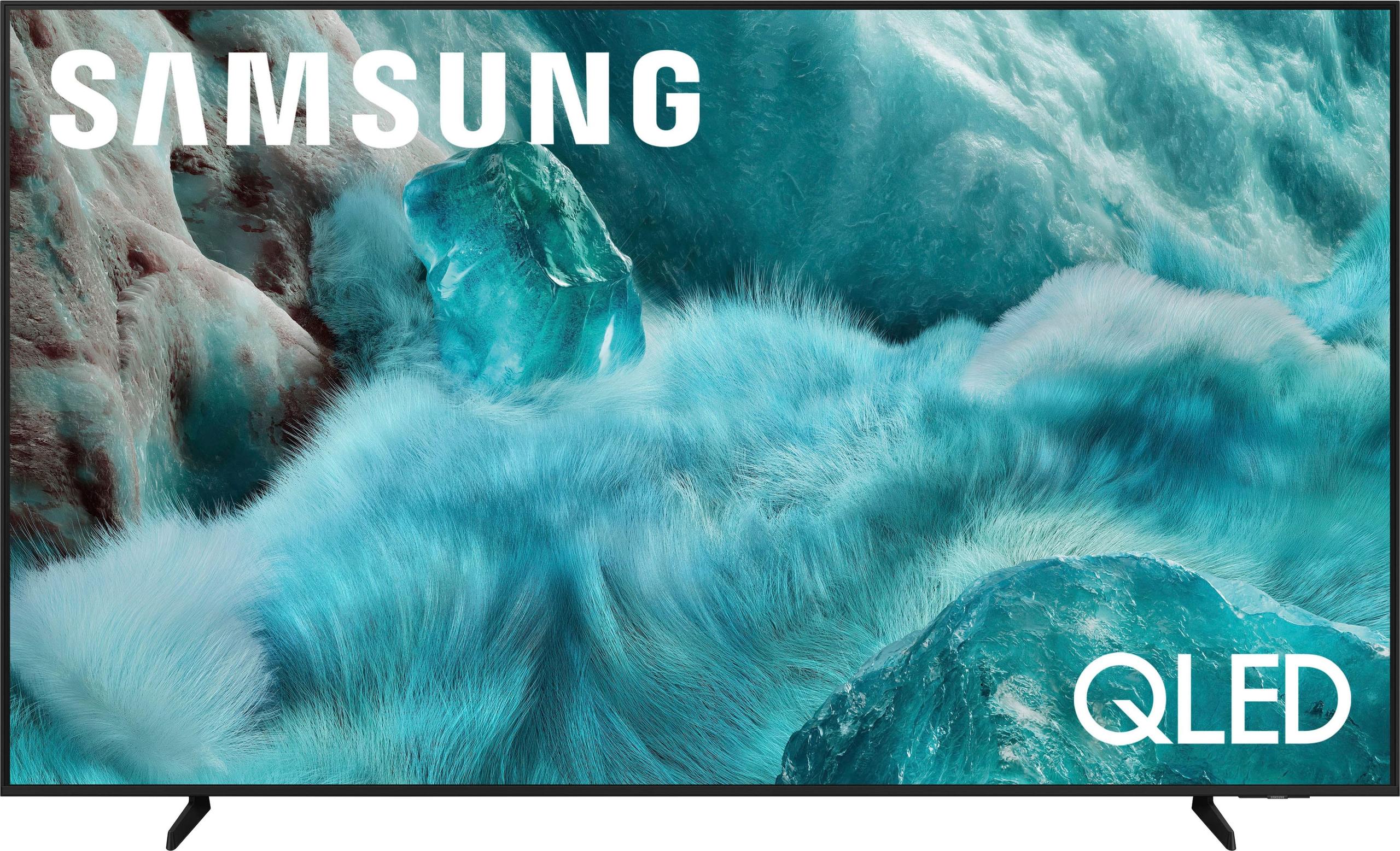
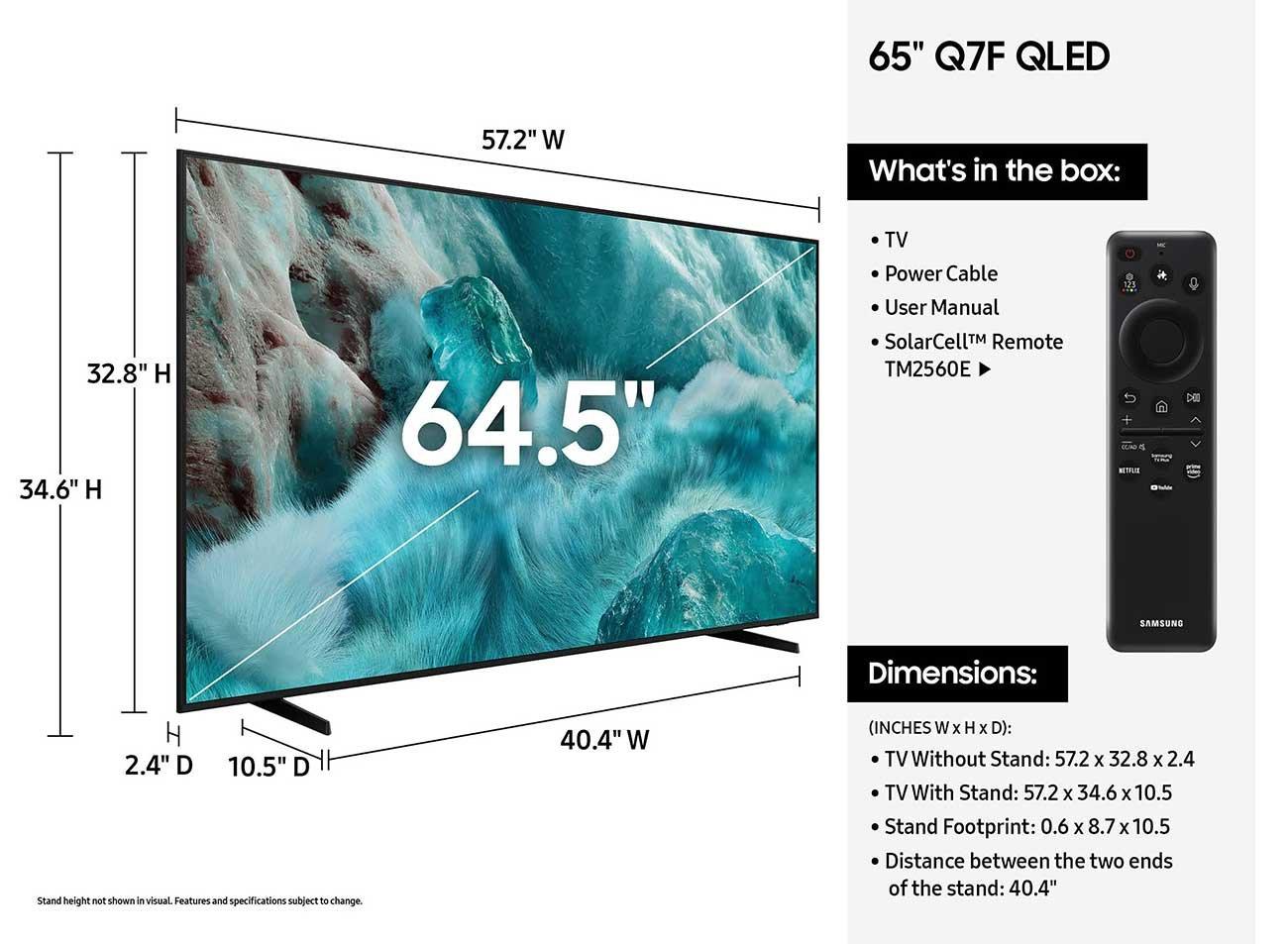
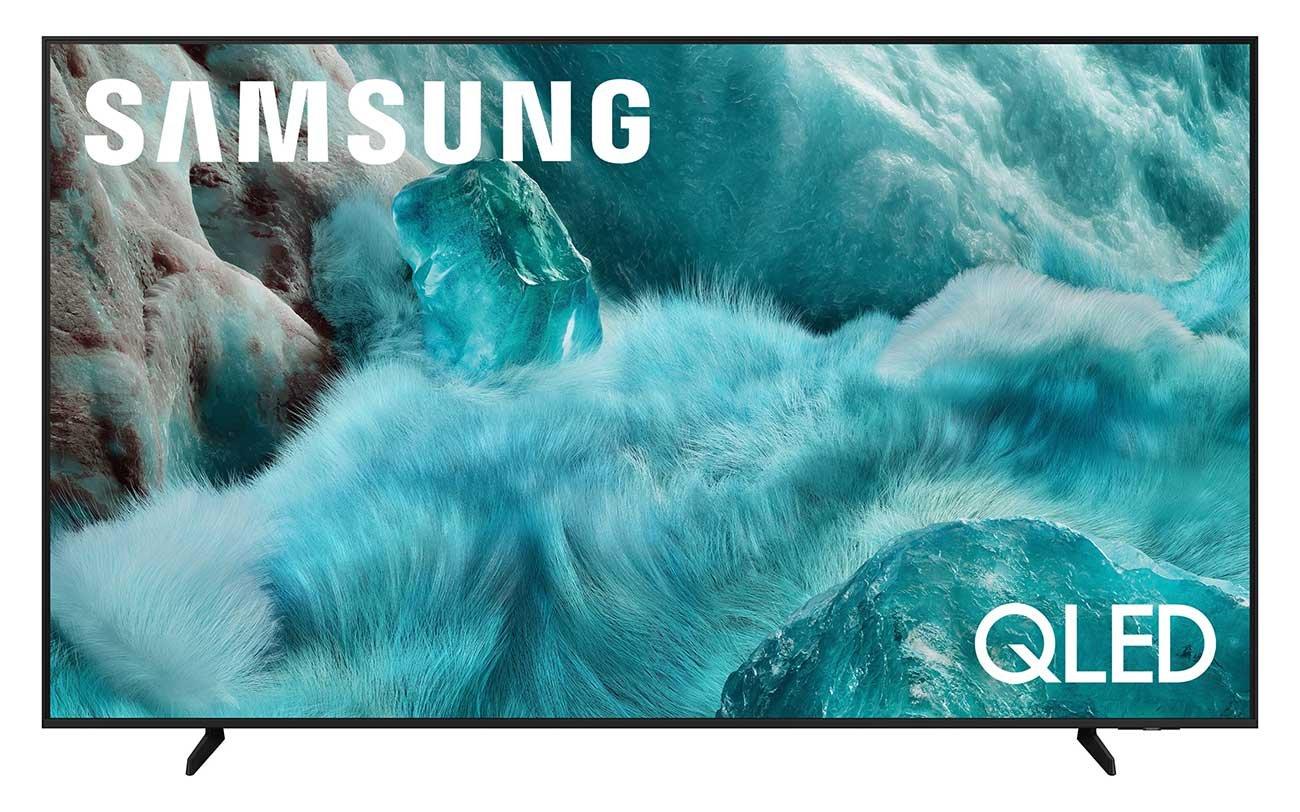
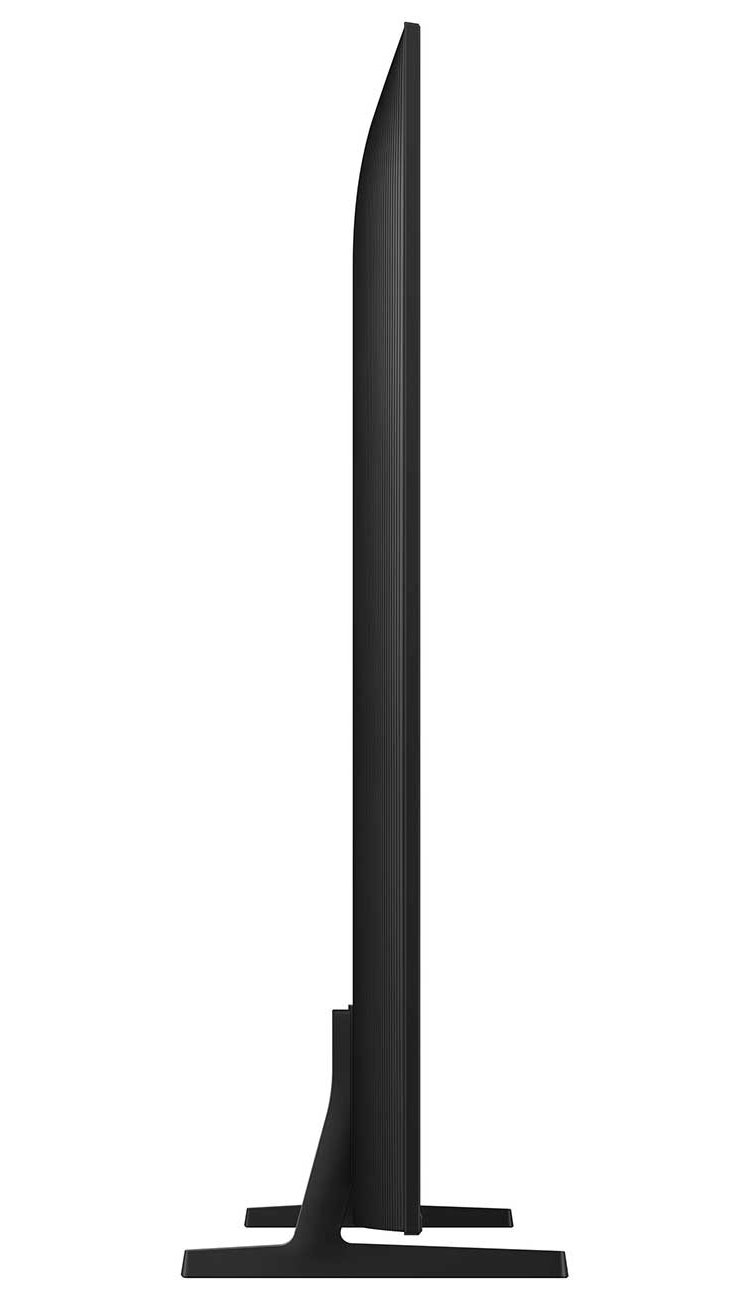
The Samsung Q7F represents what I'd call "premium pragmatism." Released in 2025, it incorporates Samsung's latest AI processing and smart features while focusing on delivering exceptional 4K performance. This TV acknowledges that 4K content dominates the landscape and most viewers will be perfectly satisfied with outstanding 4K quality rather than bleeding-edge 8K resolution.
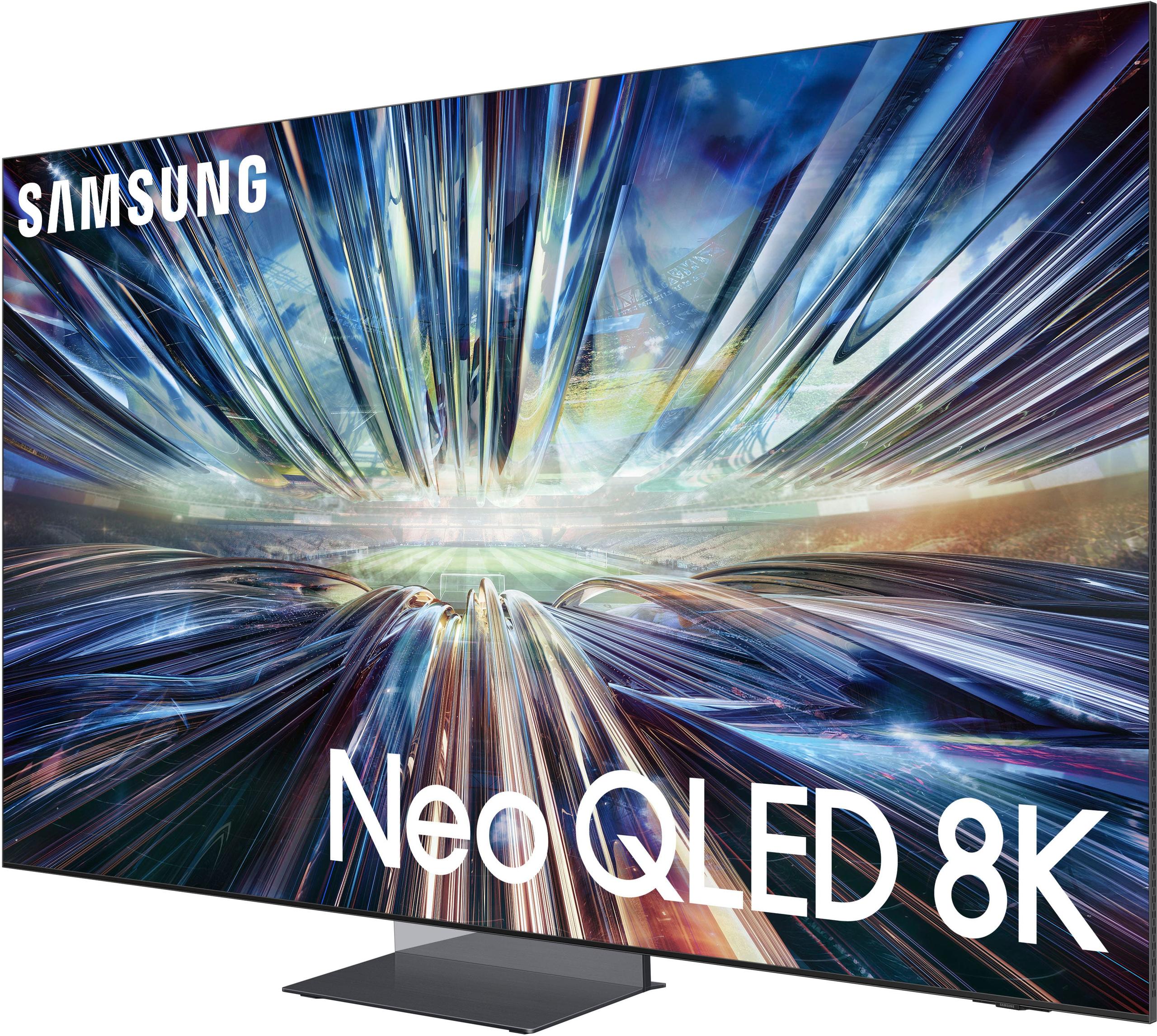
The QN900D, released in 2024, takes the opposite approach—it's Samsung's statement piece showcasing every premium technology they've developed. This includes true 8K resolution, Mini-LED backlighting, and their most powerful AI processor. It's designed for buyers who want the absolute best available technology, regardless of whether all features are immediately useful.
The most fundamental difference between these TVs lies in their display technology, and understanding this distinction is crucial for making the right choice.
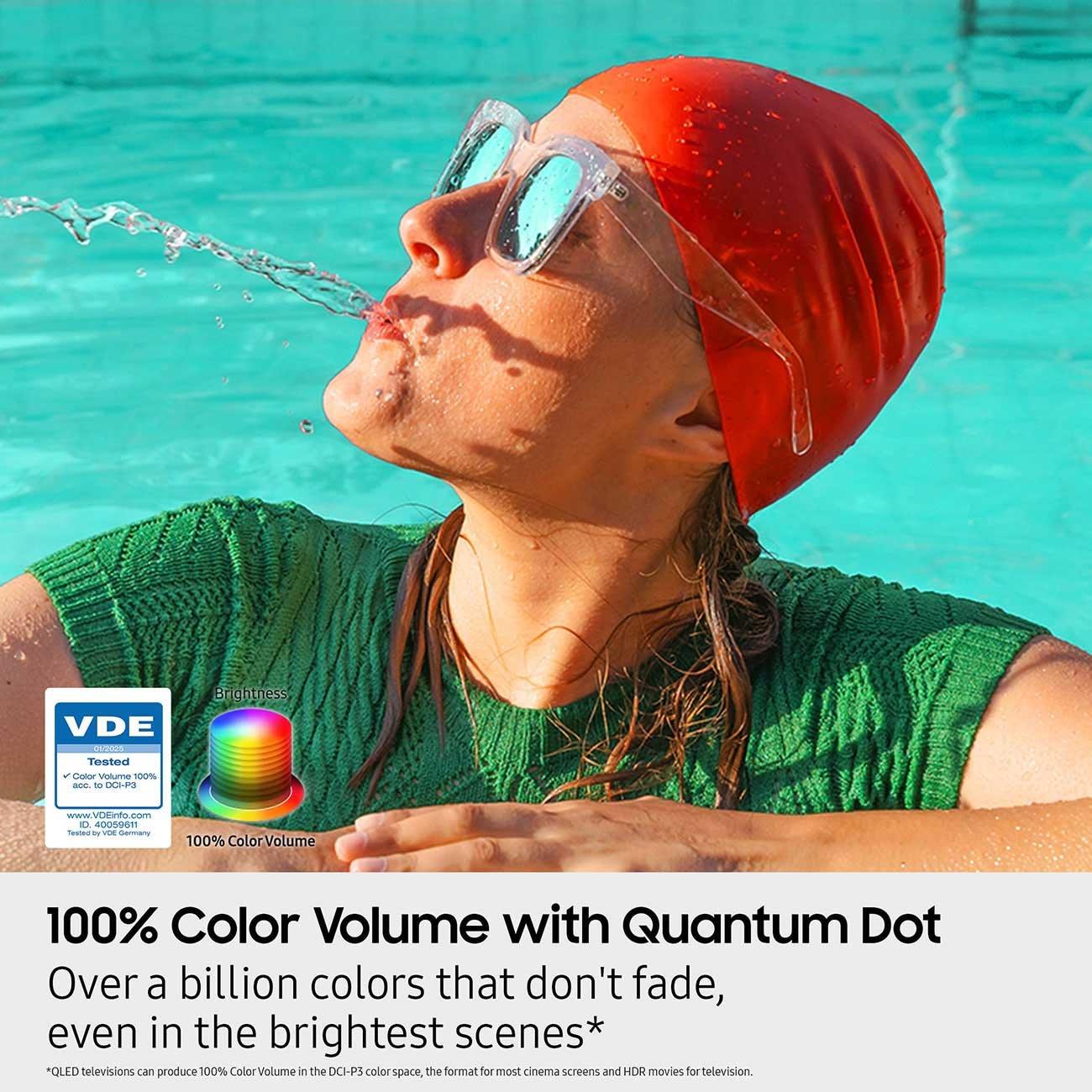
The Q7F uses Samsung's standard QLED technology, which places a layer of quantum dots (microscopic particles that emit pure colors when hit by light) in front of a traditional LED backlight. This quantum dot layer dramatically improves color accuracy and volume—the range of colors the TV can display at different brightness levels. Samsung claims over one billion color variations, which translates to more vibrant, lifelike imagery compared to standard LED TVs.
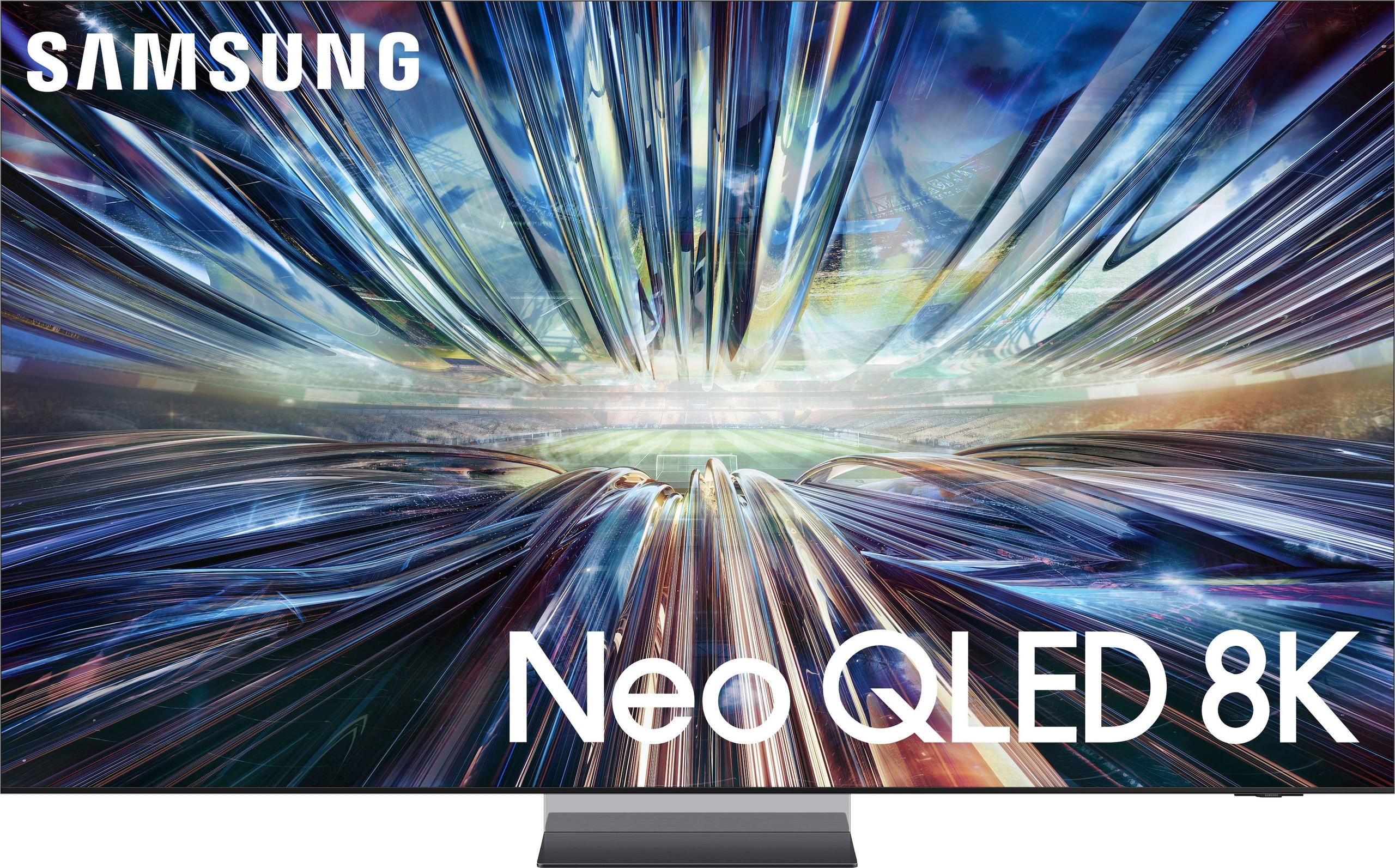
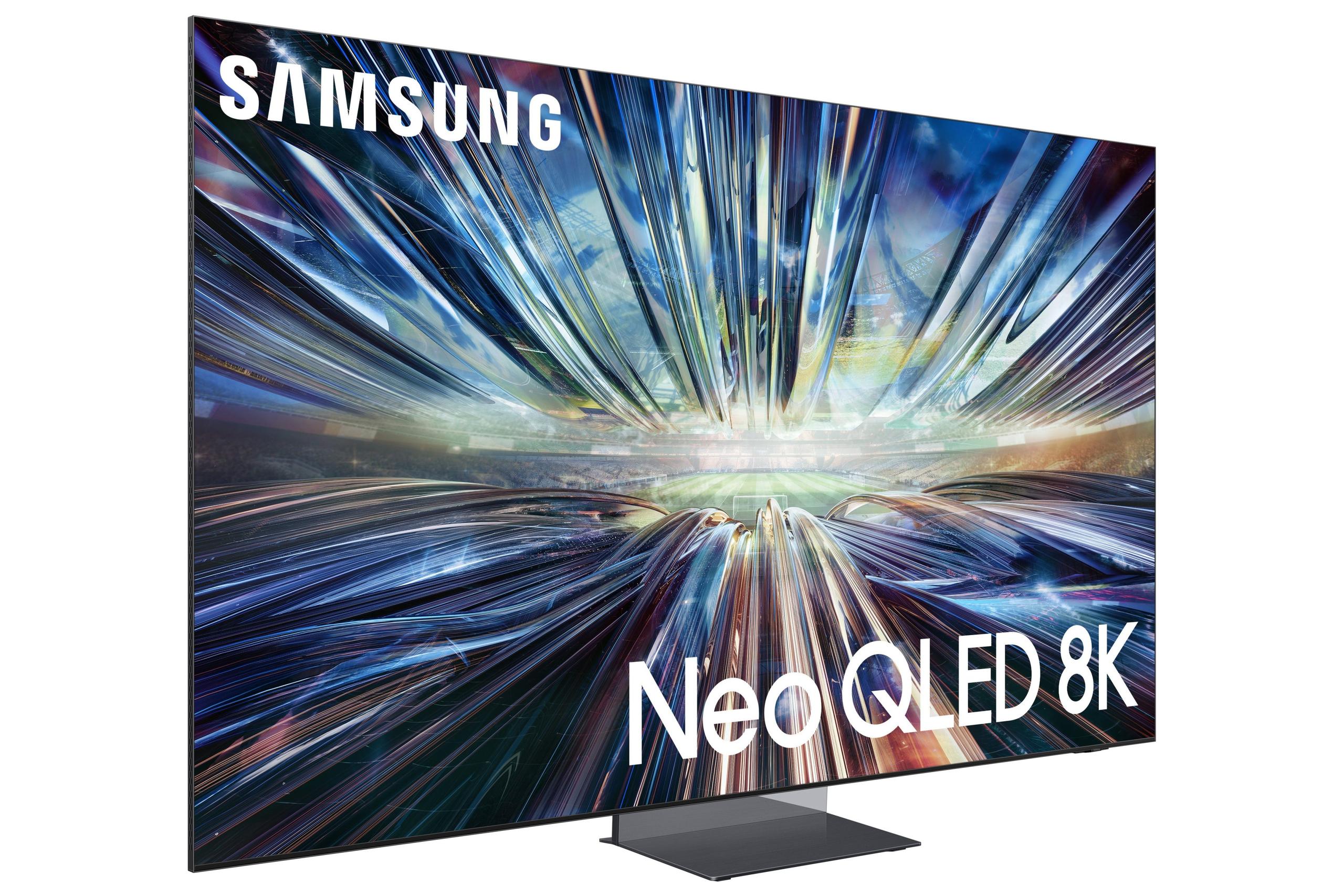
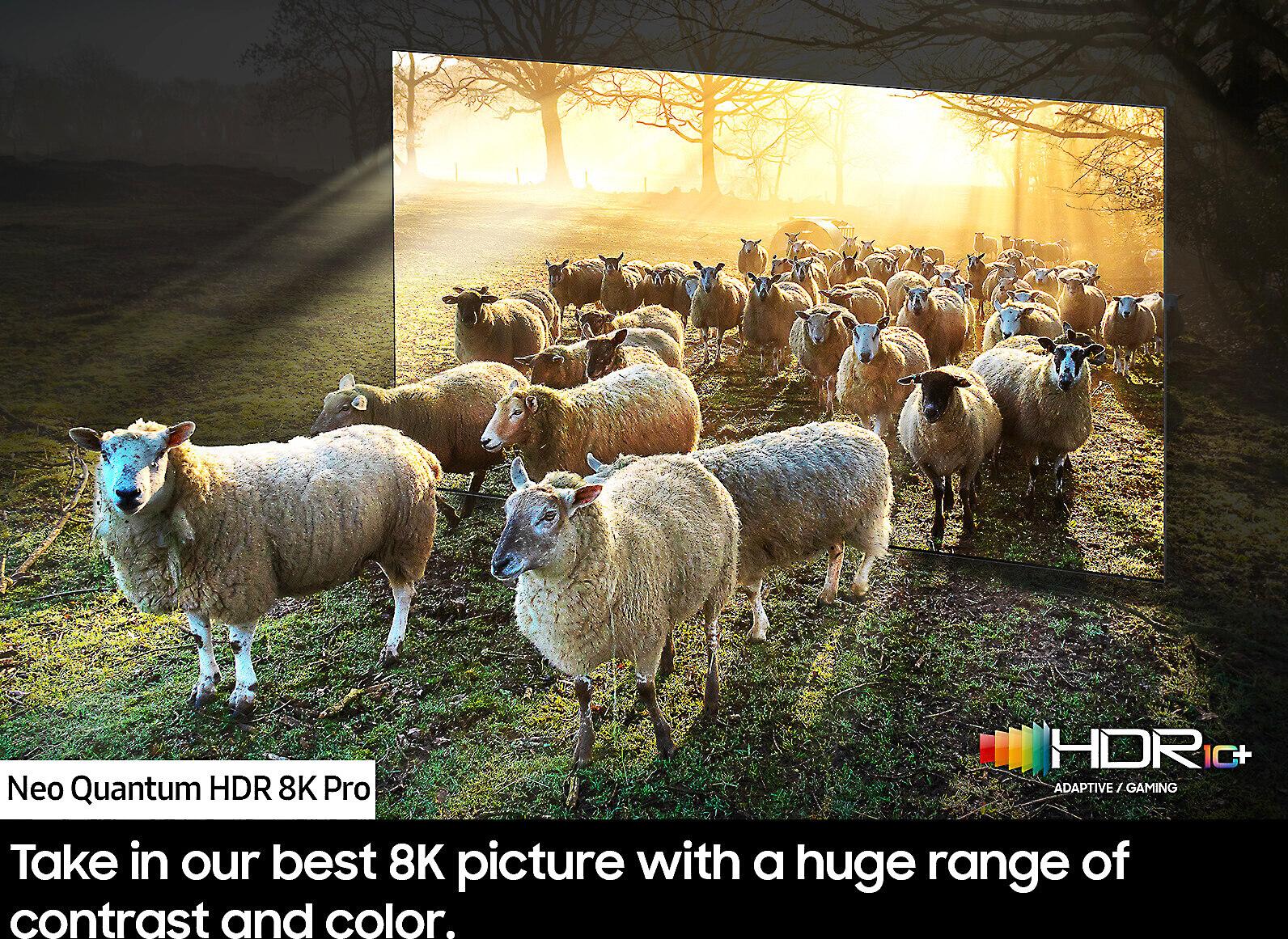
The QN900D employs Neo QLED with Mini-LED technology, representing a significant technological leap. Instead of using larger LED lights behind the screen, Mini-LEDs are much smaller—allowing thousands more to fit behind the panel. This creates dramatically more precise local dimming zones (areas that can be independently brightened or darkened), resulting in better contrast control and reduced "blooming"—that annoying halo effect around bright objects on dark backgrounds.
In practical terms, both TVs will deliver excellent picture quality, but the QN900D's Mini-LED system provides noticeably better performance in challenging scenes with mixed bright and dark content. Think of watching a movie scene with a bright explosion against a night sky—the QN900D can make the explosion brilliant while keeping the surrounding darkness truly black, while the Q7F might show some light bleeding into dark areas.
The resolution difference—4K versus 8K—deserves careful consideration because it's often misunderstood. The Q7F offers 4K resolution (3,840 x 2,160 pixels), while the QN900D provides 8K (7,680 x 4,320 pixels)—exactly four times as many pixels.
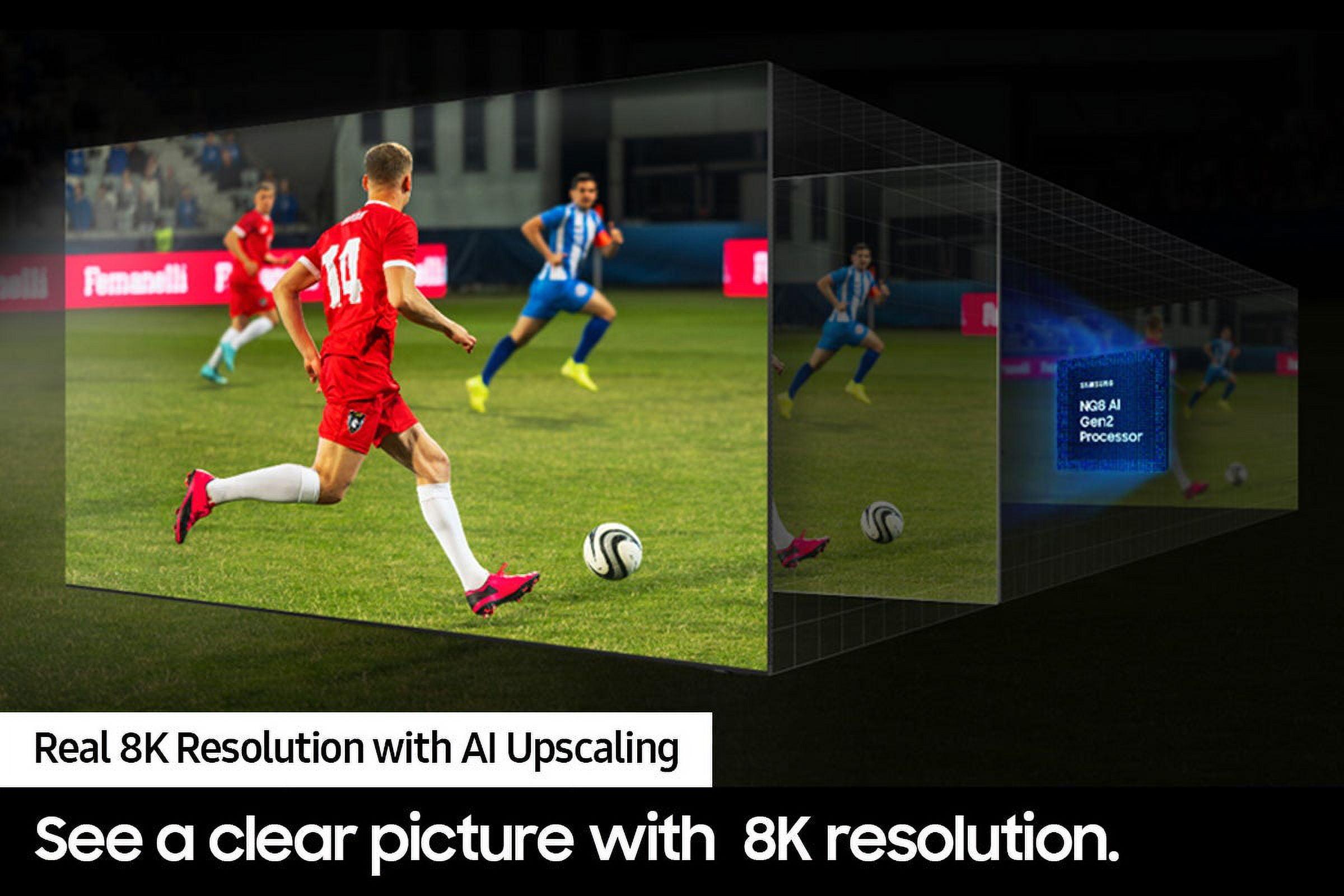
Here's the reality: native 8K content remains extremely limited. Netflix, Disney+, and other major streaming services focus primarily on 4K content. Most movies and TV shows are mastered in 4K or lower resolutions. This means the QN900D's 8K display spends most of its time upscaling lower-resolution content.
However, the QN900D's 8K AI Upscaling Pro technology represents a genuine technological achievement. Using artificial intelligence and neural networks, it analyzes incoming 4K or HD content and intelligently adds detail to approach true 8K quality. Based on expert reviews and user feedback, this upscaling is remarkably effective—many viewers report that upscaled 4K content looks noticeably sharper and more detailed than the same content on native 4K displays.
For most viewers, the Q7F's native 4K resolution paired with excellent processing provides all the detail they'll notice at typical viewing distances. The 8K advantage becomes more apparent on larger screen sizes or when sitting closer to the TV—scenarios more common in dedicated home theater setups.
The processing capabilities of these TVs reveal perhaps their most significant difference in daily performance.
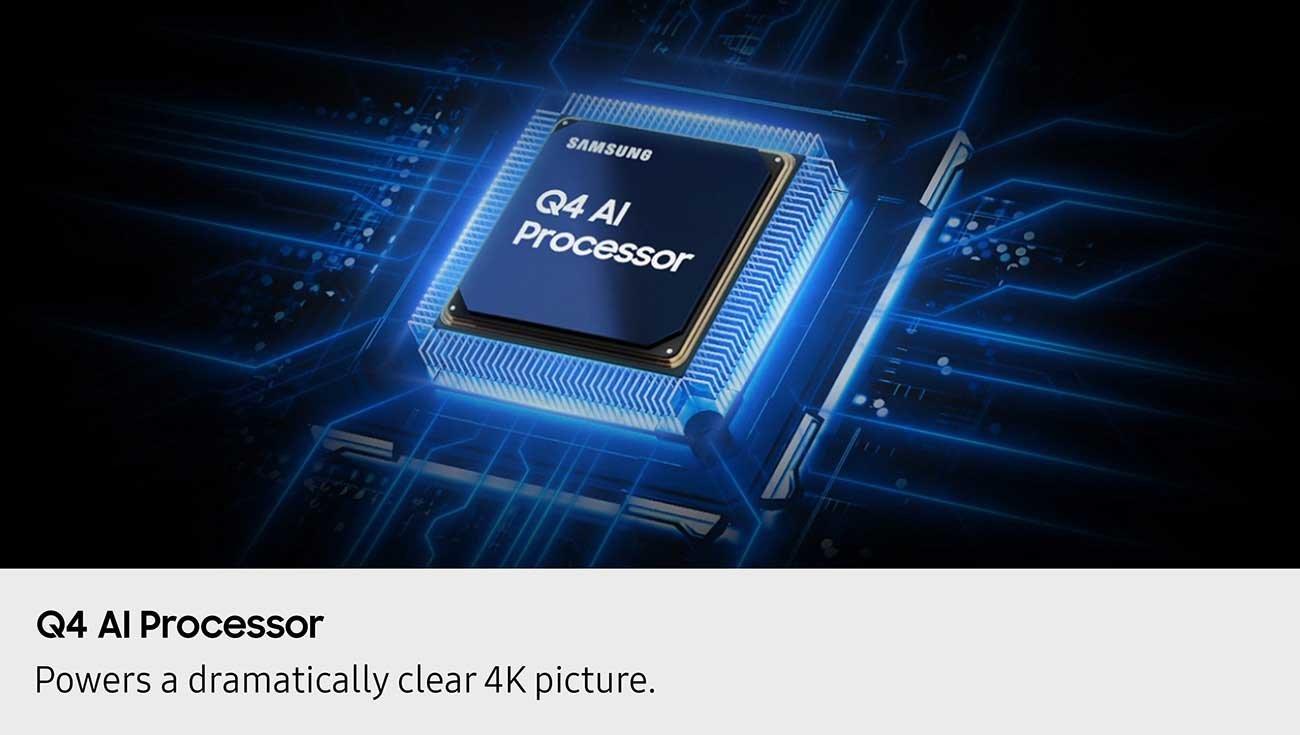
The Q7F uses Samsung's Q4 AI Processor, which represents solid mid-premium performance. This processor handles standard AI upscaling, optimizes picture settings based on content type, and manages the TV's smart features smoothly. It includes Samsung's Vision AI, which can generate custom wallpapers and provides enhanced voice control through an updated Bixby assistant.
The QN900D features Samsung's NQ8 AI Gen3 Processor, which represents a quantum leap in processing power. This processor includes a dedicated neural processing unit and operates with eight times more neural networks than previous generations. In practical terms, this translates to significantly more sophisticated content analysis and enhancement.
The processing difference becomes apparent in several ways. The QN900D responds faster to input commands, switches between apps more smoothly, and most importantly, provides more intelligent and effective upscaling of all content. Its AI can analyze each scene in real-time, optimizing not just picture settings but also audio enhancement, motion smoothing, and even gaming performance automatically.
Gaming capabilities represent one of the starkest differences between these models, and this factor alone might determine your choice.
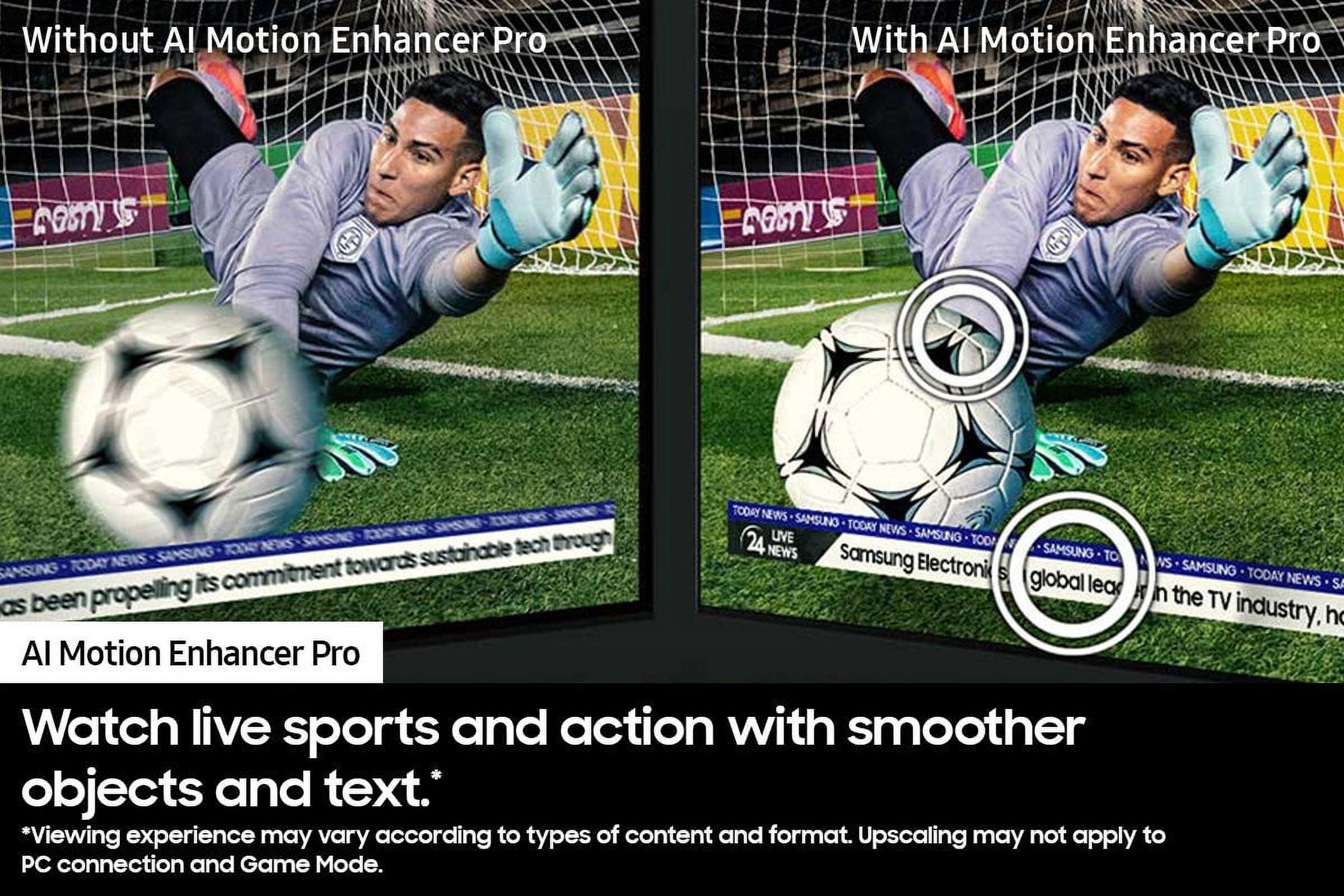
The Q7F provides decent gaming performance with a 60Hz refresh rate and Samsung's Motion Xcelerator technology to reduce motion blur. It'll handle casual gaming perfectly well and provide a good experience with standard gaming consoles. However, it lacks the advanced features that serious gamers increasingly expect.
The QN900D transforms into a gaming powerhouse. It supports 4K gaming at up to 240Hz—meaning incredibly smooth motion in fast-paced games—and can even handle 8K gaming at 60Hz for future consoles. All four HDMI ports support the full HDMI 2.1 specification, providing maximum flexibility for multiple gaming devices.
More importantly, the QN900D supports Variable Refresh Rate (VRR) technology across all refresh rates. VRR eliminates screen tearing by synchronizing the TV's refresh rate with your gaming console's output frame rate. Combined with extremely low input lag when in Game Mode, this creates a remarkably responsive gaming experience that competitive gamers will appreciate.
The QN900D also includes AI Auto Game Mode, which automatically detects when you're gaming and optimizes settings accordingly. For someone with a PlayStation 5 Pro or high-end gaming PC, these features provide tangible benefits in gaming smoothness and responsiveness.
Both TVs run Samsung's Tizen operating system, but with different emphasis and capabilities.
The Q7F includes Samsung TV Plus, offering over 2,700 free streaming channels, which provides excellent value for cord-cutters. Its smart features focus on accessibility and ease of use, with improved voice control and integration with popular streaming services. The Vision AI capabilities add some unique touches, like generating custom wallpapers based on your preferences.
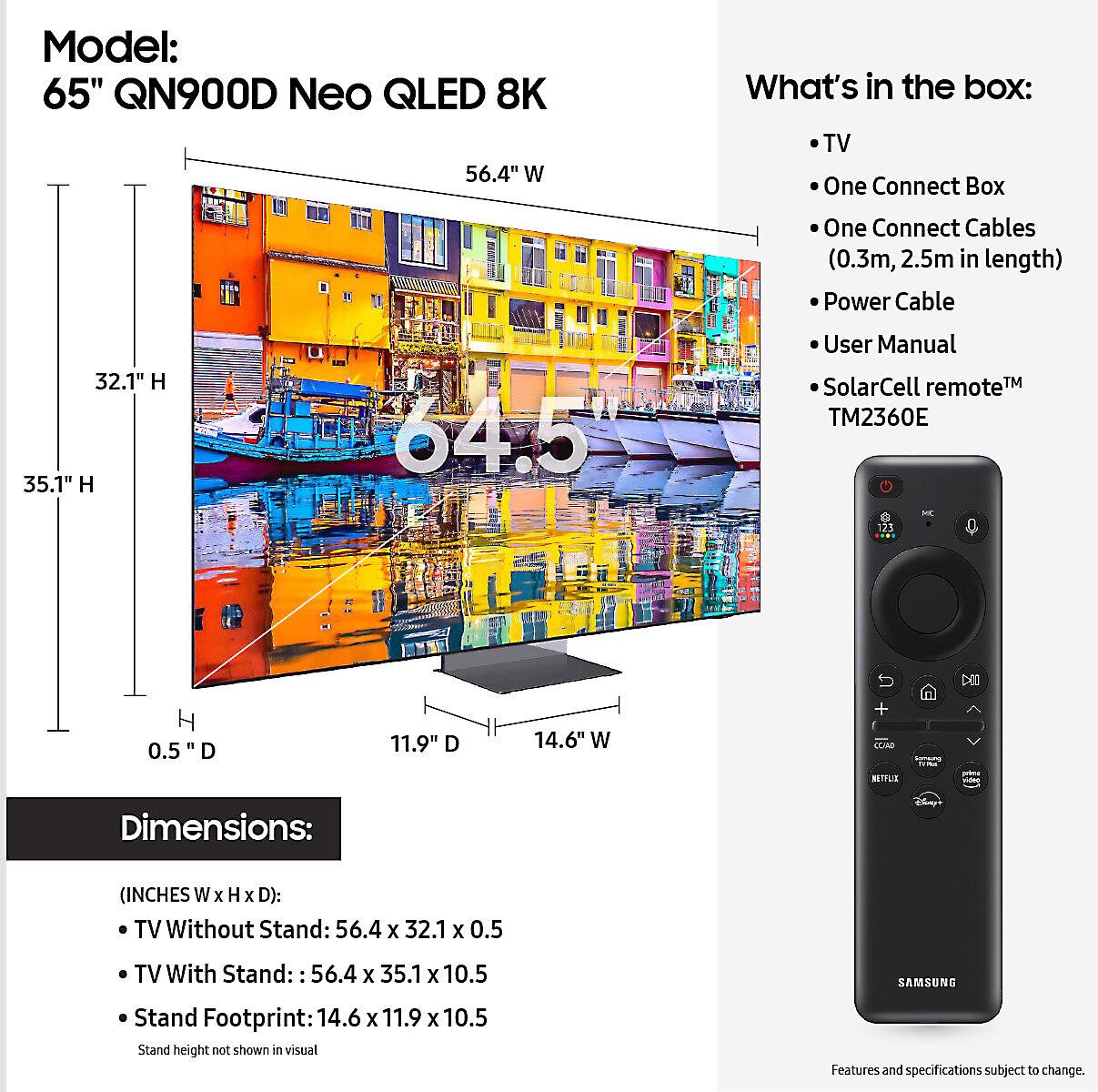
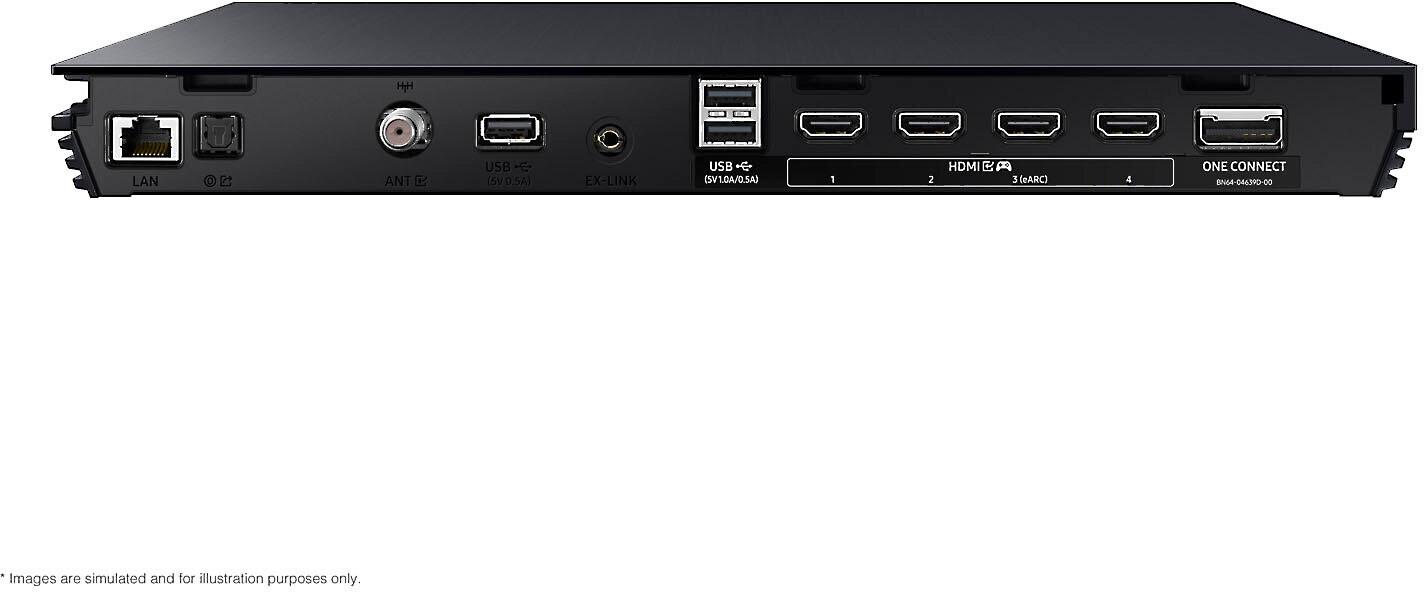
The QN900D takes smart features further with more comprehensive smart home integration. It can function as a SmartThings hub, controlling other Samsung and compatible smart home devices. The included One Connect Box—a separate unit containing all the TV's inputs—keeps cable management clean and allows for easier future upgrades.
For connectivity, the QN900D provides four full-bandwidth HDMI 2.1 ports compared to the Q7F's three standard HDMI inputs. This matters if you plan to connect multiple high-end devices like gaming consoles, soundbars, and streaming devices simultaneously.
Audio represents another area where these TVs take different approaches.
The Q7F includes Adaptive Sound technology that adjusts audio settings based on content type and room acoustics. It's perfectly adequate for casual viewing and provides clear dialogue and reasonable dynamic range for a TV's built-in speakers.
The QN900D features a more sophisticated 6.2.4 channel audio system with 90 watts of total power output. It includes True Dolby Atmos support, creating a more immersive three-dimensional soundscape. The Object Tracking Sound feature actually moves audio around the screen to match visual movement—when a car drives across the screen, the sound follows it.
For serious home theater enthusiasts, both TVs work well with external sound systems, but the QN900D's superior processing and eARC (Enhanced Audio Return Channel) support provides better integration with high-end soundbars and AV receivers.
At the time of writing, these TVs serve very different value propositions.
The Q7F represents exceptional value for mainstream premium buyers. It delivers genuine premium picture quality, modern smart features, and reliable Samsung build quality at a price point that makes premium TV ownership accessible. For most viewers in most rooms, it provides everything they need for an excellent viewing experience.
The QN900D, while significantly more expensive, offers features that justify its premium pricing for the right buyer. The Mini-LED technology, 8K capability, advanced gaming features, and superior processing create a viewing experience that's genuinely better in measurable ways.
Choose the Q7F if you want premium Samsung quality without flagship pricing. It's ideal for buyers who primarily watch streaming content, enjoy modern smart features, and want excellent 4K picture quality. It's perfect for most living rooms and provides outstanding value for families who want to upgrade to premium performance.
The Q7F also makes sense if you're planning to upgrade again in 3-4 years as 8K content becomes more prevalent. Why pay for 8K capabilities today when affordable 8K TVs with even better technology will be available when 8K content actually matters?
Choose the QN900D if you're building a serious home theater, are passionate about having the latest technology, or do significant gaming on high-end consoles. It's the right choice for buyers who plan to keep their TV for 5-7 years and want to ensure it remains capable throughout that period.
The QN900D particularly appeals to early adopters who enjoy having cutting-edge technology and viewers who can appreciate the subtle but real improvements in picture quality that Mini-LED technology provides.
Both TVs represent solid choices within their respective categories, but they're designed for different priorities and budgets.
If you want the best possible picture quality and have the budget for it, the QN900D delivers a genuinely superior viewing experience. Its Mini-LED technology, advanced processing, and 8K capabilities create a viewing experience that's noticeably better than standard premium TVs.
However, if you want premium Samsung quality at a reasonable price, the Q7F provides outstanding value. Its picture quality will satisfy the vast majority of viewers, its smart features are comprehensive and user-friendly, and it offers a clear upgrade path when you're ready for your next TV purchase.
Consider your viewing habits, room setup, and how long you typically keep a TV. For most buyers, the Q7F provides the sweet spot of premium features and reasonable pricing. For enthusiasts and serious home theater builders, the QN900D's advanced capabilities justify its premium positioning.
Both represent Samsung's commitment to quality and innovation—just targeted at different segments of the premium TV market.
| Samsung 65" Q7F QLED 4K Vision AI Smart TV 2025 | Samsung QN900D Series 65" Neo QLED 8K Smart TV |
|---|---|
| Display Technology - Determines contrast, brightness control, and blooming reduction | |
| Standard QLED with LED backlight | Neo QLED with Mini-LED backlight (superior local dimming) |
| Resolution - Future-proofing vs current content optimization | |
| 4K (3,840 x 2,160) - Perfect for all current streaming content | 8K (7,680 x 4,320) - AI upscales 4K content with noticeable improvement |
| Processor - Controls AI features, upscaling quality, and system responsiveness | |
| Q4 AI Processor (solid performance) | NQ8 AI Gen3 Processor (8x more neural networks, significantly faster) |
| Refresh Rate - Critical for gaming and sports viewing | |
| 60Hz with Motion Xcelerator | 100Hz native, up to 240Hz for gaming (much smoother motion) |
| Gaming Performance - Essential for console gamers | |
| Basic 60Hz gaming, standard HDMI | 4K@240Hz, 8K@60Hz, full VRR support, ultra-low input lag |
| HDMI Ports - Determines device connectivity flexibility | |
| 3 HDMI ports (standard bandwidth) | 4 HDMI 2.1 ports (full bandwidth for gaming and future devices) |
| HDR Support - Affects brightness and contrast in HDR content | |
| HDR10+ (500 cd/m² peak brightness) | Neo Quantum HDR 8K+ (much higher peak brightness, better contrast) |
| Audio System - Built-in sound quality | |
| Adaptive Sound (basic optimization) | 6.2.4CH 90W system with True Dolby Atmos, Object Tracking Sound |
| Design Features - Aesthetics and cable management | |
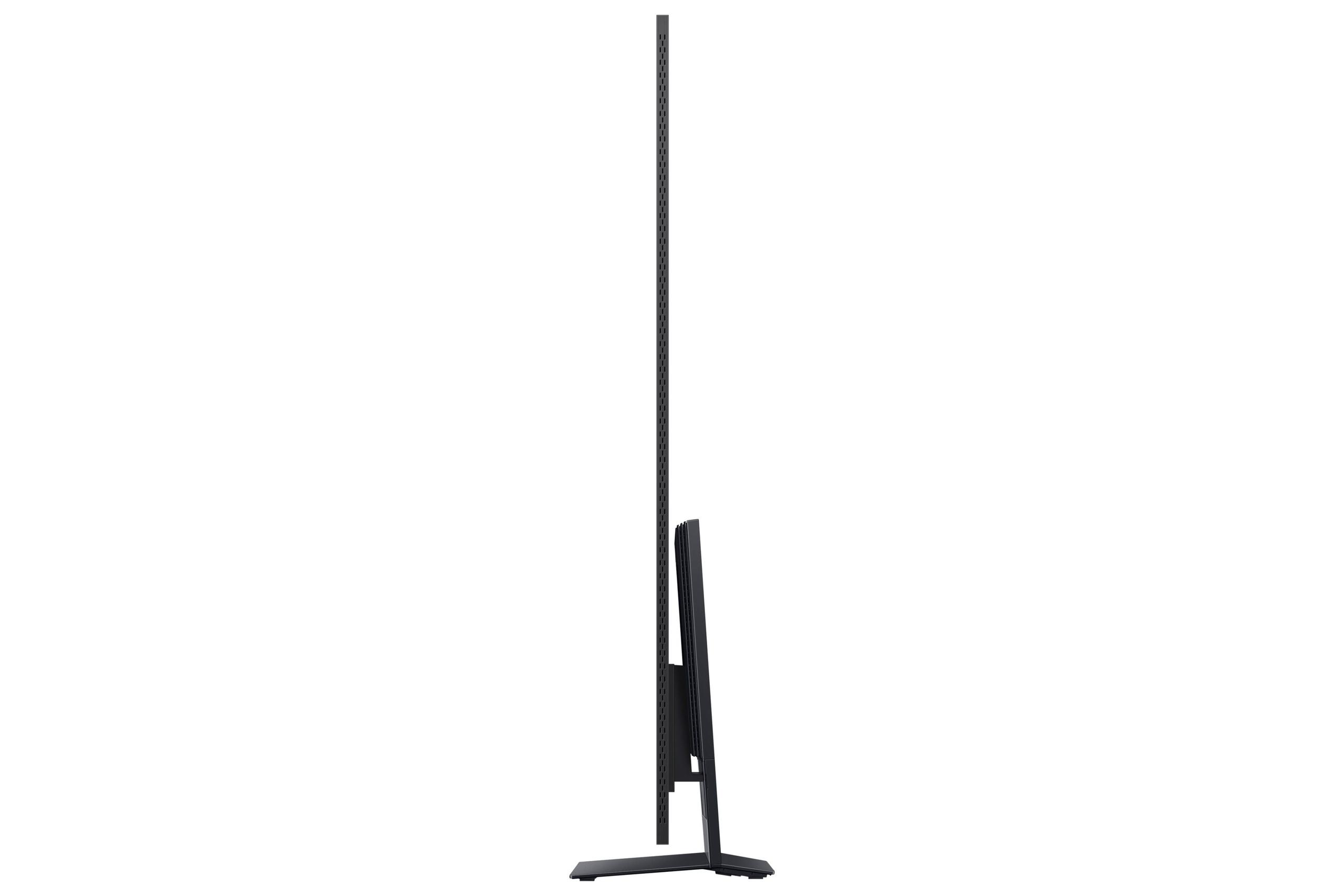
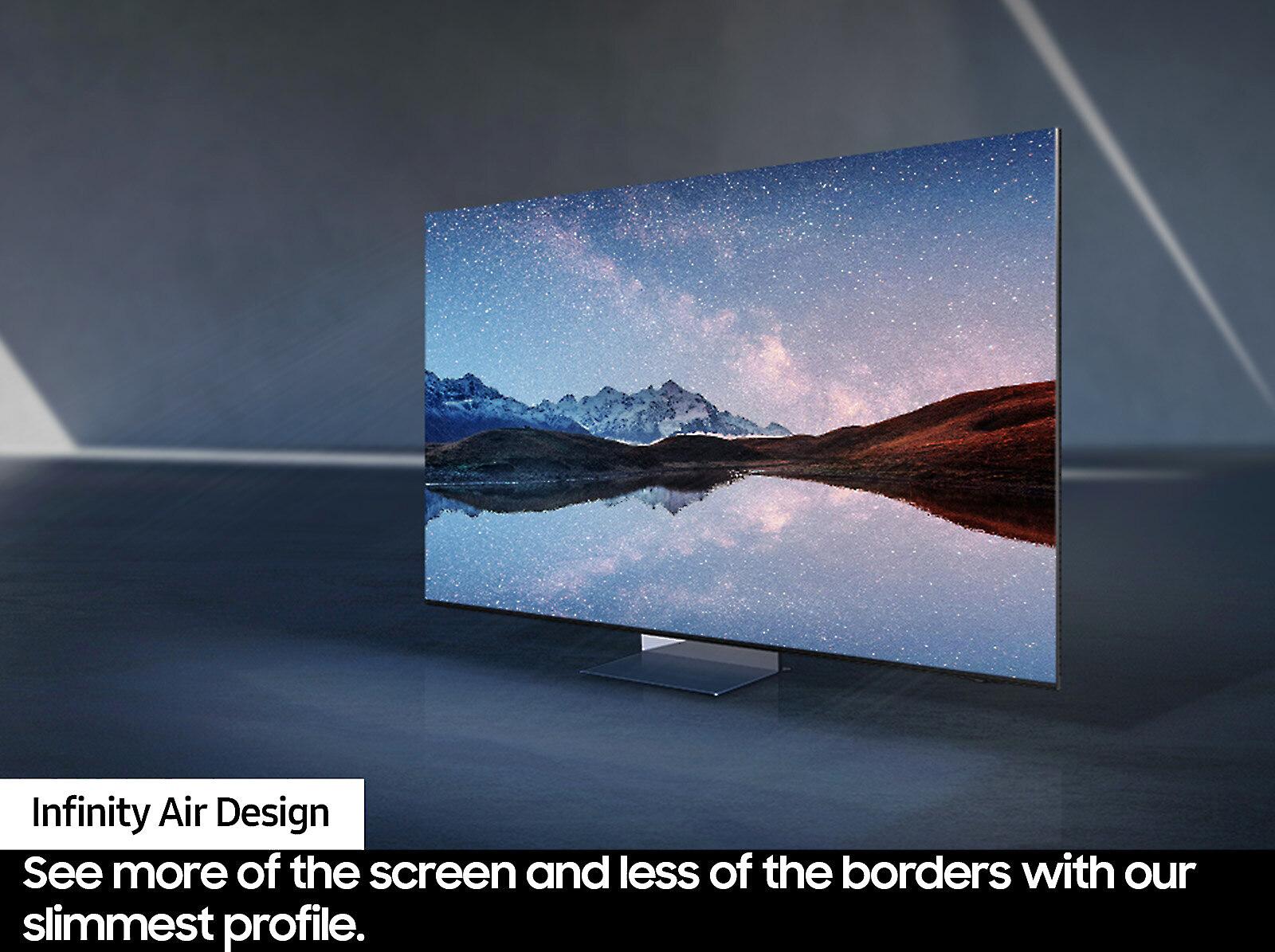
| Standard TV design | Infinity Air Design (ultra-slim), One Connect Box for clean setup |
| Smart Platform - Interface and app performance | |
| Tizen OS 2025 with Vision AI, Samsung TV Plus | Tizen OS 2024 with SmartThings Hub, enhanced smart home integration |
| Target Buyer - Who gets the best value | |
| Mainstream premium buyers wanting excellent 4K at accessible pricing | Enthusiasts and serious gamers wanting flagship performance and future-proofing |
The Samsung Q7F is a 4K QLED TV focused on delivering excellent picture quality at an accessible premium price point, while the Samsung QN900D is an 8K Neo QLED flagship model with Mini-LED technology and advanced gaming features. The QN900D offers superior processing power, higher resolution, and more premium features, but at a significantly higher price than the Q7F.
The Samsung QN900D delivers superior picture quality thanks to its Mini-LED backlighting system, which provides better contrast control and reduces blooming effects. However, the Samsung Q7F still offers excellent picture quality with vibrant colors and good HDR performance that will satisfy most viewers watching Netflix, Disney+, and other streaming content.
For most viewers, the 4K resolution on the Samsung Q7F is perfectly adequate since 8K content is extremely limited. However, the Samsung QN900D uses advanced AI upscaling to enhance 4K content, making it look noticeably sharper than native 4K displays. The 8K capability is more about future-proofing than immediate benefits.
The Samsung QN900D is significantly better for gaming, supporting 4K at 240Hz, full VRR (Variable Refresh Rate), and ultra-low input lag across all four HDMI 2.1 ports. The Samsung Q7F offers basic gaming at 60Hz, which is adequate for casual gaming but lacks the advanced features serious gamers expect.
Both TVs run Samsung's Tizen operating system, but the Samsung Q7F includes the newer 2025 version with Vision AI features and Samsung TV Plus with over 2,700 free channels. The Samsung QN900D offers more advanced smart home integration with SmartThings Hub functionality and comes with a One Connect Box for cleaner cable management.
The Samsung Q7F offers exceptional value for mainstream buyers who want premium Samsung quality without flagship pricing. The Samsung QN900D provides superior technology and features that justify its premium price for enthusiasts, serious gamers, and those planning to keep their TV for 5+ years.
The Samsung QN900D handles bright rooms better due to its superior Mini-LED backlighting and higher peak brightness capabilities. The Samsung Q7F with its 500 cd/m² brightness is adequate for most rooms but may struggle in very bright environments compared to the more powerful QN900D.
For a dedicated home theater, the Samsung QN900D is the superior choice with its Mini-LED technology providing better contrast in dark rooms, True Dolby Atmos audio system, and advanced processing. However, the Samsung Q7F still delivers excellent performance in dark rooms at a more accessible price point.
The Samsung Q7F uses the Q4 AI Processor, which handles basic AI optimization and smart features smoothly. The Samsung QN900D features the much more powerful NQ8 AI Gen3 Processor with eight times more neural networks, providing superior upscaling, faster performance, and more intelligent content optimization.
The Samsung QN900D offers superior audio with its 6.2.4 channel 90W system, True Dolby Atmos support, and Object Tracking Sound technology that moves audio around the screen. The Samsung Q7F includes Adaptive Sound optimization but has more basic built-in speakers suitable for casual viewing.
Choose the 4K Samsung Q7F if you want excellent current performance at a reasonable price and plan to upgrade in 3-4 years. Choose the 8K Samsung QN900D if you want the most advanced technology available, plan to keep your TV for many years, and want superior upscaling of current 4K content.
The Samsung Q7F offers a more straightforward setup with its traditional design and three HDMI ports. The Samsung QN900D requires connecting the One Connect Box but ultimately provides cleaner cable management and more connectivity options with its four HDMI 2.1 ports, making it better for complex setups with multiple devices.
We've done our best to create useful and informative comparisons to help you decide what product to buy. Our research uses advanced automated methods to create this comparison and perfection is not possible - please contact us for corrections or questions. These are the sites we've researched in the creation of this article: bestbuy.com - youtube.com - samsung.com - samsung.com - pcrichard.com - samsung.com - samsung.com - videoandaudiocenter.com - displayspecifications.com - bestbuy.com - samsung.com - samsung.com - samsung.com - samsung.com - news.samsung.com - rtings.com - videoandaudiocenter.com - bestbuy.com - avsforum.com - bestbuy.com - walts.com - images.samsung.com - samsung.com - merlinstv.com - samsung.com - avsforum.com - samsung.com

Privacy Policy
Terms and Conditions - Affiliate Policy
Home Security
© Copyright 2008-2026.
11816 Inwood Rd #1211, Dallas, TX 75244