

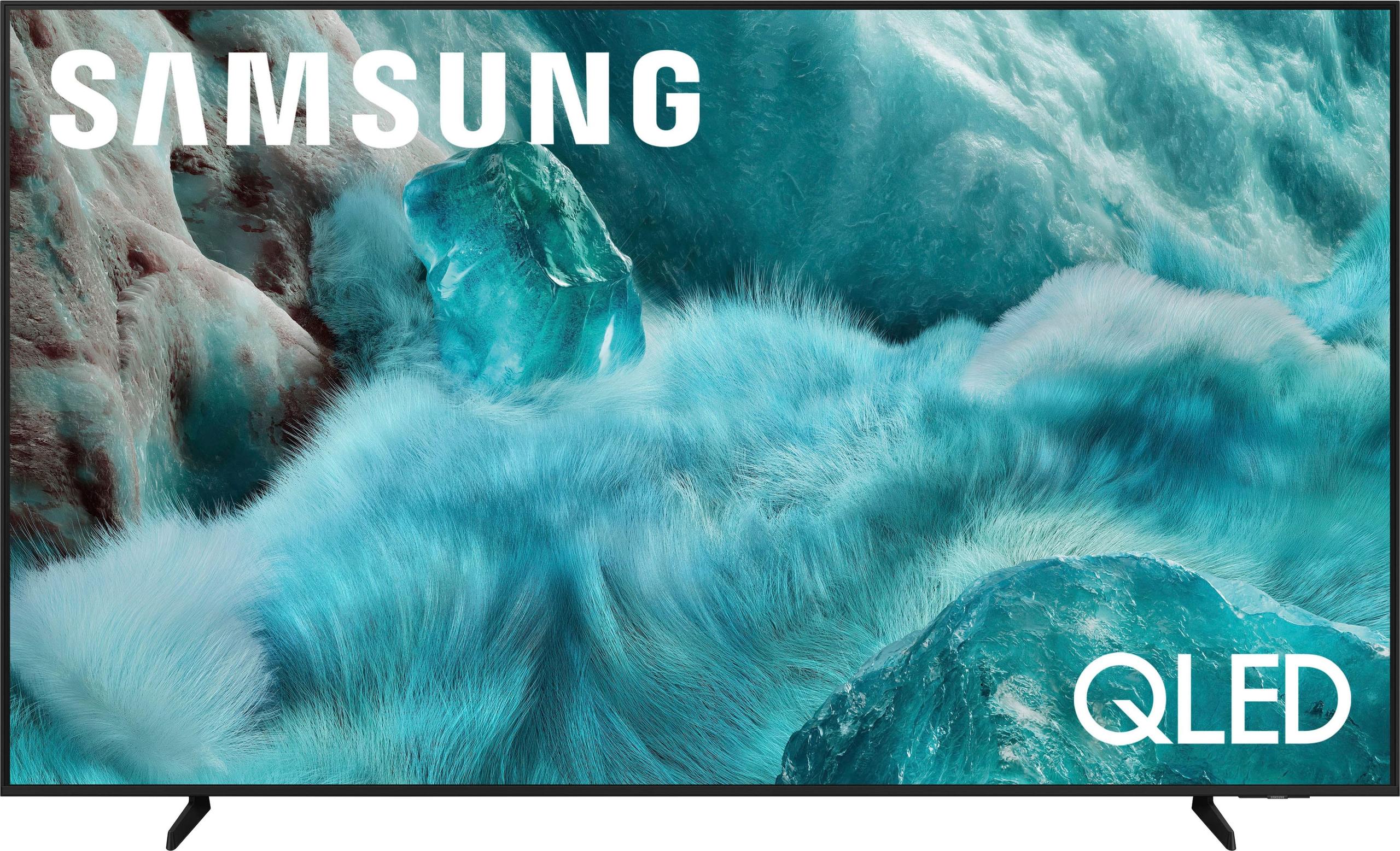
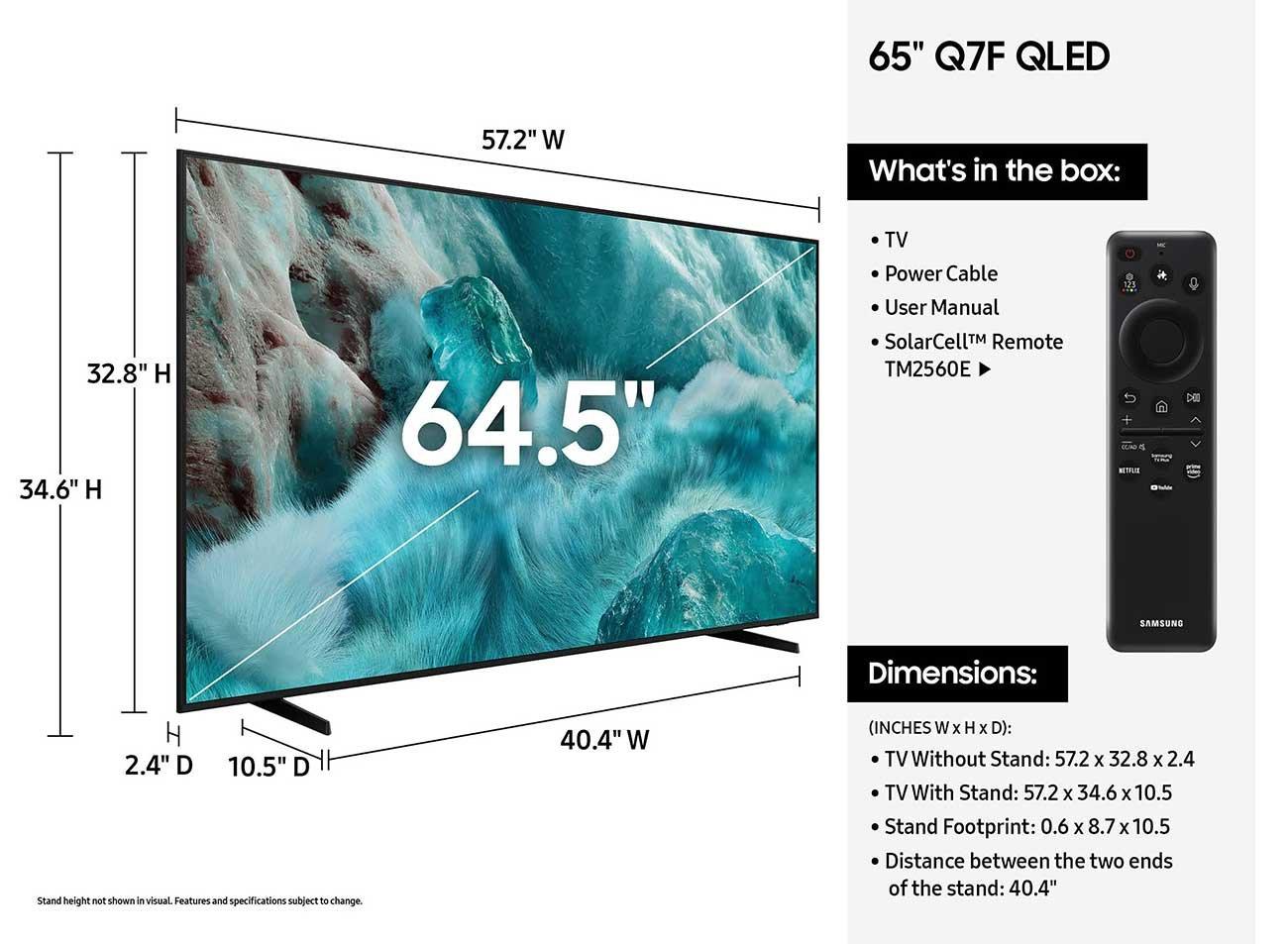

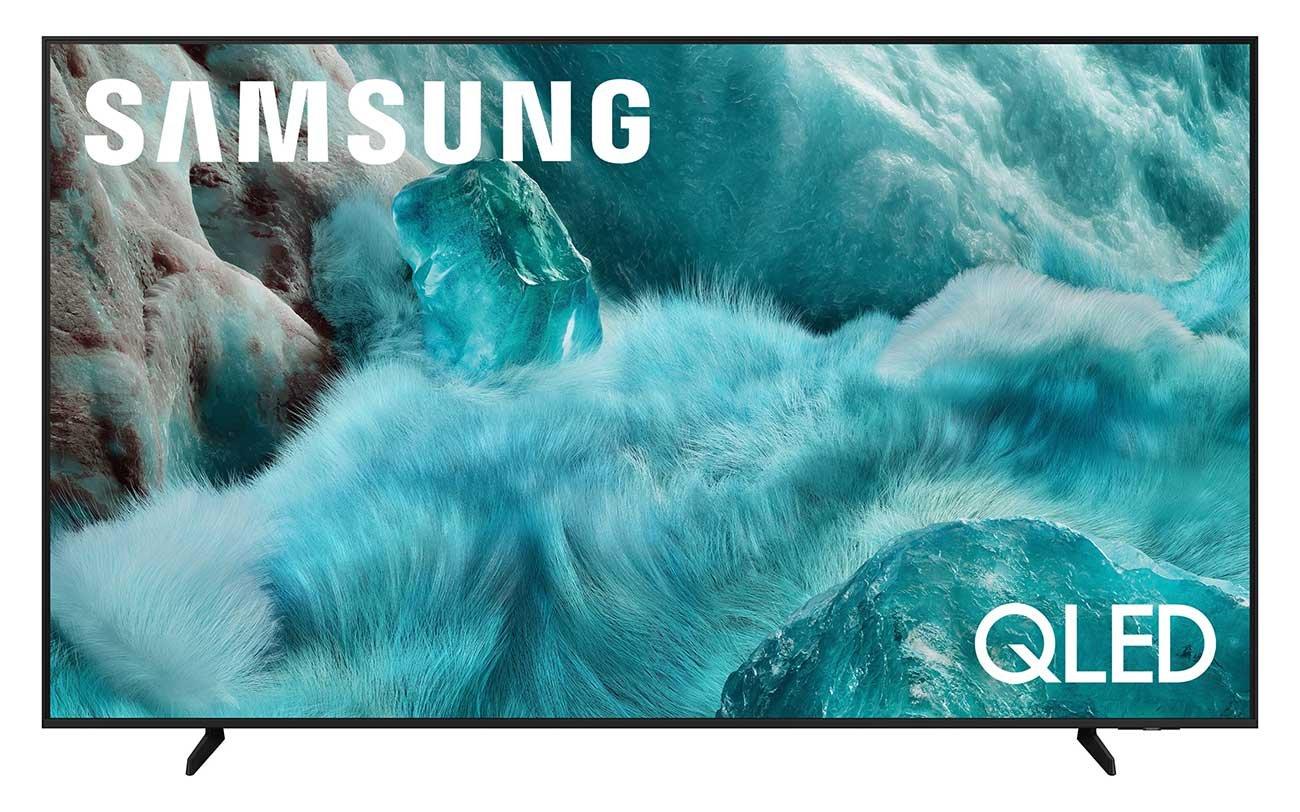
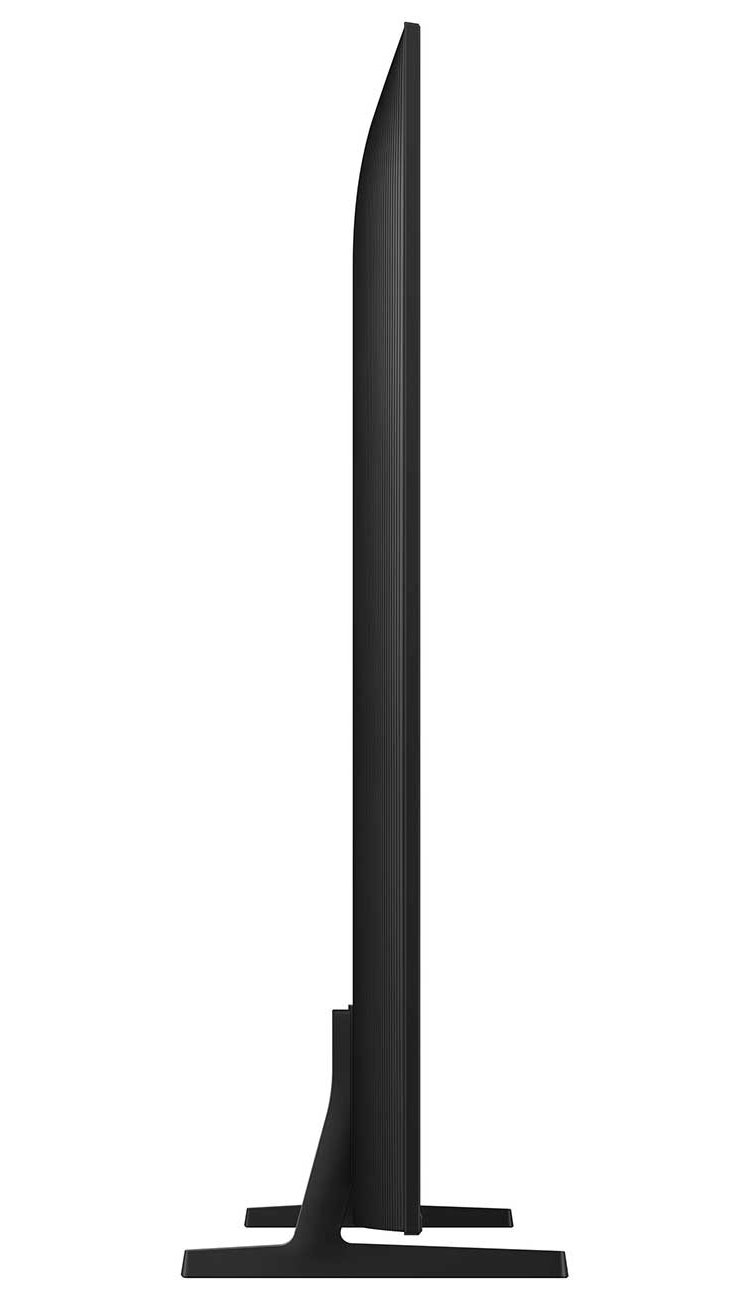
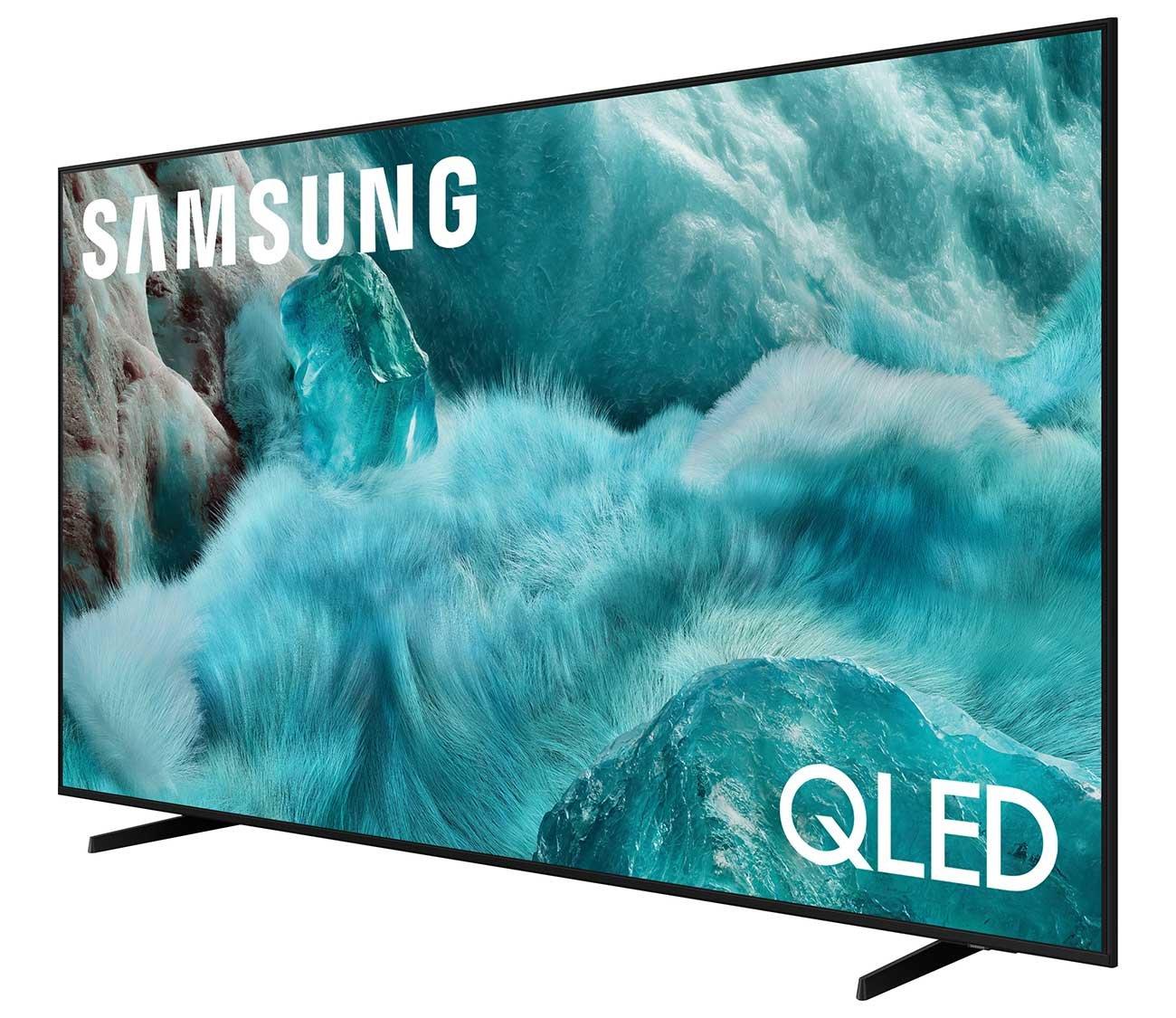
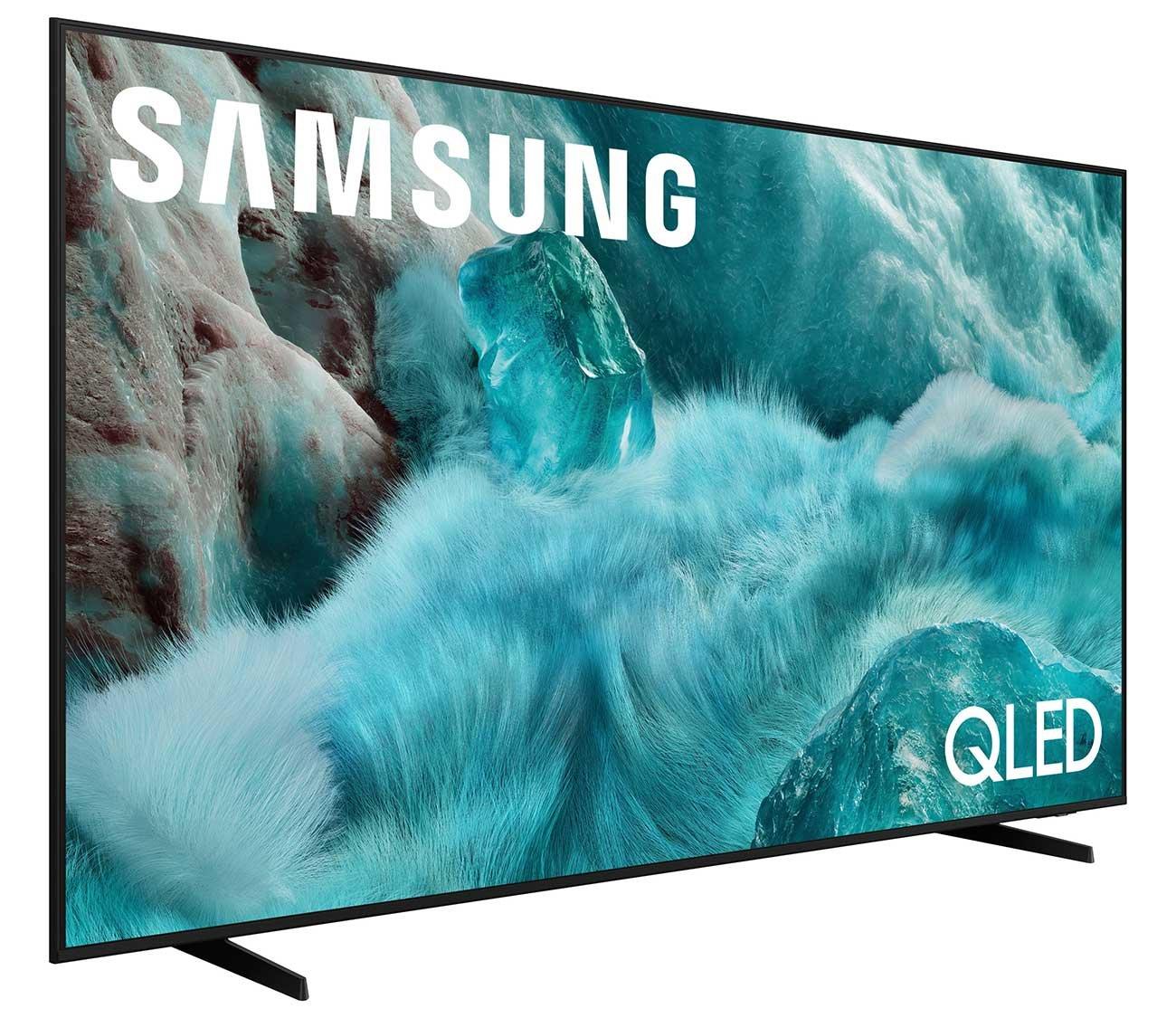


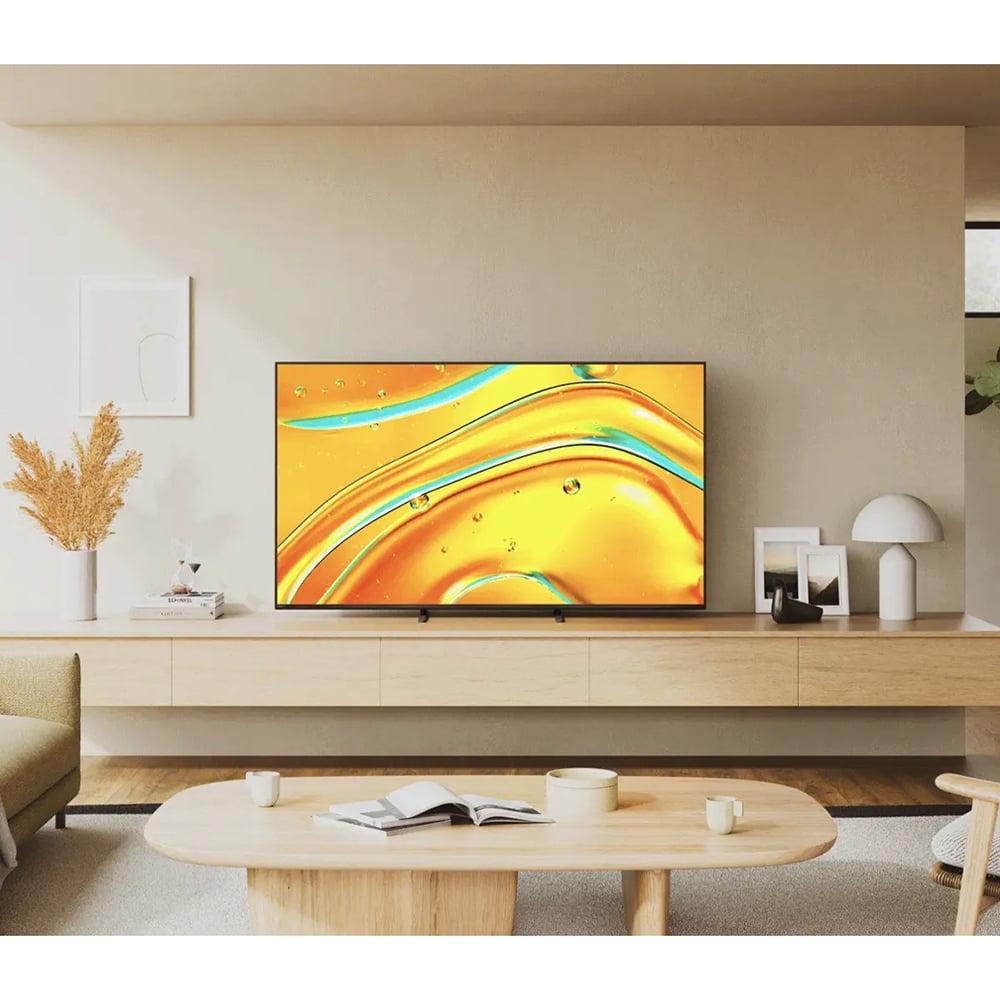
Shopping for a premium 65-inch TV in 2025 means navigating two distinct approaches to delivering great picture quality. The Samsung Q7F QLED represents the value-focused path, using proven Quantum Dot technology at an accessible price point. Meanwhile, the Sony BRAVIA 5 Mini LED takes the premium route, incorporating cutting-edge Mini LED backlighting for superior contrast performance.
Both TVs launched in 2025 with significant improvements over their predecessors, but they target different types of viewers. Understanding which approach suits your needs—and budget—makes all the difference between satisfaction and buyer's remorse.
The premium TV market has evolved dramatically since 2020, when basic 4K TVs dominated most living rooms. Today's premium TVs focus on several key areas that directly impact your viewing experience:
Picture quality remains the foundation, but it's no longer just about resolution. Modern TVs compete on contrast ratios (how deep the blacks appear), peak brightness (how vivid HDR content looks), and color accuracy (how true-to-life everything appears). These factors determine whether you're watching a movie or feeling transported into it.
Gaming performance has become crucial as PlayStation 5 and Xbox Series X consoles demand TVs that can keep up. Features like 120Hz refresh rates (twice as smooth as standard 60Hz), Variable Refresh Rate or VRR (eliminating screen tearing), and low input lag (reducing the delay between pressing a button and seeing the action) separate gaming-ready TVs from basic models.
Smart TV platforms now serve as your entertainment hub, making the interface quality, app selection, and AI features increasingly important. A sluggish smart TV platform can frustrate you daily, while a responsive one disappears into the background.
The Samsung Q7F and Sony BRAVIA 5 approach these priorities differently, creating distinct value propositions worth examining in detail.
The most fundamental difference between these TVs lies in their display technology, which affects nearly every aspect of picture quality.
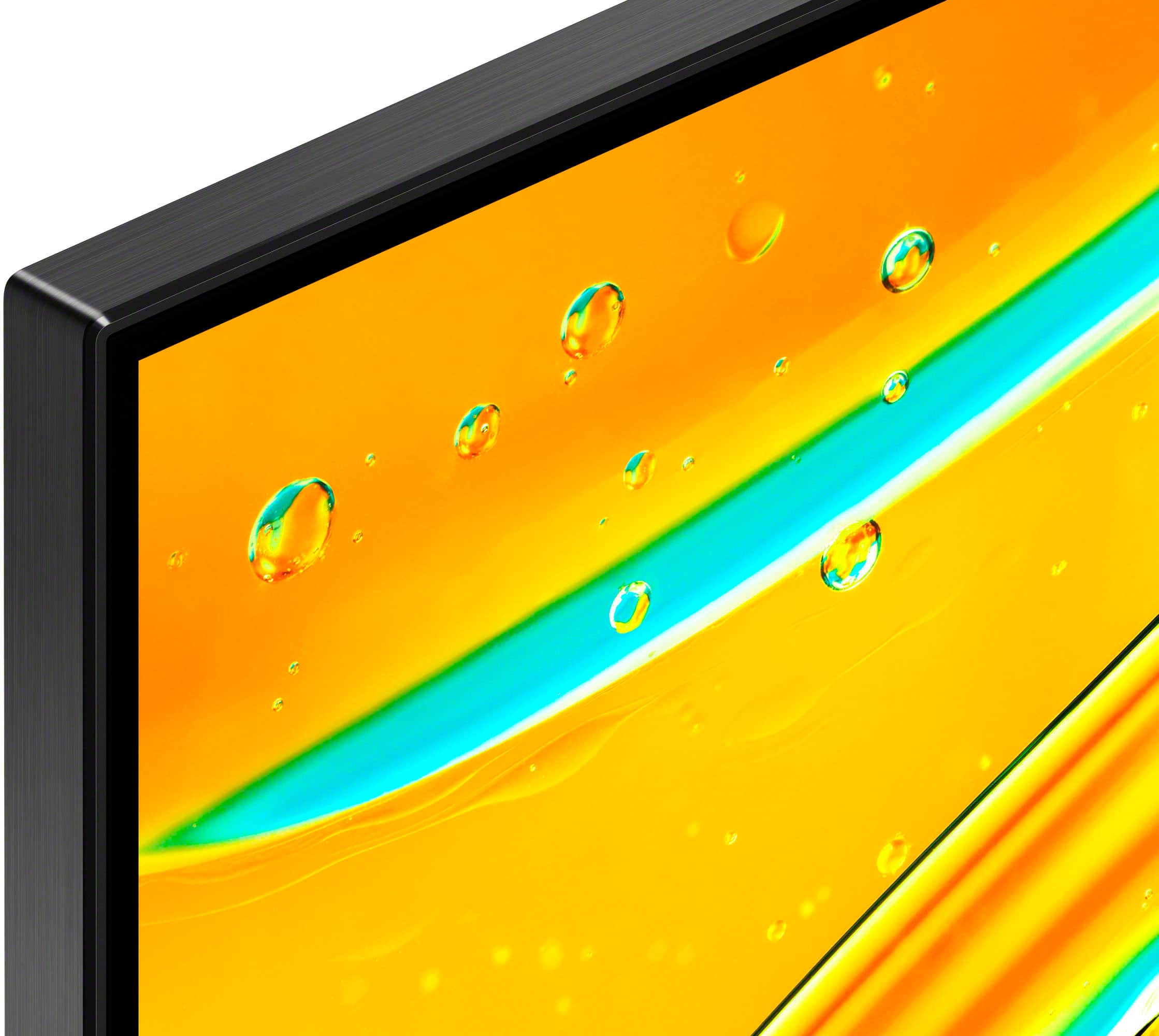
The Samsung Q7F uses QLED (Quantum Dot Light Emitting Diode) technology, where a layer of quantum dots—microscopic particles that emit precise colors when hit by light—sits between the LED backlight and the LCD panel. Think of quantum dots as incredibly efficient color filters that transform white LED light into pure, saturated colors.
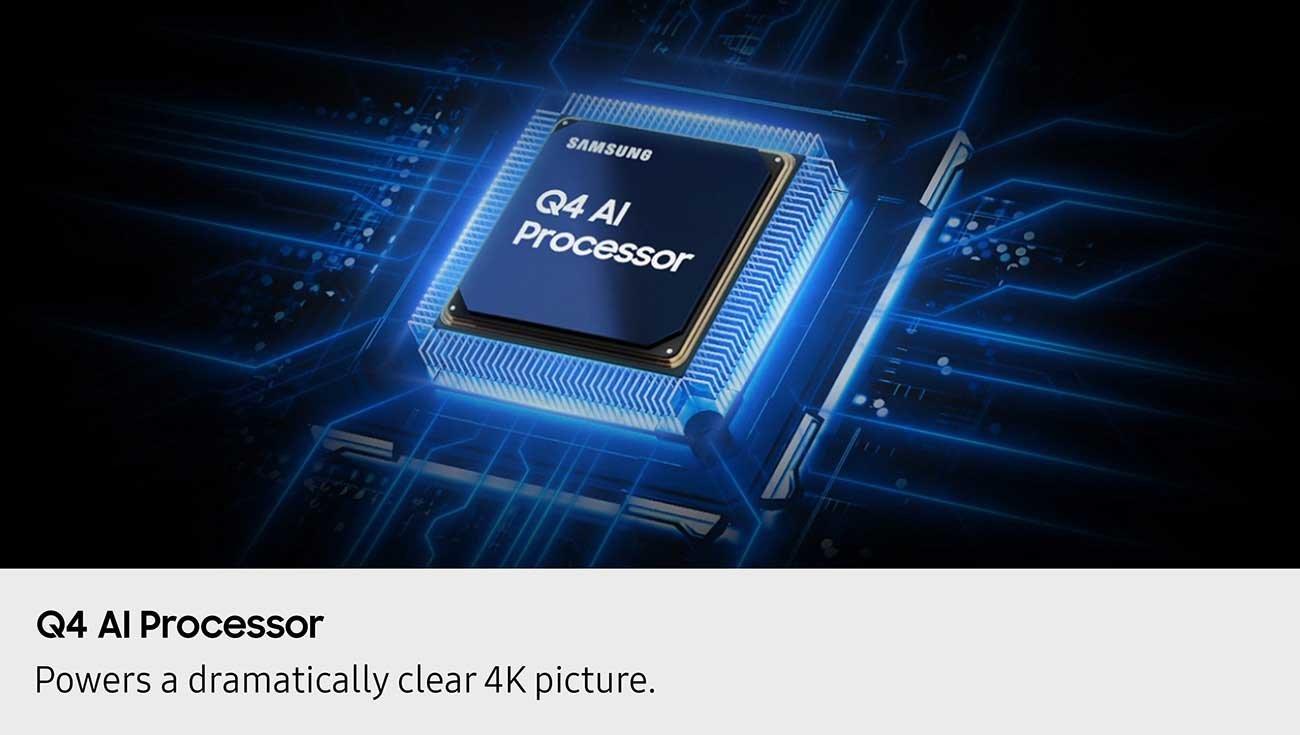
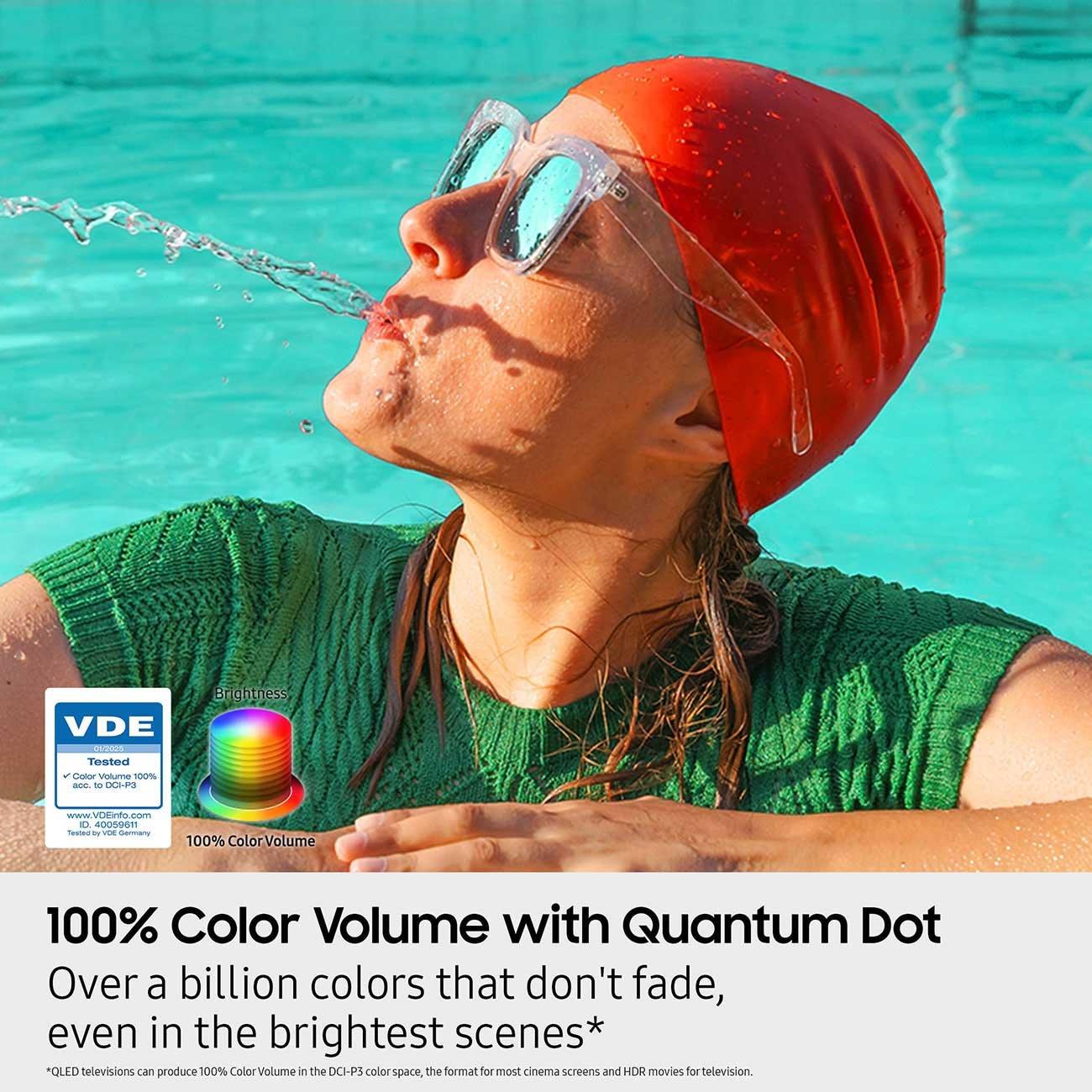
Samsung's implementation provides 100% color volume, meaning colors remain vibrant even at high brightness levels. This prevents the washed-out look that affects many budget TVs when displaying bright, colorful scenes. The Q4 AI Processor handles upscaling lower-resolution content to 4K, using artificial intelligence to analyze and enhance each frame.
However, the Samsung Q7F lacks local dimming—the ability to independently control different zones of the backlight. Without this feature, the entire screen brightens or dims together, preventing true blacks and limiting contrast performance.
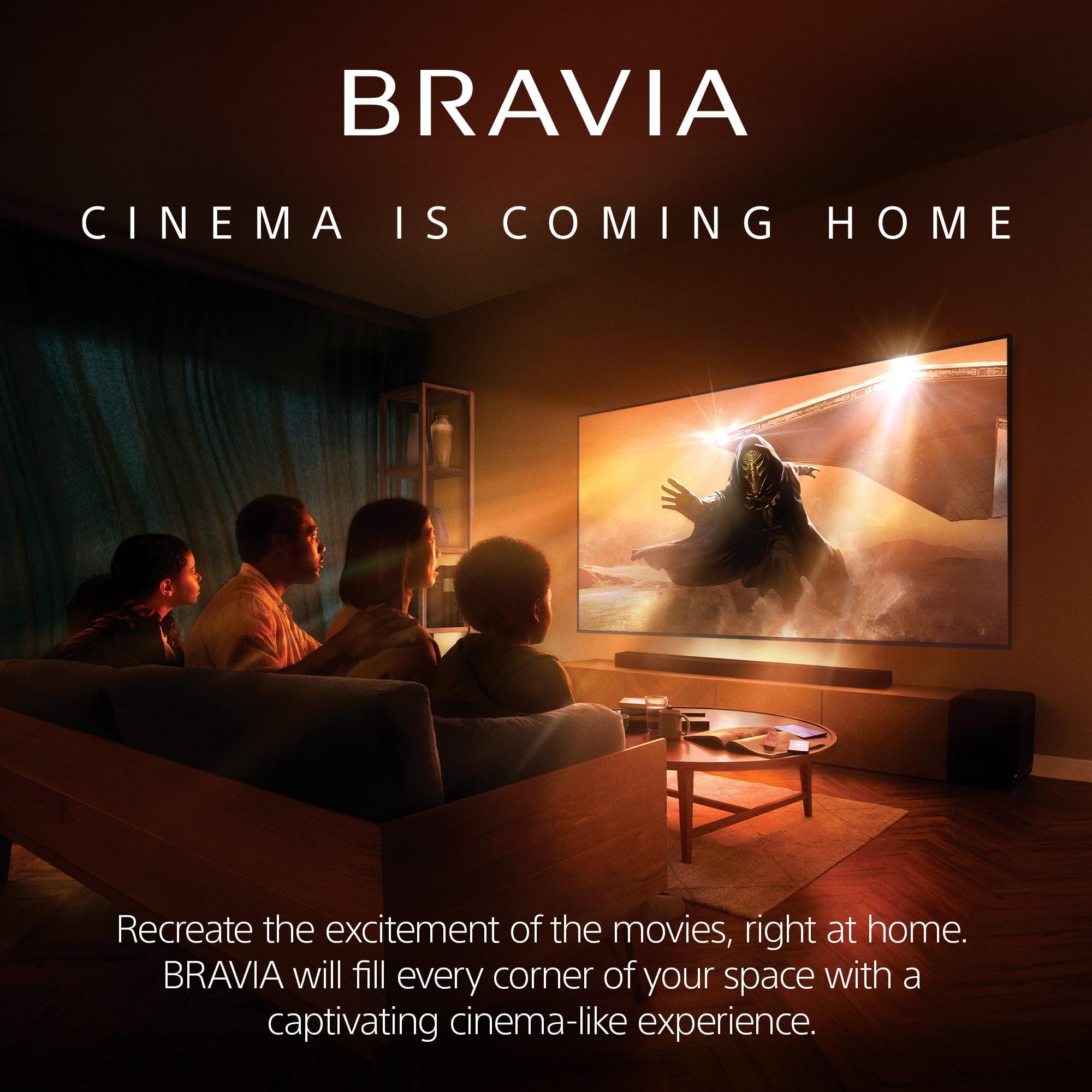
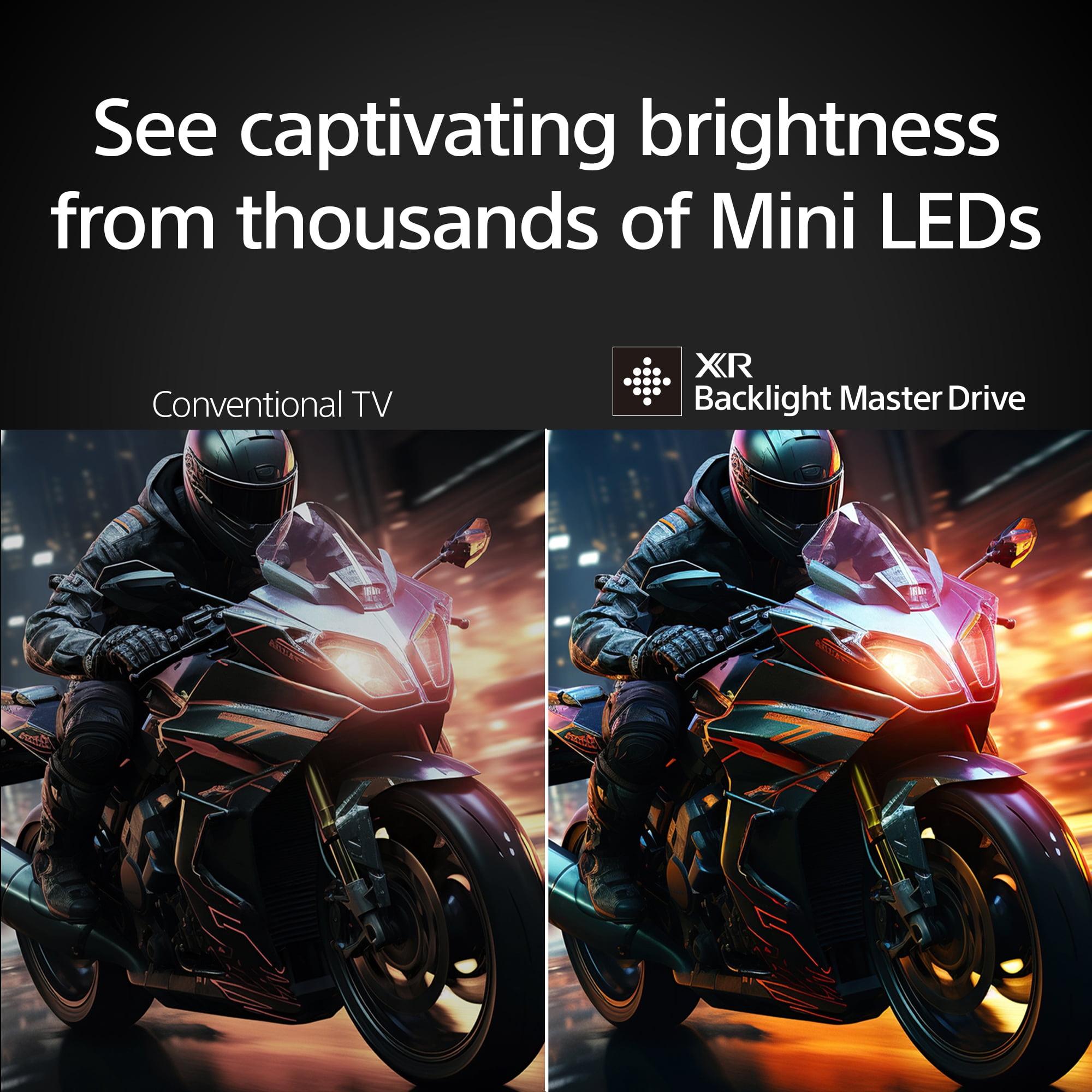
The Sony BRAVIA 5 employs Mini LED technology, using thousands of LEDs significantly smaller than traditional ones. These Mini LEDs are organized into hundreds of independently controlled dimming zones, allowing specific screen areas to go completely dark while others remain bright.
Sony's XR Backlight Master Drive technology manages these zones with precision derived from their professional mastering monitors—the same displays used to color-grade movies in Hollywood studios. When you're watching a scene with bright stars against a dark sky, the Sony BRAVIA 5 can make the stars brilliant while keeping the surrounding space truly black.
The XR Processor goes beyond simple upscaling, using AI scene recognition to analyze and optimize every picture element in real-time. It understands whether you're watching a football game, nature documentary, or action movie, then adjusts processing accordingly.
The display technology differences translate into noticeable picture quality variations that affect your daily viewing experience.
Contrast ratio—the difference between the brightest whites and darkest blacks—arguably matters more than any other picture quality metric. Our research consistently shows that viewers prefer TVs with better contrast over those with simply higher brightness or more saturated colors.
The Sony BRAVIA 5's Mini LED system delivers superior contrast through precise local dimming. Dark movie scenes reveal shadow details that disappear on lesser TVs, while bright highlights pop without washing out surrounding areas. Expert reviews consistently praise the BRAVIA 5's ability to display subtle gradations in both shadows and highlights.
The Samsung Q7F, lacking local dimming, struggles with contrast performance. Dark scenes appear grayish rather than truly black, reducing the sense of depth and realism. However, Samsung's Quantum Dot technology ensures vibrant colors that many viewers find appealing, even if they're not always perfectly accurate.
High Dynamic Range (HDR) content—found on Netflix, Disney+, and Ultra HD Blu-rays—contains brightness information far beyond standard content. TVs need sufficient peak brightness and contrast to display this information effectively.
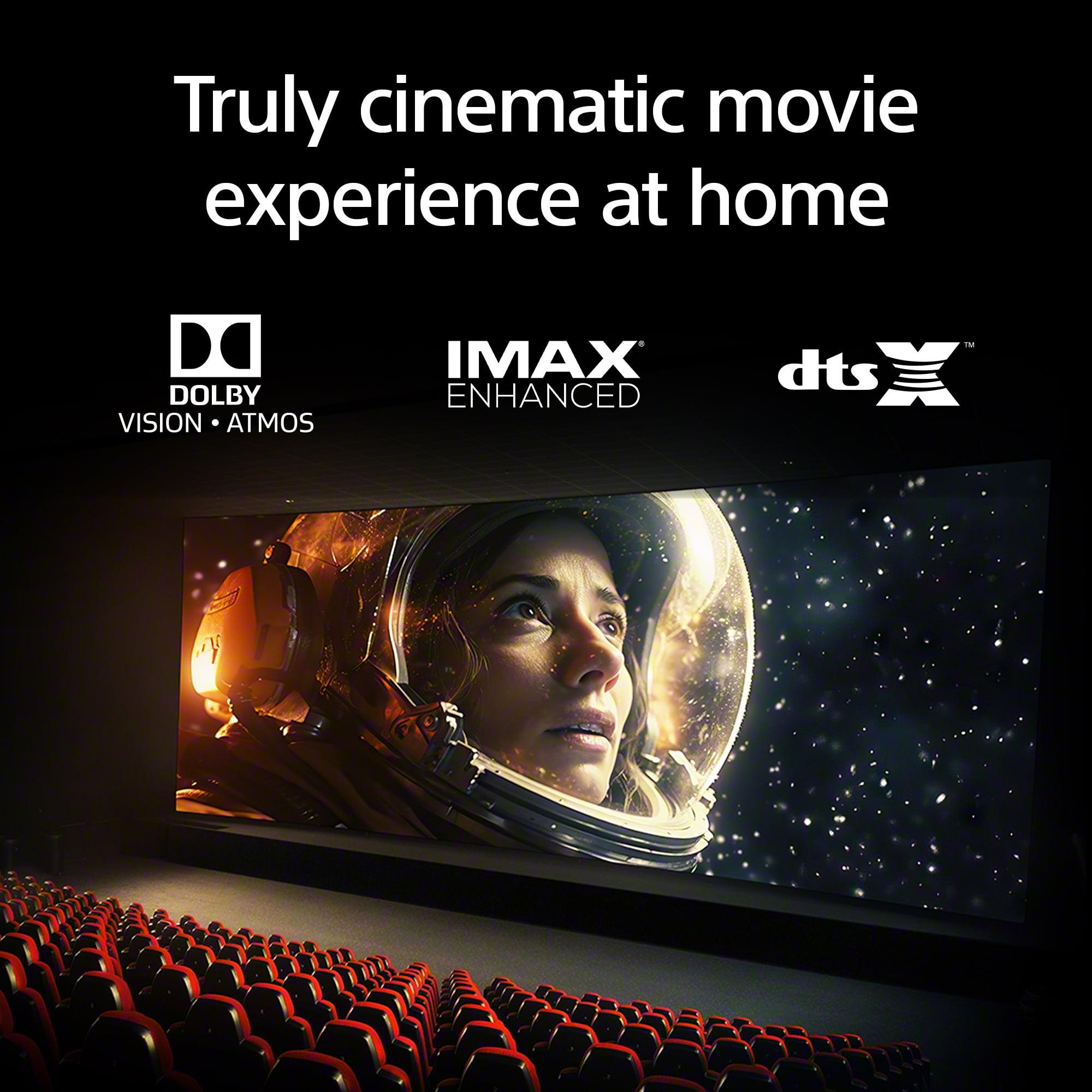
The Sony BRAVIA 5 supports multiple HDR formats including HDR10, Dolby Vision, HLG, and IMAX Enhanced. Dolby Vision, in particular, provides scene-by-scene optimization instructions that help the TV display each frame optimally. The Mini LED backlight provides the brightness headroom needed to make HDR content truly impactful.
Samsung's Q7F supports HDR10+ but notably lacks Dolby Vision support. Since many premium streaming services and discs use Dolby Vision, this represents a significant limitation. The TV's lower peak brightness also reduces HDR impact compared to the Sony.
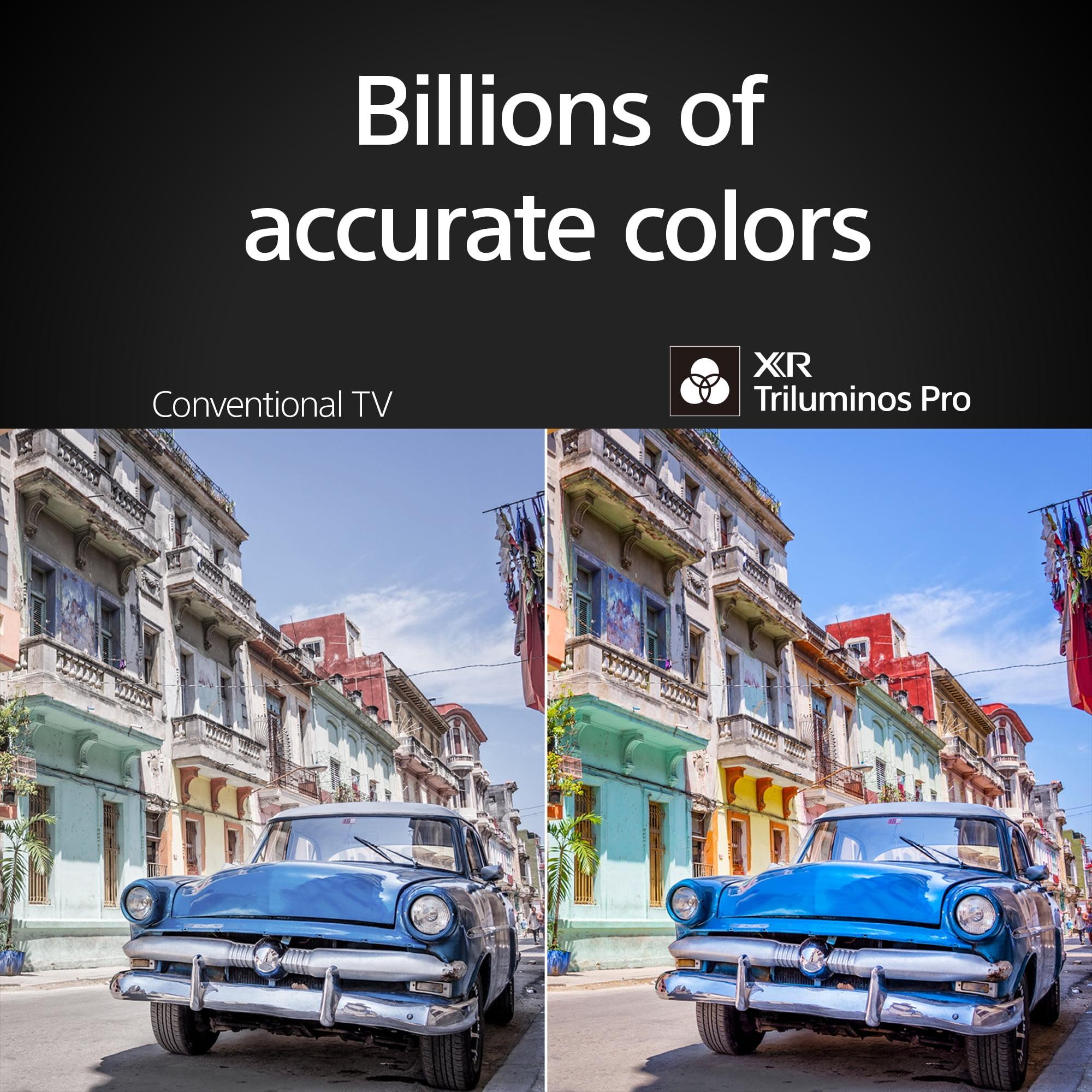
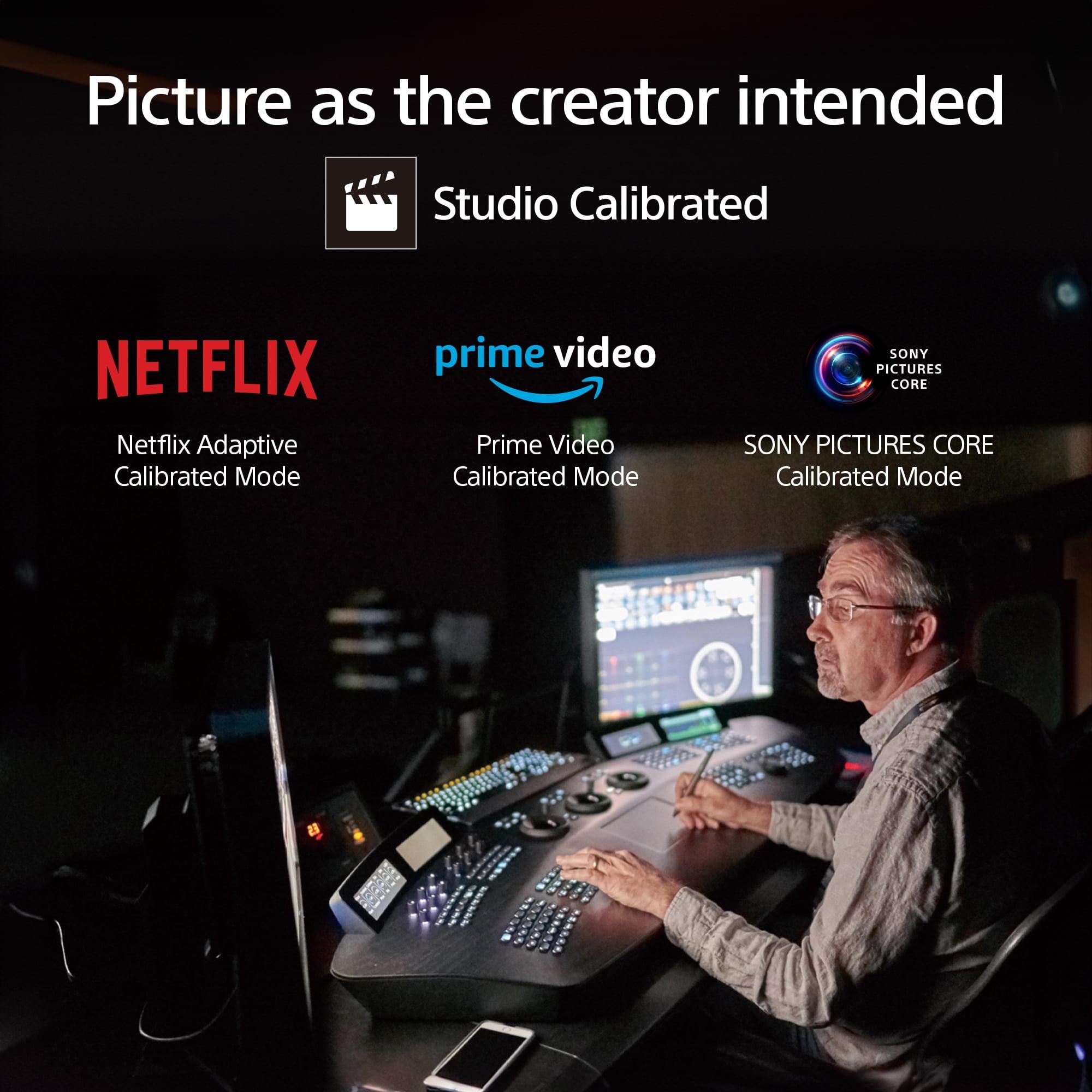
Sony takes a reference-monitor approach to color reproduction. The BRAVIA 5's XR Triluminos Pro technology aims for accuracy over saturation, with studio-calibrated modes that display content as directors intended. This approach particularly benefits movie enthusiasts who want authentic color reproduction.
Samsung's Q7F prioritizes visual impact through Quantum Dot technology that delivers vibrant, eye-catching colors. While these colors may be oversaturated compared to the original content, many users prefer this punchy, vivid look for everyday viewing.
Gaming capabilities have become increasingly important as console manufacturers push advanced features that require compatible displays.
The Sony BRAVIA 5 features a native 120Hz panel capable of displaying 120 frames per second from compatible gaming consoles. This doubled frame rate creates noticeably smoother motion during fast-paced games, providing competitive advantages in shooters and racing games. The XR Motion Clarity technology ensures moving objects remain sharp even during rapid camera movements.
The Samsung Q7F limits users to 60Hz, which meets current standards but lacks future-proofing as more games target higher frame rates. While 60Hz remains perfectly playable, the difference becomes apparent when experiencing 120Hz gaming on competing displays.
Modern gaming consoles support Variable Refresh Rate (VRR), which synchronizes the TV's refresh rate with the console's frame output. This eliminates screen tearing—the visual artifact where different parts of the screen show different frames simultaneously—creating smoother gameplay.
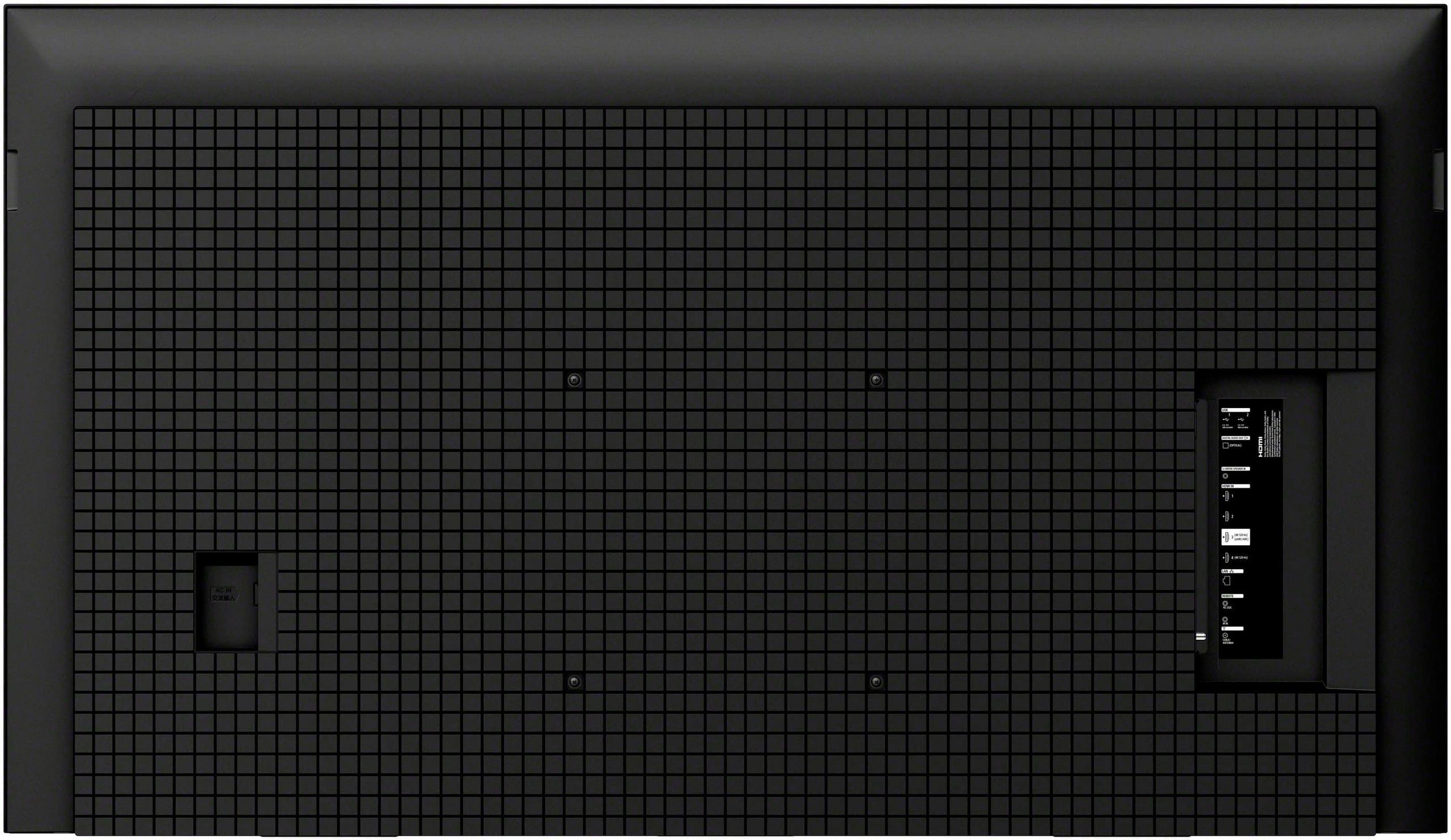
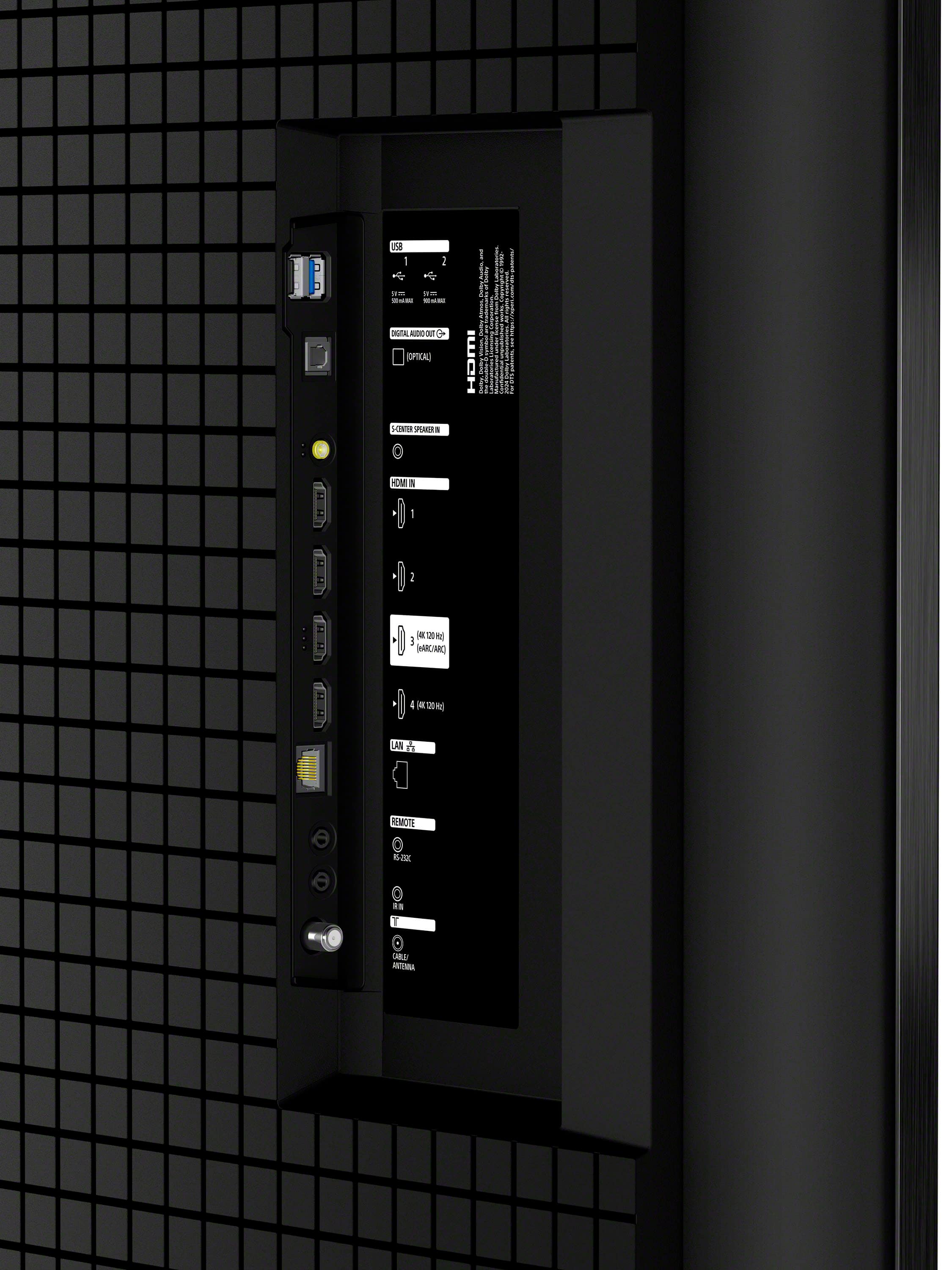
The Sony BRAVIA 5 supports both G-SYNC (NVIDIA's VRR standard) and HDMI Forum VRR, ensuring compatibility with all major gaming platforms. Its HDMI 2.1 ports provide the bandwidth necessary for 4K gaming at 120Hz.
The Samsung Q7F lacks VRR support entirely and uses older HDMI 2.0 connections that cannot handle 4K at 120Hz. While it offers Auto Low Latency Mode (ALLM) to reduce input lag, the missing advanced features limit its gaming potential.
Both TVs offer specific optimizations for popular gaming consoles, but with different emphases. The Sony BRAVIA 5 includes PlayStation 5-specific features like Auto HDR Tone Mapping and Auto Genre Picture Mode, which automatically optimize settings for different game types. Given Sony's ownership of PlayStation, this integration runs deeper than typical TV-console partnerships.
The Samsung Q7F provides basic gaming optimizations through its AI Auto Game Mode, which detects gaming input and switches to appropriate settings. However, without advanced features like VRR, the optimizations remain limited.
The smart TV platform determines how you navigate content, launch apps, and interact with your TV daily. Platform quality can make or break the user experience.
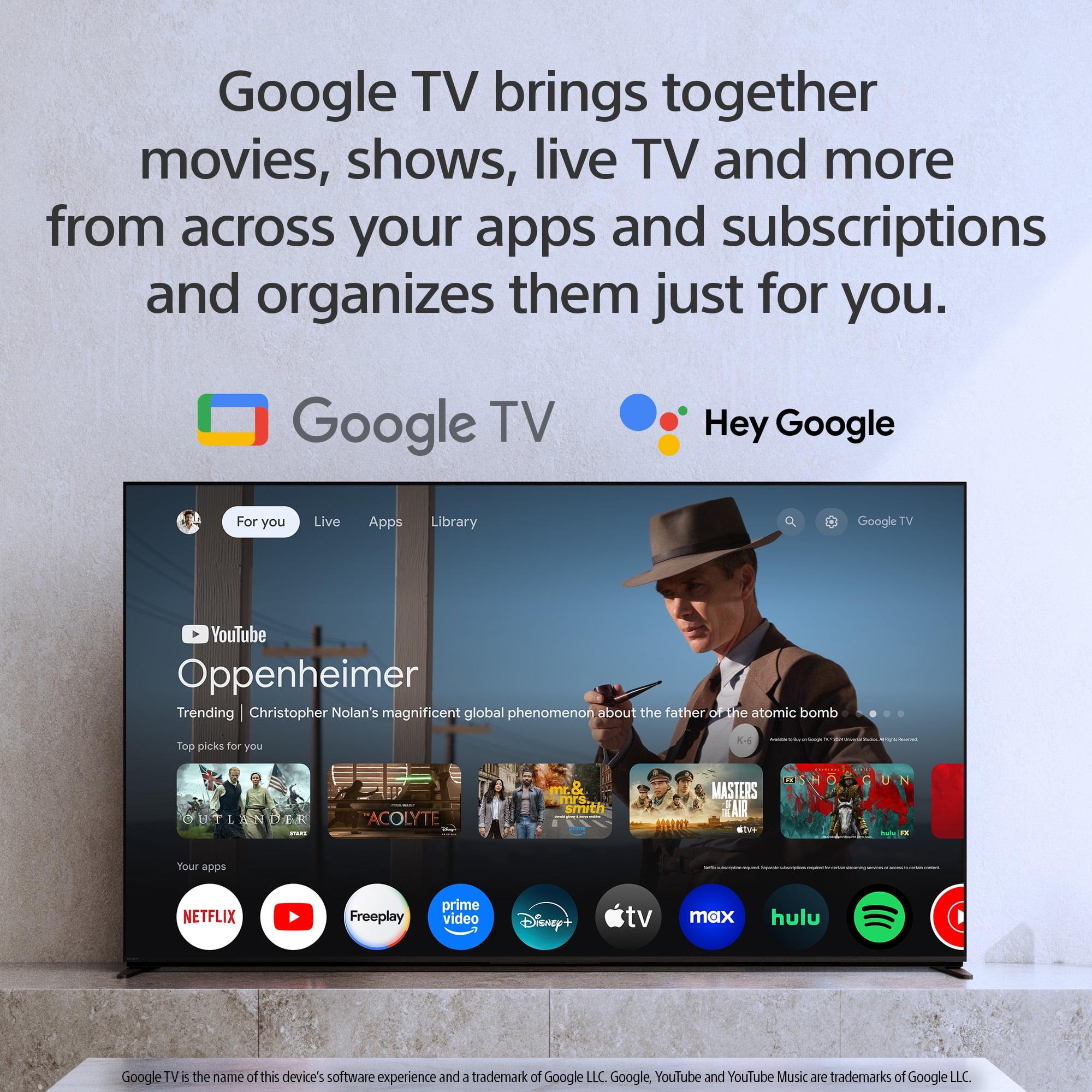
The Sony BRAVIA 5 runs Google TV (version 12), Google's latest smart TV platform built on Android. Google TV excels at content discovery, using sophisticated algorithms to surface relevant shows and movies across multiple streaming services. The interface feels familiar to Android users and offers extensive customization options.
Google Assistant integration provides natural language voice control that understands context and follow-up questions. The platform supports Chromecast Built-in for seamless content casting from mobile devices and includes Apple AirPlay 2 for iPhone users.
Samsung's Q7F uses Tizen OS with Vision AI integration. Tizen provides smooth performance and Samsung's unique features like Generative Wallpaper, which creates AI-generated artwork based on keyword inputs. The platform integrates well with Samsung smartphones and smart home devices.
However, Tizen's app selection remains more limited than Google TV's, and Bixby voice control lacks Google Assistant's sophistication and natural language processing capabilities.
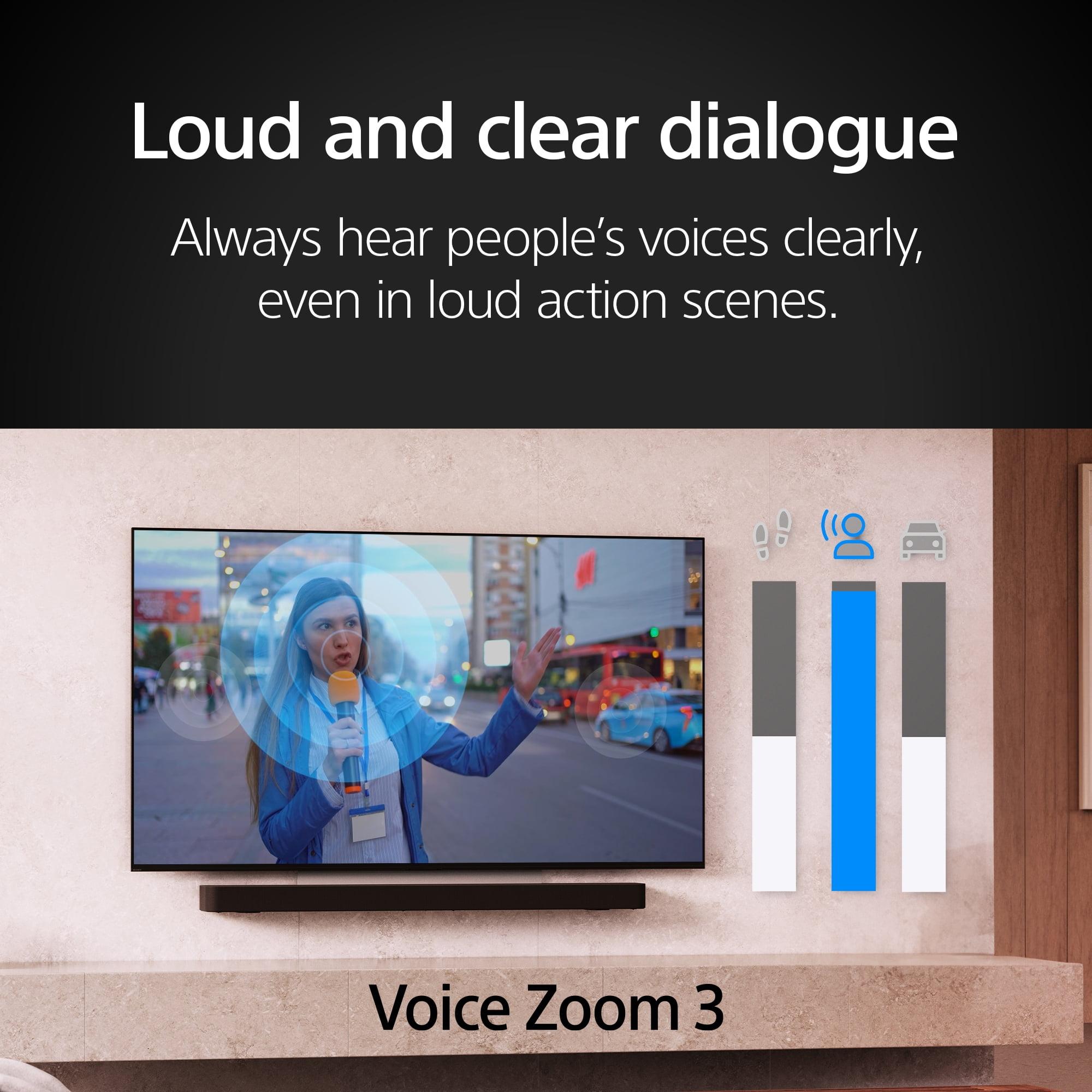
Both TVs incorporate artificial intelligence, but with different focuses. The Sony BRAVIA 5's XR Processor uses AI primarily for picture and audio optimization, analyzing content in real-time to enhance the viewing experience. Voice Zoom 3 uses AI to enhance dialogue clarity—particularly valuable given that many viewers struggle with movie dialogue.
Samsung's Vision AI in the Q7F extends beyond picture processing into lifestyle features. The Adaptive Sound feature adjusts audio based on real-time scene analysis, while Color Booster Pro enhances color expression using AI algorithms.
While most serious home theater enthusiasts use external sound systems, built-in TV audio remains important for casual viewing and secondary rooms.
The Sony BRAVIA 5 incorporates Acoustic Multi-Audio technology that aligns sound with on-screen action, creating a more immersive experience. The system includes Dolby Atmos support and 3D Surround Upscaling, which creates virtual surround effects using the TV's built-in speakers. When paired with compatible Sony soundbars, the TV's speakers can function as a center channel, expanding the audio system's capabilities.
The Samsung Q7F features Object Tracking Sound Lite with a more basic 20W 2-channel speaker configuration. While adequate for casual viewing, the audio system lacks the sophistication and power of Sony's implementation.
At the time of writing, these TVs occupy different price segments, with the Samsung Q7F positioned as a budget-premium option and the Sony BRAVIA 5 commanding nearly double the price.
The Samsung Q7F delivers solid performance at an attractive price point. You get Quantum Dot color technology, Samsung's reliable smart platform, and adequate picture quality for most content. The TV particularly excels with bright, colorful content like sports and animation.
However, the value proposition comes with compromises. The lack of local dimming significantly impacts contrast performance, limiting the TV's ability to display dark scenes effectively. Missing gaming features like VRR and 120Hz support reduce future-proofing, potentially requiring earlier replacement as gaming technology advances.
The Sony BRAVIA 5's higher price reflects genuine technological advantages. Mini LED backlighting with local dimming delivers superior contrast performance that's immediately noticeable in dark scenes. Advanced gaming features ensure compatibility with current and future consoles, while comprehensive HDR format support maximizes compatibility with premium content.
The price premium becomes justified for viewers who regularly consume high-quality content, serious gamers, or those planning to keep their TV for many years. The superior picture quality and future-proofing features can justify the additional investment over the TV's lifespan.
For dedicated home theater setups, picture quality becomes paramount since you'll likely watch in darkened rooms where contrast performance matters most.
The Sony BRAVIA 5 excels in home theater environments. Its Mini LED technology delivers the deep blacks essential for cinematic experiences, while studio-calibrated color modes ensure movies appear as directors intended. The comprehensive HDR format support maximizes compatibility with Ultra HD Blu-rays and premium streaming content.
The TV's audio capabilities, while not replacing a dedicated sound system, provide better performance for temporary setups or secondary viewing areas.
The Samsung Q7F struggles more in darkened home theater environments where its limited contrast becomes apparent. The elevated black levels reduce the sense of depth and immersion crucial for cinematic experiences. However, for brighter family rooms or casual viewing, the vibrant colors and solid overall performance remain satisfactory.
You're budget-conscious but want quantum dot color technology and Samsung's smart TV ecosystem. The Samsung Q7F works well for casual viewing, bright rooms, and secondary TV installations. It's ideal if you primarily watch streaming content, don't game competitively, and prefer Samsung's interface and smart home integration.
The TV also suits viewers who prioritize vibrant, punchy colors over perfect accuracy, making it appealing for sports, animation, and casual entertainment.
You're willing to invest more for superior picture quality and future-proofing features. The Sony BRAVIA 5 justifies its premium through Mini LED contrast performance, comprehensive gaming features, and professional-grade calibration.
This TV targets serious movie enthusiasts who value accurate color reproduction and deep blacks, gamers who want 120Hz and VRR support, and users who consume significant HDR content from premium sources.
The Sony also makes sense if you plan to keep your TV for five or more years, as its advanced features provide better long-term relevance.
The choice between these TVs ultimately depends on your priorities, viewing habits, and budget constraints.
If you prioritize value and adequate performance, the Samsung Q7F delivers quantum dot color technology and smart TV features at an accessible price. The compromises in contrast and gaming features may not matter for casual viewing scenarios.
However, if picture quality, gaming capabilities, or future-proofing matter significantly to you, the Sony BRAVIA 5 justifies its premium through genuine technological advantages that enhance daily viewing experiences.
Consider your primary use cases: casual streaming favors the Samsung, while serious movie watching and gaming benefit from Sony's advanced features. Your decision should align with how you actually use your TV, not just the specifications that look impressive on paper.
Both TVs represent solid choices within their respective segments, making the decision more about matching features to your specific needs rather than identifying a clear winner.
| Samsung 65" Q7F QLED 4K Vision AI Smart TV 2025 | Sony BRAVIA 5 65" Mini LED 4K Google TV 2025 |
|---|---|
| Display Technology - Determines contrast performance and black levels | |
| QLED with Quantum Dot layer, no local dimming | Mini LED with thousands of dimming zones for precise contrast control |
| Gaming Performance - Critical for console gaming and future-proofing | |
| 60Hz only, HDMI 2.0, no VRR support, basic gaming features | 120Hz native, HDMI 2.1, G-SYNC/VRR support, PlayStation 5 optimization |
| Smart TV Platform - Your daily interface experience | |
| Tizen OS with Vision AI, Bixby voice control, Samsung ecosystem integration | Google TV (Android 12), Google Assistant, Chromecast built-in, broader app selection |
| HDR Format Support - Compatibility with premium streaming content | |
| HDR10+ only, no Dolby Vision support | HDR10, Dolby Vision, HLG, IMAX Enhanced - comprehensive format support |
| Peak Brightness - HDR impact and daytime viewing performance | |
| 500 cd/m² (adequate for most rooms) | Enhanced brightness with Mini LED (superior HDR performance) |
| Audio System - Built-in sound quality without external speakers | |
| 20W 2CH with Object Tracking Sound Lite | Acoustic Multi-Audio with Dolby Atmos, Voice Zoom 3, 3D Surround Upscaling |
| Processor Technology - AI upscaling and picture optimization | |
| Q4 AI Processor with basic upscaling | XR Processor (3rd Gen) with advanced AI scene recognition |
| Color Technology - Vibrancy vs accuracy approach | |
| Quantum Dot with 100% color volume (vibrant, punchy colors) | XR Triluminos Pro with studio calibration (accurate, reference-quality colors) |
| HDMI Connectivity - Future-proofing for gaming and high-bandwidth content | |
| 3 × HDMI 2.0 ports (limited to 60Hz 4K) | 4 × HDMI ports (2 × HDMI 2.1 for 4K@120Hz) |
| Local Dimming Zones - Most important factor for contrast performance | |
| None (entire screen dims together, limiting contrast) | Hundreds of Mini LED zones (precise control for deep blacks) |
| Value Proposition - Performance per dollar consideration | |
| Excellent value for quantum dot technology at budget-premium price | Premium features justify higher cost for serious viewers and gamers |
| Best For - Target audience and use cases | |
| Budget-conscious buyers, casual viewing, bright rooms, Samsung ecosystem users | Movie enthusiasts, serious gamers, dark room viewing, Sony feature seekers |
The biggest difference is display technology. The Samsung Q7F QLED uses Quantum Dot technology with standard LED backlighting, while the Sony BRAVIA 5 features Mini LED backlighting with thousands of individually controlled dimming zones. This gives the Sony much better contrast and deeper blacks, making it superior for dark room viewing and movies.
The Sony BRAVIA 5 is significantly better for gaming. It offers 120Hz refresh rates, HDMI 2.1 connectivity, Variable Refresh Rate (VRR) support, and G-SYNC compatibility. The Samsung Q7F is limited to 60Hz with older HDMI 2.0 connections and lacks advanced gaming features like VRR.
Both platforms are user-friendly but different. The Sony BRAVIA 5 runs Google TV, which offers better content discovery, more apps, and superior voice control through Google Assistant. The Samsung Q7F uses Tizen OS with Vision AI features like generative wallpapers, but has a more limited app selection compared to Google TV.
Yes, the picture quality difference is very noticeable, especially in dark scenes. The Sony BRAVIA 5's Mini LED technology delivers true blacks and superior contrast that you'll immediately notice when watching movies or dark content. The Samsung Q7F produces more vibrant, punchy colors but can't match Sony's contrast performance due to its lack of local dimming.
The Sony BRAVIA 5 is much better suited for home theater use. Its Mini LED backlighting excels in dark rooms where contrast matters most, and it supports all major HDR formats including Dolby Vision. The studio-calibrated color modes ensure movies appear as directors intended. The Samsung Q7F struggles more in darkened environments due to elevated black levels.
The Sony BRAVIA 5 supports HDR10, Dolby Vision, HLG, and IMAX Enhanced - providing comprehensive compatibility with premium streaming services and Ultra HD Blu-rays. The Samsung Q7F only supports HDR10+ and lacks Dolby Vision, which is widely used by Netflix, Disney+, and other major streaming platforms.
This depends on your priorities. The Samsung Q7F offers excellent value if you want Quantum Dot color technology at a budget-premium price point. However, the Sony BRAVIA 5 provides better long-term value through superior picture quality, comprehensive gaming features, and future-proofing that justifies its higher cost for serious viewers.
Only the Sony BRAVIA 5 is fully equipped for next-gen gaming with its 120Hz panel, HDMI 2.1 ports, and VRR support. It's optimized for PlayStation 5 with automatic HDR tone mapping. The Samsung Q7F can connect to modern consoles but limits them to 60Hz gaming without advanced features like VRR.
The Sony BRAVIA 5 has superior audio with Acoustic Multi-Audio technology, Dolby Atmos support, and Voice Zoom 3 for enhanced dialogue clarity. The Samsung Q7F features Object Tracking Sound Lite with basic 20W speakers that are adequate for casual viewing but lack the sophistication of Sony's audio system.
The Samsung Q7F lacks several important features: no local dimming zones, no Dolby Vision support, no 120Hz gaming, and no HDMI 2.1 connectivity. The Sony BRAVIA 5 includes all these features, making it more future-proof but at a higher price point.
The Sony BRAVIA 5 offers more practical smart features through Google TV's superior content discovery and Google Assistant's natural language processing. The Samsung Q7F provides unique AI features like generative wallpapers and Vision AI enhancements, but Google's ecosystem integration and app selection give Sony the advantage for most users.
Yes, room lighting significantly impacts your choice. The Samsung Q7F works well in bright rooms where its vibrant Quantum Dot colors shine, but struggles in dark environments. The Sony BRAVIA 5 excels in all lighting conditions but particularly shines in dark rooms where its superior contrast creates a more cinematic experience.
We've done our best to create useful and informative comparisons to help you decide what product to buy. Our research uses advanced automated methods to create this comparison and perfection is not possible - please contact us for corrections or questions. These are the sites we've researched in the creation of this article: bestbuy.com - youtube.com - samsung.com - samsung.com - pcrichard.com - samsung.com - samsung.com - videoandaudiocenter.com - displayspecifications.com - bestbuy.com - samsung.com - samsung.com - samsung.com - samsung.com - news.samsung.com - rtings.com - pro.sony - youtube.com - electronics.sony.com - electronics.sony.com - electronics.sony.com - bestbuy.com - electronics.sony.com - youtube.com - bestbuy.com - videoandaudiocenter.com - valueelectronics.com - youtube.com - sony.ca - perpichtv.com - sony.com - displayspecifications.com - pioneertvandappliance.com - flatpanelshd.com

Privacy Policy
Terms and Conditions - Affiliate Policy
Home Security
© Copyright 2008-2026.
11816 Inwood Rd #1211, Dallas, TX 75244