

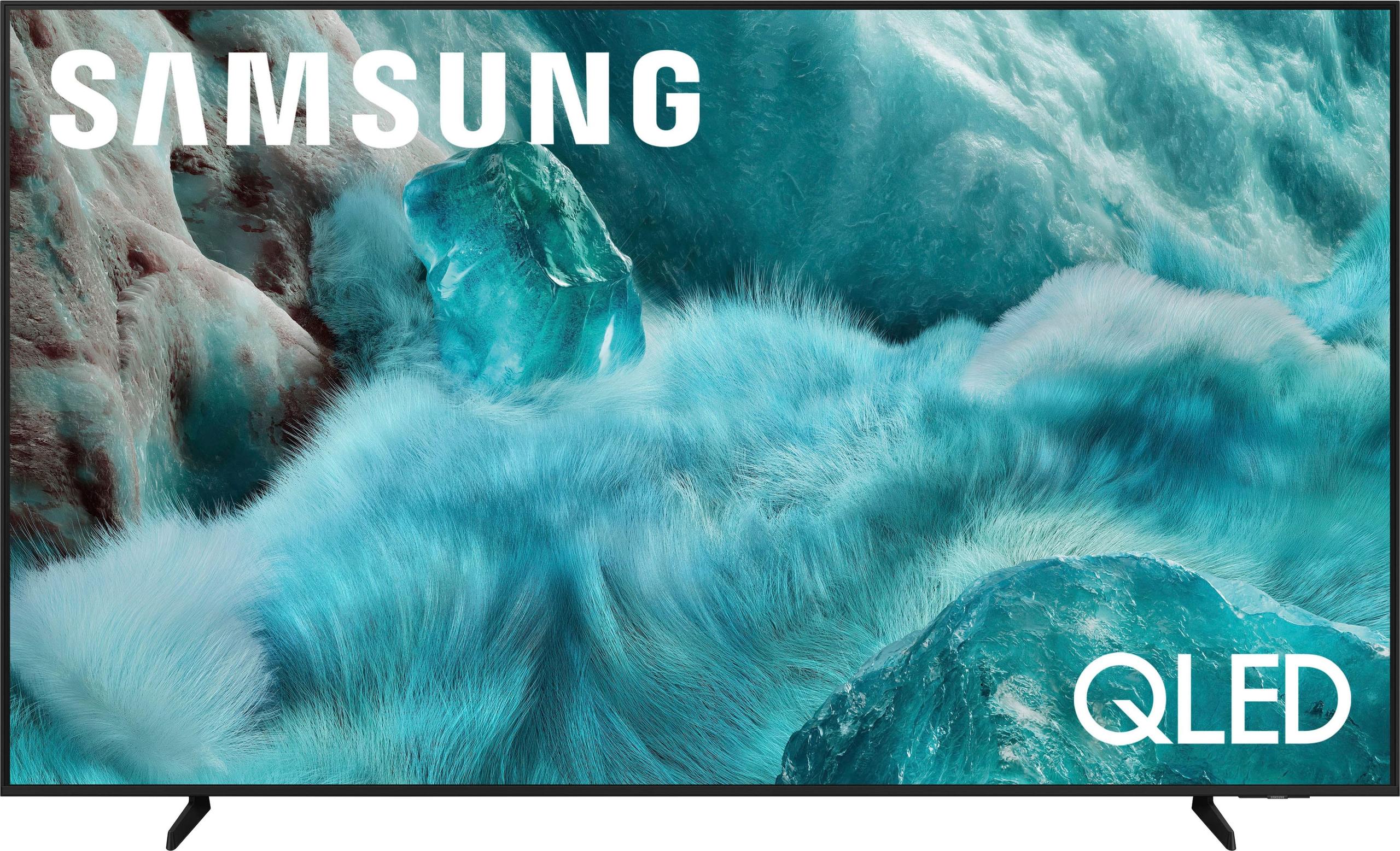
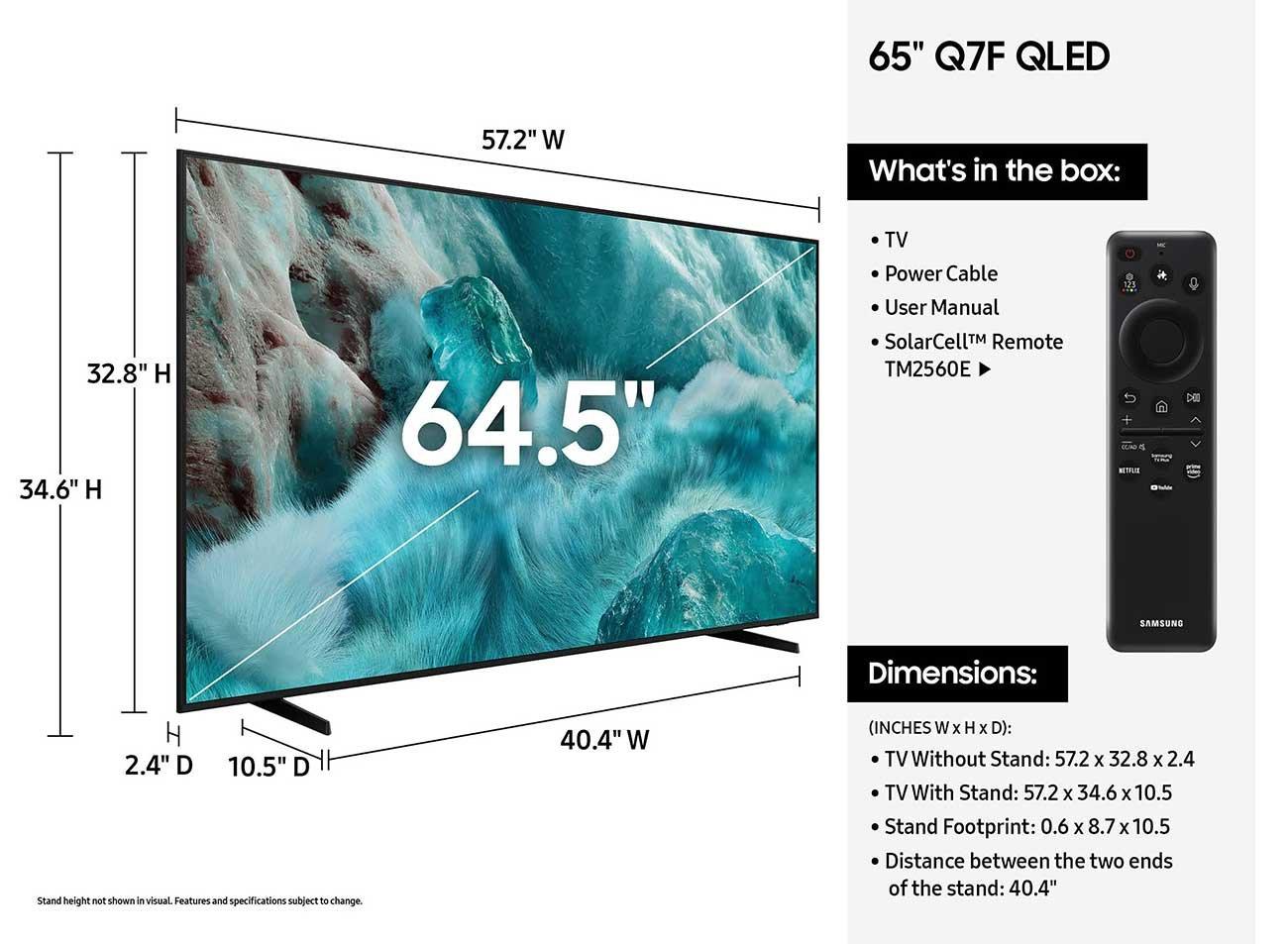

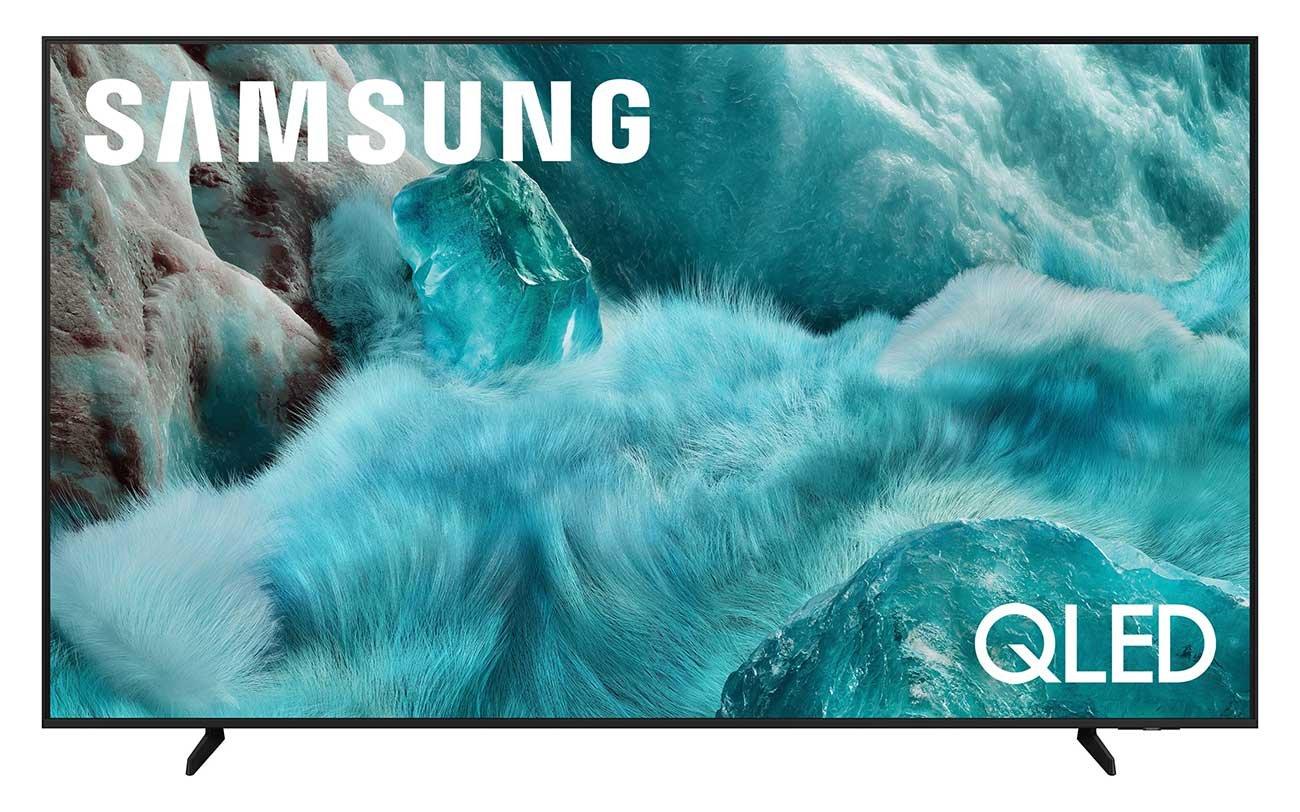

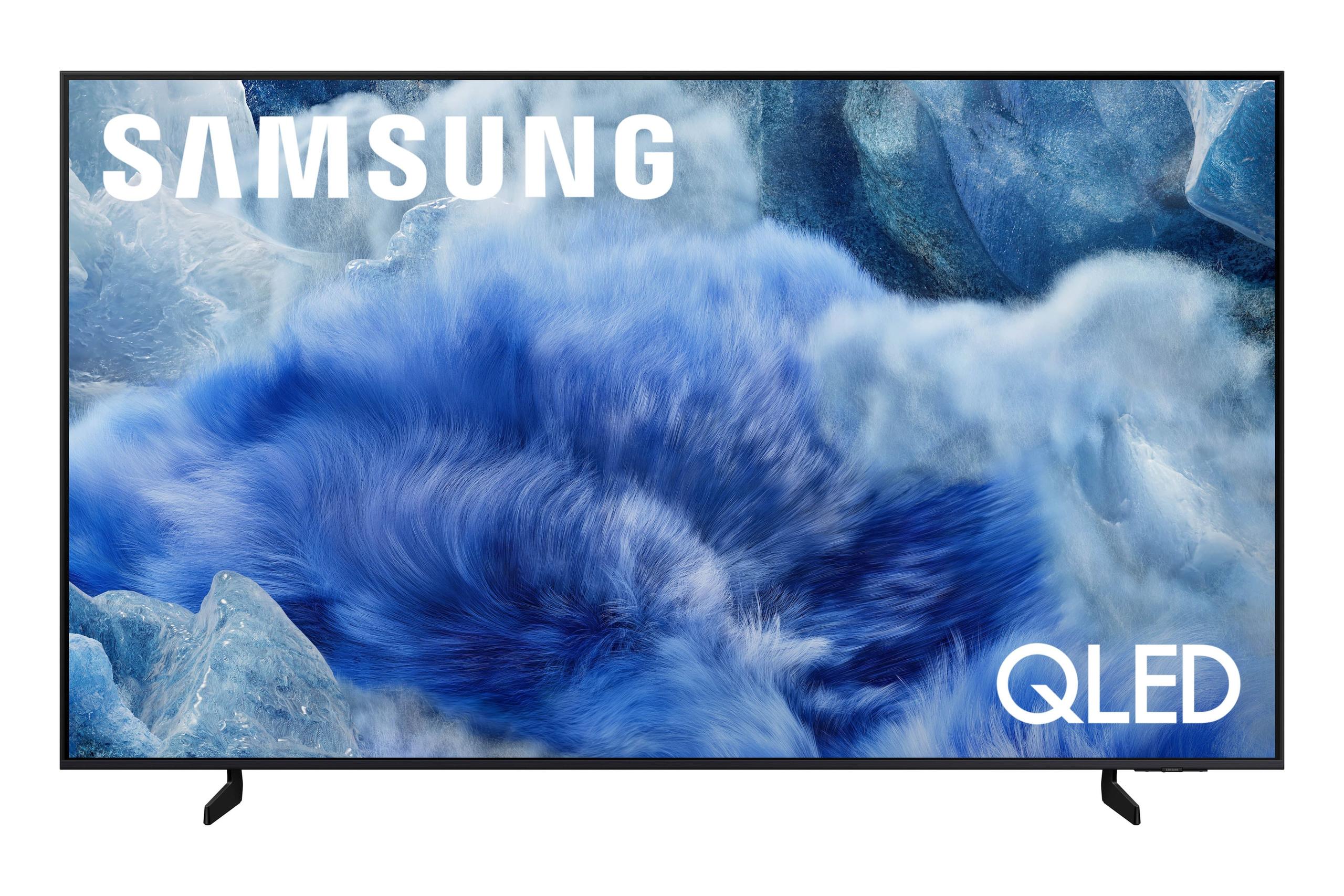
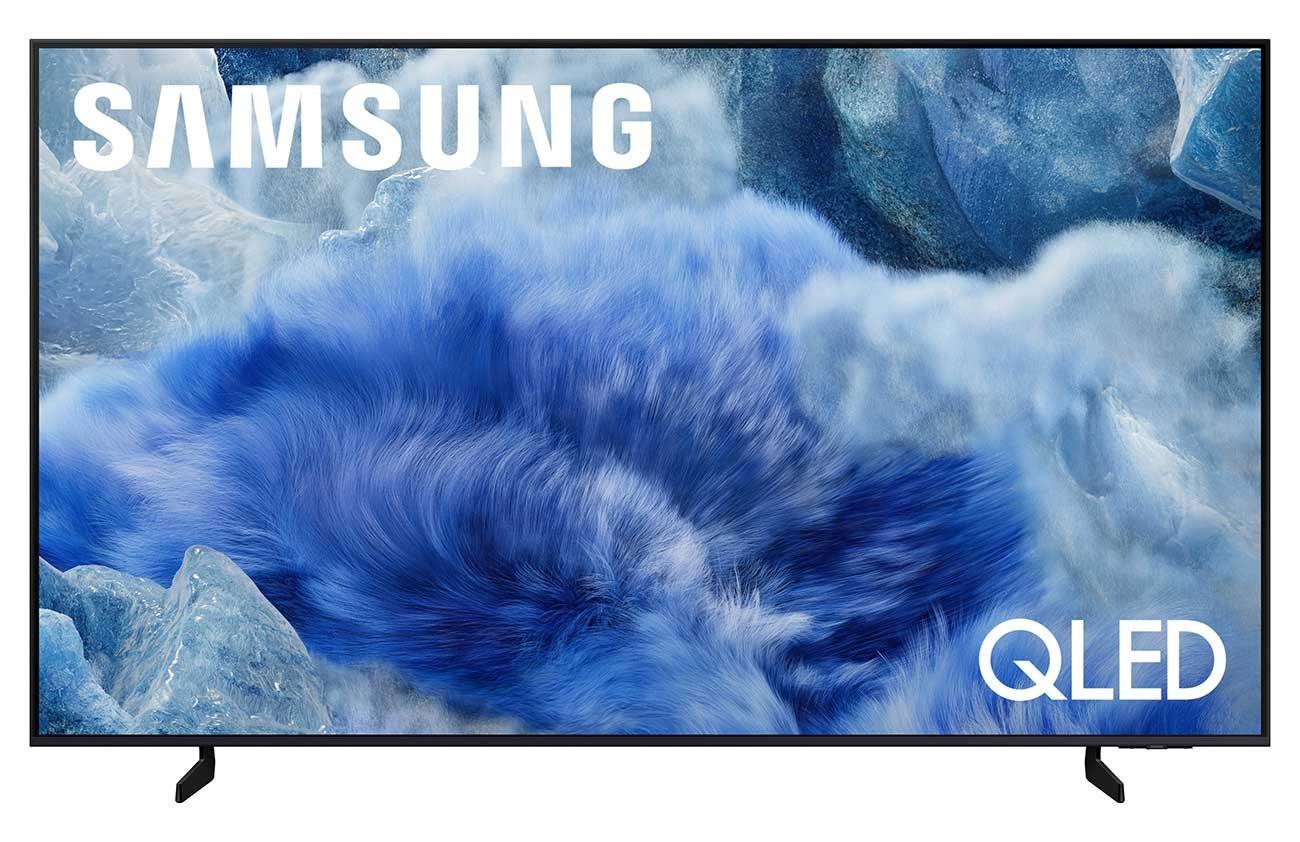
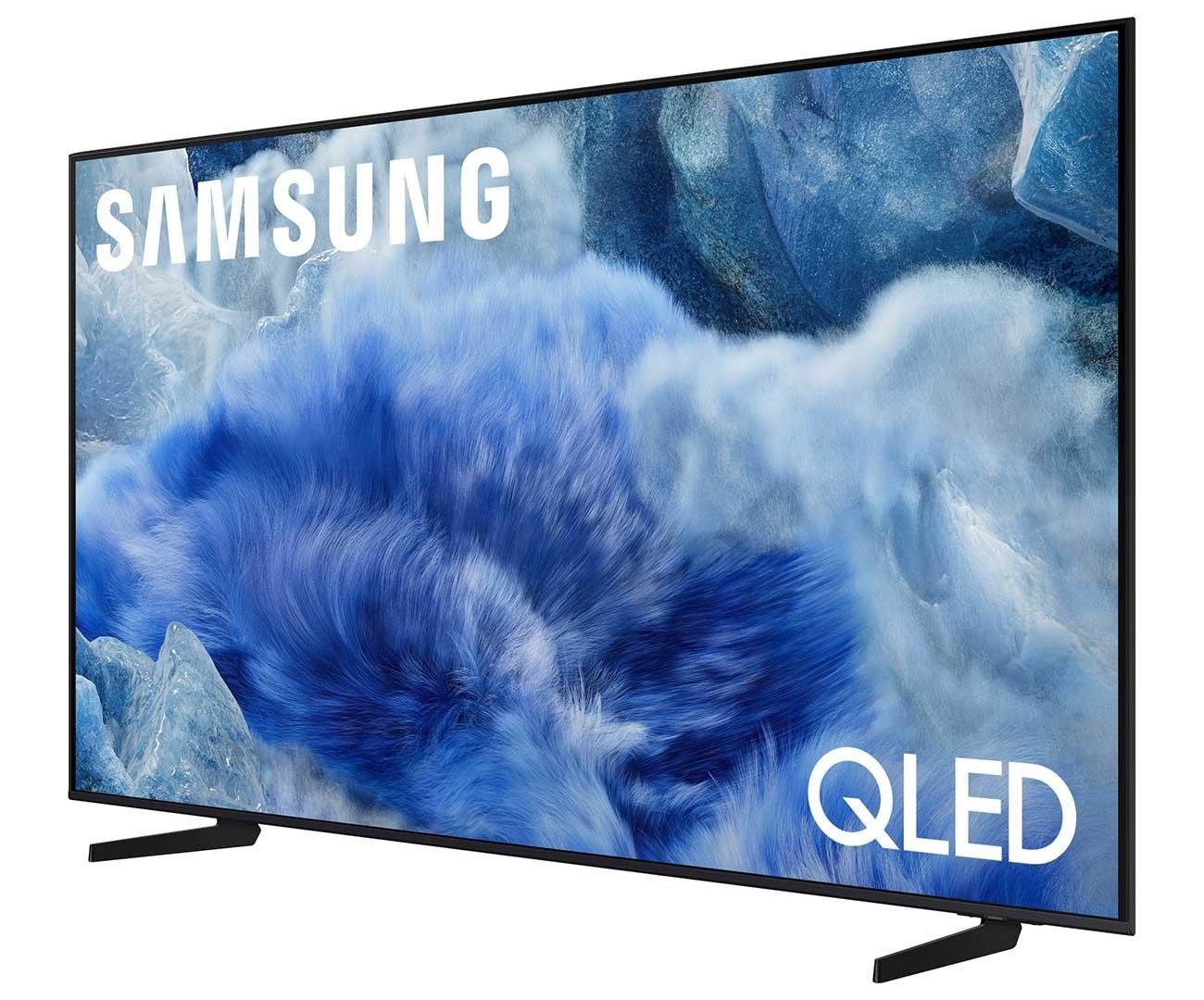
Shopping for a new QLED TV can feel overwhelming, especially when you're comparing models from the same brand that look similar on paper. Samsung's 2025 lineup includes both the Q7F and Q8F series, and while they share the QLED name, they're actually quite different beasts under the hood. At the time of writing, there's about a $170 difference between these 65-inch models, which might seem small, but it represents some significant technology upgrades that could make or break your viewing experience.
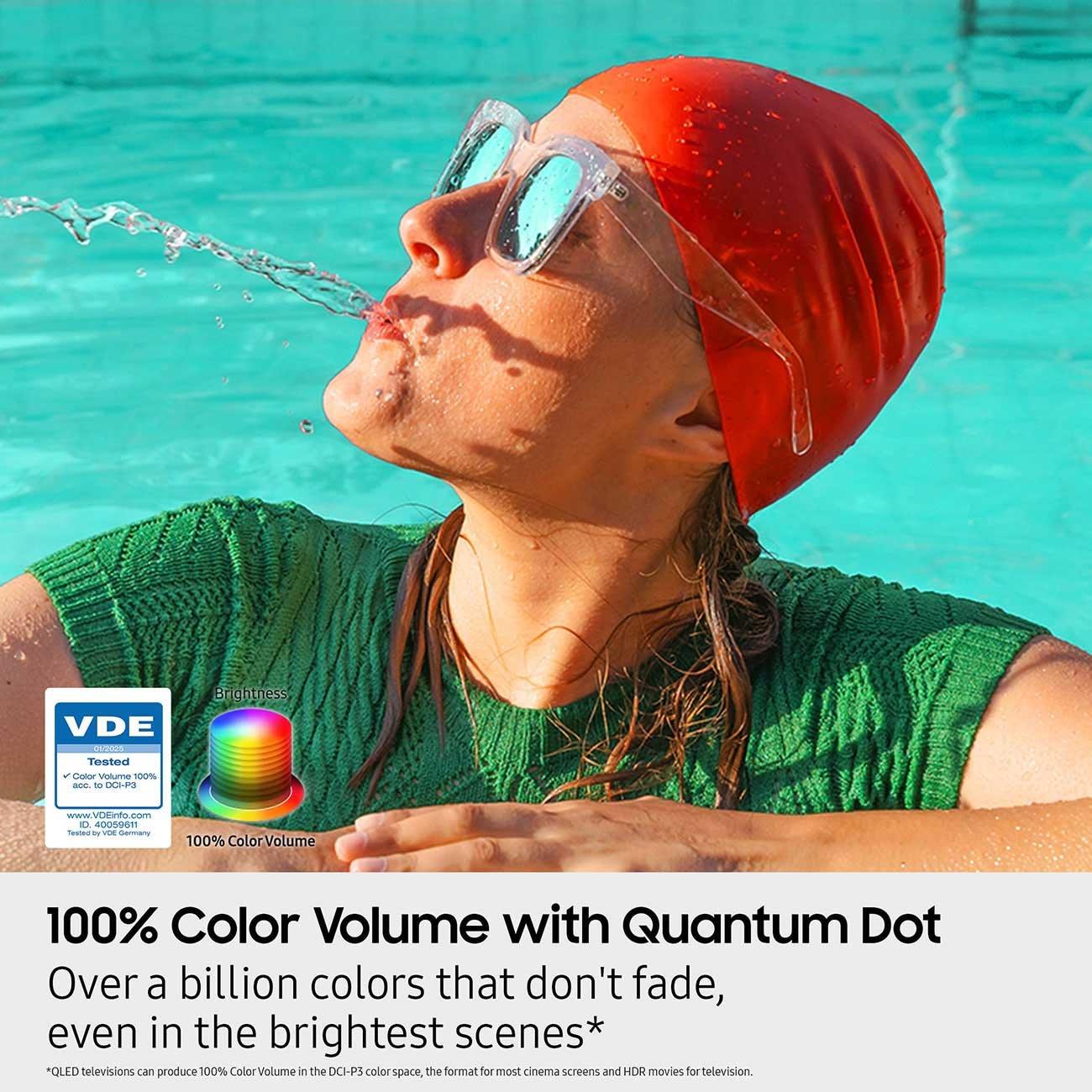
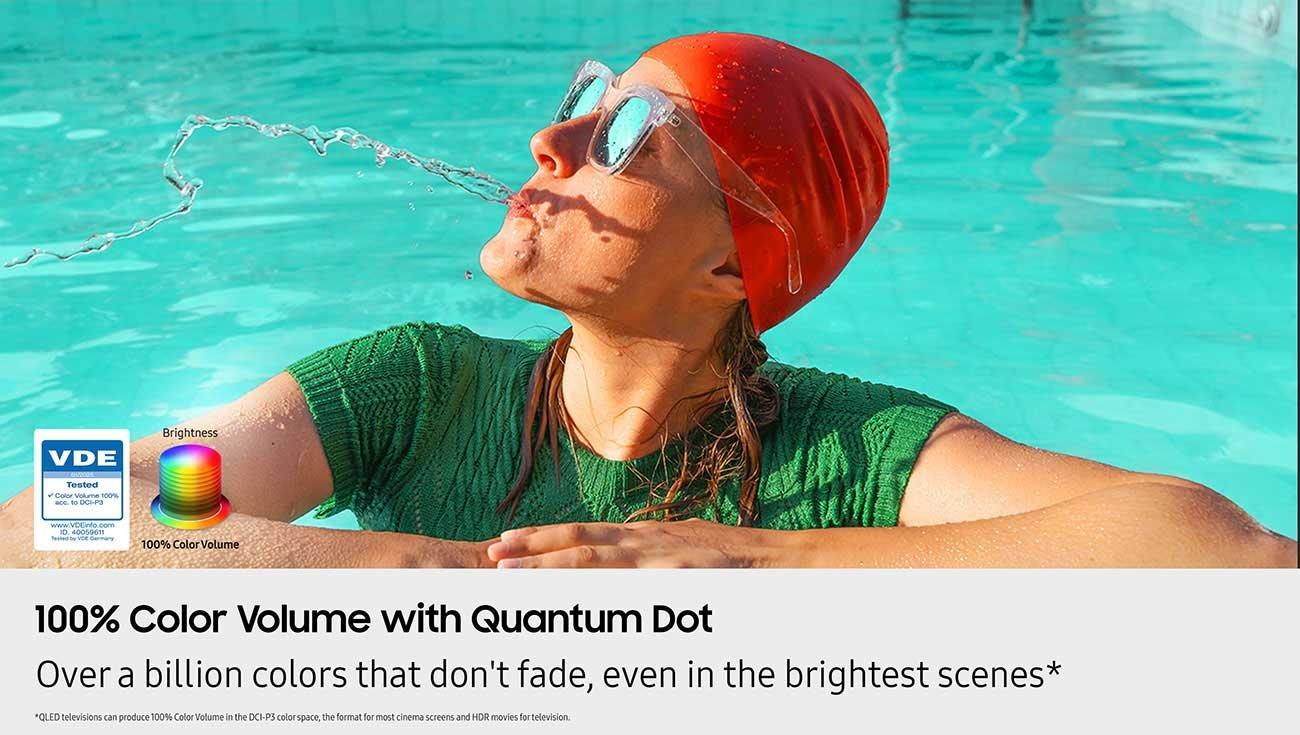
Before diving into the specifics, let's talk about what QLED actually means and why it matters. QLED stands for Quantum Dot Light Emitting Diode, which is essentially Samsung's premium LED technology that uses tiny particles called quantum dots to produce more accurate and vibrant colors. Think of quantum dots as microscopic color filters that can produce over one billion different shades – far more than traditional LED TVs.
When evaluating any QLED TV, the most important performance characteristics to focus on are contrast ratio (how well the TV displays both bright whites and deep blacks), peak brightness (crucial for HDR content and bright rooms), color accuracy (how true-to-life colors appear), and motion handling (important for sports and gaming). These factors determine whether you'll get that premium viewing experience that justifies the QLED price tag.
The biggest distinction between the Samsung Q7F and Q8F lies in their backlighting systems, and this difference affects everything else about these TVs. The Q7F uses a traditional direct-lit LED system without local dimming zones. This means the entire backlight operates as one unit, making it impossible to dim specific areas of the screen independently. It's like trying to read a book with a single overhead light – you can't create shadows or highlight specific areas.
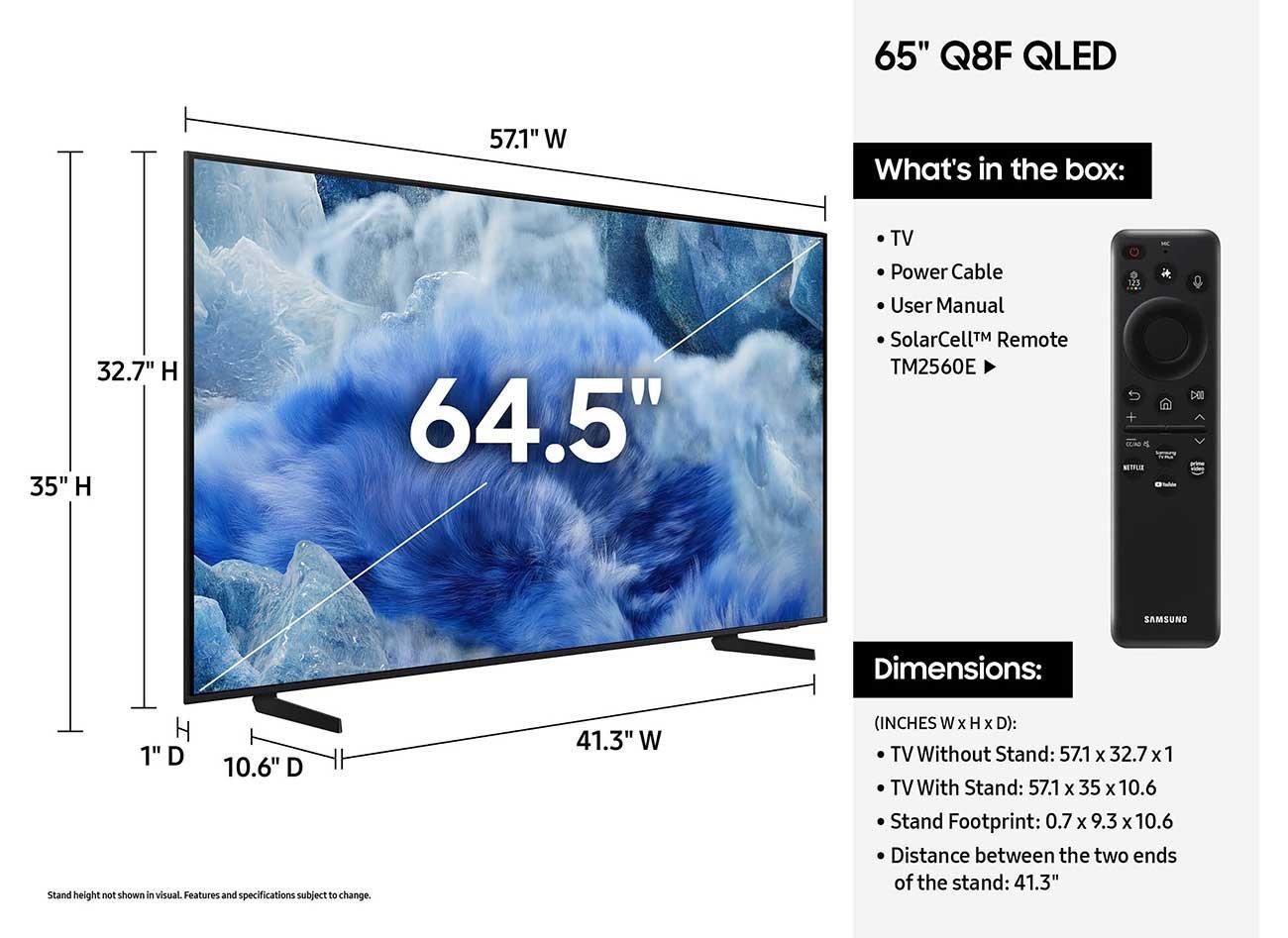
The Q8F, on the other hand, features Samsung's dual LED backlighting technology. This system uses two different types of LEDs – cool and warm – that work together to create more accurate colors and better contrast. While it's not full-array local dimming (where hundreds of zones can dim independently), it's a significant step up from the Q7F's basic system. The dual LED setup can produce deeper blacks, brighter whites, and more realistic colors because it has more control over how light is distributed across the panel.
This technological difference explains why our research into expert reviews consistently shows the Q7F struggling with contrast and brightness, while the Q8F delivers the kind of picture quality you'd expect from a modern QLED TV.
Based on professional testing and user feedback, the picture quality differences between these models are immediately noticeable. The Q7F suffers from what reviewers call "grayish blacks" – instead of true black, dark scenes appear washed out and lack depth. This is particularly problematic when watching movies in darkened rooms, where you want that cinematic contrast between bright and dark elements.
The brightness limitations of the Q7F also create problems during daytime viewing. If your living room gets natural light, you'll likely find yourself squinting at a dim, washed-out picture that can't compete with ambient lighting. HDR content, which is designed to showcase bright highlights and deep shadows, loses much of its impact on this display.
The Q8F addresses these fundamental issues with its superior backlighting system. Colors appear more saturated and lifelike, blacks look genuinely dark rather than gray, and the overall brightness levels make the TV usable in various lighting conditions. When watching HDR movies, you'll actually see the dramatic difference in brightness levels that directors intended – bright explosions pop off the screen while maintaining detail in shadow areas.
For home theater enthusiasts, this difference is crucial. A proper home theater setup demands good contrast and brightness control to create that immersive experience. The Q7F simply can't deliver the deep blacks and bright highlights needed for cinematic viewing, while the Q8F provides a much more satisfying movie-watching experience.
Gaming has become a major consideration for TV buyers, especially as game consoles like the PlayStation 5 and Xbox Series X can output 4K content at high refresh rates. This is where the differences between the Q7F and Q8F become even more pronounced.
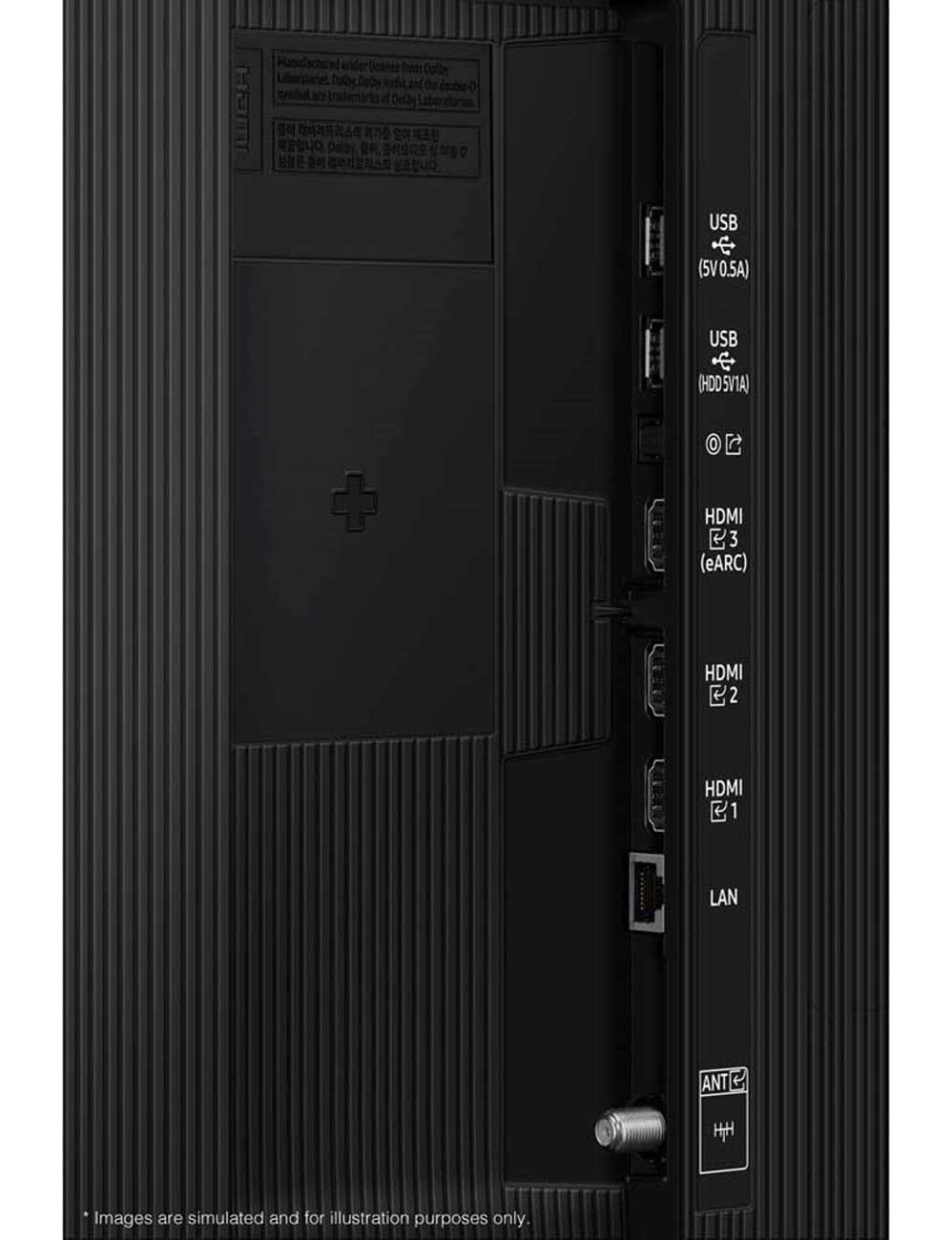
The Q7F operates at a standard 60Hz refresh rate, which was perfectly adequate a few years ago but feels limiting in 2025. While it includes basic gaming features like Auto Low Latency Mode (which reduces input lag when gaming), it lacks the modern connectivity and features that serious gamers expect. With only three HDMI ports and no Variable Refresh Rate (VRR) support, you'll miss out on smoother gameplay and may run into connectivity issues if you have multiple gaming devices.
The Q8F jumps to 120Hz, which means it can display twice as many frames per second. This translates to noticeably smoother motion during fast-paced gaming and sports viewing. More importantly, it includes four HDMI 2.1 ports that support advanced gaming features like VRR and FreeSync Premium. VRR synchronizes the TV's refresh rate with your gaming console's output, eliminating screen tearing and stuttering that can occur when frame rates fluctuate.
For competitive gamers or anyone who takes gaming seriously, these features aren't just nice-to-haves – they're essential. The Q8F also includes Dynamic Black EQ, which automatically brightens dark areas in games without washing out the overall picture, helping you spot enemies hiding in shadows.
Both TVs run Samsung's Tizen operating system and include the company's Vision AI technology, but the Q8F takes the smart features further. The most practical difference is far-field voice interaction – with the Q8F, you can speak commands to the TV from across the room without pressing any buttons on the remote. The Q7F requires you to hold down the voice button on the remote, which might seem minor but becomes annoying in daily use.
The Q8F also includes Live Translate, which can provide real-time language translation for broadcasts – useful if you watch international content. The Daily Board feature transforms your TV into an informational display when not in use, showing weather, calendar events, and other personalized information.
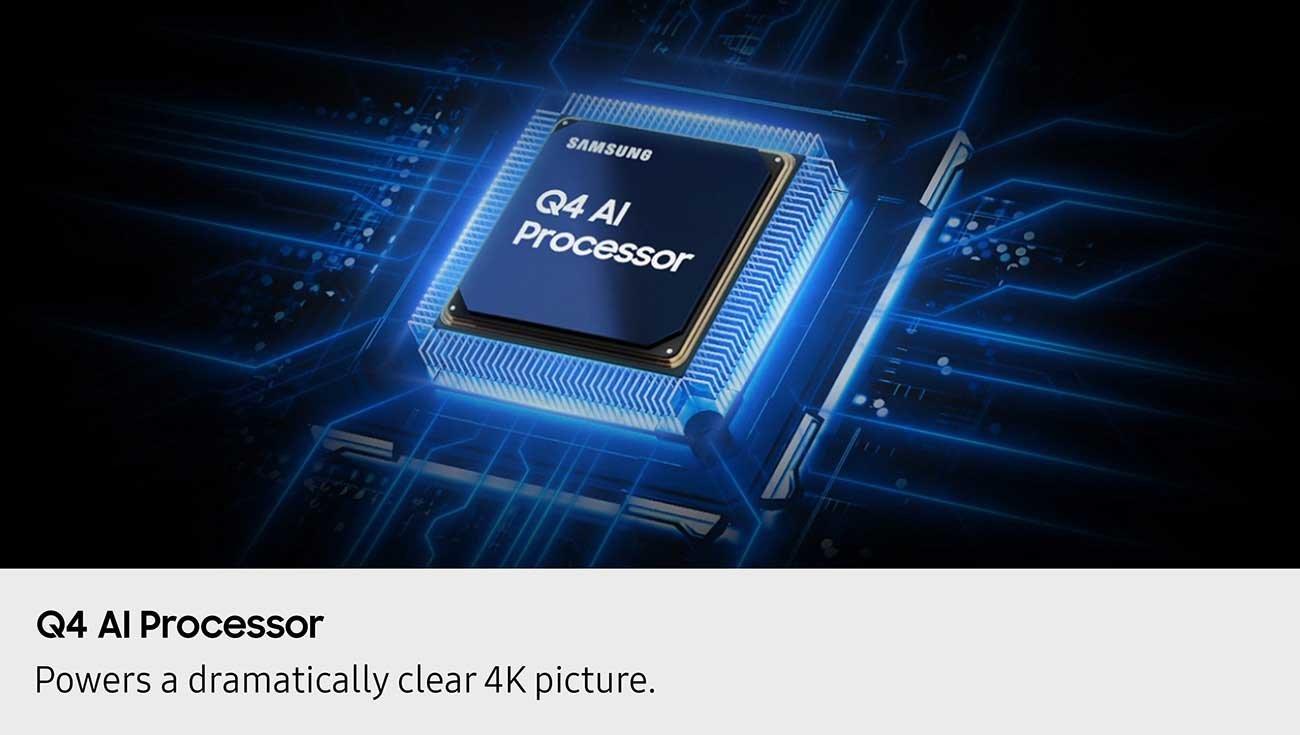
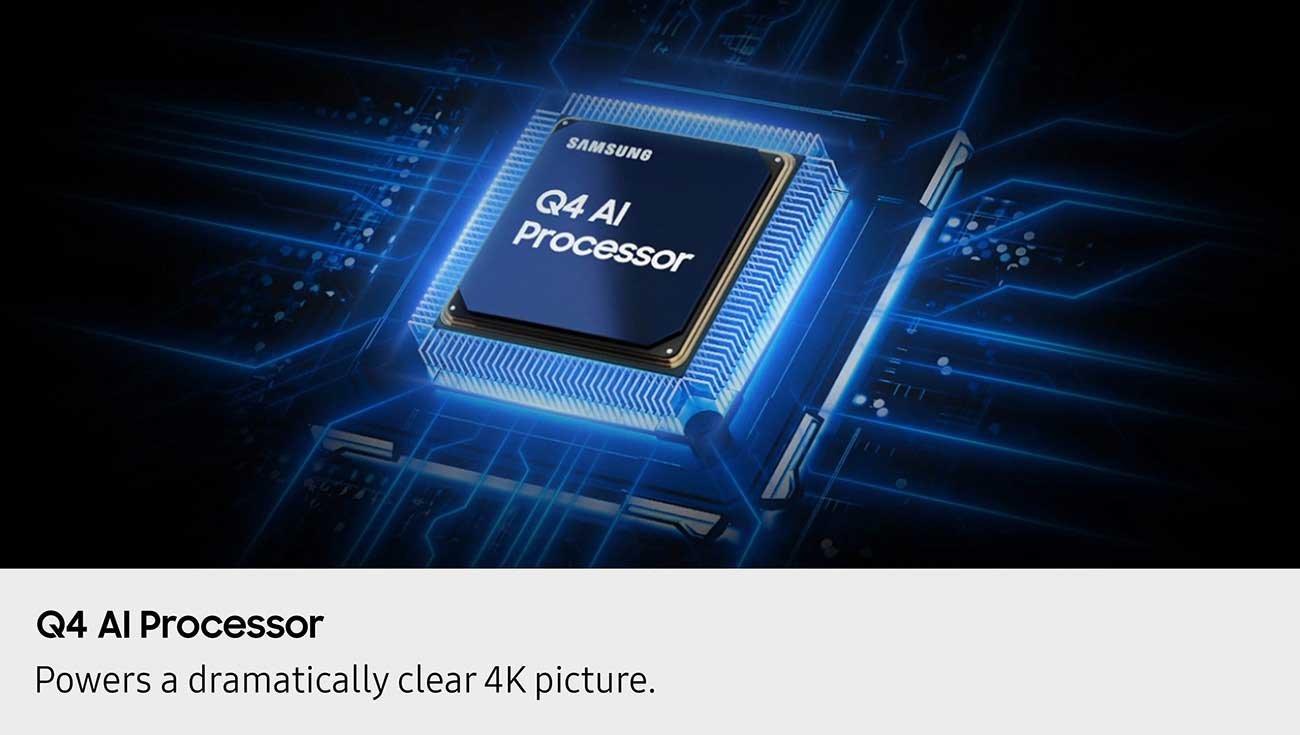
Both models process content using Samsung's Q4 AI processor, which upscales lower-resolution content to 4K and optimizes picture settings based on what you're watching. However, the Q8F includes Auto HDR Remastering, which can enhance standard dynamic range (SDR) content by improving highlights and contrast, making older movies and shows look better than they originally did.
Your room setup significantly impacts which TV will work better for you. The Q7F performs best in darker environments with controlled lighting. If you have blackout curtains and primarily watch TV in the evening, its brightness limitations become less noticeable. However, even then, the poor contrast means you won't get the full cinematic experience that modern content is designed to deliver.
The Q8F handles various room conditions much better. Its higher peak brightness means it can overcome glare from windows and room lighting, making it suitable for family rooms and living spaces with mixed lighting throughout the day. The Wide Viewing Angle technology also maintains better color and contrast when viewed from the sides, important if you have a large seating area or an open floor plan where people watch from different positions.
After researching extensive professional reviews and user feedback, the decision comes down to your priorities and budget constraints. The Q7F makes sense for a very specific type of buyer: someone who needs to hit a strict budget target, watches primarily basic content like news and sitcoms, and has a controlled lighting environment. Even then, you're making significant compromises in picture quality that may lead to disappointment, especially if you're upgrading from an older TV expecting a dramatic improvement.
The Q8F, despite costing more at the time of writing, delivers substantially better value for most users. The dual LED backlighting alone transforms the viewing experience, providing the contrast and brightness that make QLED technology worthwhile. Add in the gaming features, smart enhancements, and better room compatibility, and the price premium becomes easier to justify.
For home theater enthusiasts, the choice is clear – the Q7F simply cannot deliver the picture quality needed for serious movie watching. The Q8F provides a much more satisfying cinematic experience, though it's still not at the level of Samsung's premium Neo QLED models with full-array local dimming.
Gamers should strongly consider the Q8F for its 120Hz panel and modern gaming features. The Q7F will work for casual gaming, but you'll miss out on the smooth performance that current-generation consoles can deliver.
Television pricing fluctuates, but at the time of writing, the performance gap between these models far exceeds their price difference. Professional reviewers consistently rate the Q7F as inadequate for modern viewing standards, while the Q8F addresses its fundamental weaknesses.
The Q7F represents Samsung's attempt to offer QLED technology at an entry-level price point, but the compromises made to hit that target result in a viewing experience that doesn't live up to QLED expectations. The Q8F provides what most buyers are actually looking for when they shop for QLED TVs – vibrant colors, good contrast, and modern features.
If your budget absolutely cannot stretch beyond the Q7F's price point, and you understand the limitations you're accepting, it can serve basic viewing needs in the right environment. However, for most buyers, saving a bit more for the Q8F will result in significantly higher satisfaction and a TV that performs well across all types of content and viewing conditions.
The technology improvements Samsung implemented in the Q8F address the core issues that make the Q7F difficult to recommend. Unless you're in a very specific situation where the Q7F's limitations won't affect your viewing experience, the extra investment in the Q8F represents excellent value for the substantial performance improvements you receive.
Consider your long-term needs as well – TVs typically last 7-10 years, and content standards continue evolving. The Q8F's more robust feature set and better picture quality provide better future-proofing for emerging content formats and gaming requirements.
| Samsung 65" Q7F QLED 4K Vision AI Smart TV 2025 | Samsung 65" QN8F Series QLED 4K Vision AI Smart TV 2025 |
|---|---|
| Display Technology - The foundation that determines picture quality | |
| Direct-lit LED without local dimming (basic backlighting) | Dual LED backlighting (superior contrast and color accuracy) |
| Refresh Rate - Critical for smooth gaming and sports | |
| 60Hz (adequate for basic viewing) | 120Hz (smooth motion for gaming and sports) |
| Peak Brightness - Essential for HDR content and bright rooms | |
| 500 cd/m² (too dim for effective HDR, struggles in bright rooms) | Significantly higher brightness (handles HDR well, works in various lighting) |
| Contrast Performance - What creates that cinematic depth | |
| Static contrast 4500:1 with grayish blacks | Superior contrast with deeper blacks and brighter whites |
| Gaming Features - Modern connectivity for consoles | |
| 3 HDMI ports, no VRR, basic gaming mode | 4 HDMI 2.1 ports, VRR, FreeSync Premium, Dynamic Black EQ |
| Smart TV Features - AI and voice control capabilities | |
| Vision AI, remote voice control only | Vision AI plus far-field voice, Live Translate, Auto HDR Remastering |
| Viewing Angles - Important for larger seating areas | |
| Standard viewing angles (color shifts from sides) | Wide Viewing Angle technology (maintains quality off-center) |
| Design Profile - How it fits in your space | |
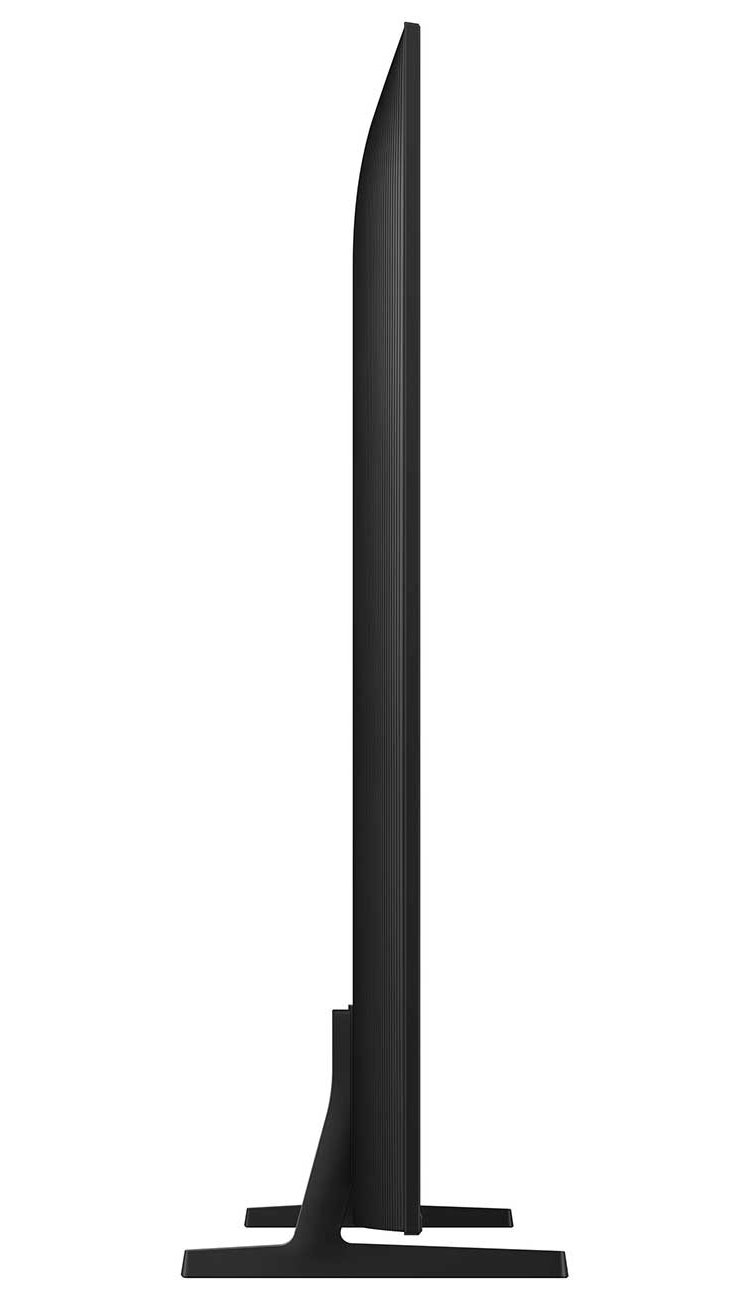
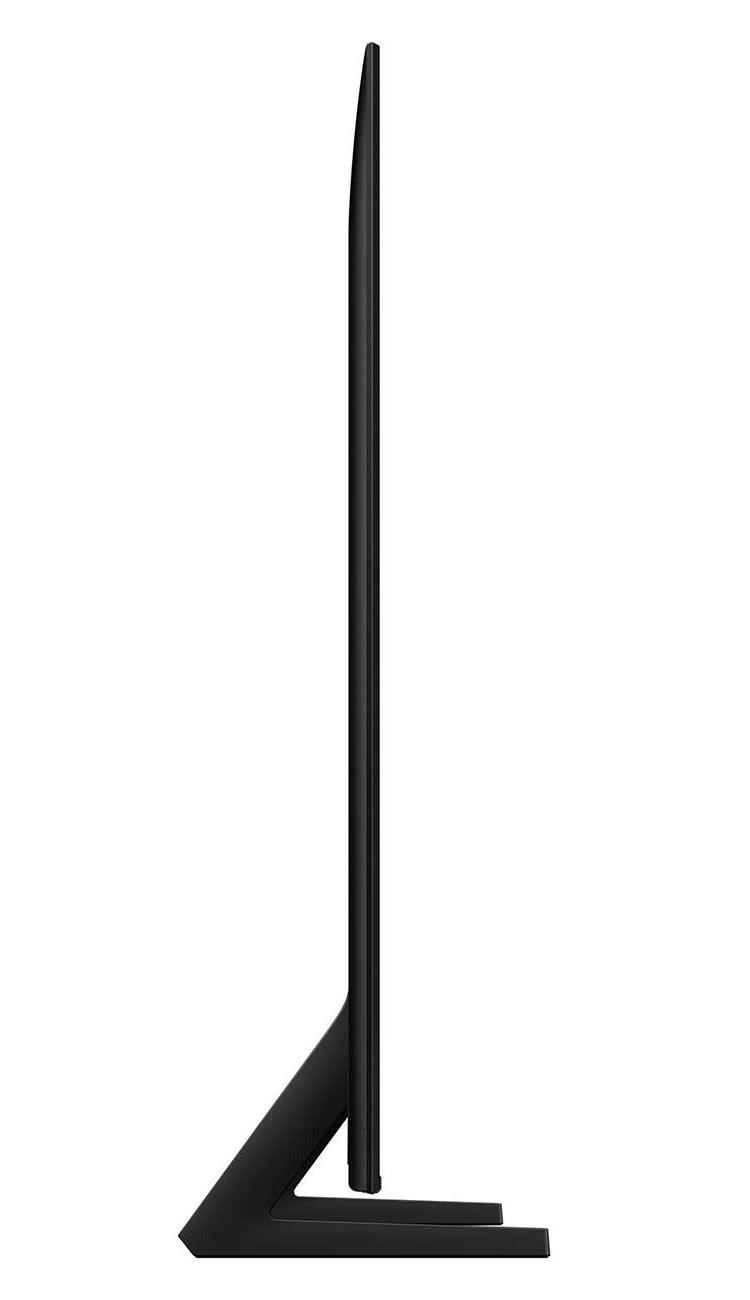
| Thicker cabinet due to direct-lit design | AirSlim design - sleeker and slimmer profile |
| Audio Output - Built-in sound system | |
| Not specified in available specs | 20W 2CH with Adaptive Sound+ and Object Tracking Sound Lite |
| Best For - Target user and use cases | |
| Budget buyers, basic viewing in dark rooms only | Quality-focused buyers wanting modern features across all content types |
The primary difference is in their backlighting technology. The Samsung Q7F uses basic direct-lit LED backlighting, while the Samsung Q8F features advanced dual LED backlighting that produces better contrast, deeper blacks, and more accurate colors. This fundamental technology difference affects every aspect of picture quality.
The Samsung Q8F is significantly better for gaming with its 120Hz refresh rate, four HDMI 2.1 ports, Variable Refresh Rate (VRR) support, and FreeSync Premium. The Samsung Q7F only offers 60Hz and basic gaming features, making it suitable for casual gaming but inadequate for serious gamers or current-generation consoles.
The Samsung Q8F performs much better in bright rooms due to its superior peak brightness levels that can overcome glare from windows and room lighting. The Samsung Q7F struggles in bright environments and is best suited for darker viewing conditions with controlled lighting.
For home theater use, the Samsung Q8F is the clear winner. It delivers the contrast, brightness, and color accuracy needed for cinematic viewing, especially with HDR content. The Samsung Q7F suffers from poor black levels and insufficient brightness that diminish the movie-watching experience.
Both TVs run Samsung's Tizen OS with Vision AI and support the same streaming services. However, the Samsung Q8F includes additional features like far-field voice control, Live Translate for international content, and Auto HDR Remastering that enhances older content.
The Samsung Q8F includes Wide Viewing Angle technology that maintains better color and contrast when viewed from the sides. The Samsung Q7F experiences more noticeable color shifting and contrast degradation when viewed off-center, making it less ideal for large seating areas.
Yes, the picture quality differences are immediately apparent. Professional reviews consistently note that the Samsung Q7F produces grayish blacks and lacks brightness for proper HDR viewing, while the Samsung Q8F delivers the vibrant colors and contrast that buyers expect from QLED technology.
Despite costing more, the Samsung Q8F offers better value due to its substantial improvements in picture quality, gaming features, and smart capabilities. The Samsung Q7F represents entry-level QLED pricing but with significant compromises that may lead to buyer disappointment.
The Samsung Q8F handles 4K HDR content effectively with proper highlight detail and contrast. The Samsung Q7F technically supports HDR formats but lacks the brightness and contrast needed to display HDR content as intended, making the experience underwhelming.
The Samsung Q8F is superior for sports with its 120Hz refresh rate that reduces motion blur during fast action sequences. The Samsung Q7F with its 60Hz panel can show motion artifacts during rapid camera movements and fast-paced sports action.
Both models support voice assistants, but the Samsung Q8F offers hands-free far-field voice interaction, allowing you to speak commands from across the room. The Samsung Q7F requires pressing the voice button on the remote to activate voice control.
If budget is the absolute priority and you primarily watch basic content in dark rooms, the Samsung Q7F can meet minimal needs. However, for most buyers, saving for the Samsung Q8F provides significantly better long-term satisfaction and performance across all viewing scenarios.
We've done our best to create useful and informative comparisons to help you decide what product to buy. Our research uses advanced automated methods to create this comparison and perfection is not possible - please contact us for corrections or questions. These are the sites we've researched in the creation of this article: bestbuy.com - youtube.com - samsung.com - samsung.com - pcrichard.com - samsung.com - samsung.com - videoandaudiocenter.com - displayspecifications.com - bestbuy.com - samsung.com - samsung.com - samsung.com - samsung.com - news.samsung.com - bestbuy.com - samsung.com - rtings.com - youtube.com - samsung.com - pcrichard.com - abt.com - images.samsung.com - cnet.com - samsung.com - bestbuy.com

Privacy Policy
Terms and Conditions - Affiliate Policy
Home Security
© Copyright 2008-2026.
11816 Inwood Rd #1211, Dallas, TX 75244