

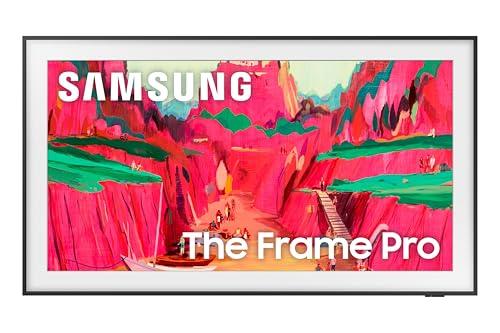


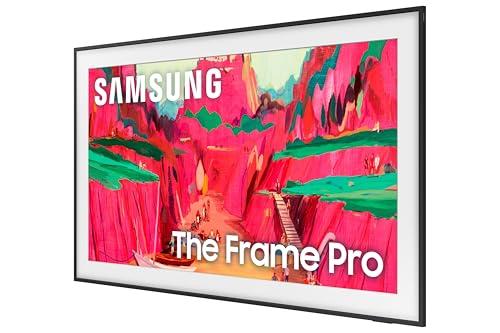
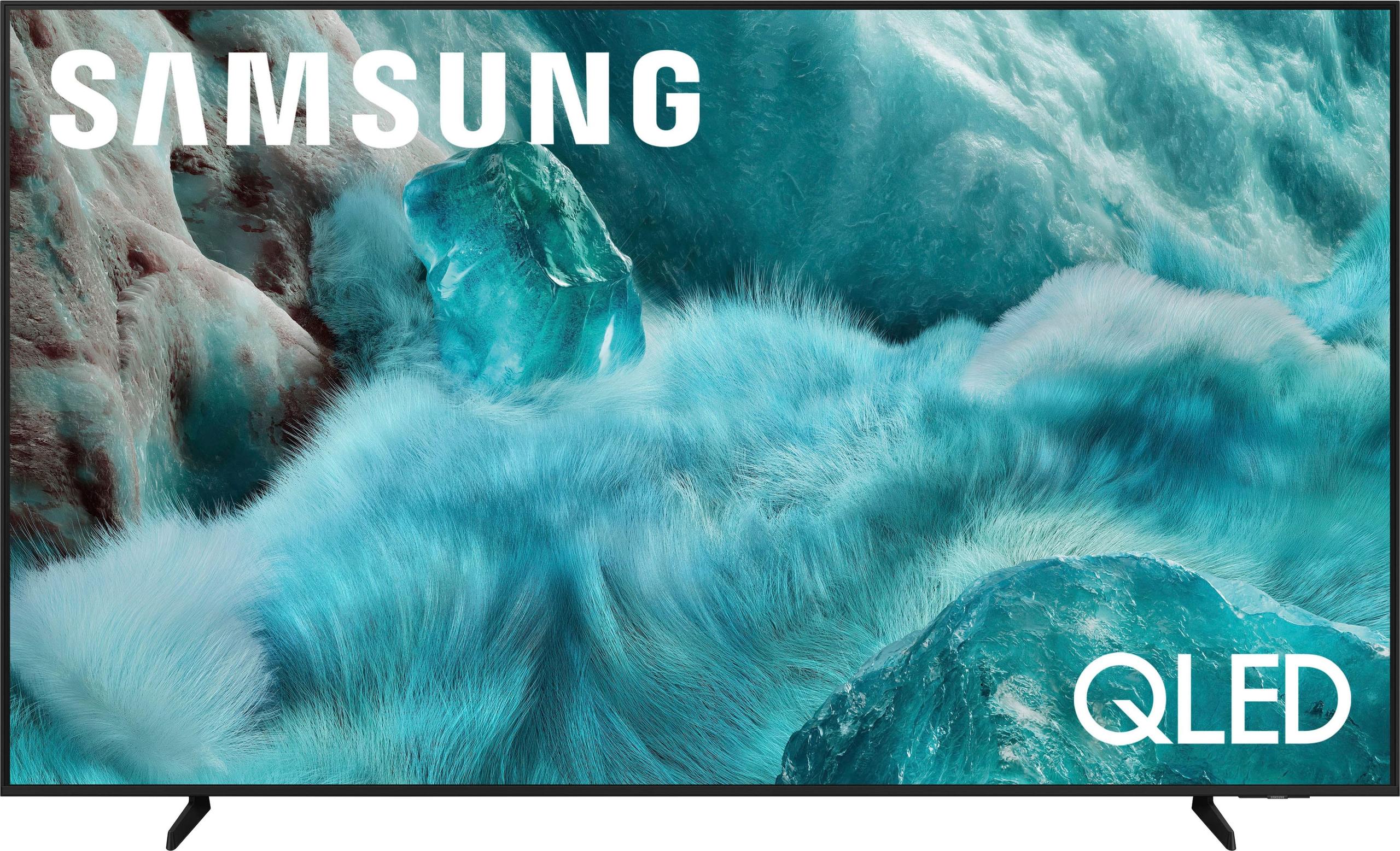

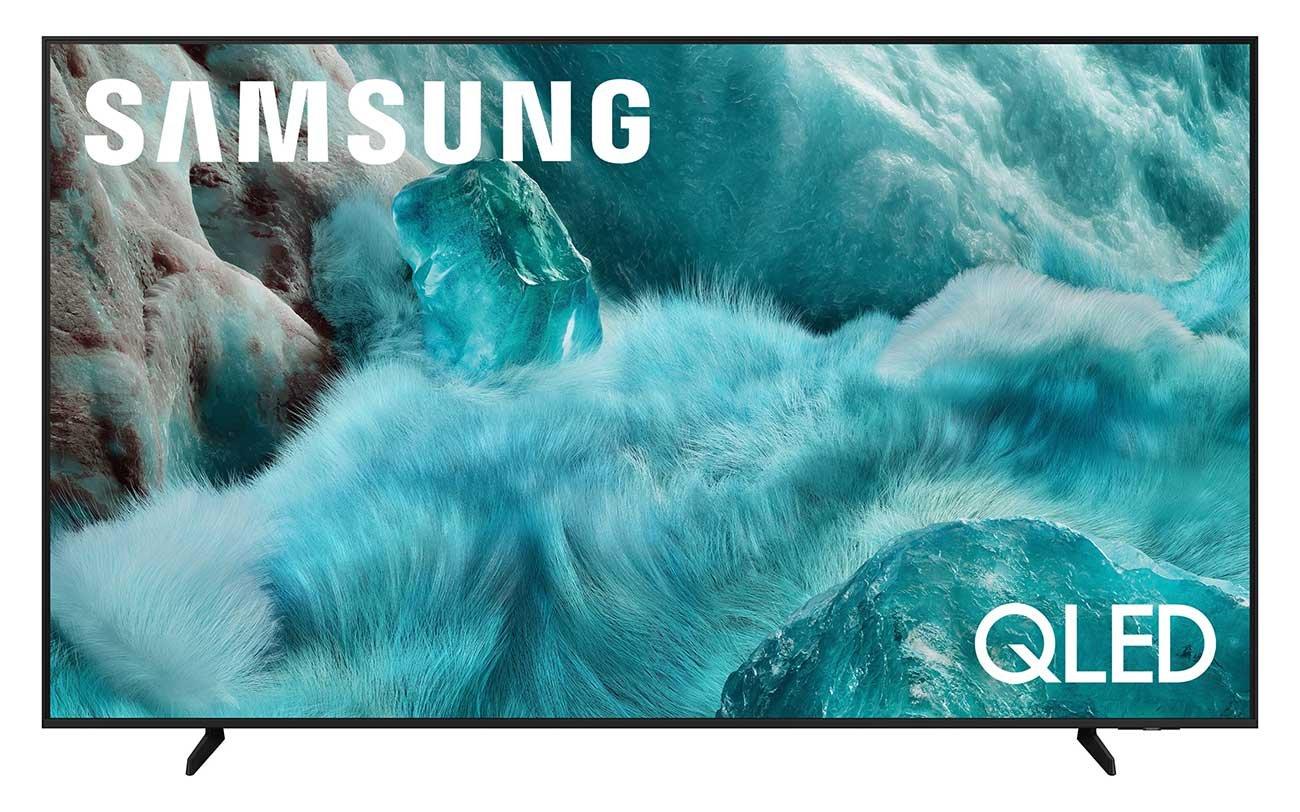

Samsung released two very different 65-inch QLED TVs in 2025, and the choice between them reveals a fundamental question: Do you want a TV that disappears into your décor, or one that delivers maximum bang for your buck? The Samsung 65" The Frame Pro 4K Neo QLED Smart TV and Samsung 65" Q7F QLED 4K Vision AI Smart TV represent opposite ends of Samsung's strategy—one prioritizes lifestyle integration at a premium price, while the other focuses on core performance at an accessible cost.
At the time of writing, these TVs sit roughly $1,100 apart in pricing, making the decision about much more than just screen size and brand preference. Let's dive into what makes each unique and help you figure out which belongs in your living room.
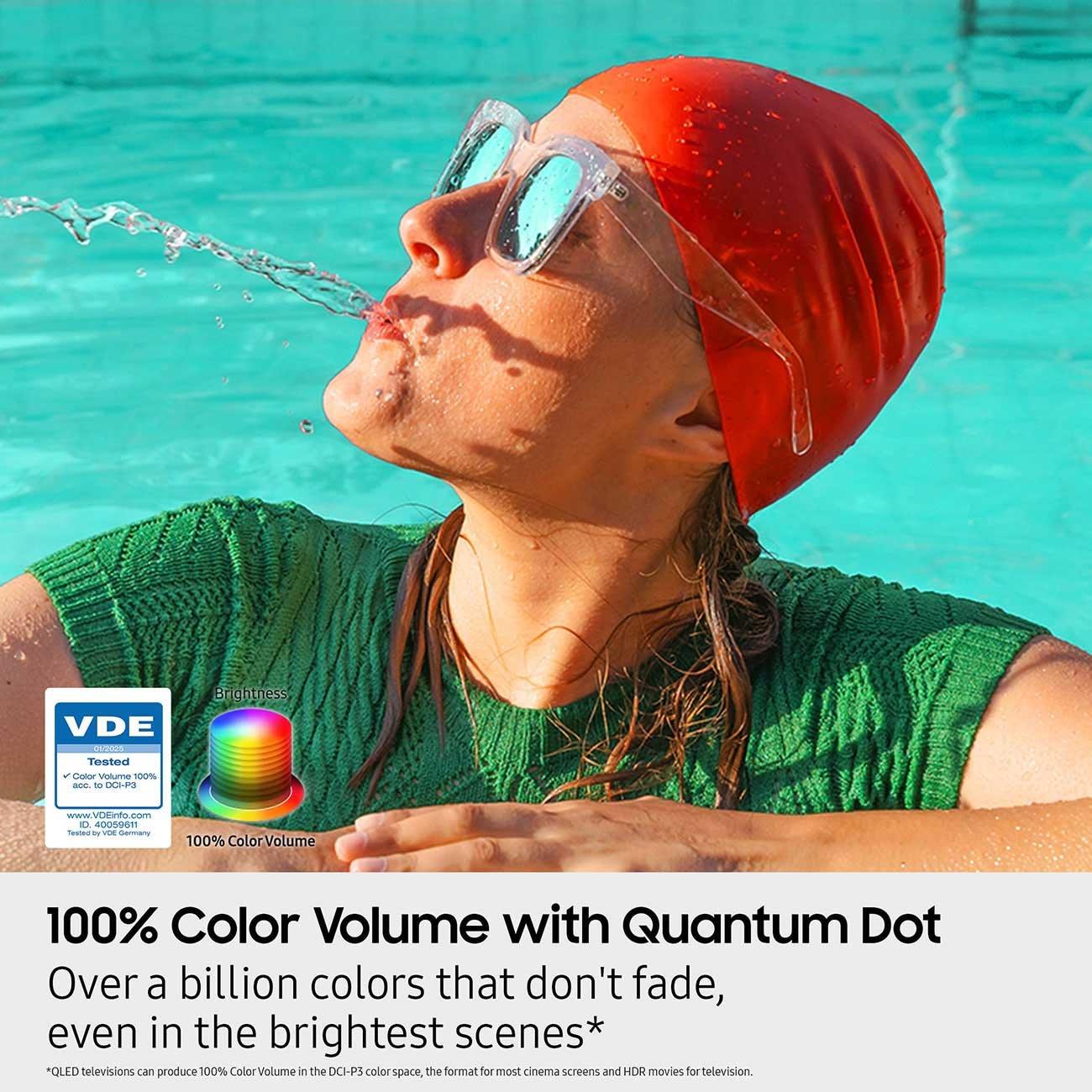
Both TVs use Samsung's QLED technology, which stands for Quantum Dot Light Emitting Diode. Think of quantum dots as microscopic crystals that act like tiny color filters—when hit by blue LED light, they produce incredibly pure red and green colors. This technology allows QLED TVs to display a much wider range of colors than traditional LED TVs, creating more vibrant and lifelike images.
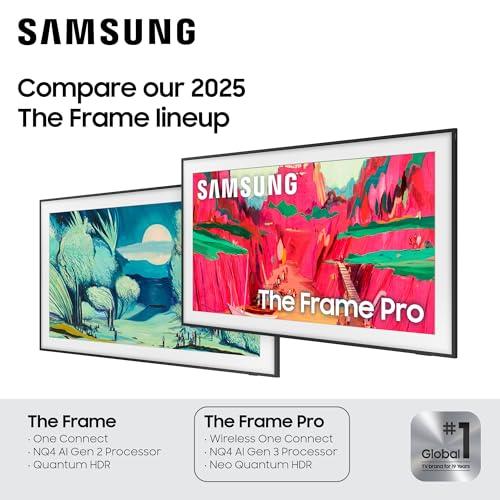
The key difference lies in how each TV implements this technology. The Frame Pro uses Neo QLED, Samsung's premium version that combines quantum dots with Mini LED backlighting—thousands of tiny LEDs that can be controlled in zones for better contrast. The Q7F uses standard QLED with conventional LED backlighting, which is simpler but still delivers the color benefits of quantum dot technology.
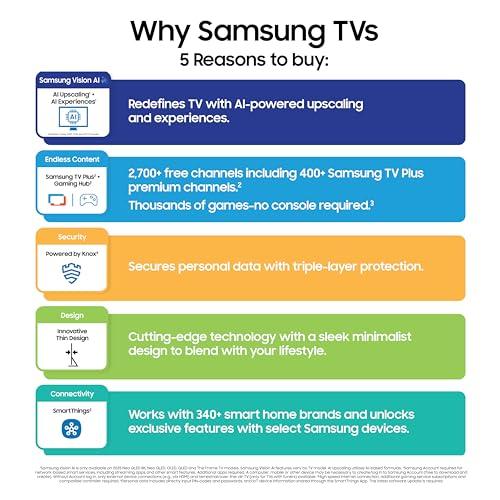
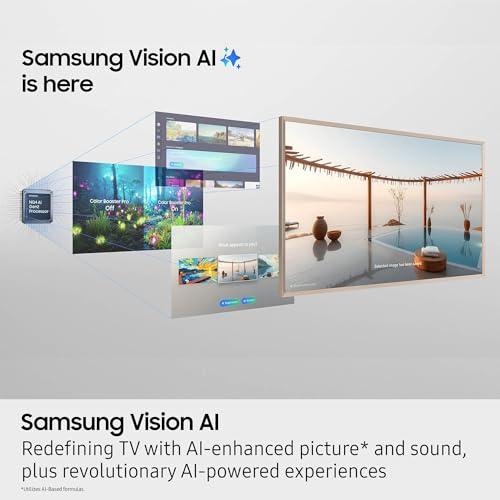
For 2025, Samsung made significant improvements to both lines. The Frame Pro gained its wireless connectivity system and 144Hz refresh rate (the number of times the screen updates per second), while the Q7F received the new Vision AI processing that automatically optimizes picture and sound based on what you're watching.
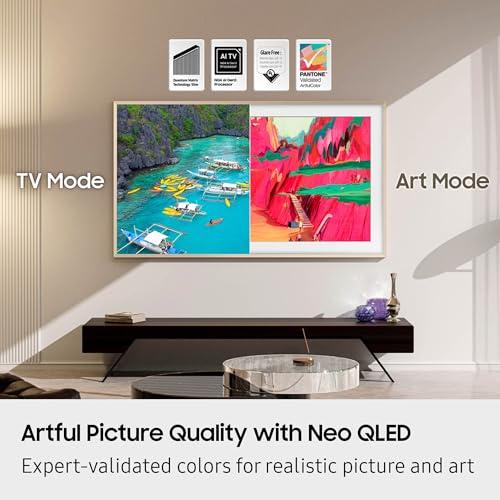
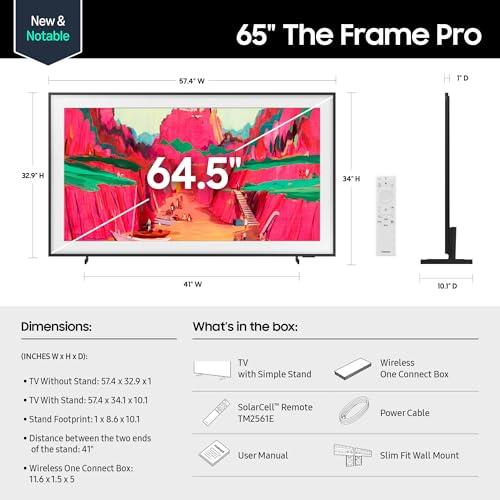
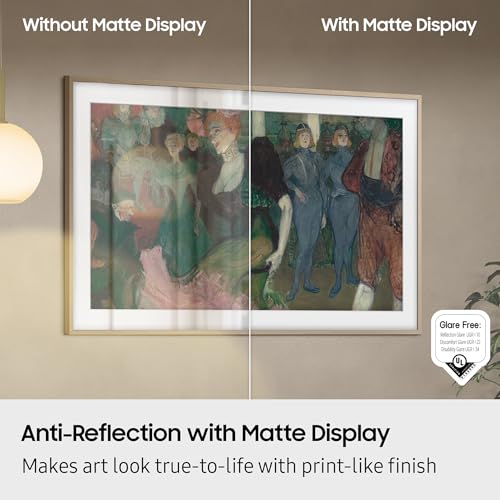
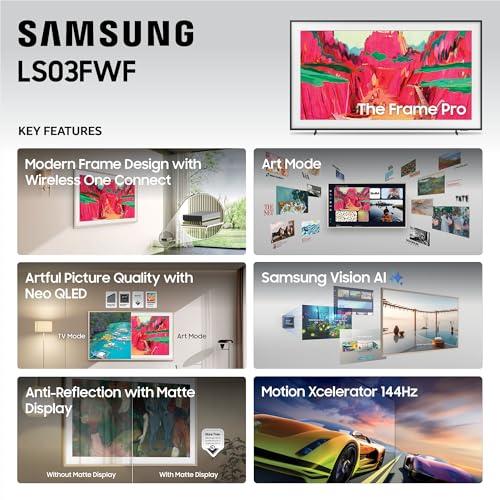
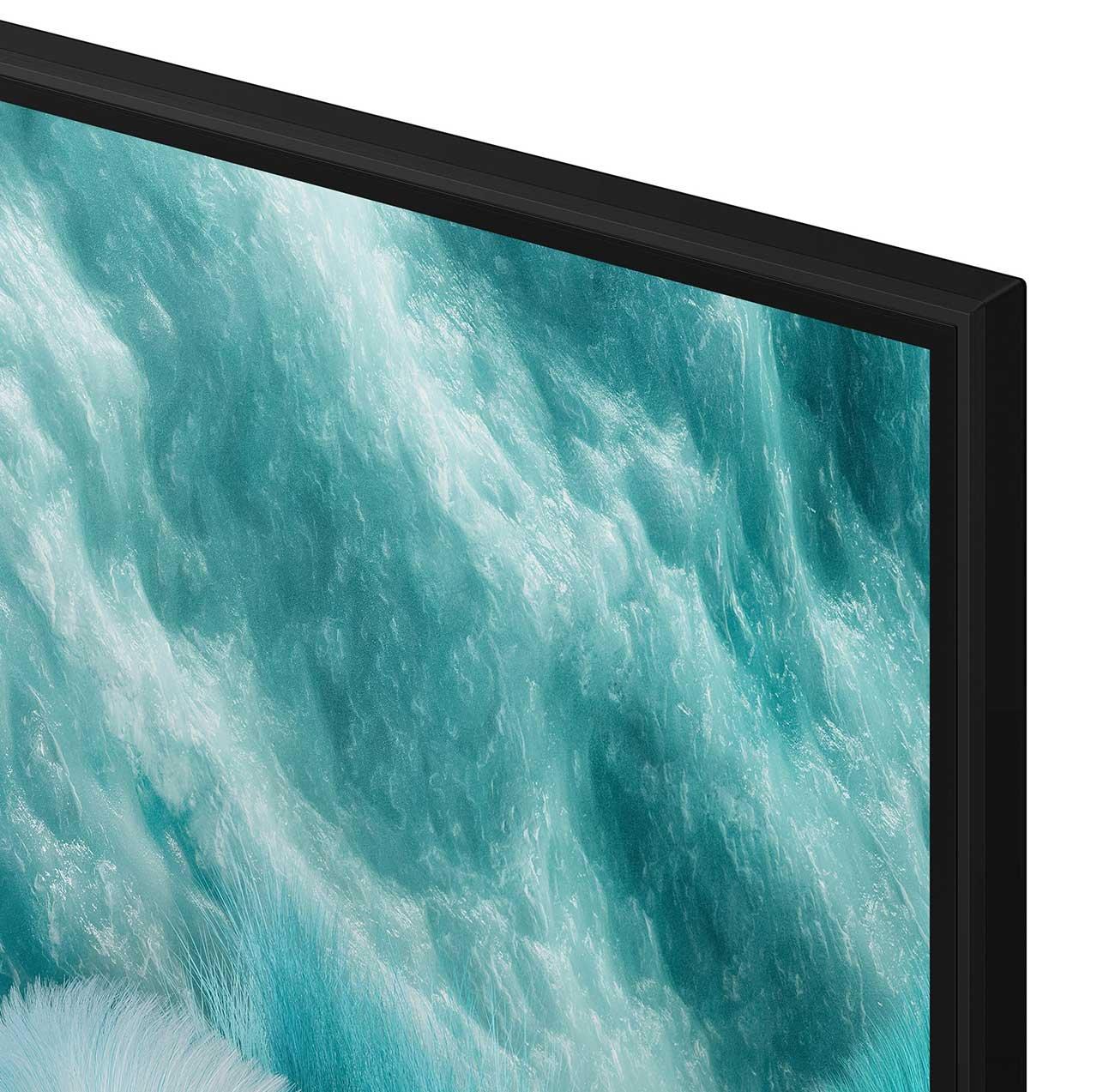
The most obvious difference between these TVs is their approach to living room integration. The Frame Pro was designed from the ground up to look like a framed piece of art when not in use. Samsung achieved this through several clever design choices: customizable bezels that can match your décor, a matte anti-glare coating that mimics the texture of real artwork, and most impressively, a Wireless One Connect Box that eliminates visible cables.
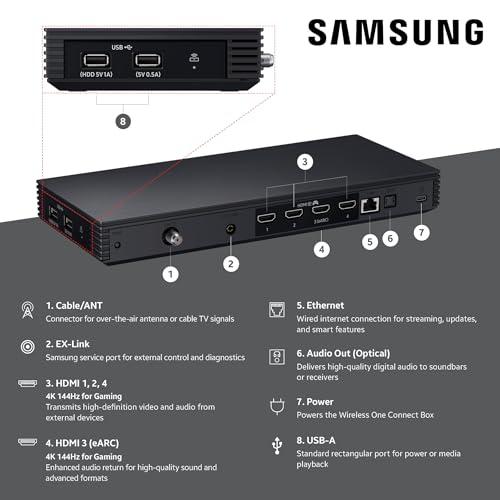
This wireless system deserves special attention because it's genuinely innovative. Instead of multiple HDMI cables, power cords, and other connections cluttering your wall-mounted TV, everything connects to a small box that can be hidden in a cabinet up to 33 feet away. The TV receives all signals wirelessly using Wi-Fi 7 technology, leaving only a single, nearly invisible power cable. For anyone who's struggled with cable management behind a wall-mounted TV, this feature alone justifies serious consideration.
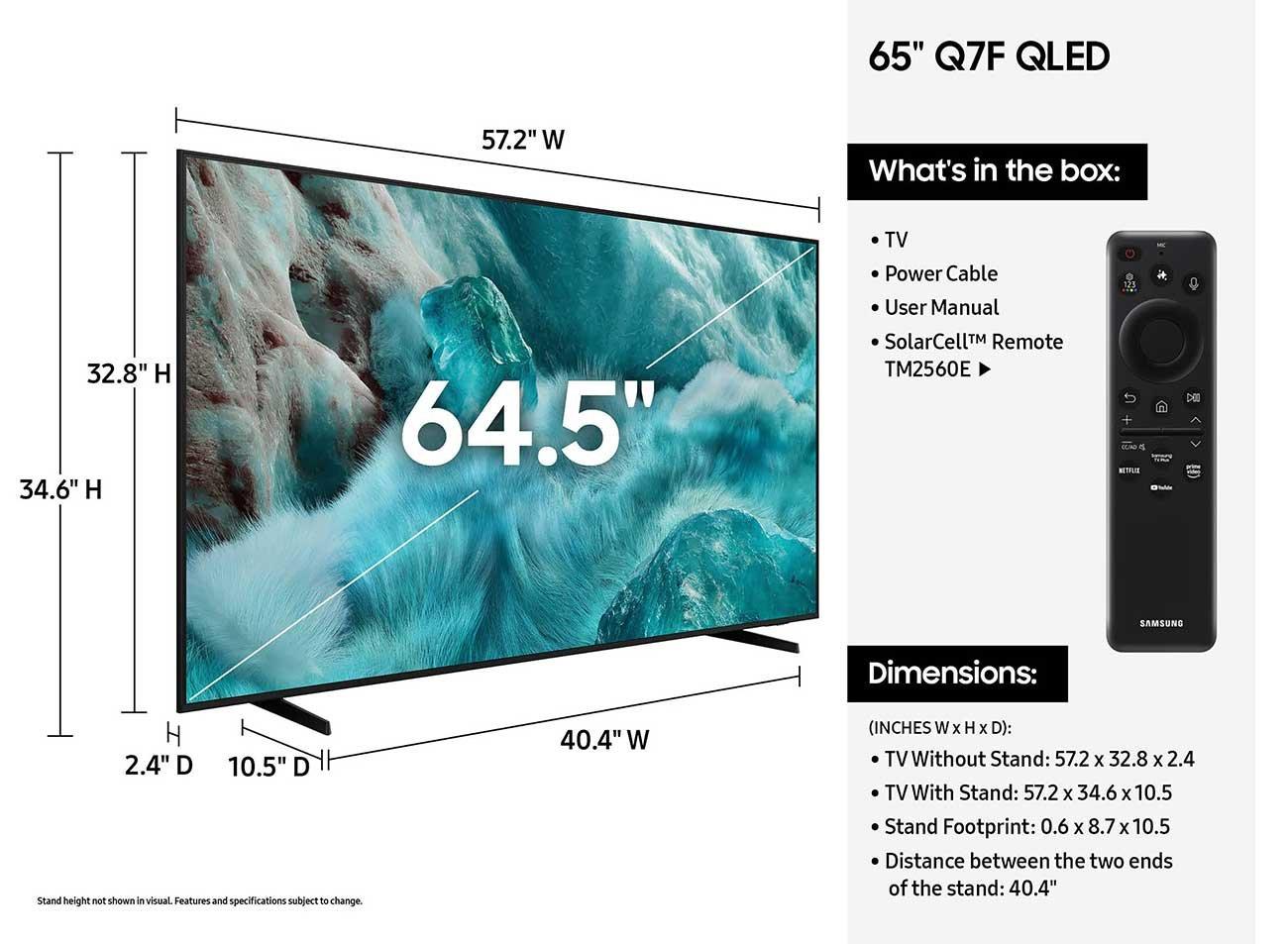
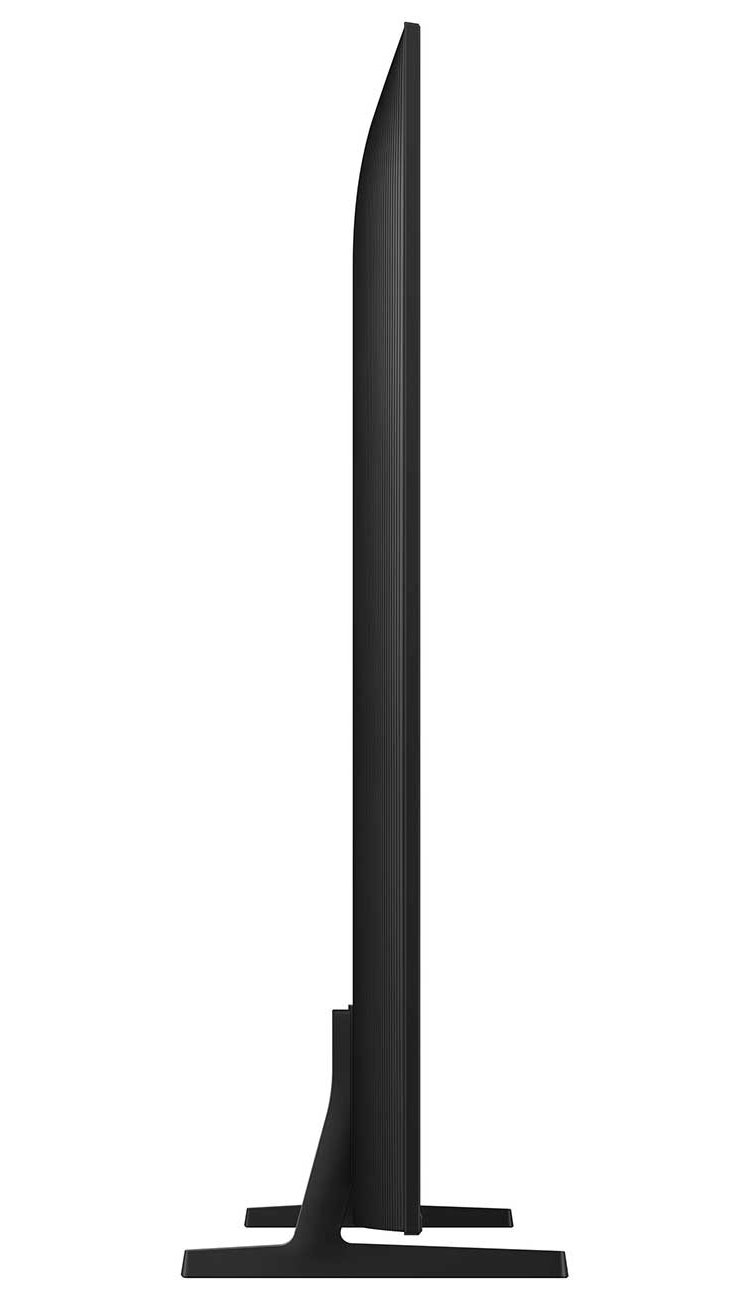
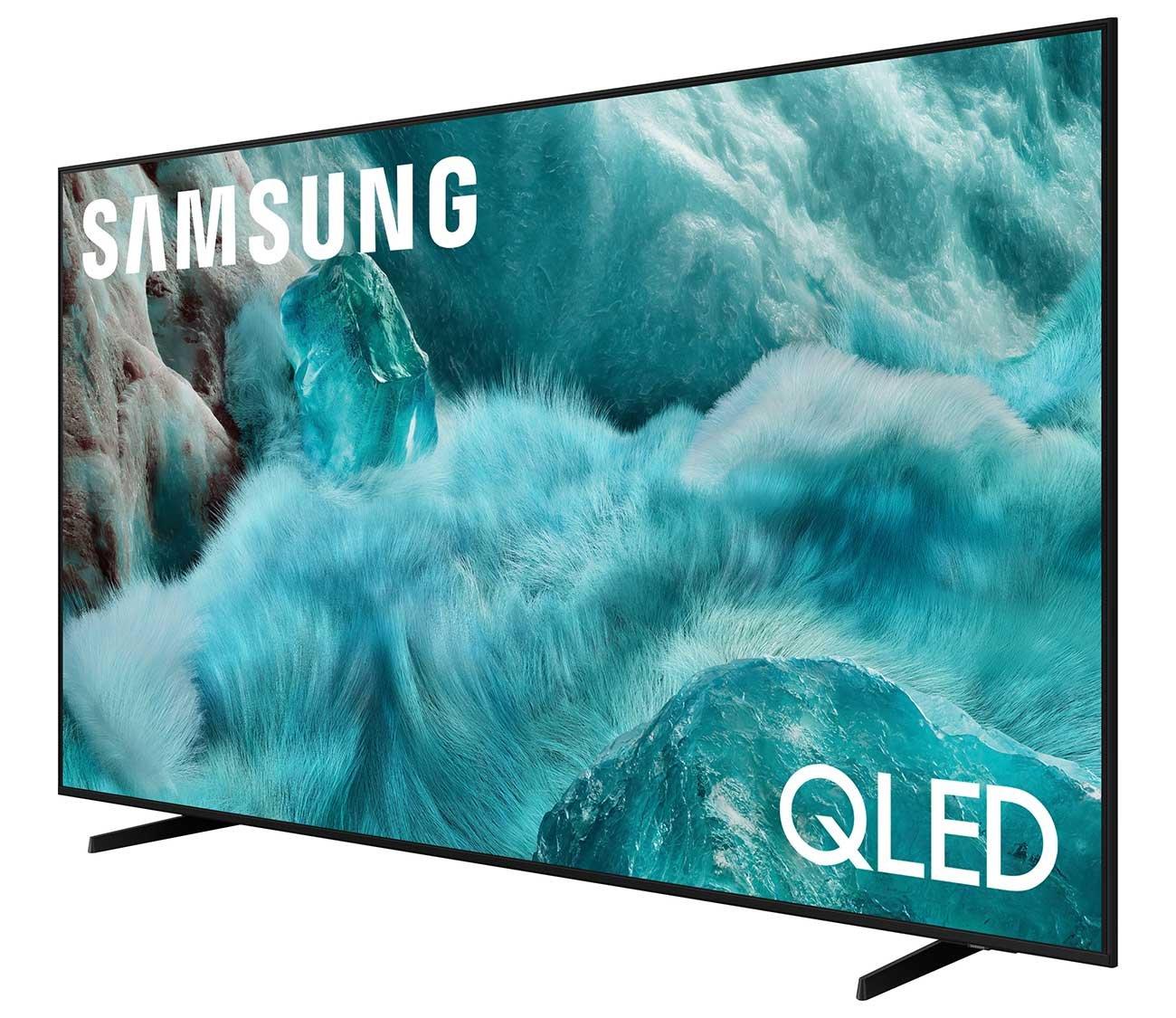
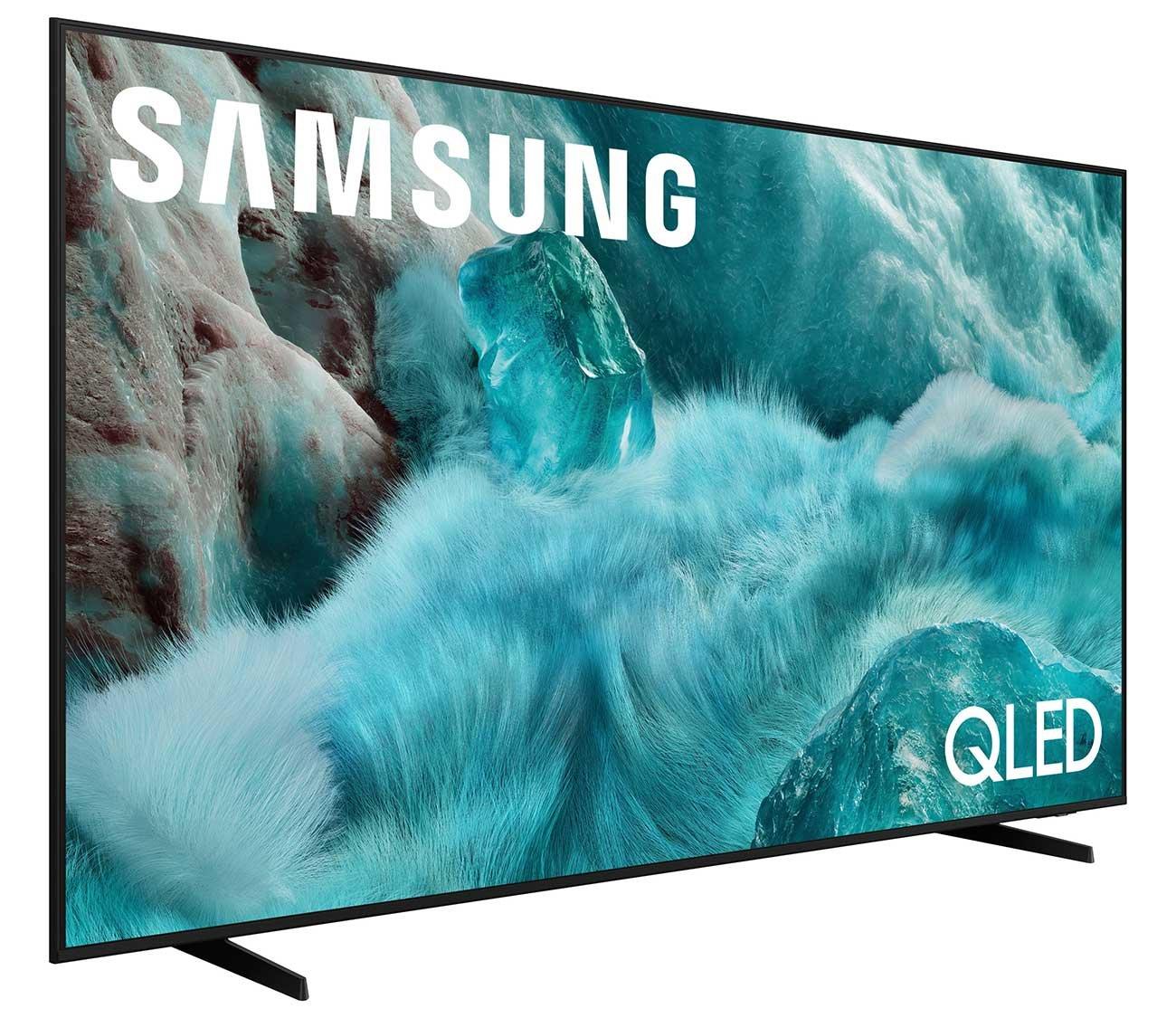
The Q7F, by contrast, embraces the traditional TV aesthetic. It's designed to maximize screen real estate within a slim bezel, focusing purely on the viewing experience rather than blending into your décor. There's nothing wrong with this approach—many people prefer their TV to look like a TV—but it represents a fundamentally different philosophy.
Here's where the price difference becomes most apparent. The Frame Pro delivers significantly superior brightness, reaching around 1,000 nits (a measure of luminance) compared to the Q7F's approximately 400 nits. This difference matters enormously for HDR (High Dynamic Range) content, where bright highlights need to really pop to create that "wow" factor.
HDR is essentially a way of capturing and displaying a much wider range of brightness levels, from the deepest shadows to the brightest highlights, more closely matching what your eyes see in real life. When watching HDR movies or shows, scenes like sunlight streaming through a window or fireworks against a dark sky benefit dramatically from higher peak brightness.
The Frame Pro's Mini LED backlighting system uses thousands of tiny LEDs arranged in vertical zones that can be dimmed independently. This "local dimming" capability means bright objects can appear brilliant while dark areas of the same scene remain properly black. The Q7F uses direct-lit backlighting without local dimming, meaning the entire backlight system brightens or dims together, which can lead to less precise contrast control.
However, the Q7F has one technical advantage that matters for certain users: it uses an RGB subpixel layout, where red, green, and blue sub-pixels are arranged in the traditional pattern. The Frame Pro uses a BGR (blue-green-red) arrangement that can make text appear slightly less sharp when used as a computer monitor. For most TV viewing, this difference is negligible, but it's worth noting for anyone planning to use their TV for productivity work.
Based on our research into professional reviews and user feedback, the Frame Pro's matte anti-glare coating performs exceptionally well in bright rooms. Traditional glossy TV screens can become mirrors in sunny living rooms, but the Frame Pro's coating dramatically reduces these reflections while maintaining color vibrancy. The Q7F, with its conventional glossy screen, performs better in darker rooms where reflections aren't a concern.
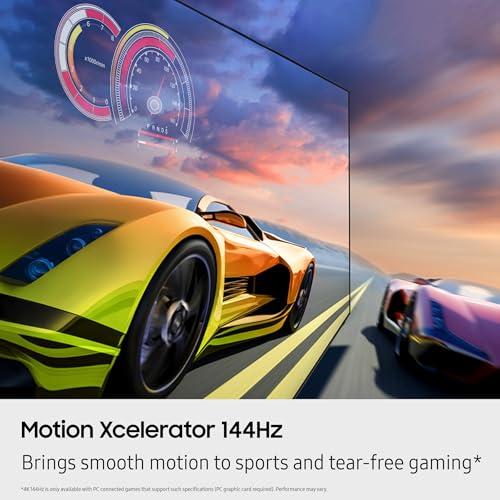
Gaming represents one of the clearest distinctions between these TVs. The Frame Pro supports up to 144Hz refresh rates, which means it can display up to 144 frames per second for incredibly smooth motion in fast-paced games. Modern gaming consoles like the PlayStation 5 and Xbox Series X can take advantage of these higher refresh rates in supported games, creating a noticeably smoother experience.
The TV also supports Variable Refresh Rate (VRR), a technology that synchronizes the TV's refresh rate with your console's frame rate output. This eliminates "screen tearing"—those annoying horizontal lines that can appear when the TV and console get out of sync during fast motion.
The Q7F is limited to 60Hz refresh rates, which covers most gaming scenarios perfectly well but won't provide the cutting-edge smoothness that serious gamers might want. For casual gaming or older consoles, this limitation rarely matters.
Interestingly, both TVs have somewhat higher input lag (the delay between pressing a button and seeing the action on screen) than Samsung's gaming-focused models. The Frame Pro measures around 30 milliseconds, which is acceptable for most gaming but might frustrate competitive players who need every advantage. The Q7F's input lag performs similarly, making both suitable for casual gaming but less ideal for esports or competitive play.
The brains behind these TVs reveal another significant difference. The Frame Pro uses Samsung's NQ4 Gen 3 AI processor, the same chip found in their flagship models. This powerful processor handles upscaling (making lower-resolution content look better on the 4K screen), motion smoothing, and HDR tone mapping with sophisticated algorithms.
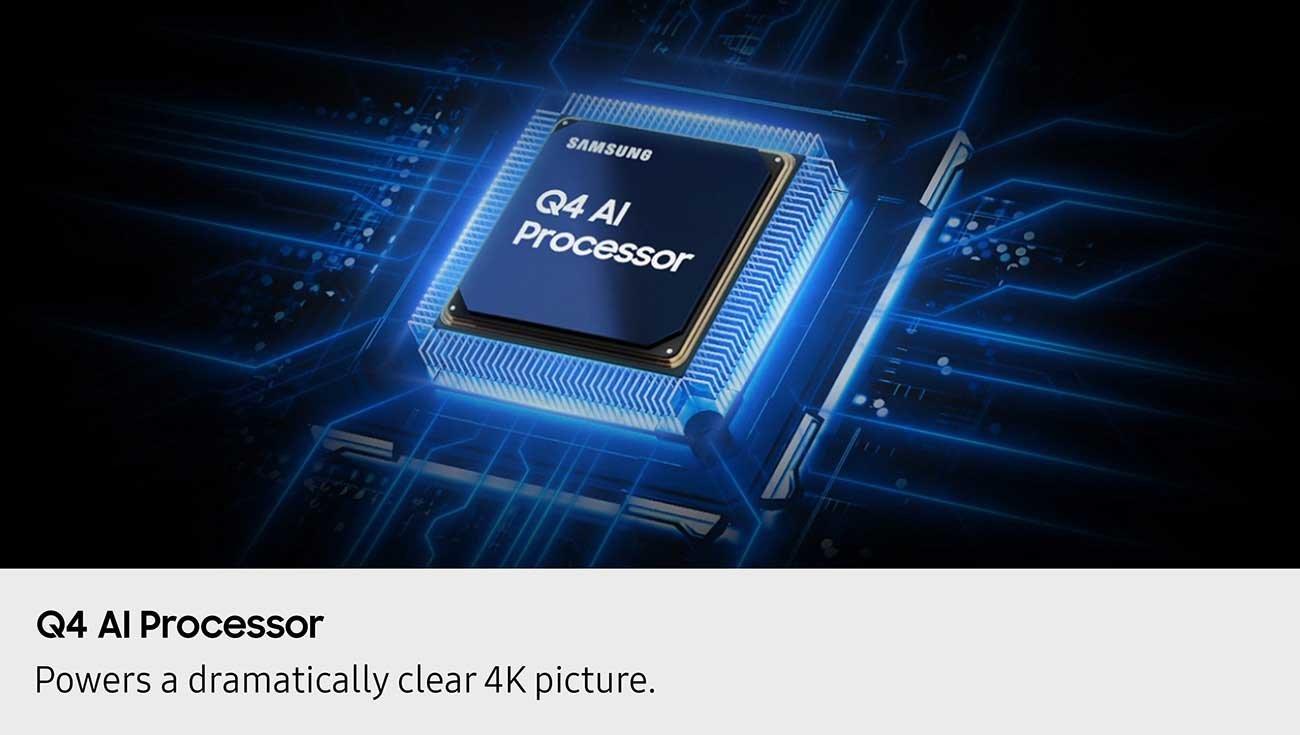
The Q7F uses the Q4 AI Gen1 processor, which is less powerful but still capable. Both processors include Samsung's Vision AI, which analyzes what you're watching and automatically adjusts picture and sound settings. For example, it might boost dialogue clarity during a dramatic scene or enhance color saturation during a nature documentary.
The Frame Pro's Art Mode deserves special mention as it transforms the TV into a digital art gallery when not in use. Samsung's Art Store provides access to thousands of curated artworks, from classic paintings to contemporary photography. You can also display your own photos, and the TV's matte coating makes these images look remarkably like actual prints hanging on your wall. Motion sensors ensure the display activates when someone enters the room and dims when the room is empty, mimicking how you might experience real artwork.
Both TVs include object tracking sound technology, though at different levels. The Frame Pro features full Object Tracking Sound (OTS), which moves audio effects across the screen to match on-screen action. If a car drives from left to right, the sound follows accordingly. It also includes Q-Symphony Pro, allowing the TV speakers to work in harmony with compatible Samsung soundbars for a more immersive experience.
The Q7F includes Object Tracking Sound Lite, a simplified version of this technology that still provides directional audio but with less precision. Both TVs support Dolby Atmos, the surround sound format that adds height channels for a three-dimensional audio experience.
For serious home theater enthusiasts, neither TV's built-in speakers will likely satisfy completely. However, the Frame Pro's audio processing is more sophisticated and provides a better foundation for those who plan to add a separate sound system later.
At the time of writing, the price difference between these TVs represents one of the starkest value decisions in the TV market. The Q7F delivers genuine QLED performance with quantum dot color technology, 4K resolution, and smart TV capabilities at a price point that was unimaginable just a few years ago. It's an excellent example of how premium TV technology eventually becomes accessible to broader audiences.
The Frame Pro commands its premium through a combination of unique features: the wireless connectivity system, superior brightness for HDR content, the matte anti-glare coating, and the lifestyle-focused design. Whether these features justify the additional cost depends entirely on your priorities and viewing environment.
Consider your room's lighting carefully. If you have large windows or frequently watch TV during bright daylight hours, the Frame Pro's anti-glare coating and higher brightness provide tangible benefits that improve your daily viewing experience. In a dedicated media room or basement setup where you can control lighting, the Q7F's performance disadvantages become much less relevant.
The Frame Pro excels in formal living spaces, family rooms, and anywhere the TV needs to complement your décor rather than dominate it. The wireless system makes wall mounting genuinely elegant, and the customizable bezels let you match existing artwork or furniture. This integration comes at a cost—literally and figuratively. You're paying for engineering that serves aesthetics as much as performance.
The Q7F works better in dedicated TV-watching spaces, bedrooms, or anywhere function trumps form. Its traditional design maximizes screen size within the given dimensions, and the lower price makes it reasonable to consider for multiple rooms or as part of a whole-home entertainment system.
For home theater applications, both TVs have limitations compared to Samsung's dedicated cinema-focused models. The Frame Pro offers better HDR performance thanks to its higher brightness, but its matte coating, while excellent for glare reduction, can slightly reduce the "pop" that movie enthusiasts prefer in dark rooms. The Q7F provides adequate performance for casual movie watching but lacks the contrast control and peak brightness that make HDR content truly spectacular.
The choice between the Frame Pro and Q7F comes down to three main factors: budget, room environment, and design priorities.
Choose the Frame Pro if you're dealing with a bright room where glare is a constant issue, if the wireless installation appeals to your setup, or if you genuinely value the TV's dual role as both entertainment device and art display. The superior brightness and HDR performance provide real benefits for movie watching, and the 144Hz capability future-proofs your gaming setup.
The Q7F makes more sense if you're budget-conscious but still want QLED benefits, if you're setting up multiple TVs throughout your home, or if you simply prefer traditional TV aesthetics. Its performance limitations are real but unlikely to bother most viewers, especially in properly lit rooms.
Both TVs represent solid choices within their respective categories. The Frame Pro pushes the boundaries of what a TV can be, while the Q7F delivers proven technology at an accessible price. Your choice should align with how you actually use your TV and what role it plays in your living space.
The TV market in 2025 offers more choices than ever, but these two Samsung models represent a particularly clear illustration of the trade-offs between premium features and value-focused performance. Either way, you're getting a capable 4K QLED TV with modern smart features—the question is whether the Frame Pro's unique capabilities justify the investment for your specific situation.
| Samsung 65" The Frame Pro 4K Neo QLED Smart TV 2025 | Samsung 65" Q7F QLED 4K Vision AI Smart TV 2025 |
|---|---|
| Display Technology - Higher tier means better brightness and contrast | |
| Neo QLED with Mini LED backlighting and vertical local dimming | Standard QLED with direct-lit LED backlighting, no local dimming |
| Peak Brightness - Critical for HDR content and bright room viewing | |
| ~1,000 nits (excellent for HDR, handles glare well) | ~400 nits (adequate for most content, struggles in bright rooms) |
| Refresh Rate - Important for gaming and smooth motion | |
| 144Hz (supports high-frame gaming, future-proof) | 60Hz (standard for most content, fine for casual gaming) |
| Screen Coating - Affects reflection handling and room compatibility | |
| Matte anti-glare coating (excellent for bright rooms) | Standard glossy coating (better for dark rooms) |
| Processor - Determines smart TV performance and upscaling quality | |
| NQ4 Gen 3 AI (flagship-level processing power) | Q4 AI Gen1 (entry-level but capable) |
| Connectivity System - Major convenience and setup difference | |
| Wireless One Connect Box (eliminates cable clutter, up to 33ft range) | Traditional wired connections (standard HDMI/USB setup) |
| Design Focus - Fundamentally different approaches to room integration | |
| Lifestyle TV with customizable bezels, Art Mode display | Traditional TV design maximizing screen real estate |
| HDMI Ports - Affects device connectivity options | |
| 5 HDMI ports (supports 4K 144Hz on all) | 3 HDMI 2.0 ports (adequate for most setups) |
| Audio System - Built-in sound quality and features | |
| Object Tracking Sound + Q-Symphony Pro, 40W 2.0.2CH with Dolby Atmos | Object Tracking Sound Lite with standard audio processing |
| Gaming Features - Console compatibility and performance | |
| VRR, ALLM, 4K 144Hz support, ~30ms input lag | Standard gaming features, 60Hz limit, similar input lag |
| Size Options - Flexibility in screen size choices | |
| 65" only (premium positioning limits size range) | 43", 50", 55", 65", 75", 85" (extensive size flexibility) |
| Subpixel Layout - Affects text clarity when used as computer monitor | |
| BGR arrangement (can impact PC text sharpness) | RGB arrangement (better for computer use) |
| Local Dimming - Controls contrast and black level performance | |
| Vertical Mini LED zones (better contrast control) | None (less precise contrast, potential blooming) |
The Samsung 65" The Frame Pro 4K Neo QLED Smart TV 2025 delivers superior picture quality with its Neo QLED Mini LED technology, reaching peak brightness around 1,000 nits compared to the Samsung 65" Q7F QLED 4K Vision AI Smart TV 2025's 400 nits. The Frame Pro also features local dimming zones for better contrast control, making it ideal for HDR movies and content with both bright and dark scenes.
The primary difference is design philosophy and technology tier. The Samsung 65" The Frame Pro 4K Neo QLED Smart TV 2025 is a lifestyle TV designed to look like wall art when not in use, featuring wireless connectivity and premium Neo QLED technology. The Samsung 65" Q7F QLED 4K Vision AI Smart TV 2025 focuses on delivering solid QLED performance at a budget-friendly price with traditional TV design.
The Samsung 65" The Frame Pro 4K Neo QLED Smart TV 2025 is significantly better for bright rooms thanks to its matte anti-glare coating and higher peak brightness. This combination dramatically reduces reflections and maintains vibrant colors even in sunny conditions, while the Q7F's glossy screen can become difficult to watch in bright lighting.
The Samsung 65" The Frame Pro 4K Neo QLED Smart TV 2025 is better for modern console gaming with its 144Hz refresh rate, VRR support, and 4K 144Hz capability on all HDMI ports. The Samsung 65" Q7F QLED 4K Vision AI Smart TV 2025 is limited to 60Hz, which works fine for casual gaming but won't take full advantage of next-gen console capabilities.
The Samsung 65" Q7F QLED 4K Vision AI Smart TV 2025 provides exceptional value, delivering genuine QLED technology with quantum dot colors at an entry-level price point. While the Frame Pro offers premium features and superior performance, the significant price difference makes the Q7F the clear winner for budget-conscious buyers.
Both TVs can be wall-mounted, but the Samsung 65" The Frame Pro 4K Neo QLED Smart TV 2025 offers a major advantage with its Wireless One Connect Box, eliminating visible cables for a clean, gallery-like appearance. The Samsung 65" Q7F QLED 4K Vision AI Smart TV 2025 requires traditional cable management, which can be more challenging for a clean wall-mounted setup.
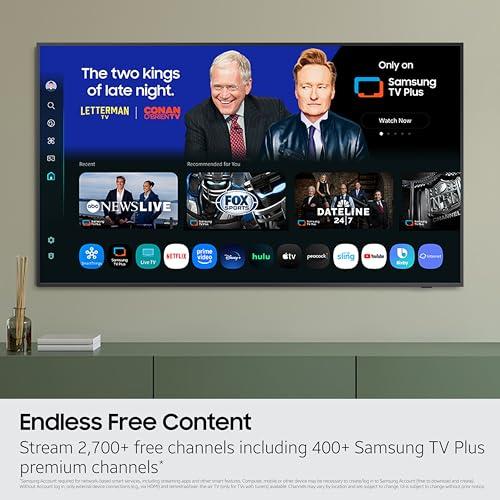
Both TVs run Samsung's Tizen platform with access to all major streaming services. The Samsung 65" The Frame Pro 4K Neo QLED Smart TV 2025 has a more powerful NQ4 Gen 3 processor for faster performance and better upscaling, plus unique Art Mode features. The Q7F includes Vision AI optimization and covers all essential smart TV needs with its Q4 processor.
For dedicated home theater use, the Samsung 65" The Frame Pro 4K Neo QLED Smart TV 2025 is better suited with its superior HDR brightness, local dimming, and advanced audio processing. However, its matte coating may reduce some of the "pop" that cinema enthusiasts prefer. The Samsung 65" Q7F QLED 4K Vision AI Smart TV 2025 works adequately for casual movie watching but lacks the contrast control for premium home theater experiences.
The Samsung 65" Q7F QLED 4K Vision AI Smart TV 2025 is more practical for multiple rooms due to its lower cost and availability in six different sizes (43" to 85"). The Frame Pro is only available in 65" and its premium pricing makes it less suitable for whole-home entertainment systems.
The Samsung 65" The Frame Pro 4K Neo QLED Smart TV 2025 features superior audio with Object Tracking Sound, Q-Symphony Pro soundbar integration, and a 40W 2.0.2CH system with Dolby Atmos. The Samsung 65" Q7F QLED 4K Vision AI Smart TV 2025 includes Object Tracking Sound Lite and basic audio processing, which is adequate but less sophisticated than the Frame Pro.
The Samsung 65" The Frame Pro 4K Neo QLED Smart TV 2025 has a BGR subpixel layout that can affect text clarity for PC use, and its premium price may not justify the features for all users. The Samsung 65" Q7F QLED 4K Vision AI Smart TV 2025 lacks local dimming for precise contrast control and has only three HDMI ports, which may limit connectivity options.
Choose the Samsung 65" The Frame Pro 4K Neo QLED Smart TV 2025 if you want a TV that doubles as wall art, have a bright room, or prioritize premium features like wireless connectivity and superior HDR performance. Select the Samsung 65" Q7F QLED 4K Vision AI Smart TV 2025 if you want excellent QLED quality at a budget-friendly price, need size flexibility, or prefer traditional TV design over lifestyle integration.
We've done our best to create useful and informative comparisons to help you decide what product to buy. Our research uses advanced automated methods to create this comparison and perfection is not possible - please contact us for corrections or questions. These are the sites we've researched in the creation of this article: tomsguide.com - youtube.com - smarthomesounds.co.uk - images.samsung.com - rtings.com - samsung.com - bestbuy.com - bestbuy.com - businessinsider.com - dentonstv.com - samsung.com - flatpanelshd.com - samsung.com - jefflynch.com - youtube.com - costco.com - bestbuy.com - youtube.com - samsung.com - samsung.com - pcrichard.com - samsung.com - samsung.com - videoandaudiocenter.com - displayspecifications.com - bestbuy.com - samsung.com - samsung.com - samsung.com - samsung.com - news.samsung.com

Privacy Policy
Terms and Conditions - Affiliate Policy
Home Security
© Copyright 2008-2026.
11816 Inwood Rd #1211, Dallas, TX 75244