



When you're shopping for a new TV, the sheer number of options can feel overwhelming. Samsung's current lineup perfectly illustrates this challenge, with the budget-friendly Q7F QLED and the premium QN85D Neo QLED representing vastly different approaches to 4K television technology. At the time of writing, these models show a significant price gap that reflects genuine technological differences rather than simple marketing positioning.
Understanding which TV makes sense for your home requires diving into what separates traditional QLED from Neo QLED technology, and more importantly, whether those differences matter for how you actually watch TV.
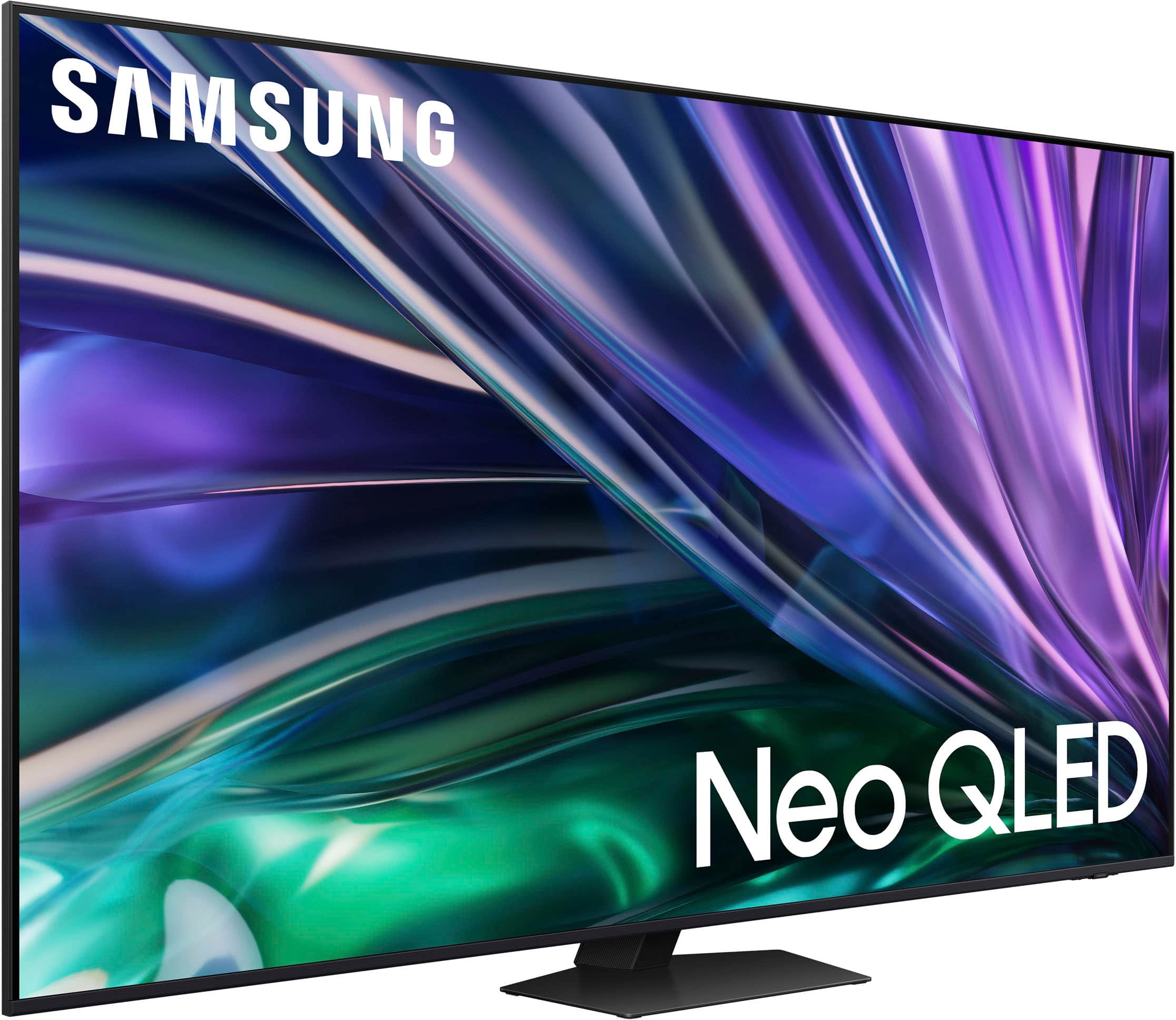
The television market has evolved dramatically over the past few years. What we once called "LED TVs" are now more accurately described as different flavors of quantum dot technology, with QLED representing Samsung's approach to enhanced color reproduction. The Q7F uses traditional QLED technology, while the QN85D employs Samsung's newer Neo QLED approach with Mini LED backlighting.
Here's what matters most when evaluating any modern TV: picture quality in your viewing environment, gaming performance if you play games, smart TV responsiveness, and overall value for your specific needs. The biggest factor affecting your daily viewing experience is contrast – how well the TV can display both deep blacks and bright whites simultaneously. This is where the fundamental difference between these Samsung models becomes apparent.
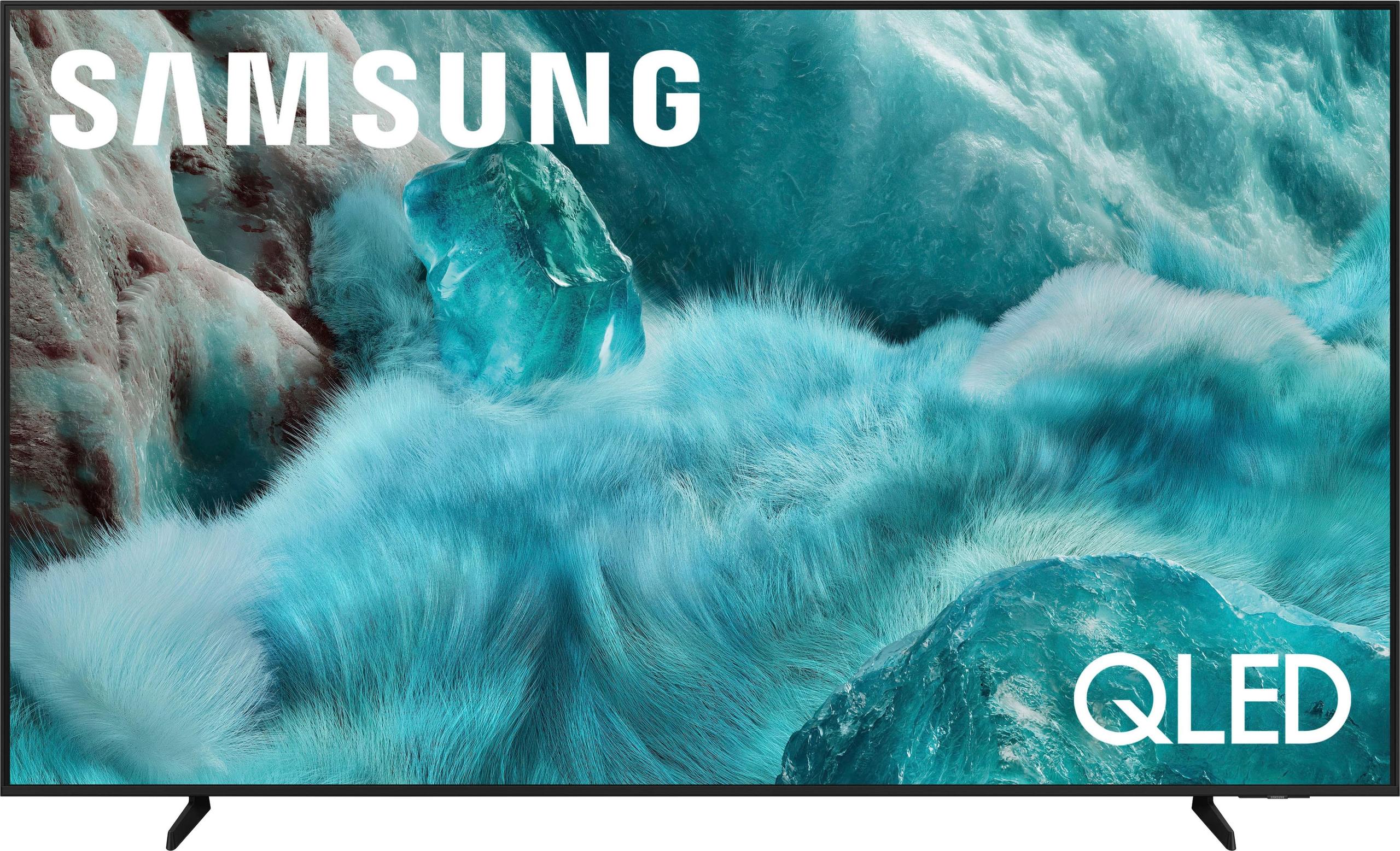
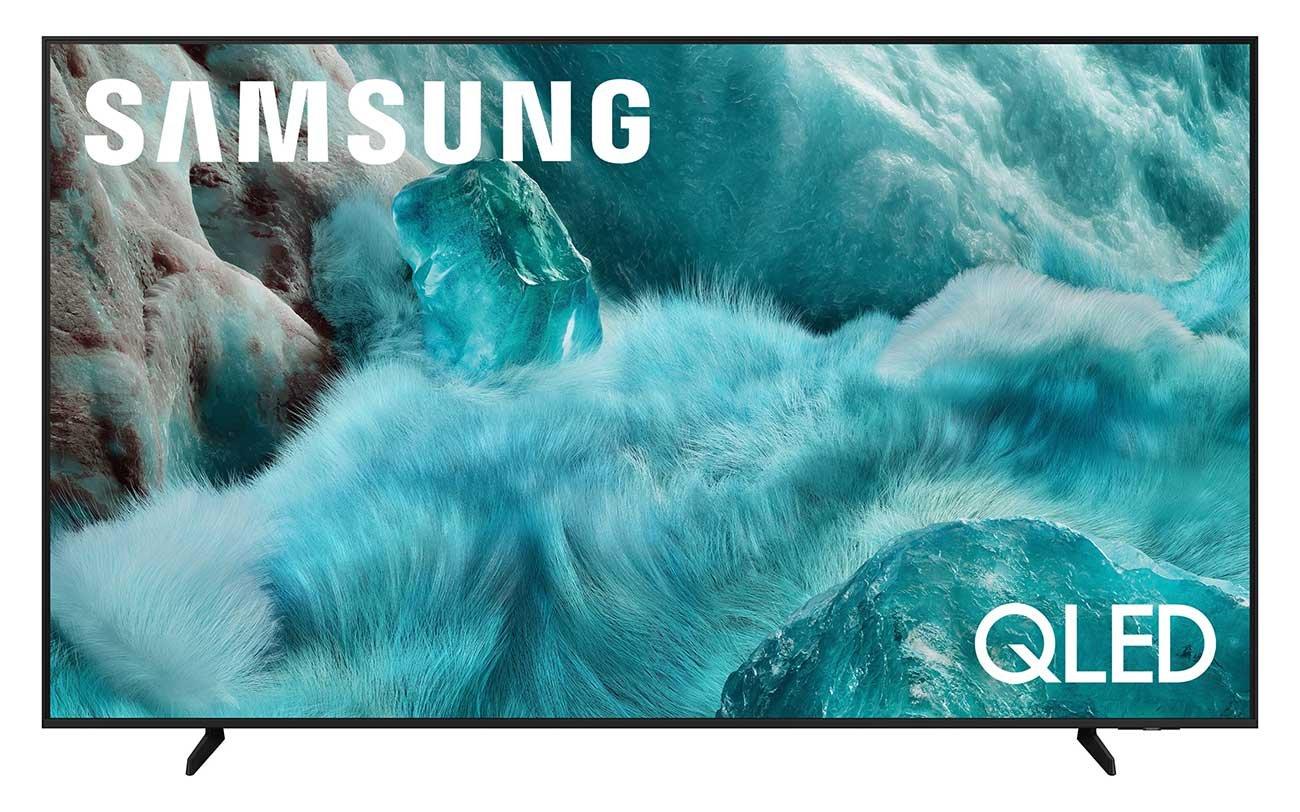
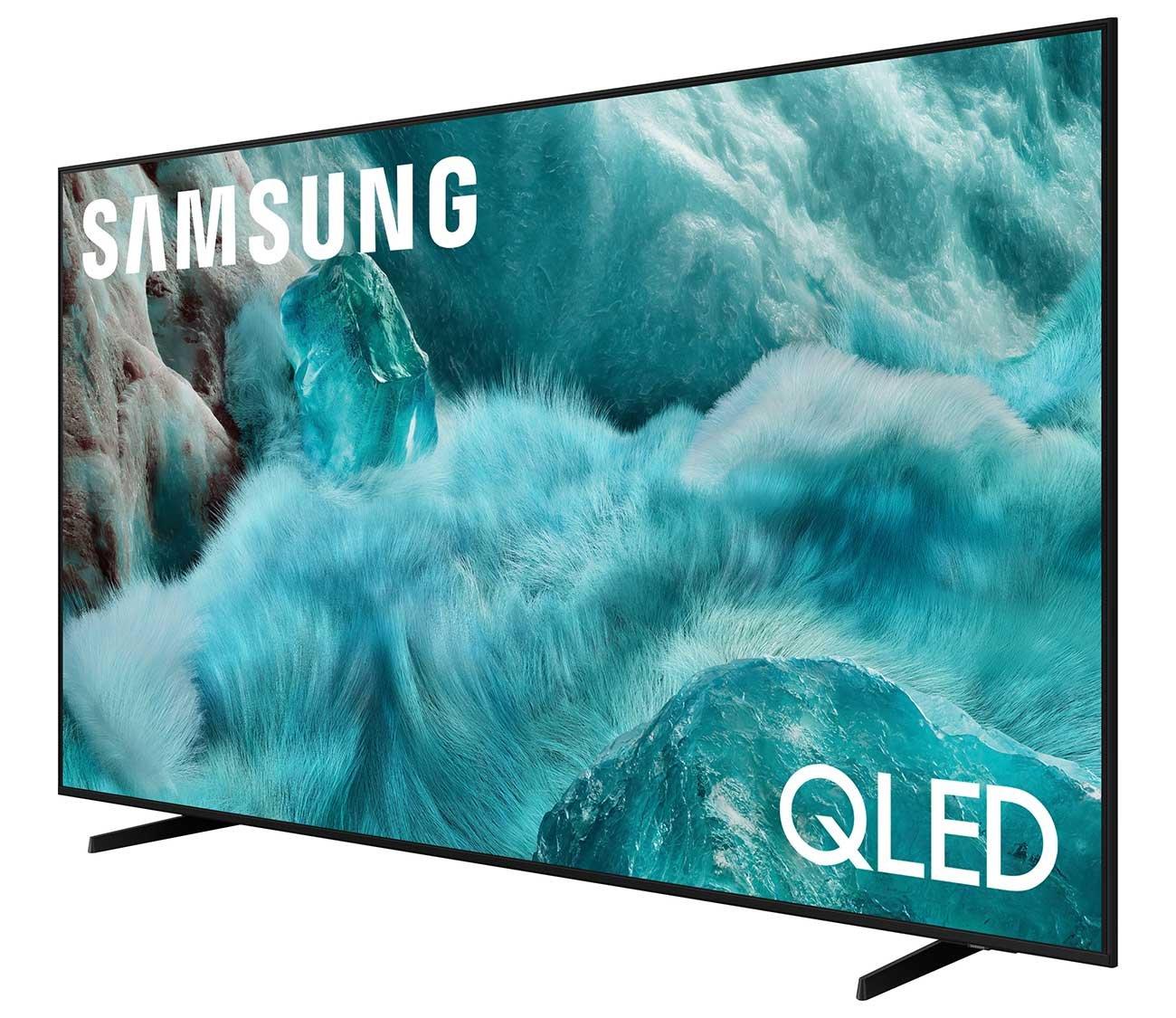
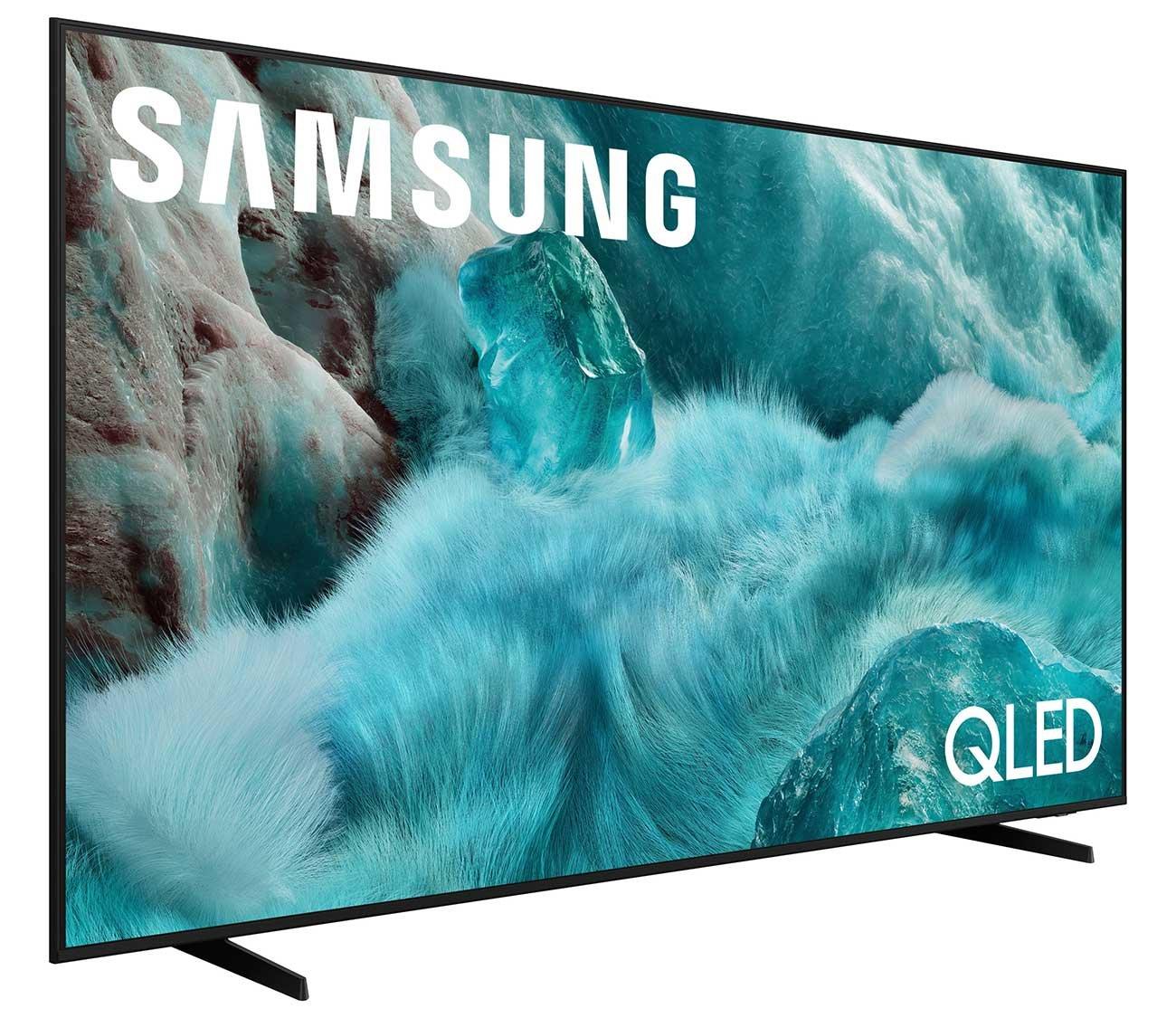
The Samsung Q7F, released in 2025, represents Samsung's refined approach to affordable QLED technology. QLED stands for Quantum Dot Light Emitting Diode, which sounds complex but essentially means the TV uses tiny particles called quantum dots to enhance color accuracy and brightness. These quantum dots act like microscopic filters, converting blue LED light into precise red and green colors.
The Q7F uses what's called a direct-lit LED backlight system. Think of this as having a grid of LED lights spread across the back of the TV panel, providing relatively uniform brightness across the entire screen. However, this approach lacks local dimming zones – separate sections that can brighten or dim independently. This means when you're watching a movie with a bright moon against a dark sky, the entire backlight section illuminates, potentially washing out the deep blacks that make night scenes look realistic.
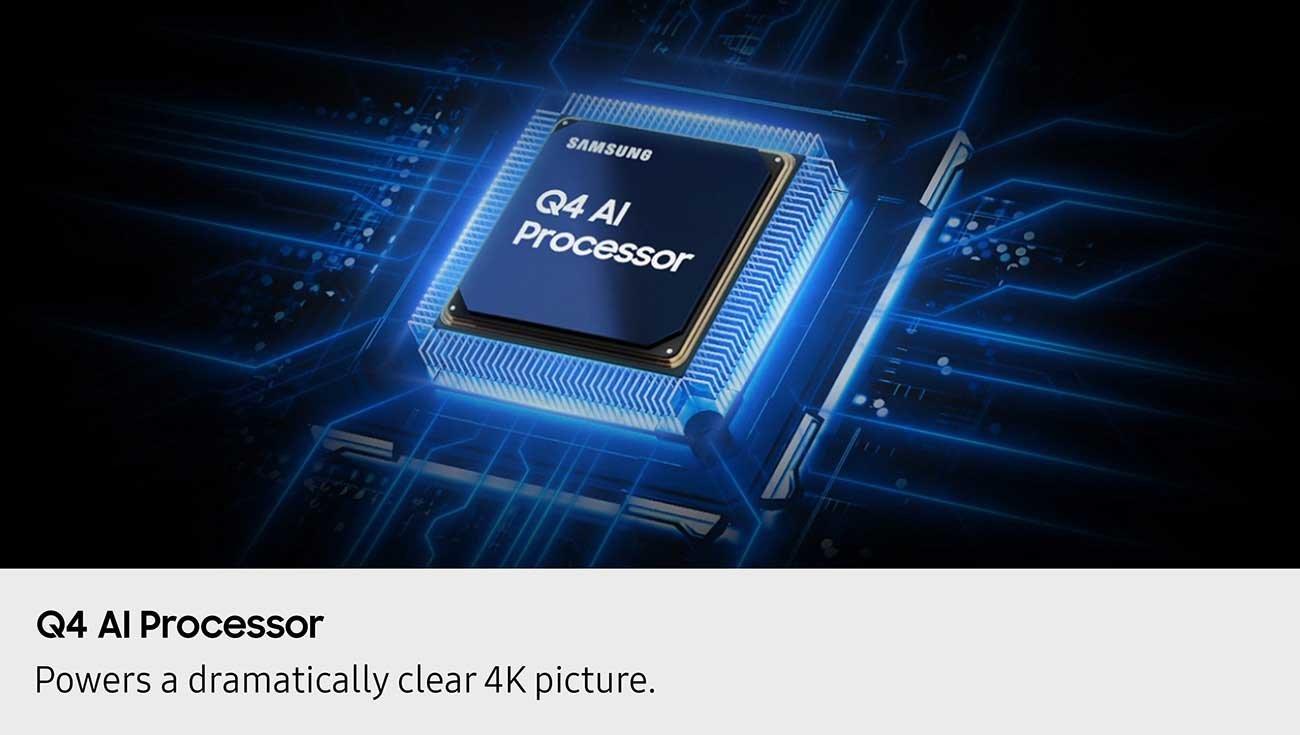
With a native contrast ratio of 4,500:1 and peak brightness around 500 cd/m² (candelas per square meter, which measures luminance), the Q7F delivers solid performance for its price point. The Q4 AI processor handles upscaling of lower-resolution content reasonably well, and Samsung's Vision AI features help optimize picture settings automatically.
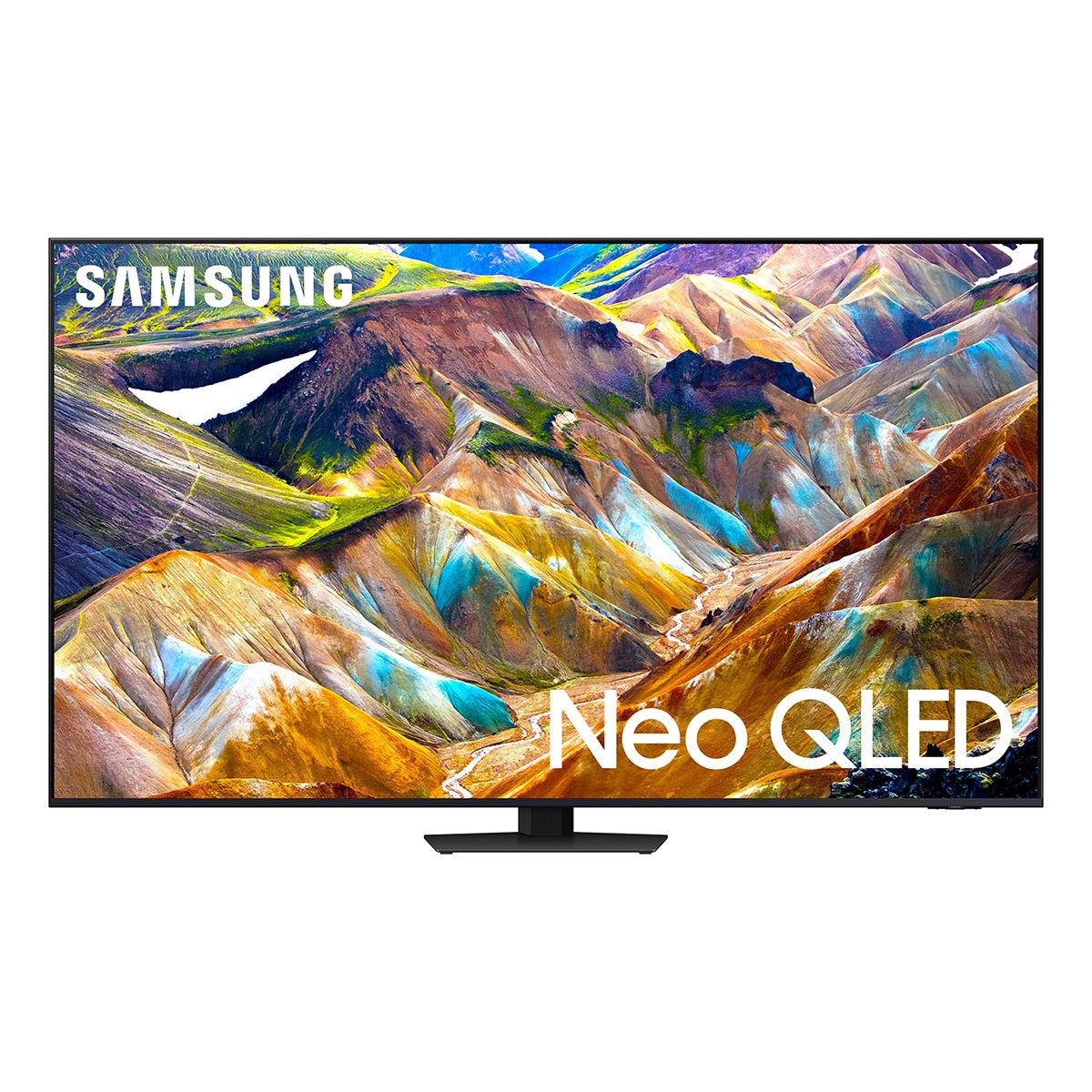
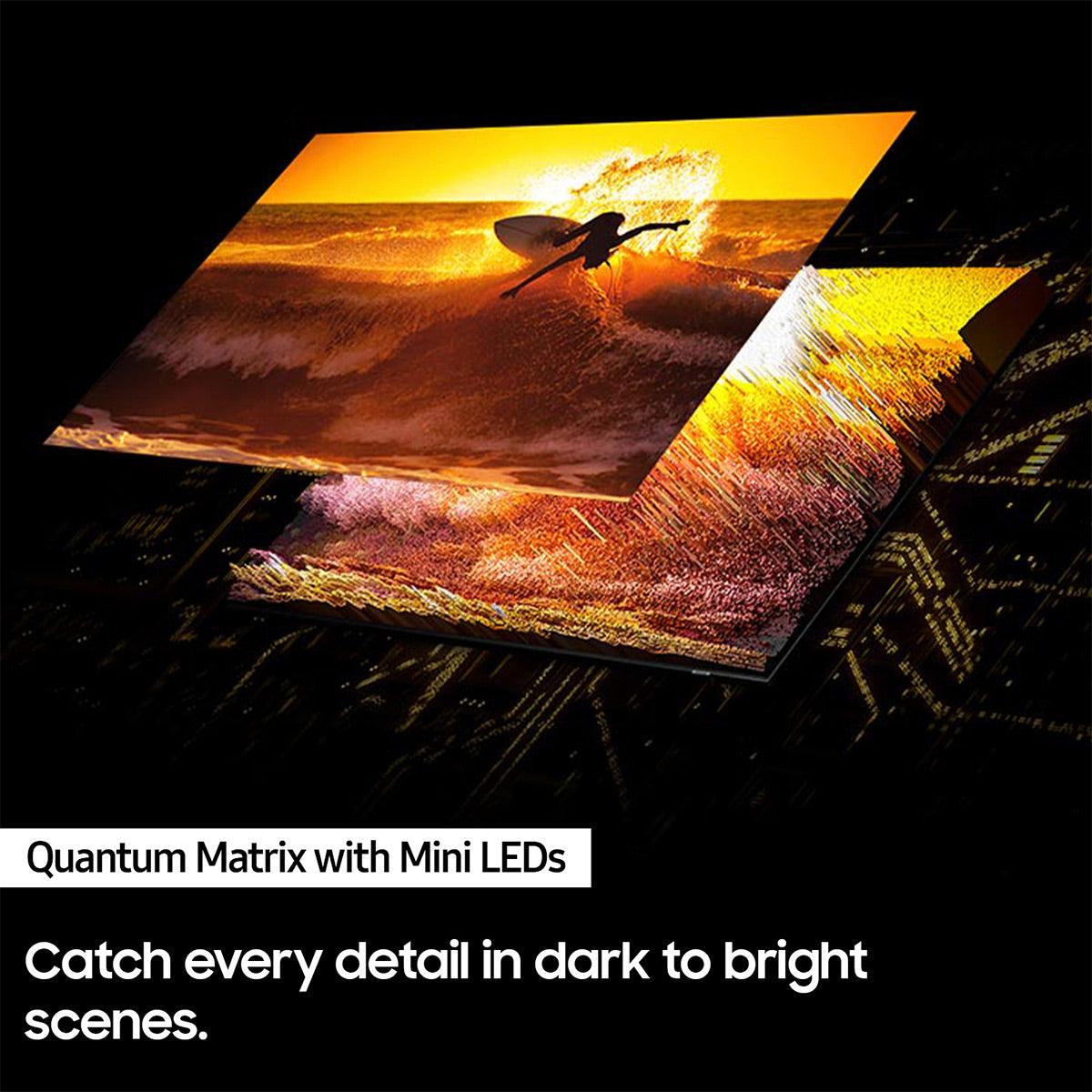
The QN85D, from Samsung's 2024 Neo QLED lineup, takes a fundamentally different approach. Neo QLED technology uses Mini LEDs – LEDs that are roughly 1/40th the size of traditional LEDs. This miniaturization allows Samsung to pack many more individual light sources behind the screen, creating what they call Quantum Matrix technology.
The key advantage becomes clear when you understand local dimming. The QN85D features 160 local dimming zones on its 65-inch model, meaning the TV can independently control brightness in 160 different areas of the screen. When that same movie shows a bright moon against a dark sky, only the zones behind the moon illuminate brightly while the surrounding zones dim to near-black levels.
This results in a dramatic contrast improvement – the QN85D achieves over 160,000:1 contrast ratio with local dimming active, compared to the Q7F's 4,500:1 static ratio. The difference is immediately visible in dark room viewing, where the Neo QLED produces inky blacks that make HDR content look genuinely impressive.
For casual TV watchers, gaming performance might seem irrelevant, but modern gaming features increasingly matter even for movie watching. The technical capabilities that make games look smooth also improve sports viewing and reduce motion blur in action scenes.
The Q7F operates at a 60Hz refresh rate, meaning it can display 60 frames per second maximum. For most streaming content and cable TV, this is perfectly adequate since most content is filmed at 24fps (movies) or 30fps (TV shows). However, modern gaming consoles and sports broadcasts increasingly support higher frame rates for smoother motion.
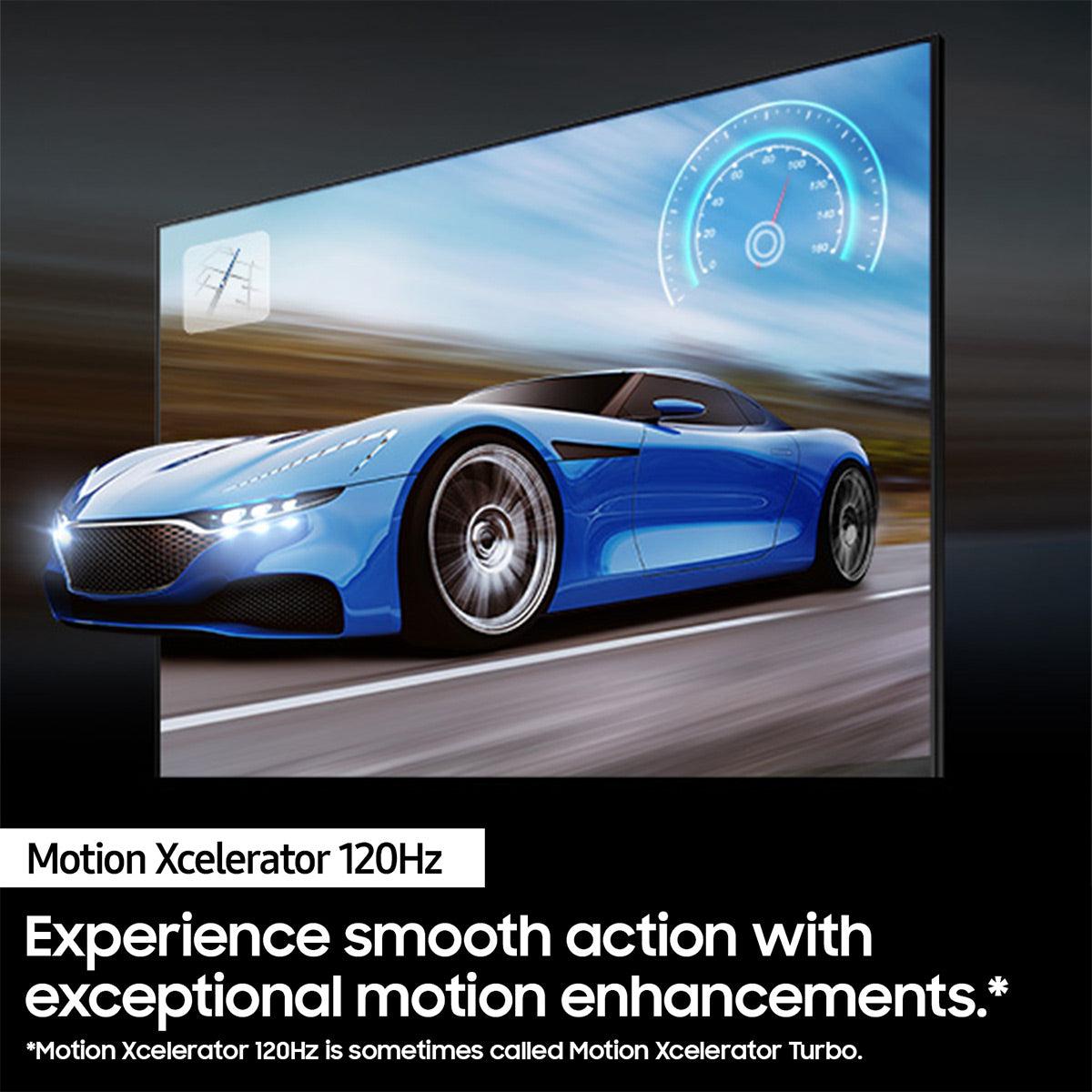
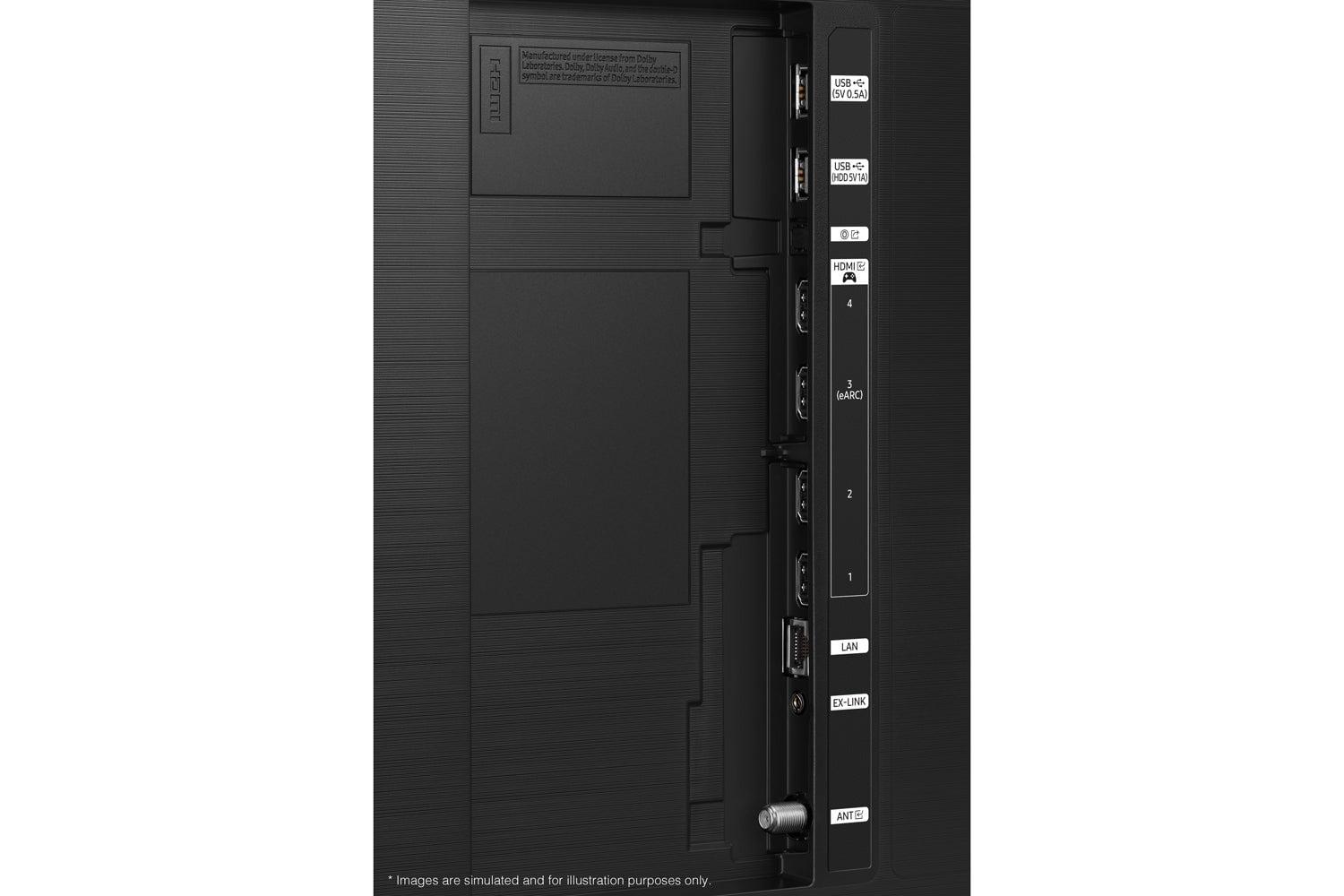
The QN85D supports 120Hz refresh rate with what Samsung calls Motion Xcelerator Turbo. This means it can display twice as many frames per second, resulting in noticeably smoother motion. More importantly, it includes four HDMI 2.1 ports supporting advanced gaming features like Variable Refresh Rate (VRR), which synchronizes the TV's display with a gaming console's output to eliminate screen tearing, and Auto Low Latency Mode (ALLM), which automatically reduces input lag when gaming.
Even if you don't game, these features matter. VRR technology helps with streaming content that has inconsistent frame rates, and the higher refresh rate makes sports and action movies noticeably smoother. Having experienced both 60Hz and 120Hz TVs side by side, the difference in motion clarity during fast-paced content is substantial enough that it affects daily viewing enjoyment.
High Dynamic Range (HDR) content has become the standard for modern streaming services, but not all TVs display HDR equally well. HDR requires both high peak brightness and deep blacks to show the full range of light that our eyes can perceive.
The Q7F supports HDR10+ but lacks the brightness and contrast necessary for impressive HDR performance. With peak brightness around 500 cd/m², it can display HDR content, but bright highlights won't pop with the intended impact. More critically, without local dimming, dark scenes in HDR content lose their depth and detail.
The QN85D features Neo Quantum HDR, which combines much higher peak brightness with precise local dimming control. This creates the dramatic contrast that makes HDR content look genuinely different from standard video. Bright explosions, sunlight, and reflections appear with realistic intensity while maintaining deep shadows and dark details.
Our research into professional reviews and user feedback consistently shows that viewers notice this HDR difference immediately. Content that looks flat and washed out on budget TVs suddenly gains depth and realism on properly equipped displays like the QN85D.
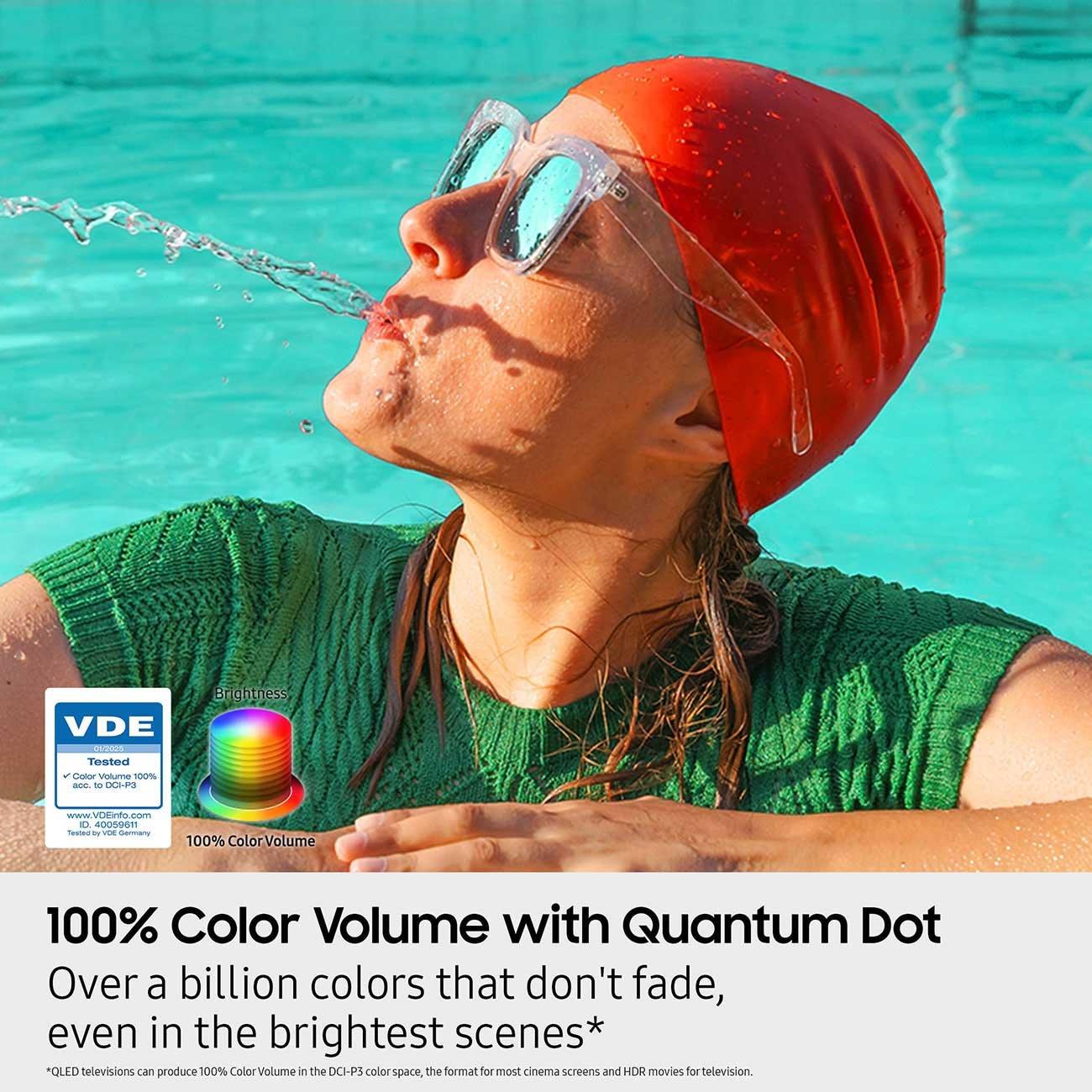
Both TVs use quantum dot technology for enhanced color reproduction, but the QN85D achieves 100% color volume with quantum dots, meaning it can display vivid colors at both high and low brightness levels. The Q7F delivers good color accuracy but may lose color saturation in bright scenes due to its limited brightness capabilities.
This difference becomes apparent when watching nature documentaries, animated content, or any material with vibrant colors. The premium model maintains color intensity across the entire brightness range, while the budget option may appear slightly washed out in bright scenes.
Both televisions run Samsung's Tizen operating system, but with different generations of processing power. The Q7F includes Samsung's latest 2025 Vision AI features, which automatically adjust picture settings based on content type and viewing conditions. This AI processing represents a genuine improvement over earlier Samsung TVs, learning your preferences and optimizing settings accordingly.
The QN85D uses the NQ4 AI Gen2 processor, which excels particularly at upscaling lower-resolution content to 4K. If you watch a lot of cable TV, older movies, or lower-quality streaming sources, this superior processing makes a noticeable difference in image sharpness and clarity.
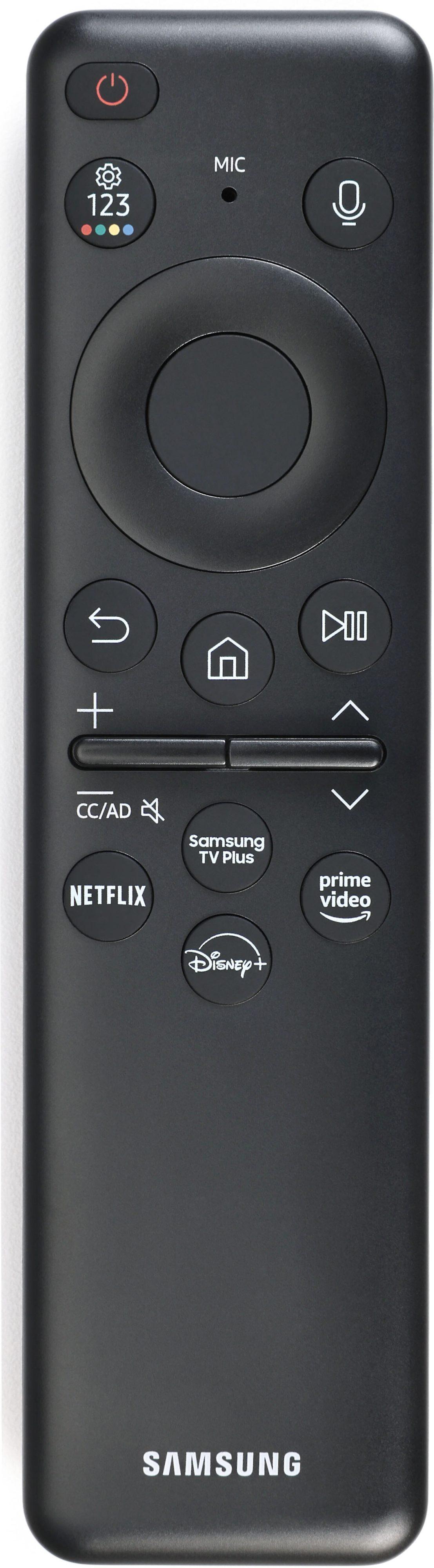
Both TVs offer comprehensive streaming app support and voice control through Bixby, Alexa, or Google Assistant. The interface responsiveness is excellent on both models, though the QN85D handles multiple apps and picture-in-picture functionality more smoothly due to its more powerful processor.
TV audio quality varies dramatically between models, and this comparison highlights that difference clearly. The Q7F includes basic stereo speakers adequate for casual viewing but lacking any advanced audio processing.
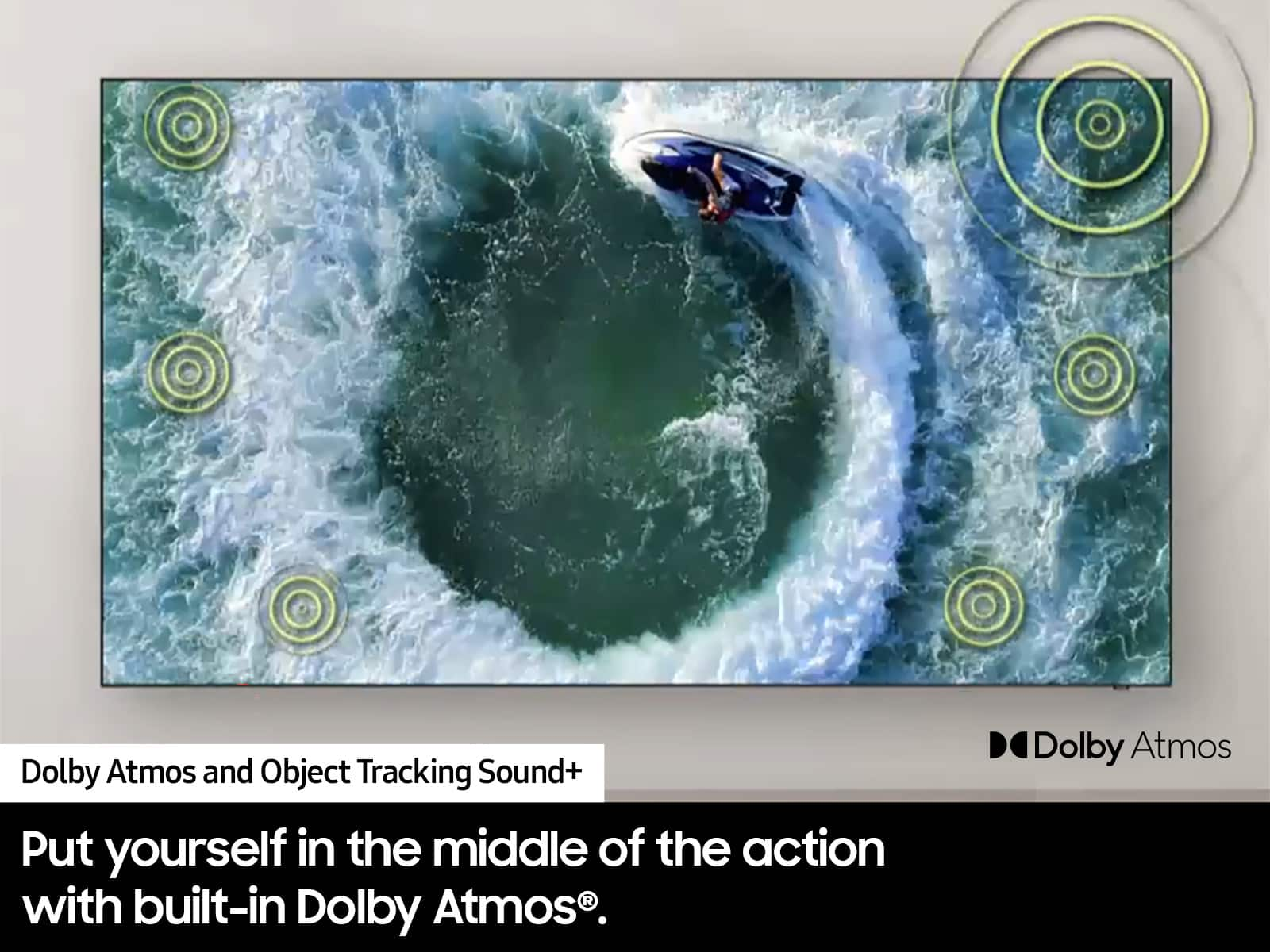
The QN85D features Dolby Atmos support with Object Tracking Sound Lite, which creates three-dimensional audio that follows action across the screen. When a car drives from left to right, the audio pans accordingly. When helicopters fly overhead, the sound moves upward. This spatial audio processing significantly enhances the viewing experience, particularly for movies and sports.
While both TVs benefit from external sound systems, the QN85D's built-in audio capabilities are genuinely usable for daily viewing, whereas the Q7F really demands a soundbar for satisfying audio quality.
For dedicated home theater use, the differences between these models become even more pronounced. Home theaters typically involve controlled lighting and longer viewing sessions, where picture quality differences become more apparent.
The Q7F works reasonably well in bright rooms where ambient light masks its contrast limitations, but struggles in dark environments where the lack of local dimming becomes obvious. Light bleeding around bright objects and generally gray blacks detract from the cinematic experience that most home theater enthusiasts seek.
The QN85D excels in home theater applications. Its Mini LED backlighting with local dimming creates the deep blacks essential for immersive movie watching. The higher peak brightness also means HDR content displays with the intended impact, making action scenes and bright outdoor footage genuinely impressive.
Based on professional reviews and user feedback, the QN85D competes favorably with OLED displays in many scenarios while offering superior brightness for rooms that can't achieve complete darkness.
At the time of writing, the price difference between these models reflects genuine technological advancement rather than arbitrary market positioning. The Q7F represents excellent value for buyers seeking basic 4K performance with modern smart features at an accessible price point.
However, the QN85D delivers exponentially better performance across every meaningful metric. The Mini LED technology, 120Hz refresh rate, advanced gaming features, superior audio, and dramatically improved HDR performance justify its premium positioning for users who can appreciate these differences.
The value equation depends entirely on your priorities and usage patterns. If you primarily watch streaming content in a well-lit room and don't game, the Q7F provides perfectly adequate 4K performance. If you watch movies in darker environments, game on modern consoles, or simply want the best possible picture quality, the QN85D offers significantly better long-term satisfaction despite its higher initial cost.
The Q7F makes sense for buyers who need a reliable 4K TV with smart features but don't require premium performance. It's a solid choice for secondary TVs, bedrooms, or situations where budget constraints outweigh performance considerations.
The QN85D represents a genuine step up in television technology. Its Mini LED backlighting, gaming features, and superior processing make it suitable for enthusiasts who want near-premium performance without stepping up to Samsung's highest-end models.
These Samsung models illustrate the current state of TV technology, where incremental improvements have given way to meaningful technological leaps. The Q7F offers solid performance at an accessible price, while the QN85D delivers genuinely superior picture quality and features that enhance daily viewing.
For most buyers who can accommodate the higher price, the QN85D provides better long-term satisfaction and remains relevant as streaming quality and gaming technology continue advancing. The improved HDR performance, smoother motion, and superior contrast create viewing experiences that feel noticeably different from budget alternatives.
However, the Q7F serves an important market segment, providing modern 4K performance for buyers who prioritize value over premium features. Neither choice is wrong – they simply serve different needs and budgets in today's diverse TV market.
The key is understanding that the price difference reflects real technological capabilities rather than marketing positioning, making your choice clearer once you understand which features matter most for your viewing habits and space.
| Samsung 65" Q7F QLED 4K Vision AI Smart TV 2025 | Samsung 65" QN85D Neo QLED 4K Smart TV |
|---|---|
| Display Technology - Determines picture quality and contrast performance | |
| Traditional QLED with direct-lit LED backlight | Neo QLED with Mini LED backlight and 160 local dimming zones |
| Contrast Ratio - Critical for deep blacks and HDR performance | |
| 4,500:1 static contrast (no local dimming) | 160,000:1+ with local dimming (dramatically better blacks) |
| Peak Brightness - Essential for HDR content and bright rooms | |
| 500 cd/m² (adequate for most content) | Significantly higher (excellent for HDR and bright environments) |
| Refresh Rate - Affects motion smoothness and gaming | |
| 60Hz (suitable for most TV content) | 120Hz with Motion Xcelerator Turbo (smoother sports and gaming) |
| Gaming Features - Important for console gamers | |
| 3 standard HDMI ports, basic gaming support | 4 HDMI 2.1 ports with VRR, ALLM, 4K@144Hz support |
| Audio System - Affects daily viewing experience | |
| Basic stereo speakers | Dolby Atmos with Object Tracking Sound Lite |
| Smart TV Processor - Impacts upscaling and responsiveness | |
| Q4 AI Processor with 2025 Vision AI features | NQ4 AI Gen2 Processor with superior upscaling |
| HDR Support - Determines how well bright and dark details display | |
| HDR10+ (limited by brightness and contrast) | Neo Quantum HDR with advanced tone mapping |
| Build Quality - Affects durability and premium feel | |
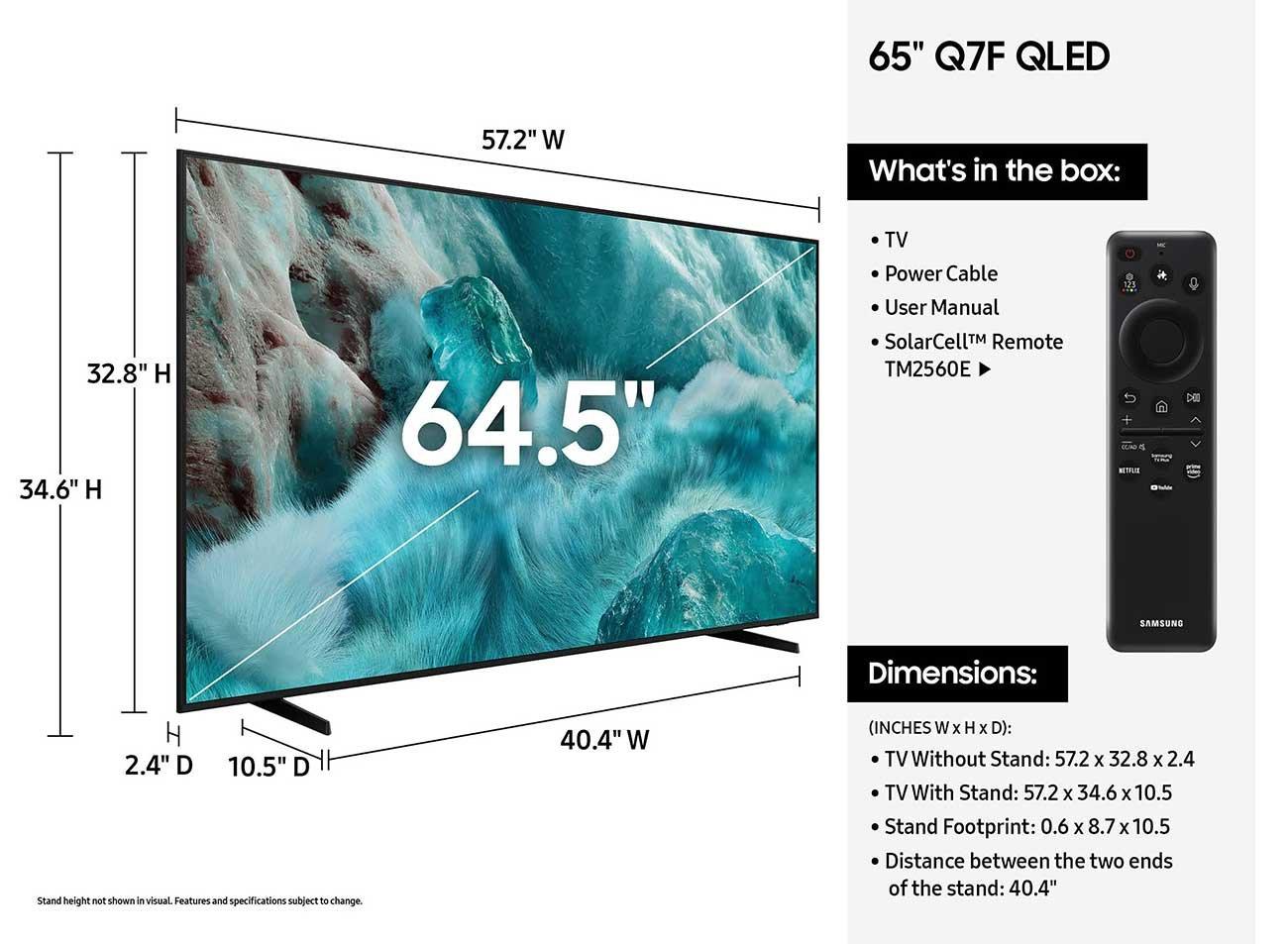
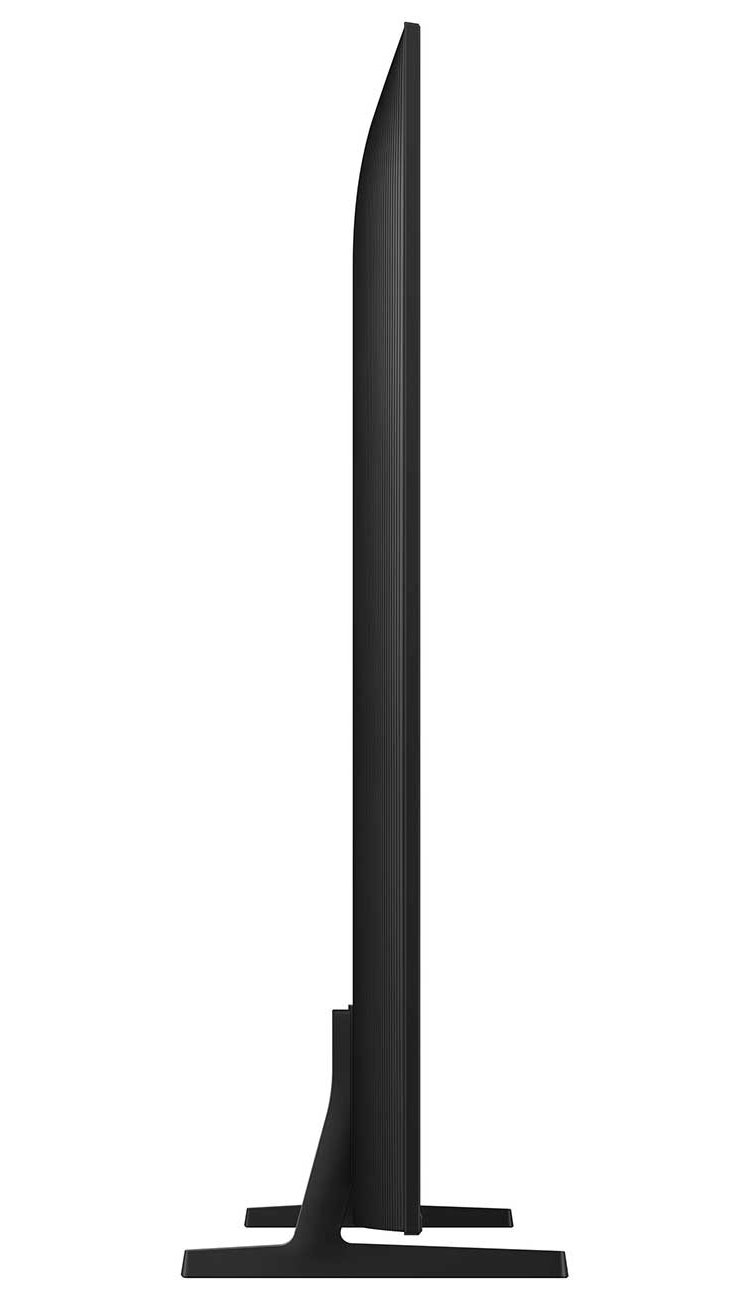
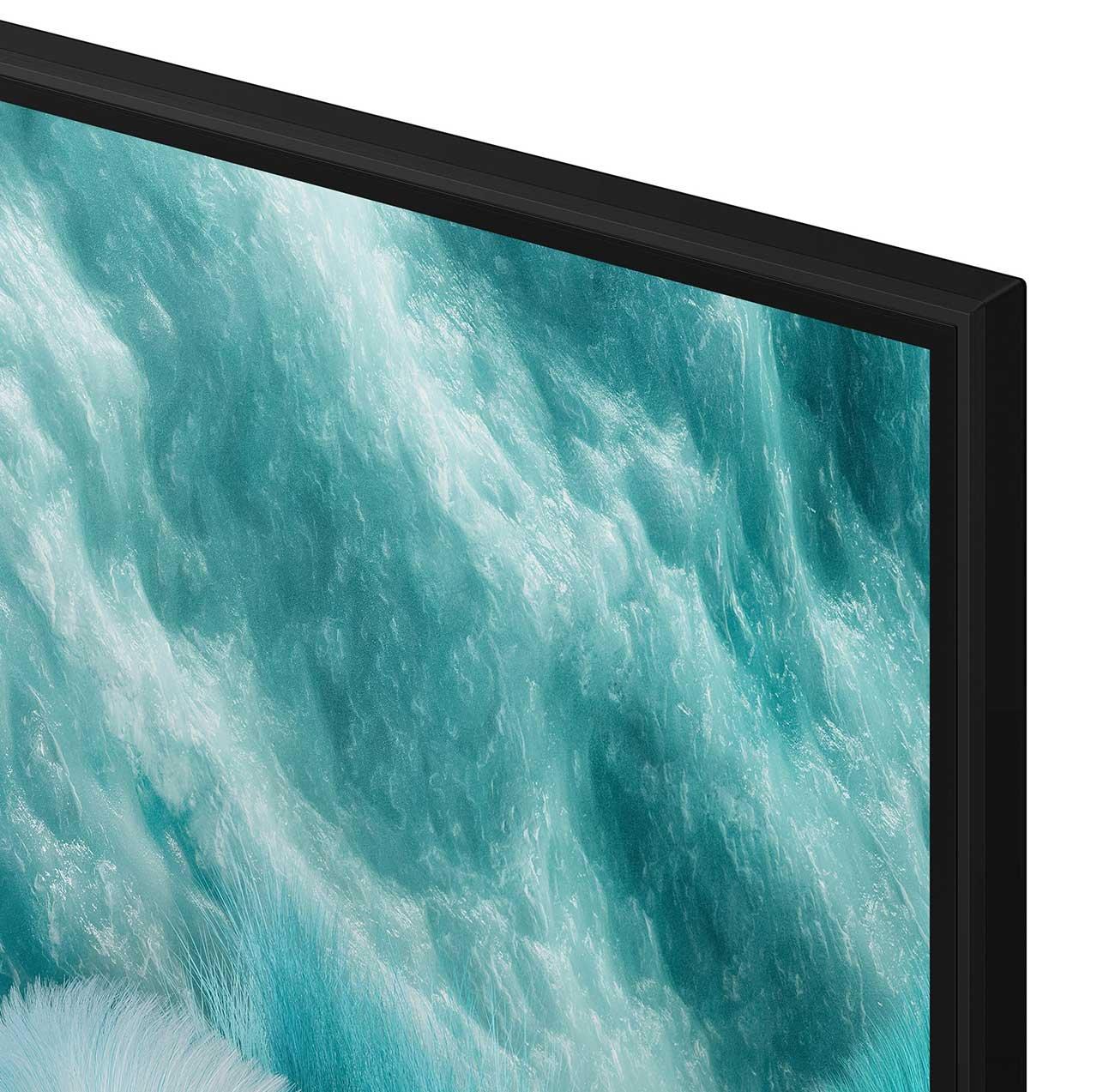
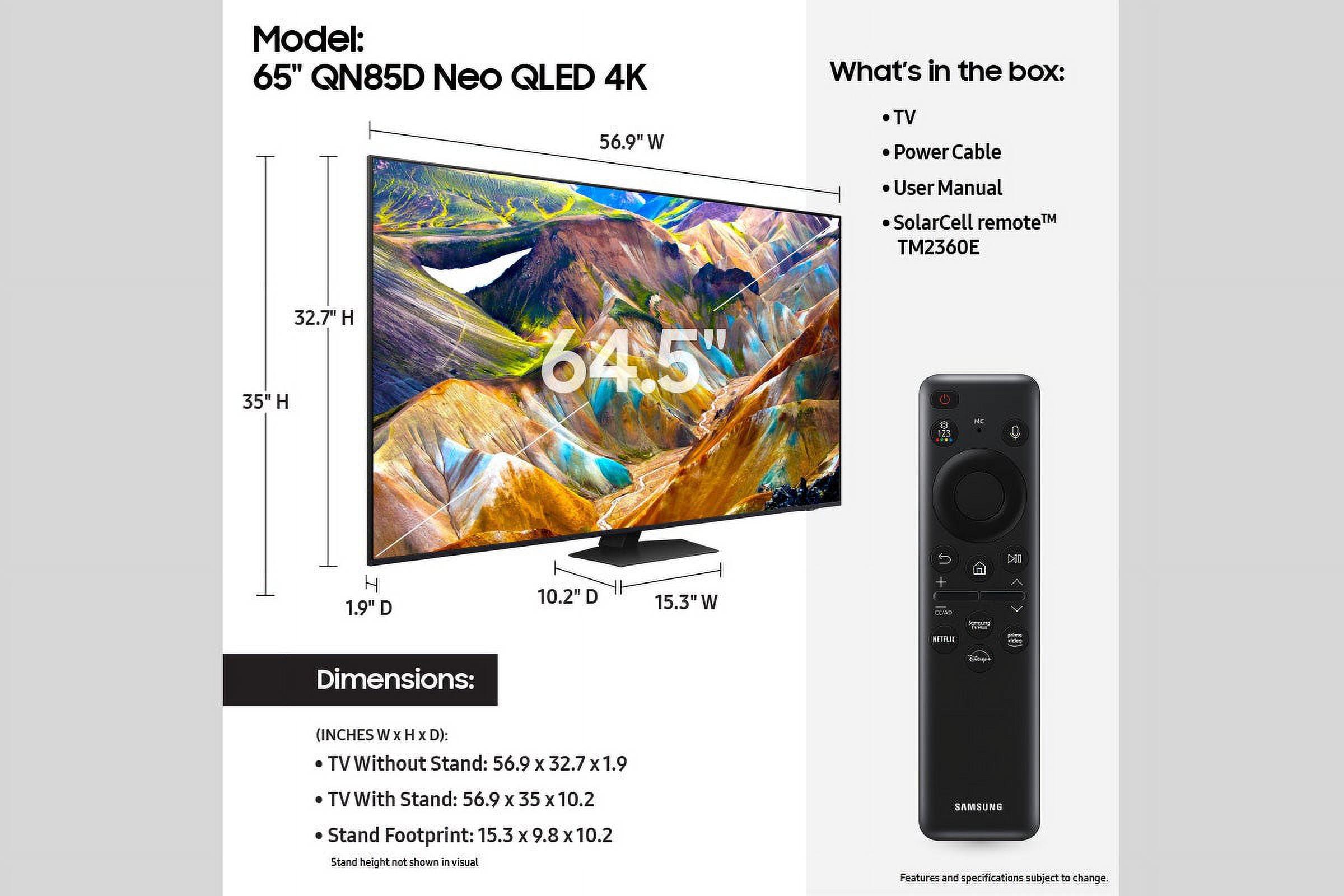
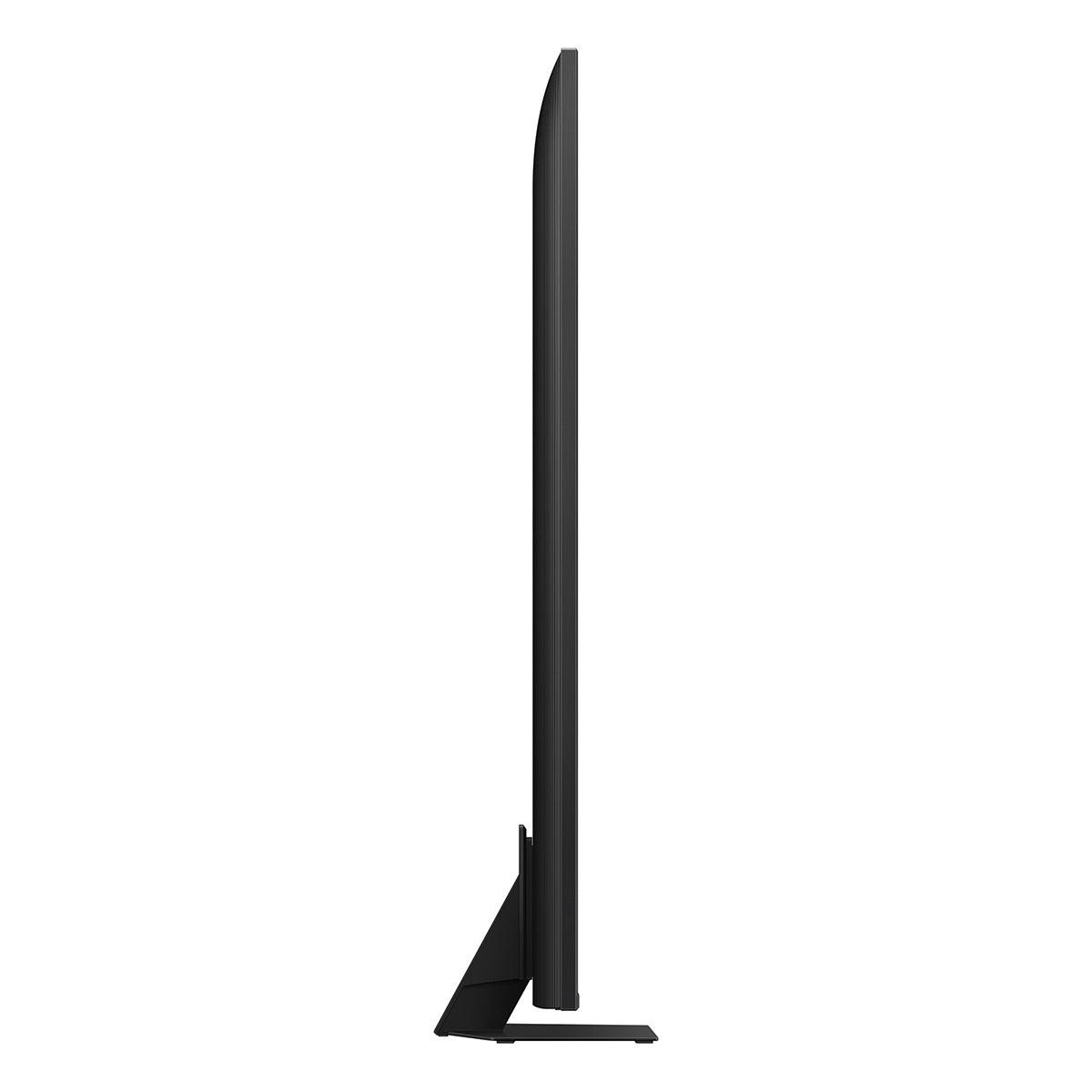
| 37.7 lbs with stand, 2.4" depth | 59.1 lbs with stand, 1.8" slim profile |
| Best For - Target buyer profile | |
| Budget-conscious buyers wanting basic 4K QLED performance | Enthusiasts wanting premium picture quality and gaming features |
| Value Assessment - Cost vs performance consideration | |
| Excellent entry-level value with modern smart features | Premium pricing justified by Mini LED technology and advanced features |
The primary difference is display technology. The Samsung Q7F uses traditional QLED with a direct-lit LED backlight, while the Samsung QN85D features advanced Neo QLED technology with Mini LED backlighting and 160 local dimming zones. This gives the QN85D dramatically better contrast with deeper blacks and brighter highlights.
The Samsung QN85D is significantly better for gaming. It offers 120Hz refresh rate, four HDMI 2.1 ports, Variable Refresh Rate (VRR), and Auto Low Latency Mode (ALLM) with support for 4K@144Hz. The Samsung Q7F is limited to 60Hz with basic HDMI ports, making it suitable only for casual gaming.
For home theater use, the Samsung QN85D is vastly superior. Its Mini LED technology with local dimming creates true blacks and excellent contrast for cinematic viewing. The Samsung Q7F lacks local dimming, resulting in grayish blacks and light bleeding that detracts from the movie experience in dark environments.
The Samsung QN85D delivers much better HDR performance with its Neo Quantum HDR technology, higher peak brightness, and local dimming control. The Samsung Q7F supports HDR10+ but lacks the brightness and contrast needed for impressive HDR presentation, making bright scenes appear washed out.
Yes, if you prioritize picture quality. The Samsung QN85D offers exponentially better contrast, brightness, and color performance thanks to its Mini LED technology. However, the Samsung Q7F provides adequate 4K performance for budget-conscious buyers who don't need premium features.
Both handle bright rooms reasonably well, but the Samsung QN85D has superior peak brightness for overcoming ambient light. The Samsung Q7F works adequately in bright environments where its contrast limitations are less noticeable, making it a reasonable choice for well-lit living rooms.
Both run Samsung's Tizen OS with comprehensive app support and voice control. The Samsung Q7F includes 2025 Vision AI features for automatic optimization, while the Samsung QN85D has the more powerful NQ4 AI Gen2 processor for better upscaling and multitasking performance.
The Samsung QN85D features Dolby Atmos with Object Tracking Sound Lite, creating three-dimensional audio that follows on-screen action. The Samsung Q7F has basic stereo speakers that are adequate for casual viewing but really benefit from an external sound system.
The main advantage of the Samsung Q7F is value - it provides modern 4K QLED performance with smart features at a much lower price point. It's also lighter and easier to mount, making it suitable for secondary TVs or situations where premium picture quality isn't essential.
The Samsung QN85D is more future-proof with its 120Hz refresh rate, HDMI 2.1 ports, and advanced gaming features that support current and upcoming console generations. The Samsung Q7F meets current streaming standards but may feel outdated sooner as content and gaming technology advance.
The Samsung QN85D is better for sports viewing with its 120Hz refresh rate providing smoother motion during fast-paced action and reduced motion blur. The Samsung Q7F handles sports adequately at 60Hz but may show more motion artifacts during quick camera movements or fast plays.
For dedicated home theater use, the Samsung QN85D is the clear choice. Its Mini LED backlighting with local dimming creates the deep blacks and bright highlights essential for cinematic viewing, while Dolby Atmos audio enhances the immersive experience. The Samsung Q7F is better suited for casual TV watching rather than serious home theater applications.
We've done our best to create useful and informative comparisons to help you decide what product to buy. Our research uses advanced automated methods to create this comparison and perfection is not possible - please contact us for corrections or questions. These are the sites we've researched in the creation of this article: bestbuy.com - youtube.com - samsung.com - samsung.com - pcrichard.com - samsung.com - samsung.com - videoandaudiocenter.com - displayspecifications.com - bestbuy.com - samsung.com - samsung.com - samsung.com - samsung.com - news.samsung.com - bestbuy.com - rtings.com - youtube.com - youtube.com - avsforum.com - youtube.com - samsung.com - videoandaudiocenter.com - shopjetson.com - mysoundconcepts.com - samsung.com - merlinstv.com - youtube.com - samsung.com - samsung.com

Privacy Policy
Terms and Conditions - Affiliate Policy
Home Security
© Copyright 2008-2026.
11816 Inwood Rd #1211, Dallas, TX 75244