

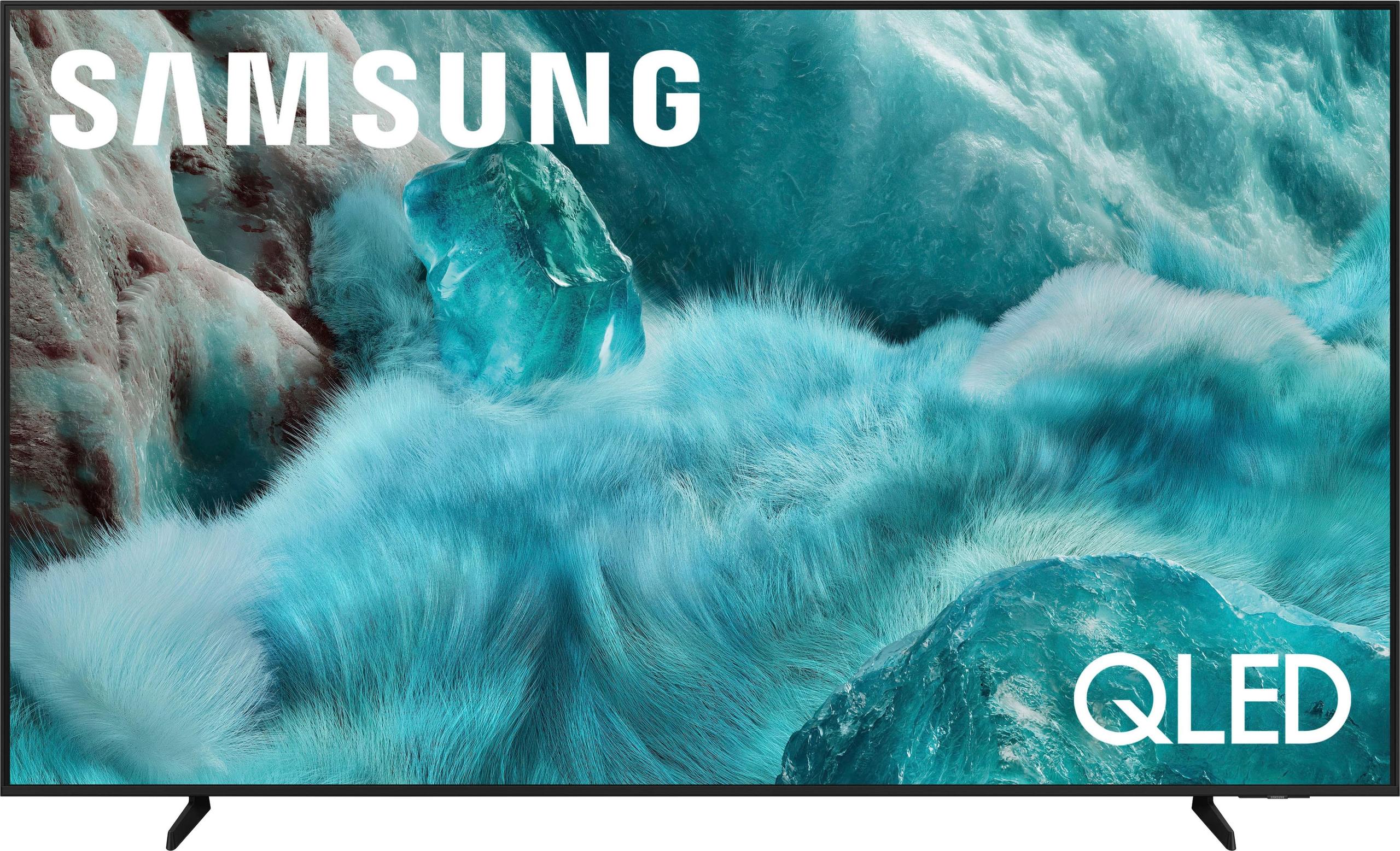
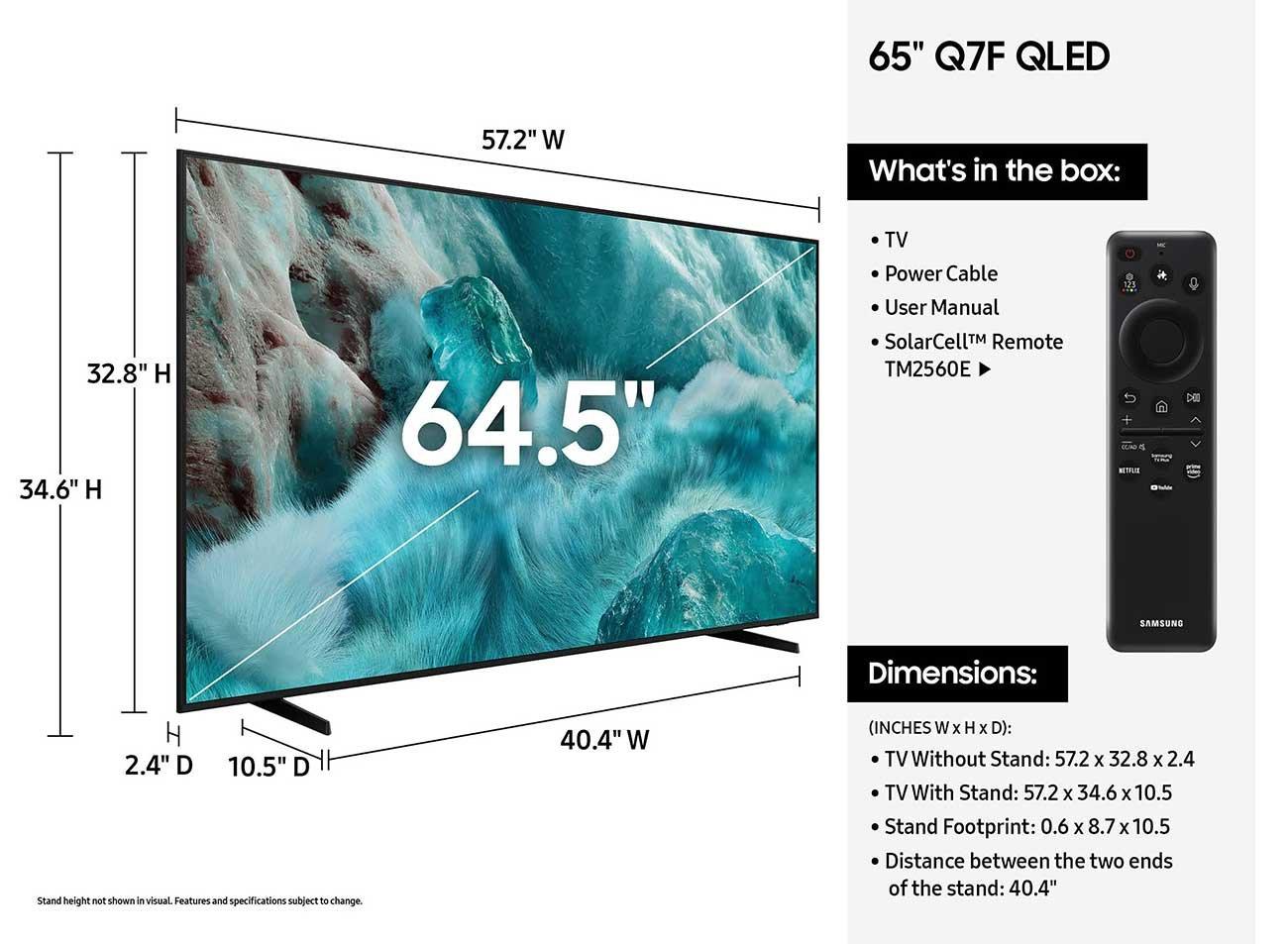

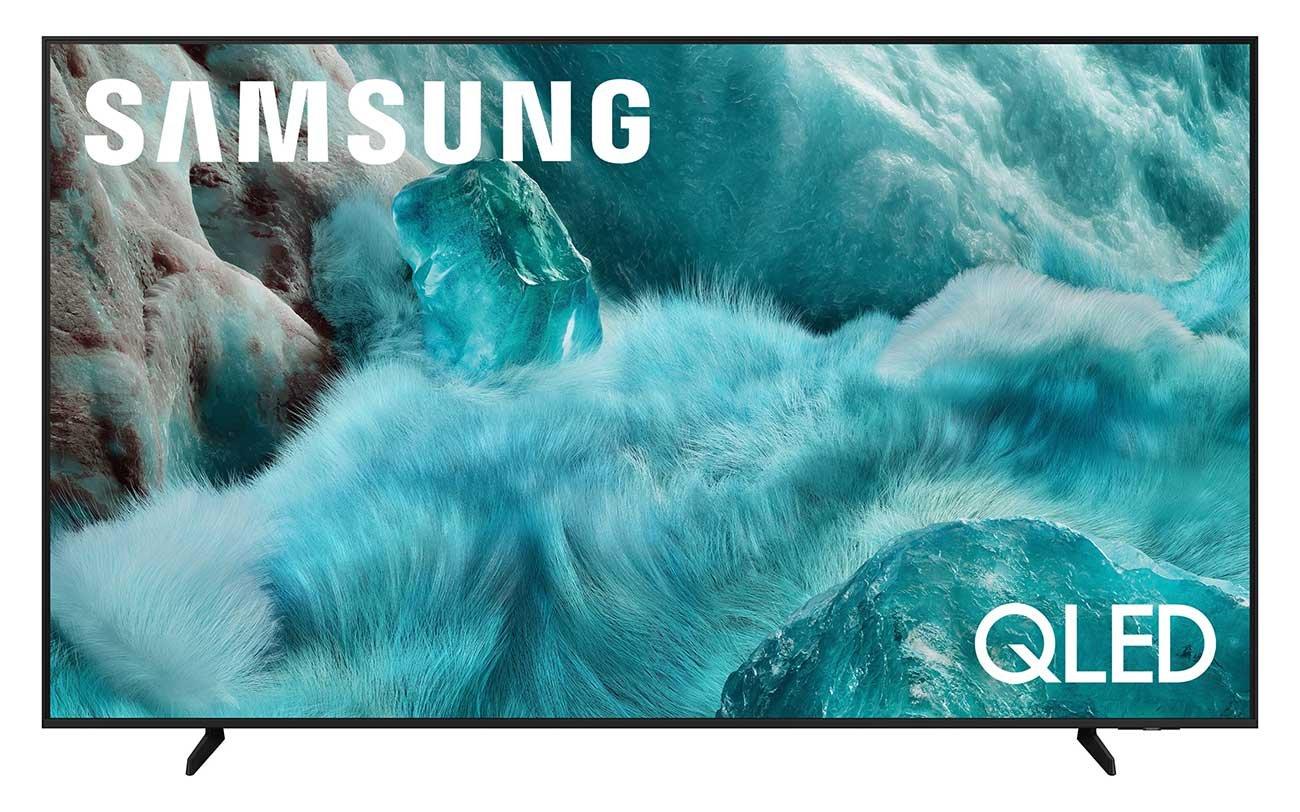
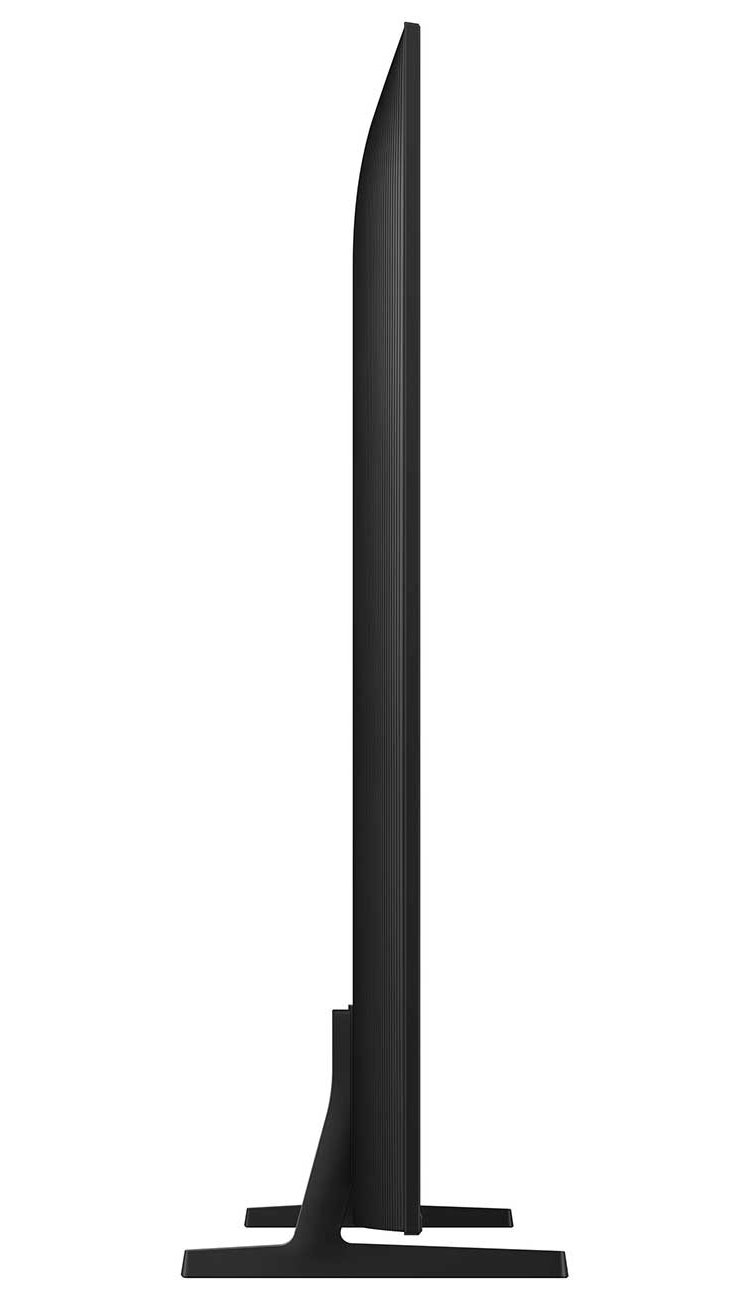
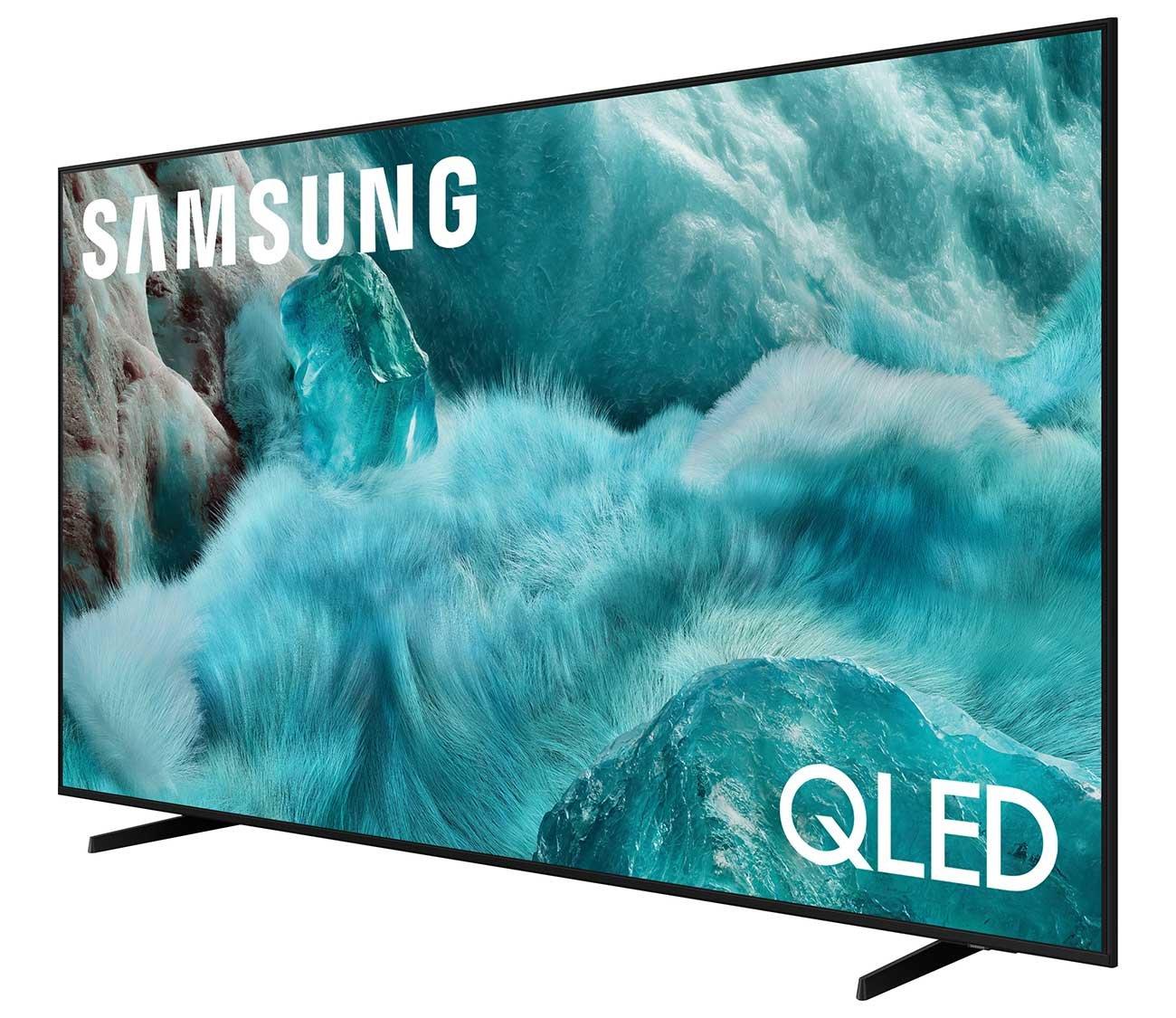
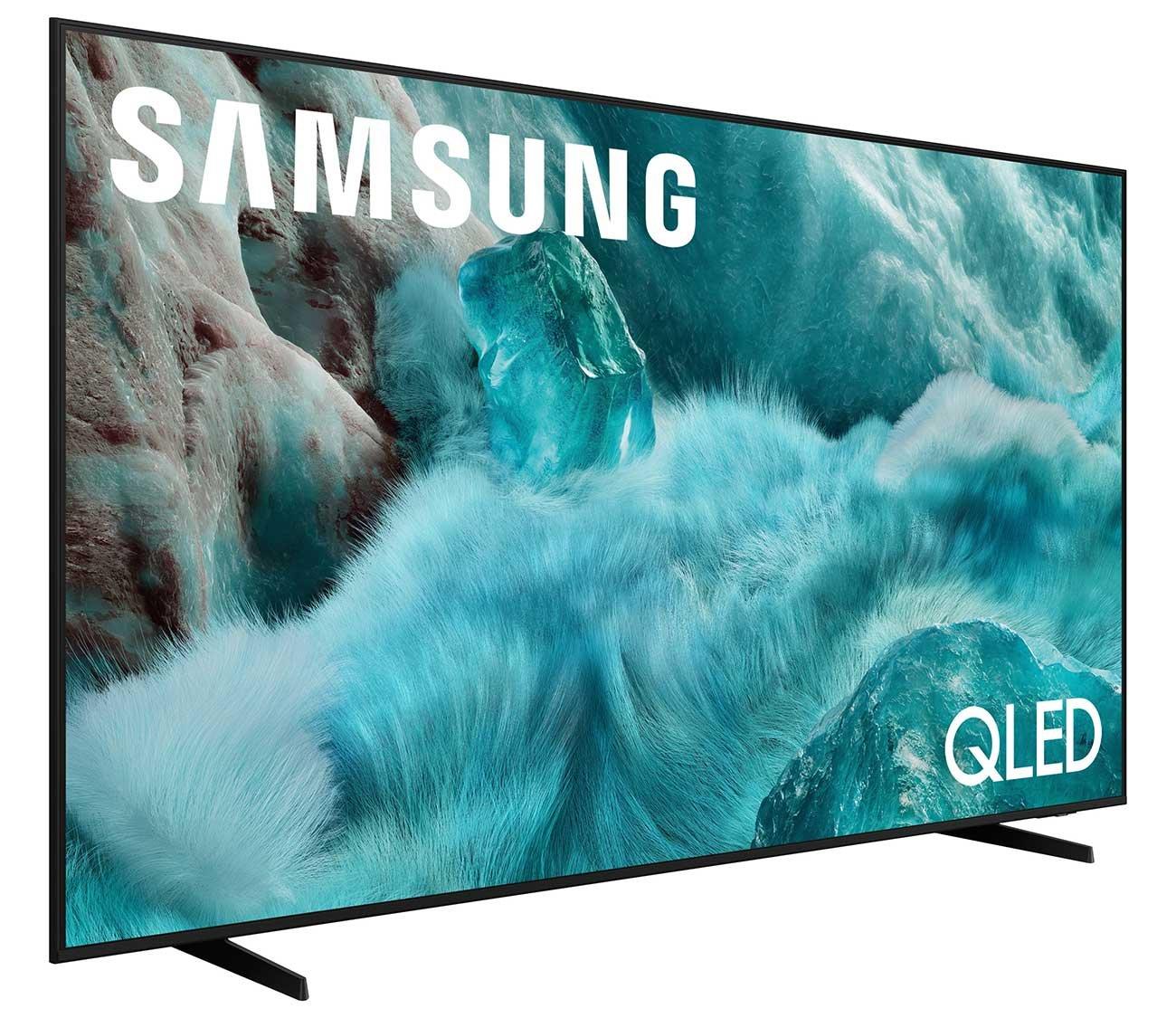

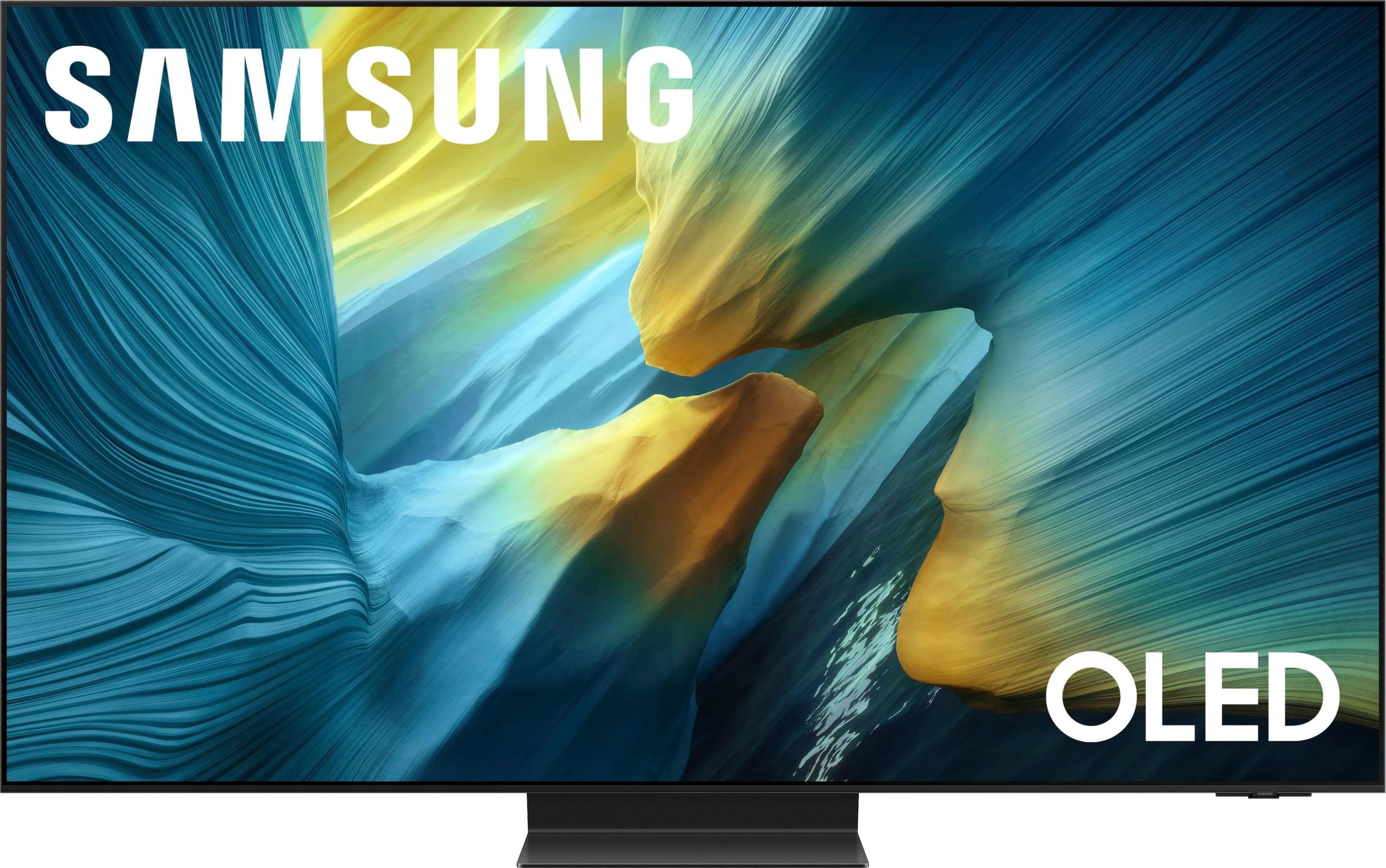
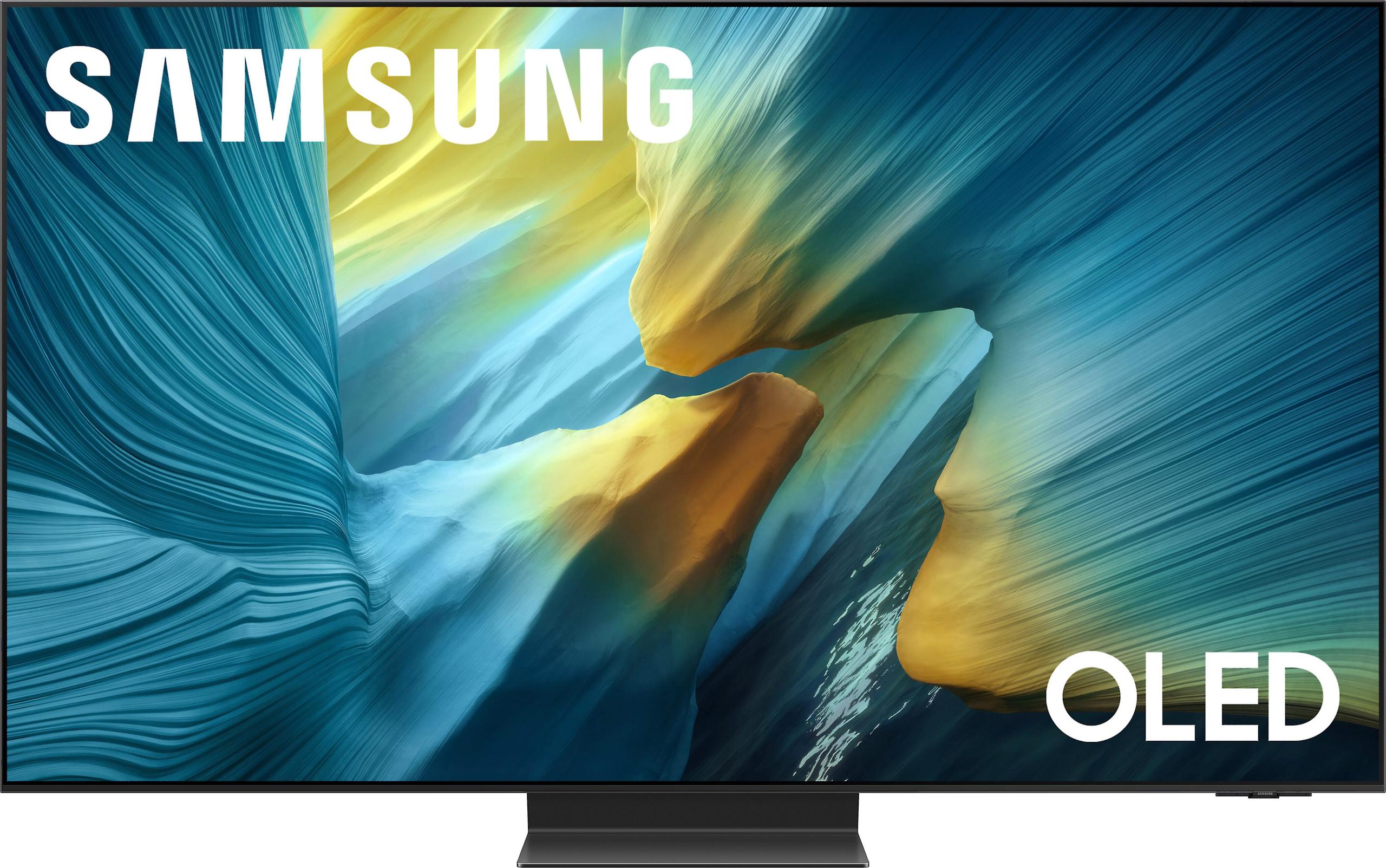
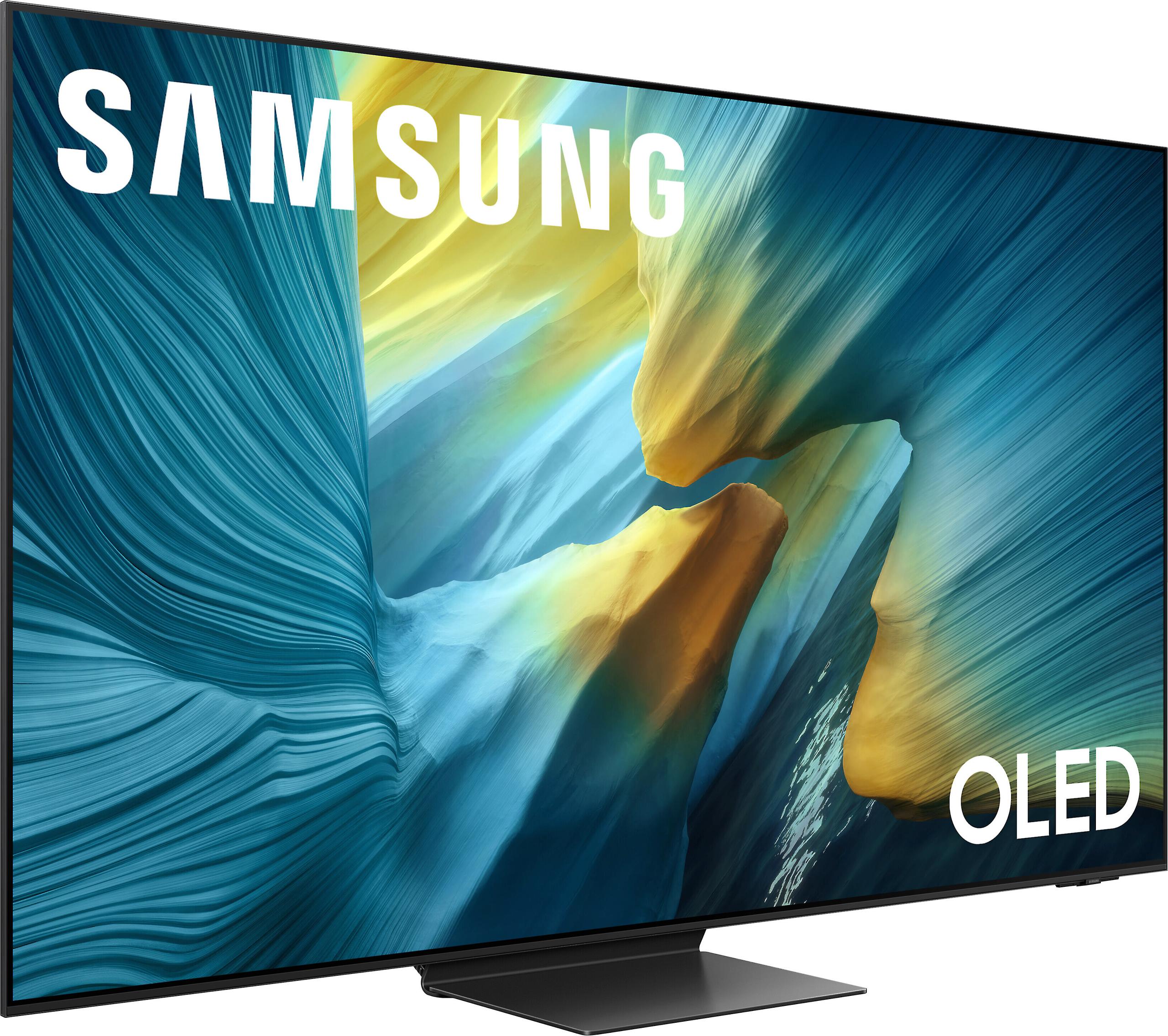
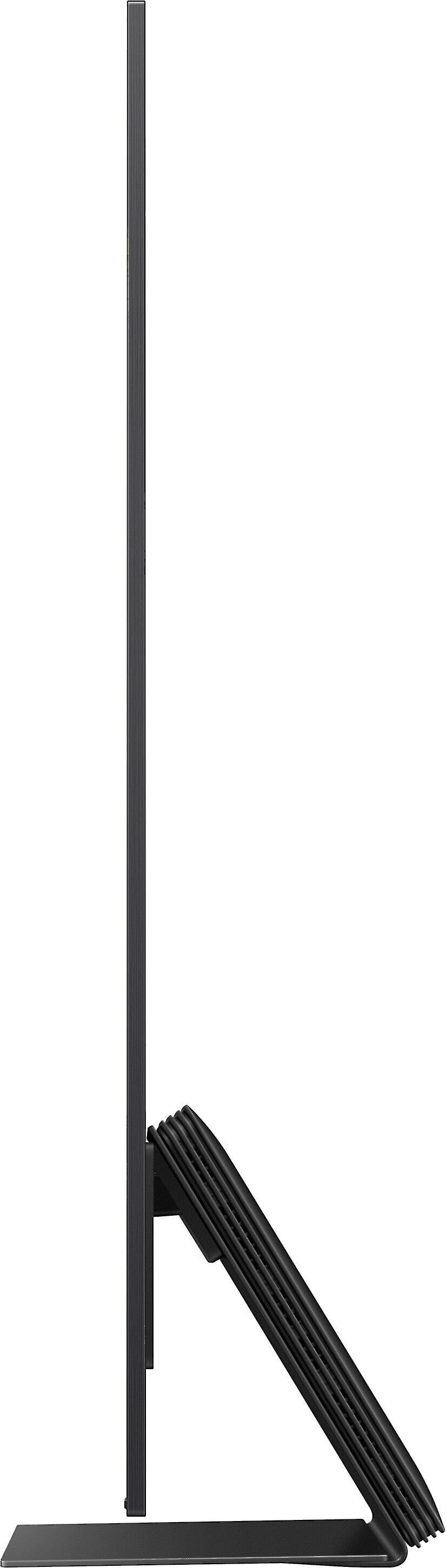
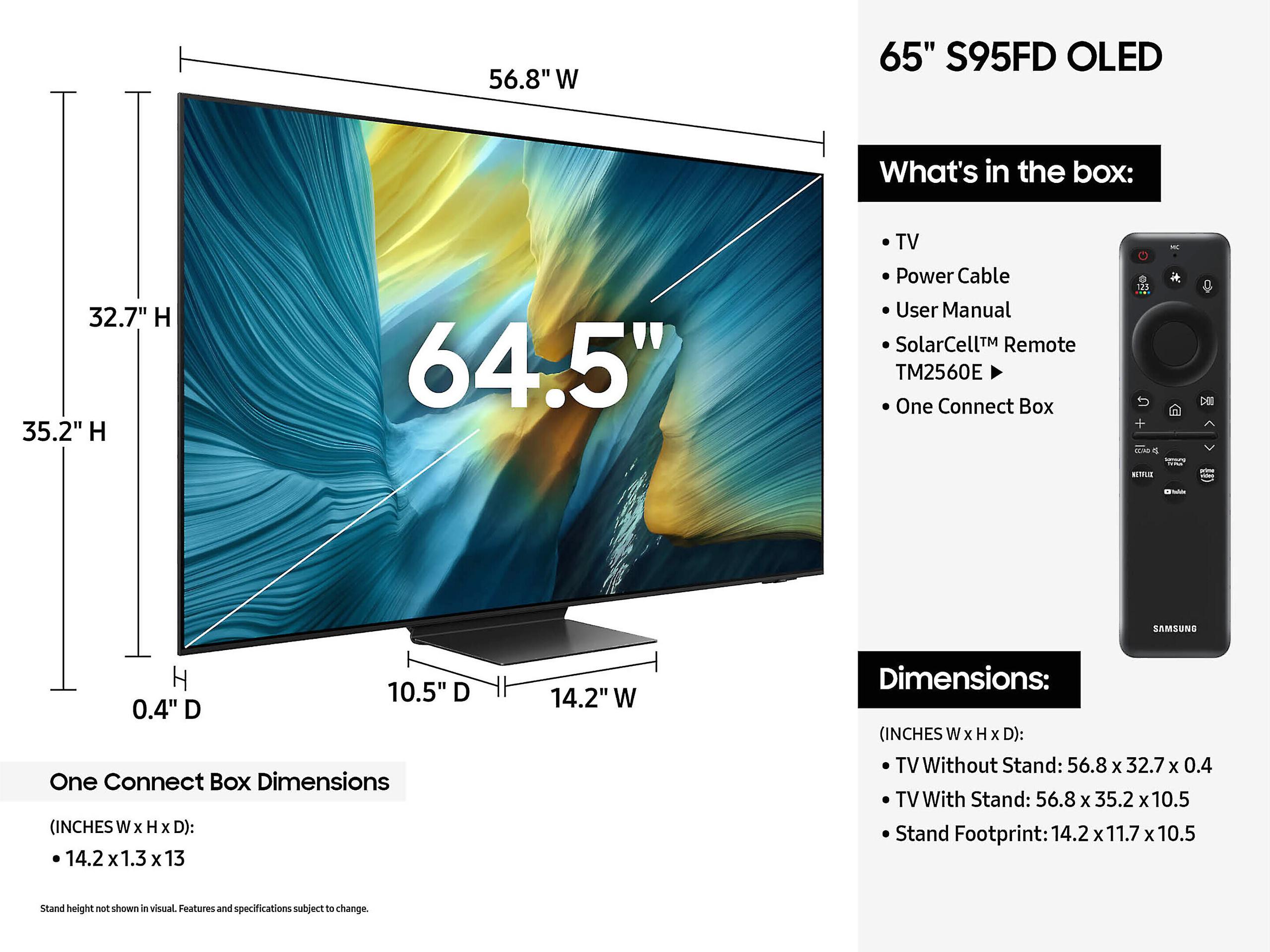
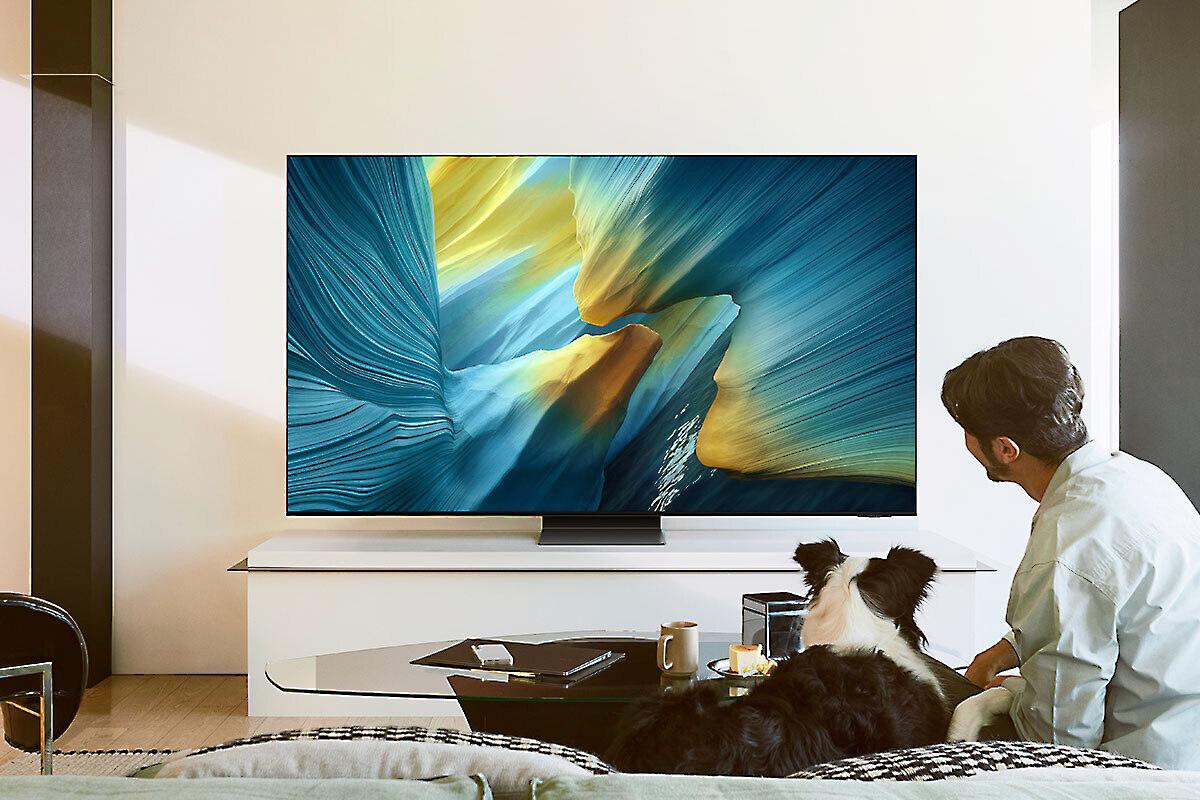

When Samsung released their 2025 TV lineup, they created a fascinating case study in how display technology and pricing can define completely different viewing experiences. The Samsung 65" Q7F QLED and Samsung 65" S95F OLED represent opposite ends of Samsung's spectrum—one focused on delivering solid 4K performance at an accessible price point, the other pushing the boundaries of what OLED technology can achieve.
At the time of writing, these TVs sit roughly $2,300 apart in pricing, which immediately tells you we're comparing fundamentally different product categories. But both are 65-inch Samsung 4K smart TVs, so the question becomes: what does that significant price difference actually buy you, and more importantly, do you need it?
Before diving into specific models, it's crucial to understand the core display technologies at play. The Q7F uses traditional LED backlighting with Samsung's QLED enhancement (quantum dot technology that improves color reproduction), while the S95F employs Samsung's third-generation QD-OLED technology.
Here's the fundamental difference: LED TVs like the Q7F illuminate their entire screen from behind using LED lights, then use liquid crystal displays to block or allow that light through to create the image. Think of it like holding a flashlight behind a stained glass window—you're controlling how much light passes through different colored sections.
OLED technology in the S95F works completely differently. Each individual pixel generates its own light and can turn completely off. This means when you're watching a scene with a starry night sky, those black areas are truly black because the pixels are actually off, not just trying to block light from passing through. It's the difference between drawing with a marker on white paper versus having magic ink that can make the paper itself disappear.
This fundamental technology difference cascades into every aspect of picture quality, explaining much of the performance gap between these models.
The most dramatic difference between the Q7F and S95F lies in contrast performance. Contrast ratio—the difference between the brightest whites and darkest blacks—is arguably the most important factor in perceived picture quality, more so than resolution or color accuracy.
The Q7F achieves a respectable 4500:1 static contrast ratio, which is solid for LED technology. However, it uses direct-lit backlighting without local dimming zones, meaning when bright objects appear on screen, the entire backlight area illuminates, causing what's called "blooming" around bright objects in dark scenes. Picture watching a campfire scene—you might notice a grayish glow around the flames rather than true darkness.
The S95F, with its per-pixel control, achieves an infinite contrast ratio. When individual pixels turn off, they produce true black with zero light emission. This creates incredibly dramatic scenes where bright objects seem to pop off the screen against perfectly dark backgrounds. It's particularly noticeable in HDR content where specular highlights (think sunlight reflecting off water or car headlights) appear almost three-dimensional.
Peak brightness determines how impactful HDR (High Dynamic Range) content appears. HDR content is mastered at brightness levels far exceeding traditional TV capabilities, so the brighter your TV can get, the closer it comes to the creator's intent.
The Q7F reaches about 500 cd/m² (candelas per square meter, a measurement of luminance), which handles standard content well but limits HDR impact. Many HDR scenes will appear somewhat flat because the TV simply can't produce the brightness levels needed to make highlights pop.
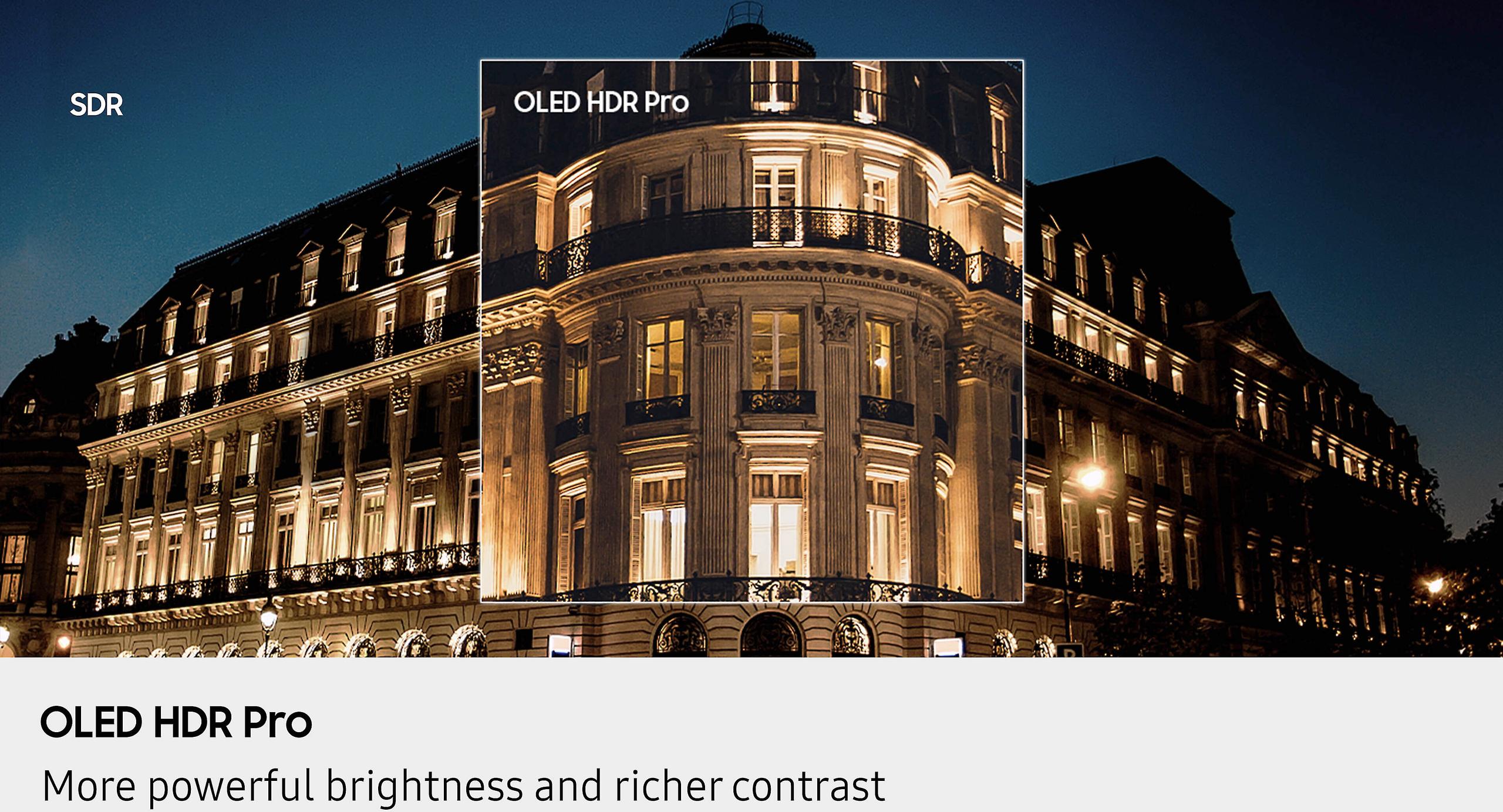
The S95F reaches an impressive 2,089 nits in small highlight areas—over four times brighter. This brightness advantage transforms HDR content. Explosions in action movies, sunlight streaming through windows, or lightning strikes appear dramatically more realistic. The difference isn't subtle; it's immediately apparent even to casual viewers.
Both TVs incorporate quantum dot technology, but implement it differently. The Q7F's quantum dots sit between the LED backlight and LCD panel, improving color saturation and coverage of the DCI-P3 color space (the standard for HDR content).
The S95F integrates quantum dots directly into its OLED structure, creating Samsung's QD-OLED technology. This approach combines OLED's perfect blacks with quantum dot color enhancement, producing exceptionally vibrant colors that maintain accuracy across different brightness levels. The result is color reproduction that appears both more saturated and more natural than traditional OLED panels.
Gaming capabilities represent one of the starkest differences between these models, particularly relevant as PlayStation 5 and Xbox Series X push higher frame rates and resolutions.
The Q7F maxes out at 60Hz refresh rate, matching traditional console gaming but missing the high-refresh gaming revolution. Most current games still target 60fps, so this limitation isn't immediately problematic for casual gaming. However, it completely eliminates compatibility with high-refresh PC gaming or future console modes that may target 120fps or higher.
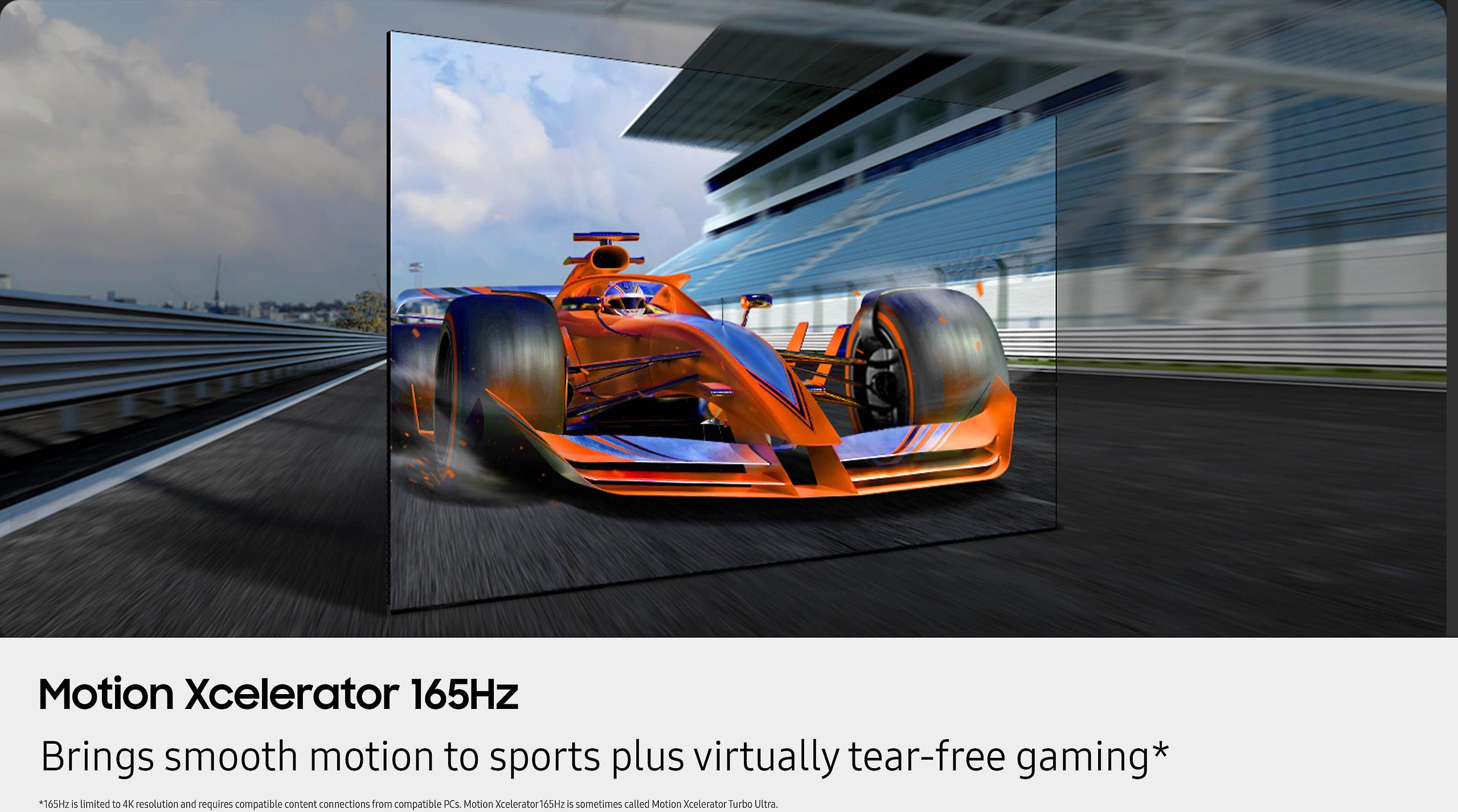
The S95F supports up to 165Hz at 4K resolution across all four HDMI 2.1 ports. This isn't just about numbers—higher refresh rates create noticeably smoother motion in fast-paced games. Racing games feel more responsive, first-person shooters appear less choppy during quick camera movements, and sports games look more fluid. The difference is immediately apparent when switching between 60Hz and 120Hz+ gaming.
Response time—how quickly pixels change from one color to another—also differs dramatically. The Q7F exhibits typical LED response times that can cause motion blur in fast gaming scenes. The S95F's OLED technology provides nearly instantaneous pixel response, eliminating motion blur and creating crystal-clear fast-moving imagery.
Modern gaming features like Variable Refresh Rate (VRR), which synchronizes the TV's refresh rate with the console's frame output to eliminate screen tearing, work on both models but with different capabilities. The Q7F offers basic VRR support within its 60Hz limitation, while the S95F provides comprehensive VRR support across its full refresh range.
Auto Low Latency Mode (ALLM), which automatically switches the TV to its fastest gaming settings when it detects a game console, works on both TVs but benefits more on the S95F due to its advanced processing capabilities.
Both TVs run Samsung's 2025 Tizen operating system, providing identical app ecosystems and smart functionality. However, the underlying processing power differs significantly.
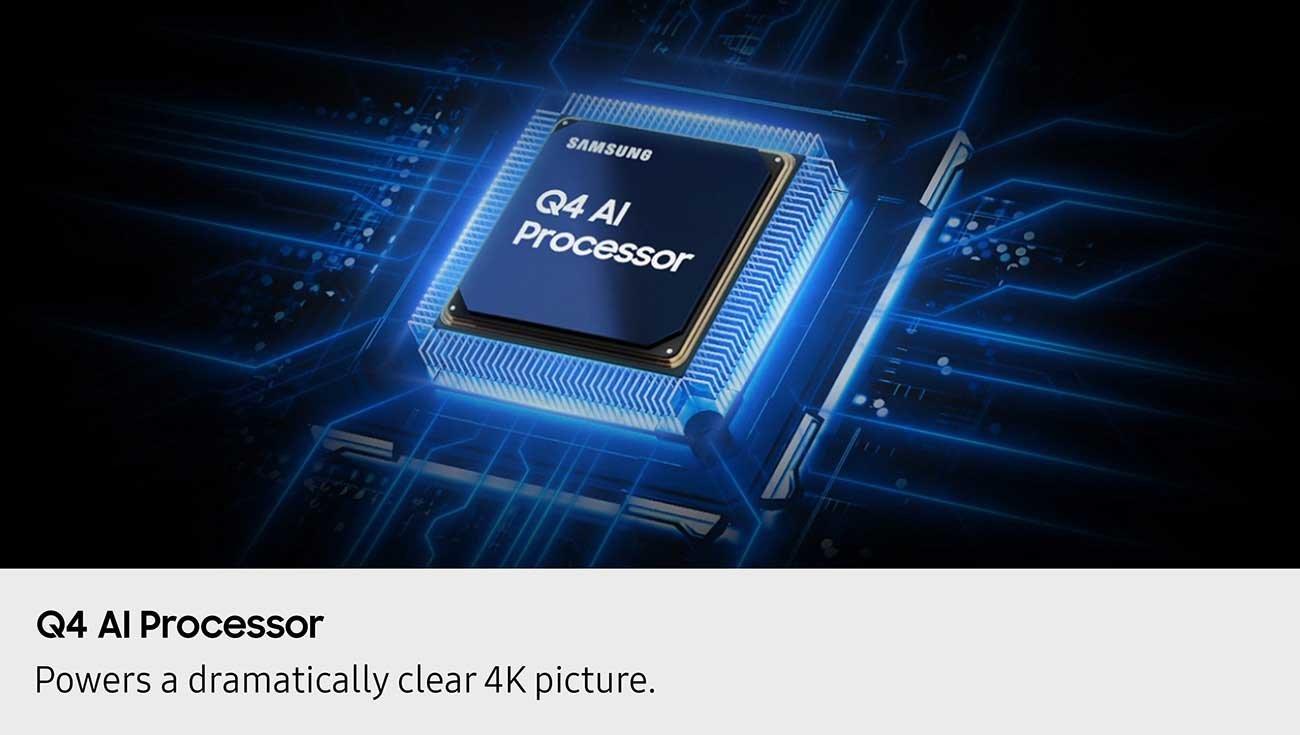
The Q7F uses Samsung's Q4 AI processor, handling basic upscaling and smart features adequately. For streaming Netflix, Disney+, or other services, it provides smooth navigation and reliable performance.
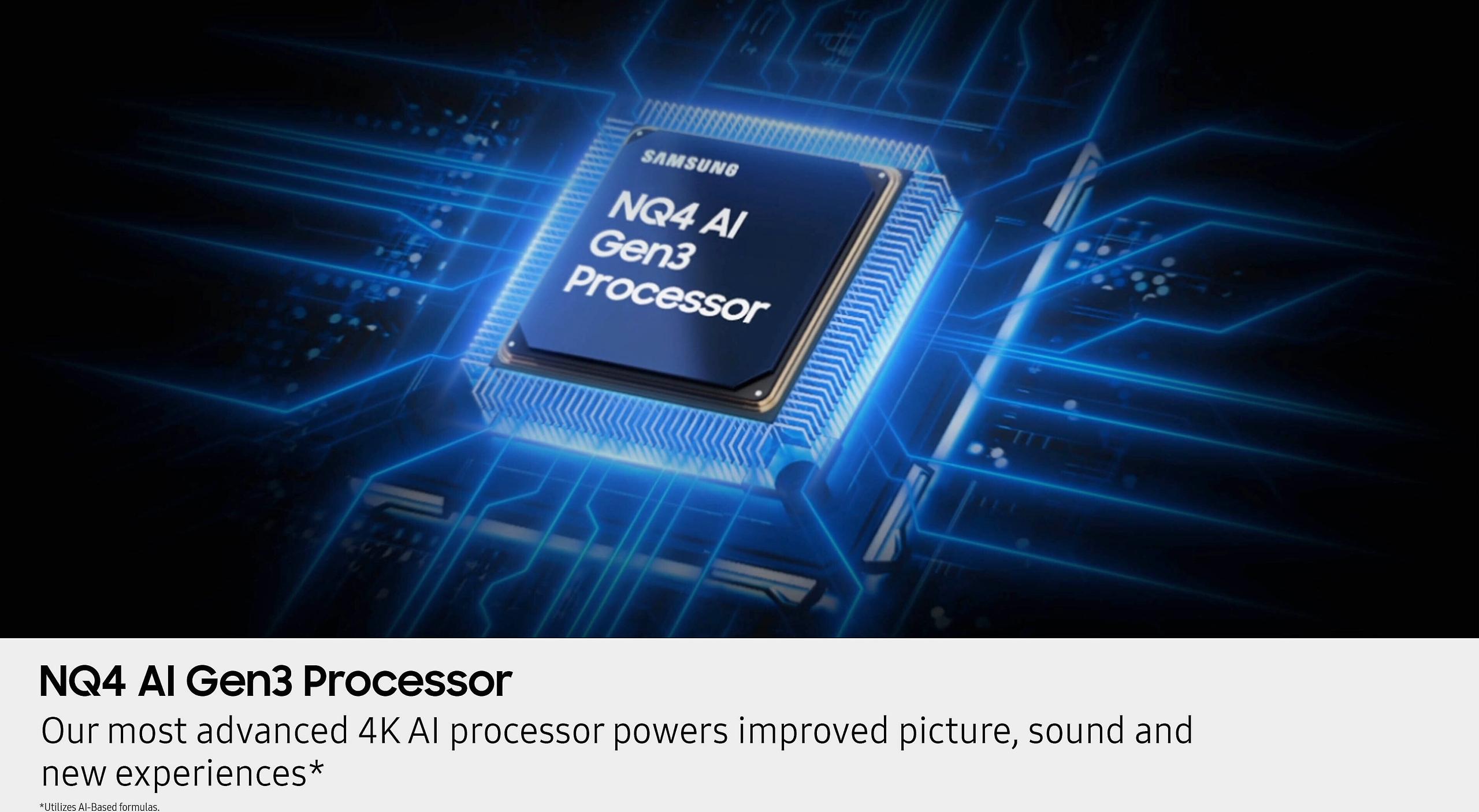
The S95F employs the NQ4 AI Gen3 processor, Samsung's flagship chip powered by 128 neural networks for Samsung Vision AI. This advanced processing enables several premium features: AI 4K Upscaling Pro analyzes content frame-by-frame to enhance lower-resolution sources, while Auto HDR Remastering attempts to enhance non-HDR content to near-HDR quality.
However, our research indicates the S95F's processing comes with trade-offs. Samsung applies undefeatable edge enhancement across all picture modes, which some enthusiasts find objectionable as it can make images appear artificially sharpened. This is particularly noticeable in film content where the processing can introduce artifacts that weren't present in the original material.
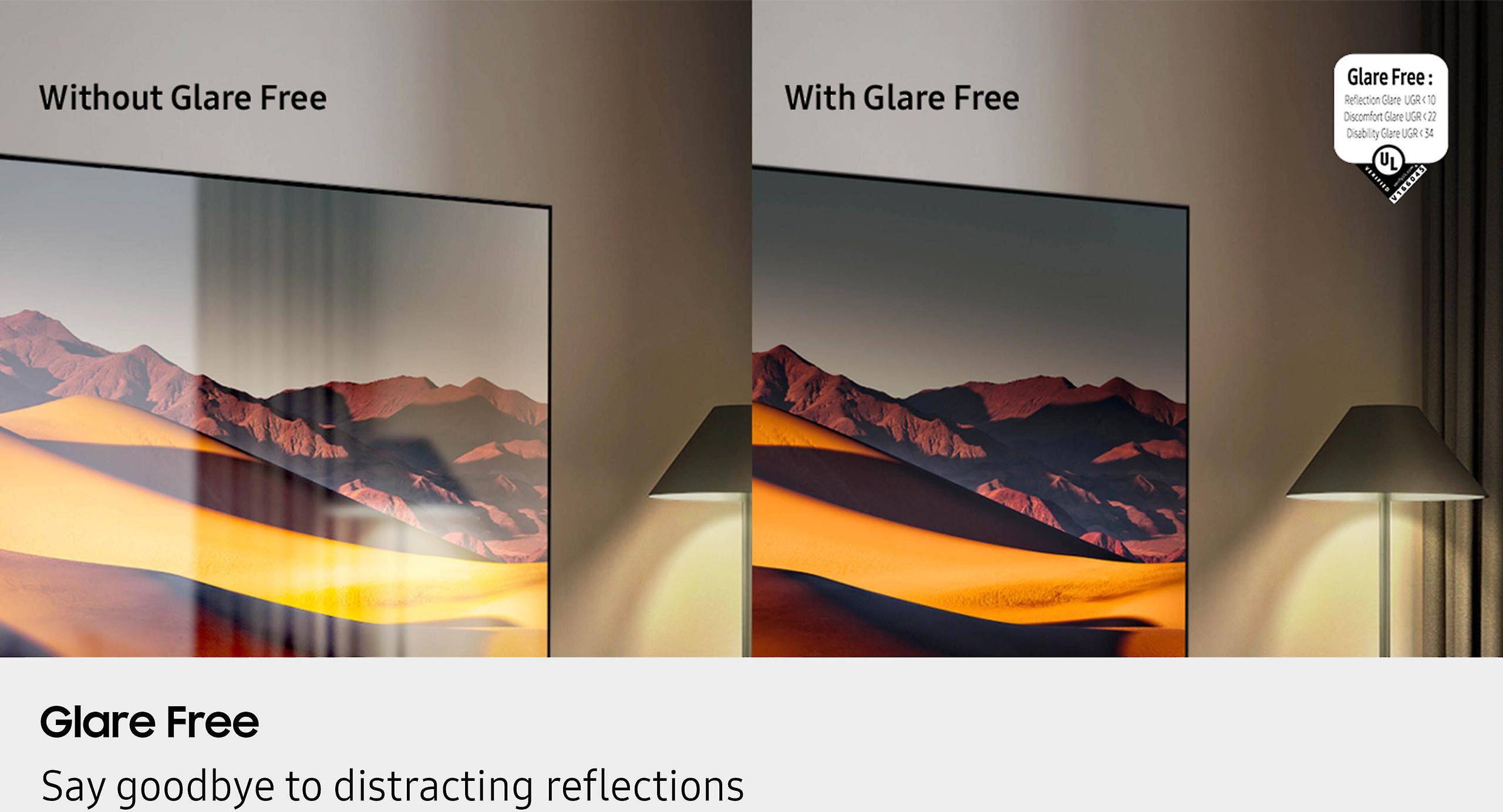
One of the S95F's most distinctive features is its Glare Free 2.0 matte anti-glare coating. Traditional OLED TVs struggle in bright rooms due to reflections on their glossy screens. Samsung's solution applies a specialized matte coating that makes reflections nearly invisible, even from direct light sources.
This technology addresses OLED's biggest weakness—bright room performance. You can place the S95F directly across from windows or under bright lights without the viewing experience being compromised by reflections. However, this coating raises black levels slightly in bright environments, somewhat reducing the pure OLED advantage of perfect blacks.
The Q7F uses a standard screen finish typical of budget TVs, with reflections handled through conventional anti-glare treatments that are less effective.
Audio often receives less attention in TV discussions, but the differences here are substantial. The Q7F includes basic stereo speakers typical of budget models—functional but not impressive.
The S95F features a 70W, 4.2.2 channel speaker system with Dolby Atmos support. Object Tracking Sound (OTS+) uses multiple drivers to create audio that follows on-screen action, while Q-Symphony allows the TV to work in harmony with compatible Samsung soundbars for enhanced audio layering.
However, the S95F notably lacks DTS audio format support, which could be problematic for users with extensive Blu-ray collections or specific audio setups.
For dedicated home theater use, both TVs present different advantages. The Q7F offers reliable performance at an accessible price point, making it suitable for casual home theater setups where picture quality isn't the primary concern.
The S95F excels in home theater applications, particularly in rooms with challenging lighting. Its combination of perfect blacks, exceptional brightness, and anti-glare coating makes it versatile across different viewing environments. The wide color gamut and HDR performance reveal details in films that simply aren't visible on lesser displays.
However, serious home theater enthusiasts might be frustrated by the S95F's lack of Dolby Vision support. While HDR10+ provides excellent results, Dolby Vision's dynamic metadata offers superior scene-by-scene optimization. At the S95F's price point, this omission is notable, particularly when competing OLED models include comprehensive HDR format support.
The Q7F represents exceptional value for basic 4K viewing needs. At its price point (roughly $600-700 at the time of writing), it delivers Samsung's build quality, reliable smart features, and adequate picture performance for casual viewing. It's an excellent choice for secondary TVs, guest rooms, or situations where budget constraints are paramount.
The S95F commands premium pricing (approximately $2,900-3,000 at the time of writing) but delivers flagship performance across multiple categories. The investment buys you cutting-edge display technology, gaming versatility, and picture quality that remains compelling for many years.
Choose the Q7F if your primary needs include reliable 4K streaming, basic smart TV functionality, and budget consciousness. It's particularly suitable for users who primarily watch standard streaming content, don't prioritize gaming features, or need a dependable secondary TV. The picture quality, while not exceptional, is perfectly adequate for casual viewing and represents strong value at its price point.
Choose the S95F if picture quality is your primary concern, you're an avid gamer who wants future-proofing, or you have challenging room lighting that would benefit from anti-glare technology. The investment makes sense for primary TVs in living rooms or dedicated home theater spaces where the improved experience justifies the significant cost difference.
The decision ultimately comes down to whether the S95F's advanced capabilities align with your viewing priorities and budget. The performance differences are substantial and immediately apparent, but so is the price gap. Both TVs succeed in their respective categories—the question is which category matches your needs and expectations.
For most buyers, the choice comes down to this: if the S95F's features seem essential for your viewing experience and the price fits your budget, it's transformational. If you need reliable 4K performance without premium features, the Q7F delivers exceptional value in its category. There's little middle ground between these approaches, making the decision clearer than the price difference might initially suggest.
| Samsung 65" Q7F QLED | Samsung 65" S95F OLED |
|---|---|
| Display Technology - Fundamentally affects picture quality and viewing experience | |
| Direct-lit LED with QLED enhancement | QD-OLED with per-pixel illumination |
| Peak Brightness - Critical for HDR impact and bright room viewing | |
| 500 cd/m² (adequate for standard content) | 2,089 nits (exceptional HDR performance) |
| Contrast Ratio - Most important factor in perceived picture quality | |
| 4500:1 static contrast (some light bleeding) | Infinite contrast (perfect blacks) |
| Refresh Rate - Essential for gaming and smooth motion | |
| 60Hz (basic gaming only) | 165Hz (future-proof gaming performance) |
| Gaming Features - Determines compatibility with next-gen consoles | |
| Basic VRR at 60Hz | 4K@165Hz, AMD FreeSync Premium Pro, full HDMI 2.1 |
| HDR Support - Affects how realistic bright scenes appear | |
| HDR10+ with limited brightness headroom | HDR10+ with exceptional peak brightness (no Dolby Vision) |
| Anti-Glare Technology - Critical for bright room performance | |
| Standard screen finish with typical reflections | Glare Free 2.0 matte coating (nearly invisible reflections) |
| Audio System - Built-in sound quality | |
| Basic stereo speakers | 70W 4.2.2 channel with Dolby Atmos and Object Tracking Sound |
| Processor - Affects upscaling and smart features | |
| Q4 AI Processor (adequate performance) | NQ4 AI Gen3 with Vision AI (128 neural networks) |
| HDMI 2.1 Ports - Future-proofing for gaming and high bandwidth content | |
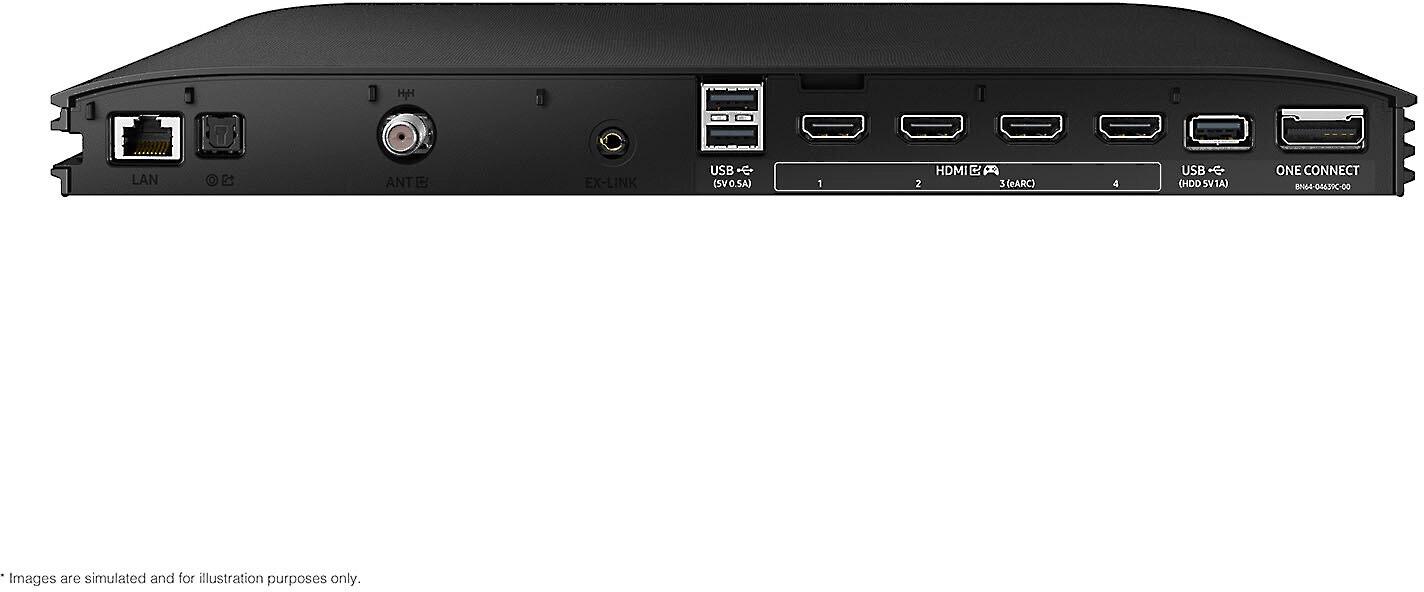
| 3 HDMI ports (standard bandwidth) | 4 HDMI 2.1 ports (full 48Gbps bandwidth) |
| Local Dimming - Controls backlighting for better contrast | |
| None (full array illumination) | Per-pixel control (ultimate precision) |
| Smart TV Updates - Long-term software support | |
| Standard Samsung support cycle | 7 years guaranteed OS and software updates |
| Best Use Cases - Who should buy each model | |
| Budget-conscious buyers, secondary TVs, casual viewing | Picture quality enthusiasts, serious gamers, bright rooms, home theater |
The biggest difference is display technology. The Samsung Q7F uses traditional LED backlighting with QLED enhancement, while the Samsung S95F features advanced QD-OLED technology with per-pixel illumination. This means the S95F can achieve perfect blacks and infinite contrast, while the Q7F relies on LED backlighting that can't turn completely off.
The Samsung S95F is significantly better for gaming with its 165Hz refresh rate, four HDMI 2.1 ports, and support for 4K@165Hz gaming. The Samsung Q7F is limited to 60Hz, making it suitable only for basic console gaming without high-refresh capabilities.
The Samsung S95F excels in bright rooms thanks to its Glare Free 2.0 matte coating that makes reflections nearly invisible. The Samsung Q7F uses a standard screen finish and will show more reflections from windows and lights, though it's still usable in most lighting conditions.
The Samsung S95F delivers superior picture quality with perfect blacks, exceptional brightness (2,089 nits), and infinite contrast ratio. The Samsung Q7F provides decent picture quality for its category but can't match the dramatic contrast and HDR performance of OLED technology.
The Samsung S95F is excellent for dedicated home theater use with its perfect blacks, wide color gamut, and exceptional HDR performance. The Samsung Q7F works fine for casual home theater setups but lacks the contrast and brightness needed for a premium cinematic experience.
Yes, both the Samsung Q7F and Samsung S95F run Samsung's 2025 Tizen operating system with access to all major streaming platforms including Netflix, Disney+, Prime Video, and Apple TV+. The smart TV experience is essentially identical between both models.
This depends on your needs and budget. The Samsung Q7F offers exceptional value for basic 4K viewing and casual use. The Samsung S95F provides premium value if you prioritize cutting-edge picture quality, gaming features, and bright room performance.
The Samsung Q7F maxes out at 60Hz, suitable for standard TV viewing and basic gaming. The Samsung S95F supports up to 165Hz, making it future-proof for high-refresh gaming and providing smoother motion in all content types.
The Samsung S95F has dramatically better HDR performance with its 2,089 nits peak brightness compared to the Samsung Q7F's 500 cd/m². This means HDR content like movies and games will appear much more impactful with brighter highlights and better contrast on the S95F.
Both TVs work with external soundbars, but the Samsung S95F has superior built-in audio with 70W 4.2.2 channel speakers and Dolby Atmos support. It also features Q-Symphony technology for enhanced integration with Samsung soundbars. The Samsung Q7F has basic stereo speakers.
For sports, the Samsung S95F is better due to its higher brightness, better motion handling at 165Hz, and superior contrast that makes players stand out against the field. However, the Samsung Q7F is perfectly adequate for casual sports viewing at a much lower cost.
The Samsung Q7F is limited by its 60Hz refresh rate and basic LED contrast performance. The Samsung S95F lacks Dolby Vision HDR support (a notable omission at its premium price point) and may have text clarity issues when used as a PC monitor due to its OLED subpixel structure.
We've done our best to create useful and informative comparisons to help you decide what product to buy. Our research uses advanced automated methods to create this comparison and perfection is not possible - please contact us for corrections or questions. These are the sites we've researched in the creation of this article: bestbuy.com - youtube.com - samsung.com - samsung.com - pcrichard.com - samsung.com - samsung.com - videoandaudiocenter.com - displayspecifications.com - bestbuy.com - samsung.com - samsung.com - samsung.com - samsung.com - news.samsung.com - businessinsider.com - tomsguide.com - youtube.com - avsforum.com - zdnet.com - samsung.com - pioneertvandappliance.com - samsung.com - displayspecifications.com - samsung.com

Privacy Policy
Terms and Conditions - Affiliate Policy
Home Security
© Copyright 2008-2026.
11816 Inwood Rd #1211, Dallas, TX 75244