

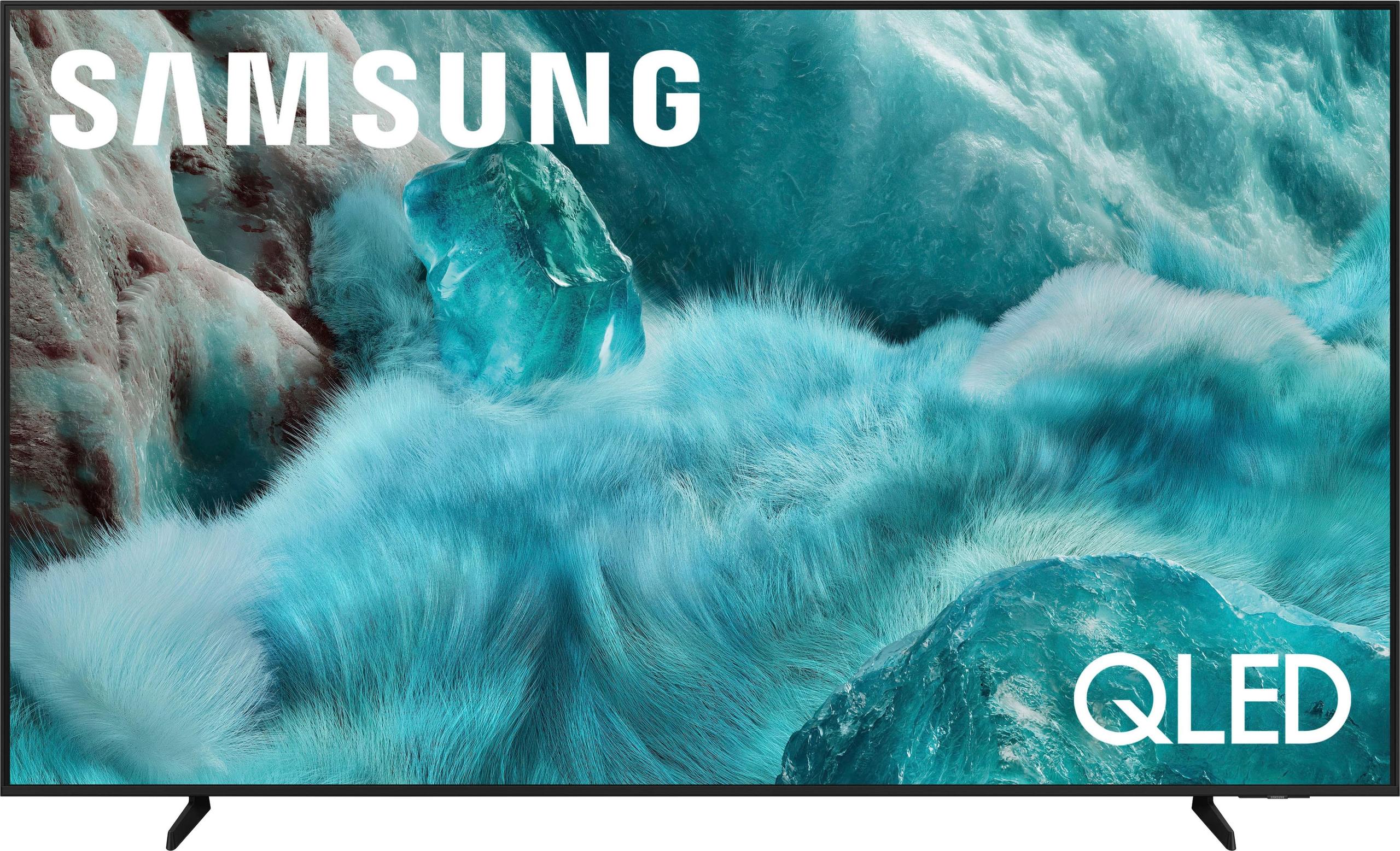

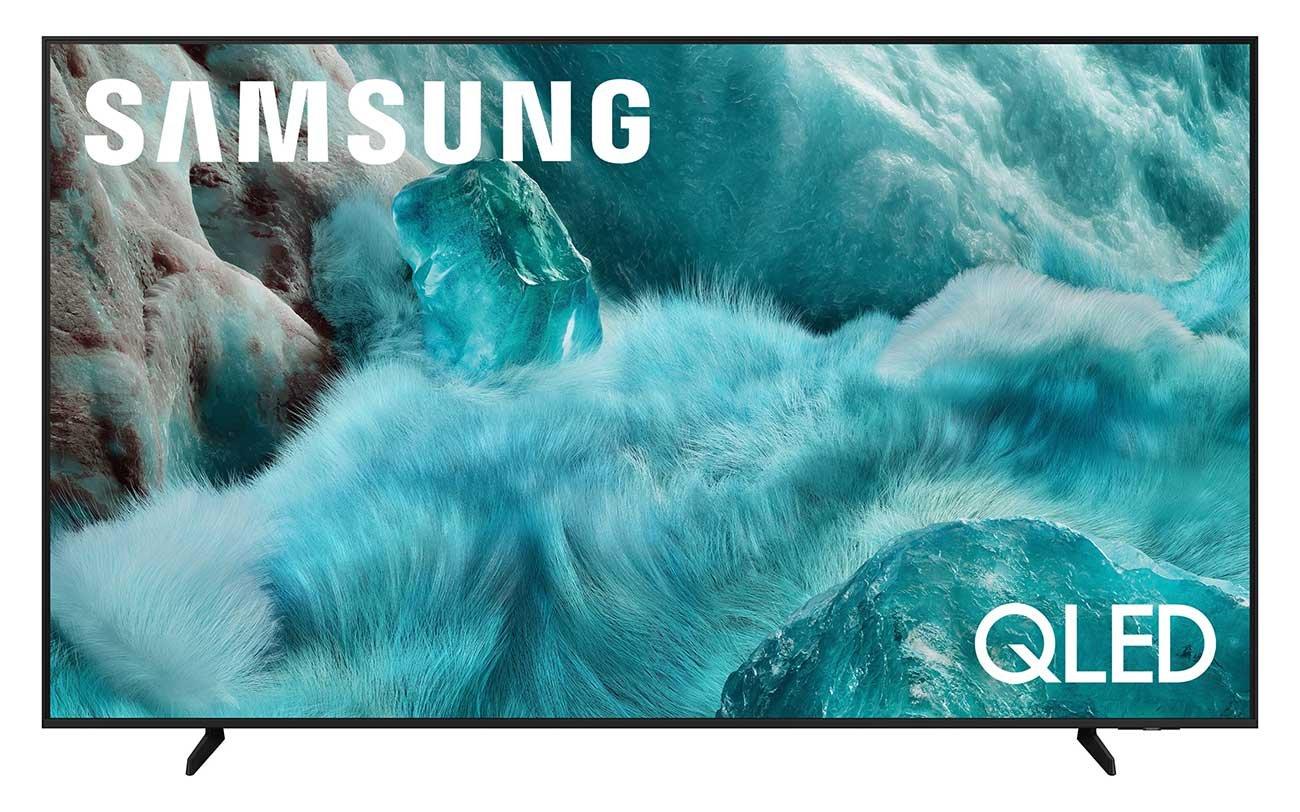
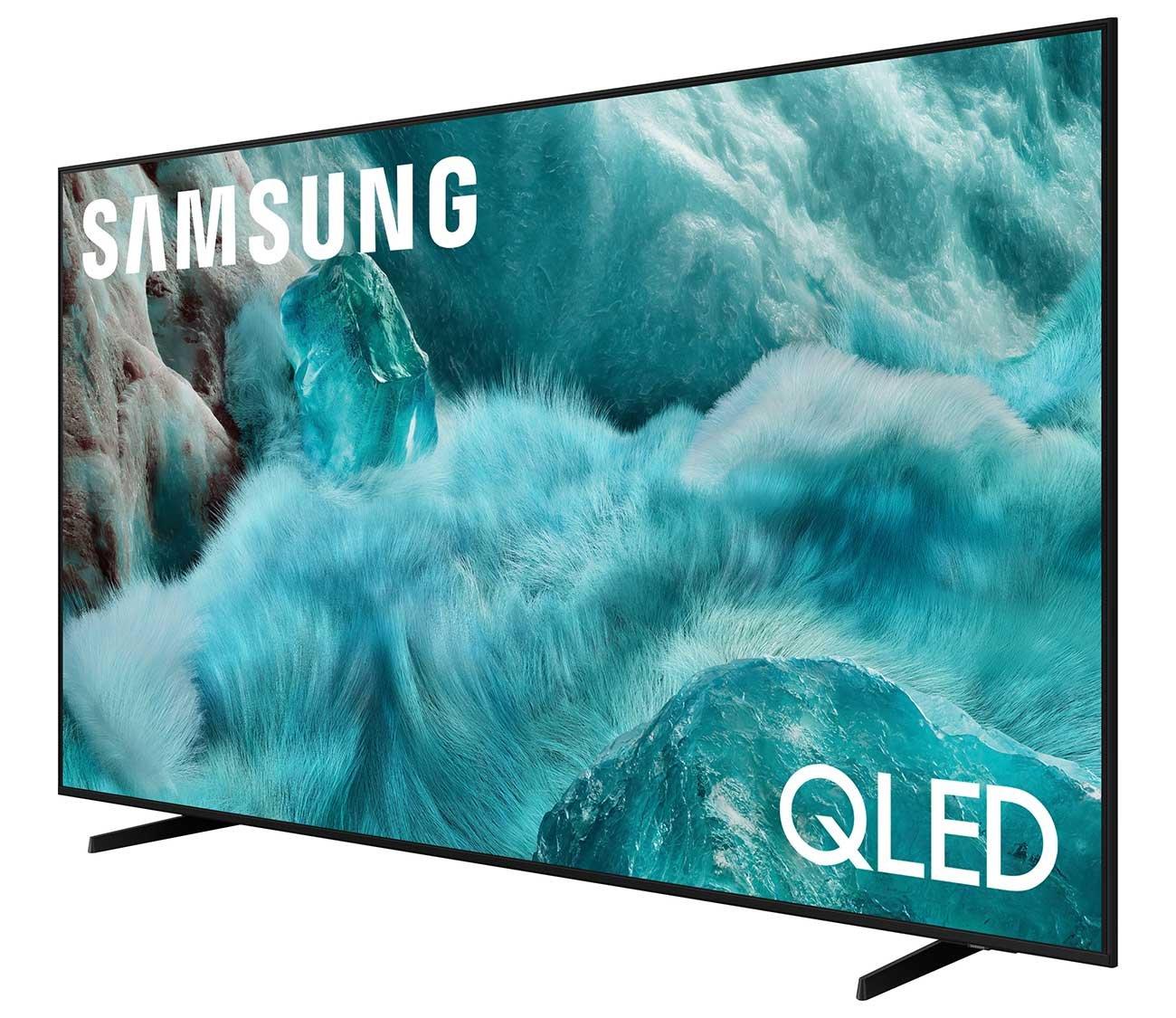
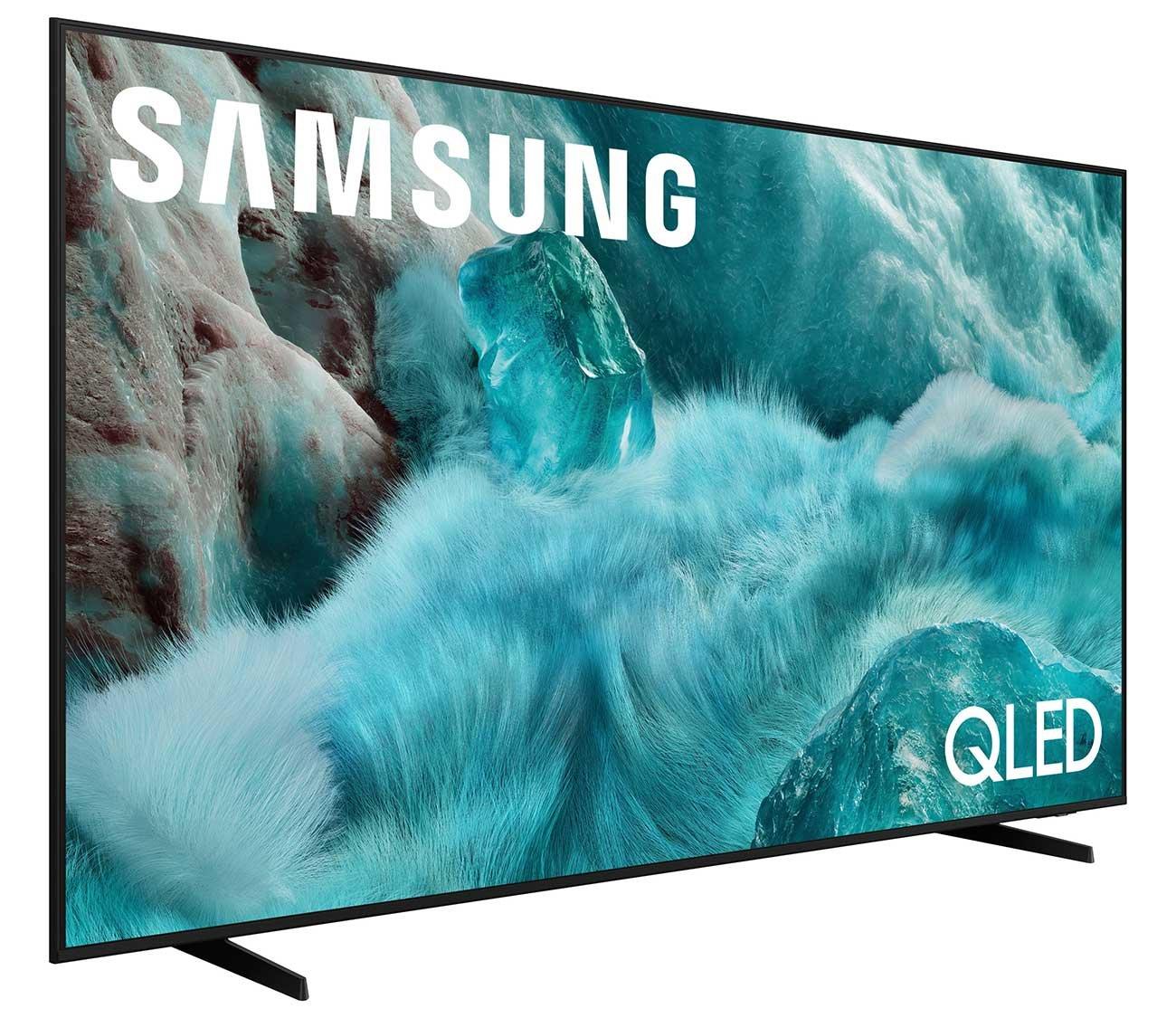

The 65-inch 4K TV market has never been more exciting—or confusing. With Samsung's Q7F QLED offering impressive smart features at a budget-friendly price and LG's OLED evo G5 pushing the boundaries of display technology, choosing between them isn't just about picking a TV—it's about deciding what kind of viewing experience matters most to you.
Both TVs launched in March 2025, but they represent completely different philosophies. The Samsung Q7F focuses on delivering maximum value with AI-powered features that make your TV smarter, while the LG G5 OLED introduces revolutionary display technology that fundamentally changes how we think about picture quality. At the time of writing, there's roughly a $1,800 price difference between them, which tells you everything about their intended markets.
Before diving into specifics, it's crucial to understand what sets these TVs apart at the most basic level. The Samsung Q7F uses QLED (Quantum Dot Light Emitting Diode) technology, which is essentially a very sophisticated LED TV. It starts with a traditional LED backlight, then adds a layer of quantum dots—microscopic particles that convert blue light into precise red and green wavelengths. This creates more accurate colors and better brightness than standard LED TVs.
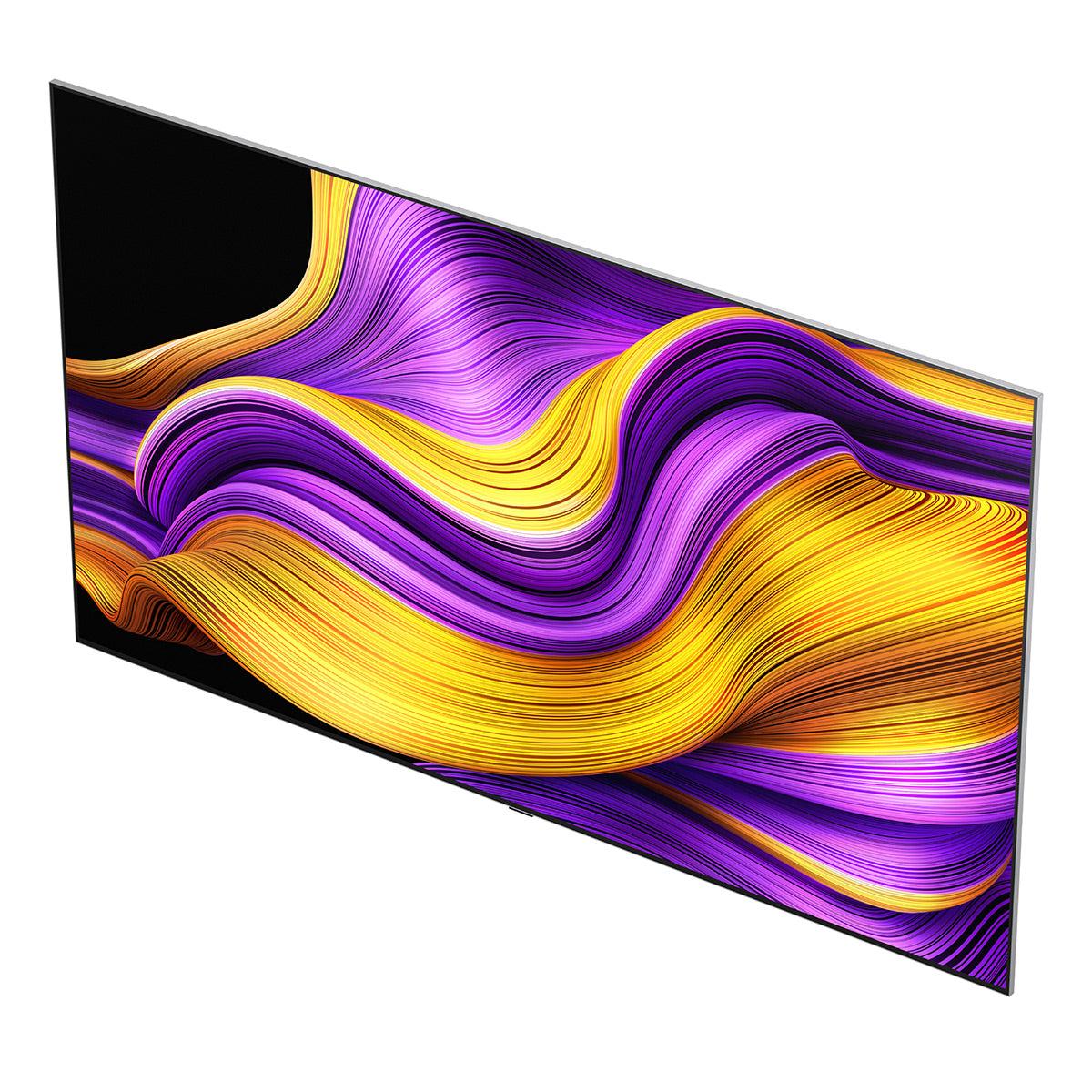
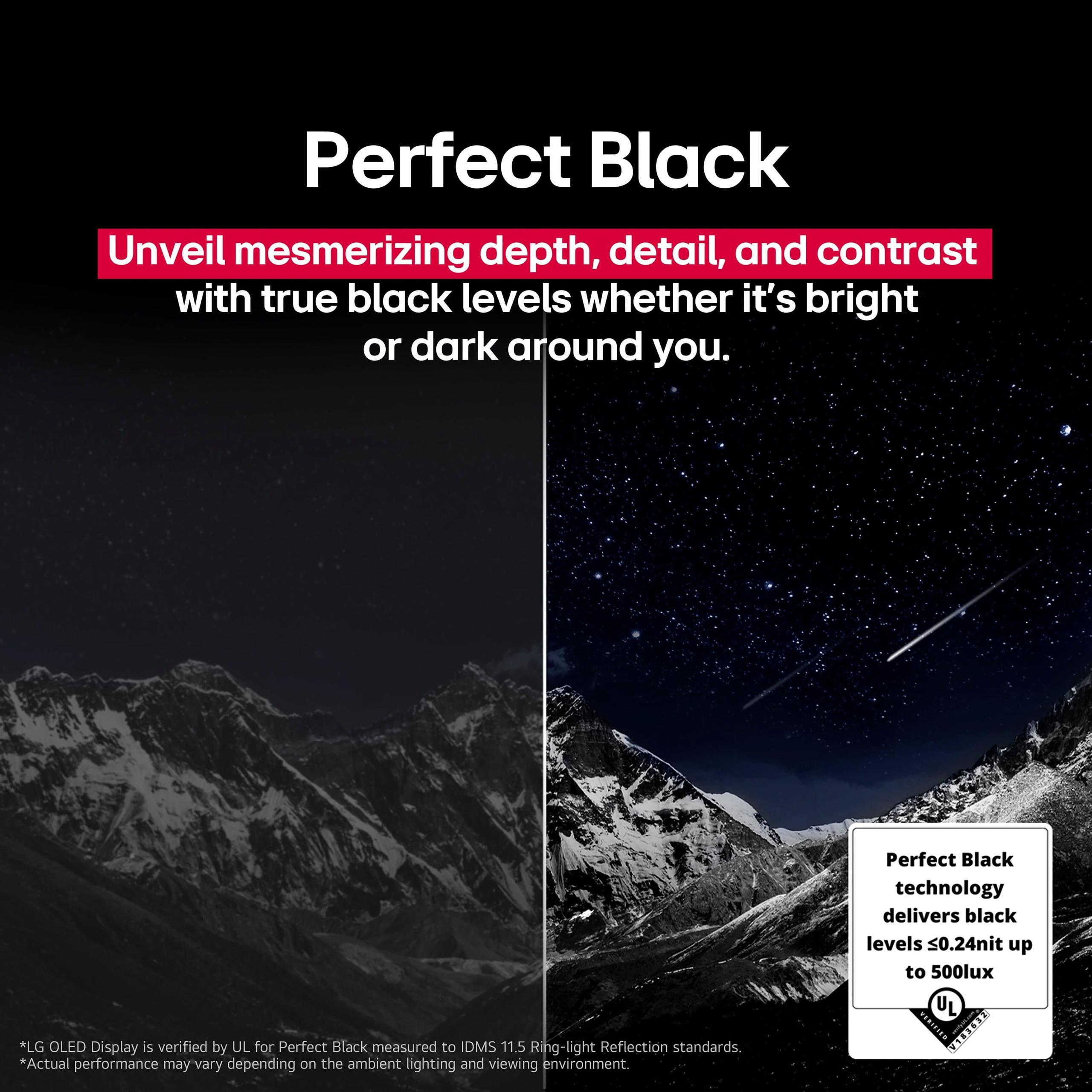
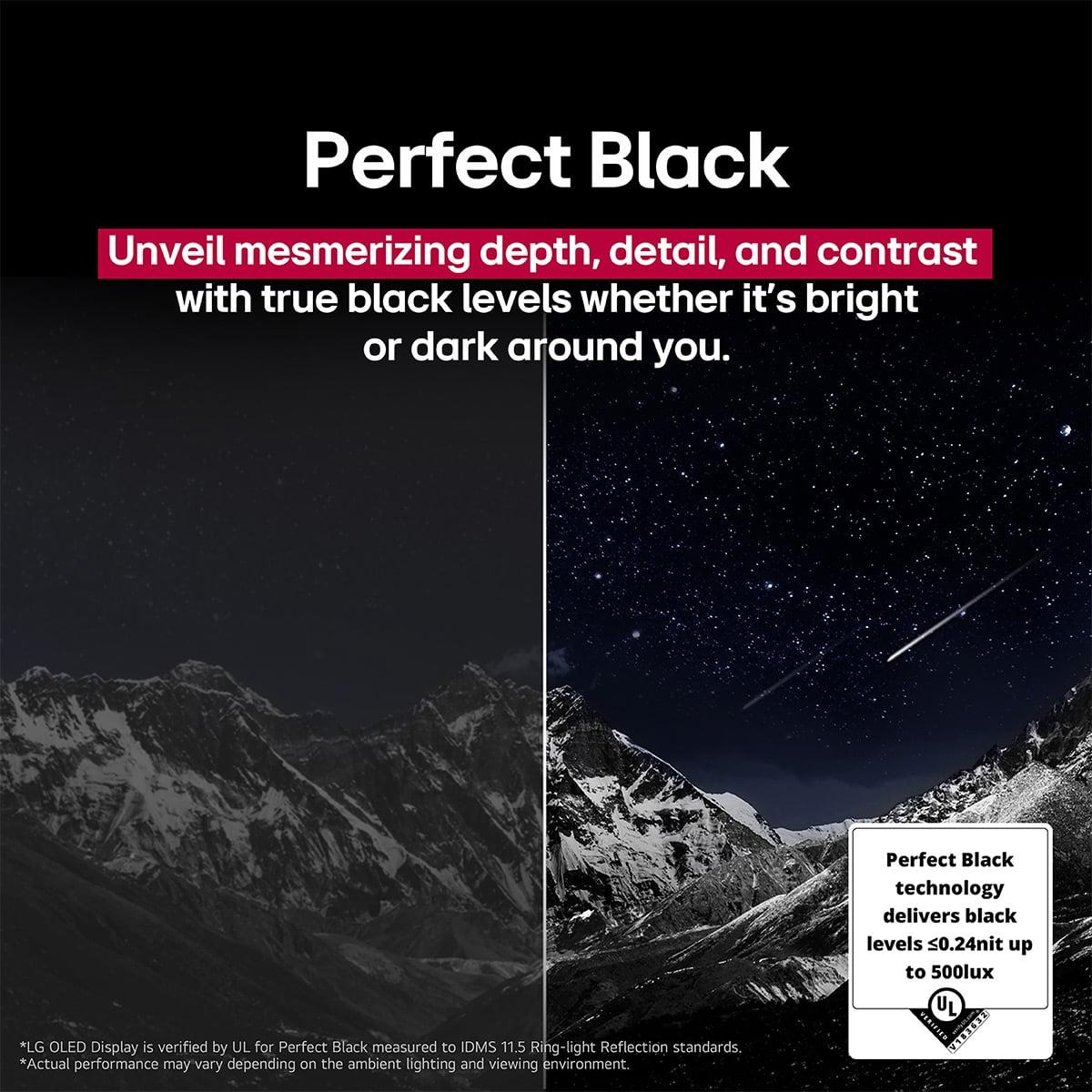
The LG G5 OLED takes a completely different approach. OLED (Organic Light Emitting Diode) panels don't need a backlight at all. Each of the 8.3 million pixels produces its own light and can turn completely off to create perfect black. This year's G5 is particularly special because it's the first TV to use LG's new 4-Stack RGB Tandem panel, which layers four OLED emission layers instead of the traditional single layer, dramatically boosting brightness while maintaining perfect blacks.
Think of it this way: QLED is like having millions of tiny colored filters in front of a powerful flashlight, while OLED is like having millions of individual light bulbs that can each turn on, off, or dim independently.
When it comes to picture quality, the differences between these TVs are immediately apparent. The LG G5 OLED delivers what can only be described as a transformative viewing experience. Those perfect blacks aren't just a spec sheet bullet point—they create contrast that makes images appear three-dimensional. When you're watching a space movie and see stars against the void, the LG G5 literally turns off those black pixels, creating infinite contrast that no LED-based display can match.
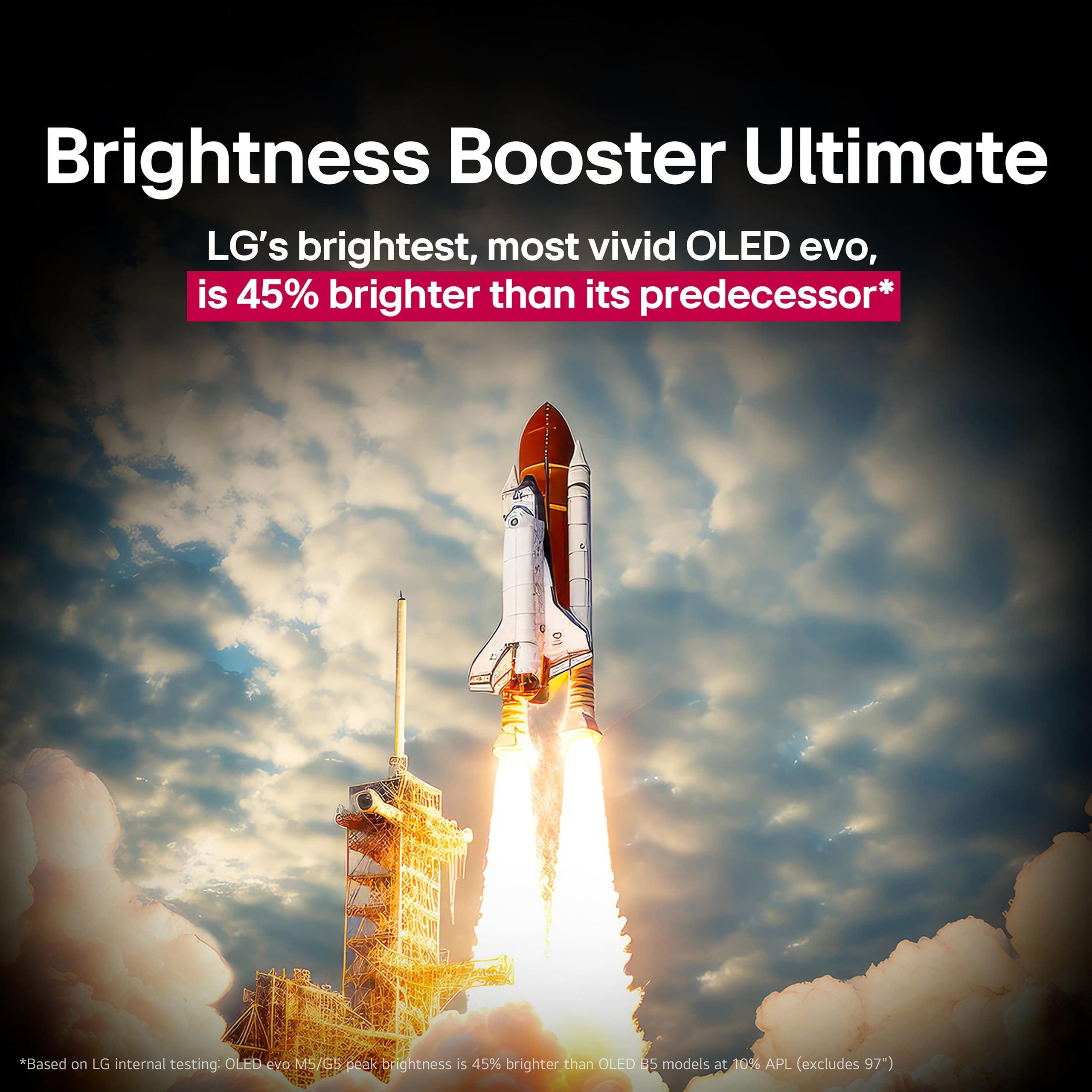
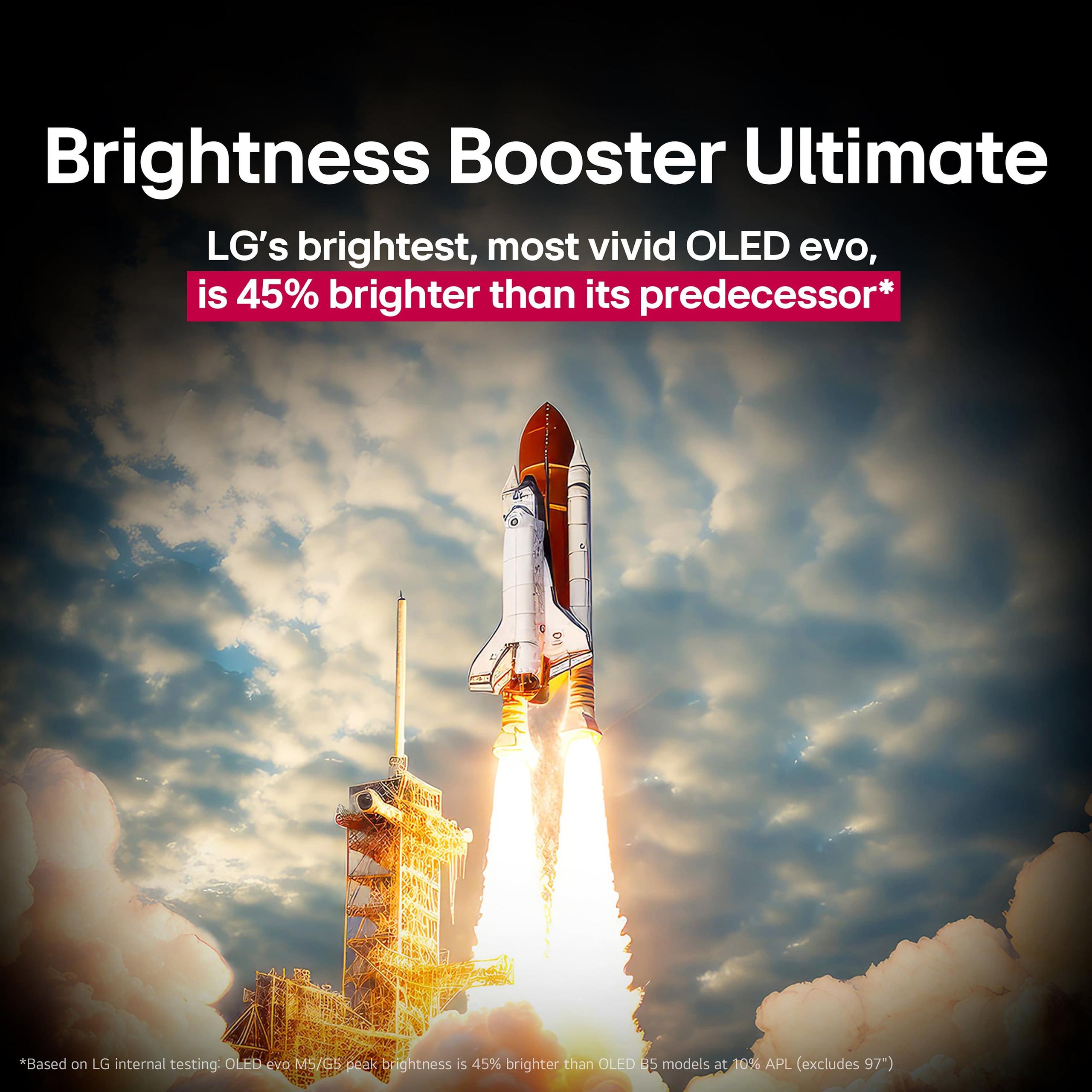
The new RGB Tandem panel in the LG G5 addresses OLED's traditional weakness: brightness. Previous OLED TVs struggled in bright rooms, but this model delivers up to 45% more brightness than its predecessors. In practical terms, HDR (High Dynamic Range) content—those ultra-bright highlights in movies and shows—now pops with intensity that rivals the brightest LED TVs while maintaining perfect shadow detail.

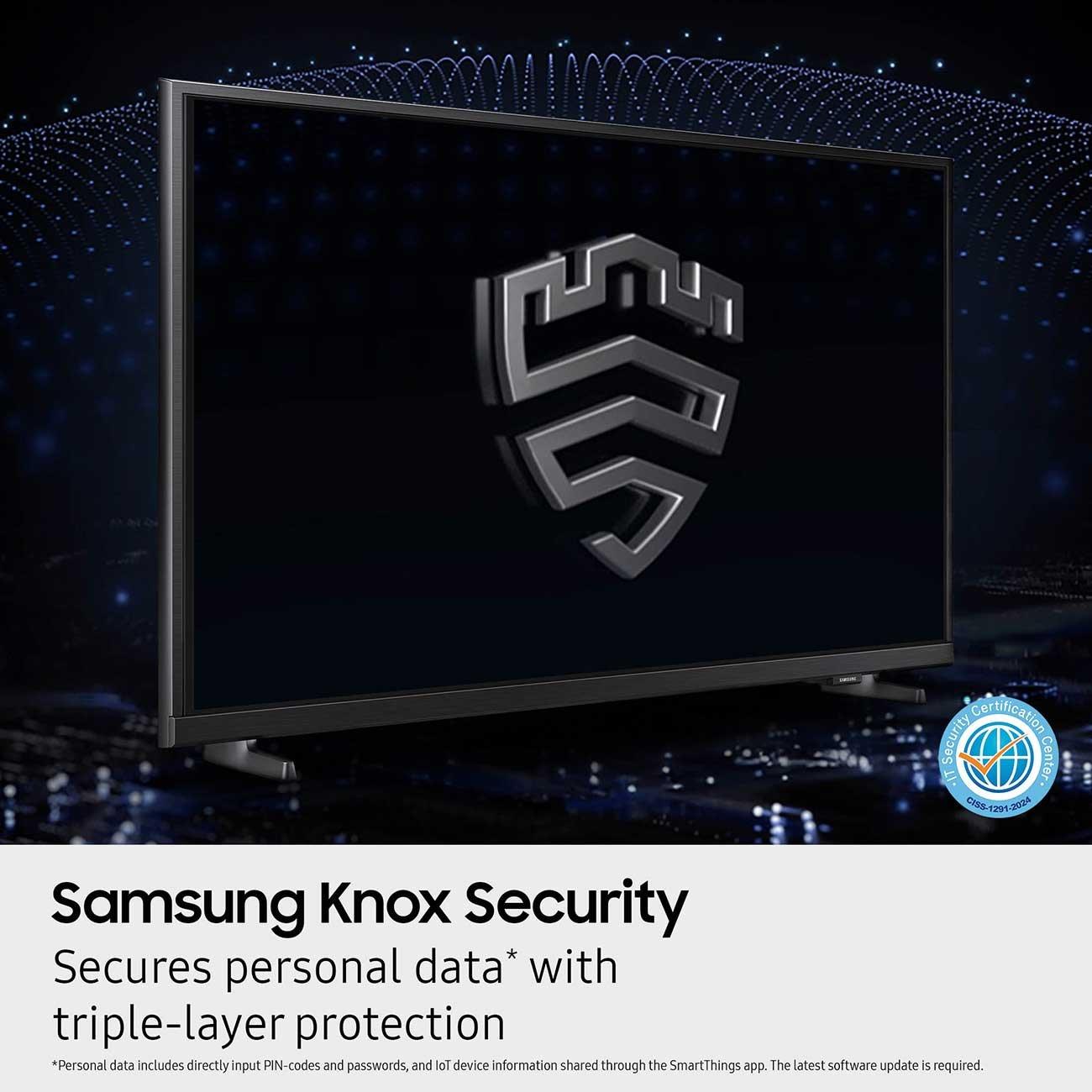
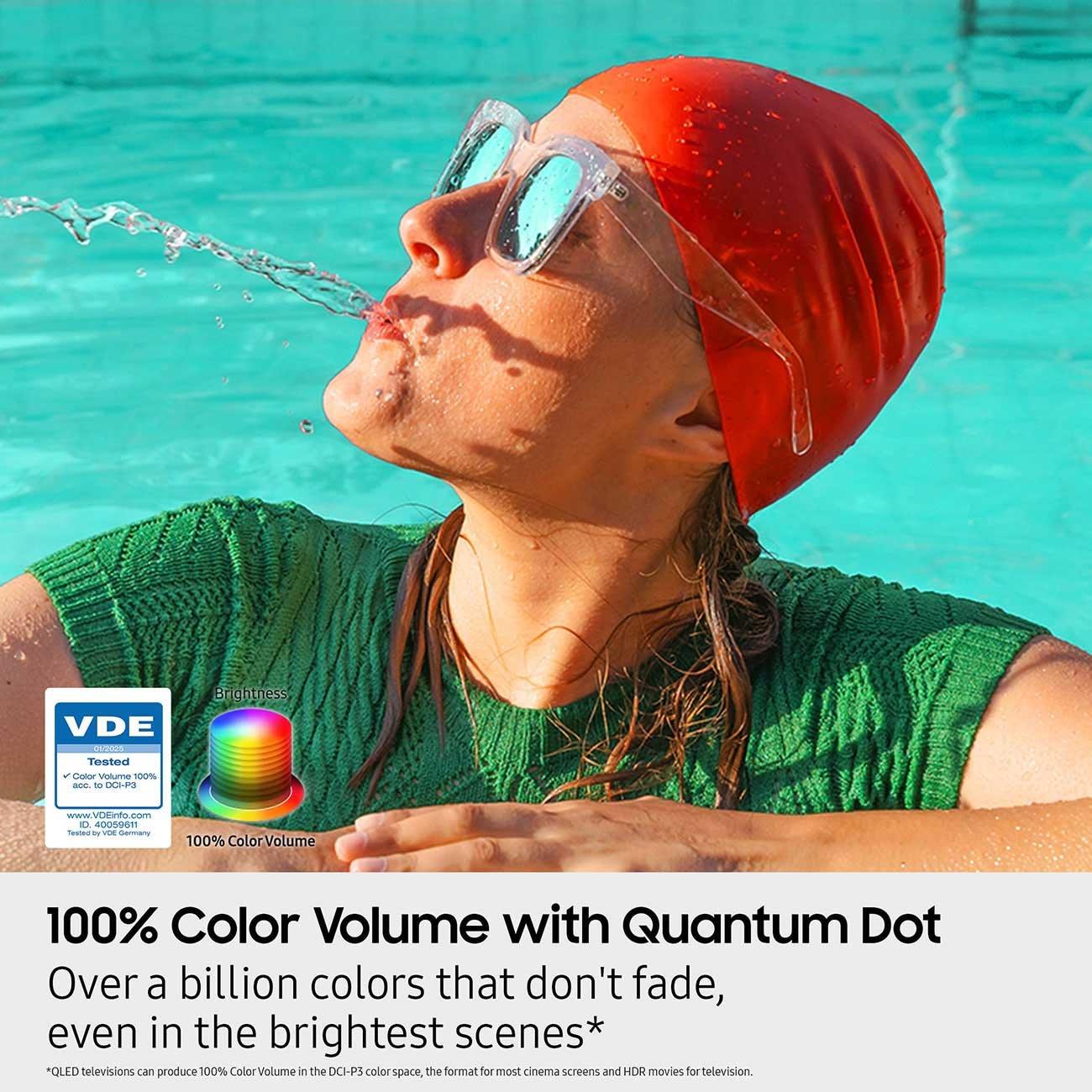
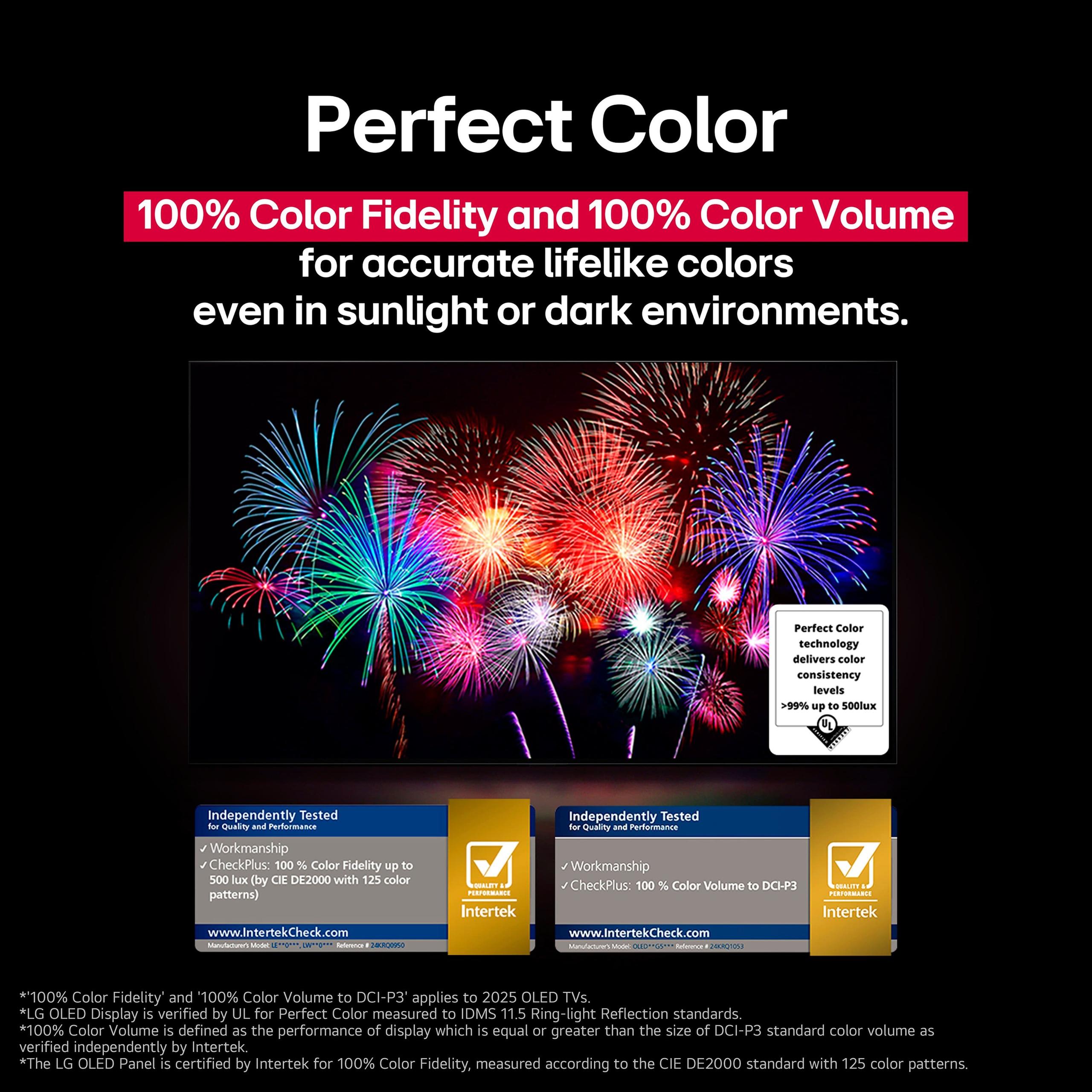
The Samsung Q7F, however, shouldn't be underestimated. Its Quantum Dot technology, certified as a Real Quantum Dot Display, produces exceptionally vibrant colors with 100% Color Volume. This means it can display accurate colors even at extreme brightness levels, something that matters when you're watching in a sunlit living room. The 500 cd/m² peak brightness and Pantone-certified color accuracy ensure consistent, reliable performance across different lighting conditions.
For home theater enthusiasts, the LG G5 OLED is the clear winner. The combination of perfect blacks, infinite contrast, and Dolby Vision HDR support creates a cinematic experience that's hard to match. The improved brightness means you don't need to dim the lights as much as with previous OLED models, making it more practical for mixed-use spaces.
Gaming performance reveals perhaps the starkest difference between these TVs. The Samsung Q7F offers competent gaming features with Auto Game Mode and Motion Xcelerator technology, but it's fundamentally limited by its 60Hz refresh rate. This means it can display a maximum of 60 frames per second, which is fine for console gaming but limiting for high-end PC gaming or future gaming systems.
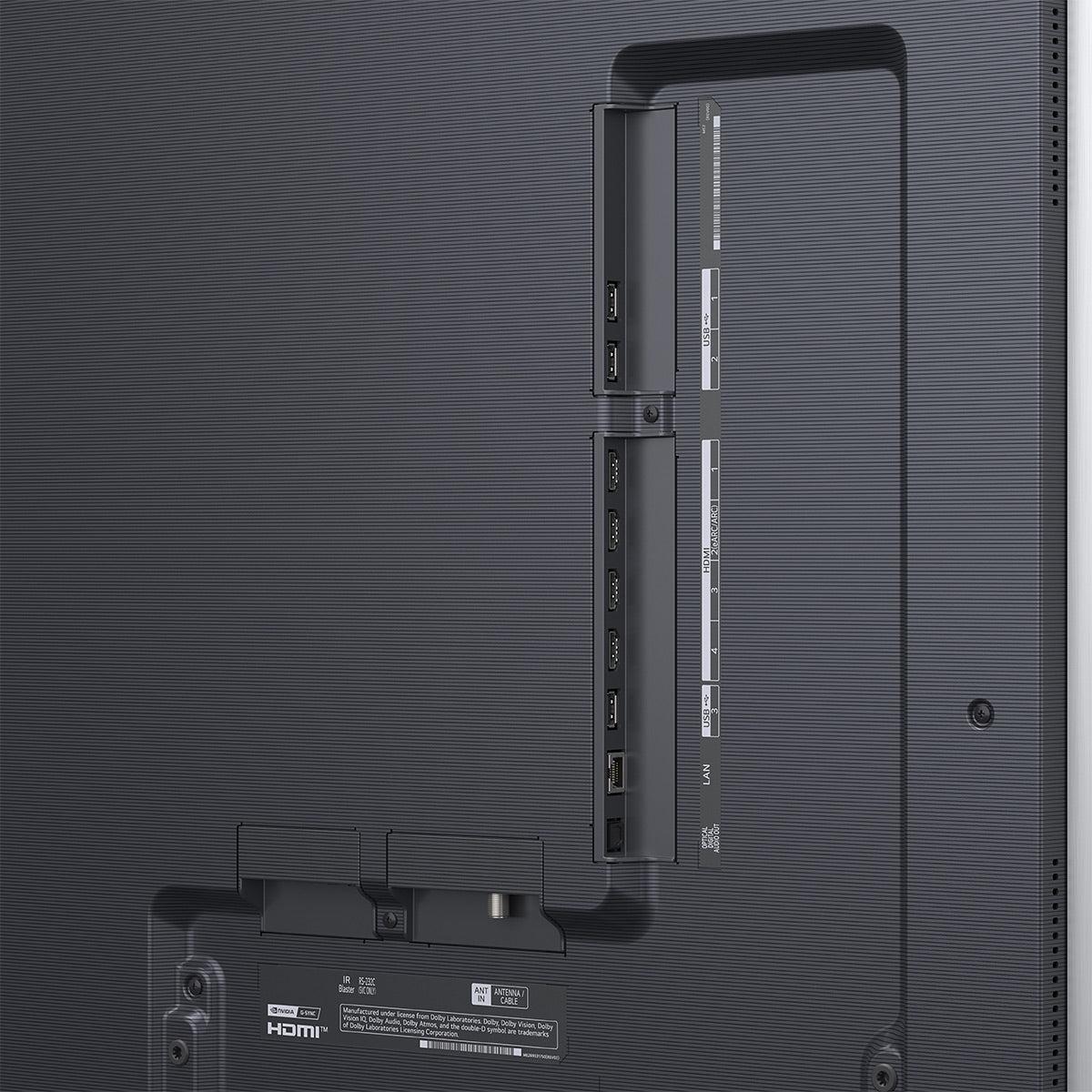
The LG G5 OLED is in a completely different league. It supports 4K resolution at up to 165Hz refresh rate on all four HDMI 2.1 ports, making it one of the most capable gaming displays available. The input lag measures just 4 milliseconds at 165Hz—that's faster than many dedicated gaming monitors. Variable Refresh Rate (VRR) technology synchronizes the display's refresh rate with your gaming system's frame rate, eliminating screen tearing and stuttering.
For competitive gamers, the LG G5's nearly instantaneous response time means moving objects appear sharp without the blur that can affect gameplay. The self-emissive OLED pixels can change states almost instantly, unlike LED TVs that rely on liquid crystals that take time to rotate.
If you're primarily a casual console gamer, the Samsung Q7F will serve you well. But if you're serious about gaming—whether competitive multiplayer or immersive single-player experiences—the LG G5 OLED offers capabilities that justify its premium positioning.
Both TVs showcase impressive AI capabilities, but with distinct approaches. The Samsung Q7F features Vision AI, which feels more like having a smart assistant built into your TV. It can generate AI-created wallpapers that match your mood or room's ambiance, provide real-time translation for foreign content, and respond to gesture controls. The Tizen platform integrates seamlessly with Samsung's SmartThings ecosystem, making it particularly appealing if you already use Samsung appliances or devices.
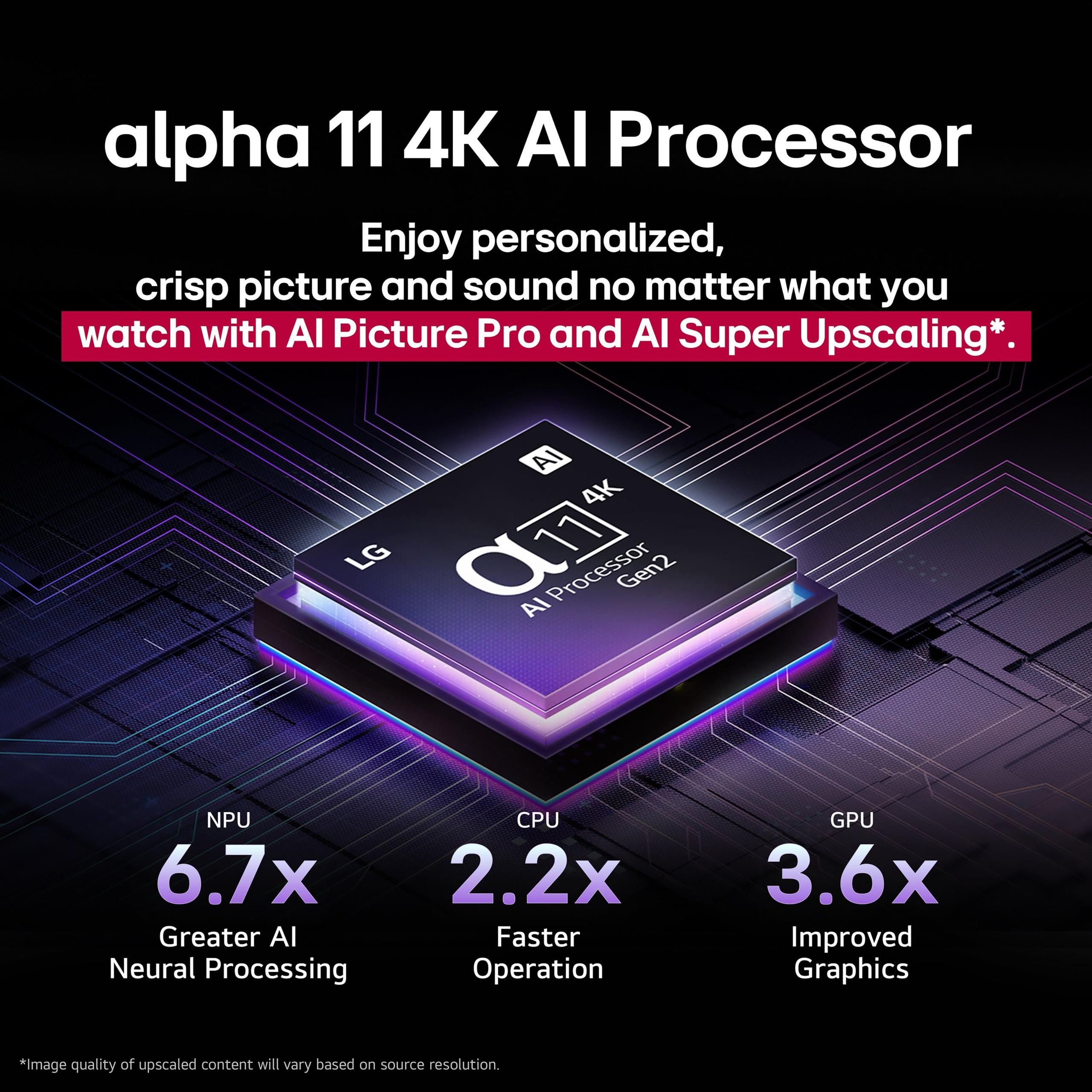
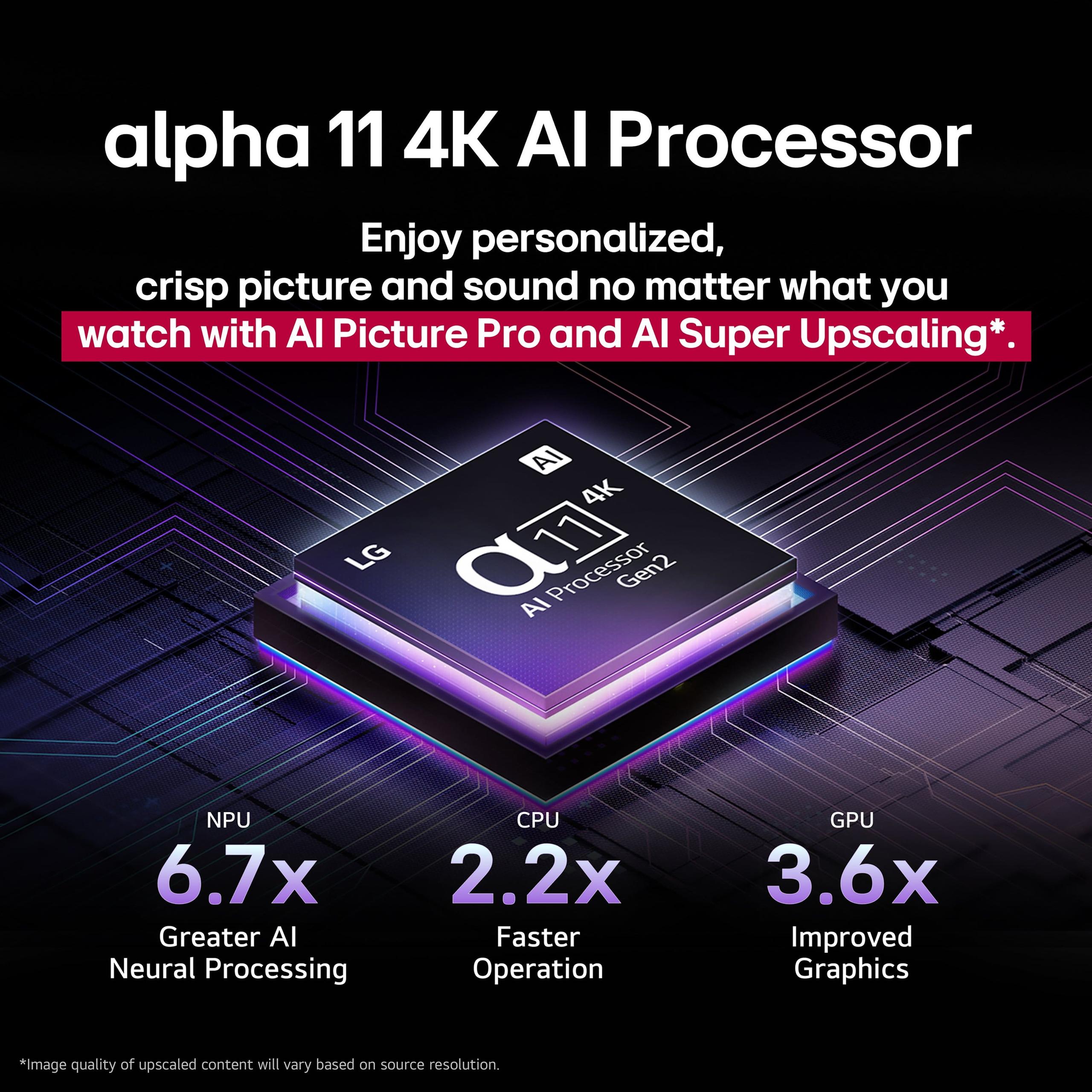
The LG G5 OLED takes a more refined approach with webOS 25 and the Alpha 11 AI Processor Gen 2. Rather than flashy AI features, it focuses on intelligent picture and sound optimization. The AI analyzes what you're watching in real-time, adjusting settings for optimal performance. Quick Cards organize your favorite apps intelligently, and the Magic Remote with its AI button makes navigation intuitive.
What sets LG apart is their webOS Renew program, which guarantees software updates and new features for five years. This long-term support commitment is rare in the TV industry and adds significant value to your investment.

Neither TV will blow you away with built-in audio—that's just the reality of modern slim displays. The Samsung Q7F includes Object Tracking Sound Lite, which attempts to move audio effects across the screen to match on-screen action, and its 20W, 2-channel speakers are adequate for basic viewing.
The LG G5 OLED benefits from more sophisticated audio processing thanks to its powerful Alpha 11 chip. While specific audio specs aren't dramatically different, the advanced processing creates a more refined soundstage. Both TVs support Dolby Atmos and work well with their respective manufacturers' soundbars through Q-Symphony (Samsung) and WOW Orchestra (LG) technologies.
For serious home theater use, you'll want to pair either TV with a quality soundbar or surround sound system. The processing power advantage of the LG G5 does provide better foundation for audio enhancement, but both will benefit significantly from external audio solutions.
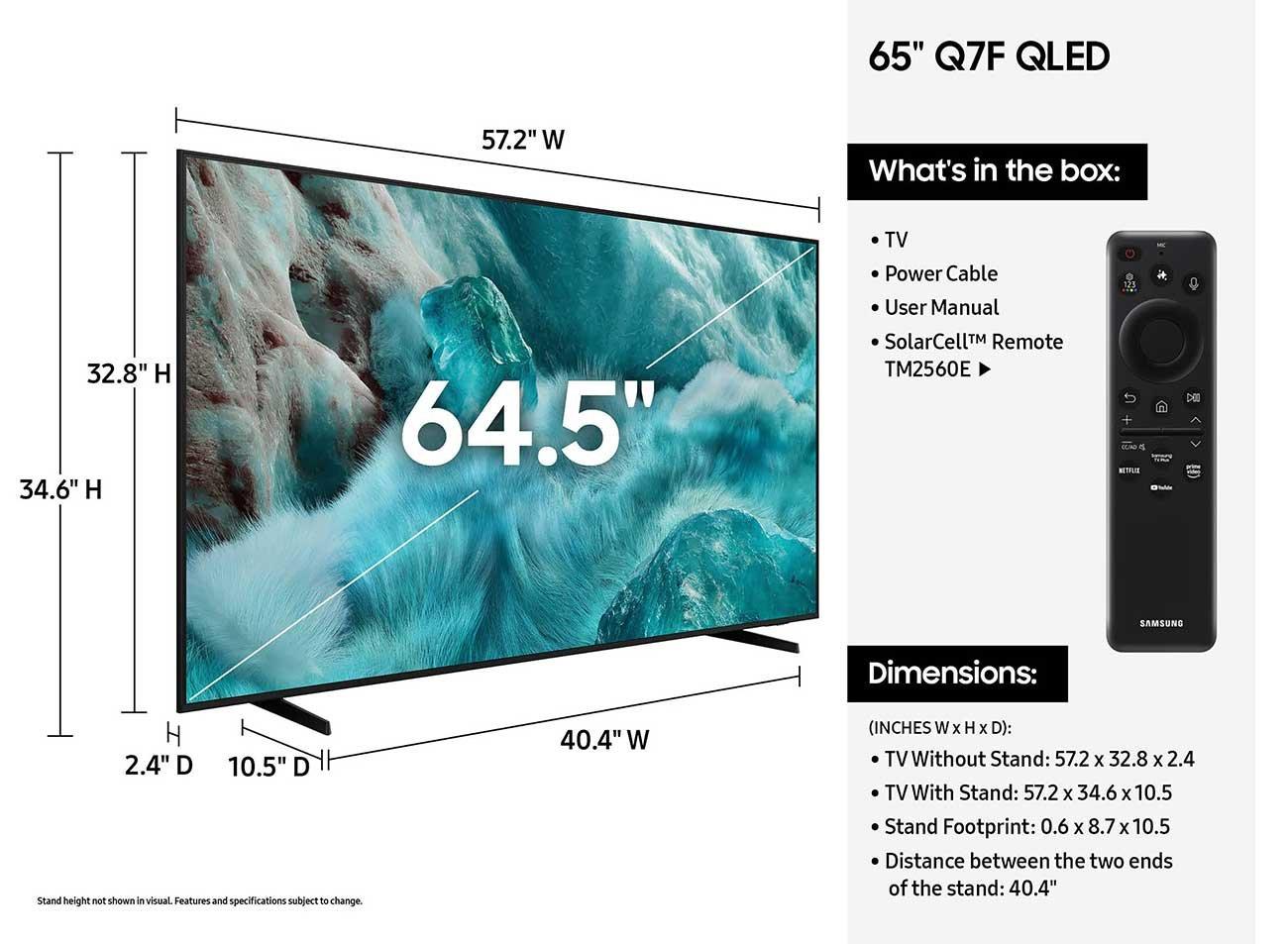
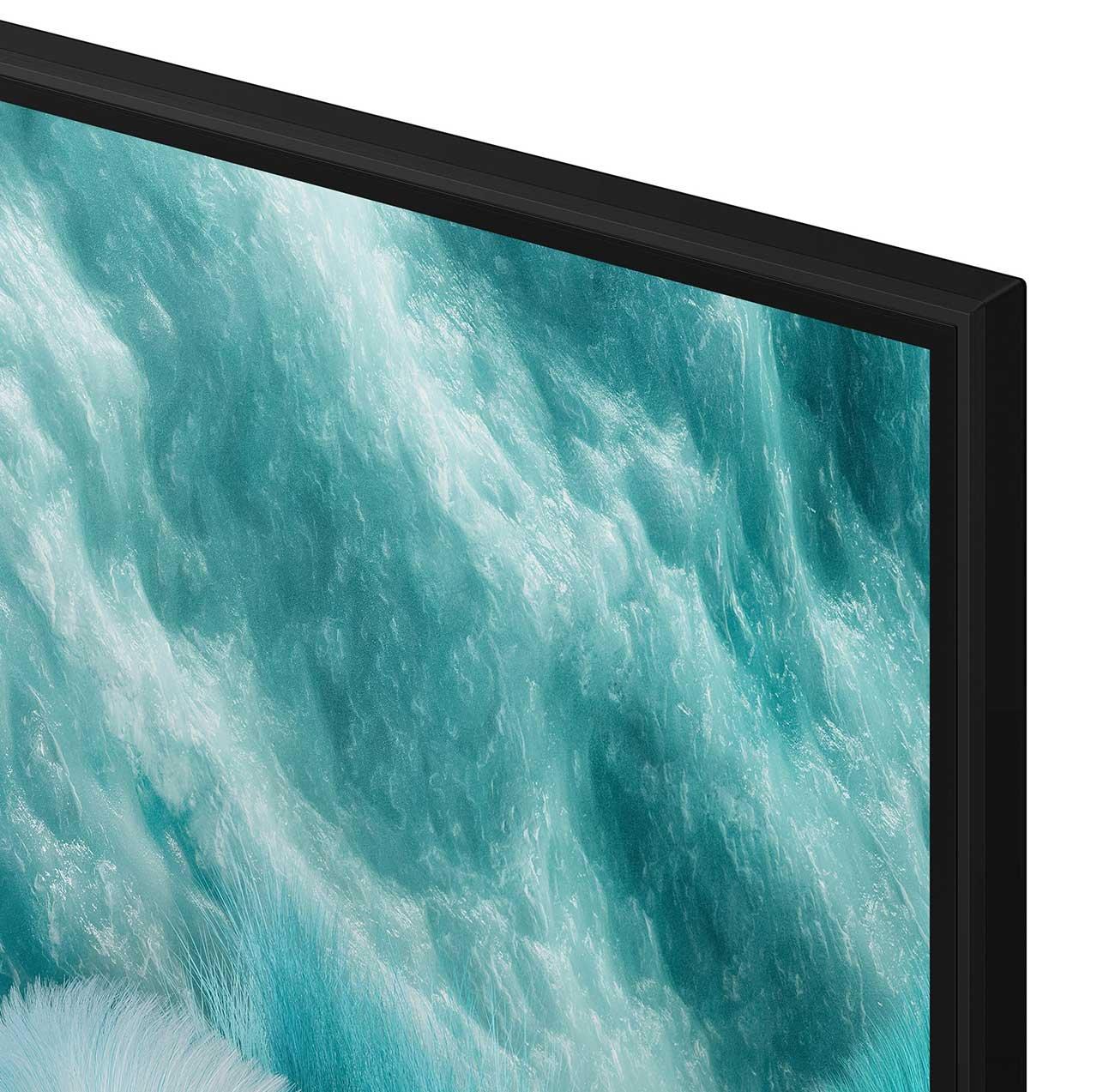
The design differences reflect each TV's market positioning. The Samsung Q7F focuses on practical flexibility with adjustable stand legs that can be positioned at different widths (40.4" or 12") to accommodate various furniture setups. It's a thoughtful touch that shows Samsung's attention to real-world usage scenarios.
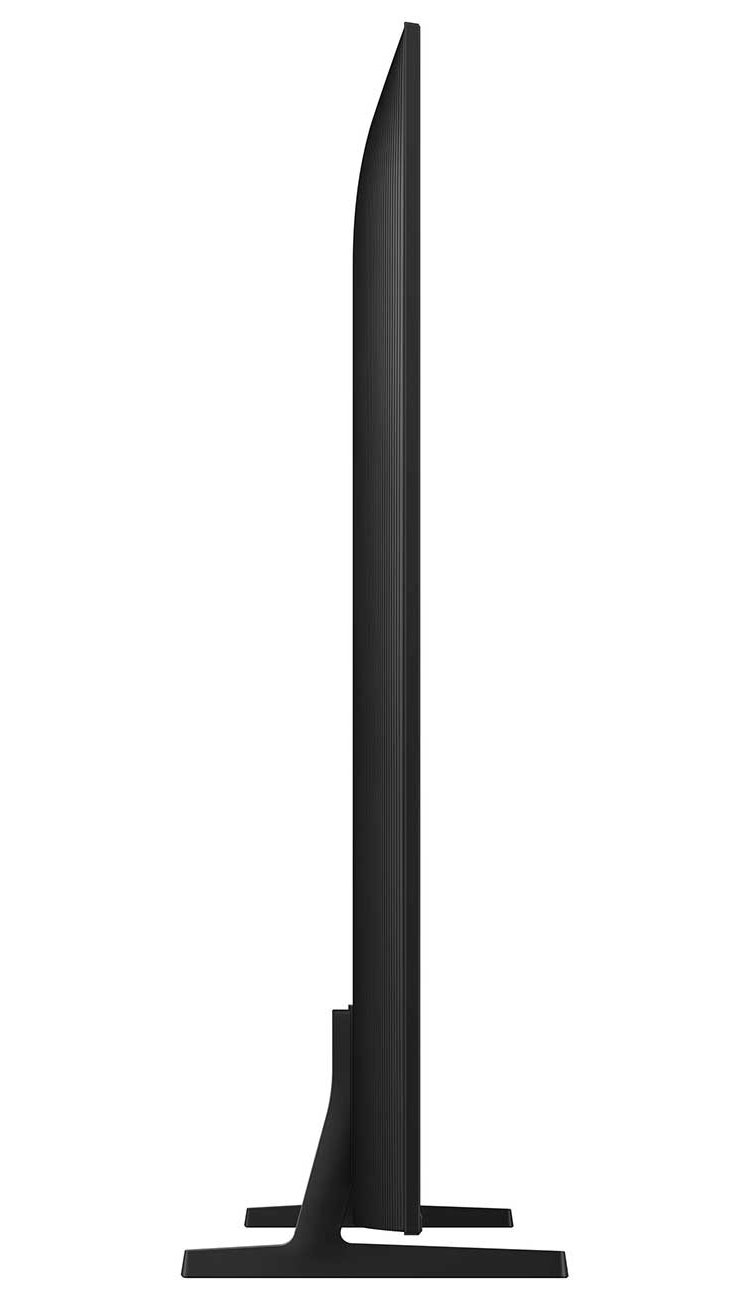
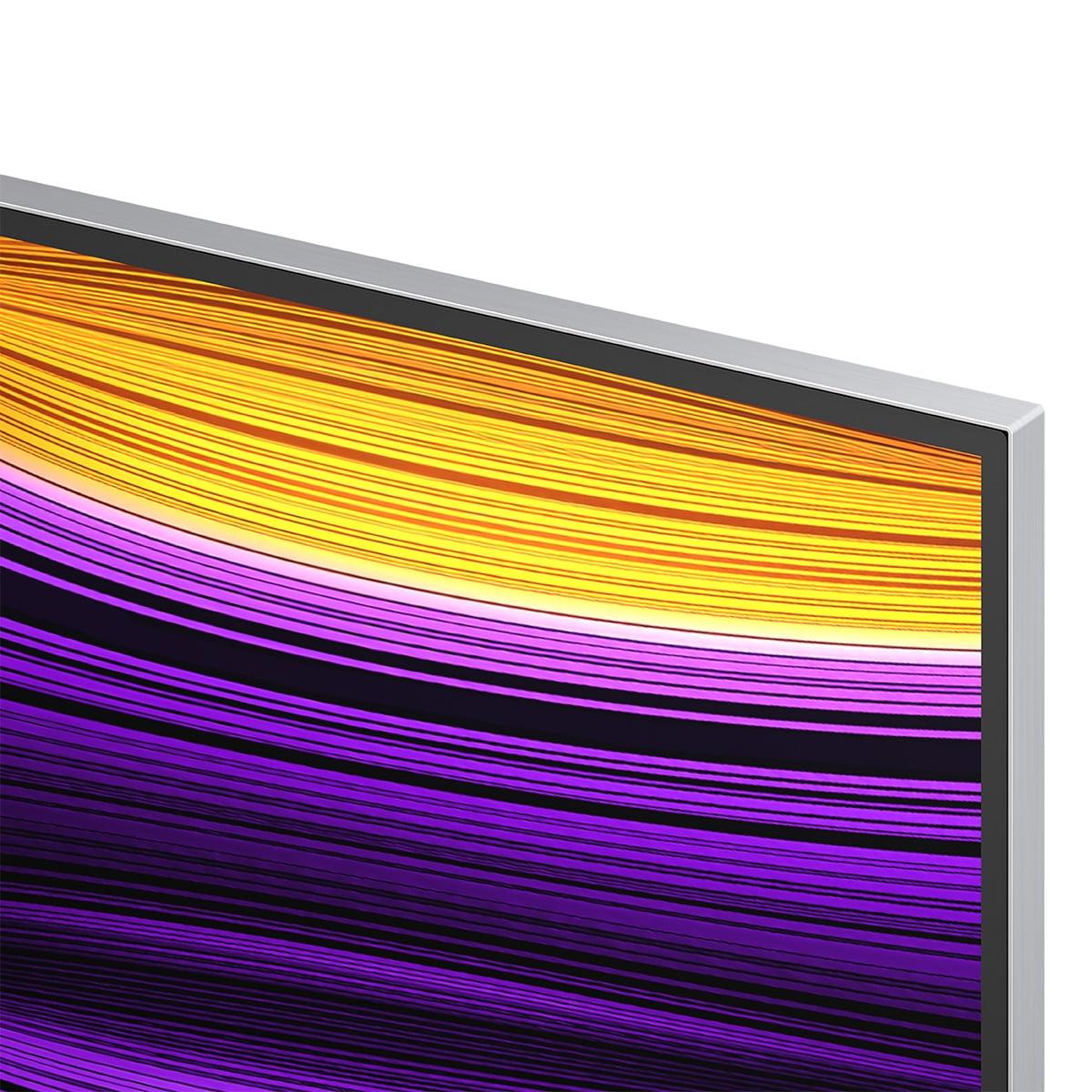
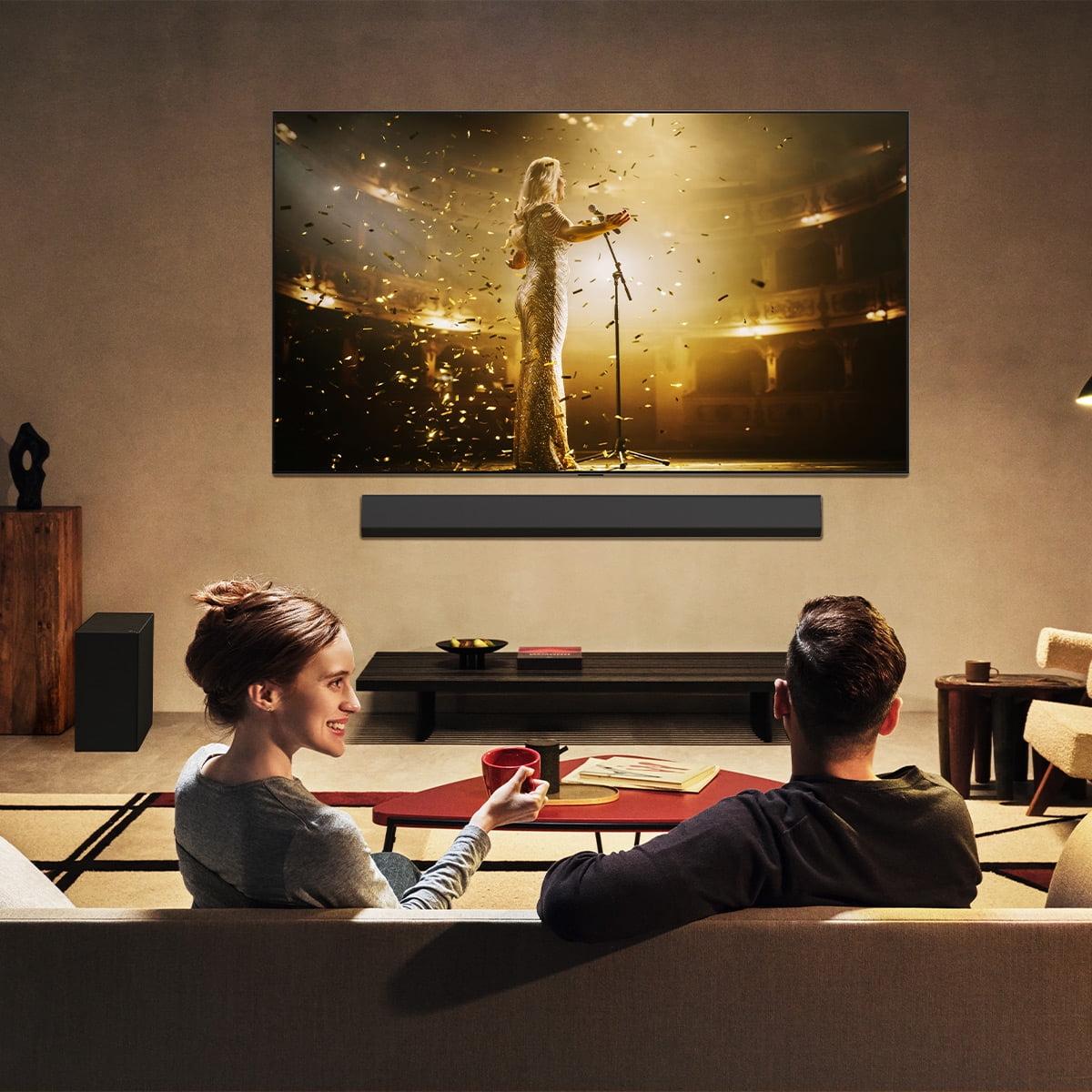
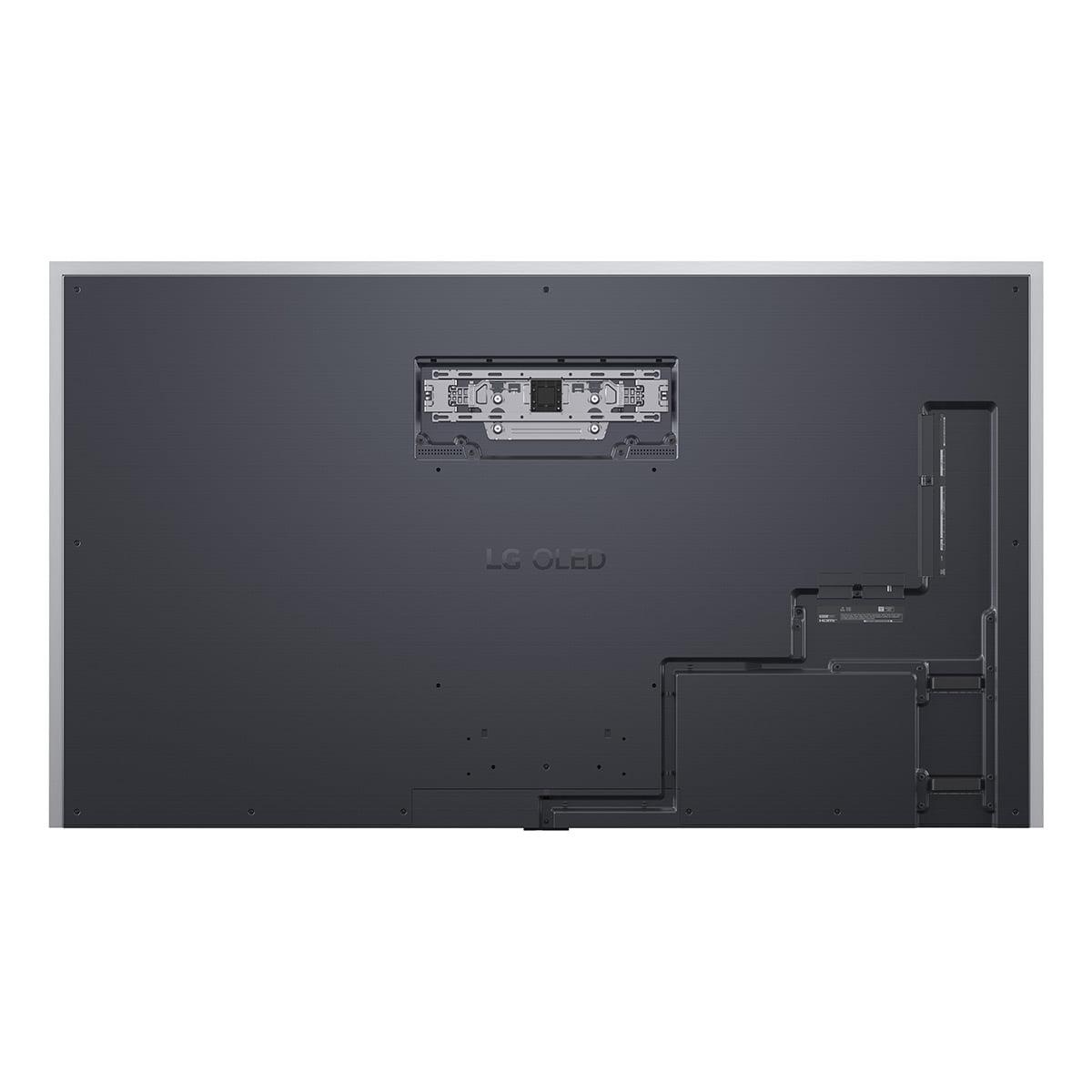
The LG G5 OLED embraces its premium positioning with the "One Wall Design" that mounts flush against the wall like a piece of art. When not in use, it can display artwork or personal photos, blending into your living space. The ultra-thin profile (2.4" depth) creates a stunning visual impact that emphasizes the TV as a design element, not just an electronic device.
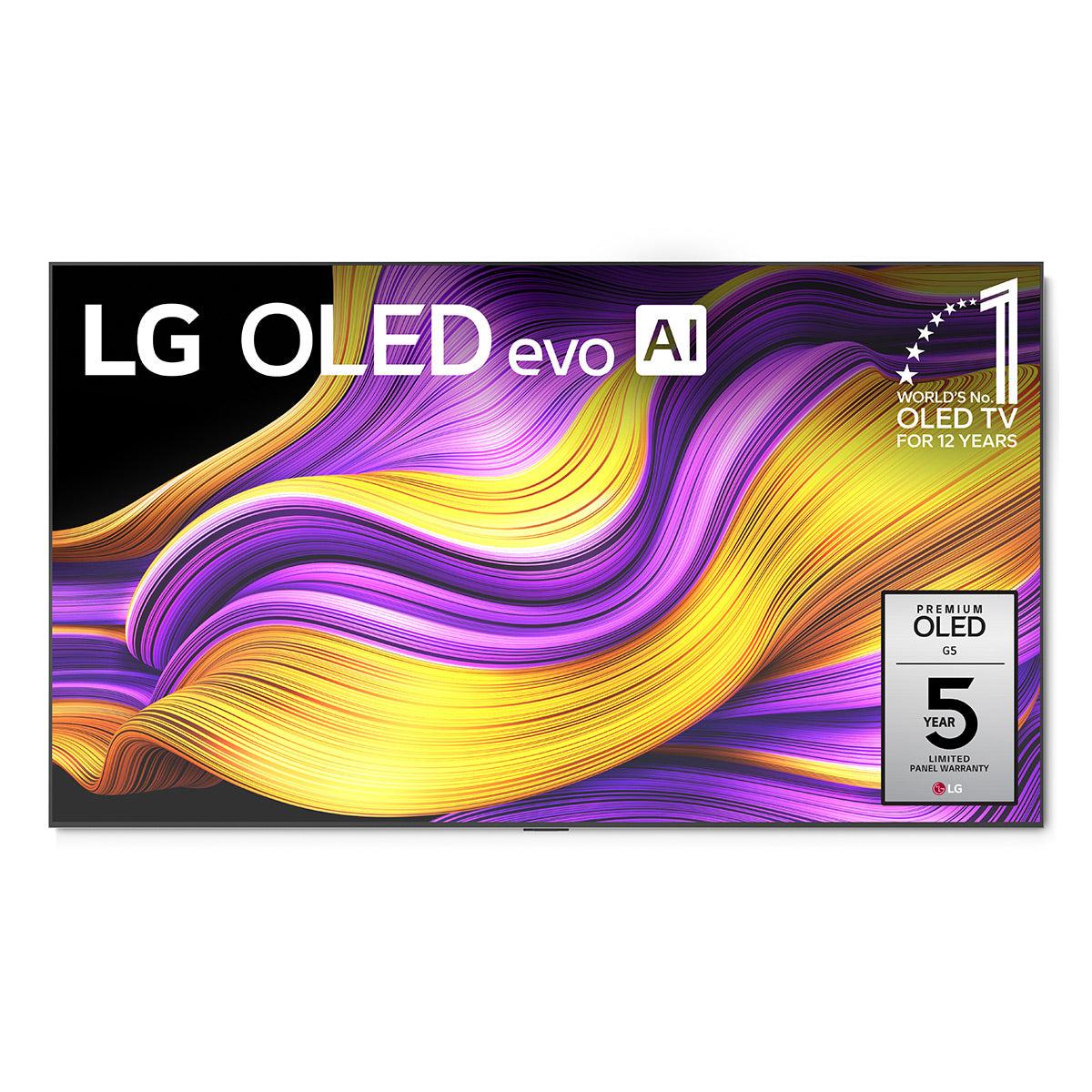
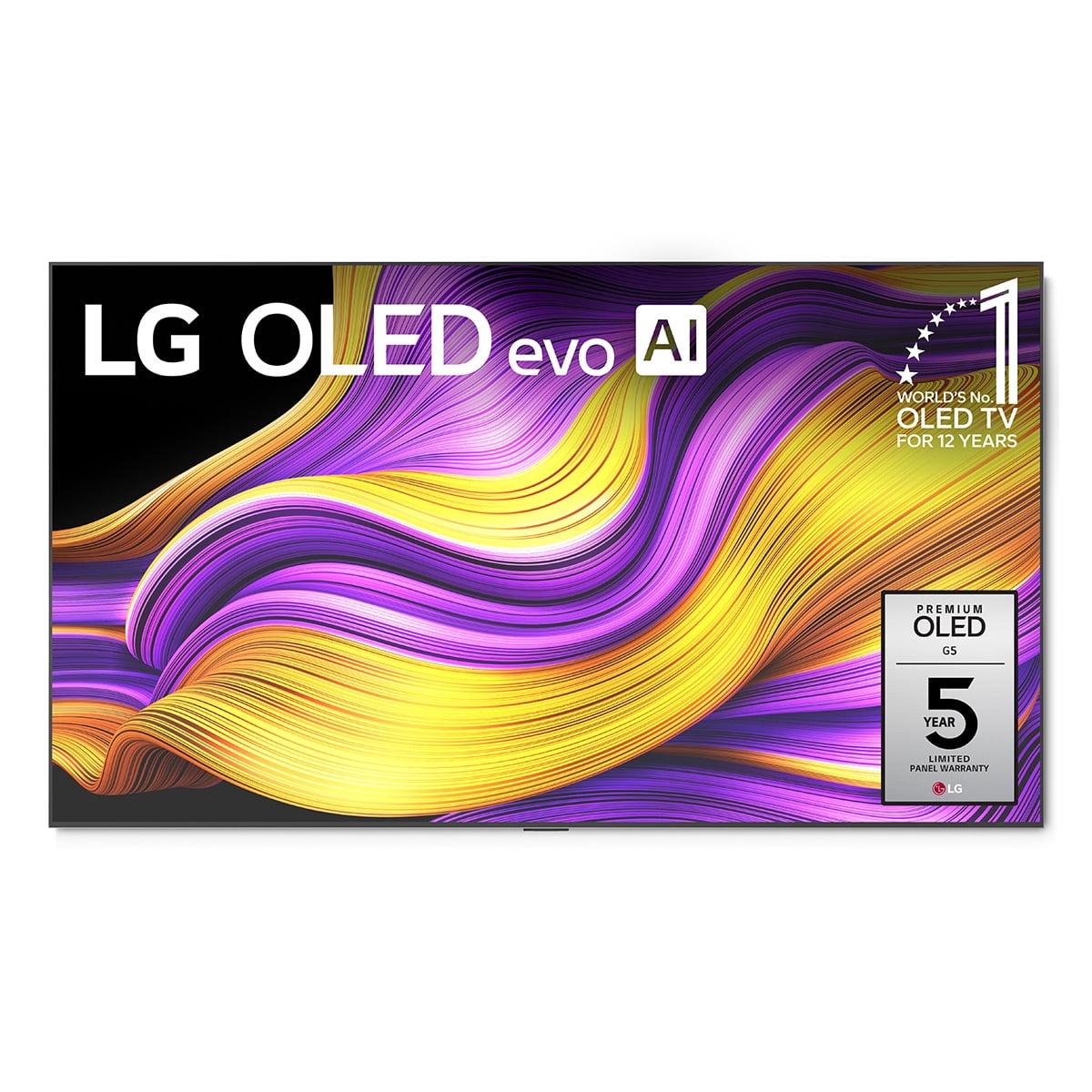
Build quality reflects the price difference. The Samsung Q7F feels solid and well-constructed for its price point, while the LG G5 OLED exhibits the premium materials and attention to detail you'd expect from a flagship product. The LG G5 also includes a 5-year panel warranty, demonstrating LG's confidence in their OLED technology's longevity.
At the time of writing, the price gap between these TVs is substantial—roughly $1,800 separates them. This isn't just markup; it represents fundamentally different value propositions.
The Samsung Q7F delivers exceptional value by packing premium smart features, solid picture quality, and Samsung's ecosystem integration into an accessible price point. For most viewers, especially those watching in bright rooms or prioritizing smart features over ultimate picture quality, it represents outstanding value.
The LG G5 OLED commands its premium through breakthrough technology. The new RGB Tandem OLED panel, advanced AI processing, gaming-focused specifications, and long-term software support create a package that justifies its flagship pricing for users who prioritize cutting-edge performance.
Your viewing environment significantly impacts which TV makes more sense. The Samsung Q7F handles bright rooms exceptionally well thanks to its LED backlight and anti-reflective technologies. If your TV room has large windows or consistent ambient lighting, the Samsung's brightness advantage becomes practically important.
The LG G5 OLED has dramatically improved bright-room performance compared to previous OLED models, but it still performs best in controlled lighting conditions. For dedicated home theater spaces or rooms where you can control lighting, the OLED's superior contrast creates a more immersive experience.
Consider what you watch most. If you're primarily streaming standard dynamic range content, browsing social media, or watching daytime television, the Samsung Q7F's bright, colorful presentation excels. Its Vision AI features enhance the smart TV experience for varied content consumption.
For movie enthusiasts, HDR content viewers, or anyone seeking the most cinematic experience possible, the LG G5 OLED's perfect blacks, superior contrast, and Dolby Vision support create a more engaging experience. The improved brightness means HDR content displays with proper impact without requiring a completely dark room.
Choose the Samsung Q7F if you want exceptional smart TV features and solid performance without premium pricing. It's ideal for bright rooms, casual gaming, and users who value Samsung's ecosystem integration. The AI-powered features and practical design considerations make it a smart choice for mainstream users.
Choose the LG G5 OLED if picture quality is your primary concern and you're willing to invest in cutting-edge display technology. It's perfect for serious gamers, movie enthusiasts, and anyone who wants the best possible viewing experience. The 5-year software support and panel warranty provide additional long-term value.
The decision ultimately comes down to priorities. The Samsung Q7F offers remarkable features and performance for its price point, making premium TV technology accessible. The LG G5 OLED represents the current pinnacle of display technology with pricing that reflects its revolutionary capabilities.
Both are excellent TVs serving different markets. Your choice should align with your viewing habits, room environment, gaming needs, and budget priorities. In the rapidly evolving TV market of 2025, both represent strong values within their respective categories—the question is which category better matches your needs and expectations.
| Samsung 65" Q7F QLED 4K Vision AI Smart TV 2025 | LG OLED evo G5 65" 4K Smart TV 2025 |
|---|---|
| Display Technology - Fundamentally different approaches to picture quality | |
| QLED with Quantum Dot (LED backlight with color enhancement) | 4-Stack RGB Tandem OLED (self-emitting pixels, no backlight) |
| Peak Brightness - Critical for HDR impact and bright room viewing | |
| 500 cd/m² (good for most rooms) | Up to 45% brighter than previous OLEDs (excellent for HDR) |
| Contrast Ratio - Determines how deep blacks appear | |
| 4500:1 static contrast (limited by LED backlight) | Infinite contrast (pixels turn completely off) |
| Refresh Rate - Essential for smooth gaming and sports | |
| 60Hz (adequate for console gaming) | Up to 165Hz (exceptional for PC gaming and future-proofing) |
| Gaming Input Lag - How responsive the TV feels during gameplay | |
| Standard for 60Hz displays | 4ms at 165Hz, 5.1ms at 120Hz (competitive gaming ready) |
| HDMI Ports - Determines how many devices you can connect | |
| 3 HDMI inputs (standard bandwidth) | 4 HDMI 2.1 ports (full bandwidth for next-gen consoles) |
| Smart Platform - Your daily interface experience | |
| Tizen with Vision AI (generative wallpapers, gesture control) | webOS 25 with 5-year update guarantee |
| Processor - Powers smart features and picture processing | |
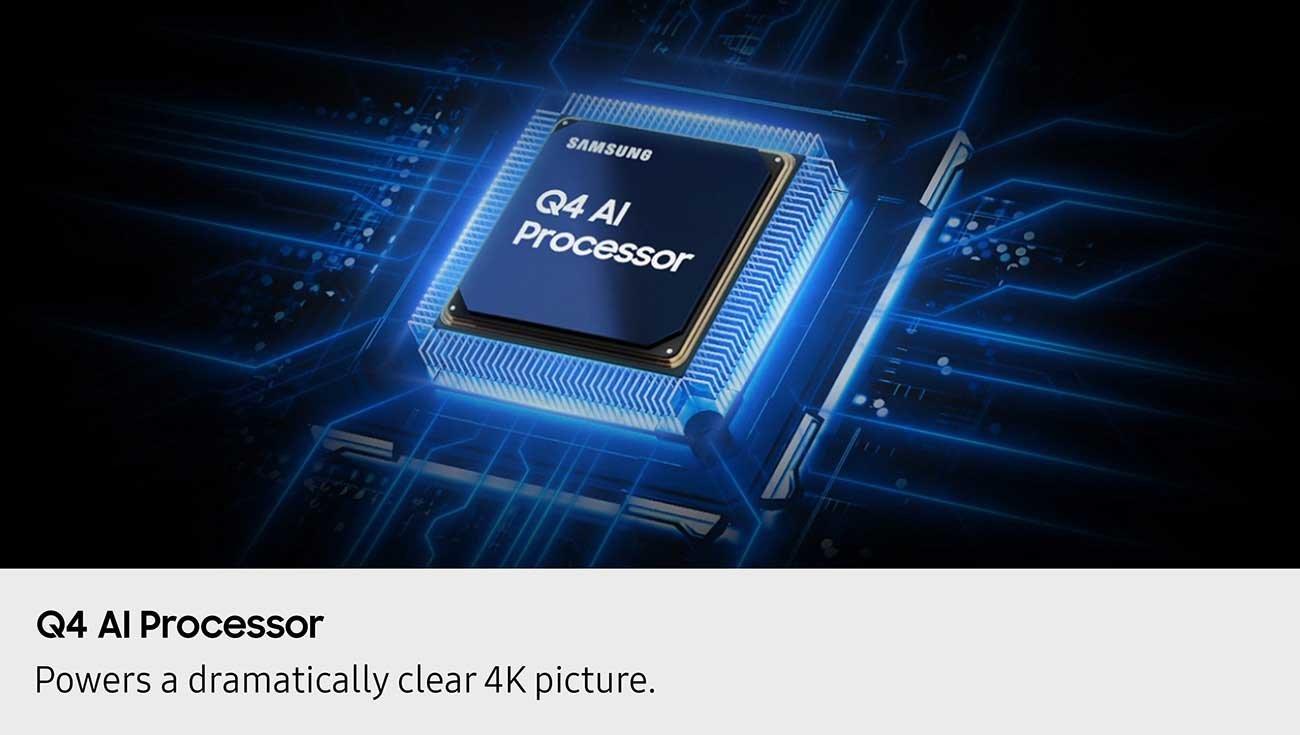
| Q4 AI Processor (basic AI enhancements) | Alpha 11 AI Processor Gen 2 (advanced real-time optimization) |
| HDR Support - Affects color and contrast in premium content | |
| Quantum HDR, HDR10+ | Dolby Vision, HDR10+ (broader format support) |
| Audio Output - Built-in sound quality | |
| 20W, 2CH with Object Tracking Sound Lite | Advanced processing with Dolby Atmos optimization |
| VRR Support - Eliminates gaming stutters and tears | |
| Basic support | Full VRR, G-SYNC compatible, QMS support |
| Design Approach - How it fits in your space | |
| Adjustable stand legs, traditional TV aesthetic | One Wall Design, flush-mount capability, art display mode |
| Panel Warranty - Protection for the most expensive component | |
| 1 Year standard warranty | 5 Year panel warranty (shows manufacturer confidence) |
| Target Market - Who each TV is designed for | |
| Budget-conscious buyers wanting premium features | Enthusiasts prioritizing ultimate picture quality and gaming |
The LG OLED evo G5 delivers superior picture quality with perfect blacks, infinite contrast, and vibrant colors from its revolutionary 4-Stack RGB Tandem OLED panel. The Samsung Q7F QLED offers excellent color accuracy with Quantum Dot technology, but can't match OLED's contrast performance for cinematic viewing.
The LG OLED evo G5 is significantly better for gaming with 165Hz refresh rate, 4ms input lag, and VRR support across all four HDMI 2.1 ports. The Samsung Q7F QLED is limited to 60Hz and basic gaming features, making it suitable only for casual console gaming.
The Samsung Q7F QLED performs better in bright rooms due to its LED backlight delivering 500 cd/m² brightness and anti-reflective coating. While the LG OLED evo G5 is 45% brighter than previous OLEDs, it still works best in controlled lighting conditions.
QLED in the Samsung Q7F uses LED backlighting with quantum dot color enhancement, while OLED in the LG G5 has 8.3 million self-lit pixels that can turn completely off for perfect blacks. This makes OLED superior for contrast but QLED better for brightness.
Both offer excellent smart platforms - the Samsung Q7F QLED features Vision AI with generative wallpapers and gesture controls on Tizen, while the LG OLED evo G5 runs webOS 25 with superior AI processing and a 5-year software update guarantee.
The LG OLED evo G5 costs significantly more than the Samsung Q7F QLED - roughly $1,800 difference at launch. This price gap reflects the premium OLED technology, advanced gaming features, and flagship positioning of the G5.
The LG OLED evo G5 is ideal for home theaters with its perfect blacks, Dolby Vision HDR support, and cinematic contrast that creates an immersive viewing experience. The Samsung Q7F works well for mixed-use spaces but can't match OLED's theater-like performance.
Both TVs benefit from external audio systems. The Samsung Q7F QLED features Q-Symphony compatibility with Samsung soundbars, while the LG OLED evo G5 offers WOW Orchestra pairing with LG soundbars and more advanced audio processing.
The LG OLED evo G5 includes a 5-year panel warranty and guaranteed software updates through webOS Renew, while the Samsung Q7F QLED comes with standard 1-year coverage. Both are built to last, but LG offers more comprehensive long-term protection.
Both 65-inch models work well in medium to large rooms (12-18 feet viewing distance). The Samsung Q7F handles varied lighting better for open floor plans, while the LG G5 excels in dedicated viewing spaces where lighting can be controlled.
The LG OLED evo G5 fully supports next-gen gaming with 4K@120Hz, VRR, and ultra-low latency across all HDMI 2.1 ports. The Samsung Q7F QLED works with current consoles but lacks high refresh rate support for future gaming capabilities.
Value depends on priorities - the Samsung Q7F QLED offers exceptional features per dollar for mainstream users, while the LG OLED evo G5 justifies its premium pricing with cutting-edge display technology and gaming capabilities for enthusiasts seeking the ultimate viewing experience.
We've done our best to create useful and informative comparisons to help you decide what product to buy. Our research uses advanced automated methods to create this comparison and perfection is not possible - please contact us for corrections or questions. These are the sites we've researched in the creation of this article: bestbuy.com - youtube.com - samsung.com - samsung.com - pcrichard.com - samsung.com - samsung.com - videoandaudiocenter.com - displayspecifications.com - bestbuy.com - samsung.com - samsung.com - samsung.com - samsung.com - news.samsung.com - bestbuy.com - techradar.com - rtings.com - youtube.com - youtube.com - rtings.com - bestbuy.com - youtube.com - valueelectronics.com - lg.com - audio-videoplus.com - lg.com - lg.com - lg.com

Privacy Policy
Terms and Conditions - Affiliate Policy
Home Security
© Copyright 2008-2026.
11816 Inwood Rd #1211, Dallas, TX 75244