

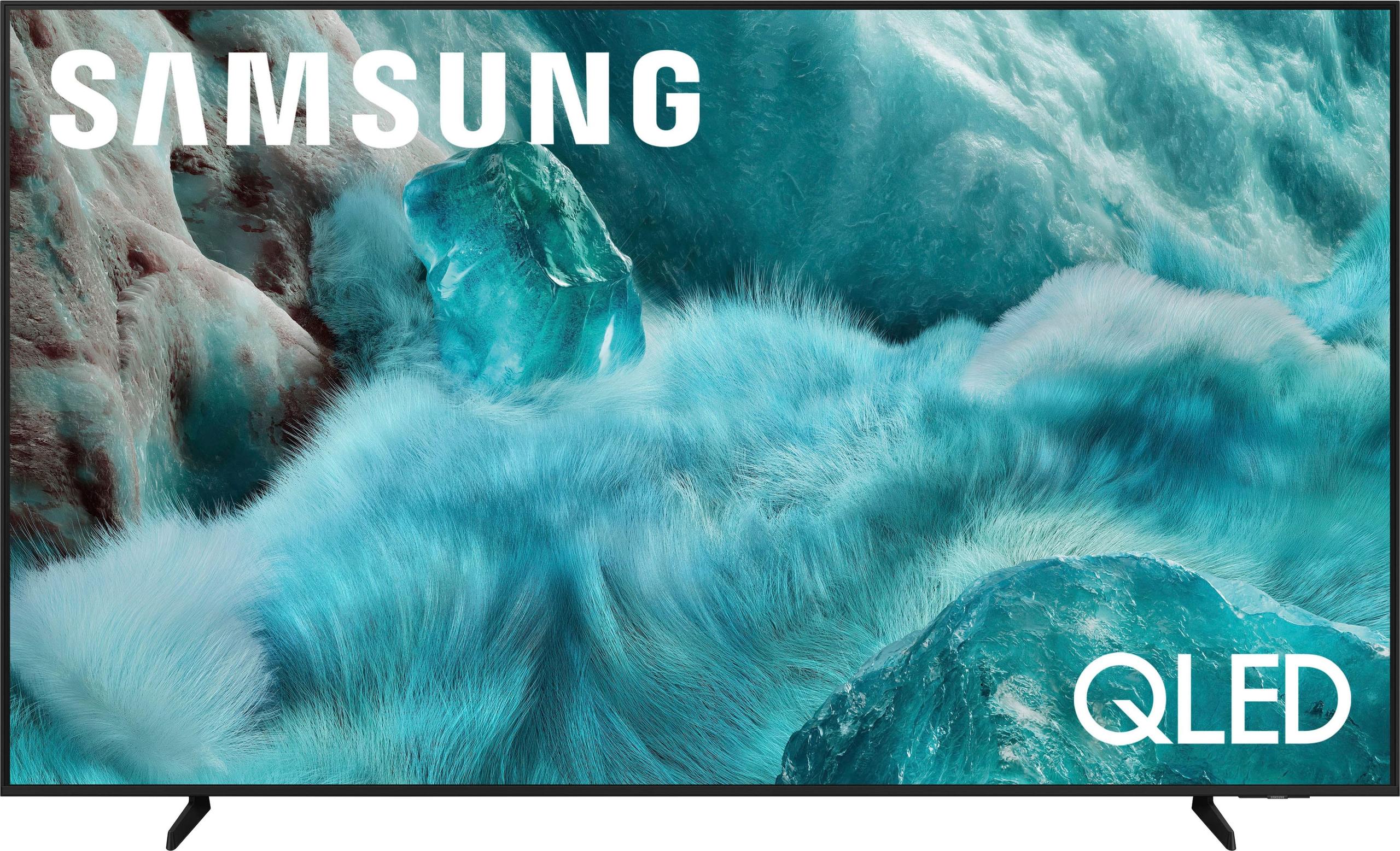
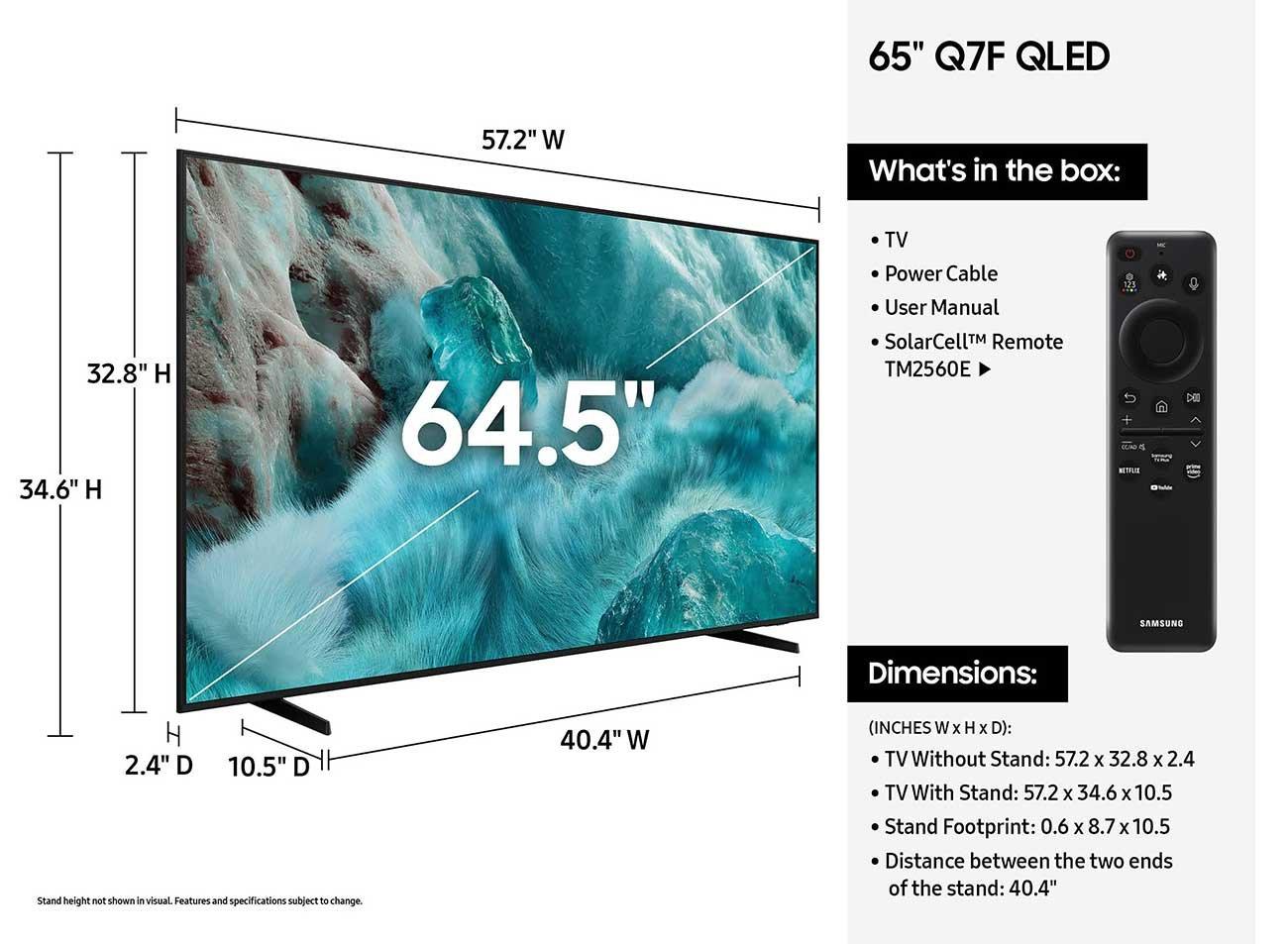

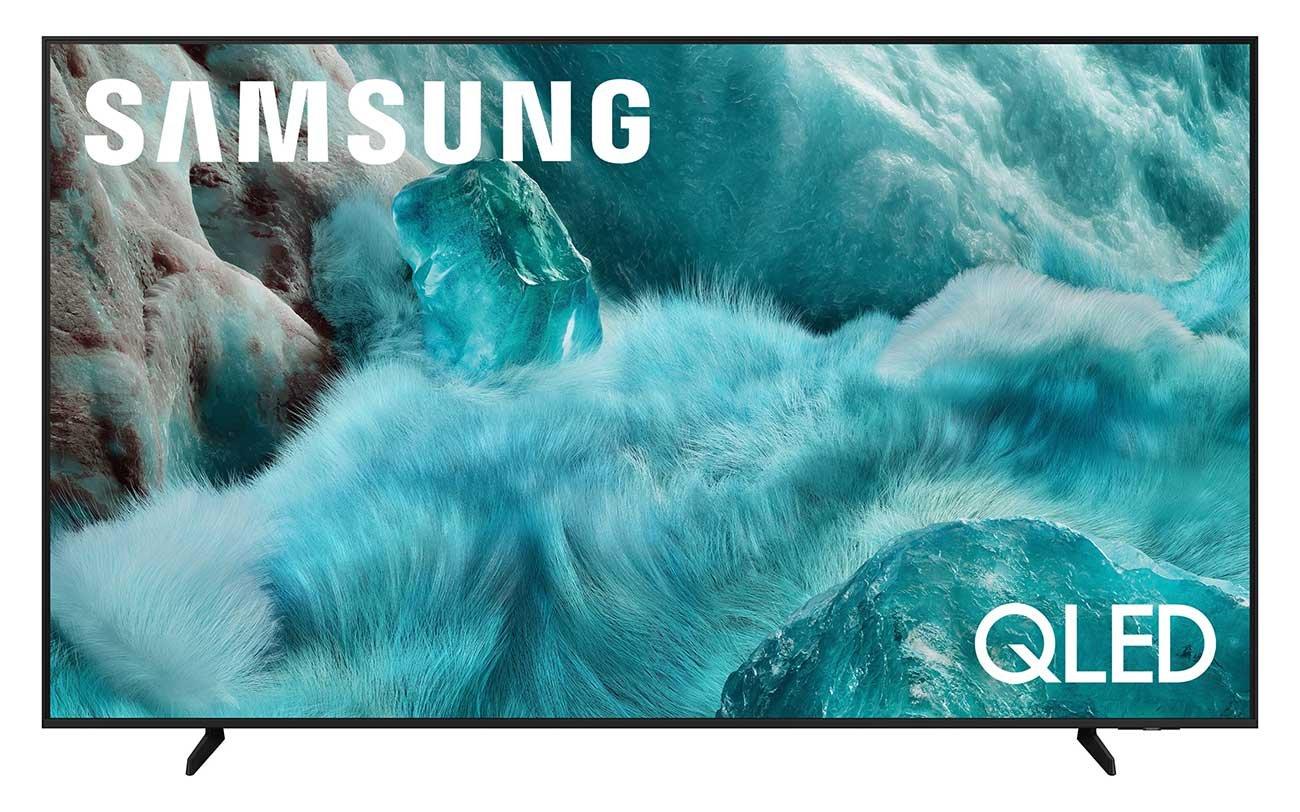
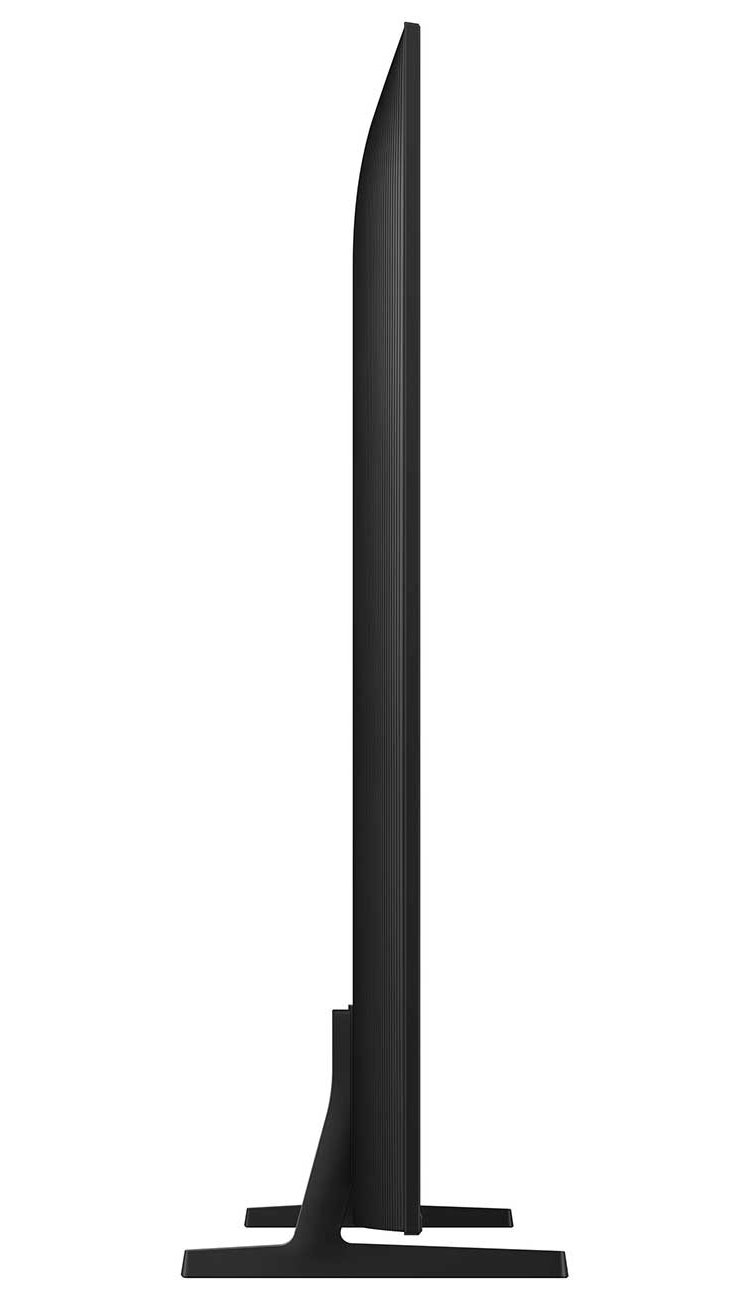
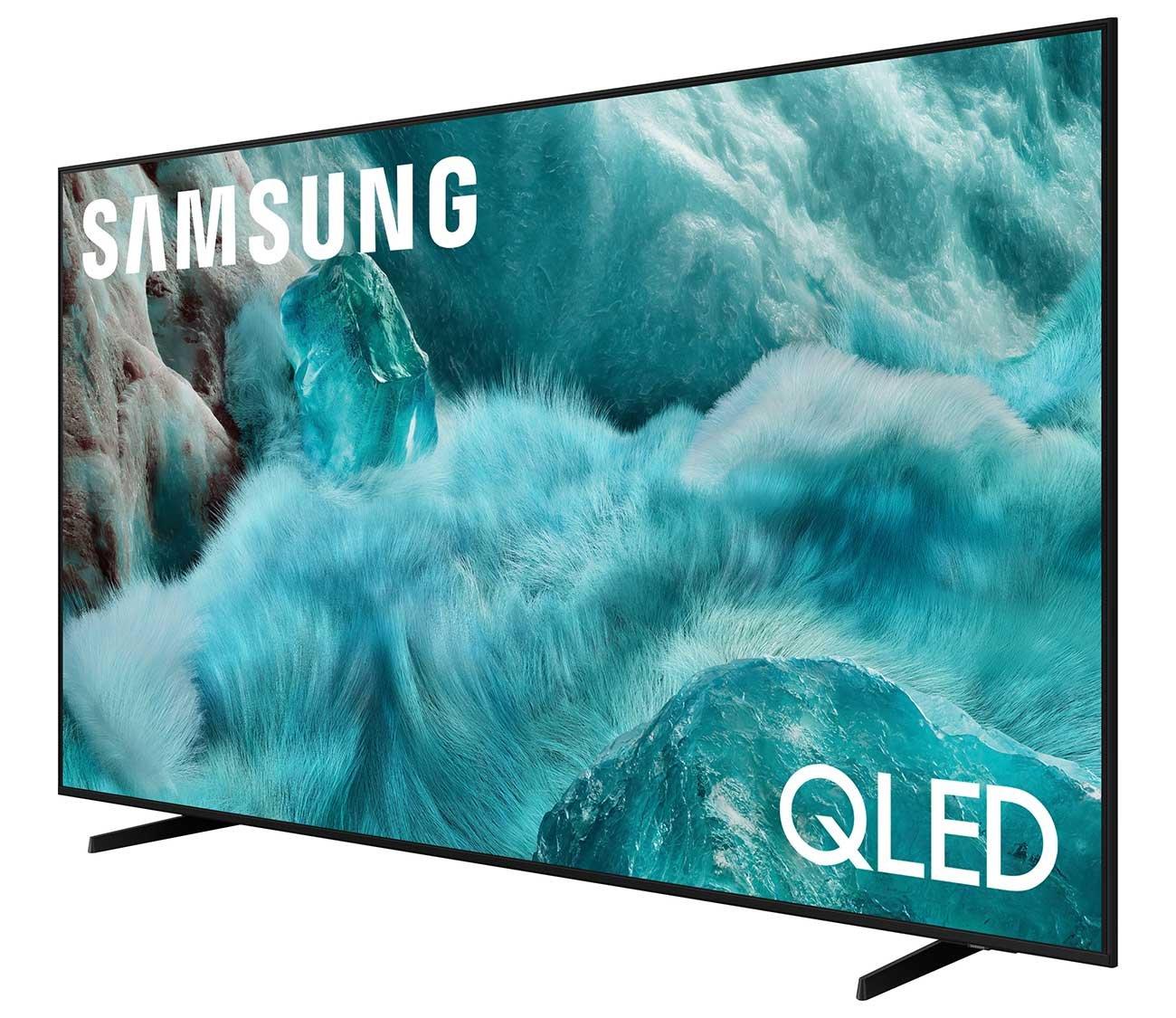
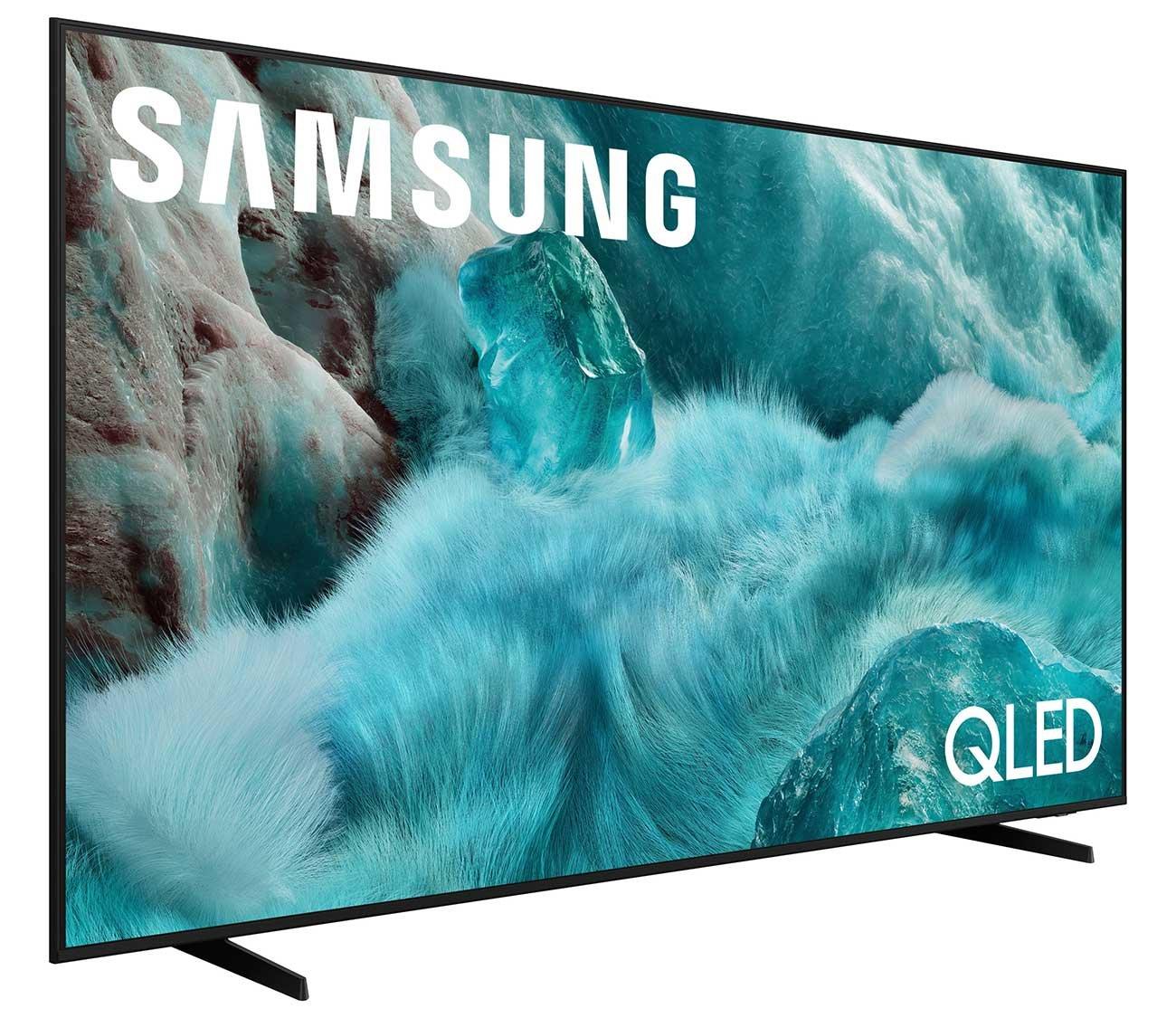

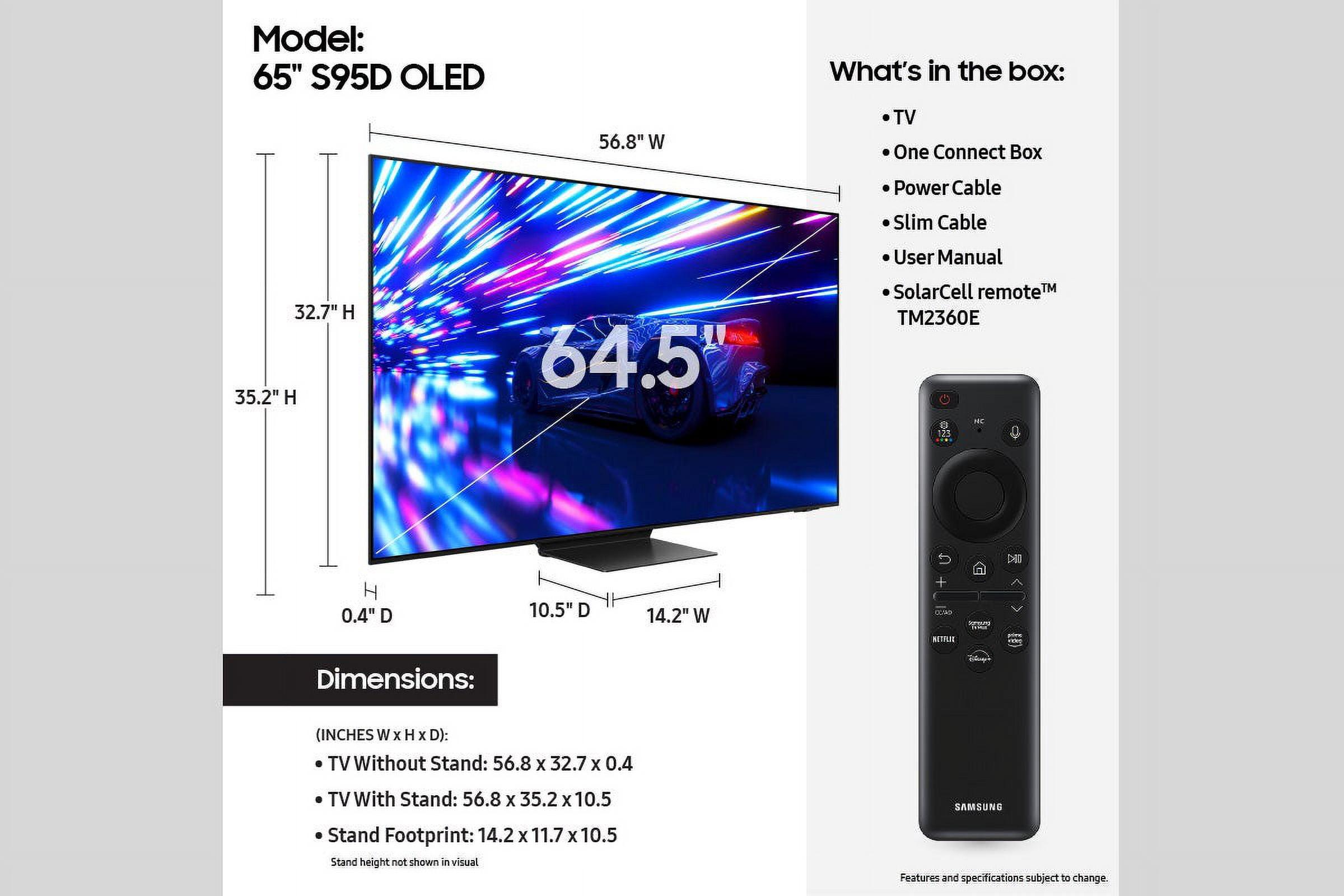
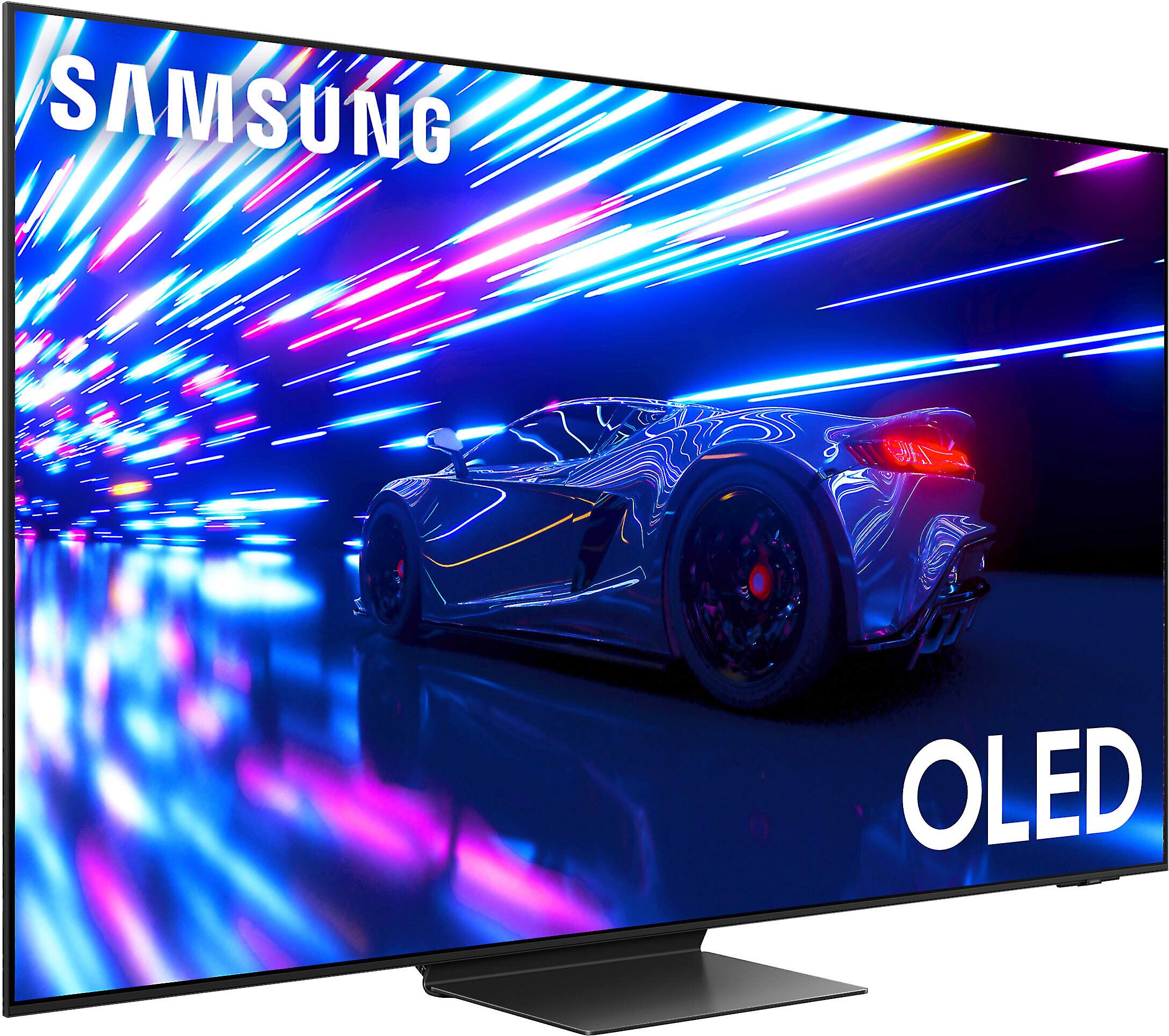
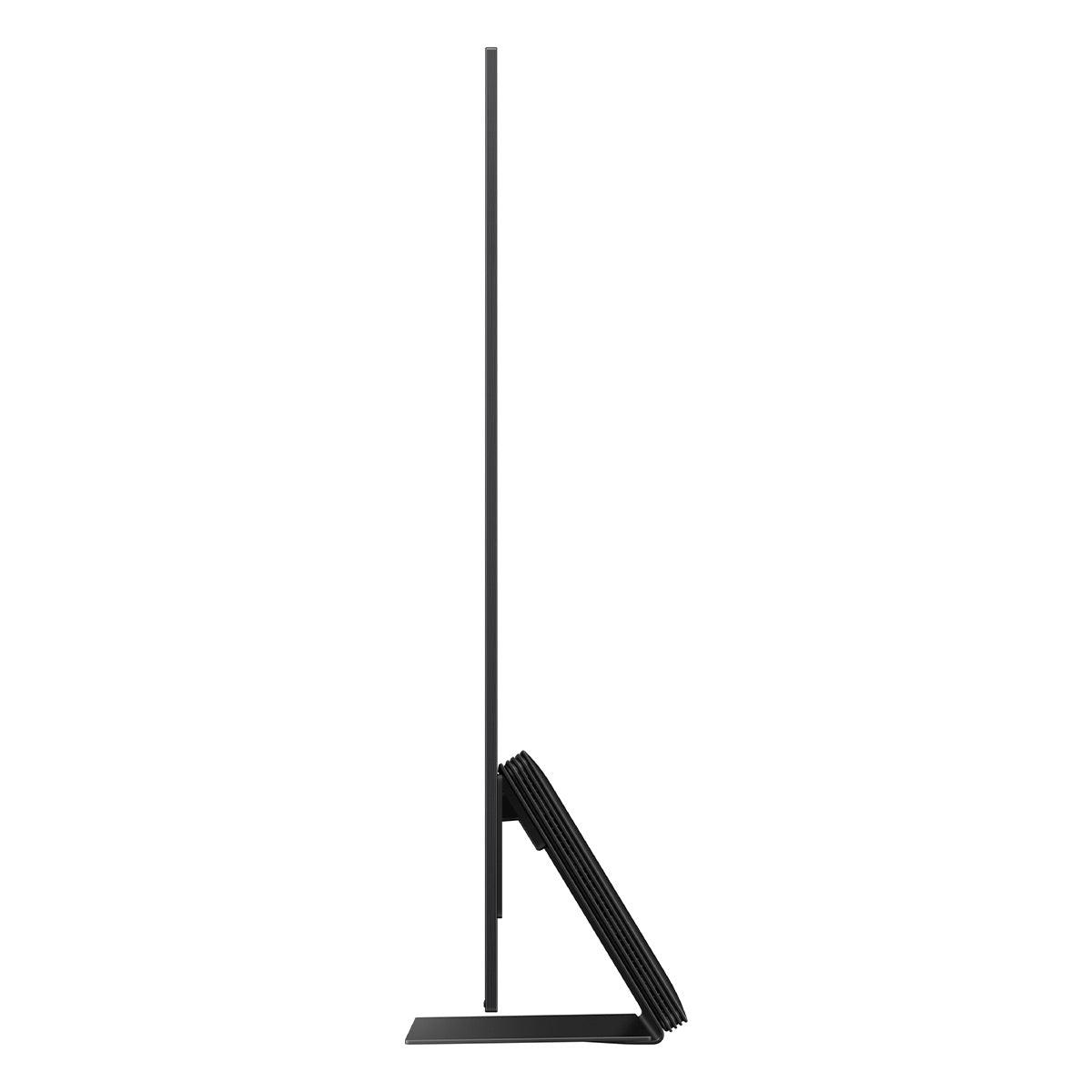
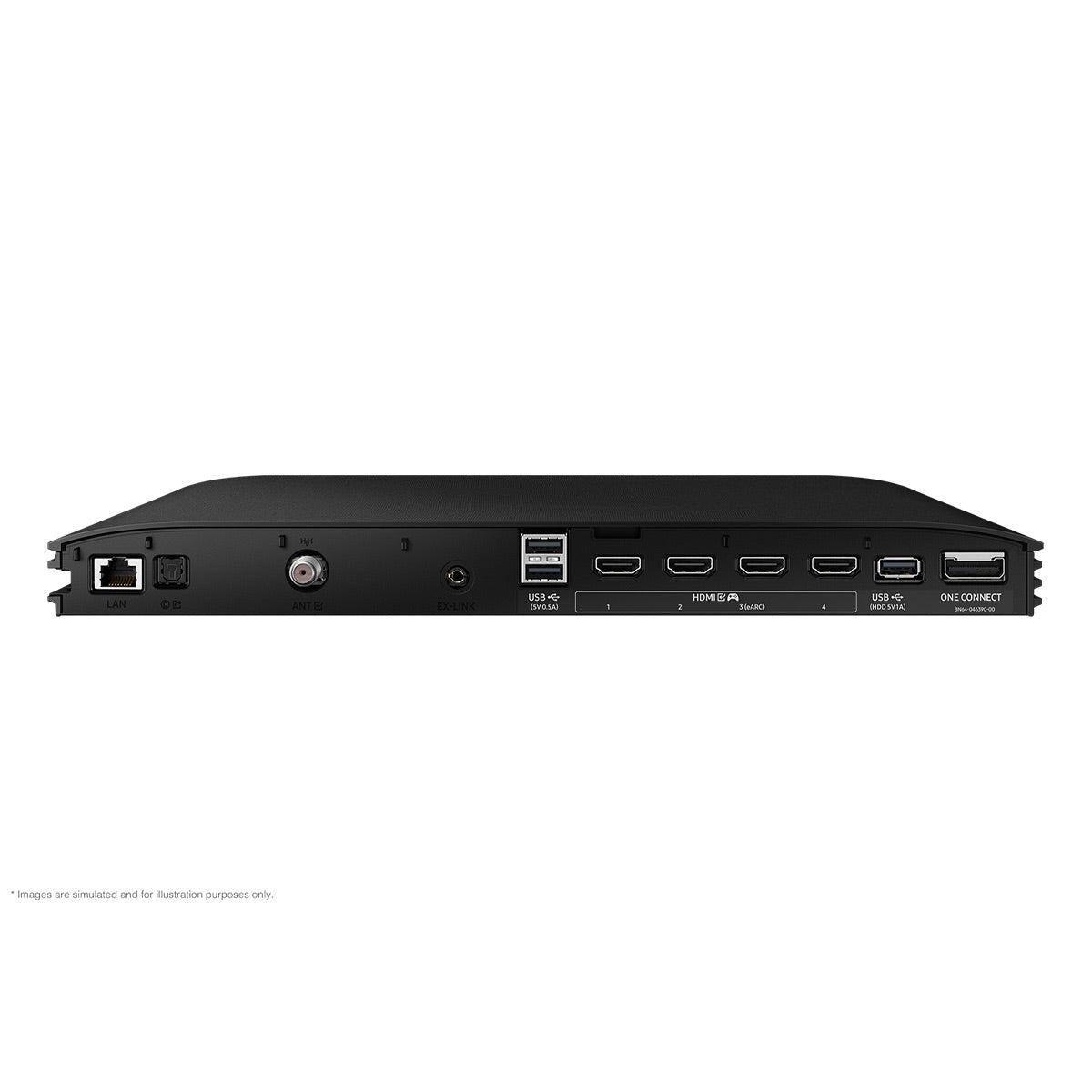
If you're shopping for a premium 65-inch TV, you've likely encountered Samsung's extensive lineup and wondered about the massive price differences between their various models. Two TVs that perfectly illustrate this range are the Samsung Q7F QLED and the Samsung S95D OLED - both excellent displays that take fundamentally different approaches to delivering your favorite content.
At the time of writing, these TVs sit in completely different price tiers, with the Q7F positioned as an accessible quantum dot TV while the S95D commands premium pricing as Samsung's flagship OLED technology. The price difference isn't just marketing - it reflects genuinely different display technologies that create distinct viewing experiences.
The most important thing to understand about these TVs is that they use completely different methods to create the pictures you see. This isn't just a minor technical detail - it fundamentally changes how they perform in your living room.
The Samsung Q7F uses QLED technology, which is essentially a high-end LED TV enhanced with quantum dots. Think of quantum dots as tiny particles that help create more accurate colors when light passes through them. The TV still uses a traditional LED backlight system behind the screen, but those quantum dots make the colors more vibrant and pure than standard LED TVs.
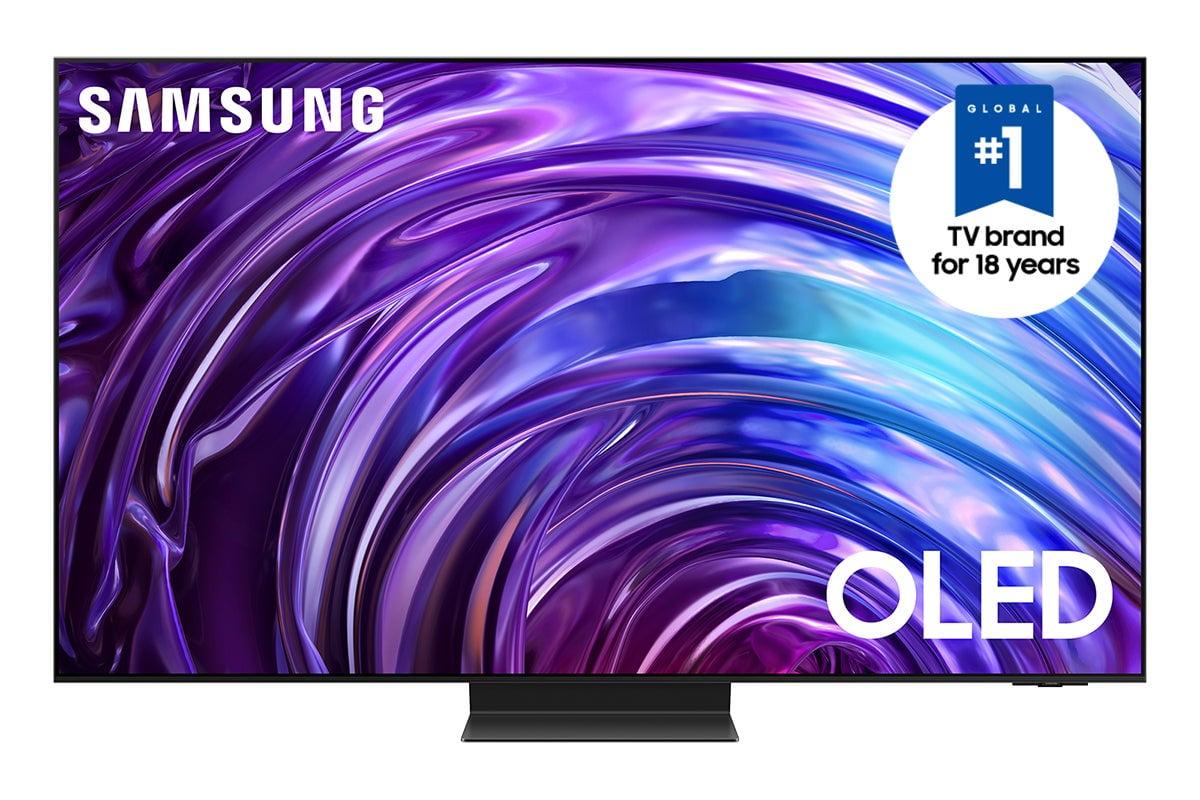
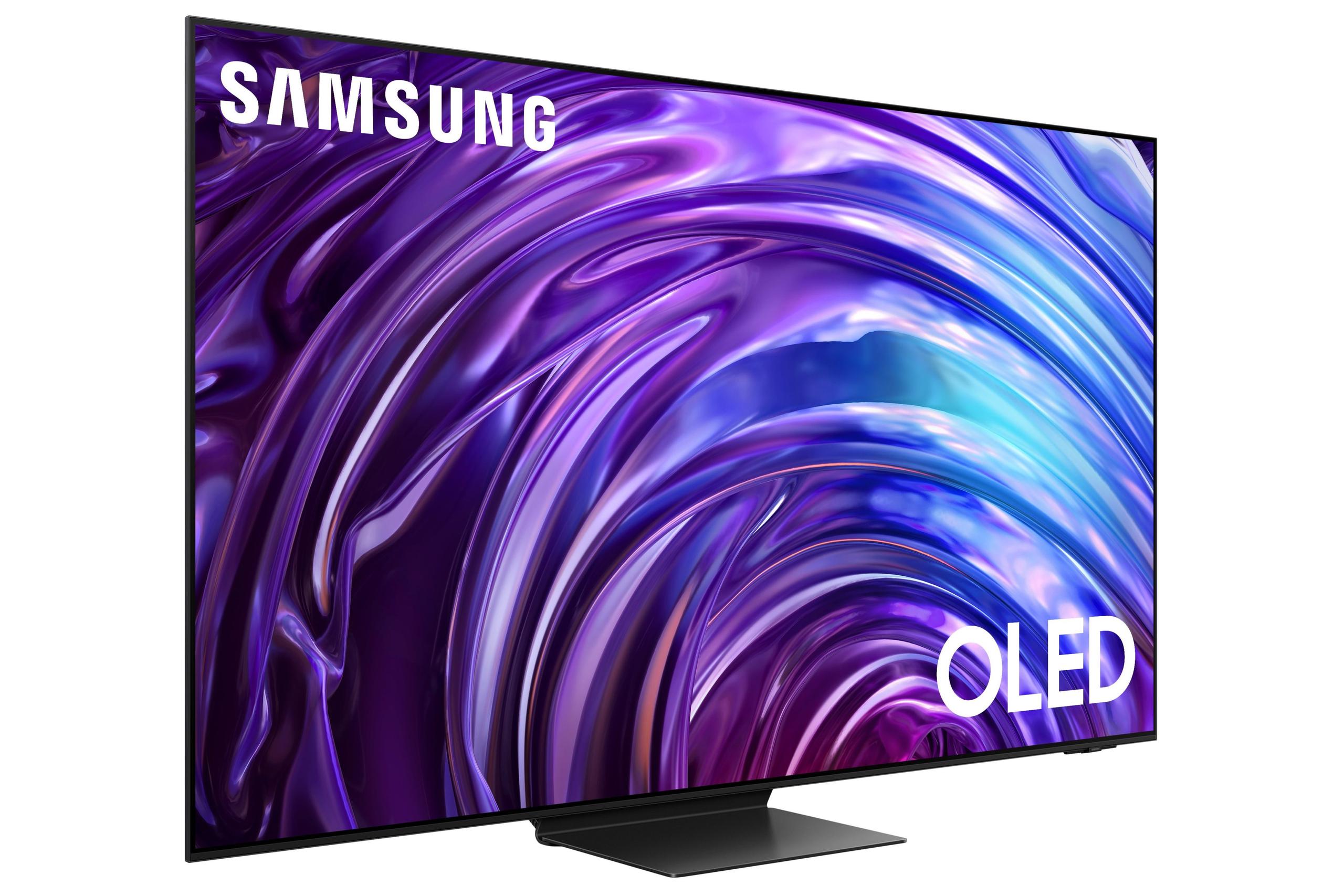
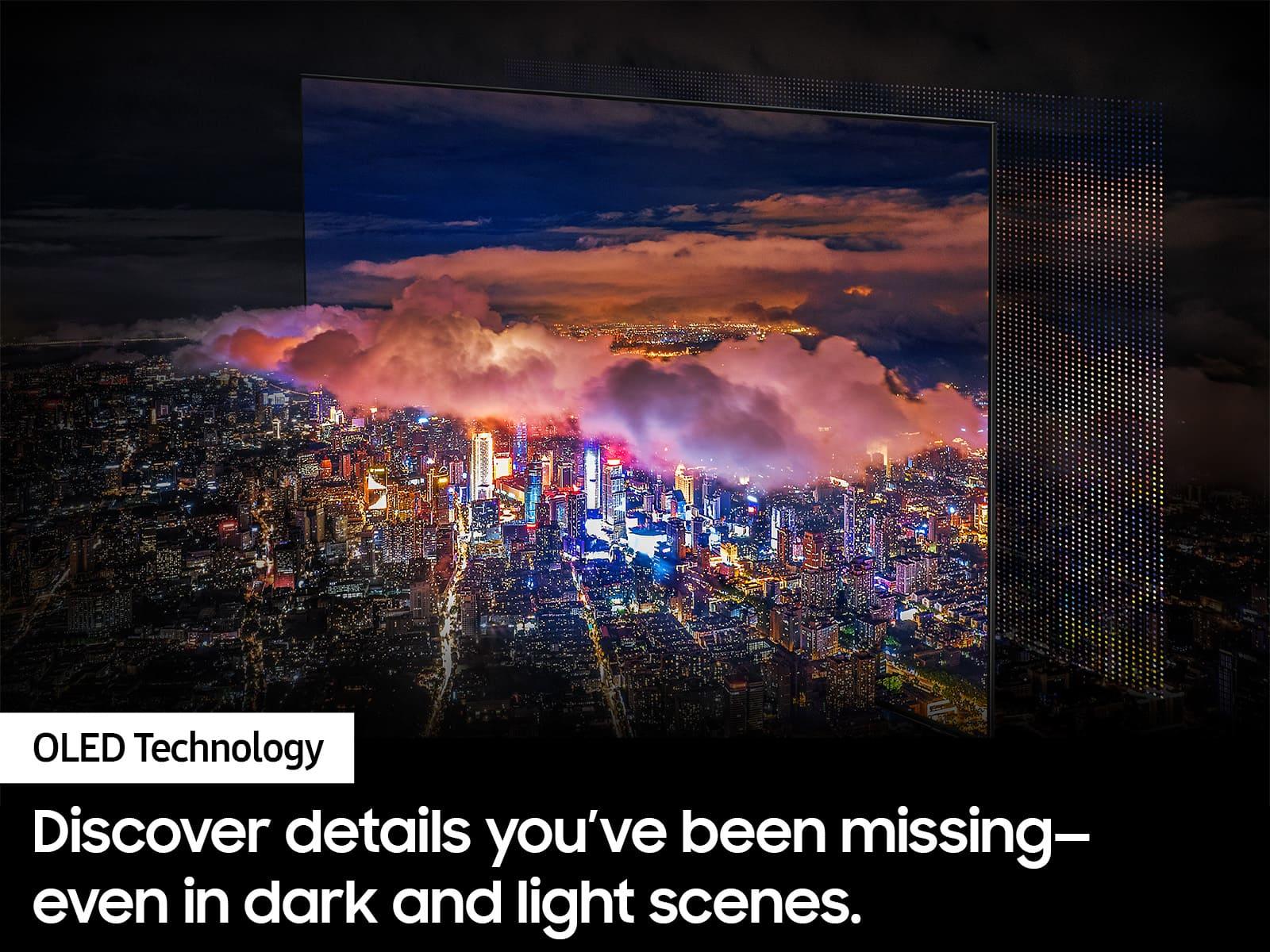
The Samsung S95D, on the other hand, uses QD-OLED technology - a newer approach that combines quantum dots with OLED (Organic Light-Emitting Diode) pixels. Here's where it gets interesting: instead of needing a backlight, each individual pixel creates its own light. This means when a pixel needs to be black, it simply turns off completely, creating perfect darkness.
This difference in how light is generated creates the most significant performance gap between these TVs. The S95D can display true black alongside bright highlights in the same scene, while the Q7F - like all LCD-based TVs - always has some level of backlight bleeding through, preventing true blacks.
Contrast ratio - the difference between the darkest and brightest parts of an image - is where these TVs diverge most dramatically. The Samsung Q7F achieves a respectable 4500:1 contrast ratio, which is solid for an LED TV. But the Samsung S95D theoretically delivers infinite contrast because its pixels can turn completely off.
In practical terms, this means watching a movie scene with stars in space will show those stars floating in true black space on the S95D, while the Q7F will show them against a slightly grayish background. The difference becomes even more apparent in dark room viewing, where the S95D creates an almost three-dimensional sense of depth that LCD TVs struggle to match.
However, there's a twist here that many people don't expect. The S95D includes Samsung's controversial matte anti-glare coating, which actually reduces some of the "pop" that glossy OLED screens are known for. This coating trades some of that dramatic contrast for significantly better performance in bright rooms - a compromise that Samsung made specifically to address OLED's traditional weakness with reflections.
High Dynamic Range (HDR) content - which includes most modern streaming movies and shows - is where you'll see how these different technologies handle bright and dark content simultaneously. The Q7F can hit 500 cd/m² (candelas per square meter, a measure of brightness), which is bright enough for most viewing situations and helps HDR content look impactful even in moderately lit rooms.
The S95D takes a different approach. While OLED panels traditionally couldn't get as bright as the best LED TVs, Samsung's QD-OLED technology bridges much of that gap while maintaining perfect blacks. The quantum dot layer enhances brightness and color simultaneously, creating HDR performance that combines OLED's contrast advantages with much of the brightness LED fans appreciate.
For home theater enthusiasts, this difference is crucial. Dark room viewing heavily favors the S95D because its perfect blacks create the cinematic experience that filmmakers intended. But if your TV room has windows and you watch during the day, the Q7F's higher brightness combined with its lower price point might deliver better practical value.
Both TVs benefit from quantum dot technology, but they implement it differently. The Q7F uses quantum dots in the traditional QLED manner - as a color filter that makes the LED backlight more pure before it reaches the LCD panel. This creates more accurate colors than standard LED TVs, particularly in reds and greens where LCD panels traditionally struggle.
The S95D integrates quantum dots directly with OLED technology, creating what many consider the best color performance available in consumer TVs. The combination delivers both the color purity of quantum dots and the individual pixel control of OLED, resulting in colors that are both accurate and vibrant across all brightness levels.
Gaming has become a major consideration for TV buyers, and these two models illustrate how different approaches serve different types of gamers.
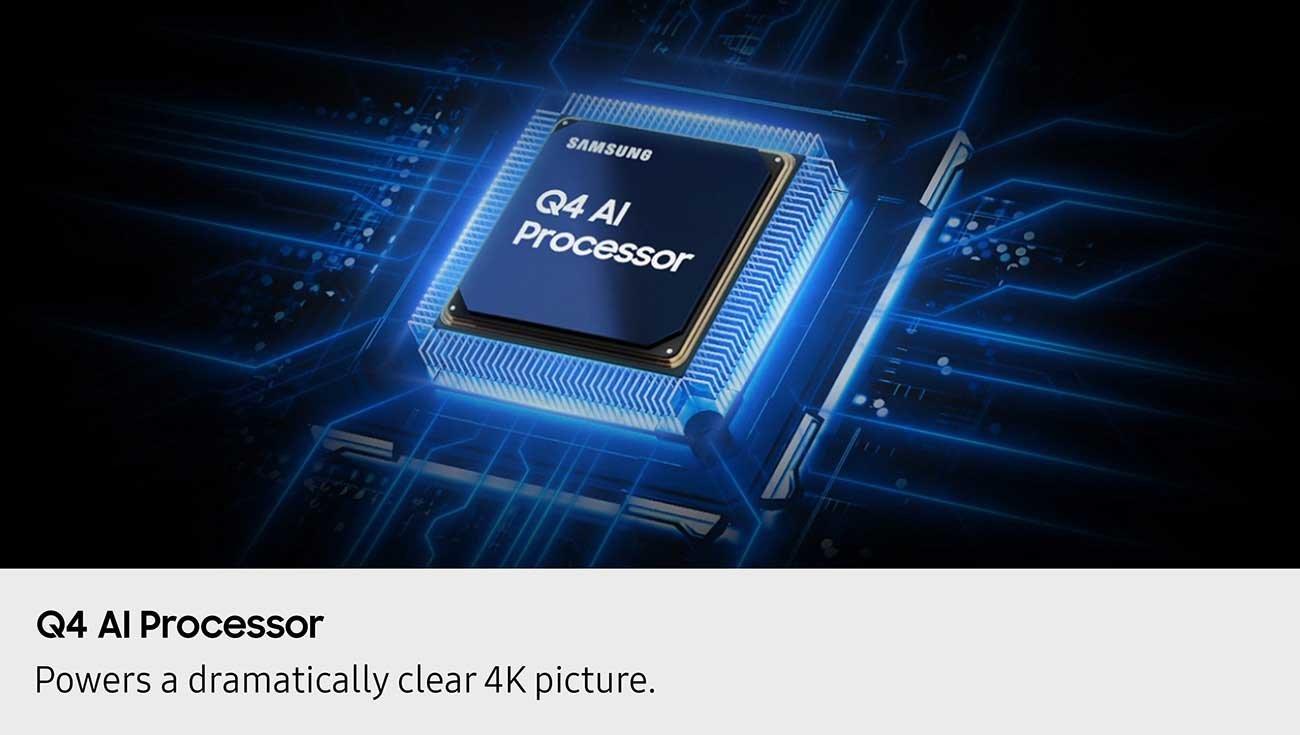
The Samsung Q7F offers a 60Hz refresh rate with Samsung's Motion Xcelerator processing. For most console gaming and streaming content, this provides smooth motion handling without obvious stuttering or judder. The Q4 AI processor includes gaming optimizations that help reduce input lag and enhance gaming-specific picture settings.
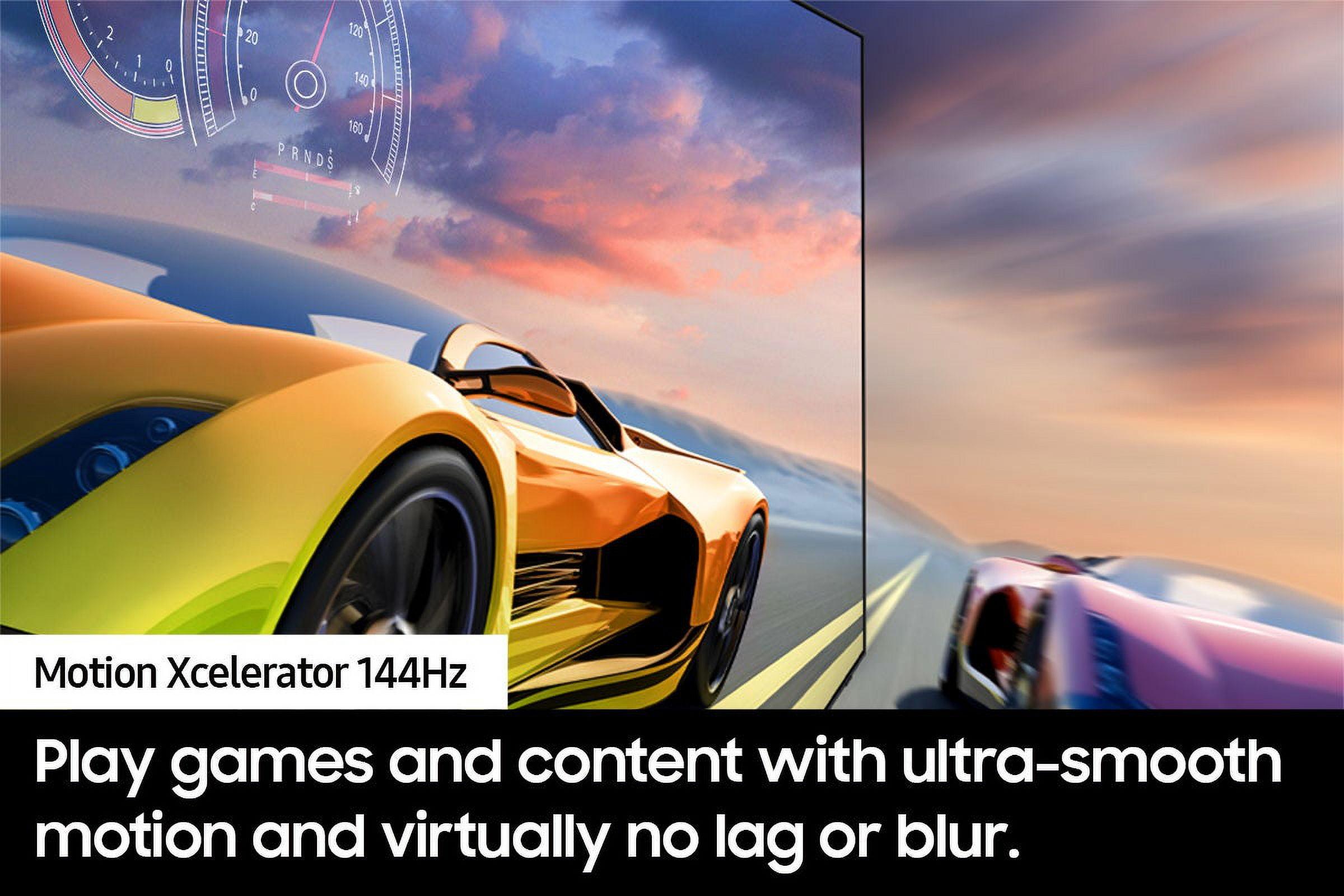
The S95D operates at a completely different level with its 120Hz native refresh rate and Motion Xcelerator 144Hz capability. This higher refresh rate provides noticeably smoother motion during fast-paced gaming and virtually eliminates motion blur during rapid camera movements or action sequences. For competitive gaming or next-generation console features, this performance difference is significant.
Input lag - the delay between pressing a controller button and seeing the action on screen - is critical for responsive gaming. Based on our research into expert reviews and user feedback, the S95D achieves excellent input lag performance around 9 milliseconds in game mode, putting it among the best gaming TVs available.
The Q7F provides adequate gaming performance for casual players, though it can't match the responsiveness of premium gaming displays. For single-player games and casual multiplayer, this difference is rarely noticeable, but competitive gamers will appreciate the S95D's superior responsiveness.
Samsung released the Q7F as part of their 2025 QLED lineup, incorporating their Q4 AI processor with Vision AI capabilities. This processor handles upscaling, motion processing, and smart TV functions adequately for the TV's price tier. The Vision AI features adapt picture settings based on content type and viewing conditions, providing a more automated experience for users who prefer not to tinker with settings.
The S95D, from Samsung's 2024 flagship lineup, includes the more powerful NQ4 AI Gen2 processor. This processor operates across 20 specialized networks to handle AI Picture, AI Sound, and AI Optimization simultaneously. The additional processing power becomes apparent when upscaling lower-resolution content to 4K or handling complex HDR tone mapping.
Both TVs run Samsung's Tizen operating system, which provides access to all major streaming services and generally responsive performance. The interface is identical between both models, though the S95D's more powerful processor handles navigation and app switching slightly more smoothly.
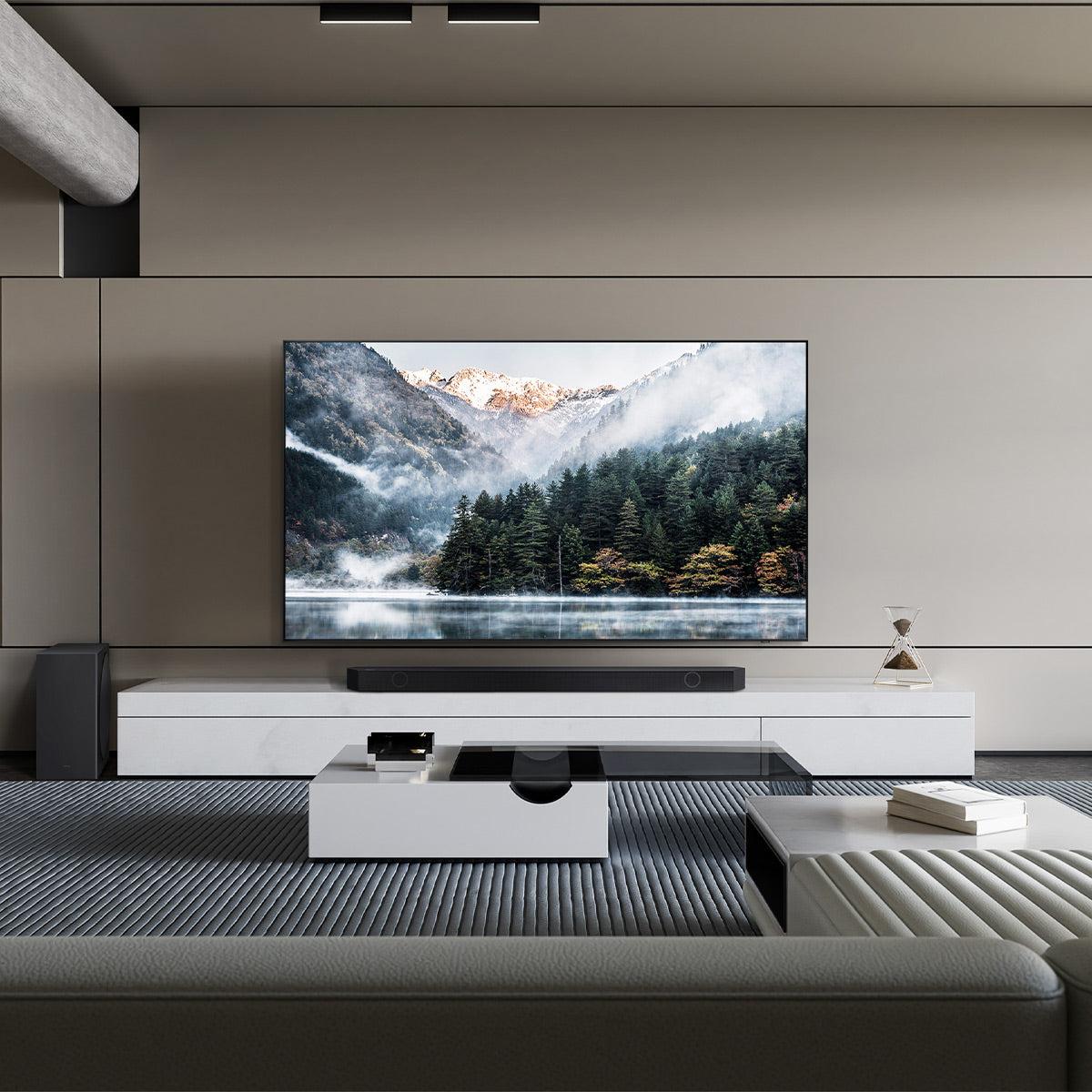
For dedicated home theater setups, the choice between these TVs depends heavily on your room conditions and content preferences. The Samsung S95D excels in controlled lighting environments where its perfect blacks and exceptional contrast create an immersive cinema experience. The anti-glare coating that some users criticize in bright rooms actually works well in dedicated theater spaces with controlled lighting.
The TV's support for HDR10+ (though notably lacking Dolby Vision) delivers excellent HDR performance with properly mastered content. The Object Tracking Sound+ creates convincing audio positioning that enhances the viewing experience, though serious home theater enthusiasts will likely pair either TV with a dedicated sound system.
The Samsung Q7F makes more sense for multi-purpose family rooms where the TV needs to perform well across various lighting conditions. Its LED brightness helps HDR content remain impactful even when ambient light is present, and the lower price point leaves more budget for sound system upgrades that often provide more noticeable improvements than display upgrades in less controlled environments.
When considering long-term ownership, these TVs represent different approaches to value retention. The Q7F's LCD technology offers proven durability with minimal risk of image retention or burn-in, even with static content like video game HUDs or news channel logos. This makes it particularly suitable for households with varied content consumption patterns.
The S95D requires slightly more consideration regarding content diversity. While modern OLED panels are much more resistant to burn-in than early generations, displaying static elements for extended periods can still cause permanent image retention. For most viewing patterns, this isn't a practical concern, but it's worth considering if you frequently use the TV for gaming with persistent on-screen elements or as a computer monitor.
The decision between the Samsung Q7F and Samsung S95D ultimately comes down to your priorities, room setup, and budget flexibility at the time of writing.
Choose the Samsung Q7F if you want excellent quantum dot color enhancement without premium pricing. It's ideal for bright rooms, mixed content viewing, and situations where you want solid performance across all categories without paying for flagship features you might not fully utilize. The TV particularly makes sense for families with diverse viewing habits who need reliable performance rather than absolute excellence in any single area.
The Samsung S95D justifies its premium positioning for viewers who prioritize picture quality above cost considerations. It's the clear choice for dark room viewing, serious gaming with next-generation consoles, and home theater applications where contrast performance creates a genuinely different viewing experience. The anti-glare coating also makes it surprisingly capable in bright rooms, addressing OLED's traditional weakness.
Both TVs will deliver satisfying experiences for most users, but they excel in different scenarios. The Q7F offers tremendous value for users seeking modern TV features at accessible pricing, while the S95D provides cutting-edge display technology for those willing to invest in premium performance. Understanding these differences helps ensure you choose the TV that best matches your specific viewing environment and preferences rather than simply picking based on specifications or price alone.
| Samsung 65" Q7F QLED 4K Vision AI Smart TV 2025 | Samsung 65" S95D 4K OLED Smart TV |
|---|---|
| Display Technology - Fundamental difference in how picture is created | |
| QLED (LED with quantum dots) | QD-OLED (self-emitting pixels with quantum dots) |
| Contrast Ratio - Critical for dark scene detail and movie watching | |
| 4,500:1 (good but limited by LED backlight) | Infinite (perfect blacks, each pixel can turn off completely) |
| Brightness - Important for HDR and bright room viewing | |
| 500 cd/m² (adequate for most rooms) | Higher peak brightness with better HDR performance |
| Refresh Rate - Essential for gaming and sports | |
| 60Hz with Motion Xcelerator | 120Hz native with Motion Xcelerator 144Hz |
| Gaming Performance - Input lag and responsiveness | |
| Standard gaming performance, adequate for casual play | ~9ms input lag, excellent for competitive gaming |
| Anti-Glare Technology - Reduces reflections in bright rooms | |
| Standard glossy screen (more reflections) | Matte anti-glare coating (dramatically reduces reflections) |
| Processor - Affects upscaling and smart TV performance | |
| Q4 AI processor with Vision AI | NQ4 AI Gen2 processor (more powerful, 20 specialized networks) |
| HDR Support - Enhanced contrast and color in compatible content | |
| HDR10+ (good HDR performance) | OLED HDR Pro with superior contrast handling |
| Sound System - Built-in audio quality | |
| Standard speakers | Dolby Atmos with Object Tracking Sound+ |
| Burn-in Risk - Long-term durability consideration | |
| No risk (LCD technology) | Minimal risk with normal use (OLED consideration) |
| Best Use Case - Where each TV excels | |
| Bright rooms, mixed content, budget-conscious buyers | Dark rooms, gaming, home theater, premium experience |
| Release Year - Technology generation | |
| 2025 (current mid-tier QLED) | 2024 (flagship OLED, now superseded by newer models) |
The biggest difference is the display technology. The Samsung Q7F QLED uses traditional LED backlighting with quantum dots, while the Samsung S95D OLED uses self-emitting OLED pixels. This means the S95D can turn individual pixels completely off for perfect blacks, while the Q7F always has some backlight glow.
The Samsung S95D OLED is significantly better for dark rooms due to its perfect black levels and infinite contrast ratio. The Samsung Q7F QLED will show some grayish glow in dark scenes because of its LED backlight system, which is more noticeable in completely dark environments.
Both TVs handle bright rooms well, but for different reasons. The Samsung S95D has a unique matte anti-glare coating that dramatically reduces reflections, while the Samsung Q7F relies on higher brightness to combat room lighting. The S95D's anti-glare technology gives it an edge in very bright spaces.
The Samsung S95D OLED is superior for gaming with its 120Hz refresh rate, Motion Xcelerator 144Hz, and approximately 9ms input lag. The Samsung Q7F QLED offers 60Hz refresh rate which is adequate for casual gaming but can't match the S95D's responsiveness for competitive gaming.
Yes, both support HDR but with different capabilities. The Samsung Q7F supports HDR10+ and Quantum HDR, providing good HDR performance. The Samsung S95D offers OLED HDR Pro with superior contrast handling, making HDR content appear more dramatic with deeper blacks and brighter highlights.
The Samsung S95D has more advanced smart features with its NQ4 AI Gen2 processor operating across 20 specialized networks. The Samsung Q7F uses the Q4 AI processor with Vision AI capabilities, which is capable but less powerful than the S95D's processing system.
The Samsung Q7F QLED has no burn-in risk due to its LCD technology. The Samsung S95D OLED has minimal burn-in risk with normal viewing patterns, but static images displayed for very long periods could potentially cause permanent retention on OLED panels.
The Samsung S95D OLED is generally preferred for dedicated home theaters due to its perfect blacks, superior contrast, and Dolby Atmos sound system. However, the Samsung Q7F can work well in multi-purpose rooms where ambient light control isn't perfect.
Both use quantum dot technology but implement it differently. The Samsung S95D combines quantum dots with OLED for exceptional color accuracy and volume across all brightness levels. The Samsung Q7F offers excellent quantum dot color enhancement but can't match the S95D's color performance in darker scenes.
Value depends on your priorities. The Samsung Q7F QLED offers excellent value for quantum dot technology at a much lower price point. The Samsung S95D OLED provides premium performance that justifies its higher cost for those prioritizing picture quality above budget considerations.
Yes, both excel with 4K content. The Samsung Q7F includes 4K AI upscaling with its Q4 processor, while the Samsung S95D features more advanced 4K processing with its NQ4 AI Gen2 processor. Both will make lower-resolution content look sharp on their 4K screens.
Choose the Samsung Q7F QLED if you have a bright living room, mixed viewing habits, and want excellent performance at a reasonable price. Pick the Samsung S95D OLED if picture quality is your top priority, you can control room lighting, and you're willing to invest in premium display technology.
We've done our best to create useful and informative comparisons to help you decide what product to buy. Our research uses advanced automated methods to create this comparison and perfection is not possible - please contact us for corrections or questions. These are the sites we've researched in the creation of this article: bestbuy.com - youtube.com - samsung.com - samsung.com - pcrichard.com - samsung.com - samsung.com - videoandaudiocenter.com - displayspecifications.com - bestbuy.com - samsung.com - samsung.com - samsung.com - samsung.com - news.samsung.com - techradar.com - videoandaudiocenter.com - avsforum.com - cnet.com - abt.com - merlinstv.com - nfm.com - rtings.com - flintsfurniture.com - samsung.com - bestbuy.com - displayspecifications.com

Privacy Policy
Terms and Conditions - Affiliate Policy
Home Security
© Copyright 2008-2026.
11816 Inwood Rd #1211, Dallas, TX 75244