

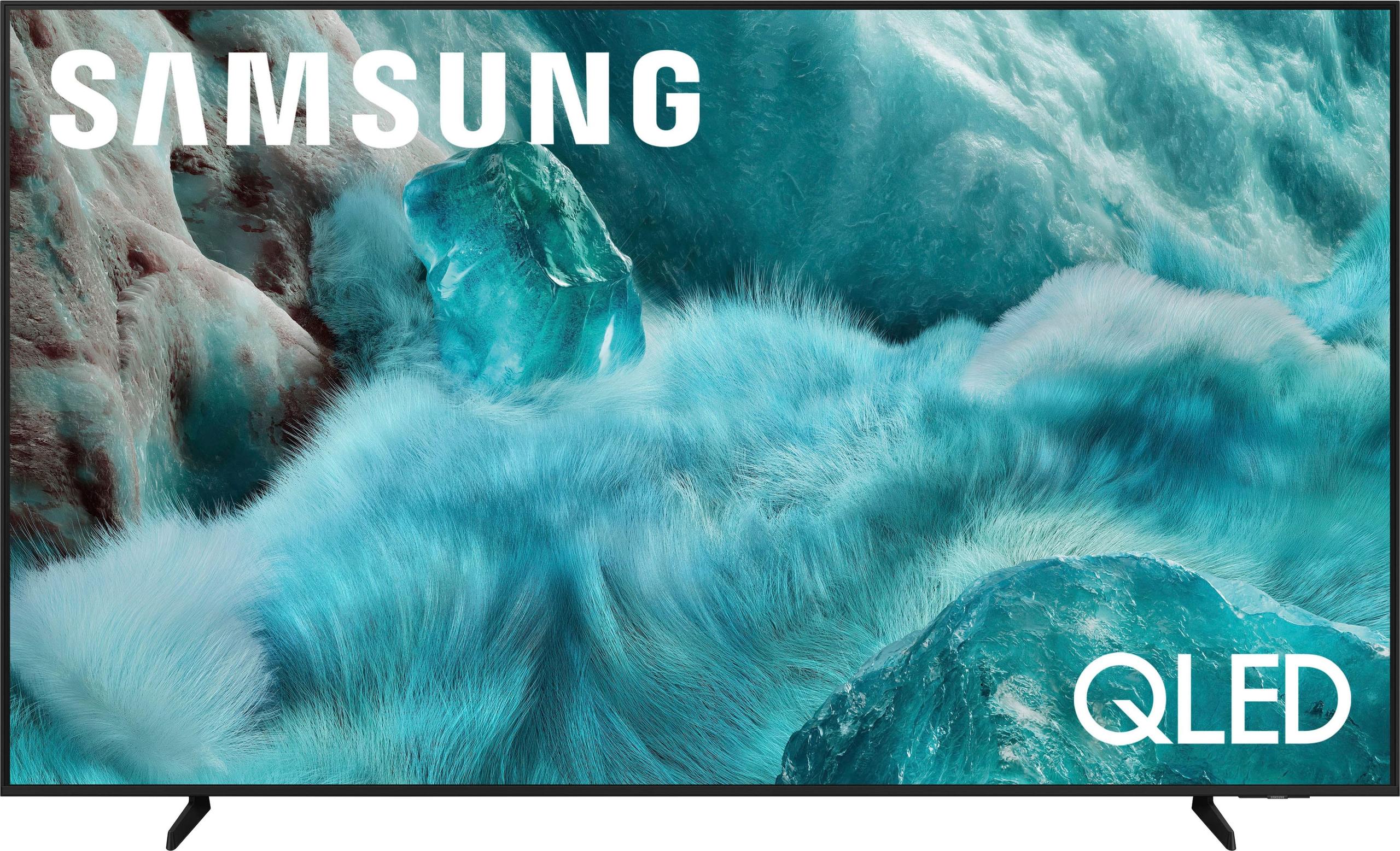
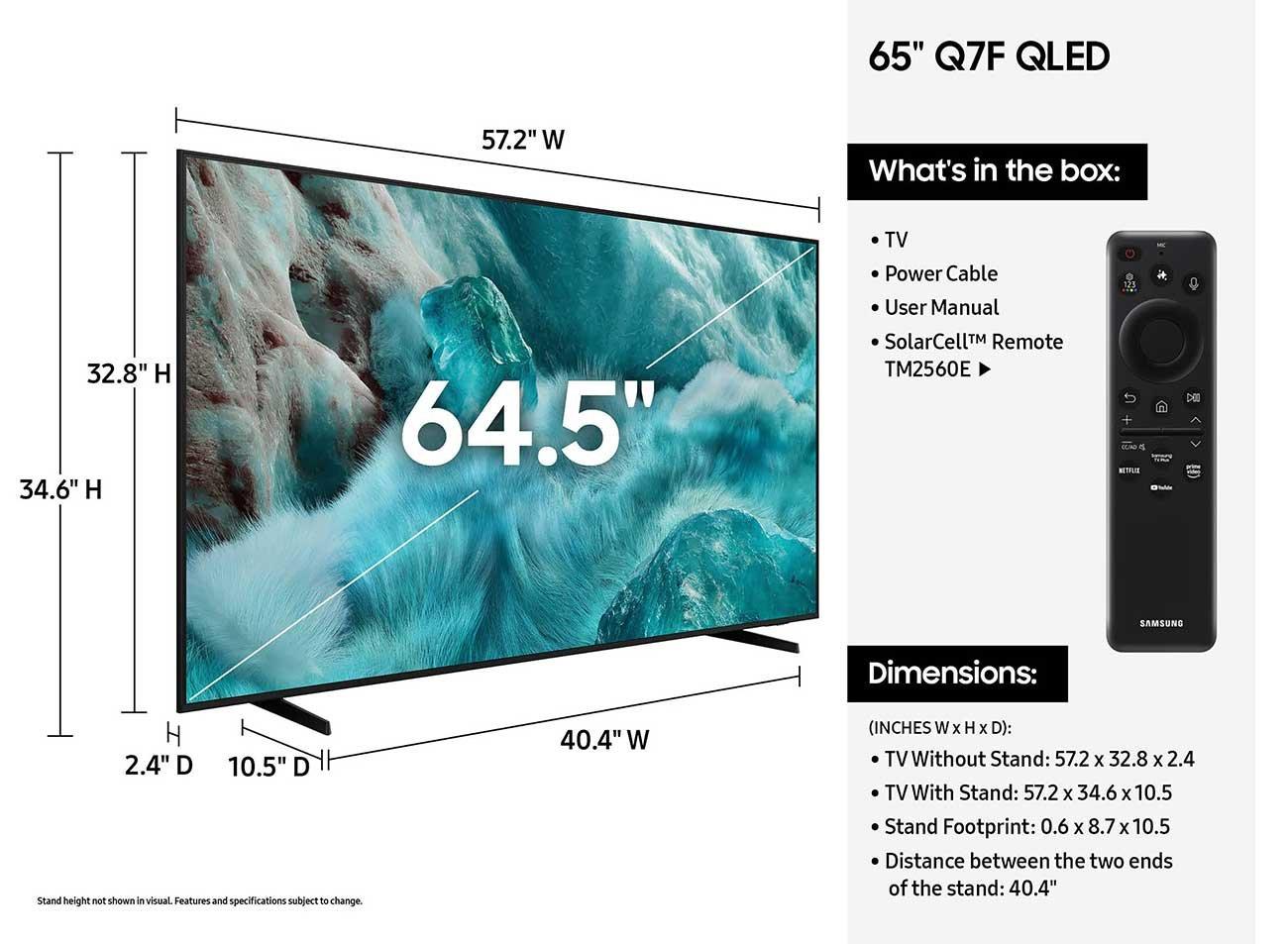

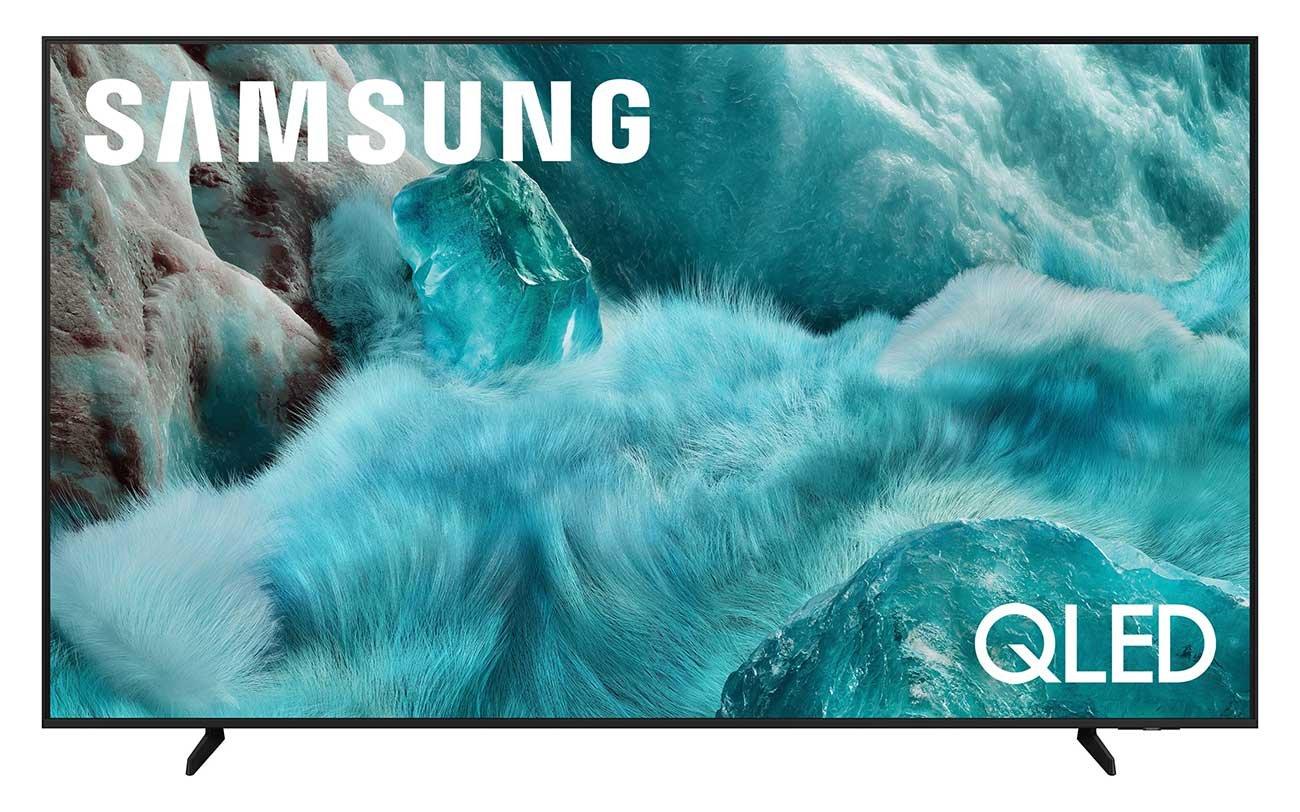
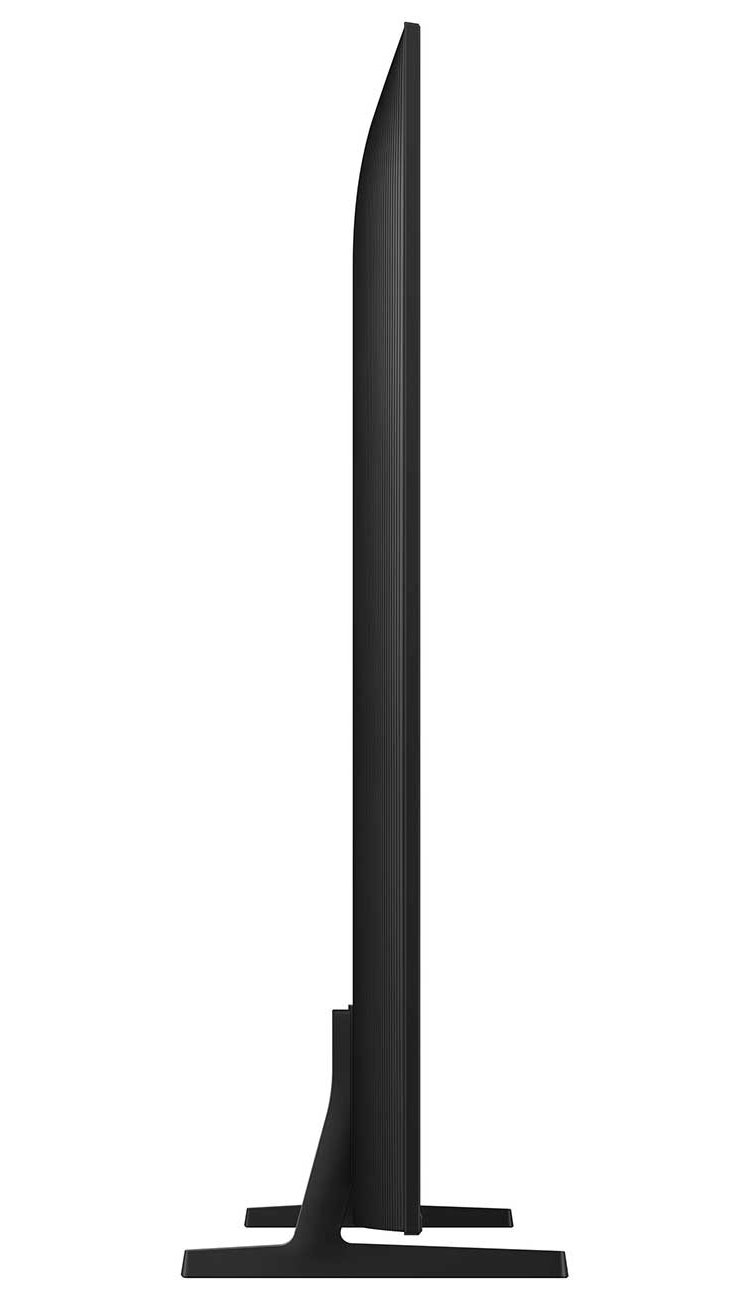

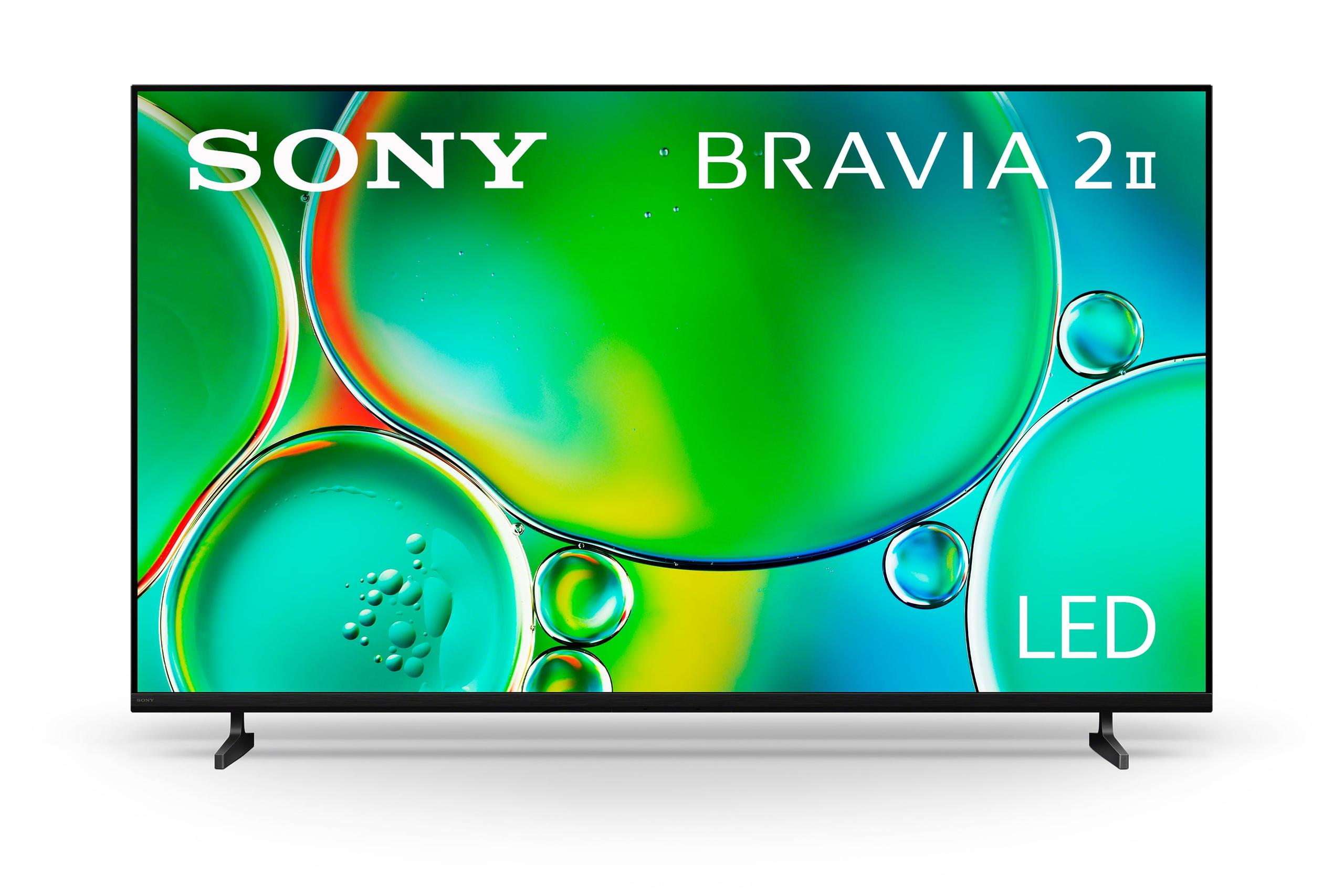
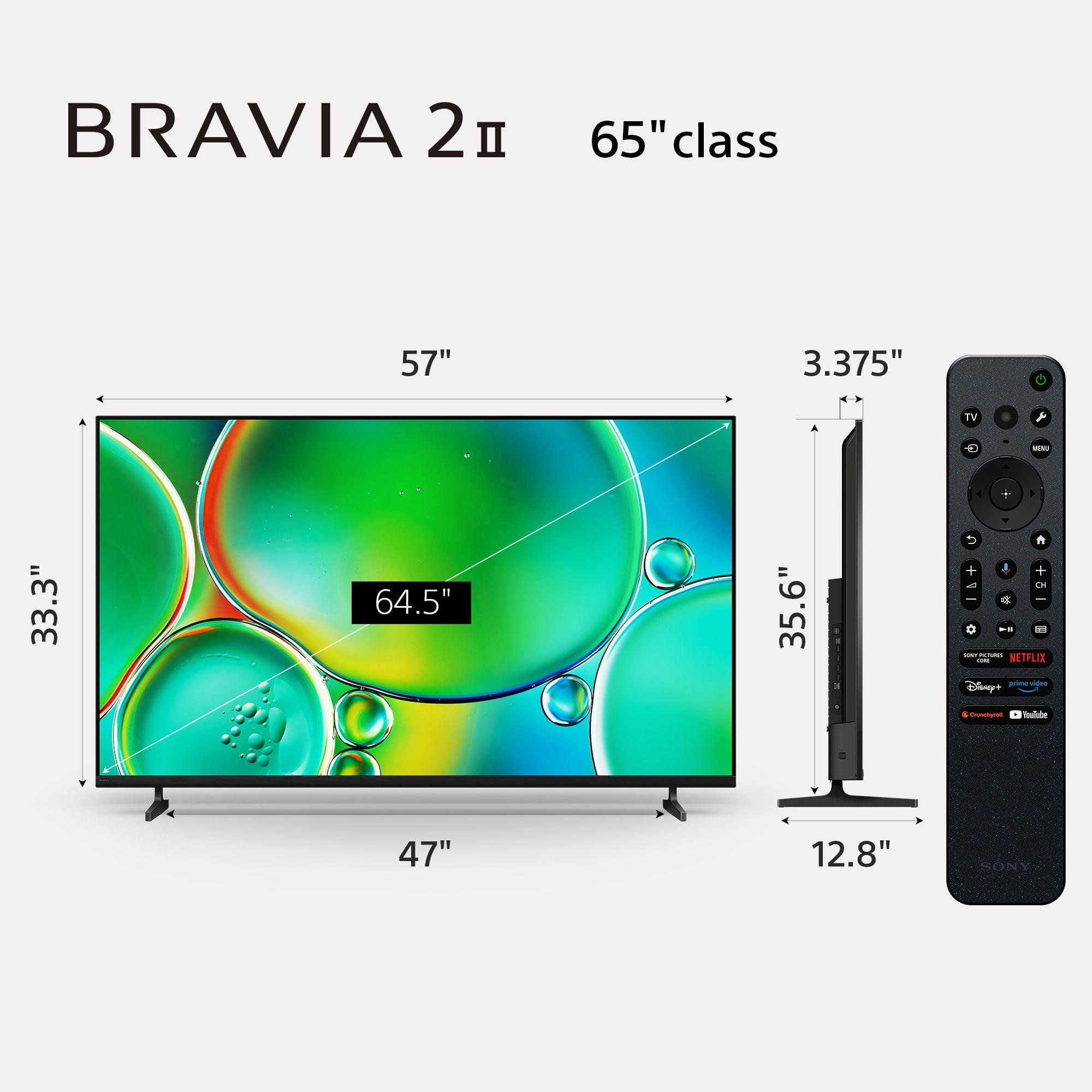


Shopping for a 65-inch smart TV in 2025? You've probably noticed that the landscape has become incredibly complex, with manufacturers throwing around terms like "QLED," "Vision AI," and "4K X-Reality PRO" like confetti. Two models that consistently pop up in the entry-to-mid-range discussion are the Samsung Q7F QLED and the Sony BRAVIA 2 II, both released in 2025 as part of their respective manufacturers' efforts to bring premium features down to more accessible price points.
These aren't just incremental updates from previous years. Samsung completely redesigned their Vision AI platform for 2025, adding features that were unimaginable even two years ago. Sony, meanwhile, took their acclaimed X1 processor—previously reserved for higher-end models—and made it the foundation of their entry-level lineup. The result? Two televisions that approach the same goal from dramatically different angles.
Before diving into the specifics, let's establish what actually impacts your daily viewing experience. The 65-inch size hits the sweet spot for most living rooms—large enough to feel cinematic from 8-12 feet away without dominating your space. But size alone doesn't determine picture quality.
The most critical factors are color accuracy and brightness (how vibrant and realistic images look), contrast ratio (the difference between the darkest blacks and brightest whites), and motion handling (how smooth fast-paced content appears). Smart features matter too, but they're secondary to picture quality—after all, you can always add a streaming stick, but you can't fix a fundamentally poor display.
Audio deserves serious consideration since most people never buy a soundbar. Gaming performance has become increasingly important as more households own gaming consoles. Finally, there's the ecosystem question: how well does the TV play with your other devices and streaming preferences?
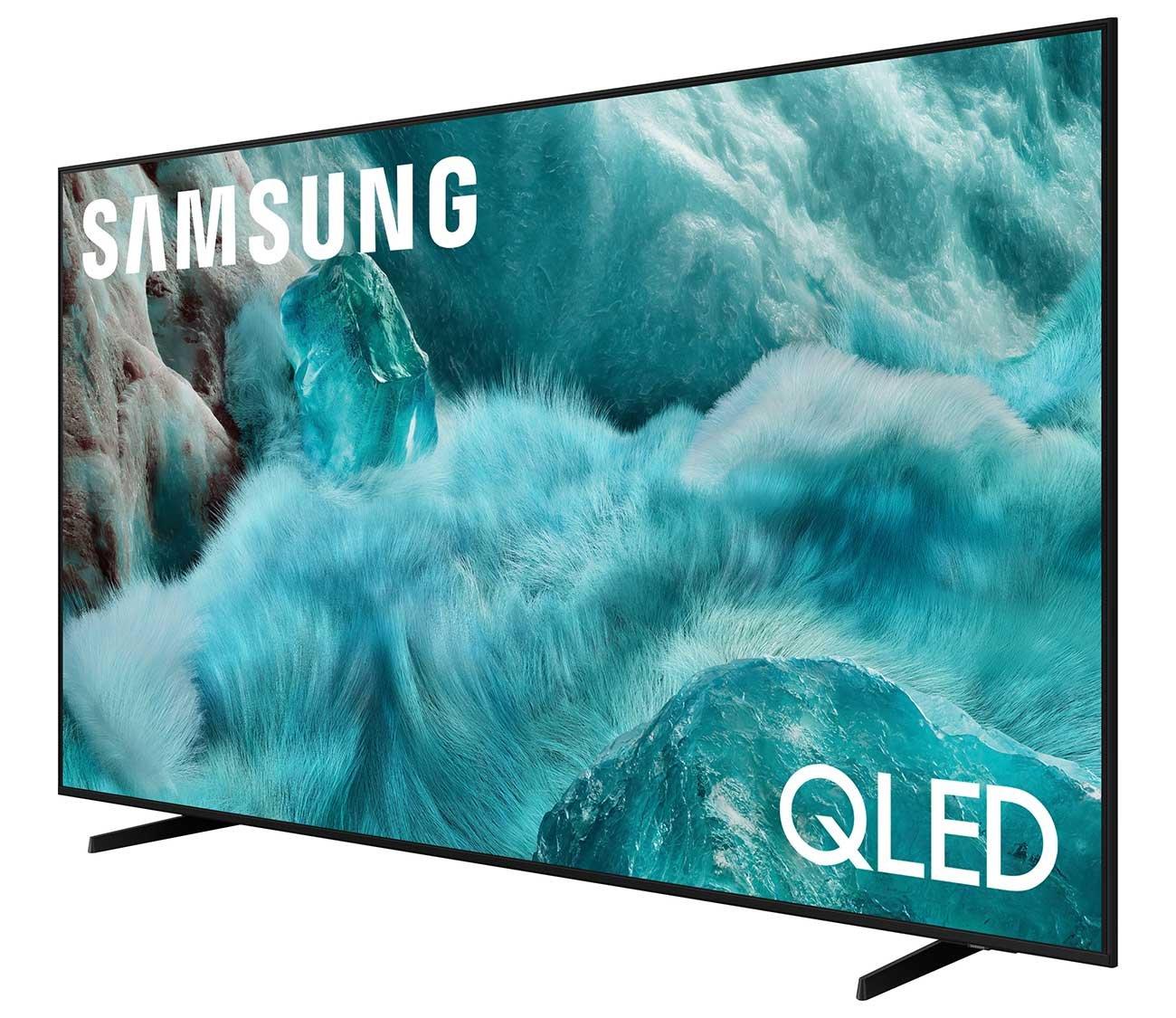
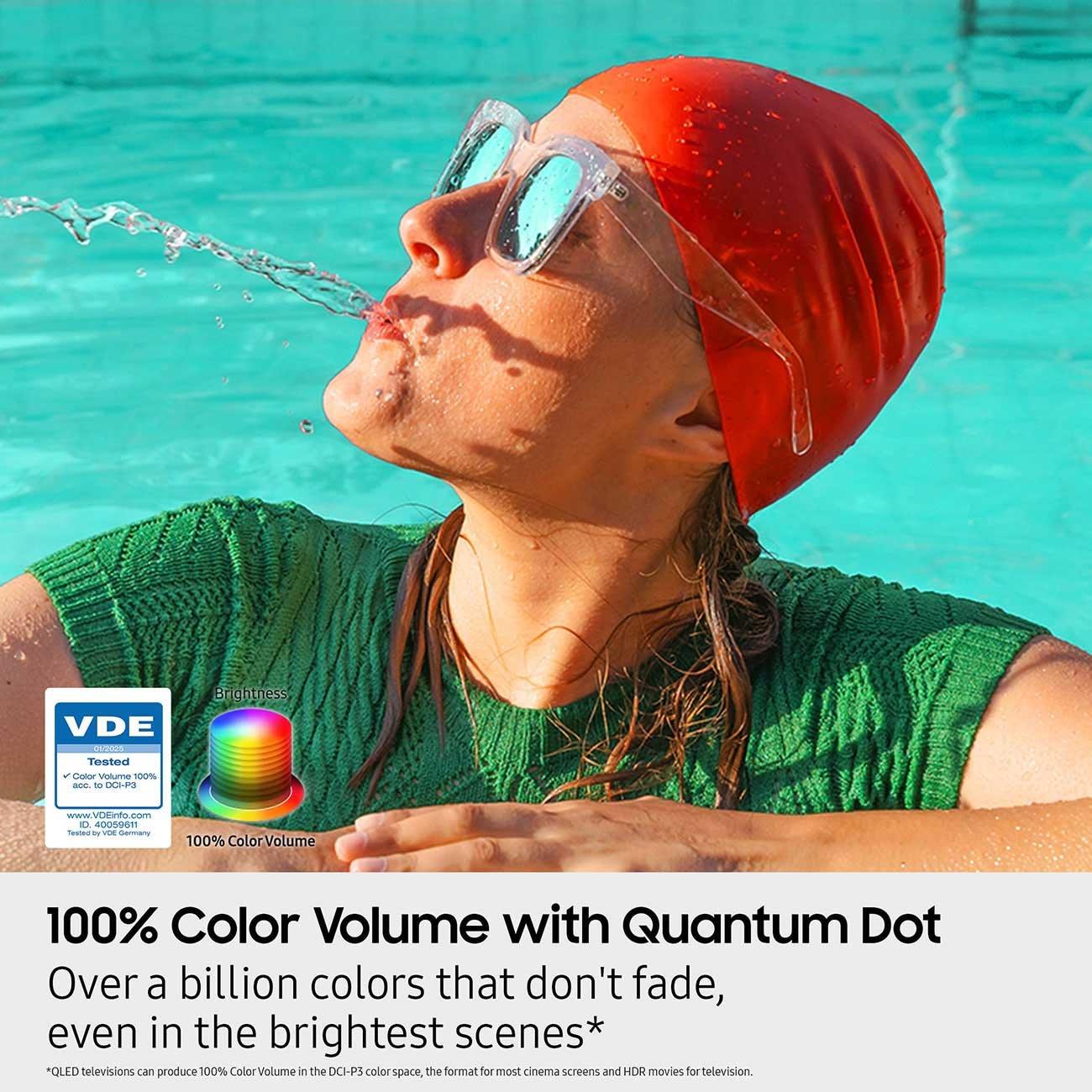
The fundamental difference between these TVs lies in their approach to creating better pictures. The Samsung Q7F uses Quantum Dot LED (QLED) technology, which sounds more complex than it is. Think of quantum dots as microscopic crystals that sit between the LED backlight and the LCD panel. When light hits these crystals, they emit very pure colors—resulting in what Samsung claims is over one billion different color shades and "100% color volume."
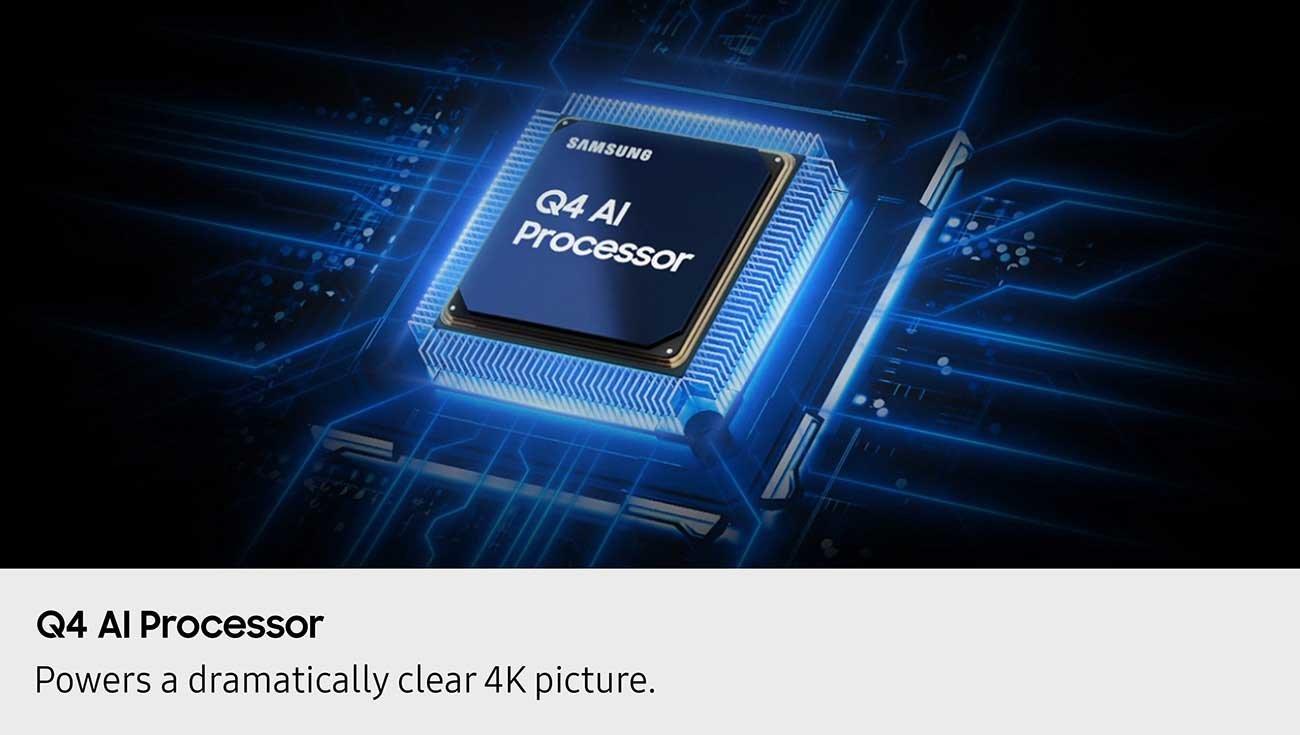
This isn't marketing fluff. Quantum dot technology genuinely produces more saturated, vibrant colors than traditional LCD panels. The trade-off? QLED TVs can sometimes look oversaturated, pushing colors beyond what the original content creator intended. Samsung has largely solved this with their Q4 AI Processor, which analyzes content in real-time and adjusts color reproduction accordingly.
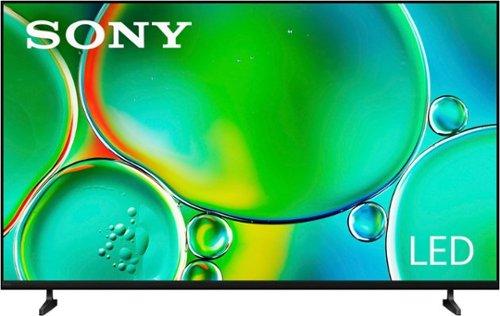
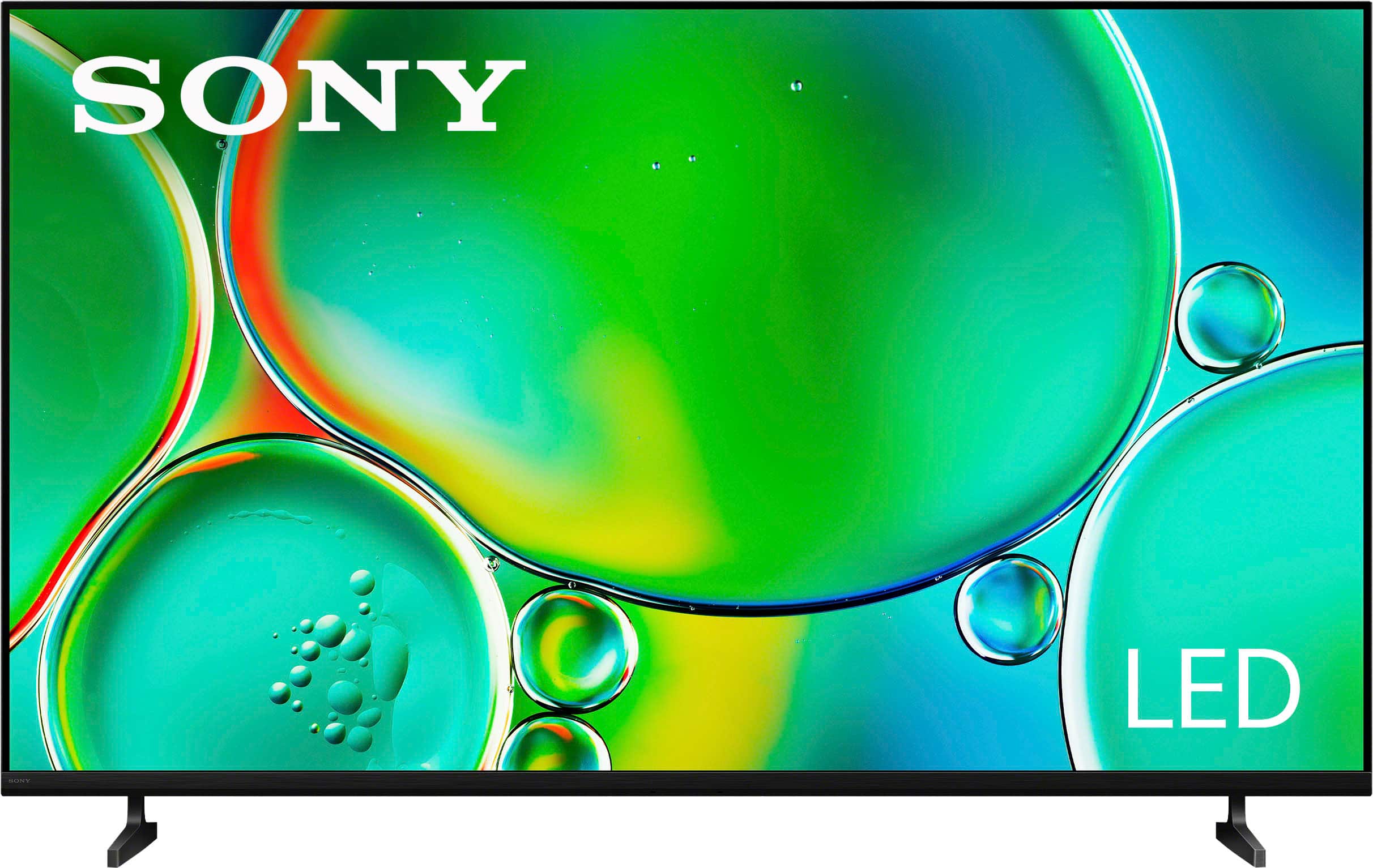
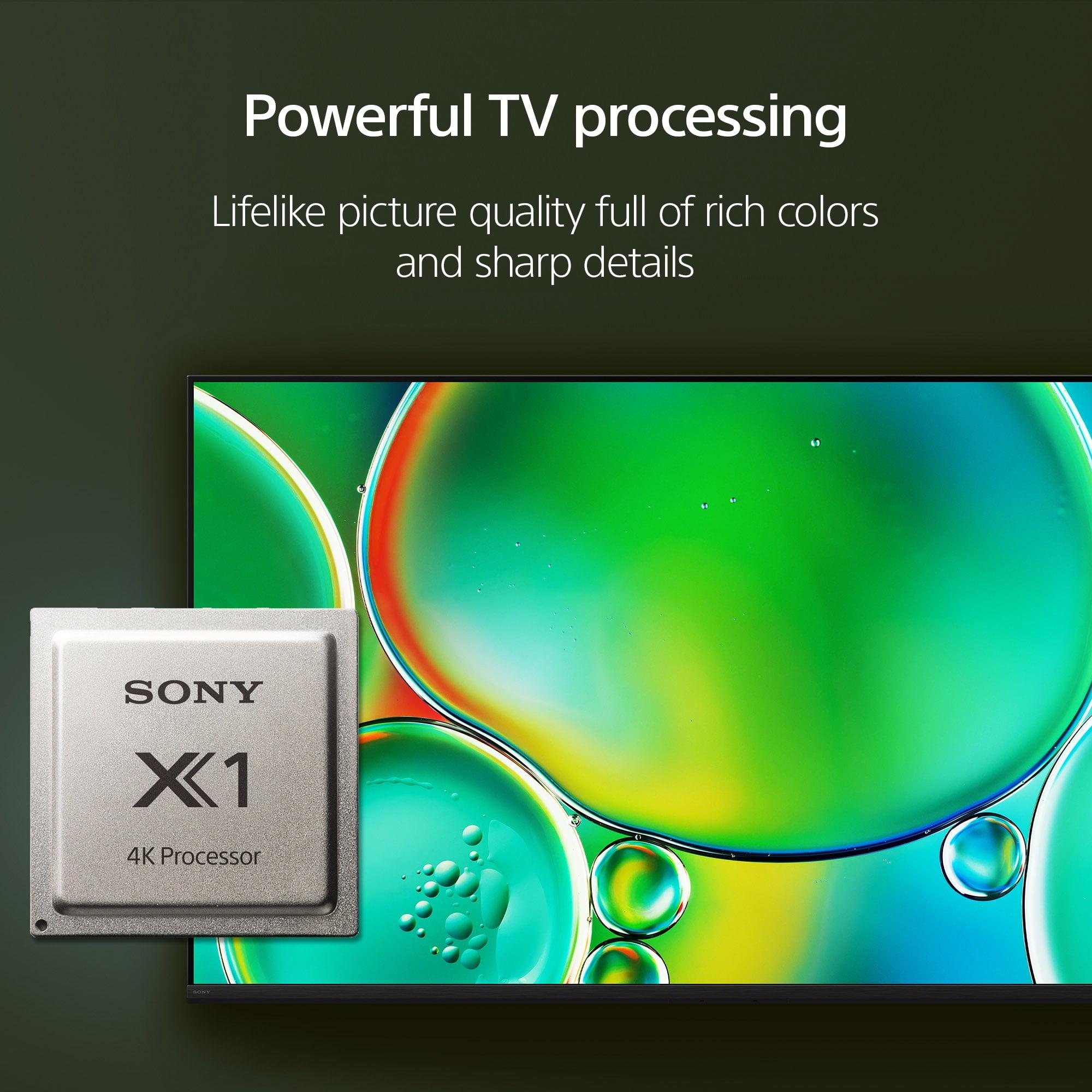
The Sony BRAVIA 2 II, meanwhile, takes the traditional LCD approach but elevates it with Sony's 4K Processor X1. This chip doesn't rely on hardware tricks like quantum dots. Instead, it uses a massive database of content analysis to intelligently upscale and enhance everything you watch. Sony's 4K X-Reality PRO technology essentially "learns" from thousands of images to make educated guesses about how to improve lower-resolution content.
Sony's Live Color technology expands the color palette without quantum dots, using advanced algorithms to analyze each scene and enhance colors in a more naturalistic way. The result tends to be more accurate to the filmmaker's original intent, though potentially less "wow factor" than Samsung's approach.
The color difference between these TVs is immediately noticeable. The Samsung Q7F delivers what can only be described as punchy, Instagram-filtered colors that make everything pop. Watching nature documentaries or animated content reveals the quantum dot advantage—greens are more emerald, blues more sapphire, and reds more ruby-like than you'll see on traditional LCD displays.
Samsung supports HDR10+ (High Dynamic Range Plus), which uses dynamic metadata to adjust brightness and color on a scene-by-scene basis. This means a sunset scene can have different tone mapping than a dark cave scene within the same movie. It's particularly effective with streaming content from Amazon Prime Video and newer Samsung phones that record in HDR10+.
The Sony BRAVIA 2 II takes a more conservative approach with HDR10 and HLG (Hybrid Log-Gamma) support. While it lacks HDR10+, Sony's strength lies in processing consistency. Colors appear more film-accurate, which professionals prefer but casual viewers might find less immediately impressive. Sony's Dynamic Contrast Enhancer works to maximize the difference between light and dark areas, though without local dimming (more on this shortly), both TVs face similar limitations.
Here's where both TVs reveal their entry-level positioning: neither offers local dimming. Local dimming allows different areas of the screen to dim independently, creating deeper blacks and higher contrast. Without it, both the Samsung Q7F and Sony BRAVIA 2 II struggle with "blooming"—where bright objects cause surrounding dark areas to appear grayish rather than truly black.
This limitation is most noticeable during movie nights with dark scenes. Think of watching a space movie where stars should pop against inky black space. Both TVs will show the stars, but the space around them won't be as deep and black as you'd see on higher-end models with local dimming or OLED technology.
Most of what you watch isn't native 4K—streaming services often deliver 1080p or compressed 4K, cable TV is frequently 720p or 1080i, and older movies exist in various resolutions. This makes upscaling performance crucial for daily satisfaction.
Sony has a significant advantage here. Their 4K X-Reality PRO technology doesn't just stretch pixels—it analyzes the content type and applies appropriate enhancement patterns. Watching a 1080p sitcom from the 2000s? The processor recognizes the content style and applies different processing than it would to a 1080p action movie. The results are consistently impressive, making older content look sharper and cleaner without introducing artificial-looking artifacts.
The Samsung Q7F's Q4 AI Processor is competent but not quite as sophisticated. It tends to apply more aggressive sharpening, which can occasionally make fine details look over-processed. However, Samsung's approach works particularly well with animated content and video games, where the extra sharpening enhances clarity without looking unnatural.
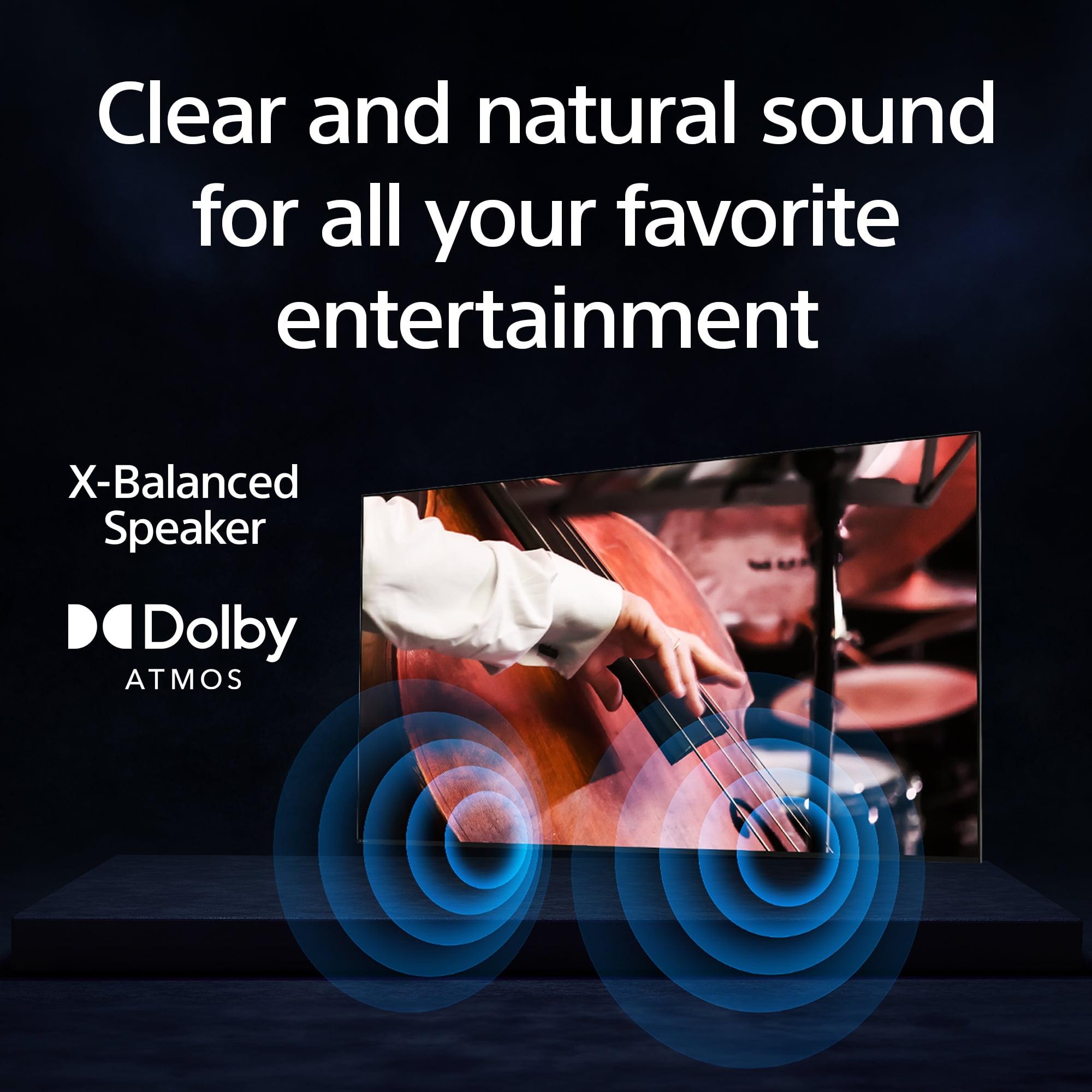
Most TV audio discussions focus on how bad built-in speakers are, but the Sony BRAVIA 2 II breaks that mold with genuinely respectable sound quality. Its 40W Open Baffle Speaker system produces double the power of the Samsung Q7F's 20W setup, and the difference is immediately apparent.
Sony's Open Baffle design places speakers behind acoustically transparent sections of the TV's back panel, creating a more spacious soundstage. Combined with Dolby Audio processing, dialogue is clearer, and there's actually some bass response—not enough to replace a proper sound system, but sufficient for casual viewing and smaller rooms.
The Samsung Q7F compensates somewhat with Object Tracking Sound Lite, which attempts to match audio positioning to on-screen action. It's a clever feature that works well with specific content, but the fundamental limitation of 20W total power means it can't overcome the physics of small drivers in a thin chassis.
Samsung's Q-Symphony technology is worth mentioning if you plan to add a Samsung soundbar later. This feature allows the TV's speakers to work in coordination with compatible soundbars, potentially creating a more immersive experience than traditional soundbar setups where the TV speakers are disabled.
Samsung's Vision AI represents a genuine leap forward in TV intelligence. The Samsung Q7F can generate custom wallpapers using AI, provide real-time translation of dialogue, and even respond to gesture controls. The Generative Wallpaper feature analyzes your viewing habits and creates personalized background art that changes throughout the day—it's genuinely impressive technology that feels futuristic.
The real-time translation capability deserves special attention. While not perfect, it can provide live subtitles for content in foreign languages, making international streaming content more accessible. The gesture controls work surprisingly well for basic functions like volume adjustment and channel changing, though you'll still need the remote for complex navigation.
Samsung's Tizen operating system has matured significantly since its rocky early years. It's responsive, supports major streaming apps, and integrates well with Samsung smartphones and SmartThings devices. The Bixby voice assistant isn't as capable as Google Assistant, but it handles TV-specific commands effectively.
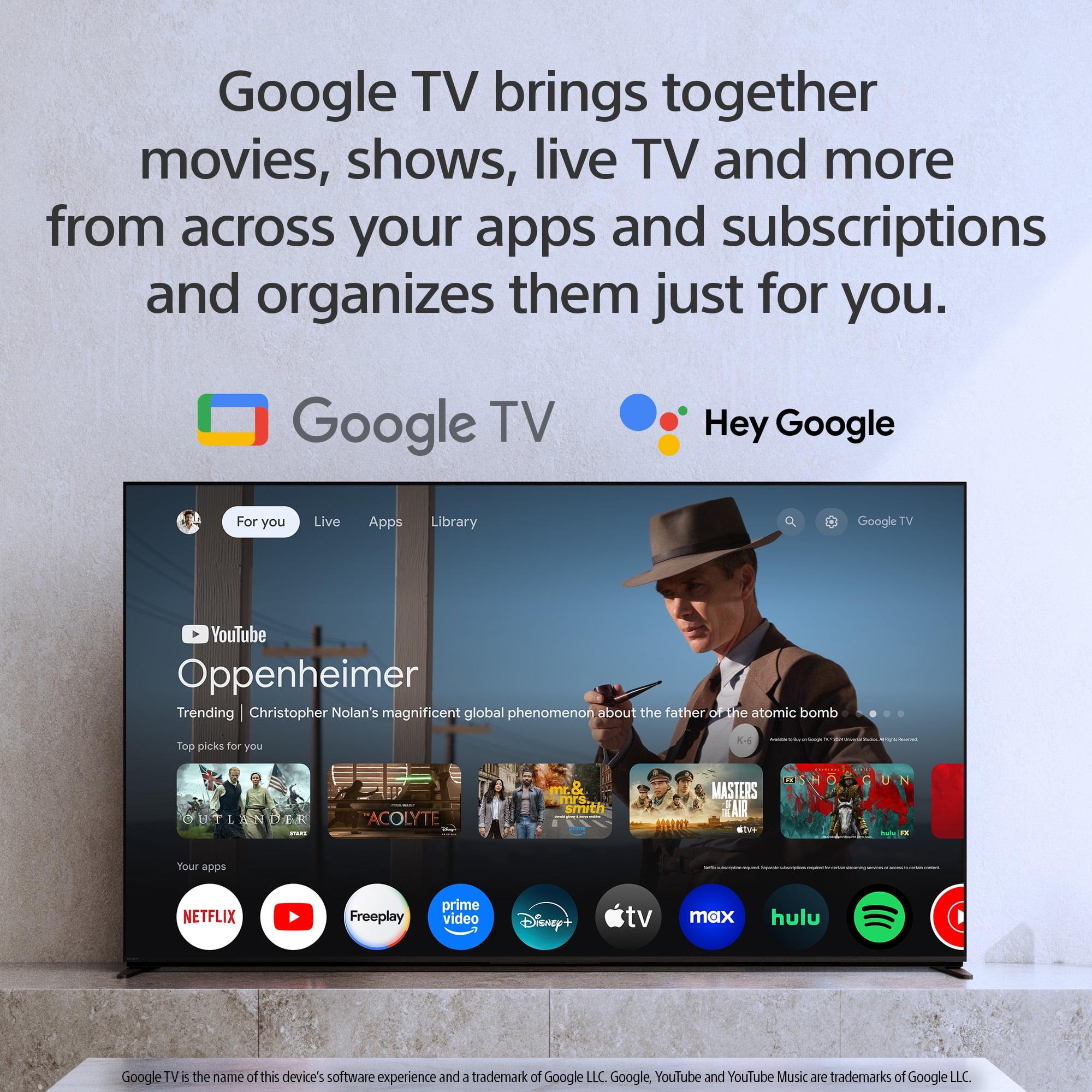
The Sony BRAVIA 2 II runs Google TV, which is essentially Android TV with a more user-friendly interface. This provides access to over 10,000 apps and seamless integration with Google services. If you're already invested in the Google ecosystem—using Gmail, Google Photos, or Chromecast—the experience feels natural and integrated.
Google TV's content aggregation is genuinely helpful, pulling recommendations from across all your subscribed services and presenting them in a unified interface. Apple AirPlay 2 support means iPhone users can easily mirror content, making the Sony BRAVIA 2 II more ecosystem-agnostic than the Samsung Q7F.
Both TVs are limited to 60Hz refresh rates, immediately disqualifying them for competitive PC gaming where 120Hz+ is standard. However, they're perfectly adequate for console gaming, where 60Hz remains the norm for most titles.
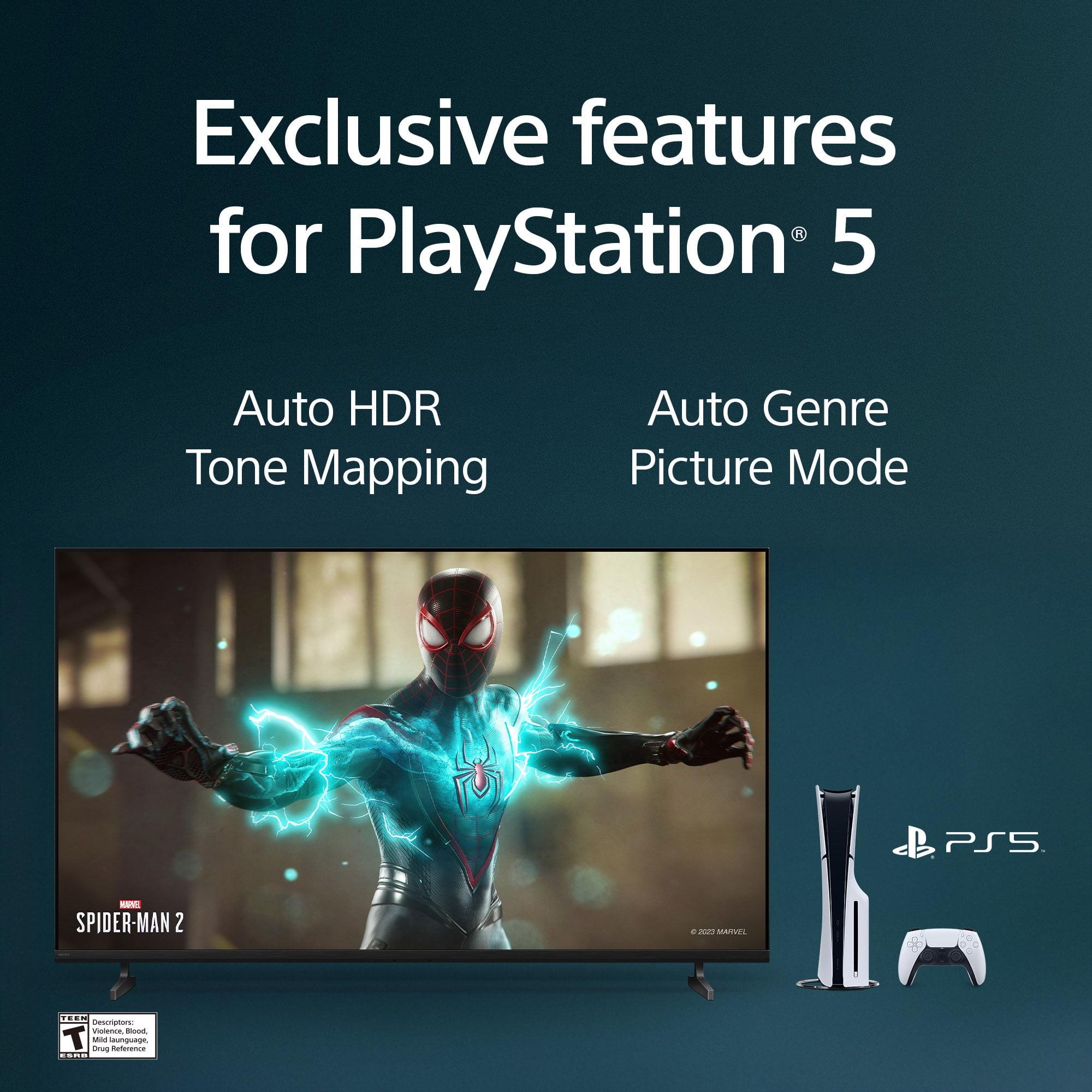
The Sony BRAVIA 2 II includes PlayStation 5-specific optimizations that automatically adjust HDR tone mapping and switch to Game Mode when a PS5 is detected. This integration extends to the TV's menu system, which can display PS5-specific information and shortcuts. If you own or plan to buy a PlayStation 5, these features provide genuine convenience.
The Samsung Q7F offers AI Auto Game Mode that automatically detects gaming content and optimizes settings accordingly. Motion Xcelerator technology helps reduce blur during fast-paced gaming, though it's not as advanced as the motion enhancement found on higher-end Samsung models.
Both TVs support Auto Low Latency Mode (ALLM), which automatically switches to Game Mode when compatible consoles are connected, reducing input lag for more responsive gameplay.
For dedicated home theater use, both TVs have limitations that become more apparent in dark, controlled viewing environments. The lack of local dimming means neither can produce the deep blacks that make movie watching truly cinematic. Bright highlights will cause surrounding dark areas to appear washed out—a significant issue during dramatic films with high contrast scenes.
The Samsung Q7F's quantum dot technology provides an advantage with vibrant colors that can help mask some contrast limitations, particularly with colorful content like Marvel movies or nature documentaries. The Sony BRAVIA 2 II's more accurate color processing might actually be preferable for serious movie watching, as it maintains the filmmaker's intended color grading.
Audio performance favors the Sony BRAVIA 2 II for home theater use. The 40W output provides enough volume for larger rooms, and the sound quality is clean enough that you might delay purchasing a soundbar. The Samsung Q7F will likely require audio supplementation for satisfying home theater performance.
The Samsung Q7F QLED is ideal for tech enthusiasts who want cutting-edge features and don't mind paying a premium for innovation. Its Vision AI capabilities, quantum dot color technology, and Samsung ecosystem integration make it compelling for users who want their TV to feel futuristic. If you're drawn to vibrant, punchy colors and enjoy experimenting with new AI features, Samsung's approach will appeal to you.
Choose the Samsung Q7F if you:
The Sony BRAVIA 2 II represents better traditional value with practical advantages that impact daily use. Its superior audio, proven picture processing, and mature Google TV platform provide a more complete experience out of the box. The color accuracy and upscaling performance are consistently excellent, making it ideal for users who prioritize reliable performance over flashy features.
Choose the Sony BRAVIA 2 II if you:
At the time of writing, both TVs occupy similar price territories in the entry-to-mid-range segment, though the Samsung Q7F typically commands a modest premium for its quantum dot technology and AI features. That premium is justified if you value innovation and visual impact, but the Sony BRAVIA 2 II delivers better overall value for most users.
Neither TV is perfect—both lack local dimming, which limits their home theater potential, and both are restricted to 60Hz for gaming. However, they represent solid choices for everyday viewing in bright to moderately lit rooms.
The Samsung Q7F wins on color vibrancy and future-forward features, while the Sony BRAVIA 2 II excels in audio performance, upscaling quality, and ecosystem flexibility. Your choice should depend on whether you prioritize cutting-edge innovation or well-rounded practical performance.
For most buyers, the Sony BRAVIA 2 II provides better daily satisfaction with its superior audio, excellent processing, and mature smart platform. The Samsung Q7F is the choice for early adopters who want to experience the future of TV technology, even if that future comes with occasional growing pains and the need for additional audio investment.
| Samsung 65" Q7F QLED 4K Vision AI Smart TV 2025 | Sony BRAVIA 2 II 65" 4K LED Google TV 2025 |
|---|---|
| Display Technology - Determines color vibrancy and picture quality approach | |
| QLED with Quantum Dot (produces over 1 billion colors, more vibrant) | Direct LED LCD with Live Color (more natural, film-accurate colors) |
| Processor - Controls upscaling and AI features | |
| Q4 AI Processor with Vision AI capabilities | 4K Processor X1 with X-Reality PRO upscaling |
| HDR Support - Better contrast and brightness in compatible content | |
| HDR10+ with dynamic scene-by-scene optimization | HDR10 and HLG (lacks advanced HDR10+ format) |
| Audio Power - Critical for built-in sound quality | |
| 20W 2-channel (will likely need soundbar upgrade) | 40W Open Baffle Speaker system (good enough for most rooms) |
| Smart Platform - Affects app selection and user experience | |
| Tizen with Vision AI, Bixby, real-time translation | Google TV with 10,000+ apps, Google Assistant |
| Gaming Features - Important for console compatibility | |
| Auto Game Mode with AI optimization, Motion Xcelerator | PlayStation 5 optimization, Auto HDR Tone Mapping |
| Voice Control - Hands-free operation capabilities | |
| Bixby built-in, Alexa compatible, gesture controls | Google Assistant built-in, Alexa compatible |
| Refresh Rate - Impacts motion smoothness, especially for gaming | |
| 60Hz (adequate for console gaming, limited for PC) | 60Hz (adequate for console gaming, limited for PC) |
| Local Dimming - Critical for contrast and black levels | |
| None (limits contrast performance in dark scenes) | None (limits contrast performance in dark scenes) |
| Connectivity - HDMI ports and wireless capabilities | |
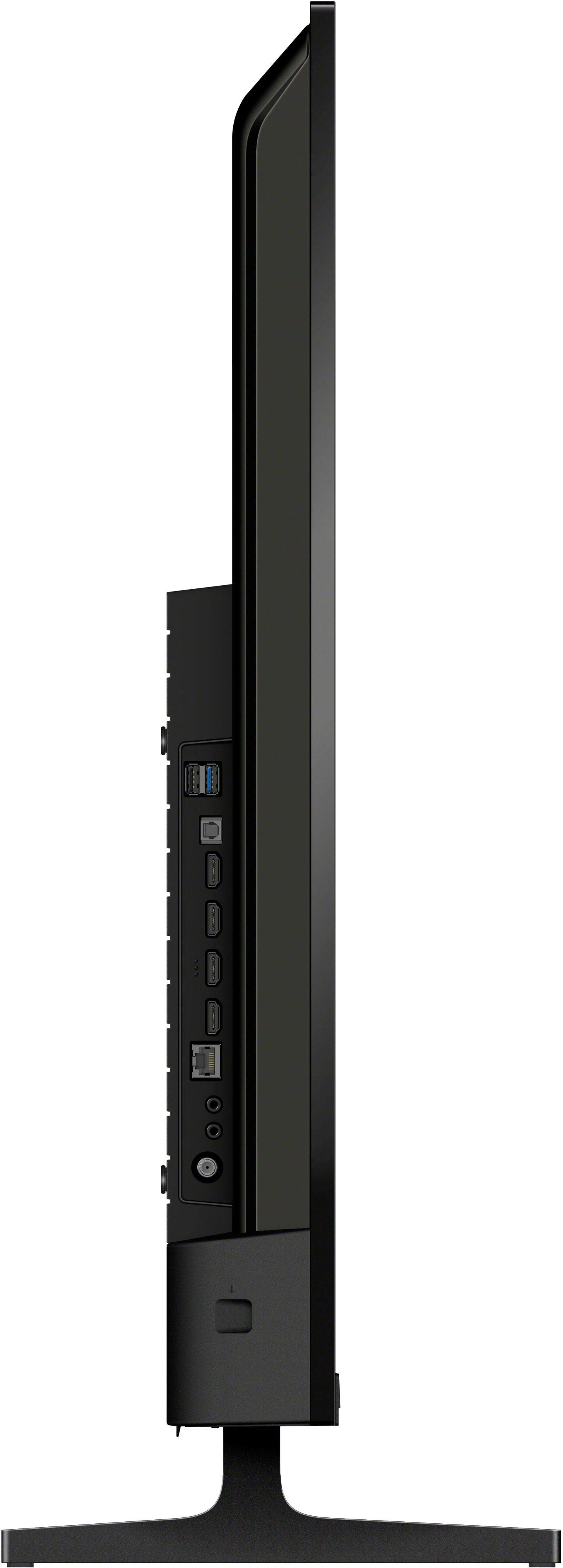
| 3 HDMI ports, SmartThings Hub, Matter support | 4 HDMI 2.0 ports, Wi-Fi 6, Bluetooth 5.3 |
| AI Features - Advanced smart functionality | |
| Generative wallpapers, real-time translation, predictive recommendations | Basic Google Assistant integration (no advanced AI) |
| Ecosystem Integration - Compatibility with other devices | |
| Samsung Galaxy/SmartThings optimized, Q-Symphony soundbar support | Google services, Apple AirPlay 2, Chromecast built-in |
| Picture Processing Strength - What each does best | |
| Quantum Dot color enhancement, vibrant saturated images | Superior upscaling with X-Reality PRO database processing |
The Samsung Q7F QLED delivers more vibrant, punchy colors thanks to its Quantum Dot technology, while the Sony BRAVIA 2 II produces more natural, film-accurate colors with superior upscaling. For everyday viewing, Samsung's colors pop more, but Sony's processing is more consistent across different content types.
The Samsung Q7F QLED uses Quantum Dot crystals between the backlight and LCD panel to produce over one billion colors with enhanced brightness. The Sony BRAVIA 2 II uses traditional LED LCD technology but compensates with advanced processing algorithms. QLED typically offers more vibrant colors, while LED focuses on accuracy and natural reproduction.
The Samsung Q7F runs Tizen with Vision AI features like real-time translation and generative wallpapers, plus Bixby voice control. The Sony BRAVIA 2 II uses Google TV with access to 10,000+ apps, Google Assistant, and seamless integration with Android devices. Google TV generally offers better app selection and ecosystem compatibility.
The Sony BRAVIA 2 II has significantly better audio with its 40W Open Baffle Speaker system that's adequate for most rooms. The Samsung Q7F only offers 20W of power and will likely require a soundbar upgrade for satisfying volume and quality, especially in larger spaces.
Both the Samsung Q7F and Sony BRAVIA 2 II are limited to 60Hz, making them suitable for console gaming but not competitive PC gaming. The Sony BRAVIA 2 II has specific PlayStation 5 optimizations, while the Samsung Q7F offers AI-powered game mode detection that works across multiple platforms.
The Samsung Q7F QLED offers advanced Vision AI with generative wallpapers, real-time translation, gesture controls, and predictive content recommendations. The Sony BRAVIA 2 II has basic Google Assistant integration but lacks the innovative AI features found in Samsung's offering.
The Sony BRAVIA 2 II excels at upscaling with its 4K X-Reality PRO technology that uses a content database to intelligently enhance lower-resolution material. The Samsung Q7F has competent upscaling through its Q4 AI Processor, but Sony's approach is generally more refined and consistent.
Neither the Samsung Q7F nor Sony BRAVIA 2 II offers local dimming, which limits their performance in dedicated home theater setups. Both will show some light blooming around bright objects in dark scenes. For dark room viewing, you'd want to consider higher-end models with local dimming or OLED technology.
The Sony BRAVIA 2 II typically offers better overall value with superior built-in audio, excellent upscaling, and a mature smart platform. The Samsung Q7F QLED commands a premium for its Quantum Dot technology and advanced AI features, making it better for those who prioritize cutting-edge innovation.
The Samsung Q7F supports HDR10+ with dynamic scene-by-scene optimization, offering more advanced HDR processing. The Sony BRAVIA 2 II supports HDR10 and HLG but lacks the more advanced HDR10+ format. Samsung has a slight edge in HDR format support.
The Samsung Q7F integrates best with Samsung Galaxy devices and SmartThings smart home products. The Sony BRAVIA 2 II is more ecosystem-agnostic, working well with Google services, Apple AirPlay 2, and Chromecast, making it more flexible for mixed-device households.
The Samsung Q7F QLED has weak built-in audio at only 20W and some users report issues with the remote control. The Sony BRAVIA 2 II lacks the advanced AI features and vibrant quantum dot colors of its Samsung competitor, and doesn't support the newer HDR10+ format.
We've done our best to create useful and informative comparisons to help you decide what product to buy. Our research uses advanced automated methods to create this comparison and perfection is not possible - please contact us for corrections or questions. These are the sites we've researched in the creation of this article: bestbuy.com - youtube.com - samsung.com - samsung.com - pcrichard.com - samsung.com - samsung.com - videoandaudiocenter.com - displayspecifications.com - bestbuy.com - samsung.com - samsung.com - samsung.com - samsung.com - news.samsung.com - bestbuy.com - notebookcheck.net - rtings.com - youtube.com - youtube.com - rtings.com - avsforum.com - croma.com - totonstv.com - electronics.sony.com - listenup.com - pcrichard.com - youtube.com - flanners.com - brandsmartusa.com - displayspecifications.com - pioneertvandappliance.com - donstv.com

Privacy Policy
Terms and Conditions - Affiliate Policy
Home Security
© Copyright 2008-2026.
11816 Inwood Rd #1211, Dallas, TX 75244