

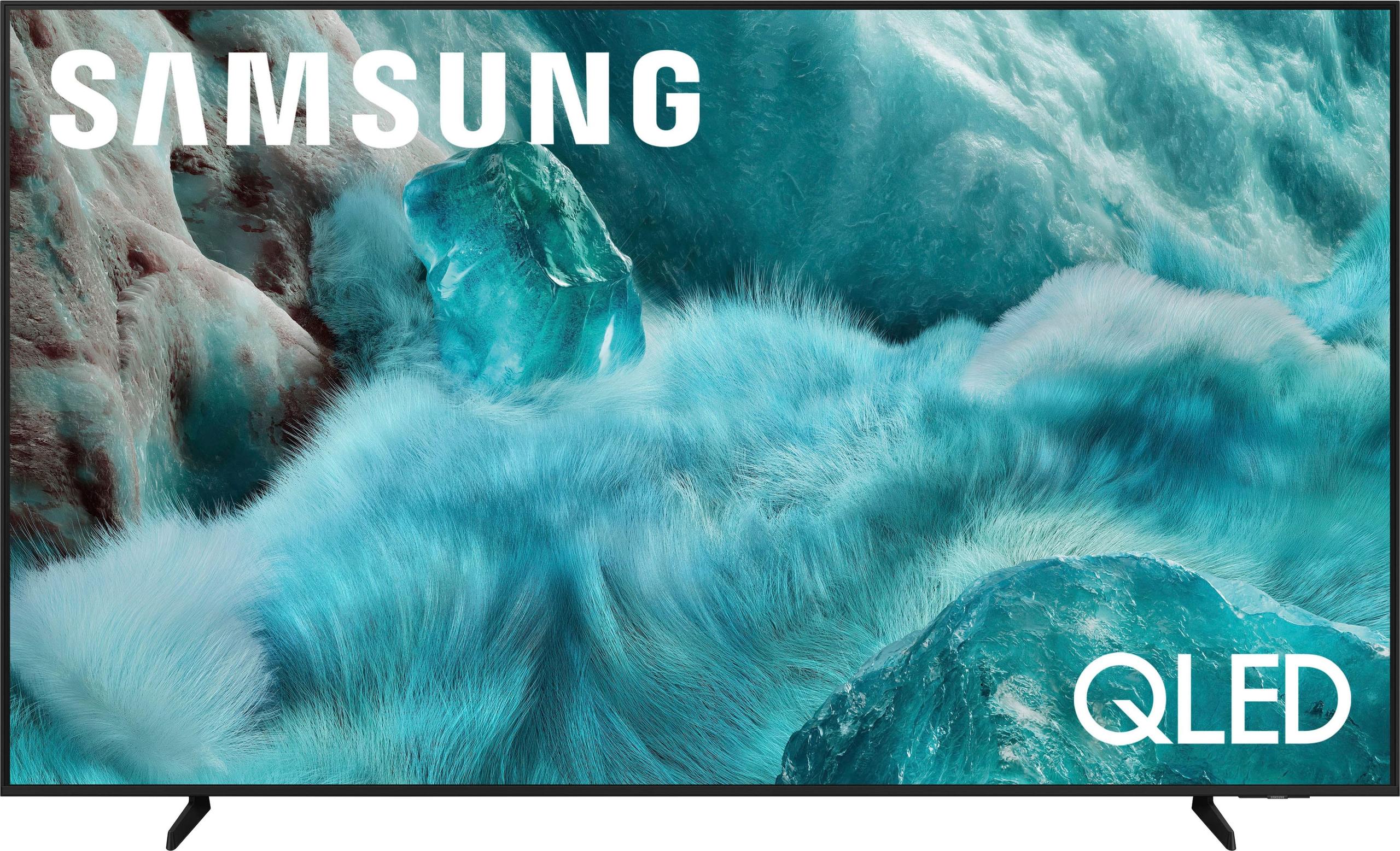
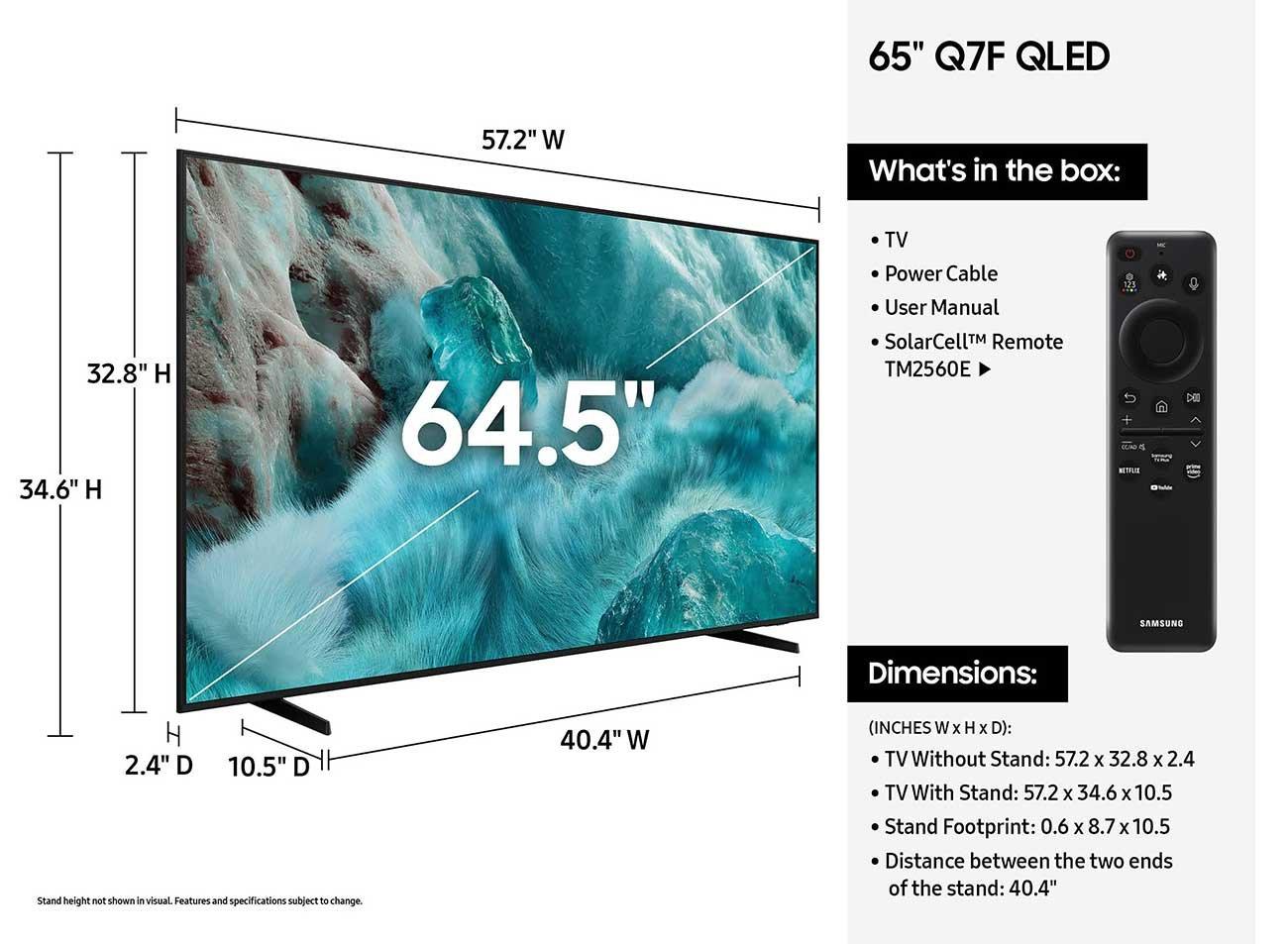

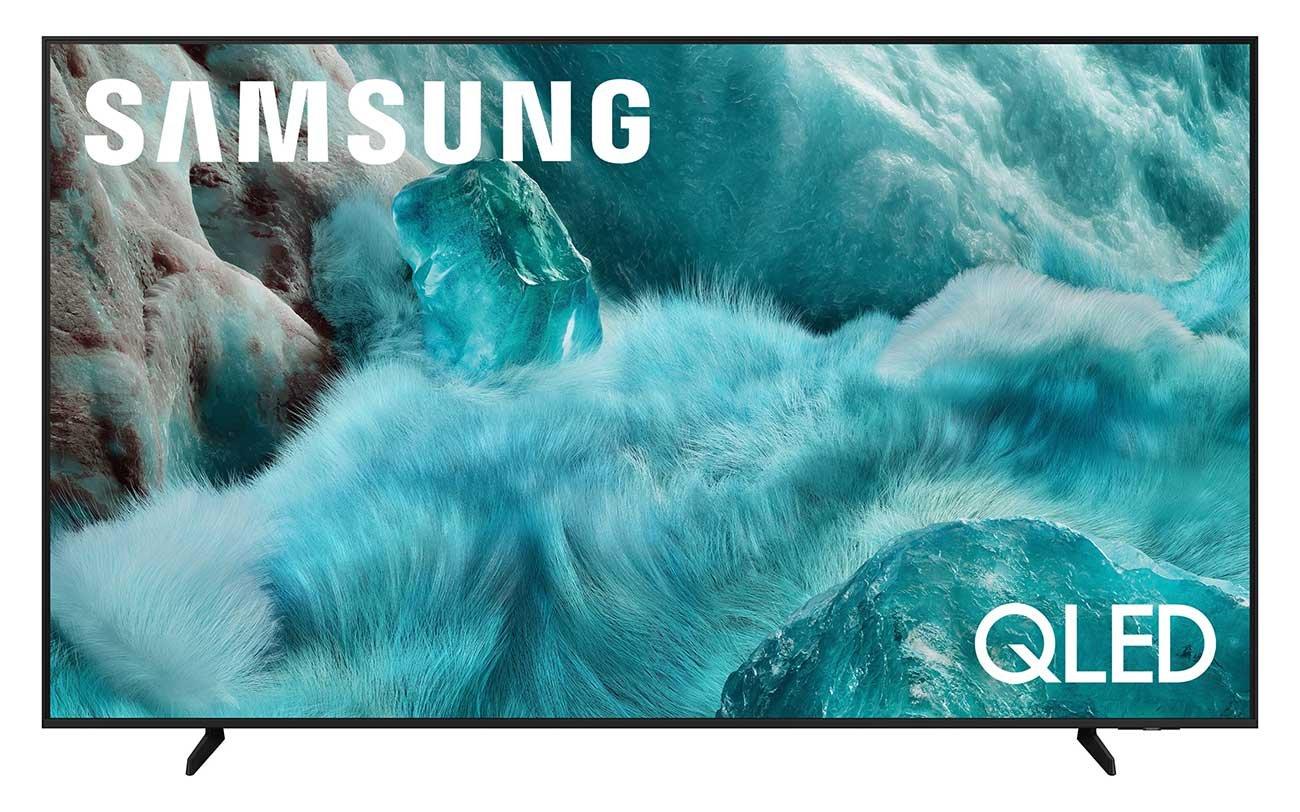
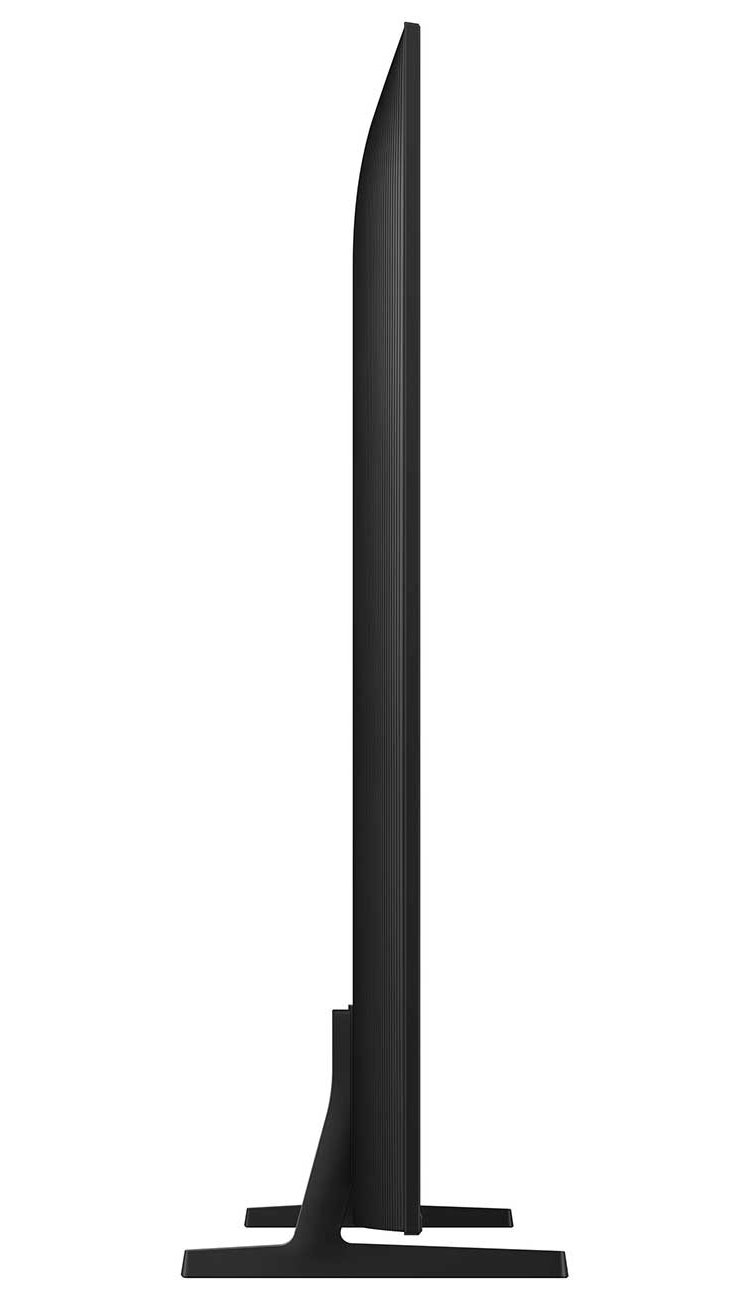

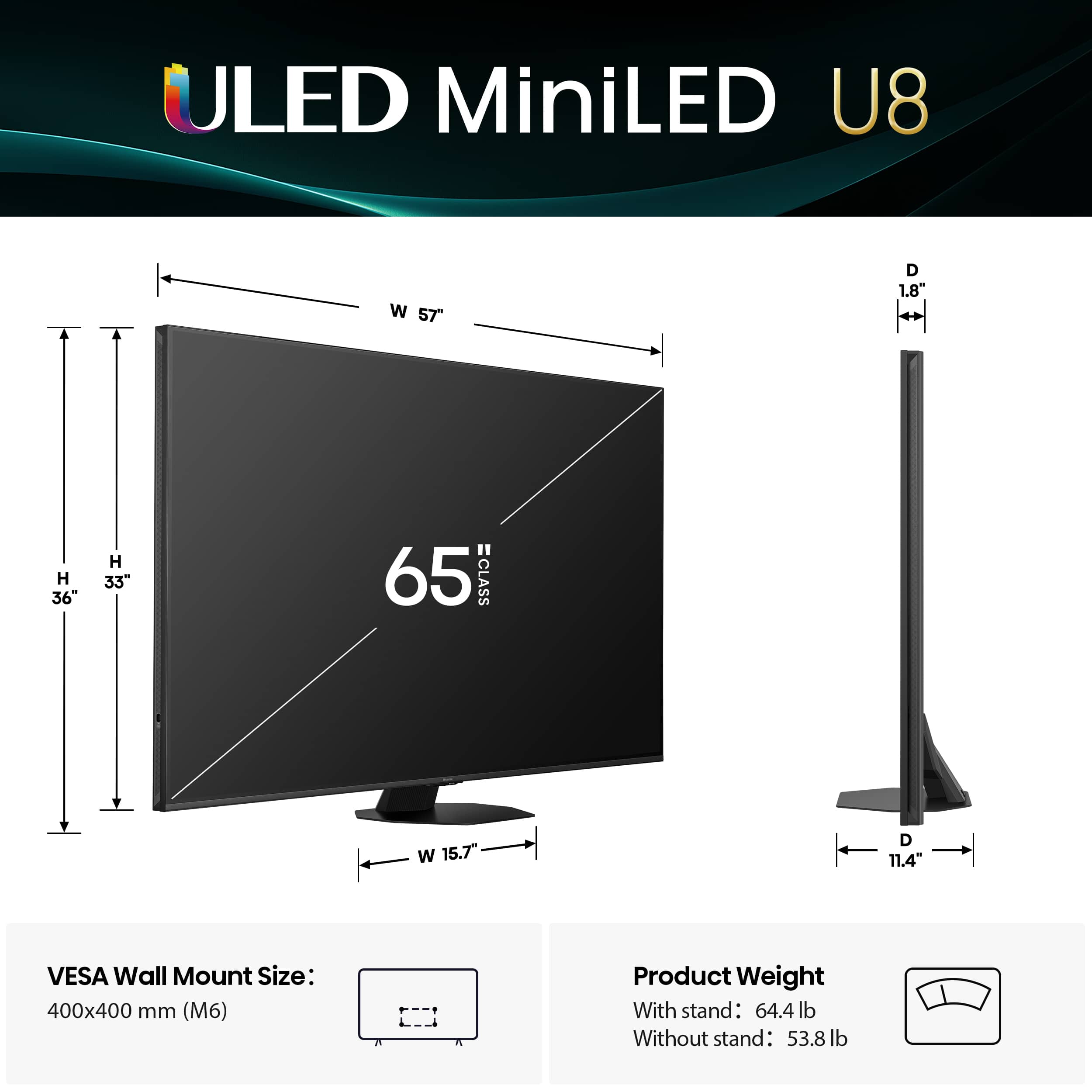
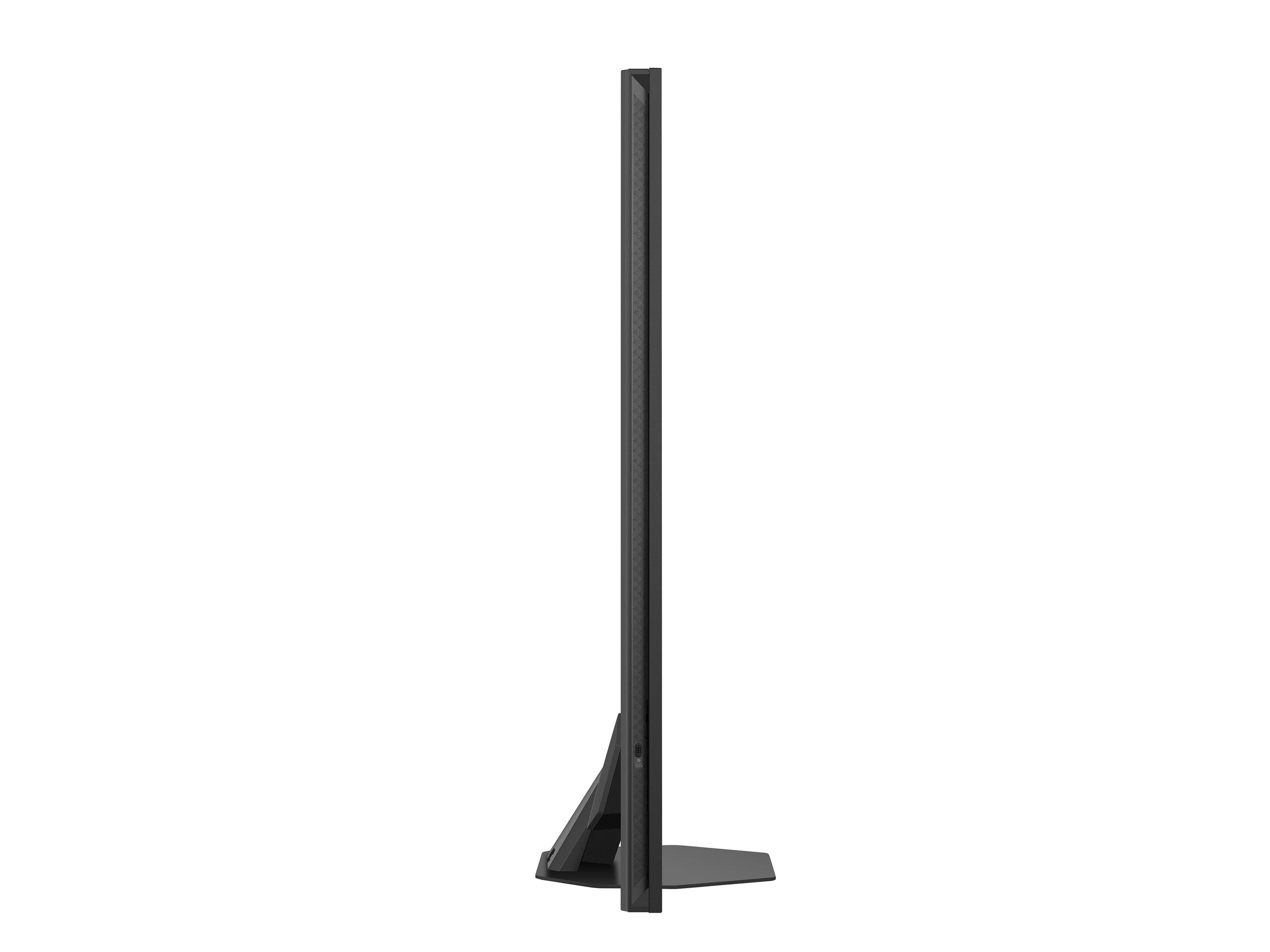
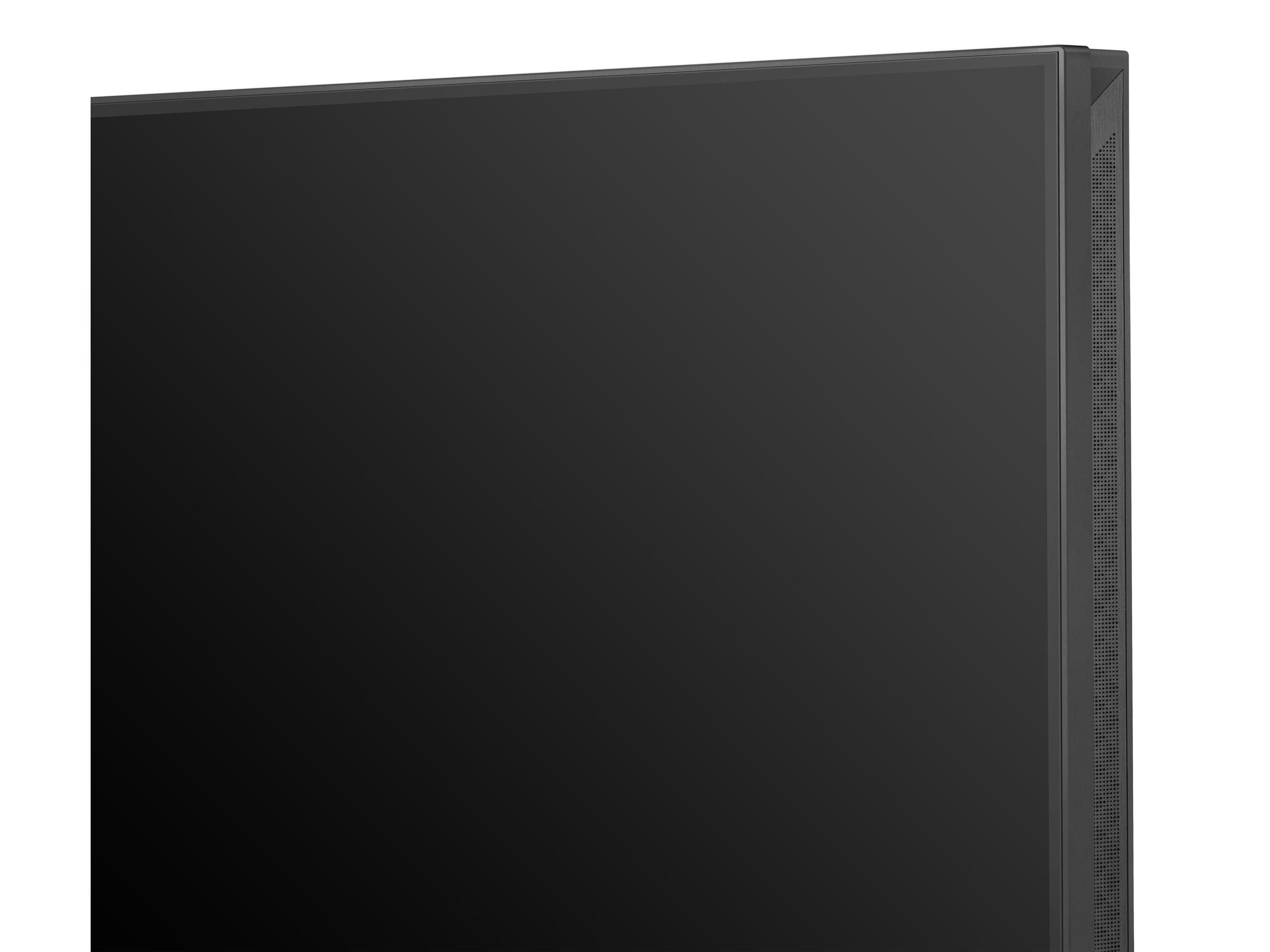
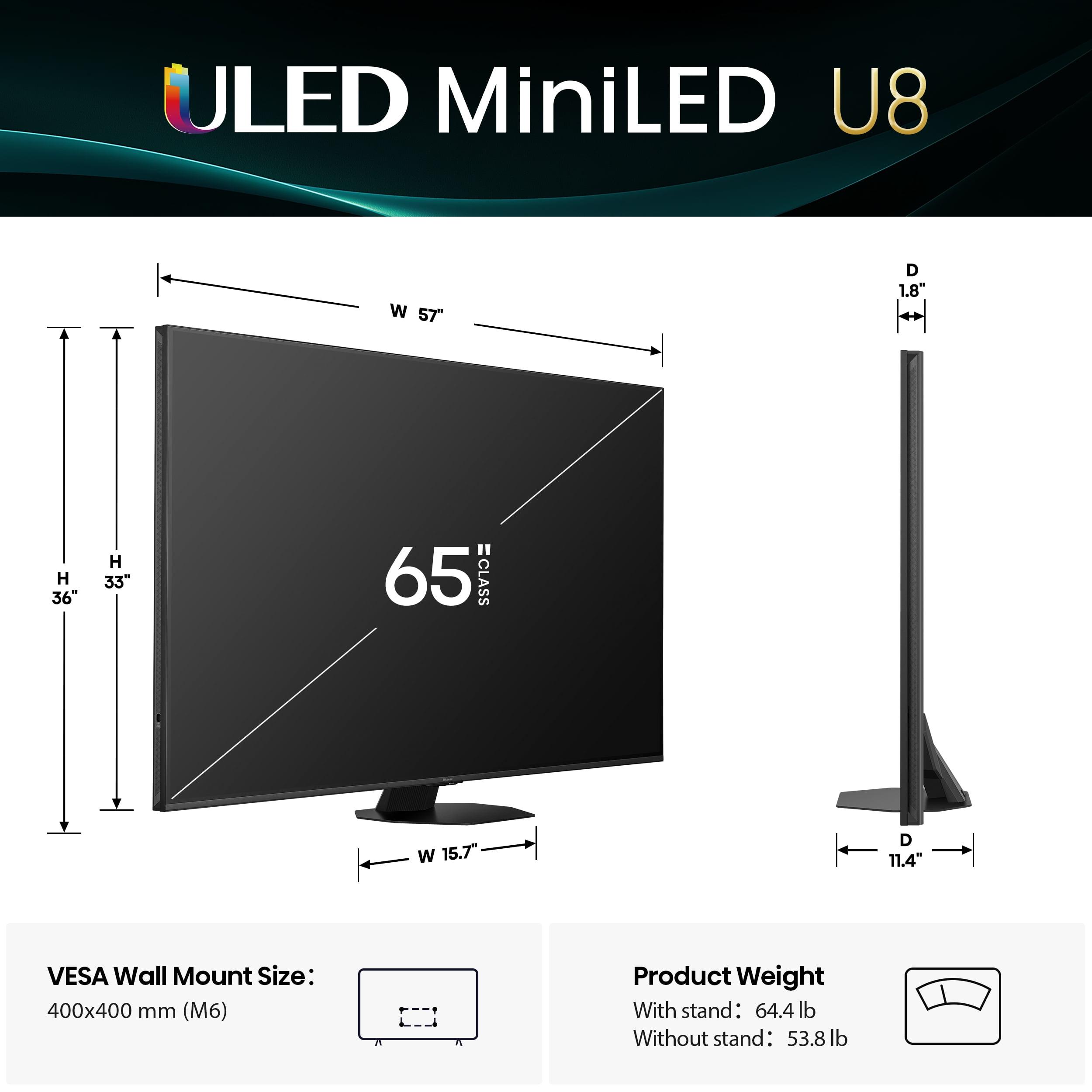
If you're shopping for a 65-inch TV in 2025, you've probably encountered two very different approaches to delivering big-screen entertainment. The Samsung Q7F QLED represents the entry point into Samsung's QLED ecosystem, while the Hisense U8 Series brings premium Mini-LED technology to the masses at an aggressive price point. Both TVs aim to fill your living room with 4K content, but they take dramatically different paths to get there.
The 65-inch TV market has become incredibly competitive, with manufacturers pushing the boundaries of what's possible at each price tier. When the Samsung Q7F launched in 2025, it positioned itself as Samsung's most affordable QLED option – a way for budget-conscious buyers to access Quantum Dot technology without paying flagship prices. Meanwhile, the Hisense U8 Series arrived as part of Hisense's aggressive push into premium territory, packing Mini-LED backlighting and gaming features that rival TVs costing significantly more.
The key considerations when choosing between these models come down to picture quality, gaming performance, smart features, audio capabilities, and overall value. But before diving into the technical details, it's worth understanding what QLED and Mini-LED actually mean for your viewing experience.
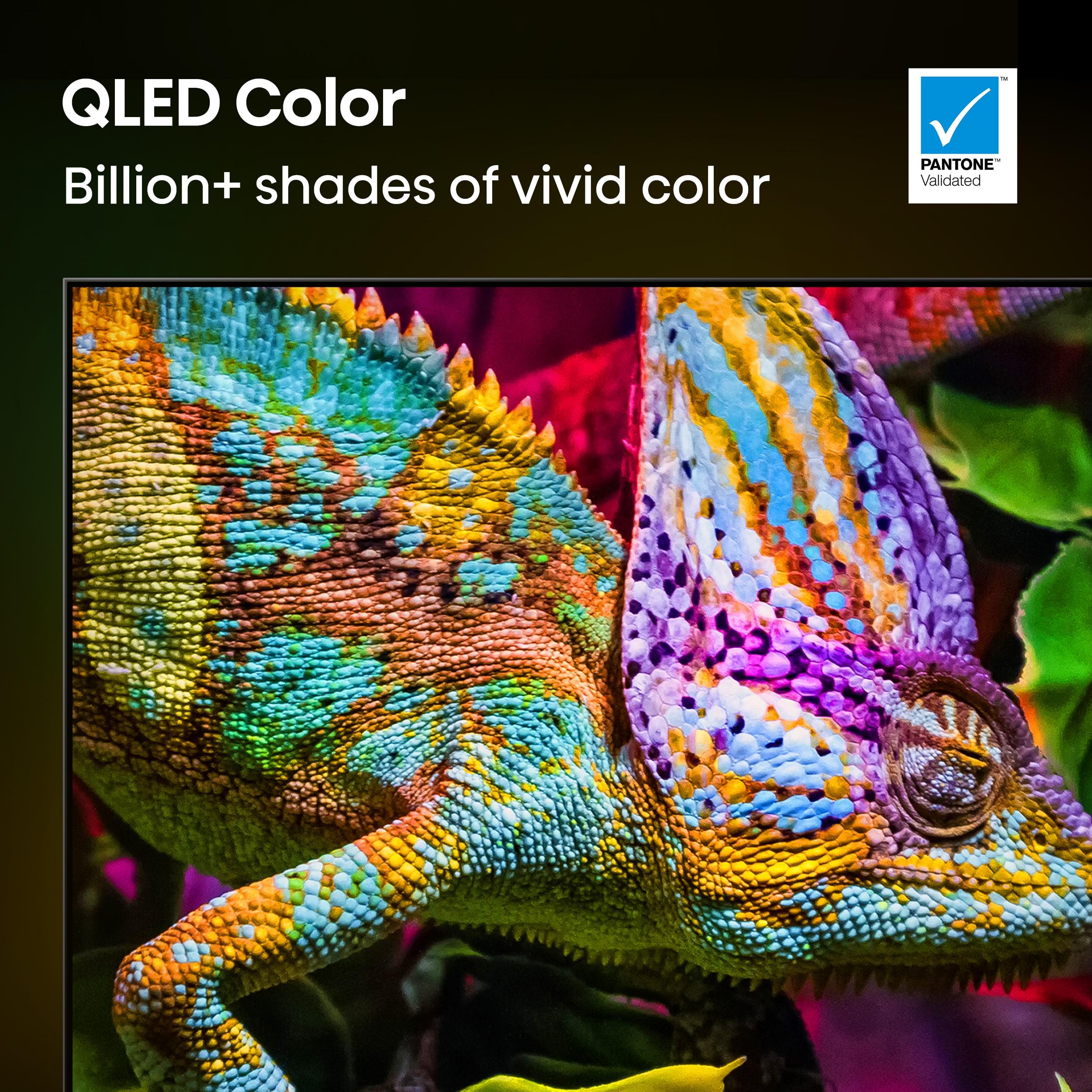
QLED (Quantum Dot Light Emitting Diode) uses a layer of quantum dots – tiny semiconductor particles – to enhance color reproduction and brightness. When backlight hits these dots, they emit very pure colors, resulting in more vivid and accurate images than traditional LED TVs. Mini-LED, on the other hand, replaces large LED backlights with thousands of tiny LEDs, allowing for much more precise control over brightness and darkness across the screen.
The most significant difference between the Samsung Q7F and Hisense U8 Series lies in their fundamental display technologies, and this gap becomes apparent the moment you power them on.
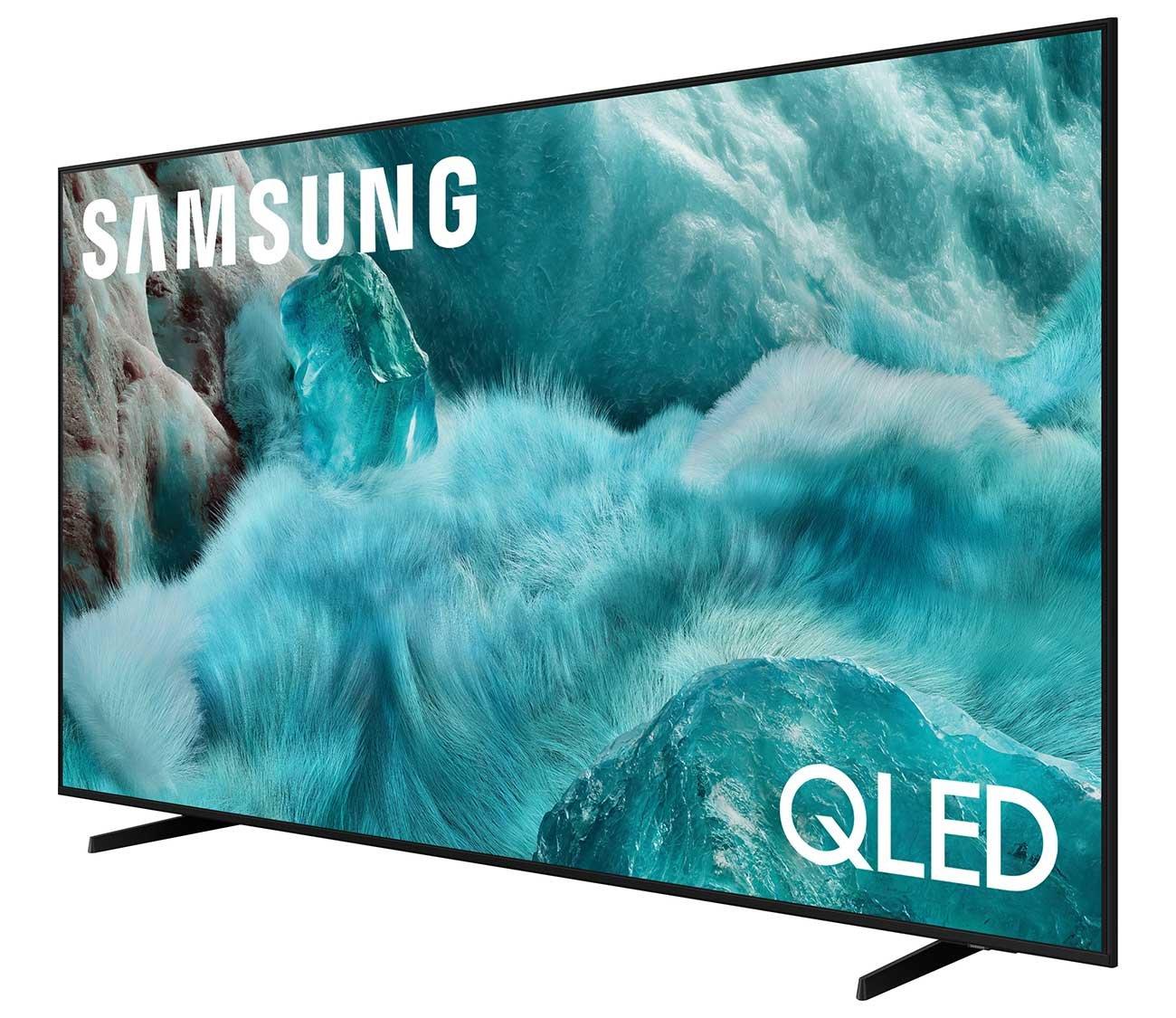
The Samsung Q7F uses traditional edge-lit LED backlighting with Quantum Dot enhancement. This means LEDs along the edges of the screen illuminate the entire panel, with quantum dots adding color purity and vibrancy. Samsung's implementation achieves decent color accuracy – they've even earned Pantone certification for color reproduction – and the quantum dots do deliver more saturated colors than basic LED TVs. However, the edge-lit design inherently limits contrast performance, as the entire screen shares the same backlight zones.
Peak brightness on the Samsung Q7F reaches around 500 nits (a measure of luminance), which is adequate for most viewing scenarios but falls short in bright rooms or when displaying HDR (High Dynamic Range) content. HDR content is mastered at much higher brightness levels – often 1,000 nits or more – so the Q7F can only approximate the creator's intent rather than fully realize it.
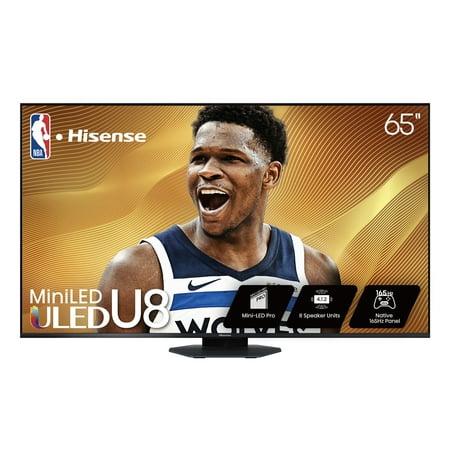
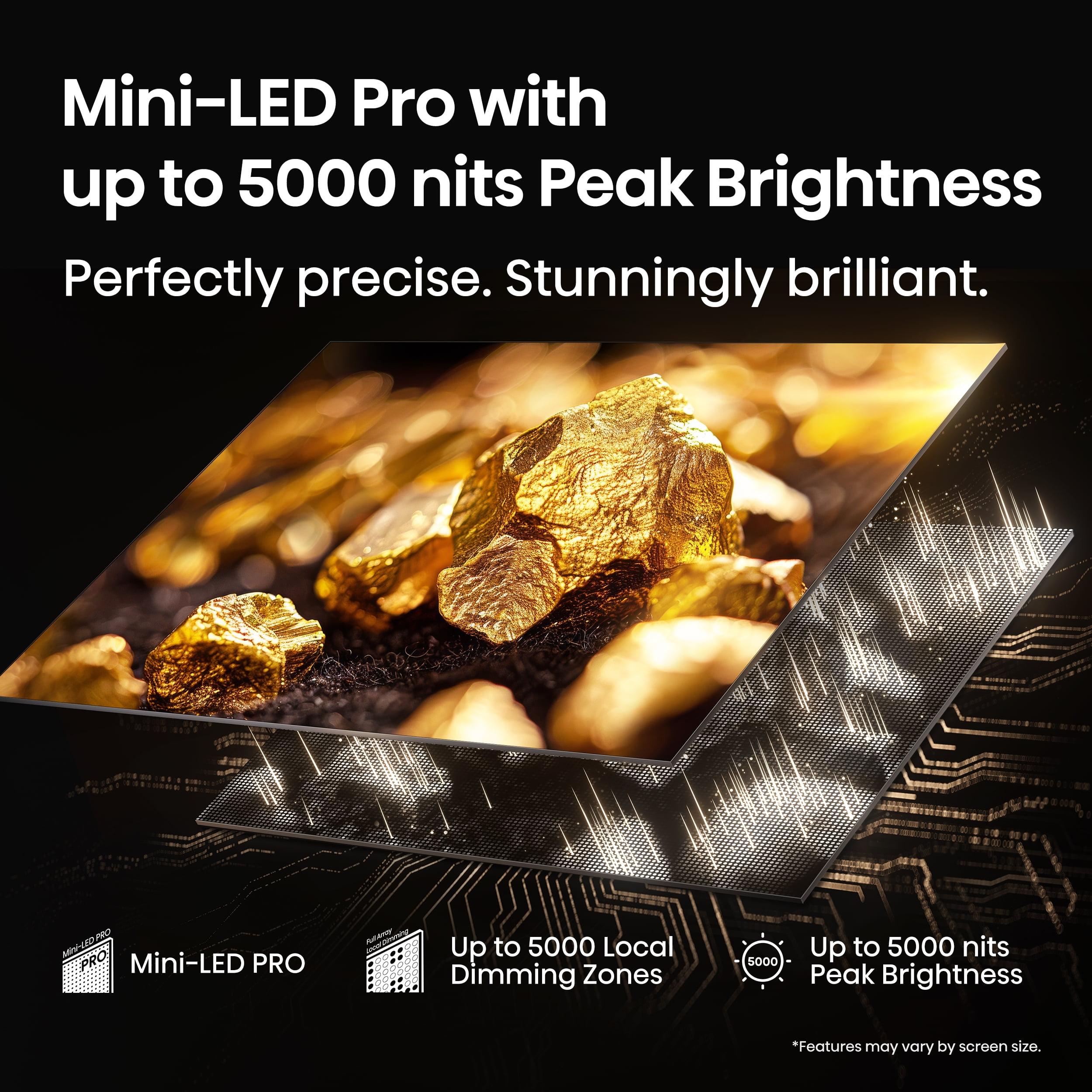
The Hisense U8 Series takes a radically different approach with its Mini-LED Pro+ backlighting system. Instead of edge-lighting, it uses Full Array Local Dimming with over 2,000 individual dimming zones across the screen. This means different areas of the display can be independently controlled – bright areas can shine while dark areas remain truly black. The result is contrast performance that approaches OLED territory at a fraction of the cost.
Where the Hisense really pulls ahead is brightness capability. With peak brightness reaching 3,000 nits – six times brighter than the Samsung – the Hisense U8 Series can actually display HDR content as intended. When you're watching a movie with bright explosions against a dark night sky, the Hisense can make those highlights truly pop while maintaining deep blacks in the shadows. The Samsung, by comparison, will either crush the highlights or lift the blacks, compromising the overall image.
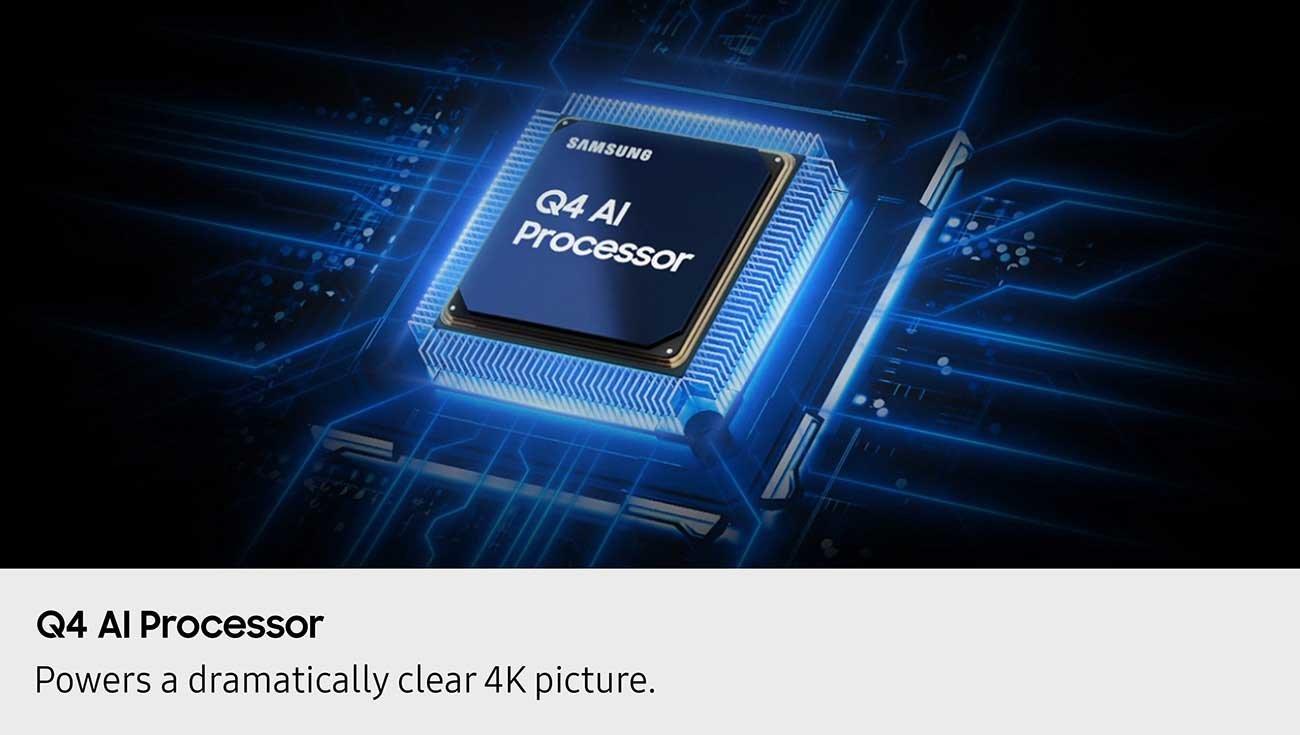
Both TVs support 4K upscaling, but the Hisense U8 Series includes more sophisticated AI processing that analyzes content type and optimizes settings automatically. This becomes particularly noticeable when watching lower-resolution content like cable TV or older streaming shows.
Gaming capabilities represent perhaps the starkest difference between these two TVs, especially considering the current generation of gaming consoles launched in 2020 and high-end PC gaming.
The Samsung Q7F offers basic gaming functionality with its 60Hz refresh rate and standard HDMI 2.0 connections. While it includes a game mode to reduce input lag (the delay between pressing a button and seeing the action on screen), it lacks the advanced gaming features that have become essential for serious gaming.
Variable Refresh Rate (VRR) technology, which synchronizes the TV's refresh rate with a gaming console's frame rate to eliminate screen tearing, is absent on the Samsung Q7F. This means games that struggle to maintain consistent frame rates will appear choppy or torn. Auto Low Latency Mode (ALLM), which automatically switches the TV to its lowest-lag game mode when it detects a gaming signal, is also missing.
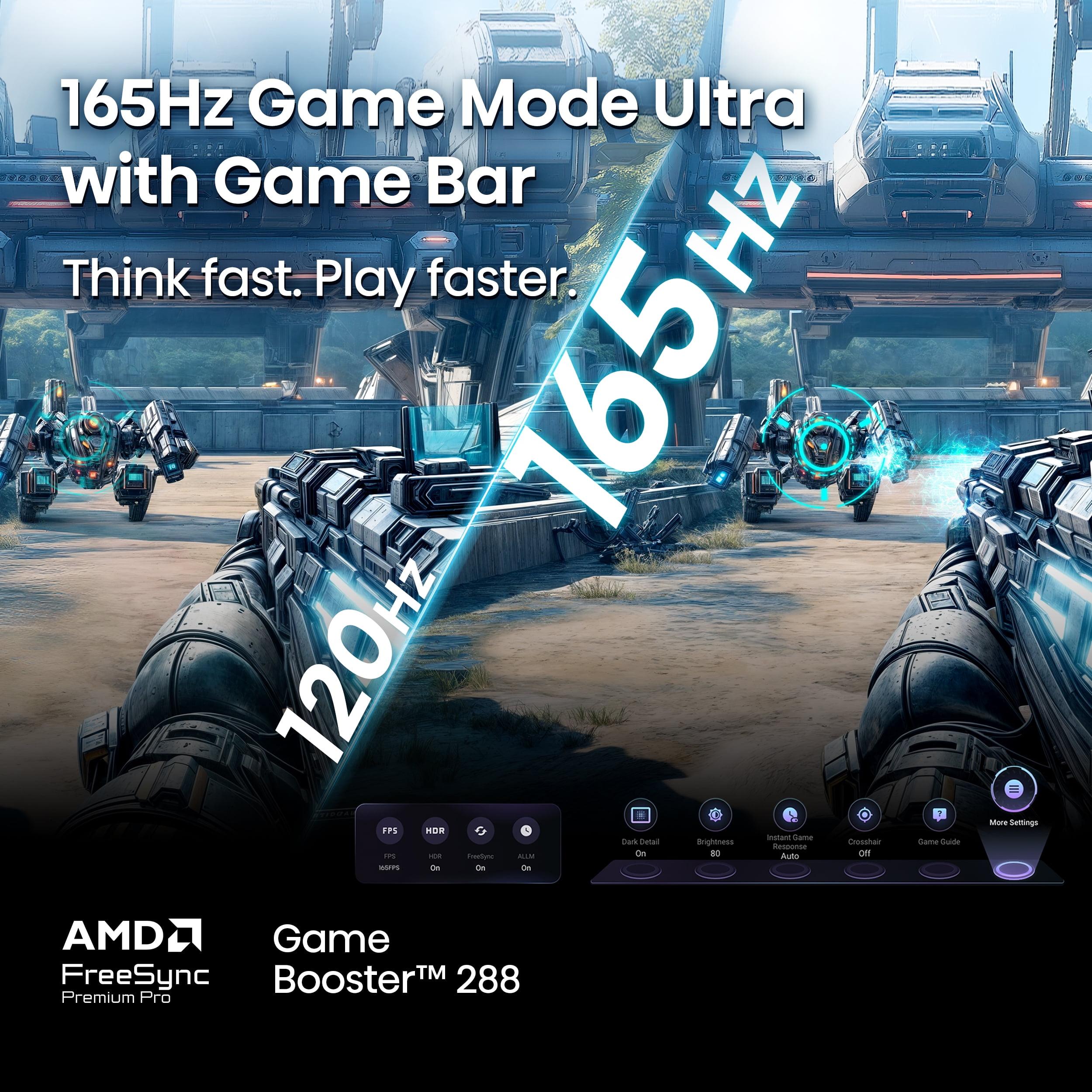
The Hisense U8 Series transforms gaming into a completely different experience. Its native 144Hz refresh rate means it can display up to 144 frames per second – more than double what the Samsung can handle. This higher refresh rate creates smoother motion in fast-paced games and provides a competitive advantage in online gaming where every millisecond matters.
VRR support with a range of 48Hz to 144Hz means games will appear smooth regardless of their frame rate, while AMD FreeSync Premium Pro certification ensures compatibility with both gaming consoles and PC graphics cards. The TV even supports Dolby Vision Gaming, a new standard that brings HDR gaming to supported titles with enhanced brightness and color accuracy.
For context, the PlayStation 5 and Xbox Series X were designed with 120Hz gaming in mind, but only TVs with HDMI 2.1 bandwidth and proper VRR support can take full advantage of these capabilities. The Samsung Q7F essentially handicaps these modern consoles, while the Hisense U8 Series unleashes their full potential.
Both TVs offer comprehensive smart TV platforms, but they approach content delivery and user interaction differently.
The Samsung Q7F runs Tizen OS with Samsung's Vision AI enhancement. Tizen has matured significantly over the years and offers a clean, intuitive interface with good app selection. Samsung's ecosystem integration shines here – if you own Samsung smartphones, tablets, or other devices, the TV seamlessly connects and shares content. The Vision AI feature uses machine learning to optimize picture and sound settings automatically, though its impact is more subtle than revolutionary.
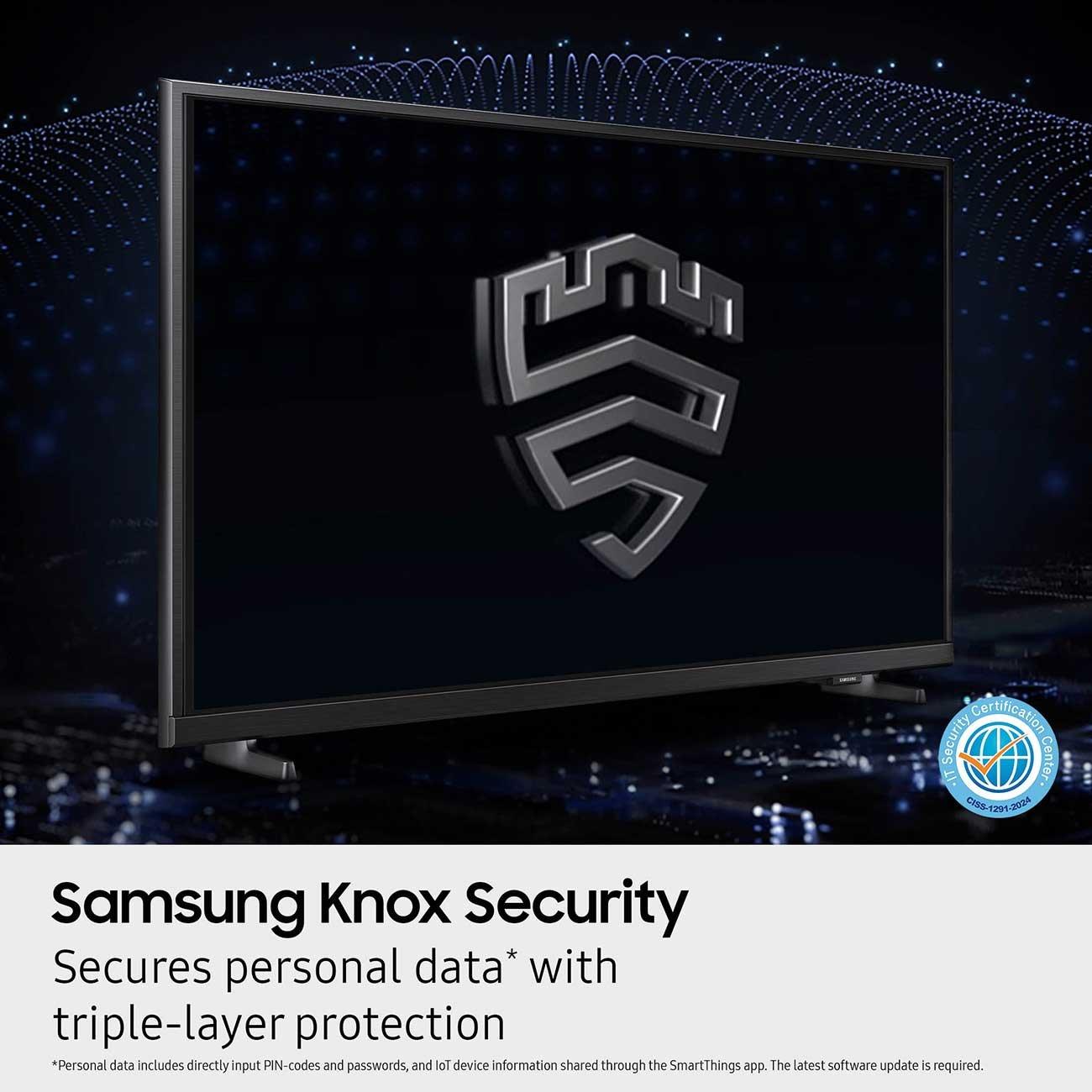
Samsung includes their BT SolarCell Remote, which charges itself using ambient light and eliminating the need for batteries – a nice environmental touch. Knox Security provides triple-layer protection for personal data and connected IoT devices, addressing growing privacy concerns with smart TVs.
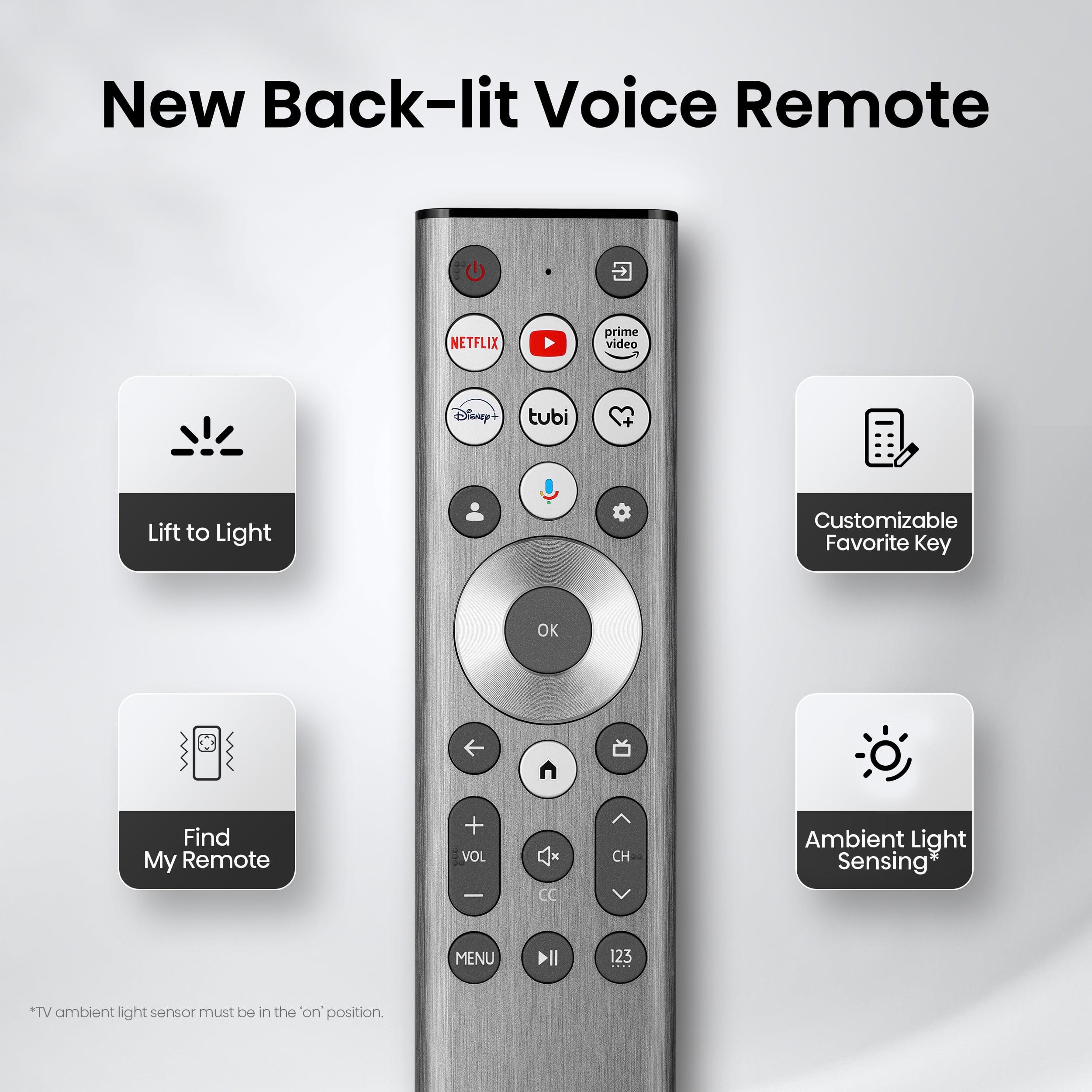
The Hisense U8 Series uses Google TV, which has become one of the most comprehensive smart TV platforms available. Google TV excels at content discovery, aggregating recommendations from various streaming services and presenting them in a unified interface. The "Hey Google" voice control is more natural and responsive than most TV implementations, and the platform receives regular updates directly from Google.
Wi-Fi 6E support on the Hisense provides faster, more reliable wireless connectivity – particularly important for 4K streaming and cloud gaming services. The TV also includes a NEXTGEN TV ATSC 3.0 tuner, which supports the next generation of over-the-air broadcasts with 4K resolution and enhanced audio.
TV audio has historically been an afterthought, but both manufacturers have made efforts to improve the built-in experience, albeit to different degrees.
The Samsung Q7F includes a 20W 2.0 channel speaker system with Object Tracking Sound Lite. This technology attempts to match audio positioning with on-screen action, so sounds appear to come from their visual sources rather than just the bottom of the screen. While this creates a more immersive experience than basic TV speakers, the limited power and lack of dedicated subwoofer means bass response remains weak.
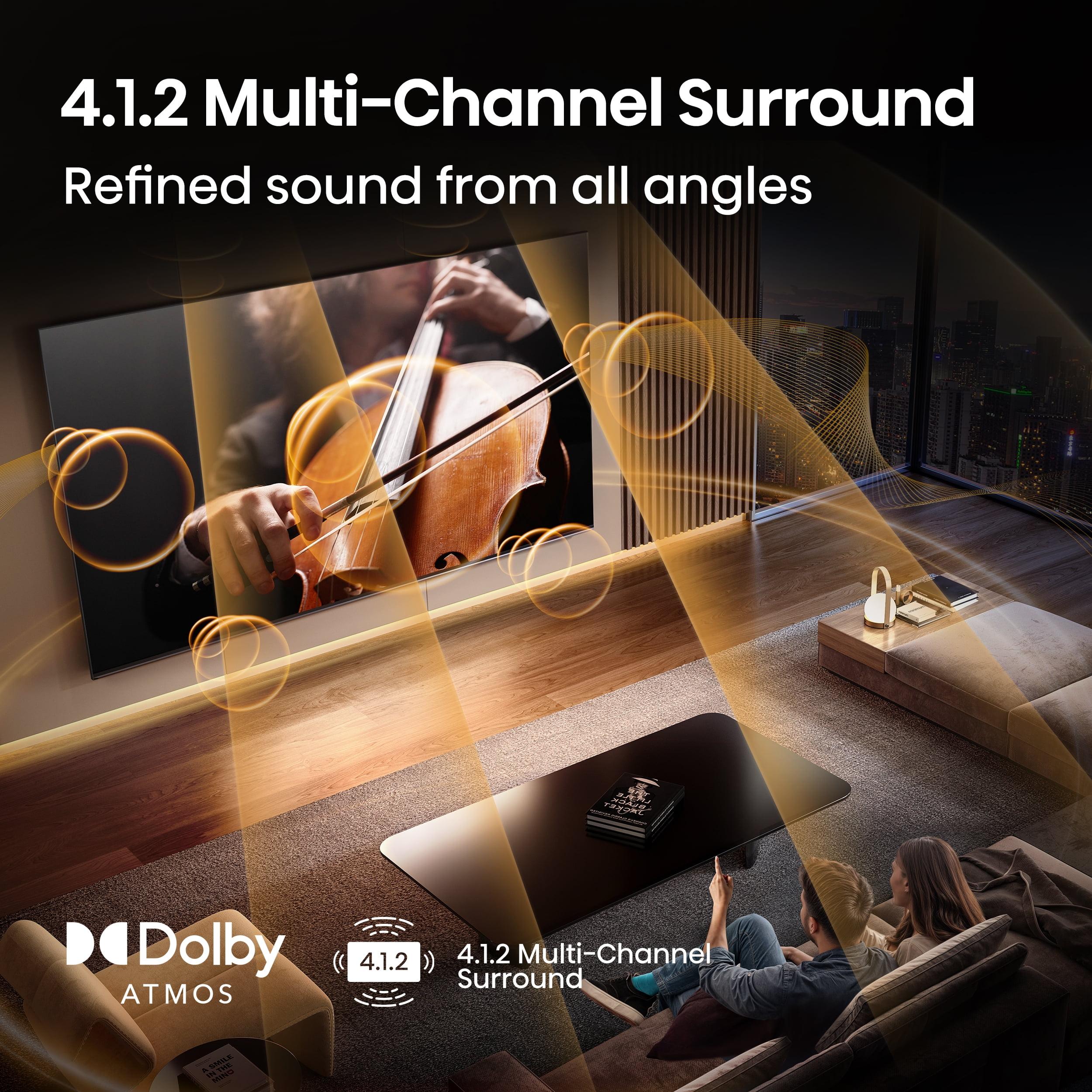
The Hisense U8 Series takes audio seriously with its 50W 2.1.2 multi-channel system. The ".2" designation indicates upward-firing speakers that bounce sound off the ceiling to create height effects – a key component of Dolby Atmos surround sound. Combined with Dolby Atmos processing and a built-in subwoofer, this system delivers genuinely immersive audio that can fill a room.
For movies with Dolby Atmos soundtracks, the difference is dramatic. Rain sounds like it's falling from above, helicopters pass overhead with convincing directionality, and explosions have the low-frequency impact that makes action scenes visceral. The Samsung's audio, while pleasant, remains firmly anchored to the screen.
If you're building a dedicated home theater setup, several factors become particularly important: light control, seating distance, and integration with external audio systems.
The Samsung Q7F works best in controlled lighting environments where its limited brightness won't be overwhelmed by ambient light. Its 178-degree viewing angles mean family members sitting off-center won't experience significant color or brightness degradation. However, the lack of local dimming means dark movie scenes won't have the depth and detail that makes home theater experiences special.
The Hisense U8 Series excels in home theater scenarios thanks to its exceptional brightness and contrast capabilities. HDR movies display with the impact intended by filmmakers, and the anti-glare coating reduces distractions from room lighting. The sophisticated audio system means you might not need a soundbar initially, though serious audiophiles will still want dedicated speakers.
One consideration: the Hisense has narrower viewing angles than the Samsung, so picture quality degrades more noticeably when viewed from the side. If your seating arrangement has people significantly off-center, this could be a factor.
At the time of writing, these TVs occupy different value propositions entirely. The Samsung Q7F represents the most affordable entry into QLED technology from a major brand, making it appealing to budget-conscious buyers who want Samsung's reputation and basic quantum dot benefits.
However, the performance gap between these models raises questions about long-term satisfaction. The Hisense U8 Series, while more expensive, delivers dramatically superior performance across nearly every meaningful metric. When amortized over a TV's typical 7-10 year lifespan, the additional cost becomes relatively modest for significantly better picture quality, gaming capabilities, and audio performance.
Future-proofing also favors the Hisense. With gaming consoles and streaming services increasingly supporting 120Hz content and advanced HDR formats, the Samsung's 60Hz limitation and lack of Dolby Vision support could feel outdated quickly.
Local dimming zones deserve particular attention because they fundamentally determine contrast performance. The Samsung Q7F lacks local dimming entirely, meaning the entire screen shares the same backlight level. When displaying a scene with both bright stars and dark space, the TV must compromise – either the stars appear dim or the space appears gray.
The Hisense U8 Series with 2,000+ dimming zones can make stars brilliant while keeping space truly black, creating the dramatic contrast that makes HDR content compelling. This isn't just about technical specifications – it's about whether movie scenes look flat or three-dimensional.
Color gamut coverage also differs significantly. While both TVs can display over a billion colors theoretically, the Hisense's higher brightness allows it to actually reach the wide color spaces used in HDR content. The Samsung, limited by its modest peak brightness, can't fully realize these expanded color palettes.
The Samsung Q7F makes sense for specific situations: if you're on a tight budget but want QLED branding, if you prioritize brand reliability over cutting-edge features, or if you primarily watch basic cable and streaming content in controlled lighting. It's a competent TV that does the basics well without breaking new ground.
The Hisense U8 Series is the clear choice for anyone wanting the best possible picture quality in this size class, serious gamers who need modern features, or home theater enthusiasts who appreciate built-in audio quality. It's also the better long-term investment, with features that will remain relevant as content standards evolve.
While the Samsung Q7F delivers Samsung's trademark reliability and decent picture quality for casual viewing, the Hisense U8 Series represents a generational leap in performance. The dramatic differences in brightness, contrast, gaming capabilities, and audio quality make the Hisense compelling for anyone willing to invest in genuinely superior performance.
The choice ultimately depends on your priorities and budget, but for most buyers seeking a 65-inch TV in 2025, the Hisense U8 Series offers flagship-level performance at a competitive price point that makes the Samsung's limitations hard to justify. Unless budget constraints are absolute or brand preference overrides performance considerations, the Hisense delivers substantially more entertainment value for your investment.
| Samsung 65" Q7F QLED 4K Vision AI Smart TV 2025 | Hisense 65" U8 Series Mini-LED ULED 4K Google TV |
|---|---|
| Display Technology - Determines picture quality and contrast performance | |
| QLED with edge-lit LED backlighting | Mini-LED Pro+ with Full Array Local Dimming |
| Peak Brightness - Critical for HDR content and bright room viewing | |
| 500 nits (adequate for controlled lighting) | 3,000 nits (excellent for any lighting condition) |
| Local Dimming Zones - Controls contrast and black levels | |
| None (entire screen shares same backlight) | 2,000+ zones (precise control over light and dark areas) |
| Refresh Rate - Important for gaming and smooth motion | |
| 60Hz (basic TV viewing) | 144Hz native (ideal for gaming and sports) |
| Gaming Features - Essential for modern console gaming | |
| Basic game mode only | VRR, ALLM, FreeSync Premium Pro, Dolby Vision Gaming |
| HDR Support - Affects color and brightness in premium content | |
| HDR10+ only (missing Dolby Vision) | HDR10+, Dolby Vision, HDR10, HLG (full compatibility) |
| Audio System - Determines if you need a soundbar immediately | |
| 20W 2.0 channel speakers | 50W 2.1.2 multi-channel with Dolby Atmos |
| Smart Platform - Affects app selection and user experience | |
| Tizen OS with Samsung Vision AI | Google TV with extensive app ecosystem |
| Connectivity - Future-proofing for new devices and standards | |
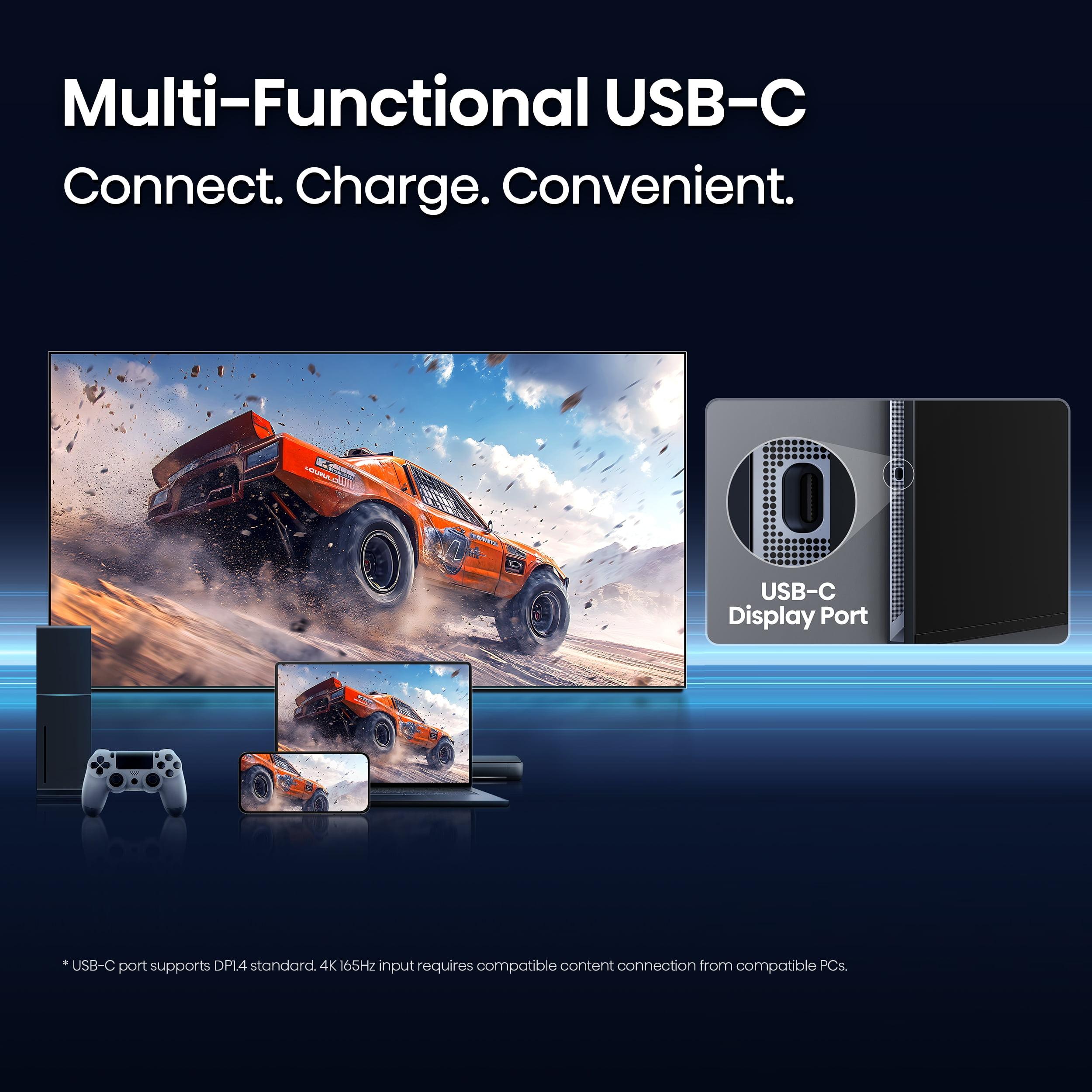
| HDMI 2.0, standard Wi-Fi | HDMI 2.1 bandwidth, Wi-Fi 6E, ATSC 3.0 tuner |
| Anti-Glare Technology - Reduces reflections in bright rooms | |
| Standard glossy screen | Low Reflection technology coating |
| Warranty Coverage - Peace of mind for your investment | |
| 1 year standard warranty | 2 years (double industry standard) |
| Target Buyer - Who this TV is designed for | |
| Budget-conscious buyers wanting Samsung brand reliability | Performance enthusiasts and gamers wanting flagship features at competitive pricing |
The Hisense U8 Series delivers significantly better picture quality thanks to its Mini-LED technology with over 2,000 local dimming zones and 3,000 nits peak brightness. This allows for deeper blacks, brighter highlights, and more accurate HDR content reproduction. The Samsung Q7F offers decent QLED color accuracy but lacks local dimming and reaches only 500 nits brightness, limiting its HDR performance.
The Hisense U8 Series is dramatically better for gaming with its 144Hz refresh rate, VRR support, AMD FreeSync Premium Pro, and HDMI 2.1 bandwidth. These features are essential for PlayStation 5 and Xbox Series X gaming. The Samsung Q7F only offers 60Hz refresh rate and basic gaming features, which limits performance with modern gaming consoles.
The Hisense U8 Series performs much better in bright rooms due to its exceptional 3,000 nits peak brightness and anti-glare low reflection coating. The Samsung Q7F with only 500 nits brightness will appear washed out in well-lit environments and lacks anti-glare technology.
The Samsung Q7F uses Tizen OS with Samsung Vision AI and integrates well with Samsung devices, while the Hisense U8 Series runs Google TV, which offers better content discovery and more comprehensive app selection. Both platforms are capable, but Google TV generally provides a more modern streaming experience.
The Hisense U8 Series has significantly better audio with its 50W 2.1.2 multi-channel system featuring Dolby Atmos and a built-in subwoofer. The Samsung Q7F includes basic 20W 2.0 channel speakers that lack the power and surround capabilities for immersive viewing experiences.
The Hisense U8 Series is excellent for home theater use with its high brightness, deep contrast from local dimming, Dolby Vision support, and built-in Dolby Atmos audio. The Samsung Q7F can work for basic home theater setups but lacks the contrast performance and audio quality for truly cinematic experiences.
While the Samsung Q7F costs less upfront, the Hisense U8 Series provides dramatically better value with flagship-level features including Mini-LED backlighting, gaming capabilities, superior audio, and a 2-year warranty compared to Samsung's 1-year coverage.
No - the Samsung Q7F only supports HDR10+ while missing Dolby Vision, which is used by Netflix, Disney+, and many movie titles. The Hisense U8 Series supports all major HDR formats including Dolby Vision, HDR10+, HDR10, and HLG for complete compatibility.
The Hisense U8 Series is better for sports with its 144Hz refresh rate for smoother motion, higher brightness for daytime viewing, and superior upscaling of cable/broadcast content. The Samsung Q7F handles sports adequately but the 60Hz limitation can make fast action appear less smooth.
The Samsung Q7F offers wider viewing angles at 178 degrees, maintaining better color and brightness when viewed from the side. The Hisense U8 Series has narrower viewing angles typical of Mini-LED displays, though this is a minor compromise considering its superior overall picture quality.
The Hisense U8 Series is more future-proof with HDMI 2.1 bandwidth, Wi-Fi 6E, ATSC 3.0 tuner, and modern gaming features that will remain relevant longer. The Samsung Q7F lacks these advanced connectivity options and may feel outdated sooner as content standards evolve.
While Samsung has an established reputation, Hisense has significantly improved quality and offers a 2-year warranty versus Samsung's 1-year coverage. The performance gap between these models is so substantial that the Hisense represents better long-term value despite being from a newer brand in the premium TV space.
We've done our best to create useful and informative comparisons to help you decide what product to buy. Our research uses advanced automated methods to create this comparison and perfection is not possible - please contact us for corrections or questions. These are the sites we've researched in the creation of this article: bestbuy.com - youtube.com - samsung.com - samsung.com - pcrichard.com - samsung.com - samsung.com - videoandaudiocenter.com - displayspecifications.com - bestbuy.com - samsung.com - samsung.com - samsung.com - samsung.com - news.samsung.com - bestbuy.com - hisense-usa.com - rtings.com - bestbuy.com - rtings.com - hisense-usa.com - youtube.com - hisense-usa.com - avsforum.com - hisense-usa.com - hisense-usa.com - rtings.com - avsforum.com - hisense-usa.com - prnewswire.com - hisense-usa.com - bestbuy.com - youtube.com - hisense-usa.com

Privacy Policy
Terms and Conditions - Affiliate Policy
Home Security
© Copyright 2008-2026.
11816 Inwood Rd #1211, Dallas, TX 75244