


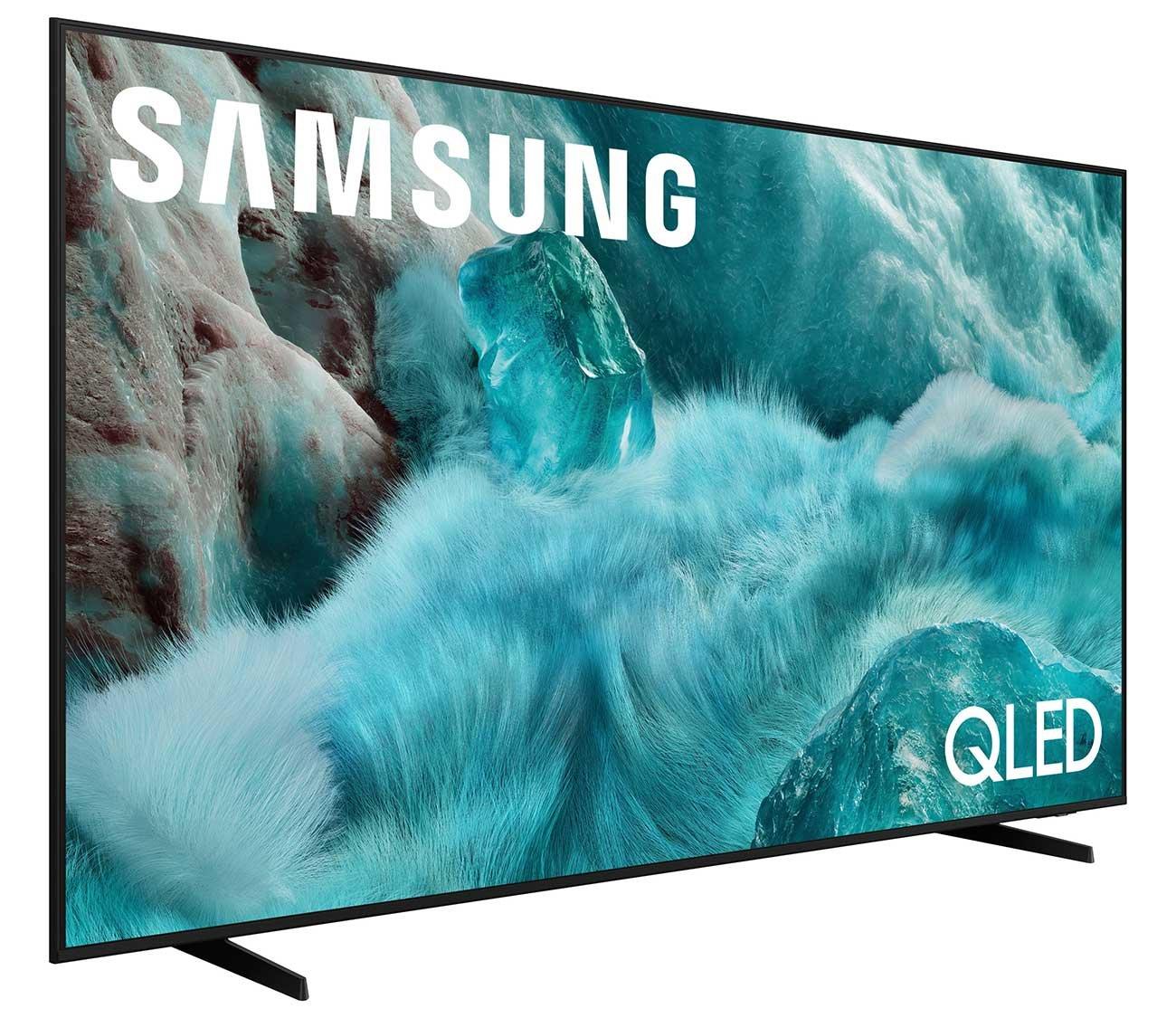
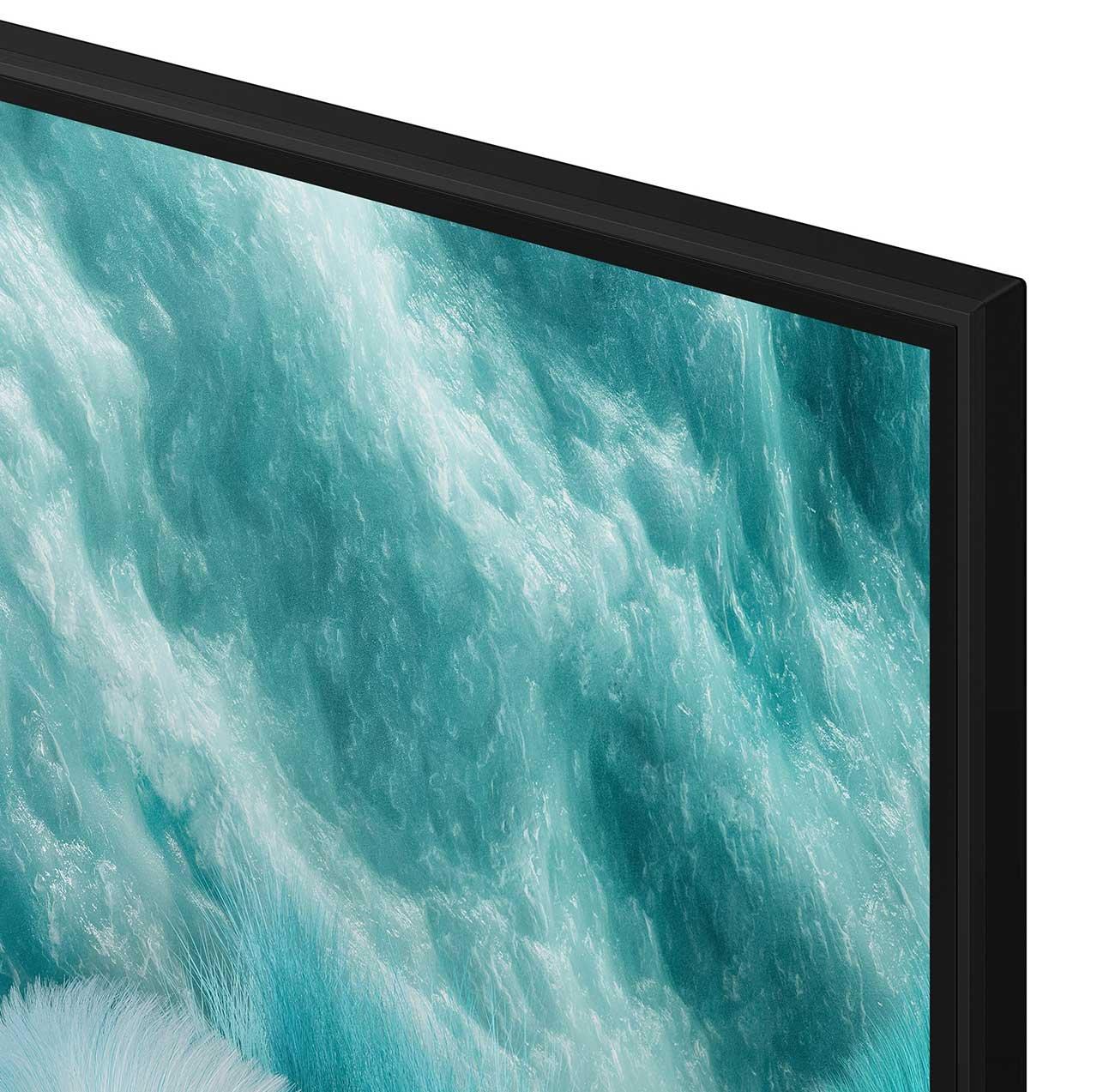


Choosing a 65-inch TV can feel overwhelming, especially when two models from the same brand take completely different approaches to what a television should be. Samsung's The Frame QLED 2024 and Q7F QLED 2025 represent two distinct philosophies in TV design—one prioritizing lifestyle integration and premium performance, the other focusing on delivering solid value at an accessible price point. At the time of writing, these TVs have a roughly 3:1 price difference, which raises an important question: what are you actually paying for?
The TV market has evolved dramatically over the past few years. Where we once simply compared screen size and resolution, today's buyers must consider how a TV fits into their lifestyle. Some TVs now function as digital art displays, while others pack premium features into budget-friendly packages. Both approaches have merit, but understanding which philosophy matches your needs is crucial.
When evaluating any TV, the key considerations include picture quality (brightness, contrast, and color accuracy), motion performance for sports and gaming, smart features, audio capabilities, and increasingly, how the TV looks when it's turned off. The Samsung Frame 2024 and Q7F 2025 excel in different areas, making them suitable for entirely different audiences despite sharing the same screen size and QLED technology.
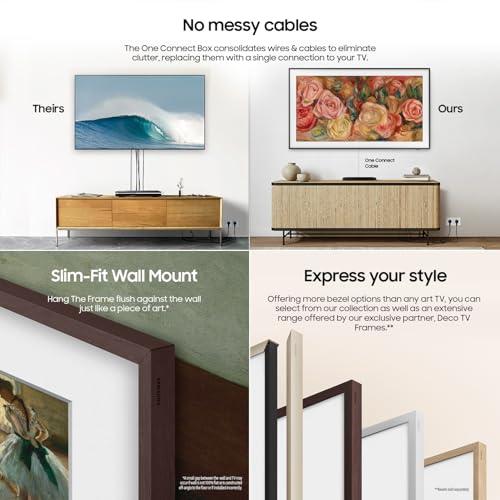
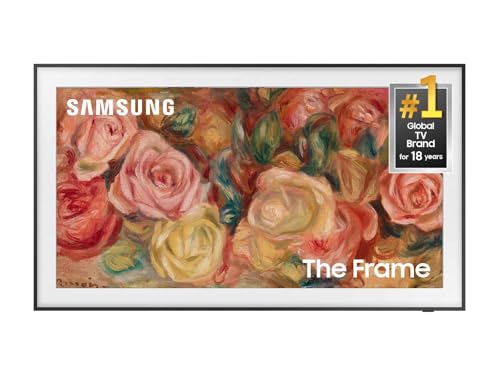
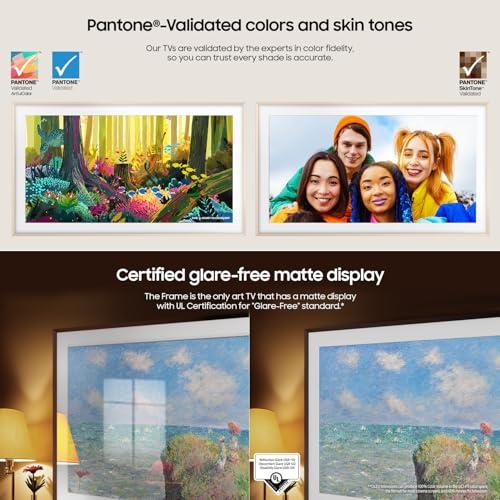
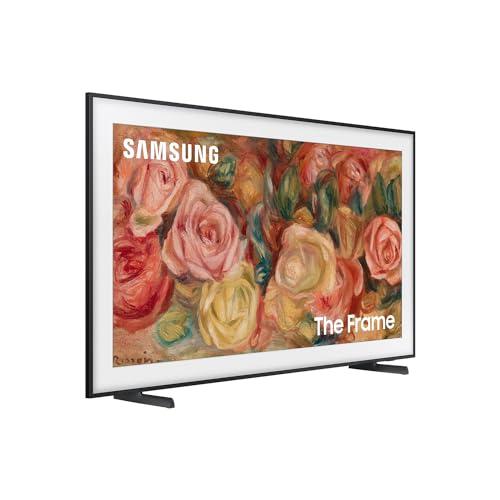
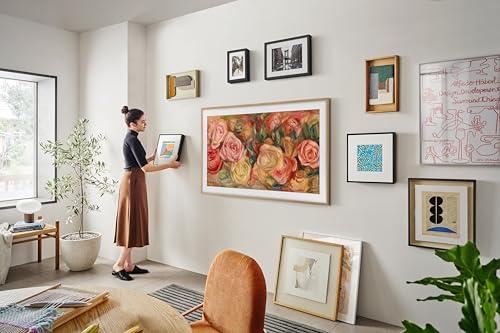
The most obvious difference between these TVs becomes apparent the moment you see them. The Frame 2024 was designed from the ground up to disappear into your living space. When you're not watching TV, it transforms into a digital art gallery, displaying everything from classic paintings to your family photos. The screen uses a matte finish that mimics the texture of a real canvas, and Samsung offers customizable magnetic bezels (the frame around the screen) that can match your décor. When mounted flush against the wall using the included slim-fit mount, it genuinely looks like framed artwork hanging in your home.
This dual-purpose design addresses a common complaint about modern TVs: they dominate rooms with their large black screens when turned off. The Frame's Art Mode uses a built-in motion sensor to detect when someone enters the room and automatically switches from a low-power ambient display to full brightness artwork. It's a clever solution that makes the TV feel more like furniture than technology.
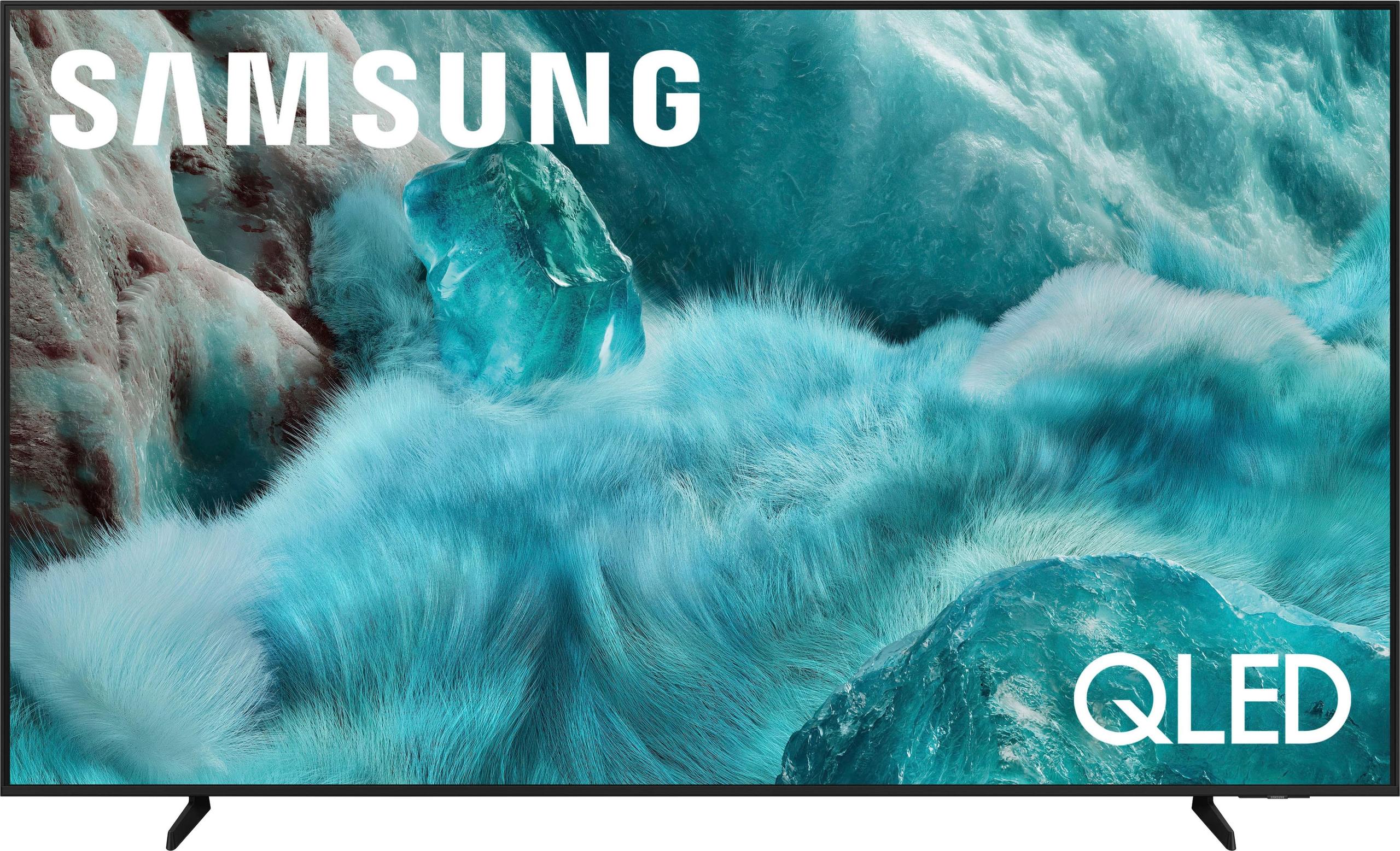
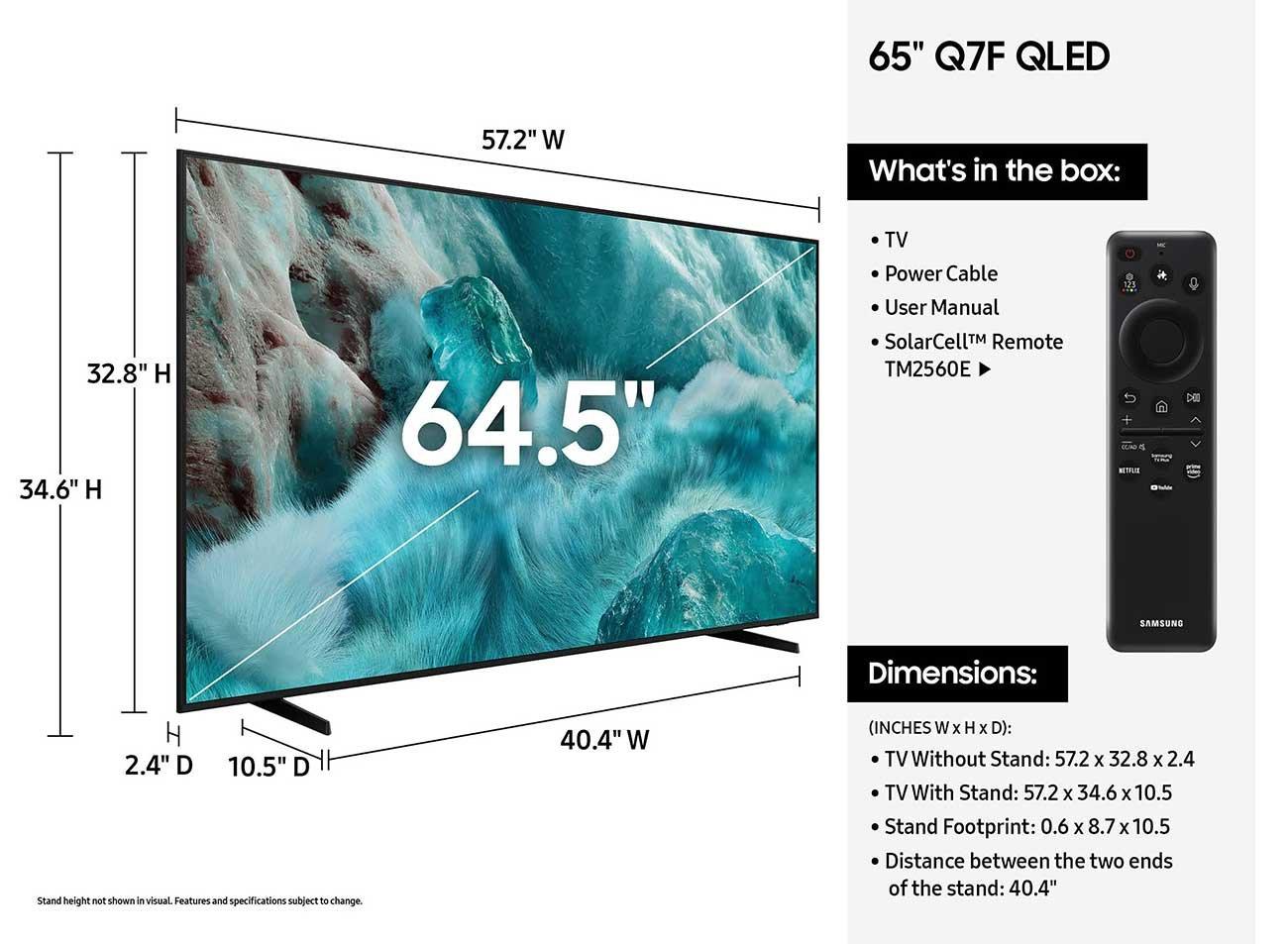
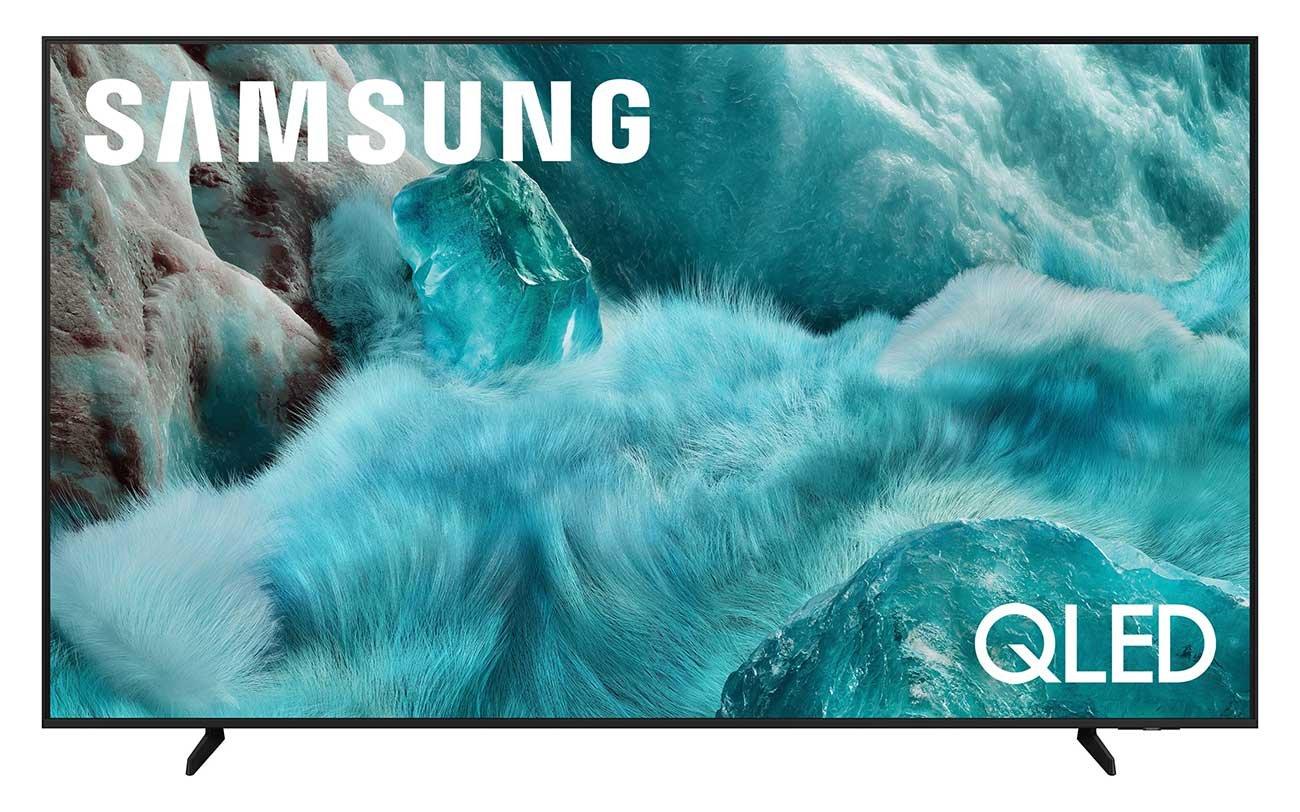
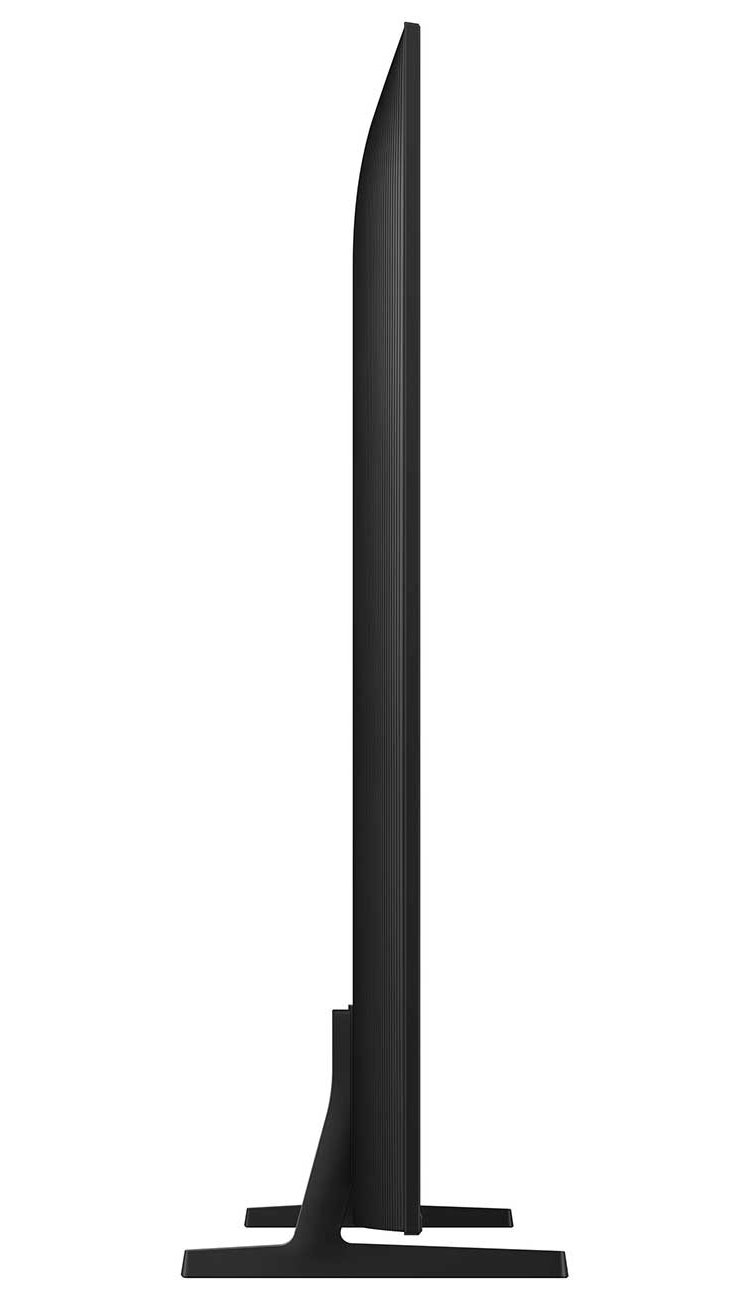
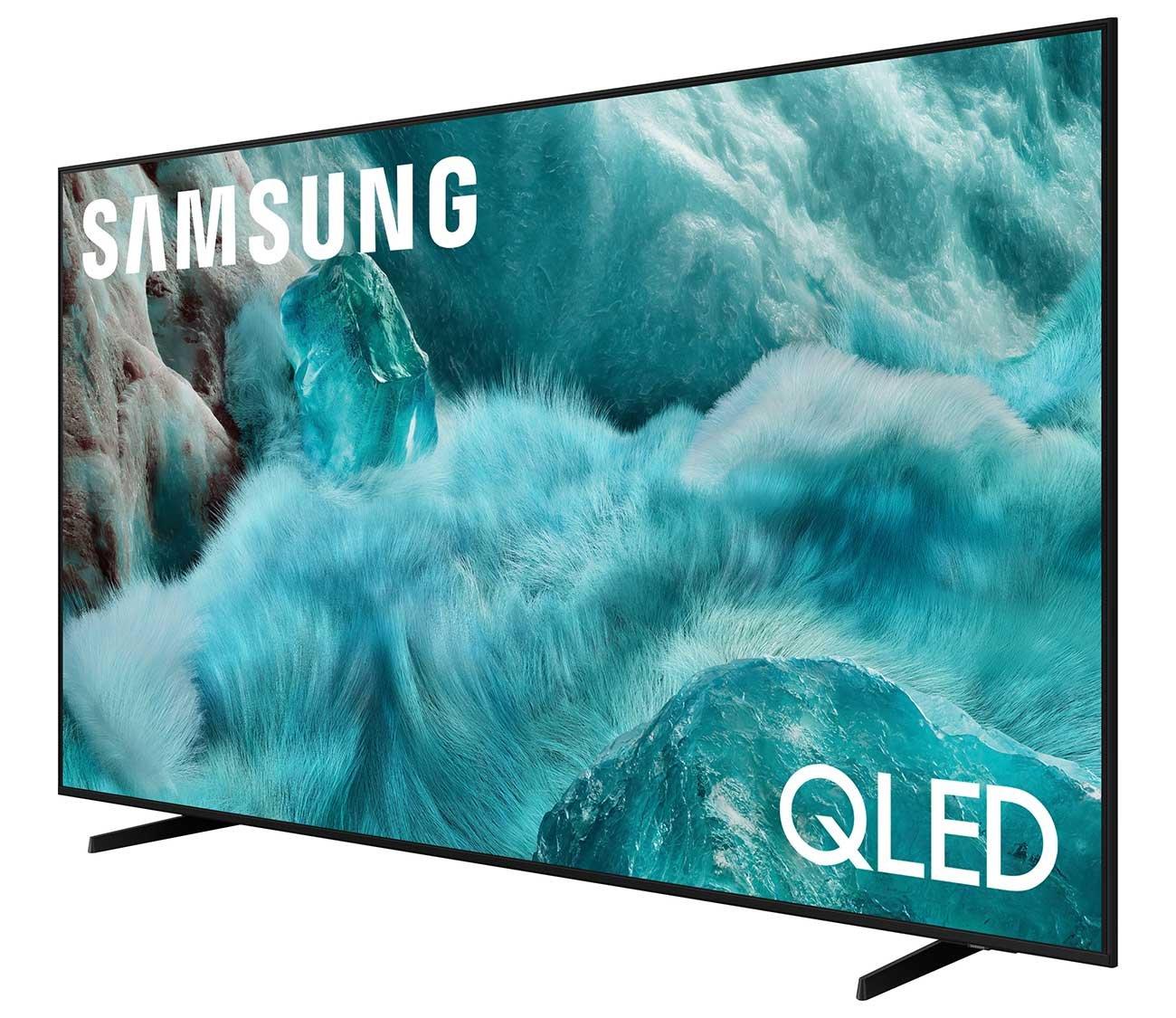
The Q7F 2025, released in early 2025, takes the traditional approach. It's a straightforward television that looks like every other TV when it's off—a black rectangle on your wall or entertainment center. There's nothing wrong with this approach; many people prefer their electronics to be clearly defined as electronics. The Q7F focuses entirely on delivering TV functionality at a budget-friendly price point, without the lifestyle features that drive up costs.
Picture quality represents the most significant performance gap between these models, and it's where you'll see the biggest impact of that price difference. The Frame 2024 uses Samsung's Quantum Processor 4K, a more advanced chip that handles everything from upscaling lower-resolution content to optimizing HDR (High Dynamic Range) performance. HDR is the technology that allows TVs to display brighter whites and darker blacks simultaneously, creating more realistic and impactful images.
The Frame's peak brightness reaches around 590 nits in HDR content—nits being the measurement unit for brightness, where higher numbers mean the TV can display more brilliant highlights. This brightness level allows HDR content like movies and shows to really shine, with bright explosions, sunlight, and reflections appearing more realistic. The TV also uses Dual LED backlighting, which combines warm and cool LED lights to improve both color accuracy and contrast. Think of it like having different color temperature light bulbs that the TV can blend to create more natural-looking images.
In contrast, the Q7F 2025 uses a more basic direct-lit LED system without local dimming. Local dimming is a feature where the TV can selectively dim or brighten different zones of the backlight to improve contrast—making dark scenes darker while keeping bright elements bright. Without this feature, the Q7F struggles with what we call "black levels," meaning dark scenes appear more gray than truly black. Its peak brightness of 500 nits is adequate for most content but won't deliver the same impact in HDR scenes.
However, the Q7F does incorporate some impressive technology for its price point. It uses QLED (Quantum Dot Light Emitting Diode) technology, which employs microscopic particles called quantum dots to enhance color reproduction. These quantum dots act like tiny filters that can produce more accurate and vibrant colors than traditional LED TVs. The Q7F also benefits from Samsung's traditionally strong upscaling capabilities—the process of taking lower-resolution content and making it look good on a 4K screen.
Based on user reviews and expert evaluations, the Q7F performs surprisingly well with upscaling. Viewers report that 1080p content (standard HD) looks nearly as good as native 4K content, and even older 420p content appears decent thanks to the AI processing. This makes it particularly valuable if you watch a lot of older movies or shows that weren't originally filmed in 4K.
One of The Frame 2024's standout features is its Anti-Glare Matte Display. This isn't just marketing speak—the matte finish genuinely transforms how the TV performs in real-world lighting conditions. Traditional glossy TV screens act like mirrors, reflecting light sources and creating distracting glare that can wash out the image. The Frame's matte screen scatters this light instead of reflecting it directly, maintaining image quality even in bright rooms with large windows or multiple light sources.
This anti-glare technology is particularly important for the TV's Art Mode functionality. When displaying artwork, the matte finish makes the images appear more like real paintings or photographs, without the obvious "this is a screen" appearance that glossy displays create. It's one of those features you don't fully appreciate until you experience it in a bright room.
The Q7F 2025 has some anti-glare coating, but based on user feedback, it's not nearly as effective. Reviewers note that while it helps somewhat with reflections, it's "not ideal for someone who has a lot of lights in the room." The TV's lower brightness also compounds this issue—when a screen can't get bright enough to overcome ambient light, reflections become even more problematic.
For home theater enthusiasts who can control their lighting, this difference matters less. But for most living rooms with windows and various light sources, The Frame's superior glare handling represents a significant real-world advantage.
The performance gap widens considerably when it comes to gaming and fast-motion content like sports. The Frame 2024 supports a native 120Hz refresh rate, meaning it can display 120 individual frames per second. This higher refresh rate creates smoother motion, which is particularly noticeable in fast-paced video games and sports broadcasts. The TV also supports Variable Refresh Rate (VRR) technology, which allows it to synchronize with gaming consoles to eliminate screen tearing—those horizontal lines that can appear when the TV and console get out of sync.
With input lag as low as 9.2 milliseconds, The Frame responds almost instantly to controller inputs. Input lag is the delay between when you press a button and when that action appears on screen, and lower numbers mean more responsive gaming. For comparison, anything under 20ms is considered good for gaming, so 9.2ms is excellent.
The Q7F 2025 is limited to 60Hz, which immediately restricts its gaming appeal. While 60Hz is perfectly adequate for casual gaming and most TV content, serious gamers will notice the difference, especially with modern consoles that can output 120 frames per second in certain games. The Q7F also lacks advanced gaming features like VRR, making it suitable only for casual gaming scenarios.
However, users report that the Q7F's motion handling at 60Hz is quite good—described as "smooth like butter" for standard content. If you're not a serious gamer and primarily watch movies and shows, the 60Hz limitation won't significantly impact your experience.
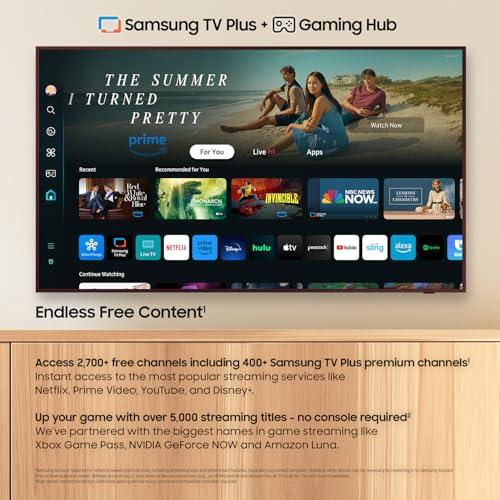
Both TVs run Samsung's Tizen operating system, which provides access to all major streaming platforms and generally receives positive reviews for its interface and performance. However, they implement "smart" features differently.
The Frame 2024 focuses its intelligence on lifestyle integration. The SmartThings Hub functionality allows it to serve as a control center for connected home devices, while the Art Mode includes sophisticated features like automatic brightness adjustment based on ambient lighting and a motion sensor that can distinguish between people entering the room and pets walking by.
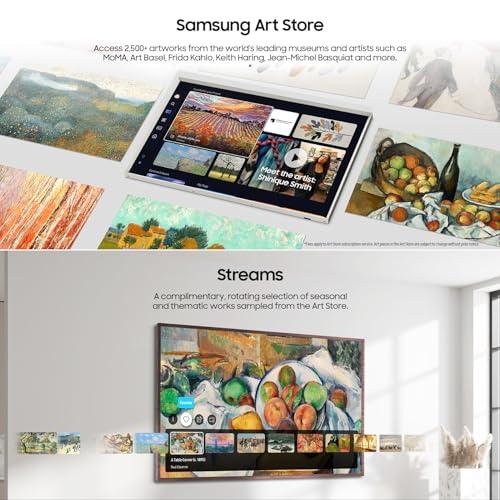
The TV's art ecosystem represents a significant smart feature in itself. You can upload personal photos through Samsung's app, purchase artwork from Samsung's Art Store (which requires a subscription for full access), and even create custom playlists of images for different times of day or occasions. The TV can display weather information integrated into artwork or show a calendar alongside your favorite paintings.
The Q7F 2025 takes a more traditional approach to smart features, incorporating Samsung's Vision AI technology. This system can identify actors on screen and display their filmography, though this feature currently works primarily with Samsung TV Plus content and select shows. The enhanced Bixby voice assistant can provide AI-powered responses about weather and customize wallpapers on certain models.
An interesting feature for Samsung ecosystem users is gesture control compatibility with Samsung smartwatches, allowing you to change channels or adjust volume with hand movements. While novel, this represents more of a convenience feature than a game-changer.
Audio represents another area where the price difference becomes apparent. The Frame 2024 includes a 40W 2.0.2 channel speaker system with Dolby Atmos support. Dolby Atmos creates three-dimensional sound by using upward-firing drivers that bounce audio off your ceiling, creating the impression that sounds are coming from above as well as around you. Object Tracking Sound technology helps audio follow the action on screen—so a car driving from left to right will have its engine sound move accordingly.
The TV also supports Q-Symphony, Samsung's technology that allows the TV speakers to work in tandem with compatible Samsung soundbars rather than being disabled when you connect external audio. This creates a fuller, more immersive soundstage.
The Q7F 2025 includes basic TV speakers that are adequate for casual viewing but lack advanced audio processing features. There's no Dolby Atmos support or sophisticated audio enhancement technologies. For most users, this means you'll likely want to invest in a soundbar or external speakers if audio quality matters to you.
At the time of writing, the price difference between these TVs is substantial—roughly three times more for The Frame compared to the Q7F. This raises the question: what are you actually paying for with that premium?
The Frame's additional cost buys you several meaningful improvements: significantly better picture quality with higher brightness and contrast, superior anti-glare performance for bright rooms, 120Hz gaming capabilities, premium audio features, and the unique art display functionality. Perhaps most importantly, you're paying for the engineering that went into making a TV that doesn't look like a TV when it's off.
The Q7F 2025 represents excellent value for budget-conscious buyers who want Samsung quality and features at an accessible price point. Despite its limitations, it delivers solid picture quality for its price range, comprehensive smart features, and Samsung's reliable build quality and software support.
For dedicated home theater setups, the choice becomes clearer. The Frame 2024 offers the picture quality, brightness, and feature set that can anchor a serious viewing setup. Its matte screen, while excellent for bright rooms, might slightly reduce color vibrancy in completely dark environments compared to glossy screens, but this trade-off is generally worthwhile for the versatility it provides.
The Q7F 2025 could work in a dark, controlled home theater environment where its brightness limitations and lack of local dimming would be less problematic. However, serious home theater enthusiasts would likely find its picture quality limitations frustrating, particularly the poor black levels that prevent dark scenes from looking truly cinematic.
The Frame 2024 makes sense for buyers who want a premium TV that doubles as home décor, have bright living spaces with significant natural light, value gaming performance, or simply want one of the best 65-inch TVs available regardless of price. It's particularly appealing for design-conscious homeowners who've always disliked how TVs dominate rooms when turned off.
The Q7F 2025 is ideal for budget-conscious consumers who want Samsung quality at an entry-level price, casual viewers without serious gaming or sports viewing needs, or anyone setting up a secondary TV for a bedroom or guest room. It's also perfect for first-time 4K TV buyers upgrading from much older sets, where even its basic performance will represent a significant improvement.
These two Samsung TVs represent fundamentally different approaches to what a television should be. The Frame 2024 pushes the boundaries of how TVs integrate into our lives, while the Q7F 2025 focuses on delivering reliable, traditional TV functionality at a competitive price.
The performance gap between them is significant—The Frame offers meaningfully better picture quality, gaming capabilities, and room compatibility. Whether that's worth the substantial price premium depends entirely on your priorities, viewing habits, and budget. For most buyers, the choice won't be difficult once they honestly assess what they value most in a TV: premium performance and lifestyle integration, or solid value and straightforward functionality.
| Samsung 65" The Frame QLED 4K 2024 TV | Samsung 65" Q7F QLED 4K Vision AI Smart TV 2025 |
|---|---|
| Price Range - Significant cost difference reflects different target markets | |
| Premium pricing (~3x more expensive) | Budget-friendly entry-level pricing |
| Primary Purpose - Fundamentally different approaches to what a TV should be | |
| Dual-purpose TV and art display with lifestyle integration | Traditional television focused purely on viewing |
| Picture Quality - Most important spec for overall viewing experience | |
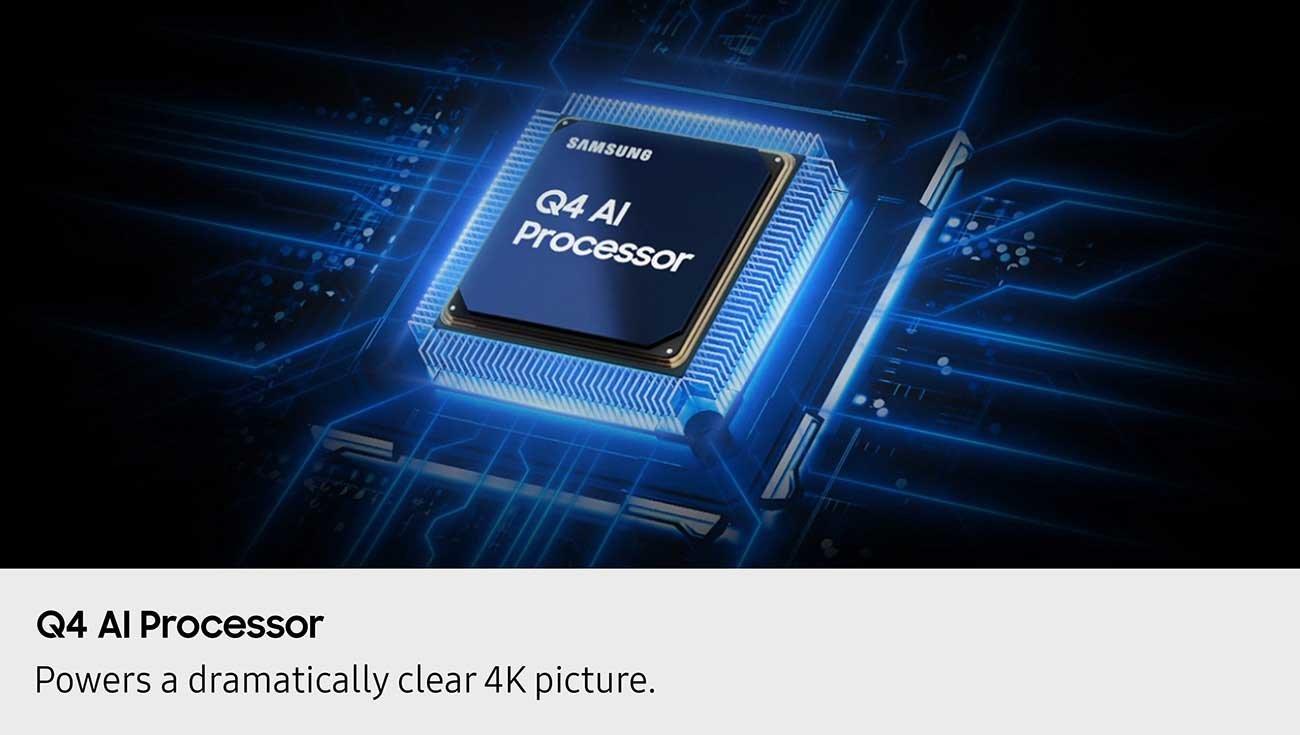
| Quantum Processor 4K, 590 nits peak brightness, Dual LED backlighting | Q4 AI Processor, 500 nits brightness, basic direct-lit LED without local dimming |
| Anti-Glare Performance - Critical for bright rooms and daytime viewing | |
| Premium matte display with industry-leading anti-reflection technology | Basic anti-glare coating, struggles in bright rooms |
| Refresh Rate - Essential for gaming and sports viewing | |
| 120Hz native with VRR support and 9.2ms input lag | 60Hz limitation, suitable only for casual viewing |
| Art Mode Features - Unique lifestyle functionality | |
| Full Art Mode with motion sensor, customizable bezels, Samsung Art Store integration | None - standard black screen when off |
| HDR Support - Important for movie and streaming quality | |
| HDR10+ with dynamic optimization, superior brightness for impactful highlights | HDR10+ but limited by lower brightness capabilities |
| Audio System - Often overlooked but affects daily experience | |
| 40W 2.0.2 speakers with Dolby Atmos and Object Tracking Sound | Basic speakers without advanced audio features |
| Design Integration - How the TV fits into your living space | |
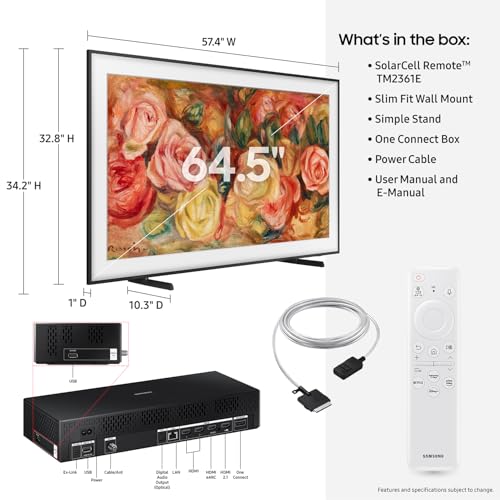
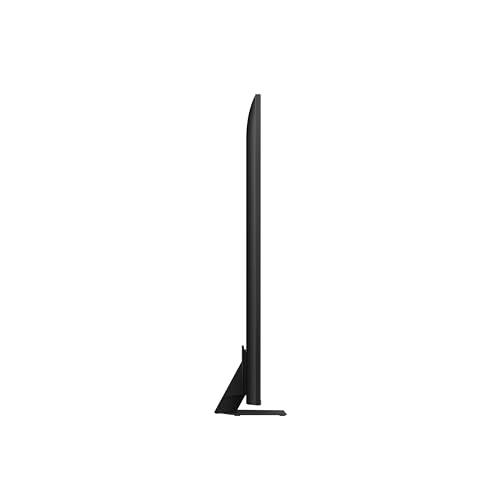
| Ultra-slim 1" profile, flush wall mounting, One Connect Box for cable management | Standard TV appearance and mounting |
| Smart Features - AI and connectivity capabilities | |
| Tizen OS, SmartThings Hub, comprehensive art ecosystem | Tizen OS, Vision AI with actor identification, enhanced Bixby |
| Best For - Target audience and ideal use cases | |
| Design-conscious buyers, bright rooms, gaming enthusiasts, premium performance seekers | Budget-conscious consumers, casual viewers, secondary rooms, controlled lighting environments |
The Samsung 65" The Frame QLED 4K 2024 TV is designed as both a television and digital art display, featuring Art Mode that transforms your TV into a gallery when not in use. The Samsung 65" Q7F QLED 4K Vision AI Smart TV 2025 is a traditional budget-friendly TV focused purely on viewing functionality without any art display features.
The Frame 2024 delivers significantly better picture quality with 590 nits peak brightness, Dual LED backlighting, and advanced Quantum Processor 4K. The Q7F 2025 offers decent picture quality for its price range but lacks local dimming and has lower brightness at 500 nits, resulting in weaker black levels and contrast.
The Samsung Frame 2024 excels at gaming with 120Hz refresh rate, VRR support, and 9.2ms input lag, making it ideal for serious gamers. The Q7F 2025 is limited to 60Hz and lacks advanced gaming features, making it suitable only for casual gaming.
The Frame QLED 2024 is specifically designed for bright rooms with its premium anti-glare matte display that reduces reflections significantly. The Samsung Q7F 2025 has basic anti-glare coating but struggles in bright environments due to lower brightness and limited reflection control.
Yes, both the Samsung Frame and Q7F run Samsung's Tizen operating system and support all major streaming platforms including Netflix, Disney+, Amazon Prime Video, Apple TV+, and YouTube.
The Frame 2024 features superior audio with 40W 2.0.2 speakers, Dolby Atmos support, and Object Tracking Sound technology. The Samsung Q7F 2025 has basic TV speakers without advanced audio features, making external speakers more necessary.
The Q7F QLED 2025 offers excellent value for budget-conscious buyers seeking Samsung quality at an entry-level price. The Samsung Frame 2024 justifies its premium pricing through superior performance, unique art features, and premium build quality.
Yes, the Samsung Frame 2024 genuinely mimics framed artwork when in Art Mode, using a matte screen texture, customizable magnetic bezels, and motion sensor activation. The Q7F 2025 lacks this functionality and appears as a standard black screen when off.
For dedicated home theaters, the Frame QLED 2024 offers superior picture quality, brightness, and audio features that work well in controlled lighting. The Samsung Q7F 2025 could work in dark rooms but may disappoint serious home theater enthusiasts due to limited contrast and brightness.
The Samsung Frame 2024 focuses on lifestyle integration with SmartThings Hub and comprehensive art ecosystem features. The Q7F QLED 2025 emphasizes AI functionality with Vision AI for actor identification and enhanced Bixby voice commands.
The Samsung Q7F 2025 is ideal for bedrooms and secondary rooms where budget matters more than premium features. The Frame 2024 works well in bedrooms if you value the art display functionality and superior picture quality.
The Samsung Frame QLED 2024 excels at sports with 120Hz motion handling and movies with superior HDR brightness and contrast. The Q7F QLED 2025 handles sports and movies adequately for casual viewing but lacks the performance for truly immersive experiences.
We've done our best to create useful and informative comparisons to help you decide what product to buy. Our research uses advanced automated methods to create this comparison and perfection is not possible - please contact us for corrections or questions. These are the sites we've researched in the creation of this article: tomsguide.com - rtings.com - rtings.com - youtube.com - bestbuy.com - techlicious.com - youtube.com - smalllilystudio.com - theeverymom.com - livingetc.com - pcrichard.com - image-us.samsung.com - samsung.com - images.samsung.com - samsung.com - buydig.com - tvsbook.com - bestbuy.com - samsung.com - samsung.com - flatpanelshd.com - bestbuy.com - youtube.com - samsung.com - samsung.com - pcrichard.com - samsung.com - samsung.com - videoandaudiocenter.com - displayspecifications.com - bestbuy.com - samsung.com - samsung.com - samsung.com - samsung.com - news.samsung.com

Privacy Policy
Terms and Conditions - Affiliate Policy
Home Security
© Copyright 2008-2026.
11816 Inwood Rd #1211, Dallas, TX 75244