

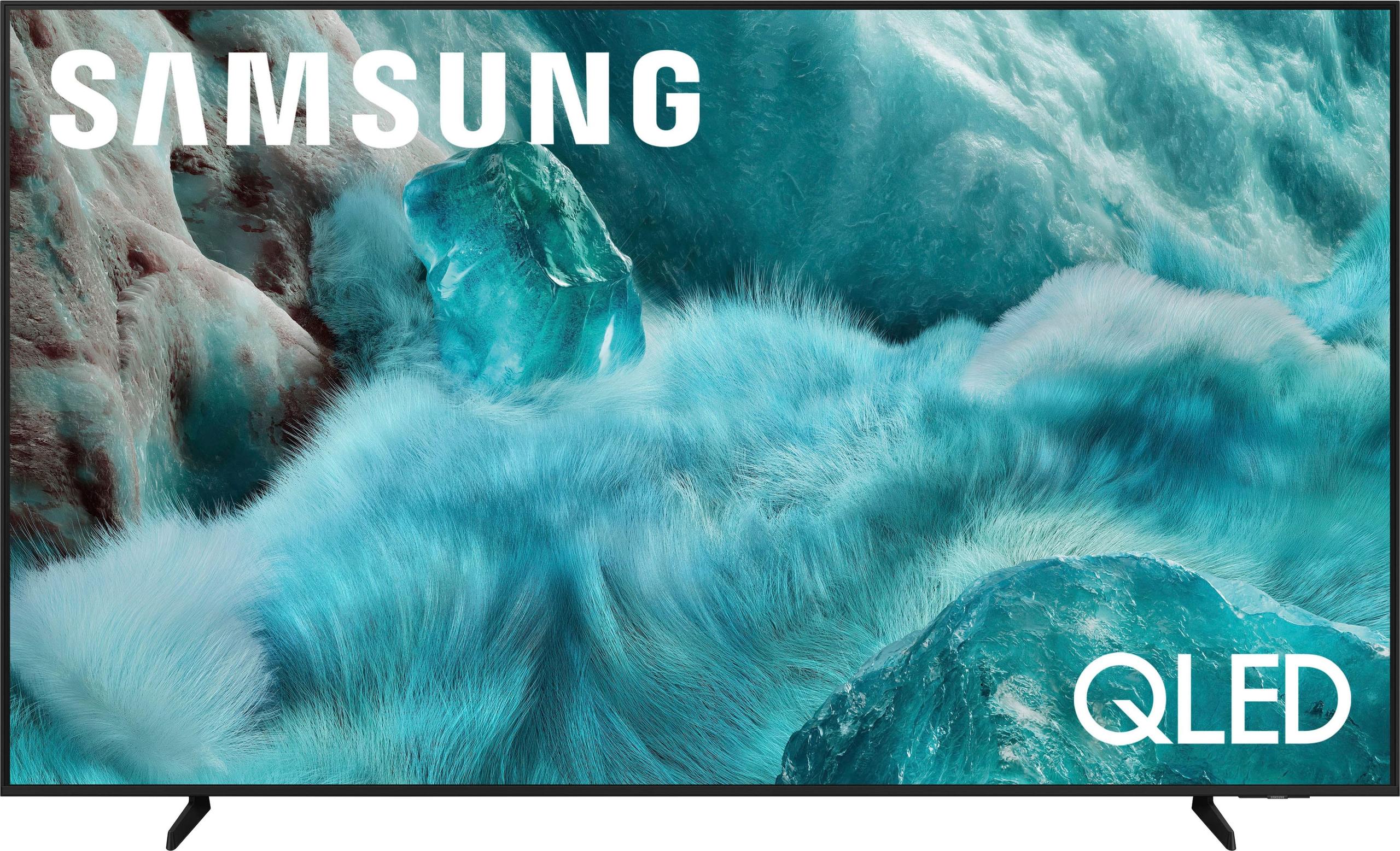
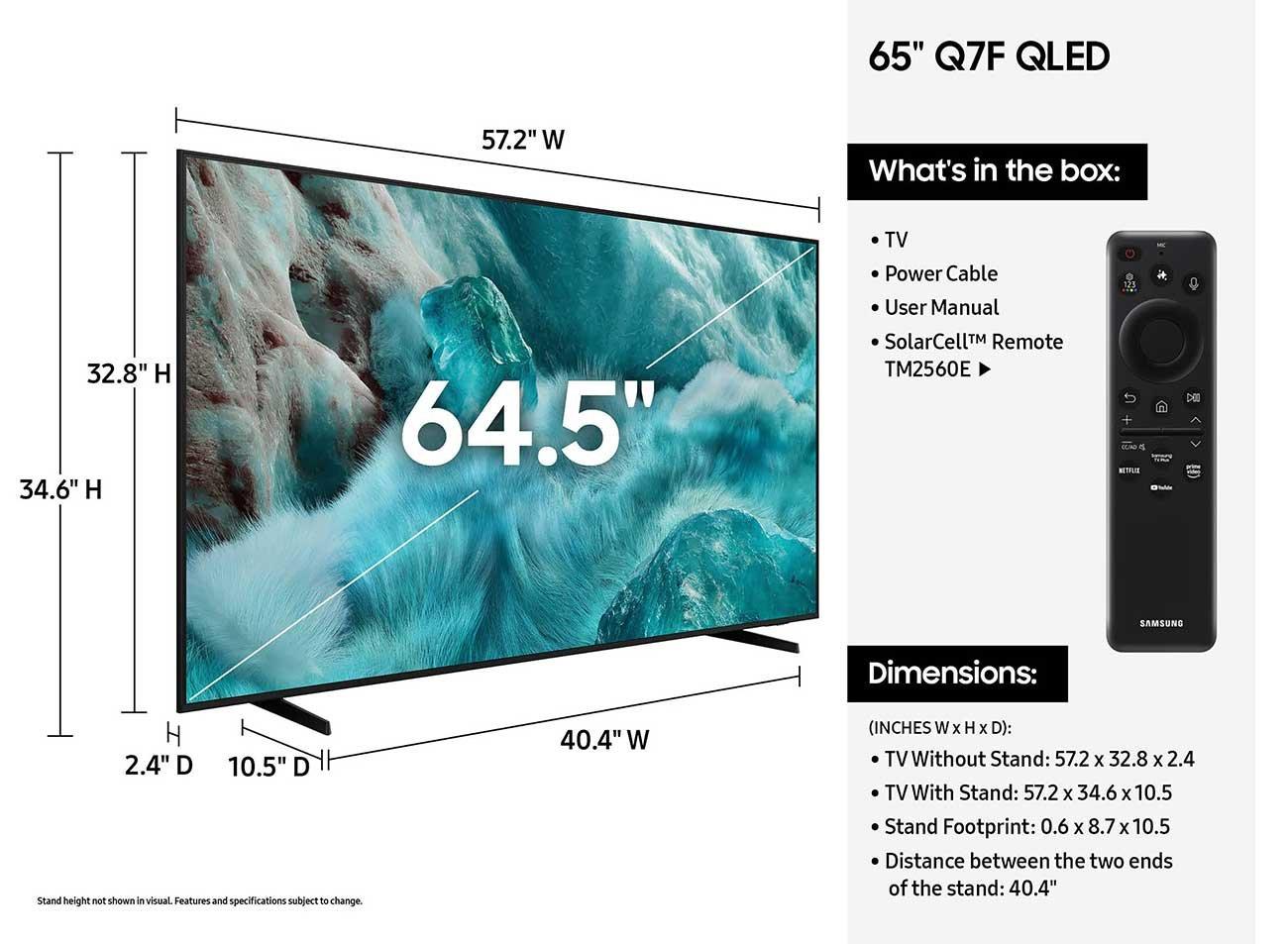

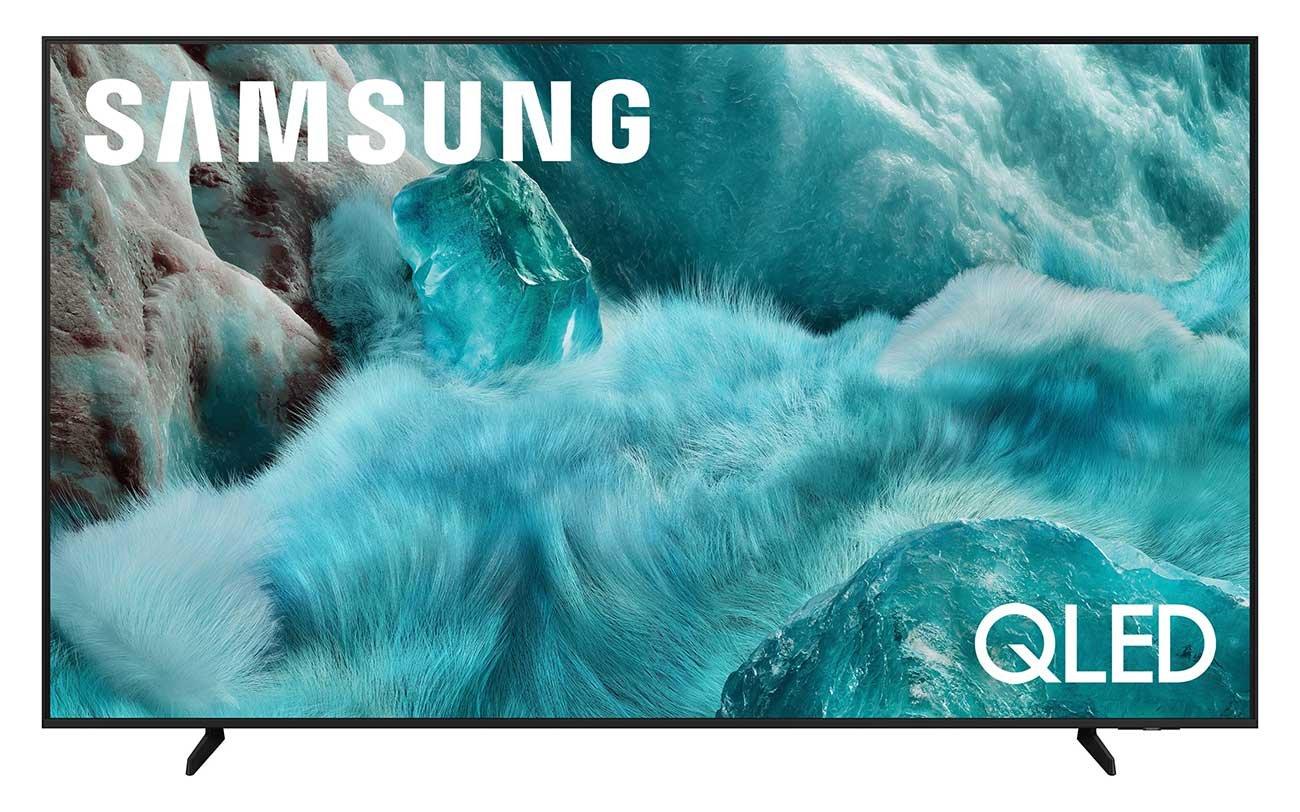
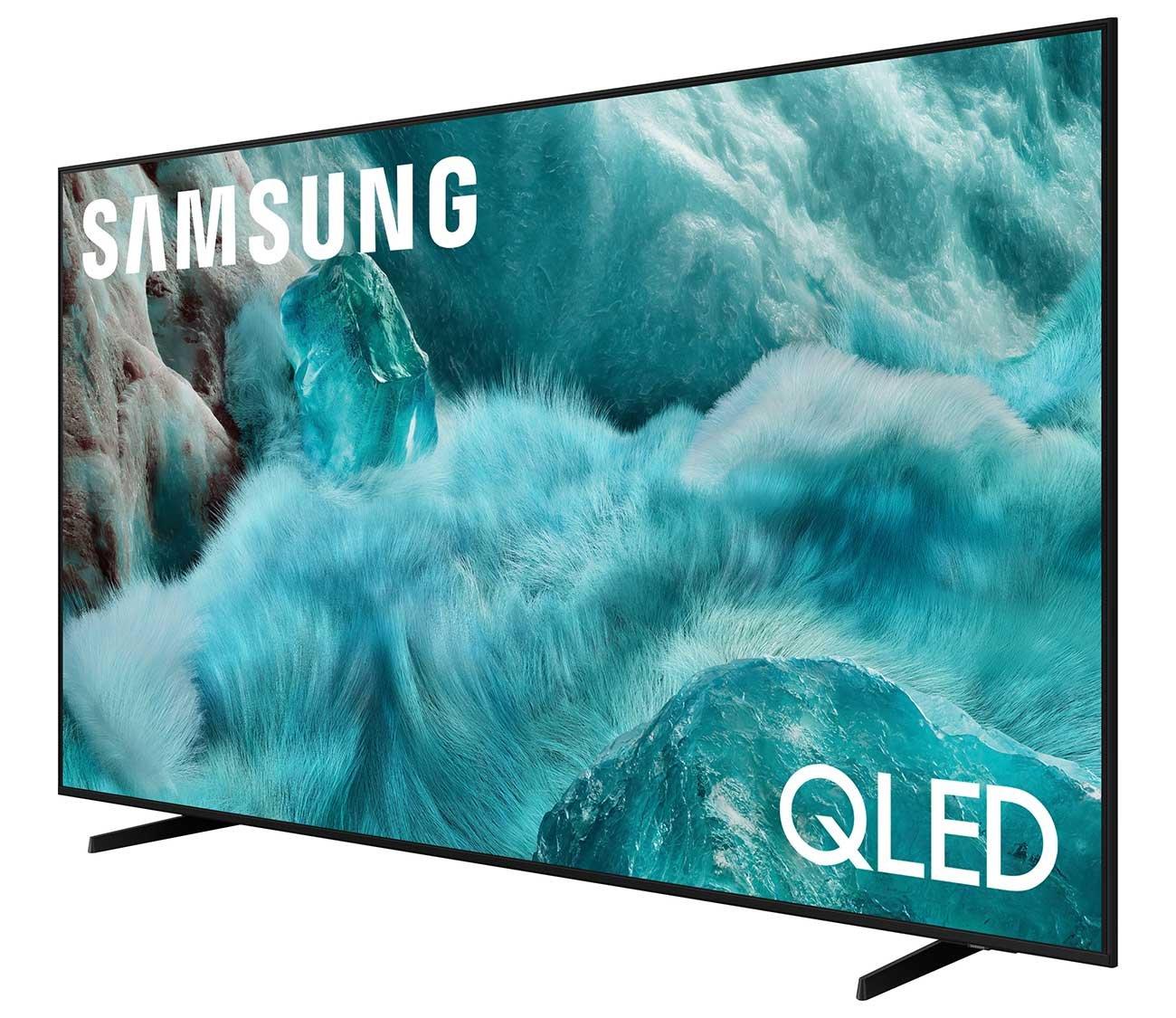
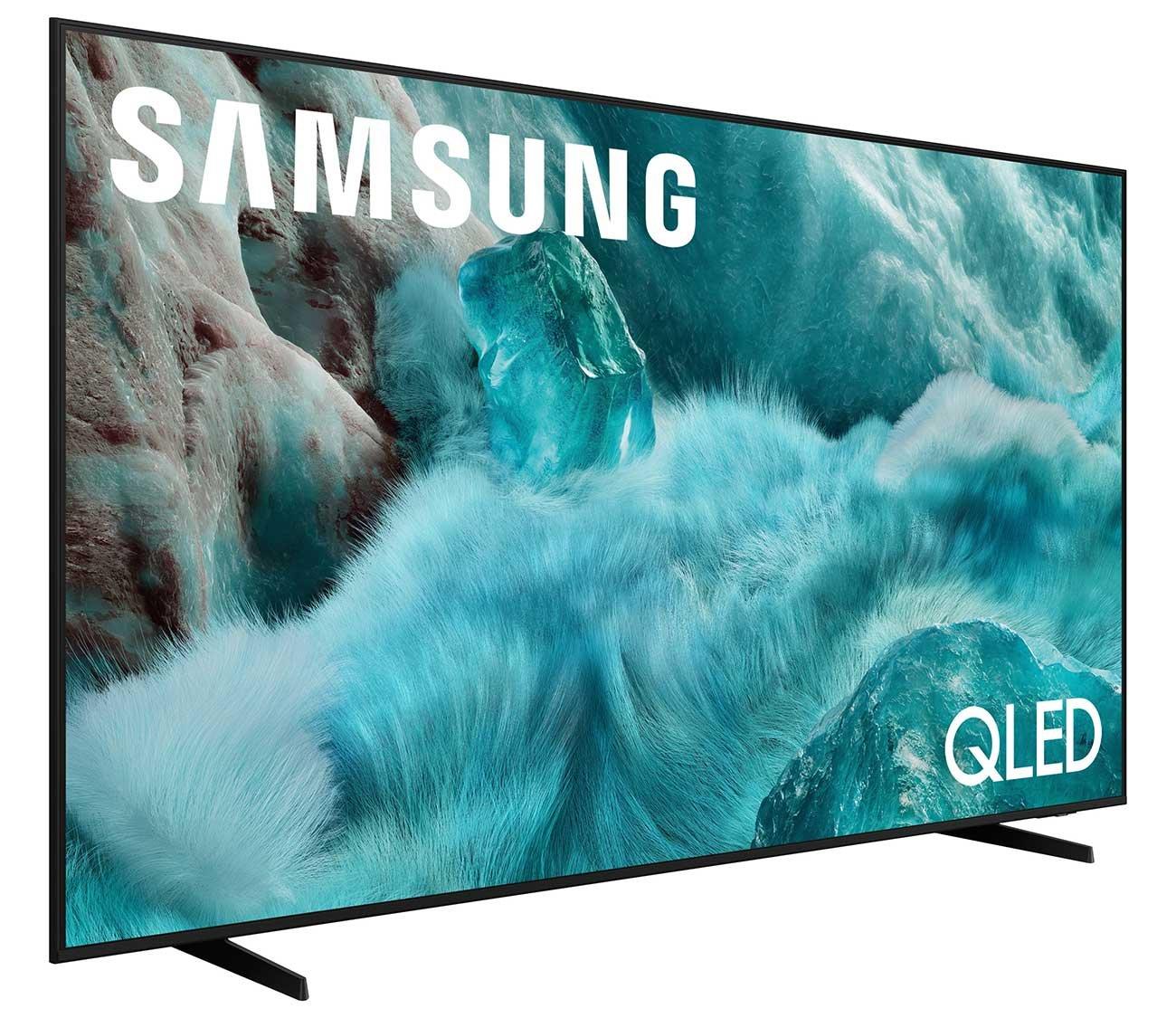

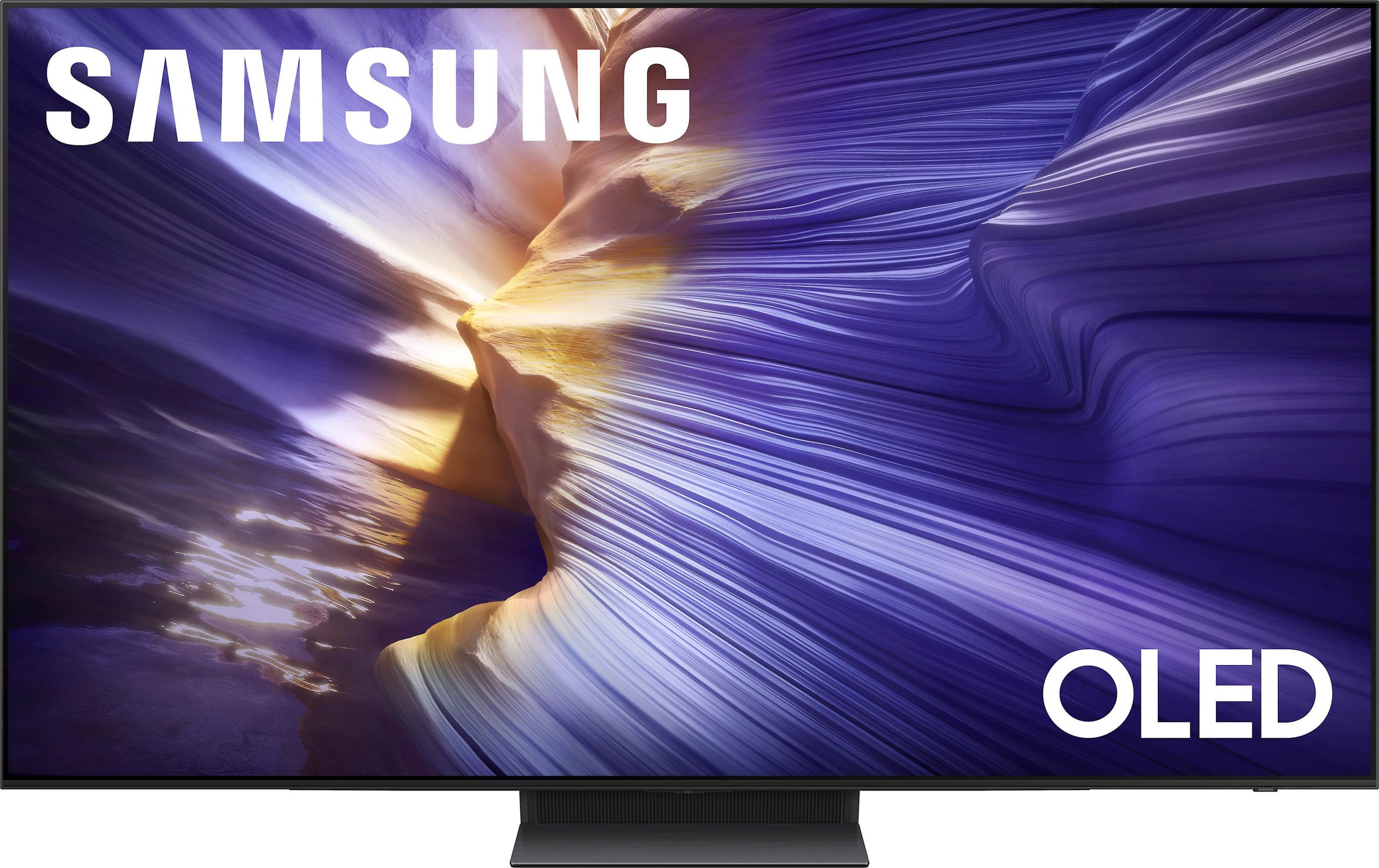
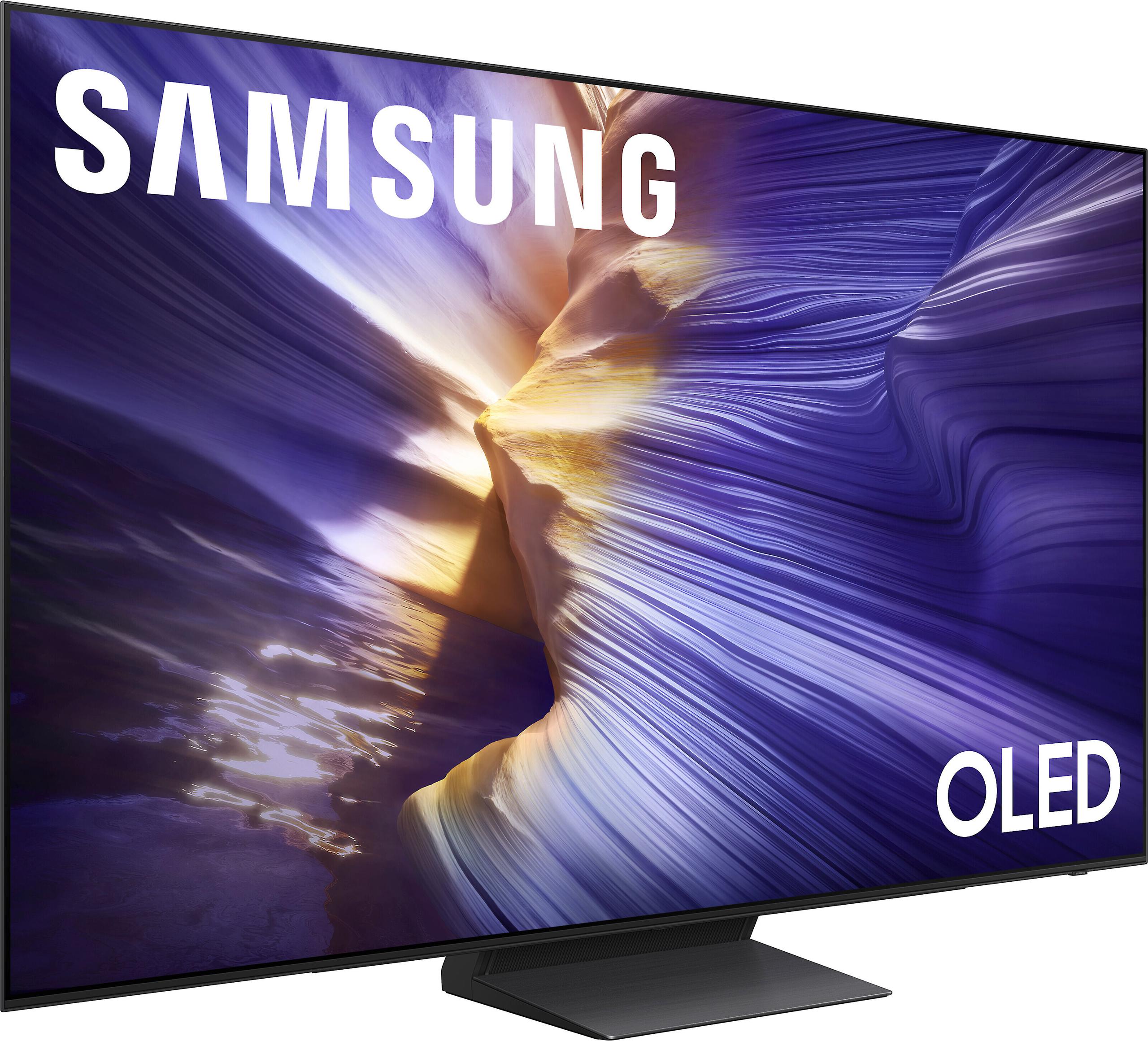
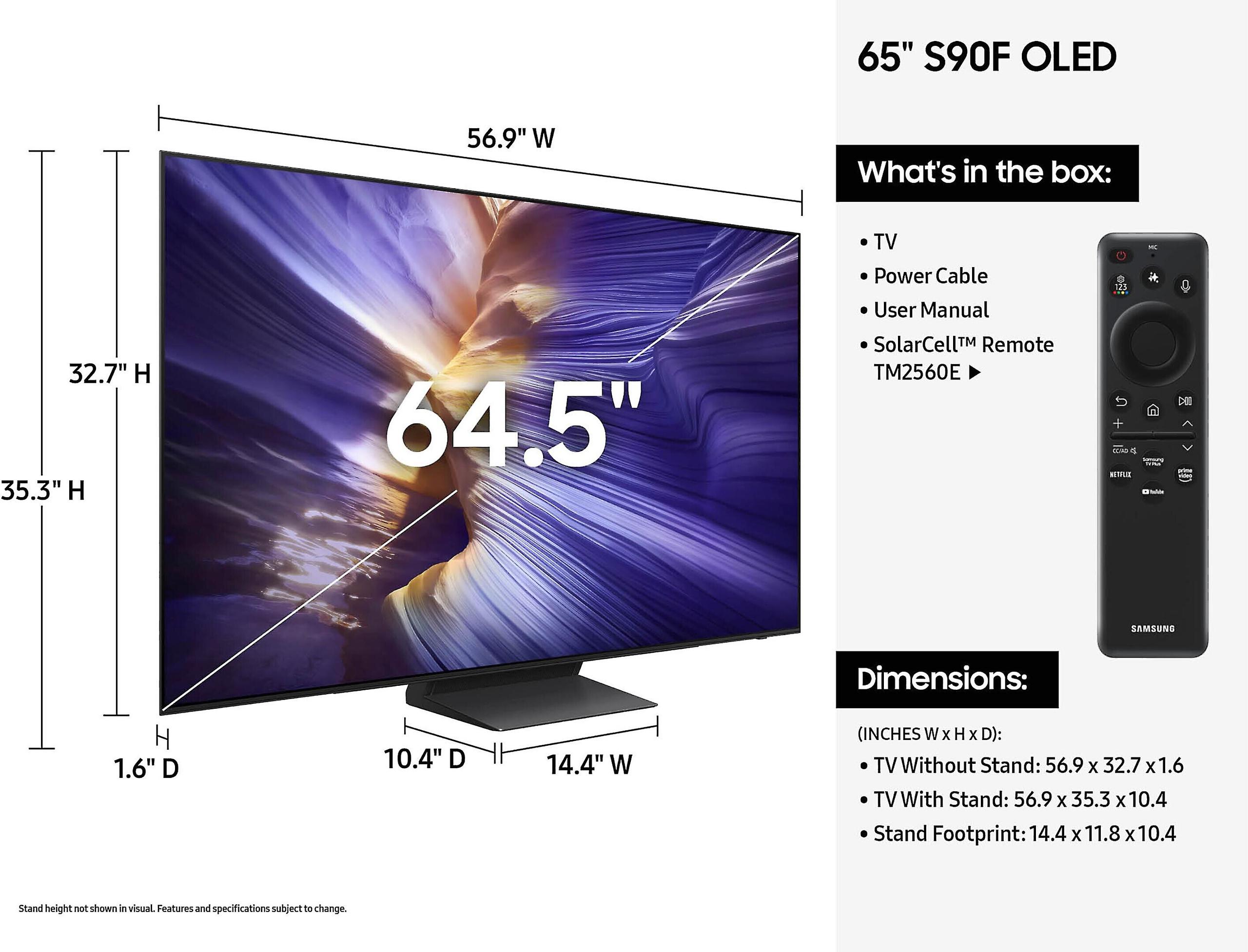

Shopping for a premium 65-inch TV in 2025? You've likely narrowed it down to two compelling Samsung options: the Q7F QLED and the S90F OLED. Both launched in 2025 and represent significant improvements over their 2024 predecessors, but they use fundamentally different technologies to deliver exceptional picture quality.
Here's the thing about TV shopping – the display technology matters more than the brand name on the bezel. While both TVs carry Samsung's reputation for quality, the QLED and OLED technologies create very different viewing experiences. Understanding these differences will help you choose the right TV for your specific room and viewing habits.
Before diving into specifics, let's clarify what sets these display technologies apart. The Q7F QLED uses Quantum Dot LED technology, which means it has a traditional LED backlight that shines through quantum dot layers to create colors, then through liquid crystal layers that twist to control how much light passes through each pixel.
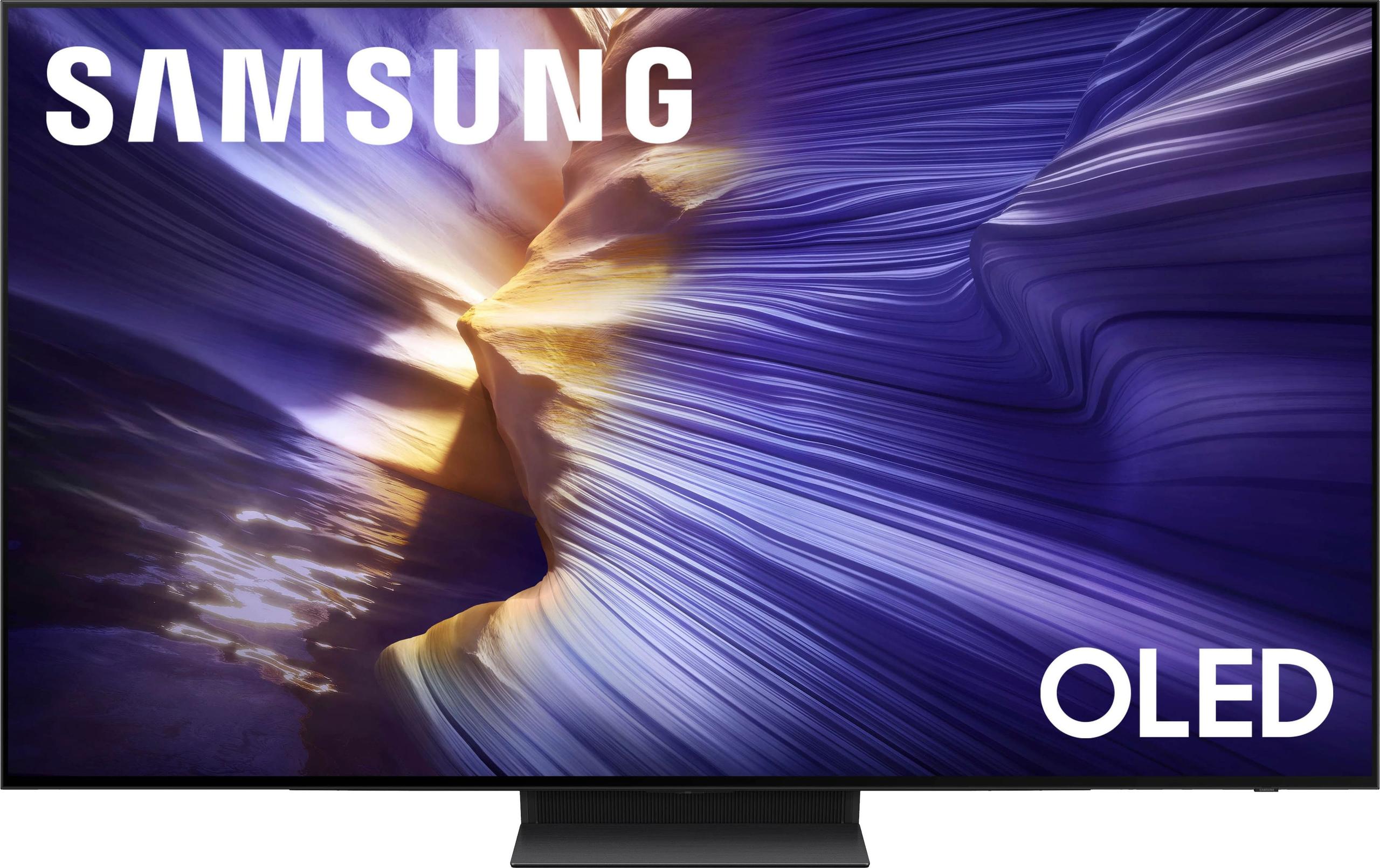
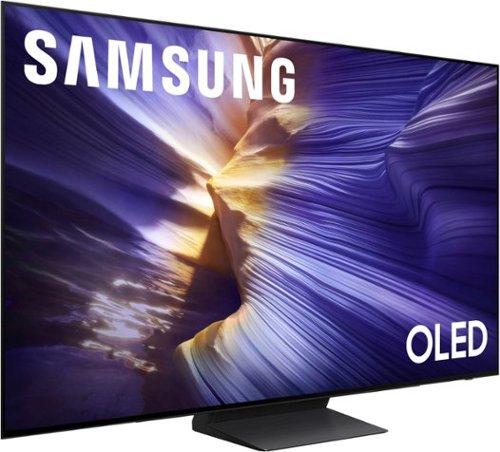
The S90F OLED uses Organic Light Emitting Diode technology, where each individual pixel creates its own light and can turn completely off. Think of it like having 8.3 million tiny lightbulbs (one for each pixel in 4K resolution) that can independently control their brightness and color.
This fundamental difference creates a cascade of performance characteristics that affect everything from how dark scenes look to how well the TV handles fast motion. Samsung's 2025 improvements focused heavily on processing power, with both models featuring enhanced AI capabilities that weren't available in previous generations.
When evaluating TV picture quality, contrast ratio – the difference between the brightest whites and darkest blacks – serves as perhaps the most crucial metric. This is where the technology difference becomes immediately apparent.
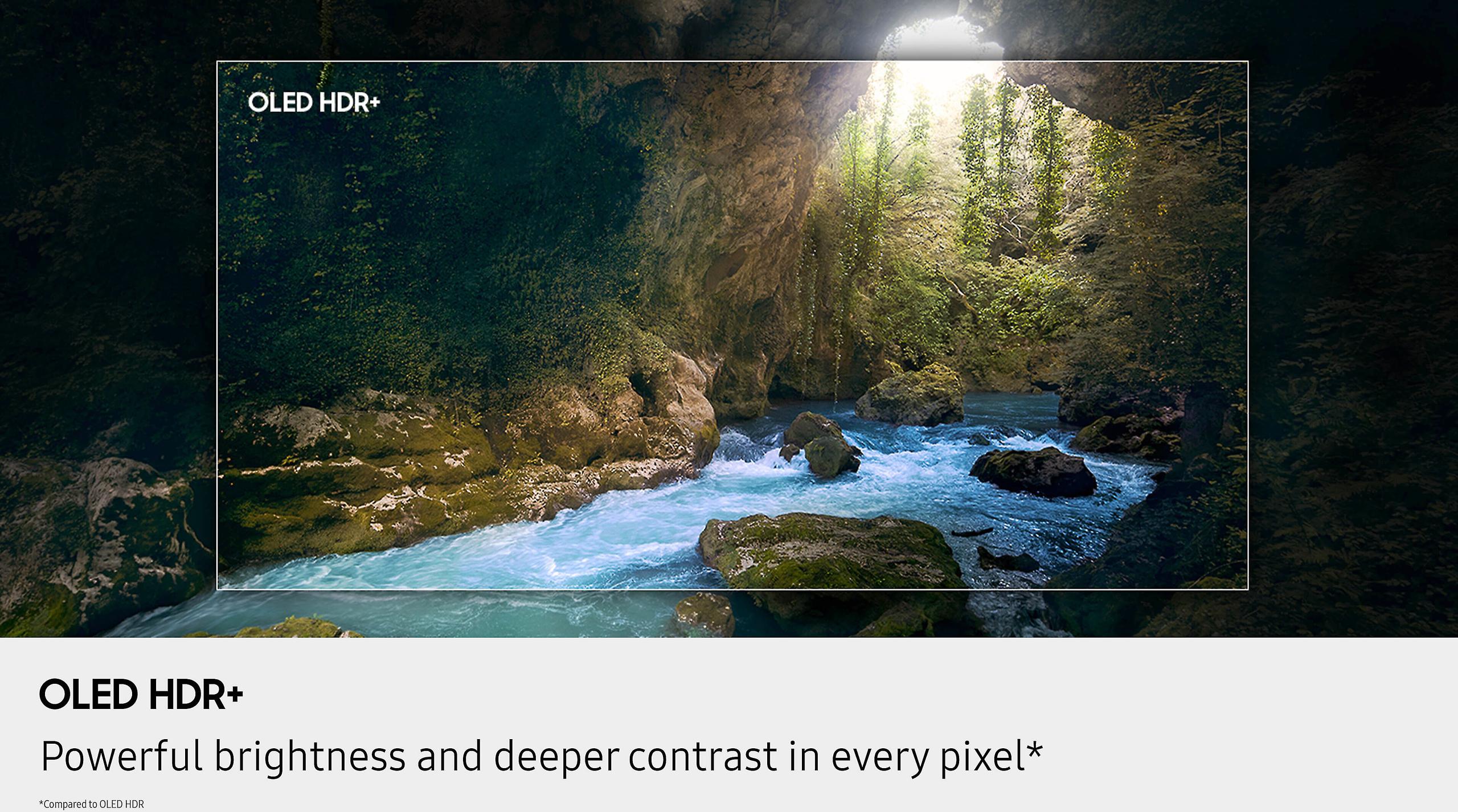
The S90F OLED delivers what's called an "infinite contrast ratio" because its pixels can turn completely off, creating true black with zero light emission. When you're watching a movie scene in a dark cave or the opening credits of a film with black backgrounds, those areas will be perfectly black rather than the dark gray you might notice on other TVs.
The Q7F QLED, despite Samsung's impressive engineering, must block light from its LED backlight to create darker scenes. Even with local dimming zones (areas that can dim independently), some light inevitably bleeds through, creating what we call "blooming" – a subtle glow around bright objects against dark backgrounds. You'll notice this most when watching letterboxed movies with black bars above and below the image.
In practical terms, this means the S90F OLED excels in dark room viewing where the superior contrast creates more realistic depth and dimension. Colors appear more saturated against true black backgrounds, and HDR content gains impact from the dramatic difference between bright and dark elements.
Peak brightness represents the flip side of the contrast equation, and here's where the Q7F QLED fights back decisively. QLED technology can achieve much higher brightness levels – often 2-3 times brighter than OLED displays. This advantage becomes crucial in bright rooms where ambient light can wash out darker displays.
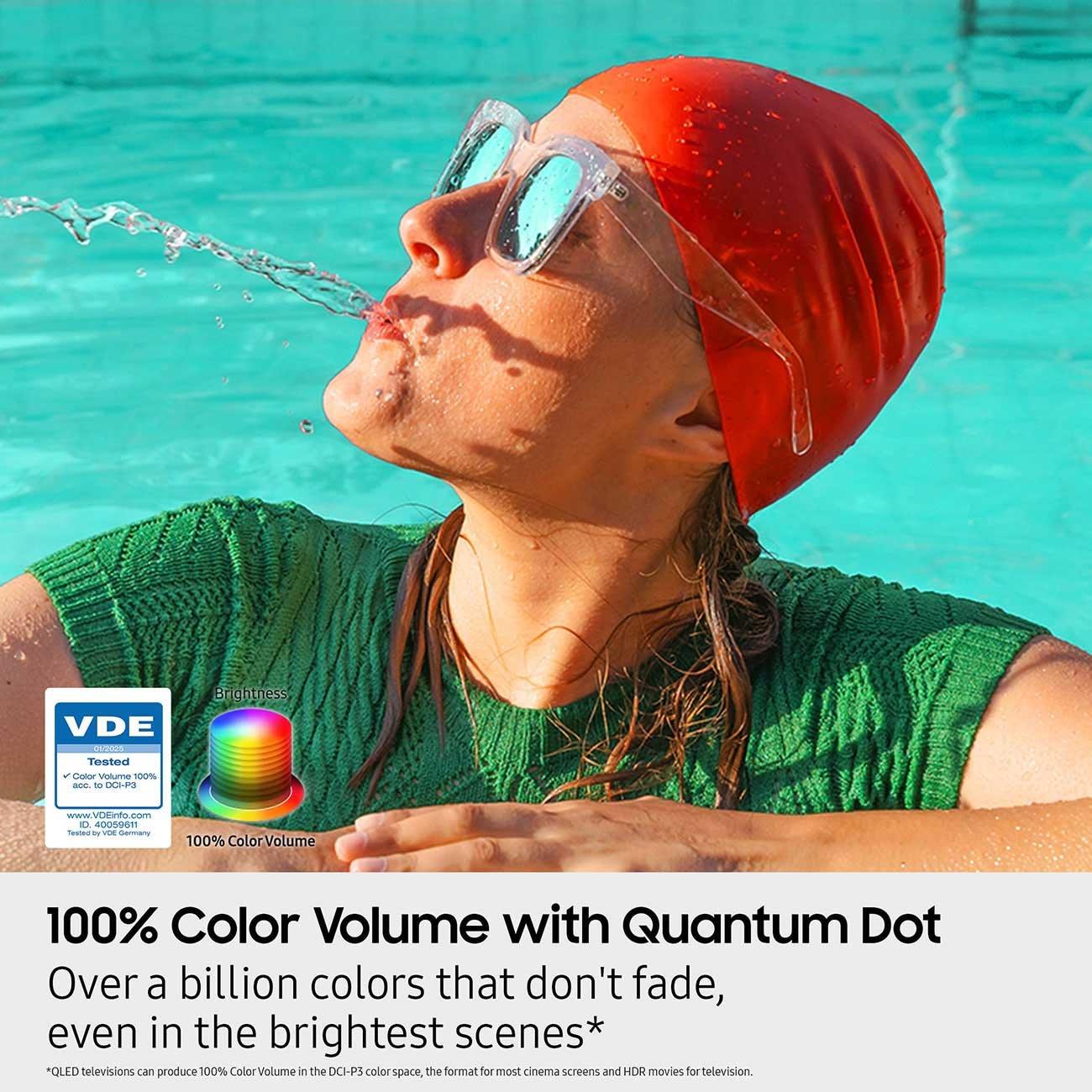
Samsung's quantum dot technology in the Q7F allows it to maintain color accuracy even at high brightness levels, something that challenged earlier QLED generations. The Color Booster Pro feature specifically addresses this by enhancing color reproduction when peak brightness is needed.
For HDR (High Dynamic Range) content, which aims to replicate the brightness range your eyes see in real life, higher peak brightness can make highlights more impactful. Think of the sun reflecting off water or car headlights in a night scene – these elements should appear genuinely bright compared to the rest of the image.
However, the S90F OLED has made significant strides in brightness compared to earlier OLED generations. While it can't match QLED peak brightness, it provides sufficient brightness for most viewing environments while maintaining its contrast advantage.
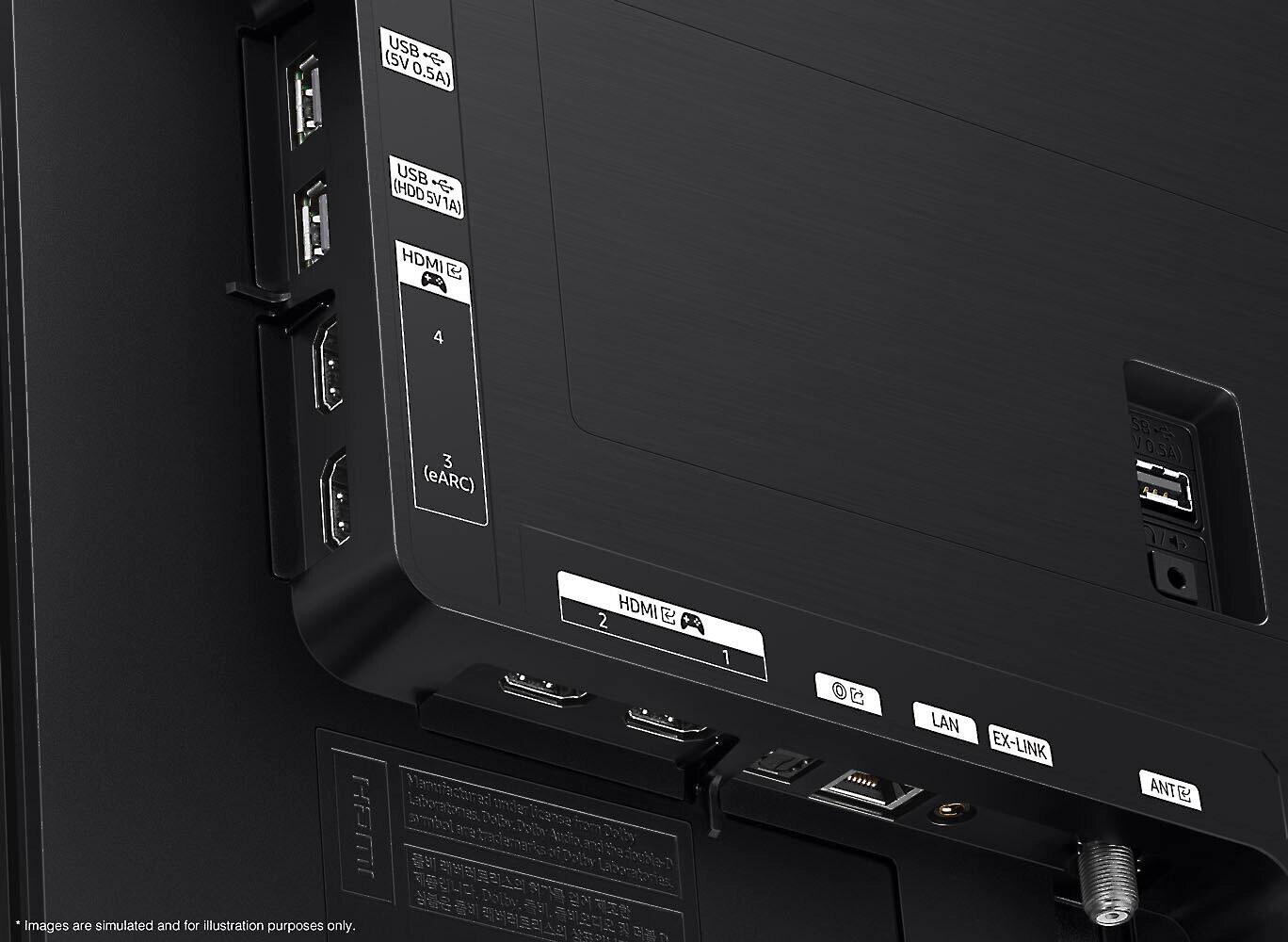
Gaming capabilities have become increasingly important as consoles and PC graphics cards push higher frame rates and resolutions. The S90F OLED dominates this category with support for 4K gaming at 144Hz refresh rates across all four HDMI 2.1 ports.
To understand why this matters, consider that standard TVs refresh their image 60 times per second (60Hz). Higher refresh rates like 144Hz mean the display updates 144 times per second, creating smoother motion in fast-paced games. Combined with Variable Refresh Rate (VRR) technology, which synchronizes the TV's refresh with your gaming device's output, you get tear-free gaming with minimal input lag.
The Q7F QLED supports gaming features like Auto Low Latency Mode (ALLM) and has respectable gaming performance, but it's limited to 60Hz refresh rates. For current PlayStation 5 and Xbox Series X gaming, this works fine since most games target 60fps. However, if you're building a high-end PC gaming setup or want future compatibility with next-generation consoles, the S90F OLED provides better longevity.
OLED technology also offers nearly instantaneous pixel response times. When a pixel needs to change from one color to another, OLED pixels transition almost immediately, while QLED pixels must physically rotate liquid crystals, creating slight motion blur in fast-moving scenes.
Motion clarity affects not just gaming but also sports viewing and action movies. The S90F OLED inherently handles motion better due to its instantaneous pixel response, but Samsung has implemented motion processing on both models to optimize different content types.
Motion Xcelerator technology on both TVs uses AI to analyze content and apply appropriate motion smoothing. However, there's a delicate balance here – too much motion smoothing creates the artificial "soap opera effect" that makes movies look like daytime television, while too little can leave motion looking stuttery.
Based on professional reviews and user feedback, Samsung's 2025 motion processing has improved significantly, with the AI learning to distinguish between different content types. Sports benefit from more aggressive motion smoothing, while movies receive more subtle processing that preserves cinematic quality.
The Q7F QLED handles motion well for its technology class, but fast-moving content will show more motion blur compared to the S90F OLED. If you watch a lot of sports or action movies, this difference becomes noticeable during rapid camera movements or fast-paced scenes.
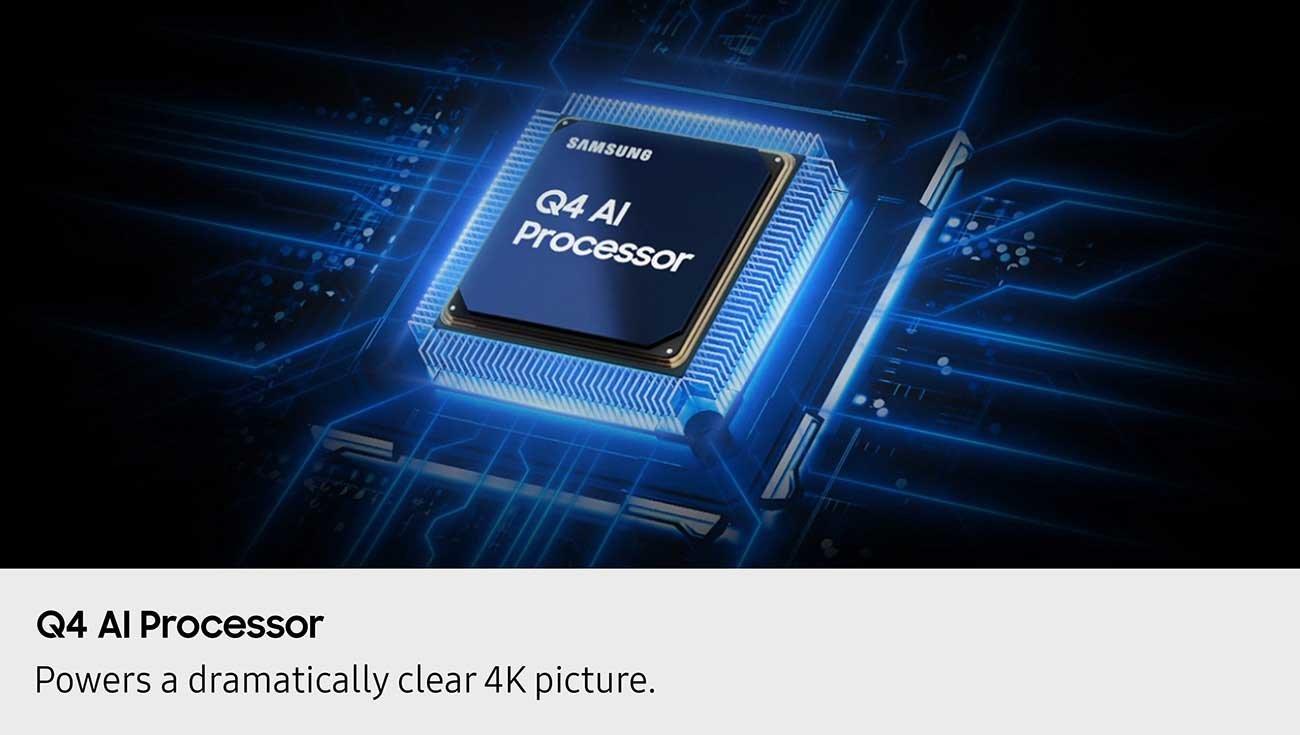
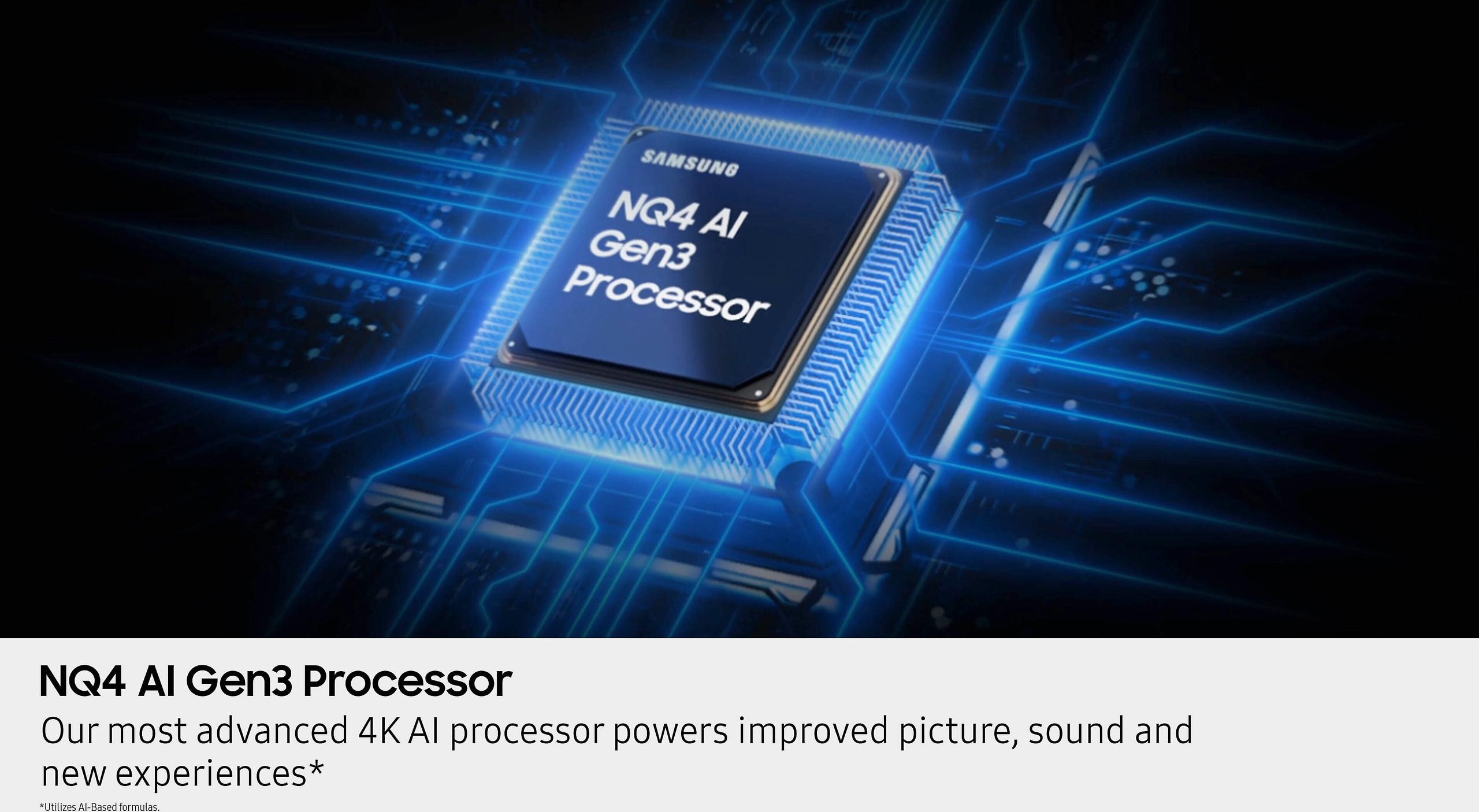
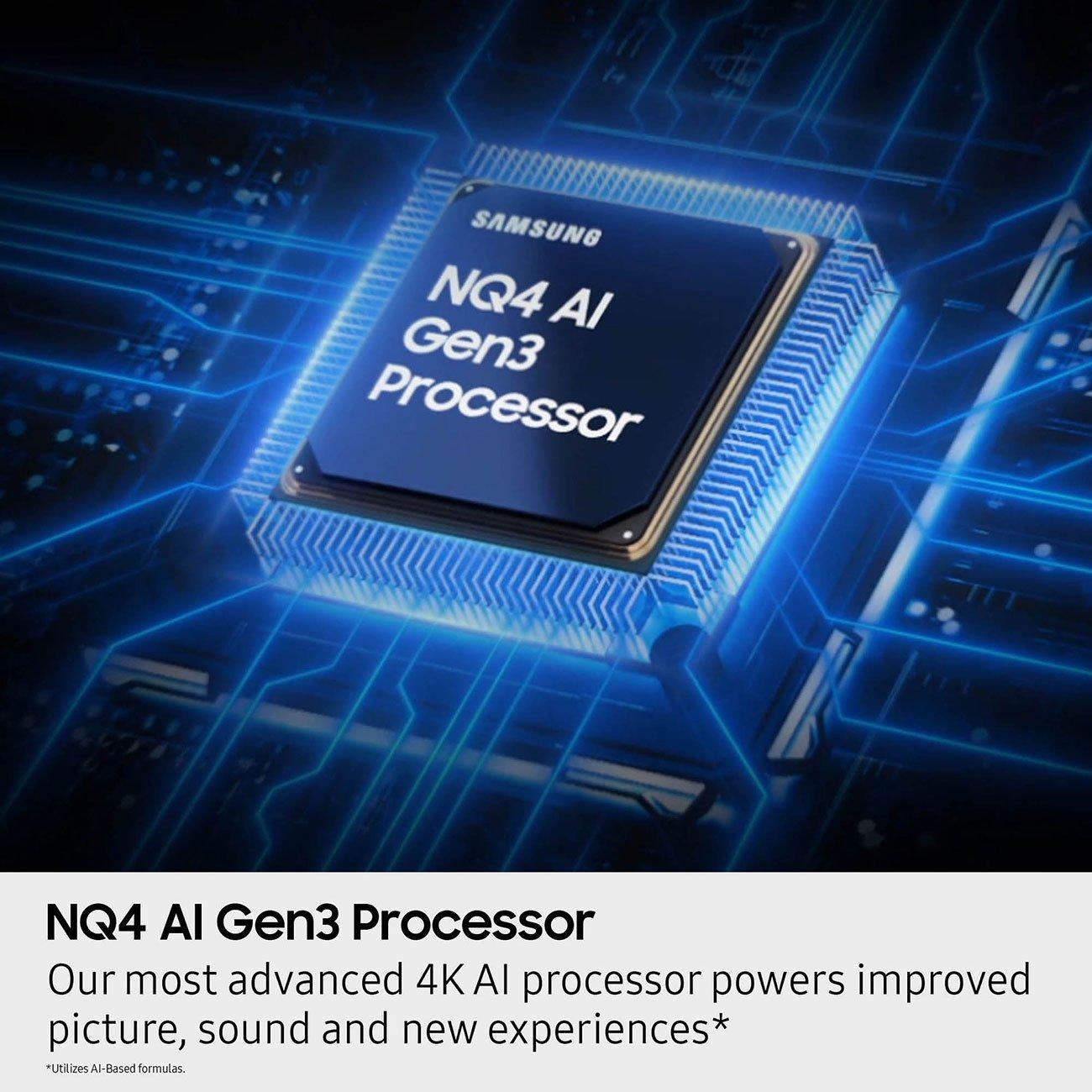
Both TVs run Samsung's 2025 version of Tizen OS with Vision AI integration, but they use different processors that affect overall performance. The S90F OLED features the NQ4 AI Gen3 Processor, while the Q7F QLED uses the Q4 AI Processor.
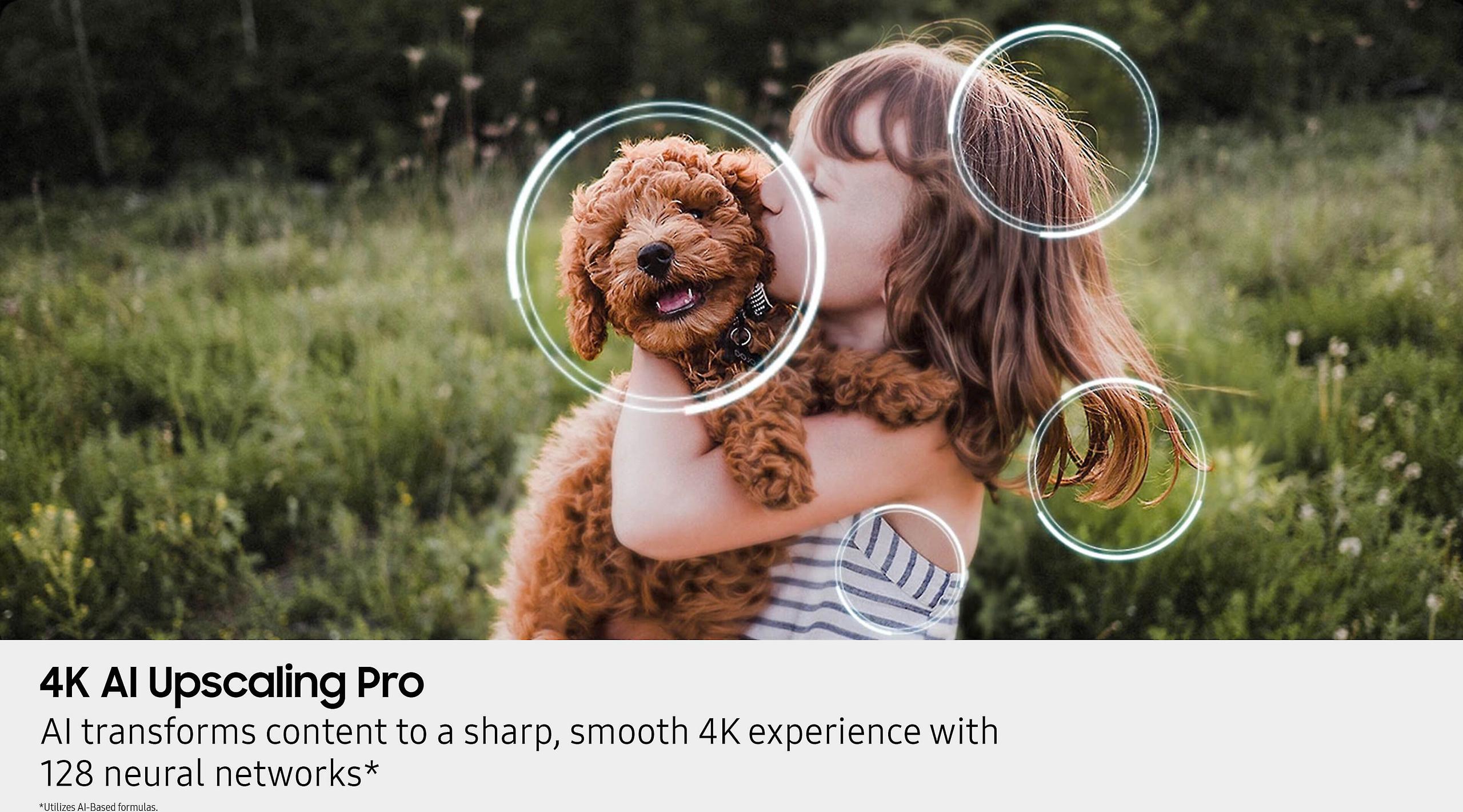
The practical difference lies in upscaling performance – how well the TV improves lower-resolution content. The more powerful processor in the S90F provides superior 4K AI Upscaling Pro, which intelligently analyzes each frame to add detail and reduce artifacts when watching 1080p content from streaming services or cable TV.
Vision AI features include real-time content analysis that adjusts picture settings automatically, voice control through Bixby and Alexa integration, and even a unique Pet Care feature that can detect pet sounds and play calming content when you're away. While these AI features work on both models, the more powerful processor in the S90F enables faster processing and more sophisticated analysis.
The interface responsiveness also benefits from better processing power. Menu navigation, app launching, and switching between inputs feels snappier on the S90F OLED, though both TVs provide acceptable smart TV performance.
Audio often gets overlooked in TV comparisons, but it significantly affects your viewing experience. The S90F OLED includes a 40W 2.1 channel system with a dedicated subwoofer, providing fuller sound with better bass response compared to the Q7F QLED's 20W 2-channel system.
Both models support Samsung's Q-Symphony technology, which allows compatible Samsung soundbars to work in harmony with the TV's built-in speakers rather than replacing them entirely. This creates a more immersive audio experience without completely disabling the TV's speakers.
However, let's be realistic – even the better built-in audio system in the S90F won't match a dedicated soundbar or surround sound system. If you're setting up a serious home theater, plan to invest in external audio regardless of which TV you choose.
The visual design extends beyond picture quality to how the TV fits in your living space. The Q7F QLED offers more flexibility with adjustable stand positioning – you can set the legs at narrow (12-inch) or wide (40.4-inch) spacing to accommodate different furniture configurations.
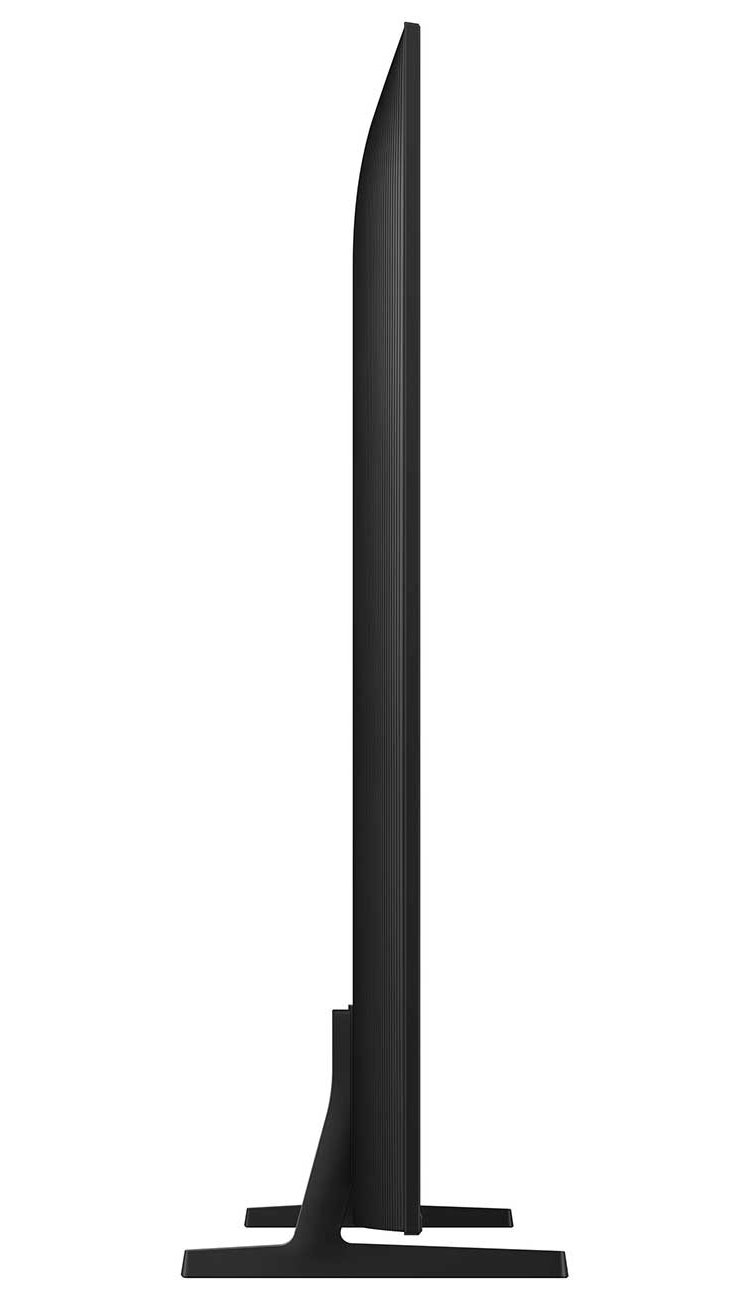
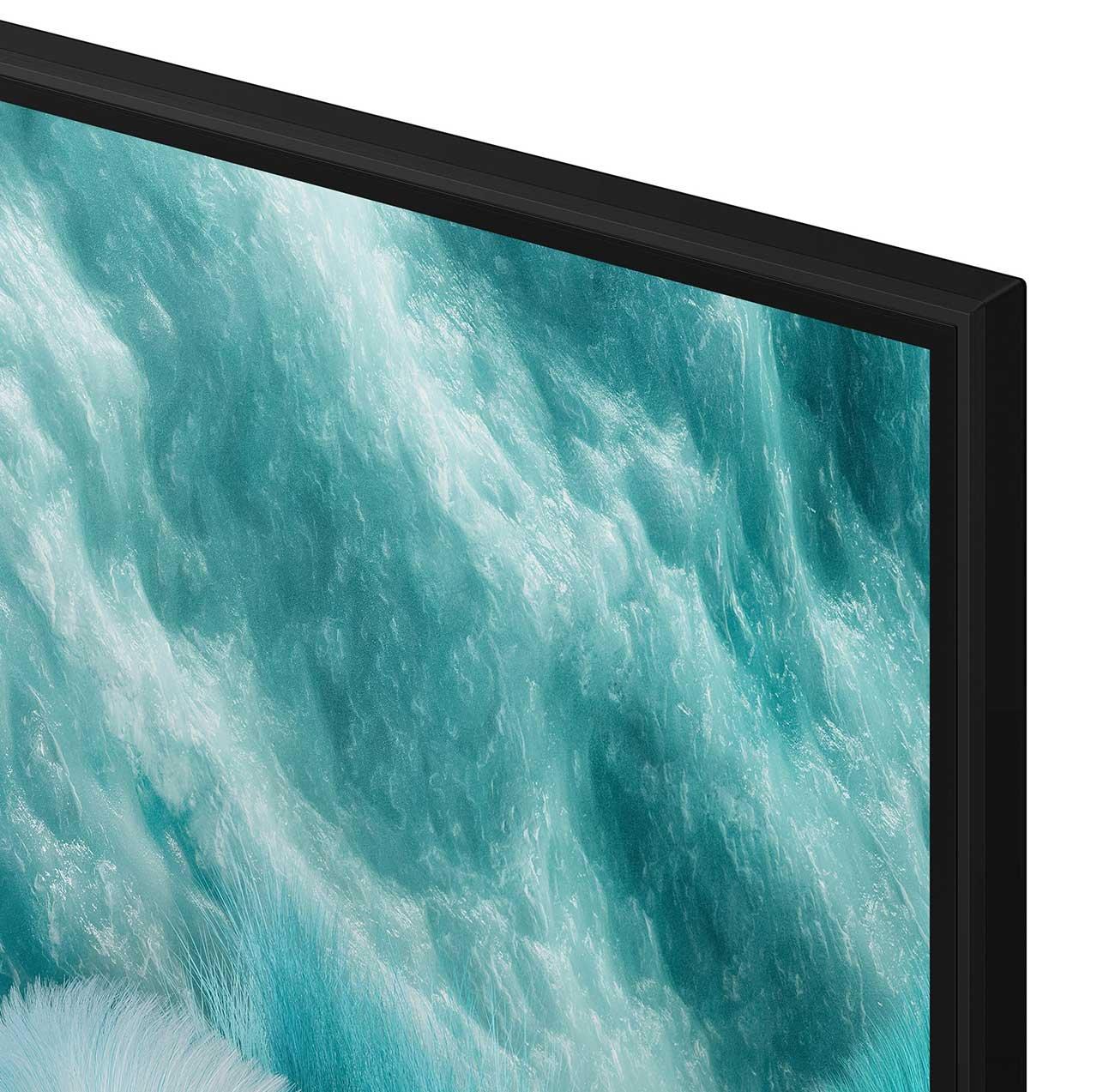
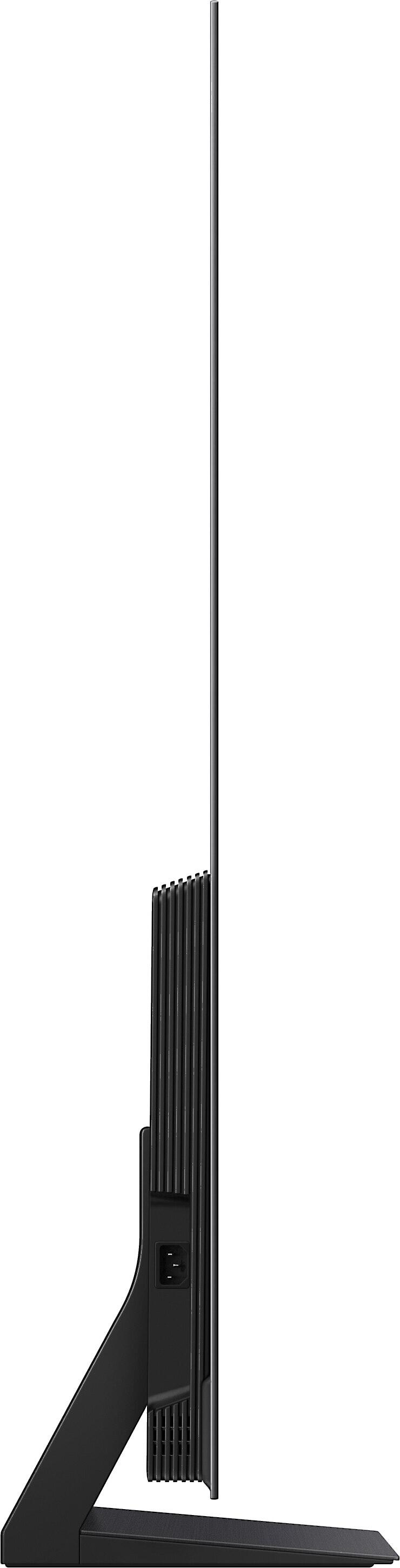
Both TVs achieve Samsung's "bezel-less" design philosophy, with minimal borders around the screen that help maintain immersion during viewing. The S90F OLED typically features a slightly more premium aesthetic with its thinner profile, though both look sophisticated in modern living spaces.
Screen reflectivity becomes important if your room has windows or bright lighting. The S90F OLED uses a glossy screen finish that provides better ambient light handling but can create mirror-like reflections from direct light sources. The Q7F QLED incorporates anti-reflective treatments that reduce glare but might appear slightly less vibrant in controlled lighting.
OLED burn-in concerns often arise in TV discussions, and it's worth addressing honestly. Modern OLED TVs like the S90F include numerous protection features: pixel shifting that slightly moves the image periodically, automatic brightness limiting for static elements, and screen savers that activate during extended static displays.
For typical TV viewing – movies, shows, sports, and casual gaming – burn-in risk is minimal with normal usage patterns. However, if you plan to use your TV as a computer monitor with static elements like taskbars, or for extensive gaming with persistent HUD elements, the Q7F QLED eliminates this concern entirely.
QLED technology doesn't suffer from burn-in since it doesn't rely on organic compounds that can degrade over time. This makes the Q7F potentially more suitable for varied usage patterns or commercial environments where the display might show static content for extended periods.
For dedicated home theater setups, room lighting control becomes crucial. If you can manage ambient light through curtains or blinds, the S90F OLED provides a more cinematic experience with its perfect blacks and superior contrast. The infinite contrast ratio makes dark scenes more engaging and HDR content more impactful.
However, if your viewing room has significant ambient light that you can't control, the Q7F QLED's higher brightness capabilities might provide better overall visibility. Peak brightness helps HDR highlights cut through ambient light, maintaining the intended visual impact even in brighter environments.
Viewing distance also affects your choice. At the typical 8-10 foot viewing distance for a 65-inch TV, both models will provide excellent detail and immersion. However, the S90F OLED's better contrast becomes more apparent at closer viewing distances where you can appreciate fine detail gradations.
At the time of writing, pricing between these models creates an interesting value proposition. The S90F OLED typically commands premium pricing due to OLED technology costs, but current market conditions have created competitive pricing between the two models.
The Q7F QLED represents excellent value for bright-room viewing, offering premium quantum dot color and solid performance at a competitive price point. It's positioned as Samsung's mainstream premium QLED offering for 2025.
The S90F OLED, when available at comparable pricing, represents exceptional value given the typically higher cost of OLED technology. The superior contrast, gaming capabilities, and future-proofing features make it compelling when price differences are minimal.
Choose the Samsung Q7F QLED if you have a bright living room with lots of natural light, want zero burn-in concerns, or need maximum brightness for HDR content. It's also the better choice if you prioritize value and don't need advanced gaming features like 144Hz support.
Choose the Samsung S90F OLED if you primarily watch in controlled lighting, value perfect contrast and black levels, are a serious gamer wanting future-proof capabilities, or watch lots of movies where cinematic quality matters most. The superior motion handling and viewing angles make it ideal for wide seating arrangements.
For most people setting up a primary home theater TV, the S90F OLED provides a more premium viewing experience, especially when pricing is competitive. However, if your room receives significant ambient light throughout your typical viewing times, the Q7F QLED's brightness advantage becomes more valuable than OLED's contrast benefits.
Both TVs represent solid choices from Samsung's 2025 lineup, with improvements in AI processing and smart features over previous generations. Your room lighting, viewing habits, and specific priorities should guide your final decision rather than simply choosing the newer or more expensive option.
| Samsung 65" Q7F QLED 4K Vision AI Smart TV 2025 | Samsung 65" S90F OLED 4K Vision AI Smart TV 2025 |
|---|---|
| Display Technology - Fundamental difference affecting all picture quality | |
| QLED with LED backlight and quantum dots | OLED with self-emitting pixels |
| Contrast Ratio - Most important spec for dark scene detail | |
| 4500:1 (good blacks, some light bleed) | Infinite (perfect blacks, no light bleed) |
| Peak Brightness - Critical for bright rooms and HDR impact | |
| 500+ cd/m² (excellent for bright rooms) | 400 cd/m² (good, but less than QLED) |
| Gaming Refresh Rate - Essential for competitive and future gaming | |
| 60Hz (fine for current consoles) | 144Hz (future-proof for PC and next-gen consoles) |
| Processor - Affects upscaling and smart TV performance | |
| Q4 AI Processor (solid performance) | NQ4 AI Gen3 Processor (faster, better upscaling) |
| Motion Handling - Important for sports and action content | |
| Motion Xcelerator 60Hz (good with some blur) | Near-instant pixel response (excellent clarity) |
| HDMI Ports - Affects gaming and device connectivity | |
| 3 HDMI ports | 4 HDMI 2.1 ports (more future-proof) |
| Audio System - Built-in sound quality | |
| 20W 2-channel speakers | 40W 2.1 channel with subwoofer |
| Viewing Angles - Important for wide seating arrangements | |
| 178° (some color shift at extreme angles) | Excellent (minimal degradation off-axis) |
| Burn-in Risk - Long-term durability consideration | |
| Zero risk (no organic compounds) | Minimal risk with normal TV usage |
| Stand Design - Flexibility for furniture placement | |
| Adjustable leg positioning (12" or 40.4" width) | Fixed stand design |
| Best Use Case - Who should choose this TV | |
| Bright rooms, mixed family use, burn-in concerns | Dark rooms, gaming enthusiasts, movie lovers |
The Samsung Q7F QLED uses LED backlighting with quantum dots, while the Samsung S90F OLED has self-emitting pixels that can turn completely off. This creates perfect blacks on the OLED but higher peak brightness on the QLED. The OLED offers infinite contrast, while the QLED provides better performance in bright rooms.
The Samsung Q7F QLED is better for bright rooms because it can achieve much higher peak brightness levels (500+ cd/m²) compared to the Samsung S90F OLED. The QLED's anti-reflective coating and superior brightness help maintain picture quality even with ambient light, while OLEDs perform best in controlled lighting conditions.
The Samsung S90F OLED excels in dark room viewing with its infinite contrast ratio and perfect blacks. Each pixel can turn completely off, creating true black levels that make colors pop and provide exceptional depth in movie scenes. The Samsung Q7F QLED offers good picture quality but cannot match OLED's contrast performance in dark environments.
Yes, the Samsung S90F OLED is significantly better for gaming with 4K 144Hz support across all four HDMI 2.1 ports, near-zero input lag, and instant pixel response for smooth motion. The Samsung Q7F QLED is limited to 60Hz refresh rates, which is adequate for current consoles but less future-proof for PC gaming and next-generation systems.
Both the Samsung Q7F QLED and Samsung S90F OLED run Samsung's 2025 Tizen OS with Vision AI features, including voice control, streaming apps, and smart home integration. However, the S90F has a more powerful NQ4 AI Gen3 processor that provides better upscaling and faster performance compared to the Q7F's Q4 AI processor.
The Samsung Q7F QLED has no burn-in risk since it doesn't use organic compounds, making it more suitable for varied usage patterns including static content. The Samsung S90F OLED has minimal burn-in risk with normal TV viewing but includes protection features. Both TVs offer similar overall reliability for typical home use.
The Samsung S90F OLED has superior built-in audio with a 40W 2.1 channel system including a dedicated subwoofer, providing fuller sound with better bass. The Samsung Q7F QLED features a 20W 2-channel system that's adequate but less powerful. Both support Q-Symphony for soundbar integration.
Value depends on your priorities and current market pricing. The Samsung Q7F QLED typically offers excellent value for bright room viewing and general family use. The Samsung S90F OLED provides premium OLED technology that usually commands higher prices, making it exceptional value when pricing is competitive between the models.
Both TVs support HDR10+ content, but they excel in different ways. The Samsung Q7F QLED delivers more impactful HDR highlights due to its higher peak brightness, while the Samsung S90F OLED provides superior HDR contrast with its perfect blacks. Neither supports Dolby Vision, which is a Samsung limitation across their TV lineup.
The Samsung S90F OLED handles fast motion better due to its instantaneous pixel response, making it ideal for sports with rapid movement. The Samsung Q7F QLED offers good sports viewing with Motion Xcelerator technology, but may show slight motion blur during fast-paced action. Both provide wide viewing angles suitable for group sports viewing.
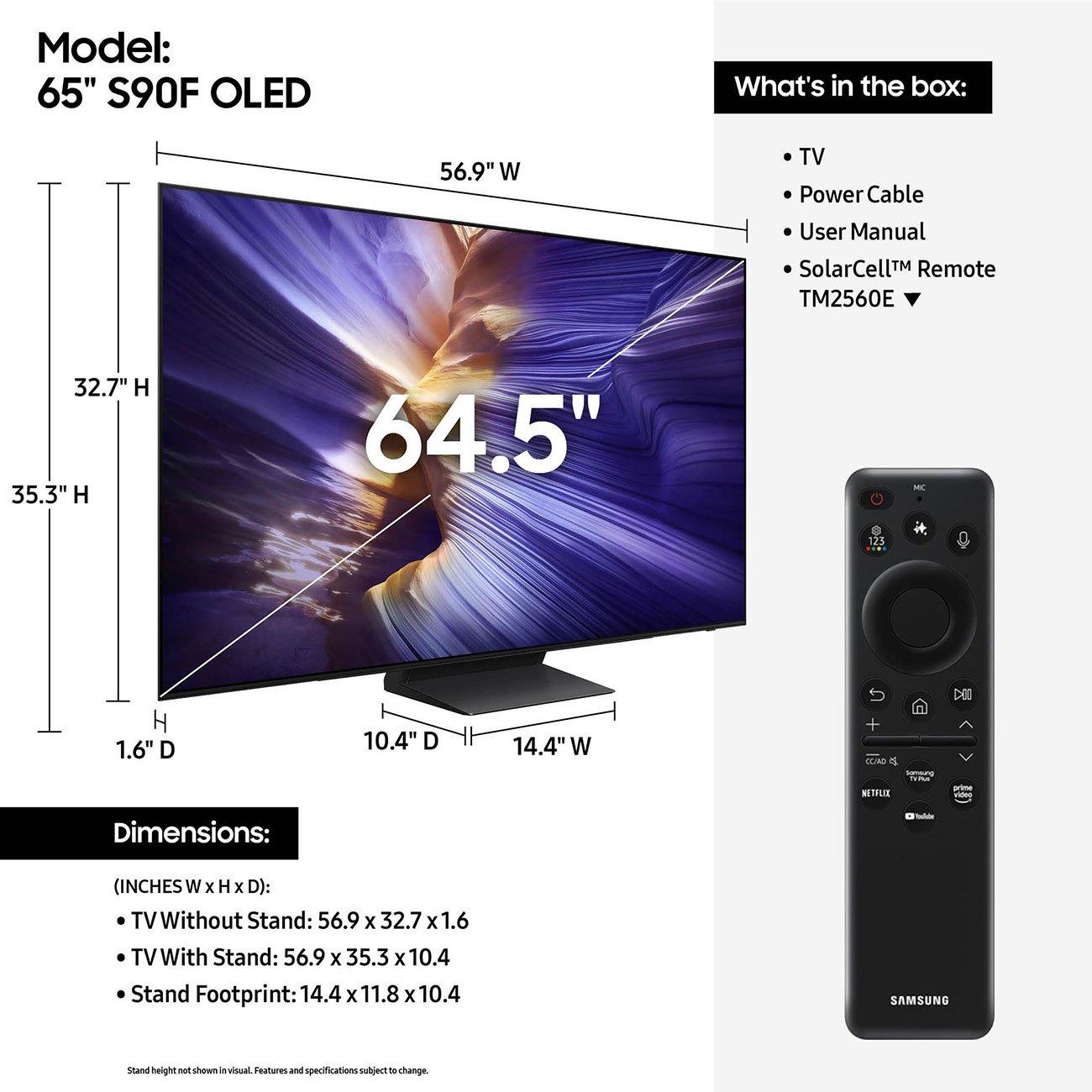
The Samsung Q7F QLED offers more flexibility with adjustable leg positioning (12" or 40.4" width options) to accommodate different furniture setups. The Samsung S90F OLED features a fixed stand design with a typically thinner profile and more premium aesthetic. Both achieve Samsung's bezel-less design philosophy for immersive viewing.
For a dedicated home theater with controlled lighting, the Samsung S90F OLED provides a more cinematic experience with perfect blacks, infinite contrast, and superior motion handling that enhances movie viewing. However, if your theater room has some ambient light, the Samsung Q7F QLED might be more practical with its higher brightness capabilities for maintaining HDR impact.
We've done our best to create useful and informative comparisons to help you decide what product to buy. Our research uses advanced automated methods to create this comparison and perfection is not possible - please contact us for corrections or questions. These are the sites we've researched in the creation of this article: bestbuy.com - youtube.com - samsung.com - samsung.com - pcrichard.com - samsung.com - samsung.com - videoandaudiocenter.com - displayspecifications.com - bestbuy.com - samsung.com - samsung.com - samsung.com - samsung.com - news.samsung.com - youtube.com - t3.com - rtings.com - bestbuy.com - stereonet.com - samsung.com - bestbuy.com - flatpanelshd.com - myallsouth.com - pcrichard.com - samsung.com - bestbuy.com - samsung.com - samsung.com - samsung.com

Privacy Policy
Terms and Conditions - Affiliate Policy
Home Security
© Copyright 2008-2026.
11816 Inwood Rd #1211, Dallas, TX 75244