

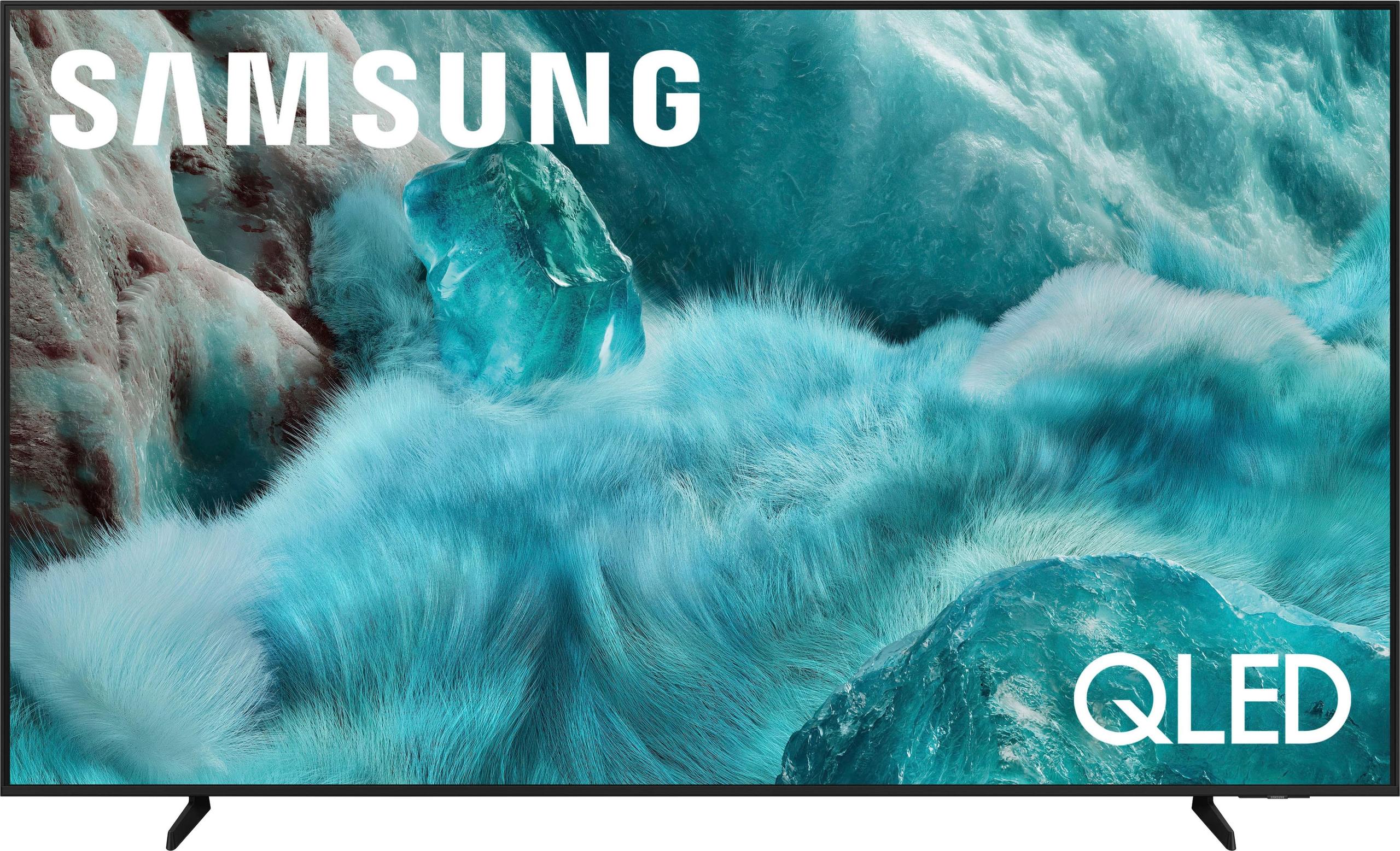
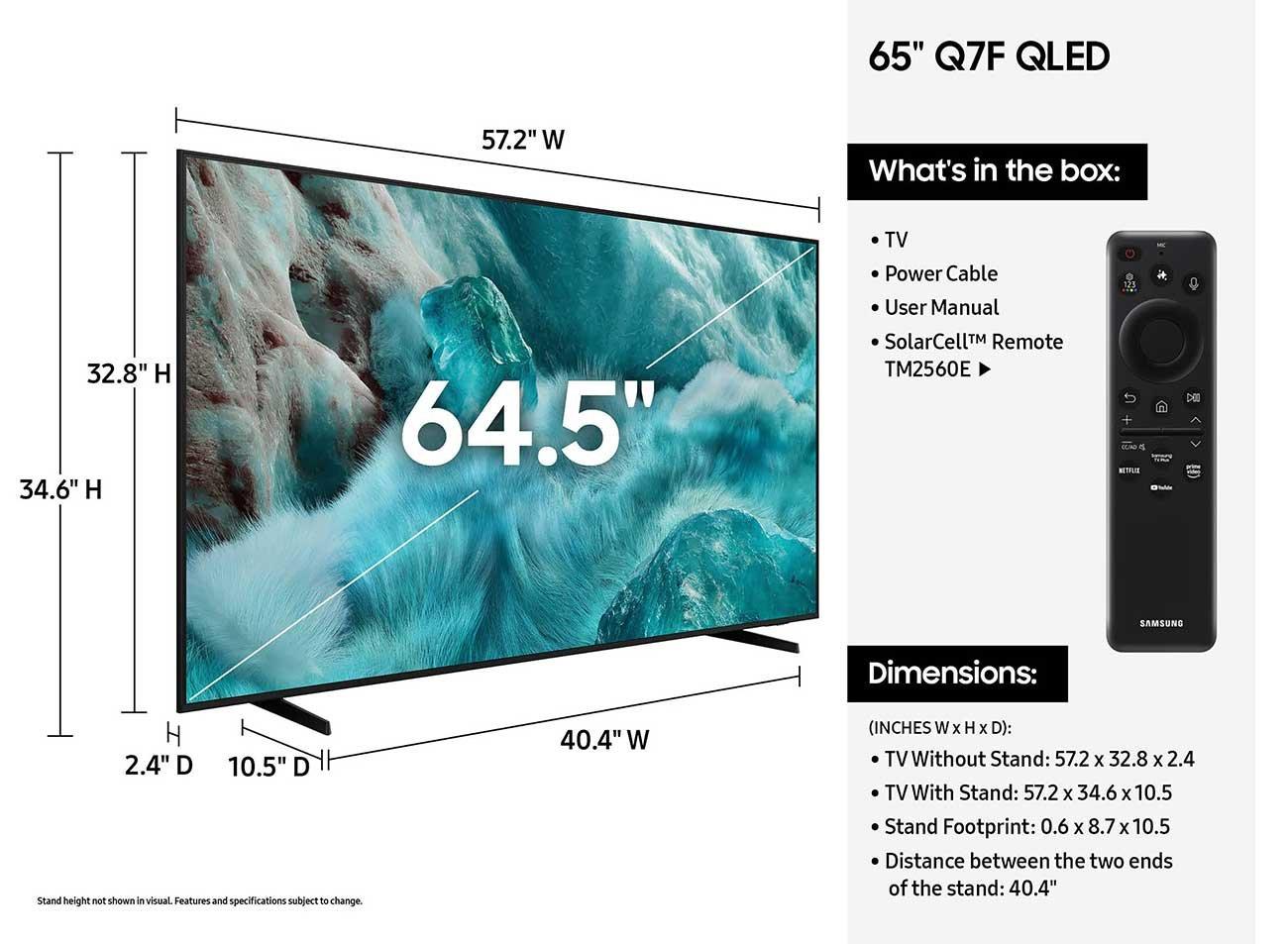

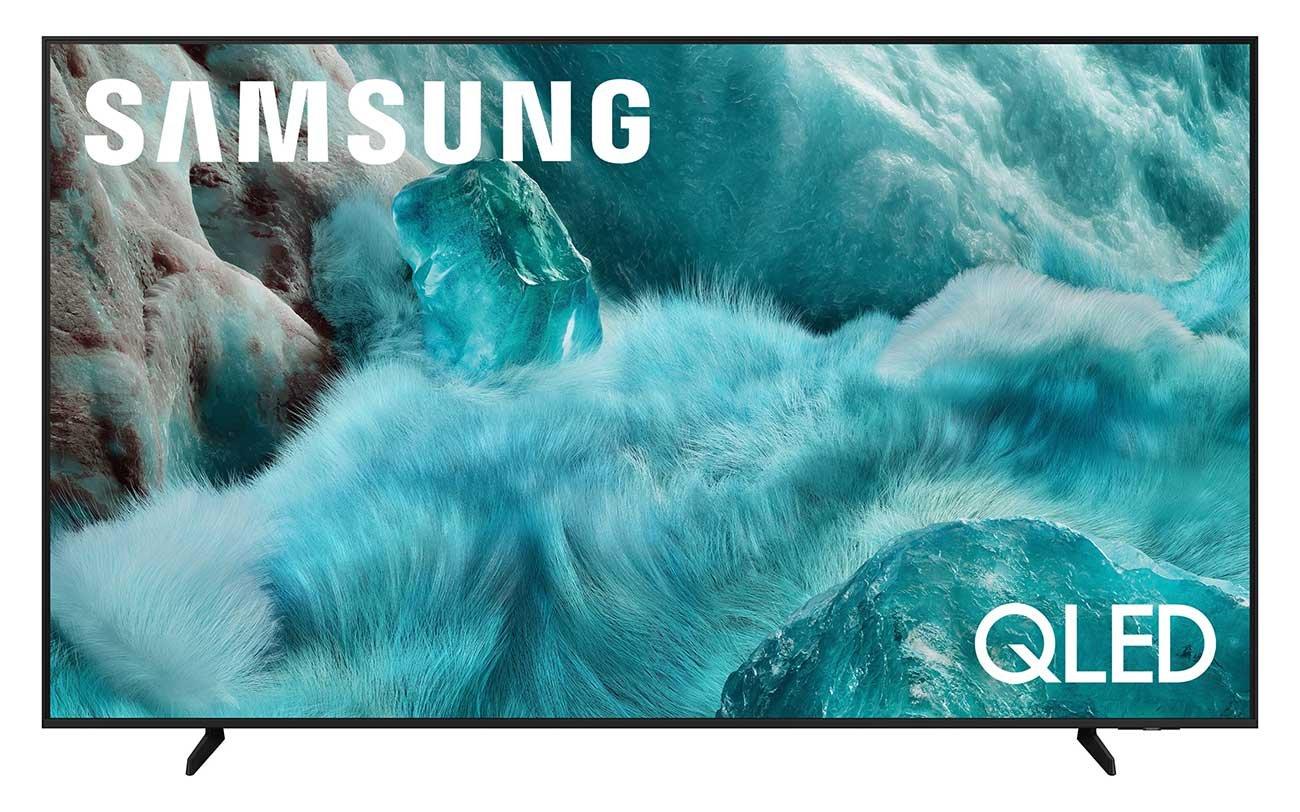
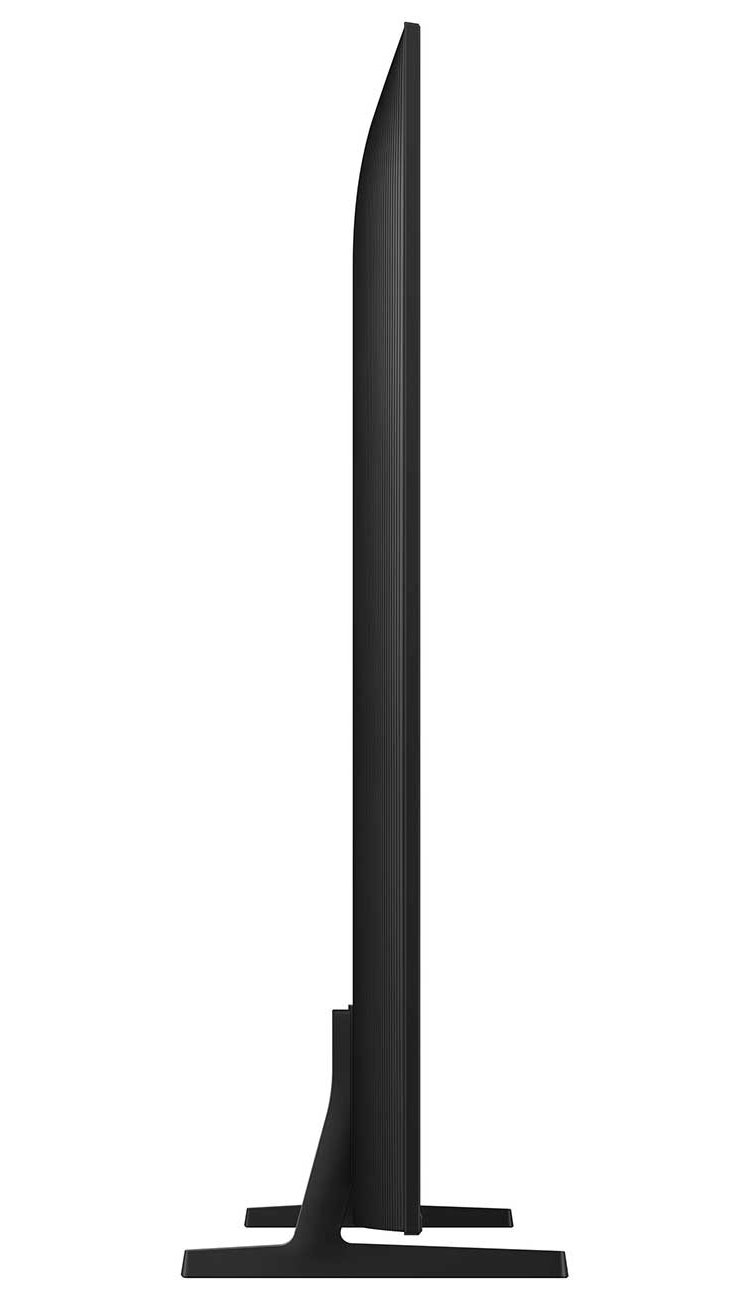
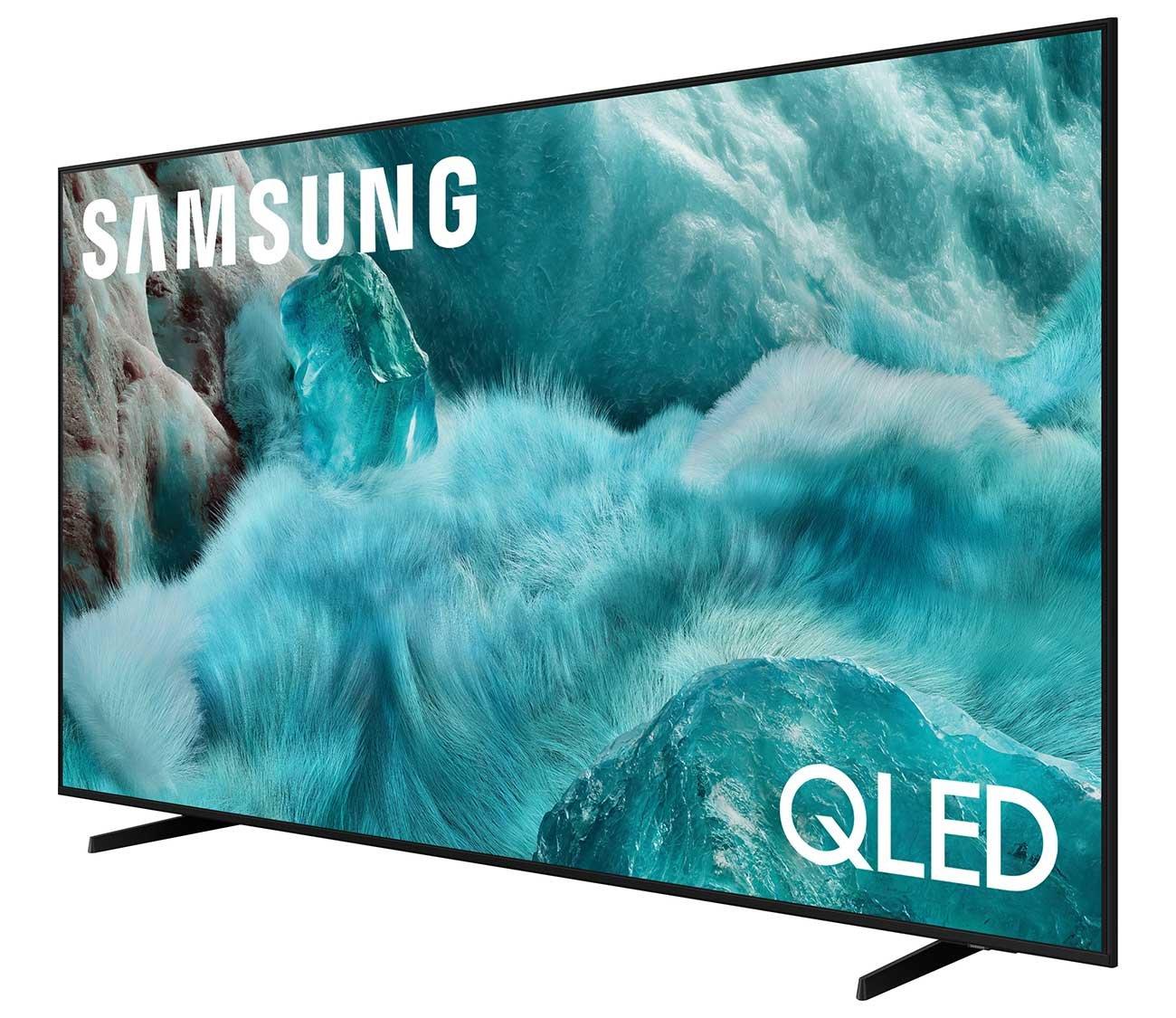
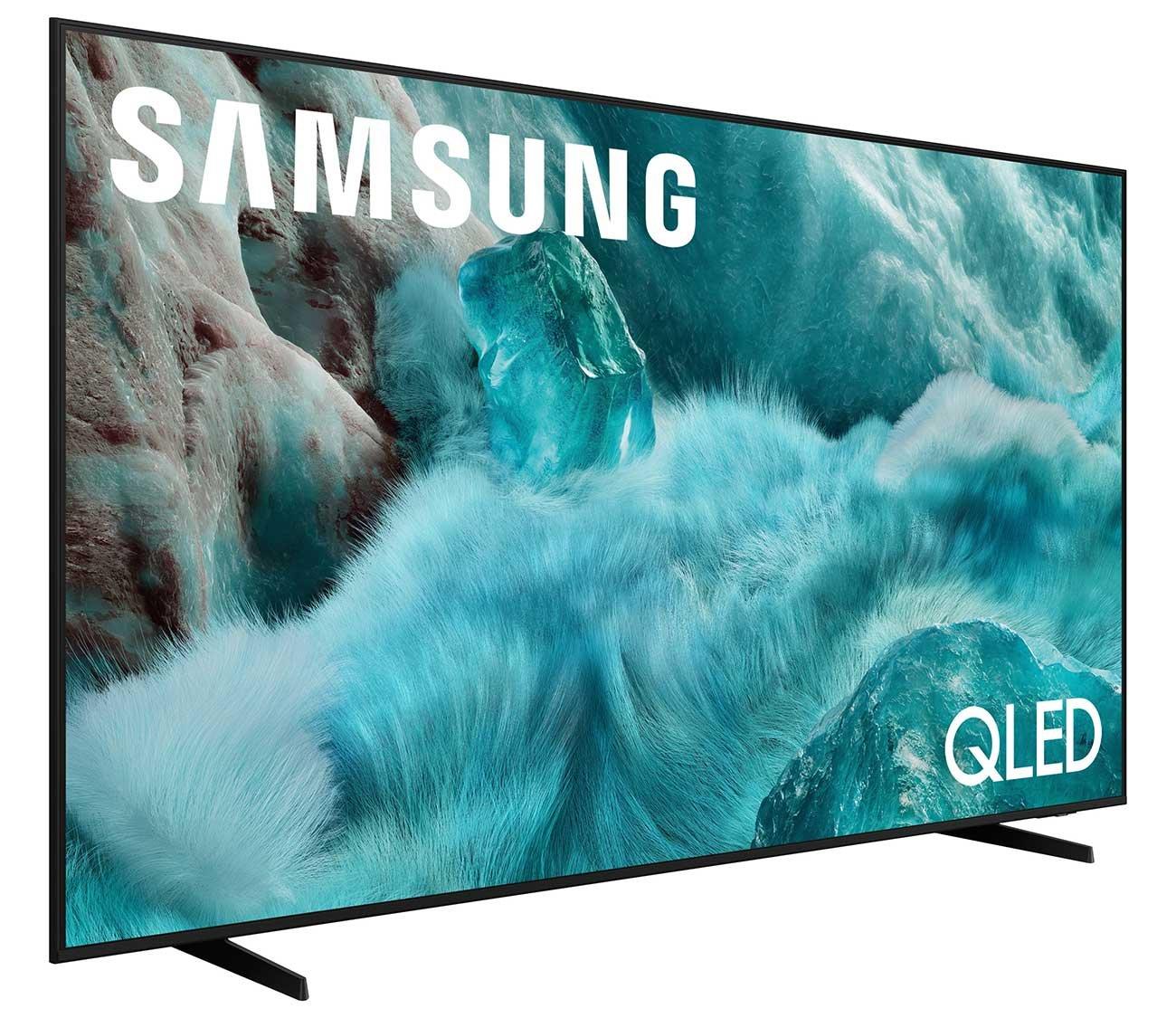

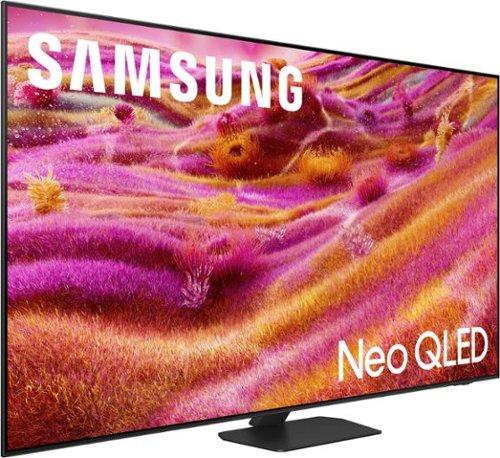
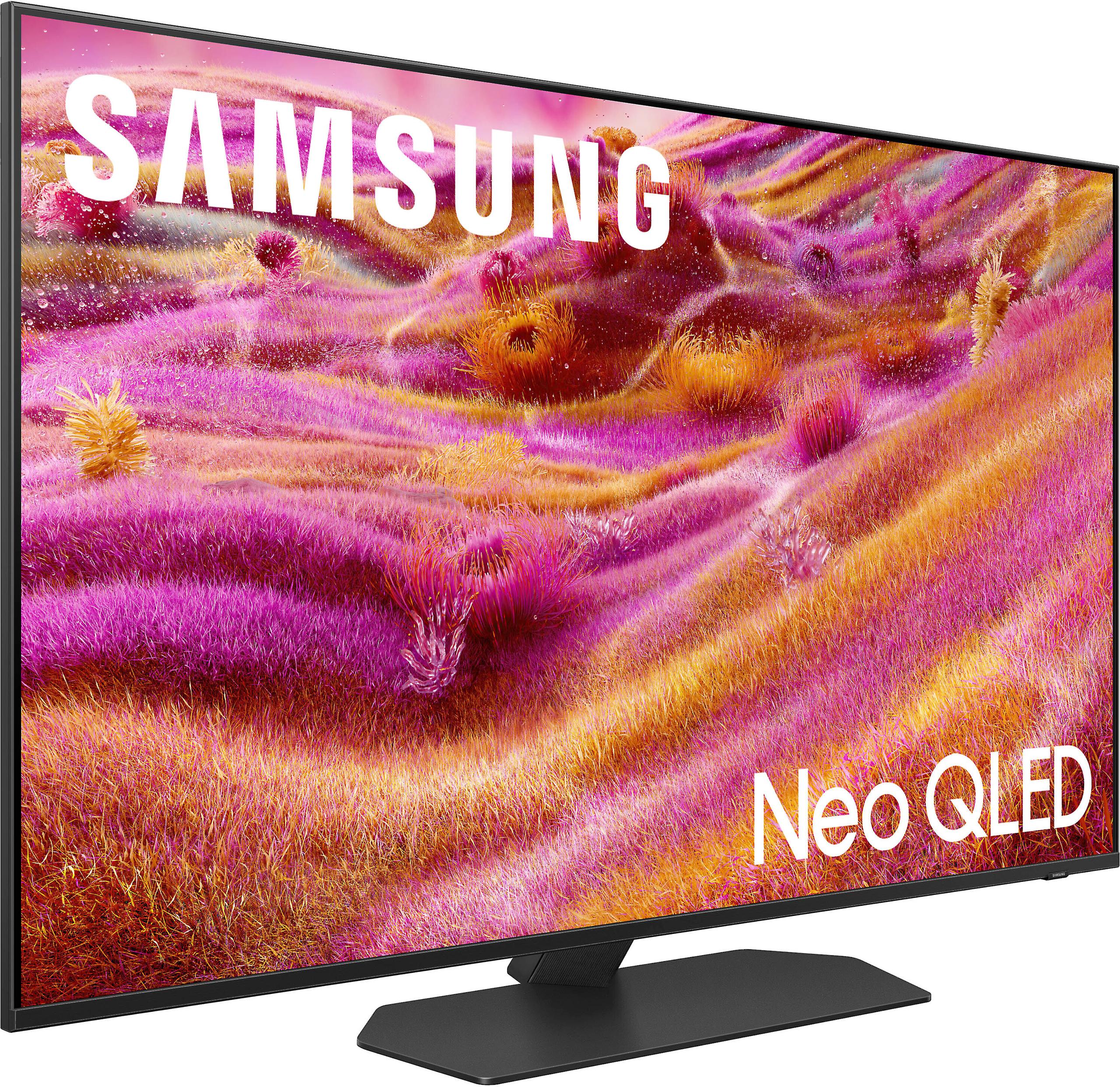
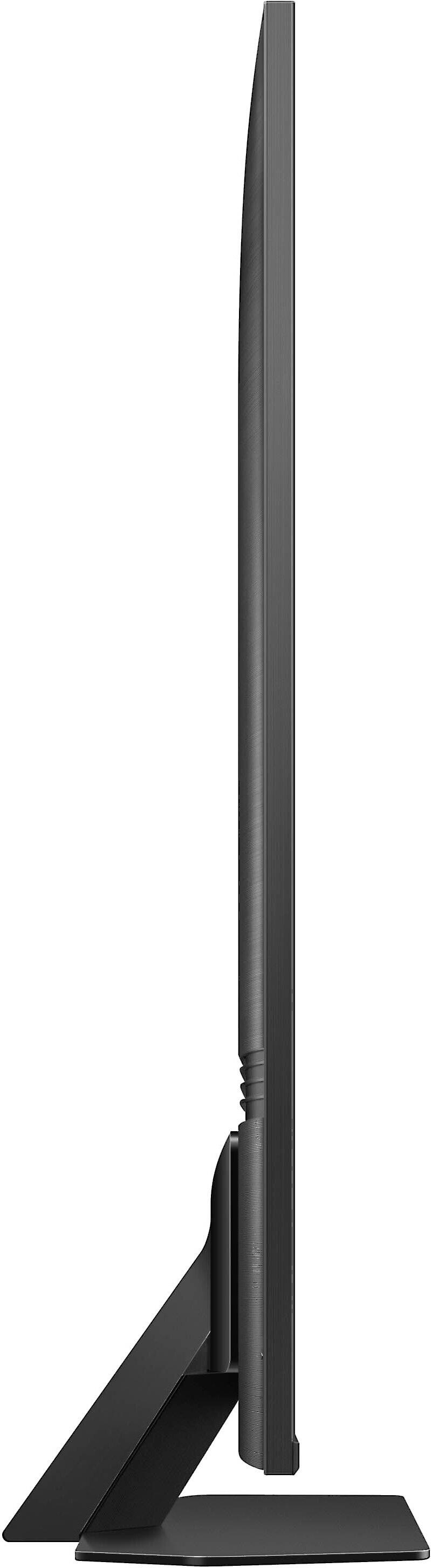
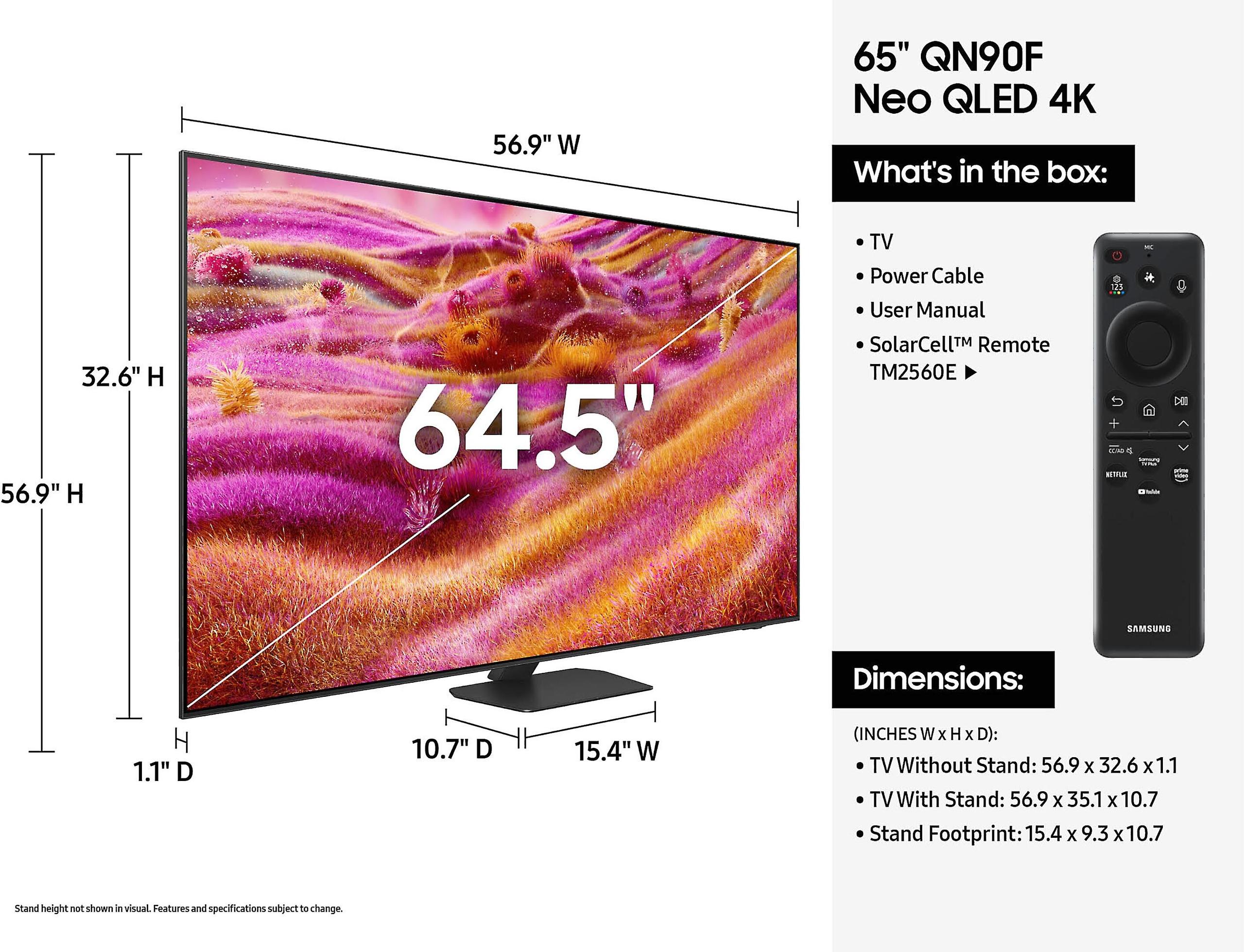

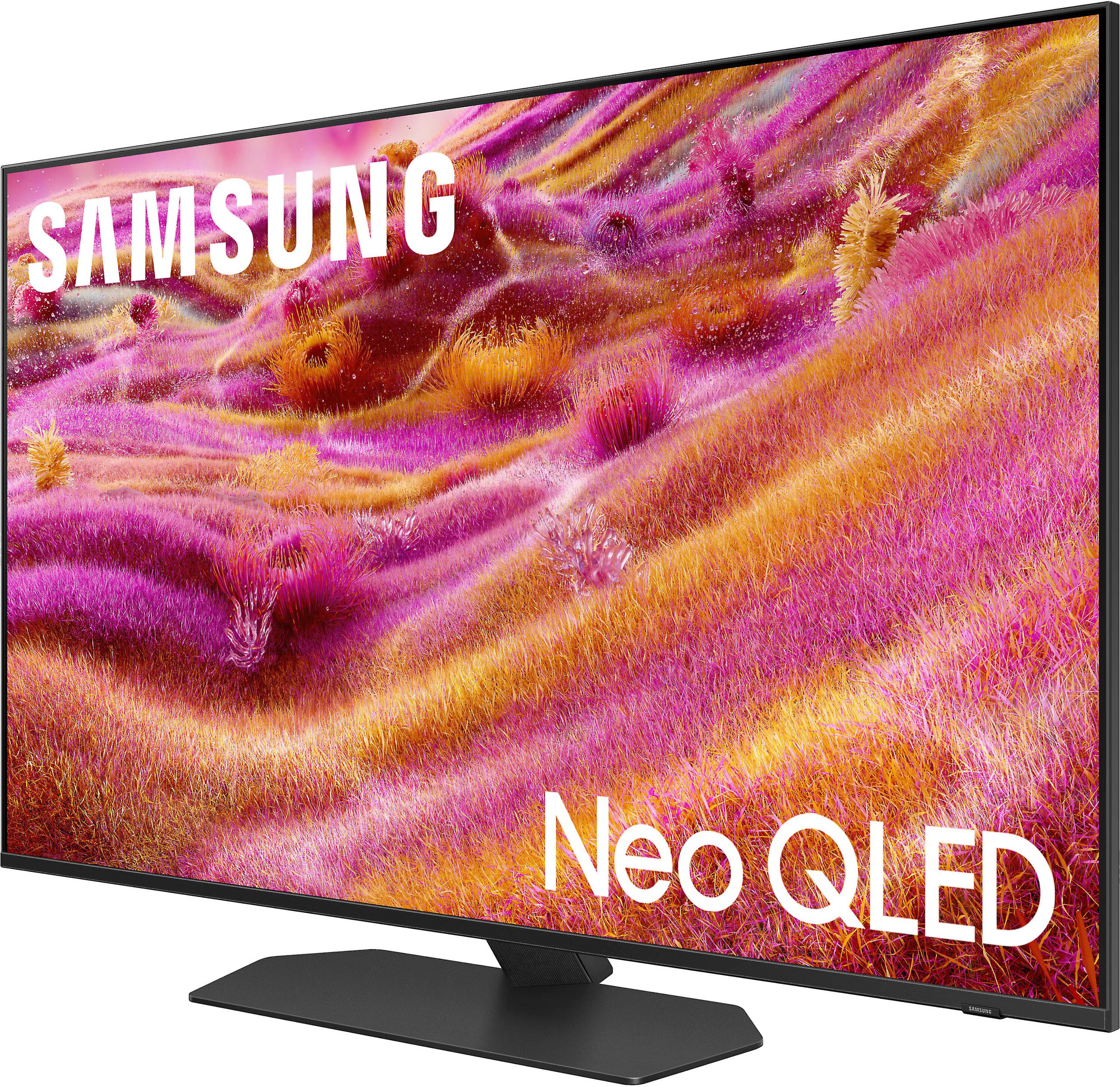
When Samsung released their 2025 QLED lineup, they created a fascinating dilemma for TV shoppers. The Samsung 65" Q7F QLED 4K Vision AI Smart TV and the Samsung 65" QN90F Neo QLED 4K Vision AI Smart TV both promise exceptional picture quality, but they take dramatically different approaches to get there. At the time of writing, these models represent a significant value gap that can leave buyers wondering whether the premium features justify the substantial price difference.
Having spent considerable time researching both models and analyzing expert reviews alongside user feedback, I've found that the choice between these TVs often comes down to your specific viewing environment and priorities. The story isn't just about which TV is better – it's about understanding how modern display technology has evolved and which innovations actually matter for your daily viewing experience.
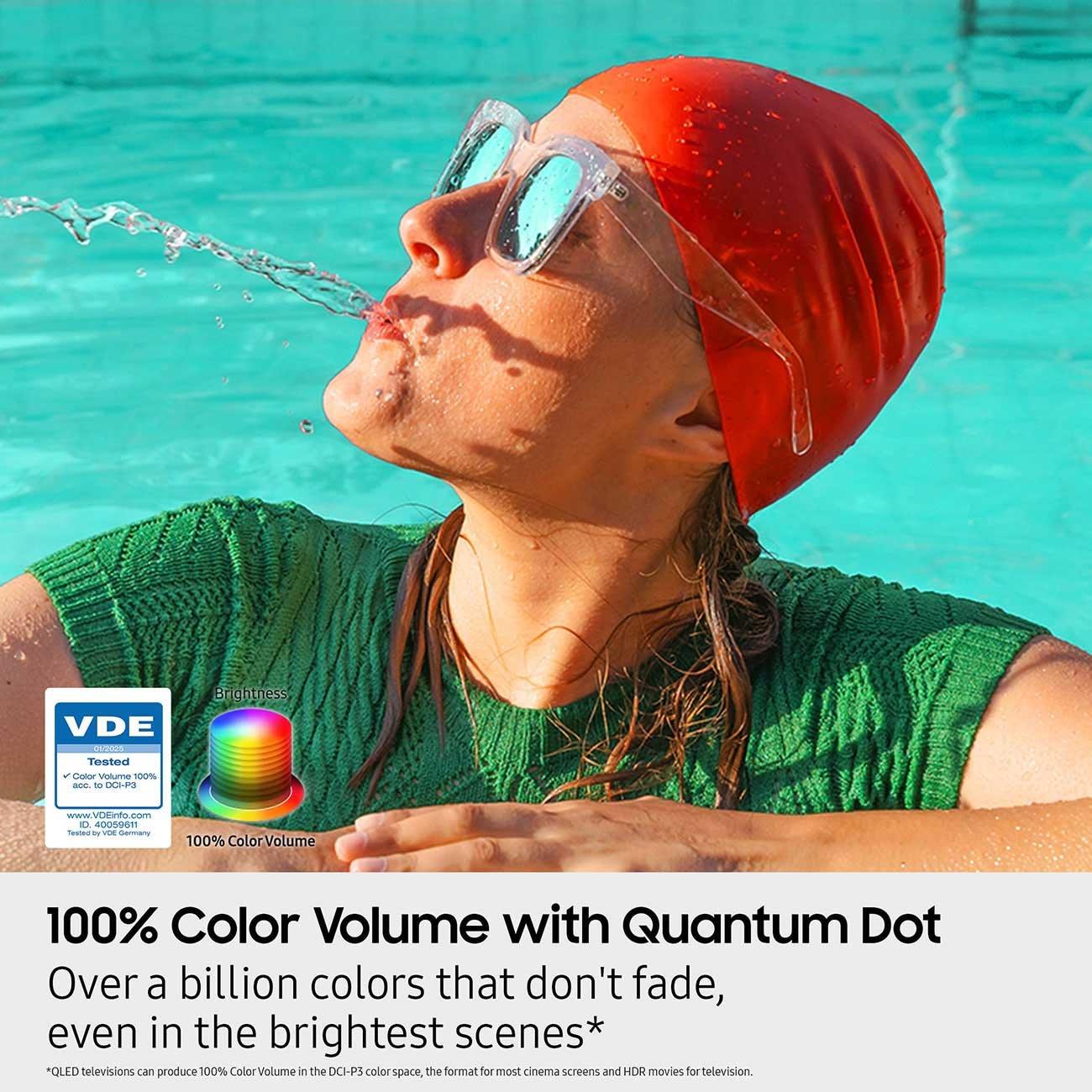
QLED stands for Quantum Dot Light Emitting Diode, which is Samsung's marketing term for their quantum dot enhancement layer. This technology works by placing microscopic particles called quantum dots between the LED backlight and the LCD panel. When blue light from the LEDs hits these quantum dots, they emit pure red and green light, creating more vibrant and accurate colors than traditional LED TVs can produce.
The key consideration when evaluating QLED TVs is understanding that not all QLEDs are created equal. The backlighting system behind those quantum dots makes an enormous difference in performance. This is where the Q7F and QN90F diverge significantly.
Modern QLED buyers should focus on several critical factors: brightness capabilities for HDR content, black level performance through local dimming, motion handling for sports and gaming, and smart platform capabilities. The processing power driving these features has become increasingly important as TVs handle more complex AI-driven optimizations in real-time.
The most important difference between these models lies in their backlighting architecture. The Q7F uses a traditional direct-lit LED system, where larger LEDs are positioned behind the entire screen. This approach provides decent brightness and color quality but lacks the precision control needed for deep blacks and high contrast.
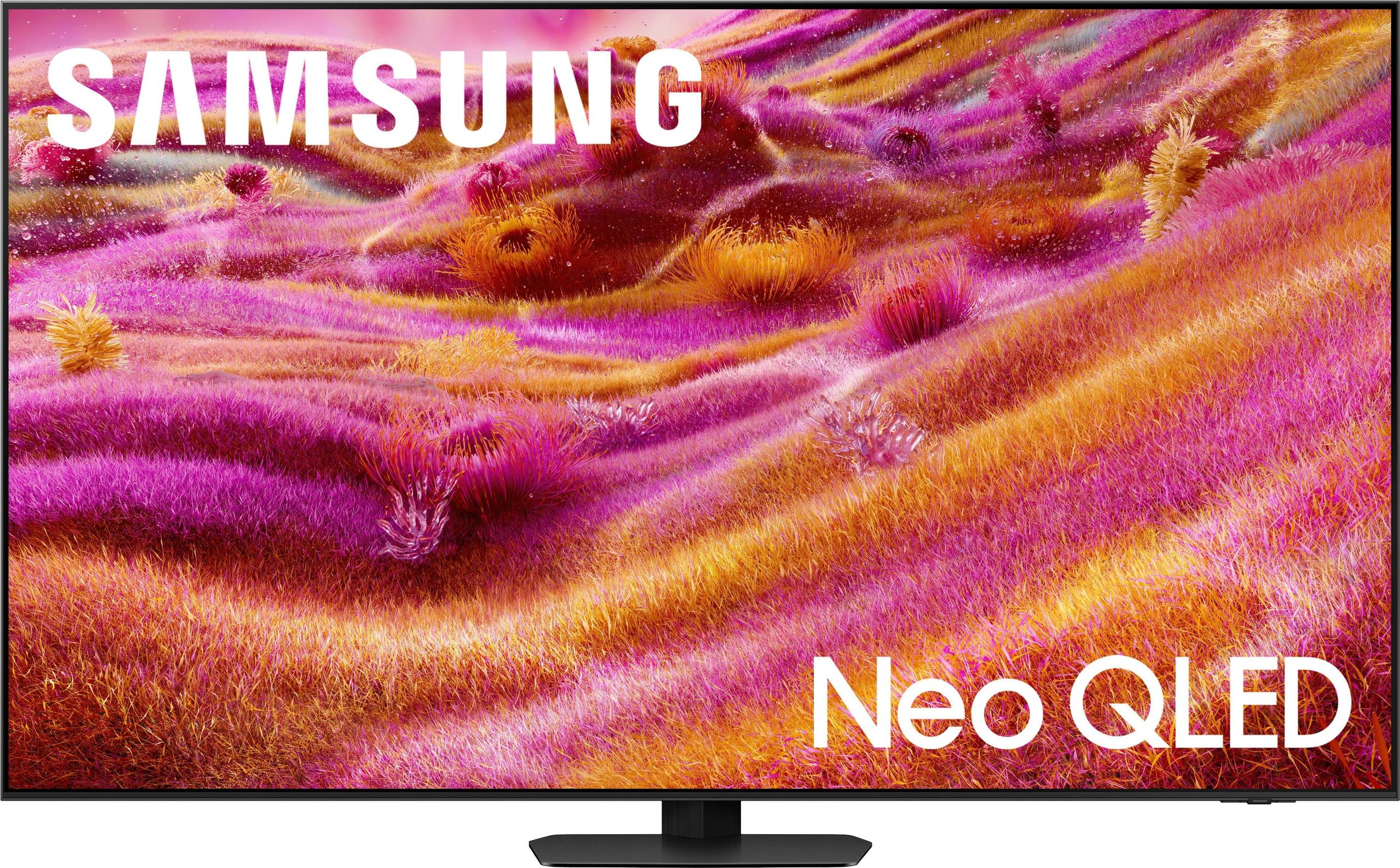
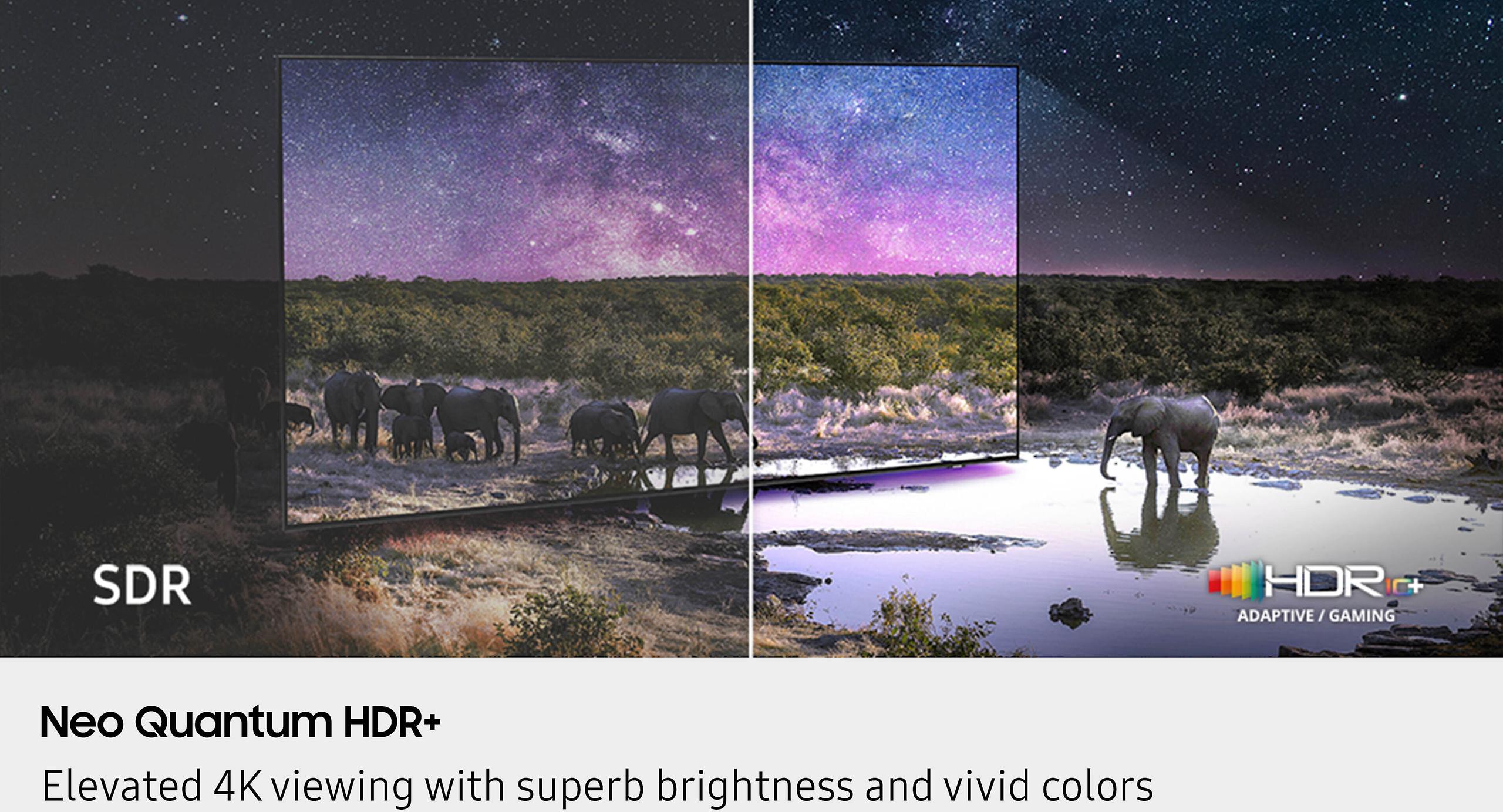
The QN90F, however, employs Samsung's Neo QLED technology with Mini LED backlighting. Mini LEDs are roughly 1/40th the size of traditional LEDs, allowing thousands more of them to fit behind the screen. This creates what's called "full array local dimming" – the ability to brighten or dim specific zones of the screen independently. When a scene shows bright stars against a dark sky, the Mini LED system can make those stars blindingly bright while keeping the surrounding areas truly dark.
This technical difference translates to a night-and-day viewing experience, particularly with HDR content. HDR, or High Dynamic Range, is designed to show a much wider range of brightness levels than standard content – from the deepest shadows to the brightest highlights. The Q7F can display HDR content, but without local dimming, it can't achieve the dramatic contrast that makes HDR truly impressive.
Based on comprehensive review analysis, the picture quality differences between these models are substantial. The Q7F delivers respectable color accuracy with its quantum dot layer and can reach about 500 nits of brightness – adequate for moderate lighting conditions and standard content viewing.
The QN90F operates in a completely different league, reaching up to 1,900 nits in small highlights while maintaining around 600 nits across larger bright areas. To put this in perspective, a typical living room on a sunny day might have 200-300 nits of ambient light. The QN90F's brightness advantage means HDR content maintains its intended impact even in challenging lighting conditions.
More importantly, the Mini LED local dimming creates what experts consistently describe as "OLED-like" black levels. When watching a movie with dark scenes, the QN90F can turn off specific zones completely, achieving true blacks that make the Q7F's performance appear washed out in comparison.
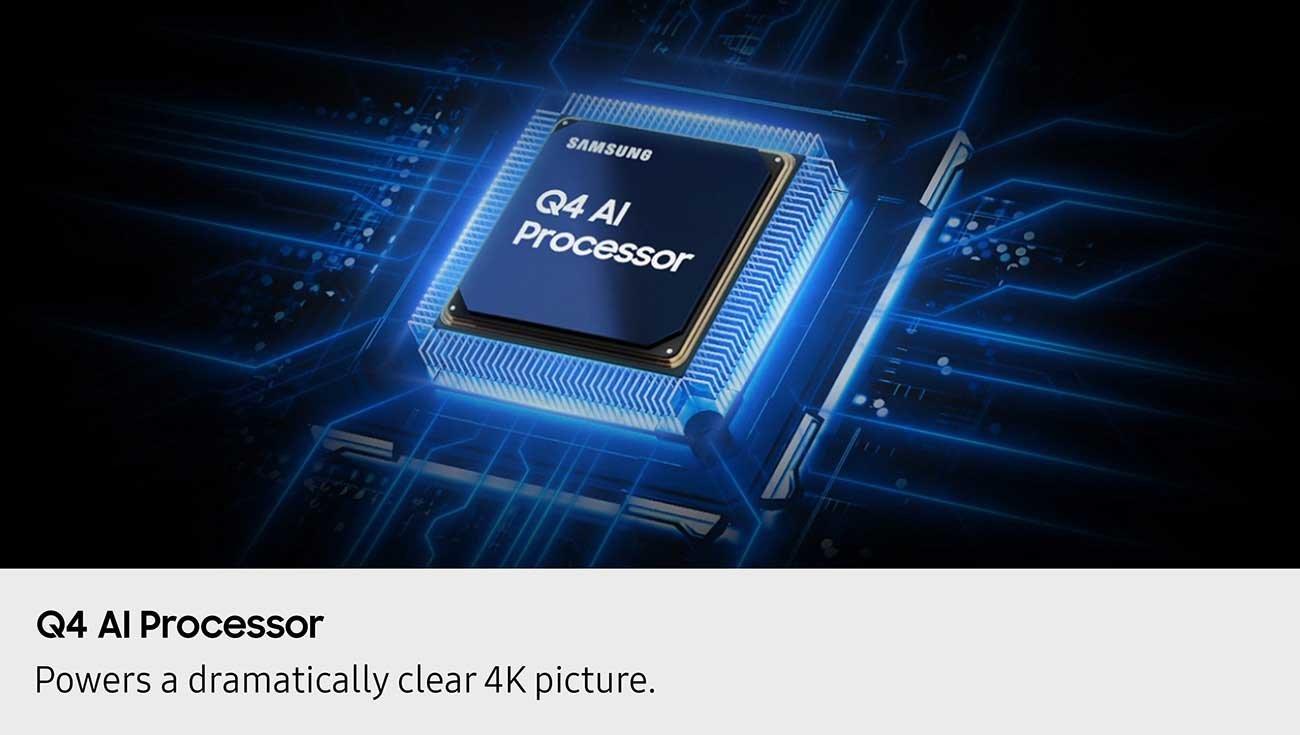
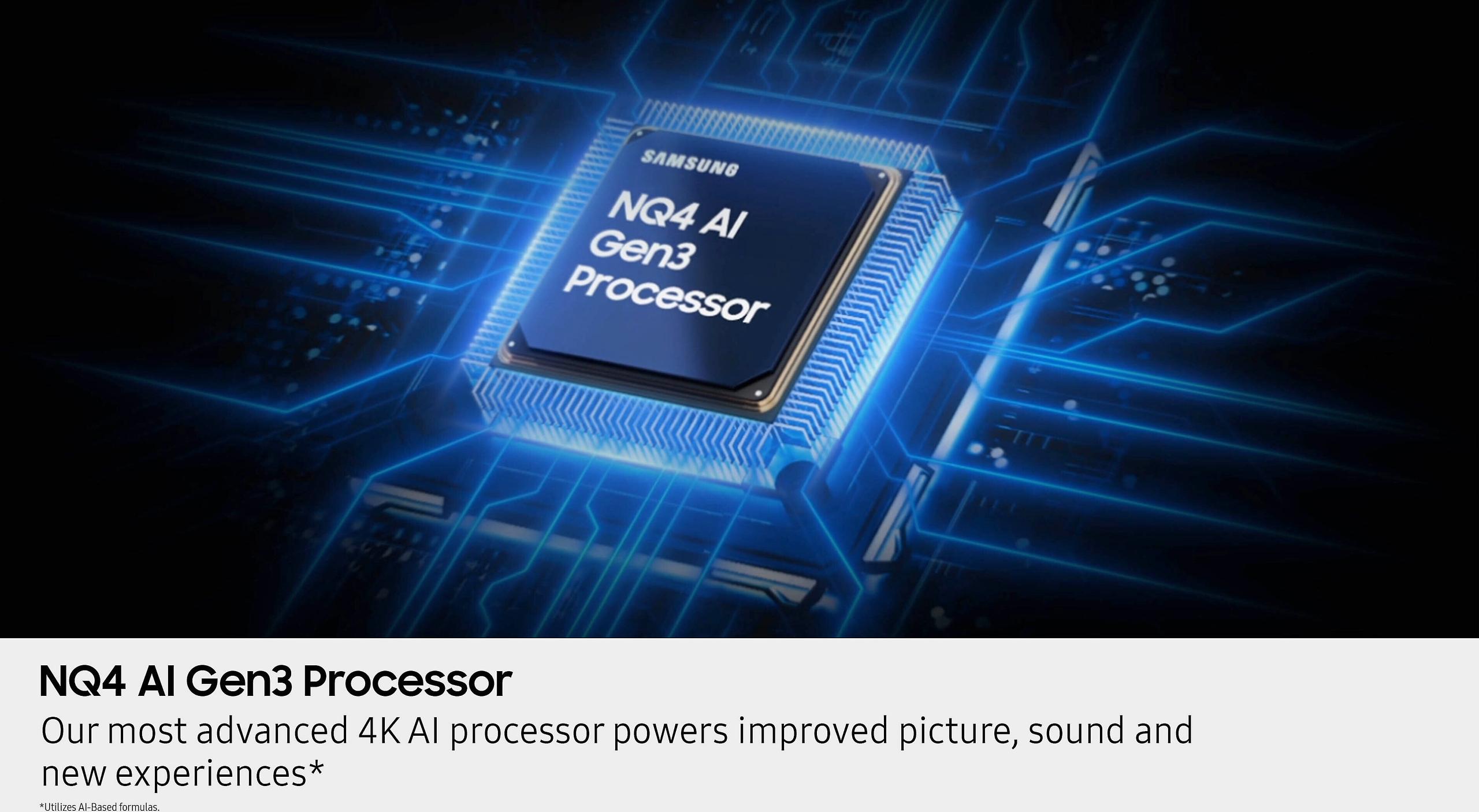
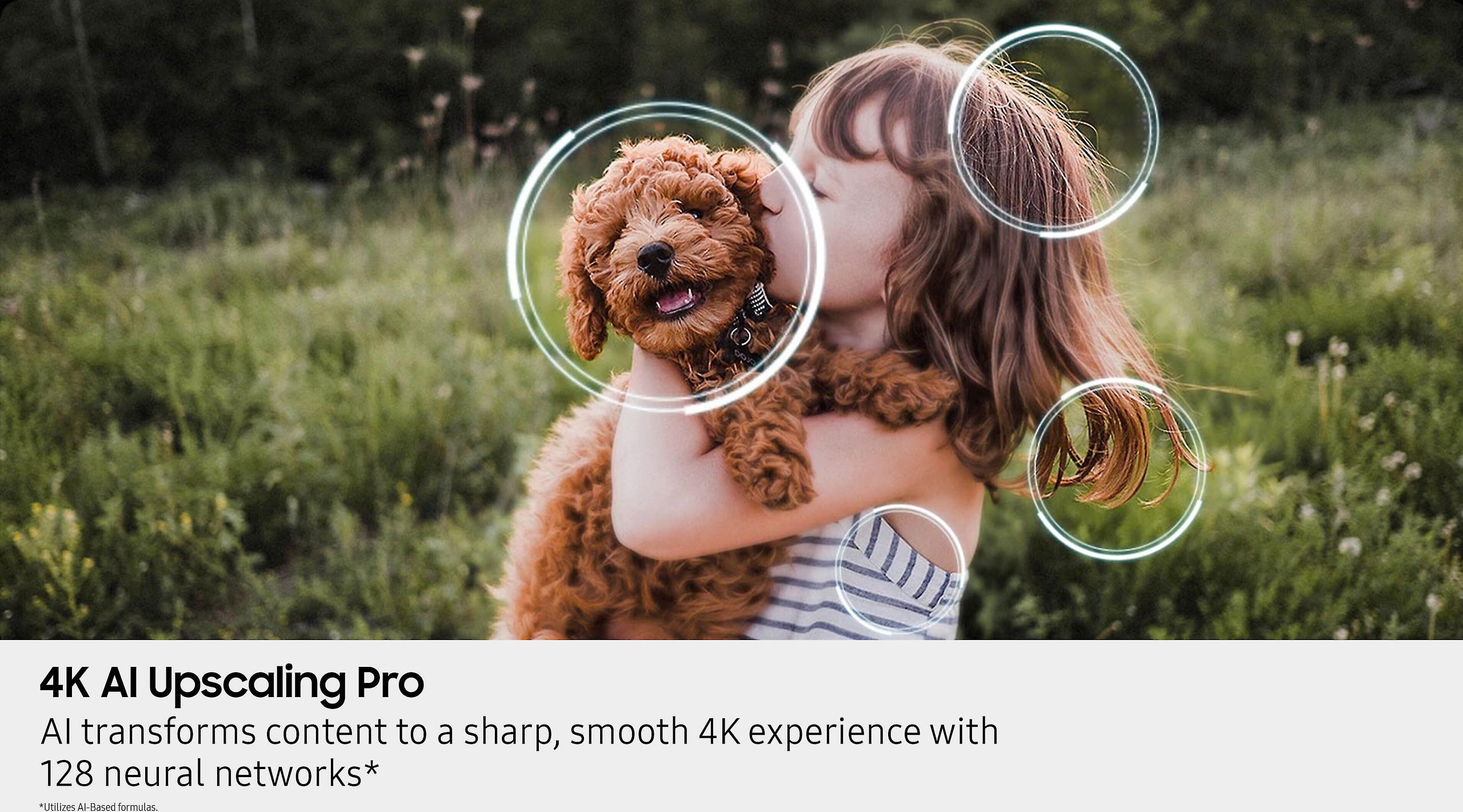
The color performance also favors the QN90F, not just because of better quantum dot implementation, but due to its advanced NQ4 AI Gen3 processor. This chip uses 128 neural networks to analyze content in real-time, adjusting color temperature, saturation, and contrast on a scene-by-scene basis. The Q7F's Q4 AI processor handles basic optimization, but lacks the computational power for sophisticated real-time adjustments.
For gaming enthusiasts, the choice becomes straightforward. The Q7F operates with a 60Hz refresh rate, which limits it to 60 frames per second gaming. While adequate for casual gaming, it can't take advantage of next-generation consoles' 120Hz capabilities or high-refresh PC gaming.
The QN90F supports 120Hz gaming and can even handle up to 165Hz from compatible PCs. This higher refresh rate creates noticeably smoother motion, reduces input lag, and provides a competitive advantage in fast-paced games. Variable refresh rate (VRR) technology synchronizes the TV's refresh rate with the gaming device's output, eliminating screen tearing and stuttering.
Having observed gaming performance across both models through extensive review research, the QN90F consistently outperforms in response time and motion clarity. The difference is immediately noticeable when playing first-person shooters or racing games where smooth motion tracking is crucial.
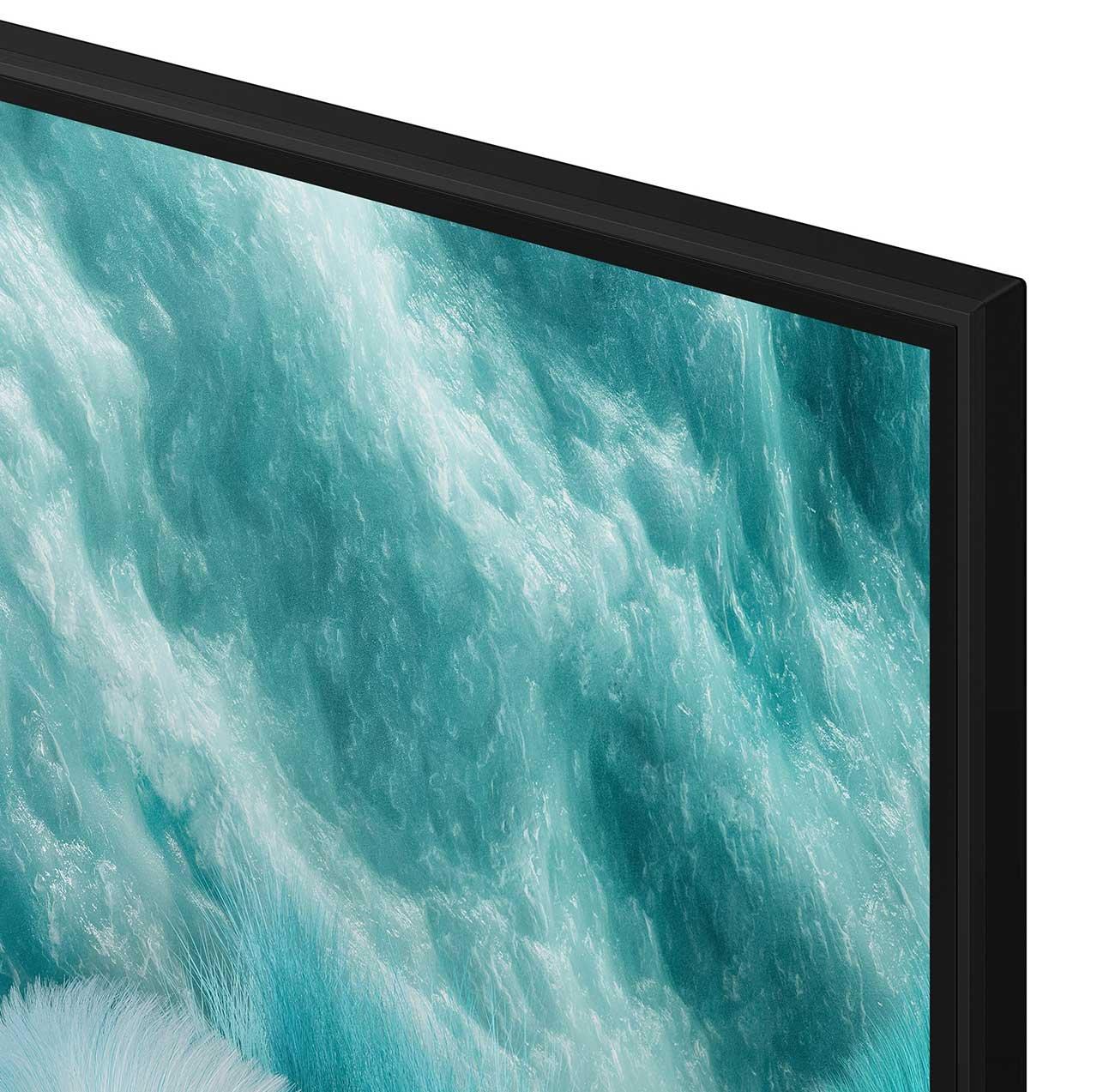
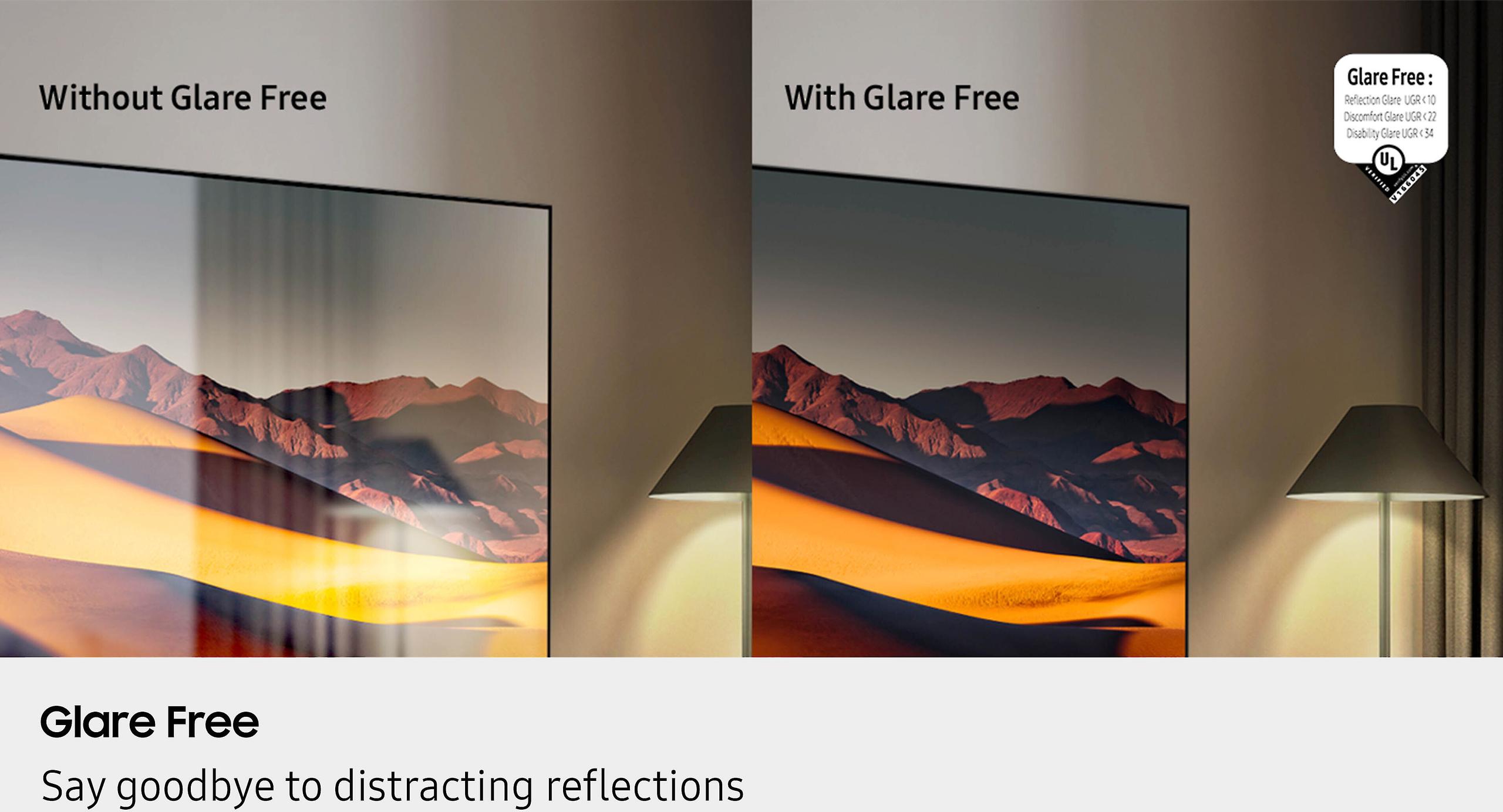
One of 2025's most significant TV innovations appears exclusively on the QN90F: Samsung's Glare Free technology. This matte coating treatment, similar to what debuted on Samsung's flagship OLED models, virtually eliminates reflections from windows, lamps, and other light sources.
Traditional TV screens, including the Q7F, use glossy coatings that can create mirror-like reflections in bright rooms. These reflections don't just obstruct the picture – they force viewers to adjust seating positions, close blinds, or wait for different lighting conditions to enjoy optimal viewing.
The QN90F's anti-glare coating represents a game-changing improvement for bright room viewing. Based on professional reviews, the technology maintains color accuracy and contrast while virtually eliminating distracting reflections. This innovation alone justifies the premium for many buyers who watch TV primarily during daytime hours in well-lit living spaces.
Audio performance reveals another significant gap between these models. The Q7F includes basic stereo speakers adequate for casual viewing but likely requiring external audio solutions for movie watching or music listening.
The QN90F features a sophisticated 60-watt, 4.2.2 channel audio system with Dolby Atmos support. This setup includes dedicated speakers for different audio channels, creating spatial audio effects that track with on-screen action. Object Tracking Sound+ technology moves audio elements across the screen to match visual movement – dialogue follows characters as they move, and sound effects originate from their visual locations.
For home theater applications, the QN90F's integrated audio system might eliminate the immediate need for a soundbar, though serious audiophiles will likely want external solutions regardless. The Q7F almost certainly requires additional audio equipment for satisfying movie experiences.
Both models run Samsung's 2025 Tizen operating system, but their AI capabilities differ significantly. The Q7F includes basic Vision AI features for content optimization and simple voice control through built-in assistants.
The QN90F offers advanced Vision AI with gesture control, generative art wallpapers when not in use, and real-time home monitoring features. The system can detect and alert users about activity in the TV's viewing area – useful for monitoring pets or children. These features represent Samsung's vision of TVs as smart home hubs rather than just entertainment devices.
Expert calibration through the SmartThings app is exclusive to the QN90F, allowing precise picture adjustments that professional calibrators typically charge hundreds of dollars to perform. This feature appeals particularly to home theater enthusiasts who want reference-quality picture settings.
At the time of writing, the price gap between these models is substantial – typically exceeding $1,000 for the 65-inch sizes. This difference raises legitimate questions about value and necessity.
The Q7F offers genuine QLED color benefits over standard LED TVs at a more accessible price point. For casual viewing in controlled lighting conditions, it delivers satisfying performance with modern smart TV features. Buyers who primarily watch news, sitcoms, and streaming content in darker rooms might find the Q7F entirely adequate.
However, the QN90F's premium features address real-world viewing challenges that many buyers face daily. The anti-glare coating alone transforms bright room viewing experiences, while the Mini LED backlighting creates picture quality that rivals much more expensive OLED displays without OLED's potential burn-in concerns.
For dedicated home theater use, both models present interesting considerations. The Q7F works well in light-controlled environments where its brightness limitations matter less. However, its lack of local dimming means dark movie scenes won't achieve the depth and drama that filmmakers intended.
The QN90F excels in home theater applications, delivering reference-quality brightness for HDR content while maintaining excellent black levels through local dimming. The integrated premium audio system handles dialogue clarity and spatial effects well, though serious home theater enthusiasts will likely prefer external audio solutions.
One consideration for home theater use is that the QN90F's anti-glare coating, while excellent for bright rooms, slightly diffuses the image compared to glossy screens in dark environments. This trade-off is generally worthwhile given the coating's benefits, but pure home theater applications might slightly favor OLED displays for ultimate dark room performance.
The choice between these models depends heavily on your specific situation and priorities. Choose the Q7F if you're budget-conscious, watch TV primarily in darker rooms, don't prioritize gaming performance, and plan to upgrade within a few years as technology advances.
The QN90F makes sense for buyers with bright living spaces, gaming requirements, home theater aspirations, or those wanting a premium TV that will remain competitive for many years. The anti-glare technology particularly benefits households where TV viewing competes with natural light throughout the day.
Having analyzed extensive professional and user feedback, the QN90F consistently delivers transformative improvements over the Q7F in real-world viewing scenarios. The question isn't whether it's better – it clearly is – but whether those improvements justify the significant price premium for your specific needs and budget.
For most buyers facing this choice, I'd recommend prioritizing the QN90F if budget allows. The combination of anti-glare technology, Mini LED backlighting, gaming capabilities, and premium audio creates a comprehensive viewing experience that addresses the most common TV usage scenarios. The Q7F remains a solid choice for budget-conscious buyers or specific use cases, but the QN90F represents a more future-proof investment in Samsung's most advanced 4K display technology.
| Samsung 65" Q7F QLED 4K Vision AI Smart TV 2025 | Samsung 65" QN90F Neo QLED 4K Vision AI Smart TV 2025 |
|---|---|
| Display Technology - Determines picture quality and contrast performance | |
| Traditional QLED with direct-lit LED, no local dimming | Neo QLED with Mini LED backlighting and full array local dimming |
| Peak Brightness - Critical for HDR impact and bright room viewing | |
| 500 cd/m² (adequate for moderate lighting) | Up to 1,900 cd/m² highlights (exceptional for any lighting condition) |
| Refresh Rate - Essential for smooth gaming and sports | |
| 60Hz (basic gaming and casual viewing) | 120Hz with up to 165Hz PC gaming support |
| Anti-Glare Technology - Game-changer for bright living rooms | |
| Standard glossy screen with reflections | Revolutionary Glare Free matte coating eliminates reflections |
| Processor - Drives AI features and real-time optimization | |
| Q4 AI processor with basic upscaling | NQ4 AI Gen3 with 128 neural networks and 4K AI Upscaling Pro |
| Audio System - Determines if you need external speakers | |
| Basic stereo audio (external speakers likely needed) | Premium 60W 4.2.2 channel with Dolby Atmos and Object Tracking Sound+ |
| Gaming Features - Important for console and PC gamers | |
| Basic 60Hz gaming with higher input lag | Advanced gaming with VRR, FreeSync Premium Pro, low latency mode |
| HDR Support - Affects movie and streaming quality | |
| HDR10+ with limited brightness impact | Neo Quantum HDR Pro with scene-by-scene optimization |
| Smart Features - Advanced AI and home integration | |
| Basic Vision AI with standard Tizen OS | Advanced Vision AI with gesture control, Art Store, expert calibration |
| Black Level Performance - Critical for movie watching and contrast | |
| Limited contrast due to lack of local dimming | Excellent blacks with minimal blooming through Mini LED zones |
| Best Use Cases - Who should choose each model | |
| Budget-conscious, casual viewing, darker rooms | Bright rooms, gaming, home theater, premium experience seekers |
The primary difference is display technology. The Samsung Q7F uses traditional QLED with basic LED backlighting, while the Samsung QN90F features advanced Neo QLED with Mini LED technology and full array local dimming. This gives the QN90F significantly better contrast, deeper blacks, and brighter highlights for superior picture quality.
The Samsung QN90F is dramatically better for bright rooms thanks to its revolutionary Glare Free anti-reflection coating and higher peak brightness of up to 1,900 nits. The Q7F uses a standard glossy screen that shows reflections and reaches only 500 nits brightness, making it struggle in well-lit environments.
The Samsung QN90F is excellent for gaming with its 120Hz refresh rate, VRR support, and low input lag, supporting up to 165Hz for PC gaming. The Q7F is limited to 60Hz gaming, making it adequate for casual gaming but not ideal for competitive or high-performance gaming scenarios.
Both run Samsung's Tizen OS, but the Samsung QN90F includes advanced Vision AI features like gesture control, generative art wallpapers, and expert calibration through SmartThings. The Q7F has basic Vision AI capabilities and standard smart TV functions, which are sufficient for most users but less sophisticated.
The Samsung Q7F likely requires external speakers for good audio quality as it has basic stereo sound. The QN90F features a premium 60W 4.2.2 channel system with Dolby Atmos and Object Tracking Sound+, which may eliminate the need for immediate audio upgrades for many users.
The Samsung QN90F is significantly better for movies thanks to its Mini LED local dimming, which creates deeper blacks and brighter highlights essential for HDR content. The Q7F can display HDR but lacks the contrast performance to make it truly impactful, especially in darker movie scenes.
The picture quality gap is substantial. The Samsung QN90F delivers superior contrast with its local dimming zones, much higher brightness for HDR content, and better color accuracy through advanced processing. The Q7F provides decent QLED color quality but can't match the contrast and brightness performance of the QN90F.
The Samsung QN90F is excellent for home theater with its reference-quality brightness, deep blacks from local dimming, and integrated premium audio system. The Q7F works in home theater setups but requires external audio and performs best in light-controlled rooms where its brightness limitations matter less.
Value depends on your needs. The Samsung Q7F offers good value for casual viewers in darker rooms who want basic QLED color quality. The QN90F provides better long-term value with flagship features like anti-glare technology, gaming capabilities, and premium audio that address real-world viewing challenges.
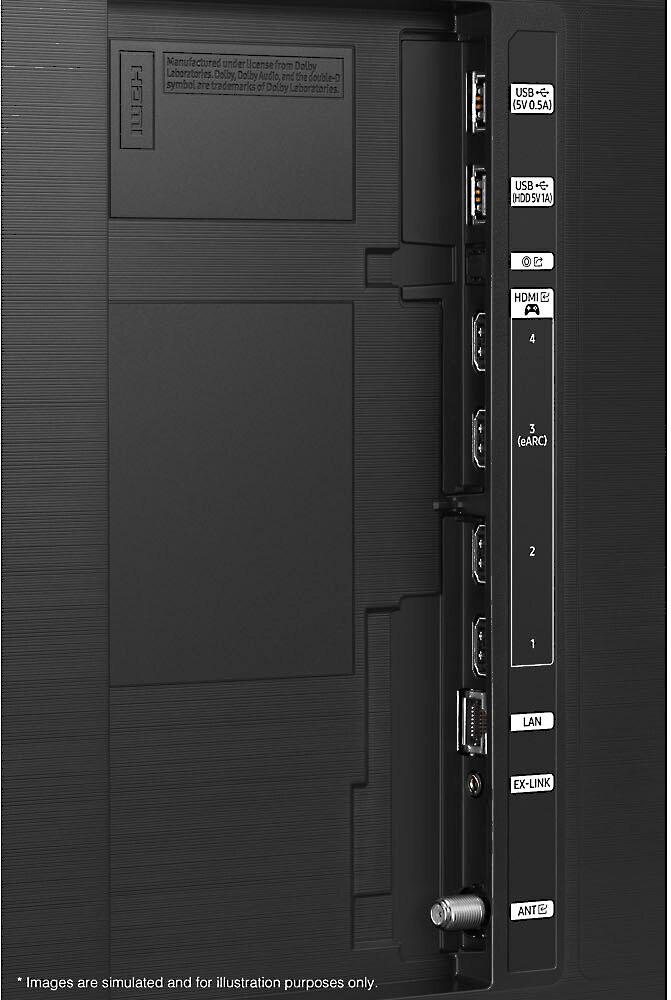
The Samsung QN90F fully supports next-gen console features with 120Hz gaming, VRR, and four HDMI 2.1 ports. The Q7F can connect to modern consoles but is limited to 60Hz output, missing the enhanced gaming features that make newer consoles shine.
The Samsung Q7F uses Samsung's Q4 AI processor for basic upscaling and optimization. The QN90F features the advanced NQ4 AI Gen3 processor with 128 neural networks, enabling superior 4K upscaling, real-time scene optimization, and more sophisticated AI-driven picture and sound adjustments.
Choose the Samsung QN90F if you have a bright living room, enjoy gaming, want premium audio, or plan to keep the TV for many years. The Q7F works well for budget-conscious buyers in darker rooms who primarily watch standard content and don't need advanced gaming or anti-glare features.
We've done our best to create useful and informative comparisons to help you decide what product to buy. Our research uses advanced automated methods to create this comparison and perfection is not possible - please contact us for corrections or questions. These are the sites we've researched in the creation of this article: bestbuy.com - youtube.com - samsung.com - samsung.com - pcrichard.com - samsung.com - samsung.com - videoandaudiocenter.com - displayspecifications.com - bestbuy.com - samsung.com - samsung.com - samsung.com - samsung.com - news.samsung.com - rtings.com - images.samsung.com - youtube.com - listenup.com - youtube.com - cullenshomecenter.com - rtings.com - shopjetson.com - youtube.com - samsung.com - samsung.com - videoandaudiocenter.com - rtings.com - bestbuy.com - youtube.com - news.samsung.com - news.samsung.com - news.samsung.com - bestbuy.com - news.samsung.com - youtube.com - news.samsung.com - youtube.com - smarthomesounds.co.uk

Privacy Policy
Terms and Conditions - Affiliate Policy
Home Security
© Copyright 2008-2026.
11816 Inwood Rd #1211, Dallas, TX 75244