

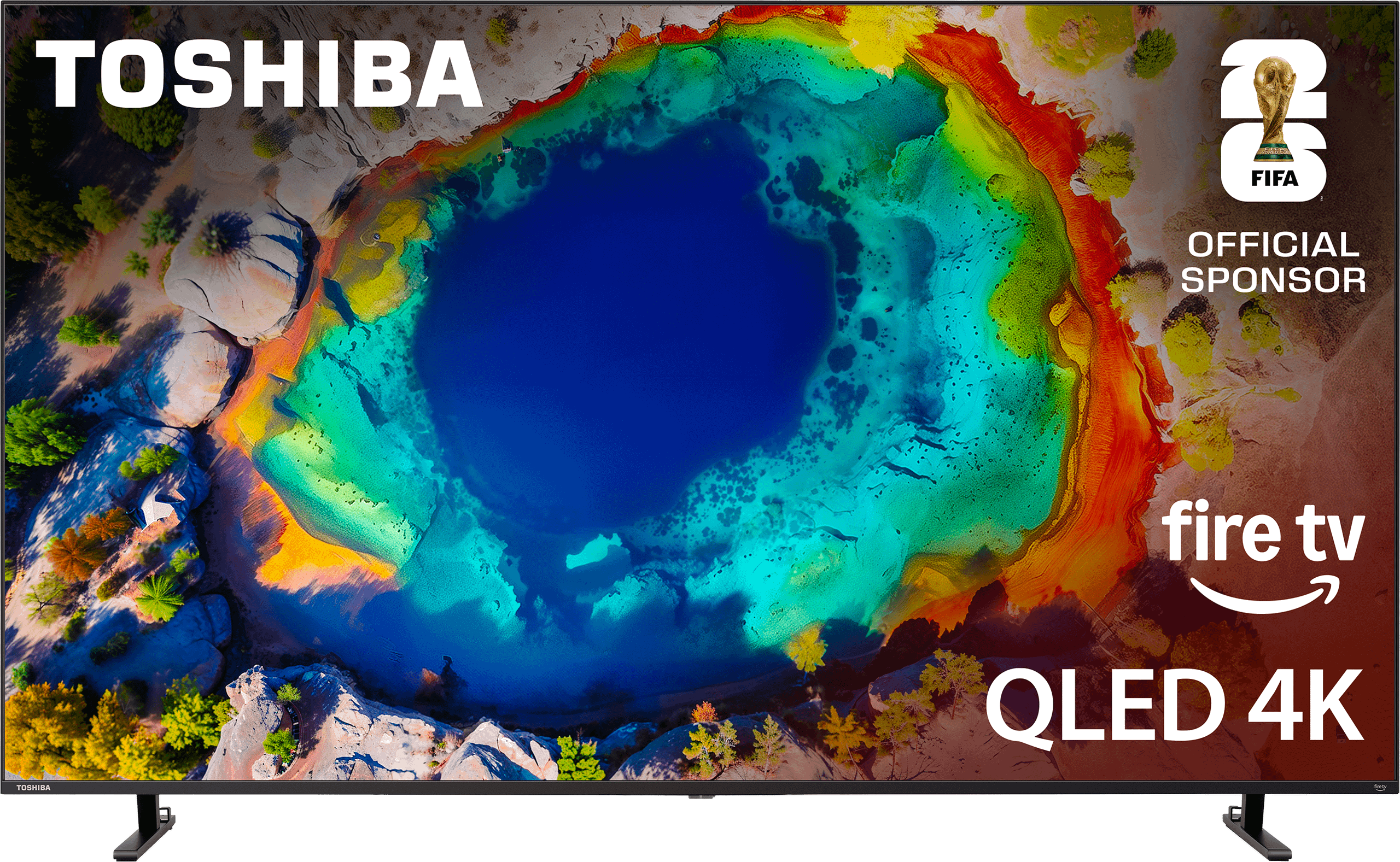
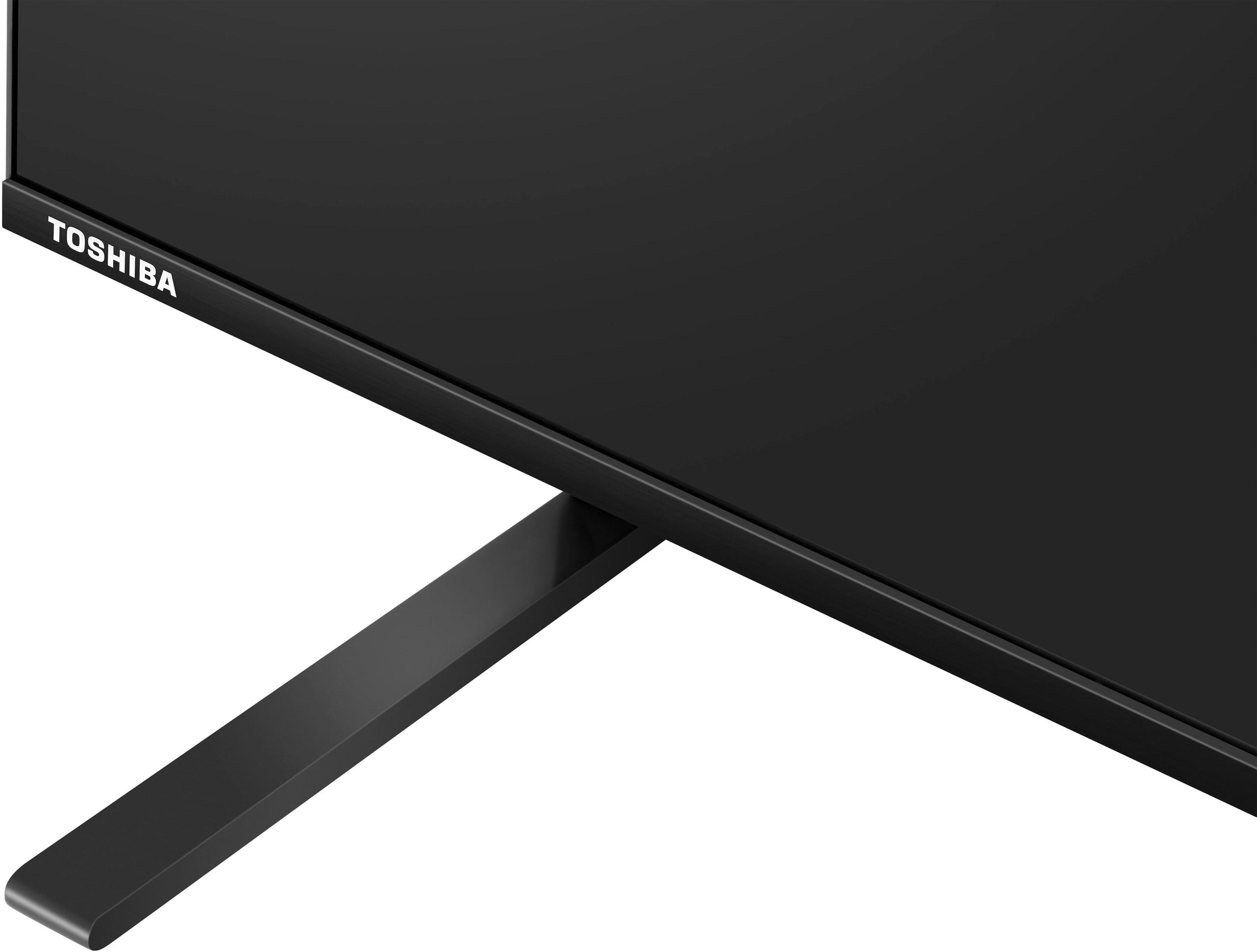
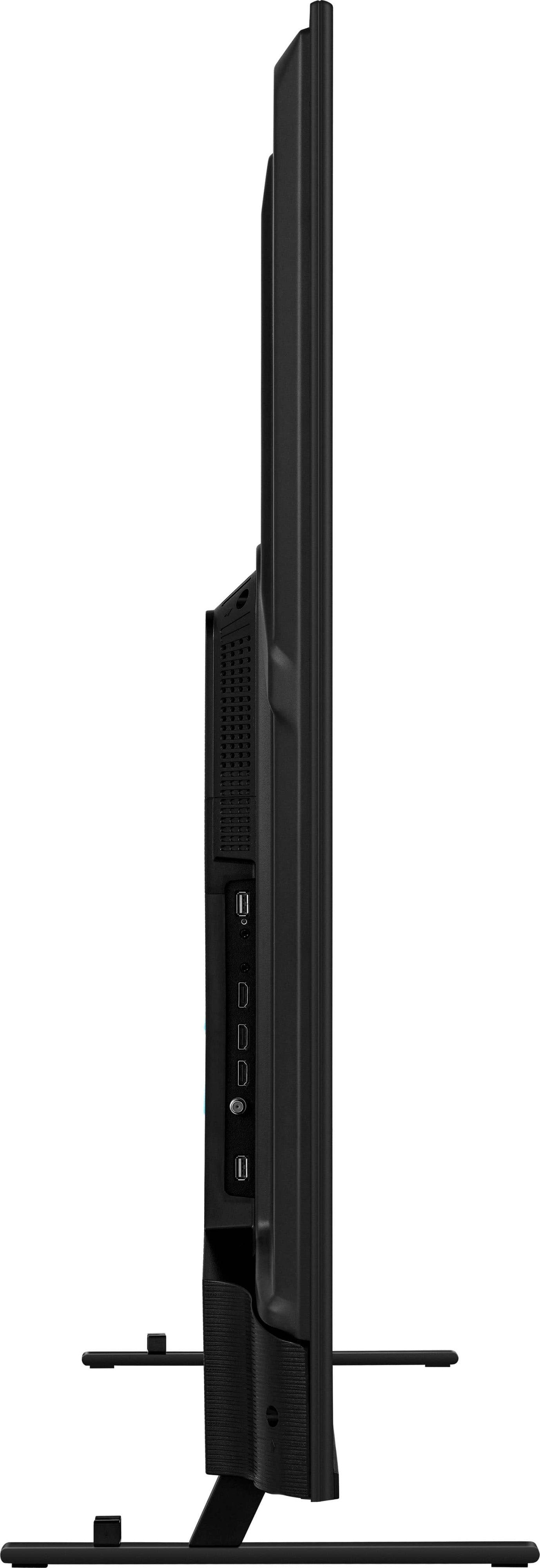
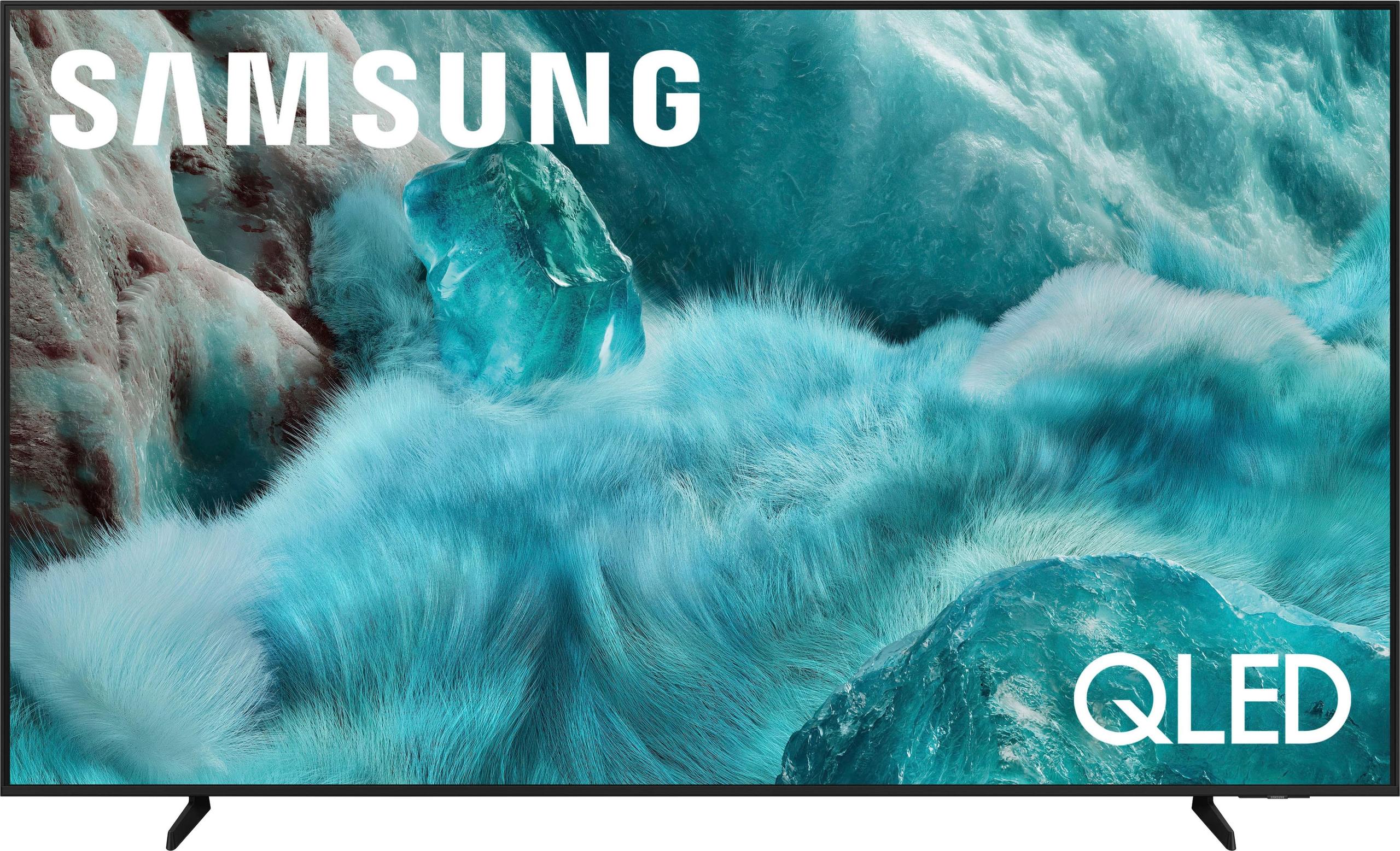
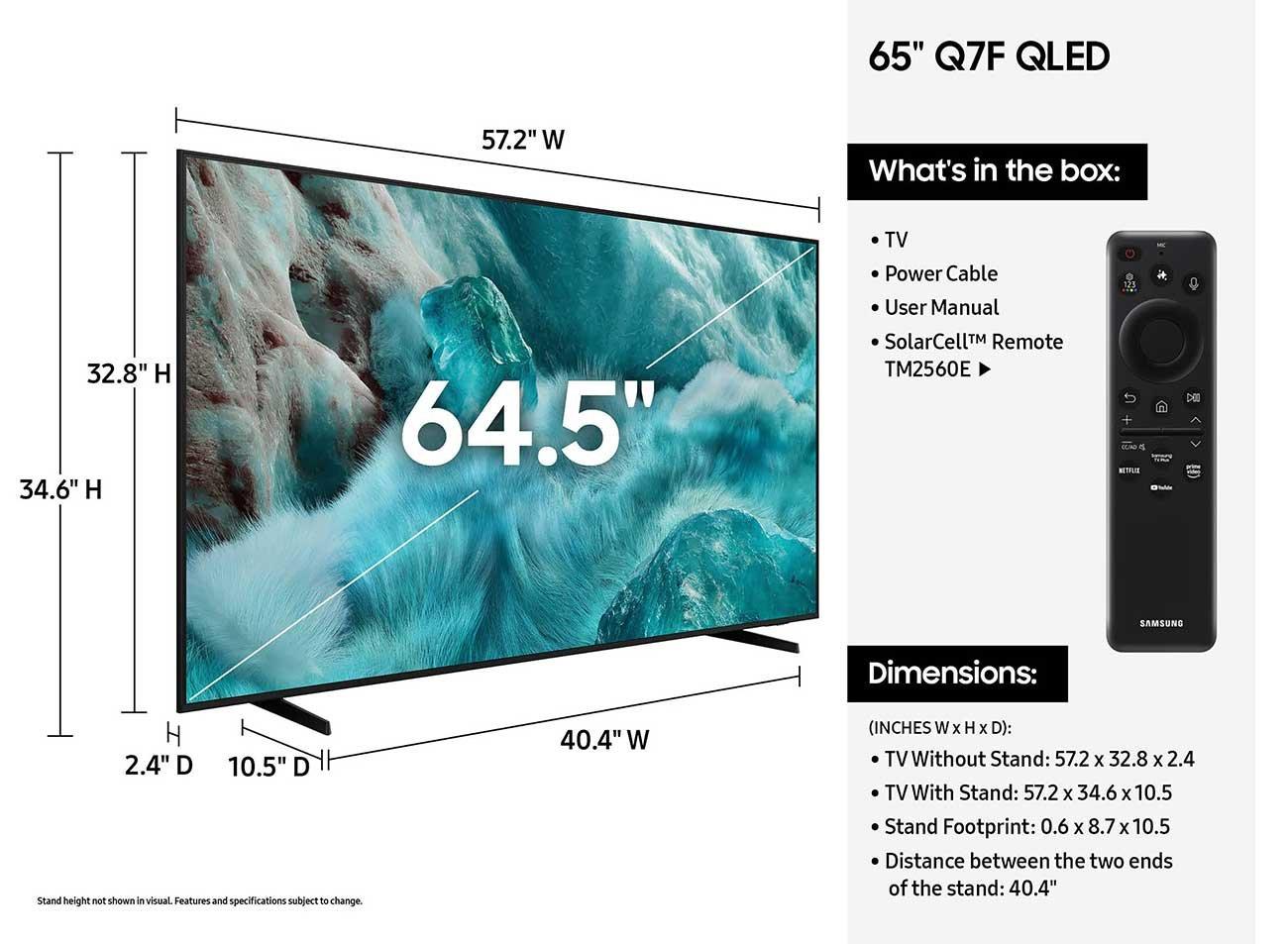

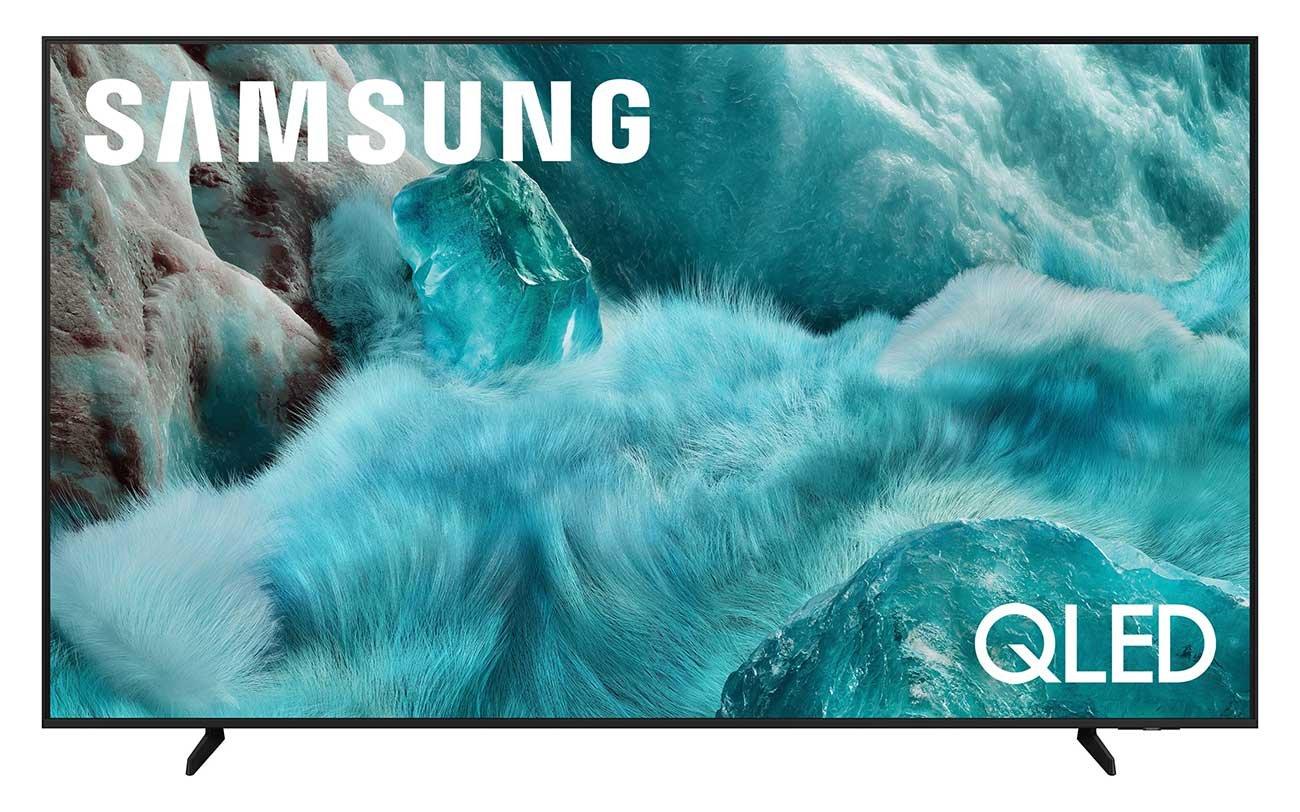
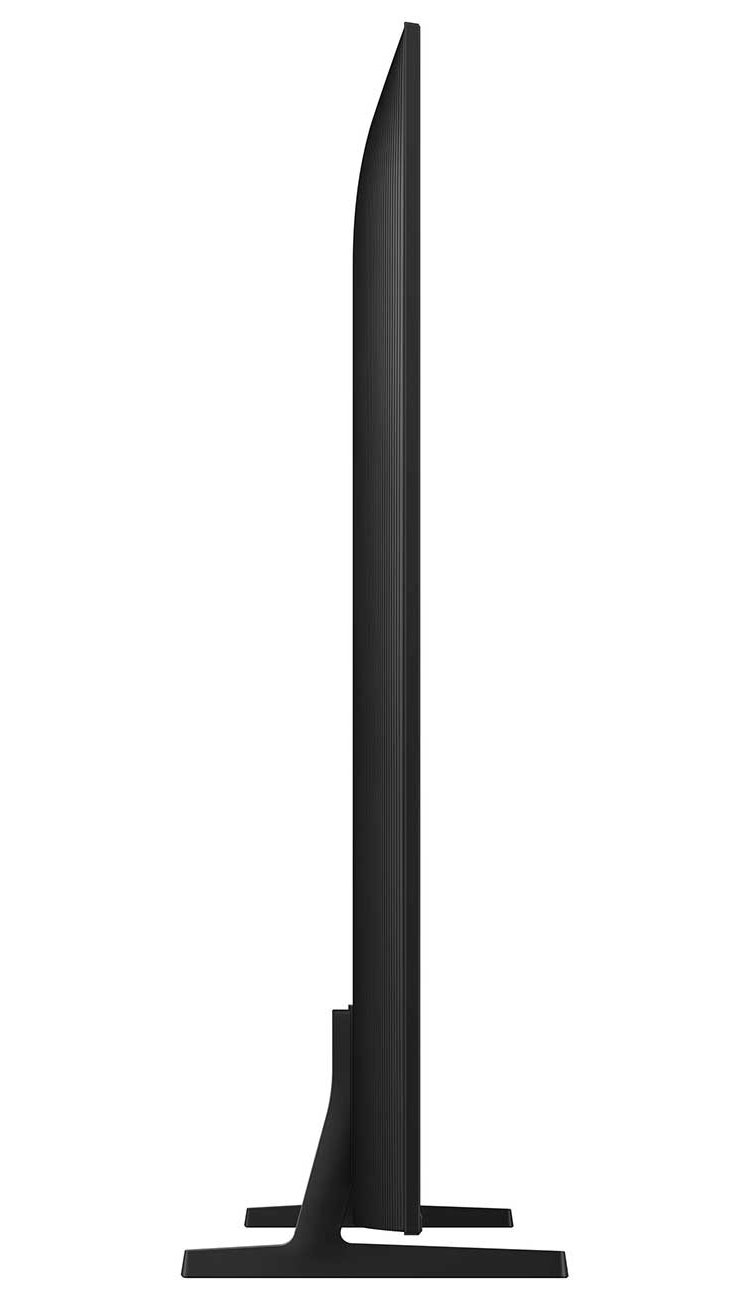
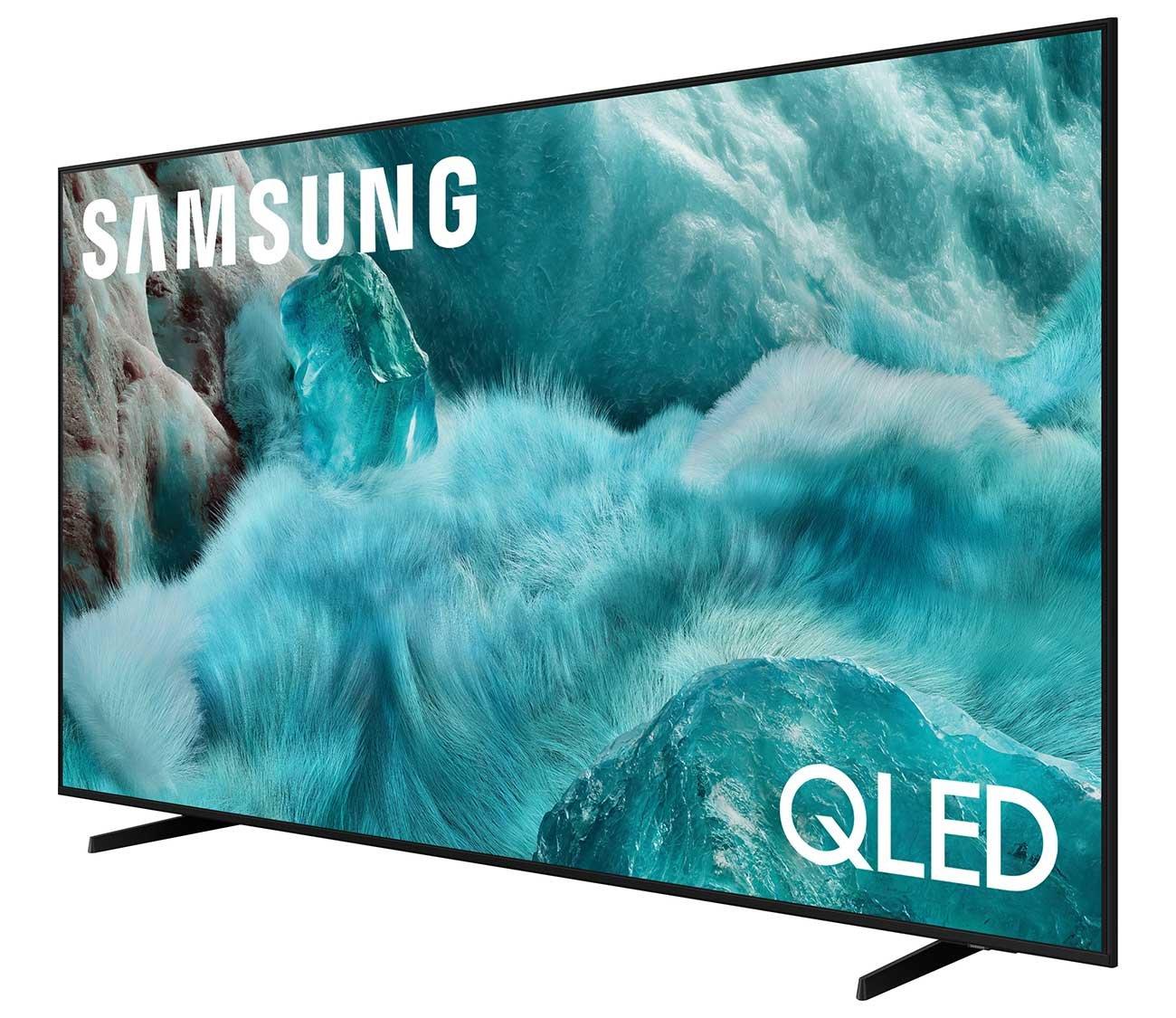
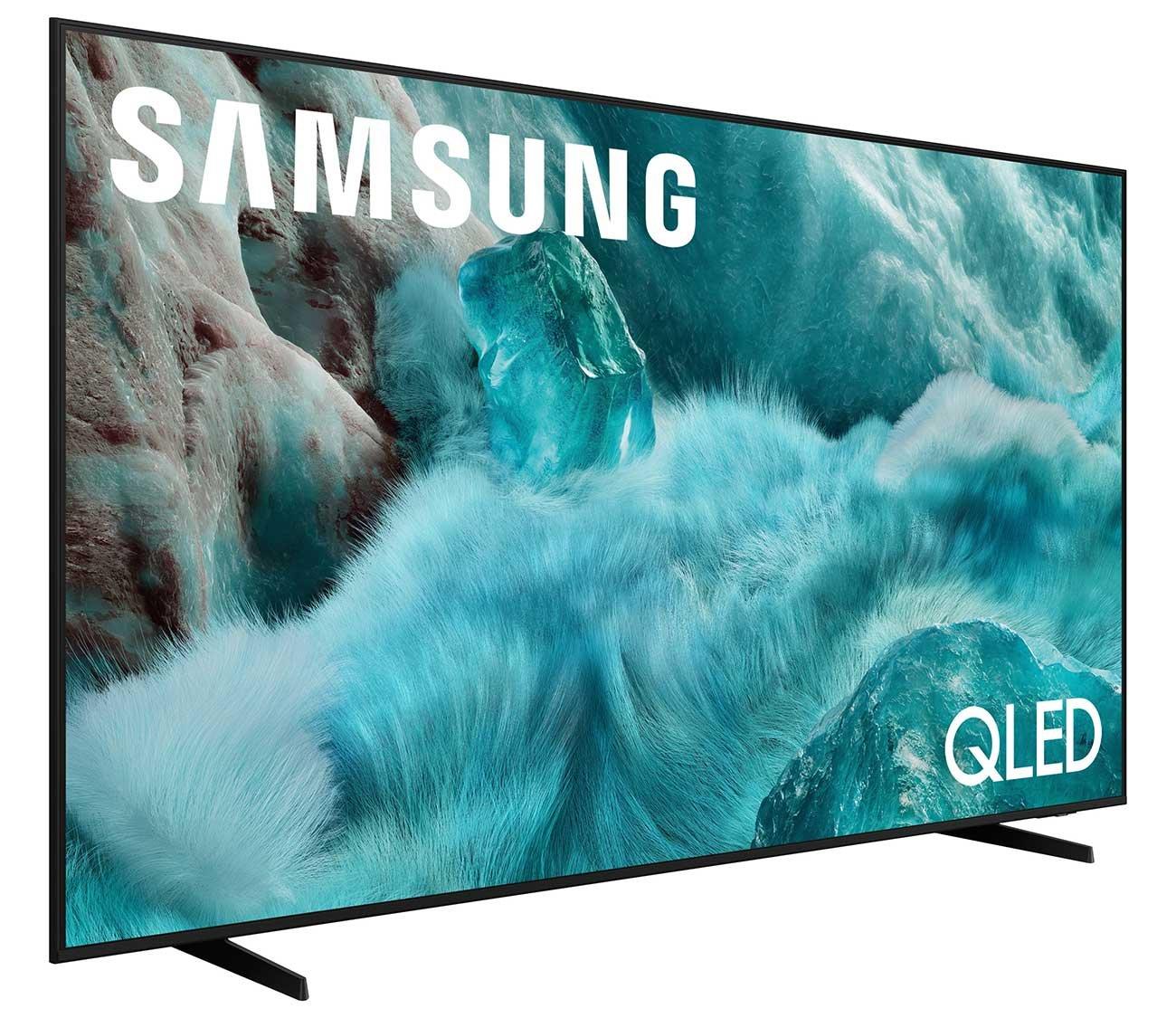

The mid-range 65-inch TV market has become incredibly competitive, with manufacturers packing premium features into surprisingly affordable packages. Two standout options that represent different philosophies are the Toshiba 65" M550 Series QLED Fire TV and the Samsung 65" Q7F QLED 4K Vision AI Smart TV. Released in 2025, both TVs showcase how far display technology has advanced, but they take distinctly different approaches to delivering value.
At the time of writing, these TVs sit in that sweet spot where serious display technology meets reasonable pricing—think premium features without flagship costs. But which approach serves you better depends entirely on how you plan to use your TV.
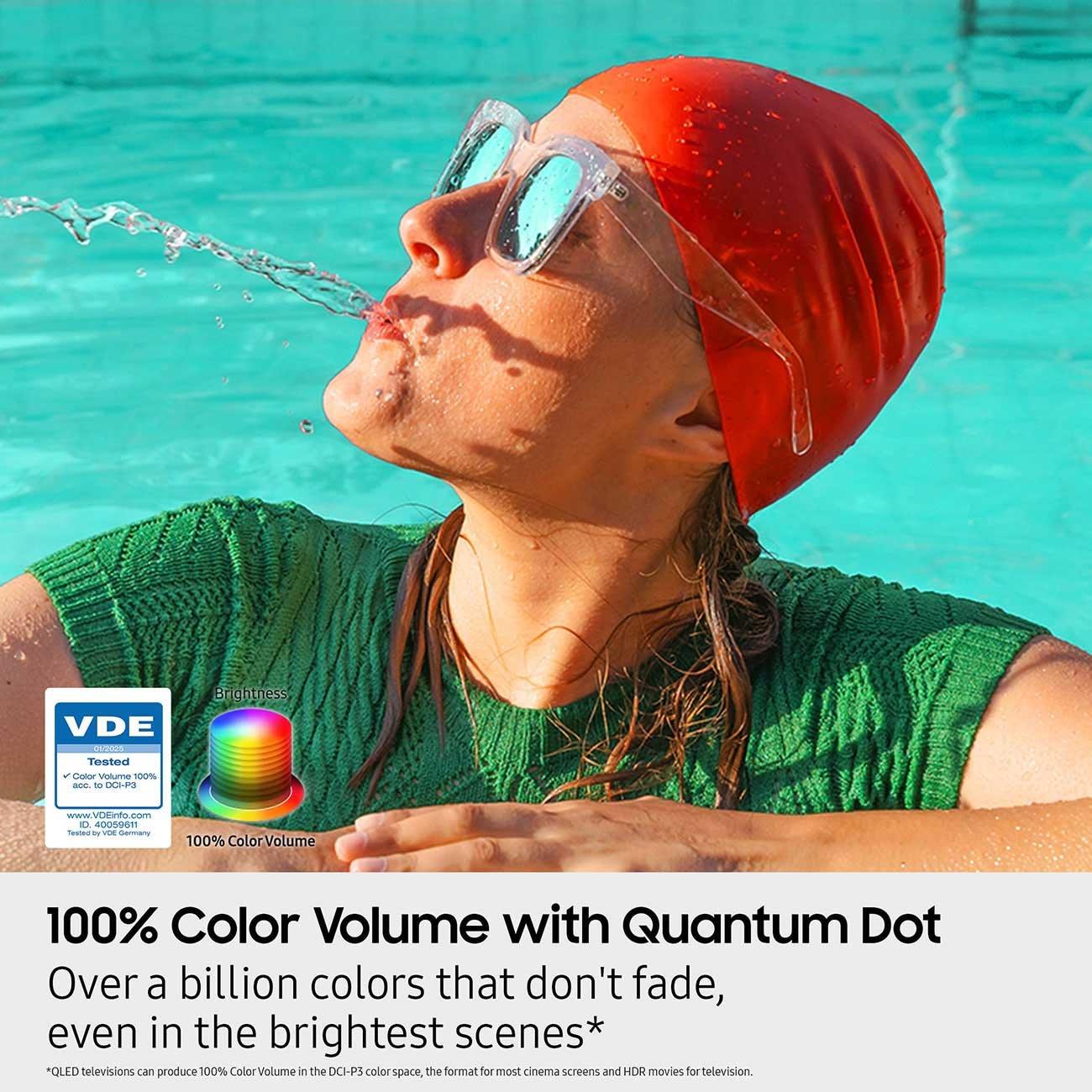
Before diving into specifics, it's worth understanding what QLED actually means for your viewing experience. QLED stands for Quantum Dot Light Emitting Diode, which is essentially a fancy way of saying these TVs use microscopic crystals to produce more accurate and vibrant colors than traditional LED displays. When light hits these quantum dots, they emit very specific colors, allowing the TV to display over a billion different color shades.
Both the Toshiba M550 and Samsung Q7F use this technology, but the real performance differences come from everything else—the backlight system, processing power, refresh rates, and smart features. Think of QLED as the foundation; what manufacturers build on top of it determines whether you get a budget-friendly TV or something that rivals displays costing twice as much.
The most critical performance characteristics to consider are contrast ratio (how deep the blacks appear next to bright whites), motion handling (how smooth fast action looks), gaming capabilities (input lag and refresh rates), and audio quality. These factors impact your daily viewing experience far more than marketing buzzwords.
The biggest technical divide between these TVs lies in their backlight systems, and this difference fundamentally affects picture quality in ways that matter every time you watch.
The Toshiba M550 uses full array local dimming with 48 individual zones across the screen. This means the TV can independently brighten or dim specific areas of the display, creating true contrast between bright and dark elements in the same scene. When you're watching a movie with a campfire scene at night, the fire can glow brilliantly while the surrounding darkness remains genuinely dark, not the grayish "black" you see on cheaper TVs.
Local dimming technology was once reserved for TVs costing well over $1,000, but Toshiba has managed to implement a legitimate 48-zone system at a much lower price point. This isn't just marketing fluff—it's measurable, visible improvement in picture quality.
The Samsung Q7F, despite being the more expensive option, uses what's called direct-lit backlighting without true local dimming. Instead, it relies on "Mega Contrast" and "Micro Dimming" technologies, which are essentially software tricks to enhance perceived contrast. While Samsung's processing is sophisticated, it can't physically control light the way individual dimming zones can.
For HDR (High Dynamic Range) content—which includes most modern streaming shows and movies—this difference becomes particularly apparent. The Toshiba M550 supports Dolby Vision, the premium HDR format that optimizes brightness and color on a scene-by-scene basis. Many consider Dolby Vision the gold standard for HDR, especially for content from Netflix, Disney+, and Apple TV+. The Samsung Q7F supports HDR10+, which is excellent, but lacks Dolby Vision support—a surprising omission for a 2025 TV in this price range.
If gaming matters to you—whether that's console gaming, PC gaming, or even just watching sports—the performance difference between these TVs is dramatic.
The Toshiba M550 features a native 120Hz refresh rate, meaning the panel itself can display 120 unique images per second. This isn't interpolated or artificially enhanced; it's genuine high-refresh-rate performance. For context, most TVs in this price range offer only 60Hz, making smooth motion a significant advantage.
Native 120Hz makes an enormous difference for several types of content. Gaming on PlayStation 5 or Xbox Series X becomes noticeably smoother, with less motion blur and more responsive controls. Sports broadcasts benefit tremendously—following a hockey puck or tennis ball across the screen becomes much easier when motion blur is minimized.
The TV also includes Variable Refresh Rate (VRR) and Auto Low Latency Mode (ALLM). VRR synchronizes the TV's refresh rate with your gaming console's frame rate, eliminating screen tearing—those annoying horizontal lines that appear when frame rates don't match. ALLM automatically switches the TV into its lowest-latency mode when it detects a gaming signal, reducing input lag (the delay between pressing a button and seeing the action on screen).
The Samsung Q7F operates at 60Hz with Motion Xcelerator technology, which uses software to estimate and insert frames between the original 60 frames per second. While this can improve the appearance of motion, it's not the same as native high refresh rate performance. Frame interpolation can sometimes create artifacts—strange halos around moving objects or an unnatural "soap opera effect" that makes movies look like they were filmed with a camcorder.
For serious gamers, this difference isn't subtle. When you're playing competitive games where split-second reactions matter, the combination of 120Hz and low input lag can genuinely affect performance.
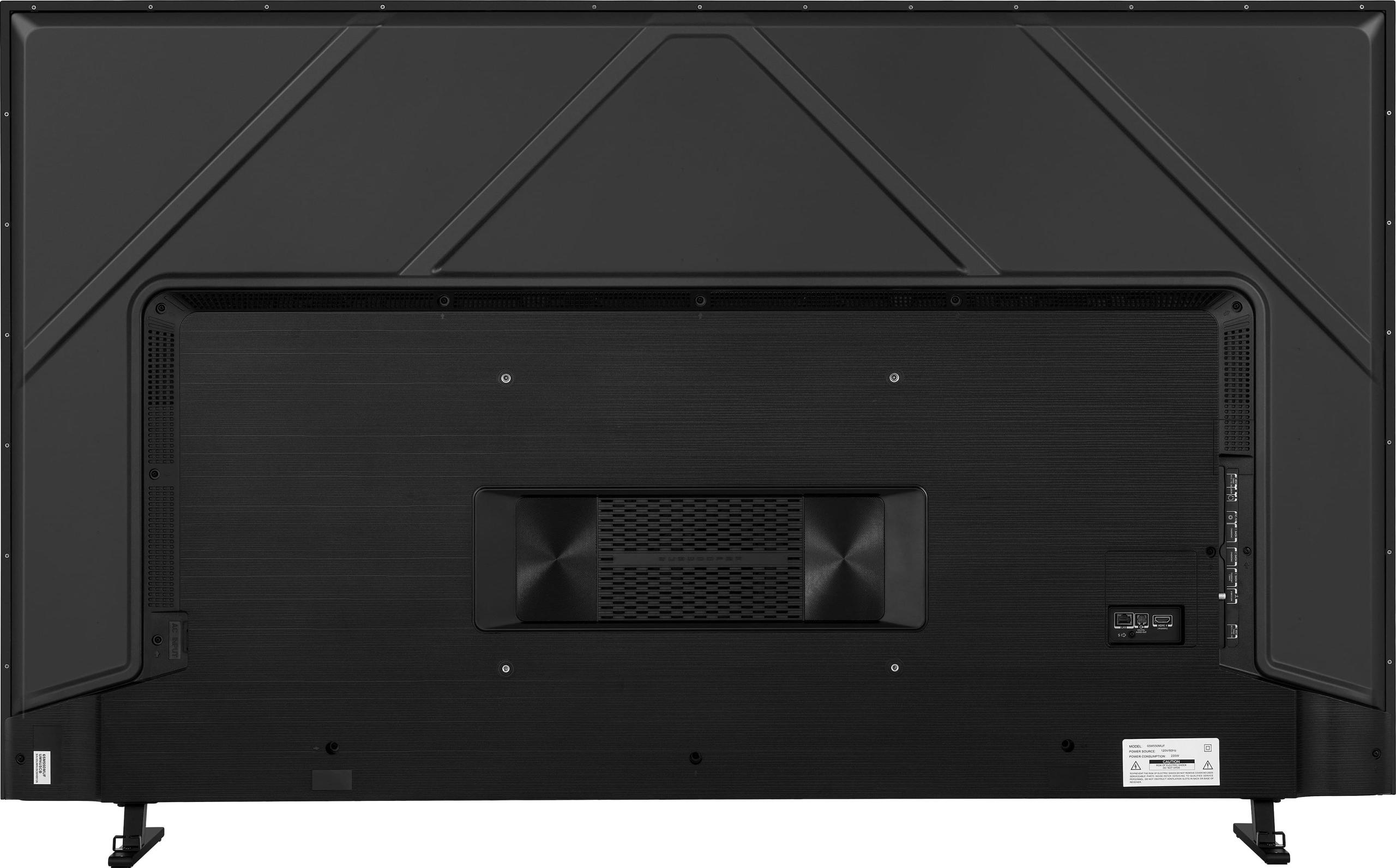
TV audio has improved significantly in recent years, but most manufacturers still treat it as an afterthought. The Toshiba M550 takes a different approach with its REGZA Power Audio Pro system, which includes an actual built-in subwoofer.
Having a dedicated subwoofer in a TV is unusual and valuable. It means the TV can produce genuine bass response—the kind that adds weight to explosion scenes or makes music sound fuller. The system outputs between 40-49 watts and supports Dolby Atmos, the surround sound format that creates three-dimensional audio by bouncing sound off your ceiling.
Many users report that the Toshiba's audio quality eliminates the immediate need for a soundbar, which is significant considering soundbars typically add $100-300 to your total cost.
The Samsung Q7F uses a more conventional 20-watt, 2-channel system. While Samsung includes 3D audio processing that attempts to synchronize sound with on-screen motion, the lower power output and lack of dedicated bass means you'll likely want external audio equipment sooner rather than later.
For home theater use, starting with better built-in audio gives you more flexibility. You can always add a soundbar later, but beginning with inadequate audio means you're essentially forced into additional purchases.
Both TVs offer robust smart platforms, but with different strengths and philosophies.
The Toshiba M550 runs Amazon's Fire TV platform with hands-free Alexa voice control. Fire TV excels at content discovery and integration—it can search across multiple streaming services simultaneously and provides personalized recommendations. The interface is straightforward, and the far-field microphones mean you can control the TV by speaking from across the room without pointing a remote.
Fire TV also integrates seamlessly with Amazon's ecosystem. If you have Alexa devices elsewhere in your home, the TV becomes part of that network, allowing for automation and multi-room audio scenarios.
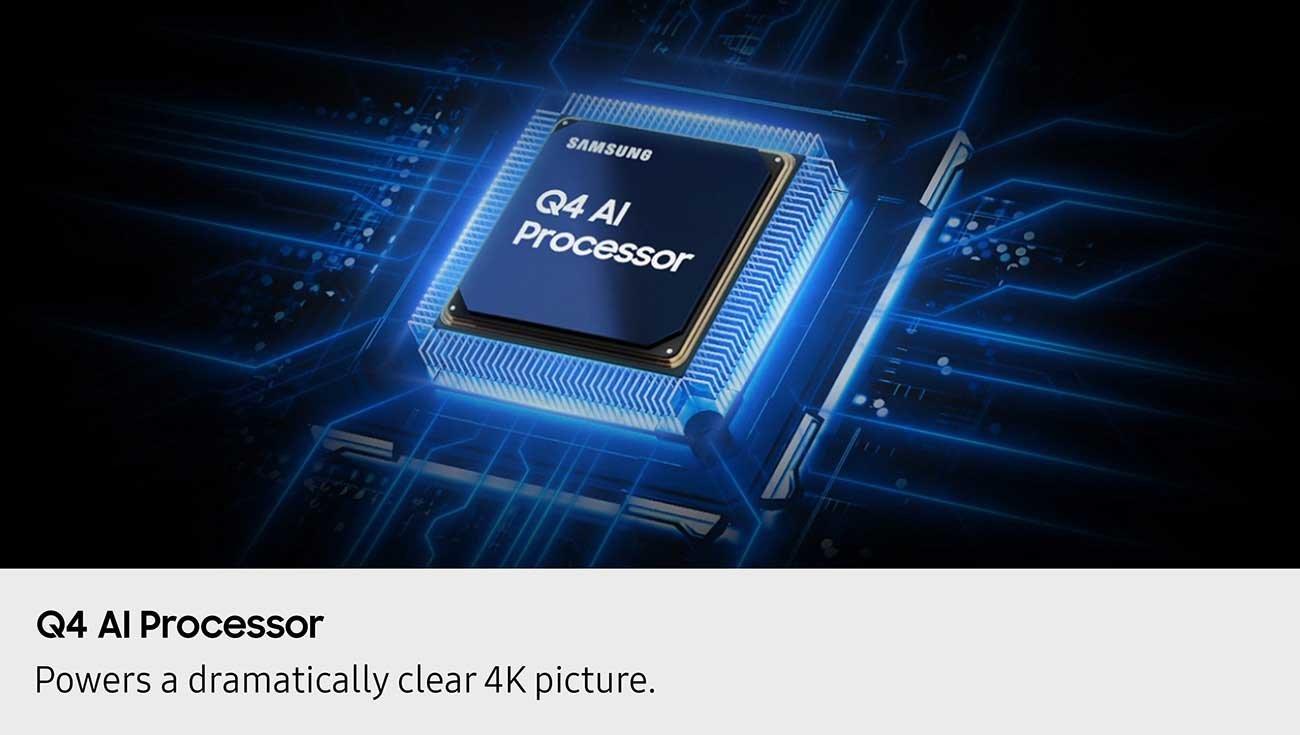
The Samsung Q7F uses Samsung's Tizen operating system enhanced with what they call Vision AI. This is where Samsung's approach becomes interesting—the Q4 AI processor continuously analyzes content and automatically adjusts picture settings, sound profiles, and even upscaling algorithms based on what you're watching.
For example, when switching from a dark drama to a bright sports broadcast, the TV recognizes the content type and optimizes accordingly. The Color Booster Pro feature analyzes scenes in real-time and enhances colors selectively—making grass greener in sports content or skin tones more natural in romantic comedies.
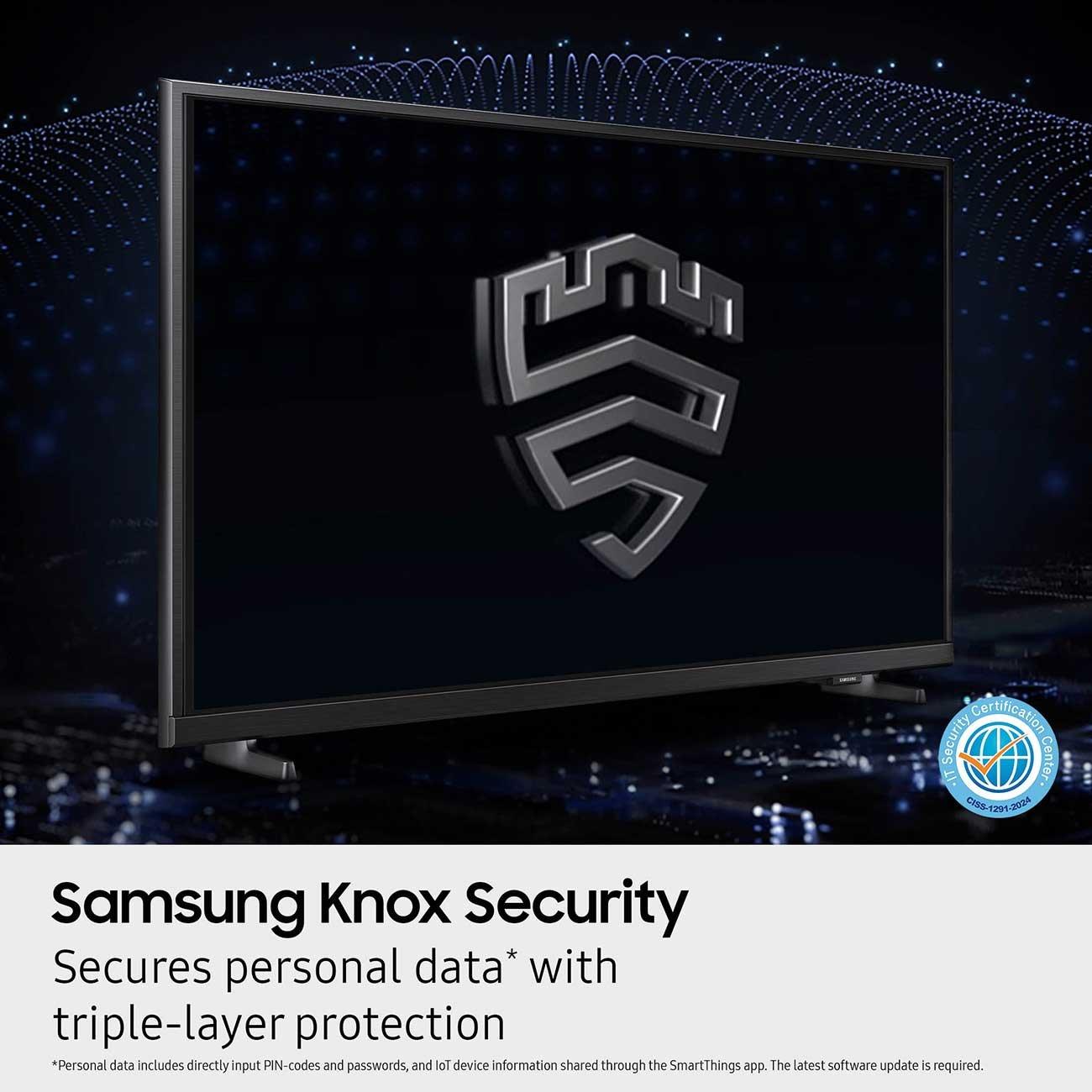
Samsung's Bixby voice assistant has been enhanced to handle multiple commands in sequence and integrates with Samsung's SmartThings ecosystem for home automation. The Knox security platform also provides additional privacy protection for smart TV features.
The choice between platforms often comes down to ecosystem preference and whether you value automated optimization or prefer manual control over settings.
Based on extensive research into professional reviews and user feedback, some clear patterns emerge about how these TVs perform in daily use.
The Toshiba M550 consistently impresses with its picture quality relative to price, particularly in darker viewing environments where the full array local dimming technology shines. Professional reviewers note that while the specifications look impressive on paper, the TV delivers on those promises in ways that many budget options don't.
However, the Fire TV operating system occasionally struggles with the TV's processing power. Users report response lag when navigating menus, apps that take 30-60 seconds to load, and occasional freezing that requires restarting the TV. These issues appear most pronounced when switching between multiple apps quickly or during the initial boot-up sequence.
For motion handling, the Toshiba excels with slow to moderate-speed content but can struggle with extremely busy action scenes, where some users report motion artifacts around fast-moving objects.
The Samsung Q7F demonstrates Samsung's typical build quality and software polish. The Tizen platform runs smoothly, and the AI optimization features work as advertised—many users notice the automatic picture adjustments and find them genuinely helpful.
However, professional reviews consistently note that the TV's lack of local dimming becomes apparent when watching HDR content, particularly in dark rooms. The RTINGS assessment describes it as "a very basic 4K TV" lacking several features that have become standard in the mid-range market.
For dedicated home theater use, several factors become particularly important: light control capabilities, HDR performance, audio quality, and connectivity options.
The Toshiba M550 edges ahead in most home theater scenarios. The full array local dimming provides better contrast in controlled lighting environments, essential for that cinematic experience. Dolby Vision support ensures compatibility with the highest-quality streaming content, and the built-in subwoofer reduces the need for additional audio equipment in smaller spaces.
The TV includes four HDMI ports with eARC (Enhanced Audio Return Channel) support, allowing for high-quality audio to be sent to a soundbar or AV receiver. This connectivity flexibility matters when building a more complex home theater system.
The Samsung Q7F offers solid performance but with some limitations. The lack of local dimming becomes more noticeable in dark viewing environments, and the basic audio system will likely require external speakers for immersive home theater sound.
However, Samsung's AI optimization features can be valuable in home theaters with varying lighting conditions, as the TV automatically adjusts to ambient light levels throughout the day.
The Toshiba M550 makes the most sense for users who prioritize display technology and gaming performance at a reasonable price point. If you game regularly, watch a lot of sports, or want the best possible contrast for movie nights, the combination of 120Hz refresh rate and full array local dimming provides measurable advantages.
This TV particularly suits households where the primary use case is entertainment rather than casual viewing. The occasional software quirks are worth tolerating for the significant hardware advantages, especially considering the price difference.
The Samsung Q7F appeals to users who value brand reliability, polished software experiences, and automated convenience features. If you prefer a TV that optimizes itself rather than requiring manual adjustments, Samsung's AI features provide genuine value.
This option makes more sense for users who watch primarily streaming content, don't game competitively, and are willing to pay extra for Samsung's ecosystem integration and build quality reputation.
At the time of writing, the Toshiba M550 represents exceptional value for anyone seeking premium display technology without flagship pricing. The combination of full array local dimming, native 120Hz refresh rate, and comprehensive HDR support delivers features typically found in much more expensive TVs.
The software limitations are real but manageable, and the display technology advantages are significant enough to outweigh these concerns for most users. For gaming enthusiasts and home theater fans, this TV punches well above its price point.
The Samsung Q7F offers a more polished overall experience with sophisticated AI features, but at a substantial premium for what amounts to software enhancements over hardware limitations. While Samsung's processing and features are impressive, they can't overcome fundamental limitations like the lack of local dimming or 60Hz refresh rate cap.
Unless Samsung's specific AI features or ecosystem integration are essential to your setup, the Toshiba M550 provides better technology per dollar and superior performance in the areas that matter most for daily viewing enjoyment.
Both TVs represent the rapid advancement in display technology, but they prioritize different aspects of the viewing experience. Choose based on whether you value cutting-edge display hardware or polished software intelligence—but know that one approach offers significantly better performance per dollar at the time of writing.
| Toshiba 65" M550 Series QLED Fire TV | Samsung 65" Q7F QLED 4K Vision AI Smart TV 2025 |
|---|---|
| Native Refresh Rate - Critical for gaming and sports content | |
| 120Hz (true high refresh rate) | 60Hz (standard refresh rate) |
| Backlight Technology - Determines contrast quality and HDR performance | |
| Full Array Local Dimming (48 zones) | Direct-lit without local dimming |
| HDR Format Support - Affects compatibility with premium streaming content | |
| Dolby Vision + HDR10+ | HDR10+ only (no Dolby Vision) |
| Audio System - Built-in sound quality and power | |
| 40-49W with built-in subwoofer and Dolby Atmos | 20W RMS, 2-channel (no subwoofer) |
| Gaming Features - Performance for console and PC gaming | |
| VRR, ALLM, 120Hz at all resolutions | Motion Xcelerator only (60Hz limitation) |
| Smart TV Platform - Interface and voice control capabilities | |
| Amazon Fire TV with hands-free Alexa | Samsung Tizen with Vision AI and Bixby |
| HDMI Port Count - Connectivity for external devices | |
| 4 ports (including eARC) | 3 ports |
| AI Processing Features - Automated picture and sound optimization | |
| Basic AI upscaling and room lighting adaptation | Advanced Q4 AI processor with content-based optimization |
| Build Quality Reputation - Brand reliability and customer support | |
| Budget-focused with occasional software issues | Premium build quality with established support network |
| Value Proposition - Features per dollar at time of writing | |
| Exceptional (premium display tech at budget price) | Moderate (AI features at significant price premium) |
The Toshiba 65" M550 Series QLED Fire TV is significantly better for gaming with its native 120Hz refresh rate, VRR (Variable Refresh Rate), and ALLM (Auto Low Latency Mode). The Samsung 65" Q7F QLED 4K Vision AI Smart TV only offers 60Hz refresh rate, making it less suitable for competitive gaming or next-gen console performance.
The biggest difference is backlight technology. The Toshiba M550 uses full array local dimming with 48 zones for superior contrast and deeper blacks, while the Samsung Q7F uses basic direct-lit backlighting without local dimming. This gives the Toshiba much better HDR performance and contrast in dark scenes.
The Toshiba 65" M550 Series QLED Fire TV has significantly better audio with 40-49W output, a built-in subwoofer, and Dolby Atmos support. The Samsung Q7F only offers 20W RMS 2-channel audio without a subwoofer, likely requiring an external soundbar for quality sound.
No, there's an important difference. The Toshiba M550 supports both Dolby Vision and HDR10+, while the Samsung 65" Q7F QLED 4K Vision AI Smart TV only supports HDR10+. Dolby Vision is considered the premium HDR format used by Netflix, Disney+, and Apple TV+.
Both platforms have strengths. The Toshiba M550 runs Fire TV with hands-free Alexa and excellent content discovery across streaming services. The Samsung Q7F uses Tizen with advanced AI features that automatically optimize picture and sound based on content type. Choose based on whether you prefer Amazon's ecosystem or Samsung's AI automation.
The Toshiba 65" M550 Series QLED Fire TV offers exceptional value with premium display technology (full array local dimming and 120Hz) typically found in much more expensive TVs. The Samsung Q7F costs more while lacking these key hardware features, though it offers more polished software and AI capabilities.
The Toshiba M550 occasionally experiences Fire TV software lag and menu responsiveness issues, though the hardware is solid. The Samsung 65" Q7F QLED 4K Vision AI Smart TV generally offers more reliable software performance and established customer support, reflecting Samsung's premium brand positioning.
The Toshiba M550 is much better for sports viewing due to its native 120Hz refresh rate, which significantly reduces motion blur when following fast-moving objects like hockey pucks or tennis balls. The Samsung Q7F uses software-based motion enhancement at 60Hz, which isn't as effective for sports content.
The Toshiba 65" M550 Series QLED Fire TV includes 4 HDMI ports with eARC support for soundbars, while the Samsung Q7F only has 3 HDMI ports. More ports provide better flexibility for connecting multiple devices like gaming consoles, streaming devices, and sound systems.
The Toshiba M550 is better suited for home theater use with its full array local dimming for superior contrast in dark rooms, Dolby Vision support for premium content, and built-in subwoofer that reduces the need for additional audio equipment. The Samsung 65" Q7F QLED 4K Vision AI Smart TV lacks these key home theater features.
The Samsung Q7F includes Vision AI with a Q4 processor that automatically optimizes picture settings based on content type, Color Booster Pro for scene-specific color enhancement, and enhanced Bixby voice control. The Toshiba M550 has basic AI upscaling but focuses more on hardware performance than AI optimization.
If gaming isn't important, the choice depends on your priorities. The Toshiba 65" M550 Series QLED Fire TV still offers better picture quality with local dimming and superior audio. The Samsung 65" Q7F QLED 4K Vision AI Smart TV provides more automated convenience features and brand reliability, but at a higher cost for fewer display technology advantages.
We've done our best to create useful and informative comparisons to help you decide what product to buy. Our research uses advanced automated methods to create this comparison and perfection is not possible - please contact us for corrections or questions. These are the sites we've researched in the creation of this article: bestbuy.com - bestbuy.com - consumerreports.org - youtube.com - pcvarge.com - tomsguide.com - youtube.com - bestbuy.com - toshibatv-usa.com - marketplace-staging.paytomorrow.com - toshibatv-usa.com - productabout.com - leaseville.com - youtube.com - toshibatv-usa.com - bestbuy.com - youtube.com - samsung.com - samsung.com - pcrichard.com - samsung.com - samsung.com - videoandaudiocenter.com - displayspecifications.com - bestbuy.com - samsung.com - samsung.com - samsung.com - samsung.com - news.samsung.com

Privacy Policy
Terms and Conditions - Affiliate Policy
Home Security
© Copyright 2008-2026.
11816 Inwood Rd #1211, Dallas, TX 75244