

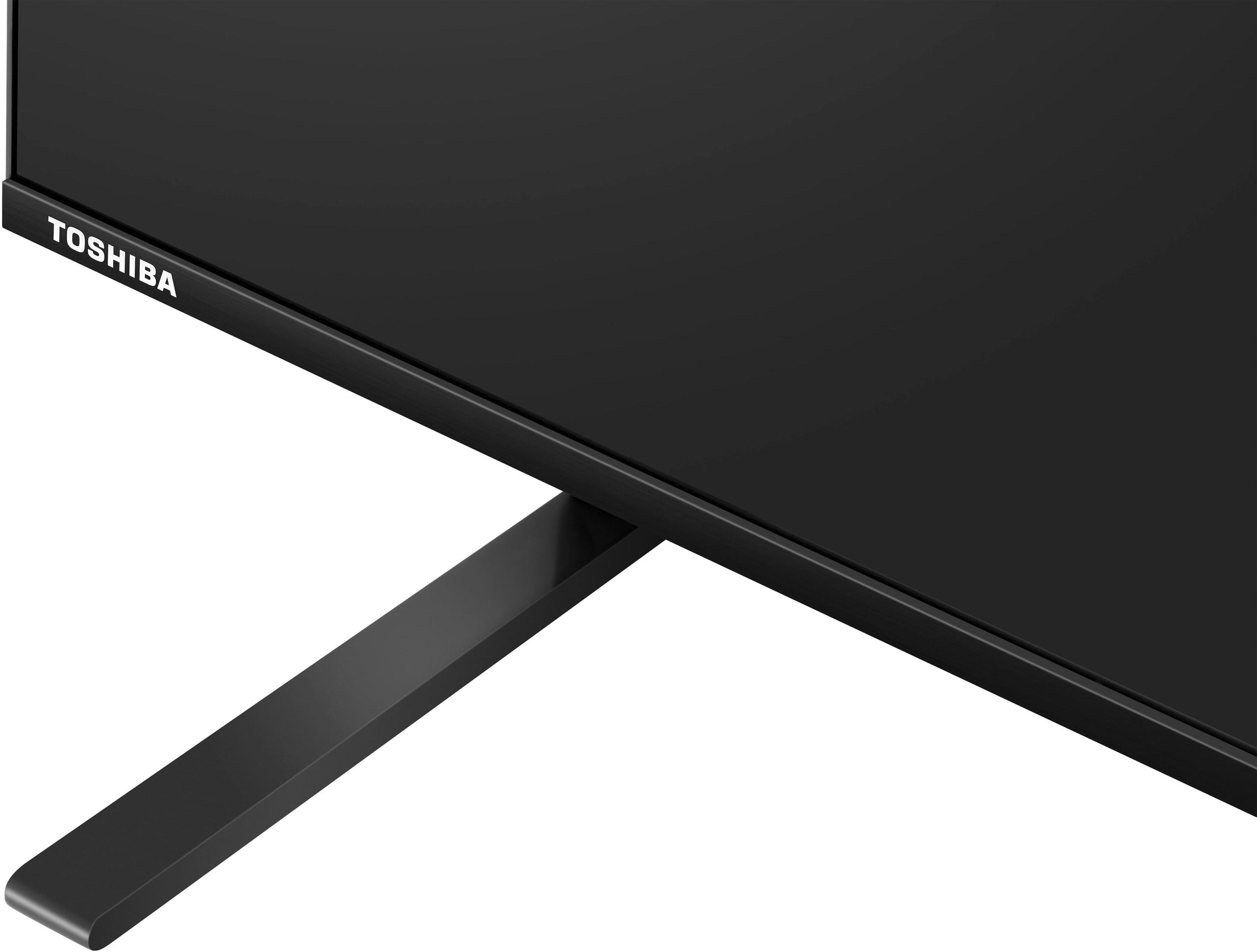
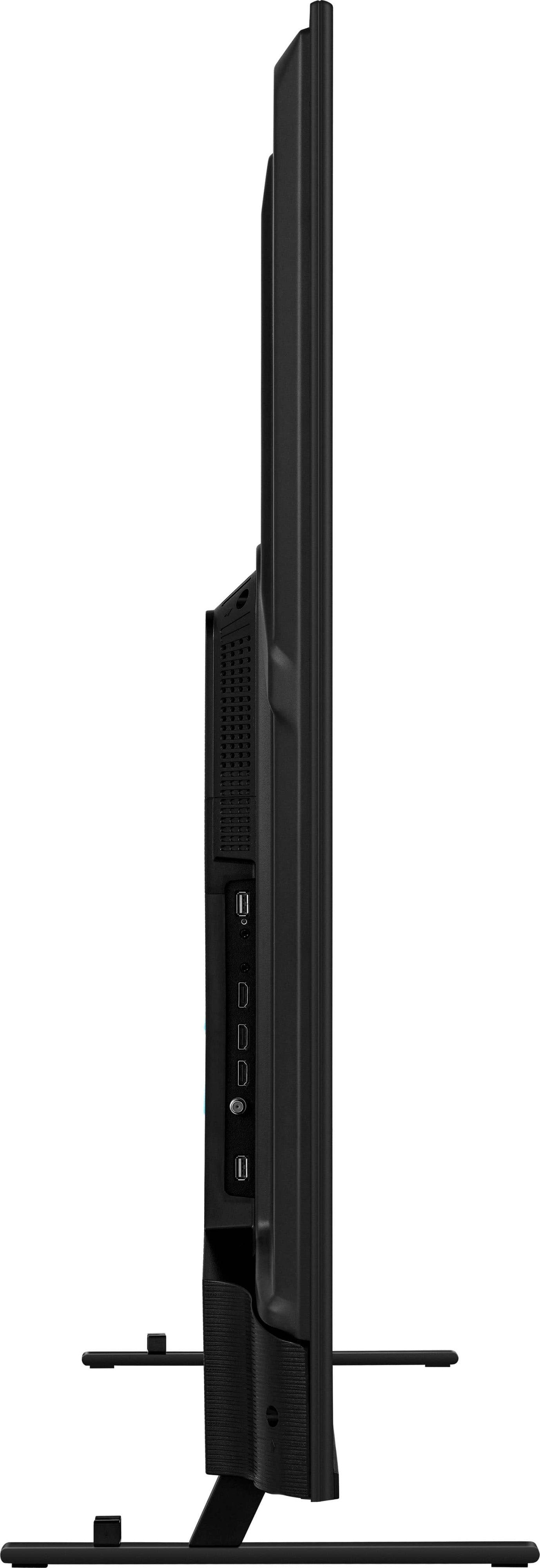
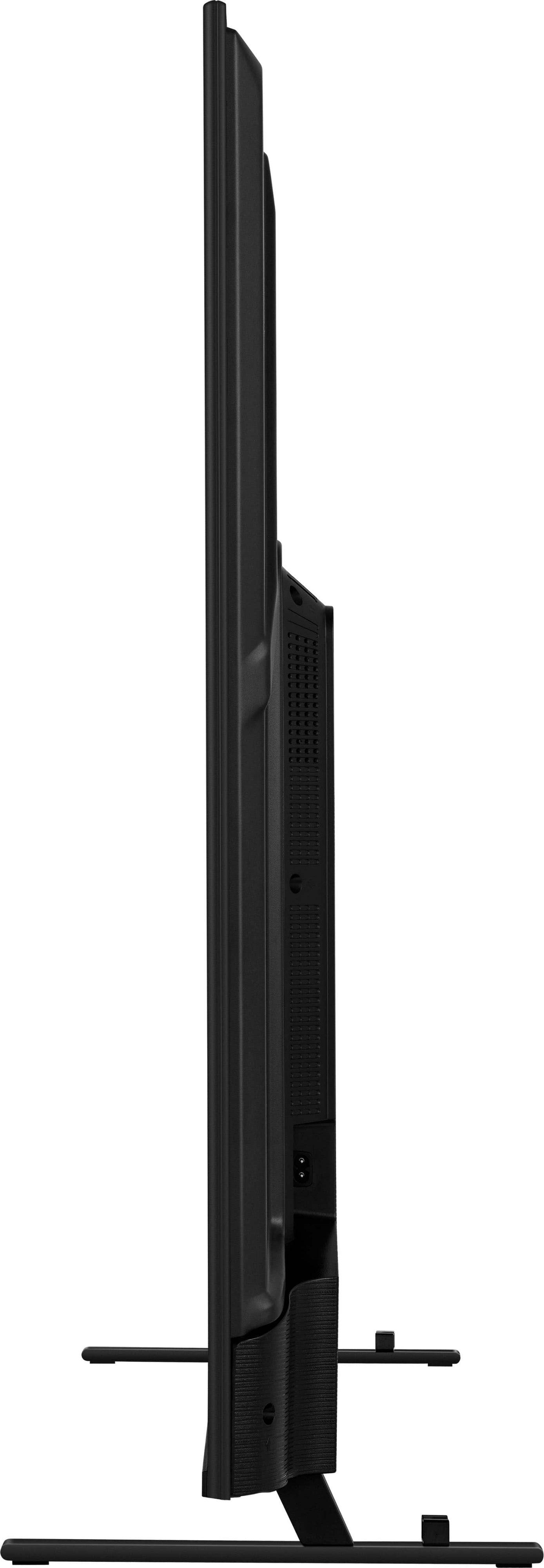
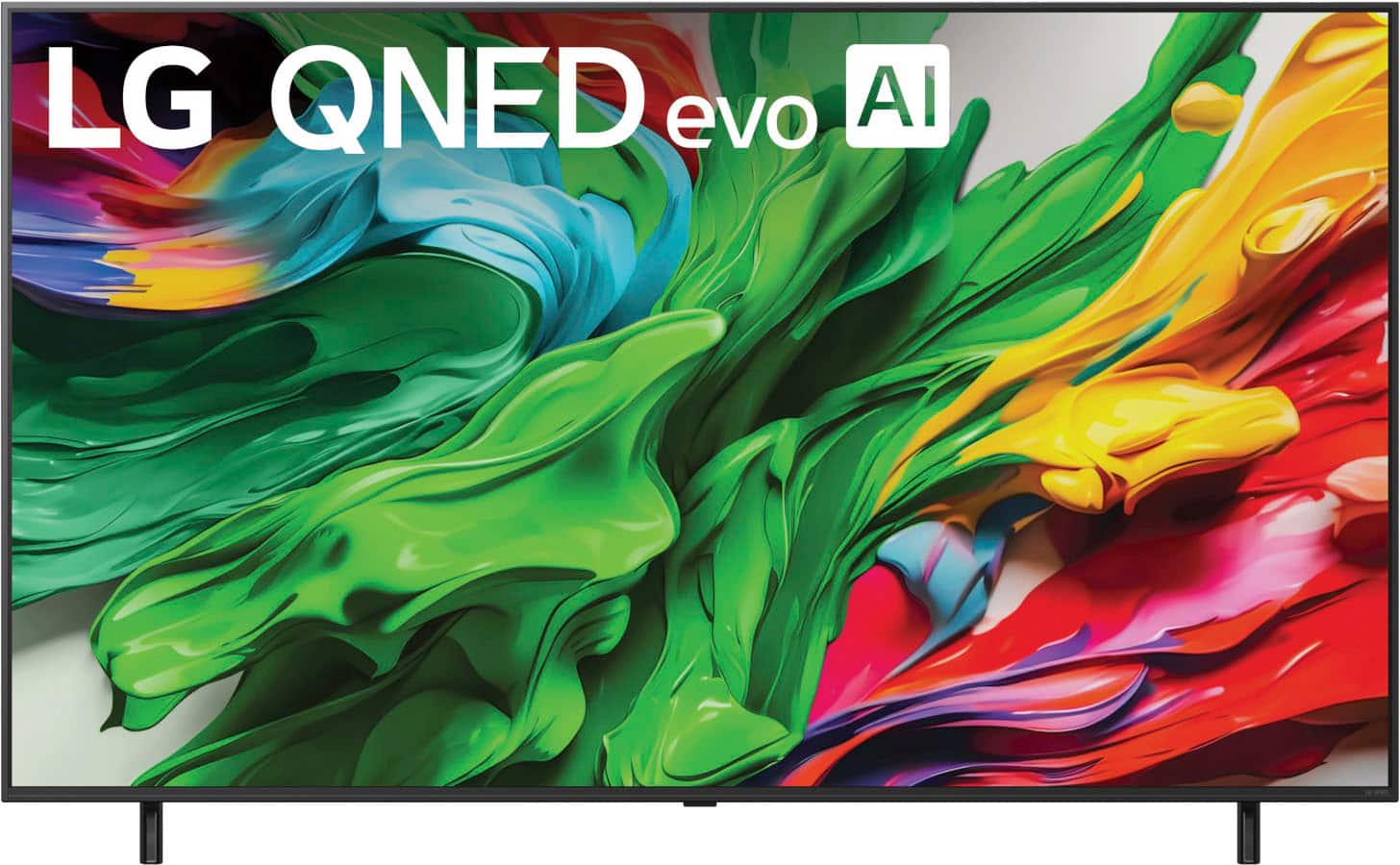
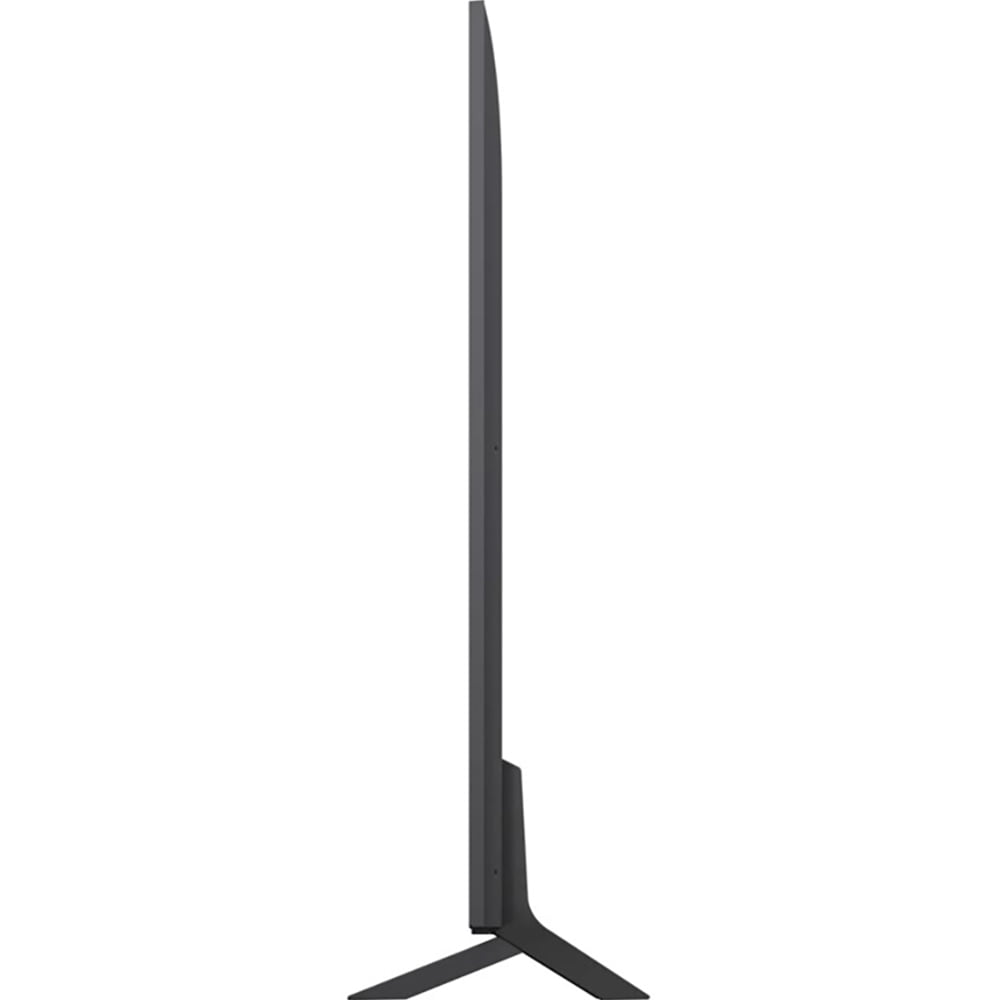
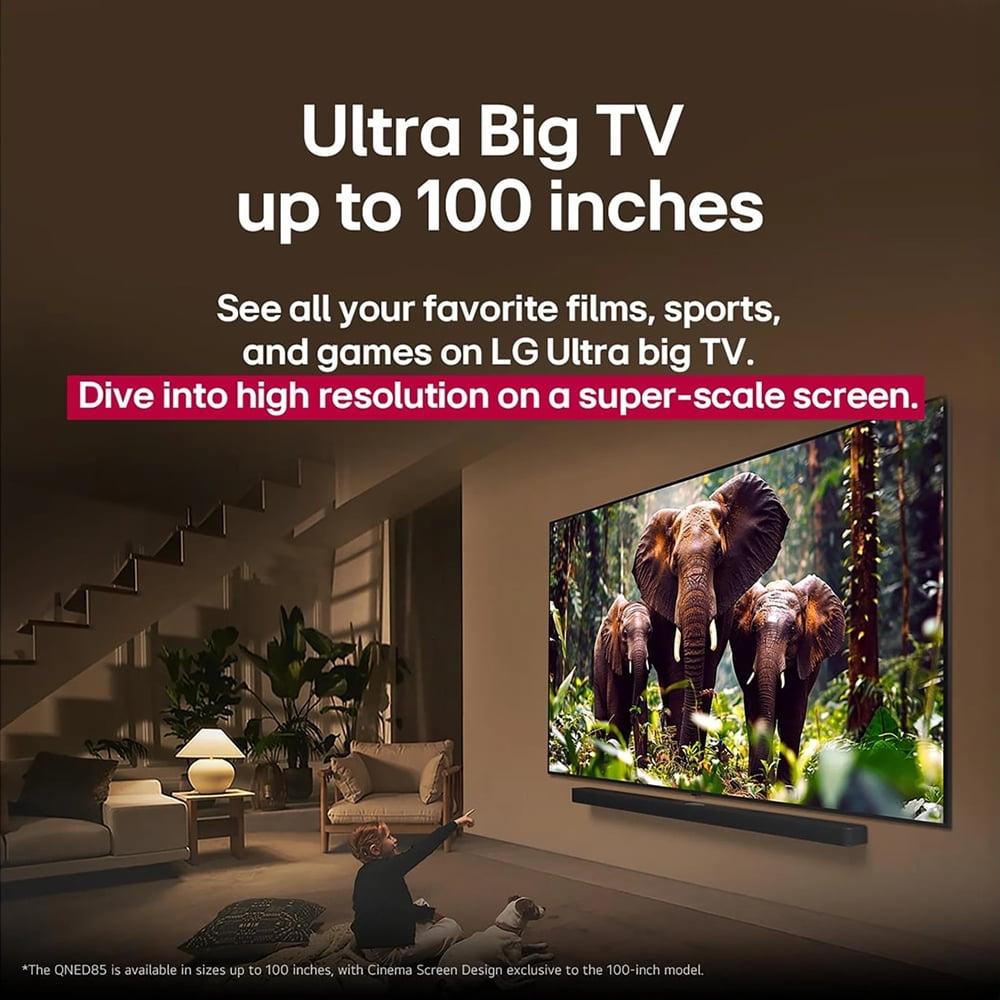
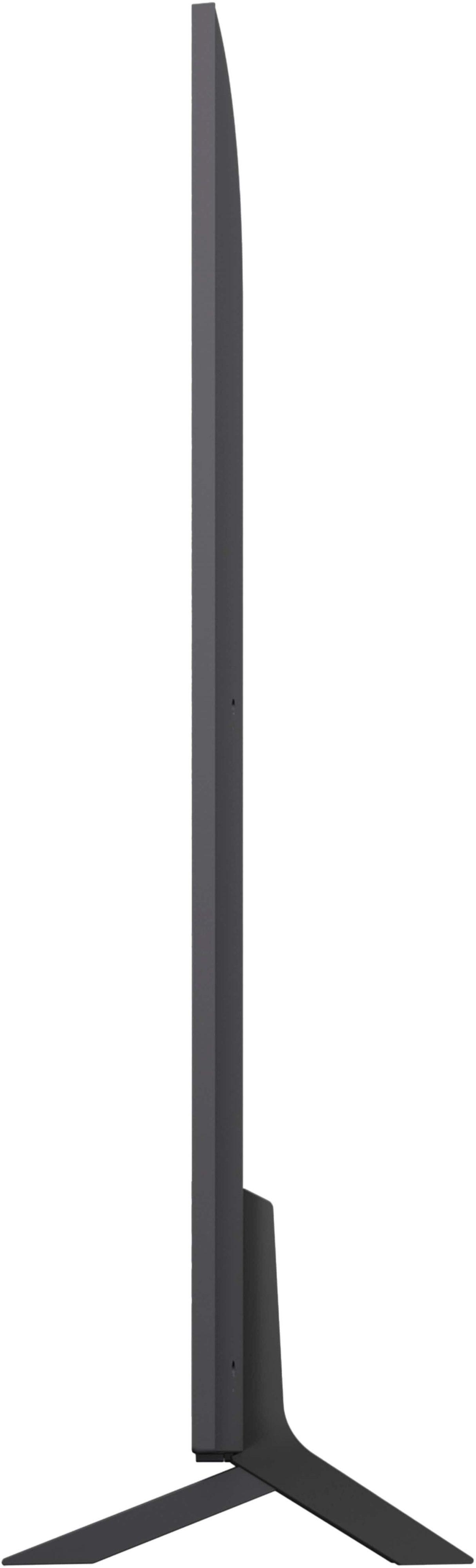
When you're shopping for a 65-inch TV, the choices can feel overwhelming. Today, we're comparing two very different approaches to mid-range smart TVs: the budget-focused Toshiba M550 Series QLED Fire TV and the technology-forward LG QNED85A 4K MiniLED Smart TV. While both deliver 65 inches of 4K entertainment, they represent fundamentally different philosophies about what makes a great TV experience.
The 65-inch mid-range TV category sits in that sweet spot where manufacturers try to deliver premium features without flagship pricing. At the time of writing, this typically means TVs priced between $500-1,200, depending on the technology and brand. The key challenge for buyers is understanding which features actually matter for their viewing habits and which are just marketing fluff.
The most critical considerations in this price range include display technology quality, processing power, gaming capabilities, built-in audio, and long-term software support. Unlike budget TVs that cut corners everywhere, or flagship models that throw in every possible feature, mid-range TVs force manufacturers to make strategic choices about where to invest their engineering efforts.
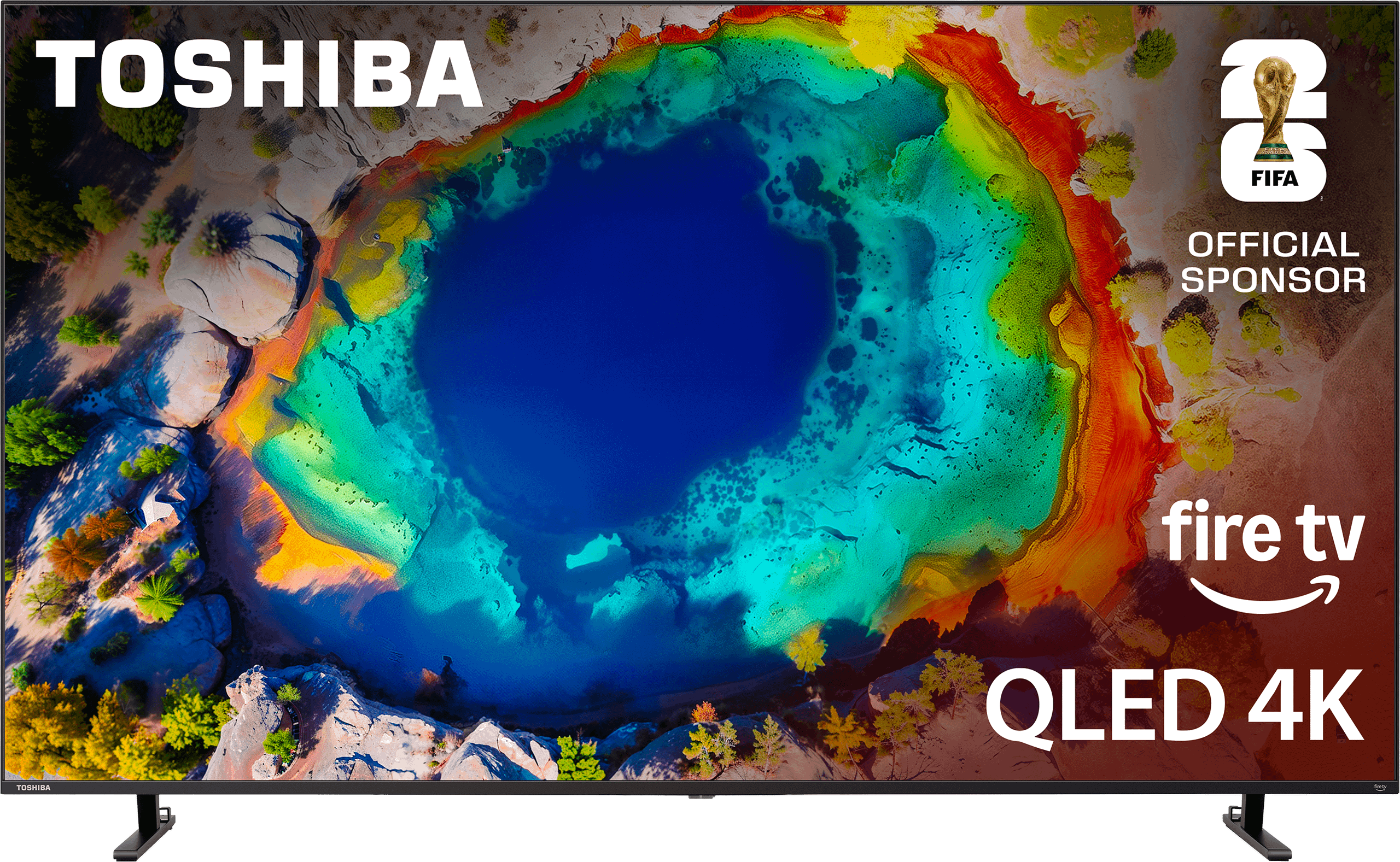
The Toshiba M550, released in 2021, represents the traditional approach to affordable QLED technology. It uses quantum dot enhancement over a standard LED backlight array with 48 local dimming zones. Think of local dimming as having 48 separate light switches behind your TV screen – more zones mean better contrast, but 48 is modest by today's standards.
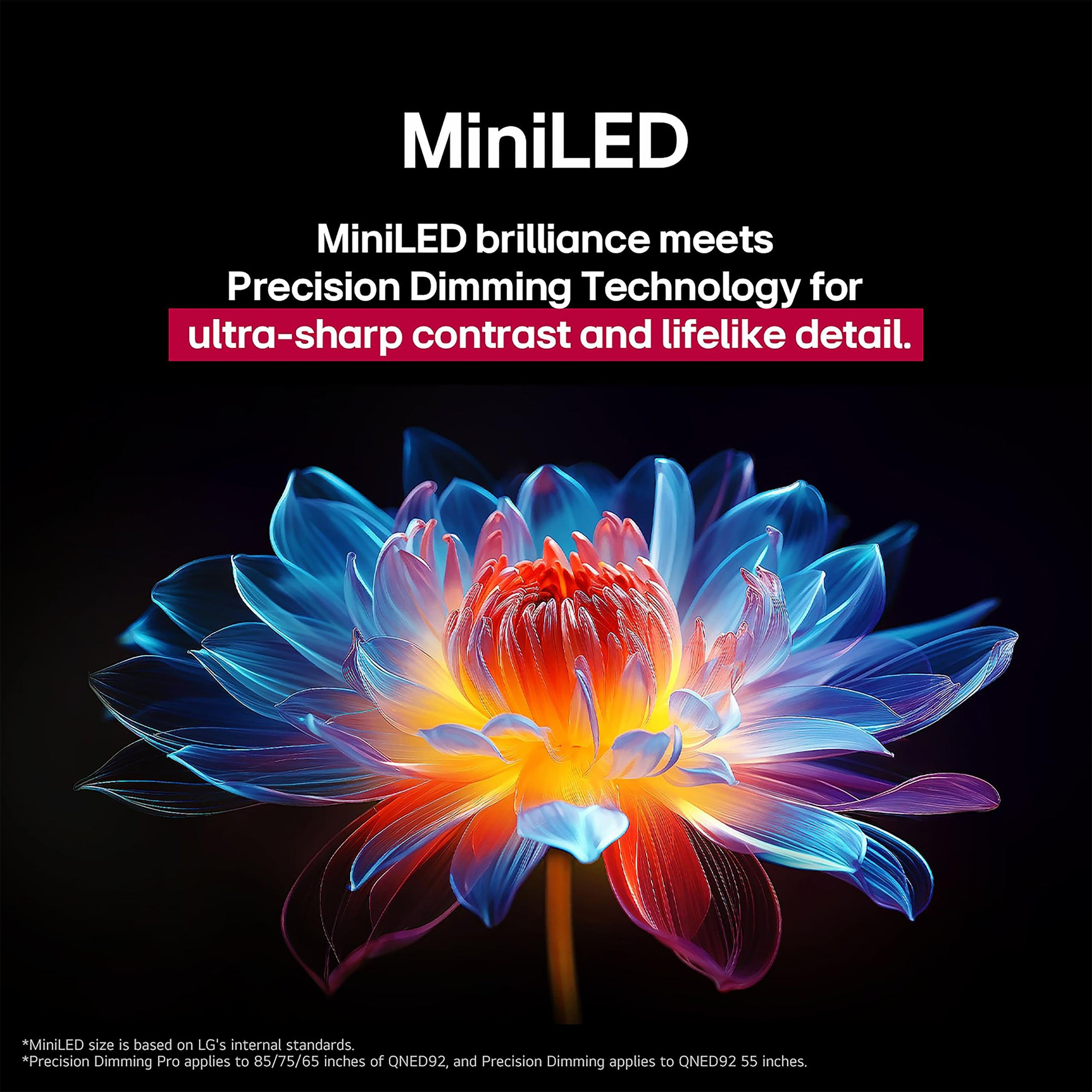
The LG QNED85A, launched in 2025, showcases what four years of display technology advancement looks like. Its MiniLED backlighting uses thousands of tiny LEDs instead of traditional larger ones, creating many more dimming zones for precise contrast control. It's like upgrading from 48 light switches to having a dimmer for every small section of your wall – the control becomes dramatically more precise.
This technology gap explains much of the performance and price difference between these models. The Toshiba M550 delivers solid picture quality using proven, cost-effective methods, while the LG QNED85A pushes boundaries with newer, more expensive display technology.
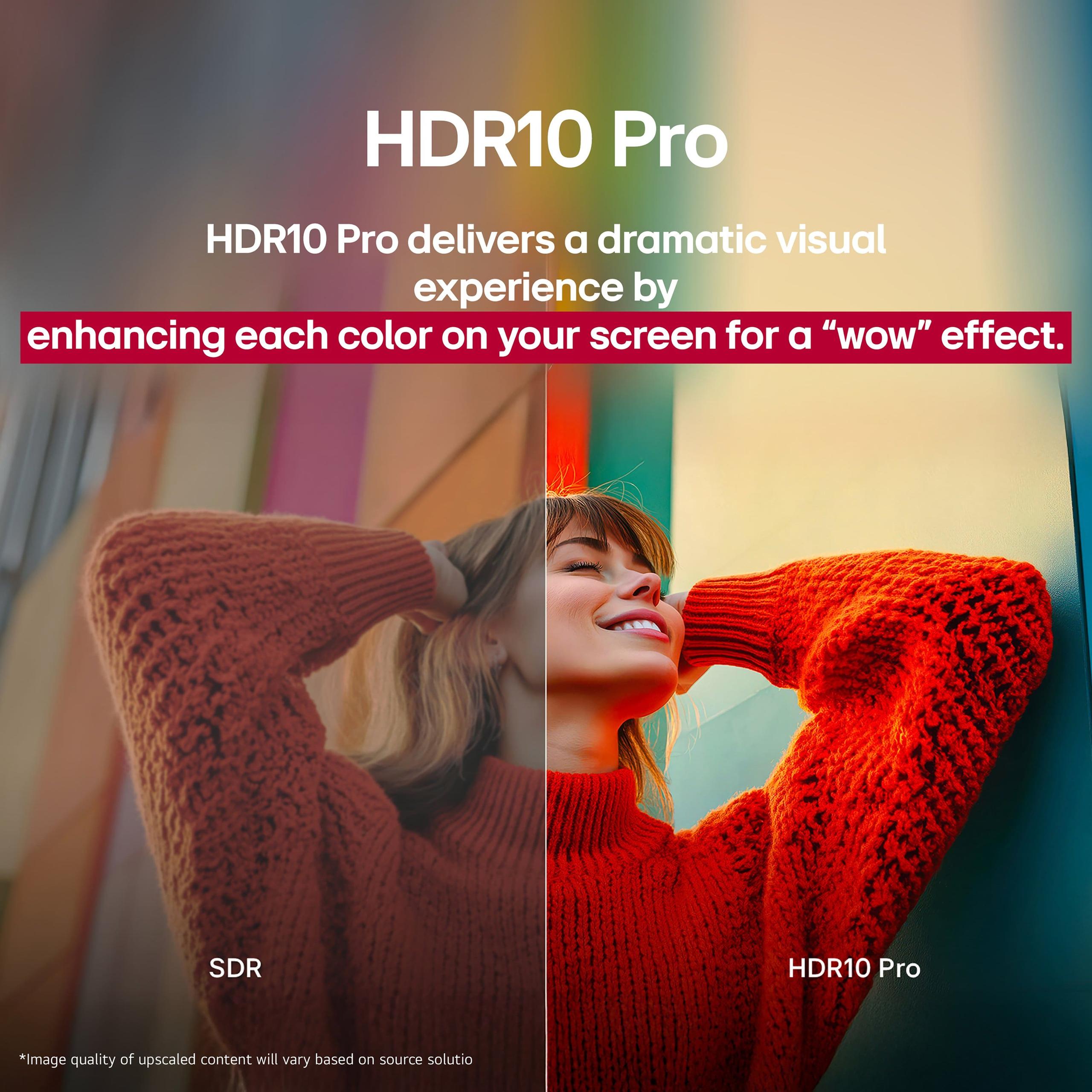
Picture quality differences between these TVs become apparent the moment you start watching HDR content – that's High Dynamic Range video with brighter highlights and deeper shadows than standard content.
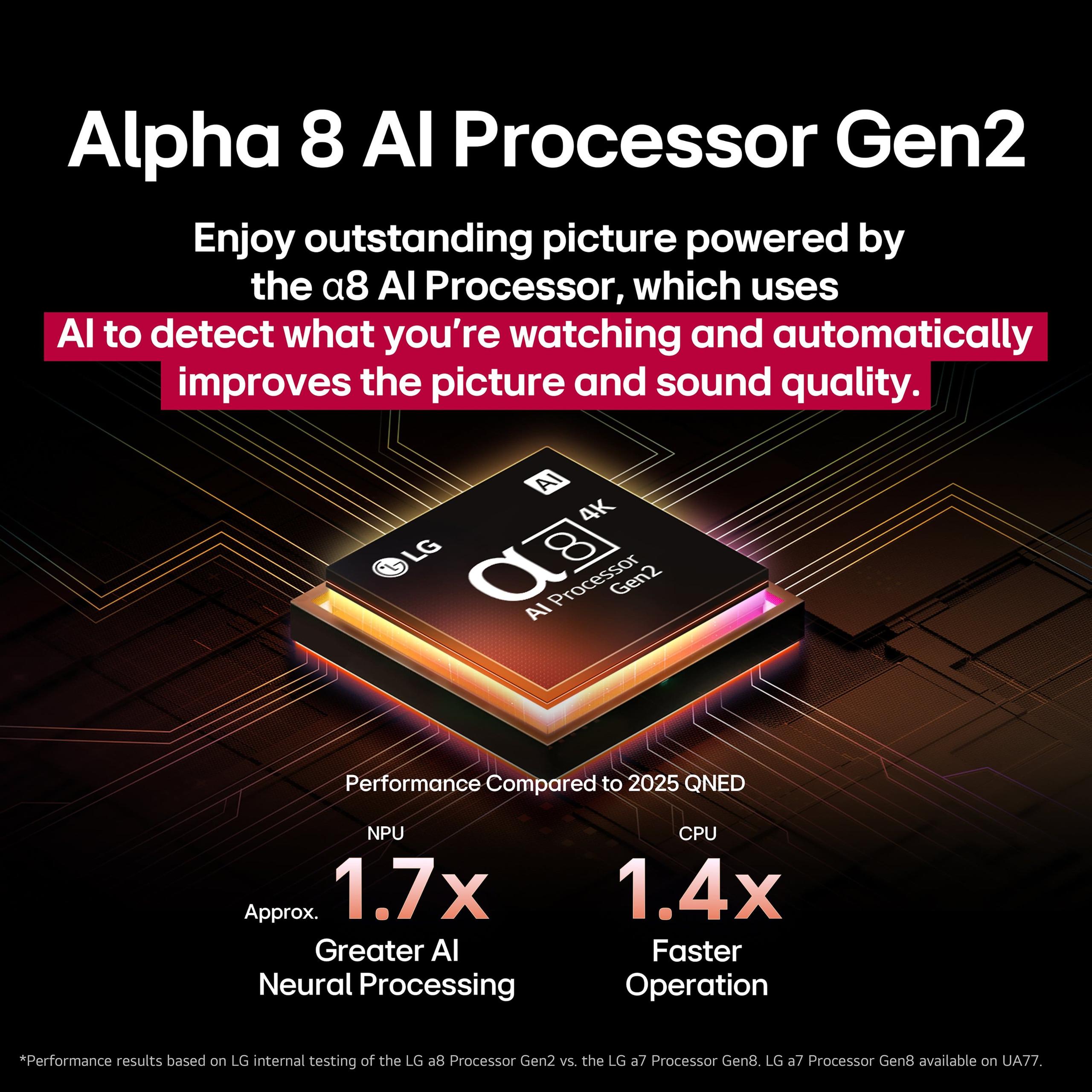
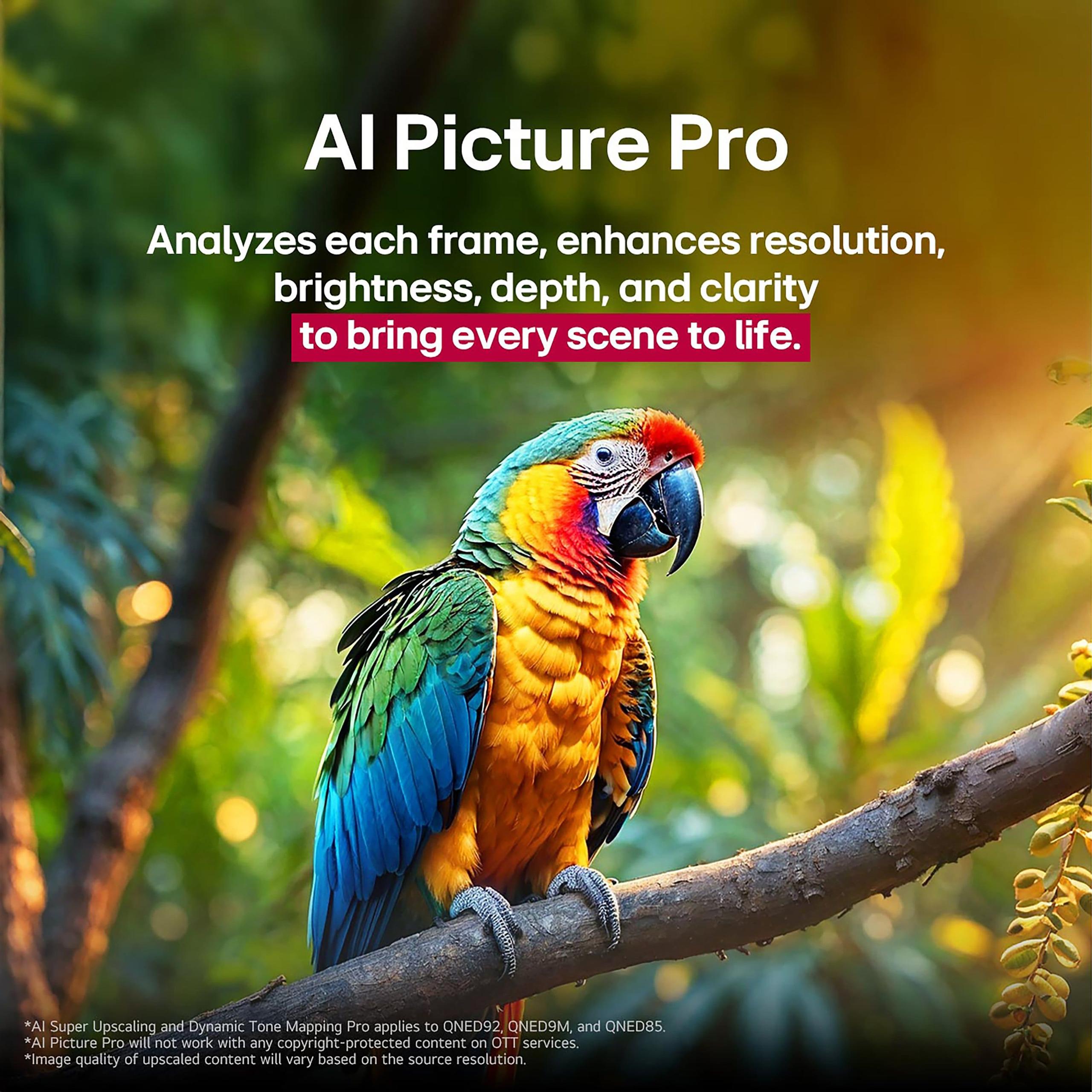
The LG QNED85A excels here thanks to its MiniLED backlighting with Precision Dimming Pro. When watching a movie scene with bright sunlight streaming through dark windows, the LG can make those sunbeams brilliantly bright while keeping the shadows truly dark, all within the same frame. Its α8 Gen 2 AI Processor analyzes each scene 120 times per second, automatically adjusting brightness, contrast, and color to optimize what you're watching.
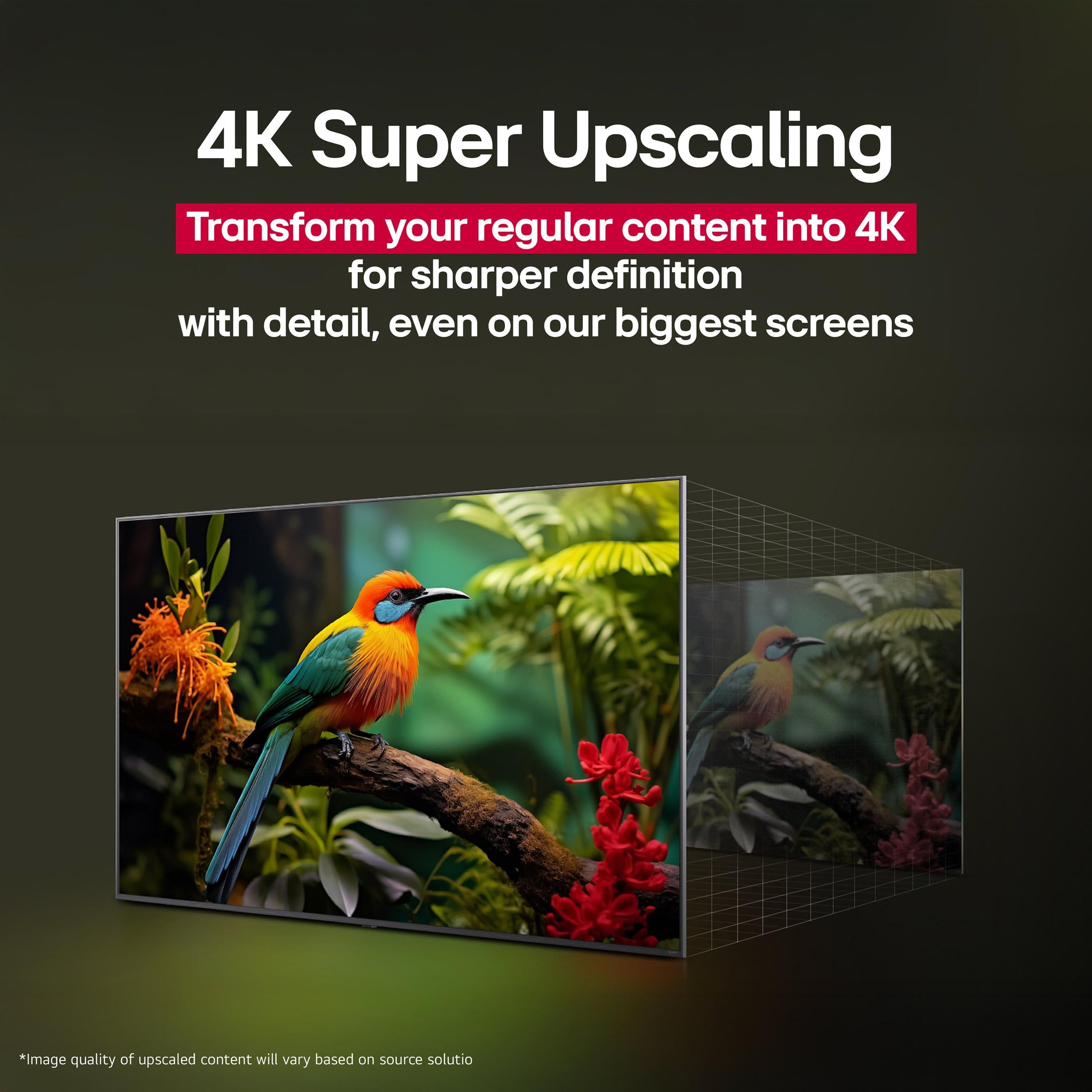
The Toshiba M550 handles the same scene competently but with less precision. Its 48-zone full array local dimming creates good contrast, and the REGZA Engine ZR processing delivers respectable 4K upscaling – that's taking lower resolution content and making it look sharper on your 4K screen. However, busy action scenes can overwhelm the processor, causing jerky motion and ghosting effects around moving objects.
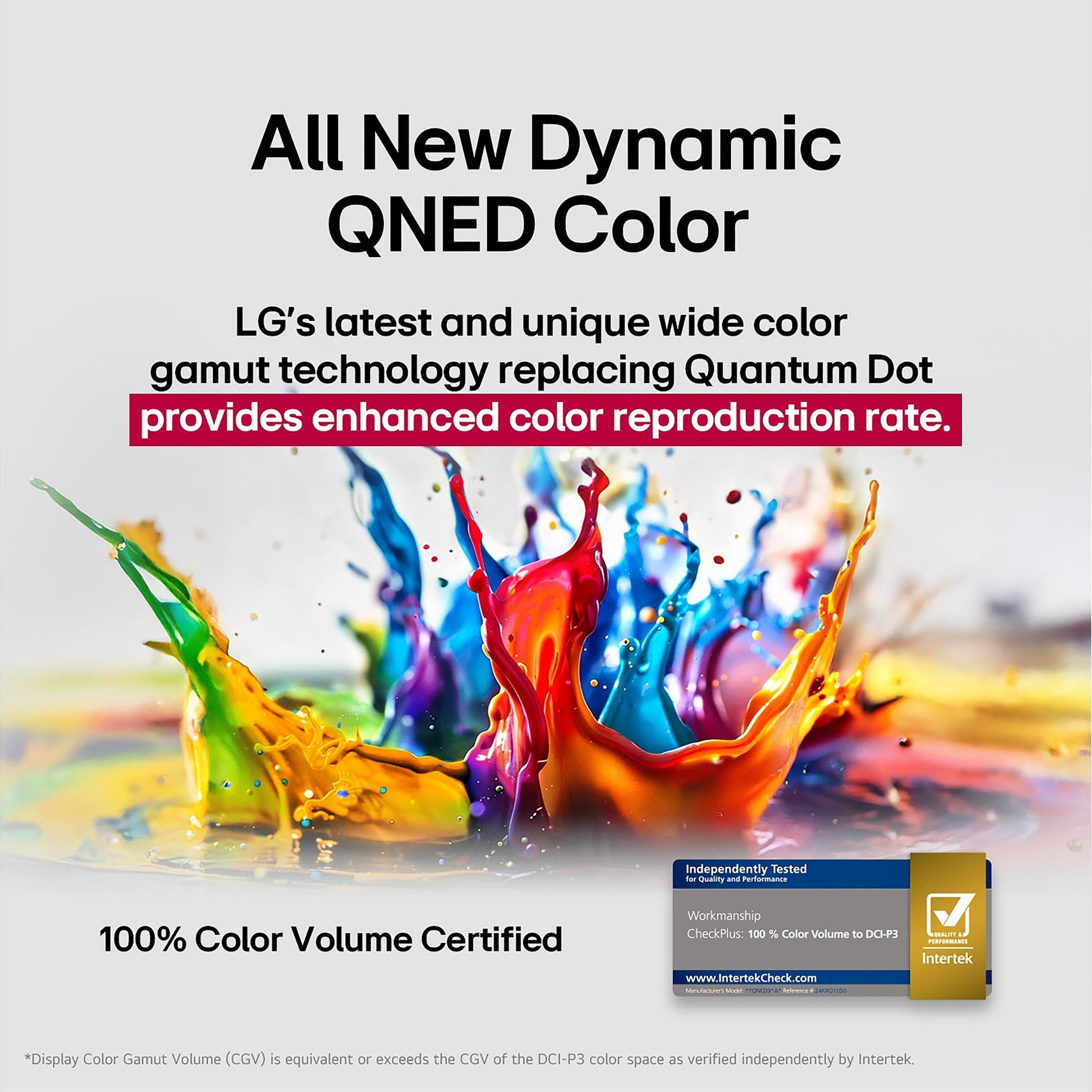
Color reproduction showcases another key difference. The LG QNED85A achieves what LG calls "100% Color Volume," meaning it can display vibrant colors at any brightness level. Traditional TVs often struggle to show bright, saturated colors simultaneously – think of a bright red sports car in sunlight. The Toshiba M550 delivers good color accuracy with its QLED quantum dot technology, but the older processing limits its ability to maintain color fidelity in challenging scenes.
For home theater enthusiasts, the LG QNED85A offers superior HDR performance with support for Dolby Vision's dynamic metadata – information that tells the TV exactly how to display each scene for optimal impact. The Toshiba M550 supports multiple HDR formats including Dolby Vision, but its processing power limits how effectively it can utilize this information.
Gaming capabilities reveal the starkest difference between these TVs, and it comes down to connectivity and processing power.
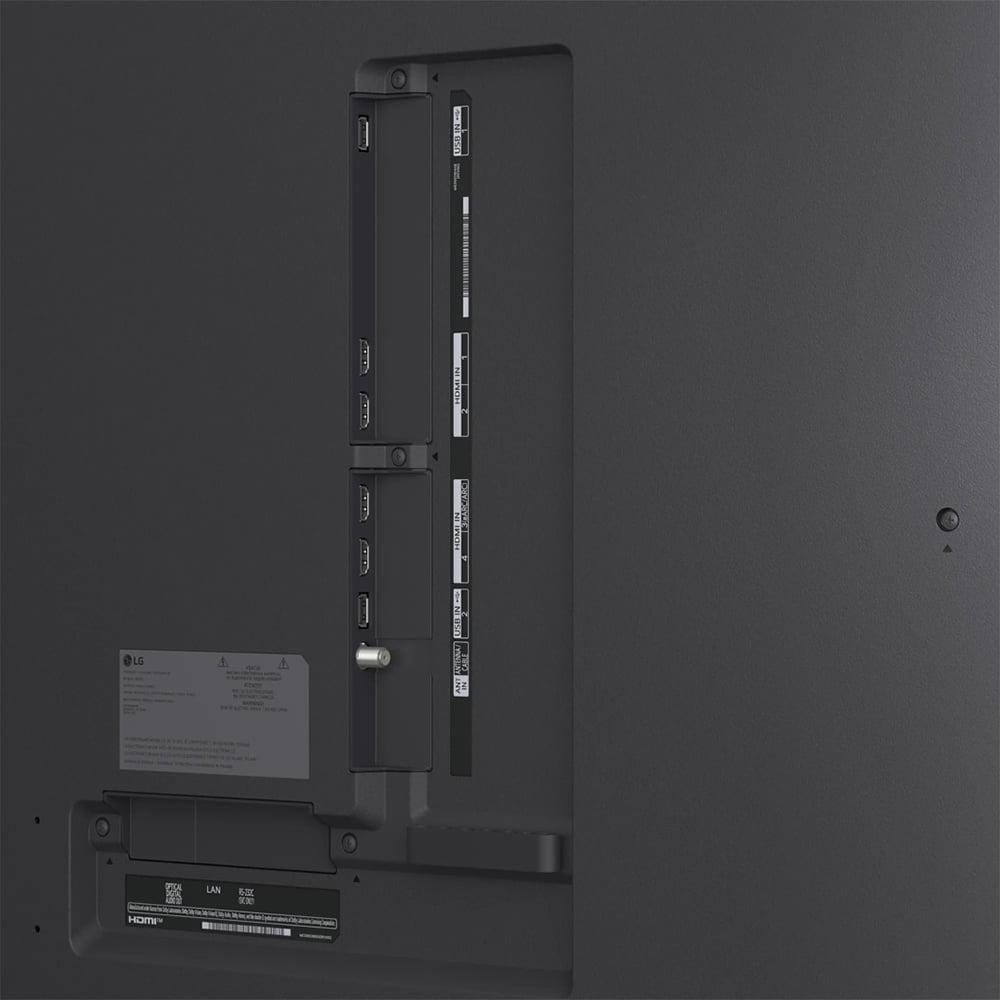
The LG QNED85A features four HDMI 2.1 ports capable of true 4K gaming at 120 frames per second. This means when you connect a PlayStation 5 or Xbox Series X, you get the full gaming experience these consoles were designed to deliver. Variable Refresh Rate (VRR) up to 144Hz eliminates screen tearing – those annoying horizontal lines that appear during fast motion. The Game Optimizer provides dedicated settings for different game types, while Auto Low Latency Mode automatically reduces input lag when it detects gaming.
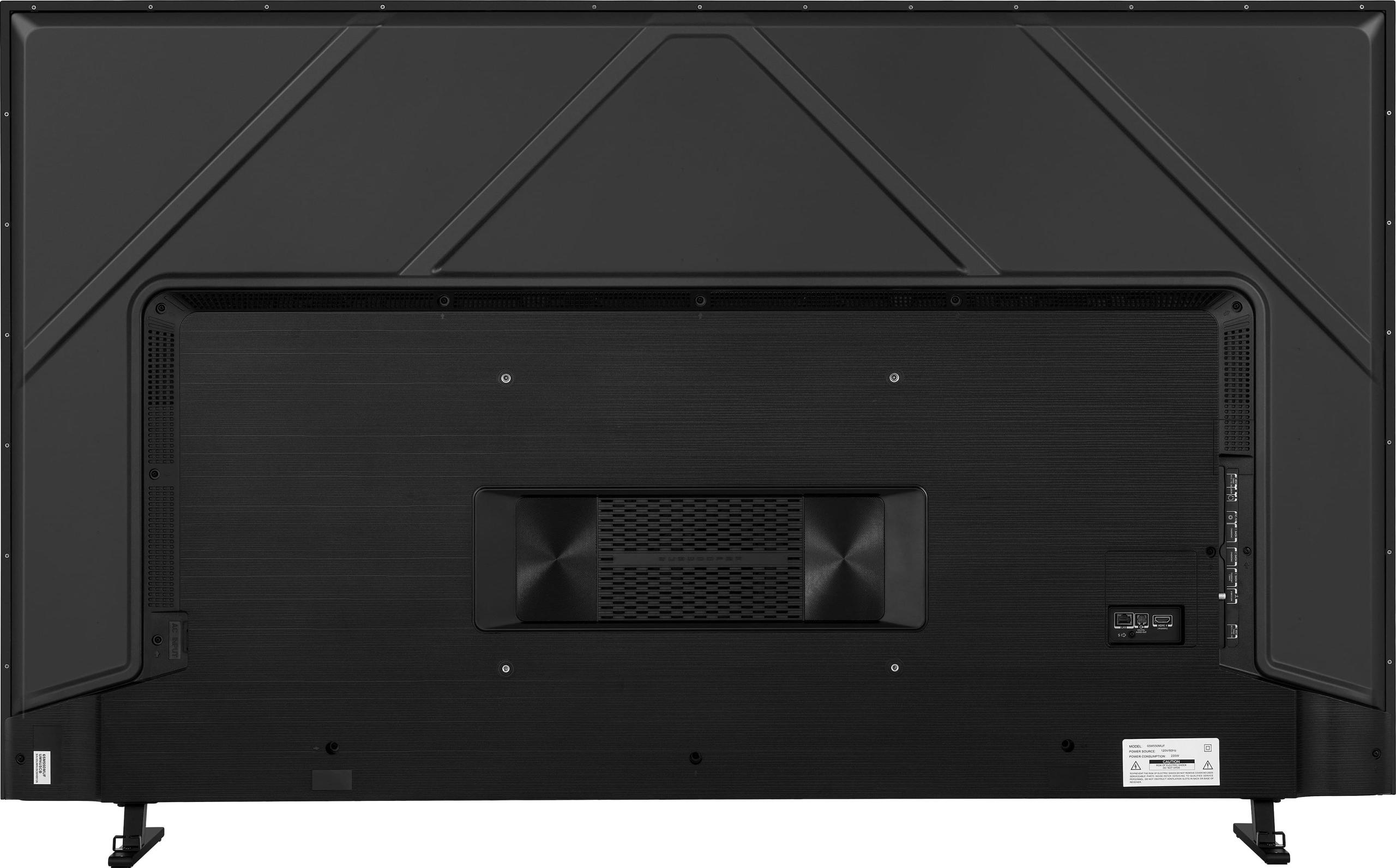
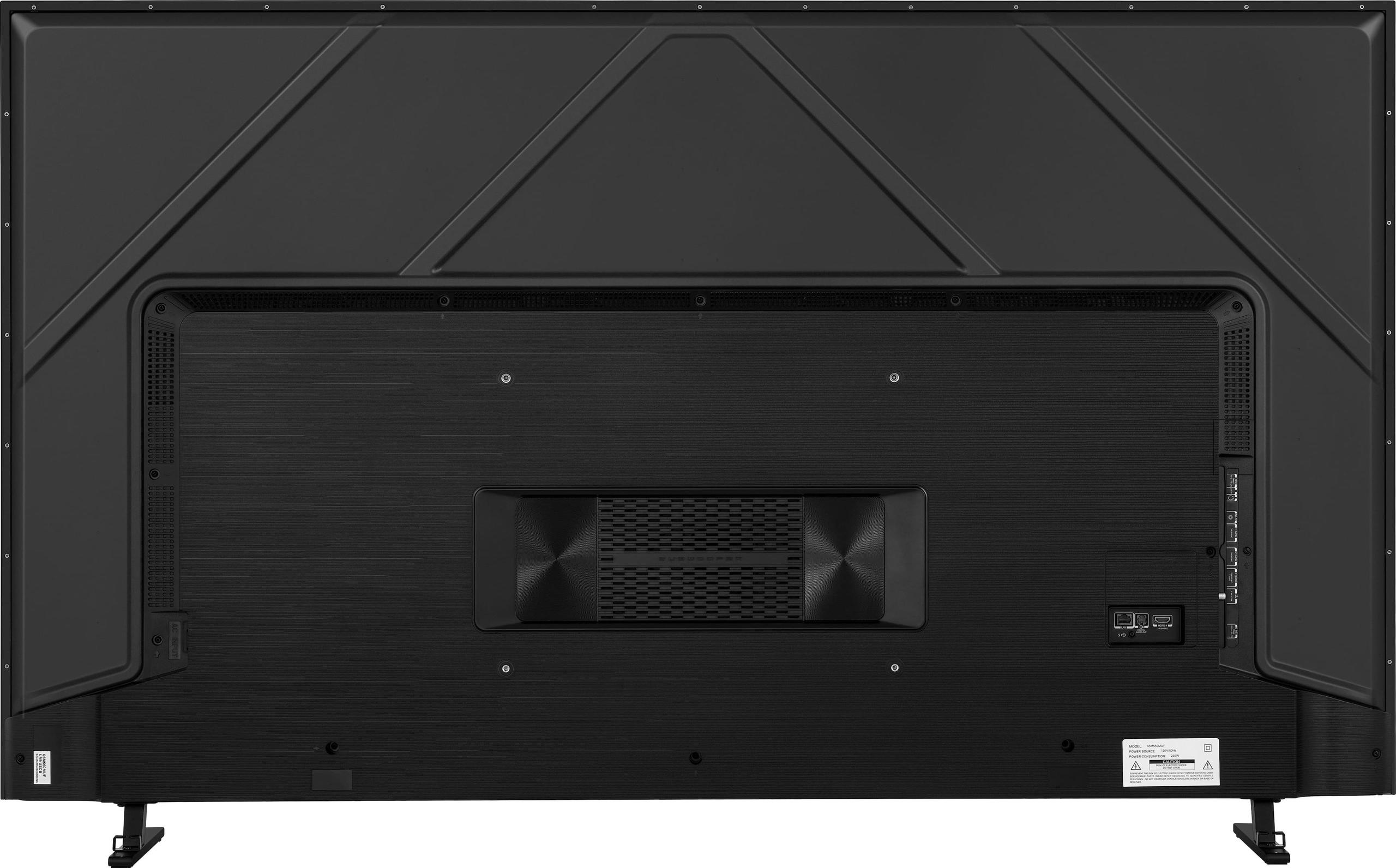
The Toshiba M550 presents a frustrating limitation despite having a 120Hz panel. Its HDMI ports only support 4K at 60Hz, effectively neutering the gaming advantages of its high refresh rate display. While it offers Game Mode Plus and supports some VRR functionality, serious gamers will feel constrained by these connectivity limitations.
For casual gaming or older consoles, the Toshiba M550 performs adequately. But if you've invested in next-generation gaming hardware, the LG QNED85A is essential for unleashing its full potential.
Here's where the Toshiba M550 delivers its most compelling advantage: exceptional built-in audio quality that often eliminates the need for additional sound equipment.
The Toshiba M550 features REGZA Power Audio Pro with a dedicated 25-watt subwoofer and dual 12-watt clear direct speakers. This isn't marketing hyperbole – the difference is immediately noticeable. Dialog sounds crisp and clear, action sequences have real bass impact, and the overall soundscape feels full and engaging. For most living room setups, this audio system provides a satisfying experience without requiring a soundbar investment.
The LG QNED85A takes a different approach with virtual surround processing. Its AI Sound Pro technology converts stereo content into virtual 9.1.2 surround sound, creating an impression of sound coming from multiple directions. While clever, this processing can't compensate for the modest 2.0 channel speaker system. The audio is adequate for casual viewing but lacks the punch and clarity of the Toshiba M550.
For home theater setups where audio quality matters, this difference is significant. The Toshiba M550 offers immediate audio satisfaction, while the LG QNED85A practically demands a soundbar investment to reach its full potential.
Smart TV responsiveness reveals another crucial difference between these models, and it directly impacts daily usability.
The LG QNED85A runs on webOS 25 with the powerful α8 Gen 2 AI Processor. Apps launch quickly, navigation feels smooth, and the interface remains responsive even when multitasking. The AI features aren't just marketing gimmicks – AI Voice ID recognizes different family members and switches to their personalized settings, while AI Search understands natural language queries for finding content.
The Toshiba M550 struggles with performance consistency. Multiple user reports indicate the Fire TV OS often overwhelms the onboard processor, causing 30+ second delays when launching apps or navigating menus. This creates daily frustration – imagine waiting a full minute every time you want to switch from Netflix to YouTube. The processor limitations also affect picture processing during demanding content, creating stuttering and artifacts in busy scenes.
LG's commitment to five-year OS updates for the QNED85A provides long-term value assurance. The Toshiba M550, being an older model, offers no such guarantee, potentially leaving users with outdated software as streaming services evolve.
At the time of writing, these TVs occupy different price tiers, with the LG QNED85A typically costing 60-80% more than the Toshiba M550. This price gap reflects both the technology difference and the four-year release gap between them.
The Toshiba M550 delivers exceptional value for budget-conscious buyers. Its standout audio quality alone saves $200-400 that might otherwise go toward a decent soundbar. For families primarily streaming content and watching cable TV, it provides a solid 4K experience with good color and contrast at an accessible price point.
The LG QNED85A commands a premium for cutting-edge display technology and future-proof connectivity. Its MiniLED backlighting and advanced processing deliver noticeably superior picture quality, particularly for HDR content and gaming. The five-year OS update guarantee adds long-term value for users planning to keep their TV for many years.
After extensive research into user experiences and professional reviews, clear use-case scenarios emerge for each TV.
Choose the Toshiba M550 if you prioritize value and audio quality. It's ideal for families who primarily stream Netflix, Amazon Prime, and watch cable TV. The excellent built-in audio enhances the viewing experience without additional investment, and the picture quality satisfies most casual viewing needs. However, be prepared for occasional performance hiccups and limited gaming capabilities.
The LG QNED85A suits users who want the latest display technology and plan long-term ownership. It's essential for serious gamers who need 4K@120Hz performance, and movie enthusiasts will appreciate the superior HDR implementation. The advanced AI features and smart home integration appeal to tech-savvy users, though the modest built-in audio requires external sound solutions.
For dedicated home theater setups, the choice depends on your audio strategy. If you're planning a surround sound system anyway, the LG QNED85A becomes more attractive since its audio limitations become irrelevant. Its superior contrast control and HDR performance shine in darkened rooms where you can appreciate the subtle details in shadows and highlights.
However, if you want a simple setup that delivers great audio-visual experiences without complexity, the Toshiba M550 offers remarkable convenience. Its audio quality transforms casual movie nights into engaging experiences without requiring additional equipment or setup complexity.
These TVs represent different philosophies about what matters most in the living room. The Toshiba M550 prioritizes practical value – delivering good picture quality with exceptional audio at an affordable price. The LG QNED85A emphasizes technological advancement – showcasing what's possible with modern display technology at a premium price.
Your choice should align with your priorities, budget, and usage patterns. If you're satisfied with good performance and want immediate audio satisfaction, the Toshiba M550 delivers exceptional value. If you crave the latest technology and plan to keep your TV for years, the LG QNED85A provides a glimpse into the future of television display technology.
Neither choice is wrong – they're just different answers to the question of what makes a great TV experience in your home.
| Toshiba 65" M550 Series QLED Fire TV | LG 65" QNED evo AI QNED85A 4K MiniLED Smart TV 2025 |
|---|---|
| Display Technology - Determines contrast and picture quality | |
| Traditional LED with 48 local dimming zones | MiniLED with thousands of precise dimming zones |
| Processor - Controls responsiveness and picture optimization | |
| REGZA Engine ZR (older generation, performance issues reported) | α8 Gen 2 AI Processor (70% faster, real-time optimization) |
| Gaming Connectivity - Essential for PS5/Xbox Series X | |
| HDMI 2.0 (4K limited to 60Hz despite 120Hz panel) | Four HDMI 2.1 ports (true 4K@120Hz with VRR up to 144Hz) |
| Built-in Audio - Affects need for soundbar purchase | |
| 25W subwoofer + dual 12W speakers (exceptional quality) | 2.0 channel with virtual surround (requires external audio) |
| Smart Platform - Impacts long-term software support | |
| Fire TV OS (no guaranteed updates, stability issues noted) | webOS 25 (5-year update guarantee, smooth performance) |
| HDR Performance - Quality of movie and streaming experiences | |
| Dolby Vision support but limited by processing power | Advanced Dolby Vision with Dynamic Tone Mapping Pro |
| Release Year - Affects technology generation and pricing | |
| 2021 (older tech at budget-friendly pricing) | 2025 (cutting-edge features at premium pricing) |
| Color Technology - Impacts vibrancy and accuracy | |
| QLED quantum dots (good color, some oversaturation) | Dynamic QNED Color with 100% Color Volume verification |
| Target User - Best fit scenarios | |
| Budget buyers prioritizing audio quality and streaming | Tech enthusiasts wanting latest display tech and gaming features |
The LG QNED85A delivers superior picture quality thanks to its MiniLED technology with thousands of precise dimming zones, compared to the Toshiba M550's 48 local dimming zones. The LG's α8 Gen 2 AI Processor provides real-time optimization and better HDR performance, making it ideal for home theater setups where picture quality is paramount.
The Toshiba M550 includes exceptional built-in audio with a 25W subwoofer and dual speakers that often eliminates the need for a soundbar. The LG QNED85A has modest 2.0 channel speakers with virtual surround processing that will likely require a soundbar investment for satisfying audio quality.
The LG QNED85A is significantly better for next-gen gaming, featuring four HDMI 2.1 ports that support true 4K at 120Hz with VRR up to 144Hz. The Toshiba M550 has HDMI ports limited to 4K at 60Hz despite having a 120Hz panel, restricting gaming performance.
The LG QNED85A runs webOS 25 with smooth performance and a guaranteed 5-year update program. The Toshiba M550 uses Fire TV OS, which provides good Amazon integration but users report frequent slowdowns and no guaranteed future updates.
The Toshiba M550 provides exceptional value for budget-conscious buyers, especially considering its superior built-in audio saves soundbar costs. The LG QNED85A costs significantly more but offers cutting-edge display technology and future-proof features for those willing to invest in premium performance.
Both TVs handle bright rooms well, but the LG QNED85A has an advantage with its MiniLED backlighting providing higher peak brightness levels. The Toshiba M550 offers good brightness but may struggle with reflection handling compared to the more advanced LG model.
The LG QNED85A offers better longevity with its 5-year OS update guarantee and more powerful processor that won't become outdated quickly. The Toshiba M550, being a 2021 model, has no guaranteed update timeline and already shows performance limitations with current software.
The LG QNED85A provides smooth app performance with fast loading times thanks to its powerful processor. The Toshiba M550 frequently experiences delays of 30+ seconds when launching apps, which can be frustrating for daily use but doesn't affect picture quality once content starts playing.
For dedicated home theaters, the LG QNED85A excels with superior contrast control and HDR performance that shine in darkened rooms. However, if you want a simple setup without additional audio equipment, the Toshiba M550's exceptional built-in sound makes it surprisingly compelling for casual home theater use.
Both TVs support major HDR formats including Dolby Vision and HDR10. The Toshiba M550 actually supports more formats (HDR10+, HLG) but lacks the processing power to fully utilize them. The LG QNED85A focuses on optimizing fewer formats but delivers superior HDR performance with its advanced processing.
The LG QNED85A provides superior motion handling with its 120Hz panel and advanced processing that maintains clarity during fast action. The Toshiba M550 can struggle with busy scenes, creating stuttering and ghosting effects around moving objects that make it less ideal for sports viewing.
Both brands offer solid mid-range options, but they represent different approaches. The Toshiba M550 focuses on practical value with standout audio quality at an affordable price point. The LG QNED85A showcases LG's commitment to display innovation with cutting-edge MiniLED technology, making your choice dependent on whether you prioritize immediate value or long-term technology advancement.
We've done our best to create useful and informative comparisons to help you decide what product to buy. Our research uses advanced automated methods to create this comparison and perfection is not possible - please contact us for corrections or questions. These are the sites we've researched in the creation of this article: bestbuy.com - bestbuy.com - consumerreports.org - youtube.com - pcvarge.com - tomsguide.com - youtube.com - bestbuy.com - toshibatv-usa.com - marketplace-staging.paytomorrow.com - toshibatv-usa.com - productabout.com - leaseville.com - youtube.com - toshibatv-usa.com - rtings.com - rtings.com - youtube.com - lg.com - smarthomesounds.co.uk - abt.com - abt.com - lg.com - displayspecifications.com - walmart.com - bestbuy.com - lg.com - lg.com - lg.com - files.bbystatic.com - flatpanelshd.com - north-side-appliance.com - lgnewsroom.com - lg.com - youtube.com - youtube.com - hindustantimes.com

Privacy Policy
Terms and Conditions - Affiliate Policy
Home Security
© Copyright 2008-2026.
11816 Inwood Rd #1211, Dallas, TX 75244