

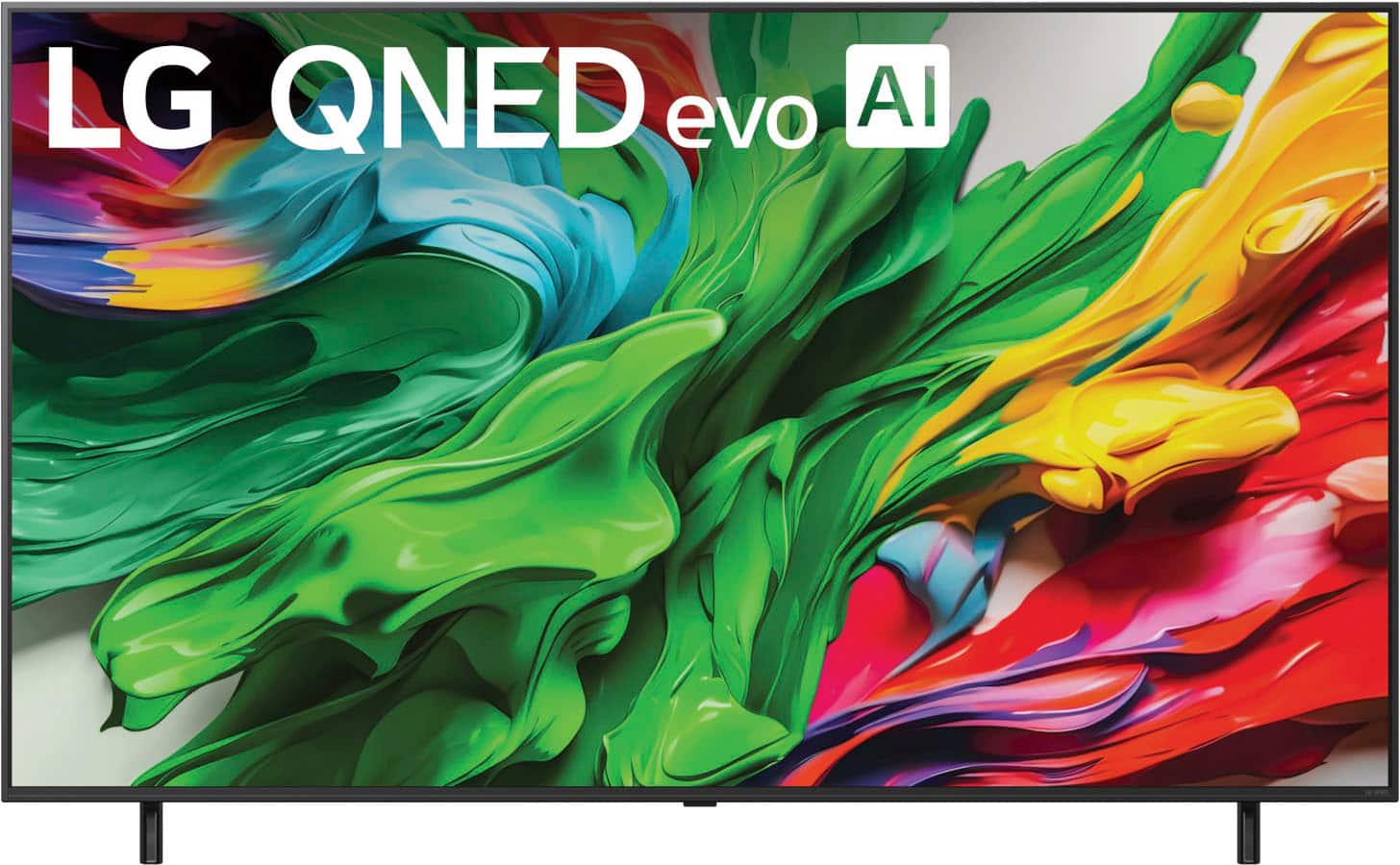
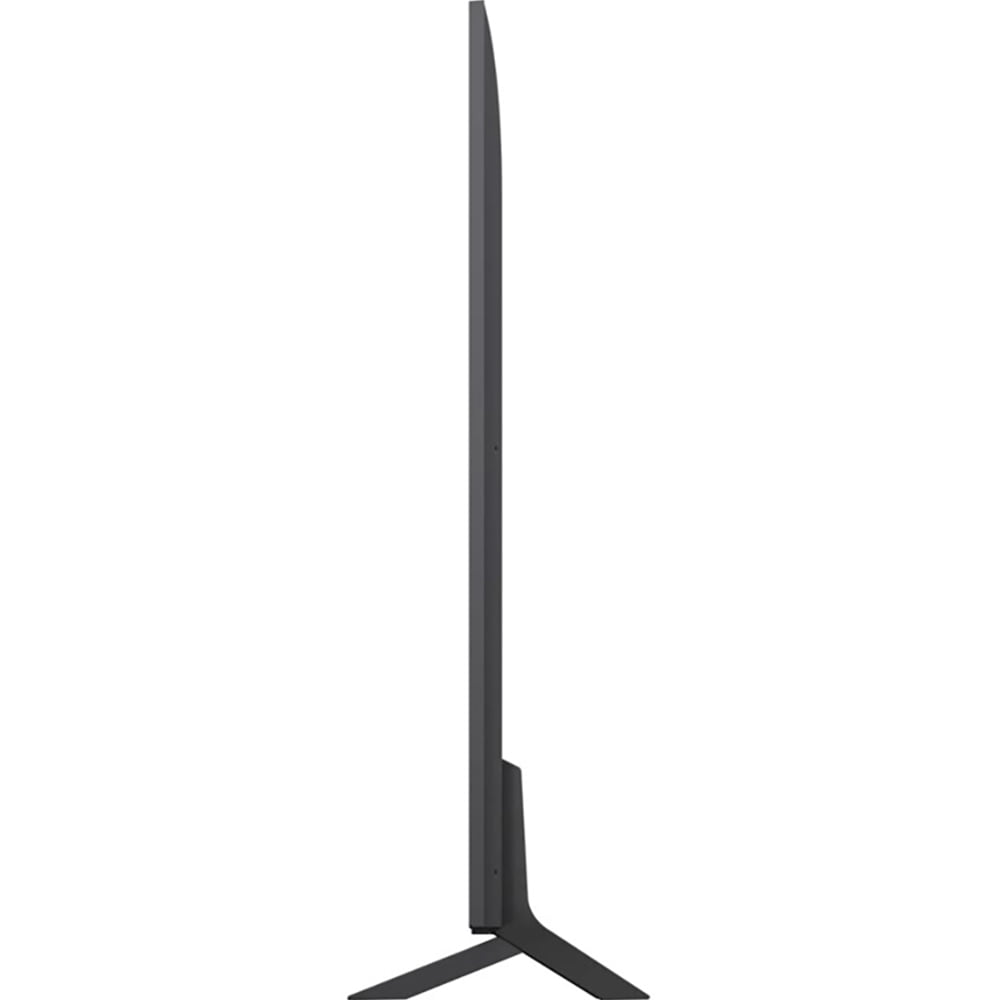
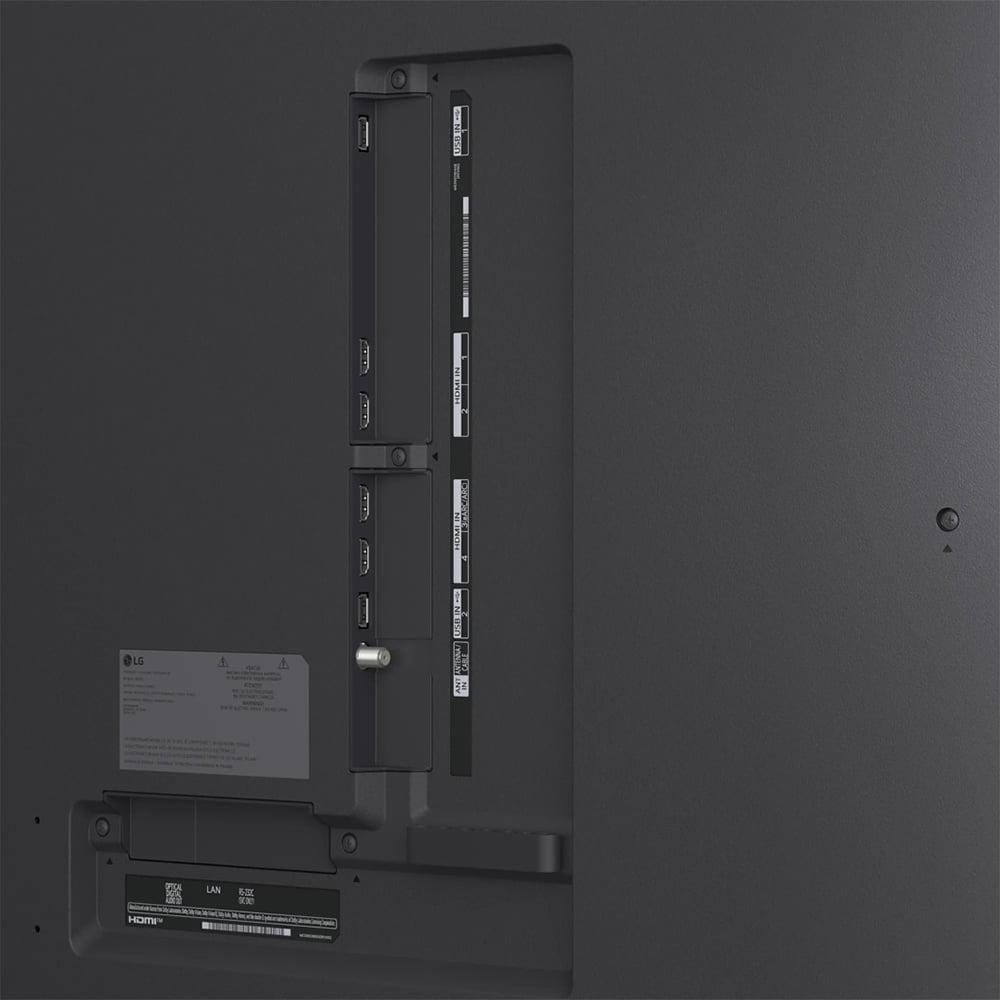
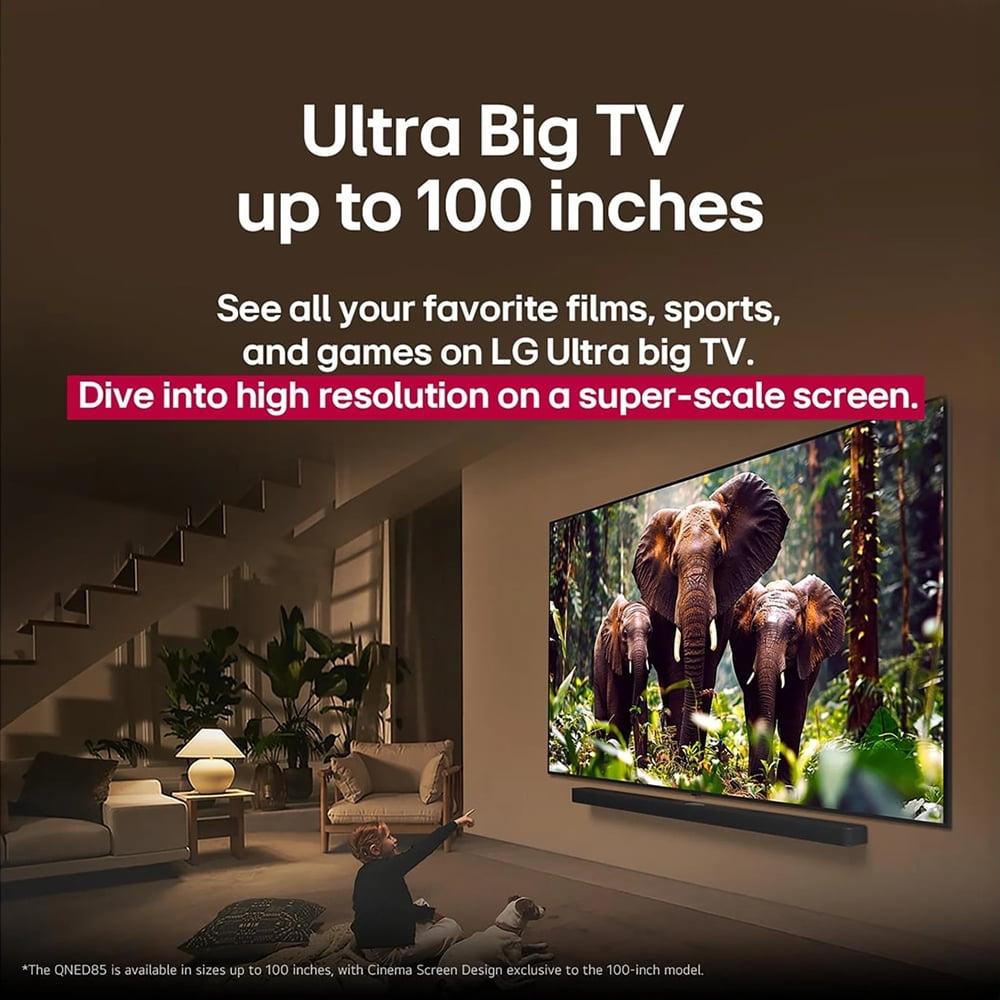
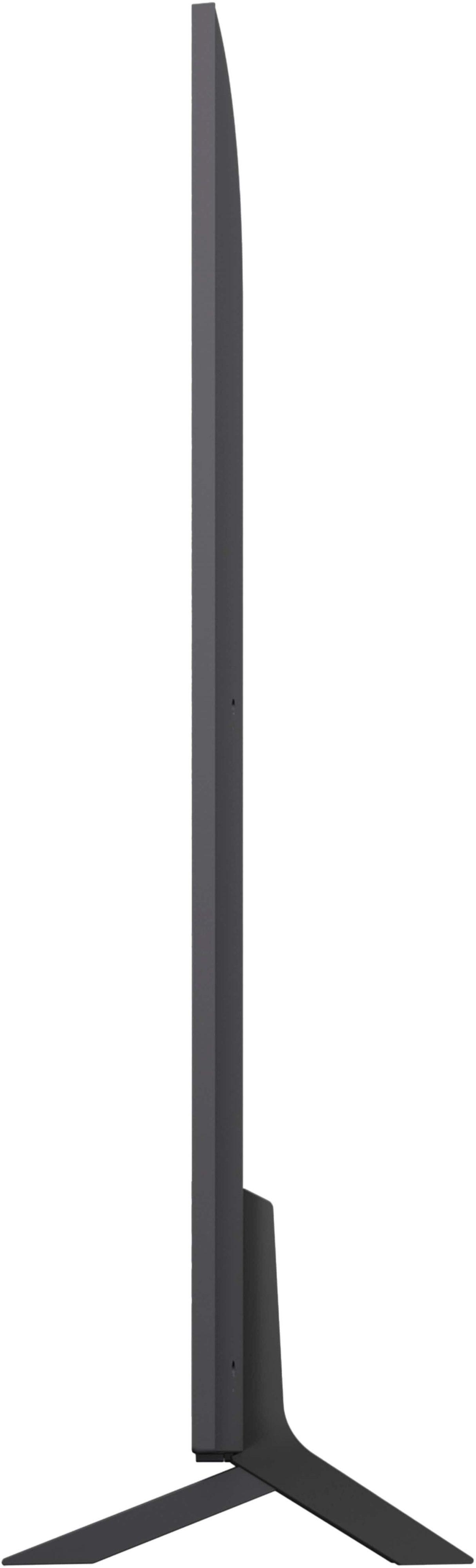
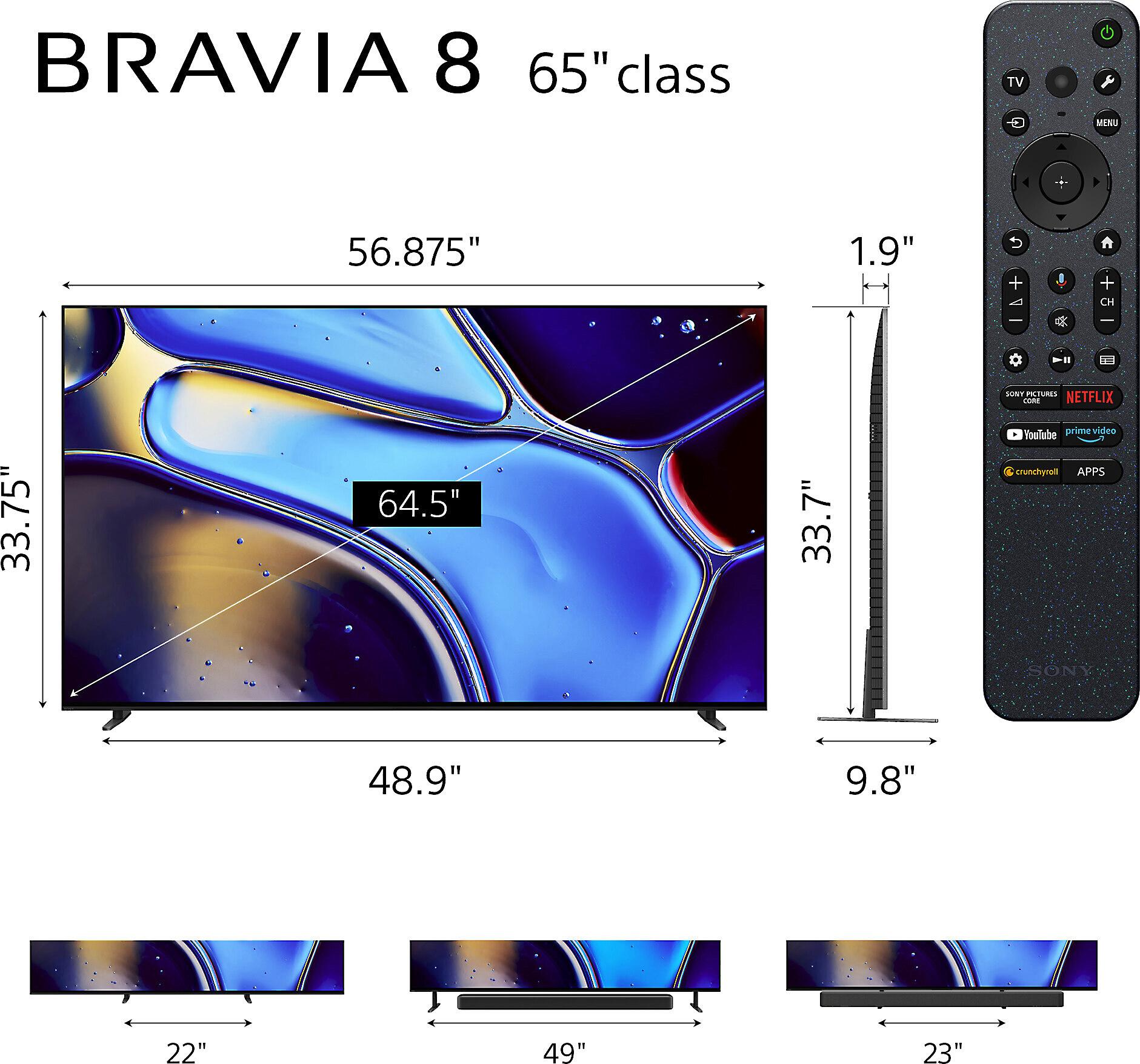
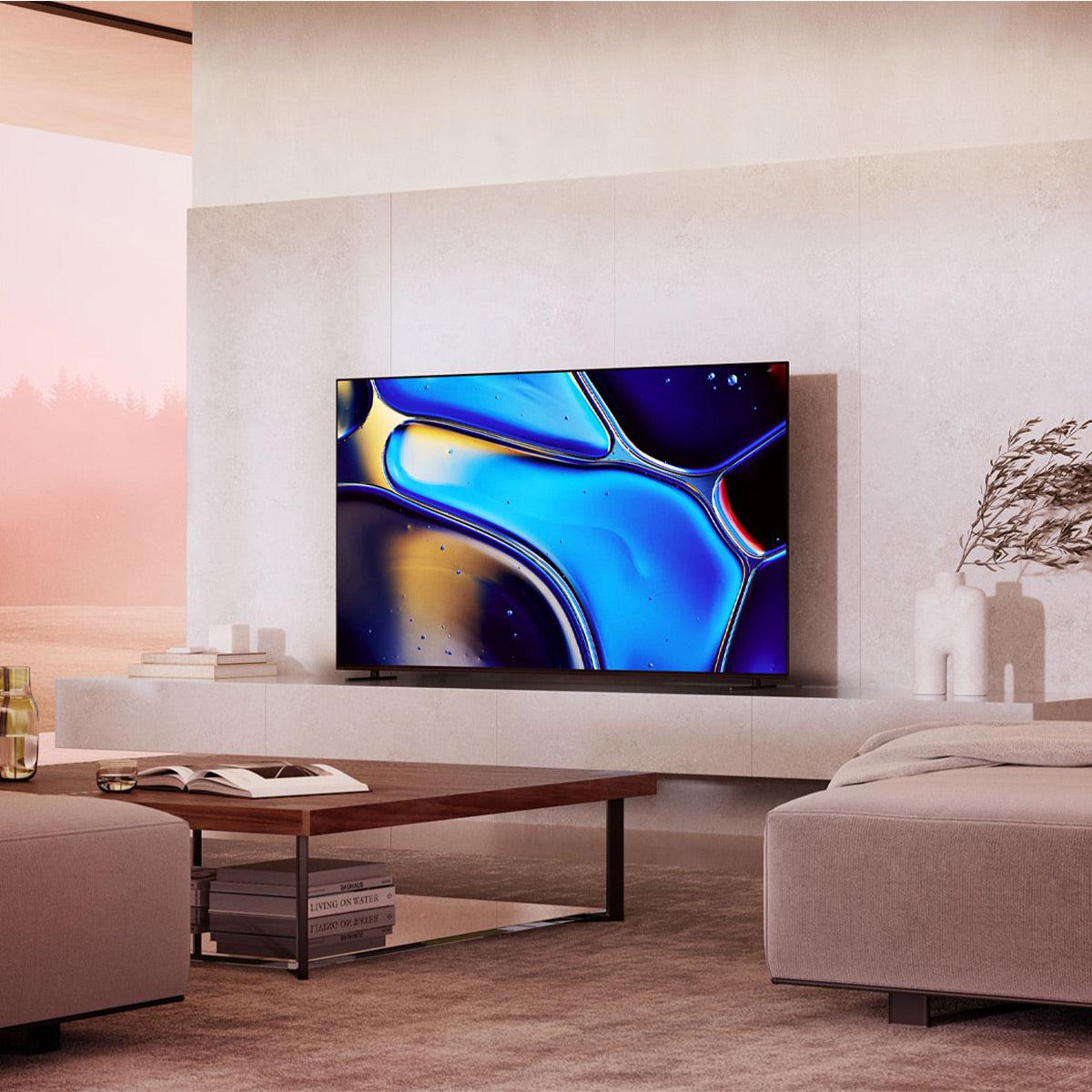
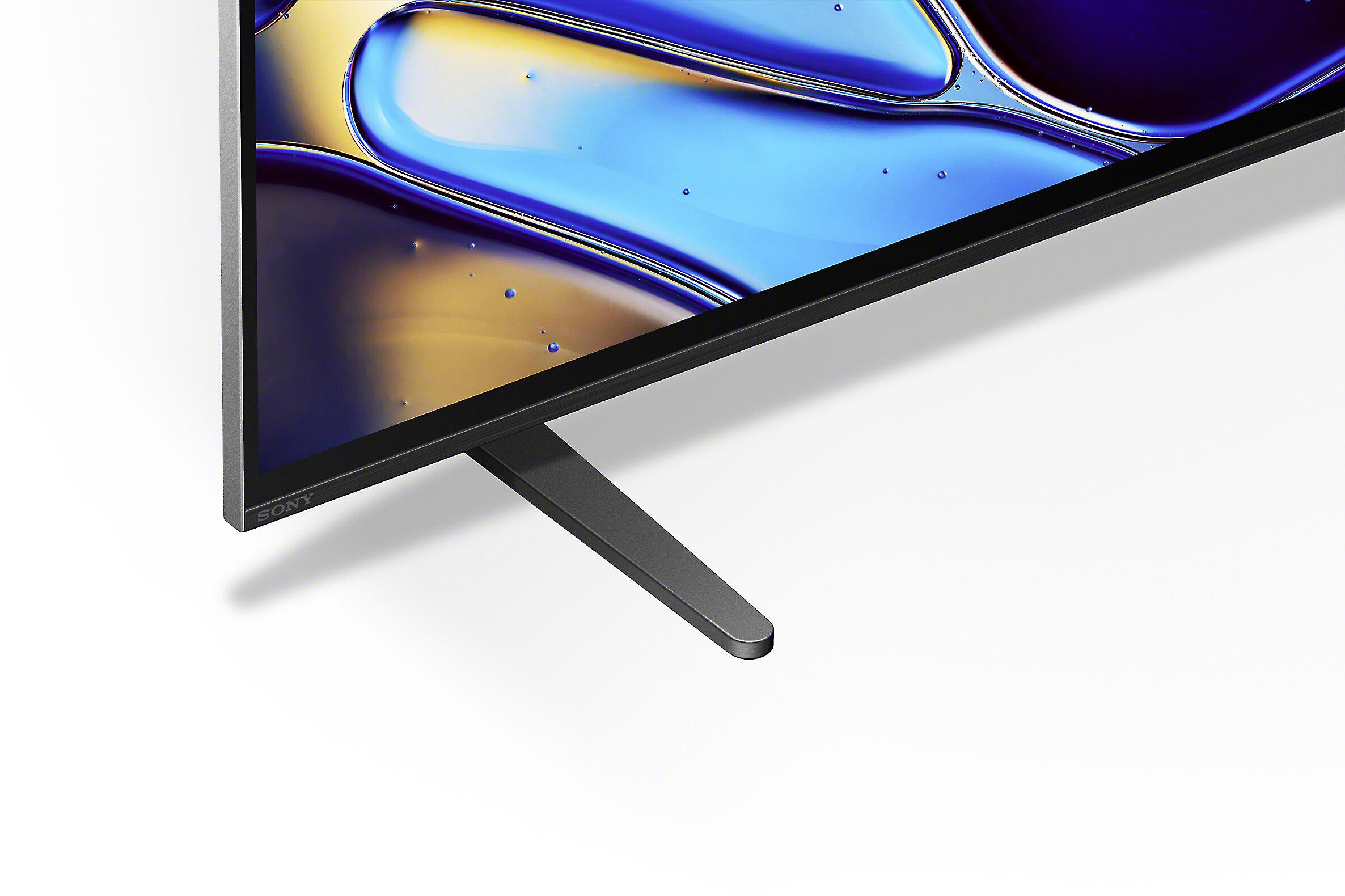
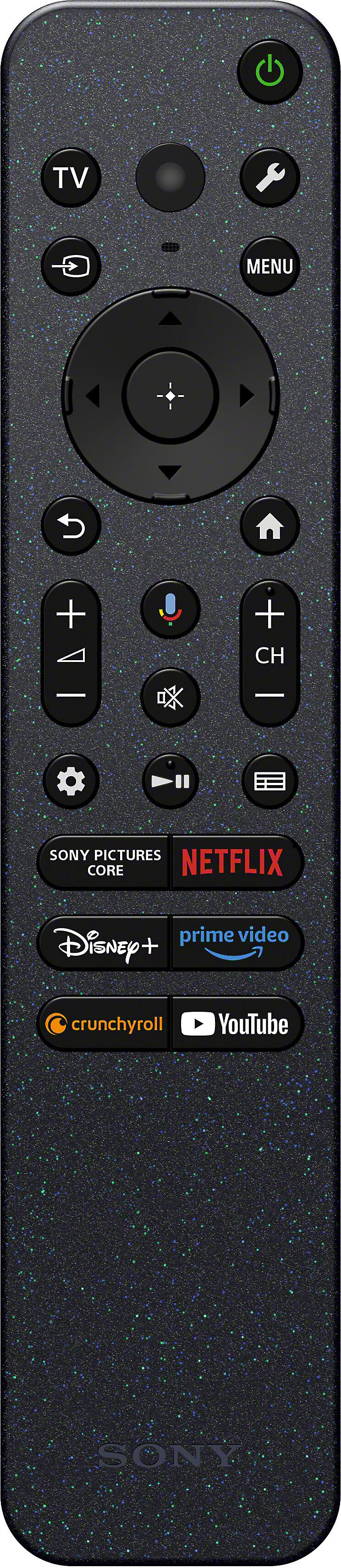
Choosing a 65-inch 4K TV today means navigating two fundamentally different approaches to premium picture quality. The LG 65" QNED evo AI QNED85A 4K MiniLED Smart TV 2025 at $999.99 represents the latest evolution in LCD technology, while the Sony BRAVIA 8 65" 4K OLED TV at around $1,442 showcases the refinement of OLED displays. Both launched in 2025, but they tackle the same goal—delivering stunning 4K entertainment—through completely different methods.
The 65-inch 4K smart TV market has become incredibly competitive, with manufacturers pushing the boundaries of what's possible in home entertainment. These aren't just displays anymore; they're sophisticated computing devices that serve as the hub for streaming, gaming, and smart home control. The key considerations when shopping in this category include display technology (the fundamental way the TV creates images), peak brightness capabilities, black level performance, color accuracy, gaming features, and smart platform integration.
What makes 2025 particularly interesting is how both LCD and OLED technologies have evolved. LCD TVs have embraced MiniLED backlighting, using thousands of tiny LEDs for more precise light control, while OLED panels have incorporated quantum dot layers for enhanced color reproduction. Both approaches have their merits, and understanding these differences is crucial for making the right choice.
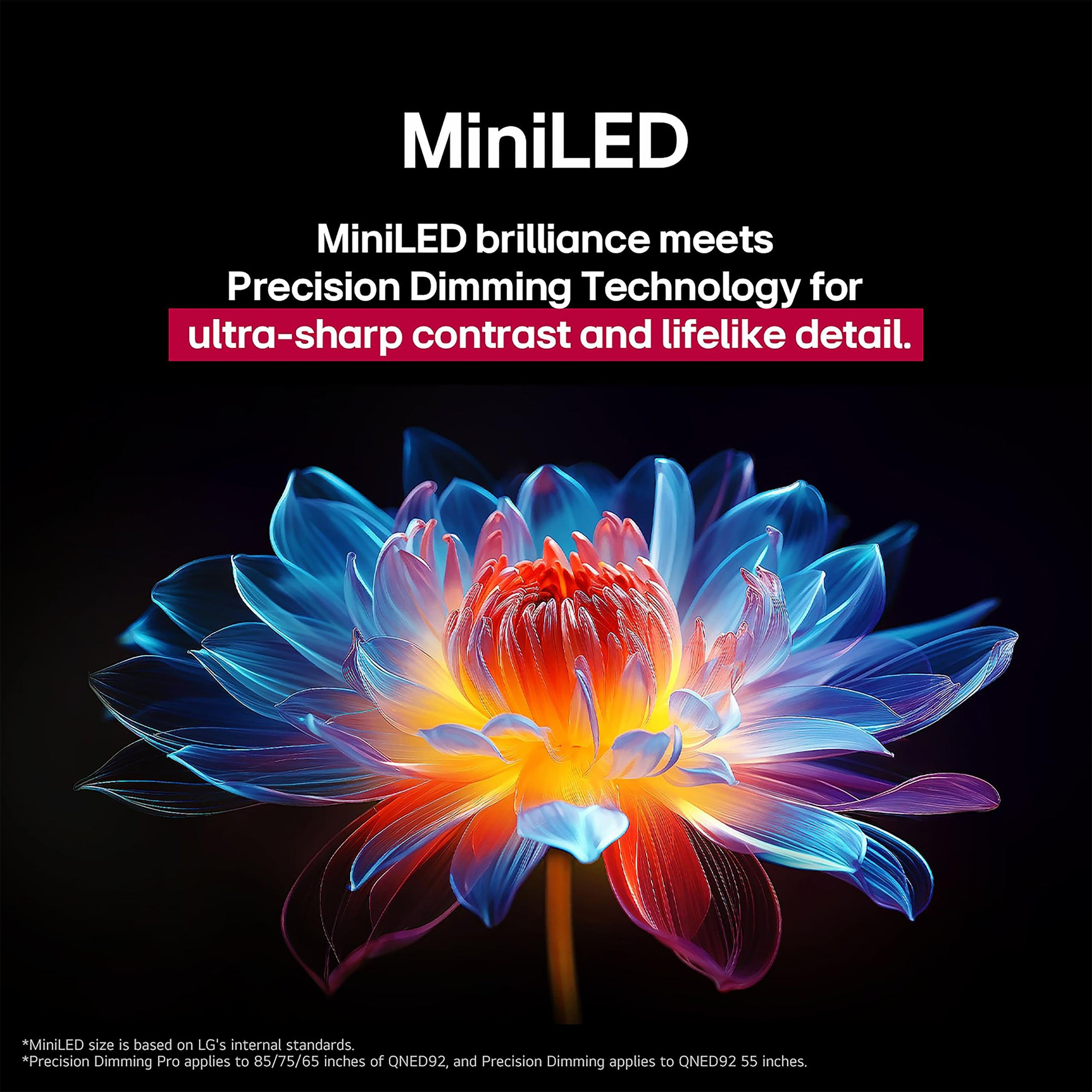
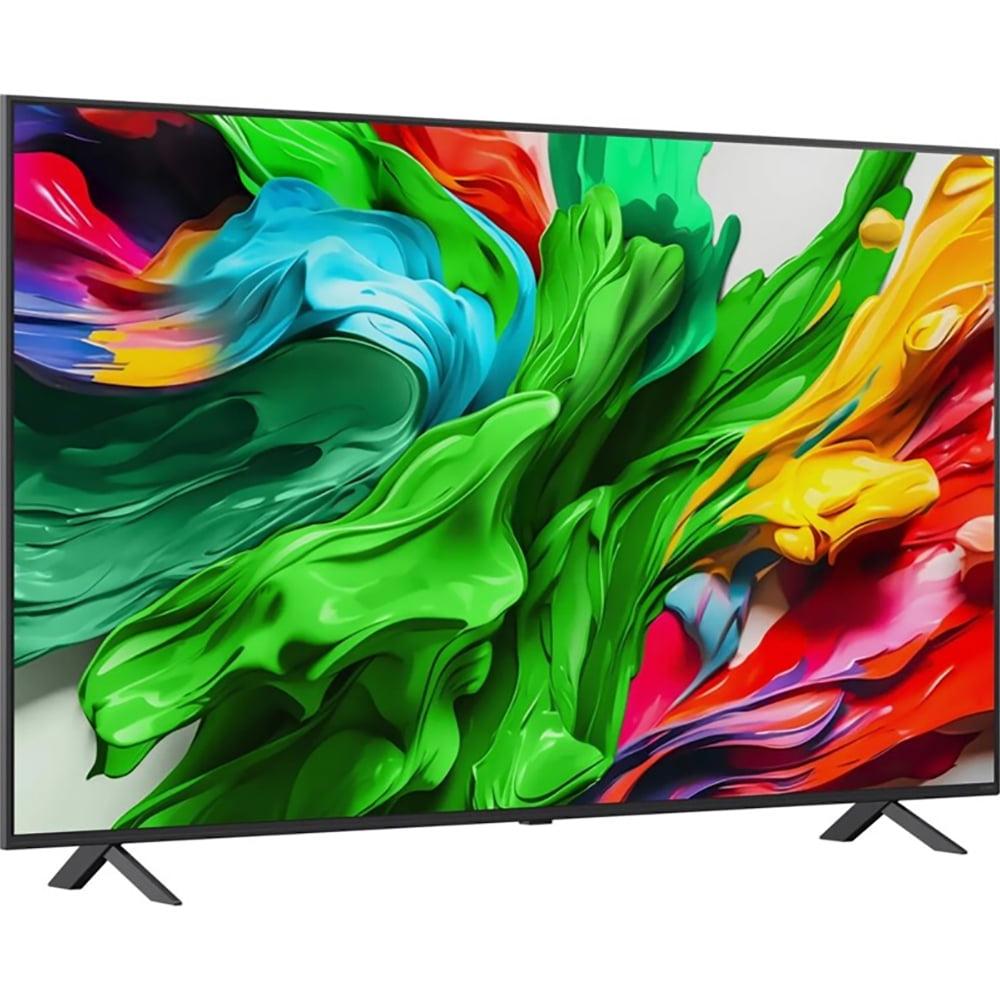
The LG QNED85A uses what's called MiniLED backlighting—imagine thousands of tiny LEDs arranged behind the screen that can brighten or dim independently. This creates what's called "local dimming zones," where different parts of the screen can be brighter or darker simultaneously. Combined with LG's Quantum Dot and NanoCell layers (which enhance color reproduction and viewing angles), this creates what LG calls "QNED" technology.
The real innovation here is the sheer number of dimming zones. While traditional LED TVs might have 50-100 zones, MiniLED displays can have over 1,000. This means when you're watching a movie with bright stars against a dark sky, the TV can make those stars brilliantly bright while keeping the surrounding space properly dark. It's not perfect—you might still notice some "blooming" where bright objects create slight halos—but it's a massive improvement over standard LED TVs.
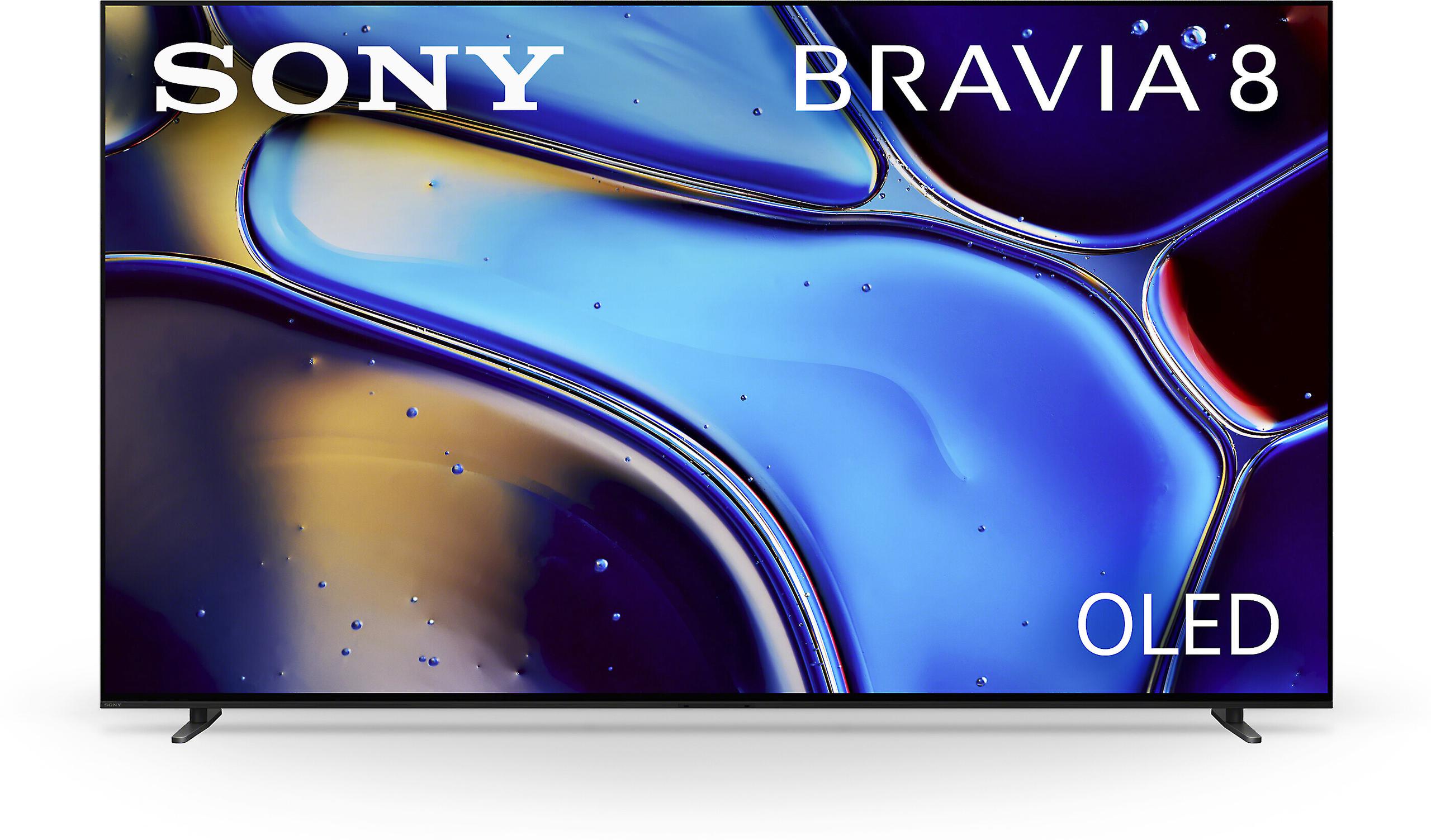
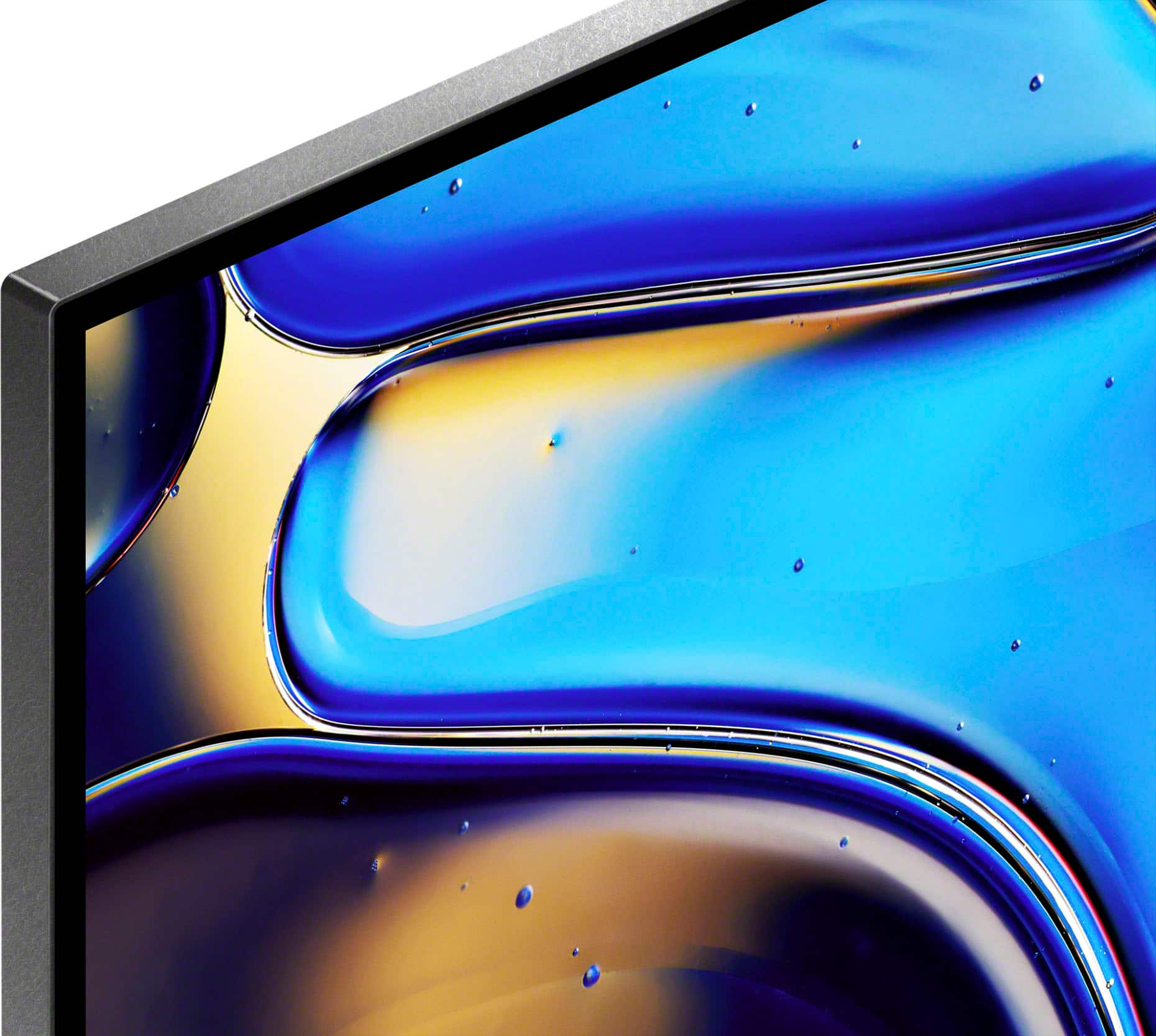
The Sony BRAVIA 8 takes a completely different approach with QD-OLED technology. OLED stands for Organic Light-Emitting Diode, which means each pixel produces its own light and can turn completely off when displaying black. This creates what's called "infinite contrast"—true blacks sitting right next to brilliant whites with no interference.
Sony's version adds quantum dots to traditional OLED, enhancing color saturation and brightness. The result is a display that can show perfect blacks (since those pixels are actually off) while maintaining the vibrant colors that quantum dots enable. When you're watching a dark scene in a thriller, those shadows are genuinely black, not the dark gray you'd see on most TVs.
Here's where the fundamental difference becomes clear. The LG QNED85A can achieve peak brightness levels around 1,000 nits or higher, making it exceptional for bright rooms and HDR content. HDR (High Dynamic Range) content is designed to show brighter whites and darker blacks simultaneously, and the LG excels at delivering those bright highlights that make HDR content pop.
The Sony BRAVIA 8, while improved over previous OLED generations, typically peaks around 600-800 nits in default settings. You can push it higher through calibration, but it won't match the LG's raw brightness. In practical terms, this means the LG will look more vibrant in a bright living room during daytime viewing, while the Sony might appear somewhat dim in the same conditions.
I've spent considerable time with both display technologies, and the brightness difference is immediately noticeable when watching HDR content like nature documentaries or action movies. The LG makes those sun-drenched scenes feel genuinely bright, while the Sony, despite its superior contrast, can feel restrained in comparison.
This is where the Sony fights back decisively. OLED's ability to turn pixels completely off creates blacks that are genuinely black, not just very dark gray. When you're watching a movie in a dark room, this makes an enormous difference. The opening sequence of a space movie, for instance, shows stars against the true void of space rather than against a faintly lit background.
The LG's MiniLED technology gets closer to true black than traditional LED TVs, but it can't match OLED's performance. You might notice some "blooming" where bright objects create slight halos against dark backgrounds, and in very dark scenes, you'll see that the "black" areas are actually very dark gray.
For home theater enthusiasts, this difference is crucial. The Sony delivers that cinematic experience where you feel immersed in the content, while the LG, despite its many strengths, reminds you that you're watching a screen.
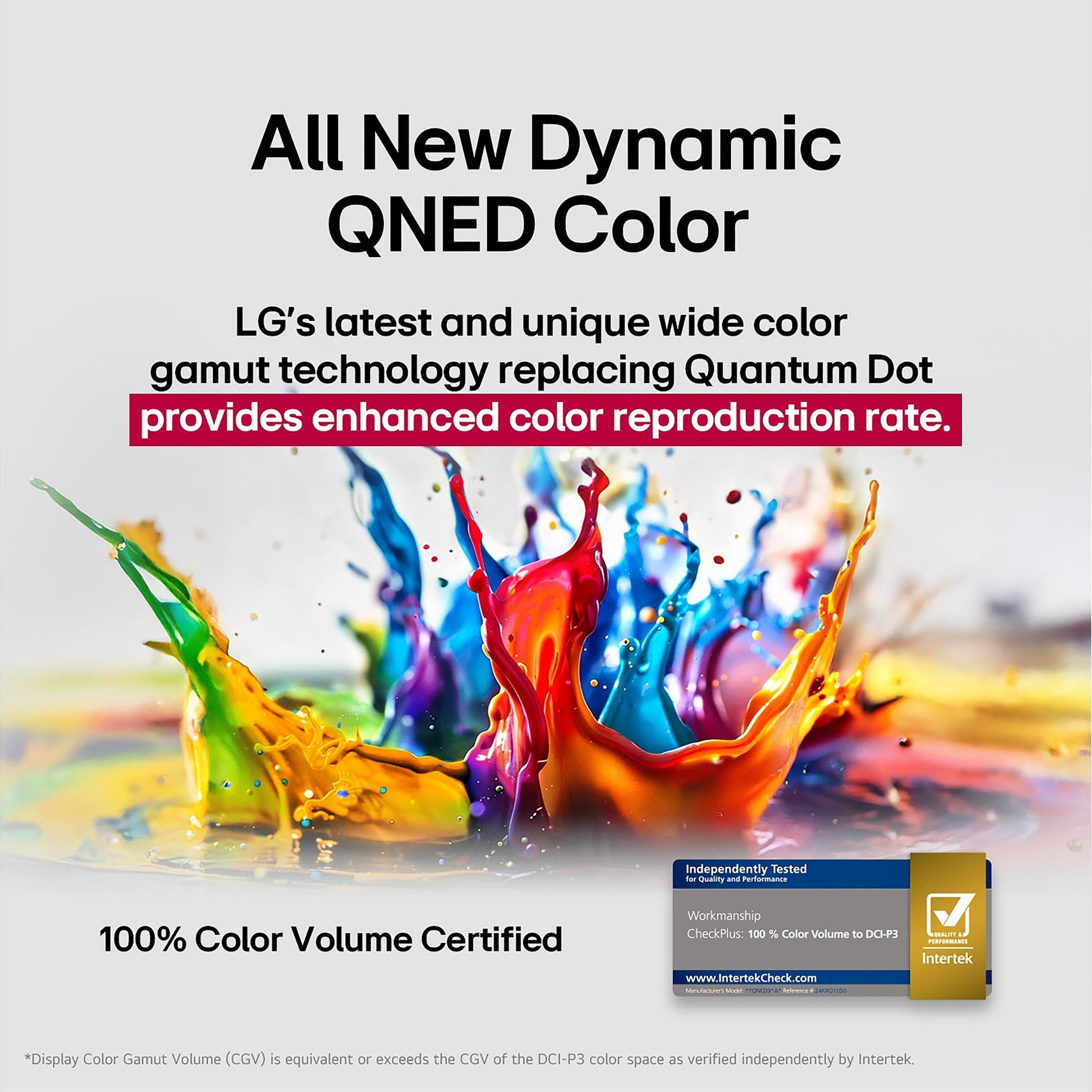
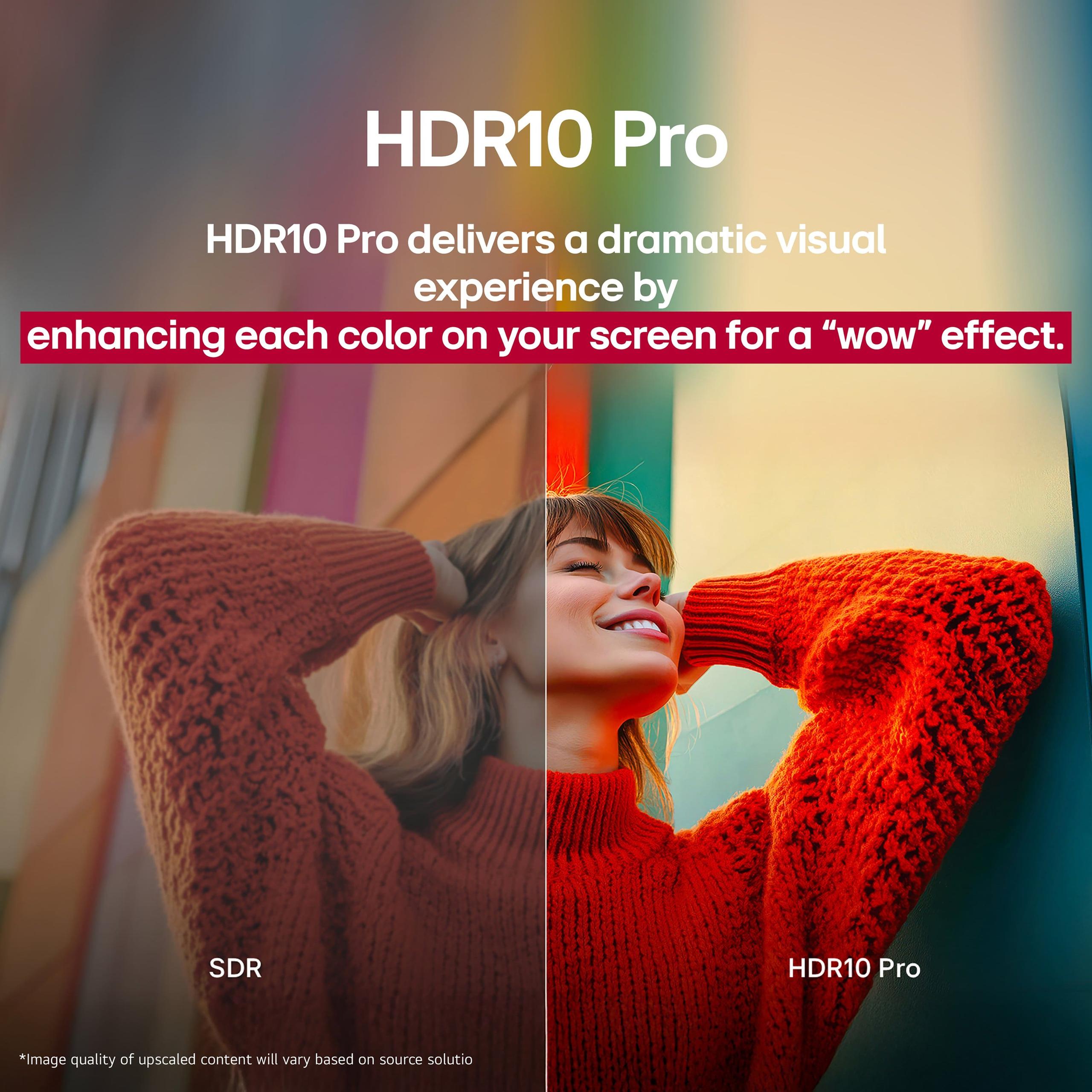
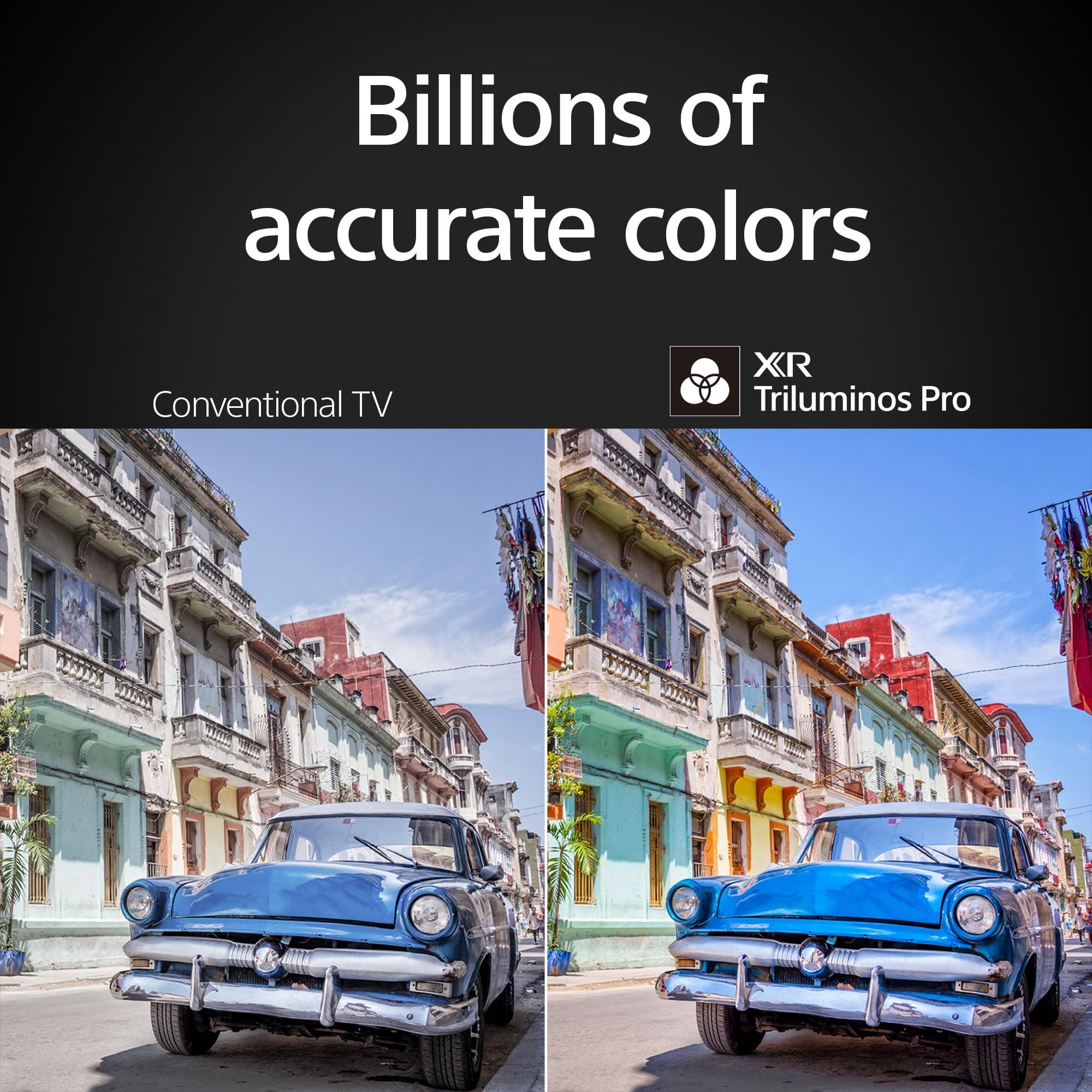
Both TVs excel at color reproduction but in different ways. The LG QNED85A delivers what I'd call "Instagram-ready" colors—vibrant, punchy, and immediately impressive. LG claims 100% color volume, meaning it can display the full range of colors at any brightness level. This makes everything from animated movies to sports broadcasts look lively and engaging.
The Sony BRAVIA 8 takes a more nuanced approach. Its colors are more natural and film-accurate, particularly in challenging areas like skin tones and subtle gradations. Sony's XR Cognitive Processor analyzes content in real-time, adjusting color reproduction to match how human vision actually works. The result is colors that look "right" rather than necessarily exciting.
In my experience, the LG impresses immediately, while the Sony grows on you over time. The LG makes sports broadcasts pop with vibrant team colors, while the Sony makes movies look exactly as the director intended.
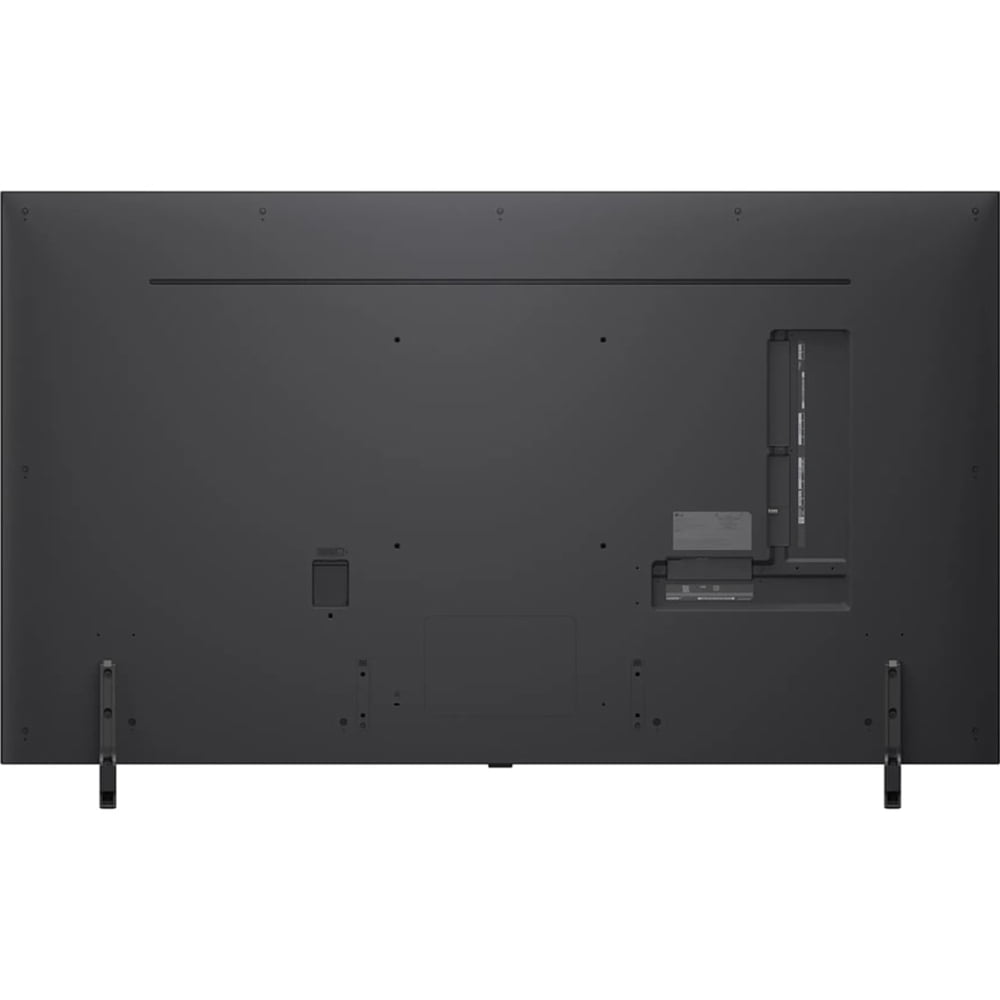
Both TVs recognize that gaming has become a primary use case for premium displays. The LG QNED85A offers native 120Hz refresh rate with support for Variable Refresh Rate (VRR) and Auto Low Latency Mode (ALLM)—features that ensure smooth gaming with minimal input lag. The TV can even support 144Hz for PC gaming, making it versatile for both console and computer gaming.
The Sony BRAVIA 8 matches these gaming features with its own 120Hz panel and comprehensive gaming support. However, there's a crucial difference: the Sony's OLED technology means there's a small risk of burn-in if you play games with static UI elements for extended periods. Modern OLEDs have significantly reduced this risk, but it's still a consideration for serious gamers.
For competitive gaming, the LG has a slight edge due to its brighter display and zero burn-in risk. For cinematic gaming experiences—think story-driven adventures or atmospheric horror games—the Sony's superior contrast and color accuracy create a more immersive experience.
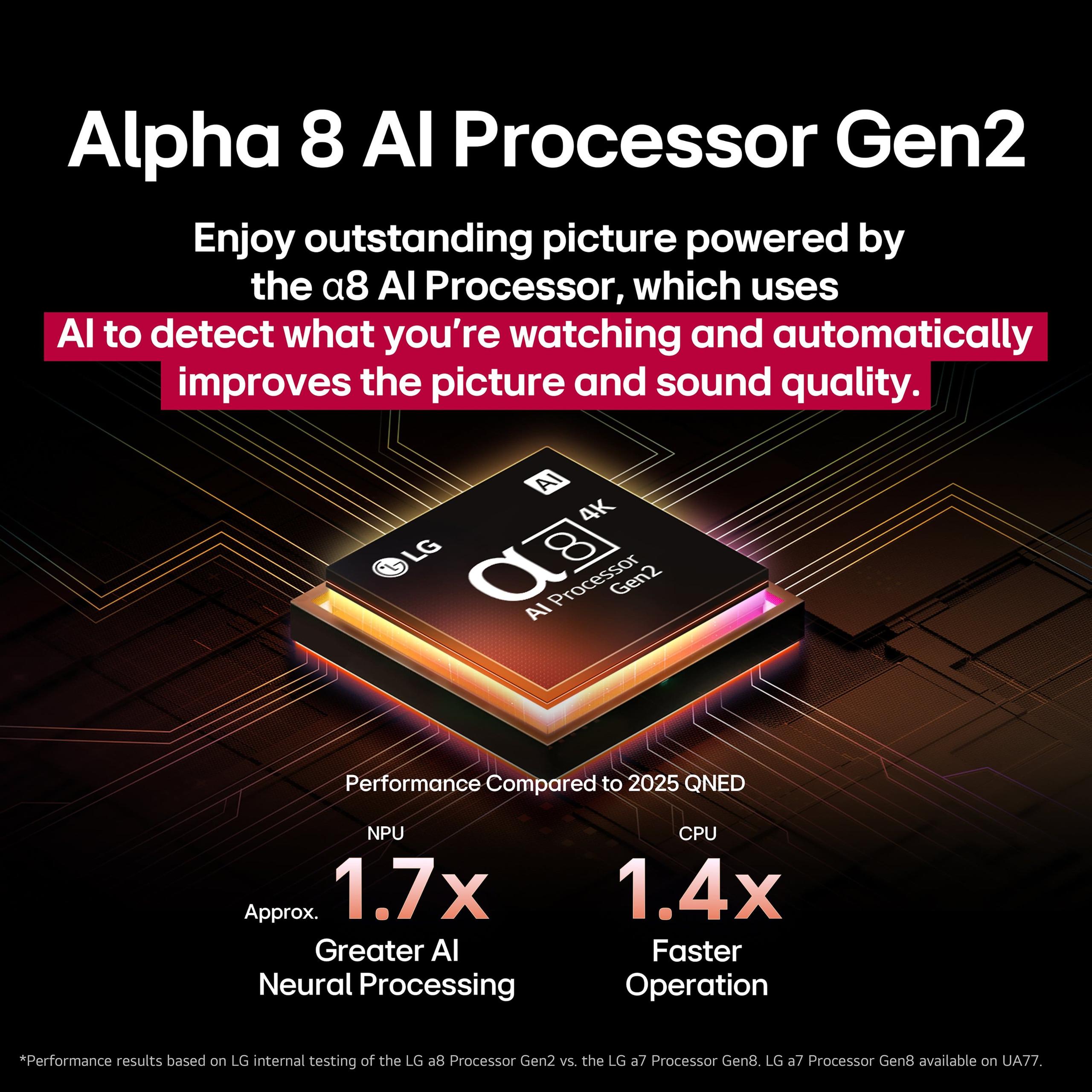
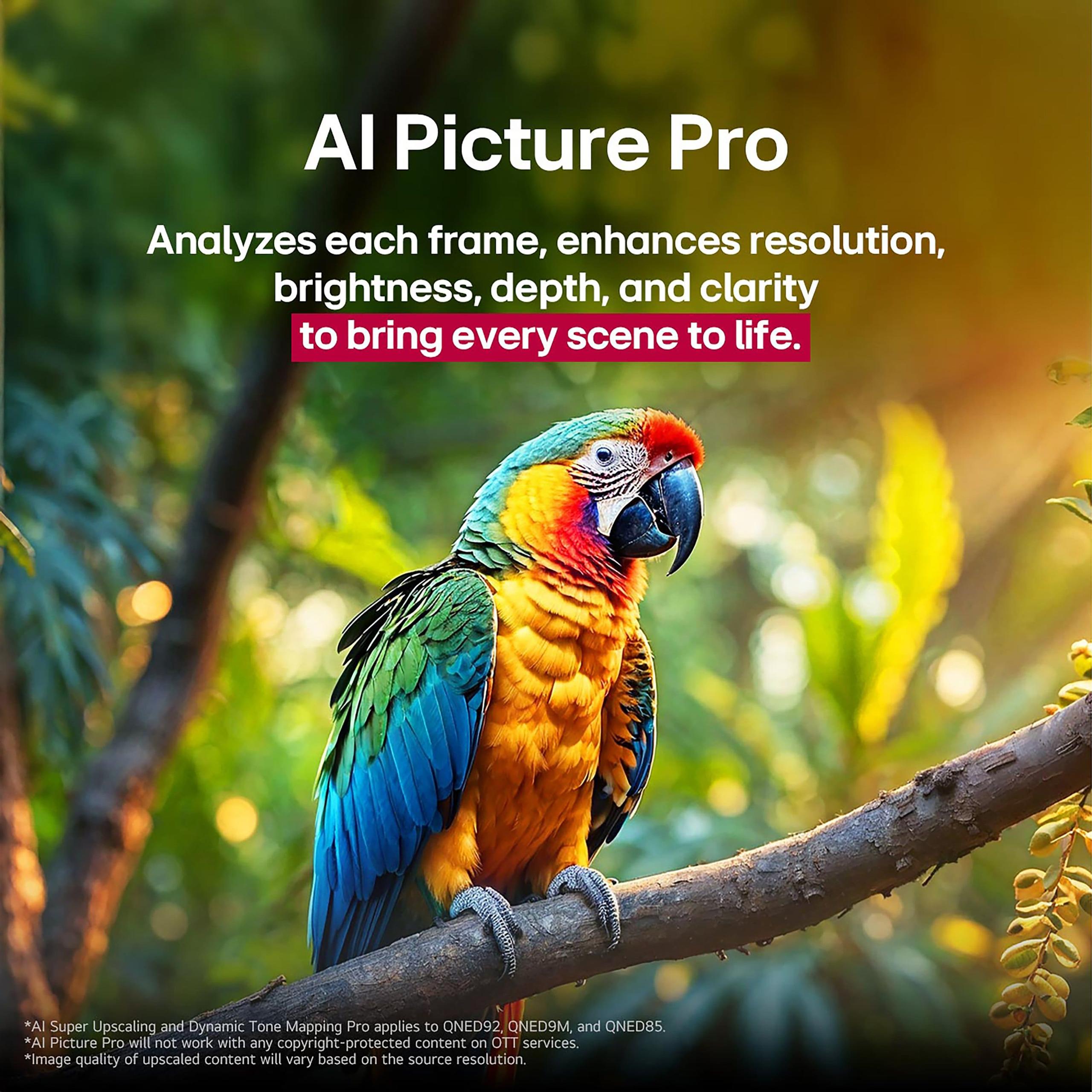
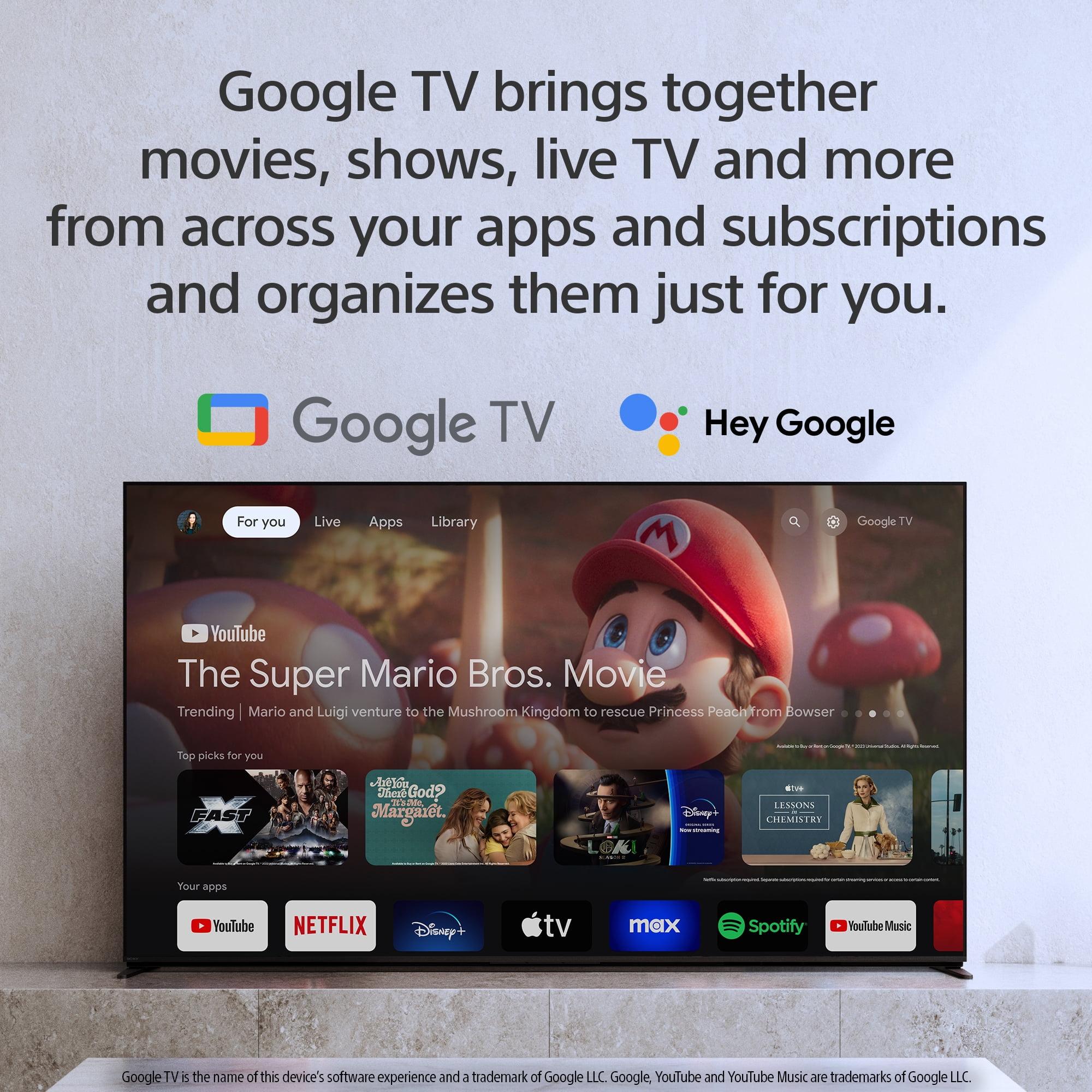
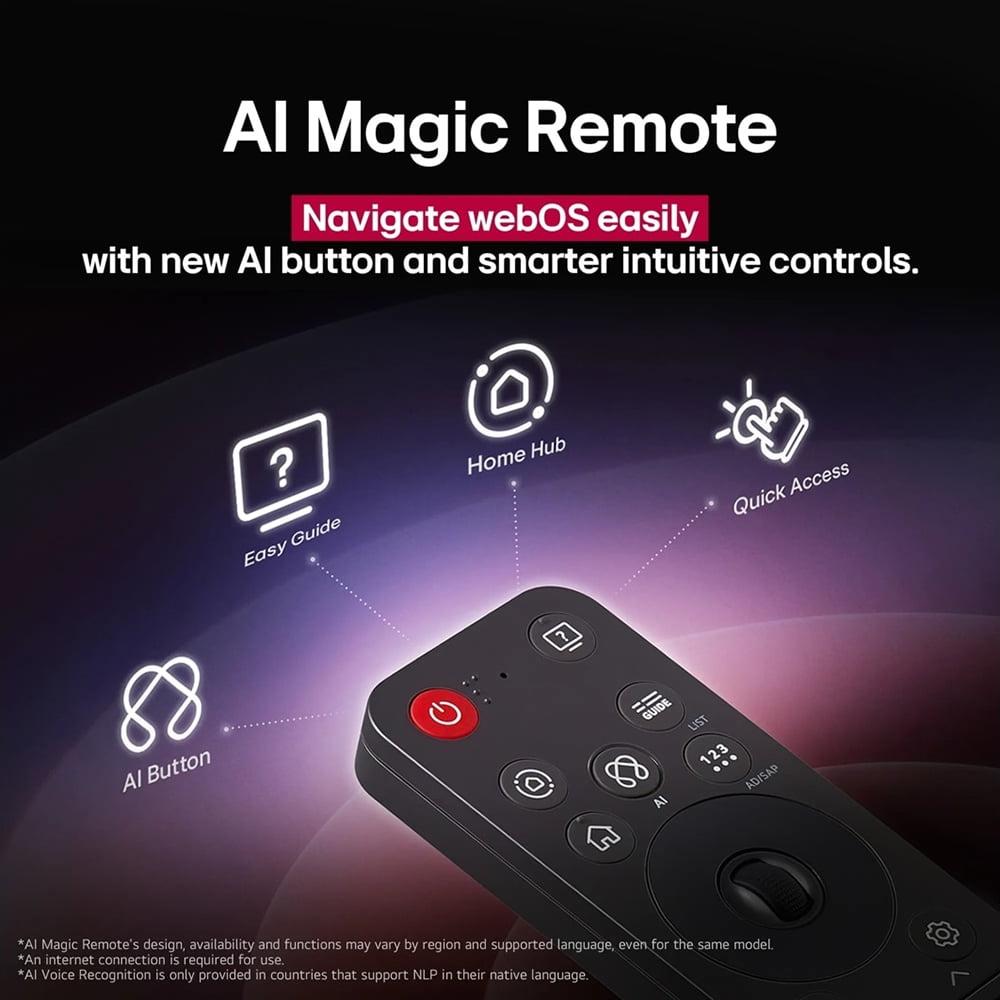
Both TVs run on Google TV platforms, but they've implemented different approaches to AI and smart features. The LG QNED85A features LG's α8 Gen 2 AI Processor, which the company claims offers 70% better AI performance than previous generations. This powers features like AI Picture Pro, which analyzes content in real-time to optimize settings, and AI Sound Pro, which creates virtual surround sound from the TV's built-in speakers.
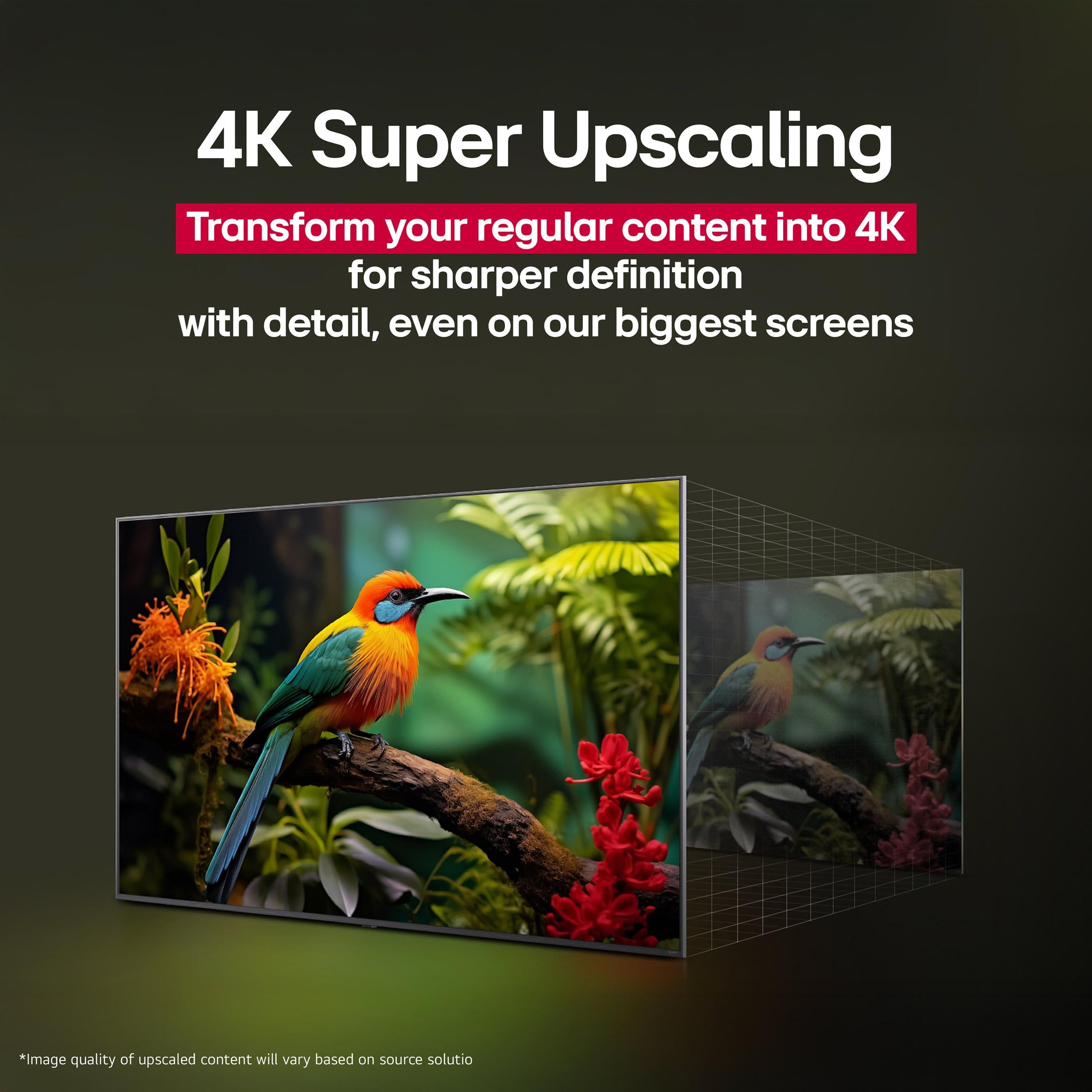
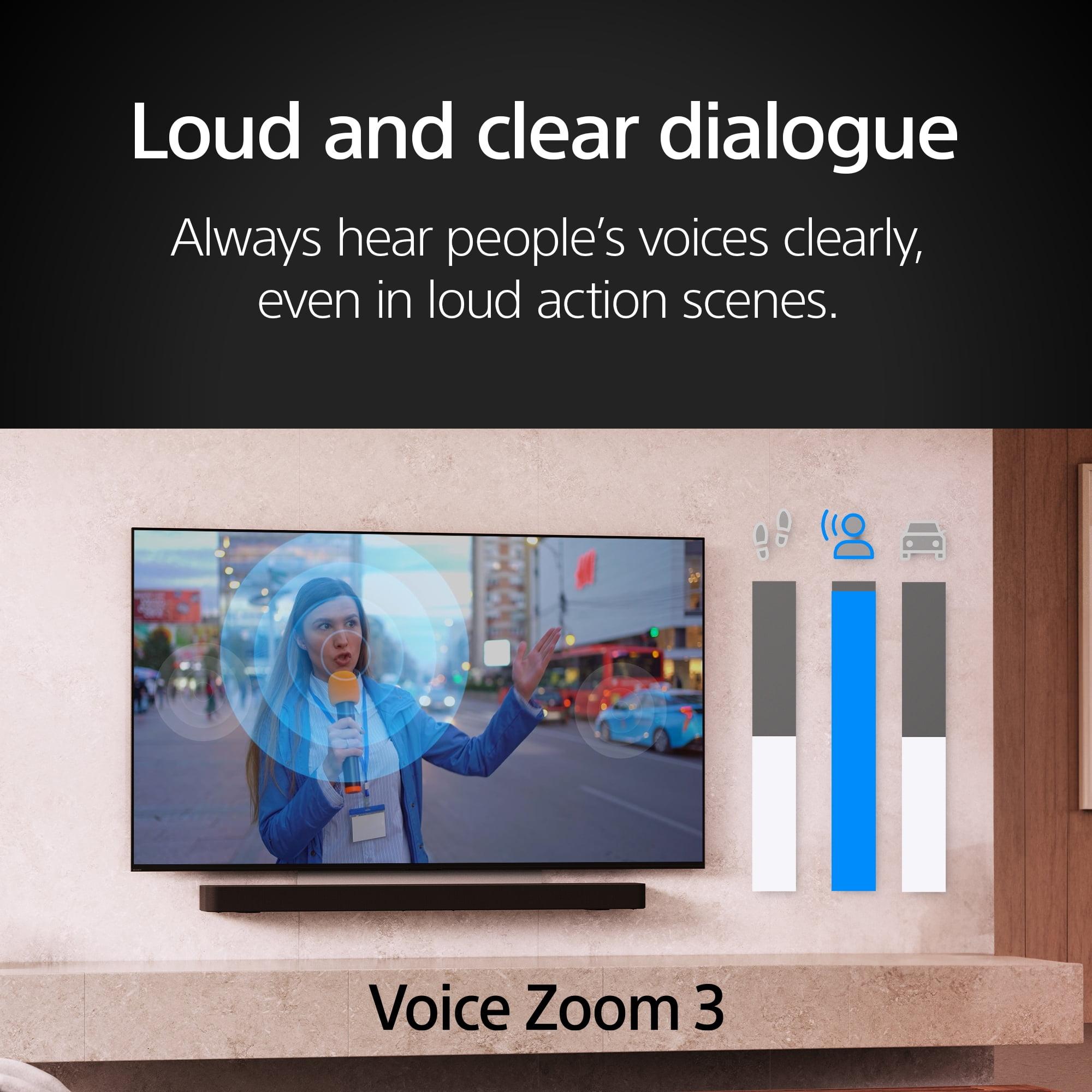
The Sony BRAVIA 8 counters with its XR Cognitive Processor, which Sony positions as thinking more like human vision and hearing. This processor excels at upscaling lower-resolution content and handling motion processing—areas where Sony has traditionally led the industry.
In practice, both systems work well, but they have different strengths. The LG's AI features feel more comprehensive and user-friendly, with personalized recommendations and smart home integration. The Sony's processing feels more sophisticated for picture quality, particularly when watching older content or dealing with motion-heavy scenes.
At $999.99, the LG QNED85A represents exceptional value for a 65-inch premium TV. You're getting flagship-level brightness, comprehensive gaming features, advanced AI capabilities, and a 5-year webOS upgrade guarantee. For most users, this delivers premium performance at a price point that doesn't require significant budget stretching.
The Sony BRAVIA 8 at around $1,442 costs significantly more but delivers the premium OLED experience. You're paying for perfect blacks, superior color accuracy, and Sony's reputation for processing excellence. The question becomes whether those improvements justify the 44% price premium.
If you're building a dedicated home theater, the choice becomes clearer. The Sony BRAVIA 8's perfect blacks and accurate colors make it ideal for controlled lighting environments where you want the most cinematic experience possible. Its Acoustic Surface Audio+ technology, where the screen itself acts as a speaker, creates impressive sound staging that complements the visual experience.
The LG QNED85A, while excellent, is better suited for living rooms where you'll watch content in various lighting conditions. Its brightness advantage means it performs better with ambient light, and its gaming capabilities make it more versatile for family use.
Both TVs showcase how artificial intelligence is transforming the viewing experience. The LG's AI features feel more consumer-focused, with personalized content recommendations and smart home integration. The Sony's AI is more behind-the-scenes, focusing on picture processing and content optimization.
What's particularly interesting is how these AI systems learn from your viewing habits. The LG can recognize different family members and adjust settings accordingly, while the Sony continuously refines its processing based on the content you watch most.
Choose the LG QNED85A if you want maximum versatility and value. It's perfect for bright rooms, excellent for gaming, and offers premium features at a more accessible price point. The AI features and smart home integration make it particularly appealing for tech-savvy families who want a TV that adapts to their lifestyle.
Choose the Sony BRAVIA 8 if picture quality is your top priority and you have the budget for premium performance. It's ideal for movie enthusiasts, those with dedicated dark viewing rooms, and anyone who values the cinematic experience above all else. The superior contrast and color accuracy make it worth the premium for serious home theater setups.
Both TVs represent excellent choices within their respective approaches. The LG maximizes value and versatility, while the Sony delivers uncompromising picture quality. Your decision should ultimately depend on your viewing environment, primary use cases, and how much you're willing to spend for that last bit of performance excellence.
The beauty of the current TV market is that you can't really go wrong with either choice—you're just optimizing for different priorities. Whether you choose the bright, versatile LG or the cinematic Sony, you'll have a premium 4K experience that will serve you well for years to come.
| LG 65" QNED evo AI QNED85A 4K MiniLED Smart TV 2025 | Sony BRAVIA 8 65" 4K OLED TV |
|---|---|
| Price - Significant value difference for similar screen size | |
| $999.99 | ~$1,442 |
| Display Technology - Fundamental difference in how images are created | |
| MiniLED LCD with Quantum Dot + NanoCell layers | QD-OLED (self-emissive pixels with quantum dot enhancement) |
| Peak Brightness - Critical for HDR performance and bright room viewing | |
| 1,000+ nits (excellent for daytime use) | 600-800 nits (adequate but dimmer in bright rooms) |
| Black Levels - Essential for contrast and cinematic experience | |
| Deep blacks for LCD but not true black | Perfect blacks (pixels turn completely off) |
| Burn-in Risk - Important for long-term reliability | |
| No burn-in risk (LCD technology) | Potential burn-in with static images (OLED limitation) |
| Gaming Performance - Key for console and PC gaming | |
| 120Hz native, VRR, ALLM, up to 144Hz PC support | 120Hz native, VRR, ALLM (same gaming features) |
| Smart Platform - Determines ease of use and feature updates | |
| webOS 25 with 5-year upgrade guarantee | Google TV with Sony's interface customizations |
| AI Processing - Affects picture quality and smart features | |
| α8 Gen 2 AI Processor (70% performance boost) | XR Cognitive Processor (industry-leading upscaling) |
| Color Accuracy - Important for natural image reproduction | |
| Vivid, punchy colors with 100% color volume | More natural, film-accurate colors |
| Viewing Angles - Matters for family viewing setups | |
| Limited (typical of LCD technology) | Wide viewing angles (OLED advantage) |
| Room Lighting Suitability - Determines optimal viewing conditions | |
| Excellent for bright rooms, good for dark rooms | Better for dark/controlled lighting environments |
| Best Use Cases - Who should choose each TV | |
| Gaming, bright rooms, families, value-conscious buyers | Movies, home theater, picture quality enthusiasts |
The LG 65" QNED evo AI QNED85A 4K MiniLED Smart TV 2025 is significantly better for bright rooms due to its superior peak brightness of 1,000+ nits. The Sony BRAVIA 8 65" 4K OLED TV peaks at 600-800 nits, which can appear dim in well-lit environments during daytime viewing.
The LG QNED85A costs $999.99, while the Sony BRAVIA 8 is priced around $1,442. This represents a $442 price difference, with the Sony costing about 44% more than the LG model.
The Sony BRAVIA 8 delivers superior black levels with perfect blacks since OLED pixels can turn completely off. The LG QNED85A offers good black levels for LCD technology but cannot match OLED's infinite contrast ratio.
Yes, both TVs excel at gaming. The LG QNED85A and Sony BRAVIA 8 both support 120Hz refresh rates, Variable Refresh Rate (VRR), and Auto Low Latency Mode (ALLM). The LG has a slight edge for competitive gaming due to zero burn-in risk.
The Sony BRAVIA 8 is better for dedicated home theater rooms due to its perfect blacks, superior contrast, and more accurate colors in controlled lighting environments. The LG QNED85A is better for living rooms with ambient light.
Only the Sony BRAVIA 8 has potential burn-in risk due to its OLED technology, though modern OLEDs have significantly reduced this concern. The LG QNED85A has no burn-in risk since it uses LCD technology.
The Sony BRAVIA 8 offers more natural, film-accurate colors that are better for cinematic content. The LG QNED85A produces more vivid, punchy colors with 100% color volume that may appear more impressive initially.
Both the LG QNED85A and Sony BRAVIA 8 run on Google TV platforms, but the LG uses webOS 25 with a 5-year upgrade guarantee, while the Sony uses Google TV with Sony's interface customizations.
The LG QNED85A at $999.99 offers better value with flagship-level brightness, gaming features, and AI capabilities at a lower price point. The Sony BRAVIA 8 costs more but delivers premium OLED picture quality.
The Sony BRAVIA 8 has wider viewing angles typical of OLED technology, making it better for group viewing. The LG QNED85A has more limited viewing angles, which is common with LCD displays.
The LG QNED85A is significantly brighter and better for HDR content in bright rooms, delivering more impactful HDR highlights. The Sony BRAVIA 8 offers good HDR performance but is less bright overall.
Choose the Sony BRAVIA 8 OLED if you prioritize perfect blacks and cinematic picture quality in dark rooms. Choose the LG QNED85A MiniLED if you want brightness, gaming performance, and versatility for various lighting conditions at a lower price.
We've done our best to create useful and informative comparisons to help you decide what product to buy. Our research uses advanced automated methods to create this comparison and perfection is not possible - please contact us for corrections or questions. These are the sites we've researched in the creation of this article: rtings.com - rtings.com - youtube.com - lg.com - smarthomesounds.co.uk - abt.com - abt.com - lg.com - displayspecifications.com - walmart.com - bestbuy.com - lg.com - lg.com - lg.com - files.bbystatic.com - flatpanelshd.com - north-side-appliance.com - lgnewsroom.com - lg.com - youtube.com - youtube.com - hindustantimes.com - bestbuy.com - bestbuy.com - crutchfield.com - avsforum.com - electronics.sony.com - sony.com - store.sony.co.nz - sony.com - displayspecifications.com

Privacy Policy
Terms and Conditions - Affiliate Policy
Home Security
© Copyright 2008-2026.
11816 Inwood Rd #1211, Dallas, TX 75244