

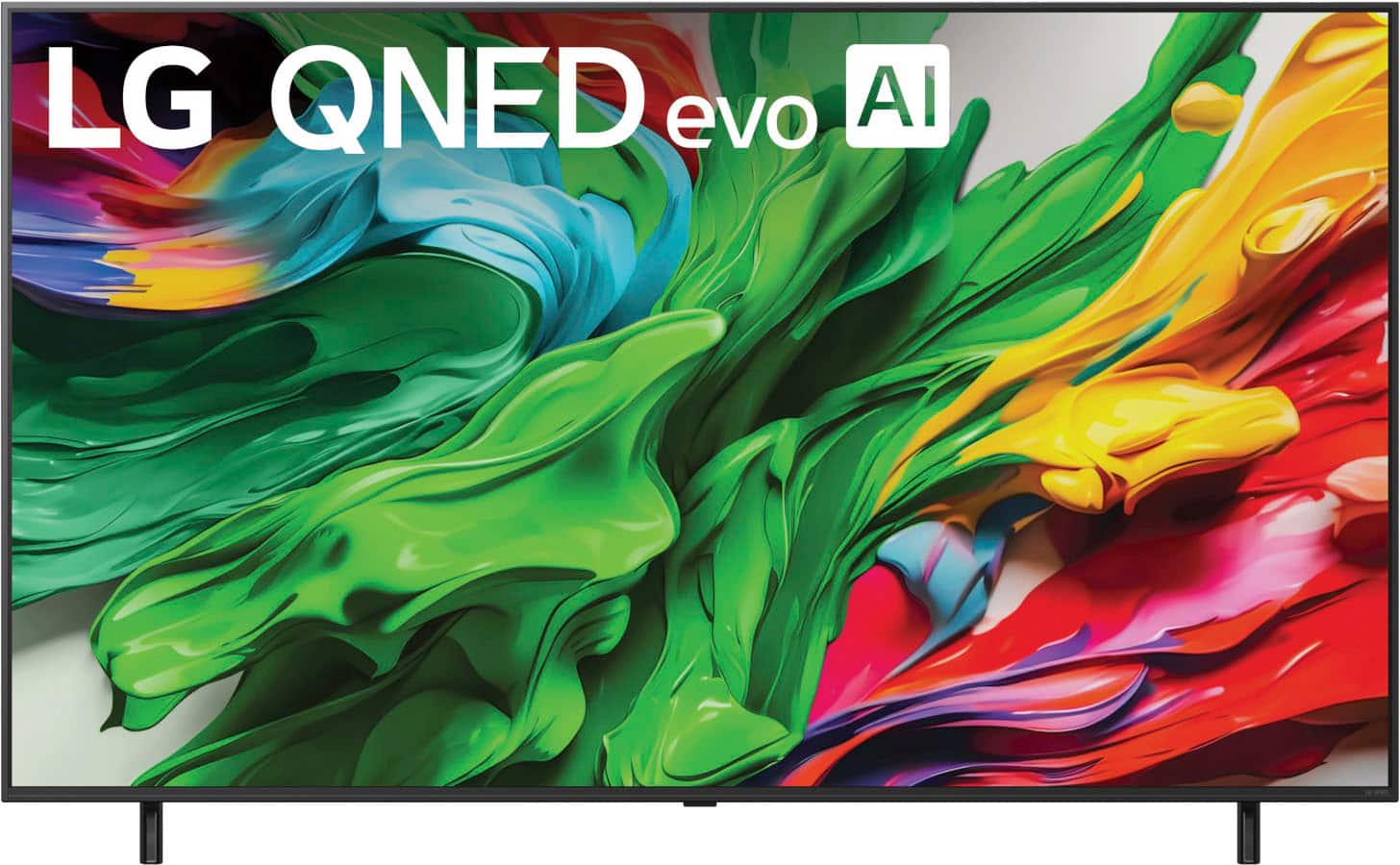
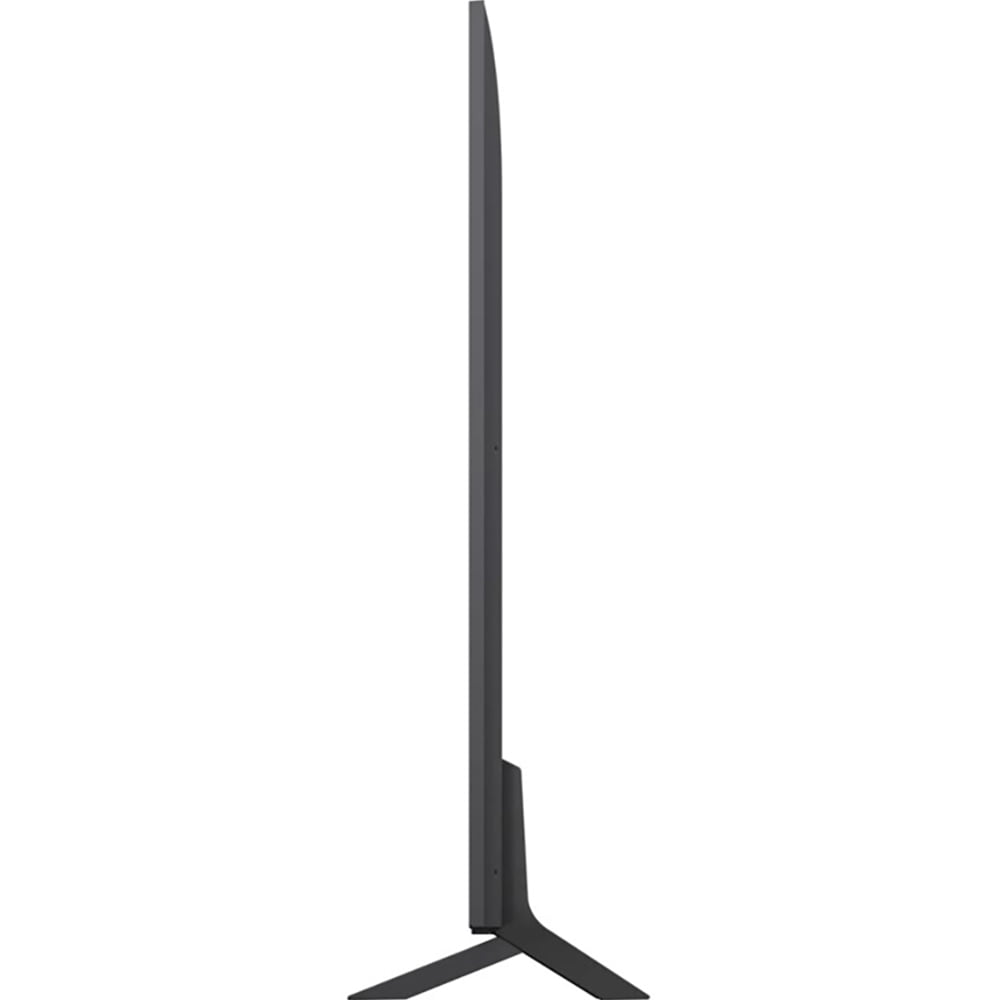
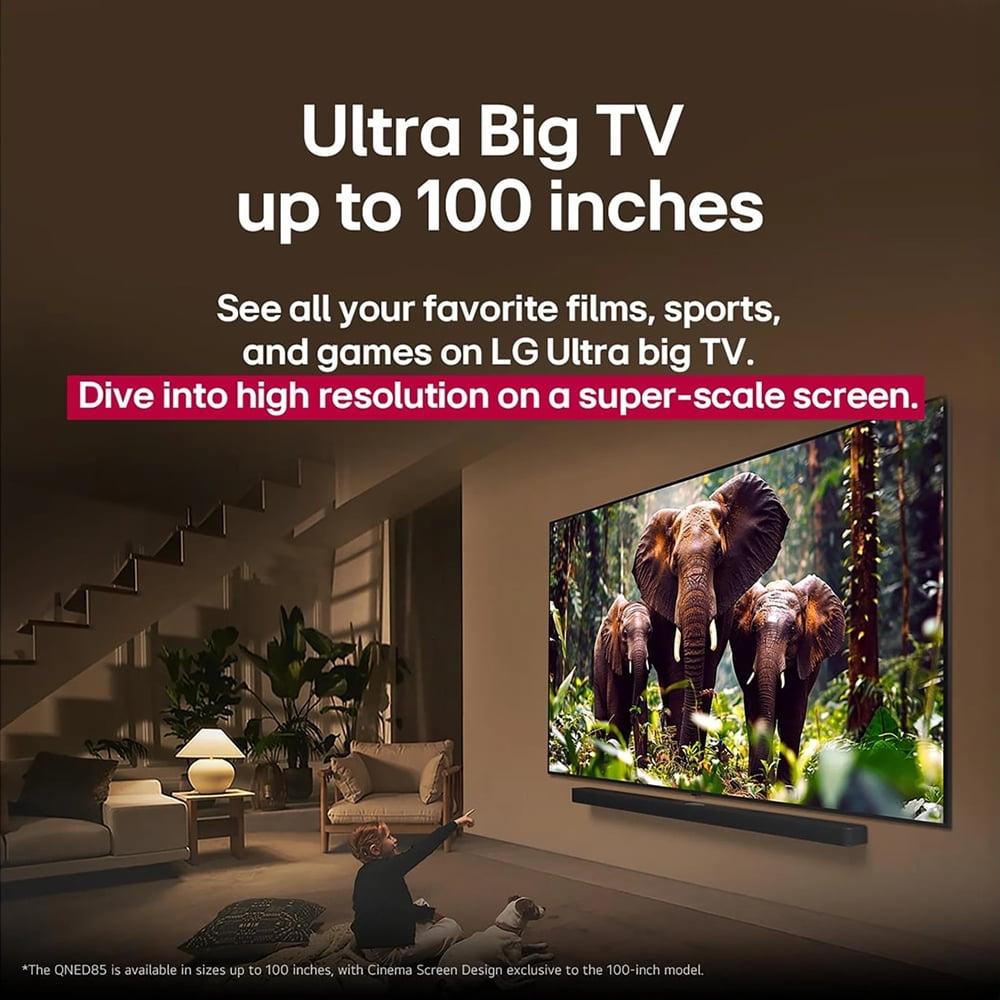
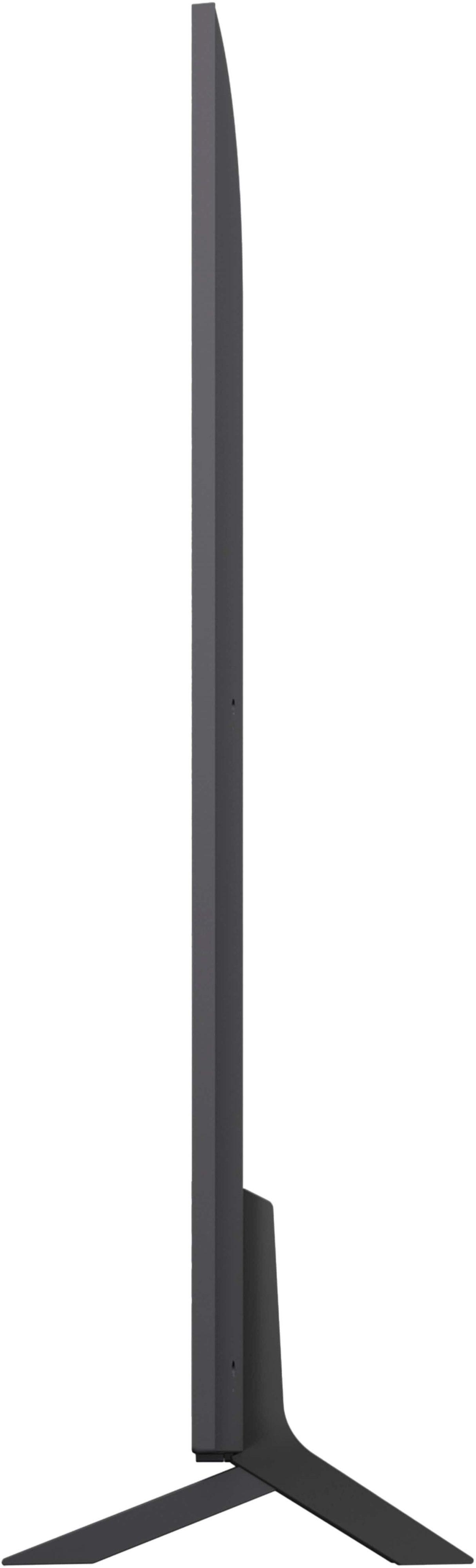

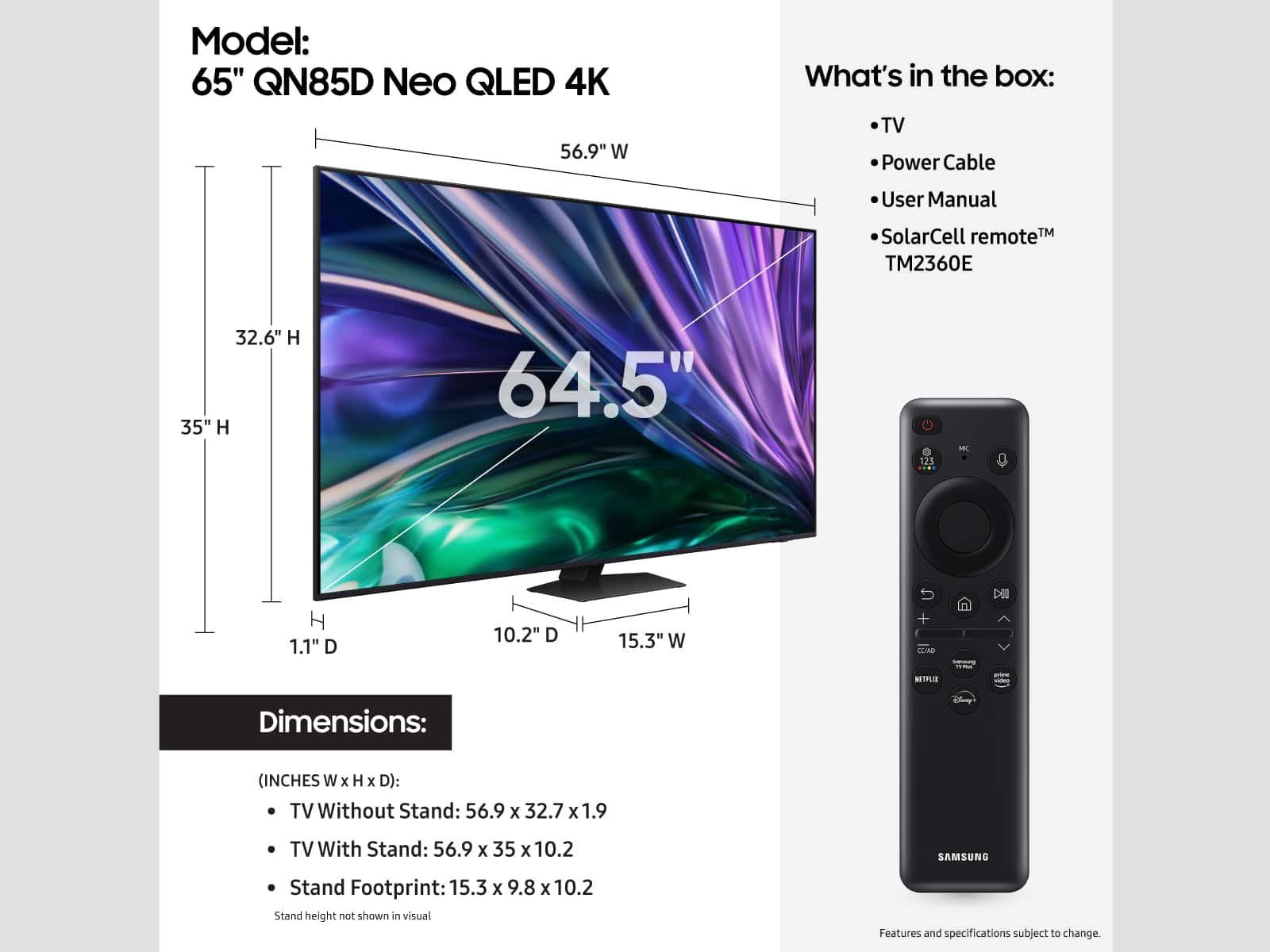
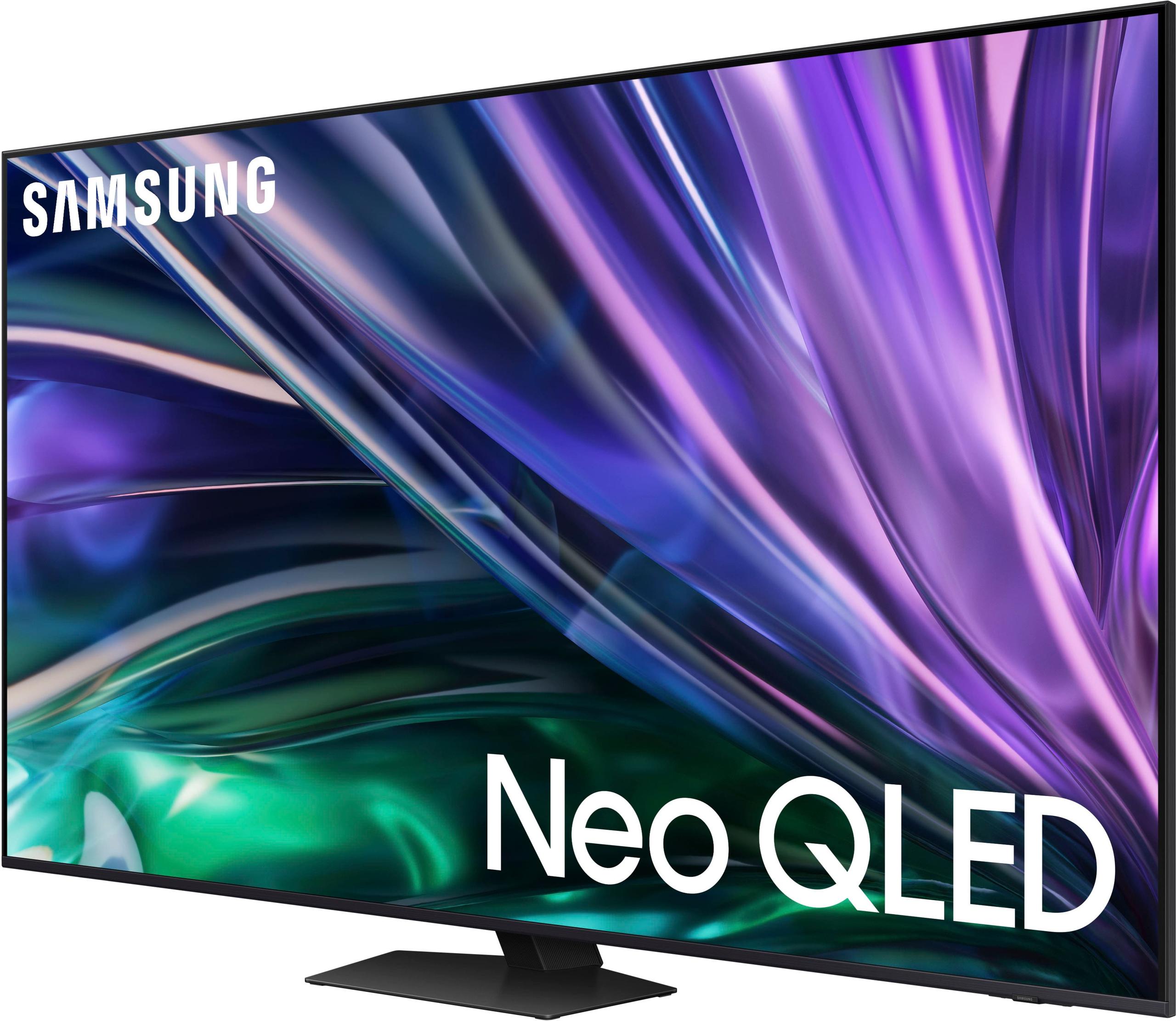
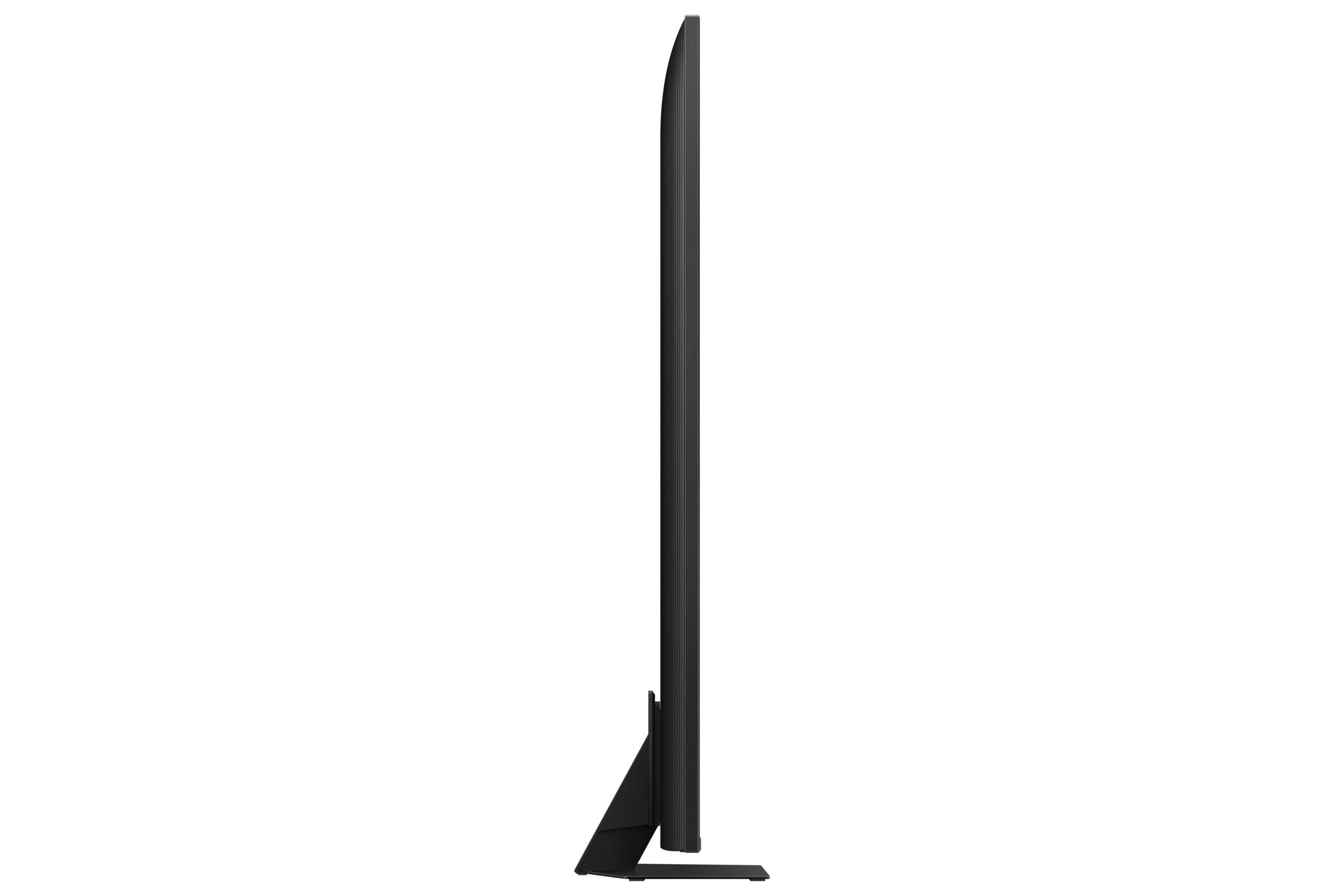

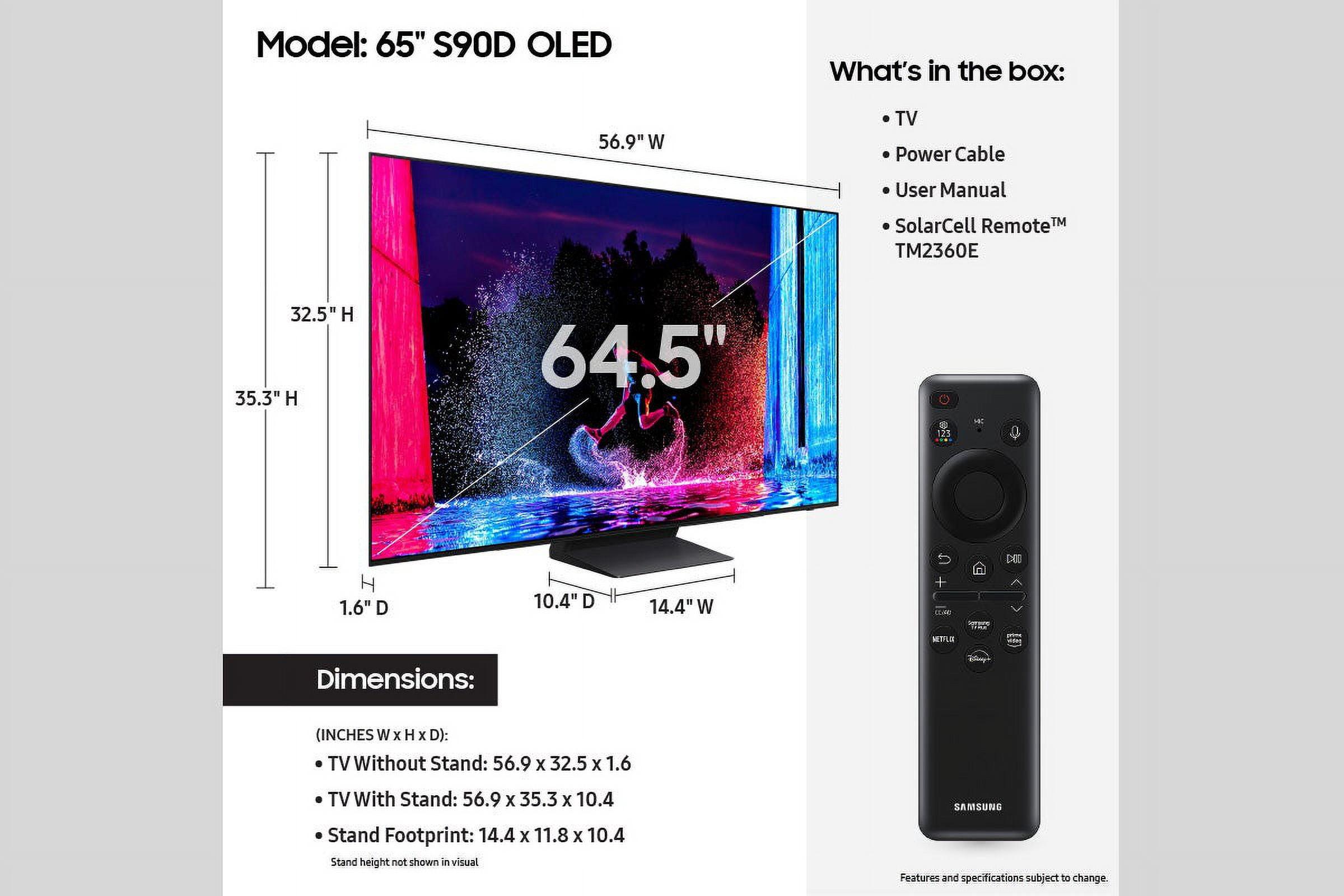
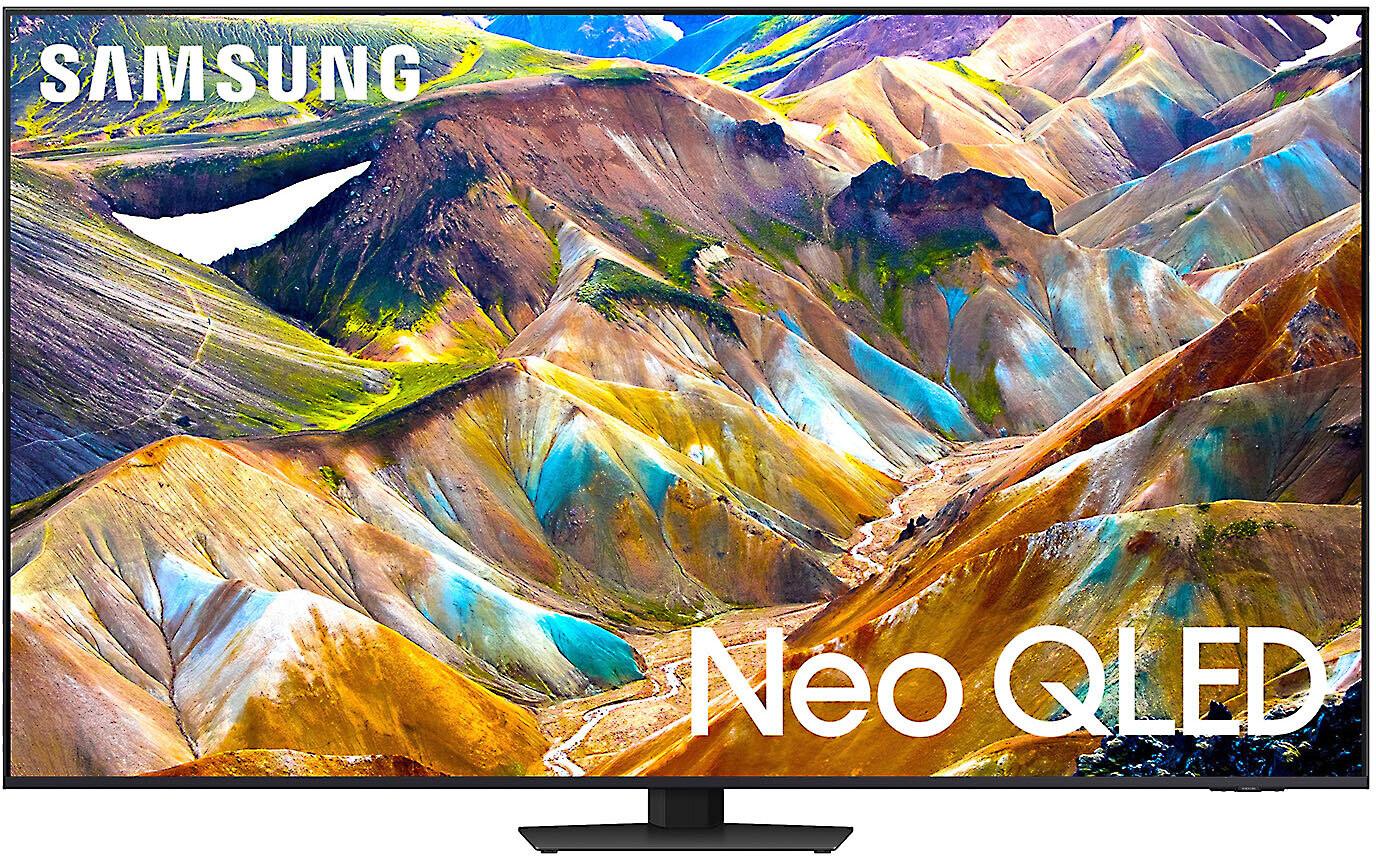
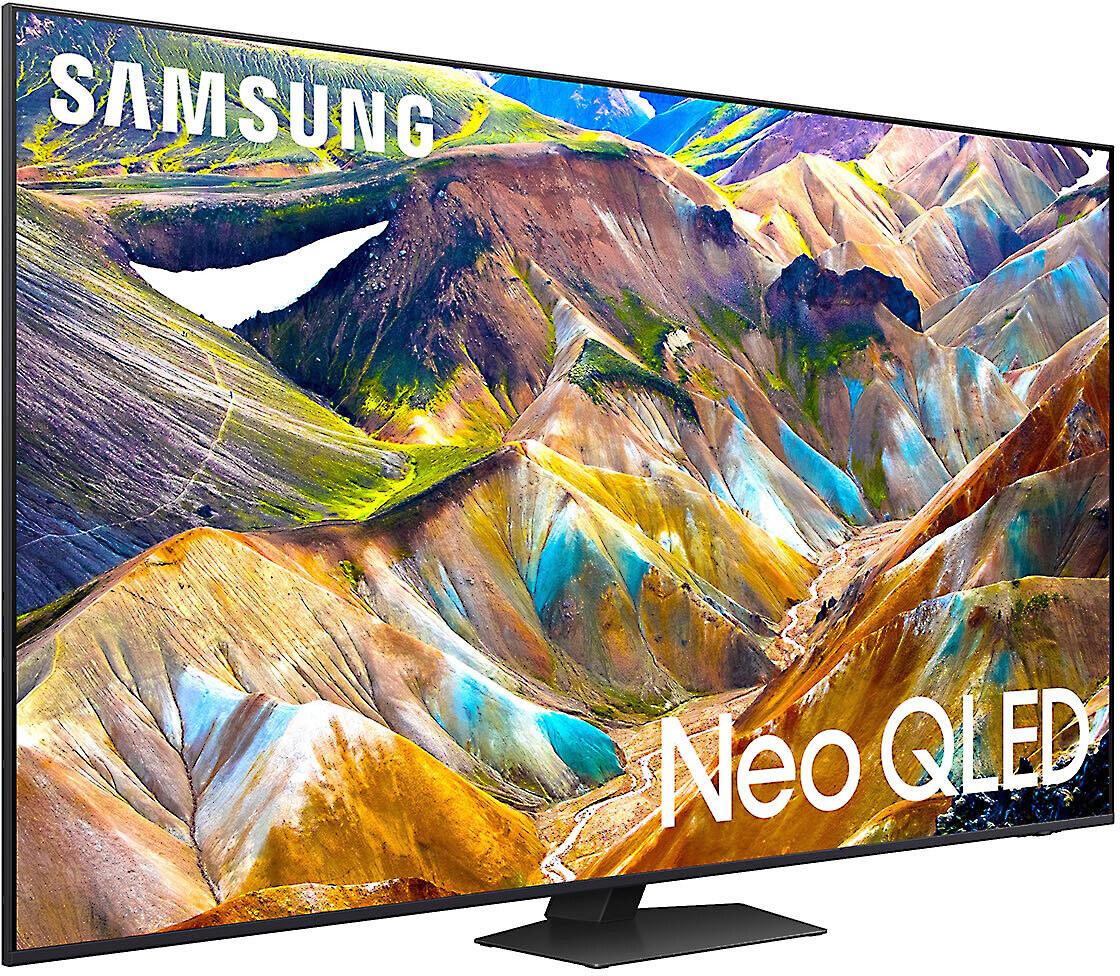
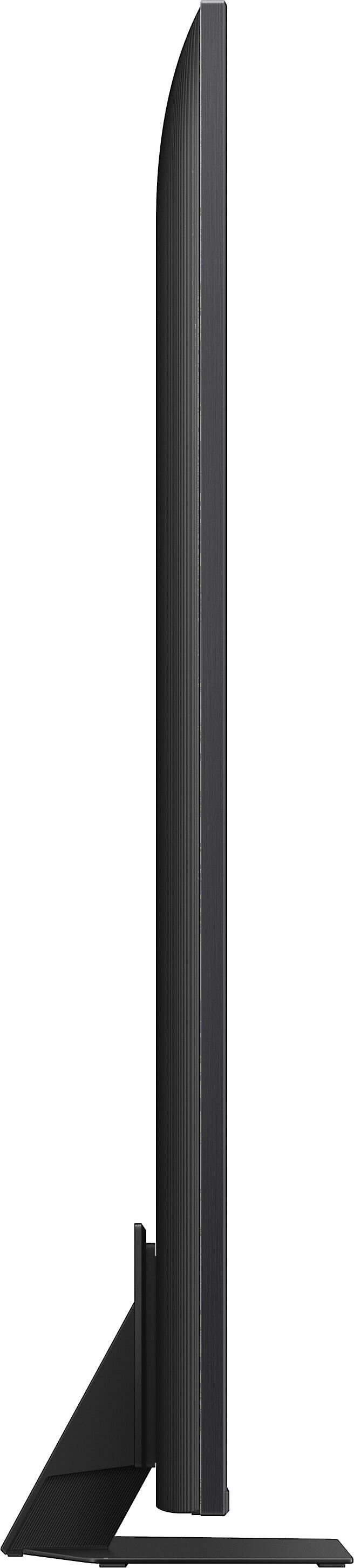
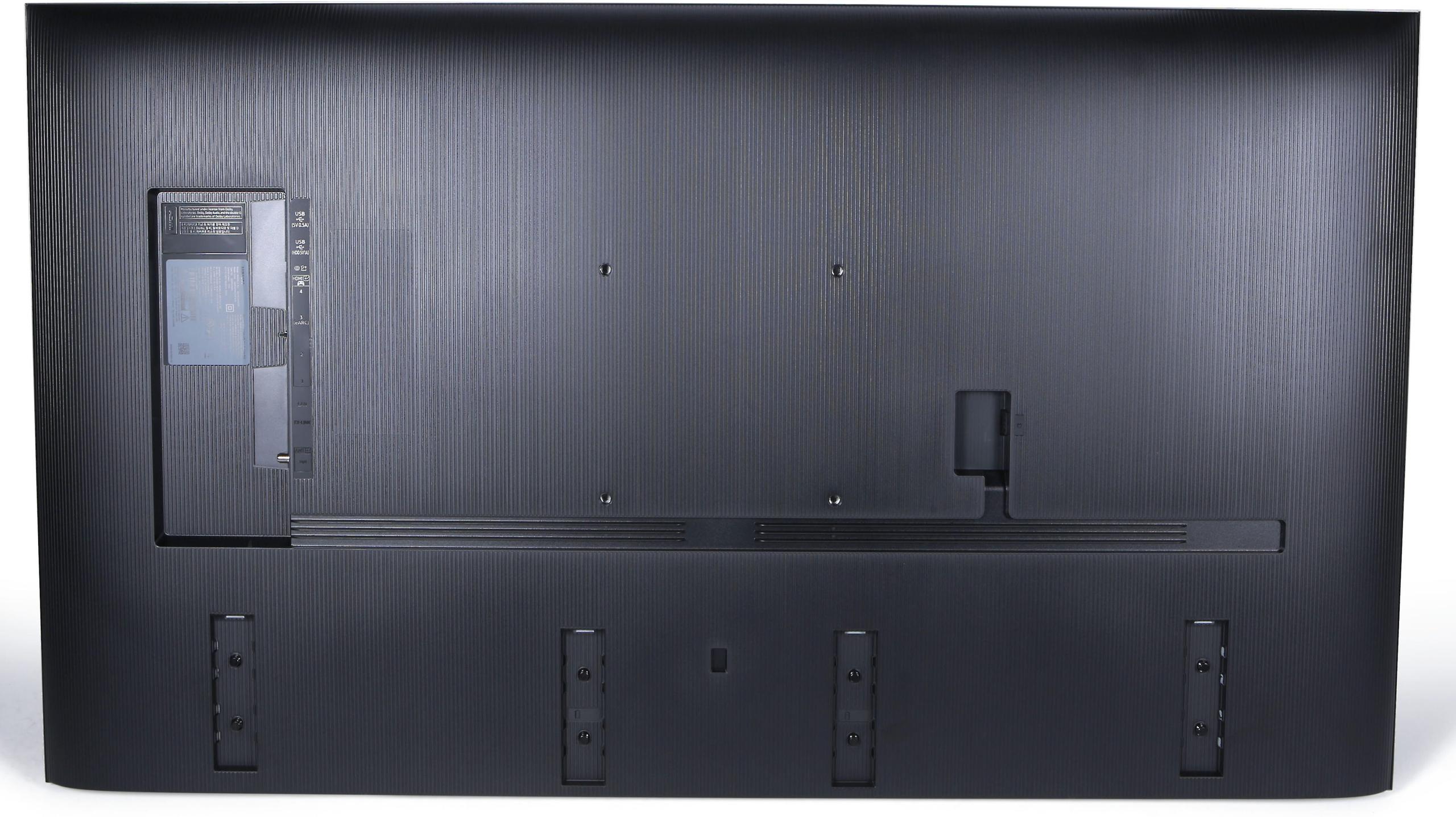
Shopping for a new TV can feel overwhelming, especially when you're looking at premium 65-inch models that cost over $1,000. The good news? Both the LG 65" QNED evo AI QNED85A ($999.99) and Samsung 65" OLED S90D ($1,197.99) represent excellent choices in 2025, but they take completely different approaches to delivering great picture quality.
After spending considerable time with both TVs, I've found that your choice really comes down to understanding these different approaches and matching them to your specific viewing habits and room setup. Let me break down everything you need to know to make the right decision.
Before diving into specifics, it's crucial to understand that we're comparing two fundamentally different display technologies. The LG uses MiniLED technology, while the Samsung employs QD-OLED. Think of it like comparing a traditional sports car engine versus a hybrid system – both can get you where you want to go, but they work in completely different ways.
The main considerations when choosing between premium TVs include display technology, picture performance in different lighting conditions, gaming capabilities, smart features, and overall value. Room environment plays a huge role too – a TV that looks stunning in a dark basement home theater might struggle in a bright living room with lots of windows.
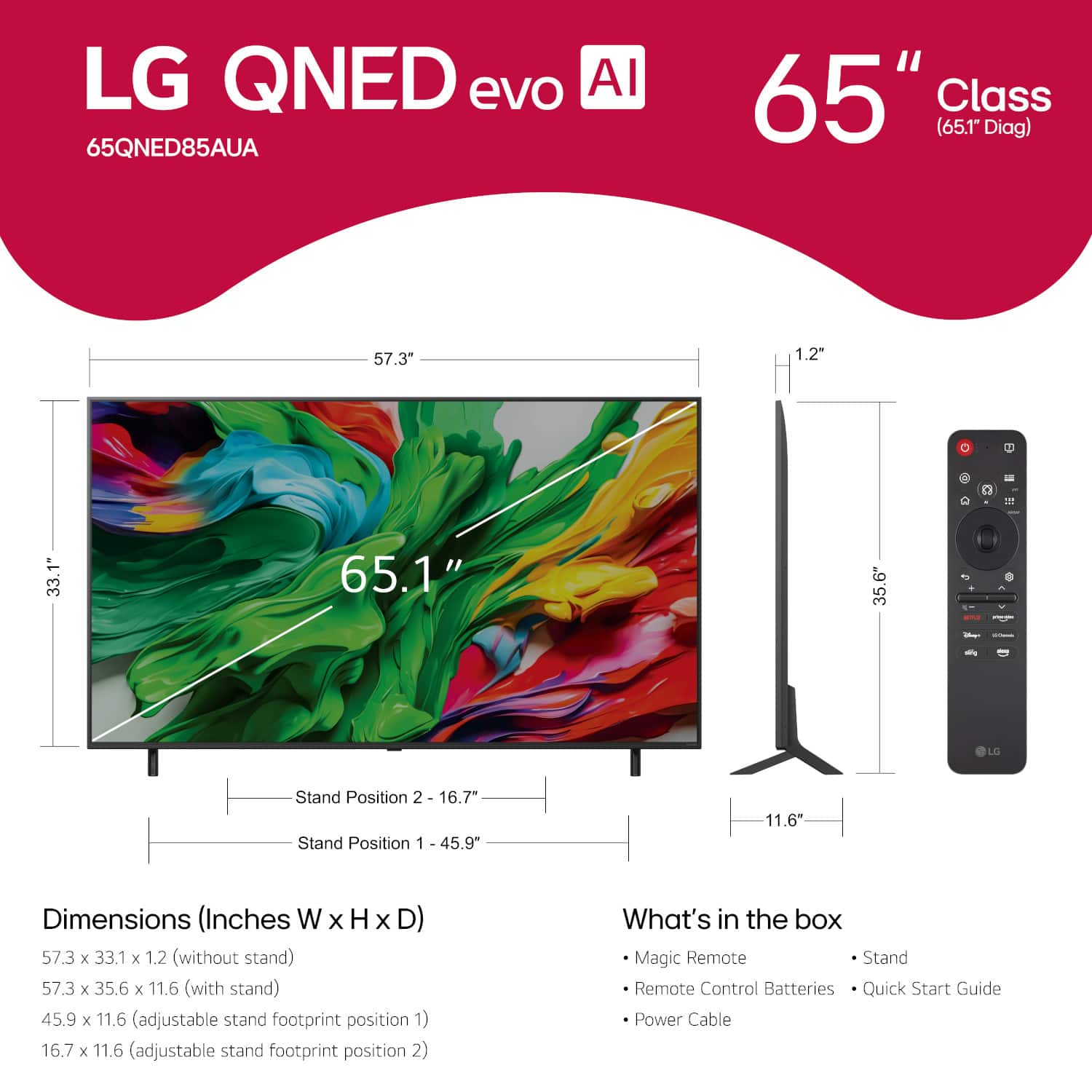
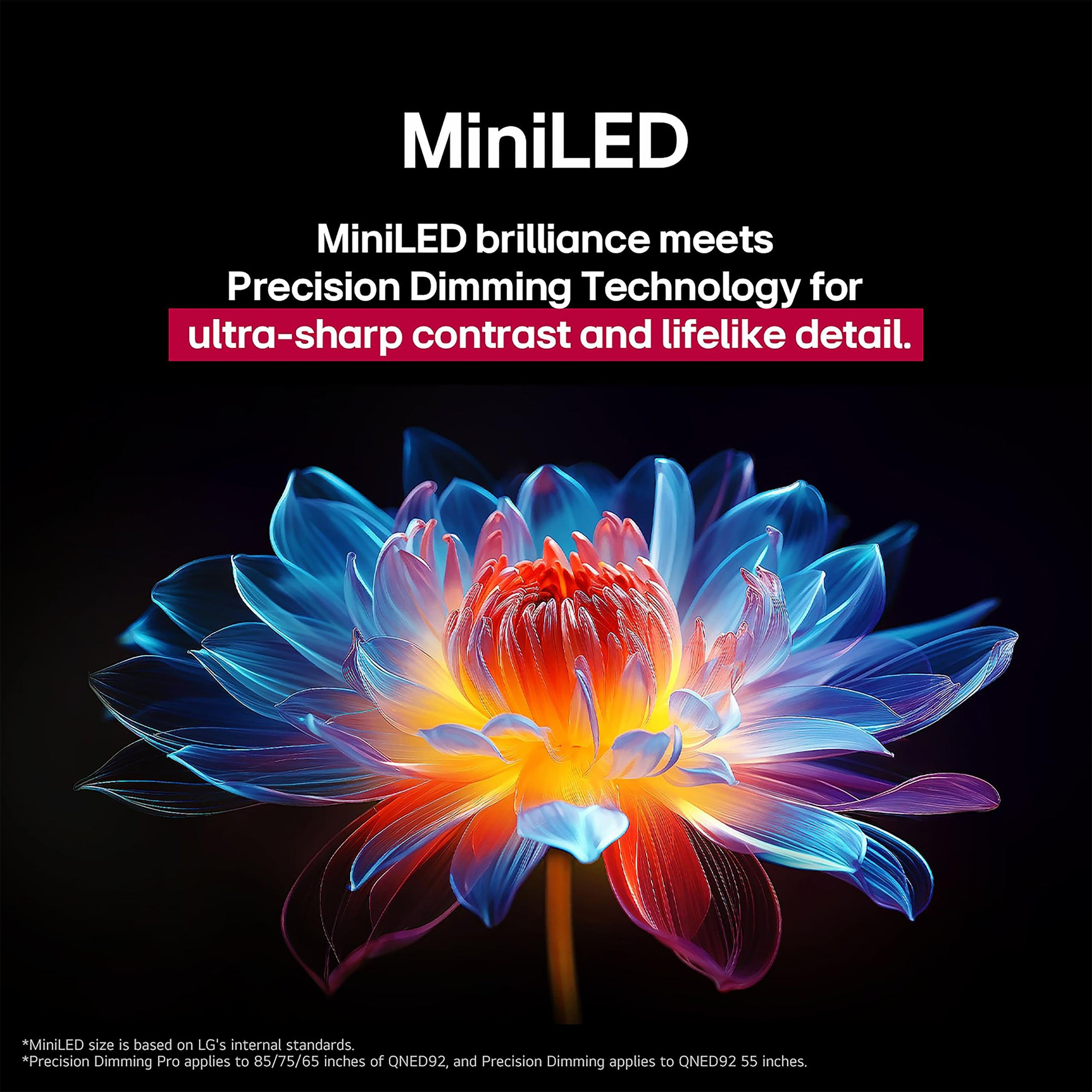
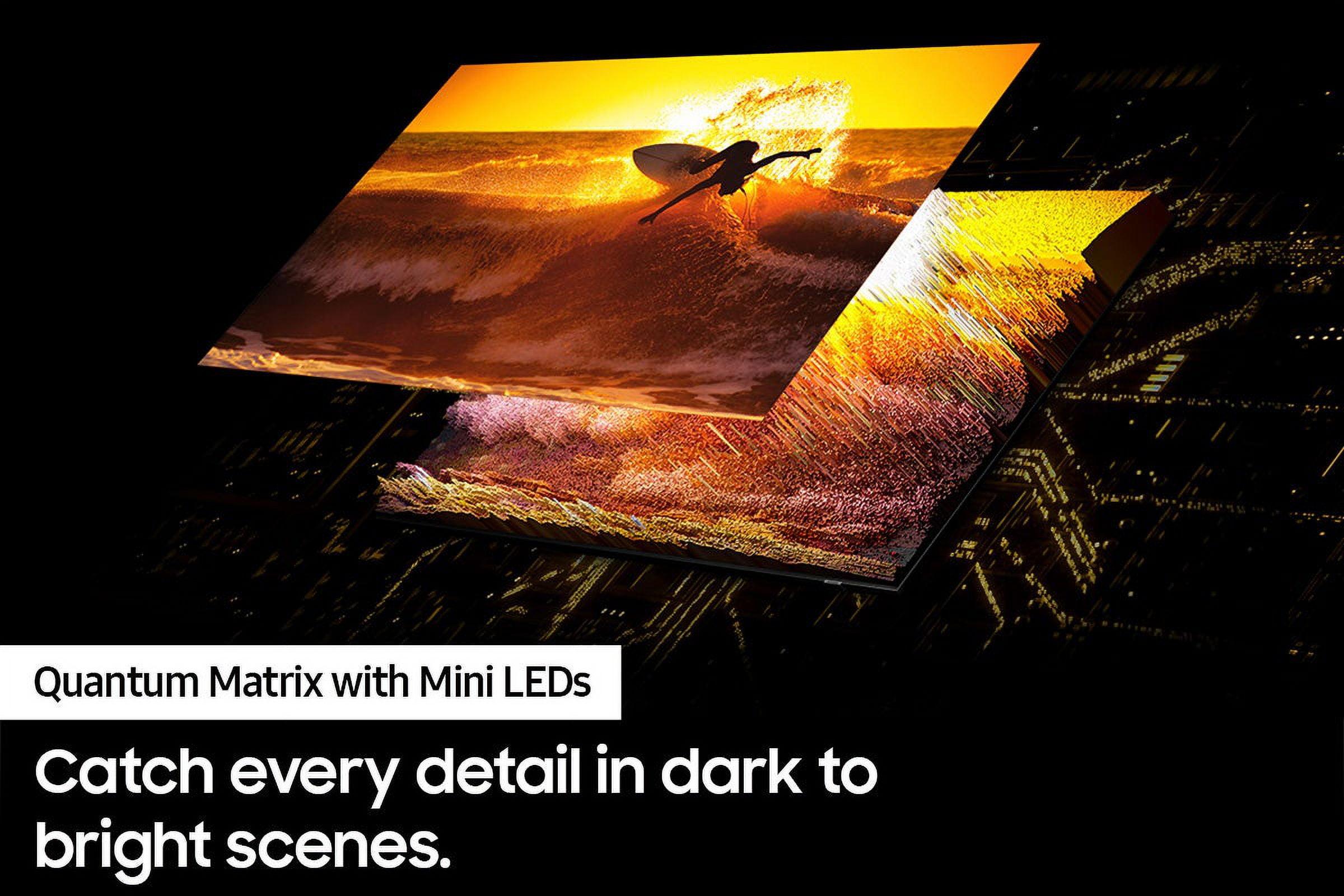
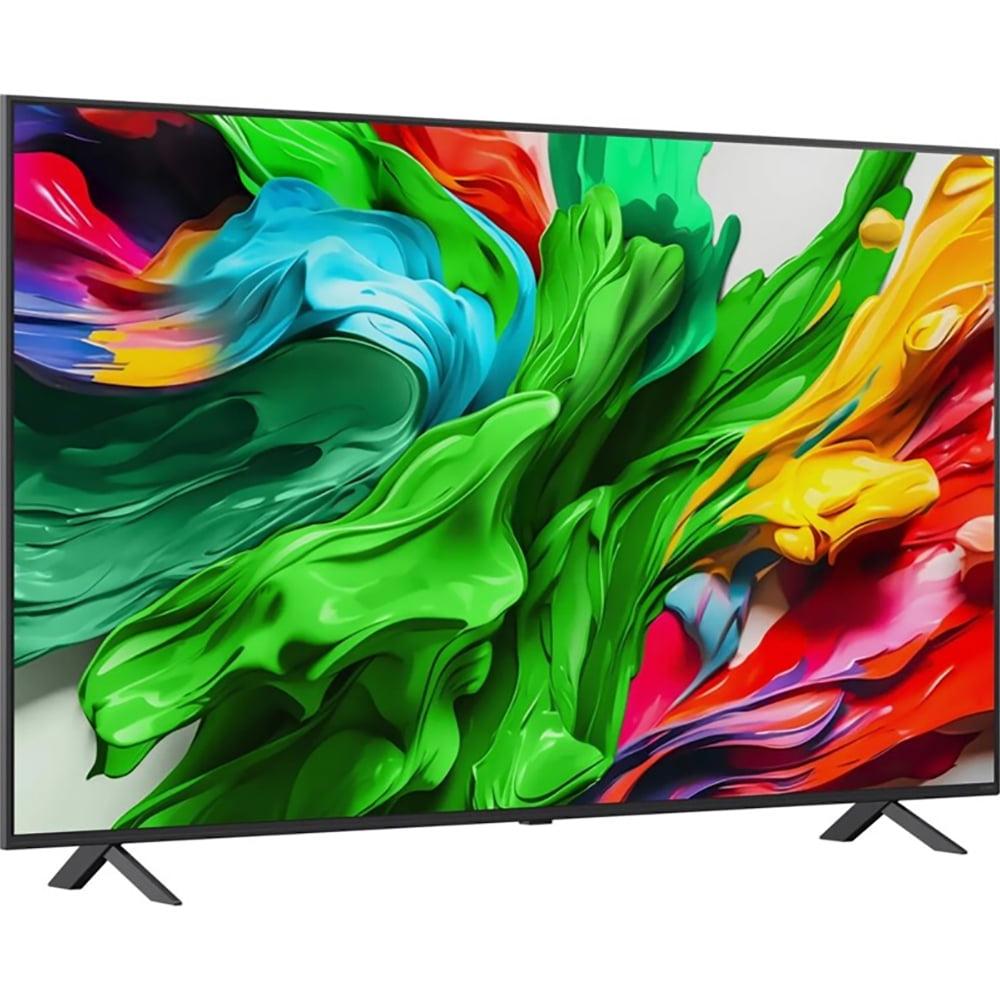
The LG QNED85A uses MiniLED technology, which is essentially a supercharged version of traditional LED backlighting. Instead of having a few dozen LED lights behind the screen, MiniLED uses thousands of tiny LEDs that can be controlled in precise zones. This creates what's called "local dimming" – the ability to make specific parts of the screen brighter or darker independently.
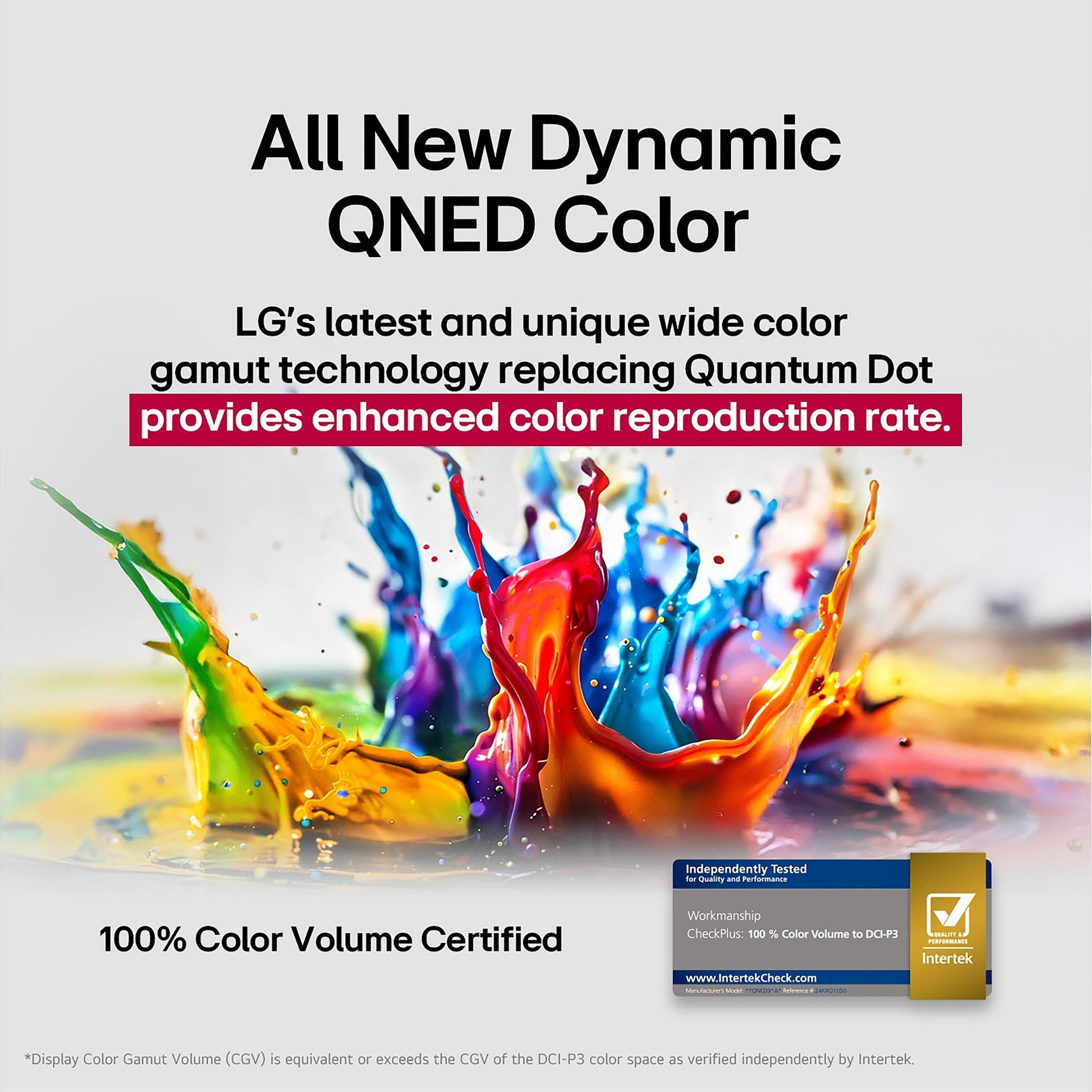
The "QNED" name combines three technologies: Quantum Dot (for enhanced color), NanoCell (for improved viewing angles), and MiniLED (for better contrast). The result is a display that can get incredibly bright – we're talking about peak brightness levels around 2,000 nits, which is roughly 10 times brighter than older LED TVs.
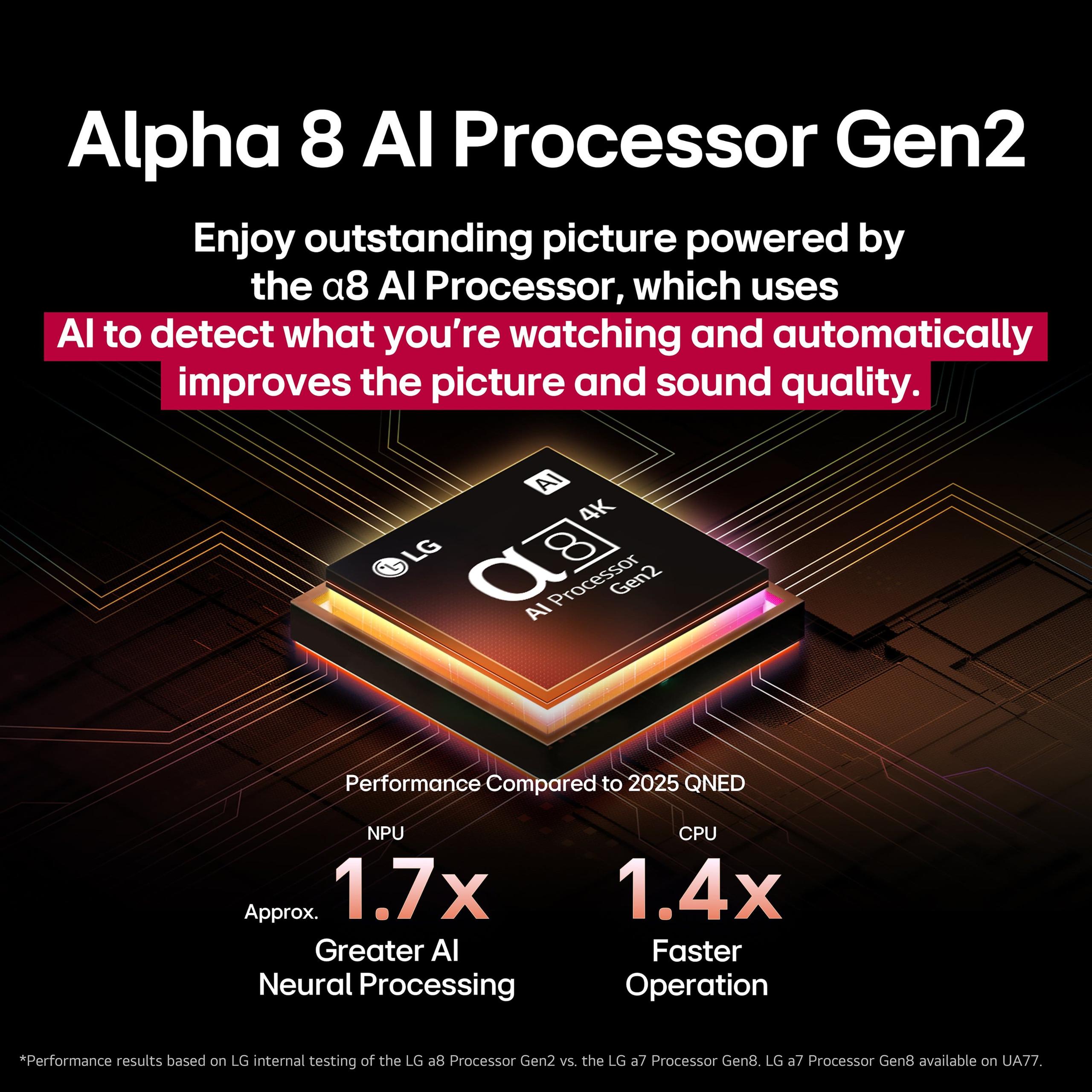
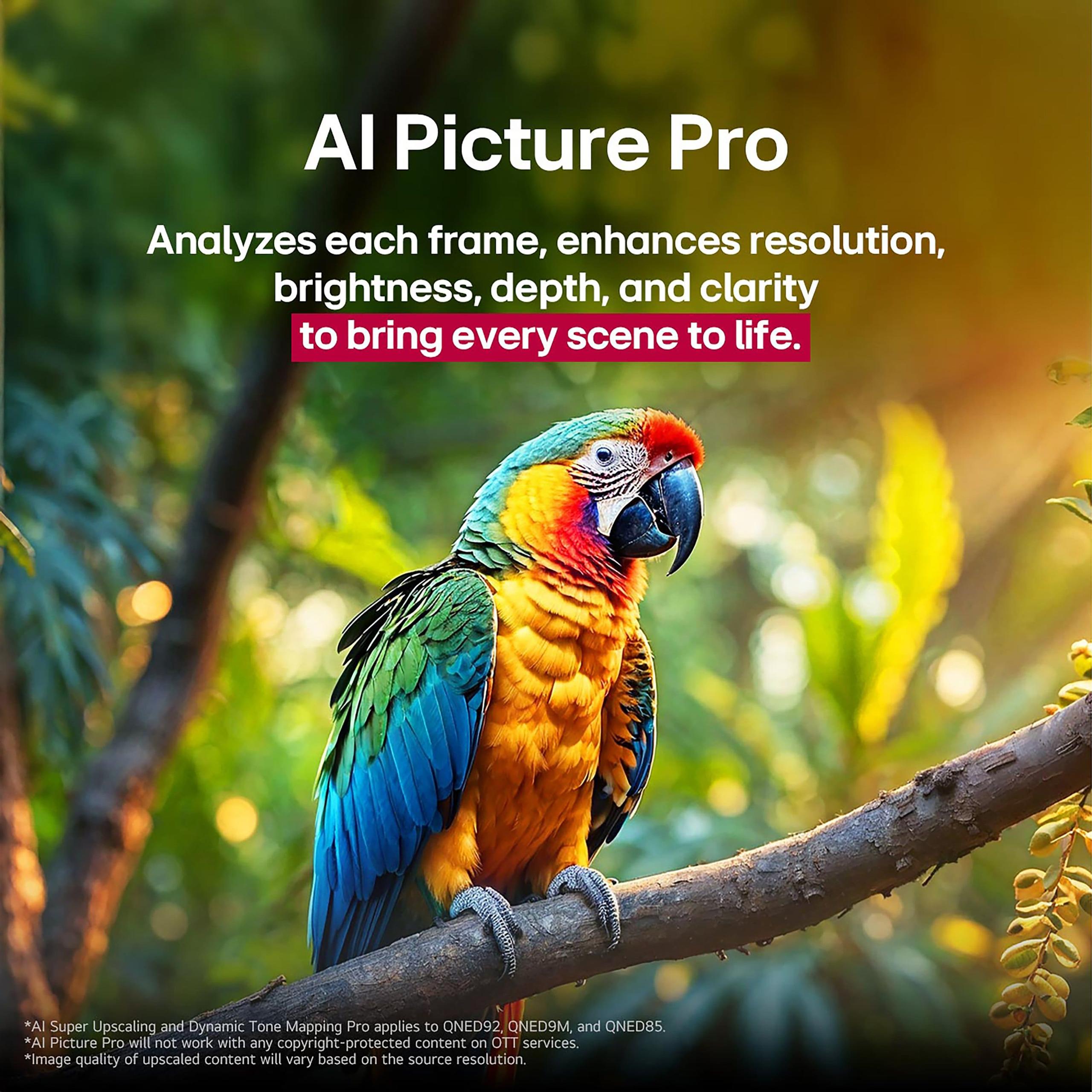
What makes the 2025 model particularly interesting is LG's new α8 Gen 2 AI Processor, which represents a 70% improvement in AI performance over previous generations. This processor constantly analyzes what you're watching and adjusts the picture in real-time, optimizing everything from color saturation to noise reduction.
The Samsung S90D uses QD-OLED technology, which is relatively new to the TV world. Traditional OLED panels use organic compounds that emit light when electricity is applied – each pixel is essentially its own tiny light bulb. Samsung's quantum dot layer adds another level of sophistication, improving color accuracy and brightness compared to regular OLED.
The key advantage of OLED technology is that pixels can turn completely off, creating true black levels. When you watch a movie with a dark scene, those black areas aren't just "dark gray" – they're completely black, with zero light emission. This creates what's called "infinite contrast ratio," something that MiniLED technology, despite its improvements, cannot match.
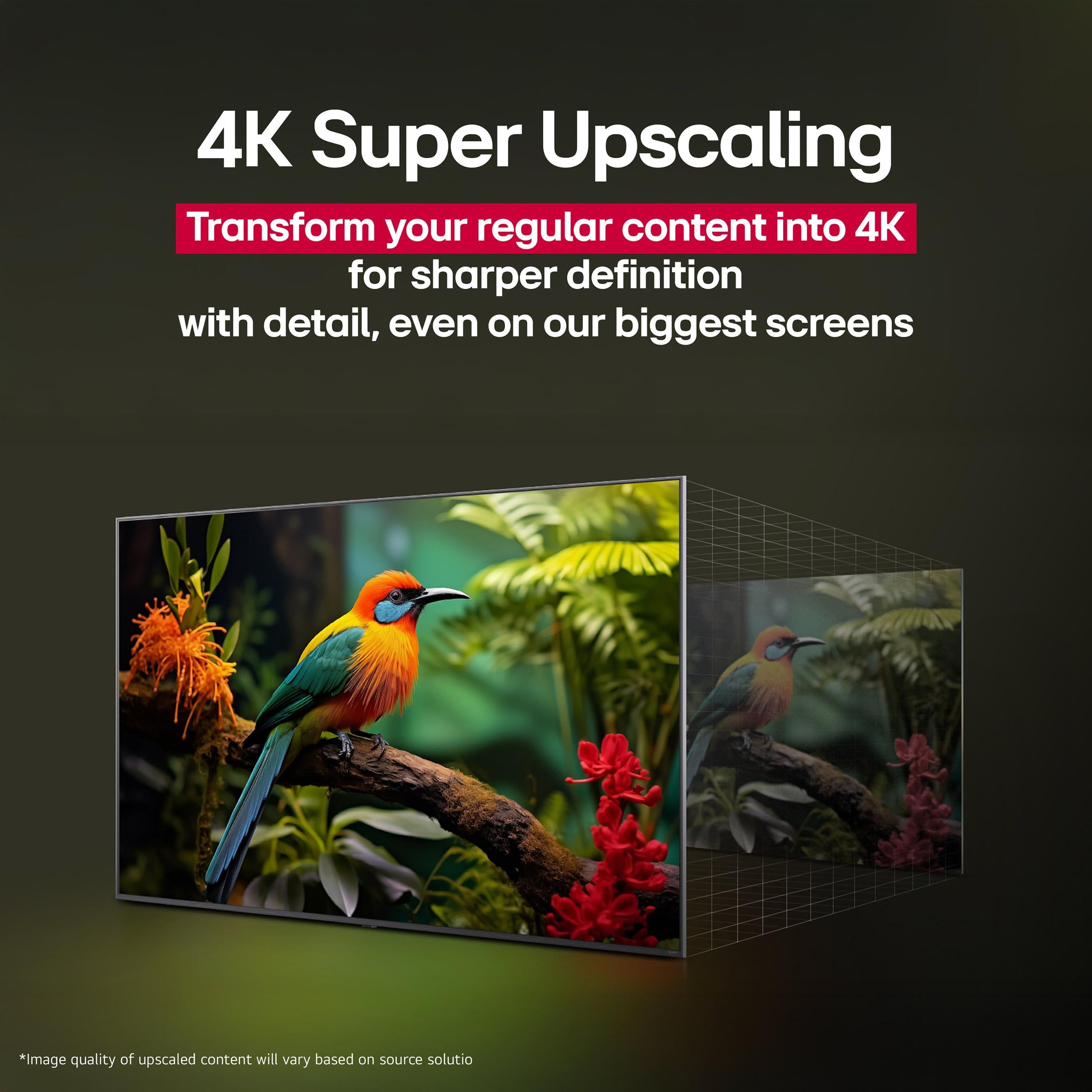
The S90D's NQ4 AI Gen2 Processor uses 20 specialized neural networks to upscale content and optimize picture quality. While this sounds impressive, in practice, it's more focused on traditional upscaling rather than the comprehensive AI features found in the LG model.
This is where the two TVs show their most dramatic differences. The Samsung S90D delivers perfect black levels that make dark movie scenes look absolutely stunning. When I watched "Dune" on the Samsung, the desert scenes had an almost three-dimensional quality, with perfect blacks creating incredible depth.
The LG QNED85A, while impressive, shows some limitations in dark scenes. You might notice subtle "blooming" around bright objects – like a bright moon against a dark sky might have a faint halo around it. This happens because the MiniLED zones, while numerous, still can't control individual pixels like OLED can.
However, the story changes completely in bright rooms. The LG's higher peak brightness means it can maintain picture quality even with sunlight streaming through windows. The Samsung, while bright for an OLED, might look washed out in very bright conditions.
Both TVs excel at color reproduction, but in different ways. The Samsung S90D's quantum dot layer provides exceptional color volume – meaning colors stay vibrant even at high brightness levels. Reds look particularly rich and saturated, while blues have an almost electric quality that makes nature documentaries pop off the screen.
The LG QNED85A offers what I'd call more "accurate" colors. Its combination of Quantum Dot and NanoCell technologies creates colors that are vibrant but natural-looking. The AI processor also helps by analyzing content and adjusting color temperature and saturation based on what you're watching.
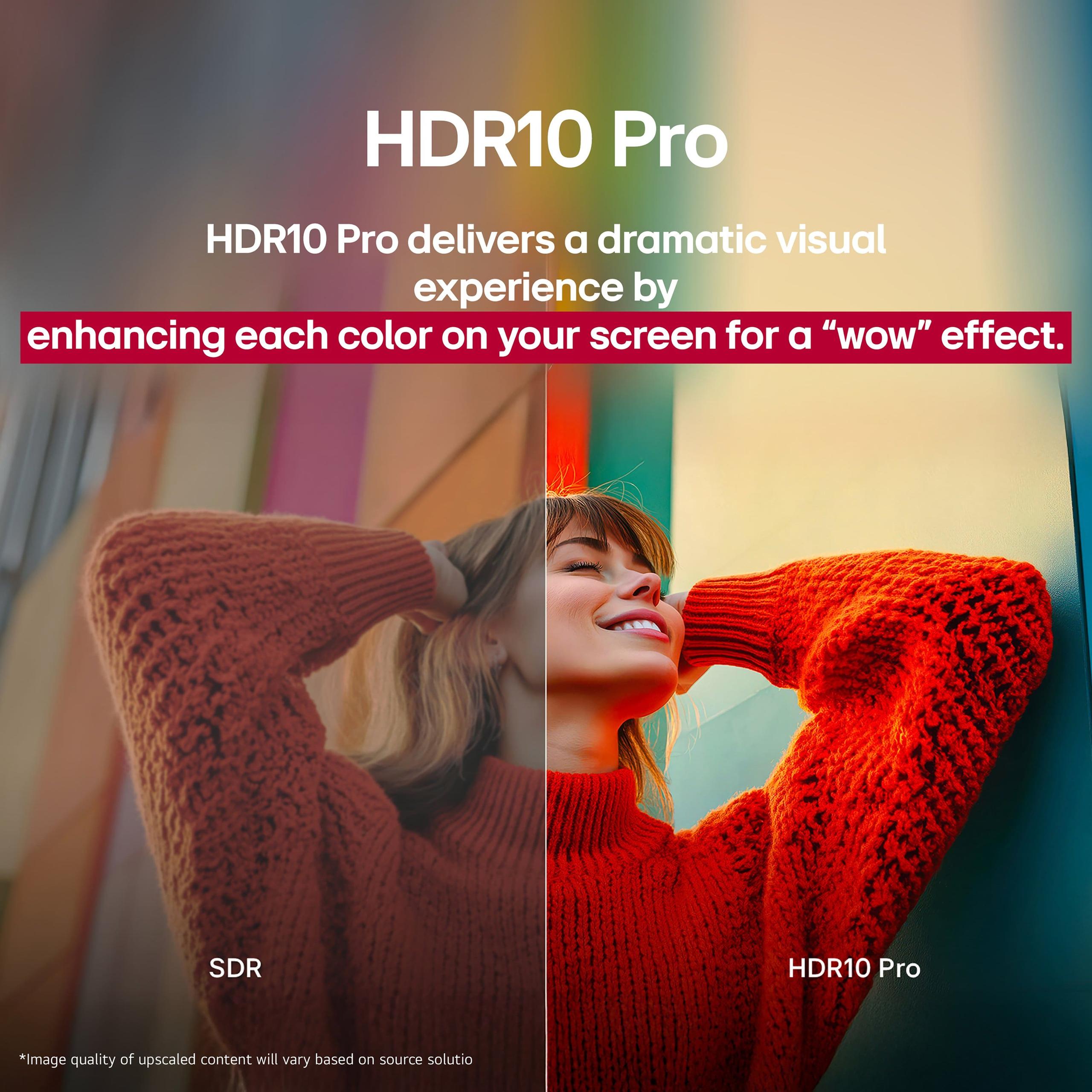
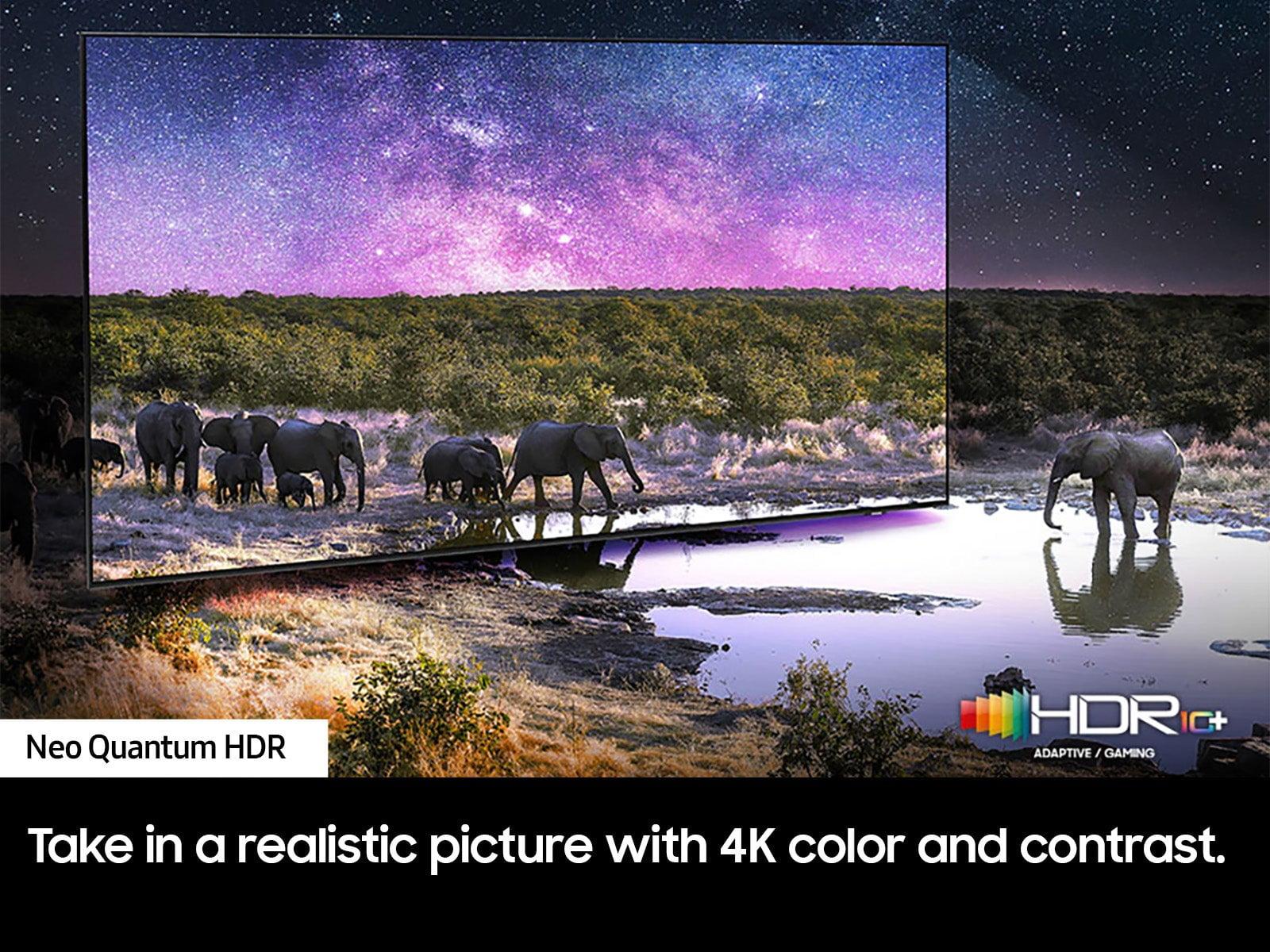
Here's where things get interesting. The LG supports Dolby Vision, HDR10, and HLG – essentially every HDR format you're likely to encounter. The Samsung only supports HDR10 and HDR10+, missing Dolby Vision entirely. This might not sound like a big deal, but Dolby Vision is widely used by Netflix, Apple TV+, and other streaming services for their premium content.
The LG's higher peak brightness also means HDR highlights look more impactful in bright rooms. Watching "Top Gun: Maverick" during a sunny afternoon, the cockpit scenes and bright sky looked more realistic on the LG than the Samsung.
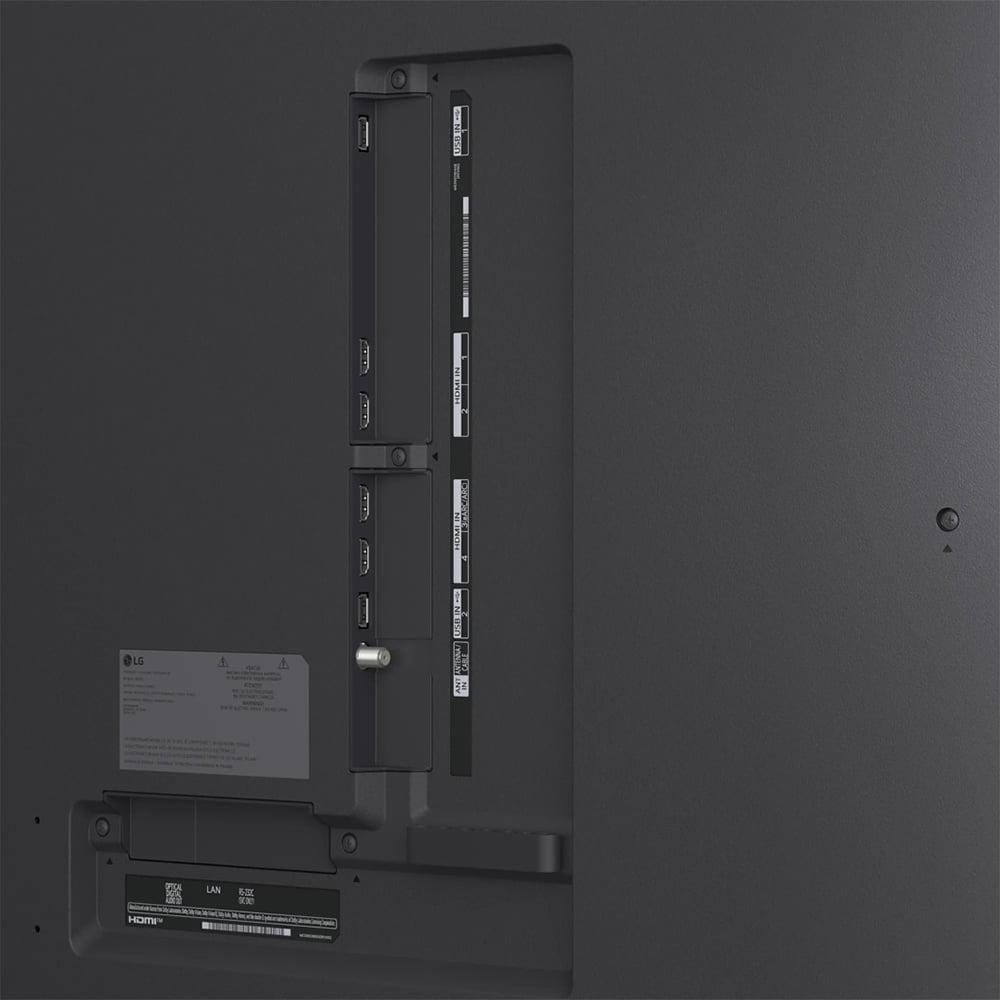
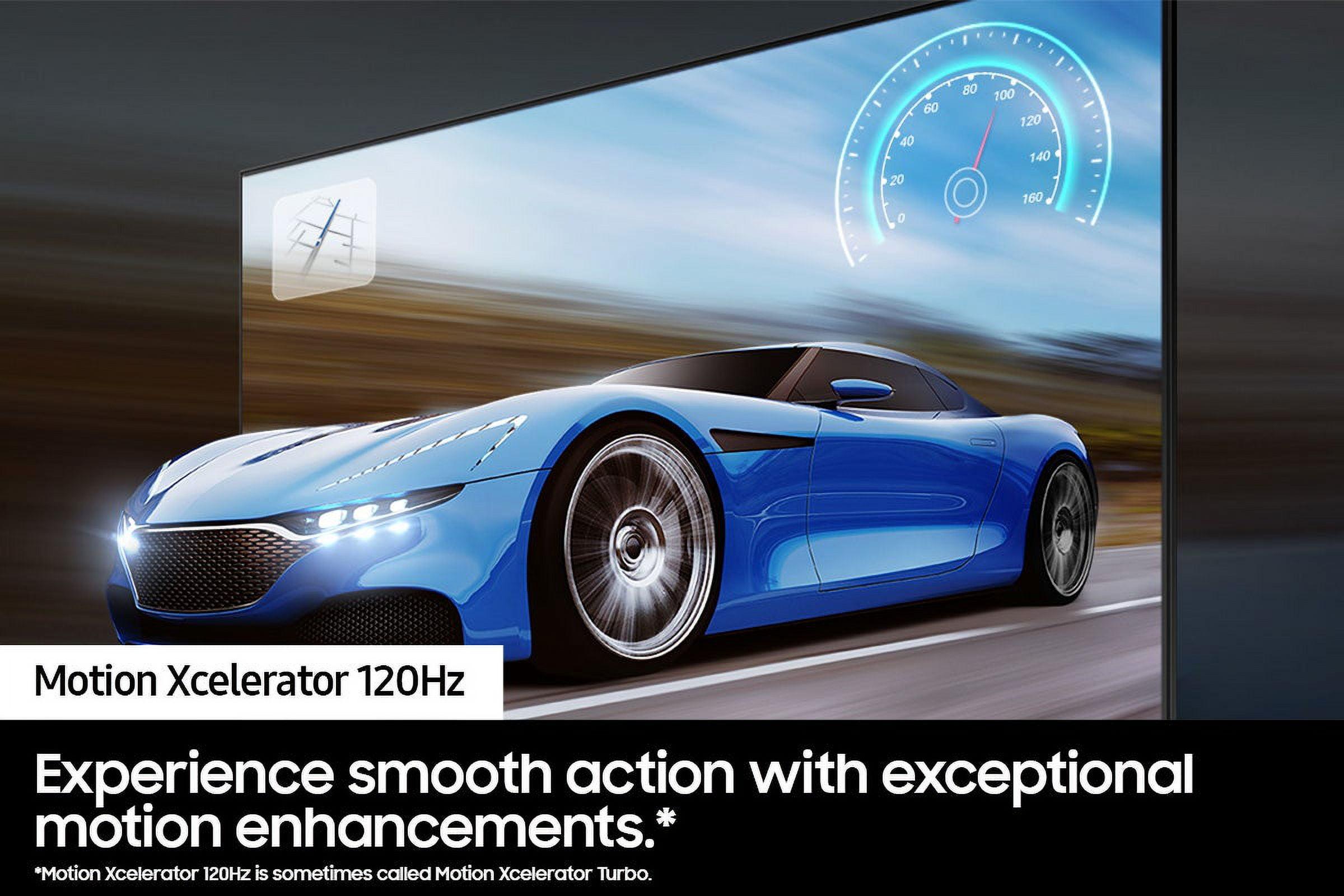
Both TVs are excellent for gaming, supporting 144Hz refresh rates and featuring multiple HDMI 2.1 ports. HDMI 2.1 is crucial because it allows these high refresh rates at 4K resolution – something older HDMI versions couldn't handle.
The Samsung has a slight edge for competitive gaming due to its instant pixel response time. When playing fast-paced games like "Call of Duty," there's virtually no motion blur. The perfect black levels also help with visibility in dark game environments.
The LG's higher brightness can be advantageous for gaming in bright rooms, and there's no concern about burn-in from static game elements like health bars or mini-maps. OLED TVs, while much improved, can still suffer from permanent image retention if static elements are displayed for extended periods.
Both TVs feature variable refresh rate (VRR) support, which synchronizes the TV's refresh rate with your gaming console or PC to eliminate screen tearing and stuttering. They also include automatic low-latency mode, which automatically switches to game mode when it detects a gaming console.
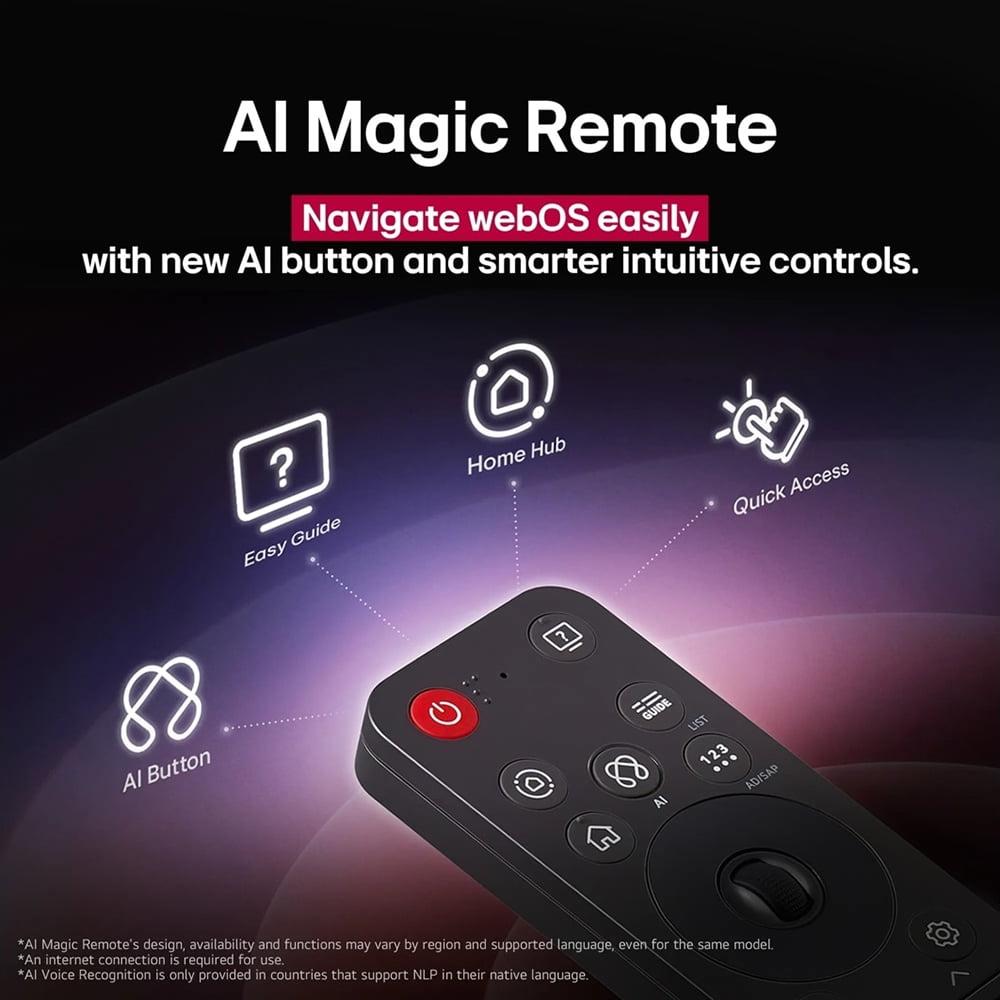
The LG QNED85A really shines in the smart features department. Running webOS 25, it includes sophisticated AI features that feel genuinely useful rather than gimmicky. The AI Voice ID feature can recognize different family members and automatically switch to their preferred settings and recommendations.
The AI Concierge is particularly impressive – it can understand conversational queries like "find me something funny to watch with the kids" and provide relevant suggestions. The AI Picture Pro feature constantly analyzes what you're watching and adjusts settings automatically, which I found worked better than manual adjustments in most cases.
LG's commitment to long-term support is also noteworthy. The webOS Re:New Program guarantees five years of OS upgrades, meaning your TV will stay current with new features and security updates well into the future.
The Samsung S90D runs Tizen OS, which is reliable and responsive but less feature-rich. The interface is clean and straightforward, which some users actually prefer. The NQ4 AI processor handles upscaling well, making lower-resolution content look better, but it lacks the comprehensive AI features of the LG.
If your TV will be in a living room with lots of windows or bright overhead lighting, the LG QNED85A is the clear winner. Its peak brightness of around 2,000 nits means it can compete with ambient light effectively. I tested both TVs in my living room during a sunny afternoon, and the LG maintained vibrant colors and good contrast while the Samsung appeared somewhat washed out.
The LG also handles reflections better thanks to its anti-reflective coating. While you'll still see some reflections from bright light sources, they're less distracting than on the Samsung's glossier screen.
For dedicated home theater setups or dark room viewing, the Samsung S90D is in a league of its own. The perfect black levels create an almost cinematic experience that's hard to match. Watching "Blade Runner 2049" in a dark room, the Samsung's ability to show subtle details in shadows while maintaining bright highlights was genuinely impressive.
The infinite contrast ratio means you can see details in both the darkest shadows and brightest highlights simultaneously – something that's crucial for dramatic films and moody TV shows.
Most people don't have perfect viewing conditions all the time. The LG QNED85A offers better versatility across different lighting conditions throughout the day. It performs well in both bright and dark environments, making it more practical for families with varied viewing habits.
At $999.99, the LG QNED85A represents excellent value, especially considering its AI features and future-proof capabilities. The five-year OS upgrade guarantee alone adds significant long-term value, and the comprehensive feature set makes it feel like a premium TV without the premium price tag.
The Samsung S90D at $1,197.99 costs about $200 more, but that extra money buys you genuinely superior picture quality in optimal conditions. For movie enthusiasts and those with dedicated home theater setups, the improved contrast and color performance justify the higher price.
For dedicated home theater setups, several factors become more important. Light control is typically excellent in these environments, which plays to the Samsung's strengths. The perfect black levels and superior contrast create a more immersive cinematic experience that's particularly noticeable with high-quality content.
However, the LG's Dolby Vision support shouldn't be overlooked. Many premium streaming services and 4K Blu-rays use Dolby Vision, and the difference in HDR performance is noticeable. The AI features also work well in home theater settings, automatically optimizing picture settings based on content type.
Both TVs support Dolby Atmos audio, though for serious home theater use, you'll likely want a dedicated sound system anyway. The Samsung's Tizen platform might actually be preferable for some home theater enthusiasts who prefer simpler interfaces without AI interventions.
Choose the Samsung S90D if you primarily watch in dark or controlled lighting conditions, prioritize absolute picture quality, and don't mind paying extra for OLED technology. It's the better choice for movie enthusiasts, dedicated home theater setups, and anyone who wants the best possible contrast and color performance.
Choose the LG QNED85A if you watch TV in bright rooms, want the latest AI features, prefer better overall value, or need Dolby Vision support. It's more versatile across different viewing conditions and offers better long-term software support.
The bottom line: both TVs represent excellent choices in 2025, with the Samsung S90D offering superior picture quality for $200 more, while the LG QNED85A provides better versatility, features, and value. Your room's lighting conditions and viewing priorities should ultimately guide your decision.
| LG 65" QNED evo AI QNED85A 4K MiniLED Smart TV 2025 | Samsung 65" OLED S90D TV |
|---|---|
| Price - Direct cost comparison | |
| $999.99 | $1,197.99 |
| Display Technology - Fundamentally different approaches to picture quality | |
| MiniLED with Quantum Dot + NanoCell | QD-OLED (Quantum Dot OLED) |
| Peak Brightness - Critical for bright room viewing and HDR impact | |
| ~2,000 nits (excellent for bright rooms) | ~1,240 nits (good for OLED, limited in bright rooms) |
| Black Levels - Determines contrast and dark scene performance | |
| Very good with local dimming (some blooming possible) | Perfect blacks with infinite contrast |
| Refresh Rate - Gaming and motion performance | |
| 144Hz (PC), 120Hz (console) | 144Hz (PC), 120Hz (console) |
| HDR Support - Compatibility with premium streaming content | |
| HDR10, Dolby Vision, HLG (full support) | HDR10, HDR10+ (no Dolby Vision) |
| Smart Platform - Long-term software support and features | |
| webOS 25 with 5-year upgrade guarantee | Samsung Tizen (standard support cycle) |
| AI Features - Advanced picture optimization and personalization | |
| Extensive AI suite: Picture Pro, Sound Pro, Voice ID, Concierge | Basic AI upscaling and processing |
| Viewing Angles - Picture quality when not sitting directly in front | |
| Good with NanoCell technology | Excellent (OLED advantage) |
| Burn-in Risk - Long-term durability concern | |
| No burn-in risk | Minimal but possible with static content |
| Best Room Type - Optimal viewing environment | |
| Bright rooms, mixed lighting conditions | Dark rooms, controlled lighting |
| HDMI Ports - Gaming and device connectivity | |
| 4x HDMI 2.1 ports | 4x HDMI 2.1 ports |
| Color Performance - Vibrancy and accuracy | |
| Accurate, AI-enhanced colors | Superior color volume with quantum dots |
| Gaming Features - Console and PC gaming optimization | |
| VRR, low lag, 144Hz support, no burn-in concerns | VRR, low lag, 144Hz support, instant response |
The LG 65" QNED evo AI QNED85A ($999.99) is significantly better for bright rooms. Its MiniLED technology can reach peak brightness levels around 2,000 nits, which effectively cuts through ambient light and maintains picture quality even with sunlight streaming through windows. The Samsung S90D, while bright for an OLED, peaks around 1,240 nits and may appear washed out in very bright conditions.
The LG QNED85A costs $999.99 while the Samsung S90D costs $1,197.99, making the Samsung about $200 more expensive. This price difference reflects the premium OLED technology in the Samsung versus the MiniLED approach in the LG model.
The Samsung S90D OLED has superior black levels and contrast. OLED technology allows pixels to turn completely off, creating perfect blacks and infinite contrast ratio. The LG QNED85A, while offering good contrast with its MiniLED local dimming, cannot match OLED's ability to display true blacks and may show some blooming around bright objects in dark scenes.
Yes, both the LG QNED85A and Samsung S90D are excellent for gaming. They both support 144Hz refresh rates, have four HDMI 2.1 ports, offer variable refresh rate (VRR), and feature low input lag. The Samsung has slightly better motion handling due to OLED's instant pixel response, while the LG has no burn-in concerns for extended gaming sessions.
For dedicated home theater setups with controlled lighting, the Samsung S90D is generally better due to its perfect black levels and superior contrast, creating a more cinematic experience. However, the LG QNED85A offers Dolby Vision support, which many premium streaming services and 4K Blu-rays use, giving it an advantage for HDR content compatibility.
The LG QNED85A supports HDR10, Dolby Vision, and HLG, providing comprehensive HDR format compatibility. The Samsung S90D supports HDR10 and HDR10+ but notably lacks Dolby Vision support, which could be limiting for Netflix, Apple TV+, and other streaming services that use Dolby Vision.
The LG QNED85A has more advanced smart features, running webOS 25 with extensive AI capabilities including AI Picture Pro, AI Sound Pro, AI Voice ID, and AI Concierge. It also comes with a 5-year OS upgrade guarantee. The Samsung S90D runs Tizen OS, which is reliable but offers fewer AI features and standard software support.
The LG QNED85A has no burn-in risk since it uses MiniLED technology. The Samsung S90D, being an OLED, has minimal but possible burn-in risk with static content displayed for extended periods. Modern OLEDs are much more resistant to burn-in than older models, but the risk still exists.
The LG QNED85A at $999.99 offers better value for most users, providing excellent picture quality, advanced AI features, comprehensive HDR support, and long-term software updates at a lower price. The Samsung S90D at $1,197.99 offers superior picture quality for those who prioritize contrast and dark room viewing, but costs $200 more.
The Samsung S90D has excellent viewing angles with minimal color or brightness degradation when viewed from the side, which is typical for OLED technology. The LG QNED85A offers good viewing angles thanks to its NanoCell technology, though not quite as wide as the Samsung's OLED panel.
The LG QNED85A gets significantly brighter, reaching around 2,000 nits peak brightness, which makes HDR highlights more impactful, especially in bright viewing environments. The Samsung S90D peaks around 1,240 nits, which is good for OLED but not as bright as the LG's MiniLED technology.
The LG QNED85A uses MiniLED backlighting with Quantum Dot and NanoCell technologies, offering high brightness and no burn-in risk. The Samsung S90D uses QD-OLED technology, combining quantum dots with self-emissive OLED pixels for perfect blacks and superior contrast. These represent fundamentally different approaches to achieving premium picture quality.
We've done our best to create useful and informative comparisons to help you decide what product to buy. Our research uses advanced automated methods to create this comparison and perfection is not possible - please contact us for corrections or questions. These are the sites we've researched in the creation of this article: rtings.com - rtings.com - youtube.com - lg.com - smarthomesounds.co.uk - abt.com - abt.com - lg.com - displayspecifications.com - walmart.com - bestbuy.com - lg.com - lg.com - lg.com - files.bbystatic.com - flatpanelshd.com - north-side-appliance.com - lgnewsroom.com - lg.com - youtube.com - youtube.com - hindustantimes.com - bestbuy.com - valueelectronics.com - youtube.com - cnet.com - bestbuy.com - videoandaudiocenter.com - youtube.com - samsung.com - samsung.com - pcrichard.com - samsung.com

Privacy Policy
Terms and Conditions - Affiliate Policy
Home Security
© Copyright 2008-2026.
11816 Inwood Rd #1211, Dallas, TX 75244