

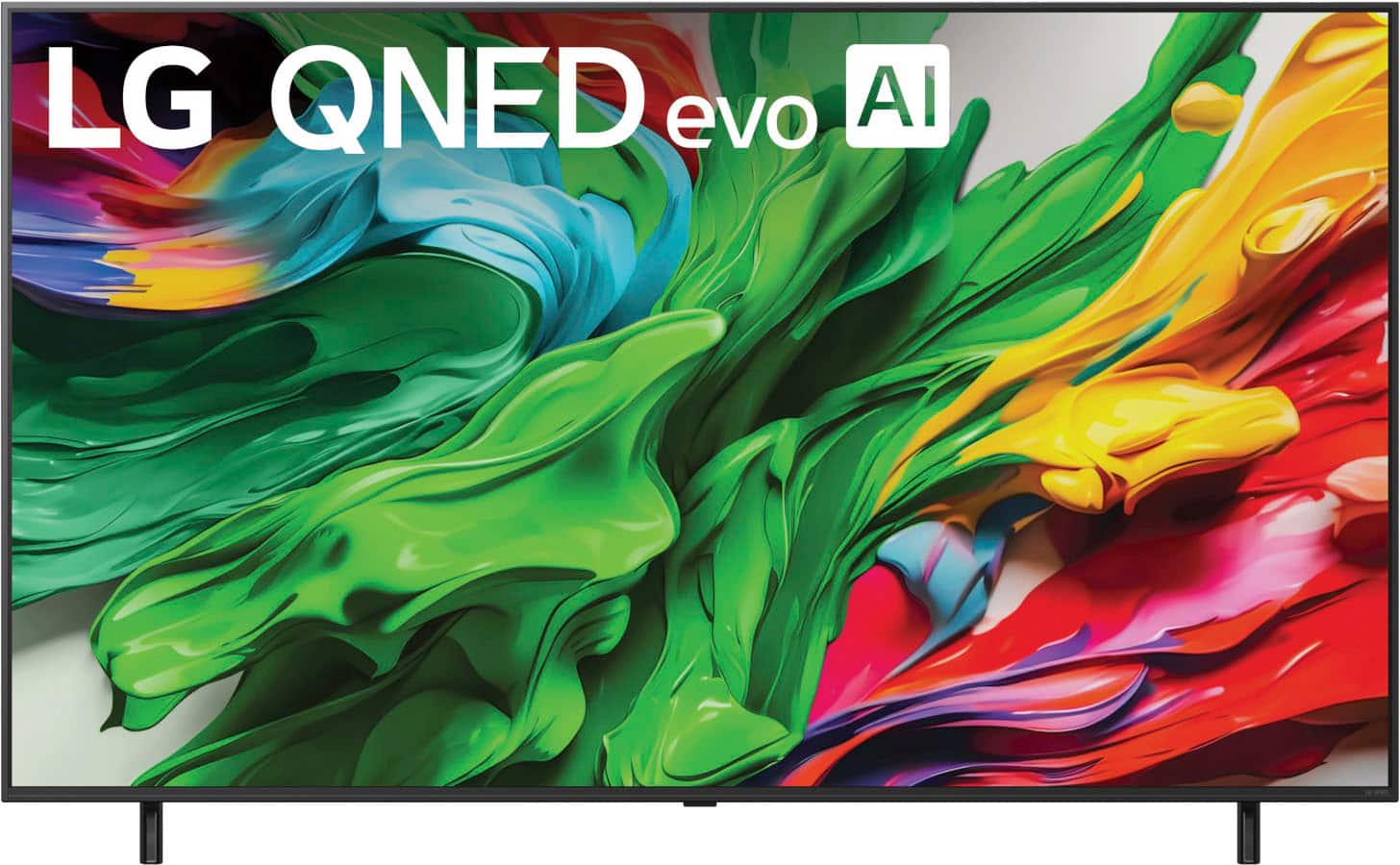
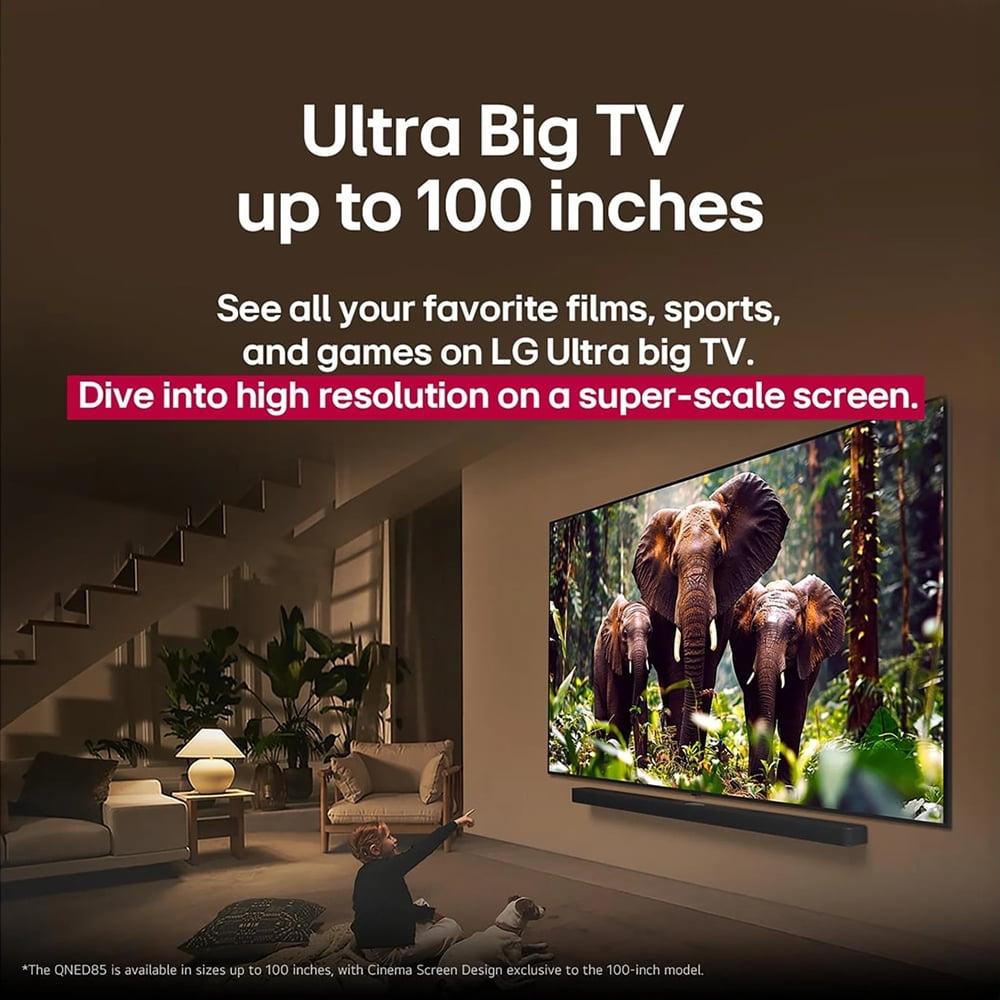
Shopping for a 65-inch TV can feel overwhelming with so many options and technical terms thrown around. Two standout models that represent very different approaches to premium TV technology are the LG 65" QNED85A ($999.99) and the Samsung 65" S95D ($2,097.23). While both deliver excellent performance, they use completely different display technologies that affect everything from picture quality to price.
The 65-inch size has become the new standard for living rooms, offering that cinematic experience without completely dominating your space. What makes shopping tricky is that manufacturers have taken two very different paths to achieve great picture quality. Some, like LG with their QNED series, have perfected LCD technology by adding thousands of tiny LED lights behind the screen (called MiniLED). Others, like Samsung with their latest OLED models, have moved to displays where each pixel creates its own light.
When you're comparing TVs in this category, the most important factors are picture quality (how good does it look?), performance in your actual room (bright living room vs. dark basement), gaming capabilities (if that matters to you), and value (what do you get for your money?). The LG QNED85A and Samsung S95D represent the best of both approaches.
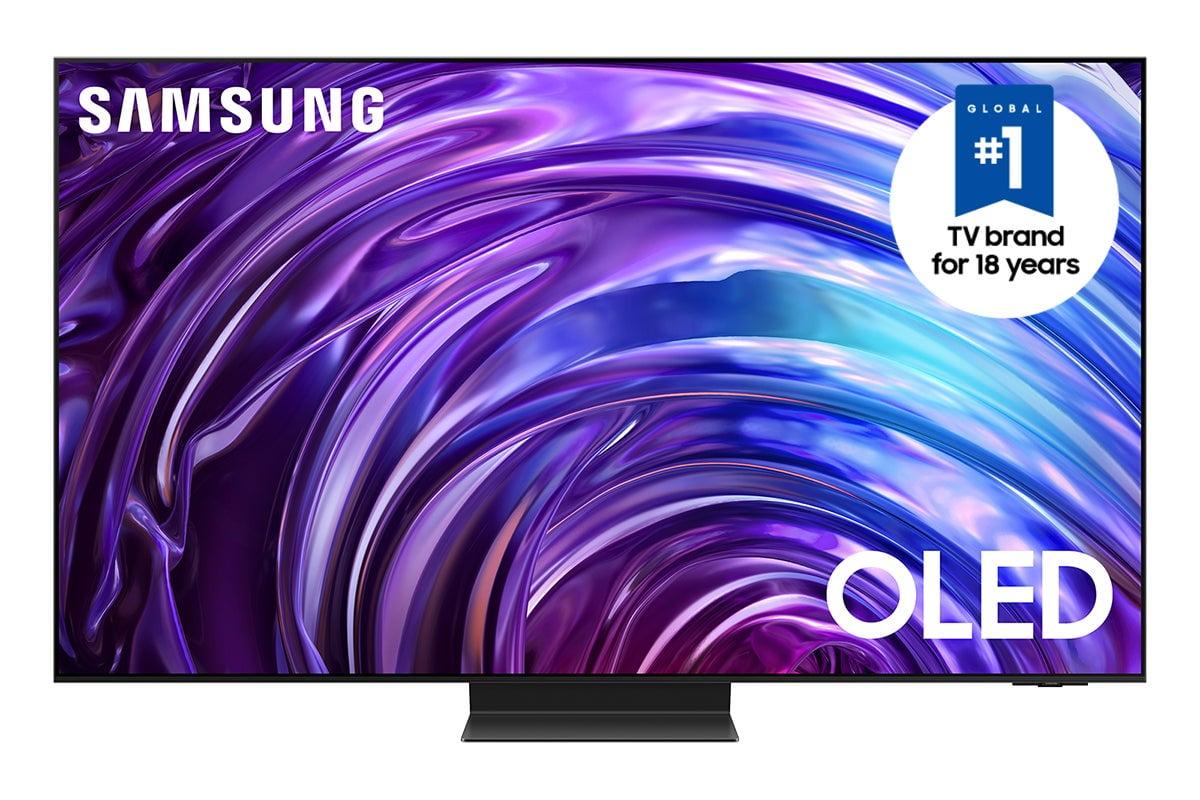
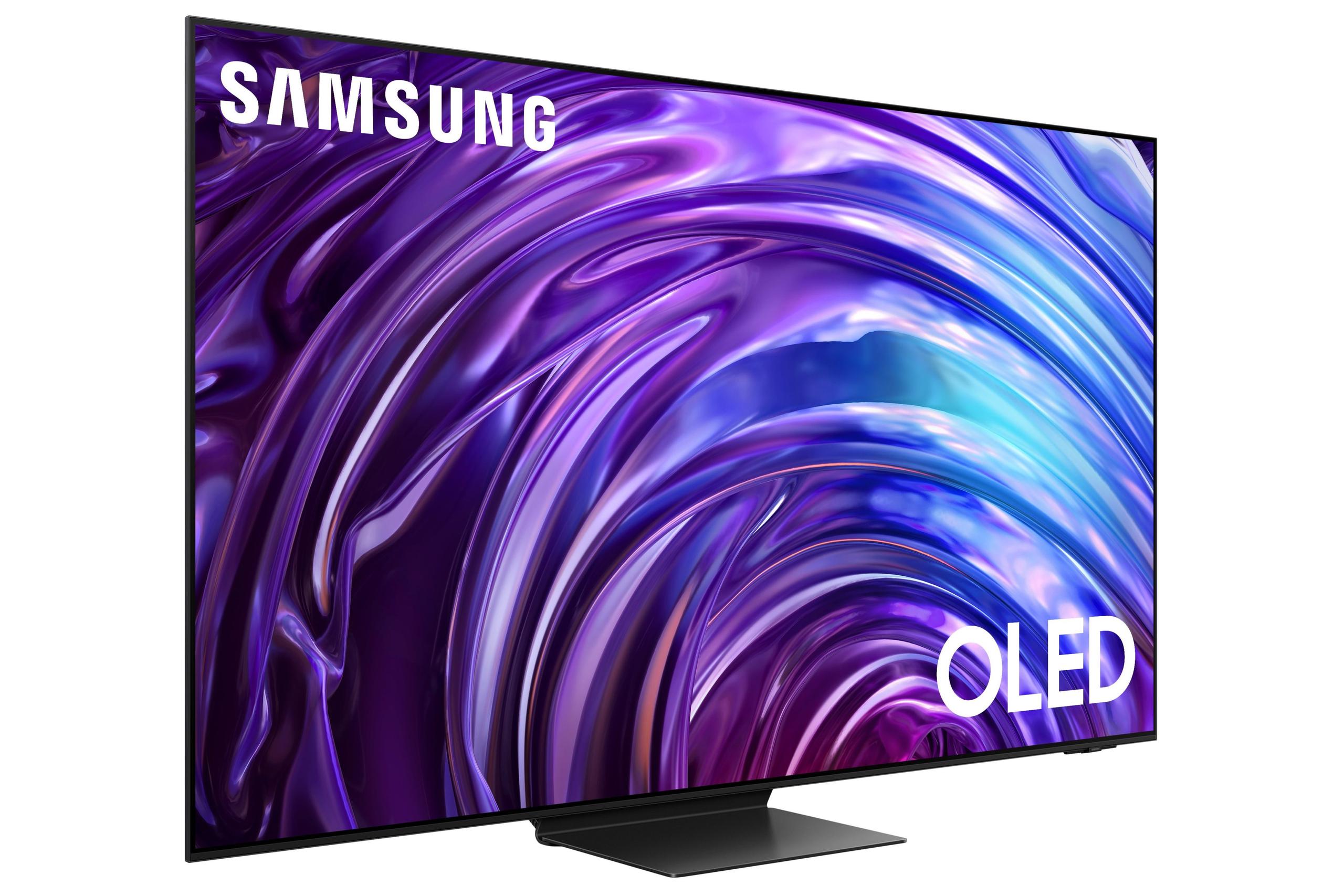
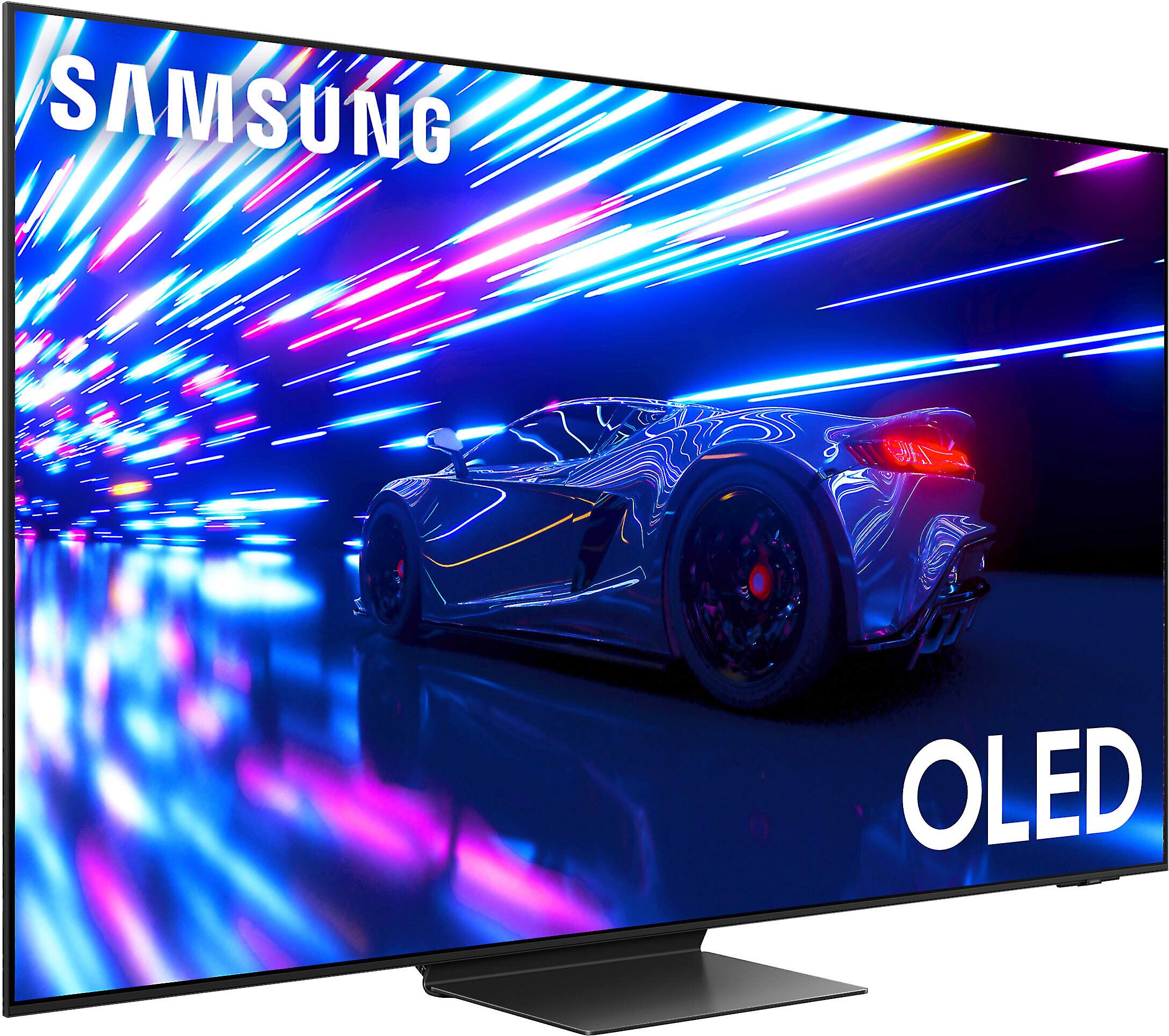
The Samsung S95D hit the market in early 2024 as part of Samsung's push to perfect their QD-OLED technology. QD-OLED combines traditional OLED's ability to turn pixels completely off with quantum dots that boost color accuracy and brightness. The S95D specifically addressed one of OLED's biggest weaknesses - reflections in bright rooms - with a revolutionary matte coating that virtually eliminates glare.
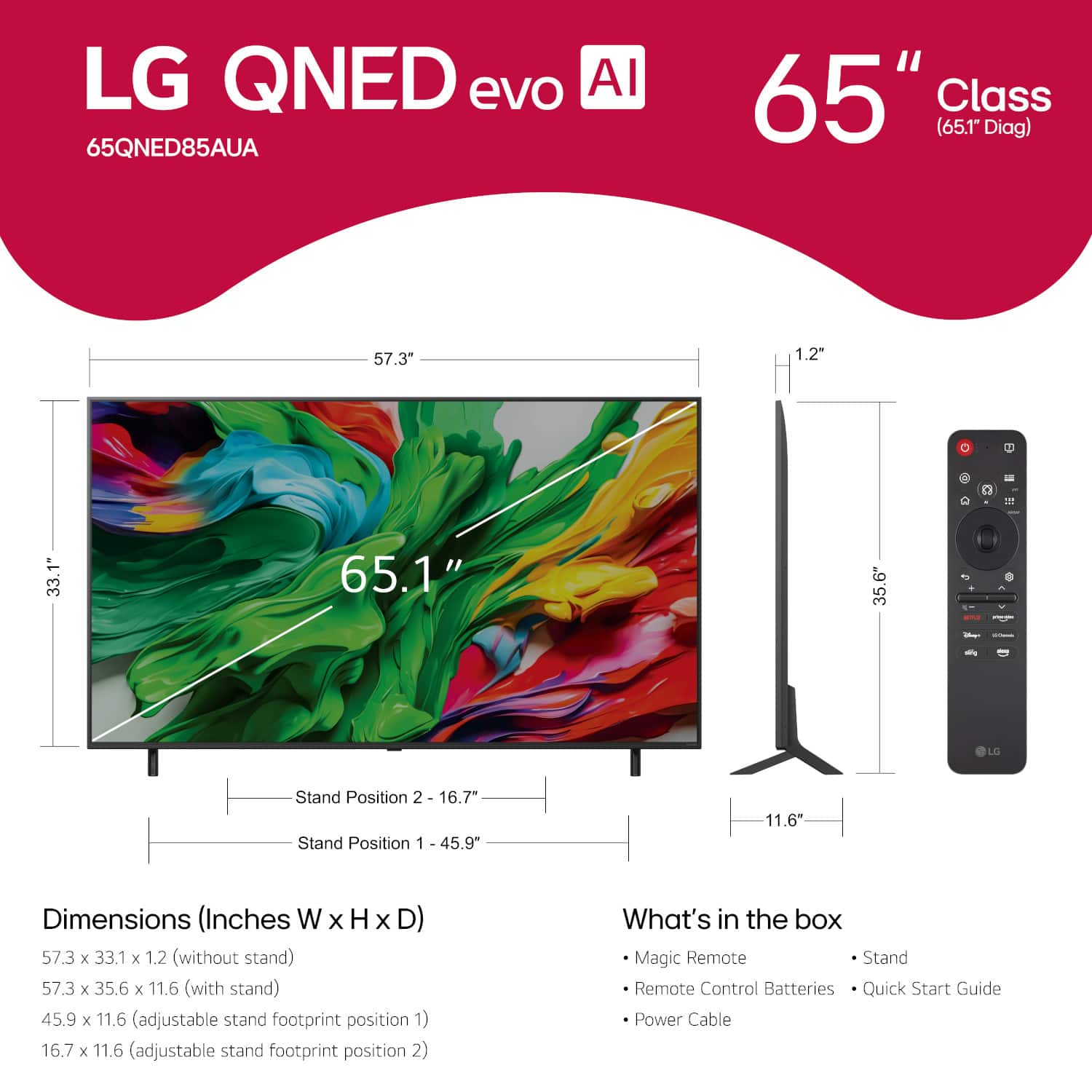
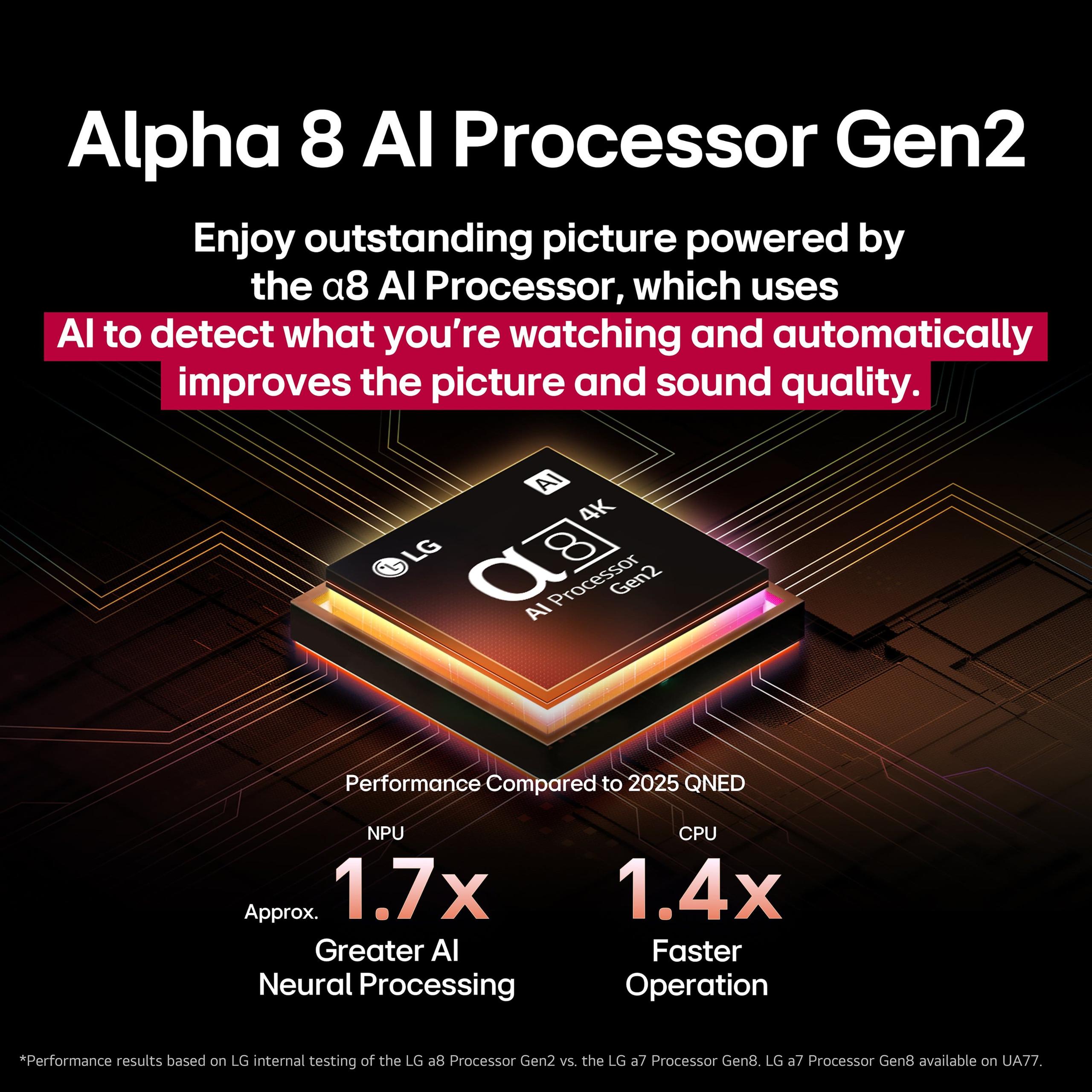
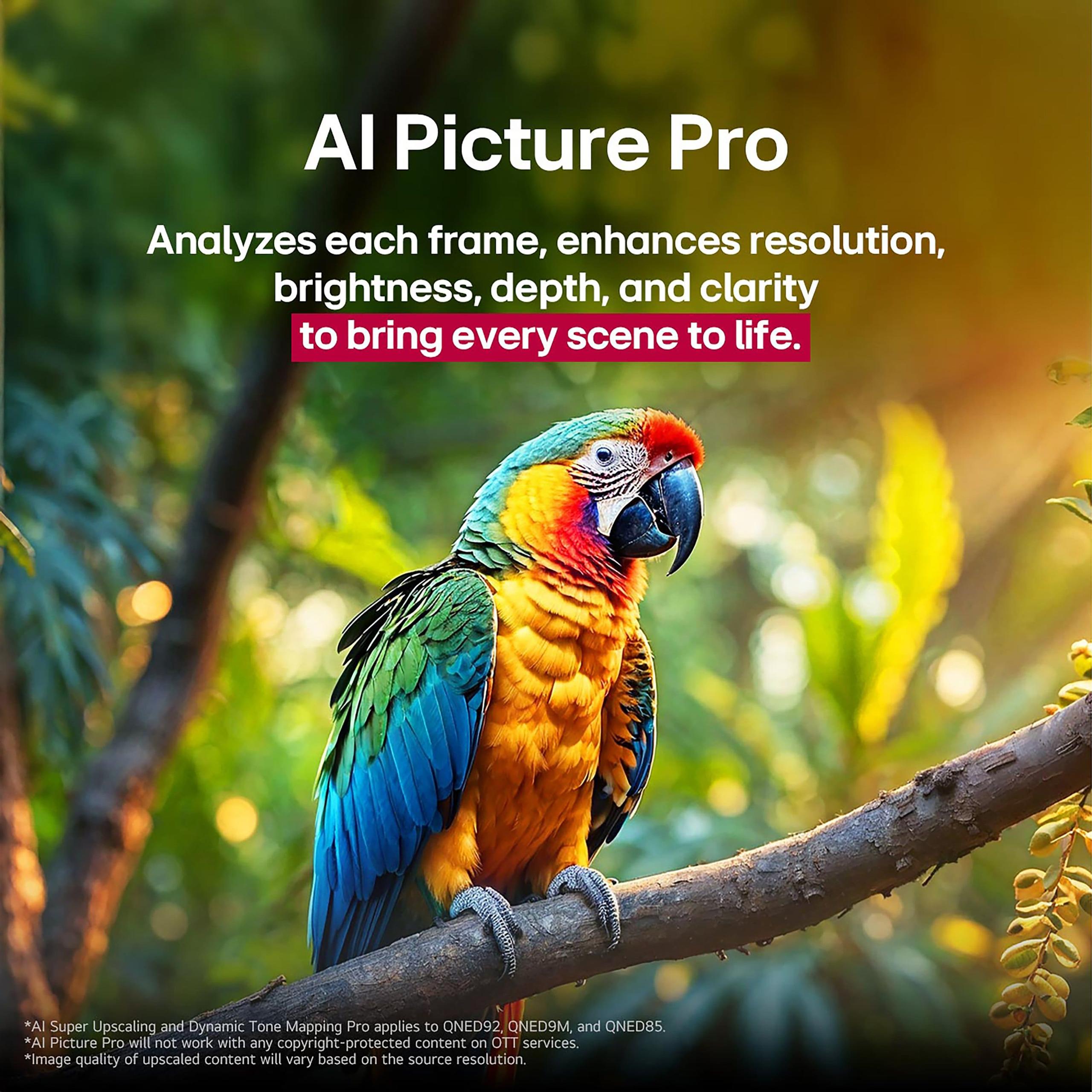
LG's QNED85A arrived in May 2025, representing the company's continued refinement of MiniLED technology. The "AI" in the name isn't just marketing - LG genuinely upgraded the processing power with their α8 Gen 2 processor, which analyzes content in real-time to optimize picture quality. This newer release also brings webOS 25, LG's latest smart TV platform with improved personalization features.
The timing difference is important because it shows how quickly TV technology evolves. While the Samsung came out first, LG had more time to refine their approach and respond to what consumers actually wanted - which explains why the QNED85A offers such compelling value.
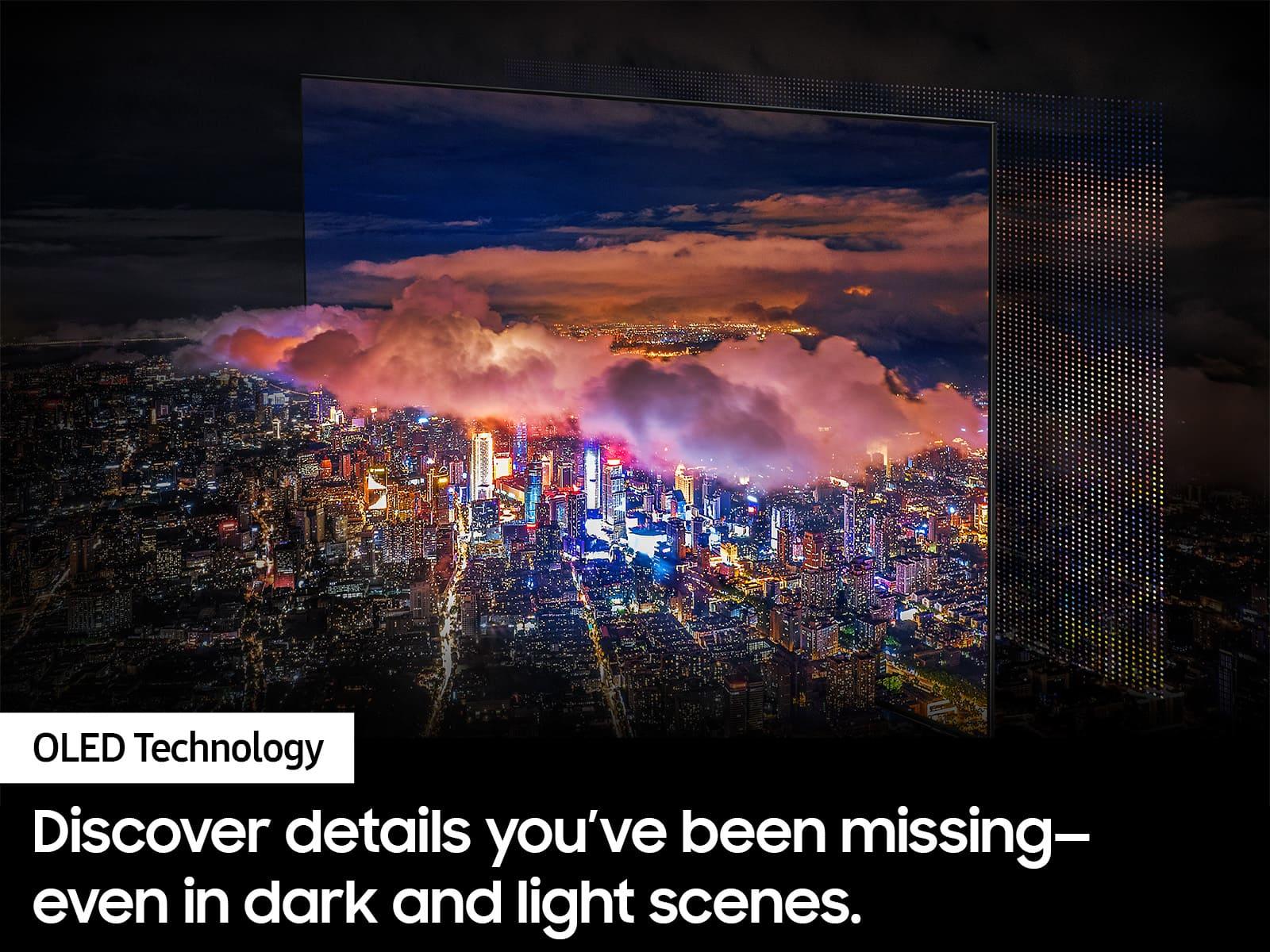
This is where the fundamental difference between these TVs becomes crystal clear. The Samsung S95D uses OLED technology, which means each of the 8.3 million pixels can turn completely off to create perfect black. When you're watching a movie with a dark scene, like a character walking through a cave, the black areas are truly black - not dark gray like on most TVs.
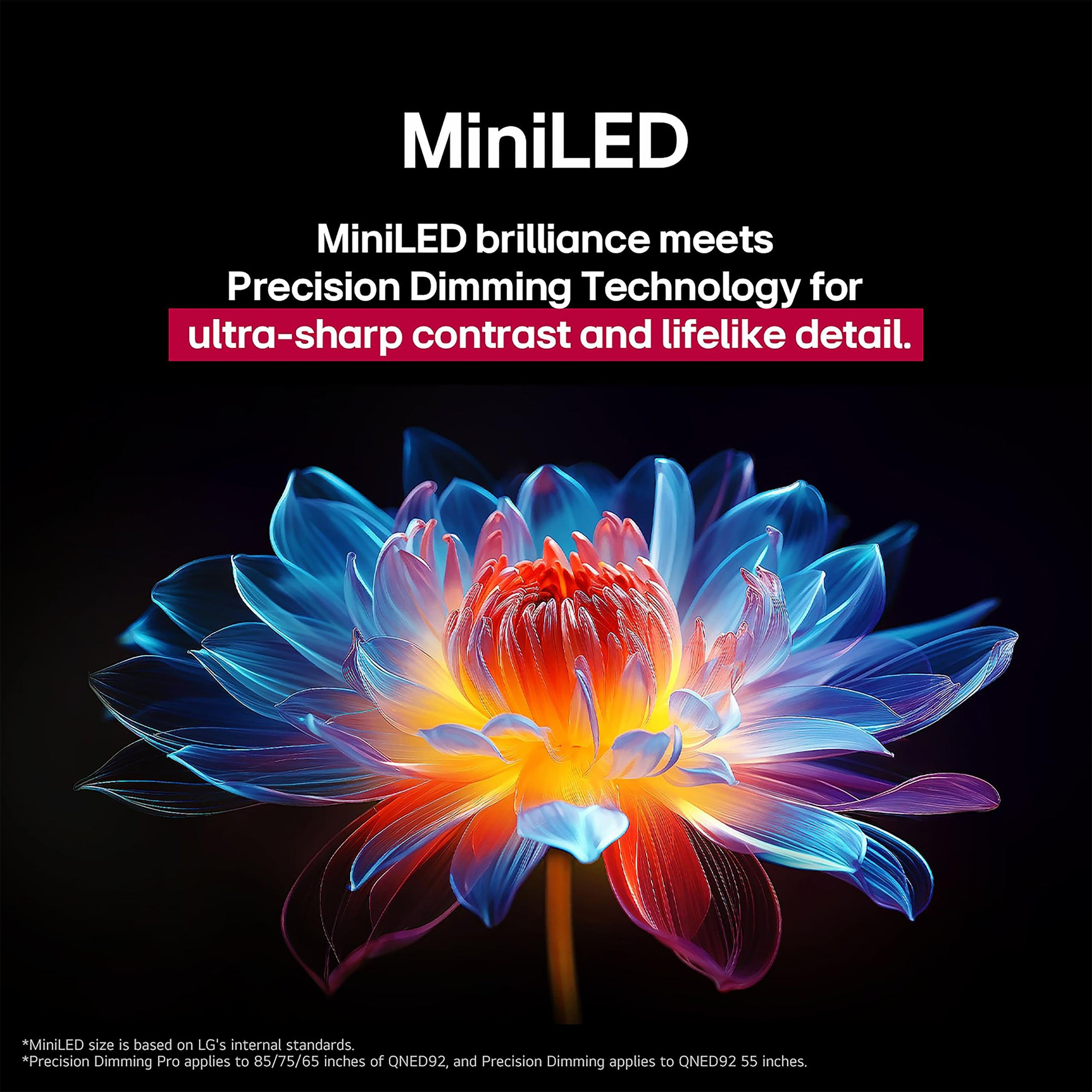
The LG QNED85A uses MiniLED backlighting, which is essentially 30,000 tiny LED lights behind the LCD panel that can be controlled in 2,500 different zones. Think of it like having thousands of tiny flashlights that can dim independently. While this creates much better contrast than regular LED TVs, it can't match OLED's perfect blacks because the backlight can never turn off completely.
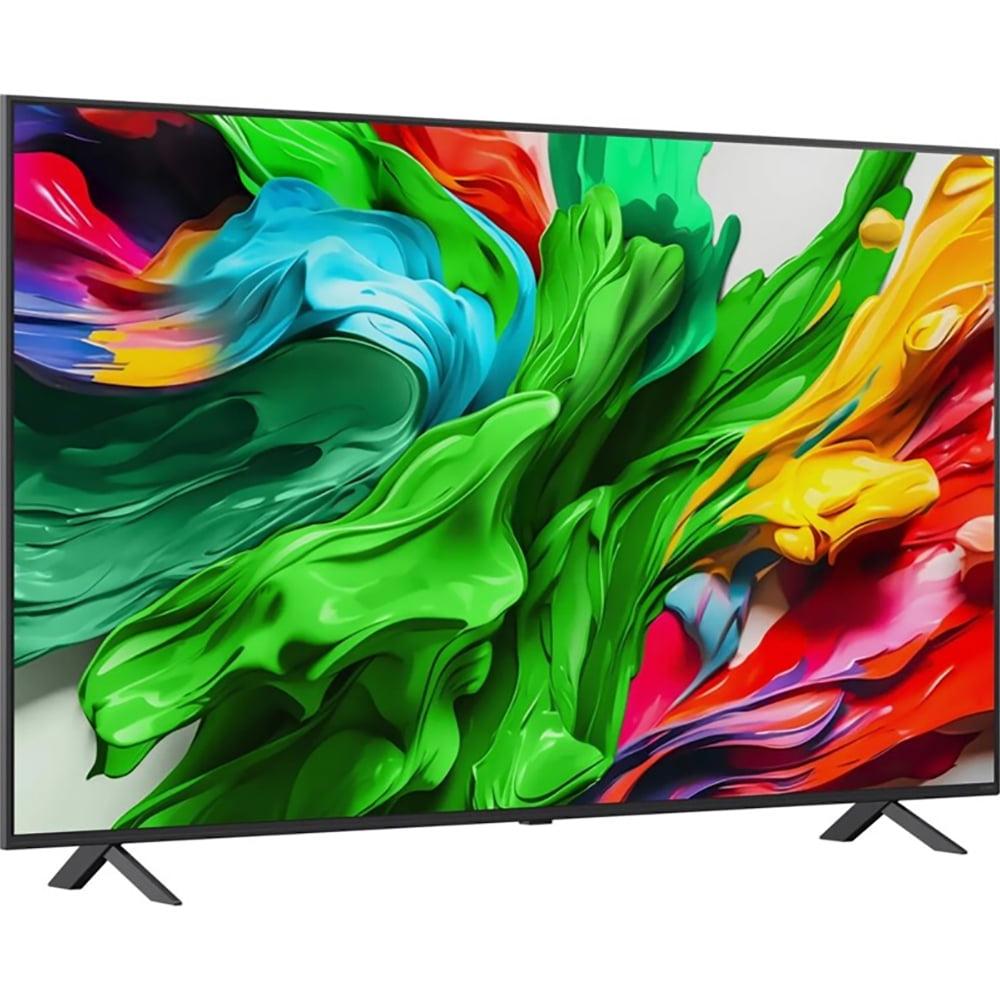
In practical terms, this means the Samsung will make dark movie scenes look more dramatic and detailed. You'll see subtle details in shadows that might get lost on the LG. However, the LG fights back with significantly higher peak brightness, which becomes crucial in bright rooms.
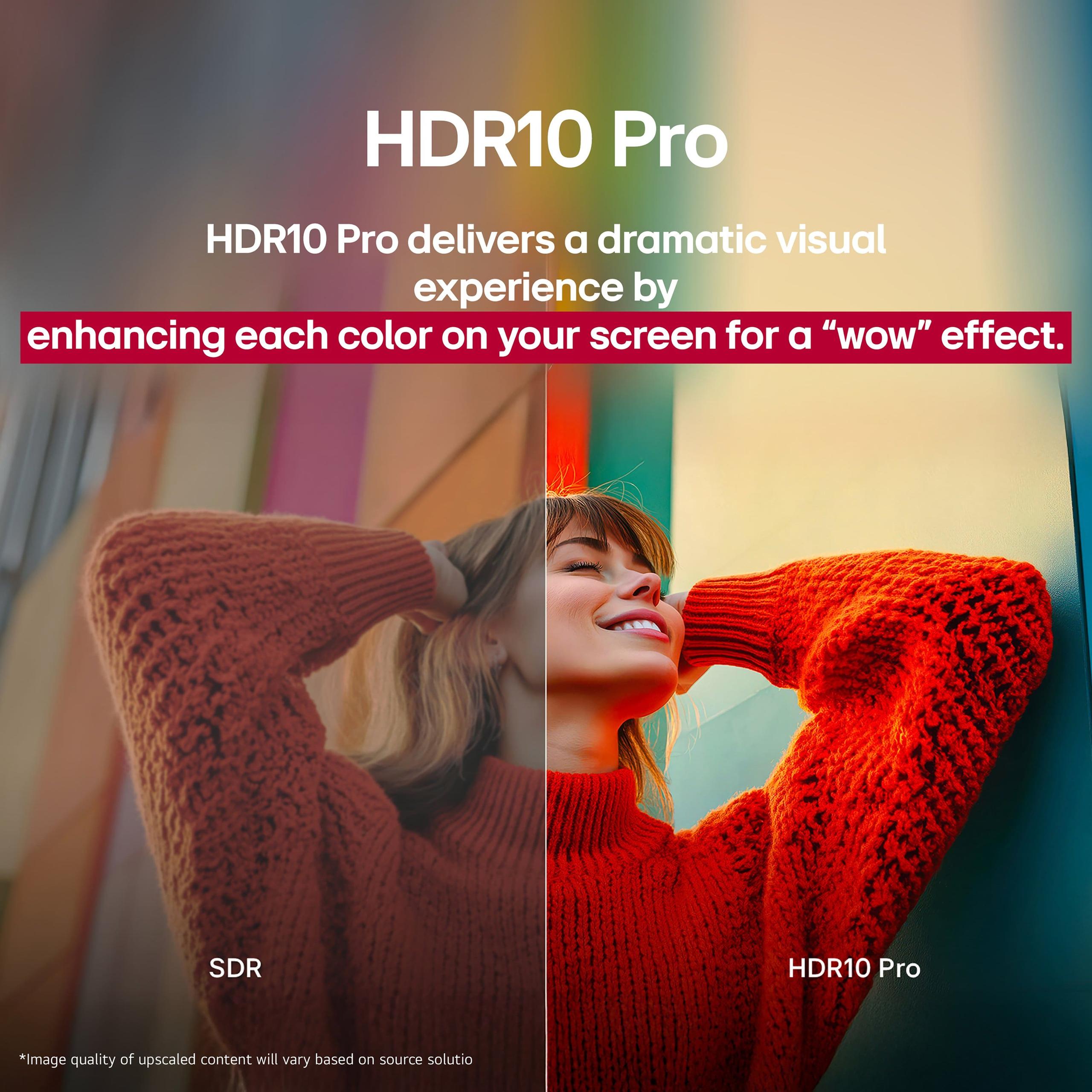
Here's where the tables turn. The LG QNED85A can get much brighter than the Samsung, which matters more than you might think. HDR (High Dynamic Range) content - which includes most Netflix shows, 4K Blu-rays, and streaming movies - relies on brightness to create that "wow" factor. A bright explosion in a movie or a sunny outdoor scene will look more impactful on the LG.
The Samsung S95D has made significant improvements in brightness compared to previous OLED models, getting about 30% brighter than its predecessor. But physics is physics - OLED panels still can't match the raw brightness output of MiniLED. Where the Samsung shines (pun intended) is in how it handles HDR highlights within darker scenes. Those bright explosions against a dark background will have more contrast and pop on the OLED.
Both TVs excel here, but in different ways. The Samsung S95D uses quantum dot technology combined with OLED to achieve what Samsung calls "100% color volume" with Pantone validation. This means colors are not just bright and vibrant, but also accurate to how they should look in real life.
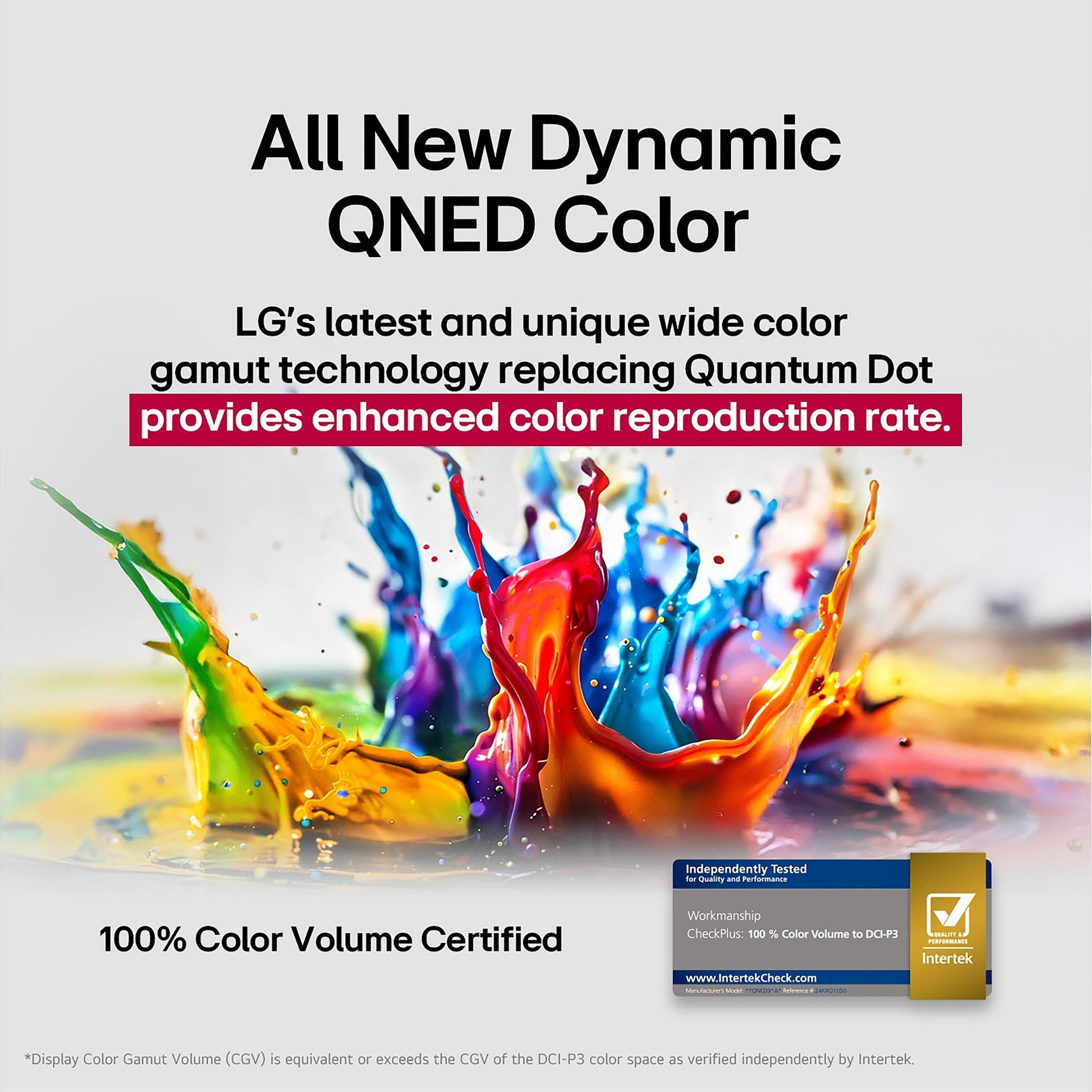
The LG QNED85A combines quantum dots with NanoCell technology for their own version of enhanced color reproduction. LG claims 100% color volume as well, independently verified by Intertek. In real-world viewing, both TVs deliver excellent color, but the Samsung typically has a slight edge in color accuracy, especially in darker scenes where OLED's perfect blacks make colors appear more saturated.
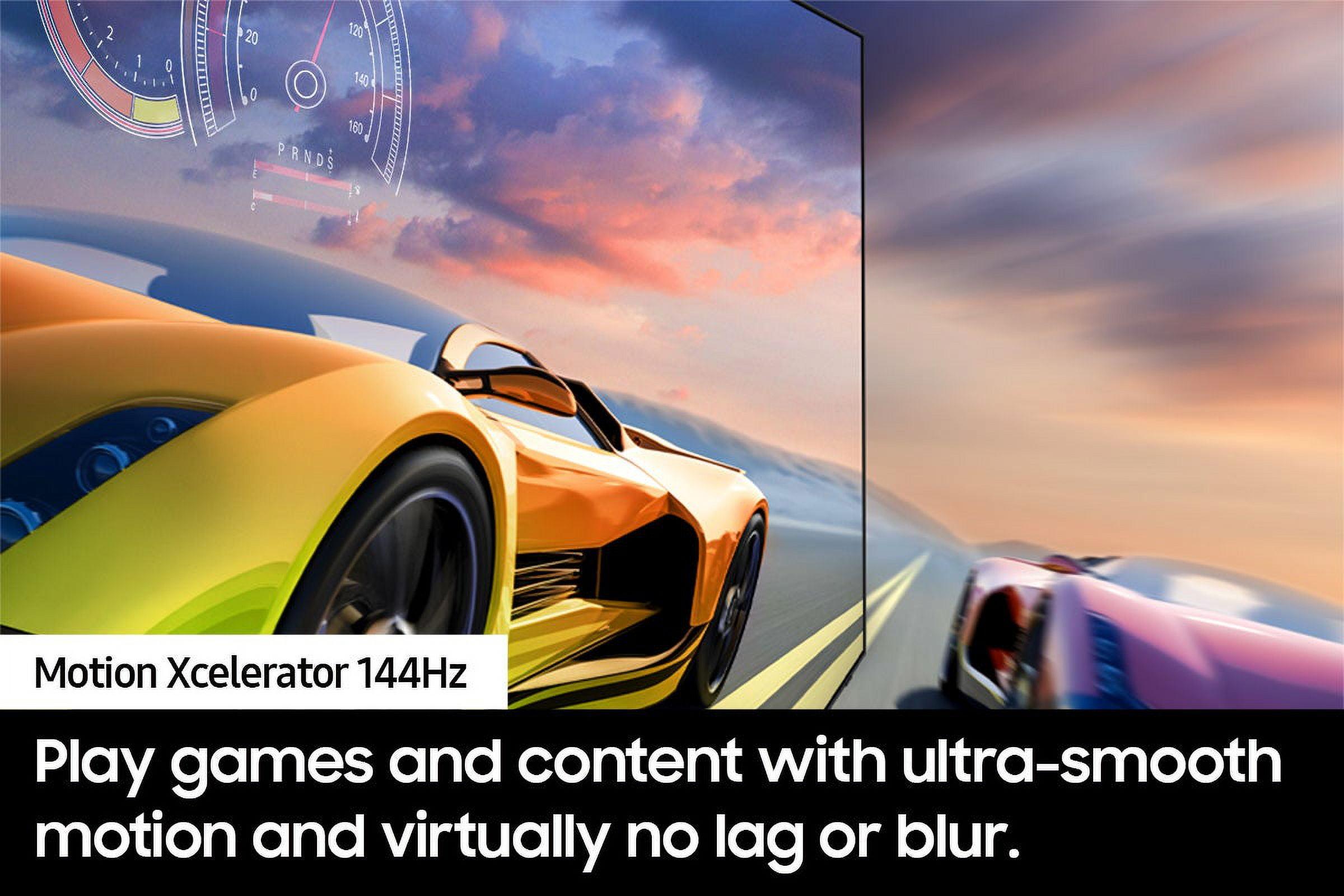
Gaming has become a crucial factor in TV selection, and both models deliver excellent performance. The Samsung S95D has an almost unfair advantage with its near-instantaneous response time of about 0.1 milliseconds. This means when you press a button, the action appears on screen almost immediately. For competitive gaming, especially fast-paced shooters or fighting games, this can make a noticeable difference.
The LG QNED85A isn't far behind with a 1-millisecond response time, which is still excellent for gaming. Both TVs support all the important gaming features: 4K resolution at 120Hz refresh rate, Variable Refresh Rate (VRR) to eliminate screen tearing, and Auto Low Latency Mode (ALLM) that automatically switches to game mode when you turn on a console.
Where they differ is in PC gaming support. The Samsung can handle up to 144Hz refresh rate when connected to a gaming PC, while the LG tops out at 120Hz. Both support AMD FreeSync and NVIDIA G-Sync compatibility, making them excellent choices for PC gamers.
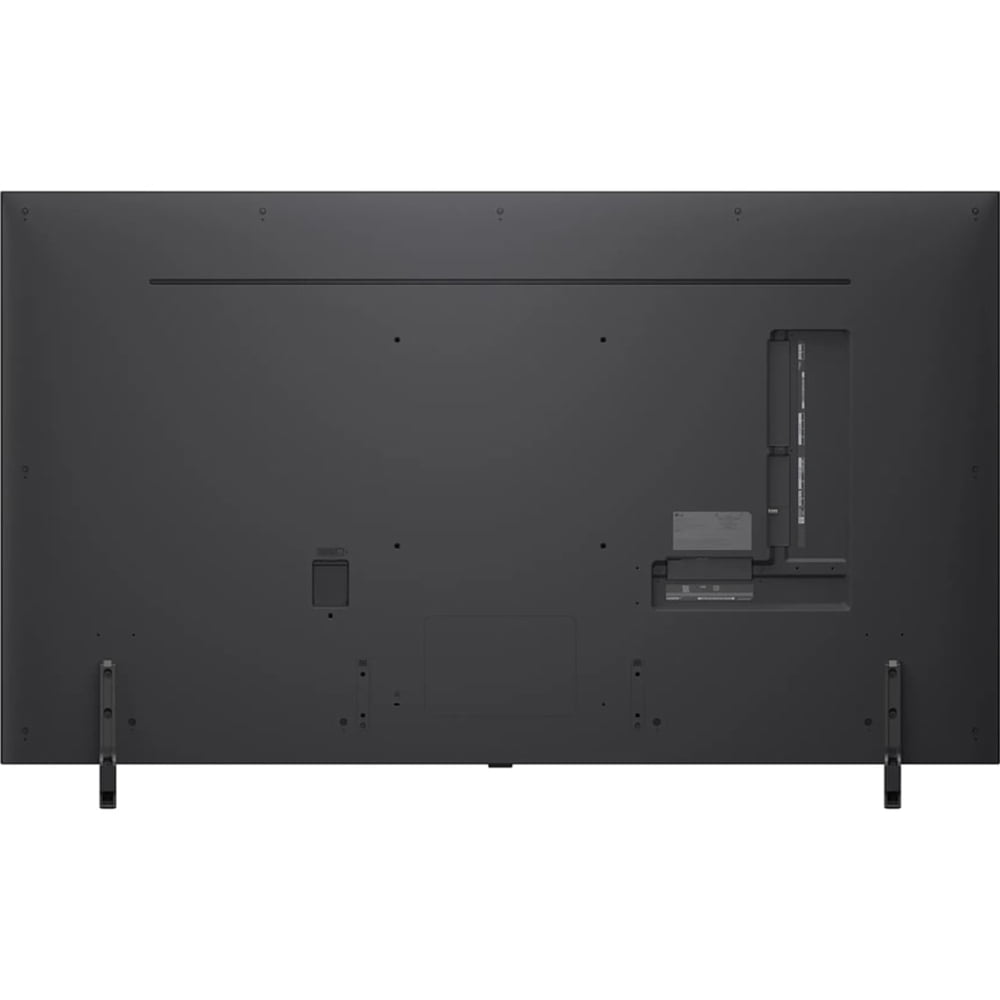
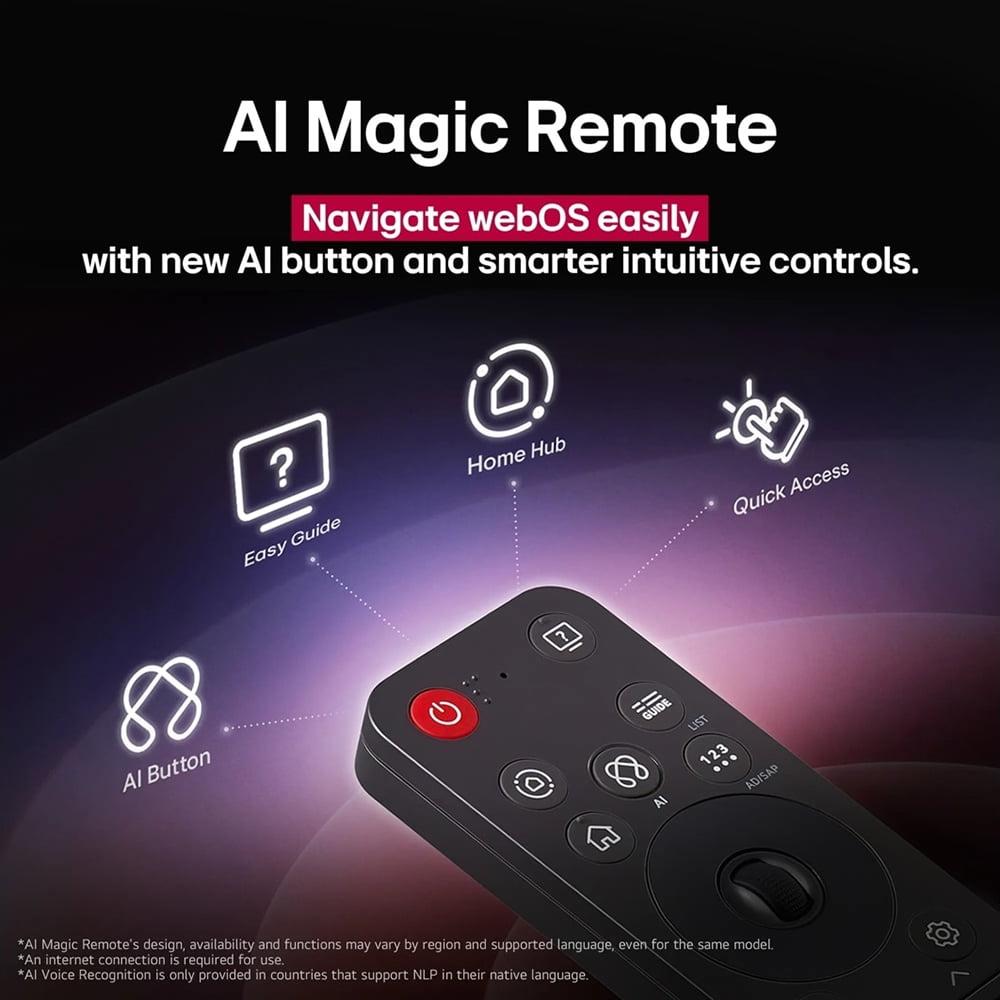
The LG QNED85A runs webOS 25, which I find to be one of the most user-friendly smart TV platforms. The AI features aren't just marketing fluff - the TV actually learns your viewing habits and adjusts picture and sound settings accordingly. The AI Magic Remote can analyze what you're watching and suggest similar content, and the AI Voice ID feature recognizes different family members to provide personalized recommendations.
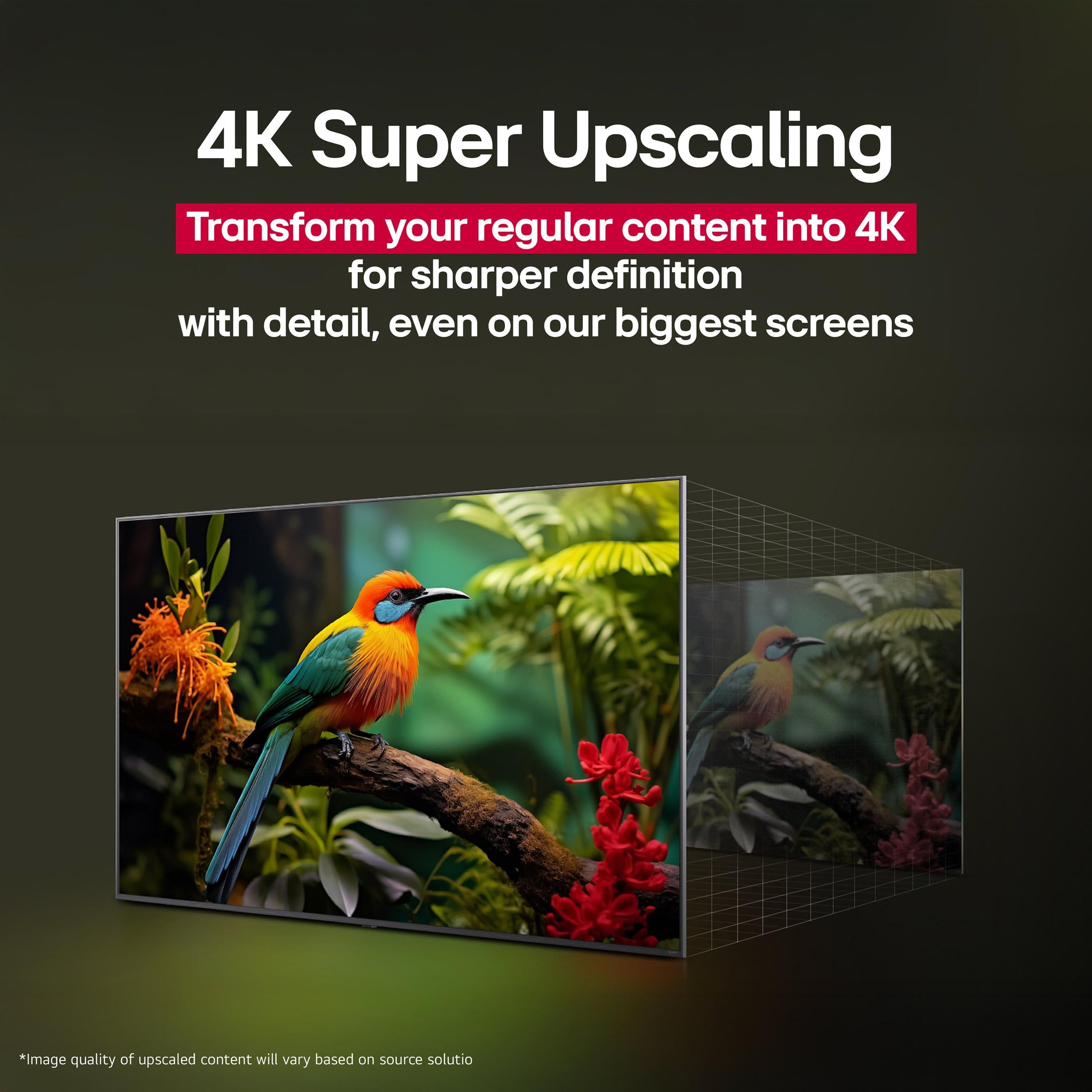
The Samsung S95D uses Tizen OS with their SmartThings integration, which excels if you have other Samsung devices or want comprehensive smart home control. The NQ4 AI Gen2 processor does impressive real-time upscaling, making lower-resolution content look sharper and more detailed.
Both platforms offer access to all major streaming services, but LG's webOS Re:New program guarantees five years of software updates, which is significant for long-term value.
This is where your actual living situation becomes crucial. If you have a bright living room with lots of windows, the LG QNED85A will likely perform better due to its higher peak brightness. The Samsung S95D has made huge strides here with its matte anti-glare coating - it's honestly revolutionary how well it eliminates reflections - but the LG's raw brightness still gives it an edge in very bright rooms.
For darker rooms or dedicated home theaters, the Samsung S95D is hard to beat. The perfect blacks create an incredibly immersive experience, especially for movies. I've found that once you get used to OLED's contrast in a dark room, it's hard to go back to any other technology.
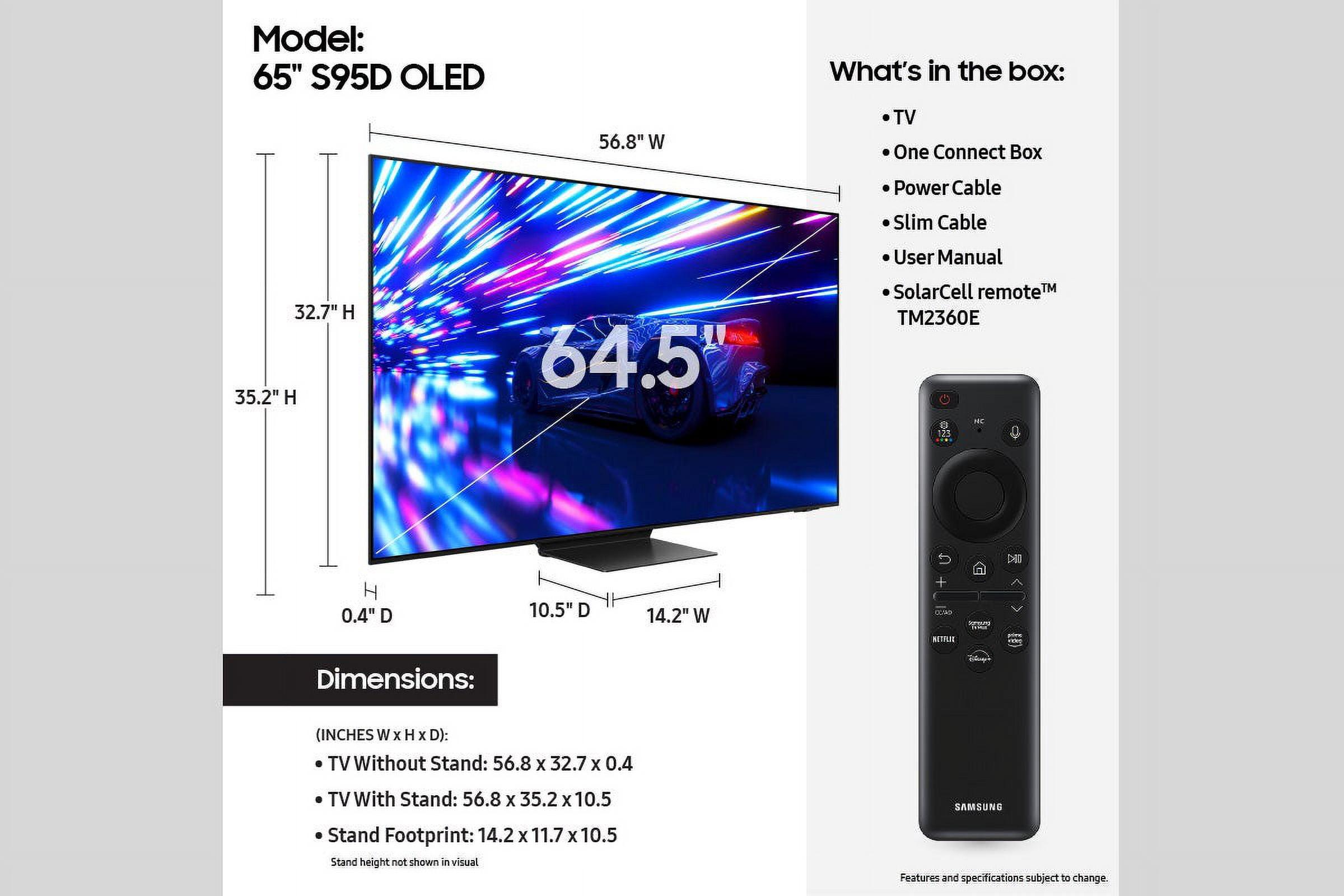
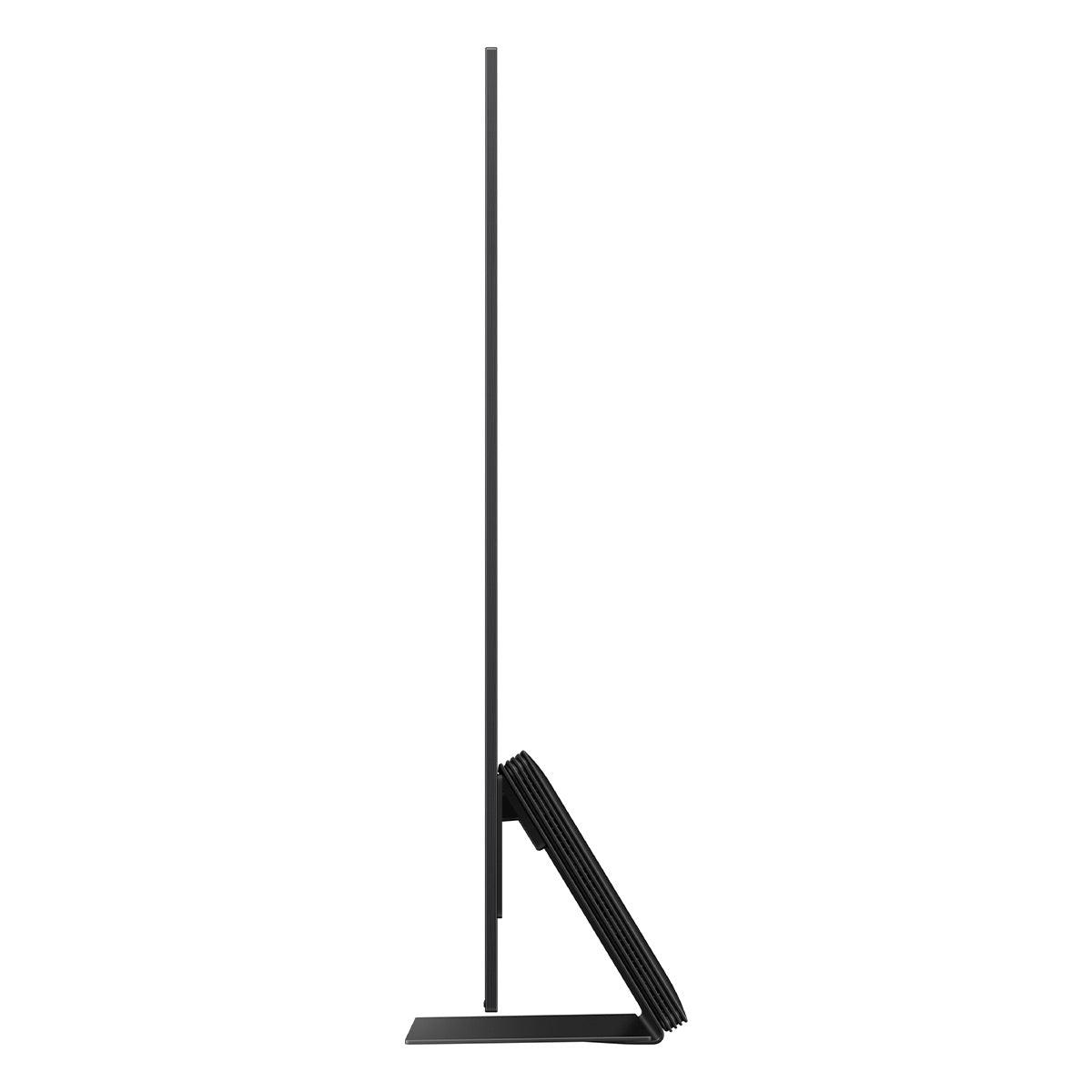
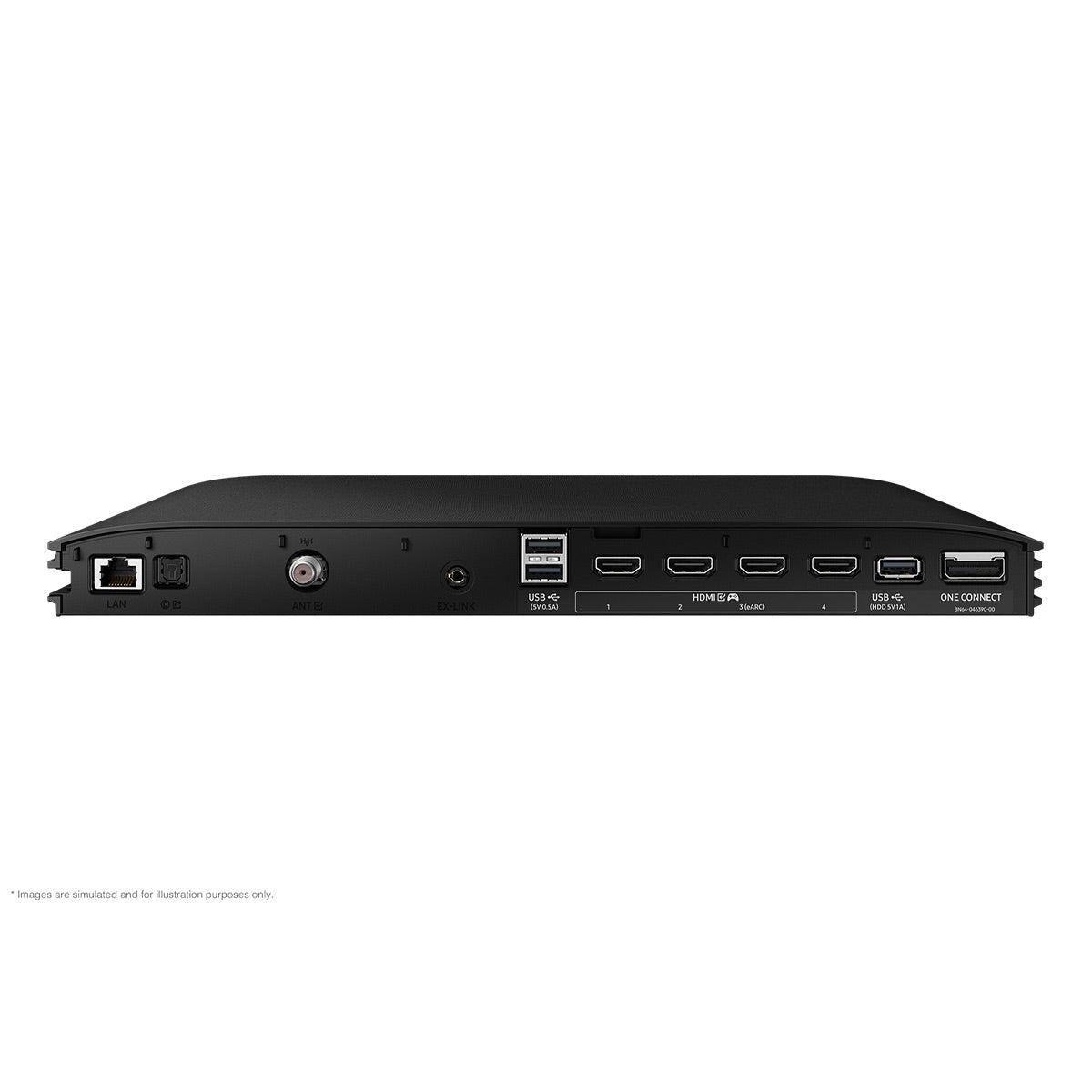
The Samsung S95D is genuinely impressive from a design standpoint. At just 11mm thick, it's almost impossibly thin when wall-mounted. The One Connect box houses all the inputs, so you only need one thin cable running to the TV. This makes cable management much cleaner and future-proofs your setup since you can upgrade the One Connect box without replacing the entire TV.
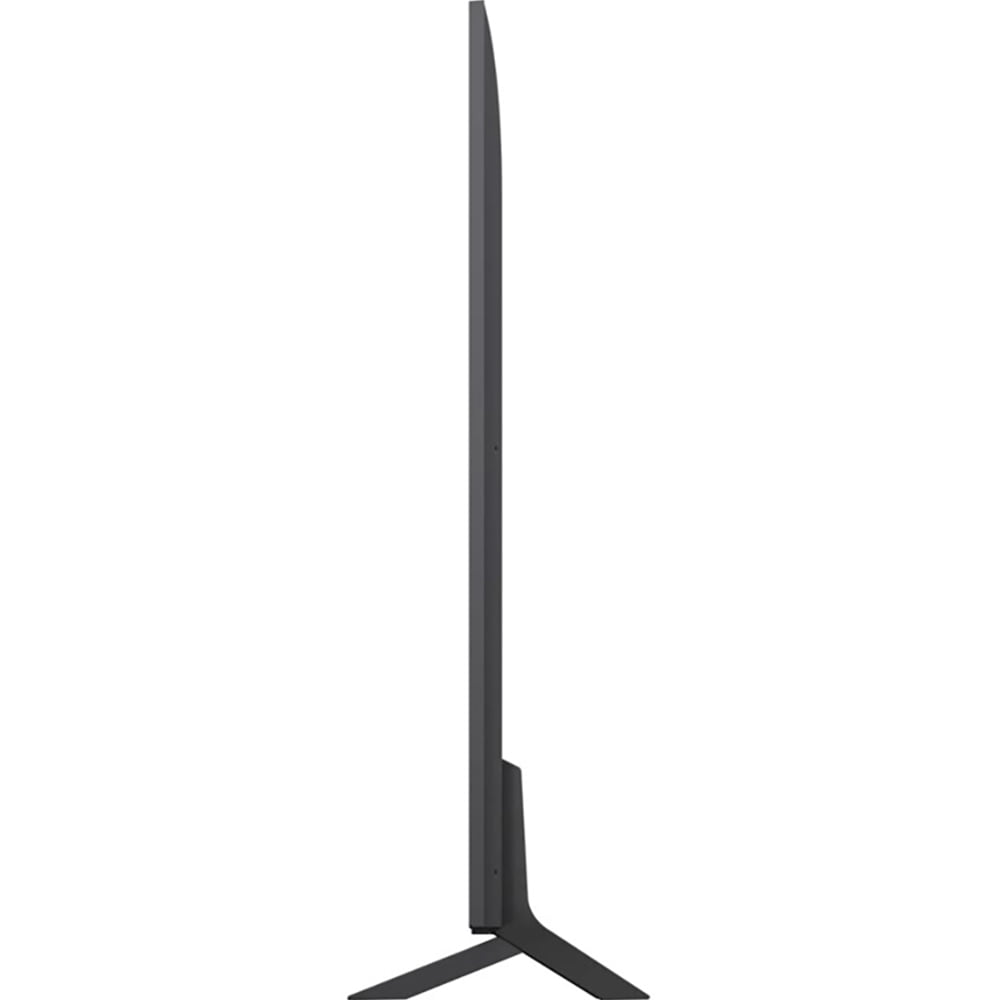
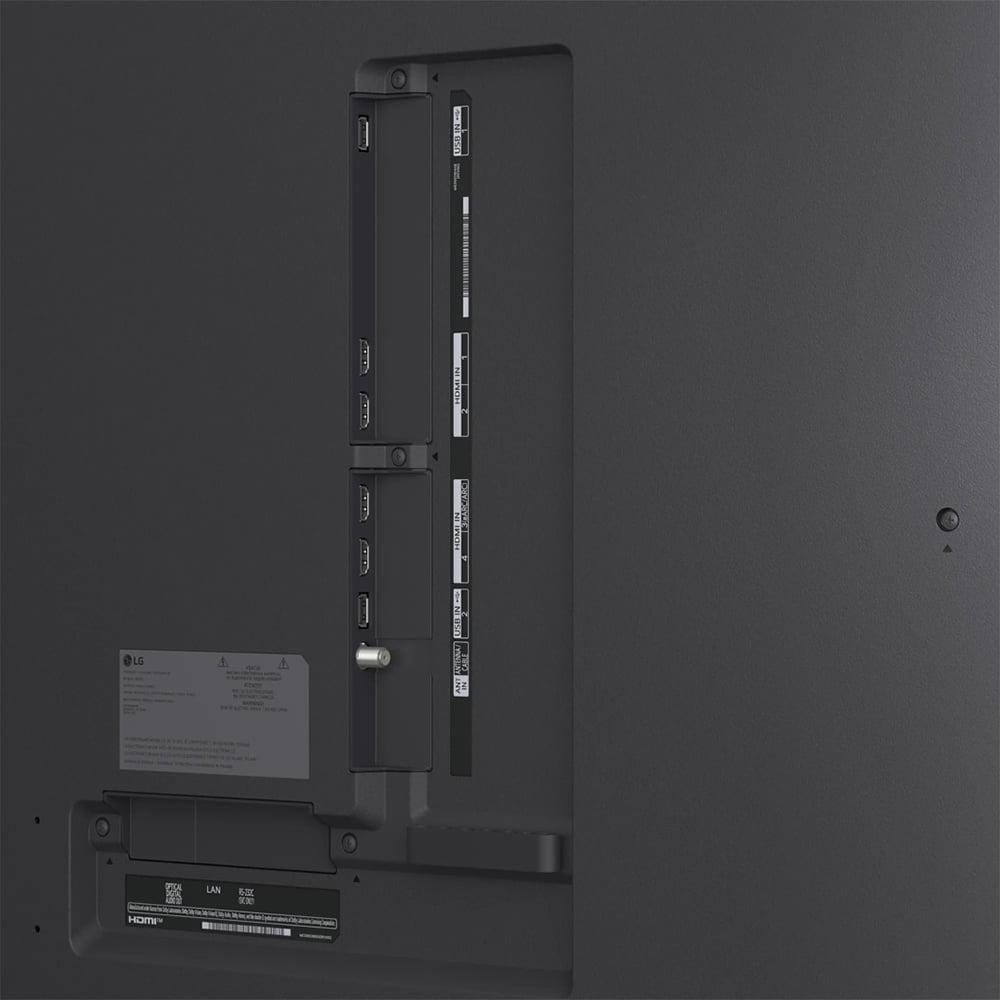
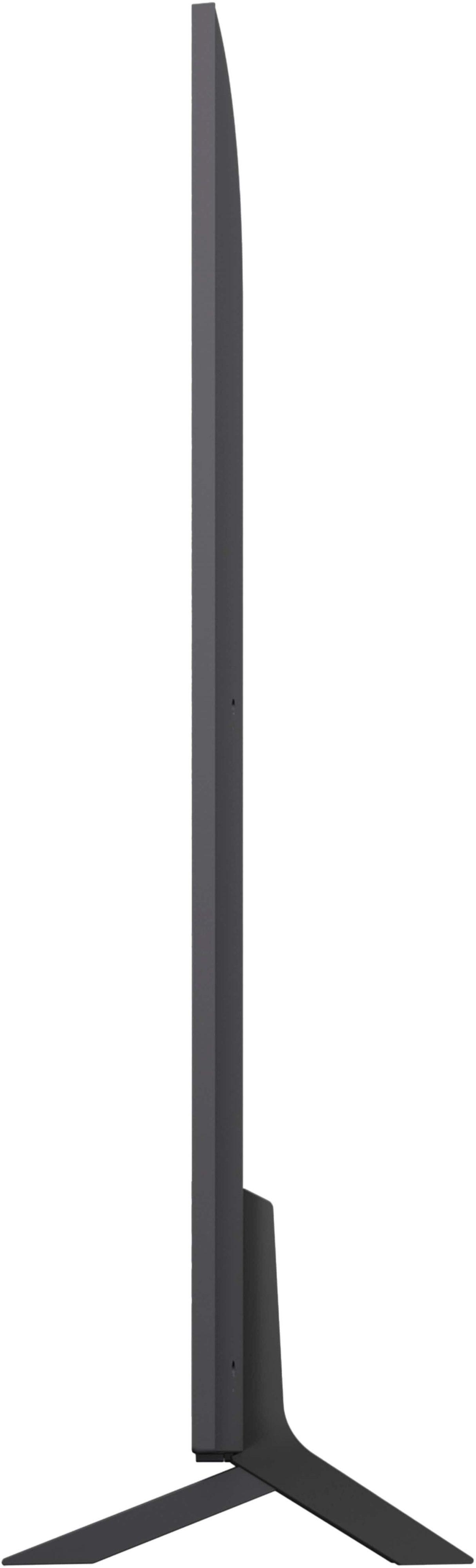
The LG QNED85A has a more traditional design at about 30mm thick, which is still quite slim for a MiniLED TV. All inputs are built into the TV itself, which some people prefer for simplicity.
At $999.99, the LG QNED85A represents exceptional value in the premium TV market. You're getting advanced MiniLED technology, AI processing, comprehensive gaming features, and a 5-year software update guarantee. It's about 80% of flagship performance at roughly half the price.
The Samsung S95D at $2,097.23 is definitely a premium purchase, but you're paying for cutting-edge OLED technology, superior contrast, and that revolutionary anti-glare coating. If picture quality is your top priority and you can afford the premium, it delivers an experience that's hard to match.
One factor that shouldn't be ignored is durability. The LG QNED85A has no burn-in risk, meaning you can leave it on CNN or use it for gaming with static UI elements without worry. Modern OLED panels like the Samsung S95D have greatly reduced burn-in risk, but it's still something to consider if you watch a lot of news or play games with persistent UI elements.
Both TVs should last many years with normal use, but the LG might be more suitable for households with varied viewing habits or where the TV stays on for extended periods.
For dedicated home theater use, the Samsung S95D has clear advantages. The perfect blacks create that cinematic experience you're after, especially for movies with dark scenes. The superior contrast ratio makes every detail pop, and the wide viewing angles ensure everyone in the room gets a great view.
However, the LG QNED85A shouldn't be dismissed for home theater use. Its superior brightness makes it excellent for HDR content, and if your theater room has any ambient light, the brightness advantage becomes more important than perfect blacks.
Choose the LG QNED85A if you want excellent performance without breaking the bank, have a bright room, or prefer not to worry about burn-in. It's the smarter choice for most families who want a premium TV experience without paying premium prices.
Choose the Samsung S95D if you're willing to pay more for the absolute best picture quality, have a darker viewing environment, or are building a dedicated home theater. The investment is worth it if you prioritize that perfect contrast and cutting-edge technology.
Both are excellent TVs that will serve you well for years to come. The choice ultimately comes down to your budget, room environment, and how much picture quality improvement you're willing to pay for. In my experience, most people will be thrilled with either choice - the LG QNED85A for its incredible value and the Samsung S95D for its reference-quality performance.
| LG 65" QNED evo AI QNED85A 4K MiniLED Smart TV 2025 | Samsung 65" S95D 4K OLED Smart TV |
|---|---|
| Price - Significant $1,100 difference affects value proposition | |
| $999.99 | $2,097.23 |
| Display Technology - Fundamental difference in how the TV creates images | |
| MiniLED QNED (30,000 LEDs, 2,500 dimming zones) | QD-OLED (self-emissive pixels with quantum dots) |
| Black Levels - Critical for dark scene detail and contrast | |
| Very good blacks but not perfect (backlight can't fully turn off) | Perfect blacks (pixels turn completely off) |
| Peak Brightness - Essential for bright rooms and HDR impact | |
| Higher sustained brightness, excellent for bright rooms | Good brightness but lower than MiniLED, best in controlled lighting |
| Burn-in Risk - Important for varied content and longevity | |
| None (LCD technology immune to burn-in) | Minimal risk with modern OLED, but possible with static images |
| Gaming Response Time - Crucial for competitive gaming | |
| 1ms (excellent for most gaming scenarios) | 0.1ms (near-instantaneous, ideal for competitive gaming) |
| Refresh Rate - Important for smooth motion in games and sports | |
| 120Hz native, supports 144Hz for PC gaming | 120Hz native, supports up to 144Hz for PC gaming |
| Anti-Glare Performance - Critical for bright room viewing | |
| Standard anti-glare coating, decent performance | Revolutionary matte coating, virtually eliminates reflections |
| Smart Platform - Affects long-term usability and updates | |
| webOS 25 with 5-year update guarantee | Tizen OS with SmartThings integration |
| Design Profile - Affects wall mounting and aesthetics | |
| 30mm thick, traditional design with built-in inputs | 11mm ultra-thin with external One Connect box |
| Color Accuracy - Important for realistic picture reproduction | |
| 100% color volume verified, very good accuracy | Pantone-validated colors, superior accuracy especially in dark scenes |
| Best Use Case - Where each TV excels most | |
| Bright rooms, mixed family use, value-conscious buyers | Dark rooms, home theaters, picture quality enthusiasts |
The LG 65" QNED evo AI QNED85A ($999.99) is better for bright rooms due to its higher peak brightness from MiniLED technology. While the Samsung 65" S95D ($2,097.23) has excellent anti-glare coating, the LG's superior brightness cuts through ambient light more effectively for daytime viewing.
QNED uses MiniLED backlighting behind an LCD panel, while OLED pixels create their own light. The Samsung S95D delivers perfect blacks since pixels can turn completely off, while the LG QNED85A offers higher brightness but can't achieve true black levels due to its backlight system.
Both are excellent for gaming, but the Samsung S95D has a slight edge with 0.1ms response time compared to the LG QNED85A's 1ms. Both support 4K at 120Hz, VRR, and all modern gaming features, making either suitable for console and PC gaming.
The Samsung S95D ($2,097.23) costs over $1,000 more than the LG QNED85A ($999.99). The Samsung justifies this with superior contrast, perfect blacks, and premium design, but the LG offers exceptional value with 80% of flagship performance at half the price.
The Samsung S95D has significantly better black levels with perfect blacks from OLED technology. The LG QNED85A achieves very good blacks through MiniLED dimming zones but cannot match OLED's ability to turn pixels completely off.
The LG QNED85A has no burn-in risk due to LCD technology. The Samsung S95D has minimal burn-in risk with modern OLED technology, but static images displayed for extended periods could potentially cause issues over time.
The Samsung S95D is better for dedicated home theaters due to perfect blacks, superior contrast, and excellent performance in dark rooms. The LG QNED85A can work well for home theater but excels more in mixed-use scenarios with ambient lighting.
The LG QNED85A runs webOS 25 with AI personalization and guarantees 5 years of updates. The Samsung S95D uses Tizen OS with SmartThings integration. Both offer comprehensive app support, but LG's longer update commitment provides better long-term value.
The LG QNED85A achieves higher peak brightness due to MiniLED technology, making it better for bright rooms and HDR content. The Samsung S95D has improved brightness over previous OLED models but still falls short of MiniLED's peak output.
Yes, both excel for sports. The LG QNED85A is better for bright room sports viewing due to higher brightness, while the Samsung S95D offers superior motion handling and contrast for dark room viewing. Both support 120Hz for smooth fast-action scenes.
The Samsung S95D features premium build quality with an ultra-thin 11mm profile and external One Connect box for clean cable management. The LG QNED85A has solid build quality at 30mm thickness with integrated inputs, offering a more traditional but practical design.
Choose the LG QNED85A ($999.99) for excellent value, bright room performance, and worry-free usage. Choose the Samsung S95D ($2,097.23) for superior picture quality, perfect blacks, and premium home theater experience if budget allows.
We've done our best to create useful and informative comparisons to help you decide what product to buy. Our research uses advanced automated methods to create this comparison and perfection is not possible - please contact us for corrections or questions. These are the sites we've researched in the creation of this article: rtings.com - rtings.com - youtube.com - lg.com - smarthomesounds.co.uk - abt.com - abt.com - lg.com - displayspecifications.com - walmart.com - bestbuy.com - lg.com - lg.com - lg.com - files.bbystatic.com - flatpanelshd.com - north-side-appliance.com - lgnewsroom.com - lg.com - youtube.com - youtube.com - hindustantimes.com - techradar.com - videoandaudiocenter.com - avsforum.com - cnet.com - abt.com - merlinstv.com - nfm.com - rtings.com - flintsfurniture.com - samsung.com - bestbuy.com - displayspecifications.com

Privacy Policy
Terms and Conditions - Affiliate Policy
Home Security
© Copyright 2008-2026.
11816 Inwood Rd #1211, Dallas, TX 75244