

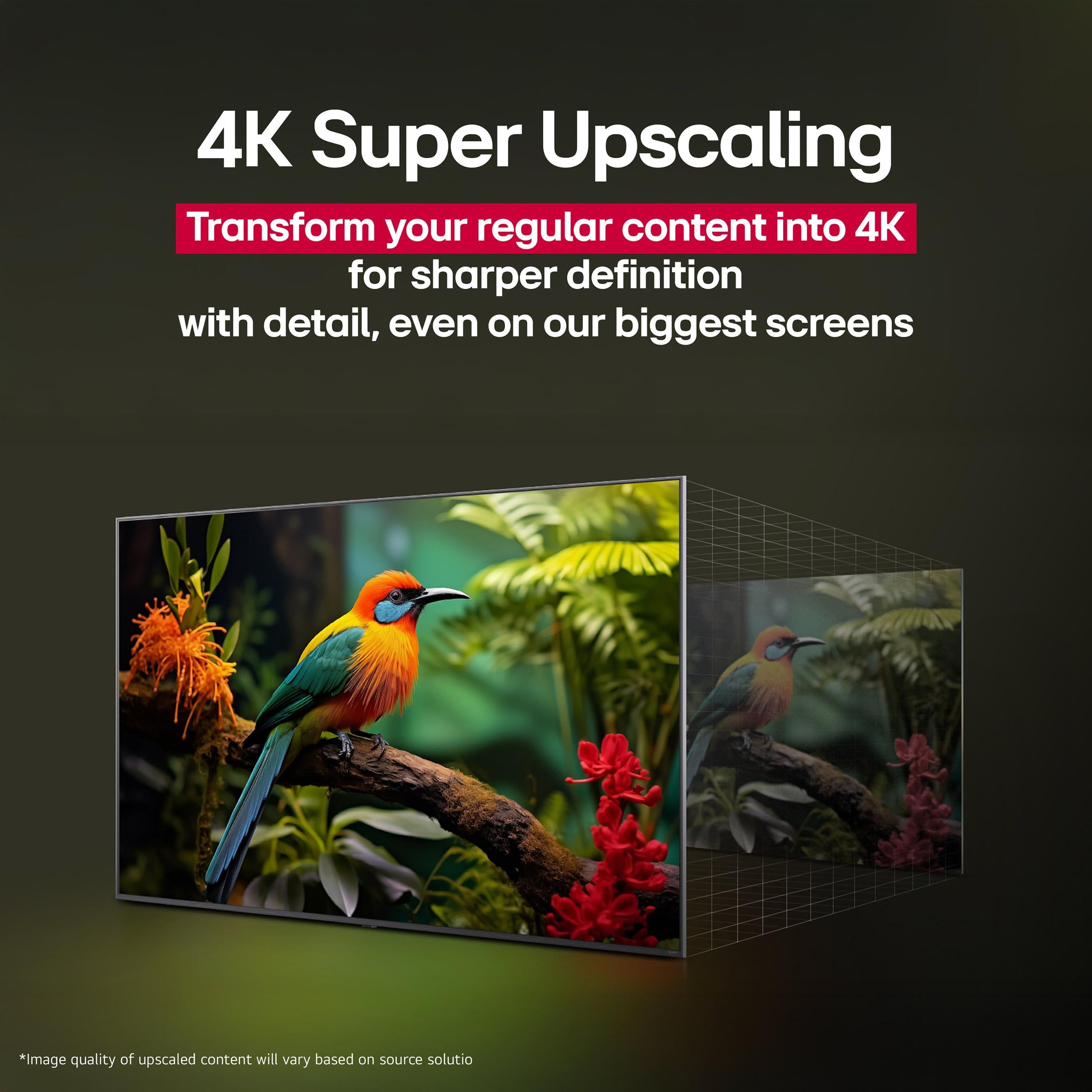
When shopping for a premium 65-inch TV, you'll quickly discover that not all high-end displays are created equal. The Samsung 65" The Frame QLED 4K 2024 TV and LG 65" QNED evo AI QNED85A 4K MiniLED Smart TV 2025 represent two fundamentally different philosophies in TV design. One prioritizes blending seamlessly into your living space, while the other focuses purely on delivering the best possible picture quality and performance.
Understanding these different approaches is crucial because they serve distinct user needs. The Samsung Frame, released in 2024, builds on years of refinement in Samsung's lifestyle TV category. Meanwhile, the LG QNED85A, launching in 2025, represents LG's latest push into MiniLED technology with advanced AI features. At the time of writing, there's a significant price gap between them, with the Samsung commanding a premium for its unique design features.
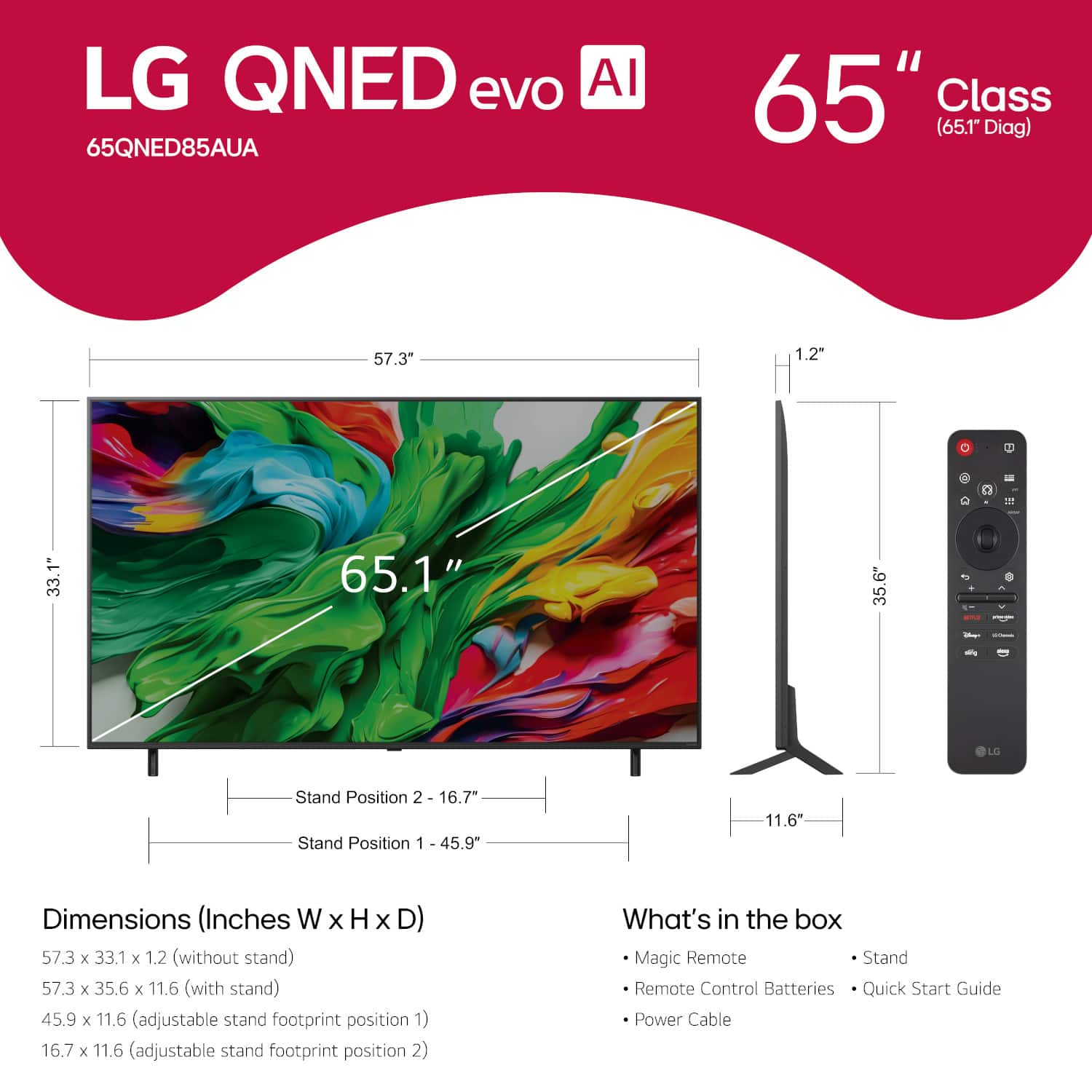
Premium 65-inch TVs have evolved beyond simple picture quality competitions. Modern buyers consider factors like room integration, gaming capabilities, smart features, and long-term value. The key considerations include picture quality fundamentals (brightness, contrast, color accuracy), design philosophy, gaming performance, smart platform quality, and overall value proposition.
The most important performance characteristics for any premium TV are contrast ratio (the difference between the brightest whites and darkest blacks), peak brightness (measured in nits), color volume (how many colors the TV can display at different brightness levels), and motion handling (how well it displays fast-moving content without blur). For gaming enthusiasts, input lag (delay between controller input and on-screen response) and refresh rate capabilities become equally crucial.
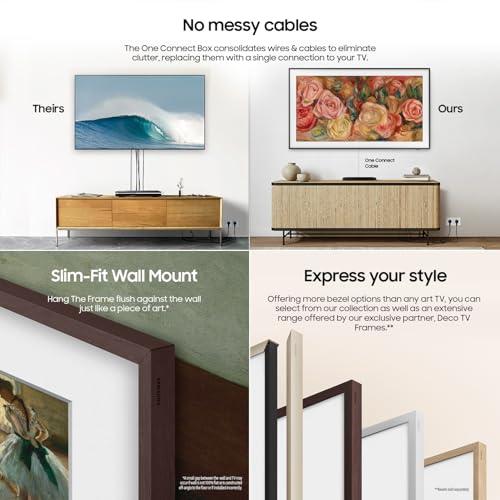
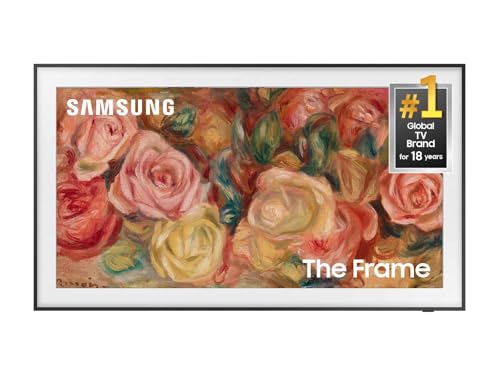
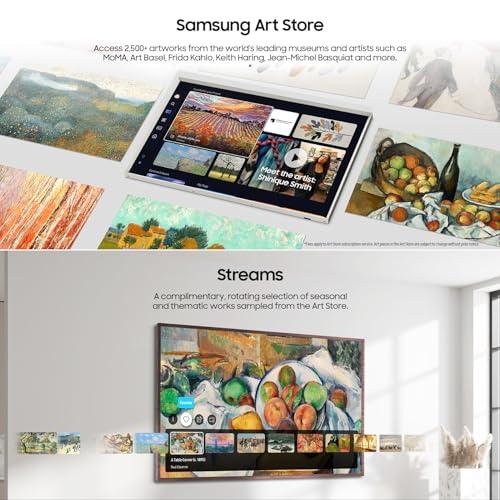
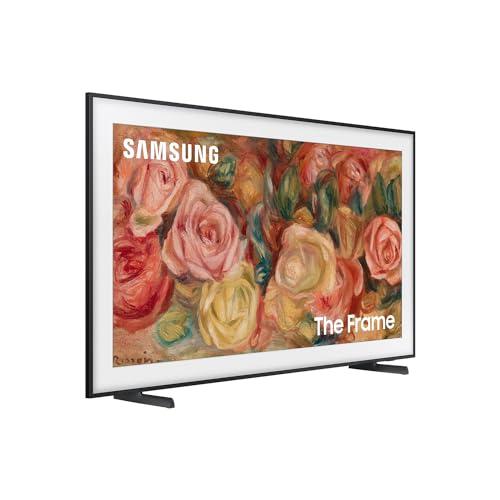
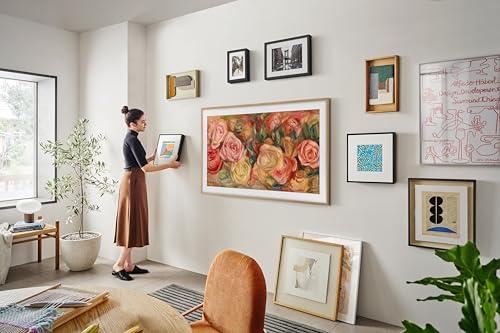
The most striking difference between these TVs lies in their fundamental design approach. The Samsung Frame transforms your wall into a digital art gallery when not displaying content. Its Art Mode activates motion sensors to display curated artwork or personal photos, complete with customizable magnetic bezels that mimic picture frames. This isn't just a gimmick—the implementation is sophisticated, with the TV automatically adjusting refresh rates from 120Hz down to 60Hz in Art Mode to conserve energy.
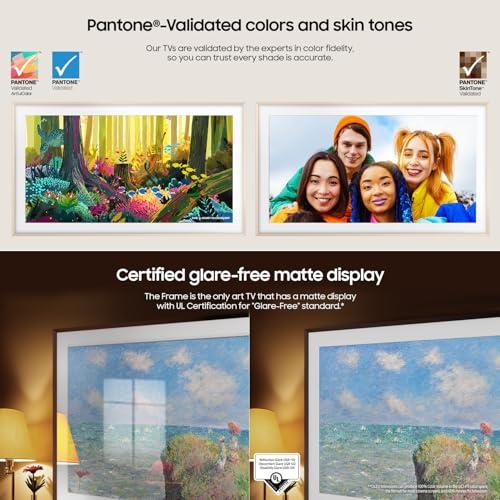
The matte anti-glare display deserves special attention. Unlike traditional glossy TV screens that reflect ambient light, the Frame's matte finish scatters light to reduce reflections. This makes displayed artwork look more like an actual canvas, but it comes with trade-offs for video content. The matte coating slightly reduces color vibrancy and contrast compared to glossy displays, though Samsung has worked to minimize this impact in the 2024 model.
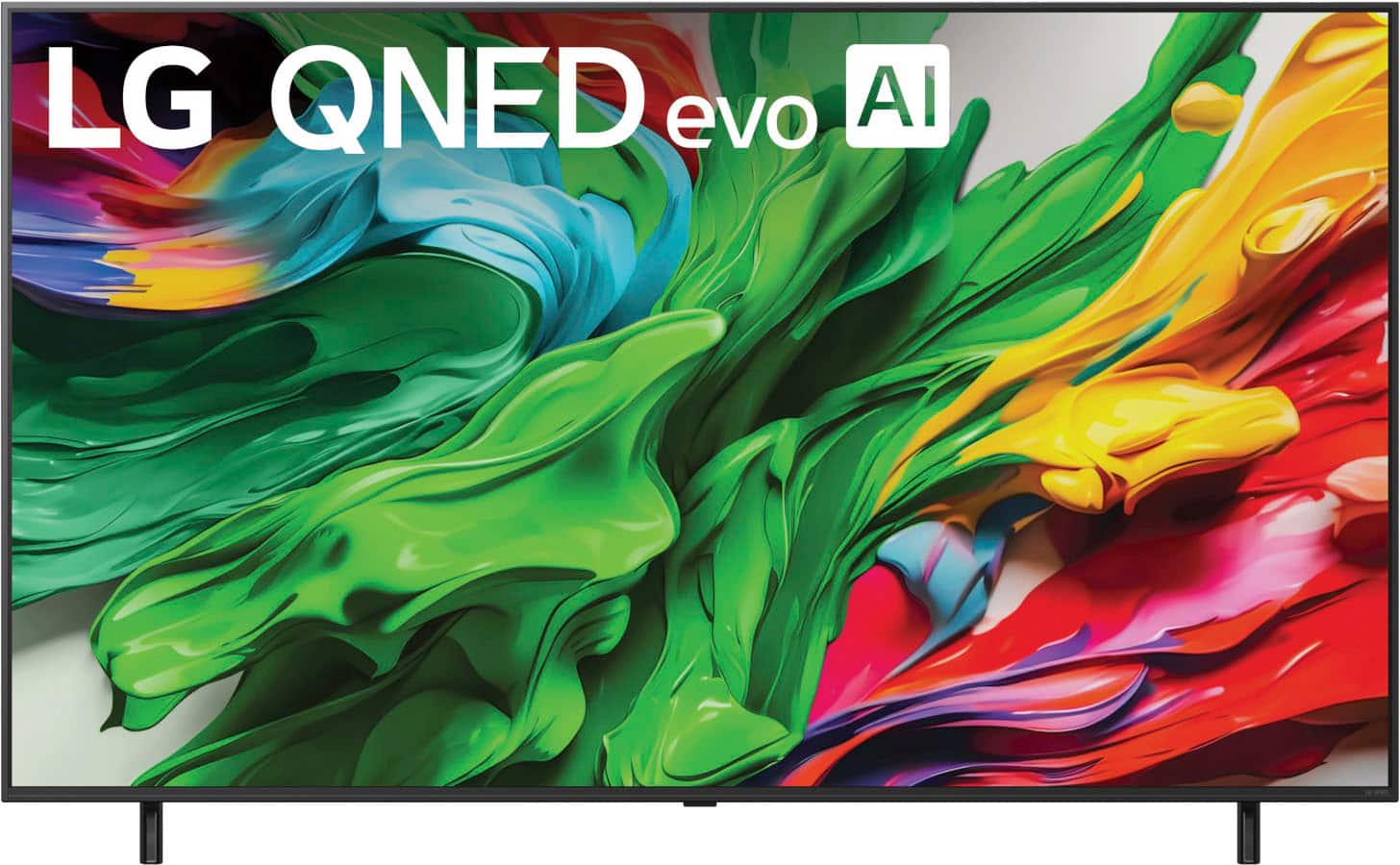
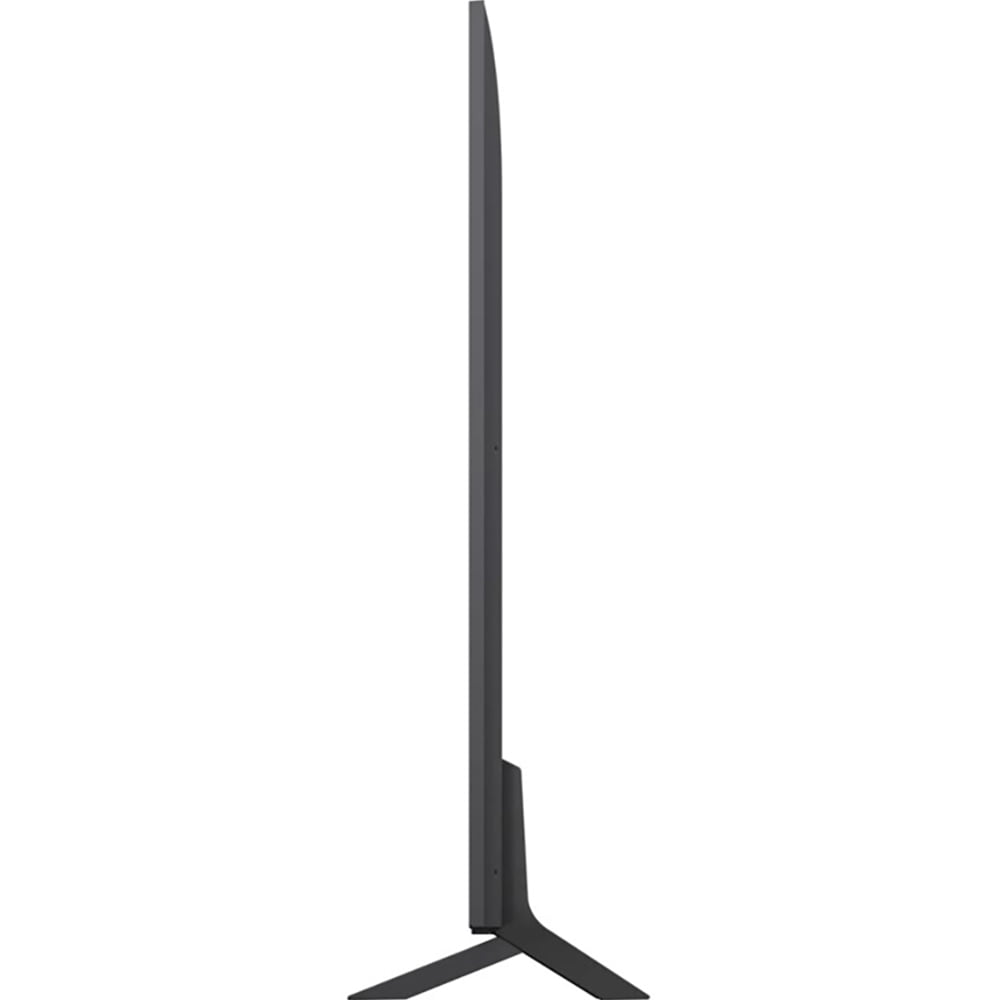
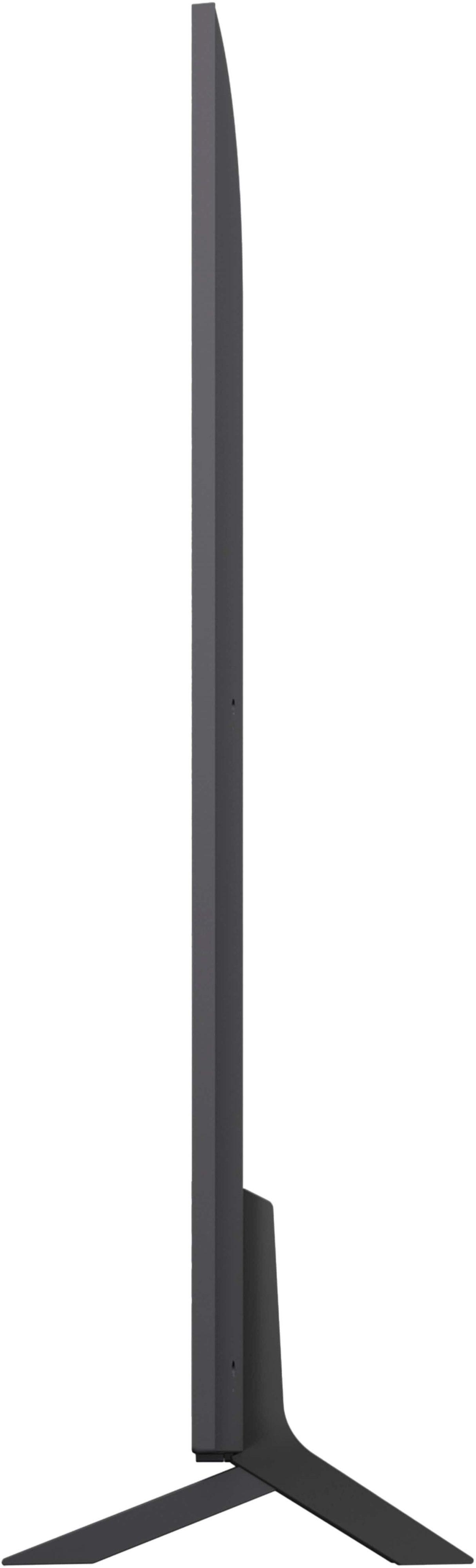
In contrast, the LG QNED85A follows traditional TV design principles with a focus on pure performance. Its glossy display maximizes contrast and color pop, while the standard two-foot stand design prioritizes stability and viewing angles. There's no attempt to disguise this as anything other than a high-performance television.
For home theater enthusiasts, the LG's approach typically yields better results in controlled lighting environments. The glossy screen delivers deeper blacks and more vibrant colors when you can minimize ambient light. However, in bright living rooms where the TV competes with windows and overhead lighting, the Samsung Frame's matte display provides a more comfortable viewing experience.
The core display technologies represent perhaps the biggest performance difference between these TVs. The Samsung Frame uses edge-lit QLED technology, where LEDs positioned along the screen's edges illuminate the entire panel. QLED stands for Quantum Dot LED, where tiny quantum dot particles convert blue LED light into precise red and green wavelengths, improving color accuracy and brightness.
However, edge-lighting has inherent limitations. Without local dimming zones (areas that can be independently brightened or darkened), the TV struggles with contrast. When displaying a scene with both bright stars and a dark night sky, the entire screen brightens to show the stars, making the sky appear grayish rather than truly black.
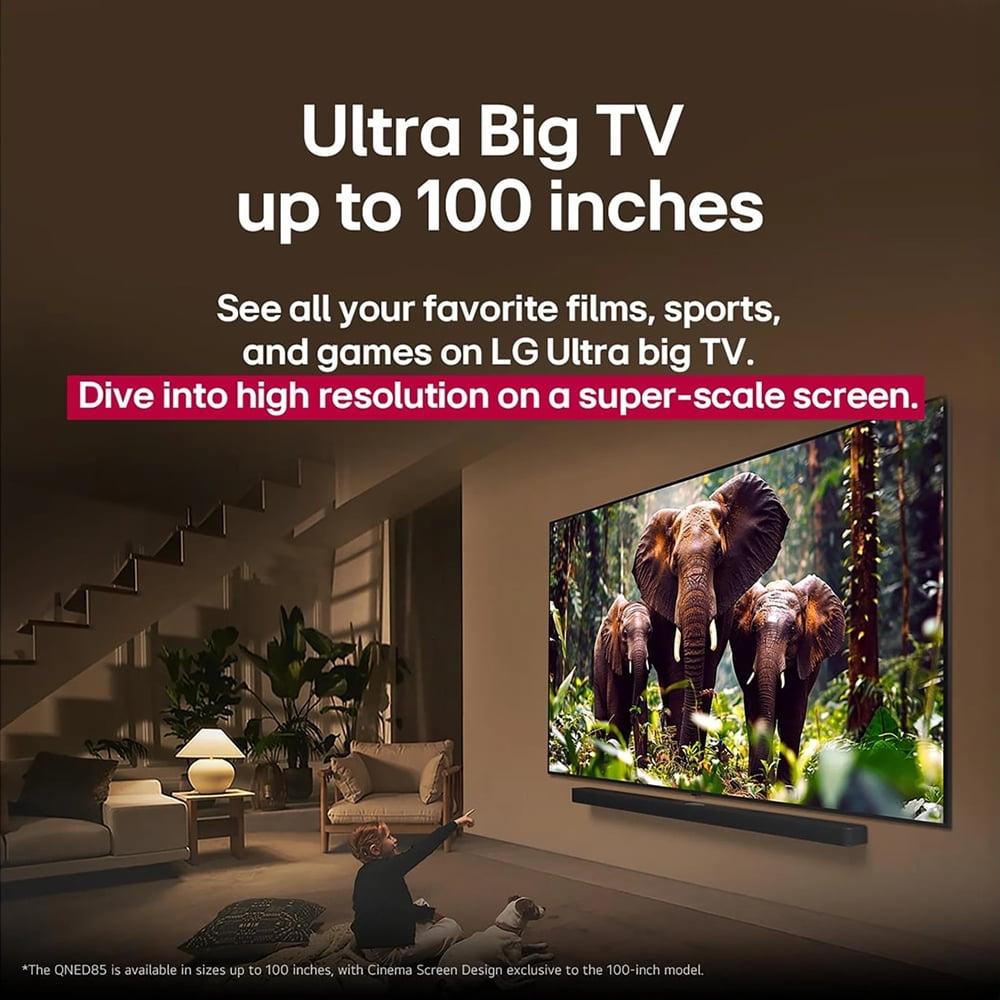
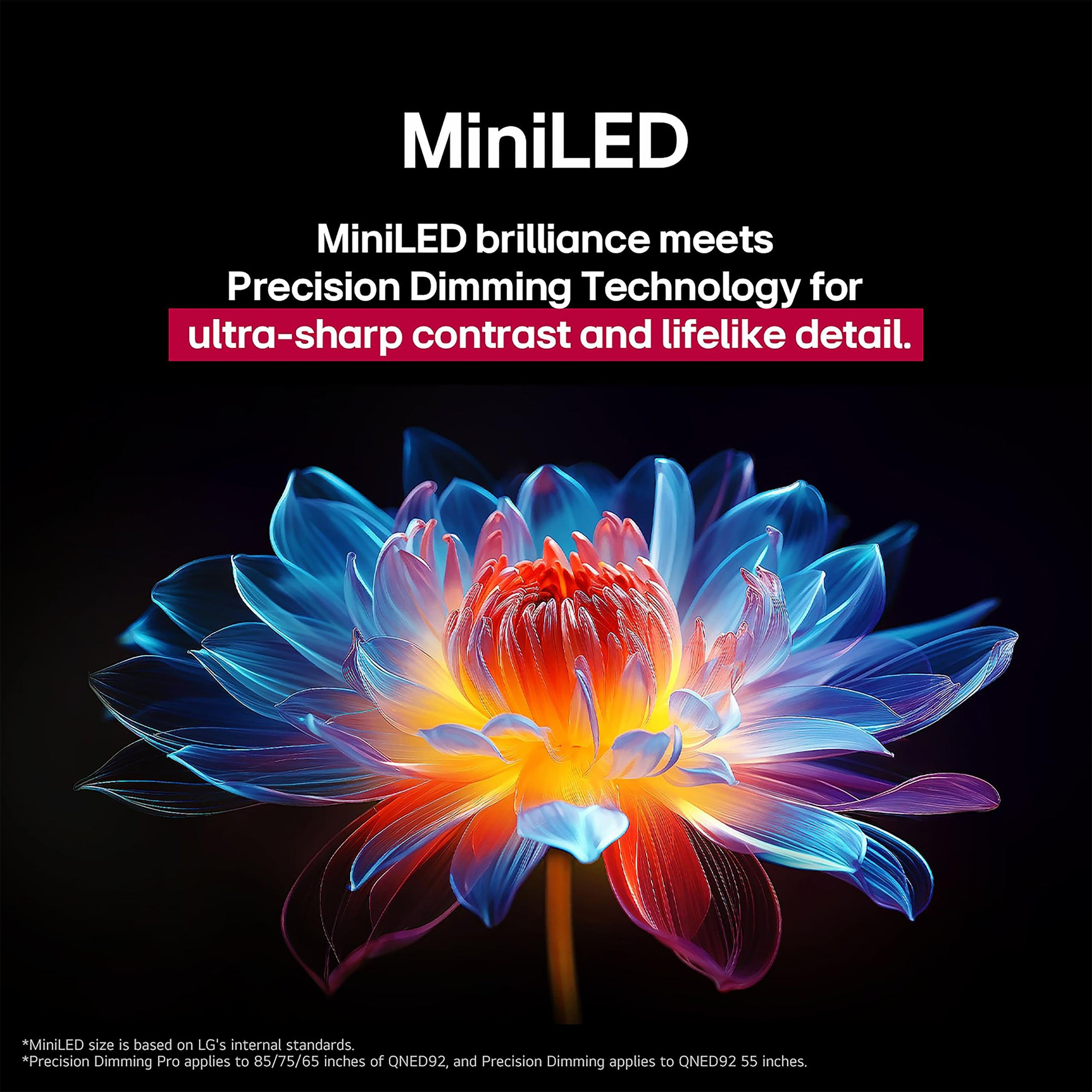
The LG QNED85A employs MiniLED backlighting—a significant technological leap forward. Instead of edge-lighting, it uses approximately 30,000 tiny LEDs arranged in thousands of dimming zones behind the screen. These LEDs are 40 times smaller than traditional LED backlights, allowing for incredibly precise control over brightness in different screen areas.
This precision translates to dramatically better contrast. When watching a scene with both bright and dark elements, the MiniLED system can illuminate only the areas that need to be bright while keeping dark areas truly dark. The result is deeper blacks, more impactful highlights, and an overall more dynamic picture that's closer to what you'd experience with OLED technology, but with higher peak brightness capabilities.
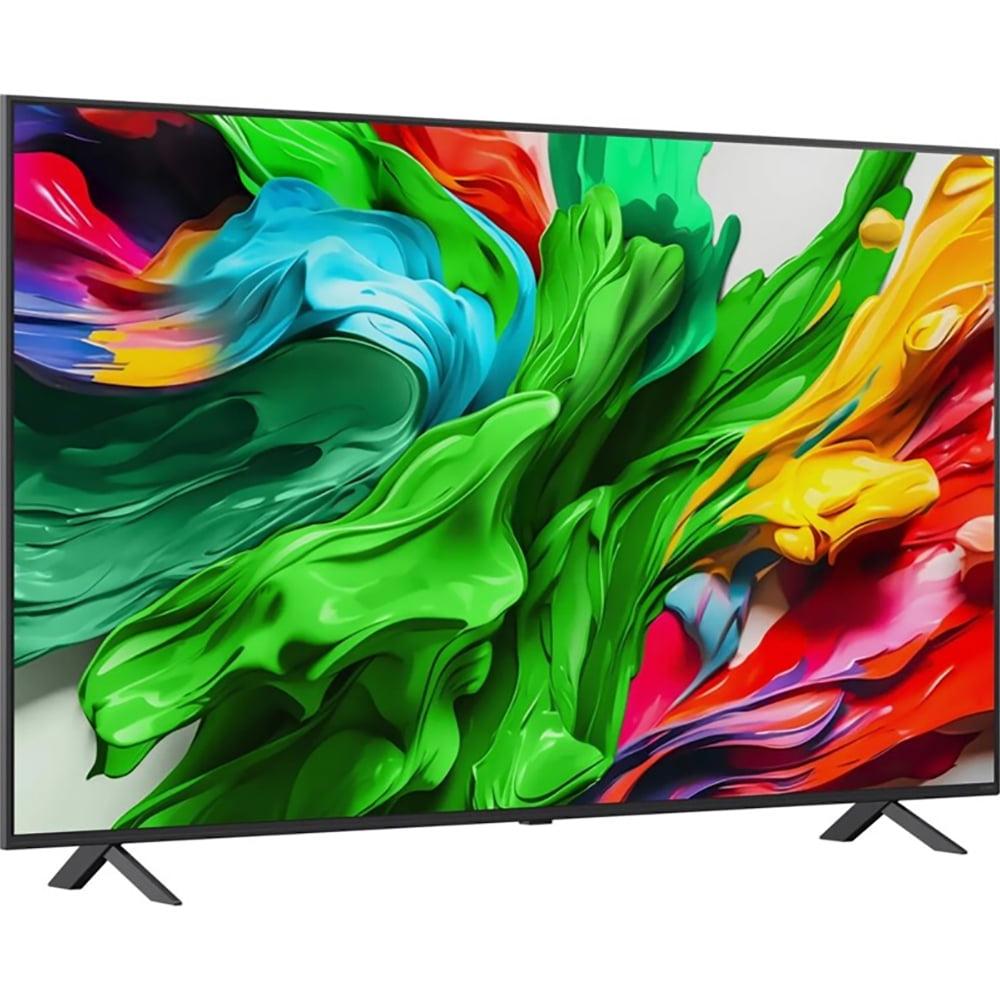
In our research and evaluation of expert reviews, the picture quality differences between these TVs are substantial. Peak brightness measurements show the LG QNED85A achieving higher nits levels (the unit for measuring brightness), particularly important for HDR content where bright highlights need to really pop off the screen.
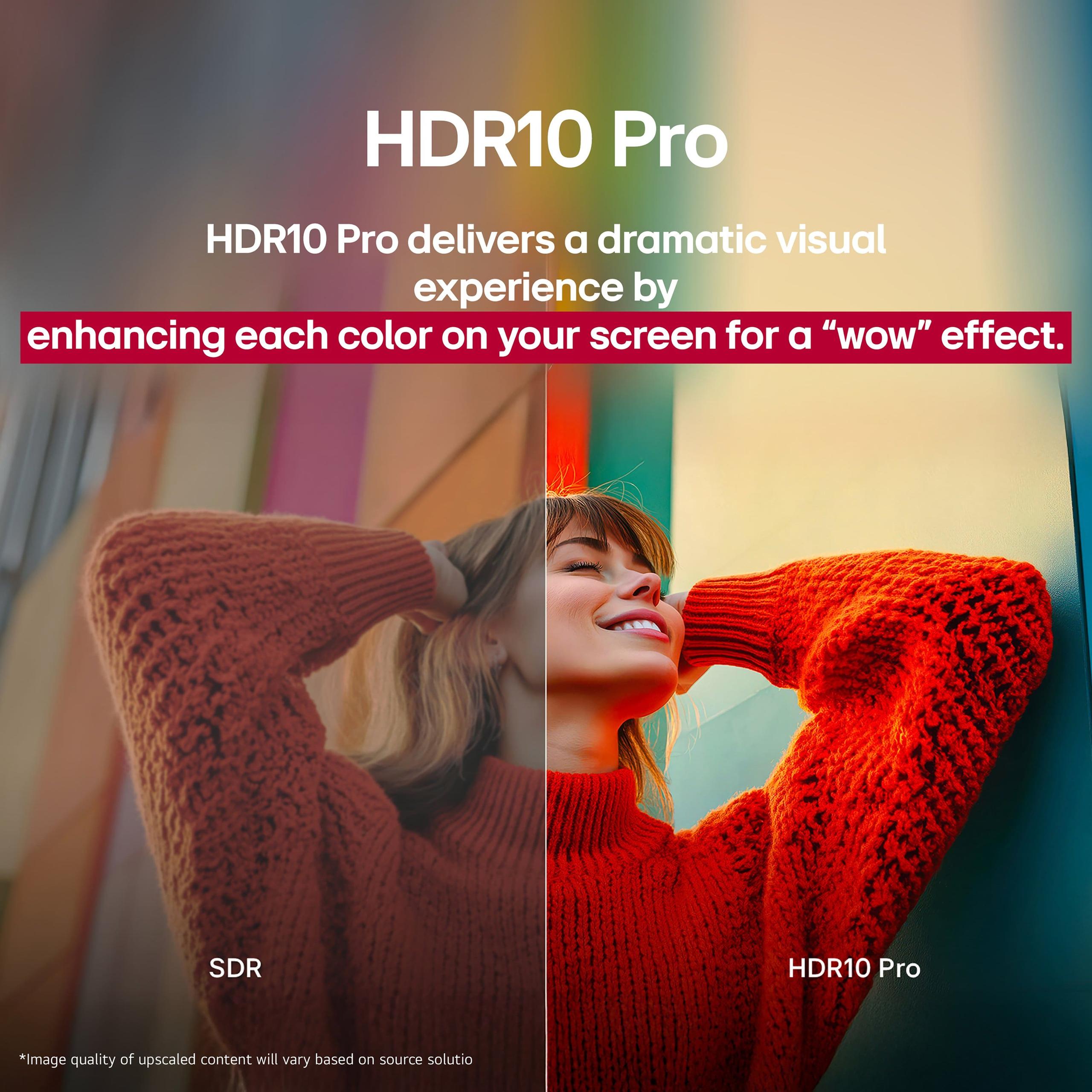
HDR, or High Dynamic Range, represents one of the most significant improvements in TV technology over the past decade. It allows displays to show a wider range of brightness levels, from deeper blacks to brighter whites, more closely matching what our eyes see in real life. The Samsung Frame supports HDR10+, Samsung's dynamic HDR format that adjusts brightness scene by scene. The LG QNED85A supports both HDR10+ and Dolby Vision, generally considered the superior HDR format due to its more advanced metadata system.
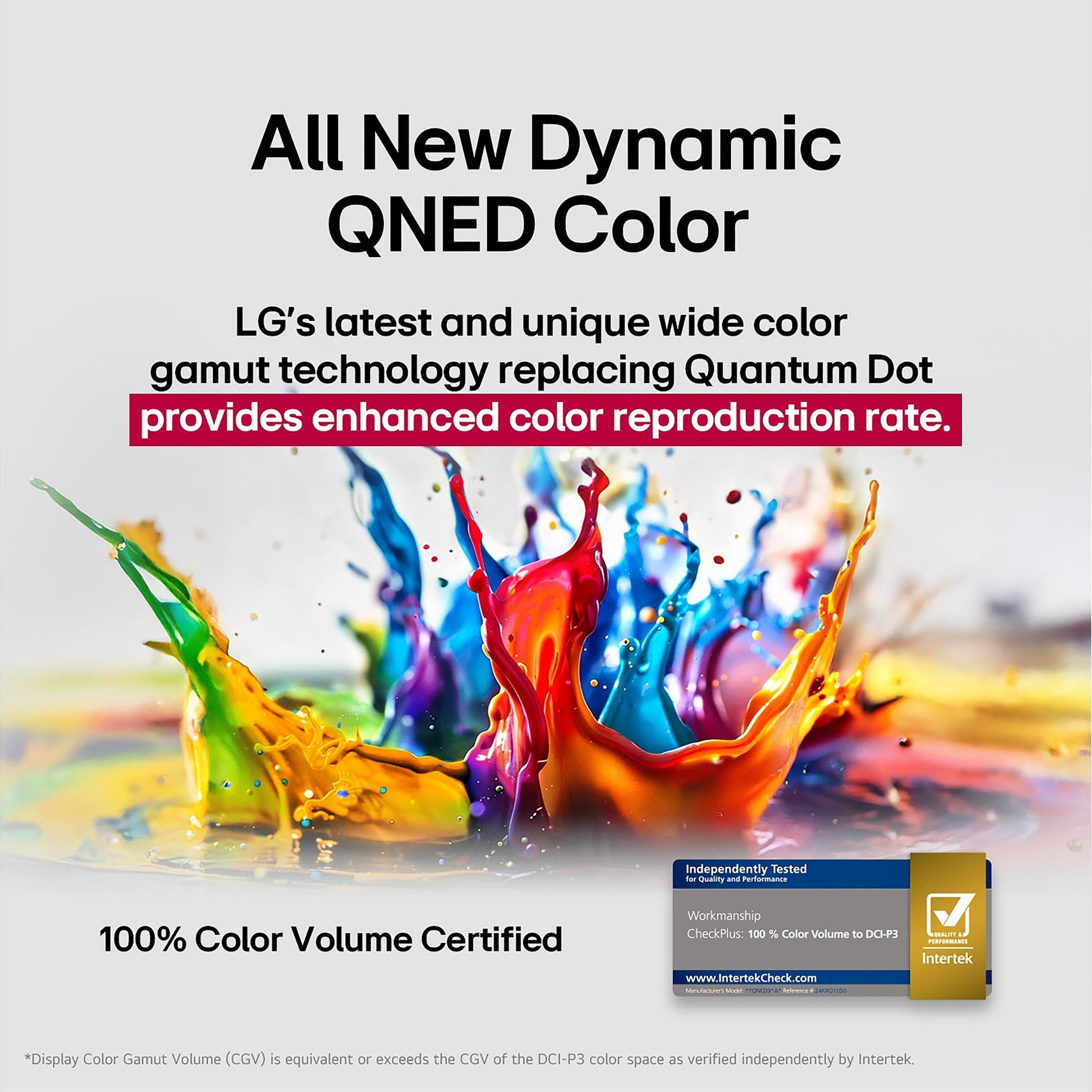
Color performance reveals another key difference. While both TVs claim excellent color volume, the Samsung Frame's matte display inherently reduces color saturation slightly. Colors appear more muted compared to glossy displays, though this creates a more authentic look for artwork display. The LG QNED85A's glossy screen delivers more vibrant, saturated colors that pop in darker viewing environments.
For home theater use, these differences become more pronounced. In a dedicated theater room with controlled lighting, the LG's superior contrast and color saturation provide a more engaging cinematic experience. The Samsung Frame performs better in mixed-use living spaces where ambient light is a constant factor.
Gaming capabilities highlight another significant divide between these TVs. Both support 120Hz refresh rates and Variable Refresh Rate (VRR) technology, which synchronizes the TV's refresh rate with your gaming console's output to eliminate screen tearing—a visual artifact where the image appears split horizontally.
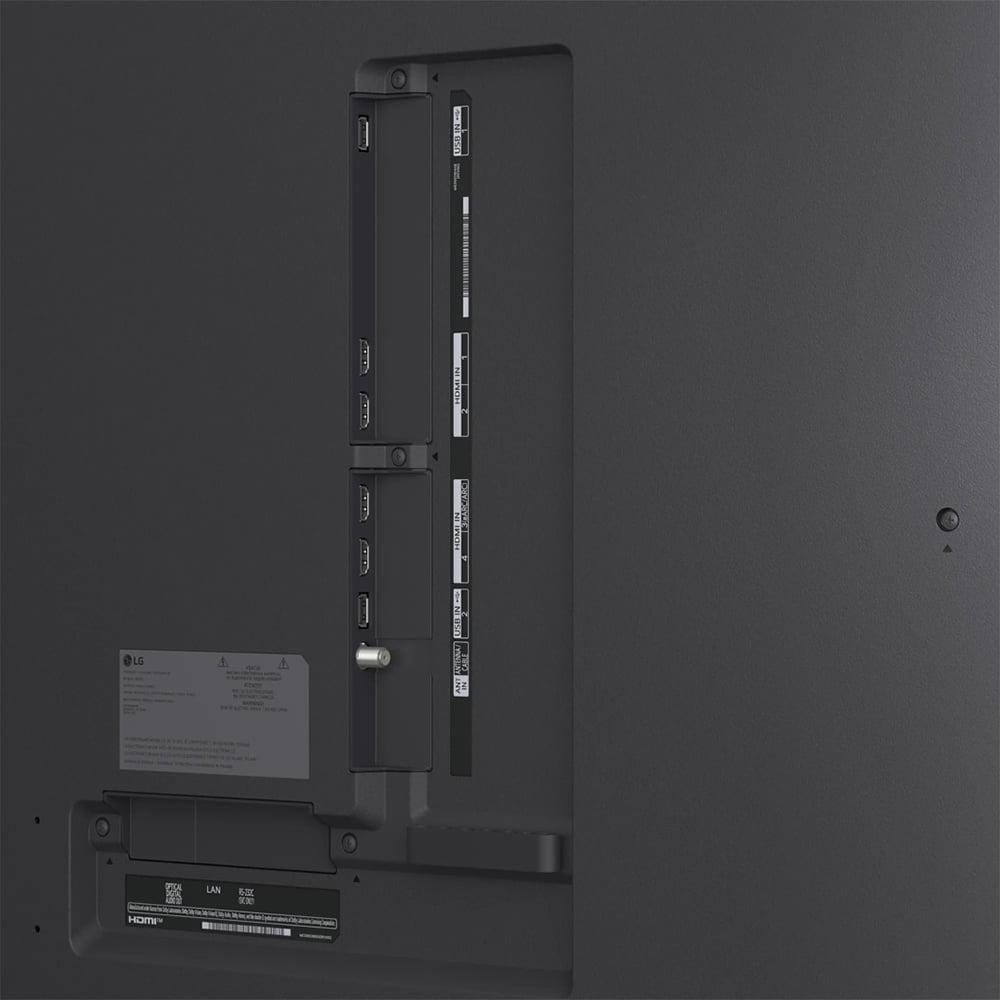
However, the LG QNED85A offers four HDMI 2.1 ports compared to the Samsung Frame's more limited configuration. HDMI 2.1 provides the bandwidth necessary for 4K gaming at 120Hz, and having multiple ports means you can connect multiple next-generation consoles without constantly switching cables.
Input lag measurements, representing the delay between pressing a controller button and seeing the action on screen, show both TVs performing well for gaming. The Samsung Frame achieves impressively low input lag around 9.2 milliseconds, while the LG QNED85A delivers similarly responsive performance.
For casual gamers who primarily play single-player games or don't own multiple current-generation consoles, the Samsung Frame provides adequate gaming performance. However, serious gamers with PlayStation 5, Xbox Series X, and gaming PC setups will appreciate the LG's multiple HDMI 2.1 ports and superior motion handling capabilities.
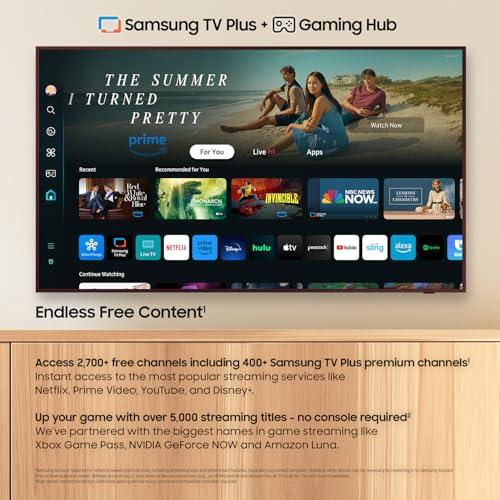
The smart TV platforms represent different approaches to user experience. The Samsung Frame runs on Tizen OS with Samsung's commitment to seven years of software updates. The platform integrates seamlessly with Samsung's Art Store, though accessing the full artwork library requires a subscription fee. The interface prioritizes the Art Mode experience while providing standard streaming app access.
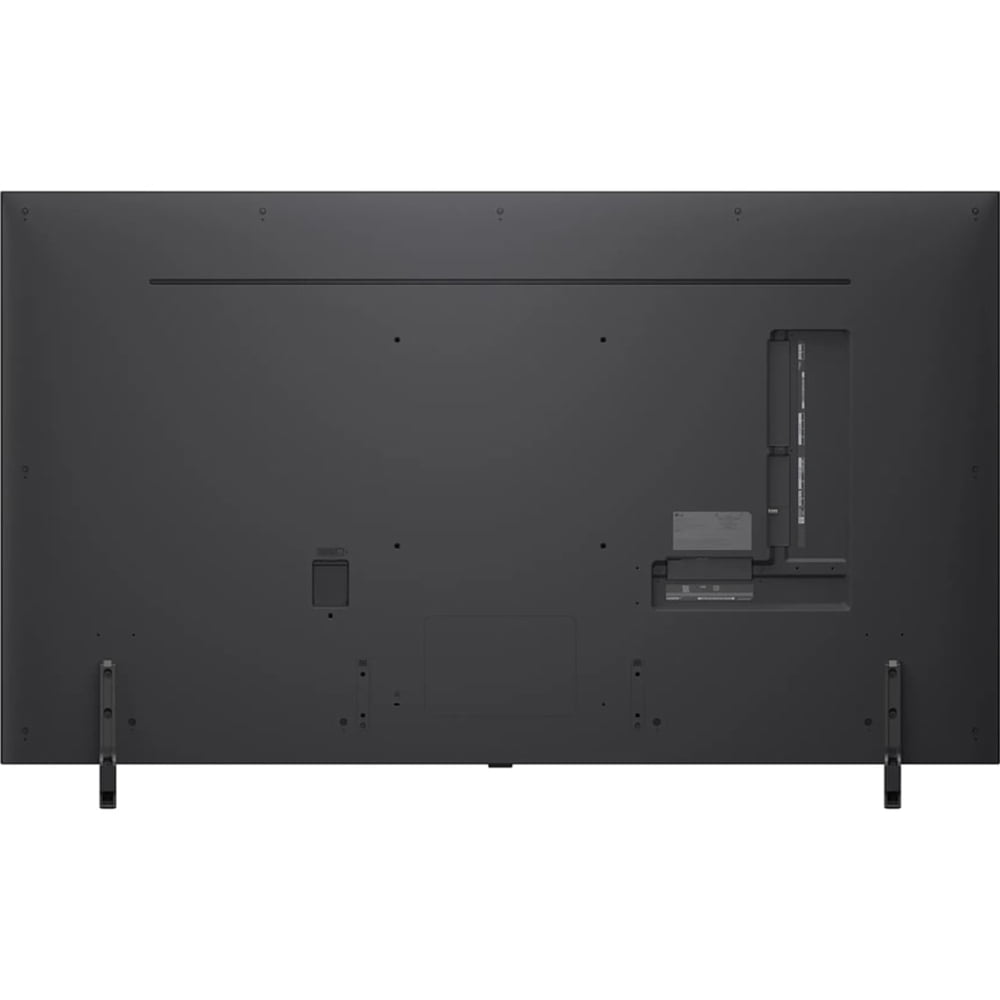
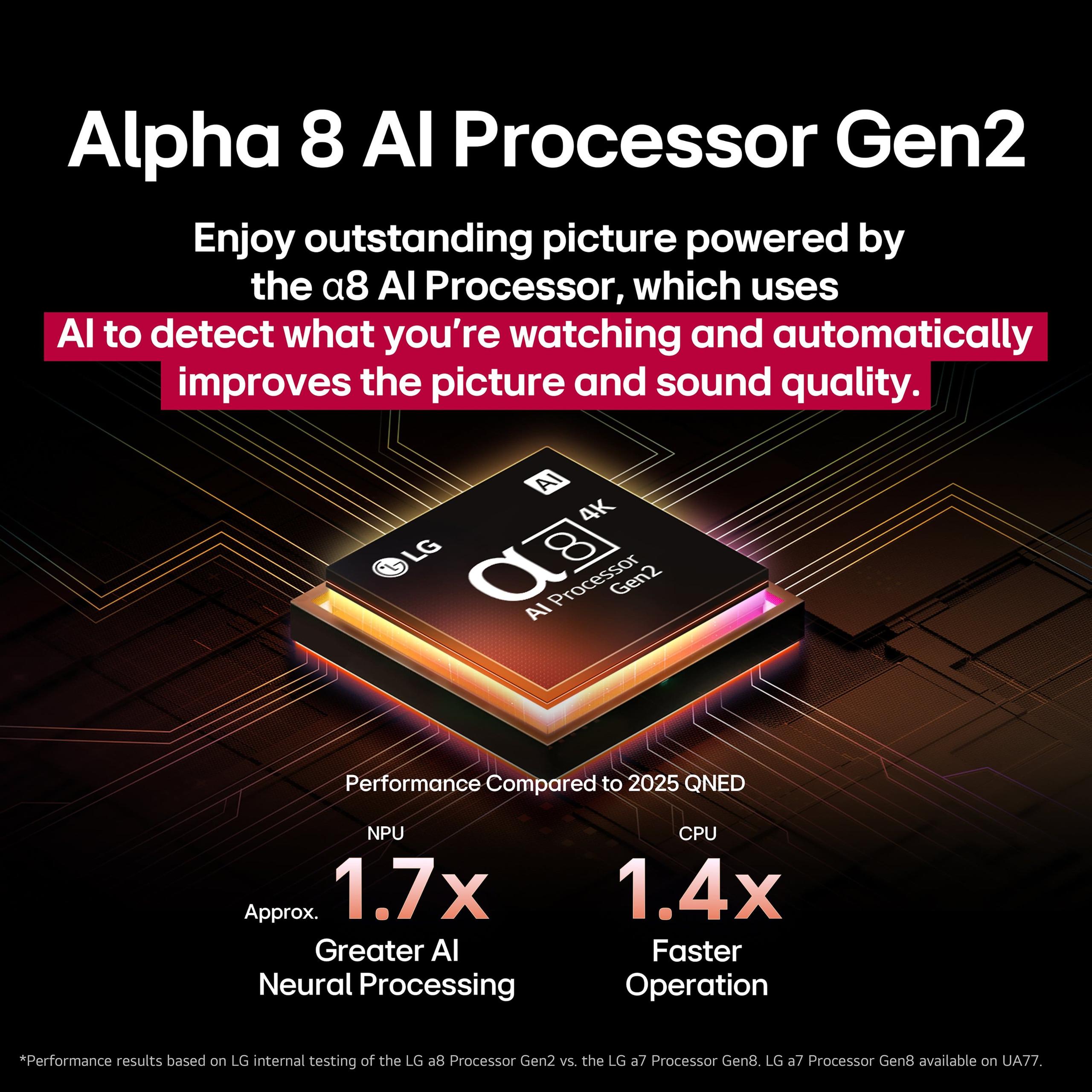
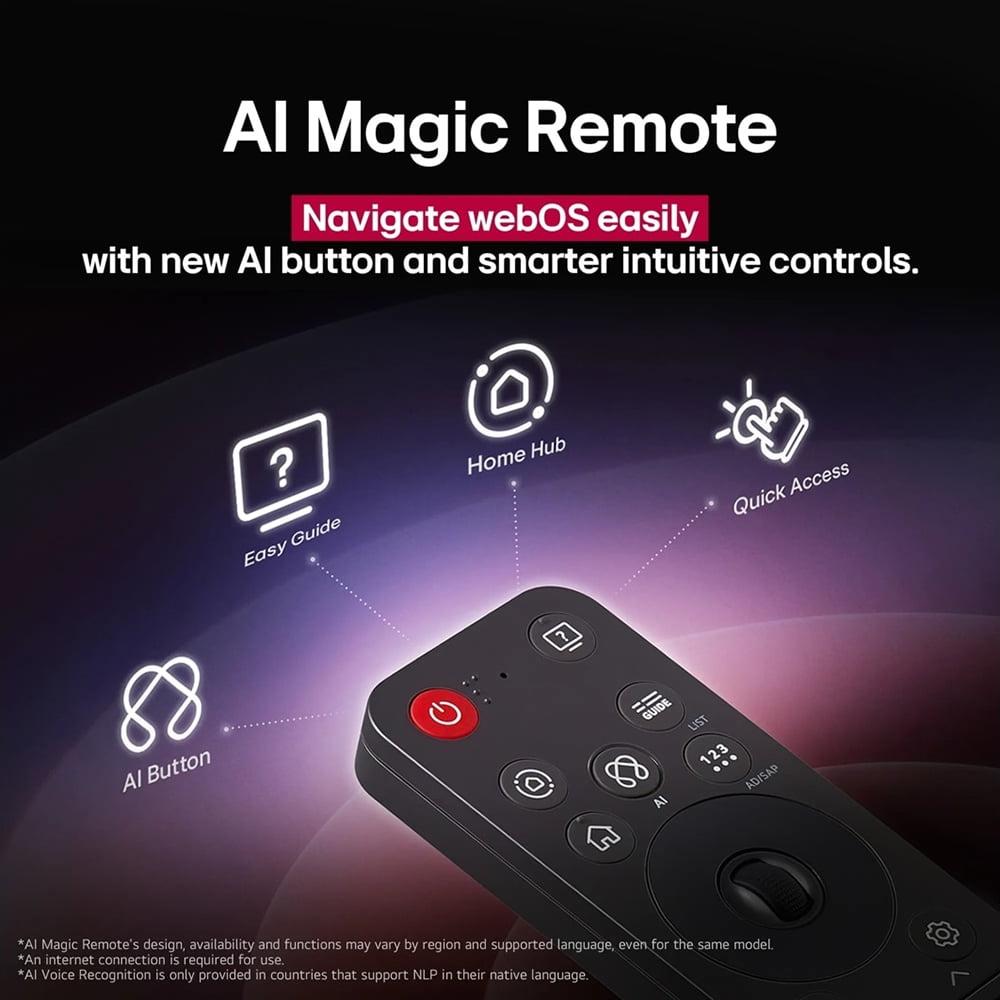
The LG QNED85A runs webOS 25, LG's latest smart TV platform iteration. It introduces significant AI enhancements, including personalized content recommendations based on viewing habits, AI-powered picture optimization that analyzes content in real-time, and voice recognition that can identify different family members for customized experiences.
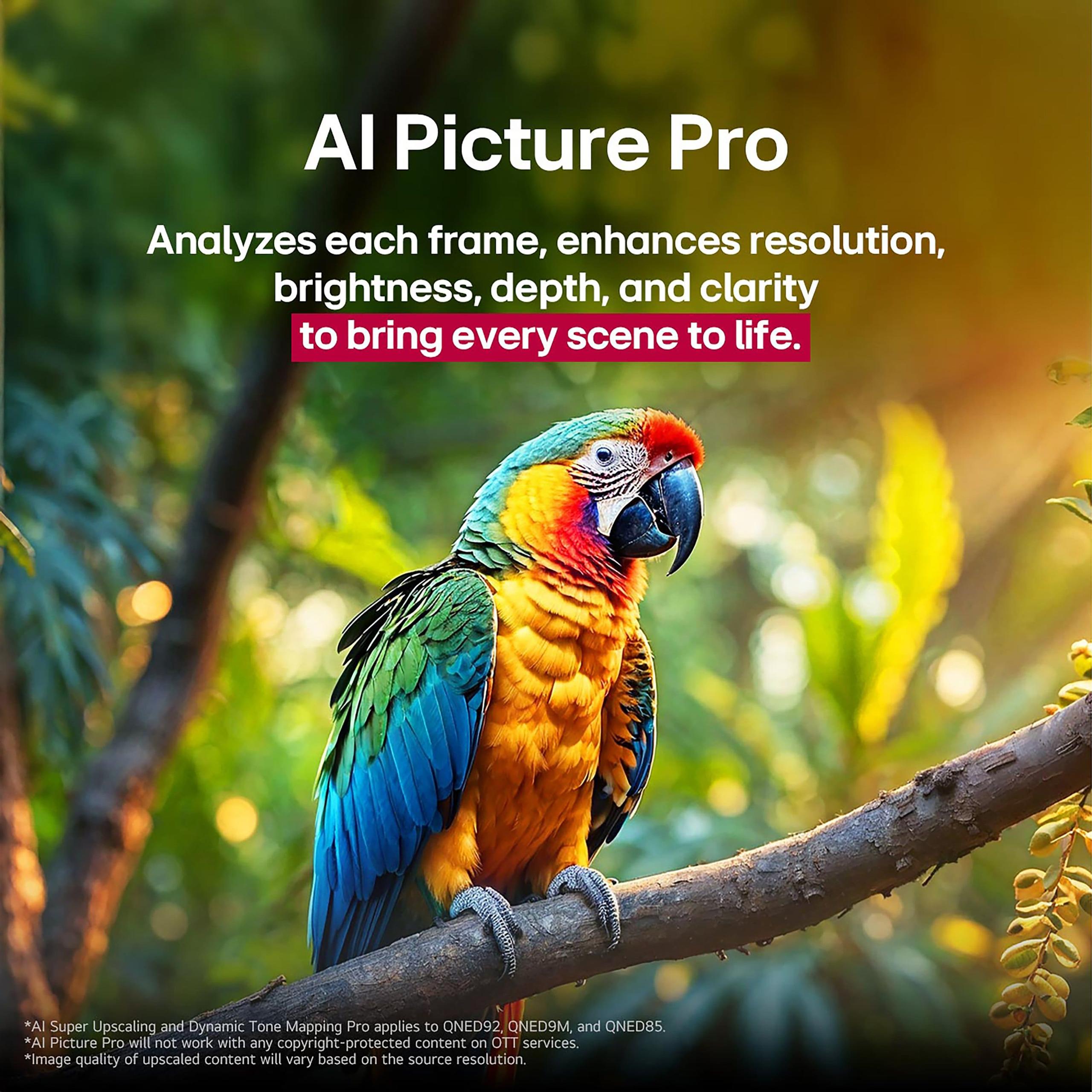
The AI Picture Pro feature automatically adjusts picture settings based on content type—brightening dark scenes in movies while preserving detail, or optimizing sports content for better motion handling. These aren't just marketing features; they represent genuine improvements in daily usability, especially for households where different family members have varying preferences.
Both TVs include respectable built-in audio systems, though neither replaces a dedicated sound system for serious home theater use. The Samsung Frame features a 40W 2.0.2 channel system with Dolby Atmos support, including upward-firing drivers for height effects. The slim profile necessarily limits speaker size, but the implementation is competent for casual viewing.
The LG QNED85A takes a different approach with virtual surround processing that upmixes stereo content into simulated 5.1.2 channel audio. The AI Sound Pro feature analyzes audio content and adjusts accordingly—enhancing dialogue clarity during movies or expanding soundstage during music playback.
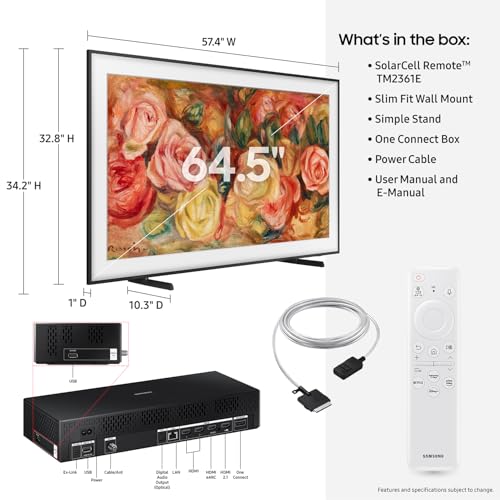
For home theater enthusiasts, both TVs work well with external sound systems. The Samsung's One Connect Box centralizes connections, potentially simplifying soundbar setup. The LG's multiple HDMI 2.1 ports provide more flexibility for complex audio/video receiver configurations.
At the time of writing, the pricing difference between these TVs reflects their different target markets. The Samsung Frame commands a significant premium for its unique lifestyle features, while the LG QNED85A offers more advanced display technology at a lower price point.
This pricing dynamic creates an interesting value equation. If you prioritize the Frame's unique design integration and art functionality, the premium feels justified for the features you're gaining. The customizable bezels, sophisticated Art Mode implementation, and matte display that handles bright rooms exceptionally well provide value that pure performance metrics can't capture.
Conversely, if picture quality and technical performance drive your decision, the LG QNED85A delivers substantially more display technology for less money. The MiniLED backlighting alone represents a significant advancement over edge-lit displays, providing better contrast and more precise brightness control.
Technology longevity factors into the value equation. The LG QNED85A's MiniLED technology represents a more current approach to premium TV displays, while the Samsung Frame's edge-lit design, though refined, uses older backlighting technology.
Both TVs offer solid smart platform update commitments, though Samsung's seven-year promise edges out LG's five-year commitment. For gaming future-proofing, the LG's multiple HDMI 2.1 ports provide more flexibility as gaming technology continues evolving.
The Frame's unique positioning as a lifestyle product may provide better resale value for design-conscious buyers, while the LG's superior display technology should age better from a performance perspective.
Your choice between the Samsung Frame and LG QNED85A should align with your primary use case and room environment. The Samsung Frame excels in bright, design-conscious living spaces where the TV needs to integrate aesthetically when not in use. If you frequently entertain guests and want your TV to contribute positively to room ambiance, the Frame's art functionality justifies its premium pricing.
Choose the LG QNED85A if picture quality and performance value drive your decision. The MiniLED technology, superior gaming features, and advanced AI capabilities provide more future-proof technology at a lower price. It's particularly compelling for home theater enthusiasts and serious gamers who prioritize performance over lifestyle integration.
For mixed-use family rooms with significant ambient light, the Samsung Frame's matte display provides more comfortable viewing throughout the day. For dedicated entertainment spaces where you can control lighting, the LG's superior contrast and color performance create a more engaging viewing experience.
Both represent solid choices within their respective categories, but they serve fundamentally different needs. The Samsung Frame pioneered and continues to refine the lifestyle TV category, while the LG QNED85A delivers cutting-edge display technology at an accessible price point. Your decision should prioritize either aesthetic integration or pure performance—fortunately, both TVs excel in their chosen domains.
| Samsung 65" The Frame QLED 4K 2024 TV | LG 65" QNED evo AI QNED85A 4K MiniLED Smart TV 2025 |
|---|---|
| Display Technology - Determines picture quality and contrast performance | |
| Edge-lit QLED with Quantum Dot, matte anti-glare finish | MiniLED backlighting with ~30,000 LEDs in thousands of dimming zones |
| Peak Brightness - Critical for HDR impact and bright room viewing | |
| ~590 nits (good for most content, limited HDR pop) | Higher peak brightness from MiniLED (better HDR highlights) |
| Contrast & Black Levels - Most noticeable difference in dark scenes | |
| Limited by edge-lighting, mediocre blacks | Superior local dimming creates much deeper blacks |
| HDR Support - Affects compatibility with premium streaming content | |
| HDR10, HDR10+, HLG (no Dolby Vision) | HDR10, HDR10+, HLG, Dolby Vision (wider format support) |
| Design Philosophy - Fundamentally different use cases | |
| Art Mode with customizable bezels, flush wall mount, One Connect Box | Traditional TV design optimized for performance |
| Screen Finish - Major impact on room lighting compatibility | |
| Matte display reduces glare but slightly mutes colors | Glossy display maximizes color/contrast but shows reflections |
| Gaming Features - Important for console and PC gaming | |
| 120Hz, VRR, low input lag, limited HDMI 2.1 ports | 120Hz native, 144Hz VRR, four HDMI 2.1 ports |
| Smart Platform - Long-term software support and features | |
| Tizen OS with 7-year updates, Art Store integration | webOS 25 with 5-year updates, advanced AI features |
| Audio System - Built-in sound quality | |
| 40W 2.0.2 with Dolby Atmos, upward-firing drivers | Virtual 5.1 surround with AI Sound Pro enhancement |
| Unique Features - What sets each apart from competitors | |
| Art Mode, magnetic bezels, motion sensor activation | AI Picture Pro, personalized recommendations, MiniLED precision |
| Best For - Target user scenarios | |
| Design-conscious buyers, bright rooms, lifestyle integration | Performance enthusiasts, gamers, home theater setups |
| Value Proposition - Technology per dollar at time of writing | |
| Premium pricing for unique lifestyle features | More advanced display tech at lower cost |
The LG 65" QNED evo AI QNED85A 4K MiniLED Smart TV 2025 delivers superior picture quality for entertainment content. Its MiniLED backlighting with thousands of dimming zones creates deeper blacks and brighter highlights compared to the Samsung 65" The Frame QLED 4K 2024 TV's edge-lit design. The LG also supports Dolby Vision HDR, while the Samsung only supports HDR10+, giving the LG QNED85A better compatibility with premium streaming content.
The fundamental difference is design philosophy. The Samsung 65" The Frame QLED 4K 2024 TV doubles as digital artwork when not in use, featuring Art Mode with customizable bezels and a matte anti-glare screen. The LG 65" QNED evo AI QNED85A 4K MiniLED Smart TV 2025 focuses purely on performance with advanced MiniLED technology and AI features for optimal viewing and gaming experiences.
The LG 65" QNED evo AI QNED85A 4K MiniLED Smart TV 2025 is significantly better for serious gaming. It offers four HDMI 2.1 ports compared to the Samsung Frame's limited HDMI 2.1 connectivity, supports up to 144Hz VRR, and provides superior motion handling. The Samsung Frame is adequate for casual gaming but lacks the connectivity for multiple next-gen consoles.
The Samsung 65" The Frame QLED 4K 2024 TV excels in bright rooms thanks to its matte anti-glare display that scatters ambient light and reduces reflections. The LG QNED85A uses a traditional glossy screen that can show reflections but compensates with higher peak brightness. For consistently bright living spaces, the Samsung Frame provides more comfortable daytime viewing.
The LG 65" QNED evo AI QNED85A 4K MiniLED Smart TV 2025 provides better value from a pure technology perspective, offering advanced MiniLED display technology at a lower price point. The Samsung 65" The Frame QLED 4K 2024 TV commands a premium for its unique lifestyle features and art functionality, making value dependent on whether you prioritize performance or aesthetic integration.
Only the Samsung 65" The Frame QLED 4K 2024 TV is designed for art display, featuring dedicated Art Mode that transforms the screen into a digital gallery with motion sensor activation. The LG QNED85A is a traditional TV without art display capabilities, focusing instead on entertainment and gaming performance.
For dedicated home theater use, the LG 65" QNED evo AI QNED85A 4K MiniLED Smart TV 2025 is superior due to its MiniLED technology providing better contrast, deeper blacks, and more vibrant colors in controlled lighting environments. The Samsung Frame's matte display reduces contrast slightly, making it less ideal for dark room viewing where the LG QNED85A excels.
Both offer solid smart platforms, but with different strengths. The Samsung 65" The Frame QLED 4K 2024 TV runs Tizen with 7-year update support and seamless Art Store integration. The LG 65" QNED evo AI QNED85A 4K MiniLED Smart TV 2025 features webOS 25 with advanced AI personalization, content recommendations, and 5-year updates, offering more intelligent features for daily use.
The Samsung 65" The Frame QLED 4K 2024 TV includes a 40W 2.0.2 system with actual Dolby Atmos speakers including upward-firing drivers. The LG QNED85A uses virtual surround processing with AI Sound Pro enhancement. While both are decent for built-in audio, the Samsung Frame has a slight edge with true Atmos hardware, though both benefit from external sound systems.
The Samsung 65" The Frame QLED 4K 2024 TV requires a subscription for full access to Samsung's Art Store library, and additional customizable bezels cost extra. The LG 65" QNED evo AI QNED85A 4K MiniLED Smart TV 2025 has no subscription requirements, with all smart features included. The Samsung Frame may have higher long-term costs depending on art usage.
The Samsung 65" The Frame QLED 4K 2024 TV is specifically designed for wall mounting with a flush Zero Gap mount and One Connect Box that hides all cables, creating a clean picture frame appearance. The LG QNED85A can be wall-mounted but maintains a traditional TV appearance. For aesthetic wall integration, the Samsung Frame is unmatched.
The LG 65" QNED evo AI QNED85A 4K MiniLED Smart TV 2025 offers superior family features with AI personalization that recognizes different users and adjusts settings automatically. The Samsung 65" The Frame QLED 4K 2024 TV serves families well in shared living spaces where the TV needs to blend into décor when not in use, making it less visually dominant in family areas.
We've done our best to create useful and informative comparisons to help you decide what product to buy. Our research uses advanced automated methods to create this comparison and perfection is not possible - please contact us for corrections or questions. These are the sites we've researched in the creation of this article: tomsguide.com - rtings.com - rtings.com - youtube.com - bestbuy.com - techlicious.com - youtube.com - smalllilystudio.com - theeverymom.com - livingetc.com - pcrichard.com - image-us.samsung.com - samsung.com - images.samsung.com - samsung.com - buydig.com - tvsbook.com - bestbuy.com - samsung.com - samsung.com - flatpanelshd.com - rtings.com - rtings.com - youtube.com - lg.com - smarthomesounds.co.uk - abt.com - abt.com - lg.com - displayspecifications.com - walmart.com - bestbuy.com - lg.com - lg.com - lg.com - files.bbystatic.com - flatpanelshd.com - north-side-appliance.com - lgnewsroom.com - lg.com - youtube.com - youtube.com - hindustantimes.com

Privacy Policy
Terms and Conditions - Affiliate Policy
Home Security
© Copyright 2008-2026.
11816 Inwood Rd #1211, Dallas, TX 75244