

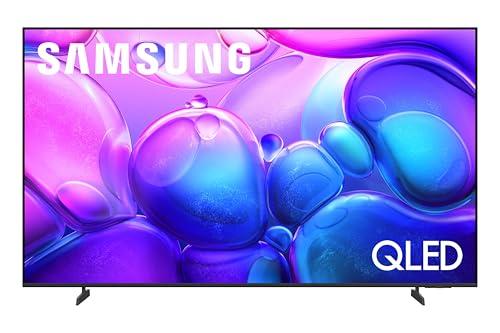
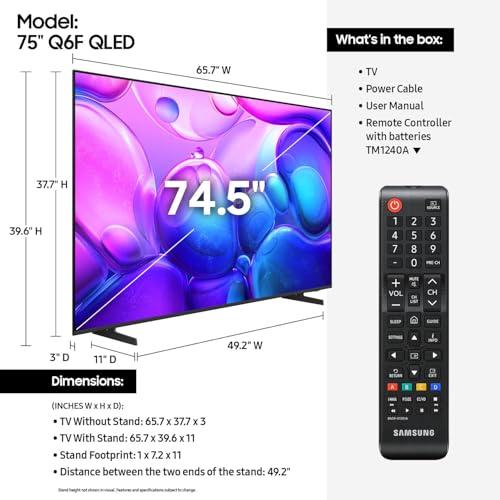
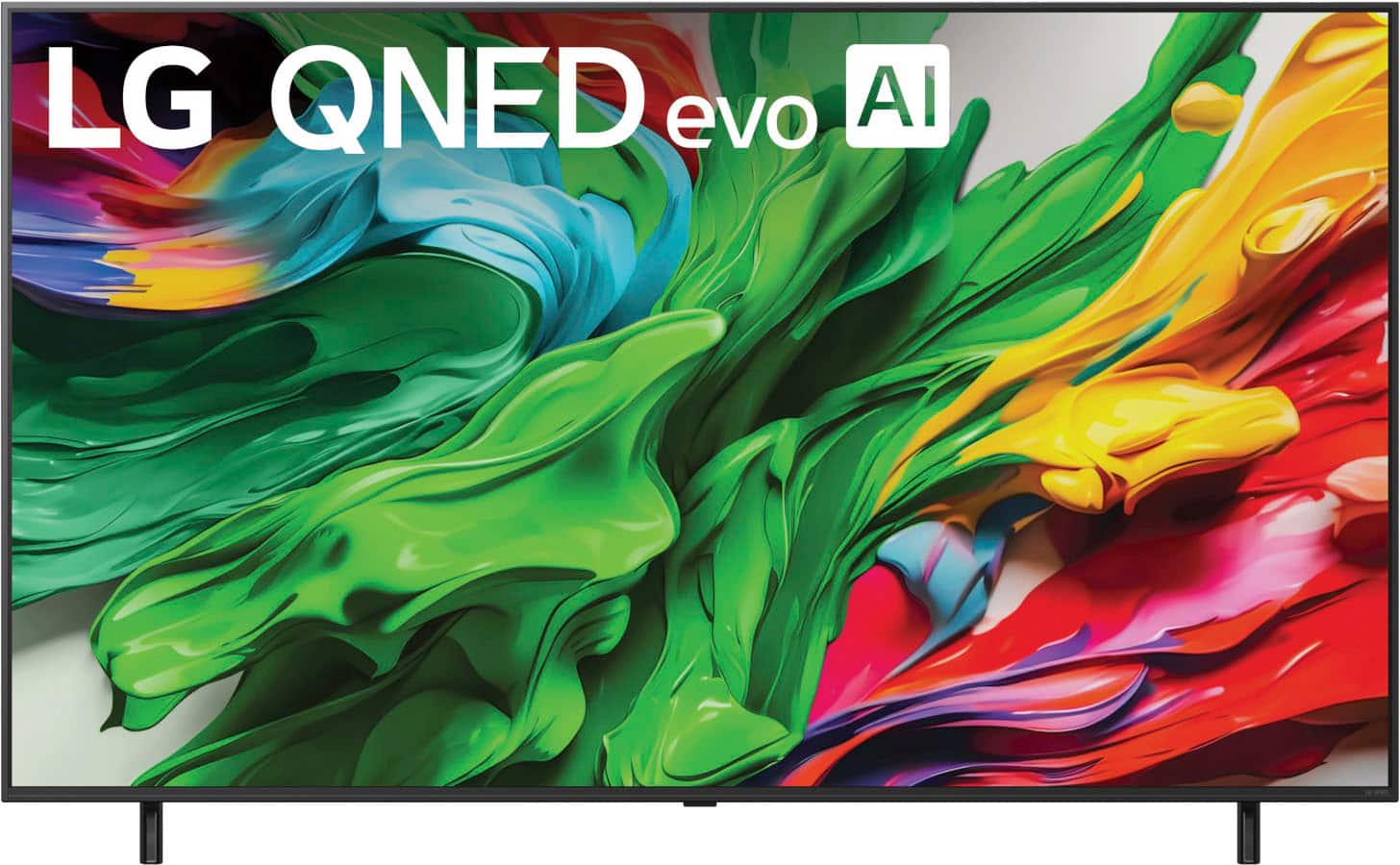
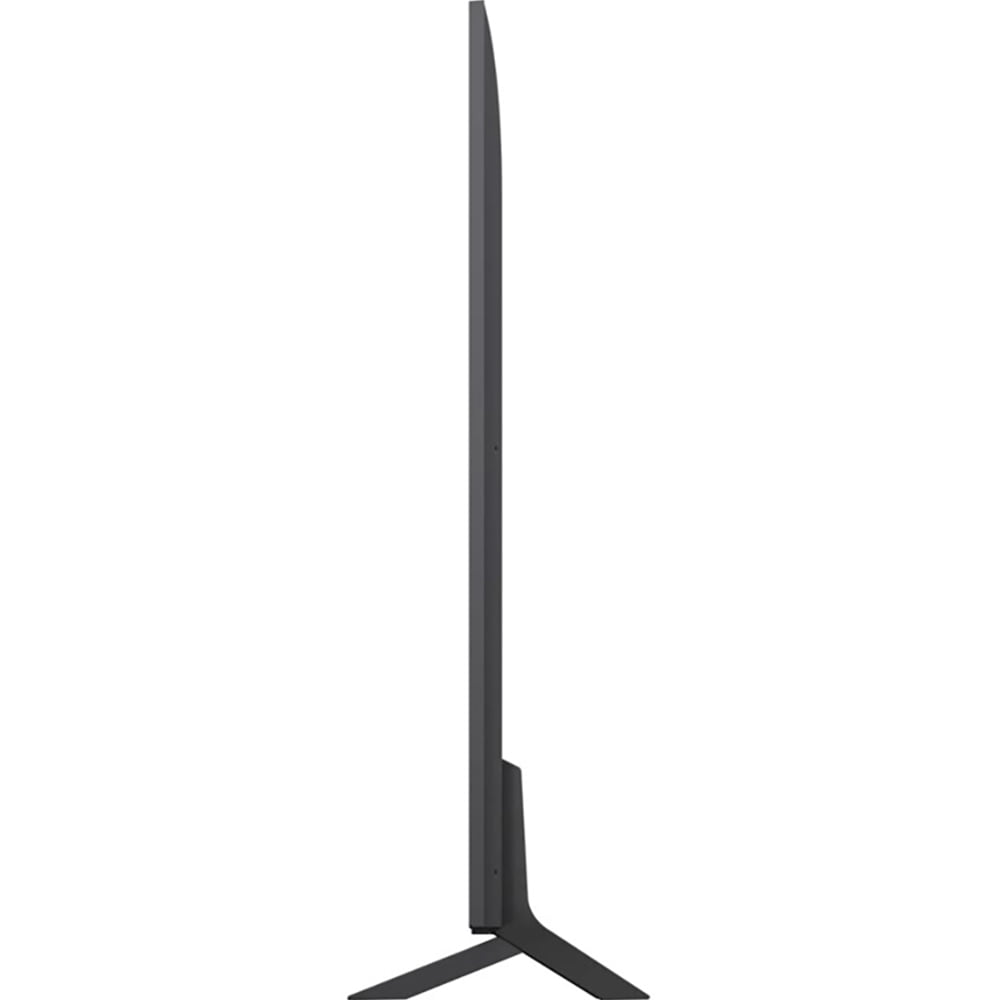
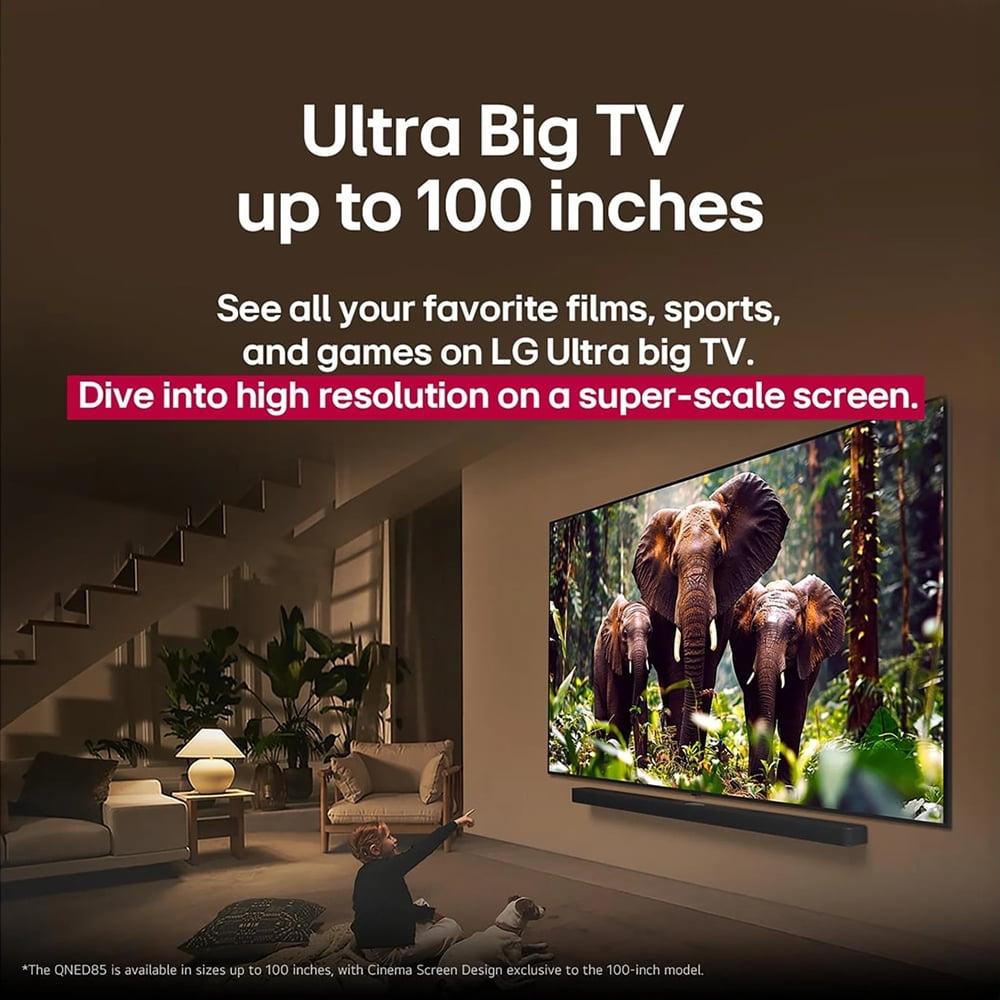
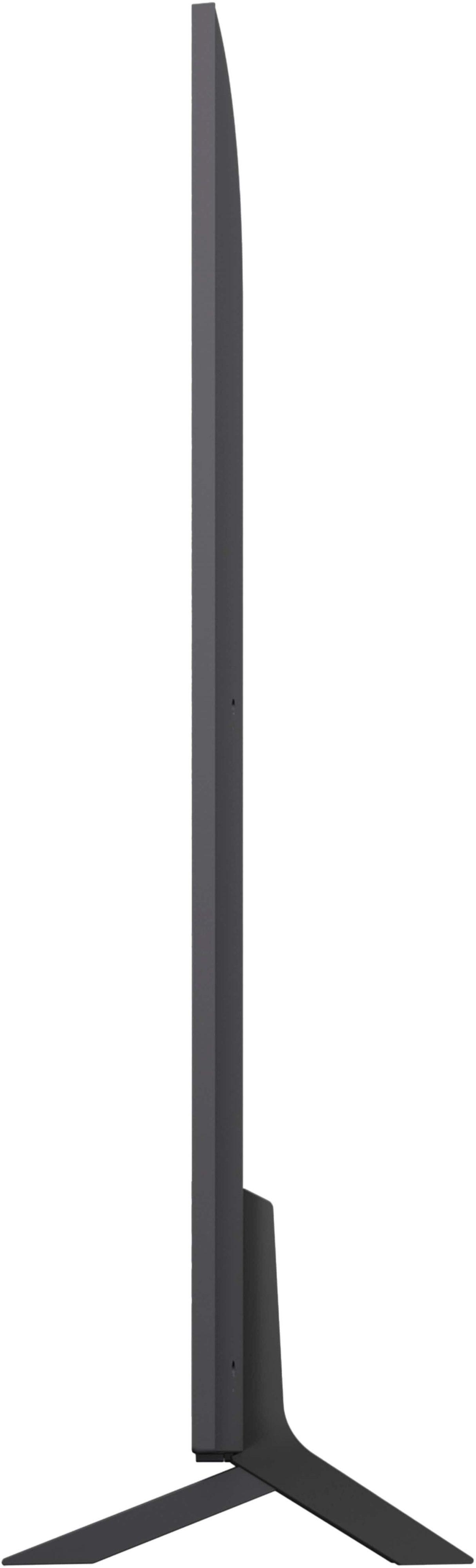
Shopping for a large TV in 2025 feels like choosing between two very different philosophies. Do you prioritize getting the biggest screen possible, or do you focus on getting the best picture quality within your budget? That's exactly the choice you'll face when comparing Samsung's 75-inch QLED Q6F Series against LG's 65-inch QNED evo AI QNED85A.
Both TVs represent compelling approaches to the large screen market, but they're targeting different priorities. The Samsung Q6F delivers impressive size at an entry-level price point, while the LG QNED85A packs premium display technology into a slightly smaller package. At the time of writing, the price difference between these models is relatively modest—often less than $200—making this decision particularly interesting for buyers trying to maximize their investment.
Before diving into specifics, it's worth understanding what makes these TVs tick. Both models use advanced display technologies that have evolved significantly since 2020, but they take fundamentally different approaches.
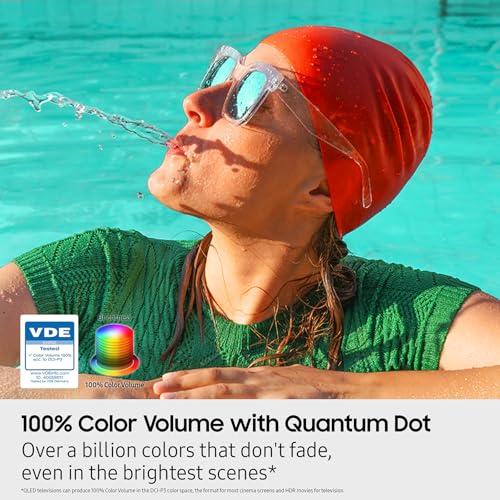
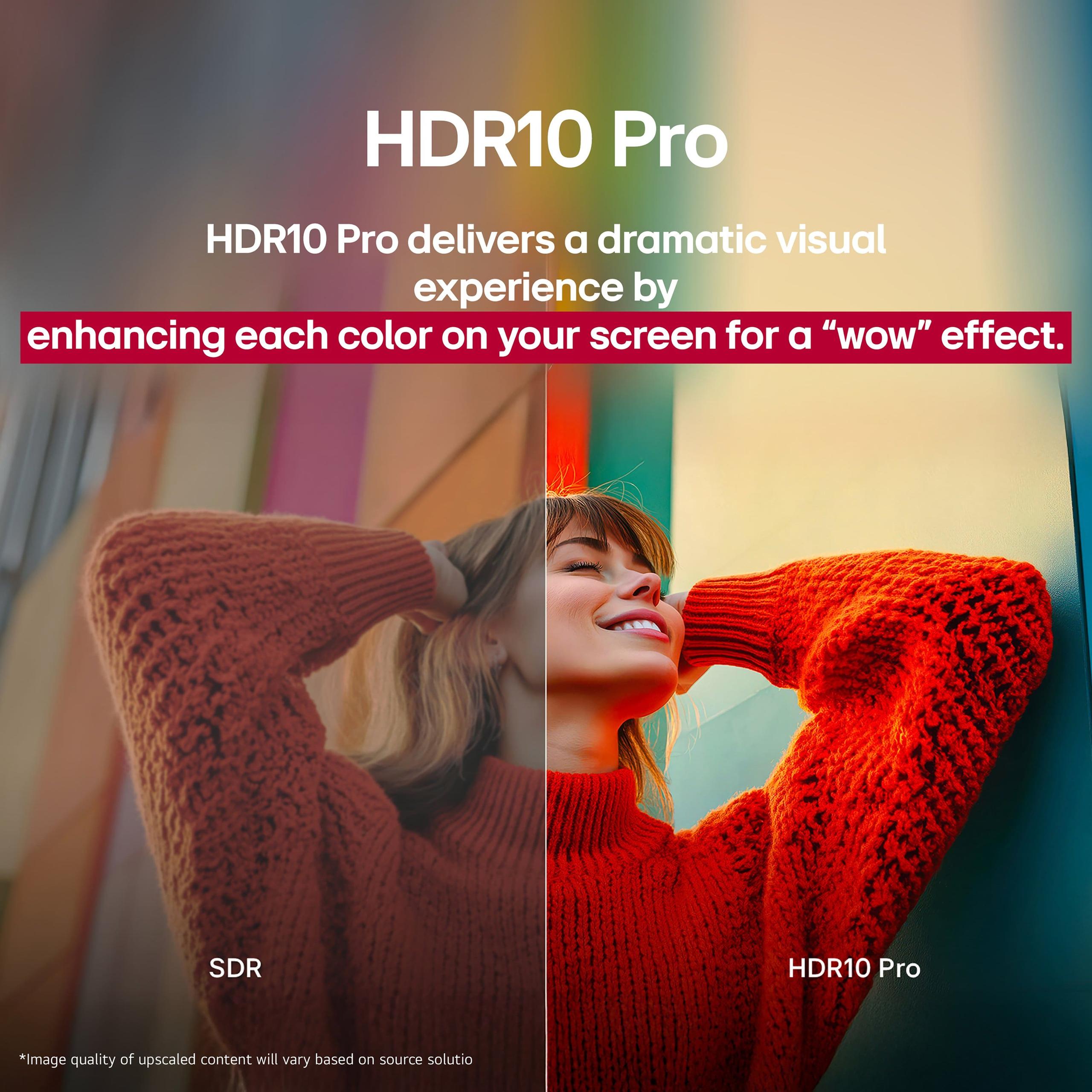
The Samsung Q6F uses QLED technology, which combines traditional LED backlighting with quantum dots—microscopic particles that enhance color reproduction when hit by light. Think of quantum dots as tiny color filters that make reds more red and blues more blue, creating more vibrant and accurate colors than standard LED TVs. Samsung's implementation includes what they call "100% Color Volume," meaning the TV can maintain color accuracy even at maximum brightness levels.
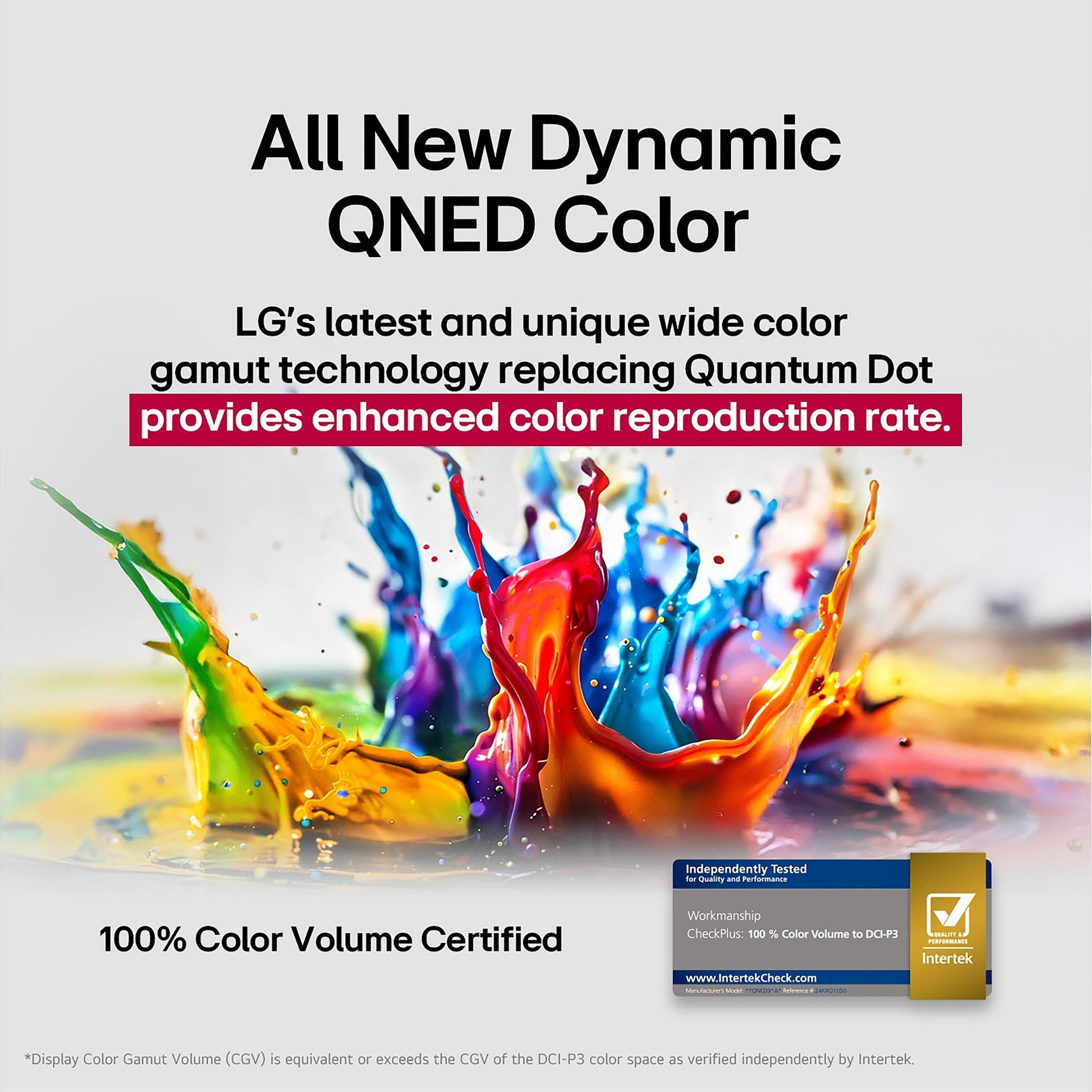
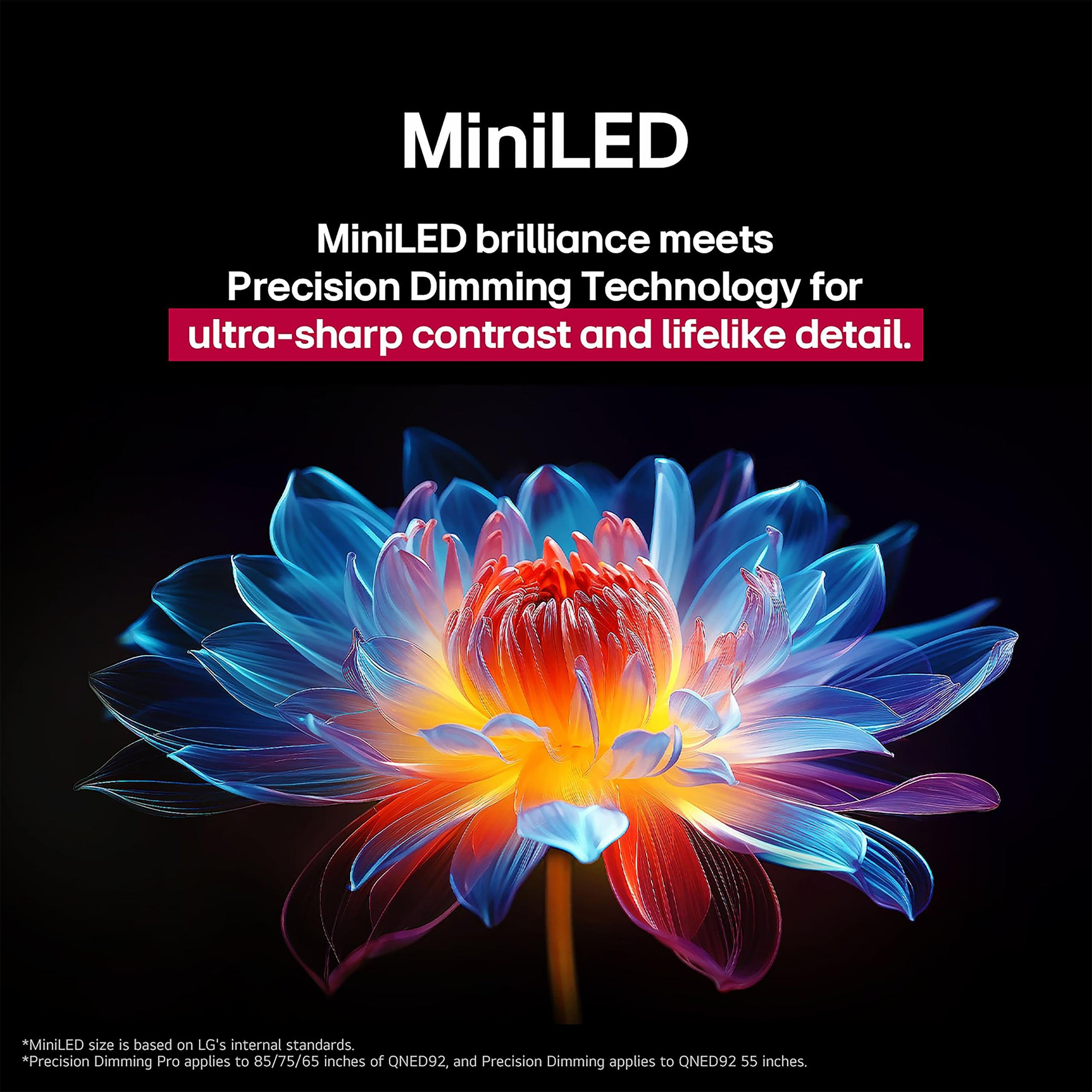
The LG QNED85A, on the other hand, uses MiniLED technology combined with quantum dots and something called NanoCell filtering. MiniLEDs are exactly what they sound like—much smaller LEDs than traditional backlights, allowing for thousands of individual lighting zones across the screen. This enables what's called "local dimming," where different parts of the screen can be dimmed independently. When you're watching a movie with a bright explosion against a dark sky, MiniLED can make the explosion brilliantly bright while keeping the surrounding darkness truly dark.
The NanoCell layer adds another level of refinement by filtering out impure light wavelengths, improving color accuracy and reducing the color bleeding that sometimes occurs with cheaper displays.
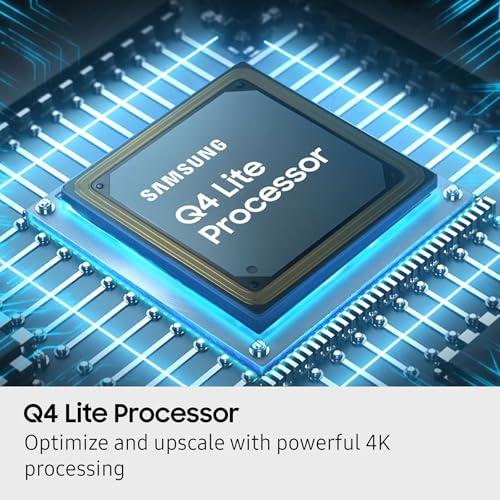
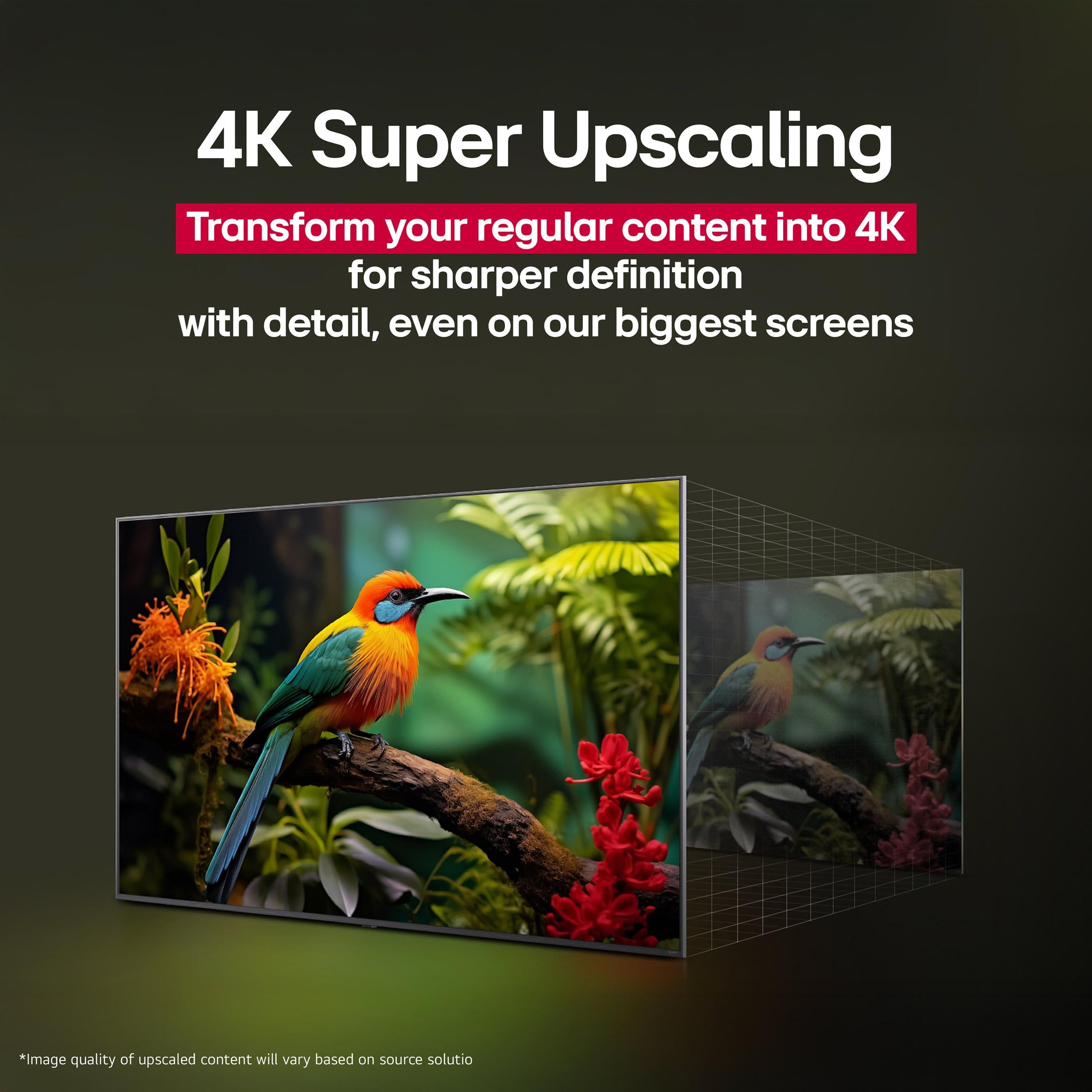
The picture quality differences between these TVs become apparent the moment you turn them on. The Samsung Q6F delivers solid, vibrant colors that look impressive in most viewing conditions. Its Q4 Lite Processor handles 4K upscaling reasonably well, meaning your Netflix shows and Blu-ray movies will look sharp and detailed on the large 75-inch screen.
However, the LG QNED85A operates in a different league entirely. The MiniLED backlighting produces significantly higher peak brightness—up to 1,000 nits compared to the Samsung's more modest output. This makes an enormous difference in bright rooms. If your TV sits opposite windows or you watch during the day with lights on, the LG's superior brightness cuts through ambient light much more effectively.
More importantly, the local dimming capability creates contrast that the Samsung simply cannot match. When watching dark scenes in movies or TV shows, the LG can make blacks look truly black while maintaining bright highlights. The Samsung, with its edge-lit LED system, tends to have a more uniform backlight that can make dark scenes look grayish rather than deeply black.
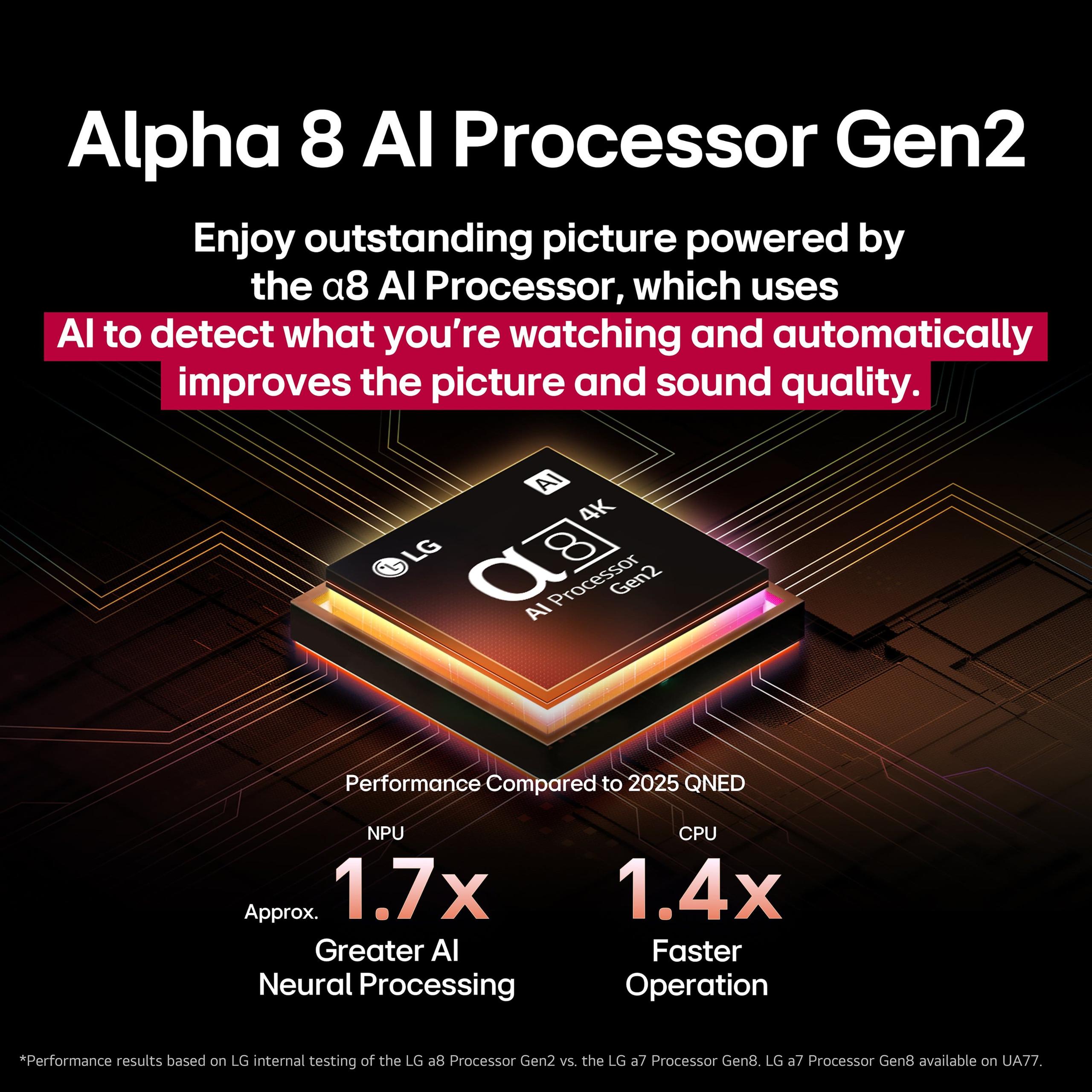
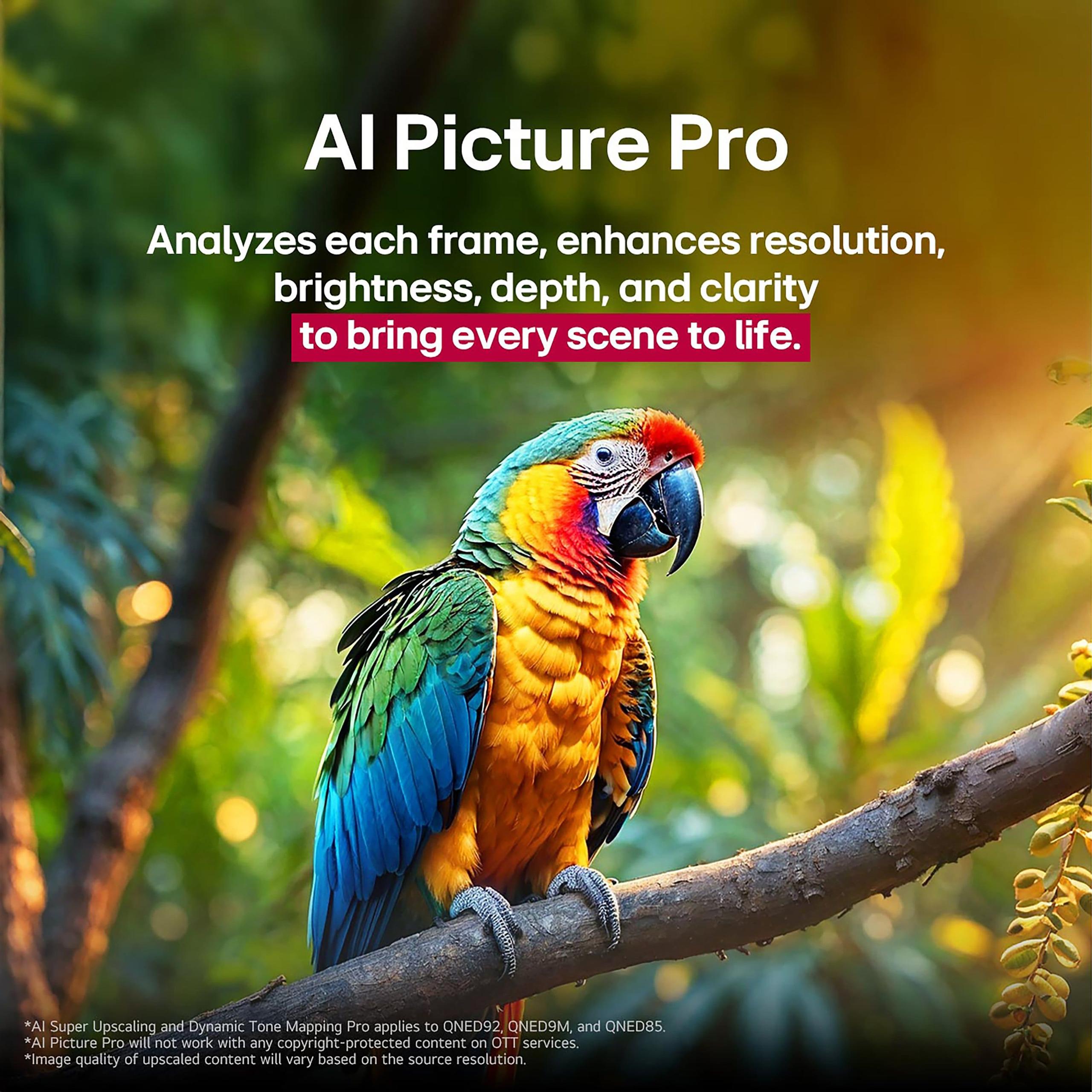
The α8 Gen 2 AI Processor in the QNED85A represents another significant advantage. This chip analyzes content in real-time, adjusting picture settings for each scene. It can distinguish between different types of content—recognizing when you're watching a nature documentary versus an action movie—and optimize accordingly. The Samsung's Q4 Lite Processor is more basic, handling essential upscaling and processing without the sophisticated scene-by-scene optimization.
This comparison really comes down to a fundamental question: would you rather have a bigger screen with good picture quality, or a slightly smaller screen with excellent picture quality?
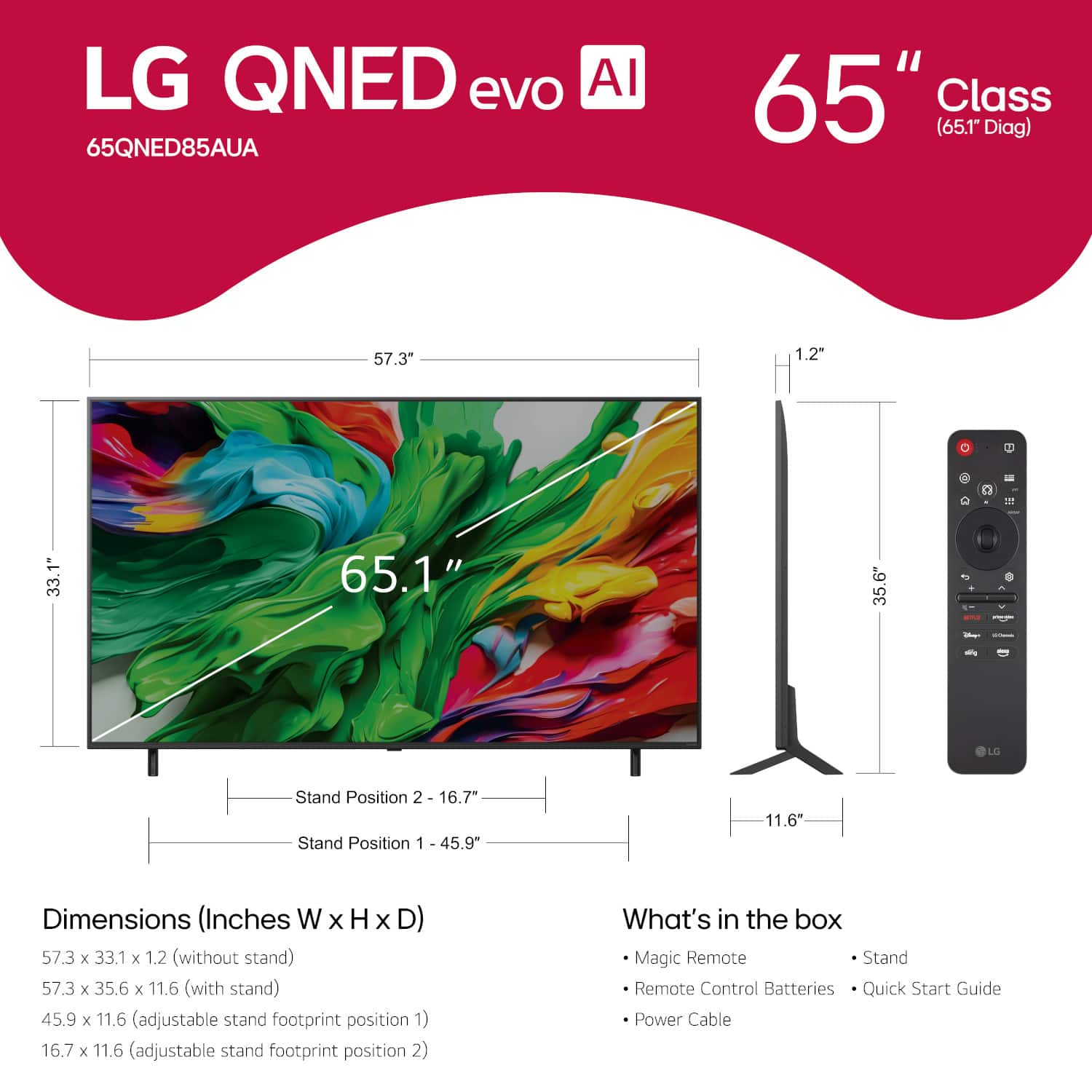
The 75-inch Samsung Q6F provides about 23% more screen area than the 65-inch LG QNED85A. That's not a trivial difference—it's the kind of size upgrade you notice immediately and appreciate every time you watch. For movie nights or sports viewing, that extra screen real estate creates a more immersive experience, especially if you're sitting 10 feet or more away from the TV.
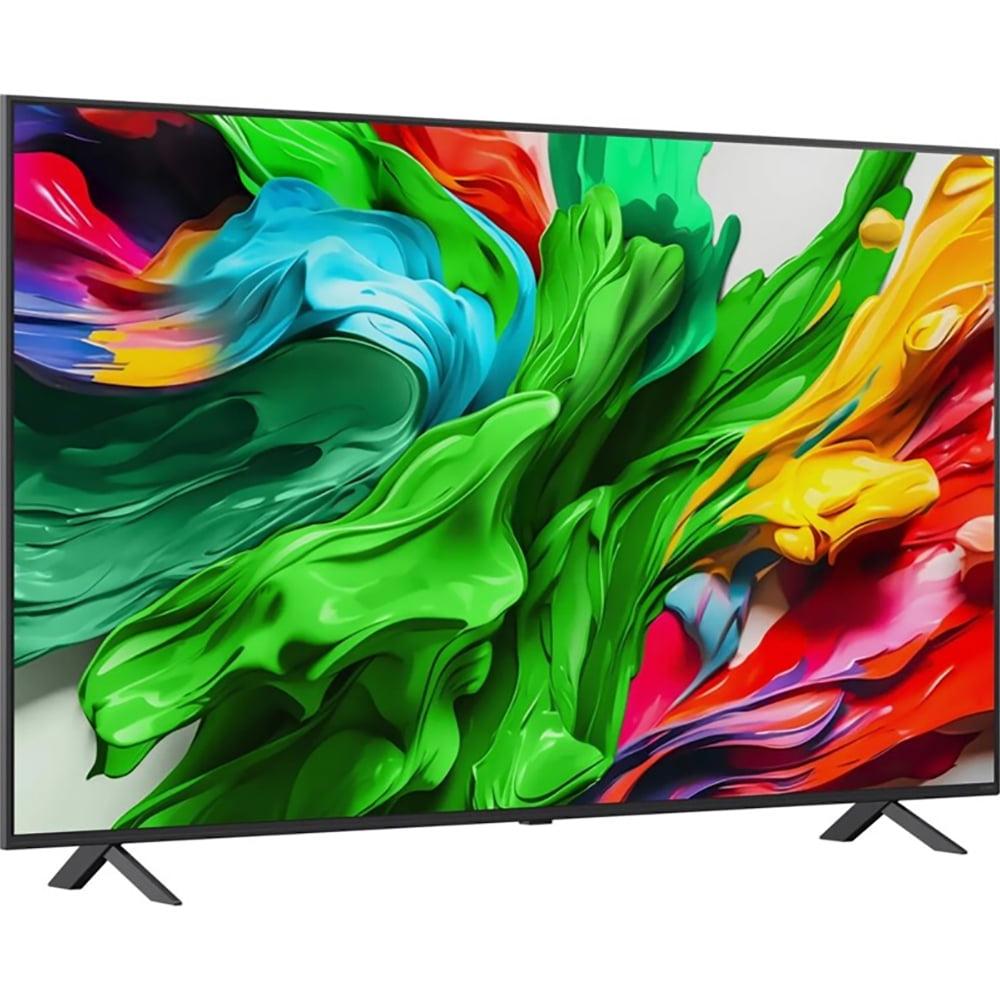
However, our research into user experiences and expert reviews consistently shows that picture quality improvements are often more impactful than size increases, particularly at typical living room viewing distances of 8-12 feet. The LG's superior brightness, contrast, and color processing create a more engaging viewing experience that many find more satisfying than simply having a larger display.
The sweet spot for TV viewing is generally considered to be sitting at a distance of 1.5 to 2.5 times the screen diagonal. For the 75-inch Samsung, that's roughly 9-15 feet, while the 65-inch LG works best at 8-13 feet. Most living rooms fall somewhere in this range, making either size appropriate but potentially favoring different aspects of the viewing experience.
If gaming matters to you—whether on PlayStation 5, Xbox Series X, or a gaming PC—the performance difference between these TVs is dramatic. The Samsung Q6F tops out at a 60Hz refresh rate, which is fine for streaming Netflix but limiting for modern gaming. Most current-generation games can run at higher frame rates, and the Samsung simply can't display them properly.
The LG QNED85A supports native 120Hz refresh rates and includes Variable Refresh Rate (VRR) technology. VRR synchronizes the TV's refresh rate with your gaming device's output, eliminating screen tearing and stuttering. It's the difference between playing a racing game where the action sometimes looks choppy versus smooth, fluid motion that tracks perfectly with your controller inputs.
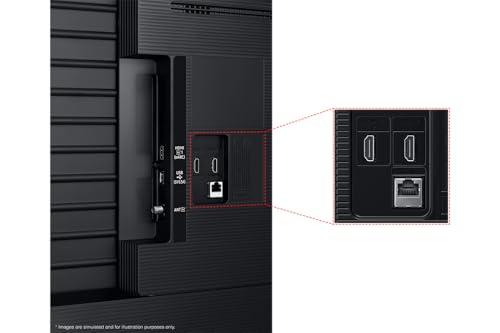
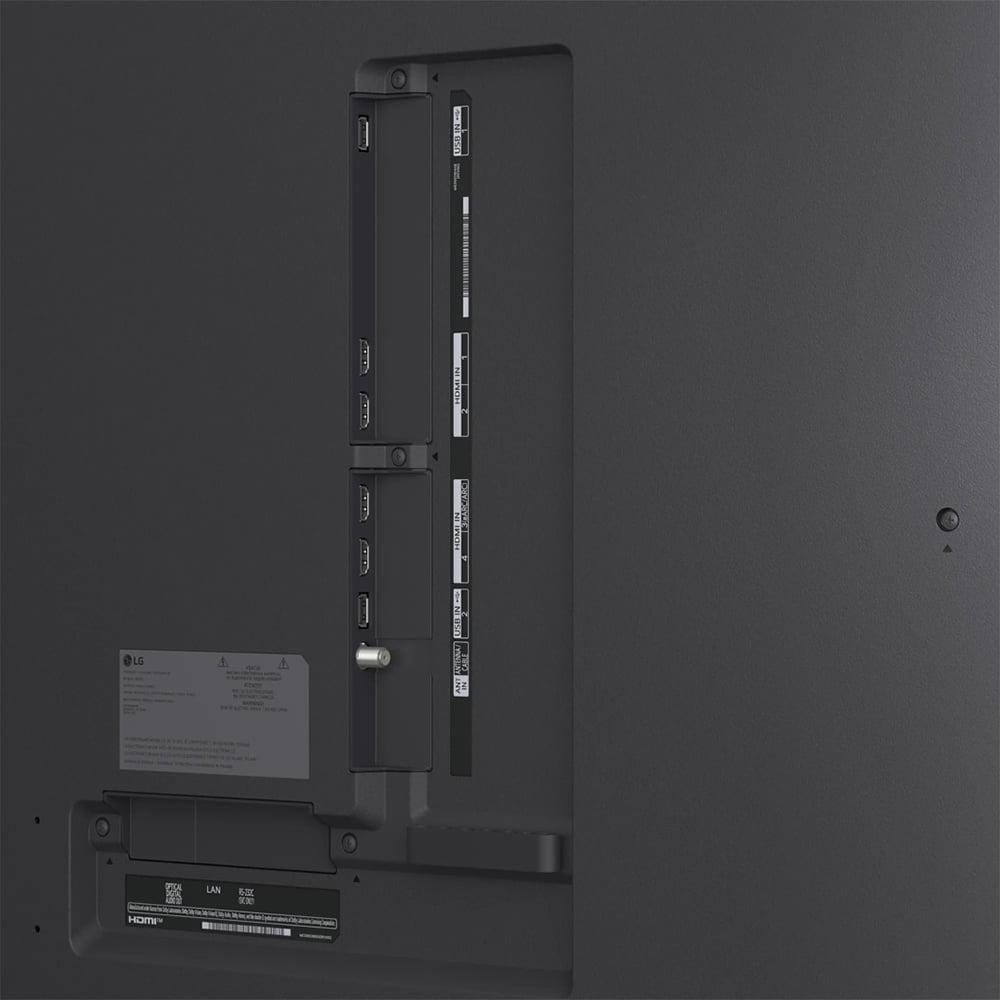
The LG also includes four HDMI 2.1 ports compared to the Samsung's three standard HDMI ports. HDMI 2.1 supports the higher bandwidth needed for 4K gaming at 120Hz, plus advanced features like Auto Low Latency Mode (ALLM) that automatically switches to game mode when it detects a gaming signal.
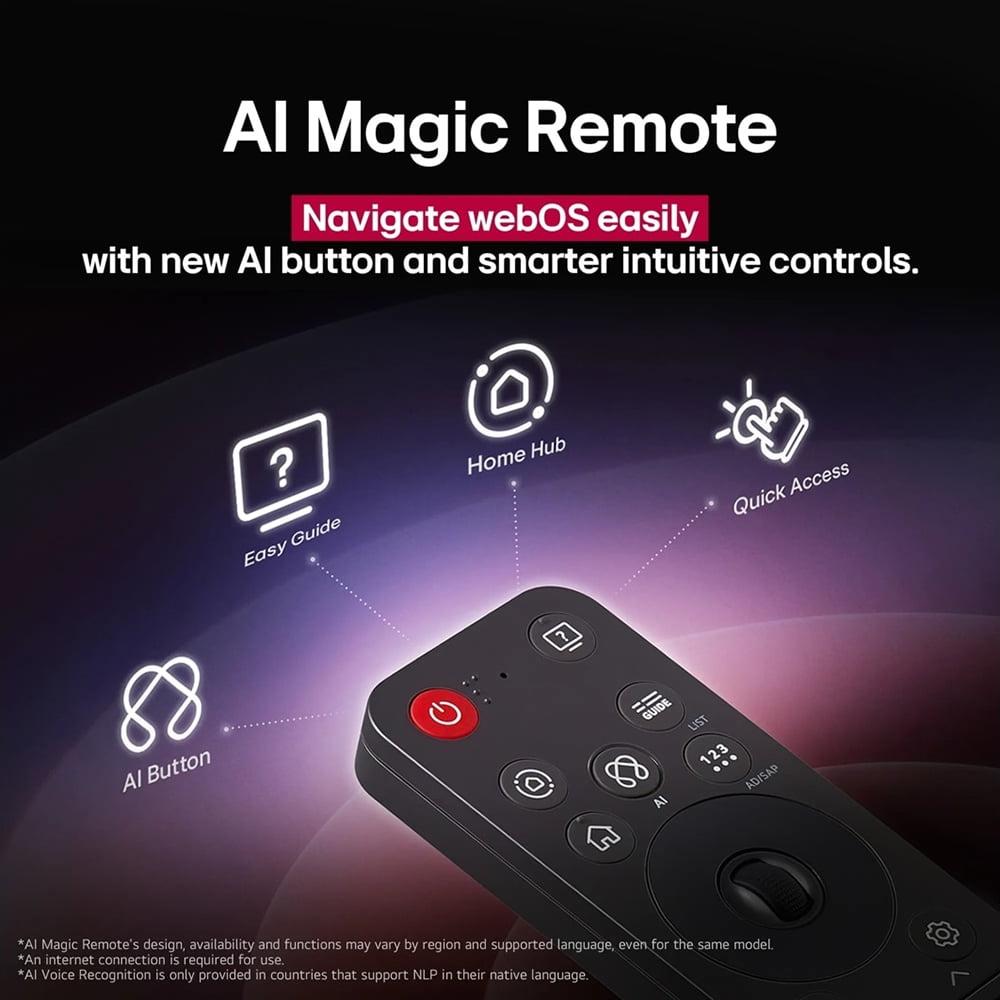
For serious gamers, this isn't even a close comparison—the QNED85A is built for modern gaming while the Samsung is essentially locked into 60Hz gaming performance that was standard five years ago.
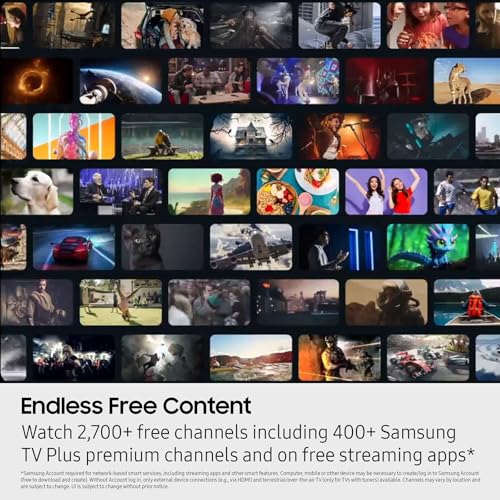
Both TVs run mature, capable smart TV platforms, but with different strengths. The Samsung Q6F uses Tizen OS, which provides access to all major streaming apps plus Samsung TV Plus—a collection of free streaming channels. The interface is clean and responsive, and integration with SmartThings allows control of compatible smart home devices directly from the TV.
The LG QNED85A runs webOS 25, which has evolved into one of the most sophisticated smart TV platforms available. The AI features are genuinely useful rather than just marketing buzzwords. AI Voice ID can recognize different family members and switch to their preferred settings and recommendations. The AI Concierge learns your viewing habits and suggests content you're likely to enjoy, powered by advanced machine learning that understands context better than simple algorithms.
Microsoft Copilot integration in the LG is particularly interesting, offering AI-powered assistance for everything from troubleshooting TV issues to organizing information. It's the kind of feature that sounds gimmicky but proves useful in practice, especially for less tech-savvy family members.
Both TVs support major voice assistants (Alexa, Google Assistant) and smart home platforms, so ecosystem compatibility isn't a differentiating factor.
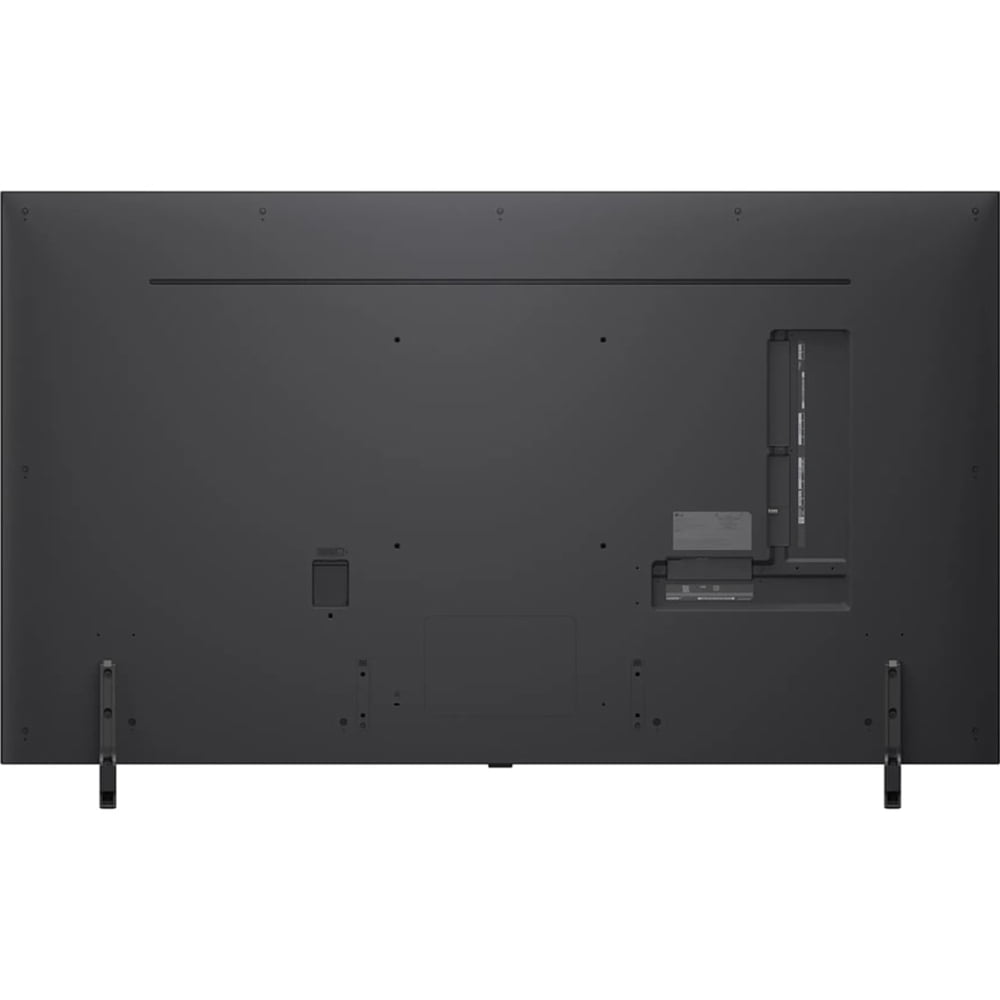
TV audio has improved dramatically in recent years, but significant differences remain between entry-level and premium models. The Samsung Q6F includes a basic 20W speaker system with 2-channel audio. It's adequate for casual viewing and dialog-heavy content, but lacks the power and sophistication for immersive movie watching.
The LG QNED85A features virtual 5.1 surround sound processing that creates a much more engaging audio experience. The AI Sound Pro technology analyzes audio content and optimizes it in real-time, enhancing dialog clarity and creating spatial effects that make action scenes more impactful. While it doesn't replace a dedicated sound system, it's substantially better than basic TV speakers.
For serious home theater use, both TVs support external audio systems through HDMI ARC/eARC connections, so the built-in audio differences become less critical if you plan to add a soundbar or surround sound system.
Your room's lighting situation significantly impacts which TV will perform better. In darker rooms with controlled lighting, both TVs can look quite good, though the LG's superior contrast still provides an advantage for movie watching.
In bright rooms—the reality for most living spaces—the difference becomes stark. The QNED85A's higher peak brightness and better reflection handling allow it to maintain picture quality even with windows, lamps, and overhead lighting. The Samsung Q6F, while adequate in moderate lighting, can look washed out in very bright conditions.
This brightness advantage extends to HDR (High Dynamic Range) content. HDR is designed to show brighter highlights and deeper shadows simultaneously, but it requires sufficient peak brightness to be effective. The LG can display HDR content as intended, while the Samsung's more limited brightness means HDR improvements are less dramatic.
Technology moves quickly, and what seems advanced today can feel dated within a few years. The Samsung Q6F provides excellent value for current viewing needs, especially if your usage focuses on streaming services and broadcast TV. However, its 60Hz limitation and basic processing may feel restrictive as content standards evolve.
The LG QNED85A is better positioned for future developments in gaming, streaming, and display technology. Its 120Hz capability, advanced AI processing, and MiniLED backlighting represent current premium standards that should remain relevant for several years.
LG's webOS Re:New Program promises five years of OS updates, ensuring the TV receives new features and security improvements. Samsung also provides regular updates, though without the same explicit long-term commitment.
The Samsung 75-inch Q6F makes sense for specific situations and priorities. Choose it if you're working within a tight budget but want maximum screen impact. It's ideal for darker rooms where the brightness limitations won't be as apparent, and for viewers who prioritize size over technical refinements. If your TV viewing consists mainly of streaming services, broadcast TV, and occasional movie watching, the Samsung provides satisfying performance without premium pricing.
The TV also makes sense for larger rooms where viewing distances exceed 12 feet. At those distances, the size advantage becomes more meaningful while picture quality differences become less noticeable.
However, the LG 65-inch QNED85A represents a better long-term investment for most buyers, despite the smaller screen. Choose it if you want a TV that excels in various lighting conditions, supports modern gaming, and provides premium picture quality that will remain satisfying for years.
The LG is particularly compelling for mixed-use scenarios—a family room that serves for everything from daytime news watching to evening movie marathons to weekend gaming sessions. Its versatility and advanced feature set justify the premium over the Samsung for buyers who want one TV that handles everything well.
For dedicated home theater use, where picture quality takes precedence over absolute screen size, the LG's superior contrast, brightness, and processing make it the clear choice.
At the time of writing, the modest price difference between these TVs—typically less than $200—makes the LG QNED85A the better value proposition for most buyers. You're essentially choosing between saving money and getting more screen real estate, versus spending slightly more for significantly better technology and future-proofing.
The Samsung Q6F serves buyers with specific priorities: maximum size within budget constraints, or viewing in darker rooms where its limitations are less apparent. It's a solid choice that delivers on its promise of big-screen entertainment without pretending to compete with premium models.
But for the majority of buyers considering these TVs, the LG QNED85A provides better overall value despite the smaller screen. Its superior brightness, gaming capabilities, and advanced processing create a more satisfying daily experience that justifies the investment. The 10-inch size difference, while noticeable, is less impactful than the substantial performance advantages the LG provides across virtually every aspect of TV watching.
| Samsung 75-Inch QLED Q6F Series 2025 | LG 65" QNED evo AI QNED85A 4K MiniLED Smart TV 2025 |
|---|---|
| Screen Size - Bigger screen creates more immersive viewing but picture quality matters more at typical distances | |
| 75 inches (23% larger viewing area) | 65 inches (premium quality in smaller package) |
| Display Technology - Determines contrast, brightness, and overall picture quality | |
| Standard LED + Quantum Dots (good colors, limited contrast) | MiniLED + Quantum Dots + NanoCell (superior contrast and brightness) |
| Peak Brightness - Critical for bright rooms and HDR impact | |
| ~400-500 nits (struggles in bright rooms) | Up to 1,000 nits (excellent for any lighting condition) |
| Refresh Rate - Essential for gaming and smooth motion | |
| 60Hz (basic, no modern gaming support) | 120Hz with VRR (full gaming capability) |
| Processor - Handles upscaling and picture optimization | |
| Q4 Lite Processor (basic processing) | α8 Gen 2 AI Processor (advanced real-time optimization) |
| Local Dimming - Controls contrast by dimming screen zones independently | |
| None (uniform backlighting limits contrast) | Precision Dimming Pro with MiniLED zones (deep blacks, bright highlights) |
| HDMI Ports - Future-proofing for multiple devices | |
| 3 HDMI ports (may limit connectivity) | 4 HDMI 2.1 ports (better for gaming and multiple devices) |
| Audio System - Built-in sound quality | |
| 20W 2-channel (basic audio) | Virtual 5.1 surround with AI Sound Pro (immersive experience) |
| Smart Platform - Interface and AI features | |
| Tizen OS with SmartThings (solid but basic) | webOS 25 with advanced AI personalization (sophisticated features) |
| Gaming Features - Support for modern consoles and PC gaming | |
| Basic 60Hz gaming only | 120Hz, VRR, low input lag (premium gaming experience) |
| HDR Support - Enhanced contrast and color in compatible content | |
| HDR10+ (limited by brightness) | HDR10+ and Dolby Vision (full HDR impact) |
| Best For - Ideal use cases | |
| Budget-conscious buyers prioritizing size, darker rooms, casual viewing | Quality-focused buyers, bright rooms, gaming, future-proofing |
The LG 65" QNED evo AI QNED85A is significantly better for bright rooms. Its MiniLED backlighting can reach up to 1,000 nits of peak brightness, while the Samsung 75-Inch QLED Q6F produces around 400-500 nits. This means the LG QNED85A cuts through ambient light much more effectively, maintaining picture quality even with windows and overhead lighting.
The Samsung Q6F uses standard QLED technology with LED backlighting and quantum dots for color enhancement. The LG QNED85A combines MiniLED backlighting with quantum dots and NanoCell filtering. MiniLED uses thousands of tiny LEDs that can dim independently, creating better contrast with deeper blacks and brighter highlights compared to the uniform backlighting in the Samsung Q6F.
The LG QNED85A is far superior for gaming. It supports 120Hz refresh rates with Variable Refresh Rate (VRR) and has four HDMI 2.1 ports for modern gaming consoles. The Samsung Q6F is limited to 60Hz with only three standard HDMI ports, making it unsuitable for next-generation gaming on PlayStation 5 or Xbox Series X.
The Samsung 75-Inch Q6F provides 23% more screen area than the LG 65-inch QNED85A. However, at typical viewing distances of 8-12 feet, the picture quality improvements in the LG QNED85A often provide more viewing satisfaction than the larger screen size of the Samsung Q6F.
The LG QNED85A offers more advanced smart features with webOS 25, including AI personalization, voice ID recognition, and Microsoft Copilot integration. The Samsung Q6F runs Tizen OS with solid basic features like SmartThings integration and Samsung TV Plus, but lacks the sophisticated AI capabilities of the LG QNED85A.
For dedicated home theater setups, the LG QNED85A is the better choice despite its smaller size. Its superior contrast from MiniLED backlighting, higher peak brightness, and advanced processing create more cinematic picture quality. The Samsung Q6F works for casual movie watching but lacks the contrast and brightness needed for premium home theater experiences.
Value depends on your priorities. The Samsung Q6F offers exceptional size-per-dollar value for budget-conscious buyers who prioritize screen size. The LG QNED85A provides better overall value for most buyers, delivering premium display technology and future-proofing features that justify its higher price point.
The LG QNED85A has significantly better built-in audio with virtual 5.1 surround sound and AI Sound Pro processing. The Samsung Q6F includes basic 20W 2-channel speakers that are adequate for casual viewing but lack the immersion and clarity of the LG's advanced audio system.
Both TVs handle streaming well, but the LG QNED85A has advantages in picture processing and brightness that make streaming content look more vibrant and detailed. The Samsung Q6F provides perfectly adequate streaming performance, especially in darker rooms where its brightness limitations are less noticeable.
The LG QNED85A generally offers better viewing angles due to its advanced display technology and NanoCell filtering, maintaining color accuracy when viewed from the side. The Samsung Q6F has decent viewing angles for its price range but may show more color shifting when viewed off-axis compared to the LG QNED85A.
The LG QNED85A is better positioned for long-term use with its 120Hz capability, advanced AI processing, and superior display technology. The Samsung Q6F meets current viewing needs well but may feel outdated sooner due to its 60Hz limitation and basic feature set compared to the future-proof capabilities of the LG QNED85A.
This depends on your room and viewing habits. Choose the Samsung 75-Inch Q6F if you prioritize maximum screen size, watch primarily in darker rooms, and want to minimize cost. Choose the LG 65" QNED85A if you want premium picture quality that excels in any lighting condition, plan to game, or prefer a TV that will remain satisfying for years to come.
We've done our best to create useful and informative comparisons to help you decide what product to buy. Our research uses advanced automated methods to create this comparison and perfection is not possible - please contact us for corrections or questions. These are the sites we've researched in the creation of this article: youtube.com - rtings.com - cnet.com - youtube.com - rtings.com - samsung.com - bestbuy.com - samsung.com - samsung.com - bestbuy.com - manuals.plus - arrowassociatedstores.com - samsung.com - samsung.com - samsung.com - flatpanelshd.com - device.report - rtings.com - rtings.com - youtube.com - lg.com - smarthomesounds.co.uk - abt.com - abt.com - lg.com - displayspecifications.com - walmart.com - bestbuy.com - lg.com - lg.com - lg.com - files.bbystatic.com - flatpanelshd.com - north-side-appliance.com - lgnewsroom.com - lg.com - youtube.com - youtube.com - hindustantimes.com

Privacy Policy
Terms and Conditions - Affiliate Policy
Home Security
© Copyright 2008-2026.
11816 Inwood Rd #1211, Dallas, TX 75244