

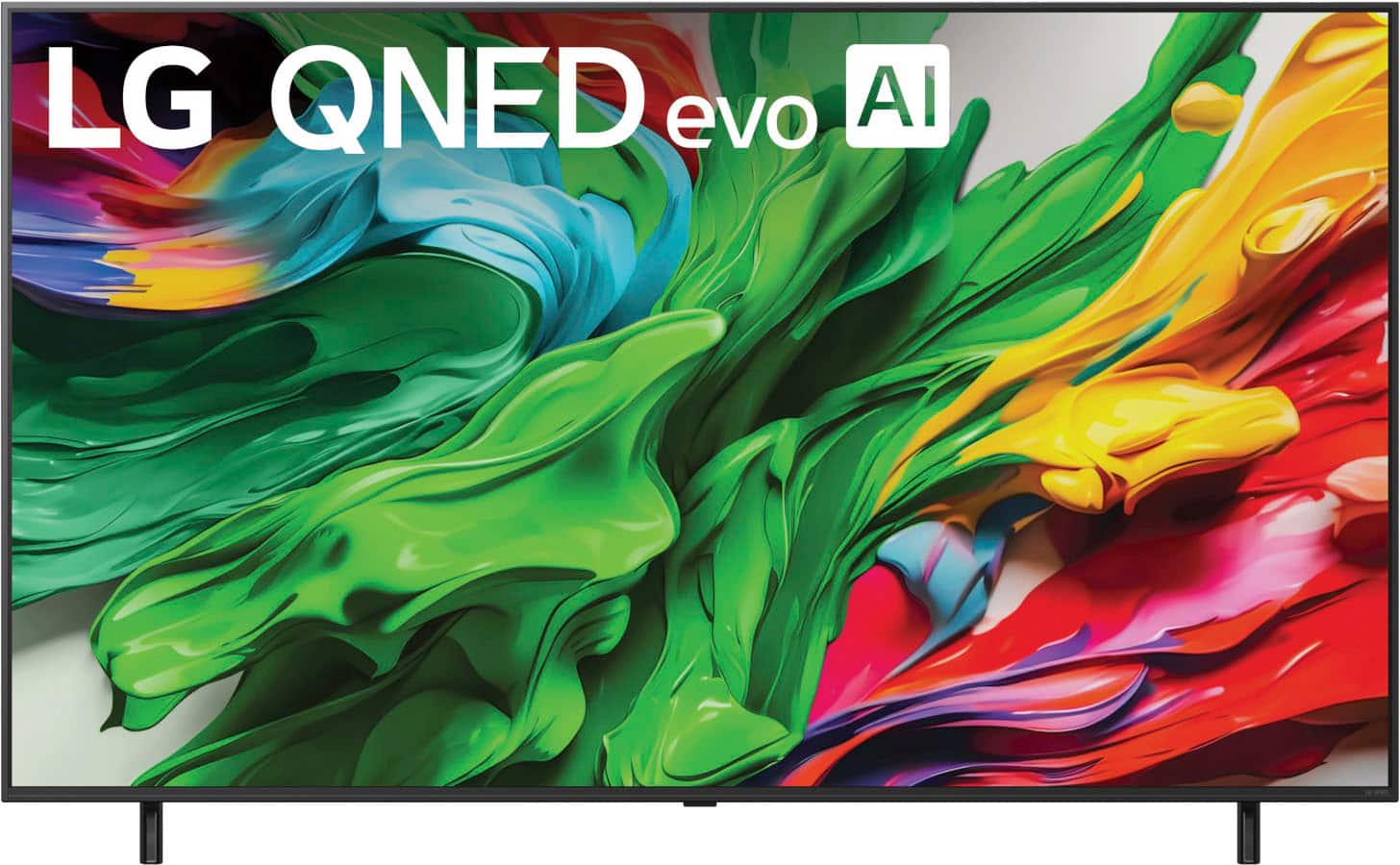
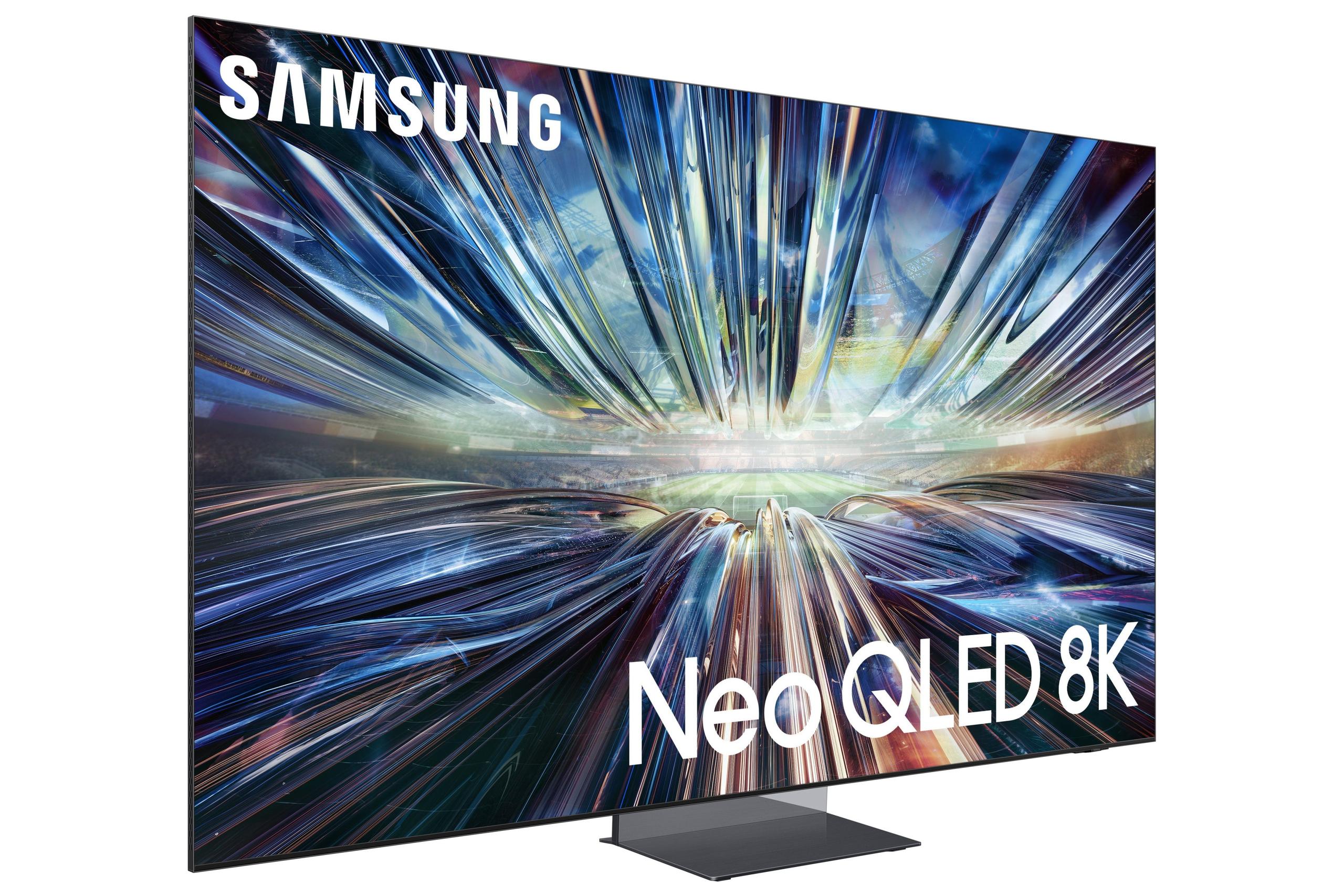
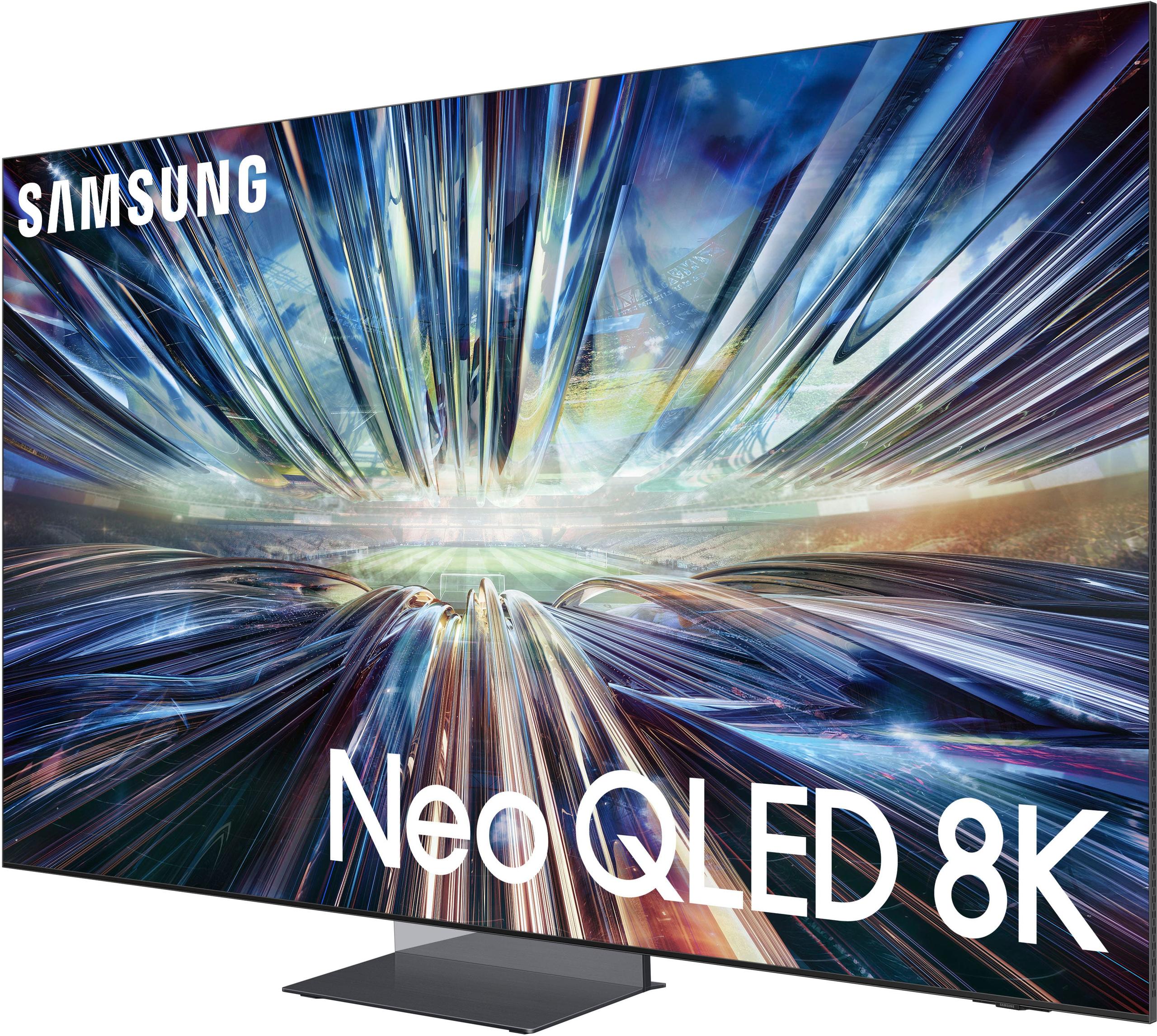
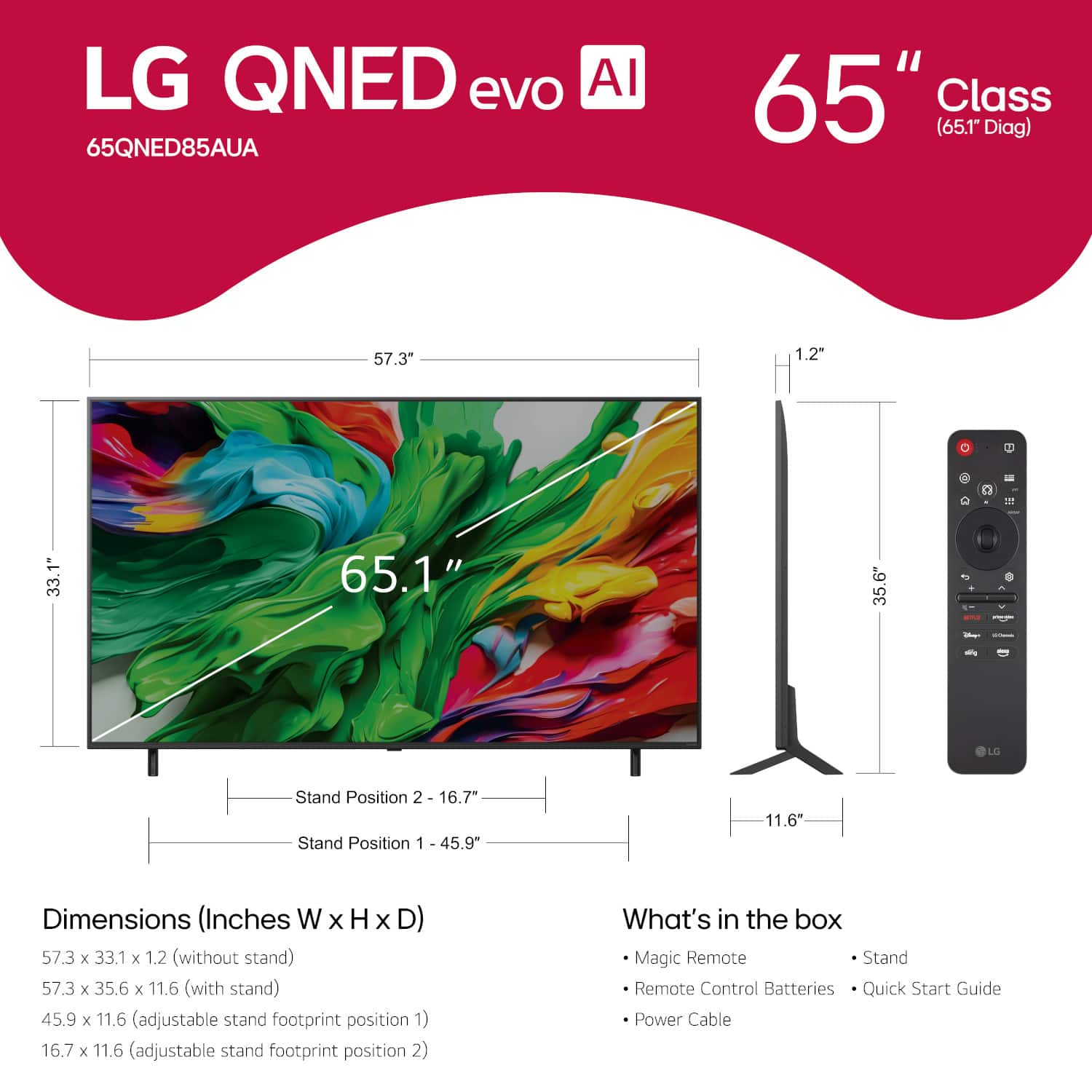
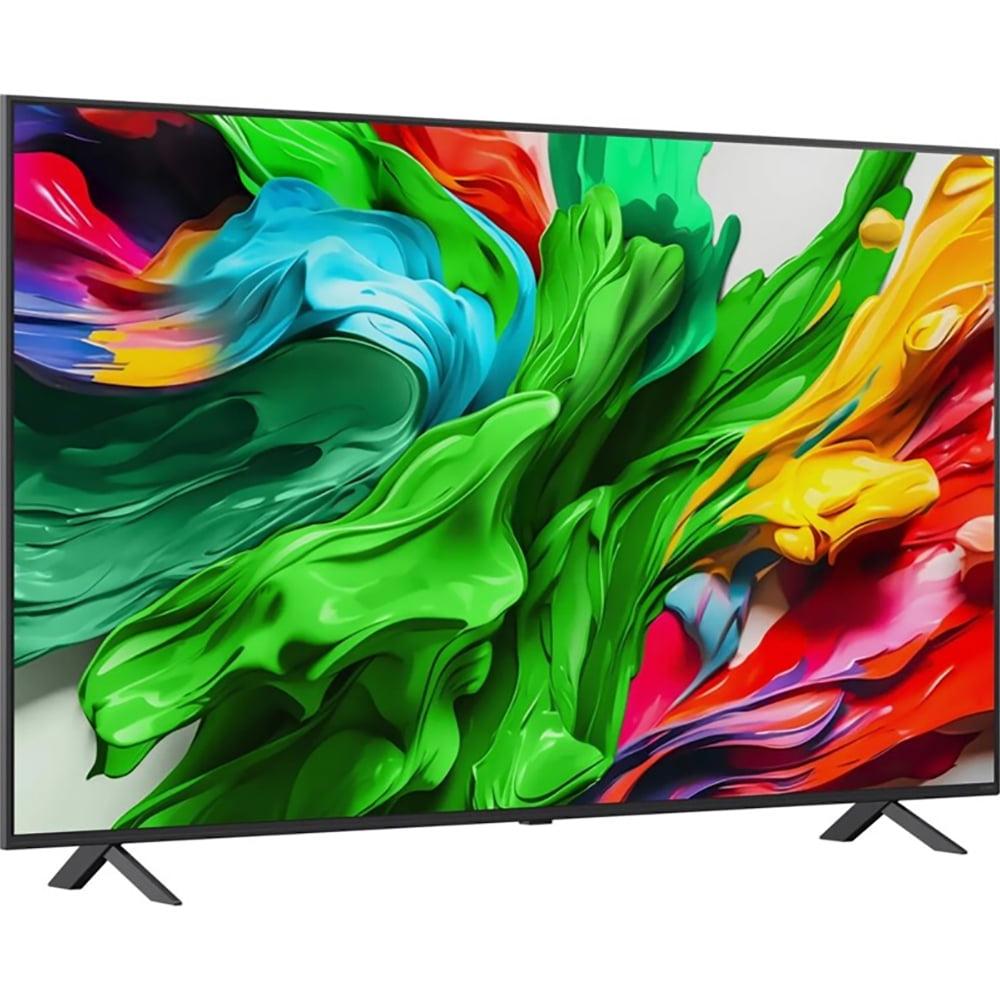
When you're ready to upgrade to a premium large-screen TV, the choices can feel overwhelming. Two standout options released in 2025 represent different philosophies in high-end television technology: the LG 65" QNED evo AI QNED85A 4K MiniLED Smart TV at $999.99 and the Samsung QN900D Series 65" Neo QLED 8K Smart TV at $2,897.00. Both are impressive, but they take dramatically different approaches to delivering premium viewing experiences.
Before diving into specifics, it's helpful to understand what makes a TV "premium" in 2025. Premium TVs use advanced backlighting technologies like MiniLED, which employs thousands of tiny LEDs behind the screen for precise lighting control. This creates better contrast between bright and dark areas compared to traditional LED TVs. They also incorporate quantum dot technology, which uses microscopic particles to produce more accurate and vibrant colors.
The core considerations when choosing between premium TVs include display technology (how the picture is created), picture quality (brightness, contrast, and color accuracy), smart features (AI capabilities and apps), gaming performance (input lag and refresh rates), and overall value. Both TVs excel in these areas but with different strengths.
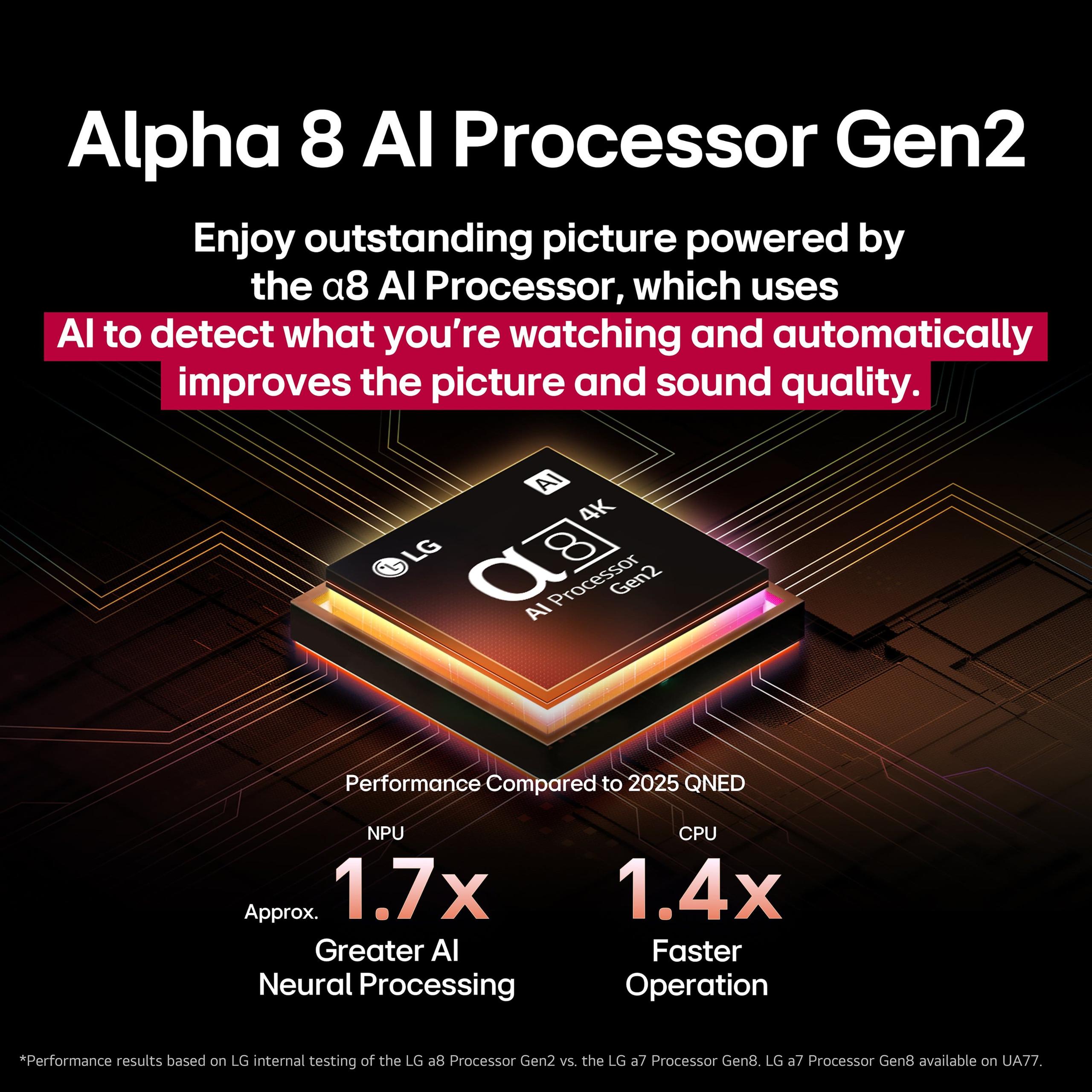
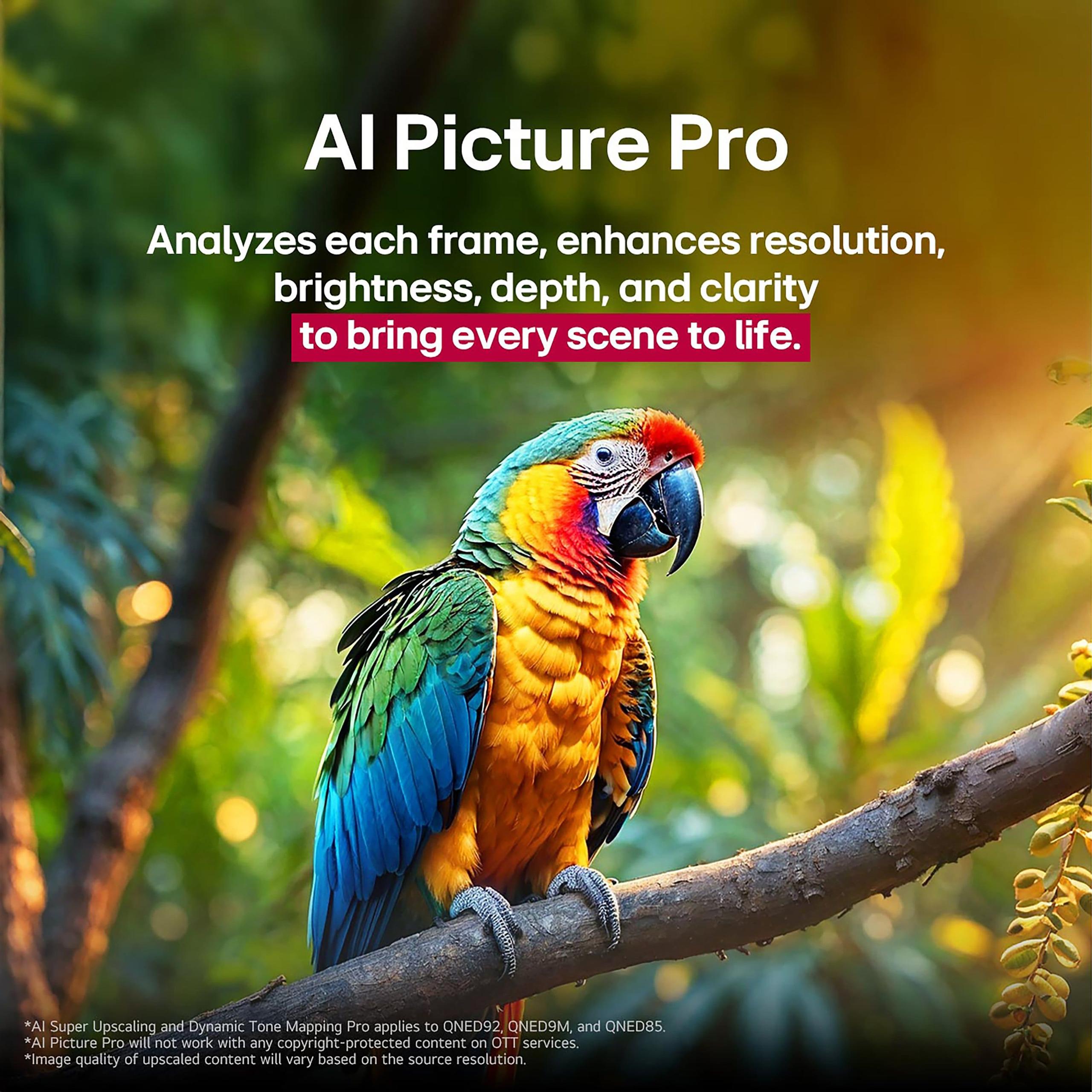
The LG QNED85A launched in May 2025 as part of LG's refined QNED lineup. LG has been steadily improving their QNED technology since its introduction in 2021, and the 2025 model represents a significant leap forward in AI processing power. The α8 Gen 2 AI processor in this TV delivers 70% better AI performance than previous generations, enabling more sophisticated real-time picture and sound optimization.
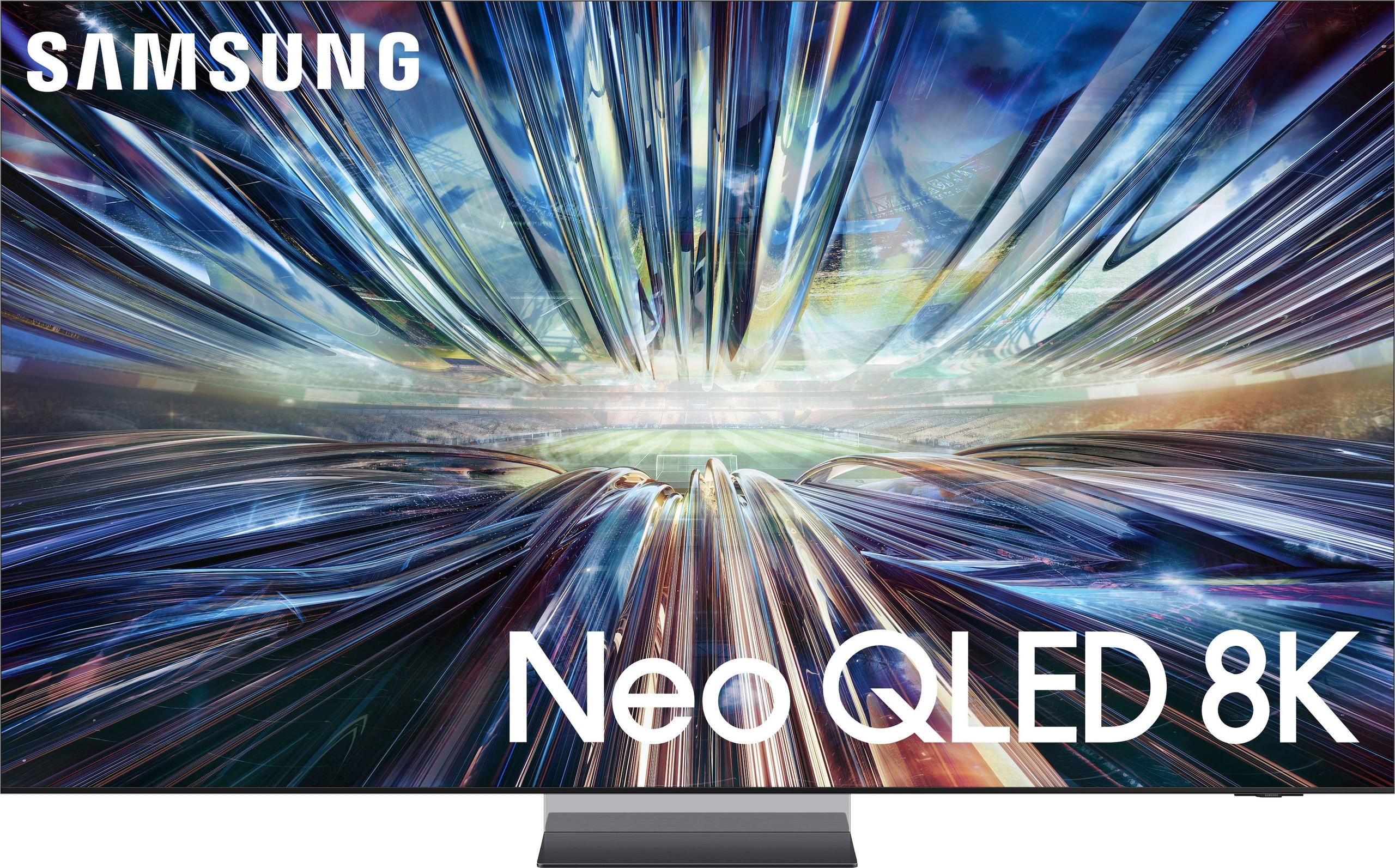
The Samsung QN900D also arrived in 2025 as Samsung's flagship 8K television. Samsung has been pushing 8K technology since 2019, and the QN900D represents their most mature 8K implementation yet. The Neural Quantum Processor 8K has been refined to handle upscaling from 4K and lower resolutions more effectively, addressing one of the main criticisms of early 8K TVs.
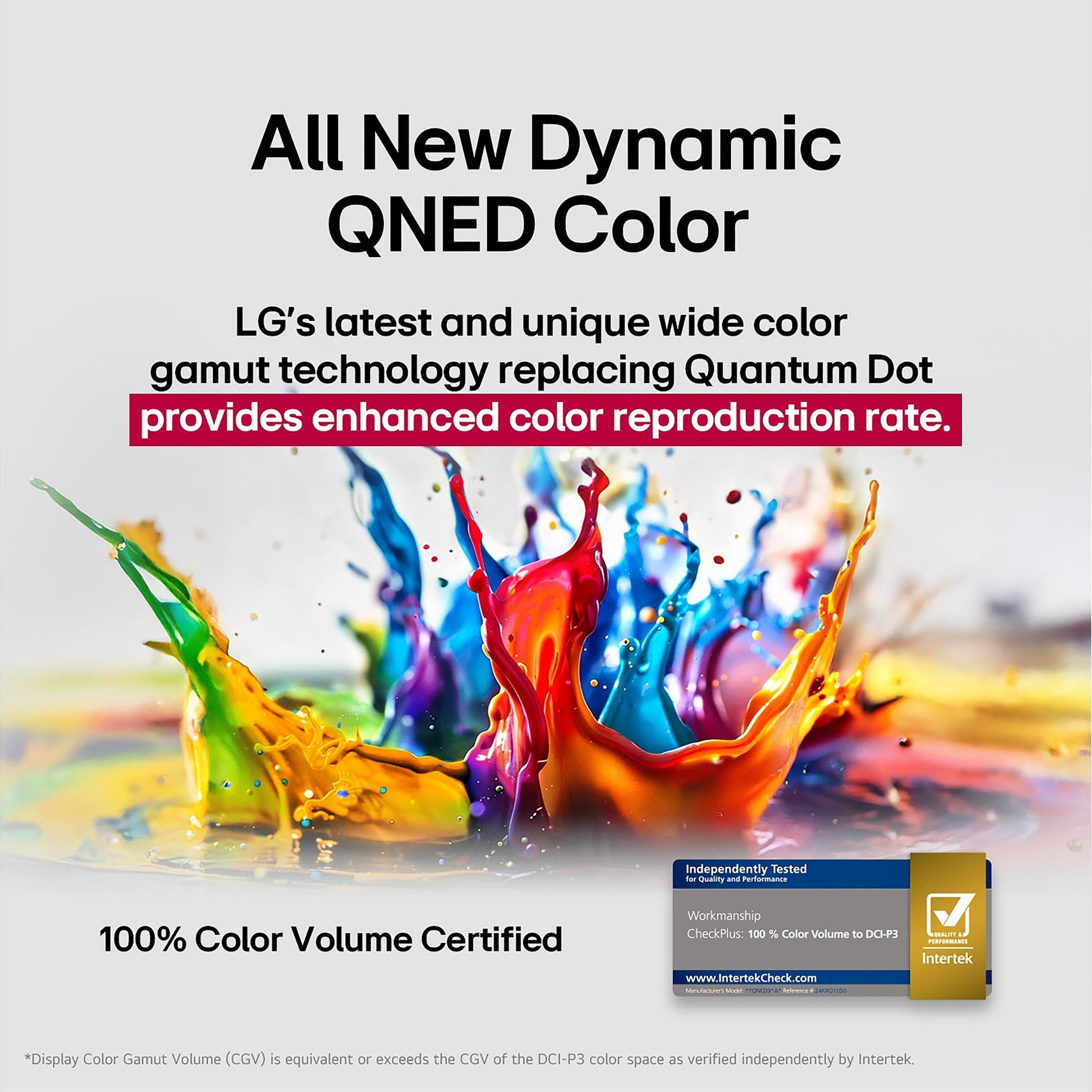
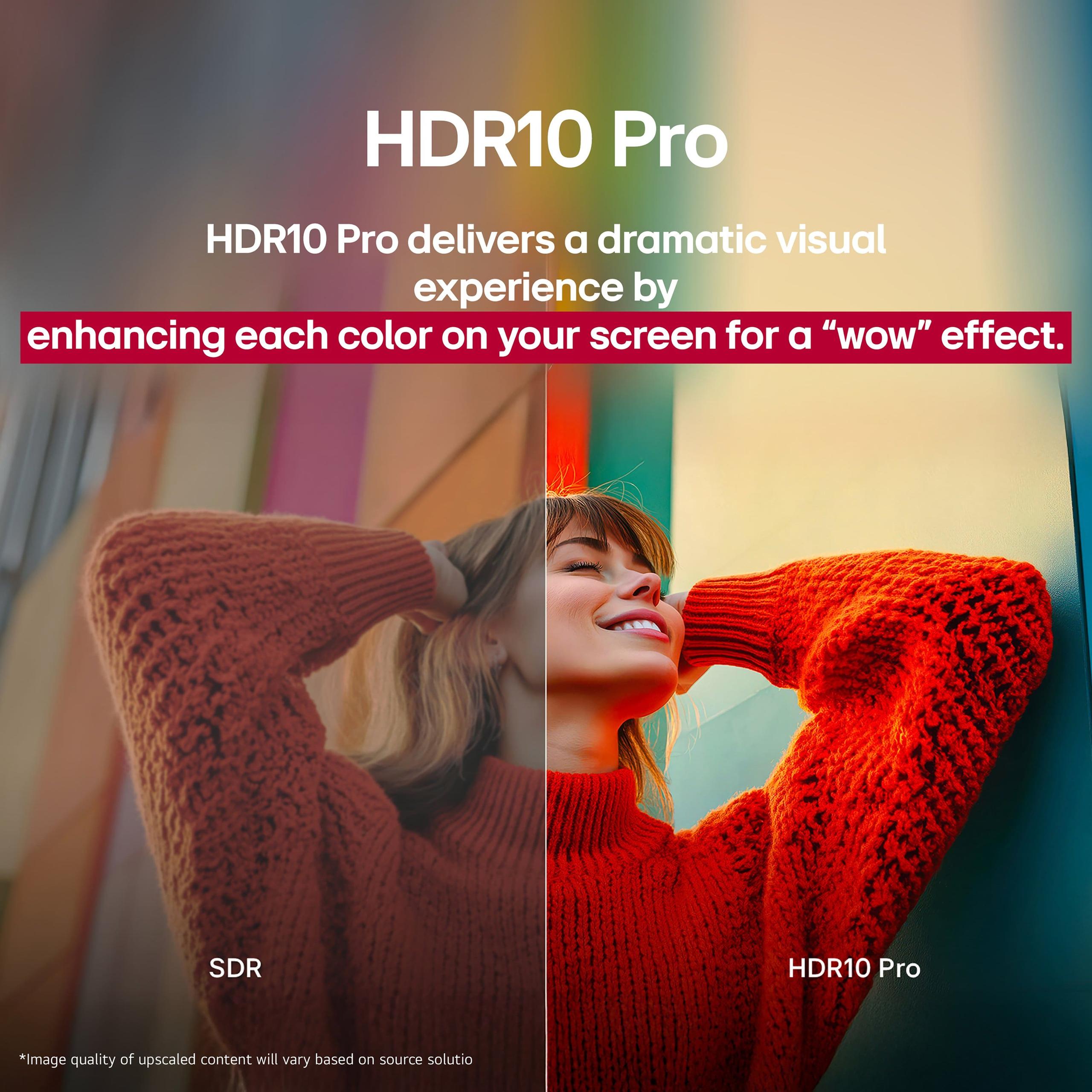
The LG uses QNED technology, which combines quantum dots with NanoCell filtering. Think of quantum dots as tiny crystals that can produce pure, specific colors when hit by light. The NanoCell layer then filters out impure colors, resulting in what LG calls "100% Color Volume" – meaning the TV can reproduce colors accurately across different brightness levels.
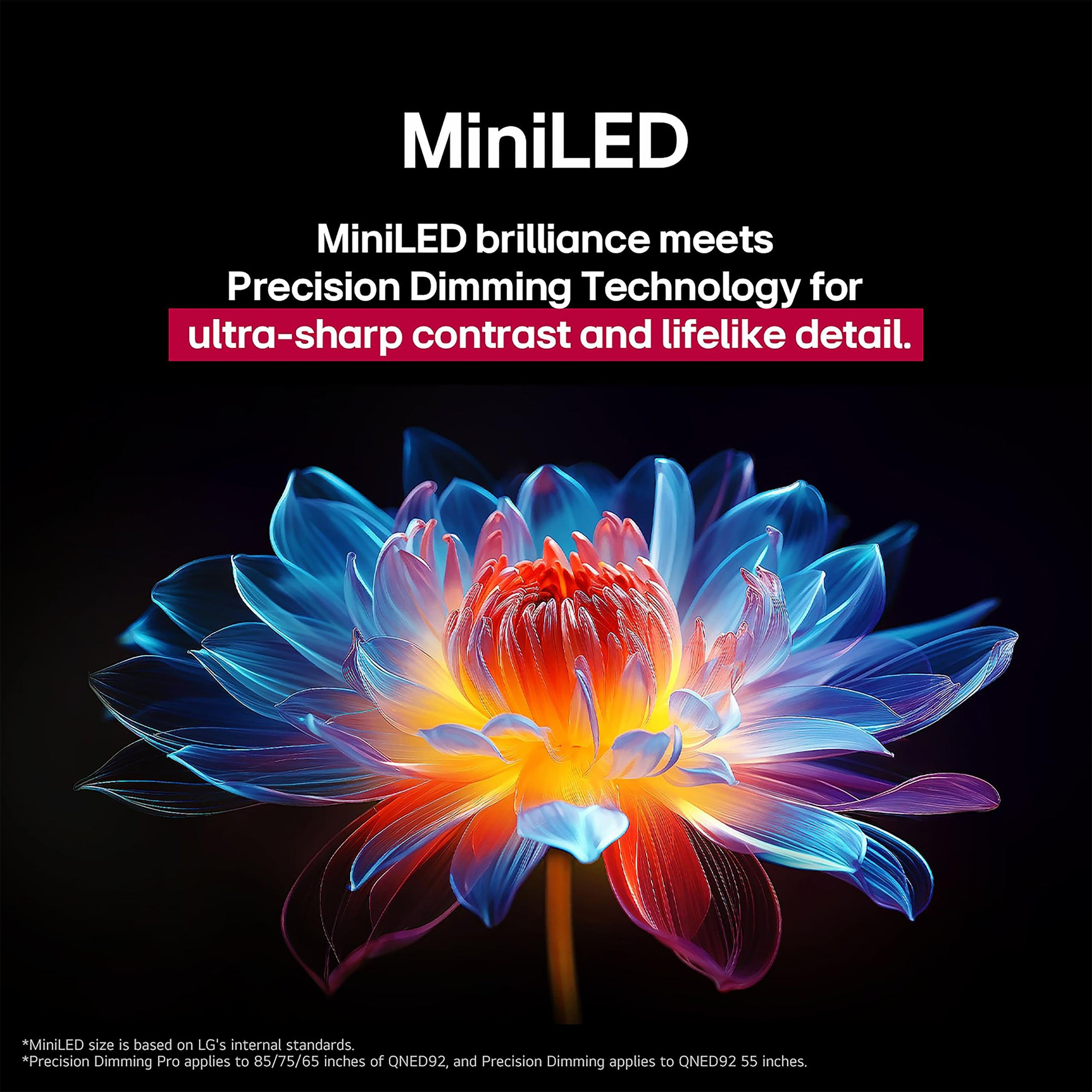
What makes the 2025 QNED85A special is its MiniLED backlighting with Precision Dimming Pro. This system uses thousands of small LEDs arranged in zones behind the screen. When a scene has both bright and dark areas, the system can brighten LEDs behind bright objects while dimming LEDs behind dark areas. This creates better contrast than traditional LED TVs, though not quite matching the pixel-perfect control of OLED displays.
The result is a TV that excels in color accuracy and viewing angles. I've found QNED displays maintain their color saturation even when viewed from the side, making them excellent for family viewing where people sit at different angles.
Samsung's approach uses Neo QLED technology with Quantum Matrix Pro. "Neo" refers to Samsung's use of MiniLEDs that are even smaller than typical MiniLEDs – about 1/40th the size of conventional LEDs. This allows for more precise local dimming zones, creating deeper blacks and brighter highlights.
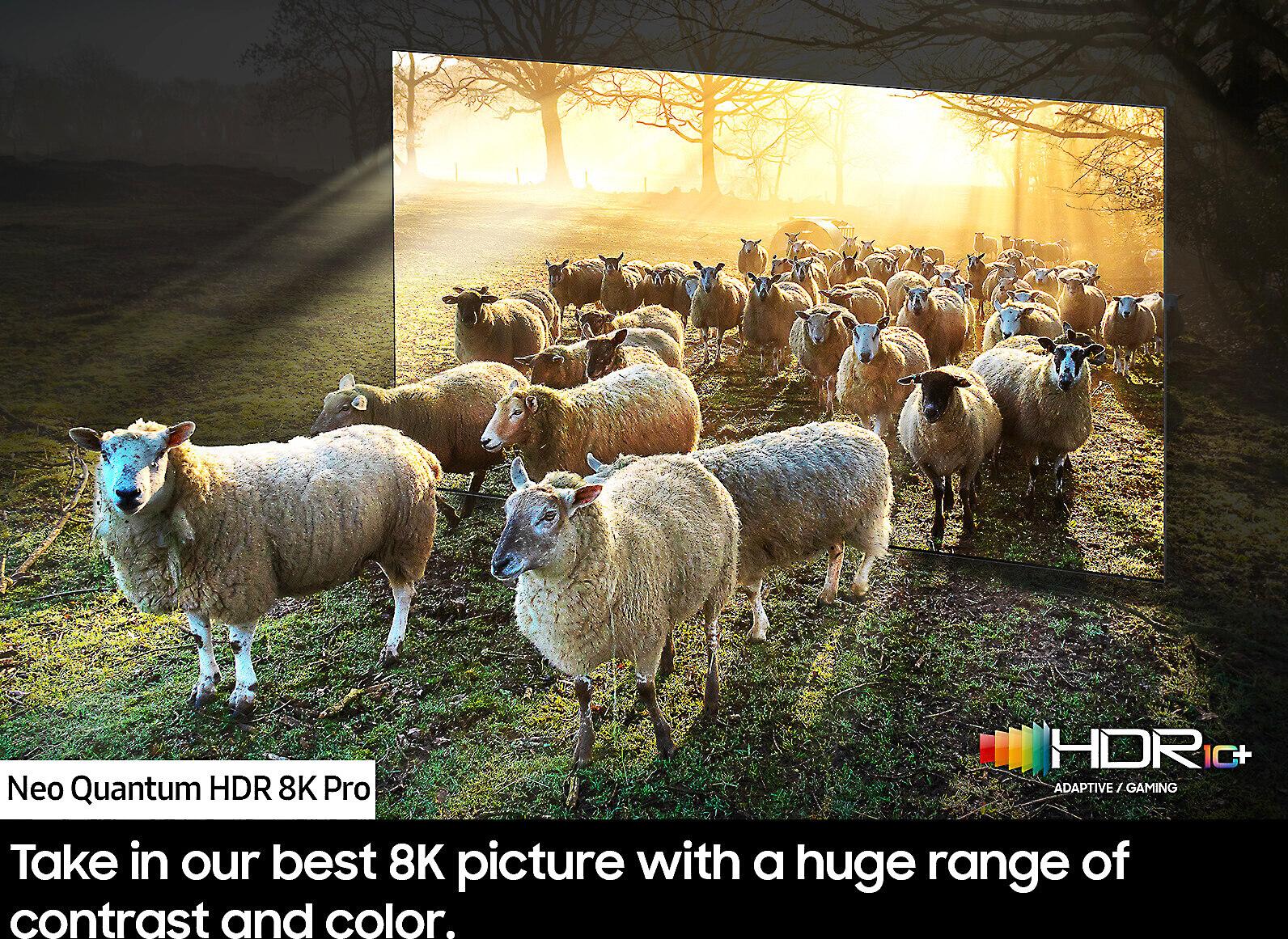
The Quantum Matrix Pro system can control these MiniLEDs with exceptional precision, resulting in superior peak brightness. In my experience, Samsung's Neo QLED TVs consistently deliver the brightest, most impactful HDR (High Dynamic Range) performance, especially in bright rooms where competing light sources might wash out other displays.
The Samsung QN900D has a clear advantage in peak brightness, typically reaching over 4,000 nits in small areas. This makes HDR content appear more dramatic and lifelike. The LG QNED85A reaches respectable peak brightness levels around 1,000-1,500 nits, which is still excellent for most viewing conditions.
However, brightness isn't everything. The LG's strength lies in its color accuracy and consistency. The QNED technology produces colors that remain stable across different brightness levels, something that's particularly noticeable in scenes with gradual color transitions like sunsets or skin tones.
This is where the TVs diverge significantly. The LG QNED85A supports Dolby Vision, which is a premium HDR format used by Netflix, Disney+, and many other streaming services. Dolby Vision provides scene-by-scene optimization, meaning the TV adjusts its settings for each individual scene based on metadata embedded in the content.
The Samsung QN900D supports HDR10+ instead, which is Samsung's competing format. While HDR10+ also provides dynamic optimization, Dolby Vision has broader content support and is generally considered the more advanced format. This difference matters if you watch a lot of streaming content, as you'll get the director's intended experience with Dolby Vision.
The most obvious difference is resolution. The Samsung offers 8K (7,680 x 4,320 pixels) while the LG provides 4K (3,840 x 2,160 pixels). This means the Samsung has four times as many pixels, potentially delivering sharper images.
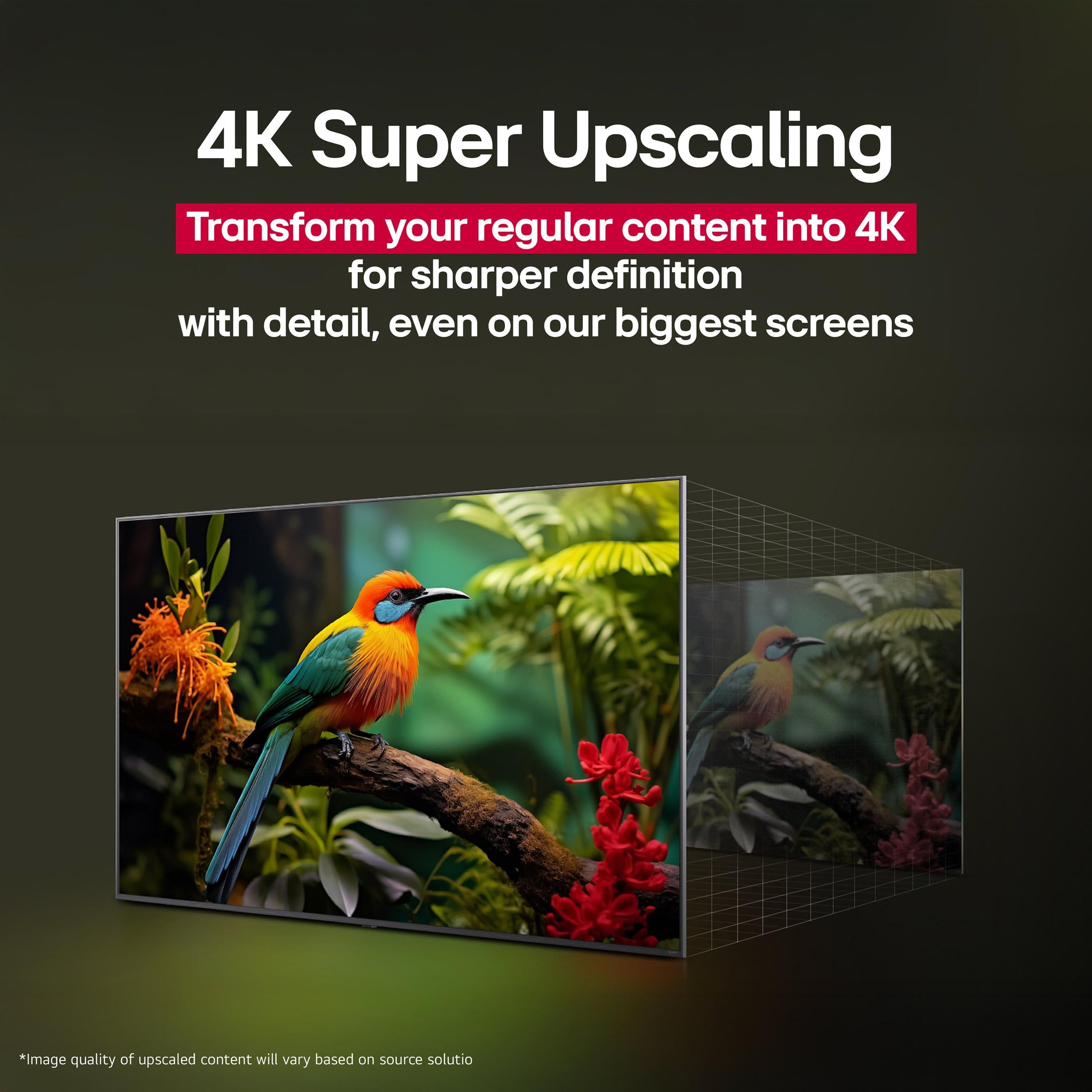
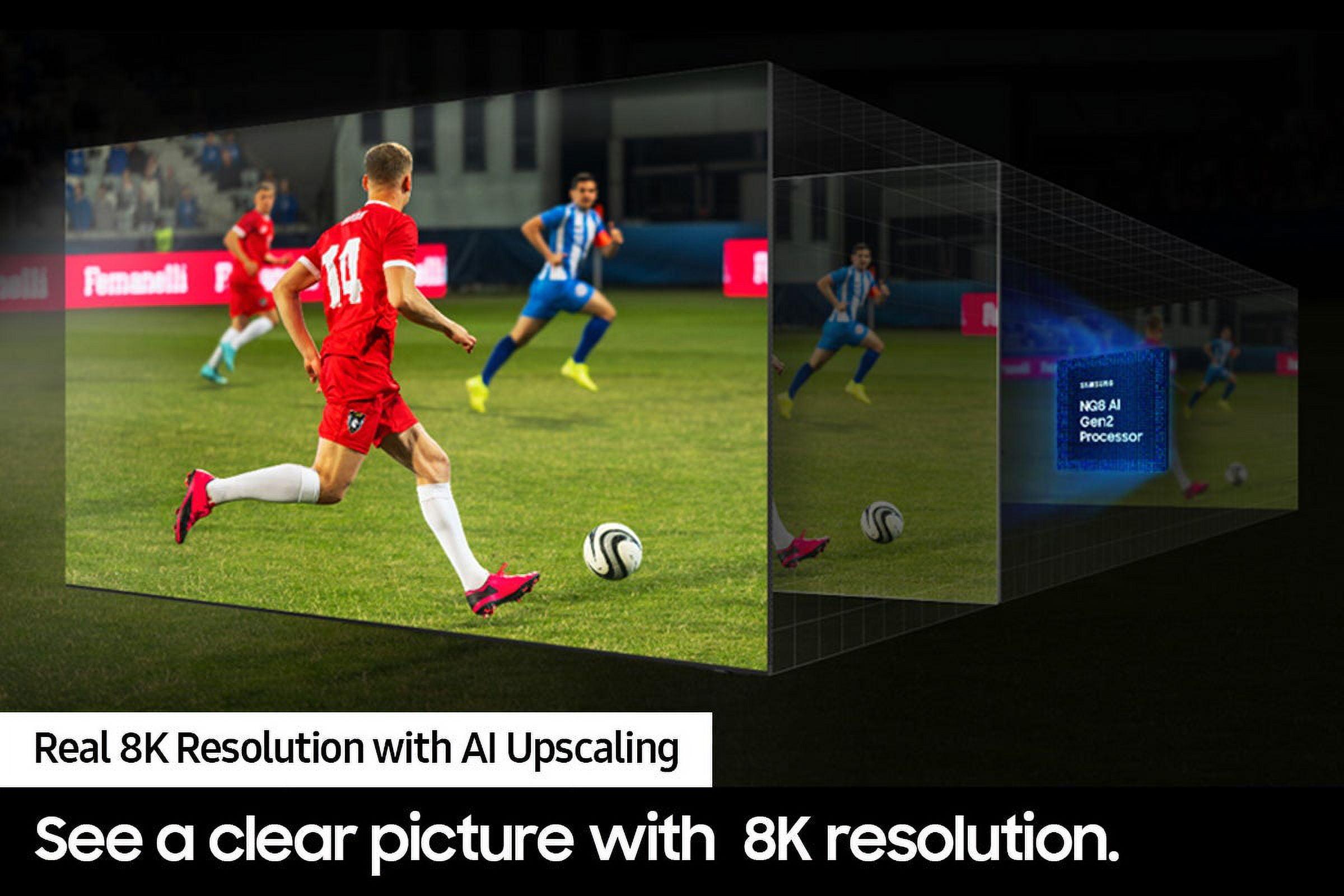
However, there's a catch: virtually no native 8K content exists for consumers. You're not going to find 8K movies on Netflix or 8K games on PlayStation. The Samsung's advantage comes from its AI upscaling, which uses machine learning to enhance lower-resolution content. The Neural Quantum Processor analyzes incoming 4K, HD, or even standard definition content and intelligently adds detail to make it look sharper on the 8K display.
In practice, this upscaling works well, but whether it's worth the premium depends on your expectations. The improvement is noticeable when sitting close to the screen, but from typical viewing distances, the difference between well-upscaled 4K and native 4K content is subtle.
Both TVs excel for gaming, but with different strengths. The LG QNED85A supports refresh rates up to 144Hz (120Hz on the 65" model), which is higher than most gaming content requires but future-proofs the TV for upcoming games. It includes AMD FreeSync, Variable Refresh Rate (VRR), and Auto Low Latency Mode (ALLM) – all features that reduce input lag and screen tearing for smoother gameplay.
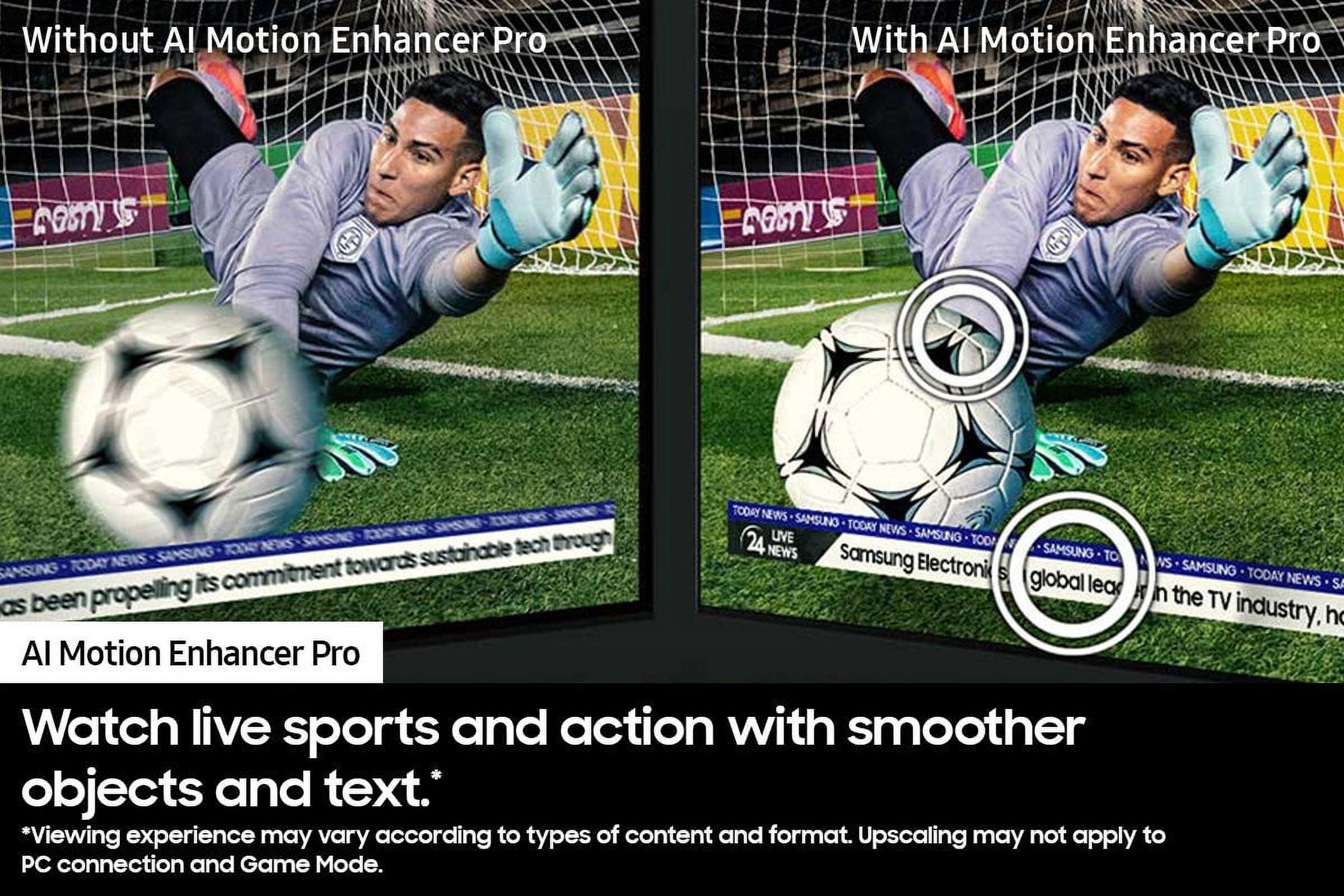
The Samsung QN900D caps out at 120Hz but supports some impressive gaming features. It can handle 4K at 240Hz on certain inputs, though no current gaming hardware can actually output at these rates. The TV also supports NVIDIA G-Sync, which works with PC graphics cards to eliminate screen tearing.
For console gaming, both TVs perform excellently. The LG's Dolby Vision gaming support provides enhanced HDR performance in compatible games, while the Samsung's higher peak brightness makes HDR games appear more impactful. Input lag is low on both TVs when gaming mode is enabled.
The LG QNED85A runs webOS 25, which LG has refined significantly since its introduction. The standout feature is the comprehensive AI integration. The TV includes AI Voice ID, which recognizes different family members and switches to their preferred settings and content recommendations. The AI Concierge can answer questions about shows, provide recommendations, and even help with troubleshooting.
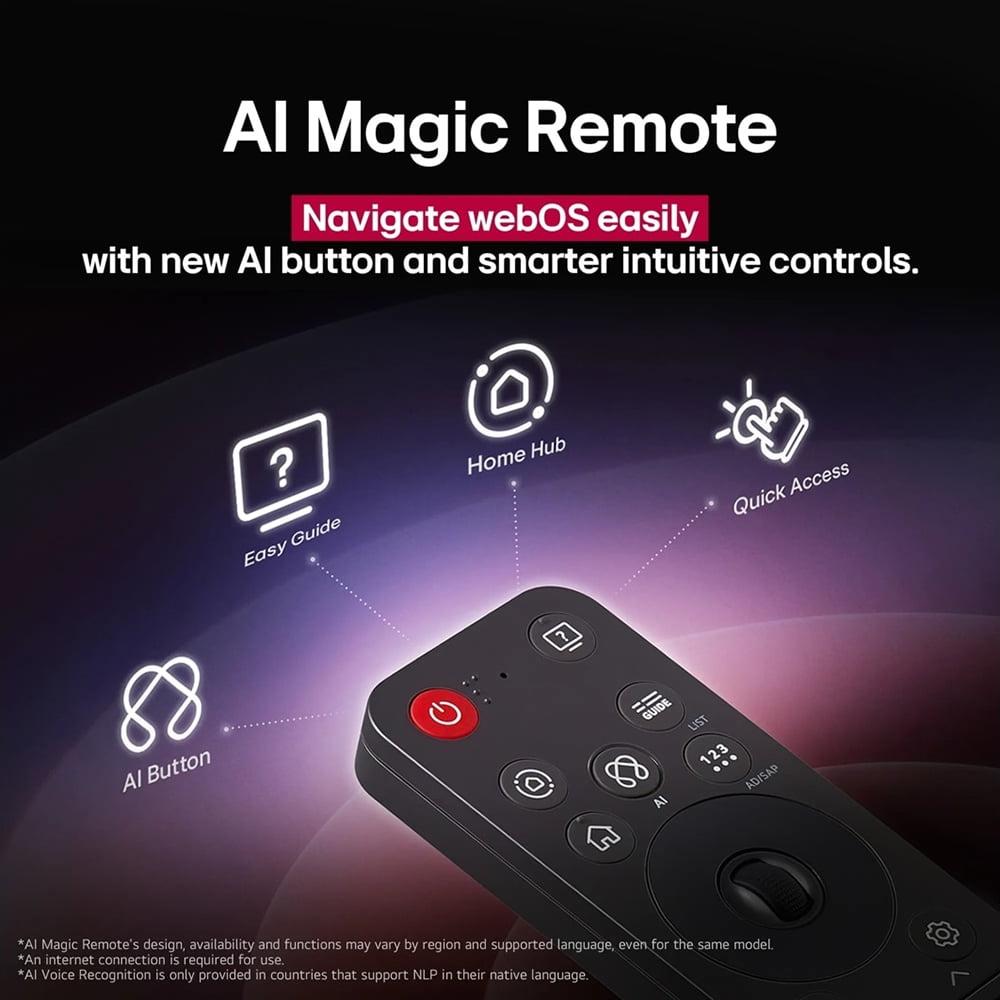
Microsoft Copilot integration is particularly interesting – you can ask the TV complex questions about content, get help organizing your viewing schedule, or even control other smart home devices. The AI Magic Remote includes a dedicated AI button that provides instant access to these features.
LG promises five years of webOS upgrades, which is crucial for long-term value. Smart TV software becomes outdated quickly, so this guarantee ensures your TV will receive new features and security updates well into the future.
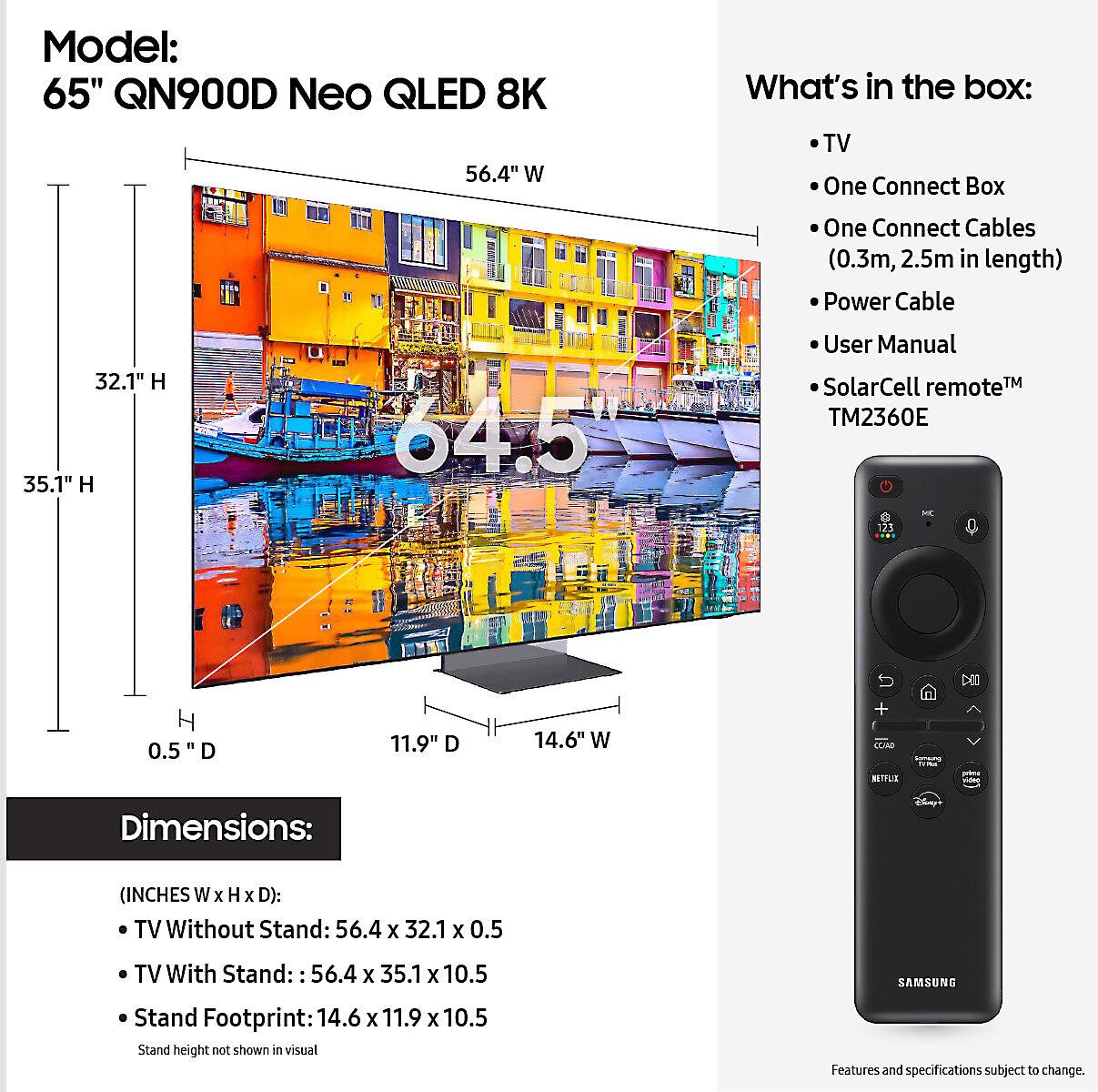
The Samsung QN900D runs Tizen OS, which offers a mature smart TV experience with extensive app support. The standout feature is the built-in SmartThings Hub, which can control other smart home devices without requiring a separate hub. This is particularly valuable if you have Samsung appliances or other SmartThings-compatible devices.
The NQ8 AI Gen3 processor powers advanced upscaling and scene optimization. The TV analyzes content in real-time and adjusts picture settings automatically. Object Tracking Sound+ moves audio around the screen to follow on-screen action, creating a more immersive experience.
Sound quality often gets overlooked in TV reviews, but both TVs offer impressive audio systems. The LG QNED85A includes AI Sound Pro, which can convert standard stereo audio into virtual 9.1.2 surround sound. This works surprisingly well for built-in TV speakers, creating a sense of height and surround effects without additional speakers.
The Samsung QN900D features a more powerful 6.2.4 channel system with 90W output. The Object Tracking Sound+ technology moves audio around the screen to match on-screen action. When a car drives from left to right, the audio follows seamlessly. Both TVs support Dolby Atmos for immersive audio when connected to compatible sound systems.
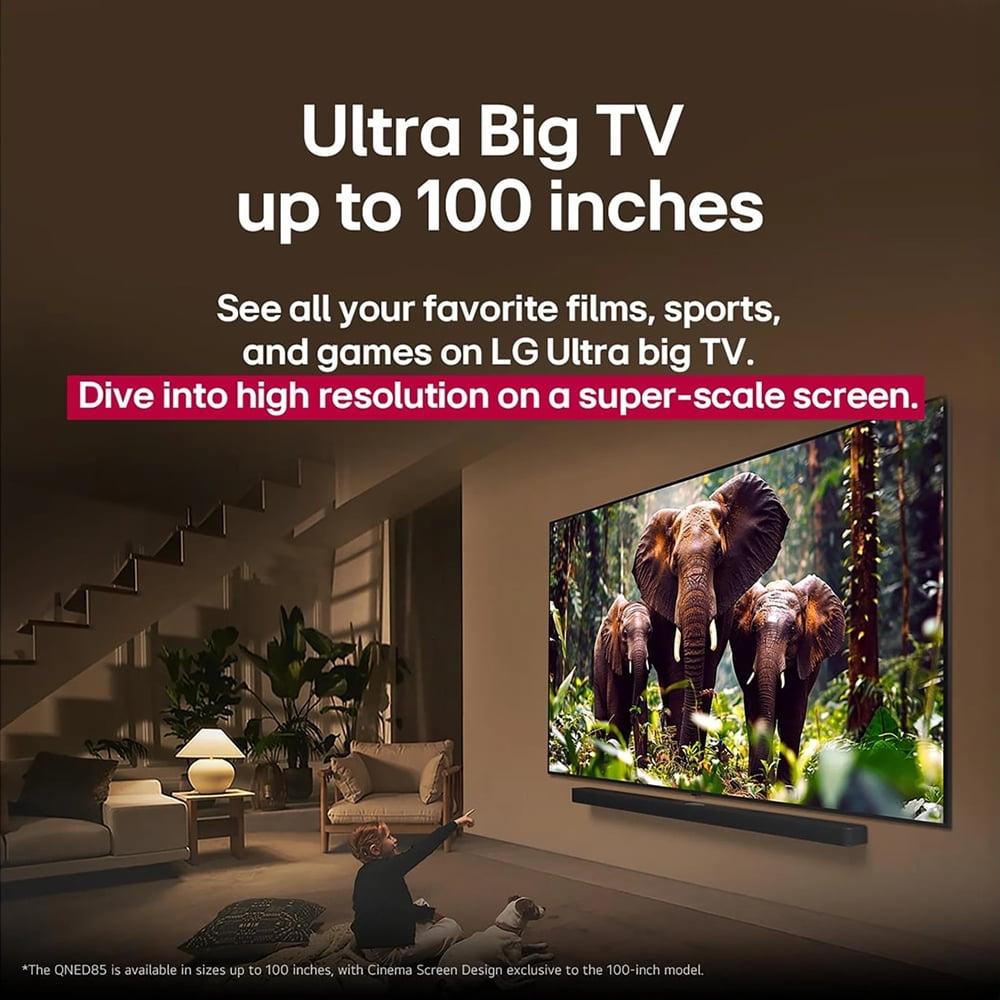
For dedicated home theater setups, both TVs offer excellent foundations, but with different optimal configurations. The LG QNED85A pairs beautifully with a good soundbar or surround sound system. Its accurate colors and Dolby Vision support make it ideal for movie watching in controlled lighting conditions.
The Samsung QN900D shines in brighter home theater rooms where its superior peak brightness can overcome ambient light. The 8K resolution provides some future-proofing, though the benefits are mainly theoretical until 8K content becomes more available.
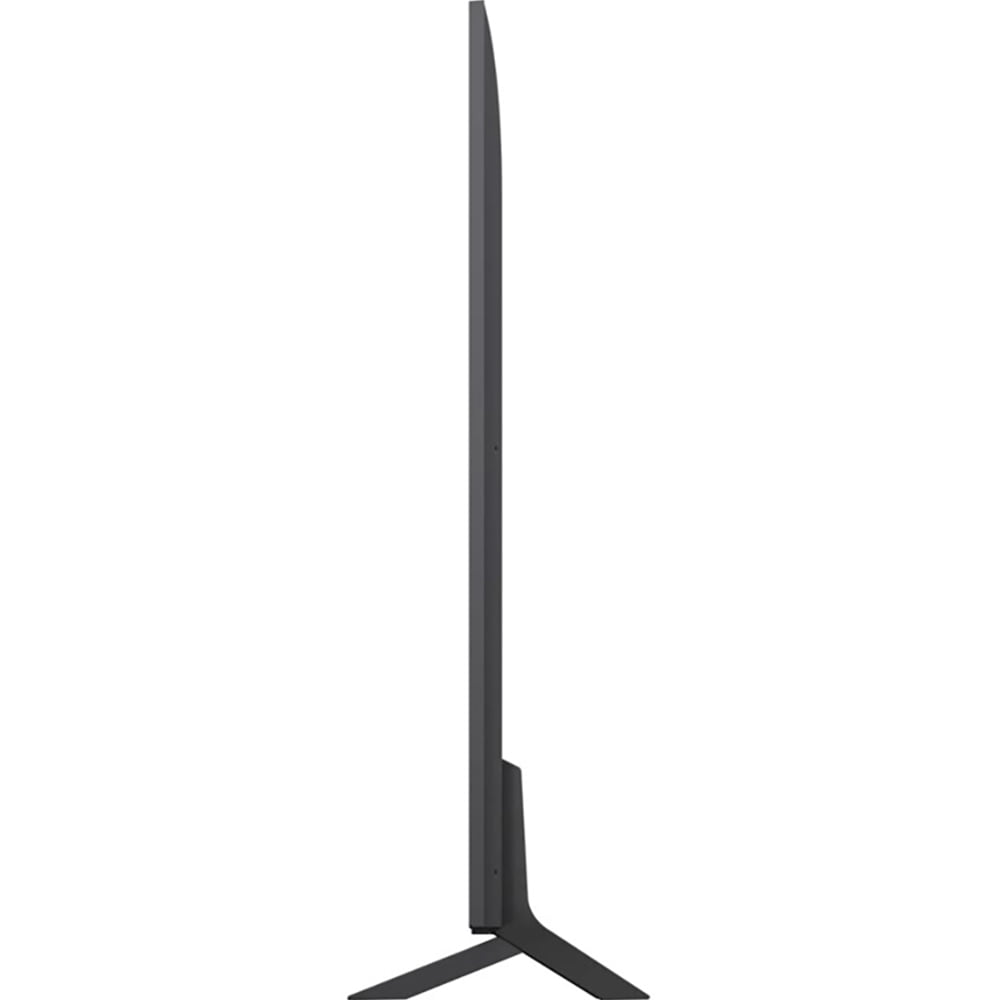
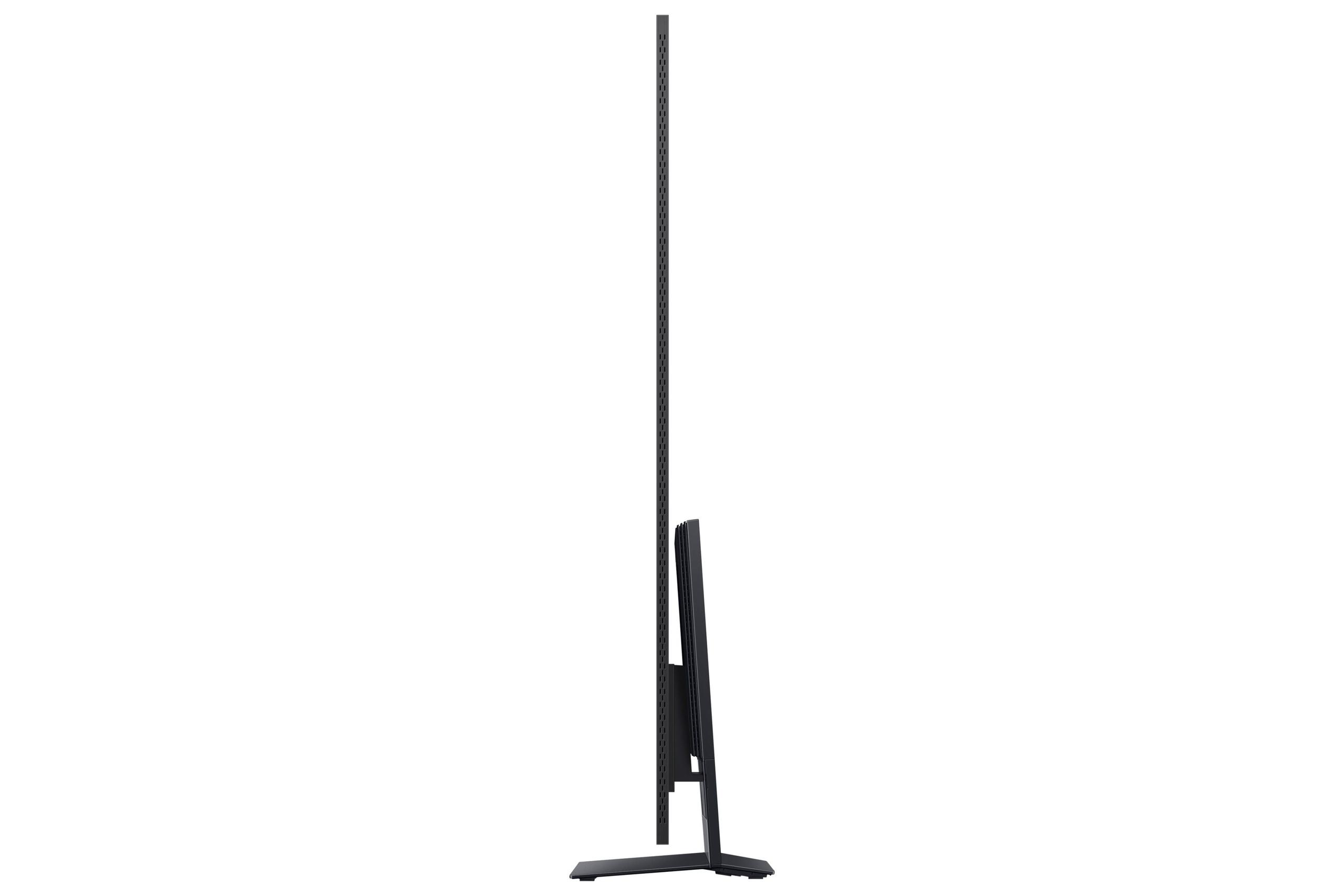
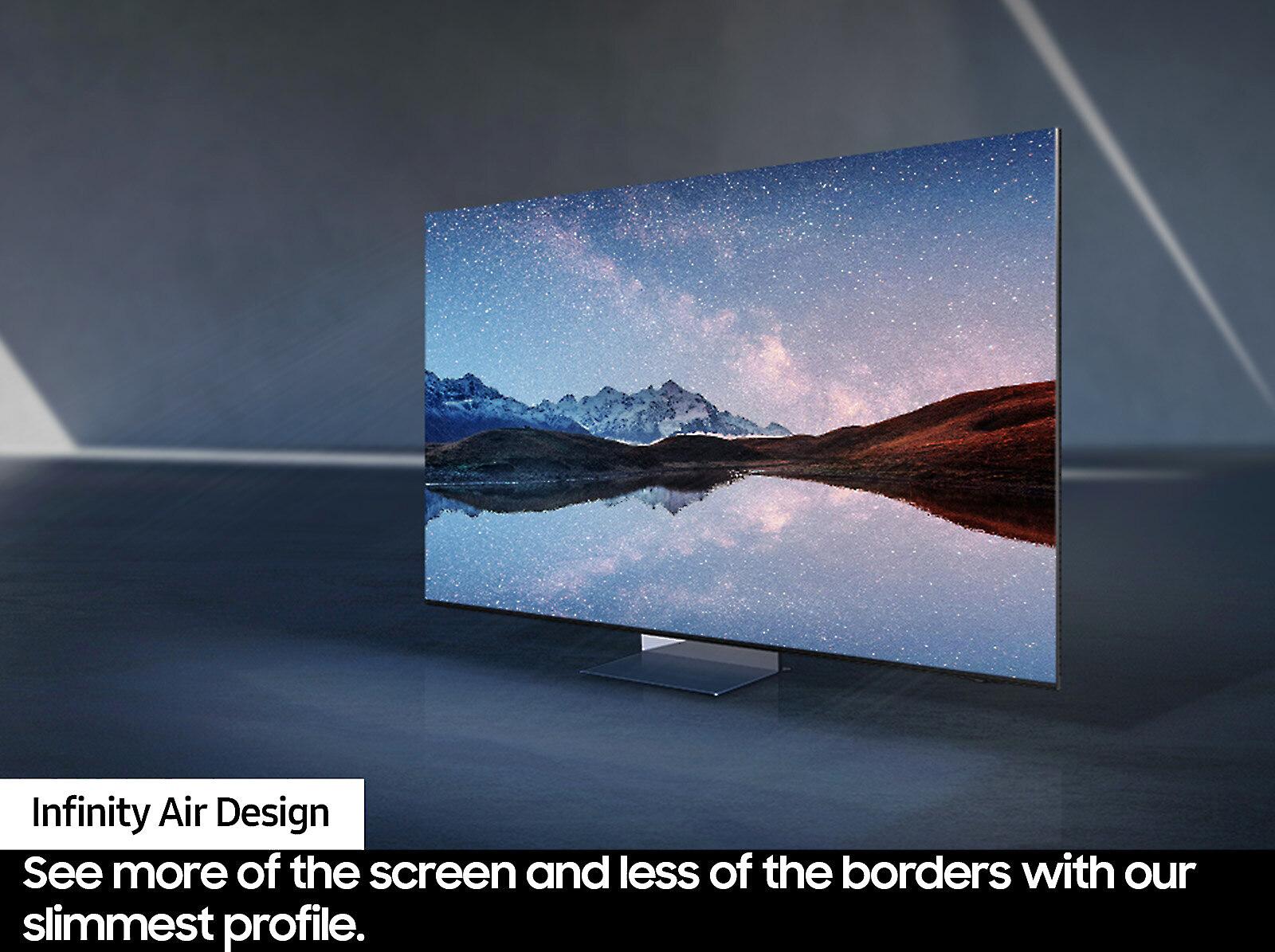
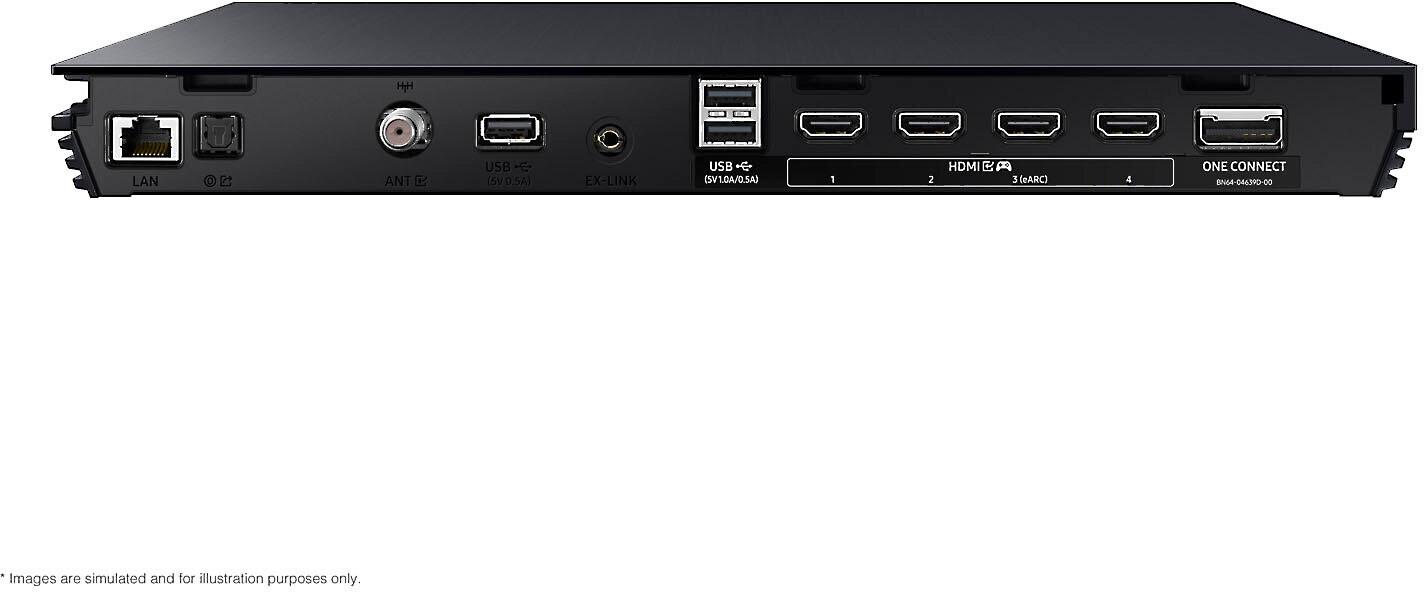
Both TVs work well wall-mounted, with slim profiles that don't protrude significantly from the wall. The Samsung includes a One Connect Box that houses all the connections, helping keep cables organized and allowing for very clean installations.
At $999.99, the LG QNED85A represents exceptional value in the premium TV market. You're getting MiniLED backlighting, quantum dot color, comprehensive AI features, and Dolby Vision support at a price point that was unimaginable just a few years ago for these technologies.
The Samsung QN900D at $2,897.00 costs nearly three times as much, which positions it as a flagship purchase. The premium pays for 8K resolution, superior brightness, and Samsung's most advanced display technology. Whether this justifies the cost depends on your priorities and budget.
Both TVs have received firmware updates since their 2025 launch. The LG has gained improved AI processing algorithms that better optimize picture quality in real-time. The Samsung has received enhanced upscaling algorithms that improve the quality of lower-resolution content.
LG's webOS Re:New Program ensures continued software improvements, while Samsung typically provides 2-3 years of major updates for their premium TVs. Both companies have been responsive to user feedback and have addressed initial bugs through updates.
Choose the LG QNED85A if you want premium TV technology without flagship pricing. It's ideal for viewers who prioritize color accuracy, wide viewing angles, and Dolby Vision support. The AI features are genuinely useful, and the five-year software support guarantee provides excellent long-term value. It's perfect for families who watch varied content and want a TV that adapts to different viewing preferences.
Choose the Samsung QN900D if you want the absolute best display technology available and are willing to pay for it. The 8K resolution and superior brightness make it ideal for enthusiasts who want cutting-edge features. It's best suited for bright rooms where its peak brightness advantage shines, and for viewers who appreciate Samsung's ecosystem integration.
The bottom line: both TVs deliver exceptional performance, but the LG offers better value for most consumers, while the Samsung provides flagship technology for those who want the very best. Your choice should align with your budget, viewing habits, and how much you value having the latest display technology. Either way, you'll be getting a premium viewing experience that represents the current state of the art in television technology.
| LG 65" QNED evo AI QNED85A 4K MiniLED Smart TV 2025 | Samsung QN900D Series 65" Neo QLED 8K Smart TV |
|---|---|
| Price - Major factor affecting overall value proposition | |
| $999.99 (exceptional value for premium features) | $2,897.00 (flagship pricing for cutting-edge tech) |
| Resolution - Higher resolution provides sharper detail, but content availability matters | |
| 4K (3840 x 2160) - matches all current streaming content | 8K (7680 x 4320) - future-proof but limited native content |
| Display Technology - Affects color accuracy, brightness, and viewing angles | |
| QNED (Quantum Dot + NanoCell) with MiniLED backlighting | Neo QLED with Quantum Matrix Pro MiniLED |
| Peak Brightness - Critical for HDR impact and bright room performance | |
| 1,000-1,500 nits (excellent for most rooms) | 4,000+ nits (industry-leading, ideal for bright spaces) |
| HDR Support - Determines streaming service compatibility and picture quality | |
| Dolby Vision, HDR10, HLG (broader streaming support) | HDR10+, HLG (Samsung's preferred format) |
| Refresh Rate - Important for gaming and sports viewing smoothness | |
| Up to 144Hz (120Hz on 65" model) | 120Hz (sufficient for all current content) |
| AI Processor - Powers upscaling, optimization, and smart features | |
| α8 Gen 2 AI Processor (70% performance improvement) | NQ8 AI Gen3 Processor (advanced 8K upscaling) |
| Gaming Features - Affects console and PC gaming performance | |
| AMD FreeSync, VRR, ALLM, Dolby Vision Gaming | NVIDIA G-Sync, VRR, ALLM, 4K@240Hz support |
| Smart Platform - Determines app availability and user experience | |
| webOS 25 (5-year upgrade guarantee) | Tizen OS (mature platform with SmartThings Hub) |
| Audio System - Built-in sound quality and surround capabilities | |
| AI Sound Pro, virtual 9.1.2 surround, Dolby Atmos | 6.2.4CH 90W system, Object Tracking Sound+, Dolby Atmos |
| Color Technology - Affects color accuracy and viewing angle performance | |
| 100% Color Volume with wide viewing angles | Quantum Dot with excellent color saturation |
| Connectivity - Number and type of ports for devices | |
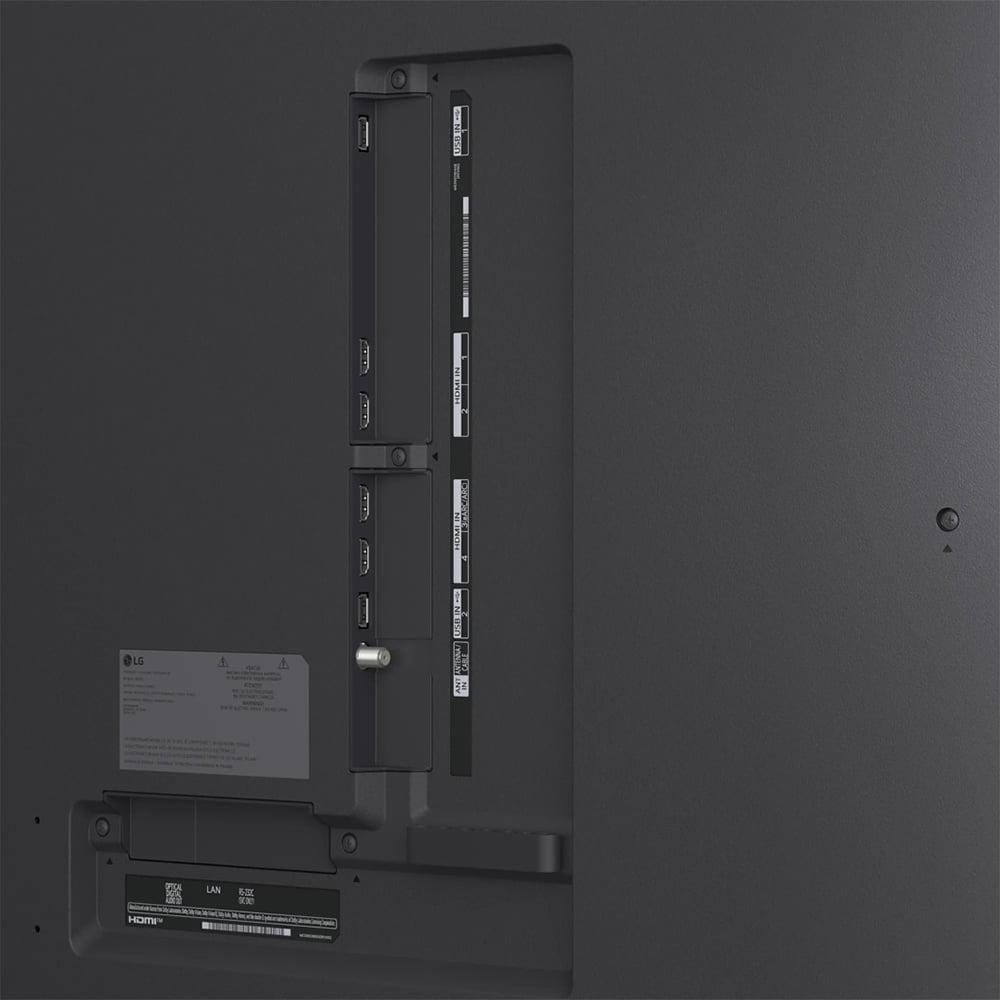
| 4x HDMI 2.1 ports | 4x HDMI 2.1 ports with One Connect Box |
| Local Dimming - Controls contrast and reduces blooming effects | |
| Precision Dimming Pro (good contrast control) | Quantum Matrix Pro (superior precision and zones) |
| Best For - Target user and optimal use cases | |
| Value-focused buyers wanting premium features and Dolby Vision | Enthusiasts wanting flagship tech and maximum brightness |
The LG 65" QNED evo AI QNED85A 4K MiniLED Smart TV 2025 at $999.99 offers exceptional value, providing premium features like MiniLED backlighting, Dolby Vision, and advanced AI processing at a competitive price. The Samsung QN900D Series 65" Neo QLED 8K Smart TV at $2,897.00 costs nearly three times more but delivers flagship 8K technology and superior brightness for enthusiasts willing to pay premium pricing.
The LG QNED85A features 4K resolution (3840 x 2160 pixels) which matches all current streaming content and gaming systems. The Samsung QN900D offers 8K resolution (7680 x 4320 pixels) with four times more pixels, but there's virtually no native 8K content available. The Samsung uses AI upscaling to enhance 4K content, but the practical benefits are subtle at normal viewing distances.
Both TVs excel for gaming, but with different strengths. The LG QNED85A supports up to 144Hz refresh rate (120Hz on 65" model), AMD FreeSync, and Dolby Vision gaming for enhanced HDR performance. The Samsung QN900D offers 120Hz with NVIDIA G-Sync support and can handle 4K at 240Hz on select inputs, though no current gaming hardware can utilize these speeds.
The Samsung QN900D delivers superior peak brightness at over 4,000 nits, making it ideal for bright rooms and providing more impactful HDR performance. The LG QNED85A reaches 1,000-1,500 nits, which is still excellent for most viewing conditions but may struggle in very bright environments.
The LG QNED85A fully supports Dolby Vision, which is used by Netflix, Disney+, and other major streaming services for enhanced HDR content. The Samsung QN900D supports HDR10+ instead, Samsung's competing format. Dolby Vision generally has broader content support and provides the director's intended viewing experience.
The LG QNED85A runs webOS 25 with comprehensive AI features including Voice ID, AI Concierge, and Microsoft Copilot integration, plus a 5-year software upgrade guarantee. The Samsung QN900D uses Tizen OS with a built-in SmartThings Hub for smart home control and advanced AI upscaling, but typically receives 2-3 years of major updates.
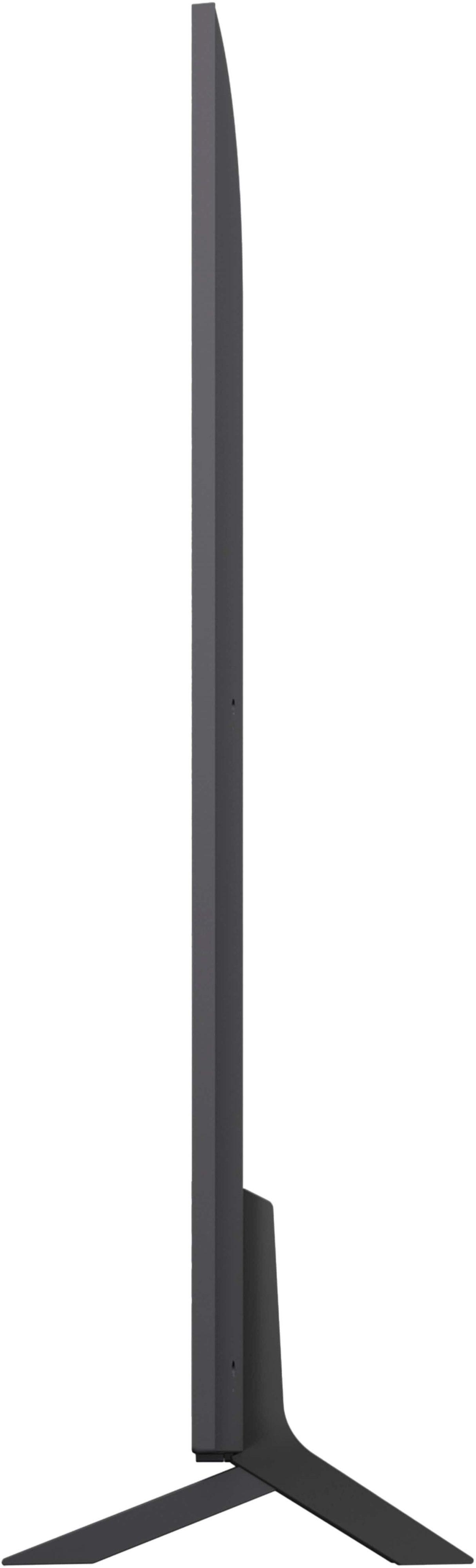
For dedicated home theaters, the LG QNED85A excels with accurate colors, Dolby Vision support, and wide viewing angles, making it ideal for movie watching in controlled lighting. The Samsung QN900D is better for brighter home theater rooms where its superior peak brightness can overcome ambient light, and the 8K resolution provides some future-proofing.
The LG QNED85A features AI Sound Pro that converts stereo to virtual 9.1.2 surround sound with Dolby Atmos support. The Samsung QN900D includes a more powerful 6.2.4 channel system with 90W output and Object Tracking Sound+ technology that moves audio around the screen to follow on-screen action.
The LG QNED85A uses QNED technology combining quantum dots with NanoCell filtering for 100% Color Volume and excellent viewing angles. The Samsung QN900D employs Neo QLED with quantum dots for vibrant colors and superior brightness, though viewing angles may be more limited depending on the panel type.
Both TVs excel for streaming with comprehensive app support. The LG QNED85A offers superior streaming experience with Dolby Vision support for Netflix, Disney+, and other services. The Samsung QN900D provides excellent streaming with advanced AI upscaling that enhances lower-resolution content to look sharper on the 8K display.
The LG QNED85A includes LG's webOS Re:New Program guaranteeing five years of software updates, ensuring long-term functionality and new features. The Samsung QN900D typically receives 2-3 years of major updates, though Samsung has been extending support for premium models. Both TVs represent current flagship technology that should remain relevant for years.
Choose the LG QNED85A if you want premium features at accessible pricing, prioritize Dolby Vision support, and value long-term software updates. Choose the Samsung QN900D if you want the absolute best display technology, maximum brightness for bright rooms, and are willing to pay premium pricing for 8K future-proofing and flagship performance.
We've done our best to create useful and informative comparisons to help you decide what product to buy. Our research uses advanced automated methods to create this comparison and perfection is not possible - please contact us for corrections or questions. These are the sites we've researched in the creation of this article: rtings.com - rtings.com - youtube.com - lg.com - smarthomesounds.co.uk - abt.com - abt.com - lg.com - displayspecifications.com - walmart.com - bestbuy.com - lg.com - lg.com - lg.com - files.bbystatic.com - flatpanelshd.com - north-side-appliance.com - lgnewsroom.com - lg.com - youtube.com - youtube.com - hindustantimes.com - rtings.com - videoandaudiocenter.com - bestbuy.com - avsforum.com - bestbuy.com - walts.com - images.samsung.com - samsung.com - merlinstv.com - samsung.com - avsforum.com - samsung.com

Privacy Policy
Terms and Conditions - Affiliate Policy
Home Security
© Copyright 2008-2026.
11816 Inwood Rd #1211, Dallas, TX 75244