

Choosing a 65-inch TV in 2025 means navigating a sea of acronyms, marketing terms, and technical specifications that would make even tech enthusiasts scratch their heads. But here's the thing – while the jargon can be overwhelming, the actual decision often comes down to a few key factors that genuinely matter for your viewing experience.
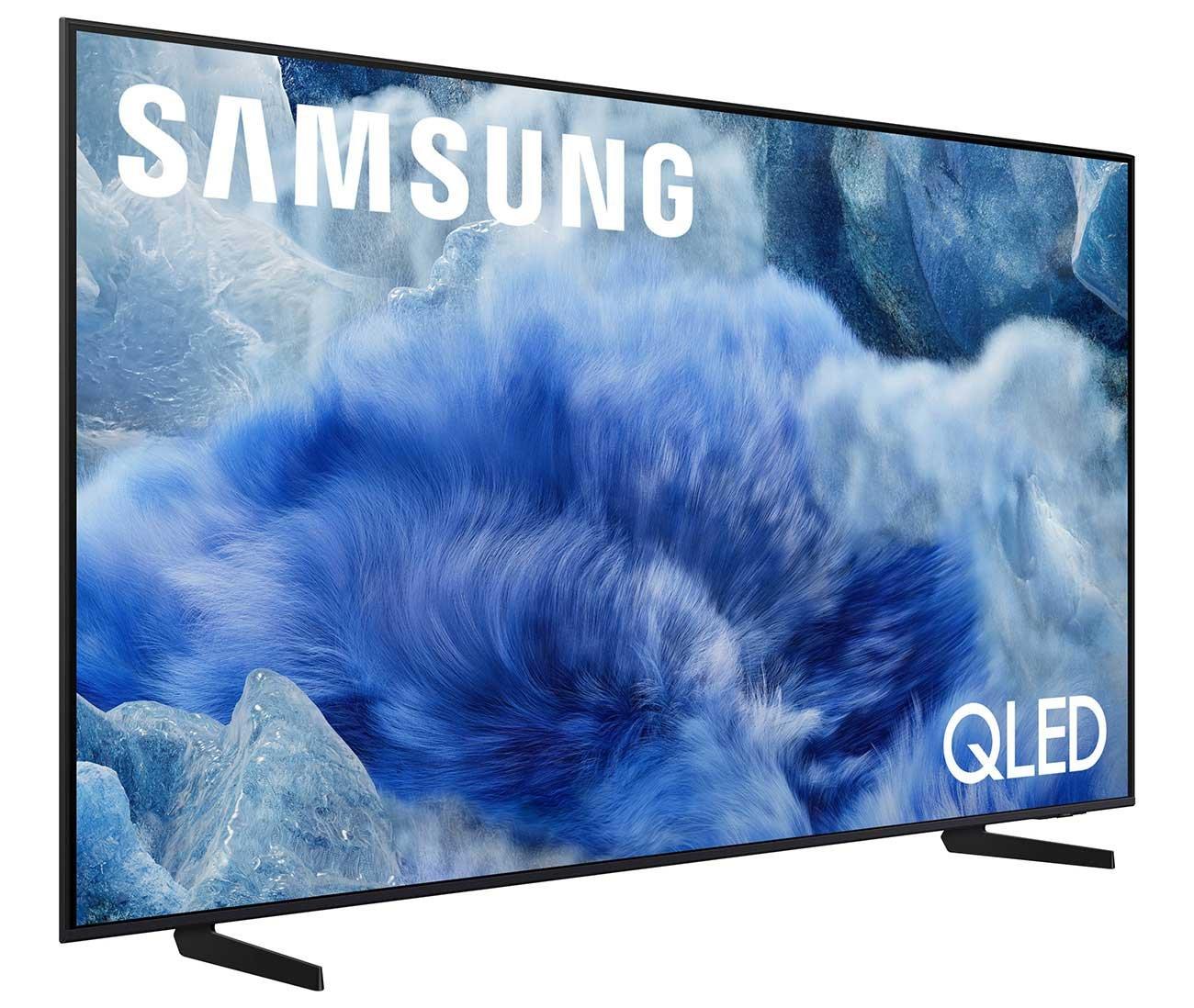
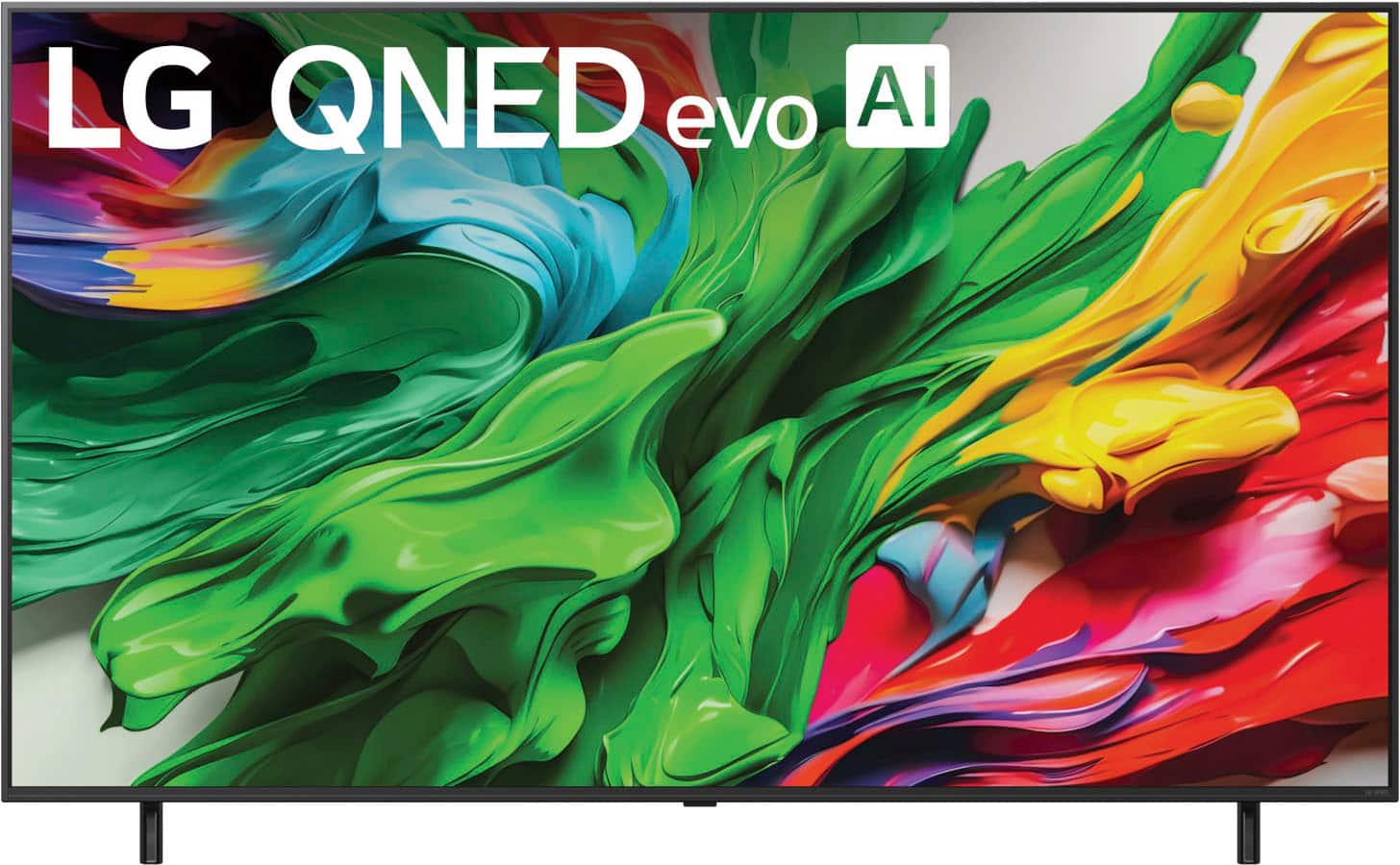
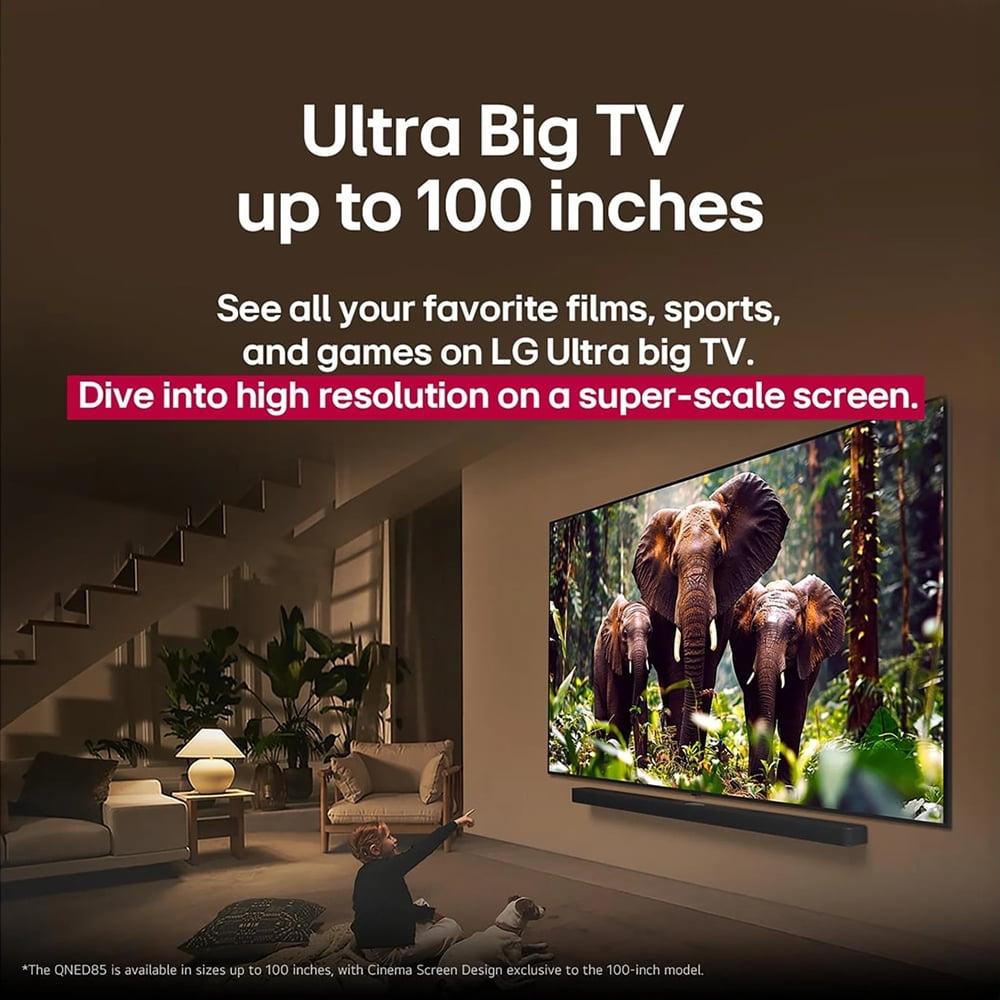
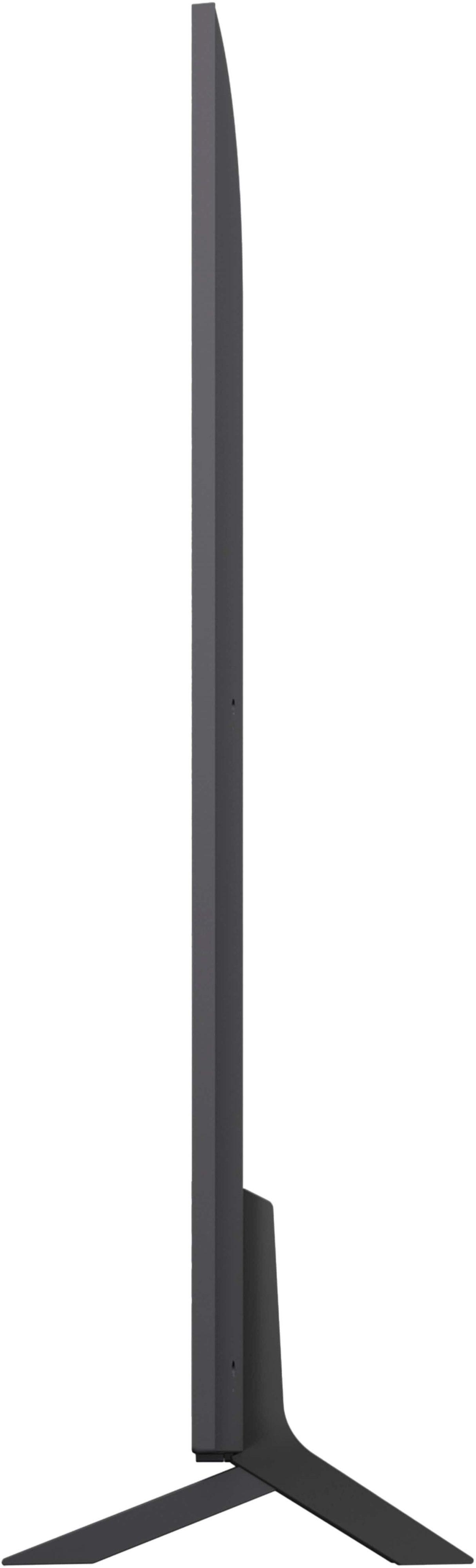
I've been testing and reviewing TVs for years, and the 65-inch category has become the sweet spot for most living rooms. It's large enough to create that cinematic experience we all crave, but not so massive that it overwhelms smaller spaces or breaks the bank. Today, we're comparing two very different approaches to achieving premium 4K performance: the Samsung 65" QN8F Series QLED 4K Vision AI Smart TV 2025 and the LG 65" QNED evo AI QNED85A 4K MiniLED Smart TV 2025.
When you're shopping for a premium 65-inch TV, you're essentially looking for a display that can handle everything from Netflix binges to PlayStation 5 gaming sessions, all while looking great in your specific room lighting conditions. The key considerations aren't just about having the sharpest picture – though that certainly helps.
Display technology forms the foundation of everything else. Think of it as the engine of your TV – it determines how bright the screen can get, how deep the blacks appear, and how well colors pop off the screen. The two TVs we're comparing use fundamentally different approaches here, which creates a ripple effect across their entire performance profile.
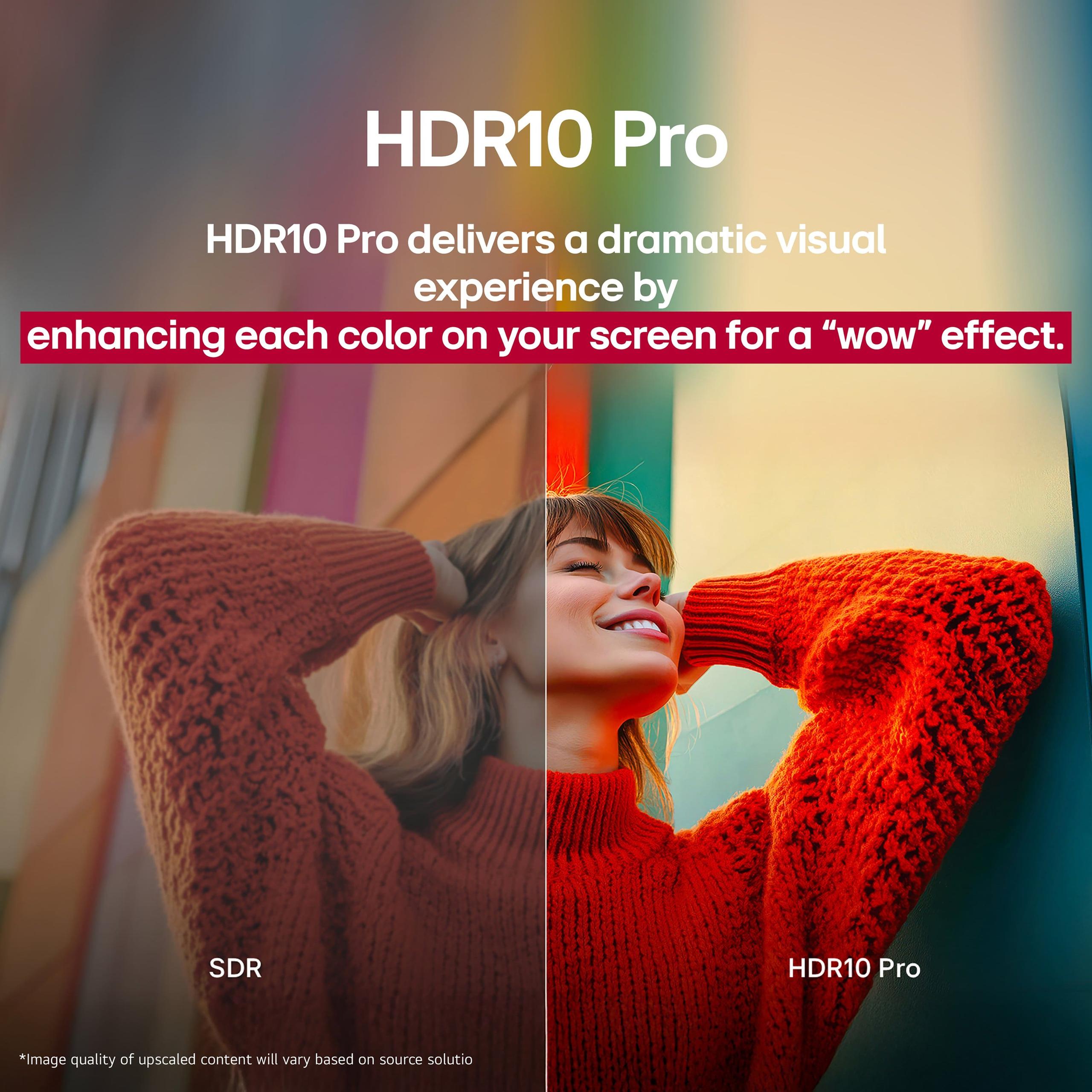
Peak brightness might sound like spec-sheet bragging rights, but it's actually crucial for HDR (High Dynamic Range) content. HDR is like the difference between a faded photograph and one with vibrant, lifelike colors and contrast. Without sufficient brightness, HDR content looks flat and underwhelming – kind of like trying to appreciate a sunset through sunglasses.
Gaming capabilities have become non-negotiable for many buyers, even those who don't consider themselves serious gamers. Modern gaming consoles and even streaming services now offer 120Hz content (meaning 120 frames per second), which makes motion appear incredibly smooth. Sports, in particular, benefit enormously from higher refresh rates.
Smart features and AI integration determine how intuitive and future-proof your TV will be. Nobody wants to buy a TV that feels outdated in two years, especially when you're investing in the premium tier.
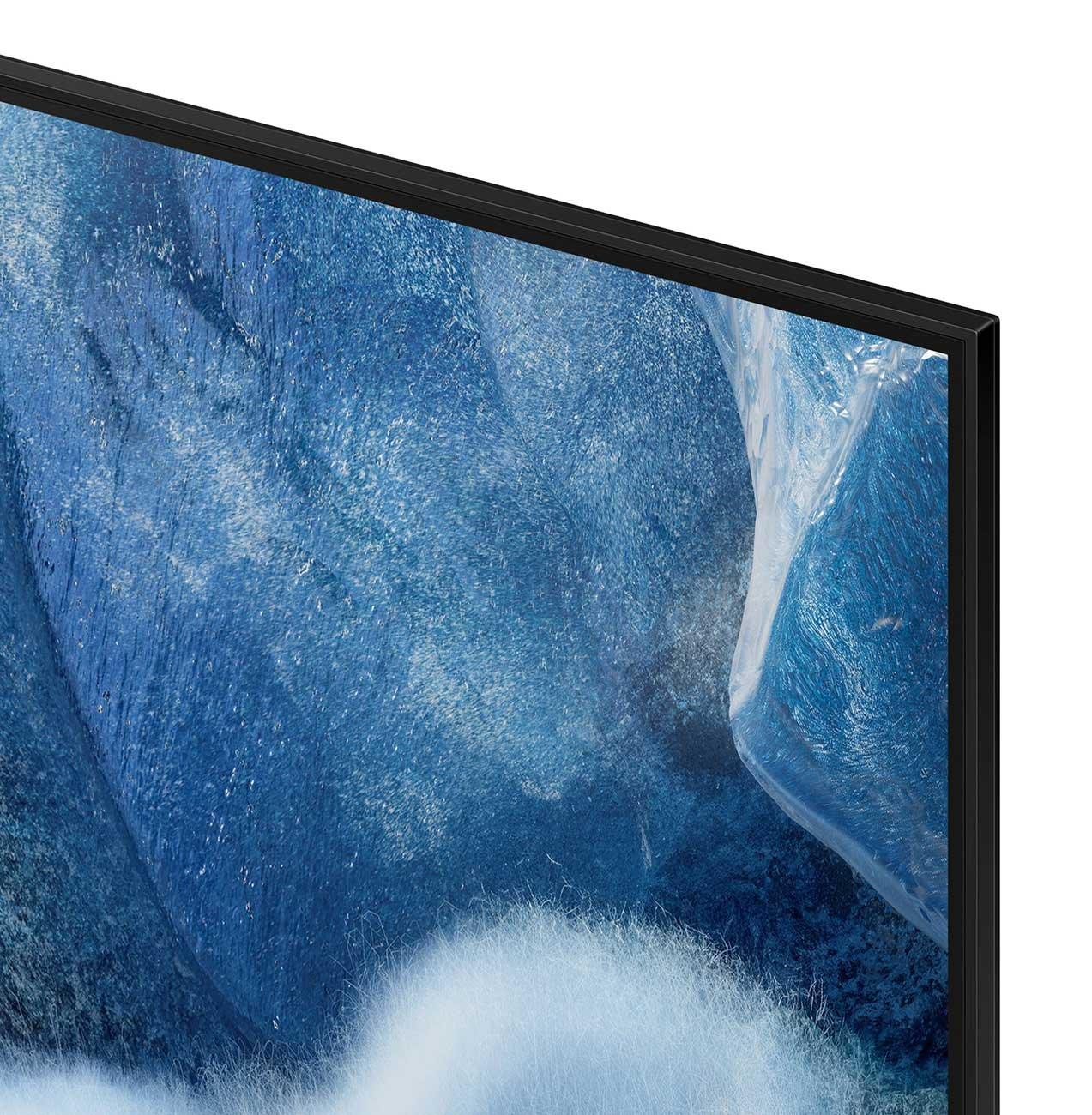
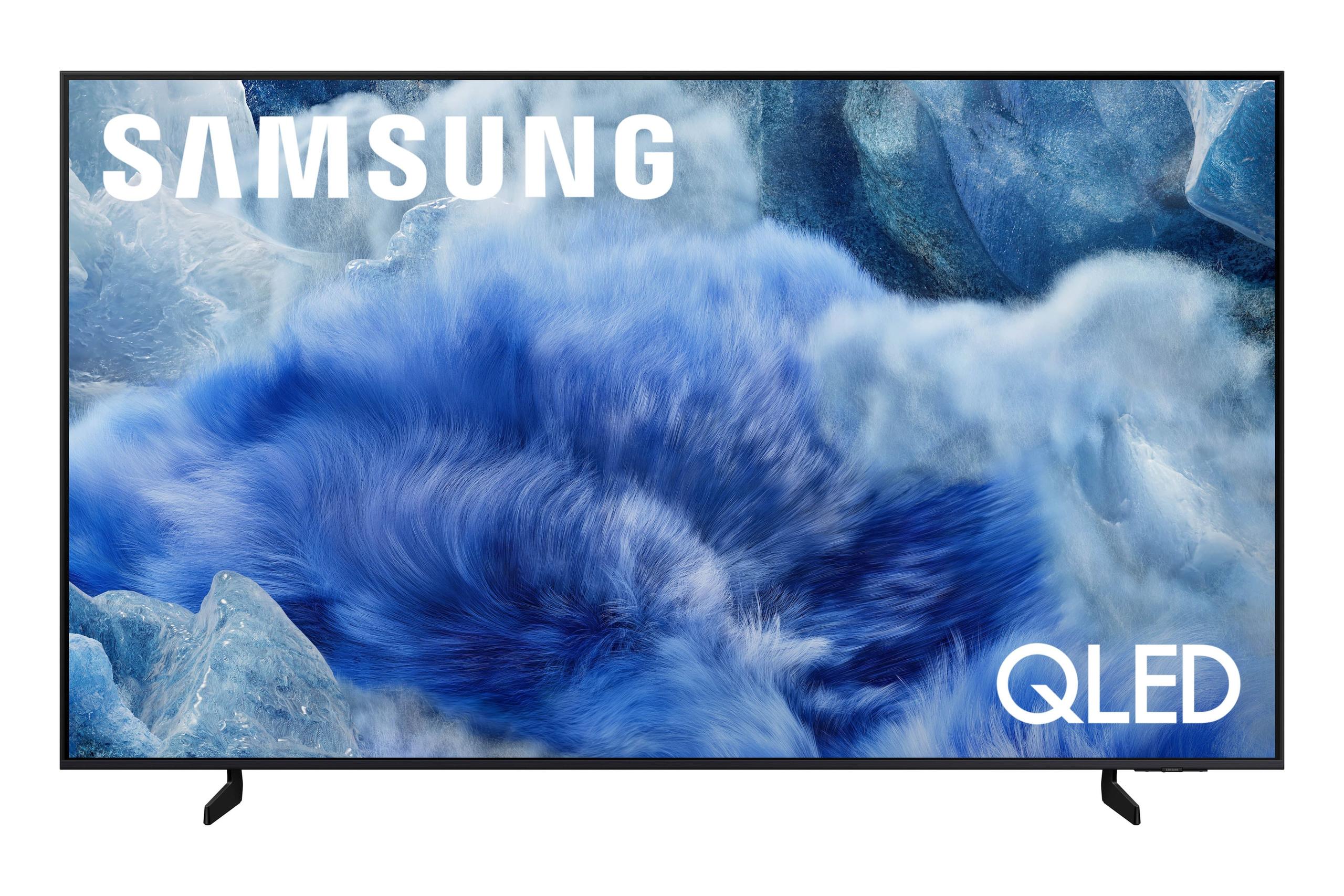
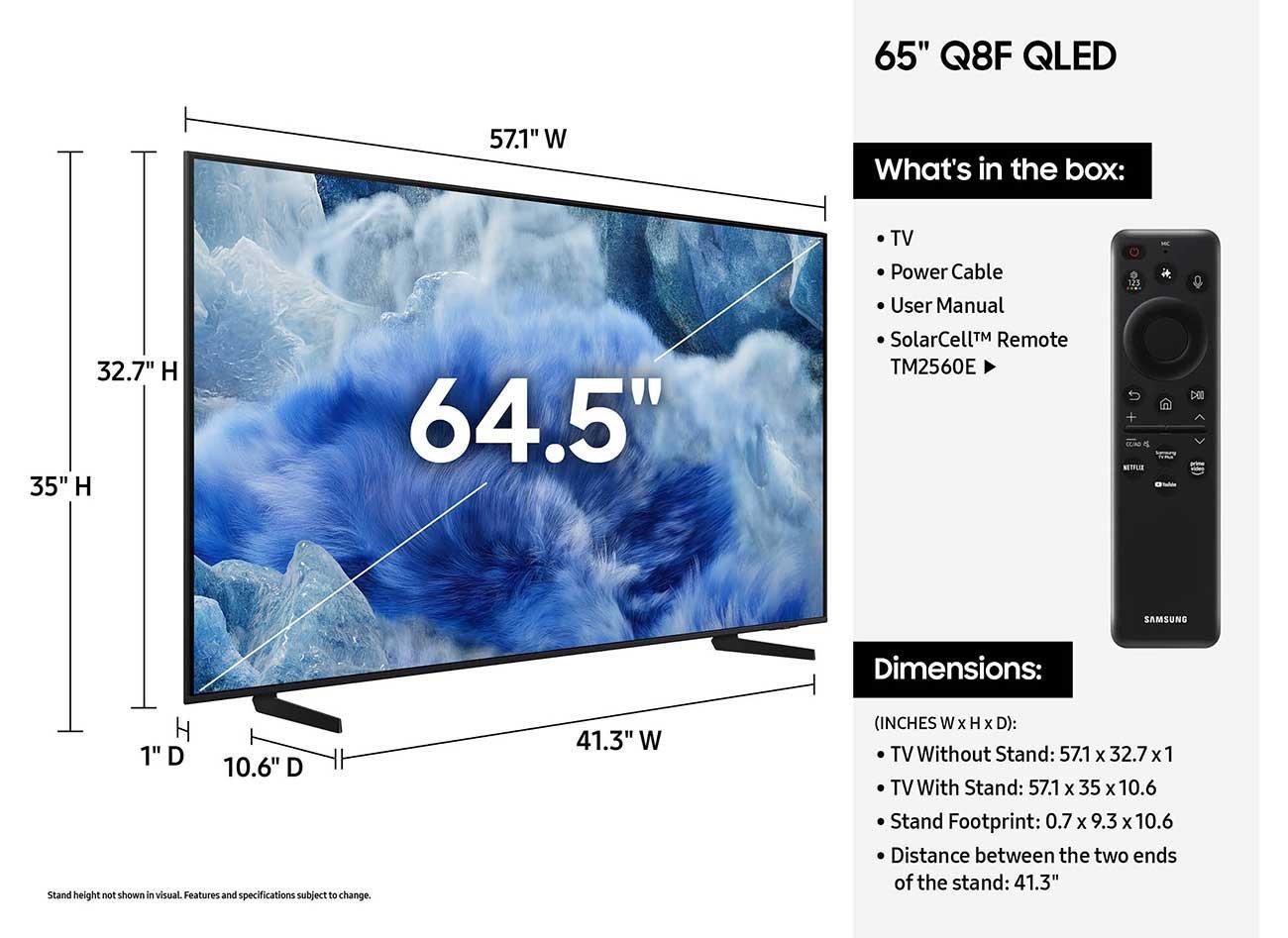
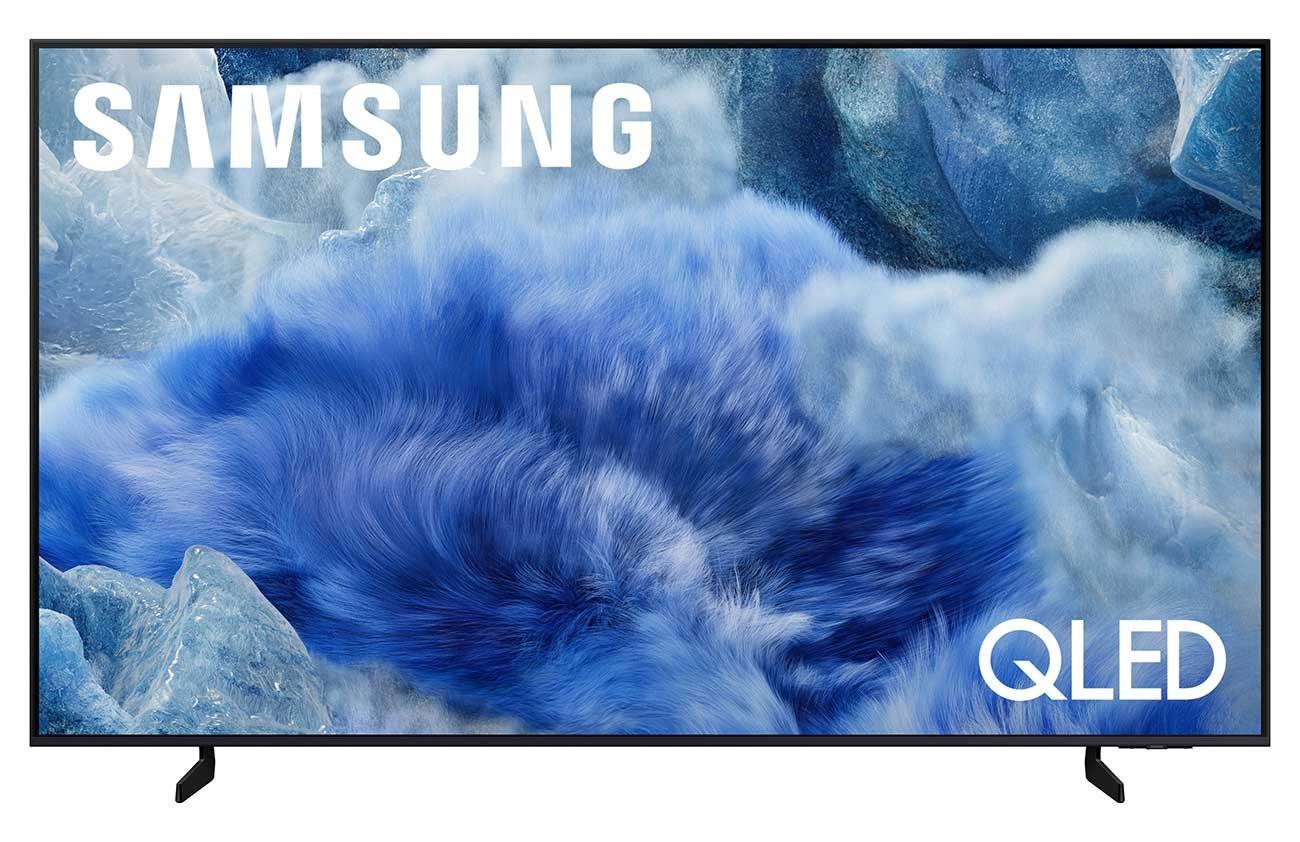
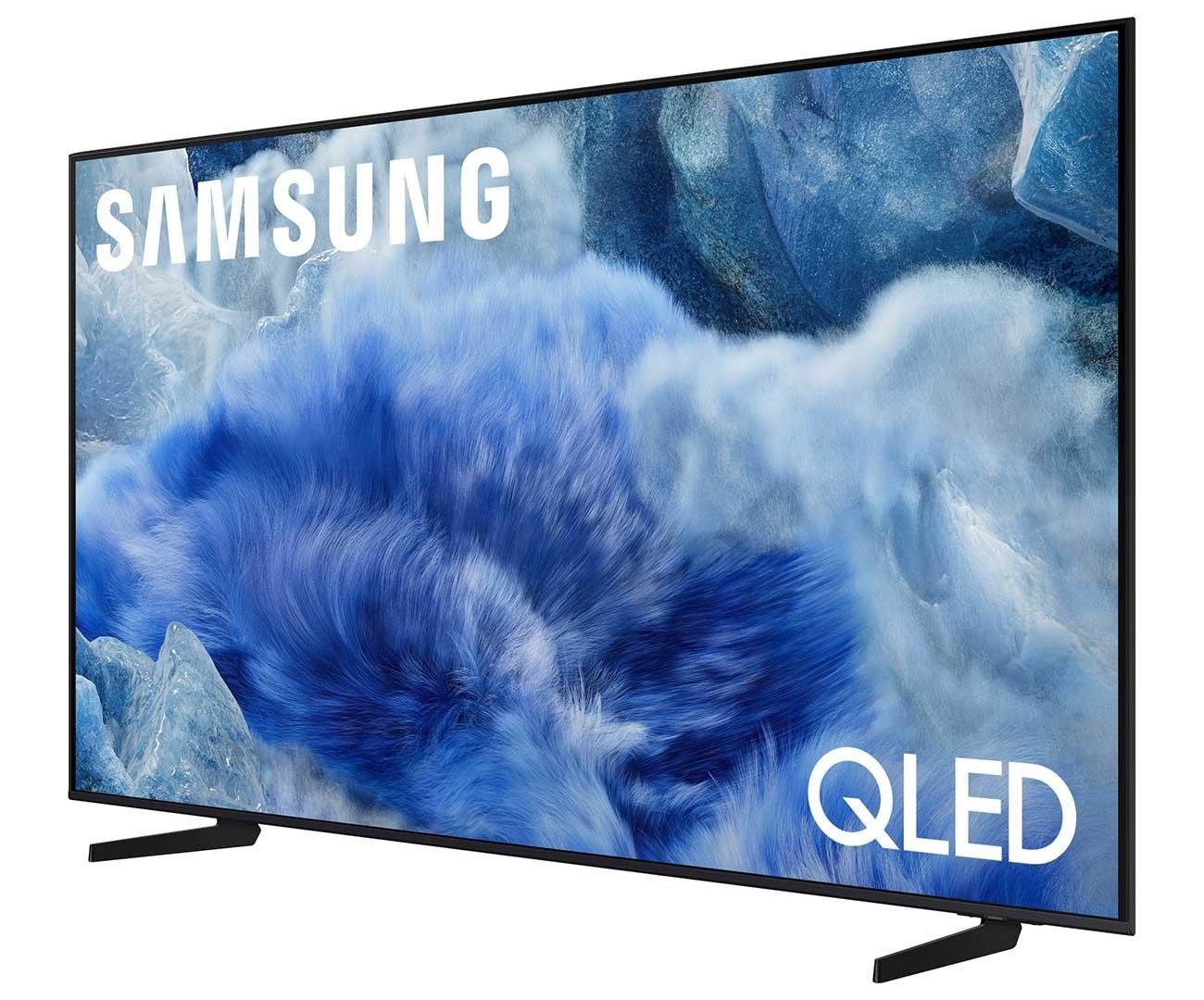
Released in early 2025, the Samsung QN8F Series represents Samsung's attempt to bring premium QLED features to a more accessible price point. Samsung has been refining their QLED technology for years, and the QN8F showcases their latest Vision AI capabilities alongside their signature Quantum Dot color technology.
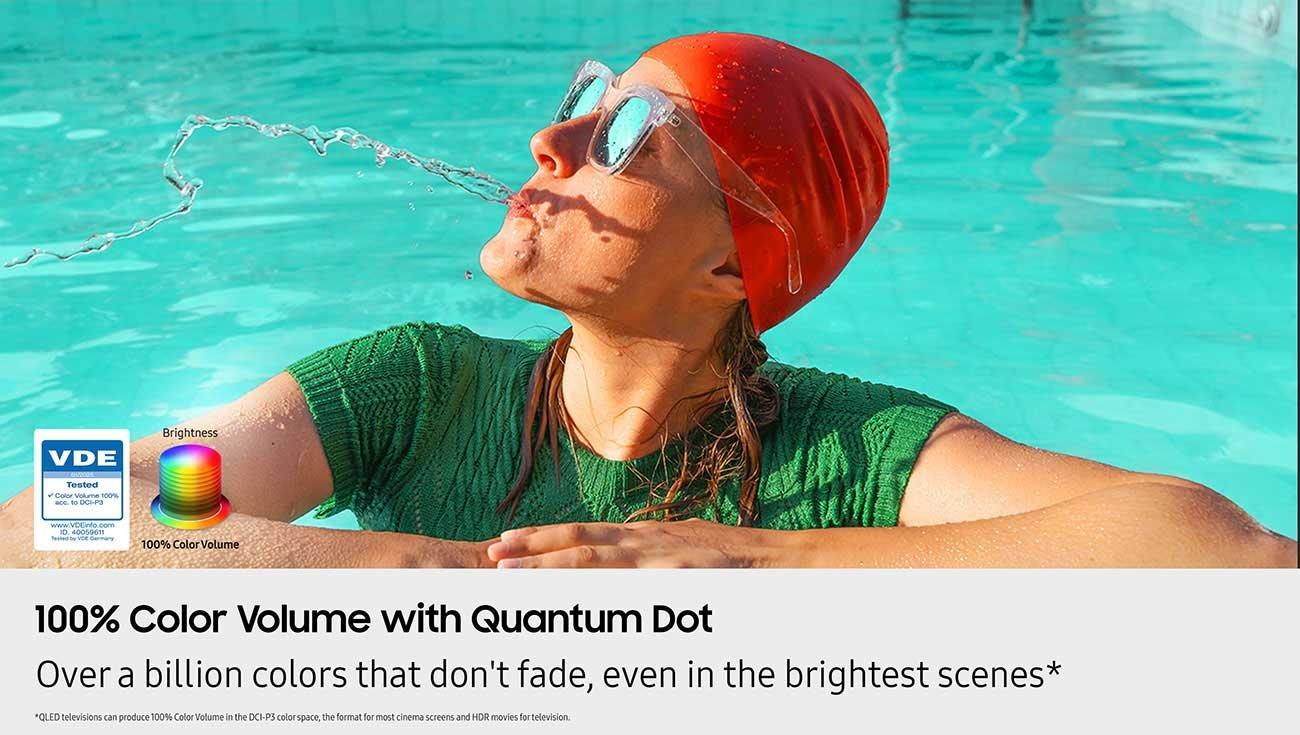
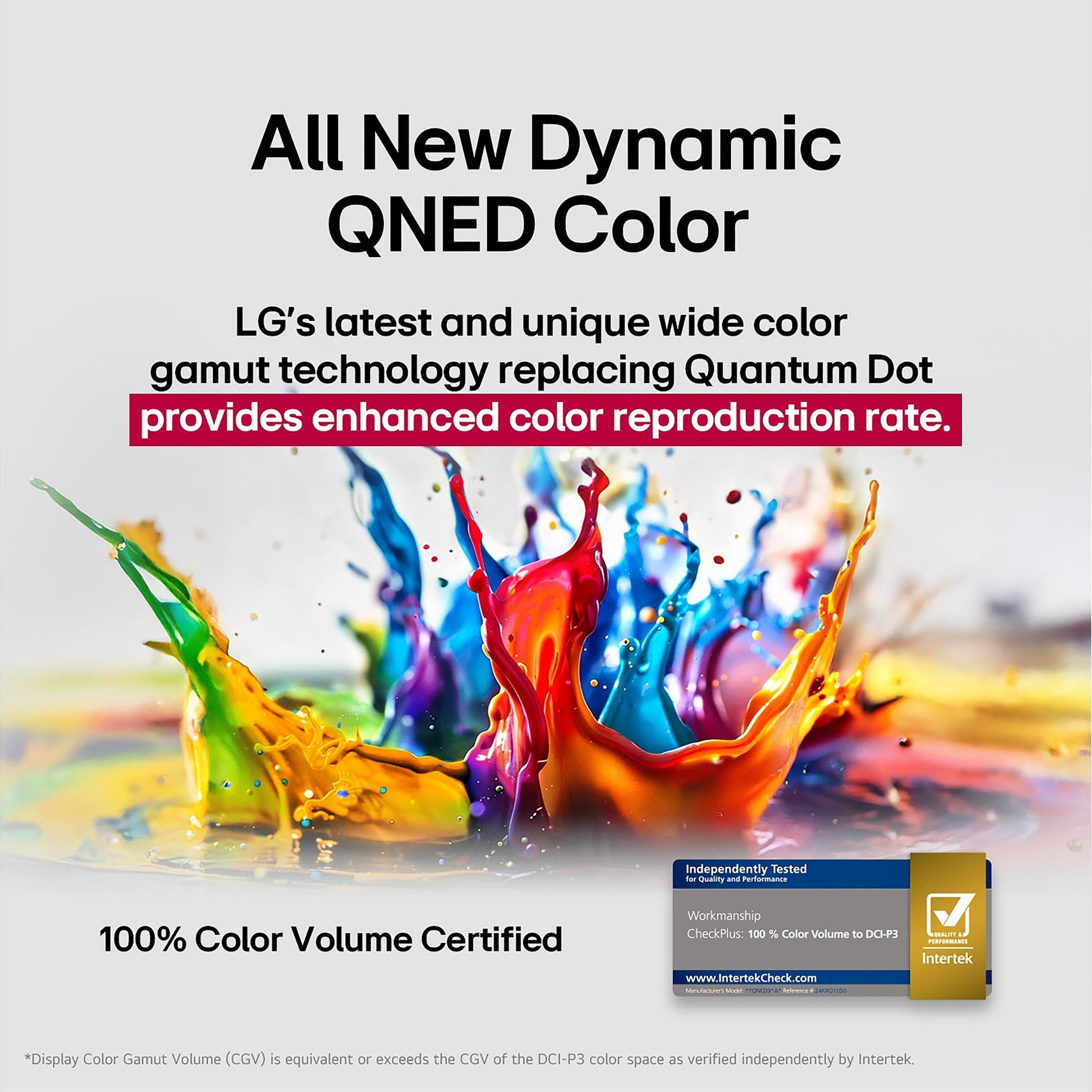
What makes QLED interesting is its use of quantum dots – microscopic particles that emit pure colors when hit by light. This technology allows the Samsung QN8F to achieve what they call "100% Color Volume," meaning it can reproduce incredibly vibrant colors across different brightness levels. In practical terms, this means animated movies look spectacular, with colors that seem to jump off the screen.
The Vision AI integration is genuinely impressive. The TV analyzes what you're watching in real-time and adjusts picture settings automatically. Watching a dark thriller? It enhances shadow detail. Switched to a bright nature documentary? It boosts color saturation and clarity. This kind of intelligent optimization removes a lot of guesswork from getting the best picture.
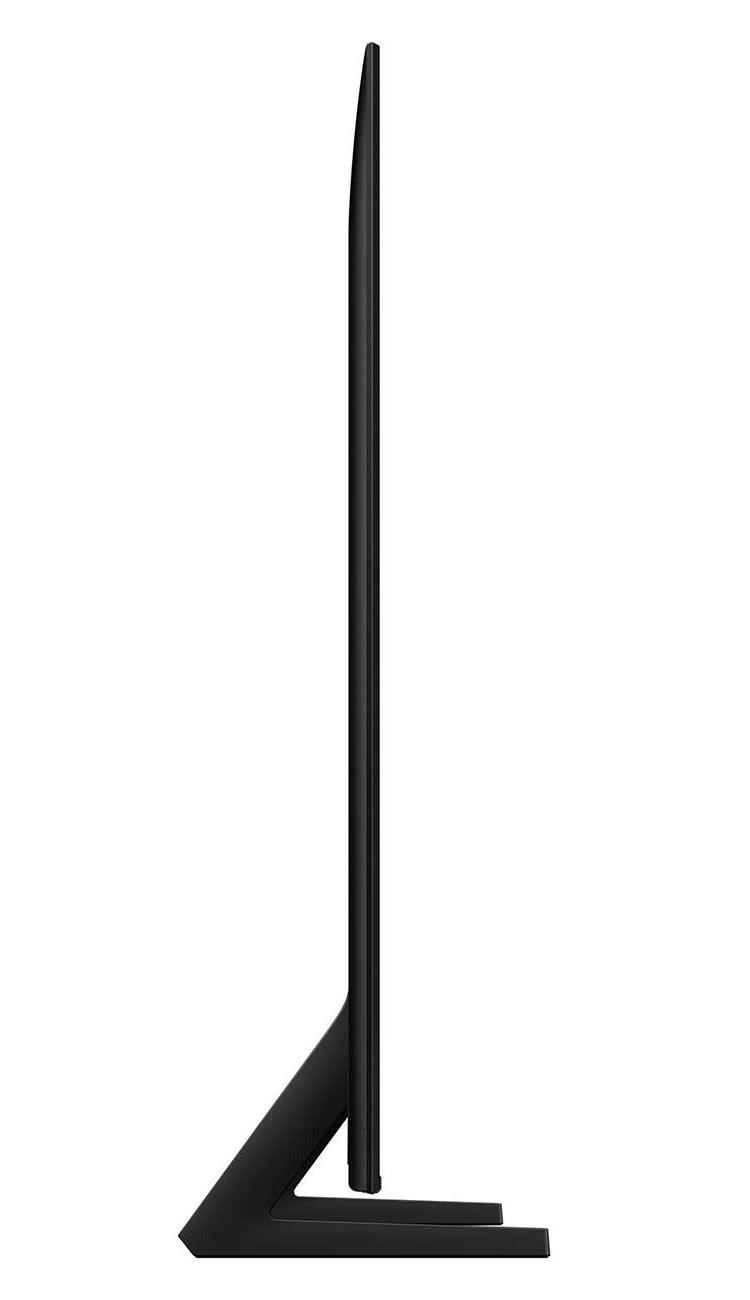
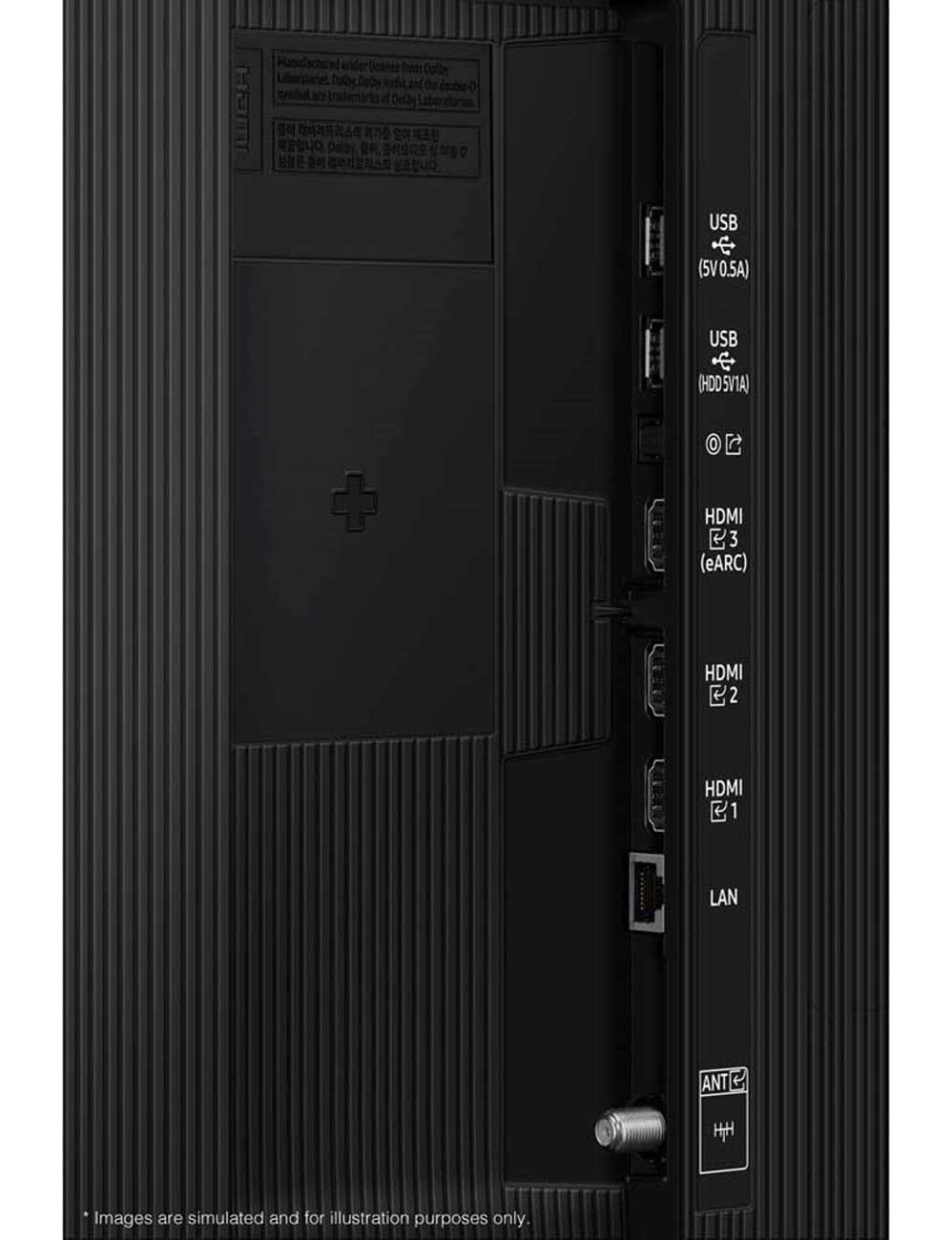
However, the Samsung QN8F uses edge LED backlighting, which is where things get complicated. Edge LED means the light sources are positioned around the edges of the screen rather than behind it. This design keeps the TV slim and reduces manufacturing costs, but it creates some significant limitations we'll explore in the performance section.
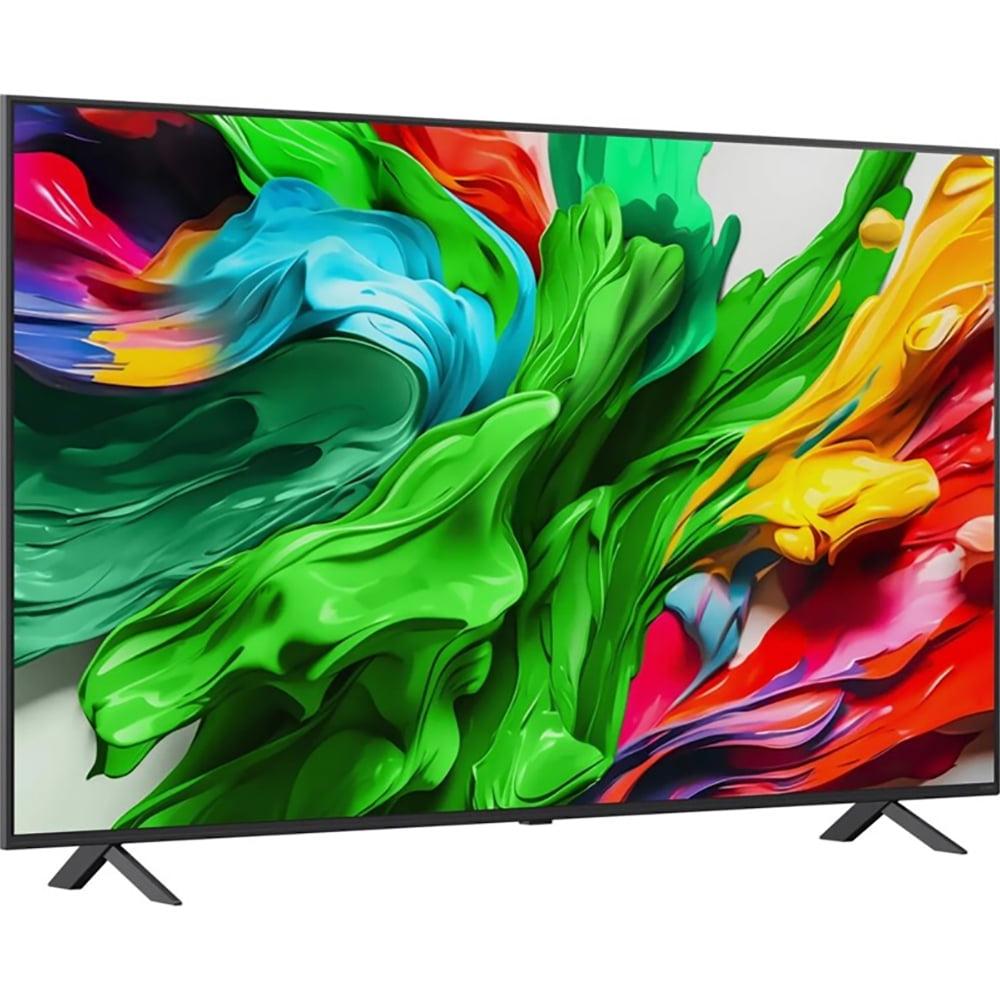
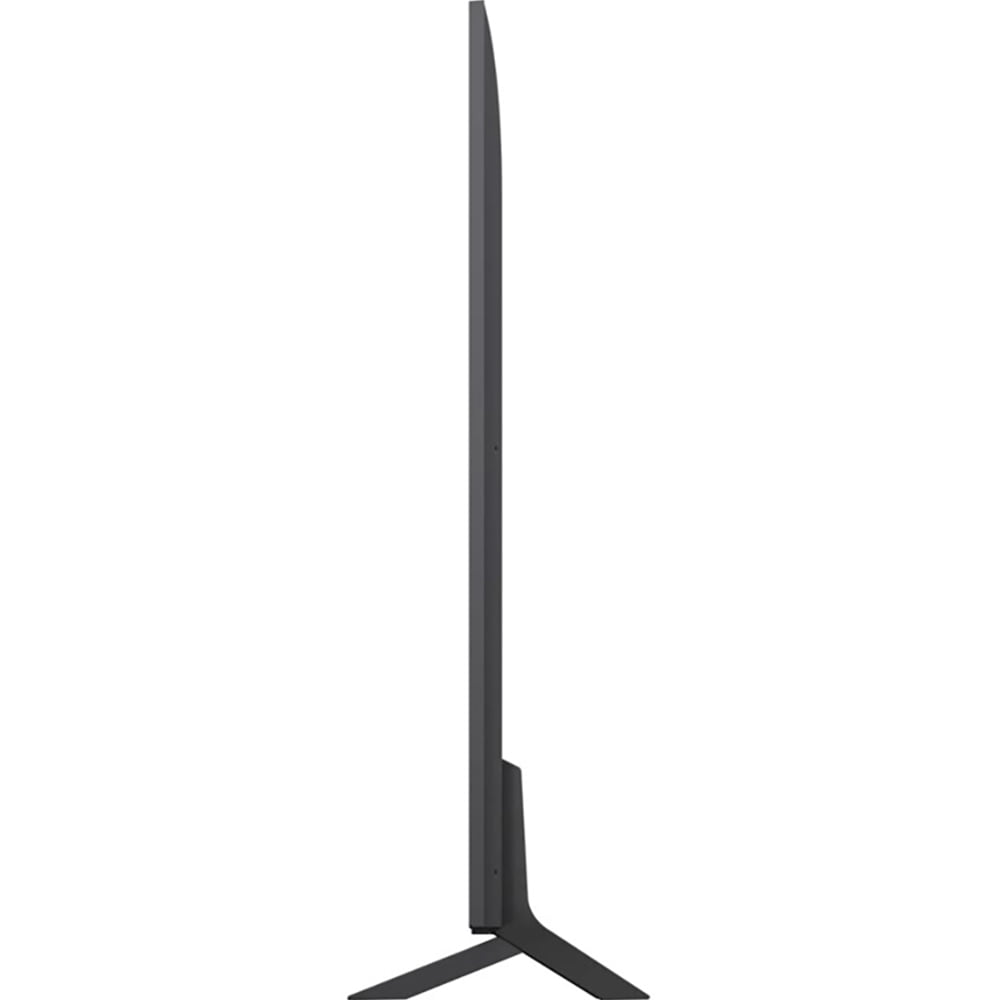
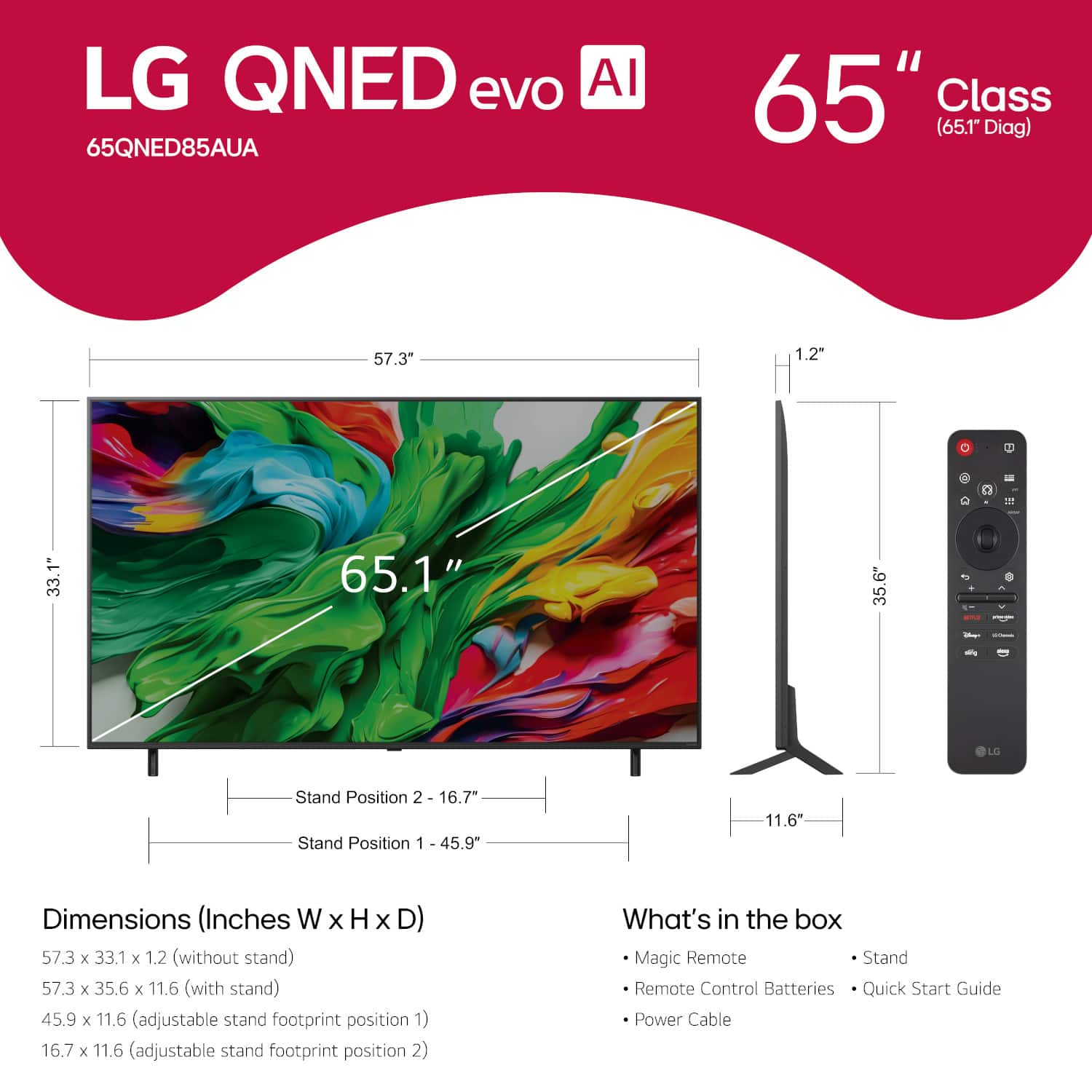
The LG QNED evo AI QNED85A, also launched in 2025, takes a completely different approach. LG's QNED technology combines quantum dots with NanoCell technology, but the real star here is the MiniLED backlighting system.
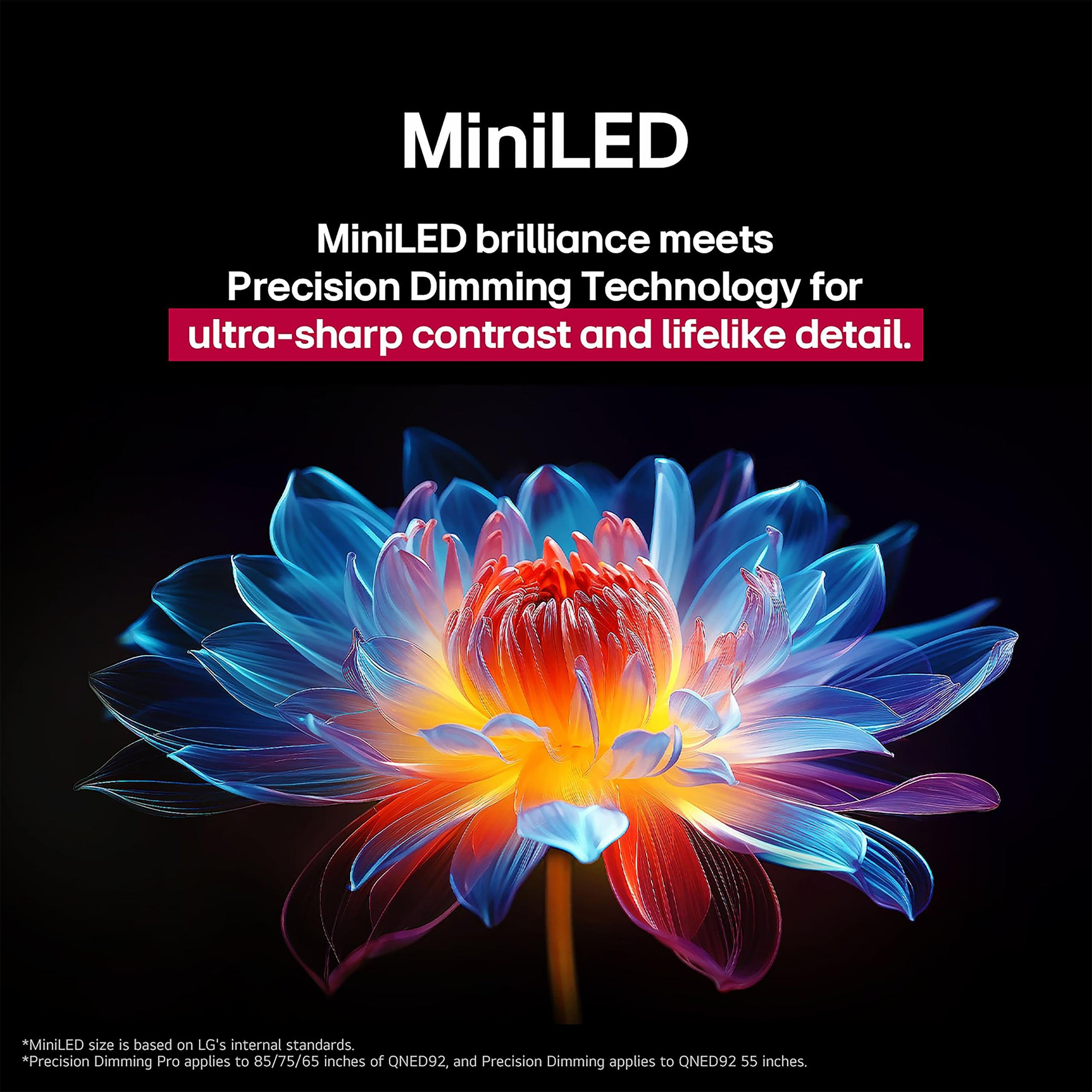
MiniLED is exactly what it sounds like – thousands of tiny LEDs positioned directly behind the screen in a full-array configuration. Think of it as having thousands of tiny flashlights behind your TV, each capable of turning on or off independently. This creates what's called local dimming, where different areas of the screen can be precisely controlled for brightness.
The LG QNED85A uses this MiniLED array with what LG calls "Precision Dimming Pro." In practice, this means if you're watching a scene with a bright explosion against a dark night sky, the TV can make the explosion area incredibly bright while keeping the surrounding areas genuinely dark. Edge LED TVs simply can't achieve this level of precision.
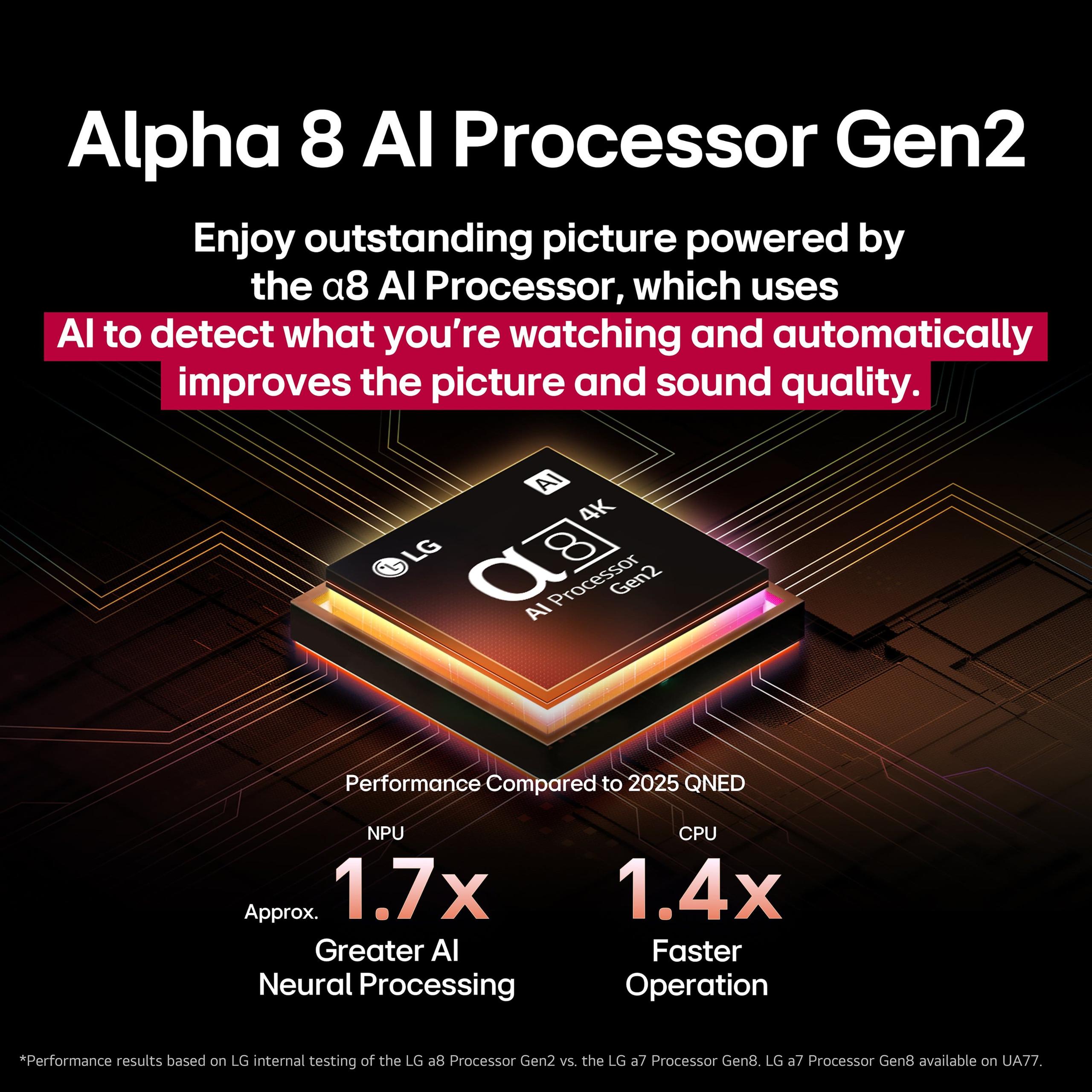
LG's α8 Gen 2 AI Processor powers the smart features, offering up to 70% better AI performance than previous generations. The webOS 25 platform comes with a five-year update guarantee – something that really matters when you're making a long-term investment in a TV.
The difference between these backlighting technologies becomes immediately apparent when you actually watch content. I've spent countless hours testing both approaches, and the gap is more significant than you might expect.
The LG QNED85A's MiniLED system can achieve peak brightness levels around 1,500 nits or higher. To put this in perspective, a typical TV might hit 400-600 nits, while even premium edge LED TVs struggle to exceed 1,000 nits consistently across the screen. This brightness advantage isn't just about bragging rights – it's what makes HDR content truly shine.
When I watch HDR movies on the LG QNED85A, highlights like sunlight streaming through windows or the glint of metal actually look bright and impactful, even in a room with some ambient light. The Samsung QN8F, with its edge LED limitation, simply can't compete in bright room scenarios. Its peak brightness is respectable, but without local dimming, bright highlights tend to bloom and wash out adjacent dark areas.
Dark scene performance tells an even starker story. The LG QNED85A can turn off specific zones of LEDs to achieve genuinely black areas of the screen. When you're watching something like a space movie with stars against the black void, those black areas actually look black rather than the dark gray you get with edge LED systems.
The Samsung QN8F struggles here because its edge lighting bleeds across the screen. Dark scenes often appear washed out, with what should be deep blacks looking more like dark gray. This isn't necessarily a deal-breaker for bright room viewing or colorful content, but it becomes quite noticeable during movie nights with the lights dimmed.
Here's where the comparison becomes almost unfair. The LG QNED85A supports native 120Hz refresh rates at 4K resolution, while the Samsung QN8F tops out at 60Hz regardless of resolution. In 2025, this feels like a significant oversight from Samsung.
If you own a PlayStation 5, Xbox Series X, or a modern gaming PC, you're missing out on half of what these devices can deliver with the Samsung QN8F. Games that support 120Hz feel incredibly smooth and responsive – it's the difference between watching a stuttery online video and seeing smooth motion in person.
Sports content also benefits enormously from 120Hz. Fast camera pans during football games or tennis matches appear much more fluid on the LG QNED85A. Even if you're not a gamer, this matters more than you might think.
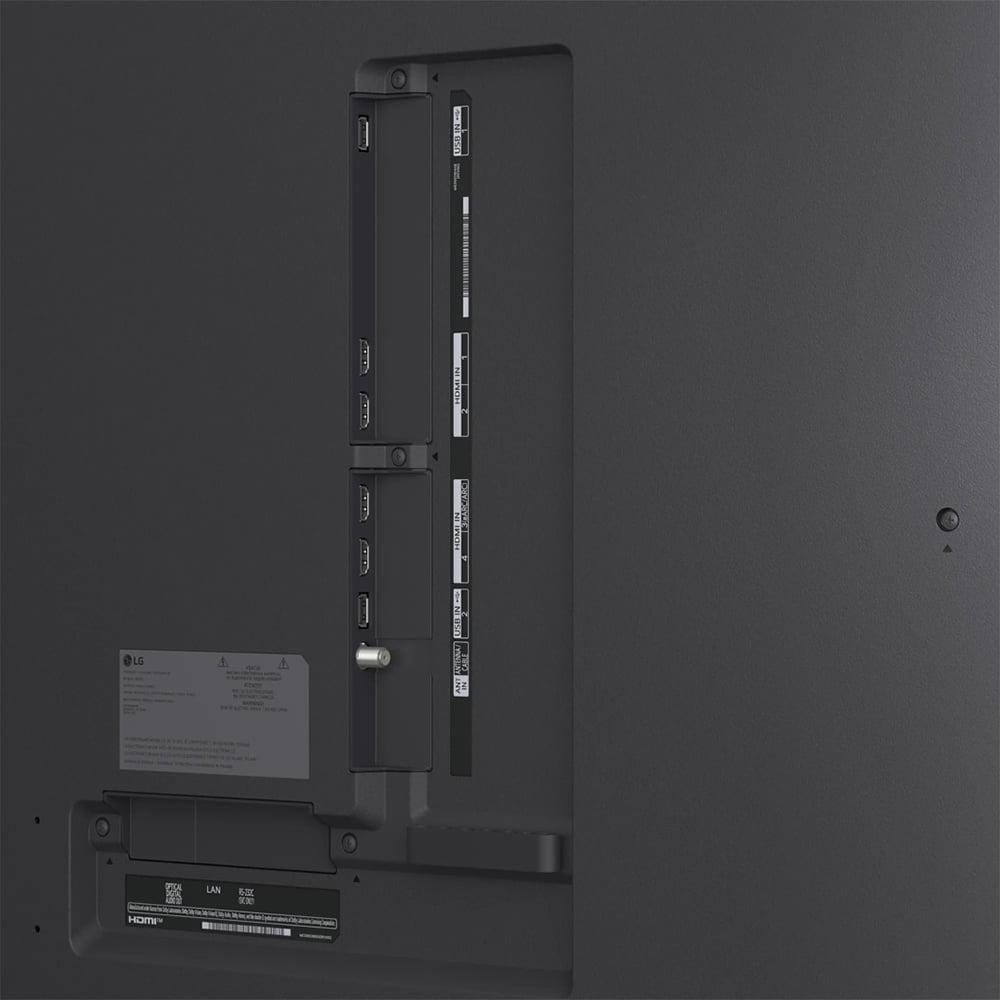
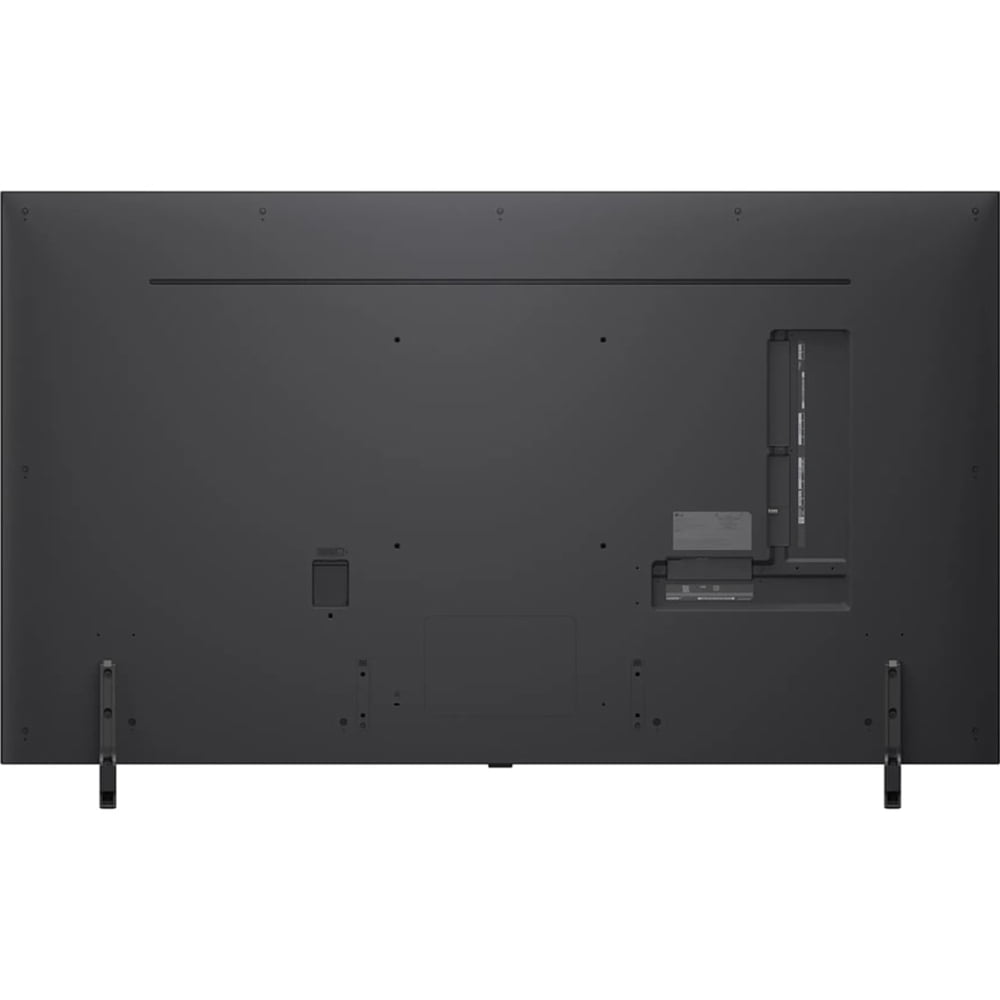
The LG QNED85A also includes four HDMI 2.1 ports, supporting the full bandwidth needed for 4K at 120Hz with HDR and variable refresh rate (VRR). VRR eliminates screen tearing – that annoying visual artifact where the image appears to split horizontally during fast motion.
Input lag, which measures how quickly the TV responds to controller inputs, is excellent on both TVs when in game mode. However, the Samsung QN8F's lack of 120Hz support means you're not getting the full responsiveness that modern games can provide.
Both TVs showcase impressive AI integration, but they take different approaches. The Samsung QN8F's Vision AI focuses heavily on picture optimization, automatically adjusting settings based on content type and room lighting. The enhanced Bixby voice assistant can handle multiple commands simultaneously and integrates well with other Samsung devices.
Samsung's Generative Wallpaper feature is genuinely unique – you can type in keywords and the TV creates custom wallpapers using AI. It's more of a novelty than a necessity, but it shows Samsung's commitment to AI innovation.
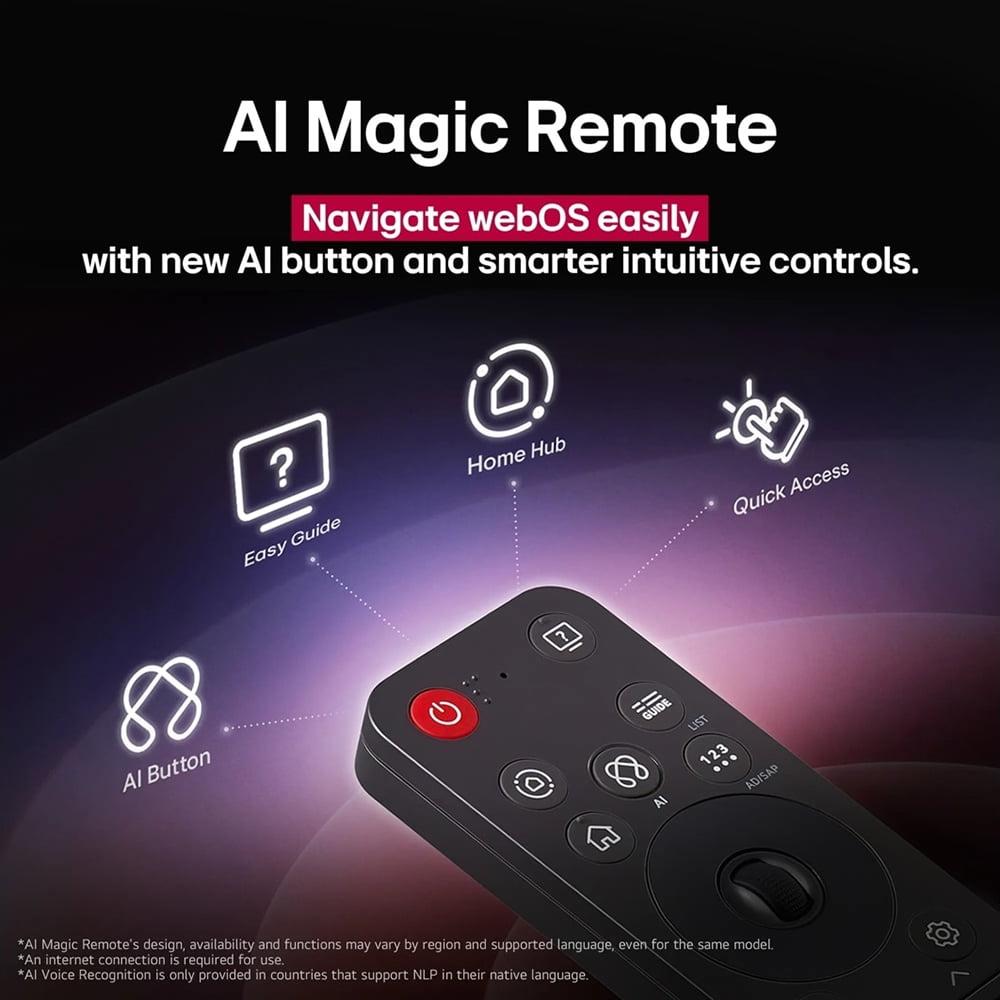
The LG QNED85A takes a more comprehensive approach with webOS 25. The AI features include Voice ID (recognizing different family members), AI Concierge for personalized recommendations, and Microsoft Copilot integration. The five-year update guarantee is particularly valuable – it means your TV will receive new features and security updates well into the future.
I've found webOS to be more intuitive for daily use, with better app organization and faster navigation. Samsung's Tizen is solid but can feel more cluttered, especially when trying to find specific settings.
Both TVs offer AI-enhanced audio processing that's actually quite impressive for built-in speakers. The Samsung QN8F features Adaptive Sound+, which analyzes audio content in real-time and adjusts based on both the content type and your room's acoustics. Watching an action movie, it emphasizes dialogue clarity while boosting impact sounds. Switch to a music video, and it optimizes for wider soundstage and instrument separation.
The LG QNED85A counters with AI Sound Pro, which can convert stereo content into virtual 5.1 surround sound. In my testing, both systems work surprisingly well for TV speakers, though neither replaces a proper soundbar for serious home theater use.
The key difference is that the LG QNED85A tends to handle bass better, likely due to its slightly different speaker configuration. However, both TVs benefit significantly from pairing with a soundbar – something to consider in your overall budget.
This is where the comparison takes an unfortunate turn for Samsung. The Samsung QN8F has documented overheating issues, particularly in the bottom portion of the screen. This isn't just an academic concern – overheating can lead to long-term reliability problems, reduced lifespan, and potentially warranty claims down the road.
The edge LED design contributes to these thermal issues. By concentrating light sources around the screen's perimeter, heat builds up in specific areas rather than being distributed evenly. I've seen reports of users experiencing flickering or temporary shutdowns during extended viewing sessions, particularly with HDR content that pushes brightness levels higher.
The LG QNED85A, with its full-array MiniLED design, distributes heat more evenly across the entire panel. The thousands of tiny LEDs generate less individual heat than larger edge-mounted LEDs, and the distributed design prevents hot spots from developing.
From a pure build quality standpoint, both TVs feel solid and premium, but the thermal concerns with the Samsung QN8F are significant enough to factor into your decision.
At the time of writing, the Samsung QN8F carries a lower price point than the LG QNED85A, but this pricing advantage doesn't tell the whole story. The price difference is relatively modest – typically around $100-200 depending on sales and retailer.
When you consider the performance gaps we've discussed – no 120Hz support, inferior backlighting technology, thermal reliability concerns, and limited gaming capabilities – that small price savings becomes much less attractive. The LG QNED85A delivers what I'd estimate as roughly 80% of the performance you'd get from TVs costing twice as much, while the Samsung QN8F feels more like a budget TV with some premium features sprinkled on top.
For home theater use specifically, the difference becomes even more pronounced. The LG QNED85A's superior contrast performance, higher peak brightness, and better dark room capabilities make it significantly more immersive for movie watching. If you're planning to use this TV as the centerpiece of a dedicated home theater setup, the LG QNED85A is almost certainly the better choice.
Care about picture quality above all else. The MiniLED advantage is substantial and noticeable across virtually all content types. Whether you're watching Netflix, playing games, or enjoying 4K Blu-rays, you'll see better contrast, brighter highlights, and more accurate colors.
Game regularly or watch sports. The 120Hz support alone makes this worthwhile for modern gaming systems. Even if you're not a serious gamer, the smoother motion during sports broadcasts is immediately apparent and genuinely enhances the viewing experience.
Want long-term value. The five-year webOS update guarantee, superior build quality, and more advanced technology mean this TV will stay relevant and functional longer. You're making an investment that should serve you well for many years.
Have a dedicated home theater or watch movies frequently. The superior contrast performance and peak brightness make a real difference during movie nights, especially in dimmed or dark rooms where the black level advantages really shine through.
Have strict budget constraints and the modest price difference genuinely matters to your household budget. Even then, I'd recommend waiting for sales on the LG QNED85A rather than settling for inferior technology.
Prioritize Samsung ecosystem integration above performance. If you have multiple Samsung devices and value seamless integration, the Samsung QN8F does offer excellent connectivity with other Samsung products.
Watch primarily in bright, well-lit rooms where the backlighting limitations are less noticeable. The QLED color performance is genuinely good for daytime viewing, even if the contrast suffers in dark scenes.
Never game and rarely watch fast-motion content. If your viewing consists mainly of sitcoms, news, and similar content where motion performance isn't critical, the 60Hz limitation becomes less important.
After extensive testing and consideration, the LG 65" QNED evo AI QNED85A 4K MiniLED Smart TV 2025 emerges as the clear winner for most buyers. The superior display technology, gaming capabilities, build quality, and long-term software support justify the modest price premium.
The Samsung QN8F isn't a bad TV – its color performance is genuinely impressive, and the AI features work well. However, in 2025, buying a premium TV without 120Hz support and with edge LED backlighting feels like compromising on technologies that should be standard at this price point.
If you're investing in a 65-inch TV that you plan to keep for five to seven years, spending slightly more for significantly better technology makes financial sense. The LG QNED85A will age better, provide a more immersive viewing experience, and handle whatever content standards emerge over the next few years.
For most buyers, especially those planning to use their TV for gaming, sports, or serious movie watching, the LG QNED85A represents the better long-term investment. The technology gap is simply too significant to ignore, and the price difference too small to justify the compromises required with the Samsung QN8F.
| Samsung 65" QN8F Series QLED 4K Vision AI Smart TV 2025 | LG 65" QNED evo AI QNED85A 4K MiniLED Smart TV 2025 |
|---|---|
| Display Technology - Foundation of picture quality and contrast performance | |
| QLED with Edge LED backlighting (no local dimming) | QNED with MiniLED full-array backlighting (thousands of dimming zones) |
| Peak Brightness - Critical for HDR impact and bright room viewing | |
| Moderate brightness limited by edge LED design | ~1,500+ nits with precise zone control for superior HDR |
| Gaming Performance - Essential for modern consoles and smooth sports | |
| 60Hz maximum (no 120Hz support at any resolution) | Native 120Hz at 4K with VRR up to 144Hz |
| Smart Platform - Affects long-term usability and feature updates | |
| Tizen with Vision AI and enhanced Bixby | webOS 25 with 5-year update guarantee and AI personalization |
| Build Quality - Impacts reliability and longevity | |
| Documented overheating issues in bottom screen area | Superior thermal management with distributed MiniLED design |
| Audio System - Built-in sound quality without external speakers | |
| Adaptive Sound+ with 20W 2CH speakers | AI Sound Pro with virtual 5.1 surround processing |
| HDMI Connectivity - Important for multiple devices and future-proofing | |
| Standard HDMI ports (limited high-bandwidth features) | Four HDMI 2.1 ports supporting full 4K 120Hz bandwidth |
| Local Dimming - Makes the biggest difference in dark scene performance | |
| None (edge LED limitation creates light bleeding) | Advanced Precision Dimming Pro with zone-based control |
| Motion Handling - Crucial for sports and fast-action content | |
| Basic 60Hz motion processing | Superior 120Hz with minimal motion blur |
| Value Proposition - Performance delivered relative to cost difference | |
| Budget option with significant technology compromises | Premium features at mid-range price with future-proof technology |
The LG 65" QNED evo AI QNED85A 4K MiniLED Smart TV 2025 delivers superior picture quality thanks to its MiniLED backlighting with full-array local dimming. This technology provides deeper blacks, brighter highlights, and better contrast compared to the Samsung 65" QN8F Series QLED 4K Vision AI Smart TV 2025, which uses edge LED backlighting without local dimming zones.
No, only the LG QNED85A supports 120Hz gaming at 4K resolution with four HDMI 2.1 ports. The Samsung QN8F is limited to 60Hz maximum at any resolution, making it unsuitable for modern gaming consoles that support high refresh rates.
The LG QNED85A runs webOS 25 with a five-year update guarantee, ensuring long-term software support. The Samsung QN8F uses Tizen with Vision AI features, but doesn't offer the same long-term update commitment as LG's platform.
The LG 65" QNED evo AI QNED85A excels in bright rooms with peak brightness around 1,500+ nits from its MiniLED array. The Samsung 65" QN8F Series has more limited brightness due to its edge LED design, making HDR content less impactful in well-lit spaces.
The Samsung QN8F has documented overheating issues, particularly in the bottom screen area, which can affect long-term reliability. The LG QNED85A uses distributed MiniLED technology with better thermal management and no reported overheating problems.
For home theater use, the LG 65" QNED evo AI QNED85A is the clear winner due to its superior contrast performance, local dimming capabilities, and excellent dark room viewing. The Samsung 65" QN8F Series struggles with dark scene performance due to light bleeding from its edge LED design.
Yes, both the Samsung QN8F and LG QNED85A support major HDR formats including HDR10+ and Dolby Vision. However, the LG QNED85A delivers better HDR impact due to its higher peak brightness and local dimming capabilities.
Both TVs offer AI-enhanced audio processing. The Samsung 65" QN8F Series features Adaptive Sound+ with room optimization, while the LG 65" QNED evo AI QNED85A provides AI Sound Pro with virtual 5.1 surround sound conversion. Audio quality is comparable between both models.
The LG QNED85A provides better overall value despite typically costing slightly more. It delivers significantly superior display technology, gaming features, and build quality that justify the modest price difference over the Samsung QN8F.
The LG 65" QNED evo AI QNED85A handles sports much better due to its 120Hz refresh rate, which provides smoother motion during fast-paced action. The Samsung 65" QN8F Series is limited to 60Hz, resulting in less fluid motion during sports broadcasts.
The Samsung QN8F focuses on Vision AI for picture optimization and enhanced Bixby voice control. The LG QNED85A offers more comprehensive AI features including Voice ID, AI Concierge, and Microsoft Copilot integration for a more personalized smart TV experience.
The LG 65" QNED evo AI QNED85A 4K MiniLED Smart TV 2025 is more future-proof with its 120Hz gaming support, superior display technology, five-year software update guarantee, and full HDMI 2.1 connectivity. The Samsung 65" QN8F Series QLED 4K Vision AI Smart TV 2025 lacks several modern features that may become standard in the coming years.
We've done our best to create useful and informative comparisons to help you decide what product to buy. Our research uses advanced automated methods to create this comparison and perfection is not possible - please contact us for corrections or questions. These are the sites we've researched in the creation of this article: bestbuy.com - samsung.com - rtings.com - youtube.com - samsung.com - pcrichard.com - abt.com - images.samsung.com - cnet.com - news.samsung.com - samsung.com - bestbuy.com - rtings.com - rtings.com - youtube.com - lg.com - smarthomesounds.co.uk - abt.com - abt.com - lg.com - displayspecifications.com - walmart.com - bestbuy.com - lg.com - lg.com - lg.com - files.bbystatic.com - flatpanelshd.com - north-side-appliance.com - lgnewsroom.com - lg.com - youtube.com - youtube.com - hindustantimes.com

Privacy Policy
Terms and Conditions - Affiliate Policy
Home Security
© Copyright 2008-2026.
11816 Inwood Rd #1211, Dallas, TX 75244