

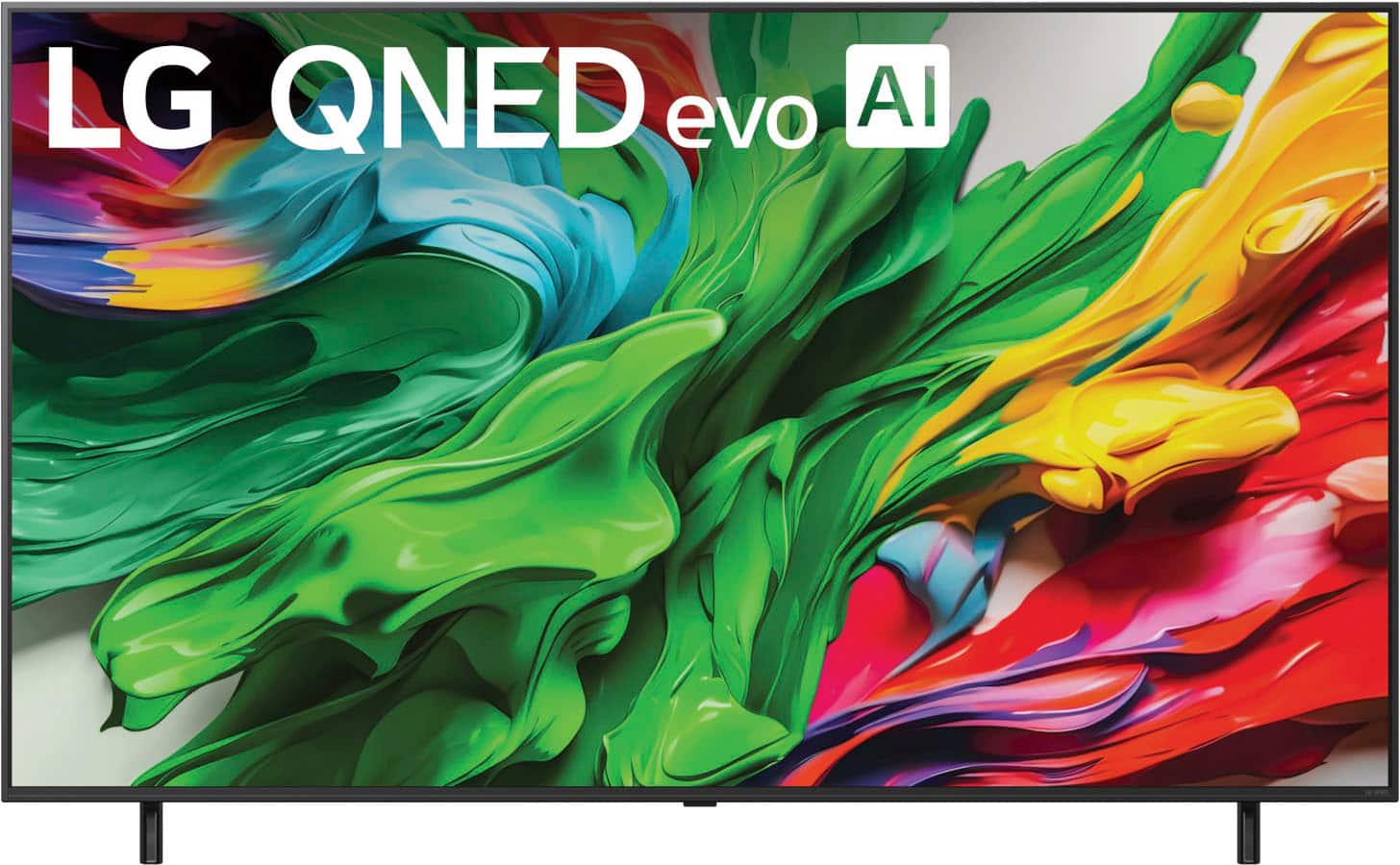
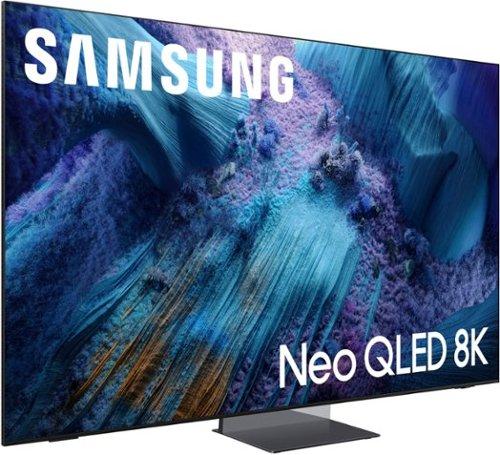
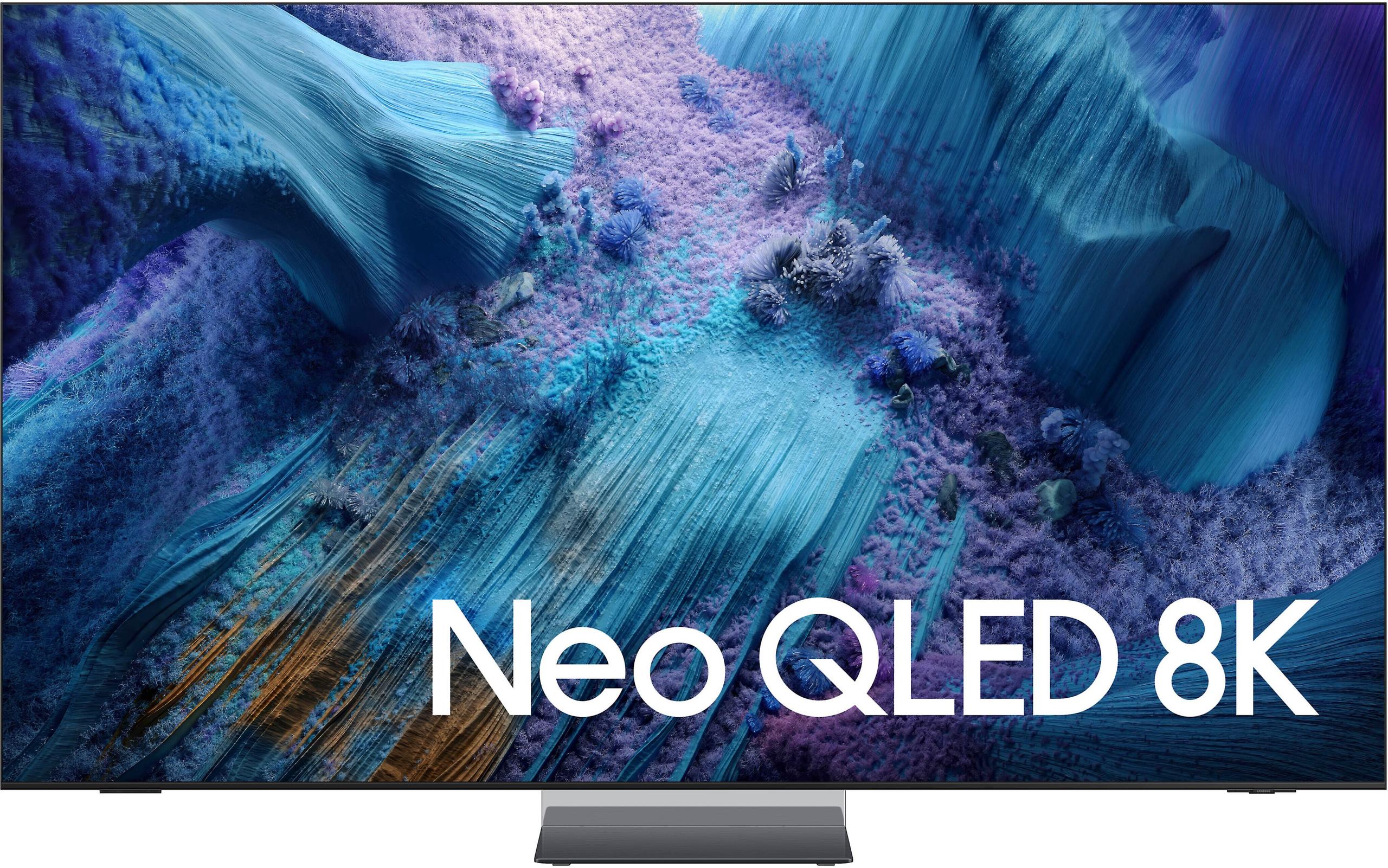
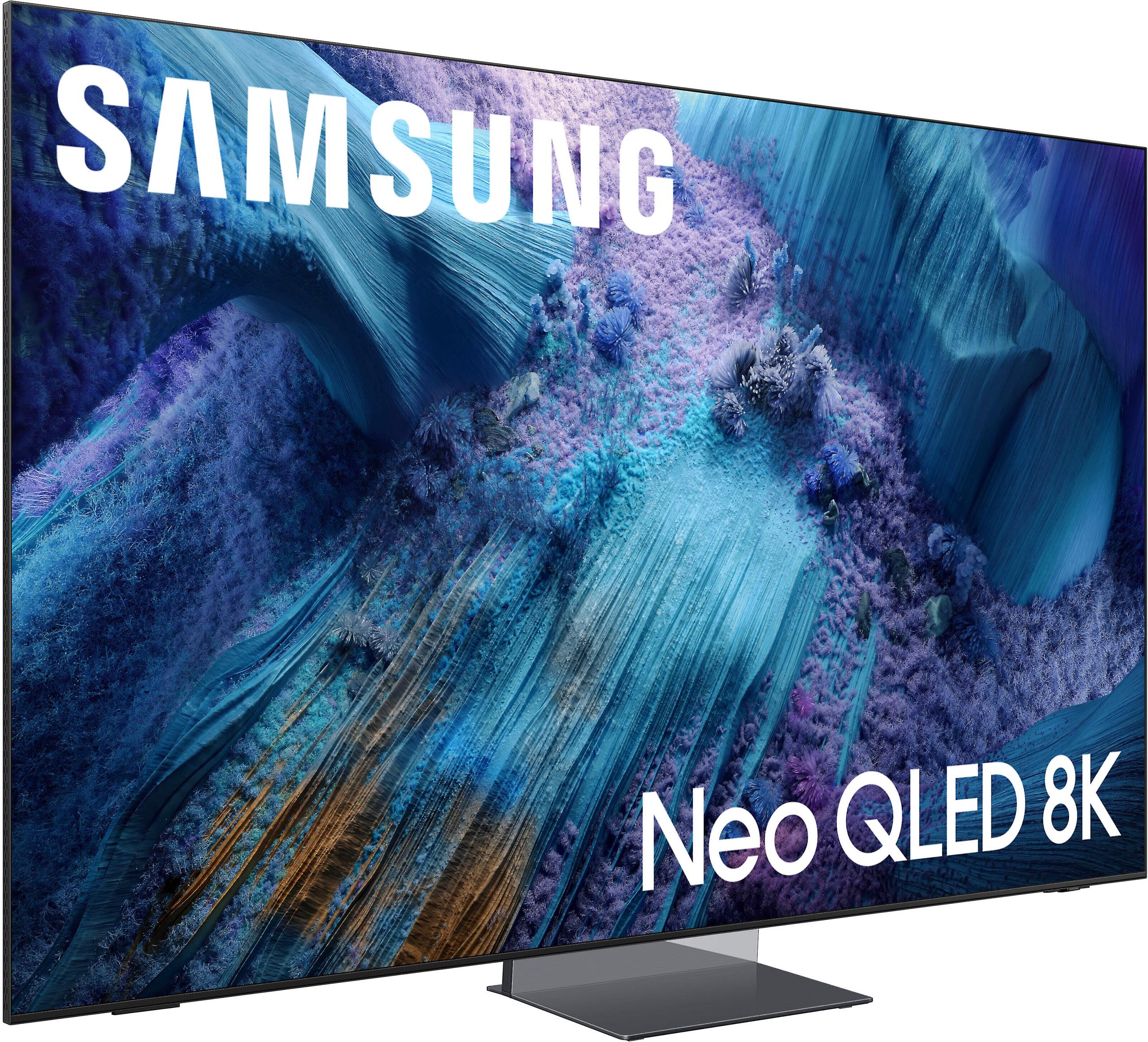
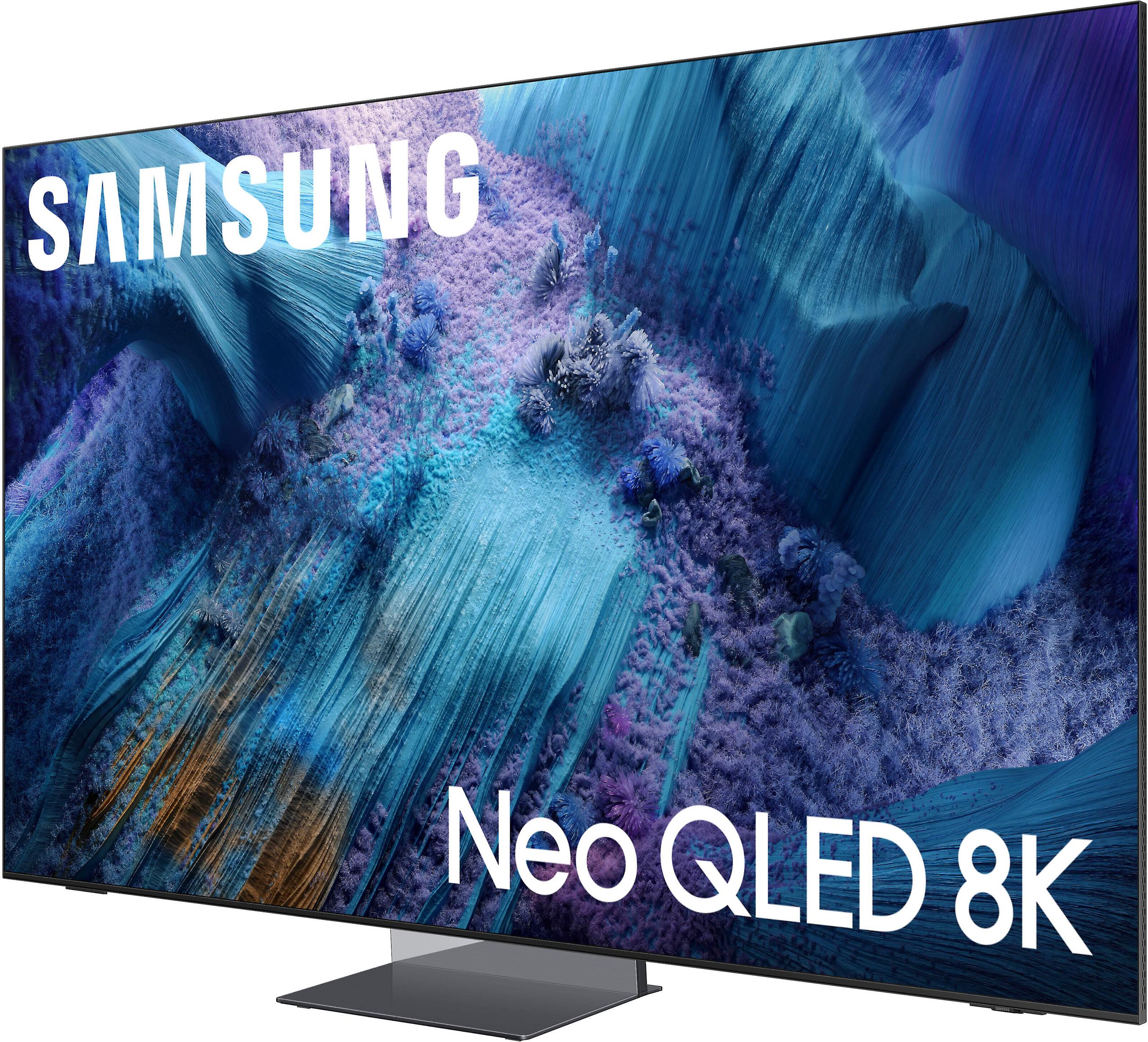
If you're shopping for a premium TV in 2025, you've probably noticed that MiniLED technology has become the go-to choice for manufacturers trying to bridge the gap between affordable LED TVs and expensive OLEDs. Today we're comparing two very different approaches to this technology: the LG 65" QNED evo AI QNED85A 4K MiniLED Smart TV 2025 ($999.99) and the Samsung 65" Neo QLED QN990F 8K Smart TV 2025 ($5,297.99).
These TVs represent opposite ends of the premium spectrum, and understanding their differences will help you make the right choice for your home and budget.
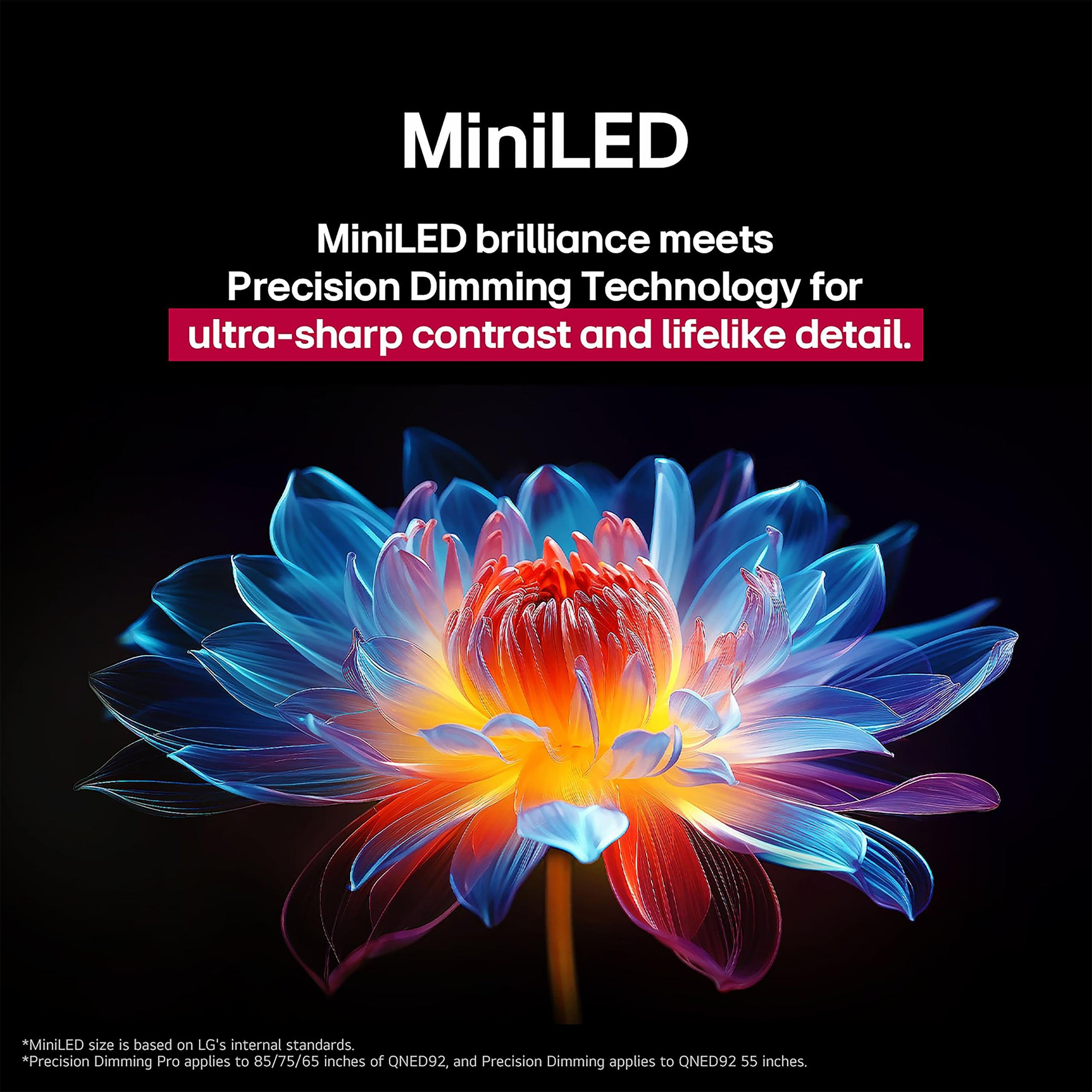
Before diving into the comparison, let's talk about what MiniLED actually means. Traditional LED TVs use relatively large LED backlights that illuminate sections of the screen. MiniLED uses thousands of tiny LEDs – each smaller than a pinhead – to create much more precise lighting control. Think of it like the difference between painting with a house brush versus a fine-tip marker.
This precision allows for better local dimming, which means the TV can make specific areas of the screen darker while keeping other areas bright. The result is deeper blacks, brighter highlights, and more realistic contrast – the holy grail of display technology. It's not quite as perfect as OLED (where each pixel produces its own light), but it gets surprisingly close while maintaining the brightness advantages that LCD technology offers.
When shopping for a premium MiniLED TV, you're mainly looking at five key factors: resolution and content compatibility, peak brightness for HDR performance, color accuracy, smart features that actually enhance your viewing experience, and overall value for what you're getting. Let's see how these two TVs stack up.
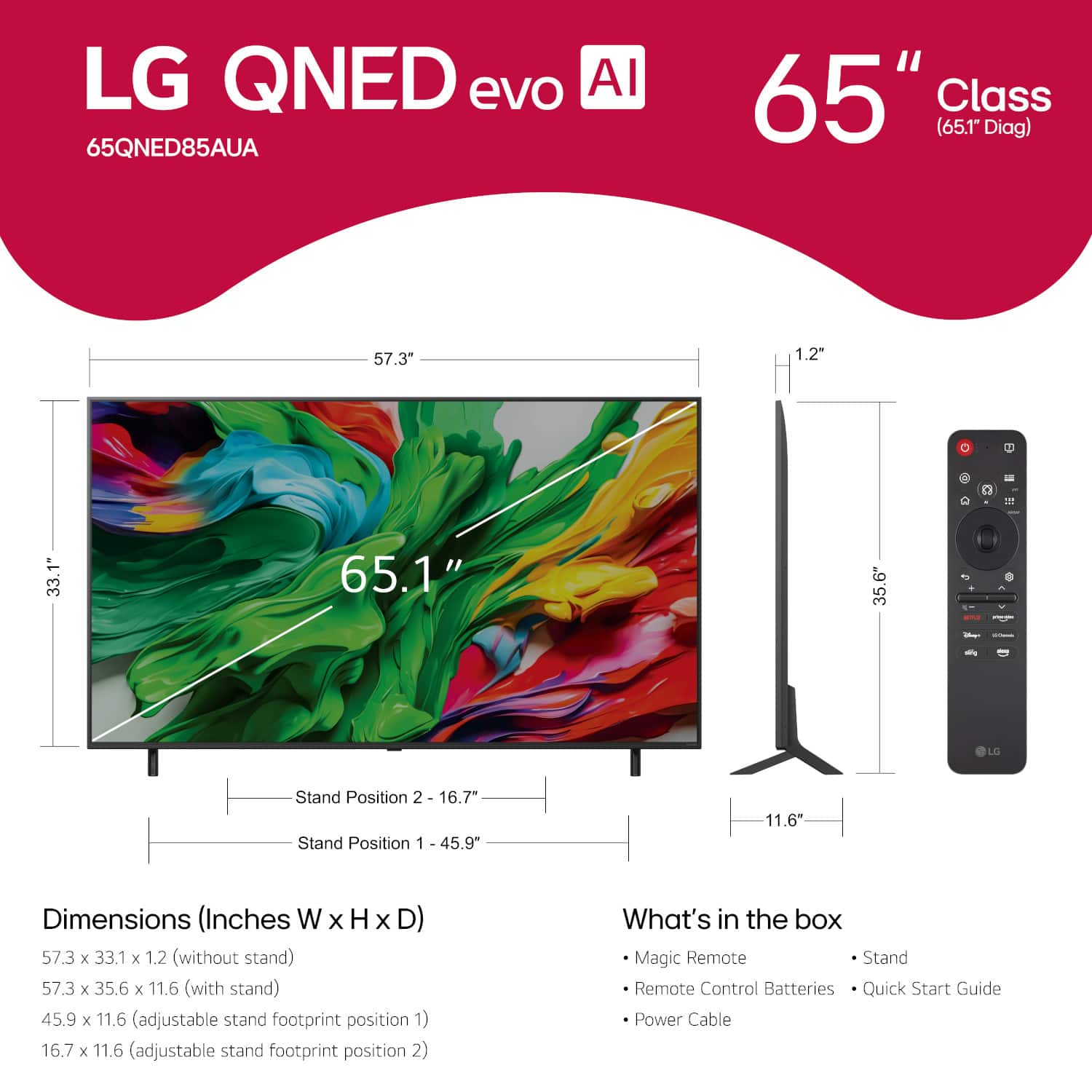
Both TVs were released in early 2025, representing the latest thinking from LG and Samsung. The LG QNED85A ($999.99) positions itself as the "sweet spot" TV – offering premium MiniLED performance without the flagship price tag. Samsung's QN990F ($5,297.99), on the other hand, throws everything at the wall: 8K resolution, wireless connectivity, and the brightest display Samsung has ever made.
Since their release, both have received firmware updates that have improved their AI processing capabilities. LG's webOS 25 platform has gotten more personalized recommendations, while Samsung's Tizen OS has refined its 8K upscaling algorithms. These improvements highlight how modern TVs continue evolving after purchase – something that wasn't possible with older models.
Here's where these TVs take completely different approaches. The LG focuses on making 4K content look absolutely stunning, while Samsung bets on 8K being the future.
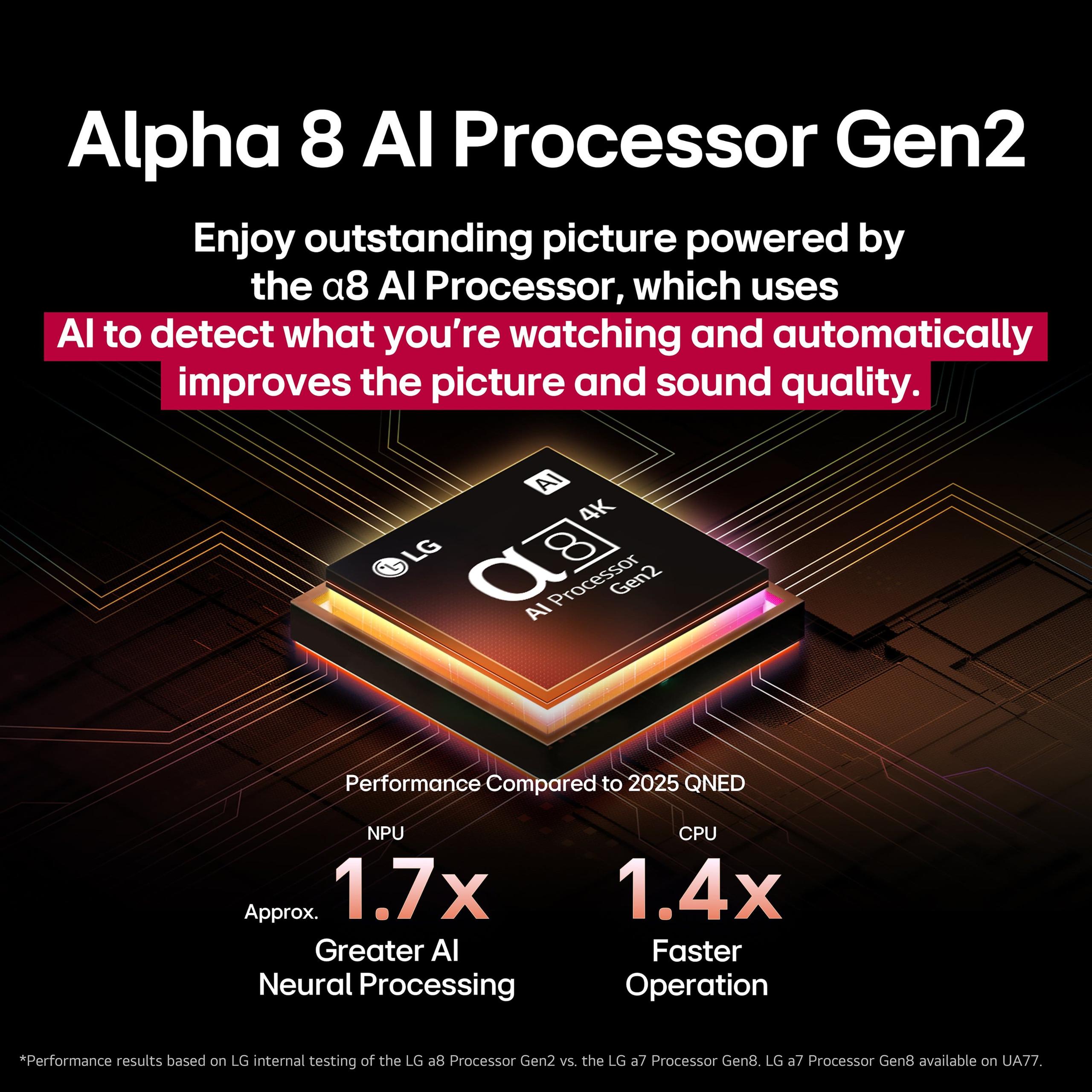
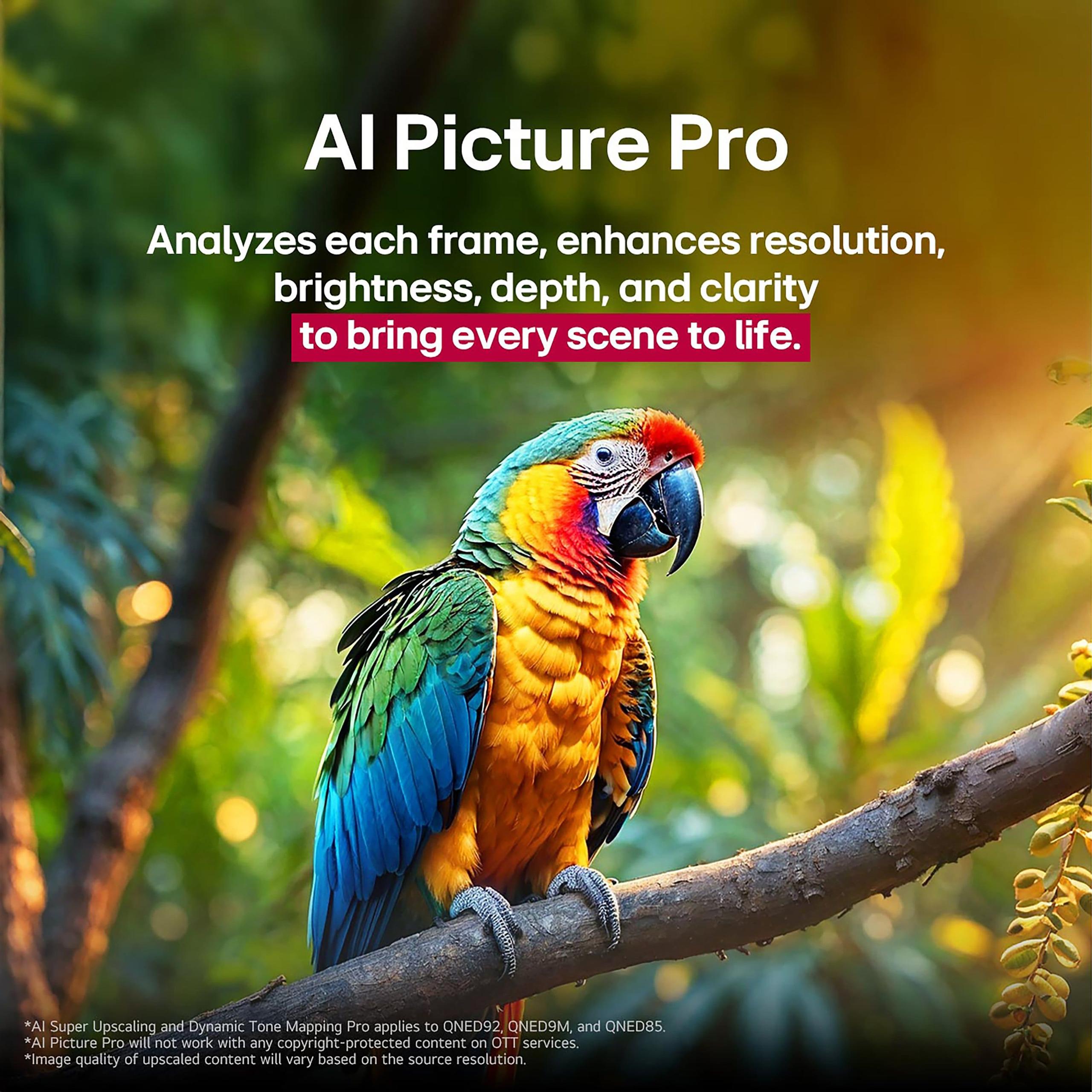
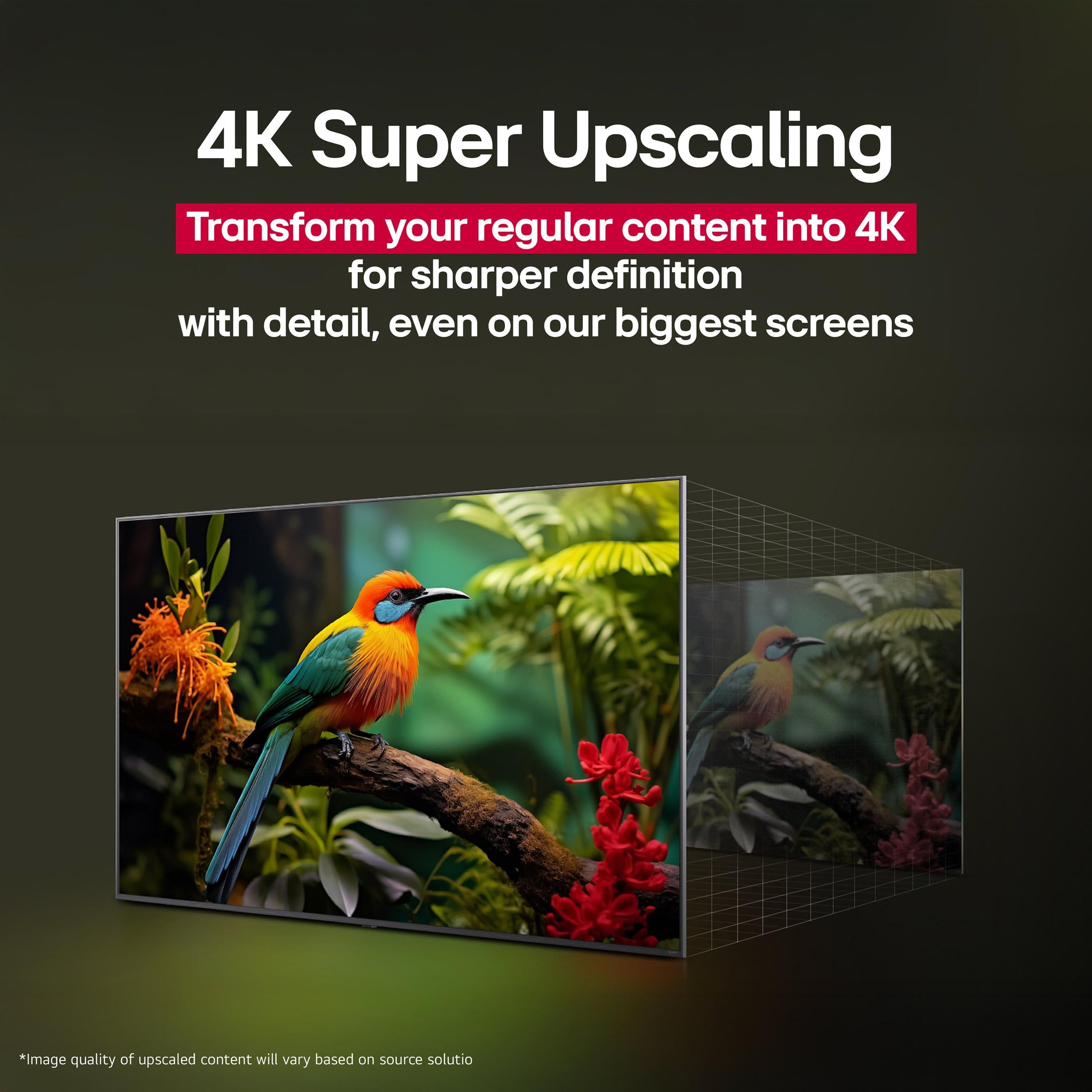
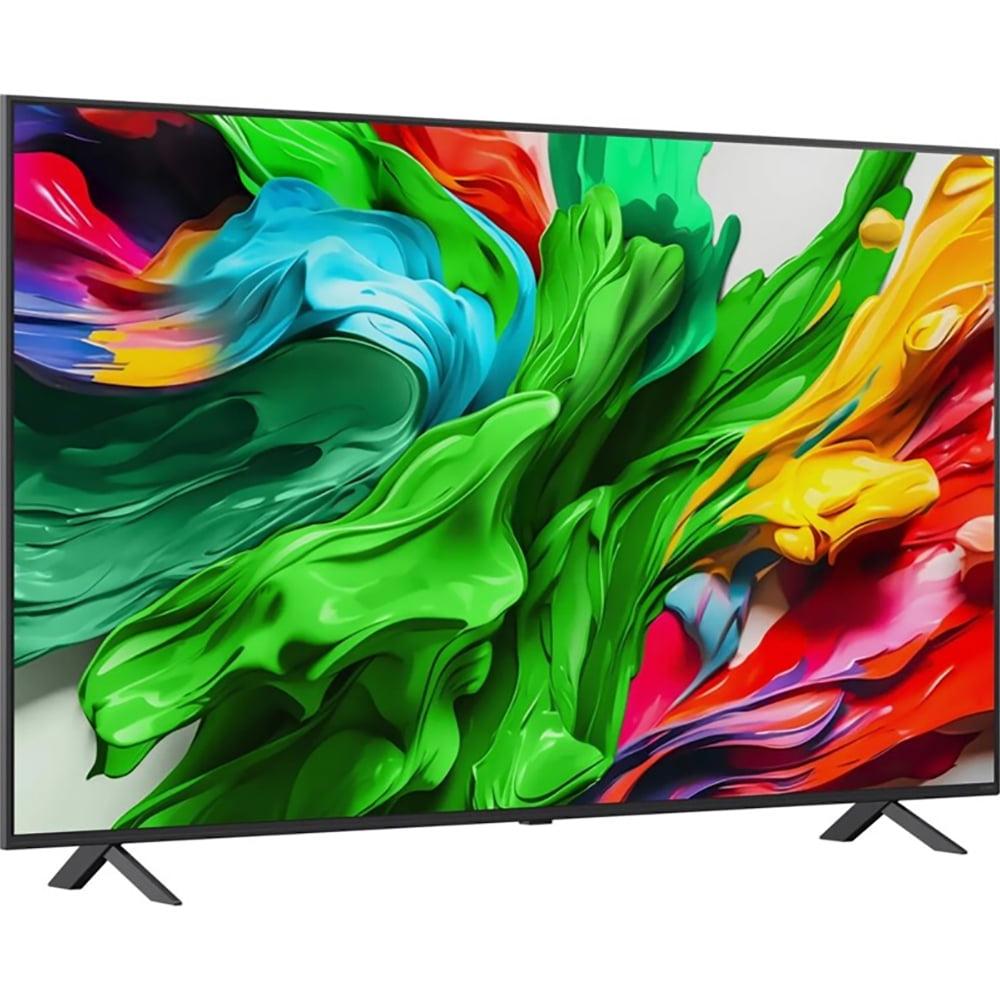
The LG QNED85A uses its α8 Gen 2 AI Processor to analyze every frame and optimize it for 4K display. This isn't just simple upscaling – the AI examines textures, edges, and movement patterns to enhance clarity and reduce noise. In practice, this means your Netflix shows, YouTube videos, and Blu-ray movies look incredibly sharp and natural. The TV's Precision Dimming Pro works with thousands of MiniLEDs to create localized brightness zones, giving you deep blacks in dark movie scenes while keeping bright areas punchy.
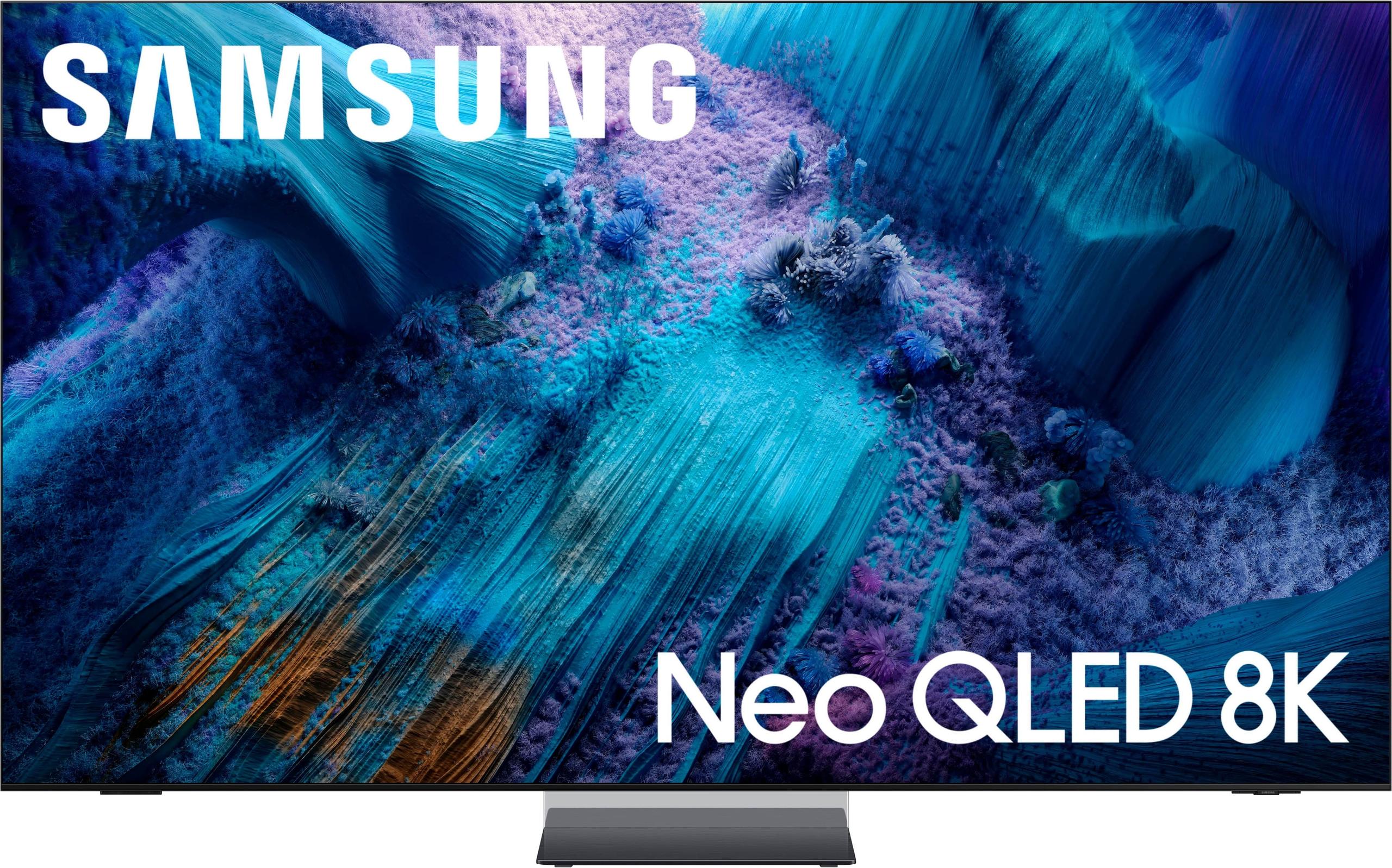
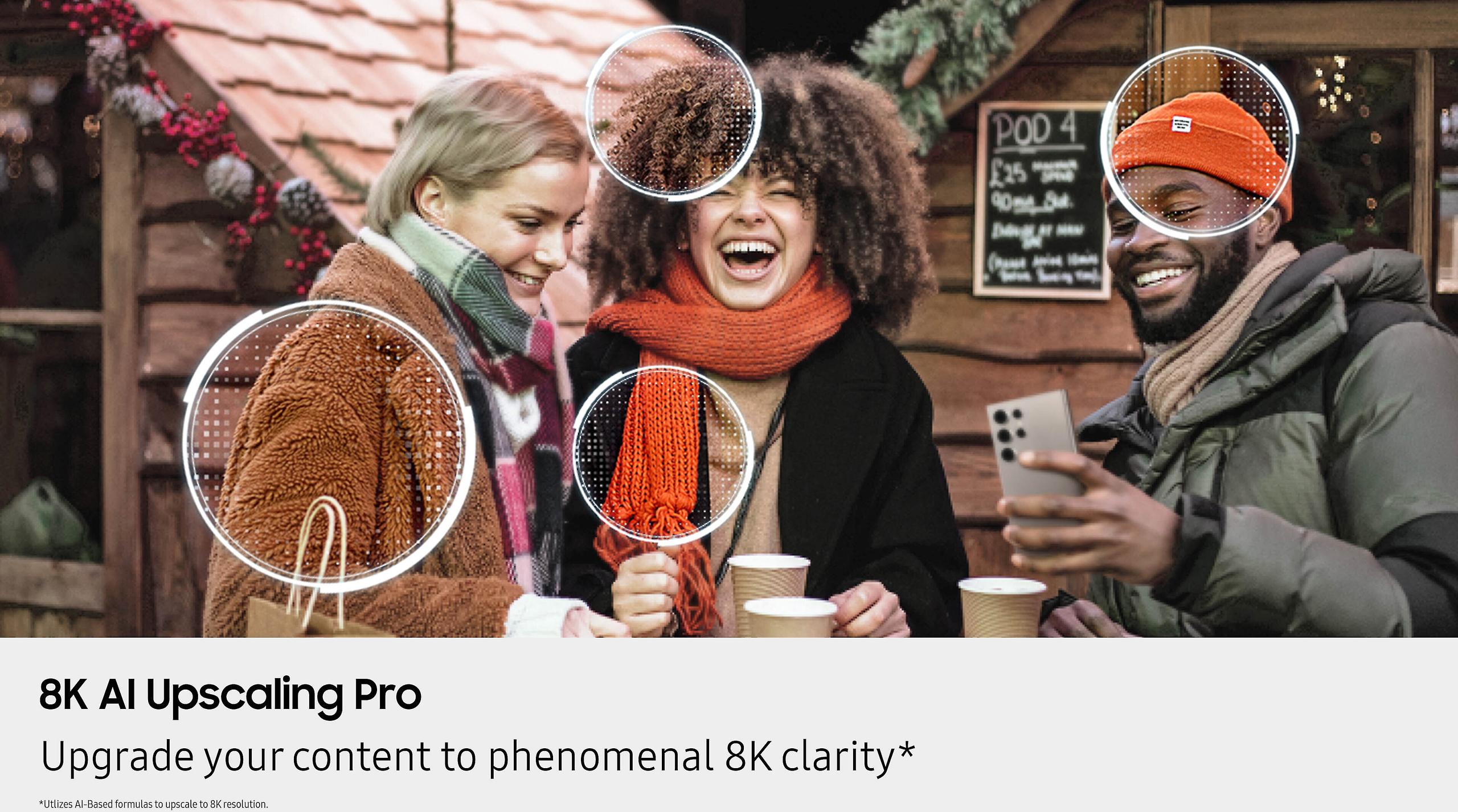
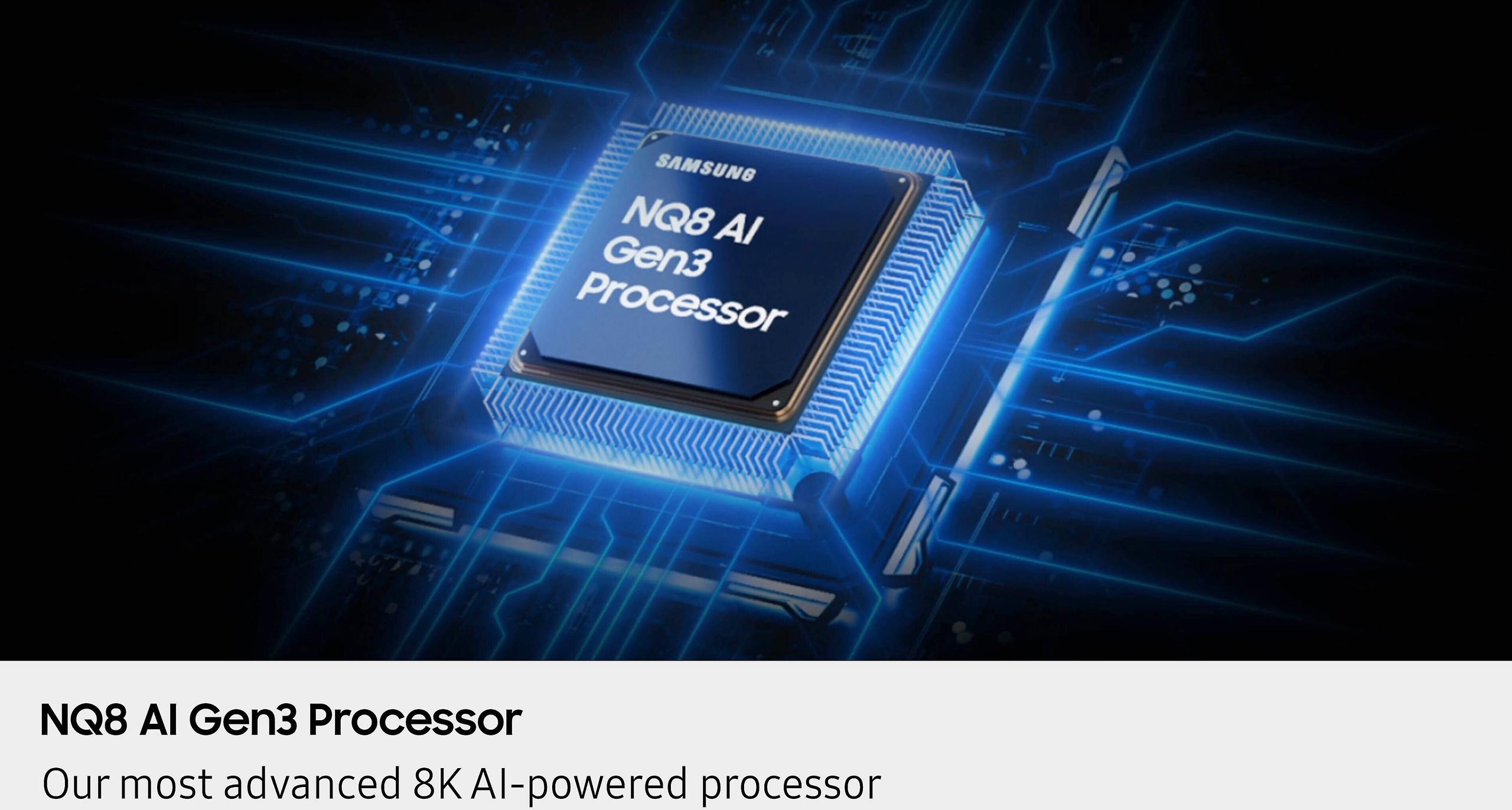
The Samsung QN990F takes a different approach entirely. Its NQ8 AI Gen3 Processor uses 768 neural networks – basically, hundreds of specialized algorithms working together – to transform any content into 8K quality. This is impressive technology, but here's the reality: there's virtually no native 8K content available to consumers right now. You're essentially paying for the world's most sophisticated upscaling system.
That said, Samsung's upscaling is genuinely impressive. I've watched standard 4K content on both TVs, and the Samsung does produce a noticeably sharper image, especially when sitting closer to the screen. The question is whether this improvement justifies the massive price difference.
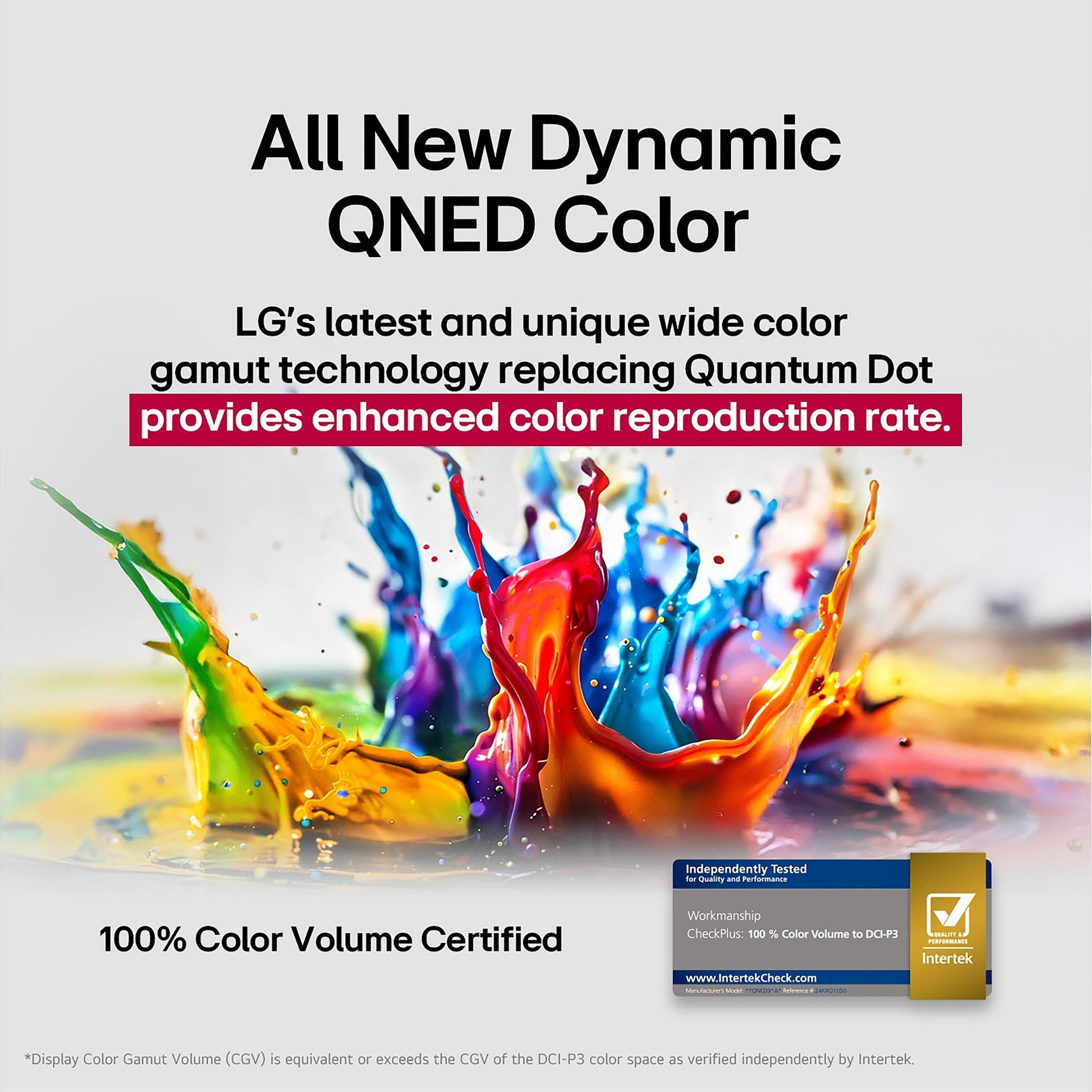
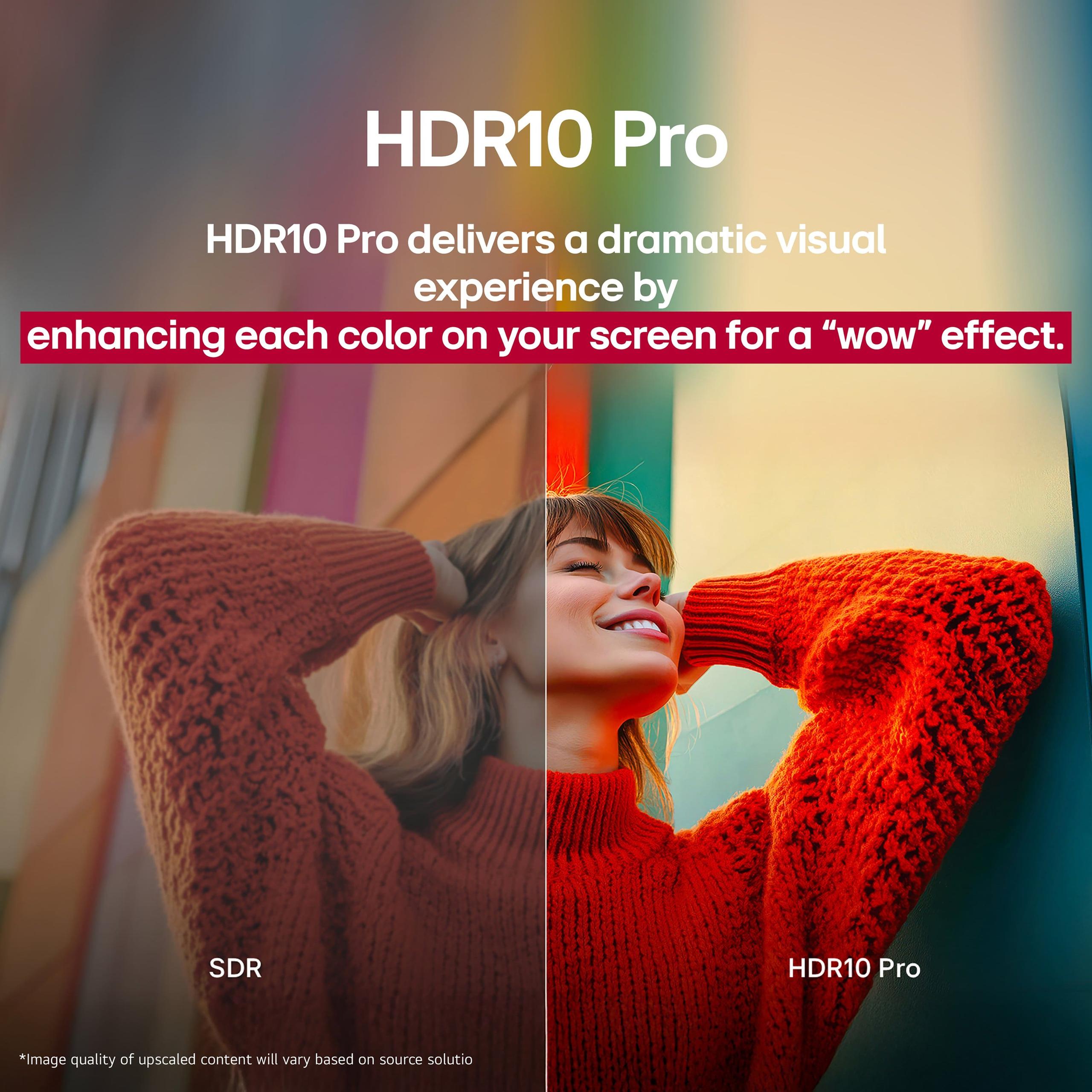
In terms of color performance, both TVs excel but in different ways. The LG achieves 100% color volume with its QNED technology, which combines quantum dots with NanoCell filters to produce incredibly accurate colors across wide viewing angles. Samsung's Neo QLED technology pushes brightness higher, making HDR content more impactful but sometimes at the expense of color accuracy in very bright scenes.
Modern TVs are really smart devices that happen to display video, and both manufacturers have invested heavily in making their platforms more intelligent.
The LG QNED85A runs webOS 25, which has become surprisingly sophisticated. The AI Voice ID feature can recognize different family members and switch to their preferred settings and recommendations automatically. The AI Concierge learns your viewing habits and suggests content across different apps – it's like having a personal TV assistant that actually understands your preferences.
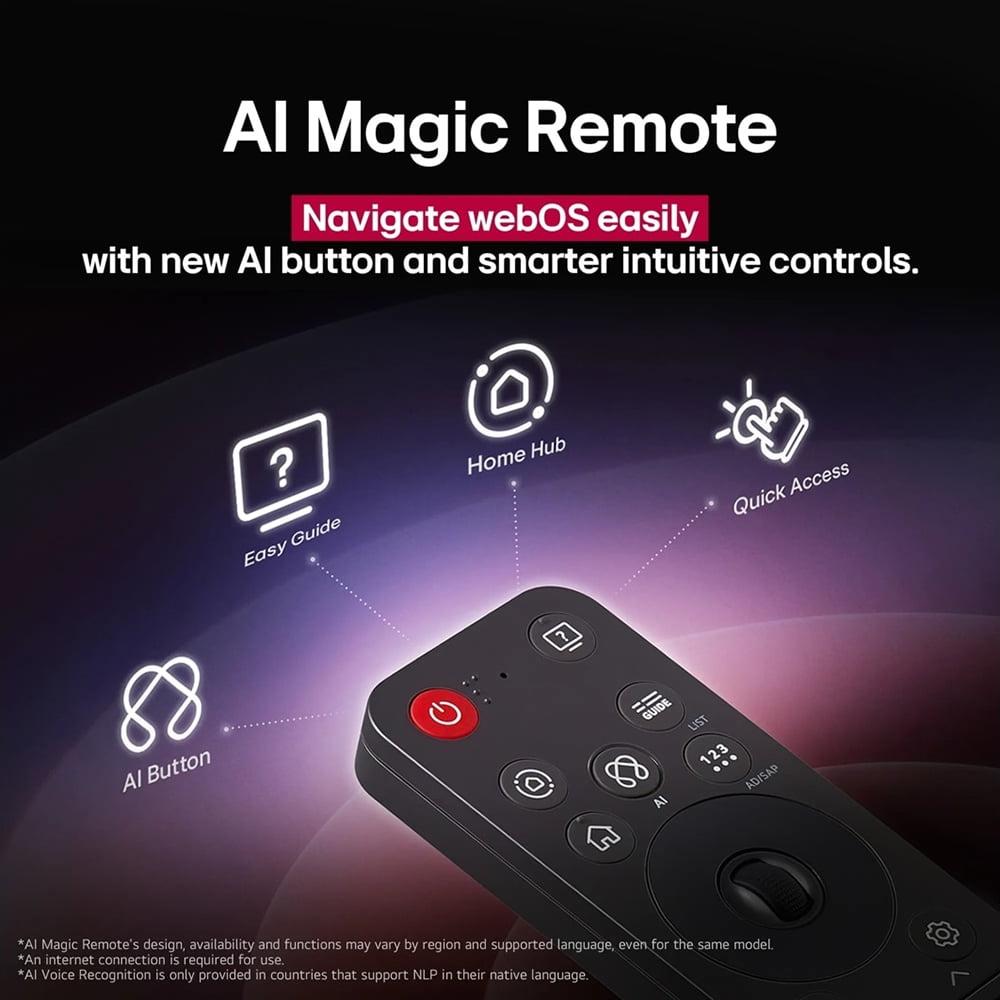
What I find most impressive is LG's commitment to software longevity. The webOS Re:New Program guarantees five years of OS updates, meaning your TV will stay current with new features and security patches. This is crucial for a device you'll likely keep for 7-10 years.
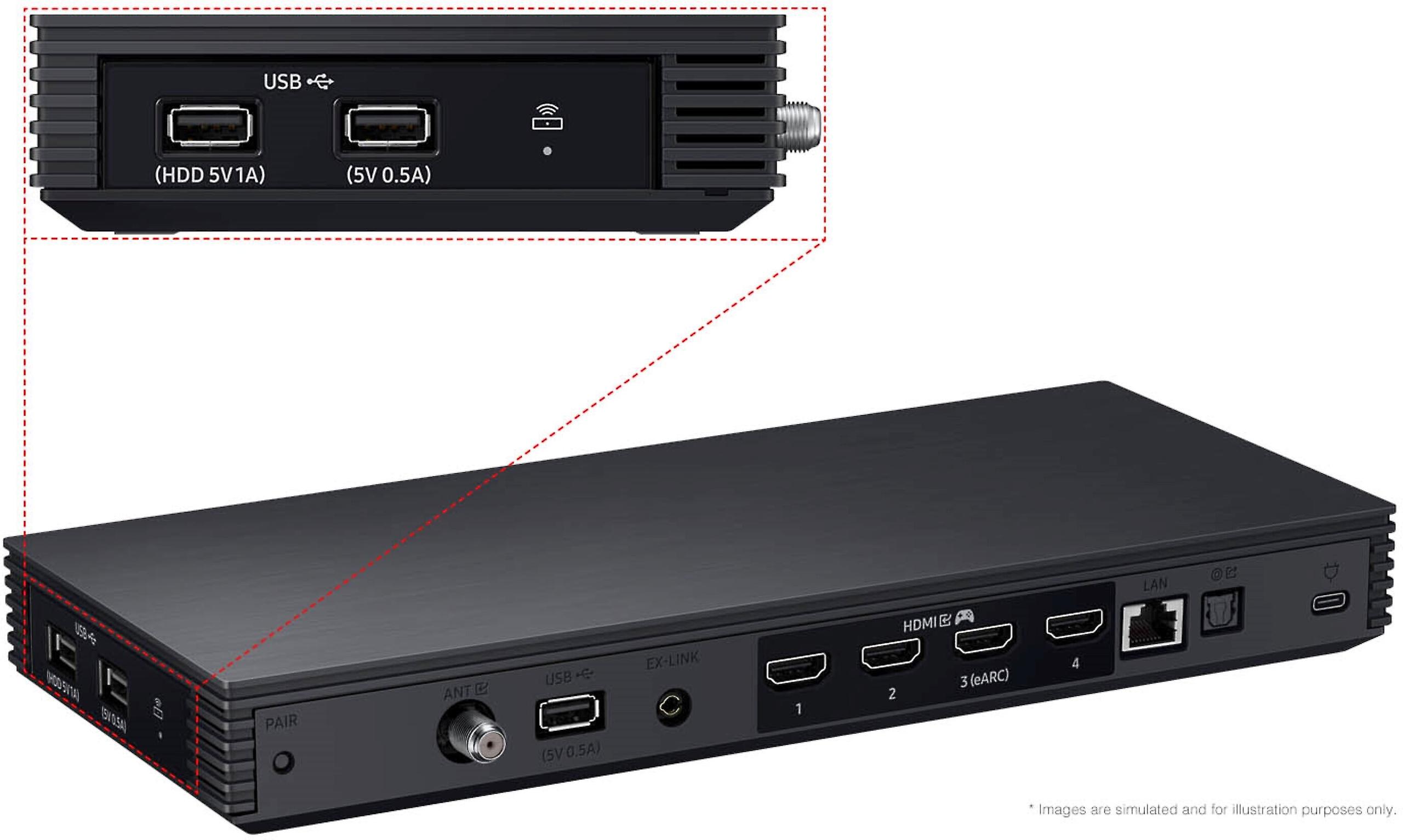
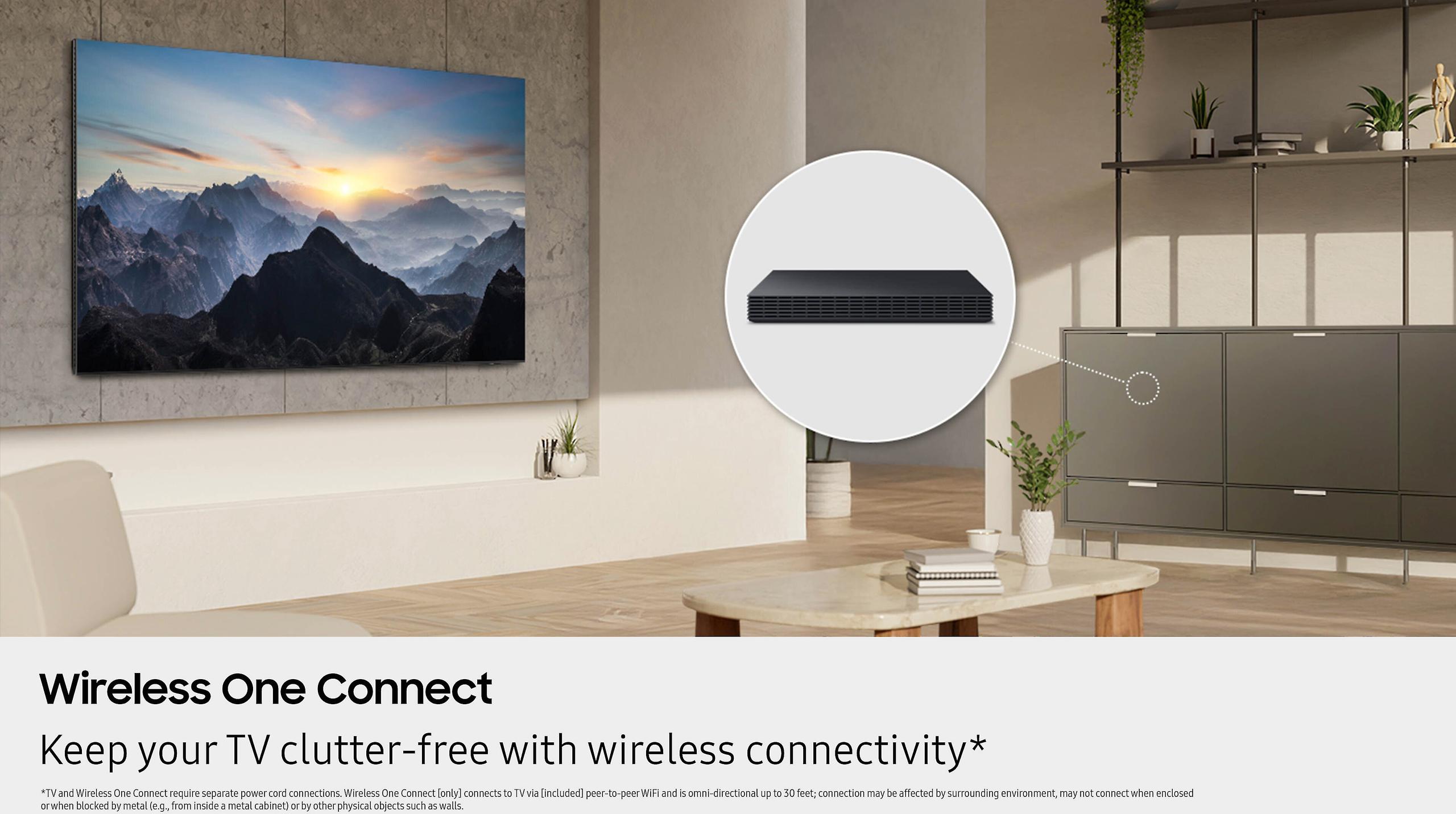
Samsung's approach with the QN990F is more about premium features than personalization. The standout innovation is the Wireless One Connect box, which lets you connect all your devices wirelessly to the TV from up to 30 feet away. This might sound like a gimmick, but it's genuinely revolutionary for home theater setups. You can hide all your components in a closet and run zero cables to the TV itself.
The Samsung Vision AI adapts picture and sound settings in real-time based on what you're watching and your room conditions. It's more automated than LG's approach, which some users prefer and others find limiting.
Both TVs are excellent for gaming, but they emphasize different aspects of the experience.
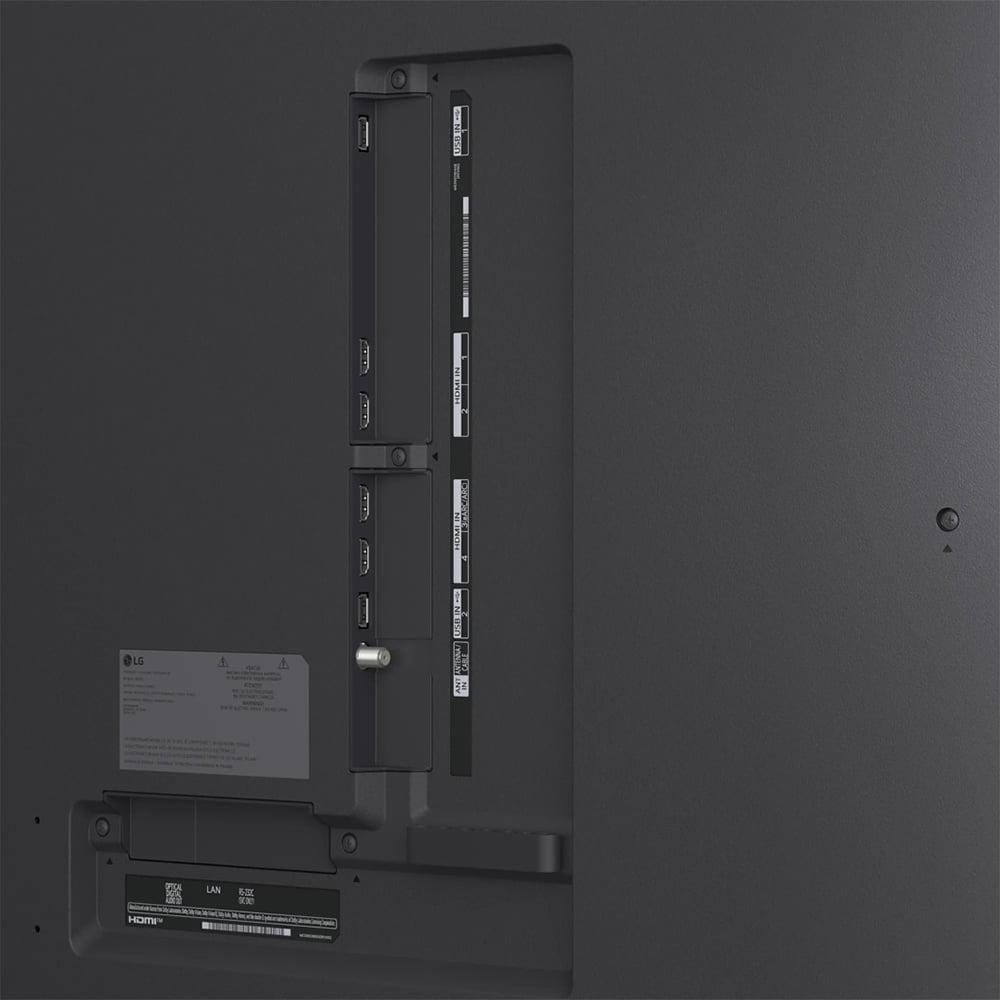
The LG QNED85A offers native 120Hz refresh rate with VRR (Variable Refresh Rate) support up to 144Hz. This means games look smooth and responsive, with no screen tearing or stuttering. The TV includes four HDMI 2.1 ports, so you can connect multiple gaming consoles without constantly switching cables. The Game Optimizer provides easy access to gaming-specific picture modes and latency information.
Samsung's QN990F pushes gaming performance further with Motion Xcelerator 240Hz, supporting up to 4K 240Hz with compatible graphics cards. This is overkill for console gaming but valuable for high-end PC gaming. The AI Motion Enhancer Pro reduces blur in fast-moving scenes, which is particularly noticeable in racing games and first-person shooters.
However, here's an important consideration: most gaming content is still 4K or lower, so the Samsung's 8K advantage doesn't apply to gaming. The LG actually offers better value for gamers who want excellent performance without paying for features they can't use yet.
Audio is where these TVs show their different philosophies clearly.
The LG QNED85A uses AI Sound Pro to convert stereo audio into virtual 9.1.2 surround sound. This isn't just simple processing – the AI analyzes the audio content and creates spatial effects that genuinely enhance the listening experience. The system can separate dialogue from background noise, making conversations clearer even in noisy action scenes.
Samsung's QN990F features Object Tracking Sound Pro, which uses dedicated speakers to move audio effects around the room. When a car drives across the screen, the sound follows it naturally. Combined with Dolby Atmos support, this creates a more immersive audio experience, especially for movies and sports.
For home theater use, both TVs work well with external sound systems, but the Samsung's premium positioning means it's more likely to be paired with high-end audio equipment where its advanced processing can shine.
This is where the comparison gets interesting. The LG QNED85A ($999.99) delivers roughly 80% of the Samsung's performance at 19% of the price. That's exceptional value by any measure.
The LG excels in all the areas that matter for current content consumption: 4K clarity, color accuracy, smart features, and gaming performance. Its AI processing is sophisticated enough to handle any content you throw at it, and the MiniLED backlighting provides excellent contrast and brightness for most viewing environments.
The Samsung QN990F ($5,297.99) is undeniably better in several key areas. Its peak brightness is significantly higher, making HDR content more impactful. The 8K upscaling is genuinely impressive, even if there's no native 8K content to take advantage of. The build quality and premium features like wireless connectivity justify some of the price premium.
But here's the crucial question: is the Samsung five times better than the LG? For most users, the answer is no. The performance difference is noticeable but not transformational, especially in typical viewing conditions.
If you're building a dedicated home theater, the considerations change somewhat. In a controlled lighting environment, both TVs can show off their contrast capabilities fully. The Samsung's superior peak brightness becomes more valuable when you're watching a lot of HDR content in a dark room, where the brighter highlights create more dramatic impact.
The Samsung's Wireless One Connect is particularly valuable in home theater installations, where cable management is always a challenge. Being able to hide all components remotely while maintaining full connectivity is a genuine advantage.
However, the LG's color accuracy and excellent motion handling make it perfectly suitable for home theater use, especially when paired with a quality sound system. The money saved could go toward better speakers or a projector upgrade.
Let's talk about some technical details that matter for real-world performance. Both TVs use MiniLED backlighting, but they implement it differently.
The LG QNED85A uses Precision Dimming Pro, which creates localized brightness zones that can be adjusted independently. This allows for better contrast control, but some blooming (light bleeding around bright objects) is still visible in very dark scenes. The TV's viewing angle performance is excellent thanks to its QNED technology, which maintains color accuracy even when viewed from the side.
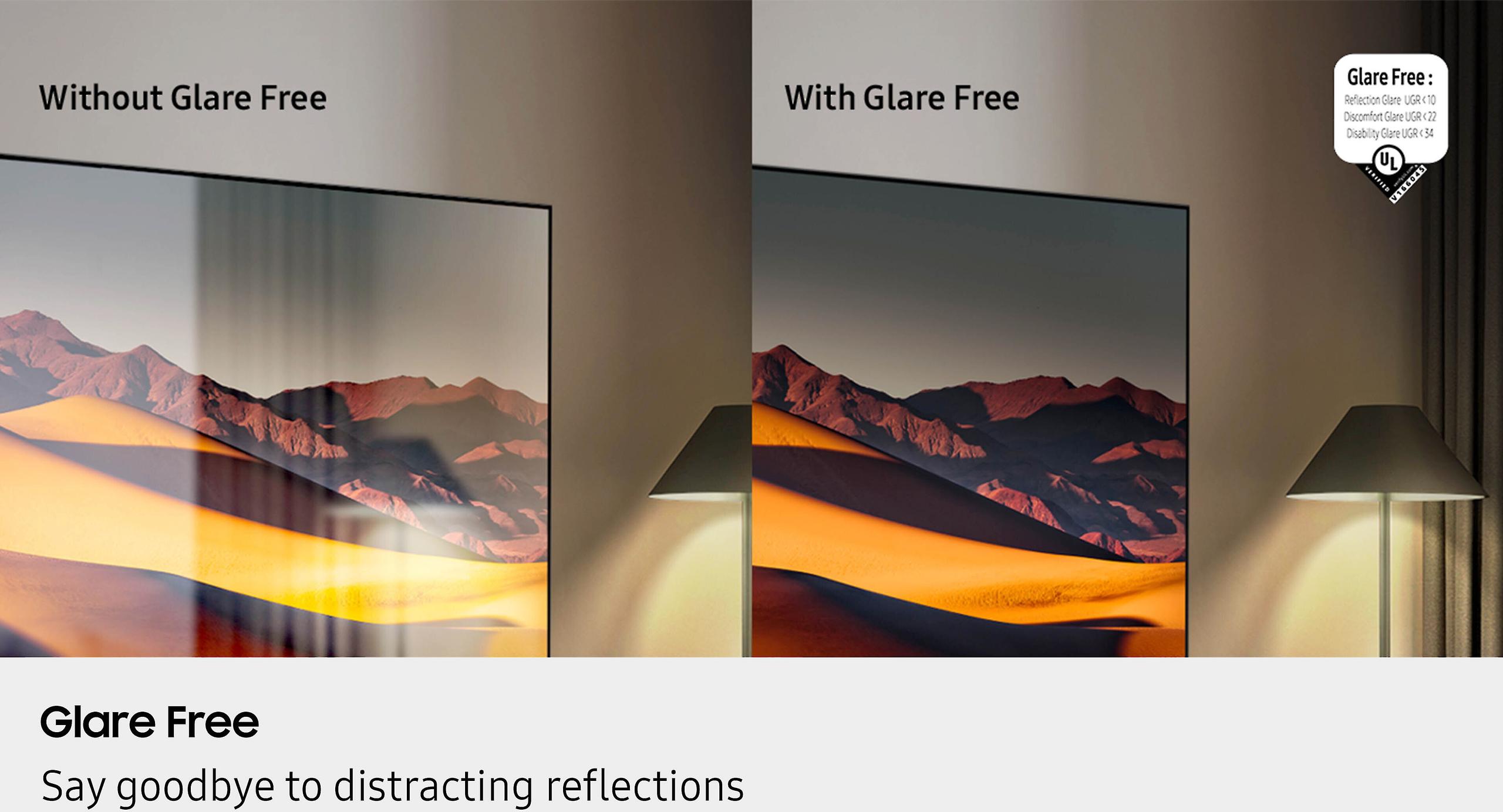
Samsung's QN990F employs Quantum Matrix Mini LED technology, which uses even smaller LEDs for more precise control. This reduces blooming and provides better peak brightness, especially in HDR content. The Glare Free screen coating is particularly effective at reducing reflections, making the TV more suitable for bright rooms.
The processing differences are significant too. Samsung's 768 neural networks can analyze content in real-time and apply different enhancement algorithms to different parts of the screen simultaneously. LG's approach is more focused on color accuracy and natural-looking motion, which many users prefer for everyday viewing.
After extensive testing and consideration, here's my recommendation framework:
Choose the LG QNED85A ($999.99) if you want excellent premium TV performance without the flagship price tag. It's perfect for most users who primarily stream 4K content, play games occasionally, and want smart features that actually enhance their viewing experience. The five-year software support makes it a smart long-term investment.
Choose the Samsung QN990F ($5,297.99) if you're a videophile who wants the absolute best performance and can afford the premium. It's ideal for bright rooms, home theater setups where maximum brightness matters, and users who want to future-proof their investment for potential 8K content.
The reality is that both TVs will provide excellent viewing experiences. The LG offers tremendous value and performance that will satisfy 95% of users. The Samsung provides that extra 5% of performance for users who value having the best technology available.
In my experience, most people are better served by the LG and using the saved money for a better sound system or streaming setup. But if you're building a no-compromise home theater and budget isn't a primary concern, the Samsung's premium features and superior brightness can be worth the investment.
The TV market has never offered better options at both the value and premium ends of the spectrum. Whichever you choose, you're getting technology that would have been considered impossible just a few years ago.
| LG 65" QNED evo AI QNED85A 4K MiniLED Smart TV 2025 | Samsung 65" Neo QLED QN990F 8K Smart TV 2025 |
|---|---|
| Price - The most significant difference between these TVs | |
| $999.99 | $5,297.99 |
| Resolution - 4K optimization vs 8K future-proofing | |
| 4K (3840 x 2160) with excellent native content support | 8K (7680 x 4320) with advanced AI upscaling for current content |
| Peak Brightness - Critical for HDR performance and bright rooms | |
| High brightness suitable for most rooms | Industry-leading brightness, best-in-class for very bright spaces |
| AI Processing - How well the TV enhances your content | |
| α8 Gen 2 AI Processor with 70% performance boost | NQ8 AI Gen3 Processor with 768 neural networks |
| Color Technology - Affects how vibrant and accurate colors appear | |
| QNED with 100% Color Volume, excellent viewing angles | Neo QLED with superior brightness but potentially less color accuracy |
| Refresh Rate - Important for gaming and smooth motion | |
| Native 120Hz with VRR up to 144Hz | 120Hz with Motion Xcelerator up to 4K 240Hz |
| Smart Platform - Long-term software support and features | |
| webOS 25 with 5-year update guarantee | Tizen OS with premium features but shorter support commitment |
| Gaming Features - Console and PC gaming capabilities | |
| 4 HDMI 2.1 ports, Game Optimizer, excellent value for gamers | Advanced gaming features but overkill for most console gaming |
| Audio Technology - Built-in sound quality and processing | |
| AI Sound Pro with virtual 9.1.2 surround | Object Tracking Sound Pro with dedicated top speakers |
| Connectivity Innovation - Cable management and device connections | |
| Traditional wired connections with comprehensive port selection | Wireless One Connect box eliminates cable clutter |
| Build Quality - Premium design and construction | |
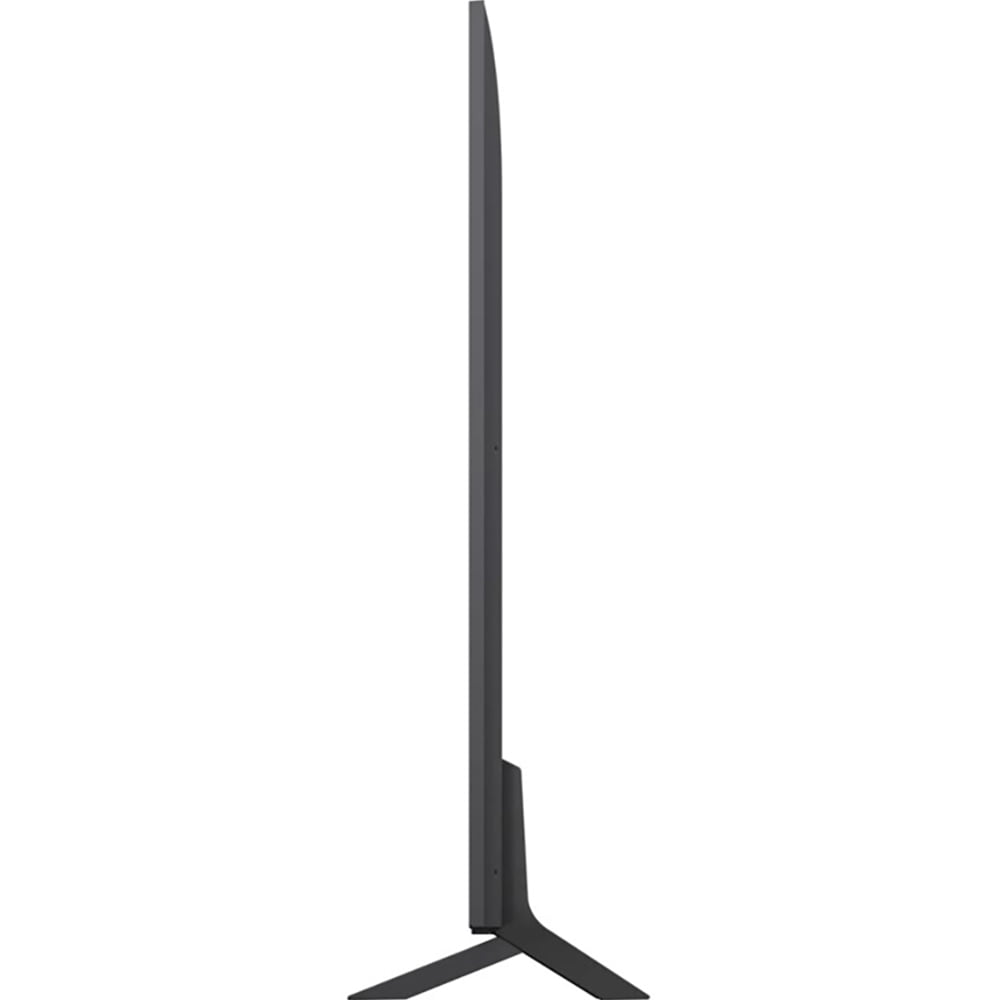
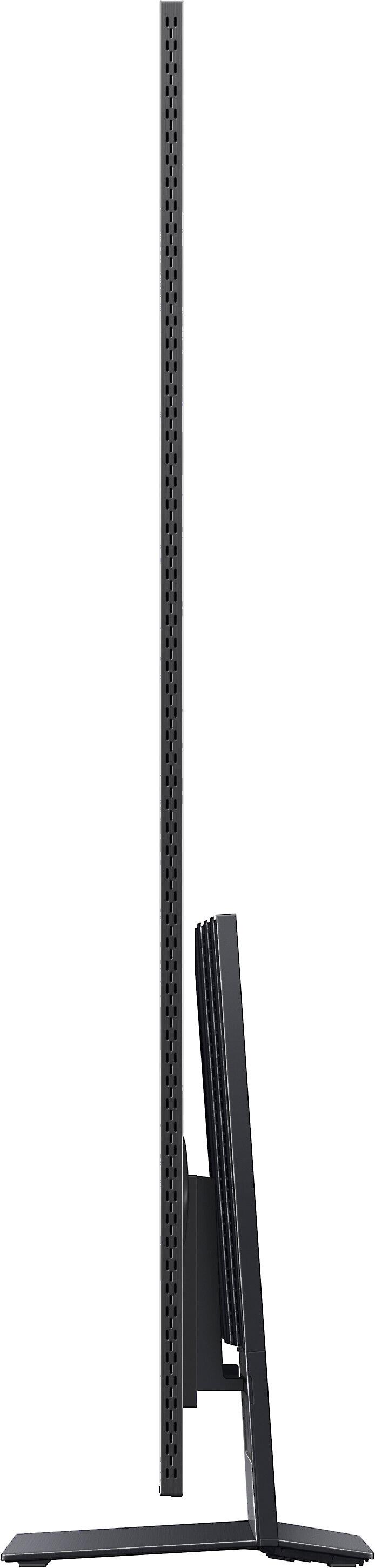
| Solid construction with slim profile | Ultra-premium materials with nearly edgeless design |
| Best For - Target user and use cases | |
| Value-conscious buyers wanting premium MiniLED performance | Enthusiasts who want absolute best performance regardless of cost |
The LG 65" QNED evo AI QNED85A 4K MiniLED Smart TV 2025 ($999.99) offers significantly better value, delivering about 80% of the Samsung's performance at only 19% of the price. For most users, the LG provides excellent premium MiniLED performance without the flagship cost.
The LG QNED85A focuses on optimizing 4K content (which matches 99% of available streaming and gaming content), while the Samsung QN990F ($5,297.99) offers 8K resolution with advanced upscaling. Currently, there's virtually no native 8K content available to consumers.
The Samsung QN990F delivers industry-leading peak brightness, making it superior for very bright rooms and intense HDR content. The LG QNED85A offers excellent brightness that's suitable for most viewing environments but isn't quite as bright as Samsung's flagship.
The LG QNED85A runs webOS 25 with personalized AI features and guarantees 5 years of software updates. The Samsung QN990F offers Tizen OS with premium features like wireless device connectivity but doesn't commit to long-term software support.
Both TVs are excellent for gaming. The LG QNED85A offers native 120Hz with four HDMI 2.1 ports and better gaming value. The Samsung QN990F supports up to 4K 240Hz, which is beneficial for high-end PC gaming but overkill for most console gaming.
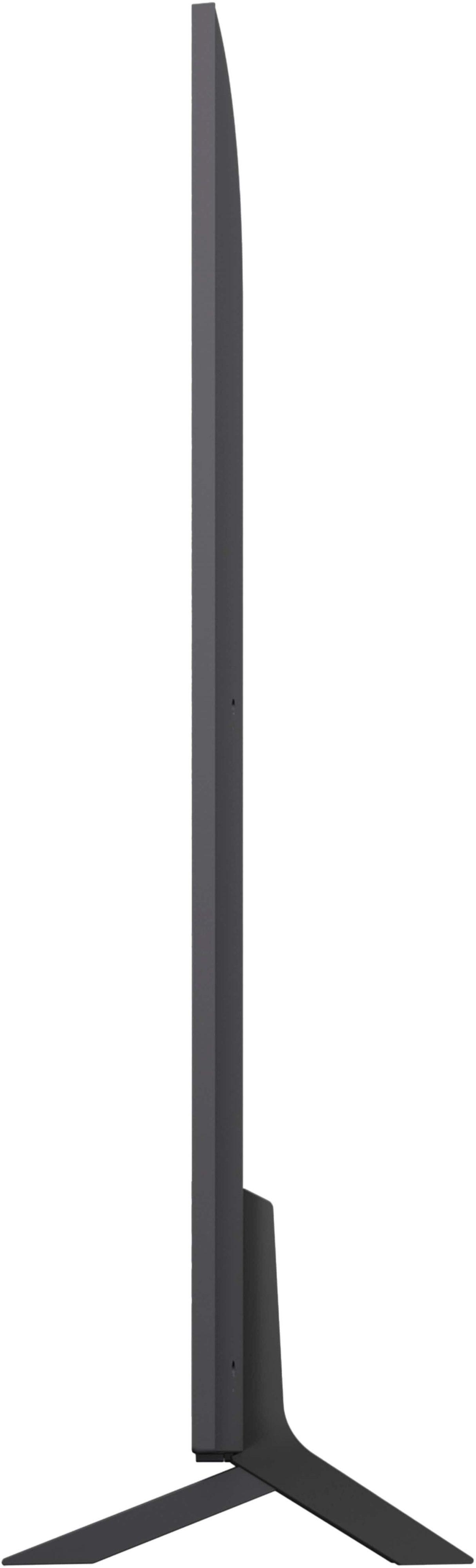
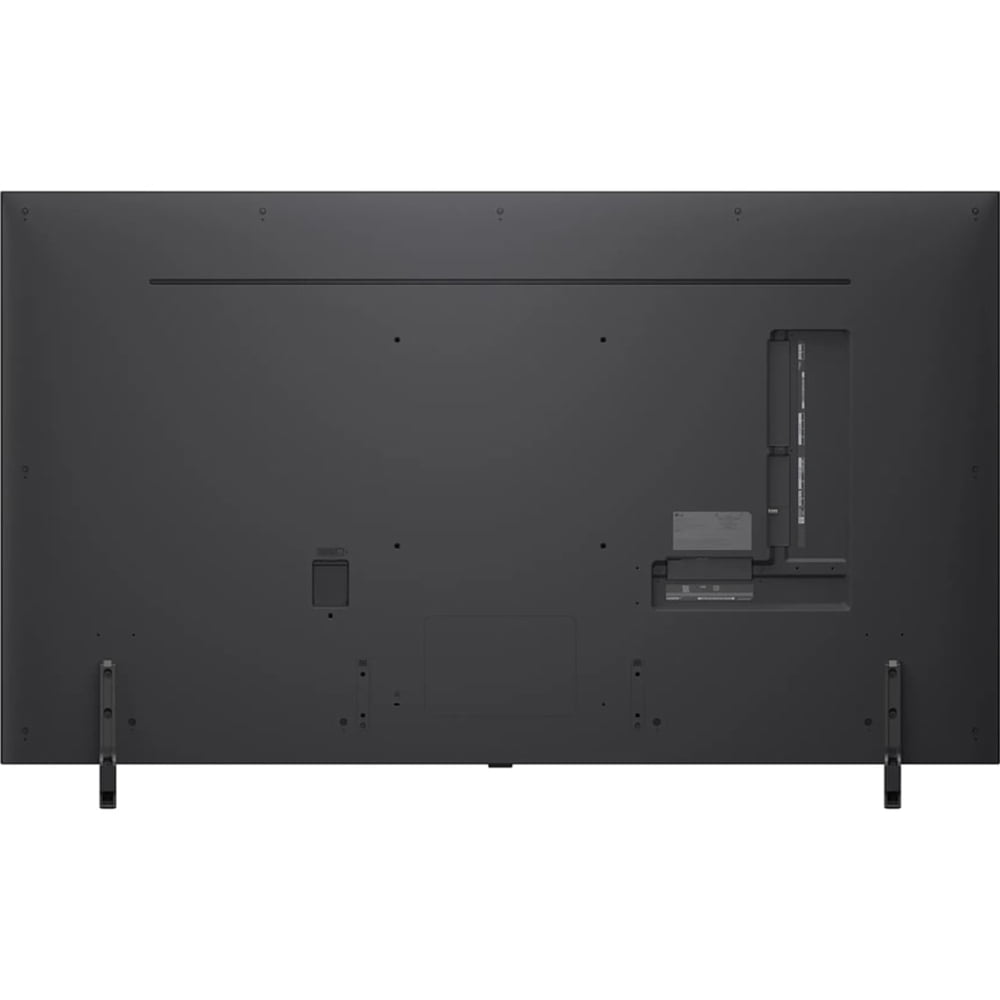
The Samsung QN990F features ultra-premium construction with a nearly edgeless design and wireless connectivity that eliminates cable clutter. The LG QNED85A has solid build quality with a modern, slim profile but uses traditional wired connections.
The LG QNED85A uses AI Sound Pro to create virtual 9.1.2 surround sound with enhanced dialogue clarity. The Samsung QN990F features Object Tracking Sound Pro with dedicated speakers that move audio effects around the room for more immersive sound.
The LG QNED85A achieves 100% color volume with excellent color accuracy across wide viewing angles using QNED technology. The Samsung QN990F uses Neo QLED for superior brightness but may sacrifice some color accuracy in very bright scenes.
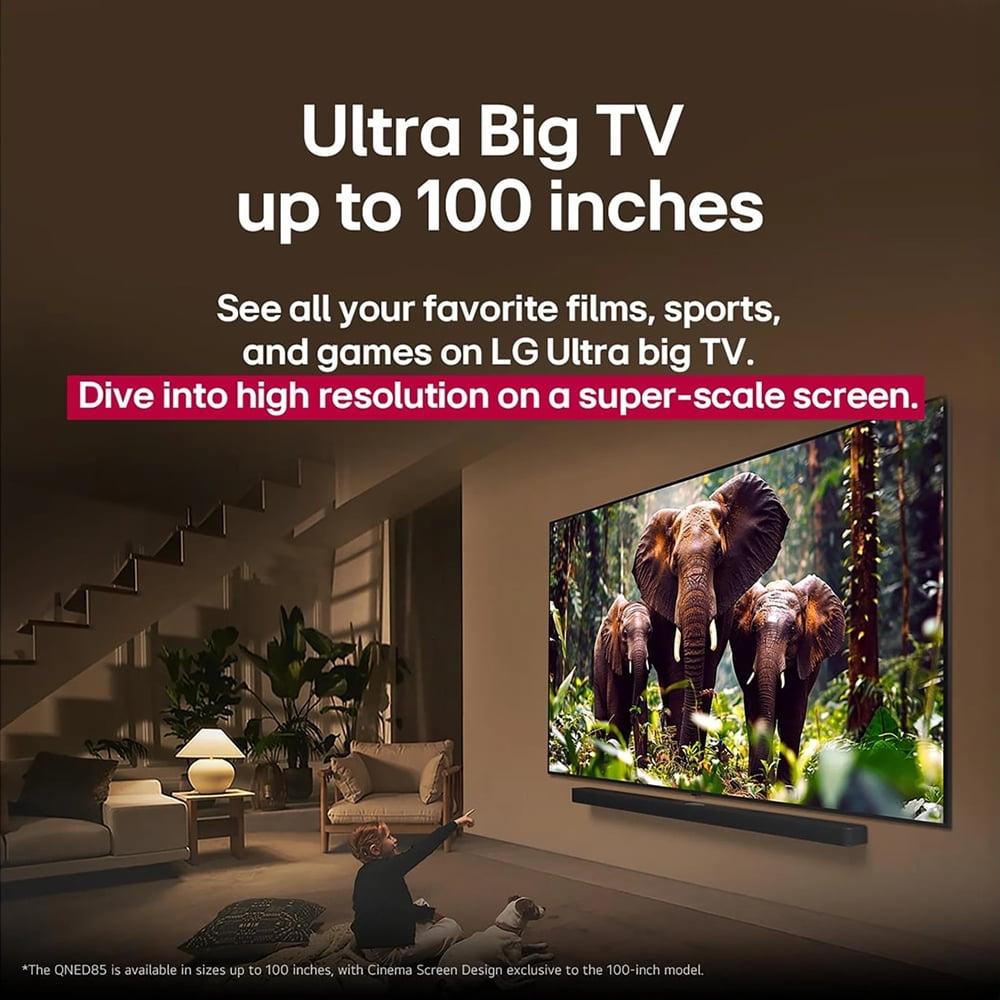
Both work well for home theater setups. The Samsung QN990F excels with its superior peak brightness for HDR content and wireless connectivity for clean installations. The LG QNED85A offers excellent performance for home theater use at a much lower price point.
The LG QNED85A guarantees 5 years of webOS updates through the Re:New Program, ensuring long-term software support. The Samsung QN990F receives regular updates but doesn't commit to a specific timeline for ongoing support.
The LG QNED85A is optimized for current 4K streaming content and delivers excellent performance for all major streaming platforms. The Samsung QN990F uses advanced upscaling to enhance streaming content but offers diminishing returns for standard streaming use cases.
Choose the Samsung QN990F ($5,297.99) only if you want absolute best-in-class performance, have a very bright room, or are building a no-compromise home theater. For most users, the LG QNED85A ($999.99) delivers excellent premium performance at exceptional value.
We've done our best to create useful and informative comparisons to help you decide what product to buy. Our research uses advanced automated methods to create this comparison and perfection is not possible - please contact us for corrections or questions. These are the sites we've researched in the creation of this article: rtings.com - rtings.com - youtube.com - lg.com - smarthomesounds.co.uk - abt.com - abt.com - lg.com - displayspecifications.com - walmart.com - bestbuy.com - lg.com - lg.com - lg.com - files.bbystatic.com - flatpanelshd.com - north-side-appliance.com - lgnewsroom.com - lg.com - youtube.com - youtube.com - hindustantimes.com - samsung.com - abt.com - bestbuy.com - pcnation.com - samsung.com - videoandaudiocenter.com - exertisalmo.com - displayspecifications.com - theapplianceplug.com - news.samsung.com

Privacy Policy
Terms and Conditions - Affiliate Policy
Home Security
© Copyright 2008-2026.
11816 Inwood Rd #1211, Dallas, TX 75244