

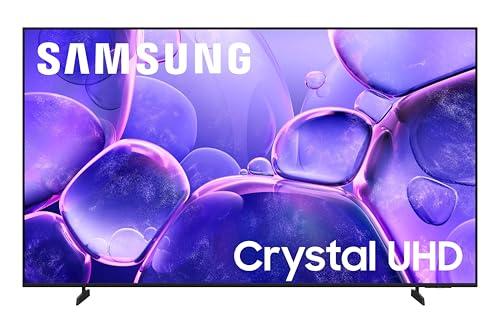
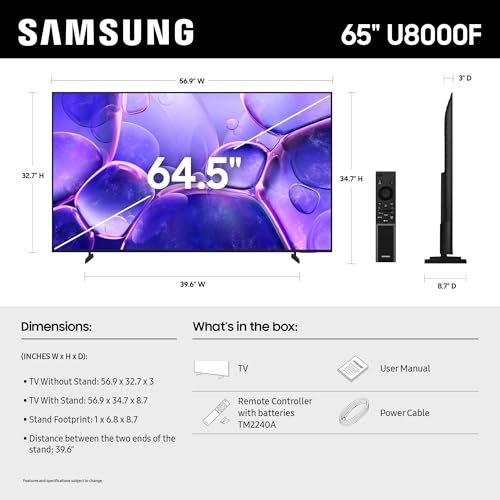
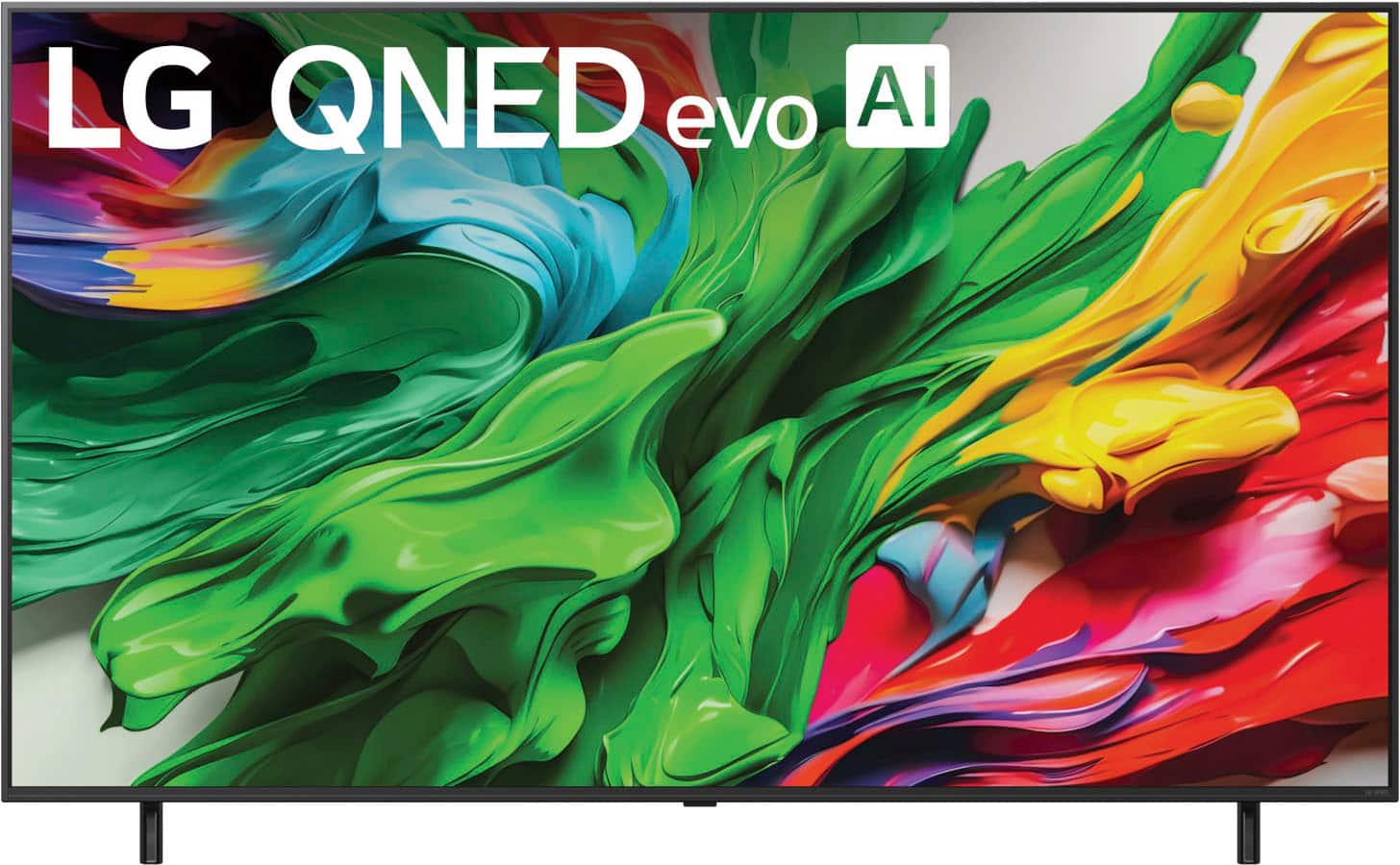
Shopping for a 65-inch 4K TV can feel overwhelming, especially when you're comparing models that seem similar on paper but deliver vastly different experiences in your living room. The Samsung U8000F and LG QNED85A represent two completely different approaches to large-screen television technology, and understanding these differences will help you make the right choice for your home and budget.
Both TVs released in 2025, but they're built with fundamentally different technologies that affect everything from picture quality to gaming performance. Think of it like comparing a reliable economy car to a well-equipped mid-size sedan—both will get you where you're going, but the experience along the way is dramatically different.
The 65-inch 4K TV market has evolved significantly over the past few years. What once required a premium budget now spans from affordable entry-level models to feature-packed displays that would have been considered high-end just a generation ago. The key differences lie in display technology, processing power, gaming capabilities, and smart platform features.
When evaluating any 4K TV, the most important factors are display technology (how the TV creates light and color), refresh rate (how smoothly motion appears), peak brightness (how well it handles bright rooms and HDR content), gaming features (compatibility with modern consoles), and smart platform longevity (how long the TV will receive updates and new features).
The television industry has made massive strides since 2020, particularly in affordable MiniLED technology and AI-powered picture processing. What we're seeing in 2025 are TVs that deliver premium features at more accessible price points, though significant gaps still exist between budget and mid-tier models.
The fundamental difference between the Samsung U8000F and LG QNED85A lies in how they create the light that illuminates your picture. This isn't just a minor technical detail—it affects virtually every aspect of your viewing experience.
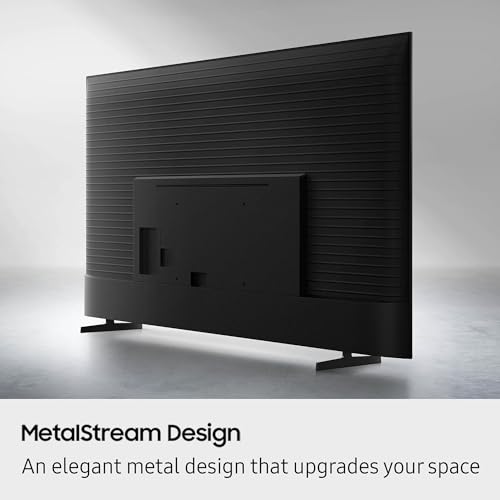
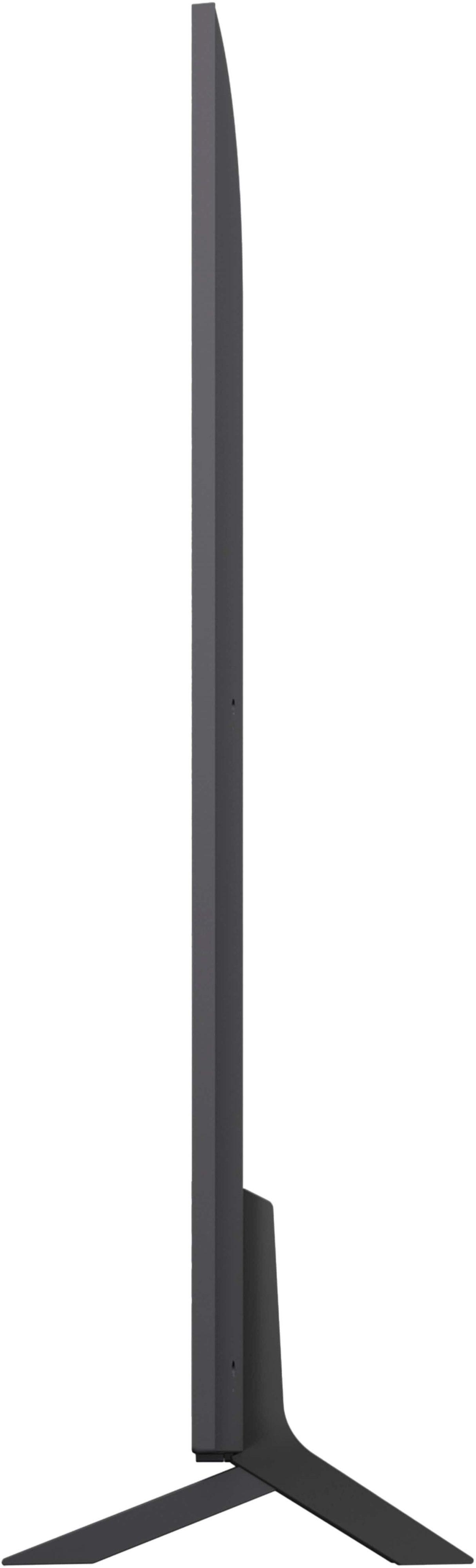
The Samsung U8000F uses edge-lit LED backlighting, a cost-effective technology where LEDs are positioned around the perimeter of the screen. Light travels from these edge-mounted LEDs across the entire panel through a light guide. While this keeps costs down and allows for thinner TV designs, it creates inherent limitations in picture quality.
Edge-lit displays struggle with uniformity—some areas of the screen appear brighter than others, particularly noticeable during dark scenes or when displaying solid colors. You might notice "clouding" or "flashlighting" effects where light bleeds through in corners or edges. More critically, the entire screen brightens or dims together, meaning when a bright explosion happens in a dark movie scene, the whole picture gets brighter, washing out the blacks.
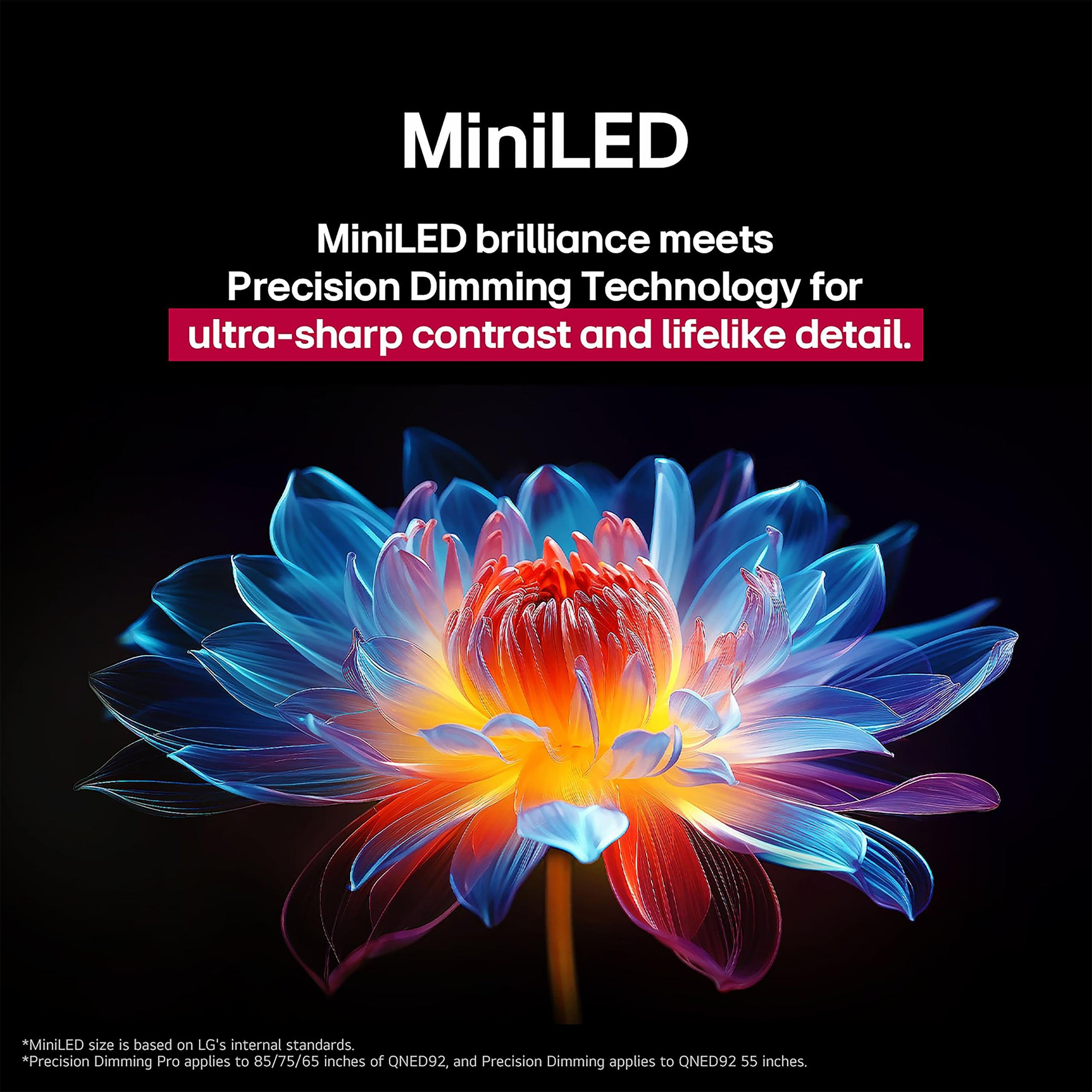
The LG QNED85A employs MiniLED backlighting, representing a significant technological leap. Instead of LEDs around the edges, thousands of tiny LEDs are arranged behind the screen in what's called a "full array" configuration. The LG uses approximately 30,000 of these miniature LEDs organized into hundreds of dimming zones.
This architecture allows for local dimming—different areas of the screen can be independently brightened or darkened. When that same movie explosion happens, only the relevant zones light up while surrounding areas stay dark, maintaining contrast and preventing the washed-out look of edge-lit displays. The result is deeper blacks, brighter highlights, and dramatically better contrast.
Based on expert reviews and user feedback, the picture quality difference between these TVs is substantial, particularly in challenging viewing conditions.
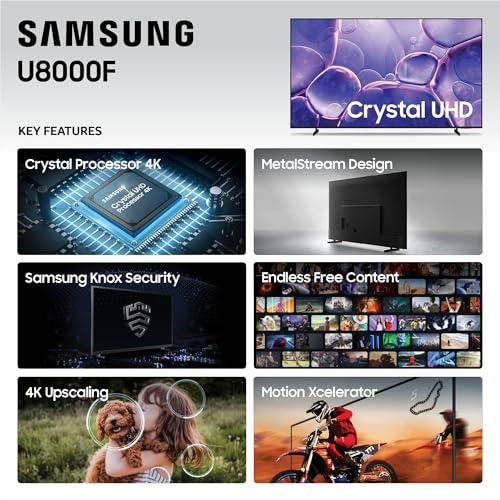
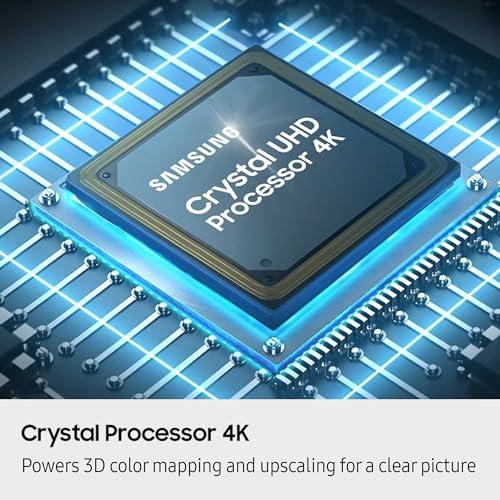
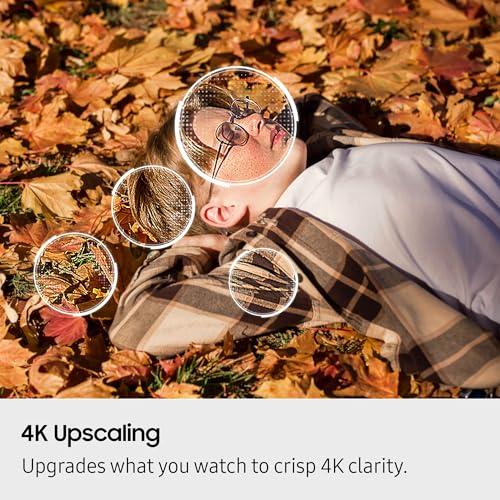
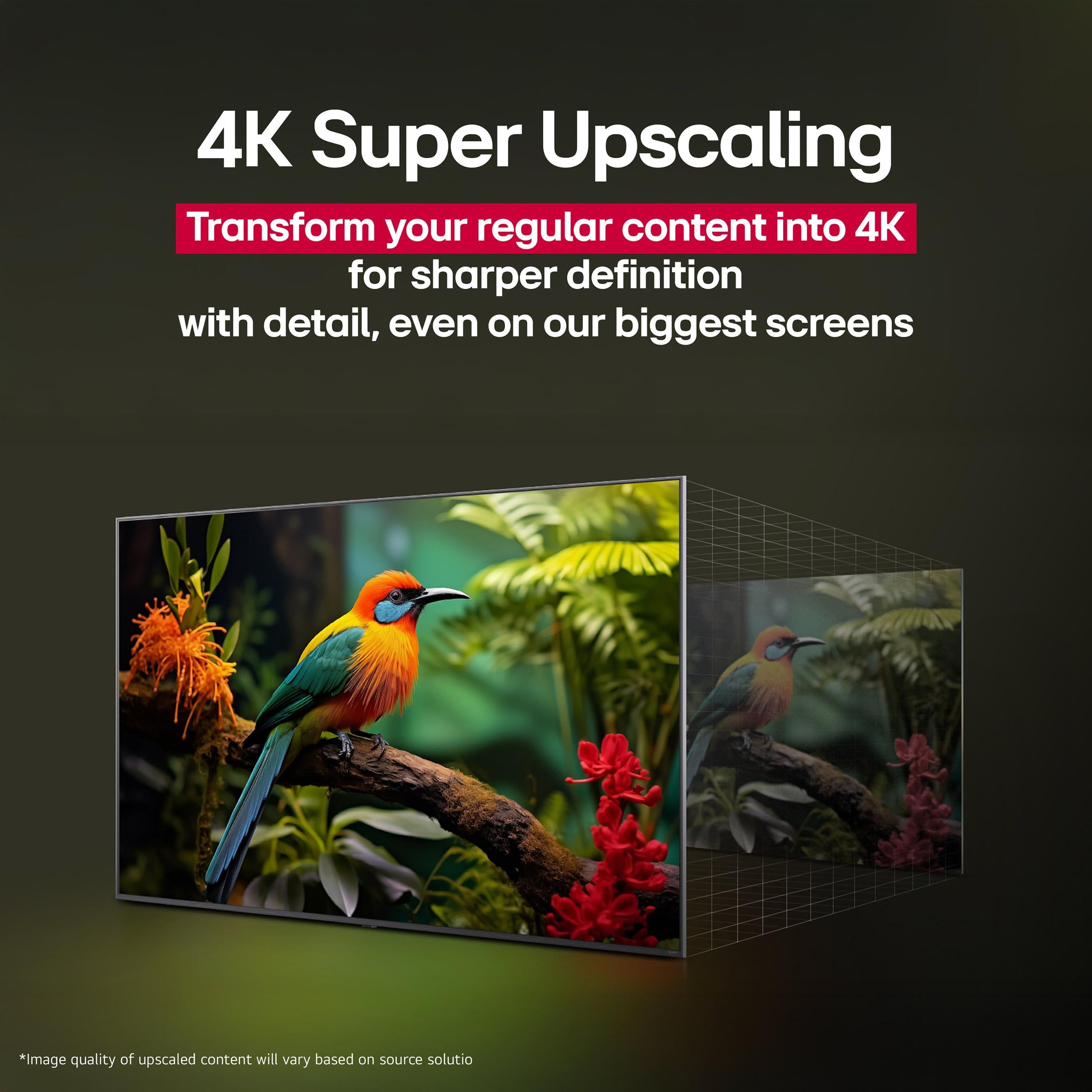
The Samsung U8000F delivers acceptable picture quality for its price point, with Samsung's Crystal Processor providing decent upscaling of lower-resolution content. Colors appear natural, though not particularly vibrant, and the TV handles standard dynamic range (SDR) content reasonably well. However, limitations become apparent with HDR content, which relies on bright highlights and deep shadows to create impact.
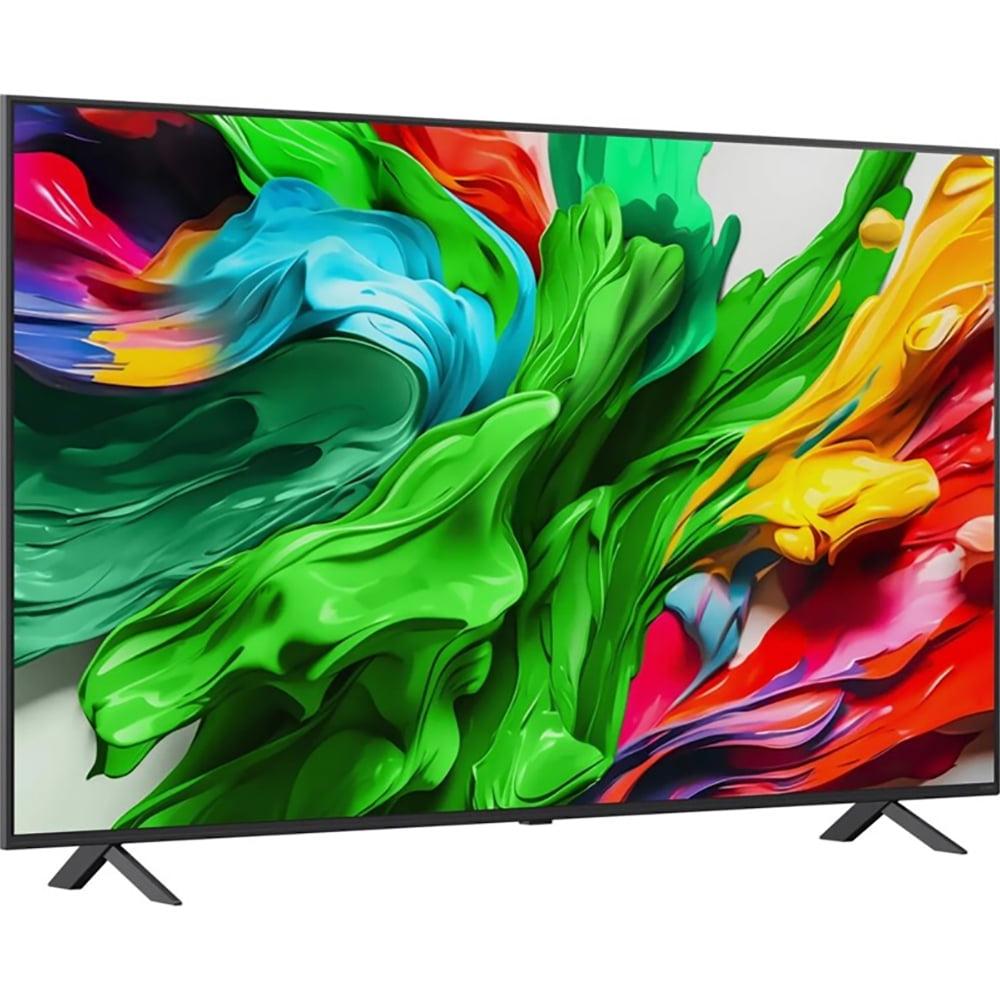
Peak brightness is crucial for HDR performance, and edge-lit TVs like the U8000F typically achieve modest brightness levels—often around 300-400 nits in real-world conditions. This means HDR content loses its punch, appearing flat compared to how it's intended to look. In bright rooms, the TV struggles with glare, and the picture can appear washed out.
The LG QNED85A transforms the viewing experience with significantly higher peak brightness, often reaching 1,200-1,500 nits in HDR highlights. This brightness capability, combined with precise local dimming, creates the contrast needed for impactful HDR viewing. Bright scenes maintain their intensity while dark scenes preserve detail that would be lost on edge-lit displays.
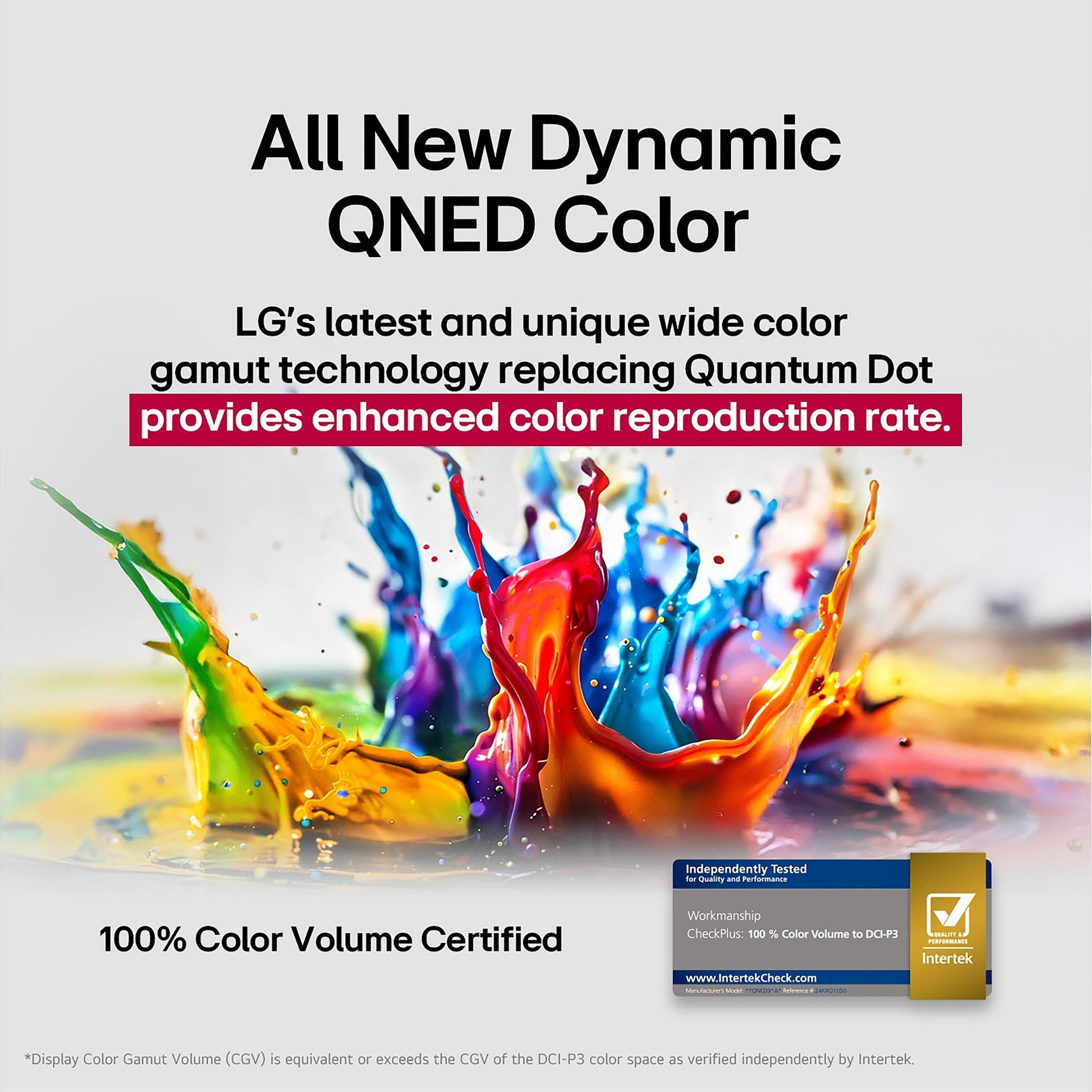
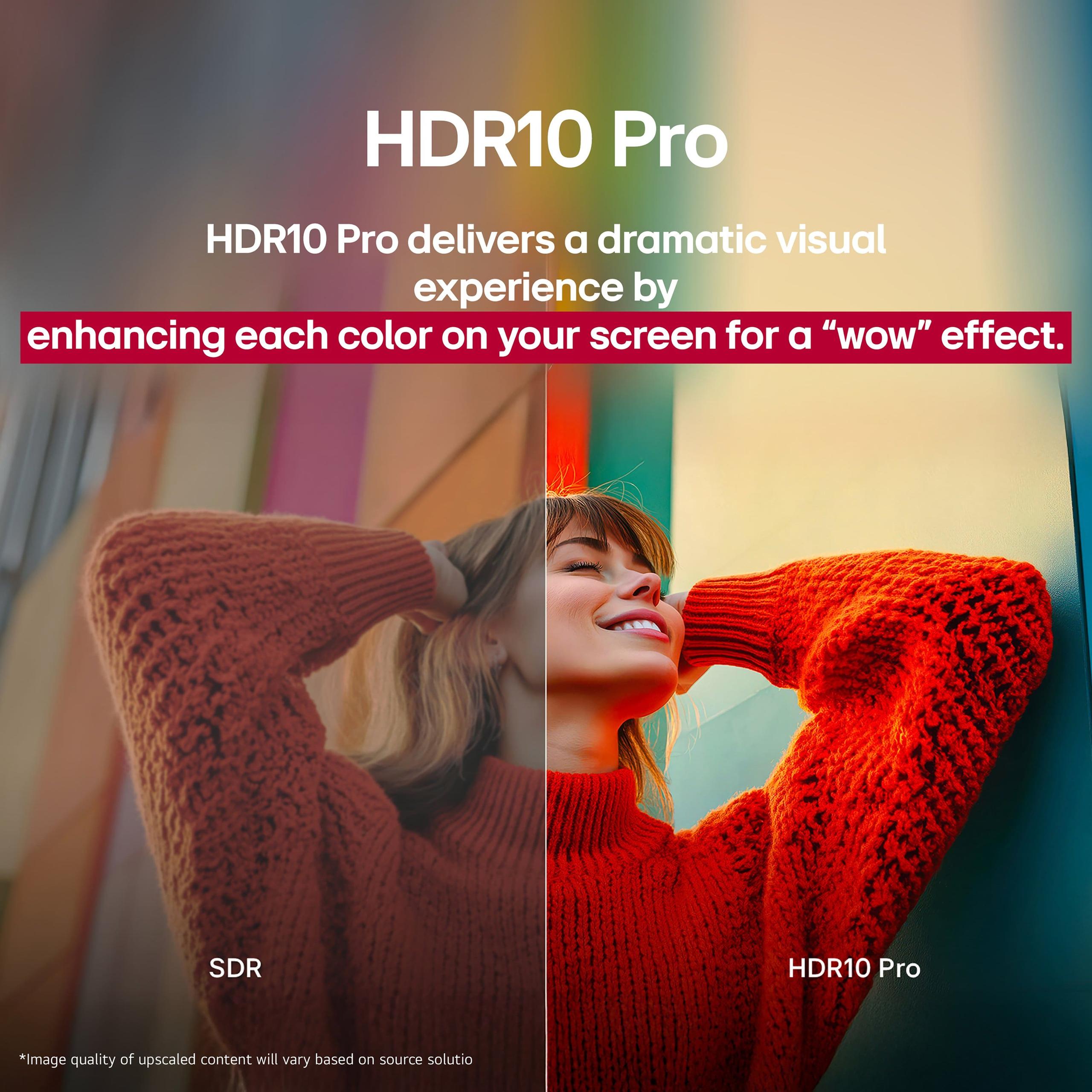
LG's quantum dot technology enhances color performance beyond traditional LED displays. Quantum dots are microscopic semiconductor particles that emit pure colors when struck by light, resulting in what LG calls "100% color volume." In practical terms, this means more vibrant, accurate colors across a wider range of brightness levels.
The difference is particularly noticeable with nature documentaries, sports, and HDR movies. Where the Samsung might struggle to distinguish between different shades of green in a forest scene, the LG maintains color separation and vibrancy even in bright outdoor footage.
Gaming capabilities reveal perhaps the starkest difference between these TVs, reflecting the rapid evolution of console gaming technology since the PlayStation 5 and Xbox Series X launched.
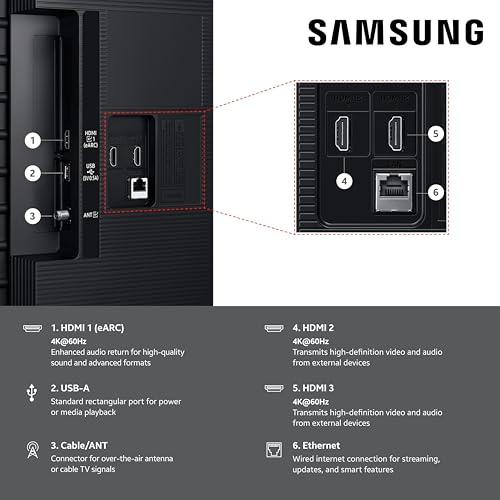
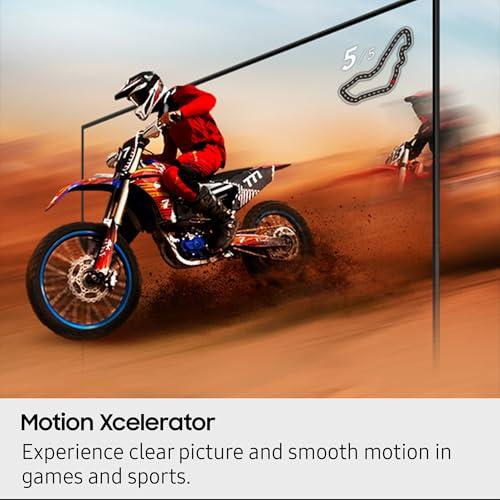
The Samsung U8000F represents older gaming standards with its 60Hz refresh rate and HDMI 2.0 ports. While perfectly adequate for casual gaming and older consoles, it cannot take advantage of modern gaming features. Games are capped at 60 frames per second, and the TV lacks Variable Refresh Rate (VRR) support, which synchronizes the TV's refresh with the console's output to eliminate screen tearing.
Modern consoles can output games at 120 frames per second in certain modes, providing smoother motion that's particularly beneficial for competitive gaming and fast-paced action games. The Samsung simply cannot display this higher frame rate, limiting the gaming experience.
The LG QNED85A is built for modern gaming with native 120Hz refresh rate and comprehensive gaming features. Multiple HDMI 2.1 ports support the full 48 Gbps bandwidth needed for 4K gaming at 120Hz, while VRR support ensures smooth, tear-free gaming across frame rate variations.
Auto Low Latency Mode (ALLM) automatically switches the TV to its lowest input lag setting when a gaming source is detected, reducing the delay between pressing a controller button and seeing the action on screen. The TV also includes a Game Optimizer interface that allows easy access to gaming-specific picture settings without navigating complex menus.
For PC gaming enthusiasts, the LG can accept refresh rates up to 144Hz from compatible graphics cards, making it suitable for high-refresh gaming setups. The approximate 1-millisecond response time ensures crisp motion without the blur that can affect competitive gaming performance.
Both TVs run 2025 smart platforms, but their approaches to interface design and long-term support differ significantly.
The Samsung U8000F runs Tizen OS, Samsung's proprietary smart platform. While functional and featuring access to major streaming apps, the interface remains relatively basic. The Crystal Processor provides standard upscaling and basic picture optimization, but lacks advanced AI features found in higher-tier models.
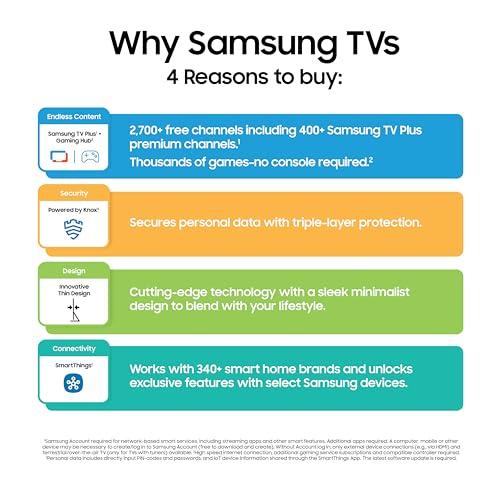
Samsung's smart platform strength lies in its ecosystem integration, particularly for users with Samsung smartphones and appliances. However, long-term software support for budget models can be inconsistent, with fewer years of guaranteed updates compared to premium lines.
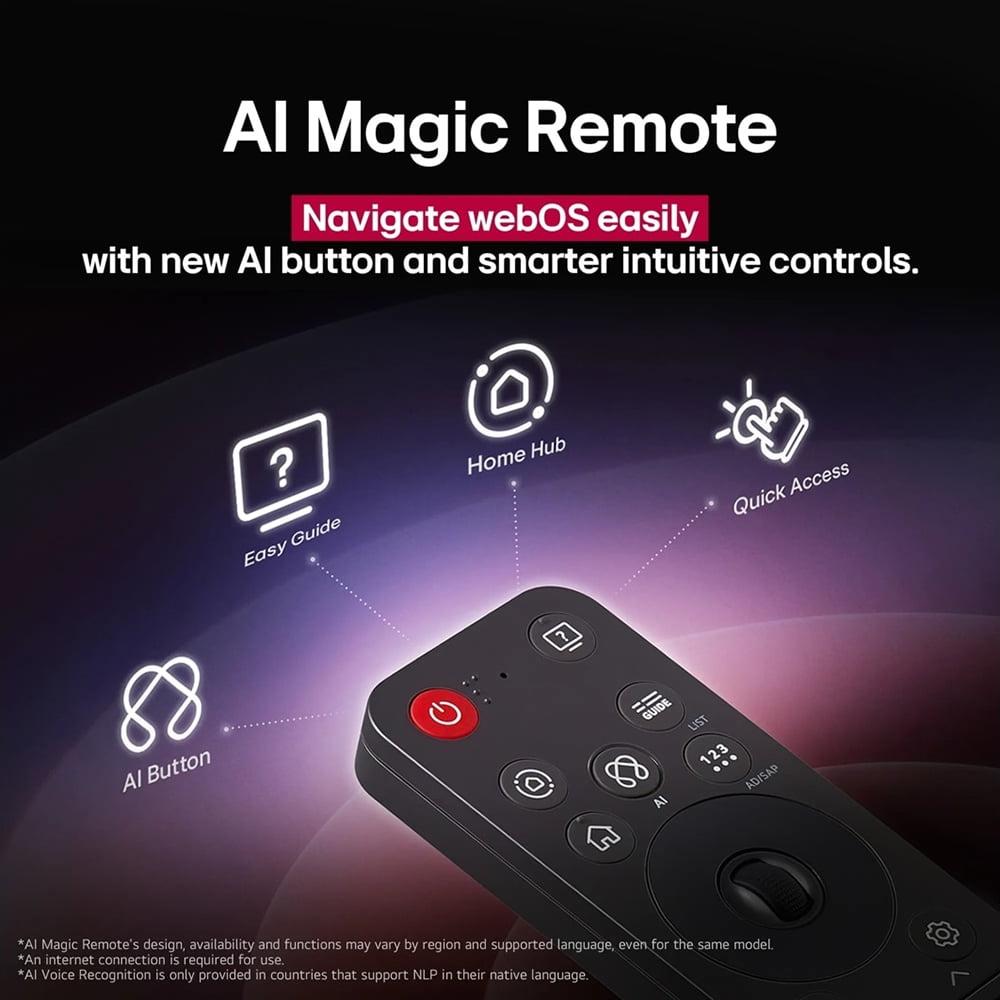
The LG QNED85A showcases webOS 25, LG's latest smart platform iteration. More significantly, LG provides a 5-year upgrade guarantee, ensuring the TV receives software updates and new features through 2030. This represents substantial long-term value, as smart TV platforms evolve rapidly with new streaming services and features.
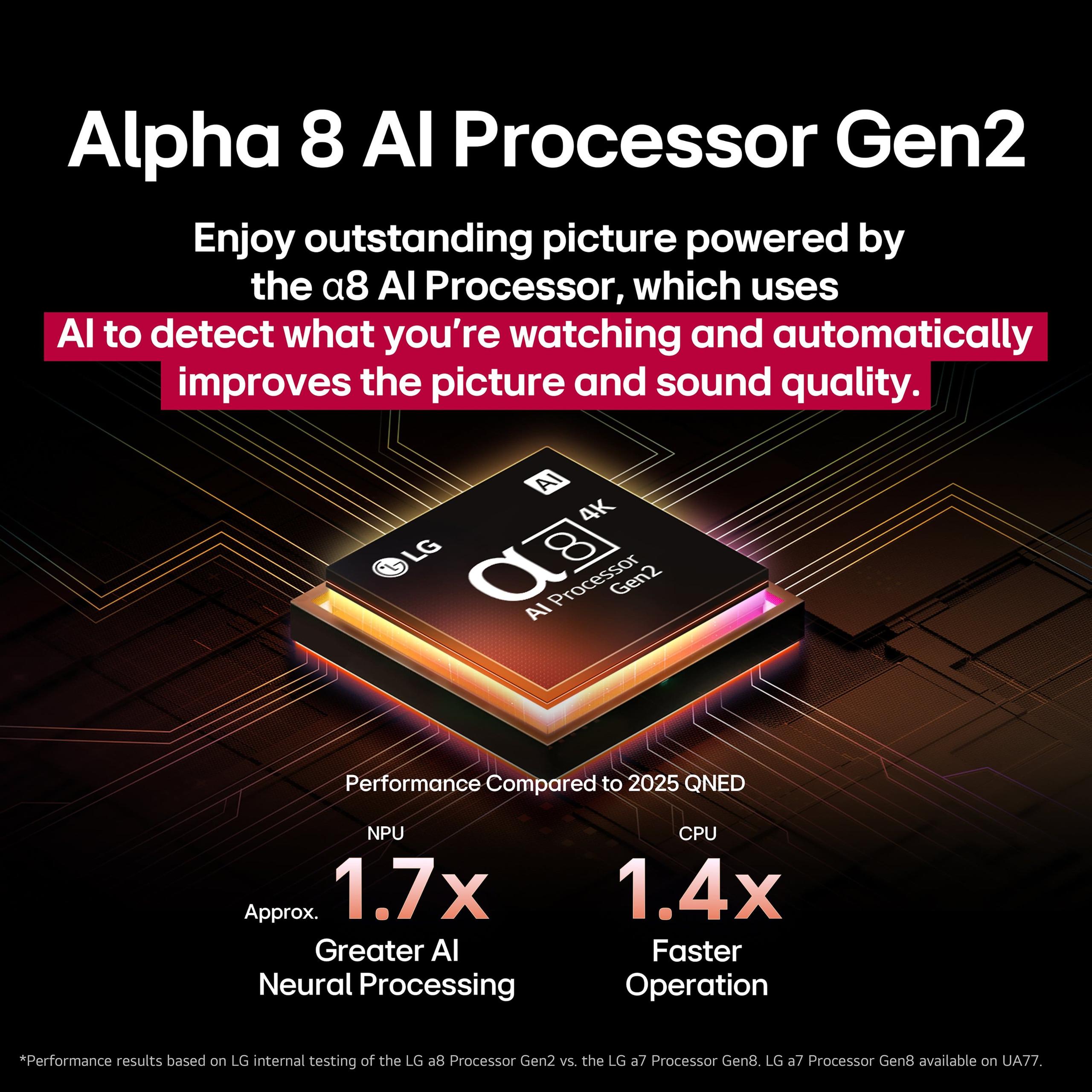
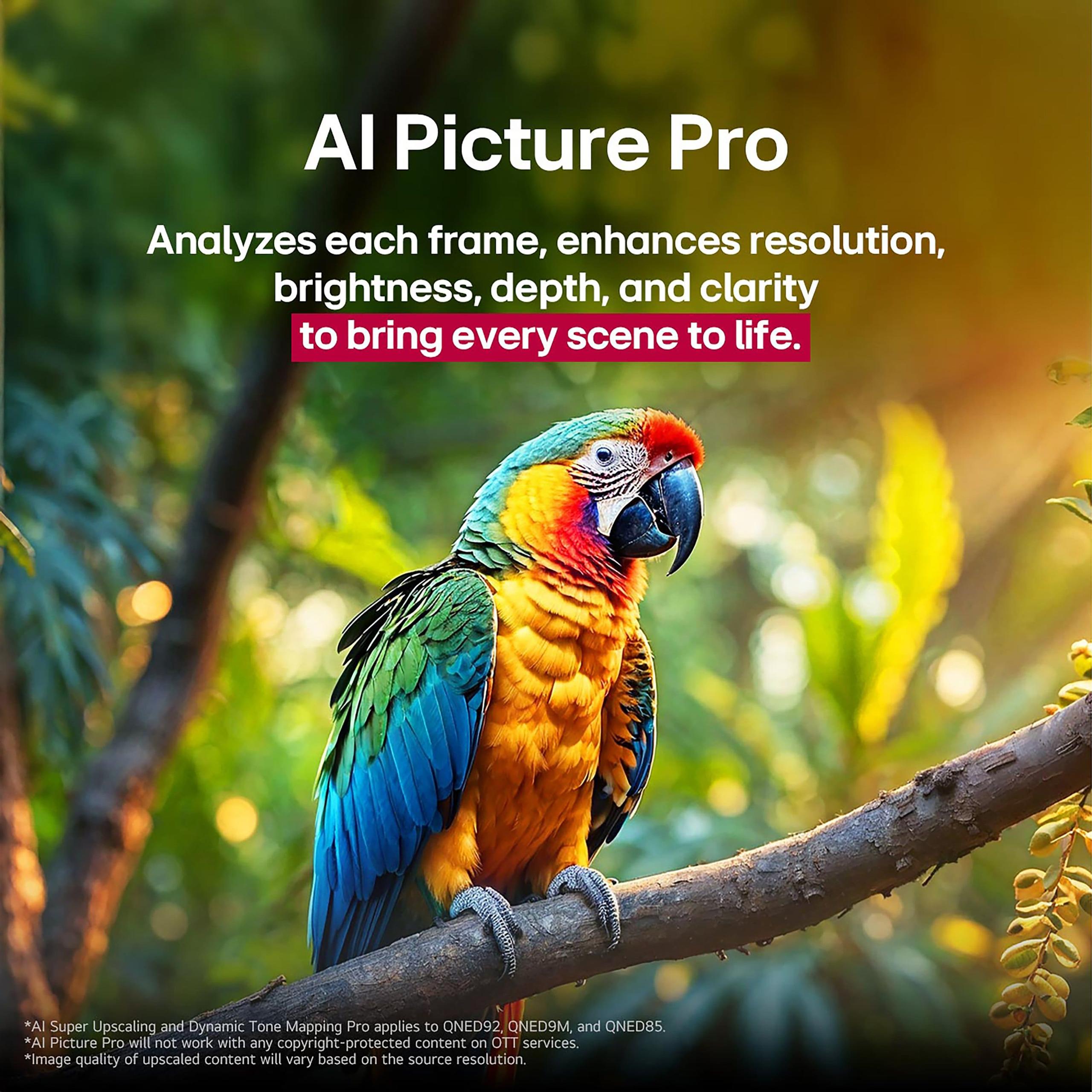
LG's AI processing goes beyond basic upscaling. The TV analyzes content in real-time, automatically adjusting picture and sound settings based on what you're watching. Dark movie scenes receive different processing than bright sports footage, optimizing the viewing experience without manual adjustment.
AI Sound Pro converts standard 2-channel audio into virtual 5.1 surround sound, analyzing audio content to create a more immersive soundscape. While not matching dedicated sound systems, this processing significantly improves the built-in audio experience compared to basic TV speakers.
Your room's lighting conditions play a crucial role in TV performance, and these models handle different environments very differently.
The Samsung U8000F works best in controlled lighting conditions—dim to moderately lit rooms where its brightness limitations won't be as apparent. In bright living rooms with large windows, the TV struggles with reflections and appears washed out during daytime viewing. The VA panel technology provides decent contrast when viewed straight-on, but colors and brightness degrade quickly when viewed from angles.
Family movie nights where everyone can't sit directly in front of the TV reveal these viewing angle limitations. People sitting to the sides will notice reduced color saturation and contrast, affecting the shared viewing experience.
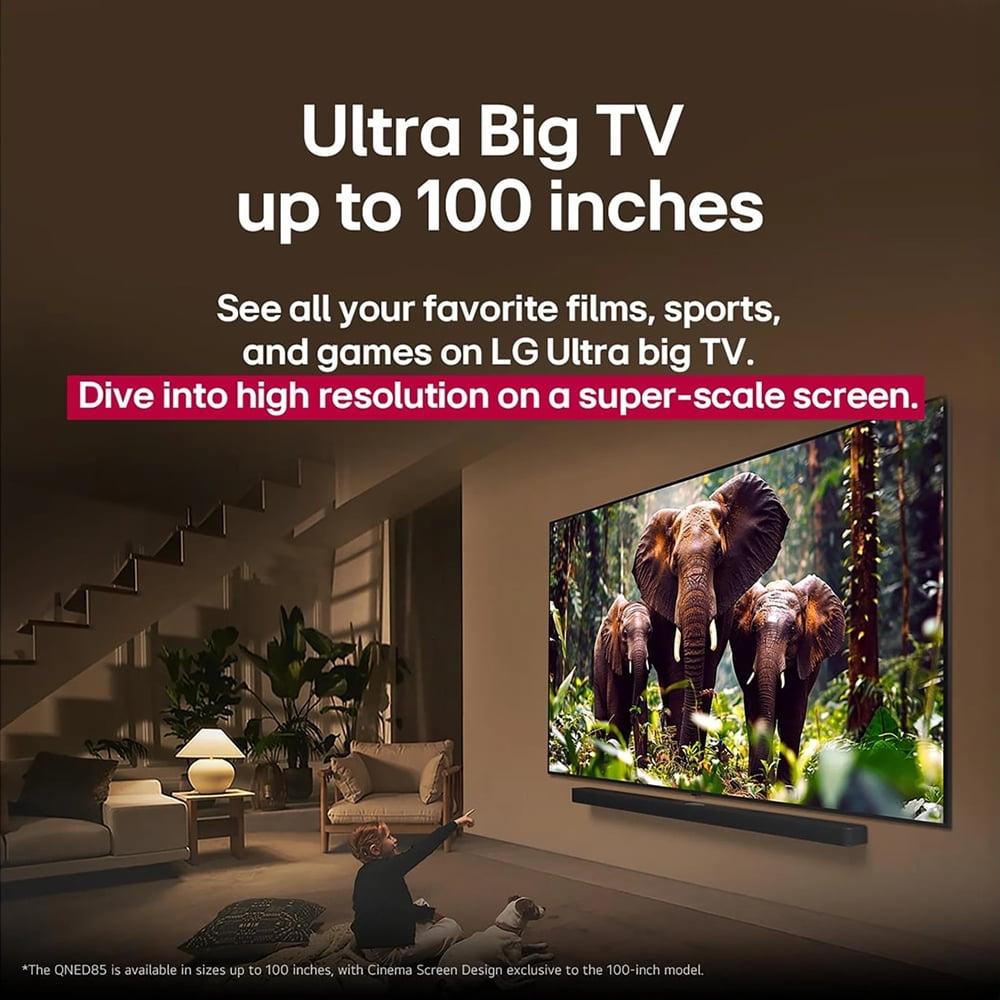
The LG QNED85A handles virtually any room environment thanks to its high peak brightness and effective anti-glare screen treatment. Bright living rooms that would wash out the Samsung pose no problem for the LG, which maintains color vibrancy and contrast even in challenging lighting.
The quantum dot technology helps maintain color accuracy across wider viewing angles, making it more suitable for larger seating arrangements. While not matching OLED's perfect viewing angles, the improvement over traditional LED displays is substantial.
Built-in TV audio has improved significantly in recent years, though both TVs benefit from external audio solutions for the best experience.
The Samsung U8000F includes basic 2-channel speakers that provide clear dialogue but lack depth and power for movie soundtracks or music. The thin TV profile limits speaker size, resulting in audio that's functional but uninspiring.
The LG QNED85A delivers notably better audio processing with its virtual 5.1 surround sound system. AI Sound Pro analyzes audio content and creates a more spacious, immersive soundscape from the built-in speakers. While still limited by the physical constraints of TV speakers, the processing creates a more engaging audio experience.
For home theater enthusiasts, both TVs support external sound systems, but the LG's eARC (enhanced Audio Return Channel) support on HDMI 2.1 provides better compatibility with advanced soundbars and receivers, supporting high-resolution audio formats.
At the time of writing, these TVs occupy very different price segments, reflecting their distinct target audiences and capabilities.
The Samsung U8000F represents the entry-level 4K TV market, prioritizing affordability and large screen size. It's designed for buyers who want to maximize screen real estate within budget constraints and can accept picture quality compromises. This TV makes sense for secondary bedrooms, casual viewing scenarios, or as an upgrade from much older televisions where any 4K display represents improvement.
The LG QNED85A targets buyers seeking modern TV technology without flagship pricing. The significant price premium over the Samsung reflects genuine technological advancement—MiniLED backlighting, 120Hz gaming, AI processing, and long-term software support represent features that define contemporary TV experiences.
For dedicated home theater setups, the technology differences become even more pronounced.
The Samsung U8000F lacks the contrast performance needed for optimal movie viewing in dark environments. Edge-lit backlighting creates uniformity issues that become distracting during cinematic content, particularly films with dark scenes or mixed lighting conditions.
The LG QNED85A provides a more theater-like experience with its superior contrast control and brightness capability. The MiniLED zones create the light control needed for impactful HDR presentation, while support for premium formats like Dolby Vision ensures compatibility with high-quality streaming and disc content.
However, home theater purists should note that neither TV matches OLED technology for absolute black levels and contrast. The LG represents a middle ground between budget LED and premium OLED displays, offering significantly better performance than edge-lit models while maintaining brightness advantages over OLED.
The decision between the Samsung U8000F and LG QNED85A ultimately depends on your priorities, room environment, and budget flexibility.
Choose the Samsung if you're primarily focused on maximizing screen size within budget constraints, plan to use the TV primarily for casual viewing in controlled lighting, and don't require modern gaming features. It's a reasonable choice for secondary rooms or as an upgrade from much older technology.
The LG makes sense for buyers who want a versatile TV that performs well in any environment, value modern gaming capabilities, prioritize picture quality for streaming and sports viewing, and prefer long-term software support. The price premium reflects genuine technological advantages that improve daily viewing experiences.
Based on our research into expert reviews and user feedback, the performance gap between these TVs is substantial enough that most buyers who can accommodate the LG's higher price will appreciate the improved viewing experience. The Samsung serves its purpose as an affordable large-screen option, but the LG delivers the picture quality and features that define modern television technology.
For most living room installations where the TV serves as the primary display for family viewing, gaming, and streaming, the LG QNED85A represents better long-term value despite its higher upfront cost. The combination of superior picture quality, comprehensive gaming support, and guaranteed software updates creates a more future-proof investment that will remain relevant and enjoyable for years to come.
| Samsung 65-Inch Crystal UHD U8000F 4K Smart TV 2025 | LG 65" QNED evo AI QNED85A 4K MiniLED Smart TV 2025 |
|---|---|
| Display Technology - Fundamental difference affecting all picture quality aspects | |
| Edge-lit LED (budget approach with uniformity issues) | MiniLED with ~30,000 zones (premium backlighting for superior contrast) |
| Refresh Rate - Critical for gaming and smooth motion | |
| 60Hz (adequate for basic viewing, limits gaming potential) | 120Hz (essential for PS5/Xbox Series X and smooth sports) |
| Peak Brightness - Determines HDR impact and bright room performance | |
| ~400 nits (struggles in bright rooms, weak HDR) | ~1,500 nits (excellent for any lighting, punchy HDR) |
| Gaming Features - Modern console compatibility | |
| Basic 60Hz gaming, no VRR, HDMI 2.0 only | Full 4K@120Hz gaming, VRR, multiple HDMI 2.1 ports |
| Smart Platform - Long-term software support | |
| Tizen OS (basic features, limited update guarantee) | webOS 25 with 5-year upgrade guarantee through 2030 |
| Local Dimming - Controls contrast and black levels | |
| None (entire screen dims together, poor contrast) | Precision Dimming Pro with hundreds of zones |
| Color Technology - Vibrancy and accuracy | |
| Standard LED color gamut | Quantum Dot + NanoCell (100% color volume) |
| Audio Processing - Built-in speaker enhancement | |
| Basic 2-channel stereo | Virtual 5.1 surround with AI Sound Pro |
| AI Features - Automatic picture and sound optimization | |
| Crystal Processor 4K (basic upscaling) | α8 Gen 2 AI Processor (advanced real-time optimization) |
| HDMI Ports - Future-proofing and device connectivity | |
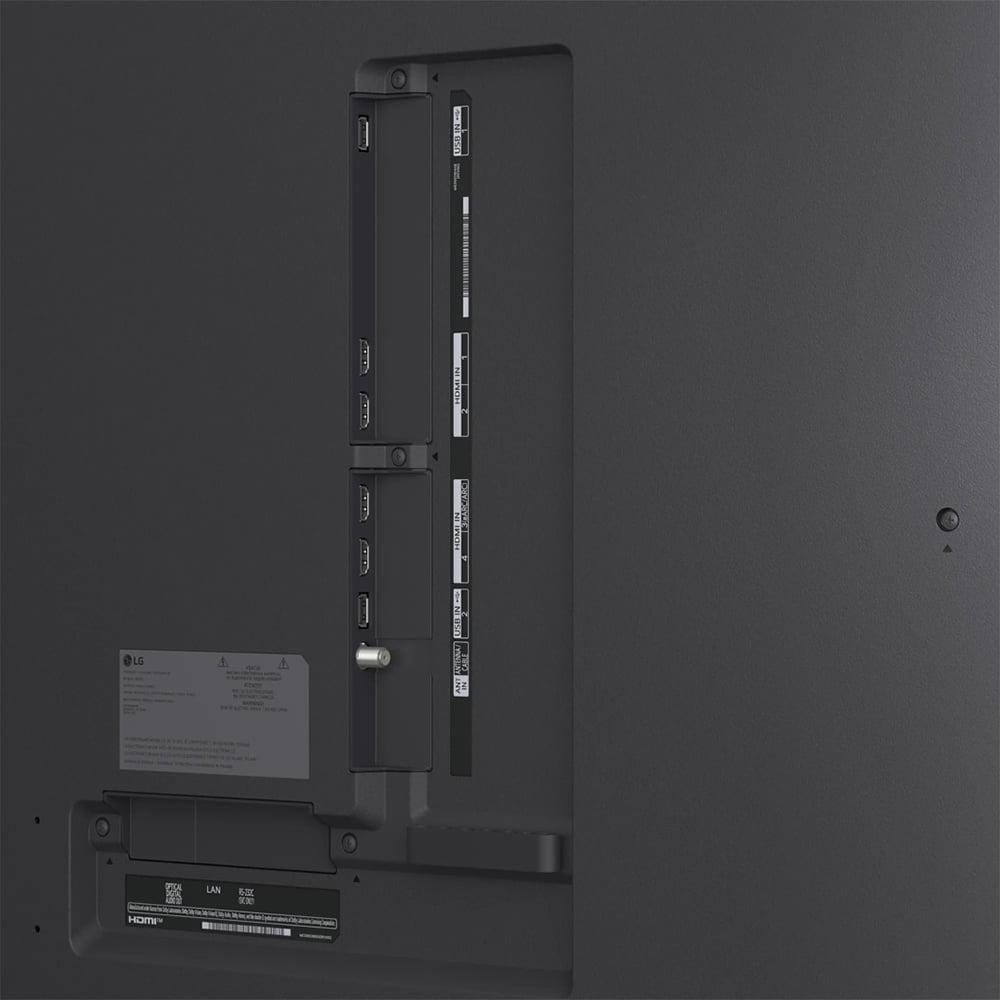
| 3x HDMI 2.0 (limited to 4K@60Hz) | 4x HDMI 2.1 (supports full 48Gbps bandwidth) |
| Target User - Who should consider each model | |
| Budget-focused buyers prioritizing screen size | Primary TV users wanting modern features and quality |
| Best Use Cases - Optimal scenarios for each TV | |
| Secondary rooms, casual viewing, controlled lighting | Family rooms, gaming, bright environments, home theater |
The primary difference is display technology. The Samsung U8000F uses traditional edge-lit LED backlighting, while the LG QNED85A features advanced MiniLED technology with thousands of dimming zones. This gives the LG significantly better contrast, deeper blacks, and brighter highlights for superior picture quality.
The LG QNED85A is substantially better for gaming with its 120Hz refresh rate, VRR support, and HDMI 2.1 ports that enable 4K gaming at 120fps on PS5 and Xbox Series X. The Samsung U8000F is limited to 60Hz gaming and lacks modern gaming features.
The LG QNED85A excels in bright rooms with peak brightness around 1,500 nits and effective anti-glare properties. The Samsung U8000F struggles in bright environments due to lower brightness levels and can appear washed out during daytime viewing.
It depends on your needs. The Samsung U8000F offers better value for budget-conscious buyers who prioritize screen size over features. The LG QNED85A provides better long-term value with superior picture quality, gaming features, and 5-year software update guarantee.
The LG QNED85A runs webOS 25 with advanced AI processing, 5-year update guarantee, and superior app ecosystem. The Samsung U8000F uses Tizen OS with basic smart features and limited long-term update support.
For home theater use, the LG QNED85A is significantly better due to its MiniLED backlighting providing superior contrast for dark movie scenes, higher brightness for HDR content, and better audio processing with virtual 5.1 surround sound.
The Samsung U8000F has a 60Hz refresh rate suitable for basic viewing, while the LG QNED85A features 120Hz for smoother motion in sports, action movies, and gaming.
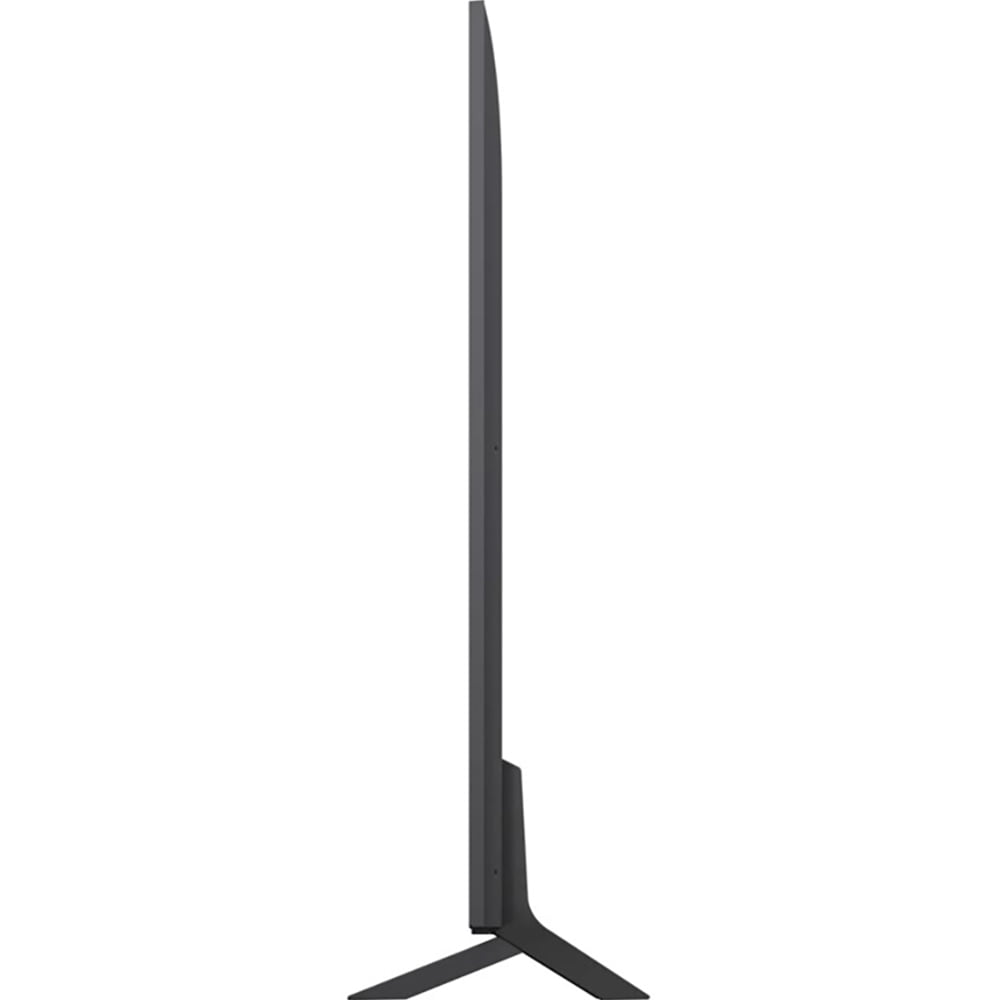
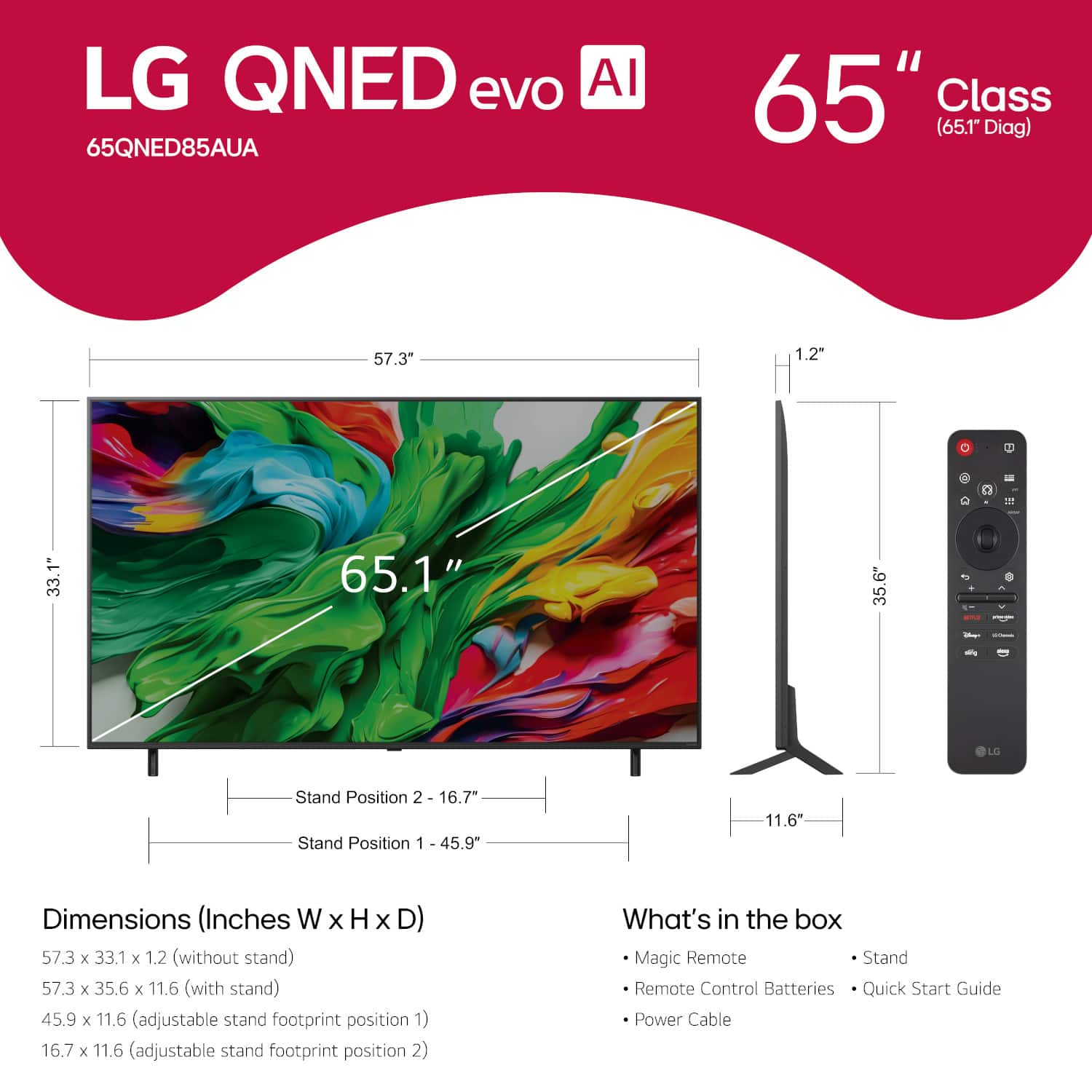
The LG QNED85A features more premium construction with slimmer bezels and advanced internal components required for MiniLED technology. The Samsung U8000F follows standard budget TV design conventions.
The LG QNED85A maintains better color accuracy and brightness when viewed from the side, making it more suitable for larger seating arrangements. The Samsung U8000F experiences more color and contrast degradation at wider viewing angles.
Both TVs support major streaming apps, but the LG QNED85A offers a better streaming experience with superior picture processing, brighter HDR performance, and longer software support ensuring compatibility with future streaming features.
The LG QNED85A provides notably better audio with virtual 5.1 surround sound and AI Sound Pro processing. The Samsung U8000F has basic 2-channel audio that benefits from external speakers or soundbar addition.
Choose the LG QNED85A for primary living room use if you want superior picture quality, modern gaming features, and versatile performance in any lighting condition. Select the Samsung U8000F if maximizing screen size within budget constraints is your priority and you primarily watch content in controlled lighting.
We've done our best to create useful and informative comparisons to help you decide what product to buy. Our research uses advanced automated methods to create this comparison and perfection is not possible - please contact us for corrections or questions. These are the sites we've researched in the creation of this article: bestbuy.com - youtube.com - youtube.com - rtings.com - youtube.com - samsung.com - hometechnologyreview.com - rtings.com - samsung.com - displayspecifications.com - samsung.com - displayspecifications.com - walmart.com - billsmith.com - dentonstv.com - samsung.com - samsung.com - samsung.com - youtube.com - bestbuy.com - bestbuy.com - youtube.com - samsung.com - donstv.com - rtings.com - rtings.com - youtube.com - lg.com - smarthomesounds.co.uk - abt.com - abt.com - lg.com - displayspecifications.com - walmart.com - bestbuy.com - lg.com - lg.com - lg.com - files.bbystatic.com - flatpanelshd.com - north-side-appliance.com - lgnewsroom.com - lg.com - youtube.com - youtube.com - hindustantimes.com

Privacy Policy
Terms and Conditions - Affiliate Policy
Home Security
© Copyright 2008-2026.
11816 Inwood Rd #1211, Dallas, TX 75244