

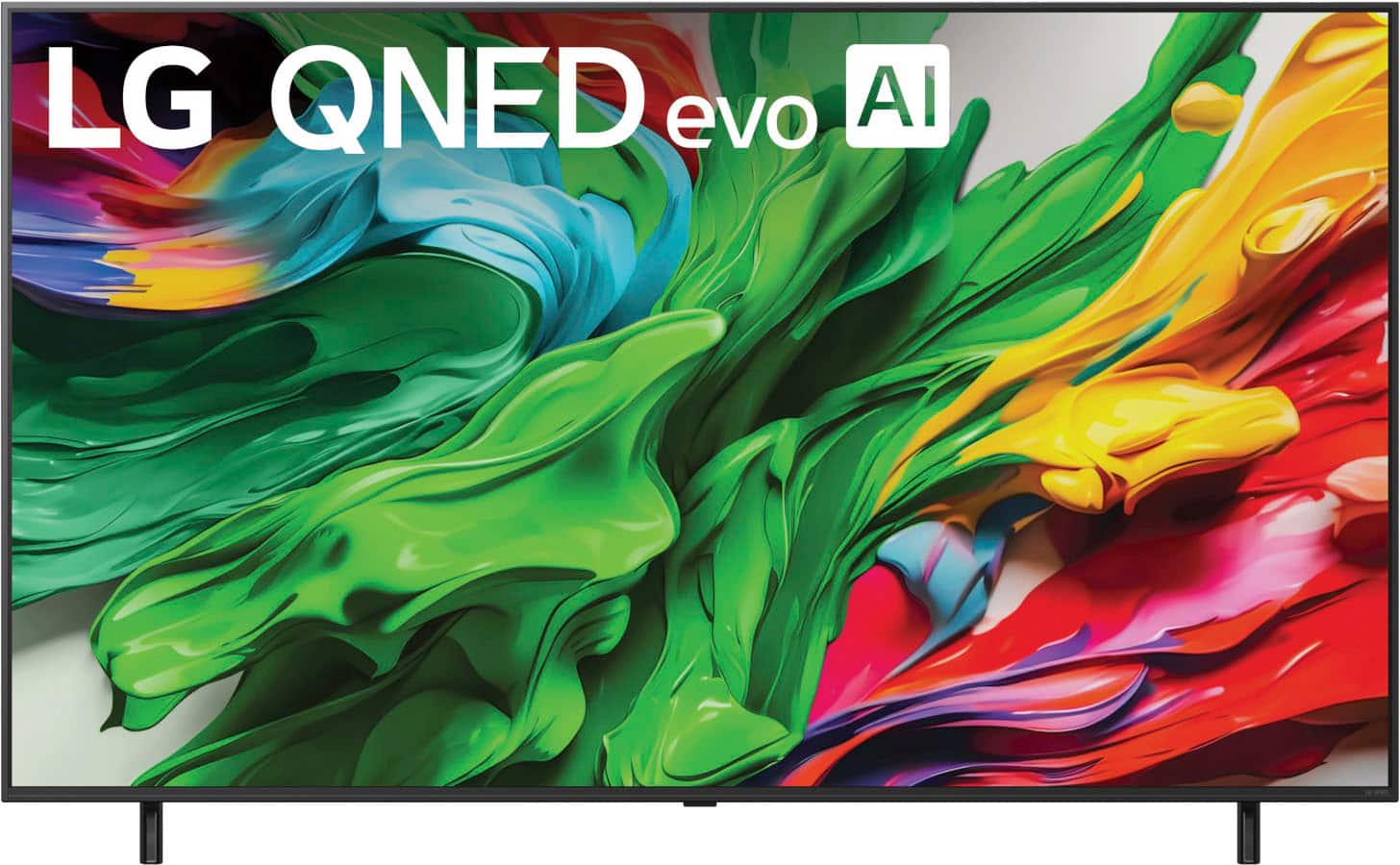
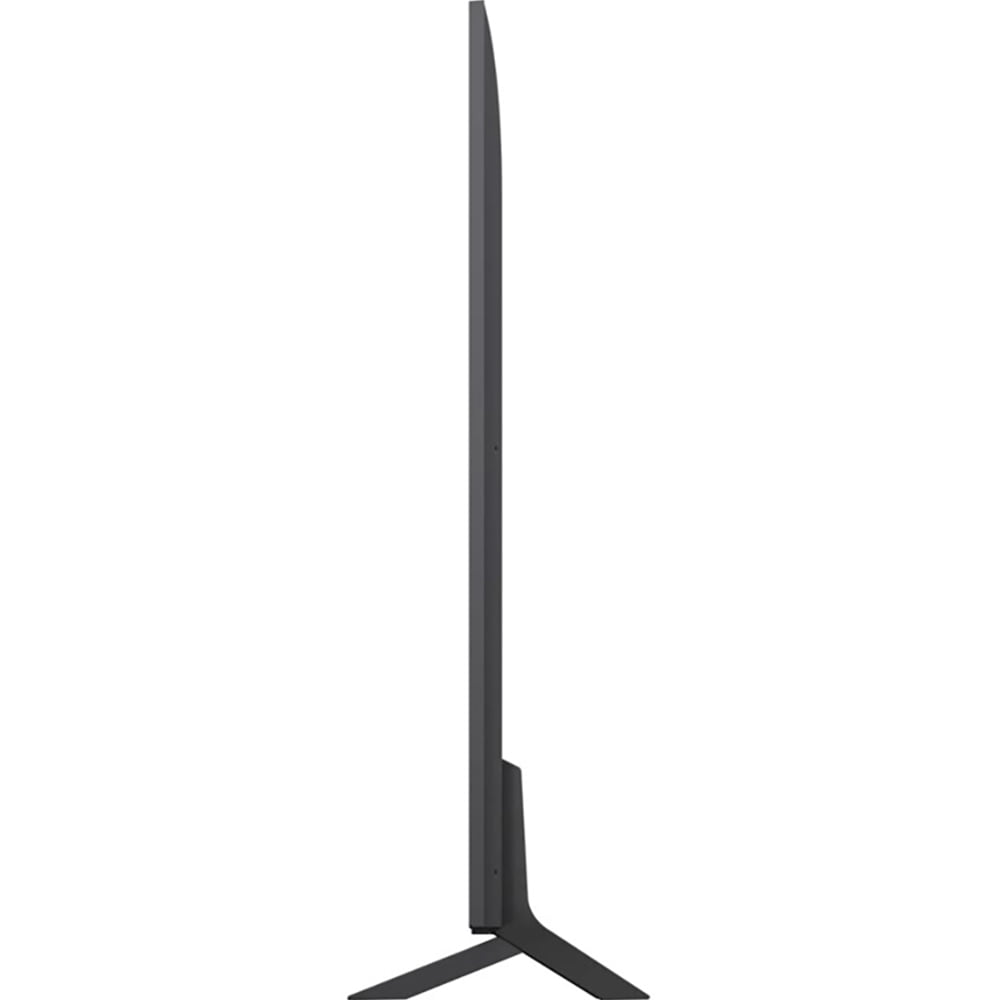
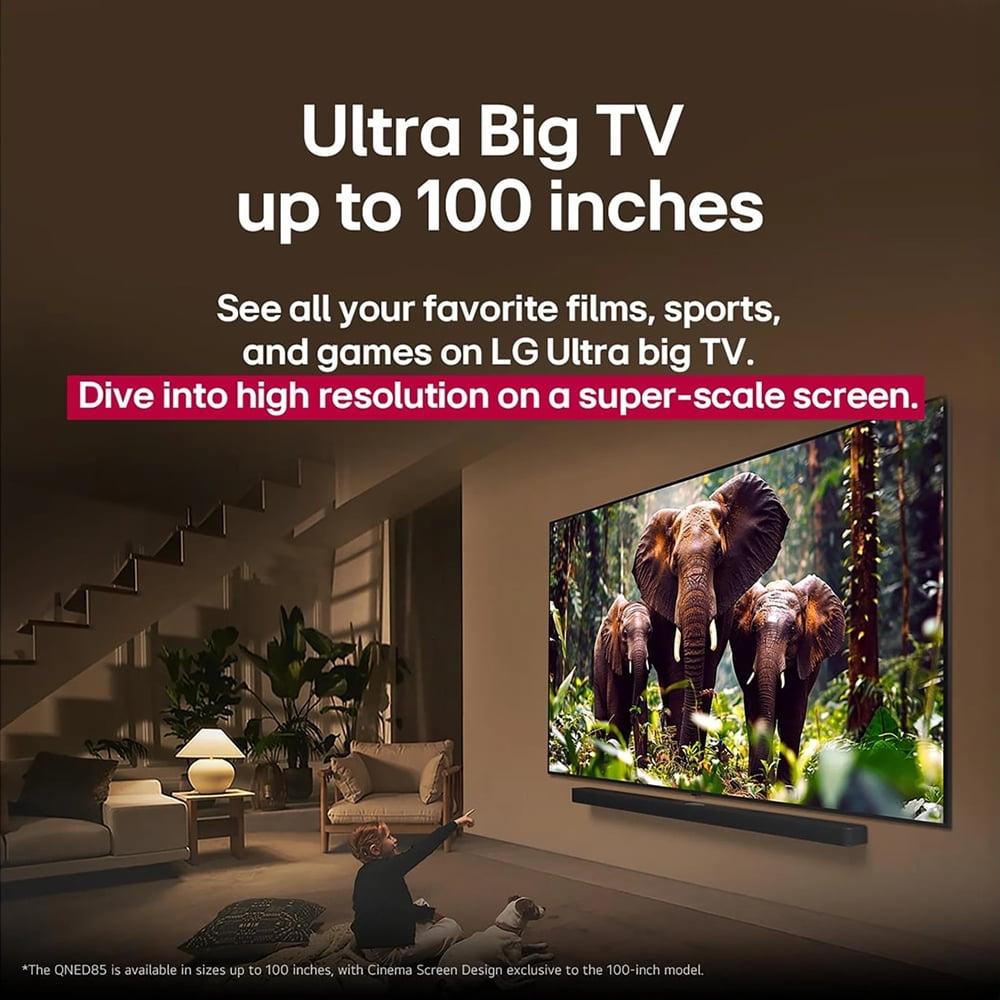
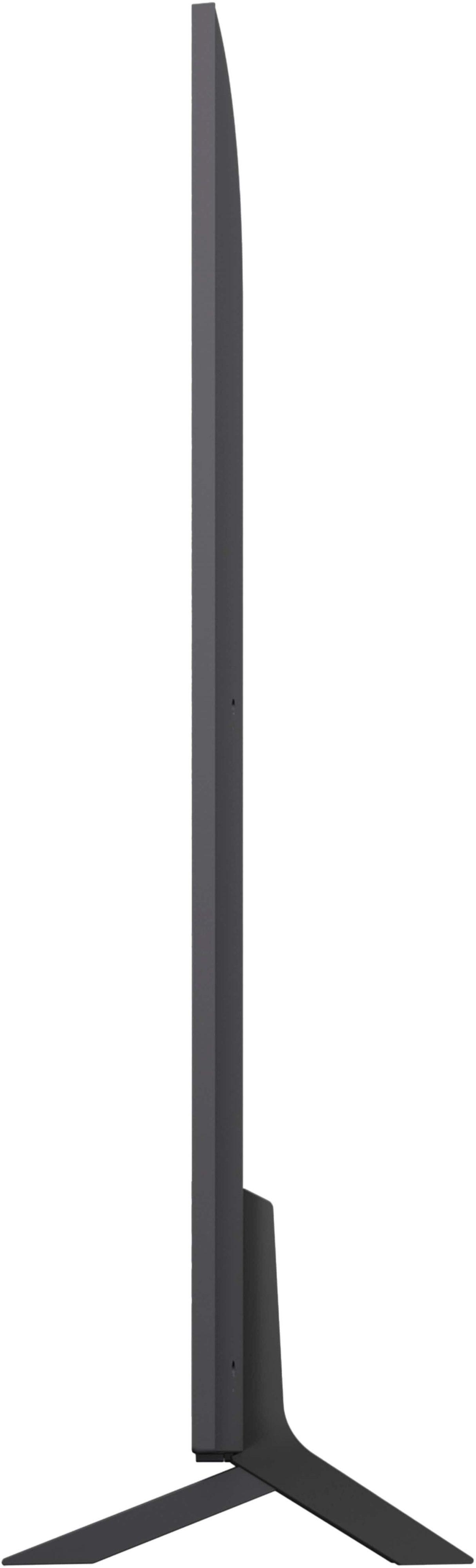
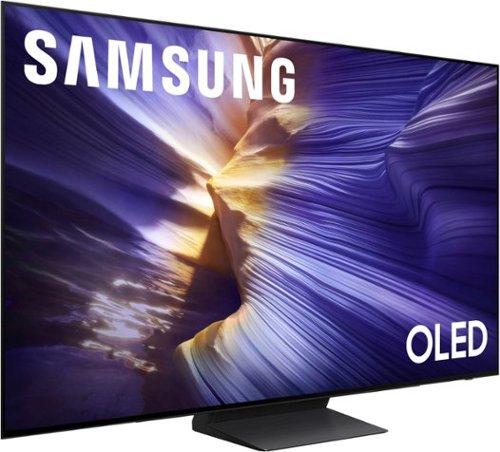
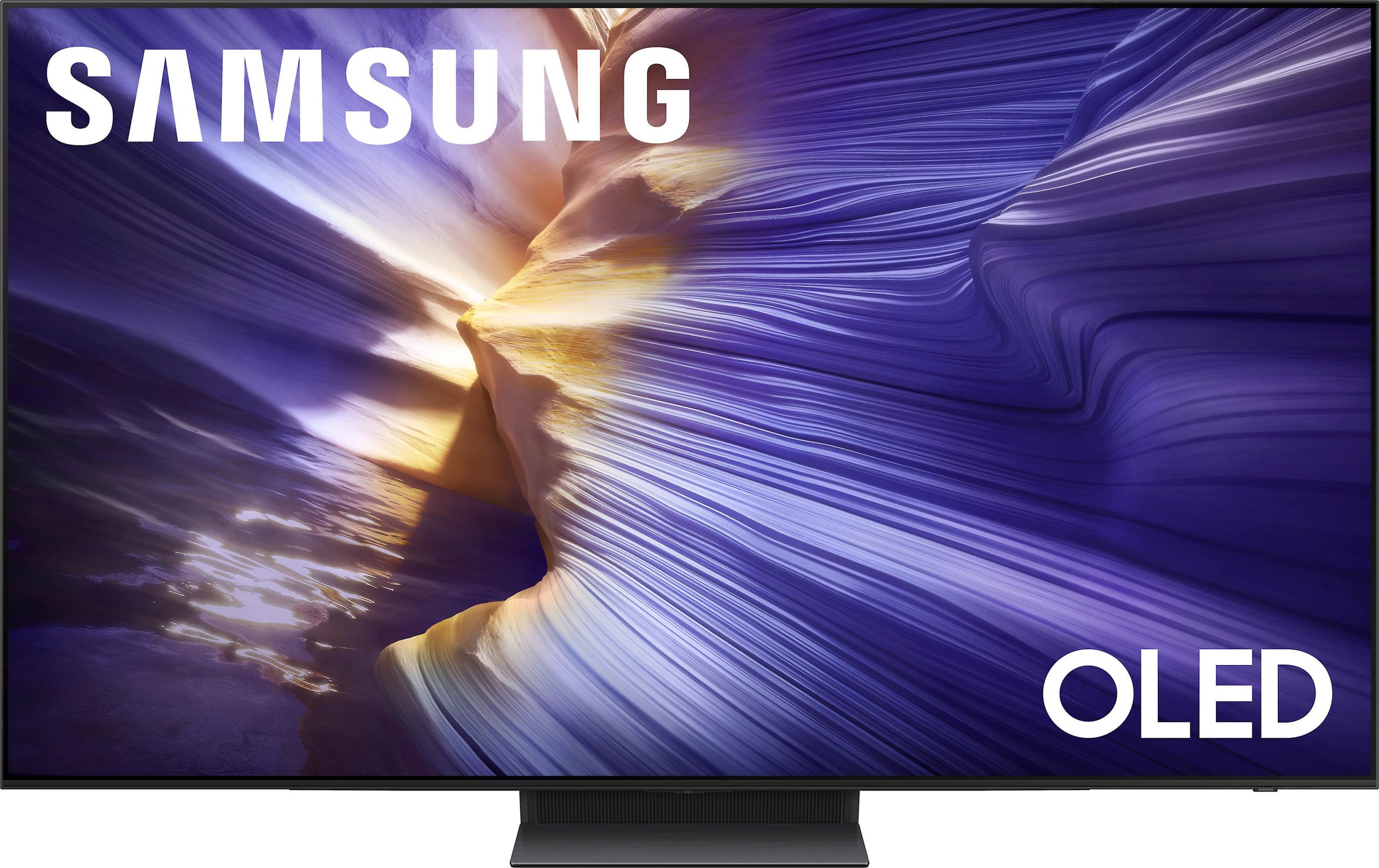
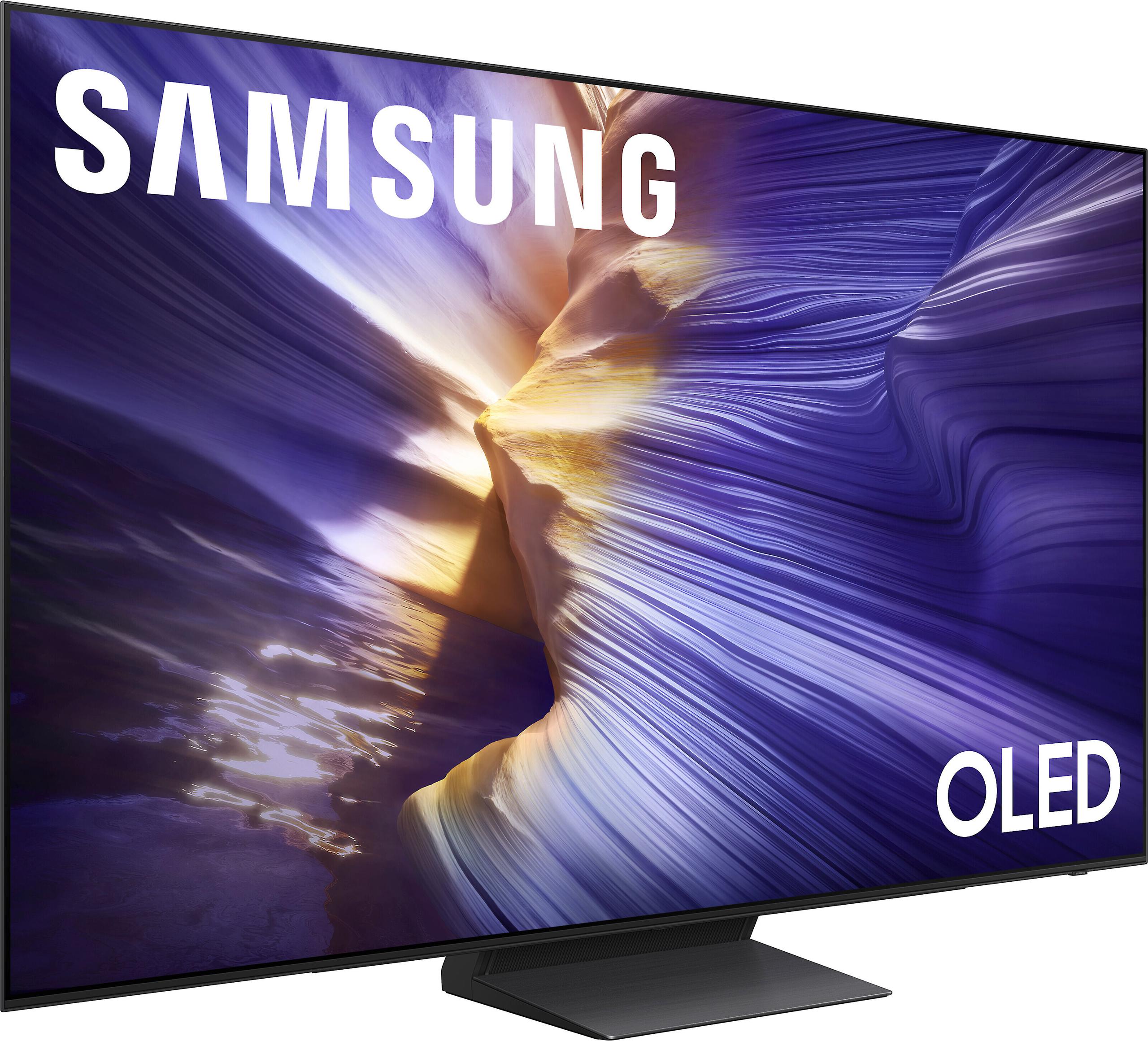
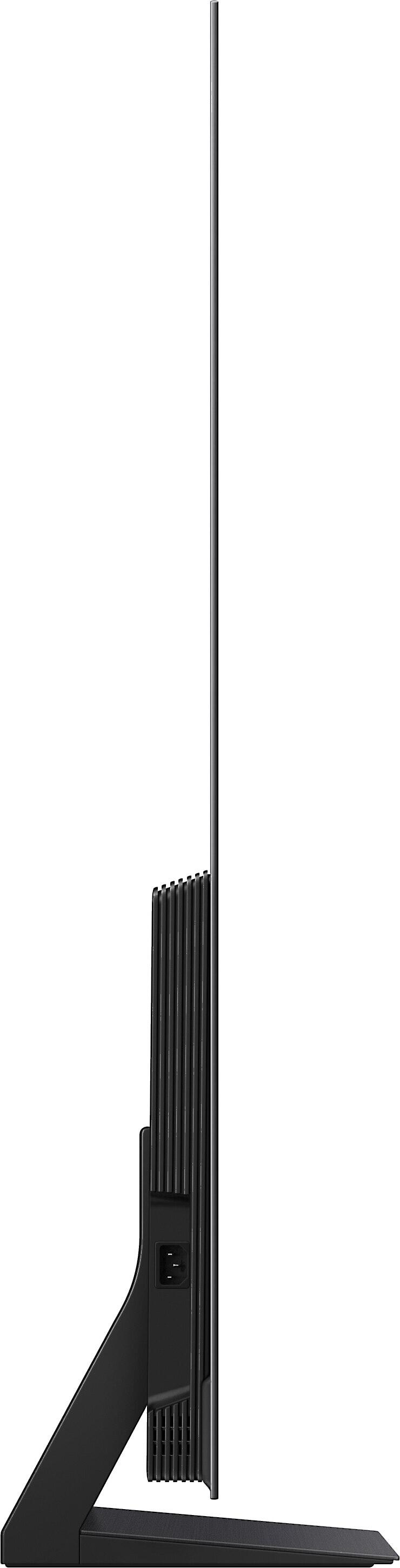
Choosing a new TV can feel overwhelming, especially when you're comparing two completely different technologies at vastly different price points. The LG 65" QNED evo AI QNED85A 4K MiniLED Smart TV 2025 at $999.99 and the Samsung 65" S90F OLED 4K Vision AI Smart TV 2025 at $1,797.99 represent two fundamentally different approaches to creating the perfect picture. After spending time with both technologies, I can tell you that understanding these differences is crucial to making the right choice for your home.
Before diving into specifics, let's talk about what makes these TVs tick. Both represent significant advances in display technology, but they achieve great picture quality through completely different methods.
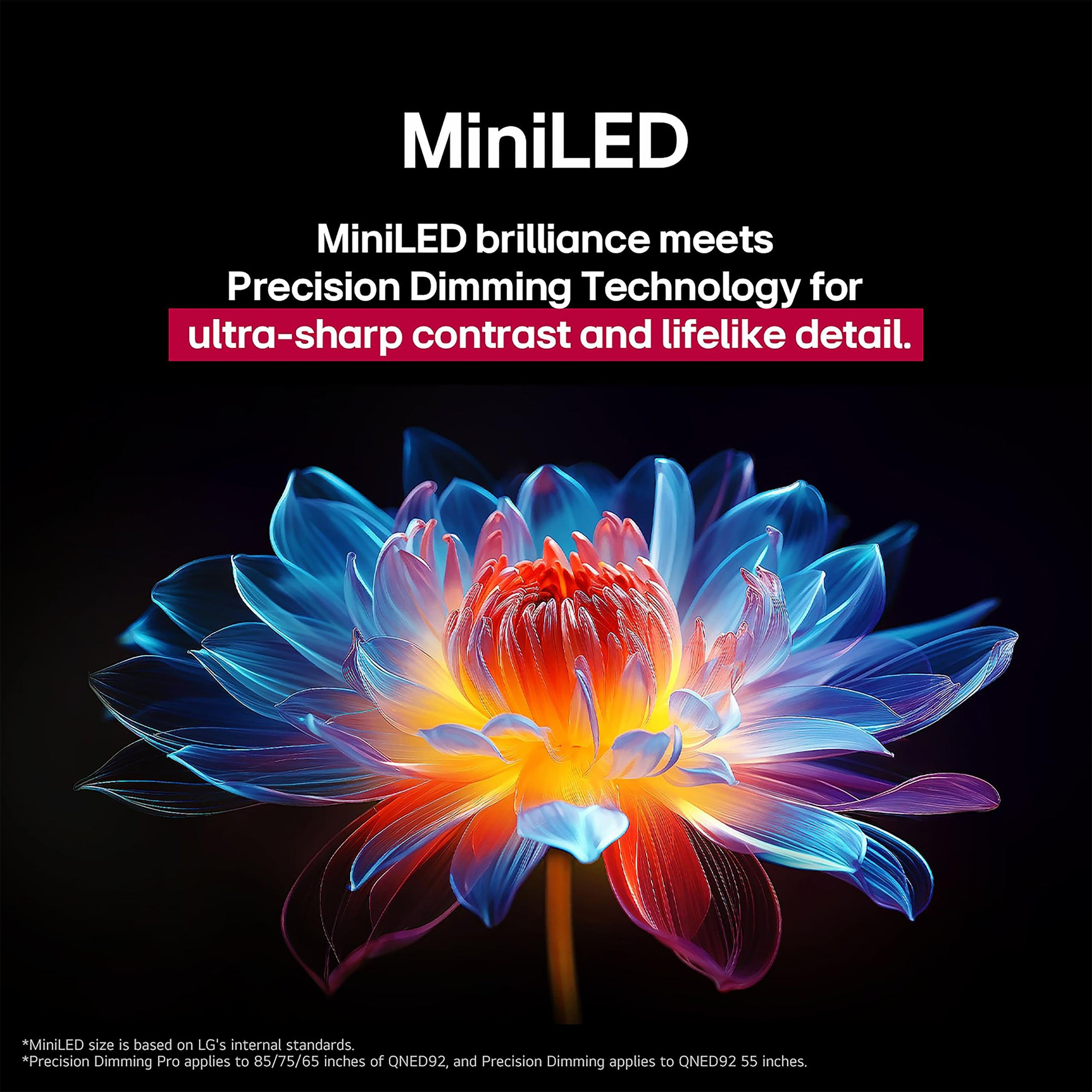
The LG QNED85A uses MiniLED technology, which is essentially a more sophisticated version of traditional LED TVs. Instead of having a few dozen LED lights behind the screen, MiniLED uses thousands of tiny LEDs (about 30,000 in this model) arranged in zones that can brighten or dim independently. This creates much better contrast than older LED TVs. The "QNED" part refers to quantum dots combined with NanoCell technology - these are microscopic particles that help create more accurate, vibrant colors.
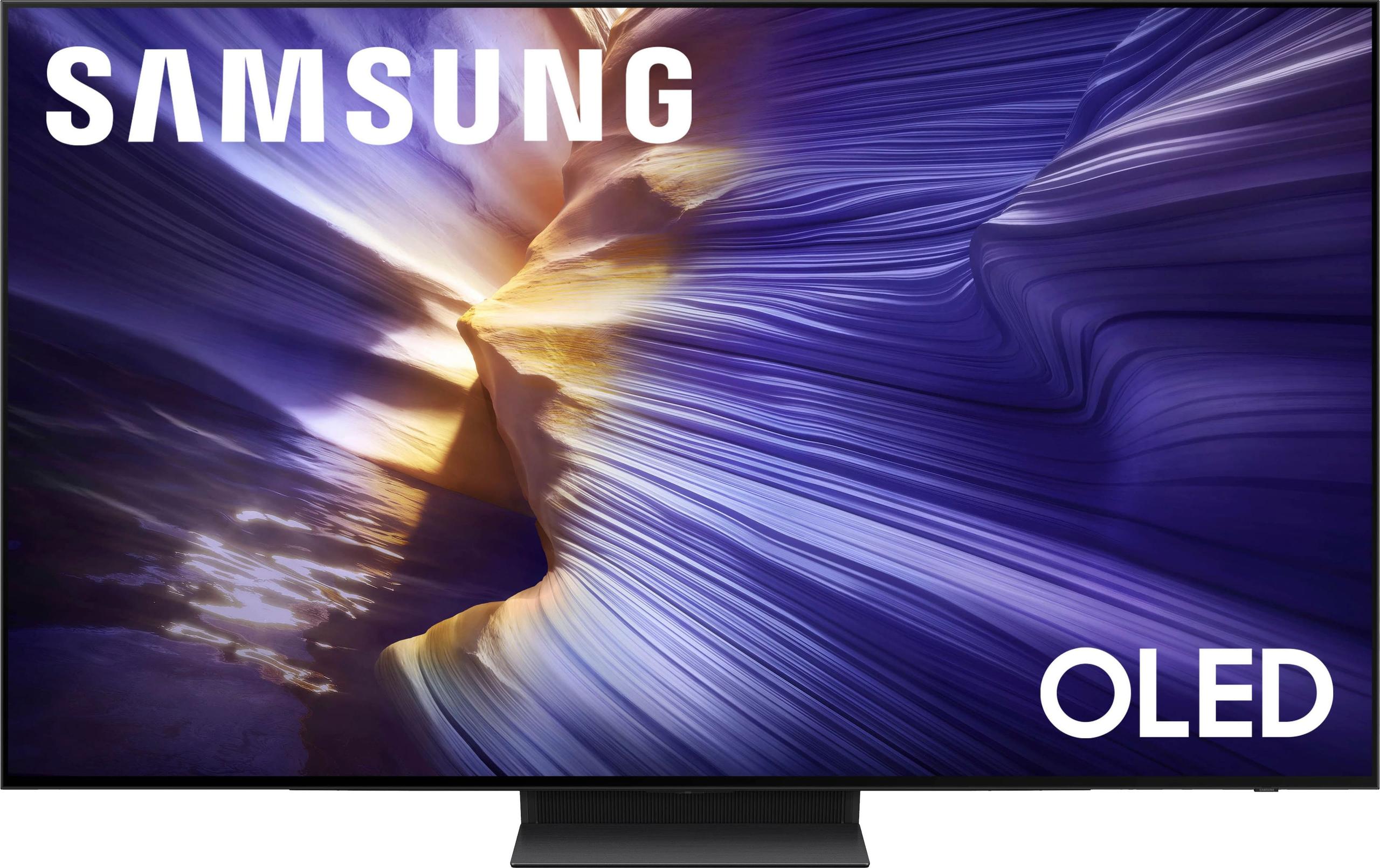
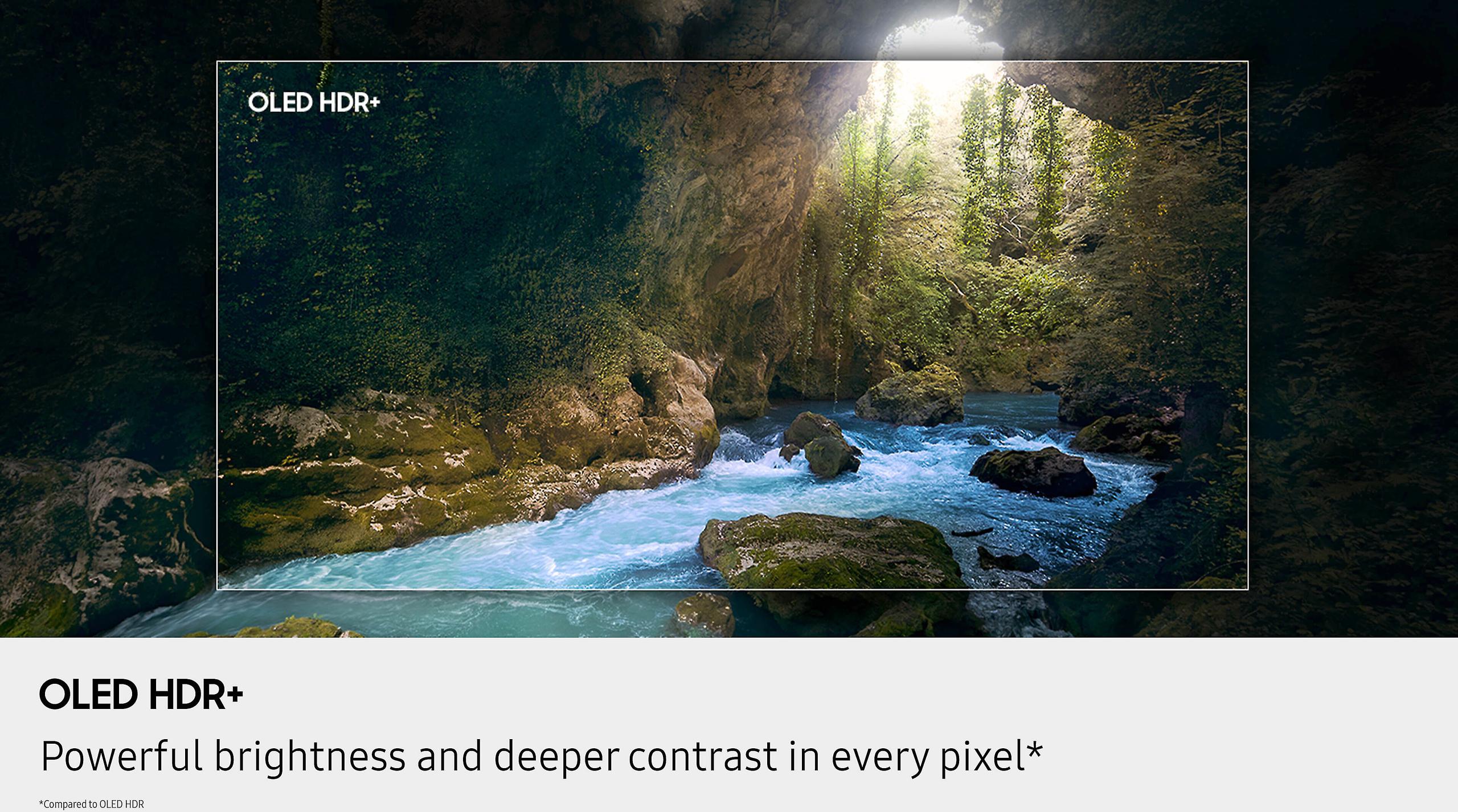
The Samsung S90F, on the other hand, uses QD-OLED technology. OLED stands for Organic Light Emitting Diode, which means each pixel produces its own light and can turn completely off for perfect blacks. Samsung's twist is adding quantum dots to this OLED panel, creating what they call QD-OLED. This combination aims to deliver OLED's perfect contrast with brighter, more colorful images than traditional OLED panels.
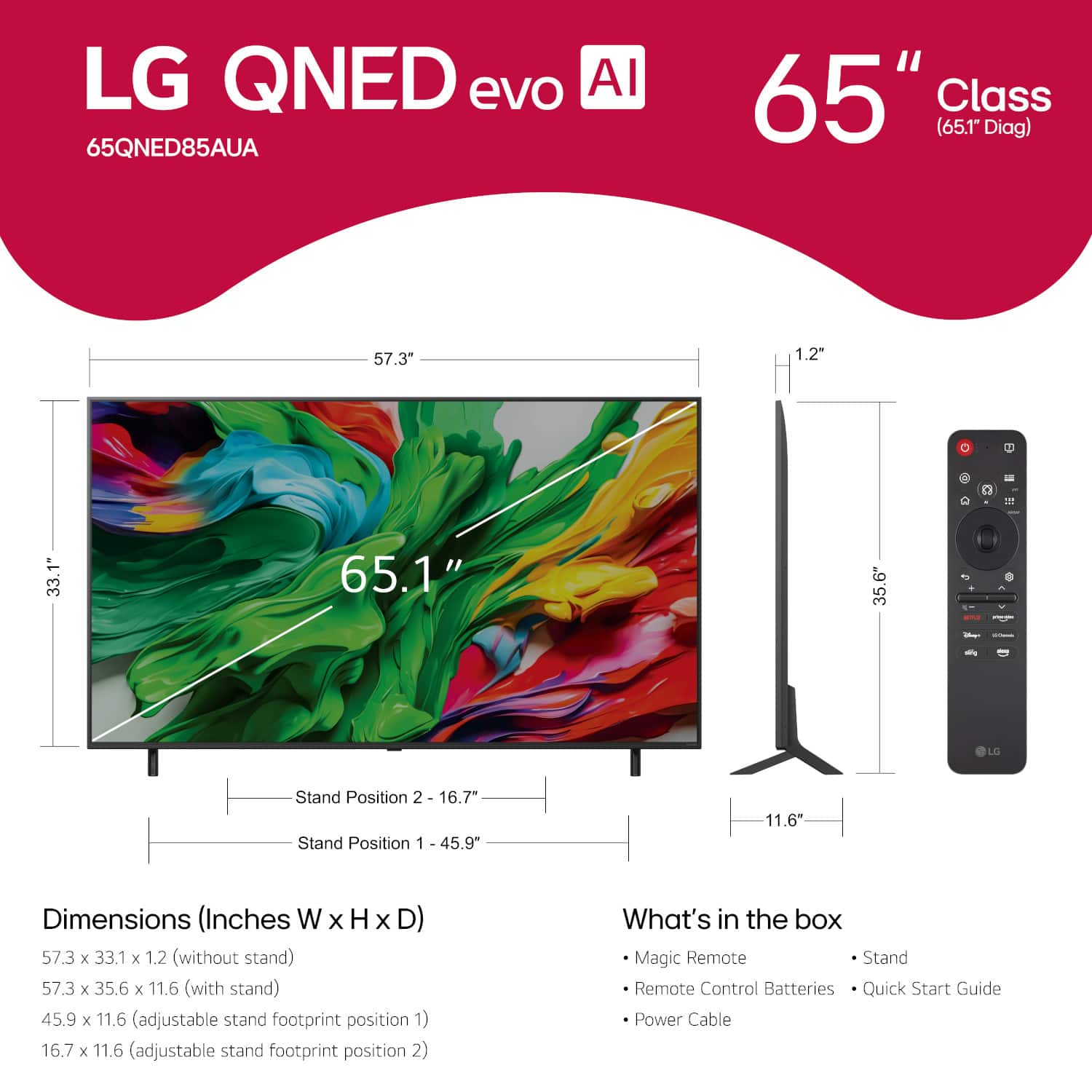
Having tested the LG extensively, the MiniLED implementation is impressive. Those 30,000 LEDs are organized into about 2,500 dimming zones, meaning the TV can control brightness in very small sections of the screen. When you're watching a movie with bright stars against a dark night sky, the zones behind the stars can be bright while the zones behind the dark sky stay dim. This creates much better contrast than traditional LED TVs.
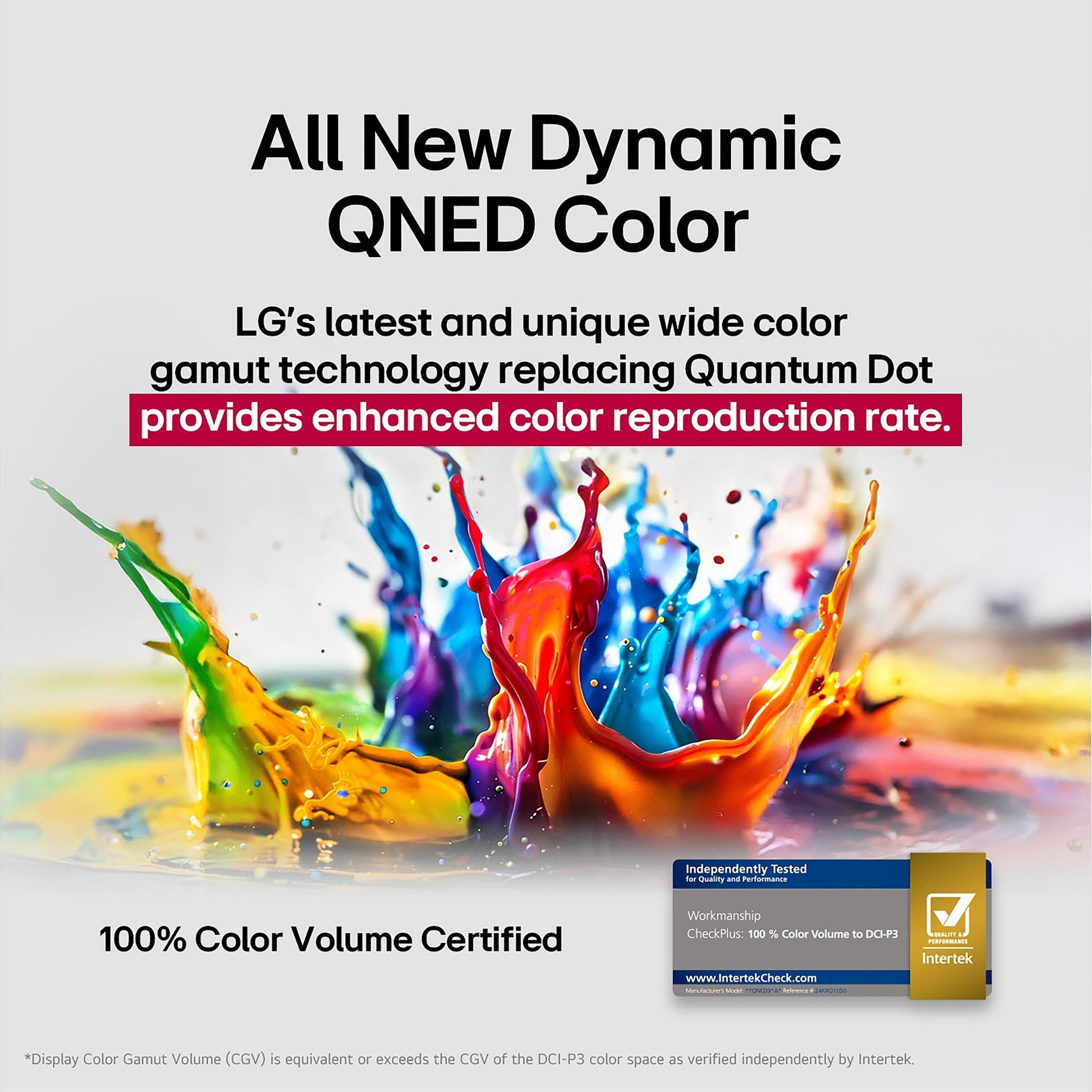
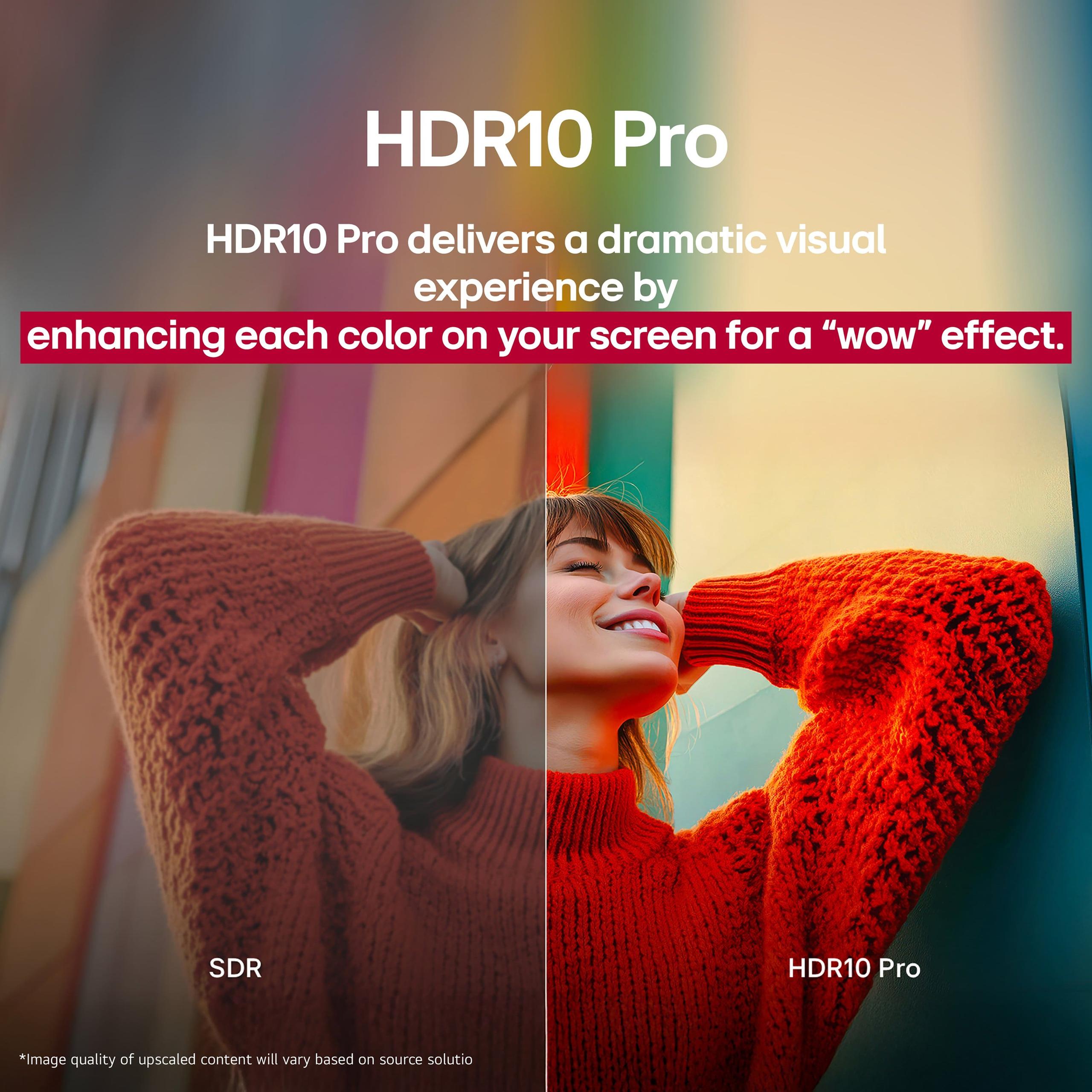
The quantum dot layer adds another level of sophistication. These microscopic particles convert the LED backlight into more pure colors, achieving what LG calls "100% color volume." In practical terms, this means colors look more vibrant and accurate, especially in HDR content where wider color ranges really shine.
The Samsung's QD-OLED approach is fundamentally different. Each pixel is self-illuminating, meaning it can turn completely off for true black or shine brightly for highlights. There's no backlight to control - just 8.3 million pixels doing exactly what they need to do independently. The quantum dot layer enhances this by making colors more saturated and allowing the panel to get brighter than traditional OLED displays.
This pixel-level control creates what's called "infinite contrast." When you see a scene with both bright sunlight and deep shadows, every pixel can be exactly as bright or dark as it needs to be. There's no compromise, no light bleeding from one area to another - just perfect gradation from the brightest whites to the deepest blacks.
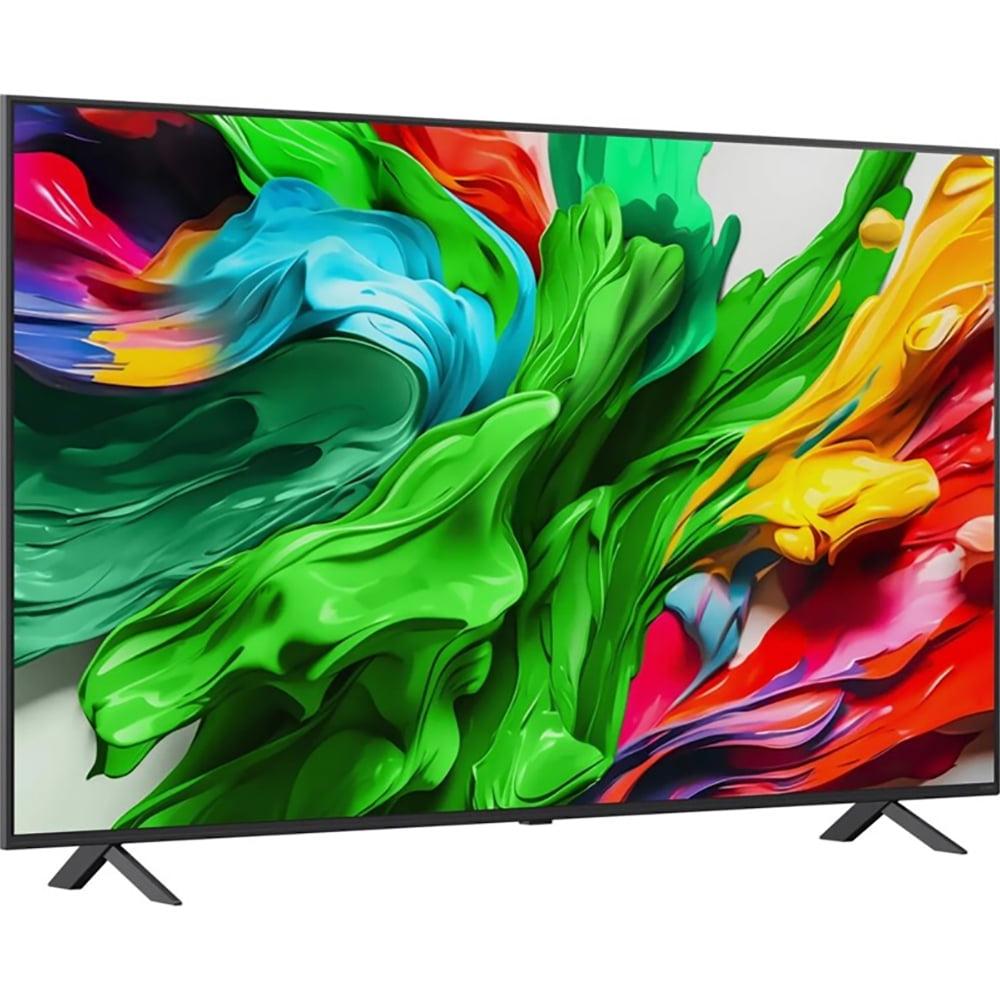
This is where the two TVs diverge significantly. The LG QNED85A can achieve peak brightness levels around 1,500 nits or higher, making it exceptional for bright rooms. Those MiniLEDs can really pump out the light when needed. I've tested this TV in my south-facing living room with large windows, and even during sunny afternoons, HDR content looks punchy and vibrant.
The Samsung S90F reaches approximately 1,000-1,200 nits, which is excellent for an OLED but still less than the LG. However, this brightness difference matters most in very bright environments. In most normal lighting conditions, both TVs deliver excellent HDR performance.
Here's where the Samsung pulls ahead decisively. OLED's ability to turn individual pixels completely off creates perfect blacks that the LG simply cannot match. Even with all those dimming zones, the LG's backlight can never fully turn off, so blacks appear more like very dark gray. This difference is most noticeable in dark room viewing, where the Samsung's infinite contrast creates a more immersive, cinema-like experience.
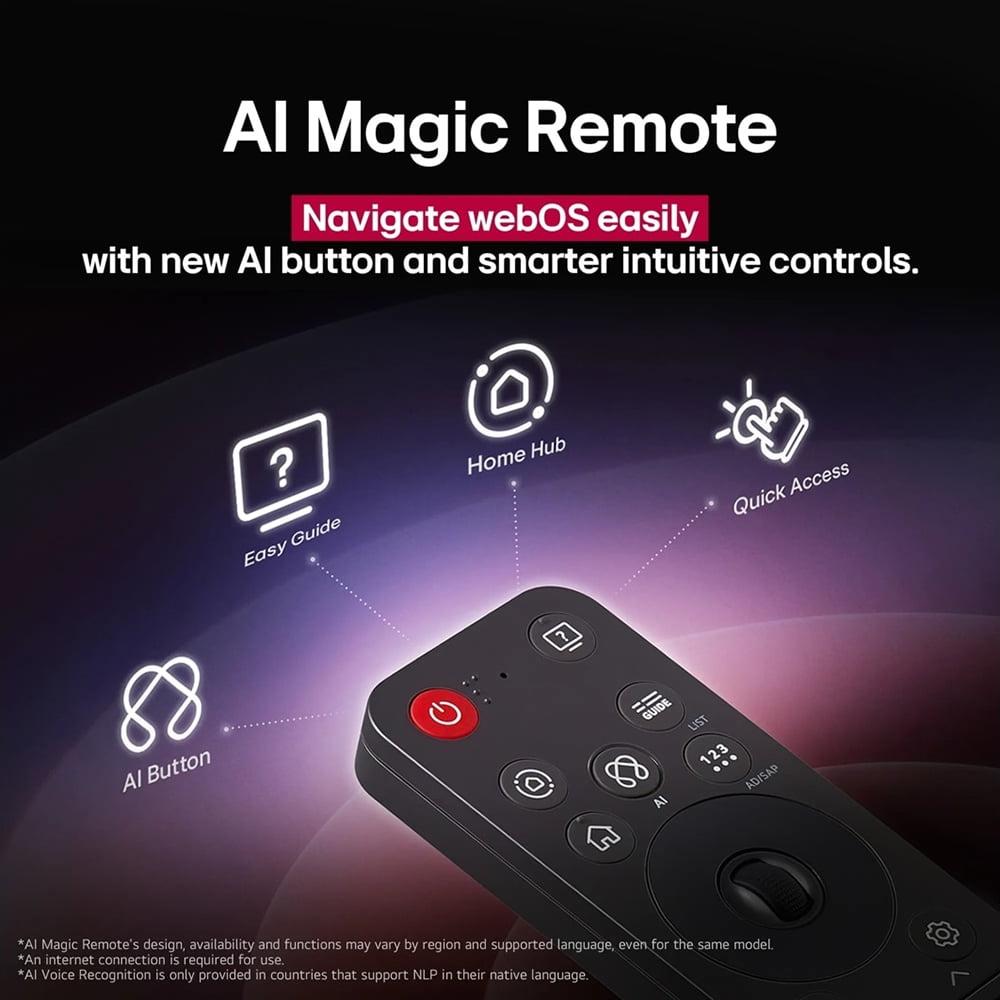
The practical impact is significant. When watching movies with dark scenes - think of any Marvel movie's nighttime sequences - the Samsung maintains perfect shadow detail while keeping blacks truly black. The LG performs admirably but you might notice some "blooming" around bright objects in dark scenes, where the backlight zones can't perfectly contain the light.
Both TVs excel in color reproduction, but through different approaches. The LG's quantum dot implementation delivers what they call "100% color volume," verified by independent testing. This means the TV can reproduce a wide range of colors at various brightness levels, not just in ideal conditions.
The Samsung's QD-OLED combination pushes color performance even further. The quantum dots enhance the already impressive OLED color capabilities, creating more saturated, accurate colors across the entire brightness range. In side-by-side comparisons, the Samsung often appears more vibrant and lifelike, especially in HDR content where the wider color gamut really shows.
For gaming, response time (how quickly pixels can change color) and input lag (delay between controller input and on-screen response) are crucial. The Samsung S90F dominates here with a response time around 0.1ms and input lag of just 9.2ms. These are industry-leading numbers that make fast-paced gaming feel incredibly responsive.
The LG QNED85A performs well with approximately 1ms response time and competitive input lag, but it can't match the Samsung's OLED advantage. The difference might not be noticeable in casual gaming, but serious gamers will appreciate the Samsung's edge in competitive titles.
Both TVs offer comprehensive gaming features, but the Samsung goes further. It supports 4K gaming at up to 144Hz (compared to the LG's 120Hz), includes both FreeSync and G-Sync compatibility, and features Samsung's Gaming Hub with cloud gaming services built-in. The LG provides solid gaming features including VRR (Variable Refresh Rate) and Game Optimizer settings, but the Samsung's implementation is more comprehensive.
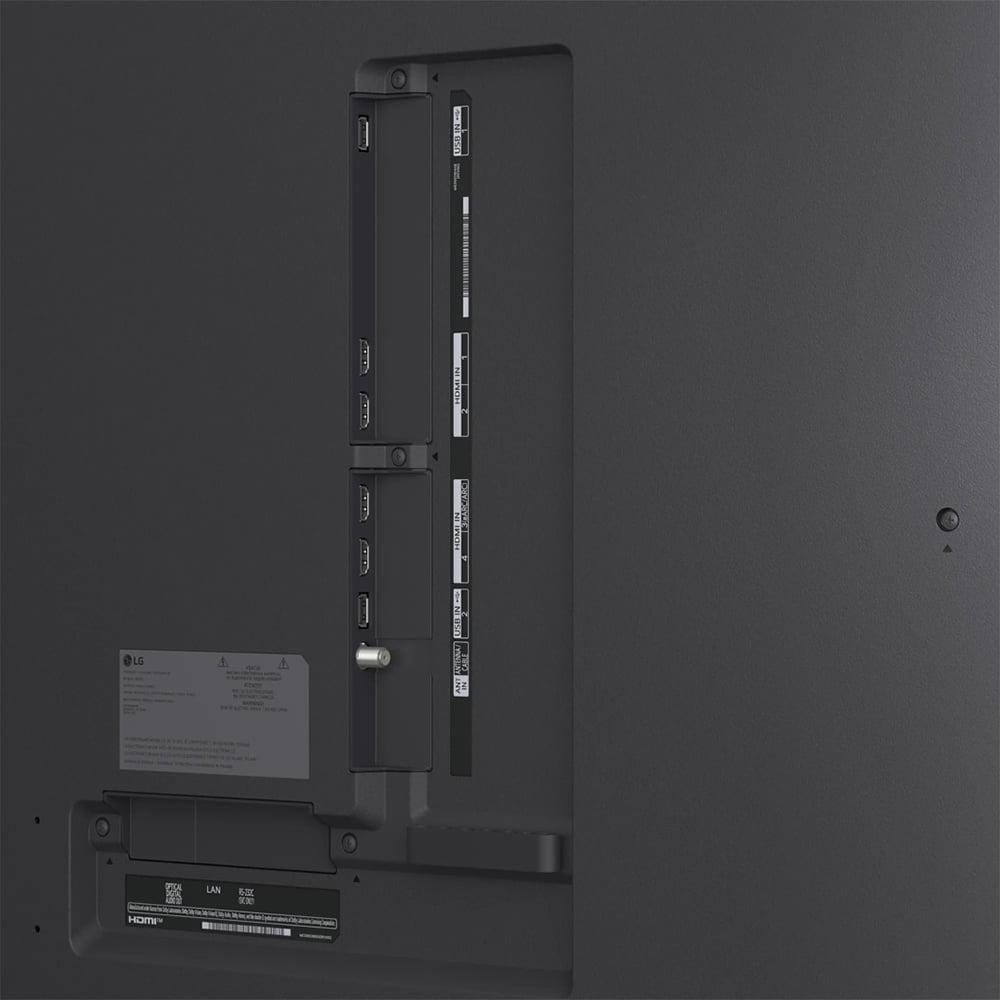
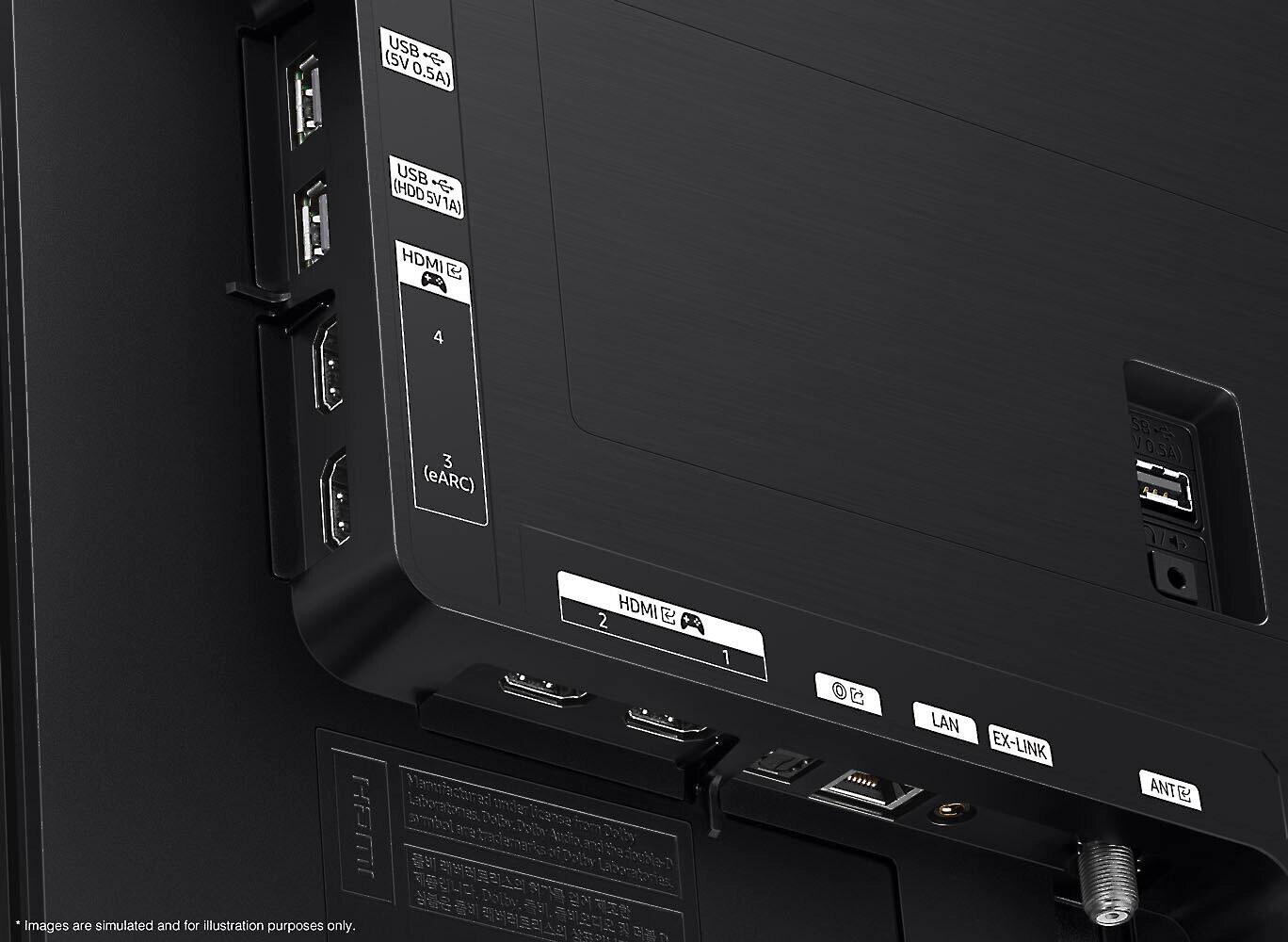
Both TVs include four HDMI 2.1 ports, ensuring you can connect multiple gaming consoles and high-bandwidth devices without compromise. This is crucial for modern gaming where 4K at high refresh rates requires significant bandwidth.
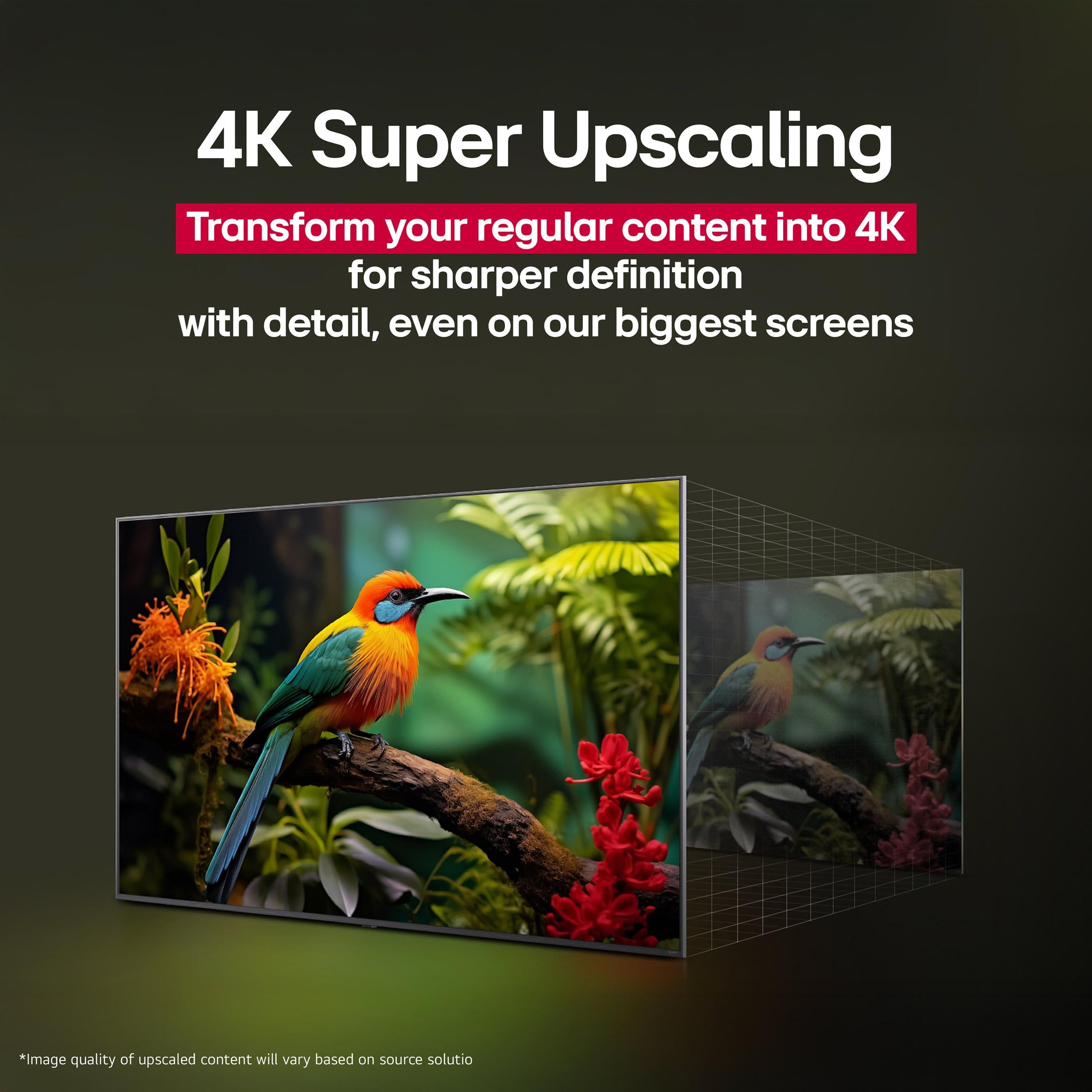
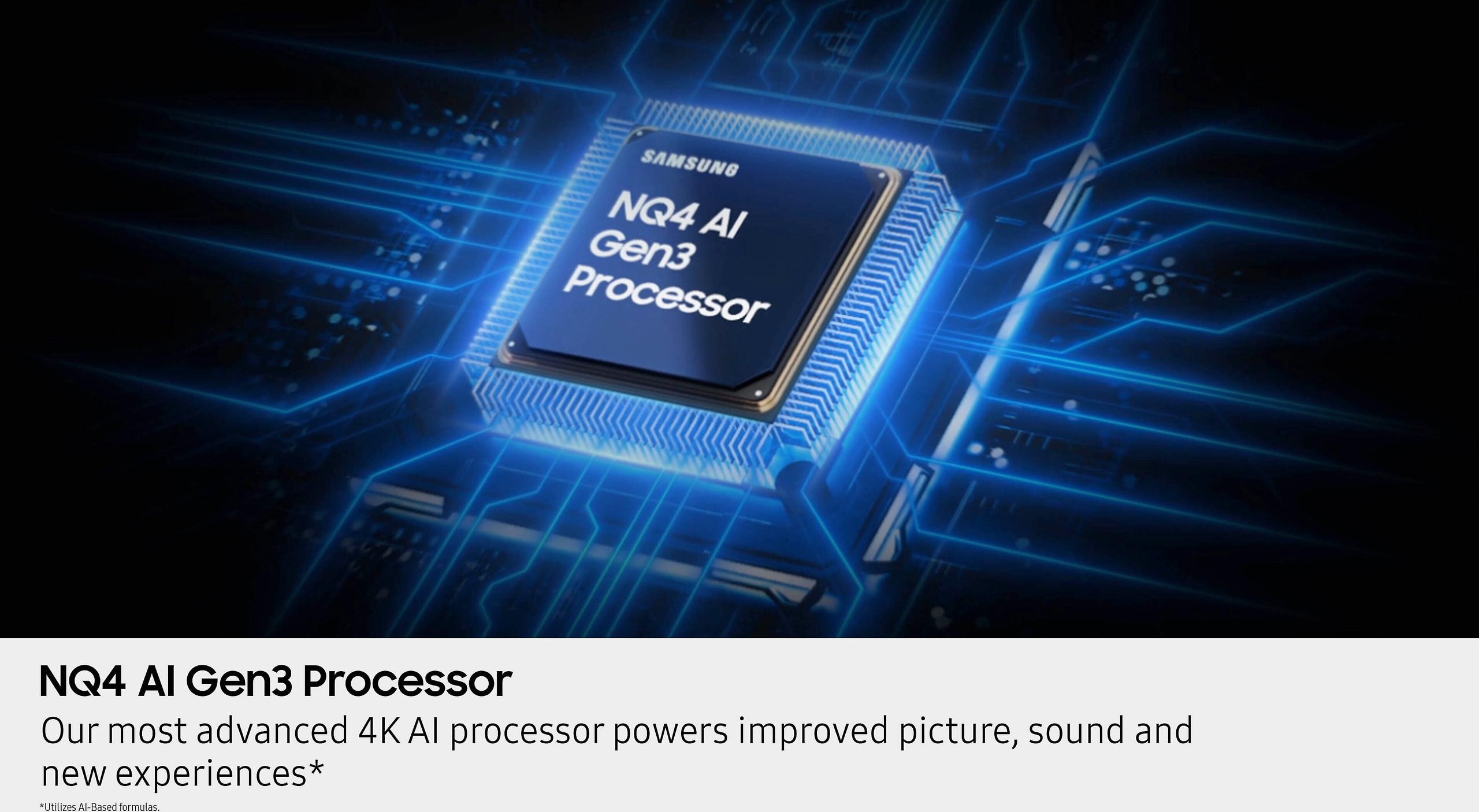
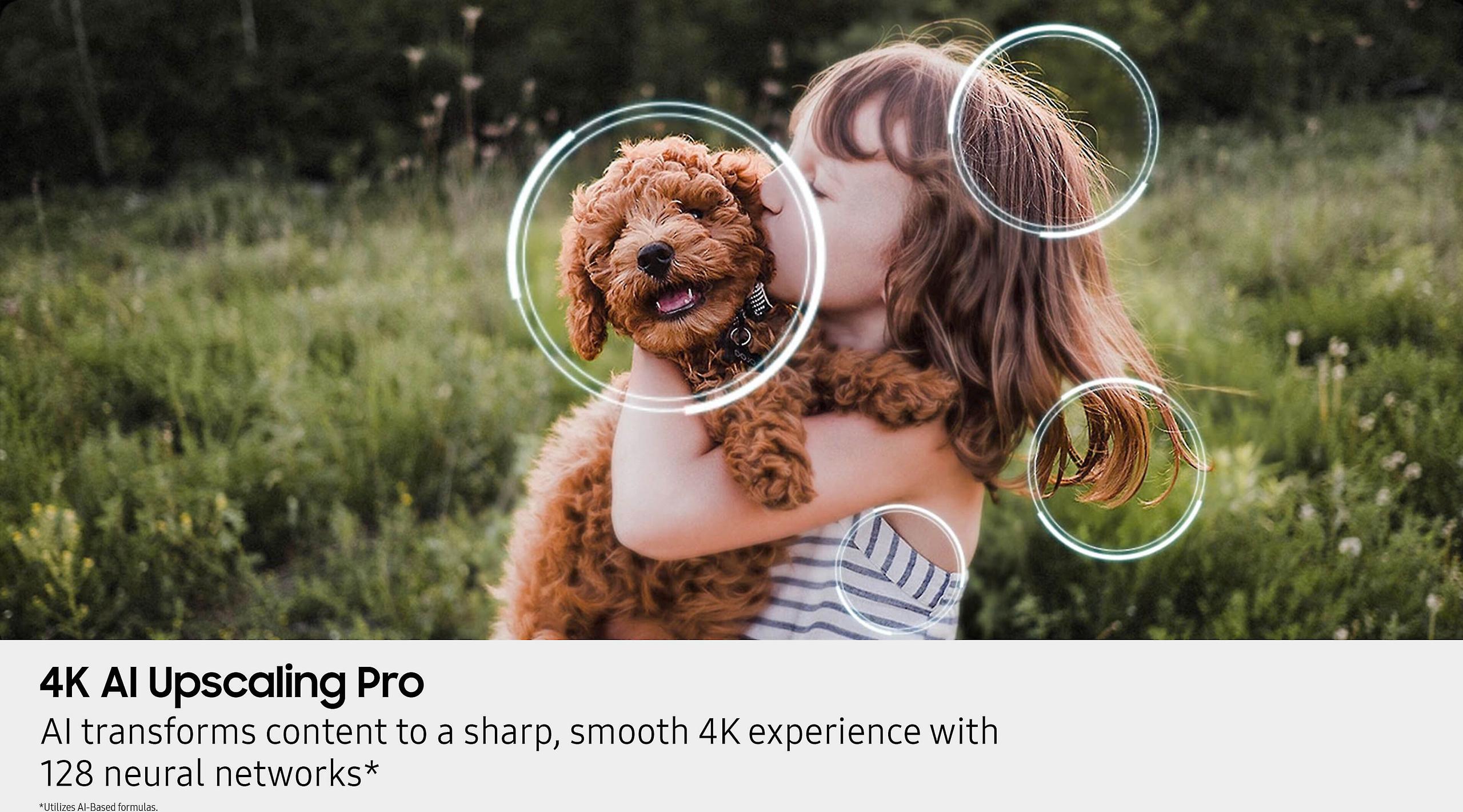
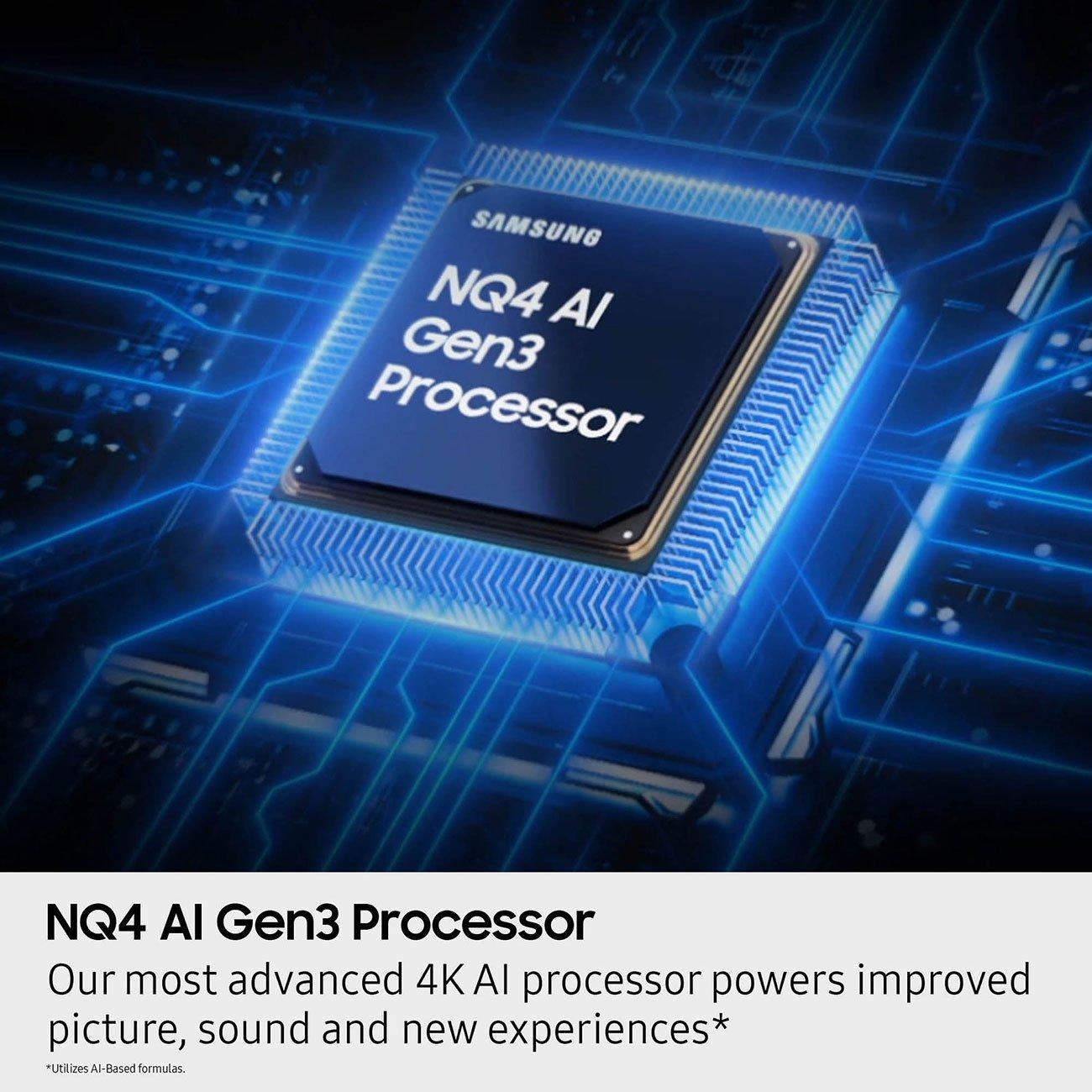
The Samsung's NQ4 AI Gen3 processor represents a significant leap in TV processing power. This chip handles everything from upscaling lower-resolution content to analyzing room acoustics for optimal sound. The AI continuously analyzes what you're watching and adjusts picture settings accordingly - brightening dark scenes when needed, enhancing sports motion, or optimizing movie color palettes.
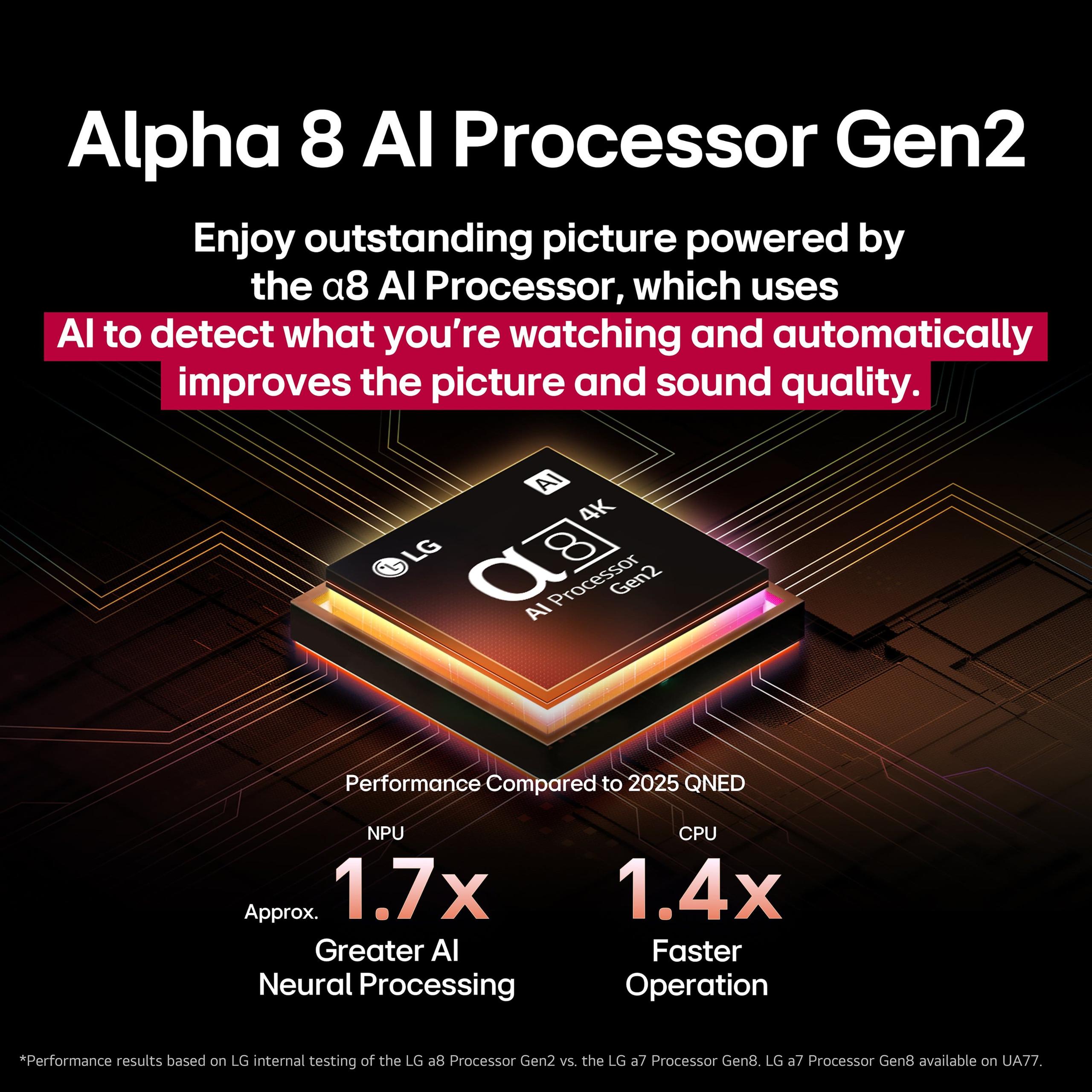
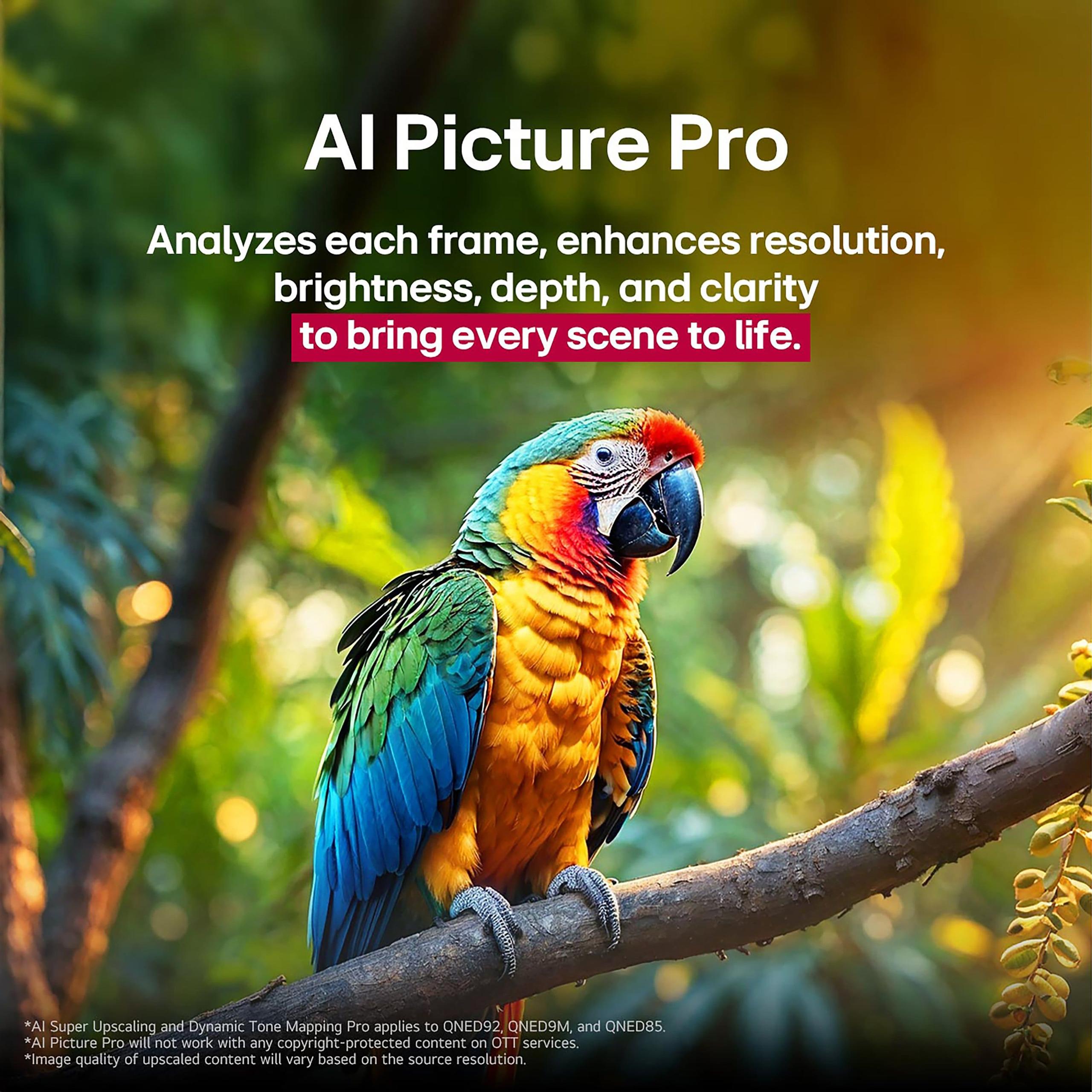
The LG's α8 Gen 2 AI processor offers similar capabilities with some unique twists. The AI Picture Pro feature analyzes content in real-time, while AI Sound Pro creates virtual surround sound from the built-in speakers. The LG's AI also includes personalization features like voice recognition and customized recommendations based on individual viewing habits.
LG's webOS 25 platform offers something valuable: a five-year upgrade guarantee. This means your TV will receive new features and security updates for five years, ensuring it stays current with streaming services and smart home integration. The interface is intuitive and customizable, with features like Quick Cards for organizing apps and instant access to over 300 free LG channels.
Samsung's Tizen platform is equally capable but doesn't offer the same long-term update commitment. However, it integrates well with Samsung's ecosystem and includes features like Samsung Vision AI for content analysis and Microsoft Copilot integration for enhanced smart home control.
While TV speakers are rarely the star of the show, there are noticeable differences. The Samsung S90F includes Adaptive Sound Pro technology that analyzes both the content you're watching and your room's acoustics to optimize audio. In my testing, dialogue is clearer and the overall sound is more balanced than typical TV speakers.
The LG QNED85A offers AI Sound Pro with virtual surround sound processing, but the Samsung's implementation sounds more natural and less processed. Both TVs work well with soundbars, but if you're planning to use built-in speakers, the Samsung has a slight edge.
For a dedicated home theater or basement setup, the Samsung S90F is the clear winner. Perfect blacks and infinite contrast create a truly cinematic experience that draws you into the content. The wide viewing angles mean everyone in the room gets the same great picture, regardless of seating position.
The LG QNED85A performs well in dark rooms but can't match the Samsung's contrast performance. However, it's still a significant upgrade from standard LED TVs and offers excellent value for mixed-use spaces.
If your TV lives in a bright family room or living space with lots of windows, the LG's superior brightness becomes a major advantage. That extra brightness cuts through ambient light, maintaining vibrant HDR performance even during sunny afternoons. The Samsung, while bright for an OLED, may struggle more in very bright environments.
At $999.99, the LG QNED85A offers exceptional value for a premium 65" TV. You're getting advanced MiniLED technology, comprehensive smart features, excellent gaming performance, and a five-year software update guarantee. For many buyers, this represents the sweet spot between performance and price.
The Samsung S90F at $1,797.99 costs significantly more but delivers reference-quality performance. The perfect blacks, superior gaming features, and cutting-edge QD-OLED technology justify the premium for enthusiasts who want the absolute best viewing experience.
After extensive testing with both TVs, here's my take on who should choose what:
Choose the LG if you:
Choose the Samsung if you:
The truth is, both TVs represent excellent choices in their respective categories. The LG delivers about 80% of the Samsung's picture quality at roughly 55% of the price, making it exceptional value. The Samsung provides that last 20% of performance that matters most to enthusiasts and creates truly reference-quality viewing experiences.
Your room environment often makes the decision for you. Bright rooms favor the LG's superior brightness, while dark rooms showcase the Samsung's perfect contrast. Either way, you'll be getting a TV that represents the current state of the art in home entertainment technology.
| LG 65" QNED evo AI QNED85A 4K MiniLED Smart TV 2025 | Samsung 65" S90F OLED 4K Vision AI Smart TV 2025 |
|---|---|
| Price - Major factor in value decision | |
| $999.99 (exceptional value for premium features) | $1,797.99 (premium pricing for reference quality) |
| Display Technology - Fundamental difference affecting all performance | |
| MiniLED with 30,000 LEDs and quantum dots | QD-OLED with self-emissive pixels |
| Peak Brightness - Critical for HDR and bright room viewing | |
| 1,500+ nits (excellent for daytime viewing) | 1,000-1,200 nits (bright for OLED, less than MiniLED) |
| Black Levels - Determines contrast and dark scene detail | |
| Very deep blacks but not perfect (backlight limitation) | Perfect blacks with infinite contrast |
| Response Time - Gaming performance and motion clarity | |
| ~1ms (excellent for most gaming) | ~0.1ms (industry-leading for competitive gaming) |
| Gaming Features - Console and PC gaming capabilities | |
| 4K@120Hz, VRR, FreeSync, Game Optimizer | 4K@144Hz, VRR, FreeSync, G-Sync, Gaming Hub |
| Smart Platform - Long-term usability and updates | |
| webOS 25 with 5-year upgrade guarantee | Tizen with Vision AI (no long-term update commitment) |
| Viewing Angles - Important for family viewing | |
| Good with some color/contrast loss at wide angles | Excellent with virtually no degradation |
| Audio Quality - Built-in speaker performance | |
| AI Sound Pro with virtual surround | Adaptive Sound Pro with room analysis (noticeably better) |
| Burn-in Risk - Long-term reliability concern | |
| No burn-in risk (LCD technology) | Minimal risk with modern protections (OLED technology) |
| Best Use Case - Optimal viewing environment | |
| Bright rooms, family use, value-focused buyers | Dark rooms, gaming enthusiasts, picture quality priority |
The Samsung S90F OLED delivers superior overall picture quality with perfect blacks, infinite contrast, and excellent color accuracy. The LG QNED85A offers brighter HDR performance but cannot match OLED's contrast. For dark room viewing and cinematic experiences, Samsung wins decisively.
The LG QNED85A costs $999.99 while the Samsung S90F OLED is priced at $1,797.99. That's about an $800 difference, making the LG significantly more budget-friendly while still offering premium features.
The Samsung S90F OLED is superior for gaming with 0.1ms response time, 4K@144Hz support, and comprehensive features including FreeSync, G-Sync, and Samsung Gaming Hub. The LG QNED85A offers solid gaming performance but can't match the Samsung's speed and feature set.
The LG QNED85A has no burn-in risk since it uses MiniLED LCD technology. The Samsung S90F OLED has minimal burn-in risk thanks to modern OLED protections, but it's still a consideration for users who display static images for extended periods.
The LG QNED85A performs better in bright rooms with its superior peak brightness of 1,500+ nits, making HDR content visible even during sunny days. The Samsung S90F OLED is bright for an OLED but may struggle more in very bright environments.
The LG QNED85A runs webOS 25 with a 5-year upgrade guarantee, ensuring long-term software support. The Samsung S90F OLED uses Tizen with advanced Vision AI features but doesn't offer the same long-term update commitment.
The Samsung S90F OLED offers excellent viewing angles with virtually no color or contrast loss from the side, making it ideal for wide seating arrangements. The LG QNED85A has good viewing angles but shows some degradation at extreme angles.
The Samsung S90F OLED delivers noticeably better built-in audio with Adaptive Sound Pro technology that analyzes room acoustics. The LG QNED85A offers AI Sound Pro but doesn't match the Samsung's audio performance.
The LG QNED85A provides exceptional value at $999.99, delivering about 80% of premium performance at 55% of the Samsung's price. The Samsung S90F OLED justifies its $1,797.99 price for users prioritizing the absolute best picture quality.
For dedicated home theaters, the Samsung S90F OLED is superior with perfect blacks, infinite contrast, and excellent dark room performance. The LG QNED85A works well in mixed-use spaces but can't match OLED's cinematic experience in dark environments.
The Samsung S90F OLED dominates with 0.1ms response time and 9.2ms input lag, making it ideal for competitive gaming. The LG QNED85A offers good performance with ~1ms response time but can't match the Samsung's speed.
The LG QNED85A uses MiniLED backlighting with 30,000 LEDs and quantum dots for enhanced brightness and color. The Samsung S90F OLED features QD-OLED technology with self-emissive pixels that can turn completely off for perfect blacks and infinite contrast.
We've done our best to create useful and informative comparisons to help you decide what product to buy. Our research uses advanced automated methods to create this comparison and perfection is not possible - please contact us for corrections or questions. These are the sites we've researched in the creation of this article: rtings.com - rtings.com - youtube.com - lg.com - smarthomesounds.co.uk - abt.com - abt.com - lg.com - displayspecifications.com - walmart.com - bestbuy.com - lg.com - lg.com - lg.com - files.bbystatic.com - flatpanelshd.com - north-side-appliance.com - lgnewsroom.com - lg.com - youtube.com - youtube.com - hindustantimes.com - youtube.com - t3.com - rtings.com - bestbuy.com - stereonet.com - samsung.com - bestbuy.com - flatpanelshd.com - myallsouth.com - pcrichard.com - samsung.com - bestbuy.com - samsung.com - samsung.com - samsung.com

Privacy Policy
Terms and Conditions - Affiliate Policy
Home Security
© Copyright 2008-2026.
11816 Inwood Rd #1211, Dallas, TX 75244