


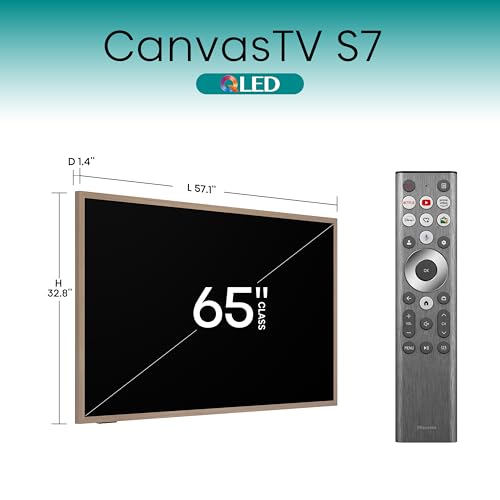



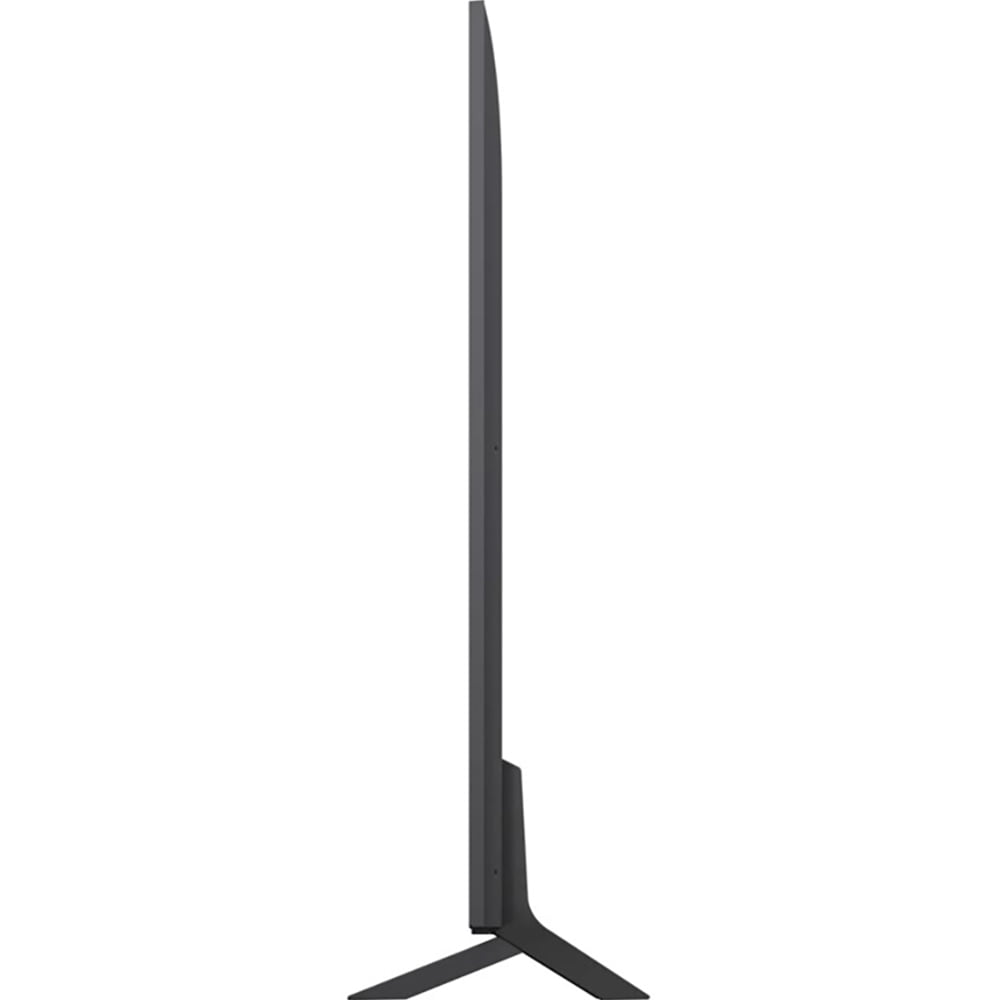
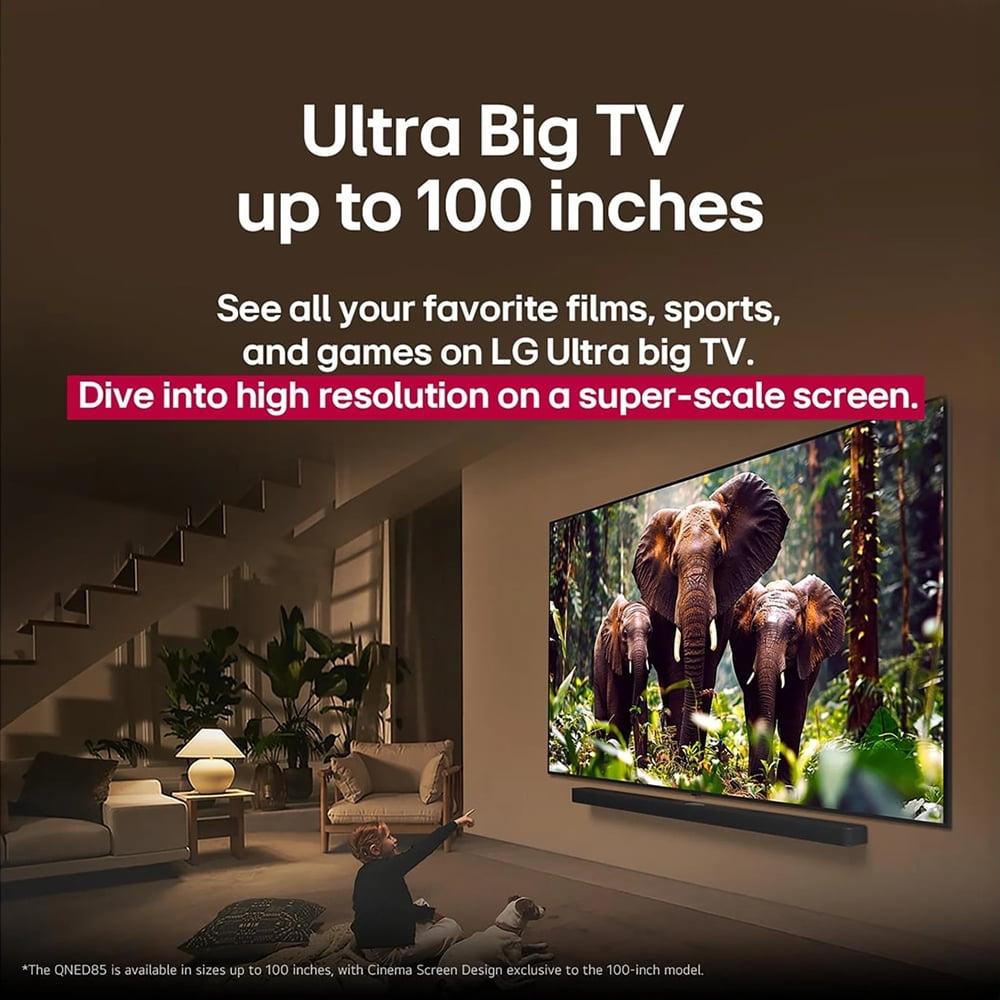
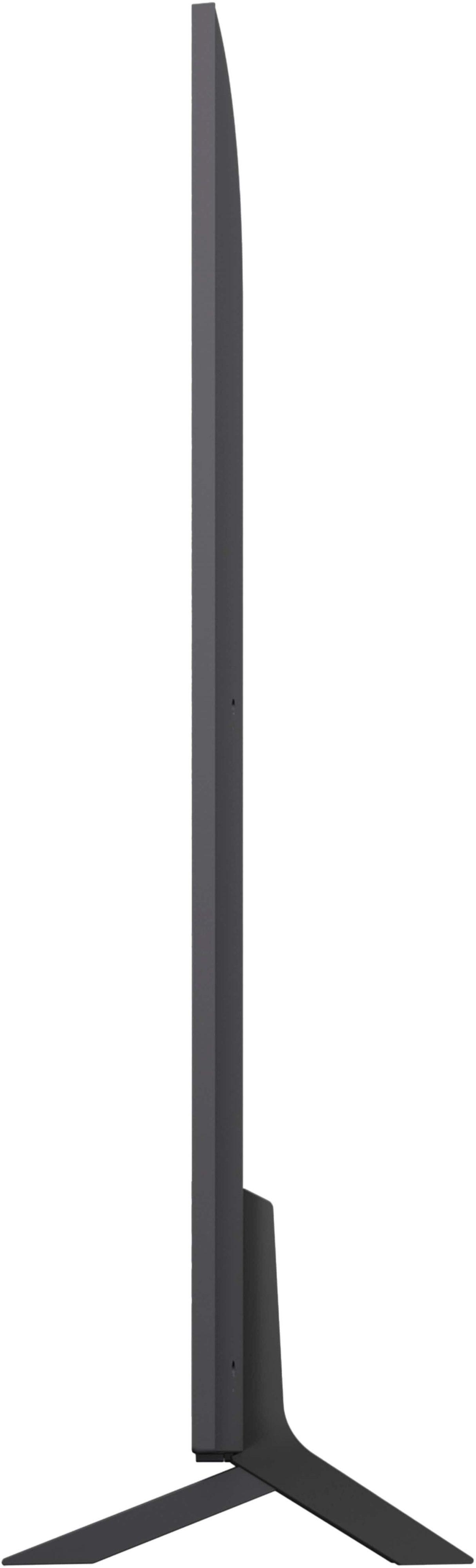
When shopping for a premium 65-inch 4K TV, you're not just buying a screen—you're choosing how technology fits into your living space. The market has evolved dramatically since 2020, with manufacturers taking increasingly specialized approaches to attract different types of users. Two standout examples from recent releases show just how different these philosophies can be: the Hisense S7N CanvasTV, which launched in 2024, and the LG QNED85A, which arrived in early 2025.
These TVs represent fundamentally different visions of what a premium display should do. The Hisense CanvasTV asks: "What if your TV could be beautiful wall art when you're not watching it?" Meanwhile, the LG QNED85A focuses on the question: "How can we make the actual TV-watching experience as good as possible?" Both approaches have merit, but understanding their differences is crucial for making the right choice for your home.
The 65-inch premium TV segment has become increasingly sophisticated, with manufacturers competing on far more than just picture quality. At the time of writing, both TVs fall into the premium mid-range category, typically priced within $100-200 of each other, making the decision more about features and philosophy than budget constraints.
Since 2022, we've seen major advances in several key areas: AI processing has become genuinely useful rather than just marketing speak, gaming features have reached console-quality performance, and smart TV platforms have evolved into comprehensive entertainment ecosystems. Most importantly, display technologies like MiniLED and improved QLED implementations have brought near-OLED performance to more affordable price points.
When evaluating these TVs, the most critical performance metrics to consider are: peak brightness (how vivid HDR content looks), contrast ratio (the difference between darkest and brightest parts of an image), color accuracy and volume (how realistic and vibrant colors appear), viewing angles (how the picture holds up when sitting off-center), and motion handling (how smooth fast action appears). Gaming performance has also become crucial, measured by input lag (the delay between controller input and screen response) and refresh rate capabilities.
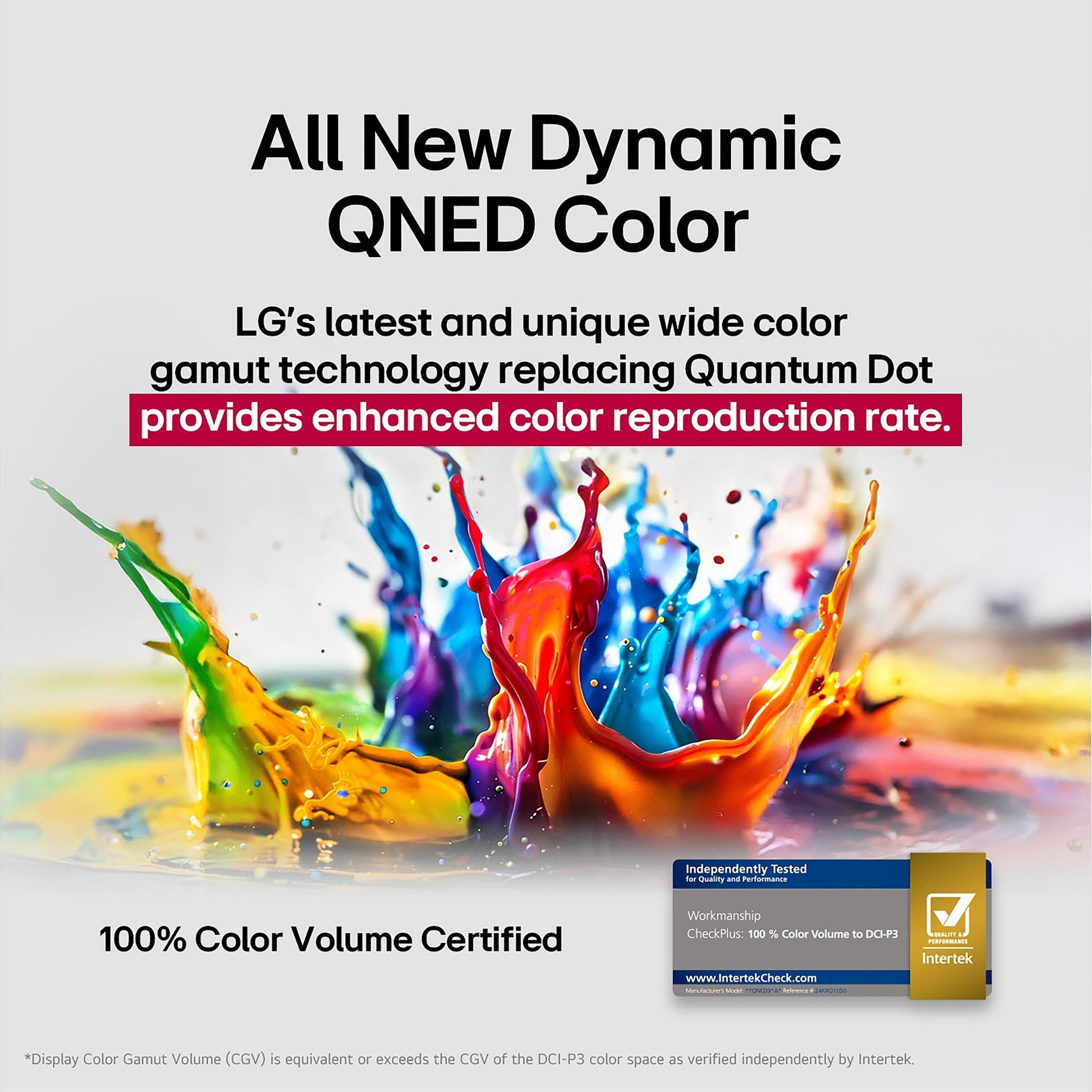
The core difference between these TVs lies in their display approaches. The Hisense S7N uses QLED (Quantum Dot Light Emitting Diode) technology, while the LG QNED85A employs MiniLED backlighting with LG's proprietary QNED processing. Both are significant improvements over standard LED TVs, but they achieve better performance through different methods.
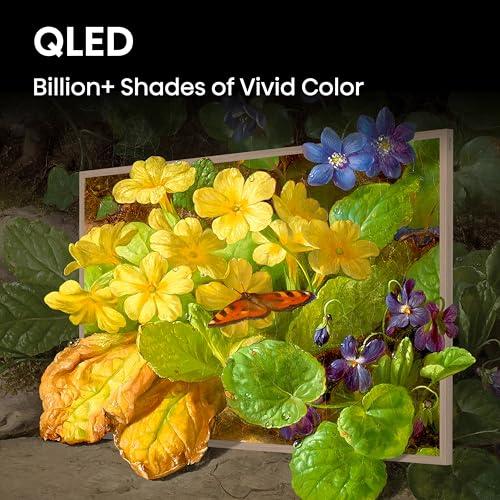
QLED technology, used in the Hisense CanvasTV, places a layer of quantum dots between the LED backlight and LCD panel. These microscopic particles emit pure colors when hit by light, creating what Hisense claims is over one billion color combinations. The result is exceptionally vibrant colors, particularly in bright scenes, with excellent color accuracy across different brightness levels. The CanvasTV's implementation is particularly noteworthy for its wide color gamut, meaning it can display a broader range of colors than standard TVs.
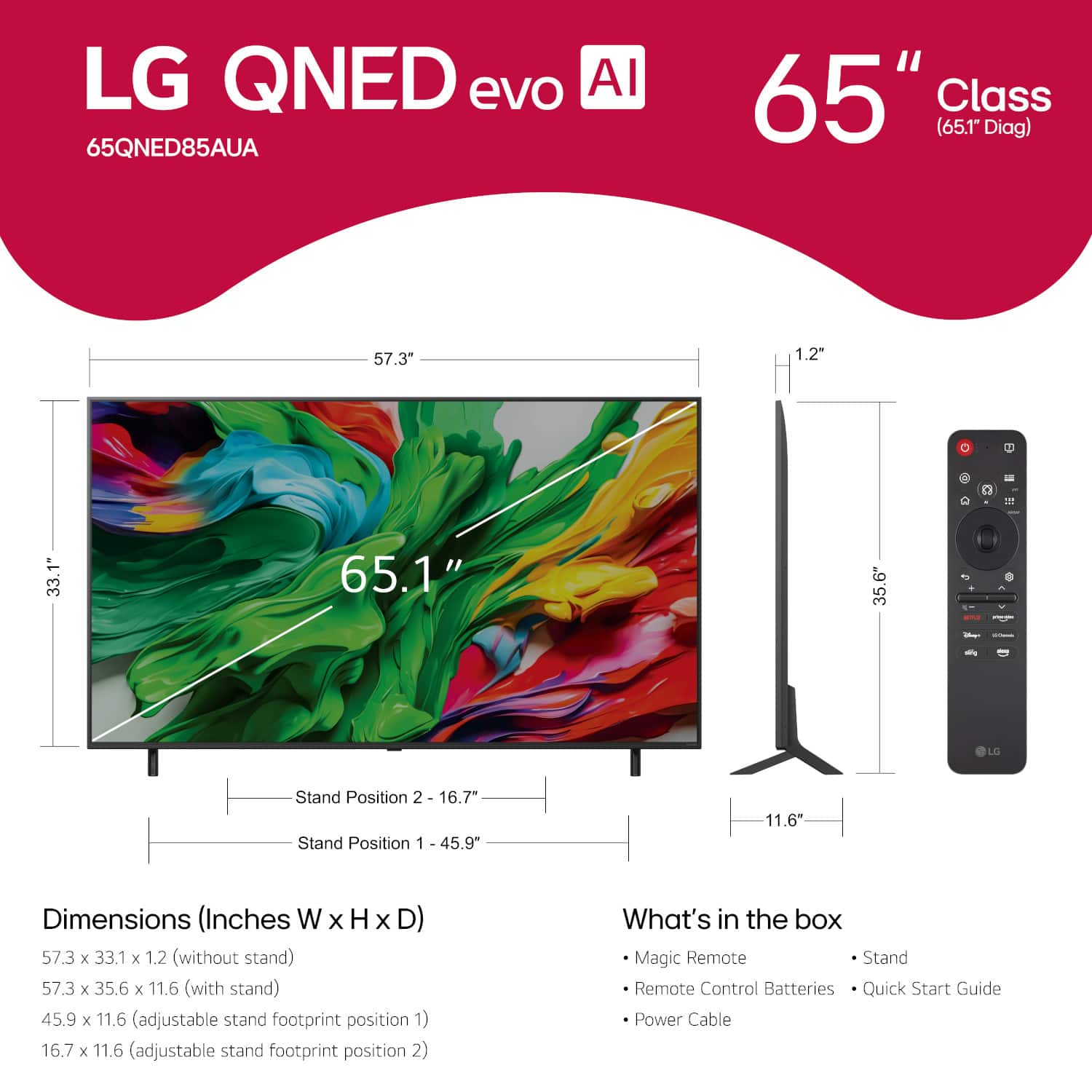
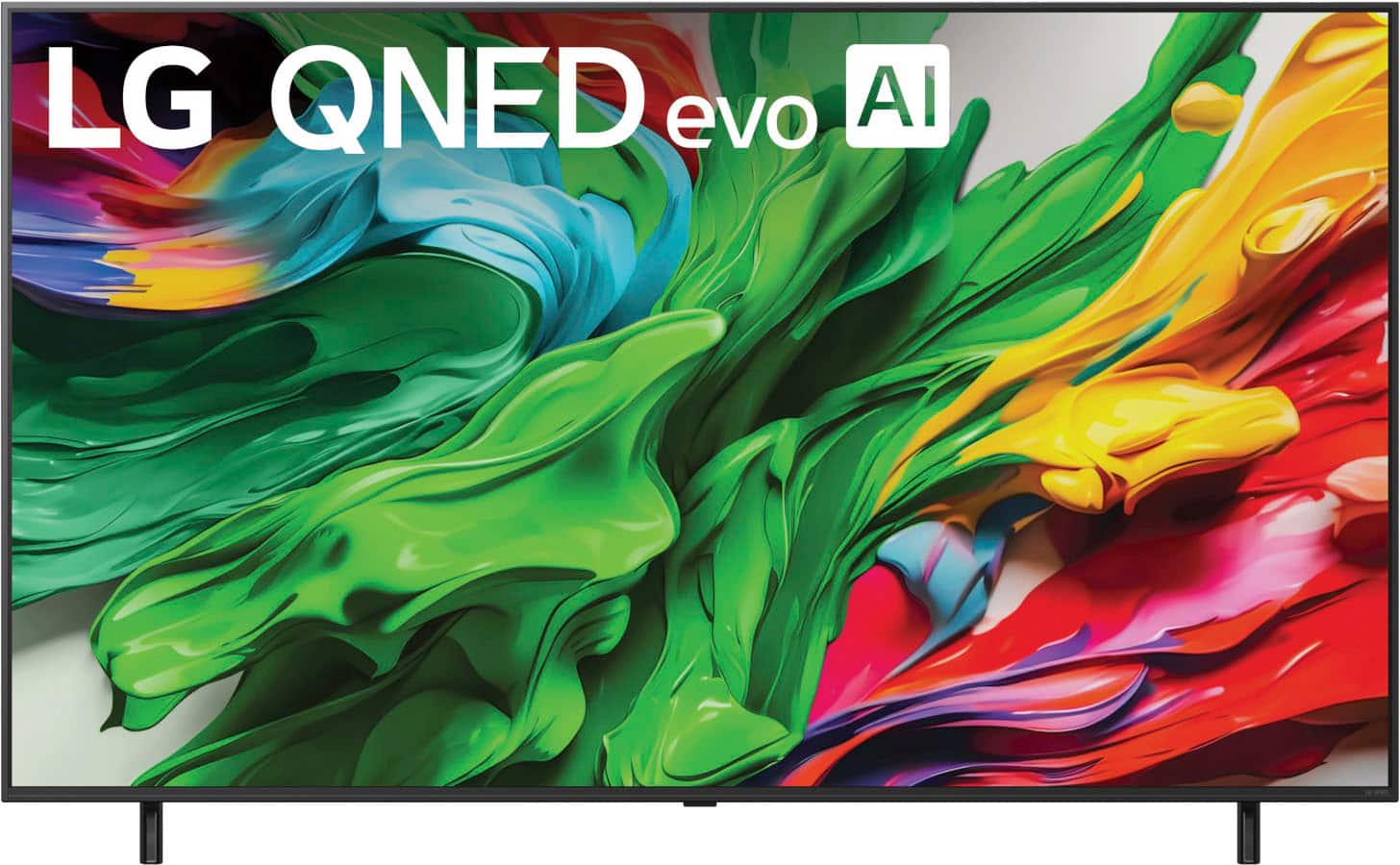
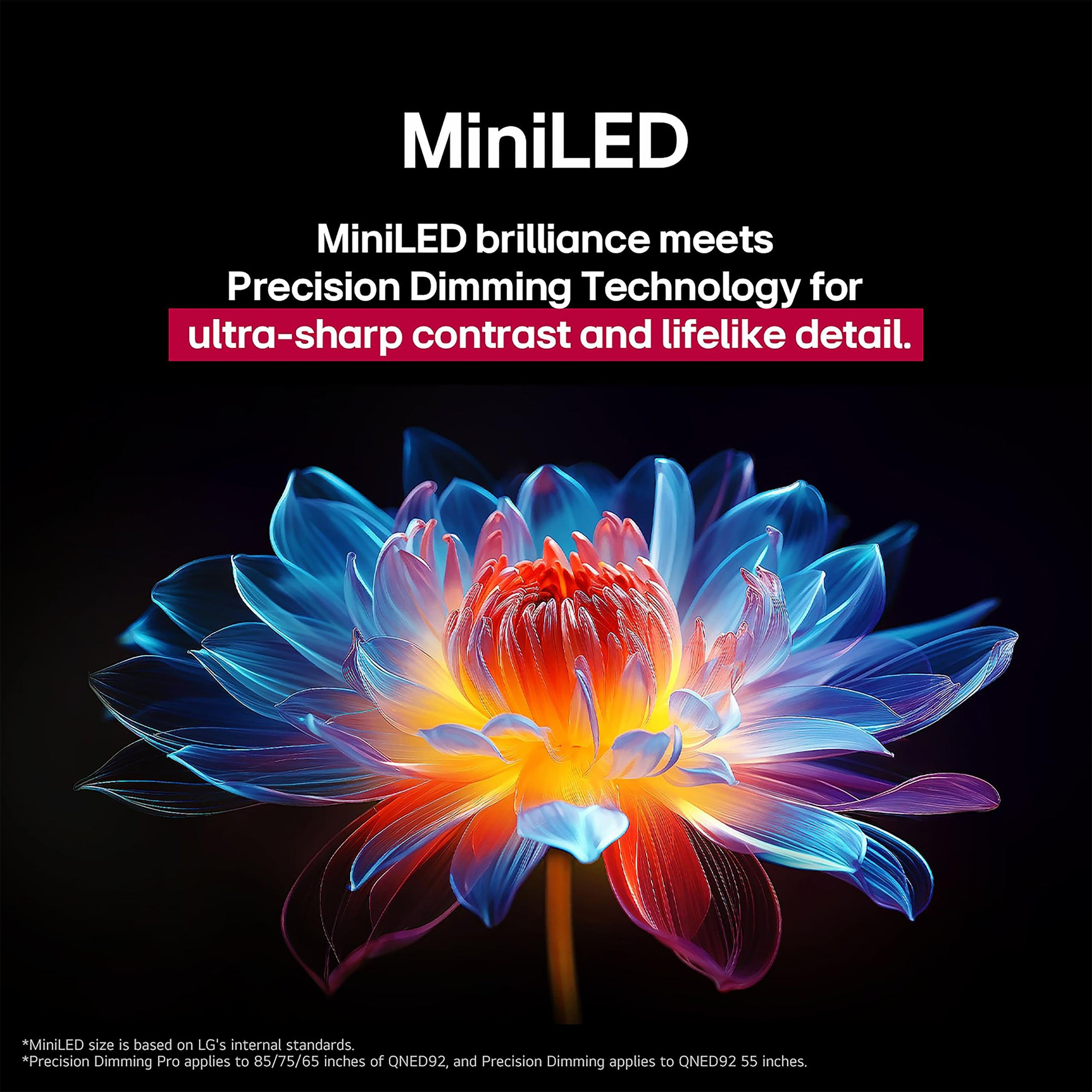
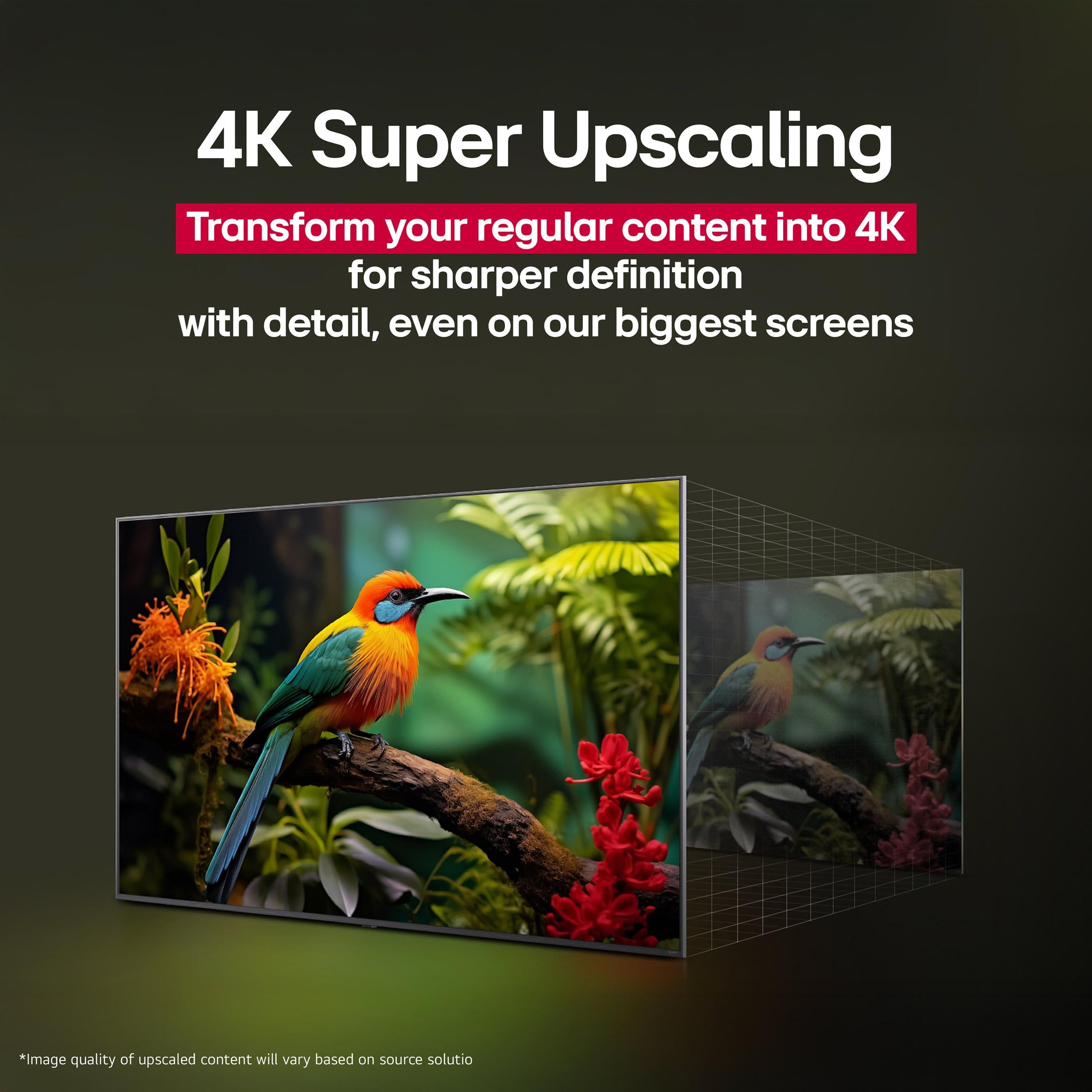
The LG QNED85A takes a different approach with MiniLED technology. Instead of using large LED backlights, it employs thousands of tiny LEDs behind the screen, controlled by what LG calls "Precision Dimming Pro." This allows for much more precise lighting control—when a scene has bright stars against a dark sky, the TV can light up just the star areas while keeping the surrounding areas truly dark. This creates significantly better contrast than traditional LED TVs, approaching OLED-level performance in many scenarios.
From our research into expert and user reviews, the LG QNED85A consistently demonstrates superior contrast performance and HDR impact, particularly in dark room viewing. However, the Hisense CanvasTV excels in bright rooms due to its exceptional anti-glare technology.
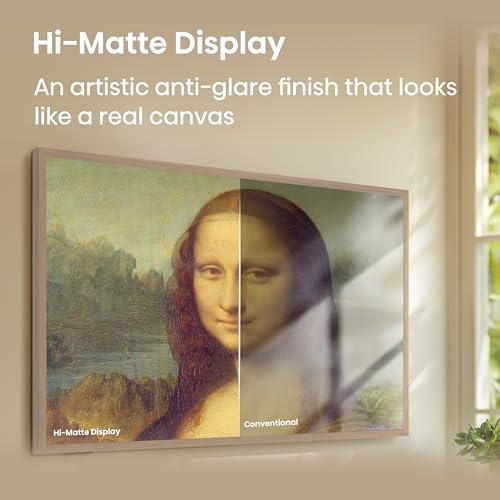
One of the Hisense CanvasTV's most impressive features is its Hi-Matte anti-glare coating, which reduces reflections to just 5% according to the manufacturer. This isn't just a marketing claim—it represents a fundamental shift in how the TV performs in real-world lighting conditions.
Traditional TV screens act like mirrors in bright rooms, reflecting windows, lights, and even viewers back at themselves. This reflection interferes with picture quality and can make darker scenes nearly unwatchable during daytime viewing. The CanvasTV's matte finish eliminates most of these reflections while maintaining color vibrancy—a technical achievement that's particularly difficult to implement without dulling the overall picture.
This anti-glare technology becomes especially important when considering the TV's art display functionality. Unlike competing art TVs that can look washed out in bright light, the Hisense CanvasTV maintains artwork visibility and color accuracy regardless of ambient lighting. For many living rooms with large windows or multiple light sources, this could be the deciding factor.
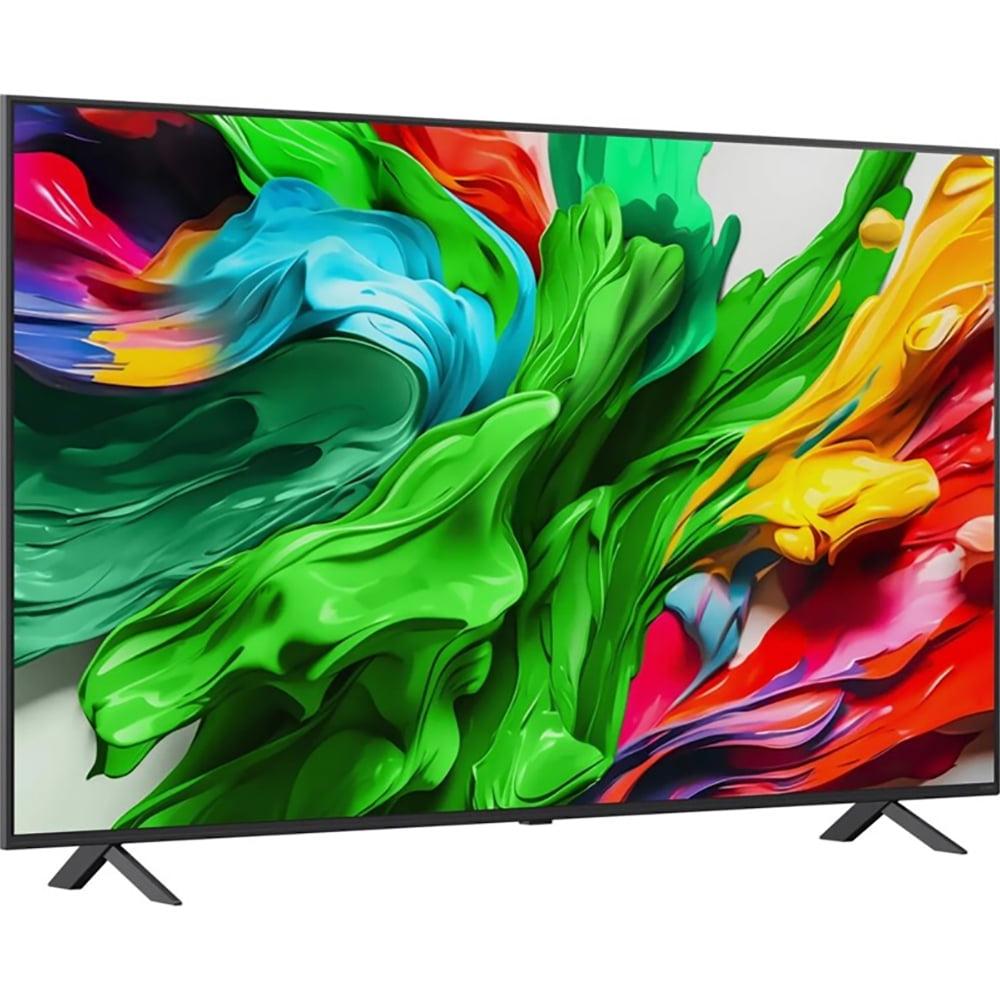
The LG QNED85A uses a more traditional approach to reflection handling, relying primarily on high peak brightness to overpower ambient light. While effective, this approach consumes more power and can be less comfortable for extended viewing in very bright rooms.
Both TVs deliver excellent gaming performance, but with different strengths. Gaming performance is measured primarily by input lag (how quickly the TV responds to controller inputs), refresh rate (how many frames per second the display can show), and support for variable refresh rate technologies that prevent screen tearing.
The Hisense CanvasTV offers a native 144Hz refresh rate, which is higher than most TVs in this category. This means it can display 144 unique frames every second, creating incredibly smooth motion during fast-paced gaming. It supports both 4K gaming at 144Hz and 1080p gaming at an impressive 240Hz. Input lag measures just 5.4 milliseconds, which is excellent—for reference, anything under 20ms is considered good for gaming.
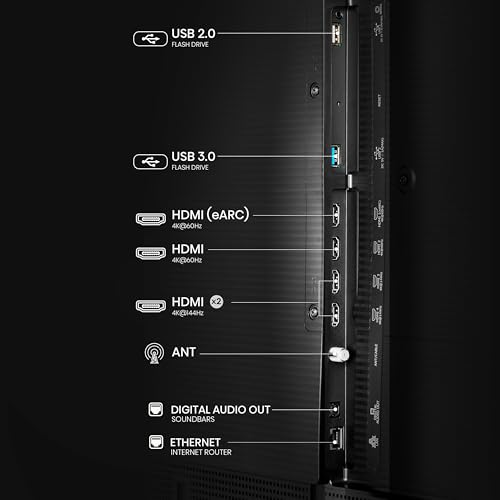
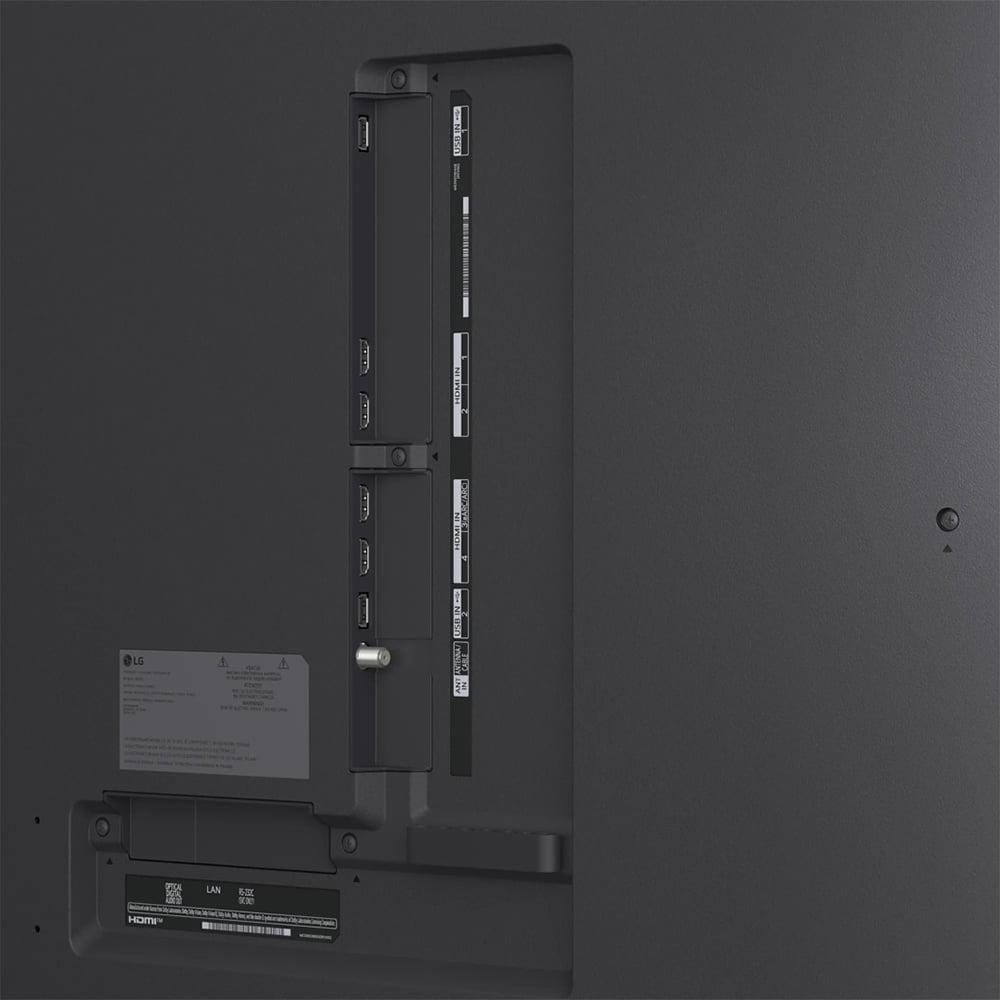
The LG QNED85A provides a native 120Hz refresh rate but can support variable refresh rates up to 144Hz when connected to compatible graphics cards. Where it excels is connectivity, offering four HDMI 2.1 ports compared to the Hisense's two. This means you can connect multiple gaming consoles, a high-end PC, and other devices without needing to swap cables.
For serious gamers, particularly those with multiple consoles or a gaming PC, the LG QNED85A's additional HDMI 2.1 ports provide more flexibility. However, competitive gamers who prioritize the absolute smoothest motion might prefer the Hisense CanvasTV's higher native refresh rate.
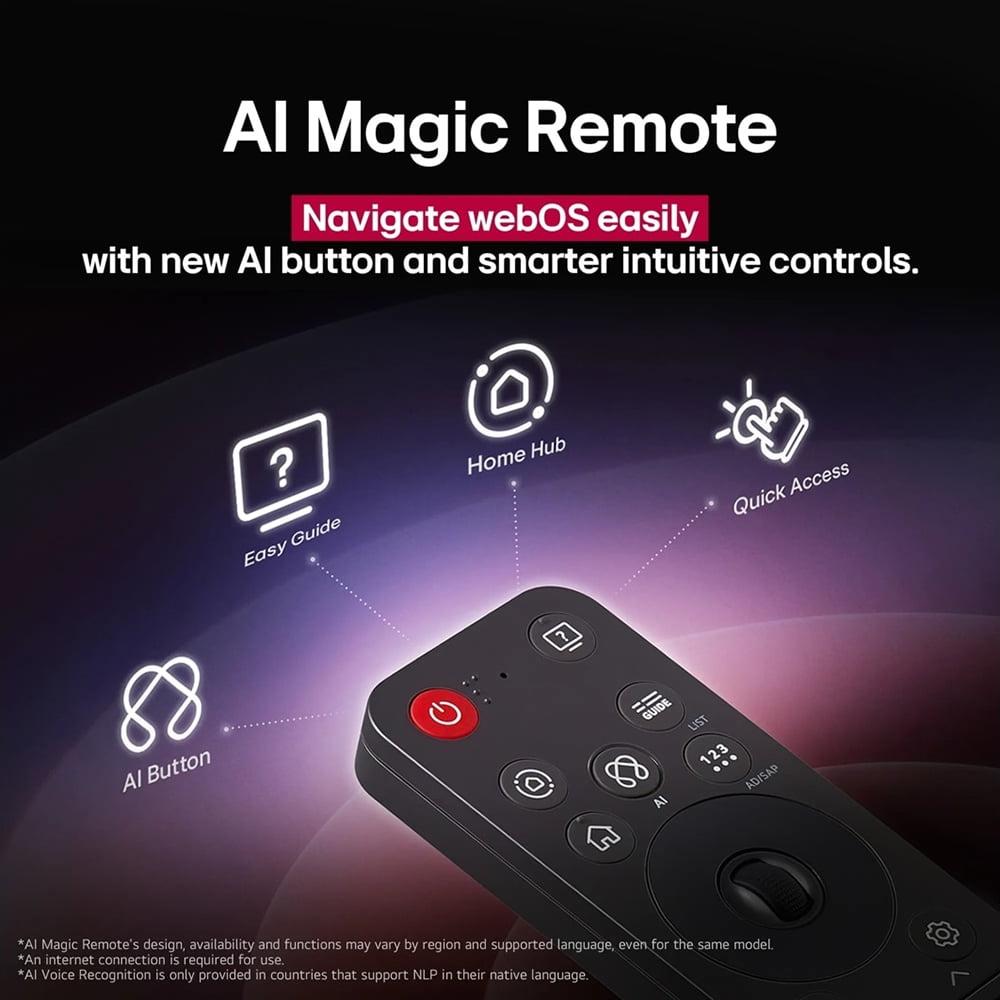
The smart TV experience has evolved significantly since 2023, with AI becoming genuinely useful rather than just a buzzword. The difference between these TVs' smart capabilities is substantial and represents a major consideration for long-term satisfaction.
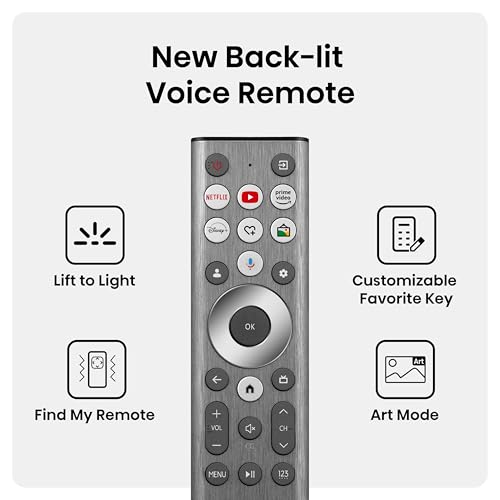
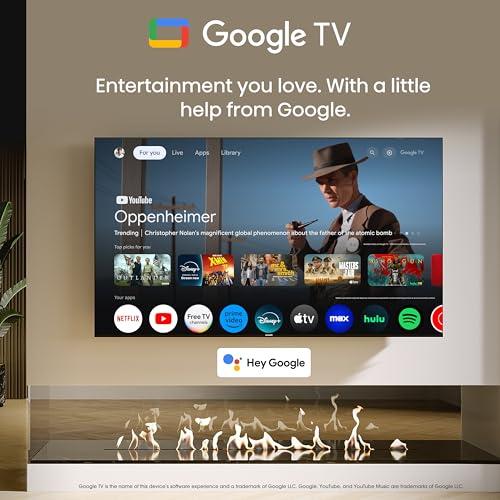
The Hisense CanvasTV runs Google TV, which provides access to major streaming services and basic voice control through Google Assistant and Alexa. It's straightforward and functional, but lacks the advanced personalization features found on more sophisticated platforms.
The LG QNED85A runs webOS 25, LG's latest smart TV platform, which represents a significant leap forward in AI integration. The system learns your viewing habits and preferences, providing increasingly personalized recommendations. The AI Voice ID feature can recognize different family members' voices and switch to their preferred settings and content suggestions automatically.
Perhaps more importantly, LG guarantees five years of software updates for the QNED85A, ensuring it will receive new features and security patches through 2030. This long-term support is crucial for smart TVs, as streaming services and smart home standards evolve rapidly. The Hisense CanvasTV doesn't offer comparable update guarantees, which could impact its usability over time.
The LG's integration with Microsoft Copilot and comprehensive smart home support (including Matter, Apple HomeKit, and various voice assistants) makes it significantly more future-proof for smart home integration.
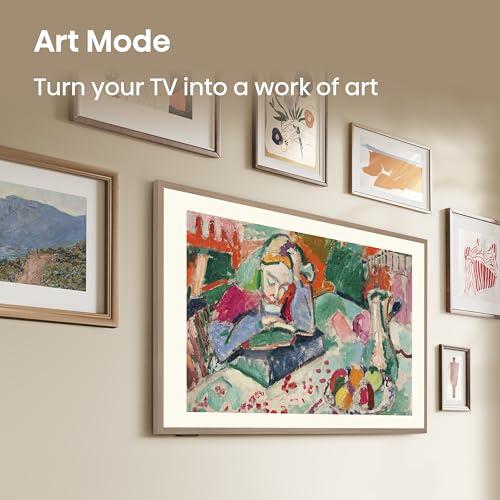
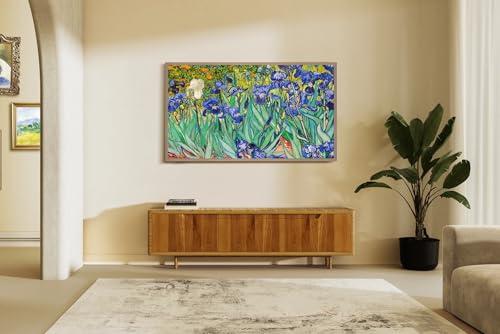
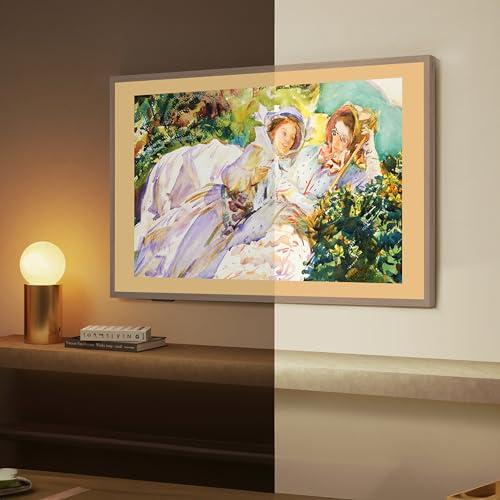
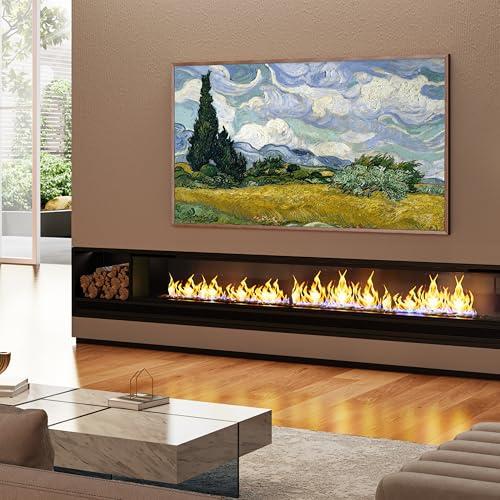
The Hisense CanvasTV's most distinctive feature is its art display functionality, which transforms the TV into a digital art gallery when not actively being used for entertainment. This isn't just a screensaver—it's a carefully engineered system designed to replicate the experience of having artwork on your wall.
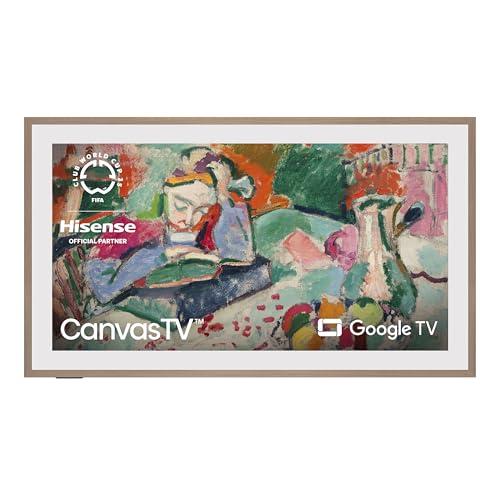
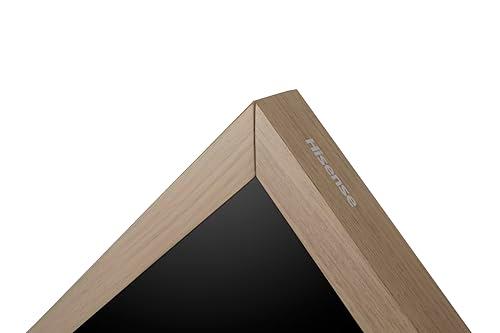
The TV includes a magnetic frame system with multiple color options (teak, white, and walnut), allowing you to match your décor. More importantly, it comes with a curated art library and supports uploading personal photos, all without requiring a subscription—a significant advantage over Samsung's Frame TV, which charges ongoing fees for premium artwork.
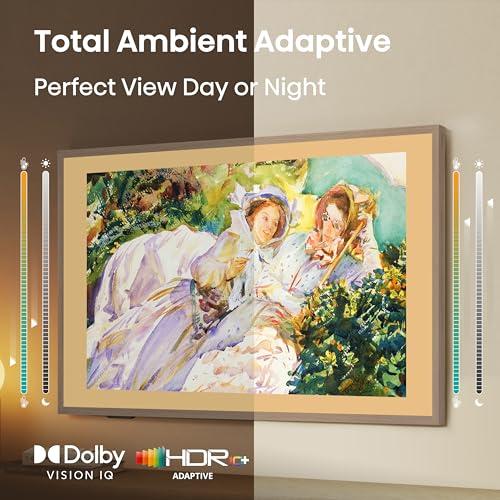
The motion sensor technology automatically activates art mode when someone enters the room, while the ambient light sensor adjusts brightness to minimize energy consumption while maintaining visibility. These might seem like small details, but they're crucial for making the art display feature feel natural rather than gimmicky.
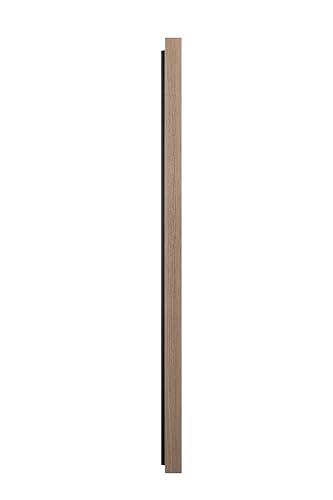
For homes where the TV is mounted in a prominent living space, this functionality can genuinely replace traditional wall art. The ultra-slim wall mount positions the TV just 3mm from the wall, creating an authentic picture frame appearance that many visitors won't immediately recognize as a TV.
For dedicated home theater setups, the performance priorities shift significantly. In controlled lighting environments, pure picture quality becomes more important than anti-glare properties, and features like accurate color reproduction and deep blacks take precedence over aesthetic integration.
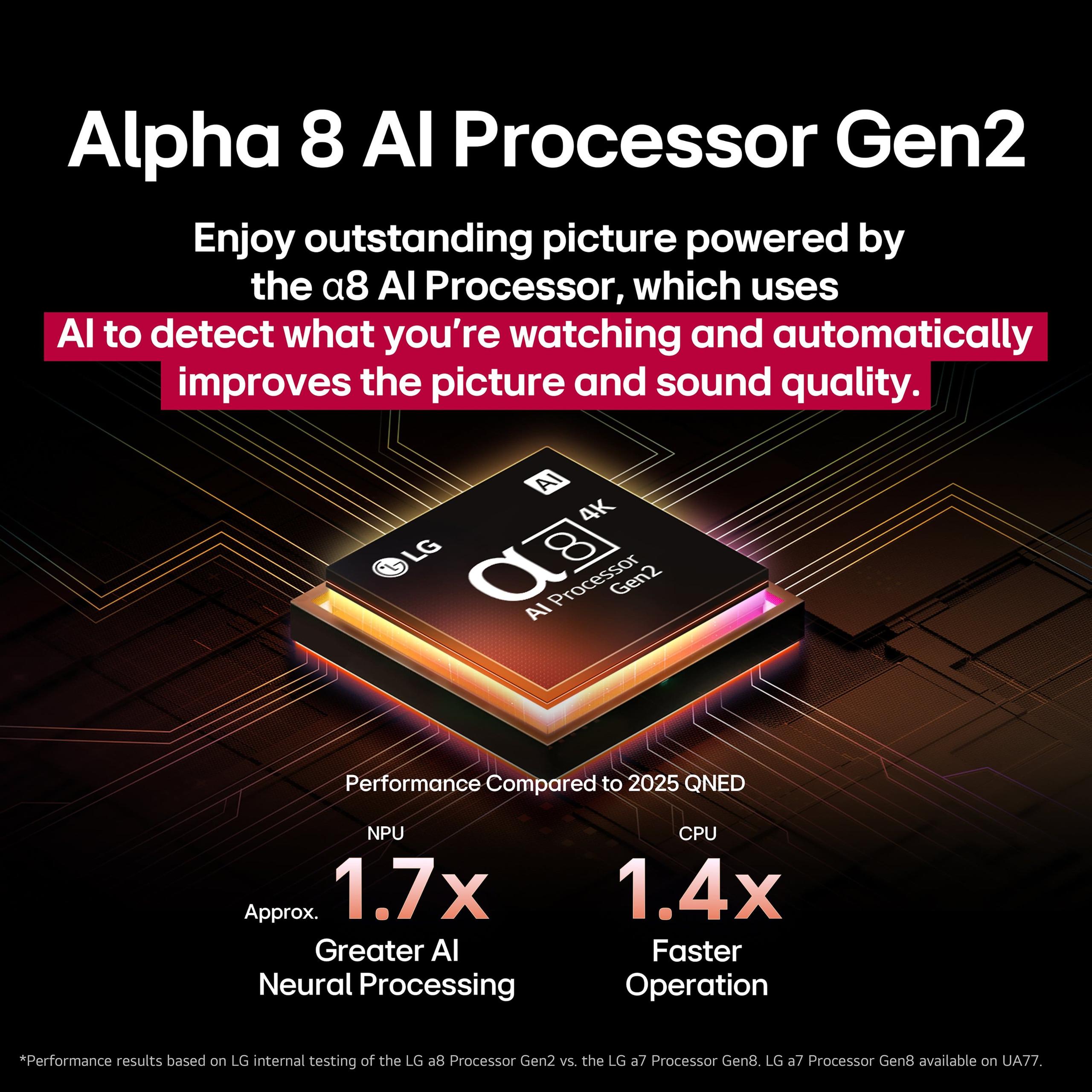
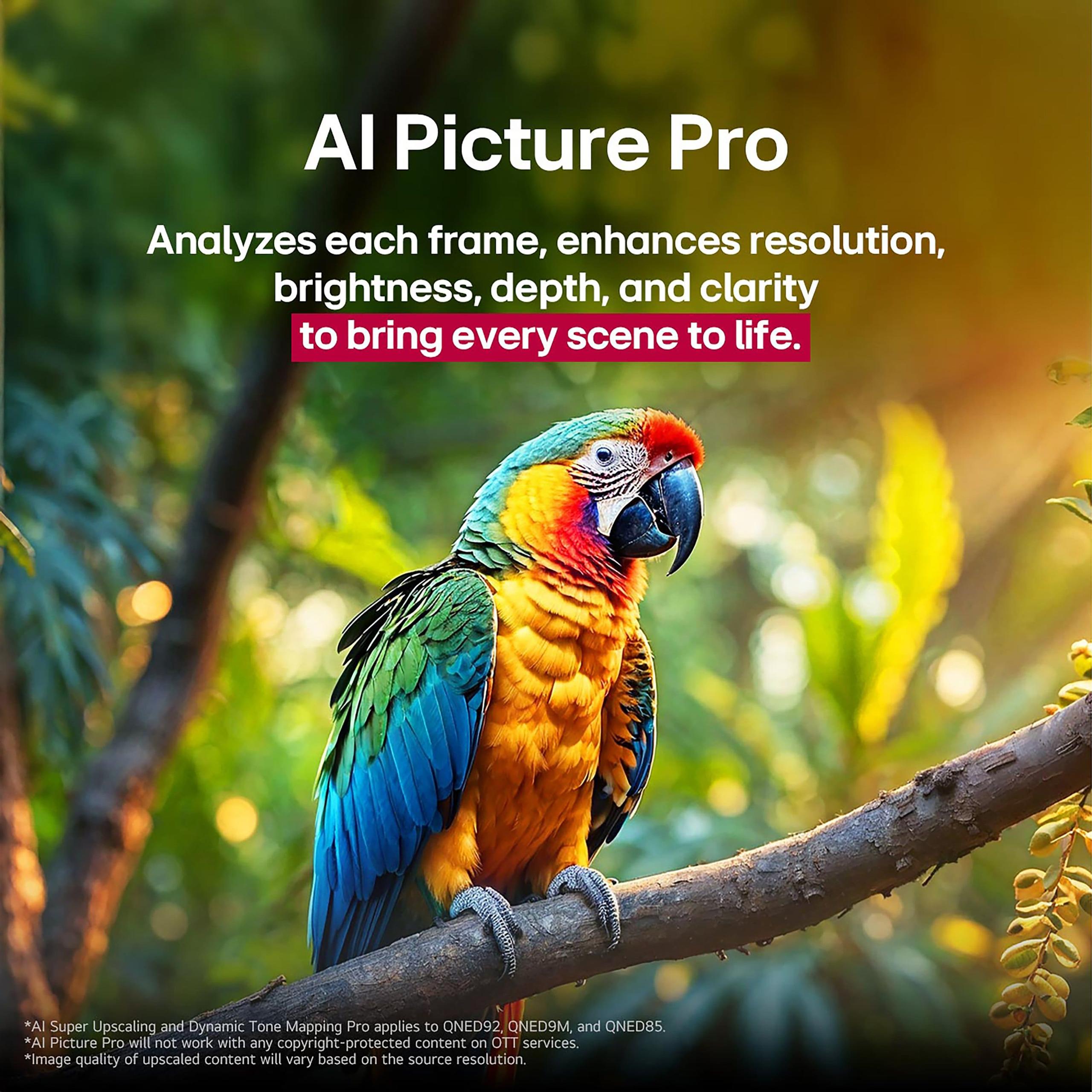
The LG QNED85A is better suited for serious home theater use. Its MiniLED backlighting provides superior contrast performance in dark rooms, and the α8 Gen 2 AI processor continuously optimizes the picture for different content types. The support for advanced HDR formats including Dolby Vision ensures compatibility with the highest quality streaming and disc content.
The QNED85A's AI Sound Pro technology, which converts stereo audio into virtual 9.1.2 surround sound, is also more sophisticated than the Hisense's audio processing. However, serious home theater enthusiasts will likely pair either TV with a dedicated sound system, making this less critical.
That said, the Hisense CanvasTV shouldn't be dismissed for home theater use. Its 144Hz refresh rate provides exceptionally smooth motion for action movies, and its color accuracy is excellent. The choice depends on whether you prioritize absolute contrast performance (LG) or motion smoothness and bright room flexibility (Hisense).
At the time of writing, both TVs are priced competitively within the premium mid-range segment, typically within a couple hundred dollars of each other. However, value extends beyond the initial purchase price to include long-term usability and feature development.
The LG QNED85A offers better long-term value for traditional TV use through its five-year software update commitment and more advanced AI features that will continue improving over time. The additional HDMI 2.1 ports also provide more flexibility for future device connections.
The Hisense CanvasTV provides unique value through its dual functionality as both TV and art display. If you would otherwise purchase both a premium TV and artwork for the same space, the combined value proposition becomes compelling. The included ultra-slim mount and frame system also add value compared to purchasing these accessories separately.
The decision between these TVs ultimately depends on your primary use case and room setup. Choose the Hisense CanvasTV if you want a TV that enhances your room's aesthetics when not in use, have significant natural light or glare issues, or value the unique dual-purpose functionality. It's particularly well-suited for main living areas where the TV is prominently visible and needs to serve as both entertainment device and décor.
The LG QNED85A is the better choice if you prioritize pure TV performance, need multiple HDMI 2.1 connections for various devices, or want the most advanced smart TV features with long-term software support. It's ideal for dedicated entertainment spaces or for users who want cutting-edge AI features and smart home integration.
Neither choice is wrong—they simply serve different philosophies of how technology should integrate into your living space. The Hisense CanvasTV asks your TV to be beautiful even when off, while the LG QNED85A focuses on making the actual viewing experience as good as possible. Your lifestyle and priorities will determine which approach better serves your needs.
| Hisense 65" S7N CanvasTV | LG 65" QNED evo AI QNED85A |
|---|---|
| Display Technology - Determines picture quality and room suitability | |
| QLED with Quantum Dot Color + Hi-Matte anti-glare coating | MiniLED with Precision Dimming Pro + QNED evo processing |
| Peak Brightness - Critical for HDR impact and bright room viewing | |
| 450 cd/m² peak (good for most rooms, excellent glare reduction) | Higher peak brightness with MiniLED (superior HDR performance) |
| Refresh Rate - Important for gaming and smooth motion | |
| Native 144Hz (exceptional for competitive gaming) | Native 120Hz, VRR up to 144Hz (excellent for most users) |
| Gaming Connectivity - Matters for multiple console setups | |
| 2 x HDMI 2.1 ports (sufficient for most gamers) | 4 x HDMI 2.1 ports (ideal for serious gamers with multiple devices) |
| Input Lag - Critical for responsive gaming | |
| 5.4ms (excellent for competitive gaming) | Low input lag with Game Optimizer (very good performance) |
| Smart Platform - Affects long-term usability and features | |
| Google TV (solid but basic functionality) | webOS 25 with 5-year update guarantee (advanced AI features) |
| Unique Design Features - Key differentiator for lifestyle integration | |
| Art Mode, magnetic frames, ultra-slim 3mm wall mount | Traditional TV design with premium build quality |
| Anti-Glare Performance - Crucial for bright rooms | |
| Hi-Matte coating reduces reflections to 5% (exceptional) | Standard reflection handling via brightness (good) |
| Audio System - Important if not using external speakers | |
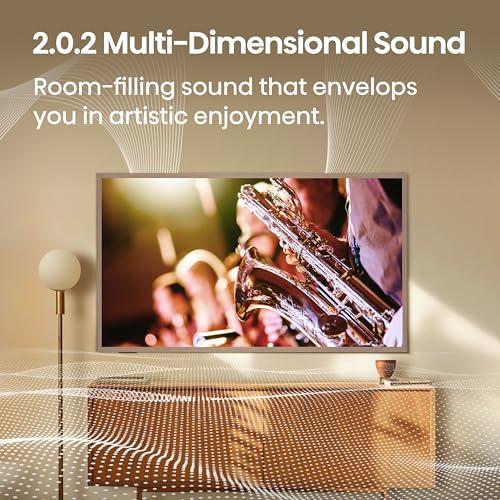
| 2.0.2 system with upward-firing speakers, DTS Virtual:X | Virtual 9.1.2 surround with AI Sound Pro processing |
| AI Features - Affects personalization and smart home integration | |
| Basic voice control (Google Assistant, Alexa) | Advanced AI with Voice ID, Concierge, Microsoft Copilot |
| HDR Support - Essential for premium content quality | |
| Dolby Vision, HDR10, HDR10+, HLG (comprehensive support) | Dolby Vision, HDR10, HLG with Dynamic Tone Mapping Pro |
| Best Use Case - Who should choose this TV | |
| Bright rooms, art display functionality, aesthetic integration | Dark/medium rooms, gaming setups, advanced smart features |
The Hisense S7N CanvasTV excels in bright rooms due to its Hi-Matte anti-glare coating that reduces reflections to just 5%. This makes it ideal for living rooms with large windows or multiple light sources. The LG QNED85A offers superior overall picture quality with its MiniLED technology but may struggle more with glare in very bright environments.
The Hisense CanvasTV uses QLED technology with quantum dots to enhance color accuracy and vibrancy, delivering over one billion color combinations. The LG QNED85A employs MiniLED backlighting with thousands of tiny LEDs for precise dimming control, resulting in better contrast and deeper blacks than traditional LED TVs.
Both TVs offer excellent gaming performance. The Hisense S7N CanvasTV provides a native 144Hz refresh rate and 5.4ms input lag, making it ideal for competitive gaming. The LG QNED85A offers four HDMI 2.1 ports compared to two on the Hisense, making it better for users with multiple gaming consoles or devices.
Only the Hisense CanvasTV features dedicated Art Mode with a curated artwork library and magnetic swappable frames. It can genuinely replace wall art with its ultra-slim 3mm wall mount and motion sensor activation. The LG QNED85A is a traditional entertainment-focused TV without specialized art display capabilities.
The LG QNED85A significantly outperforms with webOS 25, advanced AI personalization, Voice ID recognition, and a guaranteed five years of software updates. The Hisense S7N CanvasTV runs Google TV, which is functional but lacks the advanced AI features and long-term update commitment of the LG model.
The Hisense CanvasTV offers a higher native 144Hz refresh rate, providing exceptionally smooth motion for gaming and fast-paced content. The LG QNED85A provides native 120Hz with variable refresh rate support up to 144Hz, which is excellent for most users but slightly lower than the Hisense's native performance.
Both TVs are competitively priced in the premium segment. The LG QNED85A offers better traditional TV value with superior picture processing, more connectivity options, and long-term software support. The Hisense S7N CanvasTV provides unique value through its dual TV/art display functionality, potentially replacing both a premium TV and wall artwork.
The Hisense CanvasTV features a 2.0.2 channel system with upward-firing speakers and DTS Virtual:X for immersive sound. The LG QNED85A offers virtual 9.1.2 surround sound processing with AI Sound Pro technology that enhances dialogue clarity. Both provide good built-in audio, though serious home theater users will likely add external speakers.
The LG QNED85A delivers superior contrast performance thanks to its MiniLED backlighting with Precision Dimming Pro, allowing for deeper blacks and brighter highlights simultaneously. The Hisense S7N CanvasTV offers good contrast but cannot match the localized dimming capabilities of MiniLED technology.
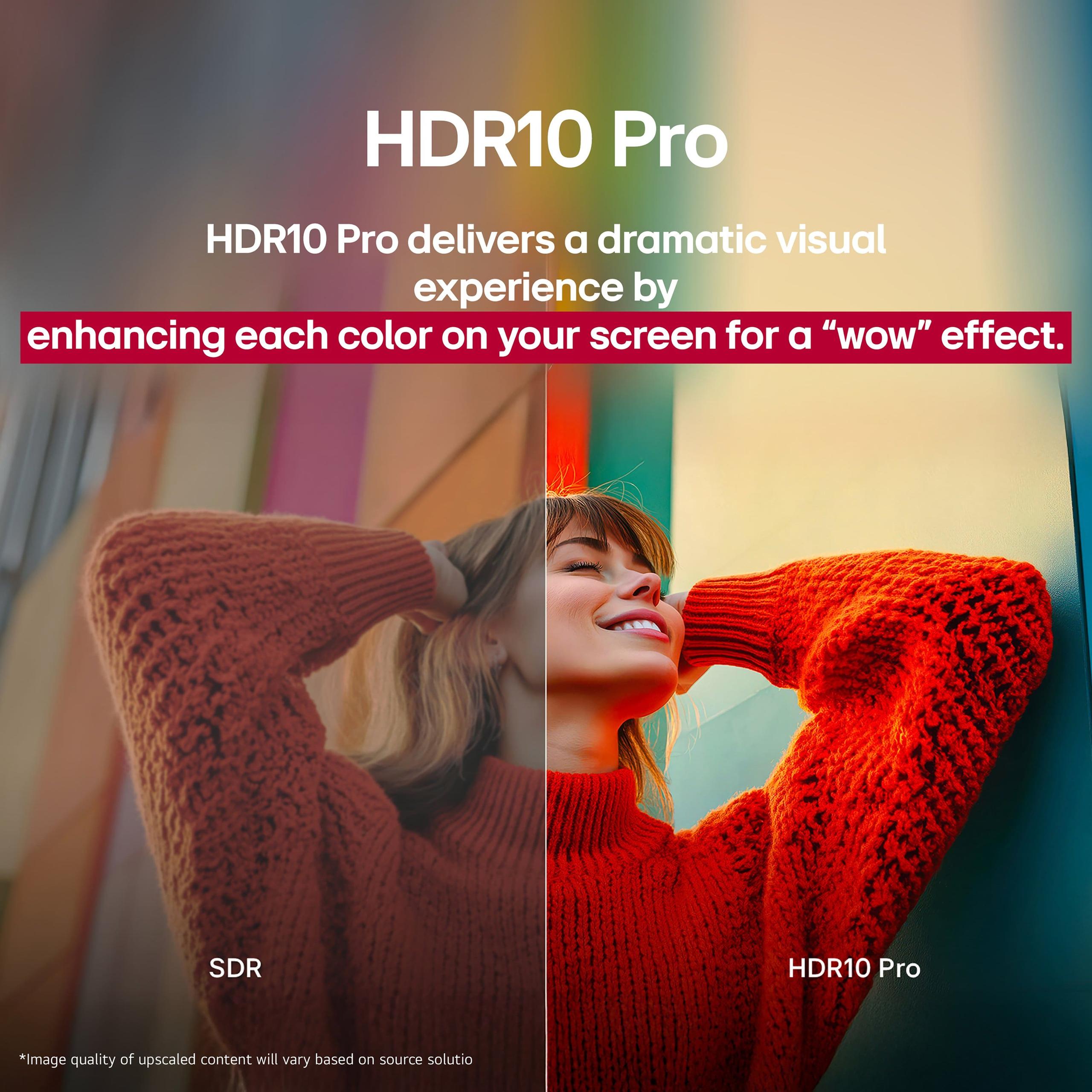
Both TVs support major HDR formats including Dolby Vision and HDR10. The LG QNED85A includes Dynamic Tone Mapping Pro and α8 Gen 2 AI processing for optimized HDR performance. The Hisense CanvasTV supports HDR10+ Adaptive and multiple HDR formats but with less advanced processing compared to the LG model.
The LG QNED85A is better suited for dedicated home theater use due to its superior contrast performance in dark rooms, advanced picture processing, and comprehensive connectivity options. The Hisense S7N CanvasTV can work well in home theaters but is optimized more for bright room viewing and aesthetic integration.
The LG QNED85A provides four HDMI 2.1 ports, offering more flexibility for connecting multiple gaming consoles, streaming devices, and other equipment. The Hisense CanvasTV includes two HDMI 2.1 ports, which is sufficient for most users but may require cable swapping for those with many devices. Both support the latest gaming features like VRR and ALLM.
We've done our best to create useful and informative comparisons to help you decide what product to buy. Our research uses advanced automated methods to create this comparison and perfection is not possible - please contact us for corrections or questions. These are the sites we've researched in the creation of this article: bestbuy.com - hisense.sg - tomsguide.com - content.syndigo.com - rtings.com - hisense-usa.com - youtube.com - bestbuy.com - youtube.com - displayspecifications.com - displayspecifications.com - manuals.plus - displayspecifications.com - bestbuy.com - hisense-canada.com - manuals.plus - bargainoutletandmore.com - bestbuy.com - device.report - rtings.com - rtings.com - youtube.com - lg.com - smarthomesounds.co.uk - abt.com - abt.com - lg.com - displayspecifications.com - walmart.com - bestbuy.com - lg.com - lg.com - lg.com - files.bbystatic.com - flatpanelshd.com - north-side-appliance.com - lgnewsroom.com - lg.com - youtube.com - youtube.com - hindustantimes.com

Privacy Policy
Terms and Conditions - Affiliate Policy
Home Security
© Copyright 2008-2026.
11816 Inwood Rd #1211, Dallas, TX 75244