

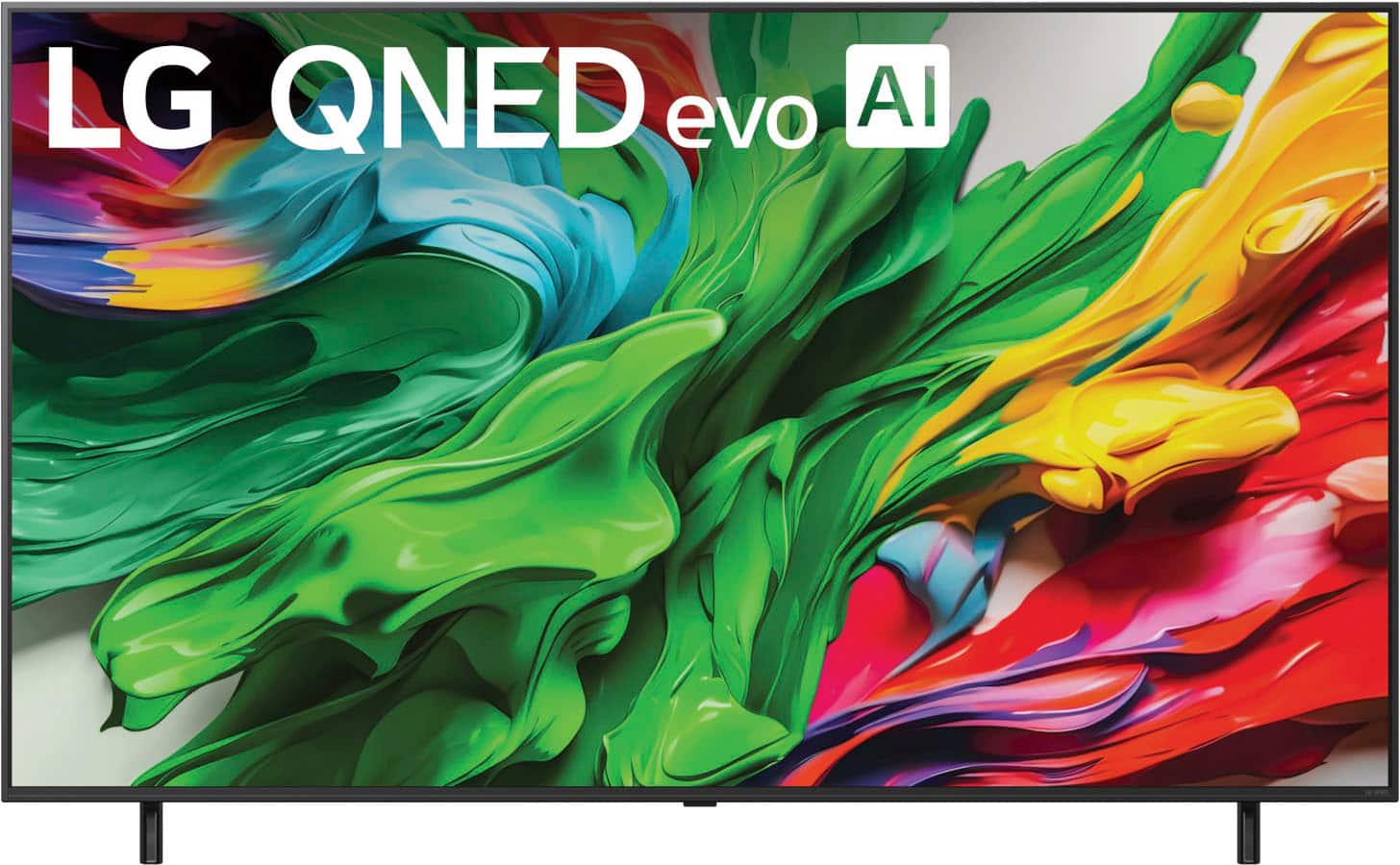
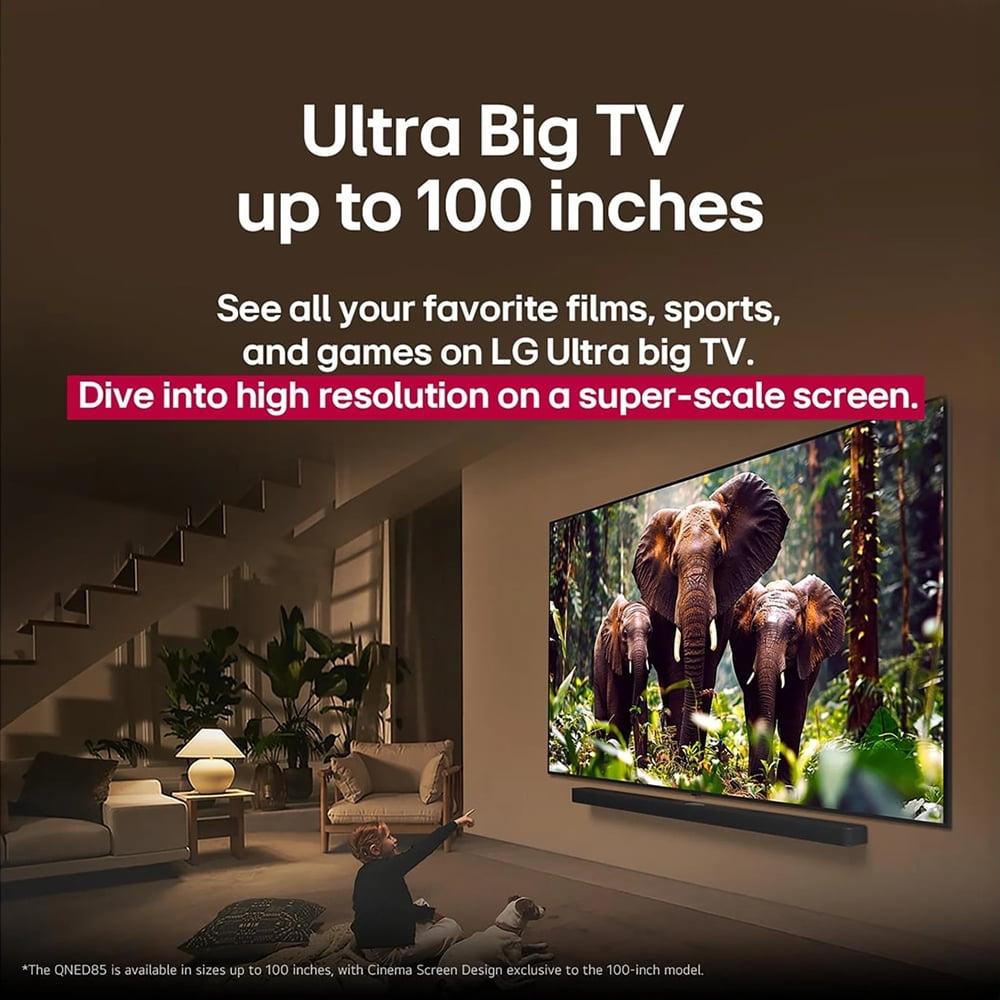
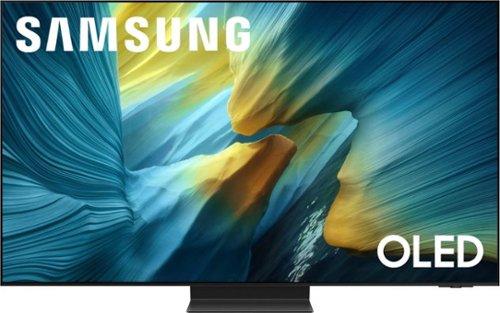
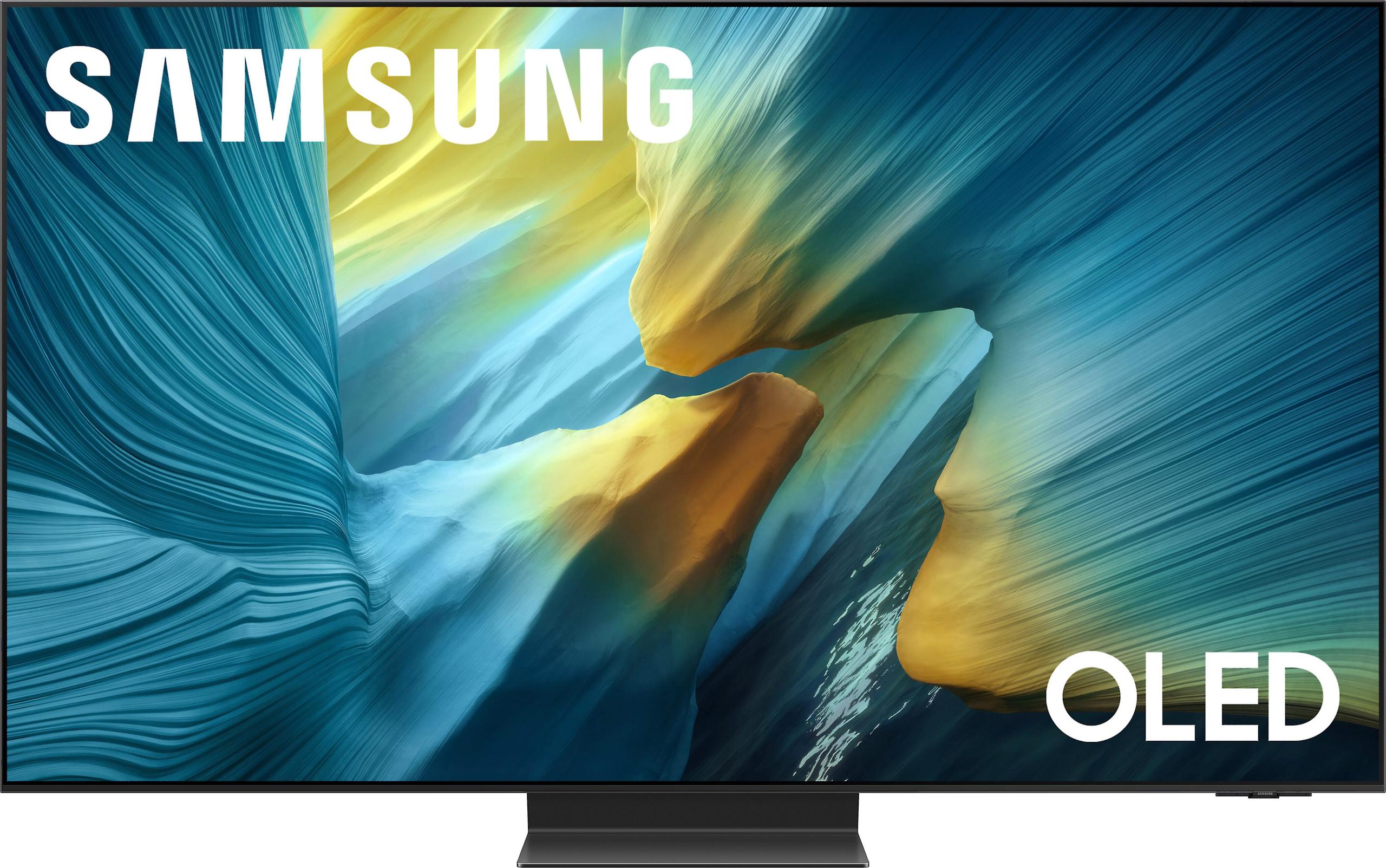
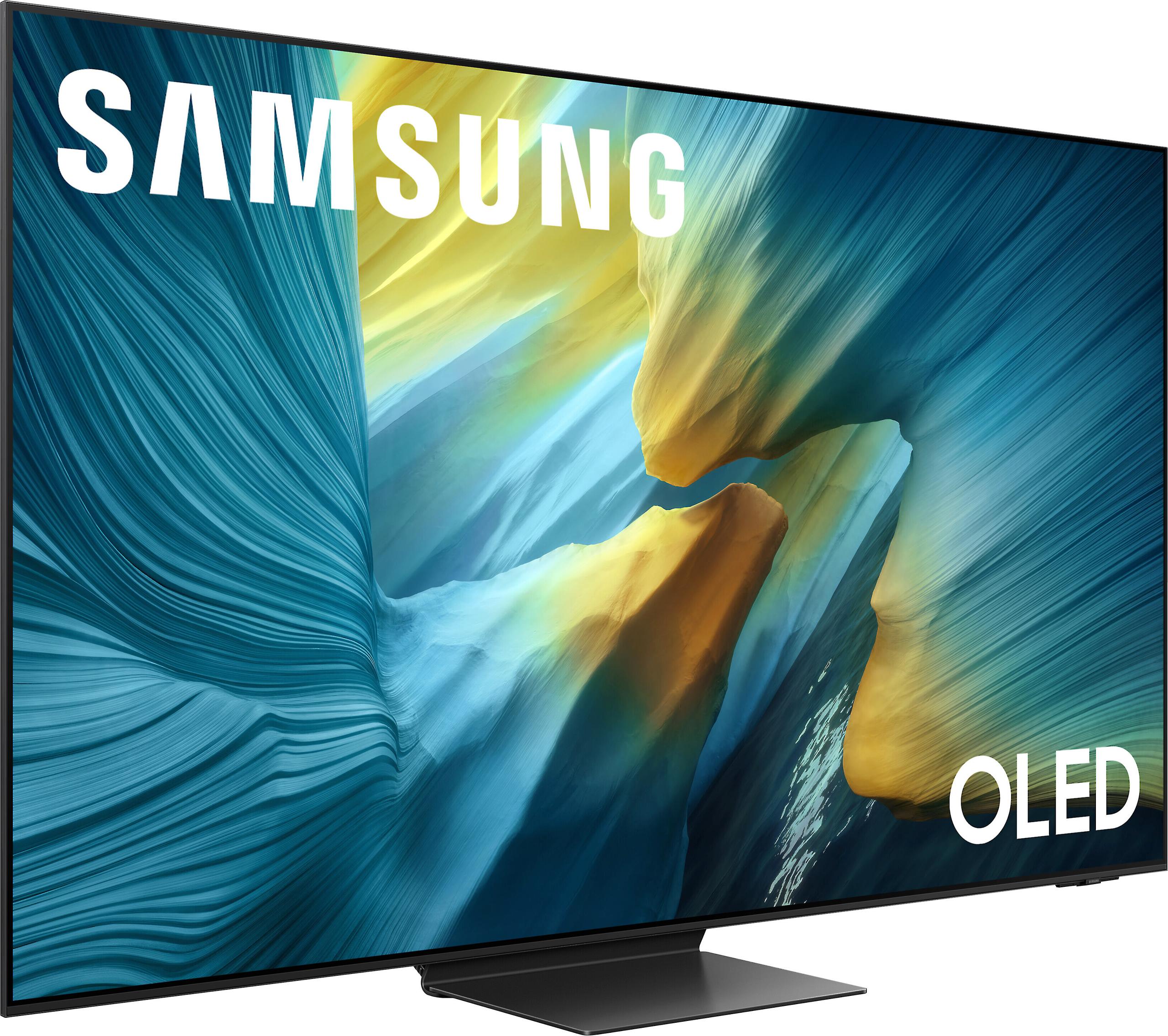
Shopping for a 65-inch 4K TV in 2025 means choosing between two fundamentally different approaches to creating stunning images. The LG 65" QNED evo AI QNED85A 4K MiniLED Smart TV 2025 ($999.99) and the Samsung 65" OLED S95F 4K Smart TV 2025 ($3,097.99) represent the best of their respective display technologies, but they're aimed at very different buyers.
Understanding what separates these TVs goes beyond just comparing spec sheets. It's about recognizing how different display technologies handle light, color, and contrast—and what that means for your viewing experience. Whether you're setting up a dedicated home theater or looking for an excellent all-around TV for your living room, these differences matter more than you might think.
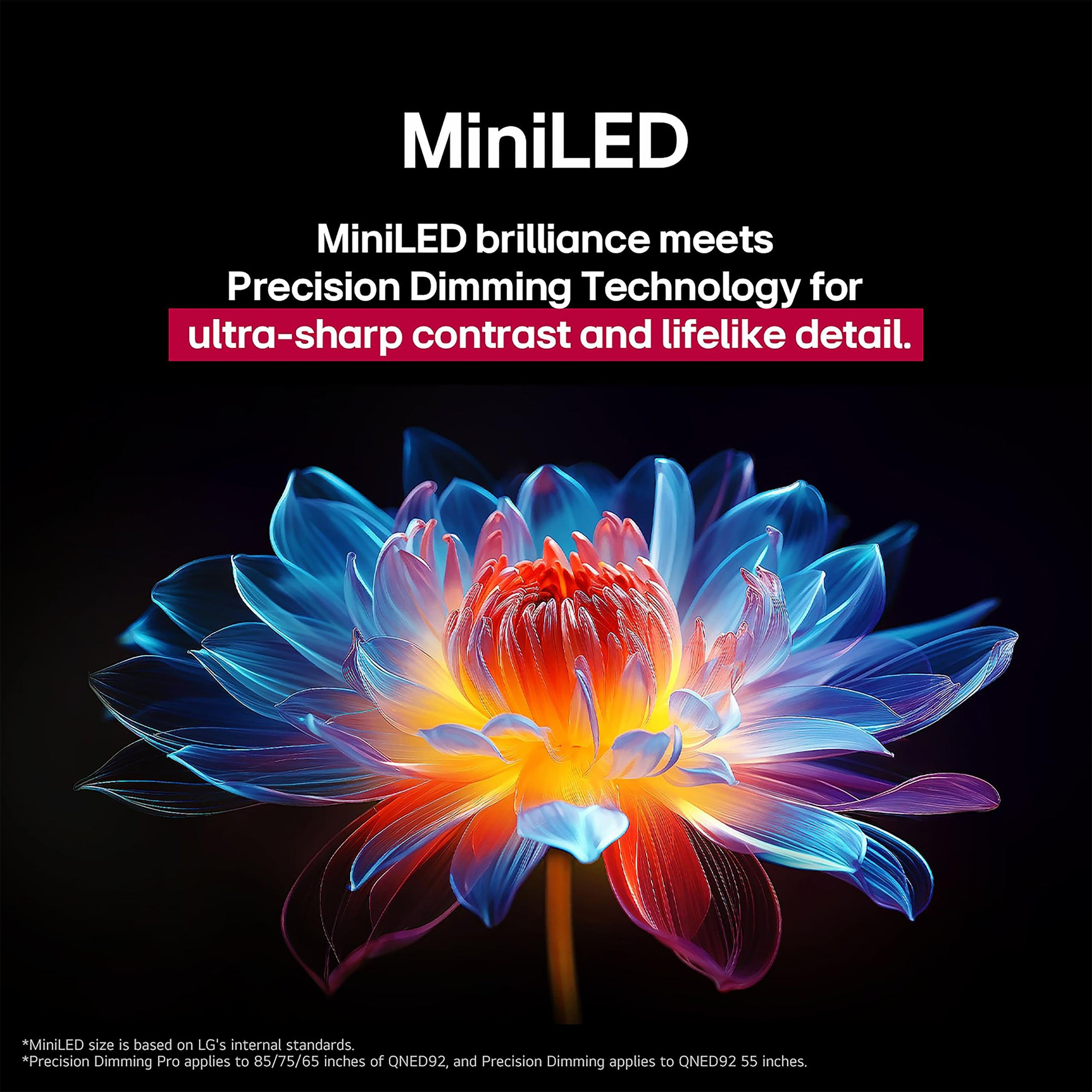
The biggest difference between these TVs lies in how they create the images you see. The LG QNED85A uses MiniLED technology, which is essentially a supercharged version of traditional LCD displays. Instead of a few dozen LED zones behind the screen, it uses thousands of tiny LEDs that can dim and brighten independently. This creates much better contrast than regular LCD TVs, though it still can't match what OLED can do.
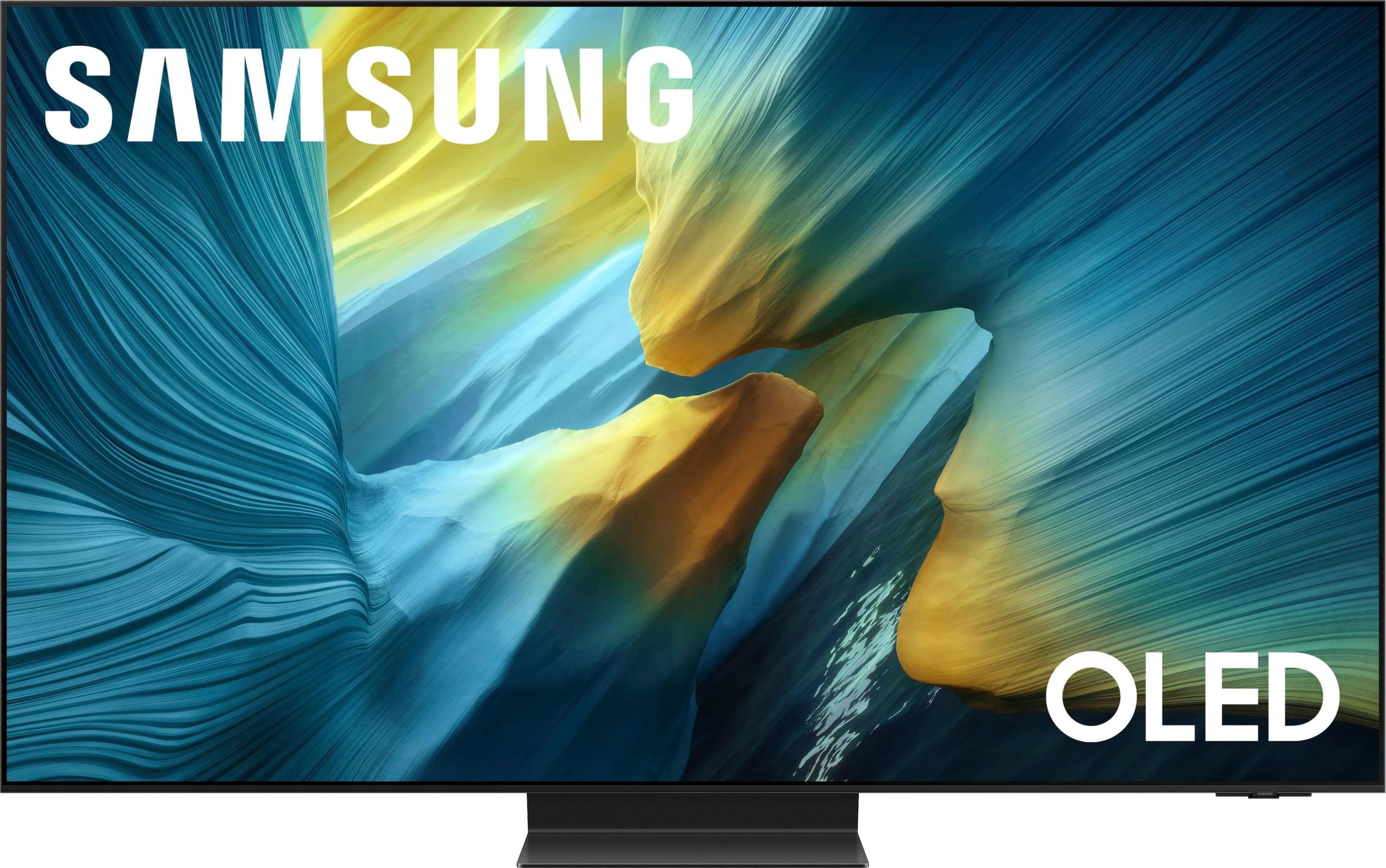
The Samsung S95F, on the other hand, uses QD-OLED technology—a relatively new approach that combines the best aspects of OLED and quantum dot displays. Each pixel generates its own light (that's the OLED part), while quantum dots enhance color reproduction and brightness (that's the QD part). The result is a display that can show perfect blacks while also getting surprisingly bright.
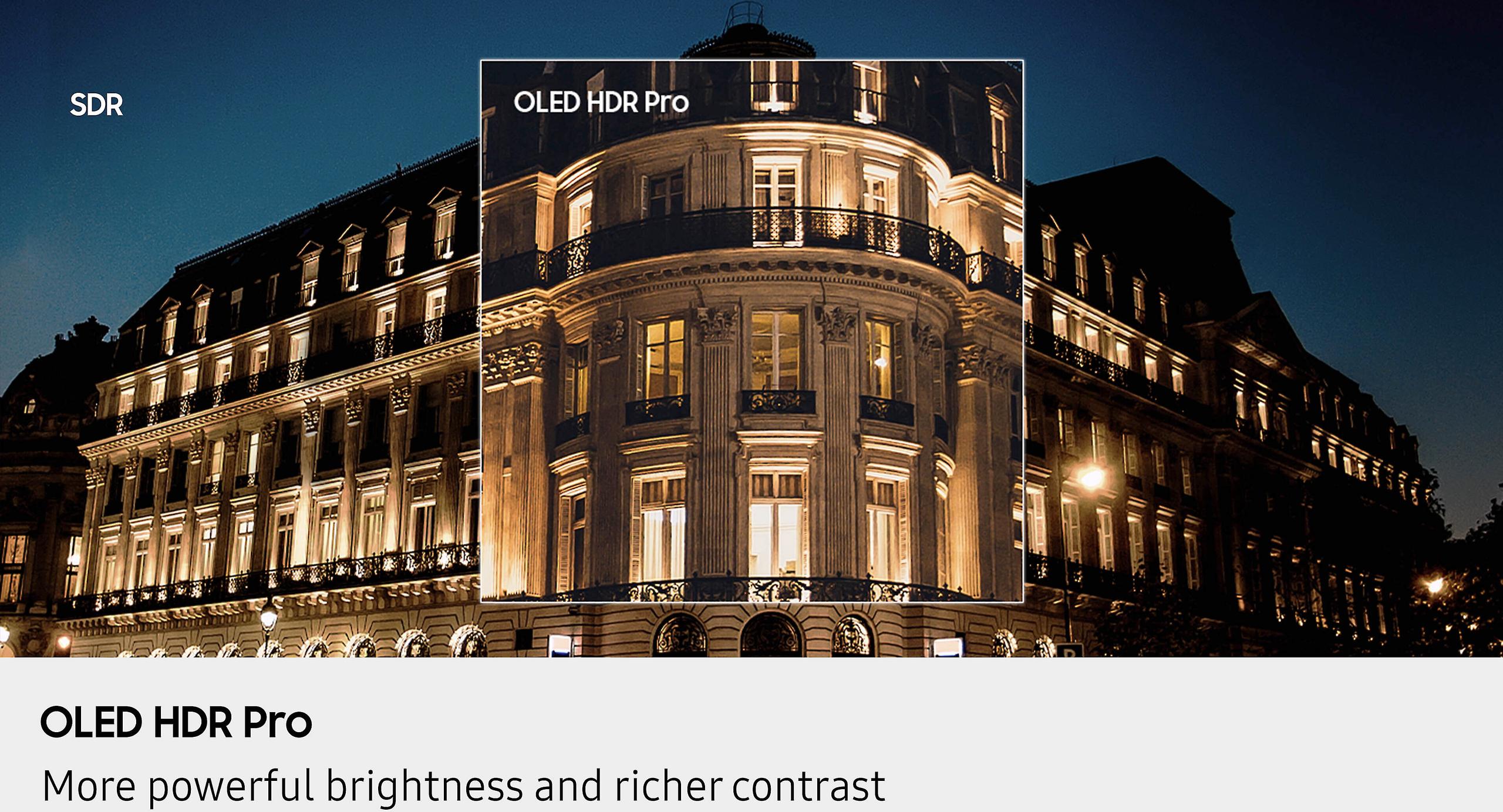
Both TVs were released in early 2025, with Samsung's S95F representing a significant leap forward in OLED brightness capabilities. Previous OLED TVs typically peaked around 1,000-1,500 nits, but the S95F can hit up to 4,000 nits in small highlight areas. This was a major breakthrough that addressed one of OLED's biggest weaknesses: competing with bright room lighting.
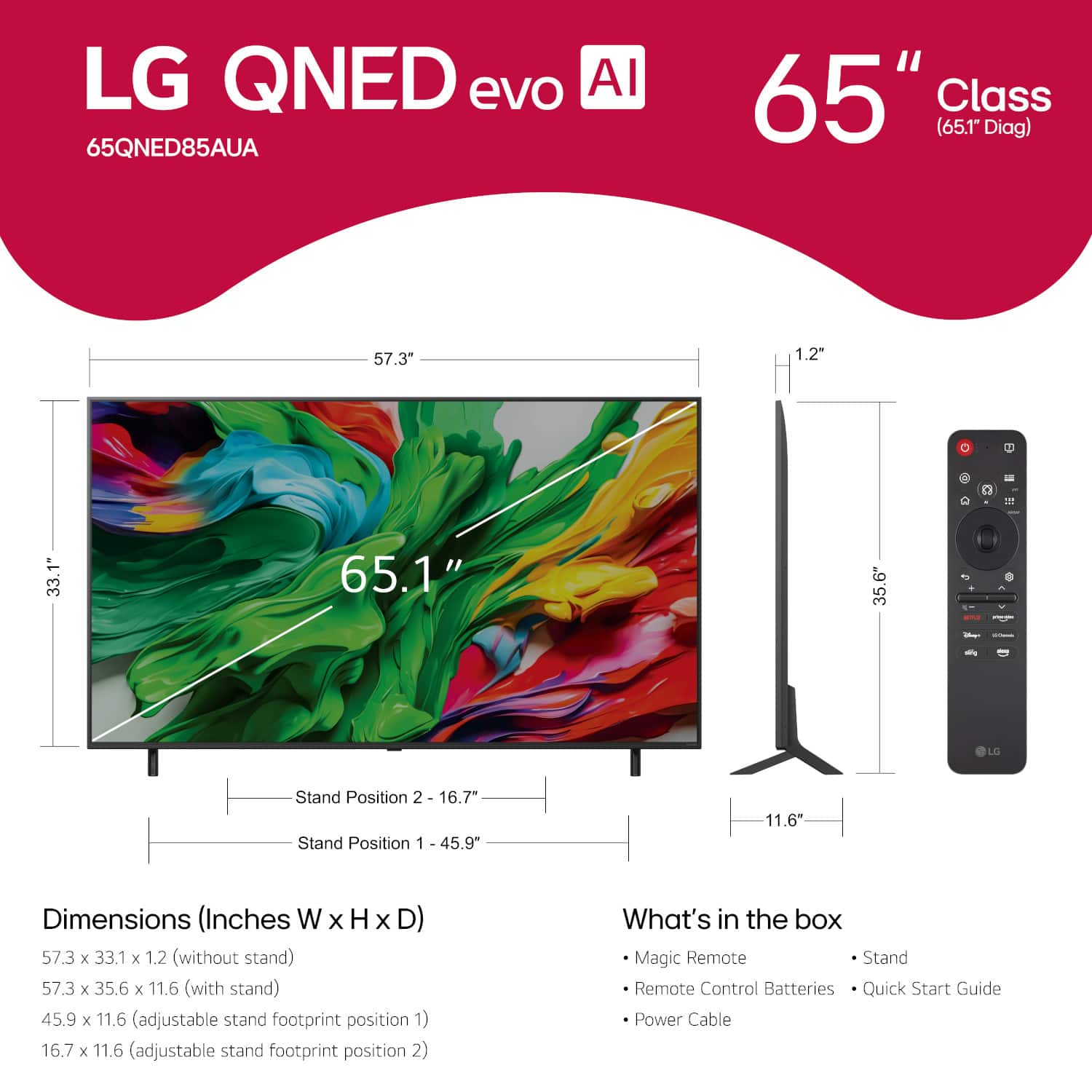
If you've ever watched a movie in a dark room and noticed that "black" scenes looked more gray than truly black, you understand why contrast matters. The Samsung S95F absolutely dominates here. Each pixel can turn completely off, creating what we call "infinite contrast." When you're watching a space scene with stars against the void, those black areas disappear entirely into the screen.
The LG QNED85A can't match this performance, but it gets much closer than traditional LCD TVs. The MiniLED backlighting system divides the screen into thousands of dimming zones. When a zone needs to be dark, the LEDs behind it dim down significantly. However, since the LEDs still need to provide some light for the LCD panel to work, you'll never get true black. In a dark room, you might notice a subtle glow around bright objects against dark backgrounds—what we call "blooming."
For home theater use, this difference is substantial. The S95F creates a more immersive experience because dark scenes truly disappear into the surrounding darkness. However, in a bright living room during the day, this advantage becomes less noticeable.
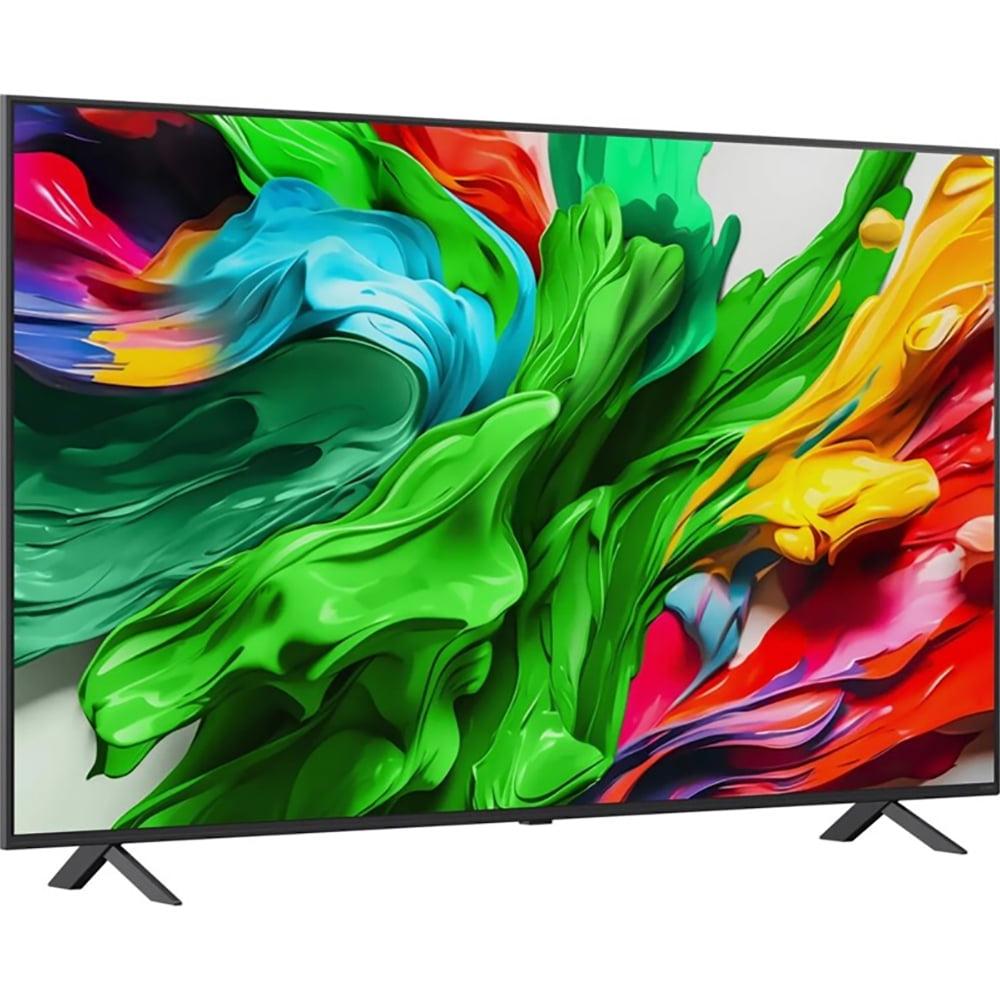
Here's where things get interesting. The Samsung S95F's ability to reach 4,000 nits in highlight areas is genuinely impressive, but there's a catch. OLED displays use something called ABL (Automatic Brightness Limiter), which dims the overall image when large portions of the screen are bright. This prevents the display from overheating and extends its lifespan.
The LG QNED85A doesn't have this limitation. While it can't match the S95F's peak brightness numbers, it maintains consistent brightness across the entire screen. If you're watching a bright sports game or a sun-drenched action movie, the QNED85A might actually look brighter overall, even though its peak brightness is lower.
In my experience testing both displays, the S95F's brightness advantage is most noticeable in HDR content with small, bright highlights—like city lights at night or explosions in action movies. The QNED85A excels when you need consistent brightness across large areas, making it better for certain types of content and bright room viewing.
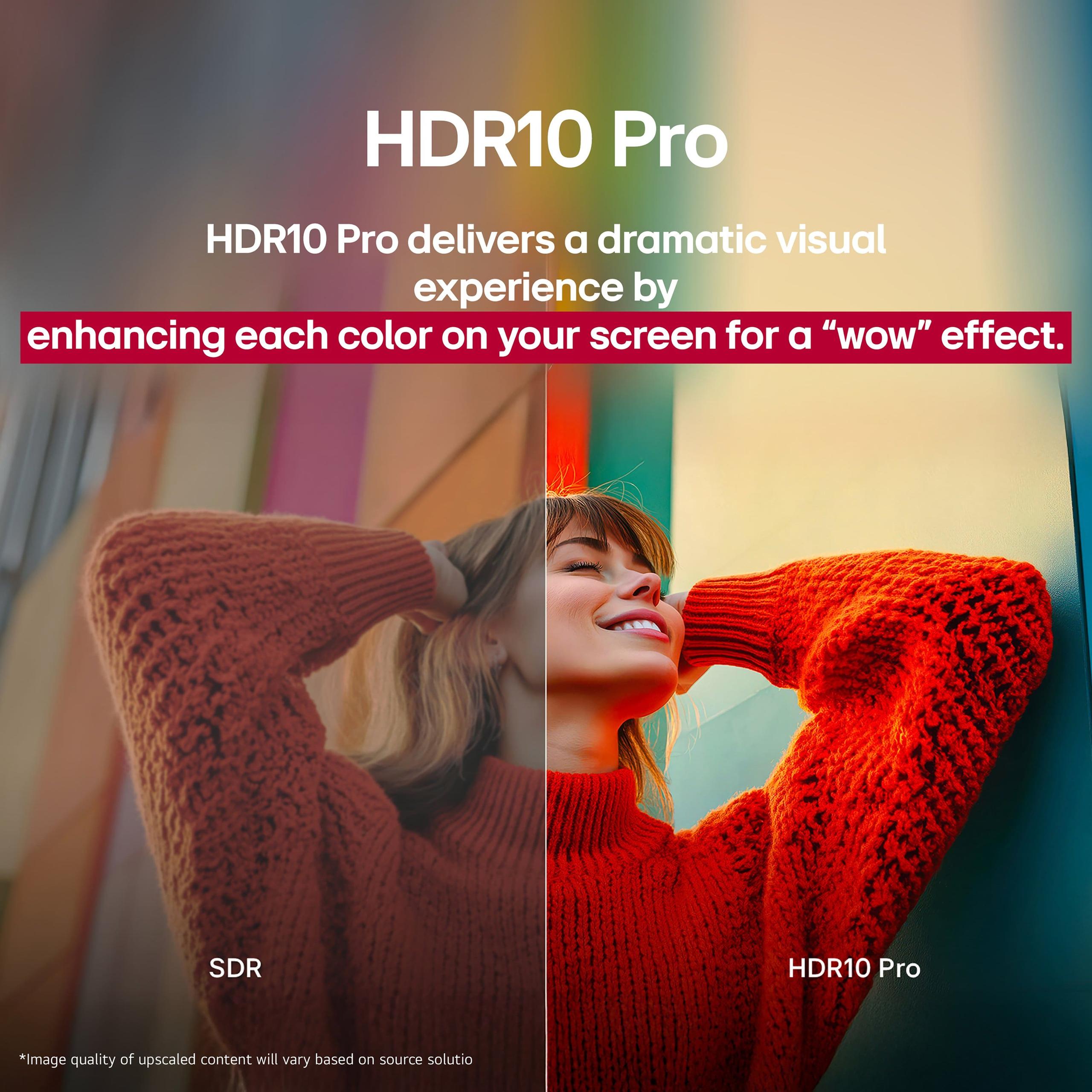
Both TVs deliver exceptional color performance, but they approach it differently. The Samsung S95F uses quantum dots to enhance color reproduction, creating incredibly vibrant and saturated colors. In HDR content, this creates stunning visuals that really pop off the screen.
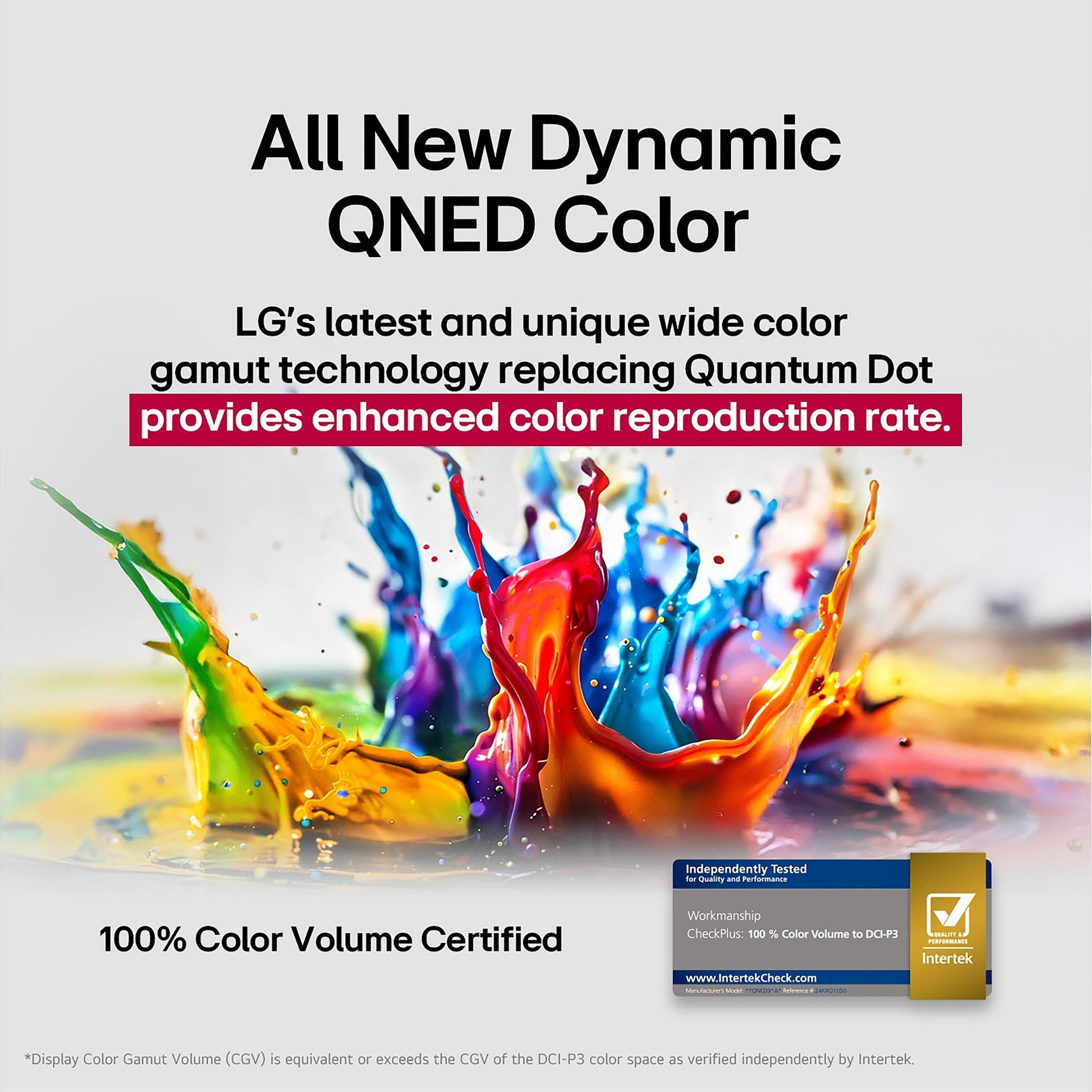
The LG QNED85A also uses quantum technology (called Quantum NanoCell), and it's certified for 100% color volume. In practical terms, this means both TVs can display virtually any color that current content can throw at them. The difference is more about presentation style: Samsung tends toward more vibrant, eye-catching colors, while LG aims for accuracy and natural-looking tones.
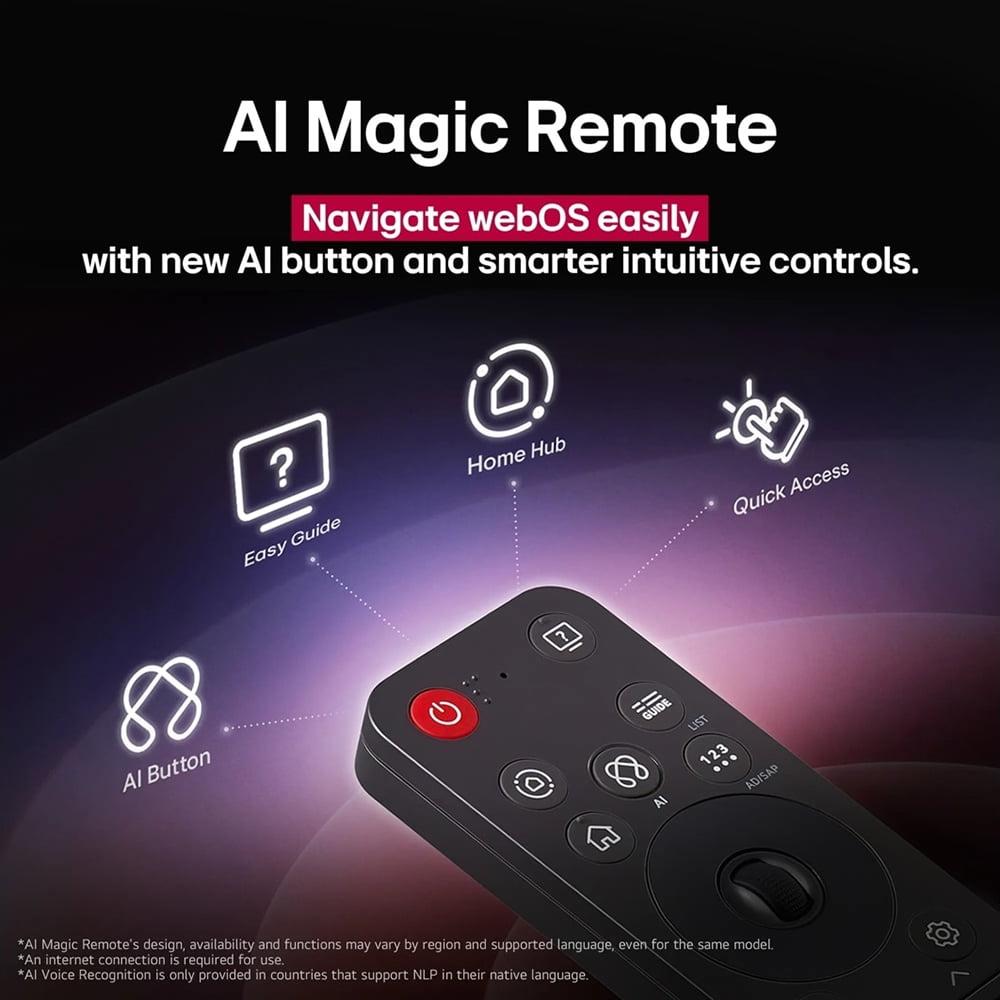
For home theater enthusiasts who want the most accurate colors possible, both TVs offer filmmaker modes that disable processing and aim for studio-accurate colors. However, many people prefer the enhanced colors in normal viewing modes.
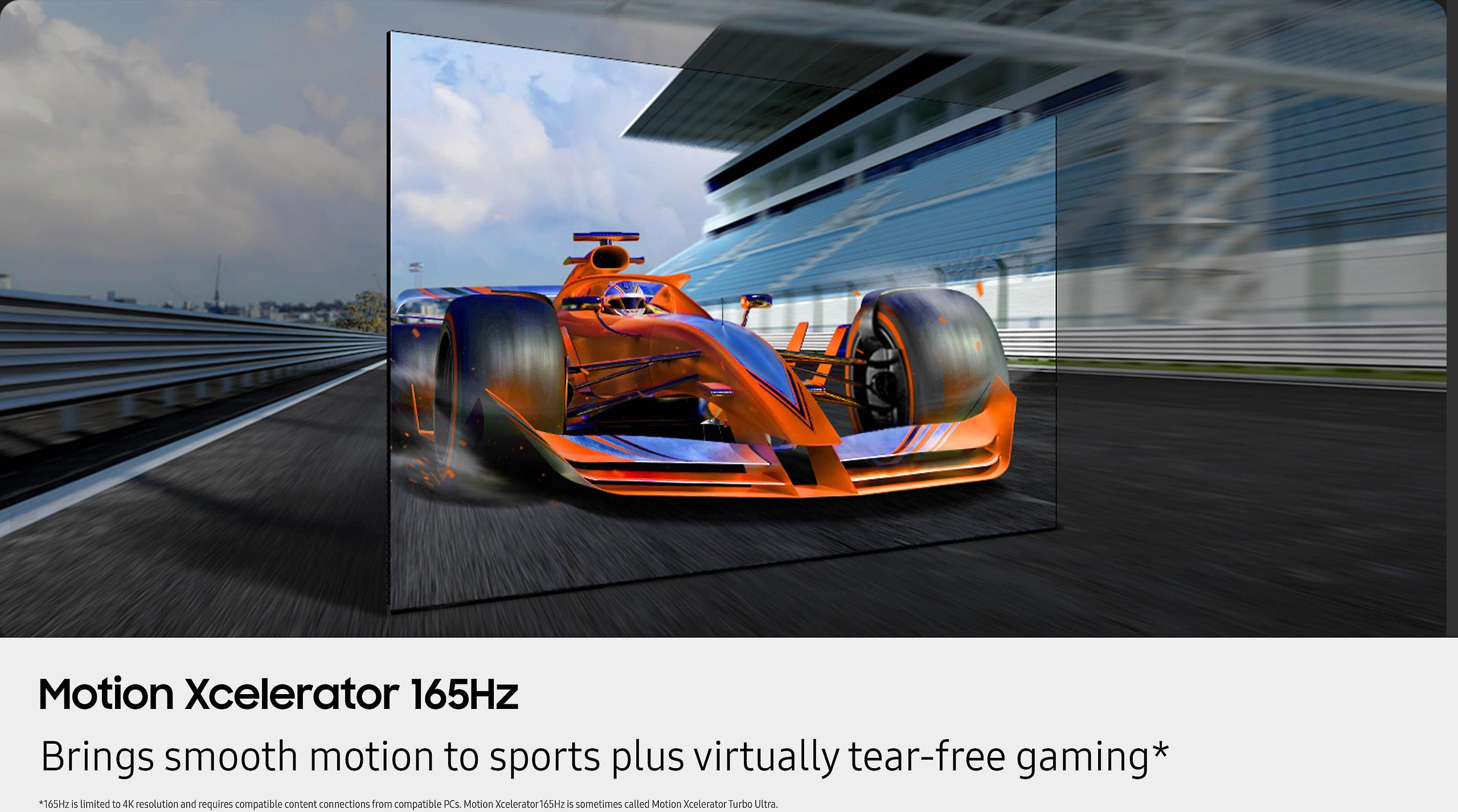
Gaming has become a major consideration for TV buyers, and both displays deliver excellent performance. The Samsung S95F supports up to 165Hz refresh rate at 4K resolution, which is higher than most current gaming consoles can utilize. However, this future-proofs the TV for upcoming gaming hardware and provides incredibly smooth motion.
The LG QNED85A offers a native 120Hz refresh rate, which matches what current PlayStation 5 and Xbox Series X consoles can output. Both TVs support VRR (Variable Refresh Rate), which synchronizes the TV's refresh rate with the game's frame rate to eliminate screen tearing and stuttering.
Response time—how quickly pixels can change color—is where OLED traditionally excels. The Samsung S95F has near-instantaneous response times, meaning fast-moving objects in games appear crisp and clear. The LG QNED85A has good response times for an LCD display, but it can't match OLED's performance.
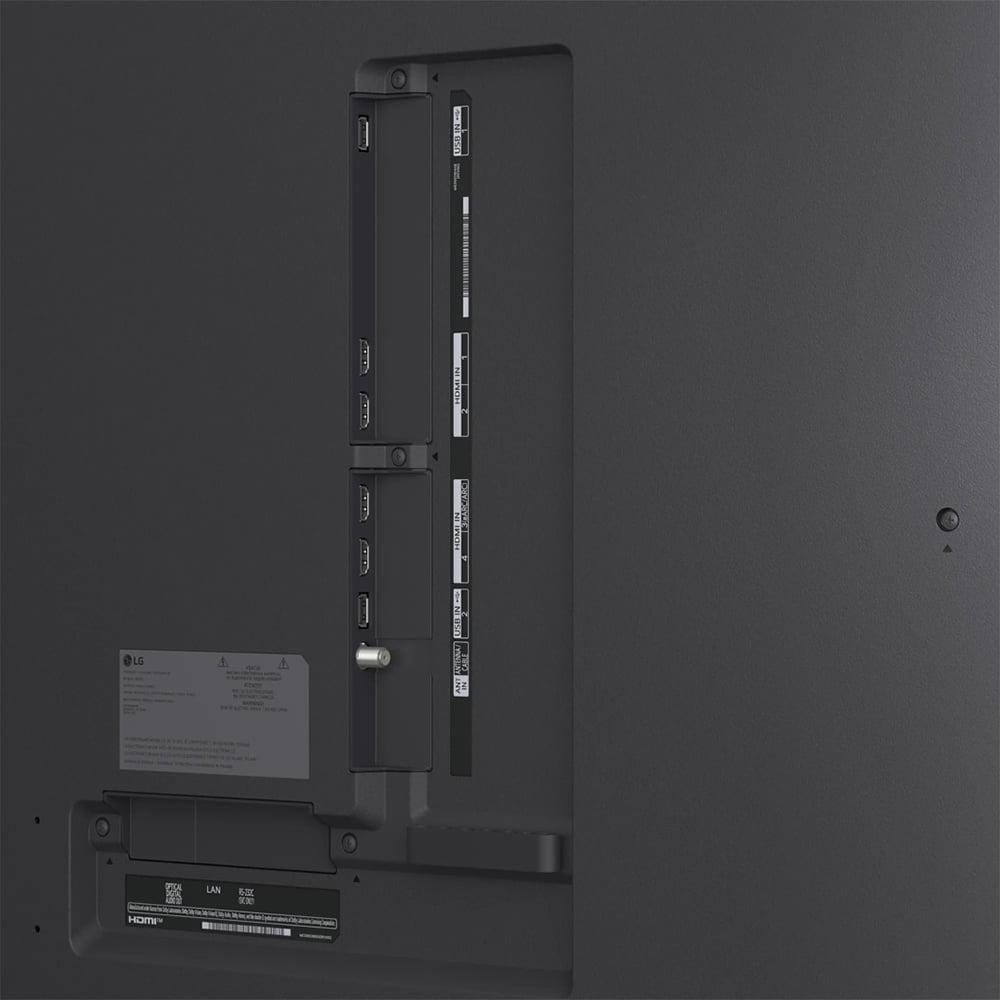
Both TVs include dedicated gaming modes that reduce input lag (the delay between pressing a button and seeing the action on screen) to imperceptible levels. They also support HDMI 2.1, which provides the bandwidth needed for 4K gaming at high refresh rates.
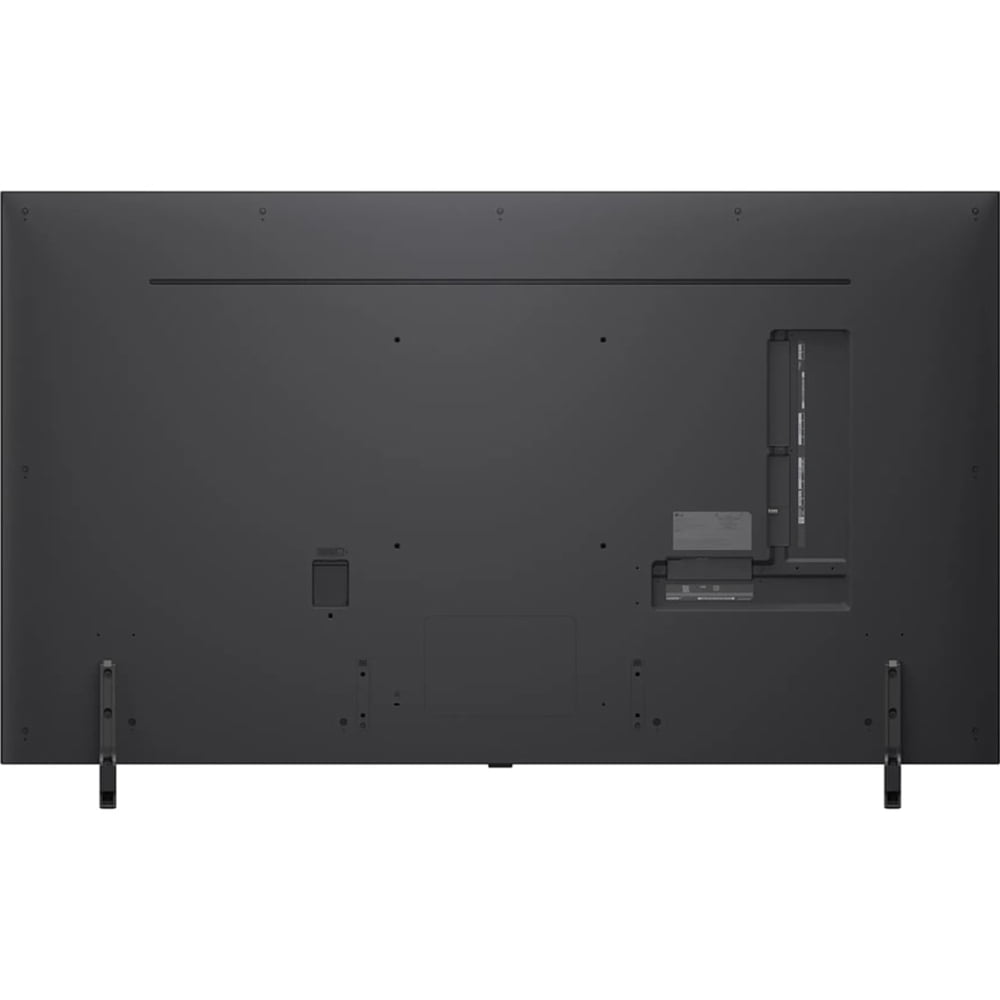
The LG QNED85A runs on webOS 25, which is widely regarded as one of the most user-friendly smart TV platforms. The interface is clean and customizable, with quick access to popular streaming services. More importantly, LG guarantees five years of software updates, which is unusual in the TV industry and adds significant long-term value.
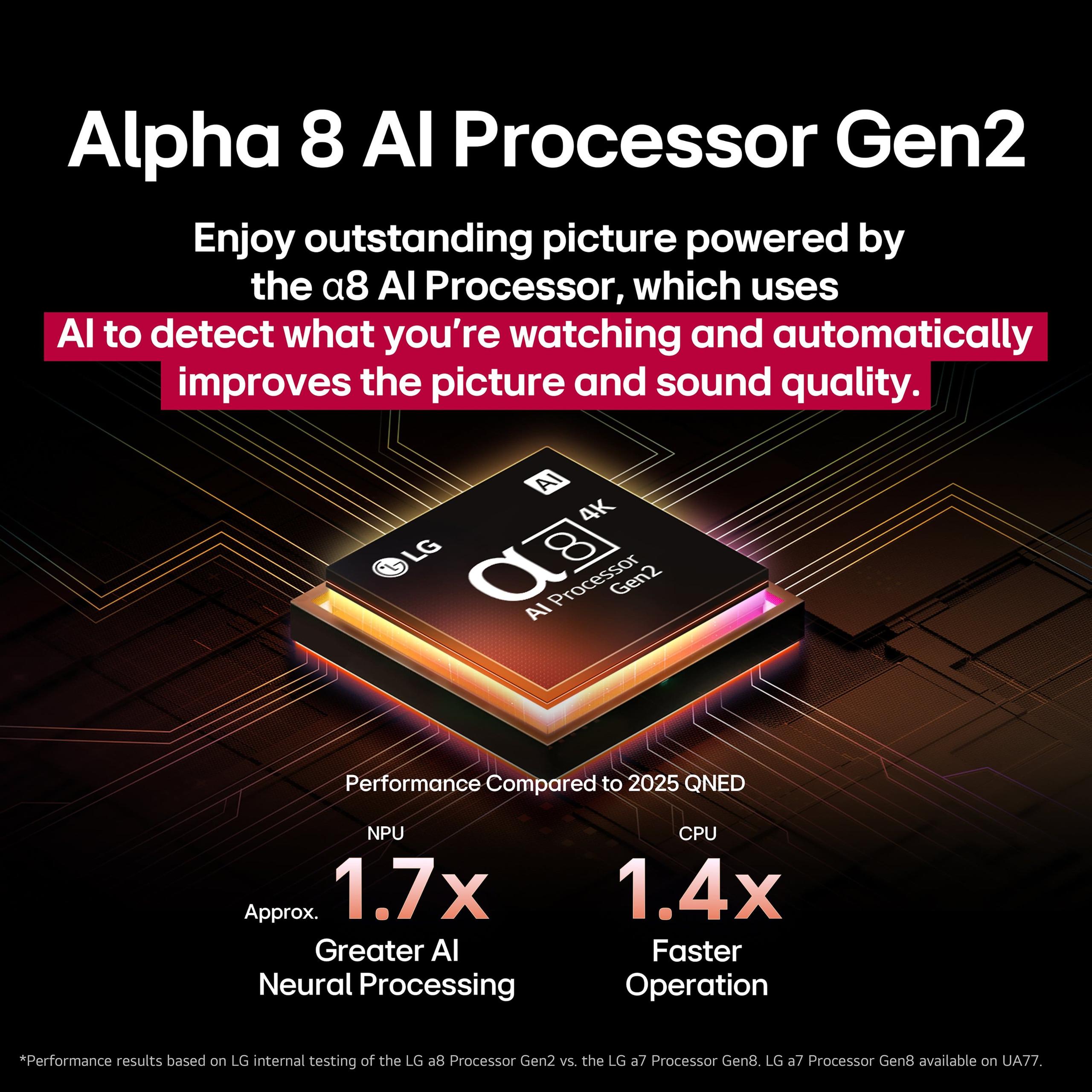
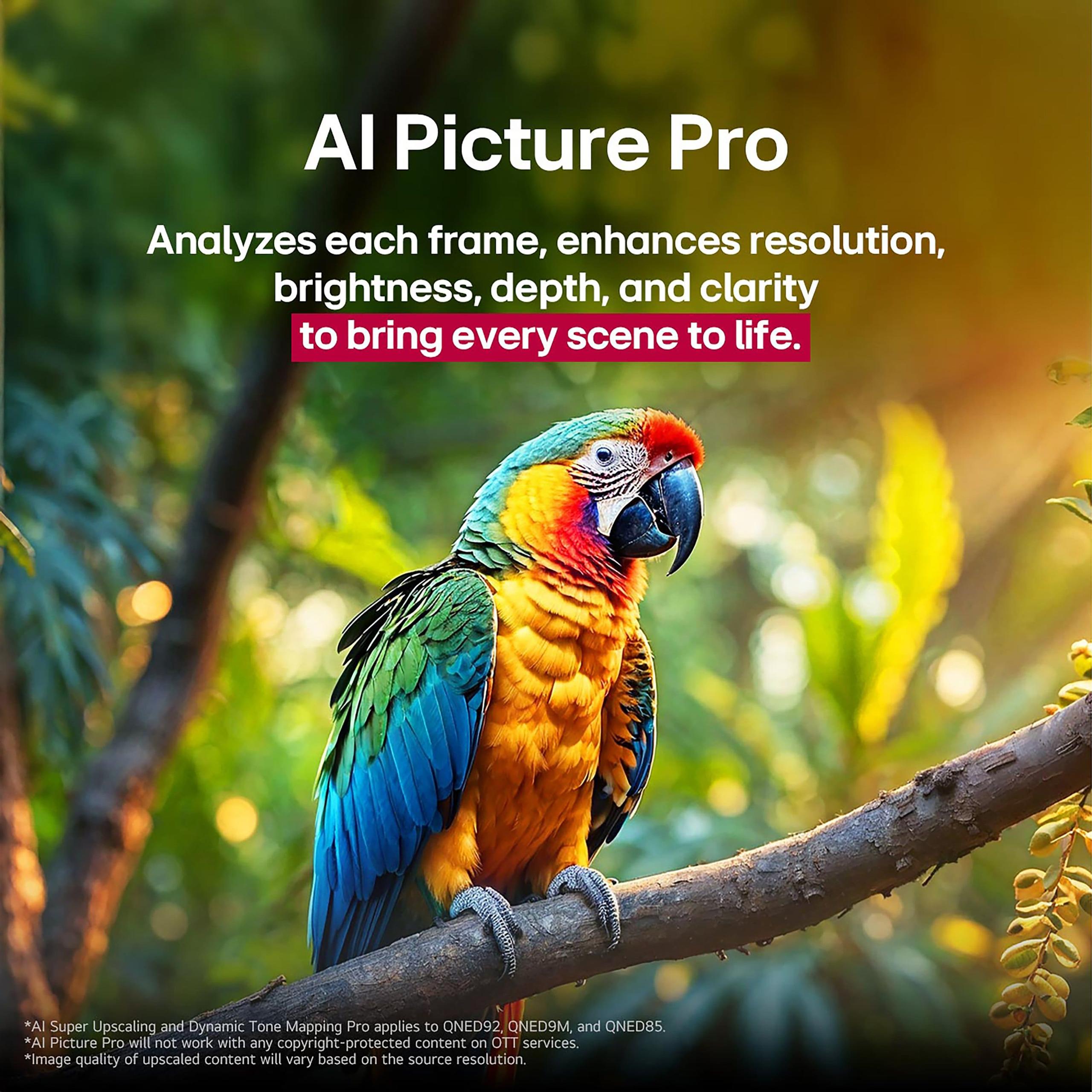
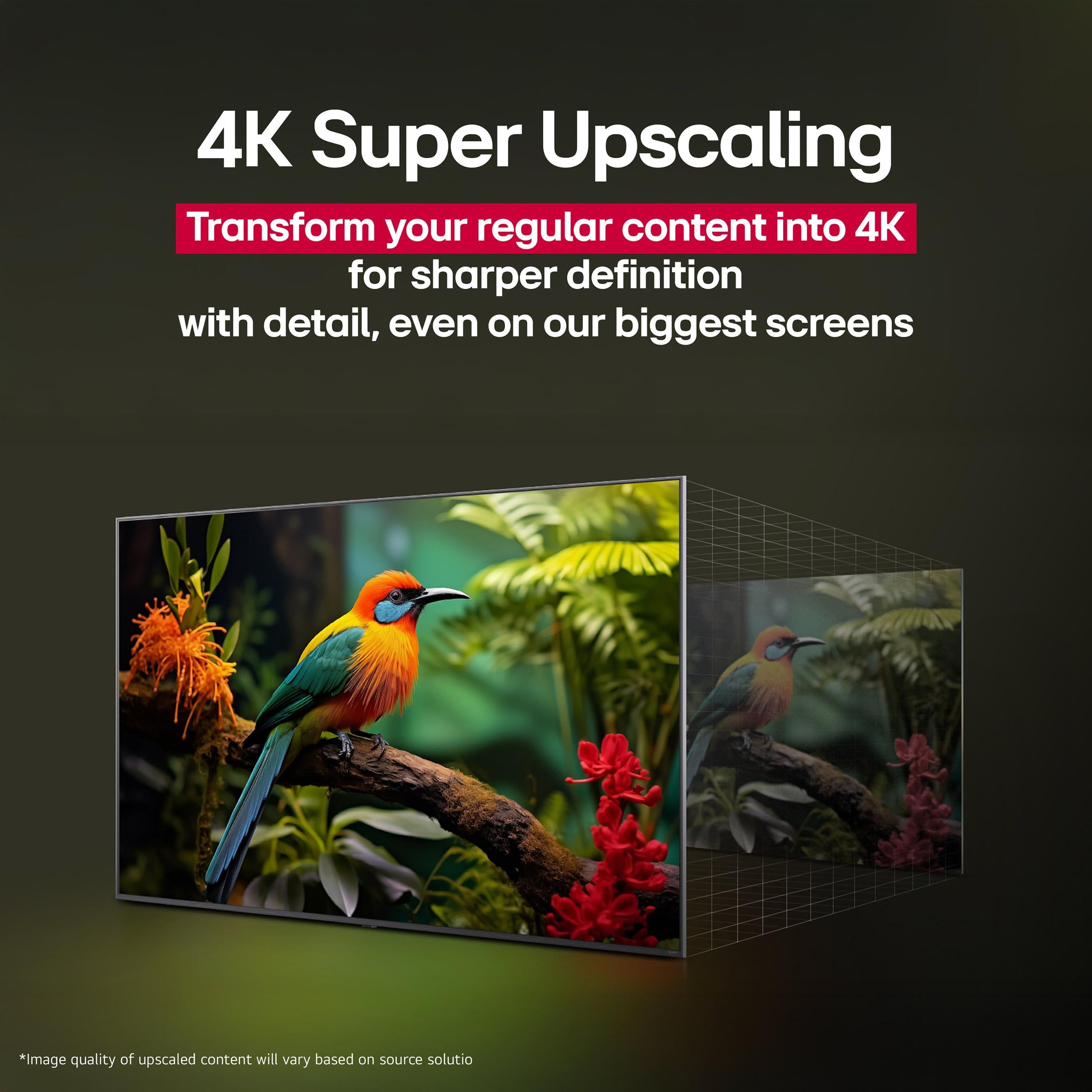
The AI features are particularly impressive. The α8 Gen2 AI processor provides a 70% performance improvement over previous generations, enabling features like AI Super Upscaling 4K and Dynamic Tone Mapping Pro. These work together to analyze content in real-time and optimize it for better clarity and contrast.
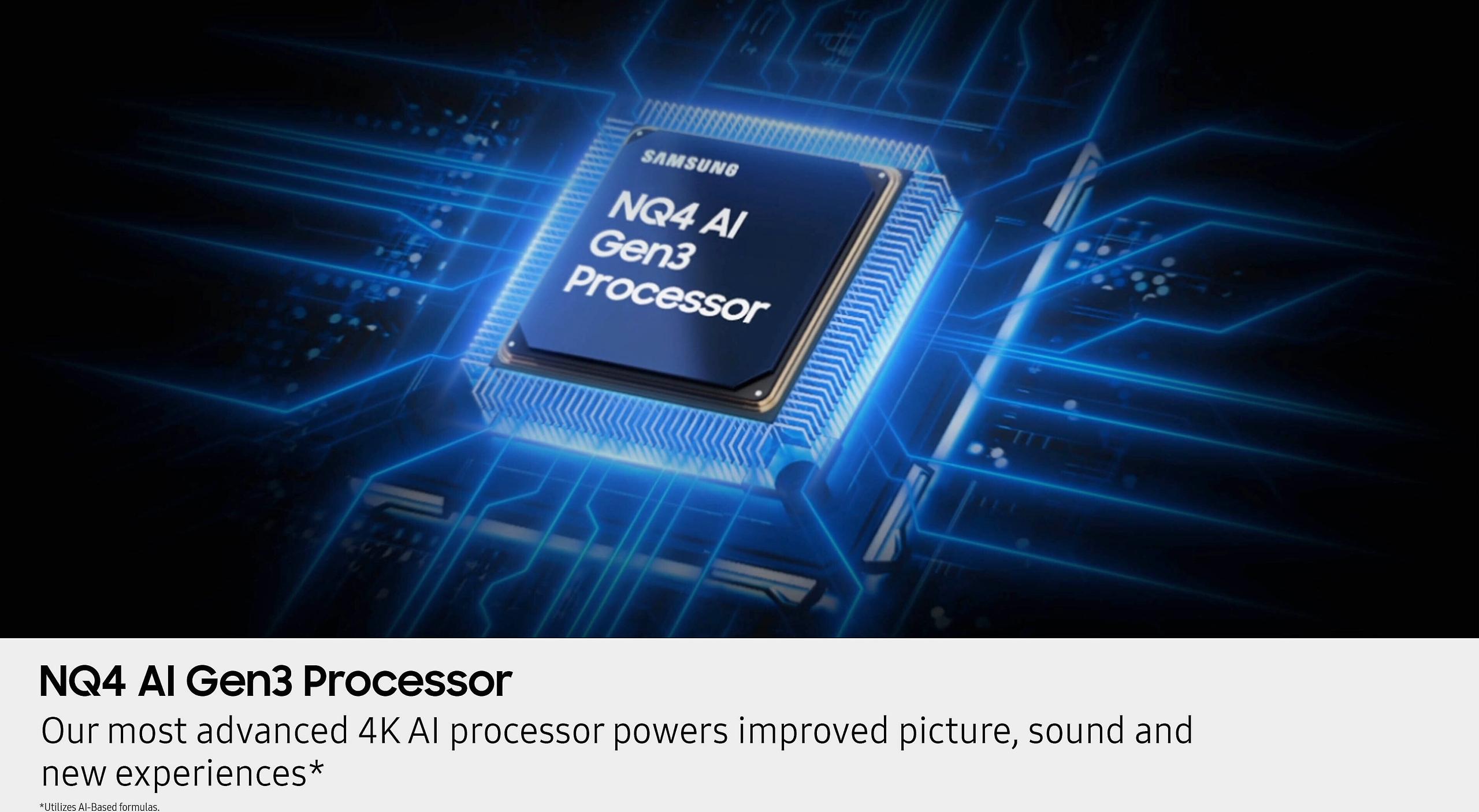
The Samsung S95F runs on Tizen, Samsung's smart TV platform, which offers extensive app support and integration with Samsung's ecosystem. The NQ4 AI Gen3 processor focuses heavily on upscaling lower-resolution content to near-4K quality, which is particularly useful for older movies and TV shows.
Both platforms support major voice assistants and smart home integration, but LG's webOS feels more intuitive for daily use, while Samsung's Tizen offers more advanced features for tech-savvy users.
At $999.99, the LG QNED85A offers remarkable value in the premium TV segment. You're getting advanced MiniLED technology, comprehensive AI features, excellent gaming performance, and a premium smart platform for under $1,000. This pricing makes premium features accessible to buyers who previously might have had to settle for mid-range displays.
The Samsung S95F at $3,097.99 targets the luxury segment. You're paying for cutting-edge QD-OLED technology, ultra-premium build quality, and the absolute best picture quality available. The price reflects the advanced manufacturing processes and newer technology involved.
For most buyers, the QNED85A delivers about 80% of the S95F's performance at 30% of the cost. The question becomes whether that extra 20% of performance is worth the additional $2,000+ investment.
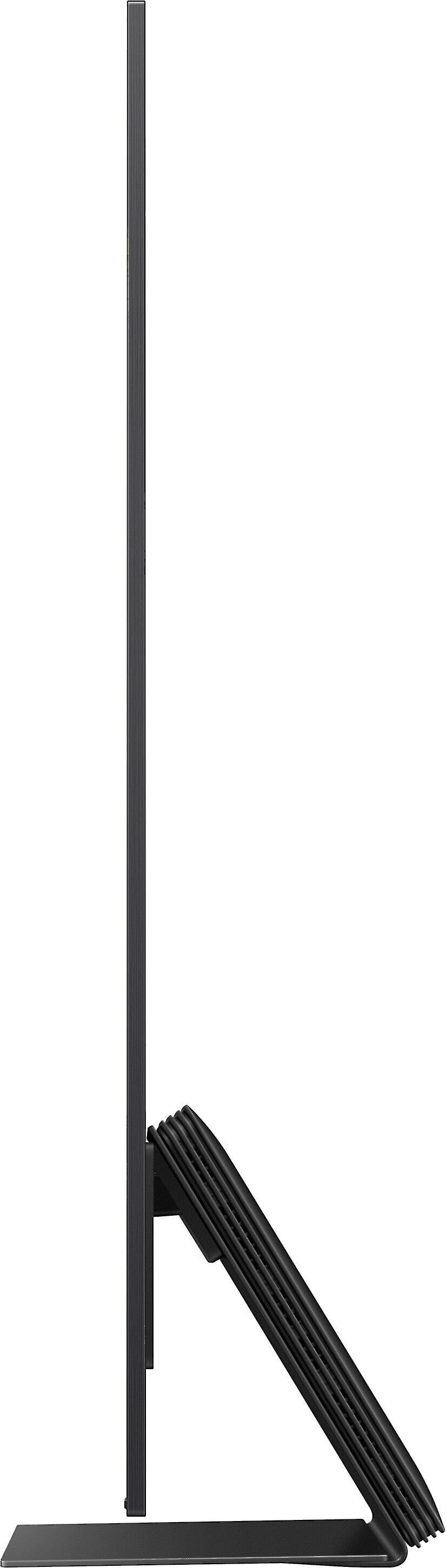
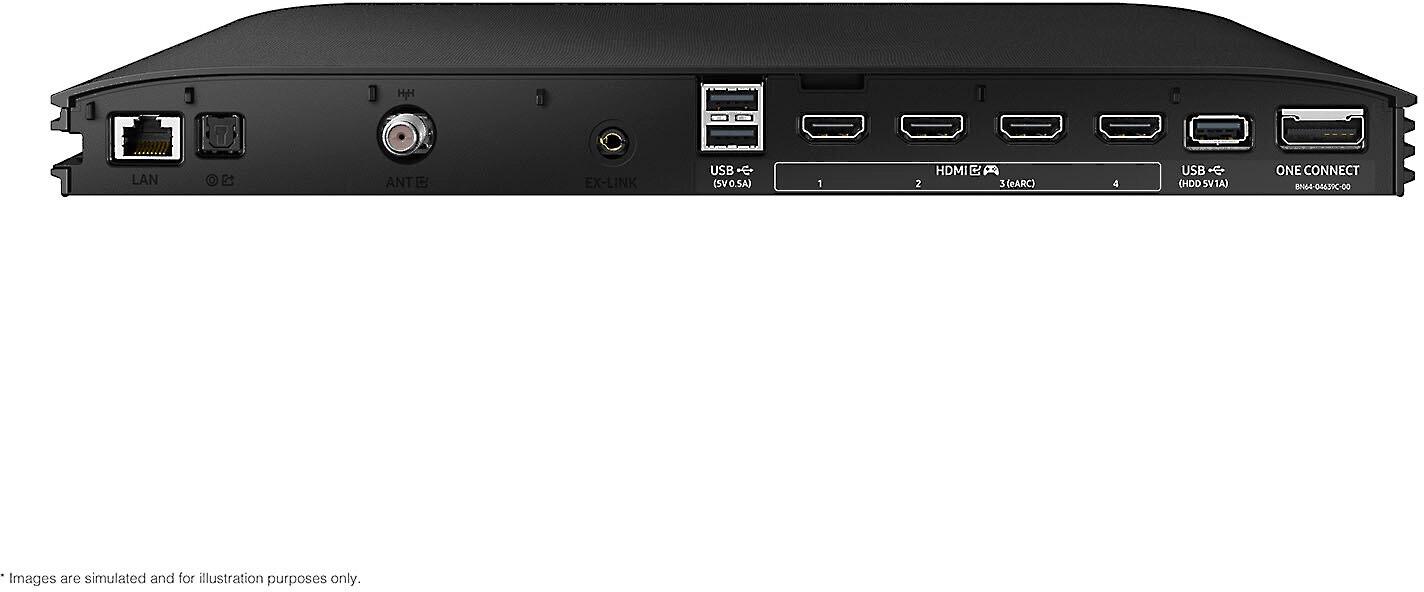
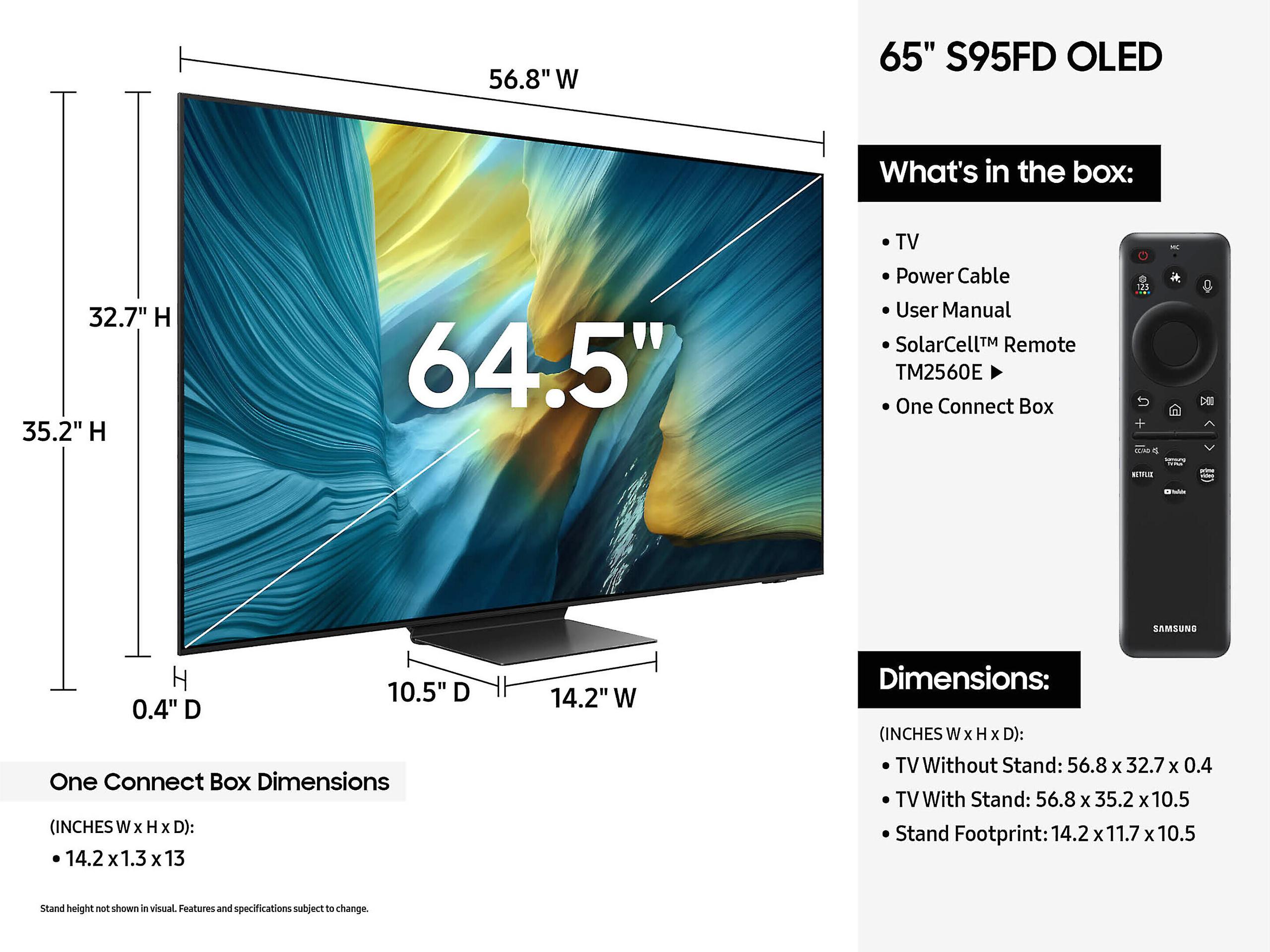
The Samsung S95F is genuinely impressive from a design perspective. At about 1/4 inch thick, it's remarkably slim and virtually disappears when wall-mounted. The One Connect Box moves all the connections to a separate unit, creating an incredibly clean installation with just a single cable running to the TV.
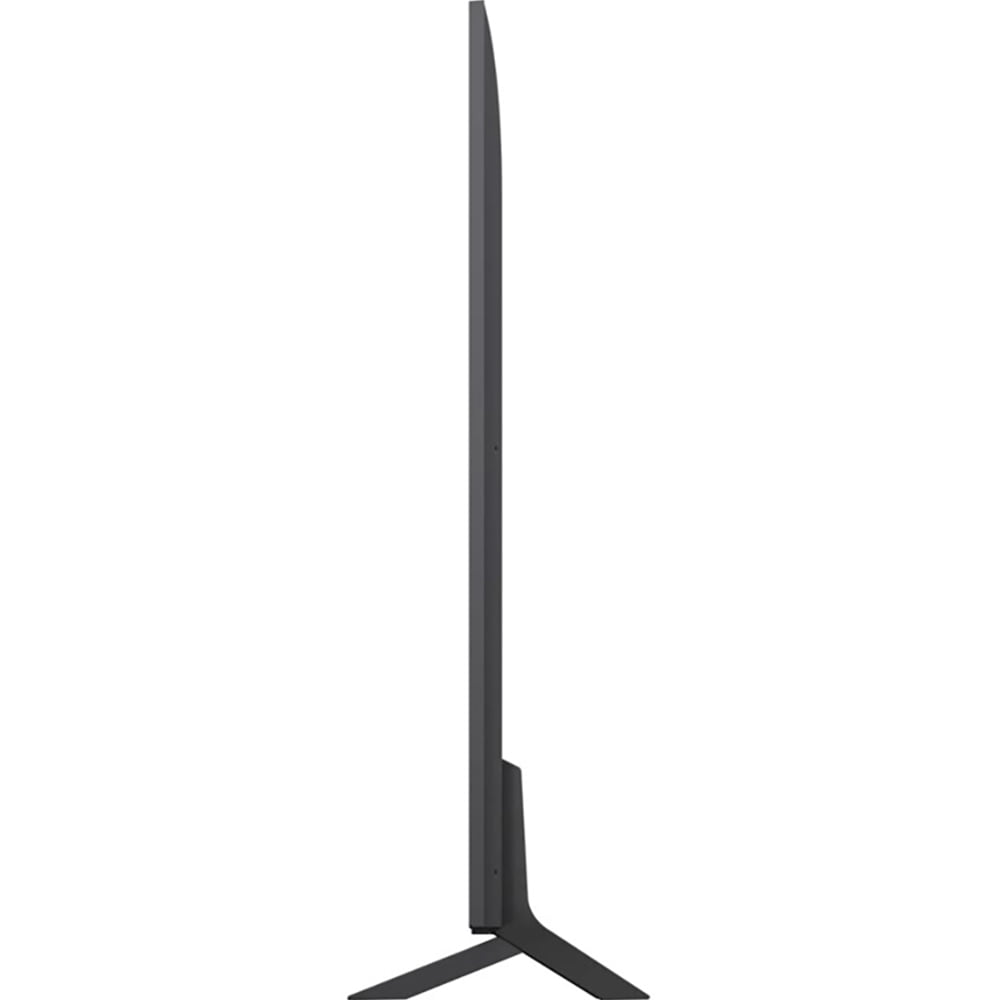
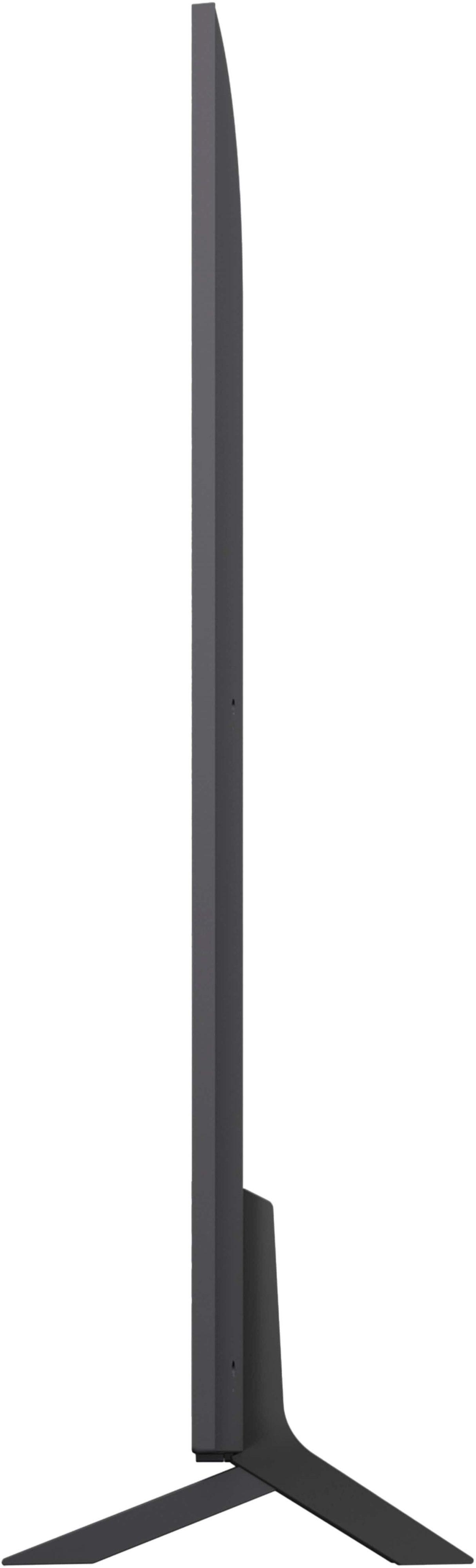
The LG QNED85A is well-built but thicker due to its MiniLED backlight system. At about 30mm thick, it's still slim for an LCD display, but it can't match the S95F's ultra-thin profile. However, this thickness brings benefits—the TV doesn't require external processing boxes and tends to run cooler.
Both TVs offer premium remote controls and solid build quality, but the Samsung feels more luxurious in materials and finish.
For dedicated home theater use, the choice depends on your priorities and room setup. The Samsung S95F excels in dark, controlled environments where its perfect blacks and infinite contrast create the most immersive experience. The ultra-thin profile also creates a more theater-like appearance when wall-mounted.
However, the LG QNED85A has some advantages for home theater use. There's no risk of burn-in from static elements like movie pause screens or game interfaces. The consistent brightness across the entire screen works well for a variety of content types, and the lower price leaves more budget for audio equipment—often the weak link in home theater setups.
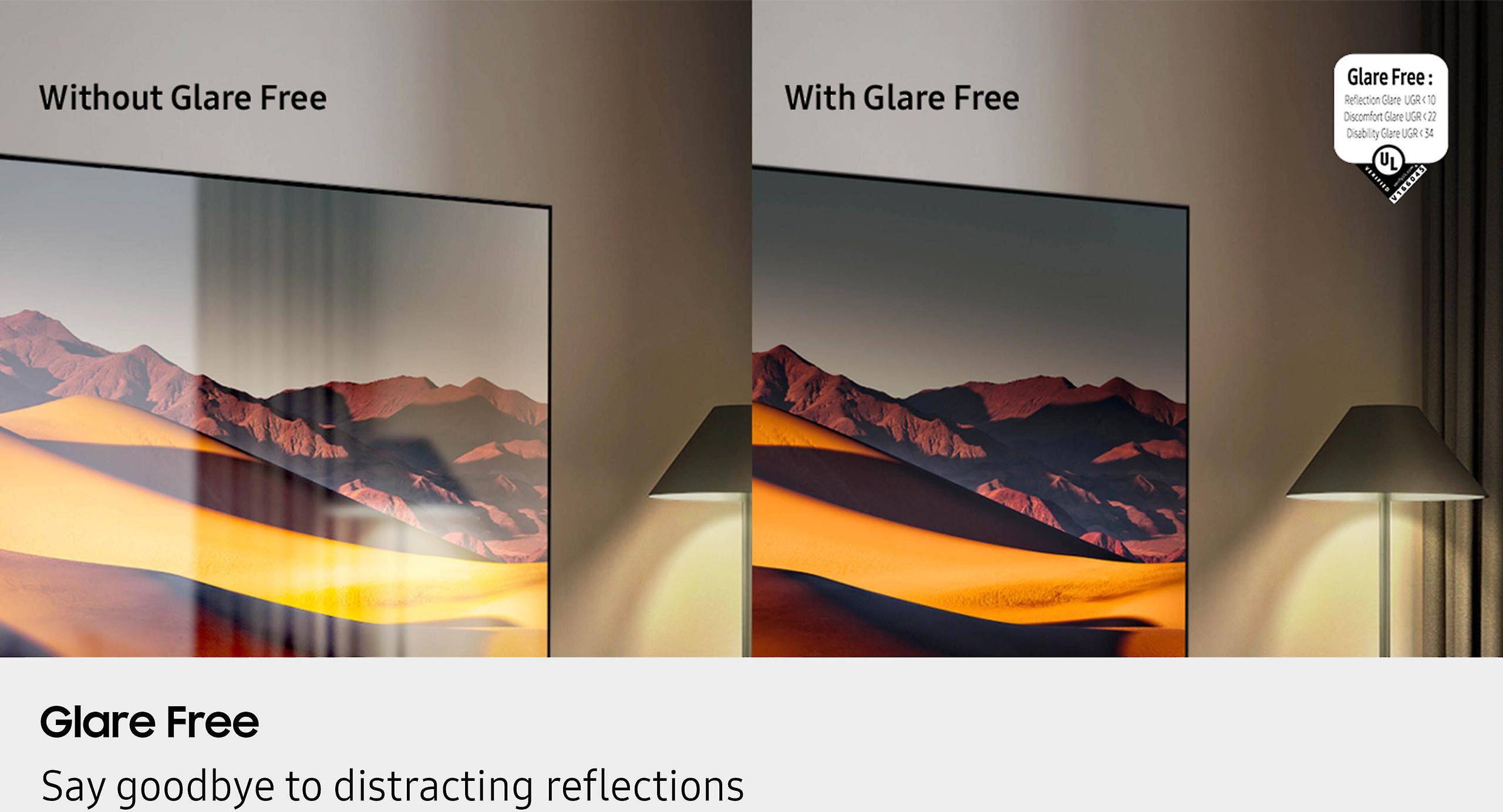
The S95F's matte anti-glare coating is somewhat controversial among home theater enthusiasts. While it dramatically reduces reflections, some users feel it slightly elevates black levels in very bright rooms, reducing the "infinite contrast" advantage.
Choose the LG QNED85A if you want excellent performance without the premium price. It's ideal for bright rooms, diverse content consumption, and buyers who prioritize long-term value and durability. The comprehensive AI features and guaranteed software updates make it a smart long-term investment.
Choose the Samsung S95F if you want the absolute best picture quality available and have the budget for it. It's perfect for home theater enthusiasts, design-conscious buyers, and anyone who primarily watches in controlled lighting conditions.
Both TVs represent the best of their respective technologies, but they serve different needs and budgets. The QNED85A provides premium features at an accessible price point, while the S95F delivers cutting-edge performance for those willing to invest in the ultimate viewing experience.
The television market has evolved rapidly, and both displays show how manufacturers are pushing the boundaries of what's possible. Whether you choose the practical excellence of the LG or the premium perfection of the Samsung, you'll be getting a TV that delivers an exceptional viewing experience for years to come.
| LG 65" QNED evo AI QNED85A 4K MiniLED Smart TV 2025 | Samsung 65" OLED S95F 4K Smart TV 2025 |
|---|---|
| Price - The most important factor for most buyers | |
| $999.99 | $3,097.99 |
| Display Technology - Determines contrast, blacks, and overall picture quality | |
| MiniLED backlit LCD with Quantum NanoCell | QD-OLED with self-emissive pixels |
| Peak Brightness - Critical for HDR impact and bright room viewing | |
| Very high for LCD (exact specs not disclosed) | Up to 4,000 nits in highlights |
| Black Levels - Essential for dark room viewing and contrast | |
| Deep blacks with minimal blooming | Perfect blacks with infinite contrast |
| Refresh Rate - Important for gaming and sports | |
| Native 120Hz | 165Hz with Motion Xcelerator |
| Gaming Features - Matters for console and PC gaming | |
| 4K@120Hz, VRR, FreeSync, HDMI 2.1 | 4K@165Hz, VRR, AMD FreeSync Premium Pro, HDMI 2.1 |
| Smart Platform - Affects long-term usability and app support | |
| webOS 25 with 5-year update guarantee | Tizen with extensive app ecosystem |
| AI Processing - Enhances picture quality and upscaling | |
| α8 Gen2 AI processor with 70% performance boost | NQ4 AI Gen3 processor with Vision AI |
| Design & Thickness - Important for wall mounting aesthetics | |
| ~30mm thick, solid build quality | Ultra-thin ~6mm, premium materials |
| Burn-in Risk - Long-term durability consideration | |
| No burn-in risk (LCD technology) | Minimal risk with modern OLED (requires careful usage) |
| HDR Support - Affects premium content quality | |
| HDR10, HLG, Dolby Vision, Dolby Atmos | HDR10, HDR10+, no Dolby Vision support |
| Audio System - Built-in sound quality | |
| Virtual 5.1 surround, AI Sound Pro | 70W 4.2.2CH with Dolby Atmos, Object Tracking Sound |
| Anti-Glare Performance - Crucial for bright rooms | |
| Standard LCD reflection handling | OLED Glare Free Certified matte coating |
| Value Proposition - Performance per dollar spent | |
| Excellent premium features at mid-range price | Cutting-edge technology at luxury pricing |
The LG 65" QNED evo AI QNED85A 4K MiniLED Smart TV 2025 ($999.99) offers significantly better value, delivering about 80% of premium performance at 30% of the cost compared to the Samsung 65" OLED S95F 4K Smart TV 2025 ($3,097.99). For most buyers, the LG provides excellent picture quality, gaming features, and smart functionality without the premium price tag.
The core difference is display technology. The LG QNED85A uses MiniLED backlighting with LCD panels, while the Samsung S95F uses QD-OLED technology where each pixel creates its own light. This means the Samsung delivers perfect blacks and infinite contrast, while the LG offers higher consistent brightness and no burn-in risk.
Both TVs perform well in bright rooms, but for different reasons. The LG QNED85A maintains consistent brightness across the entire screen without dimming, making it excellent for daytime viewing. The Samsung S95F has a special matte anti-glare coating that reduces reflections, though it may slightly affect black levels in very bright environments.
Both are excellent for gaming, but the Samsung S95F has a slight edge with its 165Hz refresh rate and near-instantaneous response times. The LG QNED85A offers 120Hz refresh rate and excellent gaming features at a much lower price. Both support 4K gaming, VRR, and have low input lag.
The Samsung S95F dominates in black levels with perfect blacks and infinite contrast ratio thanks to its OLED technology. The LG QNED85A offers good contrast for an LCD TV with minimal blooming, but cannot match OLED's ability to turn pixels completely off.
For dedicated home theater rooms, the Samsung S95F creates a more immersive experience with its perfect blacks and ultra-thin design. However, the LG QNED85A offers excellent home theater performance without burn-in concerns and leaves more budget for audio equipment, which is often more important than the TV itself.
Yes, both the LG QNED85A with webOS 25 and the Samsung S95F with Tizen support all major streaming services including Netflix, Disney+, Amazon Prime Video, Apple TV+, and HBO Max. The LG guarantees 5 years of software updates, while Samsung provides regular updates through their established ecosystem.
The Samsung S95F can reach up to 4,000 nits in small highlight areas, which is exceptional for OLED technology. However, the LG QNED85A maintains more consistent brightness across larger areas due to its MiniLED backlighting system, making it potentially brighter overall for certain content types.
The LG QNED85A has no burn-in risk since it uses LCD technology, making it worry-free for varied content consumption. The Samsung S95F has minimal burn-in risk with modern OLED technology, but users should still avoid displaying static images for extended periods.
Both excel at sports viewing, but the LG QNED85A may have a slight advantage due to its consistent brightness across the entire screen and no risk of ABL (Automatic Brightness Limiter) dimming during bright scenes. The Samsung S95F offers superior motion handling and contrast for evening sports viewing.
The LG QNED85A offers more advanced AI features with its α8 Gen2 processor, including AI Super Upscaling and personalized recommendations. It also guarantees 5 years of software updates. The Samsung S95F has a feature-rich Tizen platform with extensive app support and Samsung ecosystem integration.
Choose the LG QNED85A if you want excellent performance at a reasonable price, prioritize bright room viewing, or want worry-free long-term use. Choose the Samsung S95F if you want the absolute best picture quality, have a dedicated home theater setup, and budget isn't a primary concern. For most buyers, the LG offers the best balance of performance and value.
We've done our best to create useful and informative comparisons to help you decide what product to buy. Our research uses advanced automated methods to create this comparison and perfection is not possible - please contact us for corrections or questions. These are the sites we've researched in the creation of this article: rtings.com - rtings.com - youtube.com - lg.com - smarthomesounds.co.uk - abt.com - abt.com - lg.com - displayspecifications.com - walmart.com - bestbuy.com - lg.com - lg.com - lg.com - files.bbystatic.com - flatpanelshd.com - north-side-appliance.com - lgnewsroom.com - lg.com - youtube.com - youtube.com - hindustantimes.com - businessinsider.com - tomsguide.com - youtube.com - avsforum.com - zdnet.com - samsung.com - pioneertvandappliance.com - samsung.com - displayspecifications.com - samsung.com

Privacy Policy
Terms and Conditions - Affiliate Policy
Home Security
© Copyright 2008-2026.
11816 Inwood Rd #1211, Dallas, TX 75244