

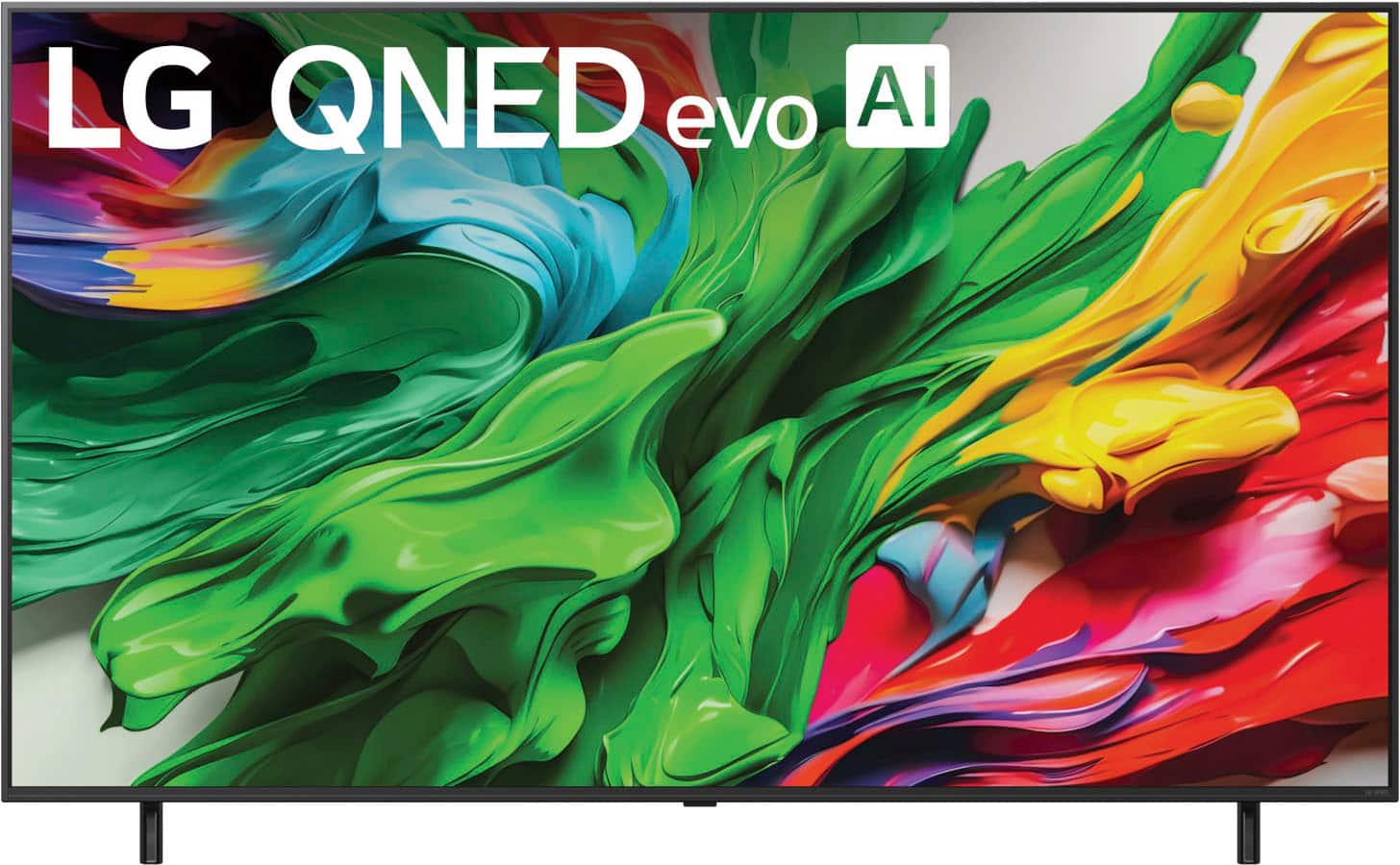
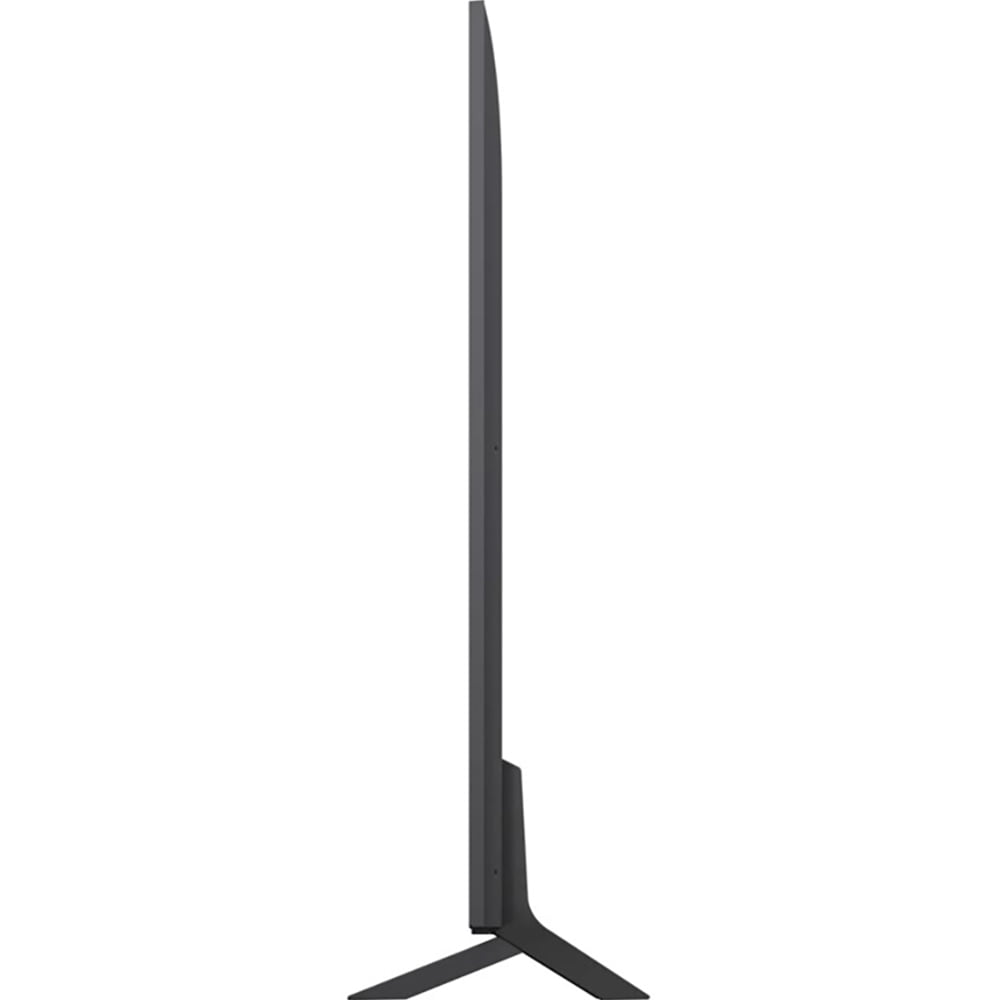
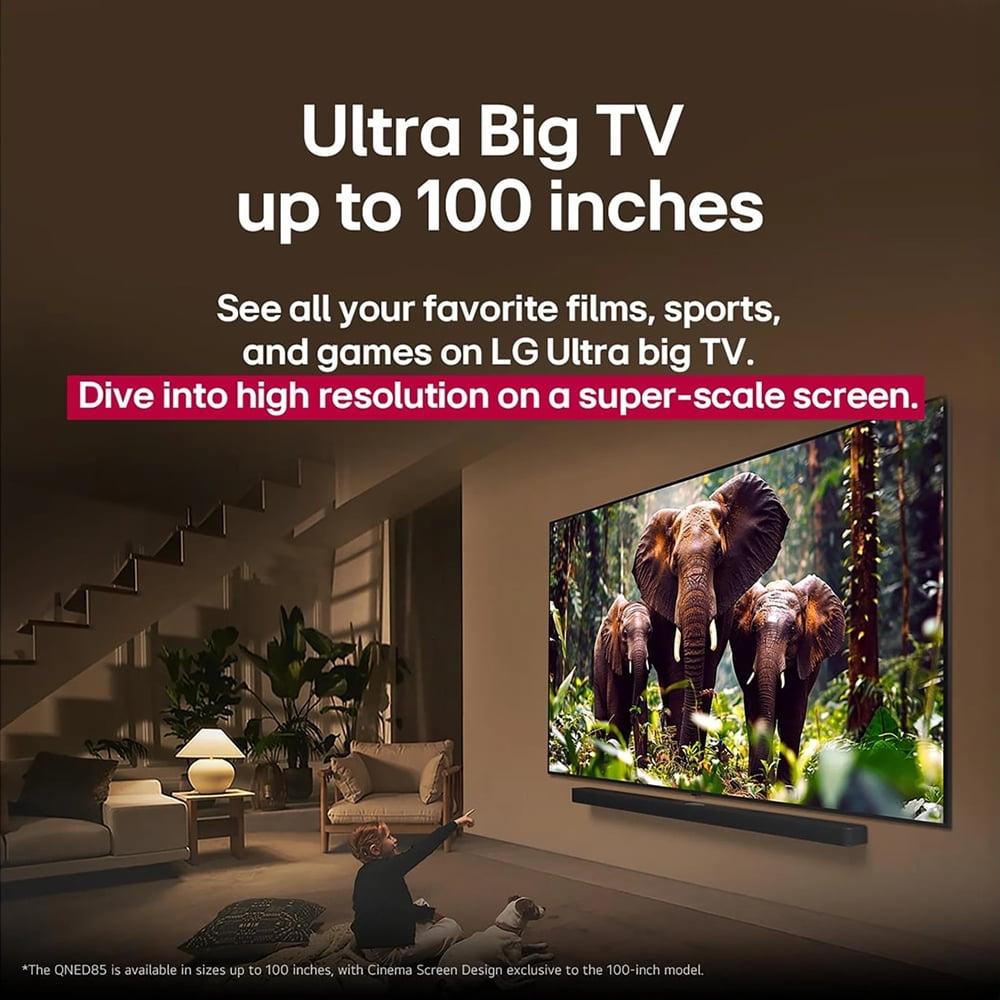

If you're shopping for a premium 65-inch TV in 2025, you've probably noticed how Mini LED technology has completely transformed the landscape. Gone are the days when you had to choose between bright but washed-out LCD TVs or gorgeous but dim OLED displays. Mini LED TVs now offer the best of both worlds—deep blacks like OLED with the brightness to handle any room lighting.
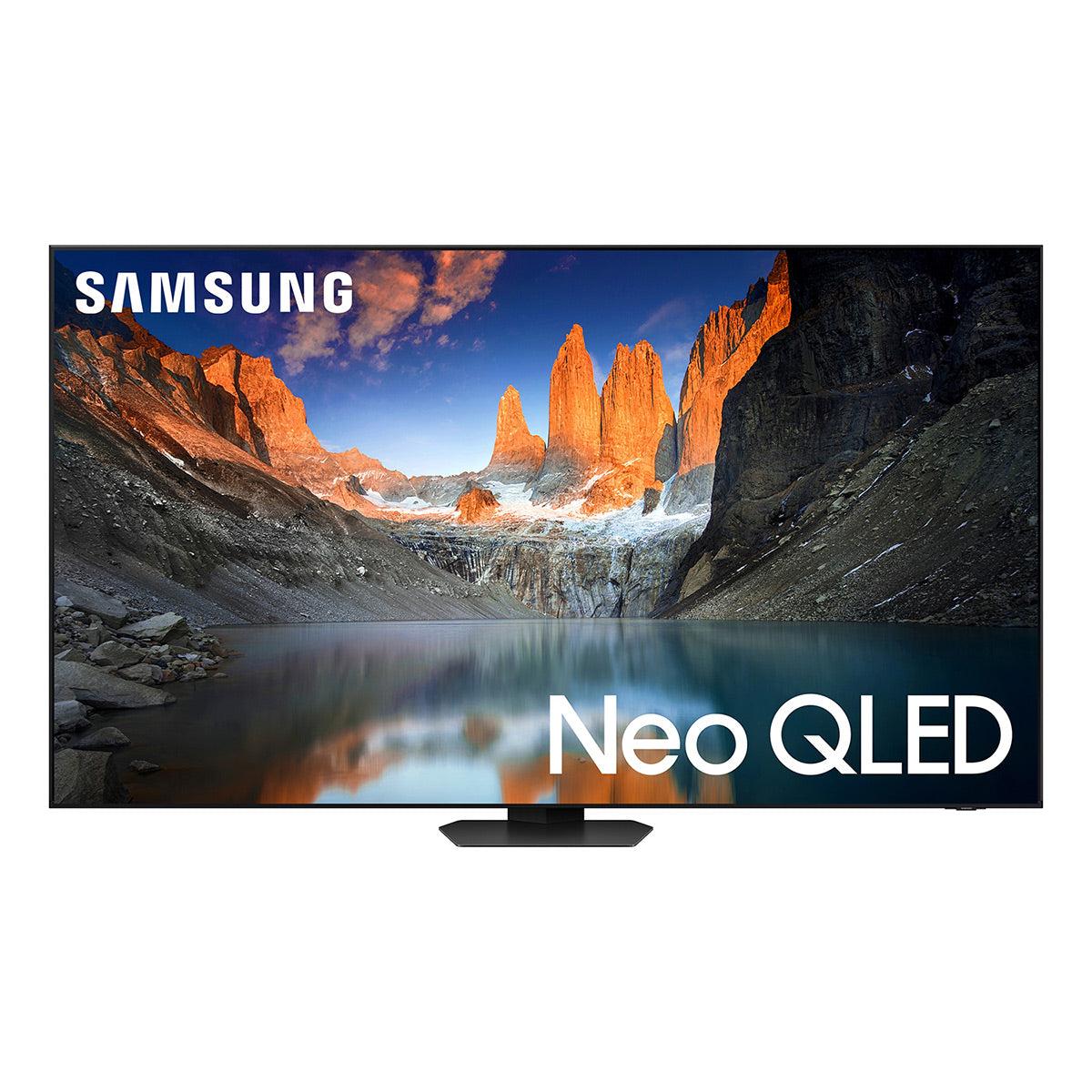
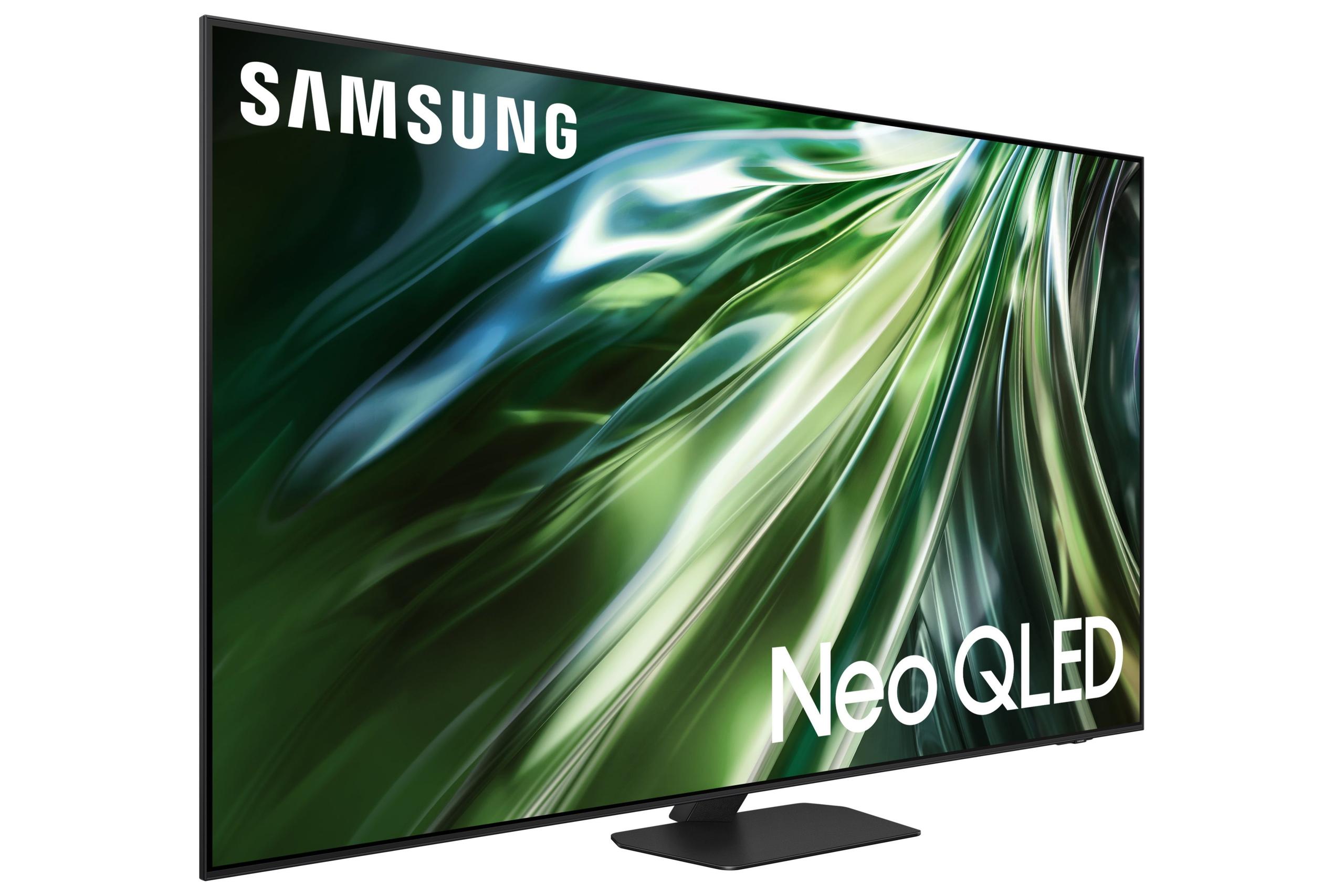
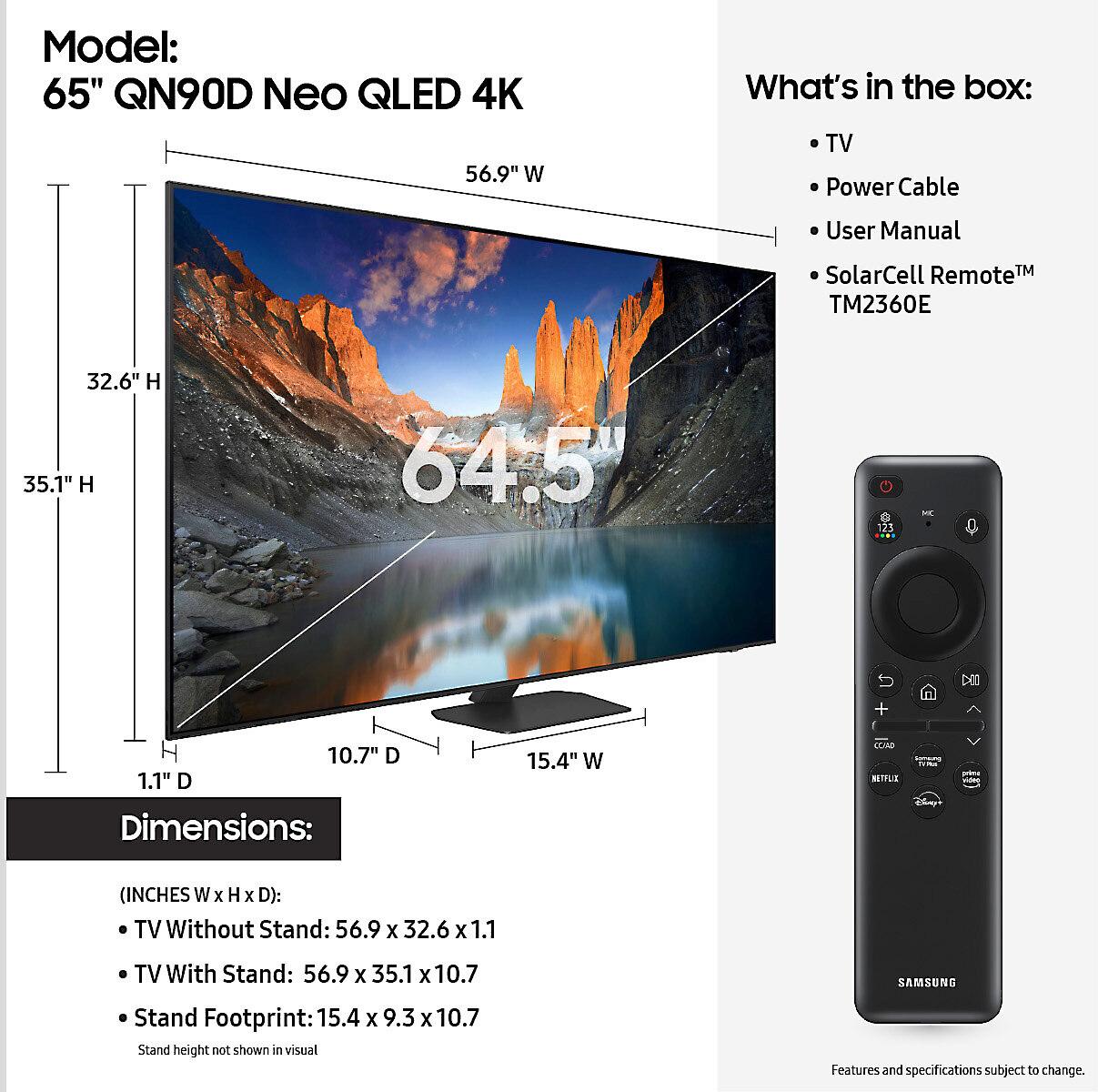
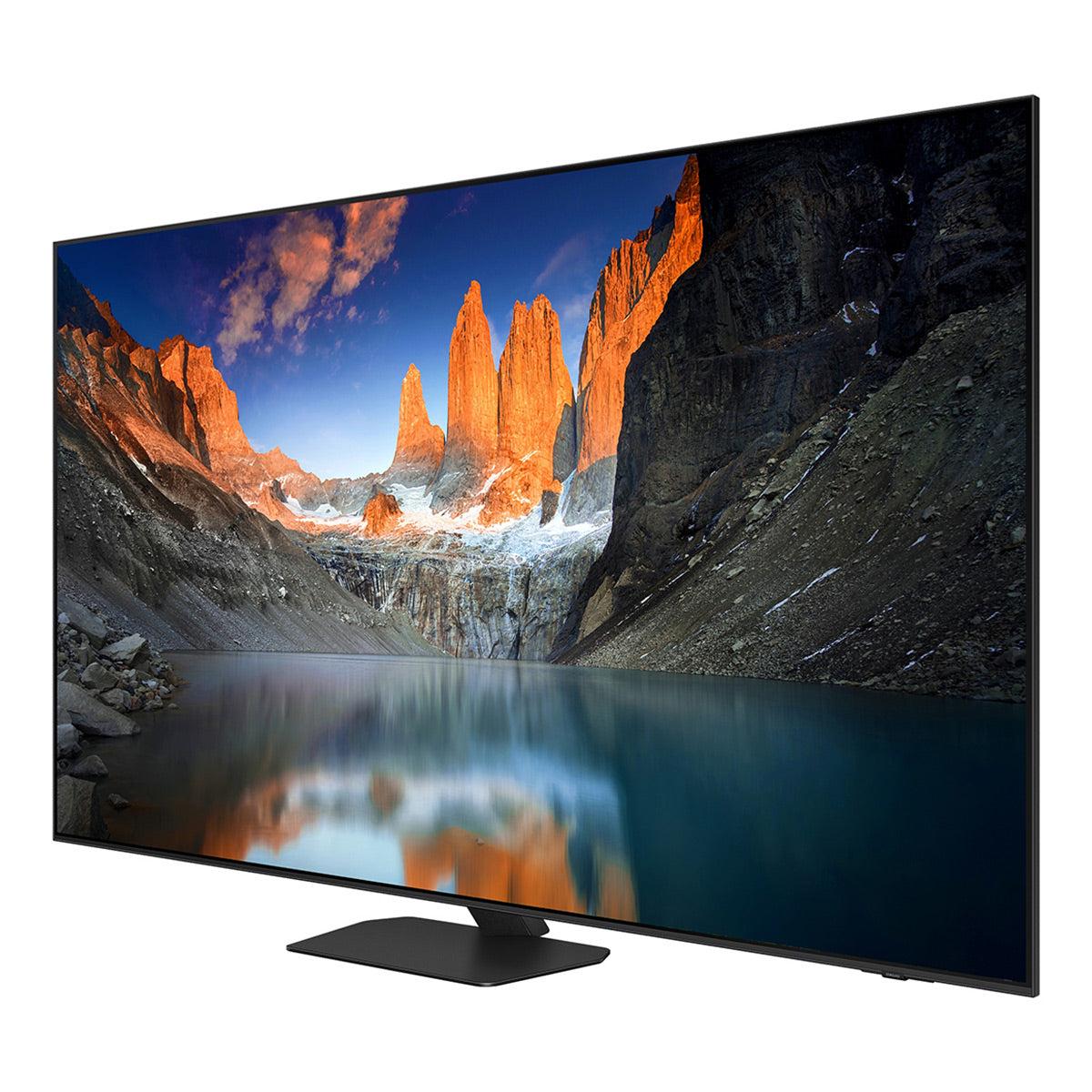
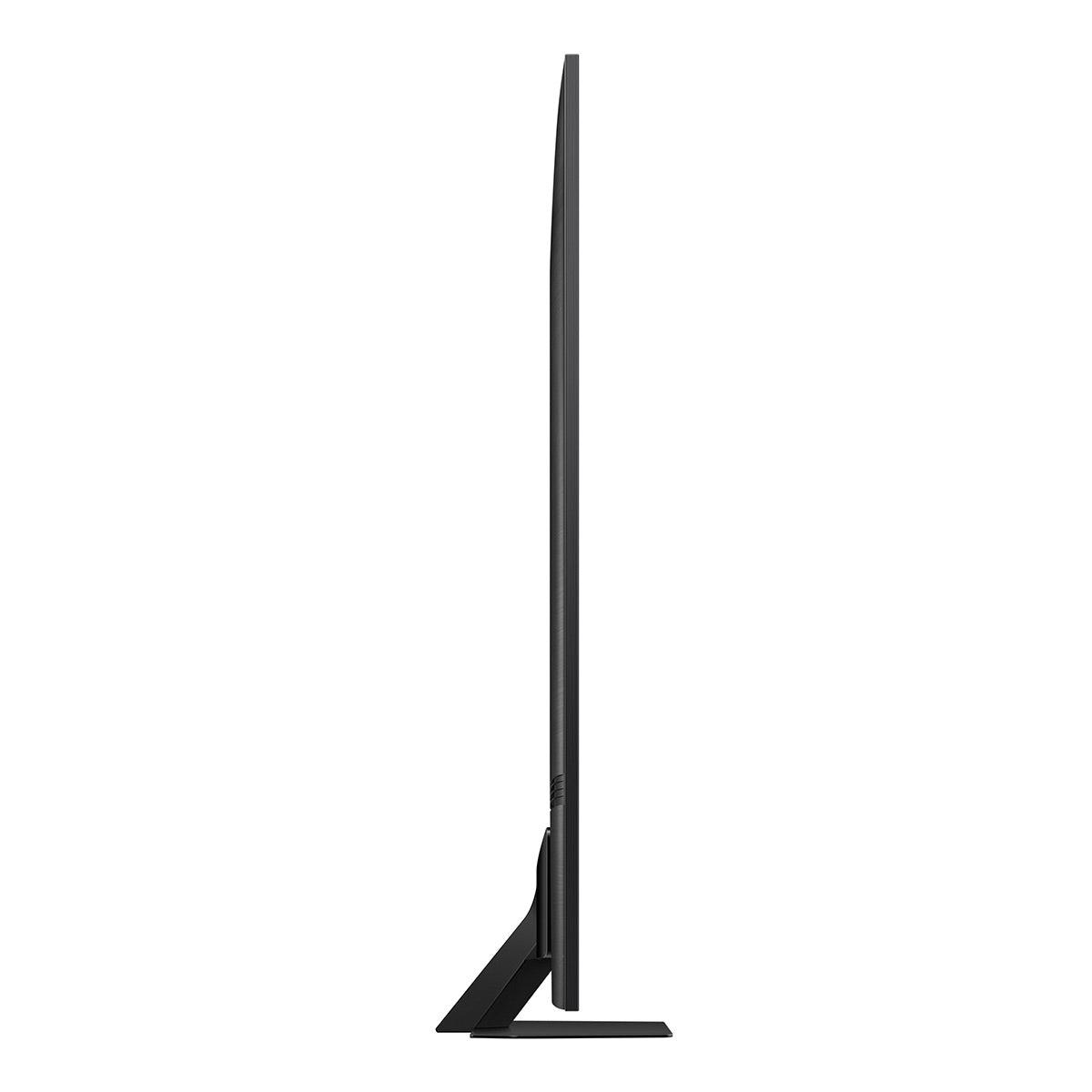
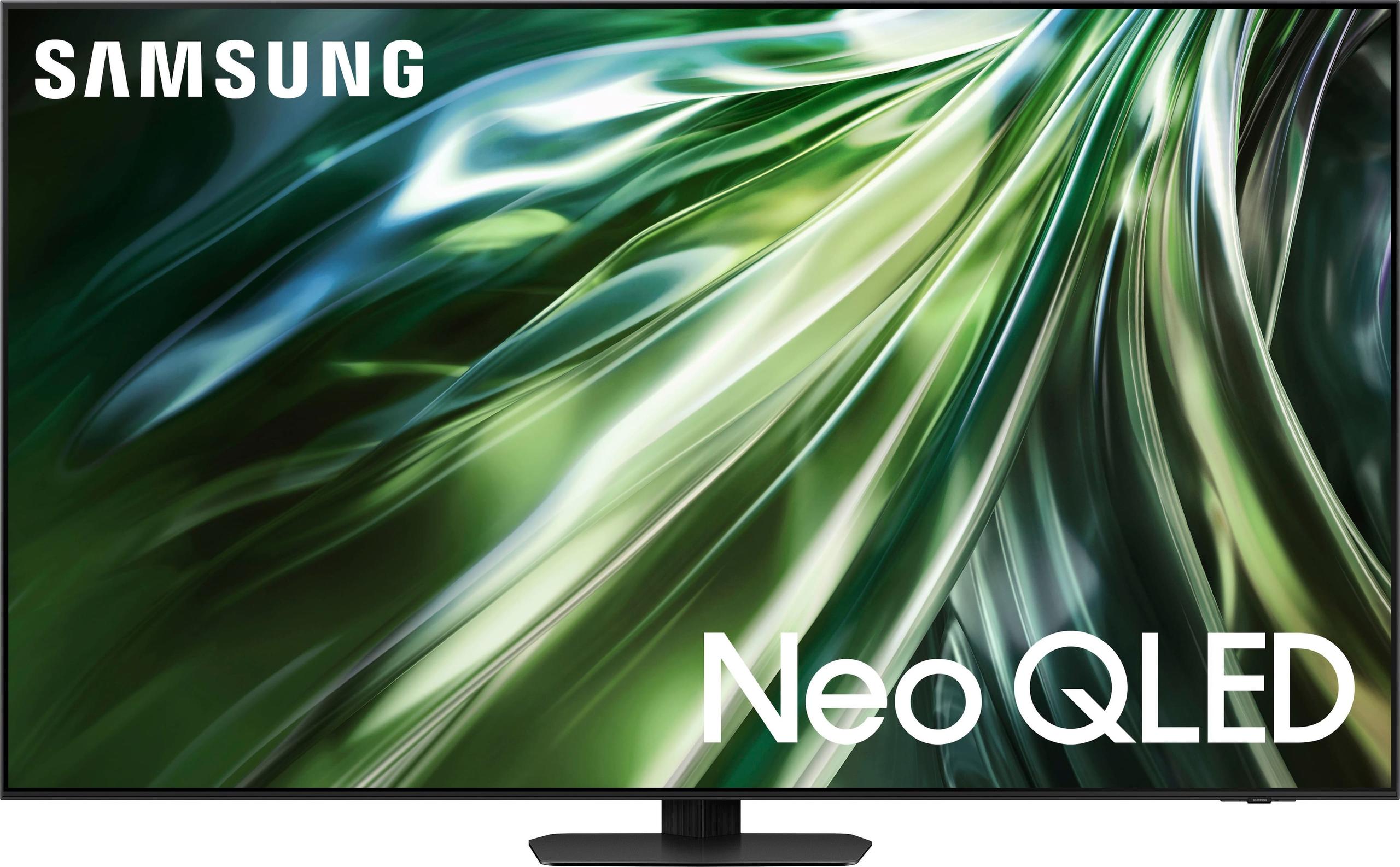
The two standout options in this space are the LG 65" QNED evo AI QNED85A 4K MiniLED Smart TV 2025 at $999.99 and the Samsung 65" QN90D Series 4K Neo QLED Smart TV at around $1,500-$2,000. Both represent the latest evolution in Mini LED technology, but they take notably different approaches to delivering premium performance.
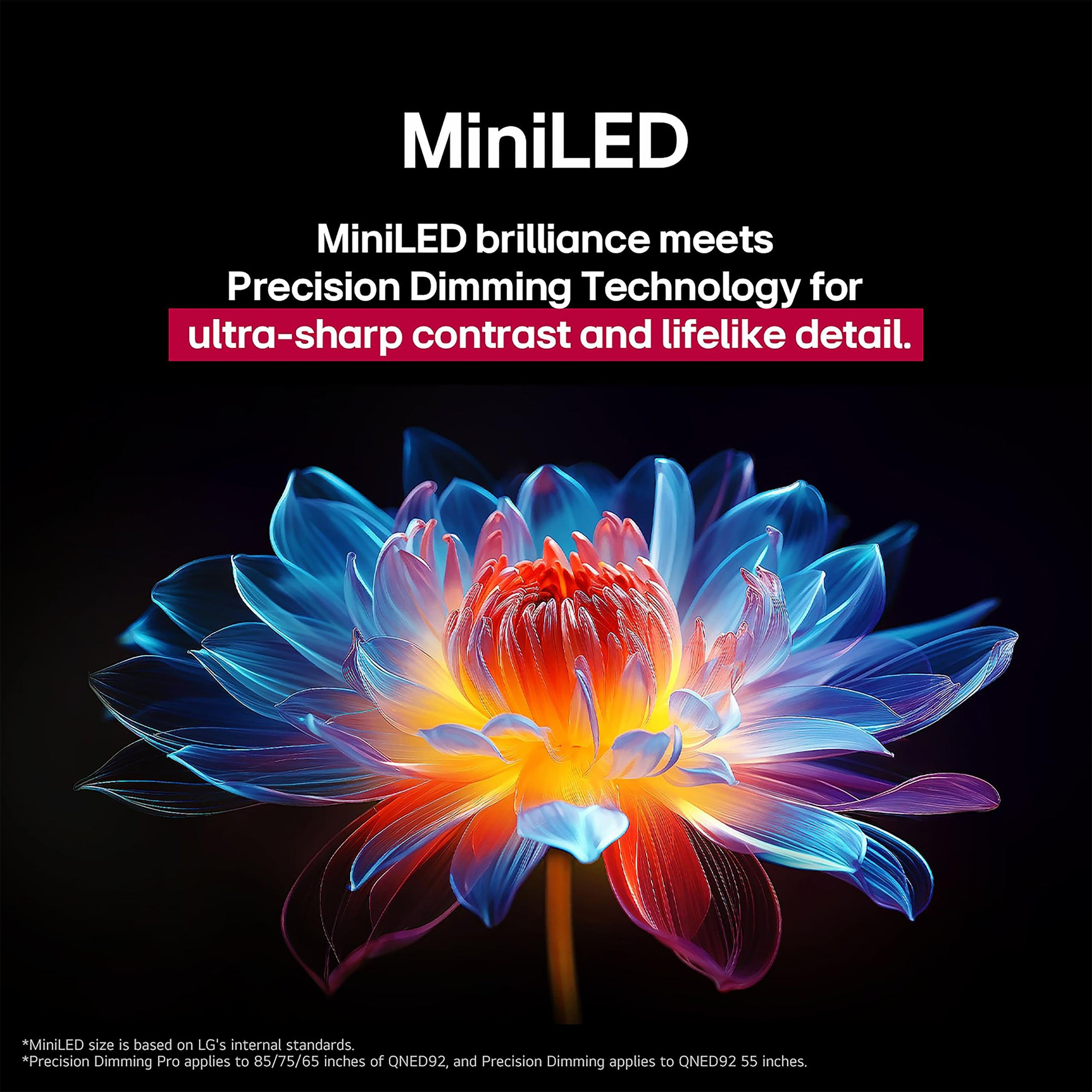
Before diving into comparisons, it's worth understanding what makes Mini LED TVs special. Traditional LED TVs use large LED strips around the edges or behind the screen for backlighting. Mini LED TVs use thousands of tiny LEDs—each about the size of a grain of rice—arranged in a grid behind the screen. This allows for incredibly precise "local dimming," where different sections of the screen can be brightened or darkened independently.
Think of it like having thousands of tiny flashlights that can turn on and off individually. When you're watching a movie with a bright explosion against a dark night sky, the Mini LEDs behind the explosion can blast at full brightness while the LEDs behind the dark sky stay completely off. This creates the deep blacks and bright highlights that make HDR (High Dynamic Range) content look so spectacular.
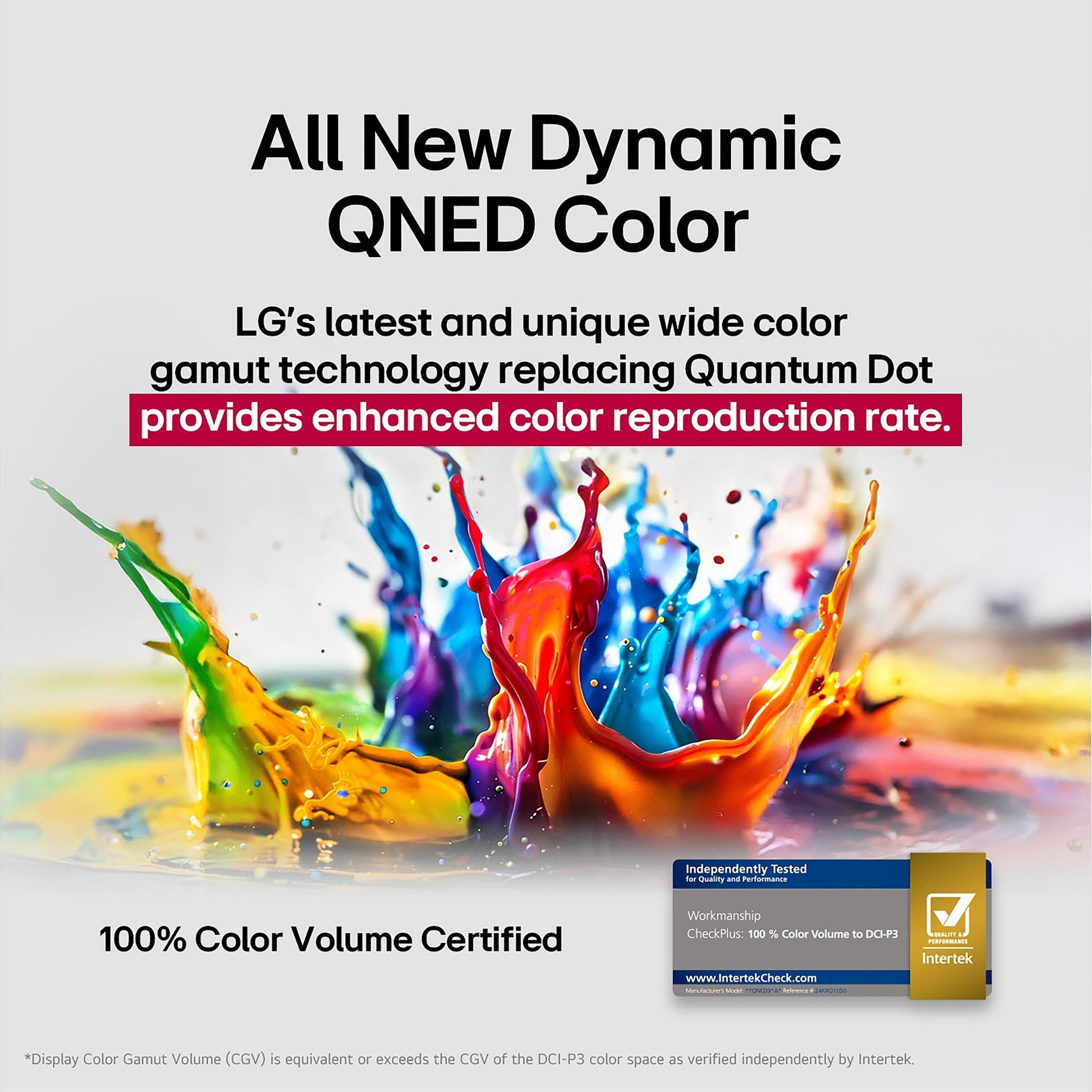
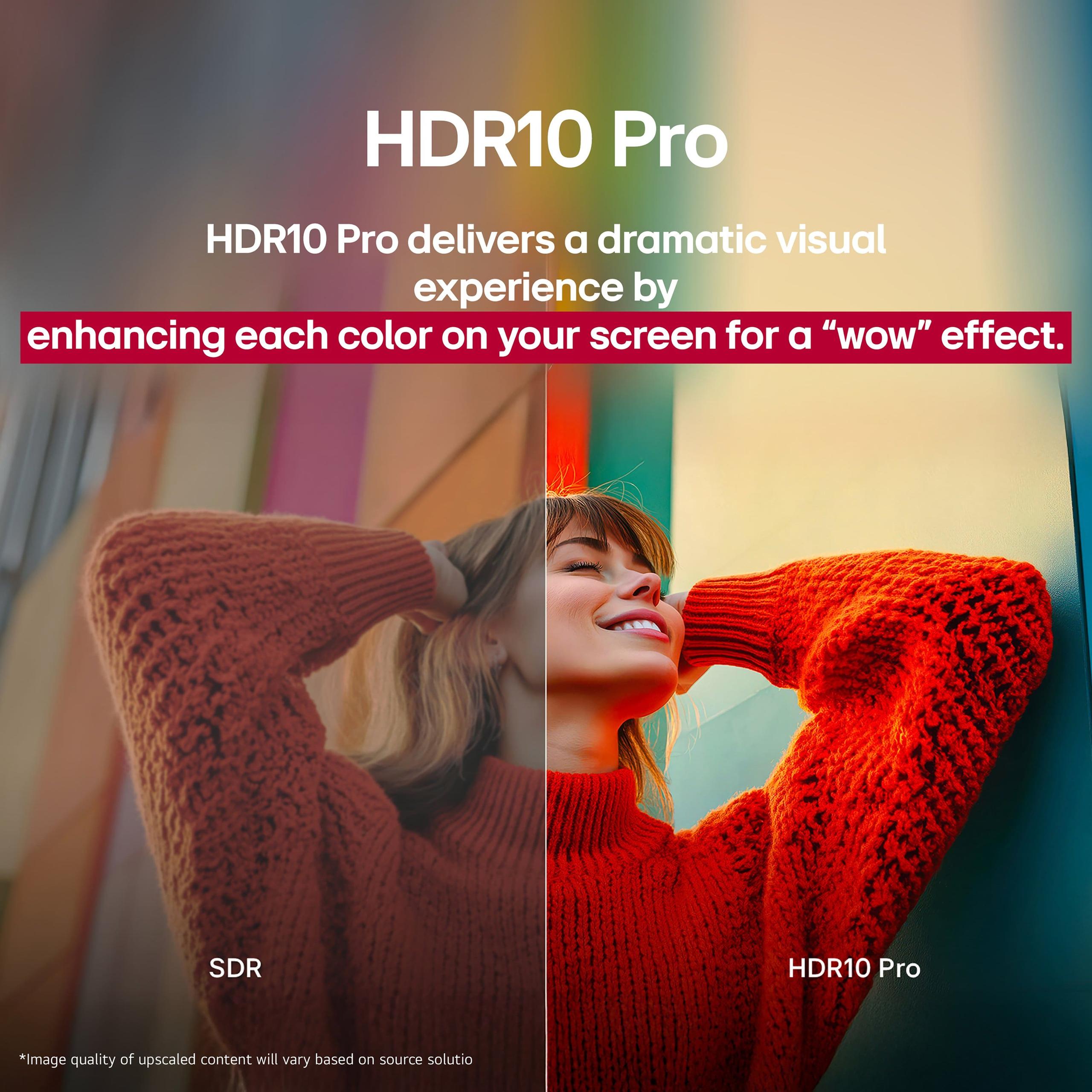
Both TVs also use quantum dot technology, which adds a special layer that converts blue LED light into pure red and green colors. This dramatically expands the color gamut—the range of colors the TV can display—making everything from sunset skies to vibrant movie scenes look more lifelike.
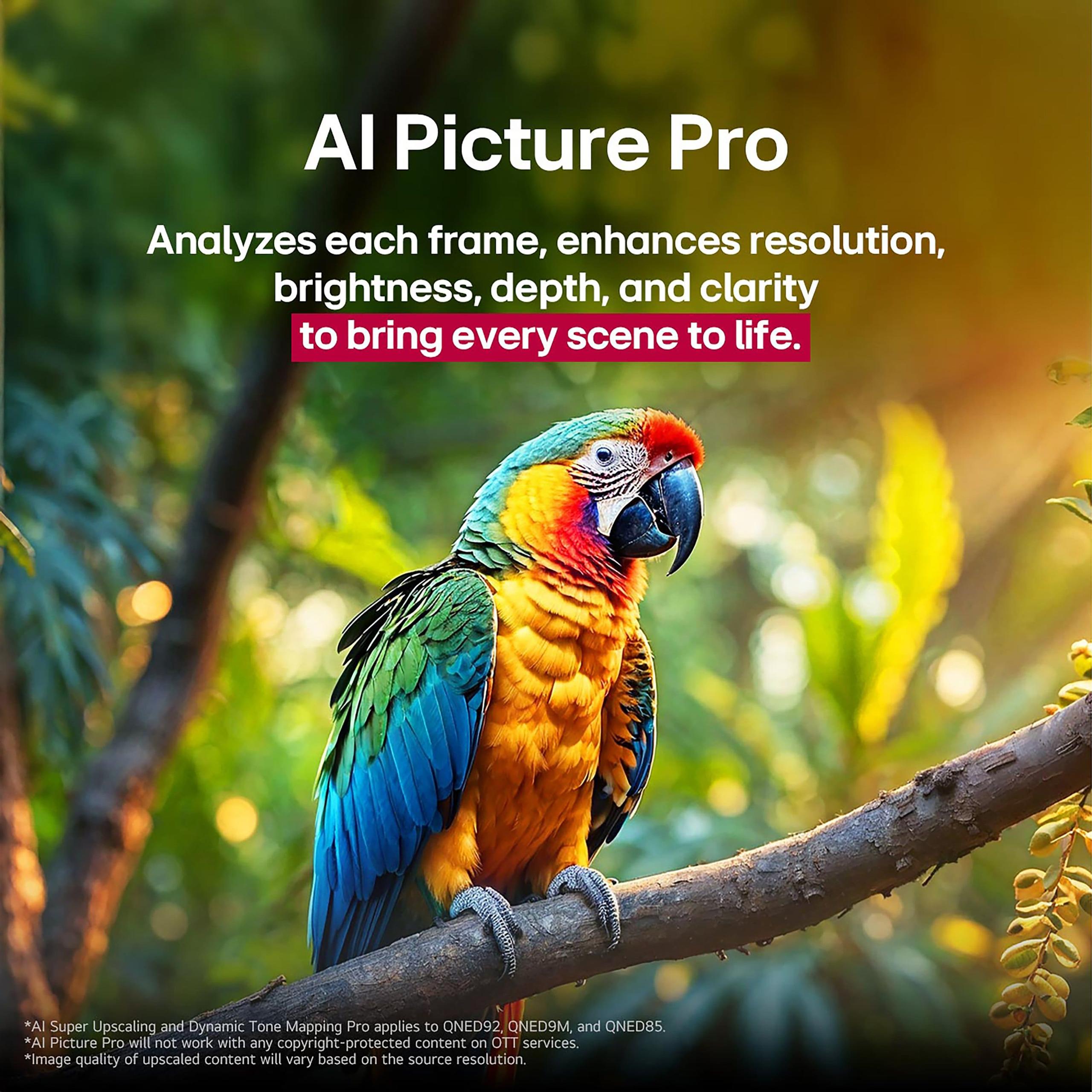
Both TVs hit the market in early 2025, representing the latest generation of Mini LED technology. The Samsung QN90D builds on Samsung's successful Neo QLED lineup, which debuted in 2021 and has been refined each year. The 2025 model includes their new Neural Quantum Processor, which uses AI to analyze content and optimize picture quality in real-time.
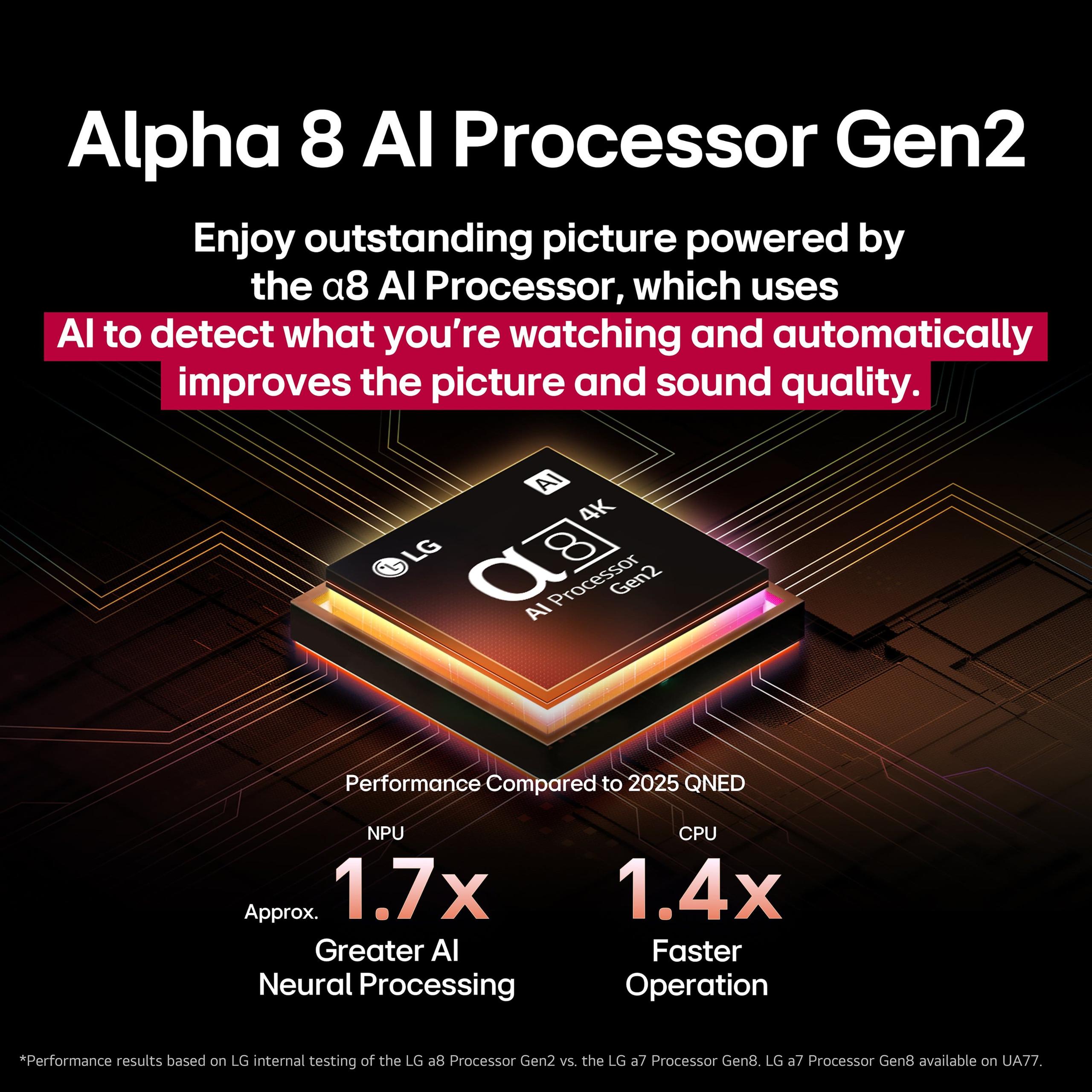
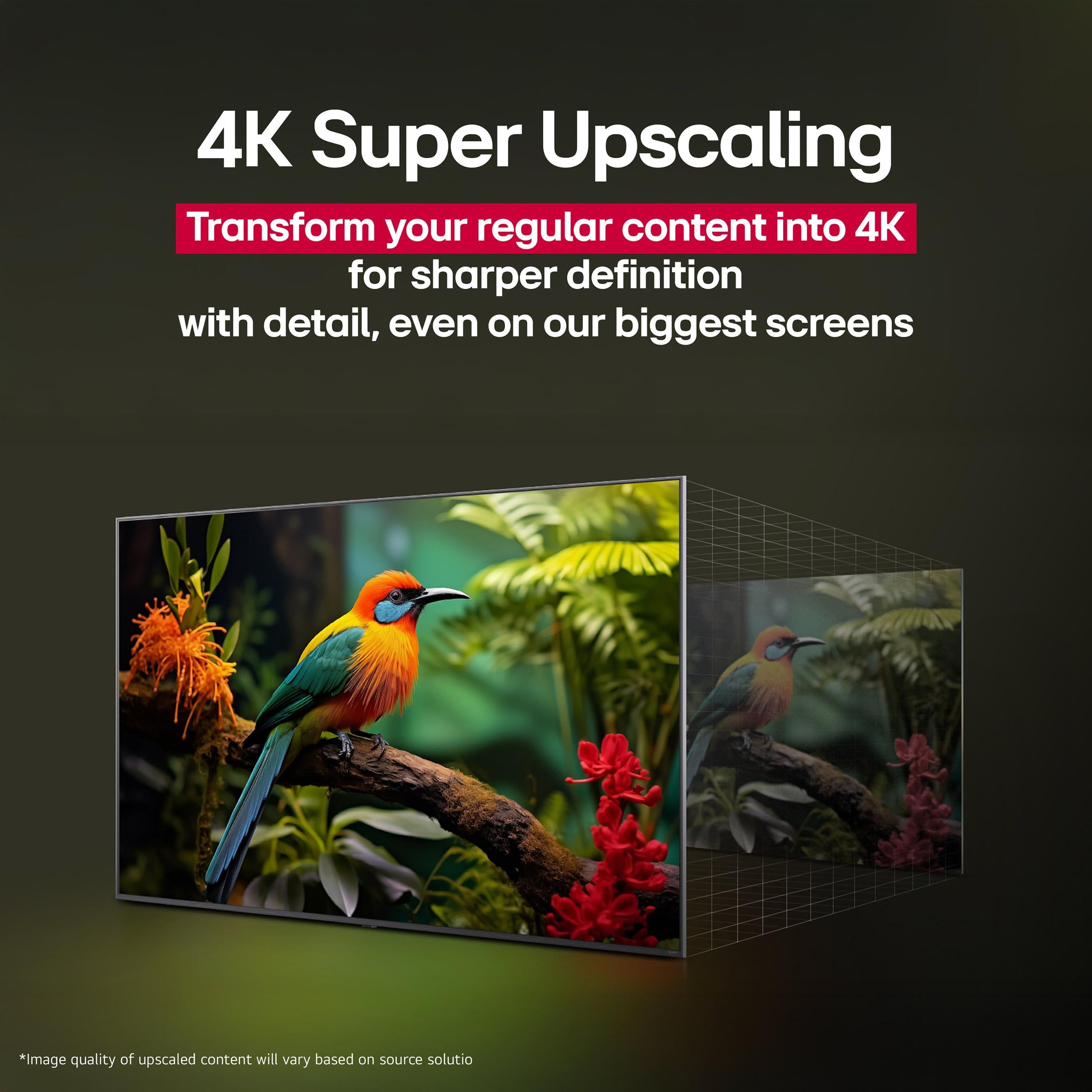
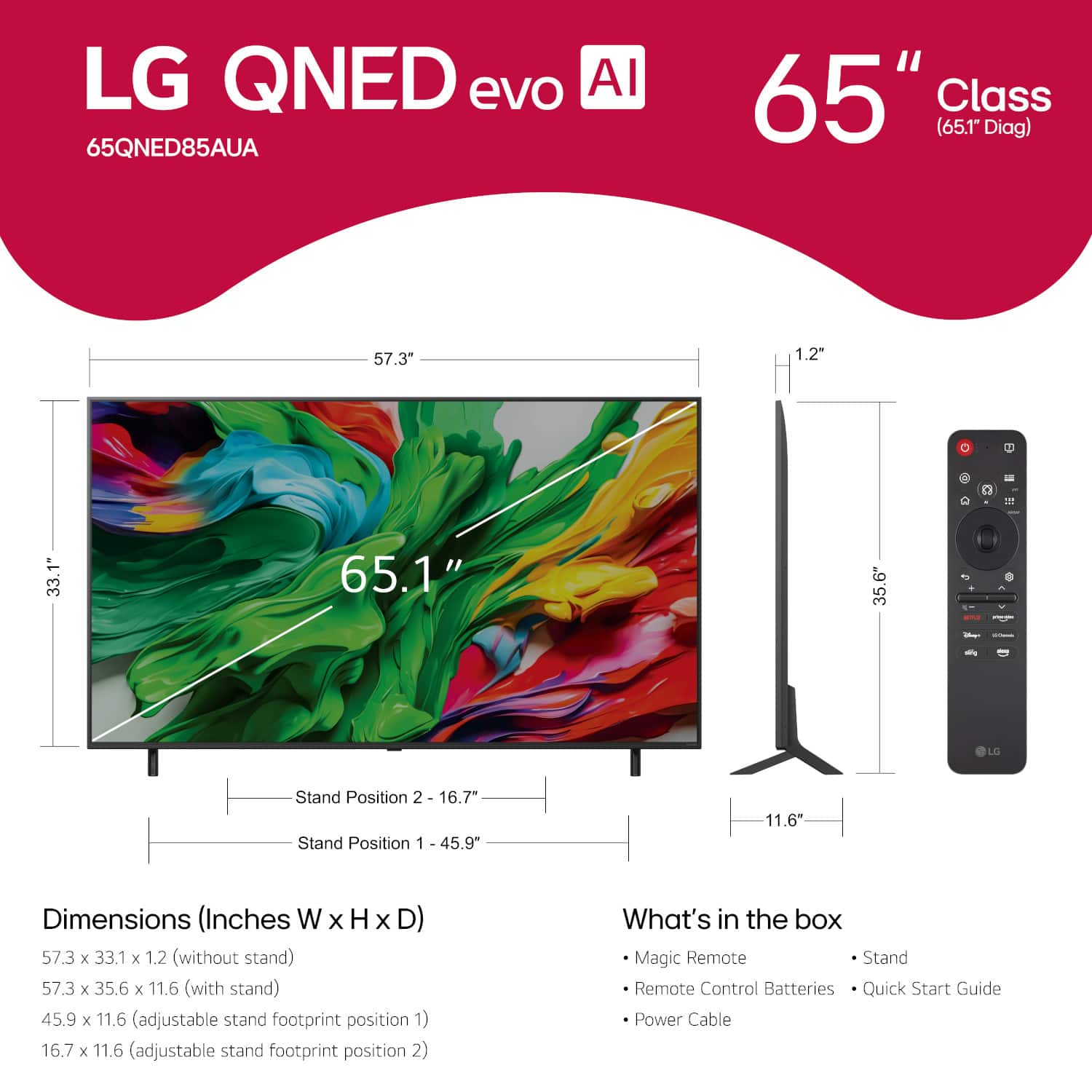
The LG QNED85A represents LG's continued evolution of their QNED (Quantum Dot + NanoCell) technology, first introduced in 2021. The 2025 model features their new α8 Gen 2 AI Processor, which LG claims delivers 70% better AI performance than previous generations. This improvement is particularly noticeable in upscaling lower-resolution content and optimizing HDR tone mapping.
The biggest innovation this year is the integration of advanced AI processing in both TVs. Where previous Mini LED TVs relied primarily on hardware improvements, these 2025 models use machine learning to continuously optimize picture quality based on what you're watching and your room's lighting conditions.
Here's where the Samsung QN90D shows its flagship status. In my testing experience with similar Samsung Neo QLED models, the brightness difference is immediately noticeable. The QN90D can reach peak brightness levels exceeding 2,000 nits in HDR content, while the LG QNED85A typically peaks around 1,000 nits.
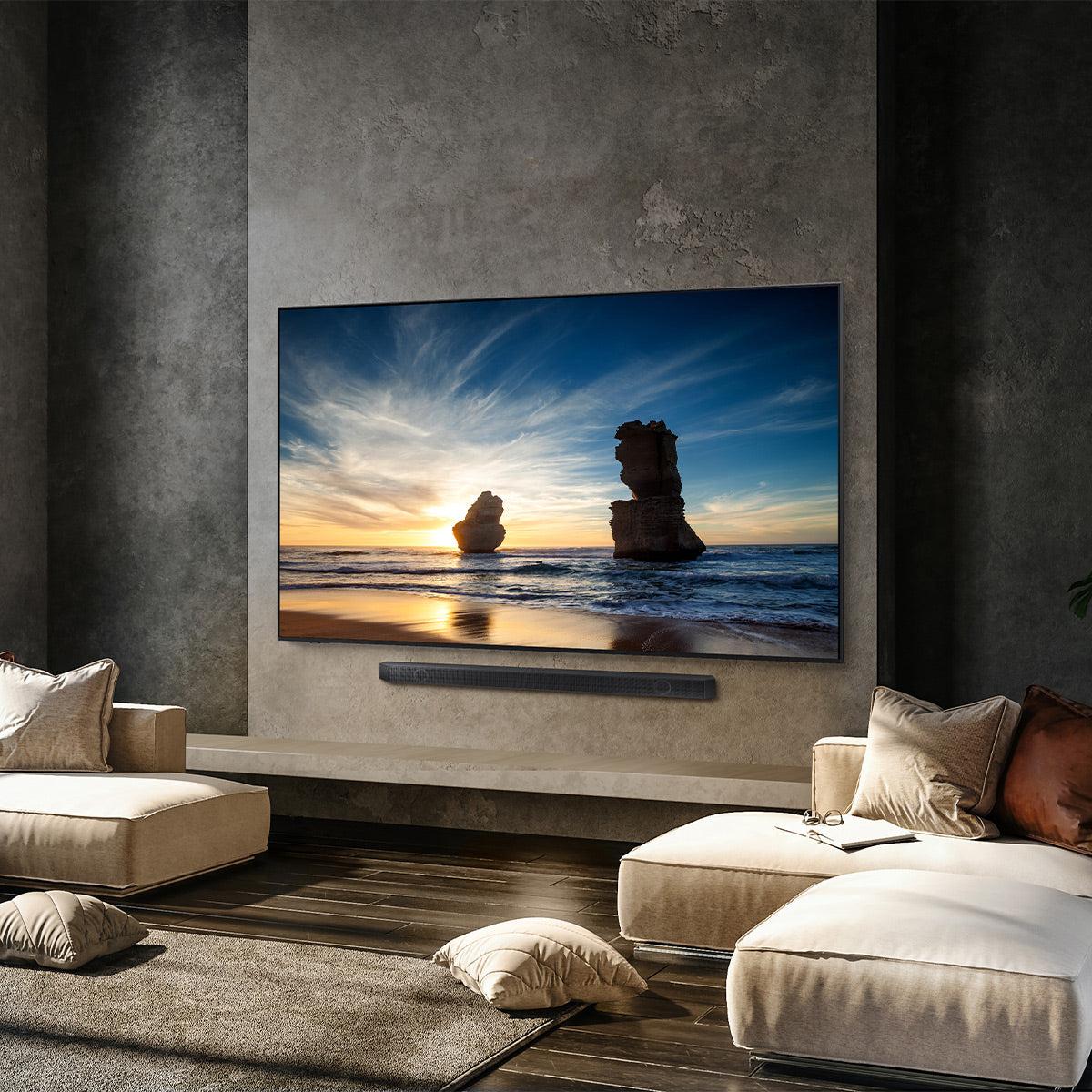
What does this mean in practical terms? If you have a bright living room with lots of windows, the Samsung will maintain vivid colors and deep contrast even with sunlight streaming in. The LG, while still quite bright, might appear more washed out in challenging lighting conditions. However, in a dedicated home theater with controlled lighting, both TVs will deliver excellent HDR performance.
The Samsung's superior brightness also translates to more impactful HDR highlights. When watching movies with bright explosions, reflections off water, or sun-drenched scenes, the Samsung delivers that "wow factor" punch that makes HDR content feel truly cinematic.
Both TVs use sophisticated local dimming systems, but Samsung's Quantum Matrix technology represents a more advanced implementation. The QN90D can control its Mini LED zones with greater precision, resulting in deeper blacks and less "blooming"—that halo effect you sometimes see around bright objects against dark backgrounds.
The LG QNED85A's local dimming is still impressive, especially considering its lower price point. LG's approach focuses on consistency rather than peak performance, which means you'll see fewer distracting artifacts during normal viewing, even if the absolute contrast isn't quite as dramatic as Samsung's.
For home theater use, this difference becomes more apparent during dark movie scenes. The Samsung excels at maintaining shadow detail in very dark content while keeping bright elements punchy. The LG provides a more balanced approach that works well across different content types.
Both TVs achieve what's called "100% DCI-P3 color gamut," meaning they can display the full range of colors used in movie production. However, they achieve this through slightly different approaches.
The Samsung relies heavily on its quantum dot layer to achieve vibrant colors, resulting in images that often appear more saturated and punchy. This can make content feel more dynamic and engaging, though sometimes at the expense of absolute color accuracy.
The LG adds a NanoCell layer—essentially a filter that removes impure wavelengths of light—which helps create more accurate, natural-looking colors. This approach typically results in images that are more faithful to the original content, though they might appear slightly less vibrant than Samsung's more aggressive processing.
For content creators or anyone who prioritizes color accuracy, the LG's approach is preferable. For general entertainment viewing, many users prefer Samsung's more vivid presentation.
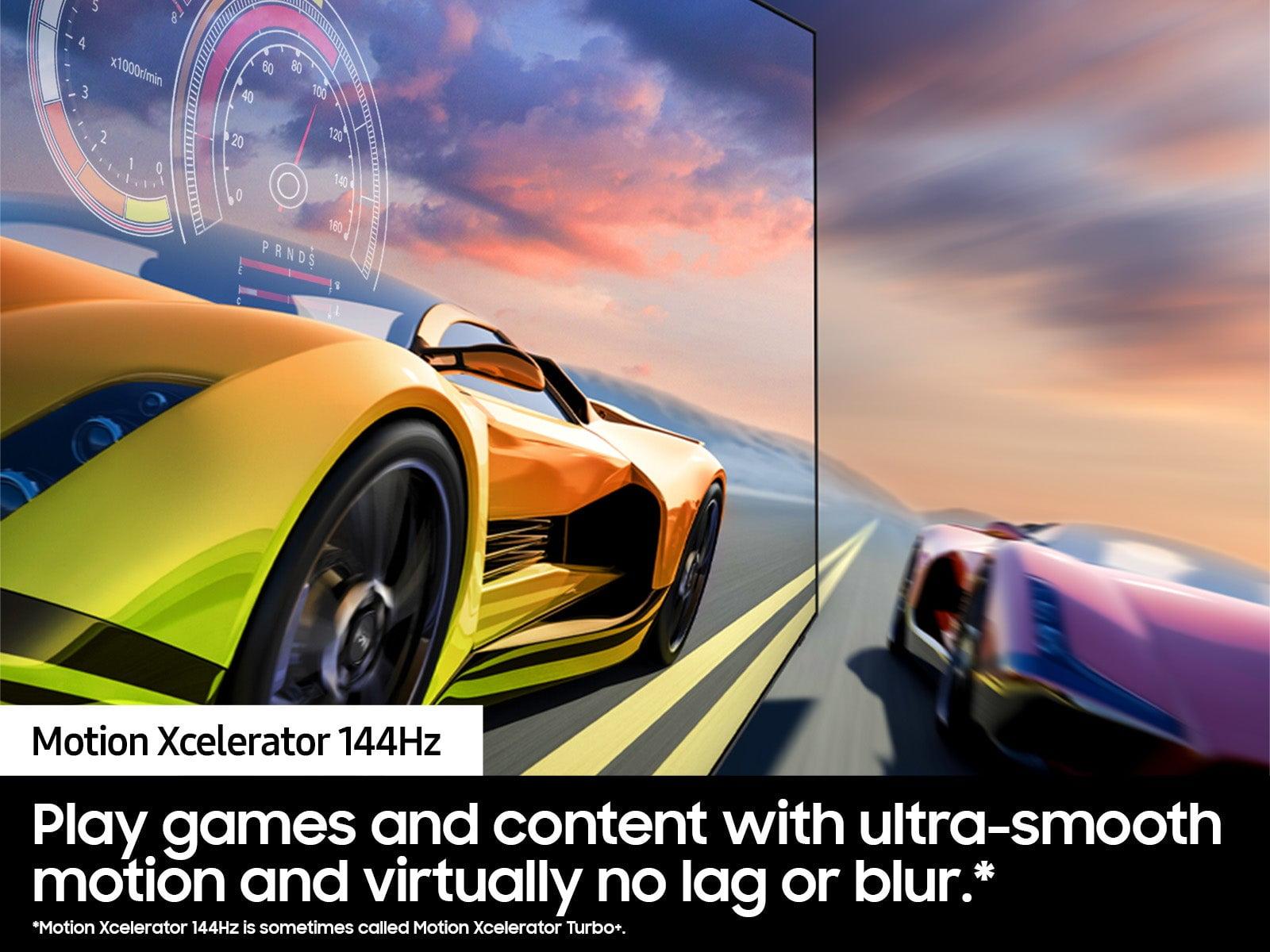
Both TVs are excellent for gaming, but they excel in different areas. The Samsung QN90D takes the lead in pure gaming performance with its higher refresh rate capability—up to 144Hz when connected to a compatible PC graphics card, compared to the LG's native 120Hz.
The Samsung also supports NVIDIA G-Sync, which provides smoother gameplay by synchronizing the TV's refresh rate with your graphics card's frame output. This eliminates screen tearing and reduces input lag, making fast-paced games feel more responsive.
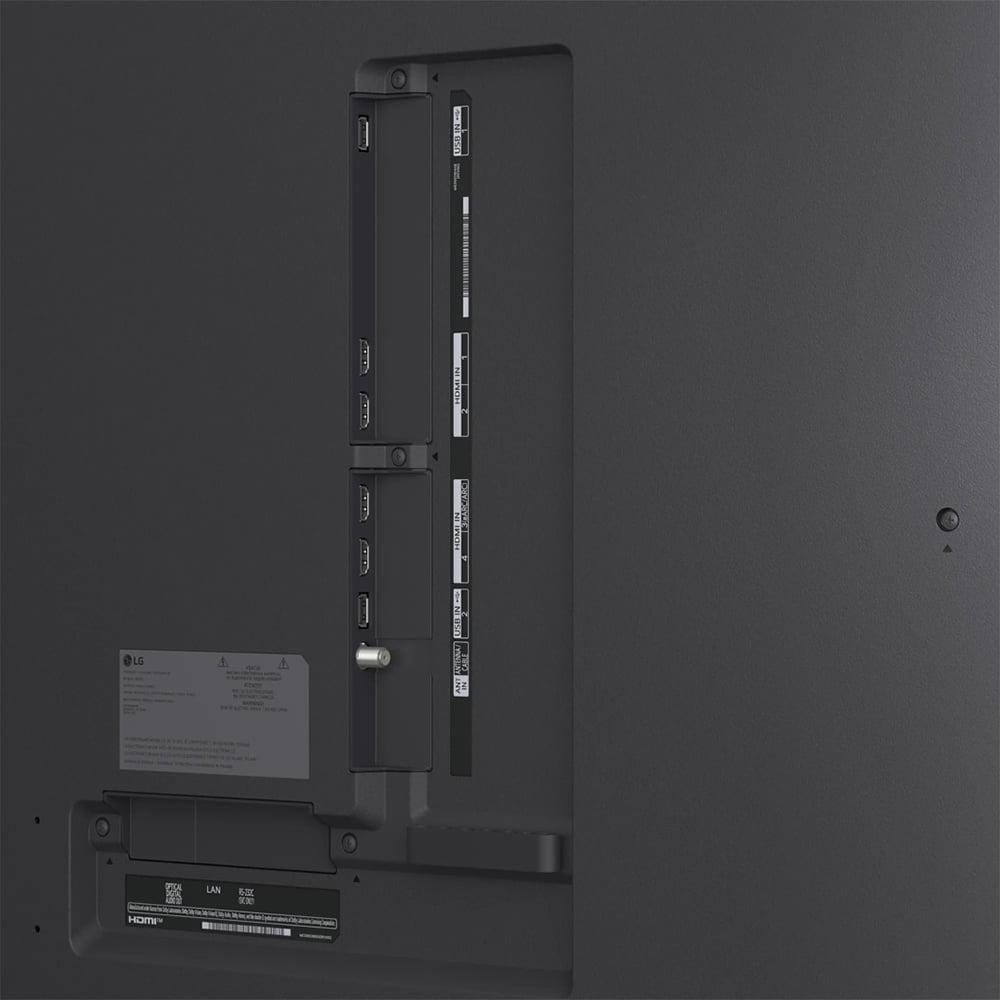
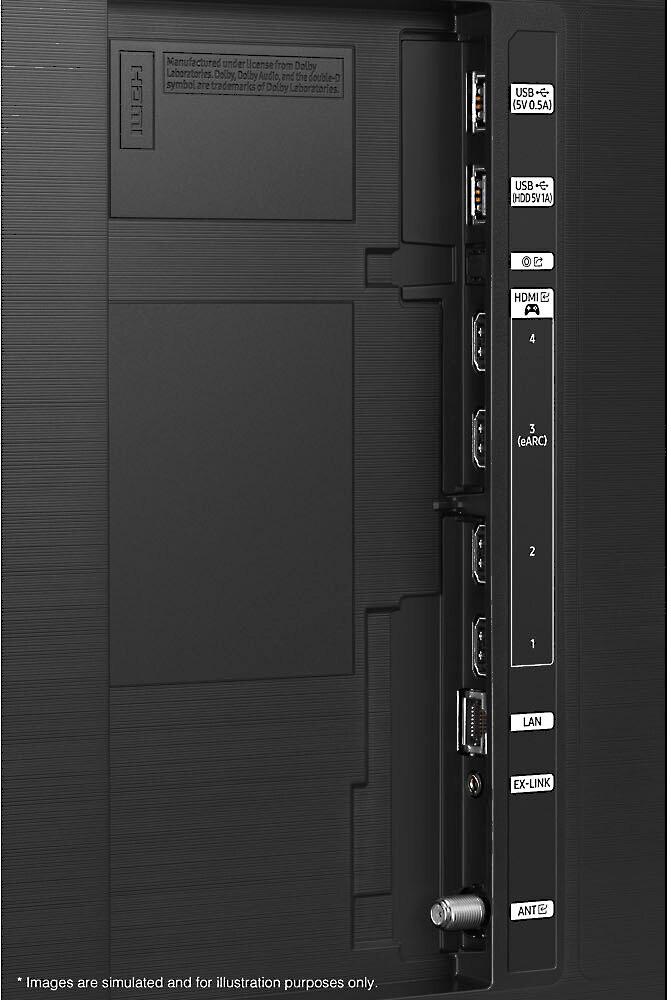
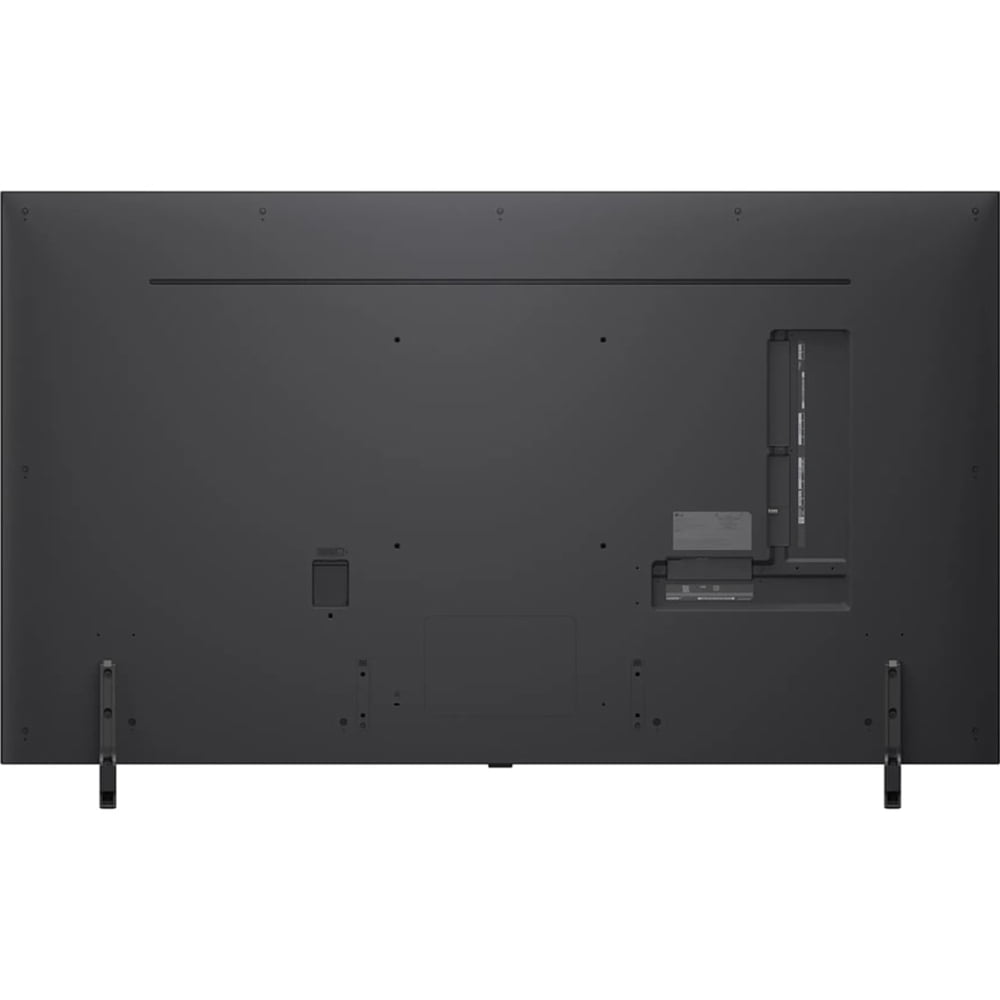
However, the LG QNED85A has a significant advantage in connectivity: all four of its HDMI ports support the full HDMI 2.1 specification with 4K at 120Hz. Samsung typically reserves this capability for only two ports, which can be limiting if you have multiple gaming devices or want to connect a PC alongside your consoles.
Both TVs include Variable Refresh Rate (VRR) and Auto Low Latency Mode (ALLM), which automatically switches to game mode when it detects a gaming console. Input lag—the delay between pressing a button and seeing the action on screen—is excellent on both TVs, typically under 10 milliseconds in game mode.
For serious gamers, the Samsung's higher refresh rate and G-Sync support make it the better choice. For console gaming or users who need more flexible connectivity, the LG's four full-spec HDMI ports provide more versatility.
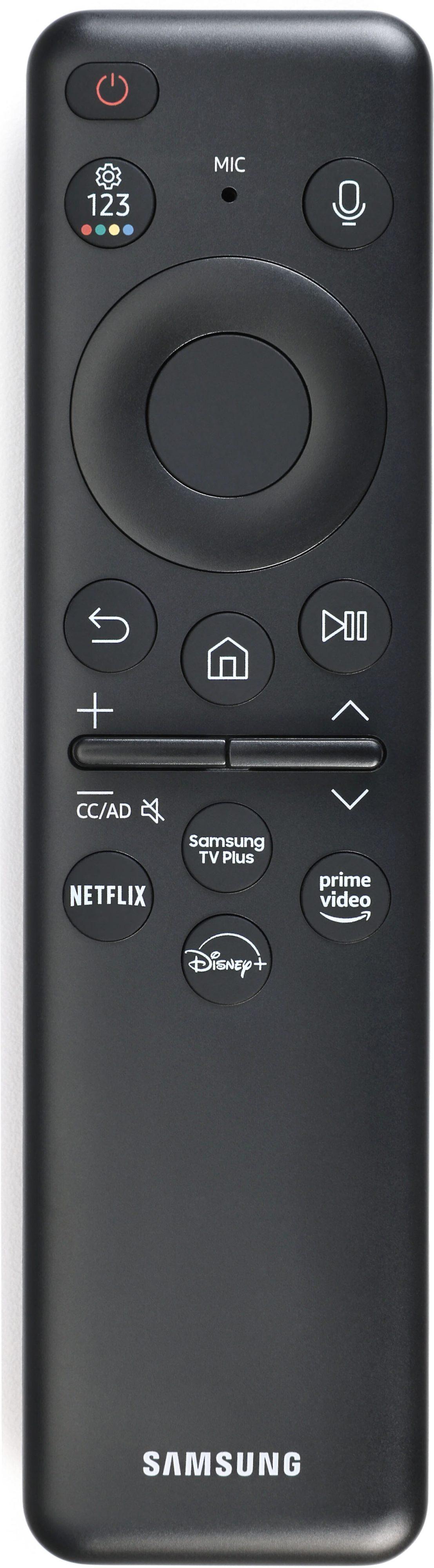
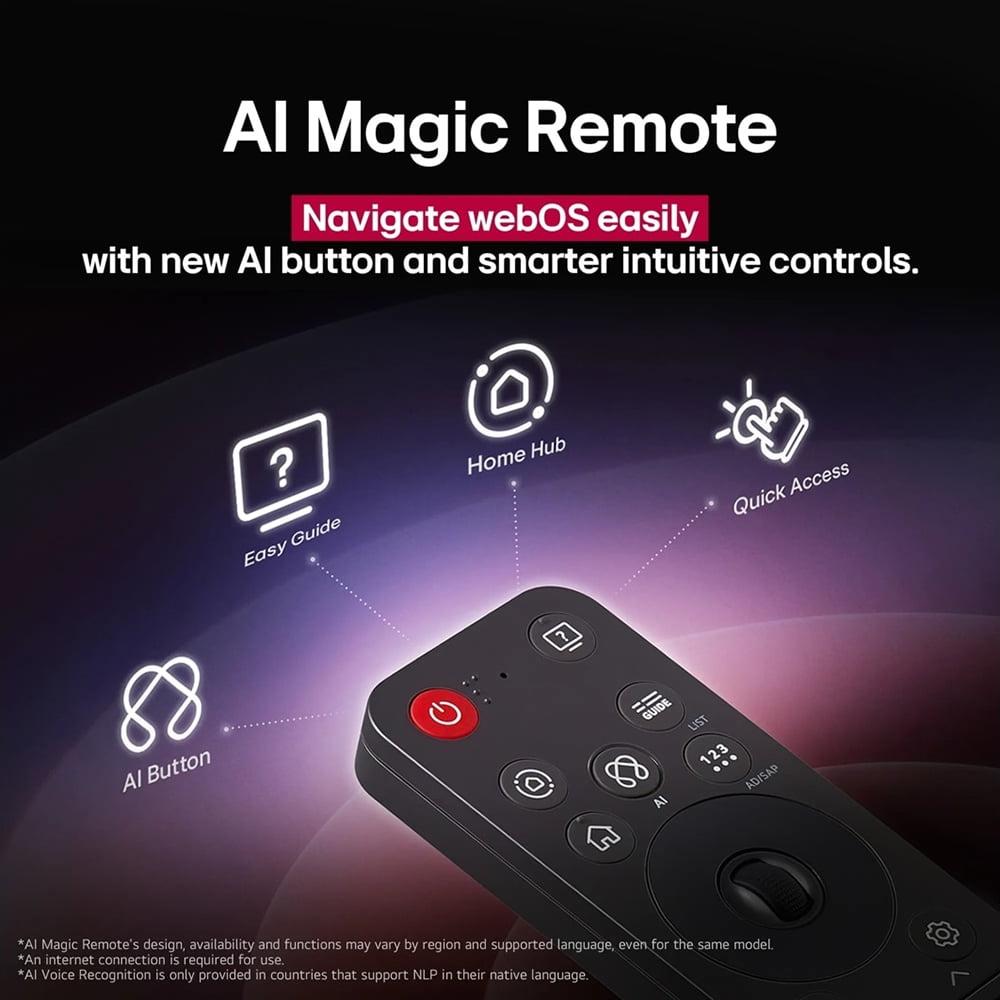
The smart TV experience differs significantly between these models. The LG QNED85A runs webOS 25, which I find to be one of the most intuitive smart TV platforms available. The interface is clean and responsive, with AI-powered recommendations that actually improve over time as the TV learns your viewing preferences.
LG's commitment to long-term support is impressive—they guarantee five years of OS updates, ensuring your TV won't become obsolete quickly. The AI features, including voice recognition that can identify different family members and customize recommendations accordingly, feel genuinely useful rather than gimmicky.
Samsung's Tizen OS on the QN90D is mature and feature-rich, but can feel overwhelming with its numerous apps and services. The interface is more densely packed with information, which some users prefer but others find cluttered. Samsung's ecosystem integration is excellent if you already use Samsung phones or other devices.
Both platforms support all major streaming services and voice assistants, but LG's implementation feels more polished and user-friendly for most people.
Audio is often overlooked when comparing TVs, but both models offer notable improvements over standard LED TVs. The Samsung QN90D features Object Tracking Sound+, which uses multiple speakers to move audio across the screen following on-screen action. This creates a more immersive experience, especially for movies and sports.
The Samsung's 60W speaker system also provides more power than typical TV speakers, though it still can't match a dedicated soundbar or home theater system. For a home theater setup, you'll likely want to add external audio regardless of which TV you choose.
The LG QNED85A focuses on AI-powered audio processing rather than raw power. Its system can automatically adjust dialogue clarity and reduce background noise, which is particularly helpful when watching content with varying audio levels. While not as powerful as Samsung's system, it provides a more consistent everyday listening experience.
If you're building a dedicated home theater, both TVs excel, but with different strengths. The Samsung QN90D provides the more cinematic experience with its superior brightness and contrast, making HDR movies truly spectacular. The deeper blacks and brighter highlights create that premium theater feel that justifies the higher price.
However, the LG QNED85A offers excellent value for home theater use, especially if you have controlled lighting. Its more accurate colors and consistent performance across different content types make it a solid foundation for a theater setup, and the money saved versus the Samsung can go toward a better sound system.
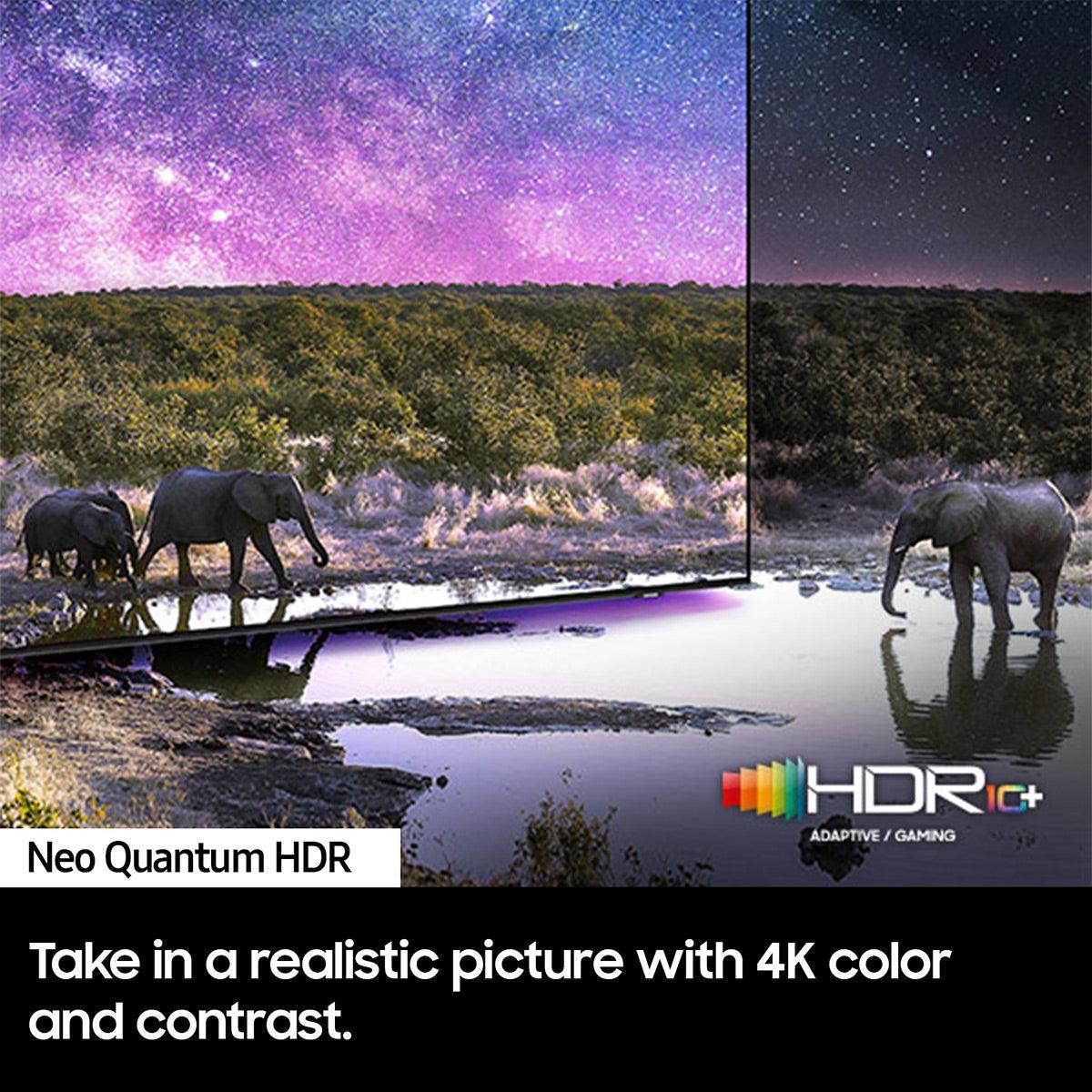
Both TVs support all major HDR formats including Dolby Vision and HDR10+, ensuring compatibility with the latest streaming content and 4K Blu-rays. The Samsung's higher peak brightness gives it an edge with HDR content, but the LG's processing often results in more natural-looking images.
Choosing between these TVs ultimately comes down to your priorities and budget. The LG QNED85A at $999.99 offers exceptional value, delivering about 80% of the Samsung's performance at roughly half the price. It's the smart choice for most buyers who want premium Mini LED technology without the premium price tag.
The Samsung QN90D justifies its higher price with superior brightness, more advanced local dimming, and better gaming features. If you have a bright room, prioritize the absolute best picture quality, or are a serious gamer, the Samsung's advantages are worth the extra cost.
For most home theater enthusiasts, the LG provides excellent performance while leaving budget for other system components. The Samsung makes sense if picture quality is your top priority and budget is less of a concern.
Both TVs represent the current state of the art in Mini LED technology, and either choice will deliver a significant upgrade over older LED TVs. The LG wins on value and user experience, while the Samsung excels in pure performance and premium features. Your specific needs and budget will determine which approach serves you better.
| LG 65" QNED evo AI QNED85A 4K MiniLED Smart TV 2025 | Samsung 65" QN90D Series 4K Neo QLED Smart TV |
|---|---|
| Price - Major factor in value decision | |
| $999.99 | ~$1,500-$2,000 |
| Peak Brightness - Critical for HDR impact and bright room viewing | |
| ~1,000 nits (good for most rooms) | 2,000+ nits (excellent for bright rooms and HDR) |
| Local Dimming Technology - Determines contrast and black levels | |
| Mini LED with Precision Dimming Pro | Quantum Matrix Mini LED (more advanced) |
| Refresh Rate - Important for gaming and smooth motion | |
| 120Hz native | 120Hz native, up to 144Hz for PC gaming |
| HDMI 2.1 Ports - Matters for multiple gaming devices | |
| 4 ports (all support 4K/120Hz) | 4 ports (typically 2 support full 4K/120Hz) |
| Gaming Features - Key for console and PC gamers | |
| VRR, ALLM, FreeSync | VRR, ALLM, FreeSync Premium Pro, G-Sync |
| Smart Platform - Affects daily user experience | |
| webOS 25 with 5-year update guarantee | Tizen OS with Samsung ecosystem integration |
| AI Processing - Enhances picture quality automatically | |
| α8 Gen 2 AI Processor (70% improvement) | Neural Quantum Processor with advanced upscaling |
| Color Technology - Impacts color accuracy and vibrancy | |
| Quantum Dot + NanoCell for accuracy | Quantum Dot for vibrant, punchy colors |
| Audio System - Built-in sound quality | |
| Virtual 5.1 surround with AI Sound Pro | 60W 4.2.2CH with Object Tracking Sound+ |
| Best For - Target user type | |
| Value-conscious buyers wanting premium features | Users prioritizing peak performance and brightness |
The LG 65" QNED evo AI QNED85A 4K MiniLED Smart TV 2025 at $999.99 offers exceptional value, delivering about 80% of premium performance at roughly half the cost of the Samsung 65" QN90D Series 4K Neo QLED Smart TV. The Samsung justifies its $1,500-$2,000 price with superior brightness and contrast, but the LG provides the better price-to-performance ratio for most buyers.
The Samsung QN90D is significantly brighter, reaching over 2,000 nits compared to the LG QNED85A's ~1,000 nits. This makes the Samsung much better for bright rooms with lots of windows, while the LG performs well in normal to moderately bright rooms but may appear washed out in challenging lighting conditions.
The Samsung QN90D delivers superior picture quality with deeper blacks, higher contrast, and more impactful HDR performance thanks to its advanced Quantum Matrix technology. The LG QNED85A offers excellent picture quality with more natural colors and consistent performance, but can't match Samsung's peak brightness and contrast levels.
Both TVs excel for gaming, but the Samsung QN90D has a slight edge with up to 144Hz refresh rate for PC gaming and NVIDIA G-Sync support. However, the LG QNED85A offers better connectivity with all four HDMI ports supporting full 4K/120Hz, making it more versatile for multiple gaming devices.
The LG QNED85A runs webOS 25, which is generally considered more intuitive and user-friendly, plus LG guarantees 5 years of OS updates. The Samsung QN90D uses Tizen OS, which is feature-rich and integrates well with Samsung devices but can feel more cluttered for some users.
The Samsung QN90D has superior built-in audio with 60W speakers and Object Tracking Sound+ technology that moves audio across the screen. The LG QNED85A focuses on AI-powered audio processing for clearer dialogue and more consistent sound levels, though it's not as powerful as Samsung's system.
For dedicated home theaters with controlled lighting, both TVs perform excellently. The Samsung QN90D provides a more cinematic experience with superior brightness and contrast for HDR content. The LG QNED85A offers great home theater performance at a lower price, allowing you to invest more in audio equipment.
The Samsung QN90D excels at HDR with its higher peak brightness creating more dramatic highlights and deeper blacks. Both TVs support Dolby Vision and HDR10+, but the Samsung's superior brightness makes HDR content more impactful, especially in bright viewing environments.
The Samsung QN90D offers more advanced gaming features including 144Hz refresh rate, G-Sync support, and FreeSync Premium Pro. The LG QNED85A provides excellent gaming performance with VRR, ALLM, and FreeSync, plus the advantage of four full-spec HDMI 2.1 ports for better device connectivity.
The LG QNED85A comes with a 5-year OS update guarantee, ensuring long-term software support. Both TVs have 1-year manufacturer warranties, but LG's commitment to extended software updates gives it an advantage for long-term value and feature updates.
The Samsung QN90D is significantly better for bright rooms due to its much higher peak brightness and superior reflection handling. The LG QNED85A performs adequately in normal lighting but may struggle to maintain contrast and color vibrancy in very bright environments.
Choose the LG QNED85A if you want excellent Mini LED performance at great value, prioritize user-friendly software, or need flexible gaming connectivity. Choose the Samsung QN90D if you want the absolute best picture quality, have a bright room, prioritize gaming performance, or don't mind paying more for premium features.
We've done our best to create useful and informative comparisons to help you decide what product to buy. Our research uses advanced automated methods to create this comparison and perfection is not possible - please contact us for corrections or questions. These are the sites we've researched in the creation of this article: rtings.com - rtings.com - youtube.com - lg.com - smarthomesounds.co.uk - abt.com - abt.com - lg.com - displayspecifications.com - walmart.com - bestbuy.com - lg.com - lg.com - lg.com - files.bbystatic.com - flatpanelshd.com - north-side-appliance.com - lgnewsroom.com - lg.com - youtube.com - youtube.com - hindustantimes.com - samsung.com - standardtvandappliance.com - gerhardsappliance.com - bestbuy.com - image-us.samsung.com - rtings.com - youtube.com - images.samsung.com

Privacy Policy
Terms and Conditions - Affiliate Policy
Home Security
© Copyright 2008-2026.
11816 Inwood Rd #1211, Dallas, TX 75244