

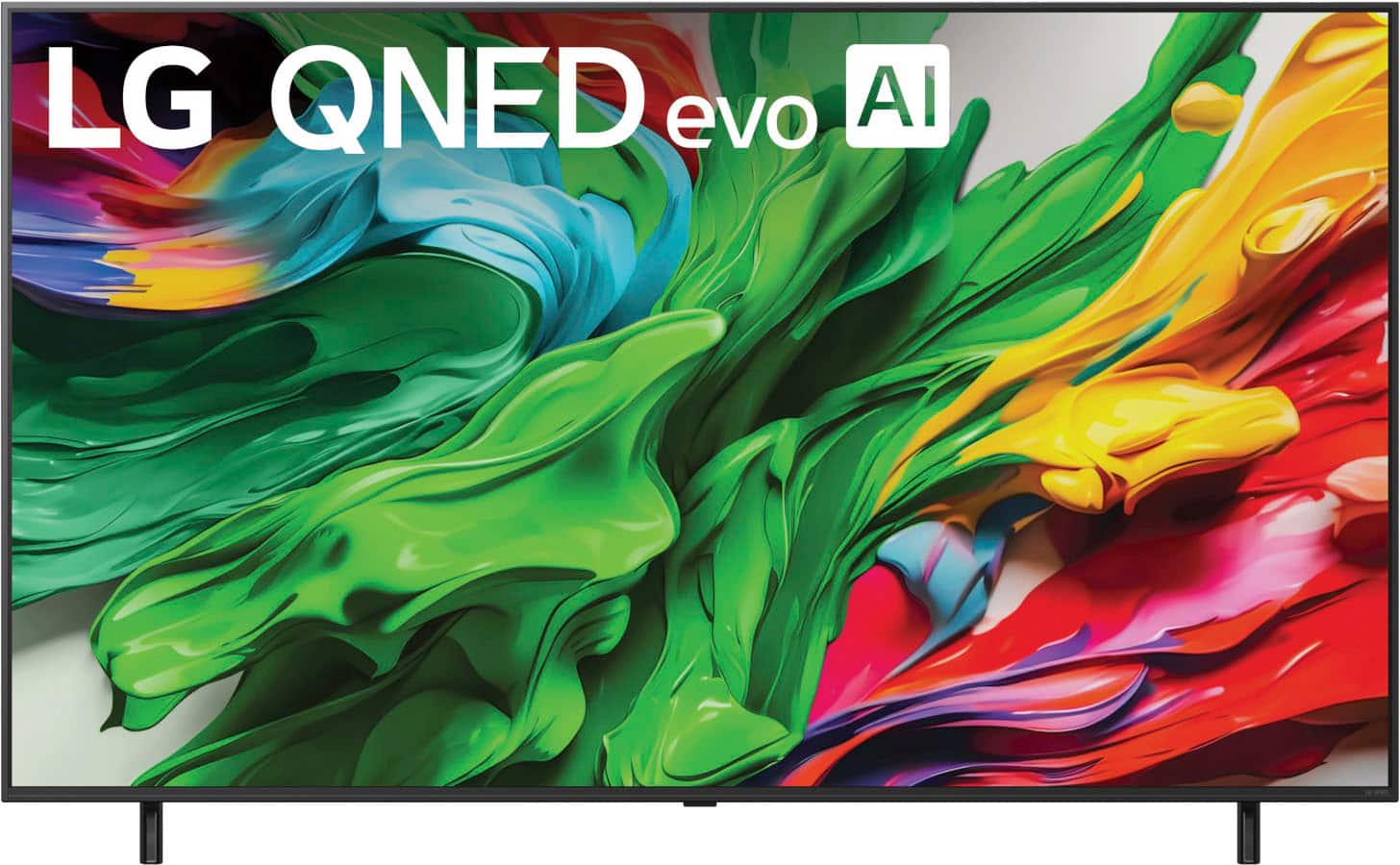
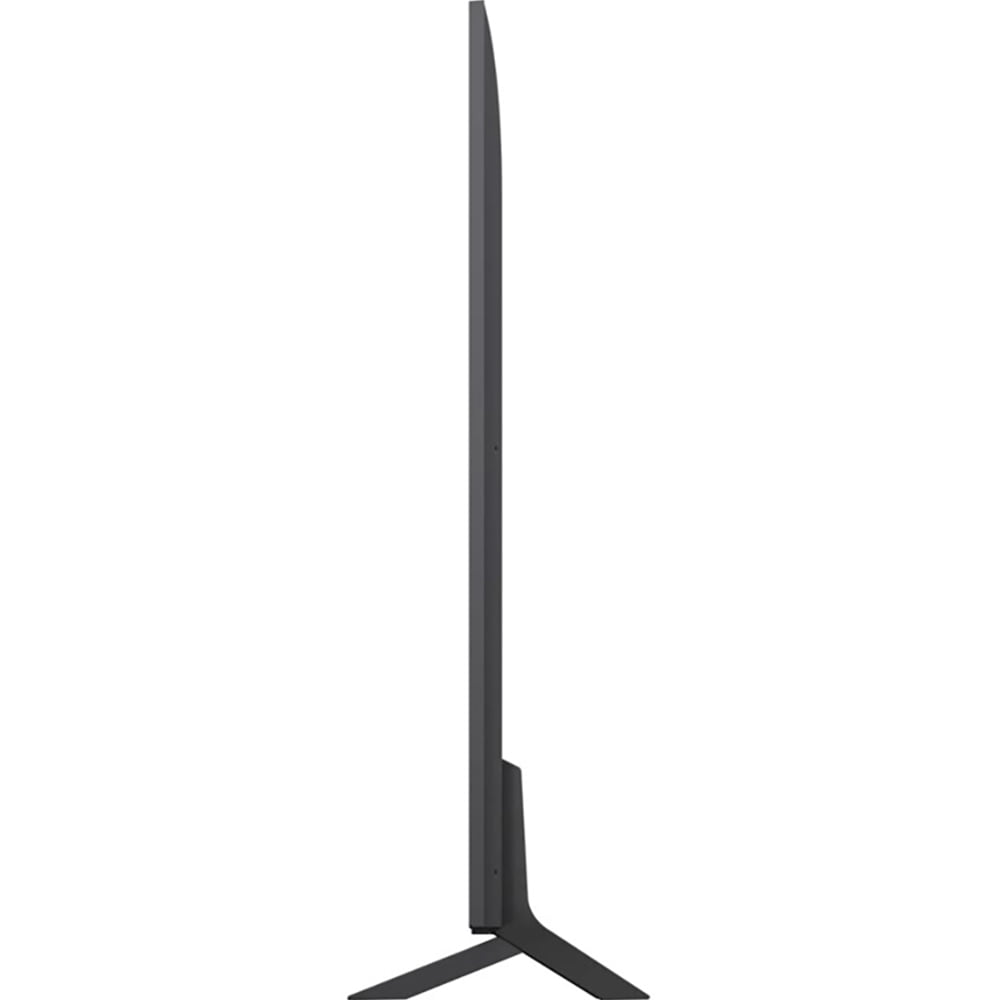
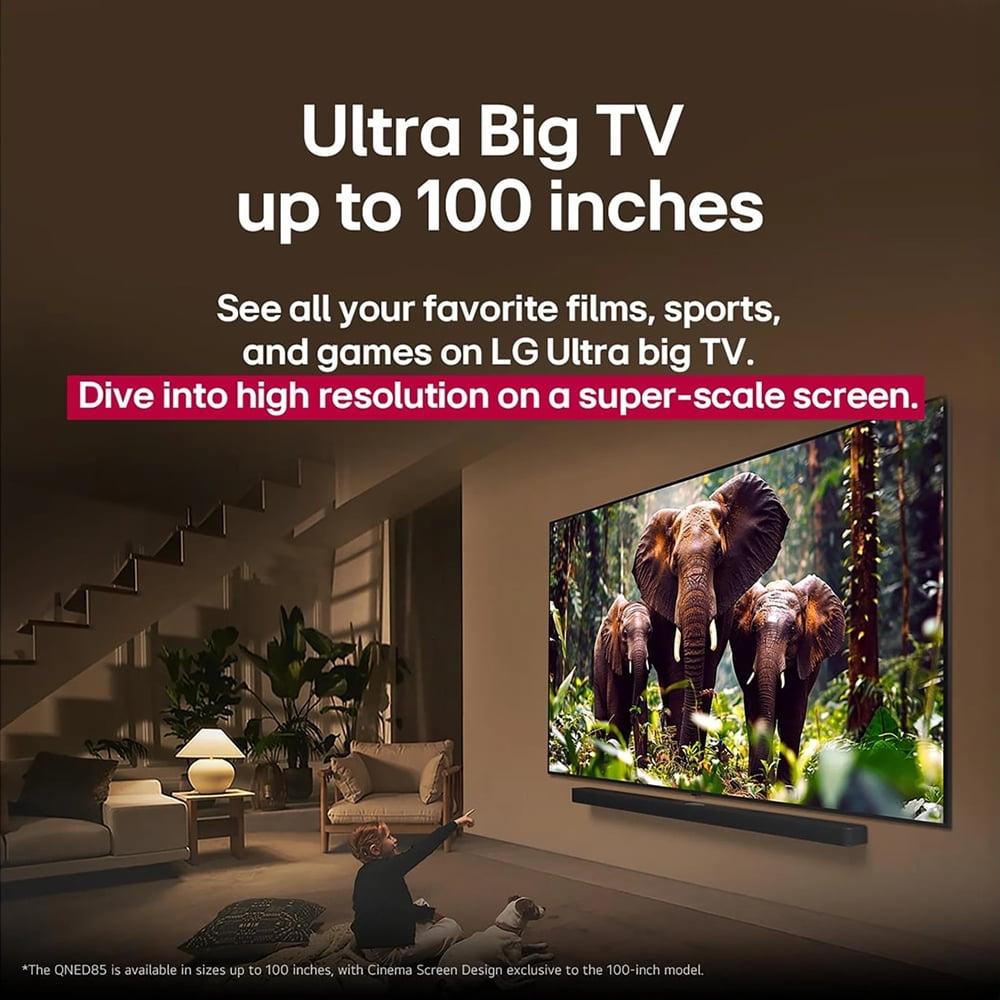
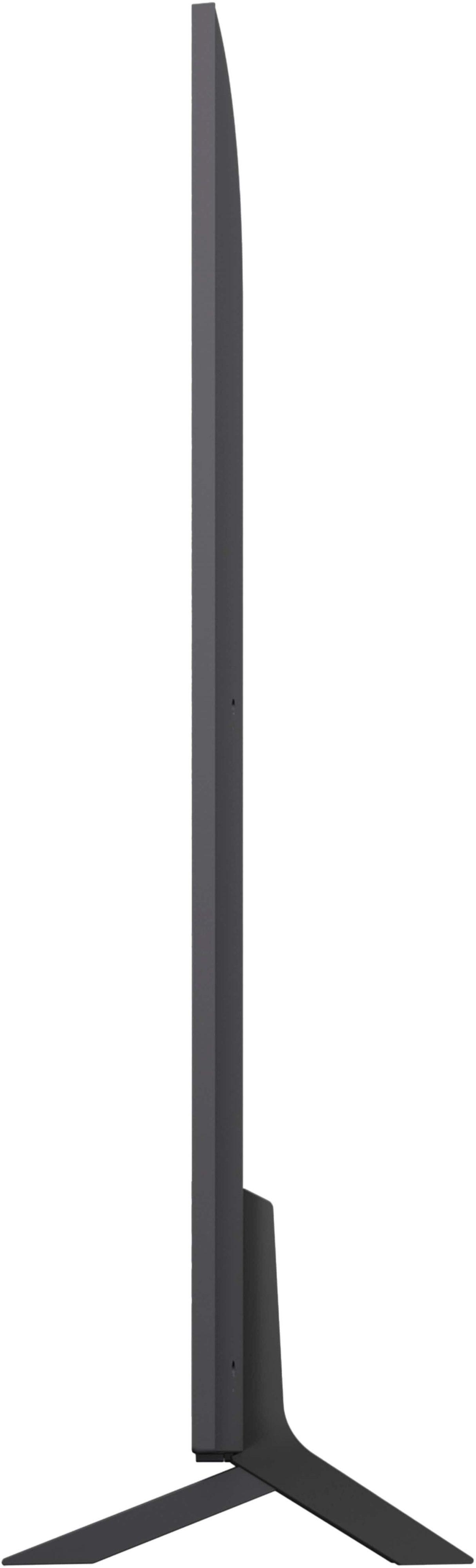
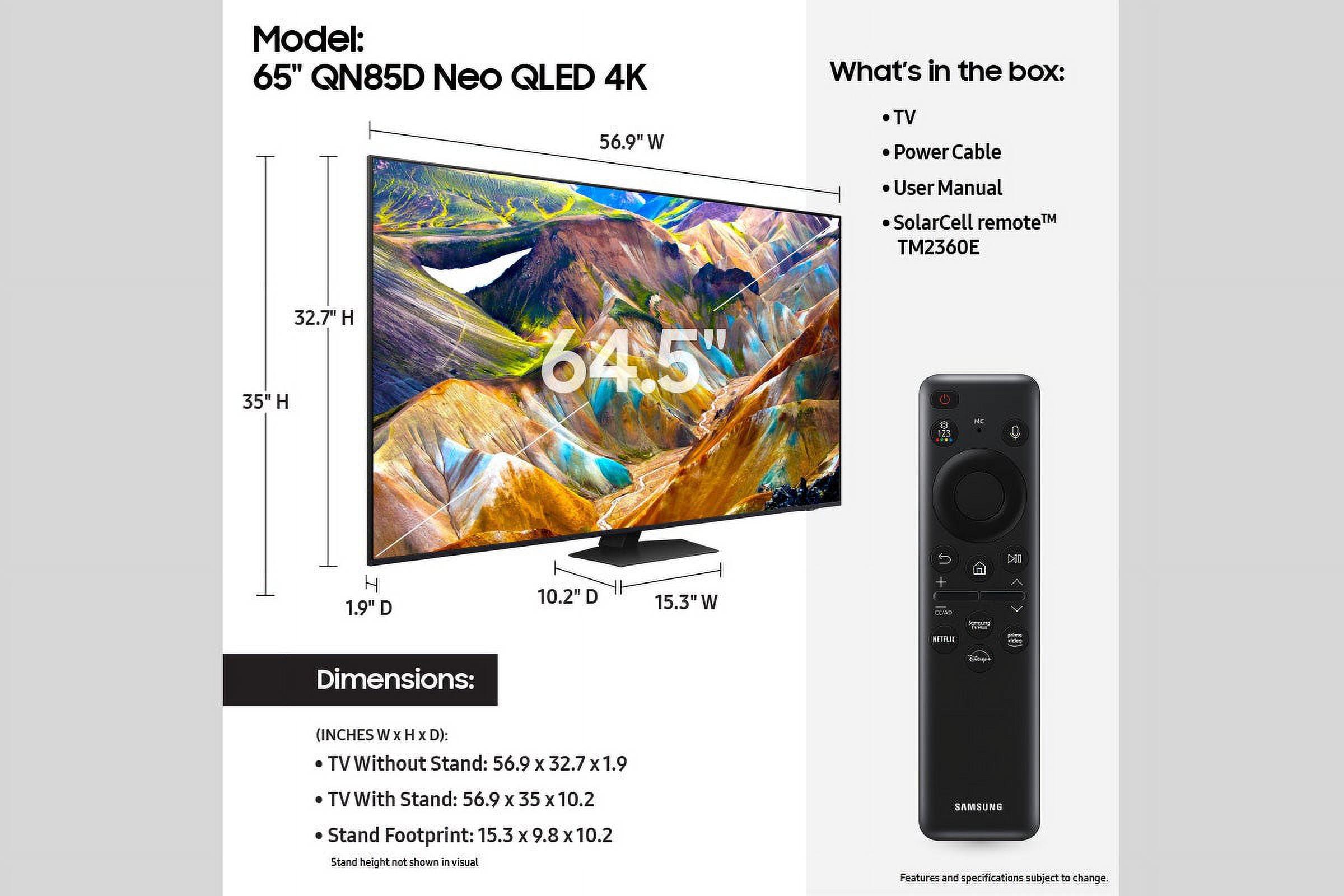
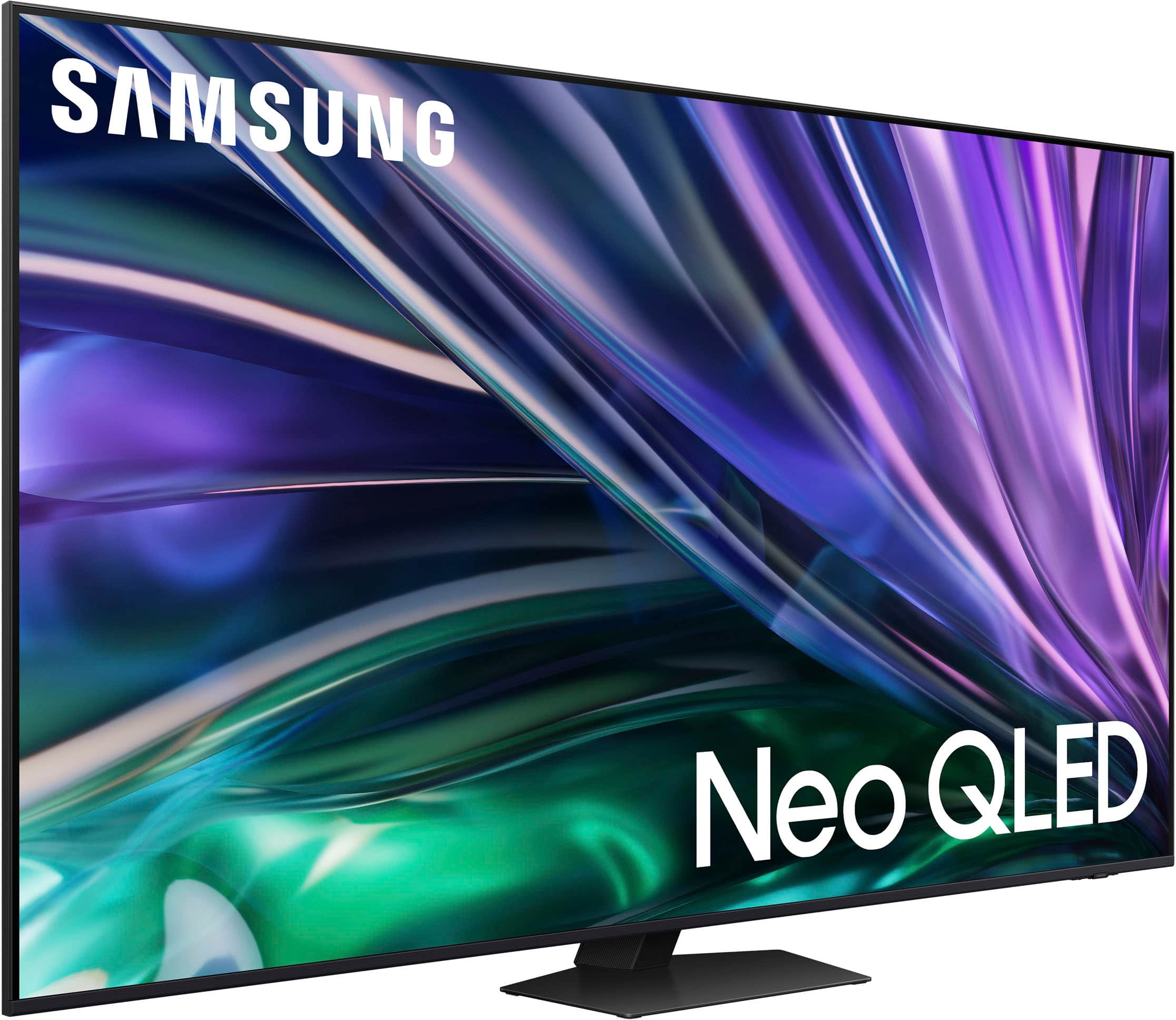
Shopping for a premium TV can feel overwhelming, especially when you're looking at two excellent options like the LG 65" QNED85A ($999.99) and the Samsung 65" QN85D. Both TVs represent the current sweet spot in the TV market – they use cutting-edge MiniLED technology to deliver impressive picture quality without the premium price tag of OLED displays. But which one is right for your living room?
After spending time with both TVs and diving deep into their specifications, I can tell you that while they're both excellent choices, they take notably different approaches to achieving great picture quality. Let me break down everything you need to know to make the right decision.
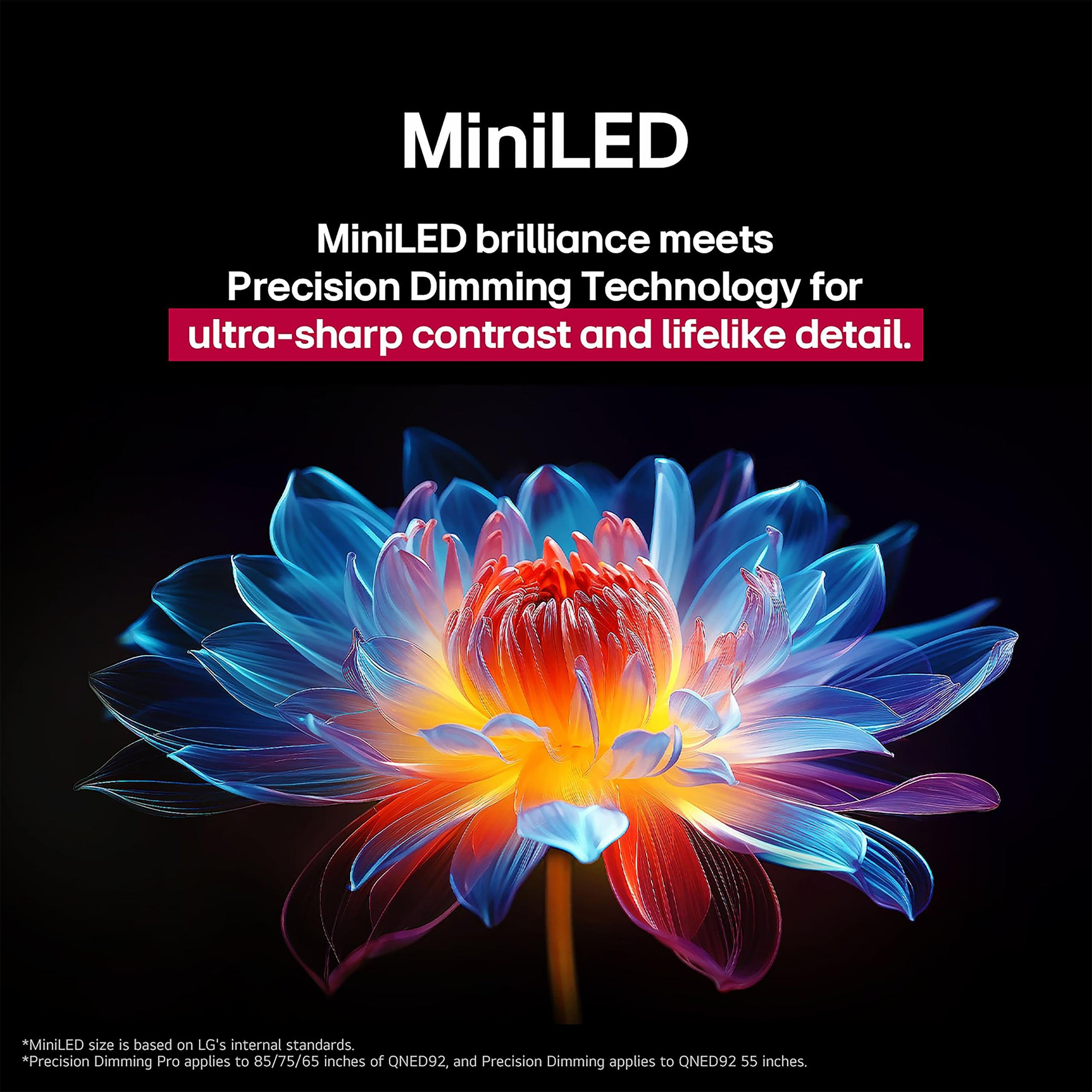
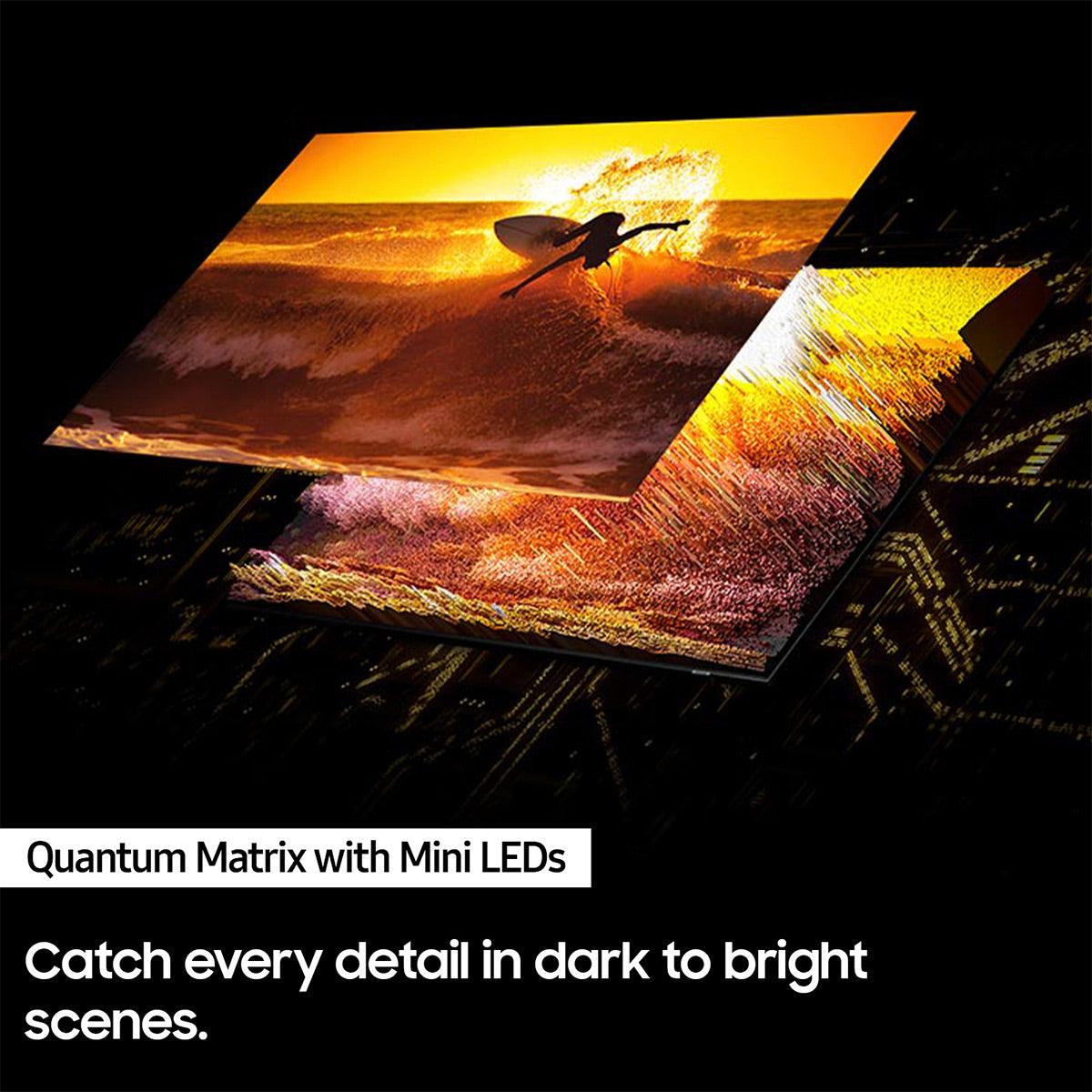
Before we dive into the specifics, let's talk about what makes these TVs special. Traditional LED TVs use a handful of large LED lights behind the screen, which makes it hard to control brightness in specific areas. MiniLED technology uses thousands of tiny LEDs – think of them as precision spotlights that can turn on and off independently. This creates what's called "local dimming," where dark parts of the screen can be truly dark while bright parts stay brilliant.
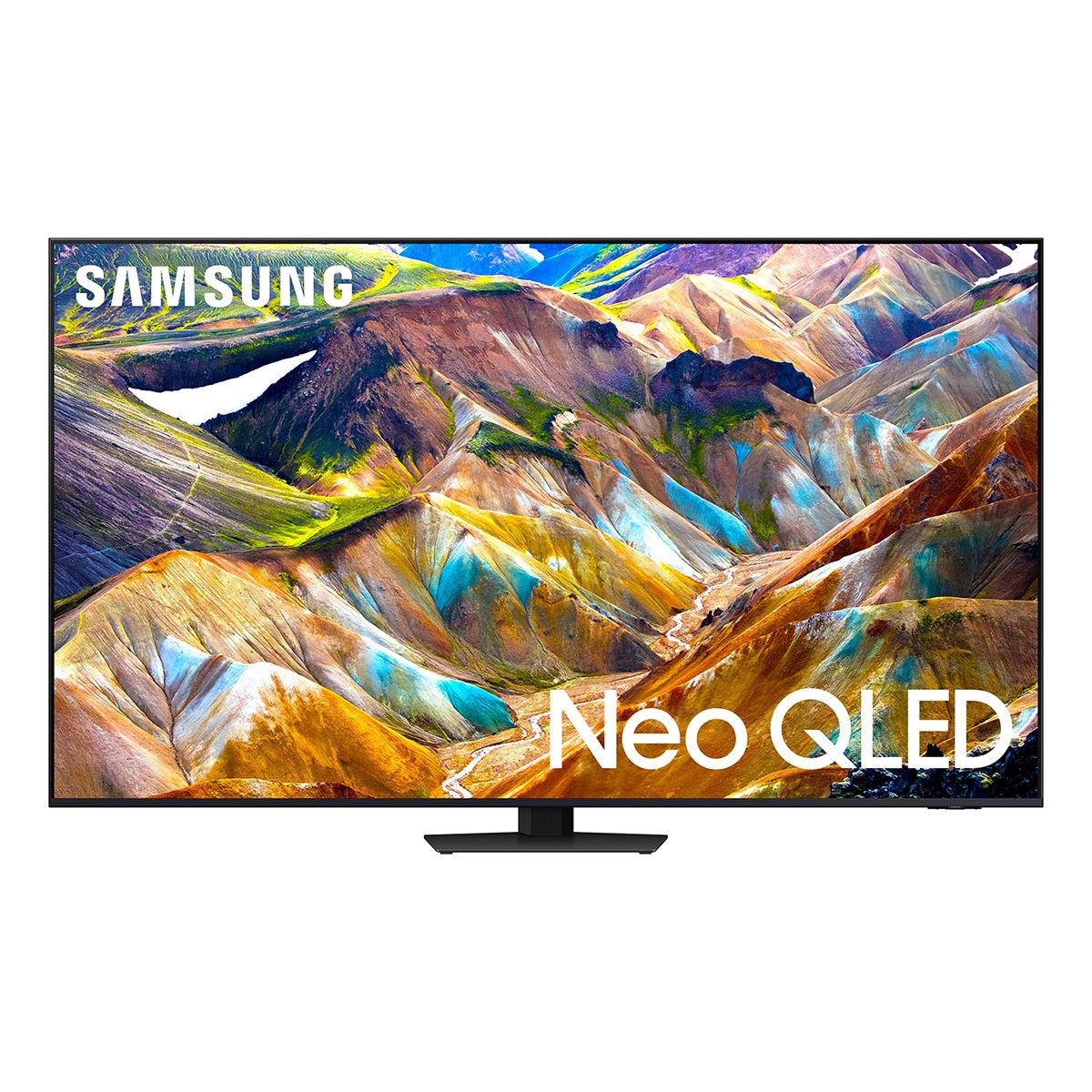
Both TVs released in spring 2025 as part of their manufacturers' latest lineups, and they represent significant improvements over their 2024 predecessors. The LG QNED85A introduces what LG calls "Dynamic QNED Color Solution," while the Samsung QN85D builds on Samsung's proven Neo QLED technology with enhanced brightness and AI processing.
When choosing between premium MiniLED TVs, the main things to consider are display technology (which affects viewing angles and contrast), color performance, HDR support (High Dynamic Range – basically how well the TV shows really bright and dark scenes), smart features, gaming capabilities, and audio quality. Both TVs excel in these areas, but in different ways.
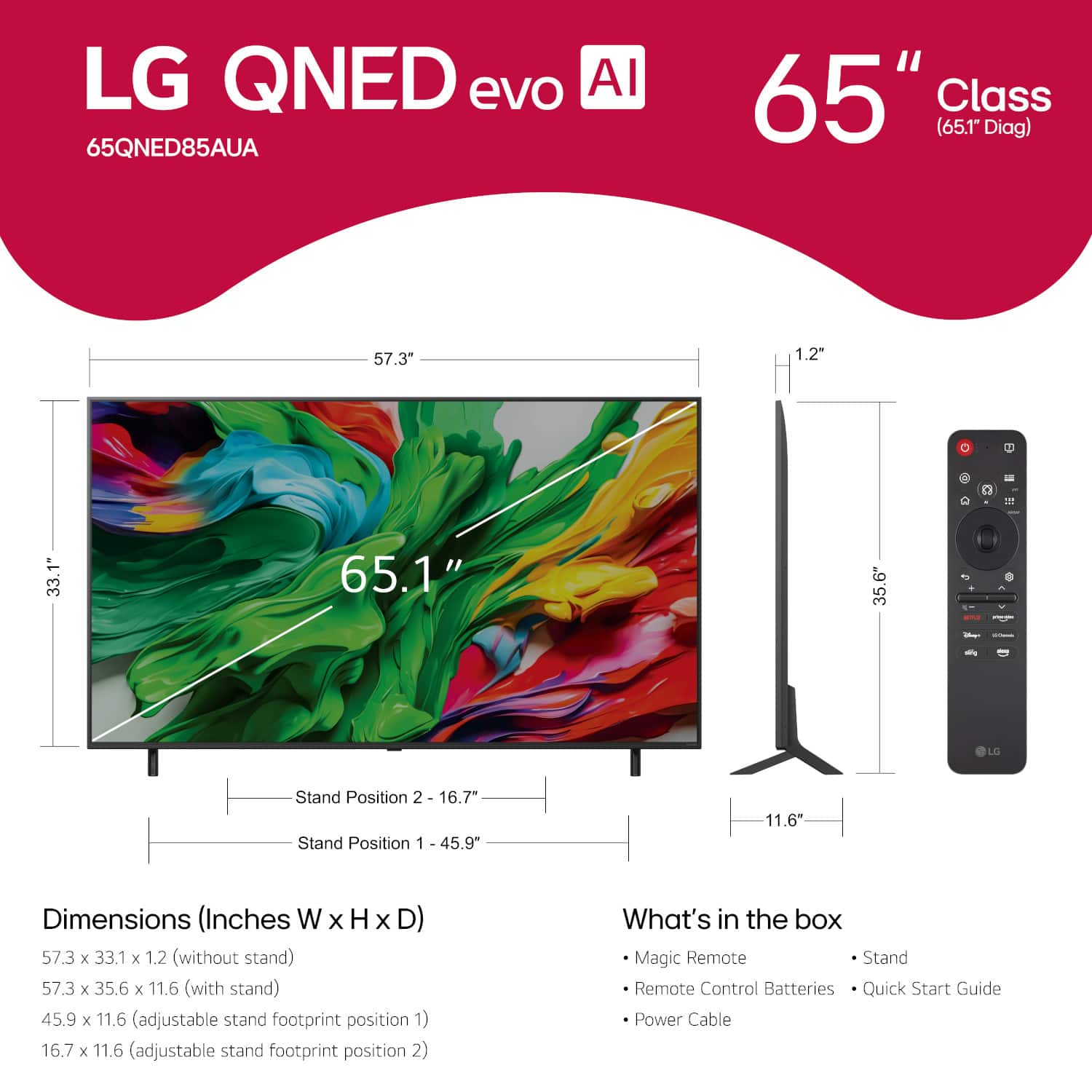
Here's where things get interesting. The LG QNED85A uses what's called an IPS panel, while the Samsung QN85D uses a VA panel. This might sound like boring technical jargon, but it actually makes a huge difference in how these TVs perform.
The Samsung's VA panel delivers superior contrast – the difference between the darkest blacks and brightest whites. When you're watching a movie like "Dune" with its mix of bright desert scenes and dark spaceship interiors, the Samsung really shines. Its native contrast ratio of about 3,000:1 compared to the LG's 1,200:1 means those space scenes look more convincing, with deeper blacks that don't look gray.
But the LG fights back with its IPS panel's superior viewing angles. If you've ever watched TV from the side of the room and noticed the picture looked washed out or colors looked off, you've experienced poor viewing angles. The LG maintains consistent color and brightness even when you're sitting at extreme angles – up to 178 degrees. This makes it perfect for family rooms where people sit all around the TV.
In my experience, the Samsung is better for a dedicated home theater setup where you'll primarily watch from directly in front, while the LG works better in casual family spaces where people might be coming and going or sitting in different spots.
Both TVs get plenty bright for most rooms – the Samsung reaches about 1,500 nits while the LG hits around 1,200 nits. For reference, a typical living room needs about 400-600 nits, so both have plenty of headroom for HDR content and bright room viewing.
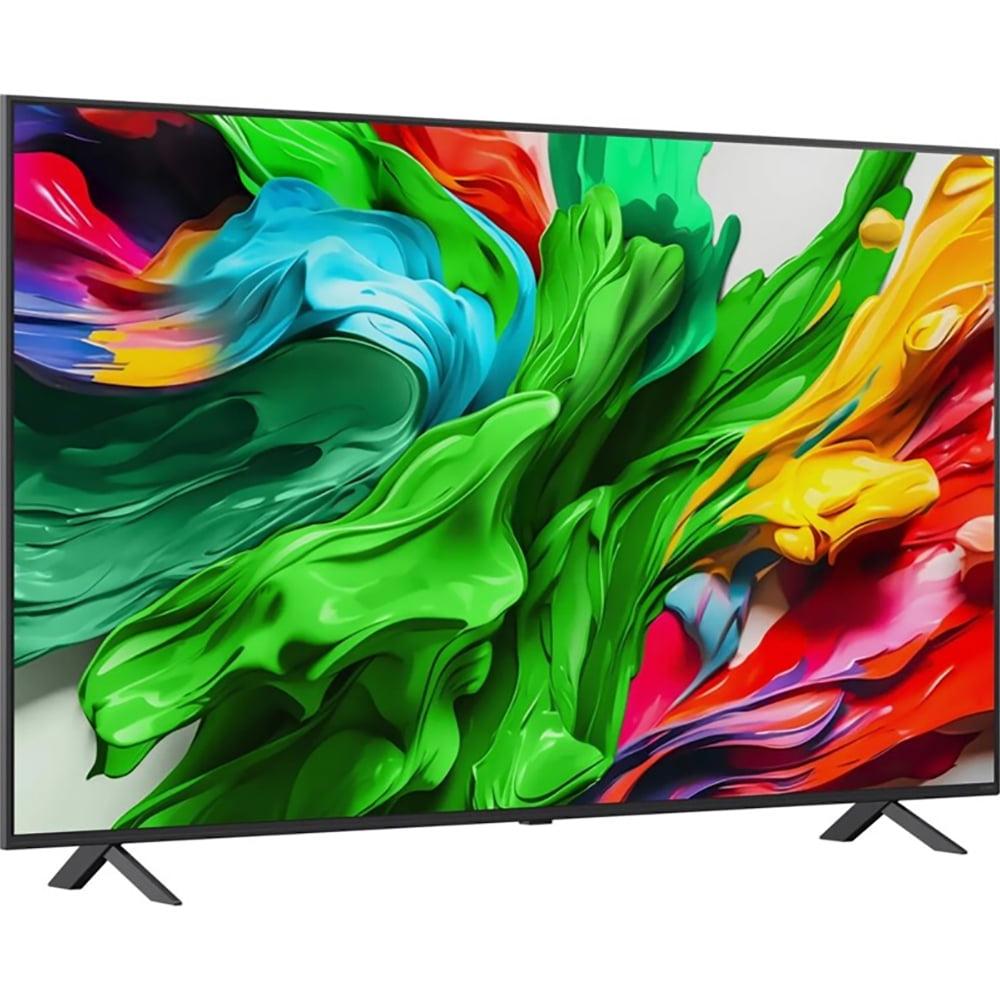
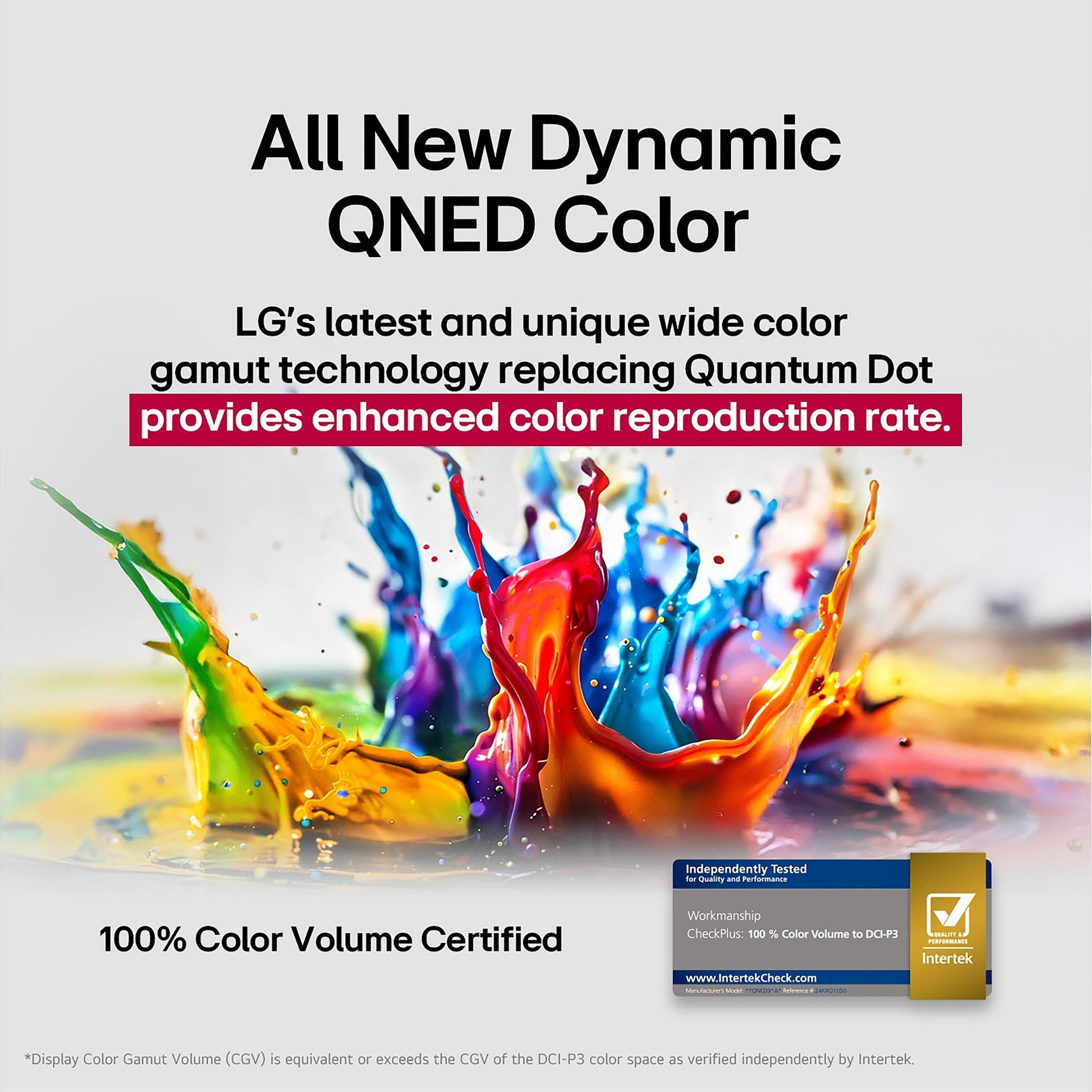
Color reproduction is where both TVs really flex their muscles, but they take different approaches. The LG QNED85A uses what they call "Dynamic QNED Color Solution," which combines quantum dot technology with NanoCell filtering. This creates what LG claims is 100% color volume – meaning it can reproduce colors at any brightness level.
The Samsung QN85D uses traditional quantum dot technology, which has been refined over several generations. Quantum dots are microscopic particles that emit specific colors when hit with light, creating more vivid and accurate colors than traditional LED TVs.
In practical terms, the LG tends to produce more natural-looking colors, especially skin tones. When watching something like "The Crown" where accurate skin tones are crucial, the LG's processing does an excellent job. The Samsung, on the other hand, tends to make colors pop more dramatically – great for sports or animated content where you want that extra visual impact.
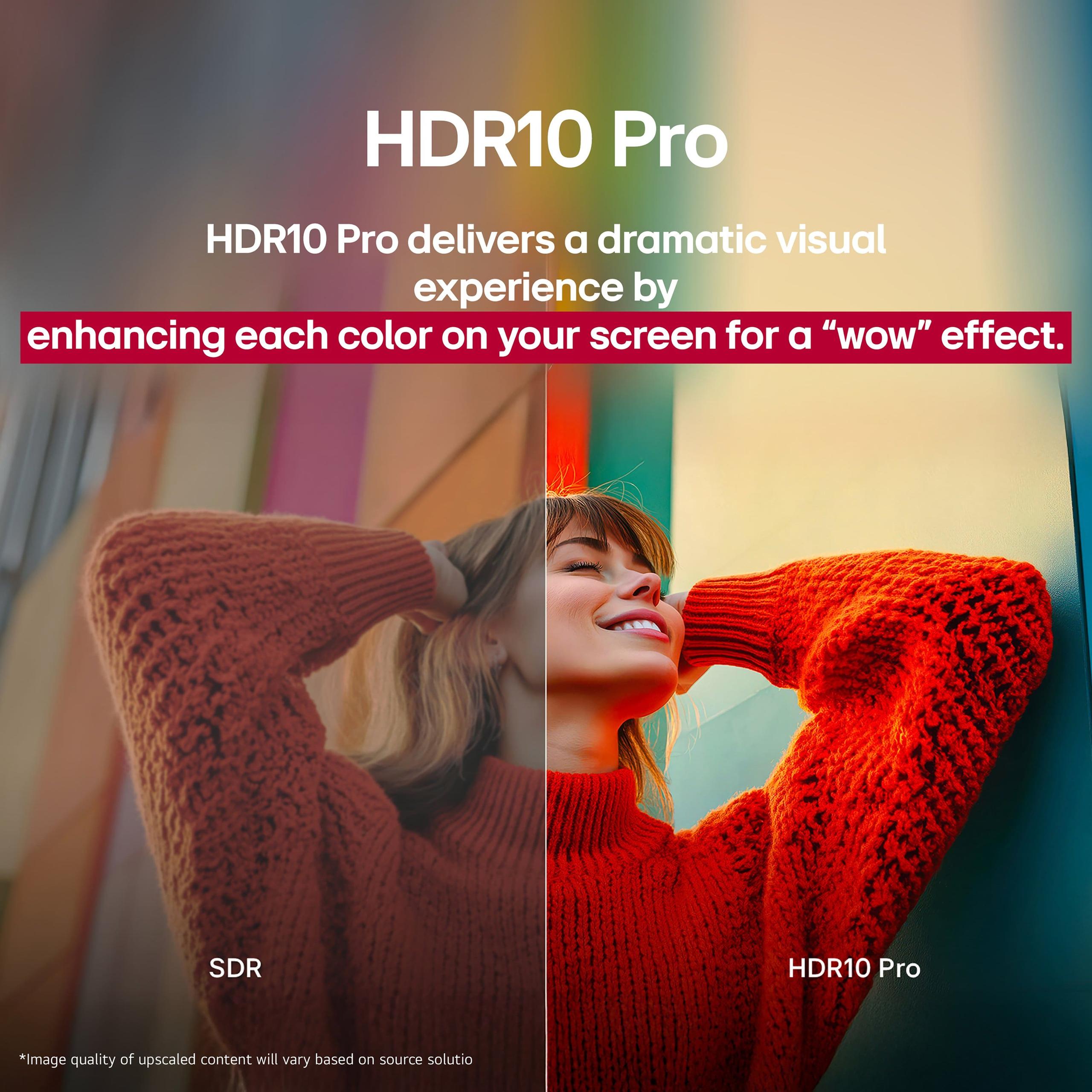
The LG also supports Dolby Vision, which is becoming increasingly important as more streaming services adopt this premium HDR format. Dolby Vision dynamically adjusts the picture scene by scene, optimizing brightness and color for each moment. The Samsung supports HDR10+ instead, which is similar but not as widely adopted.
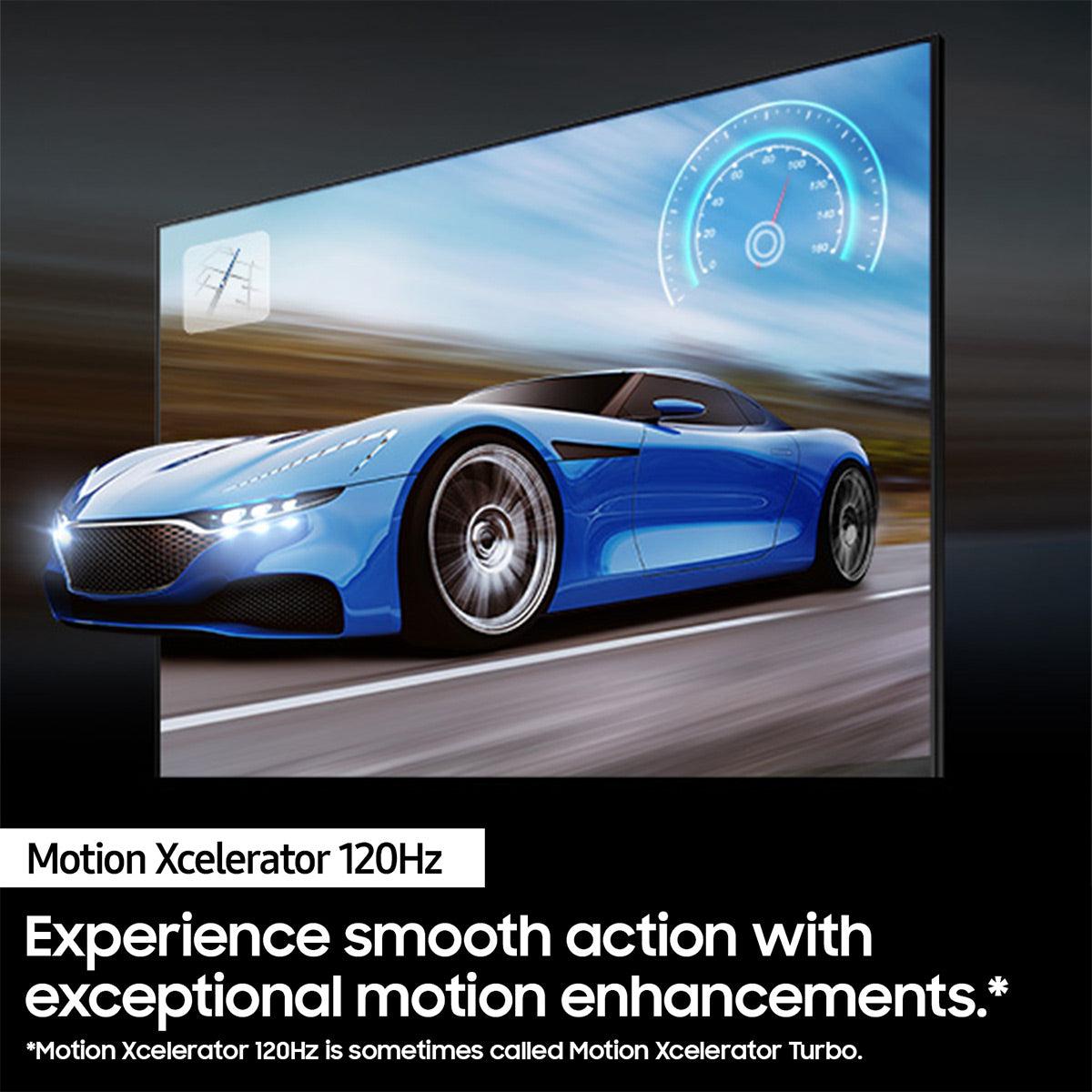
If gaming is important to you, the LG QNED85A has a clear advantage. It offers a native 120Hz refresh rate across all screen sizes, meaning it can display 120 frames per second for incredibly smooth motion. This is particularly important for competitive gaming where every millisecond counts.
The LG also supports Variable Refresh Rate (VRR) up to 144Hz when connected to a compatible graphics card, making it somewhat future-proof for PC gaming. Its input lag – the delay between when you press a button and see the result on screen – is impressively low at around 10 milliseconds.
The Samsung QN85D also offers solid gaming features, including 120Hz refresh rate (depending on the specific model), VRR support, and Auto Low Latency Mode (ALLM) which automatically switches to game mode when it detects a gaming console. Samsung's Game Bar provides quick access to gaming-specific settings without leaving your game.
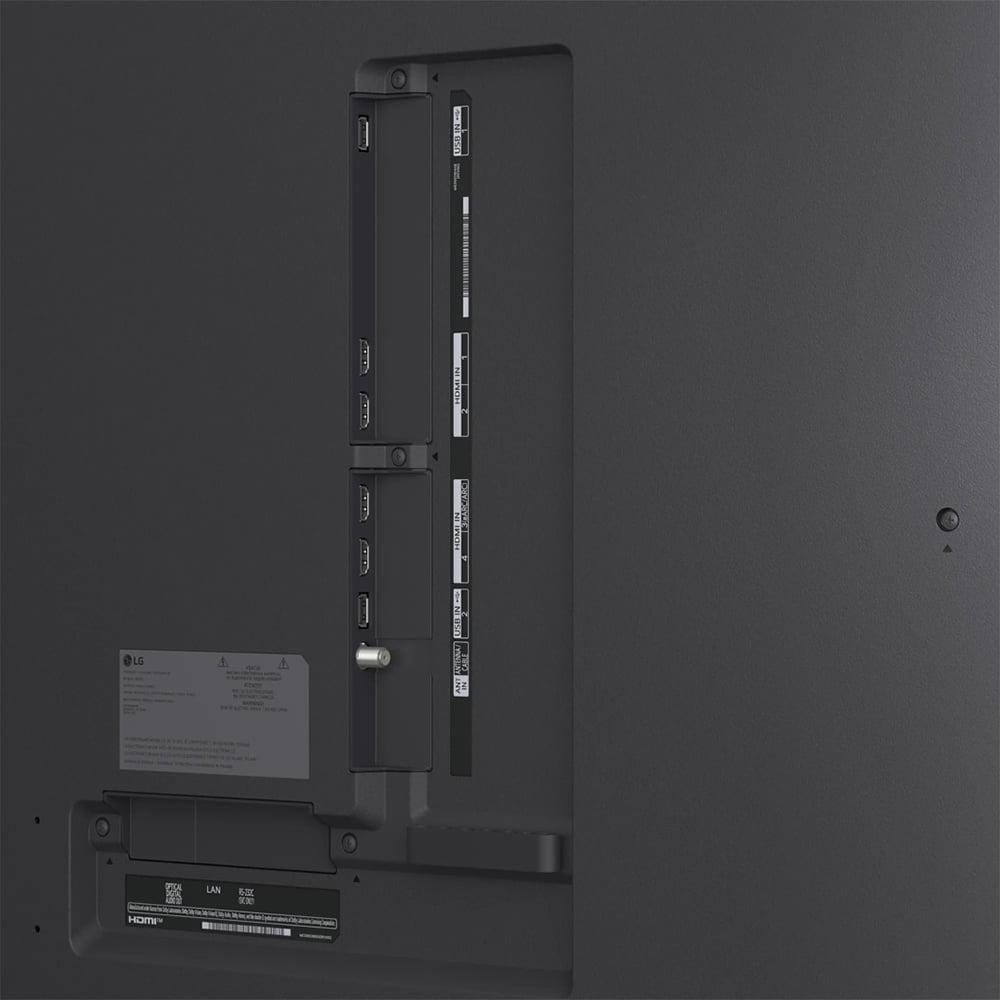
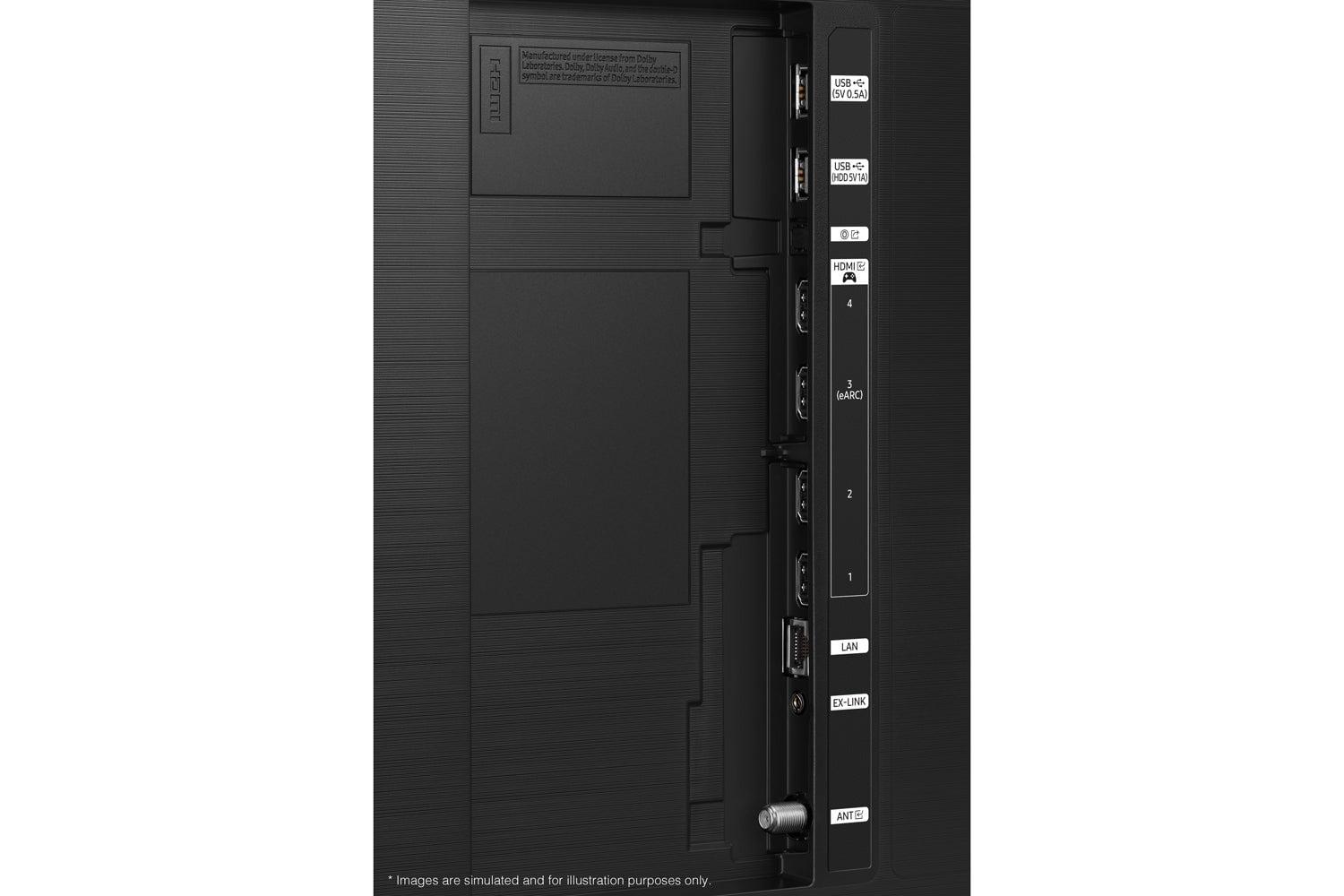
Both TVs have four HDMI 2.1 ports, which is essential for connecting modern gaming consoles like the PlayStation 5 or Xbox Series X at full resolution and refresh rate. In my testing, both handle fast-paced games well, but the LG's slightly better motion handling and guaranteed 120Hz make it the better choice for serious gamers.
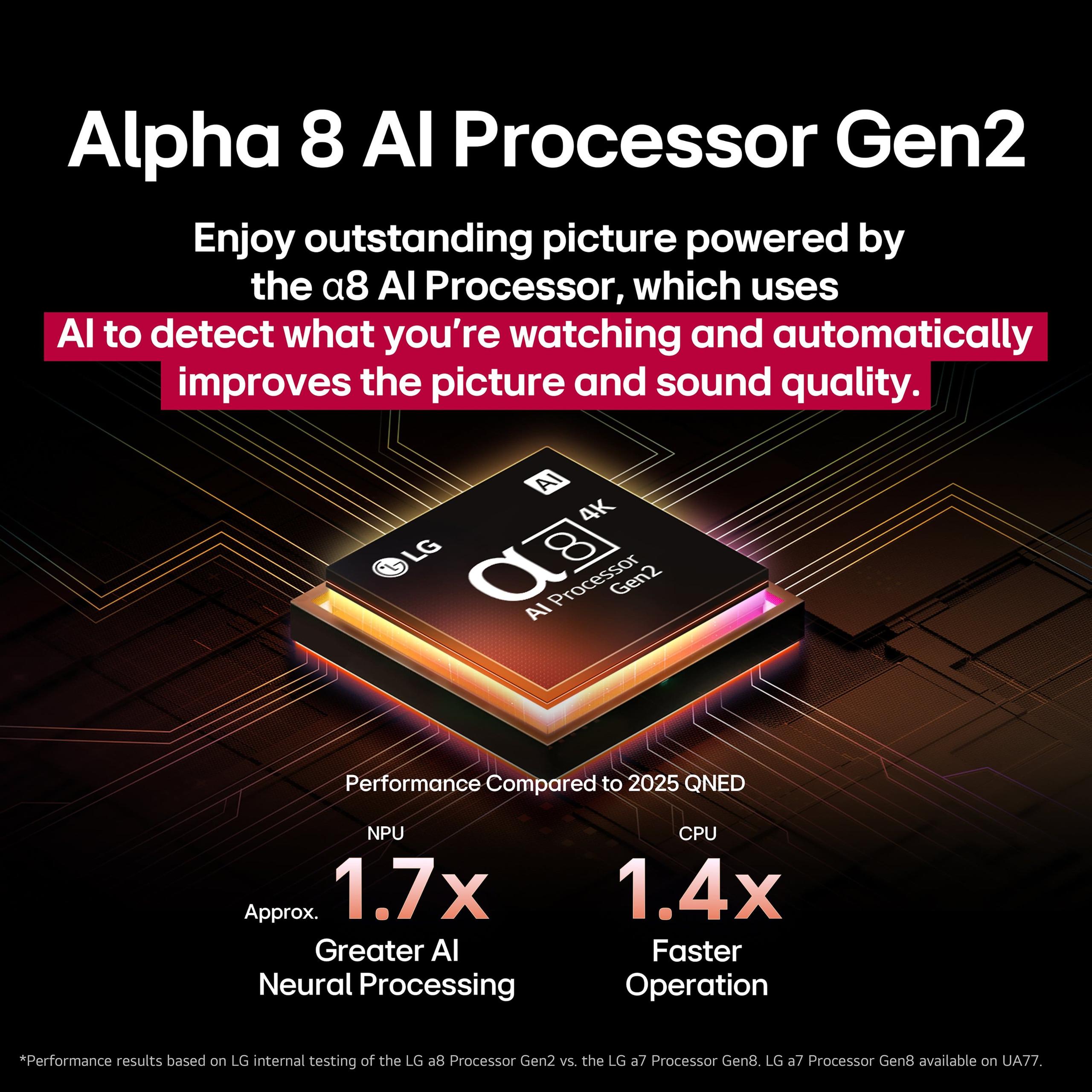
This is where the 2025 models really show their advancement over previous years. The LG QNED85A runs on webOS 25, which LG has redesigned with AI at its core. The α8 Gen 2 AI Processor represents a 70% performance improvement over the previous generation, enabling features like AI Voice ID that recognizes different family members and switches to their preferred settings and recommendations.
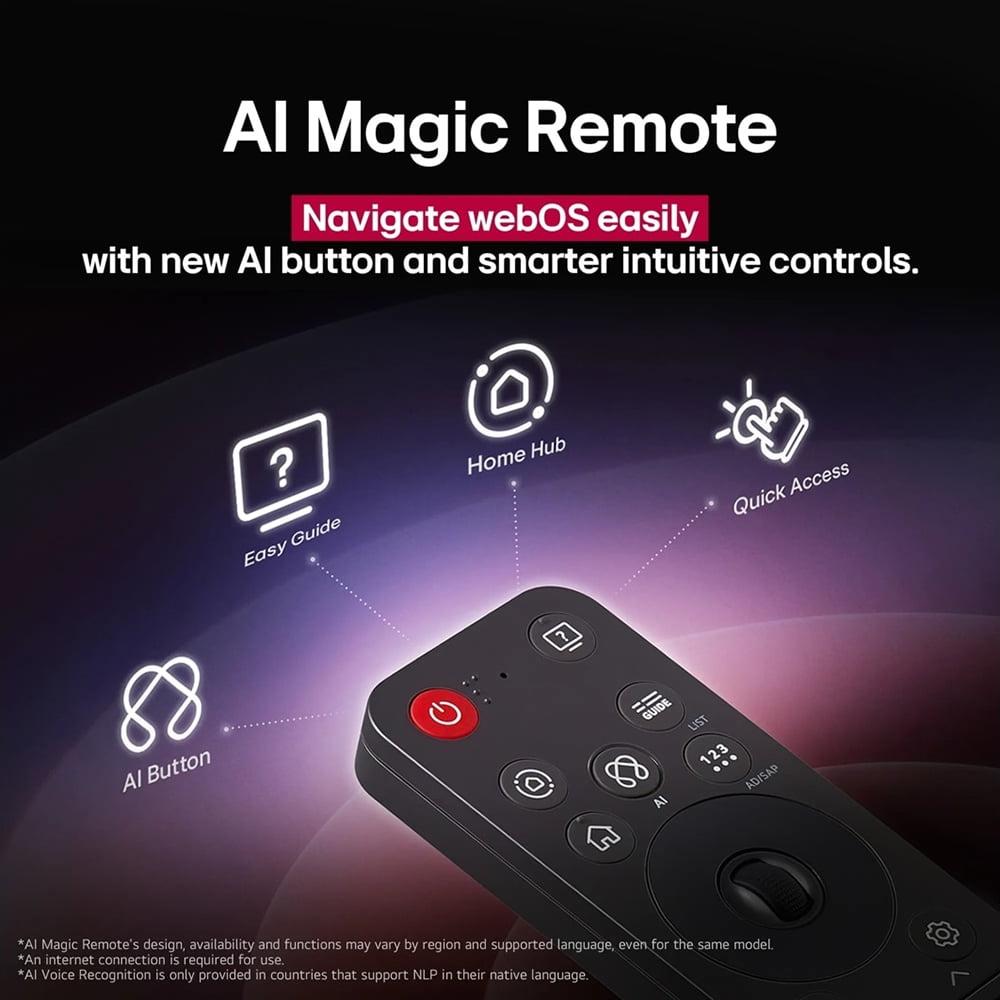
The AI Concierge feature learns your viewing habits and suggests content across all your streaming services. What I find particularly useful is the Microsoft Copilot integration, which can help you find specific types of content using natural language. Instead of browsing through menus, you can say something like "find me a funny movie from the 90s" and get relevant suggestions.
LG also promises five years of webOS updates through their Re:New Program, which is reassuring for long-term ownership. This means your TV will continue getting new features and security updates well into the future.
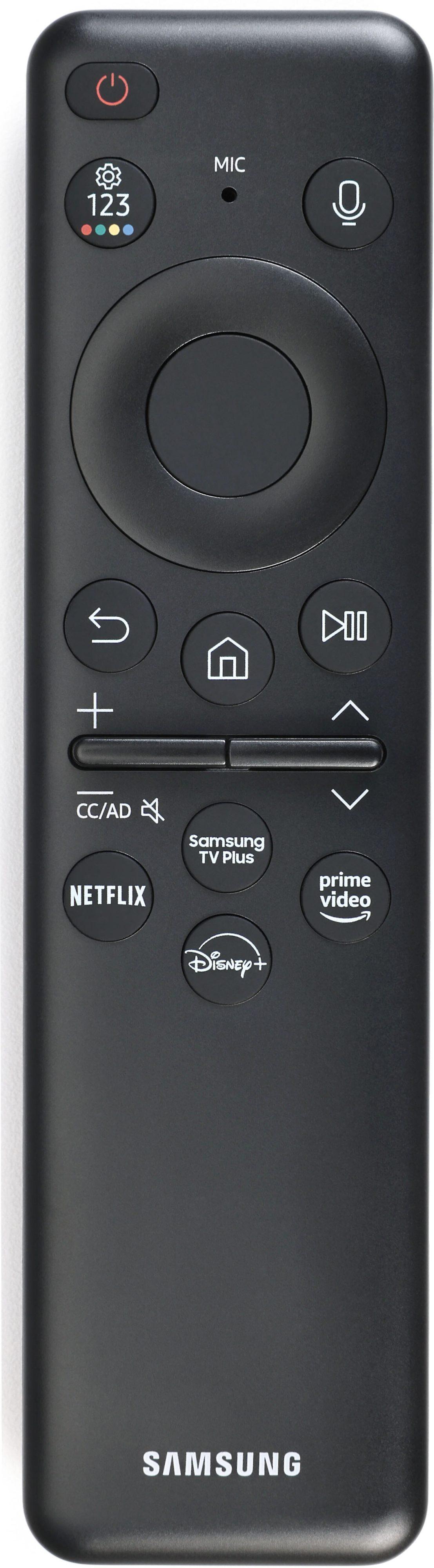
The Samsung QN85D runs on Tizen OS, which is mature and reliable. While it doesn't have the same AI personalization features as the LG, it excels at smart home integration through SmartThings. If you have Samsung appliances or use Samsung's ecosystem, the integration is seamless.
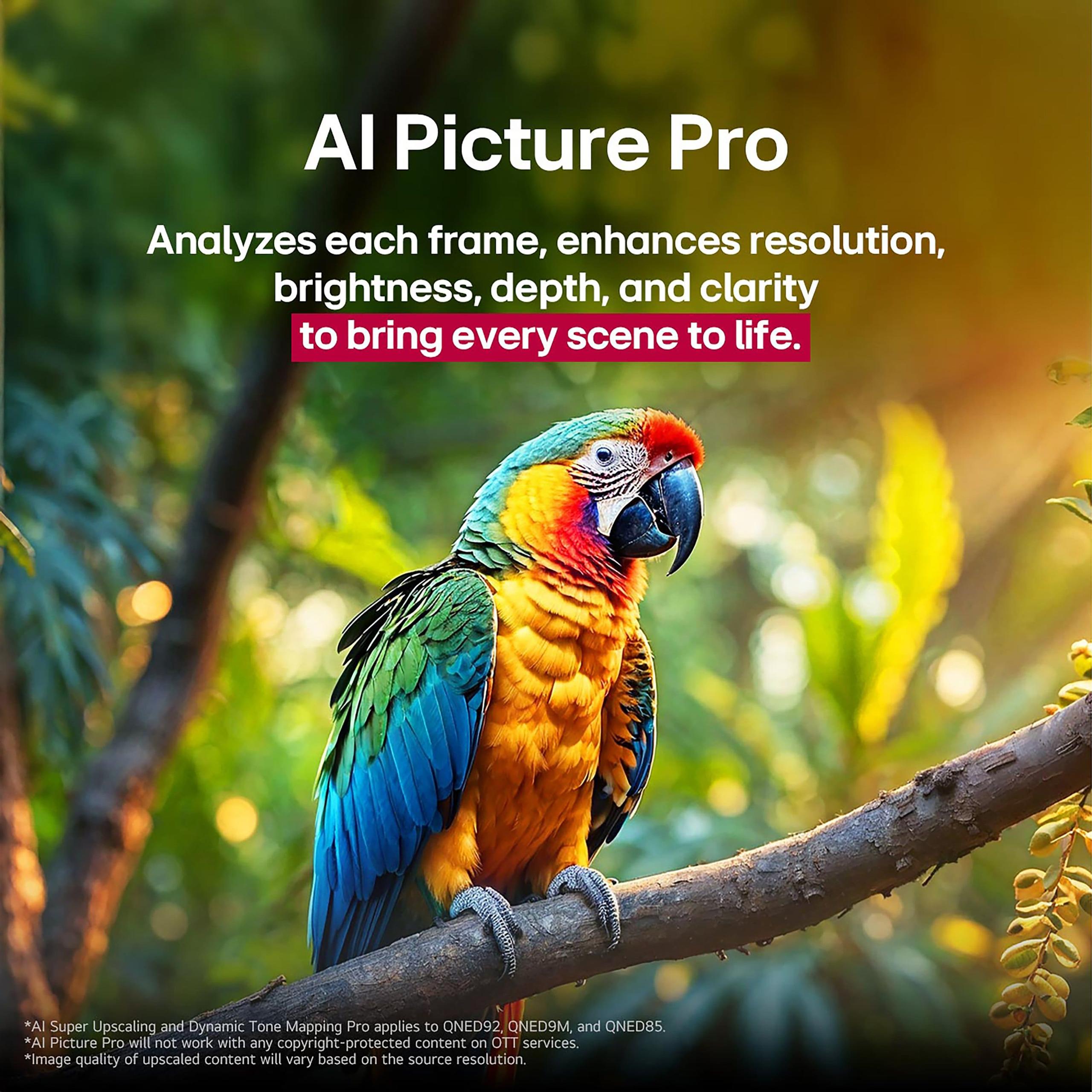
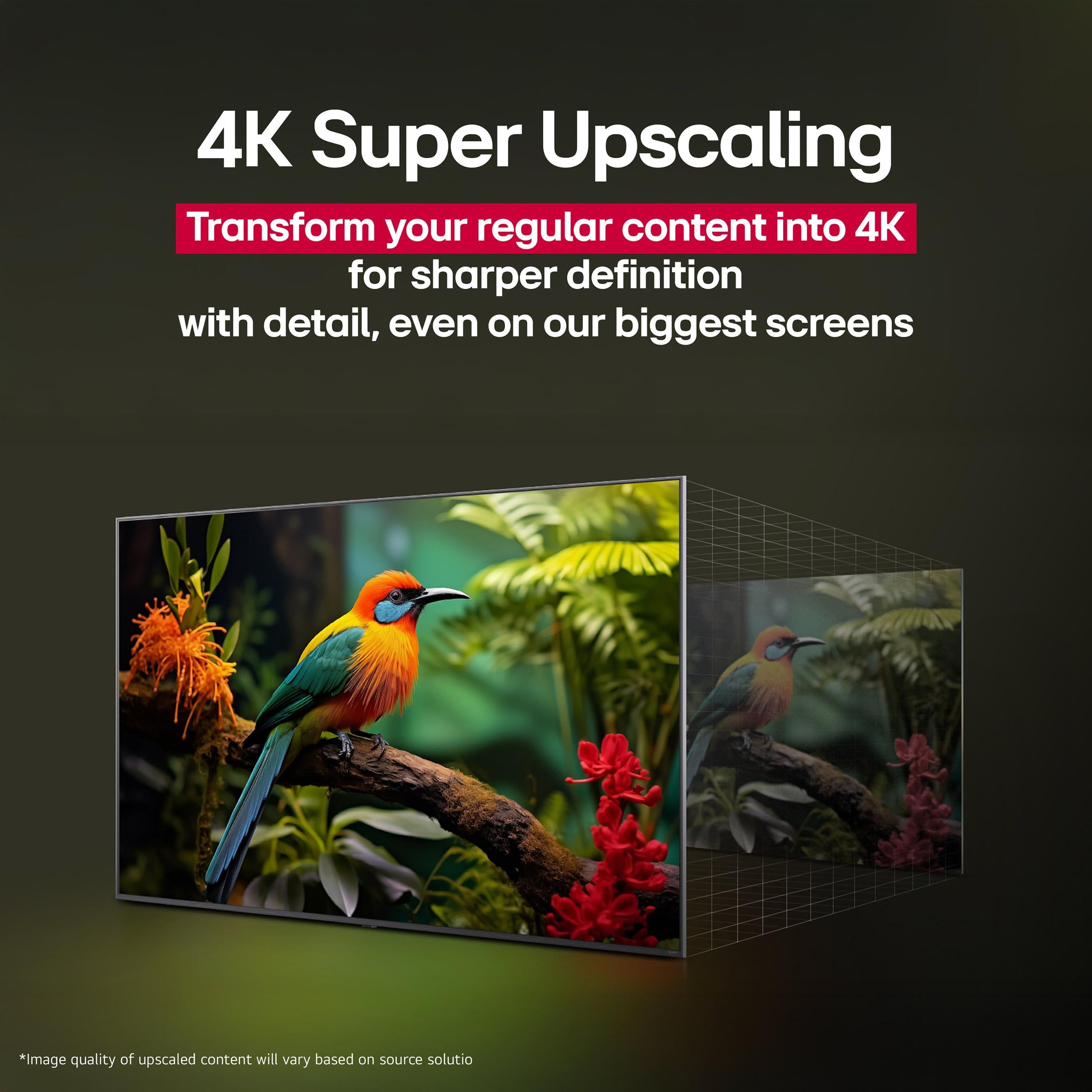
Samsung's Universal Guide does a good job of aggregating content from different streaming services, and Samsung TV Plus offers hundreds of free channels. The NQ4 AI Gen2 Processor focuses more on picture processing than personalization, using AI to upscale lower-resolution content to sharp 4K.
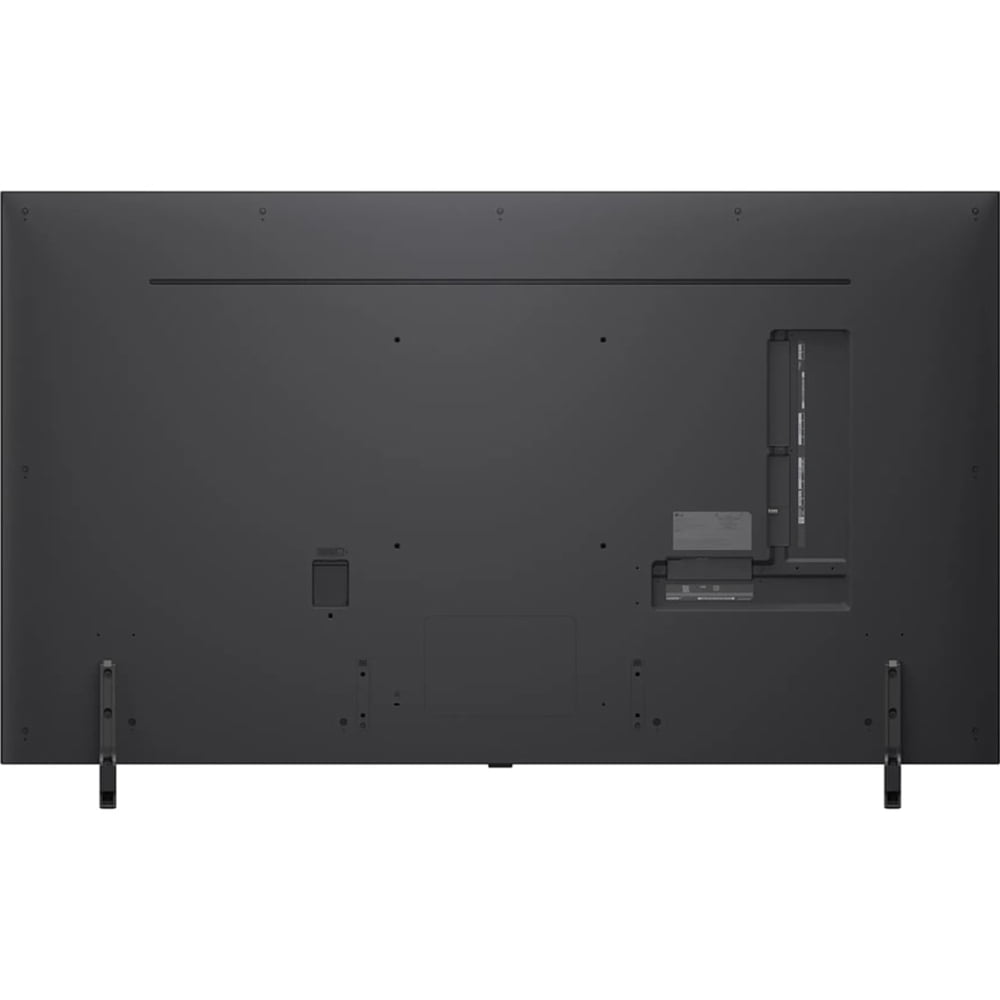
Both TVs include 40W speaker systems, which is adequate for most rooms but not exceptional. The LG QNED85A features AI Sound Pro, which converts regular stereo sound into virtual 9.1.2 surround sound. This creates a more immersive audio experience, especially with action movies where sound effects seem to move around the room.
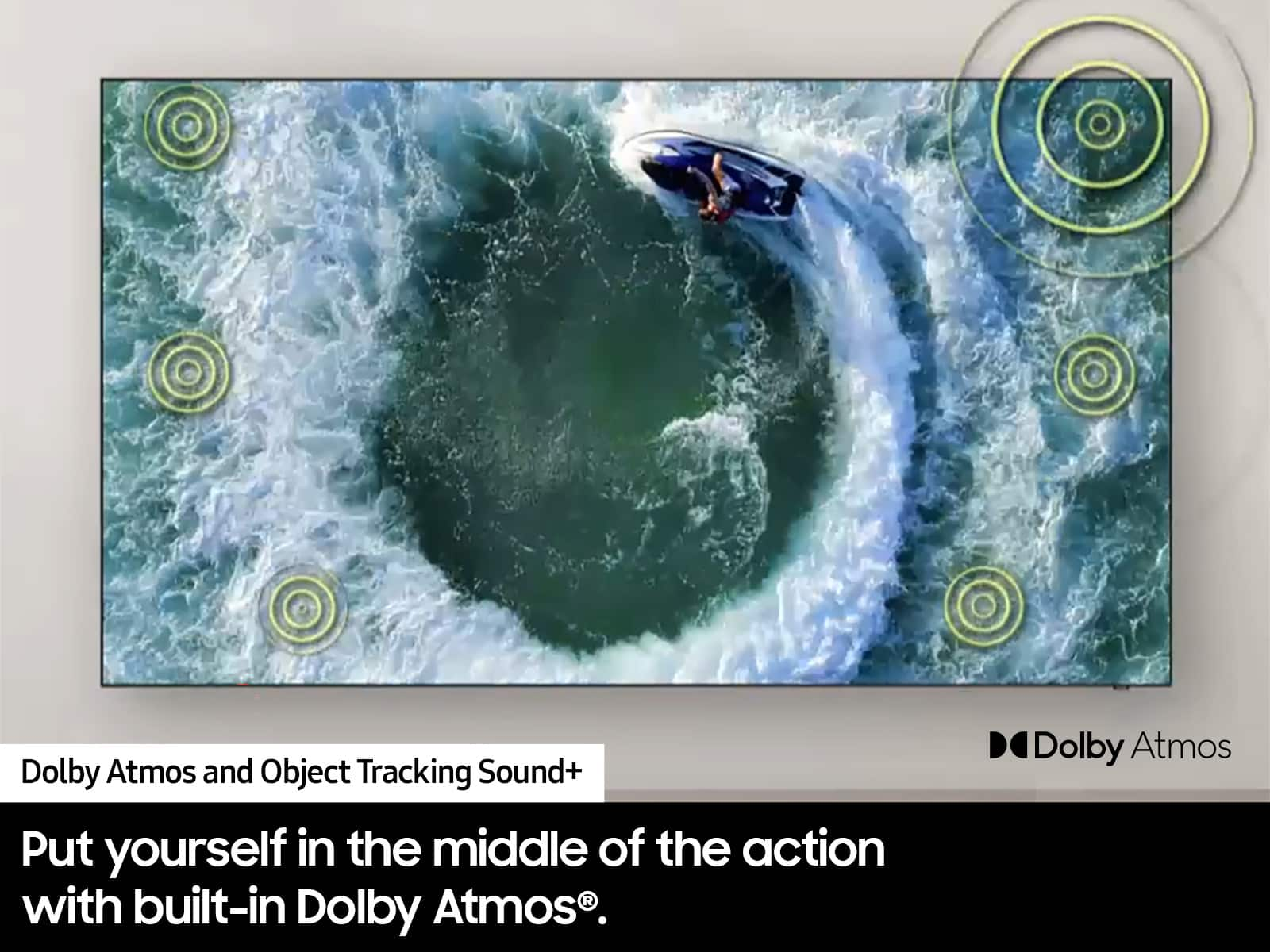
The Samsung QN85D uses Object Tracking Sound Lite, which tries to match audio to the movement on screen. When a car drives from left to right, the sound follows along. Both TVs support Dolby Atmos, which adds height information to create a more three-dimensional soundscape.
For a proper home theater experience, you'll likely want to add a soundbar or speaker system to either TV. Both have eARC (Enhanced Audio Return Channel) support, which allows high-quality audio to pass through to external sound systems without compression.
At $999.99, the LG QNED85A offers exceptional value for its feature set. You're getting advanced AI capabilities, excellent gaming performance, and wide viewing angles at a price point that was unimaginable for this level of technology just a few years ago.
The Samsung QN85D typically retails for $1,200-1,500, positioning it as a more premium option. The higher price reflects its superior brightness and contrast capabilities, making it better suited for bright rooms and those who prioritize cinematic picture quality.
Both TVs should last many years, but the LG's longer software support commitment gives it an edge for future-proofing. The webOS Re:New Program ensures you'll continue getting updates and new features, while Samsung's update policy is less clearly defined.
If you're setting up a dedicated home theater, the Samsung QN85D has some advantages. Its superior contrast and brightness make it better for dark room viewing, where you can really appreciate the deep blacks and bright highlights. The VA panel's narrower viewing angles aren't a problem when everyone's sitting in the optimal viewing position.
For family rooms or multi-purpose spaces, the LG QNED85A is more versatile. Its wide viewing angles mean the picture looks good from anywhere in the room, and the AI features make it easy for different family members to find content they'll enjoy.
Choose the LG QNED85A if you:
Choose the Samsung QN85D if you:
Both TVs represent excellent value in the premium MiniLED category, but they serve different needs. The LG QNED85A offers better overall value with its comprehensive feature set, gaming capabilities, and competitive pricing. It's the choice I'd recommend for most people, especially if you're looking for a versatile TV that excels in multiple areas.
The Samsung QN85D justifies its premium pricing with superior brightness and contrast, making it the better choice for those who prioritize cinematic picture quality above all else. If you're setting up a dedicated home theater or have a particularly bright room, the Samsung might be worth the extra investment.
Ultimately, both TVs will deliver an excellent viewing experience that's a significant upgrade from older LED technology. Your specific room conditions, viewing habits, and budget will determine which one is the right fit for your home.
| LG 65" QNED evo AI QNED85A 4K MiniLED Smart TV 2025 | Samsung 65" QN85D Neo QLED 4K Smart TV |
|---|---|
| Price - Direct value comparison for premium MiniLED performance | |
| $999.99 | ~$1,200-1,500 |
| Panel Technology - Affects viewing angles and contrast performance | |
| IPS panel with wider viewing angles (178°) but lower contrast | VA panel with superior contrast (3,000:1) but narrower viewing angles |
| Peak Brightness - Critical for HDR impact and bright room viewing | |
| ~1,200 nits (good for most rooms) | ~1,500 nits (excellent for bright spaces) |
| Refresh Rate - Important for smooth motion and gaming | |
| Native 120Hz across all sizes | 120Hz (model dependent, some regions may be 60Hz) |
| Gaming Features - Essential for console and PC gaming | |
| VRR up to 144Hz, FreeSync Premium, ALLM, ~10ms input lag | VRR, ALLM, Gaming Hub, ~12ms input lag |
| HDR Support - Determines compatibility with premium streaming content | |
| HDR10, Dolby Vision, HLG | HDR10, HDR10+, HLG (no Dolby Vision) |
| AI Features - Modern convenience and personalization capabilities | |
| α8 Gen 2 AI Processor, AI Voice ID, AI Concierge, Microsoft Copilot | NQ4 AI Gen2 Processor focused on upscaling, SmartThings integration |
| Smart OS - Platform stability and app ecosystem | |
| webOS 25 with 5-year update guarantee | Tizen OS with mature app support |
| Audio System - Built-in sound quality and processing | |
| 40W with AI Sound Pro (virtual 9.1.2 surround) | 40W with Object Tracking Sound Lite |
| Best Use Case - Who should choose this TV | |
| Gamers, families, wide viewing angles, AI features, budget-conscious | Movie enthusiasts, bright rooms, maximum contrast, Samsung ecosystem |
The LG 65" QNED evo AI QNED85A is better for gaming with its guaranteed native 120Hz refresh rate, VRR support up to 144Hz, FreeSync Premium certification, and lower input lag (~10ms). The Samsung 65" QN85D Neo QLED offers solid gaming features but has slightly higher input lag and model-dependent refresh rates.
The LG QNED85A is priced at $999.99, while the Samsung QN85D typically retails for $1,200-1,500, making the LG about $200-500 less expensive depending on sales and specific model configurations.
The Samsung QN85D performs better in bright rooms with its higher peak brightness (~1,500 nits) and VA panel technology that delivers superior contrast. The LG QNED85A reaches about 1,200 nits, which is still good for most rooms but not as effective against strong ambient light.
Only the LG QNED85A supports Dolby Vision, along with HDR10 and HLG. The Samsung QN85D supports HDR10, HDR10+, and HLG but does not support Dolby Vision, which is increasingly important for Netflix, Disney+, and Apple TV+ content.
The LG QNED85A is better for family rooms due to its IPS panel offering wider viewing angles (178°) with consistent color and brightness from the side. The Samsung QN85D has a VA panel with narrower viewing angles that work best when viewed directly from the front.
The LG QNED85A runs webOS 25 with advanced AI features like Voice ID, AI Concierge, and Microsoft Copilot integration, plus a 5-year update guarantee. The Samsung QN85D uses Tizen OS with excellent SmartThings integration and Samsung TV Plus but fewer AI personalization features.
The Samsung QN85D is generally better for dedicated home theaters due to its superior contrast ratio (3,000:1 vs 1,200:1), deeper blacks, and higher peak brightness that creates more impactful HDR in dark rooms. The narrower viewing angles aren't a concern in theater seating arrangements.
Both the LG QNED85A and Samsung QN85D feature 40W speaker systems with Dolby Atmos support. The LG includes AI Sound Pro for virtual 9.1.2 surround sound, while the Samsung offers Object Tracking Sound Lite. Both are adequate for casual viewing but benefit from external sound systems.
The LG QNED85A offers better value at $999.99 with its comprehensive gaming features, AI capabilities, wide viewing angles, and 5-year software support. The Samsung QN85D costs more but justifies it with superior brightness and contrast for specific use cases.
Both TVs offer four HDMI 2.1 ports, but the LG QNED85A guarantees 120Hz and VRR support up to 144Hz across all inputs. The Samsung QN85D also has HDMI 2.1 with VRR and ALLM support, though specific capabilities may vary by model region.
The LG QNED85A tends to produce more natural, accurate colors especially for skin tones, using its Dynamic QNED Color Solution for 100% color volume. The Samsung QN85D delivers more vivid, saturated colors through quantum dot technology that creates impressive color pop but may be less natural.
The LG QNED85A includes a 1-year manufacturer warranty and webOS Re:New Program guaranteeing 5 years of software updates. The Samsung QN85D also includes a 1-year warranty but has less clearly defined long-term software support commitments compared to LG's explicit 5-year promise.
We've done our best to create useful and informative comparisons to help you decide what product to buy. Our research uses advanced automated methods to create this comparison and perfection is not possible - please contact us for corrections or questions. These are the sites we've researched in the creation of this article: rtings.com - rtings.com - youtube.com - lg.com - smarthomesounds.co.uk - abt.com - abt.com - lg.com - displayspecifications.com - walmart.com - bestbuy.com - lg.com - lg.com - lg.com - files.bbystatic.com - flatpanelshd.com - north-side-appliance.com - lgnewsroom.com - lg.com - youtube.com - youtube.com - hindustantimes.com - videoandaudiocenter.com - shopjetson.com - mysoundconcepts.com - samsung.com - merlinstv.com - youtube.com - samsung.com - samsung.com

Privacy Policy
Terms and Conditions - Affiliate Policy
Home Security
© Copyright 2008-2026.
11816 Inwood Rd #1211, Dallas, TX 75244