



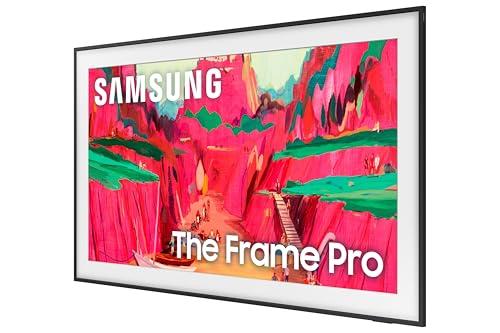
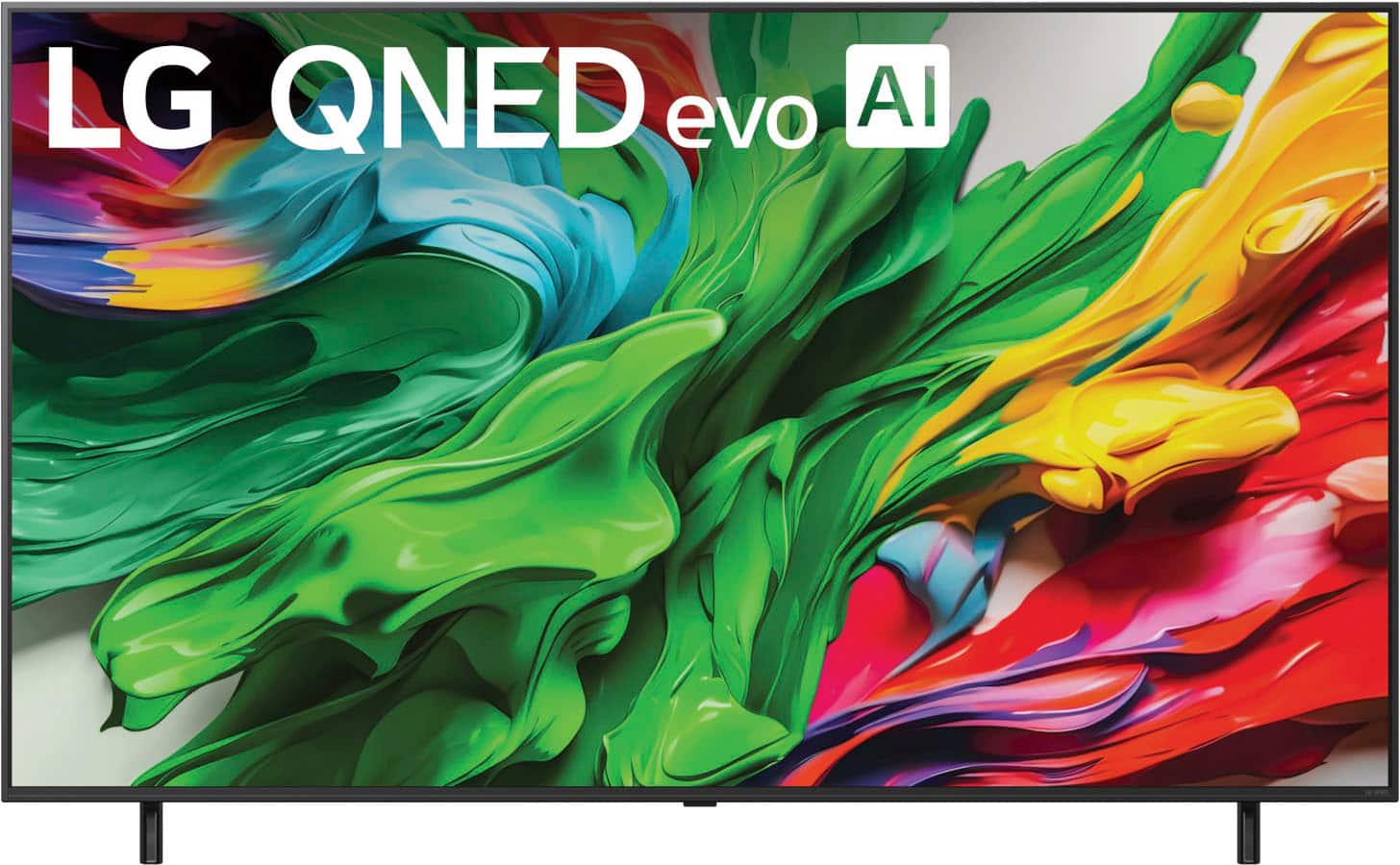
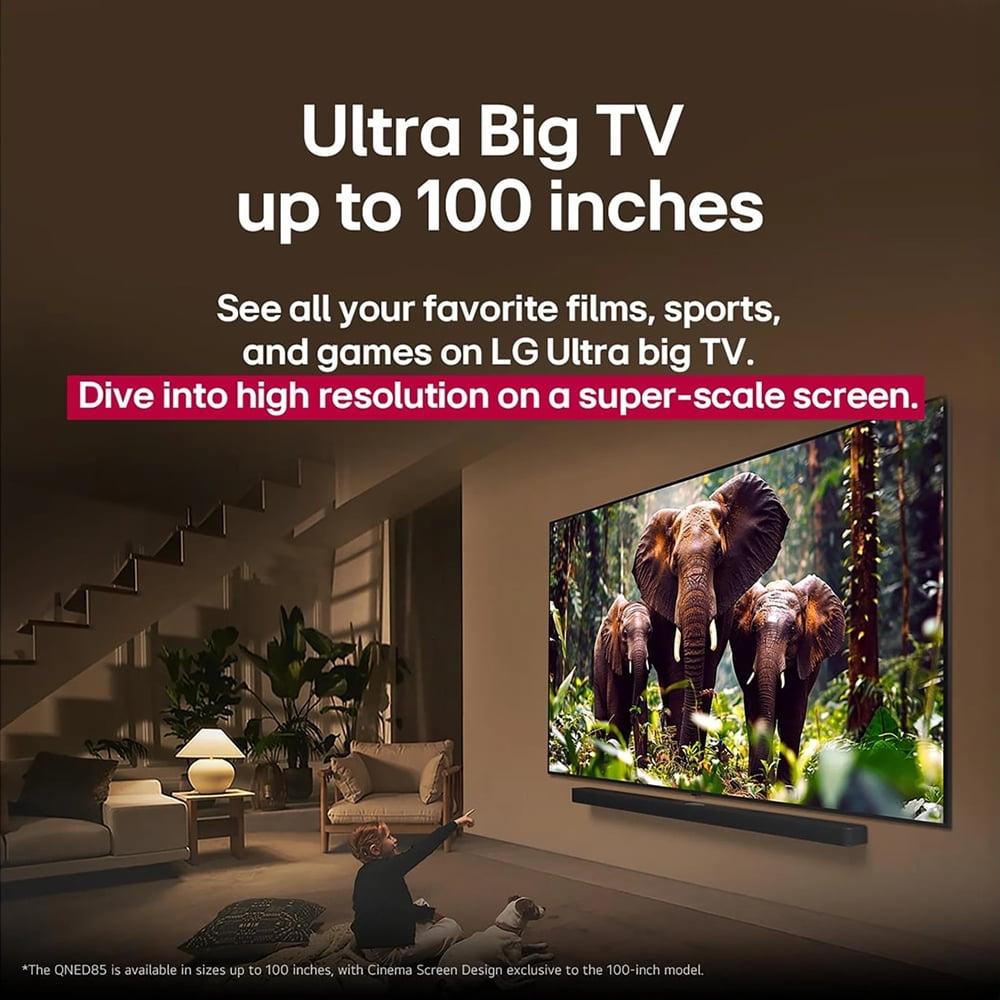
When you're shopping for a premium 65-inch TV in 2025, you'll encounter two fascinating yet fundamentally different philosophies. Samsung's The Frame Pro transforms your living room into an art gallery that happens to be an excellent television, while LG's QNED85A focuses on delivering maximum picture quality and gaming performance for your entertainment dollar. Both use advanced Mini LED technology, but they take remarkably different paths to get there.
The premium TV market has evolved dramatically since these models launched in 2025. Both the Samsung Frame Pro and LG QNED85A represent significant technological leaps from their predecessors, incorporating Mini LED backlighting—a technology that uses thousands of tiny LEDs behind the screen to create more precise lighting control than traditional LED TVs.
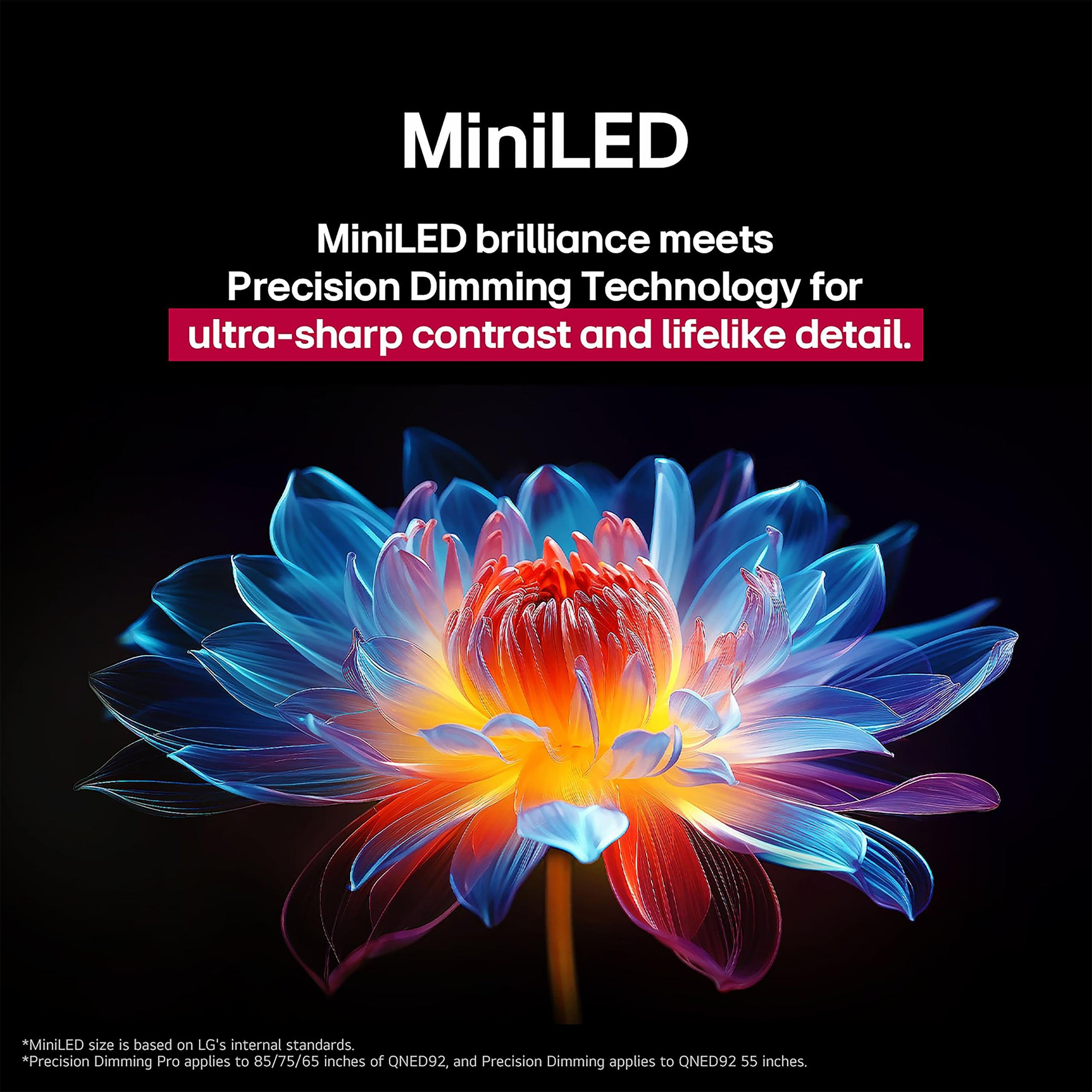
Mini LED sits between standard LED and OLED technology in terms of performance and cost. Unlike OLED panels where each pixel creates its own light, Mini LED uses clusters of small LEDs to illuminate specific screen areas. This approach delivers better contrast and brighter highlights than regular LED TVs while avoiding OLED's potential burn-in concerns and higher costs.
The key considerations when choosing between these models center on how you'll actually use the TV. Picture quality, gaming capabilities, smart features, design integration, and long-term value all play crucial roles in the decision-making process.
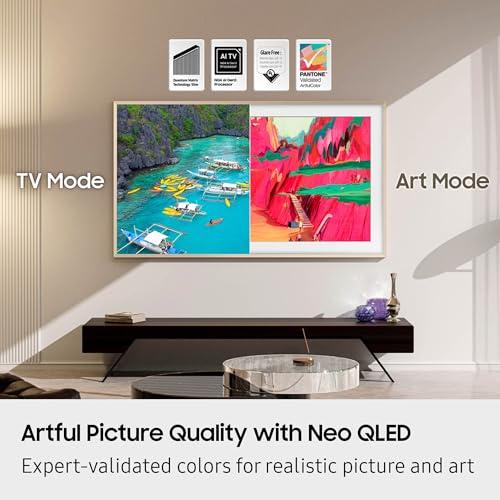
The Samsung Frame Pro achieves over 1,000 nits of peak brightness through its Neo QLED technology—a significant improvement from Samsung's previous Frame models that topped out around 590 nits. Neo QLED combines quantum dot color technology with Mini LED backlighting and what Samsung calls "Quantum Matrix Technology Slim." This system provides more precise local dimming control, meaning specific areas of the screen can be brightened or darkened independently for better contrast.
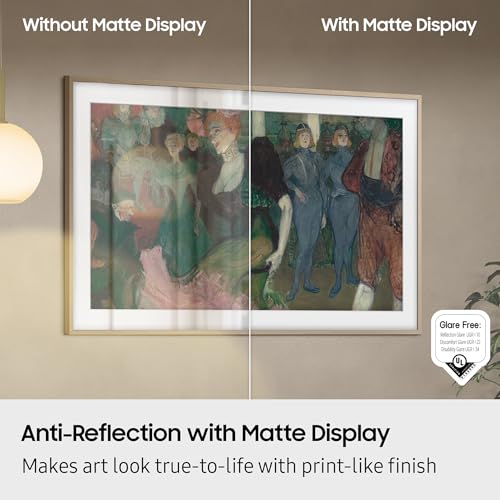
What makes the Frame Pro unique is its matte anti-glare coating. Most TVs use glossy screens that can create distracting reflections in bright rooms. Samsung's matte finish diffuses reflections, making the TV look more like a real piece of artwork hanging on your wall. This coating slightly reduces color vibrancy compared to glossy panels, but the trade-off is worthwhile if you have large windows or bright lighting in your viewing area.
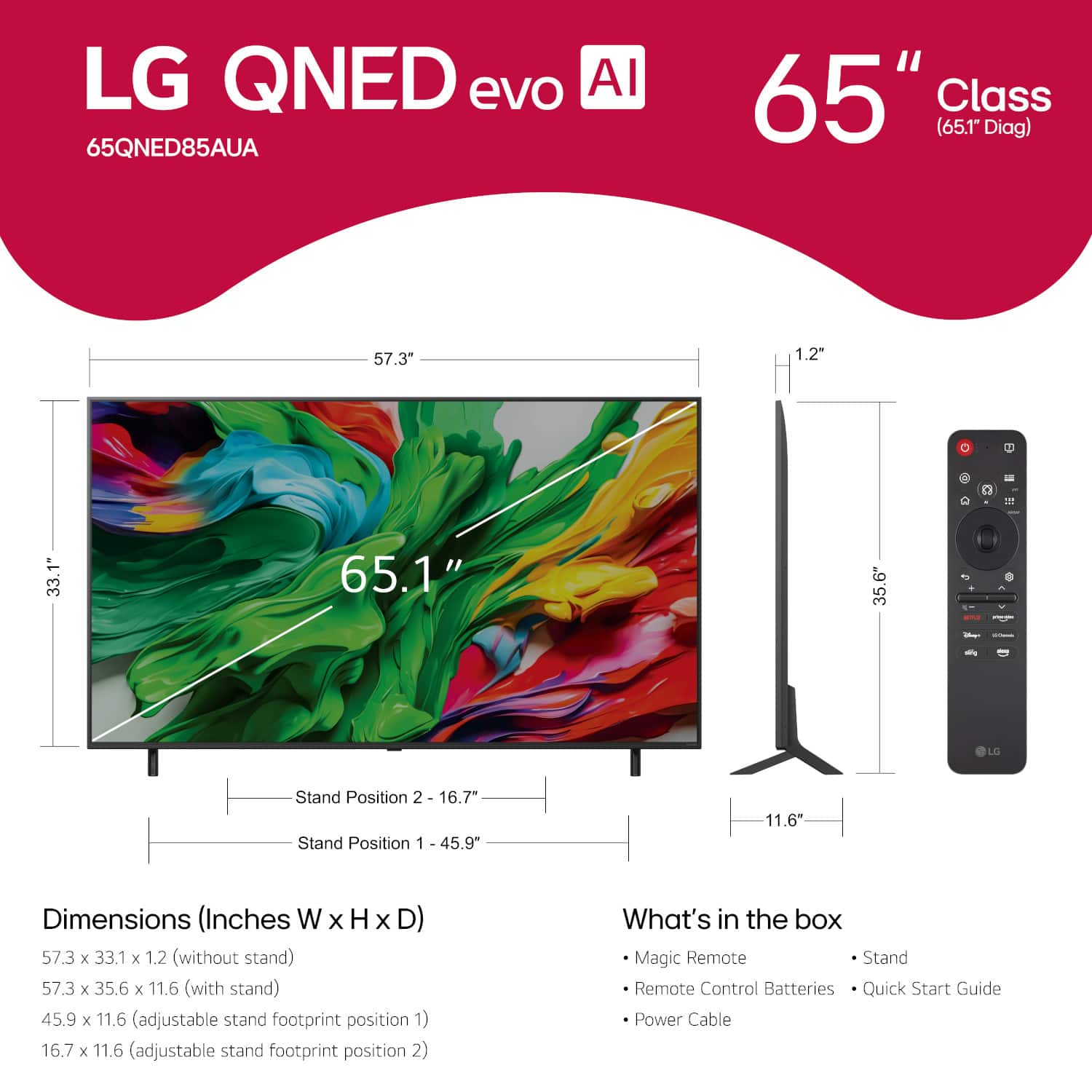
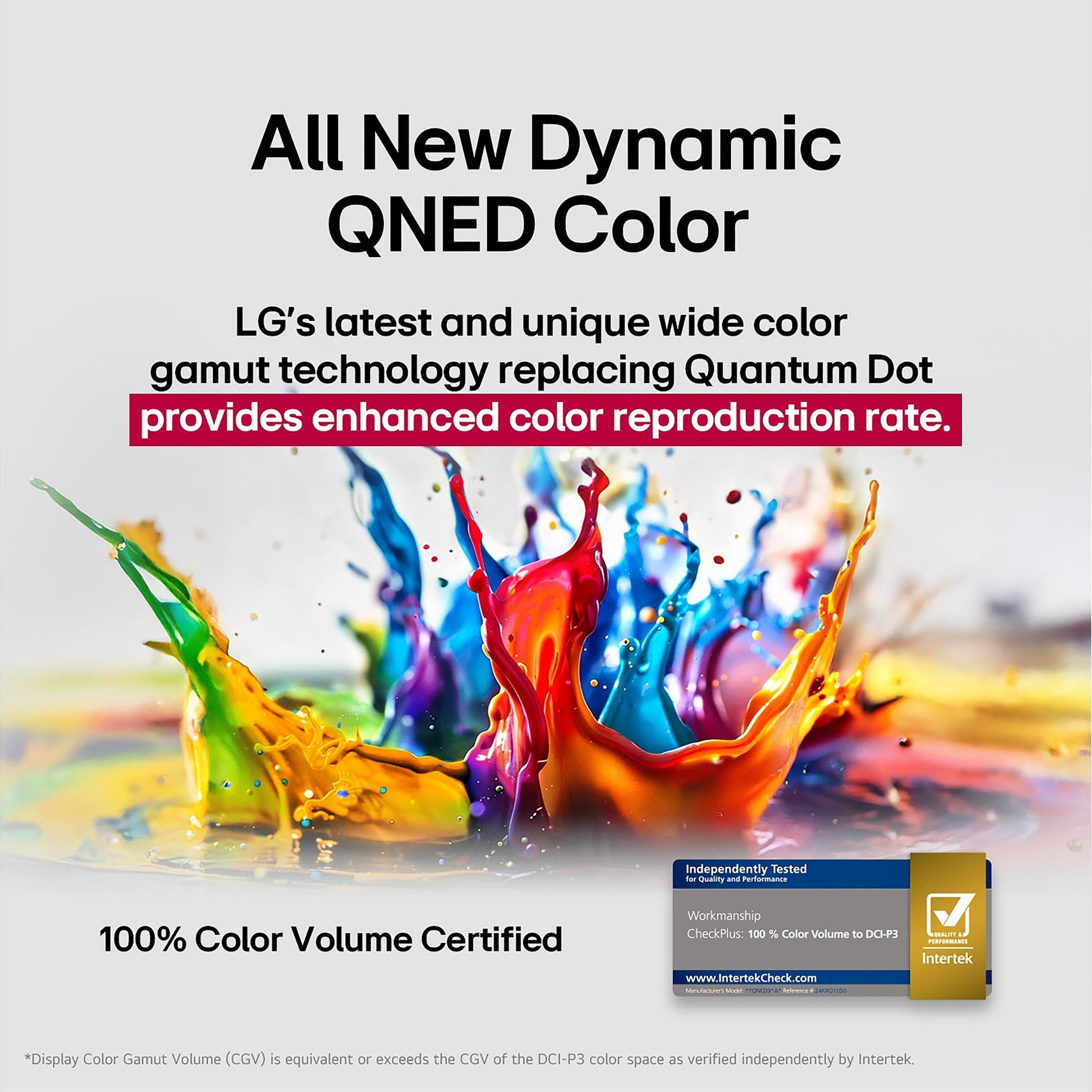
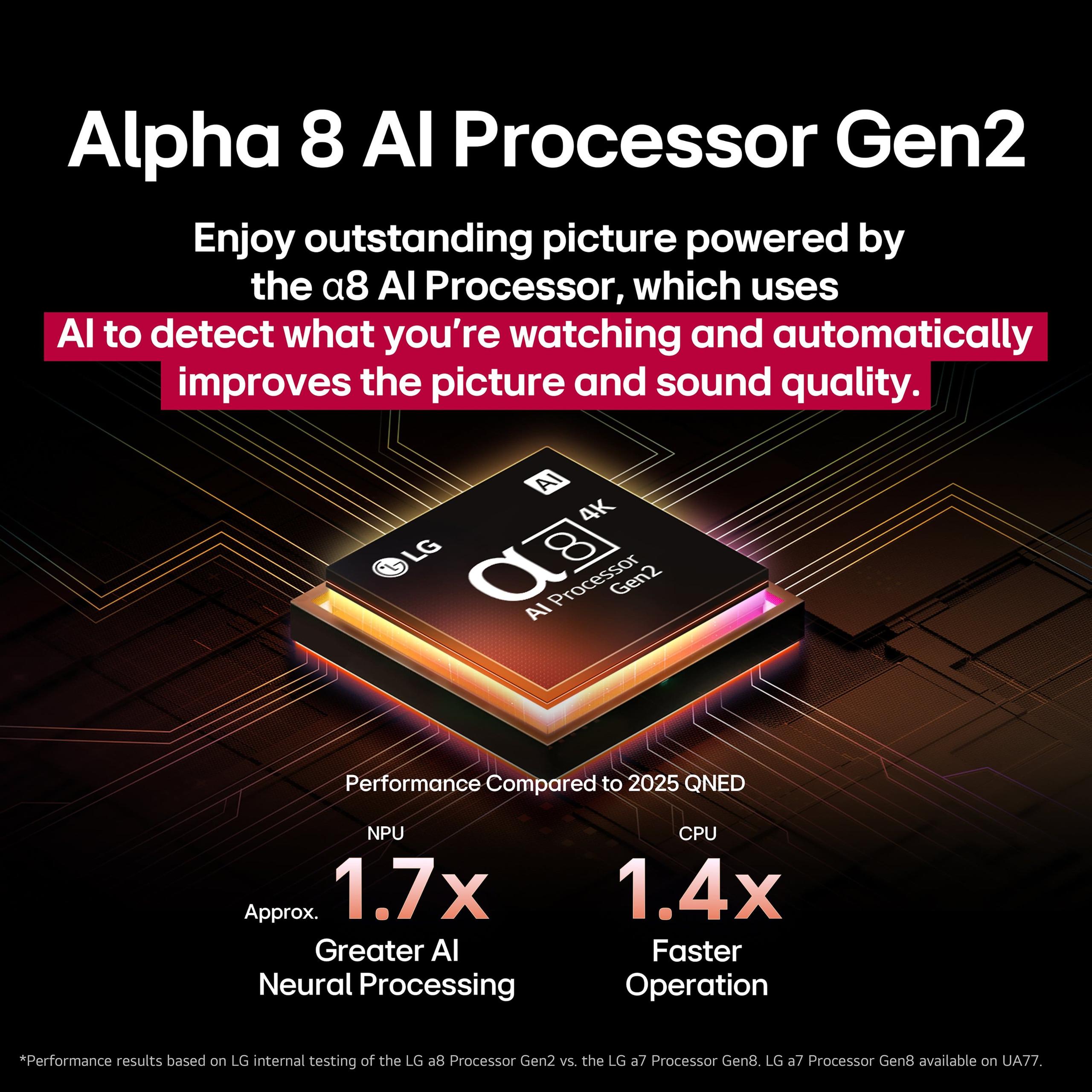
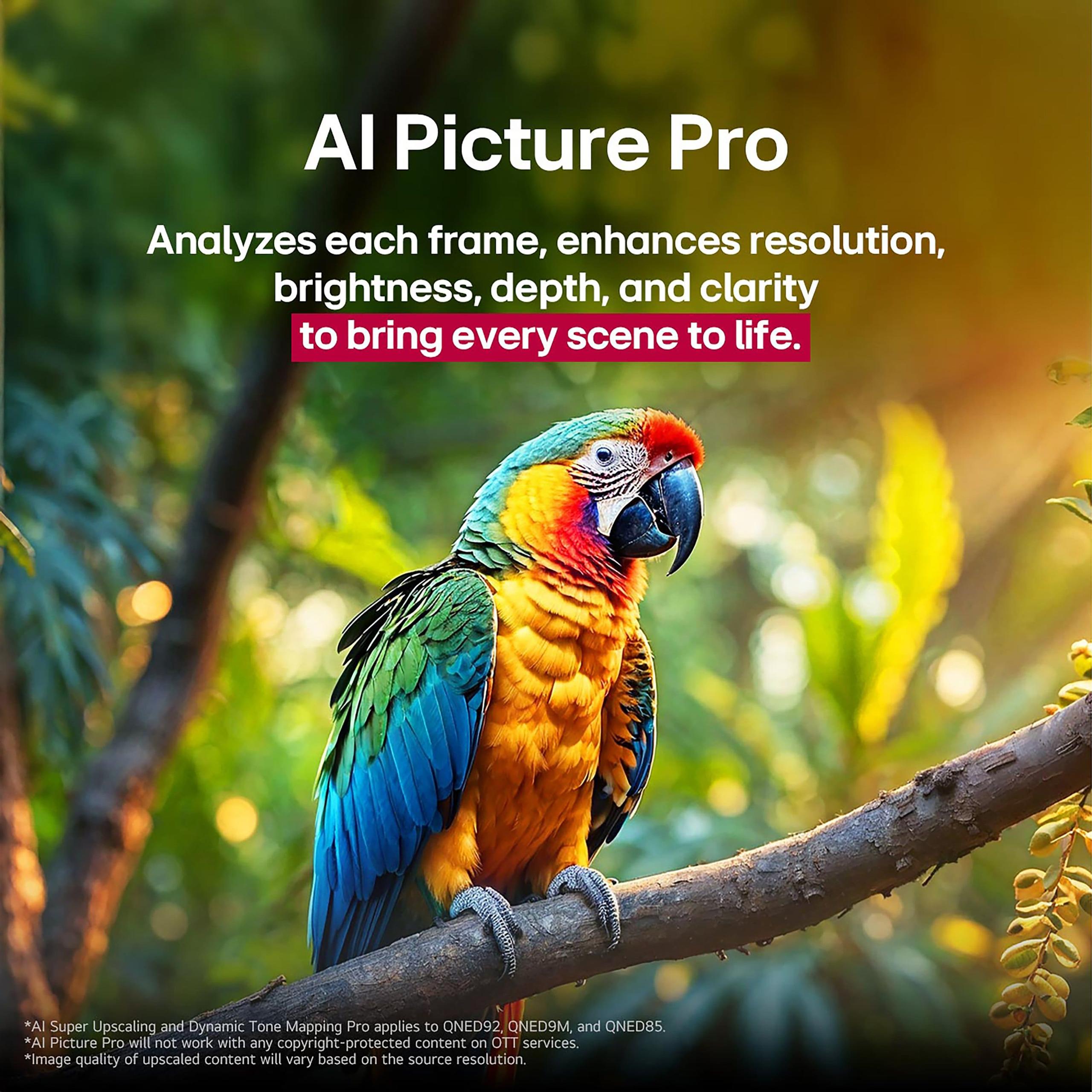
The LG QNED85A takes a different approach with its "Dynamic QNED Color" technology, which LG claims delivers 100% color volume—essentially meaning it can reproduce colors at any brightness level without washing out. The TV's α8 Gen 2 AI Processor represents a 70% improvement in AI performance over previous generations, constantly analyzing what you're watching and adjusting picture settings in real-time.
LG's Precision Dimming Pro system (available on all sizes except the 100-inch model) provides sophisticated local dimming control. The system can adjust individual zones of Mini LEDs to maintain deep blacks while keeping bright areas properly illuminated. This creates the kind of contrast that makes HDR (High Dynamic Range) content really pop—think of the difference between a dim campfire and bright sunlight in the same scene.
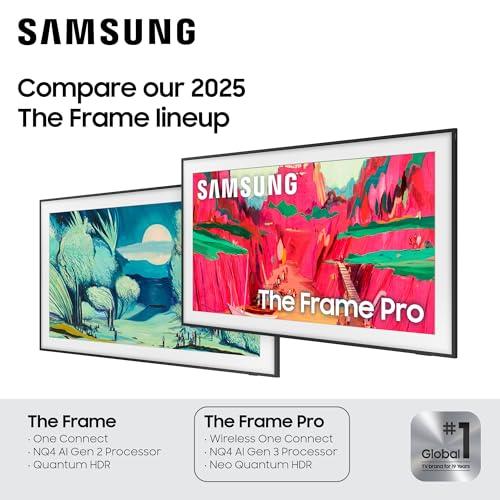
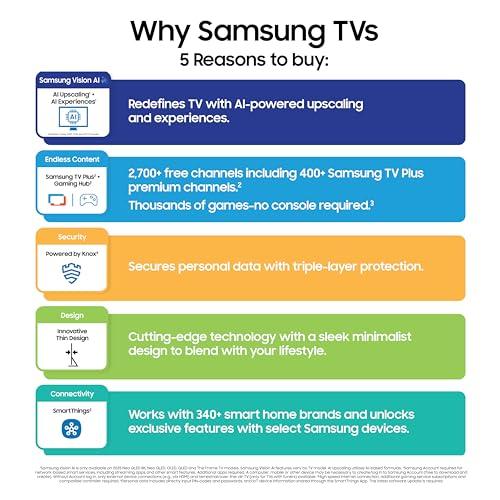
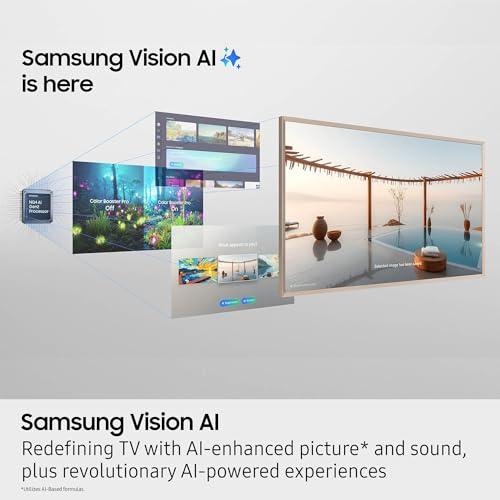
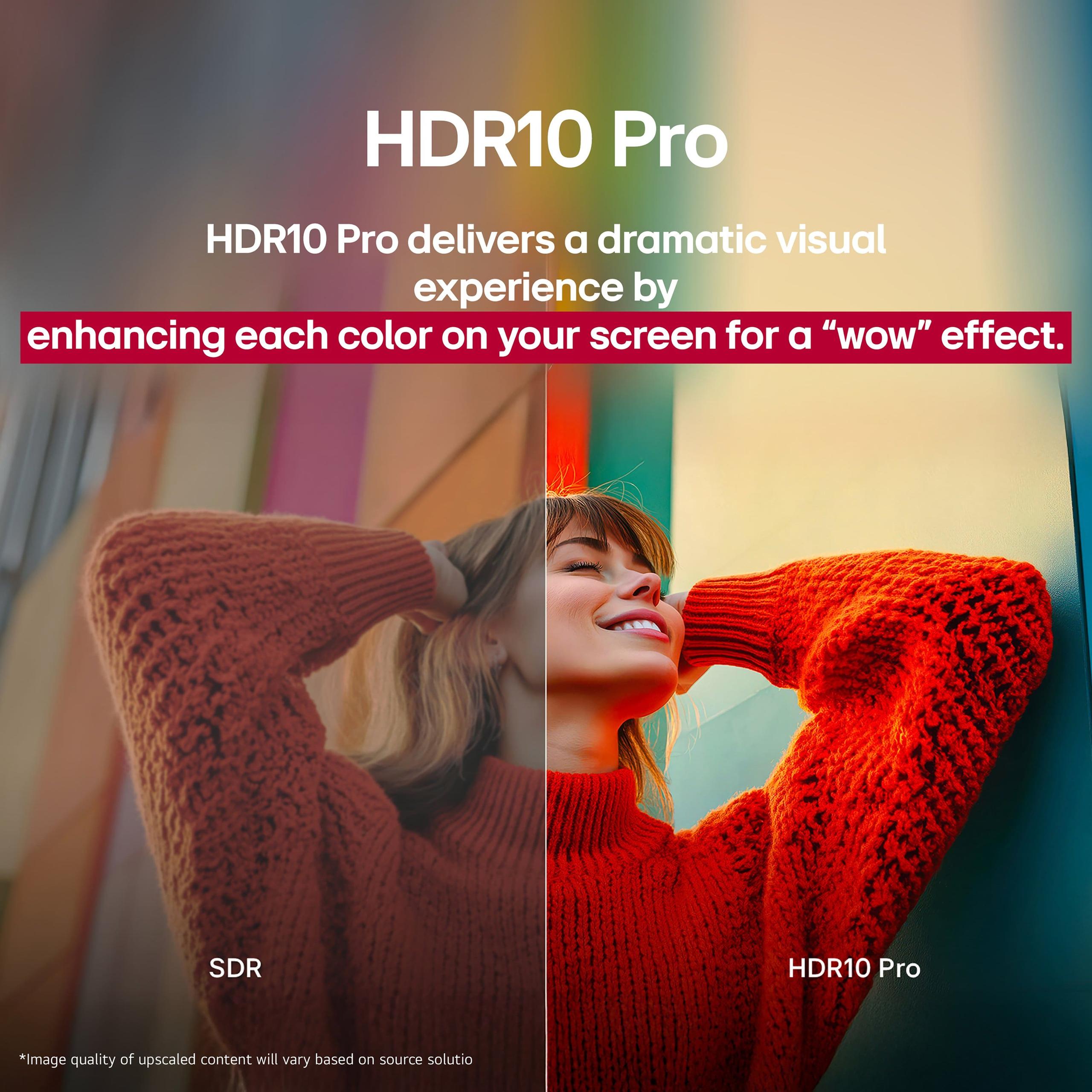
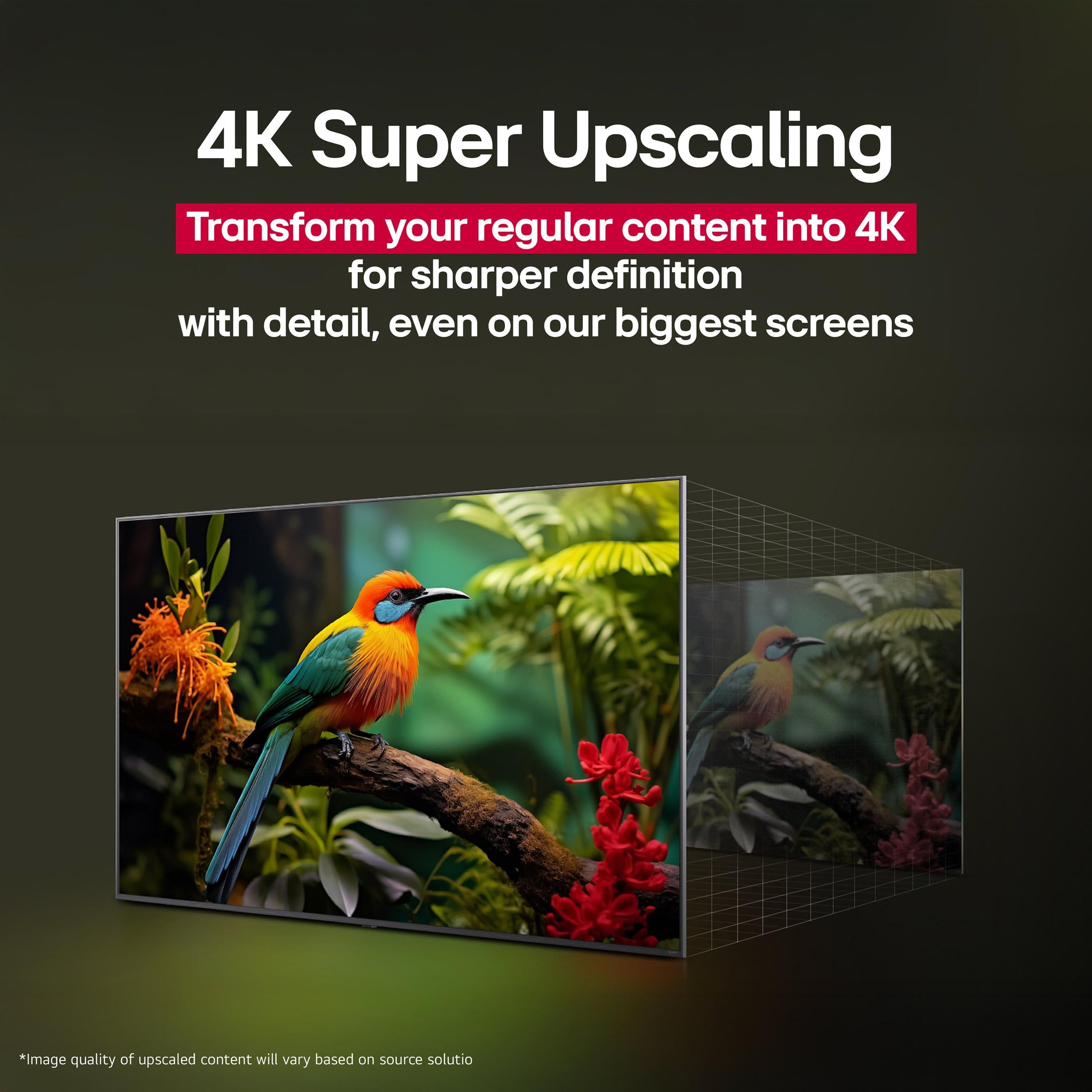
Both TVs support the major HDR formats, but with different strengths. The Samsung Frame Pro includes HDR10+ Adaptive and Gaming modes alongside standard HDR10 support. Its NQ4 Gen 3 AI Processor uses artificial intelligence to upscale lower-resolution content and optimize HDR tone mapping—the process of translating the massive brightness range of HDR content to what your TV can actually display.
The LG QNED85A supports Dolby Vision, which many consider the premium HDR format. Dolby Vision uses dynamic metadata, meaning it can adjust HDR settings scene-by-scene or even frame-by-frame for more accurate reproduction. The TV's AI Object Enhancer identifies specific elements in the picture—like faces or text—and applies targeted improvements to make them look sharper and more natural.
For home theater enthusiasts, Dolby Vision support gives the LG QNED85A a notable advantage. Most streaming services and Ultra HD Blu-rays that support advanced HDR use Dolby Vision, making this TV more compatible with high-quality content sources.
The Samsung Frame Pro's matte coating provides excellent performance in bright rooms, but its effectiveness comes at the cost of some color saturation compared to glossy displays. If your TV room has large windows or bright overhead lighting, this trade-off is definitely worthwhile.
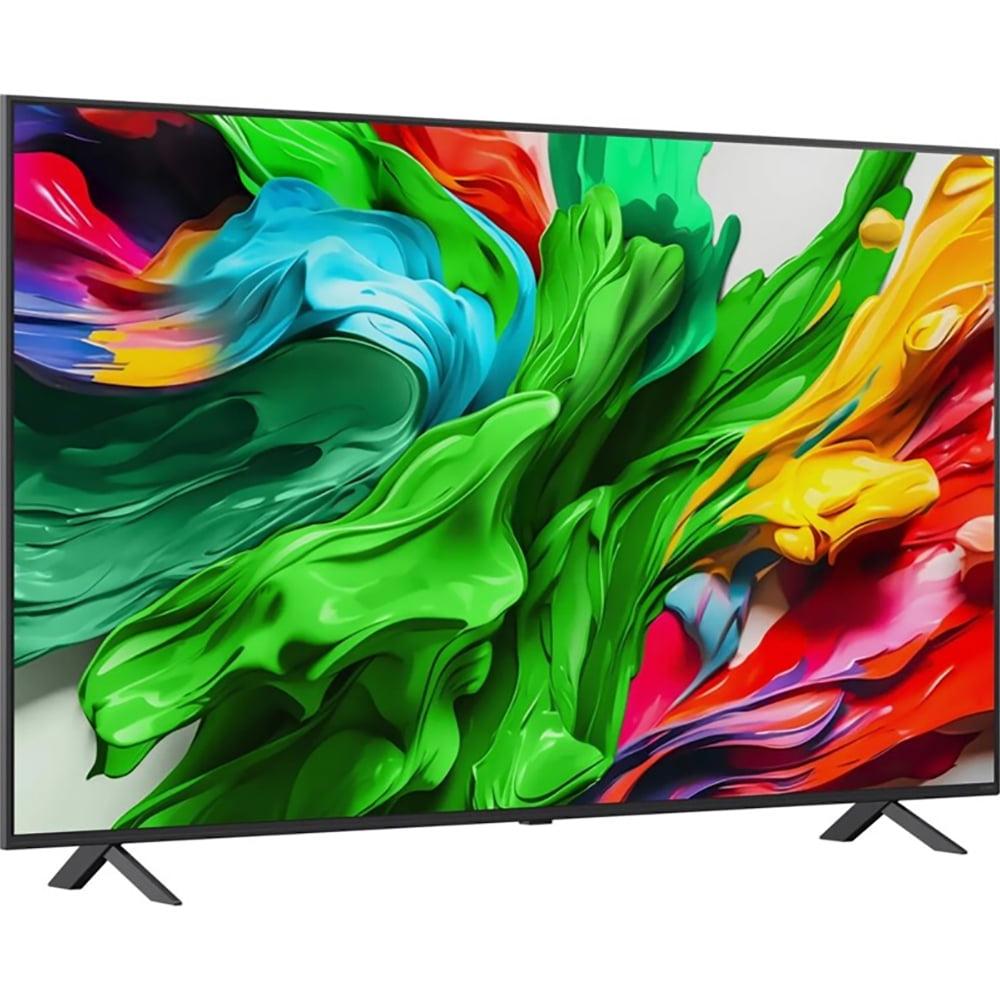
The LG QNED85A maintains LG's traditional strength in wide viewing angles. You can sit significantly off to the side and still see accurate colors and proper contrast—something that's particularly valuable for larger families or when entertaining guests. The glossy screen does create more reflections than Samsung's matte finish, but peak brightness around 1,000 nits helps overcome most ambient light situations.
Gaming capabilities reveal the most significant performance gap between these models. The LG QNED85A delivers a comprehensive gaming experience that rivals dedicated gaming monitors, while the Samsung Frame Pro makes compromises that may frustrate serious gamers.
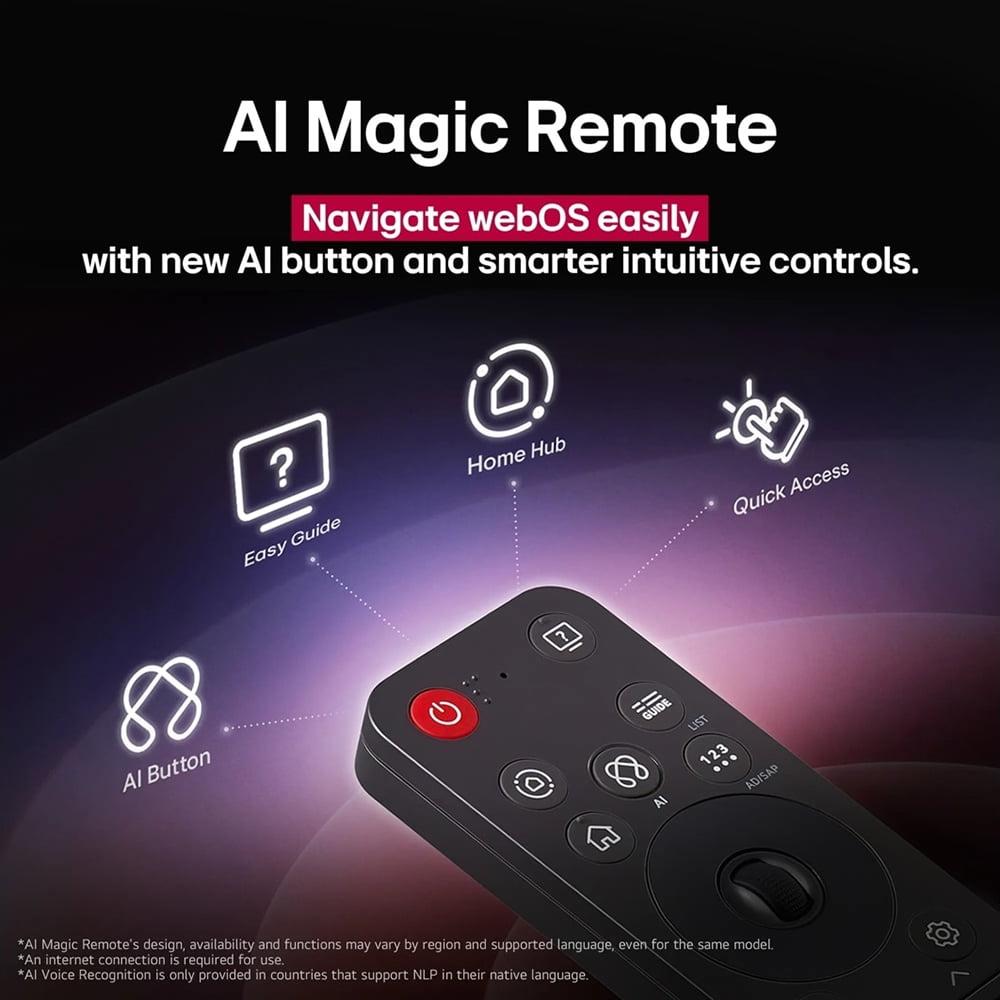
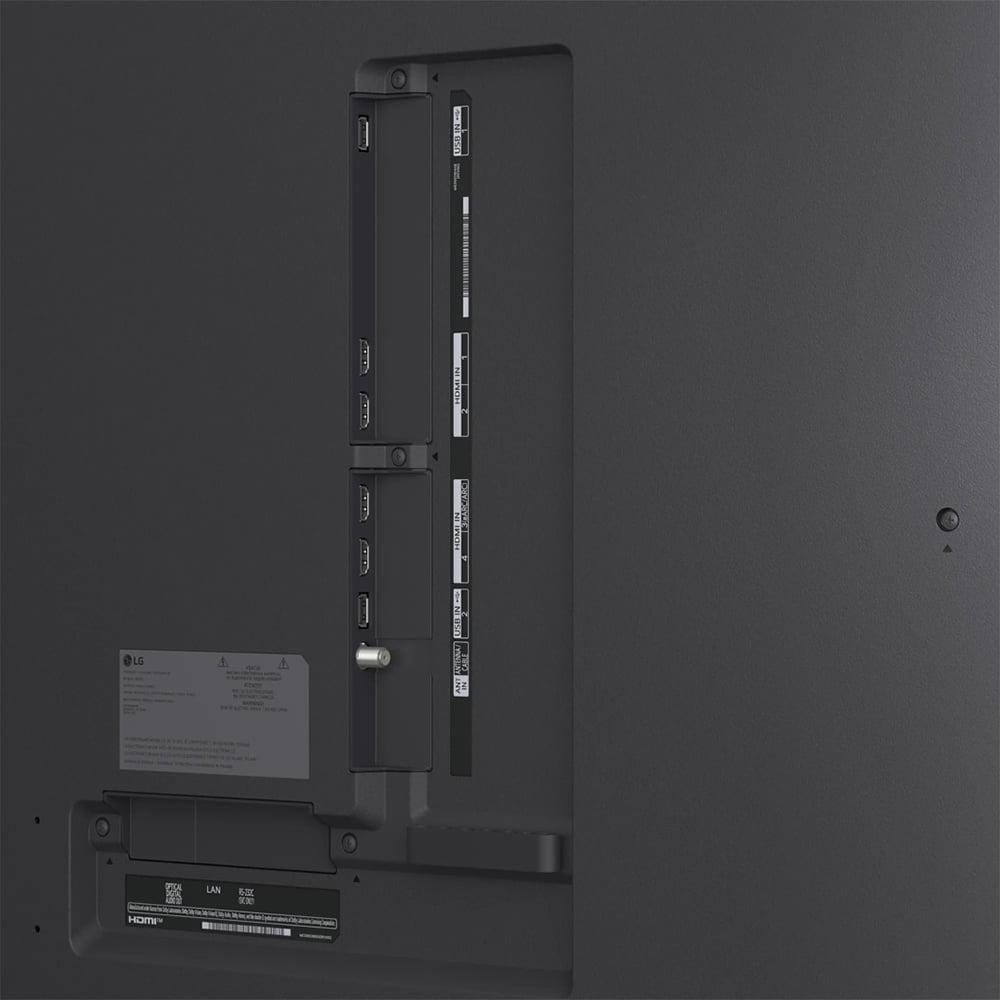
The LG QNED85A provides four full-bandwidth HDMI 2.1 ports, each capable of handling 4K resolution at 120 frames per second. This means you can connect a PlayStation 5, Xbox Series X, gaming PC, and another device simultaneously without sacrificing performance on any input. The TV supports Variable Refresh Rate (VRR) technology up to 144Hz, which synchronizes the display's refresh rate with your gaming device's frame rate to eliminate screen tearing and stuttering.
VRR is particularly important for PC gaming, where frame rates can fluctuate dramatically depending on scene complexity. Instead of forcing your graphics card to match a fixed refresh rate (which can cause visual artifacts), VRR lets the TV adapt to whatever frame rate your system can deliver.
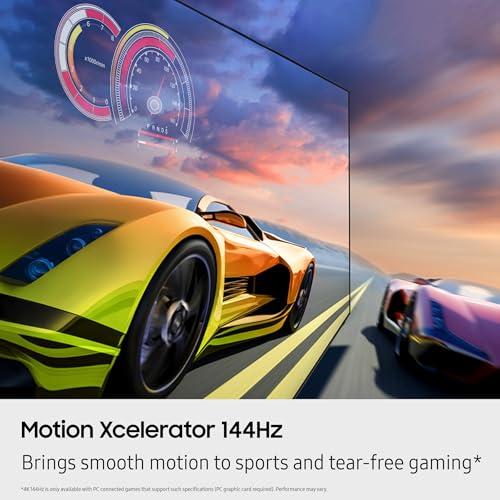
The Samsung Frame Pro supports 144Hz refresh rates and includes VRR compatibility, but with a crucial limitation: input lag. Our research into professional reviews consistently shows input lag measurements above 30 milliseconds—significantly higher than most gaming-focused TVs. Input lag represents the delay between pressing a button on your controller and seeing the result on screen. While 30ms might sound tiny, competitive gamers typically prefer under 20ms, and many premium TVs achieve single-digit input lag.
Samsung includes a micro HDMI port directly on the TV for lower-latency gaming connections, but this feels more like a workaround than a proper solution. You're essentially bypassing the TV's wireless processing system to achieve acceptable gaming performance.
The LG QNED85A includes LG's Game Optimizer, a comprehensive gaming dashboard that lets you adjust settings without leaving your game. You can switch between different gaming modes (FPS, RTS, RPG), adjust response times, and enable features like black stabilization—which brightens dark areas to help spot enemies hiding in shadows.
Both TVs support Auto Low Latency Mode (ALLM), which automatically switches to gaming mode when it detects a gaming console. However, the LG QNED85A's implementation is more refined, with faster switching and better integration with next-generation console features.
The smart TV experience represents another area where these models diverge significantly. Both use advanced AI processing, but with different focuses and long-term prospects.
The LG QNED85A runs webOS 25, LG's latest smart TV platform. What sets LG apart is their commitment to software longevity: they guarantee five years of major OS updates. In an industry where many manufacturers abandon software support after two or three years, this commitment provides significant long-term value.
LG's AI features feel more advanced and practical. The AI Concierge learns your viewing habits and suggests content across multiple apps and services. Voice ID recognizes different family members and switches to their personalized settings and recommendations automatically. The AI Search function, powered by large language model technology, understands conversational queries—you can ask "find me something funny to watch with my kids" rather than navigating through menus.
Microsoft Copilot integration adds another layer of intelligence, helping with everything from troubleshooting TV issues to organizing your smart home devices through the TV interface.
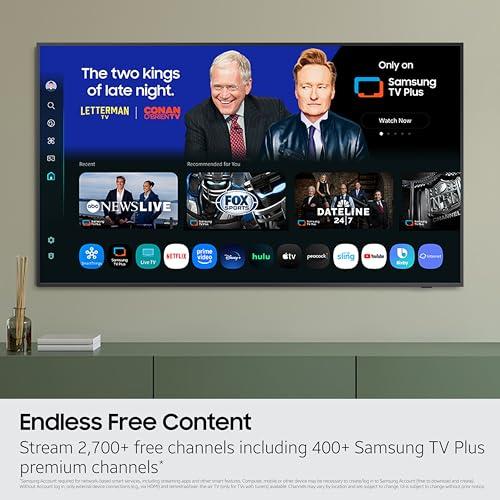
The Samsung Frame Pro uses Samsung's Tizen OS, which integrates well with Samsung's broader ecosystem of phones, tablets, and smart home devices. The platform is mature and responsive, with good app selection and regular updates.
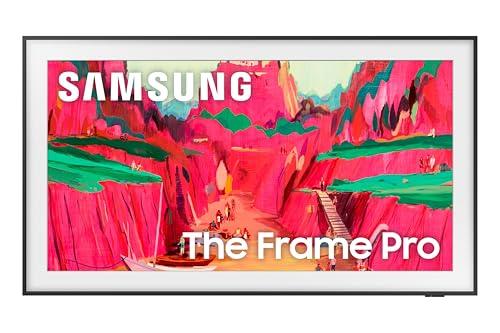
However, Samsung's real smart TV innovation lies in the Art Mode functionality. The TV connects to Samsung's Art Store, providing access to thousands of curated artworks from museums and galleries worldwide. You can also upload personal photos, and the TV's AI will optimize them for display, adjusting color temperature and brightness to look like real prints.
The Pantone validation ensures color accuracy for both art reproduction and video content, making the TV suitable for users who care about precise color representation.
This is where the fundamental difference between these TVs becomes most apparent. The Samsung Frame Pro prioritizes aesthetic integration, while the LG QNED85A focuses on performance and value.
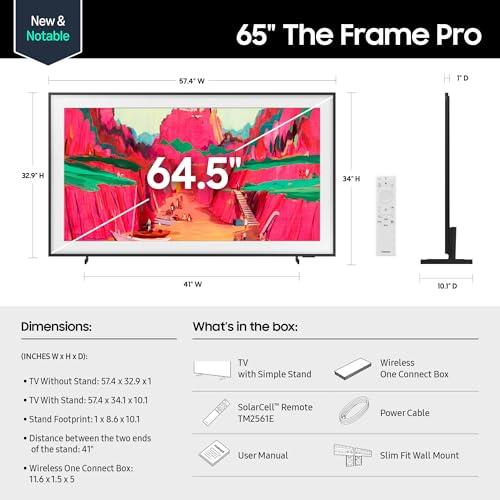
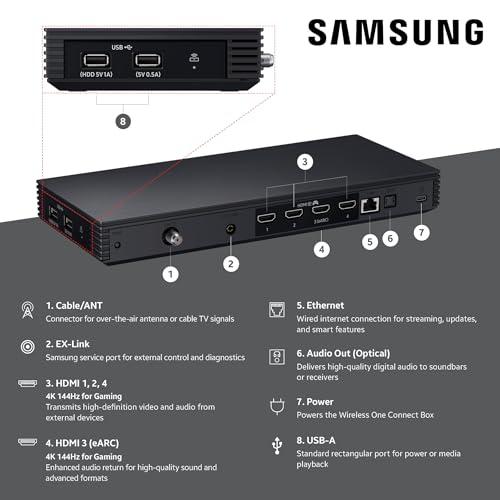
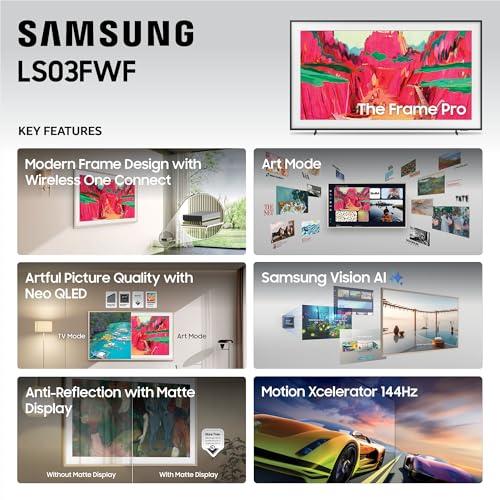
The Frame Pro's most significant 2025 upgrade is the Wireless One Connect Box. This external unit houses all the TV's processing power and connections, transmitting audio and video wirelessly to the display up to 10 meters away. For the first time, you can truly achieve a cable-free installation—the only wire running to the TV is the power cable.
This wireless system uses Wi-Fi 7 technology and omni-directional transmission to maintain reliable connectivity even through walls and furniture. You can hide the One Connect Box in a cabinet or closet, keeping your entertainment area completely clean.
However, this wireless approach comes with trade-offs. There's no wired backup option if the wireless connection experiences interference. The system adds complexity that could potentially fail over time. And importantly, older Frame bezels aren't compatible with the new Pro model, so you can't upgrade from a previous Frame without replacing the bezels.
The customizable bezels deserve special mention. Samsung offers bezels in different materials, colors, and textures, allowing you to match the TV to your room's aesthetic. When combined with the matte display and Art Mode, the effect is genuinely convincing—the TV looks like a framed piece of art rather than a black rectangle on your wall.
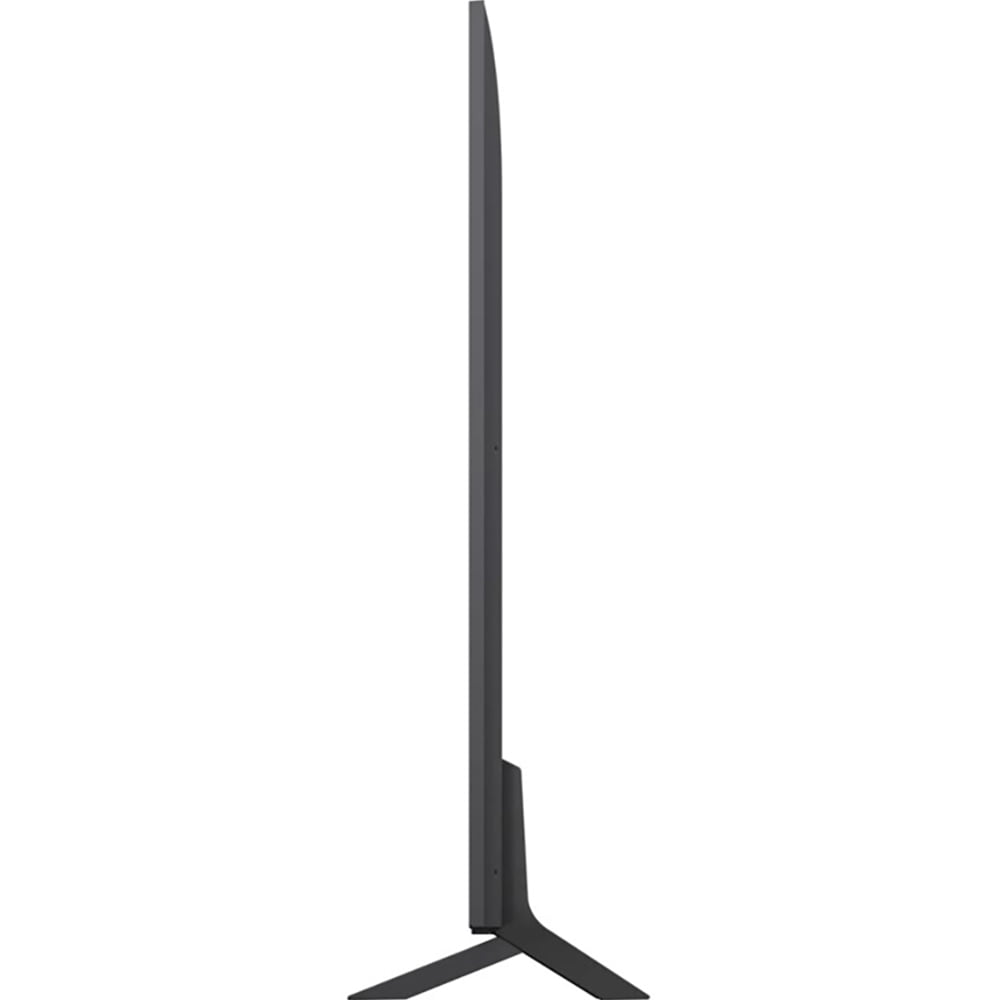
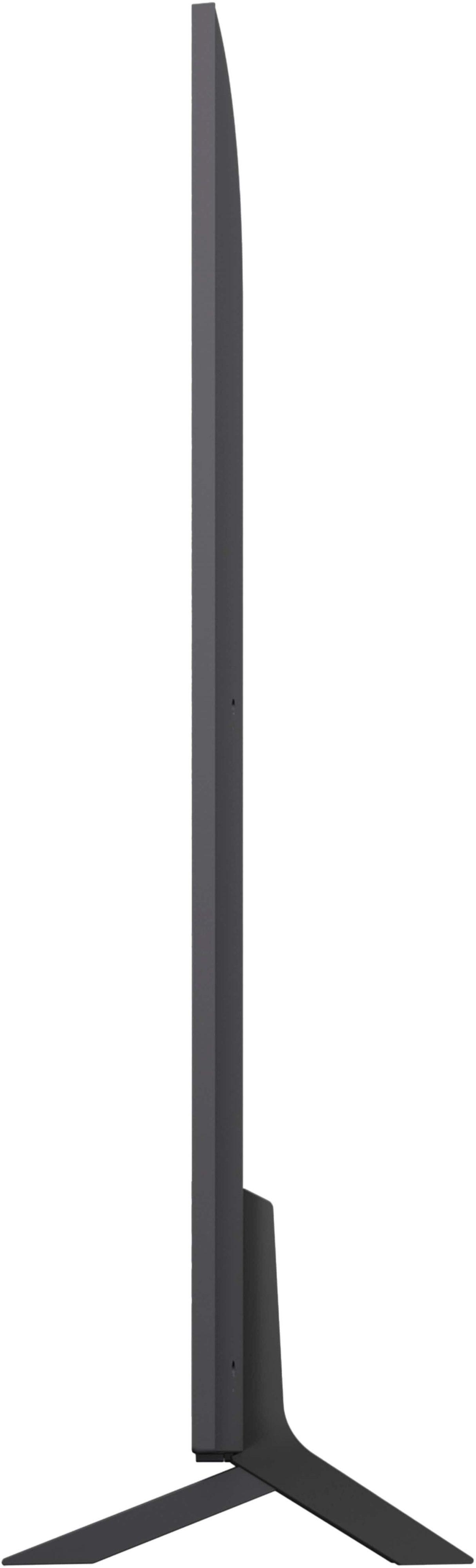
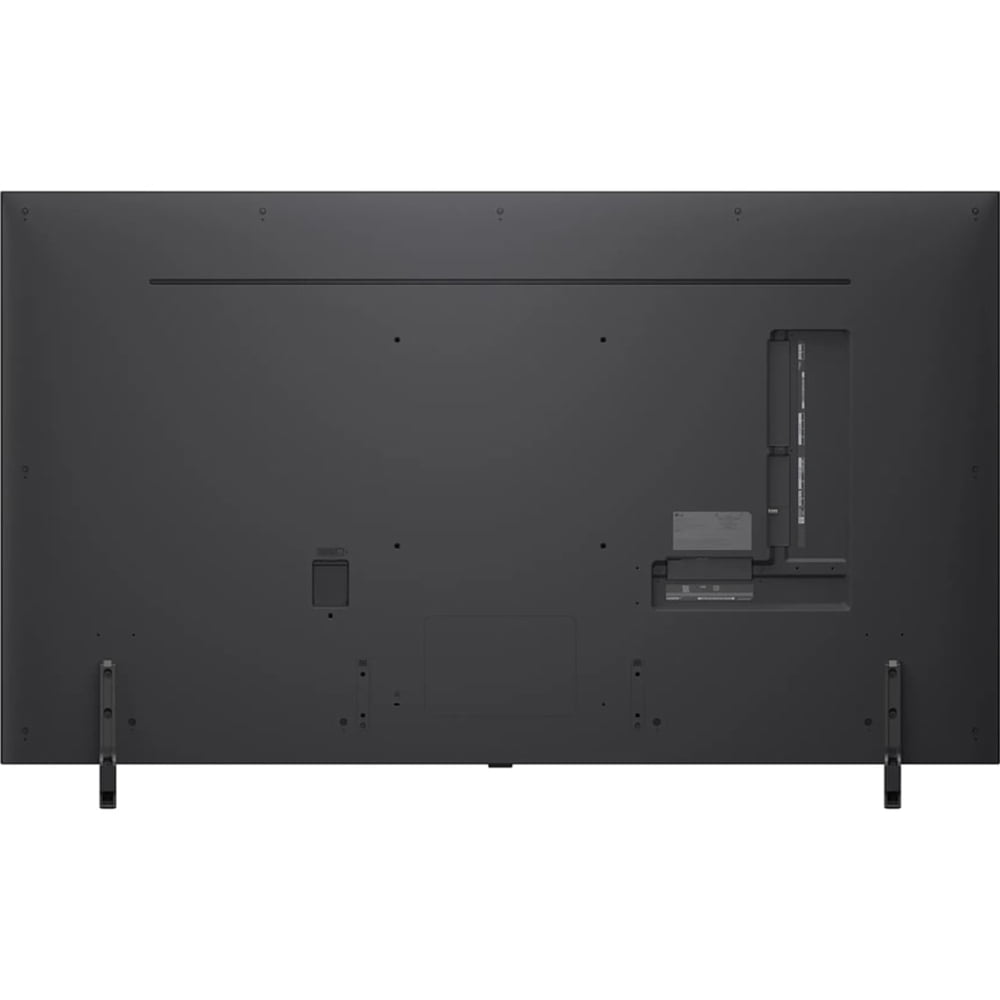
The LG QNED85A uses conventional design and installation methods, but executes them well. The TV maintains a slim profile suitable for wall mounting, with thoughtful cable management features. The build quality feels solid, and the overall aesthetic is clean and modern without being flashy.
This traditional approach means proven reliability and easier troubleshooting if issues arise. All connections are directly on the TV, eliminating potential wireless interference or compatibility problems.
Both TVs include respectable audio systems, though neither replaces a dedicated sound system for serious home theater use.
The Samsung Frame Pro features a 40W 2.0.2CH speaker system with Dolby Atmos support. The Object Tracking Sound (OTS) technology attempts to match audio positioning with visual elements on screen. Q-Symphony Pro allows the TV speakers to work in concert with compatible Samsung soundbars, creating a more immersive soundstage without completely replacing the TV's built-in speakers.
The LG QNED85A uses a 2.0 channel down-firing speaker configuration enhanced by AI Sound Pro processing. This system creates virtual 9.1.2 surround sound from the TV's stereo speakers, using psychoacoustic processing to trick your ears into perceiving directional audio. Clear Voice Pro automatically adjusts dialogue levels and reduces background noise, making it easier to follow conversations without constantly adjusting volume.
For home theater enthusiasts, both TVs support Dolby Atmos passthrough to external sound systems, ensuring compatibility with high-end audio setups.
At the time of writing, these TVs occupy very different price categories. The LG QNED85A represents exceptional value in the premium TV segment, delivering approximately 80% of flagship performance at roughly half the cost of the most expensive models.
The Samsung Frame Pro commands a significant premium—nearly double the LG's price—for features that are primarily aesthetic rather than performance-based. This pricing reflects Samsung's positioning of the Frame line as lifestyle products rather than pure performance displays.
From a pure performance standpoint, the LG QNED85A offers superior gaming capabilities, more advanced AI features, longer software support, and comparable picture quality for significantly less money. The Samsung's higher price buys you unique design integration capabilities that have no equivalent in the market.
For dedicated home theater use, several factors favor the LG QNED85A. Dolby Vision support provides better compatibility with high-quality content sources. The TV's glossy screen, while more prone to reflections, delivers more vibrant colors in controlled lighting environments. Gaming performance makes it suitable for movie nights and gaming sessions alike.
The Samsung Frame Pro's matte coating, while excellent for bright rooms, slightly reduces color vibrancy that home theater enthusiasts typically prefer. However, the wireless installation capability could be valuable in custom theater installations where running cables is challenging.
Choose the Samsung Frame Pro if you value design integration above all else. This TV makes sense for users who want their television to disappear when not in use, transforming into artwork that complements their interior design. The wireless installation capability is genuinely innovative and solves real-world cable management problems. If you primarily watch streaming content and don't do serious gaming, the performance limitations won't significantly impact your experience.
The Frame Pro works best in bright rooms where its matte coating and high brightness overcome ambient light. It's ideal for users who view their TV as furniture first and technology second, and who are willing to pay a premium for that unique capability.
Choose the LG QNED85A if you want maximum performance value. This TV delivers flagship-level picture quality, comprehensive gaming features, and advanced AI capabilities at a more accessible price point. The five-year software update commitment provides excellent long-term value. Superior gaming performance makes it suitable for households with serious gamers, while Dolby Vision support ensures compatibility with high-quality content sources.
The QNED85A works best for users who prioritize traditional TV performance metrics: picture quality, gaming capabilities, smart features, and value for money. It's the clear choice for anyone who wants a premium TV experience without paying luxury prices.
These TVs represent two valid but fundamentally different approaches to premium television design. The Samsung Frame Pro succeeds brilliantly at its intended purpose—being a television that doesn't look like a television. The LG QNED85A focuses on being an exceptional television first, with all other considerations secondary.
For most buyers, the LG QNED85A provides better overall value and performance. Its comprehensive feature set, gaming capabilities, and long-term software support make it a safer choice for the majority of users. However, for those who specifically want a TV that doubles as home décor and are willing to pay significantly more for that unique capability, the Samsung Frame Pro has no real competition.
The decision ultimately comes down to whether you're buying a TV or buying a piece of interactive artwork that happens to be an excellent television.
| Samsung 65" The Frame Pro 4K Neo QLED Smart TV 2025 | LG 65" QNED evo AI QNED85A 4K MiniLED Smart TV 2025 |
|---|---|
| Display Technology - Core picture quality approach | |
| Neo QLED Mini LED with Quantum Matrix Technology Slim | QNED MiniLED with Precision Dimming Pro |
| Peak Brightness - Critical for HDR impact and bright room viewing | |
| 1,000+ nits with enhanced brightness over previous Frame models | ~1,000 nits with verified 100% Color Volume |
| Screen Coating - Affects reflections and color vibrancy | |
| Matte anti-glare coating (reduces reflections, slightly less vibrant colors) | Glossy screen (more reflections, more vivid colors) |
| Refresh Rate - Important for smooth motion and gaming | |
| 144Hz with VRR support | Native 120Hz with VRR up to 144Hz |
| Gaming Input Lag - Critical for responsive gaming | |
| High (30ms+, limiting competitive gaming) | Low (optimized for gaming performance) |
| HDMI 2.1 Ports - Determines how many high-bandwidth devices you can connect | |
| Multiple ports with wireless One Connect Box | 4 full-bandwidth HDMI 2.1 ports |
| Smart TV Platform - Affects long-term software support | |
| Tizen OS with Samsung ecosystem integration | webOS 25 with guaranteed 5-year OS updates |
| AI Features - Enhanced viewing experience and personalization | |
| NQ4 Gen 3 AI Processor with standard AI upscaling | α8 Gen 2 AI Processor with 70% performance improvement, AI Concierge |
| HDR Format Support - Compatibility with premium content | |
| HDR10, HDR10+ Adaptive/Gaming, Auto HDR Remastering Pro | HDR10, HLG, Dolby Vision, HDR10+ |
| Design Philosophy - Installation and aesthetic integration | |
| Ultra-slim gallery design with Wireless One Connect Box, customizable bezels | Traditional TV design with slim profile and standard connectivity |
| Art Mode - Transforms TV into artwork display | |
| Full Art Mode with Samsung Art Store access, Pantone validation | Not available |
| Audio System - Built-in sound quality | |
| 40W 2.0.2CH with Dolby Atmos, Object Tracking Sound, Q-Symphony Pro | Virtual 9.1.2 surround sound, AI Sound Pro, Clear Voice Pro |
| Viewing Angles - Important for group viewing | |
| Standard viewing angles with matte coating benefits | Wide viewing angles with minimal color shift |
| Voice Assistant Support - Smart home integration | |
| Built-in Alexa, Bixby | Google Assistant, Amazon Alexa, Apple HomeKit, Matter |
| Installation Flexibility - Cable management and setup options | |
| Wireless One Connect Box eliminates cable clutter (no wired backup) | Standard wired connections with reliable cable management |
| Value Proposition - Performance per dollar at time of writing | |
| Premium pricing for lifestyle features and wireless convenience | Exceptional value delivering ~80% of flagship performance at mid-range pricing |

Privacy Policy
Terms and Conditions - Affiliate Policy
Home Security
© Copyright 2008-2026.
11816 Inwood Rd #1211, Dallas, TX 75244