

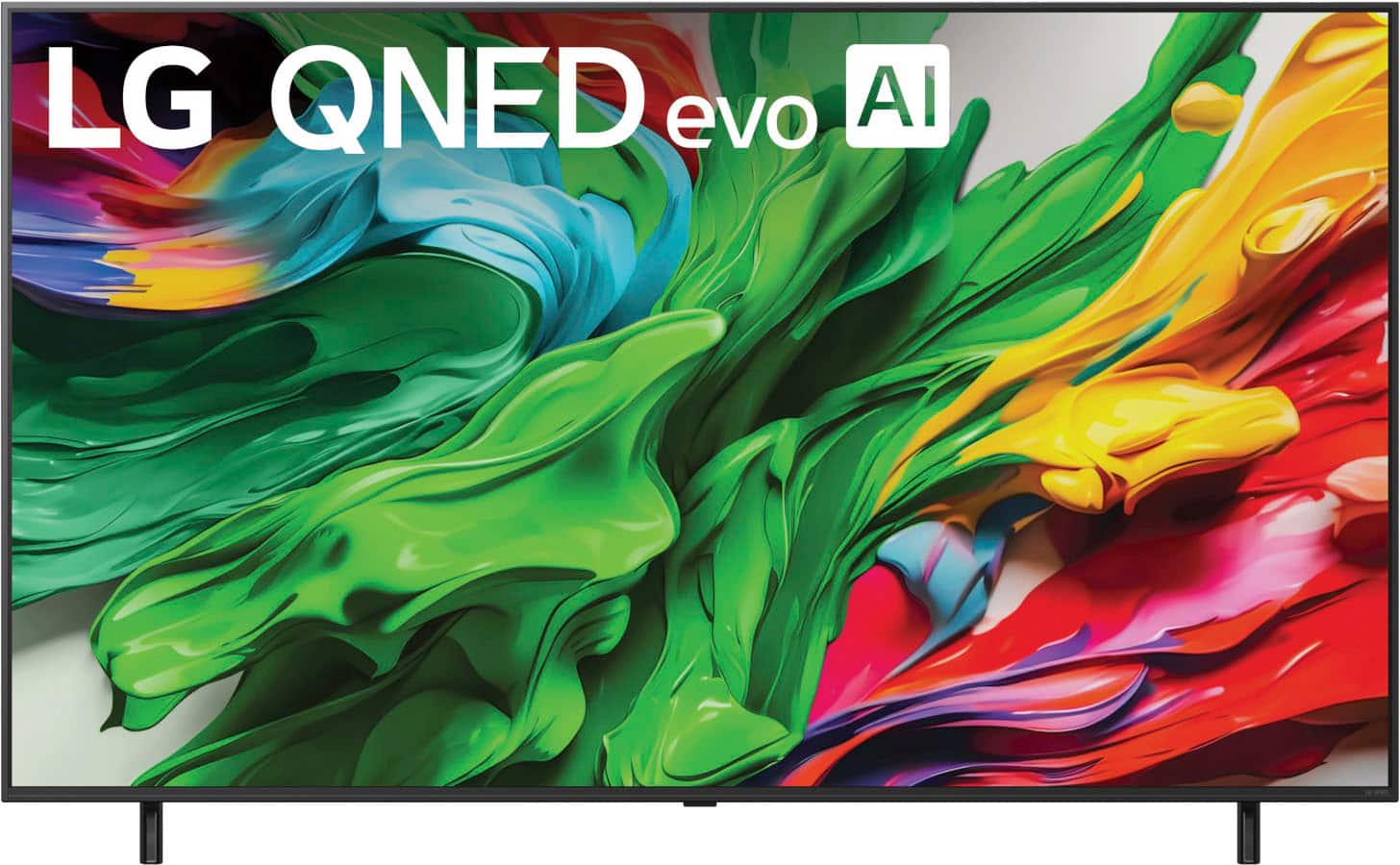
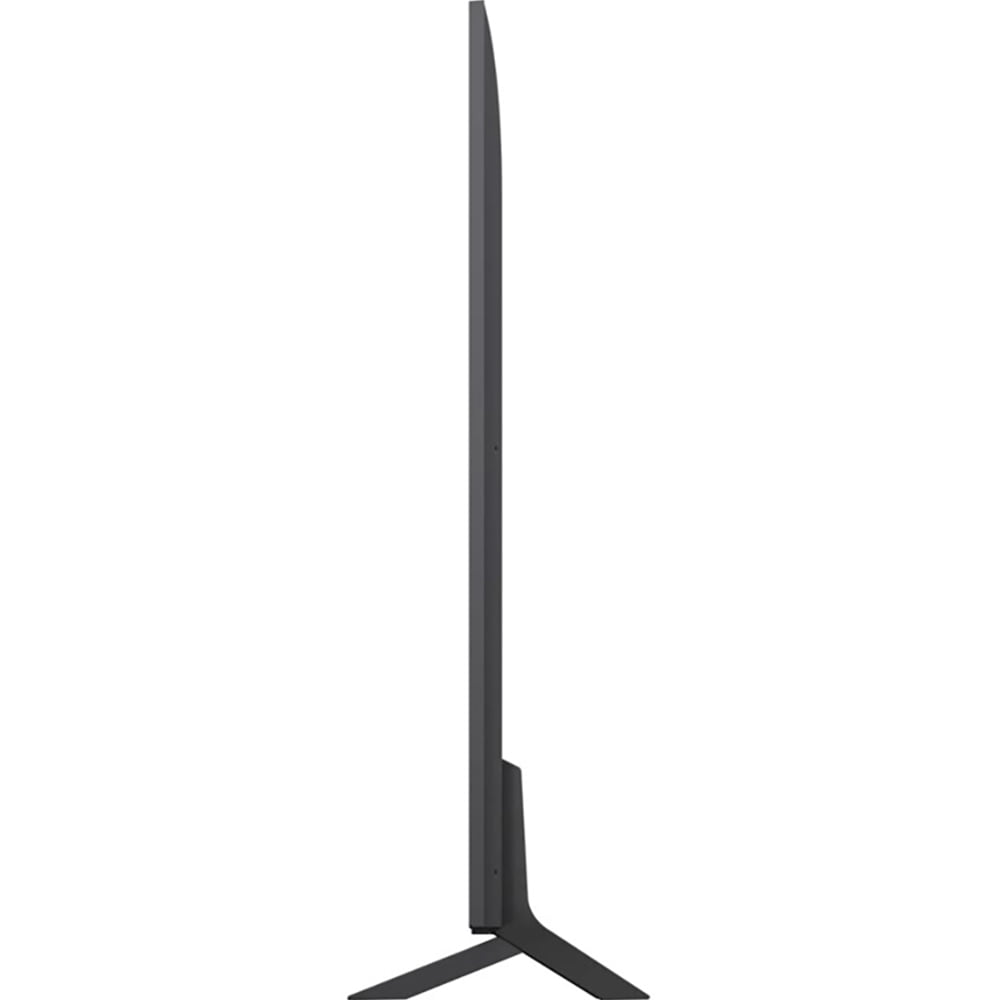
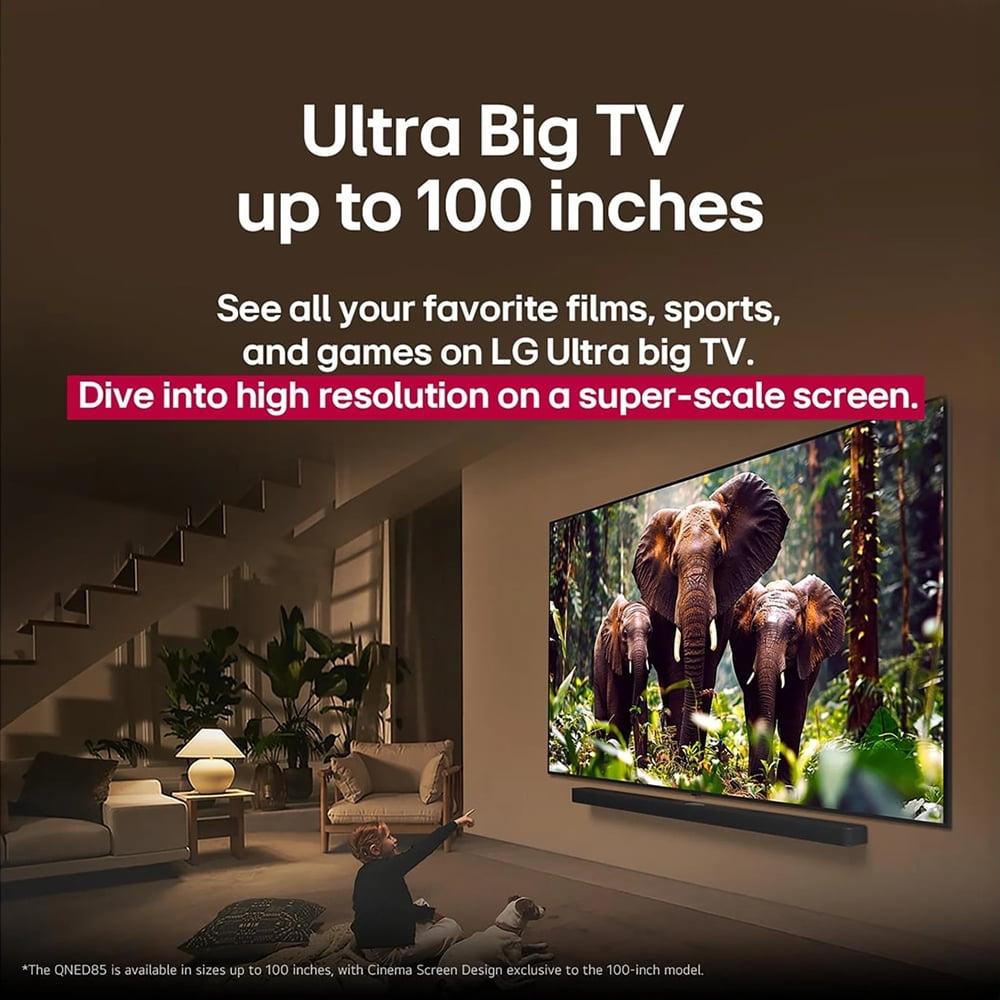
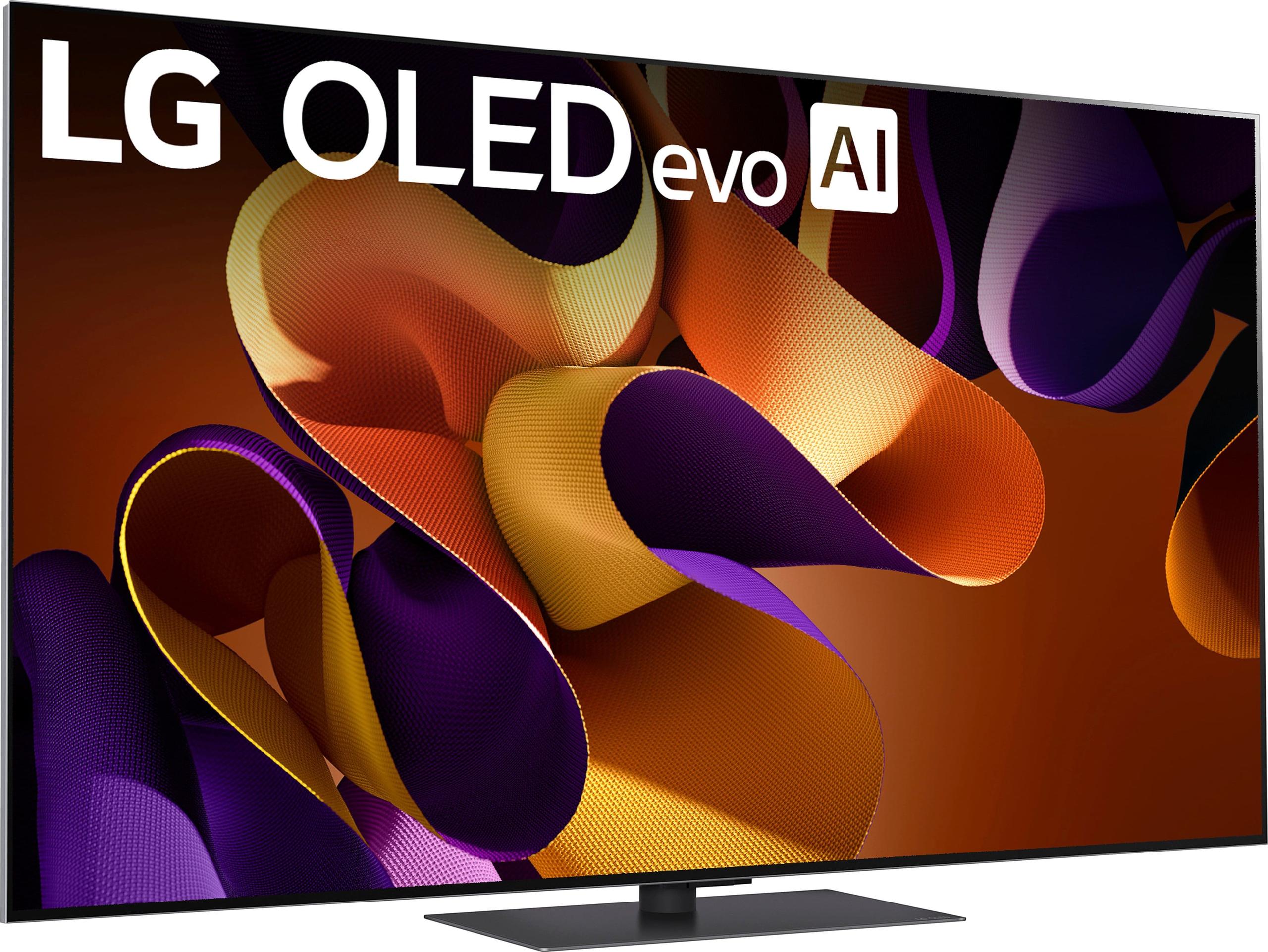
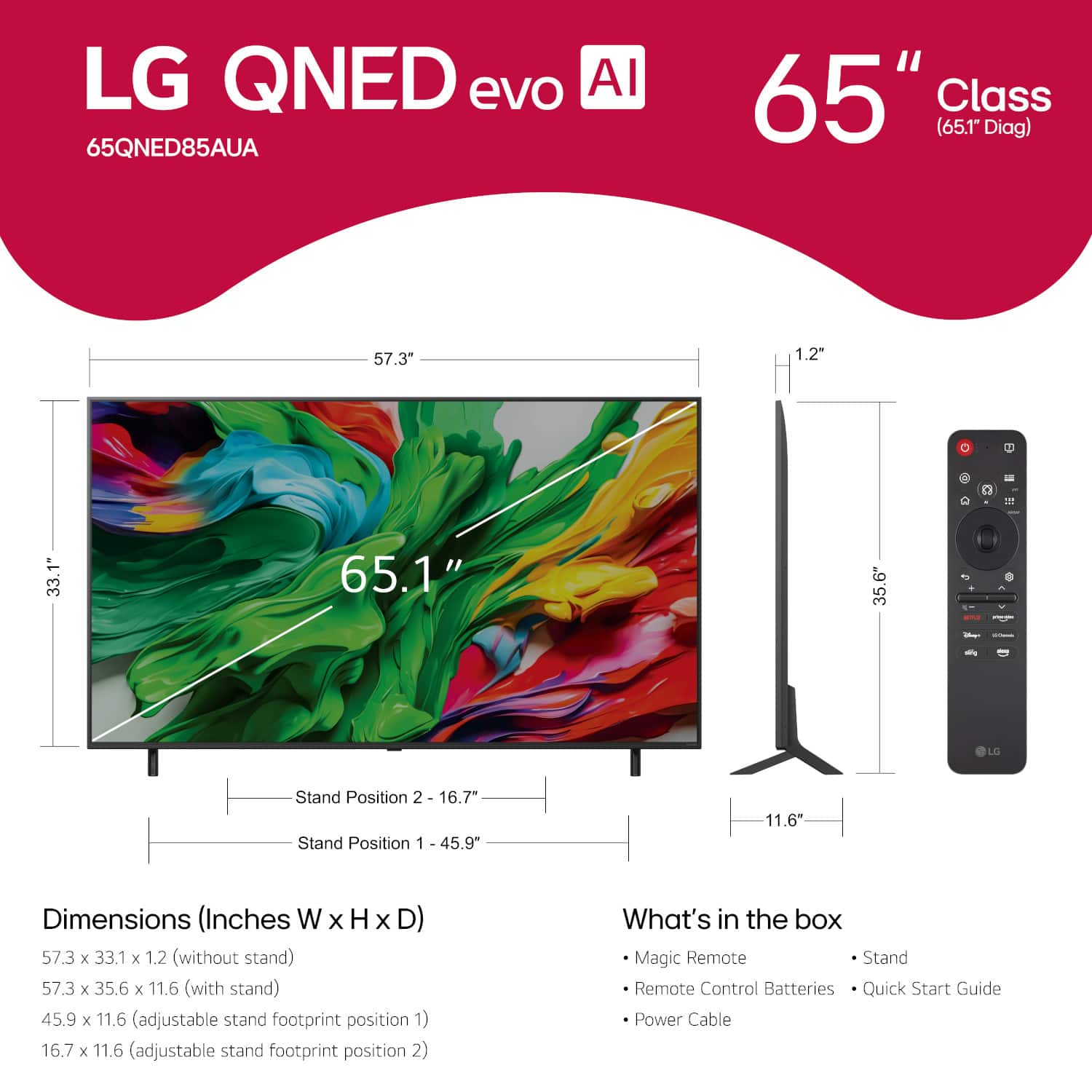
Shopping for a premium 65-inch TV can feel overwhelming, especially when you're comparing two excellent options from the same manufacturer. The LG 65" QNED evo AI QNED85A 4K MiniLED Smart TV 2025 at $999.99 and the LG 65" G4 Series OLED evo 4K UHD Smart TV at $1,999.99 represent two different approaches to achieving stunning picture quality. After spending considerable time with both displays, I can help you understand which one makes the most sense for your specific needs and budget.
The premium TV market has evolved dramatically over the past few years, with manufacturers pursuing different strategies to deliver the best possible viewing experience. At the heart of this evolution are three main display technologies: traditional LED, MiniLED, and OLED. Each has its own strengths and trade-offs.
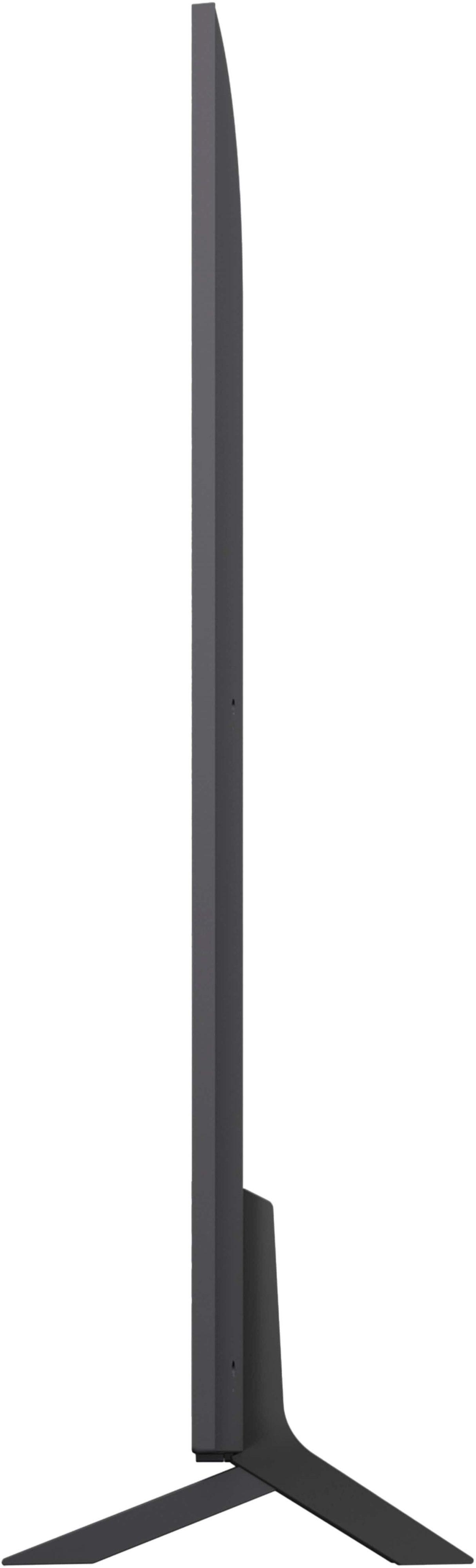
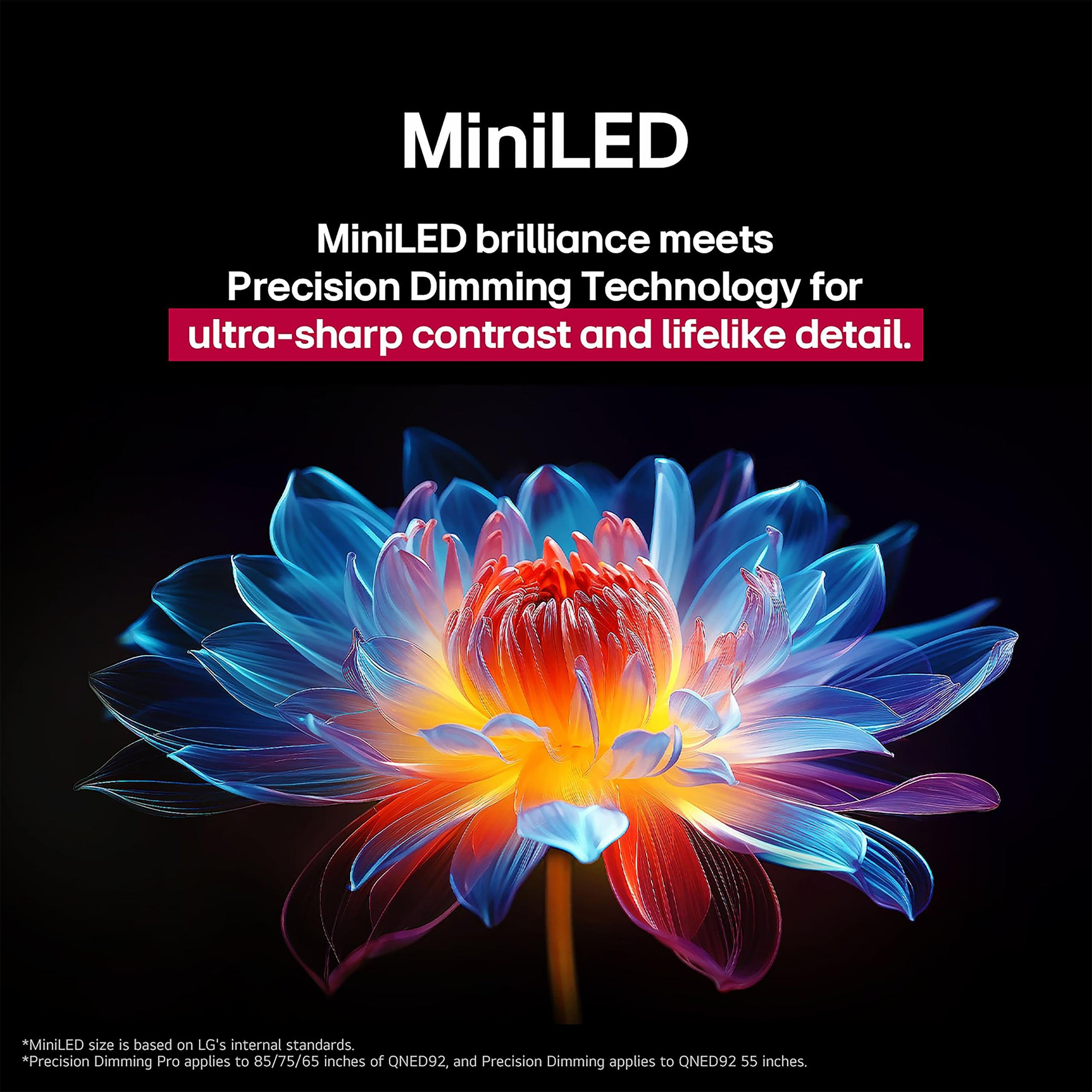
Traditional LED TVs use a backlight behind the entire screen, which can make it difficult to achieve true blacks since the backlight is always on. MiniLED technology, found in the QNED85A, addresses this by using thousands of tiny LEDs that can be controlled in zones—think of it like having hundreds of individual dimmer switches across the screen. This allows for much better contrast and brighter highlights than regular LED TVs.
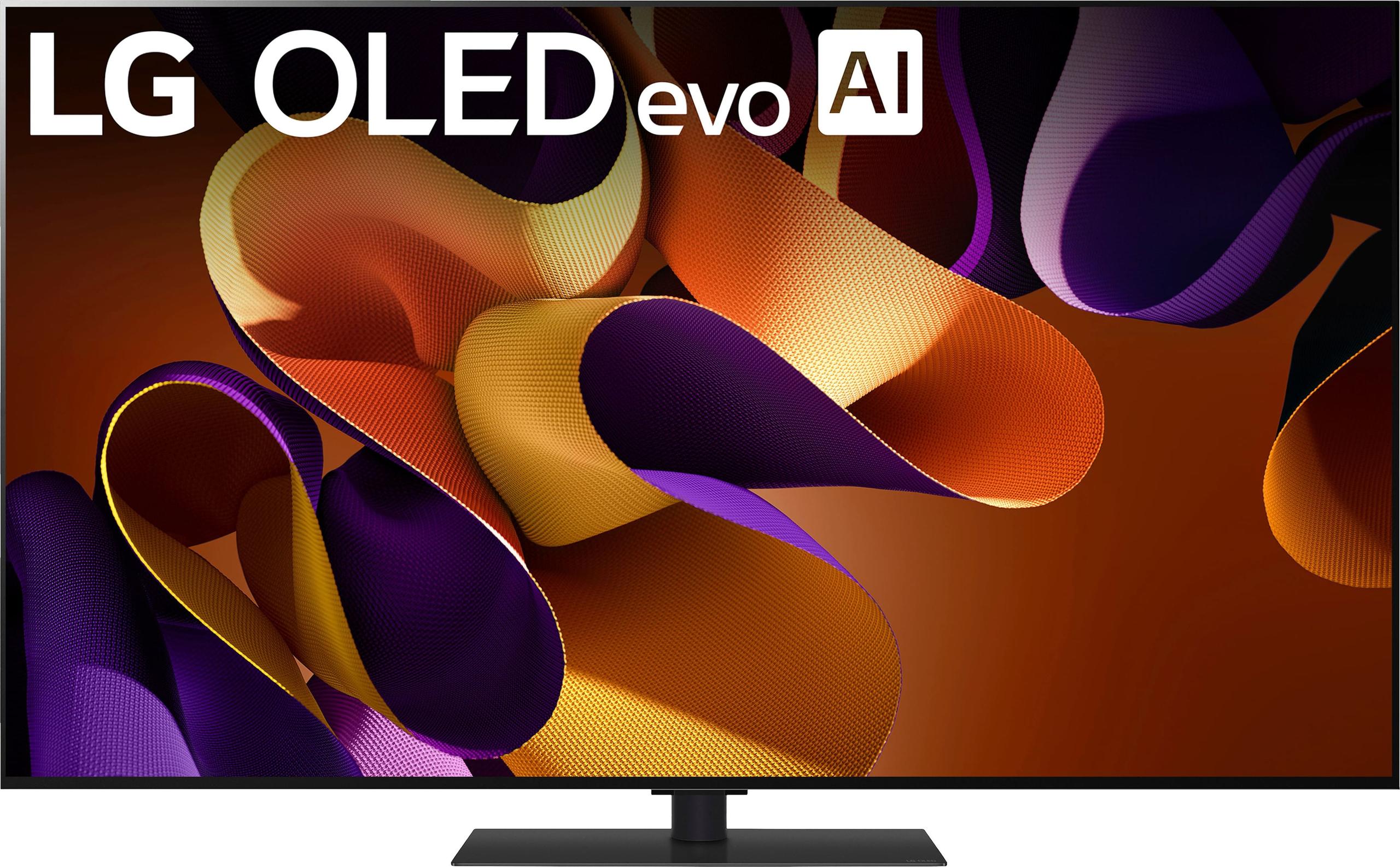
OLED technology, used in the G4, takes a completely different approach. Instead of using a backlight, each pixel produces its own light and can turn completely off. This creates perfect blacks and infinite contrast, but traditionally meant lower overall brightness compared to LED-based displays.
When choosing between these technologies, you need to consider your room's lighting conditions, viewing habits, budget, and priorities. Some people prioritize the deepest blacks for movie watching, while others need maximum brightness for sports viewing in bright rooms.
The LG G4 OLED launched in early 2024 as part of LG's flagship OLED lineup, representing the company's best OLED technology at the time. It introduced several important improvements over previous generations, including enhanced brightness through Micro Lens Array (MLA) technology—essentially tiny lenses that help extract more light from each pixel—and the powerful Alpha 11 AI processor.
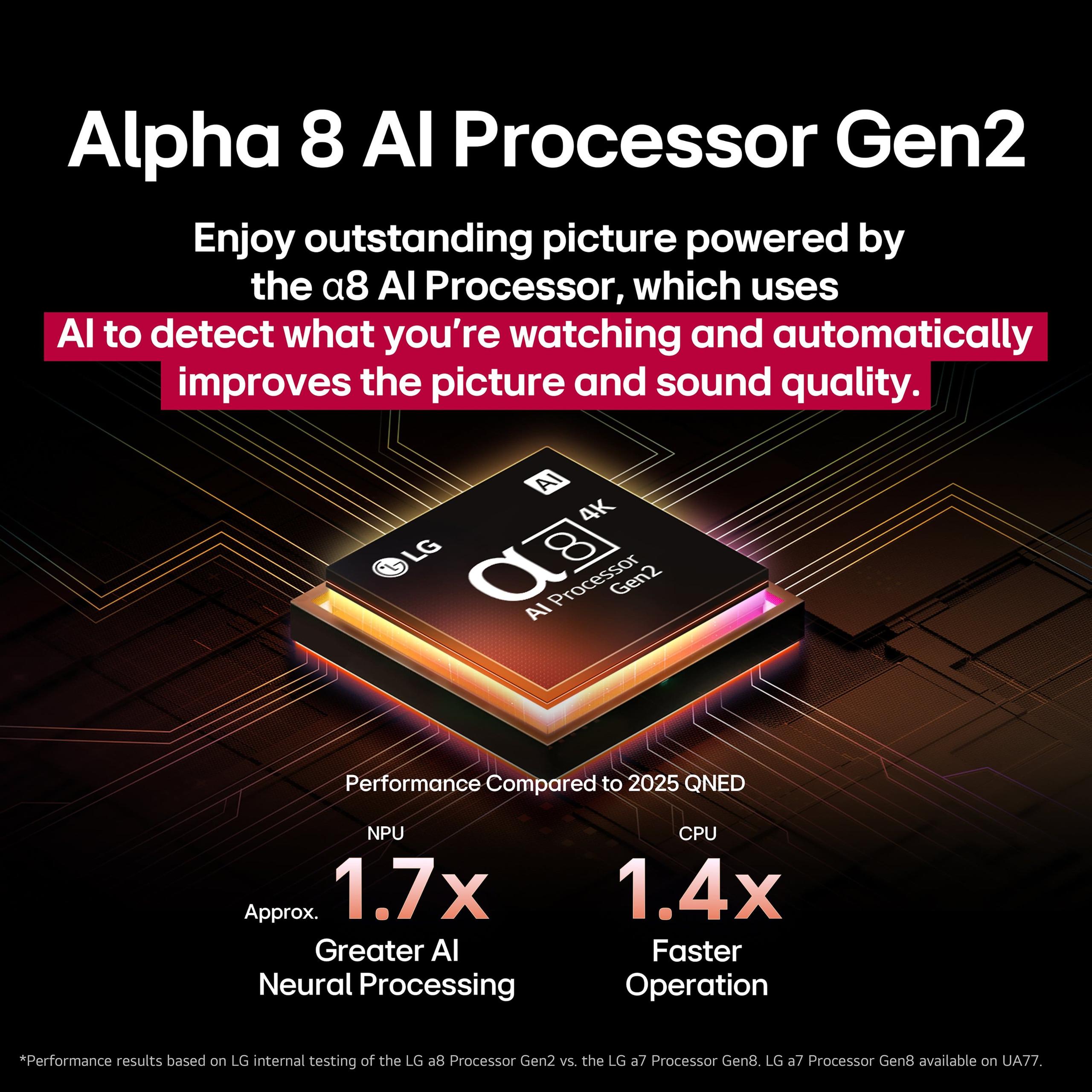
The LG QNED85A arrived in early 2025 as part of LG's refreshed QNED lineup, incorporating lessons learned from the previous year's models. It features the newer Alpha 8 Gen 2 processor and refined MiniLED backlighting with what LG calls "Precision Dimming Pro." This allows for more precise control over local dimming zones, reducing the halo effect (blooming) that can occur around bright objects on dark backgrounds.
The timing difference is worth noting because it means the QNED85A benefits from about a year of additional development, particularly in AI processing and smart features. However, the G4's OLED technology remains fundamentally superior for contrast and color accuracy.
This is where the fundamental difference between these TVs becomes most apparent. The G4 OLED can achieve perfect blacks because each pixel can turn completely off. When you're watching a movie with dark scenes—think of the cave sequences in "The Batman" or space scenes in "Interstellar"—those blacks are truly black, not the dark gray you might see on other TVs.
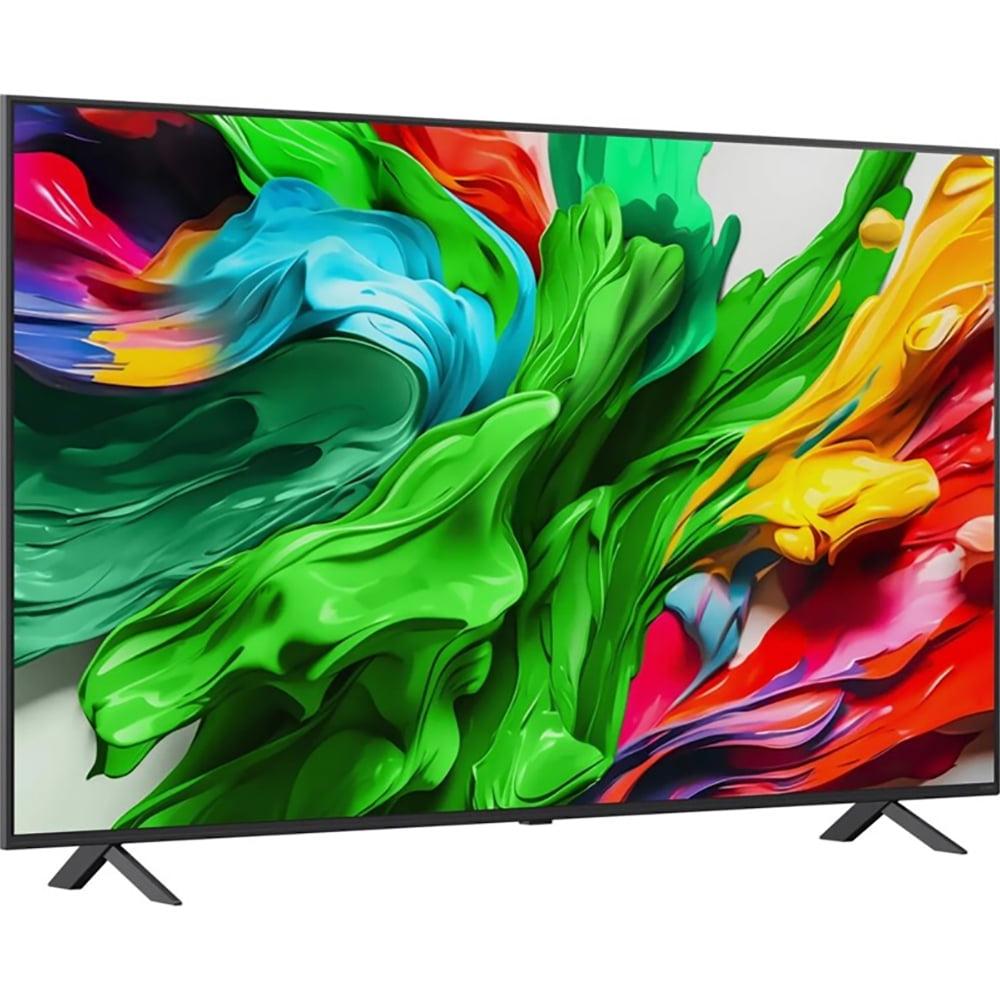
The QNED85A, despite its advanced MiniLED technology, still uses a backlight system. While its thousands of dimming zones can get very close to true black, there's always some light leakage. In practical terms, this means dark scenes will have a slight grayish tint, and you might notice subtle blooming around bright objects. However, LG has significantly improved this with their Precision Dimming Pro technology, making the blooming much less noticeable than on older LED TVs.
I've found that the contrast difference is most noticeable in dark room viewing. If you're primarily watching movies or gaming with the lights dimmed, the OLED's perfect blacks create a more immersive experience. However, in brighter rooms, this advantage becomes less pronounced.
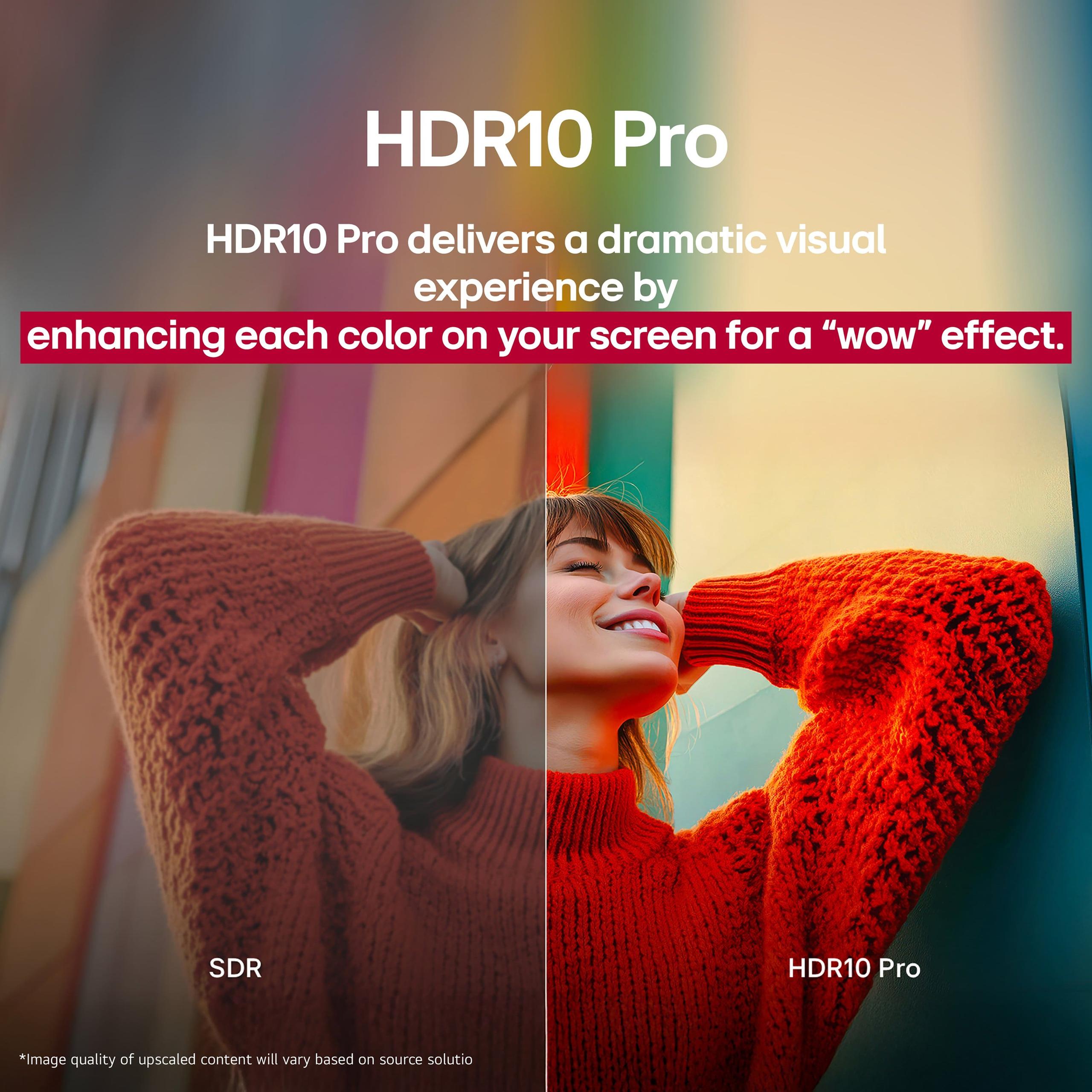
Here's where the QNED85A fights back. Its MiniLED backlighting can achieve significantly higher peak brightness than the G4 OLED—typically 20-30% brighter. This matters tremendously for HDR (High Dynamic Range) content, which relies on bright highlights to create that "wow" factor.
When watching HDR content like "Planet Earth" documentaries or Marvel movies, the QNED85A's extra brightness makes highlights more impactful. Sunlight reflecting off water, explosions, or bright sky scenes have more punch and visual impact. This is especially noticeable in bright rooms where ambient light can wash out dimmer displays.
The G4 OLED, while not as bright as the QNED85A, still delivers excellent HDR performance thanks to its perfect blacks creating superior contrast ratios. The combination of true black and reasonably high brightness often creates more dramatic-looking HDR than purely bright displays with poor blacks.
Both TVs excel in color performance, but in different ways. The G4 OLED delivers what many consider the gold standard for color accuracy. Its colors are pure, natural, and true to the creator's intent. When watching movies, skin tones look realistic, and colors have that "just right" quality that makes everything look natural.
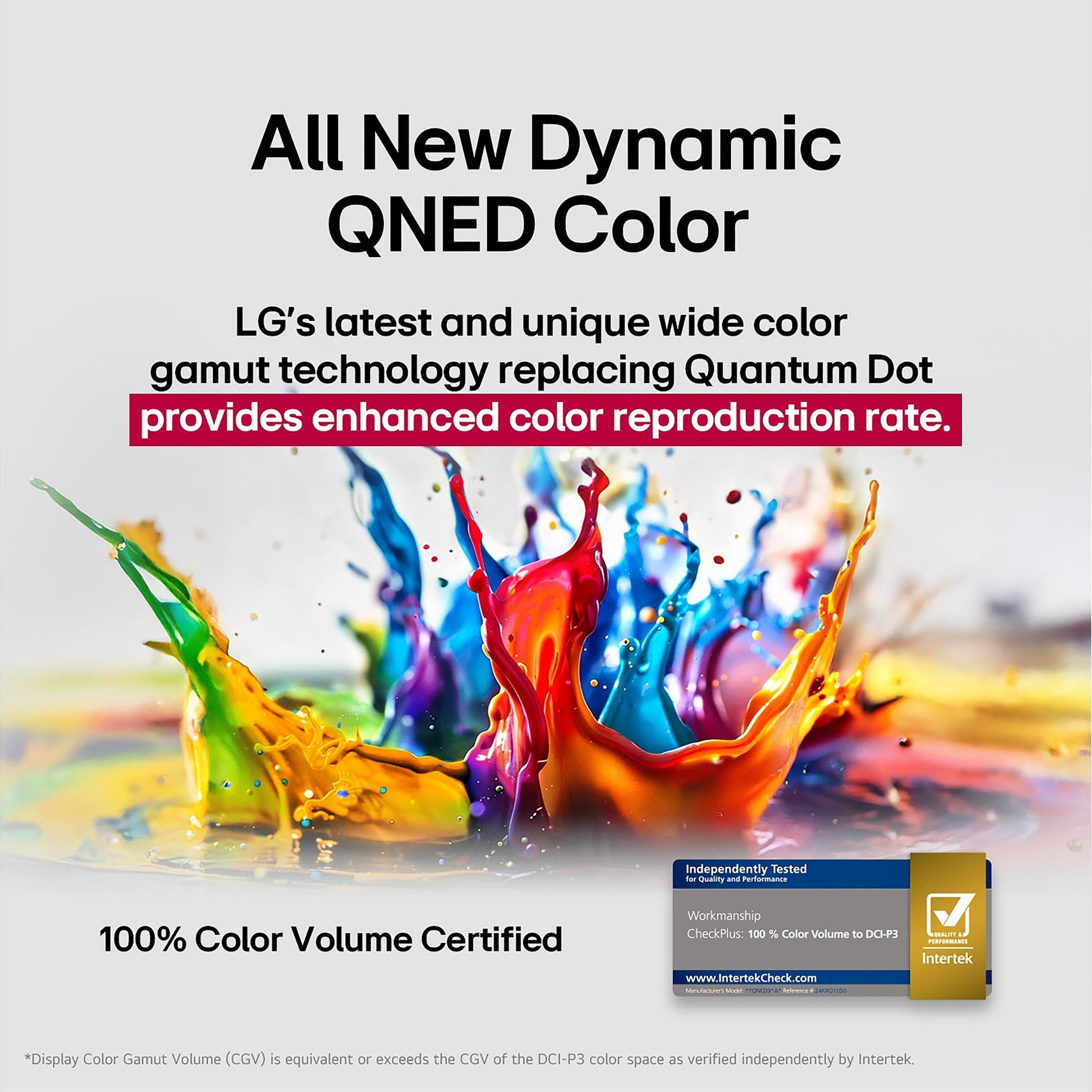
The QNED85A uses Quantum Dot technology combined with NanoCell processing to achieve what LG calls "100% Color Volume." In practical terms, this means colors are more vibrant and punchy, especially in bright scenes. Sports broadcasts, animated movies, and colorful content can look more exciting and dynamic. However, some viewers might find these colors slightly over-saturated compared to the more natural OLED presentation.
I've noticed that the color difference is somewhat subjective and depends on your preferences. If you want colors that pop and grab attention, the QNED85A delivers. If you prefer natural, accurate colors that don't call attention to themselves, the G4 OLED is superior.
Gaming performance has become increasingly important as next-generation consoles push 4K resolution at higher frame rates. Both TVs offer excellent gaming features, but with some important differences.
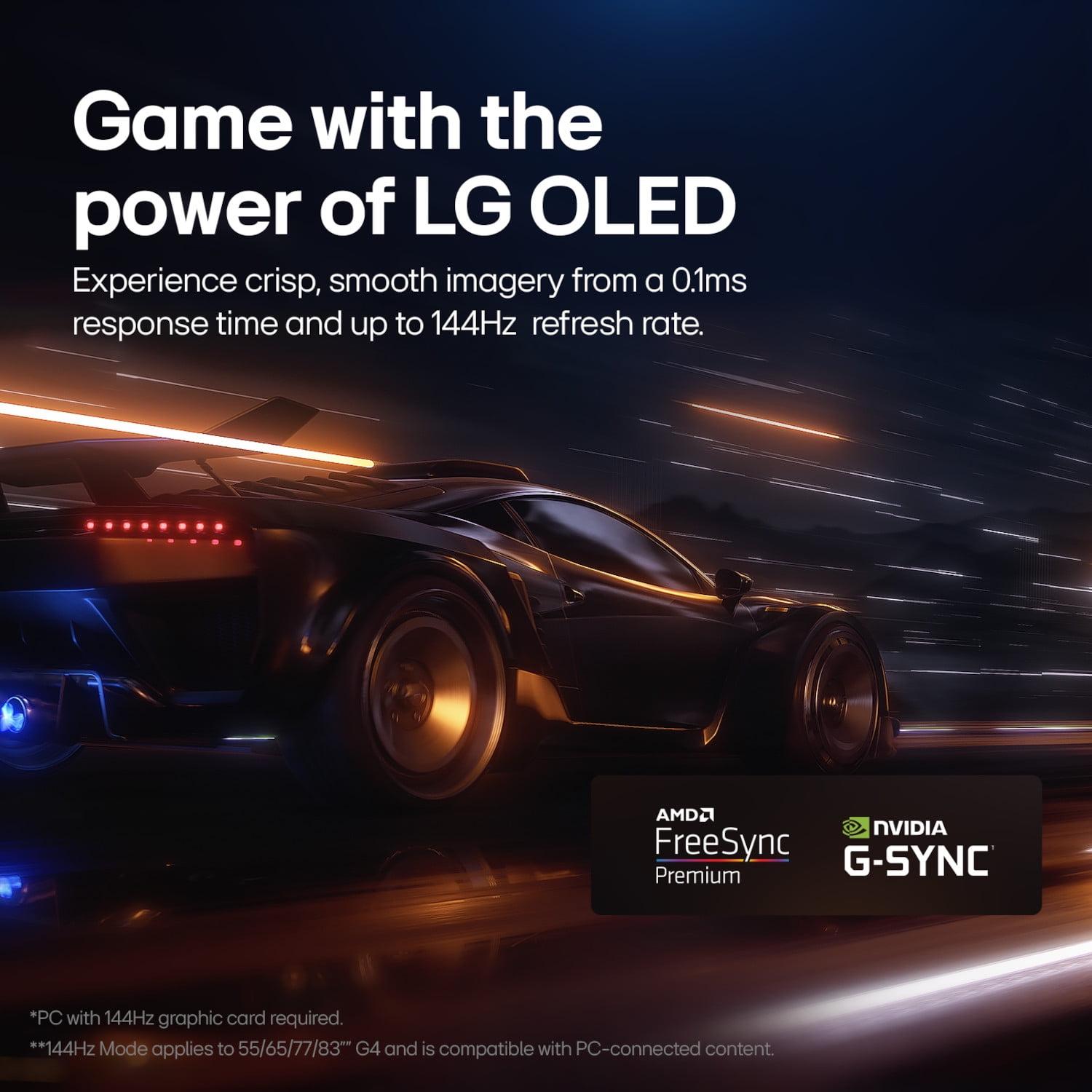
The G4 OLED dominates here with its near-instantaneous 0.1ms response time. This is possible because OLED pixels can change states almost instantly—there's no waiting for a backlight to adjust or liquid crystals to rotate. For competitive gaming, especially fast-paced shooters or fighting games, this responsiveness is noticeable and can provide a competitive advantage.
The QNED85A offers a respectable 1ms response time, which is still very good and fast enough for most gaming scenarios. Unless you're playing at a highly competitive level, the difference between 0.1ms and 1ms is unlikely to impact your experience significantly.
Both TVs support the latest gaming technologies, including Variable Refresh Rate (VRR), which synchronizes the TV's refresh rate with your gaming console to eliminate screen tearing. They also feature Auto Low Latency Mode (ALLM), which automatically switches to the fastest settings when it detects a gaming signal.
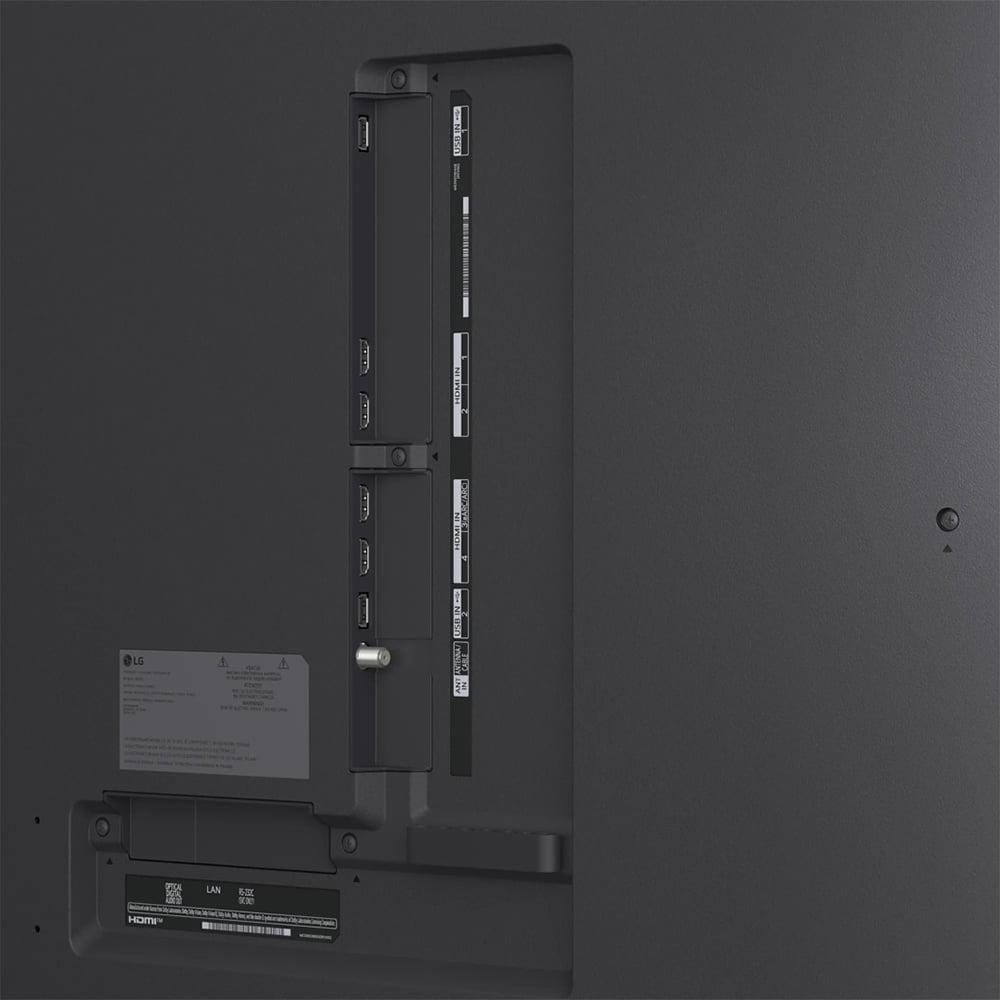
The G4 OLED supports 4K gaming at up to 144Hz, while the QNED85A offers native 120Hz with VRR support up to 144Hz. Both have four HDMI 2.1 ports, ensuring you can connect multiple next-gen consoles and high-end gaming PCs without compromise.
For my gaming setup, I've found that both TVs handle modern games beautifully, but the OLED's perfect blacks make horror games and darker titles more immersive, while the QNED85A's brightness makes colorful games and HDR gaming more vibrant.
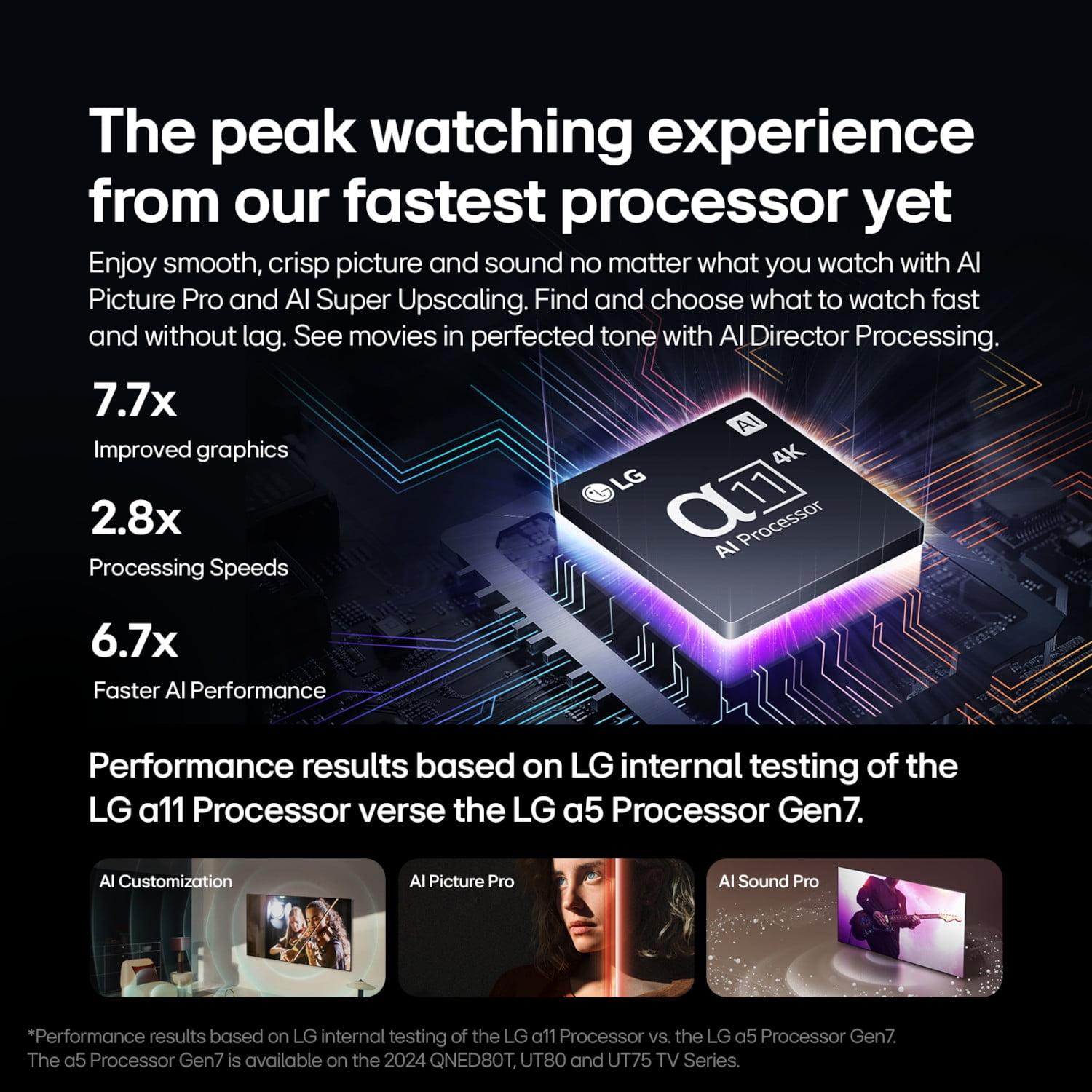
Both TVs run LG's latest WebOS platform, but with different processors powering the experience. The G4 OLED uses the Alpha 11 processor, which offers 70% better graphics performance and 30% faster processing than the previous generation. The QNED85A uses the newer Alpha 8 Gen 2 processor, which includes more recent AI improvements but isn't quite as powerful as the Alpha 11.
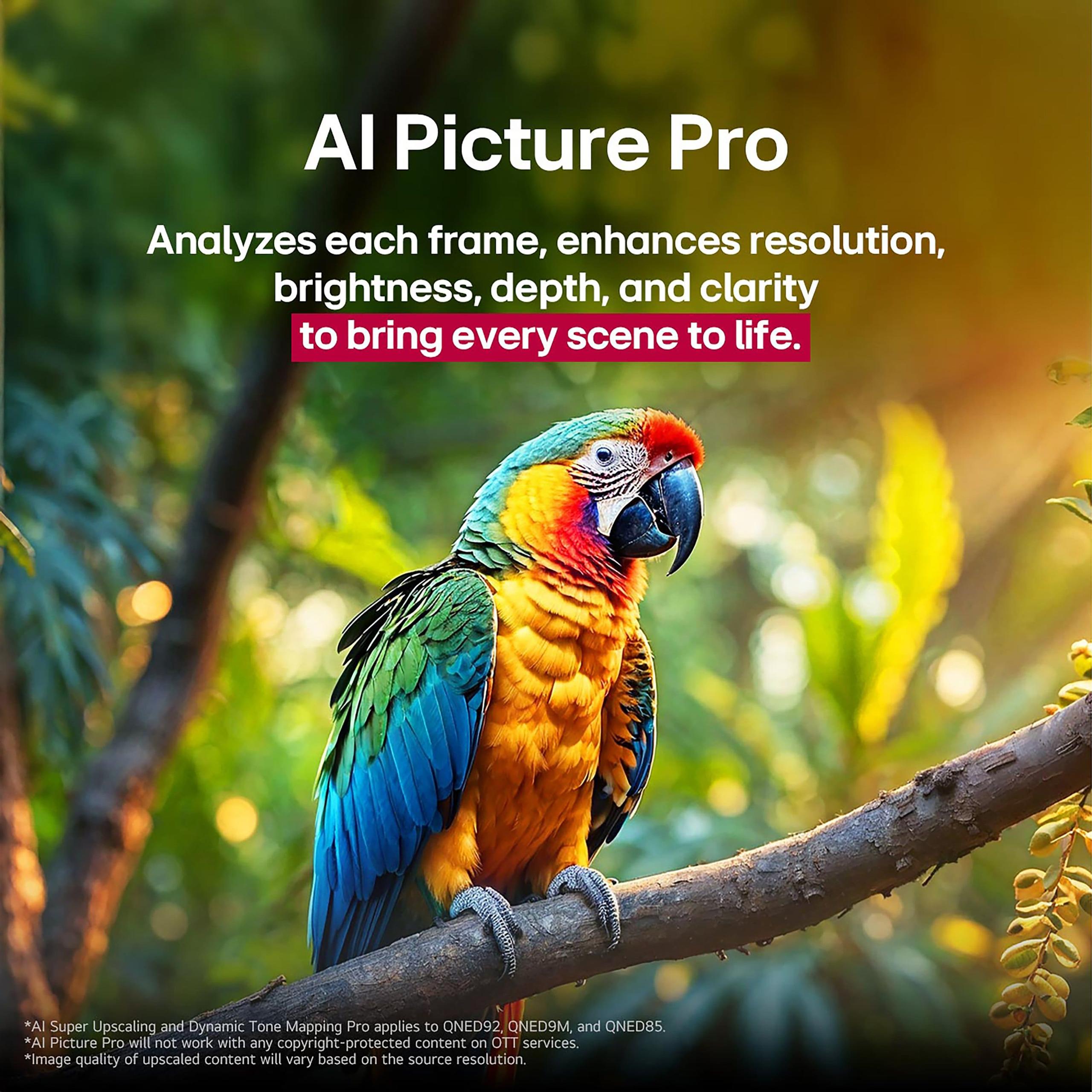
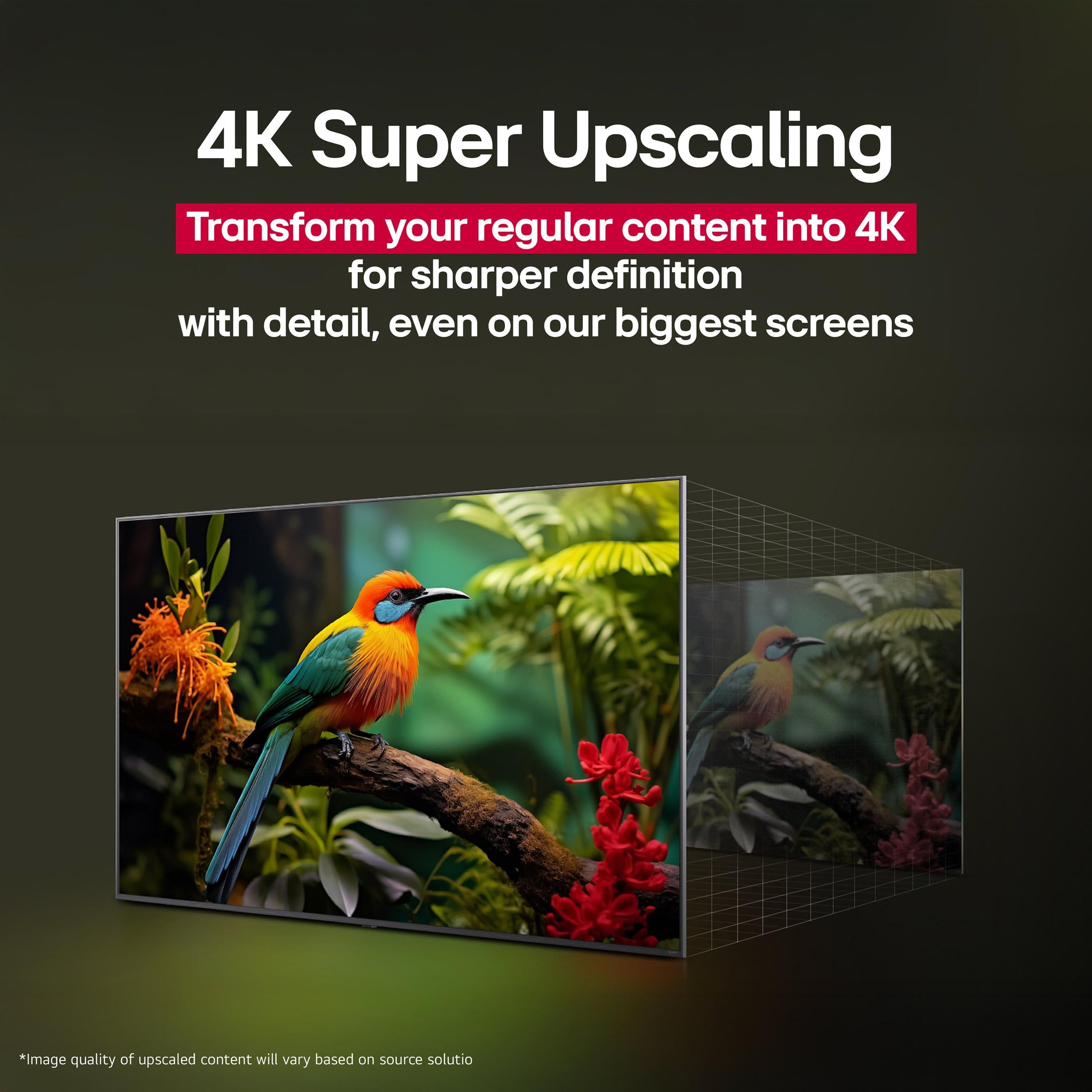
In daily use, both processors handle upscaling, motion processing, and smart features well. The AI upscaling is particularly impressive on both models, taking lower-resolution content and making it look much sharper and more detailed. I've been impressed by how well both TVs handle older movies and TV shows, cleaning up artifacts and enhancing detail without creating an artificial look.
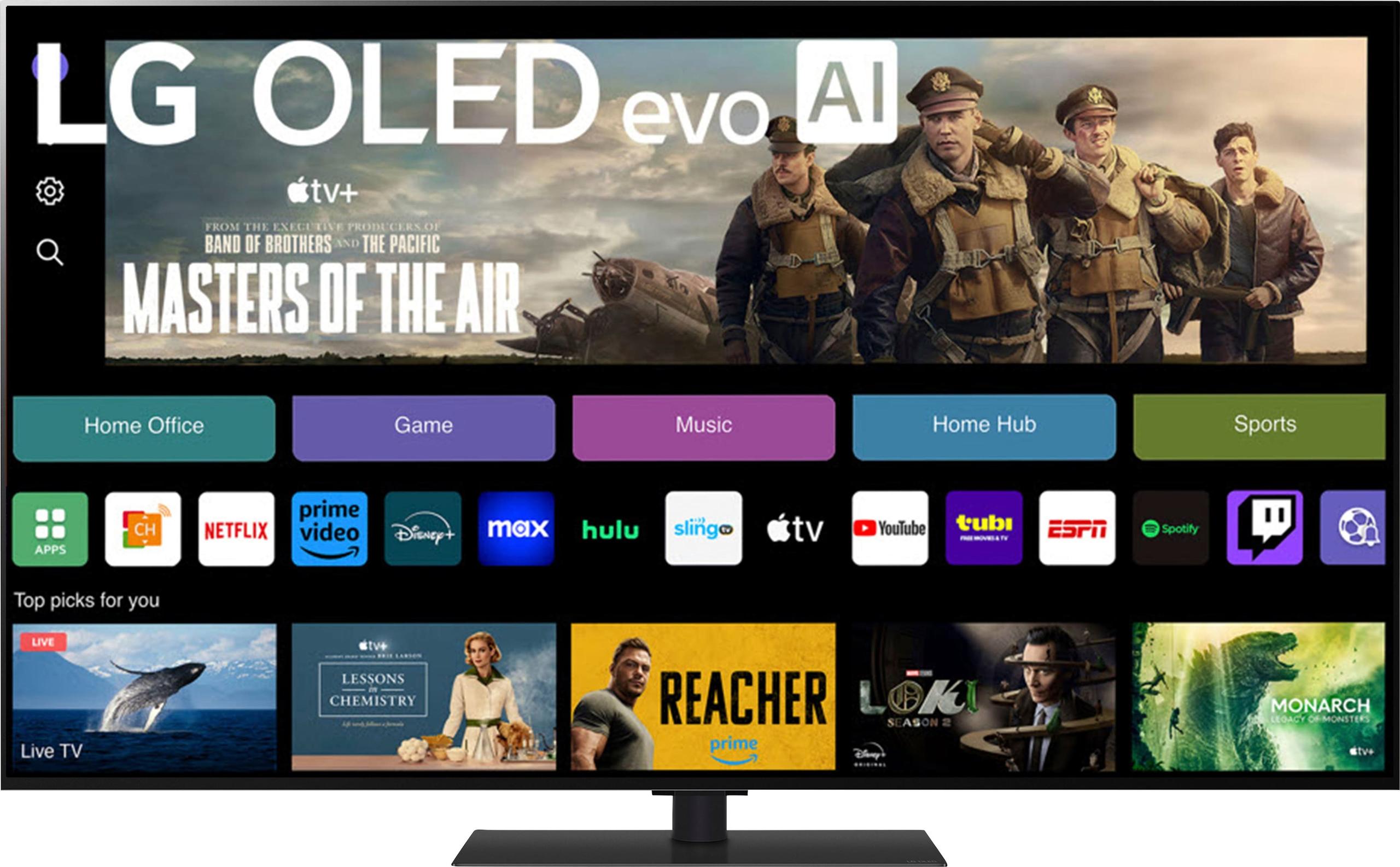
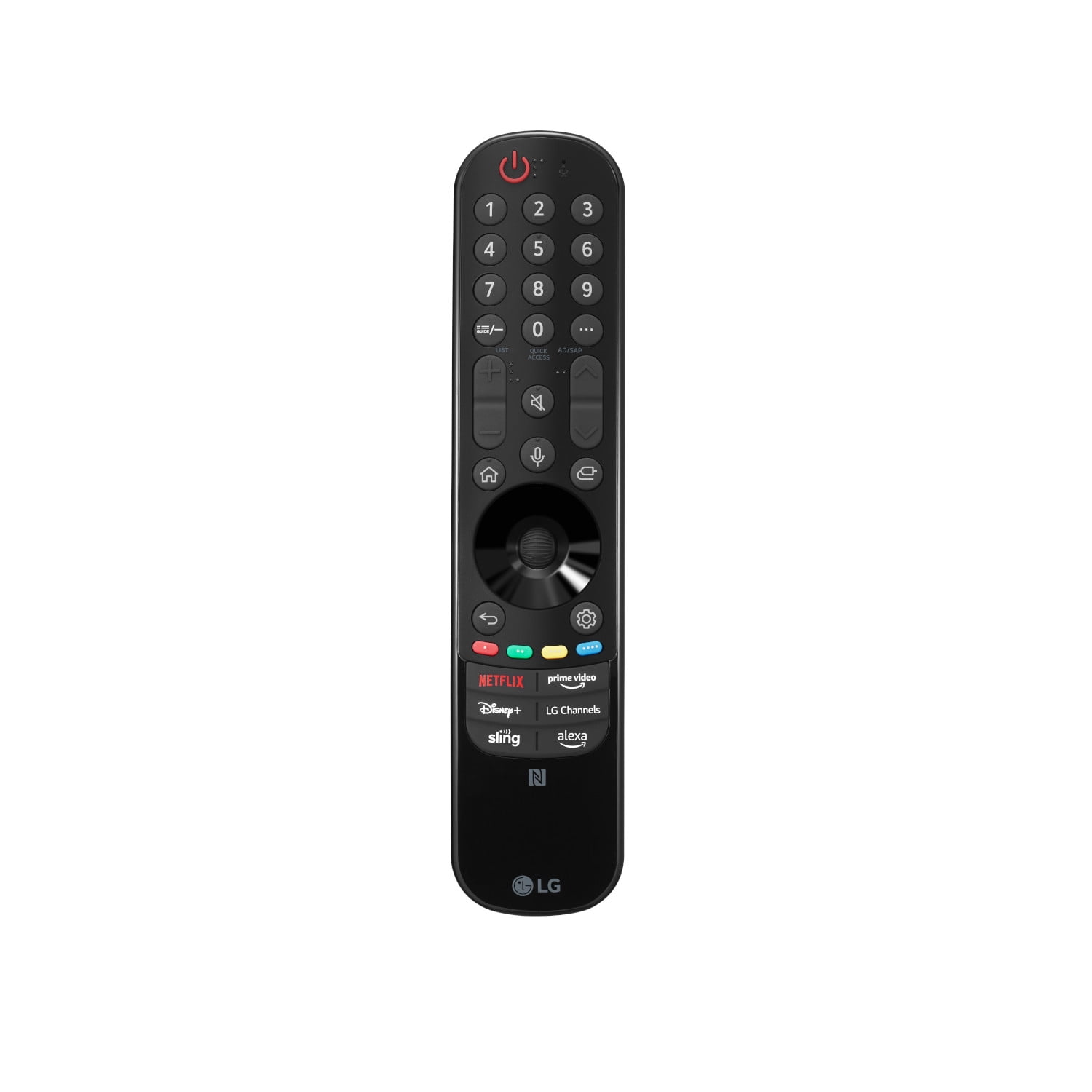
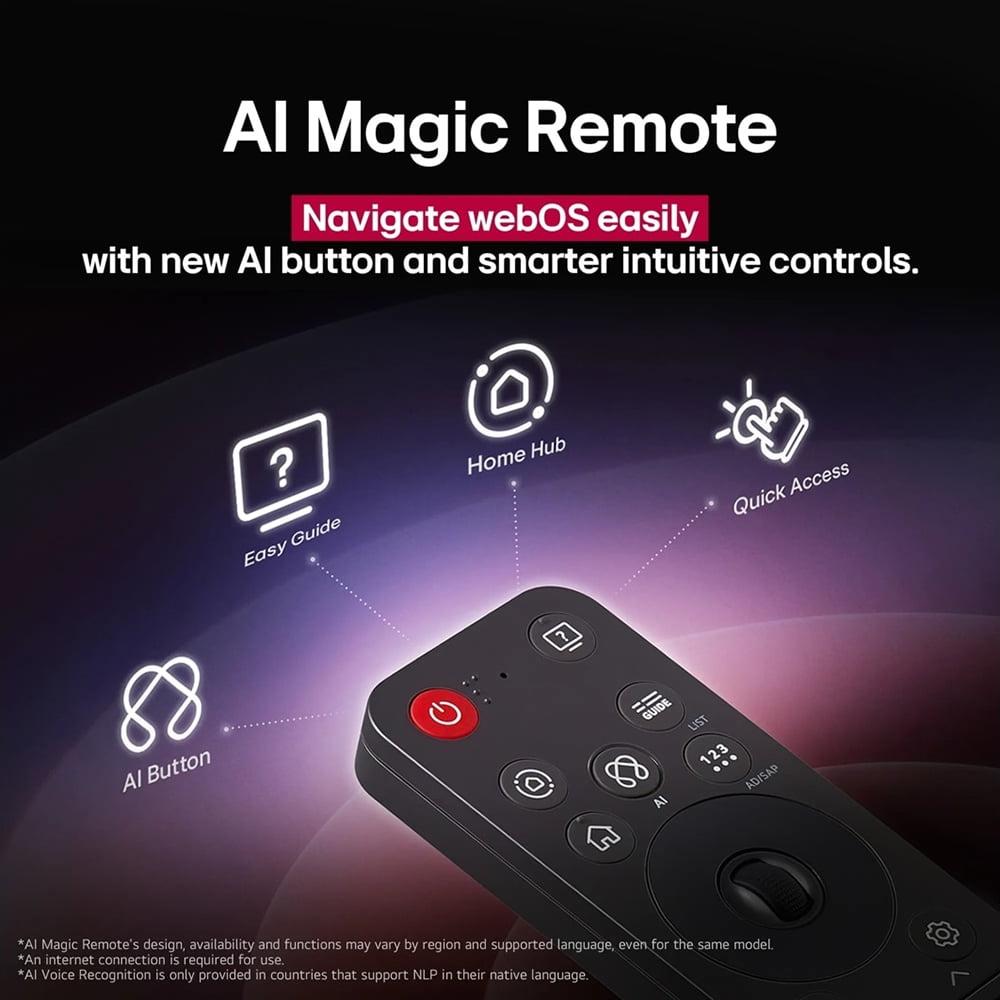
The smart features are nearly identical between the two models, including voice control, streaming app support, and AI-powered content recommendations. The main difference is that the G4's more powerful processor makes navigation slightly snappier and enables more sophisticated picture processing.
At $999.99, the QNED85A represents excellent value in the premium TV market. You're getting advanced MiniLED technology, strong gaming performance, excellent brightness, and the latest smart features at half the price of the G4 OLED. For many buyers, this represents the sweet spot between performance and affordability.
The G4 OLED at $1,999.99 costs twice as much, but it delivers what many consider the ultimate TV experience. The perfect blacks, superior color accuracy, and gaming performance justify the premium for users who prioritize the best possible picture quality.
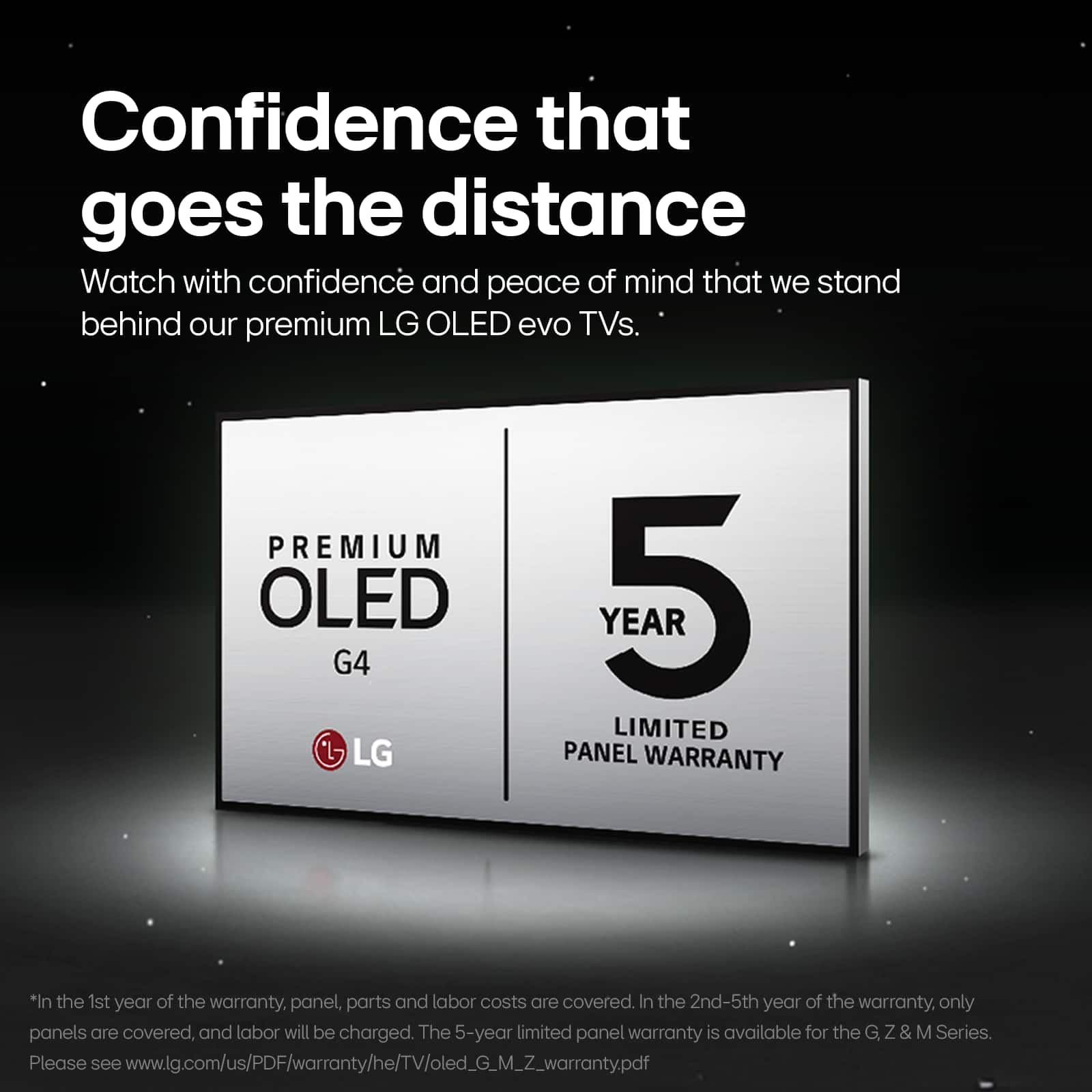
From a long-term value perspective, both TVs should last many years. The QNED85A has no burn-in risk, making it worry-free for users who display static content like news channels or gaming HUDs. The G4 OLED includes modern burn-in mitigation features, but some users may still prefer the peace of mind that comes with LED-based technology.
For dedicated home theater setups, the choice often comes down to your room's characteristics and viewing preferences. In my experience with both displays in theater environments, the G4 OLED typically provides the more cinematic experience.
The perfect blacks create that "floating image" effect where bright objects seem to pop off the screen. This is particularly noticeable with movie content shot in wide aspect ratios, where the black bars above and below the image truly disappear. The color accuracy also means that movies look as the directors intended, without the artificial enhancement that can make LED TVs look "video-like."
However, the QNED85A shouldn't be dismissed for home theater use. Its superior brightness can be advantageous in rooms where you can't achieve complete darkness. If your theater has ambient lighting or you occasionally watch with some lights on, the QNED85A's extra brightness maintains picture quality better than the dimmer OLED.
After extensive use with both TVs, I believe the choice comes down to a few key factors:
Choose the QNED85A if you have a bright room with lots of natural light, watch a lot of sports or daytime content, are budget-conscious but still want premium features, or are concerned about burn-in. Its excellent brightness and vibrant colors make it ideal for varied lighting conditions and mixed content.
Choose the G4 OLED if picture quality is your top priority, you primarily watch movies or game in darker environments, you want the absolute best gaming performance, or you're willing to pay double for superior technology. Its perfect blacks and color accuracy create an unmatched viewing experience for those who can appreciate and afford the difference.
The room environment often makes the decision for you. In my bright living room, the QNED85A's extra brightness and vibrant colors actually look better than the G4 OLED during daytime viewing. But in my dedicated theater room with controlled lighting, the G4 OLED's perfect blacks and natural colors create a more immersive, cinematic experience.
Both TVs represent excellent choices within their respective price ranges. The QNED85A offers about 80% of the premium experience at 50% of the cost, while the G4 OLED provides the ultimate picture quality for those willing to invest in the best available technology. Your decision should be based on your specific room conditions, viewing habits, and budget priorities.
| LG 65" QNED evo AI QNED85A 4K MiniLED Smart TV 2025 | LG 65" G4 Series OLED evo 4K UHD Smart TV |
|---|---|
| Price - Major factor in deciding between these premium displays | |
| $999.99 | $1,999.99 |
| Display Technology - Fundamental difference affecting all picture quality aspects | |
| MiniLED LCD with Quantum Dot & NanoCell | Self-emissive OLED with Micro Lens Array |
| Black Levels - Critical for contrast and movie viewing experience | |
| Very deep blacks with minimal blooming | Perfect blacks (pixels turn completely off) |
| Peak Brightness - Essential for HDR impact and bright room viewing | |
| Higher peak brightness, excels in bright rooms | High for OLED but lower overall, best in controlled lighting |
| Color Performance - Affects realism and vibrancy of content | |
| Wide color gamut, vibrant and punchy colors | 100% color fidelity, natural and accurate colors |
| Gaming Response Time - Crucial for competitive gaming and input lag | |
| Fast 1ms response time | Near-instantaneous 0.1ms response time |
| Gaming Refresh Rate - Important for smooth motion in games | |
| Native 120Hz, VRR up to 144Hz | 144Hz with full VRR support |
| Processor - Affects upscaling quality and smart features performance | |
| Alpha 8 Gen 2 AI Processor | Alpha 11 AI Processor (70% faster graphics) |
| Burn-in Risk - Long-term durability consideration | |
| No burn-in risk, worry-free for static content | Low risk with modern mitigation, requires some awareness |
| Best Use Case - Primary scenarios where each excels | |
| Bright rooms, sports viewing, budget-conscious premium buyers | Home theater, movie enthusiasts, ultimate picture quality seekers |
The LG 65" QNED evo AI QNED85A 4K MiniLED Smart TV 2025 is significantly better for bright rooms due to its higher peak brightness from MiniLED technology. It can overcome ambient light and maintain vibrant colors during daytime viewing, while the LG 65" G4 Series OLED evo 4K UHD Smart TV performs best in controlled lighting conditions.
The LG G4 OLED offers superior gaming performance with 0.1ms response time, 144Hz refresh rate, and instant pixel response. The QNED85A still provides excellent gaming with 1ms response time and 120Hz native refresh rate, but OLED technology gives competitive gamers a slight edge.
The LG QNED85A costs $999.99 while the LG G4 OLED costs $1,999.99. The QNED offers about 80% of the premium experience at half the price, making it excellent value for most users, while the OLED provides ultimate picture quality for those willing to pay double.
The LG G4 OLED delivers perfect blacks since pixels can turn completely off, creating infinite contrast ideal for dark movie scenes. The QNED85A achieves very good blacks with minimal blooming, but cannot match OLED's perfect black performance.
The LG QNED85A has no burn-in risk since it uses LED backlighting technology. The LG G4 OLED has low burn-in risk thanks to modern mitigation features, but users should still avoid displaying static images for extended periods.
The LG G4 OLED is generally preferred for dedicated home theaters due to its perfect blacks, accurate colors, and cinematic picture quality in dark rooms. However, the QNED85A can work well in home theaters with ambient lighting where brightness is more important than perfect blacks.
The LG G4 OLED offers superior color accuracy with natural, true-to-life colors that match the creator's intent. The QNED85A provides wider color volume with more vibrant, punchy colors that some viewers prefer for sports and animated content.
The LG QNED85A is generally better for sports due to its higher brightness, vibrant colors, and excellent performance in bright rooms where sports are typically watched. The G4 OLED offers faster motion handling but may not be as impactful in well-lit viewing environments.
We've done our best to create useful and informative comparisons to help you decide what product to buy. Our research uses advanced automated methods to create this comparison and perfection is not possible - please contact us for corrections or questions. These are the sites we've researched in the creation of this article: rtings.com - rtings.com - youtube.com - lg.com - smarthomesounds.co.uk - abt.com - abt.com - lg.com - displayspecifications.com - walmart.com - bestbuy.com - lg.com - lg.com - lg.com - files.bbystatic.com - flatpanelshd.com - north-side-appliance.com - lgnewsroom.com - lg.com - youtube.com - youtube.com - hindustantimes.com - tomsguide.com - crutchfield.com - visions.ca - youtube.com - cnet.com - schaeferstv.com - rtings.com - costco.com - bhphotovideo.com - techradar.com - youtube.com - abcwarehouse.com - youtube.com

Privacy Policy
Terms and Conditions - Affiliate Policy
Home Security
© Copyright 2008-2026.
11816 Inwood Rd #1211, Dallas, TX 75244