

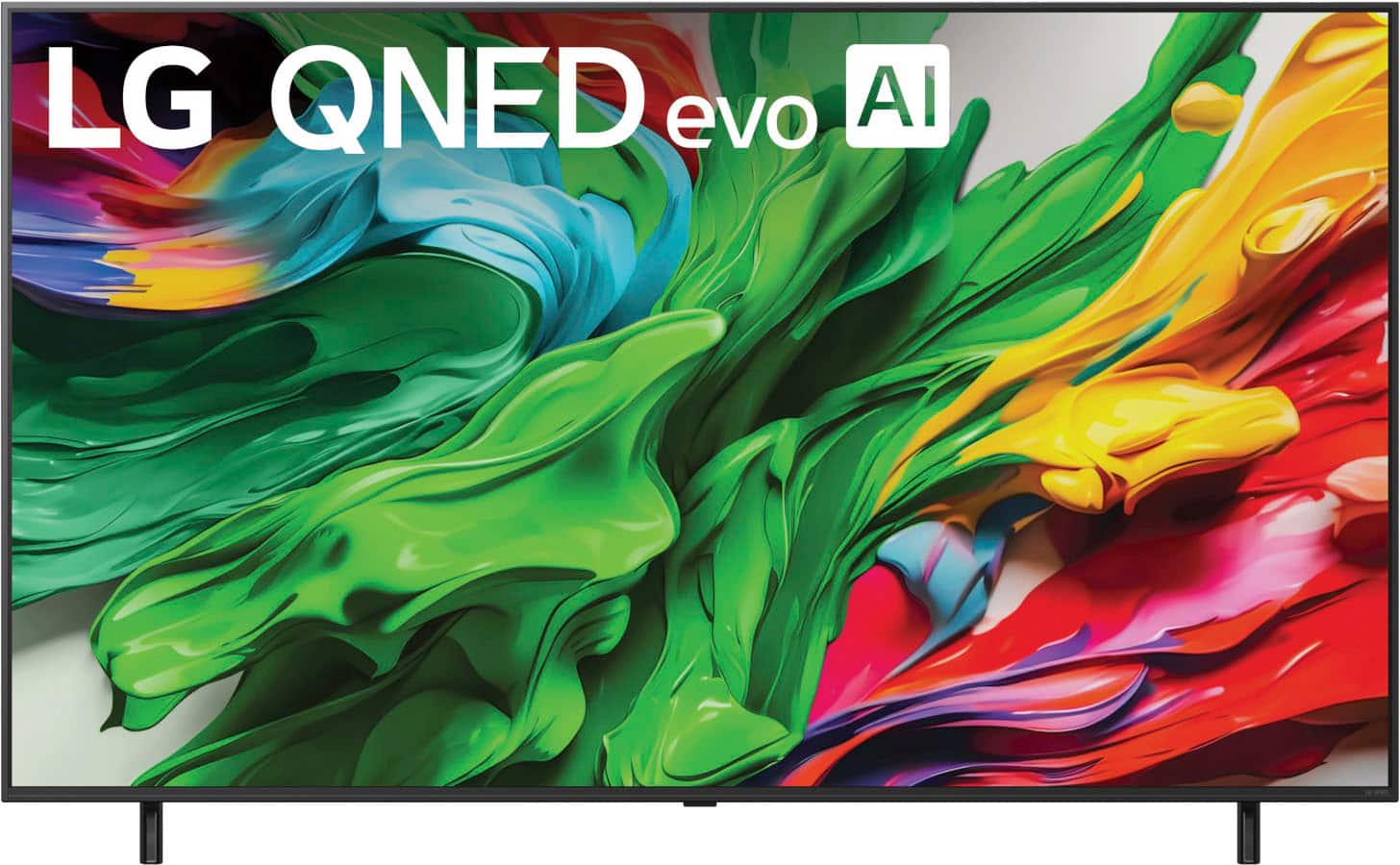
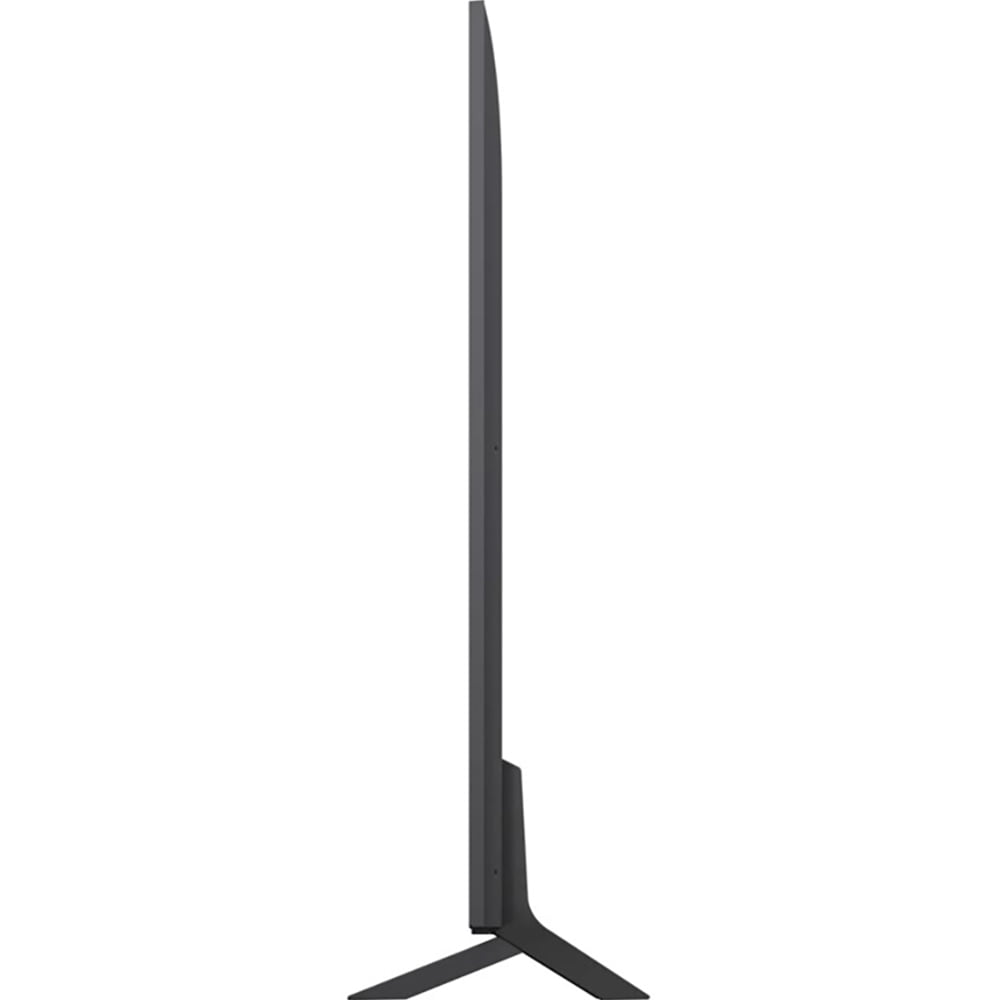
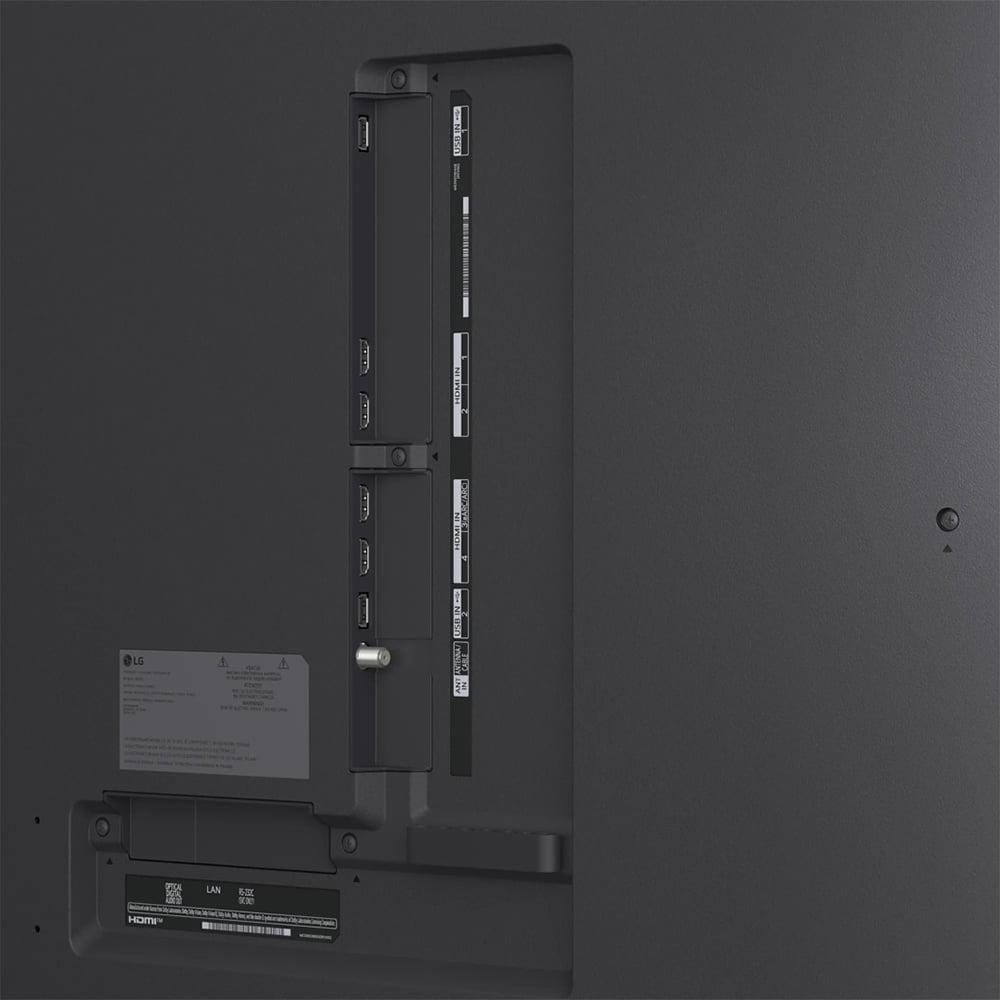
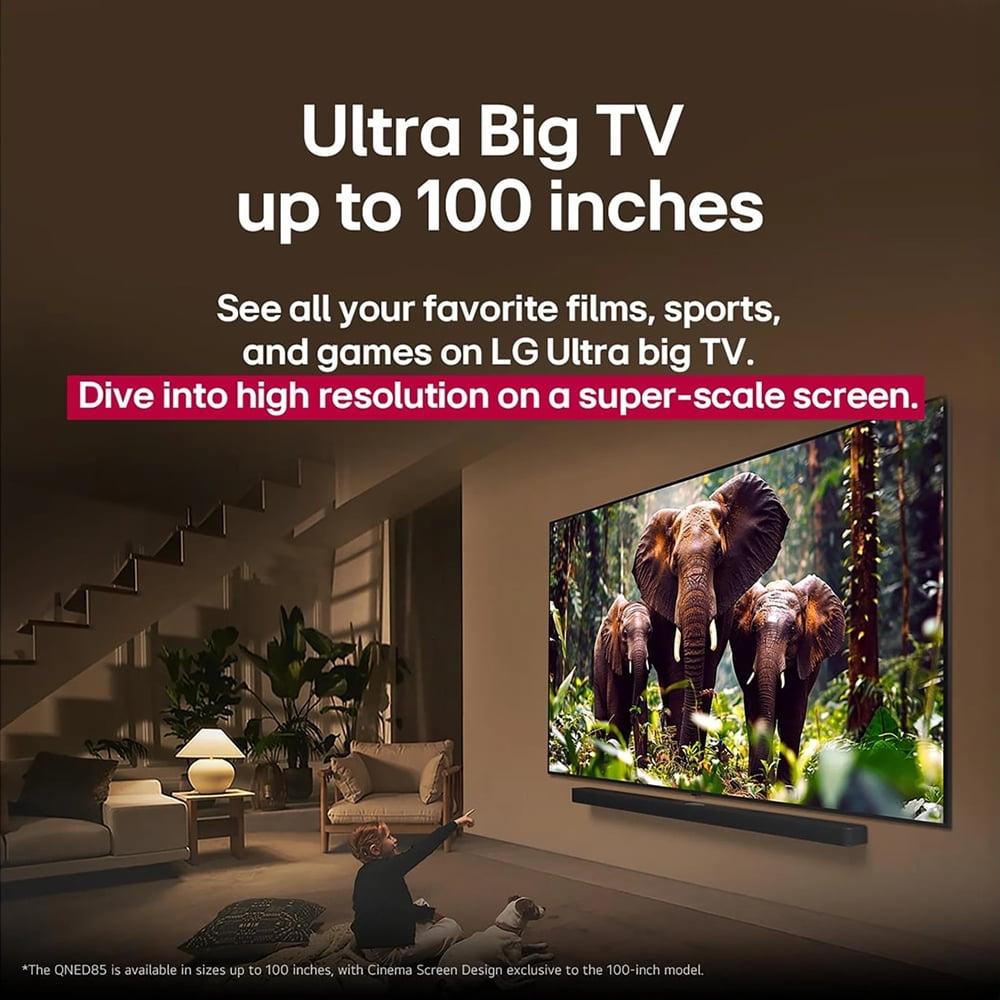
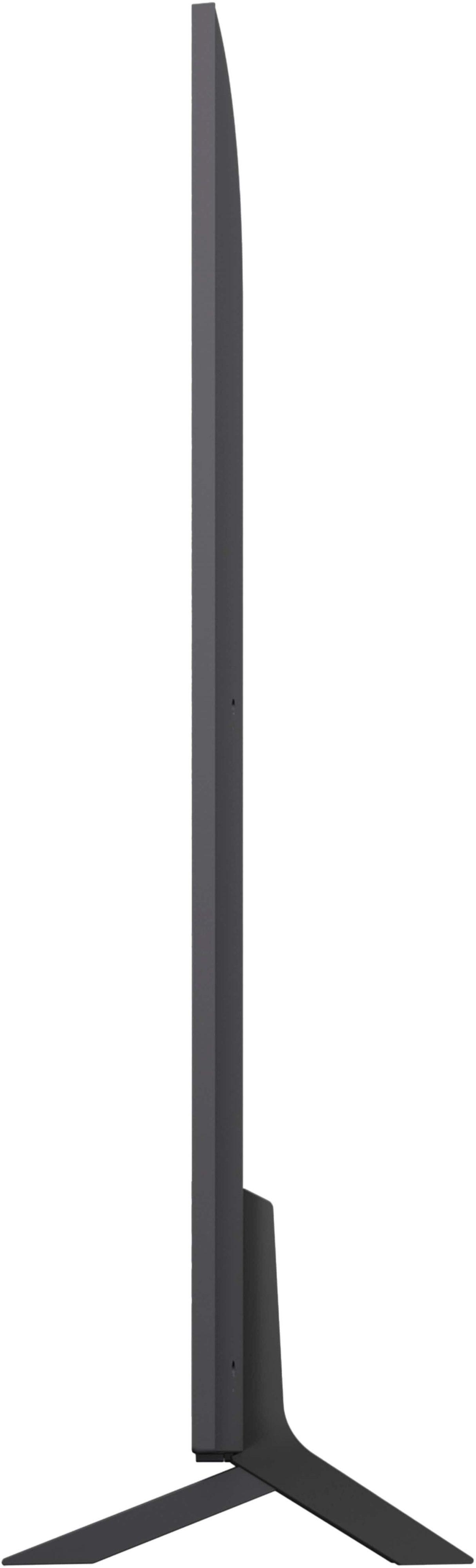
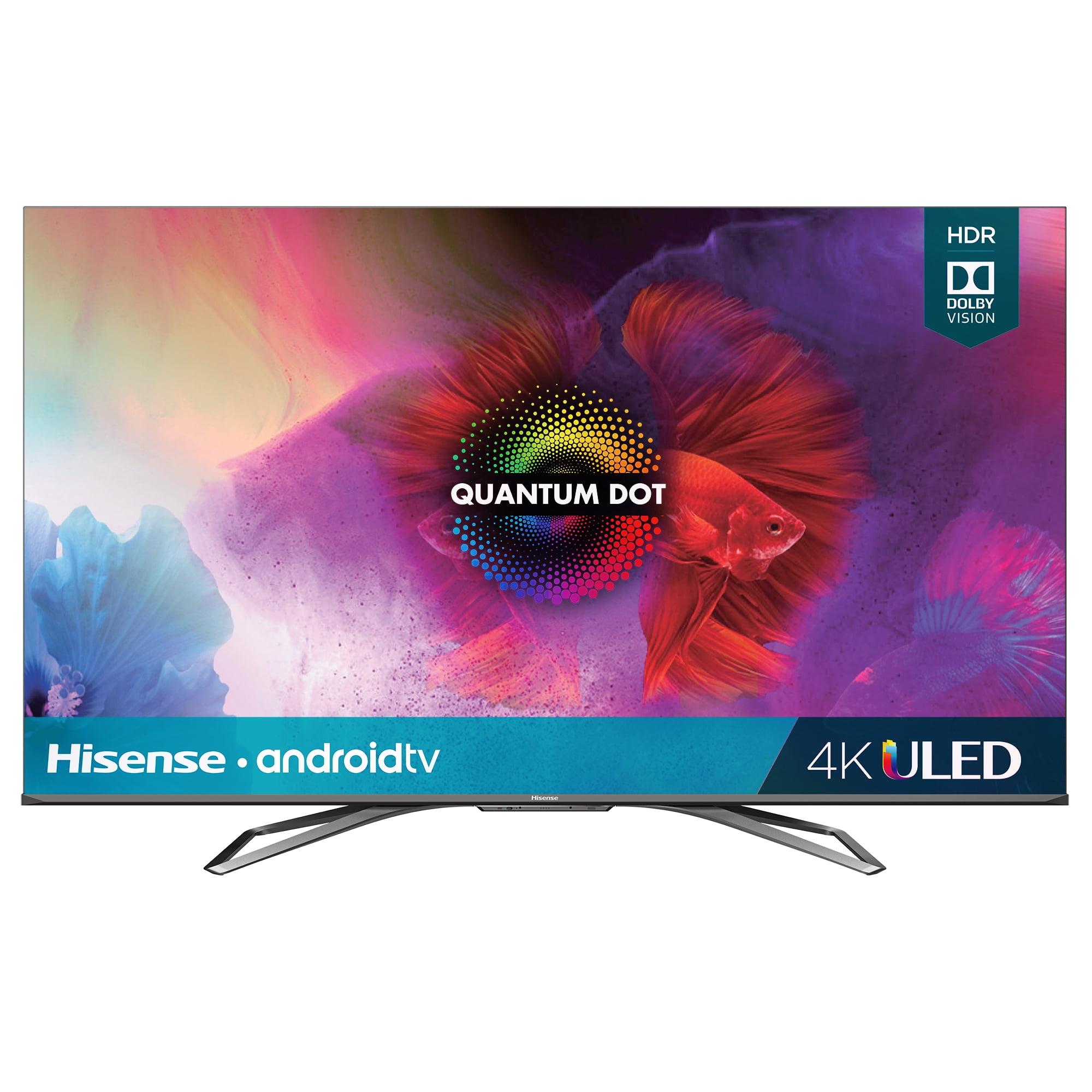
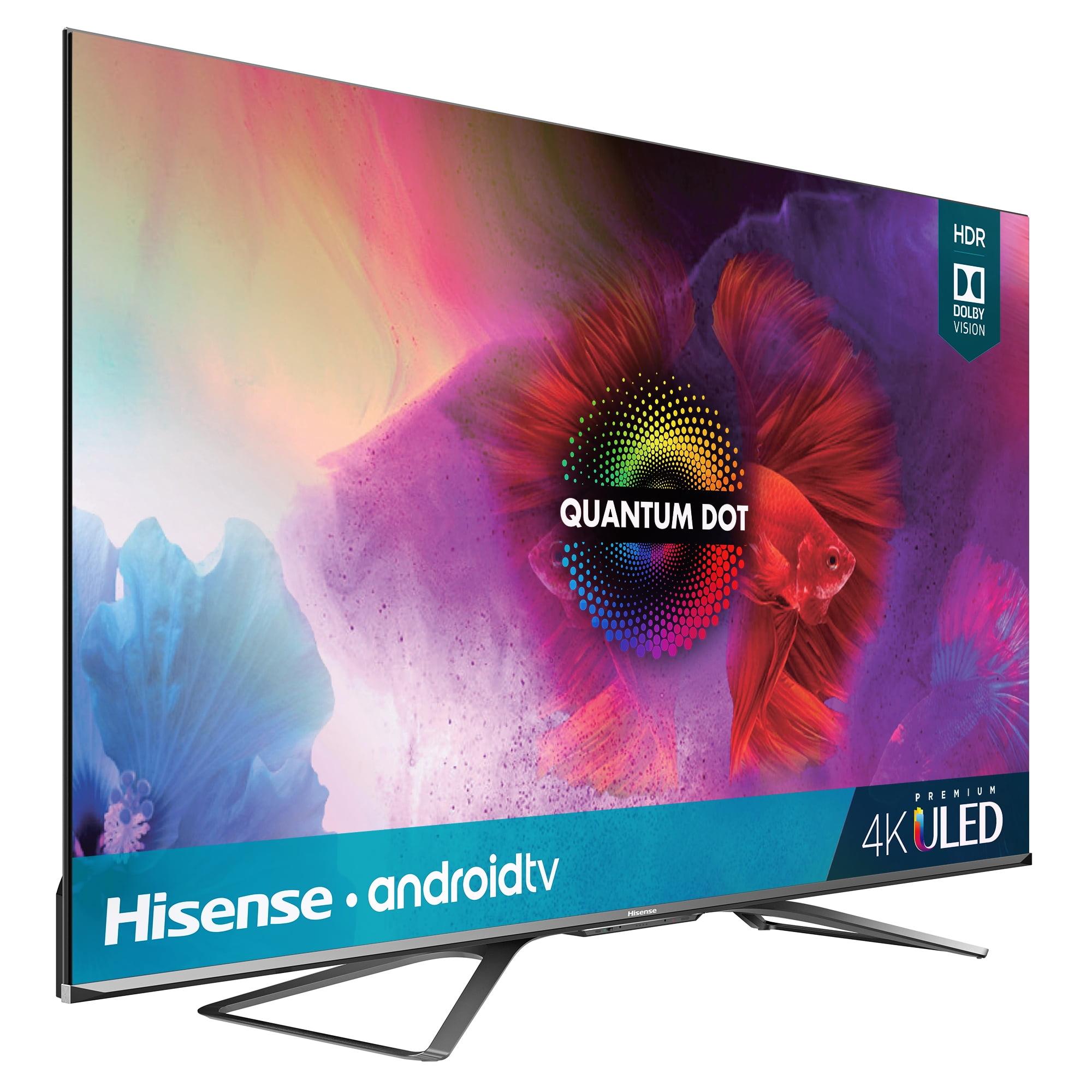

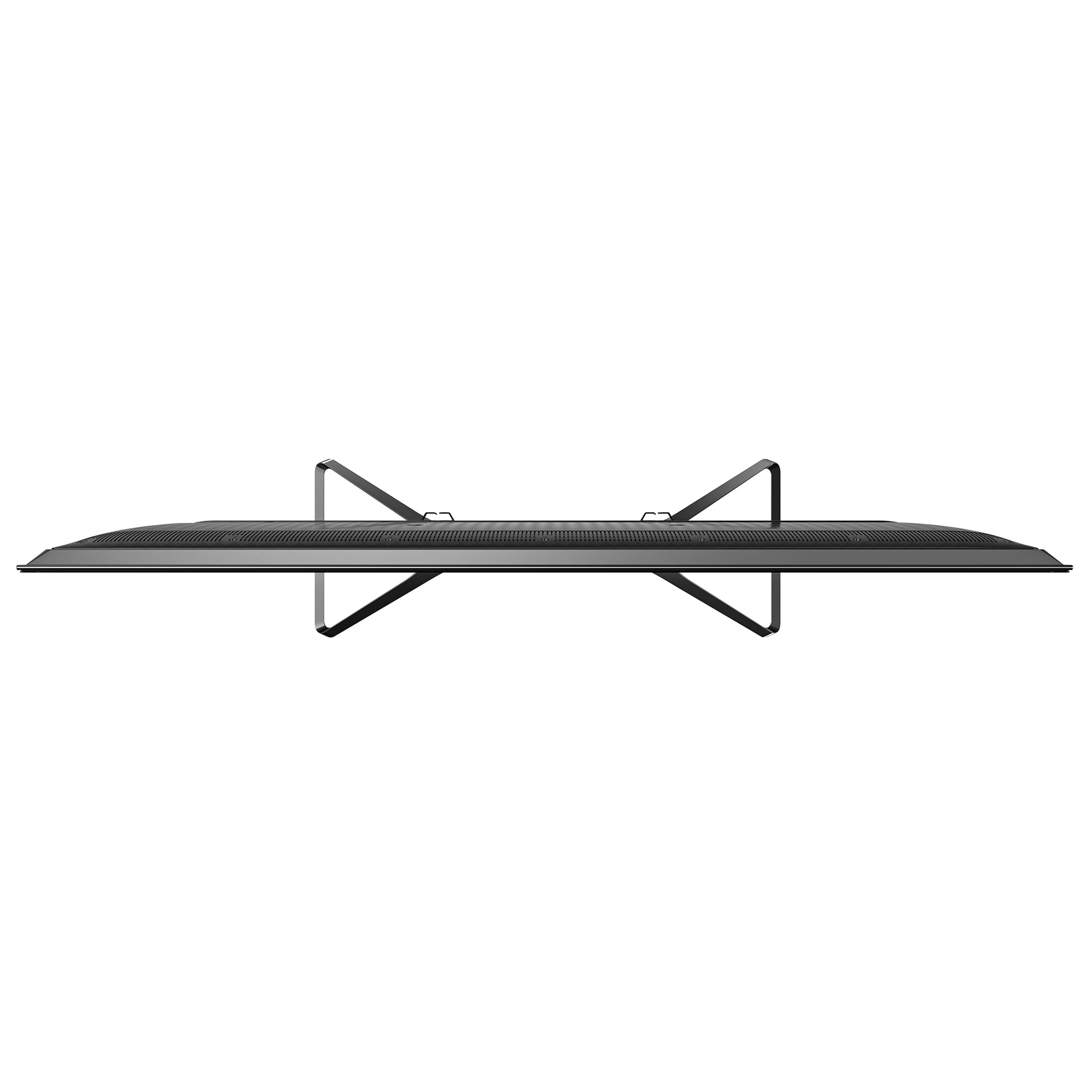
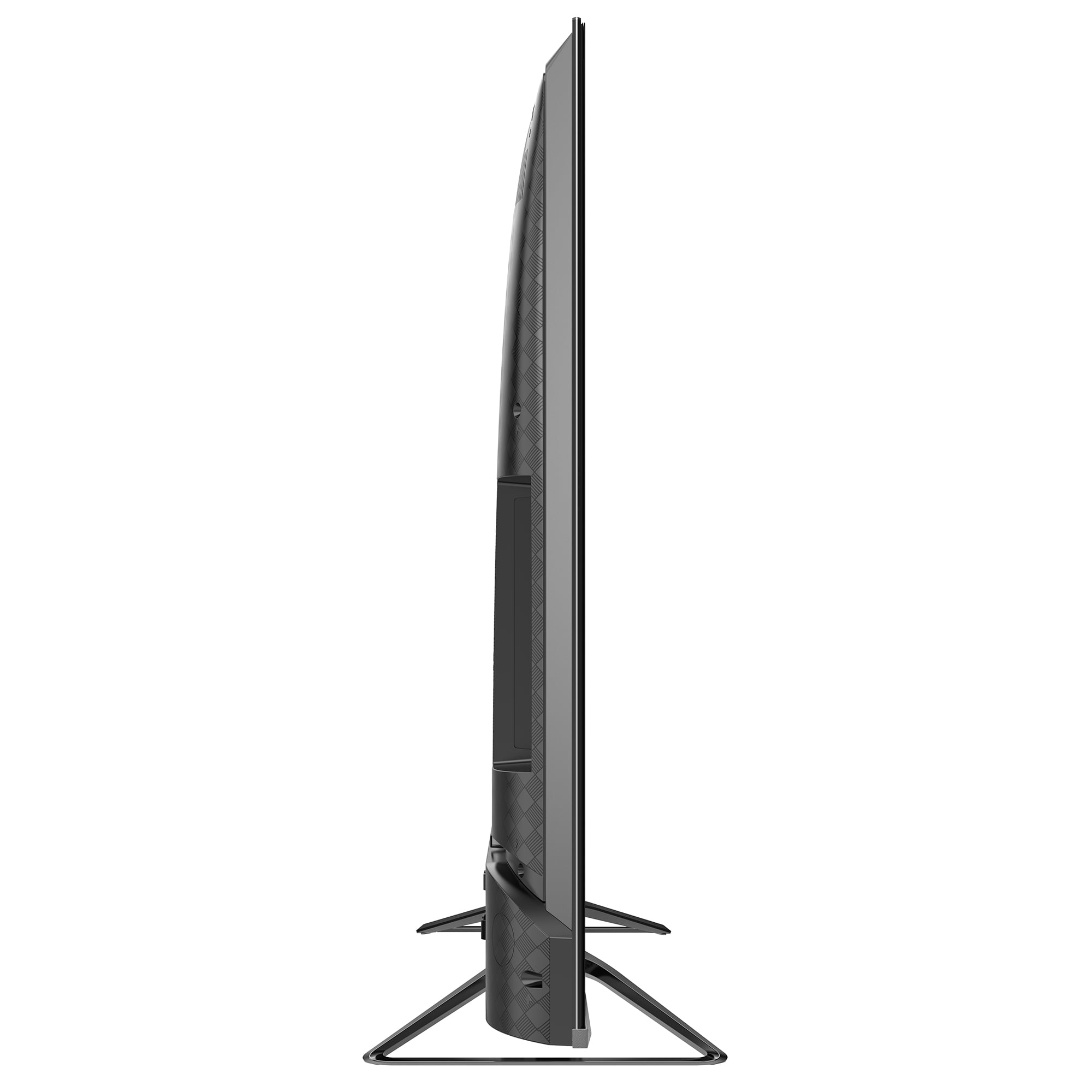
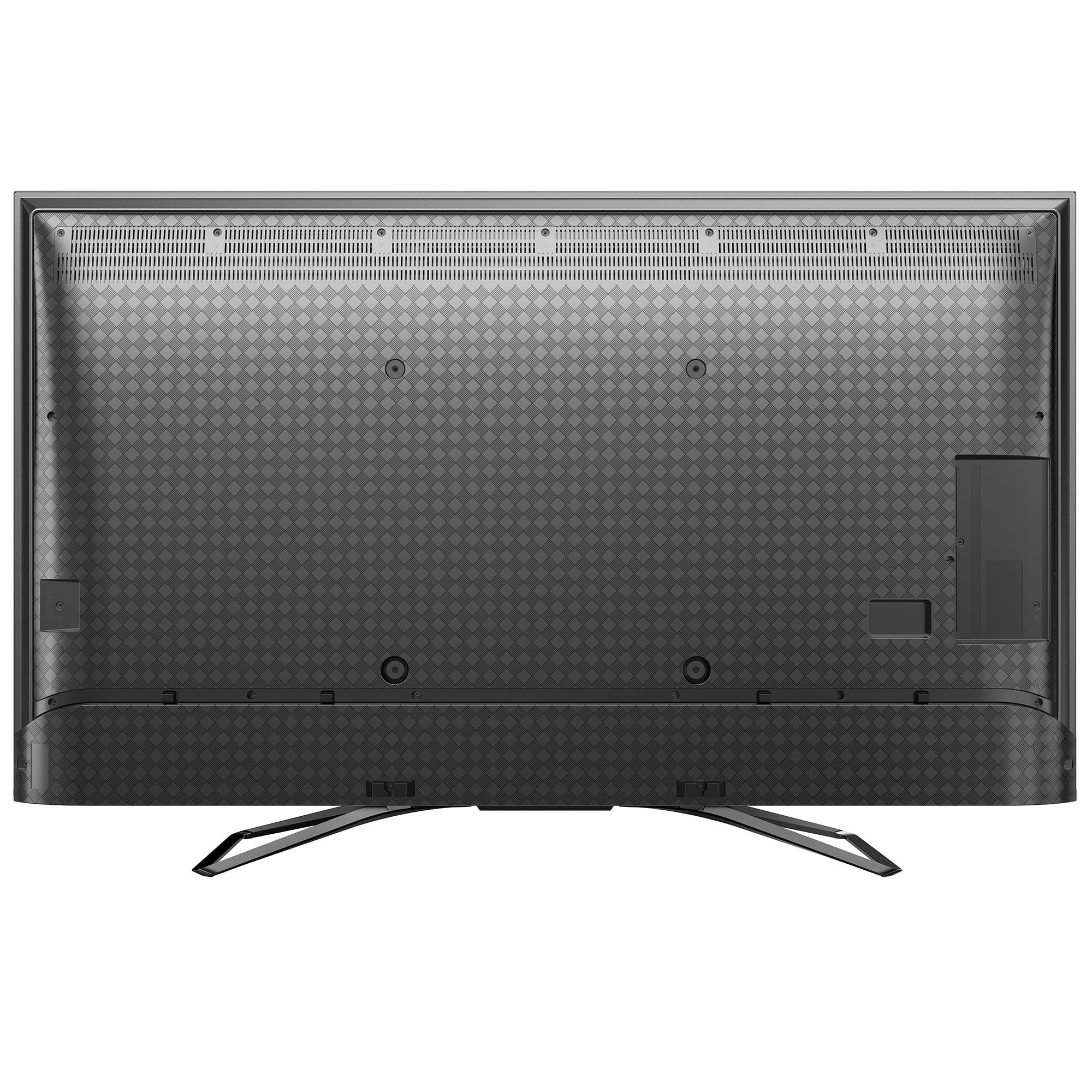
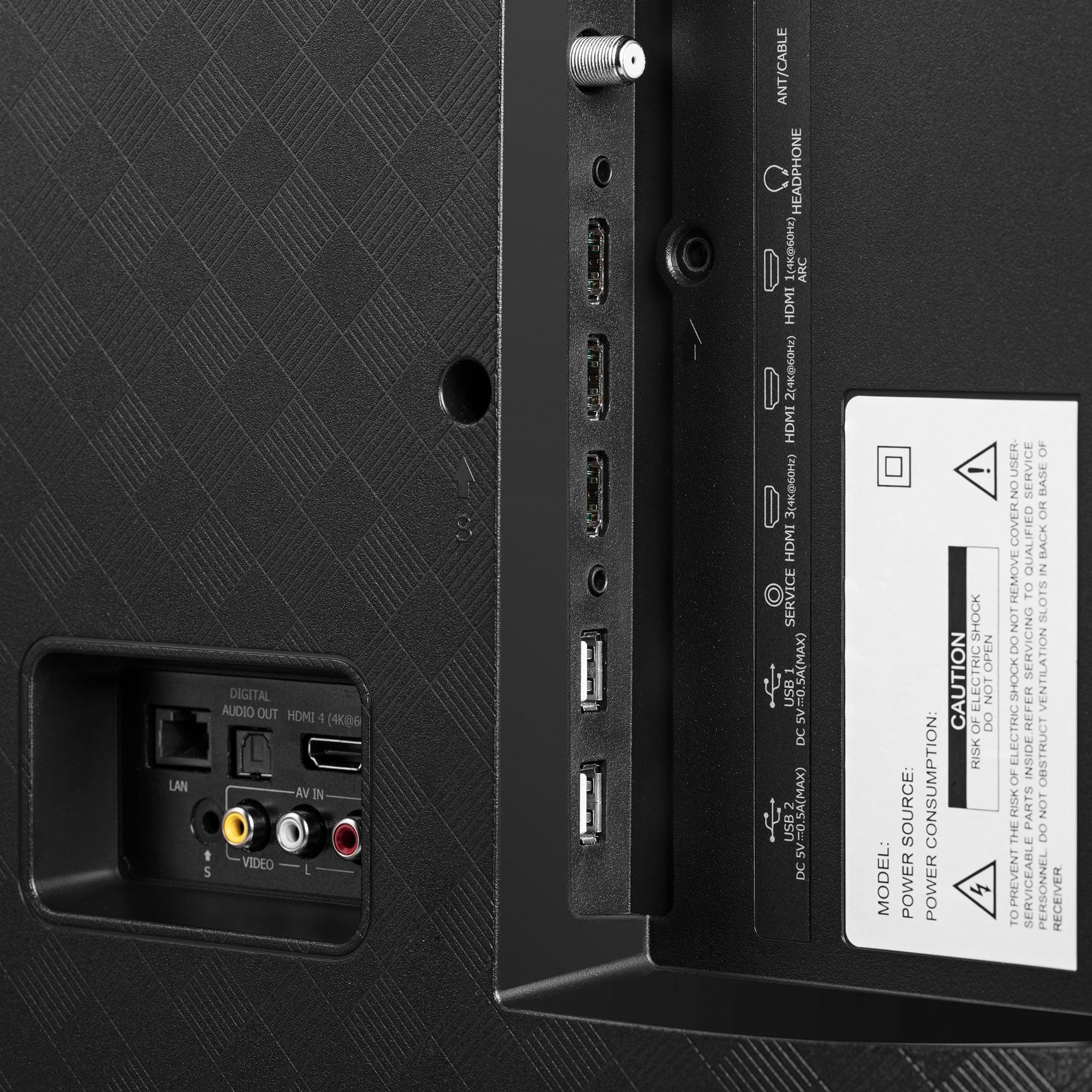
Shopping for a 65-inch premium LED TV? You're probably comparing options that seem similar on paper but perform quite differently in your living room. The LG 65" QNED evo AI QNED85A 4K MiniLED Smart TV 2025 at $999.99 and the Hisense 65" H9G Quantum Series 4K UHD Smart Android TV at $1,252.81 represent an interesting case study in how TV technology has evolved—and why release dates matter more than you might think.
Premium LED TVs occupy that sweet spot between budget displays and expensive OLED screens. They use advanced backlighting systems, color enhancement technologies, and sophisticated processing to deliver impressive picture quality without the premium price tag of OLED. But here's what many buyers don't realize: the gap between a 2020 premium TV and a 2025 model is massive in terms of actual usability.
When you're investing in a 65-inch TV, you're looking at several key performance areas. Picture quality obviously tops the list—this includes how bright the screen gets, how deep the blacks appear, and how accurately colors are reproduced. Gaming performance has become increasingly important as more people use their TVs with PlayStation 5 and Xbox Series X consoles. Smart features and connectivity determine how well your TV integrates with streaming services and smart home devices. Finally, there's the question of value: are you getting the features you'll actually use for the price you're paying?
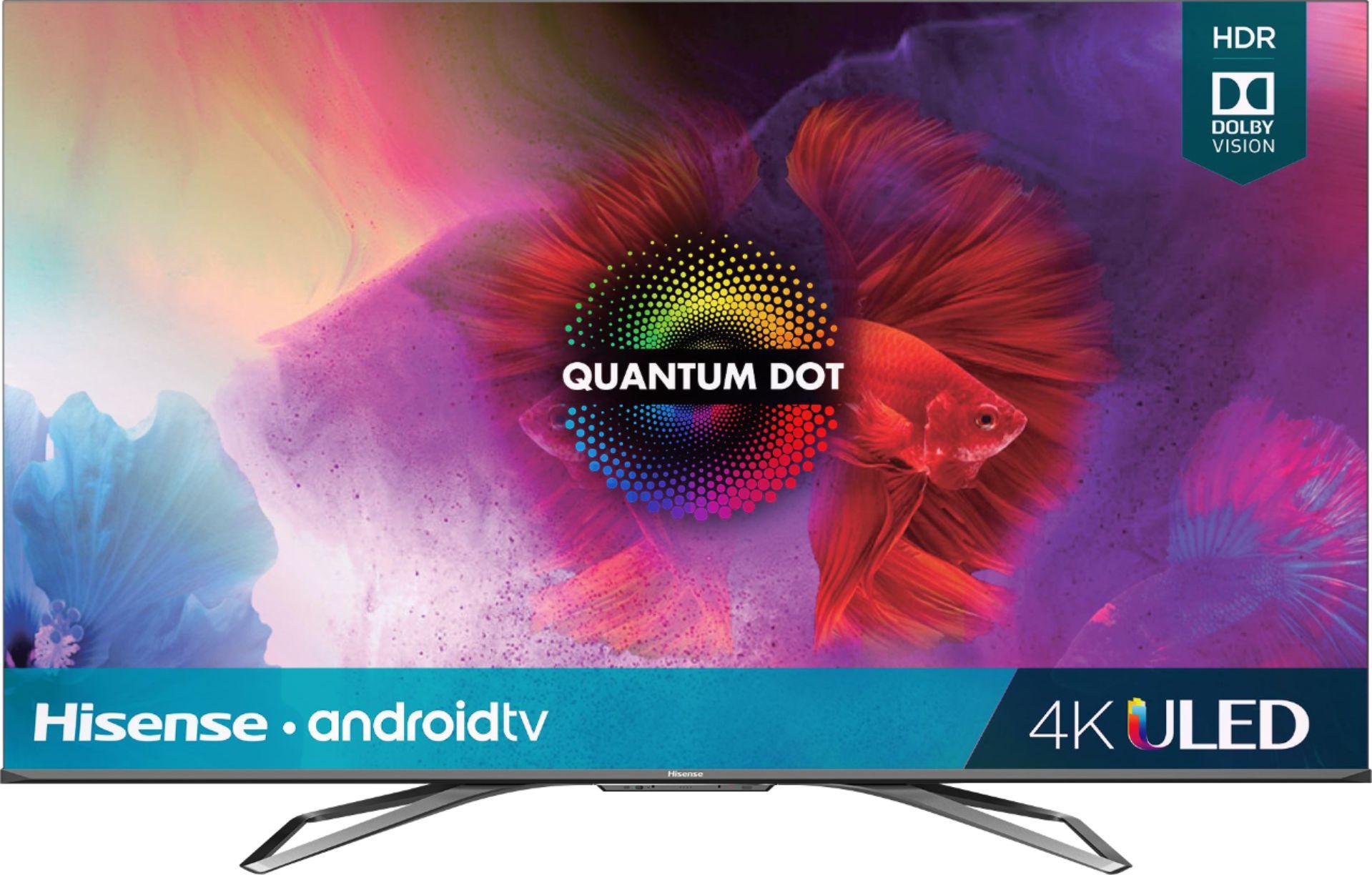
The Hisense H9G launched in 2020 as a flagship model, representing the company's best LED technology at the time. It featured cutting-edge quantum dot color enhancement and full-array local dimming—both premium features that were genuinely impressive five years ago. The H9G was built around Android TV, Google's smart platform that offered extensive app selection and Chromecast integration.
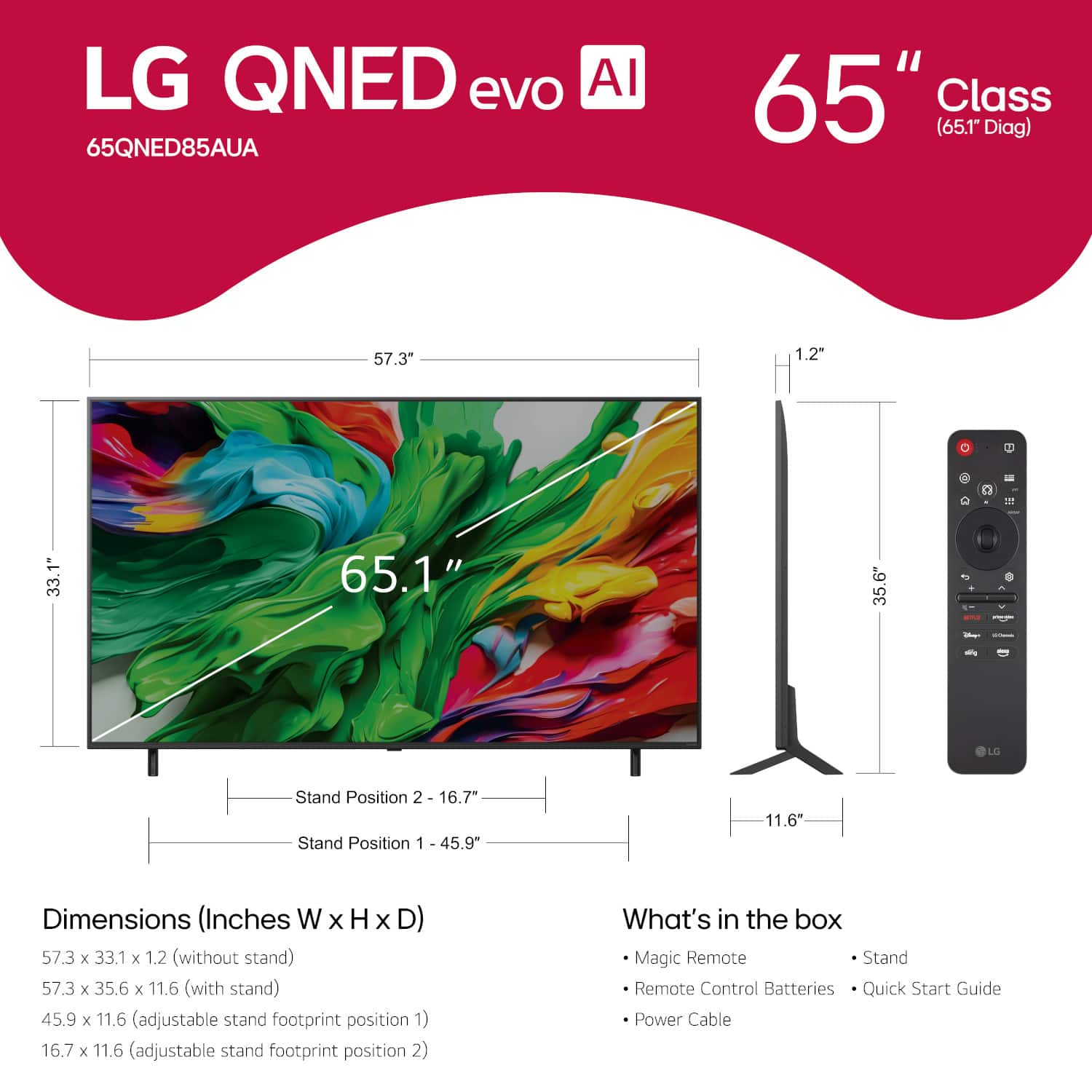
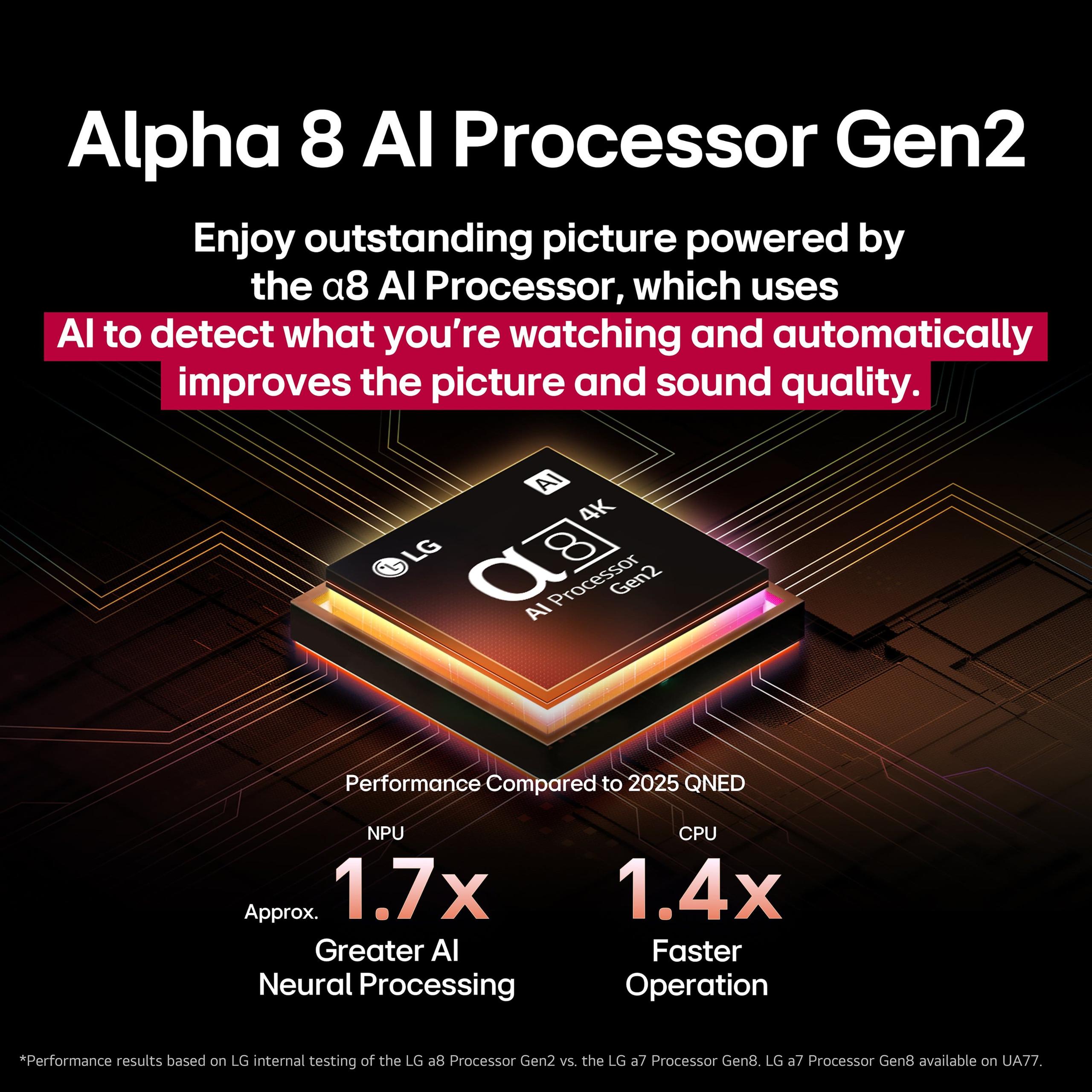
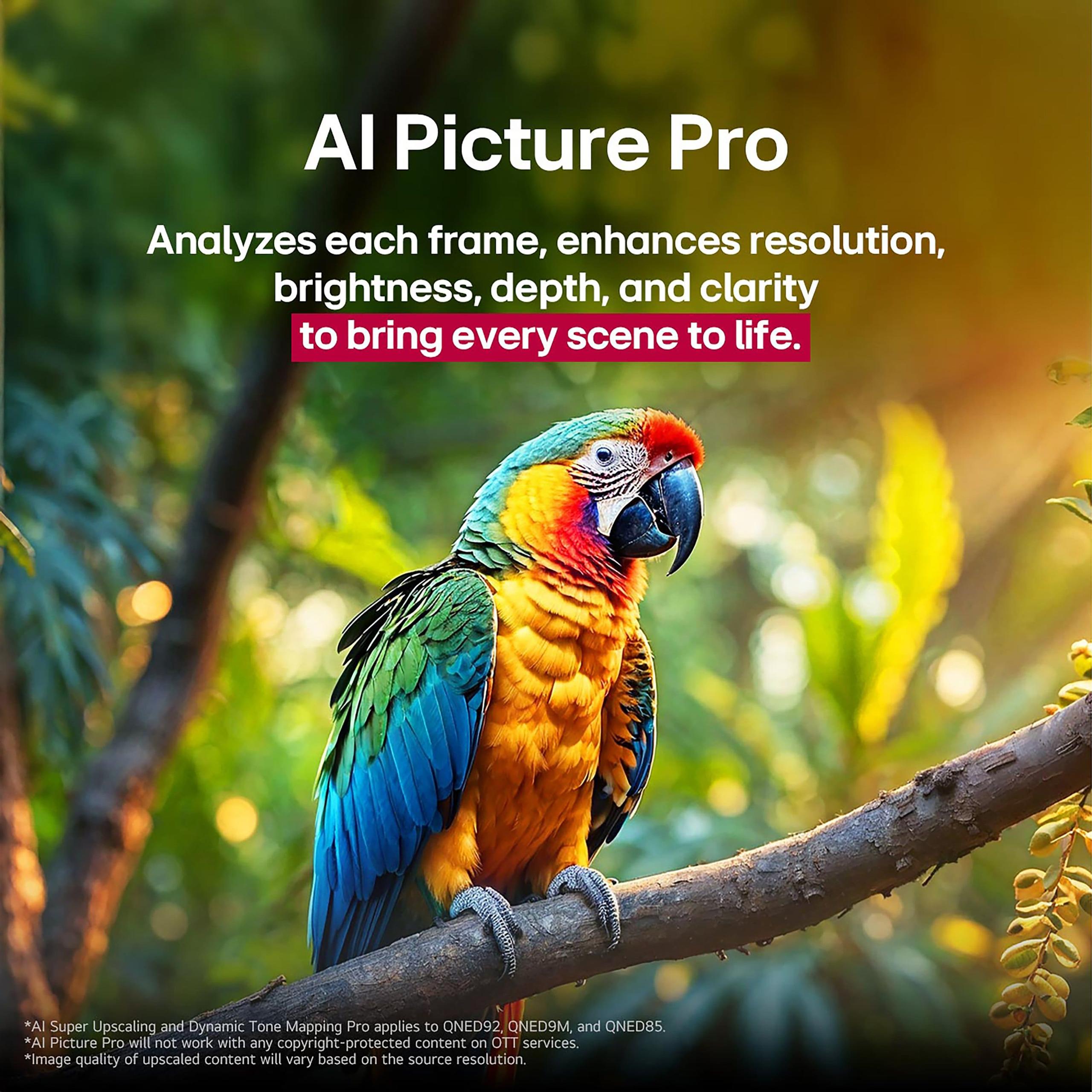
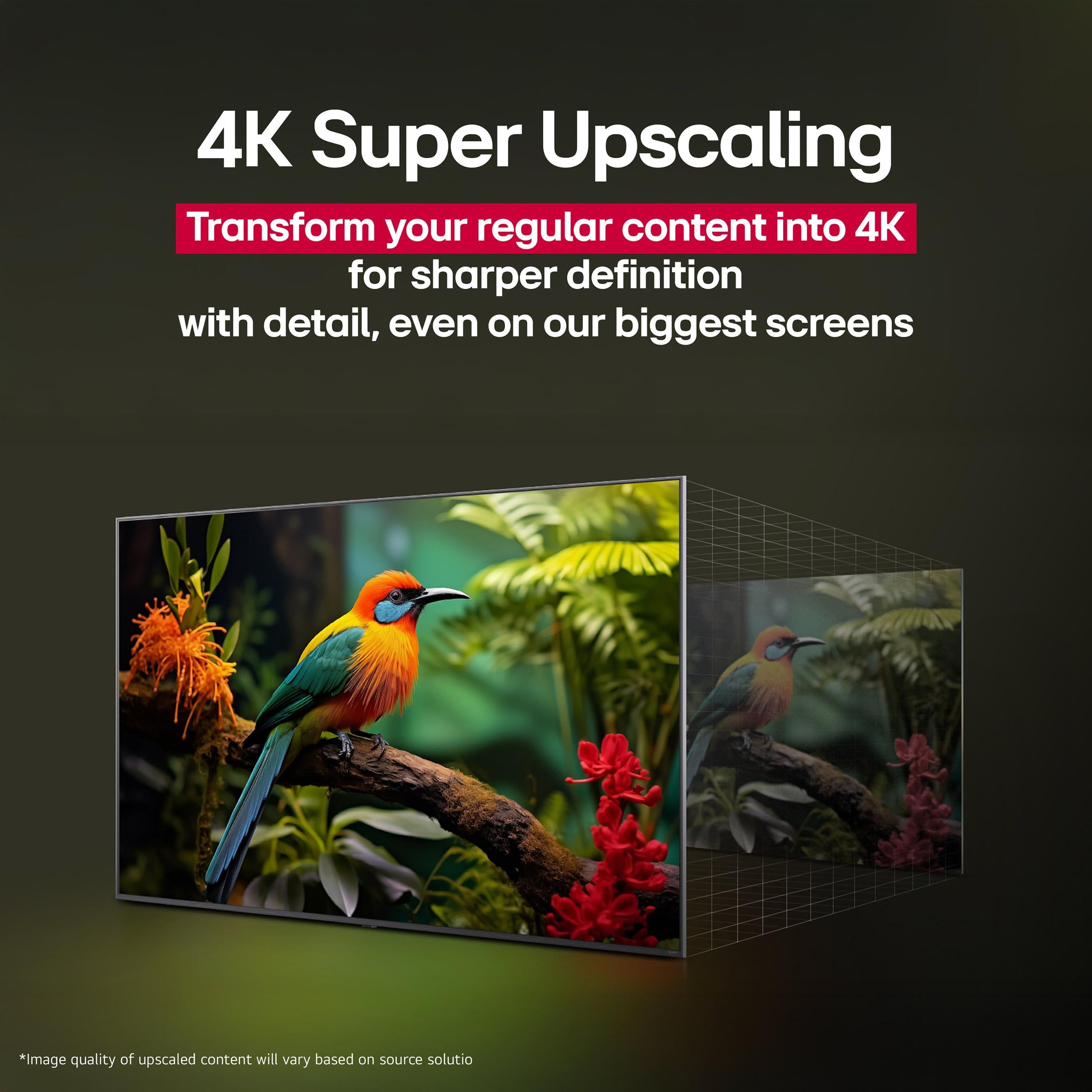
Fast forward to 2025, and the LG QNED85A represents how much TV technology has evolved. While it's positioned as a mid-range model in LG's current lineup, it incorporates technologies that simply didn't exist when the H9G was developed. The AI-powered processing, Wi-Fi 6E connectivity, and comprehensive HDMI 2.1 implementation reflect five years of innovation focused on real-world usage patterns.
This generational gap explains why the newer LG model costs $250 less while offering more future-proof features. Technology pricing follows a predictable curve—what's premium and expensive today becomes mainstream and affordable tomorrow.
The most significant difference between these TVs lies in their backlighting approaches, which directly impacts what you see on screen. The Hisense H9G uses full-array local dimming with 180 zones. This means the backlight is divided into 180 separate areas that can brighten or dim independently. When you're watching a movie with a bright explosion against a dark sky, the TV can make the explosion area very bright while keeping the surrounding darkness truly dark.
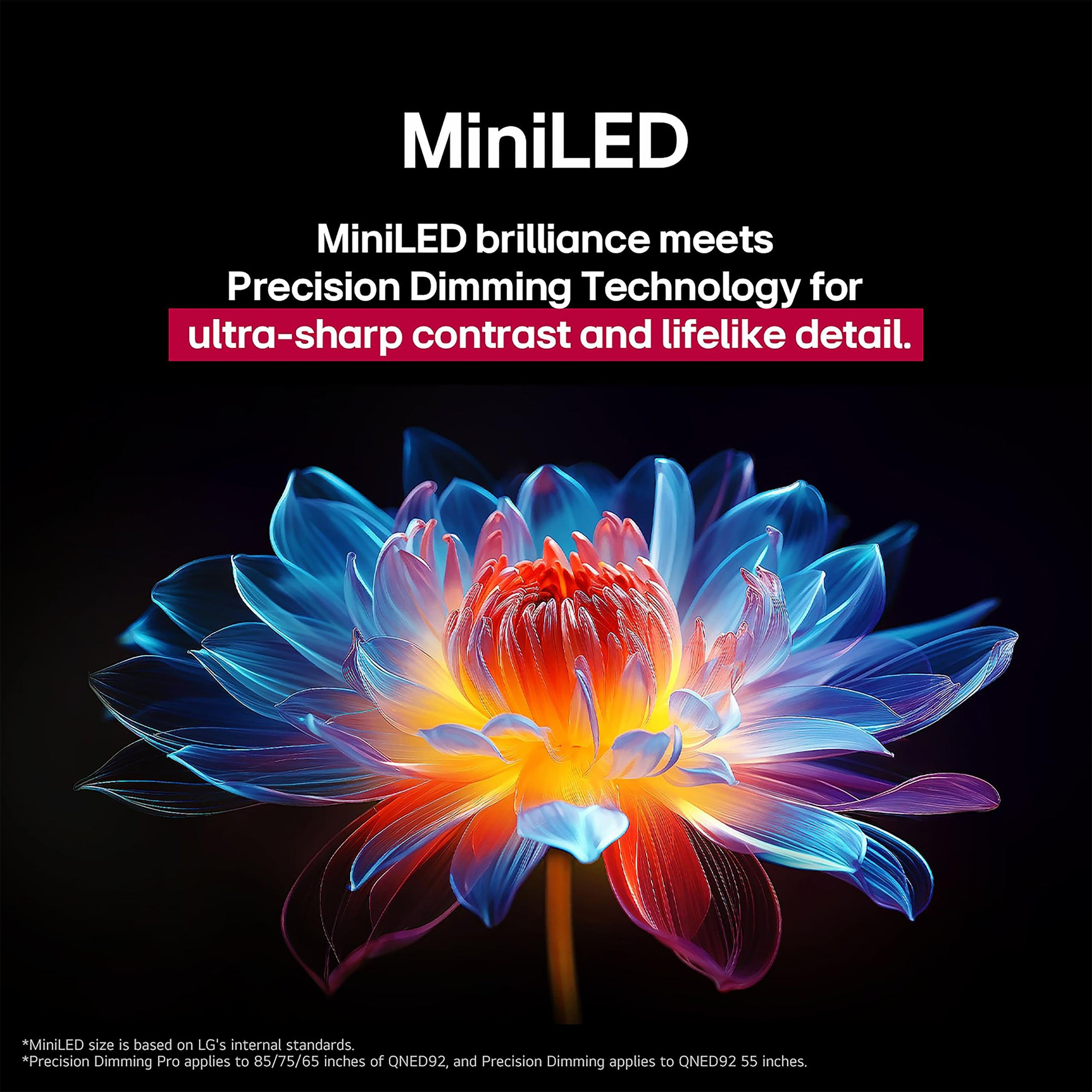
The LG QNED85A takes a different approach with MiniLED technology. Instead of traditional LED backlights, it uses thousands of tiny LEDs that are much smaller than conventional ones. However, LG implements this as edge-lit MiniLED rather than full-array, meaning the LEDs are positioned around the screen's edges rather than directly behind it. This creates a trade-off: you get some benefits of MiniLED technology but not the precise local dimming control of full-array systems.
In practical terms, the Hisense H9G delivers superior contrast performance—the difference between the brightest whites and darkest blacks. This makes movies and shows with dramatic lighting look more cinematic. However, both TVs can suffer from "blooming," where bright objects create a halo effect against dark backgrounds. The H9G's full-array system generally handles this better than the LG's edge-lit approach.
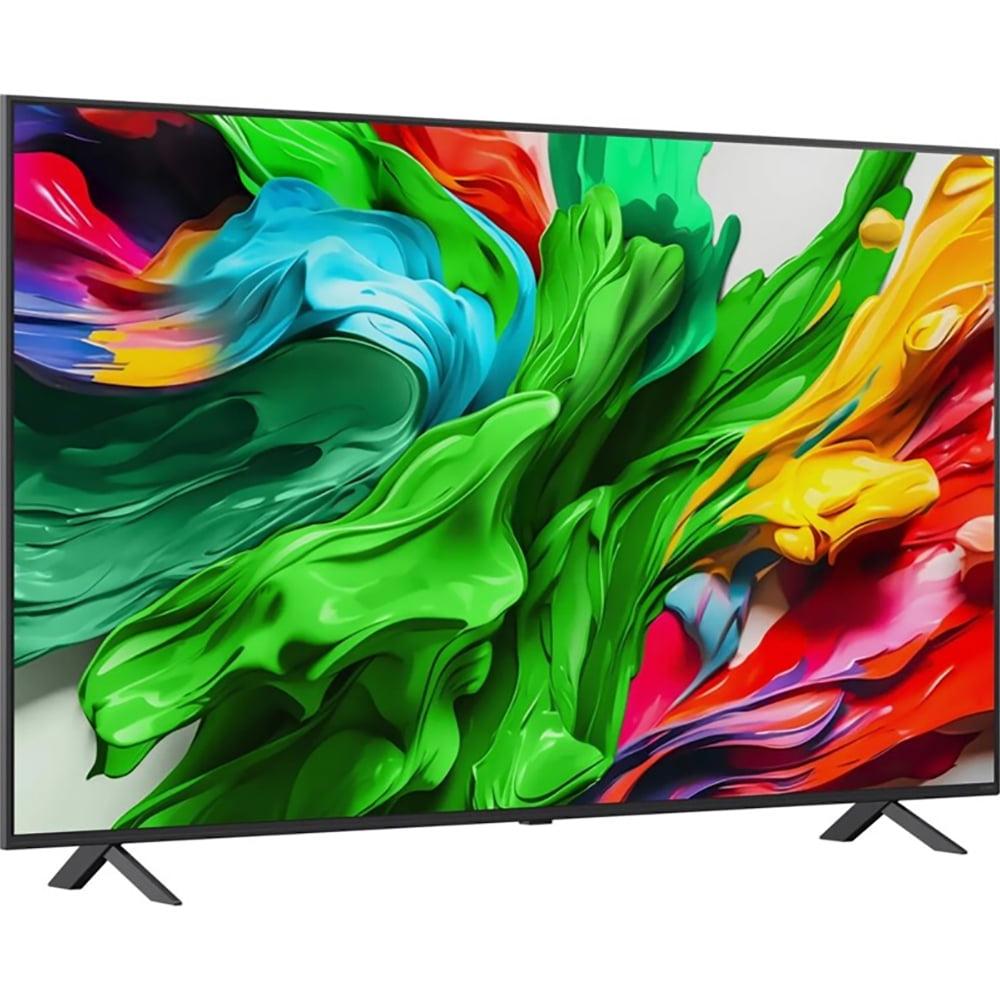
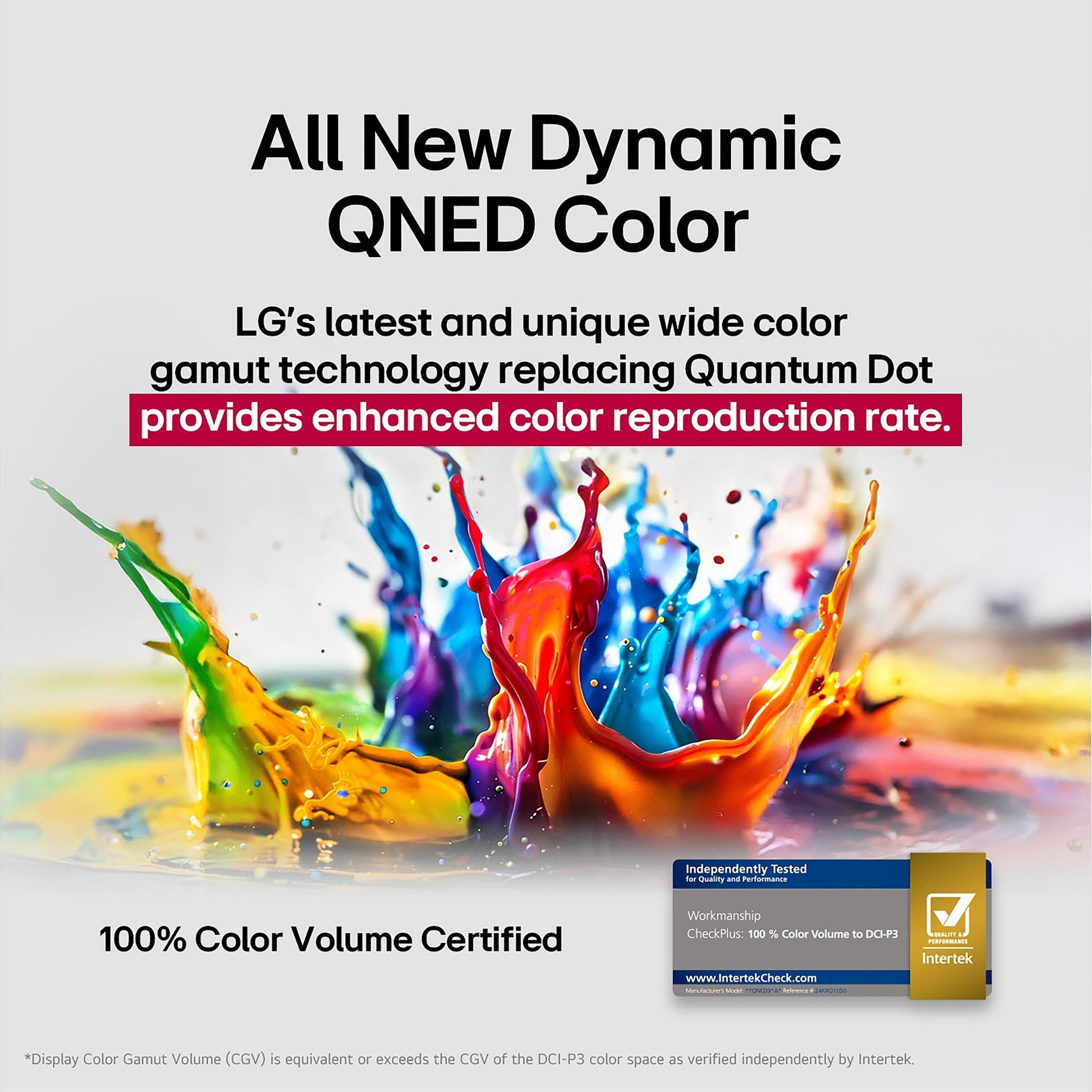
Where the LG fights back is in color consistency and viewing angles. The QNED technology combines quantum dots (microscopic particles that enhance color purity) with NanoCell filtering (which removes unwanted color wavelengths). This creates more accurate colors that remain consistent even when you're watching from the side of the room. The H9G's quantum dot technology produces vibrant colors, but they can shift noticeably when viewed off-center.
Peak brightness is where the 2020 Hisense H9G still holds advantages. It can reach approximately 1,000 nits in HDR mode, making it exceptionally bright. This high brightness translates to more impactful HDR (High Dynamic Range) content, where bright objects like the sun or explosions really pop off the screen. If your viewing room has lots of windows or overhead lighting, this brightness advantage is significant.
The LG QNED85A, while bright enough for most situations, likely doesn't reach the same peak brightness levels. This isn't necessarily a problem for most viewers, but it does mean HDR content won't have quite the same punch in bright rooms. However, the LG's more sophisticated processing often makes better use of available brightness, creating a more balanced overall picture.
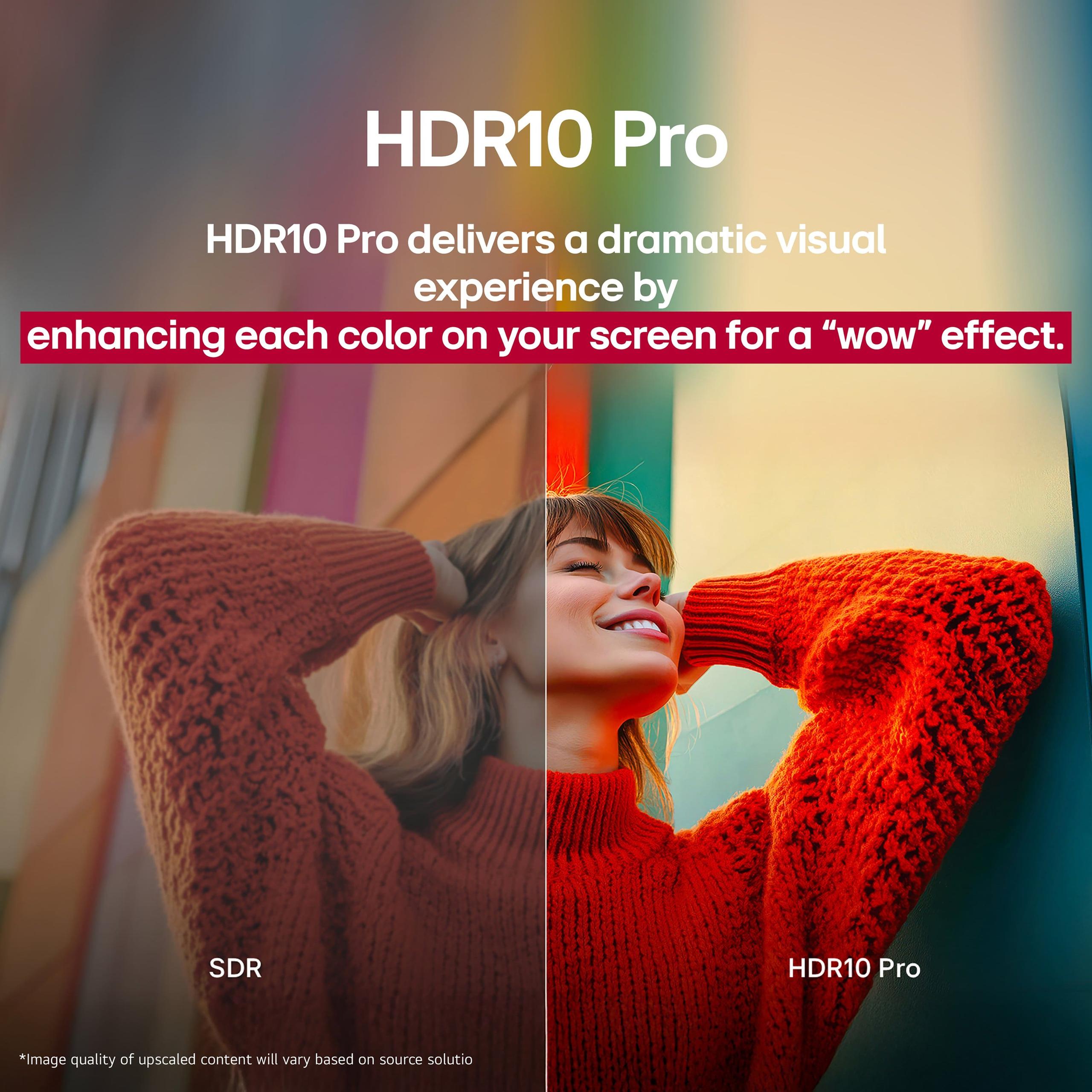
Both TVs support major HDR formats including Dolby Vision, HDR10, and HLG. Dolby Vision is particularly important because it provides scene-by-scene metadata that tells the TV exactly how to display each moment of specially mastered content. This creates more accurate and impactful HDR experiences with supported movies and shows.
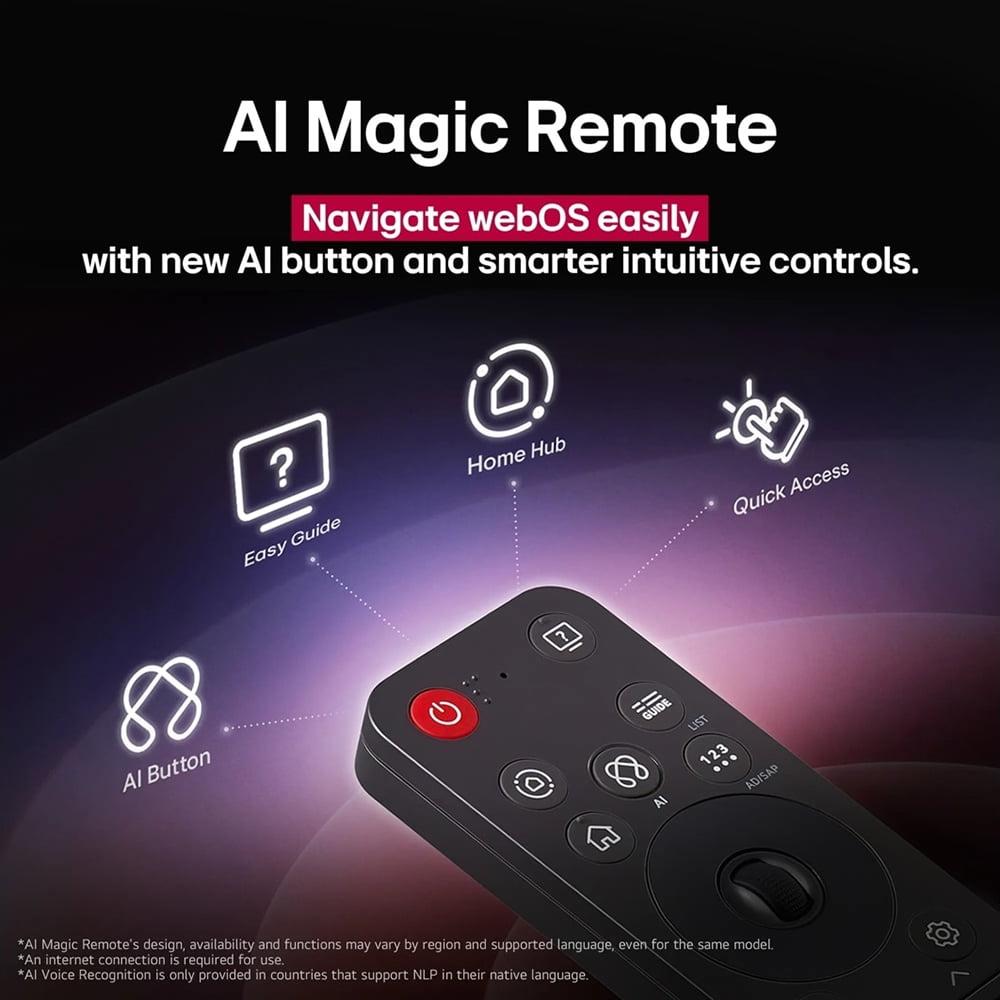
This is where the five-year technology gap becomes most apparent. The LG QNED85A includes comprehensive HDMI 2.1 support across all four ports, enabling features that modern gamers consider essential. HDMI 2.1 provides the bandwidth needed for 4K gaming at 120 frames per second, creating smoother motion in fast-paced games. More importantly, it supports Variable Refresh Rate (VRR), which synchronizes the TV's refresh rate with your gaming console's output to eliminate screen tearing and stuttering.
The Hisense H9G, built in 2020, lacks these modern gaming features. While it can display 4K content at 120Hz, it doesn't support VRR or the full HDMI 2.1 feature set. For casual gaming, this isn't a dealbreaker, but anyone with a PlayStation 5 or Xbox Series X will miss out on the optimal gaming experience these consoles were designed to deliver.
Auto Low Latency Mode (ALLM) is another feature where the LG excels. This automatically switches the TV to game mode when it detects a gaming console, reducing input lag without requiring manual adjustment. The H9G lacks this automatic switching, meaning you'll need to manually enable game mode every time you want to play.
Input lag—the delay between pressing a button and seeing the action on screen—is acceptable on both TVs, but the LG's more modern processing keeps it consistently lower across different gaming scenarios.
The smart TV experience represents another area where newer technology provides tangible benefits. The Hisense H9G runs Android TV, which was Google's TV platform in 2020. It offers extensive app selection through the Google Play Store and includes built-in Chromecast for easy phone-to-TV casting. Google Assistant provides voice control, and the platform integrates well with other Google services.
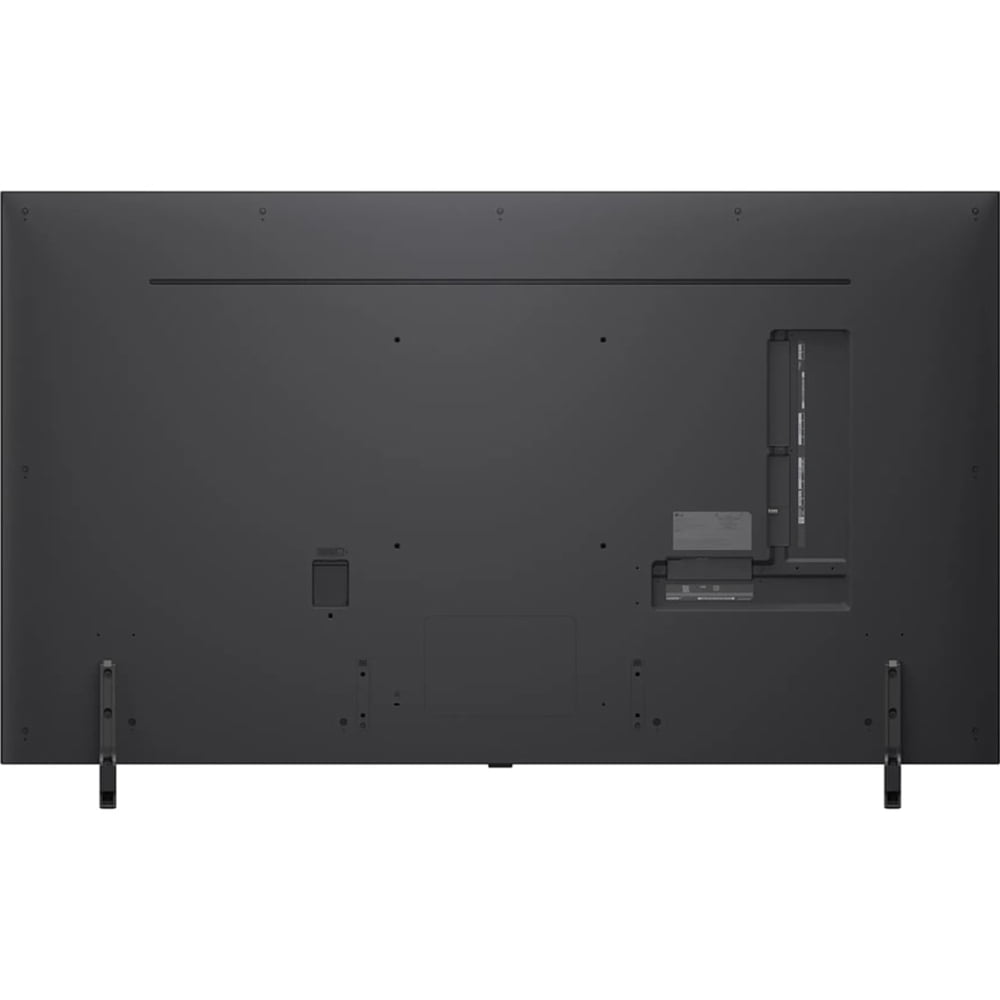
The LG QNED85A runs webOS 25, LG's latest smart platform. While webOS has fewer total apps than Android TV, it includes all major streaming services and offers a more streamlined, responsive experience. The interface is cleaner and more intuitive, with features like Quick Cards that group related apps together.
More importantly, LG provides a five-year webOS upgrade guarantee, ensuring your TV will receive platform updates through 2030. This includes new features, security patches, and streaming app updates. The 2020 Hisense H9G, running on outdated Android TV software, has already fallen behind in terms of platform updates and new feature additions.
The LG's AI features represent a genuine advancement in smart TV technology. AI Voice ID recognizes different family members and provides personalized recommendations. The AI Concierge can answer questions about shows and help with content discovery. These aren't just marketing gimmicks—they make the TV more useful for daily interaction.
Both TVs face the common challenge of fitting decent speakers into increasingly thin displays. The Hisense H9G includes built-in Dolby Atmos processing, which can create a more immersive audio experience from the TV's speakers alone. The downward-firing speakers provide reasonable sound quality for casual viewing.
The LG QNED85A only supports Dolby Atmos pass-through, meaning you'll need an external soundbar or audio system to experience Dolby Atmos content. This might seem like a disadvantage, but it reflects a more realistic approach—most buyers of premium TVs eventually add external audio anyway, and the LG's pass-through ensures compatibility with high-quality audio systems.
For serious home theater setups, both TVs will benefit from dedicated audio equipment. The LG's more comprehensive connectivity options make it easier to integrate with modern audio systems.
The connectivity differences between these TVs highlight how much the streaming landscape has evolved. The LG QNED85A includes Wi-Fi 6E support, providing faster and more stable connections for high-bandwidth streaming and cloud gaming. This newer Wi-Fi standard reduces latency and handles multiple devices more efficiently.
The Hisense H9G's Wi-Fi 5 connectivity was adequate for 2020 streaming needs but can struggle with the higher-bandwidth requirements of today's content. 4K streaming with Dolby Vision and Atmos requires significant bandwidth, and Wi-Fi 6E provides headroom for these demanding streams.
Both TVs include multiple HDMI ports, but the LG's HDMI 2.1 implementation makes it compatible with current and future devices. The H9G's older HDMI 2.0 ports limit its ability to handle next-generation gaming consoles and media players at their full potential.
For dedicated home theater setups, both TVs offer advantages and limitations. The Hisense H9G provides superior contrast and peak brightness, making it excellent for dark-room movie viewing. Its full-array local dimming creates the dramatic lighting effects that make movies feel more cinematic.
The LG QNED85A's better motion processing and wider viewing angles make it more suitable for rooms where multiple people will be watching. Its more comprehensive connectivity options also make it easier to integrate with modern home theater equipment.
Both TVs support major HDR formats and provide good color accuracy, but the Hisense's higher peak brightness gives it an edge for HDR content in properly darkened rooms. The LG's more consistent performance across different viewing angles makes it better for casual family viewing.
At $999.99, the LG QNED85A represents exceptional value for a 2025 TV. You're getting modern gaming features, AI-powered smart capabilities, and future-proof connectivity at a price point that would have been unthinkable for these features just a few years ago.
The Hisense H9G at $1,252.81 asks you to pay more for older technology. While it still delivers good picture quality, you're essentially paying a premium for features that are no longer cutting-edge. The lack of modern gaming support and limited upgrade potential make it a questionable investment at current pricing.
Choose the LG QNED85A if you want the most future-proof option with modern gaming capabilities and smart features. It's the clear choice for anyone with current-generation gaming consoles or who values having the latest connectivity options. The AI features and guaranteed platform updates make it a safer long-term investment.
Choose the Hisense H9G if you prioritize pure picture quality in a bright room and don't need modern gaming features. Its superior peak brightness and contrast make it excellent for HDR content, and the Android TV platform offers extensive app selection. However, consider whether paying more for older technology makes sense given the available alternatives.
The bottom line is that five years of TV innovation have created a situation where the newer, less expensive TV offers better value for most buyers. While the Hisense H9G remains a capable television, the LG QNED85A provides a more complete package for contemporary viewing needs at a lower price point.
| LG 65" QNED evo AI QNED85A 4K MiniLED Smart TV 2025 | Hisense 65" H9G Quantum Series 4K UHD Smart Android TV |
|---|---|
| Price - Base cost comparison | |
| $999.99 | $1,252.81 |
| Release Year - Technology generation and feature currency | |
| 2025 (latest tech) | 2020 (5-year-old platform) |
| Backlighting Technology - Primary factor affecting contrast and picture quality | |
| Edge-lit MiniLED (good contrast, some blooming) | Full Array Local Dimming with 180 zones (superior contrast control) |
| Peak Brightness - Critical for bright rooms and HDR impact | |
| Good brightness, likely 600-800 nits | Excellent brightness, ~1,000 nits |
| Gaming Features - Essential for PS5/Xbox Series X users | |
| Full HDMI 2.1, VRR, ALLM, 4K@120Hz | Limited HDMI 2.0, no VRR, basic 4K@120Hz |
| Smart Platform - Long-term usability and app support | |
| webOS 25 with 5-year upgrade guarantee | Android TV (2020 version, limited updates) |
| Wi-Fi Standard - Streaming performance and future-proofing | |
| Wi-Fi 6E (faster, lower latency) | Wi-Fi 5 (adequate for current needs) |
| AI Features - Personalization and ease of use | |
| Advanced AI with voice ID, personalized recommendations | Basic Google Assistant integration |
| Viewing Angles - Important for family rooms and off-center seating | |
| Wide angles with QNED technology | Standard LED viewing angles |
| Audio Processing - Built-in sound capabilities | |
| Dolby Atmos pass-through only (requires soundbar) | Full Dolby Atmos processing built-in |
| Local Dimming Zones - Precision of contrast control | |
| Edge-lit zones (less precise) | 180 full-array zones (more precise) |
| Color Technology - Accuracy and vibrancy | |
| QNED (Quantum Dot + NanoCell) for wide angles | Quantum Dot for vibrant colors |
| Future-Proofing - Longevity of features and connectivity | |
| Excellent (HDMI 2.1, Wi-Fi 6E, guaranteed updates) | Limited (older connectivity, no major updates) |
The LG 65" QNED evo AI QNED85A 4K MiniLED Smart TV 2025 at $999.99 offers significantly better value than the Hisense 65" H9G Quantum Series 4K UHD Smart Android TV at $1,252.81. You're paying $250 less for newer technology, modern gaming features, and future-proof connectivity.
The Hisense H9G delivers superior contrast and brightness with its full-array local dimming and 1,000-nit peak brightness, making it excellent for dark room viewing. The LG QNED85A offers better color consistency and wider viewing angles but has lower peak brightness and edge-lit backlighting.
The LG QNED85A is significantly better for modern gaming, featuring full HDMI 2.1 support, Variable Refresh Rate (VRR), and Auto Low Latency Mode (ALLM). The Hisense H9G lacks these essential gaming features and only supports basic HDMI 2.0 connectivity.
The LG QNED85A runs webOS 25 with AI features and a 5-year update guarantee, ensuring long-term software support. The Hisense H9G uses 2020-era Android TV with limited future updates but offers a larger app selection through Google Play Store.
The Hisense H9G is significantly brighter with approximately 1,000 nits peak brightness, making it superior for bright rooms and daytime viewing. The LG QNED85A offers good brightness but won't match the Hisense's performance in very bright environments.
The LG QNED85A features Wi-Fi 6E and four HDMI 2.1 ports, providing faster streaming and modern device compatibility. The Hisense H9G includes Wi-Fi 5 and older HDMI 2.0 ports, which are adequate for current needs but less future-proof.
The Hisense H9G includes full Dolby Atmos processing built into the TV, while the LG QNED85A only offers Dolby Atmos pass-through, requiring an external soundbar for the full experience. Both benefit from adding a dedicated sound system.
The LG QNED85A offers significantly wider viewing angles thanks to its QNED technology, maintaining color accuracy when viewed from the side. The Hisense H9G has more limited viewing angles typical of standard LED TVs.
For dark home theater rooms, the Hisense H9G excels with superior contrast, deeper blacks, and higher peak brightness for dramatic HDR content. The LG QNED85A is better for multi-purpose family rooms with its wider viewing angles and consistent performance.
The Hisense H9G uses full-array local dimming with 180 zones for precise contrast control and deeper blacks. The LG QNED85A employs edge-lit MiniLED technology, which improves on standard LED but doesn't match full-array performance for blooming control.
The LG QNED85A is more future-proof with its 2025 technology, HDMI 2.1 connectivity, Wi-Fi 6E, and guaranteed software updates through 2030. The Hisense H9G is already showing its age with 2020 technology and limited upgrade potential.
Choose the LG QNED85A if you want modern gaming features, AI capabilities, and better long-term value at a lower price. Choose the Hisense H9G only if you prioritize maximum brightness for very bright rooms and don't need modern gaming features, though the higher price makes it less compelling.
We've done our best to create useful and informative comparisons to help you decide what product to buy. Our research uses advanced automated methods to create this comparison and perfection is not possible - please contact us for corrections or questions. These are the sites we've researched in the creation of this article: rtings.com - rtings.com - youtube.com - lg.com - smarthomesounds.co.uk - abt.com - abt.com - lg.com - displayspecifications.com - walmart.com - bestbuy.com - lg.com - lg.com - lg.com - files.bbystatic.com - flatpanelshd.com - north-side-appliance.com - lgnewsroom.com - lg.com - youtube.com - youtube.com - hindustantimes.com - rtings.com - bestbuy.com - techradar.com - youtube.com - digitaltrends.com - assets.hisense-usa.com - bestbuy.com - youtube.com - bestbuy.com

Privacy Policy
Terms and Conditions - Affiliate Policy
Home Security
© Copyright 2008-2026.
11816 Inwood Rd #1211, Dallas, TX 75244