

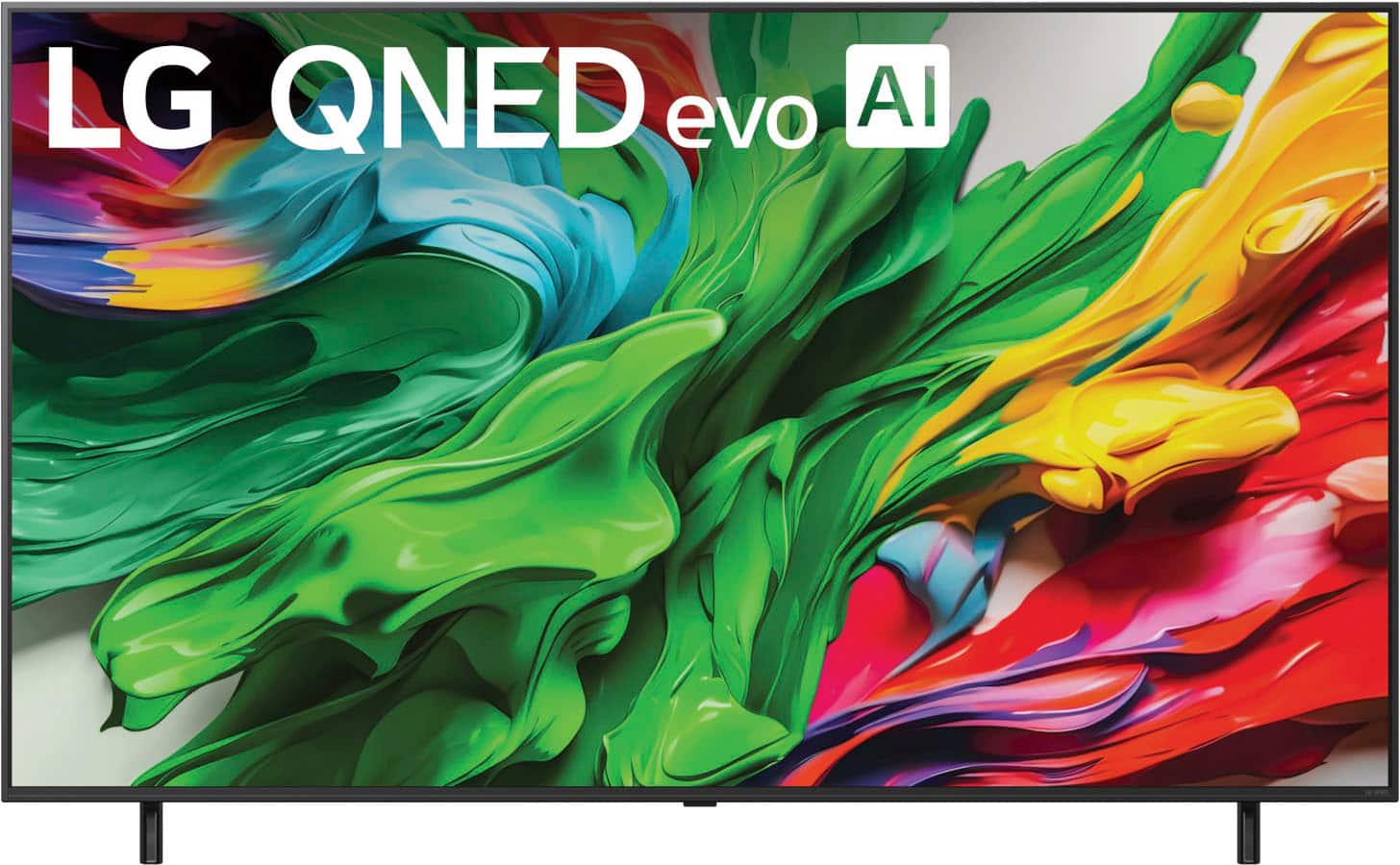
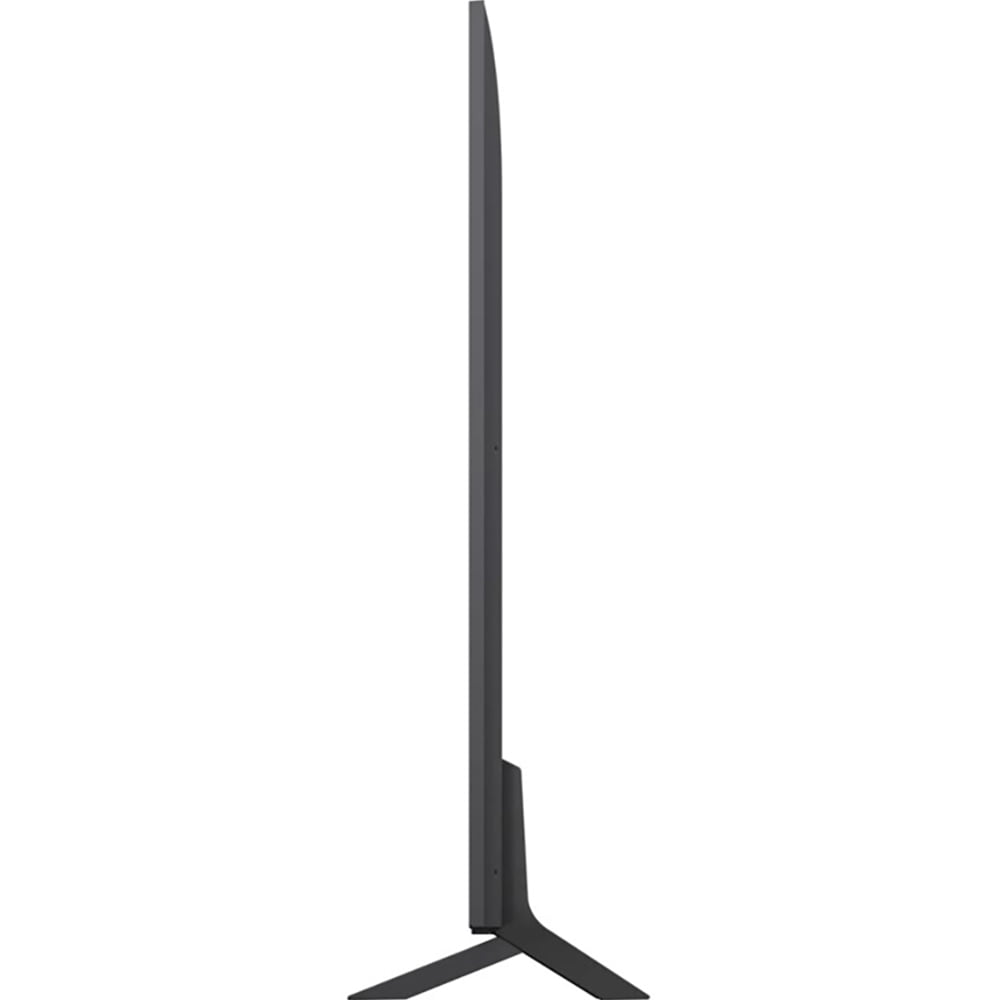
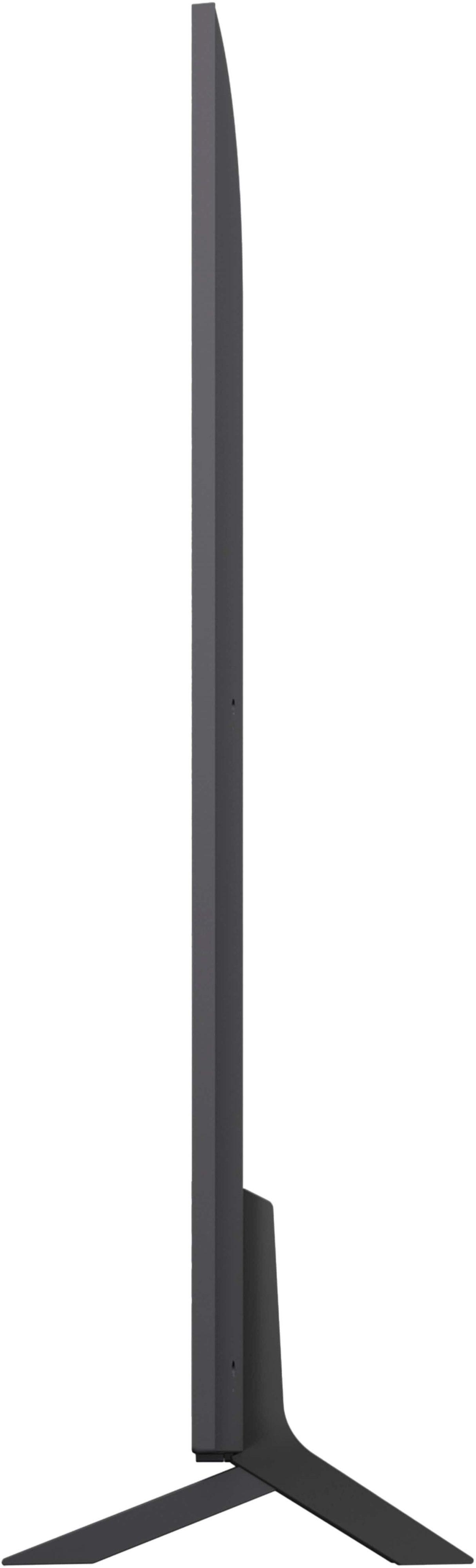
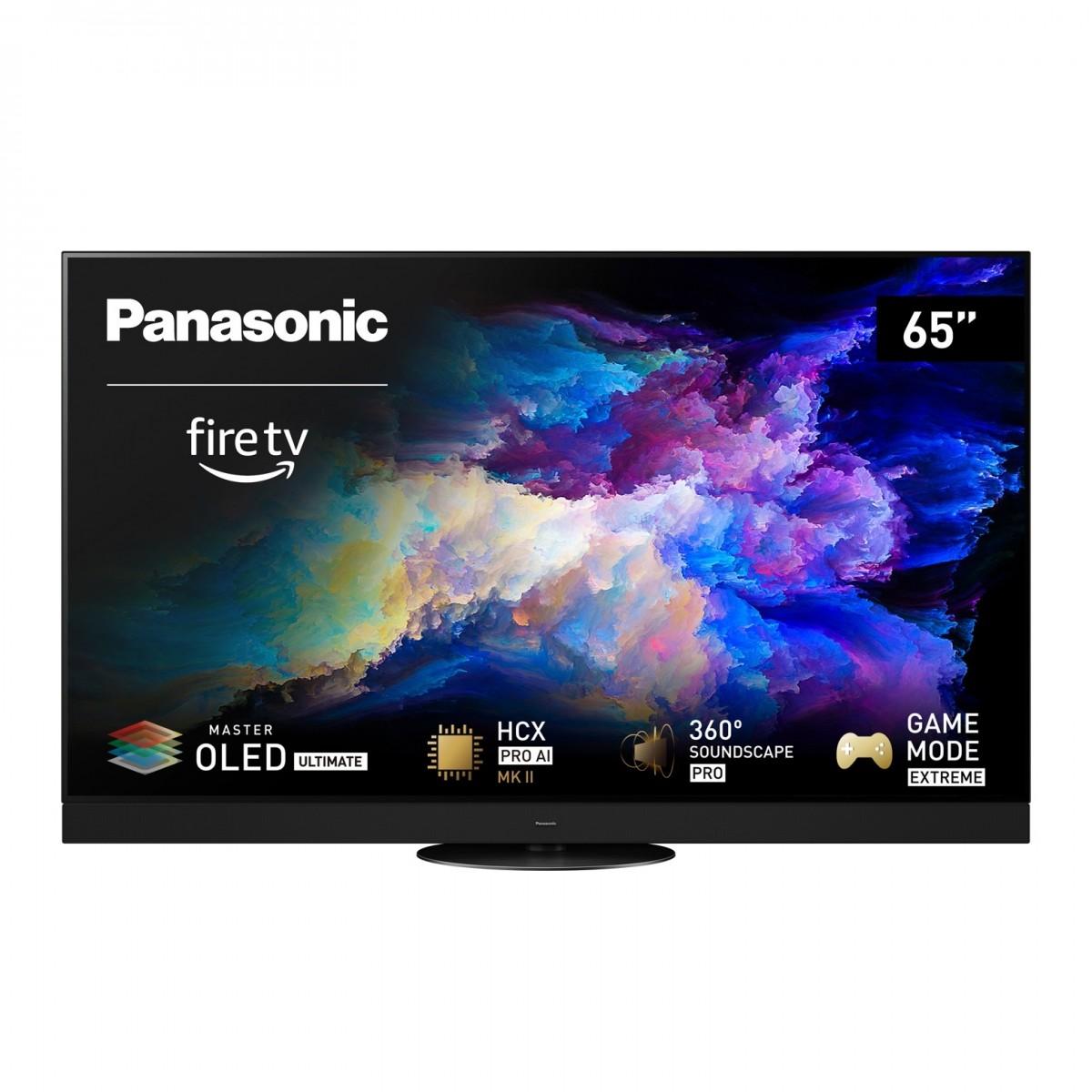
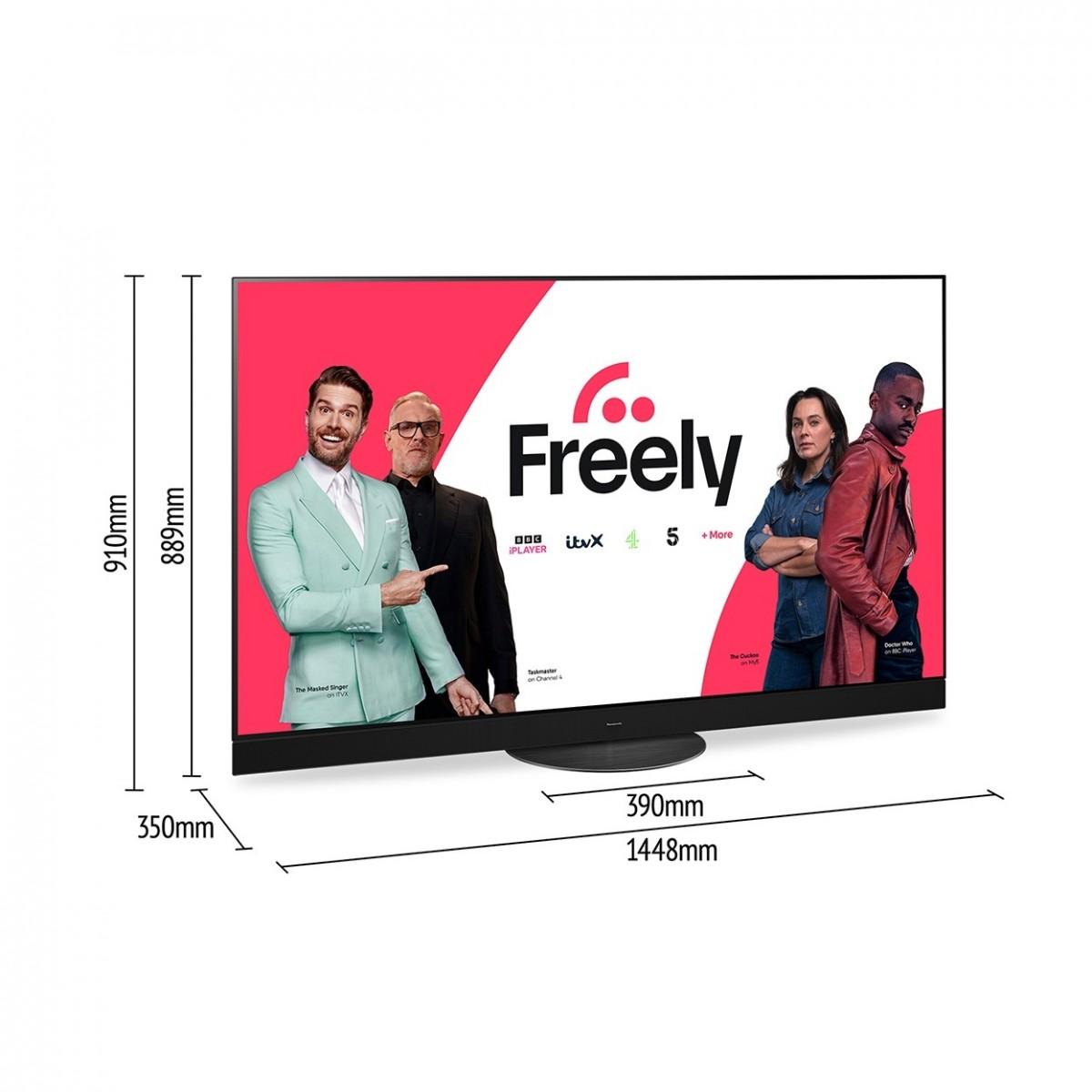
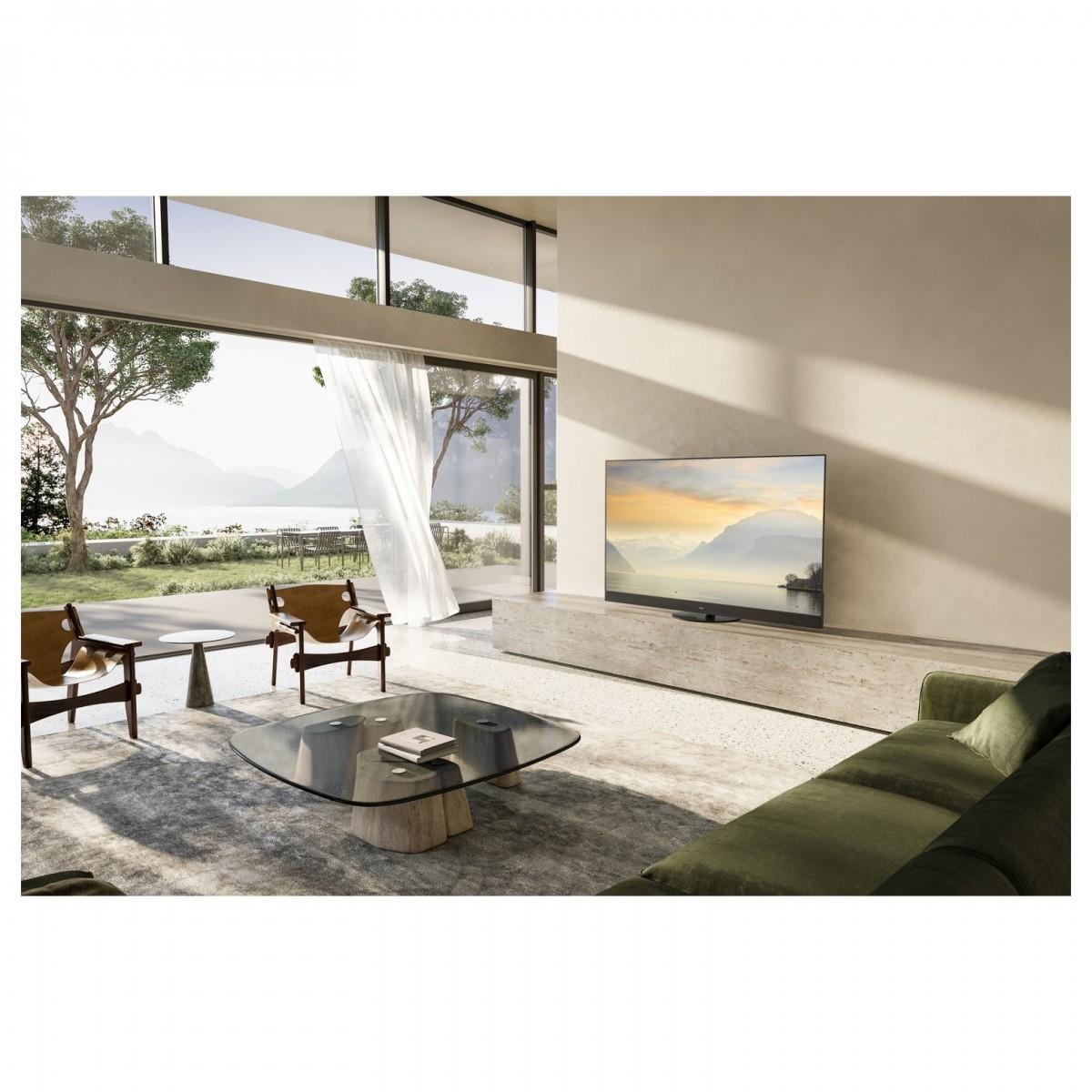
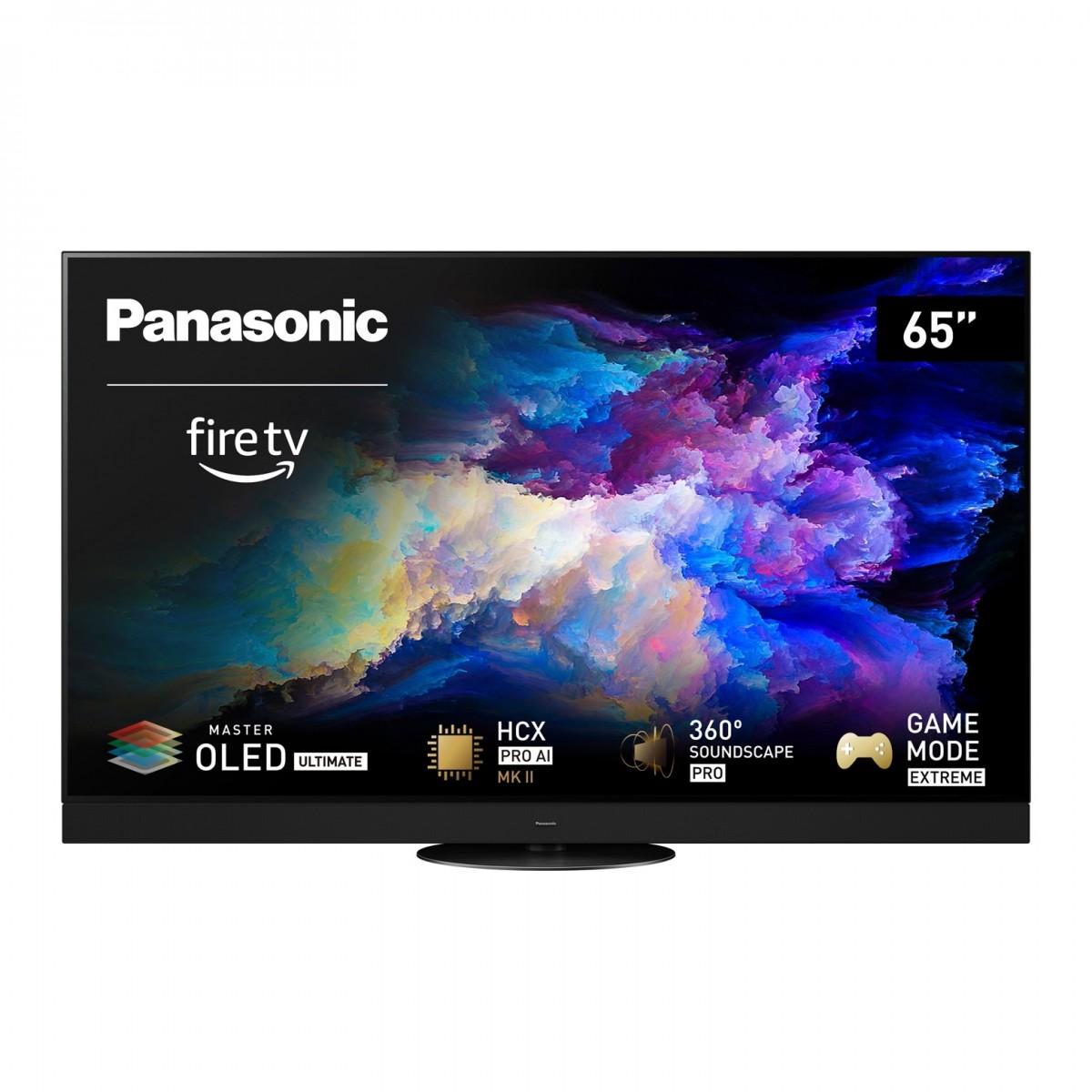
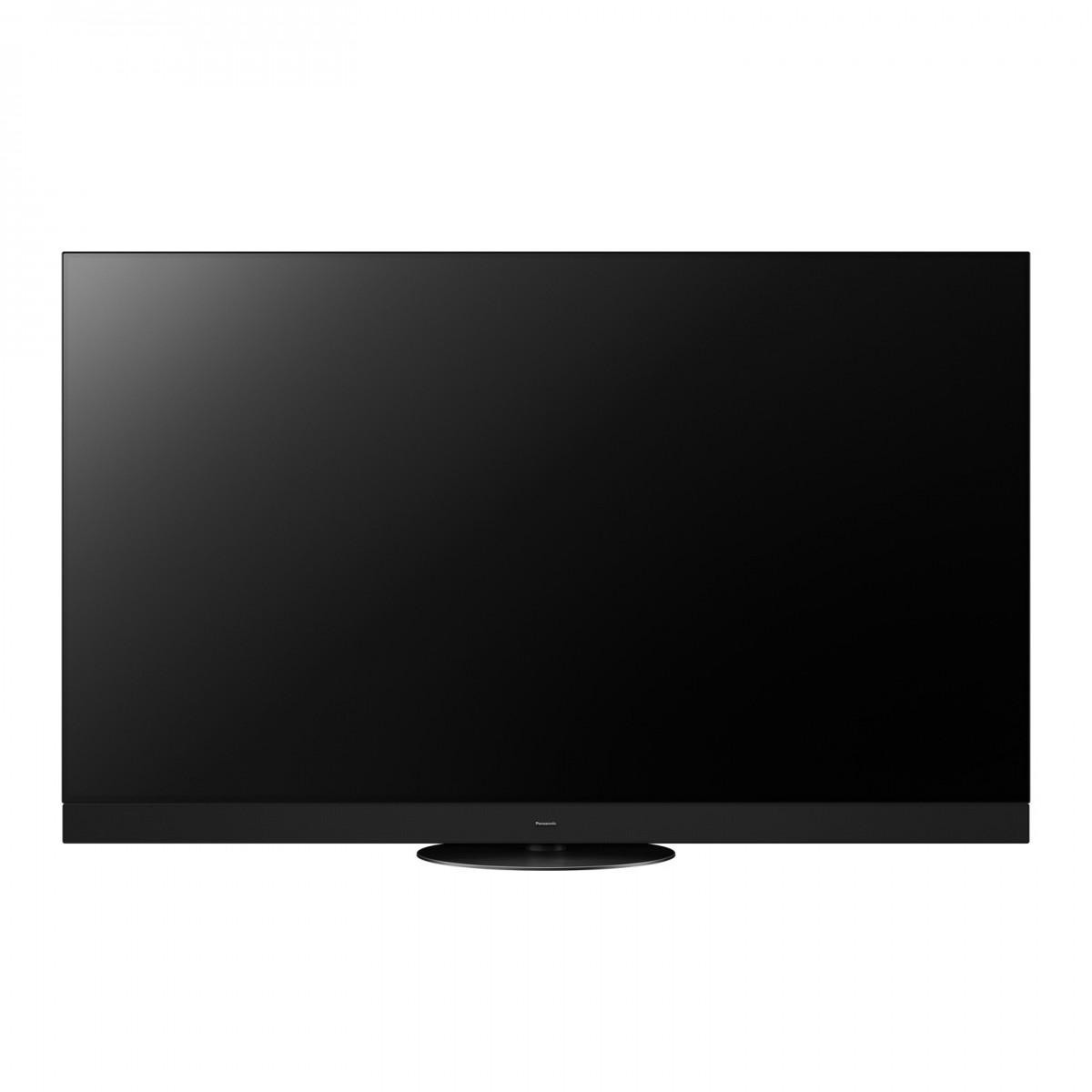
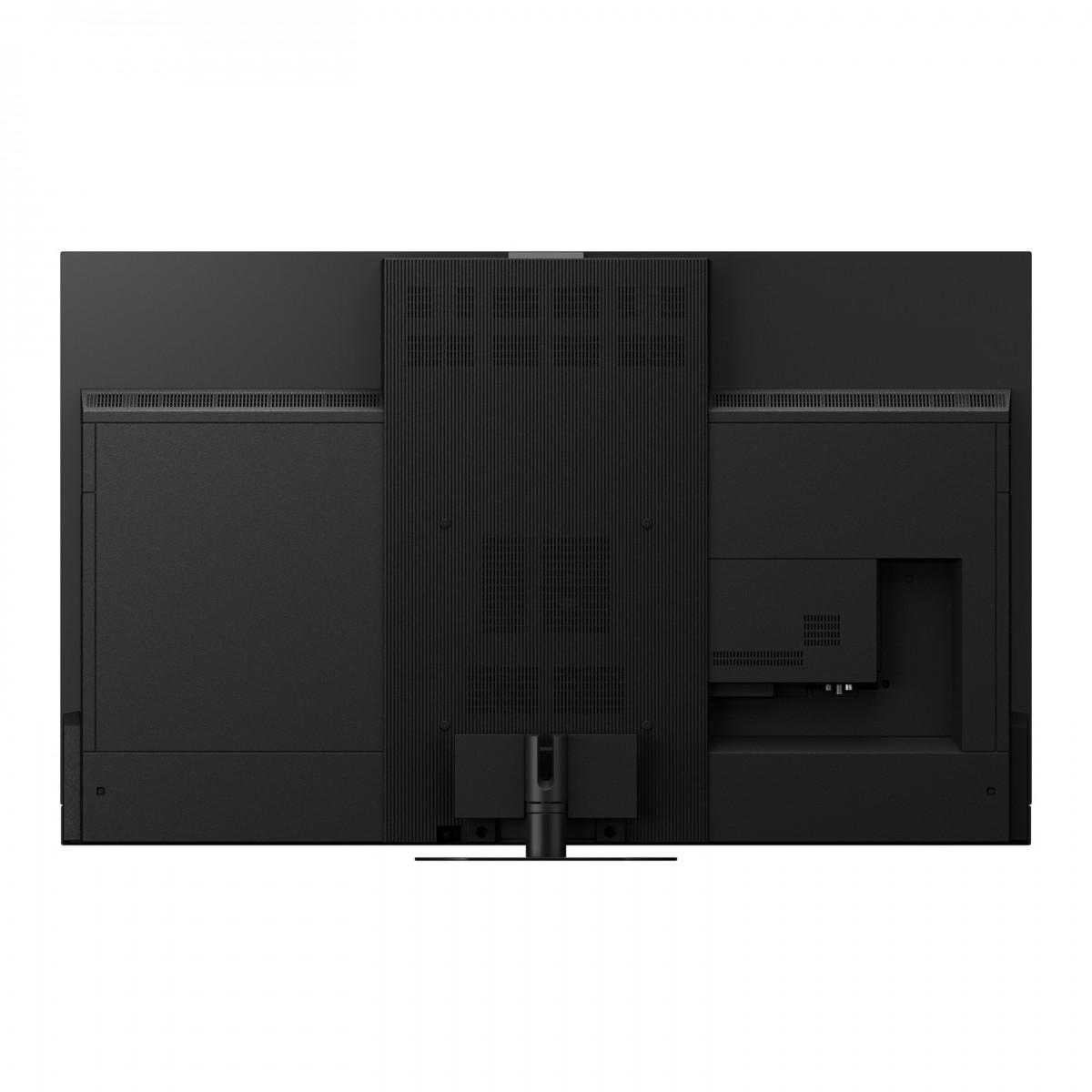
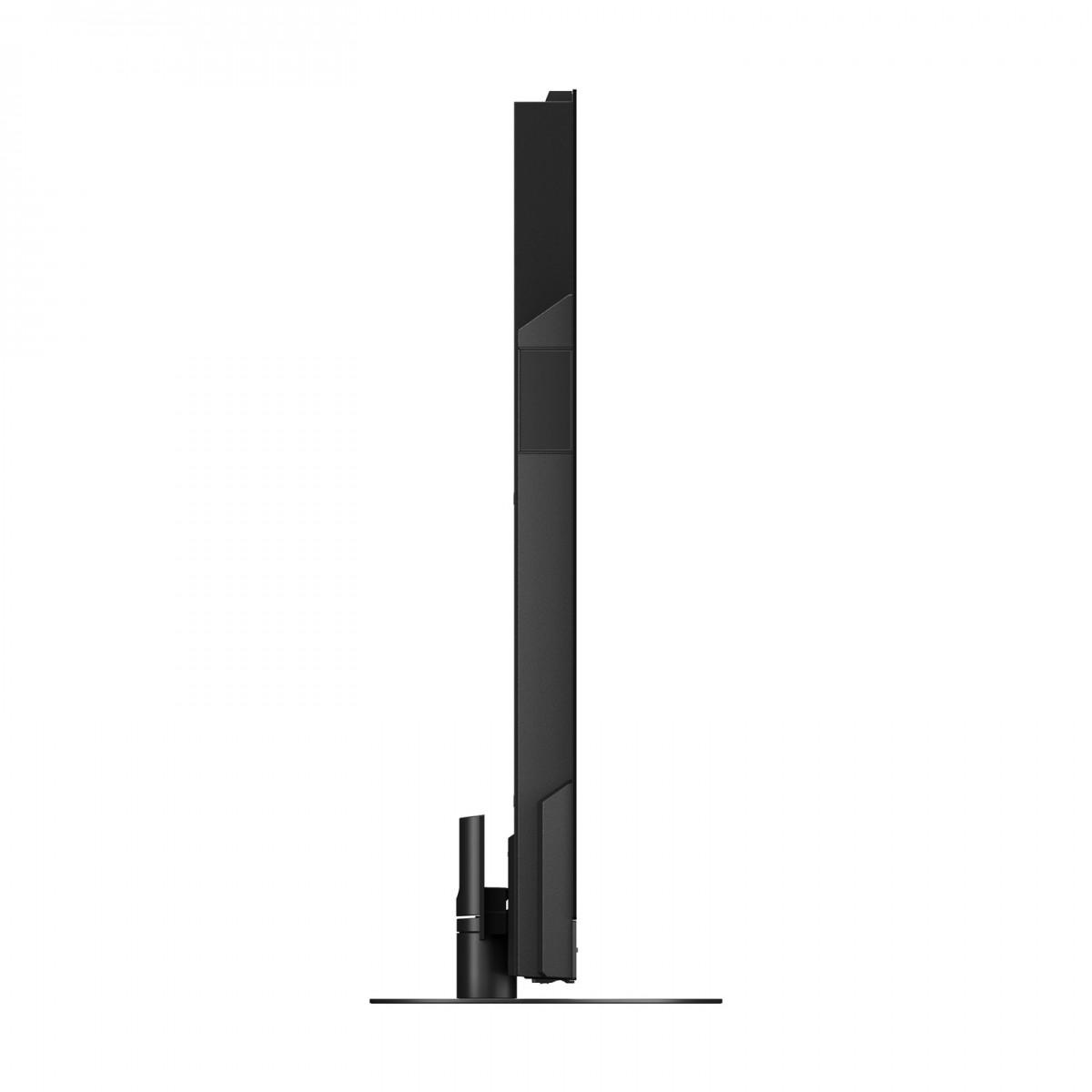
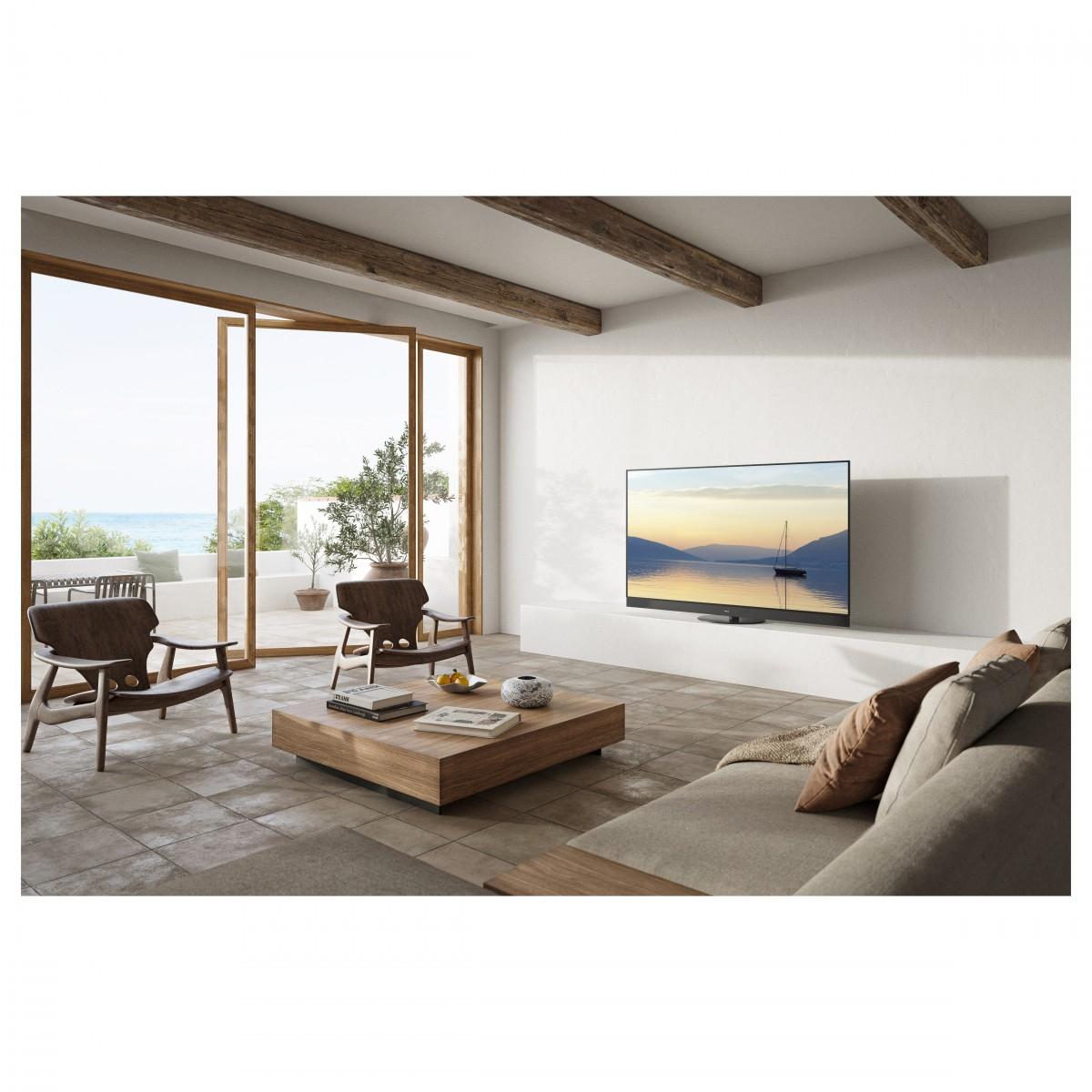
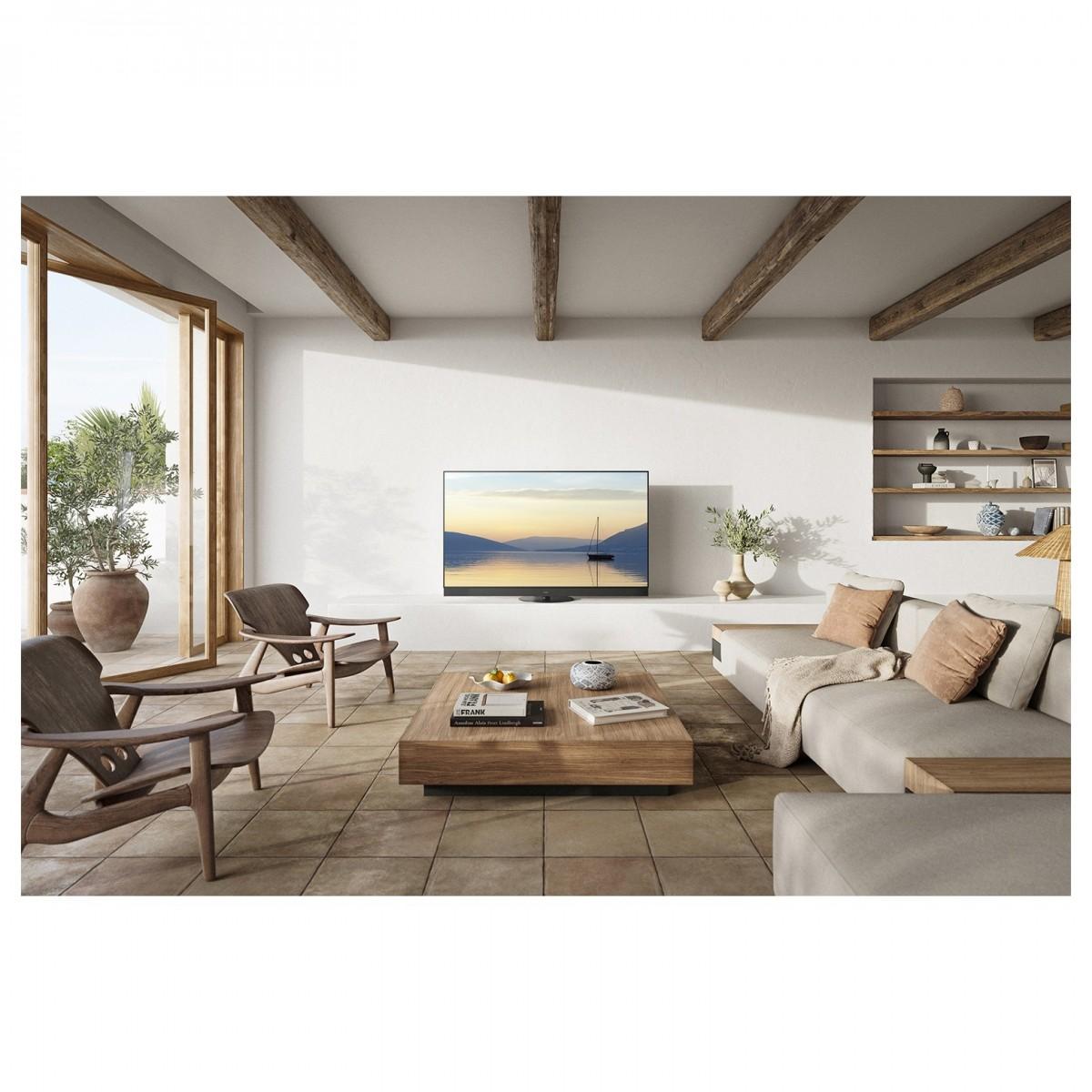
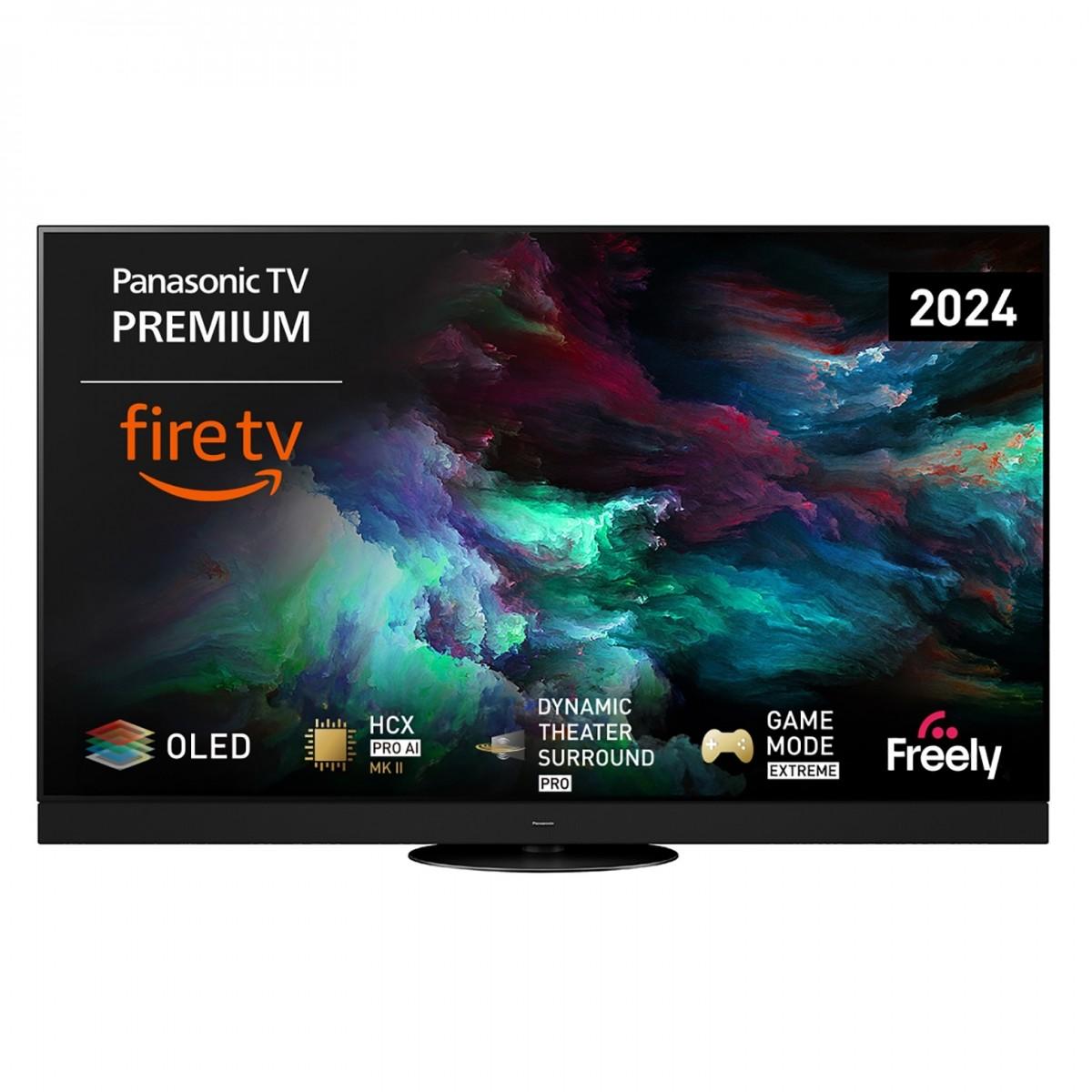
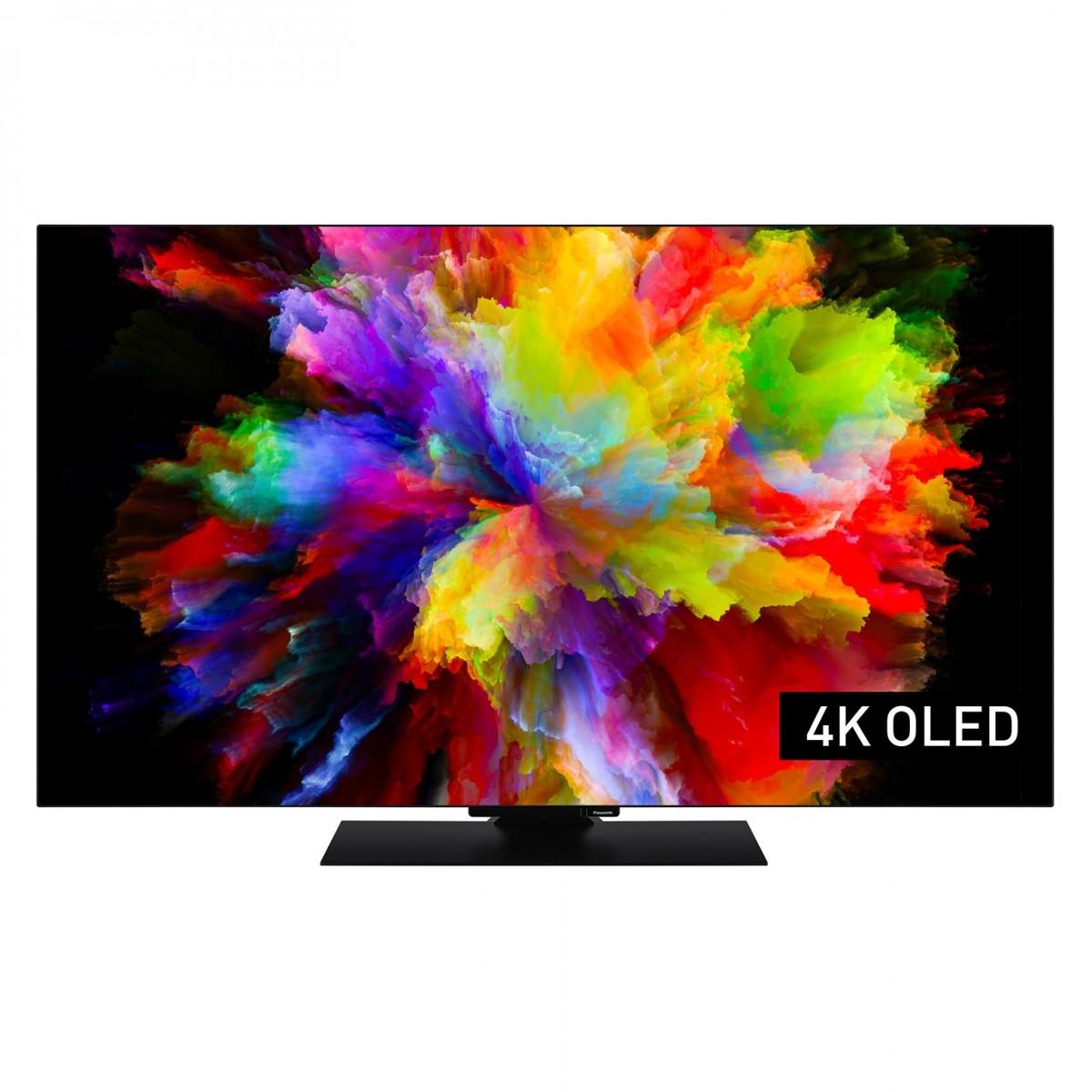
When shopping for a premium 65-inch 4K TV in 2025, you're likely weighing two very different approaches to creating stunning visuals. The Panasonic Z95A OLED represents the pinnacle of picture quality technology, while the LG QNED85A MiniLED delivers impressive performance at a more accessible price point. Both released in 2025, these TVs showcase how display technology has evolved to offer consumers genuine choice between reference-grade cinema quality and practical excellence.
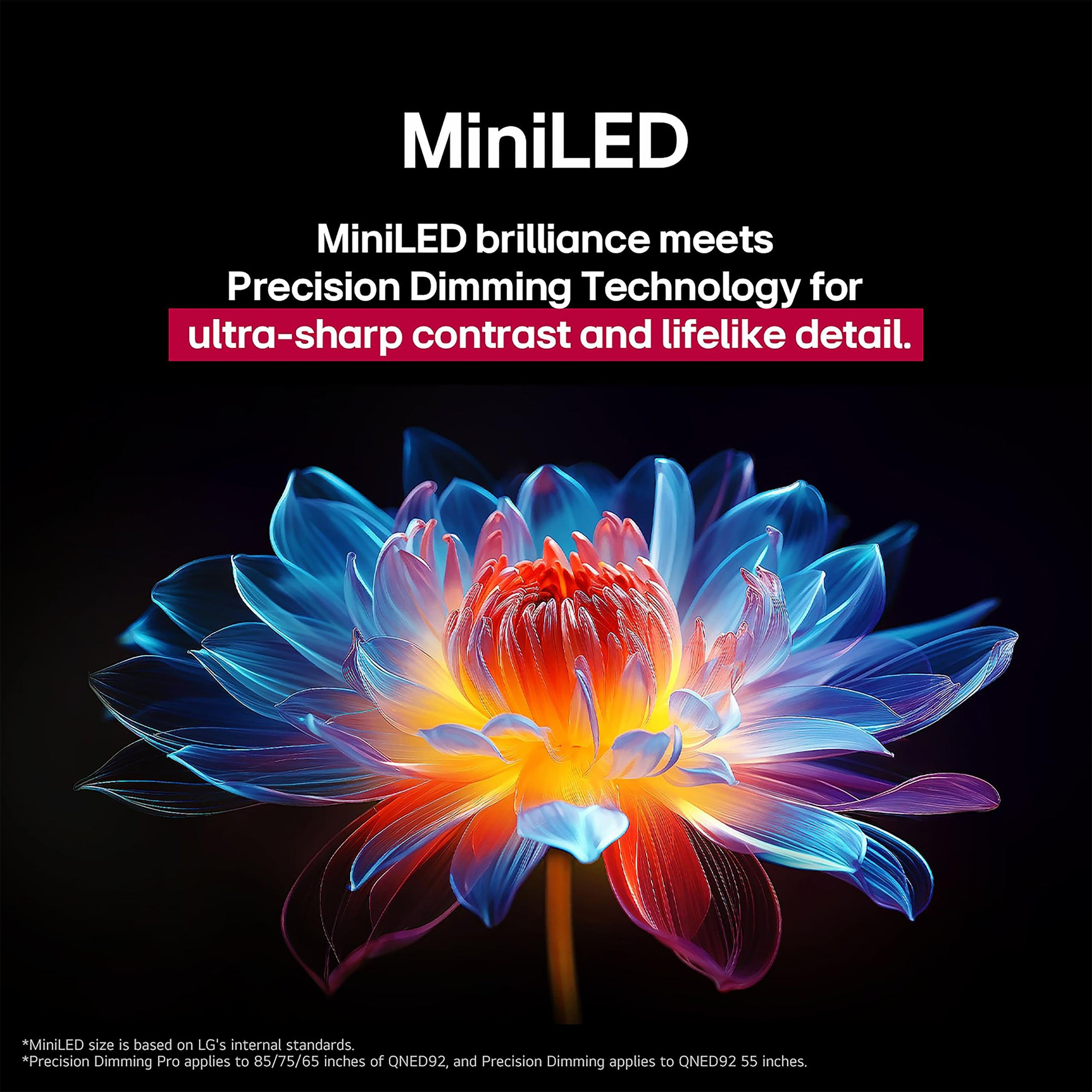
The fundamental difference comes down to how each TV creates light and color. OLED (Organic Light-Emitting Diode) panels like the Panasonic Z95A have pixels that produce their own light, allowing for perfect blacks and infinite contrast. MiniLED displays like the LG QNED85A use thousands of tiny LED backlights behind an LCD panel, providing exceptional brightness while maintaining good contrast through precise dimming zones.
The 2025 TV landscape has brought significant improvements to both OLED and MiniLED technologies. The Panasonic Z95A uses a cutting-edge 4-stack Primary RGB Tandem OLED panel – essentially four layers of OLED materials stacked together. This design breakthrough allows OLED displays to achieve much higher brightness levels than previous generations while maintaining their signature perfect blacks. The multi-layer approach also improves color saturation and longevity, addressing two traditional OLED limitations.
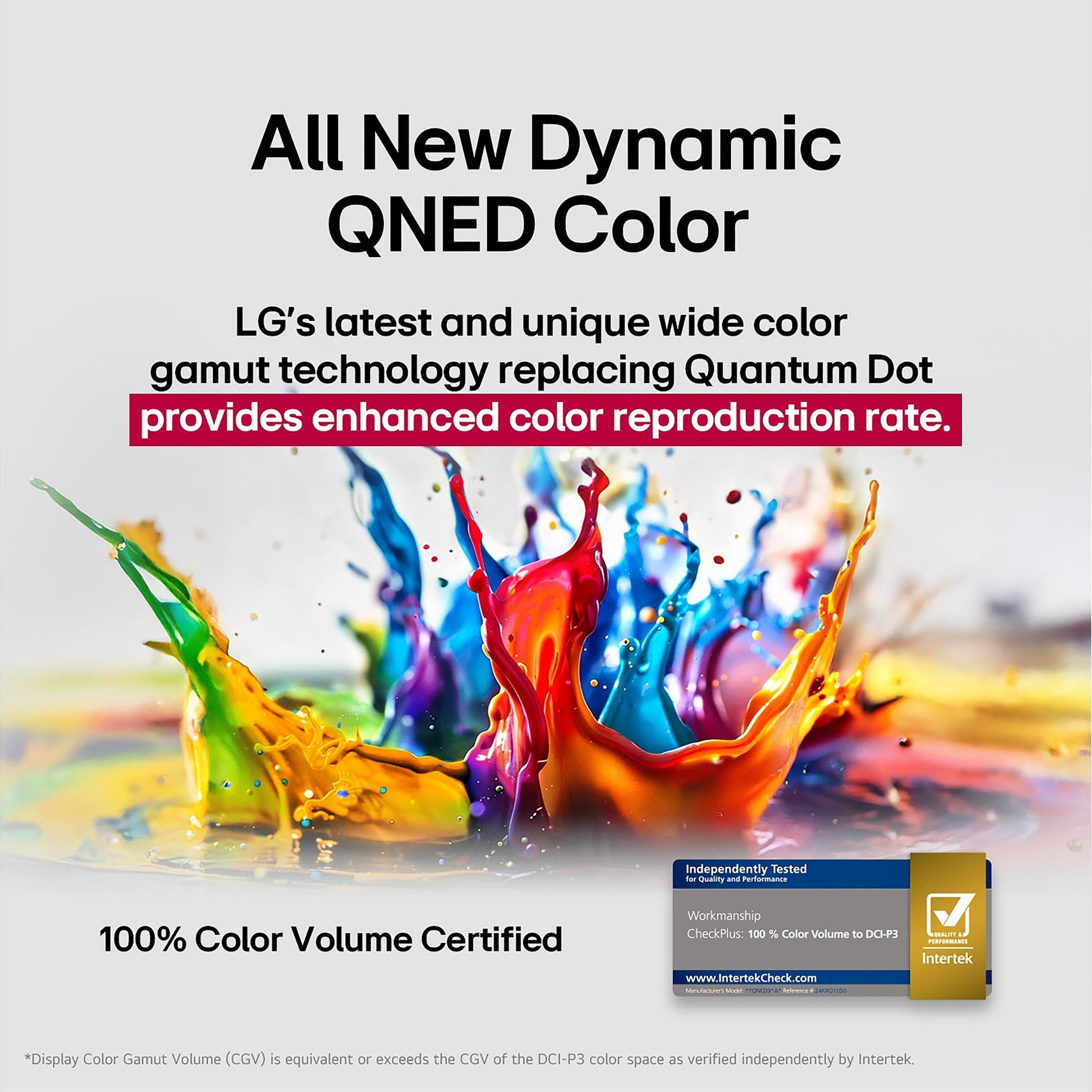
Meanwhile, the LG QNED85A represents the maturation of MiniLED technology. Unlike standard LED TVs that might have dozens of dimming zones, this display uses thousands of miniature LEDs for backlighting. Each zone can be independently controlled for local dimming – selectively brightening or darkening different areas of the screen. LG's Dynamic QNED Color technology combines quantum dot materials (which enhance color purity) with NanoCell technology (which filters out impure color wavelengths) to achieve what LG claims is 100% color volume.
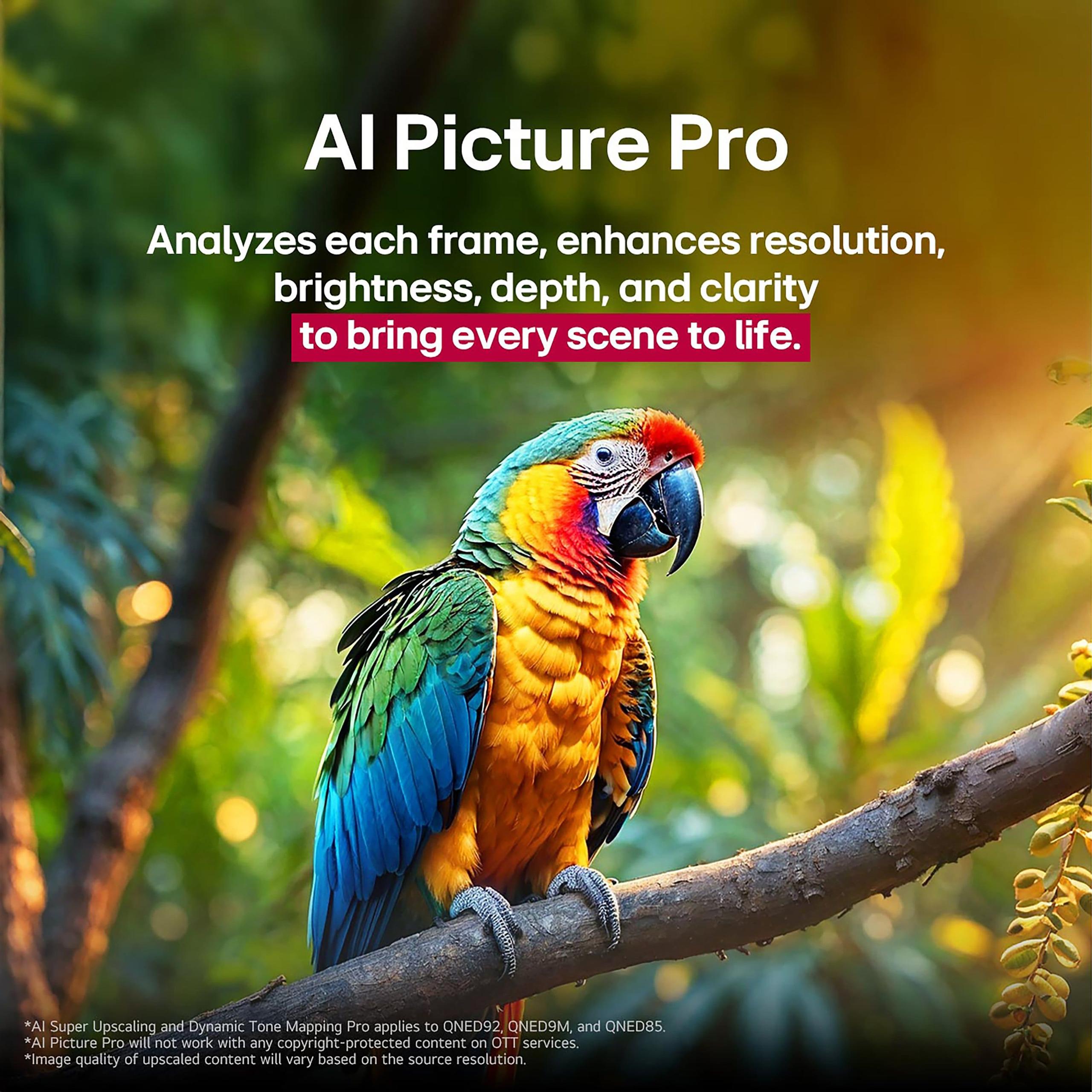
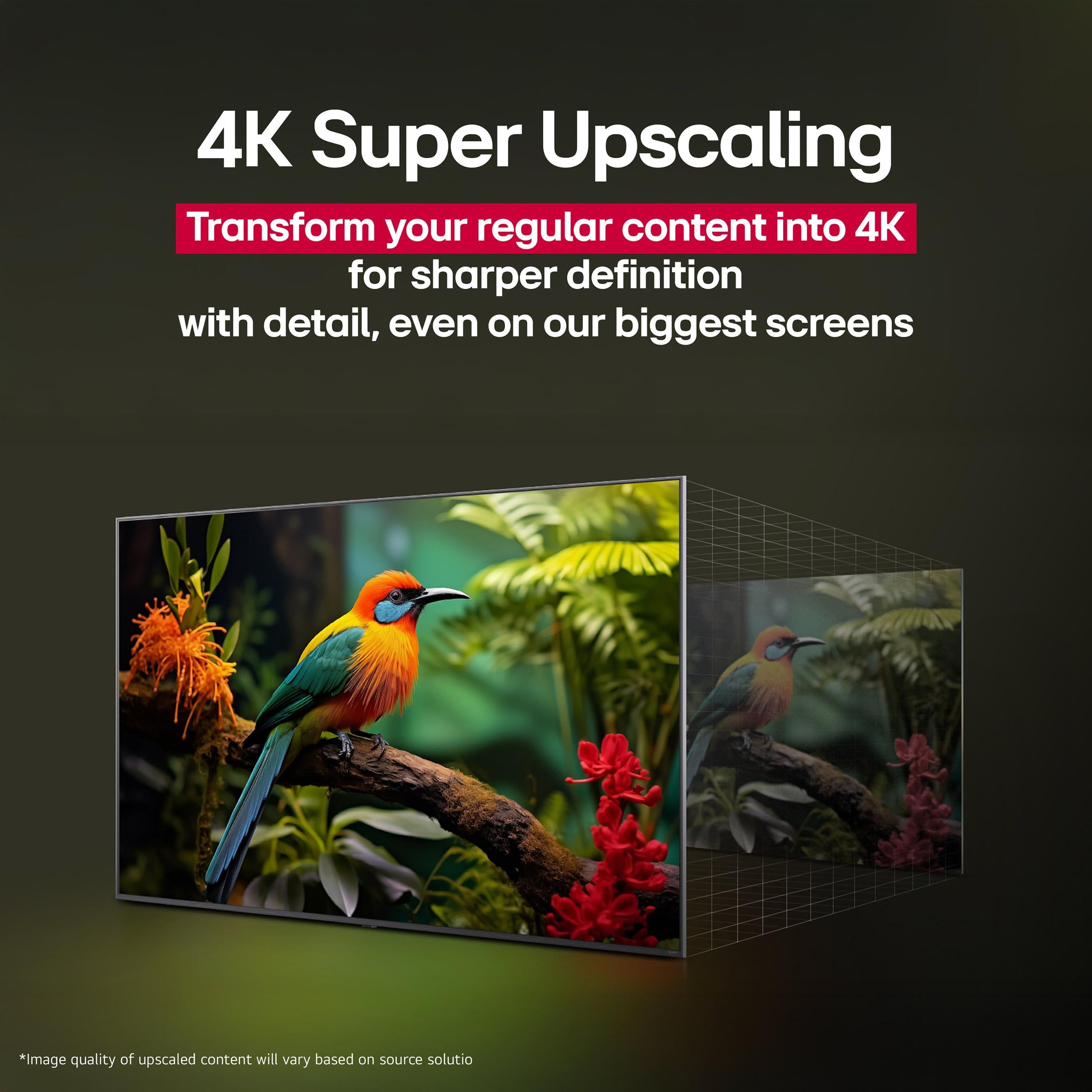
The processors powering these displays have also evolved dramatically. The Panasonic Z95A's HCX Pro AI Processor MKII analyzes incoming content in real-time, making intelligent decisions about color grading, contrast adjustments, and noise reduction. It can distinguish between different content types – recognizing whether you're watching a dark thriller or bright sports broadcast – and optimize accordingly.
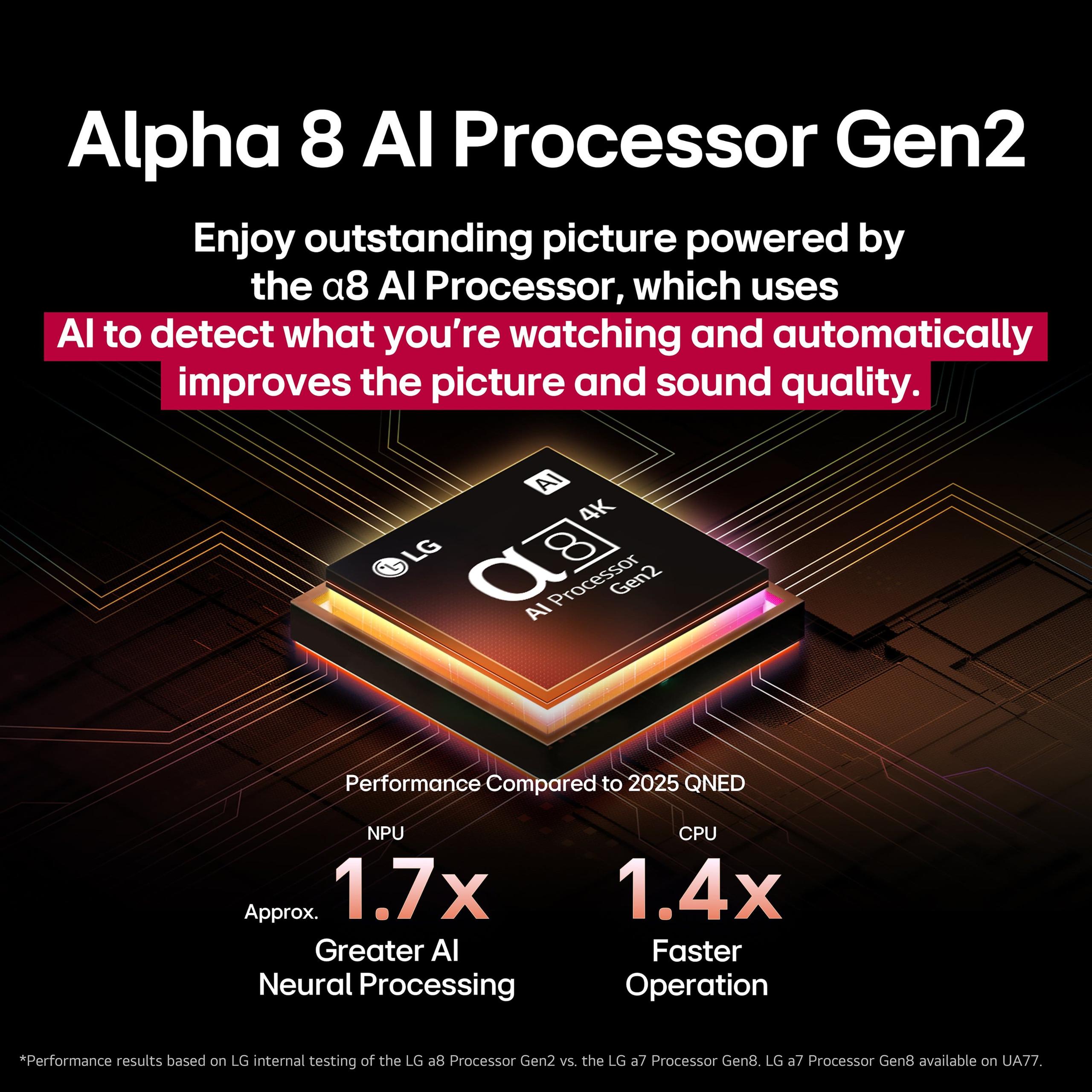
The LG QNED85A's α8 Gen 2 AI Processor takes a similar approach but adds personalization features. It learns your viewing habits and can automatically adjust settings based on the time of day, ambient lighting, and even individual user preferences when multiple people use the TV.
When evaluating picture quality, contrast ratio stands as the most crucial metric. This measures the difference between the brightest whites and darkest blacks a display can produce. The Panasonic Z95A achieves an infinite contrast ratio because its OLED pixels can turn completely off, producing true black with zero light emission. When a bright star appears against a dark space scene, the surrounding pixels shut off entirely while the star pixels shine brilliantly.
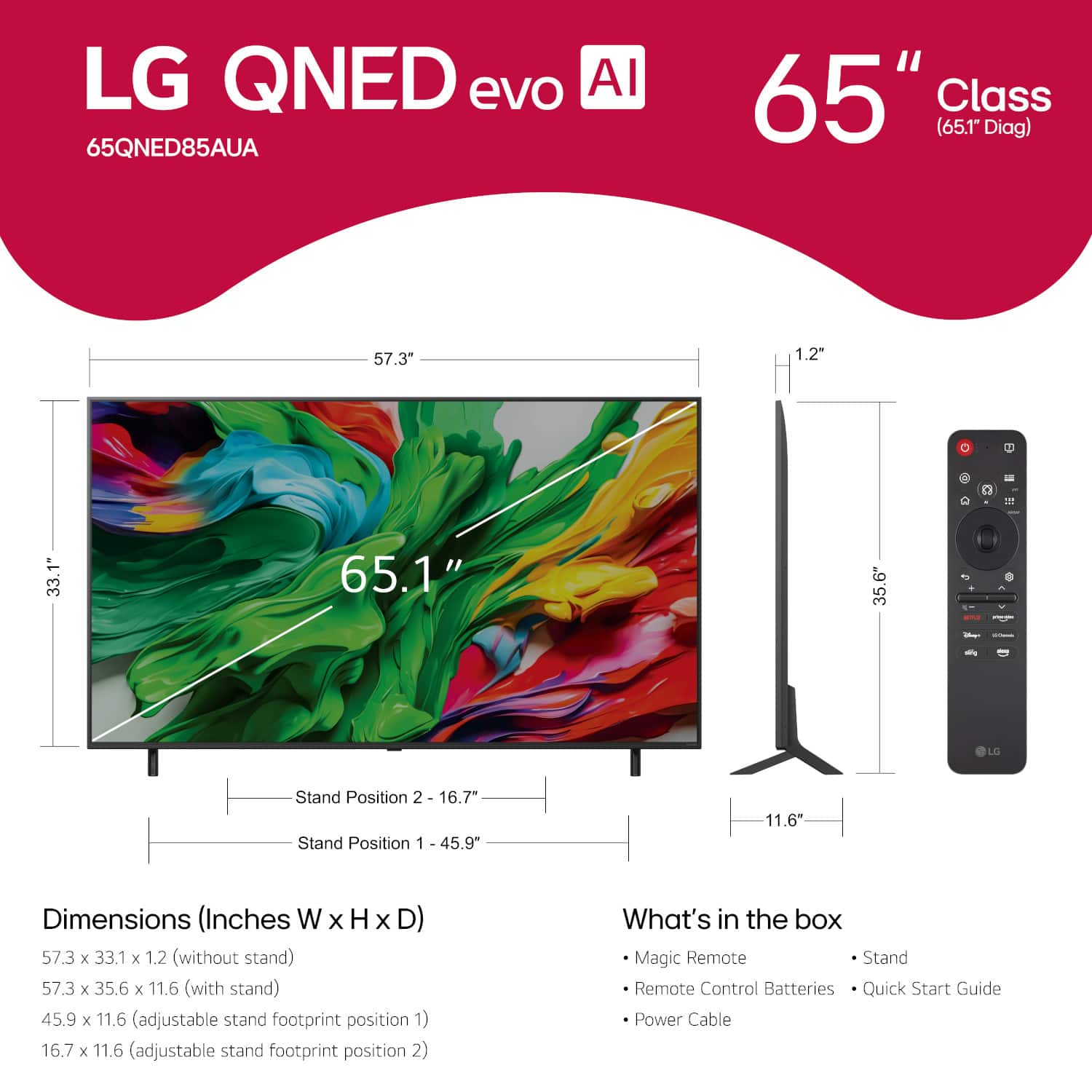
The LG QNED85A can't match this level of contrast perfection due to its LCD-based design. Even with excellent local dimming, some light bleeding occurs around bright objects – a phenomenon called blooming or haloing. However, MiniLED technology has dramatically reduced this issue compared to standard LED TVs. The thousands of dimming zones allow for much more precise control, and in many real-world viewing situations, the difference becomes less noticeable.
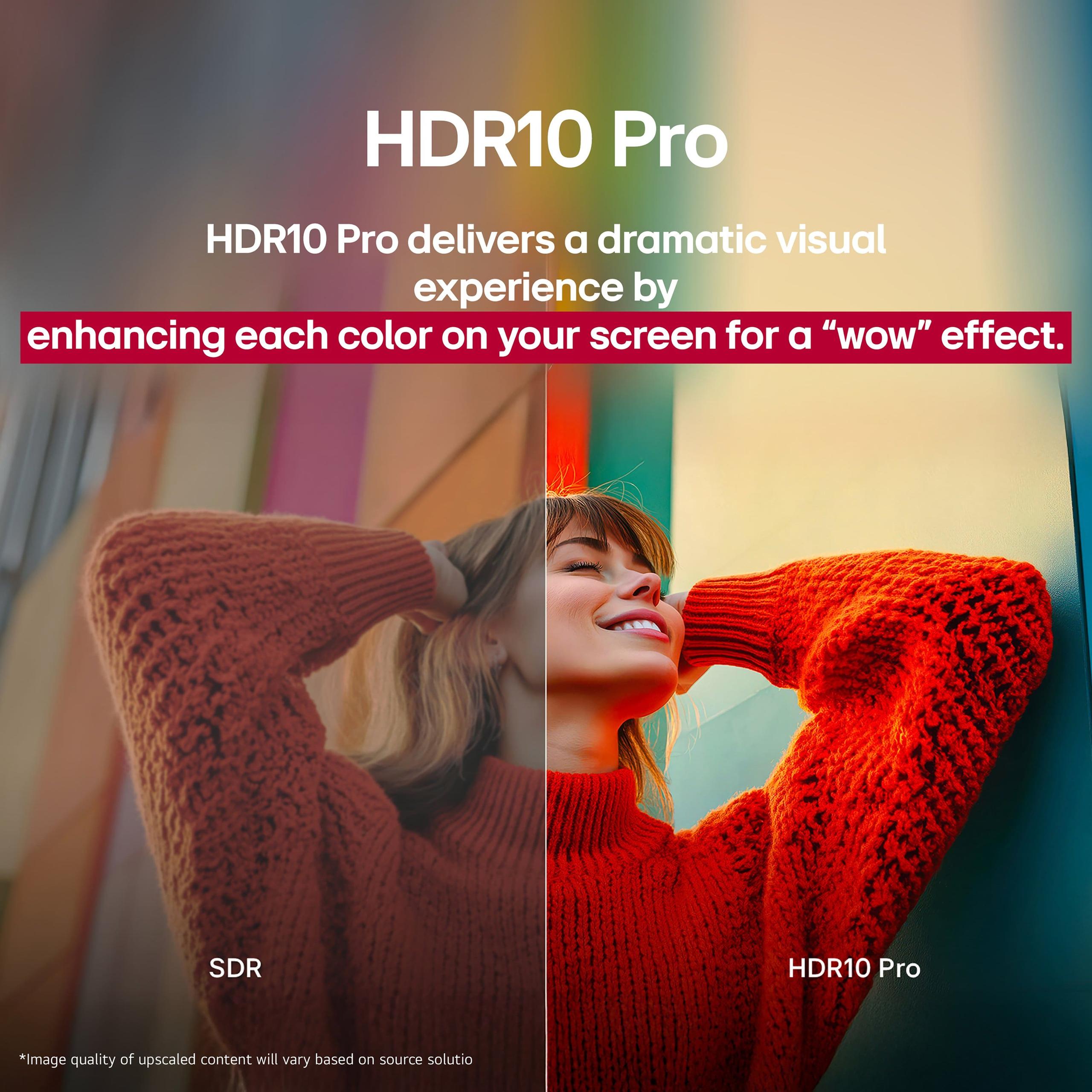
Color accuracy represents another critical performance area. The Panasonic Z95A targets cinema professionals and enthusiasts who demand reference-grade color reproduction. Its wide color gamut covers nearly 100% of the DCI-P3 color space used in movie production, meaning you see colors exactly as filmmakers intended. The display's color accuracy is verified to professional standards, making it suitable for content creation as well as consumption.
The LG QNED85A also delivers impressive color performance, particularly considering its price point at the time of writing. The quantum dot and NanoCell technologies work together to produce vibrant, saturated colors that look appealing across various content types. While it may not match the Panasonic's clinical accuracy, most viewers will find its color reproduction stunning and engaging.
Brightness capabilities significantly impact HDR (High Dynamic Range) performance and daytime viewing comfort. The LG QNED85A excels here, achieving peak brightness levels that make HDR content truly pop and maintain visibility in bright rooms. The Panasonic Z95A's improved 4-stack OLED design has boosted its brightness capabilities compared to older OLED models, but it still can't match MiniLED's peak output.
Modern gaming demands have pushed TV manufacturers to prioritize features like high refresh rates, variable refresh rate (VRR) support, and ultra-low input lag. Both displays deliver solid gaming performance but with different strengths.
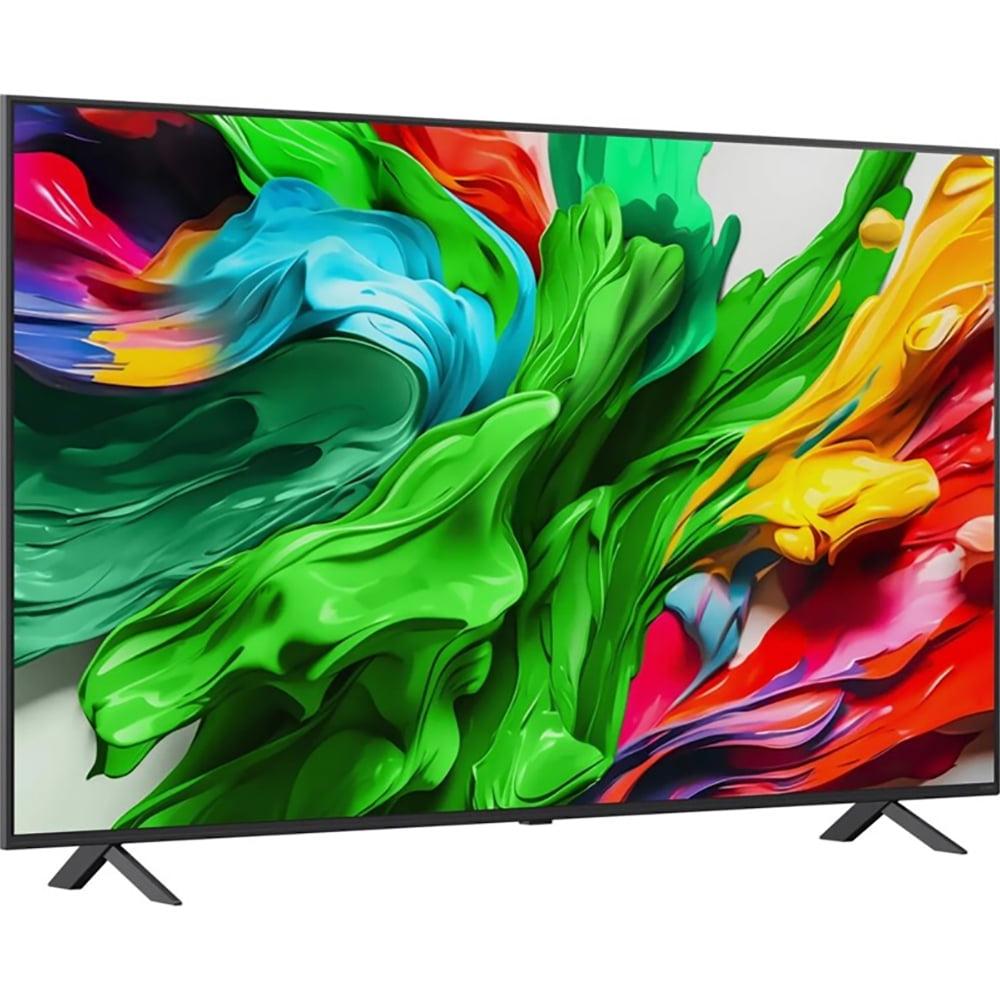
The Panasonic Z95A offers a 144Hz refresh rate – higher than the LG QNED85A's native 120Hz. This difference matters most for PC gaming, where high-end graphics cards can push frame rates beyond 120fps in competitive games. The Panasonic also supports both Nvidia G-Sync and AMD FreeSync, providing compatibility with both major graphics card manufacturers. This dual-standard support eliminates screen tearing and stuttering regardless of your gaming hardware.
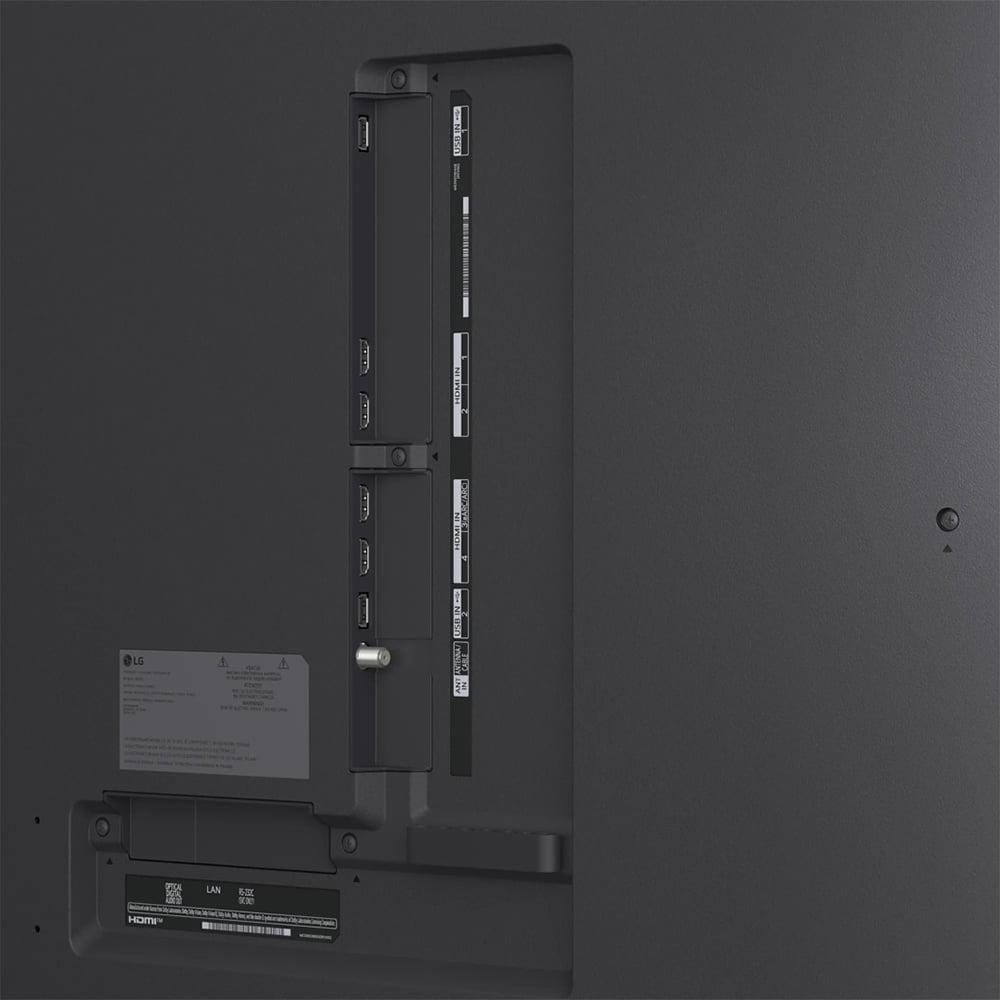
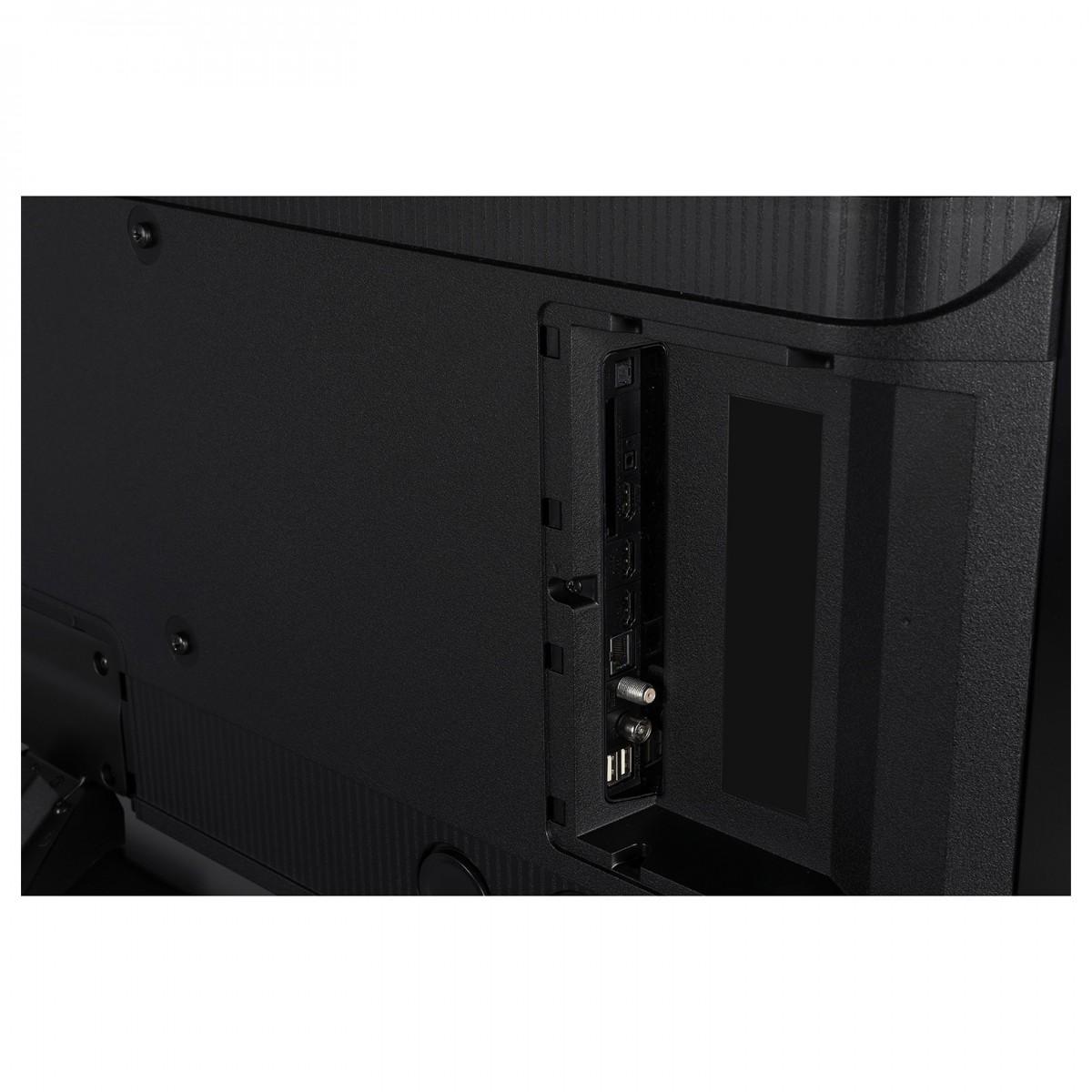
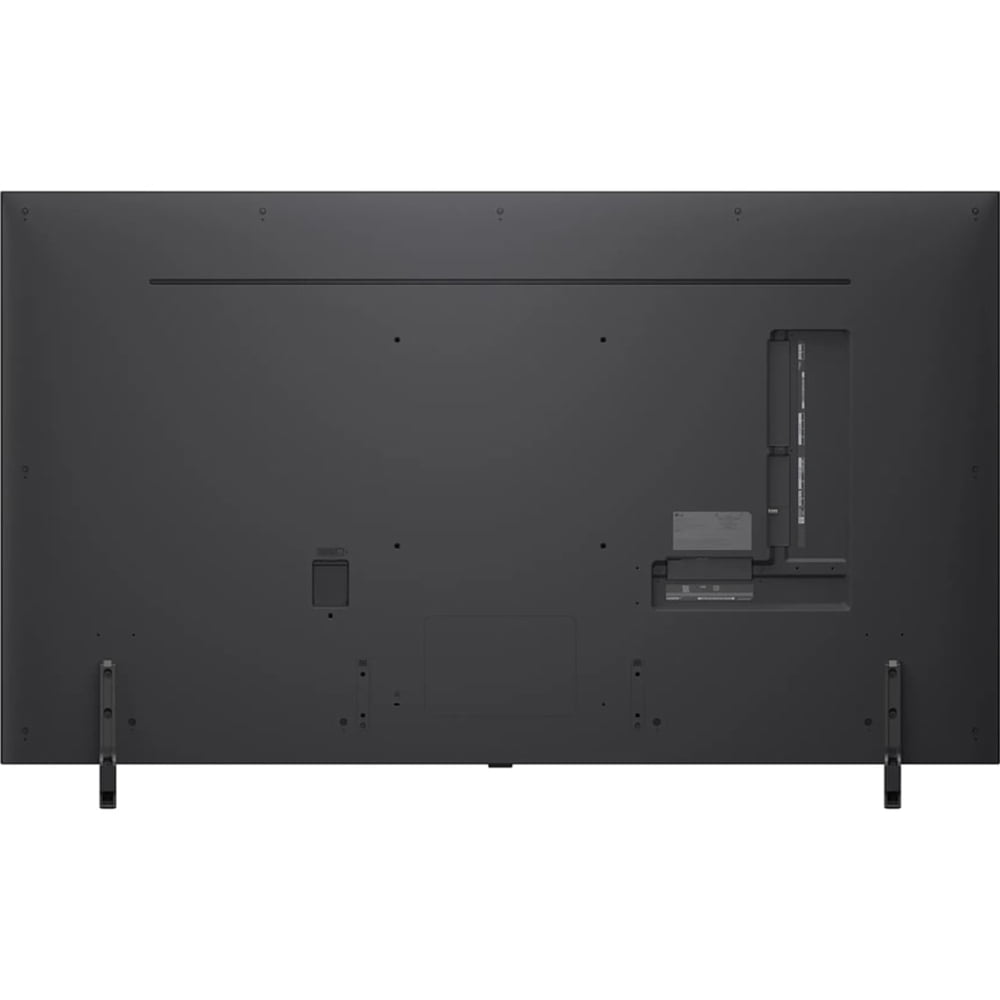
However, the LG QNED85A counters with superior connectivity, offering four HDMI 2.1 ports compared to the Panasonic's two HDMI 2.1 ports. This connectivity advantage becomes crucial if you own multiple next-generation consoles, a high-end PC, and other 4K devices. The LG also includes gaming-specific features like Game Optimizer and Game Dashboard, which provide quick access to gaming settings and real-time performance information.
Input lag – the delay between pressing a button and seeing the action on screen – remains excellent on both displays. Modern OLED and premium MiniLED panels typically achieve input lag below 15 milliseconds in game mode, which feels instantaneous to most players.
While most serious home theater enthusiasts eventually add dedicated sound systems, built-in audio quality still matters for everyday viewing and space-constrained setups. The Panasonic Z95A takes audio seriously with its Technics-tuned Dolby Atmos system. This isn't just marketing – Technics represents Panasonic's high-end audio division with decades of expertise in professional audio equipment.
The system includes a 30-watt subwoofer integrated into the TV's design, along with side-firing and upward-firing speakers that create a more immersive three-dimensional soundscape. The fabric soundbar design helps diffuse audio more naturally than traditional plastic grilles. While you shouldn't expect this system to replace a dedicated home theater setup, it provides genuinely impressive audio quality for a built-in solution.
The LG QNED85A's audio capabilities, while competent, focus more on software processing than hardware innovation. The AI Sound Pro feature converts stereo content into virtual 5.1 surround sound and enhances dialogue clarity by separating voices from background noise. These features work well for improving the clarity of streaming content and movies, though the overall impact feels less dramatic than the Panasonic's hardware-focused approach.
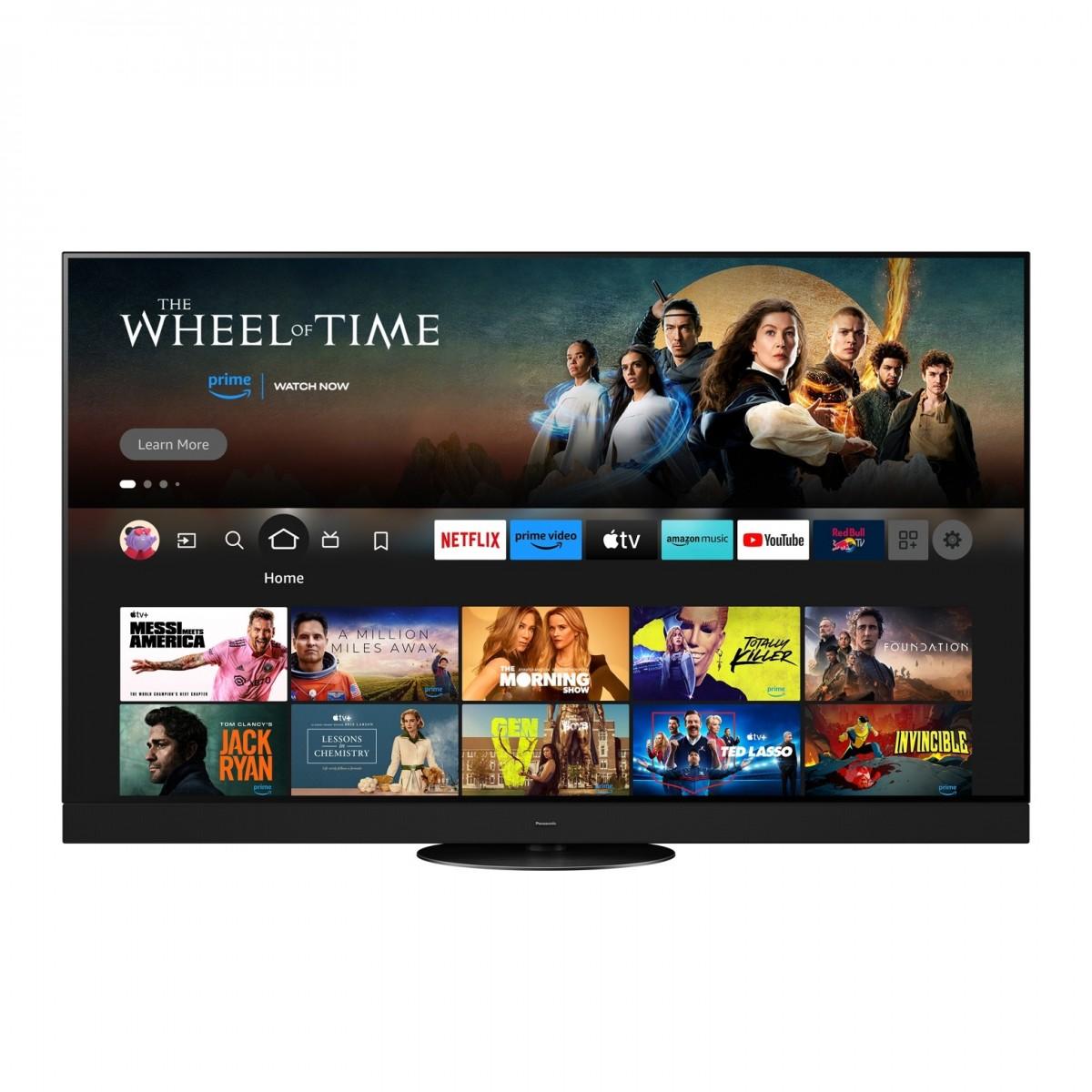
Smart TV platforms have evolved into sophisticated ecosystems that increasingly define the user experience. The Panasonic Z95A runs Amazon Fire TV, providing seamless access to Prime Video, Netflix, Disney+, and hundreds of other streaming services. The integration with Alexa allows for hands-free voice control – you can change channels, adjust volume, search for content, and even control smart home devices without touching the remote.
The Fire TV platform excels at content discovery, using Amazon's recommendation algorithms to surface relevant shows and movies based on your viewing history. The interface remains clean and responsive, though some users prefer alternatives to Amazon's ecosystem.
The LG QNED85A runs webOS 25, widely regarded as one of the most intuitive smart TV platforms available. LG has committed to providing five years of software updates for this model, ensuring long-term feature support and security patches. This commitment addresses a common concern about smart TV longevity as streaming services and features evolve.
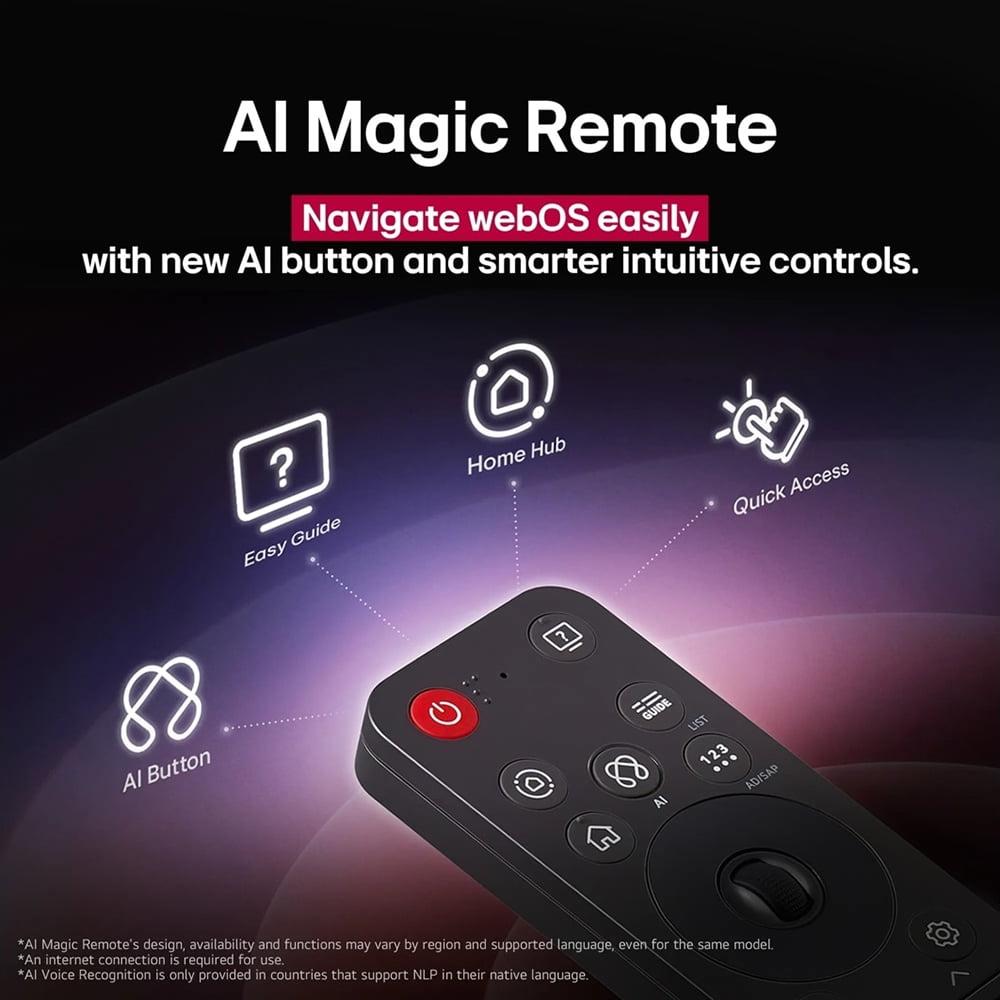
WebOS 25 introduces several AI-powered personalization features that set it apart from competitors. AI Voice ID recognizes individual family members, automatically switching to their preferred settings and recommendations. The AI Concierge learns viewing patterns and suggests content based on time of day, mood, and viewing history. Microsoft Copilot integration helps with organization and troubleshooting, while the AI Magic Remote includes a dedicated AI button for instant access to intelligent features.
At the time of writing, these TVs occupy very different price segments, with the LG QNED85A positioned as a premium value option while the Panasonic Z95A commands flagship pricing. This price difference reflects their different target markets and technological approaches.
The LG QNED85A delivers approximately 80% of flagship TV performance at roughly one-third the cost. For most viewers, this represents exceptional value. The display handles 4K HDR content beautifully, provides excellent gaming features, and includes advanced smart capabilities. The MiniLED technology ensures worry-free operation without burn-in concerns, making it ideal for families with varied viewing habits.
The Panasonic Z95A justifies its premium pricing through uncompromising picture quality and build quality. Every aspect, from color accuracy to motion handling to audio reproduction, has been optimized for the most demanding users. This TV targets the same market as high-end projectors and professional monitors – users who prioritize absolute quality over cost considerations.
Your viewing environment significantly impacts which display technology works best. The Panasonic Z95A excels in controlled lighting conditions where you can manage ambient light. In dedicated home theater rooms or evening viewing situations, the perfect blacks and infinite contrast create an almost three-dimensional viewing experience that's impossible to replicate with backlit displays.
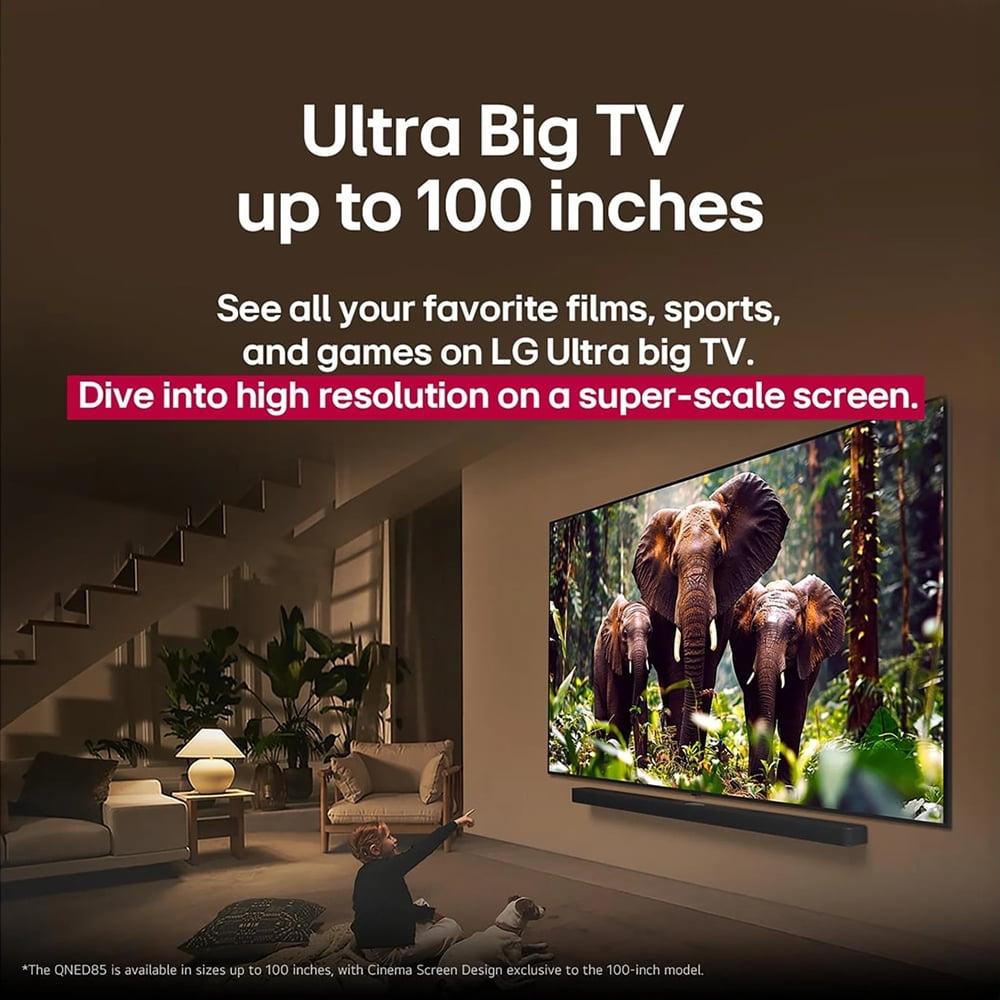
However, in bright living rooms with large windows or overhead lighting, the LG QNED85A's higher peak brightness provides better visibility and color saturation. The anti-reflective screen coating helps minimize distracting reflections, while the higher brightness levels ensure HDR content remains impactful even in challenging lighting conditions.
For dedicated home theater enthusiasts, the Panasonic Z95A represents the superior choice despite its higher cost. The reference-grade color accuracy ensures movies appear exactly as directors intended, while the perfect blacks create the immersive experience that makes home theater compelling. The Technics audio system, while not replacing dedicated speakers, provides better integration for users who haven't yet invested in external audio equipment.
The display's FILMMAKER MODE automatically adjusts settings to match the original creative intent, disabling motion smoothing and other processing that can make movies look artificially smooth or "soap opera-like." This attention to cinematic presentation details reflects Panasonic's focus on serious movie enthusiasts.
OLED displays like the Panasonic Z95A face potential burn-in concerns with static content like news tickers, video game HUDs, or channel logos. While modern OLED panels include pixel-shifting and other protective technologies, heavy users of content with persistent static elements should consider this factor. The 4-stack design improves longevity compared to earlier OLED generations, but some risk remains.
The LG QNED85A faces no burn-in risk due to its LCD-based technology, making it more suitable for varied usage patterns. The five-year webOS update commitment also provides better long-term software support compared to many competitors.
Brand support considerations also matter for long-term ownership. LG maintains strong US market presence and service network, while Panasonic's future in the US TV market remains less certain, potentially affecting long-term support availability.
Choose the Panasonic Z95A OLED if you're building a dedicated home theater, prioritize absolute picture quality over all other considerations, and can accept the premium pricing for reference-grade performance. This display suits serious movie enthusiasts, content creators requiring color accuracy, and users who view primarily in controlled lighting conditions.
The LG QNED85A MiniLED makes more sense for general family use, bright room viewing, and users seeking premium features without flagship pricing. Its worry-free operation, excellent value proposition, and comprehensive smart features make it ideal for the living room centerpiece that needs to handle everything from morning news to evening movies to weekend gaming sessions.
Both represent excellent examples of their respective technologies, and either will provide years of impressive performance. Your choice ultimately depends on whether you prioritize absolute picture quality or practical excellence at an accessible price point.
| Panasonic Z95A 65" OLED | LG QNED evo AI QNED85A 65" MiniLED |
|---|---|
| Display Technology - The fundamental difference affecting picture quality and longevity | |
| 4-stack Primary RGB Tandem OLED with self-emitting pixels | Quantum NanoCell + MiniLED backlighting with thousands of dimming zones |
| Contrast Ratio - Most important factor for picture depth and realism | |
| Infinite contrast (perfect blacks, pixels turn completely off) | Excellent local dimming but some light bleeding around bright objects |
| Peak Brightness - Critical for HDR impact and bright room viewing | |
| Improved brightness vs older OLEDs but lower than MiniLED | Superior peak brightness, excellent for daytime viewing |
| Burn-in Risk - Long-term reliability consideration | |
| Potential burn-in with static content (news tickers, game HUDs) | No burn-in risk due to LCD technology |
| Refresh Rate - Important for gaming and sports | |
| 144Hz (excellent for PC gaming and next-gen consoles) | 120Hz native (144Hz with compatible PC graphics card) |
| HDMI 2.1 Ports - Connectivity for multiple 4K devices | |
| 2 ports (may limit multi-device gaming setups) | 4 ports (better for complex entertainment systems) |
| Gaming Features - Next-gen console compatibility | |
| VRR, ALLM, both G-Sync and FreeSync support | VRR, ALLM, FreeSync, Game Optimizer, Game Dashboard |
| Audio System - Built-in sound quality | |
| Technics-tuned Dolby Atmos with 30W subwoofer and fabric soundbar | AI Sound Pro with virtual 5.1 surround, standard speakers |
| Smart Platform - Long-term software support and features | |
| Amazon Fire TV with Alexa hands-free control | webOS 25 with 5-year update guarantee and advanced AI features |
| Color Accuracy - Professional-grade performance | |
| Cinema-grade color accuracy, DCI-P3 verified for filmmaker intent | 100% Color Volume with vibrant, engaging colors optimized for consumer viewing |
| Processor - AI-driven picture optimization | |
| HCX Pro AI Processor MKII with Auto AI scene detection | α8 Gen 2 AI Processor with 70% performance improvement and personalization |
| Target User - Who this TV is designed for | |
| Home theater enthusiasts and picture quality purists | Mainstream users wanting premium features at accessible pricing |
| Best Viewing Environment - Where each excels | |
| Dark or controlled lighting rooms, dedicated home theaters | Bright living rooms and varied lighting conditions |
| Value Proposition - Performance relative to investment | |
| Premium pricing for reference-quality picture and cinema accuracy | Outstanding value delivering flagship features at mainstream pricing |
The Panasonic Z95A OLED delivers superior picture quality for movies with its perfect blacks, infinite contrast ratio, and cinema-grade color accuracy. The OLED technology allows pixels to turn completely off, creating true blacks that make dark scenes look incredibly realistic. The LG QNED85A MiniLED offers excellent picture quality with vibrant colors and good contrast, but it can't match the OLED's perfect blacks due to its backlit LCD design.
OLED displays like the Panasonic Z95A have pixels that produce their own light, allowing for perfect blacks and infinite contrast. MiniLED displays like the LG QNED85A use thousands of tiny LED backlights behind an LCD panel for improved brightness and local dimming. OLED excels in dark rooms with superior contrast, while MiniLED performs better in bright environments with higher peak brightness.
The LG QNED85A MiniLED is better for bright rooms due to its superior peak brightness levels and anti-reflective properties. The MiniLED backlighting can overcome ambient light more effectively than the Panasonic Z95A OLED, making colors and HDR content remain vibrant even with windows or overhead lighting present.
The Panasonic Z95A OLED has potential burn-in risk with static content like news tickers or game HUDs, though modern OLED panels include protective technologies. The LG QNED85A MiniLED has no burn-in risk due to its LCD-based technology, making it worry-free for varied content including gaming, news, and sports with static elements.
The LG QNED85A MiniLED offers exceptional value, delivering premium TV features at a more accessible price point. The Panasonic Z95A OLED commands premium pricing but justifies it with reference-grade picture quality. For most users, the LG provides excellent performance per dollar, while the Panasonic targets those prioritizing absolute picture quality over cost.
Both TVs excel for gaming with modern features. The Panasonic Z95A OLED offers 144Hz refresh rate and supports both G-Sync and FreeSync, making it excellent for PC gaming. The LG QNED85A MiniLED provides 120Hz refresh rate, four HDMI 2.1 ports (vs two on the Panasonic), and dedicated gaming features like Game Optimizer, making it better for multiple gaming devices.
The LG QNED85A MiniLED leads in smart features with webOS 25, AI personalization, five-year software update guarantee, and Microsoft Copilot integration. The Panasonic Z95A OLED uses Amazon Fire TV with excellent Alexa integration and content discovery, but lacks the advanced AI features and long-term update commitment of the LG.
The Panasonic Z95A OLED significantly outperforms in audio with its Technics-tuned Dolby Atmos system, including a 30W subwoofer and fabric soundbar design. The LG QNED85A MiniLED offers competent audio with AI Sound Pro virtual surround processing, but the built-in speakers are more standard and less impressive than the Panasonic's premium audio system.
The Panasonic Z95A OLED is superior for dedicated home theaters with its perfect blacks, infinite contrast, cinema-grade color accuracy, and FILMMAKER MODE that preserves director's intent. The controlled lighting of a home theater maximizes OLED advantages. The LG QNED85A MiniLED works well for home theater use but excels more in living room environments with ambient lighting.
The LG QNED85A MiniLED offers better long-term reliability with no burn-in risk and a five-year webOS update guarantee. LG also maintains strong US market presence and service network. The Panasonic Z95A OLED provides excellent build quality but faces potential burn-in concerns and uncertain long-term US market support from Panasonic.
Both TVs handle HDR excellently but differently. The Panasonic Z95A OLED excels with perfect blacks and accurate color reproduction, making HDR content look cinematic with incredible shadow detail. The LG QNED85A MiniLED delivers impactful HDR with higher peak brightness, making highlights more dramatic and performing better in bright viewing environments.
Choose the Panasonic Z95A OLED if you prioritize absolute picture quality, have a dedicated home theater or dark viewing room, and don't mind premium pricing for reference-grade performance. Choose the LG QNED85A MiniLED if you want premium features at mainstream pricing, have a bright living room, need worry-free operation for family use, or require multiple HDMI 2.1 ports for gaming setups.
We've done our best to create useful and informative comparisons to help you decide what product to buy. Our research uses advanced automated methods to create this comparison and perfection is not possible - please contact us for corrections or questions. These are the sites we've researched in the creation of this article: youtube.com - youtube.com - whathifi.com - tomsguide.com - shop.panasonic.com - store.in.panasonic.com - rtings.com - applianceplus.co.nz - rtings.com - store.in.panasonic.com - samsung.com - rtings.com - rtings.com - youtube.com - lg.com - smarthomesounds.co.uk - abt.com - abt.com - lg.com - displayspecifications.com - walmart.com - bestbuy.com - lg.com - lg.com - lg.com - files.bbystatic.com - flatpanelshd.com - north-side-appliance.com - lgnewsroom.com - lg.com - youtube.com - youtube.com - hindustantimes.com

Privacy Policy
Terms and Conditions - Affiliate Policy
Home Security
© Copyright 2008-2026.
11816 Inwood Rd #1211, Dallas, TX 75244