

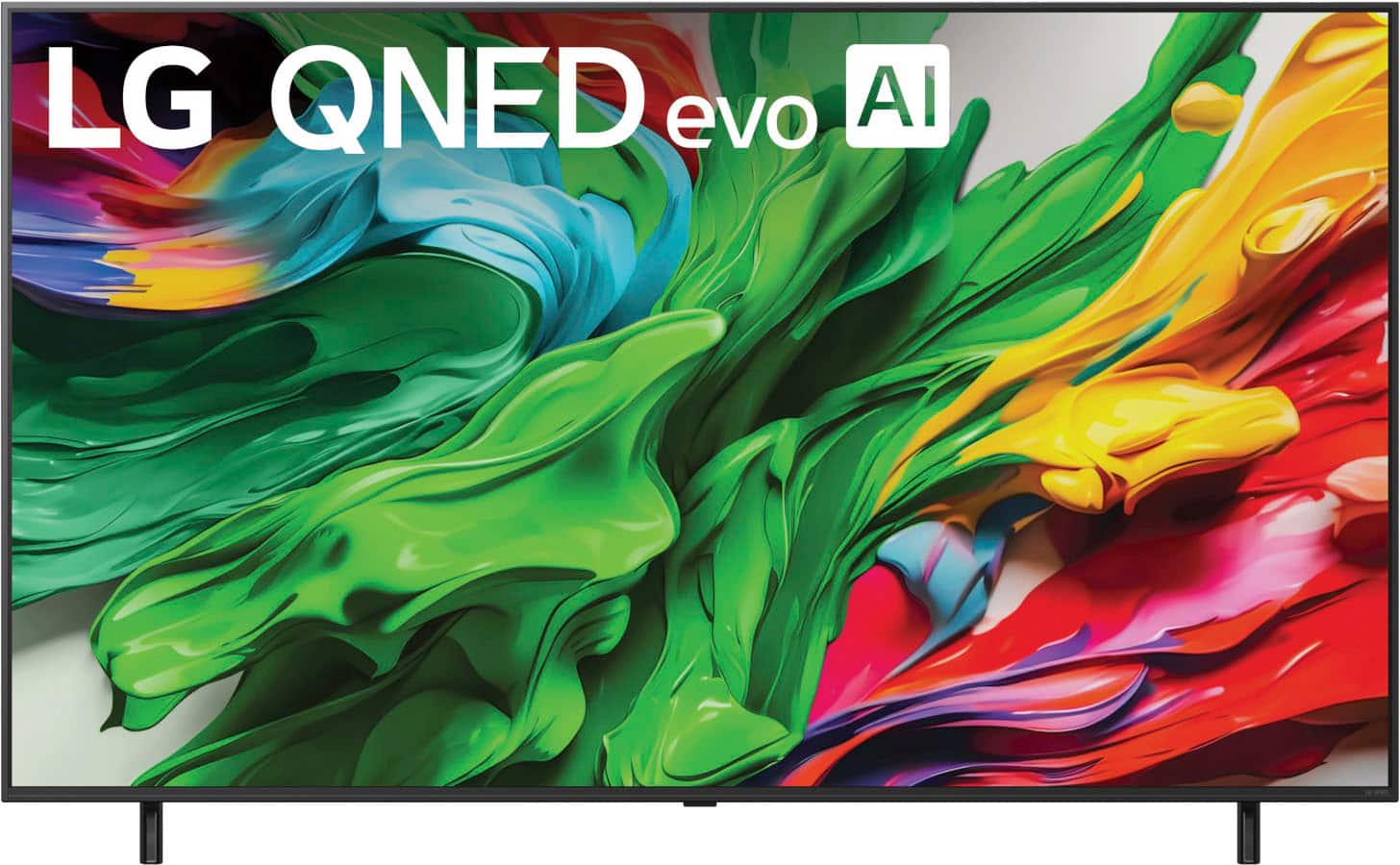
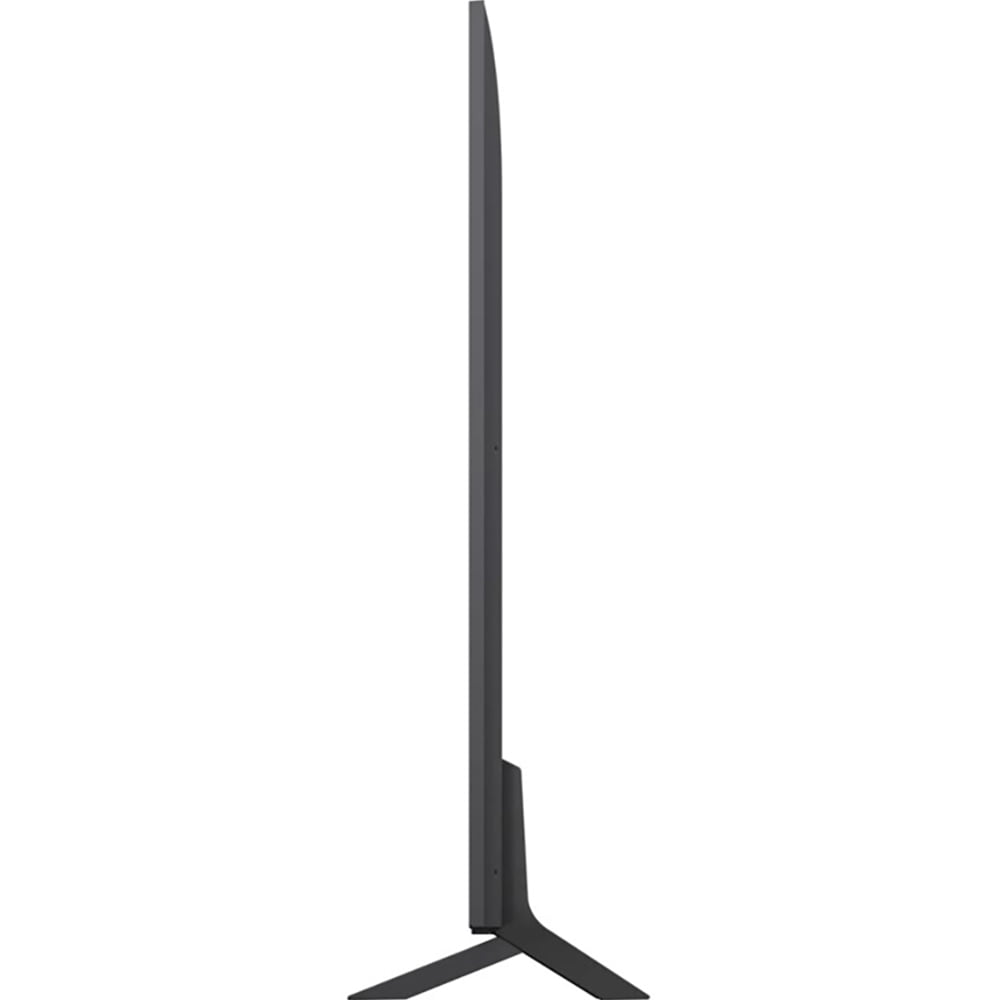
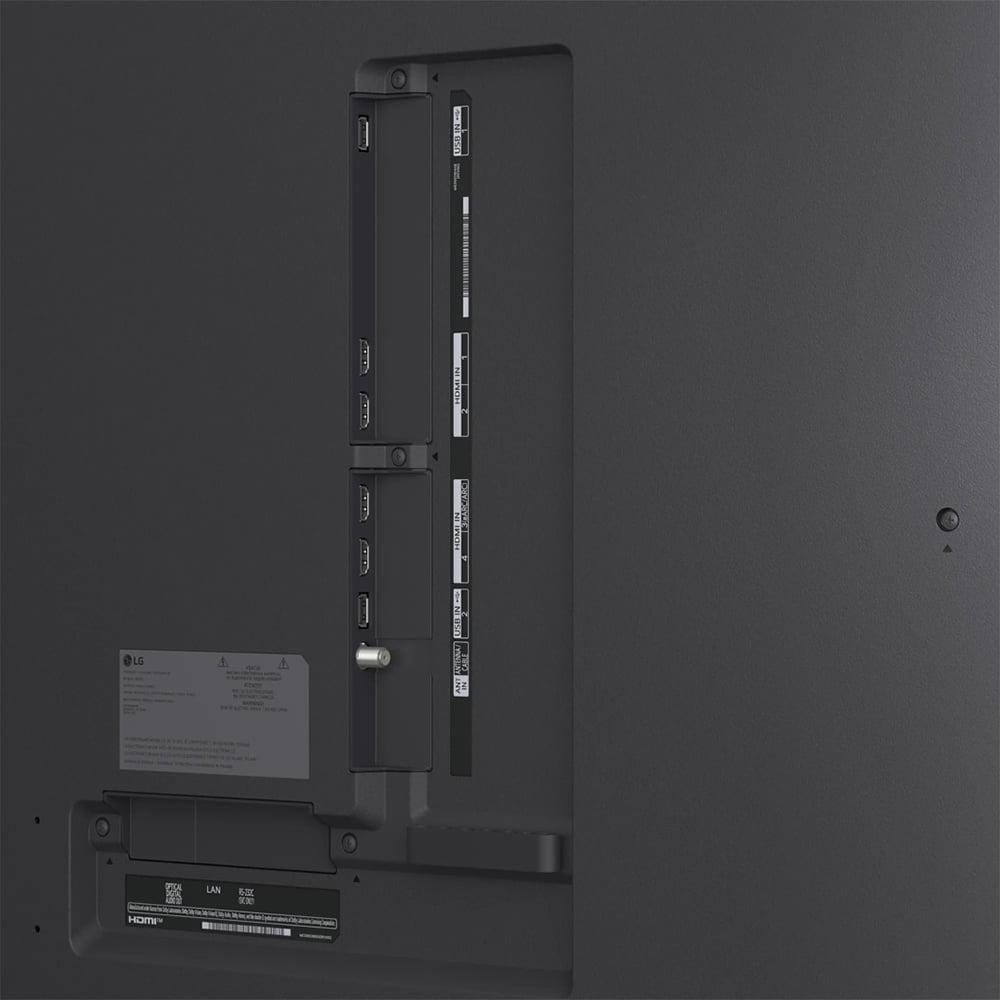
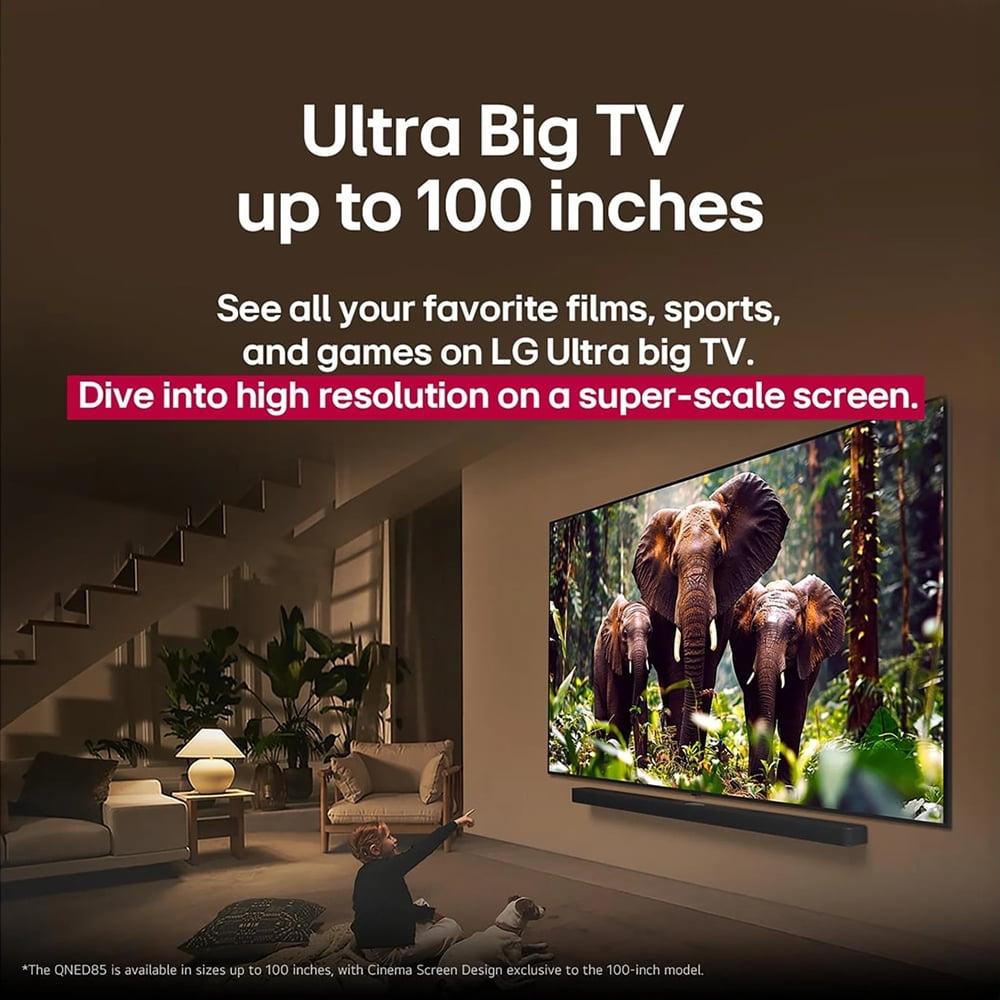
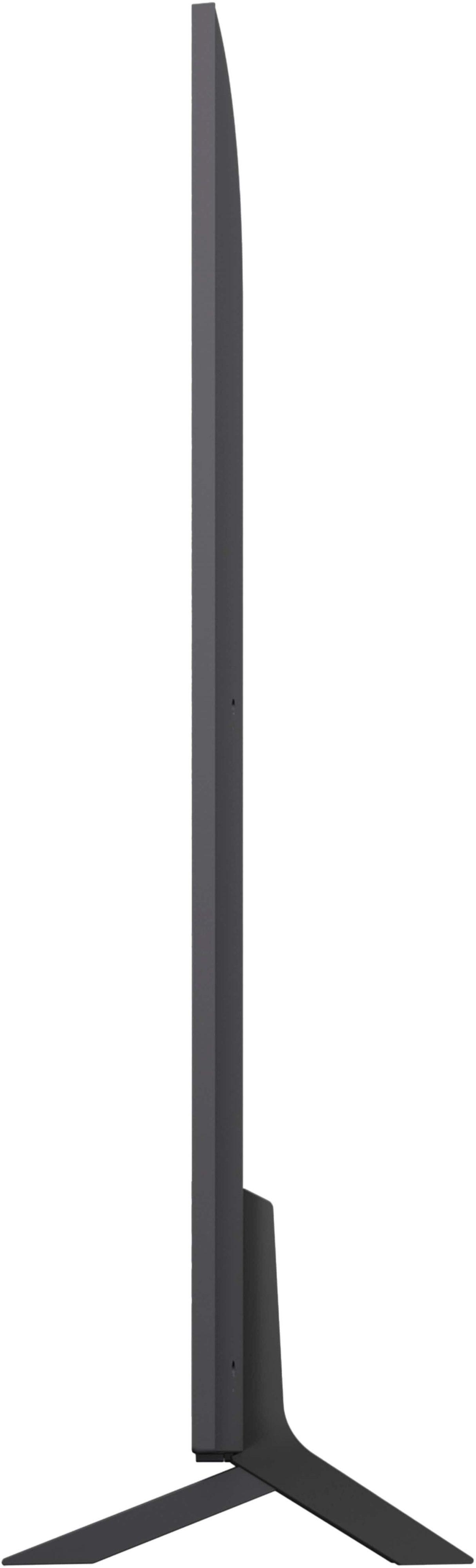
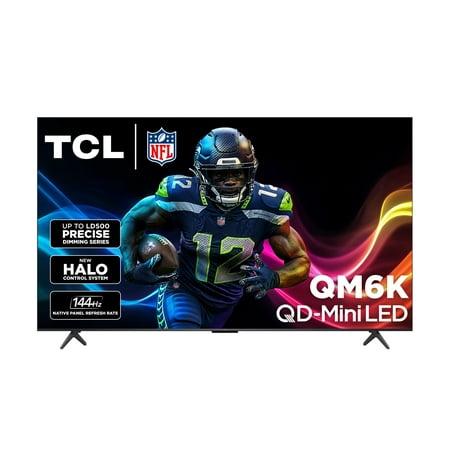
Both the LG 65" QNED evo AI QNED85A 4K MiniLED Smart TV 2025 and the TCL 65" QM6K QD-Mini LED 4K TV represent what's exciting about TV technology in 2025. These aren't your typical LED TVs from a few years ago—they're part of the Mini LED revolution that's changing how we think about home entertainment displays.
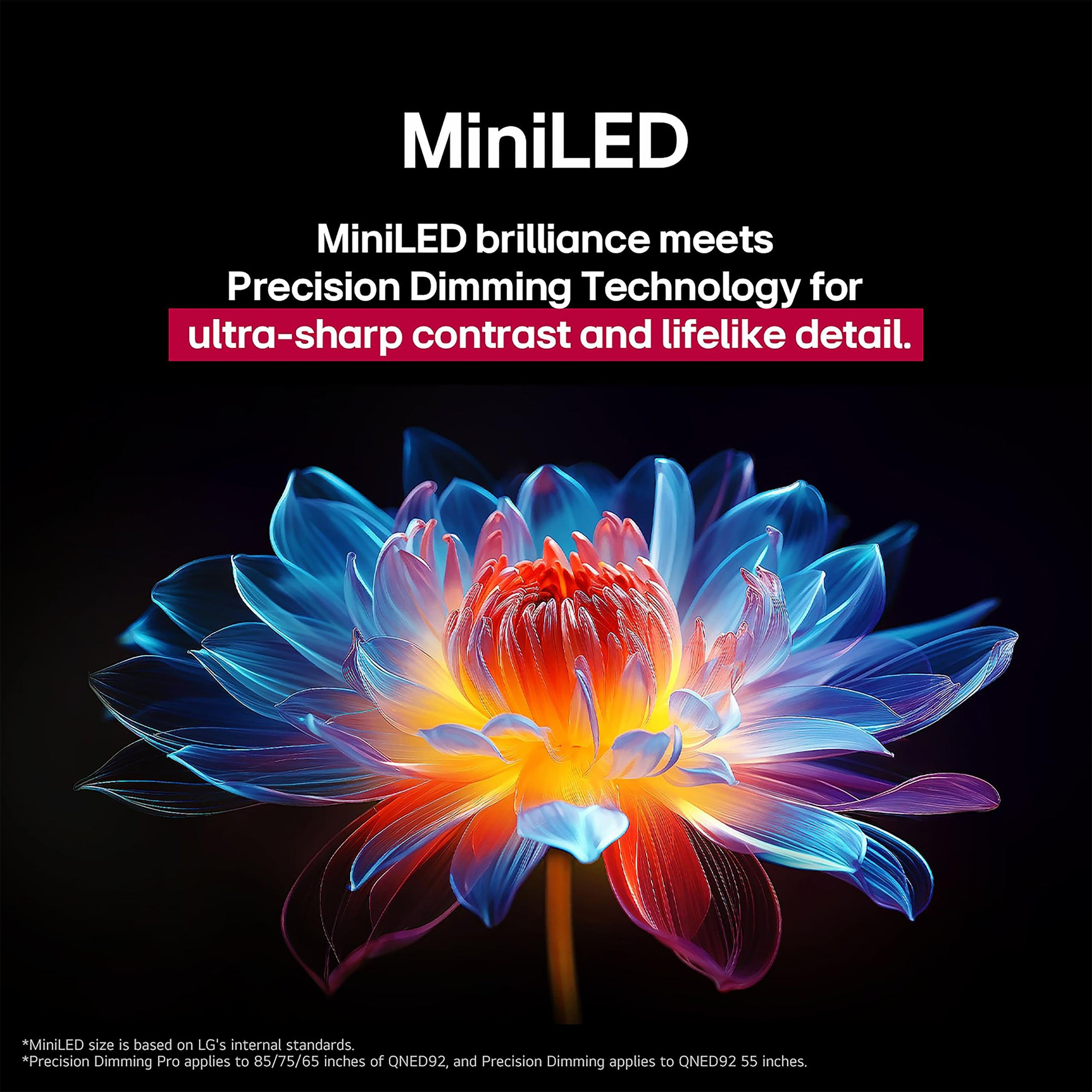
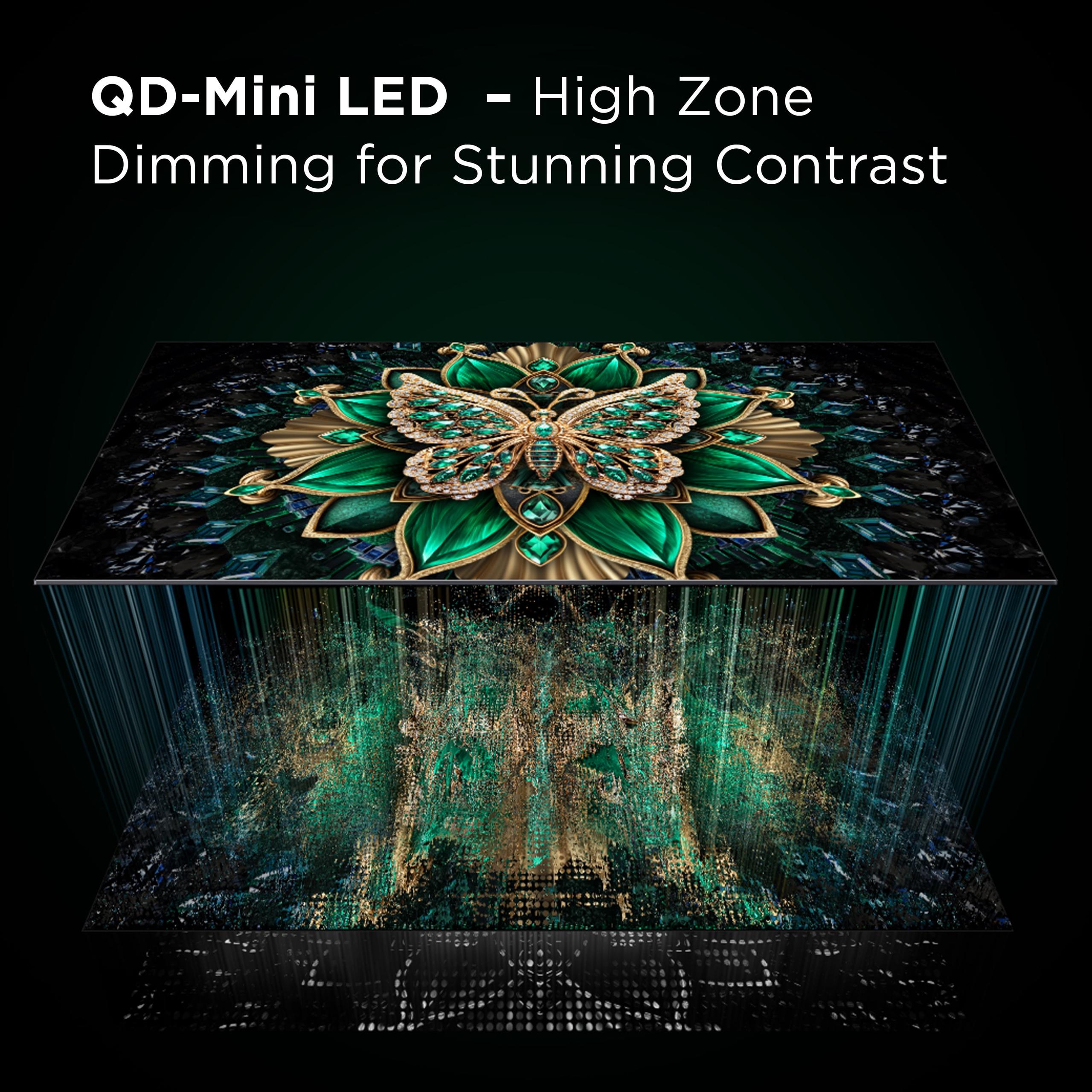
Before diving into the comparison, let's talk about what makes Mini LED special. Traditional LED TVs use relatively large LED lights behind the screen, which limits how precisely they can control brightness in different areas. Mini LED technology uses thousands of tiny LEDs—each about the size of a grain of sand—that can be controlled individually or in small groups called "dimming zones."
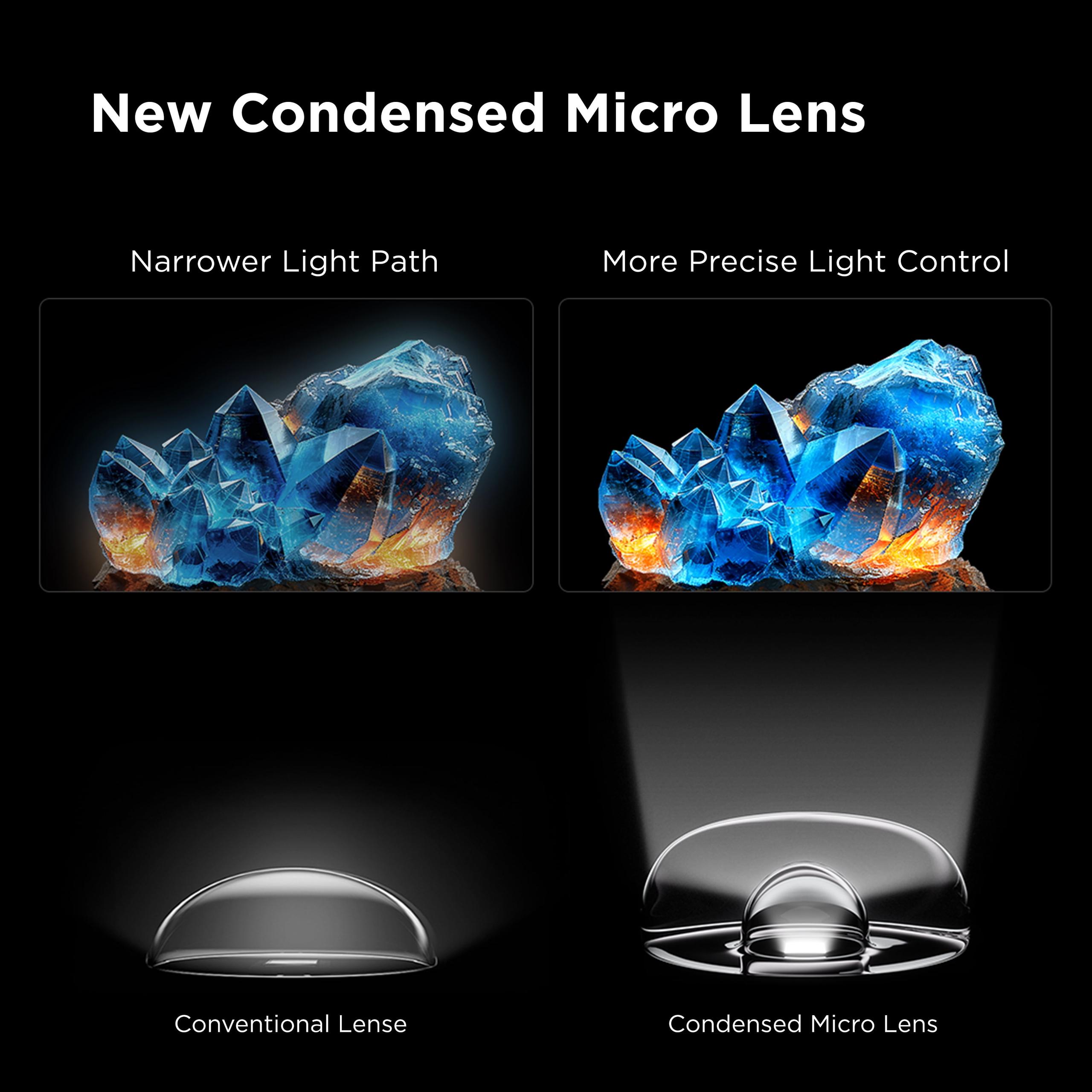
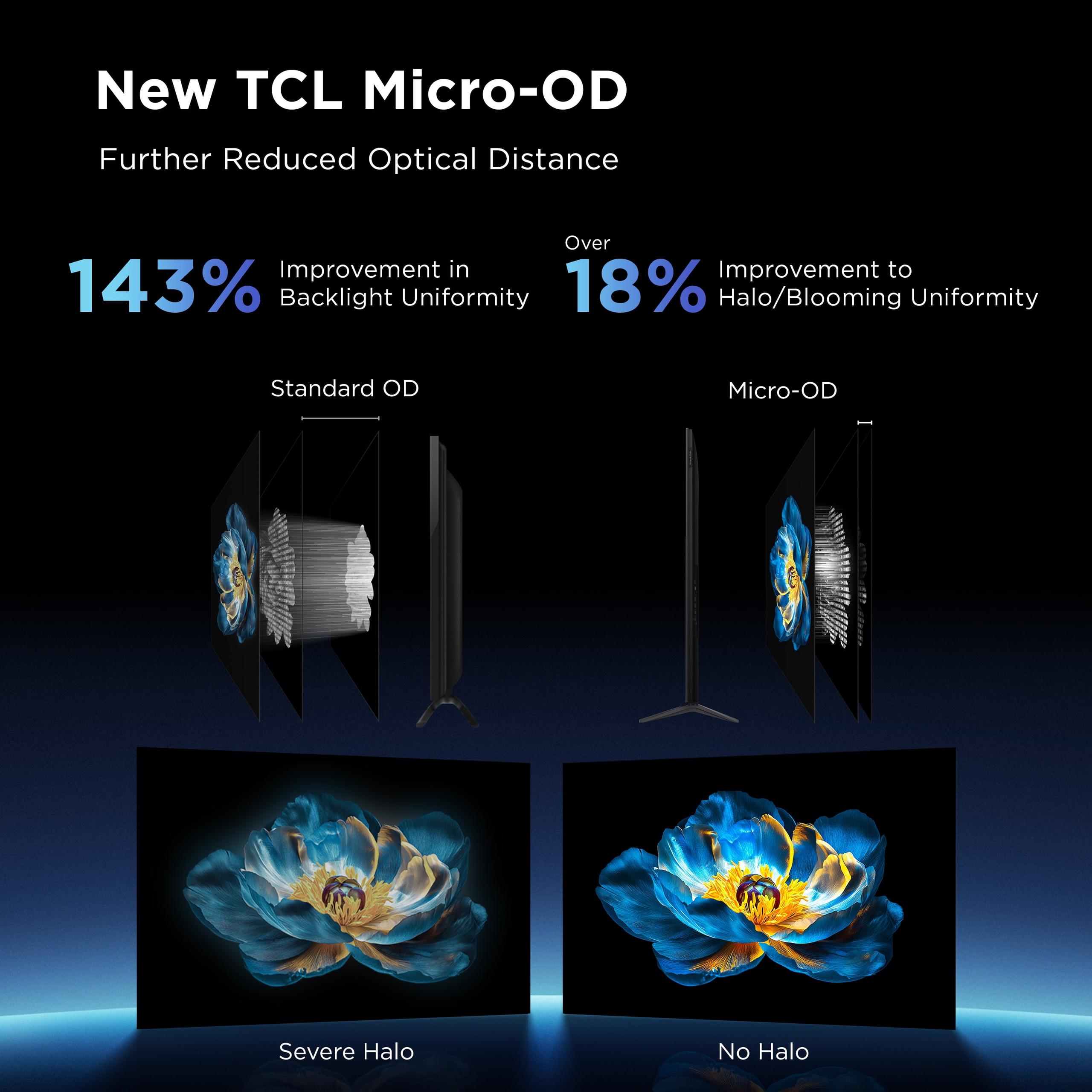
Think of it like the difference between painting with a house brush versus a fine art brush. The tiny LEDs let manufacturers create much more precise lighting control, resulting in deeper blacks, brighter highlights, and less of that annoying "blooming" effect where bright objects seem to glow into dark areas around them.
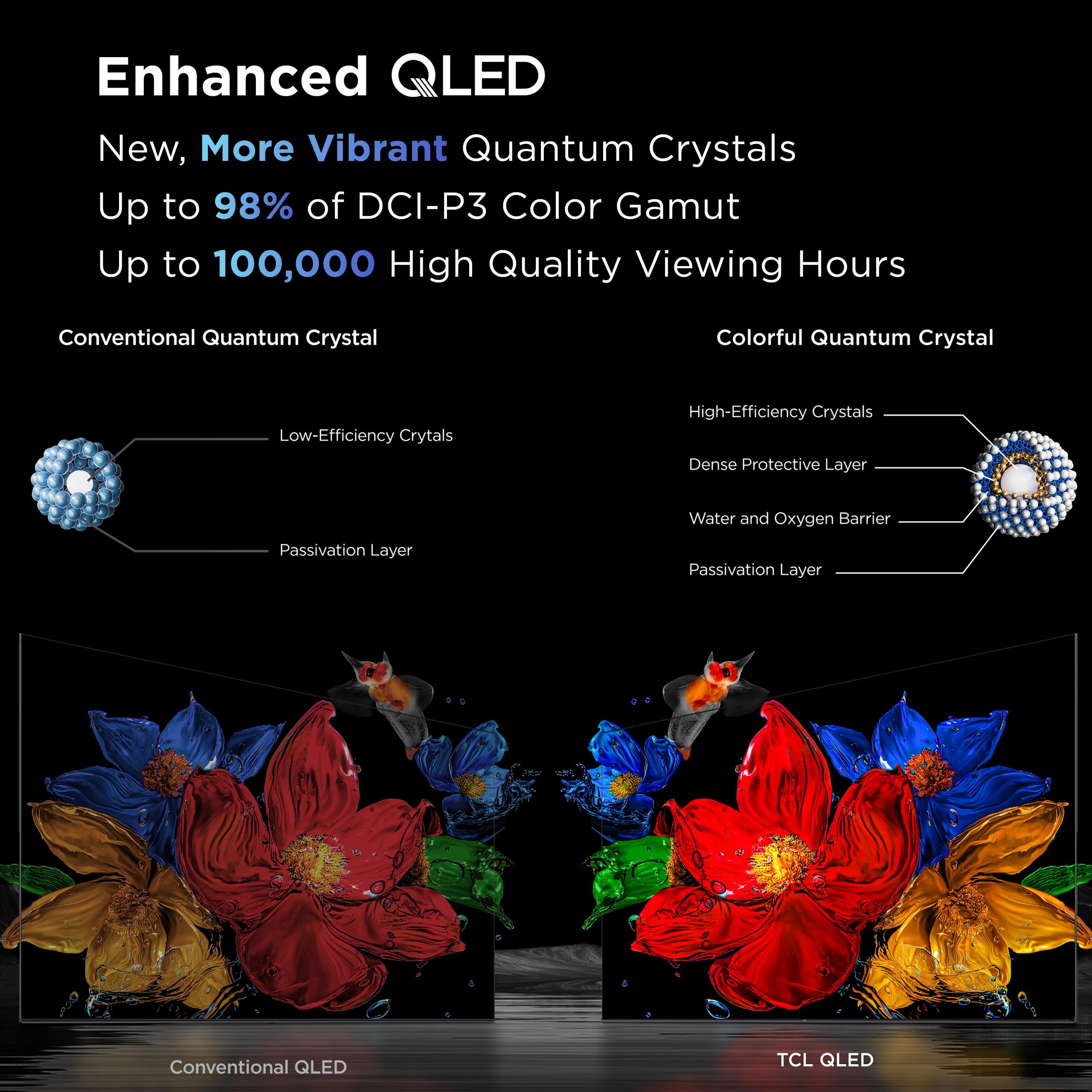
Both TVs also use quantum dot technology, which adds a special layer that converts blue LED light into more pure red and green colors. This isn't just marketing speak—it genuinely results in more vibrant, accurate colors that pop off the screen.
The TCL QM6K made its debut at CES 2025 and was actually one of the first 2025 TVs to hit retail stores. TCL has been aggressive about bringing premium features to lower price points, and the QM6K represents their latest effort to democratize Mini LED technology.
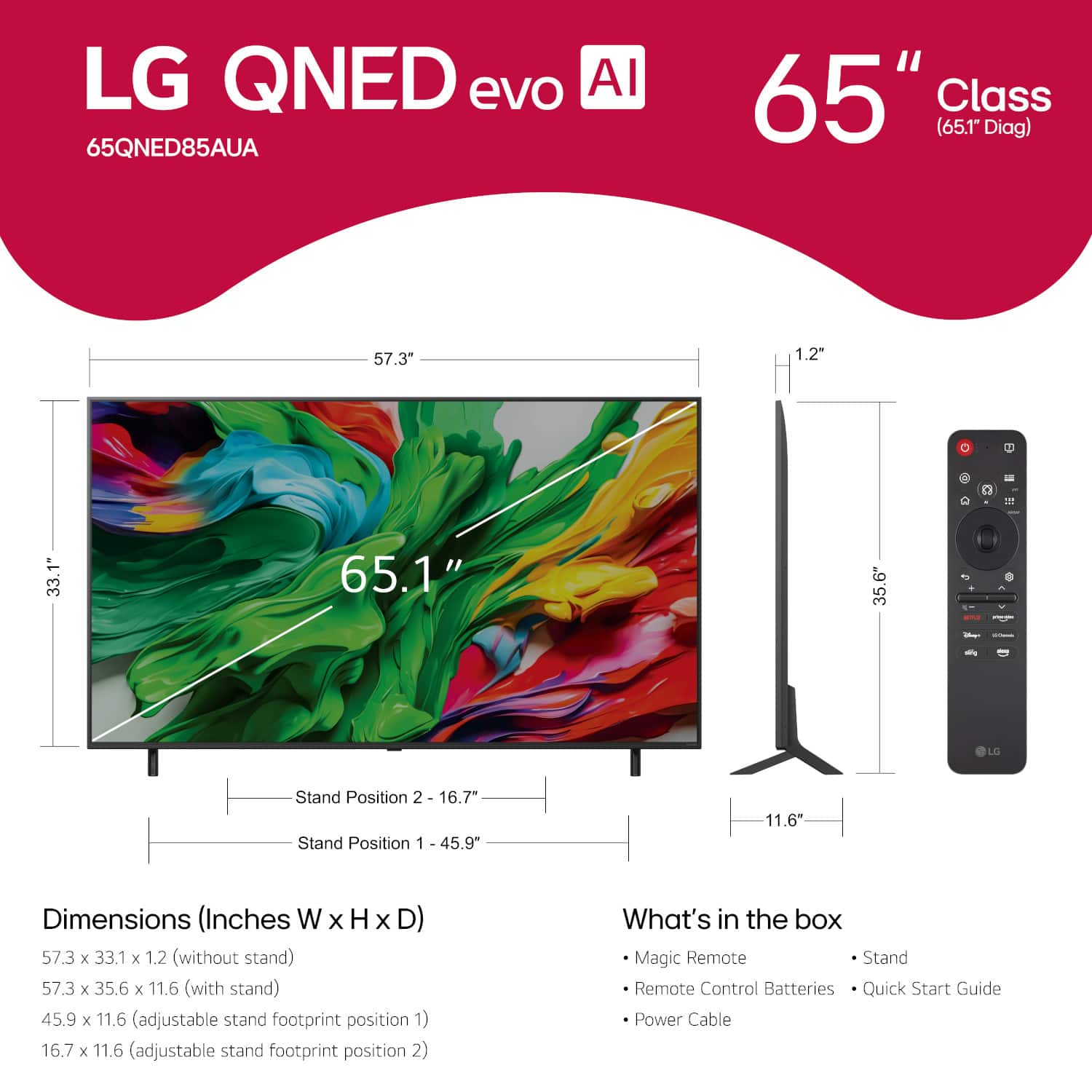
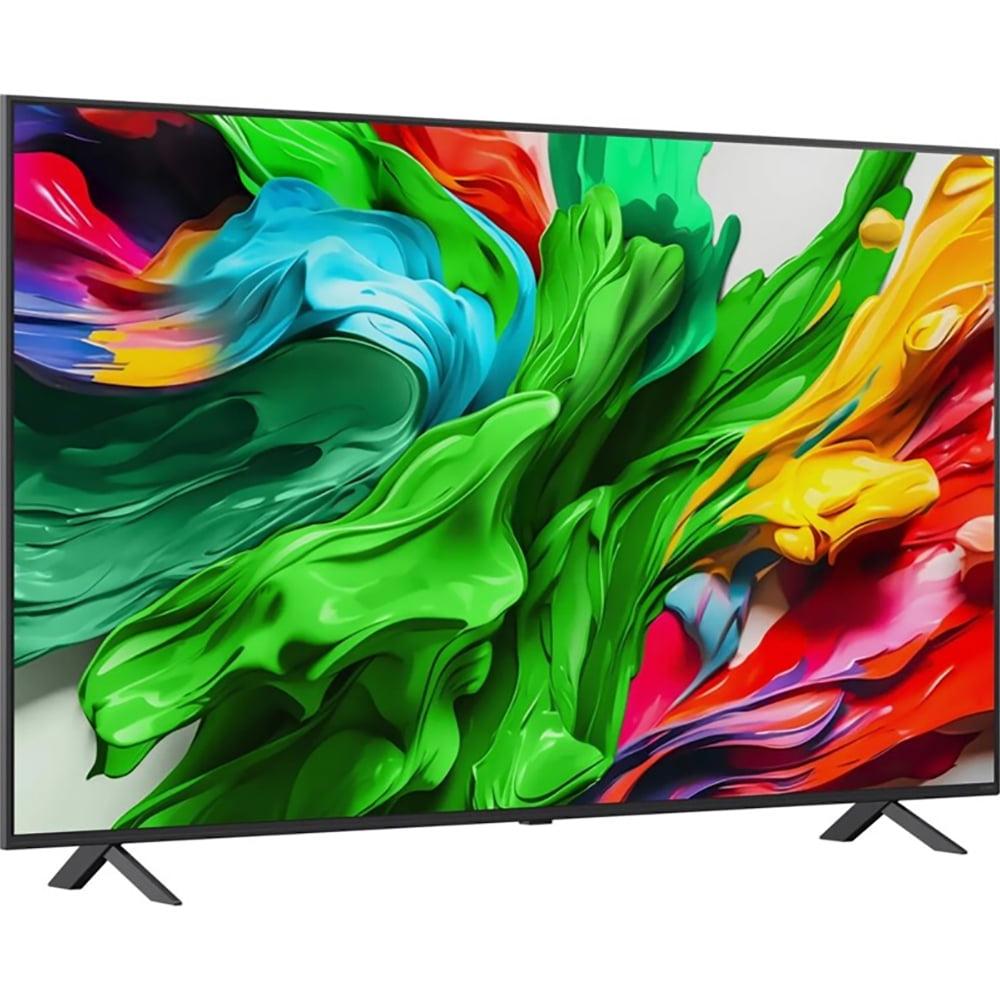
The LG QNED85A launched as part of LG's broader 2025 lineup, positioning itself as a mid-range option in their QNED series. LG has been refining their Mini LED approach for several years now, and the 2025 models benefit from significant improvements in their AI processing capabilities.
What's particularly interesting is how both companies have evolved their approaches since 2023. TCL has focused on maximizing hardware specs at competitive prices, while LG has doubled down on software intelligence and user experience refinements.
The biggest difference between these TVs lies in their brains—the processors that handle all the complex calculations needed to optimize your picture in real-time.
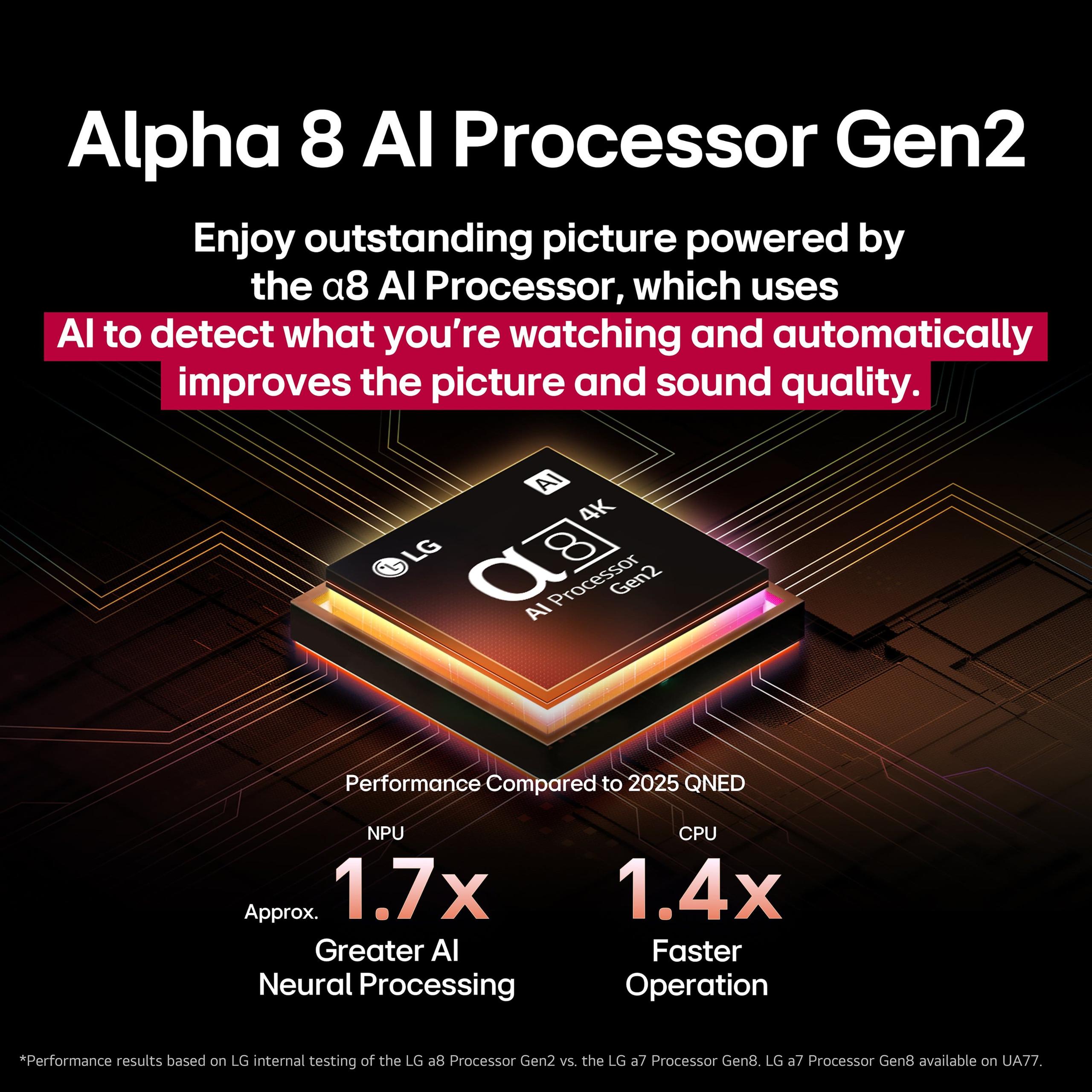
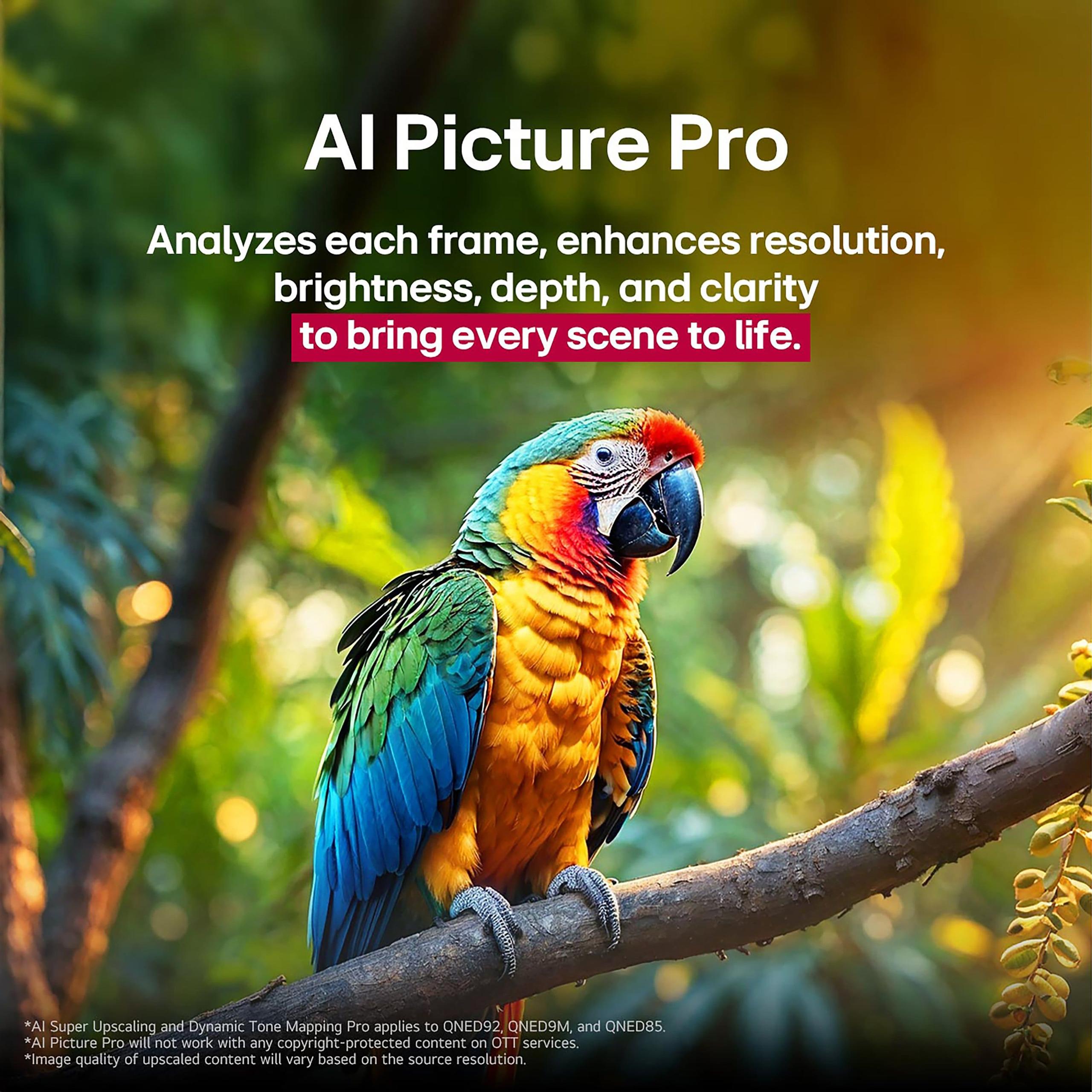
LG's α8 Gen 2 AI Processor represents a massive leap forward, delivering 70% better performance than previous generations. This isn't just about raw computing power—it's about smart picture optimization. The processor analyzes each frame thousands of times per second, identifying objects, faces, and scene types to apply the most appropriate enhancements.
For example, when watching a nature documentary, the processor might enhance the texture of animal fur while simultaneously preserving the subtle gradations in sky colors. During a dark movie scene, it can brighten shadow details without washing out the overall atmosphere. This kind of intelligent processing makes a real difference in day-to-day viewing.
TCL's AiPQ Pro Processor takes a different approach, focusing more on consistent performance across content types rather than scene-by-scene analysis. In my experience, this can actually result in more predictable image quality, though it may not reach the same peaks of optimization that LG's system can achieve.
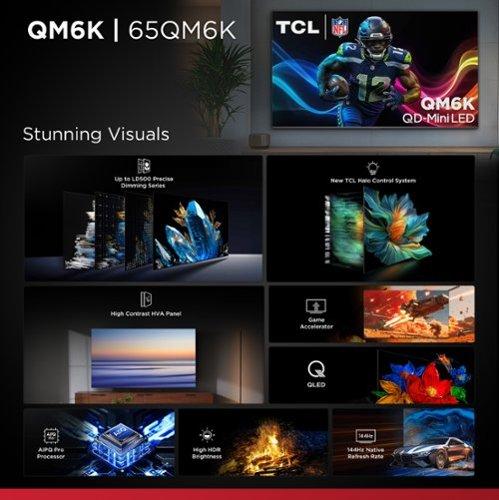
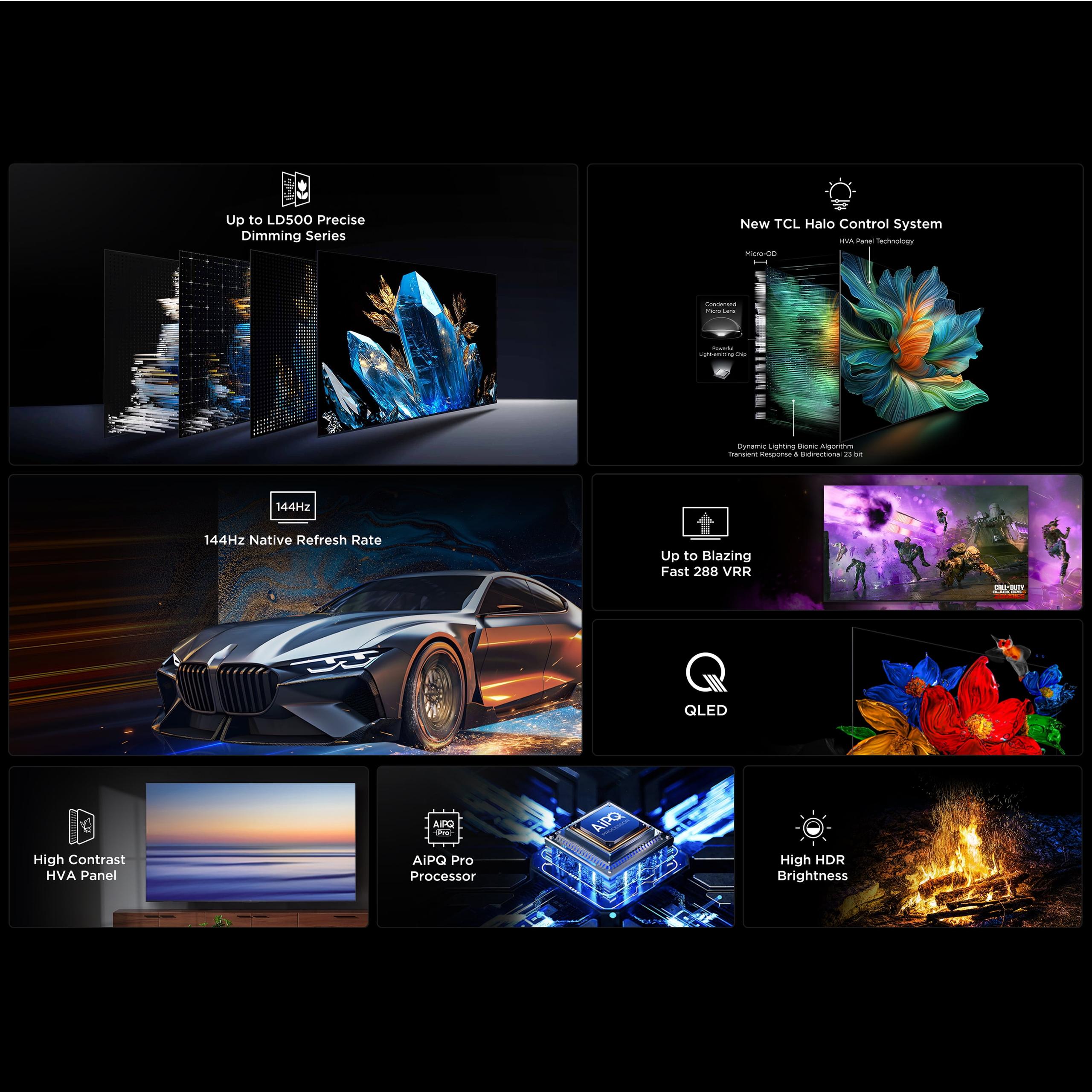
Here's where the TCL QM6K really shines. With up to 500 local dimming zones, it can control brightness more precisely than many TVs costing significantly more. More zones mean better contrast—the difference between the darkest blacks and brightest whites your TV can display simultaneously.
The LG uses fewer zones, though the exact number isn't specified. In practical terms, this means you might notice slightly more blooming around bright objects in dark scenes. However, LG's superior processing often compensates for this hardware limitation through clever algorithms that minimize the visual impact of blooming.
For home theater use, the TCL's superior local dimming becomes particularly important. When you're watching movies in a dark room, those deep blacks and controlled highlights create a more immersive experience. The difference is especially noticeable in content like space movies or dark thrillers where contrast is crucial to the storytelling.
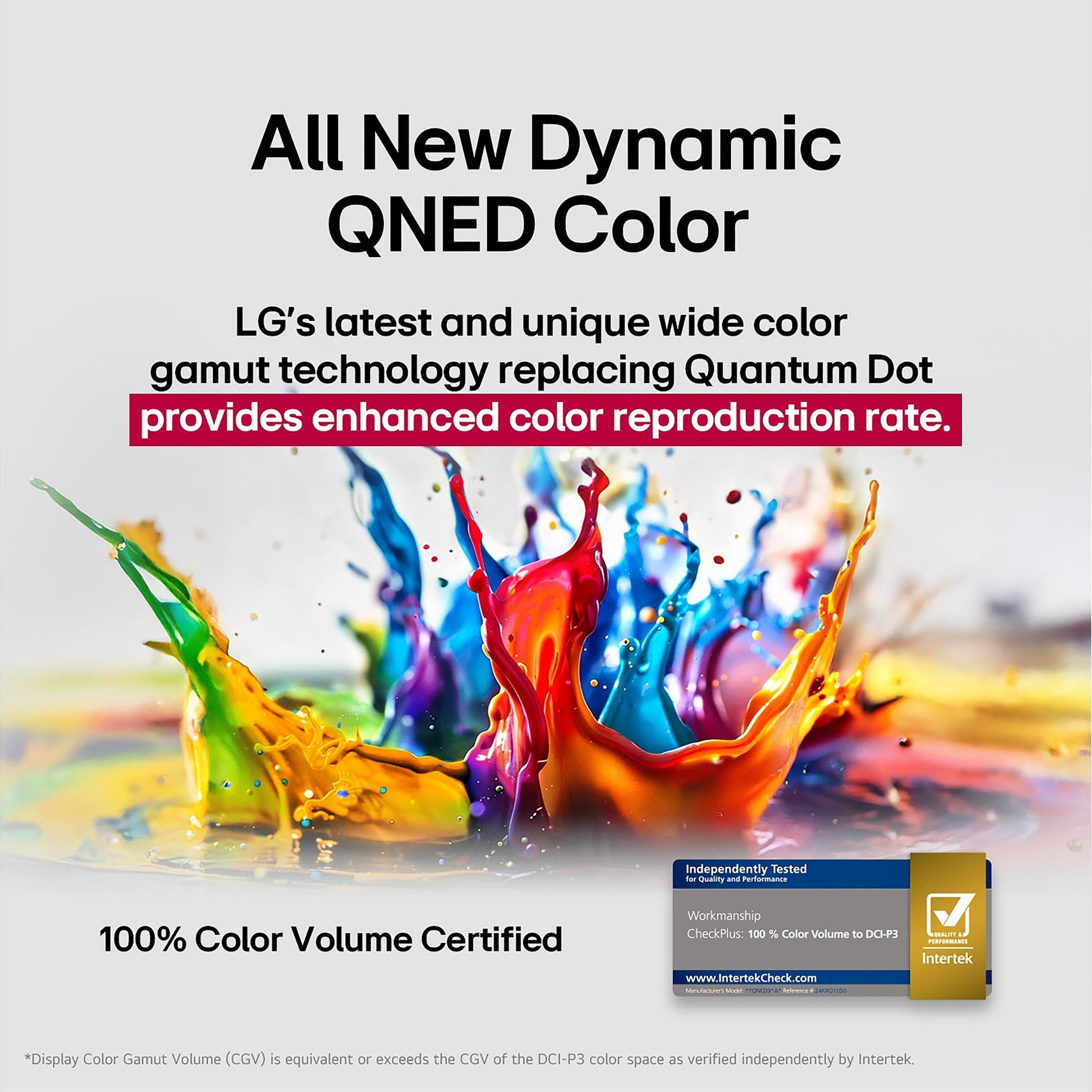
Both TVs deliver excellent color performance, but they take different approaches. The LG QNED85A combines quantum dot technology with LG's proprietary NanoCell technology—essentially tiny particles that filter out impure colors before they reach your eyes. This results in 100% color volume coverage, meaning it can display the full range of colors at any brightness level.
The TCL focuses more on color accuracy out of the box, with many reviewers noting that it meets DCI-P3 color standards without extensive calibration. This is particularly valuable for movie watching, where accurate color reproduction is essential for experiencing content as the director intended.
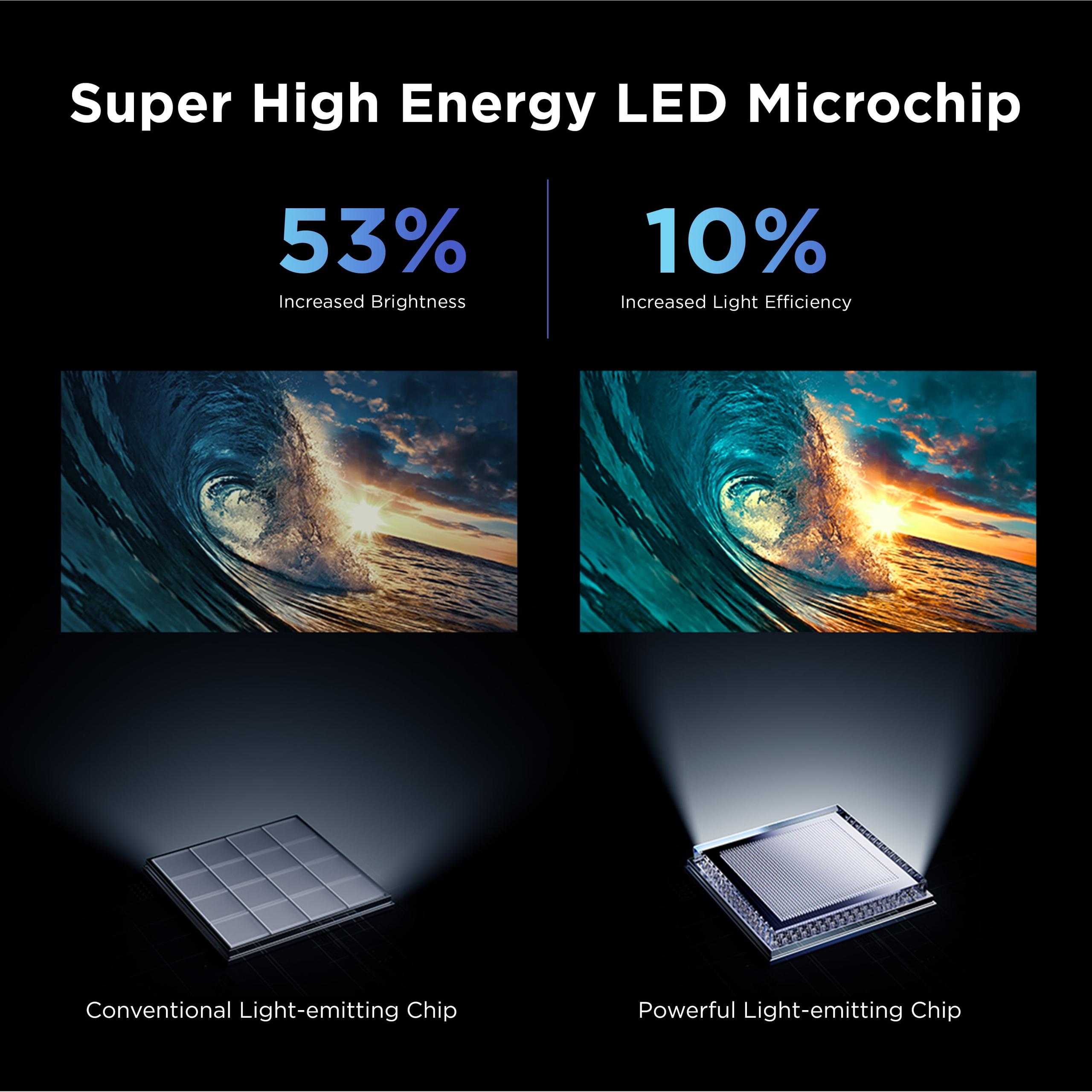
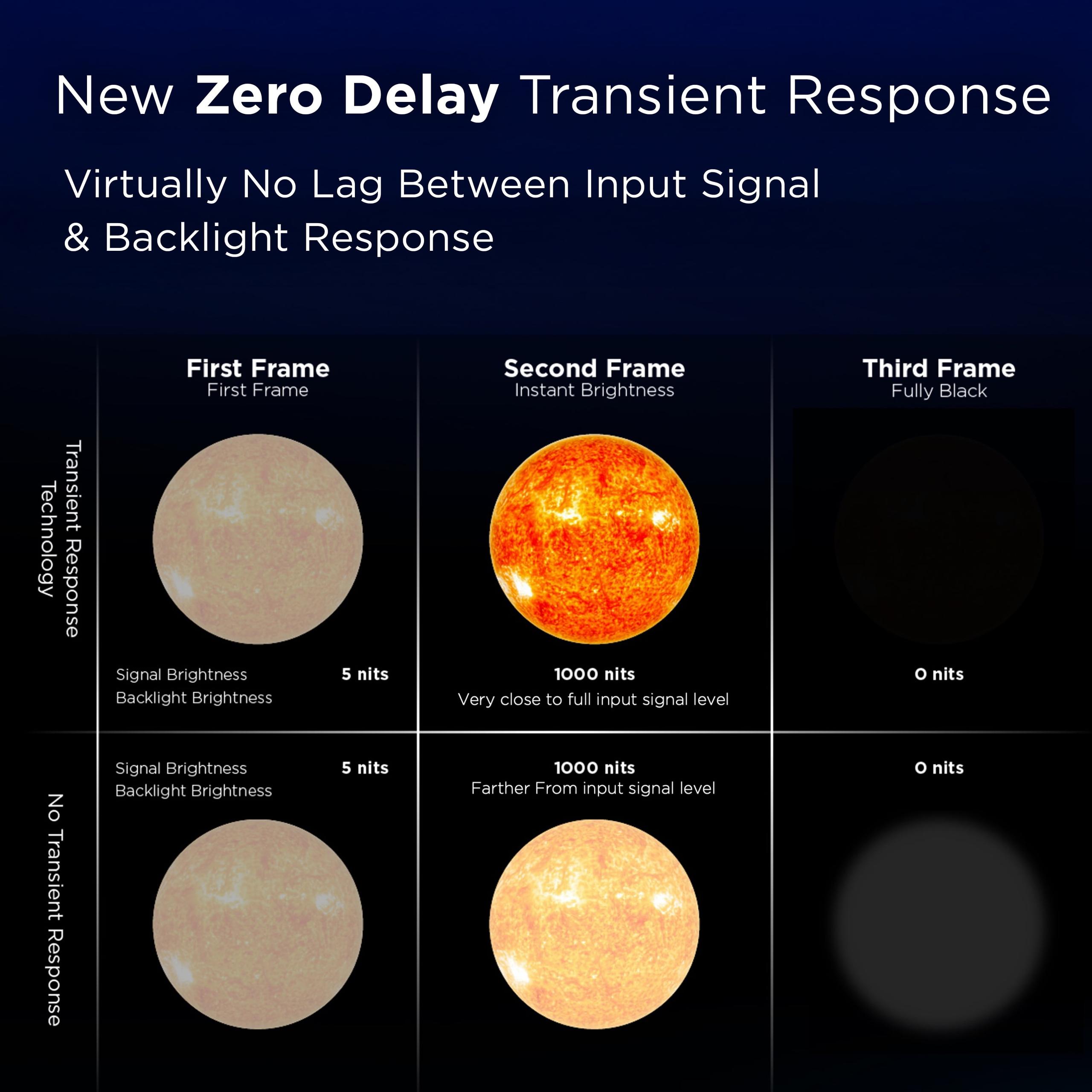
Peak brightness is where things get interesting. While neither TV reaches the extreme brightness levels of flagship models, the TCL generally achieves higher peak brightness in HDR content. This means more impactful highlights—think of the sun glinting off water or the bright flash of an explosion in an action movie.
Both TVs are excellent for gaming, but they excel in different areas. The TCL QM6K offers a native 144Hz refresh rate compared to the LG's 120Hz, which matters more than you might think for PC gaming and future console compatibility.
The TCL's Game Accelerator 288 feature is particularly impressive, supporting variable refresh rate up to 288Hz. Variable refresh rate (VRR) synchronizes your TV's refresh rate with your gaming device's frame rate, eliminating screen tearing and stuttering. For competitive gaming, this smoother motion can provide a real advantage.
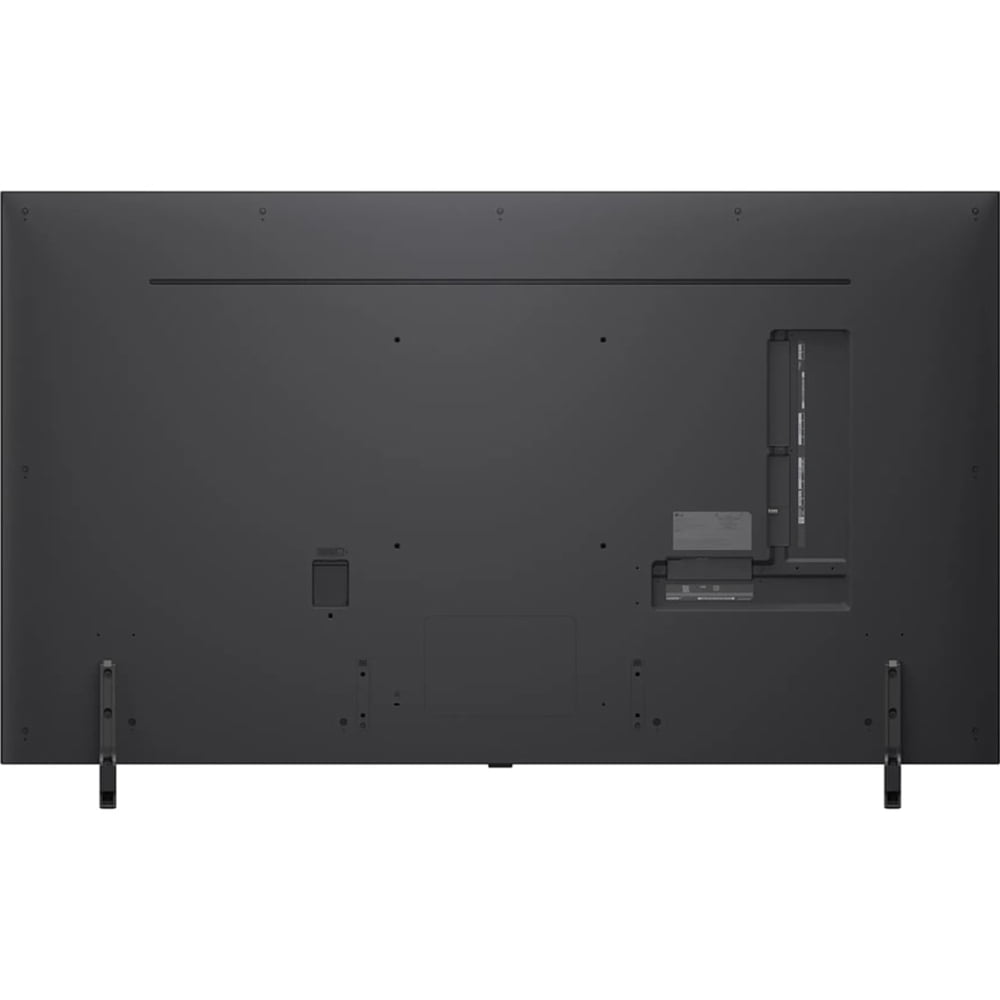
The LG QNED85A counters with four HDMI 2.1 ports versus the TCL's standard configuration. HDMI 2.1 supports the full bandwidth needed for 4K gaming at high refresh rates, and having four ports means you can connect multiple gaming devices, a soundbar, and other components without constantly switching cables.
Both TVs support AMD FreeSync and have low input lag in game mode, but the TCL's dedicated gaming optimizations and higher refresh rate give it a slight edge for serious gamers.
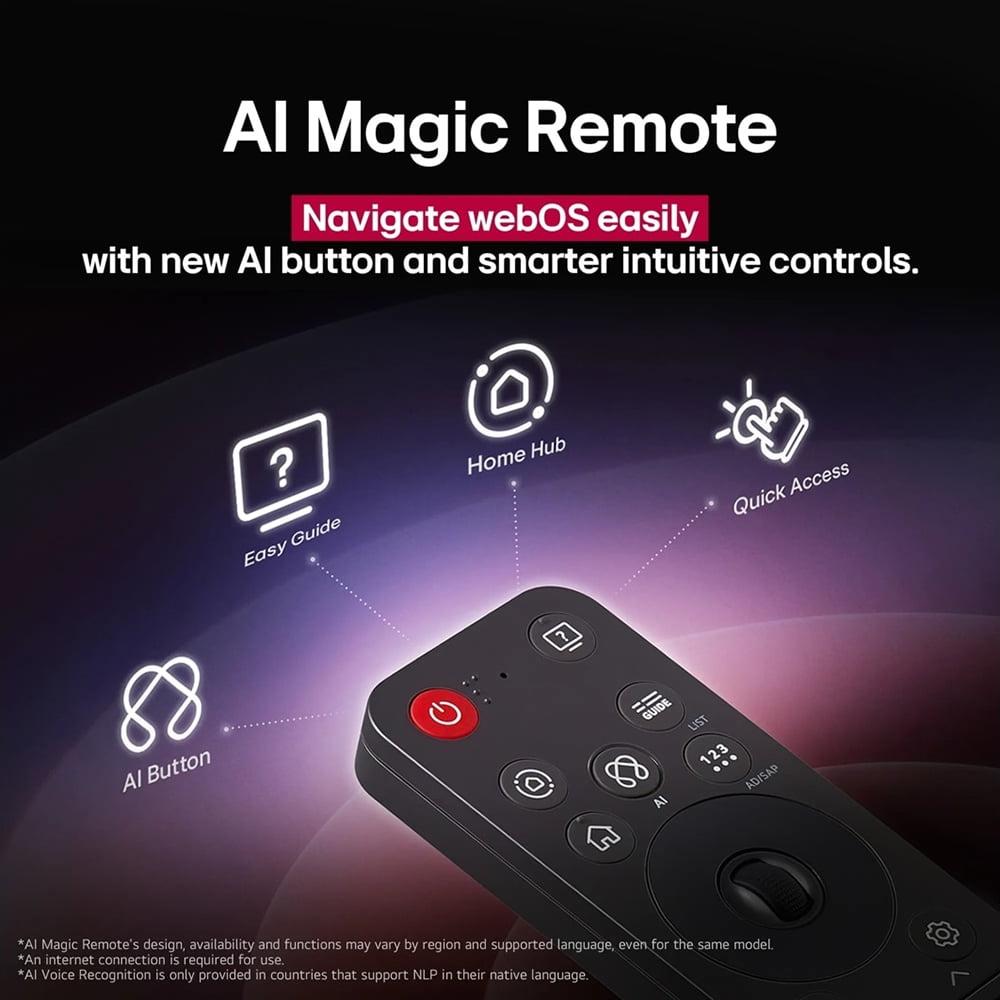
This is where the TVs diverge significantly. The LG QNED85A runs webOS 25, LG's latest smart TV platform that's been refined over many years. The standout feature is its AI integration—the TV can recognize different users through voice patterns and automatically switch to their preferred settings and content recommendations.
The AI Concierge feature is genuinely helpful, providing personalized content suggestions based on your viewing history and preferences. Microsoft Copilot integration adds productivity features that might appeal to users who want to use their TV for work or video calls.
Perhaps most importantly, LG guarantees five years of OS updates through their webOS Re:New program. This means your TV will continue getting new features and security updates well into the future—a significant advantage for long-term ownership.
The TCL QM6K uses Google TV, which offers a different philosophy. Instead of trying to be everything to everyone, Google TV focuses on content discovery and seamless integration with Google services. The interface is generally faster and more responsive, and the app selection through Google Play Store is extensive.
For most users, Google TV's straightforward approach might actually be preferable. It's less complex than webOS but covers all the basics excellently.
This is one area where the TCL QM6K significantly outperforms its more expensive competitor. The Onkyo 2.1 speaker system with 40W output and a dedicated subwoofer provides genuinely impressive sound quality for a TV. The inclusion of Dolby Atmos, DTS Virtual:X, and IMAX Enhanced audio processing means you'll get a more immersive sound experience without immediately needing to buy a soundbar.
The LG's audio system is more basic, relying on AI Sound Pro to create virtual surround sound from standard speakers. While this works reasonably well, it can't match the TCL's hardware advantage.
For home theater setups, good built-in audio is valuable even if you plan to eventually add a soundbar. It provides flexibility and ensures you have acceptable sound quality during the transition period.
Both TVs work well in dedicated home theater environments, but they have different strengths. The TCL QM6K excels in dark room viewing thanks to its superior contrast ratio and local dimming performance. The deeper blacks and more controlled highlights create a more cinematic experience.
The LG QNED85A performs better in mixed lighting conditions. Its superior anti-glare properties and brightness handling make it more versatile for rooms with windows or varied lighting throughout the day.
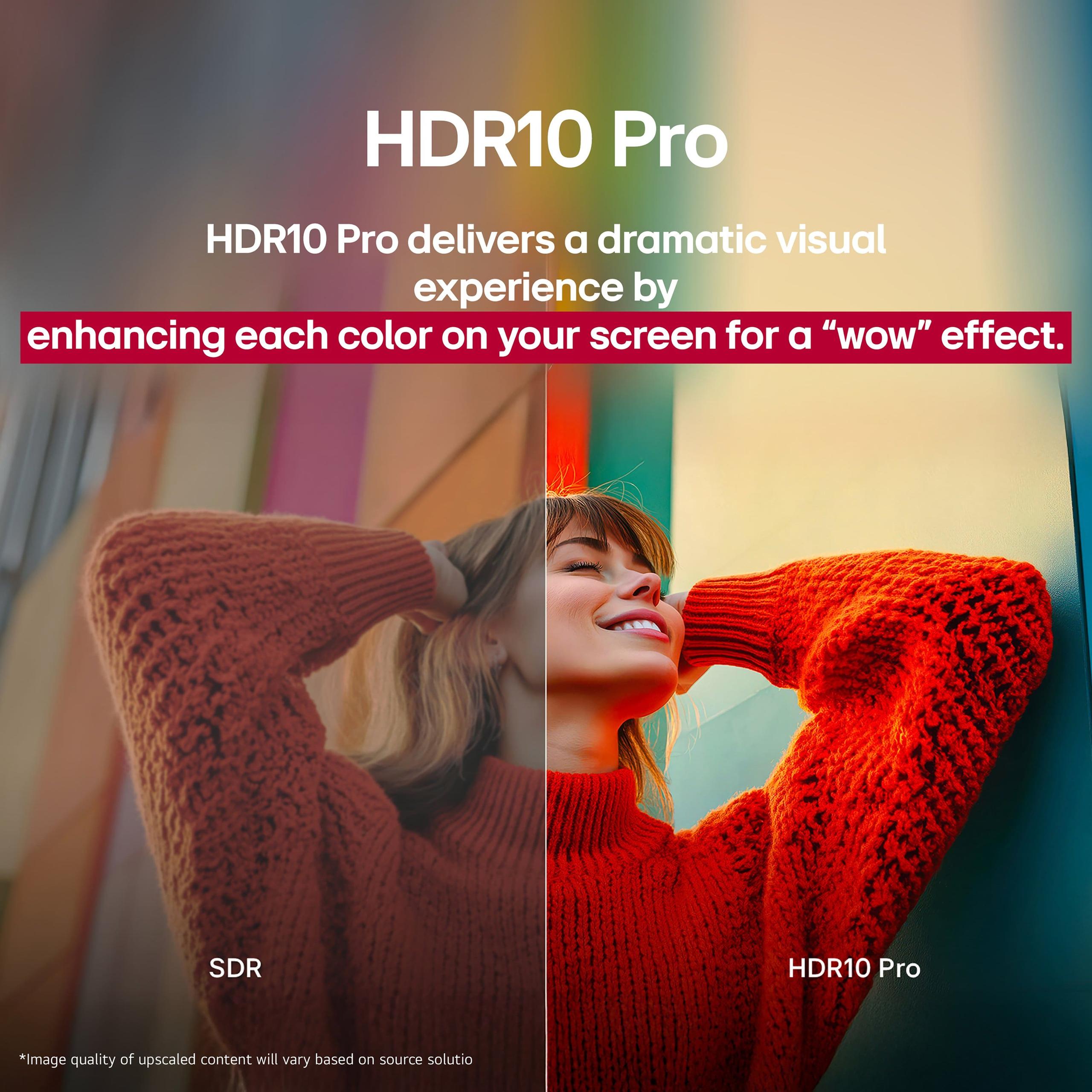
For movie watching, both support the major HDR formats, but the TCL includes Dolby Vision IQ, which automatically adjusts HDR performance based on ambient lighting conditions. This is particularly useful in home theaters where you might watch content at different times of day.
The $300 price difference between these TVs is significant, and it's important to understand what you're getting for that extra cost with the LG QNED85A.
The LG's advantages include more advanced AI processing, longer software support commitment, and generally more refined user experience. The brand reputation and customer support are also factors to consider.
The TCL QM6K offers superior hardware in several key areas—better local dimming, higher refresh rates, and significantly better built-in audio. For many users, these tangible improvements might be more valuable than the LG's software advantages.
Choose the TCL QM6K if you prioritize value and performance. It's particularly appealing if you're a gamer who values high refresh rates, a movie enthusiast who wants the best contrast performance, or someone who prefers to save money without sacrificing picture quality.
The LG QNED85A makes sense if you value brand reliability, want the most advanced AI features, or prefer the webOS platform. The five-year update guarantee is also compelling for users who keep TVs for many years.
Both TVs represent excellent choices in the Mini LED category. The TCL offers exceptional value with flagship-level features at a competitive price, while the LG provides a more premium experience with advanced software features and long-term support.
For most buyers, the TCL QM6K emerges as the better choice, delivering about 80% of the LG's performance at 70% of the price. However, the LG QNED85A remains a solid option for users who prioritize the specific advantages it offers and are willing to pay the premium for them.
The Mini LED TV category continues to evolve rapidly, and both of these 2025 models represent significant improvements over previous generations. Whichever you choose, you'll be getting a TV that delivers impressive picture quality, modern smart features, and excellent gaming performance that should serve you well for years to come.
| LG 65" QNED evo AI QNED85A 4K MiniLED Smart TV 2025 | TCL 65" QM6K QD-Mini LED 4K TV |
|---|---|
| Price - Key value consideration for 65" Mini LED TVs | |
| $999.99 | $699.99 |
| Display Technology - Both use Mini LED but different quantum dot implementations | |
| QNED evo (Quantum Dot + NanoCell) with Mini LED backlight | QD-Mini LED (Quantum Dot + Mini LED) |
| Local Dimming Zones - More zones = better contrast and less blooming | |
| Mini LED with Precision Dimming Pro (zone count not specified) | Up to LD500 precise dimming zones |
| Refresh Rate - Higher rates mean smoother motion and better gaming | |
| Native 120Hz with 144Hz PC gaming support | Native 144Hz with Game Accelerator 288Hz VRR |
| Processor - The "brain" that optimizes picture quality in real-time | |
| α8 Gen 2 AI Processor (70% performance boost) | TCL AiPQ Pro Processor |
| HDR Support - Determines how well the TV handles high dynamic range content | |
| HDR10, HLG, Dolby Vision, Dynamic Tone Mapping Pro | Dolby Vision IQ, HDR10+, HDR10, HLG, Dolby Vision Filmmaker Mode |
| Gaming Features - Important for console and PC gaming performance | |
| 4x HDMI 2.1, VRR, FreeSync, GeForce NOW, Game Optimizer | 144Hz native, VRR up to 288Hz, AMD FreeSync Premium Pro, Game Accelerator |
| Smart Platform - Your daily interface for streaming and apps | |
| webOS 25 with 5-year update guarantee | Google TV with Google Assistant and Alexa |
| Audio System - Built-in sound quality affects immediate usability | |
| Virtual 5.1 surround, AI Sound Pro, Dolby Atmos support | Onkyo 2.1 system (40W), Dolby Atmos, DTS Virtual:X, IMAX Enhanced |
| AI Features - Advanced personalization and optimization capabilities | |
| AI Voice ID, AI Concierge, Microsoft Copilot integration | Standard Google TV AI features |
| Color Performance - Affects vibrancy and accuracy of all content | |
| 100% Color Volume verified by Intertek | DCI-P3 color accuracy, improved anti-glare |
| Warranty & Support - Long-term ownership considerations | |
| 1-year manufacturer warranty, 5-year OS updates | Standard TCL warranty |
The TCL 65" QM6K QD-Mini LED 4K TV at $699.99 offers superior value compared to the LG 65" QNED evo AI QNED85A 4K MiniLED Smart TV 2025 at $999.99. The TCL provides better contrast, more local dimming zones, higher refresh rates, and superior built-in audio for $300 less.
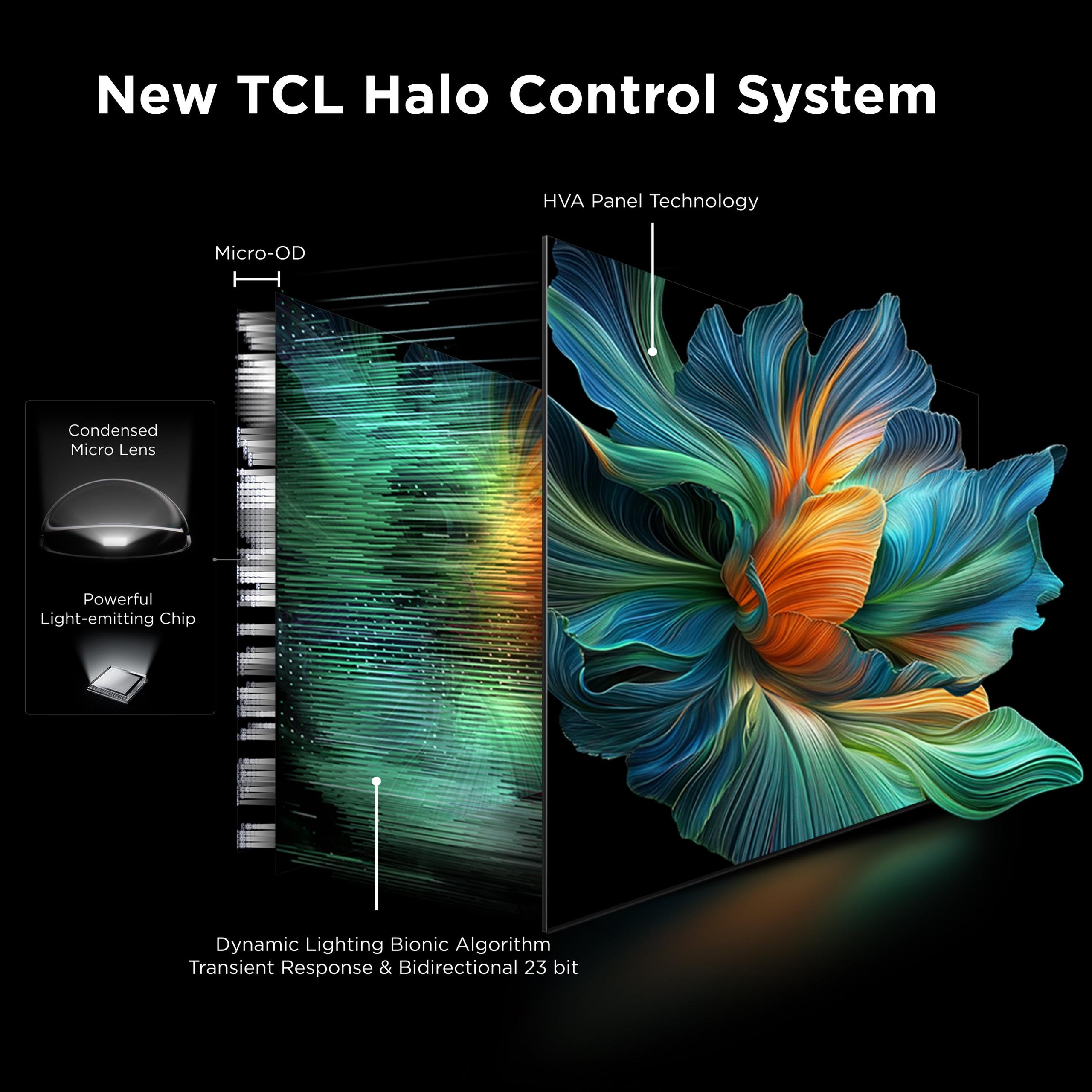
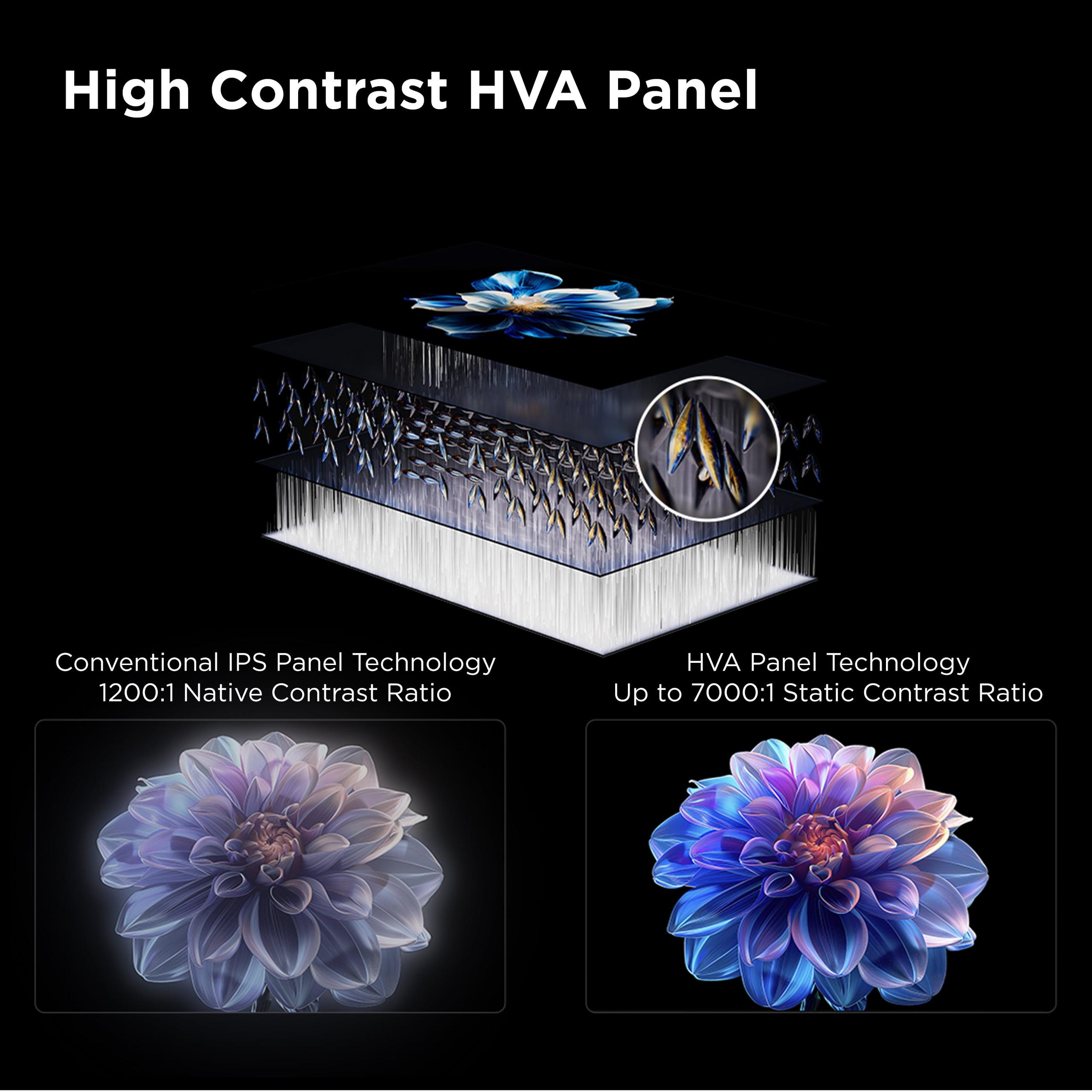
The TCL QM6K delivers better contrast and black levels thanks to its HVA panel and up to 500 local dimming zones, making it ideal for dark room viewing. The LG QNED85A offers superior color processing with its AI-powered α8 Gen 2 processor and performs better in bright rooms.
The TCL 65" QM6K QD-Mini LED 4K TV has advantages for gaming with its native 144Hz refresh rate, Game Accelerator 288Hz VRR support, and AMD FreeSync Premium Pro certification. The LG QNED85A offers four HDMI 2.1 ports and solid gaming features but lower refresh rates.
The LG 65" QNED evo AI QNED85A 4K MiniLED Smart TV 2025 uses webOS 25 with advanced AI features like Voice ID and a 5-year update guarantee. The TCL QM6K runs Google TV, which offers faster performance and better app selection but fewer AI personalization features.
The TCL 65" QM6K QD-Mini LED 4K TV significantly outperforms the LG QNED85A in audio quality with its Onkyo 2.1 speaker system featuring 40W output, dedicated subwoofer, and Dolby Atmos support. The LG relies on virtual surround sound processing.
Both TVs support major HDR formats, but the TCL QM6K includes Dolby Vision IQ for automatic brightness adjustment and generally achieves higher peak brightness. The LG 65" QNED evo AI QNED85A 4K MiniLED Smart TV 2025 offers Dynamic Tone Mapping Pro for scene optimization.
The LG 65" QNED evo AI QNED85A 4K MiniLED Smart TV 2025 performs better in bright rooms due to its superior anti-glare properties and AI-powered brightness optimization. The TCL QM6K excels in dark rooms but may struggle more with reflections.
For dedicated home theater use, the TCL 65" QM6K QD-Mini LED 4K TV is the better choice with its superior contrast ratio, 500 local dimming zones, and deeper black levels. The better built-in audio also reduces the immediate need for a soundbar.
The TCL QM6K offers a native 144Hz refresh rate compared to the LG QNED85A's 120Hz, providing smoother motion for fast-paced content. Both support variable refresh rate, but the TCL can handle up to 288Hz VRR.
The LG 65" QNED evo AI QNED85A 4K MiniLED Smart TV 2025 provides superior long-term support with its webOS Re:New program guaranteeing five years of OS updates. The TCL 65" QM6K QD-Mini LED 4K TV offers standard support but at a lower initial investment.
Both TVs deliver excellent color performance, but the TCL QM6K is noted for superior out-of-the-box color accuracy meeting DCI-P3 standards. The LG QNED85A offers 100% color volume coverage and more advanced color processing through its AI system.
If budget is a primary concern, the TCL 65" QM6K QD-Mini LED 4K TV at $699.99 delivers flagship-level performance at an exceptional price. The LG 65" QNED evo AI QNED85A 4K MiniLED Smart TV 2025 at $999.99 is worth the premium if you value advanced AI features, longer software support, and brand reliability.
We've done our best to create useful and informative comparisons to help you decide what product to buy. Our research uses advanced automated methods to create this comparison and perfection is not possible - please contact us for corrections or questions. These are the sites we've researched in the creation of this article: rtings.com - rtings.com - youtube.com - lg.com - smarthomesounds.co.uk - abt.com - abt.com - lg.com - displayspecifications.com - walmart.com - bestbuy.com - lg.com - lg.com - lg.com - files.bbystatic.com - flatpanelshd.com - north-side-appliance.com - lgnewsroom.com - lg.com - youtube.com - youtube.com - hindustantimes.com - youtube.com - tomsguide.com - youtube.com - tcl.com - tomsguide.com - youtube.com - youtube.com - hometechnologyreview.com - rtings.com - bestbuy.com - tcl.com - youtube.com - youtube.com - bestbuy.com - youtube.com - youtube.com - youtube.com - tcl.com - youtube.com - walmart.com - tcl.com - displayspecifications.com - kitele.com - displayspecifications.com - flatpanelshd.com - woodruffappliance.com - displayspecifications.com - prnewswire.com - tcl.com - youtube.com - abt.com - youtube.com - tclkenya.co.ke - budgethomefurn.com

Privacy Policy
Terms and Conditions - Affiliate Policy
Home Security
© Copyright 2008-2026.
11816 Inwood Rd #1211, Dallas, TX 75244