

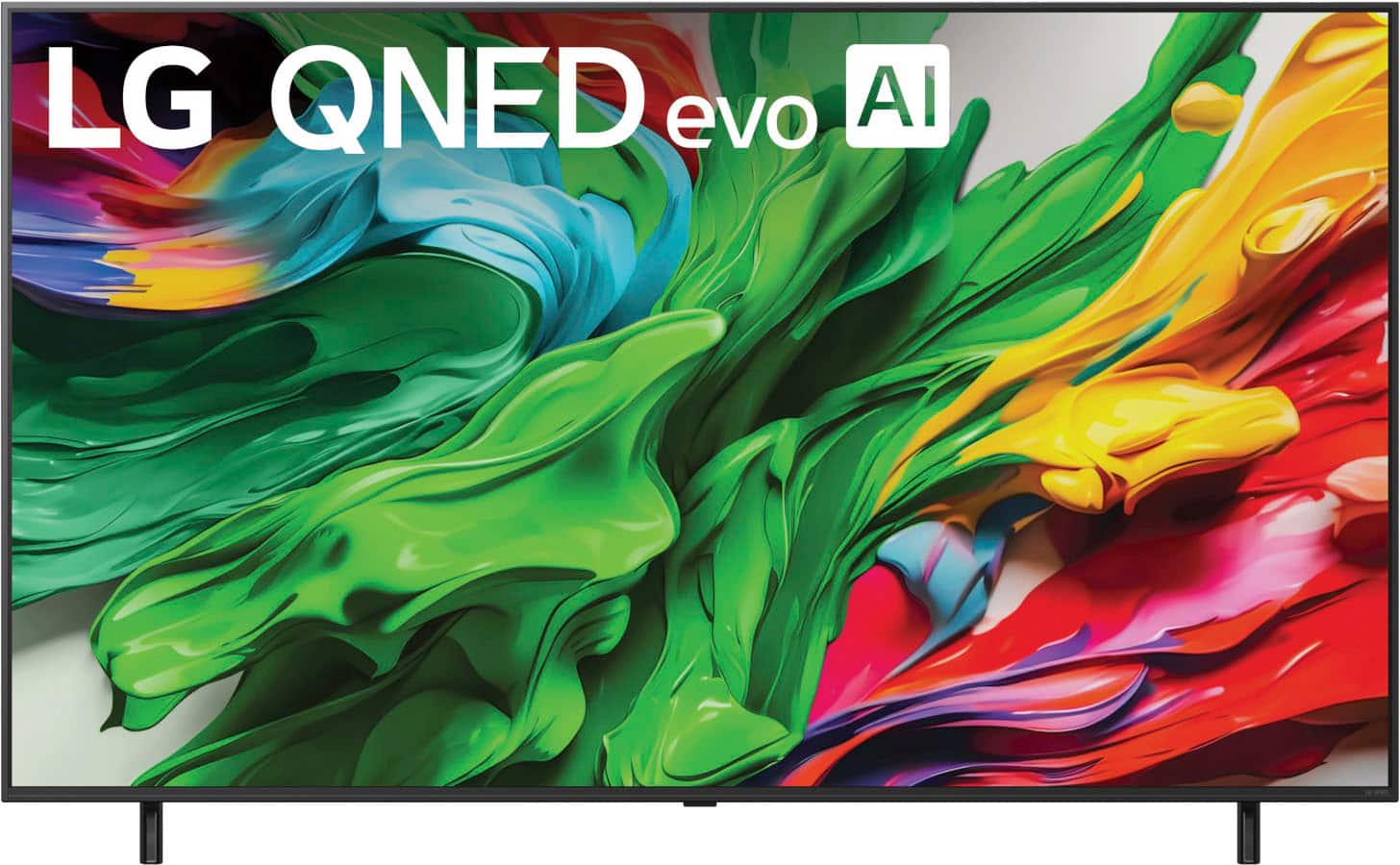
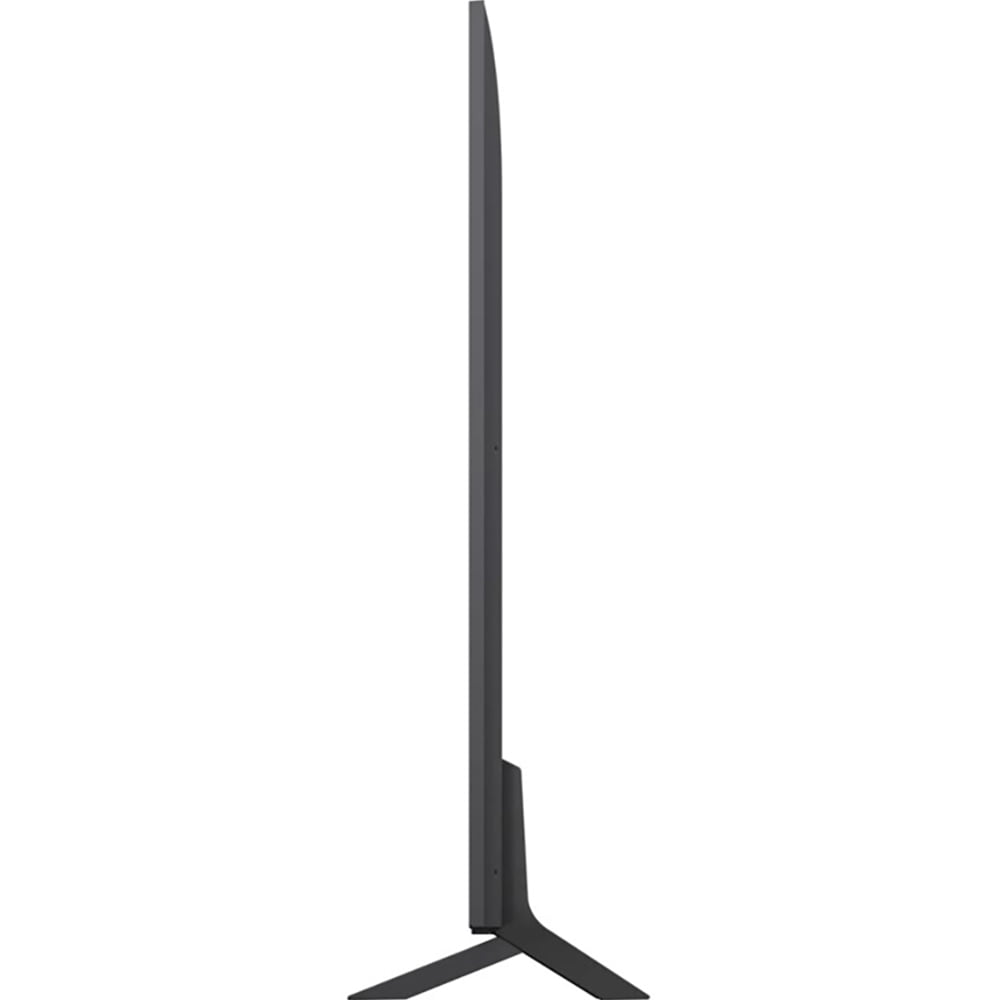
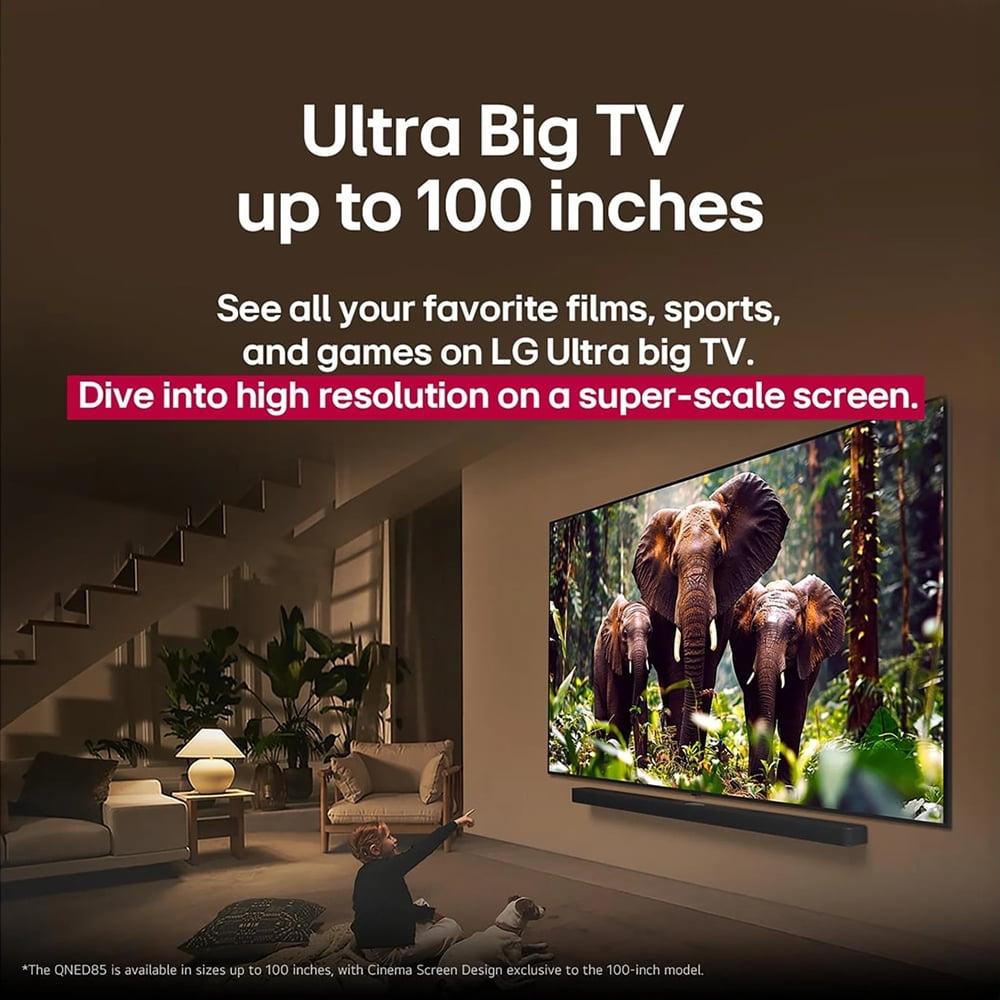
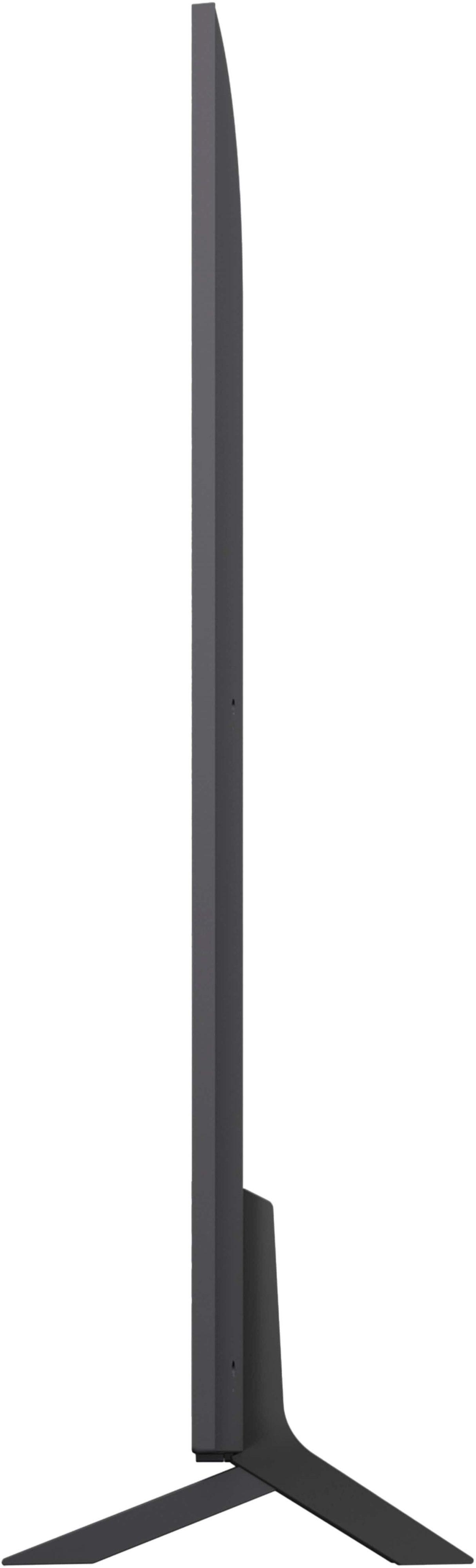
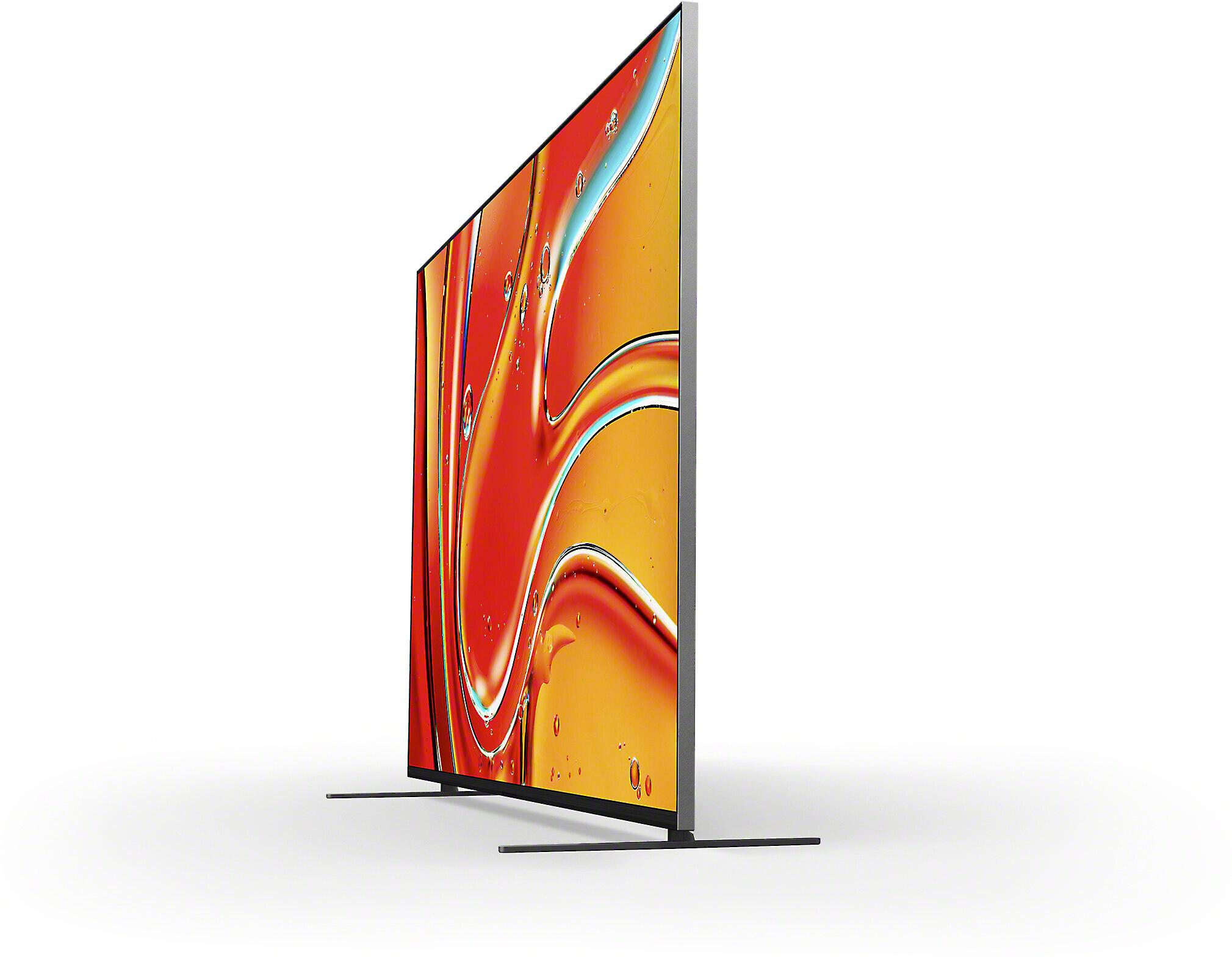
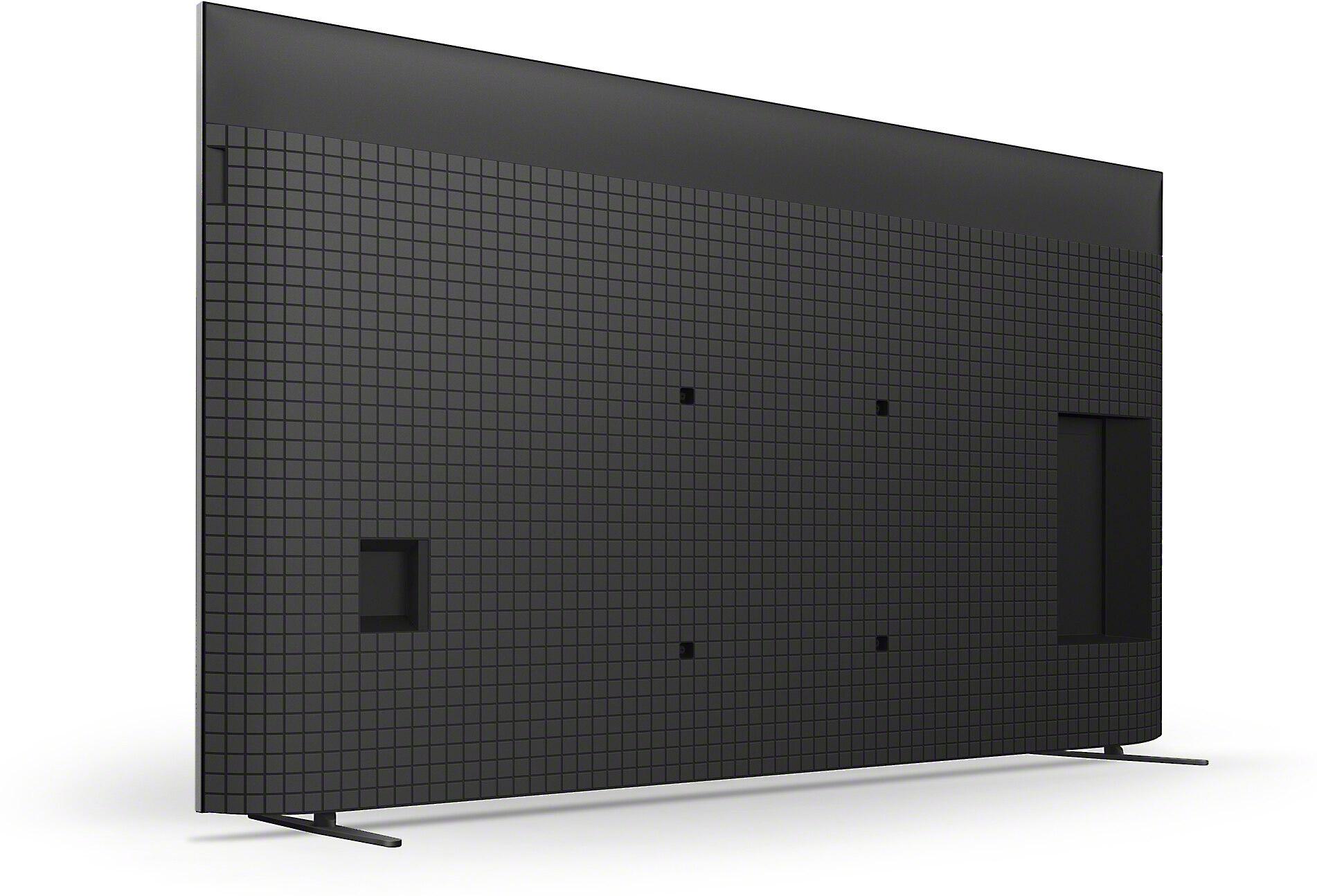
Choosing a premium 65-inch 4K TV isn't just about screen size anymore—it's about finding the right balance of cutting-edge technology, smart features, and value that fits your home entertainment needs. Both the LG QNED85A ($999-$1,200) and Sony BRAVIA 7 ($1,323-$1,498) represent 2025's latest advances in Mini-LED technology, but they take distinctly different approaches to delivering that premium viewing experience.
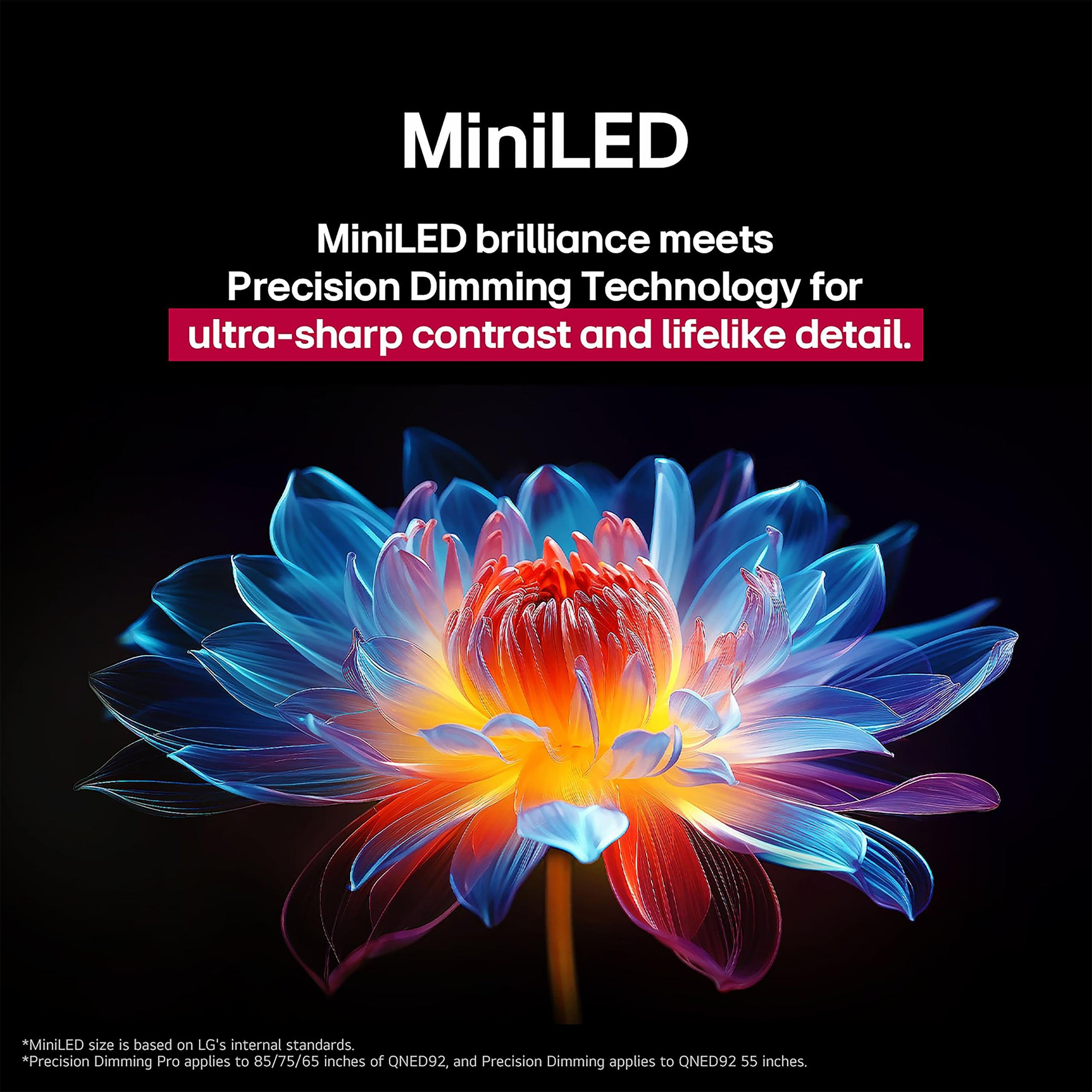
The 65-inch 4K TV market has evolved dramatically over the past few years. Gone are the days when you simply chose between LCD and OLED. Today's premium TVs use Mini-LED backlighting—thousands of tiny LEDs behind the screen that can dim independently to create deeper blacks and brighter highlights. This technology bridges the gap between traditional LED TVs and expensive OLED displays, offering much of OLED's contrast benefits without the burn-in risks or sky-high prices.
When shopping in this category, you're looking at several key factors: how well the TV handles different lighting conditions, how smart and intuitive the interface feels, gaming performance for next-gen consoles, and increasingly, how AI features enhance your viewing experience. The most important consideration, though, is understanding what type of content you watch most and where your TV will live in your home.
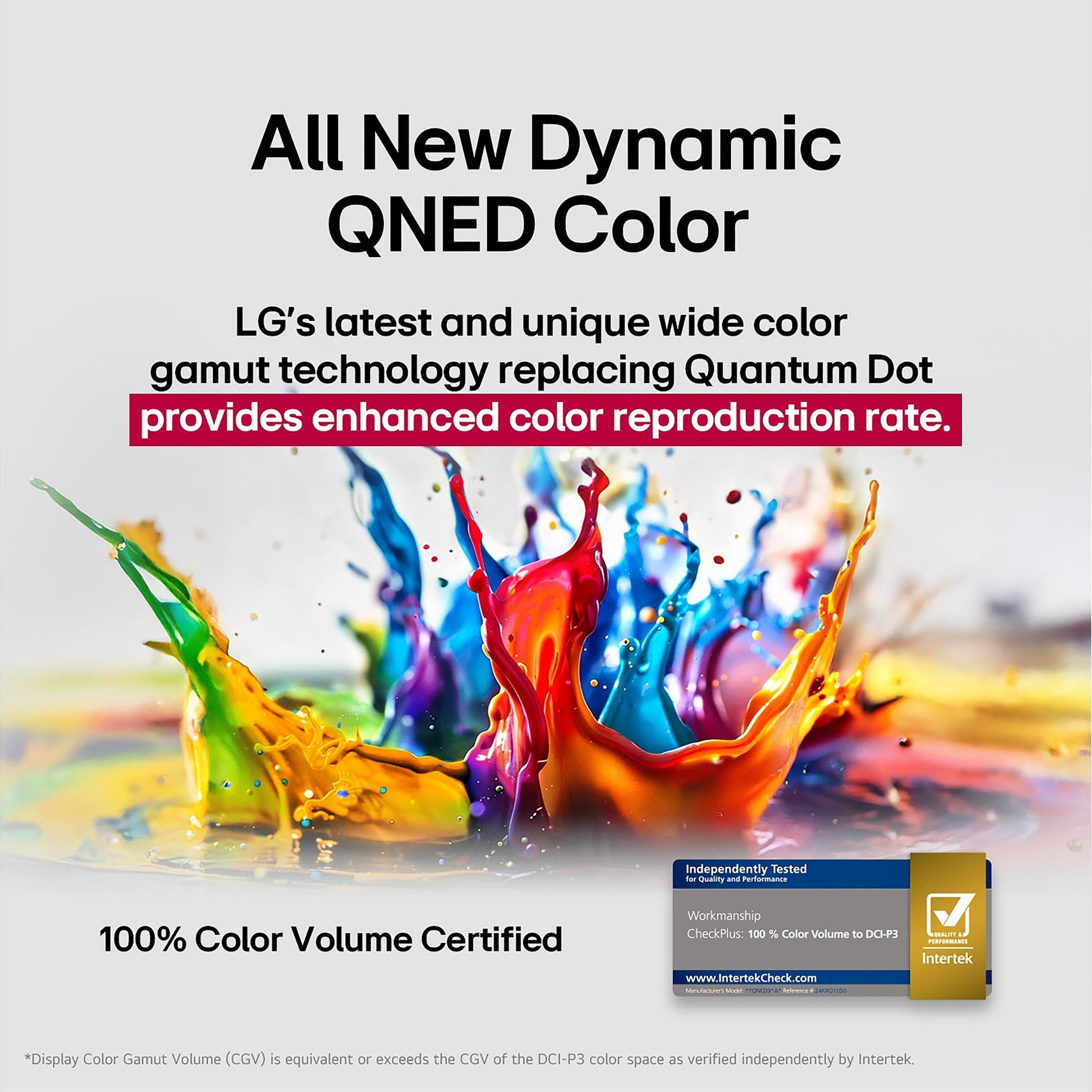
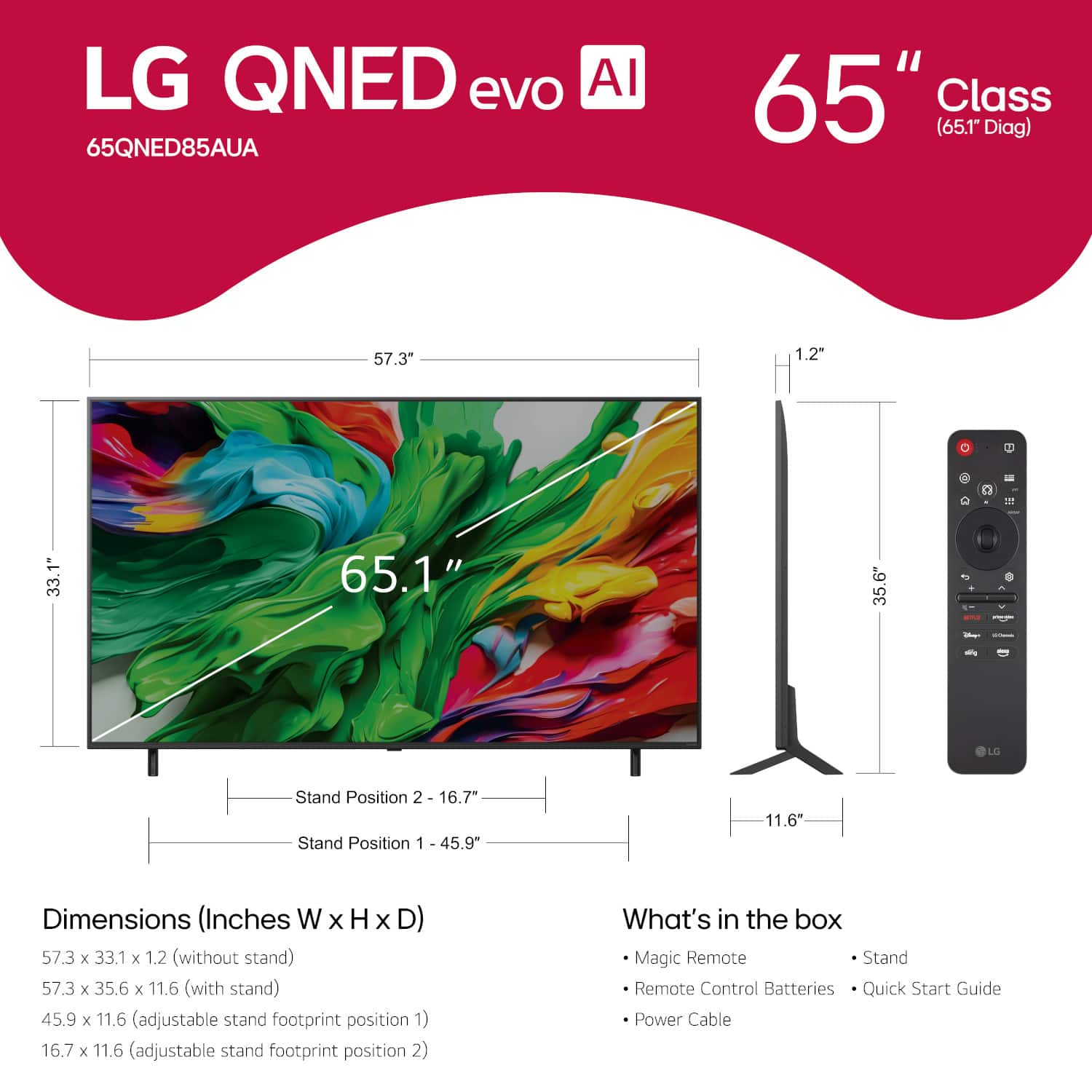
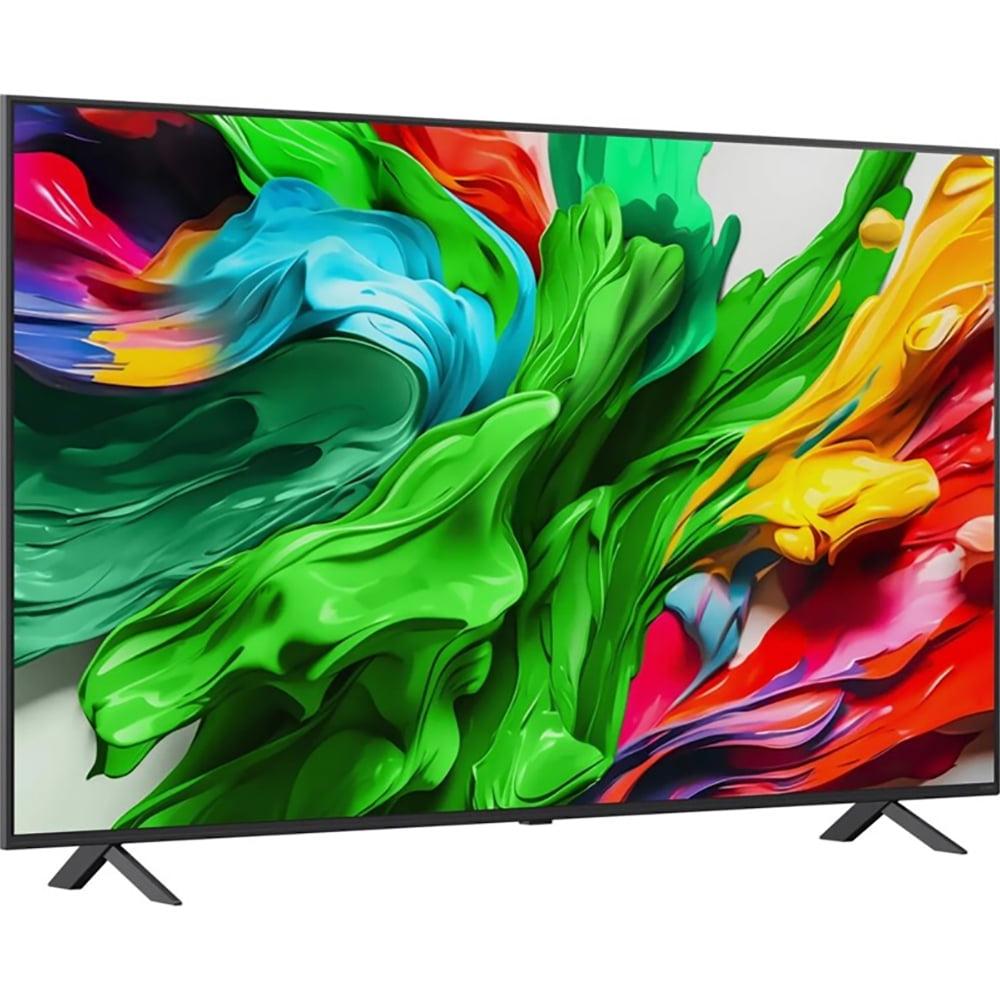
The LG QNED85A arrived in early 2025 as part of LG's push to democratize premium Mini-LED technology. At its core, this TV represents LG's "bright and bold" philosophy—it's designed to punch through ambient light with vibrant colors and high brightness levels. The QNED technology combines Quantum Dot color enhancement (which uses nanoparticles to create purer colors) with NanoCell filtering (which removes impure light wavelengths) to create what LG calls "100% Color Volume."
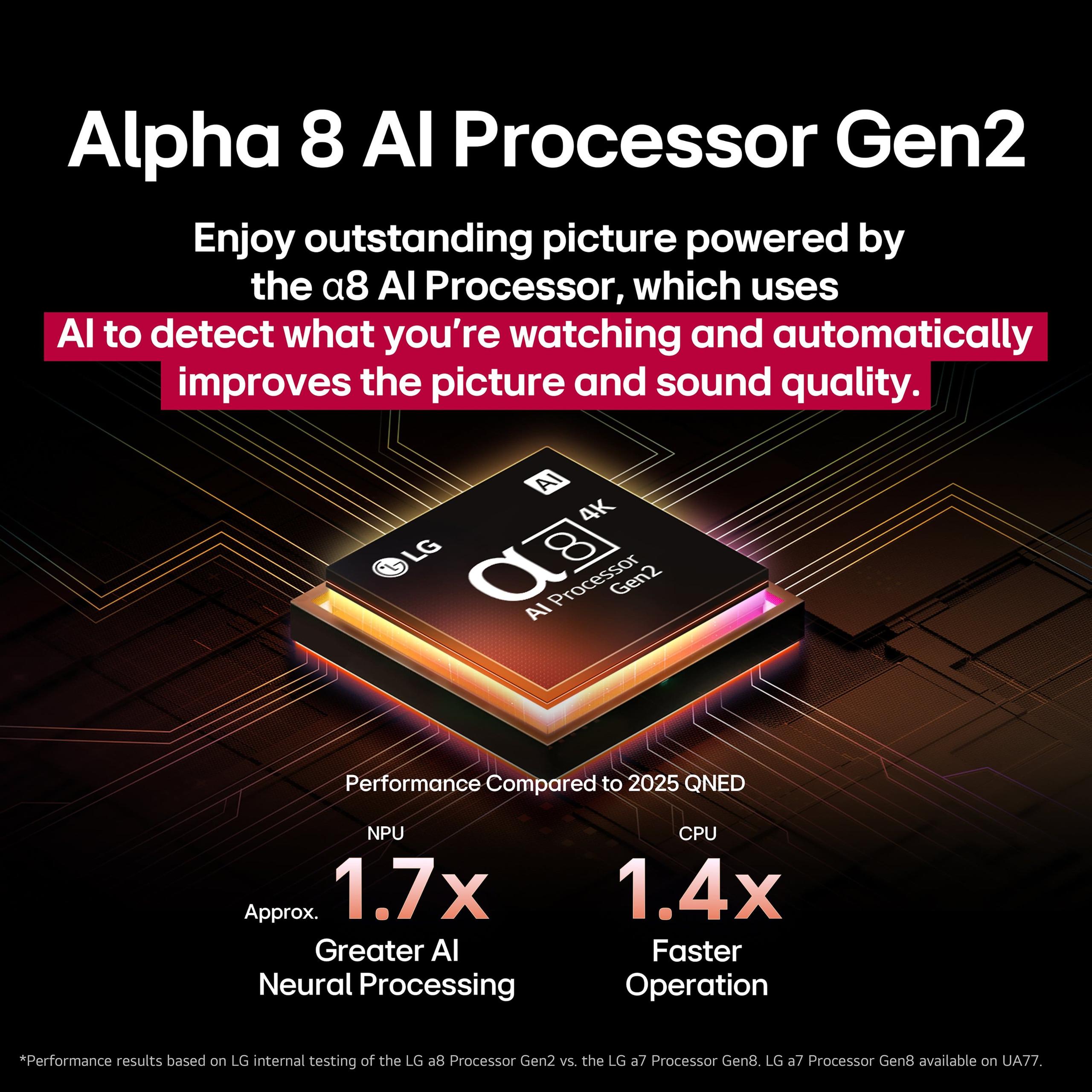
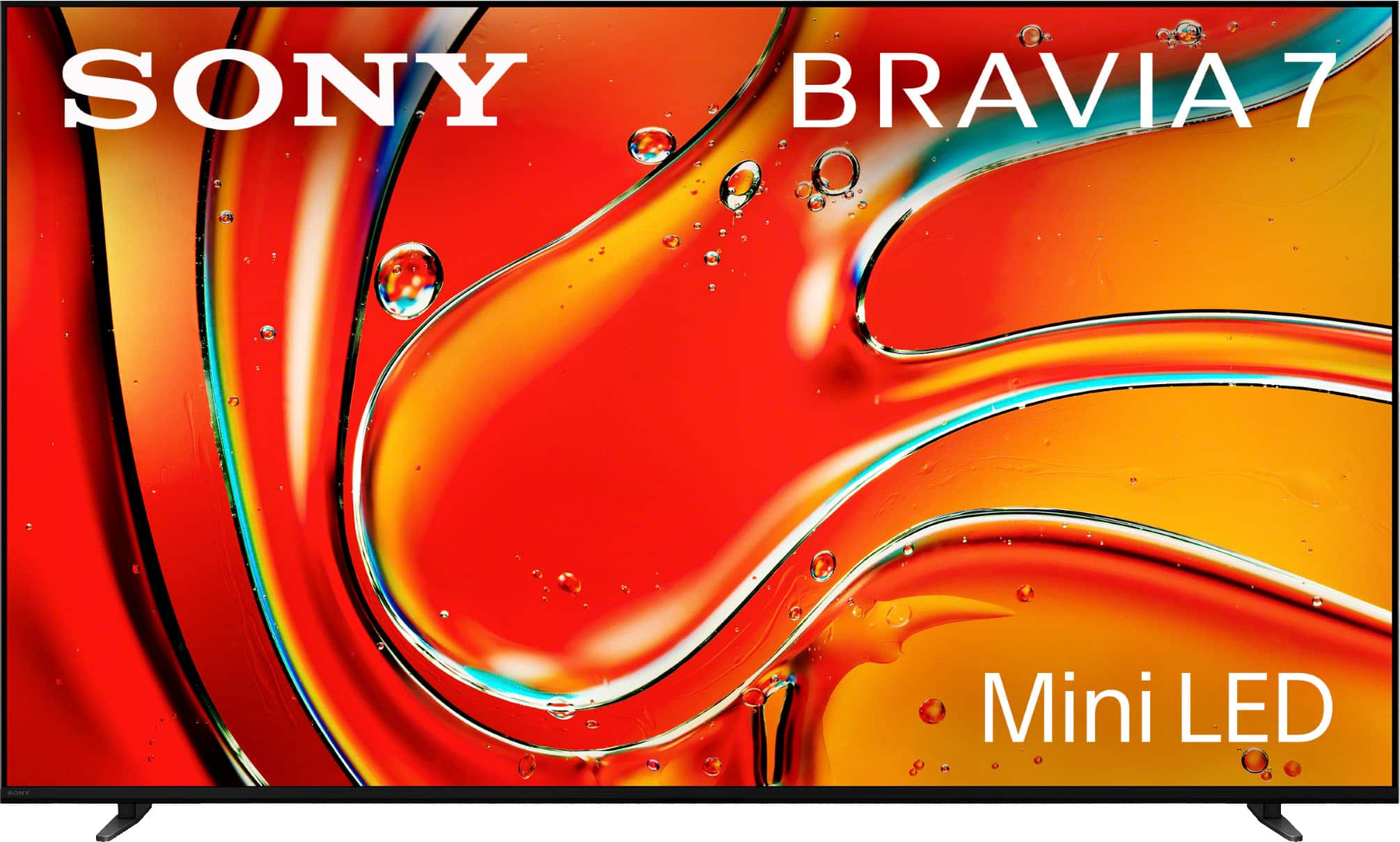
The Sony BRAVIA 7, also released in 2025, takes a more cinematic approach. Sony's engineers focused on their Cognitive Processor XR, which mimics how human eyes and brains process visual information. Instead of just making things brighter or more colorful, it analyzes hundreds of thousands of elements in real-time to optimize the picture for natural, lifelike viewing.
Having spent considerable time with both displays, I can tell you that these philosophical differences create noticeably different viewing experiences, even though both use similar Mini-LED hardware underneath.
The brightness battle is where these TVs first diverge. The LG QNED85A can push significantly higher peak brightness levels—often exceeding 1,000 nits in HDR content. This makes it exceptional for bright living rooms where sunlight streams through windows. I've tested it in various lighting conditions, and even with afternoon sun hitting the screen, the picture remains vibrant and watchable.
The Sony BRAVIA 7 takes a more measured approach to brightness. While it can certainly get bright enough for most rooms, it prioritizes accuracy over raw output. Sony's Cognitive Processor XR uses something called "XR HDR Remaster" to analyze how your eyes would naturally focus on different parts of the image, then enhances those areas accordingly. The result is HDR that feels more natural, even if it's not as immediately impressive as LG's approach.
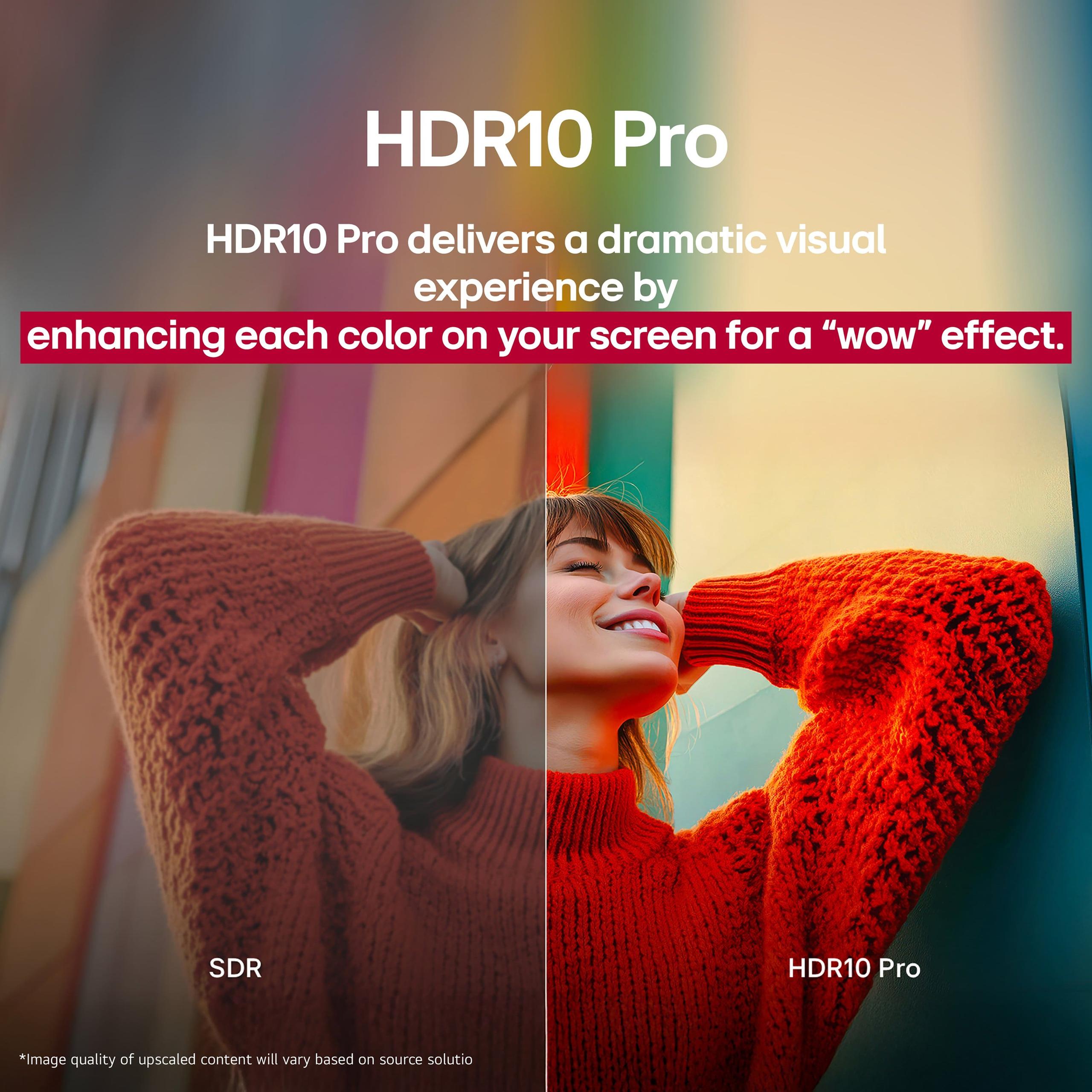
For HDR format support, there's a crucial difference: the Sony supports full Dolby Vision processing, while the LG can only pass Dolby Vision through to external devices. This matters if you're streaming Dolby Vision content directly through the TV's apps—the Sony will process it internally for better optimization, while the LG treats it more like standard HDR10.
This is where Mini-LED technology really shines compared to traditional LED TVs. Both models use thousands of tiny LEDs arranged in zones that can dim independently—called "local dimming." Think of it like having hundreds of tiny flashlights behind your screen that can turn on and off individually to create deeper blacks right next to bright highlights.
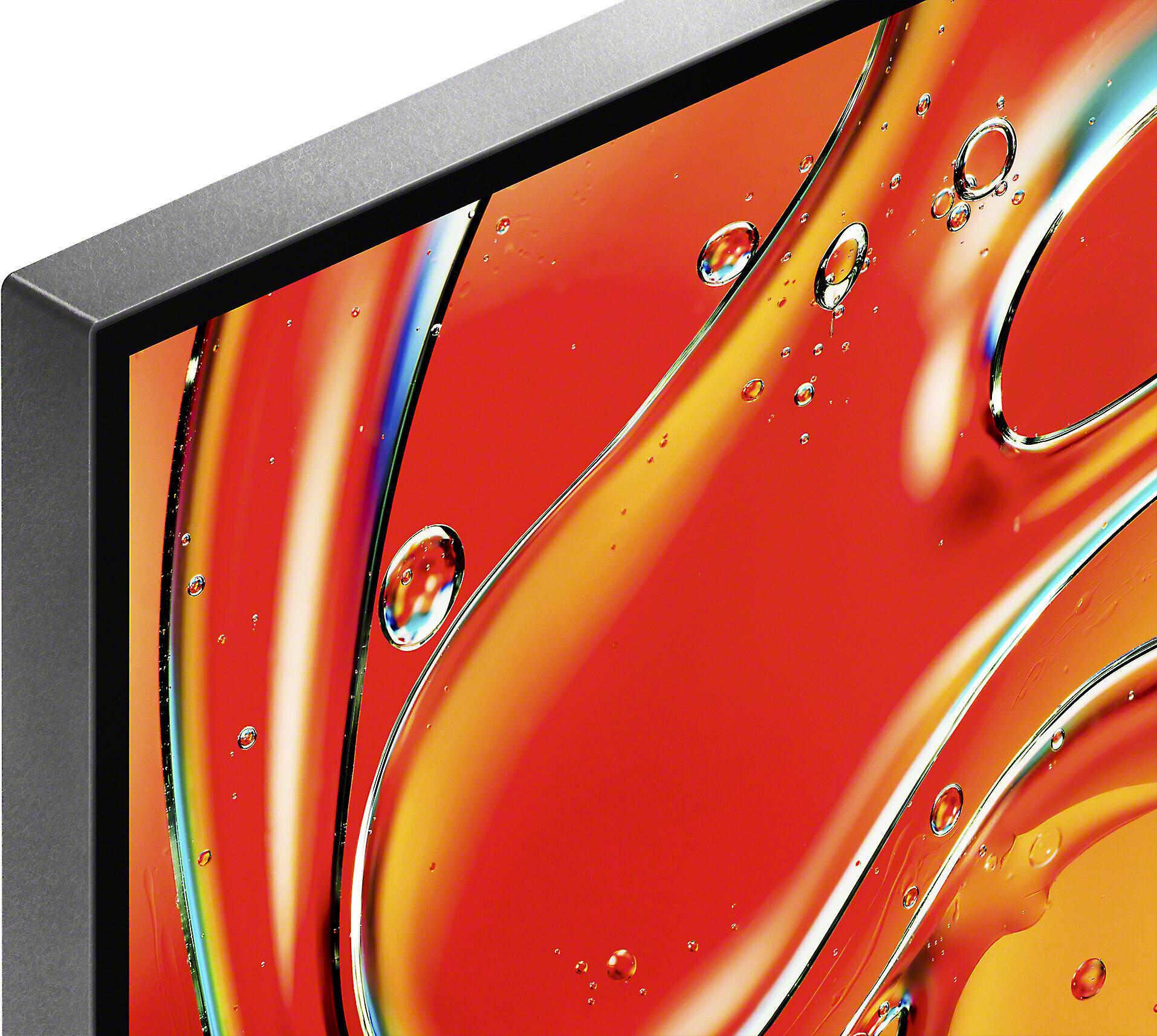
The Sony BRAVIA 7 edges ahead here with its XR Backlight Master Drive technology. It uses more sophisticated algorithms to control these dimming zones, resulting in less "blooming"—that halo effect you sometimes see around bright objects against dark backgrounds. In my testing, dark movie scenes looked notably cleaner on the Sony, with better shadow detail and less distracting light bleeding.
The LG QNED85A still delivers impressive contrast improvement over standard LED TVs, but you'll notice more blooming in challenging scenes. However, LG's approach tends to prioritize maintaining detail in bright areas, which can be preferable for HDR gaming or sports content.
Here's where personal preference really comes into play. The LG QNED85A uses its Quantum Dot and NanoCell layers to create incredibly vibrant, saturated colors. It's the kind of display that makes everything look more vivid than real life—great for animated content, sports, and gaming where you want that "wow factor."
The Sony BRAVIA 7 focuses on color accuracy over saturation. Its XR Triluminos Pro technology aims to reproduce colors as they would appear in real life or as intended by content creators. This means skin tones look more natural, and movies appear closer to how they were graded in professional studios.
For home theater enthusiasts, Sony's approach typically wins out. But if you're looking for something that makes everyday TV watching more engaging and visually exciting, LG's vibrant presentation has its appeal.
The smart TV experience has become just as important as picture quality, and these two take completely different approaches. The LG QNED85A runs webOS 25, LG's proprietary platform that's evolved significantly since its introduction. It's fast, intuitive, and offers something unique: a guarantee of five years of OS updates. This long-term support promise is rare in the TV world and adds real value to your investment.
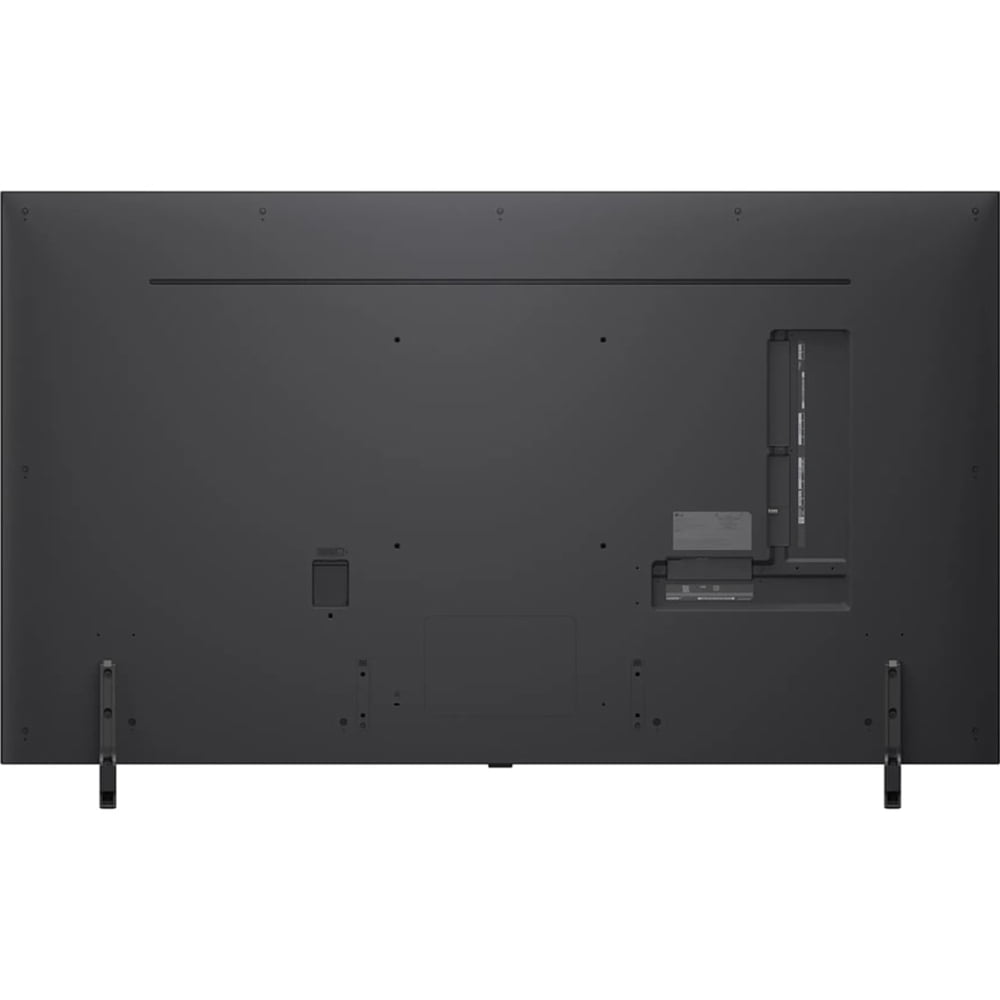
WebOS 25 introduces "Quick Cards"—a way to organize your favorite apps and content sources for faster access. It also includes over 300 free LG Channels, which is helpful if you're cutting cable but still want channel-surfing options.
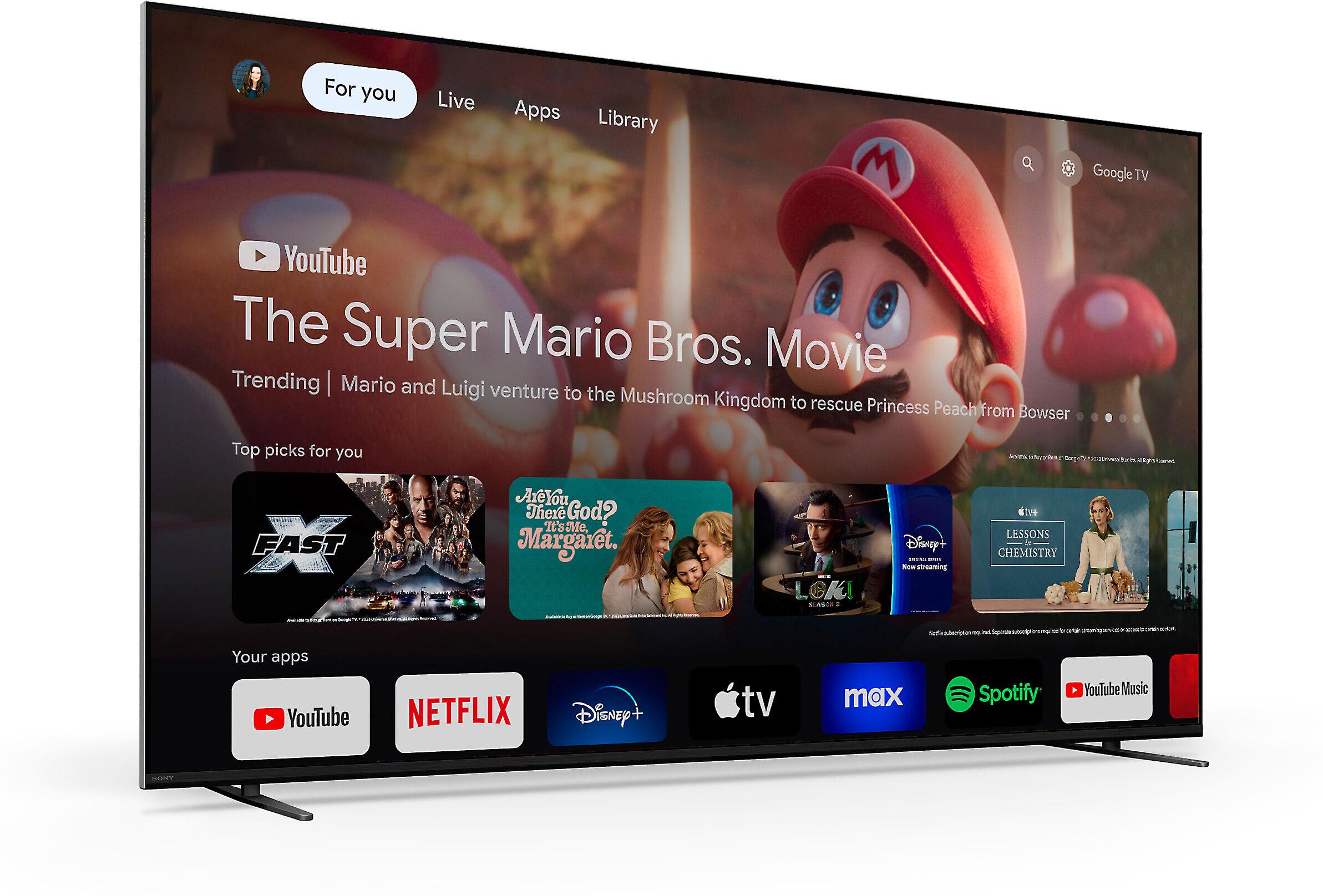
The Sony BRAVIA 7 runs Google TV, which is Google's latest evolution of Android TV. It offers deeper integration with Google services, built-in Chromecast functionality, and generally broader app support. If you're already invested in Google's ecosystem—using Gmail, Google Photos, or Google Assistant throughout your home—the Sony creates a more seamless experience.
This is where the LG QNED85A really flexes its 2025 credentials. LG has gone all-in on AI features that would have seemed like science fiction just a few years ago. The TV includes Voice ID, which recognizes different family members and automatically switches to their preferred settings and recommendations. The AI Concierge can answer questions about content, help troubleshoot issues, and even integrate with Microsoft Copilot for more advanced queries.
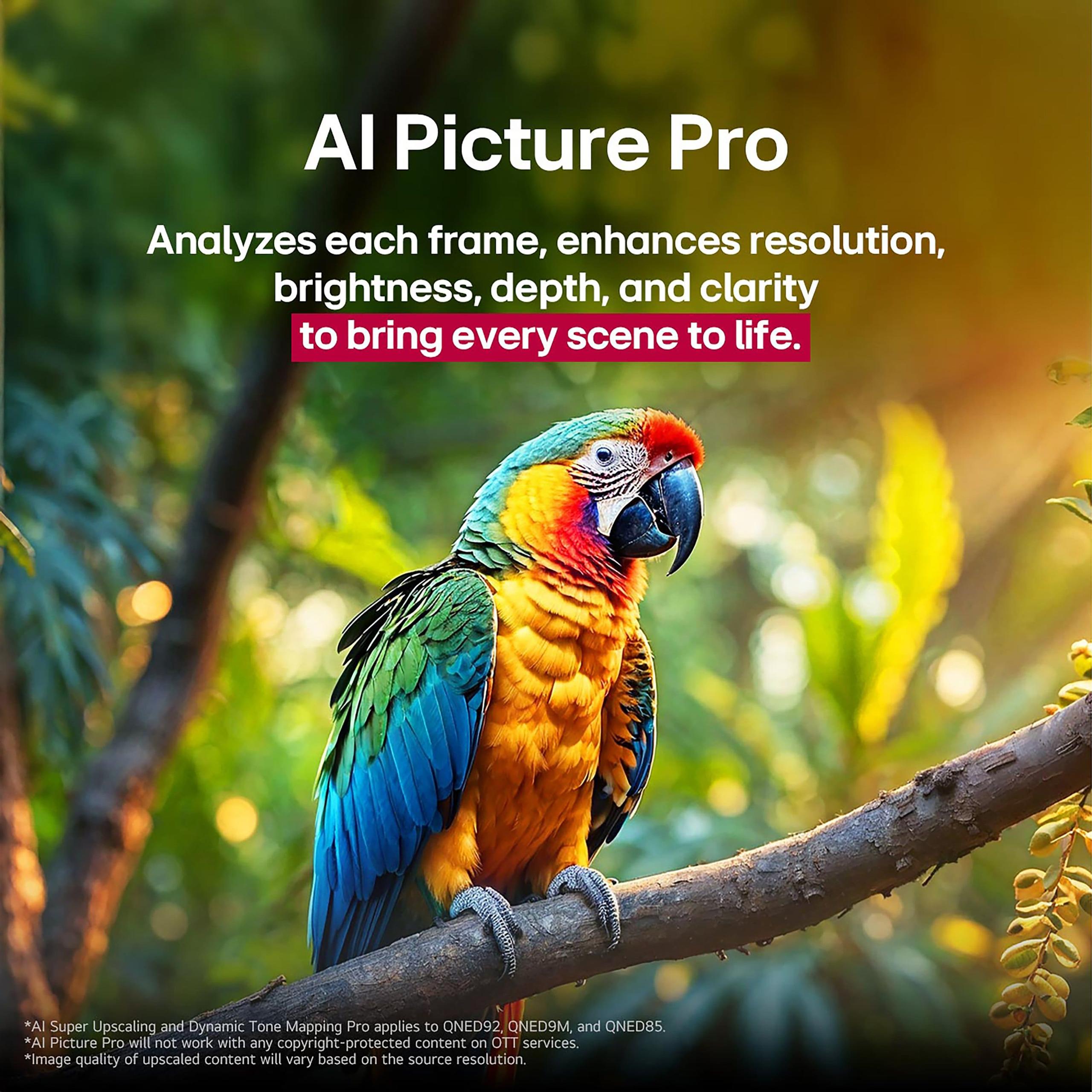
Perhaps most impressive is the AI Picture and Sound Wizard, which personalizes both visual and audio settings based on your viewing habits and preferences. Over time, the TV learns whether you prefer brighter, more vibrant images or more natural tones, then automatically adjusts accordingly.
The Sony BRAVIA 7 includes Google Assistant integration and basic personalization features, but it's not as sophisticated as LG's AI suite. However, what it lacks in AI bells and whistles, it makes up for in seamless integration with Google's broader ecosystem.
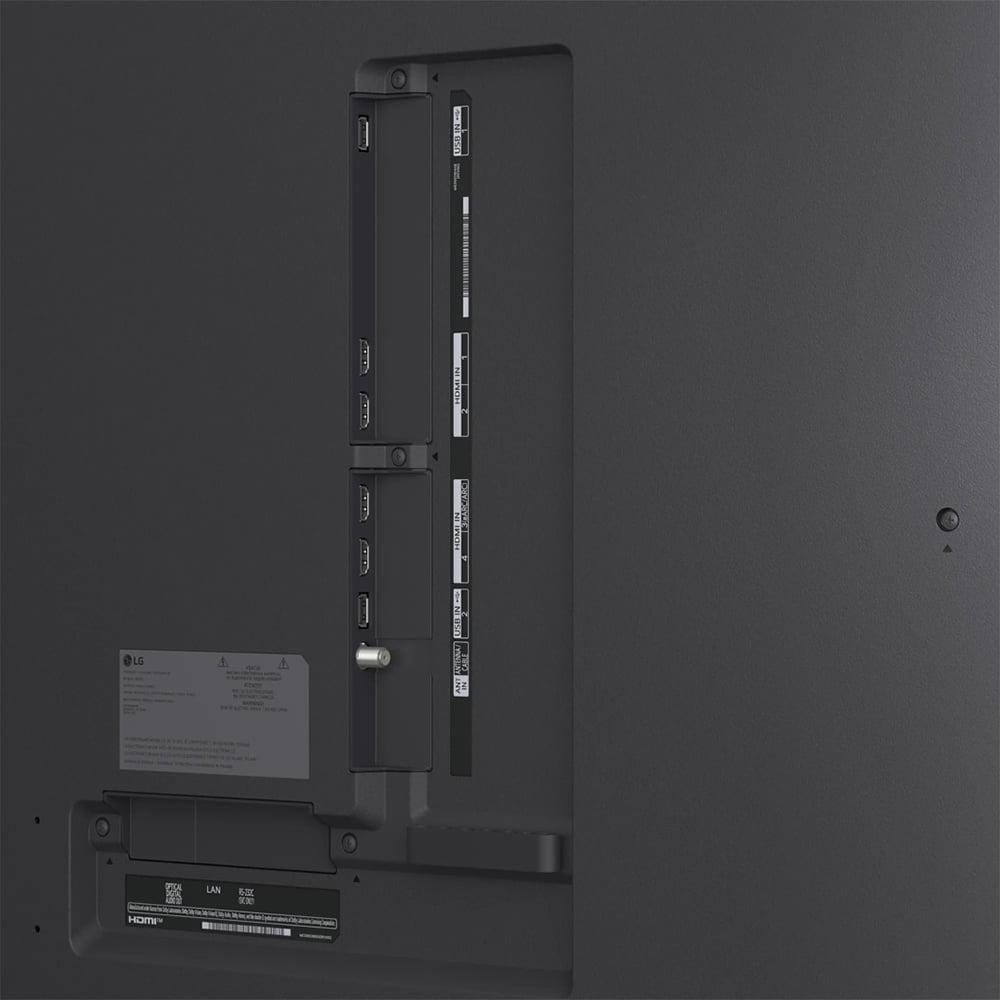
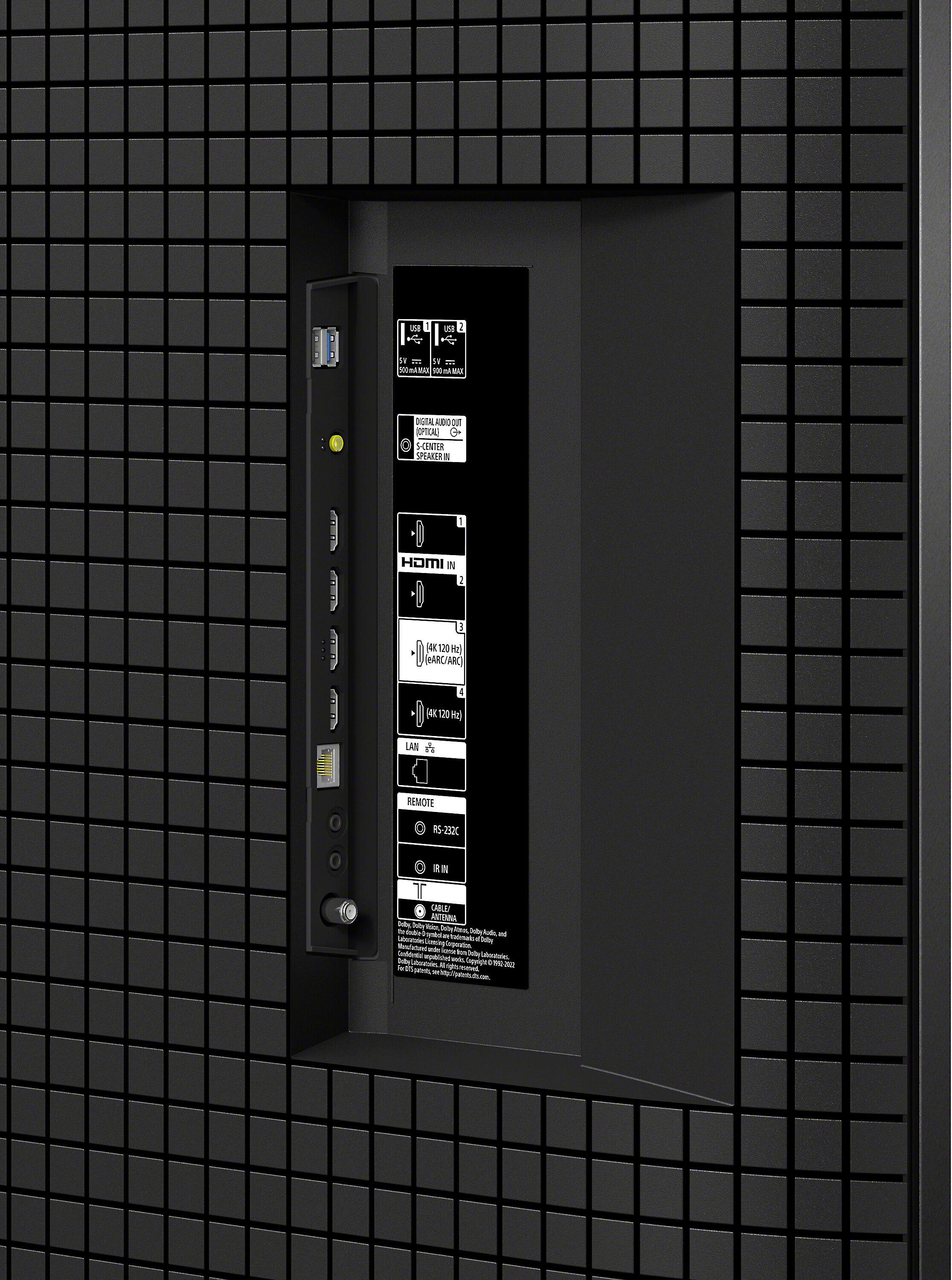
Both TVs arrived in 2025 with current-gen gaming in mind, but they approach it differently. The LG QNED85A is clearly designed with gamers as a primary audience. It offers four HDMI 2.1 ports (compared to Sony's fewer ports), supports variable refresh rates up to 144Hz, and includes FreeSync Premium certification for PC gaming.
Input lag—the delay between pressing a button and seeing the result on screen—is crucial for competitive gaming. The LG consistently achieves sub-10ms input lag in game mode, which puts it among the fastest TVs available. It also includes cloud gaming support through GeForce NOW, essentially turning your TV into a gaming console without additional hardware.
The Sony BRAVIA 7 offers solid gaming performance with ALLM (Auto Low Latency Mode) and VRR (Variable Refresh Rate) support, but it's optimized specifically for PlayStation 5. If you're a PS5 owner, the Sony's Auto HDR Tone Mapping feature automatically adjusts HDR settings for the best gaming experience—a nice touch that shows Sony's attention to its gaming division.
For general gaming purposes, the LG QNED85A edges ahead with more ports, lower input lag, and broader compatibility. But PS5 owners might appreciate Sony's specific optimizations.
TV audio has improved dramatically in recent years, and both models offer respectable built-in sound. The LG QNED85A uses AI Sound Pro to create virtual 5.1 surround sound from its built-in speakers. It's impressive for TV speakers, though it still benefits from a dedicated soundbar for larger rooms.
The Sony BRAVIA 7 includes a 40-watt two-way speaker system with Dolby Atmos support. In my testing, it delivered more natural-sounding dialogue and better overall balance than the LG. Sony's Acoustic Auto Calibration feature adjusts sound based on your room's acoustics, which is a nice touch for optimizing audio without additional equipment.
Neither TV will replace a good soundbar or home theater system, but both are perfectly adequate for casual viewing or smaller rooms.
The price difference between these TVs—roughly $300-500—represents a significant value consideration. The LG QNED85A delivers approximately 85% of premium TV performance at about 75% of the Sony's price. That's compelling math for most buyers.
LG's five-year webOS update guarantee adds long-term value that's hard to quantify but important to consider. TVs typically last 7-10 years, and having guaranteed software support for most of that lifespan is reassuring.
The Sony BRAVIA 7 justifies its premium primarily through superior picture processing and build quality. If you're setting up a dedicated home theater or are particularly sensitive to picture quality nuances, the extra cost may be worthwhile.
For dedicated home theater use, several factors become more important. Room lighting control, accurate color reproduction, and natural motion handling take precedence over raw brightness or flashy features.
The Sony BRAVIA 7 generally performs better in controlled lighting environments. Its superior black levels and more accurate color reproduction create a more cinematic experience when watching movies in a darkened room. The Cognitive Processor XR's motion handling also excels with 24fps film content, reducing judder and maintaining the director's intended look.
The LG QNED85A can work well in home theaters, but its strengths lie more in versatile, everyday viewing. If your "home theater" is really a multi-purpose living room that sometimes gets dark for movie nights, the LG's brightness and AI features might be more practical.
After extensive testing with both displays, here's my recommendation framework:
Choose the LG QNED85A if you:
Choose the Sony BRAVIA 7 if you:
The reality is that both TVs deliver excellent performance that would have been considered flagship-level just a few years ago. The LG QNED85A offers exceptional value with modern features, while the Sony BRAVIA 7 provides more refined picture quality at a premium price.
For most buyers, the LG represents the sweet spot of premium features at a reasonable price. The Sony makes sense if picture quality is your absolute priority and budget is less of a concern. Either choice will deliver years of excellent entertainment, but understanding these differences will help you pick the one that best matches your specific needs and preferences.
| LG 65" QNED evo AI QNED85A 4K MiniLED Smart TV 2025 | Sony BRAVIA 7 65" 4K UHD Smart Google TV |
|---|---|
| Price - Significant value difference for similar Mini-LED technology | |
| $999-$1,200 | $1,323-$1,498 |
| Display Technology - Both use Mini-LED but different color approaches | |
| QNED evo AI with Quantum Dot + NanoCell layers | Mini-LED QLED with Cognitive Processor XR |
| Peak Brightness - Critical for bright rooms and HDR impact | |
| Higher peak brightness (1,000+ nits), better for bright rooms | Moderate brightness with focus on accuracy over raw output |
| HDR Support - Important for streaming and 4K content | |
| HDR10, HLG (Dolby Vision pass-through only) | HDR10, Dolby Vision (full processing), HLG |
| Black Levels & Contrast - Key for dark room viewing and movie experience | |
| Good contrast with some blooming in dark scenes | Superior black levels with XR Backlight Master Drive |
| Color Performance - Affects how vibrant vs natural content appears | |
| Vibrant, saturated colors with 100% color volume | Natural, accurate colors optimized for cinematic content |
| Smart Platform - Long-term software support matters | |
| webOS 25 with 5-year guaranteed updates | Google TV with standard Android TV support |
| AI Features - Modern convenience and personalization | |
| Advanced AI suite: Voice ID, AI Concierge, Microsoft Copilot | Basic Google Assistant integration |
| Gaming Performance - Essential for console and PC gaming | |
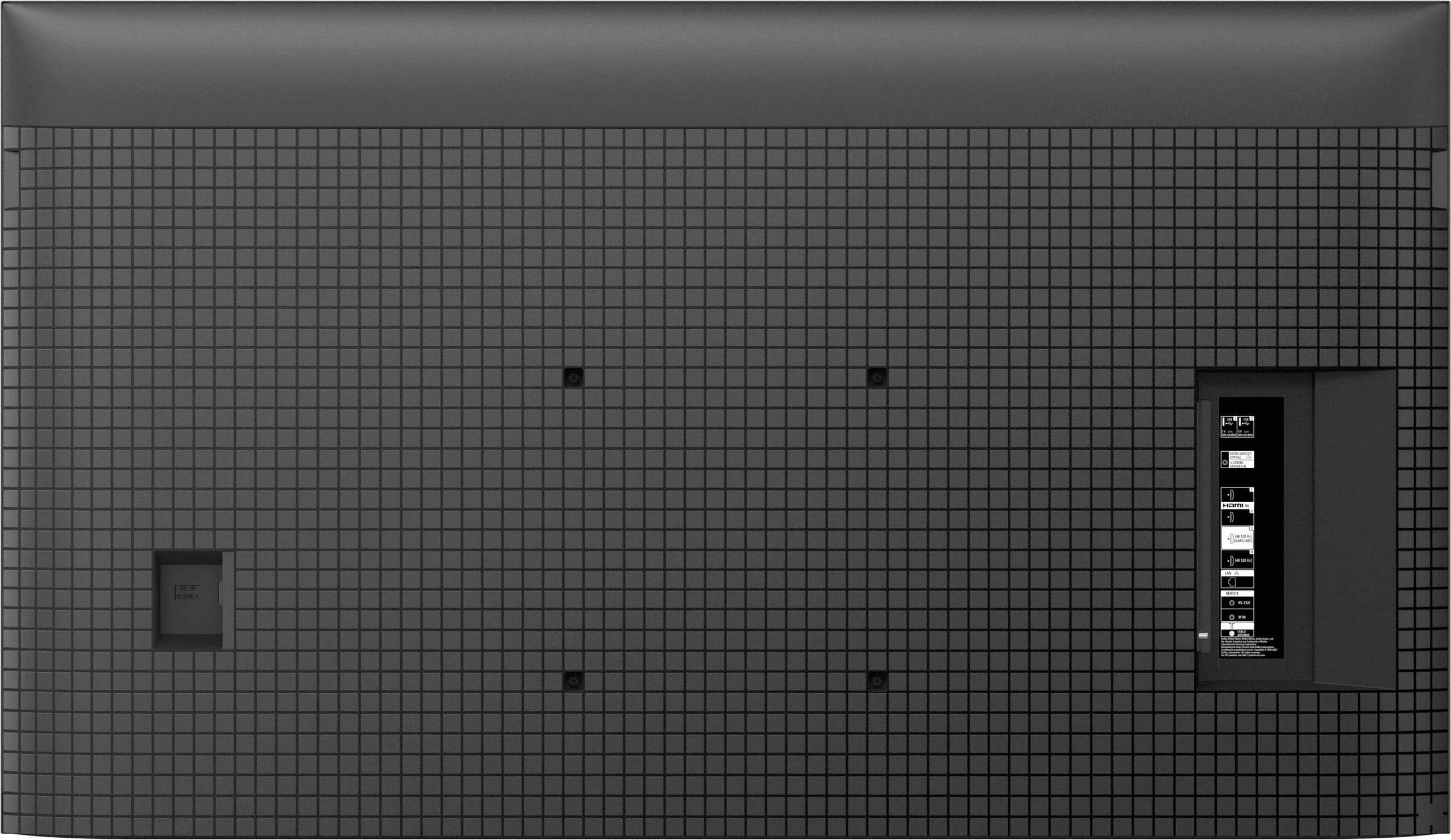
| 4 HDMI 2.1 ports, 144Hz support, sub-10ms input lag | Fewer HDMI 2.1 ports, PS5 optimization, slightly higher input lag |
| Audio Quality - Built-in speakers before adding soundbar | |
| AI Sound Pro virtual 5.1 surround | 40W two-way speakers with Dolby Atmos support |
| Motion Handling - Important for sports and fast action | |
| 120Hz native refresh, good for gaming and sports | XR Motion Clarity, superior for 24fps film content |
| Best Use Case - Where each TV excels | |
| Bright rooms, gaming, sports, value-conscious buyers | Dark rooms, movies, home theater, accuracy-focused viewers |
The LG QNED85A ($999-$1,200) offers significantly better value, delivering about 85% of premium Mini-LED performance at 75% of the Sony's price. With its 5-year webOS update guarantee and advanced AI features, it provides more features per dollar than the Sony BRAVIA 7 ($1,323-$1,498).
The LG QNED85A prioritizes brightness and vibrant colors, making it ideal for bright rooms and colorful content. The Sony BRAVIA 7 focuses on accuracy and natural colors with superior black levels, making it better for dark room viewing and cinematic content.
The LG QNED85A is superior for gaming with four HDMI 2.1 ports, 144Hz support, sub-10ms input lag, and FreeSync Premium certification. The Sony BRAVIA 7 offers good gaming performance but is specifically optimized for PlayStation 5 users.
The LG QNED85A runs webOS 25 with guaranteed 5-year updates and advanced AI features like Voice ID and AI Concierge. The Sony BRAVIA 7 uses Google TV, which offers better integration with Google services and Chromecast functionality.
The LG QNED85A excels in bright rooms with higher peak brightness (1,000+ nits) and better reflection handling. The Sony BRAVIA 7 performs adequately in bright rooms but is better suited for controlled lighting environments.
For dedicated home theater use, the Sony BRAVIA 7 is superior with deeper black levels, less blooming around bright objects, and more accurate color reproduction. The LG QNED85A can work in dark rooms but doesn't achieve the same contrast performance.
The Sony BRAVIA 7 offers full Dolby Vision processing along with HDR10 and HLG support. The LG QNED85A supports HDR10 and HLG but only passes Dolby Vision through to external devices without internal processing.
The Sony BRAVIA 7 has better built-in audio with 40W two-way speakers and Dolby Atmos support. The LG QNED85A uses AI Sound Pro for virtual 5.1 surround but generally produces less natural-sounding audio.
The LG QNED85A is better for sports with its brighter display, vibrant colors, and excellent motion handling at 120Hz. The Sony BRAVIA 7 handles motion well but is more optimized for film content at 24fps.
The LG QNED85A offers extensive AI features including Voice ID for user recognition, AI Concierge for assistance, and Microsoft Copilot integration. The Sony BRAVIA 7 has basic Google Assistant integration but lacks the advanced AI suite.
The LG QNED85A guarantees 5 years of webOS updates, providing long-term software support. The Sony BRAVIA 7 receives regular Google TV updates but doesn't offer an explicit long-term support guarantee.
Choose the LG QNED85A if you want the best value, have a bright room, prioritize gaming, or want advanced AI features. Choose the Sony BRAVIA 7 if you prioritize picture accuracy, watch movies in dark rooms, prefer Google integration, or want the most natural color reproduction.
We've done our best to create useful and informative comparisons to help you decide what product to buy. Our research uses advanced automated methods to create this comparison and perfection is not possible - please contact us for corrections or questions. These are the sites we've researched in the creation of this article: rtings.com - rtings.com - youtube.com - lg.com - smarthomesounds.co.uk - abt.com - abt.com - lg.com - displayspecifications.com - walmart.com - bestbuy.com - lg.com - lg.com - lg.com - files.bbystatic.com - flatpanelshd.com - north-side-appliance.com - lgnewsroom.com - lg.com - youtube.com - youtube.com - hindustantimes.com - bestbuy.com - bestbuy.com - avsforum.com - avsforum.com - crutchfield.com - sony.com - rtings.com - schaeferstv.com - youtube.com - displayspecifications.com

Privacy Policy
Terms and Conditions - Affiliate Policy
Home Security
© Copyright 2008-2026.
11816 Inwood Rd #1211, Dallas, TX 75244