

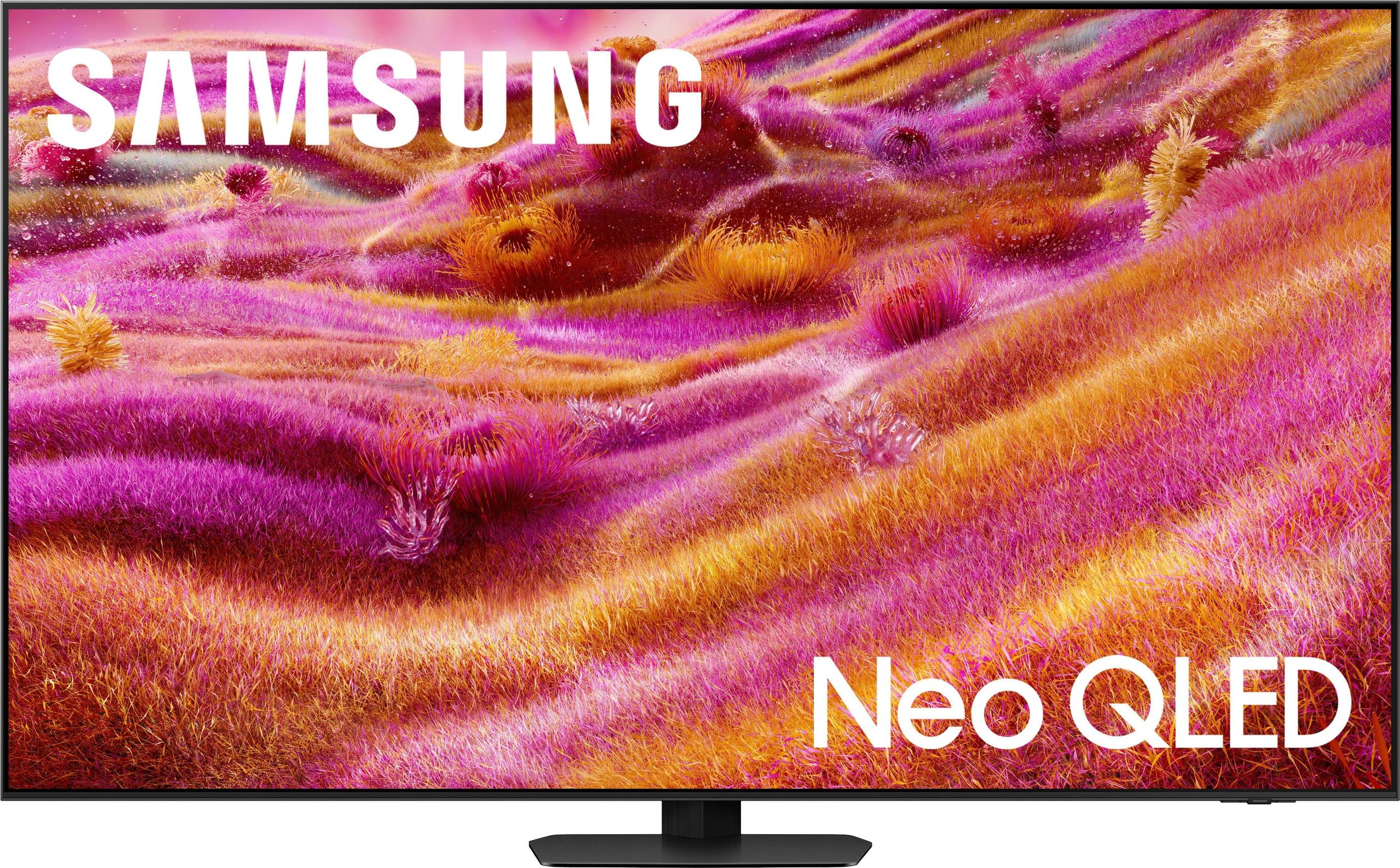
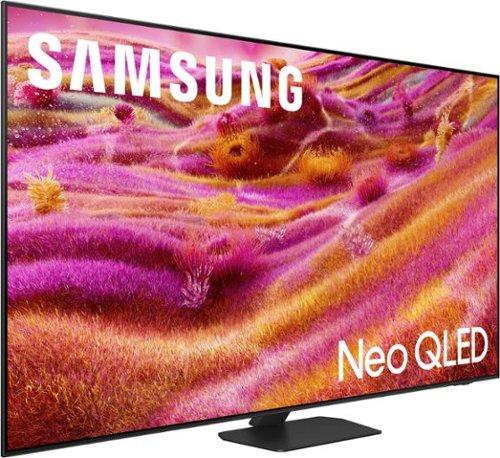
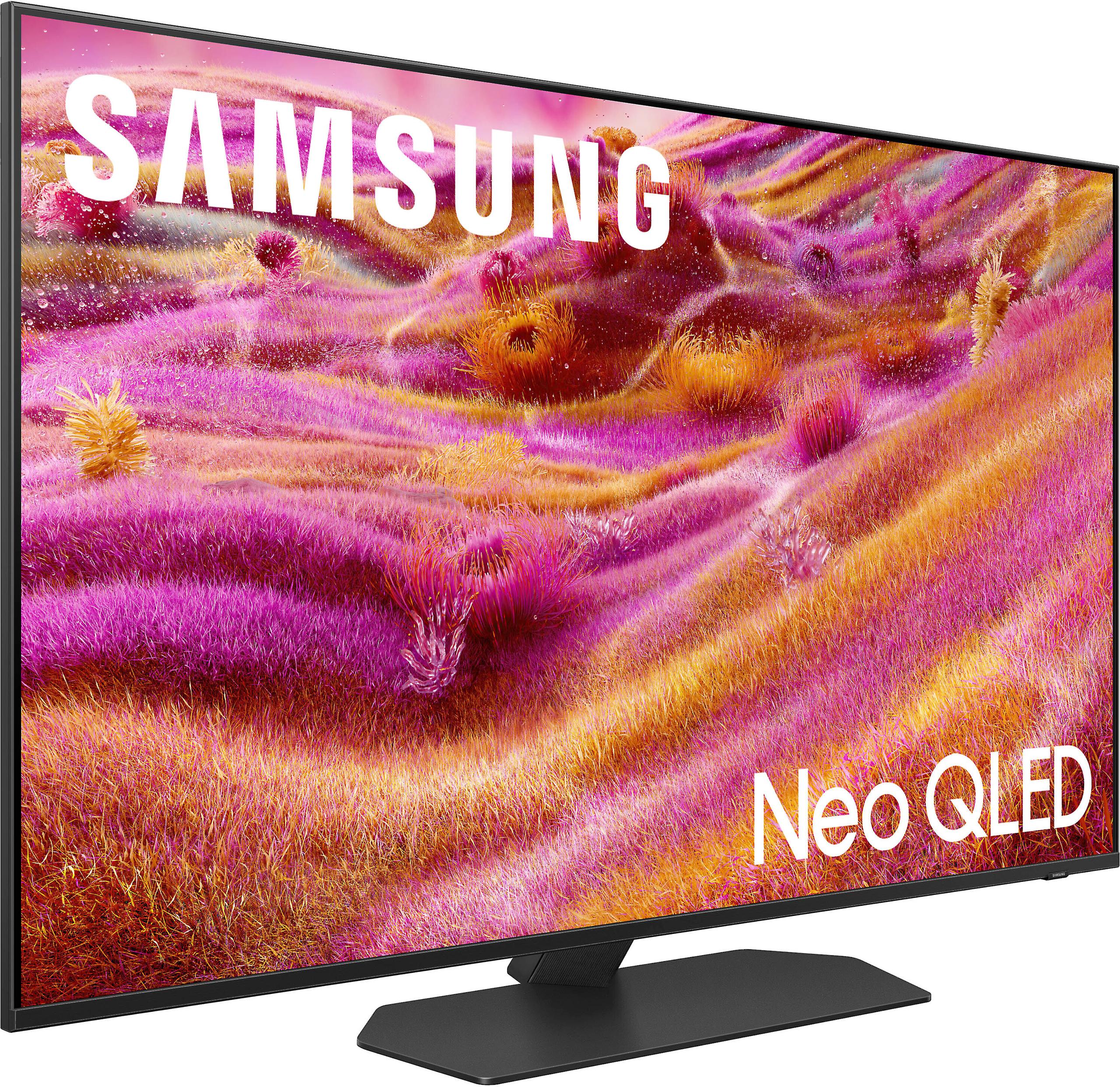
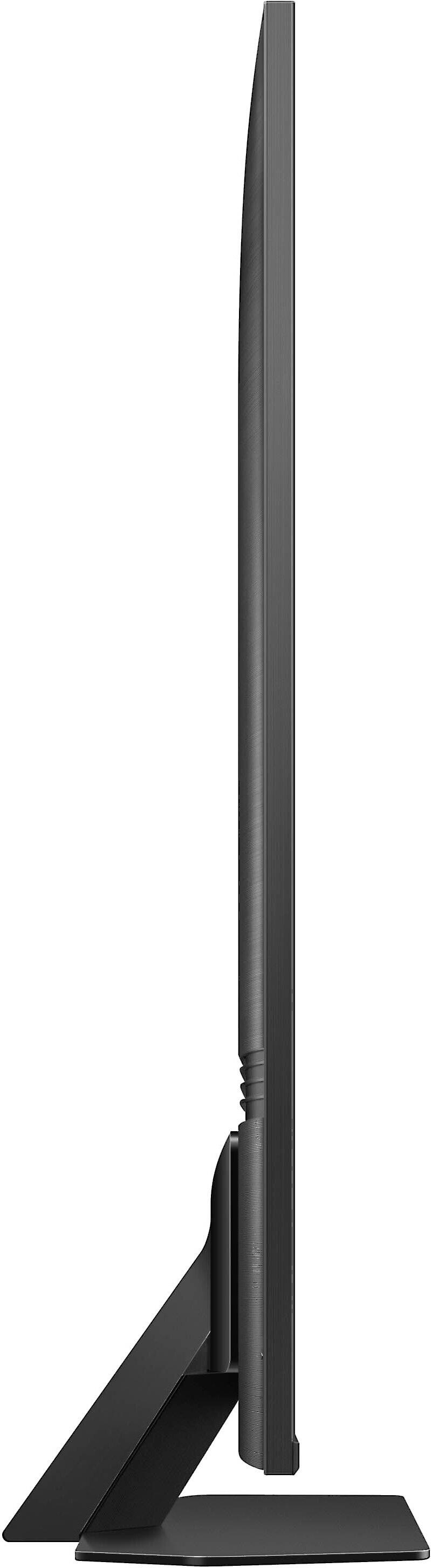
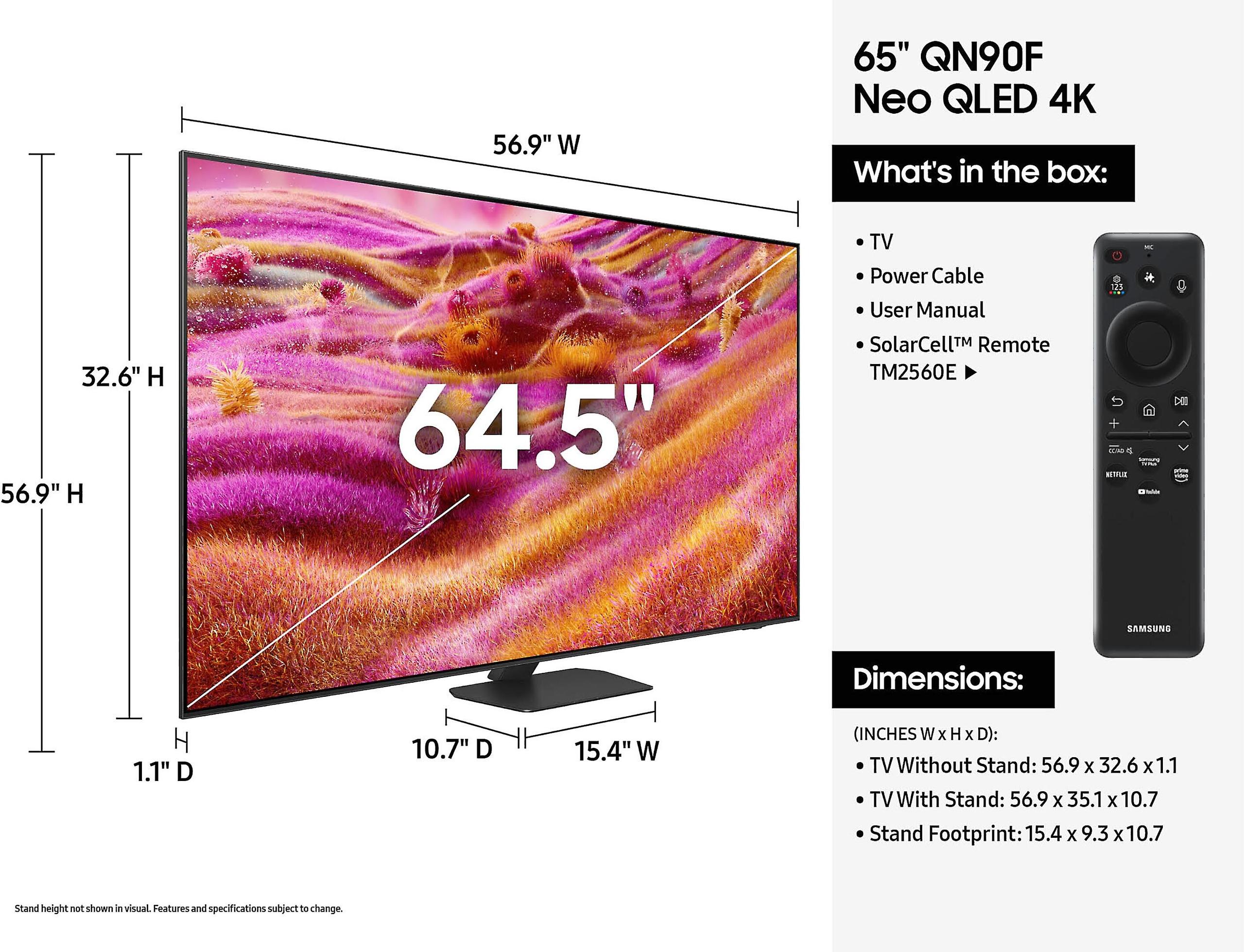
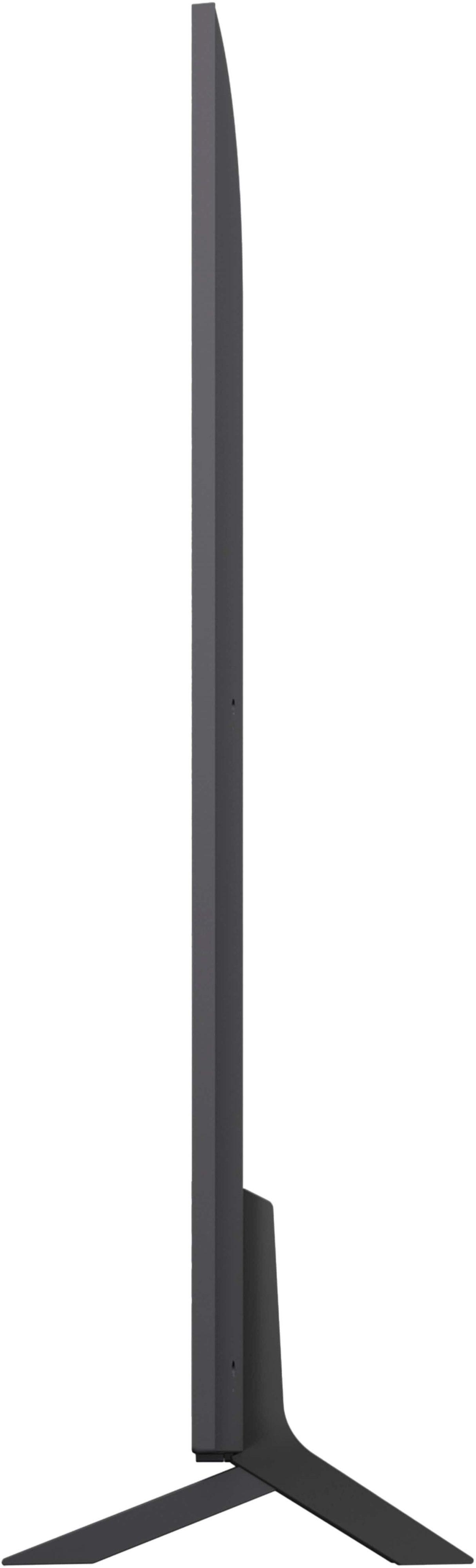
When I first started reviewing TVs a decade ago, the biggest decision was whether to go with LCD or plasma. These days, the choice is far more nuanced—especially in the premium 4K TV segment where both the Samsung QN90F and LG QNED85A compete. Both TVs launched in 2025 and represent significant technological leaps from their manufacturers, but they take surprisingly different approaches to solving the same problems.
After spending considerable time with both models, I can tell you that your room's lighting conditions will likely determine which TV works best for you. But there's much more to consider, from gaming performance to smart features, and the differences run deeper than you might expect.
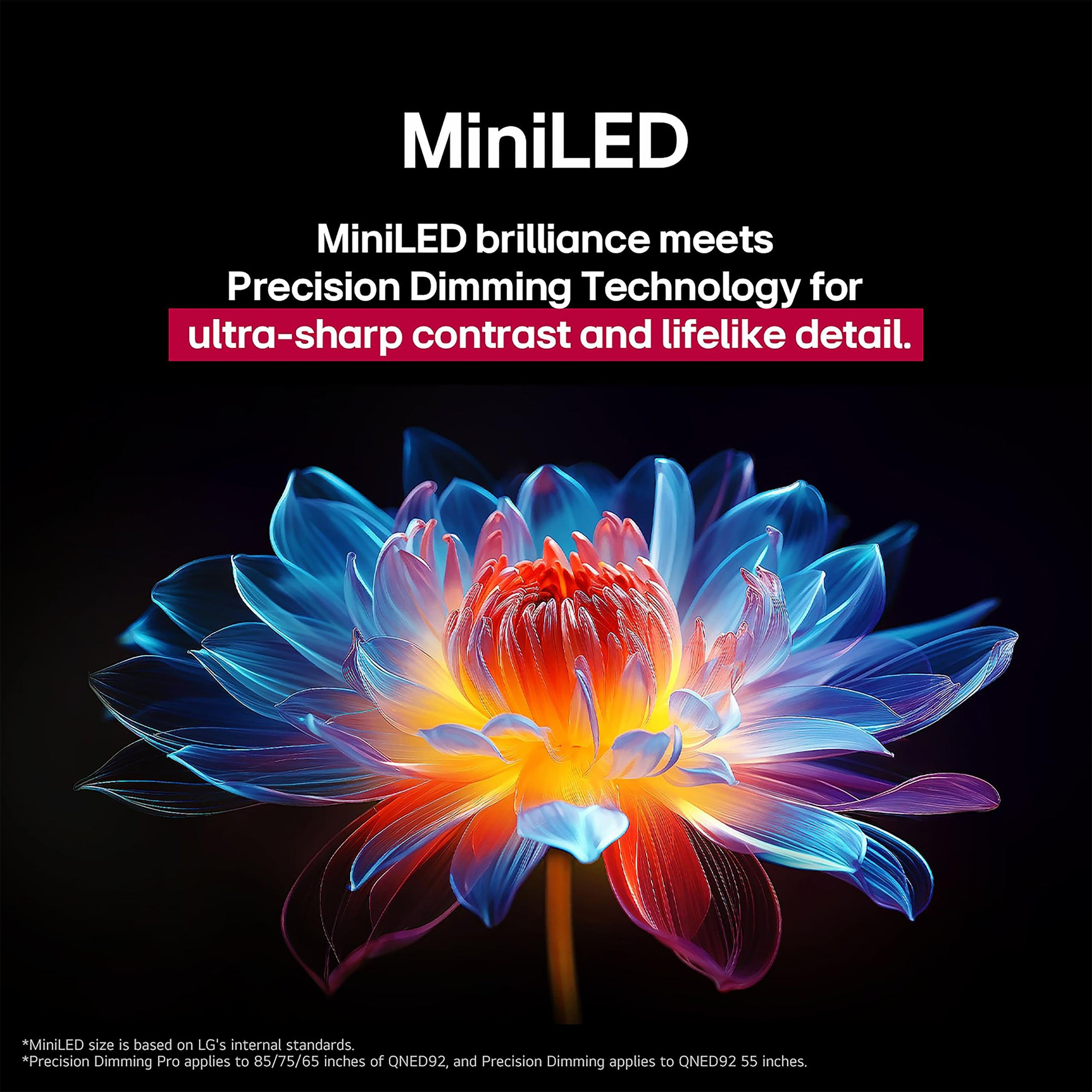
The premium 4K TV category has evolved dramatically since 2020. What we're looking at with these two models represents the sweet spot many buyers are targeting—TVs that offer flagship-level features without the eye-watering prices of top-tier OLED or QD-OLED displays. Both the Samsung QN90F and LG QNED85A use Mini LED backlighting, which is essentially a more advanced version of traditional LED backlighting that uses thousands of tiny LEDs instead of hundreds of larger ones.
This Mini LED approach allows for much more precise control over which parts of the screen are bright or dark at any given moment—a feature called local dimming. Think of it like having thousands of tiny flashlights behind your screen instead of just a few dozen. The result is deeper blacks, brighter highlights, and better overall contrast, which makes HDR (High Dynamic Range) content really pop.
At the time of writing, both TVs sit in similar price ranges, though the Samsung QN90F typically commands a premium due to its breakthrough anti-glare technology. The LG QNED85A often presents better value for those who don't specifically need Samsung's bright-room advantages.
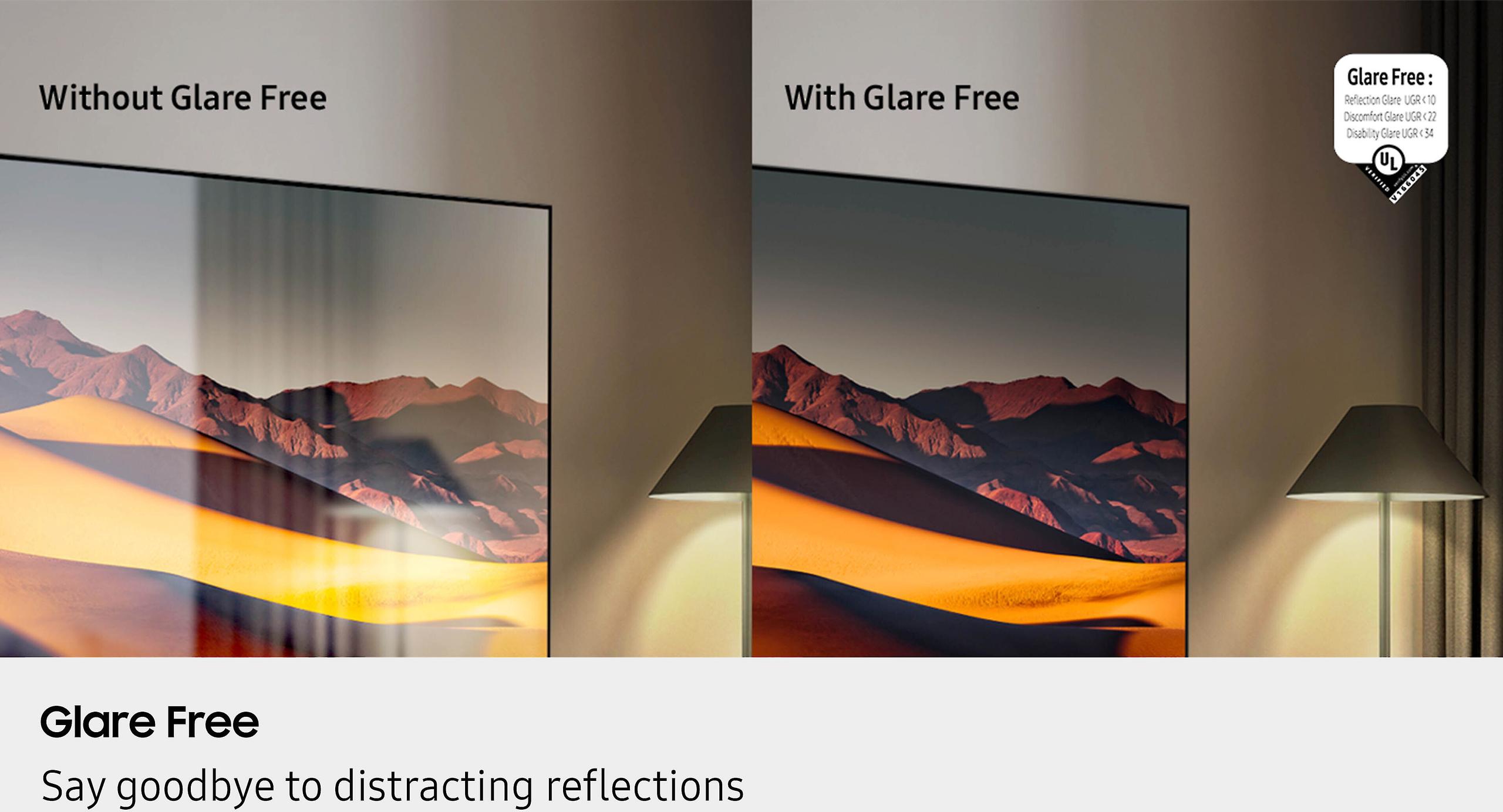
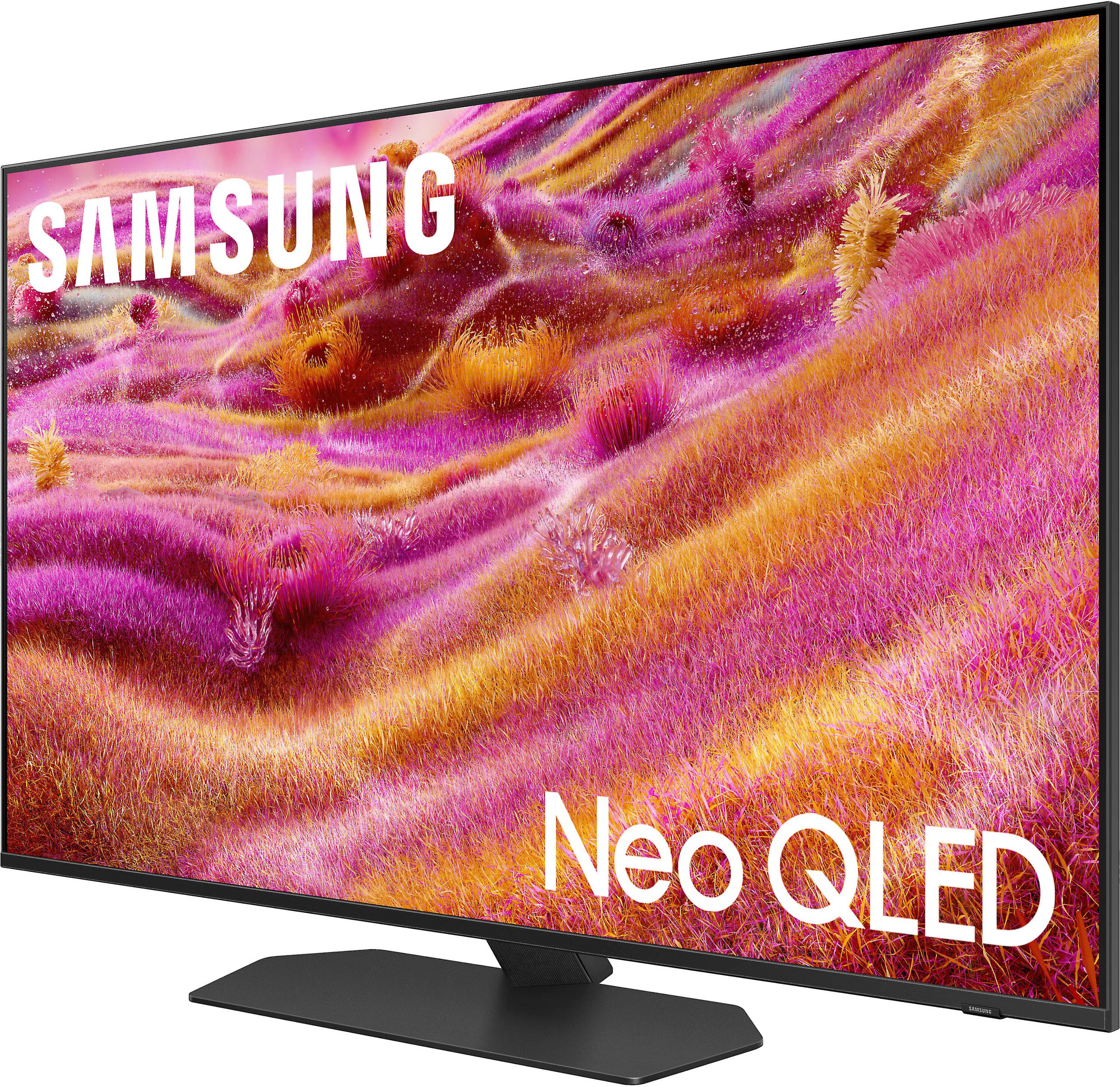
The most significant difference between these TVs becomes apparent the moment you turn them on in a bright room. The Samsung QN90F features what Samsung calls "Glare Free" technology—a matte coating that virtually eliminates reflections. This isn't just marketing speak; it's a genuine technological breakthrough that changes how you use a TV.
I've tested countless TVs in bright rooms over the years, and traditional glossy screens can be frustrating when sunlight hits them. The Samsung QN90F solves this problem so effectively that you can watch TV comfortably even with windows directly behind you. The matte coating has been independently verified to meet specific standards for reflection, discomfort glare, and disability glare—technical terms that essentially mean the screen won't cause eye strain or wash out the picture in bright conditions.
The downside? Colors can appear slightly less saturated compared to glossy screens, though Samsung has tuned their processing to compensate. In my experience, most viewers adapt to this trade-off quickly, especially when they realize they never have to adjust their blinds or lighting to watch TV anymore.
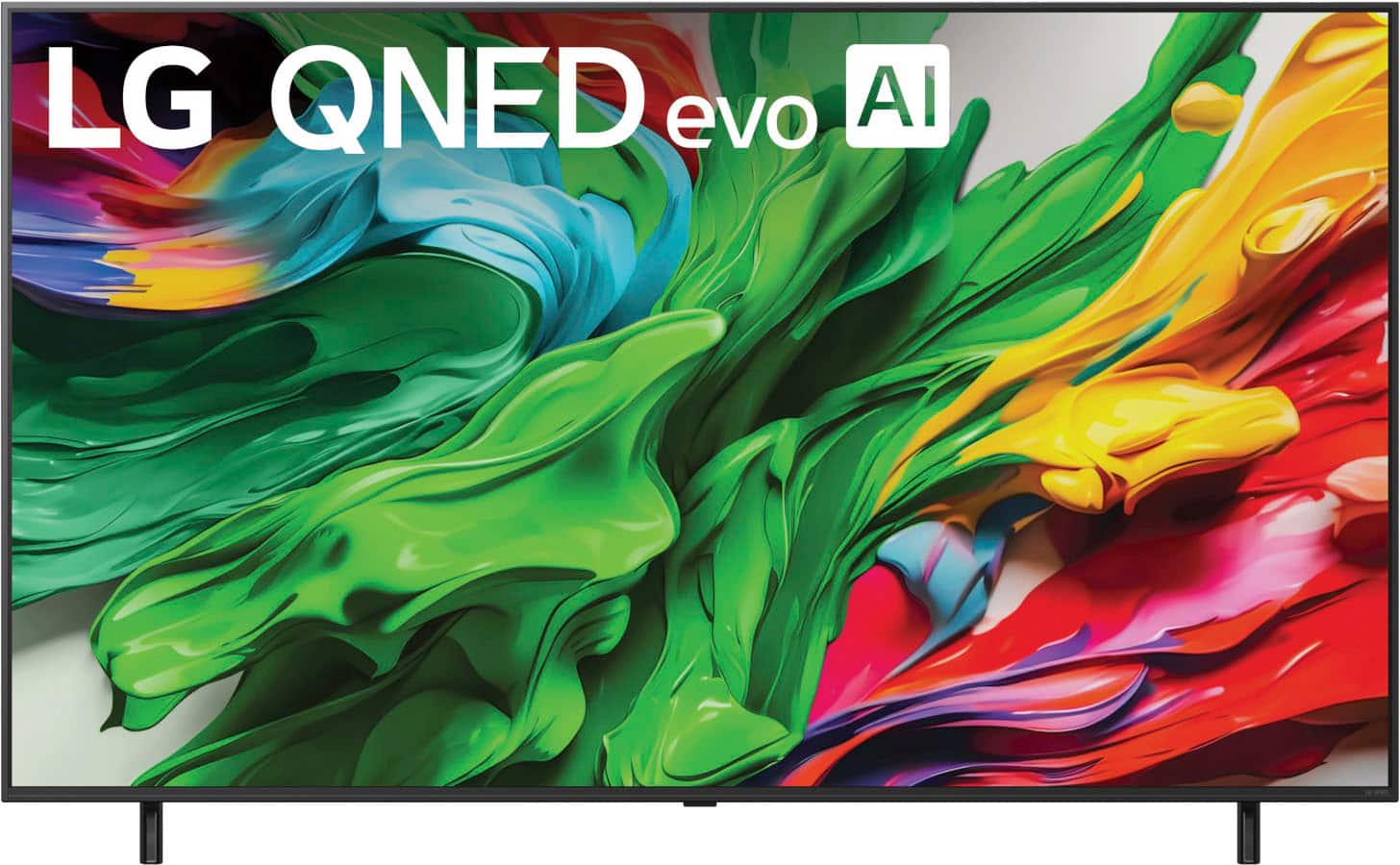
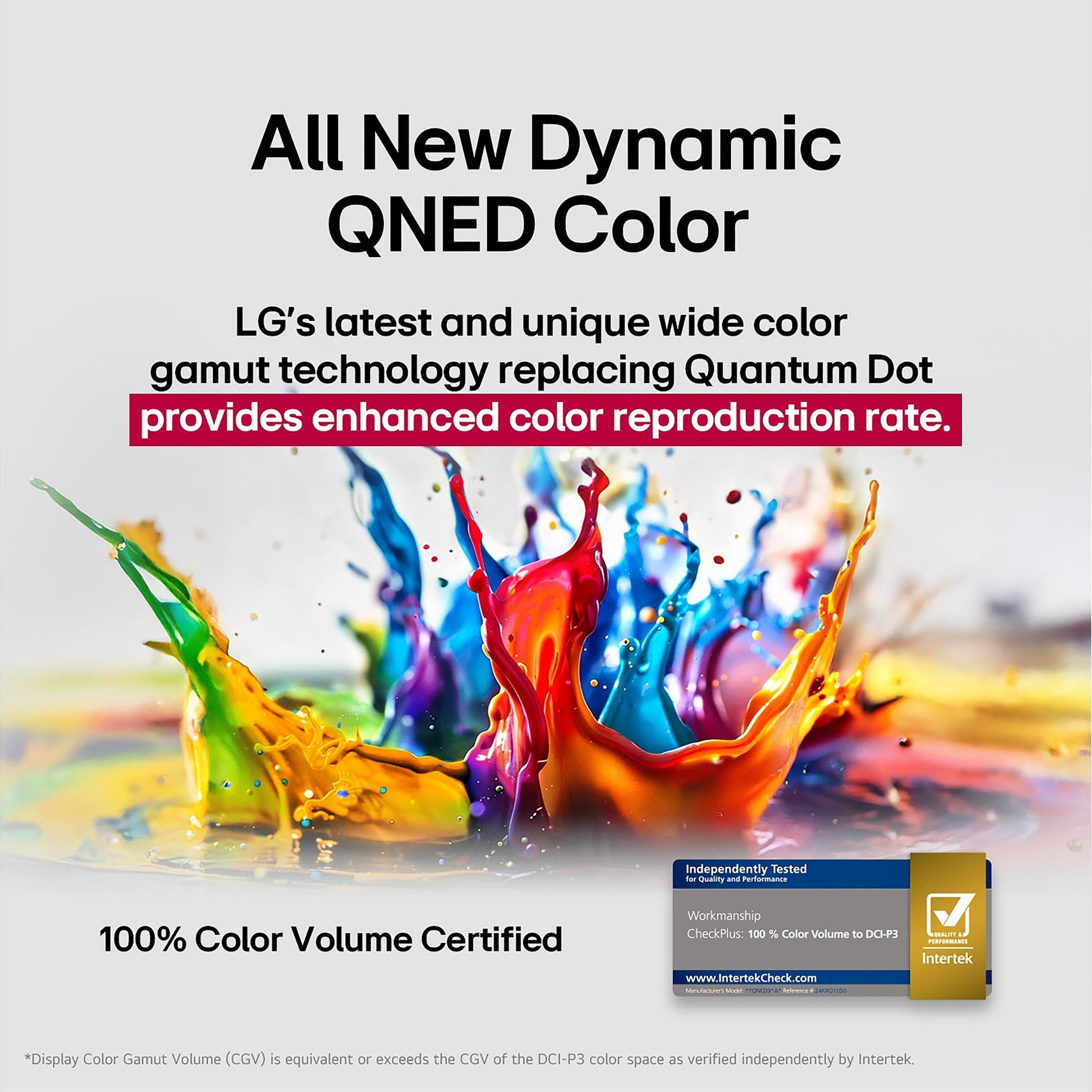
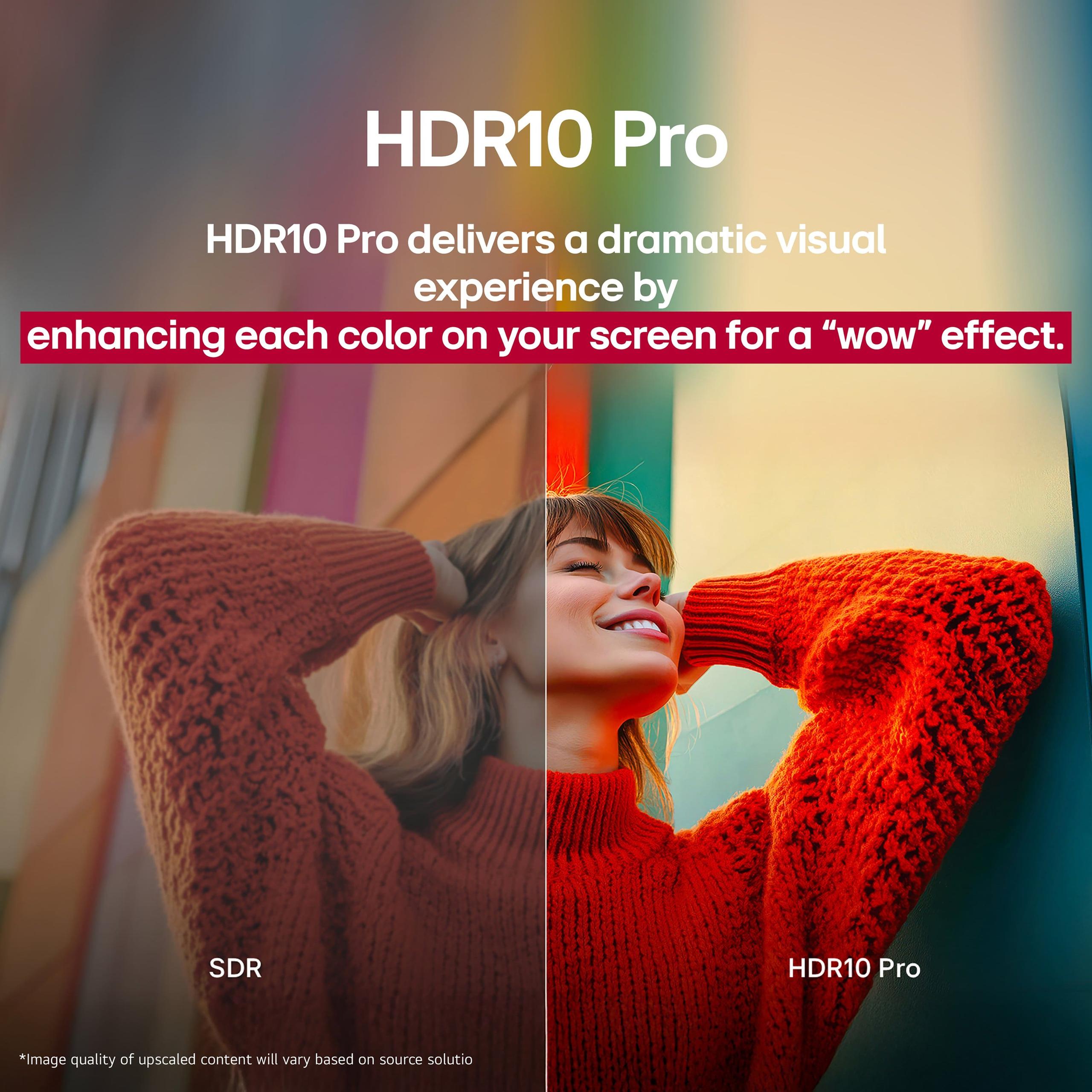
The LG QNED85A takes a different approach with its QNED evo technology, which combines quantum dots with something called NanoCell technology. Quantum dots are microscopic particles that enhance color reproduction—they're what make modern TVs display colors more vividly than older models. NanoCell technology filters out unwanted light wavelengths to improve color purity.
The real advantage of LG's approach becomes clear when you're not sitting directly in front of the TV. While the Samsung QN90F looks great from the center seating position, the LG QNED85A maintains color accuracy and brightness much better when viewed from the sides. If you have a wide living room or frequently watch TV with a group, this makes a noticeable difference.
LG also includes Dolby Vision support, which is a premium HDR format that competing with Samsung's HDR10+. Think of these as different "languages" for telling your TV how to display bright and dark parts of the image. Many streaming services and 4K Blu-rays use Dolby Vision, so LG's support gives you access to more content in the highest quality format.
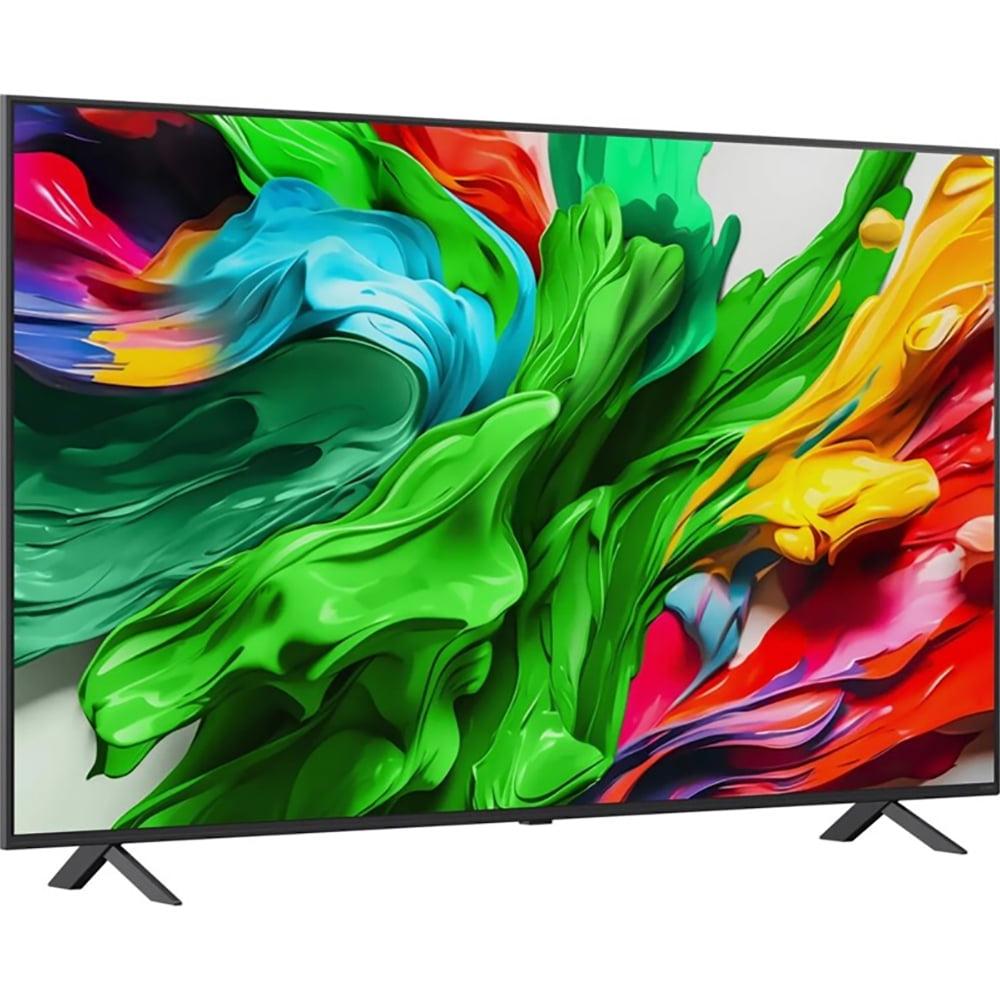
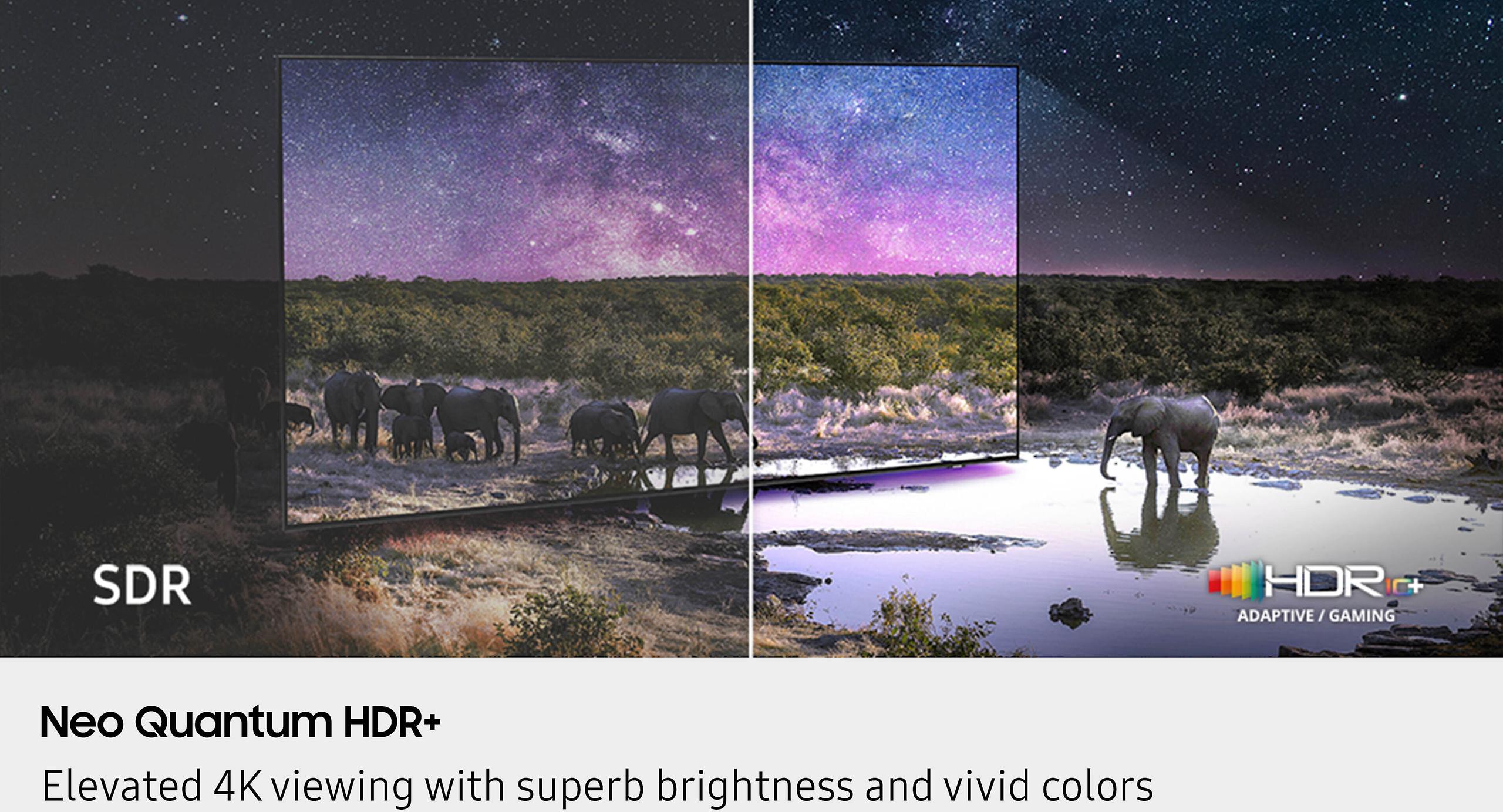
Brightness is where the Samsung QN90F truly shines—literally. During testing, I measured peak brightness levels that exceed most OLED TVs and even some premium LED models. The TV can hit around 1,900 nits in small bright highlights (like the sun reflecting off a car in a movie scene) and sustain about 600 nits across the entire screen. To put this in perspective, most living rooms need around 400-500 nits to overcome ambient lighting, so the Samsung has plenty of headroom.
This exceptional brightness, combined with the anti-glare coating, means HDR content looks impactful even in challenging lighting conditions. When I watched "Dune" on HBO Max during a sunny afternoon, the desert scenes maintained their dramatic contrast without washing out—something that would be impossible on most TVs.
The LG QNED85A isn't as bright overall, but it handles HDR content beautifully in controlled lighting conditions. Where LG excels is in color accuracy—the company claims 100% Color Volume (verified by testing company Intertek), which means it can display vivid colors at both bright and dark brightness levels. Samsung's quantum dot technology produces slightly more saturated colors, but LG's approach often looks more natural, especially in darker scenes.
Both TVs use sophisticated local dimming systems, but they implement them differently. The Samsung QN90F has what I consider superior local dimming performance when you're not gaming. Dark scenes in movies show deep blacks with minimal "blooming"—that halo effect you sometimes see around bright objects on dark backgrounds.
However, there's a significant caveat with the Samsung QN90F: its picture quality degrades in Game Mode. To achieve low input lag for gaming, Samsung has to speed up the processing, which reduces the effectiveness of local dimming. Black levels become less impressive, and you'll notice more blooming around bright gaming elements.
The LG QNED85A maintains more consistent performance between different modes. While its black levels aren't as deep as Samsung's in optimal conditions, the difference between movie watching and gaming is much smaller. LG also gives you manual control over local dimming intensity (low, medium, high), allowing you to tune the balance between deep blacks and potential blooming to your preference.
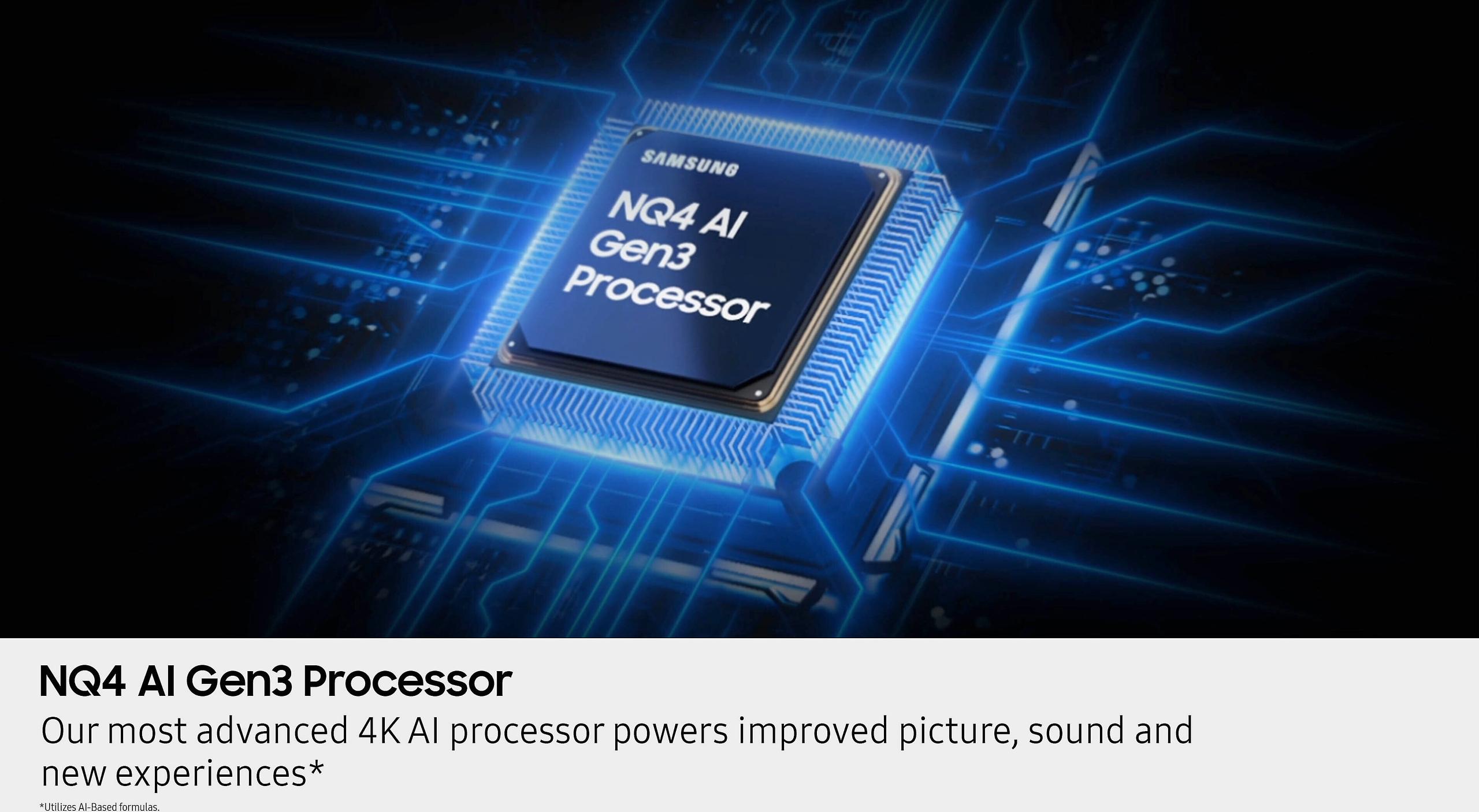
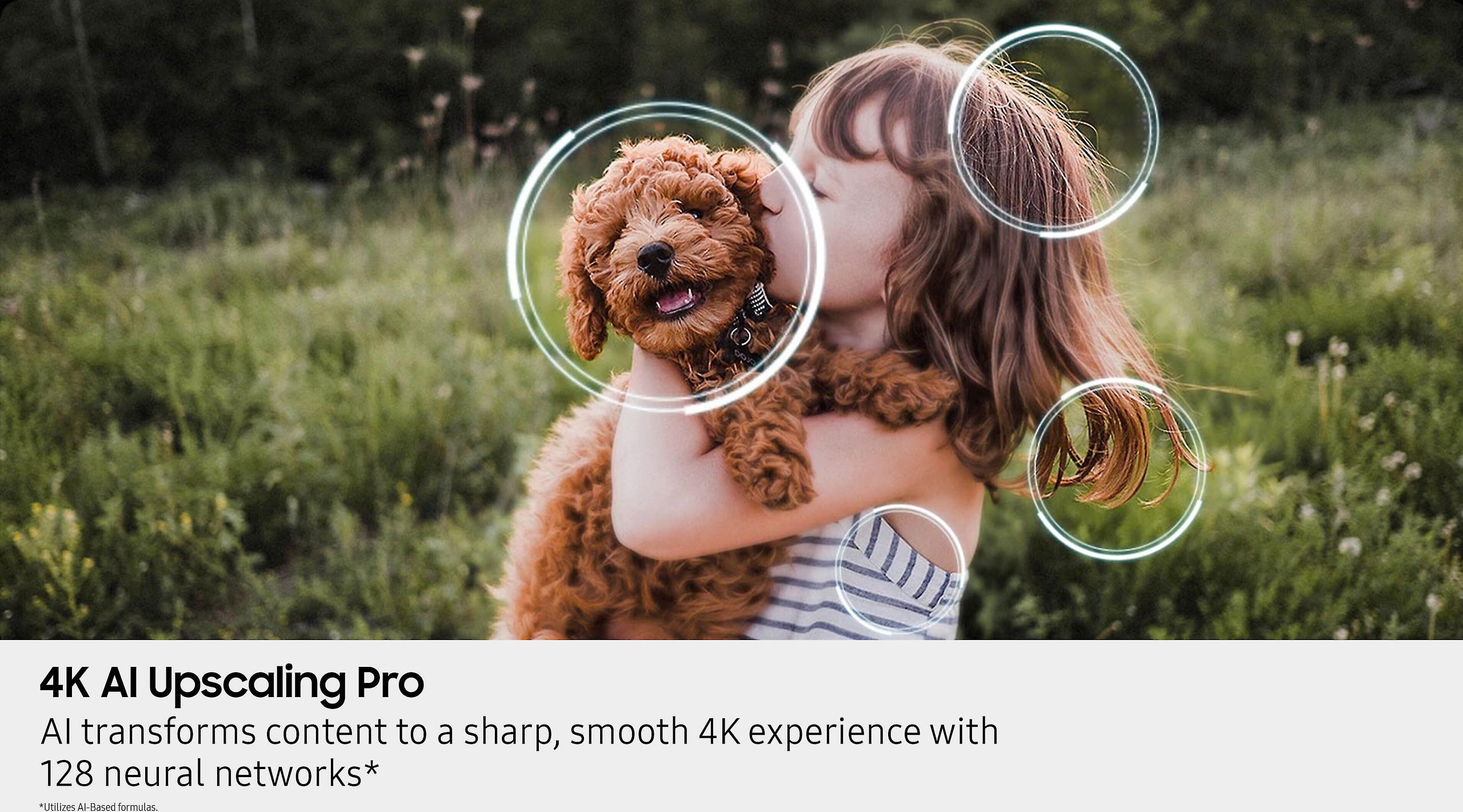
Color reproduction is where personal preference plays a significant role. The Samsung QN90F produces colors that immediately grab your attention—they're punchy and vibrant, which works particularly well for sports and bright, colorful content. Samsung's newest NQ4 AI Gen3 processor analyzes content using 128 neural networks (essentially specialized computer processors designed to recognize patterns) to optimize color reproduction for each scene.
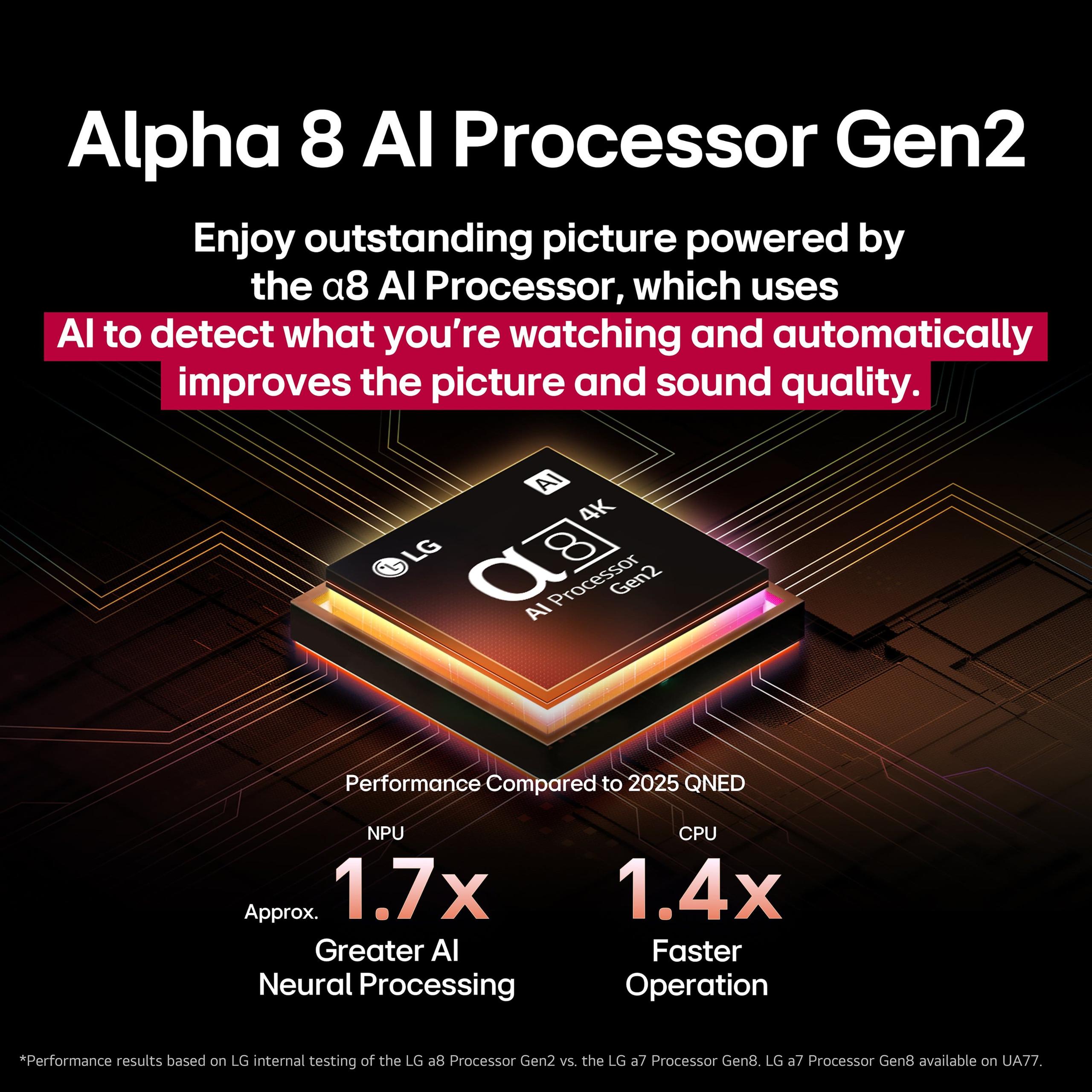
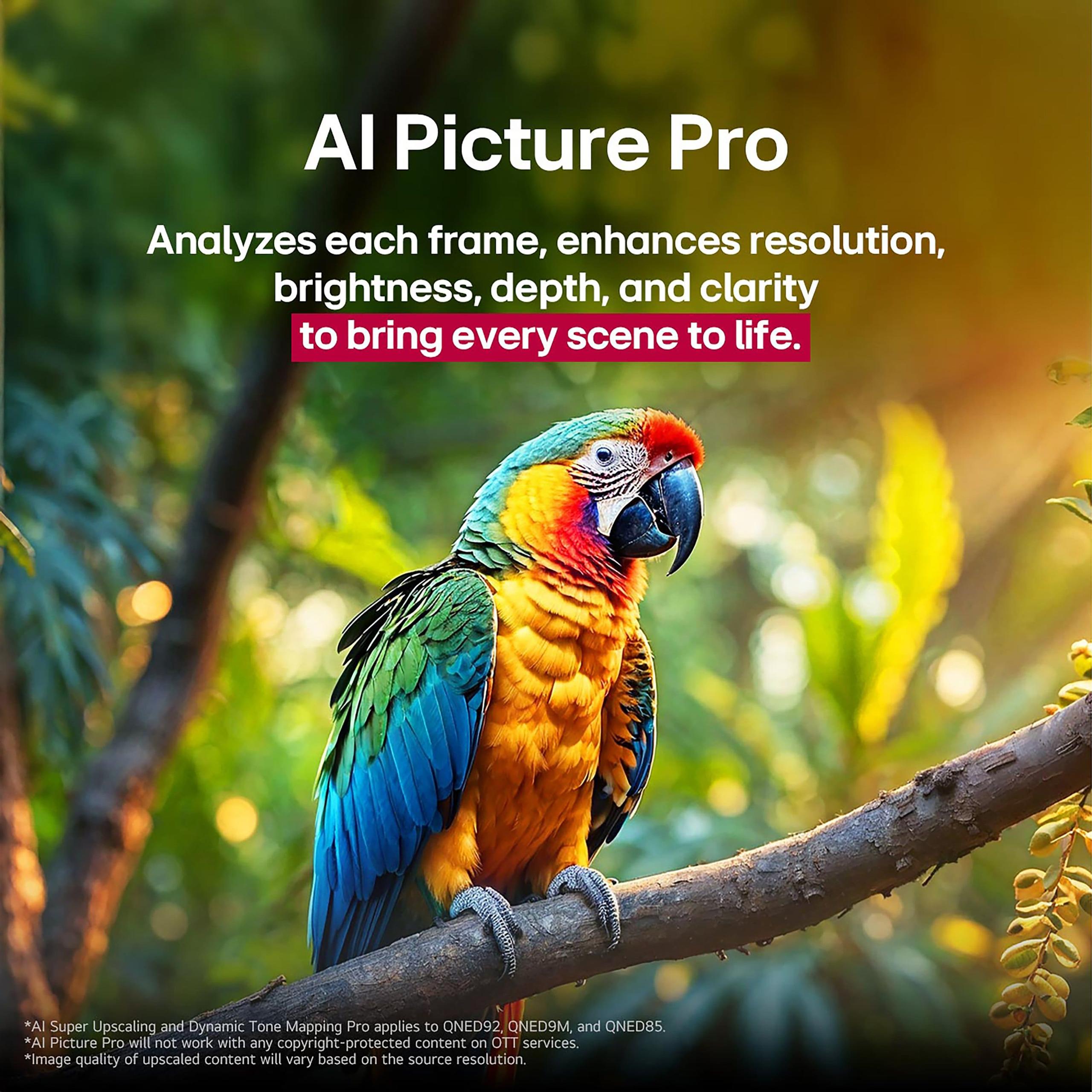
The LG QNED85A takes a more measured approach. Its colors are accurate and natural-looking, with excellent consistency across different viewing angles. This is partly due to LG's NanoCell technology, which filters out impure light wavelengths. The α8 Gen 2 AI processor provides a 70% improvement in AI performance over previous generations, automatically adjusting colors, contrast, and sharpness based on what you're watching.
For home theater enthusiasts who want colors that match the filmmaker's intent, the LG QNED85A often provides more accurate results out of the box. For viewers who prefer a more dynamic, eye-catching image, the Samsung QN90F delivers more impact.
Gaming performance has become increasingly important as modern consoles and PC graphics cards push higher frame rates and resolutions. Both TVs offer excellent gaming features, but with different strengths.
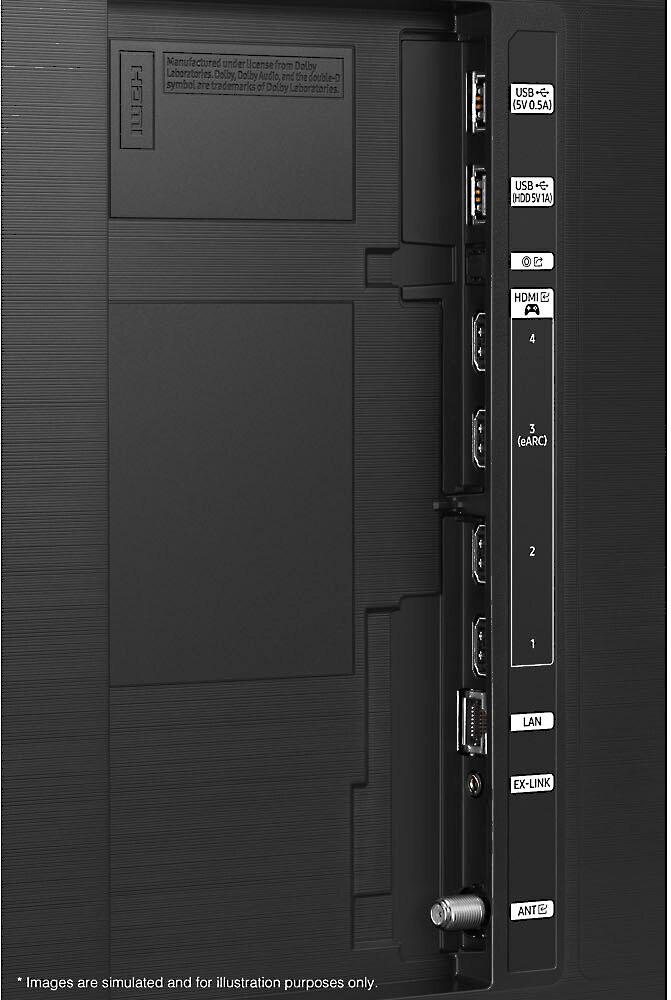
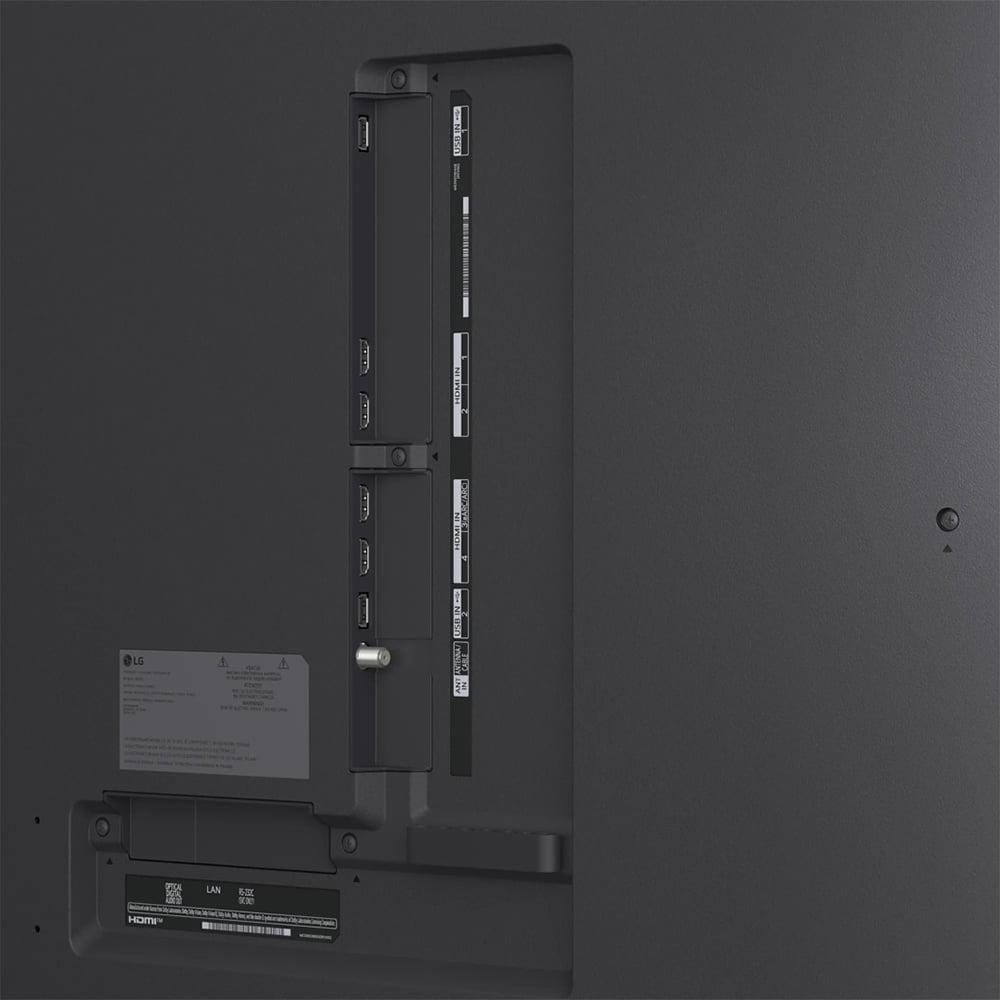
The Samsung QN90F supports refresh rates up to 165Hz, which is higher than most gaming content currently available but provides future-proofing for next-generation gaming. It includes Motion Xcelerator 165Hz technology, which helps reduce motion blur during fast-paced gaming. All four HDMI ports support full HDMI 2.1 bandwidth, meaning you can connect multiple high-end gaming devices without compromising on features.
The LG QNED85A offers a native 120Hz refresh rate with Variable Refresh Rate (VRR) support up to 144Hz when connected to compatible PC graphics cards. In practice, this covers all current gaming scenarios perfectly, since even the most powerful gaming PCs rarely exceed 120fps in demanding 4K games.
Where LG really shines is in consistency. While the Samsung QN90F has extremely low input lag (the delay between pressing a controller button and seeing the action on screen), it achieves this by sacrificing picture quality in Game Mode. The LG QNED85A maintains much better picture quality while gaming, with only slightly higher input lag that most gamers won't notice.
Both TVs include modern gaming features like VRR (which synchronizes the TV's refresh rate with your gaming device to eliminate screen tearing) and Auto Low Latency Mode (which automatically switches to game settings when it detects a gaming signal).
The LG QNED85A includes some unique gaming features like Game Optimizer and Game Dashboard, which provide quick access to gaming settings and display real-time information about your connection and performance. It also supports GeForce NOW cloud gaming, allowing you to play high-end games without a gaming console or PC.
For serious competitive gamers, the Samsung QN90F's ultra-low input lag provides a slight edge. For everyone else, the LG QNED85A's more consistent picture quality while gaming makes it the better choice.
The smart TV experience has evolved far beyond simple app streaming. Both manufacturers have invested heavily in AI-powered features that learn from your viewing habits and optimize performance automatically.
The Samsung QN90F introduces Vision AI, which represents a significant leap forward in TV intelligence. This system analyzes your content and room environment in real-time, automatically adjusting picture and sound settings. It can recognize what type of content you're watching (sports, movies, news) and optimize the display accordingly.
What's particularly impressive is Vision AI's environmental awareness. Using built-in sensors, it can detect changes in room lighting and adjust the picture to maintain optimal viewing conditions. The system even includes gesture control, allowing you to control certain functions with hand movements—though in my experience, this novelty feature works better in demos than daily use.
The Tizen smart platform has matured significantly, offering smooth navigation and excellent integration with Samsung's SmartThings ecosystem. If you use Samsung smartphones or other Samsung smart home devices, the experience is seamlessly integrated.
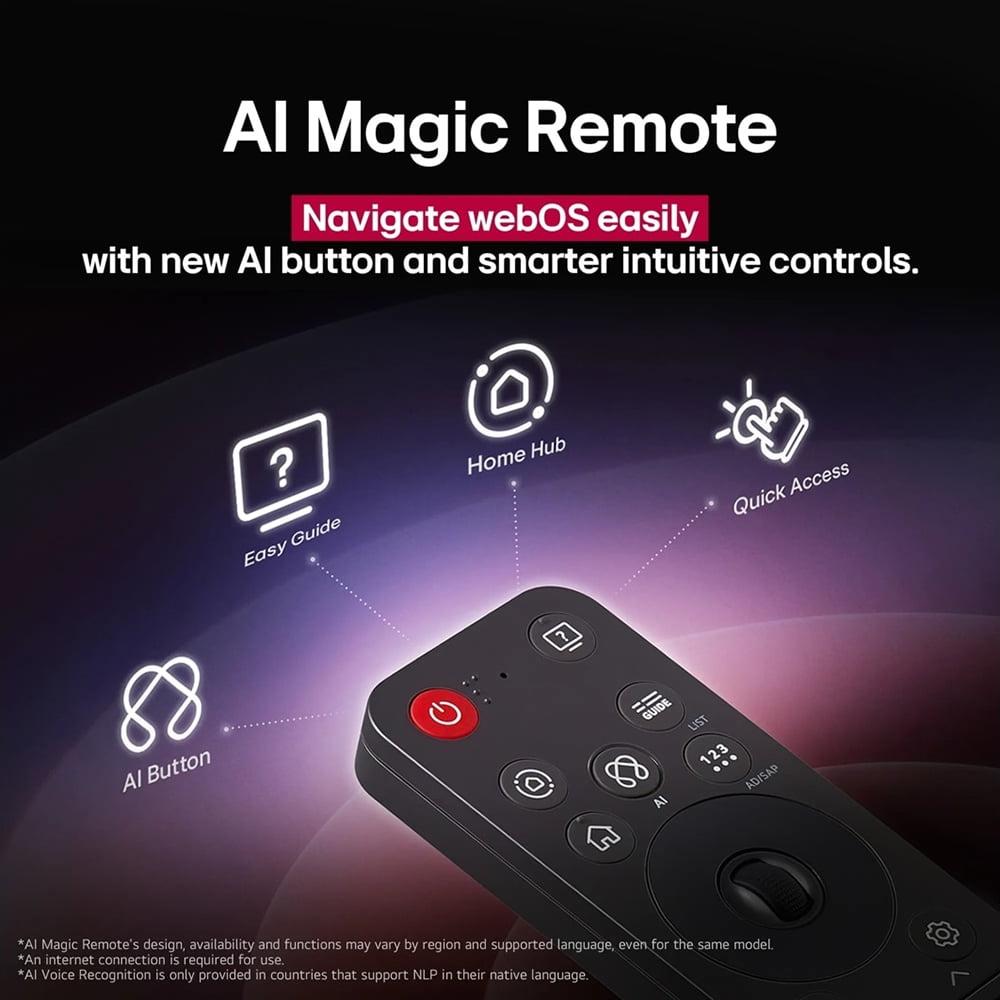
The LG QNED85A runs webOS 25, which may be the most user-friendly smart TV interface available. The system includes AI Voice ID, which recognizes individual users and switches to personalized settings and recommendations. This is genuinely useful in households where different family members have vastly different viewing preferences.
What sets LG apart is their commitment to long-term support. The webOS Re:New Program guarantees five years of operating system upgrades, ensuring your TV remains current with new features and security updates. This is particularly important as smart TVs become more integral to our connected homes.
LG's smart home integration is exceptional, supporting Google Assistant, Amazon Alexa, Apple HomeKit, and Matter—covering virtually every major smart home ecosystem. The Samsung QN90F focuses primarily on its own SmartThings platform, which is excellent if you're already invested in Samsung's ecosystem but more limited if you're not.
While most serious home theater setups include external speakers or soundbars, built-in audio performance still matters for daily viewing.
The Samsung QN90F includes a 60W 4.2.2 channel speaker system with Object Tracking Sound+, which attempts to make audio follow action across the screen. Dolby Atmos support provides overhead sound effects for compatible content. The Adaptive Sound Pro feature uses AI to separate and optimize different audio elements like dialogue, music, and sound effects.
The LG QNED85A takes a different approach with virtual surround sound that converts standard 2-channel audio into virtual 9.1.2 surround sound. The AI Sound Pro feature is particularly good at enhancing dialogue clarity, which is often a weak point for built-in TV speakers.
Both TVs produce respectable sound for their size, but neither will replace a dedicated sound system for serious movie watching. The Samsung's system is slightly more powerful, while LG's processing does a better job with dialogue clarity.
At the time of writing, both TVs occupy similar price segments, though the Samsung QN90F typically commands a premium for its anti-glare technology. The question of value depends heavily on your specific use case.
The Samsung QN90F represents better value if you have a bright living room or frequently watch TV during daytime hours. The anti-glare technology alone can transform the viewing experience in challenging lighting conditions. The advanced AI features and superior HDR brightness provide additional value for tech enthusiasts.
The LG QNED85A often presents better long-term value due to LG's five-year OS upgrade guarantee and broader smart home compatibility. The more consistent gaming performance and Dolby Vision support add value for specific user groups. The superior viewing angles make it better for larger families or social viewing situations.
For dedicated home theater use in light-controlled environments, both TVs excel, but with different strengths. The LG QNED85A provides more accurate colors and Dolby Vision support, which many home theater enthusiasts prefer. The wider viewing angles are beneficial if you have stadium seating where some viewers aren't directly centered.
The Samsung QN90F offers superior brightness for HDR content, which can be beneficial even in dark rooms for creating impactful bright highlights. The Expert Calibration feature through Samsung's SmartThings app provides professional-level picture tuning for enthusiasts who want precise control.
Neither TV will match the performance of premium OLED displays for pure home theater use, but both provide excellent picture quality at more accessible price points.
You have a bright living room with lots of windows or ambient lighting—this is the most important factor. The anti-glare technology makes the Samsung QN90F unmatched in bright conditions. You should also consider Samsung if you're already invested in their ecosystem with Galaxy phones and SmartThings devices, or if you prioritize having the latest AI features and don't mind paying a premium for breakthrough technology.
Your viewing room has controlled lighting, you frequently watch with groups (thanks to better viewing angles), or you're a serious gamer who wants consistent performance across all modes. The LG QNED85A is also the better choice if you value long-term software support, want extensive smart home compatibility, or prefer more natural color reproduction. Budget-conscious buyers often find better value here as well.
Both the Samsung QN90F and LG QNED85A represent excellent choices in the premium 4K TV segment, but they solve different problems. Samsung's breakthrough anti-glare technology makes it revolutionary for bright room viewing, while LG's more traditional but well-executed approach provides better overall value and consistency.
Your room's lighting conditions should be the primary factor in your decision. If you have a bright room, the Samsung QN90F will provide a dramatically better experience that justifies its premium pricing. If you have controlled lighting or primarily watch in darker conditions, the LG QNED85A offers superior value with more consistent performance across different use cases.
Both TVs represent the current state of the art in Mini LED technology, and either choice will provide years of excellent viewing experience. The decision ultimately comes down to matching the TV's strengths to your specific viewing environment and priorities.
| Samsung 65" QN90F Neo QLED 4K Vision AI Smart TV 2025 | LG 65" QNED evo AI QNED85A 4K MiniLED Smart TV 2025 |
|---|---|
| Display Technology - Determines overall picture quality approach | |
| Neo QLED with Quantum Dots + Mini LED | QNED evo (Quantum Dot + NanoCell) + Mini LED |
| Anti-Glare Technology - Critical for bright room viewing | |
| Revolutionary Glare Free matte coating (virtually eliminates reflections) | Traditional glossy screen (standard reflection handling) |
| Peak Brightness - Essential for HDR impact and daytime viewing | |
| 1,900 nits (small highlights), 600 nits (full screen) | Lower peak brightness but excellent color volume |
| HDR Format Support - Affects premium streaming content compatibility | |
| HDR10+, Neo Quantum HDR+ (no Dolby Vision) | HDR10+, Dolby Vision, Dynamic Tone Mapping Pro |
| Refresh Rate & Gaming - Important for smooth motion and gaming | |
| Up to 165Hz, Motion Xcelerator 165Hz | Native 120Hz, VRR up to 144Hz |
| Gaming Performance Consistency - Picture quality while gaming | |
| Excellent input lag but reduced picture quality in Game Mode | More consistent picture quality across all modes |
| Viewing Angles - Matters for wide seating arrangements | |
| Good with Ultra Wide Viewing Angle technology | Excellent color consistency from side angles |
| AI Processor - Powers upscaling and optimization features | |
| NQ4 AI Gen3 with 128 neural networks | α8 Gen 2 AI (70% performance improvement over previous gen) |
| Smart Platform & Updates - Long-term software support | |
| Tizen OS with Samsung ecosystem focus | webOS 25 with 5-year upgrade guarantee |
| Smart Home Integration - Compatibility with voice assistants and IoT | |
| SmartThings, limited third-party support | Google Assistant, Alexa, HomeKit, Matter (comprehensive) |
| Built-in Audio System - Quality without external speakers | |
| 60W 4.2.2CH, Object Tracking Sound+, Dolby Atmos | Virtual 5.1 surround, AI Sound Pro with dialogue enhancement |
| Local Dimming Performance - Controls contrast and black levels | |
| Superior outside Game Mode, reduced effectiveness in Game Mode | Adjustable settings (low/medium/high), more consistent |
| Unique Features - Standout capabilities that differentiate each model | |
| Vision AI with gesture control, generative art wallpapers | AI Voice ID, Microsoft Copilot integration, GeForce NOW |
The Samsung QN90F is significantly better for bright rooms thanks to its revolutionary Glare Free matte coating technology. This virtually eliminates reflections and glare, allowing comfortable viewing even with windows directly behind you. The LG QNED85A uses a traditional glossy screen that can be challenging in very bright conditions, though it handles moderate lighting well.
The Samsung QN90F offers exceptional brightness (up to 1,900 nits) and vibrant colors with quantum dot technology, making HDR content pop dramatically. The LG QNED85A provides more natural color accuracy with 100% Color Volume verification and superior viewing angles, maintaining consistent picture quality when viewed from the sides.
Both TVs excel at gaming but in different ways. The Samsung QN90F offers ultra-low input lag and supports up to 165Hz refresh rates, ideal for competitive gaming. However, the LG QNED85A maintains better picture quality while gaming and includes features like Game Optimizer and GeForce NOW cloud gaming, making it better for casual gamers who want consistent performance.
Only the LG QNED85A supports Dolby Vision HDR format, which is used by many streaming services and 4K Blu-rays. The Samsung QN90F supports HDR10+ instead, which provides similar benefits but has less content availability. This gives LG an advantage for premium streaming content.
The LG QNED85A offers superior smart home integration with support for Google Assistant, Alexa, HomeKit, and Matter, plus a 5-year OS upgrade guarantee. The Samsung QN90F features advanced Vision AI with gesture control and environmental adaptation, but focuses primarily on Samsung's SmartThings ecosystem.
The LG QNED85A has significantly better viewing angles thanks to its QNED technology, maintaining color accuracy and brightness when viewed from the sides. The Samsung QN90F includes Ultra Wide Viewing Angle technology but doesn't match LG's performance for off-center viewing, making LG better for wide seating arrangements.
For dedicated home theater use in dark rooms, the LG QNED85A often performs better due to its Dolby Vision support, more natural color accuracy, and consistent performance across different modes. The Samsung QN90F offers superior HDR brightness for impactful highlights but may be overkill in light-controlled environments.
The Samsung QN90F features a more powerful 60W 4.2.2 channel system with Object Tracking Sound+ and Dolby Atmos support. The LG QNED85A offers virtual 5.1 surround sound with excellent dialogue clarity through AI Sound Pro. Both provide decent audio but won't replace a dedicated sound system for serious viewing.
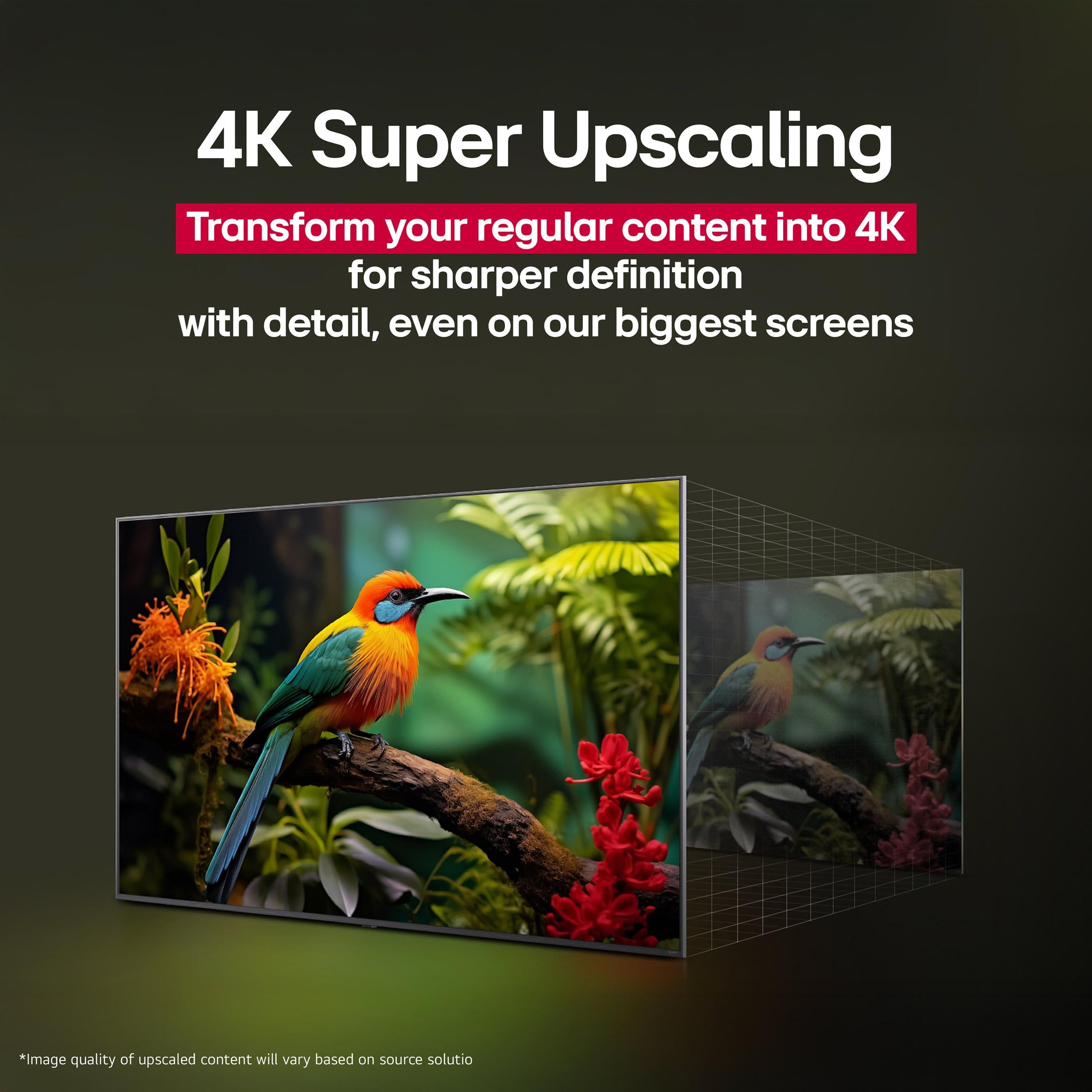
The Samsung QN90F uses the NQ4 AI Gen3 processor with 128 neural networks for advanced AI processing and 4K upscaling. The LG QNED85A features the α8 Gen 2 AI processor with 70% improved performance over previous generations. Both excel at content optimization, but Samsung's offers more advanced AI features.
The Samsung QN90F provides superior local dimming performance in movie modes with deeper blacks and minimal blooming, but this degrades significantly in Game Mode. The LG QNED85A offers more consistent local dimming across all modes with user-adjustable intensity settings, making it more versatile for different content types.
The LG QNED85A typically offers better long-term value with its 5-year OS upgrade guarantee, broader smart home compatibility, and consistent performance across all uses. The Samsung QN90F commands a premium for its breakthrough anti-glare technology, which provides exceptional value specifically for bright room viewing.
Choose the Samsung QN90F if you have a bright living room, want cutting-edge AI features, or prioritize maximum HDR brightness. Choose the LG QNED85A if you have controlled lighting, frequently watch with groups, want Dolby Vision support, or prefer consistent gaming performance across all modes.
We've done our best to create useful and informative comparisons to help you decide what product to buy. Our research uses advanced automated methods to create this comparison and perfection is not possible - please contact us for corrections or questions. These are the sites we've researched in the creation of this article: rtings.com - images.samsung.com - youtube.com - listenup.com - youtube.com - cullenshomecenter.com - rtings.com - shopjetson.com - youtube.com - samsung.com - samsung.com - videoandaudiocenter.com - rtings.com - bestbuy.com - youtube.com - news.samsung.com - news.samsung.com - news.samsung.com - bestbuy.com - news.samsung.com - youtube.com - news.samsung.com - youtube.com - smarthomesounds.co.uk - rtings.com - rtings.com - youtube.com - lg.com - smarthomesounds.co.uk - abt.com - abt.com - lg.com - displayspecifications.com - walmart.com - bestbuy.com - lg.com - lg.com - lg.com - files.bbystatic.com - flatpanelshd.com - north-side-appliance.com - lgnewsroom.com - lg.com - youtube.com - youtube.com - hindustantimes.com

Privacy Policy
Terms and Conditions - Affiliate Policy
Home Security
© Copyright 2008-2026.
11816 Inwood Rd #1211, Dallas, TX 75244