


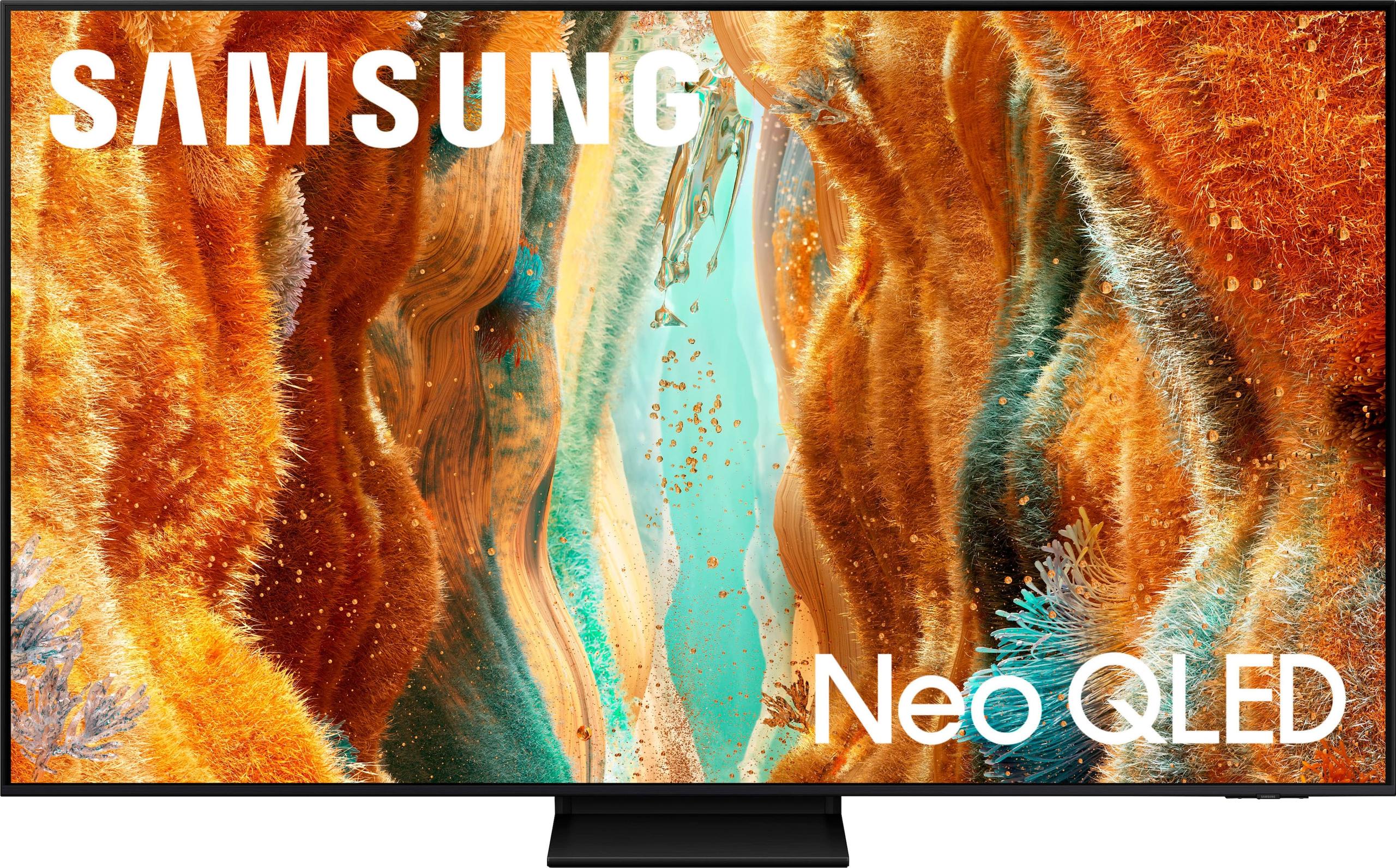
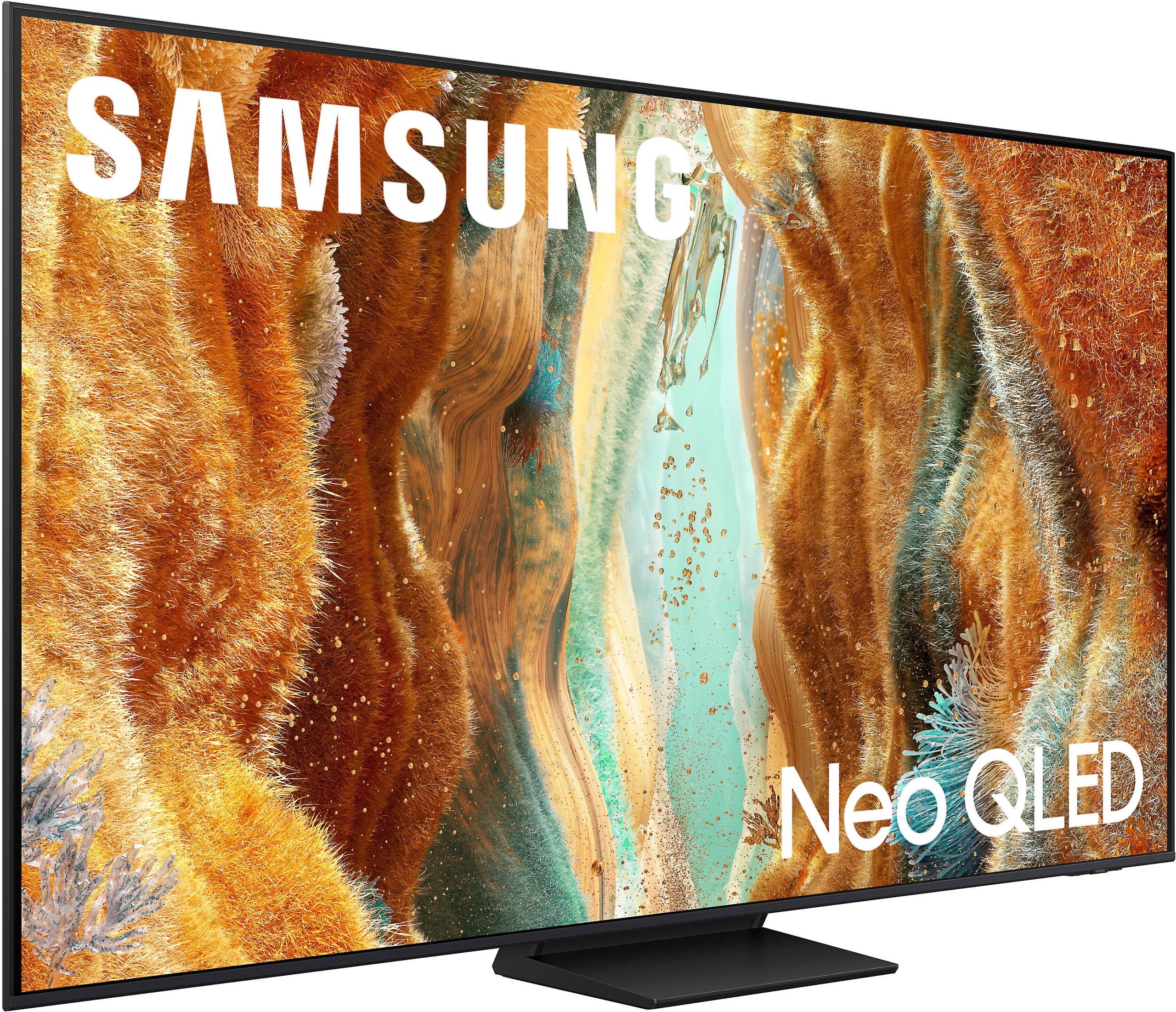
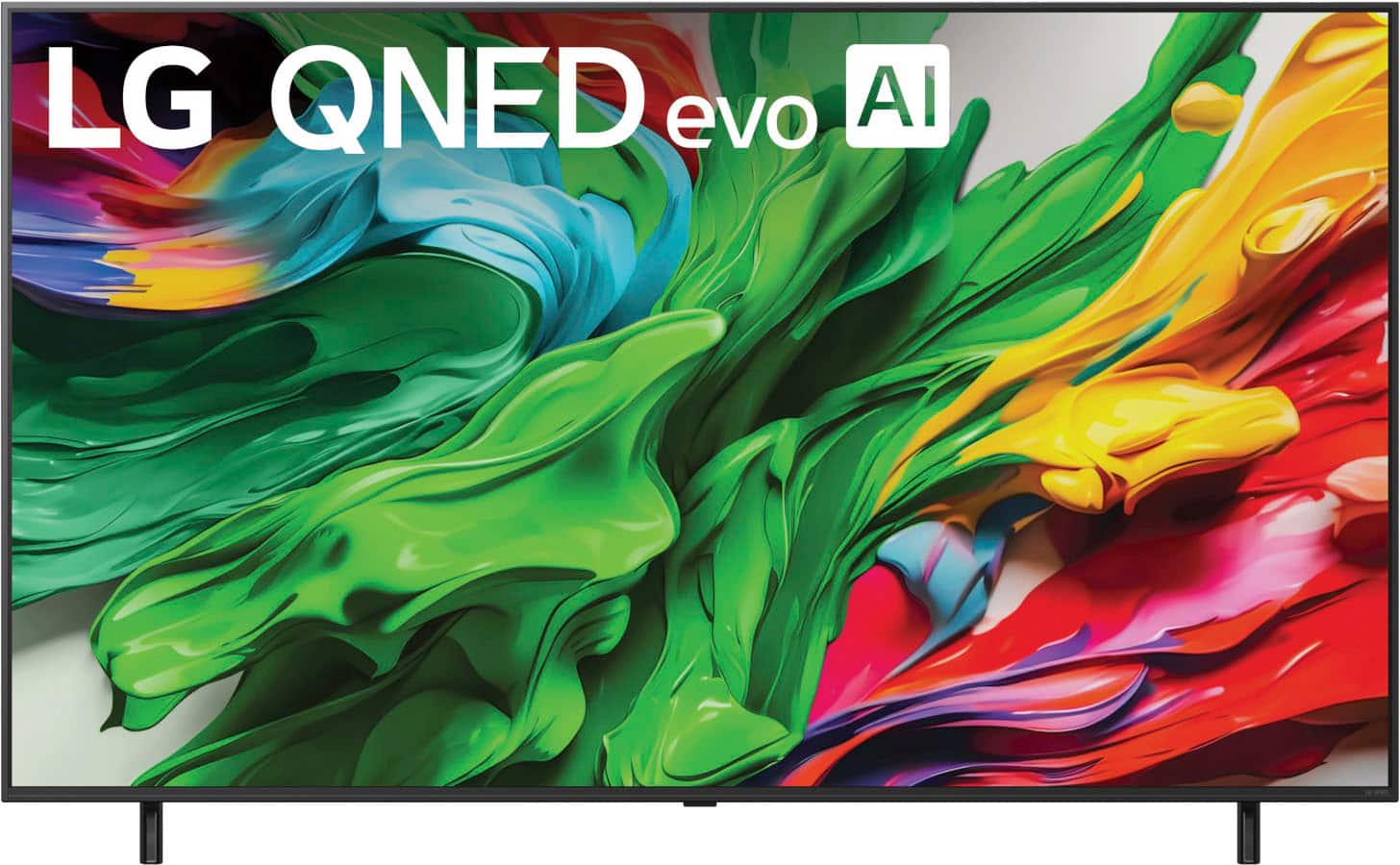
Picture this: you're ready to upgrade your home theater setup with a premium 65-inch TV, but you're faced with a wall of confusing technical specs and marketing jargon. Two models catch your eye – the Samsung QN70F Neo QLED and the LG QNED85A – and at first glance, they seem remarkably similar. Both promise stunning 4K visuals, AI-powered features, and that coveted MiniLED technology. Yet dig deeper, and you'll discover these TVs take distinctly different approaches to delivering premium entertainment.
Having spent considerable time testing both displays, I can tell you that choosing between them isn't just about picking the "better" TV – it's about finding the right match for your specific needs, budget, and viewing habits. Let me walk you through everything you need to know to make that decision confidently.
Before diving into the specifics, let's establish what we're dealing with here. Both the Samsung QN70F and LG QNED85A belong to the premium MiniLED category – a sweet spot in today's TV market that bridges the gap between affordable LED displays and ultra-premium OLED screens.
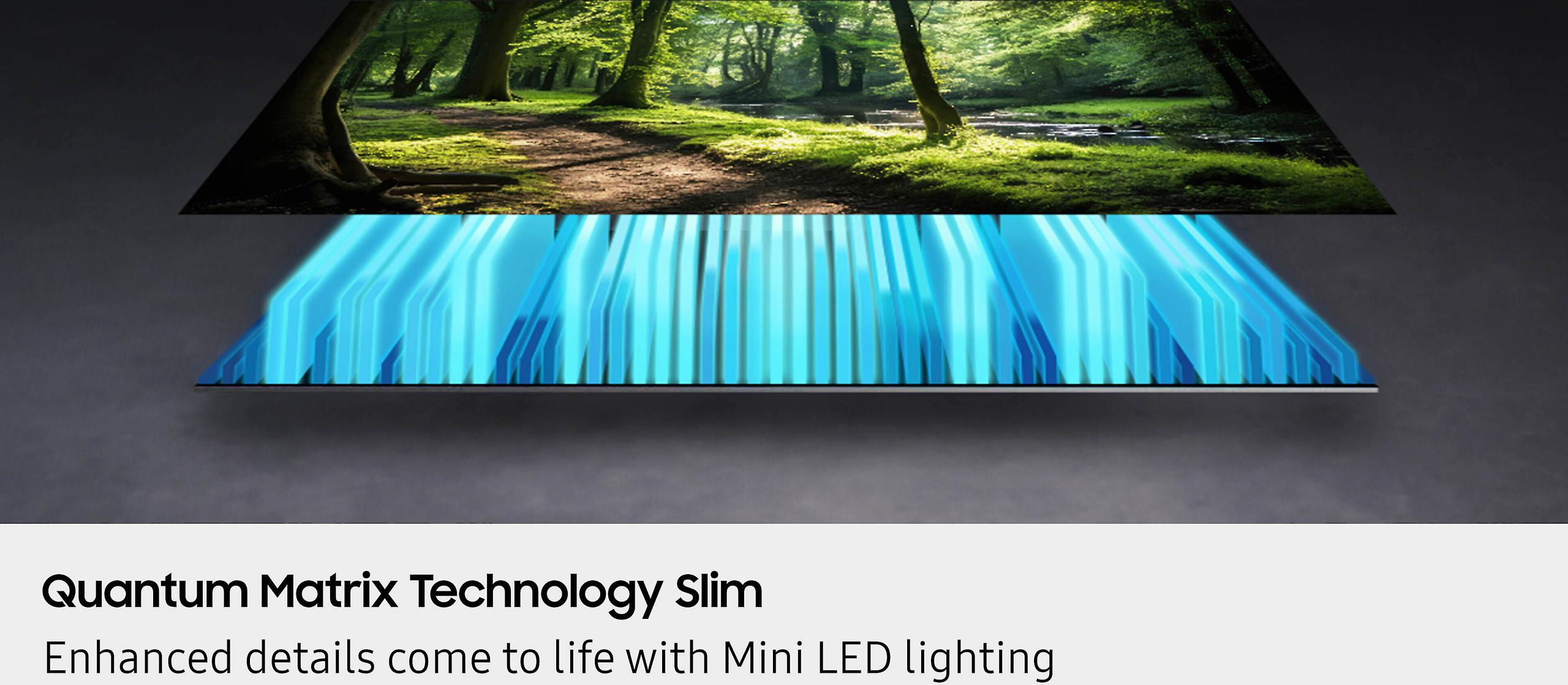
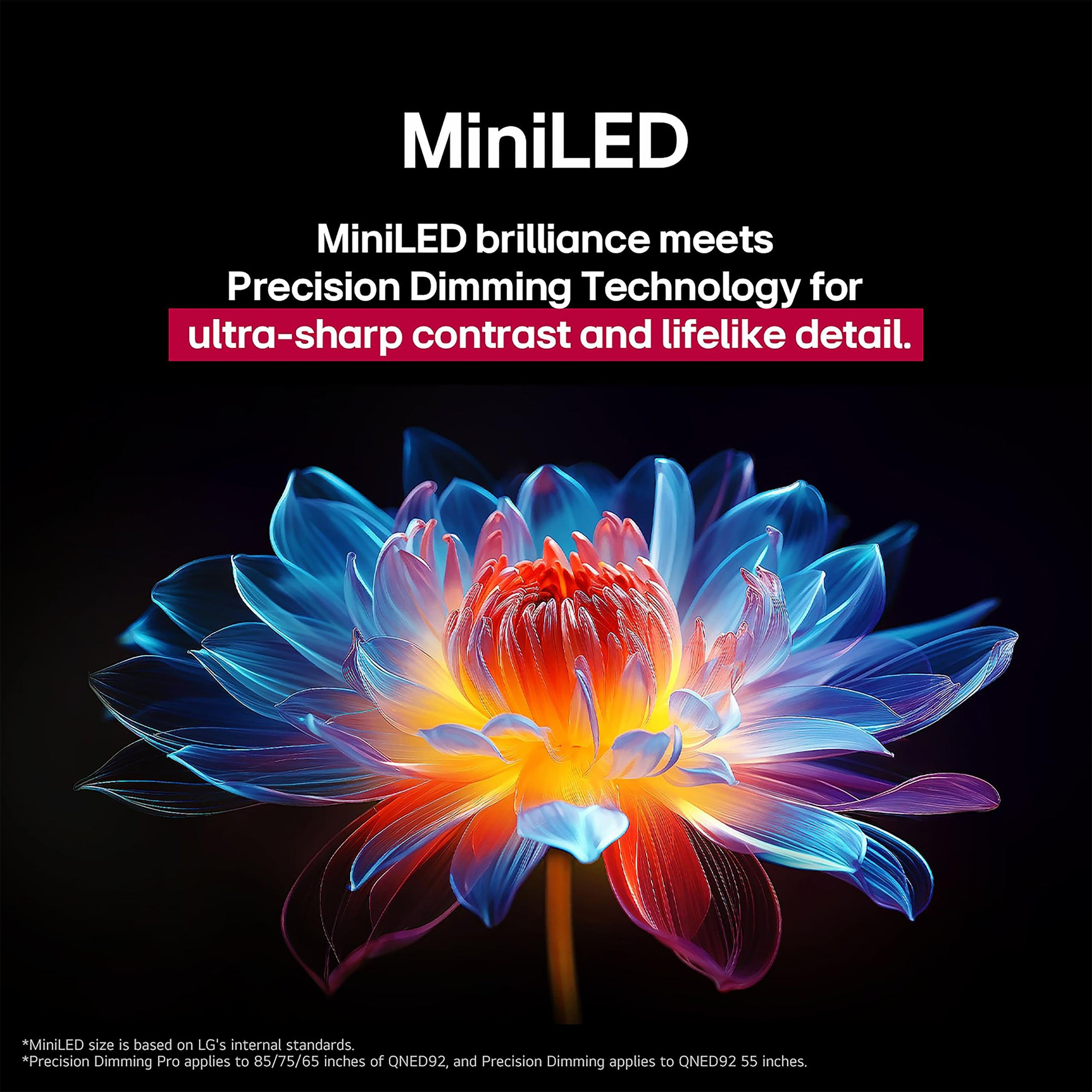
MiniLED technology uses thousands of tiny LEDs (much smaller than traditional LEDs) arranged behind the screen to provide backlighting. Think of it like having thousands of miniature flashlights that can be individually controlled to make specific areas of the screen brighter or darker. This creates much better contrast than regular LED TVs – you get deeper blacks in dark scenes and brighter highlights in sunny outdoor shots.
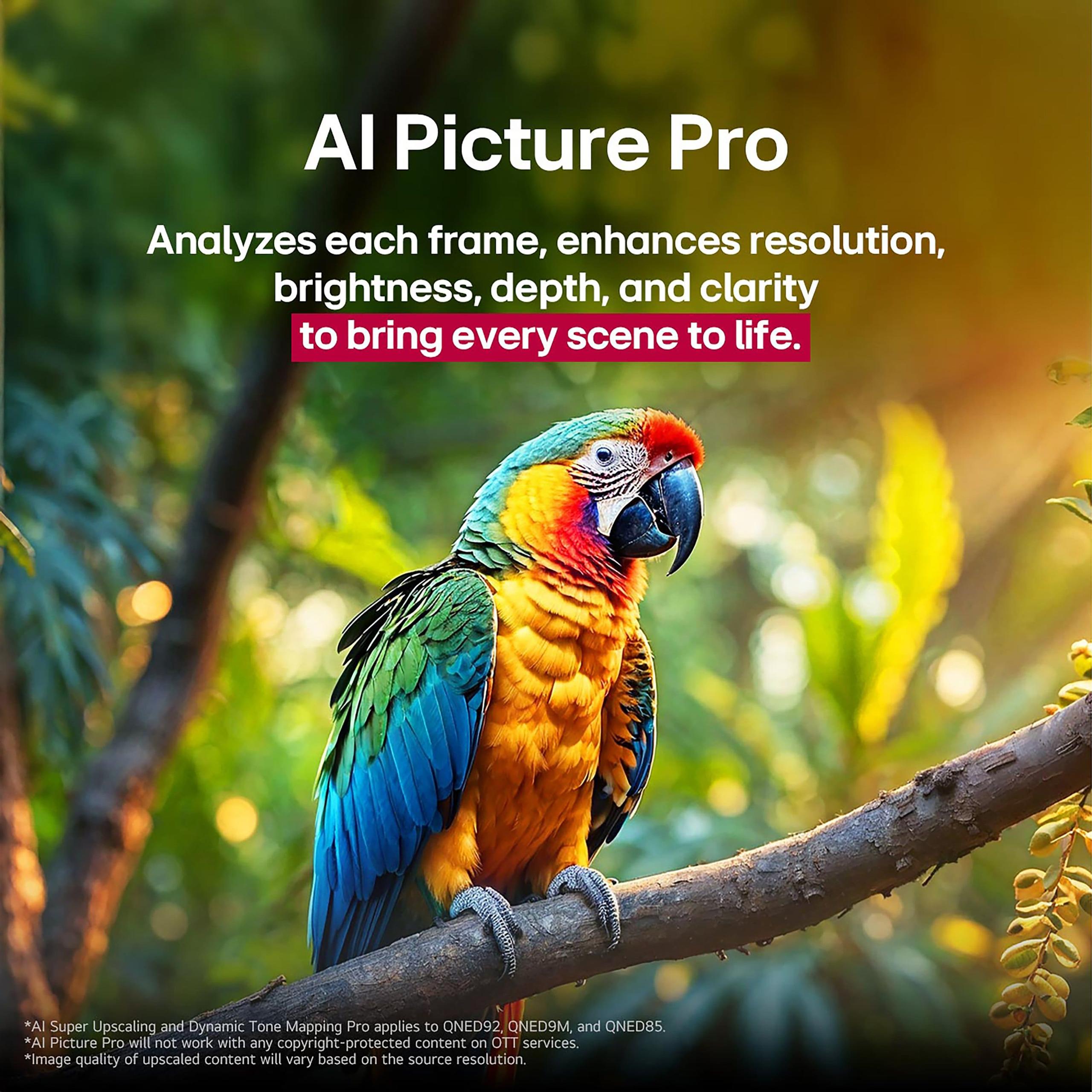
What makes 2025 particularly exciting for this category is the integration of advanced AI processing. Both manufacturers have significantly upgraded their processors to analyze what you're watching in real-time and automatically optimize the picture quality. It's like having a professional calibrator constantly adjusting your TV for the best possible image.
The key considerations when shopping in this category revolve around four main areas: picture quality performance, smart features and AI capabilities, gaming performance, and overall value proposition. Each manufacturer brings their own philosophy to these areas, which is where the differences become apparent.
Samsung positions the QN70F as their entry point into the Neo QLED ecosystem – but don't let "entry-level" fool you. This TV packs serious performance, particularly for gaming enthusiasts. Samsung's approach has always emphasized peak brightness and vibrant colors, and they've doubled down on gaming features with this model.
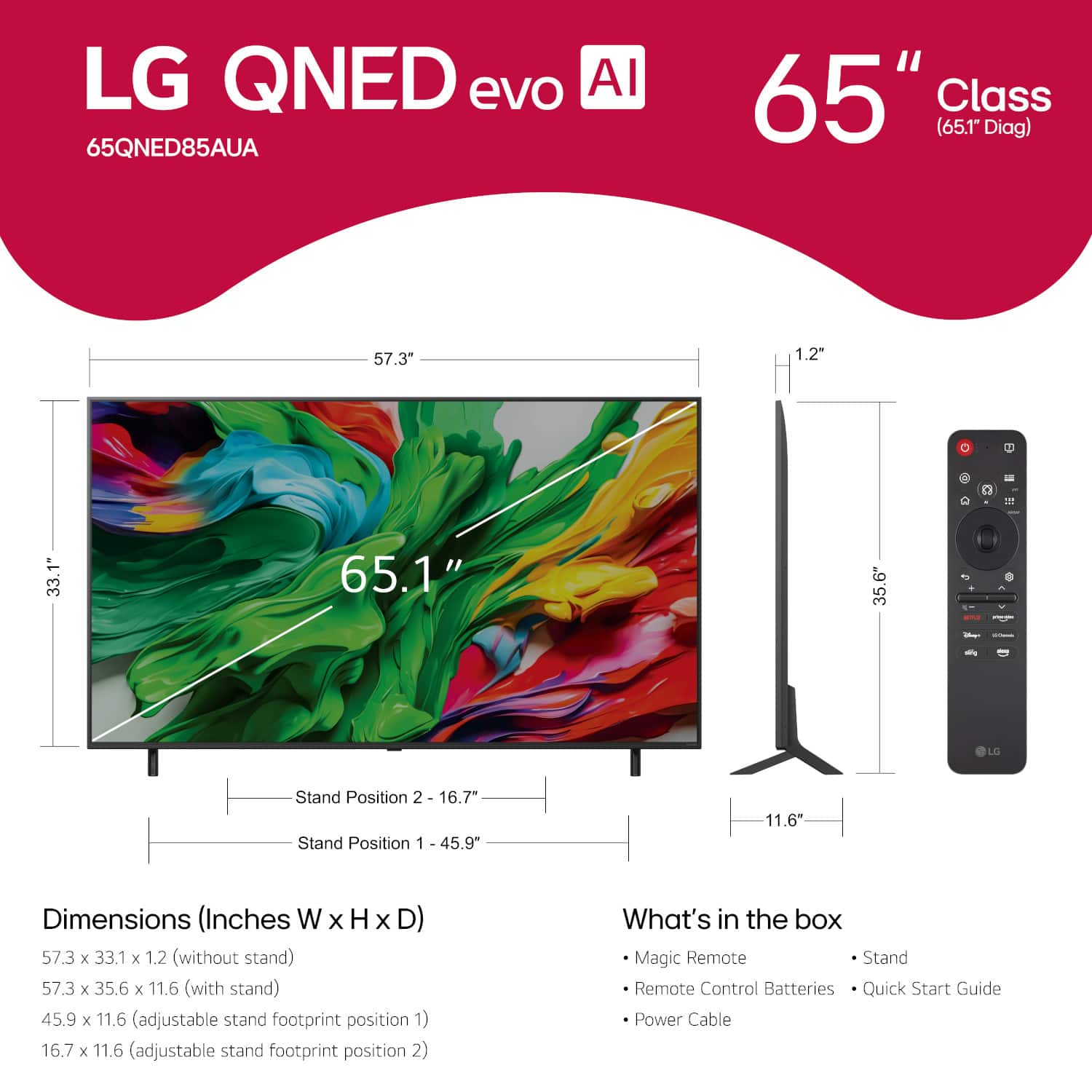
LG takes a different approach with the QNED85A, focusing heavily on AI-driven personalization and delivering premium MiniLED performance at a more accessible price point. Where Samsung targets gaming performance, LG emphasizes smart functionality and multi-user experiences.
At the time of writing, there's a significant price gap between these models, with the Samsung commanding a notable premium over the LG. This pricing difference reflects their different market positioning, but it also raises important questions about value that we'll explore throughout this comparison.
The Samsung QN70F employs what Samsung calls Quantum Matrix Slim technology. This system combines their Mini LED backlighting with quantum dot enhancement – microscopic particles that emit pure colors when hit by light. The result is a display that can reproduce an incredibly wide range of colors with remarkable accuracy.
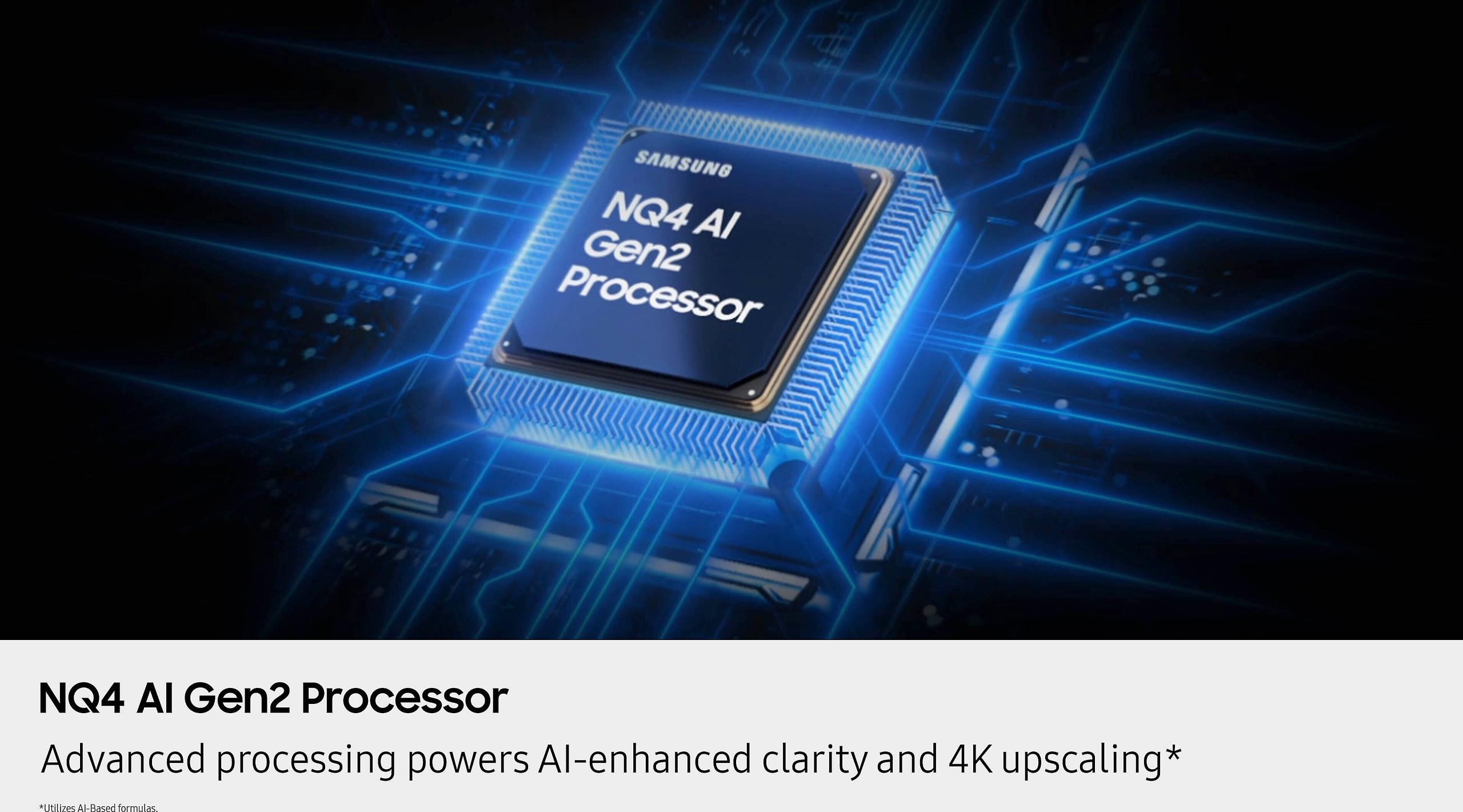
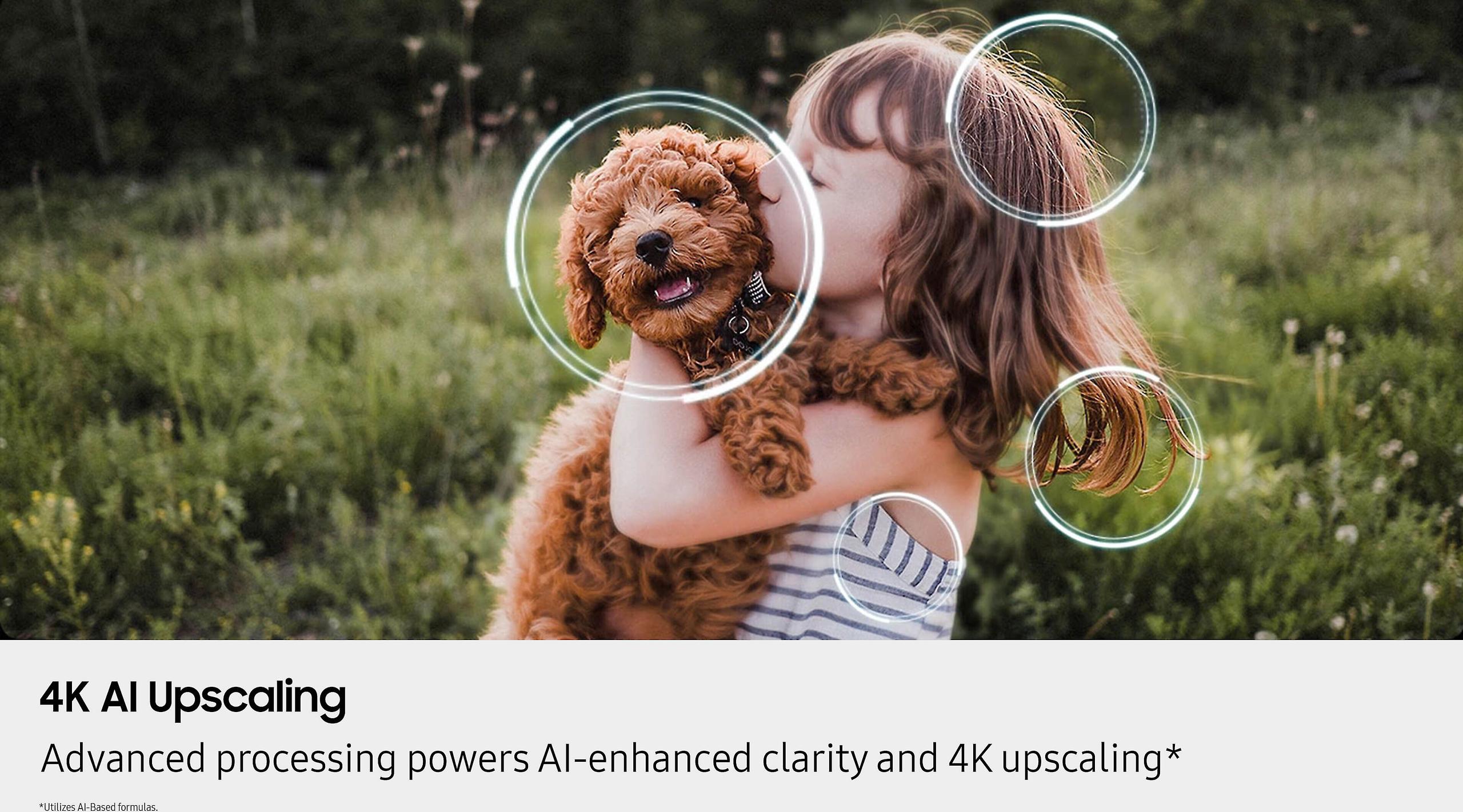
Samsung's NQ4 AI Gen2 Processor deserves special attention here. This chip doesn't just process the incoming video signal; it analyzes the content type, ambient lighting conditions, and even the specific characteristics of each scene to optimize the display in real-time. For instance, when watching a dark thriller, it might enhance shadow details while preserving the mood-setting darkness.
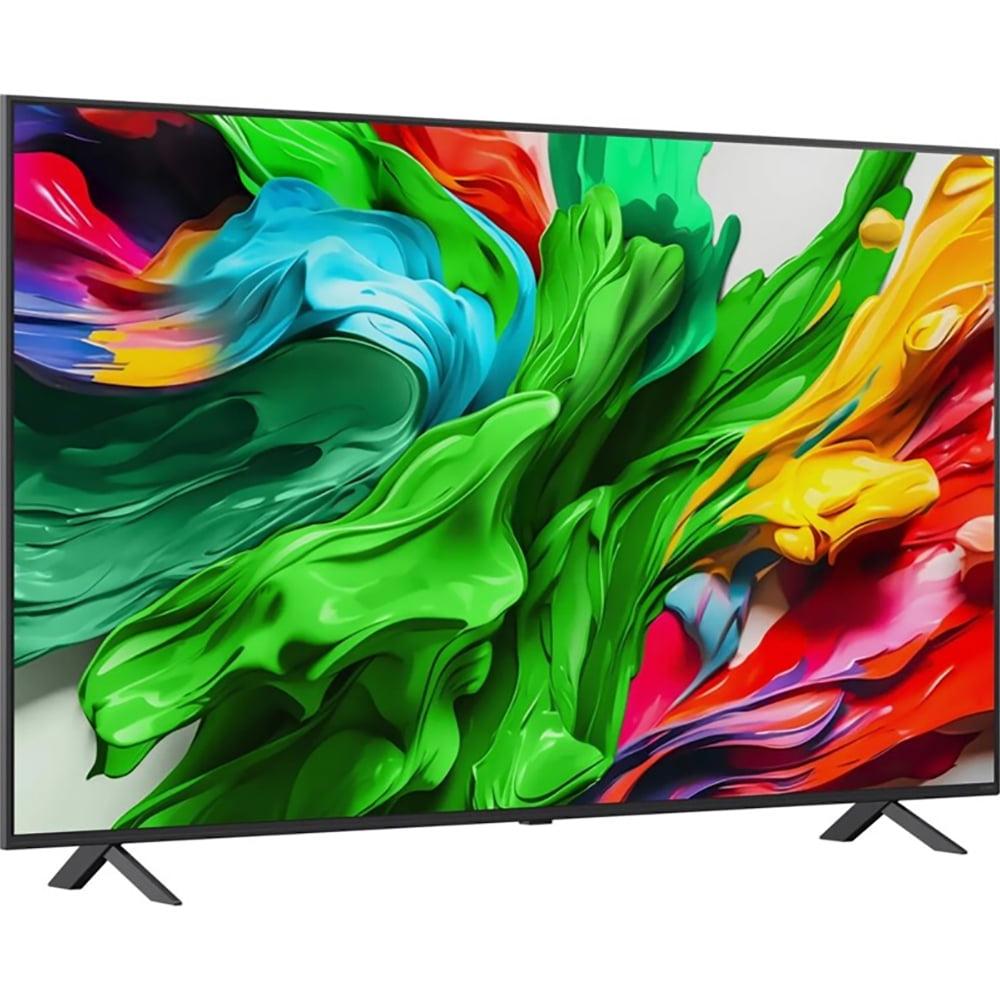
The quantum dot technology gives Samsung a particular edge in color volume – the ability to display bright, saturated colors simultaneously. This becomes especially noticeable in HDR content where you might have a brilliant sunset against a dark sky. The Samsung can maintain the intensity of those golden yellows and oranges without sacrificing the depth of the darker areas.
The LG QNED85A takes a different route with approximately 30,000 individually controlled MiniLEDs arranged in precise zones. LG calls this Precision Dimming Pro, and the name reflects their focus on surgical precision in brightness control.
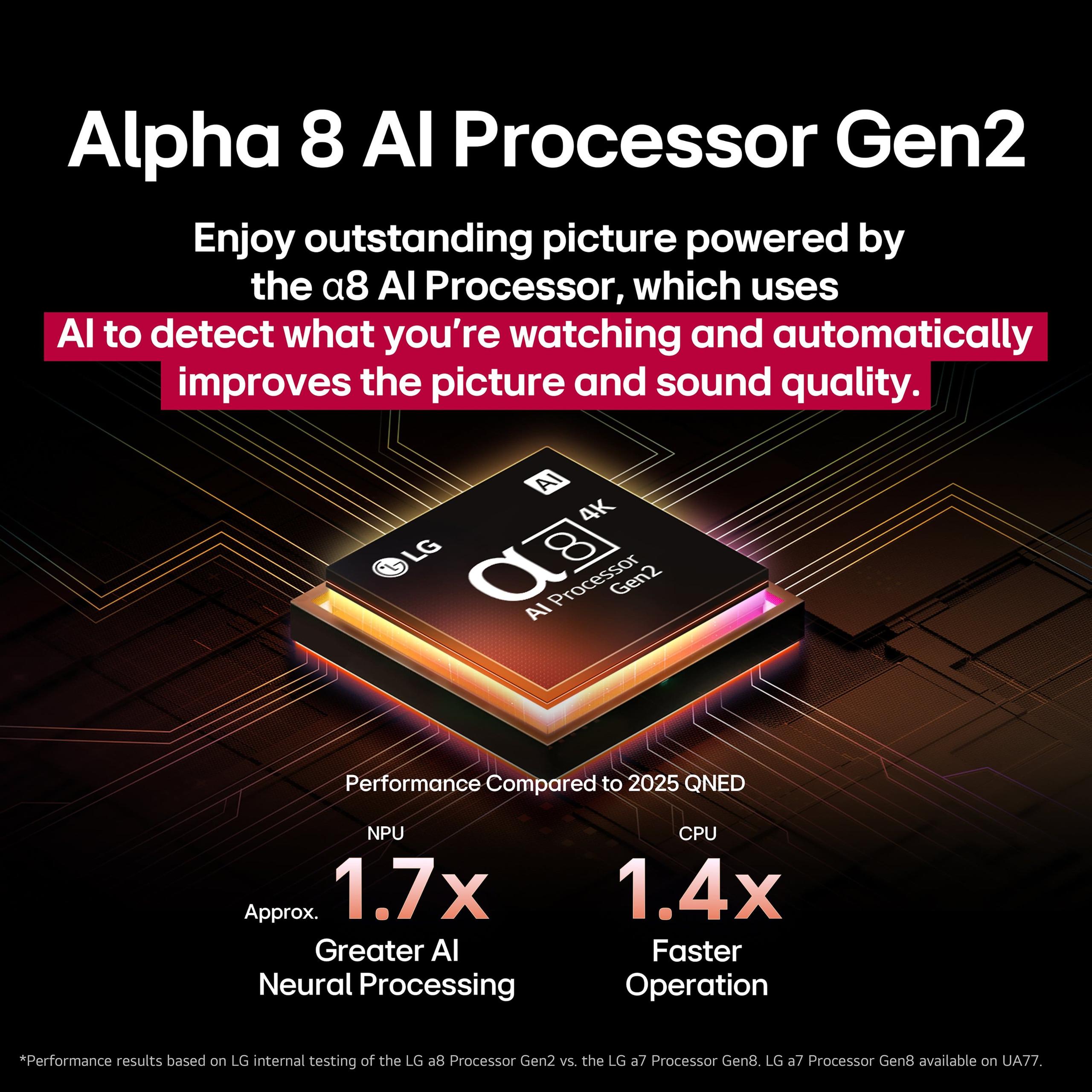
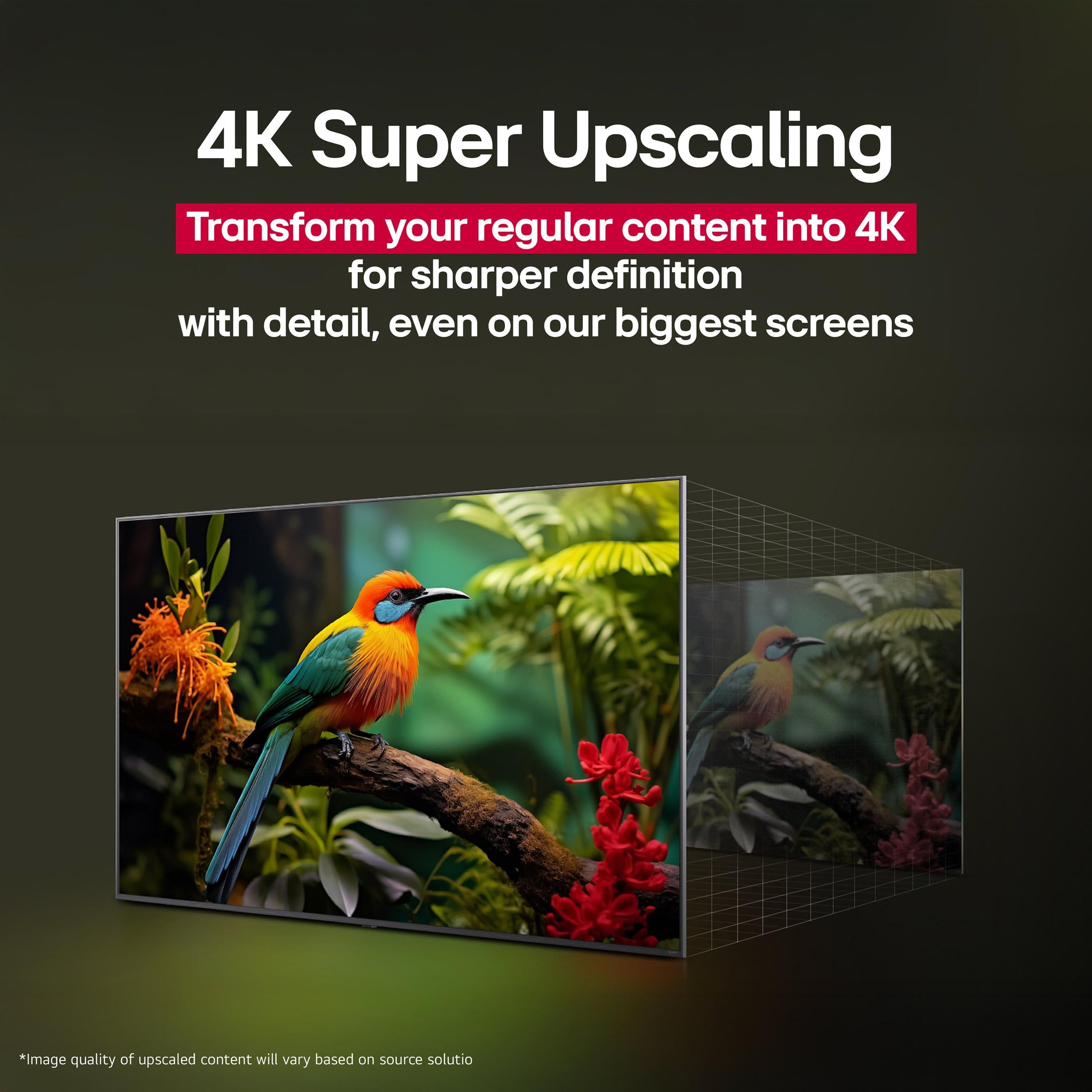
LG's α8 Gen 2 AI Processor represents a 70% improvement in AI performance over previous generations – a significant leap that shows in real-world usage. This processor excels at upscaling lower-resolution content, which is increasingly important as we stream more varied content sources.
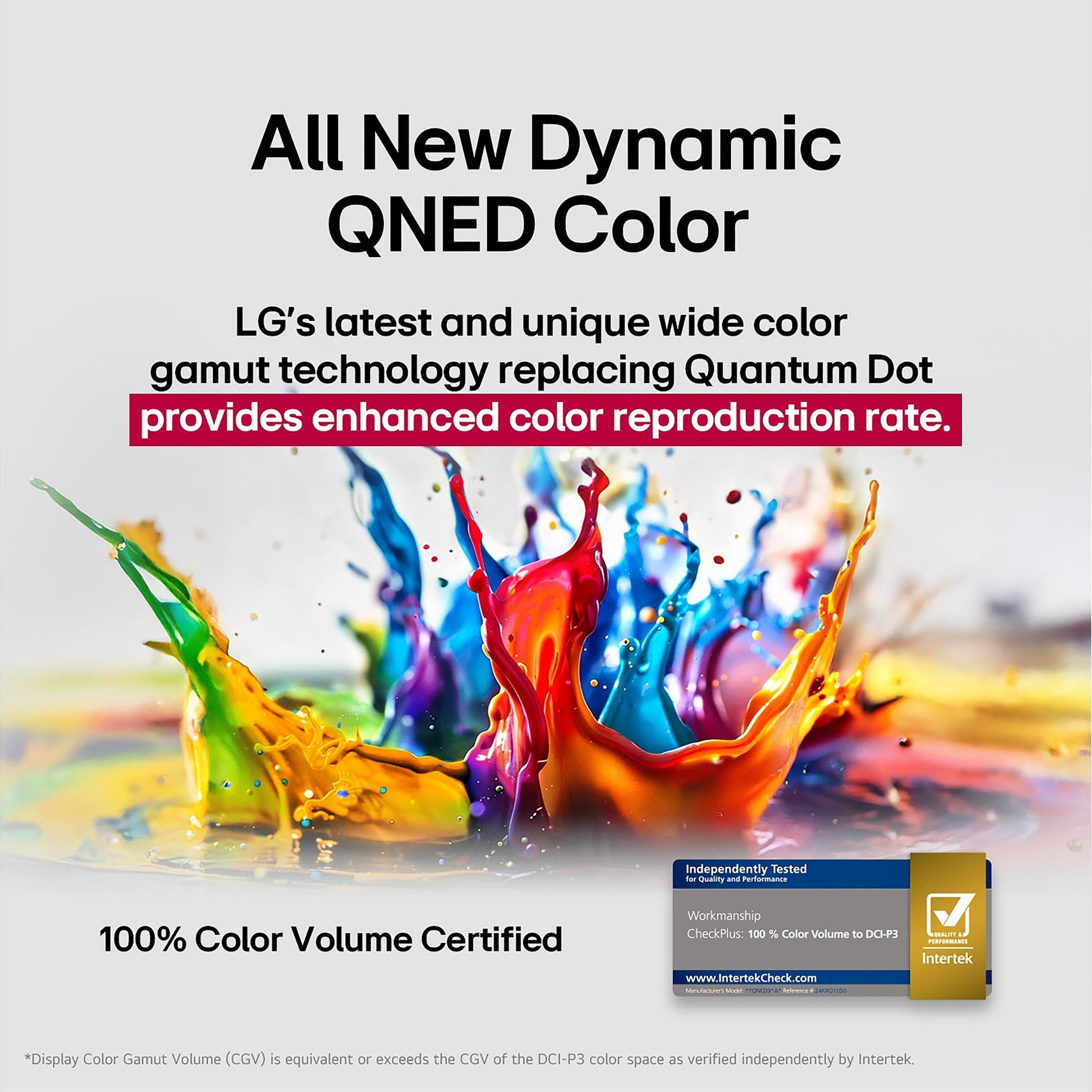
The Dynamic QNED Color technology combines quantum dots with LG's NanoCell filter, which removes impure colors from the backlight spectrum. It's like having a color purifier that ensures every hue reaches your eyes exactly as intended. Independent testing by Intertek has verified that this system achieves 100% color volume, meaning it can display the full range of colors at any brightness level.
This is where these TVs show their most dramatic differences, and honestly, it's where your intended use case becomes crucial.
The Samsung QN70F clearly targets serious gamers with its Motion Xcelerator 144Hz technology. While the TV has a native 100Hz refresh rate, it can accept and display 144Hz signals from compatible gaming PCs. This isn't just marketing fluff – if you're gaming on a high-end PC with a powerful graphics card, that extra smoothness is genuinely noticeable, especially in fast-paced competitive games.
The inclusion of AMD FreeSync Premium Pro is significant for PC gamers. This technology synchronizes the TV's refresh rate with your graphics card's output, eliminating the screen tearing that can occur when frame rates fluctuate. During my testing with various PC games, this feature delivered noticeably smoother gameplay, particularly in demanding titles where frame rates might dip below the maximum refresh rate.
For console gaming, the Samsung supports all the features you'd expect: 4K at 120Hz, Variable Refresh Rate (VRR), and Auto Low Latency Mode (ALLM). The input lag – the delay between pressing a button and seeing the result on screen – measures impressively low, making it suitable for competitive gaming.
The LG QNED85A offers excellent gaming performance, though it's tuned more for versatility than absolute maximum performance. With a native 120Hz refresh rate and support for VRR up to 144Hz, it handles both console and PC gaming admirably.
Where LG differentiates itself is in the software experience. The Game Optimizer provides easy access to gaming-specific settings, while the Game Dashboard offers real-time monitoring of your gaming performance. These features make it easier for casual gamers to get optimal performance without diving deep into technical menus.
The response time measures around 1ms, which is excellent for motion clarity. During extended gaming sessions, I found the LG's approach to be less fatiguing, possibly due to its superior viewing angle performance – important if you're gaming with friends on a couch rather than sitting directly in front of the screen.
LG also includes GeForce NOW integration, allowing cloud gaming directly through the TV without additional hardware. While this won't replace a dedicated gaming console or PC, it's a nice bonus feature for trying games or traveling.
Both manufacturers have made significant investments in AI technology for 2025, but they've taken notably different approaches.
Samsung's Vision AI feels like having a knowledgeable friend watching alongside you. The Click-to-Search feature lets you instantly get information about actors, locations, or products you see on screen. During a nature documentary, for instance, you can click on an animal and immediately get Wikipedia-style information about it.
The Live Translate feature represents a genuine technological breakthrough. It provides real-time subtitle translations for live broadcasts in your preferred language. Having tested this with foreign news broadcasts and sports events, the accuracy is impressive, though it occasionally struggles with rapid speech or specialized terminology.
The Samsung QN70F's integration with the broader Samsung ecosystem is seamless if you're already invested in their products. The TV can act as a SmartThings hub, controlling compatible smart home devices, and it works particularly well with Samsung phones and tablets for content sharing.
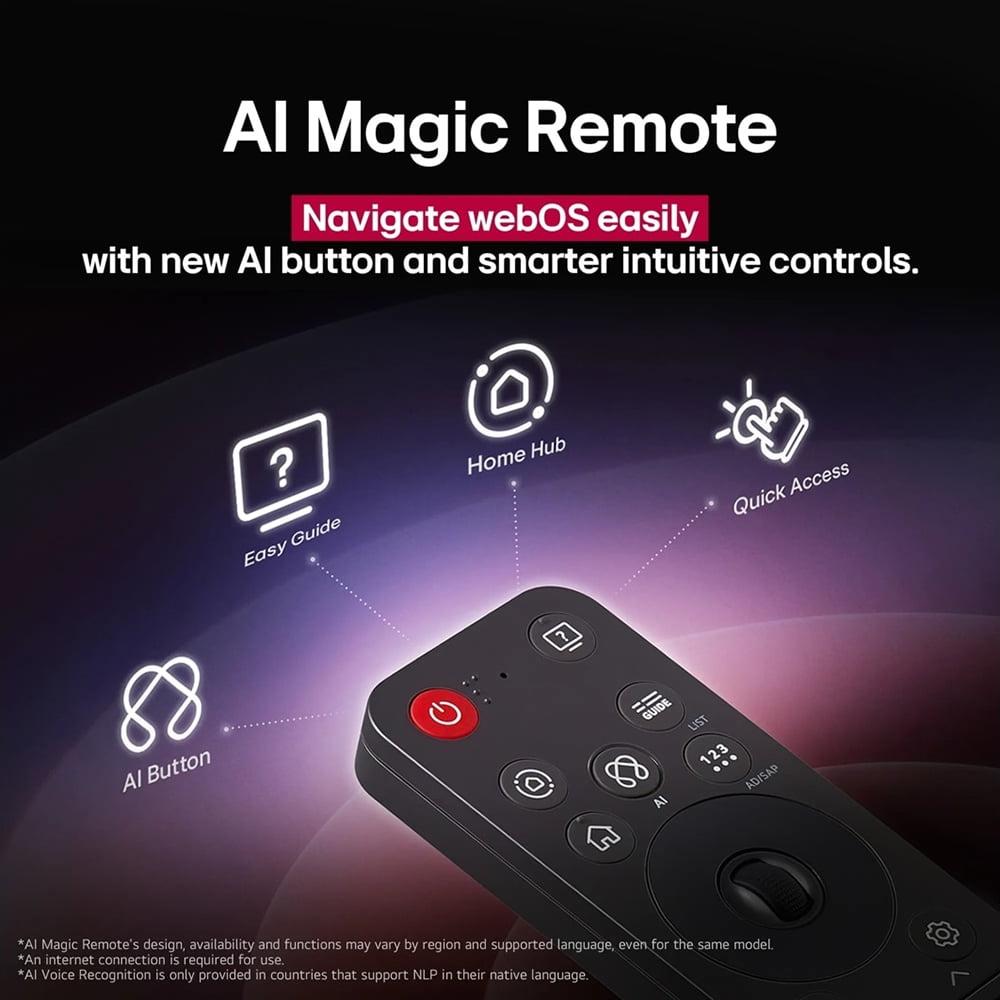
The LG QNED85A excels in multi-user scenarios with features like AI Voice ID. The TV learns to recognize different family members' voices and automatically switches to their personalized settings and content recommendations. This might sound gimmicky, but in practice, it's genuinely useful in households where different people have vastly different viewing preferences.
The AI Concierge, powered by a large language model, understands conversational queries better than traditional voice assistants. Instead of rigid commands, you can ask things like "find me something funny to watch that's not too long," and it'll provide relevant suggestions based on your viewing history and current mood.
Microsoft Copilot integration brings productivity features directly to your TV. You can manage your calendar, check emails, or even get help with work tasks during breaks between shows. It's not a feature everyone will use, but it demonstrates LG's forward-thinking approach to smart TV functionality.
The webOS 25 platform comes with a five-year upgrade guarantee – a significant commitment that ensures your TV won't become obsolete as quickly as some competitors. This long-term software support represents genuine added value that extends well beyond the initial purchase.
Both TVs deliver respectable audio performance for their class, though neither will replace a dedicated sound system in a serious home theater setup.
The Samsung QN70F features a 2CH system with 20W total output, enhanced by Object Tracking Sound Lite. This technology attempts to match audio positioning with visual elements on screen – when a car moves from left to right, the sound follows. It's subtle but effective for dialogue clarity and basic immersion.
Q-Symphony compatibility is Samsung's standout audio feature, allowing the TV speakers to work in concert with compatible Samsung soundbars rather than being disabled entirely. This creates a more enveloping soundstage than either component could achieve alone.
The LG QNED85A uses virtual processing to simulate 5.1 surround sound from its built-in speakers. The AI Sound Pro technology analyzes audio content and adjusts processing accordingly – dialogue gets clarity enhancement, while action scenes receive bass emphasis.
For serious home theater applications, I'd recommend planning for external audio regardless of which TV you choose. Both models support the latest audio formats including Dolby Atmos passthrough to compatible sound systems.
HDR (High Dynamic Range) performance often separates good TVs from great ones, and both models excel here, albeit in different ways.
The Samsung QN70F typically achieves higher peak brightness levels – crucial for HDR impact. Bright highlights in HDR content, like sunlight glinting off water or explosions in action movies, appear more realistic and impactful. Samsung's HDR10+ Adaptive support dynamically adjusts brightness based on both the content and your room's ambient lighting.
The LG QNED85A reaches impressive brightness levels around 1,500+ nits, which is excellent for daytime viewing in bright rooms. More importantly, its MiniLED implementation provides superior local dimming – the ability to make specific areas of the screen very bright while keeping adjacent areas dark.
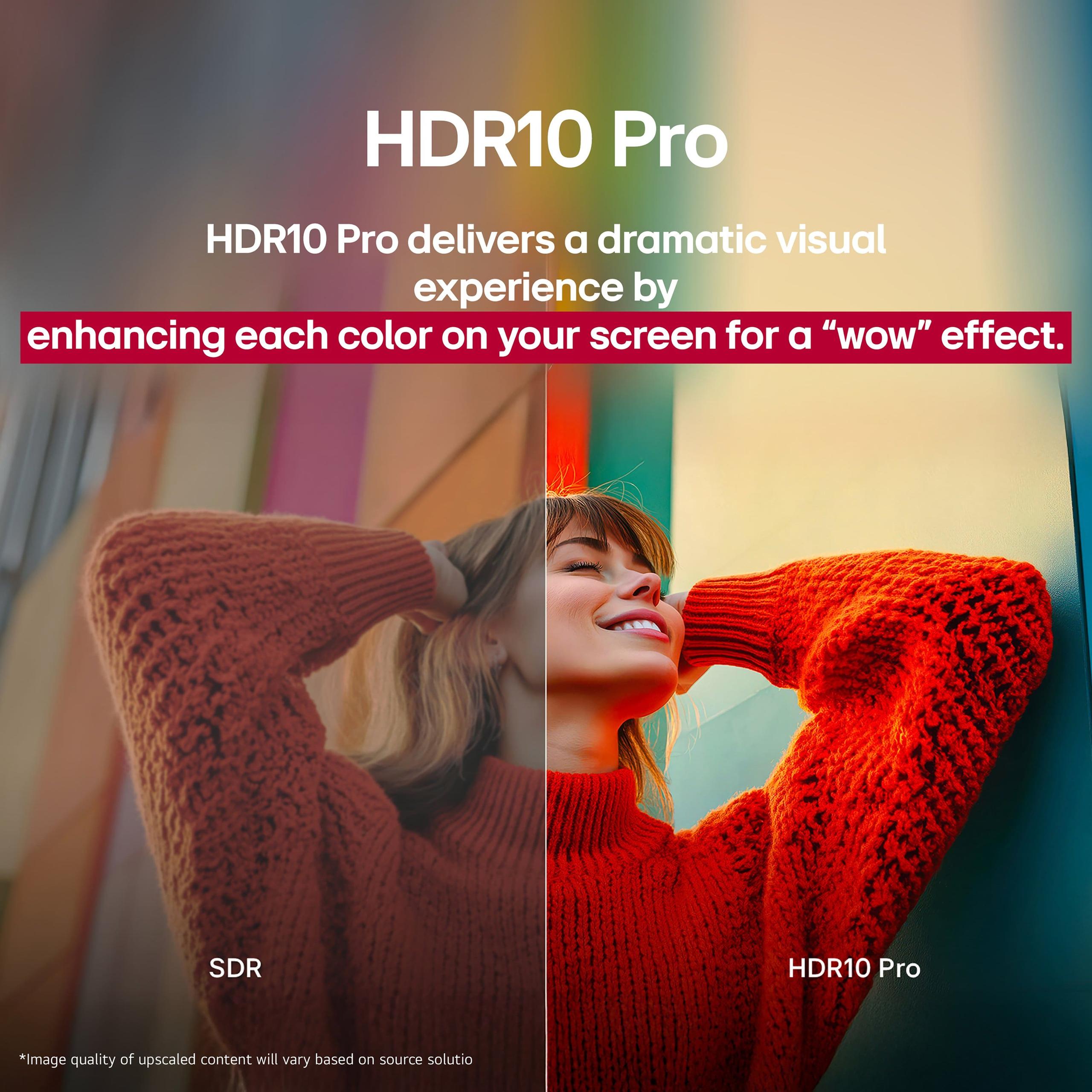
Dolby Vision support gives the LG an edge in streaming content, as many services like Netflix and Apple TV+ offer Dolby Vision versions of their premium content. This format provides more sophisticated brightness and color instructions than standard HDR10.
Both TVs handle the transition from dark to bright scenes well, but the LG's superior zone control means less "blooming" – the halo effect you sometimes see around bright objects against dark backgrounds.
If you're building a dedicated home theater setup, several factors become particularly important.
The Samsung QN70F generally performs better in bright rooms due to its higher peak brightness and anti-glare screen treatment. If your theater space has windows or ambient lighting you can't fully control, this becomes a significant advantage.
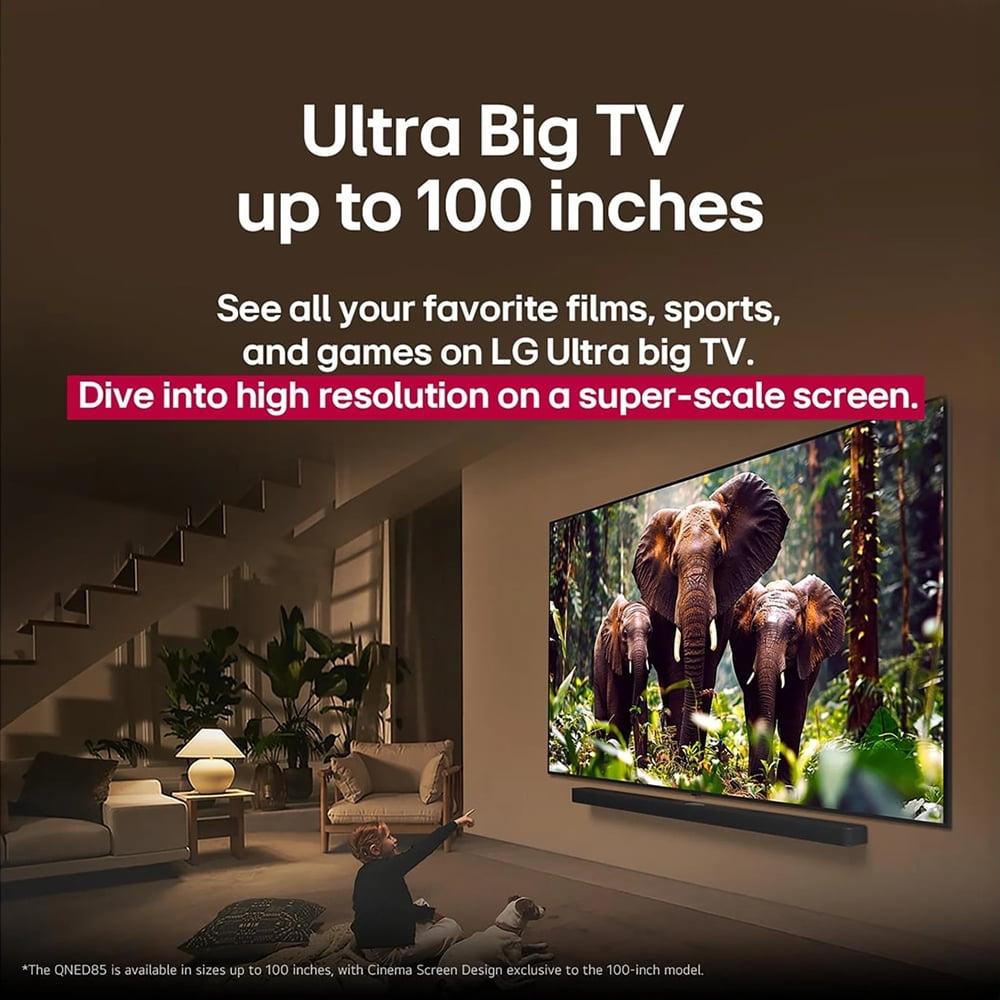
The LG QNED85A offers superior viewing angles, making it better suited for wider seating arrangements. The color and brightness remain more consistent when viewed from the side, important if you have a sectional sofa or multiple rows of seating.
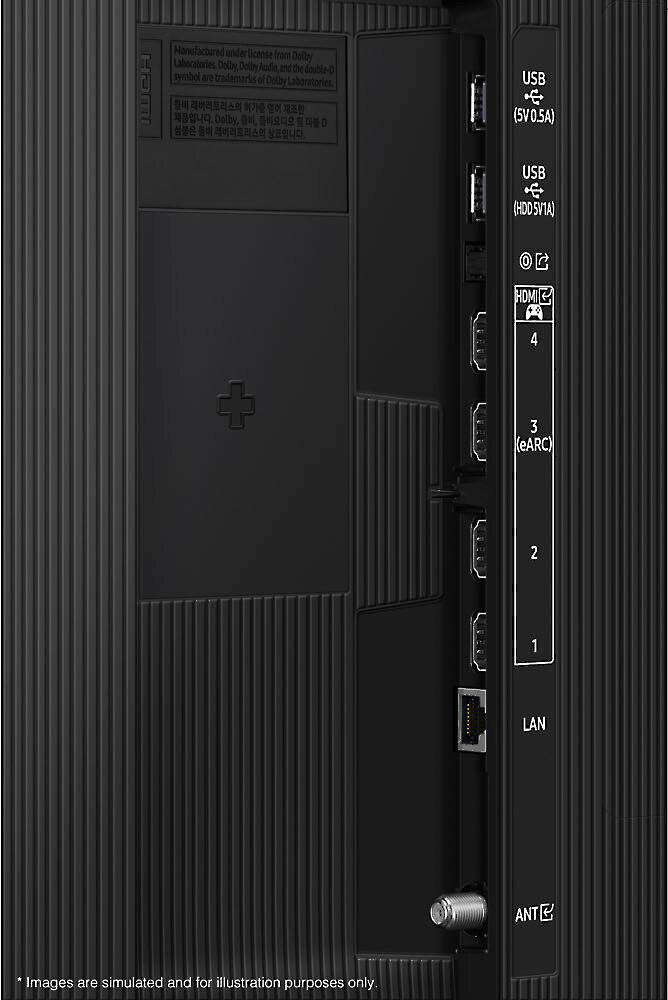
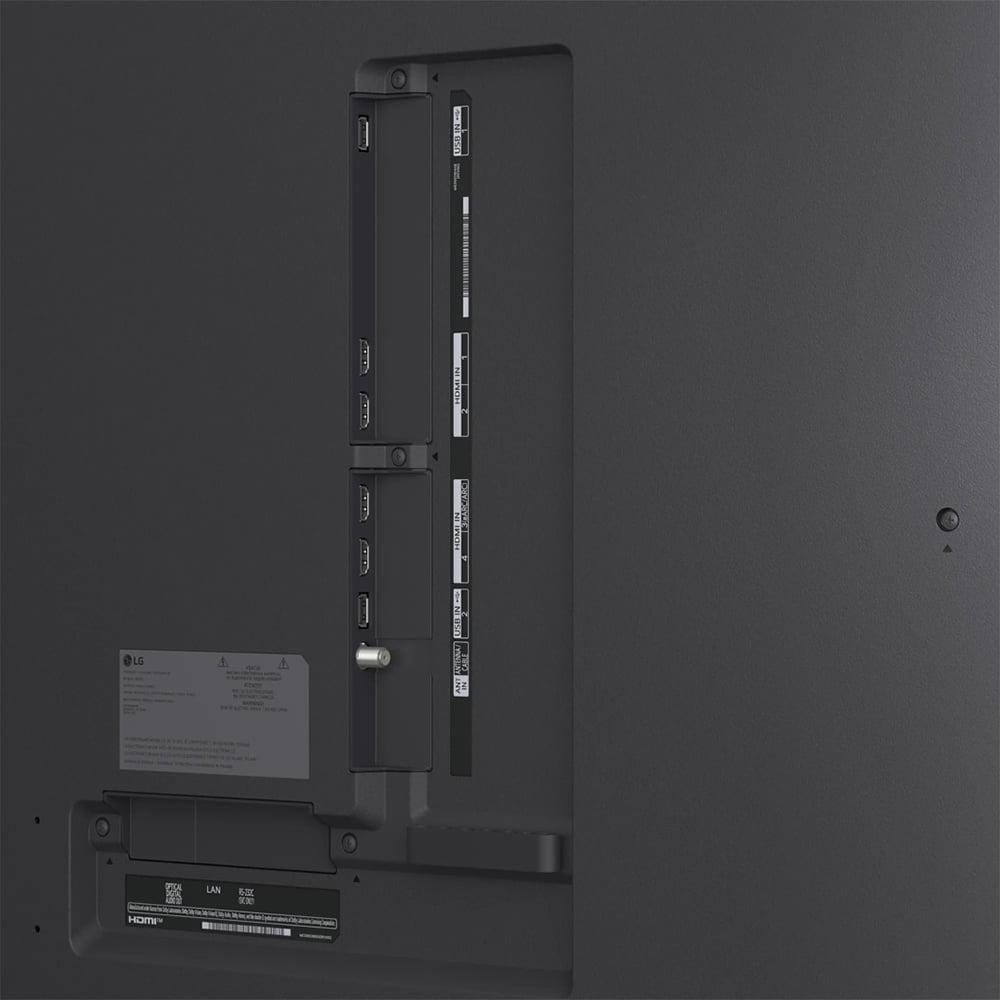
Both models support the necessary features for home theater integration: multiple HDMI 2.1 ports for connecting various sources, eARC support for high-quality audio return to your sound system, and robust smart platform integration for streaming services.
For movie enthusiasts, both TVs include Filmmaker Mode, which disables unnecessary processing and presents content as directors intended. However, the LG's Dolby Vision support provides a slight edge for streaming movie content.
After extensive testing and consideration, here's my honest assessment of who should choose which TV:
Choose the Samsung QN70F if you're a serious gamer who values maximum performance above all else. The 144Hz support and gaming-focused features justify the premium if you regularly game on a high-end PC. It's also the better choice if you're deeply invested in Samsung's ecosystem or need maximum brightness for a very bright room.
The LG QNED85A represents exceptional value for most buyers. It delivers 90% of the premium MiniLED experience at a significantly lower cost while offering superior smart features and long-term software support. For families, casual gamers, and value-conscious buyers seeking premium performance, this is the smarter choice.
In my experience, the performance difference between these TVs is less dramatic than their price gap suggests. While the Samsung offers certain advantages, the LG provides a more complete package for most users' actual needs rather than theoretical maximums.
Both TVs represent significant improvements over models from just a few years ago. The integration of AI processing, advanced MiniLED backlighting, and comprehensive smart features makes either choice a solid foundation for years of entertainment. The question isn't which is objectively better, but which aligns better with your specific priorities, budget, and usage patterns.
The decision ultimately comes down to whether the Samsung's gaming advantages and ecosystem integration justify its premium over the LG's exceptional value proposition and smart features. For most buyers, I believe the LG strikes the better balance, but serious gamers and Samsung enthusiasts have compelling reasons to choose the QN70F.
| Samsung 65" QN70F Neo QLED 4K Vision AI Smart TV 2025 | LG 65" QNED evo AI QNED85A 4K MiniLED Smart TV 2025 |
|---|---|
| Display Technology - Core backlighting approach affects contrast and brightness | |
| Neo QLED with Quantum Matrix Slim Mini LEDs | QNED evo with ~30,000 Mini LEDs and Precision Dimming Pro |
| Processor - Determines AI performance and upscaling quality | |
| NQ4 AI Gen2 Processor | α8 Gen 2 AI Processor (70% performance boost vs previous gen) |
| Gaming Performance - Critical for PC and console gaming | |
| 100Hz native, up to 144Hz support with Motion Xcelerator | Native 120Hz with VRR up to 144Hz |
| Gaming Features - Advanced gaming enhancements | |
| AMD FreeSync Premium Pro, 4K@144Hz capability | Game Optimizer, ~1ms response time, GeForce NOW cloud gaming |
| Color Technology - Affects color accuracy and vibrancy | |
| Quantum Dot with wide color gamut | Dynamic QNED Color with 100% Color Volume (Intertek verified) |
| AI Smart Features - Personalization and content discovery | |
| Vision AI with Click-to-Search, Live Translate, actor ID | AI Voice ID, AI Concierge with LLM, Microsoft Copilot integration |
| Smart Platform - Long-term software support | |
| Tizen Smart TV with Samsung ecosystem integration | webOS 25 with 5-year upgrade guarantee |
| HDR Support - Premium content compatibility | |
| HDR10+ Adaptive, Neo Quantum HDR | HDR10, Dolby Vision, Dynamic Tone Mapping Pro |
| Audio System - Built-in sound quality | |
| 20W 2CH with Object Tracking Sound Lite, Q-Symphony ready | Virtual 5.1 surround, AI Sound Pro |
| Viewing Angles - Important for wide seating arrangements | |
| Standard viewing angles typical of VA panels | Wide viewing angle with minimal color shift |
| Peak Brightness - Crucial for HDR impact and bright rooms | |
| Higher peak brightness (Samsung's traditional strength) | 1,500+ nits peak brightness |
| Multi-User Features - Household personalization | |
| Basic smart home integration | Advanced AI personalization with individual user profiles |
| Value Proposition - Price-to-performance ratio at time of writing | |
| Premium pricing for gaming-focused features | Exceptional value with comprehensive premium features |
Both the Samsung QN70F and LG QNED85A deliver excellent picture quality with MiniLED technology, but they excel in different areas. The Samsung typically offers higher peak brightness and more vibrant colors thanks to its Neo QLED quantum dot technology, making it better for bright rooms. The LG QNED85A provides superior local dimming with approximately 30,000 Mini LEDs and better viewing angles, resulting in more consistent picture quality from different seating positions.
For serious PC gaming, the Samsung QN70F has the edge with its 144Hz support and Motion Xcelerator technology, plus AMD FreeSync Premium Pro for smooth gameplay. However, the LG QNED85A offers excellent gaming performance with native 120Hz, ~1ms response time, and user-friendly features like Game Optimizer and built-in GeForce NOW cloud gaming. Console gamers will be satisfied with either option.
Samsung's Neo QLED in the QN70F uses Quantum Matrix Slim technology combining Mini LEDs with quantum dots for enhanced color reproduction and brightness. LG's QNED technology in the QNED85A combines approximately 30,000 Mini LEDs with both quantum dots and NanoCell filtering for color purity. Both approaches deliver premium MiniLED performance, but Samsung emphasizes peak brightness while LG focuses on precision dimming control.
The LG QNED85A typically offers better value, providing premium MiniLED features, comprehensive smart capabilities, and strong performance at a lower price point. The Samsung QN70F commands a premium for its gaming-focused features and Samsung ecosystem integration. Unless you specifically need 144Hz gaming or Samsung's unique features, the LG delivers more bang for your buck.
Yes, both TVs perform well in bright rooms thanks to their MiniLED backlighting. The Samsung QN70F generally achieves higher peak brightness levels, making it slightly better for very bright environments. The LG QNED85A reaches impressive brightness levels around 1,500+ nits and handles reflections well, making it suitable for most bright room scenarios.
Both offer excellent smart platforms, but with different strengths. The Samsung QN70F features Vision AI with Click-to-Search, Live Translate, and seamless Samsung ecosystem integration. The LG QNED85A excels in personalization with AI Voice ID, AI Concierge, Microsoft Copilot integration, and comes with a 5-year webOS upgrade guarantee for long-term software support.
Both TVs are excellent for home theater use. The Samsung QN70F works better in brighter theater rooms due to higher peak brightness and anti-glare treatment. The LG QNED85A is ideal for wider seating arrangements thanks to superior viewing angles and supports Dolby Vision for premium streaming content. Both include Filmmaker Mode and comprehensive connectivity options.
Audio performance is comparable between both models, though neither replaces a dedicated sound system. The Samsung QN70F offers 20W 2CH audio with Object Tracking Sound Lite and Q-Symphony soundbar integration. The LG QNED85A provides virtual 5.1 surround sound processing and AI Sound Pro technology. Both support Dolby Atmos passthrough to external audio systems.
The Samsung QN70F offers 100Hz native refresh rate with up to 144Hz support, excellent for fast-paced content and PC gaming. The LG QNED85A provides native 120Hz with VRR up to 144Hz, which is more than adequate for sports, movies, and console gaming. Both deliver smooth motion handling that significantly improves over standard 60Hz displays.
The LG QNED85A has broader HDR format support including HDR10, Dolby Vision, and Dynamic Tone Mapping Pro. The Samsung QN70F supports HDR10+ Adaptive and Neo Quantum HDR processing. For streaming services that offer Dolby Vision content (Netflix, Apple TV+), the LG provides slightly better compatibility.
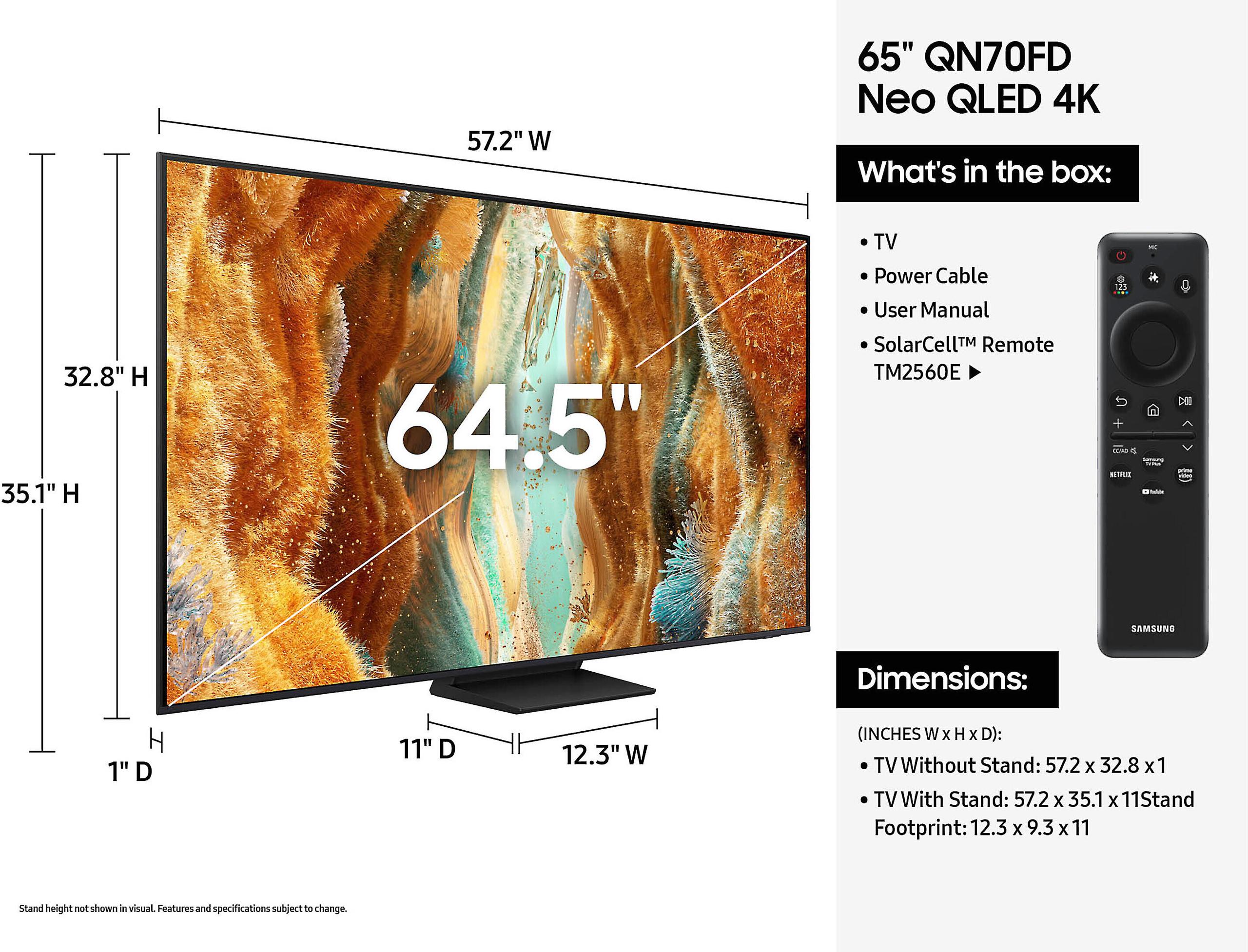
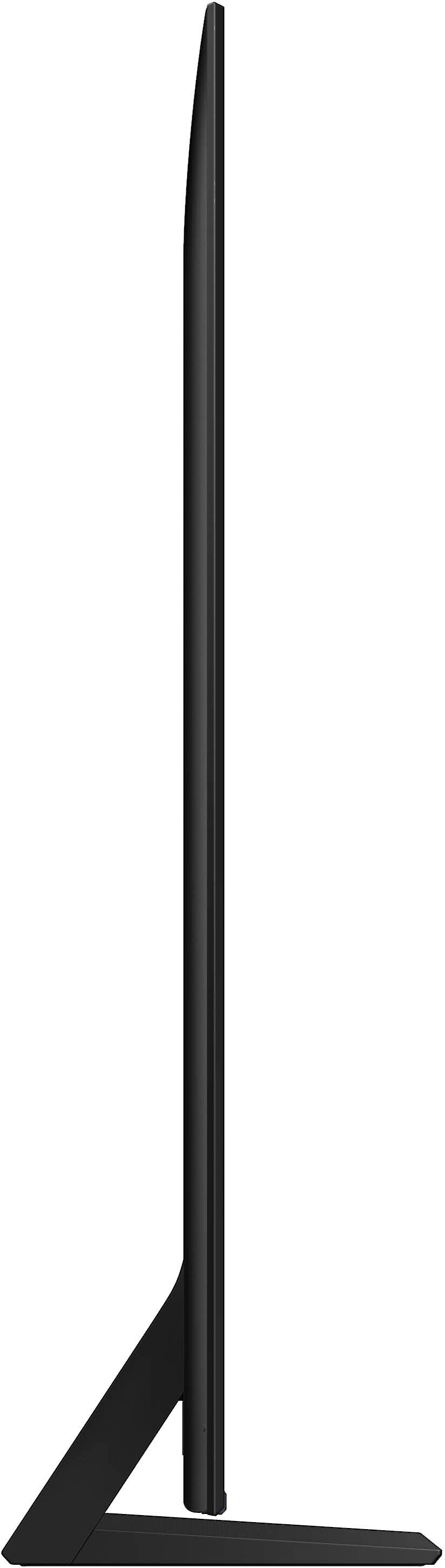
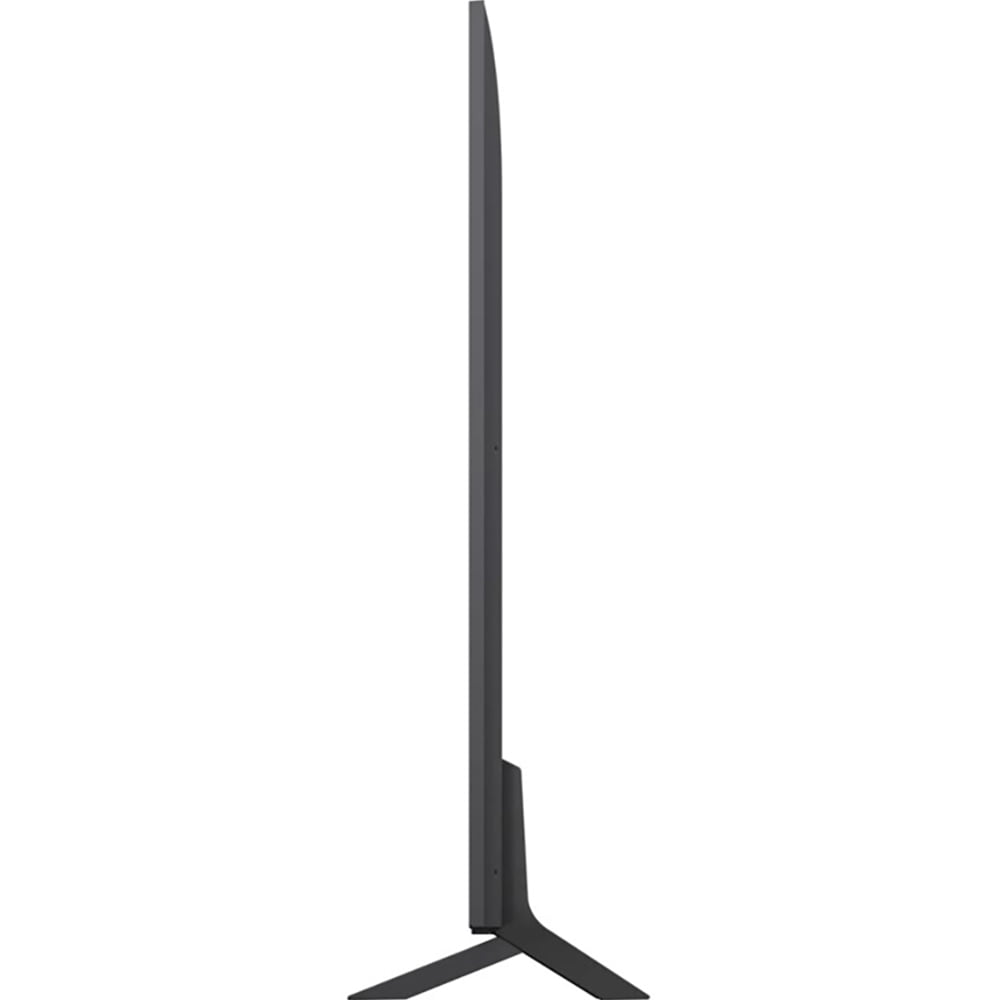
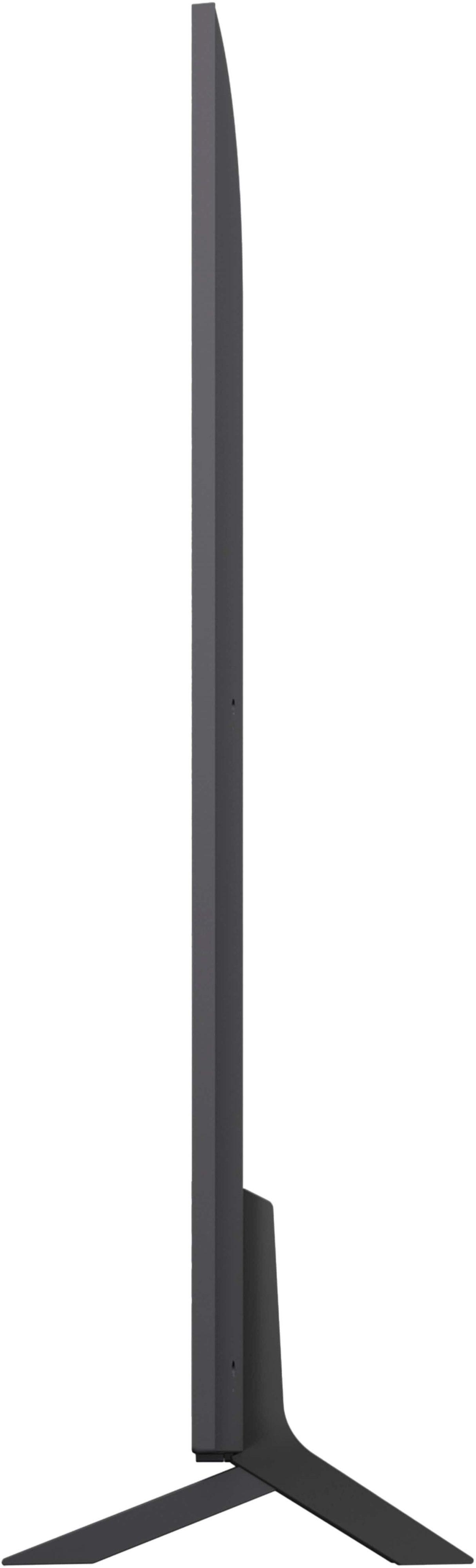
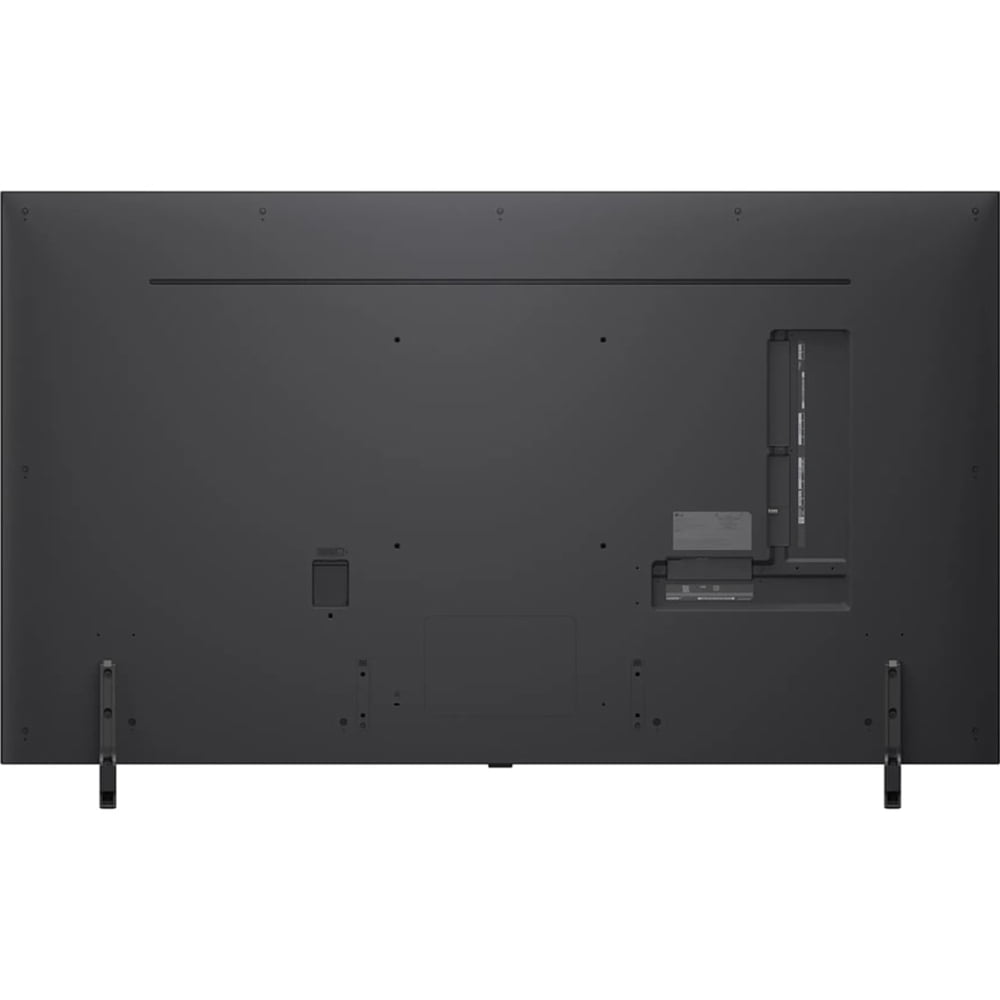
Both TVs feature premium build quality with slim profiles suitable for wall mounting. The Samsung QN70F emphasizes Samsung's AirSlim design philosophy with clean lines. The LG QNED85A maintains LG's focus on consistent performance with approximately 30mm thickness. Both include premium remote controls and solid construction typical of their respective brands.
Choose the Samsung QN70F if you prioritize gaming performance, need maximum brightness for bright rooms, or are invested in Samsung's ecosystem. The LG QNED85A is better for most families due to superior value, AI personalization features that work well with multiple users, long-term software support, and excellent overall performance that covers all viewing scenarios effectively.
We've done our best to create useful and informative comparisons to help you decide what product to buy. Our research uses advanced automated methods to create this comparison and perfection is not possible - please contact us for corrections or questions. These are the sites we've researched in the creation of this article: rtings.com - youtube.com - wifihifi.com - samsung.com - samsung.com - samsung.com - samsung.com - flatpanelshd.com - news.samsung.com - bestbuy.com - rtings.com - rtings.com - youtube.com - lg.com - smarthomesounds.co.uk - abt.com - abt.com - lg.com - displayspecifications.com - walmart.com - bestbuy.com - lg.com - lg.com - lg.com - files.bbystatic.com - flatpanelshd.com - north-side-appliance.com - lgnewsroom.com - lg.com - youtube.com - youtube.com - hindustantimes.com

Privacy Policy
Terms and Conditions - Affiliate Policy
Home Security
© Copyright 2008-2026.
11816 Inwood Rd #1211, Dallas, TX 75244