

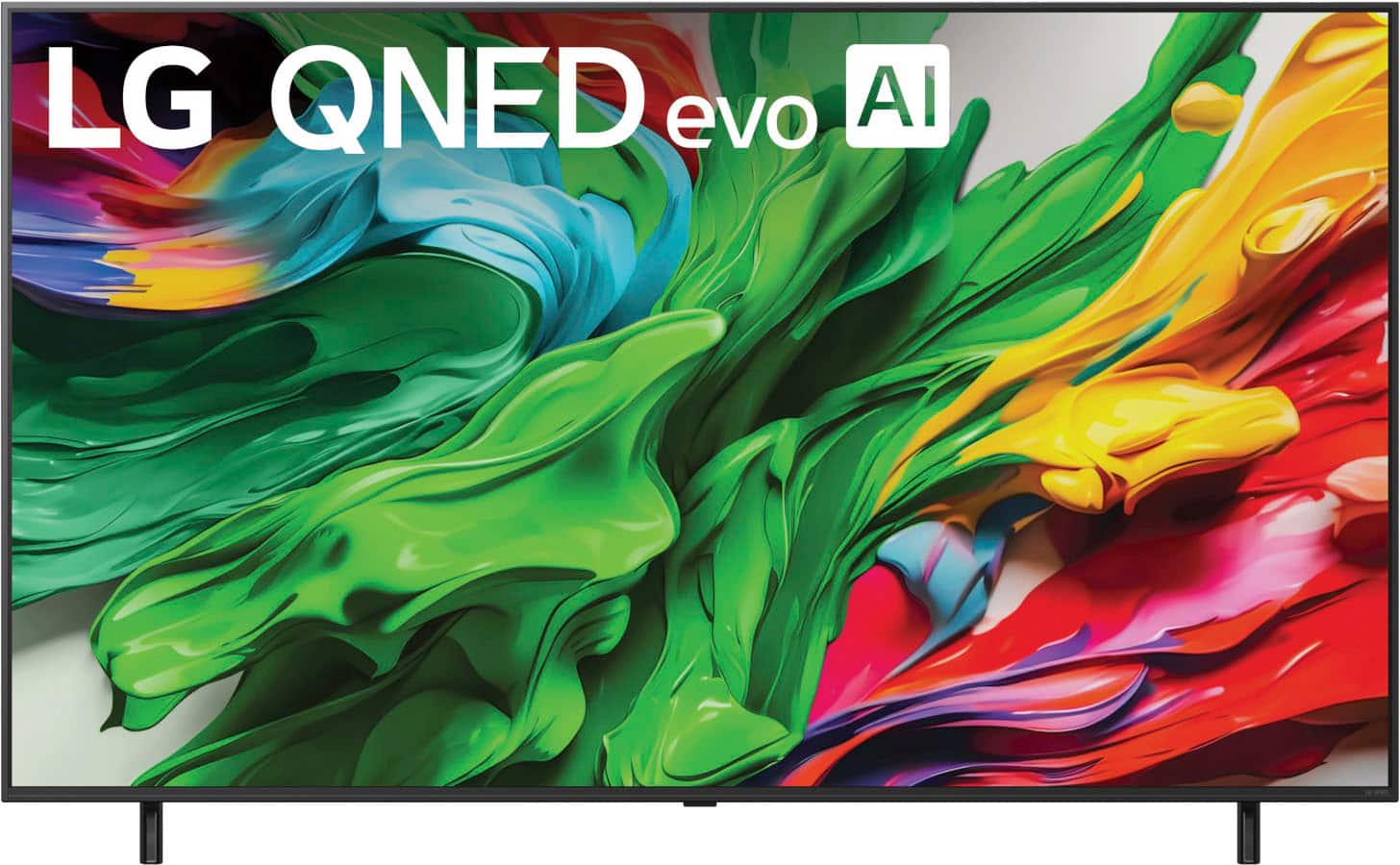
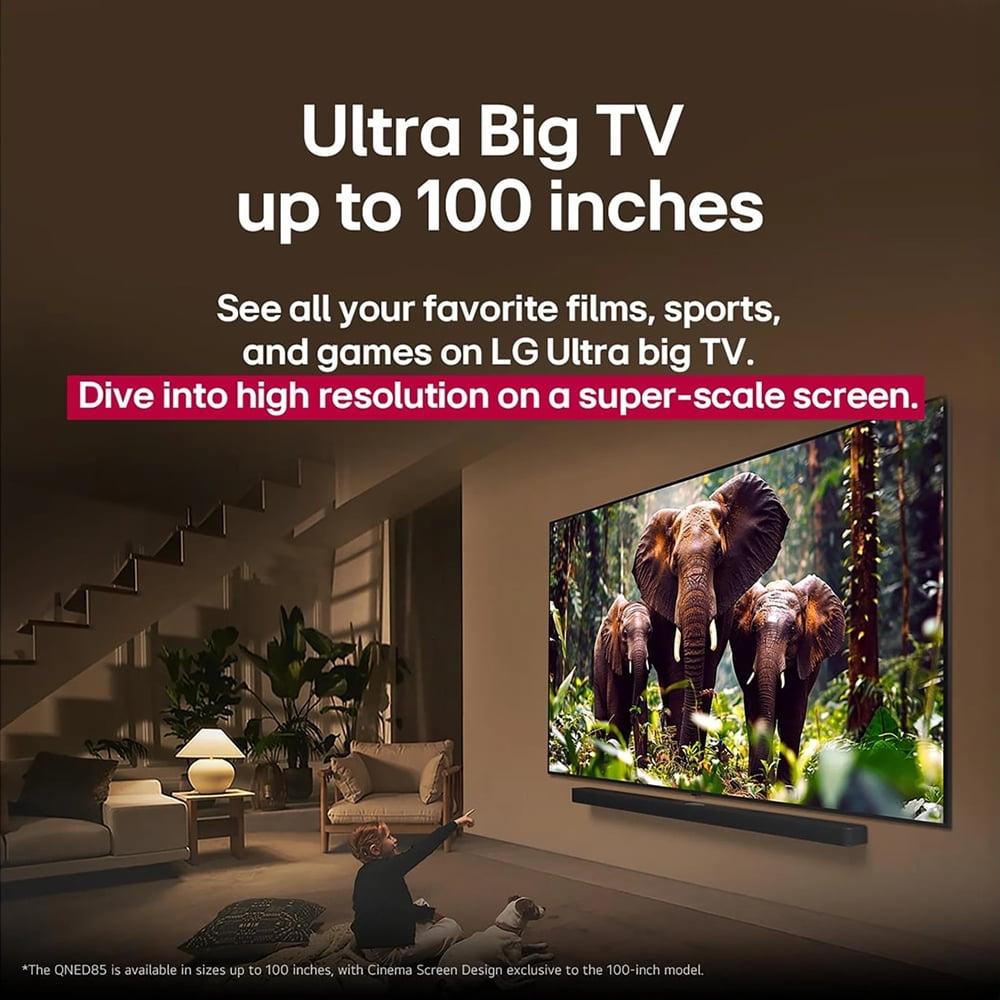
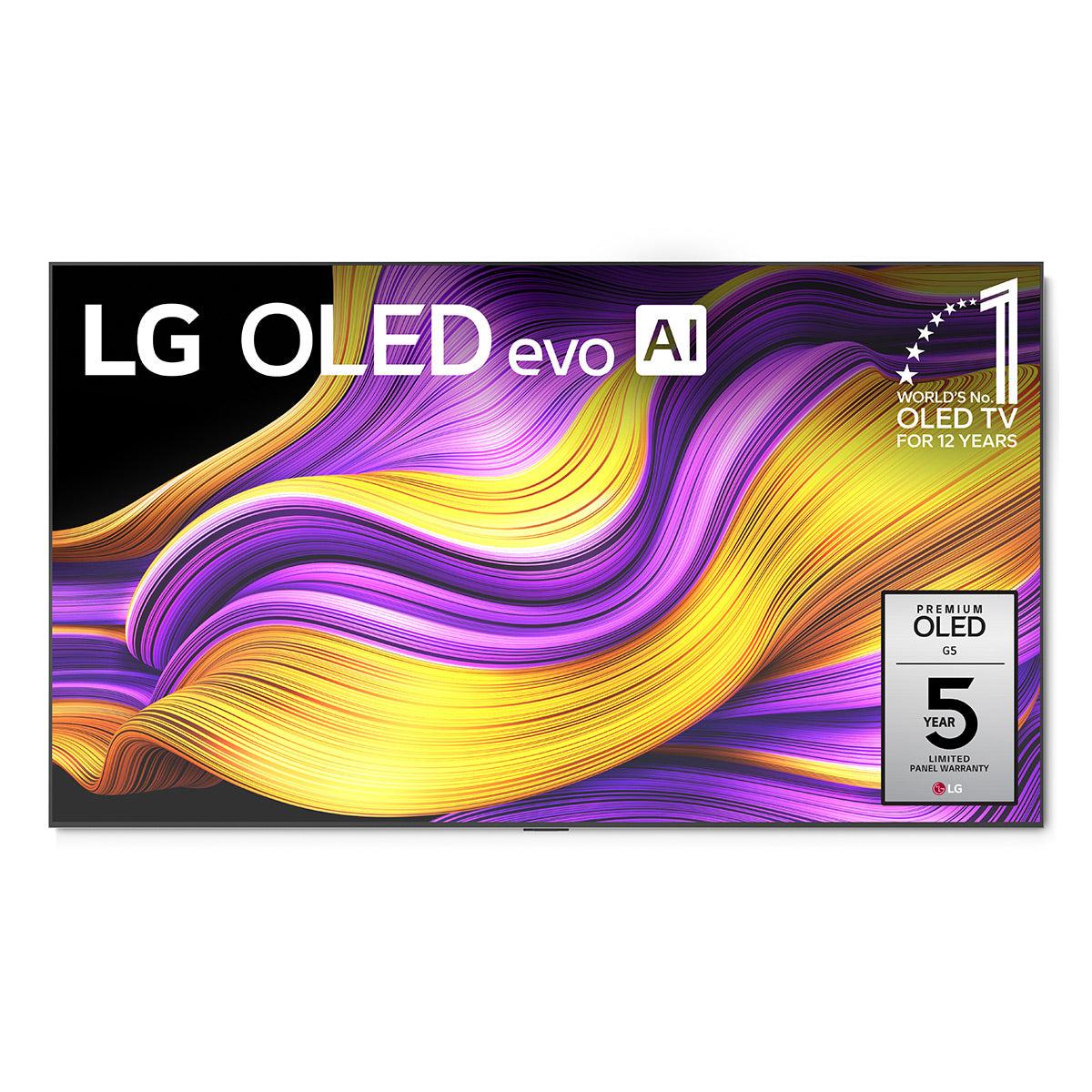
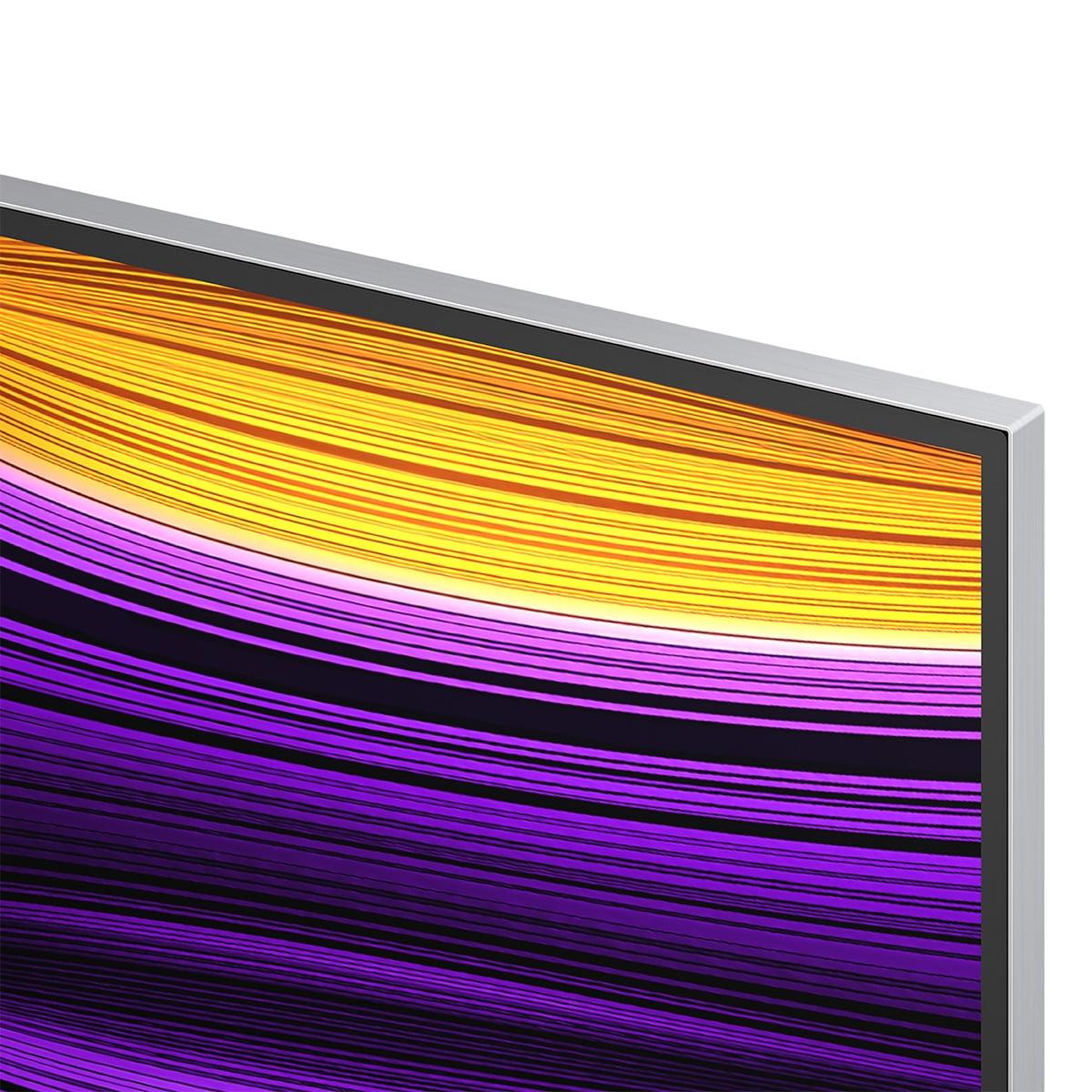
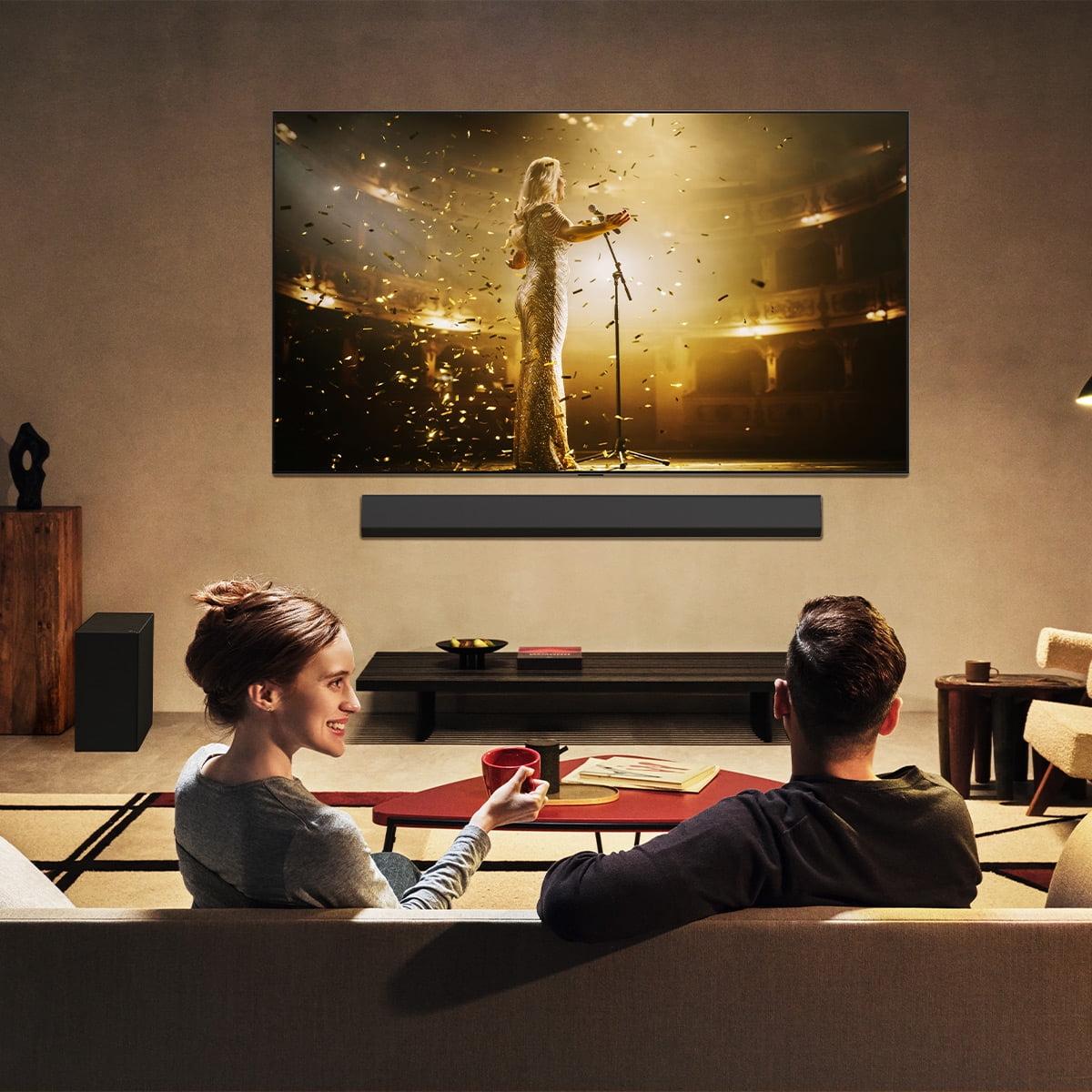
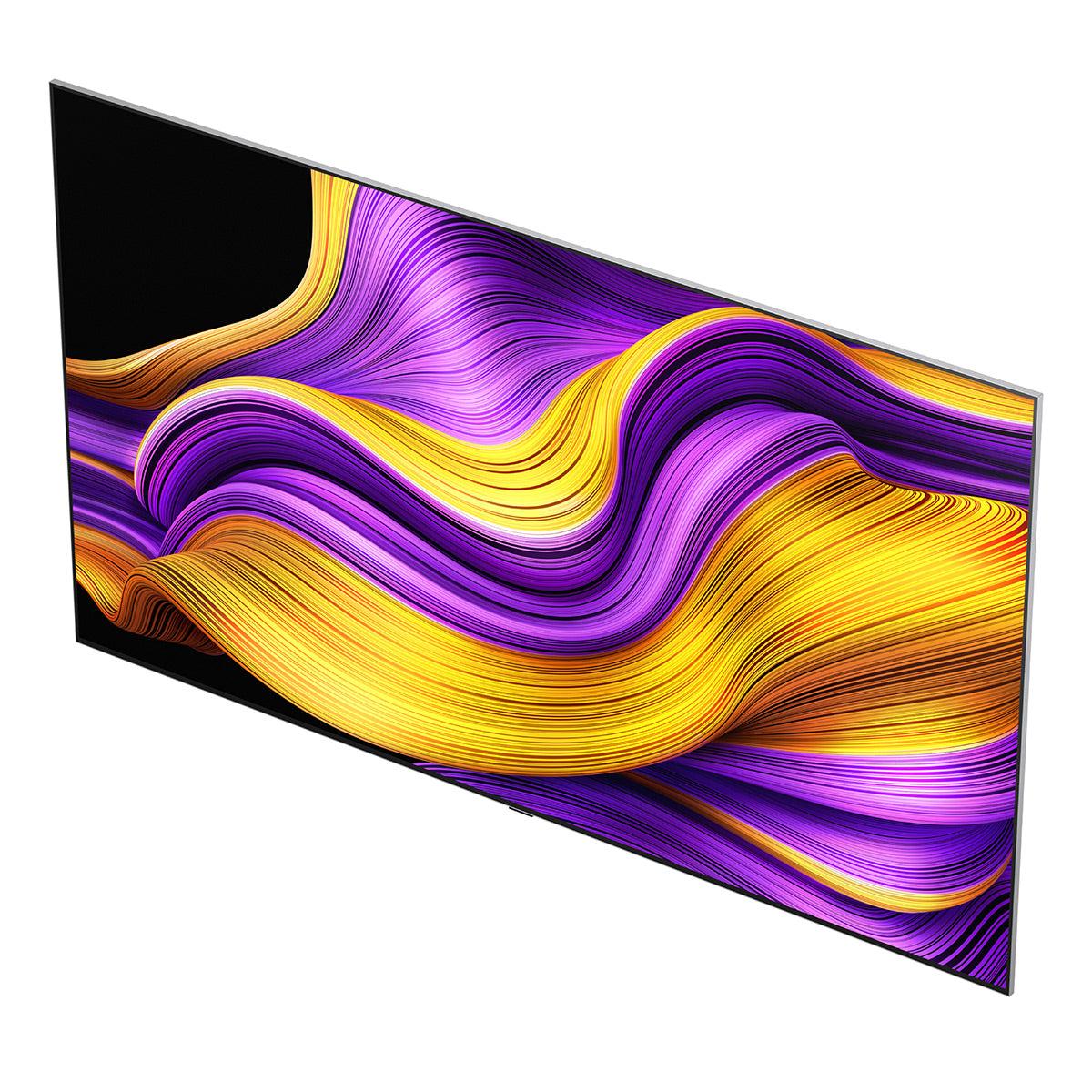
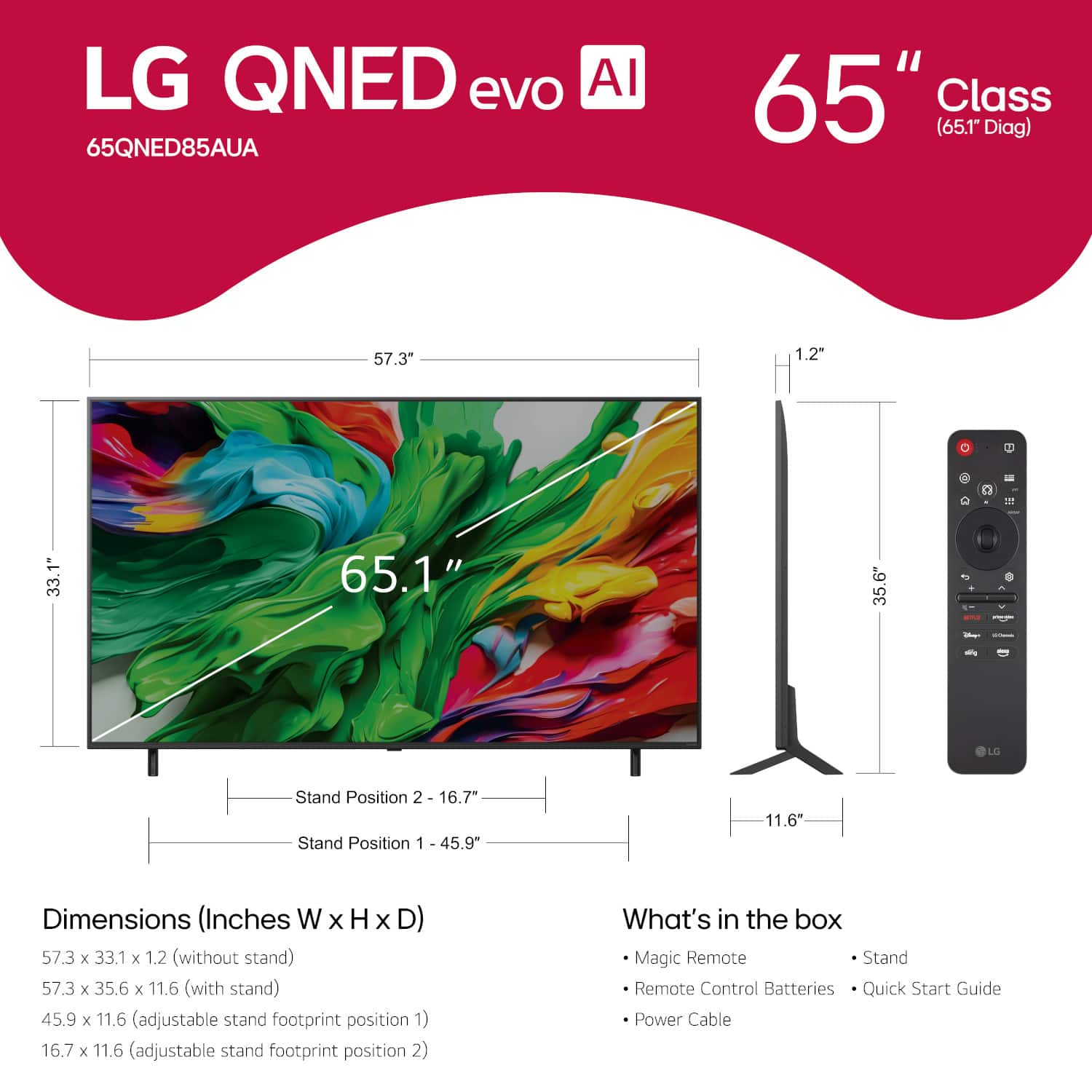
Shopping for a premium 65" TV in 2025? You've probably stumbled across two of LG's most compelling options: the QNED evo AI QNED85A ($999.99) and the OLED evo G5 ($3,196.99). Both hit the market in early 2025, but they represent completely different approaches to premium television technology. The question isn't just which one is better—it's which one is better for you and your specific needs.
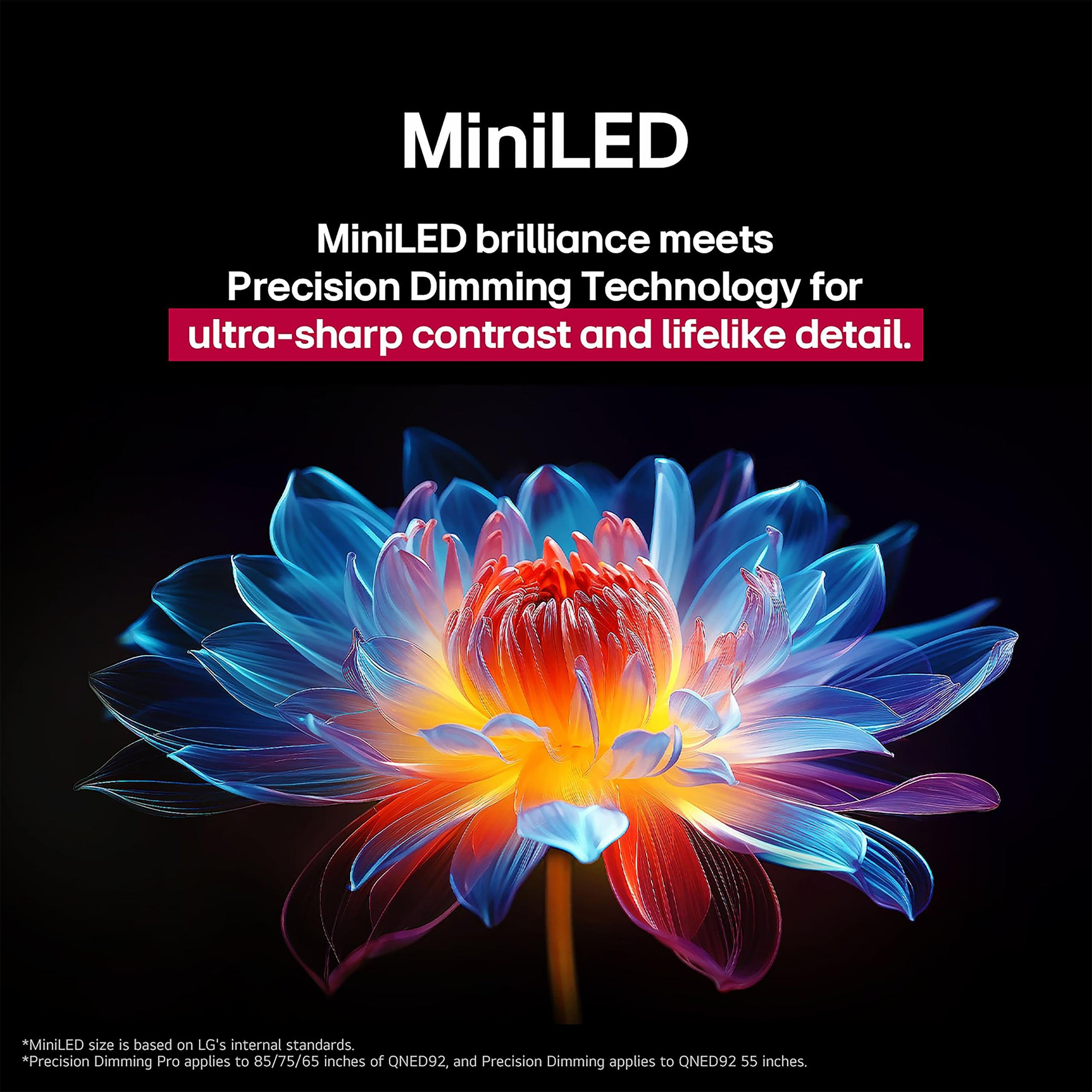
Before diving into the nitty-gritty details, let's talk about what makes these TVs fundamentally different. The QNED85A uses MiniLED backlighting combined with Quantum Dot and NanoCell technologies. Think of MiniLED as thousands of tiny LED lights behind the screen that can dim or brighten in zones to create better contrast. Quantum Dots are microscopic particles that help produce more accurate colors when light hits them.
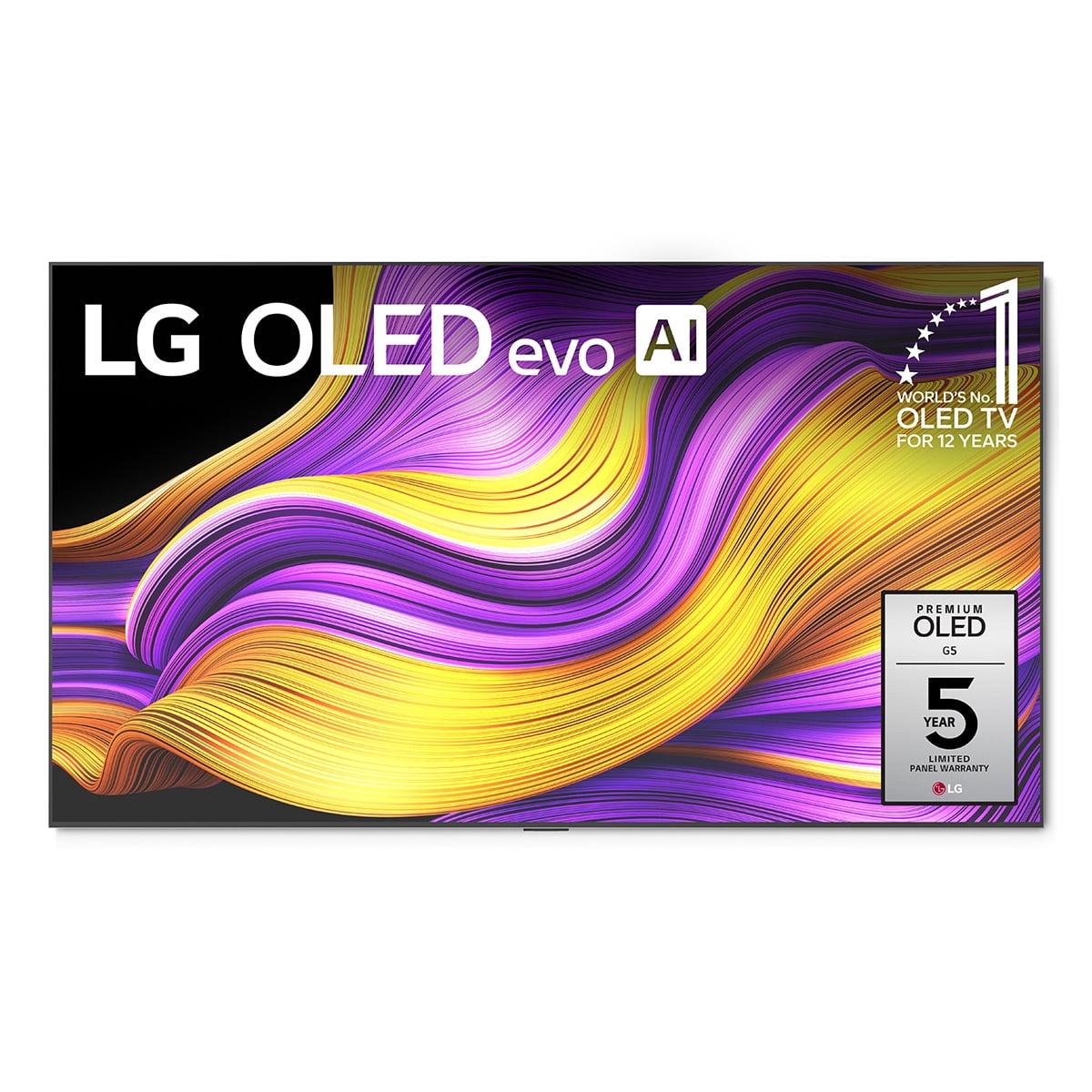
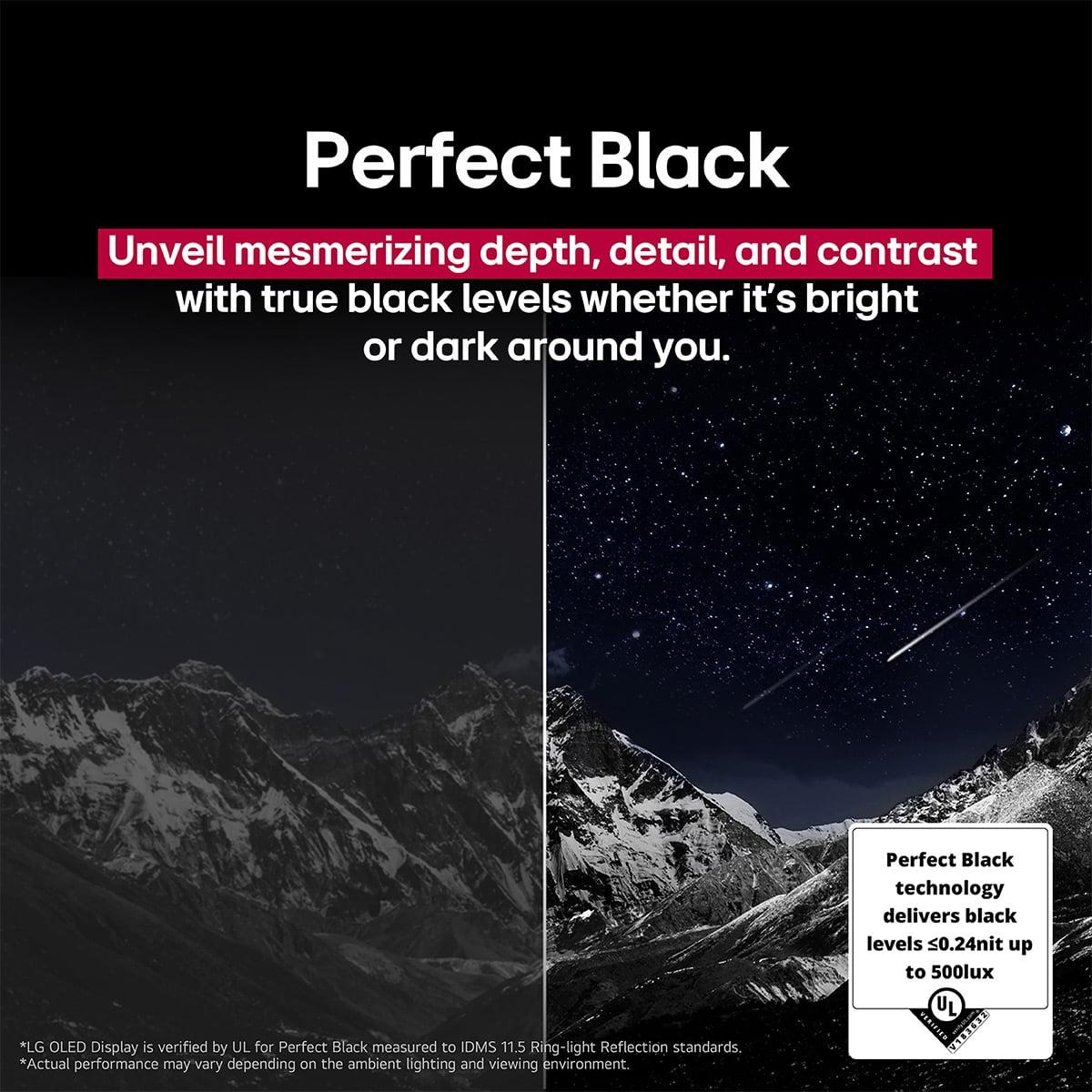
The OLED G5, on the other hand, uses organic light-emitting diodes where each pixel creates its own light. This means when a pixel needs to be black, it simply turns off completely—no backlight needed. LG's 2025 OLED models introduced a game-changing 4-stack Tandem RGB structure, which layers four OLED emission layers instead of the traditional two or three. This breakthrough allows for significantly higher brightness while maintaining perfect blacks.
Both TVs run on LG's webOS 25 platform, which came with a redesigned interface featuring Quick Cards for easier app organization and guaranteed software updates for five years through the webOS Renew program. This long-term support commitment was a smart move by LG, addressing one of the biggest complaints about smart TVs becoming outdated quickly.
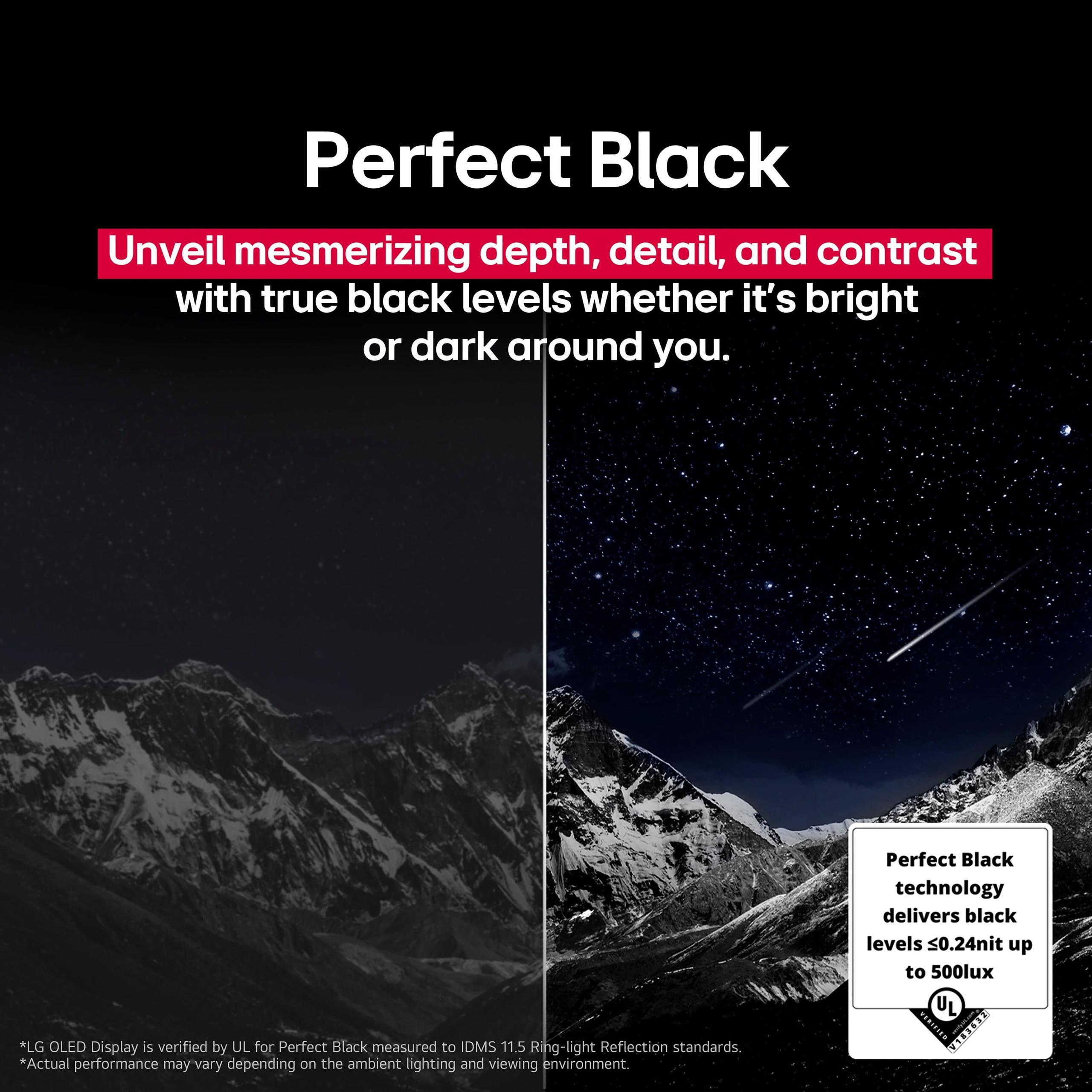
Here's where the fundamental technology differences really show up. The OLED G5 achieves what we call "infinite contrast" because its pixels can turn completely off, creating true black. When I'm watching a space movie in a dark room, stars pop against the inky blackness of space in a way that's simply stunning.
The QNED85A, while excellent for an LED TV, can't quite match this performance. Its MiniLED backlighting uses Precision Dimming Pro to control local zones, which means it can darken specific areas of the screen. However, some light still bleeds through, creating what's called "blooming"—a slight halo effect around bright objects on dark backgrounds. It's not necessarily distracting for most content, but it's noticeable if you're looking for it.

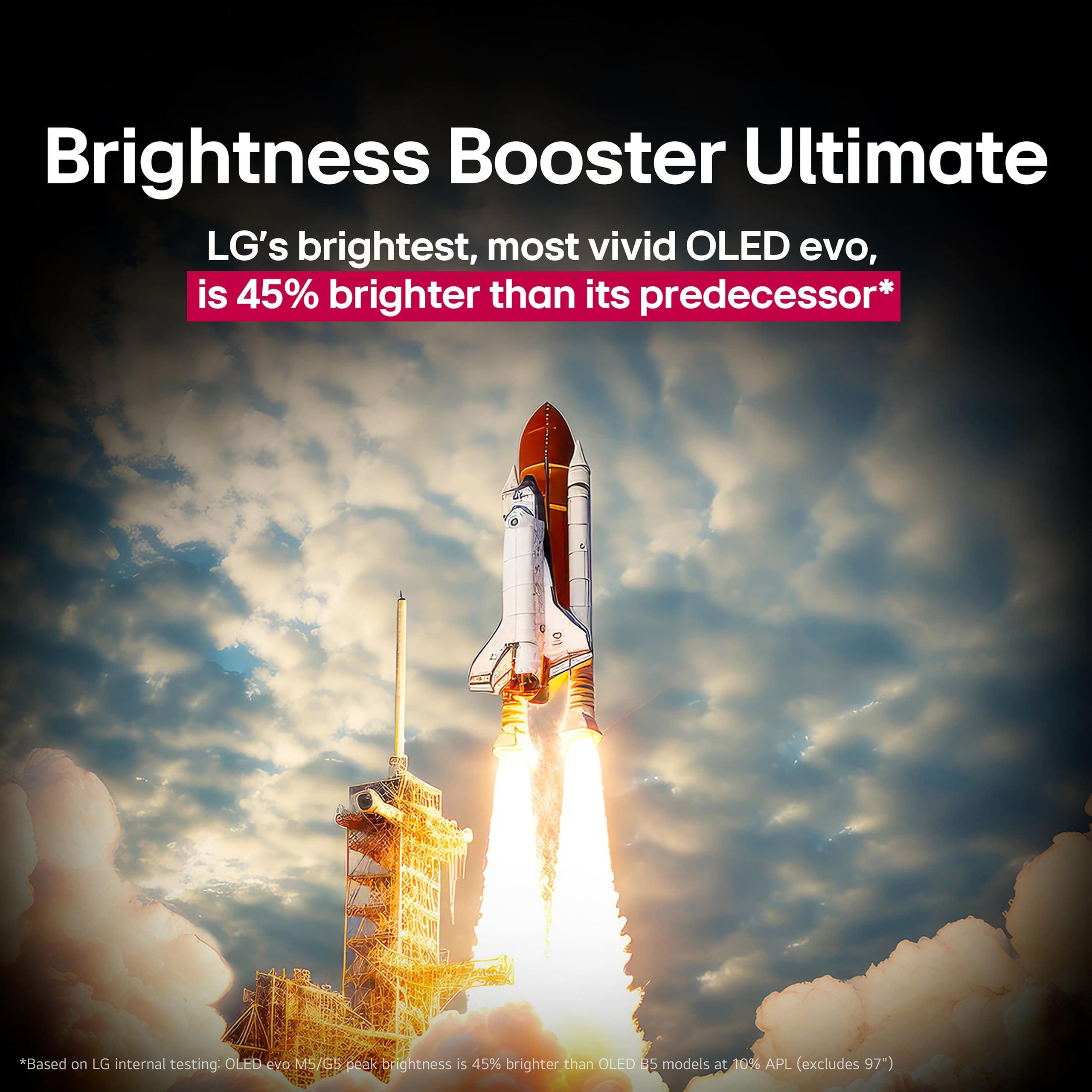
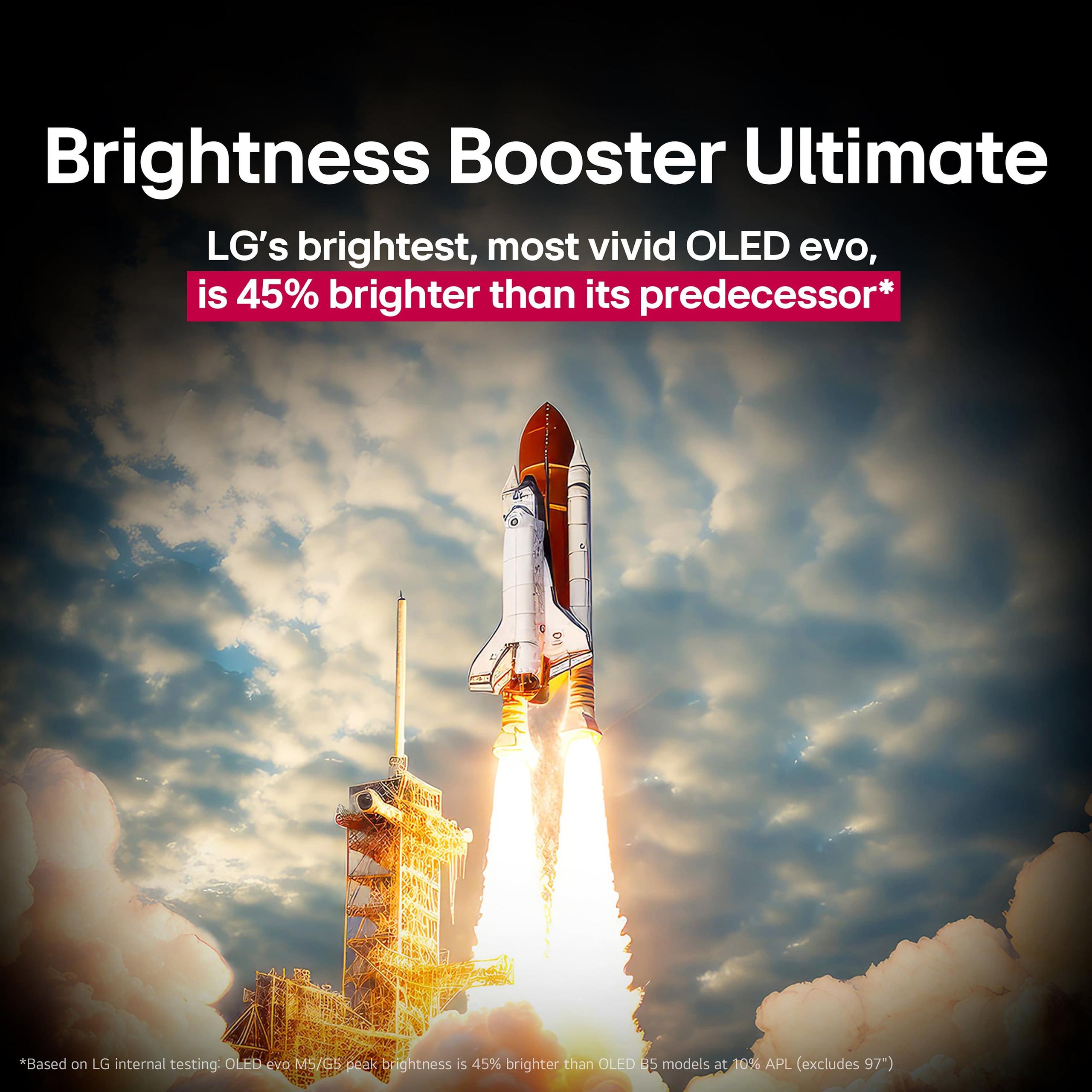
This is where things get interesting. LG's 2025 OLED models marked a significant departure from previous years. The OLED G5 features Brightness Booster Ultimate technology that can push peak brightness up to 2,268 nits—about 45% brighter than the previous G4 model. This addresses one of OLED's historical weaknesses: performance in bright rooms.
The QNED85A also delivers impressive brightness, though specific peak brightness figures aren't as dramatically highlighted in marketing materials. For most viewing scenarios, both TVs will look vibrant and punchy. However, the OLED's ability to combine perfect blacks with these high brightness levels creates a more dramatic HDR experience.
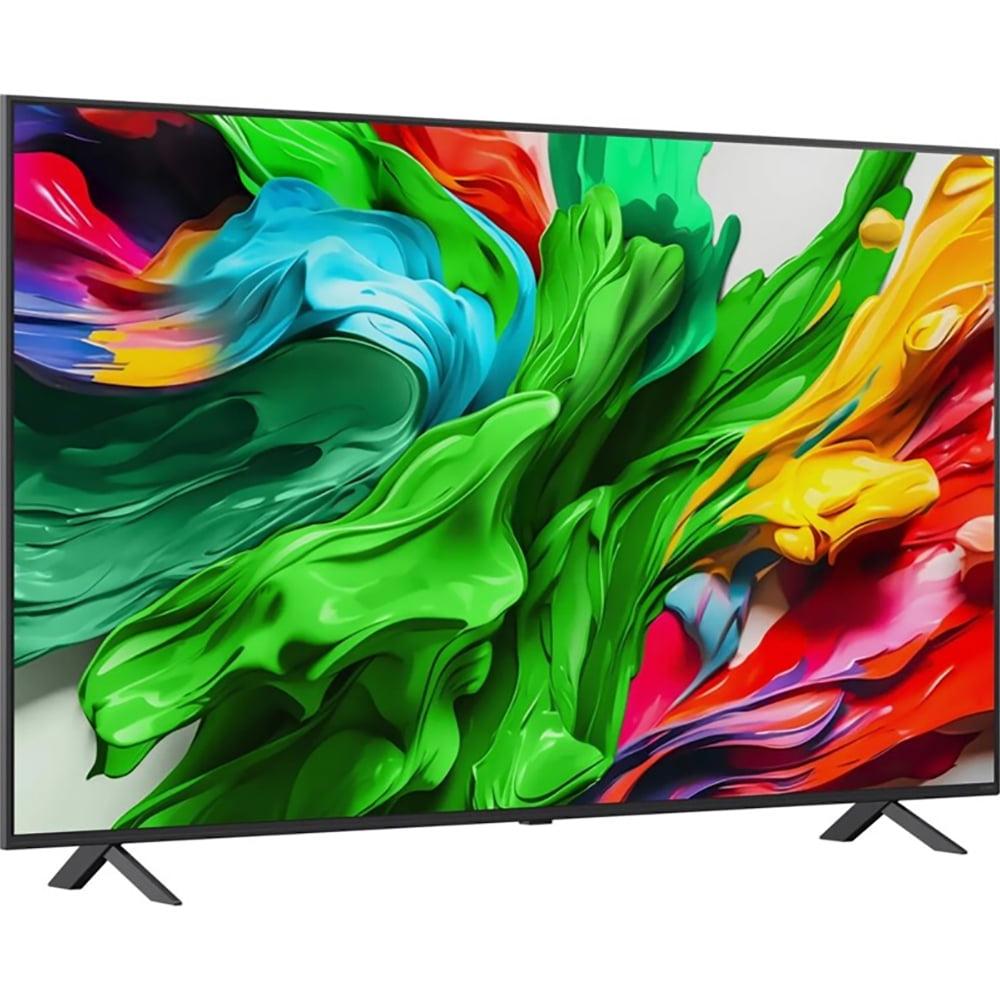
HDR (High Dynamic Range) content really showcases these differences. When watching a movie with bright explosions against a dark night sky, the OLED's contrast gives explosions more impact while maintaining detail in shadowy areas. The QNED85A handles this well too, but you might notice some of that subtle blooming I mentioned earlier.
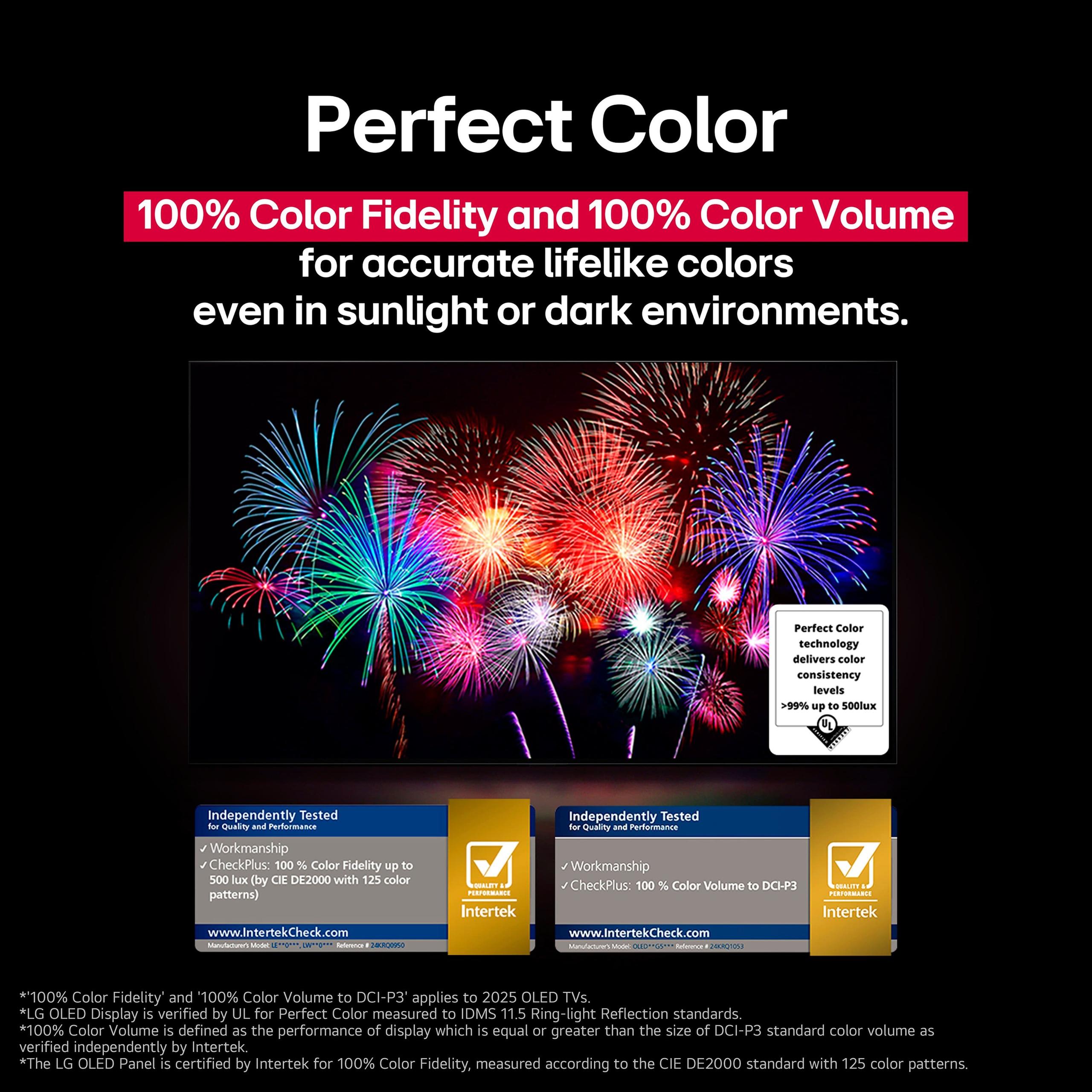
Both TVs claim impressive color performance, but they achieve it differently. The OLED G5 uses what LG calls "Perfect Color" technology, delivering 100% color fidelity with expanded color gamut coverage. The new 4-stack panel structure particularly improves blue, green, and red color purity.
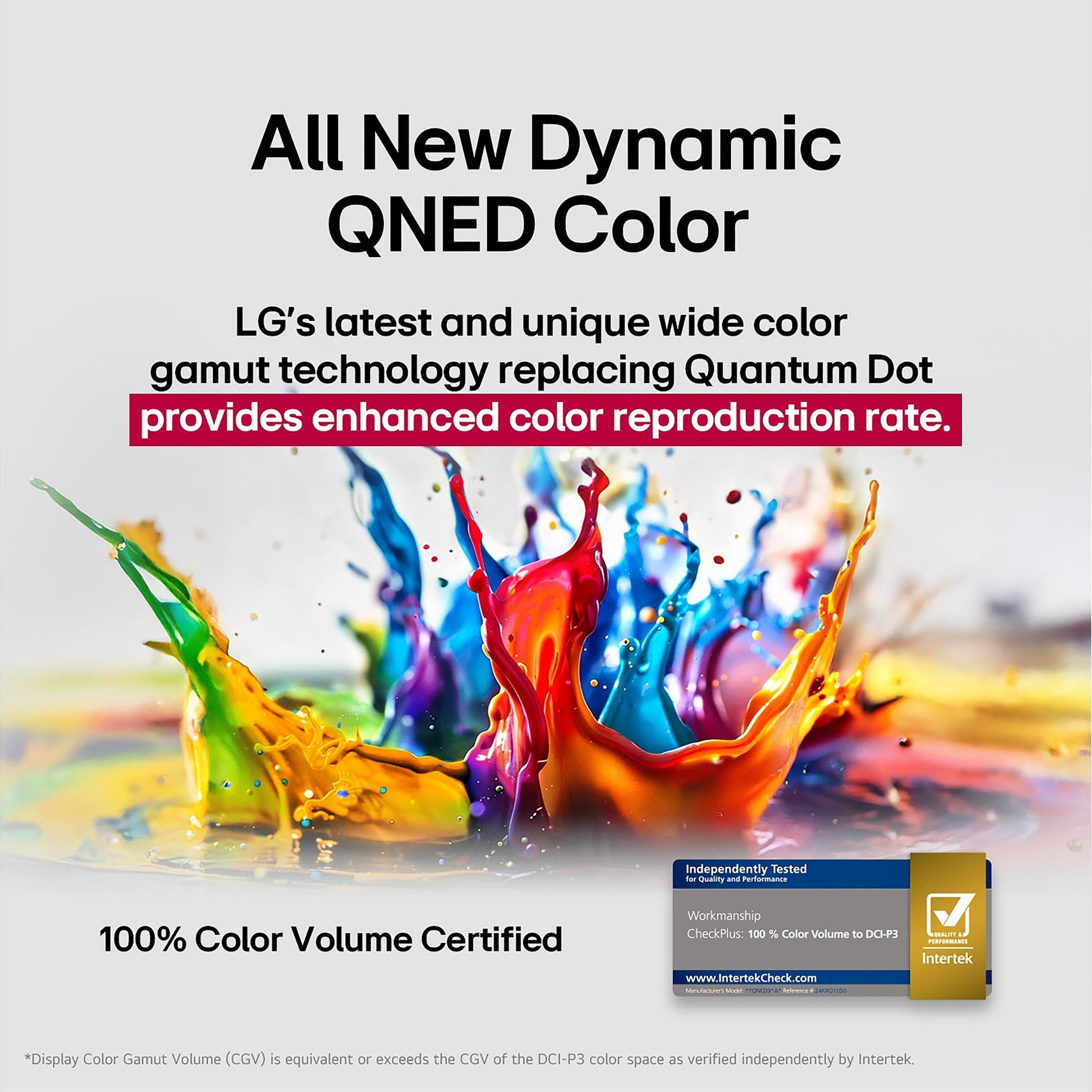
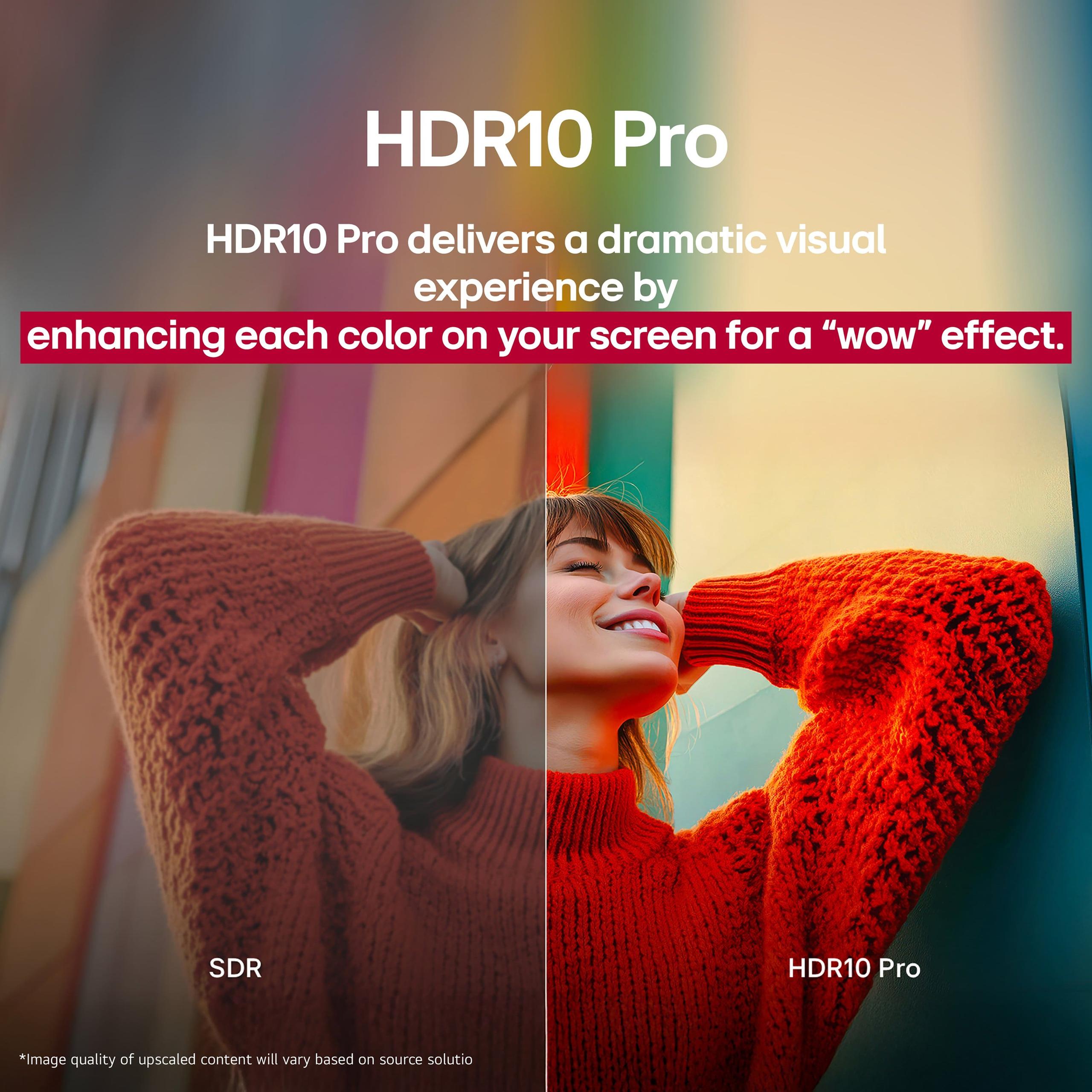
The QNED85A combines Quantum Dot and NanoCell technologies for what LG calls "Dynamic QNED Color with 100% Color Volume." While this produces wide, vibrant colors, they're not quite as pure or accurate as what you'll see on the OLED. The difference is subtle with most content, but color enthusiasts will notice the OLED's superior color accuracy, especially in challenging scenes with mixed lighting.
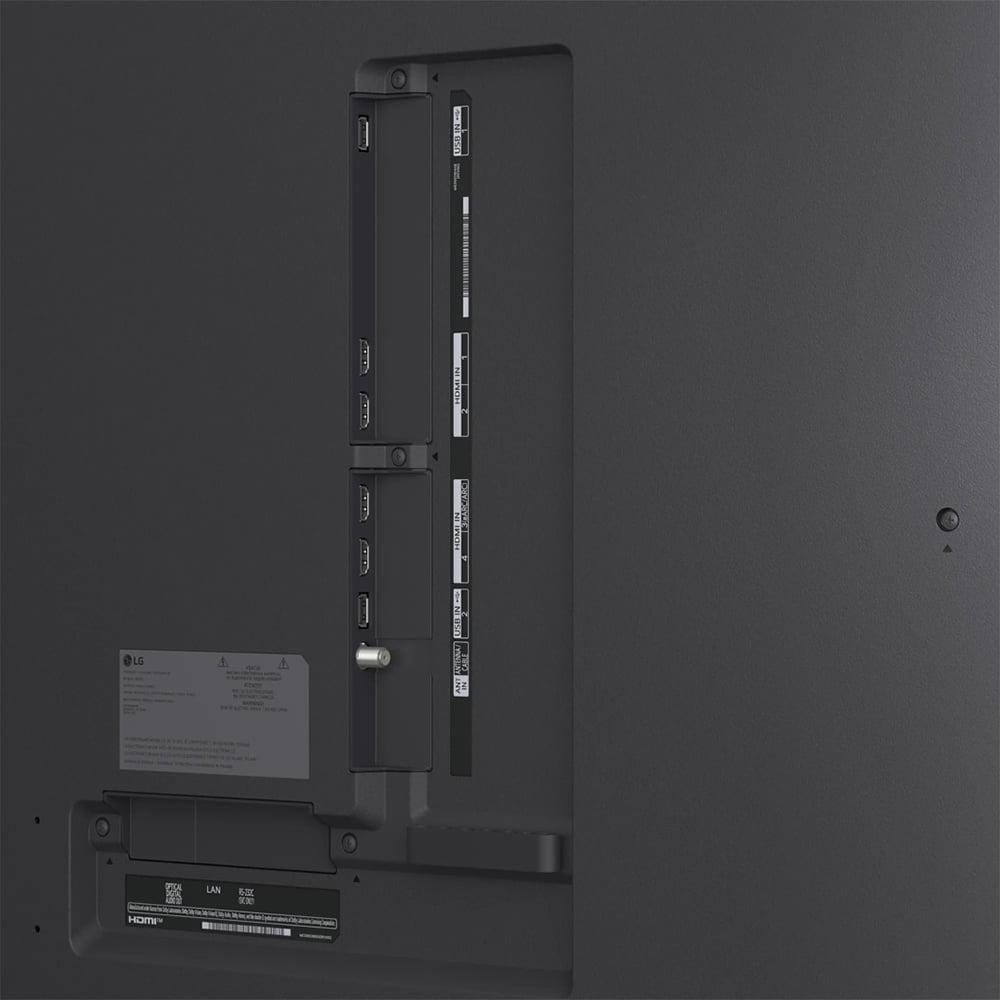
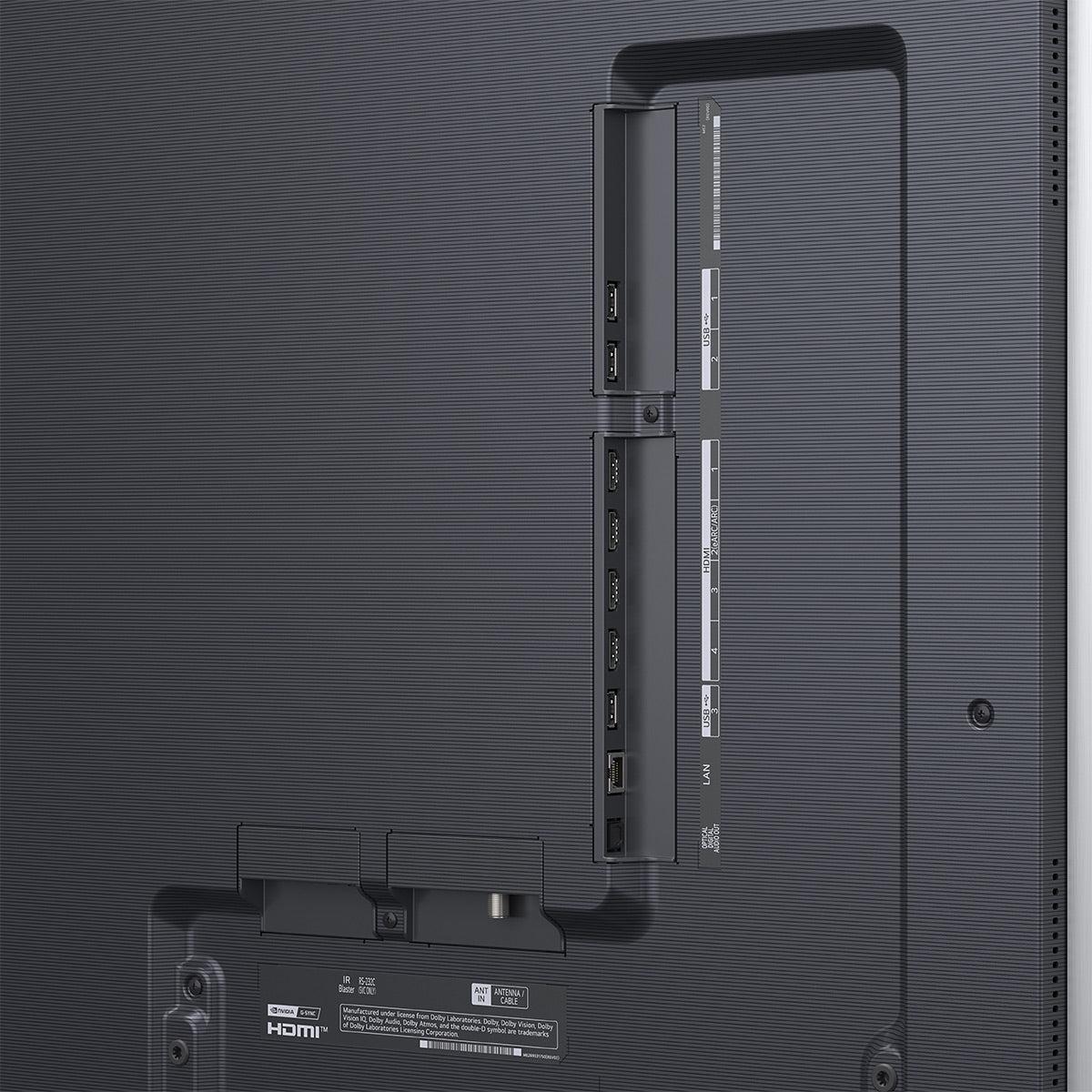
Gaming has become a crucial consideration for TV buyers, and both models deliver strong performance here. The OLED G5 supports up to 165Hz refresh rates on all four HDMI 2.1 ports, making it particularly attractive for PC gamers with high-end graphics cards. The response time is nearly instantaneous, which is crucial for competitive gaming where every millisecond matters.
The QNED85A offers a native 120Hz refresh rate with Variable Refresh Rate (VRR) support, along with features like FreeSync and G-Sync compatibility. While not quite as fast as the OLED, it's still excellent for console gaming and most PC gaming scenarios. The input lag is minimal, making it responsive enough for serious gaming.
Both TVs include Game Optimizer modes that automatically adjust picture settings for gaming, along with Game Dashboard features that display real-time information about refresh rates and connection status. If you're primarily a console gamer, you'll be happy with either TV. If you're a PC gamer with a powerful rig pushing high frame rates, the OLED's 165Hz support gives it a clear advantage.

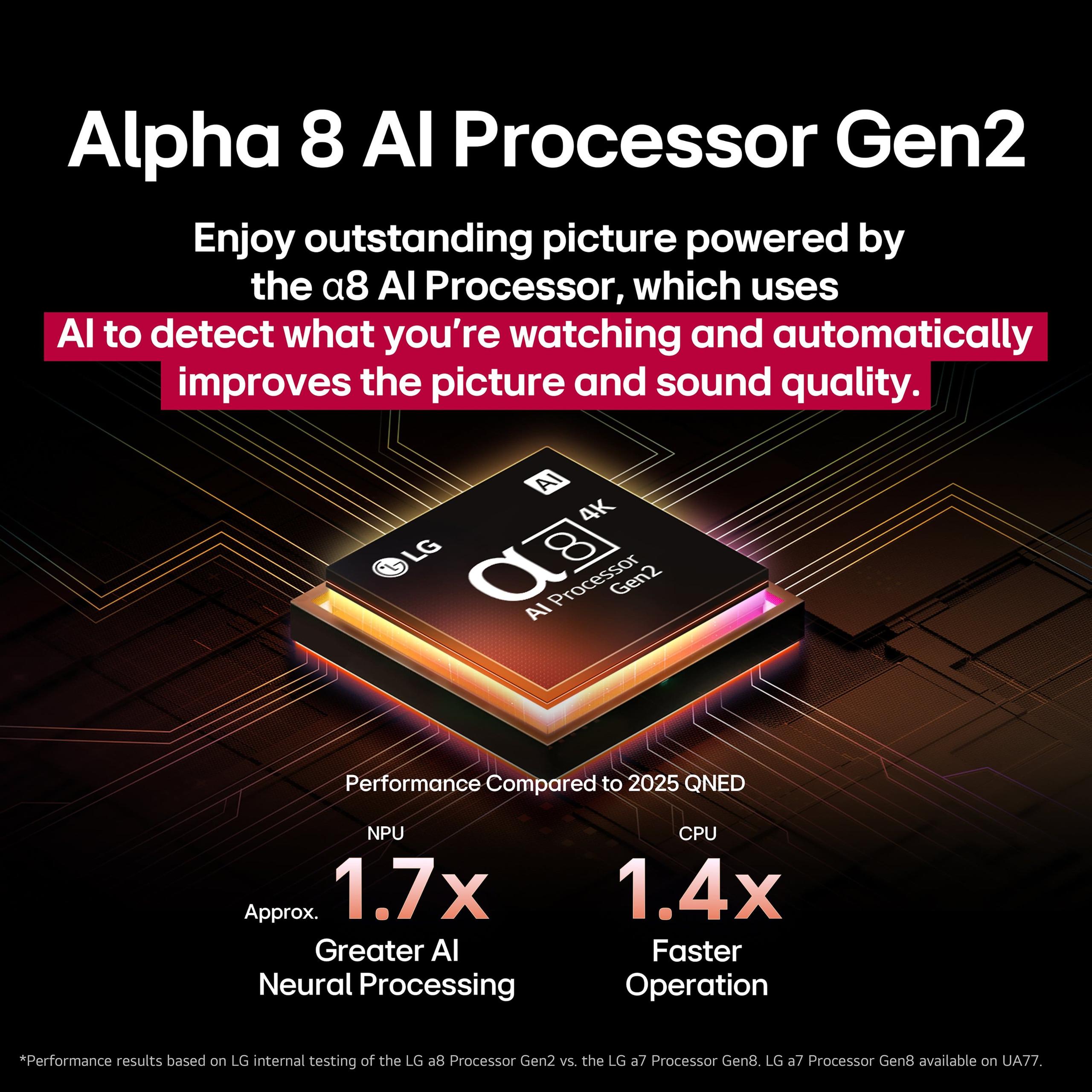
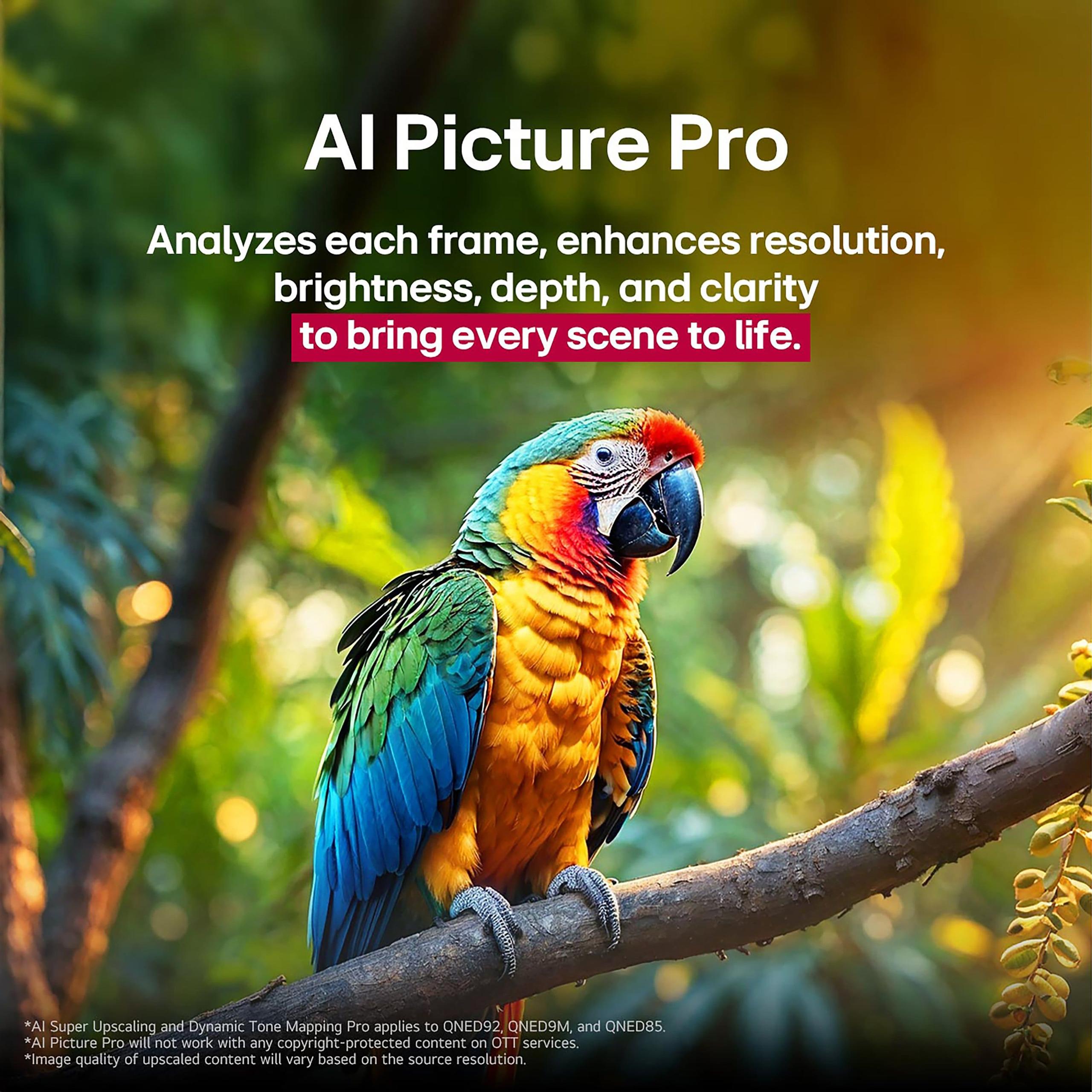
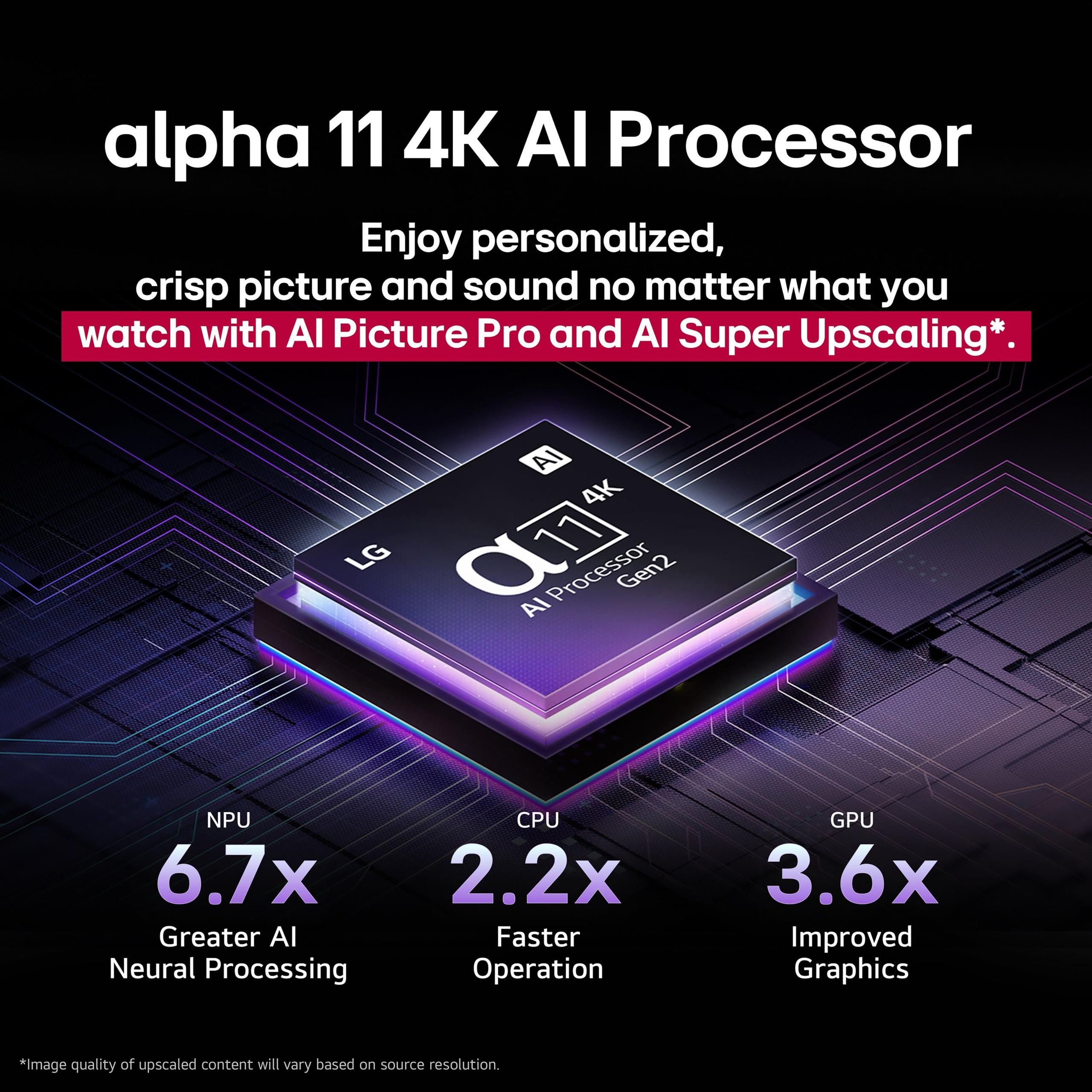
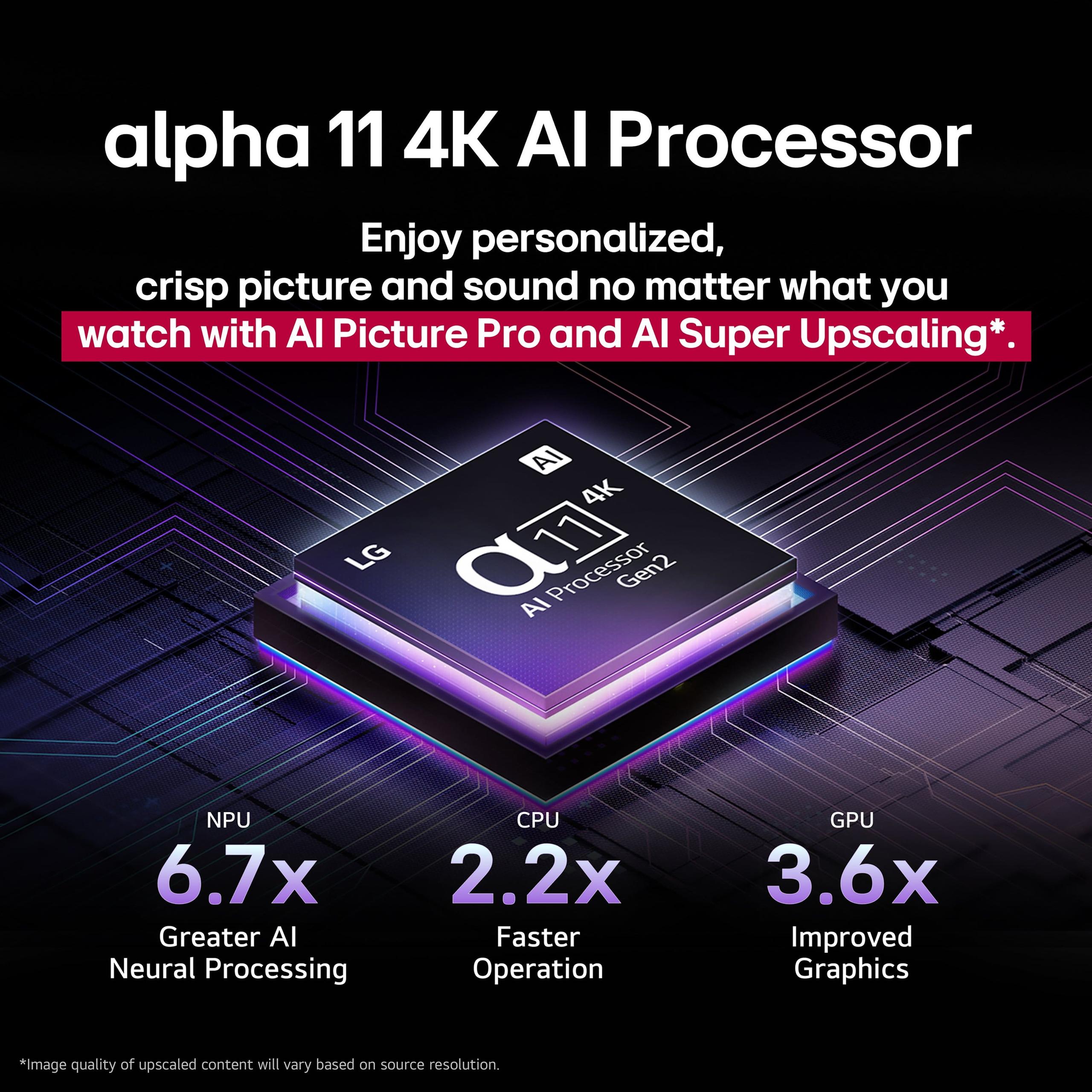
LG equipped the OLED G5 with their most advanced Alpha 11 AI Gen 2 processor, while the QNED85A uses the Alpha 8 Gen 2 chip. Both processors handle AI-driven picture optimization, but the Alpha 11 provides more sophisticated upscaling and scene analysis.
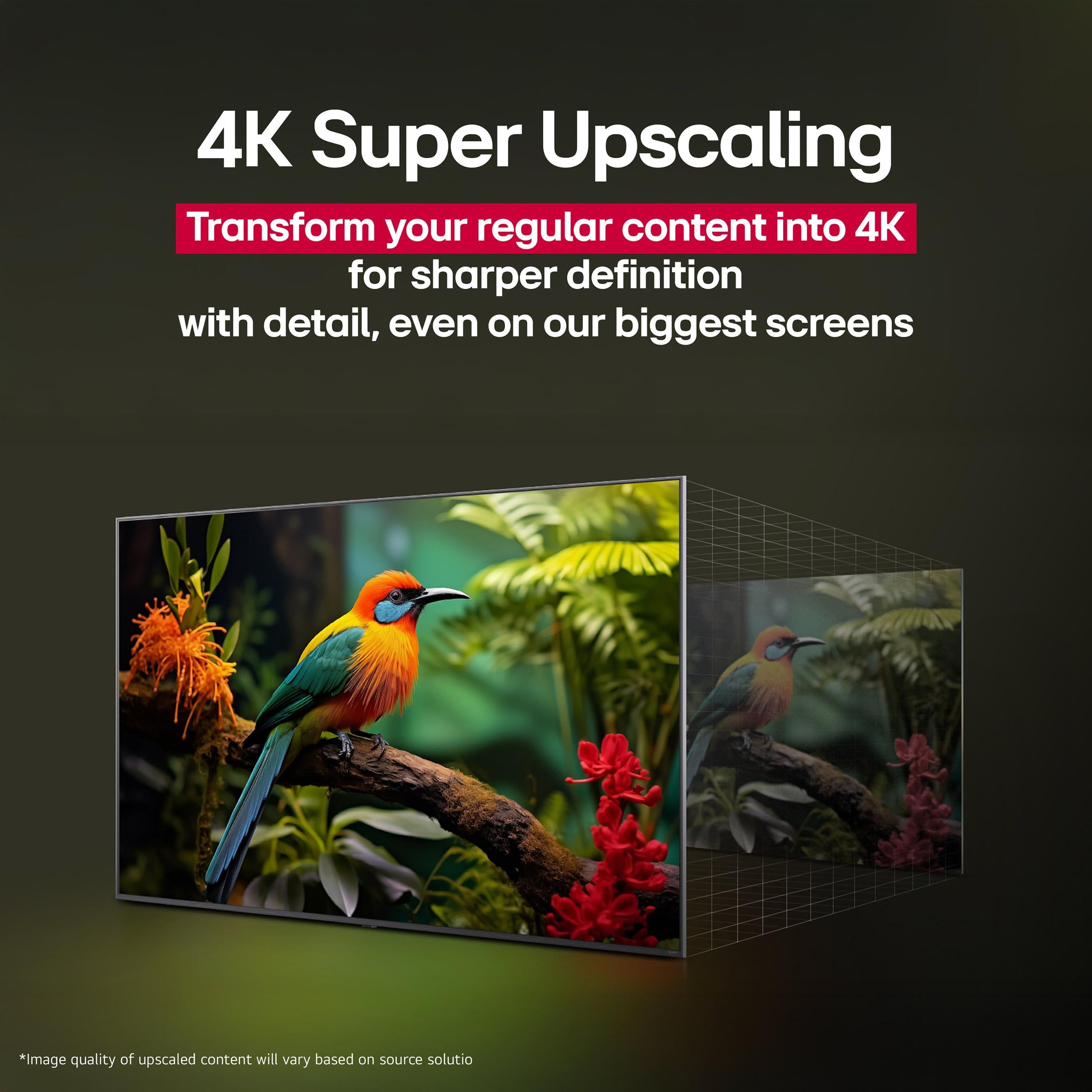
The difference is most noticeable with lower-resolution content. The OLED's superior processing does a better job of making 1080p content look crisp on the 4K screen. Both TVs feature AI-powered personalization that learns your viewing habits and adjusts picture and sound settings accordingly.
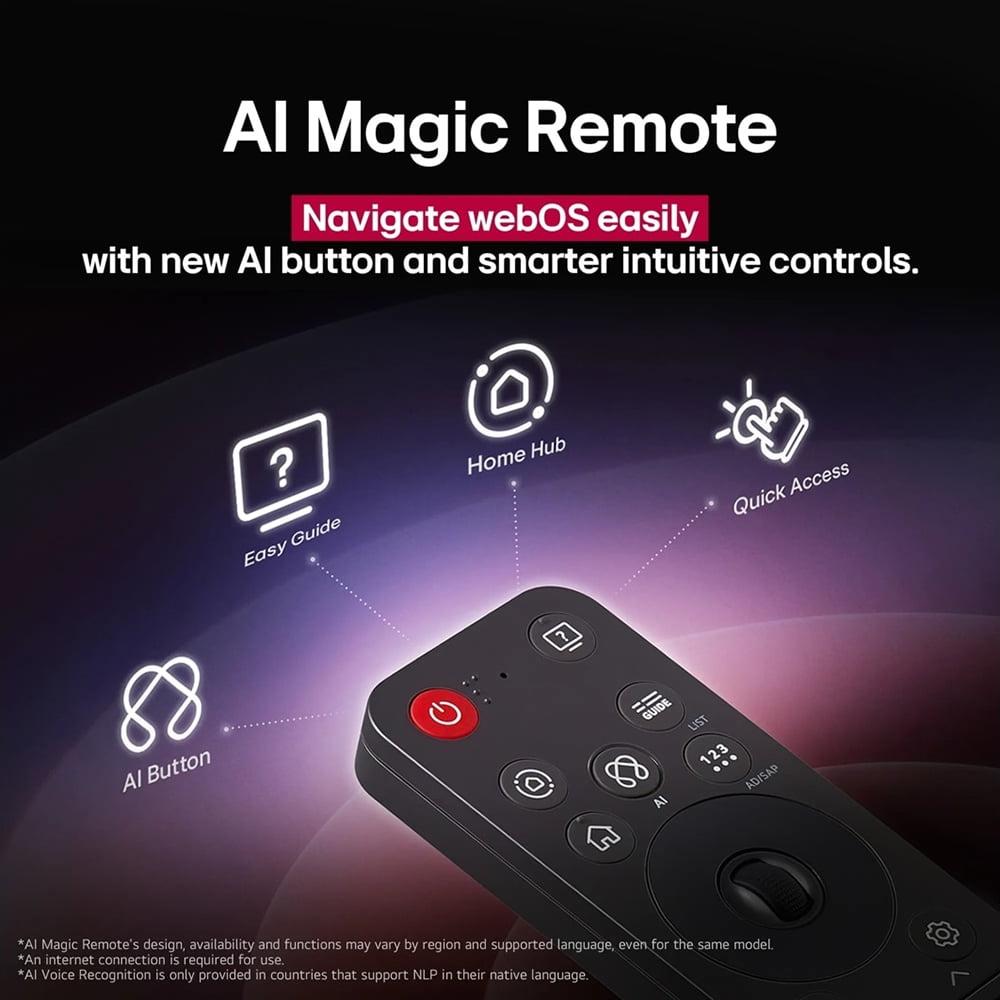
WebOS 25 runs identically on both models, featuring the new Quick Cards interface that groups related apps together. The AI-powered search function understands natural language queries, and both TVs support voice assistants including Google Assistant, Amazon Alexa, and Apple HomeKit integration.
The OLED G5 includes a more sophisticated audio system with 80W of power distributed across multiple channels, supporting Dolby Atmos for immersive surround sound. The QNED85A offers solid audio with virtual surround processing, though it's not quite as refined.
Both TVs support LG's WOW Orchestra technology, which allows them to work in tandem with compatible LG soundbars, using the TV's speakers as additional channels. This creates a more enveloping sound experience without requiring a full surround sound setup.
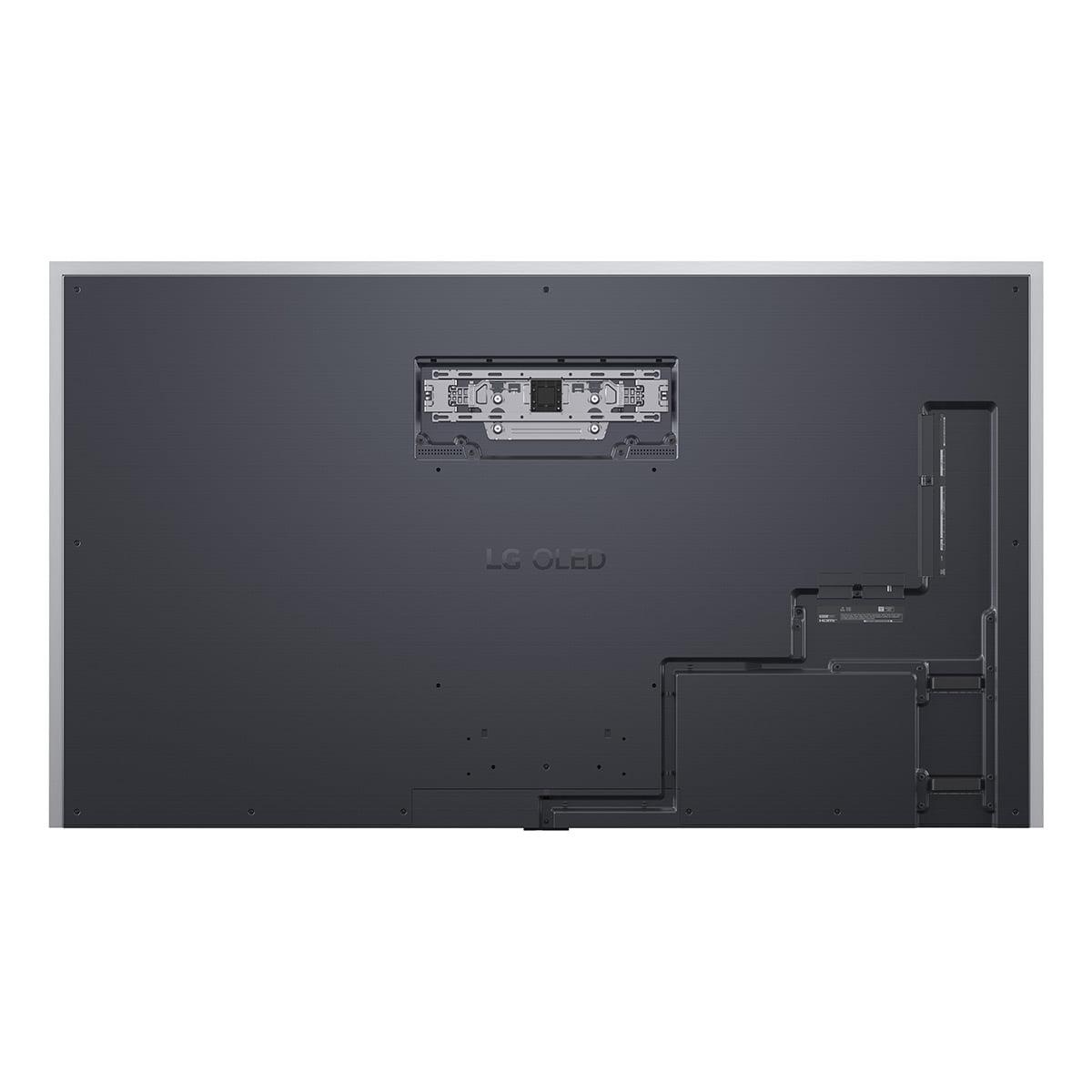
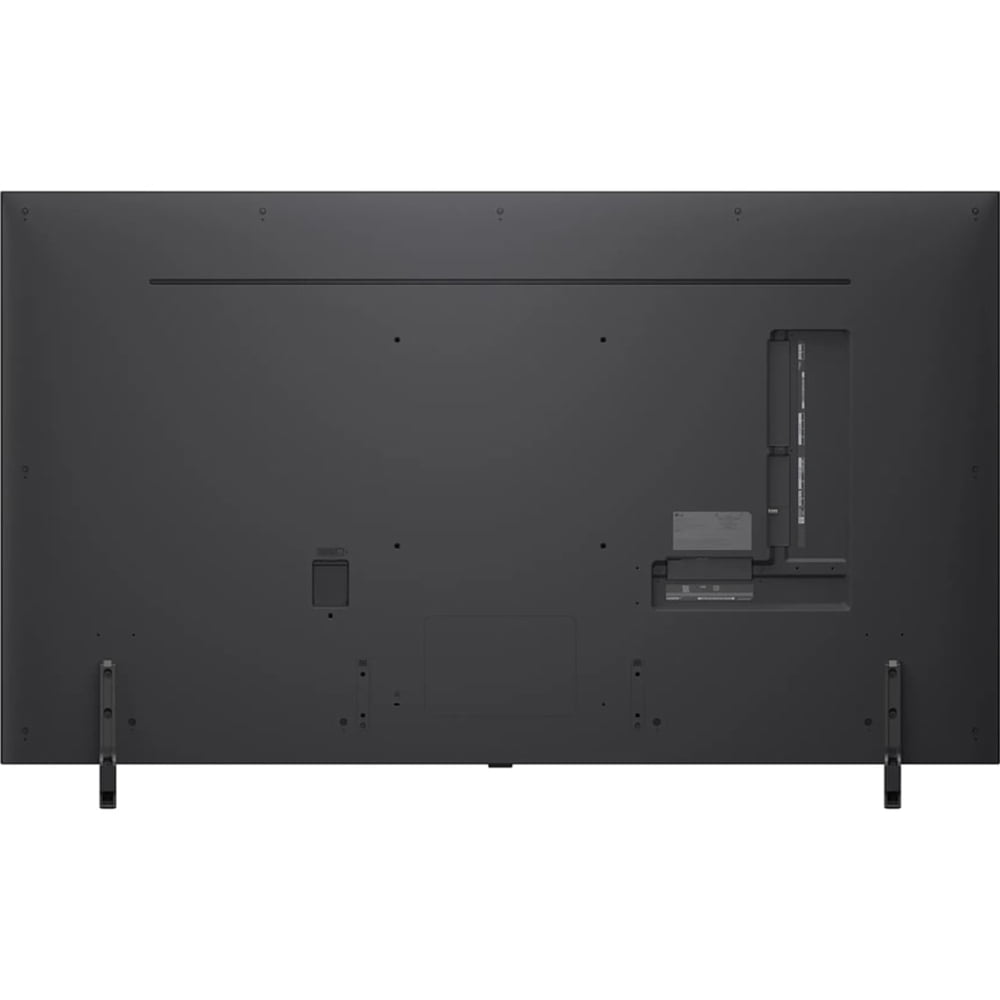
Here's where you'll immediately notice the price difference. The OLED G5 features LG's "Gallery Design" with an ultra-thin profile that mounts flush against the wall, resembling a piece of art. The included wall mount is designed to make the TV appear to float on the wall, and the premium materials give it a distinctly high-end feel.
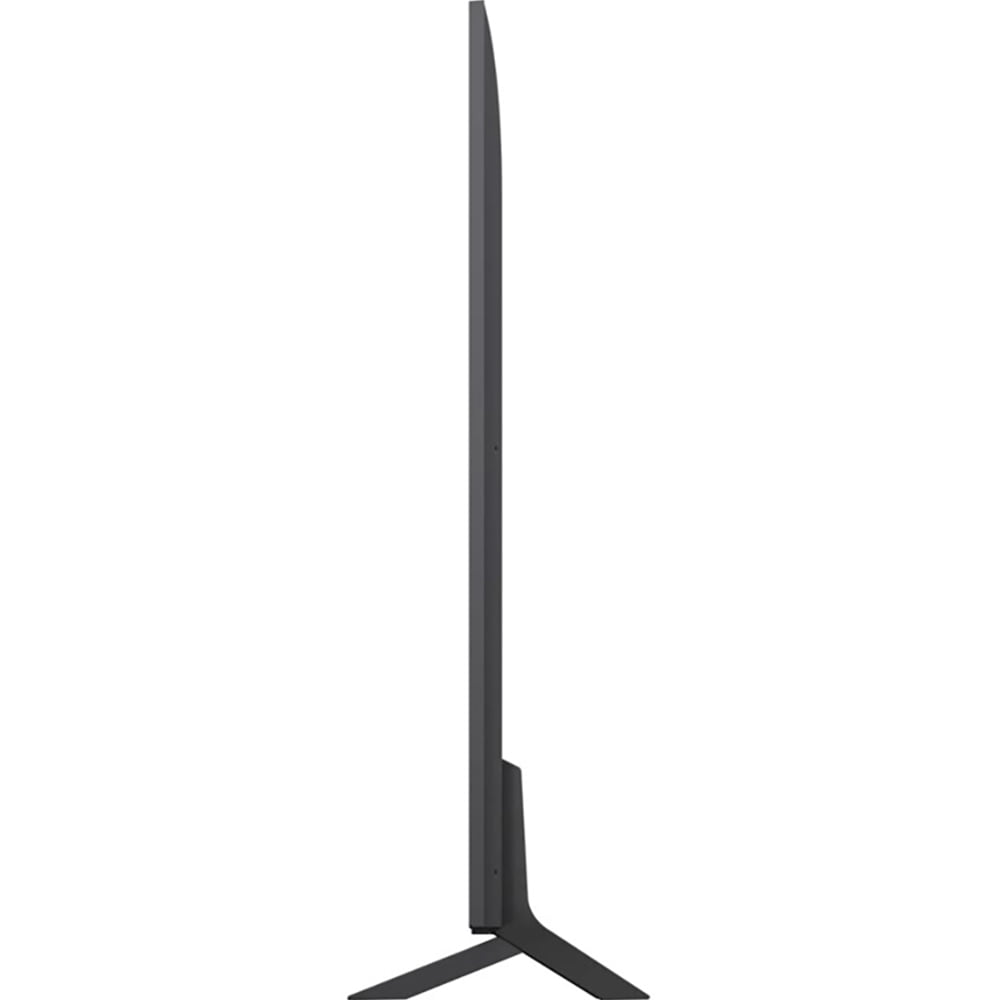
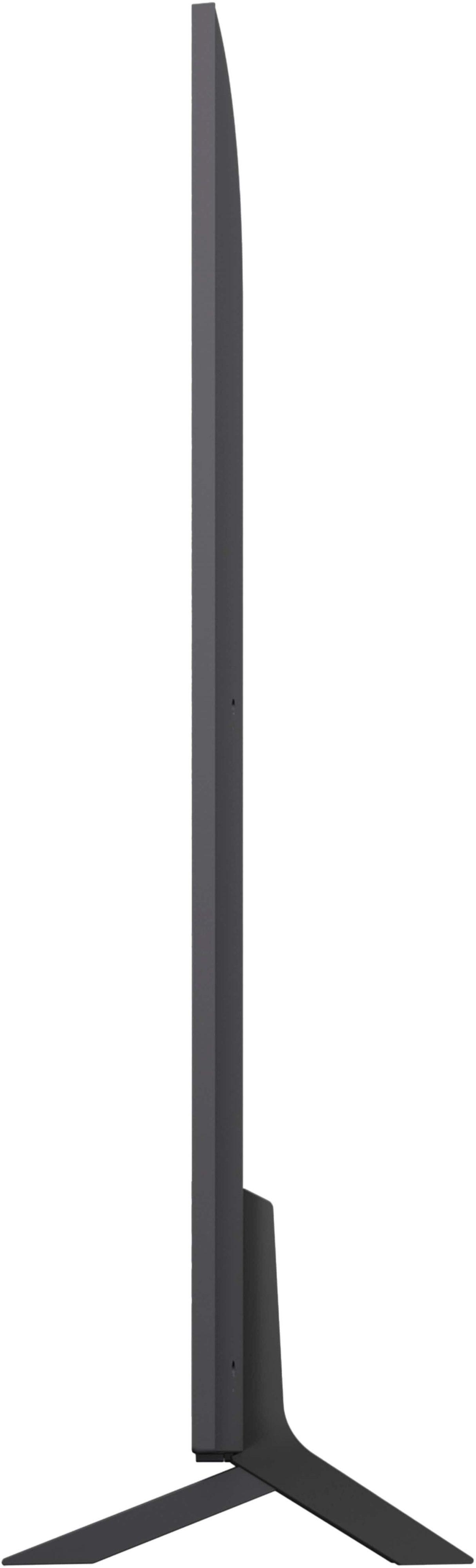
The QNED85A has a more traditional TV design at about 30mm thick. It's well-built for the price point, but it doesn't have the same premium aesthetic appeal. The stand is functional but not particularly elegant, and the overall design screams "television" rather than "premium home decor."
If you're building a dedicated home theater, the OLED G5 is the clear winner. Its perfect blacks excel in dark rooms, and the improved brightness means it can handle some ambient lighting without washing out. The superior color accuracy matters more when you're watching carefully mastered content like 4K Blu-rays.
The QNED85A works well in home theaters too, especially if you occasionally watch with some lights on. The MiniLED backlighting provides excellent brightness for mixed lighting conditions, and the blooming issues are less noticeable in darker rooms.
Both TVs support FILMMAKER MODE, which automatically adjusts settings to match the director's intent. The OLED's Ambient Filmmaker Mode goes further by adjusting to your room's lighting conditions while maintaining color accuracy.
The QNED85A at $999.99 represents exceptional value in the premium TV market. You're getting MiniLED technology, 120Hz gaming support, advanced AI processing, and a comprehensive smart TV platform. For most viewers, this TV provides 90% of the premium experience at about 30% of the flagship cost.
The OLED G5 at $3,196.99 commands a significant premium, but you're paying for cutting-edge display technology, superior processing, premium design, and best-in-class performance across virtually every metric. The question is whether those improvements justify the 3x price difference.
The OLED G5 comes with a 5-year limited panel warranty, reflecting LG's confidence in the technology. Modern OLEDs are much more resistant to burn-in than earlier generations, but it's still a theoretical concern for users who display static images for extended periods.
The QNED85A doesn't face burn-in risks, making it worry-free for varied usage patterns. Both TVs benefit from the webOS Renew program, ensuring software updates and new features for five years.
Choose the OLED G5 if you want the absolute best picture quality and can justify the premium price. It's ideal for home theater enthusiasts, serious gamers who want 165Hz support, and anyone who values premium design and cutting-edge technology.
The QNED85A makes more sense for most buyers. It delivers excellent performance across all areas without the premium price tag or burn-in concerns. It's particularly good for bright rooms, mixed usage patterns, and budget-conscious buyers who still want premium features.
Both TVs represent significant improvements over their 2024 predecessors, with better AI processing, brighter displays, and enhanced gaming features. The choice ultimately comes down to whether you prioritize absolute best performance or excellent performance with great value.
| LG 65" QNED evo AI QNED85A 4K MiniLED Smart TV 2025 | LG OLED evo G5 65" 4K Smart TV 2025 |
|---|---|
| Price - Major factor in premium TV decision | |
| $999.99 | $3,196.99 |
| Display Technology - Fundamental difference affecting picture quality | |
| MiniLED with Quantum Dot + NanoCell (excellent blacks, no burn-in risk) | 4-Stack Tandem OLED (perfect blacks, potential burn-in) |
| Peak Brightness - Critical for HDR impact and bright room viewing | |
| High brightness suitable for most rooms | Up to 2,268 nits (45% brighter than previous OLEDs) |
| Contrast Ratio - Determines black level depth and overall picture drama | |
| Excellent for LED technology with some blooming | Infinite contrast with perfect pixel-level blacks |
| Processor - Affects upscaling quality and AI features | |
| Alpha 8 Gen 2 AI Processor | Alpha 11 AI Gen 2 Processor (most advanced) |
| Gaming Refresh Rate - Important for competitive gaming and PC use | |
| 120Hz native with VRR support | Up to 165Hz with VRR (best for high-end PC gaming) |
| Color Performance - Affects vibrancy and accuracy | |
| 100% Color Volume with Quantum Dot enhancement | 100% Color Fidelity with expanded color gamut |
| Audio System - Built-in sound quality | |
| Virtual surround sound with downward-firing speakers | 80W multi-channel system with Dolby Atmos |
| Design Premium - Aesthetics and build quality | |
| Standard premium TV design, 30mm thick | Ultra-thin Gallery Design, wall-mount included |
| Warranty Coverage - Long-term protection | |
| 1-year manufacturer warranty | 5-year limited panel warranty |
| Best Use Case - Who should buy this TV | |
| Bright rooms, mixed usage, value-conscious buyers | Dark rooms, home theaters, premium experience seekers |
The LG QNED85A ($999.99) offers exceptional value, delivering 90% of premium TV performance at 30% of the flagship cost. The LG OLED G5 ($3,196.99) provides best-in-class picture quality but costs over 3x more. For most buyers, the QNED85A is the better value choice.
The QNED85A can't match OLED's perfect blacks and may show slight blooming around bright objects on dark backgrounds. It also has a less premium design and older processor, but these trade-offs are reasonable given the significant price savings.
We've done our best to create useful and informative comparisons to help you decide what product to buy. Our research uses advanced automated methods to create this comparison and perfection is not possible - please contact us for corrections or questions. These are the sites we've researched in the creation of this article: rtings.com - rtings.com - youtube.com - lg.com - smarthomesounds.co.uk - abt.com - abt.com - lg.com - displayspecifications.com - walmart.com - bestbuy.com - lg.com - lg.com - lg.com - files.bbystatic.com - flatpanelshd.com - north-side-appliance.com - lgnewsroom.com - lg.com - youtube.com - youtube.com - hindustantimes.com - bestbuy.com - techradar.com - rtings.com - youtube.com - youtube.com - bestbuy.com - valueelectronics.com - lg.com - audio-videoplus.com - lg.com - lg.com - lg.com

Privacy Policy
Terms and Conditions - Affiliate Policy
Home Security
© Copyright 2008-2026.
11816 Inwood Rd #1211, Dallas, TX 75244