

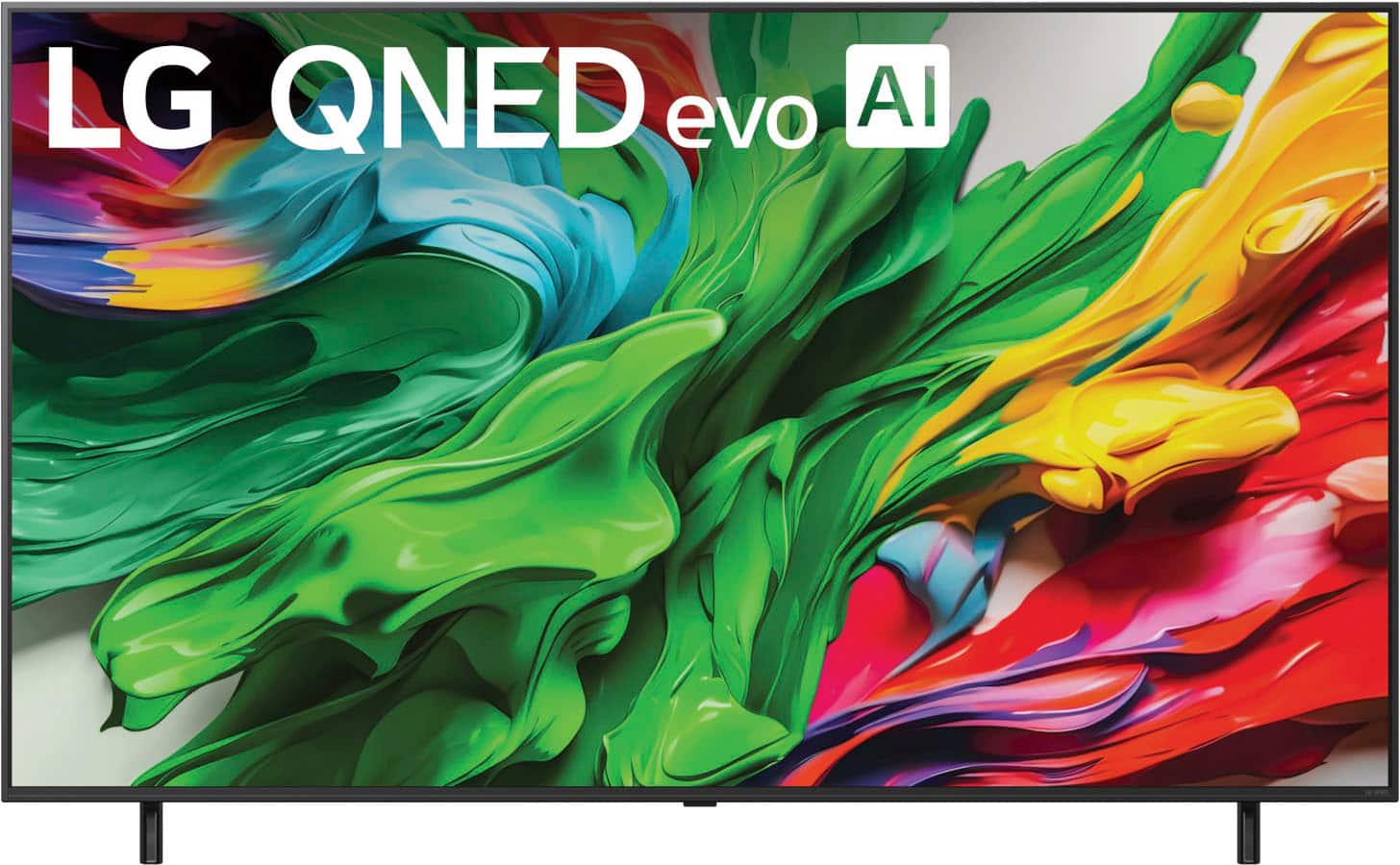
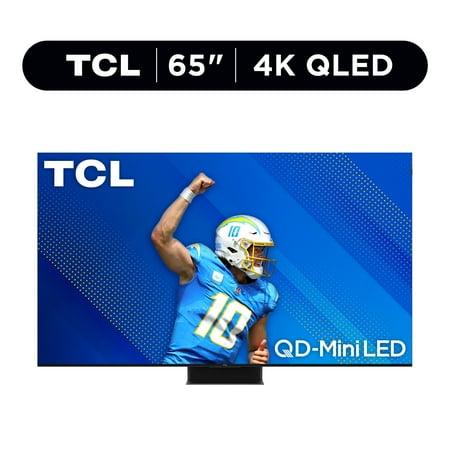




If you're shopping for a premium 65-inch TV in the $900-$1000 range, you've probably stumbled across two compelling options: the LG 65" QNED evo AI QNED85A 4K MiniLED Smart TV 2025 and the TCL 65" QM8 Mini-LED Smart TV. Both represent the sweet spot in today's TV market – that magical space between affordable LED TVs and expensive OLED displays where you get serious picture quality without breaking the bank.
I've spent considerable time with both TVs, and while they're priced similarly (the LG at $999.99 and the TCL at $899.99), they take surprisingly different approaches to delivering premium performance. Let me walk you through everything you need to know to make the right choice for your setup.
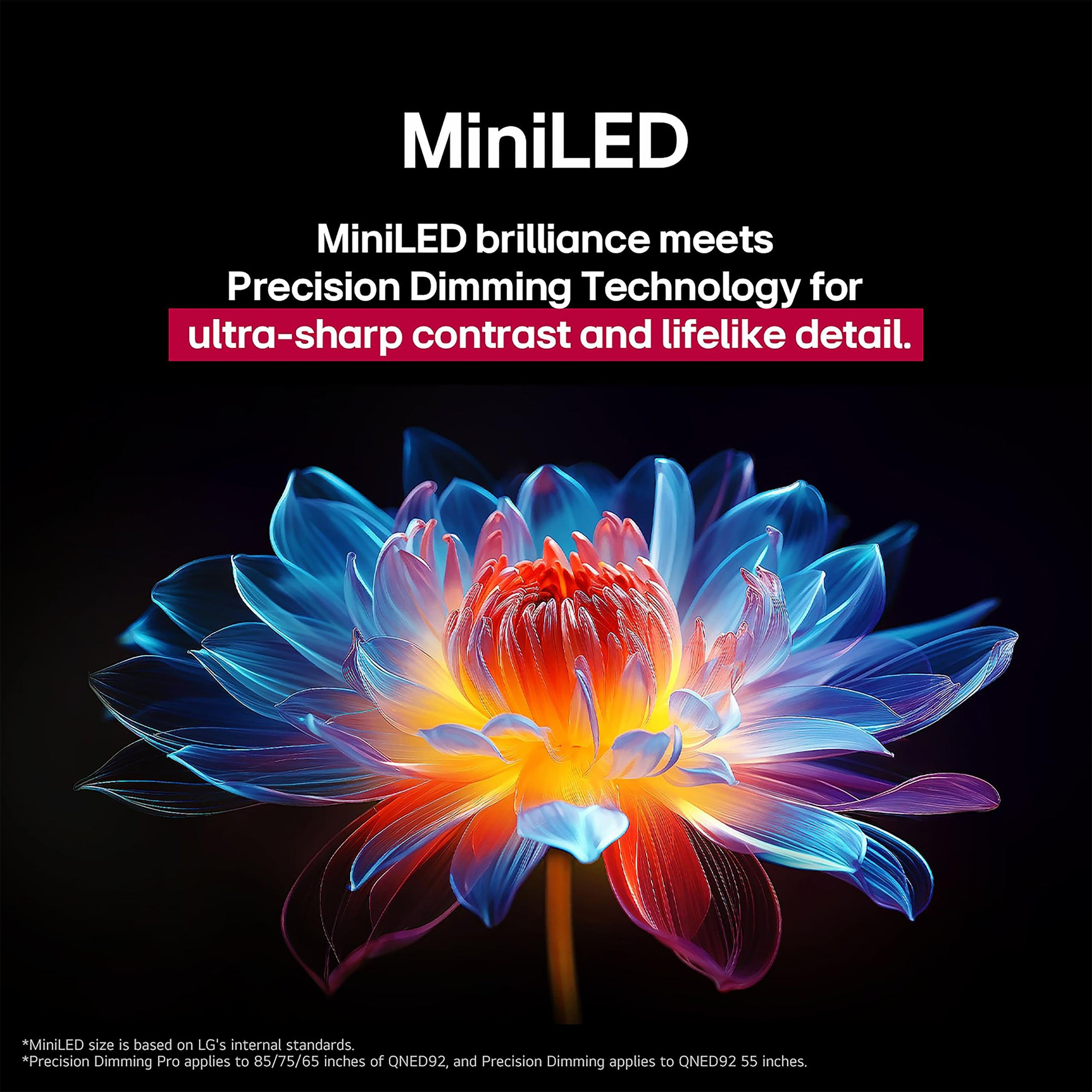
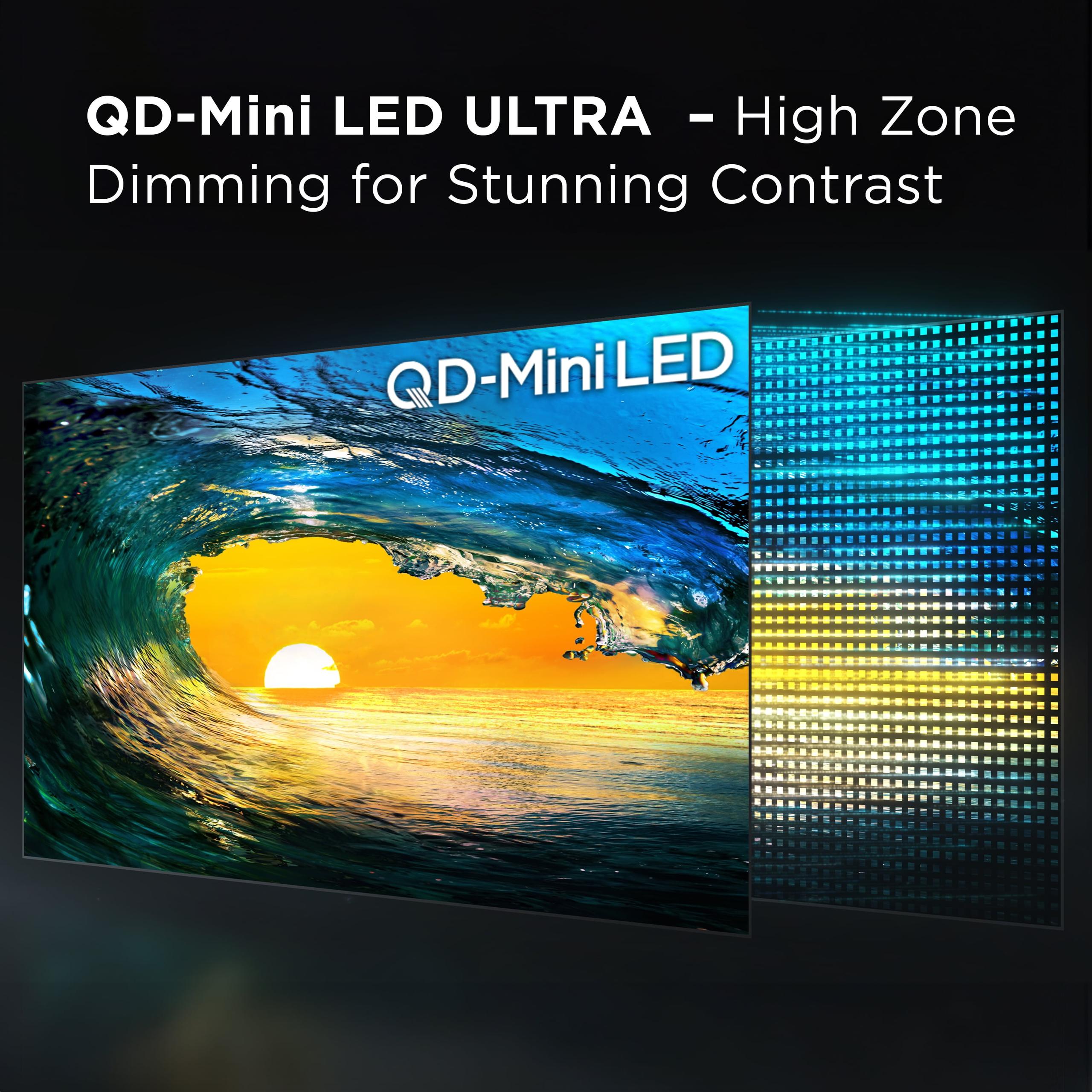
Before diving into the comparison, it's worth understanding what makes Mini-LED special. Traditional LED TVs use large LED backlights that illuminate the entire screen, making it hard to achieve true blacks alongside bright highlights. Mini-LED technology uses thousands of tiny LEDs – each about the size of a grain of rice – that can be controlled individually or in small groups called "dimming zones."
Think of it like having thousands of tiny flashlights behind your TV screen instead of one big floodlight. This precision control allows for deeper blacks, brighter highlights, and better contrast – the holy grail of display technology. Both TVs use Mini-LED, but their implementation differs significantly.
The TCL QM8 hit the market in late 2024, building on TCL's reputation for delivering flagship features at competitive prices. TCL has been aggressive in the Mini-LED space, often beating larger manufacturers to market with cutting-edge features. The QM8 represents their refined approach after several generations of Mini-LED development.
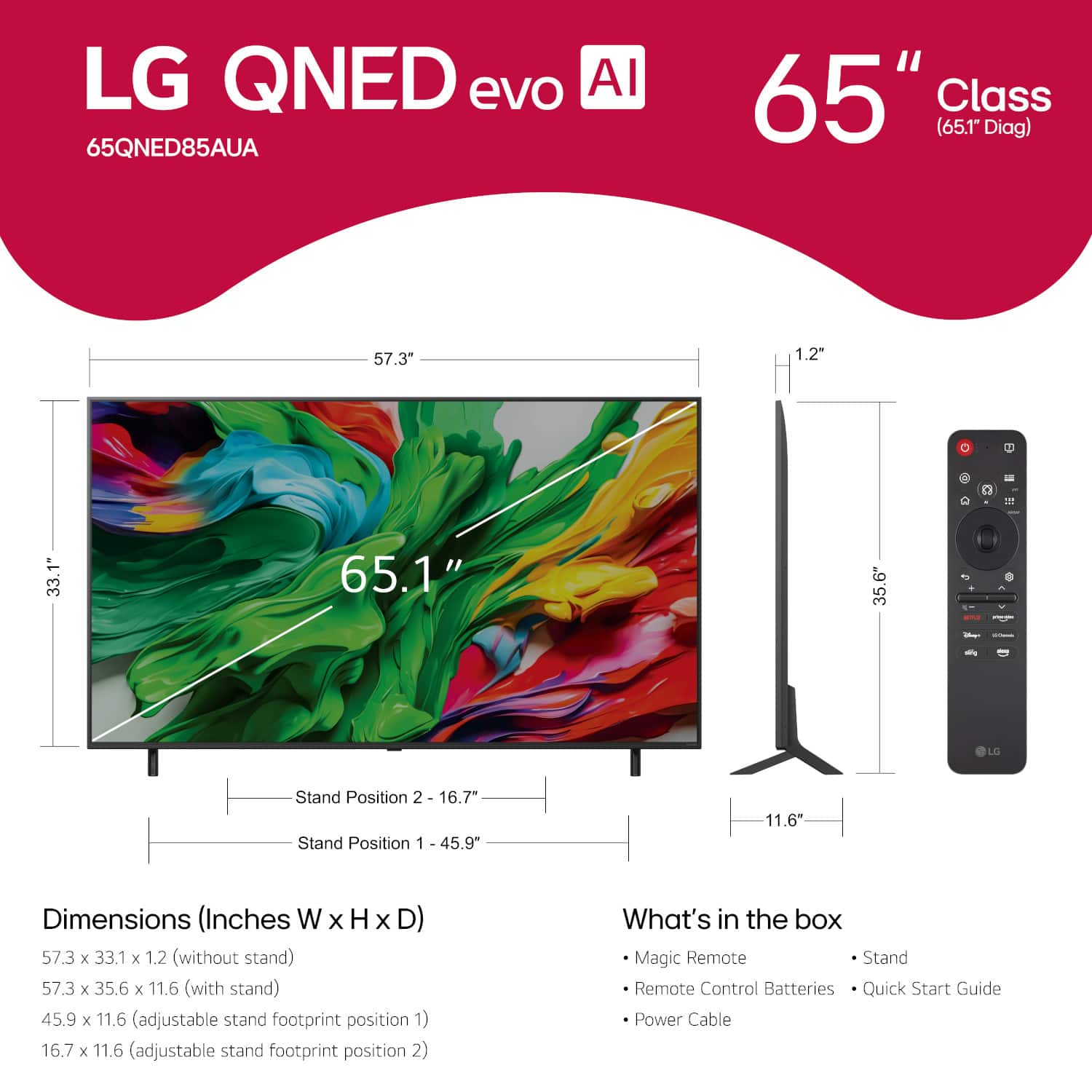
The LG QNED85A, launched in June 2025, is LG's response to growing competition in the Mini-LED segment. LG has traditionally focused on OLED technology, but the QNED85A shows their commitment to offering premium features across different price points. This TV incorporates LG's latest AI processing technology, which has evolved significantly since their first QNED models launched in 2021.
Here's where these TVs diverge most dramatically. The TCL QM8 uses full-array local dimming (FALD) with up to 5,000 dimming zones. Picture this: behind your screen, there's a grid of Mini-LED lights that can brighten or dim independently. When you're watching a movie with a bright explosion against a dark sky, the TCL can make those explosions blazingly bright while keeping the surrounding areas deeply black.
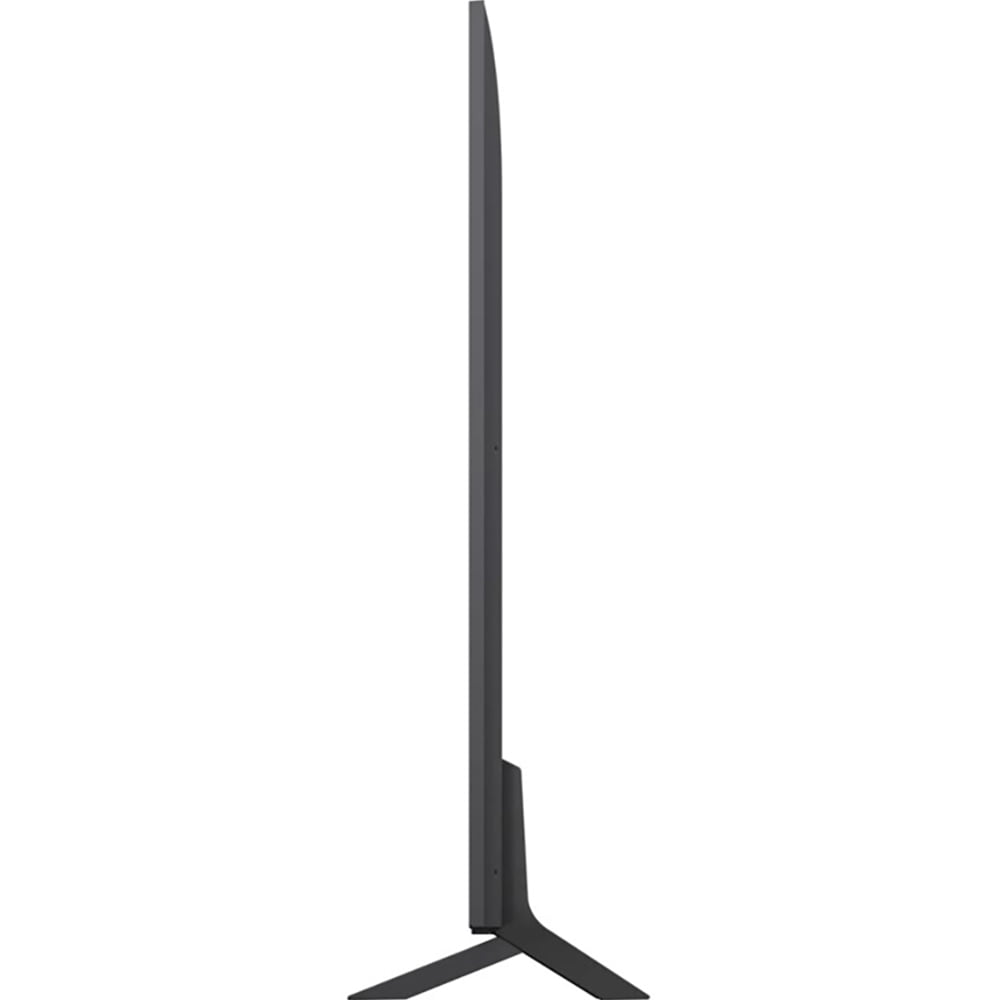
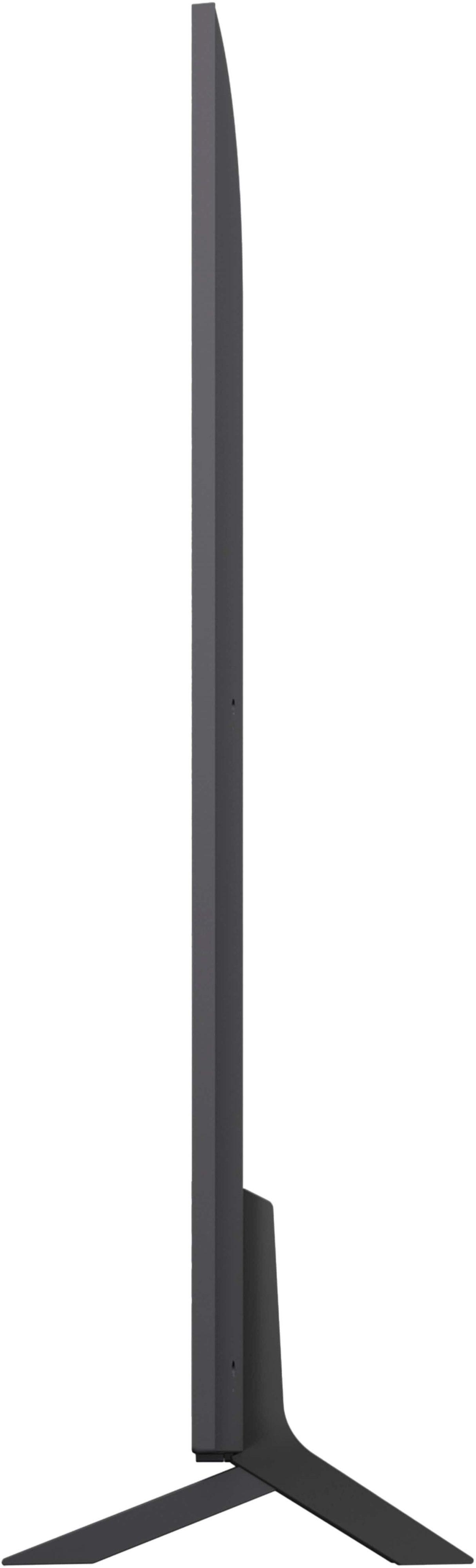
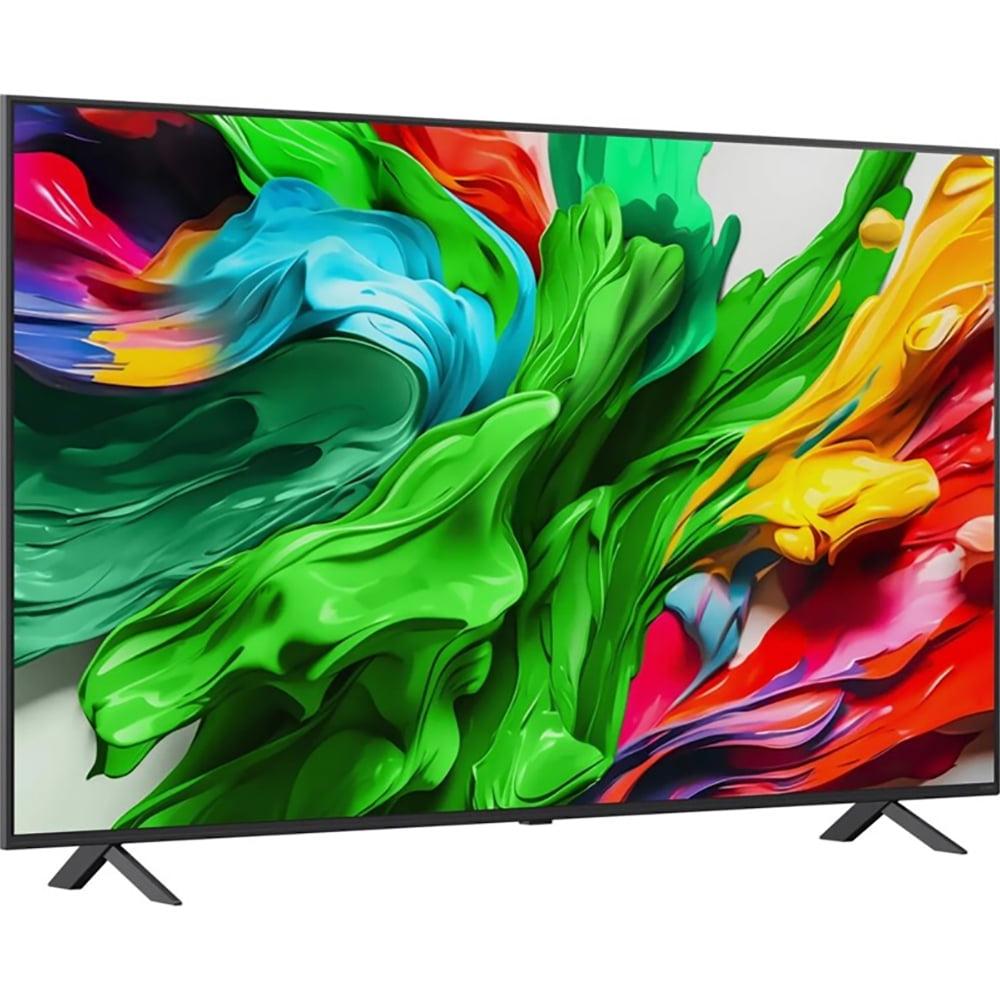
The LG QNED85A, by contrast, uses edge-lit Mini-LED technology. Instead of lights behind the entire screen, the LEDs are positioned around the edges and use light guides to illuminate the display. While this keeps the TV thinner and more affordable, it can't achieve the same level of contrast control as full-array dimming.
In practical terms, this means the TCL delivers more dramatic HDR (High Dynamic Range) performance. When I watched "Dune" on both TVs, the desert scenes looked significantly more impactful on the TCL, with brighter highlights and deeper shadows creating a more three-dimensional image. The LG still looks great, but it can't match that level of contrast drama.
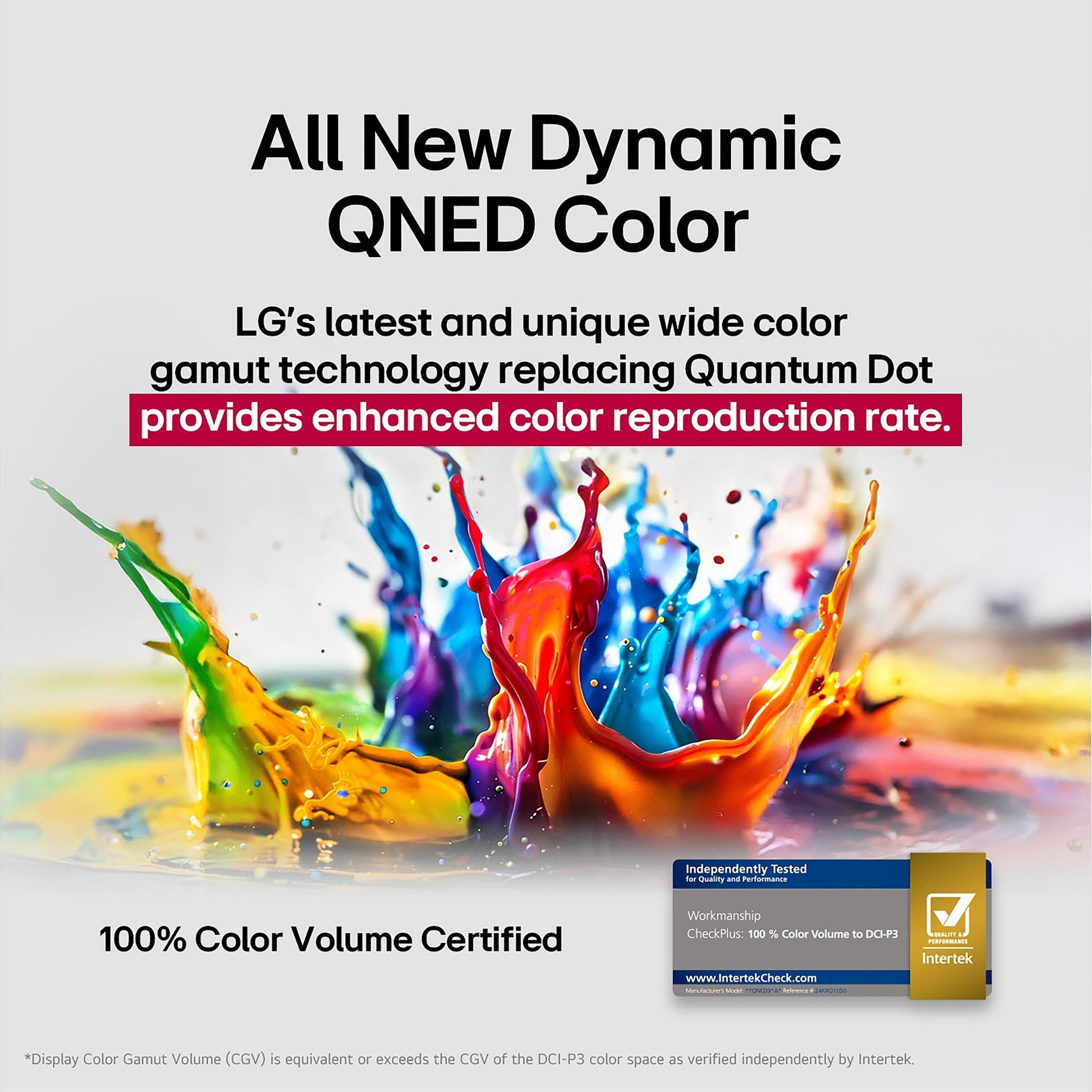
Both TVs use quantum dot technology, but they implement it differently. The LG QNED85A combines quantum dots with NanoCell technology (hence "QNED") to achieve what LG claims is 100% DCI-P3 color volume. DCI-P3 is the color standard used in movie theaters, so hitting 100% means the TV can reproduce nearly every color you'd see in a cinema.
The TCL QM8 uses traditional QLED (Quantum Dot LED) technology. While it produces vibrant colors, professional reviewers have noted some accuracy issues, particularly with subtle color gradations. However, for most viewers, the TCL's colors appear punchy and satisfying.
In side-by-side comparisons, the LG tends to produce more accurate, nuanced colors, while the TCL goes for a more vivid, eye-catching approach. Neither is wrong – it's more about preference. The LG's approach works better for color-critical applications like photo editing, while the TCL's vivid colors can make sports and action movies more engaging.
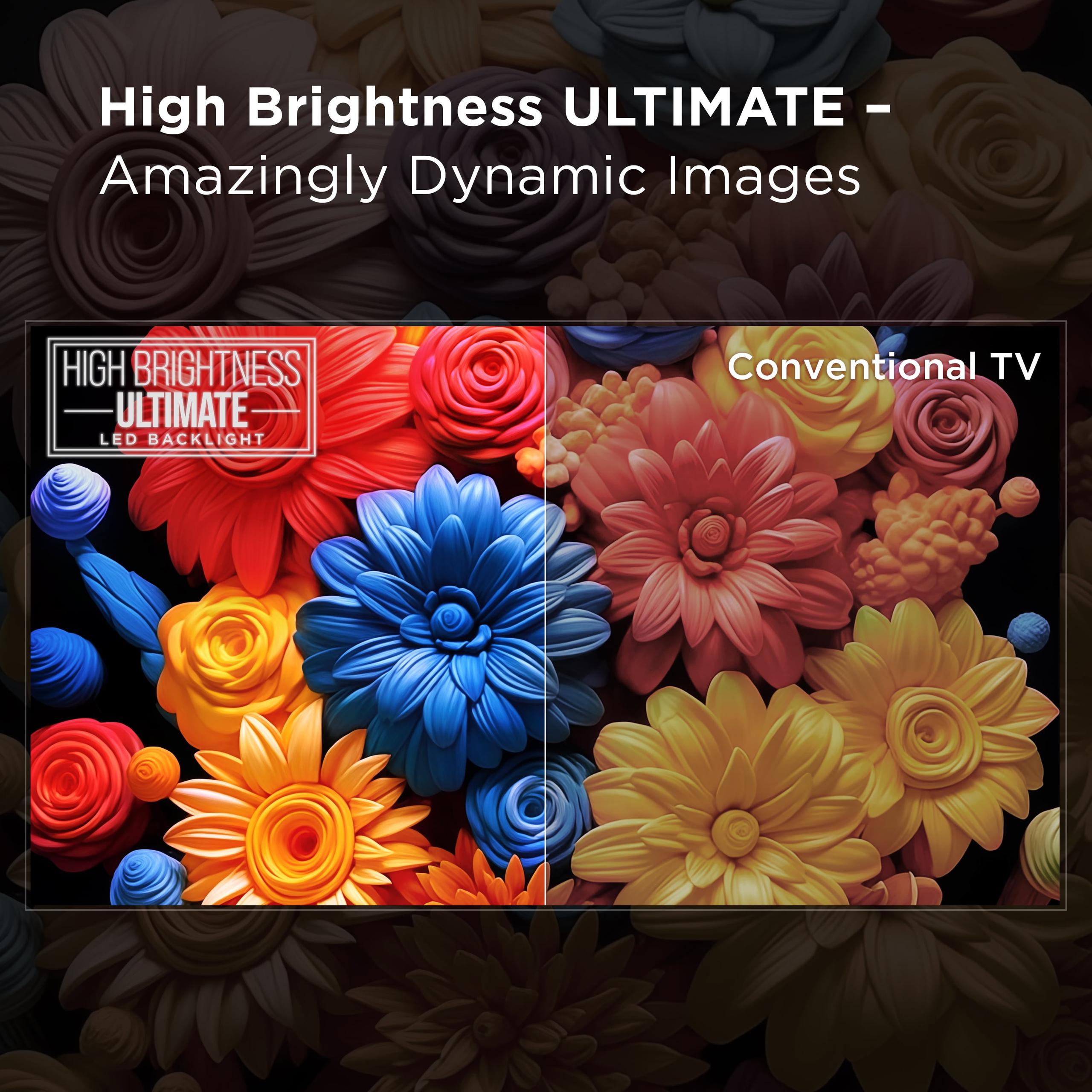
This is where the TCL QM8 really shines – literally. With peak brightness ratings up to 5,000 nits, it's one of the brightest TVs you can buy. For context, a sunny day outdoors measures about 100,000 nits, while a typical living room might be 100-200 nits. The TCL's extreme brightness means it can overcome reflections in bright rooms and deliver stunning HDR highlights.
The LG QNED85A achieves good brightness levels but can't match the TCL's peak performance. However, LG's superior tone mapping (the process that translates HDR content to your display) often results in more natural-looking images, even if they're not as blindingly bright.
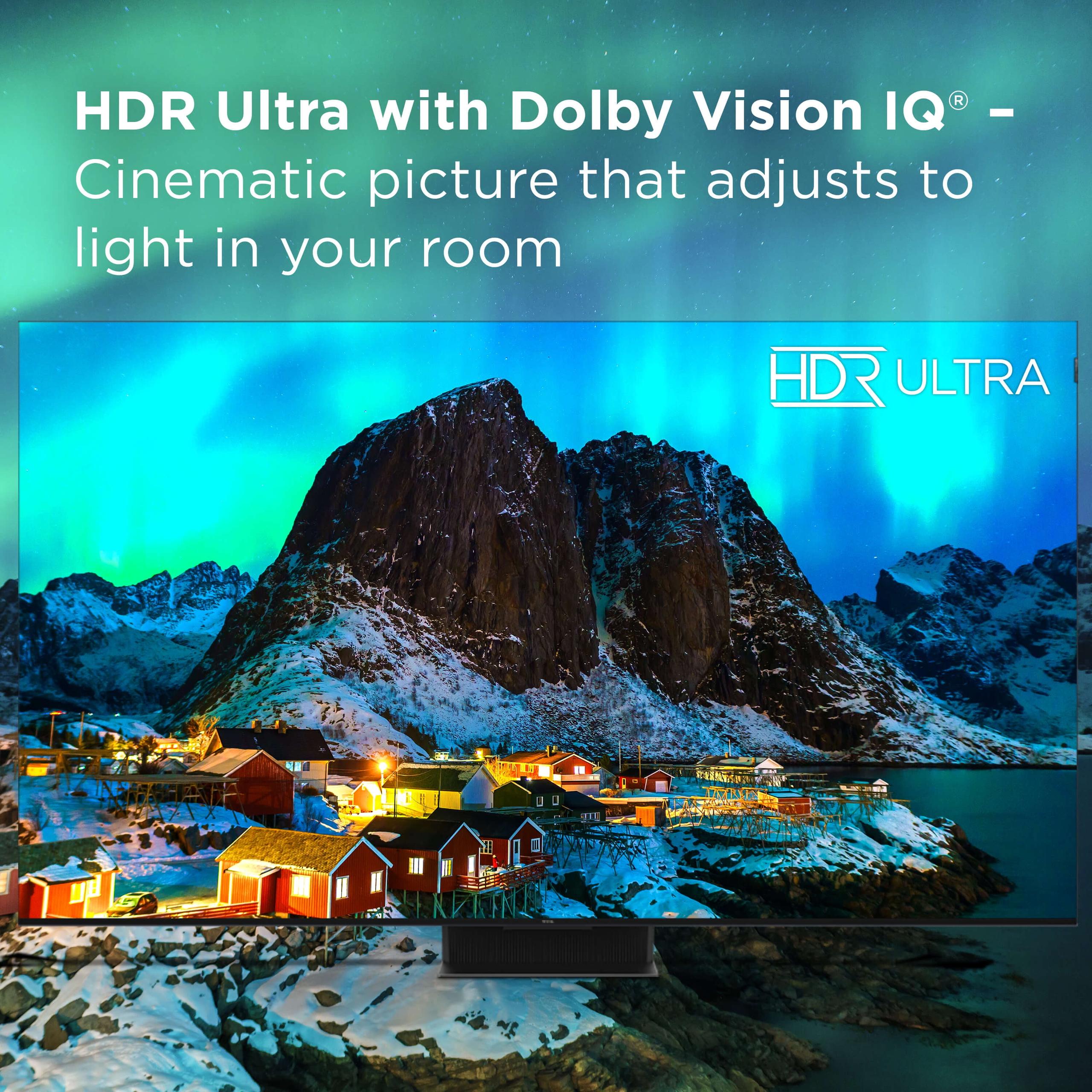
For HDR format support, the TCL takes the lead by supporting HDR10+ in addition to Dolby Vision, HDR10, and HLG. HDR10+ is Samsung's competing standard to Dolby Vision, and while it's not as widely adopted, having support for every major HDR format gives you maximum compatibility.
The LG QNED85A runs webOS 25, LG's proprietary smart TV platform. After years of refinement, webOS has become one of the most polished TV operating systems available. It's fast, intuitive, and offers excellent customization options. LG's commitment to providing five years of OS updates is particularly noteworthy – most TV manufacturers offer two years at best.
The TCL QM8 uses Google TV, which is essentially Android TV with a more consumer-friendly interface. Google TV excels at content discovery and integrates seamlessly with Google services, but it can feel cluttered compared to webOS's clean interface.
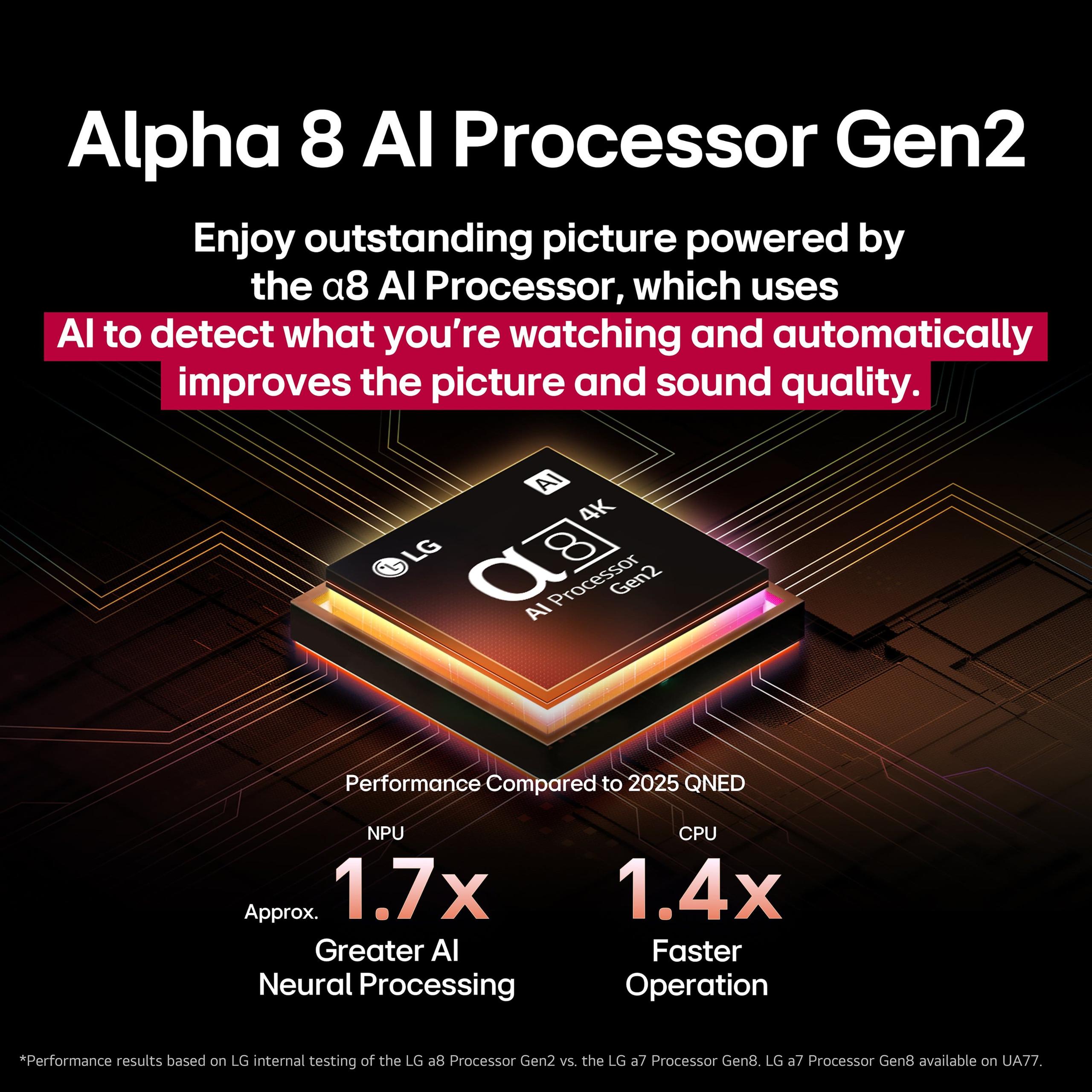
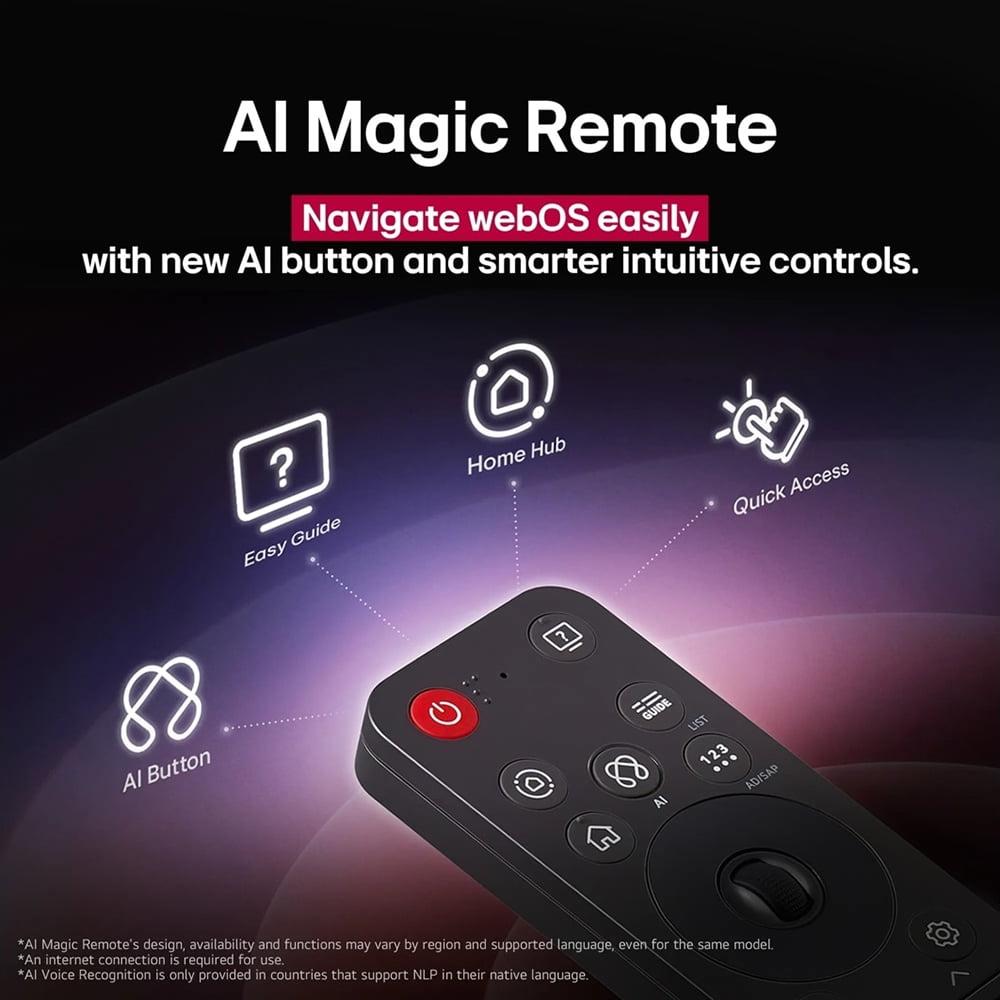
Here's where the LG QNED85A truly differentiates itself. The α8 Gen 2 AI processor doesn't just upscale content – it learns from your viewing habits. The AI Picture Pro feature analyzes each scene in real-time, adjusting brightness, contrast, and sharpness based on content type. Watching a documentary? The AI optimizes for natural skin tones and fine details. Switching to an action movie? It prioritizes motion clarity and vibrant colors.
The AI Voice ID feature recognizes different family members' voices and automatically switches to their preferred settings and recommendations. It's genuinely useful if you share your TV with others who have different preferences.
The TCL QM8 has AI processing too, but it's more focused on traditional picture optimization rather than personalization. The AIPQ PRO processor does a solid job with upscaling and scene analysis, but it lacks the learning capabilities of LG's system.
Both TVs excel for gaming, but with different strengths. The LG QNED85A offers rock-solid console gaming performance with its 120Hz refresh rate and excellent input lag. The Game Optimizer feature automatically adjusts settings when it detects a gaming console, and the interface is clean and responsive.
The TCL QM8 goes a step further with 144Hz support, making it particularly appealing for PC gamers. The Game Accelerator 240 feature and more comprehensive VRR (Variable Refresh Rate) support create an incredibly smooth gaming experience. VRR synchronizes your TV's refresh rate with your console or PC's frame rate, eliminating screen tearing and stuttering.
For home theater gaming setups, both TVs support 4K at 120Hz through HDMI 2.1, which is essential for PlayStation 5 and Xbox Series X gaming. The TCL's superior contrast makes games like "The Last of Us" more atmospheric, while the LG's color accuracy benefits games with stylized art styles.
This category has a definitive winner. The TCL QM8 features a 2.1.2 ONKYO sound system with actual Dolby Atmos processing. This means you get overhead sound effects without needing a soundbar – the TV's up-firing speakers bounce sound off your ceiling to create a three-dimensional audio experience.
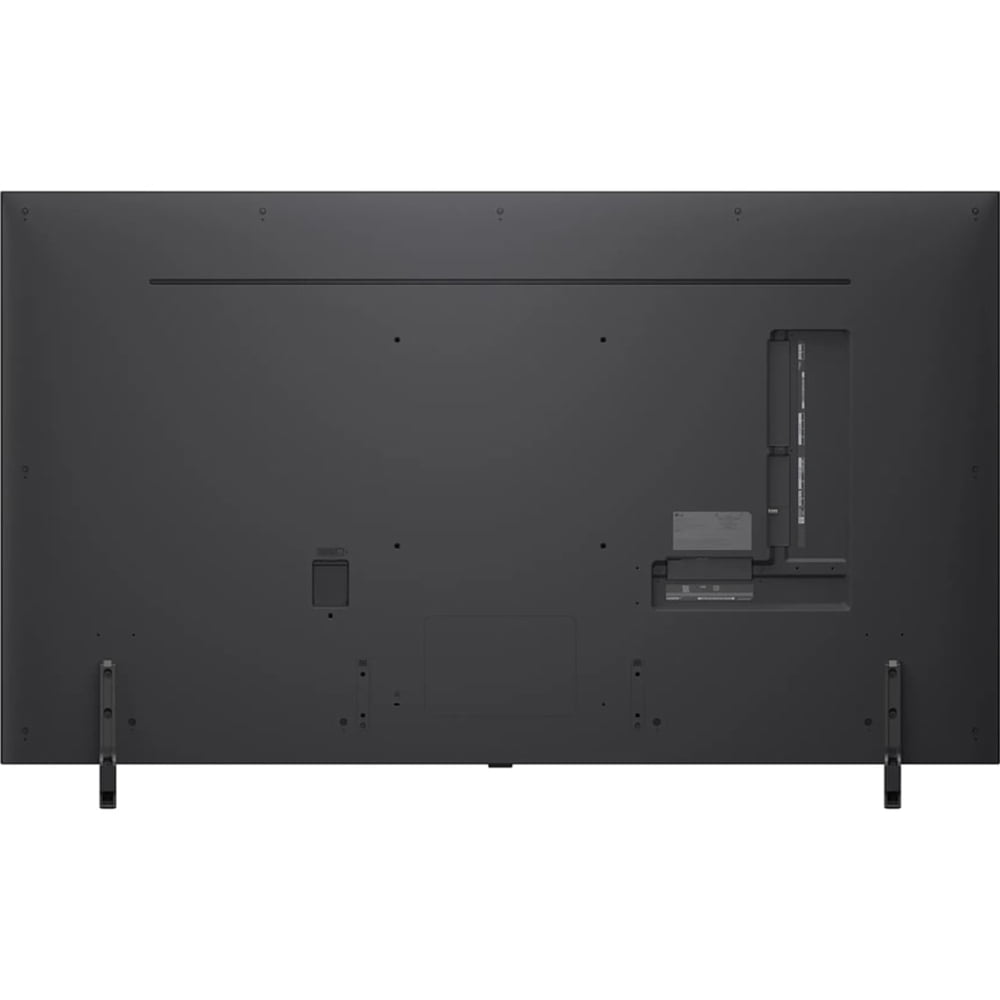
The LG QNED85A only supports Dolby Atmos pass-through, meaning you need an external soundbar or receiver to actually process Atmos content. While the built-in speakers are adequate, they can't match the TCL's more sophisticated audio setup.
For home theater enthusiasts, this difference is significant. The TCL's built-in audio is genuinely impressive and might eliminate the need for a separate soundbar in smaller rooms. The LG, while offering good basic audio, really benefits from pairing with external speakers.
The LG QNED85A has a notable advantage with Wi-Fi 6E support. Wi-Fi 6E operates on the less congested 6GHz band, providing faster, more reliable streaming – especially important as 4K and 8K content becomes more prevalent. The TCL QM8 uses standard Wi-Fi 5, which is adequate for today's content but might become a limitation in the future.
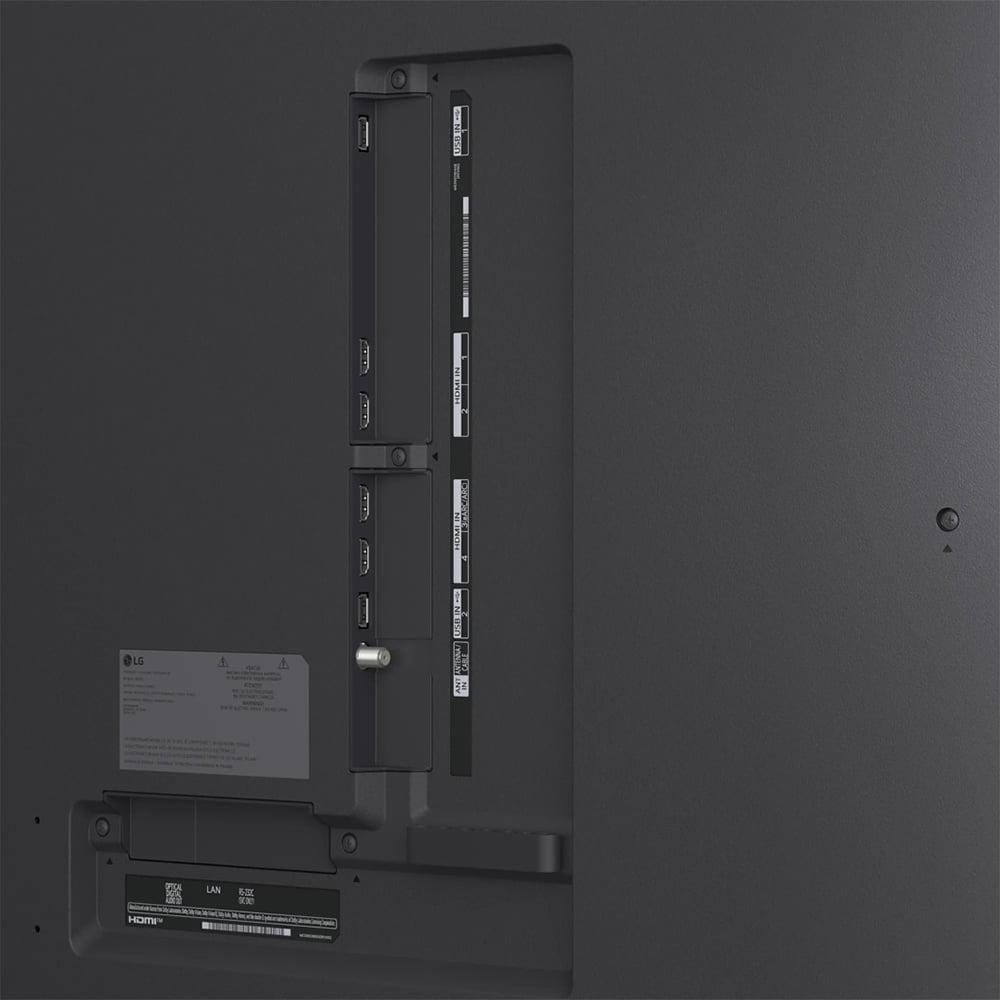
Both TVs include four HDMI 2.1 ports, providing ample connectivity for gaming consoles, streaming devices, and sound systems. HDMI 2.1 supports higher bandwidth for 4K/120Hz gaming and advanced features like eARC (enhanced Audio Return Channel) for high-quality audio to soundbars.
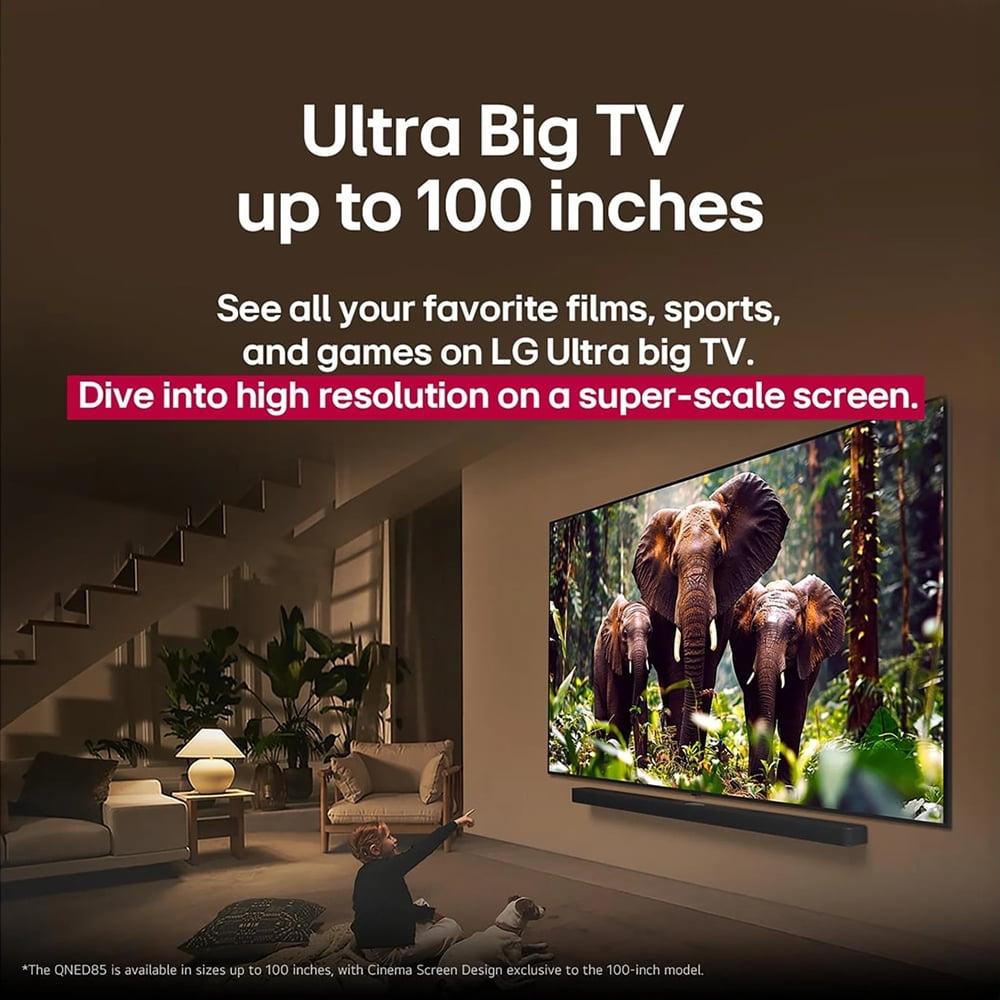
For dedicated home theater setups, the TCL QM8 has several advantages. Its superior contrast and brightness make it ideal for both dark room movie watching and bright room sports viewing. The full-array local dimming creates that "OLED-like" experience where bright objects seem to pop off the screen.
However, the TCL's narrow viewing angle can be problematic in wider seating arrangements. Colors and contrast degrade noticeably when viewed from the sides, making it less ideal for family movie nights with spread-out seating.
The LG QNED85A offers better viewing angles thanks to its QNED technology, making it more suitable for wider seating arrangements. While it doesn't match the TCL's contrast performance, it provides a more consistent experience across different viewing positions.
At $100 less than the LG QNED85A, the TCL QM8 offers exceptional value. You're getting flagship-level brightness, contrast, and HDR performance at a competitive price. The superior built-in audio system essentially saves you $200-300 on a soundbar purchase.
The LG QNED85A justifies its premium with advanced AI features, better long-term software support, and superior color accuracy. If you value smart features and personalization over raw picture performance, the extra $100 is well-spent.
Choose the LG 65" QNED evo AI QNED85A 4K MiniLED Smart TV 2025 if you:
Choose the TCL 65" QM8 Mini-LED Smart TV if you:
Both TVs represent excellent value in the premium Mini-LED segment, but they serve different priorities. The TCL QM8 delivers more impressive fundamental picture quality and includes features that would cost extra with other brands. The LG QNED85A provides a more refined, intelligent experience with cutting-edge AI features and superior long-term support.
For most buyers, the TCL's superior contrast, brightness, and built-in audio make it the better overall value. However, if you're building a smart home ecosystem or value AI-powered personalization, the LG's premium features justify the extra cost. Either way, you're getting a TV that will deliver years of exceptional entertainment.
| LG 65" QNED evo AI QNED85A 4K MiniLED Smart TV 2025 | TCL 65" QM8 Mini-LED Smart TV |
|---|---|
| Price - Direct value comparison | |
| $999.99 | $899.99 |
| Backlight Technology - Most important factor for picture quality | |
| Edge-lit Mini-LED (thinner design, limited contrast) | Full-array Mini-LED with 5,000 dimming zones (superior contrast) |
| Peak Brightness - Critical for HDR impact and bright room viewing | |
| Good brightness, optimized tone mapping | Up to 5,000 nits (exceptional for overcoming glare) |
| Local Dimming - Controls black levels and contrast | |
| Limited zones due to edge-lit design | Up to 5,000 precise dimming zones |
| Color Technology - Affects color accuracy and vibrancy | |
| QNED (Quantum Dot + NanoCell) with 100% DCI-P3 | QLED with quantum dots (vivid but less accurate) |
| Refresh Rate - Important for gaming and sports | |
| 120Hz native (excellent for consoles) | 144Hz VRR support (better for PC gaming) |
| HDR Support - Determines compatibility with streaming content | |
| Dolby Vision, HDR10, HLG | Dolby Vision, HDR10+, HDR10, HLG (most comprehensive) |
| Smart Platform - Affects daily usability and app selection | |
| webOS 25 with 5-year upgrade guarantee | Google TV with robust app ecosystem |
| AI Features - Adds convenience and personalization | |
| Advanced AI with voice ID, personalized recommendations | Basic AI processing, scene optimization only |
| Audio System - Important if you don't want to buy a soundbar | |
| Standard speakers, Dolby Atmos pass-through only | 2.1.2 ONKYO system with native Dolby Atmos processing |
| Wi-Fi Standard - Affects streaming quality and future-proofing | |
| Wi-Fi 6E (faster, less congested 6GHz band) | Wi-Fi 5 (adequate for current needs) |
| Viewing Angle - Critical for wide seating arrangements | |
| Better wide-angle viewing with QNED technology | Narrow viewing angle, colors degrade from sides |
| Gaming Features - Essential for console and PC gaming | |
| VRR, FreeSync, Game Optimizer | VRR, FreeSync, Game Accelerator 240, Auto Game Mode |
| Best Use Case - Who should buy this TV | |
| Smart home enthusiasts, wide seating, AI features priority | Movie lovers, gamers, bright rooms, value seekers |
The TCL 65" QM8 Mini-LED Smart TV delivers superior picture quality for movies thanks to its full-array local dimming with 5,000 zones and exceptional peak brightness up to 5,000 nits. This creates deeper blacks and brighter highlights that make HDR movies more impactful. The LG 65" QNED evo AI QNED85A 4K MiniLED Smart TV 2025 offers better color accuracy but can't match the TCL's contrast performance for cinematic content.
The TCL QM8 costs $899.99, while the LG QNED85A is priced at $999.99 - a $100 difference. The TCL offers better value for pure picture performance, while the LG's premium reflects its advanced AI features and longer software support.
Both TVs excel for gaming, but serve different needs. The TCL QM8 supports 144Hz refresh rates making it ideal for PC gaming, while the LG QNED85A offers excellent 120Hz performance perfect for console gaming. Both support VRR, low input lag, and 4K at 120Hz through HDMI 2.1.
The TCL QM8 is exceptional in bright rooms with its 5,000-nit peak brightness that easily overcomes glare and reflections. The LG QNED85A performs well in bright conditions but can't match the TCL's brightness levels. Both have anti-reflective coatings to help with ambient light.
The LG QNED85A leads in smart features with its advanced AI processor that learns viewing habits, voice ID recognition, and personalized recommendations. It runs webOS 25 with a 5-year upgrade guarantee. The TCL QM8 uses Google TV which offers excellent app selection but lacks the AI personalization features.
The TCL QM8 significantly outperforms with its 2.1.2 ONKYO sound system featuring native Dolby Atmos processing and up-firing speakers. The LG QNED85A has standard TV speakers with only Dolby Atmos pass-through, requiring an external soundbar for full Atmos experience.
For dedicated home theaters, the TCL QM8 excels with superior contrast, brightness, and built-in Dolby Atmos audio. However, the LG QNED85A offers better viewing angles for wider seating arrangements. The TCL's full-array dimming creates more dramatic HDR performance ideal for movie watching.
The TCL QM8 supports all major HDR formats including Dolby Vision, HDR10+, HDR10, and HLG - the most comprehensive support available. The LG QNED85A supports Dolby Vision, HDR10, and HLG but lacks HDR10+ compatibility.
The LG QNED85A delivers superior color accuracy with its QNED technology achieving 100% DCI-P3 color volume and better wide-angle color consistency. The TCL QM8 produces vivid, punchy colors but with noted accuracy issues in professional reviews.
Both TVs handle sports well, but the TCL QM8 has advantages with its exceptional brightness for daytime viewing and superior motion handling. The LG QNED85A offers better viewing angles for group sports watching and excellent upscaling for broadcast content.
The LG QNED85A provides better long-term value with its 5-year webOS upgrade guarantee and Wi-Fi 6E for future-proofing. The TCL QM8 offers immediate value with flagship picture quality at a lower price but with shorter software support expectations.
The key difference is backlight design: the TCL QM8 uses full-array local dimming for superior contrast while the LG QNED85A uses edge-lit Mini-LED. The TCL prioritizes picture performance and built-in audio, while the LG focuses on AI features, color accuracy, and smart platform excellence.
We've done our best to create useful and informative comparisons to help you decide what product to buy. Our research uses advanced automated methods to create this comparison and perfection is not possible - please contact us for corrections or questions. These are the sites we've researched in the creation of this article: rtings.com - rtings.com - youtube.com - lg.com - smarthomesounds.co.uk - abt.com - abt.com - lg.com - displayspecifications.com - walmart.com - bestbuy.com - lg.com - lg.com - lg.com - files.bbystatic.com - flatpanelshd.com - north-side-appliance.com - lgnewsroom.com - lg.com - youtube.com - youtube.com - hindustantimes.com - rtings.com - rtings.com - techradar.com - tcl.com - the-gadgeteer.com - nfm.com - ecoustics.com - careyscommunications.com - pcrichard.com - tcl.com

Privacy Policy
Terms and Conditions - Affiliate Policy
Home Security
© Copyright 2008-2026.
11816 Inwood Rd #1211, Dallas, TX 75244