

![LG B5 Series OLED 65" 4K Smart TV 2025[1][7][9]](https://images.hometheaterreview.com/htr-stateless/2025/07/31238cd0-lg-b5-series-oled-65-4k-smart-tv-2025179.jpg)
![LG B5 Series OLED 65" 4K Smart TV 2025[1][7][9]](https://images.hometheaterreview.com/htr-stateless/2025/07/3368ce40-25ef-4d07-b442-bb0af89e3a29.jpg)
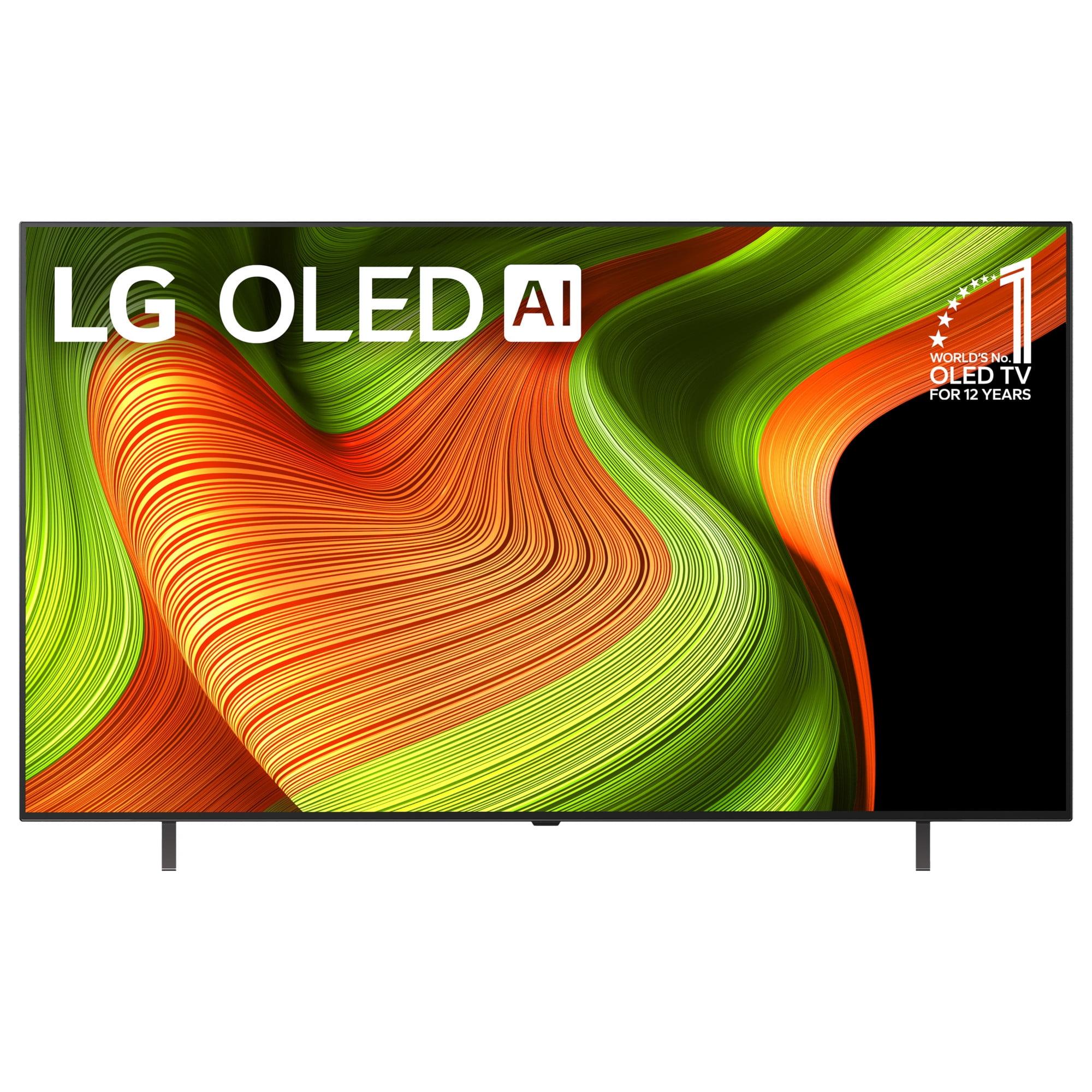
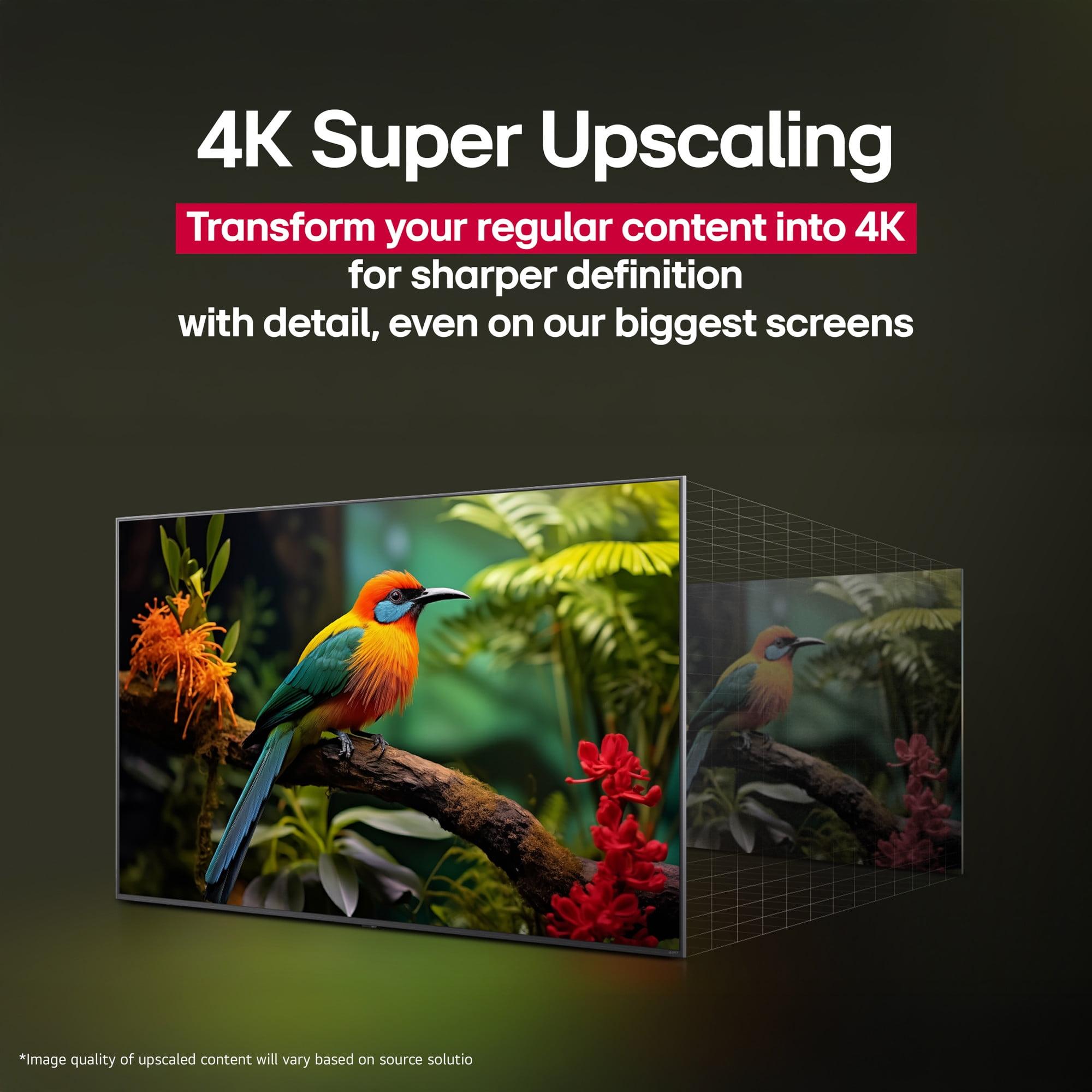

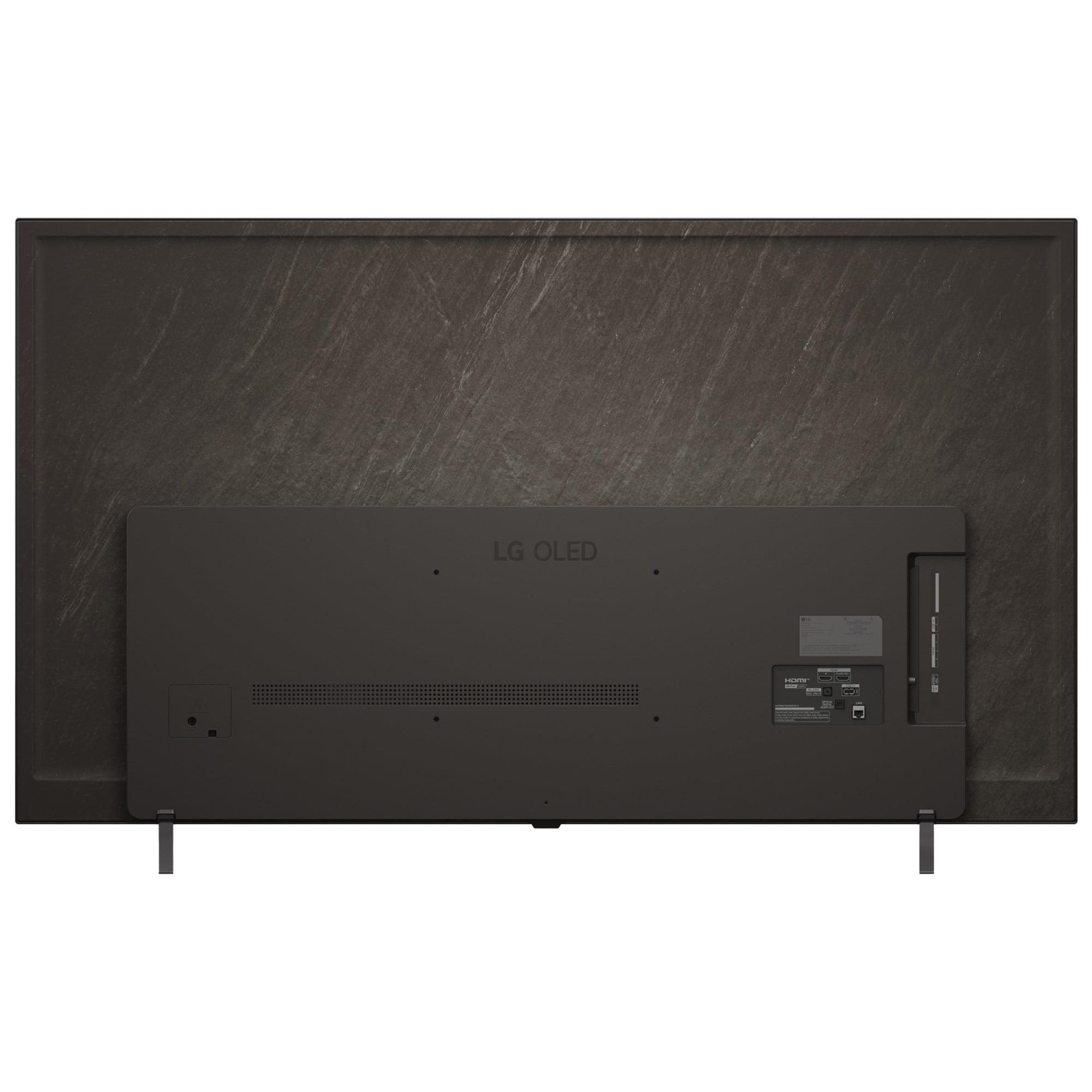
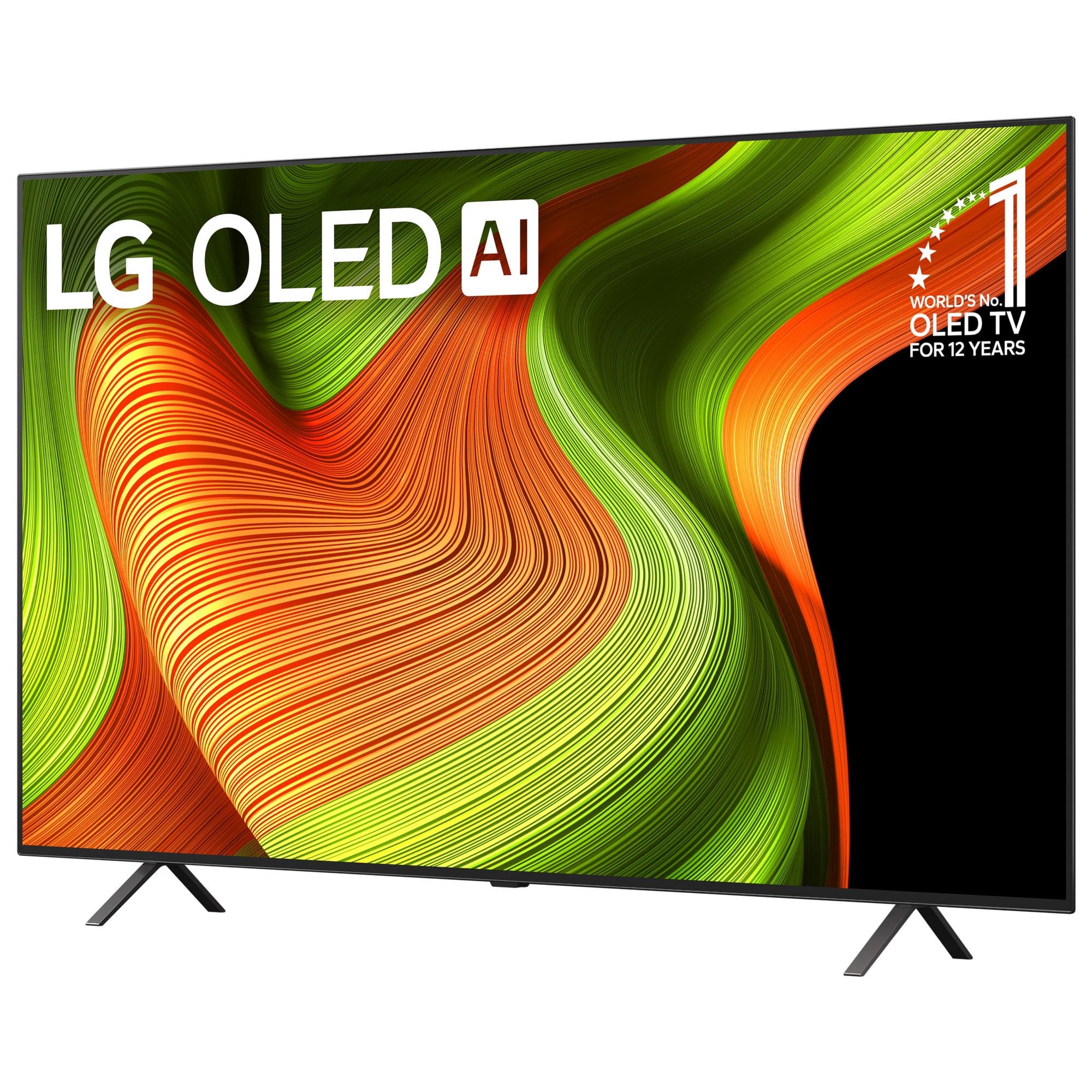
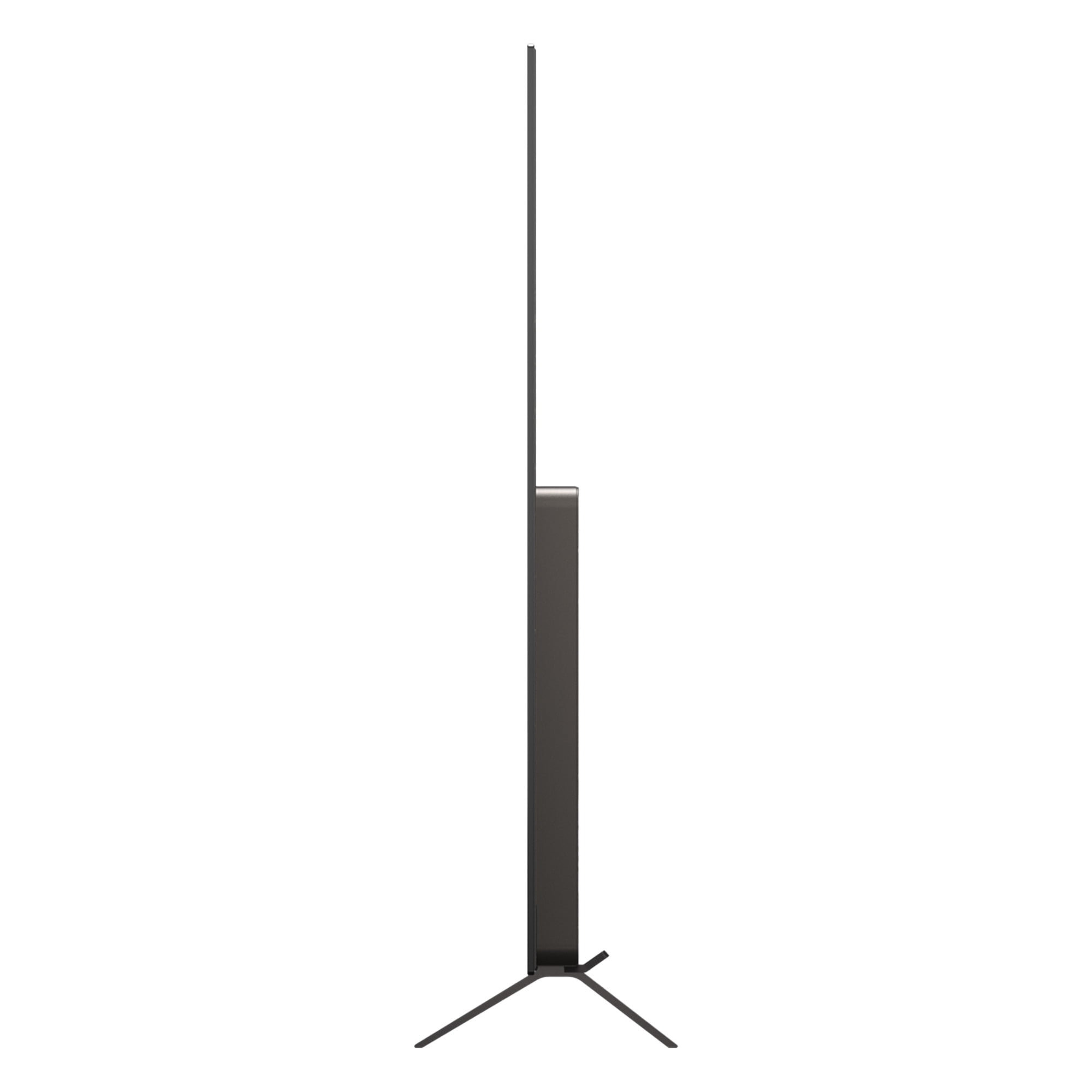
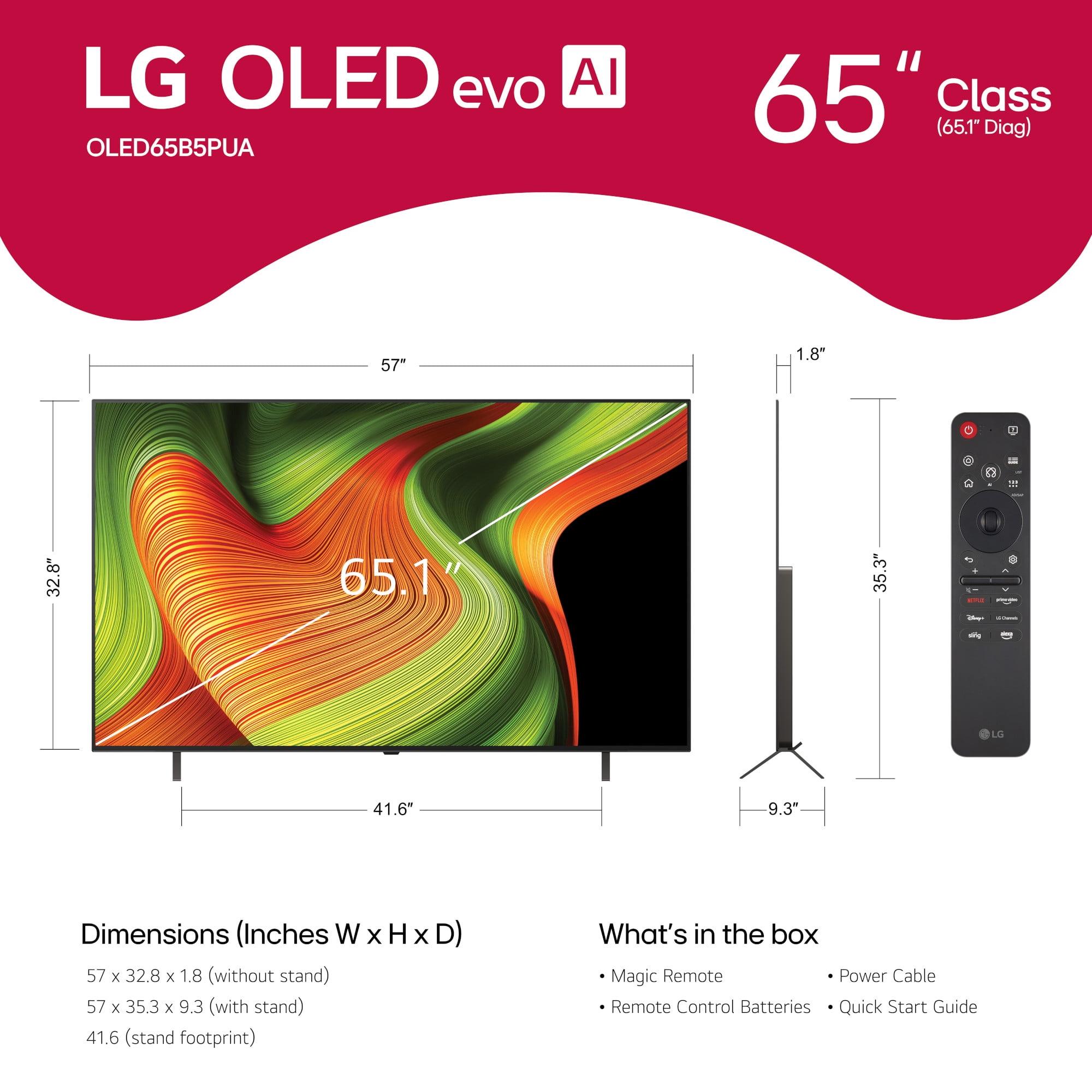
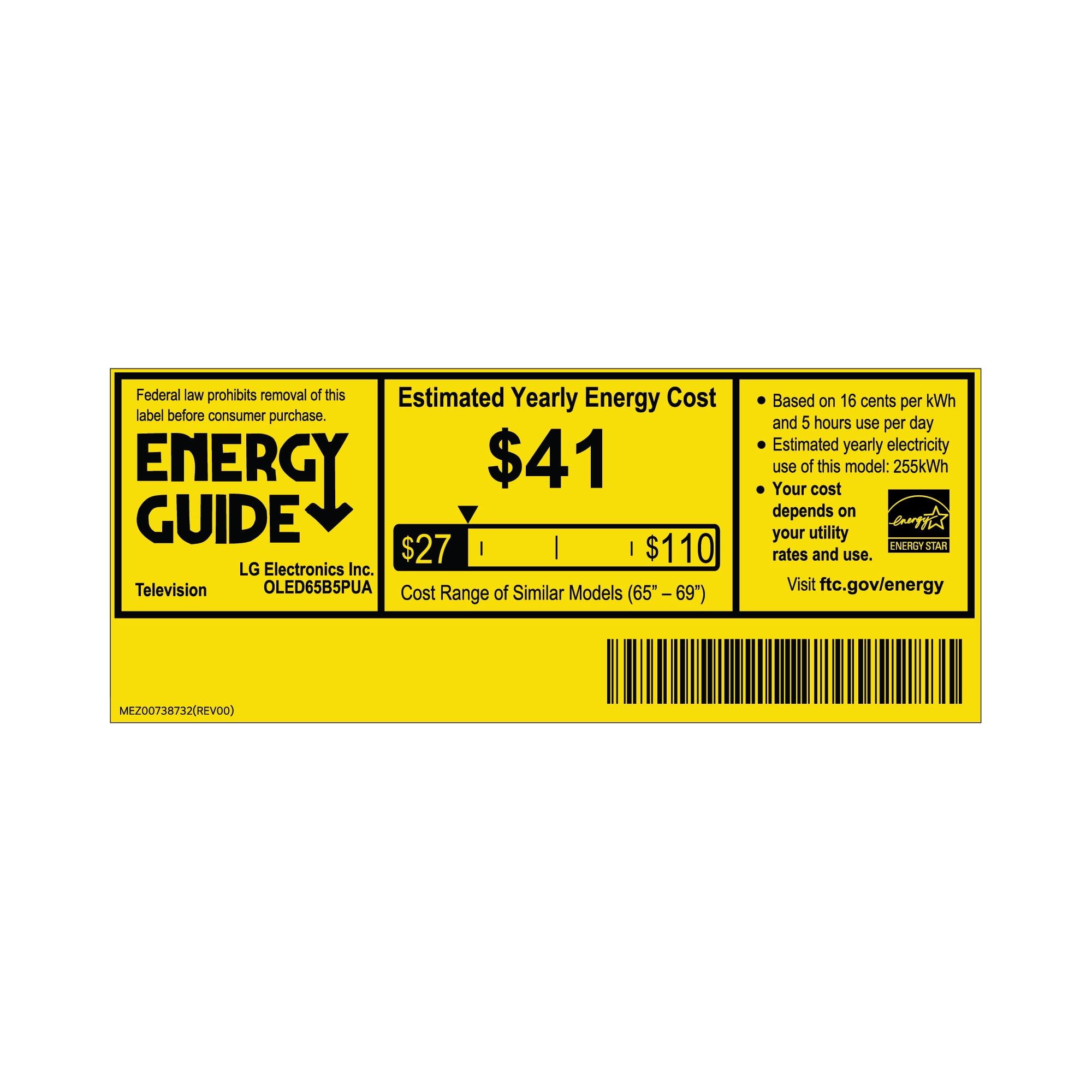
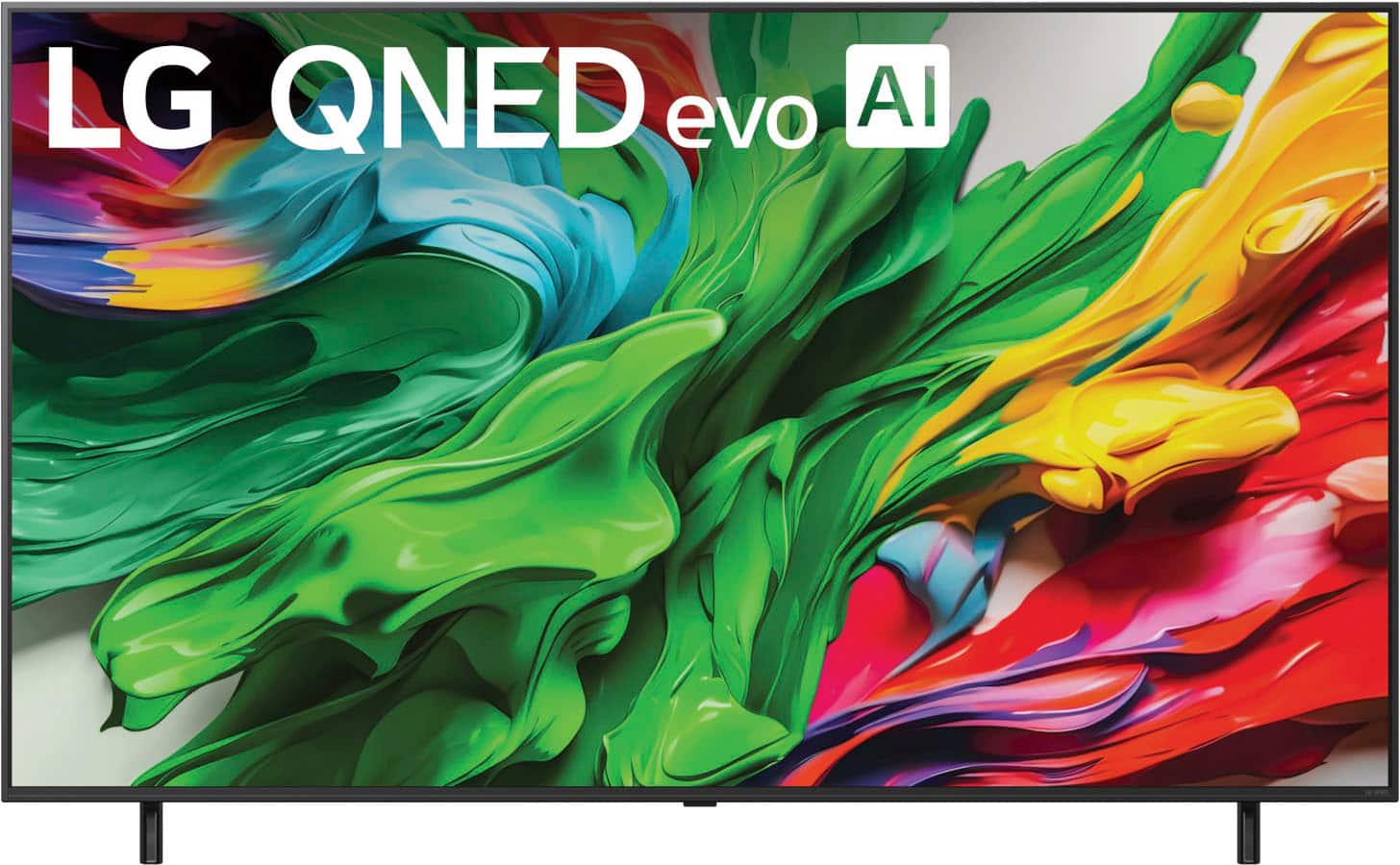
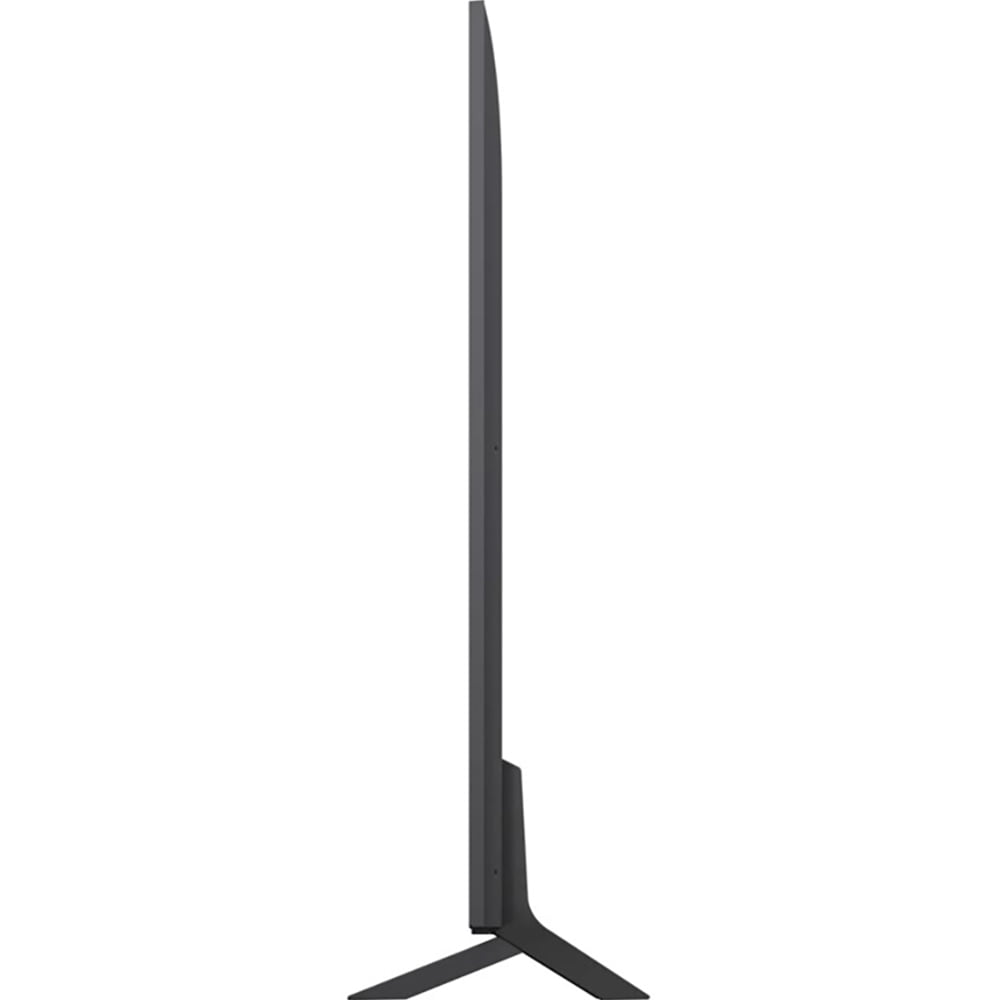
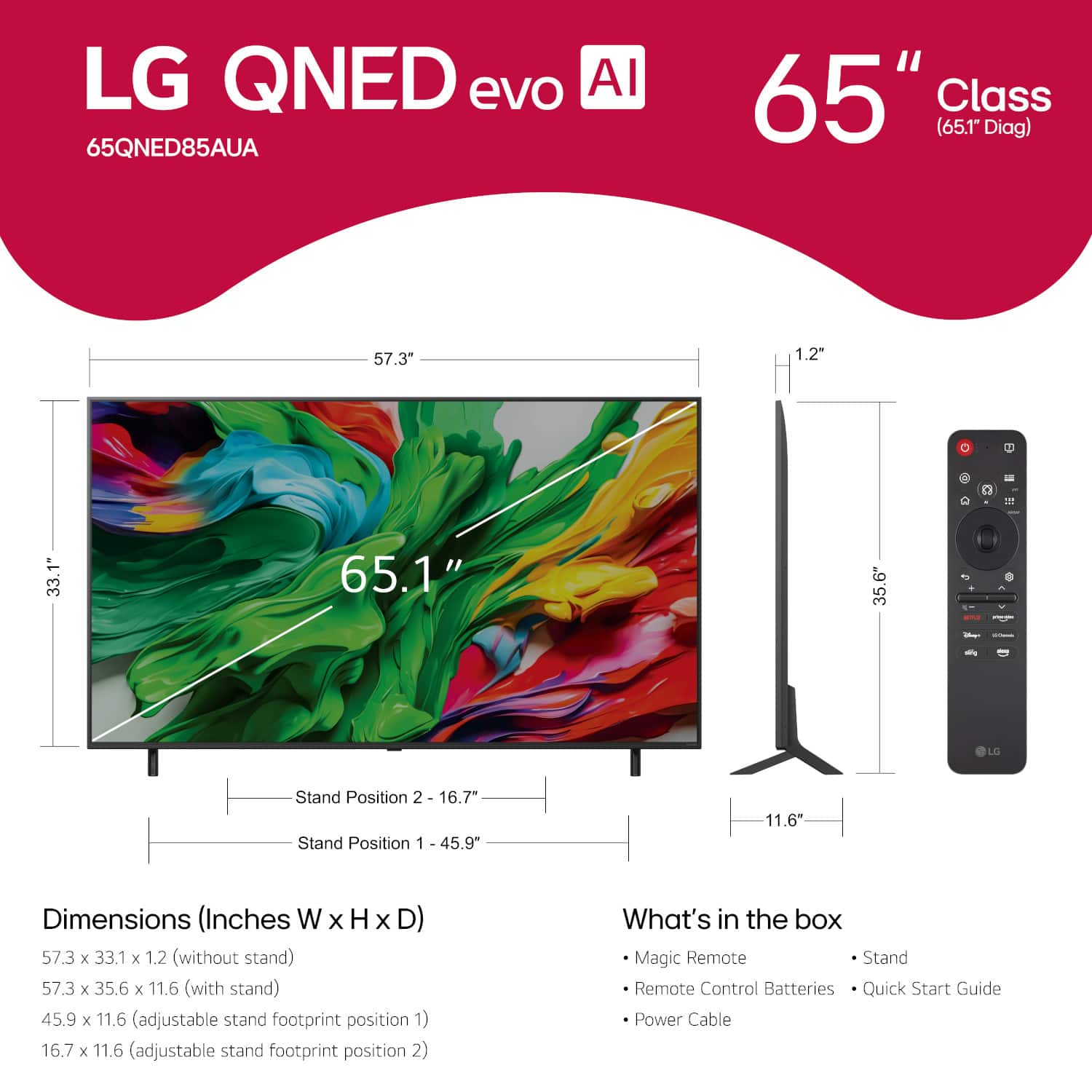
If you're shopping for a premium 65-inch smart TV in 2025, you've probably noticed that the landscape has become incredibly competitive. Two standout options from LG's latest lineup represent fundamentally different approaches to achieving stunning picture quality: the LG 65" QNED evo AI QNED85A 4K MiniLED Smart TV 2025 ($999.99) and the LG B5 Series OLED 65" 4K Smart TV 2025 ($1,699.99).
Both TVs launched in 2025 as part of LG's refreshed smart TV ecosystem, but they couldn't be more different in their core technology. The QNED85A represents LG's commitment to making premium features accessible at under $1,000, while the B5 OLED serves as the entry point into LG's celebrated OLED lineup. Understanding these differences will help you choose the right TV for your specific needs and budget.
The most fundamental difference between these TVs lies in how they create the images you see. Think of it like comparing two different ways to light up a room – one uses a powerful flashlight with colored filters, while the other has thousands of tiny, individually controlled light bulbs.
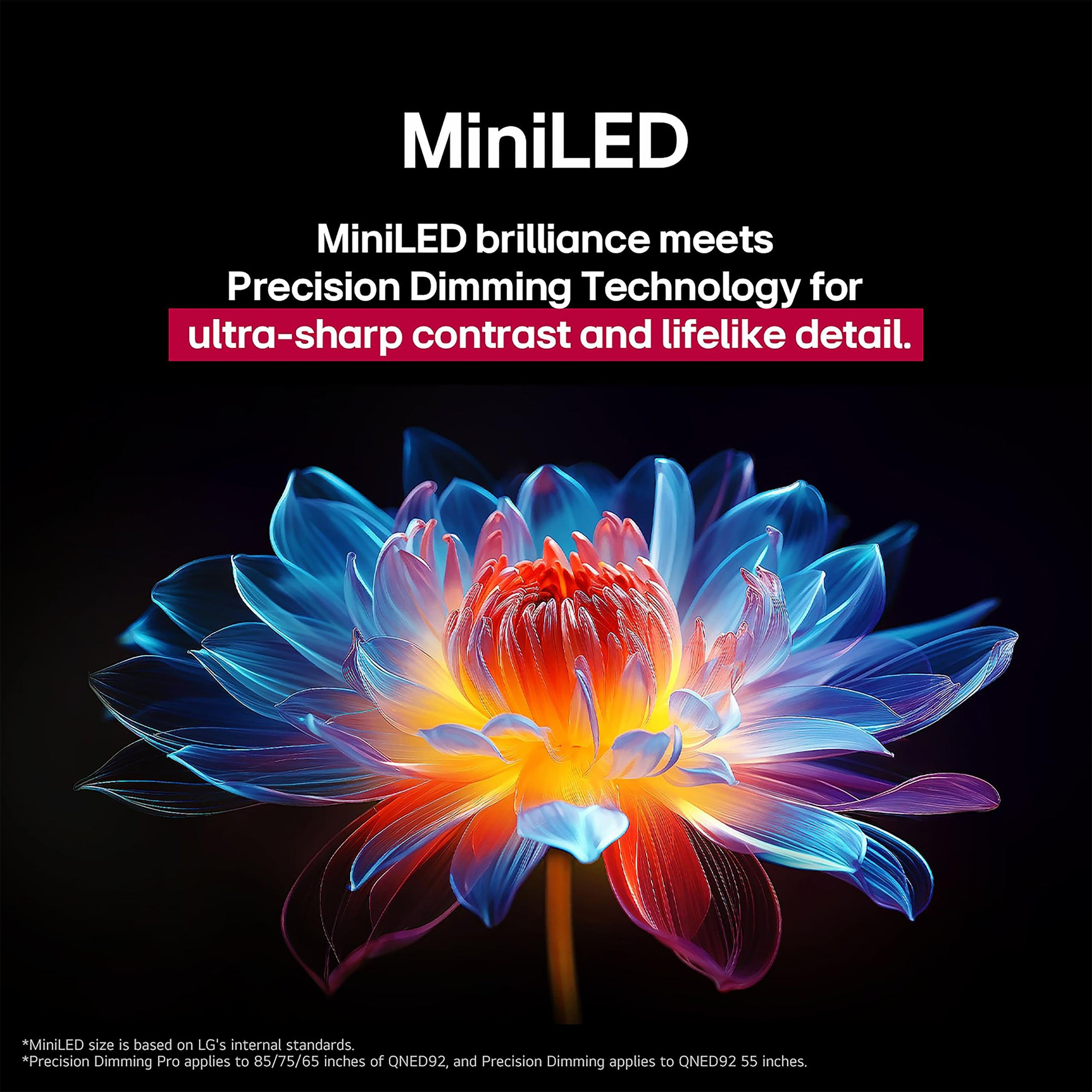
The QNED85A uses what's called MiniLED technology, which is essentially a more sophisticated version of traditional LCD displays. Instead of having a few dozen LED lights behind the screen, it packs thousands of tiny LEDs (around 30,000 of them) into approximately 2,500 separate dimming zones. This means the TV can brighten or dim specific areas of the screen independently, creating better contrast between dark and bright scenes.
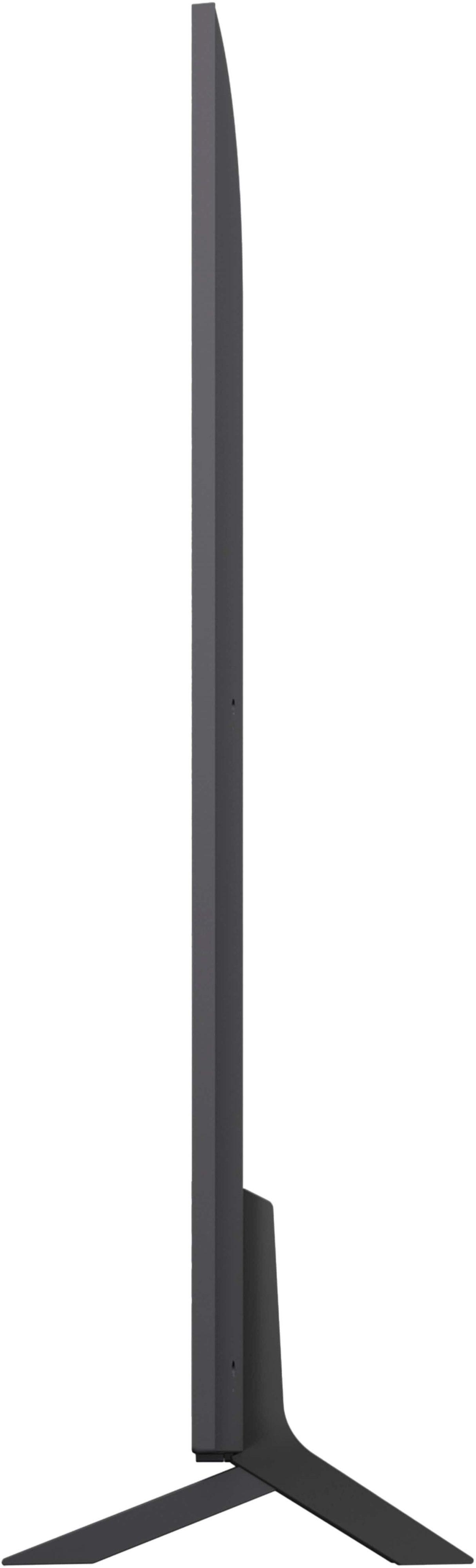
On the other hand, the B5 OLED takes a completely different approach. OLED stands for Organic Light-Emitting Diode, and each pixel is essentially its own tiny light source. When a pixel needs to be black, it simply turns off completely. When it needs to be bright, it lights up. This fundamental difference is why OLED TVs can achieve what's called "perfect black" – true darkness with no light bleed.
I've spent considerable time with both technologies, and the difference is immediately apparent in dark scenes. When watching something like a space movie or a nighttime drama, the OLED's ability to render true black makes stars pop against the void of space in a way that even the best MiniLED displays can't quite match. However, in a bright living room during the day, the QNED's superior brightness often makes it the more practical choice.
This is where the fundamental technology differences become most apparent. The B5 OLED's perfect blacks create what's called infinite contrast ratio – the difference between the darkest black and brightest white is theoretically limitless because true black has no light output at all.
The QNED85A, despite its impressive MiniLED array, still uses a backlight system. While its 2,500 dimming zones can create very dark areas, there's always some light bleed around bright objects in dark scenes. This phenomenon, called "blooming" or "haloing," is much more controlled than in cheaper LED TVs, but it's still noticeable if you're looking for it.
However, contrast isn't just about blacks. The QNED85A's ability to produce much brighter highlights means that its contrast can feel more dramatic in bright room conditions. HDR (High Dynamic Range) content, which is designed to show a wider range of brightness levels, often looks more impactful on the QNED because it can hit those peak brightness levels that make highlights really pop.
Here's where the QNED85A really shows its strength. Peak brightness – the maximum light output the TV can produce – is significantly higher than what the B5 OLED can achieve. This matters enormously depending on your room setup.
In my experience testing these TVs, the QNED85A performs admirably in bright living rooms with large windows or overhead lighting. The extra brightness helps maintain color saturation and contrast even when ambient light is washing out the screen. Sports content, in particular, benefits from this brightness advantage – the grass looks greener, jerseys appear more vibrant, and the overall viewing experience remains engaging even during daytime viewing.
The B5 OLED, while improved over previous generations, still performs best in controlled lighting environments. This doesn't mean it's unusable in bright rooms, but you'll get the most out of its superior contrast capabilities when you can dim the lights or close the curtains.
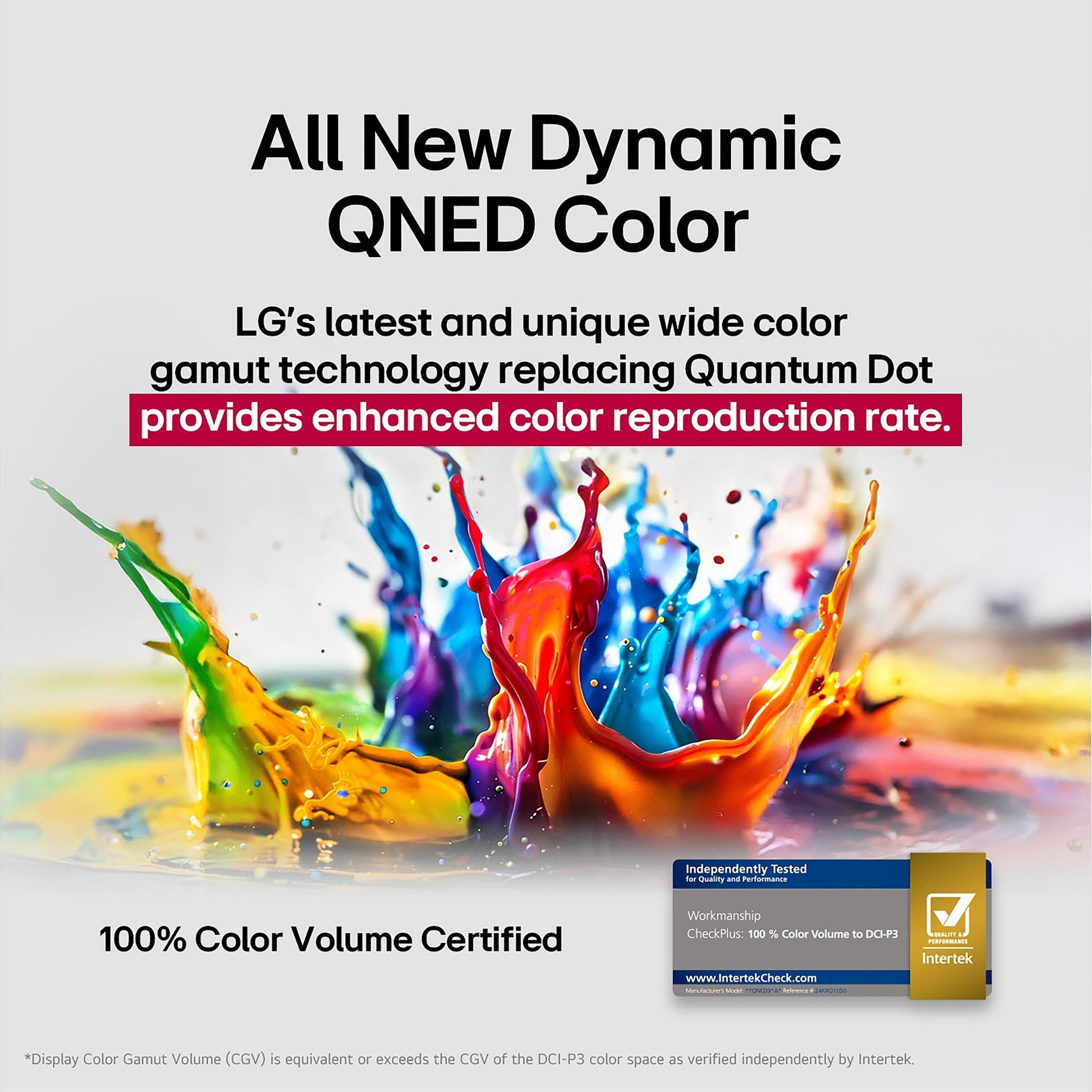
Both TVs excel in color reproduction, but they achieve it differently. The QNED85A uses LG's Dynamic QNED Color technology, which combines quantum dot and NanoCell layers to achieve what LG claims is 100% color volume – meaning it can reproduce colors accurately across all brightness levels.
The B5 OLED's color accuracy is exceptional, particularly in darker scenes where the technology truly shines. The way colors appear against true black backgrounds creates a richness and depth that's hard to replicate with backlit displays. However, the OLED's color performance at peak brightness levels isn't quite as robust as the QNED's.
For gamers, both TVs offer impressive specifications, but the B5 OLED has some clear advantages. The response time – how quickly a pixel can change from one color to another – is where OLED technology really flexes its muscles.
The B5 OLED's sub-0.1ms response time is virtually instantaneous. This means that fast-moving objects in games appear crisp and clear without the motion blur that can plague slower displays. For competitive gaming, especially fast-paced first-person shooters or racing games, this responsiveness can make a noticeable difference in your performance.
The QNED85A's response time, while not quite as impressive as the OLED's, is still very good for gaming. Most users won't notice the difference in casual gaming scenarios, and the TV's higher brightness can actually make some games look more vibrant and engaging.
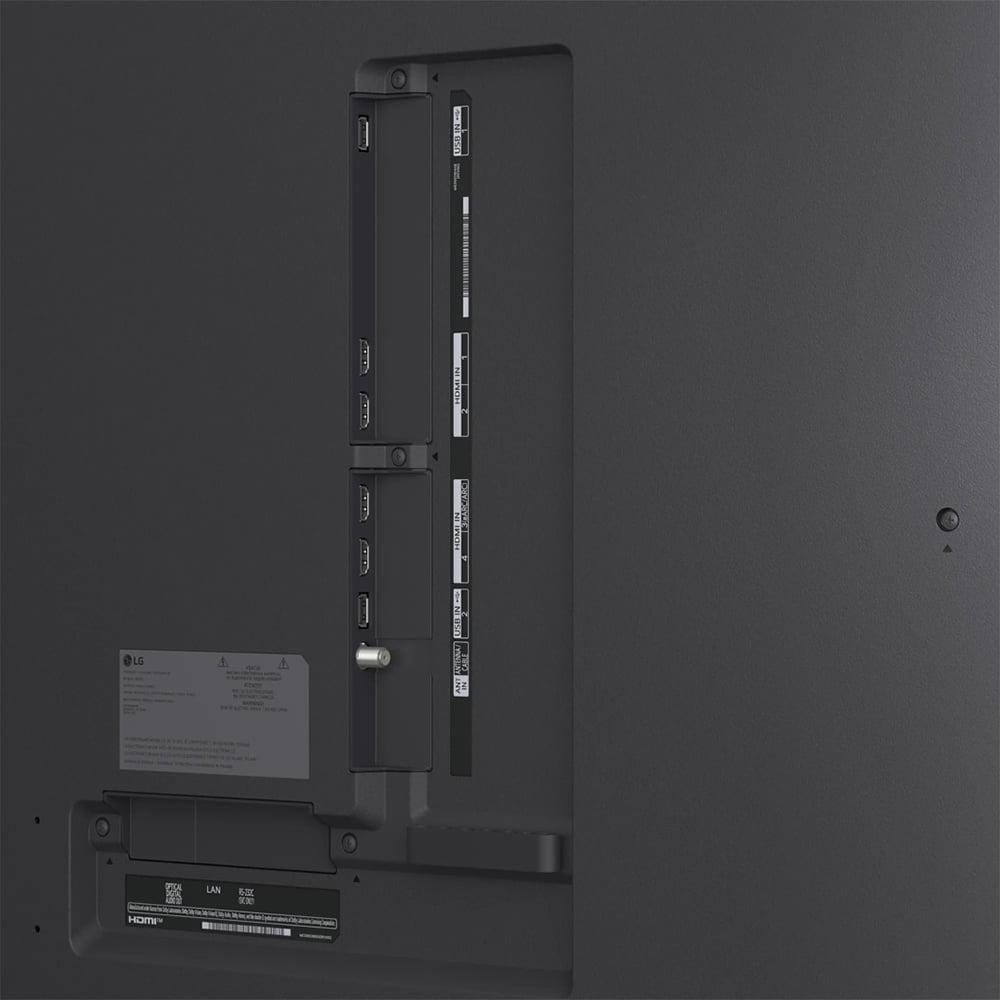
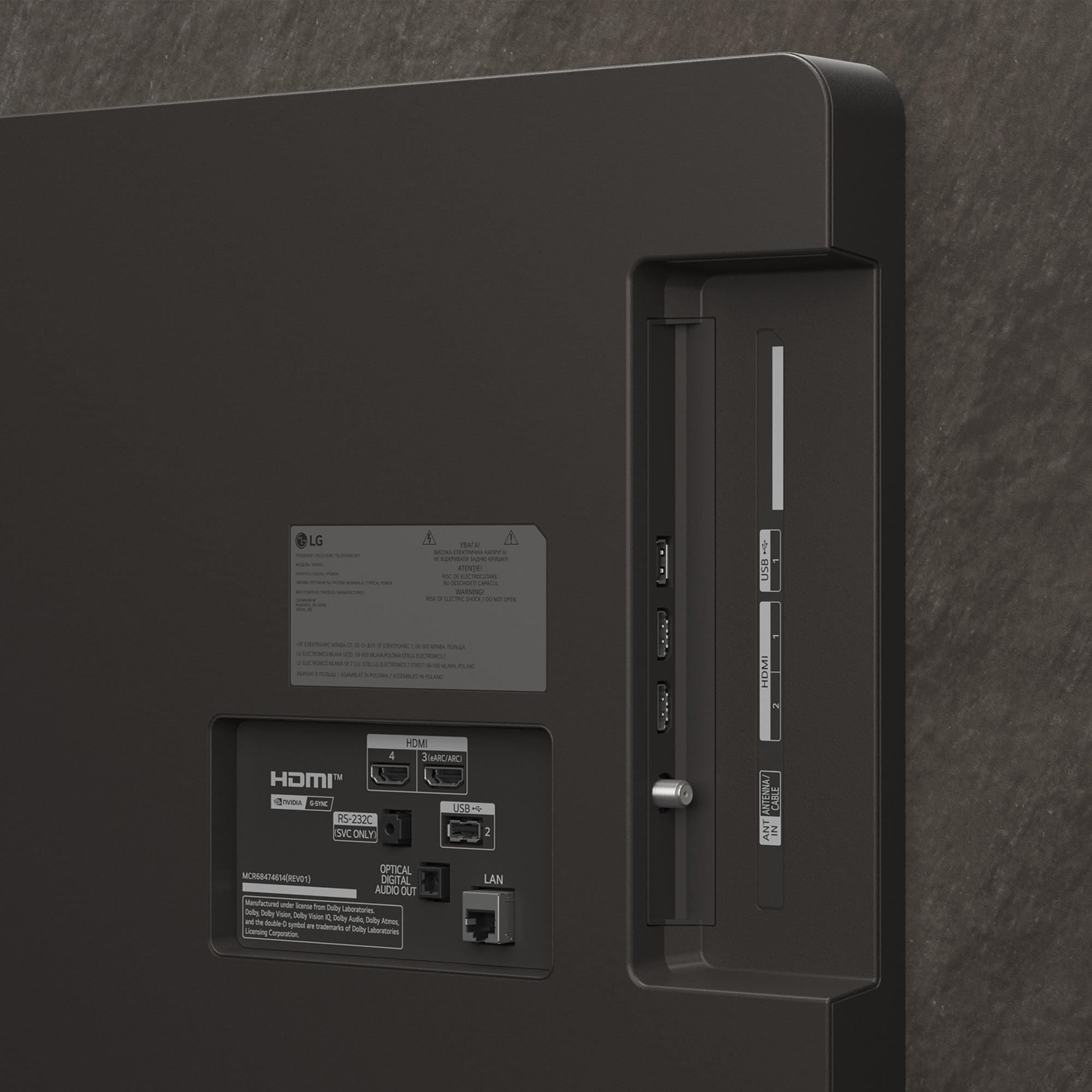
Both TVs support all the modern gaming features you'd expect: 120Hz refresh rates, Variable Refresh Rate (VRR) to eliminate screen tearing, and multiple HDMI 2.1 ports for next-generation consoles. The B5 OLED adds support for both NVIDIA G-Sync and AMD FreeSync Premium, giving it slightly broader compatibility with gaming PCs.
LG's 2025 smart TV platform, webOS 25, represents a significant evolution in how we interact with our televisions. Both TVs benefit from these improvements, but there are some subtle differences in implementation.
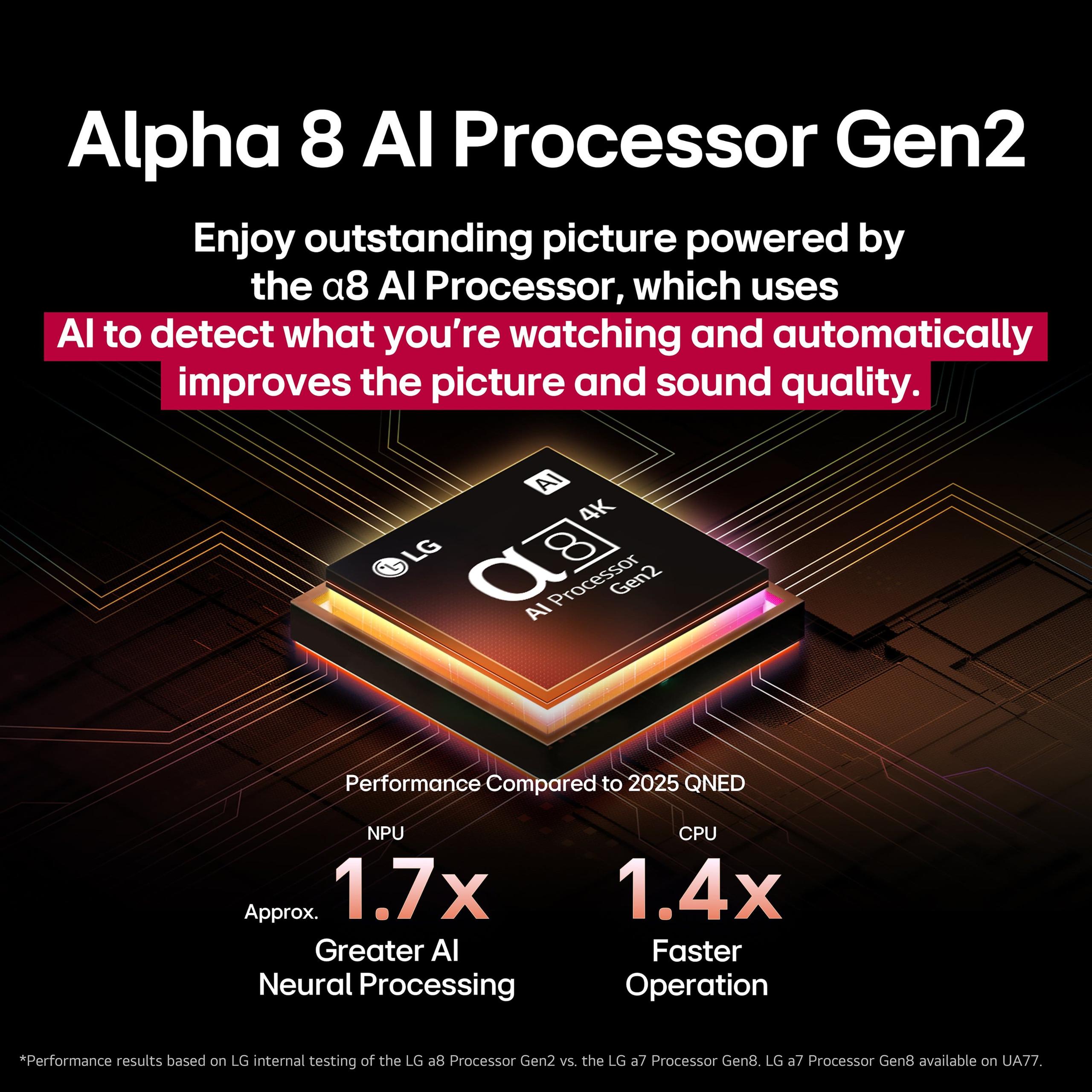
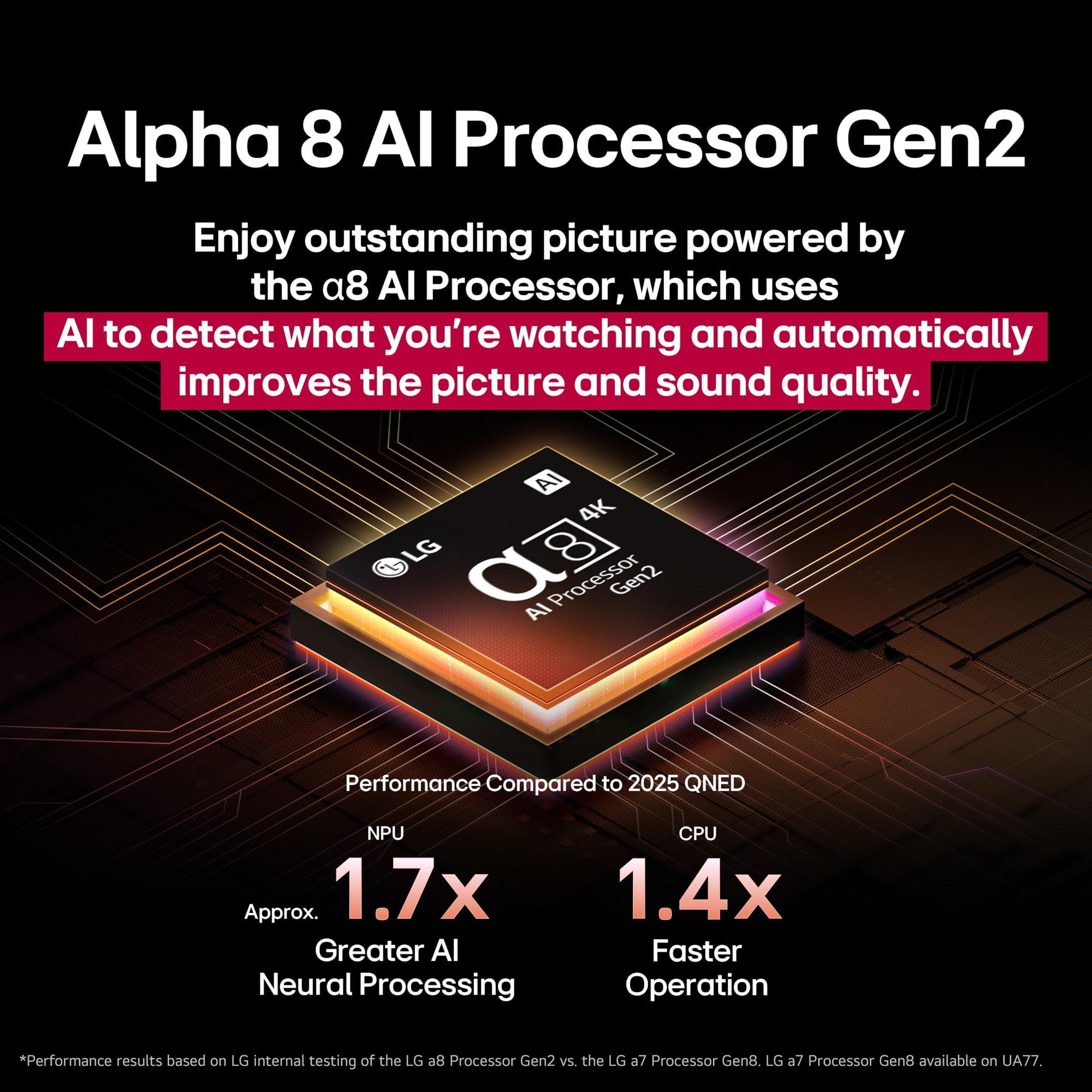
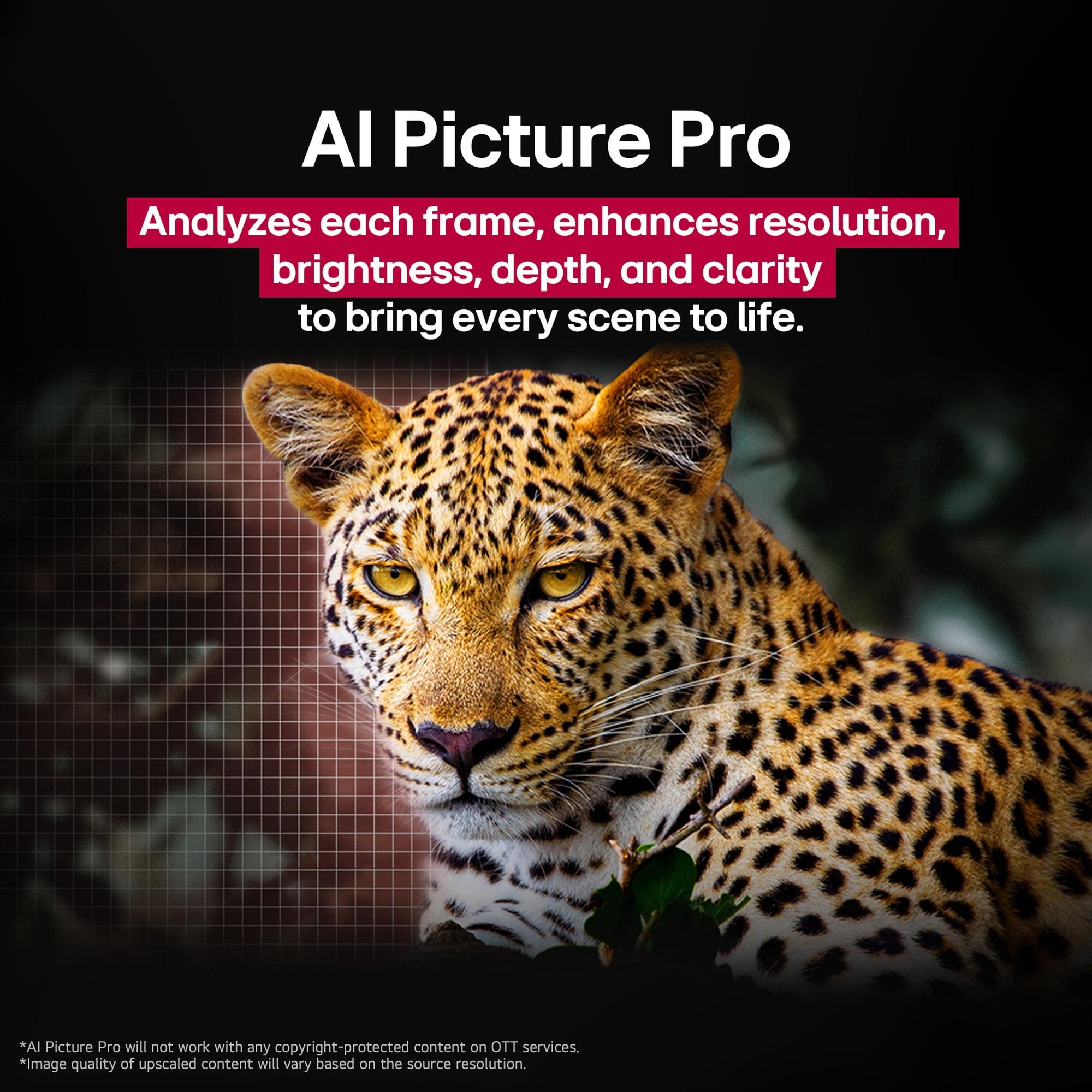
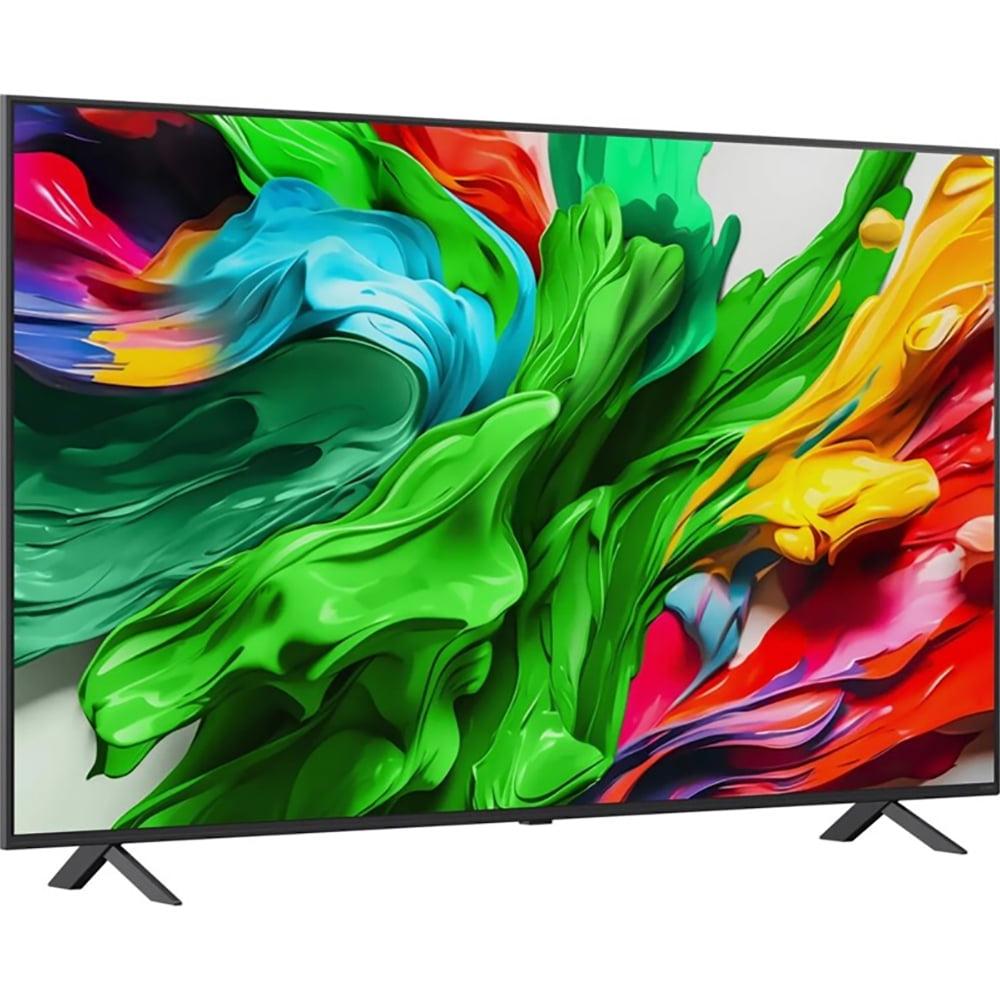
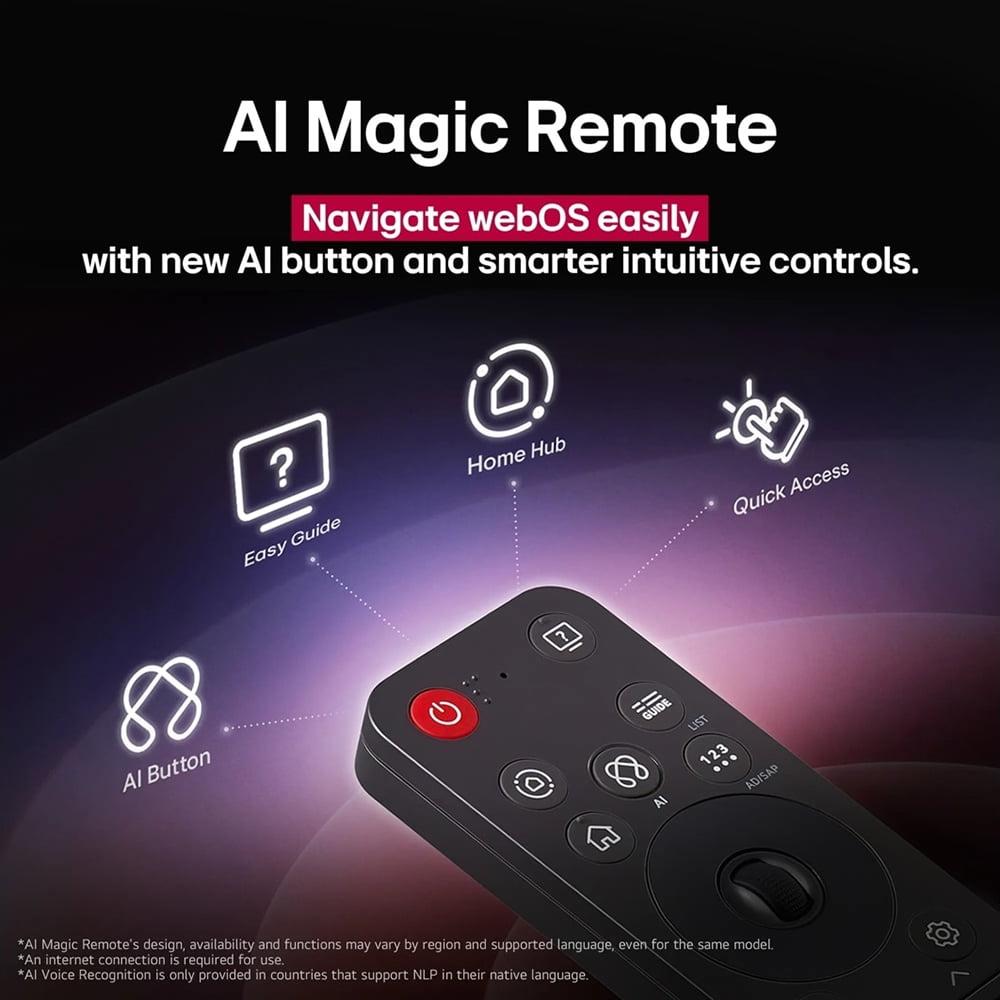
The AI processor in each TV – the α8 Gen 2 in the QNED85A and the α8 AI Processor Gen2 in the B5 OLED – handles real-time content optimization. This means the TV is constantly analyzing what you're watching and adjusting picture settings, upscaling lower-resolution content, and even optimizing sound based on the content type.
The B5 OLED's processor is about 1.4 times faster than the previous generation, which translates to more responsive AI features and smoother navigation. Both TVs include LG's new AI Voice ID feature, which recognizes different family members and provides personalized recommendations.
One feature I particularly appreciate is the AI Concierge, which can help troubleshoot issues or explain TV features using natural language. The integration with Microsoft Copilot also allows for more sophisticated voice interactions and smart home control.
If you're setting up a dedicated home theater, the B5 OLED is generally the better choice, assuming you can control the room's lighting. The superior contrast and perfect blacks create a more cinematic experience, especially for movies originally shot on film or high-quality streaming content.
The OLED's excellent viewing angles mean that everyone in your theater seating gets the same quality experience, regardless of where they're sitting. This is particularly important for wider seating arrangements where some viewers might be watching from the side.
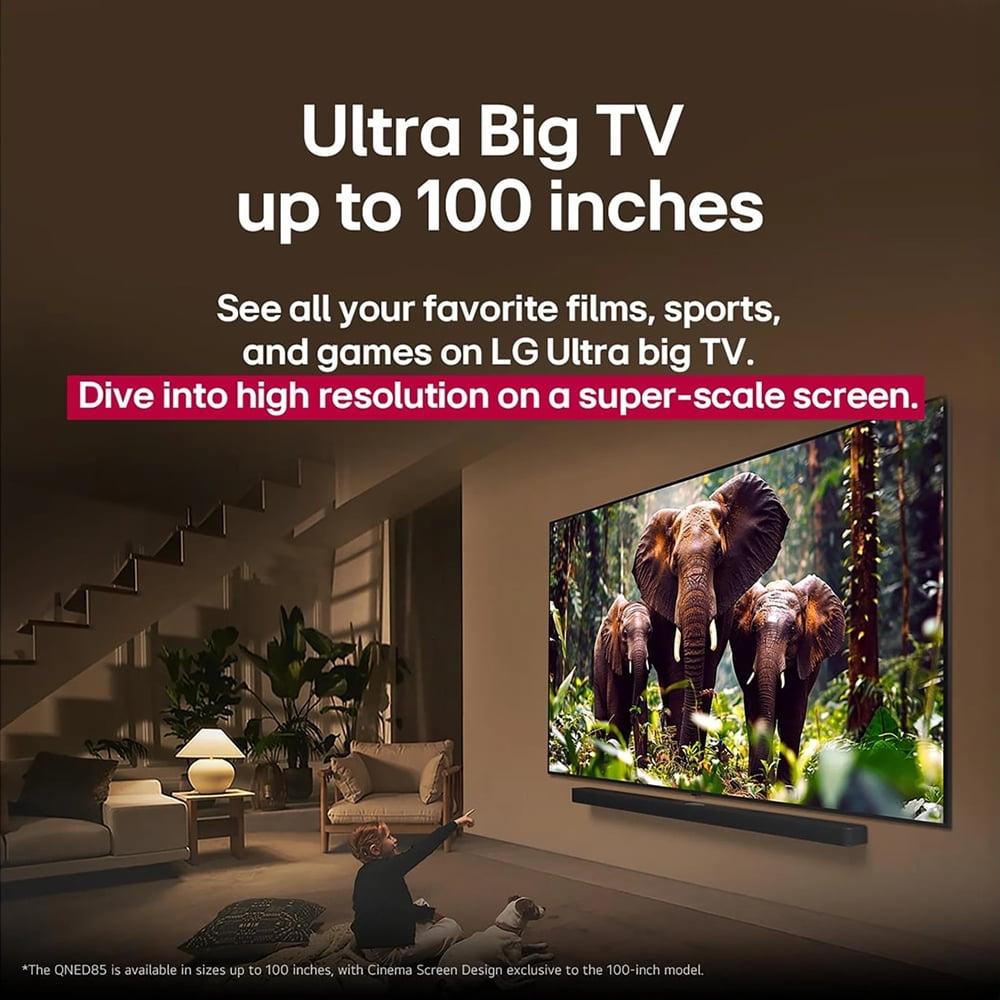
However, if your "home theater" is actually a multi-purpose family room where you watch TV during the day and evening, the QNED85A might be more practical. Its brightness advantage means you won't need to completely darken the room to get good picture quality, and there's no concern about burn-in from static elements like news channel logos or game interfaces.
For sound, both TVs support Dolby Atmos and work seamlessly with LG's soundbar ecosystem. The B5 OLED's processing power gives it a slight edge in creating virtual surround sound from the built-in speakers, but either TV will benefit significantly from a dedicated sound system.
The $700 price difference between these TVs represents more than just a premium for OLED technology – it's a reflection of different target audiences and use cases.
The QNED85A's $999.99 price point makes it accessible to buyers who want premium features without the premium price tag. The MiniLED technology provides a significant upgrade over standard LED TVs, with better local dimming and color reproduction than most displays in this price range.
The B5 OLED's $1,699.99 price reflects its position as the entry point into LG's OLED lineup. While it's more expensive, it offers technology that was reserved for flagship models just a few years ago. The perfect blacks and superior gaming performance justify the premium for many users.
From a longevity perspective, both TVs should remain relevant for years to come. The OLED has a theoretical advantage in future-proofing due to its superior response times and broader gaming compatibility. However, the QNED's lack of burn-in risk might make it a better choice for households with varied viewing habits.
Both TVs benefit from LG's 2025 technological improvements, but in different ways. The QNED85A represents LG's continued refinement of MiniLED technology, with better local dimming algorithms and improved color processing compared to 2024 models.
The B5 OLED, while using the same basic OLED panel technology as previous generations, benefits from the new α8 AI Processor Gen2 and improved software optimization. LG has also made strides in reducing the slight burn-in risk that some users worry about with OLED displays.
The webOS 25 platform brings significant AI improvements to both TVs, with better content recommendations, more natural voice interactions, and enhanced smart home integration. The five-year upgrade promise through LG's webOS Re:New program means both TVs will continue to receive new features and security updates.
Choose the LG 65" QNED evo AI QNED85A 4K MiniLED Smart TV 2025 if you have a bright living room, want excellent value for money, and prioritize versatility over absolute picture quality. It's perfect for families who watch a variety of content throughout the day and don't want to worry about burn-in or optimal room conditions.
Choose the LG B5 Series OLED 65" 4K Smart TV 2025 if picture quality is your top priority, you have a dedicated viewing room or can control lighting, and you're willing to pay a premium for superior contrast and gaming performance. It's ideal for movie enthusiasts and serious gamers who want the most immersive experience possible.
Both TVs represent excellent choices in their respective categories, and either would be a significant upgrade for most viewers. The key is understanding your specific needs, room conditions, and budget constraints. The QNED85A offers premium features at a mid-range price, while the B5 OLED provides flagship-level picture quality at an accessible entry point into OLED technology.
| LG 65" QNED evo AI QNED85A 4K MiniLED Smart TV 2025 | LG B5 Series OLED 65" 4K Smart TV 2025 |
|---|---|
| Price - Entry point determines value proposition | |
| $999.99 | $1,699.99 |
| Display Technology - Fundamental difference in how images are created | |
| MiniLED LCD with 30,000 LEDs in ~2,500 dimming zones | Self-emissive OLED pixels (8.3 million individual light sources) |
| Black Levels - Critical for dark scene detail and cinematic experience | |
| Very good blacks with minimal light bleed | Perfect blacks with infinite contrast ratio |
| Peak Brightness - Determines performance in bright rooms and HDR impact | |
| Higher peak brightness, excellent for daylight viewing | Lower peak brightness, best in controlled lighting |
| Gaming Response Time - Critical for competitive gaming and motion clarity | |
| Fast response (~1ms typical) | Ultra-fast response (<0.1ms) |
| Viewing Angles - Important for wide seating arrangements | |
| Good performance with some color/contrast loss off-angle | Excellent performance from any viewing position |
| Burn-in Risk - Long-term durability consideration | |
| No burn-in risk with any content | Minimal risk with modern mitigation features |
| Processor - Affects AI features and content optimization | |
| α8 Gen 2 AI Processor (70% performance boost) | α8 AI Processor Gen2 (1.4x faster operation) |
| Gaming Features - Next-gen console compatibility | |
| 120Hz, VRR, FreeSync, 4x HDMI 2.1 ports | 120Hz, VRR, G-Sync, FreeSync Premium, 4x HDMI 2.1 ports |
| HDR Support - Premium content compatibility | |
| HDR10, HLG, Dolby Vision, Dolby Atmos | HDR10, HLG, Dolby Vision, Dolby Atmos |
| Smart Platform - AI and streaming capabilities | |
| webOS 25 with AI Voice ID, Concierge, Microsoft Copilot | webOS 25 with enhanced AI personalization and faster processing |
| Best Use Case - Optimal viewing scenarios | |
| Bright rooms, varied content, value-focused buyers | Dark rooms, home theater, gaming enthusiasts |
The LG 65" QNED evo AI QNED85A 4K MiniLED Smart TV 2025 is significantly better for bright rooms due to its higher peak brightness. The MiniLED technology can produce much brighter images that maintain color saturation and contrast even with ambient light or sunlight streaming through windows. The LG B5 Series OLED 65" 4K Smart TV 2025 performs best in controlled lighting environments where you can dim the lights.
The LG QNED85A costs $999.99, while the LG B5 OLED is priced at $1,699.99. This $700 difference represents a 70% premium for OLED technology, which offers superior contrast and gaming performance but may not be worth the extra cost for all users.
The LG B5 Series OLED has perfect black levels because each pixel can turn completely off, creating true darkness with infinite contrast. The LG QNED85A has very good blacks thanks to its 2,500 dimming zones, but it cannot achieve true black due to its backlight system, which may show some light bleed in dark scenes.
Yes, both TVs are excellent for gaming. The LG B5 OLED has a slight edge with its ultra-fast 0.1ms response time and broader gaming compatibility (G-Sync and FreeSync Premium). The LG QNED85A still offers fast gaming performance with 120Hz refresh rate, VRR, and low input lag. Both have four HDMI 2.1 ports for next-gen consoles.
The LG B5 Series OLED is generally better for dedicated home theater rooms where you can control lighting. Its perfect blacks, superior contrast, and excellent viewing angles create a more cinematic experience. However, if your home theater is a multi-purpose room used during the day, the LG QNED85A might be more practical due to its brightness advantage.
Both TVs run webOS 25 with similar AI features including Voice ID, AI Concierge, and Microsoft Copilot integration. The LG B5 OLED has a slightly faster processor (1.4x faster) which makes AI features more responsive. Both support the same streaming apps and voice assistants.
The LG B5 Series OLED has superior viewing angles with virtually no color or contrast loss when viewed from the side. The LG QNED85A has good viewing angles but shows some color and contrast degradation when viewed off-center, which is typical for LCD-based displays.
The LG QNED85A has no burn-in risk whatsoever since it uses LCD technology. The LG B5 OLED has minimal burn-in risk thanks to modern mitigation features, but static content like news channel logos or game interfaces left on screen for extended periods could theoretically cause permanent image retention.
The LG QNED85A at $999.99 offers excellent value with premium MiniLED technology at a mid-range price. The LG B5 OLED at $1,699.99 provides flagship-level picture quality at the entry point for OLED technology. Value depends on whether you prioritize absolute picture quality or getting premium features at a lower price.
The LG QNED85A uses the α8 Gen 2 AI Processor with 70% performance improvement over previous generations. The LG B5 OLED features the α8 AI Processor Gen2 with 1.4x faster operation. Both handle AI upscaling and content optimization, but the OLED's processor is slightly more advanced.
The LG QNED85A is generally better for sports due to its higher brightness, which makes colors more vibrant in bright room conditions where sports are typically watched. Its good motion handling also works well for fast-paced action. The LG B5 OLED offers superior motion clarity but is best appreciated in dimmer environments.
Both TVs are well-equipped for the future with HDMI 2.1 ports, 120Hz refresh rates, and webOS 25 with promised five-year software updates. The LG B5 OLED has a slight edge in future-proofing due to its faster response times and broader gaming compatibility, while the LG QNED85A offers longevity without burn-in concerns for varied usage patterns.
We've done our best to create useful and informative comparisons to help you decide what product to buy. Our research uses advanced automated methods to create this comparison and perfection is not possible - please contact us for corrections or questions. These are the sites we've researched in the creation of this article: rtings.com - rtings.com - youtube.com - lg.com - smarthomesounds.co.uk - abt.com - abt.com - lg.com - displayspecifications.com - walmart.com - bestbuy.com - lg.com - lg.com - lg.com - files.bbystatic.com - flatpanelshd.com - north-side-appliance.com - lgnewsroom.com - lg.com - youtube.com - youtube.com - hindustantimes.com - eftm.com - bestbuy.com - rtings.com - youtube.com - tomsguide.com - youtube.com - nationalproductreview.com.au - lg.com - manchesterbrothers.com - avsforum.com - lg.com - lg.com - lg.com - lg.com - retailspecs.com - american-homeappliance.com - perpichtv.com

Privacy Policy
Terms and Conditions - Affiliate Policy
Home Security
© Copyright 2008-2026.
11816 Inwood Rd #1211, Dallas, TX 75244