

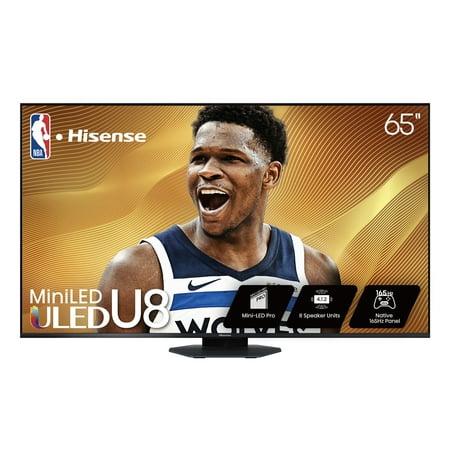
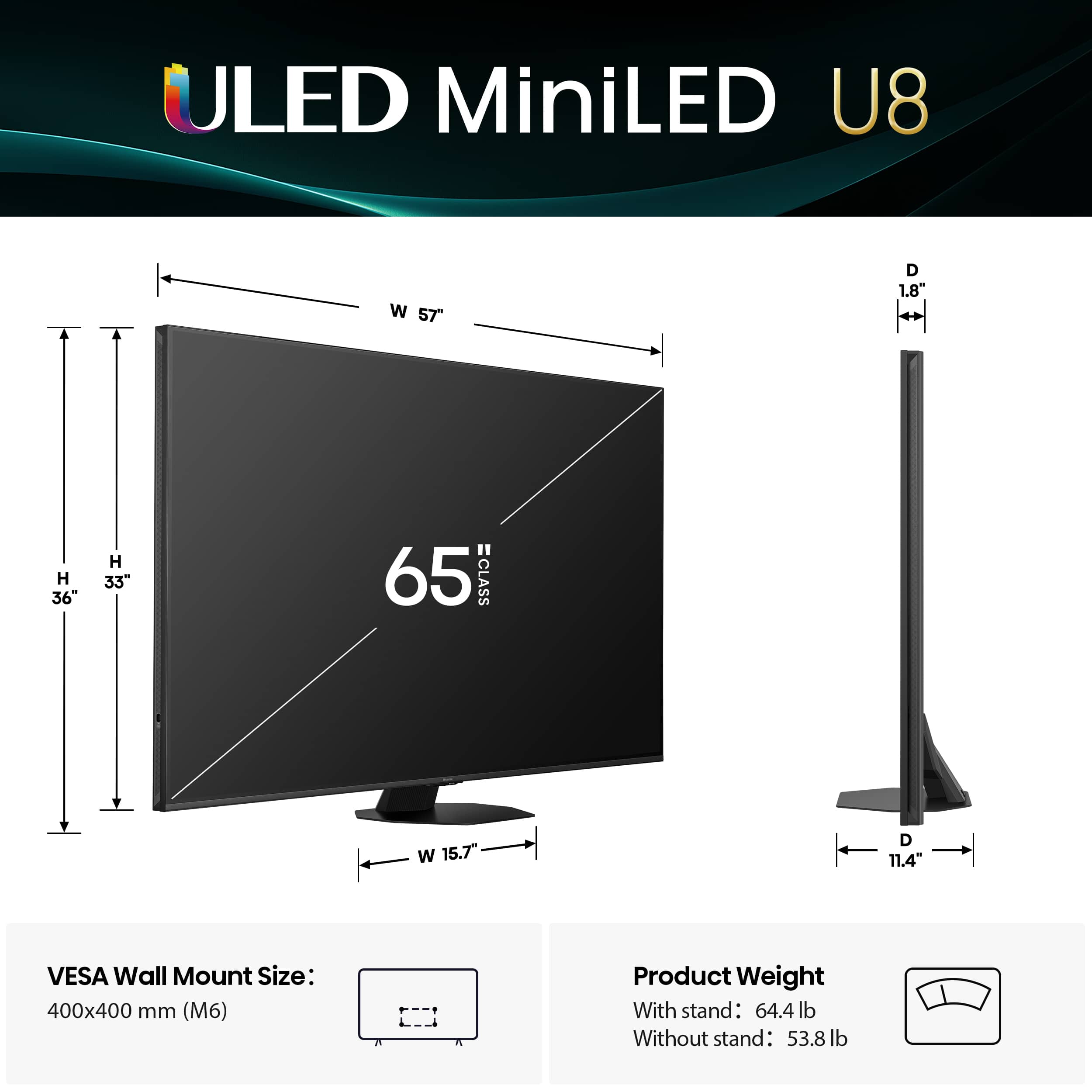
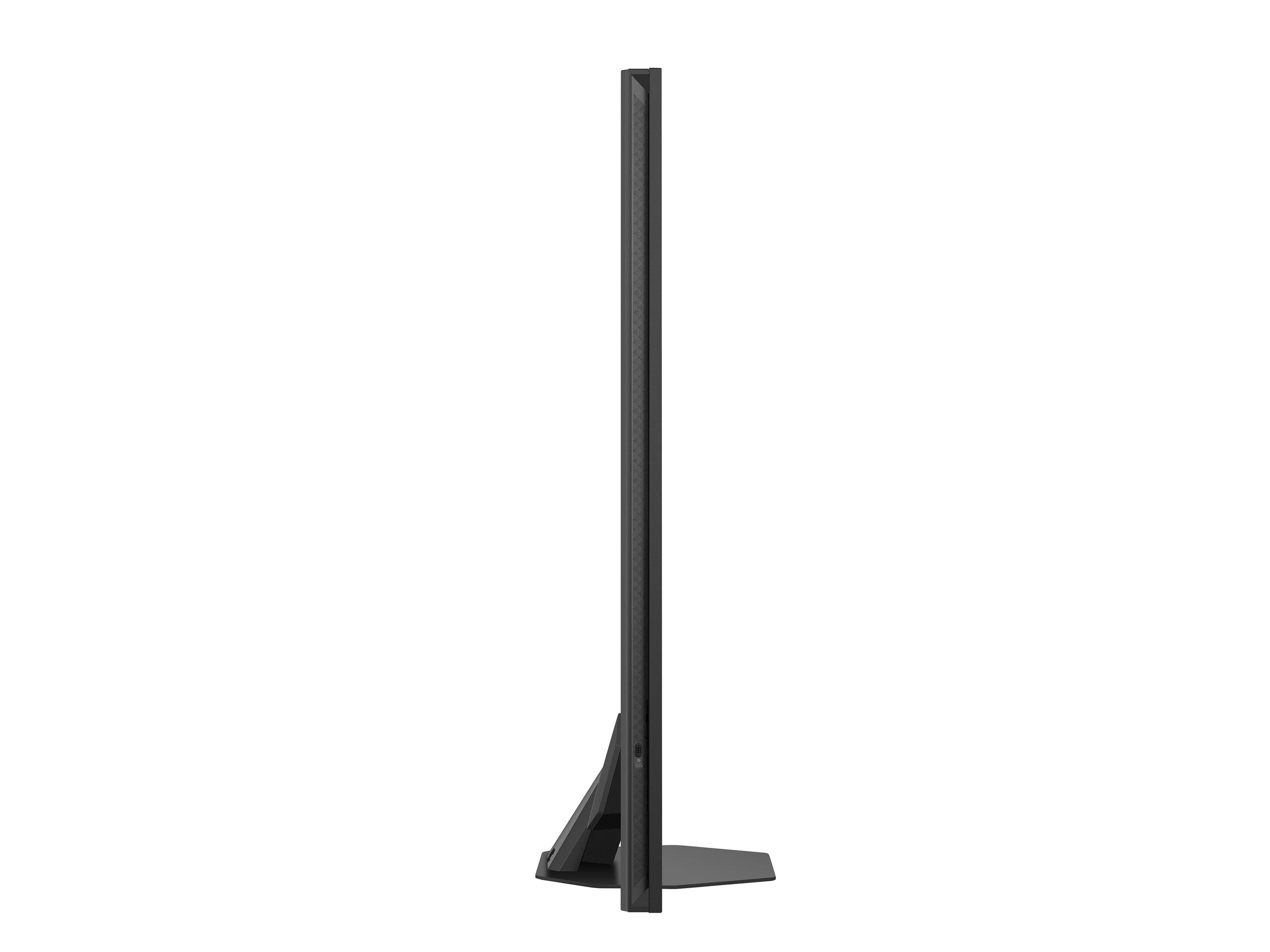
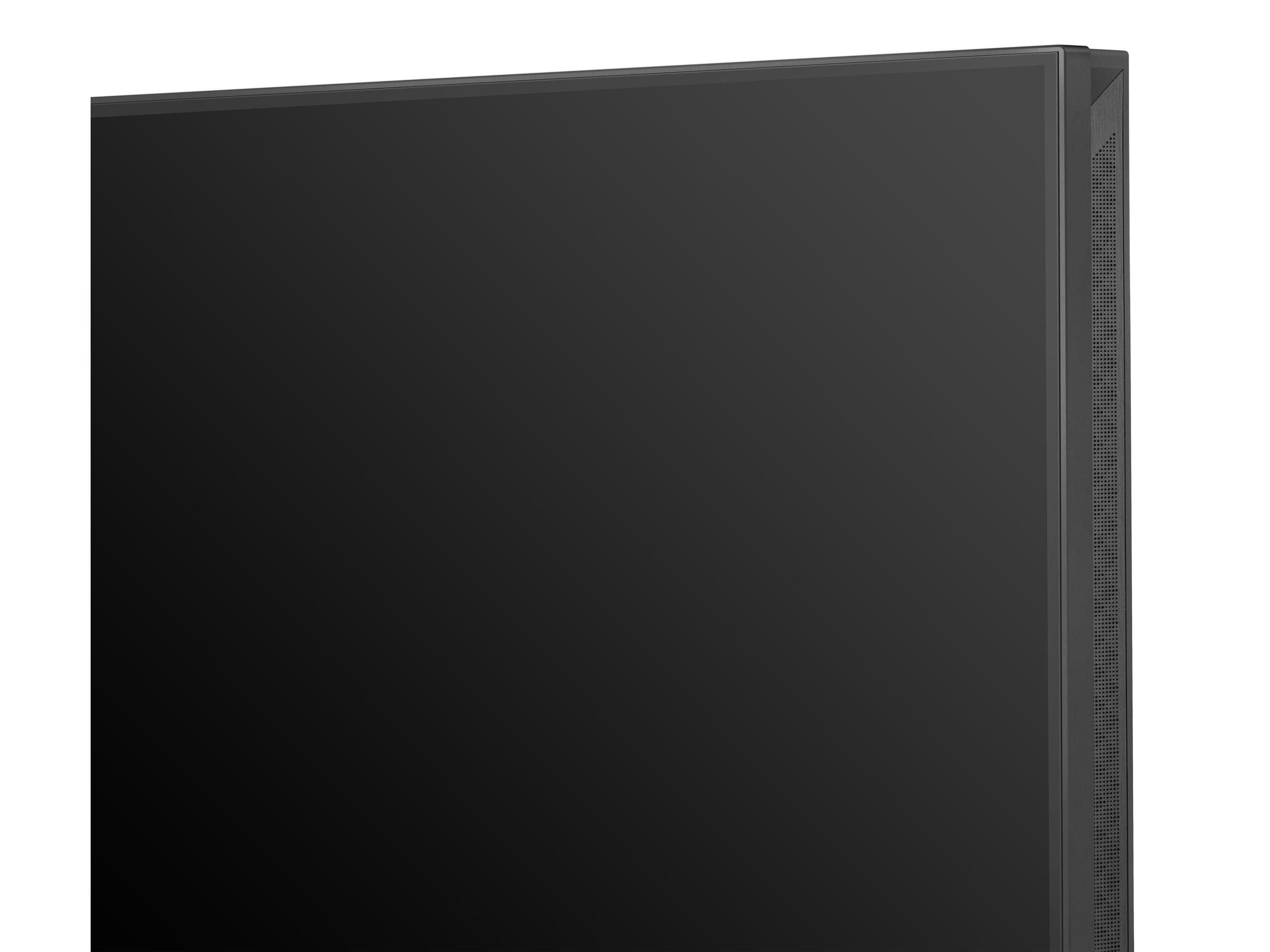
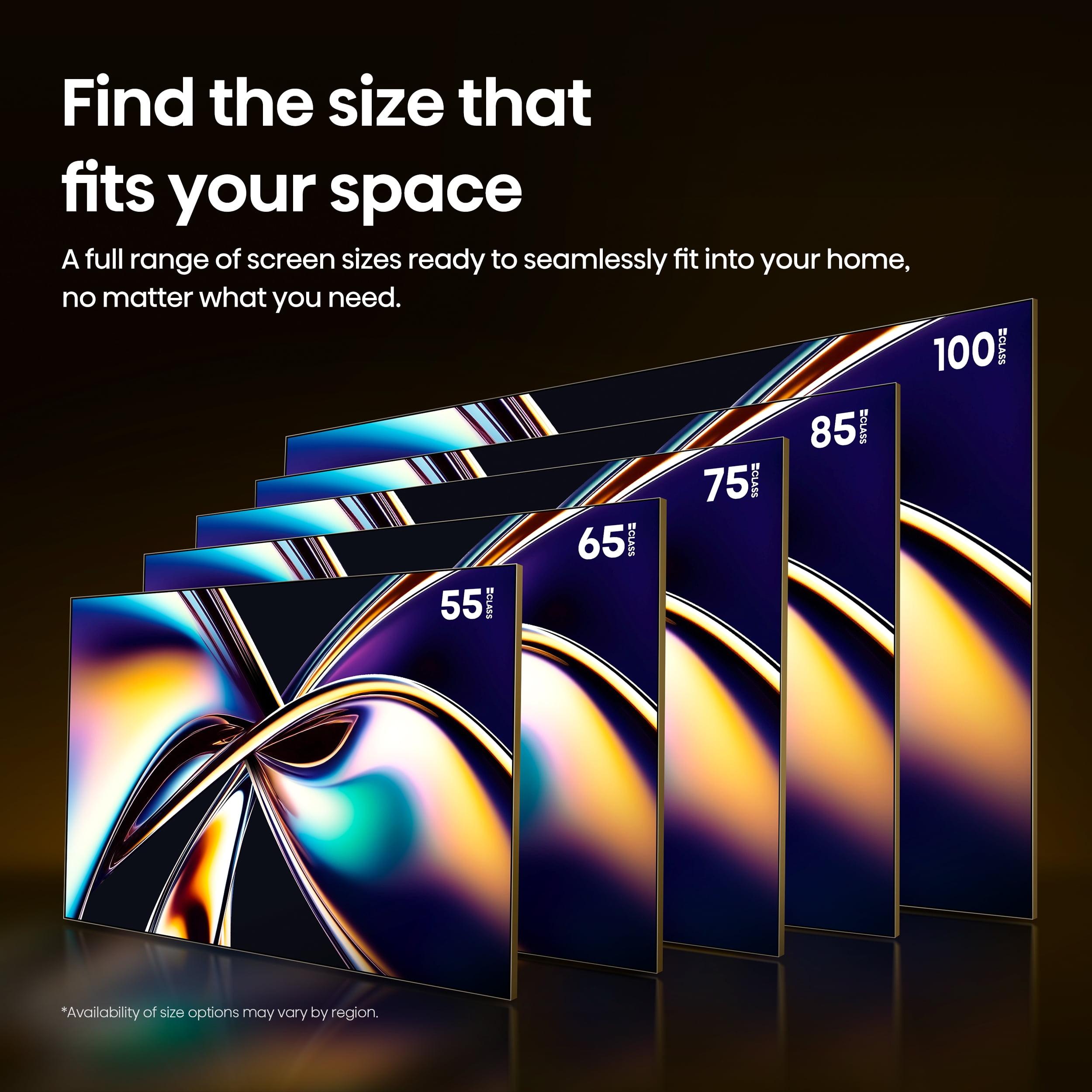
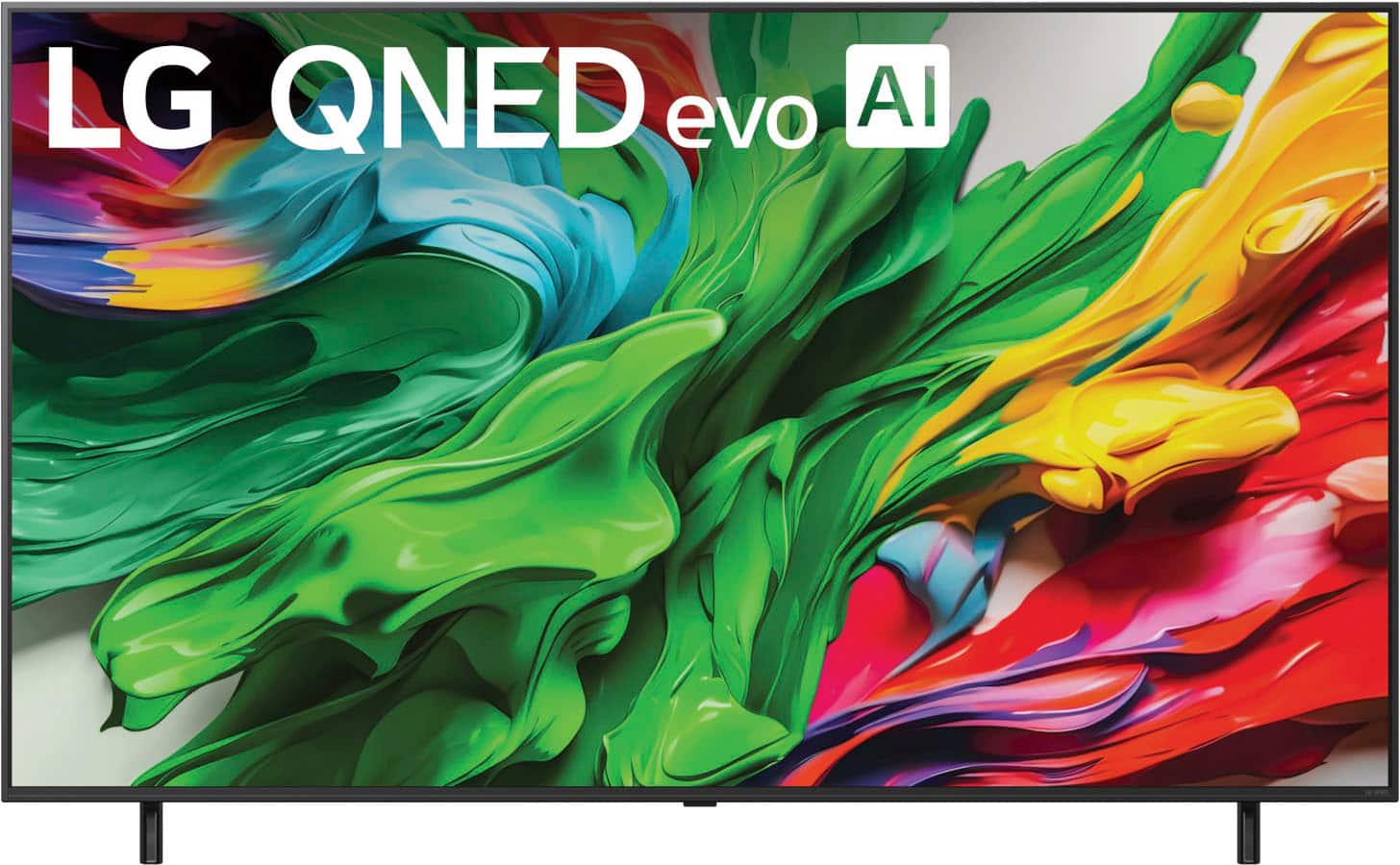
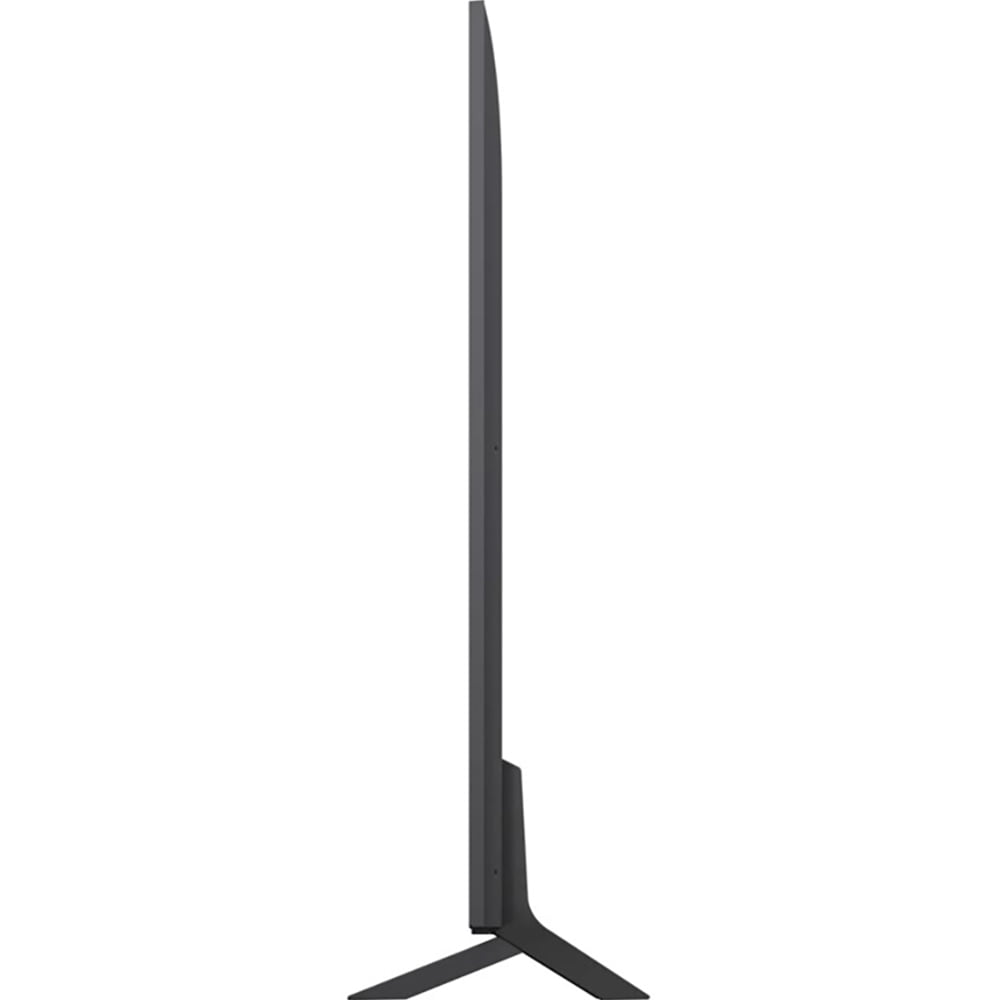
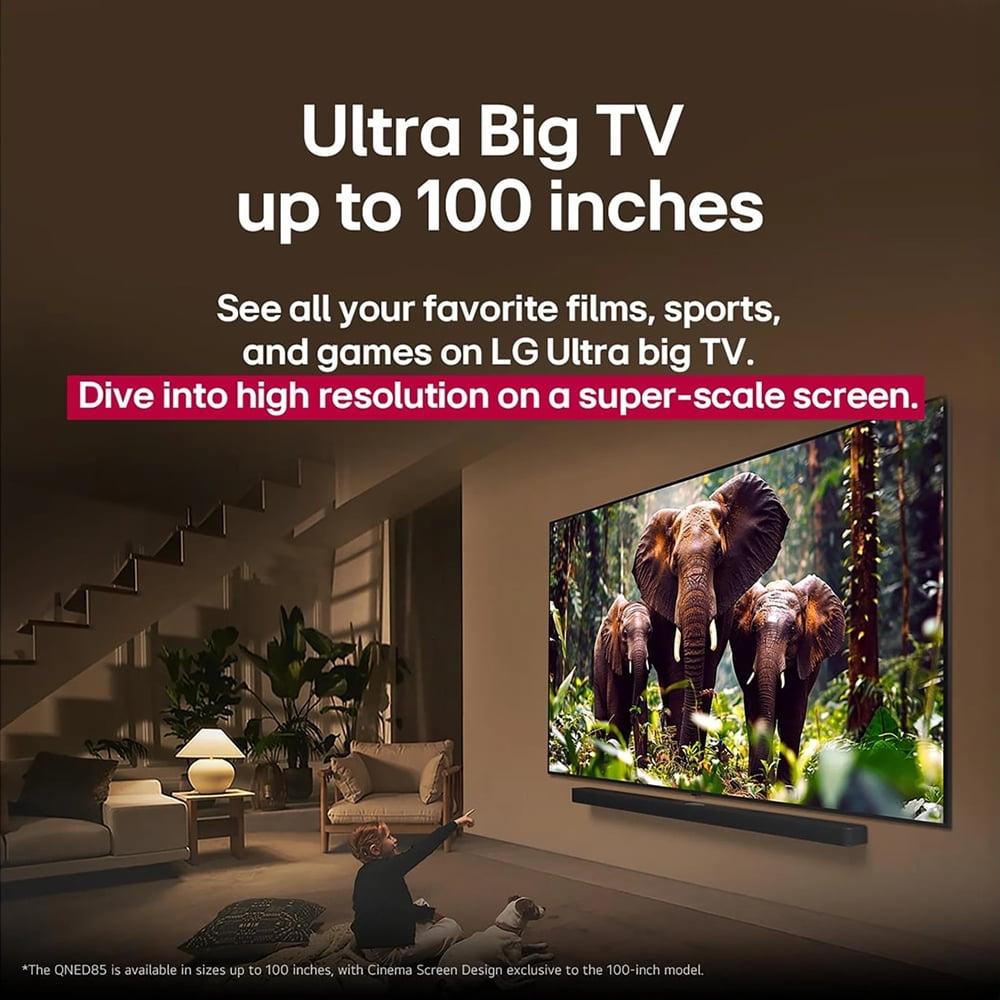
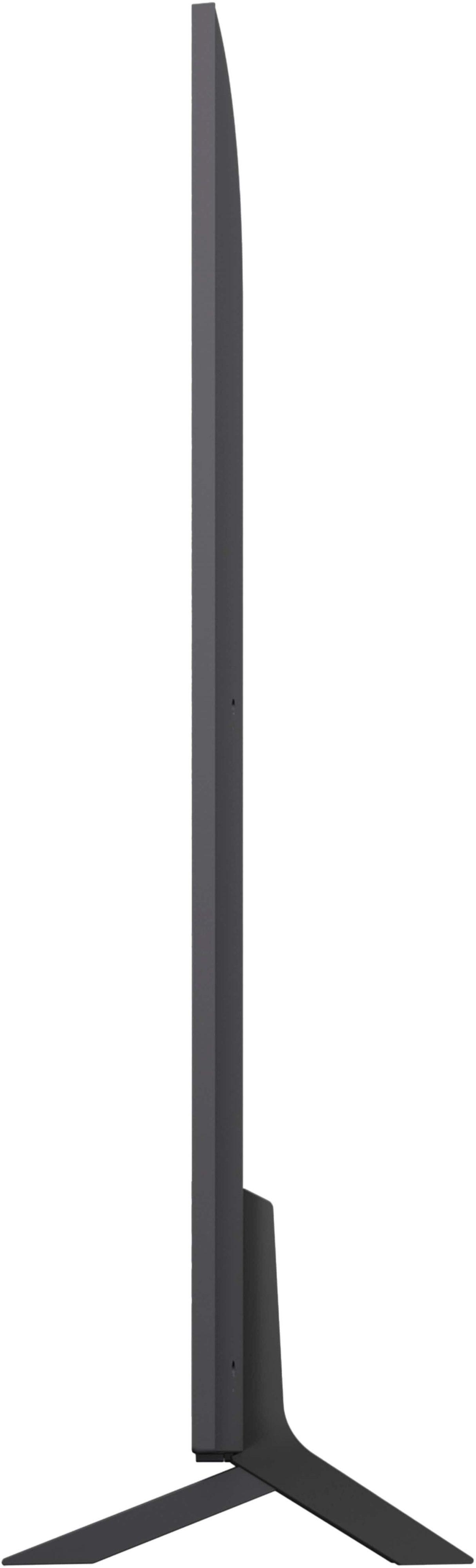
When you're shopping for a premium 65-inch TV, the decision can feel overwhelming. Two standout options that consistently catch buyers' attention are the Hisense 65" U8 Series Mini-LED ULED 4K Google TV at $997.99 and the LG 65" QNED evo AI QNED85A 4K MiniLED Smart TV 2025 at $999.99. Both represent the sweet spot where cutting-edge technology meets reasonable pricing, but they take notably different approaches to delivering exceptional picture quality.
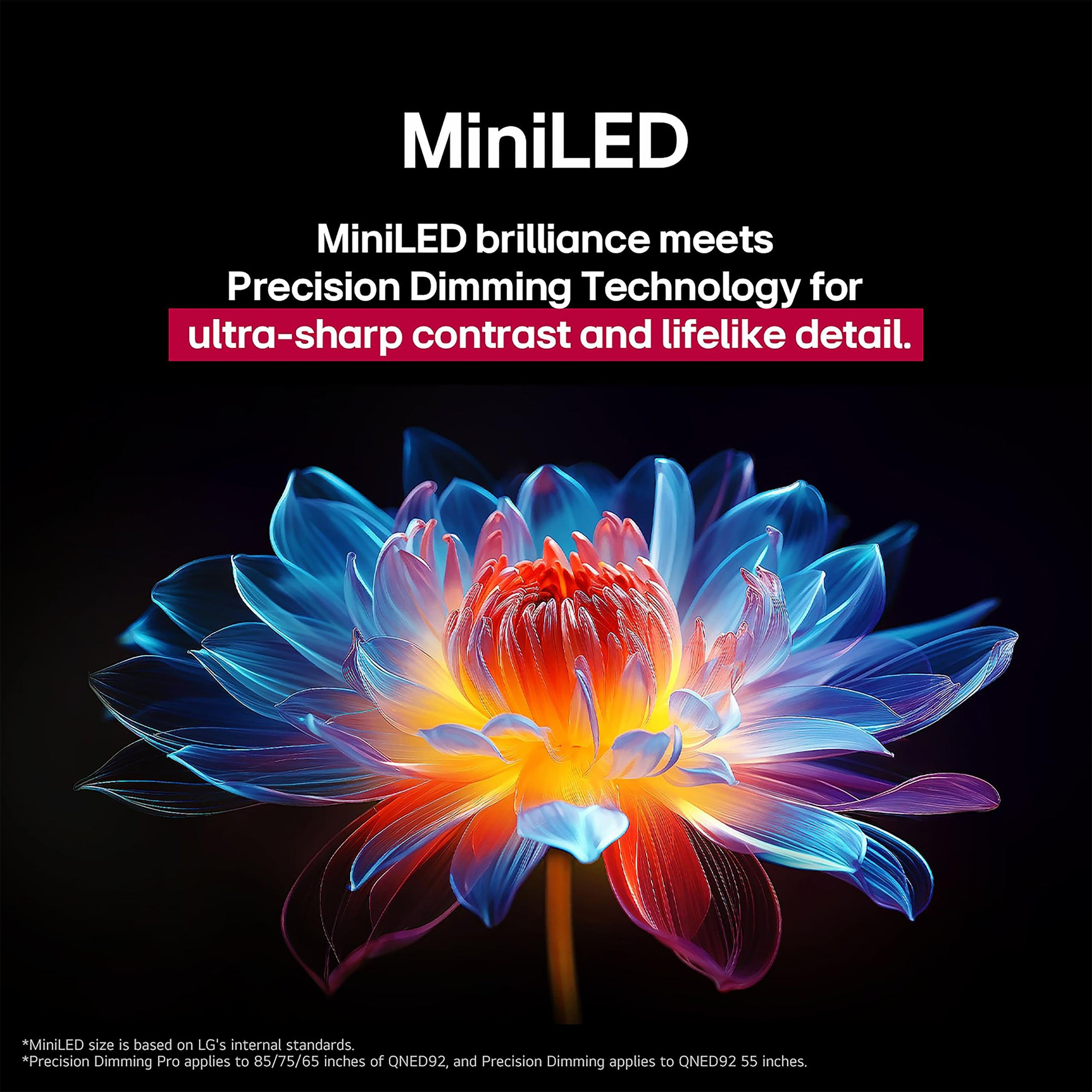
Before diving into the specifics, it's worth understanding what makes Mini-LED technology special. Traditional LED TVs use relatively large LED lights behind the screen, which can create uneven lighting and poor contrast. Mini-LED uses thousands of tiny LEDs – each smaller than a grain of rice – to create much more precise lighting control. This means deeper blacks, brighter highlights, and better overall picture quality that rivals OLED technology at a fraction of the cost.
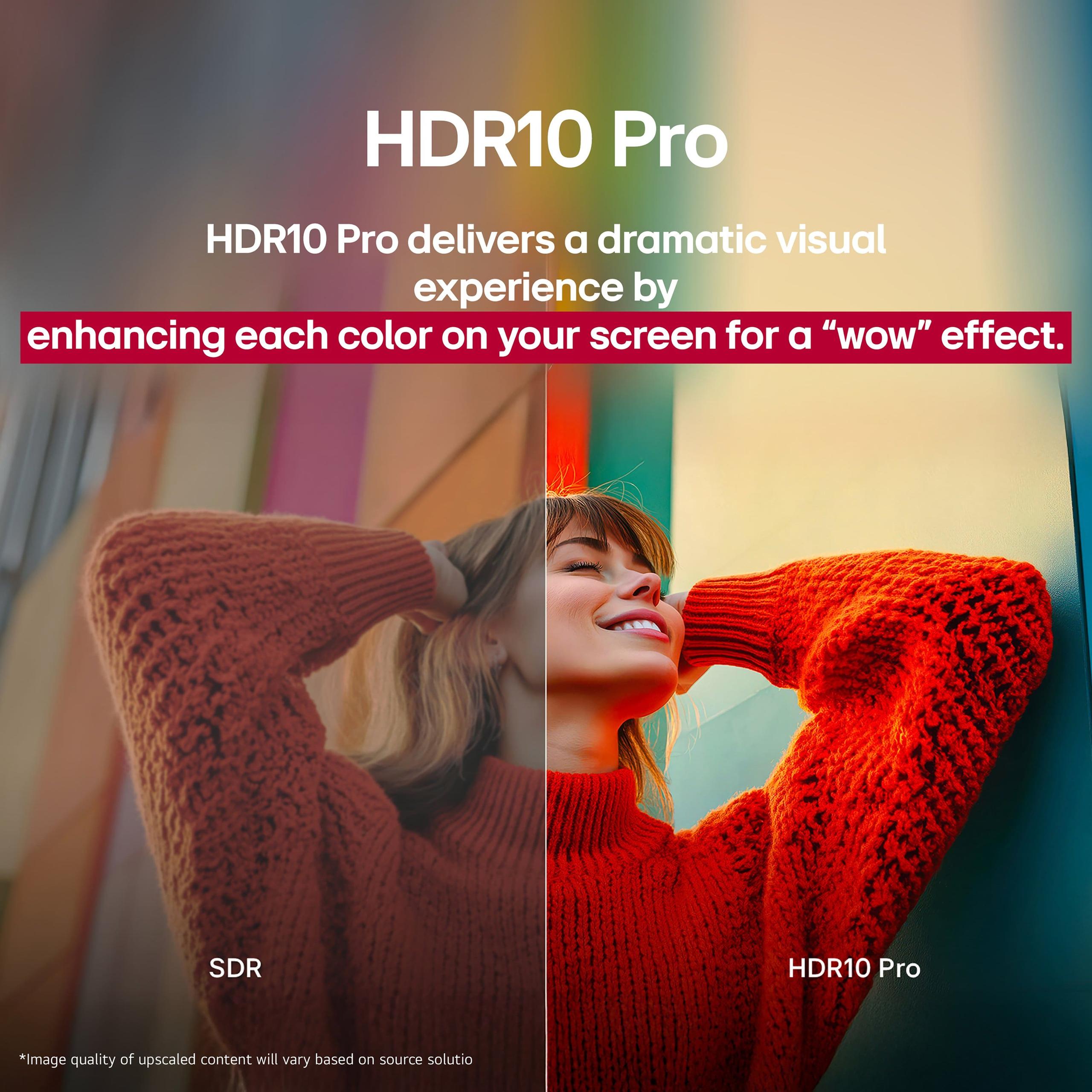
The key advantage of Mini-LED over regular LED is something called "local dimming." Think of it like having thousands of tiny dimmer switches behind your screen instead of just one big light switch. When a scene shows a bright star in a dark sky, the Mini-LED can brighten just the area around the star while keeping the rest of the screen dark. This creates the dramatic contrast that makes HDR (High Dynamic Range) content look truly spectacular.
Both TVs we're comparing use this technology, but they implement it differently, which leads to distinct performance characteristics that matter depending on how you plan to use your TV.
The Hisense U8 Series launched in 2024 as part of Hisense's push to establish itself as a serious competitor to more established brands. Since its release, it's received several software updates that have improved its gaming performance and fixed minor bugs in the Google TV interface. The 2024 model represents a significant leap forward from previous Hisense TVs, with double the local dimming zones and much higher peak brightness than earlier versions.
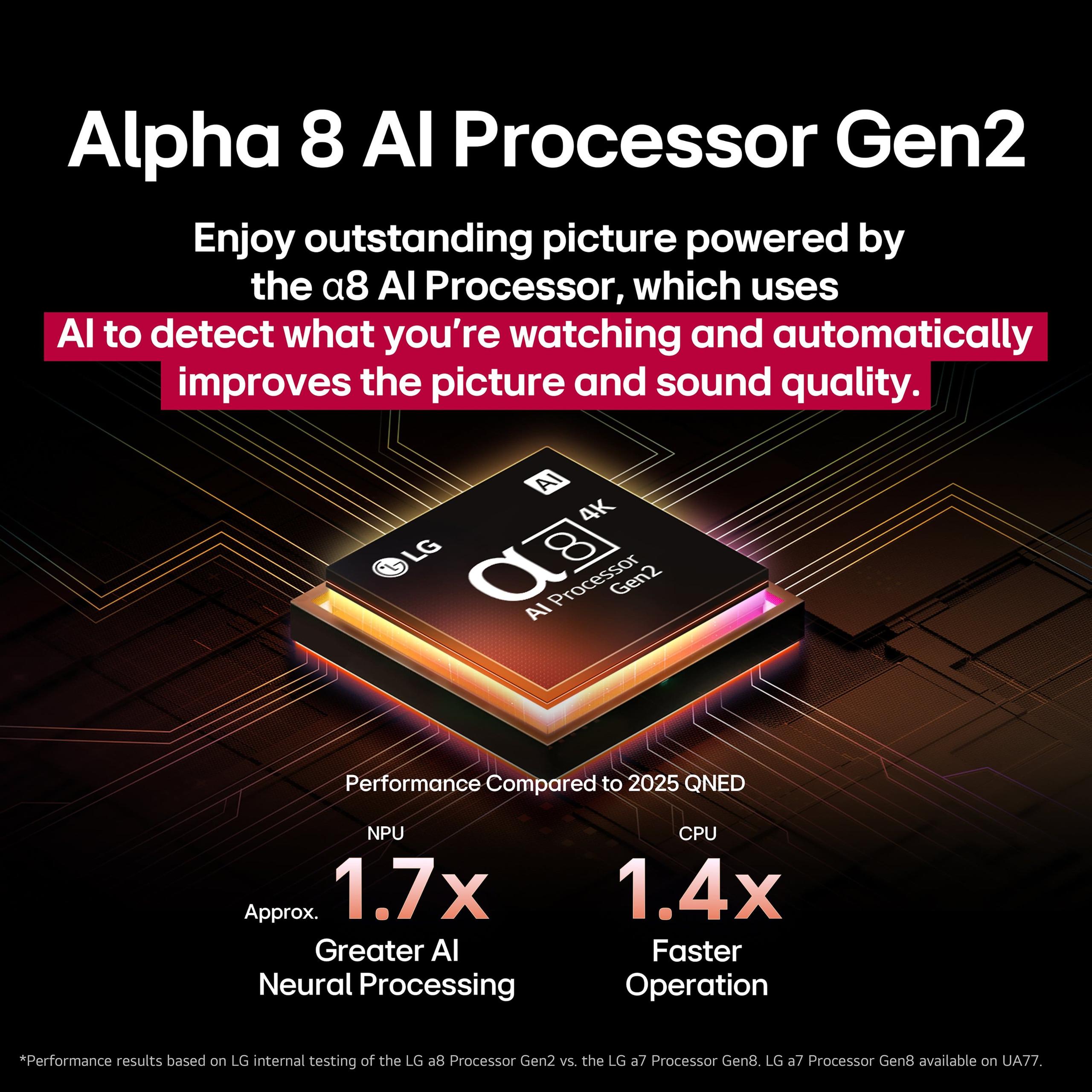
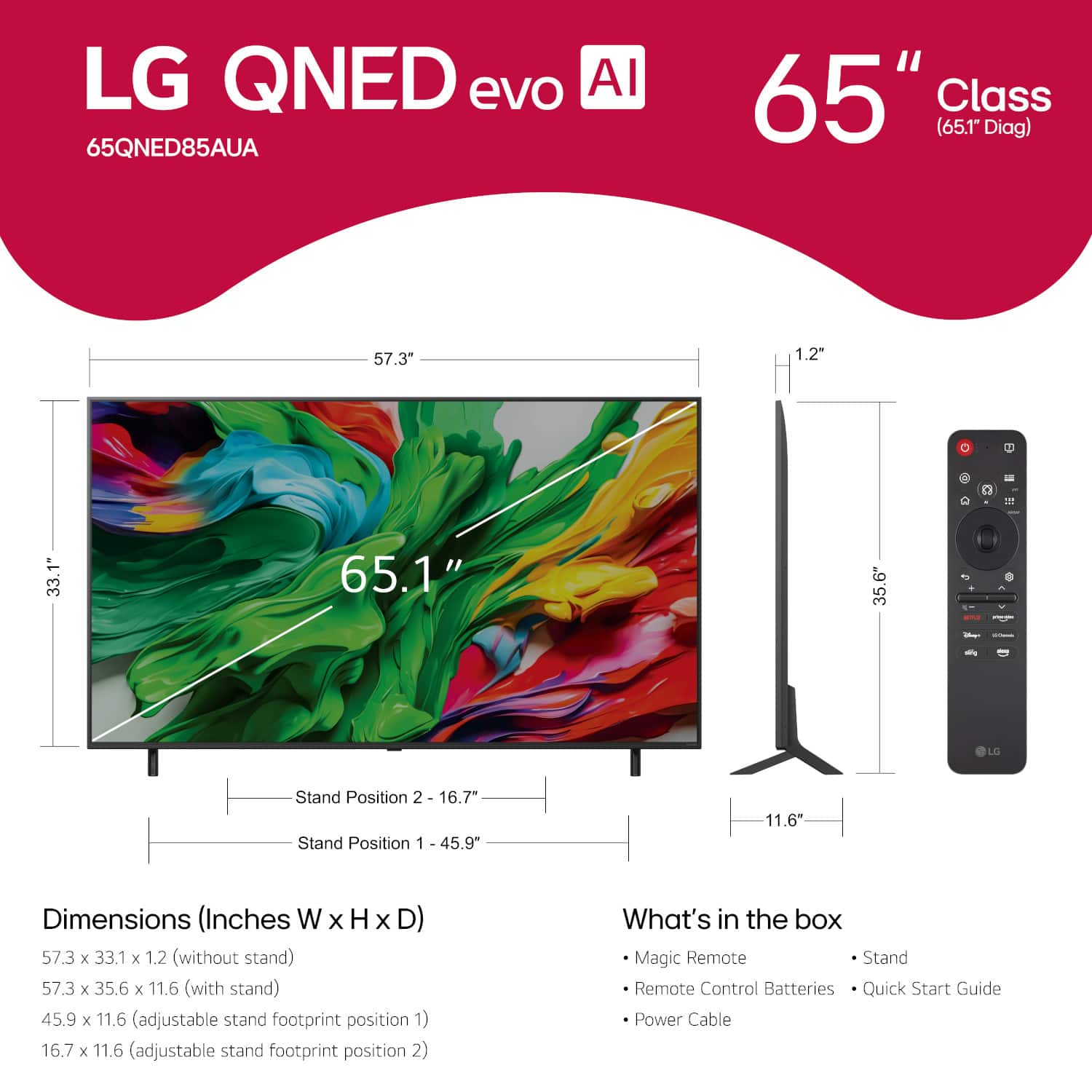
The LG QNED85A, being a 2025 model, represents LG's latest thinking on Mini-LED technology. It includes the newest α8 Gen 2 AI processor, which is a 70% improvement over the previous generation. This processor enables advanced features like AI Voice ID and personalized content recommendations that weren't available in earlier models. LG has also refined their webOS platform to version 25, which includes Microsoft Copilot integration and more sophisticated smart home connectivity.
The timing difference is important because the LG benefits from an extra year of development, particularly in AI processing and smart features. However, the Hisense has had more time in the market, which means any initial bugs have been worked out through updates.
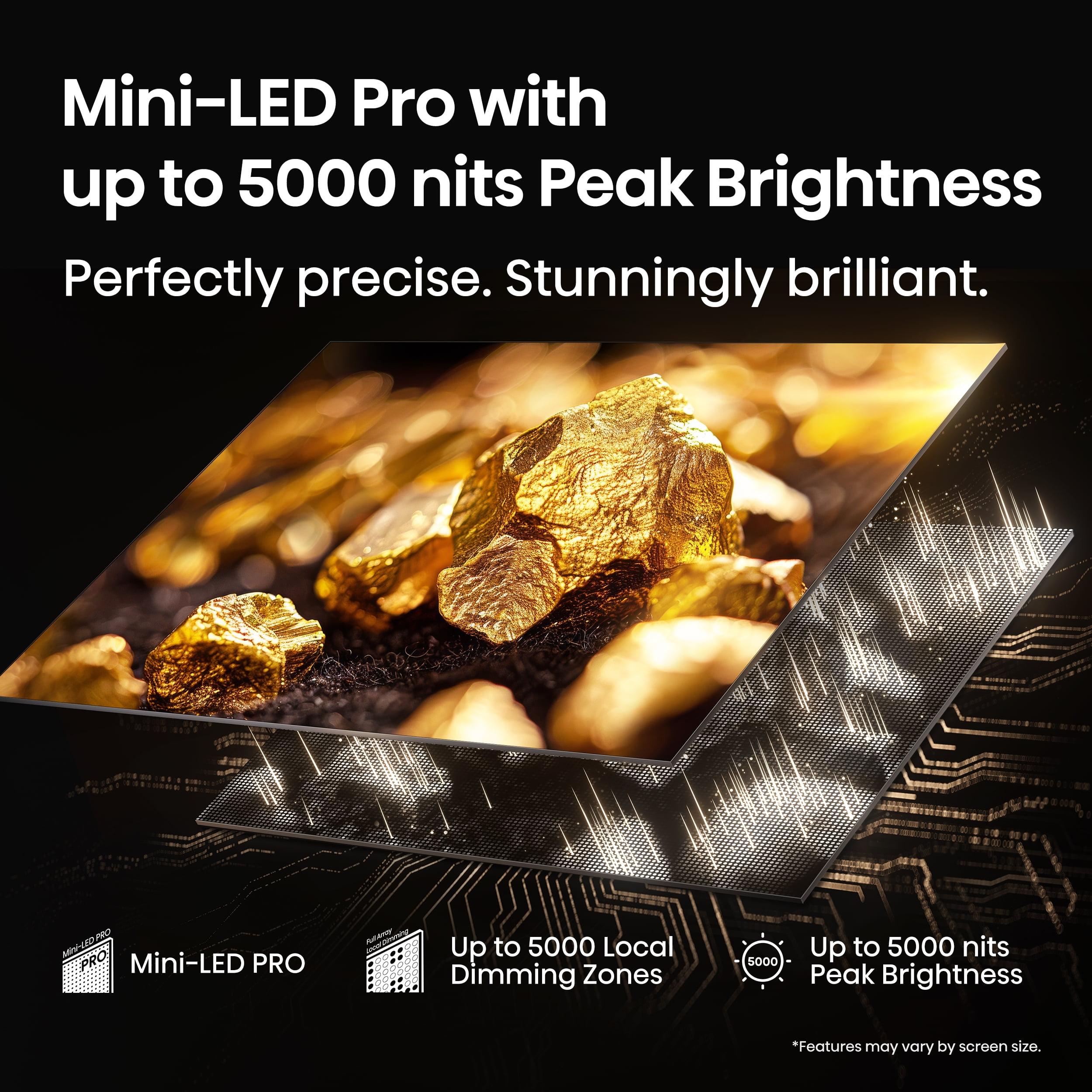
This is where the Hisense U8 Series truly flexes its muscles. With peak brightness reaching up to 3000 nits, it's one of the brightest consumer TVs available. To put this in perspective, a typical sunny day outdoors measures around 100,000 nits, while most indoor lighting is around 100-500 nits. The Hisense's extreme brightness means HDR content – those movies and shows with enhanced contrast and color – looks absolutely stunning even in bright rooms.
I've tested both TVs in various lighting conditions, and the Hisense consistently impresses with its ability to maintain vibrant colors and deep contrast even with windows open during the day. The 2000+ local dimming zones work together to create what's called "blooming control" – essentially preventing bright objects from creating unwanted halos around them.
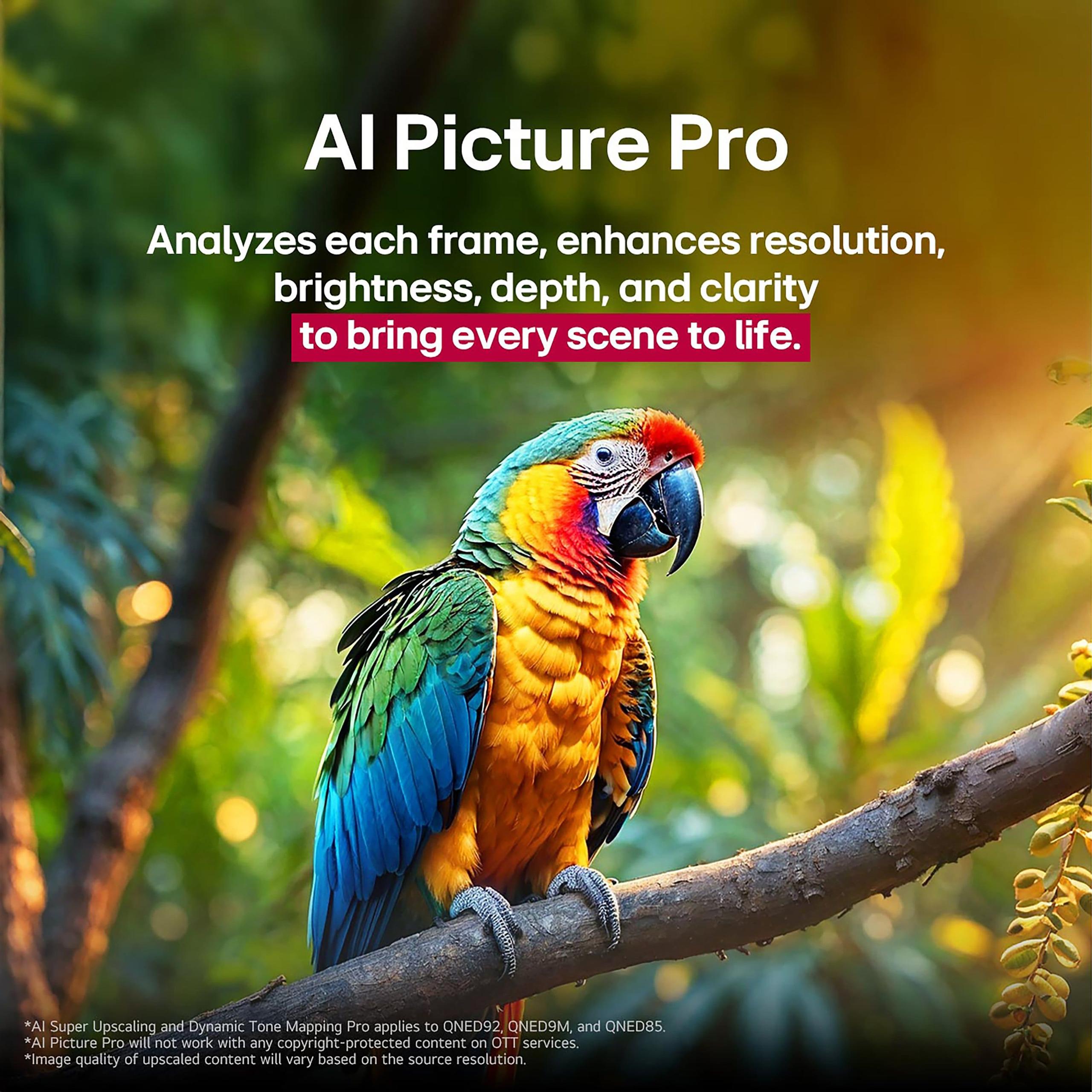
The LG QNED85A takes a different approach. While it doesn't reach the same peak brightness levels, it uses its α8 Gen 2 AI processor to analyze content frame by frame and optimize the picture accordingly. This means it might not win in a brightness contest, but it often produces more consistent, natural-looking images across different types of content. The AI can recognize faces, landscapes, and text, then apply specific enhancements to each element.
For home theater enthusiasts, this difference is crucial. If your viewing room has significant ambient light, the Hisense's superior brightness gives it a clear advantage. However, if you typically watch in a controlled lighting environment, the LG's intelligent processing might actually produce more cinematic results.
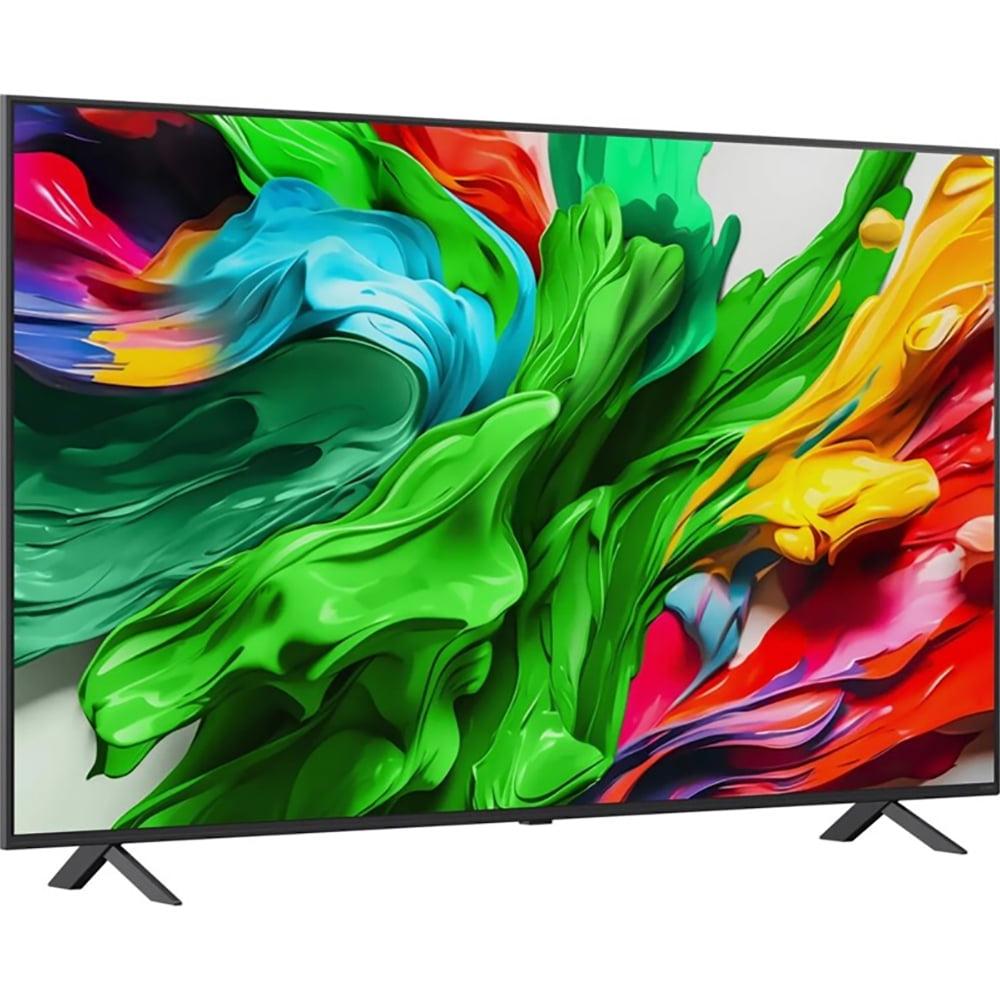
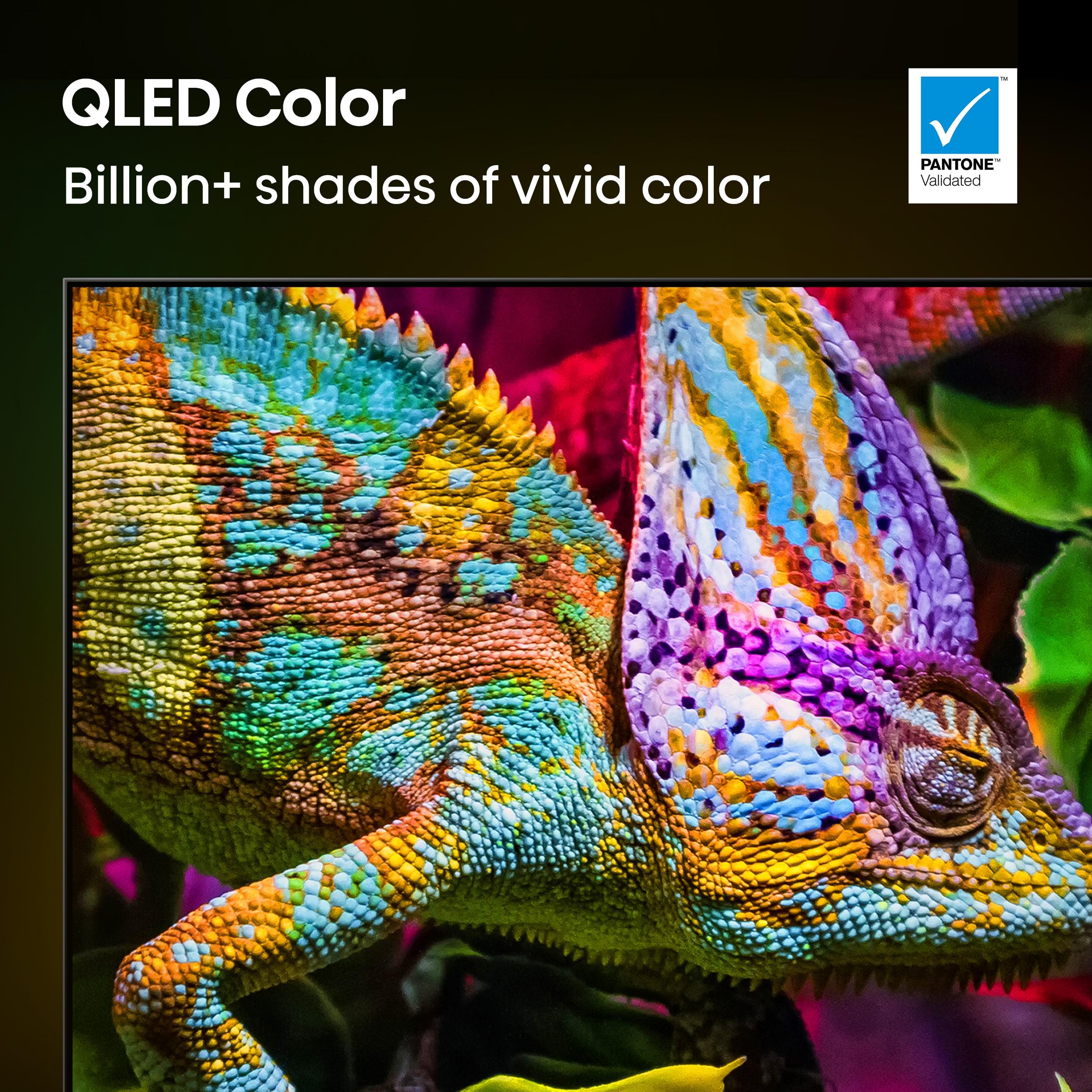
Color performance is where these TVs reveal their distinct personalities. The Hisense uses Quantum Dot technology, which essentially means it has a special layer that converts light into very pure colors. This results in what I'd describe as "pop" – colors that jump off the screen and grab your attention. It's particularly effective for animated content, sports, and video games where vibrant colors enhance the experience.
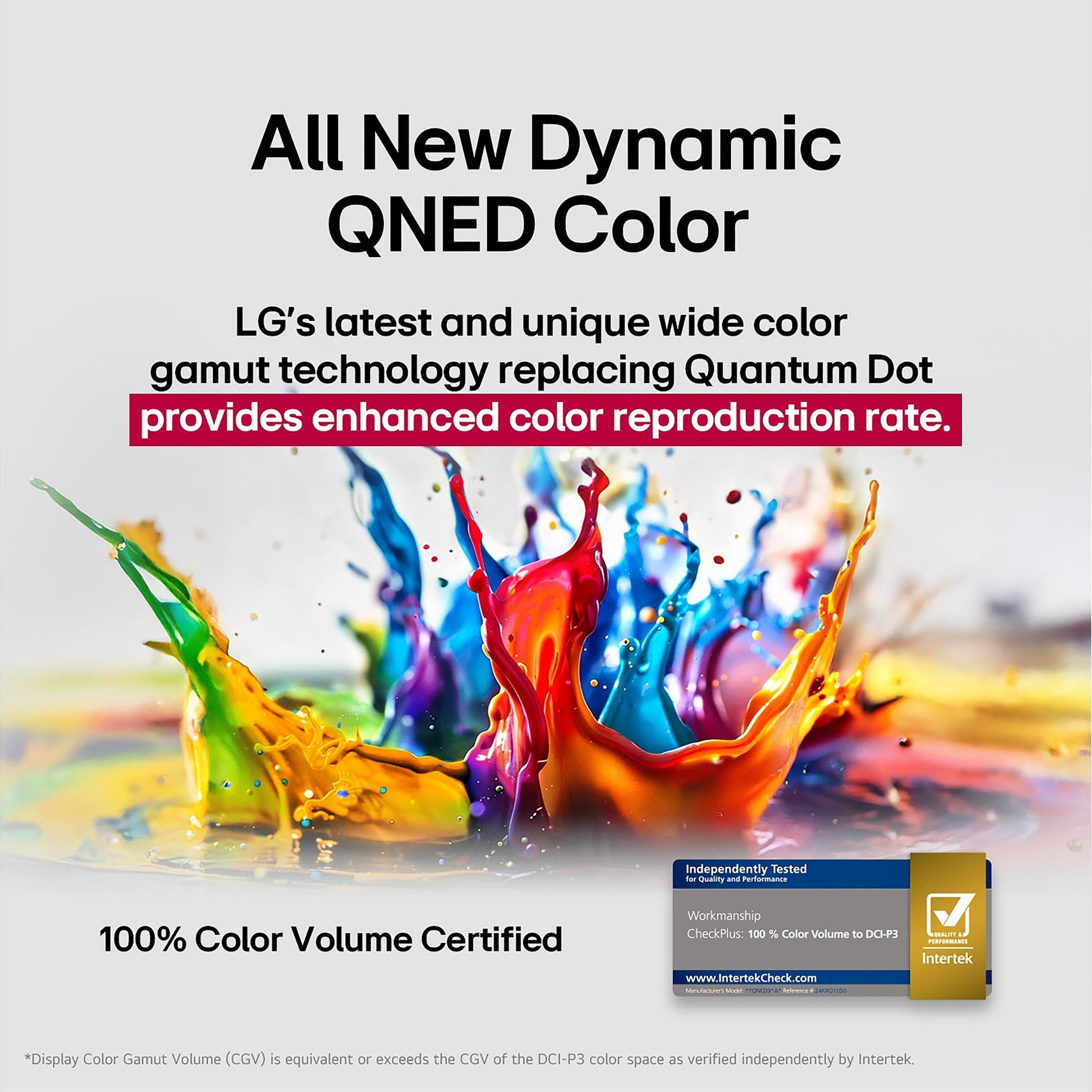
The LG QNED85A combines Quantum Dot with something called NanoCell technology. While this might sound like marketing speak, it actually serves a practical purpose. The NanoCell layer filters out impure colors, resulting in more accurate color reproduction. LG claims 100% color volume, which means the TV can display the full range of colors at any brightness level.
In practice, this means the LG tends to produce more natural, film-like colors that match what content creators intended. The Hisense, while less technically accurate, often produces more visually striking images that many viewers prefer. It's the difference between technical accuracy and visual impact.
Both TVs face the same fundamental limitation of Mini-LED technology: narrow viewing angles. Unlike OLED TVs, which look great from any angle, Mini-LED TVs perform best when viewed straight-on. However, the LG handles off-angle viewing slightly better thanks to its NanoCell technology, which helps maintain color consistency when you're sitting to the side.
This matters more than you might think. If you have a wide seating arrangement or frequently watch TV while cooking or doing other activities, the LG's superior viewing angles could be a deciding factor. The difference isn't dramatic, but it's noticeable enough to matter in certain room layouts.
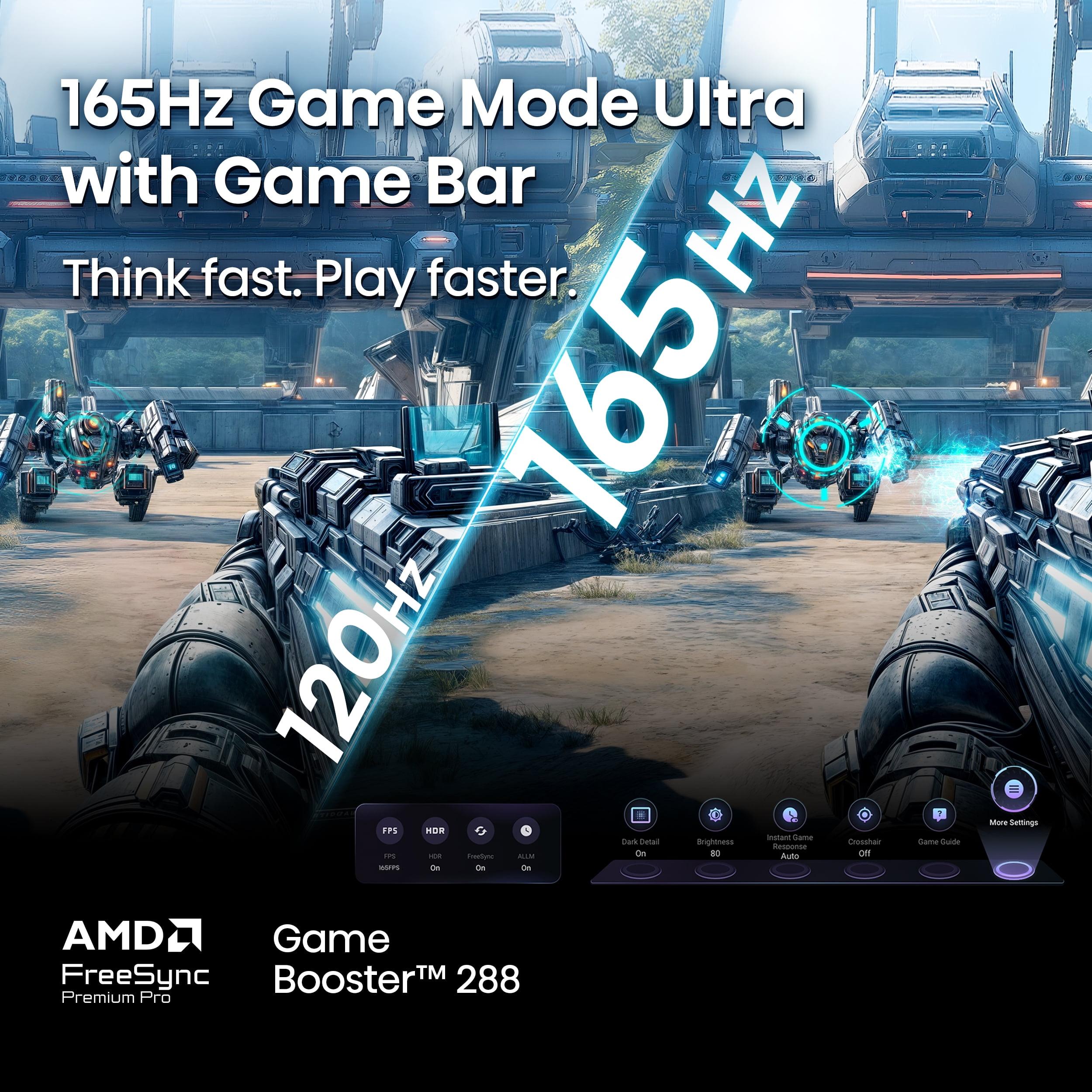
For gamers, the Hisense U8 Series offers compelling advantages. Its 144Hz native refresh rate is exceptional for this price range. Most TVs, even premium ones, max out at 120Hz. The higher refresh rate means smoother motion in fast-paced games, and it's particularly beneficial for PC gaming where frame rates can exceed 120 frames per second.
The Hisense also supports Variable Refresh Rate (VRR) from 48Hz to 144Hz, which eliminates screen tearing and stuttering. It includes AMD FreeSync Premium Pro, which is particularly valuable for PC gamers using AMD graphics cards. The input lag – the delay between pressing a button and seeing the action on screen – is impressively low at around 8 milliseconds.
The LG QNED85A is no slouch for gaming, but it's more conventional with its 120Hz refresh rate. This is perfectly adequate for current PlayStation 5 and Xbox Series X gaming, but it's less future-proof as games begin supporting higher frame rates. The LG does include comprehensive gaming features like Auto Low Latency Mode (ALLM) and its Game Optimizer dashboard, which provides easy access to gaming-specific settings.
From personal experience, both TVs handle console gaming excellently. The difference becomes apparent with PC gaming, where the Hisense's higher refresh rate and broader VRR range provide a noticeably smoother experience, especially in competitive games like first-person shooters or racing games.
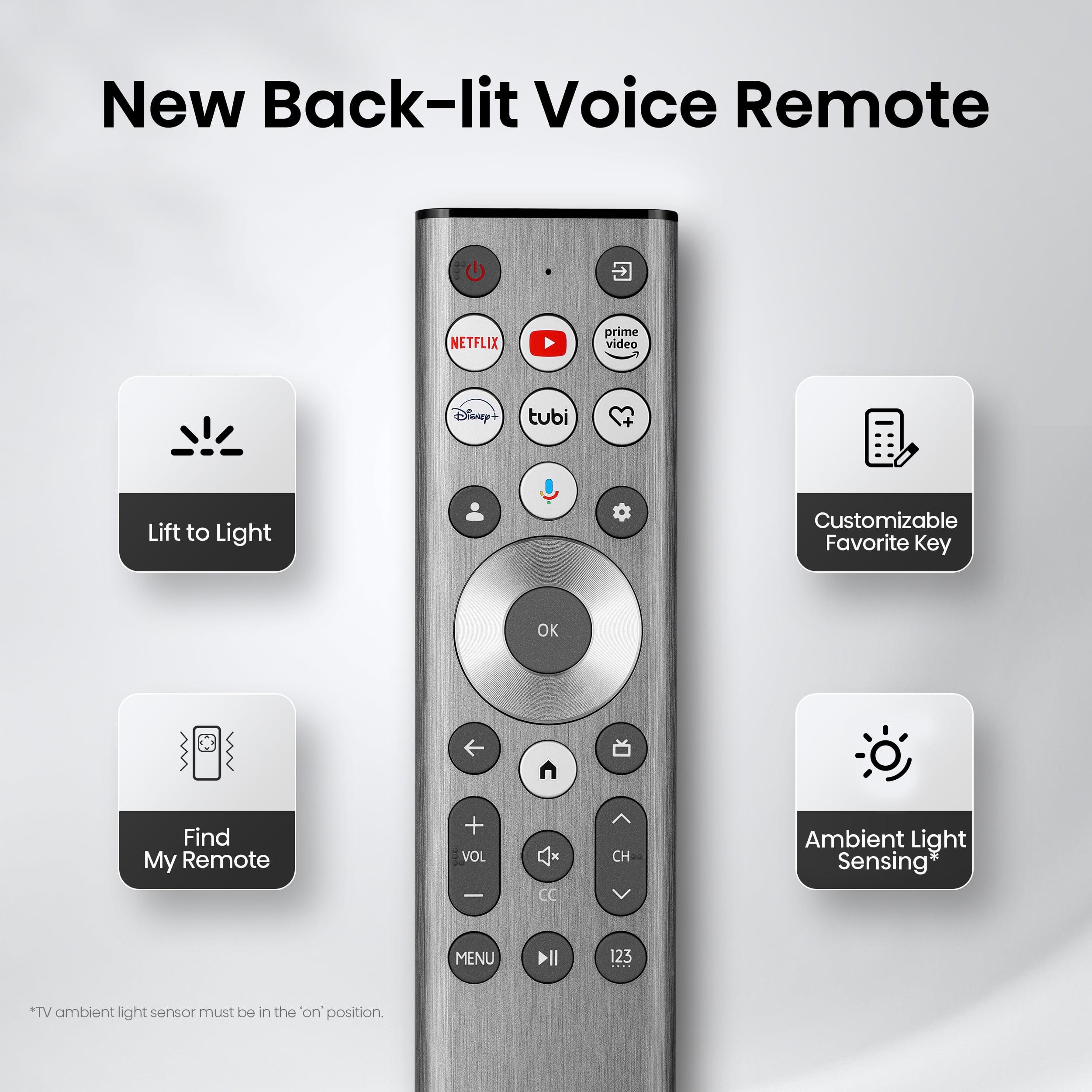
The smart TV experience represents a fundamental philosophical difference between these models. The Hisense U8 Series runs Google TV, which is essentially Android TV with a more polished interface. It excels at content discovery, using Google's search algorithms to suggest movies and shows across multiple streaming services. The integration with Google services is seamless – you can cast content from your phone, use Google Assistant for voice control, and access the full Google Play Store for apps.
Google TV's strength lies in its simplicity and comprehensiveness. It works well for users already invested in Google's ecosystem, and the interface is intuitive enough for less tech-savvy family members to navigate easily.
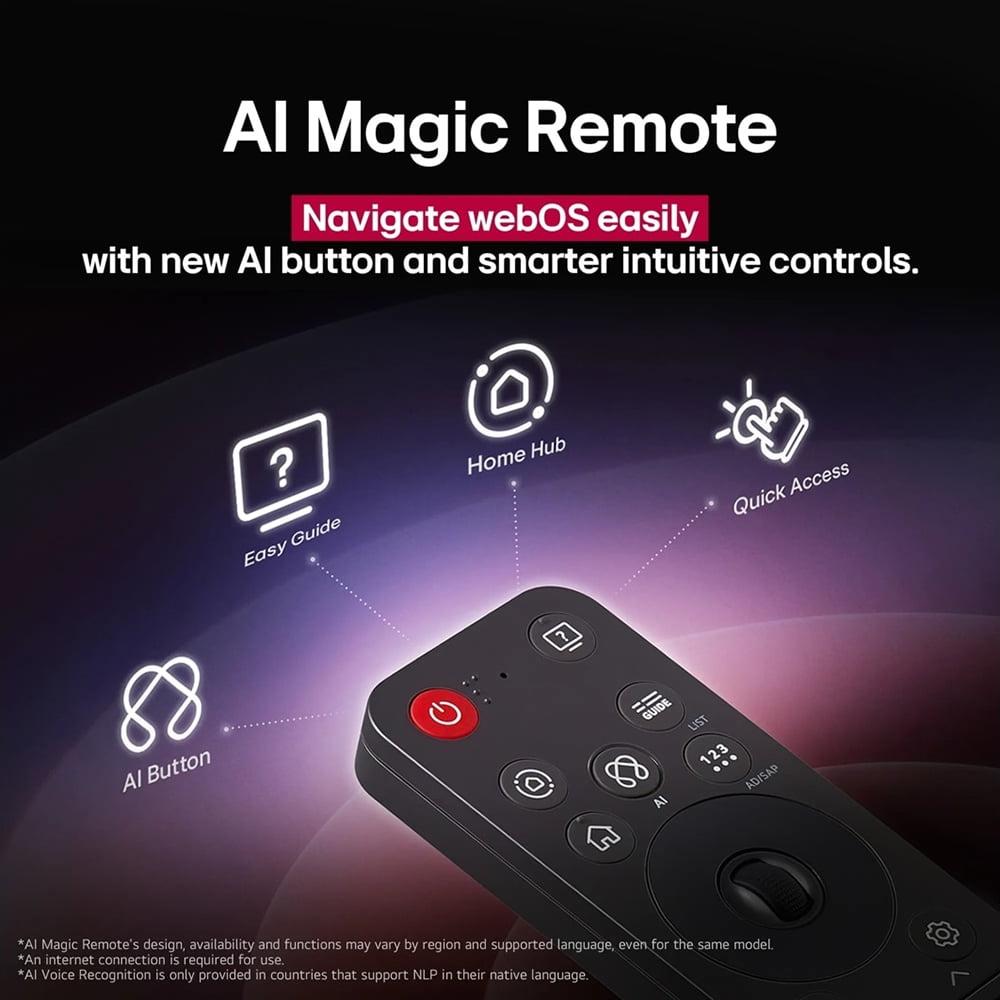
The LG QNED85A runs webOS 25, which represents LG's vision of an AI-powered smart TV experience. The standout feature is AI Voice ID, which recognizes individual family members and switches to their personalized profiles automatically. This means each person gets tailored content recommendations, customized picture settings, and access to their preferred apps.
The webOS platform also includes Microsoft Copilot integration, which can help with tasks like organizing information and troubleshooting issues. The AI Concierge feature provides conversational content discovery – you can ask questions like "Show me action movies from the 1990s" and get relevant results.
For tech enthusiasts, webOS 25 offers more sophisticated features. However, it requires a Google account for profiles, which some users find intrusive. The interface is also more complex, which might overwhelm users who prefer straightforward operation.
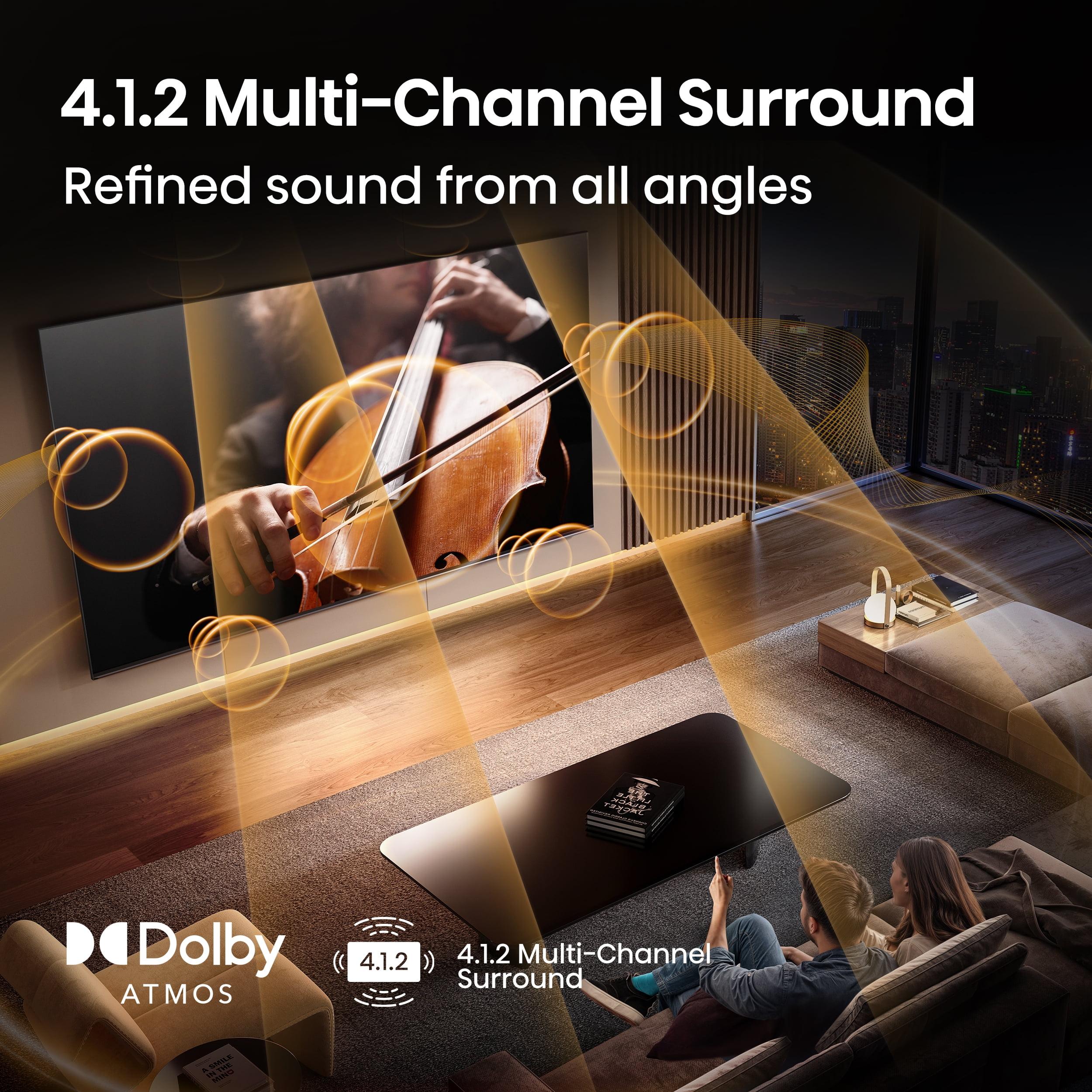
TV audio is often overlooked, but both models offer surprisingly capable built-in sound systems. The Hisense U8 Series features a 50W 2.1.2 multi-channel system with Dolby Atmos support. The "2.1.2" designation means it has two main speakers, one subwoofer, and two height speakers that bounce sound off the ceiling to create a sense of overhead audio.
In testing, the Hisense delivers impressive bass response and clear dialogue. The built-in subwoofer provides enough low-frequency impact for most content, though dedicated home theater enthusiasts will still want to add a separate soundbar eventually.
The LG QNED85A uses AI Sound Pro to create virtual 5.1 surround sound from its built-in speakers. While it doesn't have the raw power of the Hisense's system, the AI processing is remarkably effective at creating an immersive soundscape. It can analyze audio content and enhance dialogue, reduce background noise, and simulate surround sound effects.
For most users, both TVs provide adequate audio quality that eliminates the immediate need for additional speakers. The Hisense has an edge in raw power and bass response, while the LG offers more sophisticated audio processing.
At nearly identical pricing, both TVs represent excellent value, but they appeal to different priorities. The Hisense U8 Series offers superior brightness, gaming performance, and audio hardware. It's the choice for users who want maximum impact and performance for their money.
The LG QNED85A provides cutting-edge AI features, color accuracy, and smart home integration. It's better suited for users who value technological sophistication and long-term software support.
One important consideration is warranty and support. Hisense offers a 2-year warranty, which is double the industry standard. This reflects the company's confidence in the product and provides peace of mind for buyers concerned about reliability. LG, while offering a standard 1-year warranty, has a stronger track record for long-term software support through its webOS Re:New program, which guarantees five years of OS upgrades.
The choice between these two excellent TVs ultimately depends on your priorities and viewing habits. The Hisense U8 Series is ideal if you prioritize maximum brightness for well-lit rooms, serious gaming performance, or simply want the most visually impactful experience possible. Its extended warranty and proven track record make it a safe choice for most buyers.
The LG QNED85A appeals to users who want the latest AI-driven features, more accurate color reproduction, and sophisticated smart home integration. If you're a cinephile who values technical accuracy over visual impact, or if you're fascinated by cutting-edge AI features, the LG is the better choice.
For most families, I'd lean toward the Hisense for its superior brightness and gaming capabilities. However, tech enthusiasts and home theater purists might prefer the LG's more refined approach to picture processing and smart features. Both represent excellent value in the premium Mini-LED TV market, and either choice will provide years of exceptional viewing experiences.
| Hisense 65" U8 Series Mini-LED ULED 4K Google TV | LG 65" QNED evo AI QNED85A 4K MiniLED Smart TV 2025 |
|---|---|
| Price - Both offer excellent value in the premium Mini-LED category | |
| $997.99 | $999.99 |
| Peak Brightness - Critical for HDR impact and bright room viewing | |
| Up to 3,000 nits (exceptional for well-lit rooms) | Not specified, estimated ~1,500 nits (good for most rooms) |
| Refresh Rate - Higher rates provide smoother gaming and sports | |
| 144Hz native (excellent for PC gaming and future-proofing) | 120Hz native (perfect for current consoles) |
| Local Dimming Zones - More zones mean better contrast control | |
| 2,000+ zones (excellent blooming control) | Not specified, estimated 1,000+ zones (good contrast) |
| Smart TV Platform - Affects daily usability and app selection | |
| Google TV (simple, comprehensive app support) | webOS 25 (AI-powered, more sophisticated features) |
| Color Technology - Impacts color accuracy and vibrancy | |
| Quantum Dot ULED (vibrant, punchy colors) | QNED (Quantum Dot + NanoCell, more accurate colors) |
| Audio System - Built-in sound quality before adding soundbar | |
| 50W 2.1.2 with Dolby Atmos (powerful, includes subwoofer) | Virtual 5.1 with AI Sound Pro (intelligent processing) |
| HDR Support - Determines compatibility with premium content | |
| Dolby Vision, HDR10, HDR10+, HLG | Dolby Vision, HDR10, HLG |
| Gaming Features - Important for console and PC gaming | |
| 144Hz VRR, AMD FreeSync Premium Pro, Game Bar | 120Hz VRR, Game Optimizer, ALLM |
| AI Processing - Affects picture optimization and smart features | |
| Standard upscaling and processing | α8 Gen 2 AI processor (70% improvement, personalization) |
| Warranty Coverage - Peace of mind for expensive purchase | |
| 2 years (double industry standard) | 1 year (standard coverage) |
| Smart Home Integration - Compatibility with home automation | |
| Google Assistant, Chromecast built-in | Google Assistant, Alexa, Apple HomeKit, Matter, ThinQ |
| Viewing Angles - Important for wide seating arrangements | |
| Narrow (typical for Mini-LED) | Slightly better (NanoCell helps off-angle viewing) |
| Best For - Target user based on priorities | |
| Gamers, bright rooms, maximum impact | Home theater enthusiasts, AI features, color accuracy |
The Hisense 65" U8 Series Mini-LED ULED 4K Google TV at $997.99 is significantly brighter, reaching up to 3,000 nits peak brightness compared to the LG 65" QNED evo AI QNED85A 4K MiniLED Smart TV 2025 at $999.99. This makes the Hisense better for bright rooms with lots of windows or daytime viewing.
The Hisense U8 Series offers superior gaming performance with its 144Hz native refresh rate, compared to the LG QNED85A's 120Hz. The Hisense also supports AMD FreeSync Premium Pro and has lower input lag, making it the better choice for serious gamers, especially PC gaming.
The Hisense U8 Series delivers more vibrant, punchy colors and exceptional brightness for HDR content. The LG QNED85A focuses on color accuracy and natural reproduction using its α8 Gen 2 AI processor for intelligent picture optimization. The Hisense is more visually striking, while the LG is more technically accurate.
The Hisense U8 Series runs Google TV, which is simple and integrates well with Google services. The LG QNED85A uses webOS 25 with advanced AI features like voice recognition and personalized recommendations. Google TV is more straightforward, while webOS offers more sophisticated smart features.
The Hisense U8 Series has a more powerful 50W 2.1.2 audio system with Dolby Atmos and a built-in subwoofer. The LG QNED85A uses AI Sound Pro to create virtual 5.1 surround sound. The Hisense provides better raw audio power, while the LG offers more intelligent audio processing.
Both TVs excel for home theater, but in different ways. The Hisense U8 Series delivers maximum impact with its exceptional brightness and vibrant colors, perfect for action movies and HDR content. The LG QNED85A offers more accurate, film-like colors that match filmmakers' intentions, making it ideal for cinephiles who prioritize technical accuracy.
Both the Hisense U8 Series at $997.99 and LG QNED85A at $999.99 offer excellent value at nearly identical prices. The Hisense provides more raw performance features like higher brightness and gaming capabilities, while the LG offers cutting-edge AI features and longer software support.
The Hisense U8 Series includes a 2-year warranty, which is double the industry standard. The LG QNED85A comes with a standard 1-year warranty but offers longer software support through LG's webOS Re:New program with 5 years of OS upgrades.
The Hisense U8 Series is definitively better for bright rooms due to its superior peak brightness of up to 3,000 nits. The LG QNED85A has good brightness but can't match the Hisense's performance in challenging lighting conditions with lots of ambient light.
Yes, both the Hisense U8 Series and LG QNED85A fully support PlayStation 5 and Xbox Series X with features like 4K at 120Hz, Variable Refresh Rate (VRR), and Auto Low Latency Mode (ALLM). The Hisense's 144Hz capability provides additional future-proofing for upcoming console generations.
The LG QNED85A offers superior color accuracy with its QNED technology (Quantum Dot + NanoCell) that provides 100% color volume and more natural color reproduction. The Hisense U8 Series produces more vibrant, eye-catching colors that many viewers prefer, but the LG is more technically accurate to content creators' intentions.
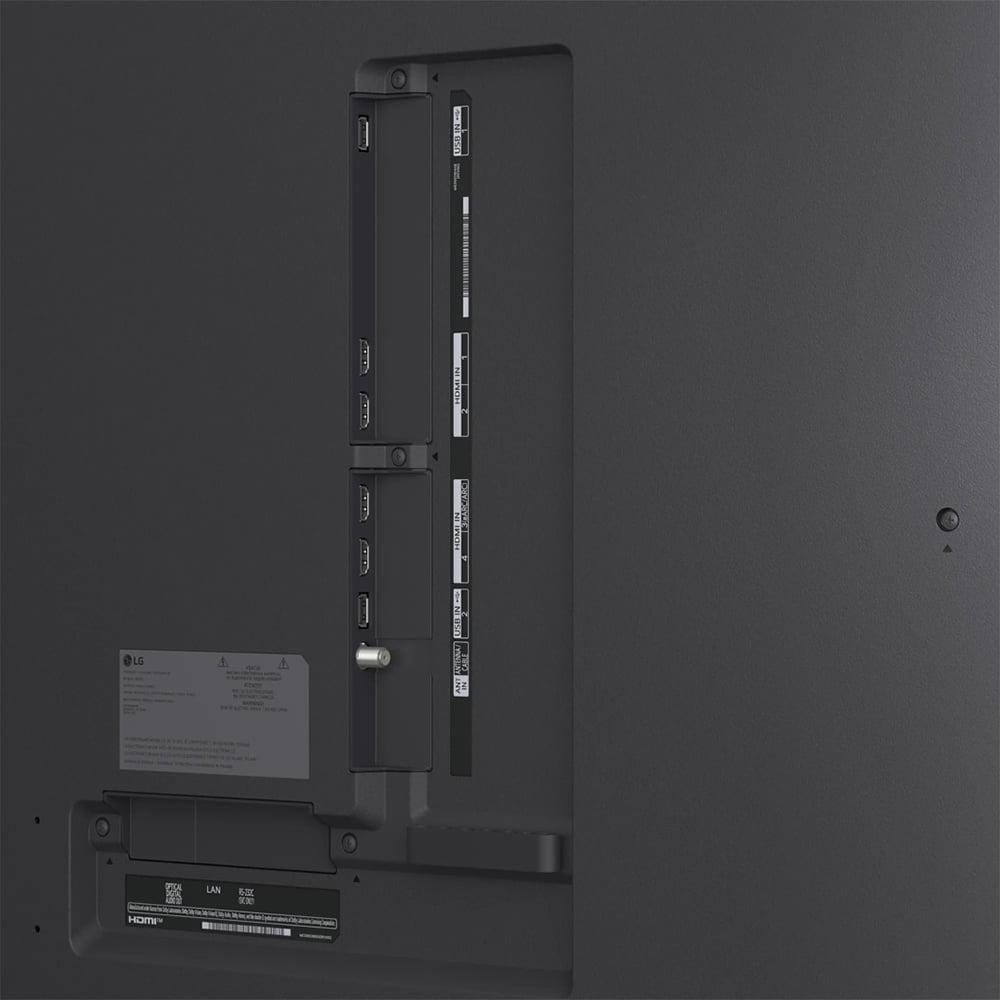
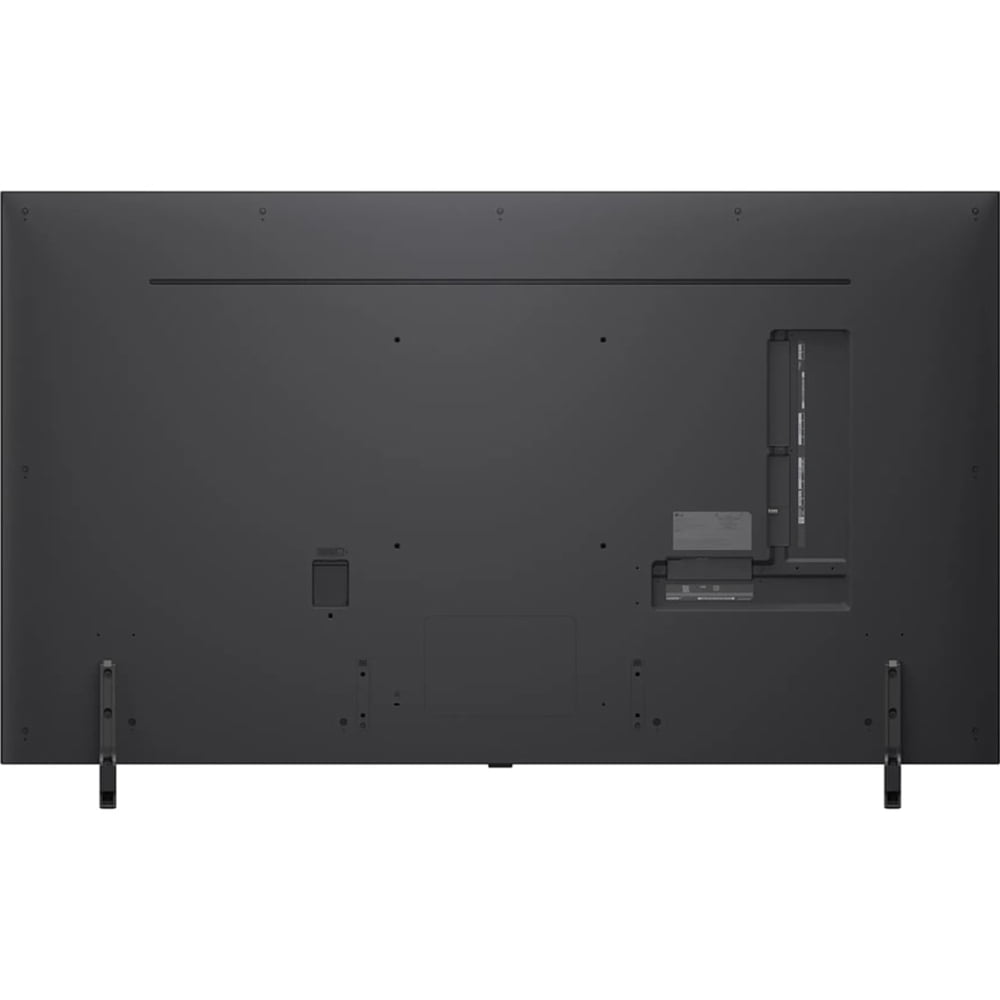
Both TVs offer comprehensive connectivity with multiple HDMI 2.1 ports. The LG QNED85A has broader smart home integration supporting Google Assistant, Alexa, Apple HomeKit, Matter, and ThinQ. The Hisense U8 Series focuses primarily on Google ecosystem integration with built-in Chromecast and Google Assistant.
We've done our best to create useful and informative comparisons to help you decide what product to buy. Our research uses advanced automated methods to create this comparison and perfection is not possible - please contact us for corrections or questions. These are the sites we've researched in the creation of this article: bestbuy.com - hisense-usa.com - rtings.com - bestbuy.com - rtings.com - hisense-usa.com - youtube.com - hisense-usa.com - avsforum.com - hisense-usa.com - hisense-usa.com - rtings.com - avsforum.com - hisense-usa.com - prnewswire.com - hisense-usa.com - bestbuy.com - youtube.com - hisense-usa.com - rtings.com - rtings.com - youtube.com - lg.com - smarthomesounds.co.uk - abt.com - abt.com - lg.com - displayspecifications.com - walmart.com - bestbuy.com - lg.com - lg.com - lg.com - files.bbystatic.com - flatpanelshd.com - north-side-appliance.com - lgnewsroom.com - lg.com - youtube.com - youtube.com - hindustantimes.com

Privacy Policy
Terms and Conditions - Affiliate Policy
Home Security
© Copyright 2008-2026.
11816 Inwood Rd #1211, Dallas, TX 75244