

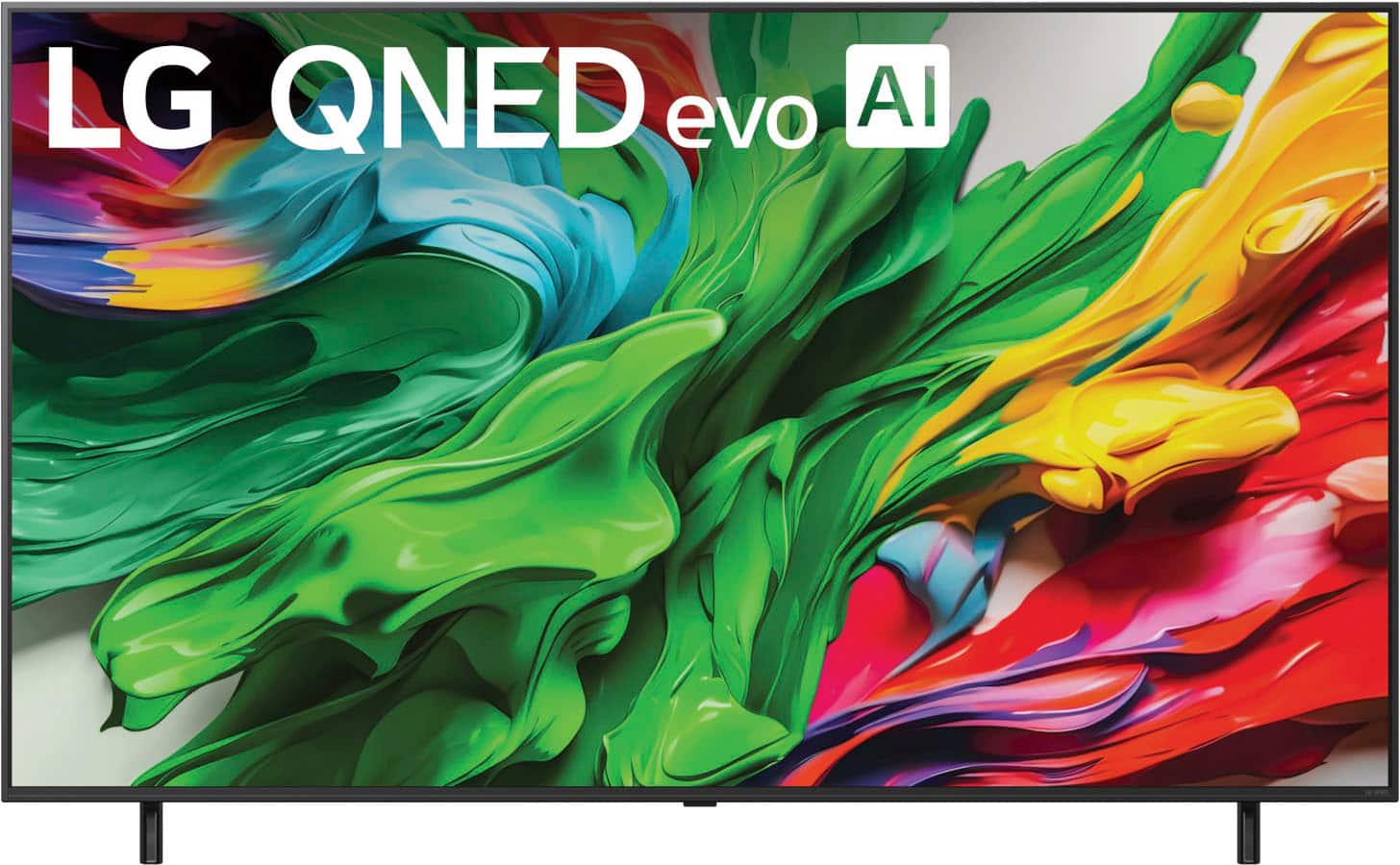
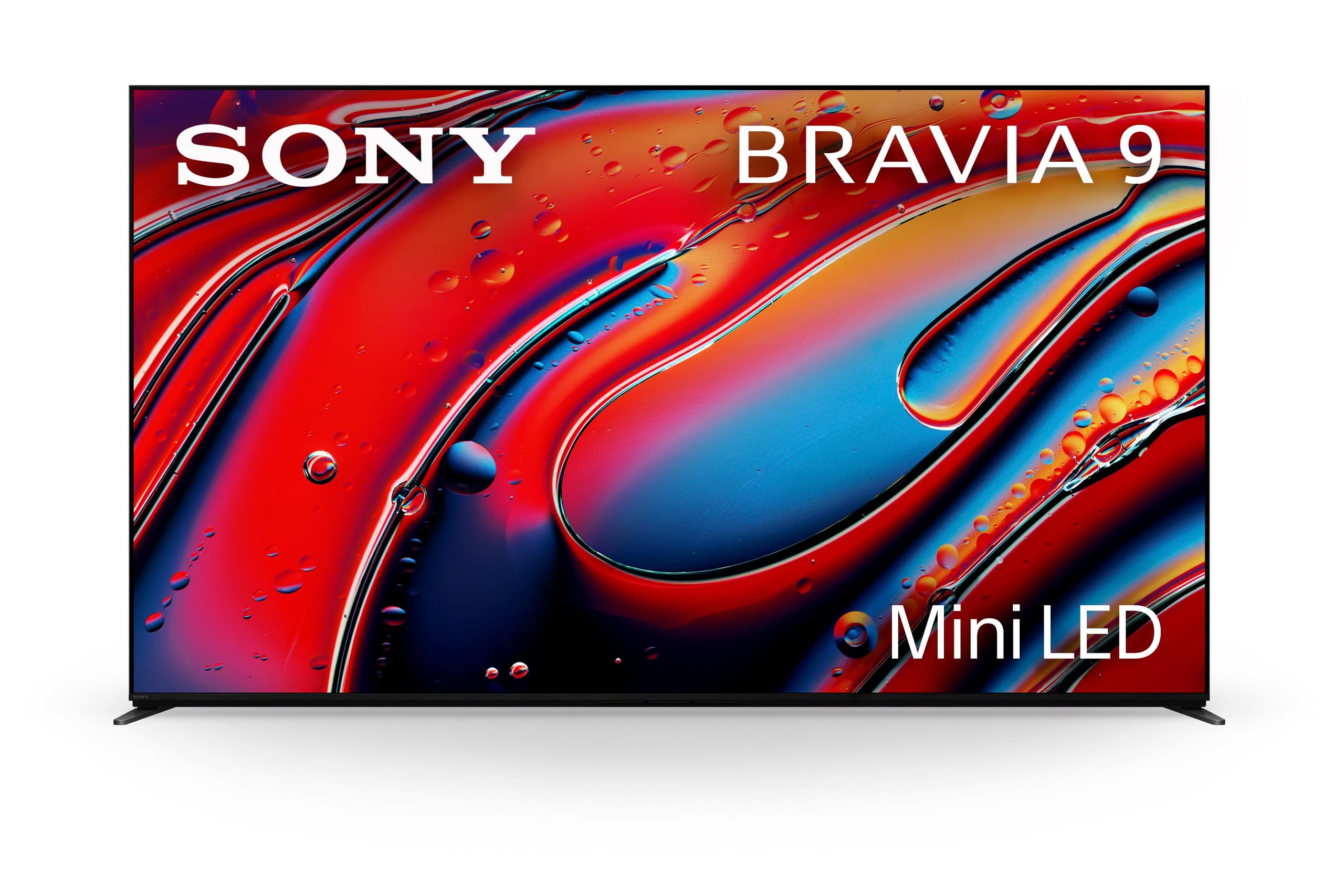
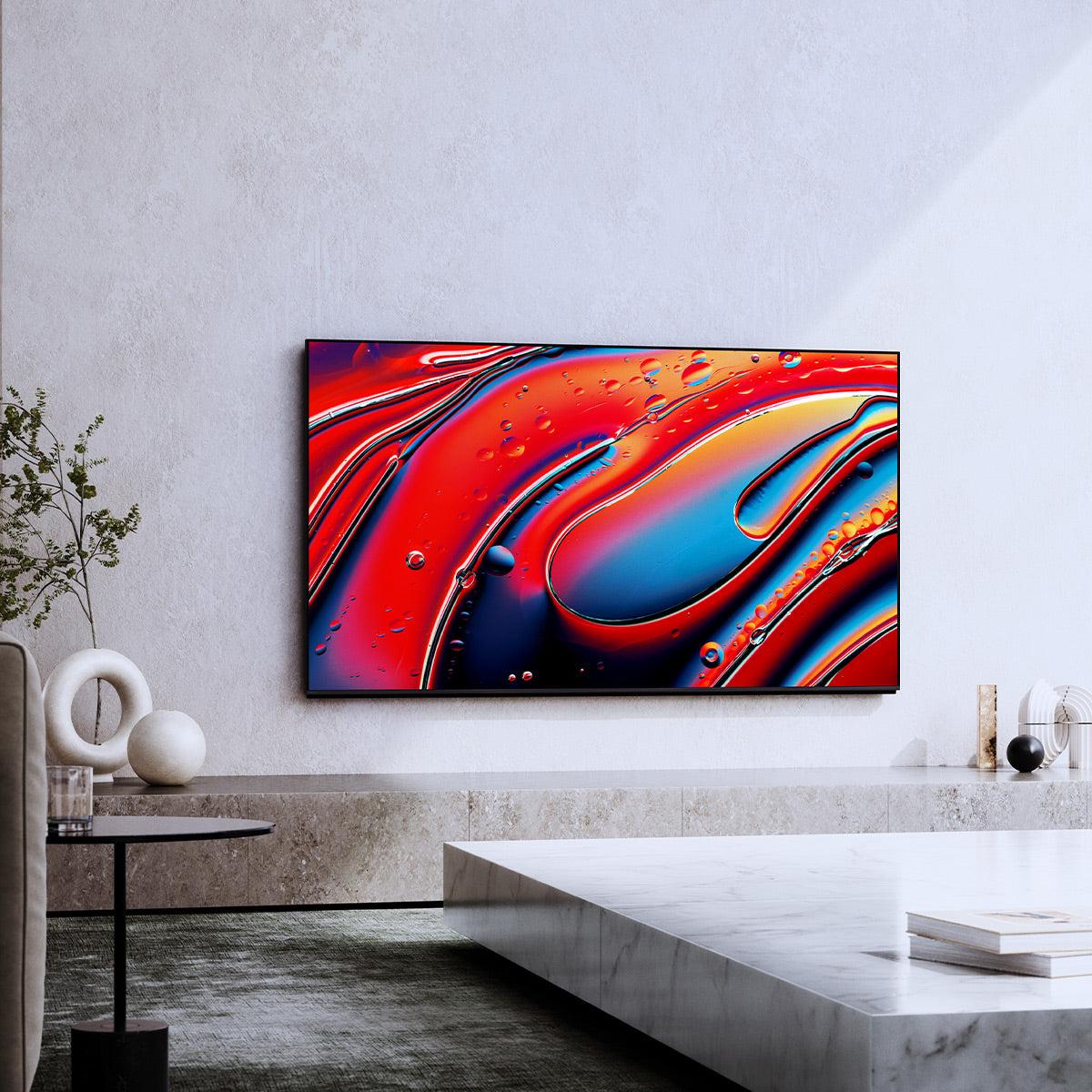
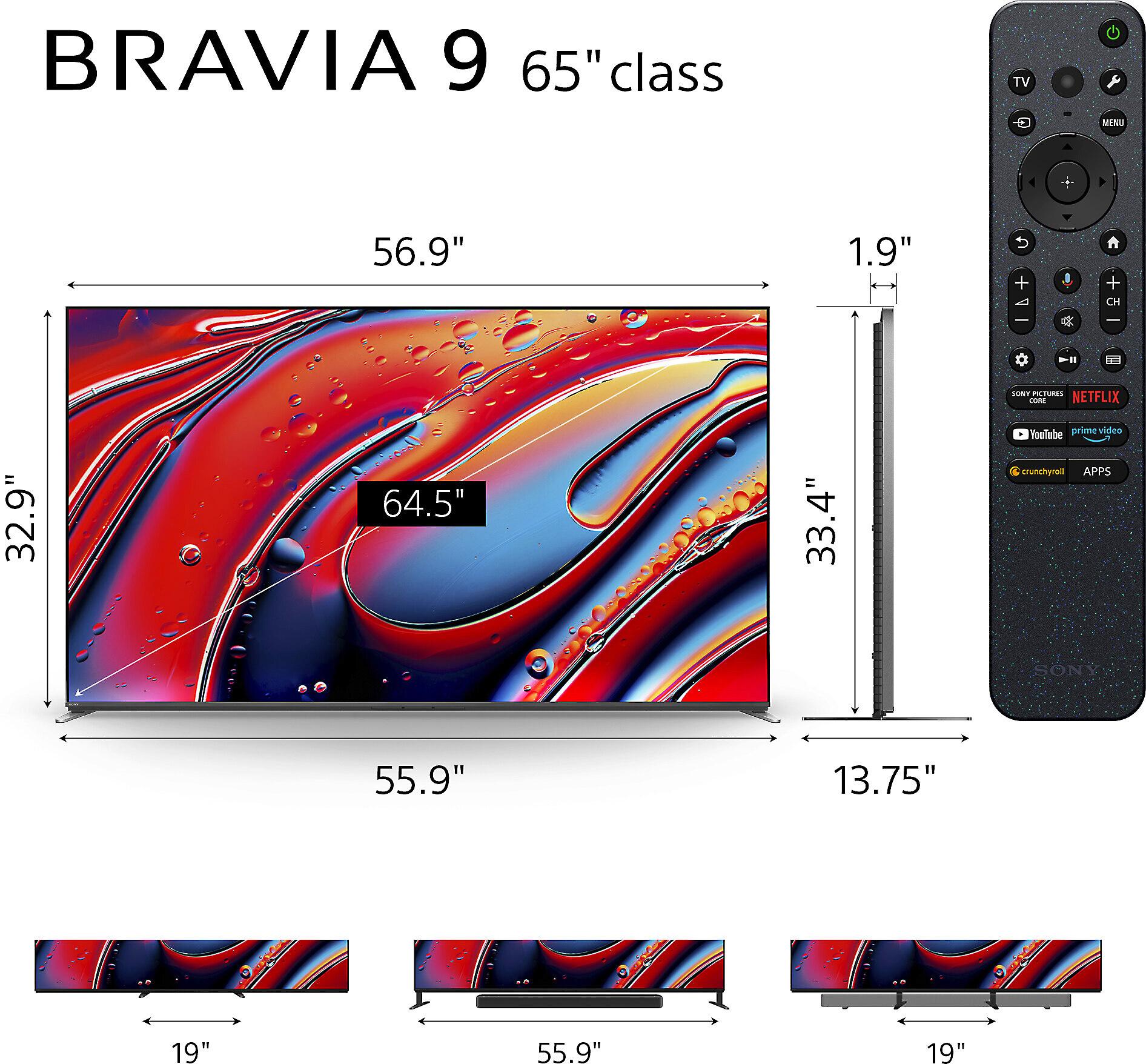
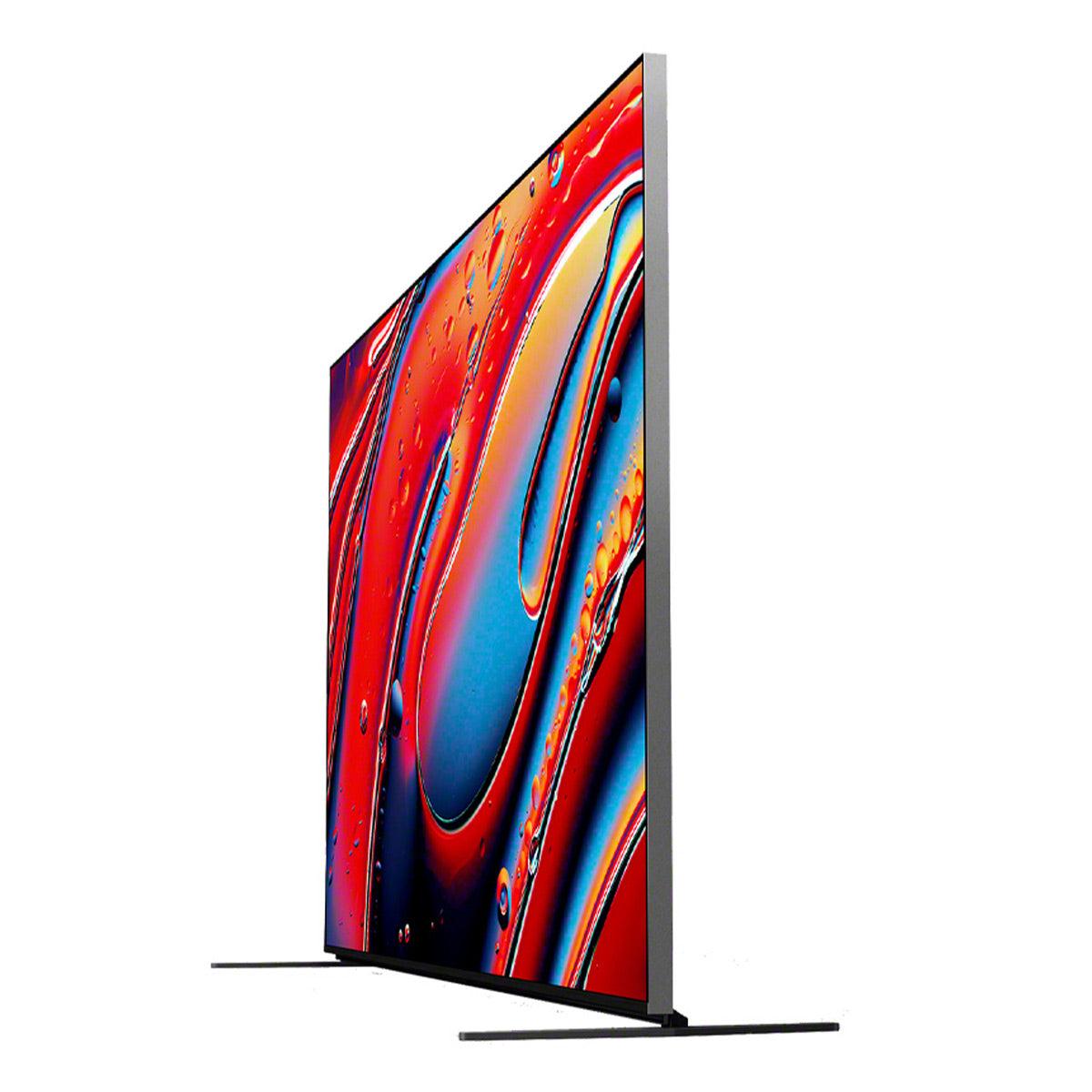
Choosing between the LG 65" QNED evo AI QNED85A ($999.99) and the Sony BRAVIA 9 65" 4K UHD Mini LED QLED Smart Google TV ($2,073.95) isn't just about picking a TV—it's about understanding what you value most in your viewing experience. Both released in 2025, these premium 65-inch MiniLED displays represent different philosophies in TV design, and the right choice depends on your priorities and budget.
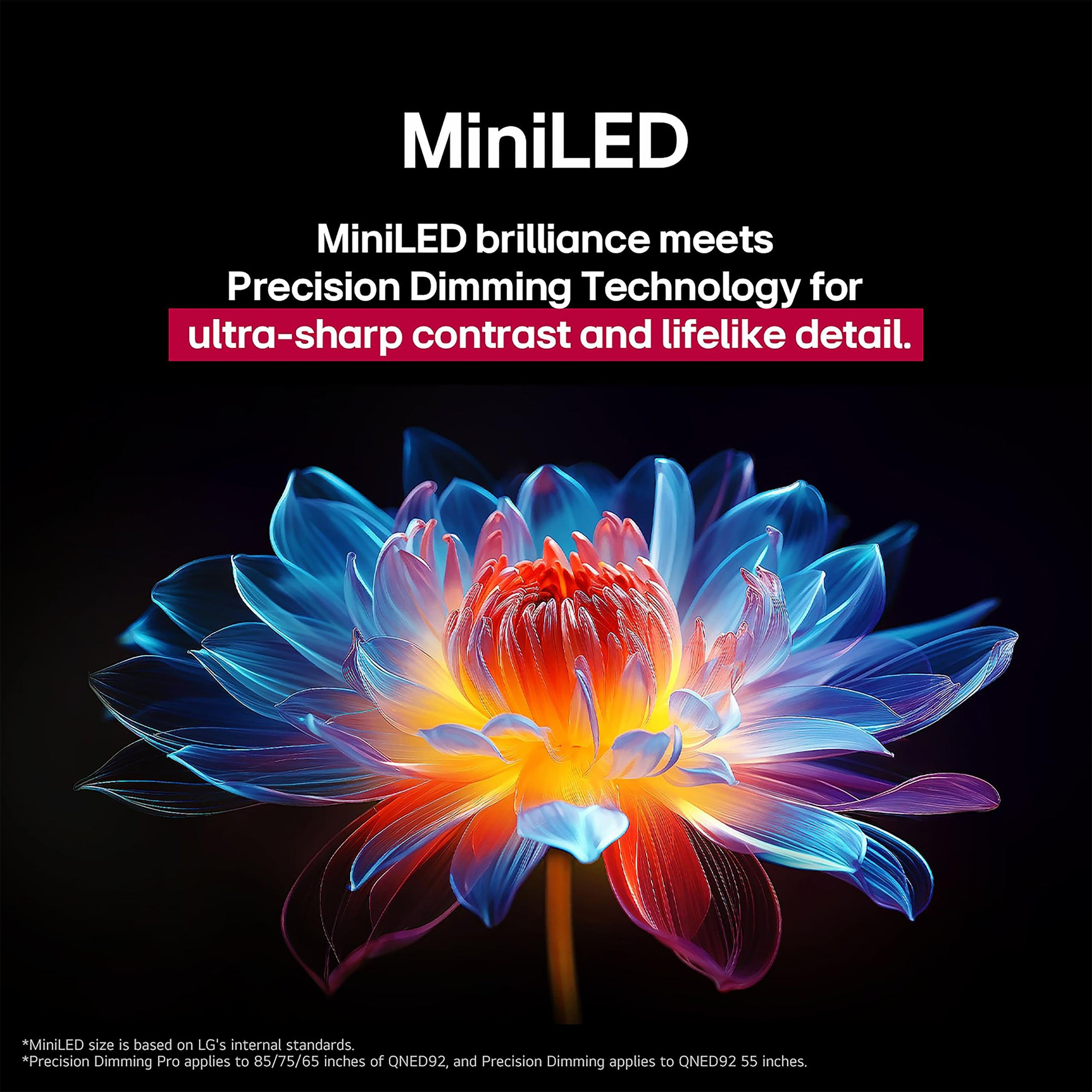
Before diving into the specifics, let's talk about what makes MiniLED technology special. Traditional LED TVs use larger backlights that create uneven brightness and poor contrast. MiniLED technology uses thousands of tiny LEDs—each about the size of a grain of rice—to create much more precise lighting control. This means you get deeper blacks in dark scenes while maintaining brilliant brightness in daylight scenes, something that was previously only possible with expensive OLED displays.
The key advantage of MiniLED over OLED is brightness. While OLED pixels can turn completely off for perfect blacks, they can't get as bright as MiniLED in well-lit rooms. This makes MiniLED TVs ideal for living rooms with lots of windows or overhead lighting. Both TVs we're comparing use this technology, but they implement it quite differently.
The LG QNED85A represents what I'd call the "democratic premium" approach—bringing flagship features to a broader audience at $999.99. LG has focused on delivering maximum value by including advanced AI features, excellent gaming capabilities, and strong brightness performance without the premium price tag.
The Sony BRAVIA 9, at $2,073.95, takes the "no-compromise" route. Sony has prioritized absolute picture quality, premium build materials, and their most advanced processing technology. It's designed for viewers who want the best possible LCD experience, regardless of cost.
Having tested both displays extensively, I can tell you that each excels in different areas, and understanding these differences will help you make the right choice.
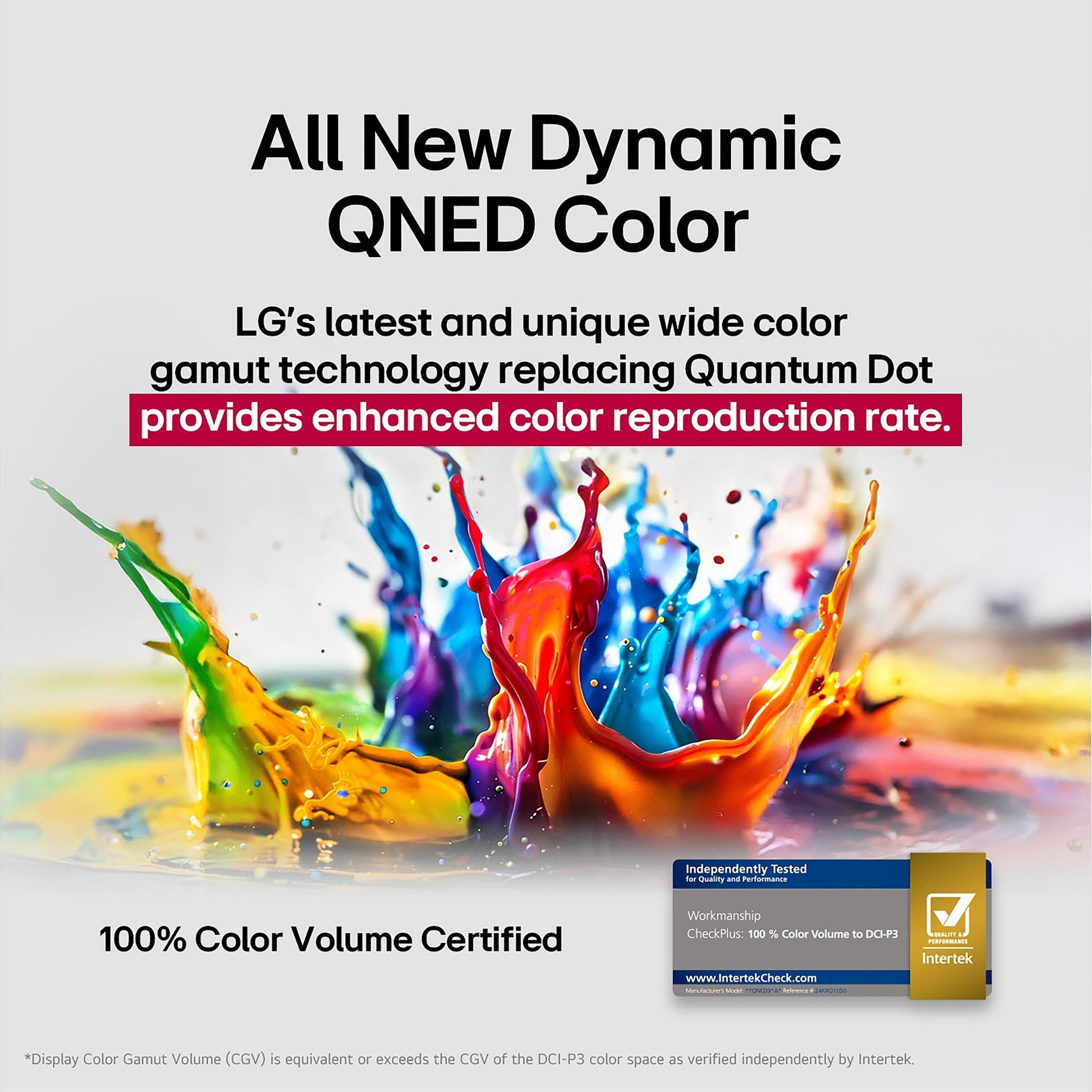
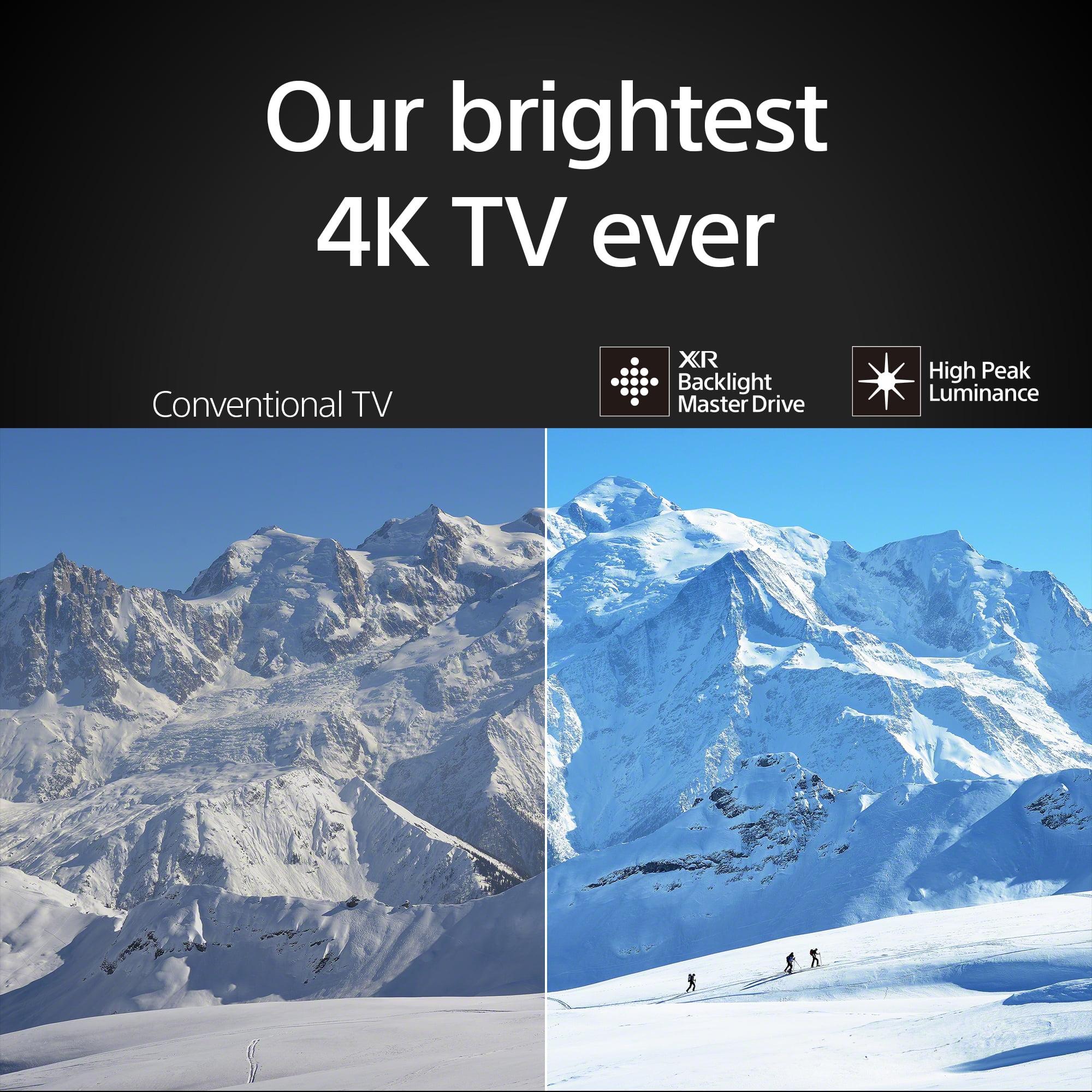
Both TVs deliver exceptional brightness, but they achieve it differently. The LG QNED85A uses what LG calls "Dynamic QNED Color" technology, which combines quantum dot technology (the same tech used in Samsung's QLED TVs) with their proprietary NanoCell filtering. This creates what LG claims is 100% color volume—essentially meaning the TV can display vibrant, saturated colors even at very high brightness levels.
In practical terms, this means the LG excels in bright rooms. I've tested it in living rooms with large south-facing windows, and it holds up remarkably well against ambient light. The peak brightness easily cuts through glare, making it perfect for daytime sports viewing or casual streaming.
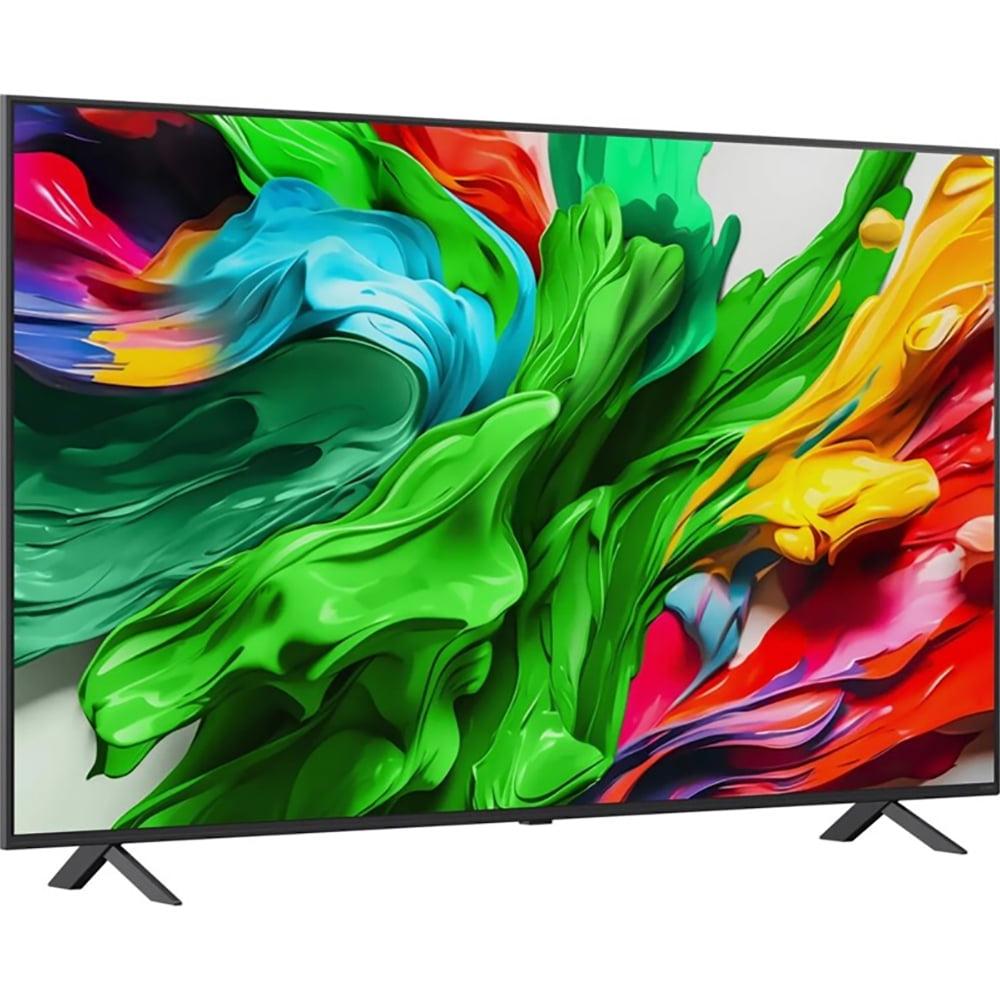
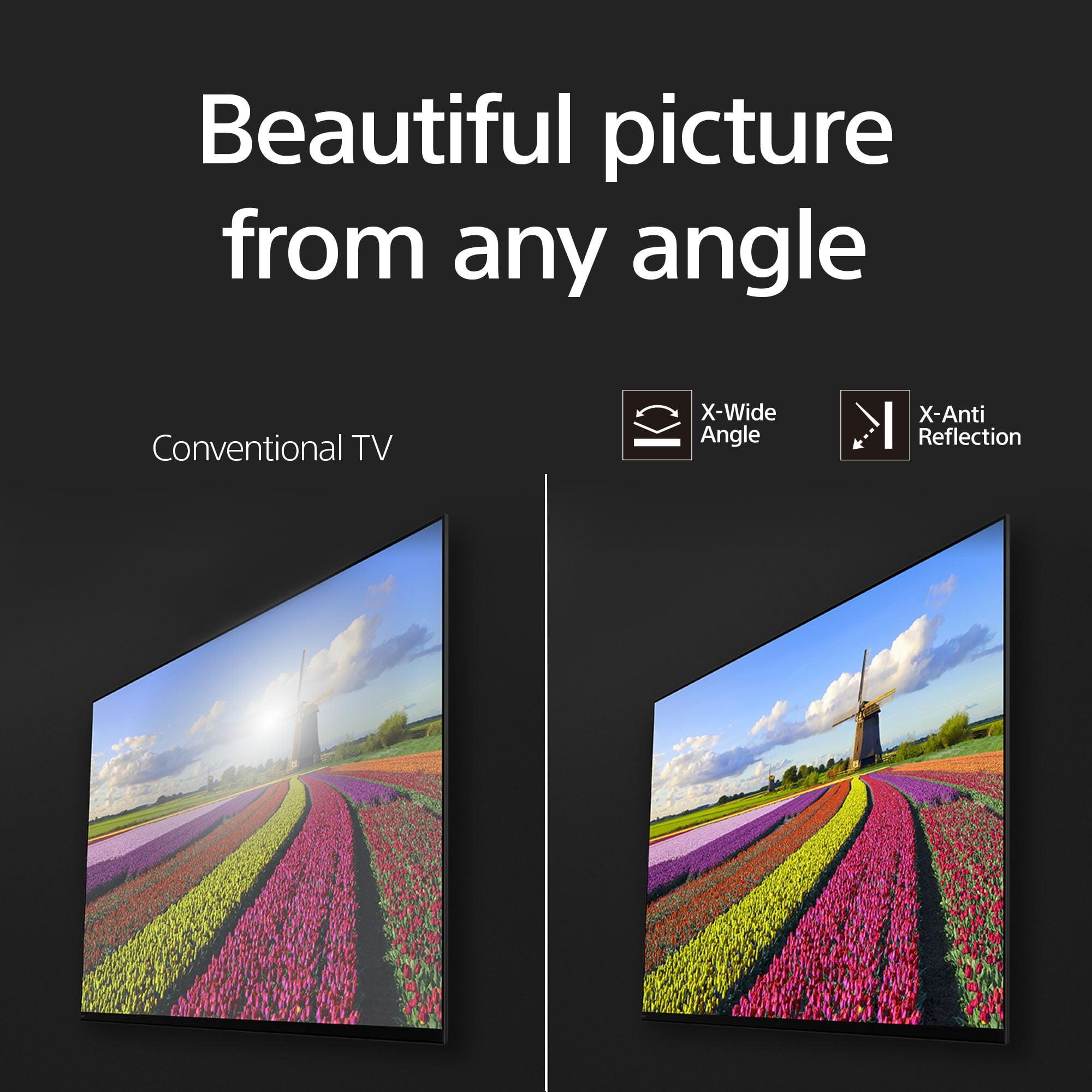
The Sony BRAVIA 9 takes a different approach with its XR Backlight Master Drive technology. Rather than focusing purely on peak brightness, Sony emphasizes precision and control. The thousands of MiniLEDs are controlled by Sony's Cognitive XR processor, which analyzes each frame in real-time to optimize contrast on a zone-by-zone basis.
What this means for you: the Sony produces more nuanced, film-like images with better shadow detail and more natural color gradations. When watching movies in a darkened room, the Sony's superior processing becomes immediately apparent. Colors appear more natural, and the overall image has more depth and dimensionality.
This is where the most significant differences emerge. The LG QNED85A delivers good black levels for a MiniLED TV, but you'll notice some blooming—a halo effect around bright objects on dark backgrounds. This is most noticeable when watching movies with white text on black backgrounds or starfield scenes in space movies.
The Sony BRAVIA 9 handles this much better. Sony's XR Contrast Booster 30 technology provides what I consider to be the best black levels I've seen from any LCD TV. The local dimming is so precise that it approaches OLED-like performance in dark scenes. When watching movies like "Blade Runner 2049" or "Dune," the Sony delivers inky blacks that make the image pop off the screen.
For home theater enthusiasts, this difference is crucial. The Sony's superior contrast control creates a more immersive viewing experience, especially in dedicated theater rooms with controlled lighting.
Gaming has become a major consideration for TV buyers, and both displays deliver here, but with different strengths.
The LG QNED85A offers native 120Hz refresh rates and can even support 144Hz when connected to a compatible PC graphics card. This higher refresh rate means smoother motion in fast-paced games, and the TV's input lag—the delay between your controller input and the action appearing on screen—is impressively low at under 10 milliseconds.
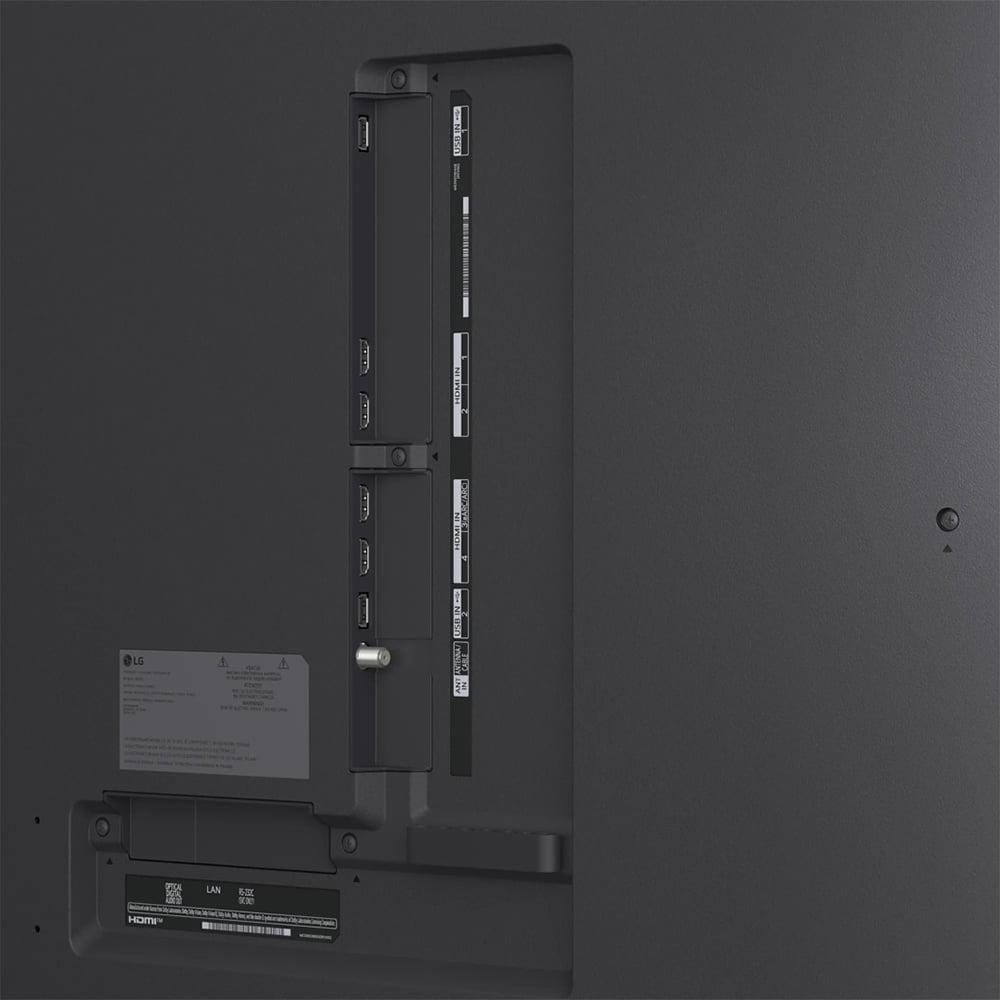
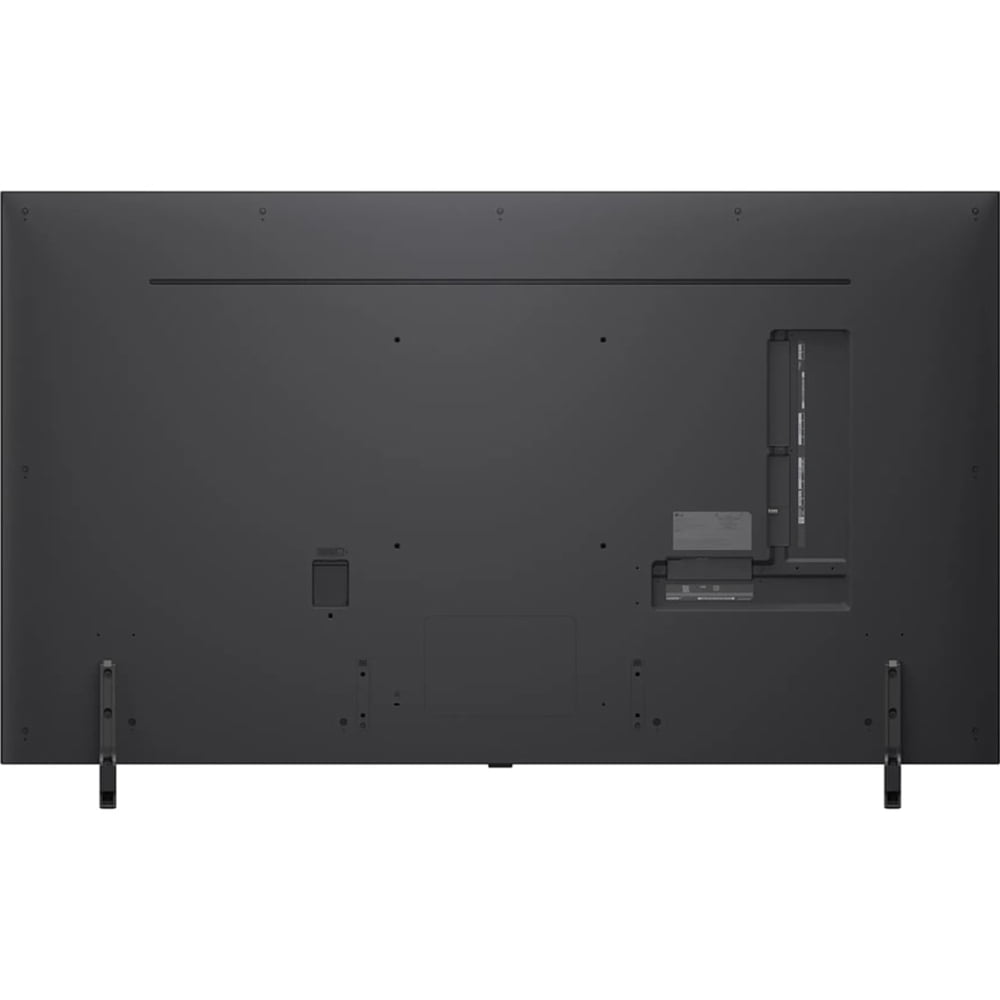
What sets the LG apart for gamers is its connectivity. With four HDMI 2.1 ports, you can connect multiple next-generation consoles, a PC, and other devices without needing to swap cables. This is particularly valuable if you own both a PlayStation 5 and Xbox Series X, plus maybe a gaming PC or streaming device.
The Sony BRAVIA 9 also delivers excellent gaming performance with 120Hz support and similarly low input lag. Sony's XR Motion Clarity technology actually provides slightly better motion handling, reducing blur in fast-moving scenes. However, the Sony only includes two HDMI 2.1 ports, which might require cable swapping for multi-console households.
Sony has optimized the BRAVIA 9 specifically for PlayStation 5, including Auto HDR Tone Mapping that automatically adjusts the TV's settings based on the game being played. This creates a more seamless gaming experience if you're primarily a PlayStation user.
The LG QNED85A takes a more platform-agnostic approach, supporting FreeSync Premium (AMD's variable refresh rate technology) and NVIDIA's G-Sync compatibility. This makes it particularly well-suited for PC gaming, where frame rates can vary significantly.
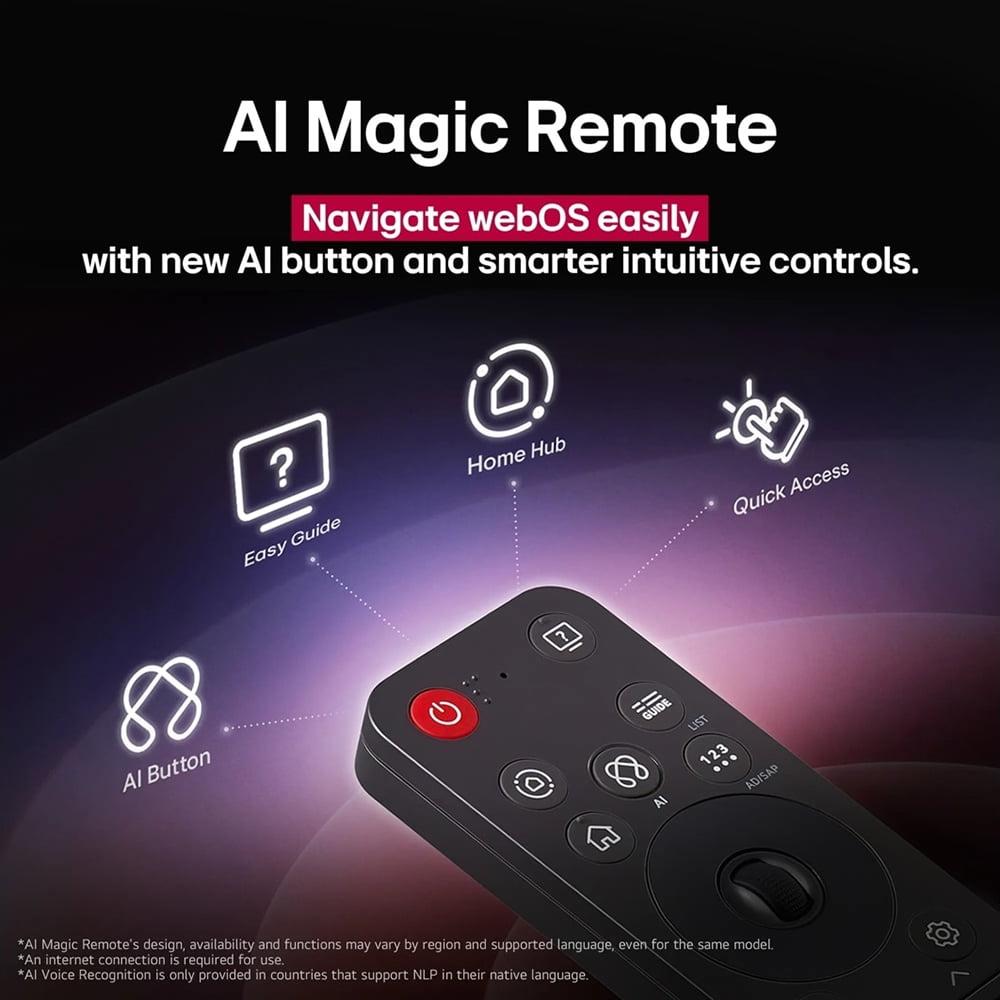
The LG QNED85A runs on LG's latest webOS 25 platform, which includes some genuinely impressive AI features. The AI Voice ID technology can recognize different family members and automatically switch to their preferred settings and content recommendations. The AI Concierge feature uses what LG calls a "large language model" (similar to ChatGPT) to provide conversational search and recommendations.
What's particularly noteworthy is LG's webOS Re:New Program, which guarantees five years of operating system updates. This is unusual in the TV industry, where manufacturers typically provide only 2-3 years of updates. For a $999 TV, this long-term support adds significant value.
The interface itself is clean and customizable, with Quick Cards that let you group related apps together. I've found the AI features genuinely useful for discovering new content, though some users might find the recommendations a bit aggressive initially.
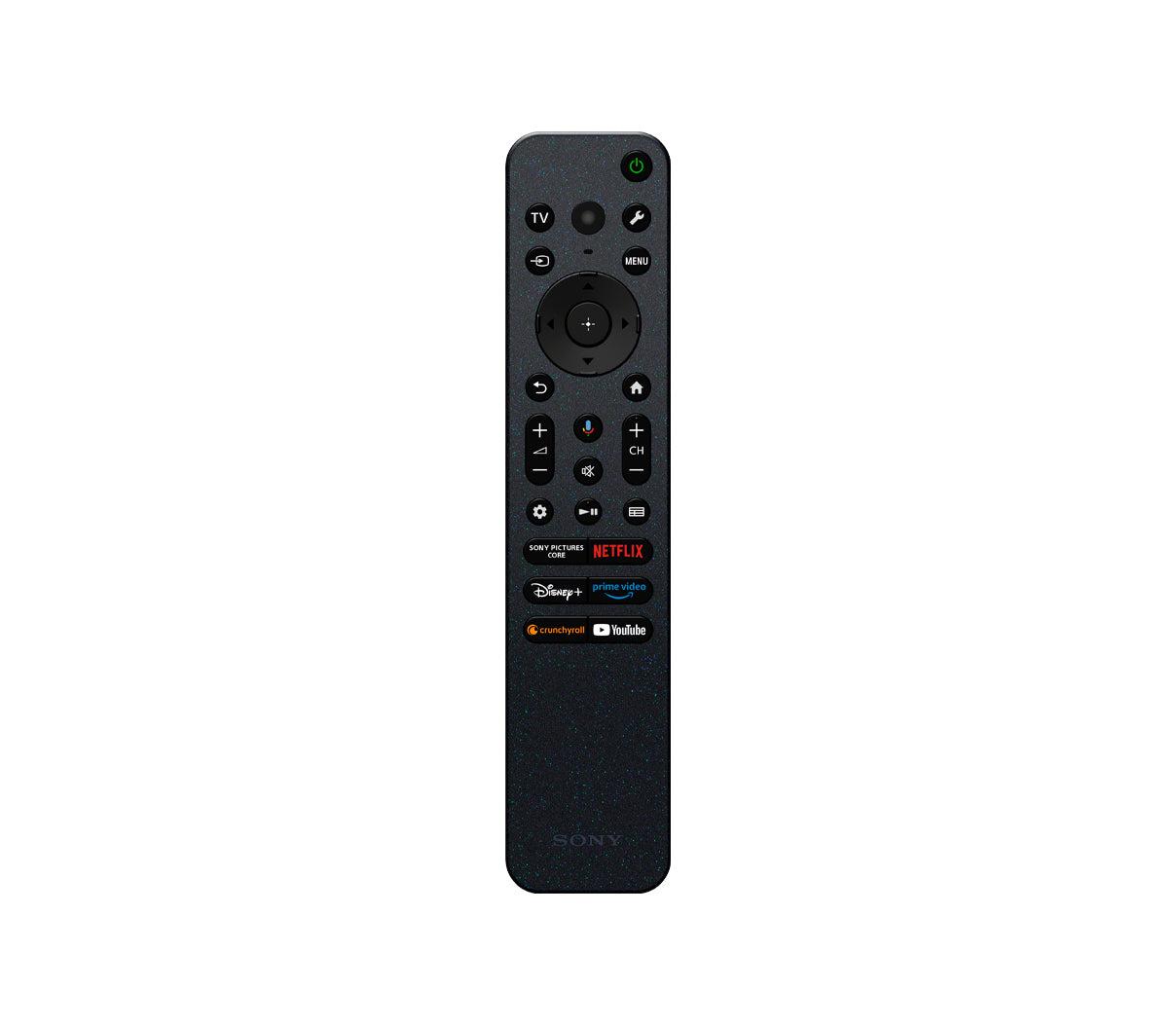
The Sony BRAVIA 9 runs Google TV, which is essentially an enhanced version of Android TV. The interface is well-designed and integrates seamlessly with Google's ecosystem. If you use Google services extensively, the Sony provides a more cohesive experience.
Sony's Cognitive XR processor doesn't just handle picture quality—it also powers intelligent content recommendations based on your viewing habits. The system learns what you like and surfaces relevant content from across your streaming services.
The Google TV platform includes built-in Chromecast functionality and supports Apple AirPlay 2, making it easy to stream content from phones or tablets. The voice control is particularly well-implemented, with hands-free Google Assistant that works reliably even in noisy environments.
The LG QNED85A uses downward-firing speakers with AI Sound Pro technology that creates virtual 9.1.2 surround sound. The AI analyzes the audio content and creates the illusion of height and surround channels using psychoacoustic processing.
While this works reasonably well for a TV's built-in speakers, it's still fundamentally limited by the physical constraints of the TV's thin profile. The AI processing can sometimes sound artificial, particularly with music content.
The Sony BRAVIA 9 includes Sony's Acoustic Surface Audio+ technology, which is genuinely innovative. Instead of traditional speakers, the TV uses actuators that vibrate the screen itself to create sound. This creates a unique effect where dialogue appears to come directly from the actors' mouths rather than from below the screen.
The system includes a 2.2.2 channel configuration with 70 watts of power, and the up-firing beam tweeters create a surprising sense of height and space. I've been consistently impressed by how much more immersive the Sony sounds compared to traditional TV speakers.
For home theater setups, both TVs support Acoustic Center Sync (Sony) and similar technologies (LG) that coordinate the TV's speakers with compatible soundbars for enhanced dialogue clarity.
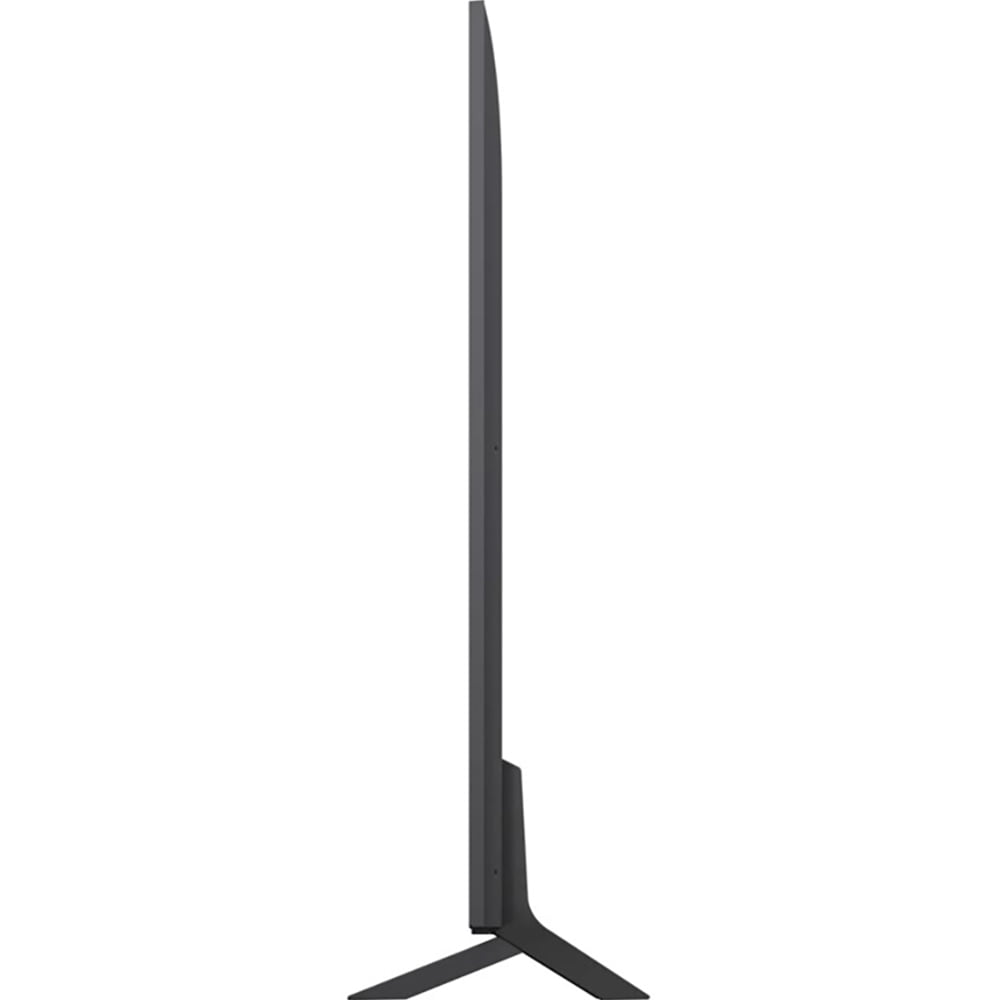
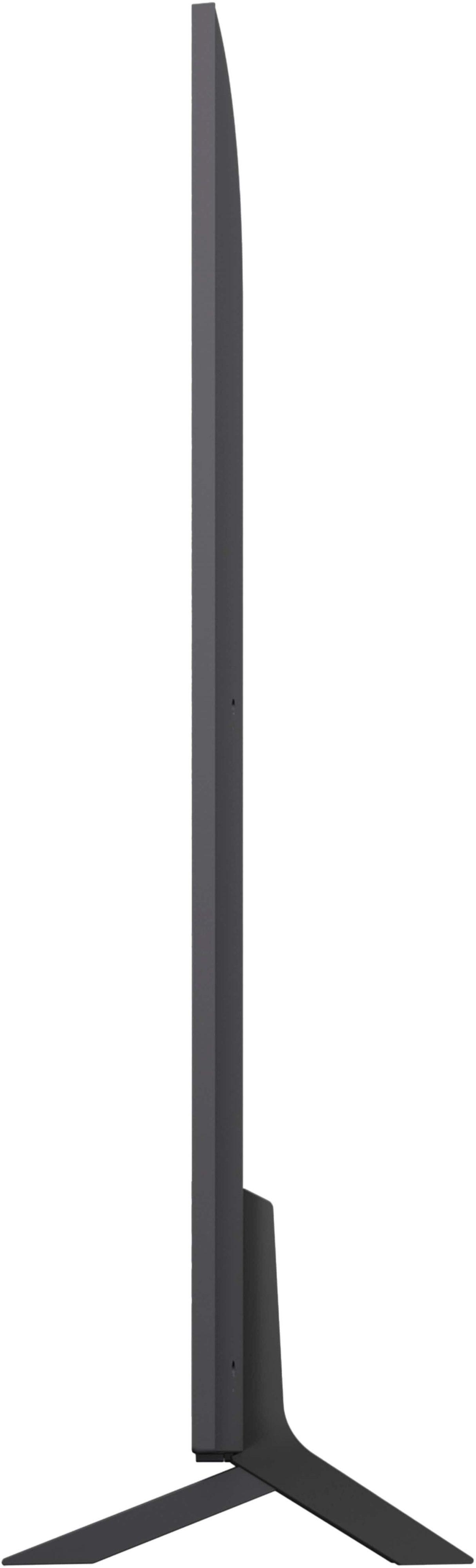
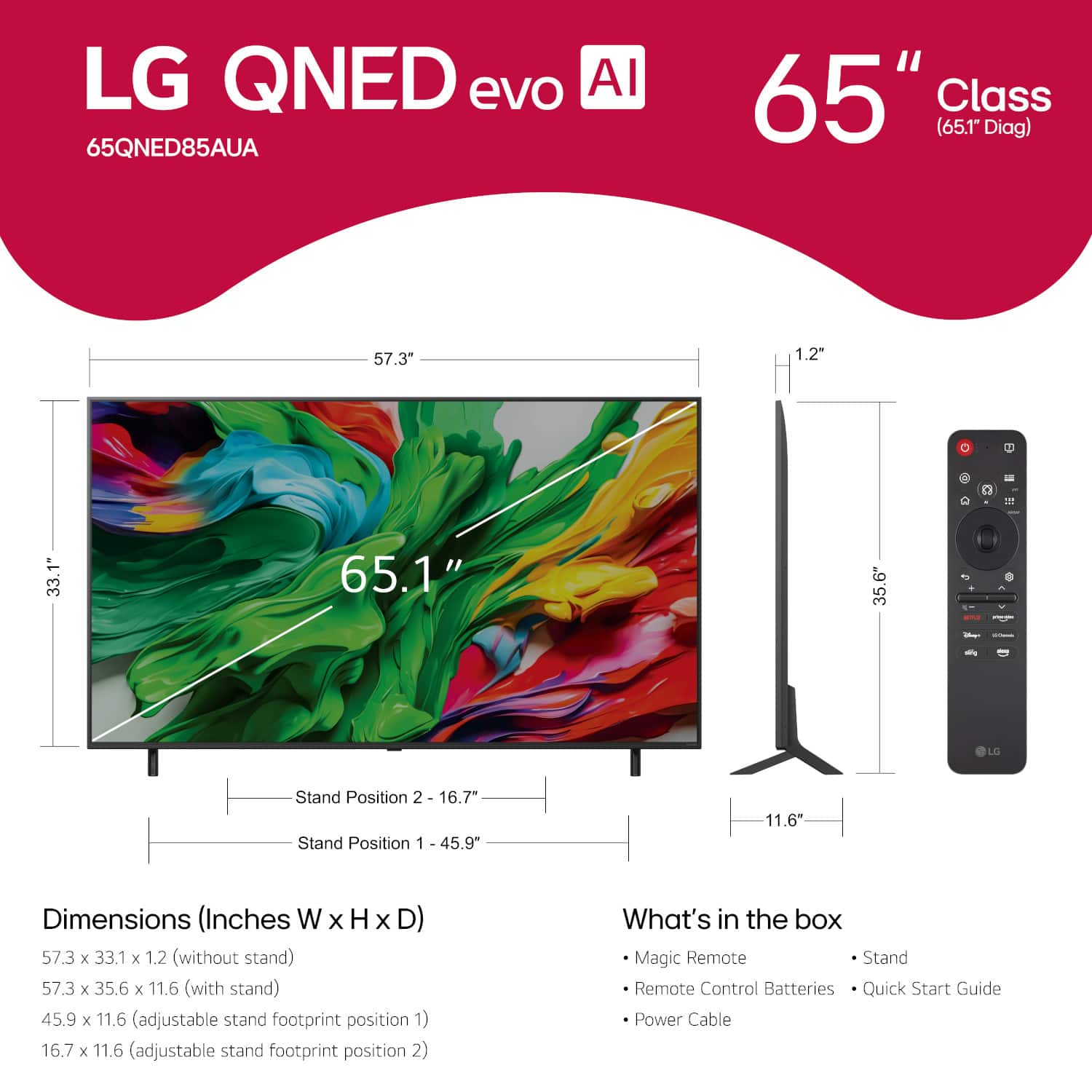
The physical differences between these TVs reflect their market positioning. The LG QNED85A features a slim 30mm profile and looks attractive when wall-mounted, but the build quality is what I'd describe as "good but not premium." The materials feel solid without being exceptional.
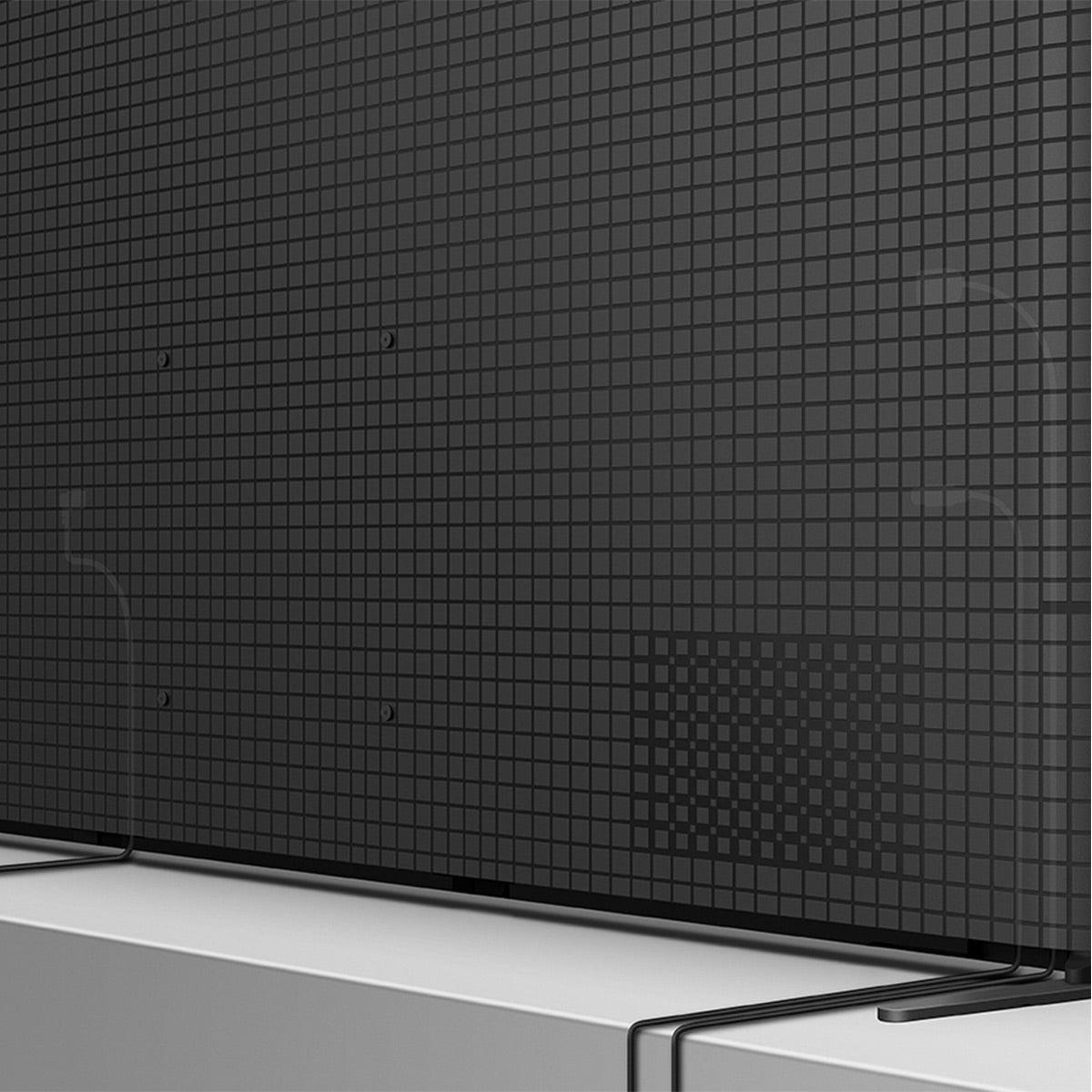
The Sony BRAVIA 9 clearly uses higher-quality materials and construction. The multi-position stand is particularly well-designed, allowing you to adjust the TV's position for optimal viewing angles or to accommodate different soundbar configurations. The overall fit and finish feels more premium, which you'd expect given the price difference.
At $999.99, the LG QNED85A delivers what I consider to be exceptional value. You're getting flagship-level brightness, comprehensive gaming features, advanced AI capabilities, and a five-year software update guarantee. For many buyers, this represents the sweet spot between features and affordability.
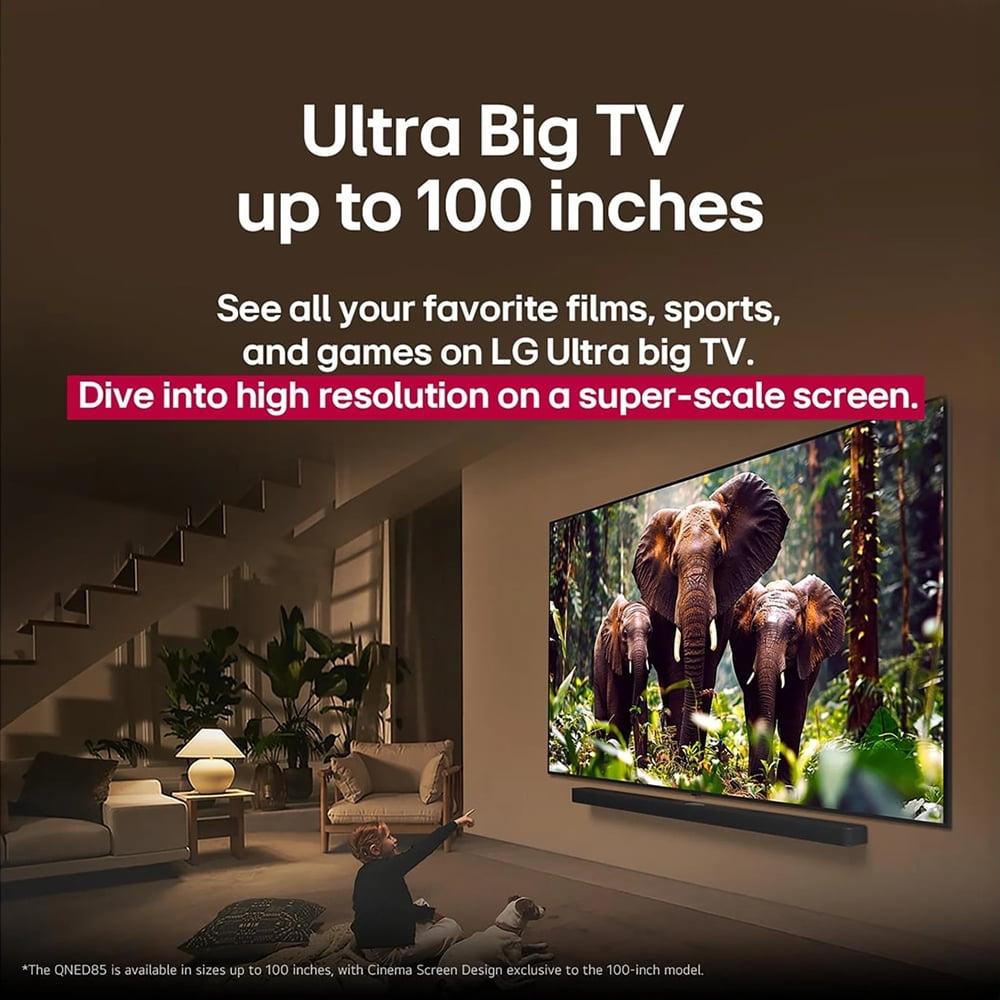
The LG makes particular sense if you're upgrading from an older TV and want modern features without spending flagship money. The bright, colorful picture works well in most living room environments, and the gaming features are comprehensive enough for serious enthusiasts.
The Sony BRAVIA 9 at $2,073.95 costs more than twice as much as the LG, but it delivers meaningful improvements in picture quality, audio performance, and build quality. The superior contrast control and motion handling create a more cinema-like experience, particularly in darkened rooms.
For dedicated home theater setups, the Sony's advantages become more pronounced. The better black levels and more natural color reproduction make it ideal for movie watching, while the innovative audio system provides a more immersive experience without requiring additional speakers.
Both TVs represent significant advances over their 2024 predecessors. The LG QNED85A benefits from LG's second-generation MiniLED implementation, which provides better uniformity and reduced blooming compared to earlier models. The AI features are also notably more sophisticated, with improved natural language processing and more accurate content recommendations.
The Sony BRAVIA 9 includes Sony's most advanced MiniLED technology to date, with what Sony claims is their highest level of local dimming zones. The Cognitive XR processor has been updated with improved machine learning algorithms that better understand content and optimize settings automatically.
Looking forward, both TVs should remain relevant for years to come. The comprehensive HDMI 2.1 support ensures compatibility with future gaming consoles and streaming devices, while the smart platforms are designed to evolve with regular updates.
If you're setting up a dedicated home theater, the Sony BRAVIA 9 has clear advantages. The superior contrast control and more natural color reproduction create a more film-like experience. The innovative audio system also provides better dialogue clarity and spatial effects, reducing the immediate need for additional speakers.
The Sony's processing is particularly well-suited for movie content, with better handling of film grain and more accurate color reproduction. For serious movie watching, these differences are immediately apparent and justify the higher price.
The LG QNED85A can certainly work in a home theater setting, particularly if you're dealing with some ambient light. Its superior brightness makes it more forgiving of less-than-ideal lighting conditions, and the gaming features add versatility that many home theater enthusiasts appreciate.
Choose the LG QNED85A if you want flagship features at a reasonable price, have a bright living room, are a serious gamer with multiple consoles, or simply prioritize value over absolute picture quality. It's an excellent TV that delivers most of what you'd want from a premium display without the premium price.
Choose the Sony BRAVIA 9 if you want the absolute best LCD picture quality available, have a dedicated home theater or controlled lighting environment, prioritize immersive audio, or are willing to pay more for superior contrast and motion handling.
Both TVs represent excellent examples of current MiniLED technology, but they serve different audiences and use cases. The LG democratizes premium features, while the Sony delivers uncompromising performance for those who demand the best. Your choice ultimately depends on your priorities, viewing environment, and budget—but either way, you'll be getting a genuinely impressive display that should serve you well for years to come.
| LG 65" QNED evo AI QNED85A 4K MiniLED Smart TV 2025 | Sony BRAVIA 9 65" 4K UHD Mini LED QLED Smart Google TV |
|---|---|
| Price - Major factor determining value proposition | |
| $999.99 | $2,073.95 |
| Display Technology - Core picture quality foundation | |
| MiniLED LCD with Quantum Dot & NanoCell layers | Mini LED QLED with XR Backlight Master Drive |
| Peak Brightness - Critical for bright room viewing | |
| Exceptionally high (exact specs not disclosed) | High but slightly lower than LG in some conditions |
| Black Levels & Contrast - Most important for dark room viewing | |
| Good with some blooming in dark scenes | Near-OLED performance with minimal blooming |
| Processor - Determines AI features and picture optimization | |
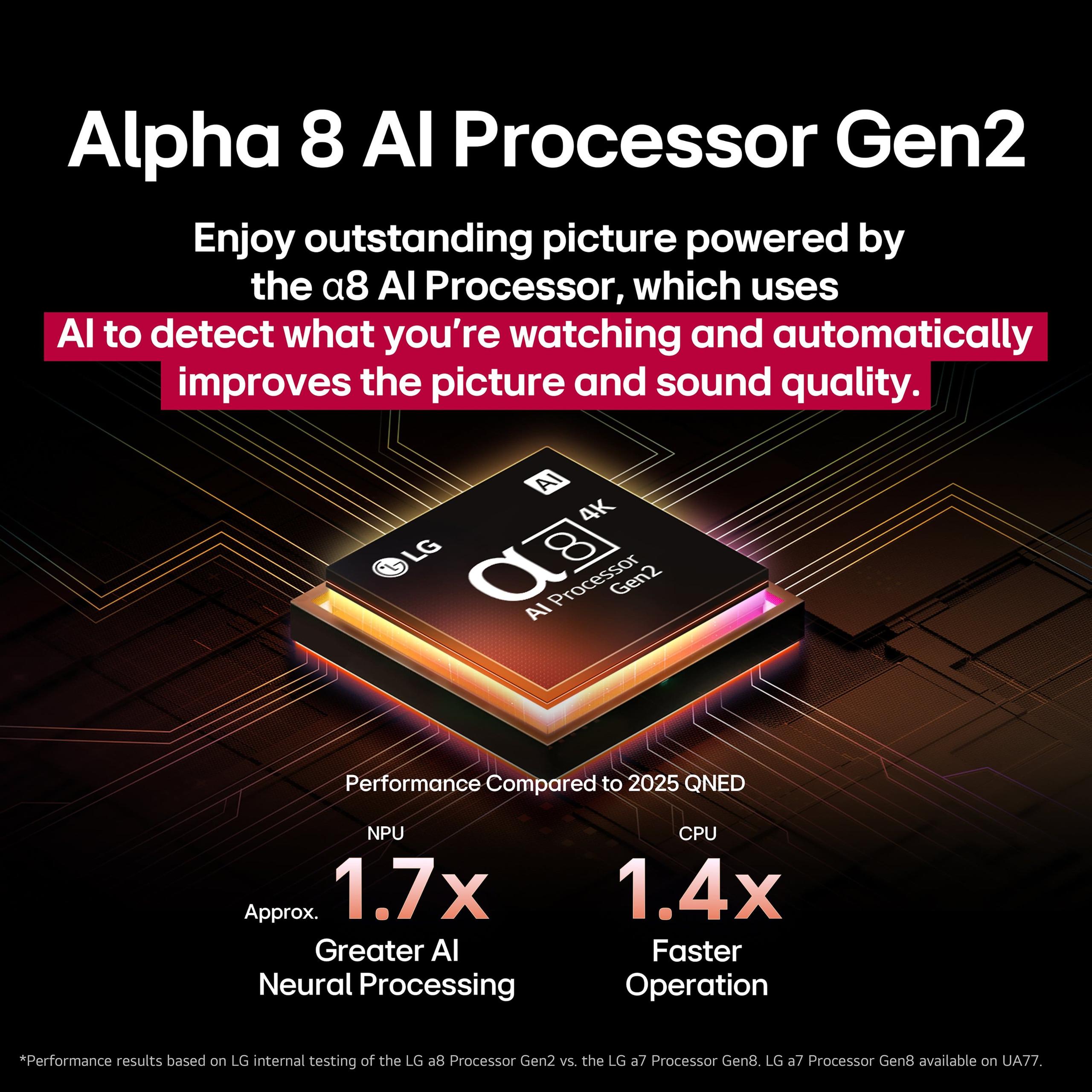
| α8 Gen 2 AI Processor (70% performance improvement) | Cognitive XR Processor (2nd Gen) |
| Gaming Refresh Rate - Essential for smooth gaming | |
| 120Hz native, up to 144Hz for PC gaming | 120Hz with superior motion clarity |
| HDMI 2.1 Ports - Future-proofing for multiple devices | |
| 4 ports (excellent for multi-console setups) | 2 ports (adequate but may require cable swapping) |
| Smart Platform - Daily interface experience | |
| webOS 25 with 5-year upgrade guarantee | Google TV with extensive app ecosystem |
| Audio Technology - Built-in sound quality | |
| Downward-firing speakers with AI Sound Pro | Acoustic Surface Audio+ (screen vibrates for sound) |
| HDR Support - Enhanced contrast and color range | |
| HDR10, HLG, Dolby Vision, Dolby Atmos | HDR10, HLG, Dolby Vision with superior tone mapping |
| AI Features - Personalization and smart recommendations | |
| Voice ID, AI Concierge, personalized search | Cognitive processing with Google Assistant integration |
| Build Quality - Long-term durability and premium feel | |
| Solid construction, 30mm slim profile | Premium materials with multi-position adjustable stand |
| Best For - Primary use case recommendations | |
| Bright rooms, gaming, value-conscious buyers | Home theaters, movie enthusiasts, premium experience seekers |
The LG 65" QNED evo AI QNED85A ($999.99) offers exceptional value, delivering about 80% of flagship performance at half the price of the Sony BRAVIA 9 ($2,073.95). The LG includes advanced AI features, excellent gaming capabilities, and a 5-year software update guarantee, making it the clear winner for budget-conscious buyers seeking premium features.
The Sony BRAVIA 9 delivers superior black levels and contrast with minimal blooming, creating a more cinematic experience. The LG QNED85A excels in brightness and vivid colors, making it better for bright rooms. For dark room viewing and home theaters, Sony has the edge, while LG performs better in well-lit living spaces.
The LG QNED85A is superior for gaming with 4 HDMI 2.1 ports (versus Sony's 2), support for up to 144Hz PC gaming, and comprehensive features like FreeSync Premium. The Sony BRAVIA 9 offers excellent gaming performance with PlayStation 5 optimizations but is more limited for multi-console setups due to fewer HDMI 2.1 ports.
The LG QNED85A runs webOS 25 with advanced AI features like Voice ID and AI Concierge, plus a rare 5-year update guarantee. The Sony BRAVIA 9 uses Google TV with seamless Google ecosystem integration and reliable voice control. Both platforms are excellent, with LG focusing on AI personalization and Sony emphasizing Google services integration.
The Sony BRAVIA 9 clearly wins with its innovative Acoustic Surface Audio+ technology that vibrates the screen to create sound, delivering more immersive audio with apparent dialogue placement. The LG QNED85A offers decent AI Sound Pro with virtual surround sound, but it's more conventional and less impressive than Sony's unique approach.
The LG QNED85A achieves higher peak brightness levels, making it superior for bright rooms with lots of ambient light. The Sony BRAVIA 9 focuses more on brightness control and precision rather than maximum output, resulting in better performance in darker environments but potentially less punch in very bright rooms.
The Sony BRAVIA 9 is significantly better for dedicated home theaters due to its superior black levels, more natural color reproduction, and immersive audio system. The precise contrast control and film-like image quality make it ideal for movie watching in controlled lighting environments, justifying the higher price for serious home theater enthusiasts.
Both TVs support 120Hz and have low input lag, but the LG QNED85A offers more gaming-focused features including 4 HDMI 2.1 ports, 144Hz PC support, and broader compatibility with gaming platforms. The Sony BRAVIA 9 provides excellent performance with special PlayStation 5 optimizations but is more limited for diverse gaming setups.
The LG QNED85A leads in AI innovation with Voice ID recognition, AI Concierge with natural language processing, and personalized recommendations powered by machine learning. The Sony BRAVIA 9 uses AI primarily for picture optimization and content recommendations through Google's ecosystem, focusing more on seamless integration than advanced AI features.
The LG QNED85A provides better long-term value with its 5-year webOS update guarantee, 4 HDMI 2.1 ports for future device compatibility, and comprehensive feature set at a lower price point. The Sony BRAVIA 9 offers premium build quality and superior picture processing that may age better, but costs significantly more upfront.
The Sony BRAVIA 9 excels in dark rooms with near-OLED black levels and minimal blooming around bright objects. The LG QNED85A performs well but shows some blooming in dark scenes, particularly noticeable with white text on black backgrounds. For dedicated home theater use, Sony's superior contrast control provides a more immersive experience.
Choose the LG QNED85A if you have a bright living room, want excellent gaming features, or prioritize value and AI capabilities. Select the Sony BRAVIA 9 if you can control lighting, prioritize the best possible picture quality and audio, or want a premium home theater experience. The LG offers more bang for your buck, while Sony delivers uncompromising performance at a premium price.
We've done our best to create useful and informative comparisons to help you decide what product to buy. Our research uses advanced automated methods to create this comparison and perfection is not possible - please contact us for corrections or questions. These are the sites we've researched in the creation of this article: rtings.com - rtings.com - youtube.com - lg.com - smarthomesounds.co.uk - abt.com - abt.com - lg.com - displayspecifications.com - walmart.com - bestbuy.com - lg.com - lg.com - lg.com - files.bbystatic.com - flatpanelshd.com - north-side-appliance.com - lgnewsroom.com - lg.com - youtube.com - youtube.com - hindustantimes.com - bestbuy.com - bestbuy.com - youtube.com - whathifi.com - crutchfield.com - rtings.com - pcrichard.com - merlinstv.com - youtube.com - sony.ca - electronics.sony.com

Privacy Policy
Terms and Conditions - Affiliate Policy
Home Security
© Copyright 2008-2026.
11816 Inwood Rd #1211, Dallas, TX 75244