

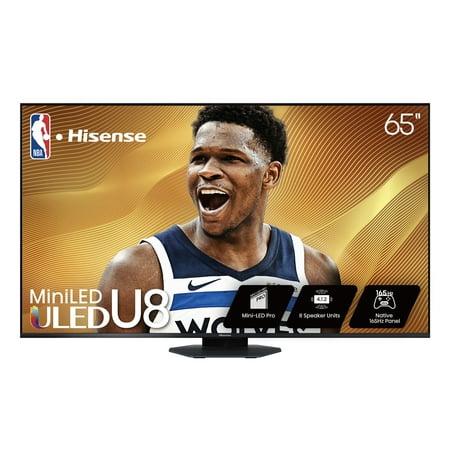
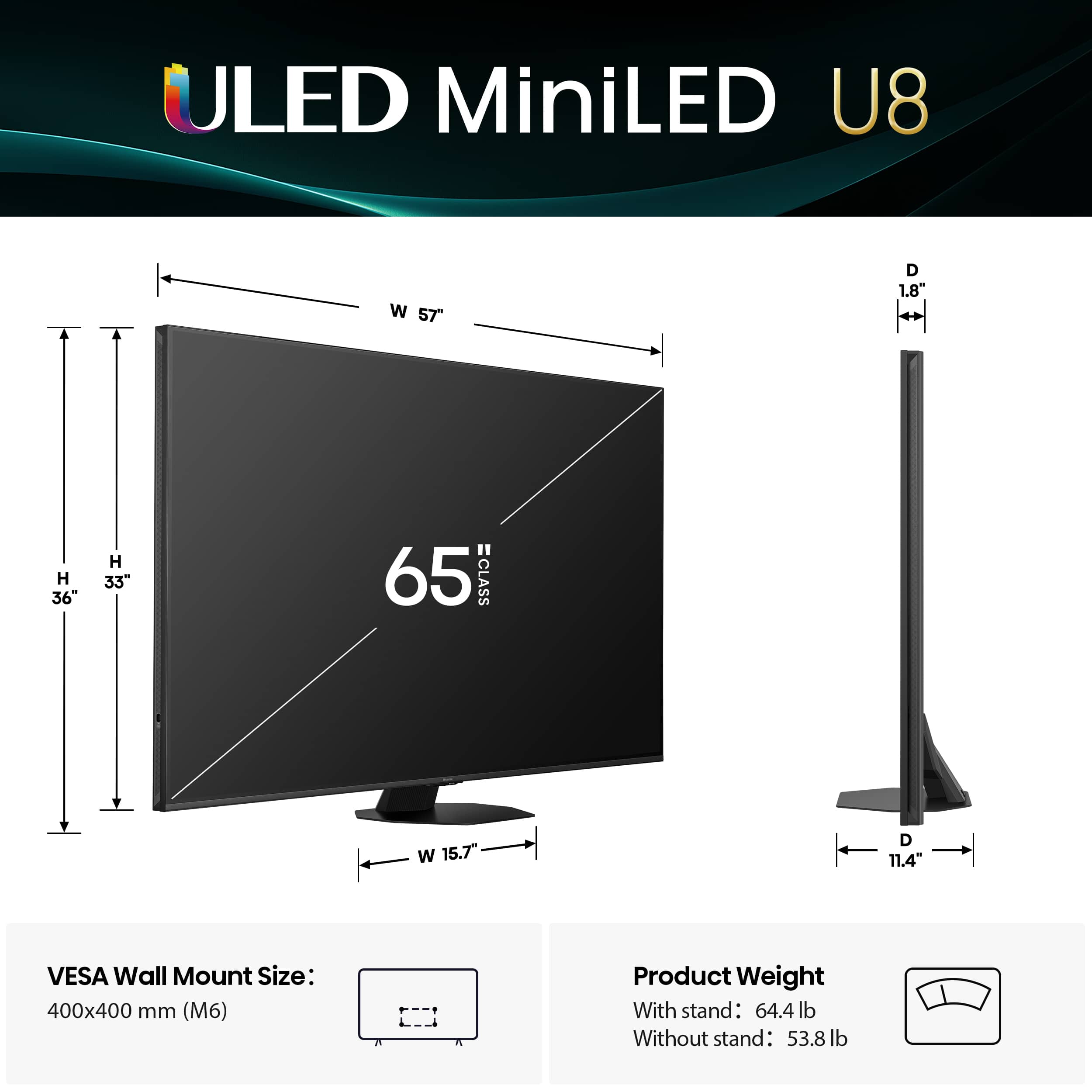
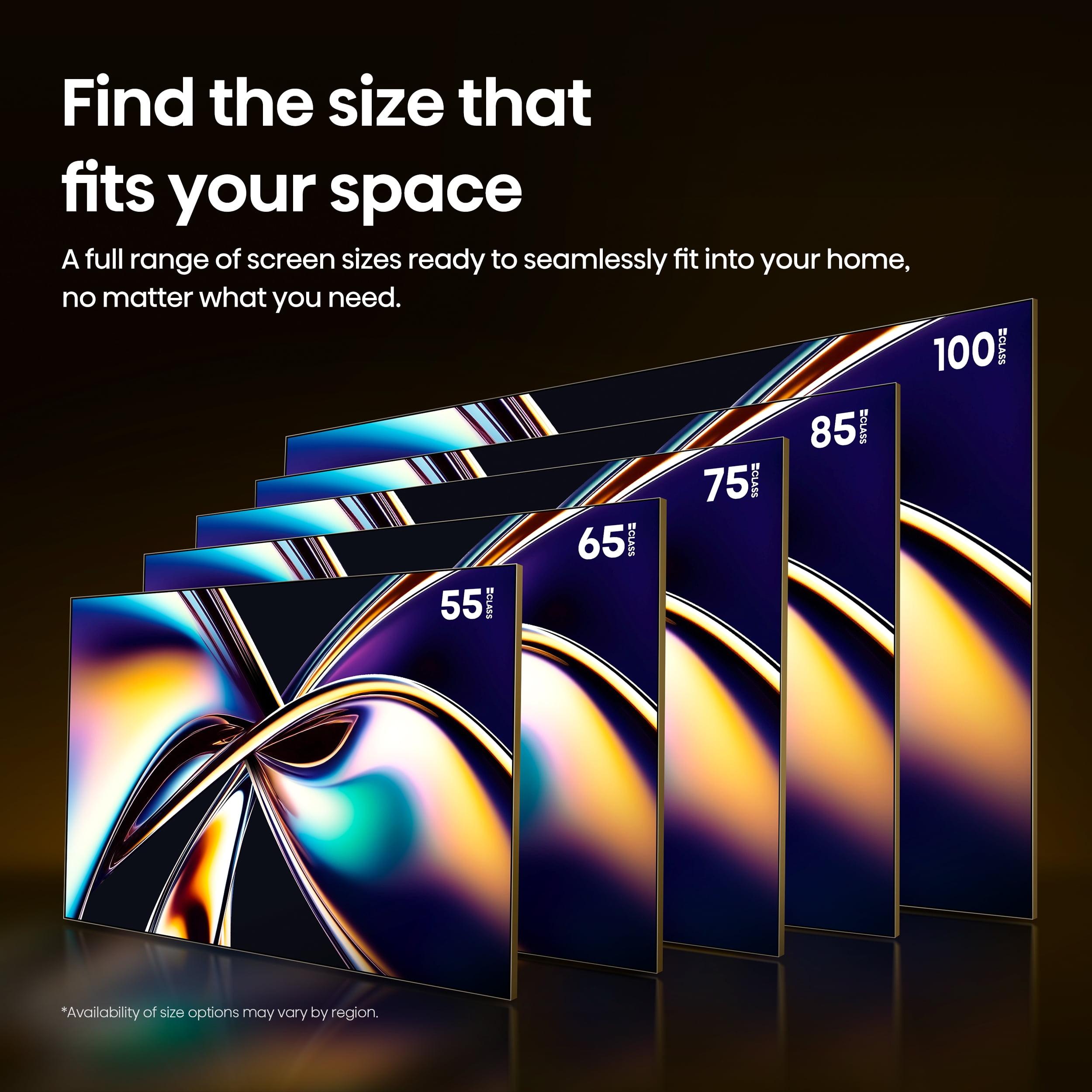
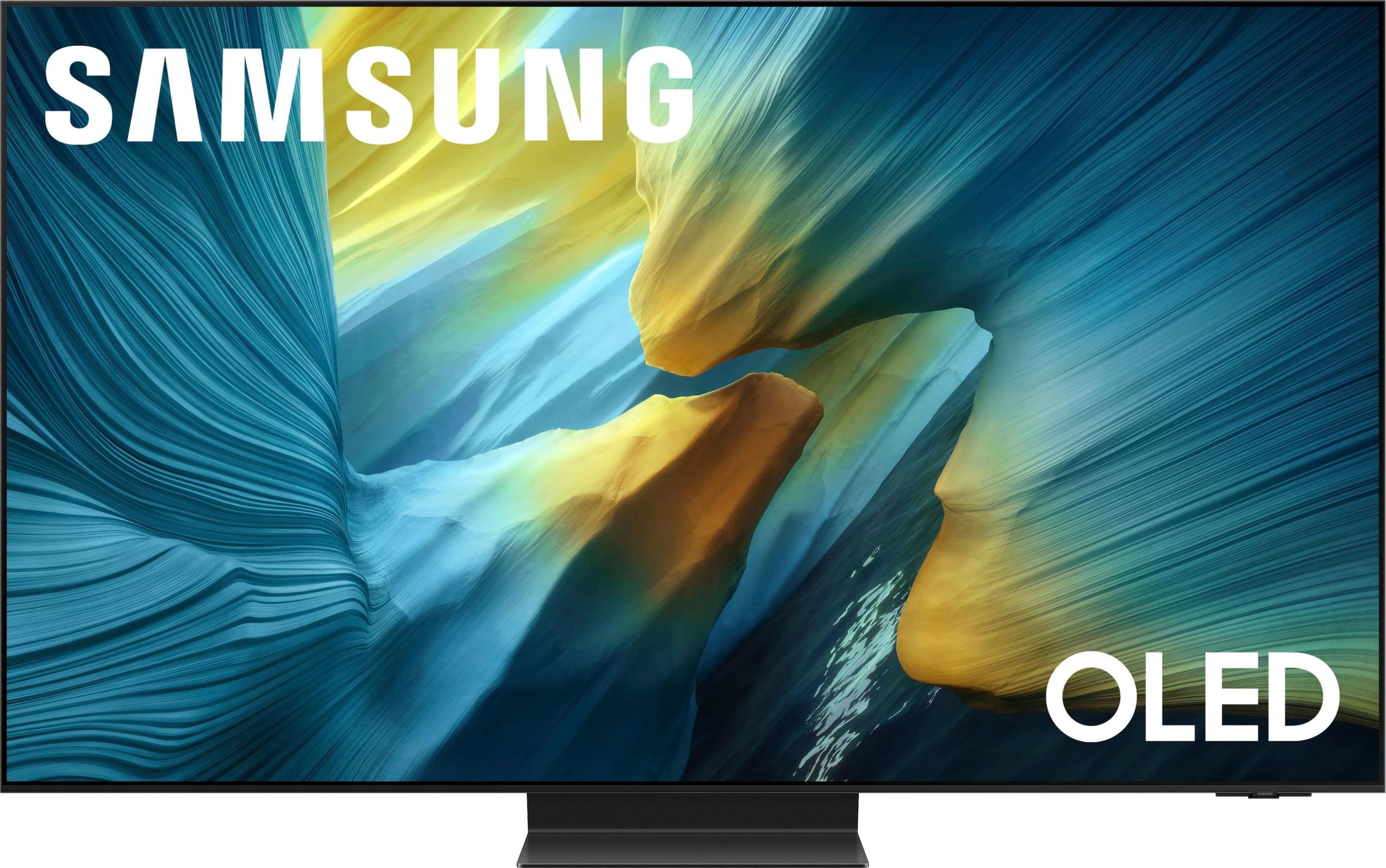
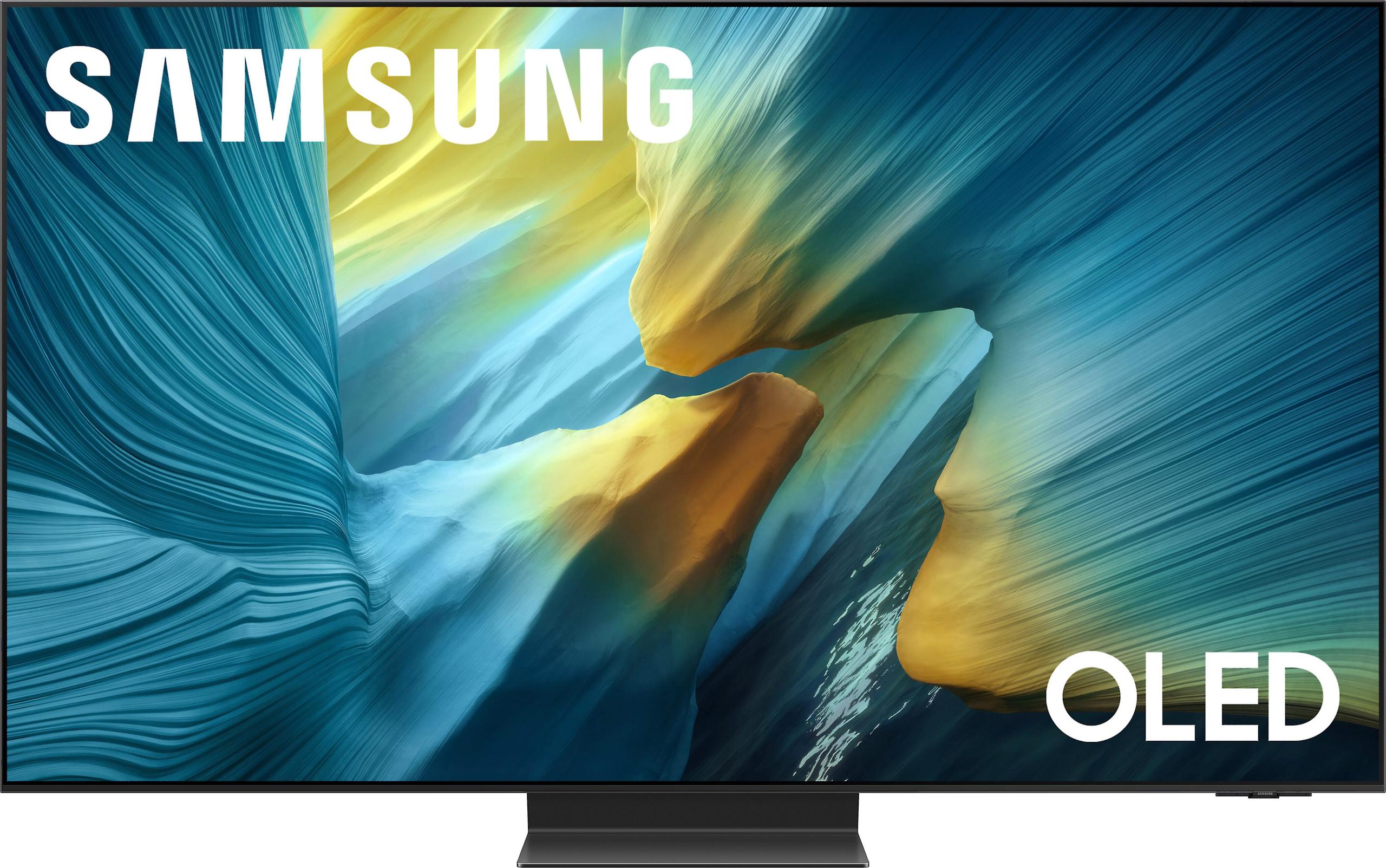
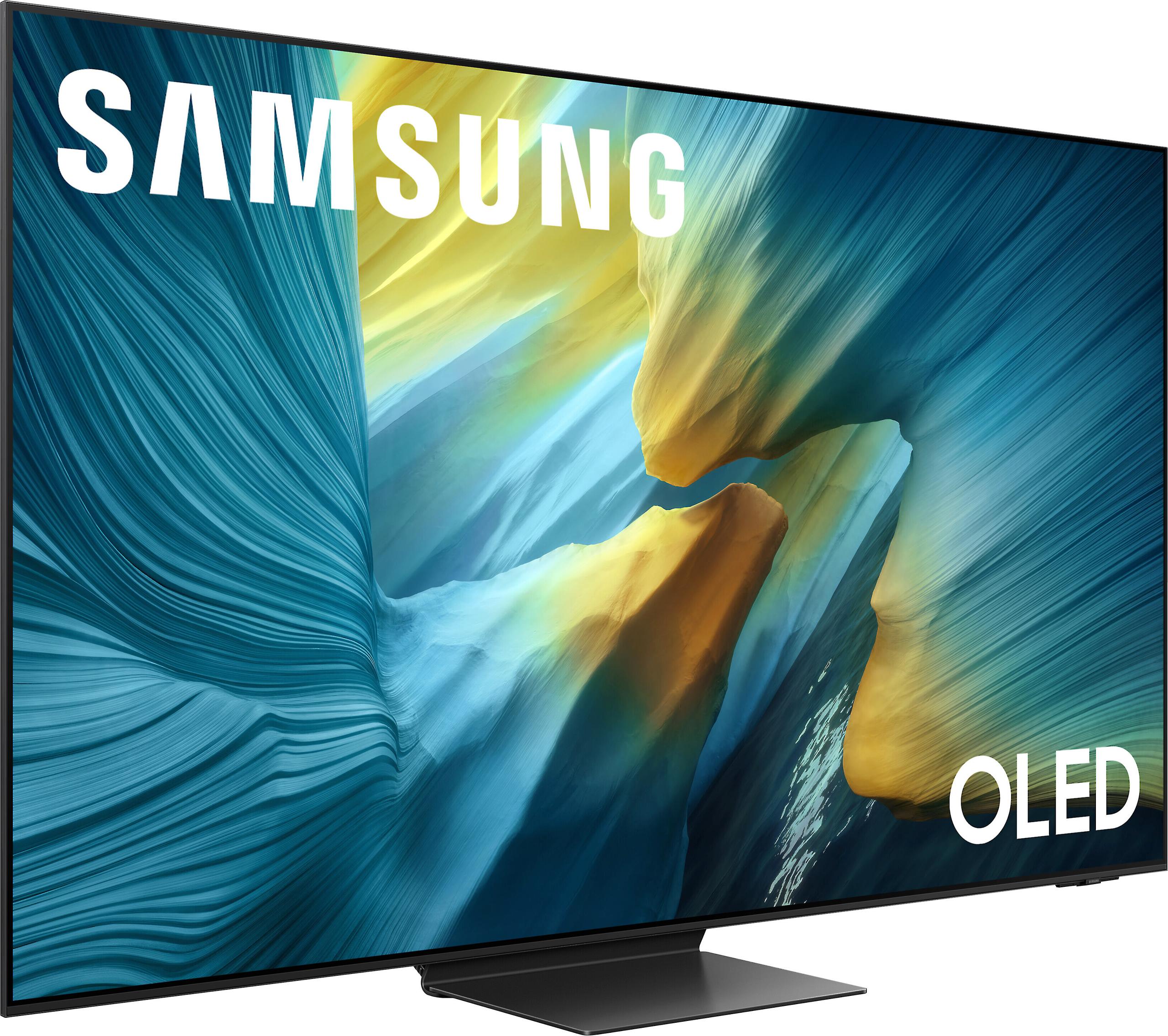
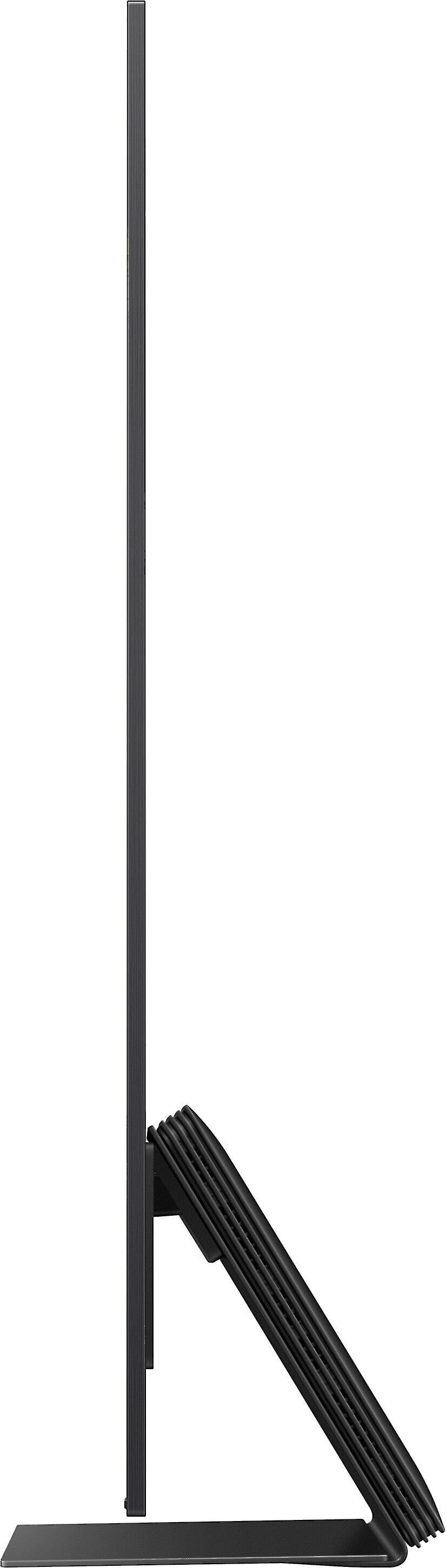
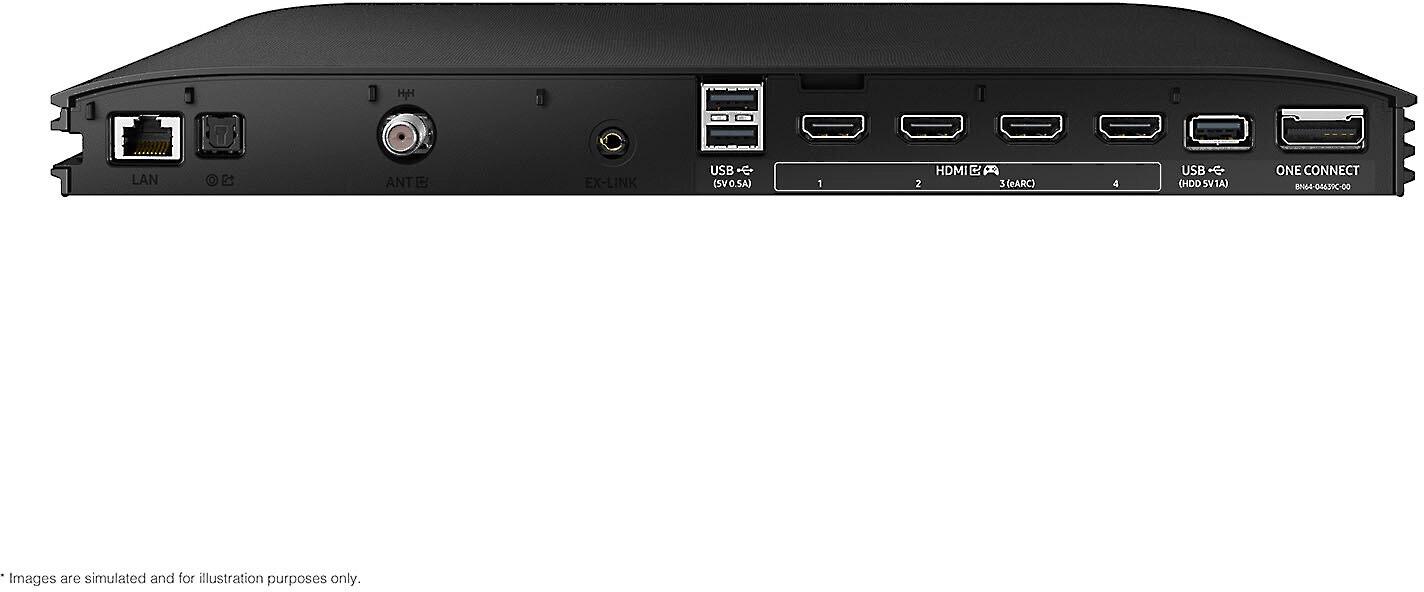
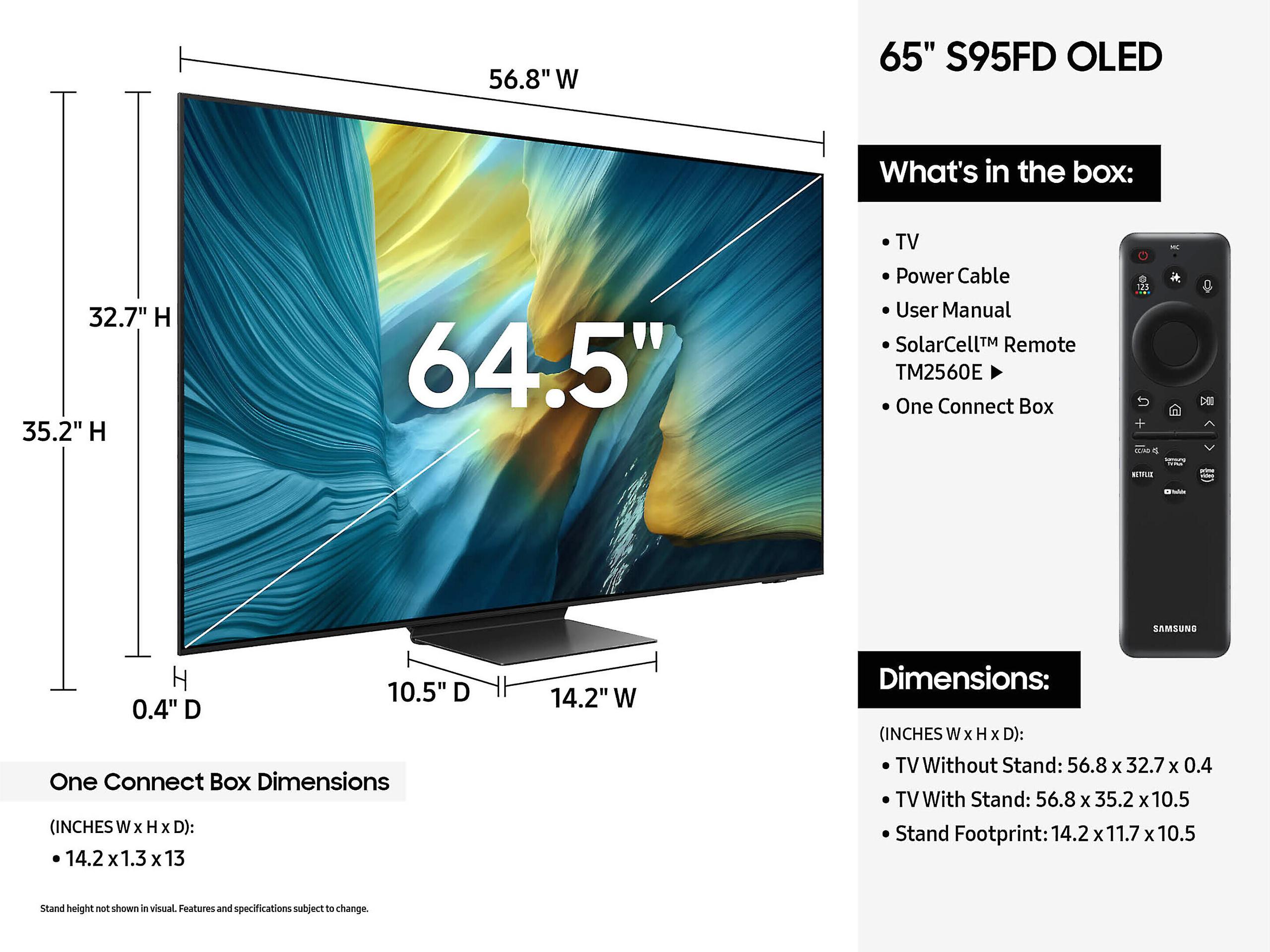
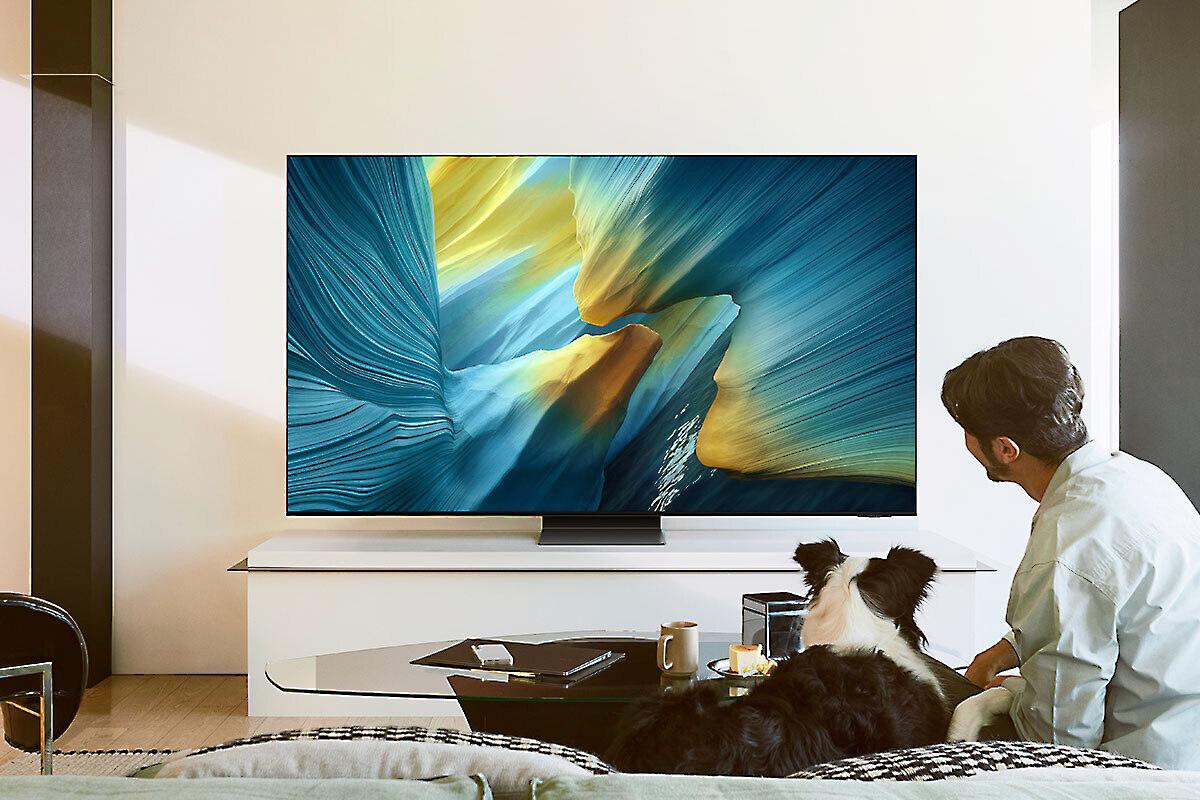
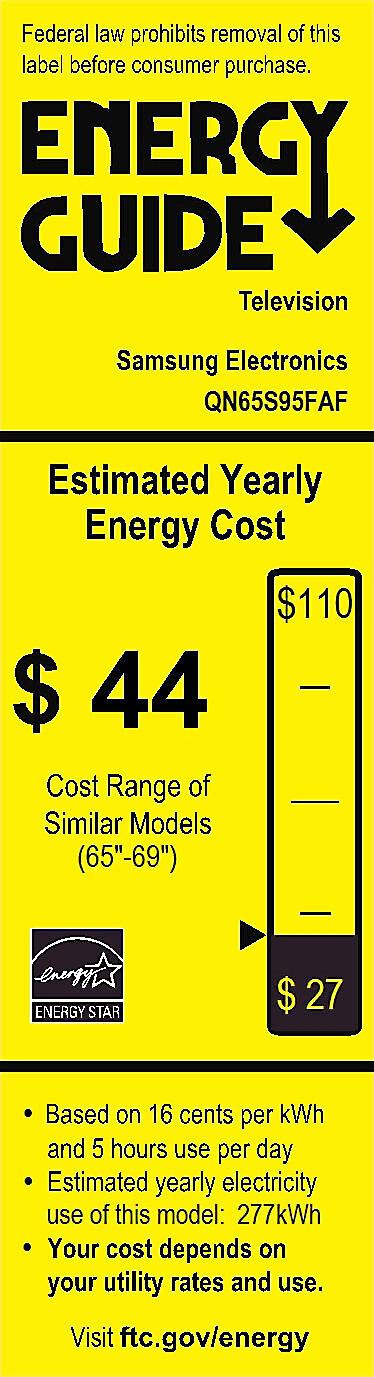
Shopping for a premium 65-inch TV in 2025 means navigating two compelling but very different display technologies. The Hisense 65" U8 Series Mini-LED ULED 4K Google TV and the Samsung 65" OLED S95F 4K Smart TV 2025 represent the best of each approach, but they're separated by more than just a $2,100 price difference.
Both TVs launched in early 2025, arriving at a time when the gap between LCD and OLED technology has narrowed significantly. The Hisense U8 builds on years of Mini-LED refinement, now offering over 2,000 local dimming zones – double what we saw in previous generations. Meanwhile, Samsung's S95F represents their third-generation QD-OLED panel, finally achieving the brightness levels that make OLED viable in bright rooms while maintaining those perfect blacks we love.
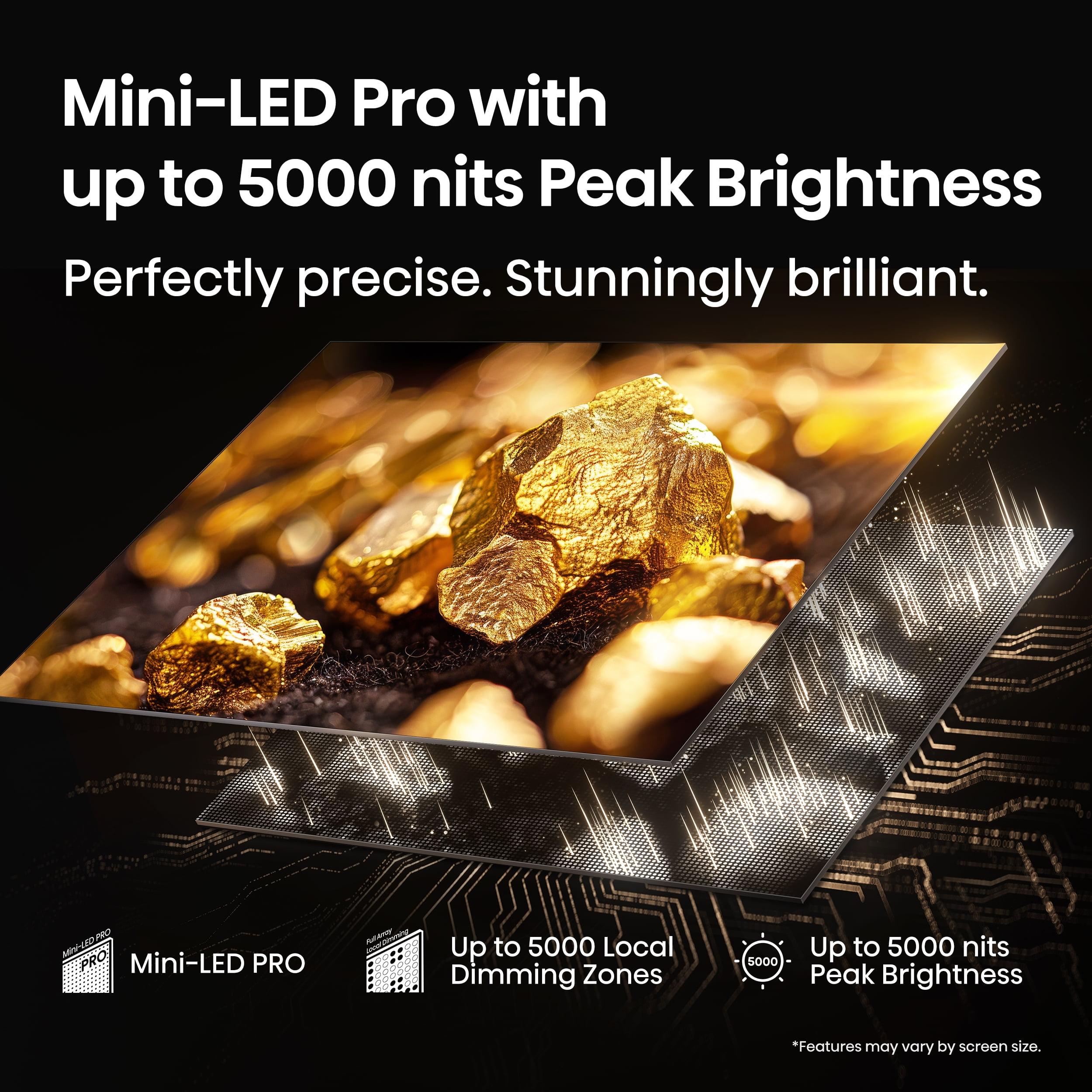
The fundamental difference between these TVs lies in how they create images. The Hisense U8 uses Mini-LED backlighting, which places thousands of tiny LEDs behind an LCD panel. Think of it like having thousands of individual flashlights that can dim or brighten independently to create contrast. This gives you incredibly bright highlights – we're talking 3,000 nits of peak brightness, which is bright enough to hurt your eyes if you stare directly at a white screen.
The Samsung S95F takes a completely different approach with QD-OLED technology. Here, each pixel generates its own light, like having millions of tiny colored light bulbs. When a pixel needs to be black, it simply turns off completely, creating perfect darkness. This is why OLED TVs can display a starry night scene with pitch-black space and brilliant stars side by side.
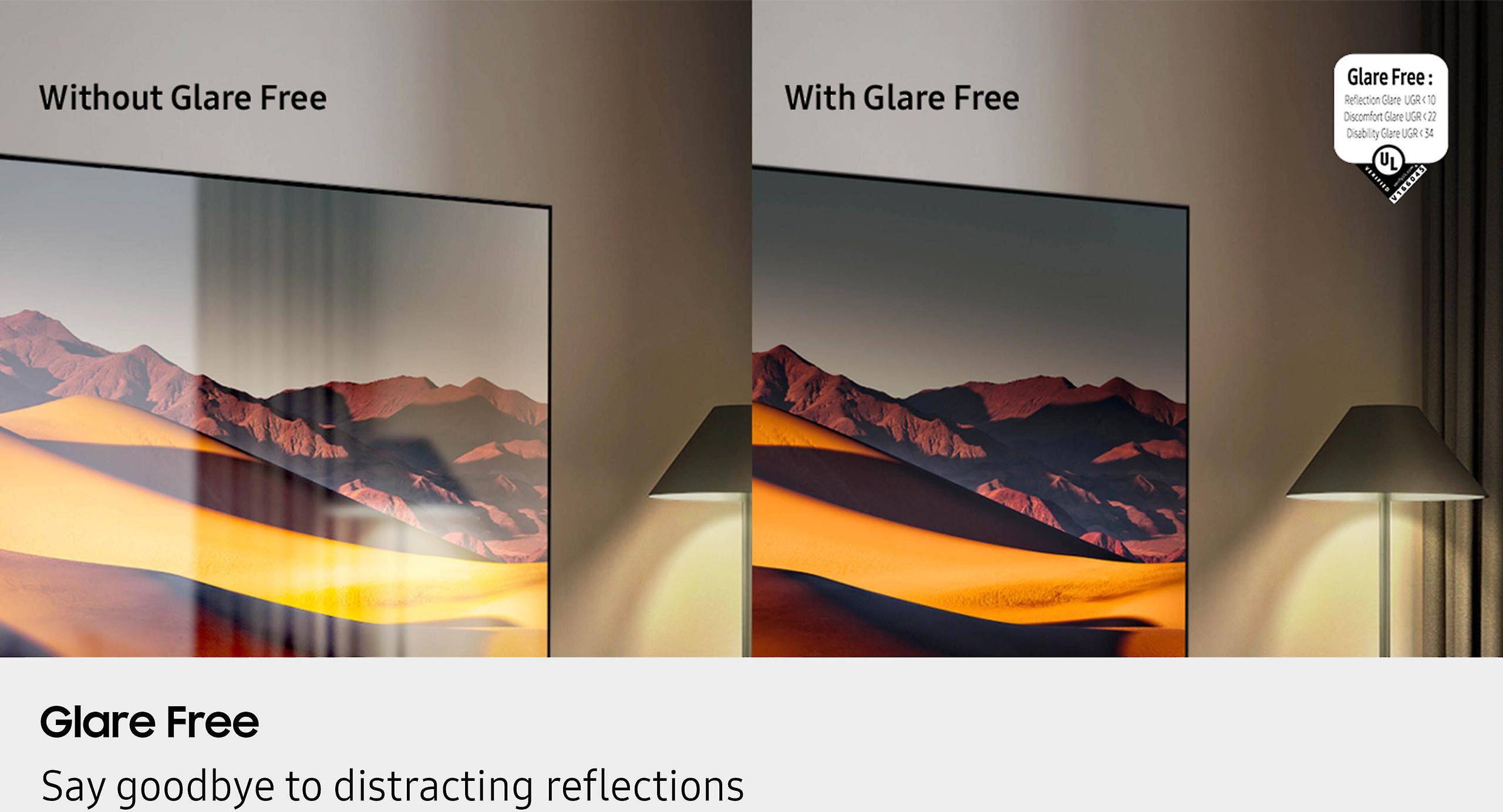
What's particularly interesting about Samsung's 2025 implementation is their new Anti-Glare 2.0 coating. Previous OLED TVs struggled in bright rooms because they couldn't compete with sunlight streaming through windows. This matte finish scatters reflections while maintaining the OLED's contrast advantages – though it does slightly lift the black levels compared to glossy OLED panels.
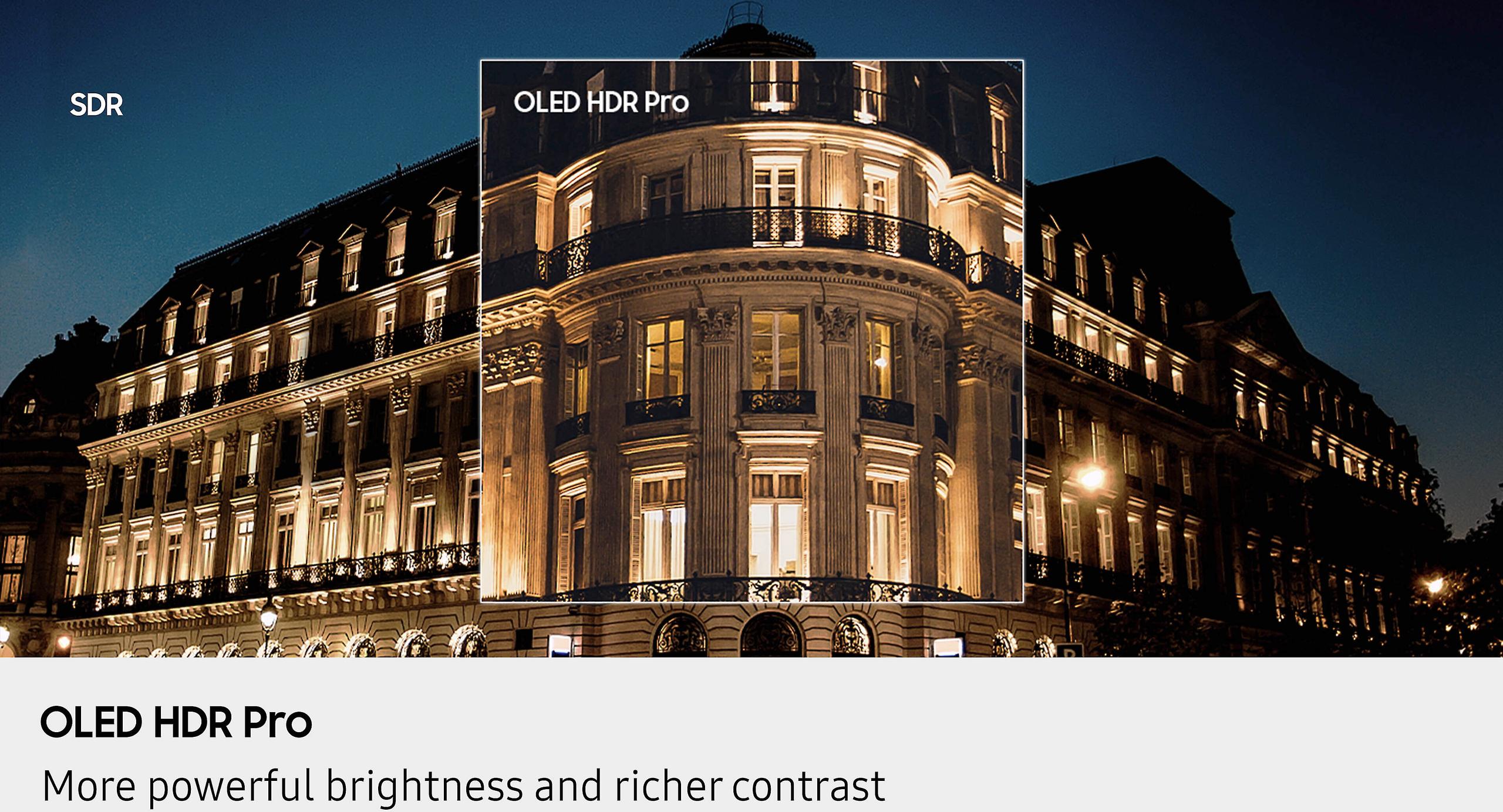
When it comes to raw brightness, both TVs have made impressive strides. The Hisense U8 can hit 3,000 nits in peak highlights, which means when you're watching a sunset scene in an HDR movie, those bright spots will genuinely look like they're glowing. This level of brightness also helps in bright rooms – when sunlight is competing with your TV, having more brightness in reserve means the image won't look washed out.
The Samsung S95F pushes even further, reaching up to 4,000 nits in small highlights. This might seem like overkill, but it's crucial for HDR content mastered at these brightness levels. I've noticed that on very bright OLED panels like this, HDR content from sources like Netflix and Disney+ appears more lifelike, with better separation between different brightness levels.
However, brightness isn't just about peak numbers. The way these TVs handle the full brightness range matters more for daily viewing. The Hisense uses Full Array Local Dimming with over 2,000 zones, which means it can make one part of the screen very bright while keeping another part dark. It's impressive, but there's still some light bleeding between zones – you might notice faint halos around bright objects on dark backgrounds.
The Samsung's approach eliminates this issue entirely. Since each pixel controls its own light output, there's no bleeding between bright and dark areas. This creates what we call "infinite contrast" – the difference between the brightest whites and darkest blacks is theoretically unlimited.
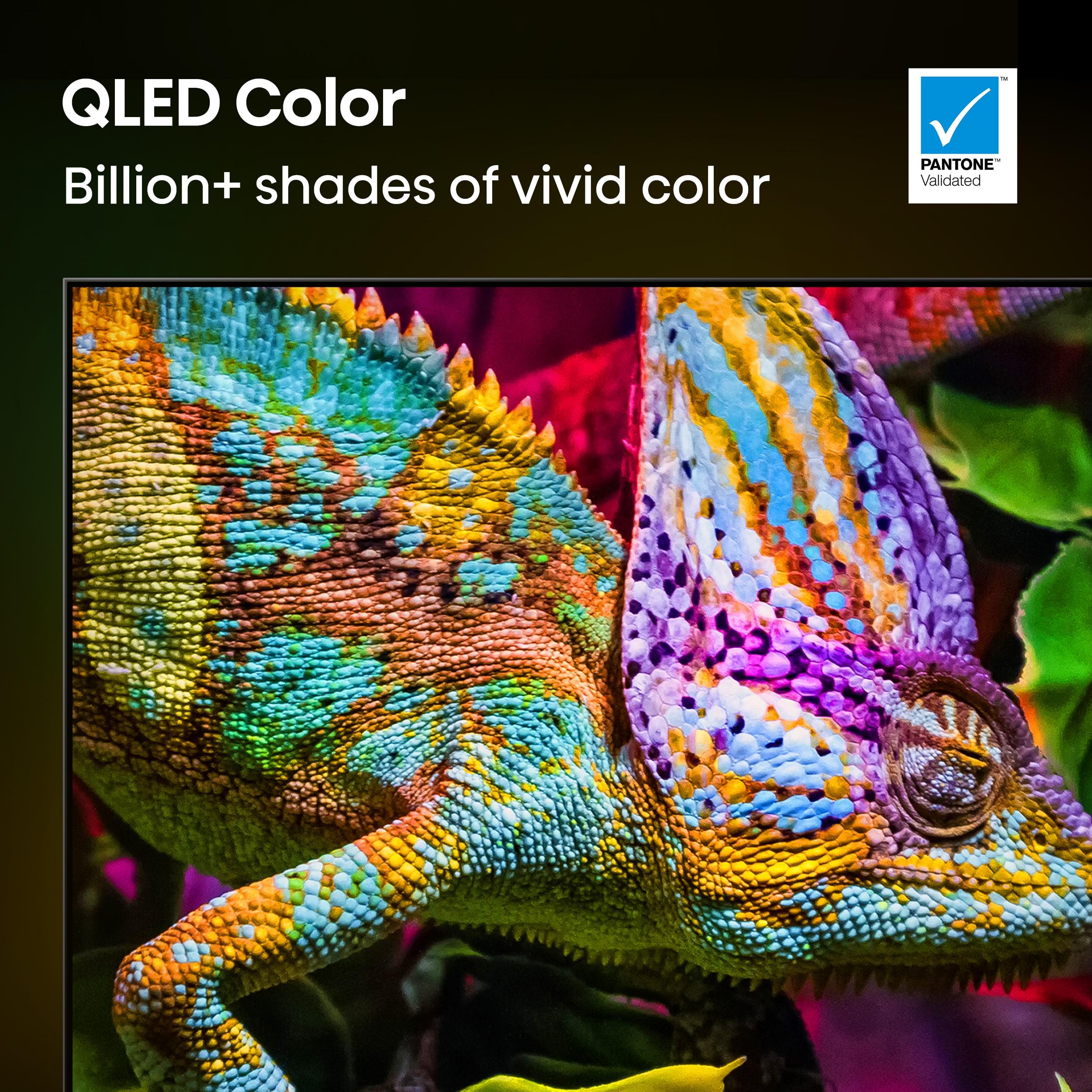
Both TVs use quantum dot technology to enhance color reproduction, but they implement it differently. The Hisense places quantum dots in front of blue LEDs, converting some of that blue light into highly saturated reds and greens. This creates very vibrant, punchy colors that look great with HDR content, though they can occasionally appear oversaturated in regular TV shows.
Samsung's QD-OLED approach integrates quantum dots directly into the OLED structure. This creates more accurate colors across a wider brightness range. In practical terms, this means a red apple in a bright kitchen scene will look the same shade of red as an apple in a dimly lit room – something that's surprisingly difficult for displays to achieve.
The real-world difference is noticeable when watching content with subtle color gradations. Sunset scenes, skin tones, and natural environments tend to look more realistic on the Samsung, while the Hisense excels at making vibrant content like animated movies and sports really pop.
This is where the technologies diverge significantly. The Hisense U8, like all LCD-based TVs, has relatively narrow viewing angles. Sit directly in front of it, and the picture looks fantastic. Move 30 degrees to either side, and you'll notice colors shifting and contrast decreasing. This isn't necessarily a deal-breaker – if you have a dedicated viewing spot, it won't matter. But for family movie nights where people are spread across a couch, some viewers will get a suboptimal experience.
The Samsung S95F maintains picture quality from virtually any angle. You can sit almost perpendicular to the screen and still see accurate colors and full contrast. This makes it much more versatile for different room layouts and seating arrangements.
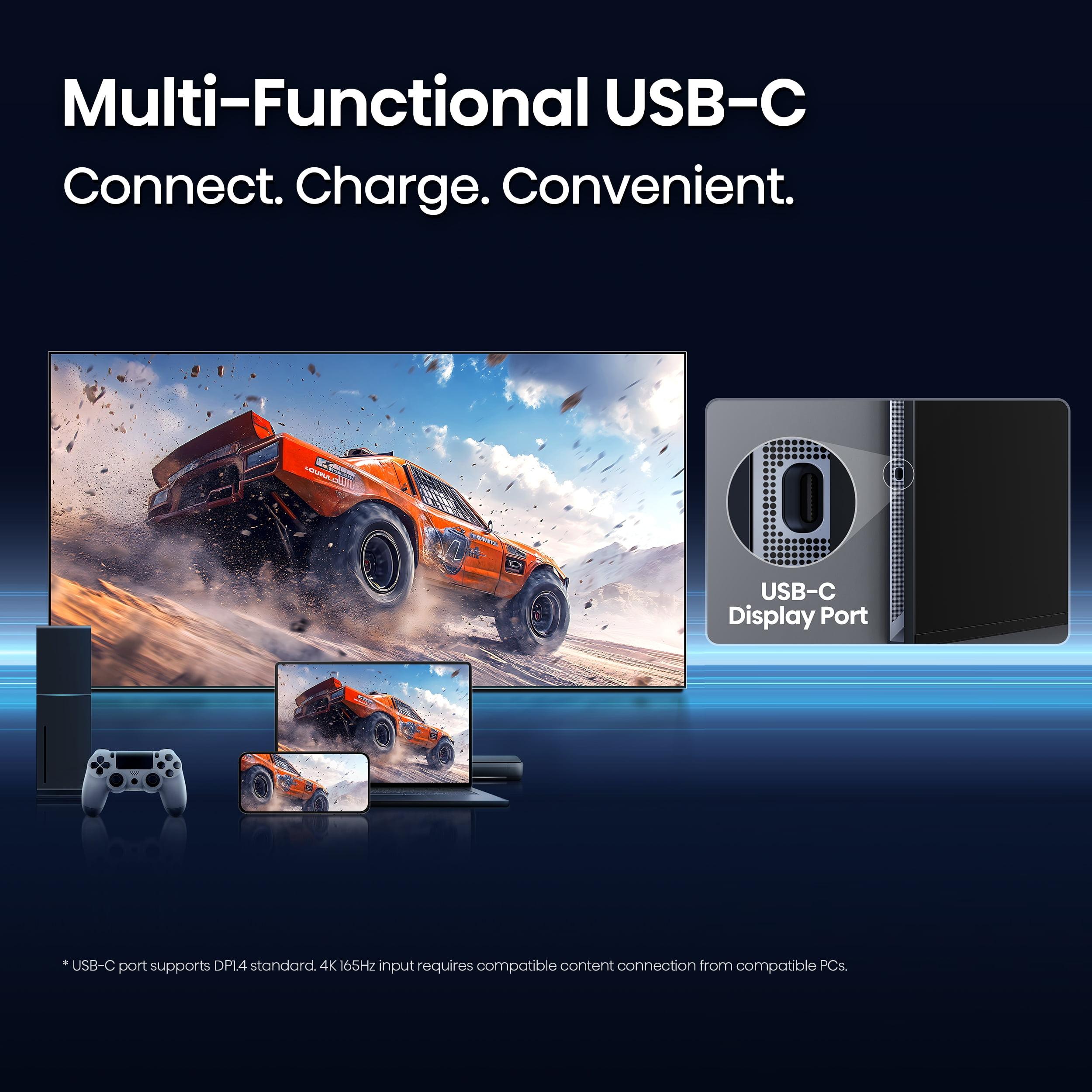
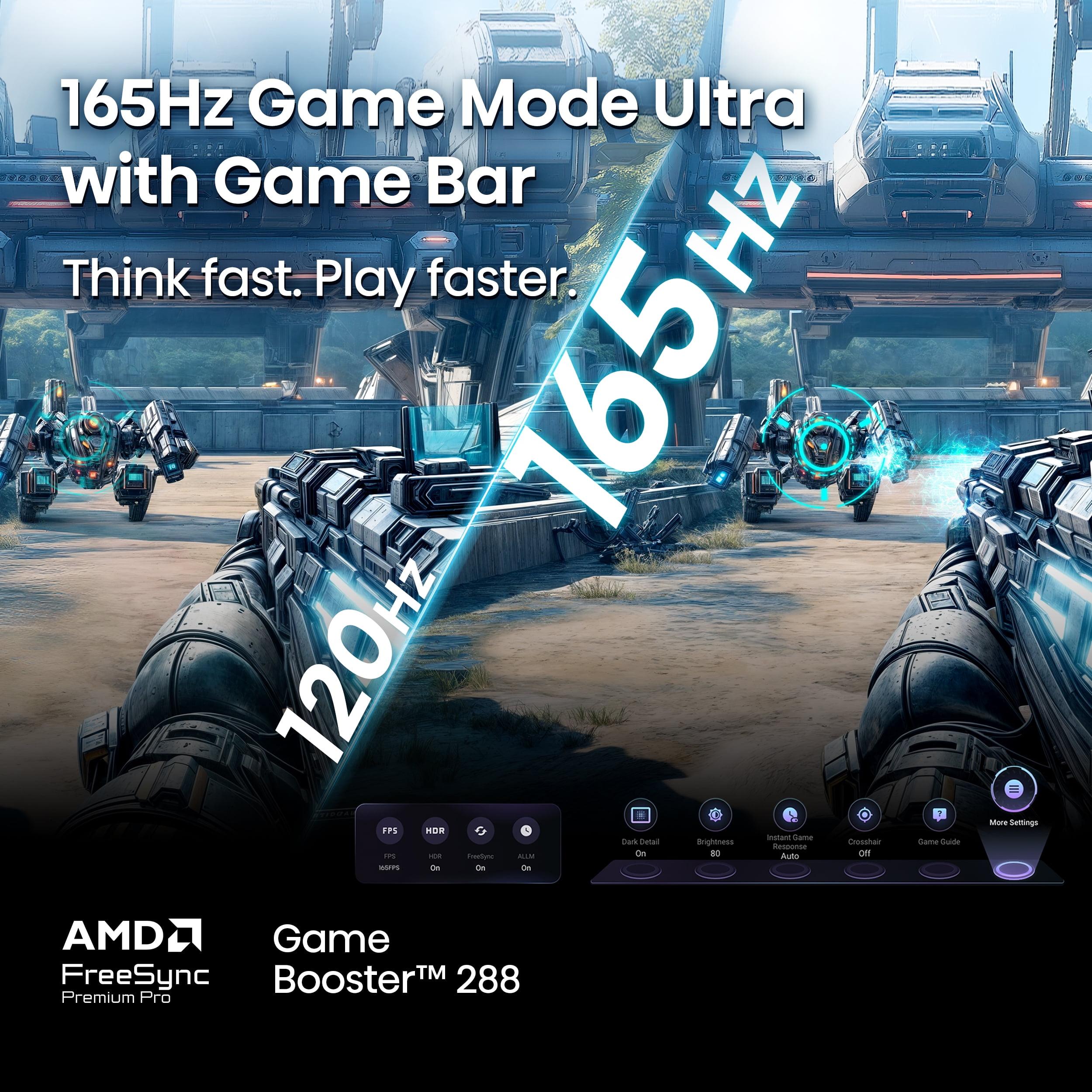
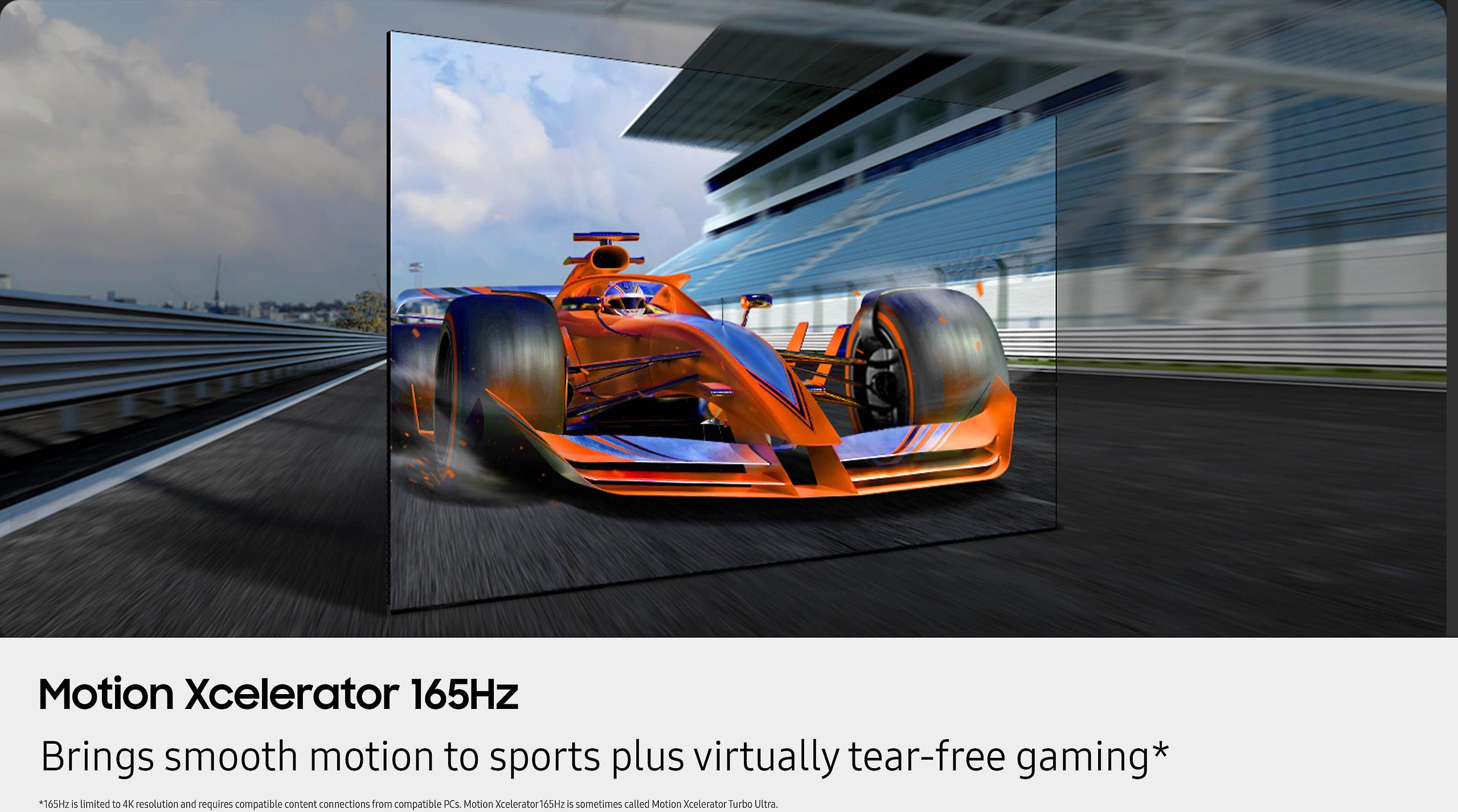
Both TVs arrived in 2025 with identical gaming specifications that seemed almost impossible just a few years ago. They both support 4K resolution at 165Hz refresh rates, which means incredibly smooth motion in fast-paced games. For context, most TVs maxed out at 60Hz until recently, and even 120Hz was considered premium.
The Variable Refresh Rate (VRR) support on both models eliminates screen tearing – that annoying visual artifact where you see horizontal lines during fast motion. They also support Auto Low Latency Mode (ALLM), which automatically switches to game mode when you turn on a console, reducing input lag to around 10 milliseconds.
Where they differ is in the gaming experience itself. The Hisense's extreme brightness makes HDR gaming more impactful. Games like "Horizon Forbidden West" or "Forza Horizon 5" have HDR elements that are mastered for high brightness levels. The Hisense can display these as intended, making explosions, sunlight, and bright environmental effects more realistic.
The Samsung's perfect black levels create a different advantage. Games with dark environments – think horror games or space simulators – benefit enormously from true black backgrounds. The ability to see details in shadows without having any light bleeding from the backlight creates a more immersive experience.
Both TVs handle motion well, but the Samsung has a slight edge in motion clarity due to its instantaneous pixel response. This is particularly noticeable in competitive gaming where tracking fast-moving objects is crucial.
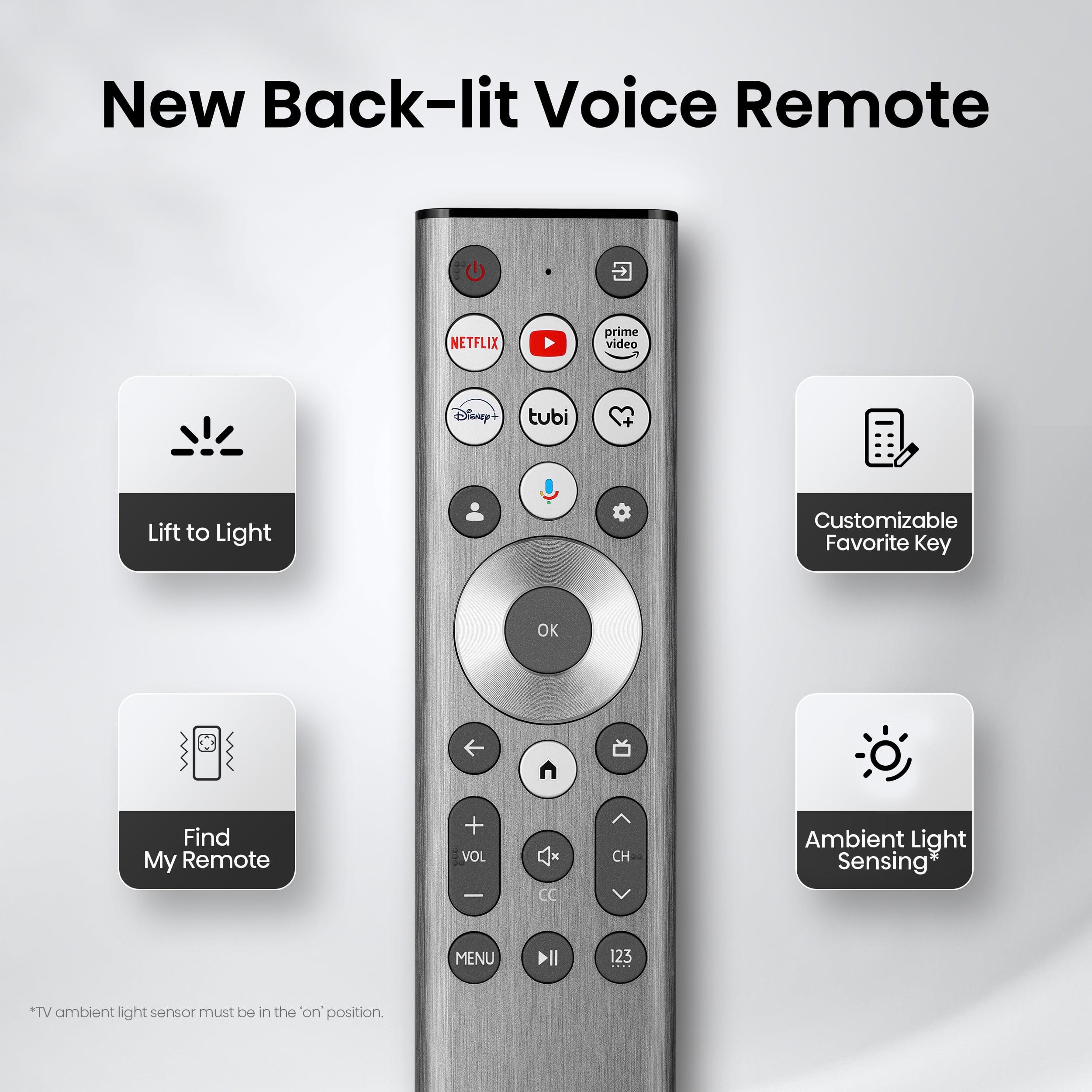
The software experience differs significantly between these models. The Hisense runs Google TV, which offers excellent app selection and integrates well with Google services. Voice control works reliably, and the interface is intuitive. However, some users report occasional bugs and slower menu navigation compared to more expensive TVs.
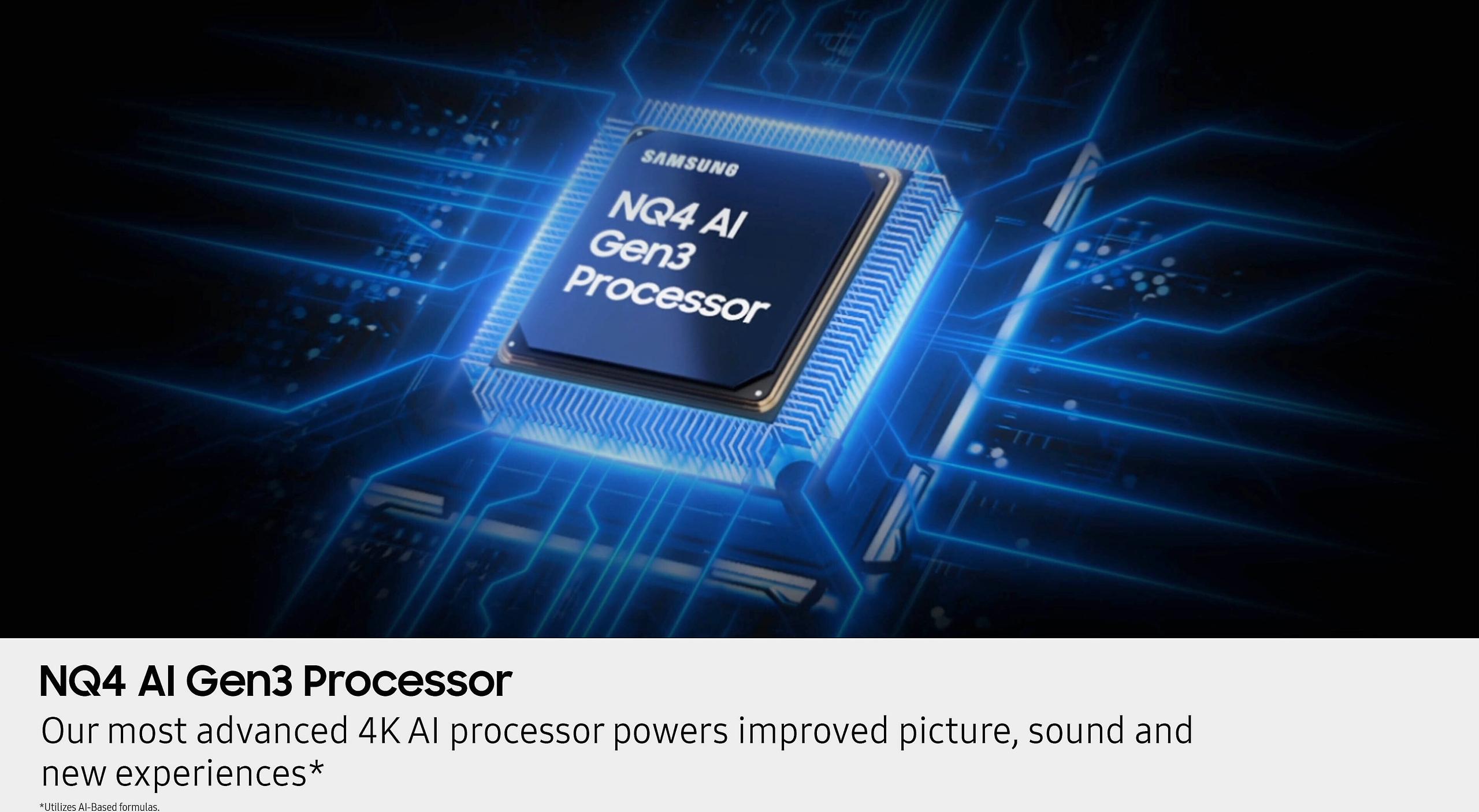
Samsung's Tizen platform feels more polished and responsive. Menu animations are smoother, and the overall experience feels more premium. Samsung also commits to seven years of software updates, which is significantly longer than most TV manufacturers provide. This matters for long-term usability – you won't find yourself locked out of new streaming services as quickly.
The Samsung also includes Gaming Hub, which provides access to cloud gaming services like Xbox Game Pass and GeForce Now without needing a console. While this feature is still developing, it represents the future of gaming and adds value to the overall package.
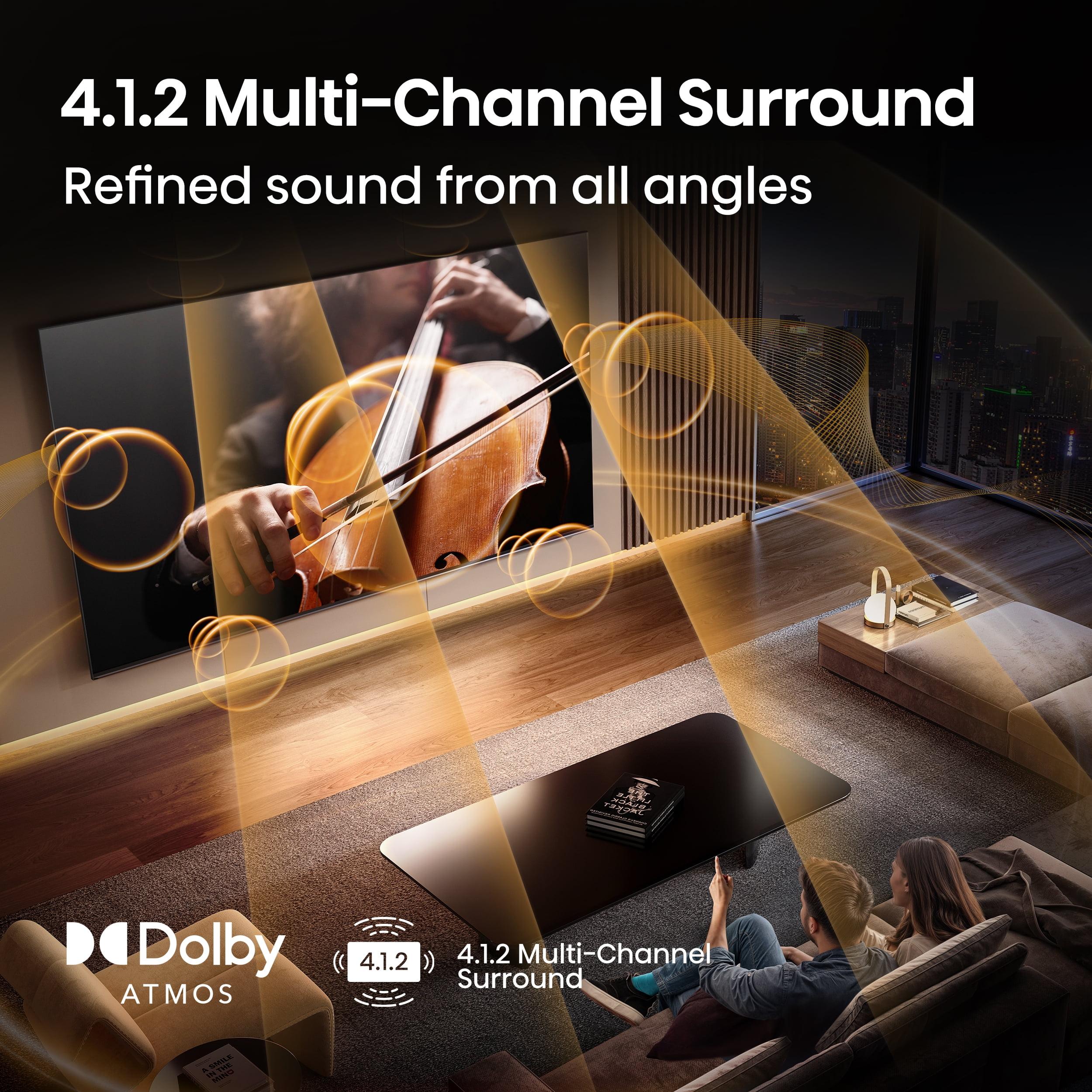
TV audio has improved dramatically in recent years, and both models reflect this trend. The Hisense features a 2.1.2 channel system with 50W of power and Dolby Atmos support. The built-in subwoofer provides decent bass response, though some users report rattling at high volumes with bass-heavy content.
The Samsung takes audio more seriously with its 4.2.2 channel system outputting 70W. The Object Tracking Sound Plus feature is particularly impressive – it moves audio effects across the screen to match the action. When a car drives from left to right, the audio follows naturally. This creates a more immersive experience without requiring a separate soundbar.
That said, if you're building a serious home theater setup, you'll likely want to invest in a dedicated sound system regardless of which TV you choose. Both models support eARC for high-quality audio passthrough to external speakers.
For dedicated home theater use, the choice depends on your room setup and priorities. The Samsung S95F is generally the better choice for controlled lighting environments. Its perfect blacks create the cinematic experience that movie enthusiasts crave, and the wide viewing angles work well for theater seating arrangements.
The anti-glare coating on the Samsung is particularly valuable if you can't achieve complete light control. Traditional OLED TVs struggle with even small amounts of ambient light, but the S95F's matte finish makes it much more forgiving.
However, if your theater room has significant ambient light that you can't control, the Hisense's superior brightness might be more practical. The extra brightness overhead ensures that HDR content maintains its impact even with some light contamination.
The $2,100 price difference between these models represents one of the biggest decisions you'll make. The Hisense U8 delivers roughly 85-90% of the Samsung's performance at 32% of the cost. For many buyers, this represents exceptional value.
The Hisense excels in bright rooms, offers excellent gaming performance, and provides impressive HDR brightness. Its main compromises are narrower viewing angles and slightly less perfect black levels – issues that may not matter depending on your setup.
The Samsung justifies its premium price with superior picture quality, better viewing angles, more polished software, and longer-term support. If you're building a high-end home theater or want the absolute best picture quality available, the extra cost may be worthwhile.
Both TVs represent excellent choices within their respective categories. The Hisense U8 is the value champion, offering flagship-level performance at a fraction of the cost. It's ideal for buyers who want premium features without premium pricing, especially those with bright rooms or budget constraints.
The Samsung S95F is the performance leader, providing the best picture quality available in 2025. It's worth the investment for enthusiasts who prioritize absolute picture quality and can afford the premium.
Consider the Hisense U8 if you're looking for maximum value, primarily watch in bright rooms, or want excellent gaming performance without breaking the bank. Choose the Samsung S95F if budget allows and you want the absolute best picture quality, viewing angles, and long-term software support.
The decision ultimately comes down to your priorities: exceptional value versus absolute performance. Both deliver on their promises, making either choice a solid investment in your home entertainment experience.
| Hisense 65" U8 Series Mini-LED ULED 4K Google TV | Samsung 65" OLED S95F 4K Smart TV 2025 |
|---|---|
| Price - The most significant difference between these models | |
| $997.99 | $3,097.99 |
| Display Technology - Determines picture quality characteristics | |
| Mini-LED ULED with 2,000+ local dimming zones | QD-OLED with self-illuminating pixels |
| Peak Brightness - Critical for HDR content and bright rooms | |
| 3,000 nits (excellent for overcoming ambient light) | 4,000 nits (industry-leading OLED brightness) |
| Black Levels - Affects contrast and dark scene detail | |
| Very deep blacks with minimal blooming | Perfect blacks with infinite contrast |
| Viewing Angles - Important for family viewing and room layout | |
| Narrow (colors shift when viewed from sides) | Wide (maintains quality from any angle) |
| Refresh Rate - Determines gaming smoothness | |
| 165Hz native (excellent for gaming) | 165Hz native (excellent for gaming) |
| Gaming Features - Console and PC gaming capabilities | |
| VRR, ALLM, FreeSync Premium Pro, 4K@165Hz | VRR, ALLM, FreeSync Premium Pro, 4K@165Hz |
| Smart TV Platform - Daily user experience | |
| Google TV (comprehensive apps, occasional bugs) | Tizen (polished interface, 7-year updates) |
| Audio System - Built-in sound quality | |
| 2.1.2 channel, 50W, Dolby Atmos | 4.2.2 channel, 70W, Object Tracking Sound Plus |
| Anti-Glare Technology - Performance in bright rooms | |
| Effective anti-reflective coating | Advanced Anti-Glare 2.0 matte finish |
| HDR Support - High dynamic range compatibility | |
| Dolby Vision, HDR10, HDR10+, HLG | HDR10, HDR10+, HLG (no Dolby Vision) |
| Warranty - Long-term protection | |
| 2 years (double industry standard) | Standard 1 year |
| Best For - Ideal use cases | |
| Value seekers, bright rooms, gaming on budget | Home theater enthusiasts, premium picture quality |
The Hisense 65" U8 Series Mini-LED ULED 4K Google TV at $997.99 offers exceptional value, delivering about 85-90% of premium TV performance at just 32% of the cost. The Samsung 65" OLED S95F 4K Smart TV 2025 at $3,097.99 provides superior picture quality but costs over three times more, making it better for those who prioritize absolute performance over budget.
The Hisense U8 uses Mini-LED backlighting with thousands of tiny LEDs behind an LCD panel, providing exceptional brightness up to 3,000 nits. The Samsung S95F uses QD-OLED technology where each pixel generates its own light, creating perfect blacks and infinite contrast but traditionally lower brightness levels.
Both TVs perform well in bright rooms, but the Hisense U8 has an advantage with its 3,000-nit peak brightness that can overpower ambient light. The Samsung S95F counters with its Anti-Glare 2.0 matte coating and 4,000-nit brightness, making it surprisingly effective in bright environments despite being an OLED.
Yes, both the Hisense U8 and Samsung S95F are excellent for gaming. They both support 4K at 165Hz, Variable Refresh Rate (VRR), Auto Low Latency Mode (ALLM), and have multiple HDMI 2.1 ports. The main difference is that the Hisense offers brighter HDR gaming while the Samsung provides better motion clarity.
The Samsung S95F has perfect black levels since OLED pixels can turn completely off, creating infinite contrast. The Hisense U8 achieves very deep blacks with minimal blooming thanks to its 2,000+ local dimming zones, but it can't match the absolute blacks of OLED technology.
The Samsung S95F maintains picture quality from virtually any viewing angle, making it ideal for family movie nights. The Hisense U8 has narrower viewing angles typical of LCD technology, where colors and contrast degrade when viewed from the sides.
For dedicated home theaters, the Samsung S95F is generally superior due to its perfect blacks, wide viewing angles, and cinema-quality picture in dark environments. However, if your theater room has ambient light you can't control, the Hisense U8 might be more practical due to its superior brightness.
The Hisense U8 runs Google TV, offering comprehensive app selection and good integration with Google services, though some users report occasional bugs. The Samsung S95F uses Tizen, which feels more polished and responsive, plus Samsung provides seven years of software updates versus the typical one year.
The Samsung S95F has superior audio with its 4.2.2 channel system outputting 70W and Object Tracking Sound Plus technology that moves audio across the screen. The Hisense U8 offers decent 2.1.2 channel audio with 50W output and Dolby Atmos support, though some users report bass rattling at high volumes.
The Hisense U8 supports all major HDR formats including Dolby Vision, HDR10, HDR10+, and HLG. The Samsung S95F supports HDR10, HDR10+, and HLG but notably lacks Dolby Vision support, which could matter for streaming content from Netflix and Disney+.
The Samsung S95F is more future-proof with its seven-year software update commitment, more advanced processing, and cutting-edge QD-OLED technology. The Hisense U8 offers good longevity with its 2-year warranty (double the industry standard) and solid feature set, but may not receive updates as long.
Choose the Hisense U8 if you want flagship-level performance on a budget, primarily watch in bright rooms, or prioritize gaming without breaking the bank. Choose the Samsung S95F if you want the absolute best picture quality, have a flexible budget, prioritize home theater use, or value long-term software support and premium build quality.
We've done our best to create useful and informative comparisons to help you decide what product to buy. Our research uses advanced automated methods to create this comparison and perfection is not possible - please contact us for corrections or questions. These are the sites we've researched in the creation of this article: bestbuy.com - hisense-usa.com - rtings.com - bestbuy.com - rtings.com - hisense-usa.com - youtube.com - hisense-usa.com - avsforum.com - hisense-usa.com - hisense-usa.com - rtings.com - avsforum.com - hisense-usa.com - prnewswire.com - hisense-usa.com - bestbuy.com - youtube.com - hisense-usa.com - businessinsider.com - tomsguide.com - youtube.com - avsforum.com - zdnet.com - samsung.com - pioneertvandappliance.com - samsung.com - displayspecifications.com - samsung.com

Privacy Policy
Terms and Conditions - Affiliate Policy
Home Security
© Copyright 2008-2026.
11816 Inwood Rd #1211, Dallas, TX 75244