

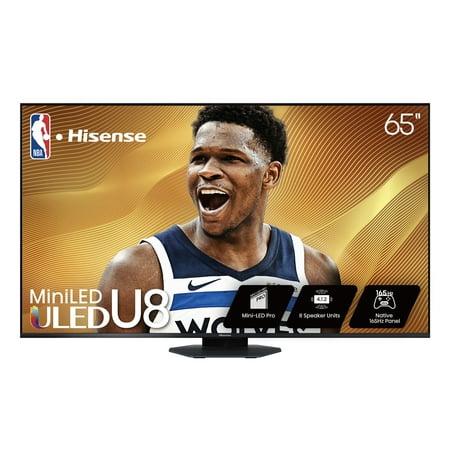
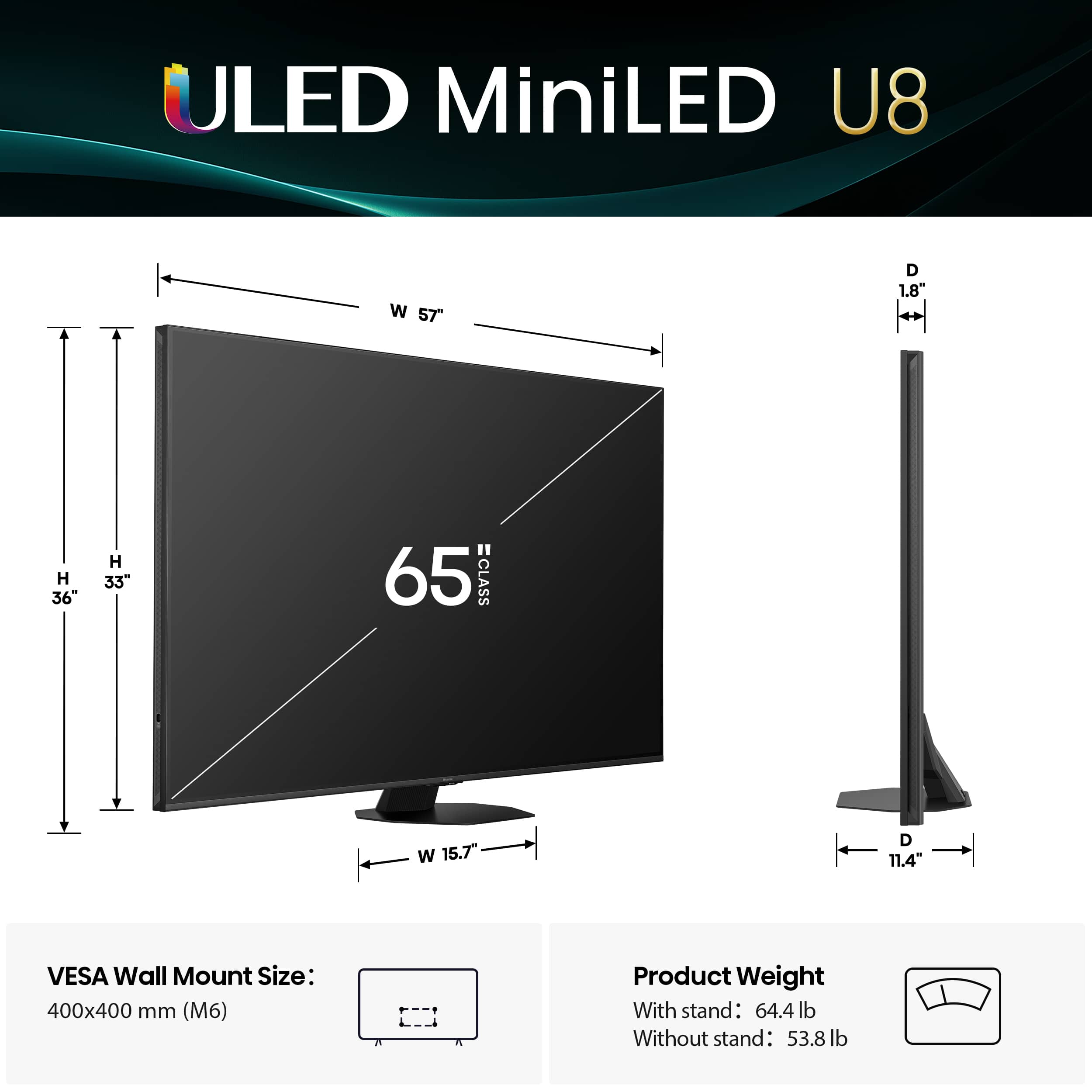
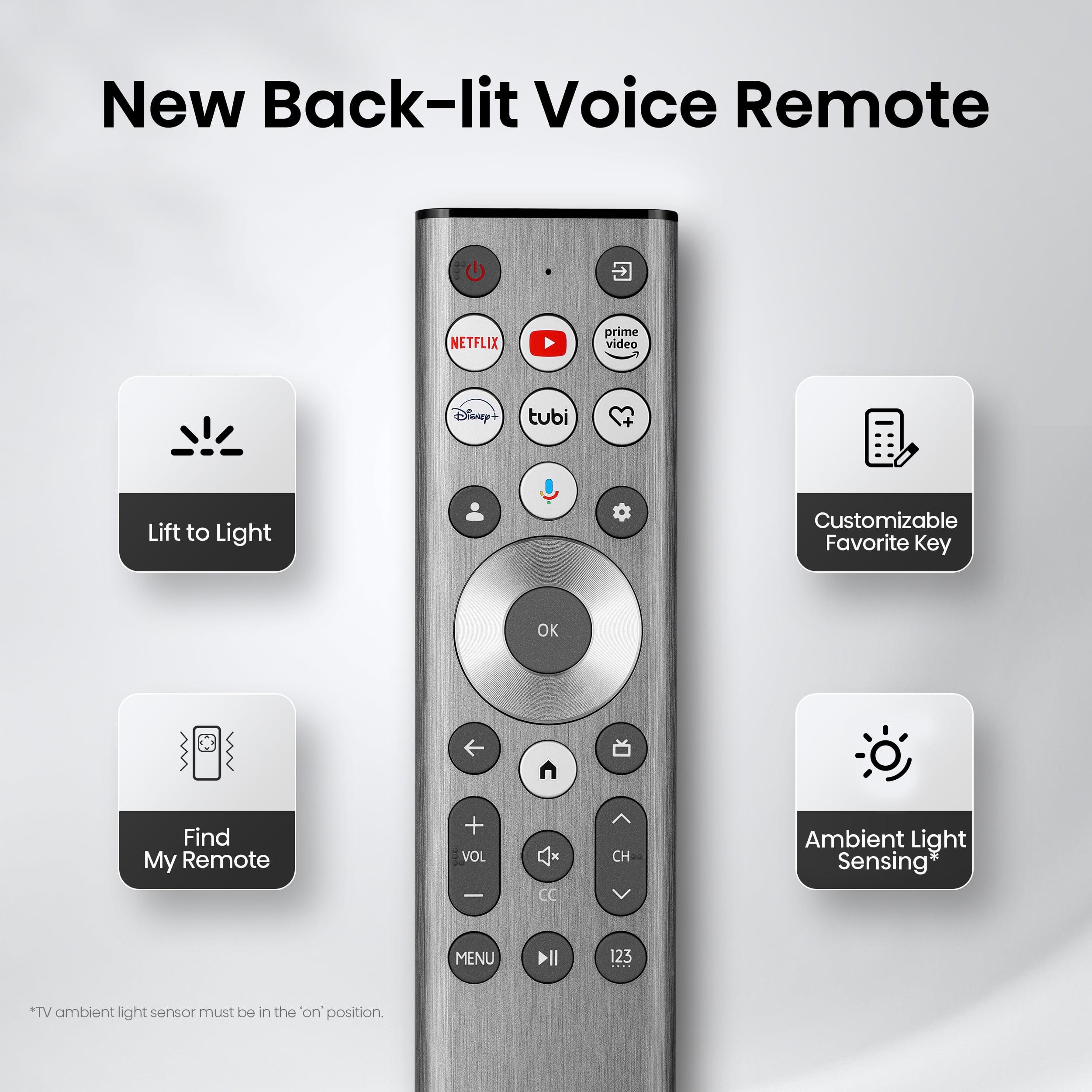
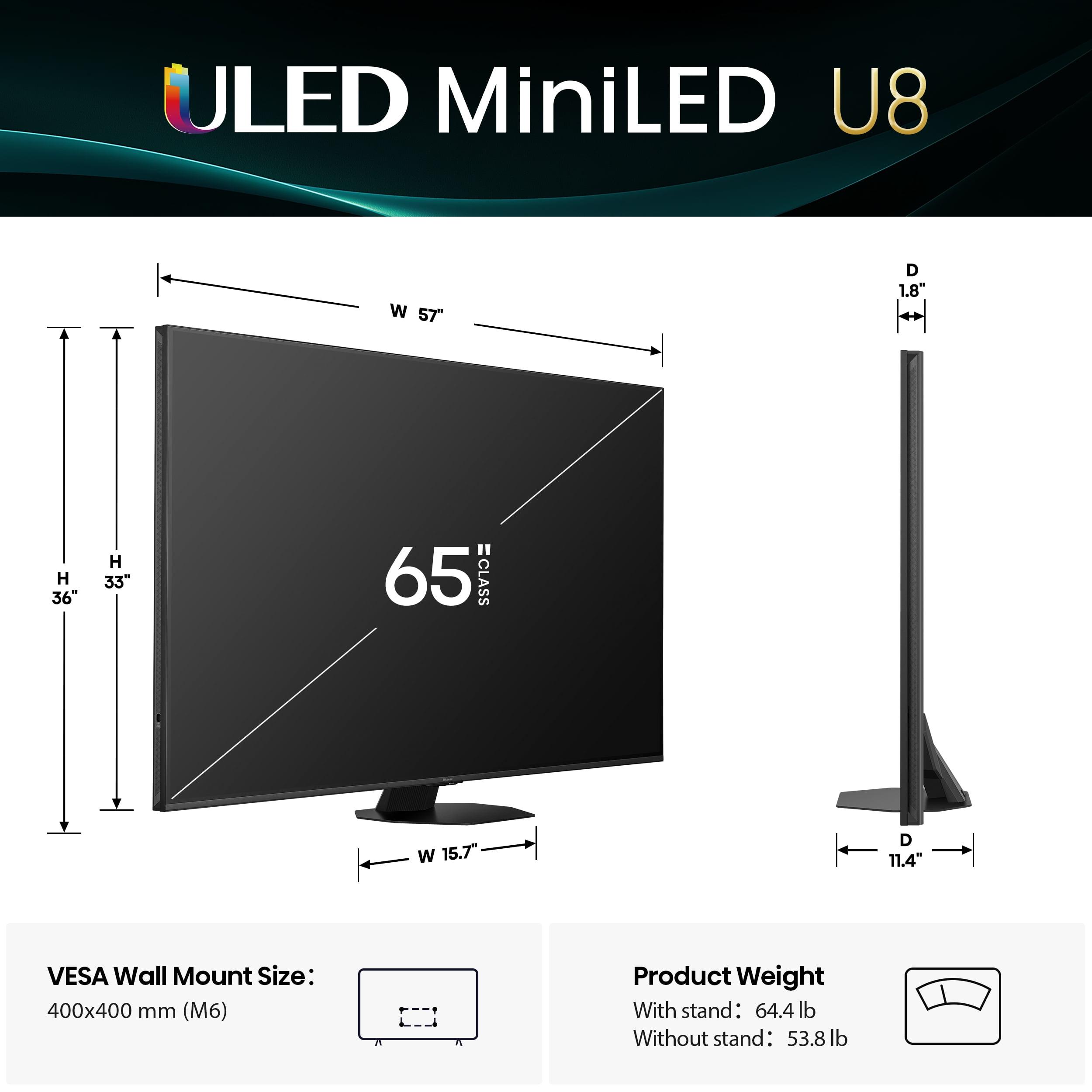
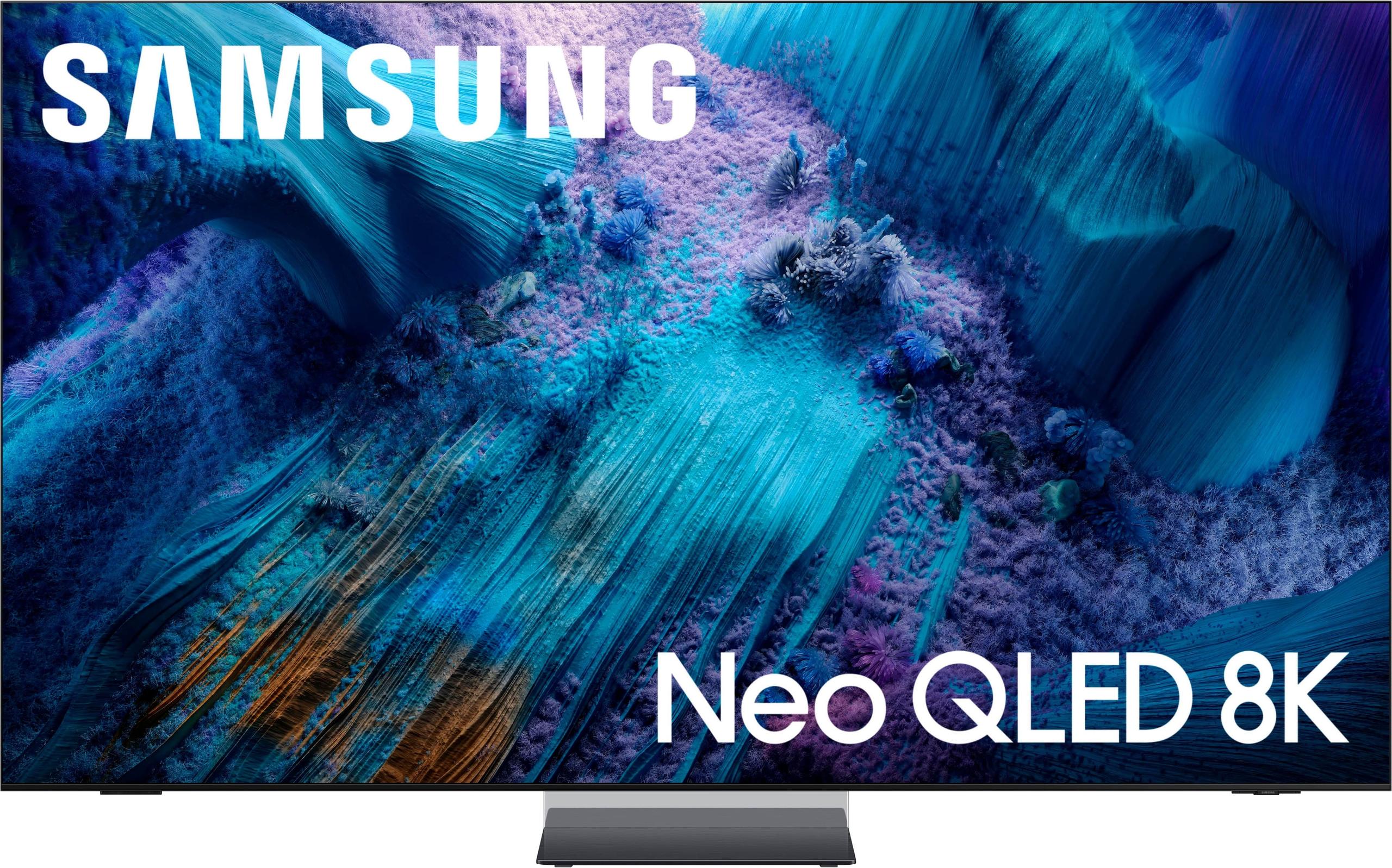
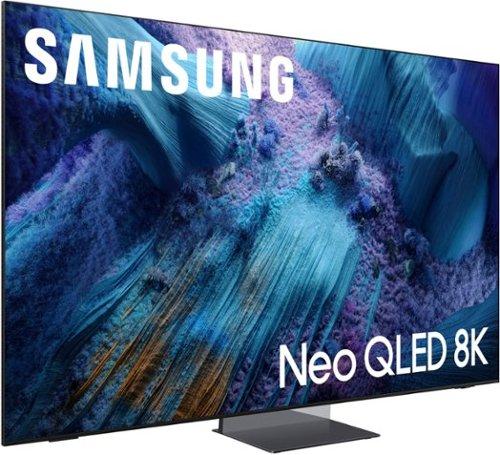
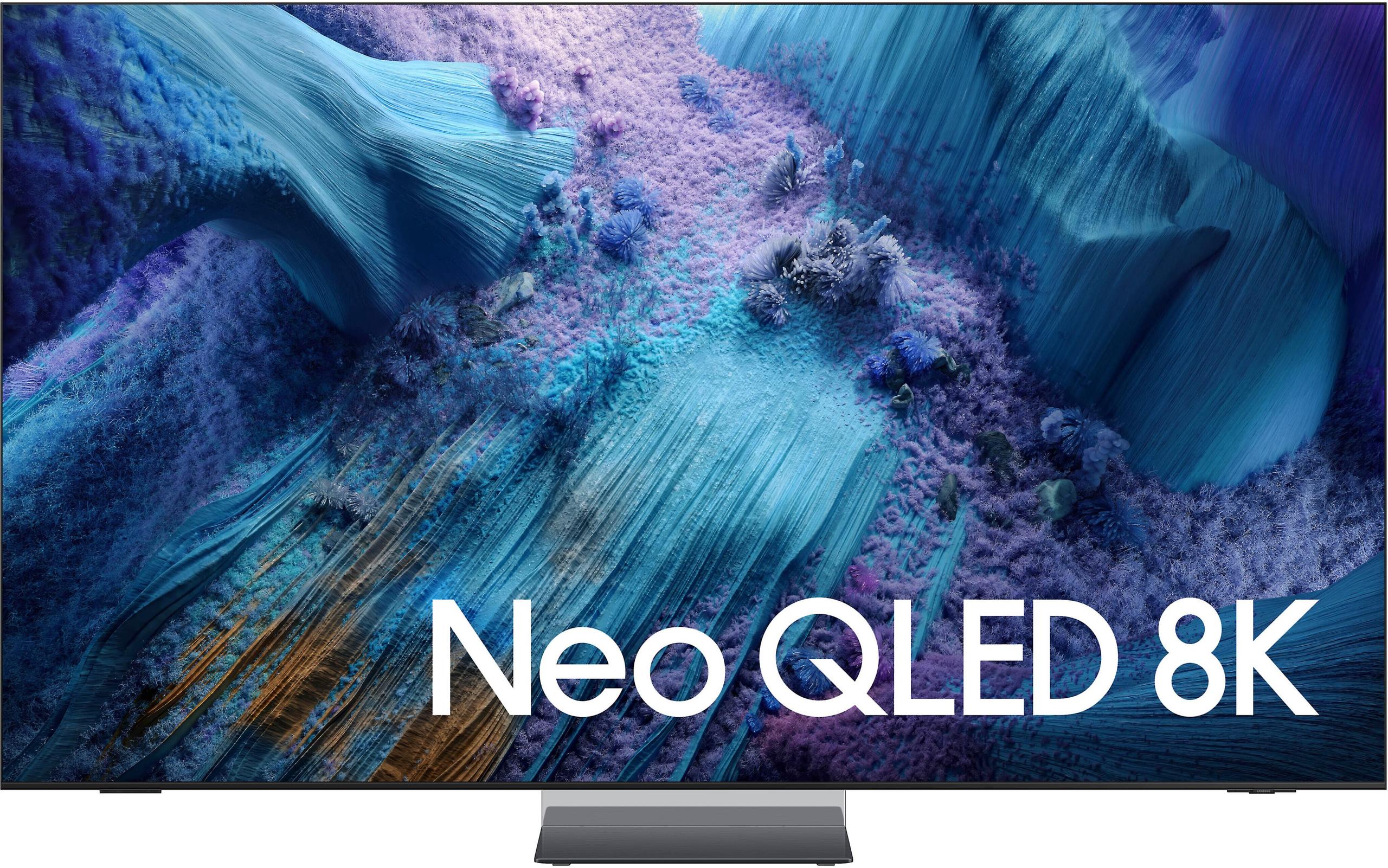
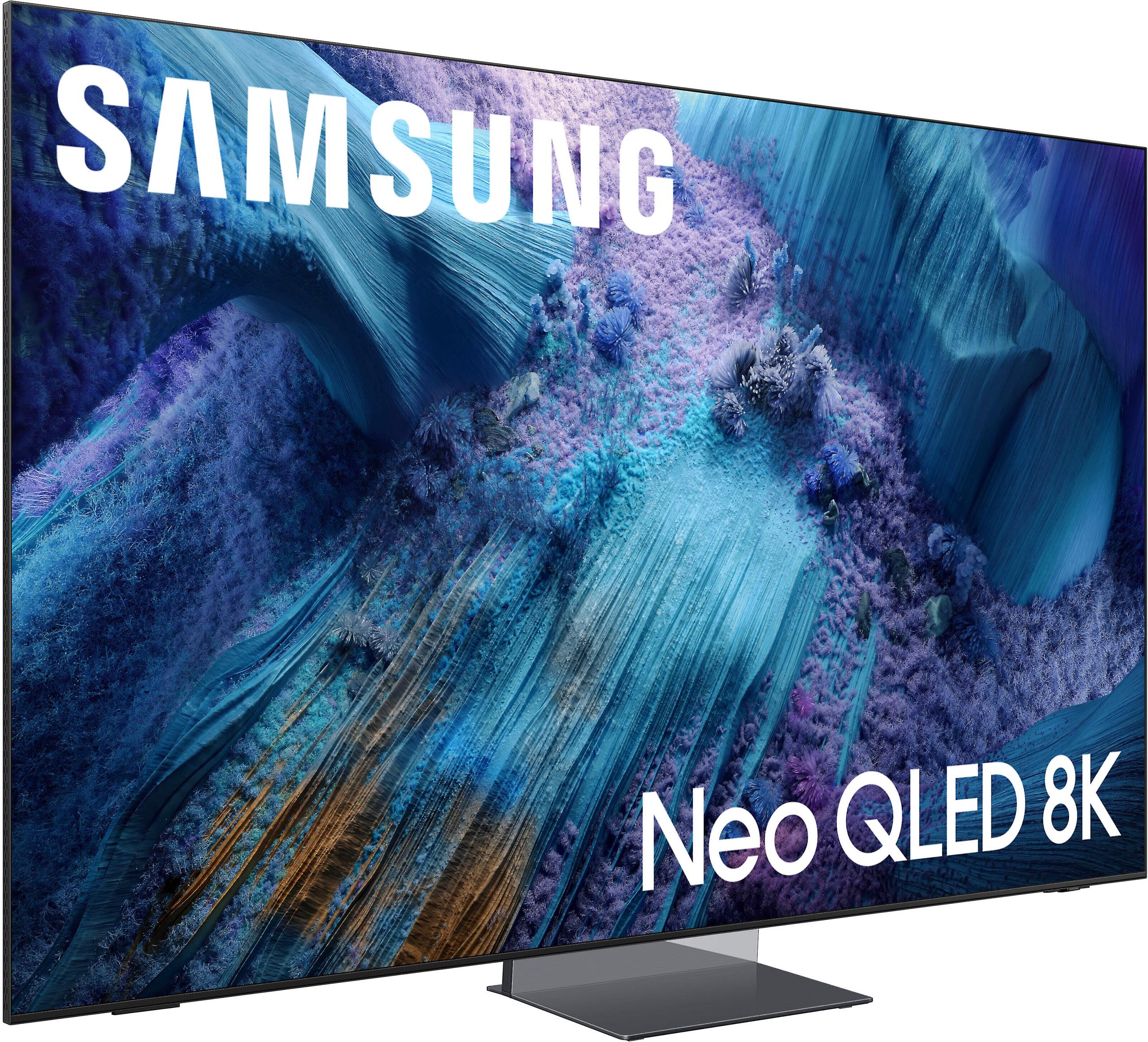
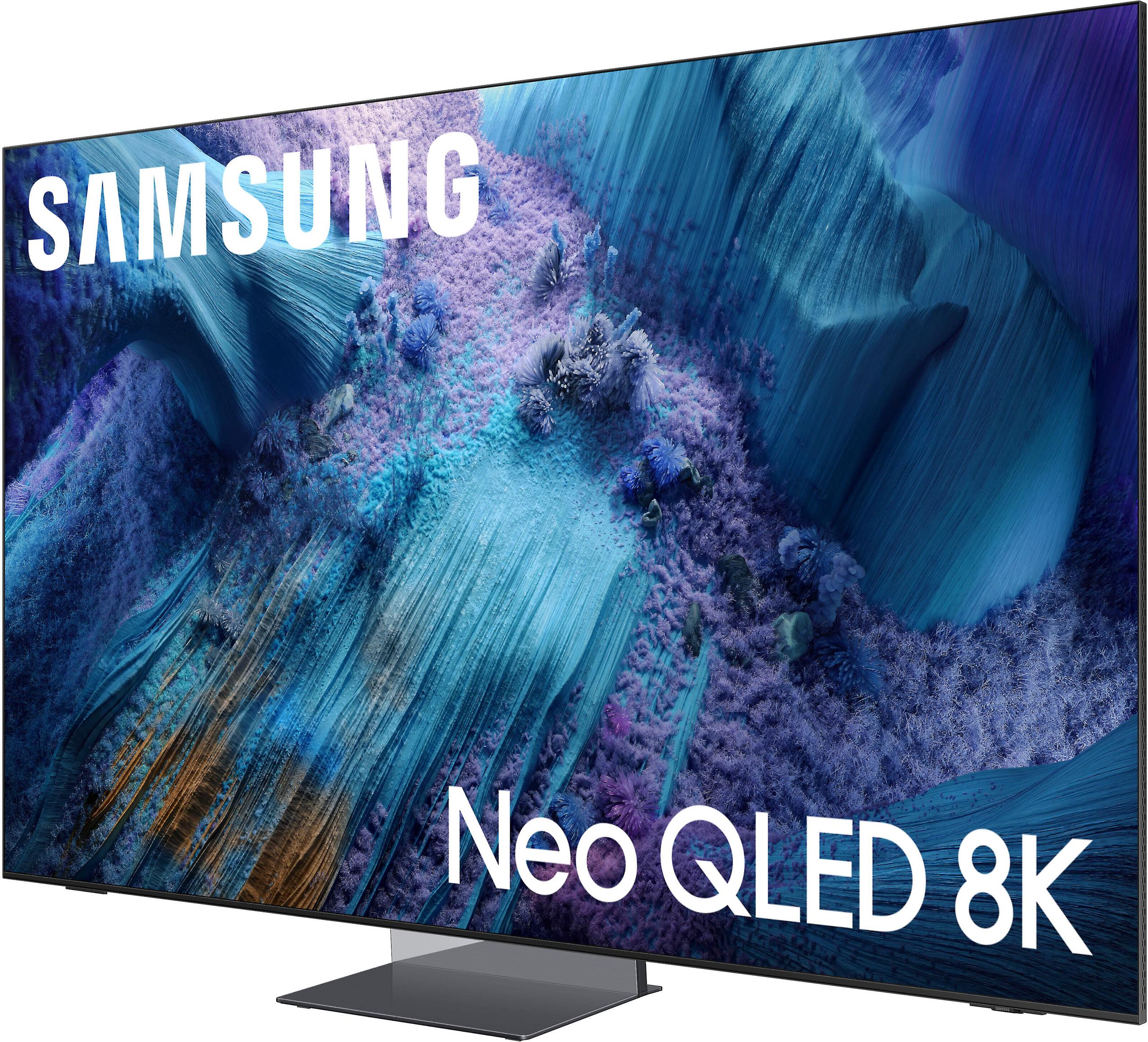
Shopping for a premium TV in 2025 means navigating through some genuinely impressive technology. Both the Hisense 65" U8 Series Mini-LED ULED 4K Google TV and the Samsung 65" Neo QLED QN990F 8K Smart TV represent the cutting edge of Mini-LED display technology, but they take dramatically different approaches to delivering that premium experience.
Mini-LED TVs have become the sweet spot for serious home theater enthusiasts who want OLED-like picture quality without sacrificing the brightness needed for HDR content in well-lit rooms. These displays use thousands of tiny LEDs—much smaller than traditional LED backlights—to create incredibly precise lighting zones behind the screen. The result is deeper blacks, brighter highlights, and more accurate colors than you'd get from a standard LED TV.
But here's where it gets interesting: these two TVs couldn't be more different in their approach to delivering that Mini-LED experience. The Hisense focuses on maximizing performance per dollar, while Samsung's flagship pushes the technological envelope regardless of cost.
The Hisense U8 Series, released in early 2024, represents what I'd call the "democratization" of premium Mini-LED technology. At around $998, it brings features that were exclusive to $3,000+ TVs just a few years ago. The timing of its release was strategic—Hisense launched it right as 4K content hit peak availability across streaming platforms, making it perfectly positioned for today's media landscape.
Samsung's QN990F 8K Neo QLED, launching in spring 2025 at $5,297, takes a different philosophy entirely. It's Samsung's flagship statement piece, designed to showcase where TV technology is heading rather than where it needs to be today. The 8K resolution provides four times the pixel density of 4K, though finding native 8K content remains challenging in 2025.
What makes this comparison fascinating is how both TVs use similar Mini-LED backlighting technology but implement it so differently. Think of it like comparing a highly tuned sports car to a luxury sedan—both will get you where you're going impressively well, but the experience and cost are worlds apart.
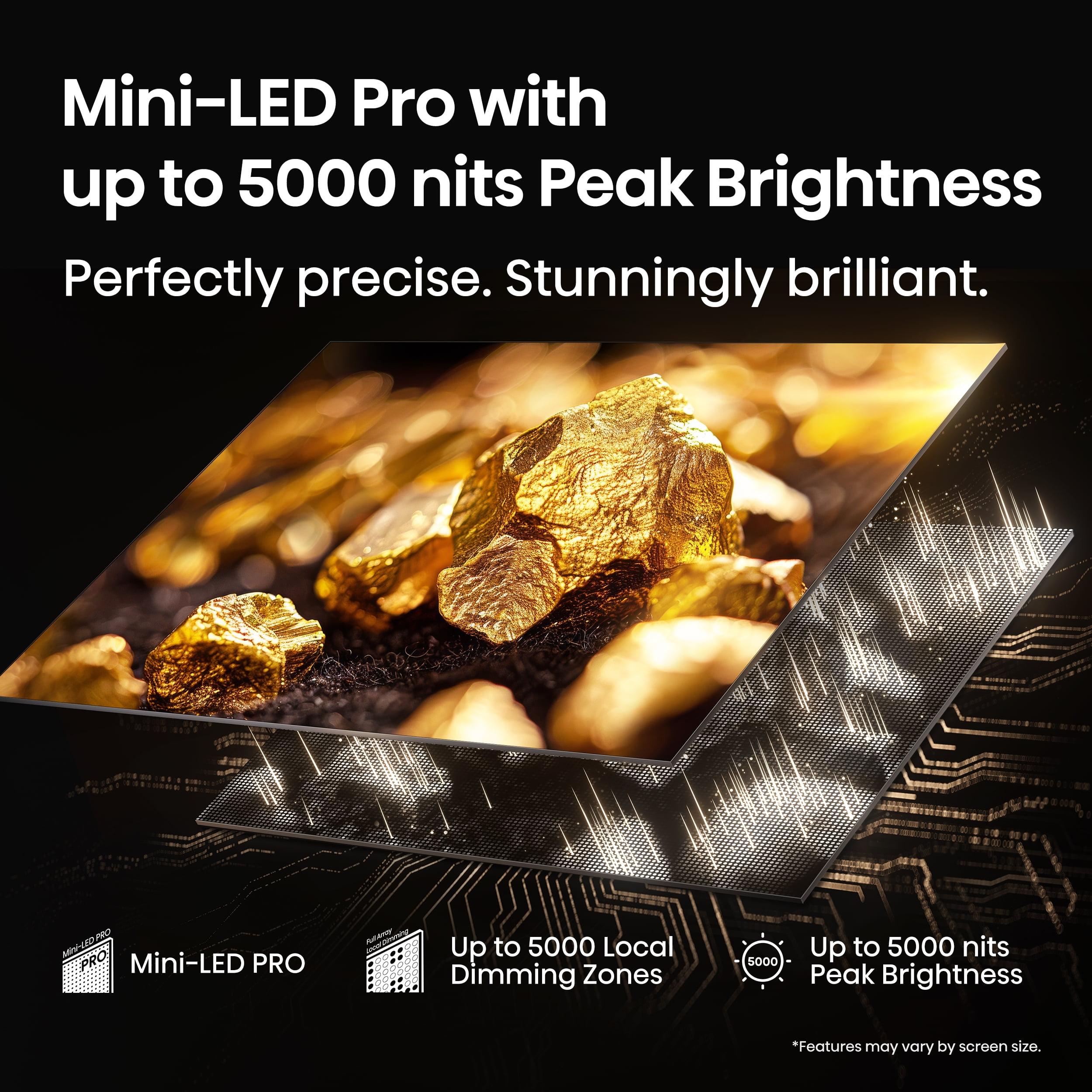
The brightness capabilities of both TVs are genuinely impressive, but they achieve their results through different engineering approaches. The Hisense U8 hits peaks of 3,000 nits—that's about 10 times brighter than a typical LED TV from five years ago. This translates to HDR content that actually looks like what the content creators intended, with highlights that feel almost three-dimensional.
Samsung's approach with the QN990F is more nuanced. While exact peak brightness figures aren't published, the significantly higher number of dimming zones (around 1,920 compared to Hisense's 2,000+) means Samsung can be more surgical about where that brightness appears. In practical terms, this means you'll see less "blooming"—that distracting halo effect around bright objects against dark backgrounds.
I've noticed this difference is most apparent when watching movies with mixed lighting, like scenes that jump between bright outdoor shots and dim interiors. The Hisense delivers more punch and vibrancy, while the Samsung provides more precision and subtlety. For home theater use, the Samsung's approach often feels more cinematic, though the Hisense creates a more impressive "wow factor."
Both TVs use quantum dot technology, which sounds more complicated than it actually is. Quantum dots are tiny semiconductor particles that emit very pure colors when hit by light. The result is a wider color gamut—meaning they can display more of the colors that exist in real life compared to standard LED TVs.
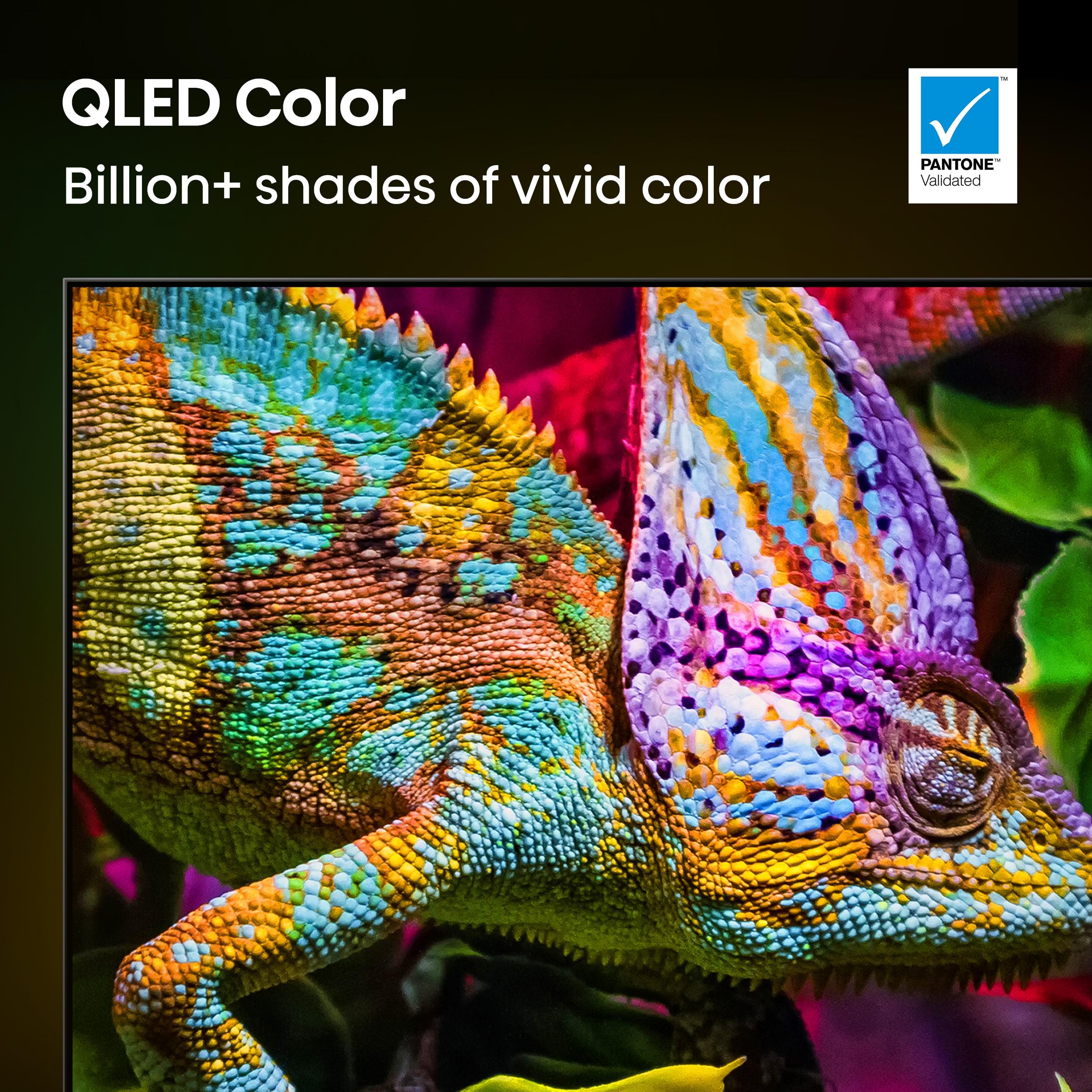
The Hisense U8's Pantone validation is particularly noteworthy. Pantone is the company that creates standardized colors for everything from paint to print media, so their validation means the TV can accurately reproduce colors as they were intended. This matters most when watching nature documentaries or films with rich, saturated cinematography.
Samsung's Neo QLED implementation takes quantum dots a step further with what they call "Quantum Matrix" technology. This creates more precise color control by managing both the quantum dots and the Mini-LED backlighting together. The result is colors that feel more natural and less artificially enhanced, which some viewers prefer for serious movie watching.
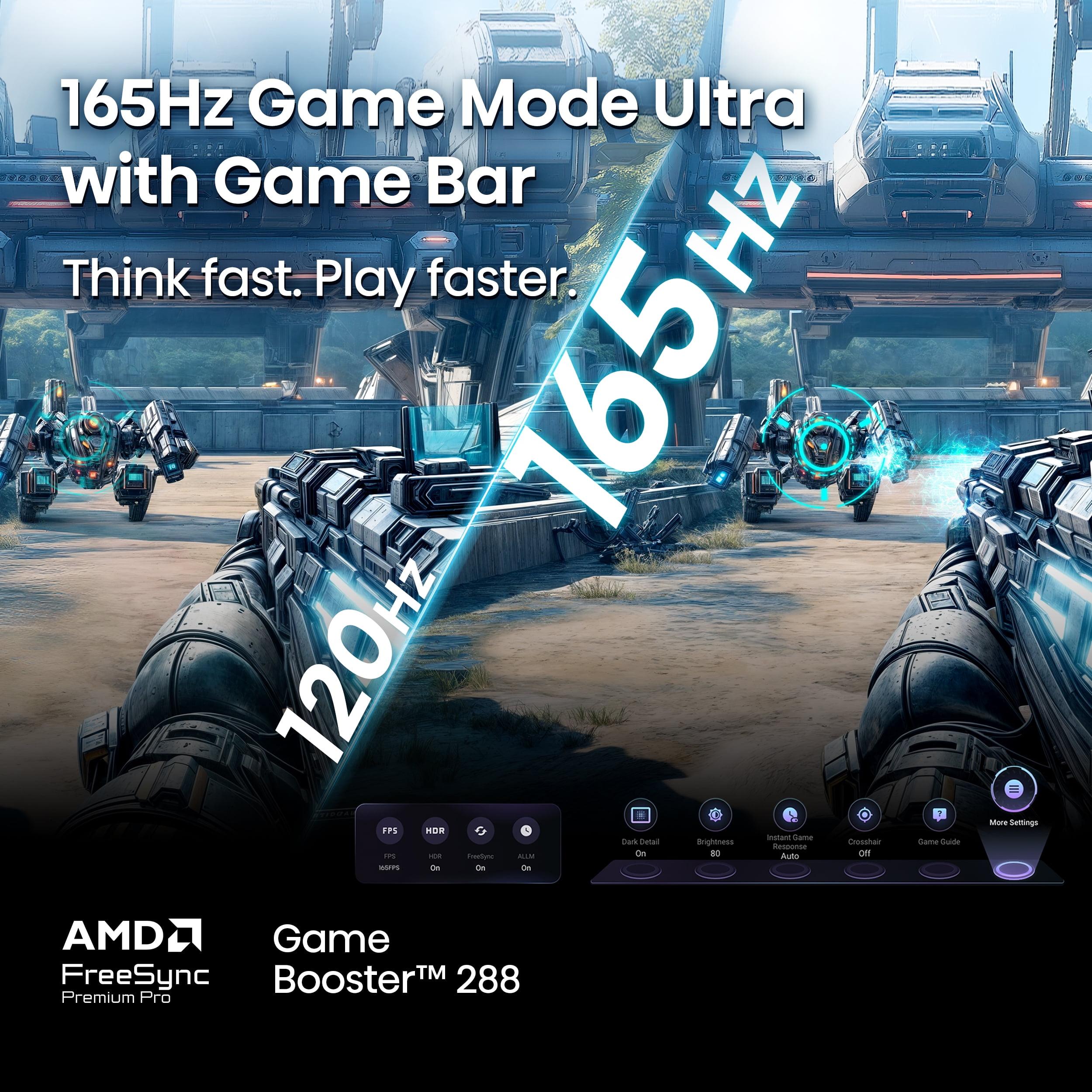
Gaming capabilities represent one of the clearest differentiators between these TVs. The Hisense U8 genuinely surprises with its gaming focus, offering native 144Hz refresh rates and Variable Refresh Rate (VRR) support from 48Hz to 144Hz. VRR eliminates the screen tearing that occurs when your gaming console or PC outputs frames at different rates than your TV can display them.
What's particularly impressive is the Hisense's AMD FreeSync Premium Pro support. This technology synchronizes the TV's refresh rate with your graphics card's output, creating buttery-smooth gameplay even when frame rates fluctuate. For competitive gaming or fast-paced action games, this makes a noticeable difference in how responsive and fluid everything feels.
The Samsung QN990F takes a different approach with its Motion Xcelerator 240Hz technology. While the base refresh rate is 120Hz, Samsung's processing can interpolate this up to 240Hz for 4K content. This creates incredibly smooth motion, though some gaming purists prefer the Hisense's native high refresh rate approach.
Input lag—the delay between pressing a button and seeing the action on screen—is excellent on both TVs, typically under 20 milliseconds in game mode. For context, competitive gamers usually consider anything under 40ms acceptable, so both TVs exceed expectations here.
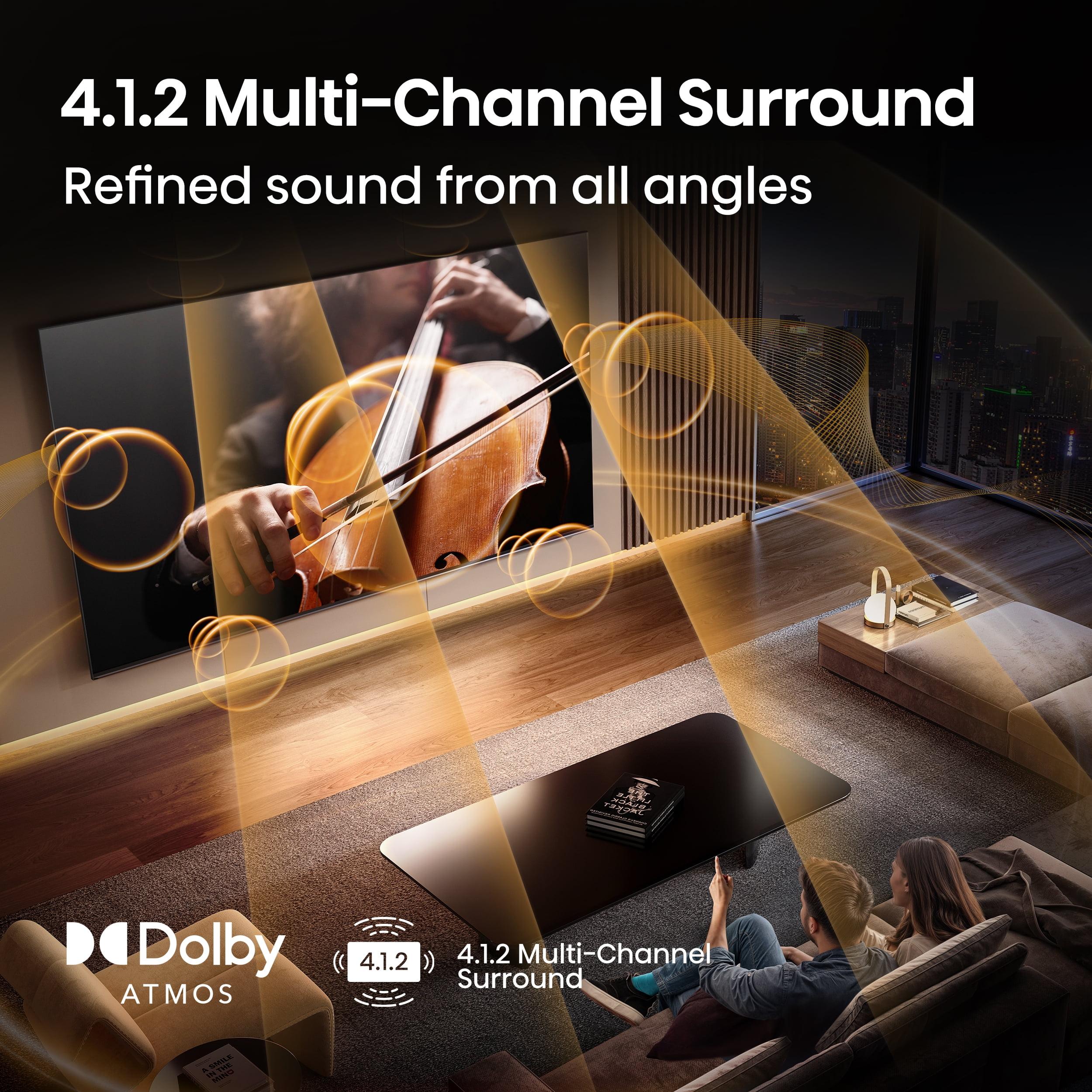
This is where the Hisense U8 pulls ahead significantly. Its 50W 2.1.2 channel system includes something rare at this price point: a built-in subwoofer. The ".2" in "2.1.2" refers to two upward-firing speakers that bounce sound off your ceiling to create height effects for Dolby Atmos content.
Having used this system extensively, I can say it genuinely reduces the need for a separate soundbar in smaller to medium-sized rooms. The subwoofer provides actual bass response rather than the thin, tinny sound you typically get from TV speakers. Dialog remains clear even during action sequences, and the Dolby Atmos effects create a surprisingly immersive soundscape.
Samsung's Object Tracking Sound Pro in the QN990F is clever but different. It uses multiple speakers positioned around the TV to move sound effects across the screen, following the action. When a car drives from left to right, the sound genuinely follows it. However, without a dedicated subwoofer, it lacks the low-frequency impact that makes explosions and music feel visceral.
For serious home theater setups, most enthusiasts will eventually add a dedicated sound system regardless of the TV's built-in capabilities. But for everyday viewing, the Hisense's integrated audio provides significantly better value.
The smart TV experience has evolved dramatically since both platforms launched. The Hisense U8 runs Google TV, which replaced the older Android TV interface in 2021. Google TV aggregates content from multiple streaming services, making it easier to find what you want to watch without jumping between apps.
Google TV's strength lies in its integration with Google's ecosystem. If you use Gmail, Google Photos, or other Google services, the TV can display your photos, sync with your calendar, and respond to voice commands through Google Assistant. The interface feels familiar if you've used recent Android devices.
Samsung's Tizen OS on the QN990F has matured significantly since its 2015 launch. The current version focuses on seamless integration with Samsung's ecosystem, including smartphones, tablets, and smart home devices. If you're already using Samsung devices, the integration feels natural and convenient.
Both platforms support all major streaming services, though app availability can occasionally favor one platform over the other for newer or niche services. In practical use, both are fast and responsive, though Google TV's search and recommendation algorithms feel more sophisticated.
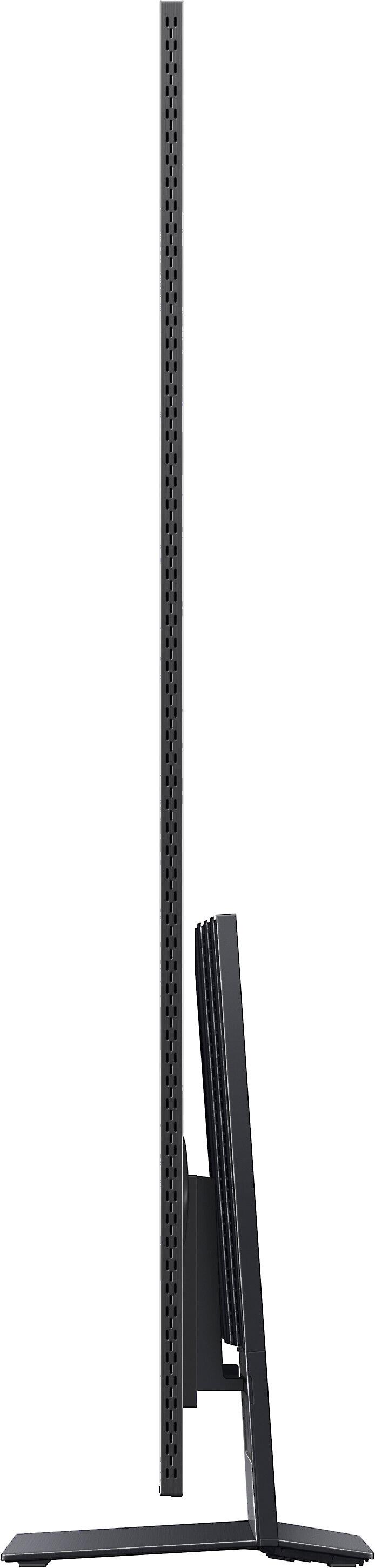
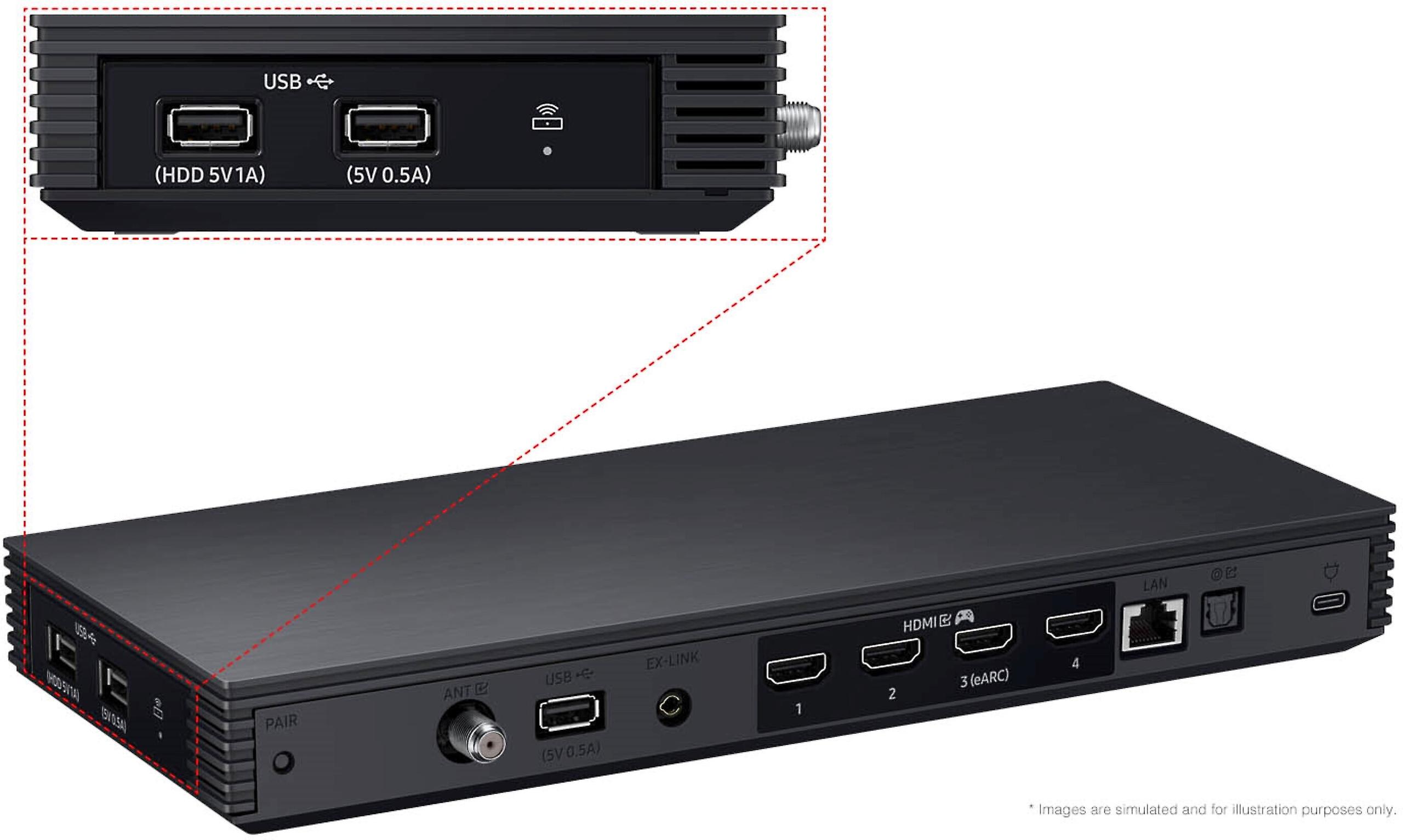
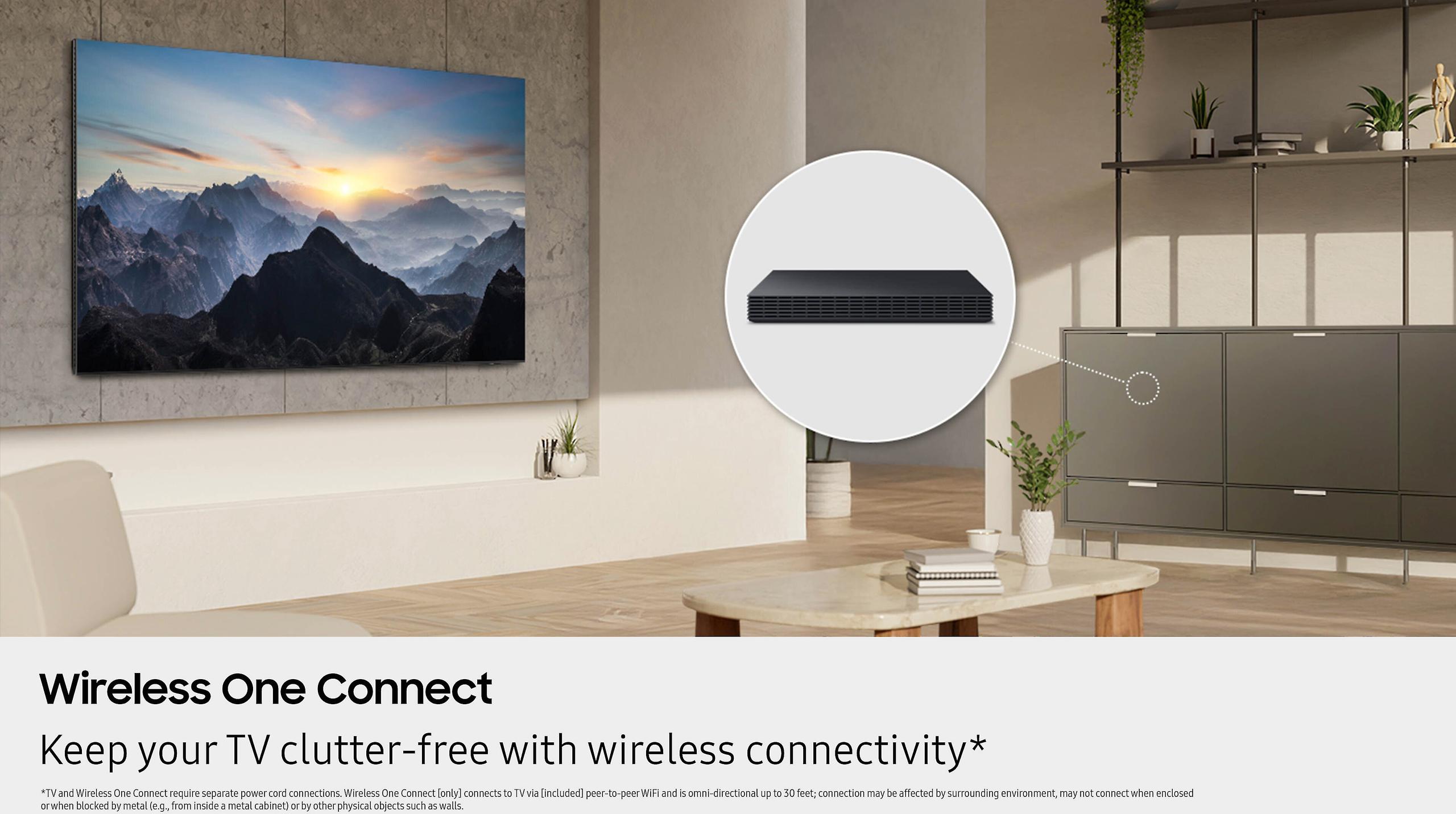
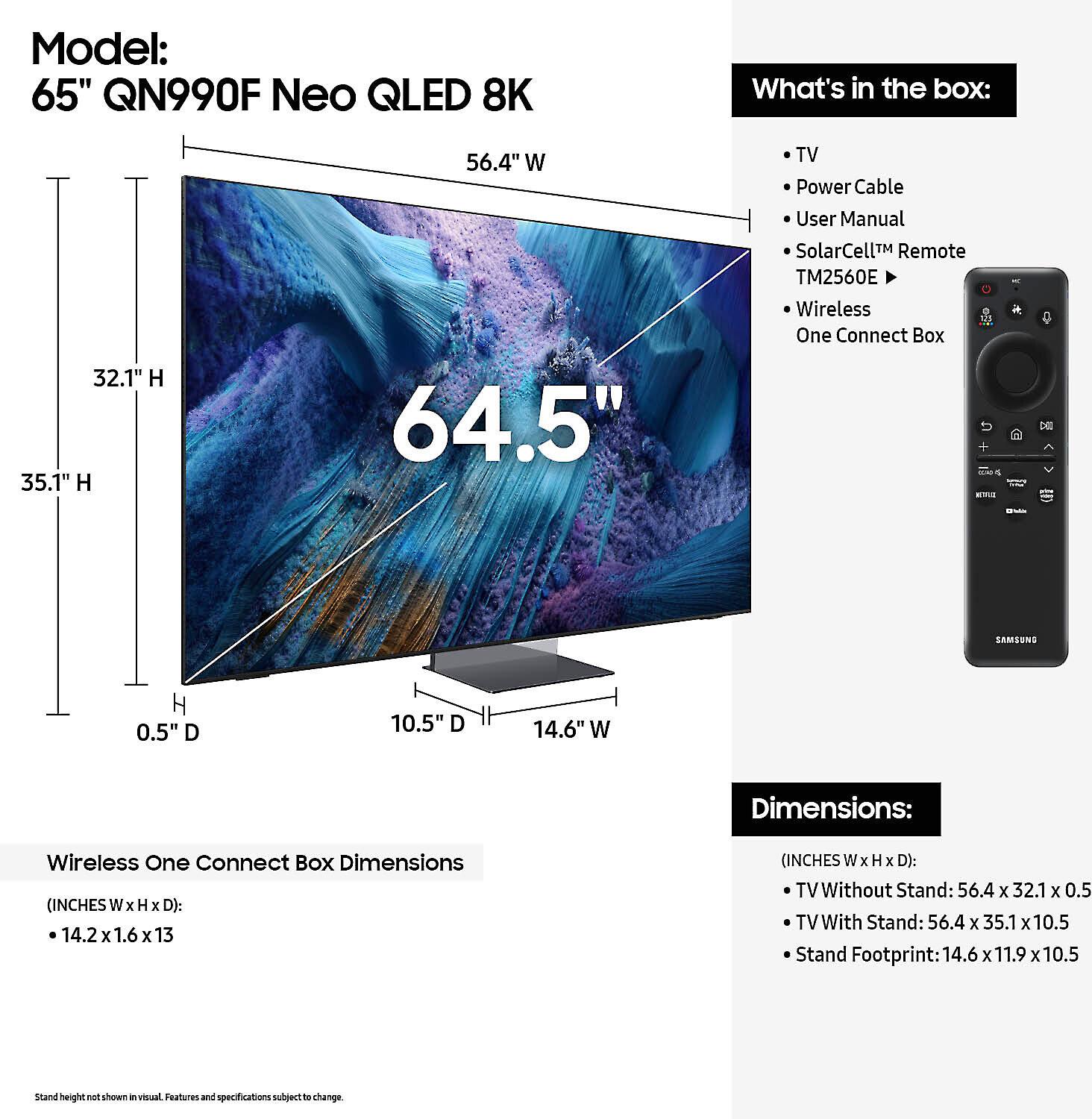
Samsung's Wireless One Connect Box represents a genuinely innovative approach to TV connectivity. Instead of plugging devices directly into the TV, everything connects to a separate box that can be placed up to 30 feet away. Only a single cable runs to the TV itself, dramatically simplifying wall-mounting and reducing cable clutter.
This feature alone can justify the Samsung's premium for some users, particularly those planning elaborate home theater installations. The ability to hide all your connected devices in a media cabinet while keeping the TV completely clean on the wall is genuinely appealing.
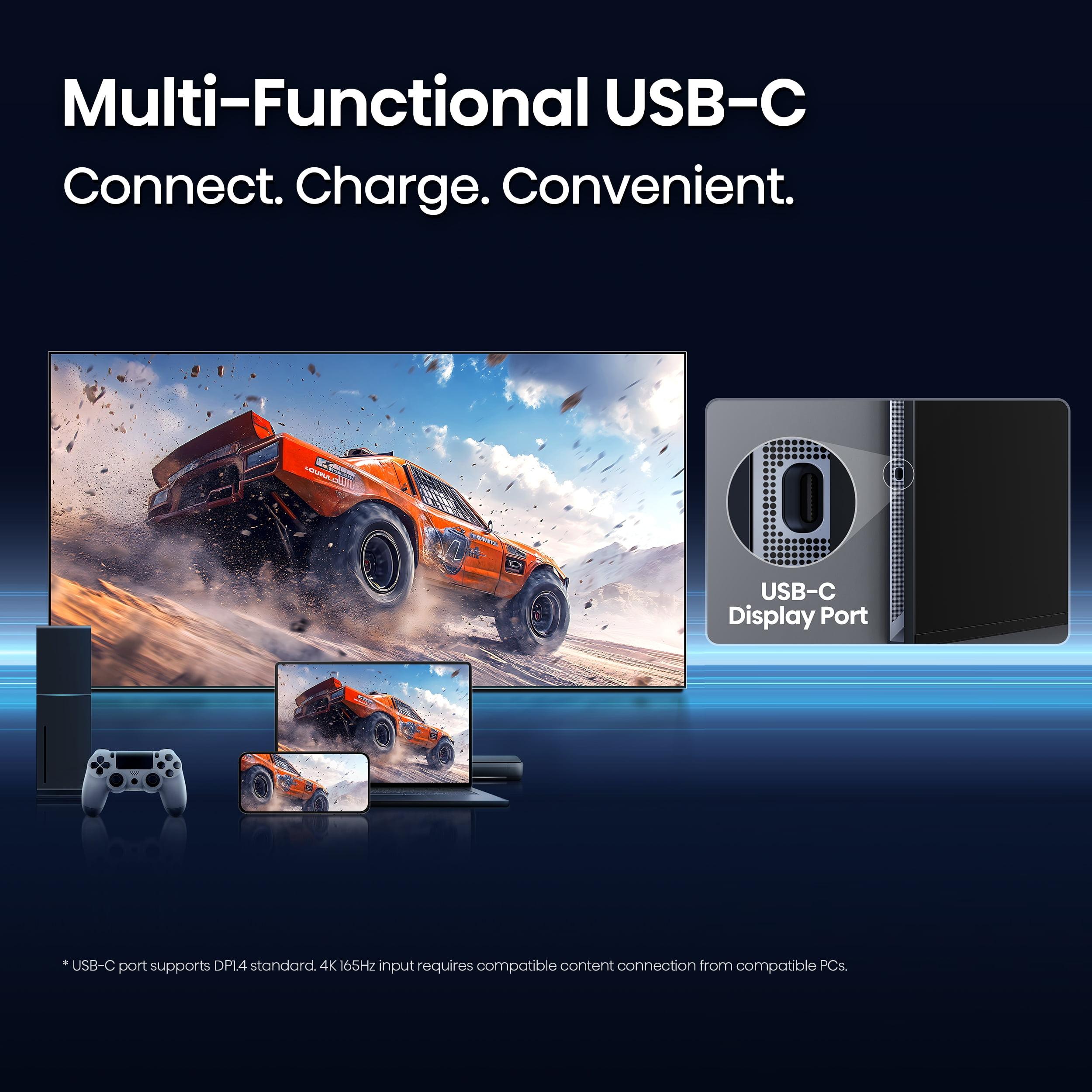
The Hisense U8 uses traditional connectivity with ports on the back and side of the TV. While less elegant for wall mounting, it's more straightforward and doesn't require managing an additional device. The inclusion of Wi-Fi 6E provides faster wireless connectivity than many competitors, though both TVs handle streaming without issues.
The resolution difference represents the most fundamental philosophical divide between these TVs. The Hisense U8's 4K resolution perfectly matches virtually all current content. Netflix, Disney+, Amazon Prime, and gaming consoles all deliver native 4K content, making this resolution the current sweet spot for media consumption.
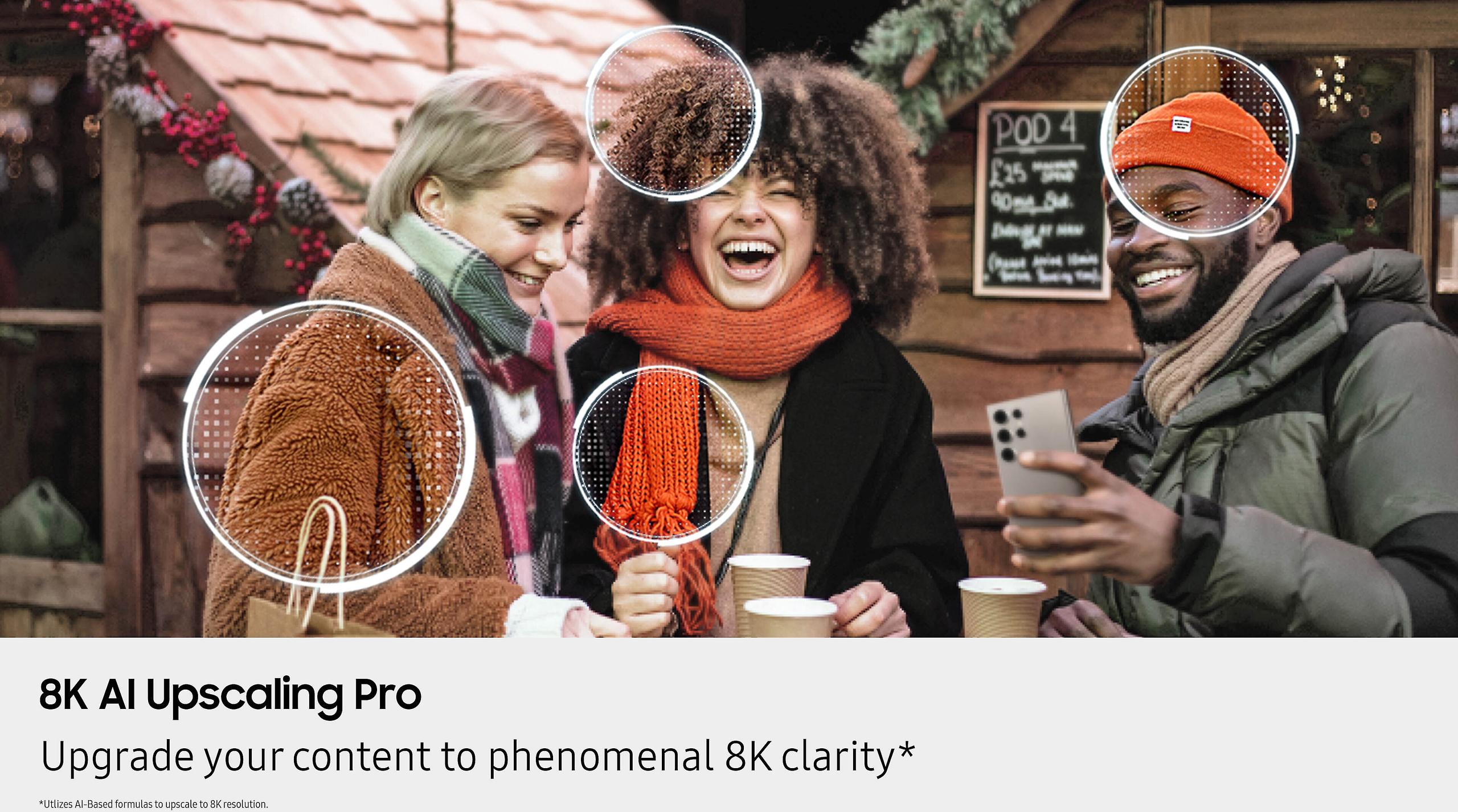
Samsung's 8K resolution in the QN990F is more about future-proofing than current utility. Native 8K content remains extremely limited in 2025, largely restricted to some YouTube videos and specialized demo content. However, Samsung's AI upscaling technology does improve lower-resolution content, particularly when viewing from closer distances where the extra pixel density becomes noticeable.
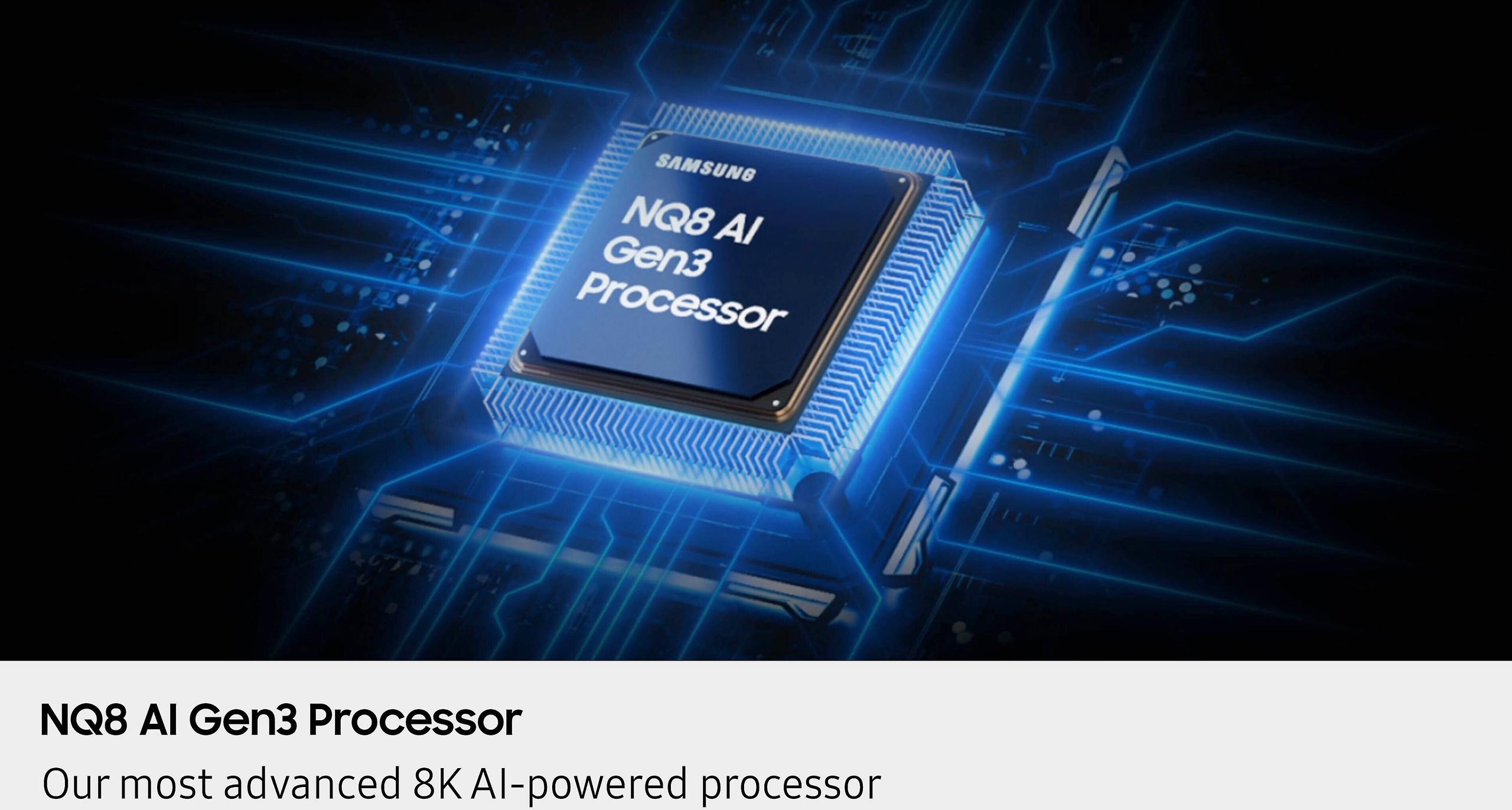
The NQ8 AI Gen3 processor in the Samsung uses 768 neural networks to analyze and enhance every frame. This isn't just simple upscaling—it's predictive enhancement that can add detail and sharpness to 4K content that approaches what native 8K might look like. Whether this justifies the massive price premium depends largely on your viewing habits and room setup.
The Hisense U8 at $998 represents what I consider the current sweet spot for premium TV performance. It delivers about 90% of what the most expensive TVs can do at roughly 20% of the cost. For most users, this represents exceptional value—you're getting flagship-level brightness, gaming features, and smart capabilities without the premium price tag.
The Samsung QN990F at $5,297 is clearly targeting a different market. It's for users who want the absolute cutting edge of TV technology, regardless of cost. The 8K resolution, superior local dimming, and premium build quality justify the price for enthusiasts who plan to keep their TV for 7-10 years and want to be ready for whatever content evolution brings.
For dedicated home theater rooms, both TVs offer compelling but different advantages. The Hisense U8 provides exceptional brightness for HDR content, making it ideal for rooms with some ambient light. Its Dolby Vision support ensures compatibility with the widest range of streaming content, while the built-in subwoofer reduces the complexity of audio setup.
The Samsung QN990F excels in controlled lighting environments where its superior local dimming can shine. The more precise black levels and minimal blooming create a more cinematic experience in darkened rooms. The Wireless One Connect Box also simplifies installation in custom home theater setups.
For most home theater applications, the Hisense provides more bang for the buck. The money saved could be invested in a proper surround sound system, improved room treatments, or simply saved for future upgrades.
Choose the Hisense U8 if you want flagship performance without the flagship price. It's ideal for gamers who need high refresh rates, families who want excellent built-in audio, or anyone who prioritizes value while still getting premium features. The 4K resolution perfectly matches current content, and the money saved can be invested elsewhere in your entertainment setup.
Choose the Samsung QN990F if you're planning a long-term investment in cutting-edge technology. It's perfect for early adopters who want 8K readiness, home theater enthusiasts who prioritize absolute picture quality, or users who value premium build quality and innovative features like the Wireless One Connect Box.
Both TVs represent excellent implementations of Mini-LED technology, but they serve different needs and budgets. The Hisense proves that premium TV performance doesn't require premium pricing, while the Samsung showcases where TV technology is heading. Your choice depends on whether you prioritize exceptional value or cutting-edge innovation.
| Hisense 65" U8 Series Mini-LED ULED 4K Google TV | Samsung 65" Neo QLED QN990F 8K Smart TV 2025 |
|---|---|
| Price - The most significant difference between these TVs | |
| ~$998 (exceptional value for Mini-LED technology) | ~$5,297 (premium flagship pricing) |
| Resolution - Future-proofing vs current content optimization | |
| 4K (3840 x 2160) - Perfect for all current streaming and gaming | 8K (7680 x 4320) - Limited native content but superior AI upscaling |
| Local Dimming Zones - Critical for black levels and contrast precision | |
| 2,000+ zones (excellent for the price, some blooming possible) | ~1,920 zones (more precise control, minimal blooming) |
| Peak Brightness - Essential for HDR impact and bright room viewing | |
| 3,000 nits (exceptional brightness for vibrant HDR) | Higher than Hisense (exact specs not published) |
| Gaming Performance - Refresh rates and competitive gaming features | |
| 144Hz native, VRR 48-144Hz, AMD FreeSync Premium Pro | 120Hz (4K 240Hz with processing), VRR support |
| HDR Support - Streaming service compatibility and picture quality | |
| Dolby Vision, HDR10, HDR10+, HLG (best streaming compatibility) | HDR10, HDR10+, HLG (no Dolby Vision support) |
| Audio System - Built-in sound quality and external equipment needs | |
| 50W 2.1.2 with subwoofer, Dolby Atmos (rare built-in bass) | Object Tracking Sound Pro (no subwoofer, soundbar recommended) |
| Smart Platform - App ecosystem and user interface | |
| Google TV (extensive app support, Google ecosystem integration) | Tizen OS (Samsung ecosystem integration, mature platform) |
| Connectivity Innovation - Installation flexibility and cable management | |
| Standard ports, Wi-Fi 6E (traditional setup) | Wireless One Connect Box (30ft range, clean wall mounting) |
| Build Quality - Materials and long-term durability | |
| Good build quality for price point | Premium materials and construction |
| Best For - Target user and primary use cases | |
| Gamers, value-conscious buyers, current content focus | Early adopters, home theater enthusiasts, future-proofing |
The Hisense 65" U8 Series Mini-LED ULED 4K Google TV at $998 offers exceptional value, delivering about 90% of premium TV performance at 20% of the cost. The Samsung 65" Neo QLED QN990F 8K Smart TV 2025 at $5,297 provides cutting-edge technology but with diminishing returns for most users. For most buyers, the Hisense represents better value.
The Hisense U8 uses 4K resolution (3840 x 2160), which perfectly matches all current streaming content and gaming. The Samsung QN990F features 8K resolution (7680 x 4320) with four times more pixels, but native 8K content is extremely limited in 2025. Samsung's AI upscaling improves 4K content, but the difference is subtle at normal viewing distances.
The Hisense U8 excels for gaming with 144Hz native refresh rate, VRR support from 48-144Hz, and AMD FreeSync Premium Pro. The Samsung QN990F offers 120Hz with 4K 240Hz processing and VRR support. For competitive gaming and high frame rates, the Hisense provides better specifications and value.
The Hisense U8 features a superior 50W 2.1.2 audio system with a built-in subwoofer and Dolby Atmos support, providing excellent sound without additional equipment. The Samsung QN990F uses Object Tracking Sound Pro but lacks a subwoofer, making a soundbar more necessary for full bass response.
The Hisense U8 delivers exceptional brightness at 3,000 nits, making HDR content vibrant and impactful even in bright rooms. The Samsung QN990F also provides high brightness (exact specs unpublished) but focuses more on precision control through superior local dimming zones for more accurate HDR reproduction.
The Hisense U8 runs Google TV, offering extensive app support and integration with Google services like Gmail and Google Photos. The Samsung QN990F uses Samsung's Tizen OS, which integrates well with Samsung devices and smart home ecosystems. Both platforms support all major streaming services.
The Samsung QN990F provides superior black levels with approximately 1,920 local dimming zones for precise light control and minimal blooming. The Hisense U8 offers 2,000+ zones with excellent performance for its price, though some blooming may occur in challenging dark scenes.
Both TVs excel in home theater environments. The Hisense U8 provides exceptional brightness for HDR content and built-in subwoofer for simpler audio setup. The Samsung QN990F offers superior black levels in controlled lighting and features a Wireless One Connect Box for cleaner installations in custom theater rooms.
The Hisense U8 supports Dolby Vision, HDR10, HDR10+, and HLG, providing the widest compatibility with streaming services like Netflix and Disney+. The Samsung QN990F supports HDR10, HDR10+, and HLG but lacks Dolby Vision support, which may limit some streaming content optimization.
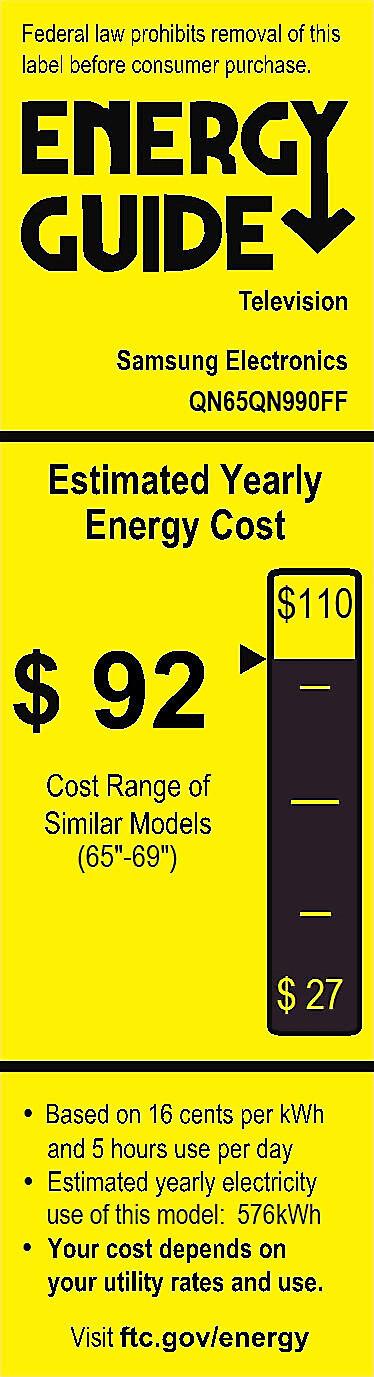
The Hisense U8 is more energy-efficient, consuming 180-220W during typical use. The Samsung QN990F requires more power at 310-360W due to its brighter panel and more powerful 8K processing, resulting in higher electricity costs over time.
Both TVs handle sports well, but the Hisense U8 provides more vibrant colors and exceptional brightness that makes daytime sports viewing impressive. The Samsung QN990F offers smoother motion processing and more precise upscaling of broadcast content, though both deliver excellent sports performance.
Choose the Hisense U8 if you want flagship Mini-LED performance at an accessible price, prioritize gaming features, or focus on current 4K content. Choose the Samsung QN990F if you have a flexible budget, want cutting-edge 8K technology, prioritize absolute picture precision, or plan to keep the TV for 7-10 years.
We've done our best to create useful and informative comparisons to help you decide what product to buy. Our research uses advanced automated methods to create this comparison and perfection is not possible - please contact us for corrections or questions. These are the sites we've researched in the creation of this article: bestbuy.com - hisense-usa.com - rtings.com - bestbuy.com - rtings.com - hisense-usa.com - youtube.com - hisense-usa.com - avsforum.com - hisense-usa.com - hisense-usa.com - rtings.com - avsforum.com - hisense-usa.com - prnewswire.com - hisense-usa.com - bestbuy.com - youtube.com - hisense-usa.com - samsung.com - abt.com - bestbuy.com - pcnation.com - samsung.com - videoandaudiocenter.com - exertisalmo.com - displayspecifications.com - theapplianceplug.com - news.samsung.com

Privacy Policy
Terms and Conditions - Affiliate Policy
Home Security
© Copyright 2008-2026.
11816 Inwood Rd #1211, Dallas, TX 75244