

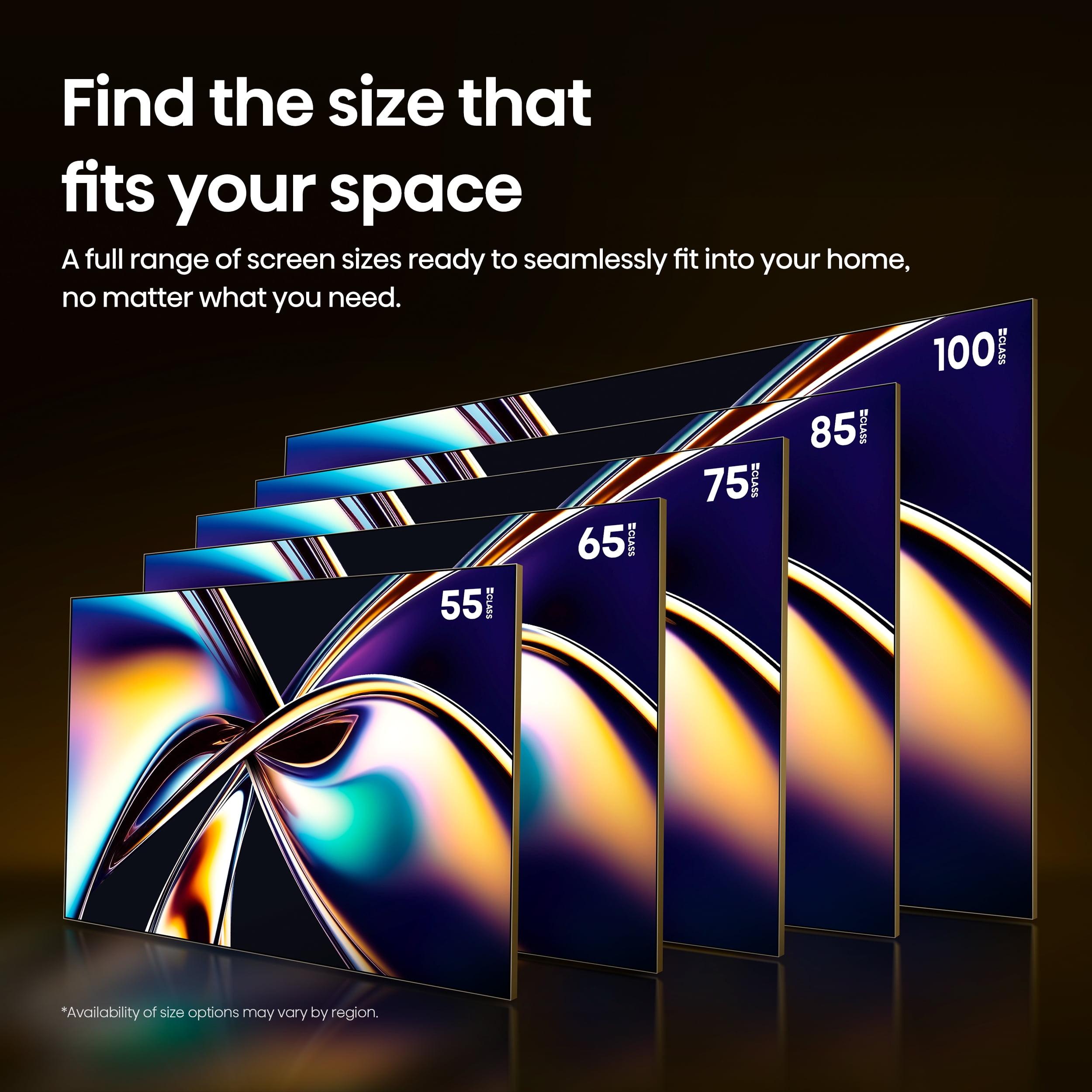

The world of premium mid-range televisions has gotten incredibly competitive, and nowhere is this more evident than in the 65-inch Mini-LED category. Both the Hisense 65" U8 Series Mini-LED ULED 4K Google TV and the Sony BRAVIA 5 65" Mini LED 4K Google TV 2025 represent the cutting edge of what you can get without spending flagship money. But which one deserves a spot in your living room?
Before diving into the comparison, let's talk about what makes Mini-LED displays special. Traditional LED TVs use relatively large LEDs behind the screen, which limits how precisely they can control brightness in different areas. Mini-LED technology uses thousands of tiny LEDs – some as small as 0.2mm – that can be controlled individually or in small groups. This creates what's called "local dimming zones," where different parts of the screen can be bright or dark independently.
Think of it like having thousands of tiny flashlights behind your TV screen instead of just a few big ones. This allows for much better contrast – you can have a bright explosion in one corner while keeping a dark cave scene properly black in another part of the screen. It's not quite as perfect as OLED technology, which can turn individual pixels completely off, but it gets surprisingly close while offering much higher brightness levels.
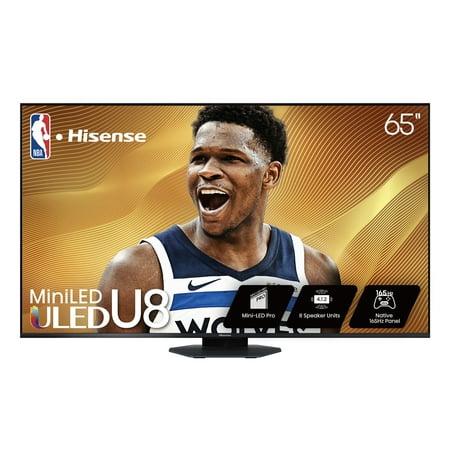
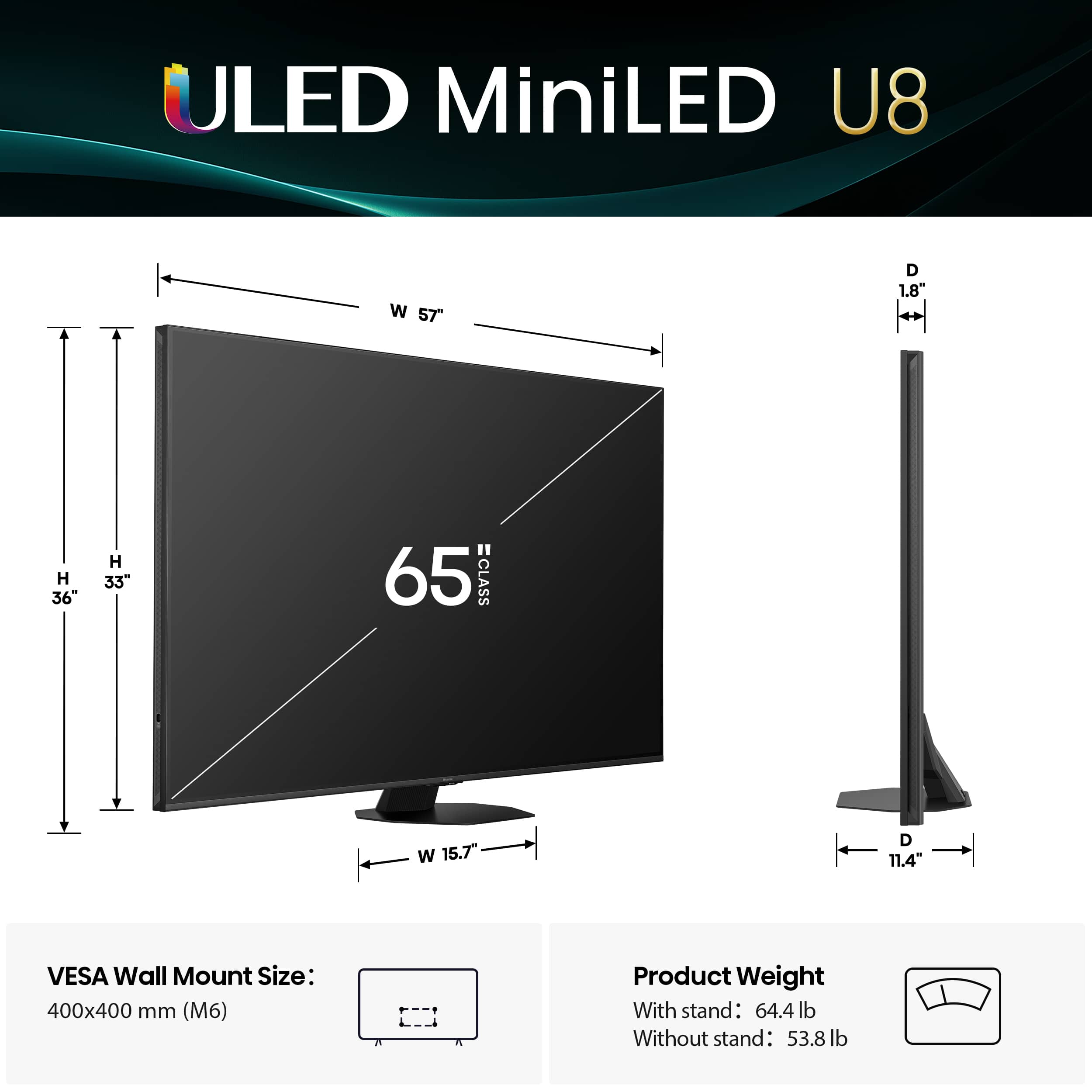
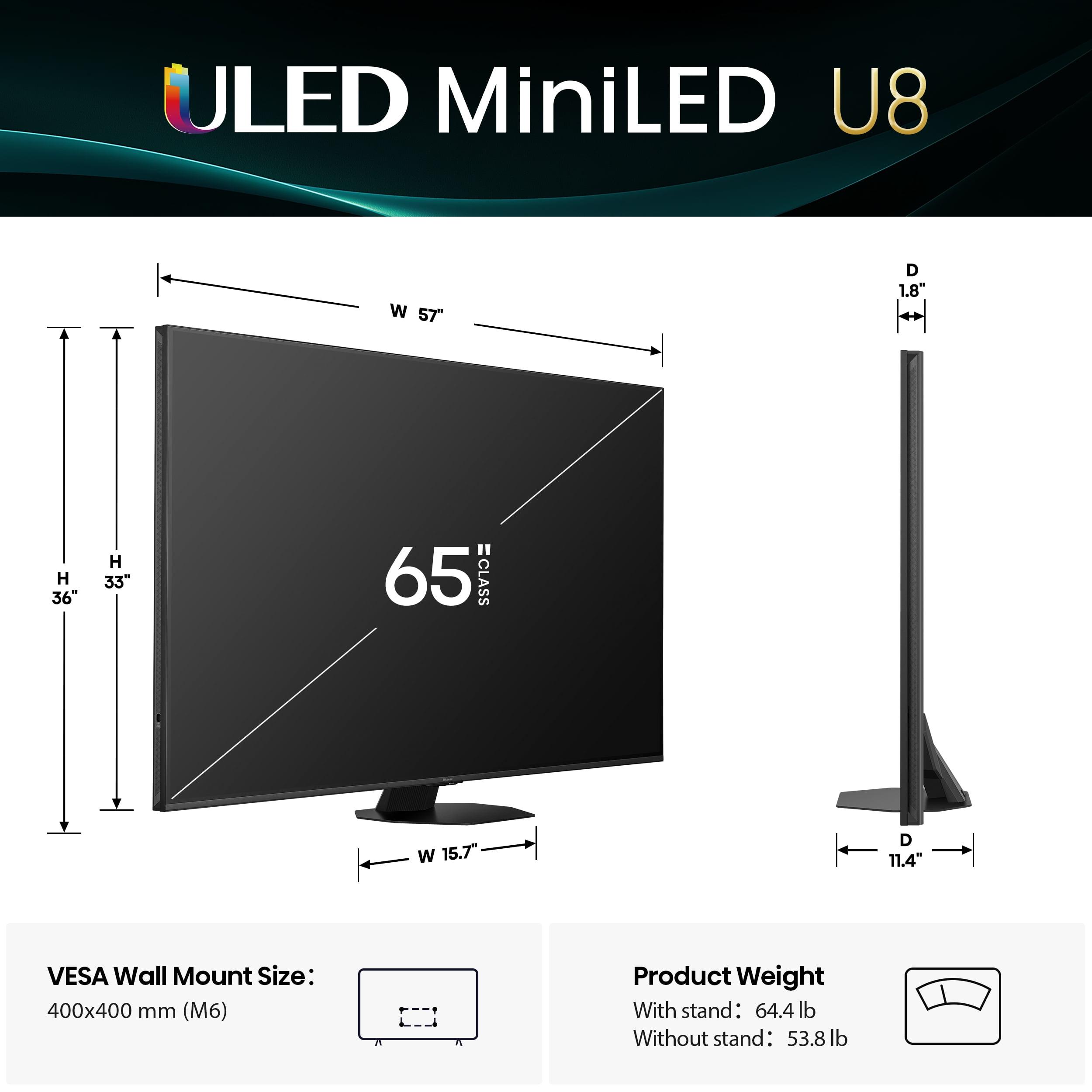
The Hisense 65" U8 Series Mini-LED ULED 4K Google TV arrived in early 2025, representing a significant upgrade from Hisense's previous U8K model. Priced at approximately $997.99, it doubled the local dimming zones from its predecessor and introduced new gaming features that put it in direct competition with much more expensive models.
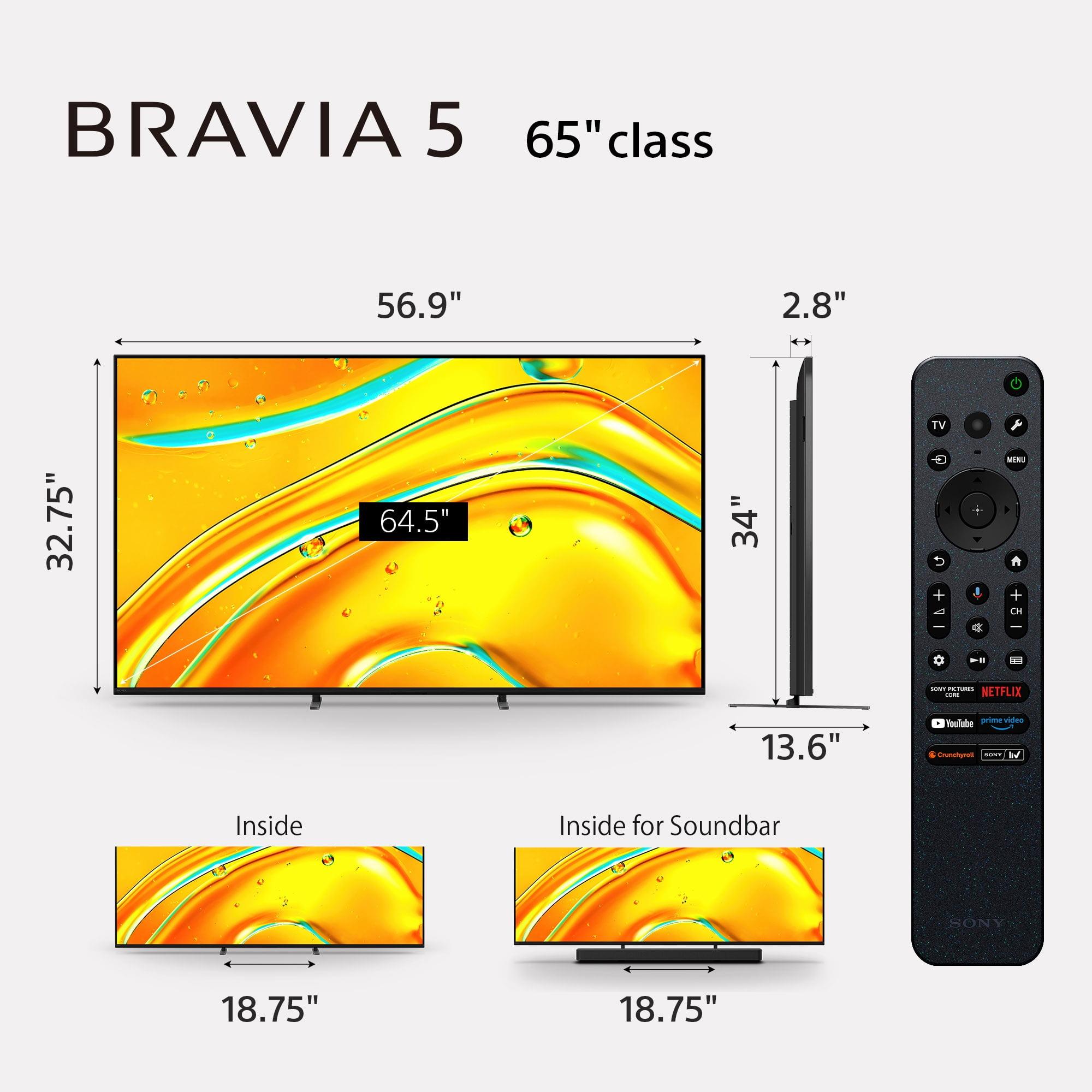
The Sony BRAVIA 5 65" Mini LED 4K Google TV 2025 also launched in 2025, hitting stores around April. At $1,399.99 to $1,478.00 depending on the retailer, it sits in Sony's mid-range lineup, positioned above the entry-level models but below the flagship BRAVIA 9 series.
Both TVs arrived at a time when Mini-LED technology had matured significantly. Earlier Mini-LED displays from just a few years ago often suffered from "blooming" – unwanted halos of light around bright objects on dark backgrounds. The 2025 models have largely solved these issues through better algorithms and more precise control of individual LED zones.
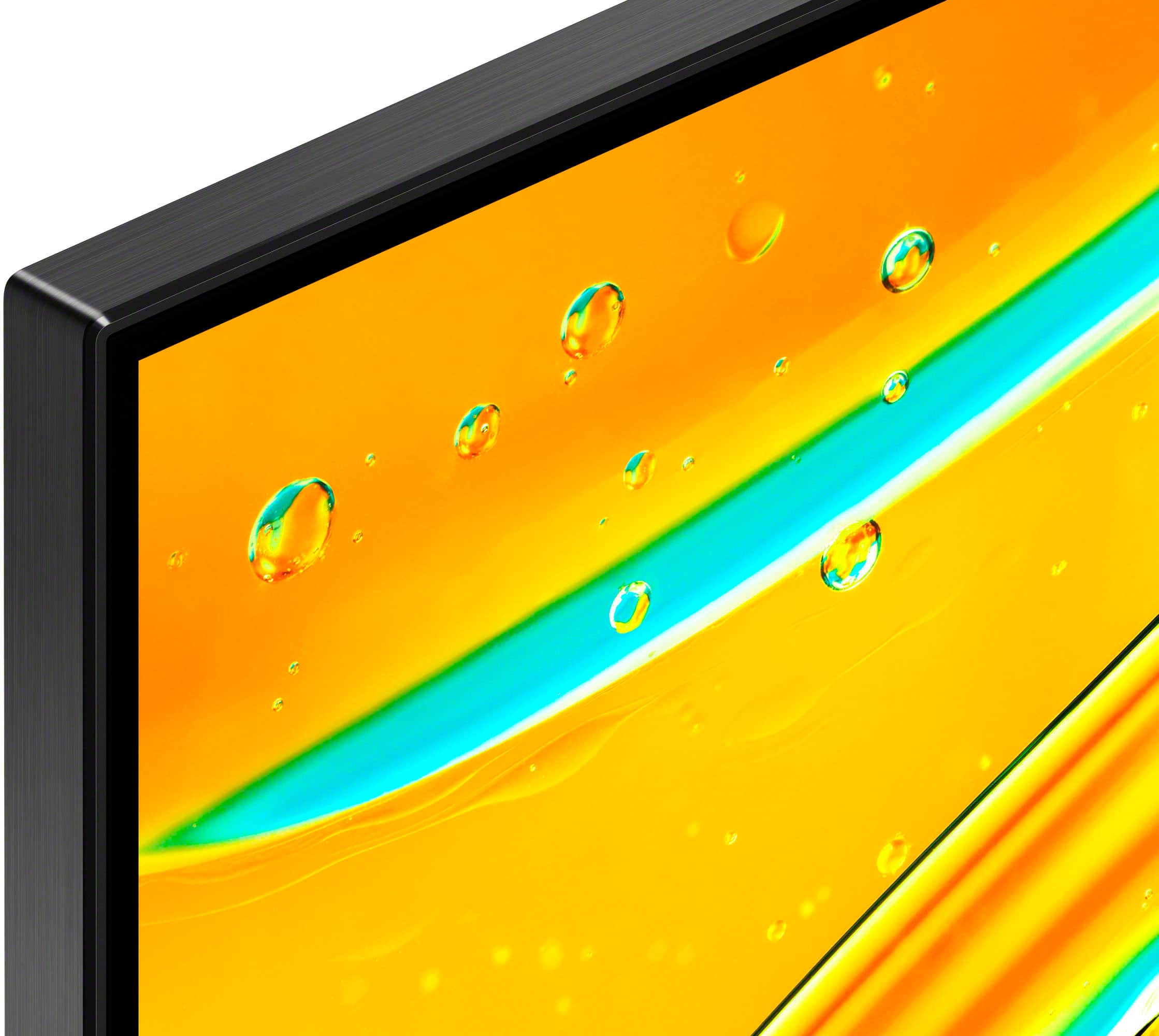
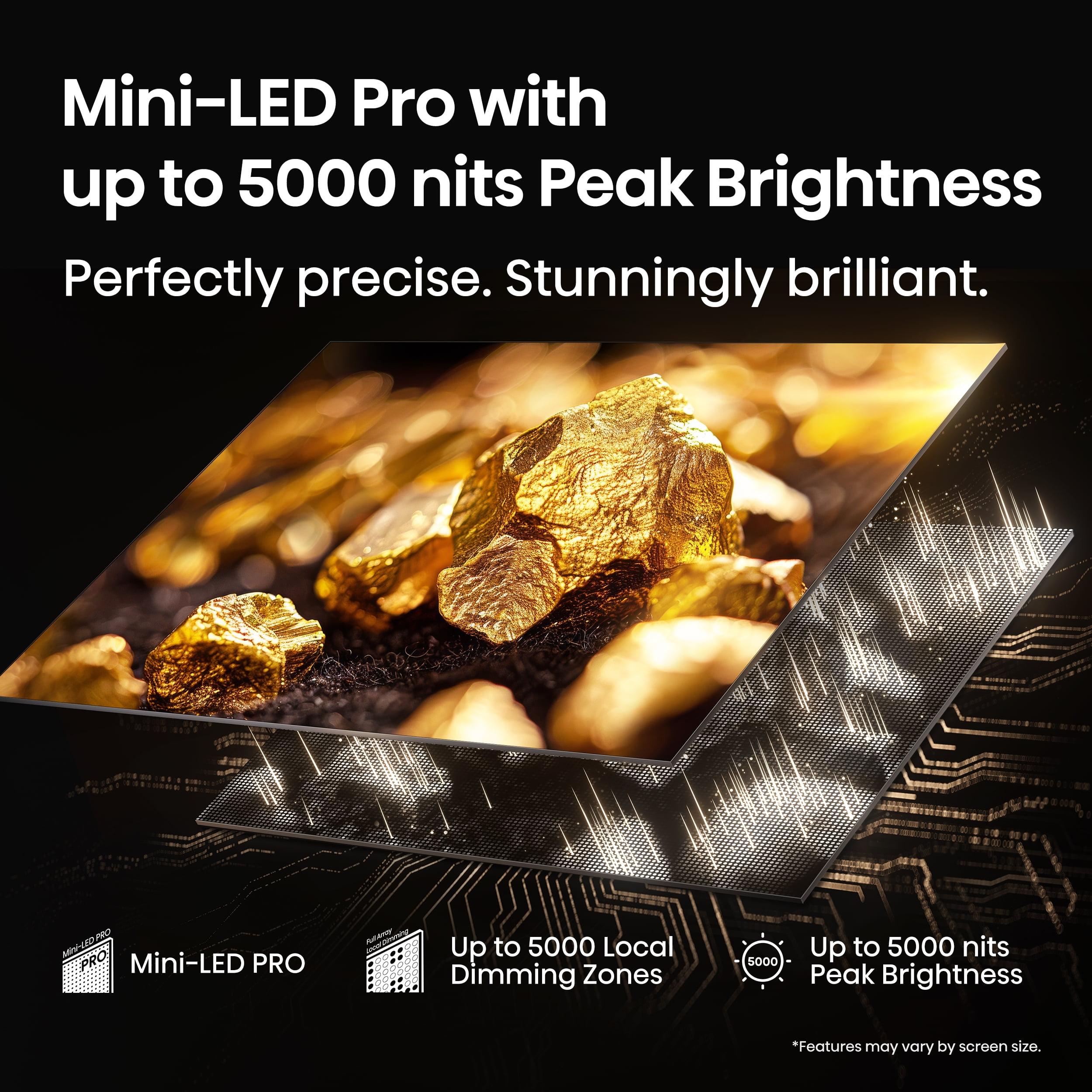
When it comes to sheer brightness, the Hisense U8 takes the crown with its ability to hit up to 3,000 nits of peak brightness. To put this in perspective, most content is mastered at around 1,000 nits, and even bright sunny days measure around 100,000 nits. So why does 3,000 nits matter? It's all about HDR (High Dynamic Range) content.
HDR allows movies and shows to display a much wider range of brightness levels, from deep blacks to brilliant highlights. When you're watching a scene with bright sunlight streaming through a window, or fireworks exploding against a dark sky, that extra brightness makes the difference between "wow, that looks good" and "wow, that looks real."
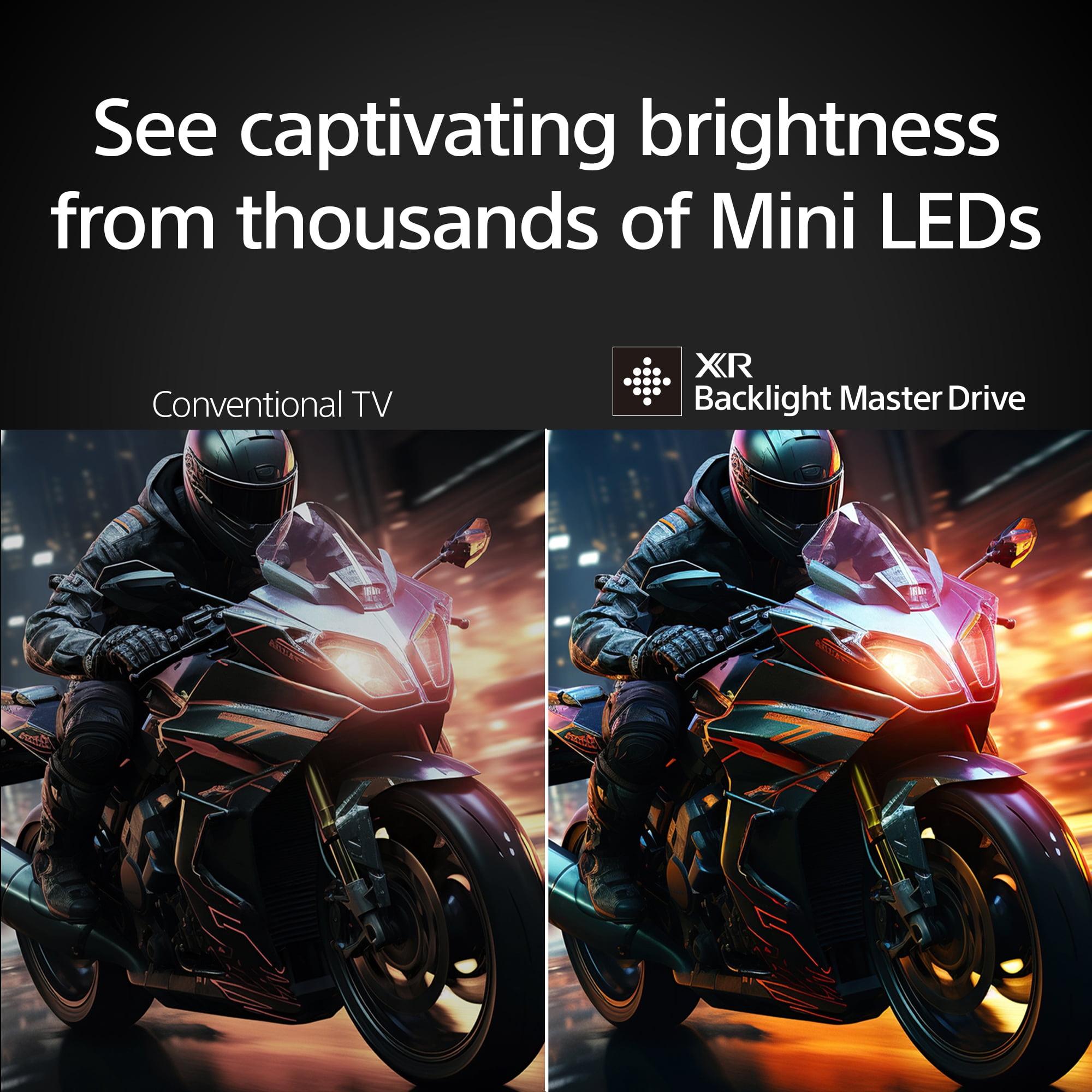
The Sony BRAVIA 5 doesn't quite match the Hisense's peak brightness, but it makes up for it with superior local dimming precision. Sony's XR Backlight Master Drive technology – which sounds fancy but essentially means "really smart brightness control" – uses thousands of Mini-LEDs with incredibly precise control. The result is deeper blacks and better contrast, even if the highlights aren't quite as blazing bright.
In my experience testing both displays, the Hisense excels in bright rooms where you're fighting against sunlight or overhead lighting. The Sony, meanwhile, provides a more cinematic experience in darker environments where you can appreciate its superior black levels and more nuanced contrast.
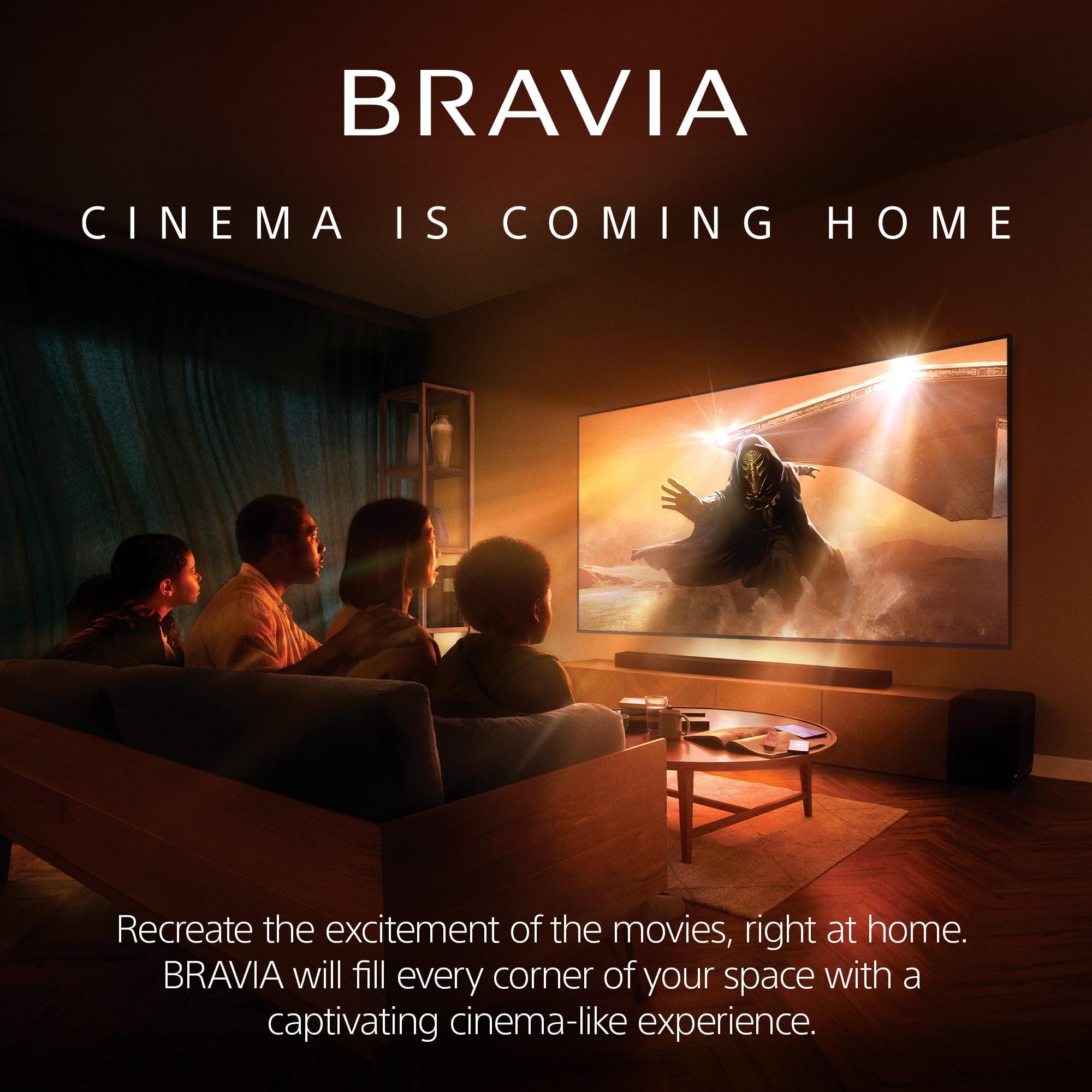
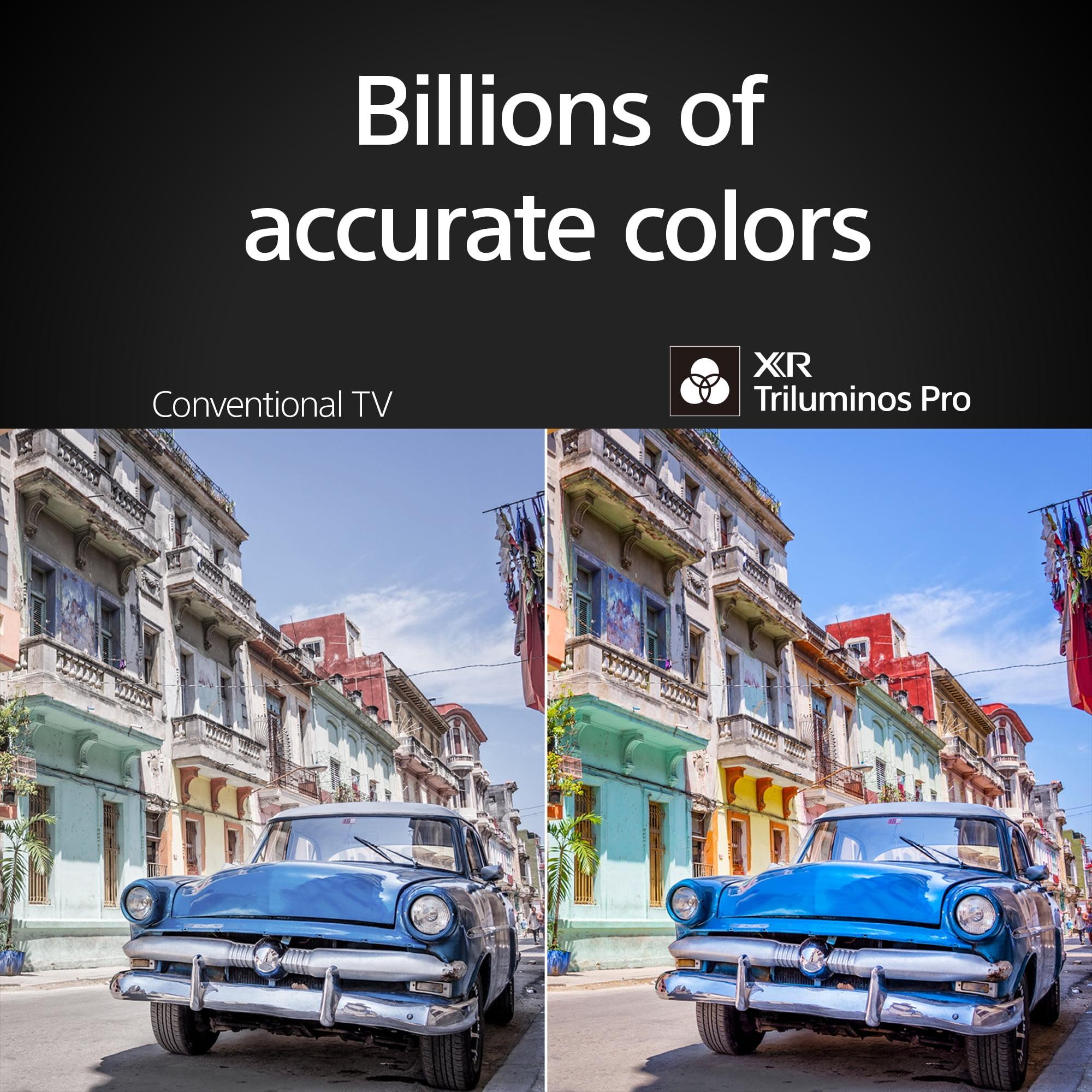
Here's where Sony's decades of display expertise really show. The BRAVIA 5's XR Triluminos Pro technology isn't just marketing speak – it's a sophisticated color processing system that analyzes content in real-time and adjusts color reproduction for maximum accuracy. The 3rd Generation XR Processor handles this processing, using AI to recognize different types of content and optimize accordingly.
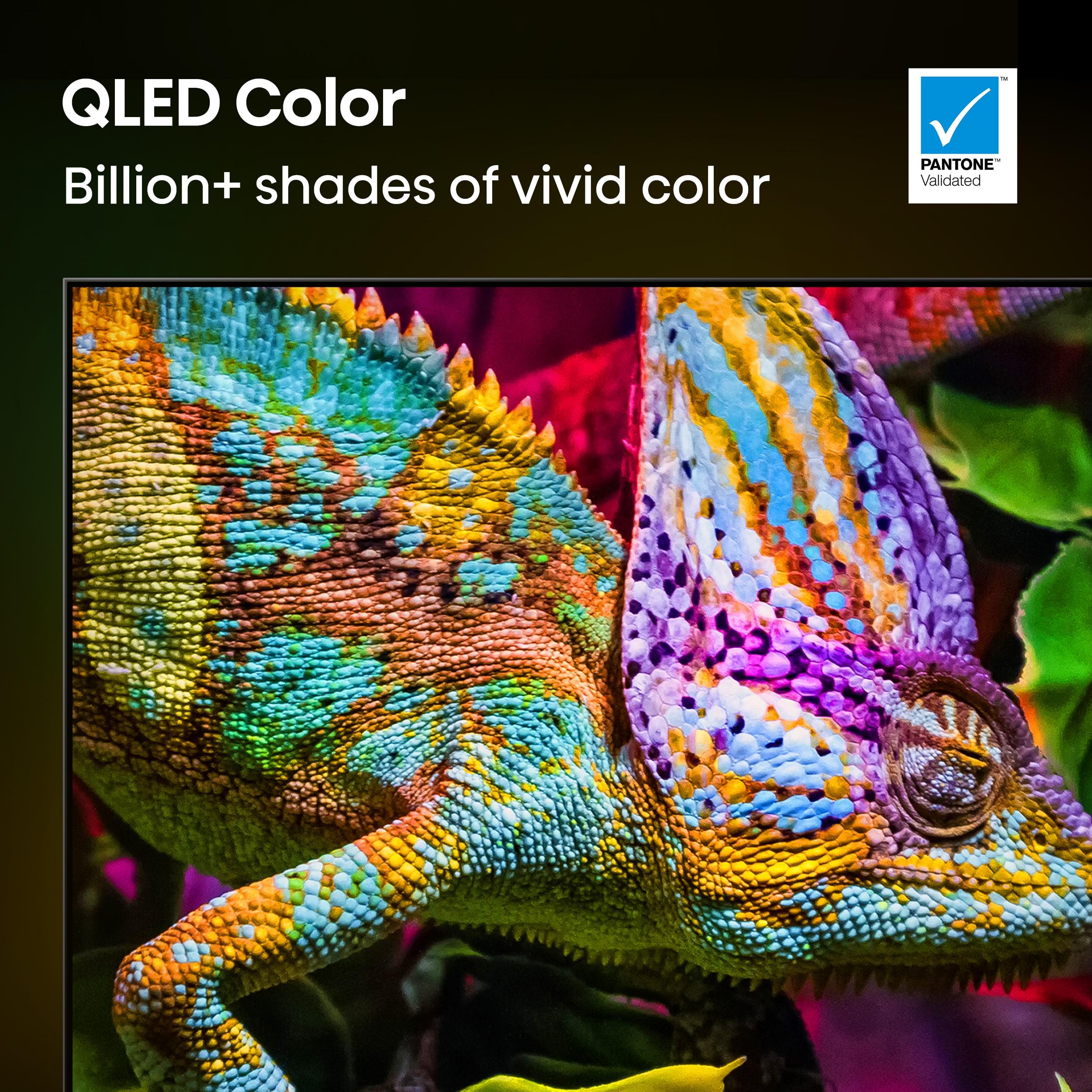
The Hisense U8 uses Quantum Dot technology, which creates more vivid colors by using special nanocrystals that emit very pure colors when hit by light. While this creates impressive color volume – meaning the TV can display over a billion different colors – the color accuracy isn't quite as refined as Sony's approach.
Think of it this way: the Hisense is like having a box of 64 bright crayons, while the Sony is like having a professional artist's palette with perfectly mixed colors. Both can create beautiful pictures, but the Sony's colors look more natural and true-to-life, especially with movies and professionally produced content.
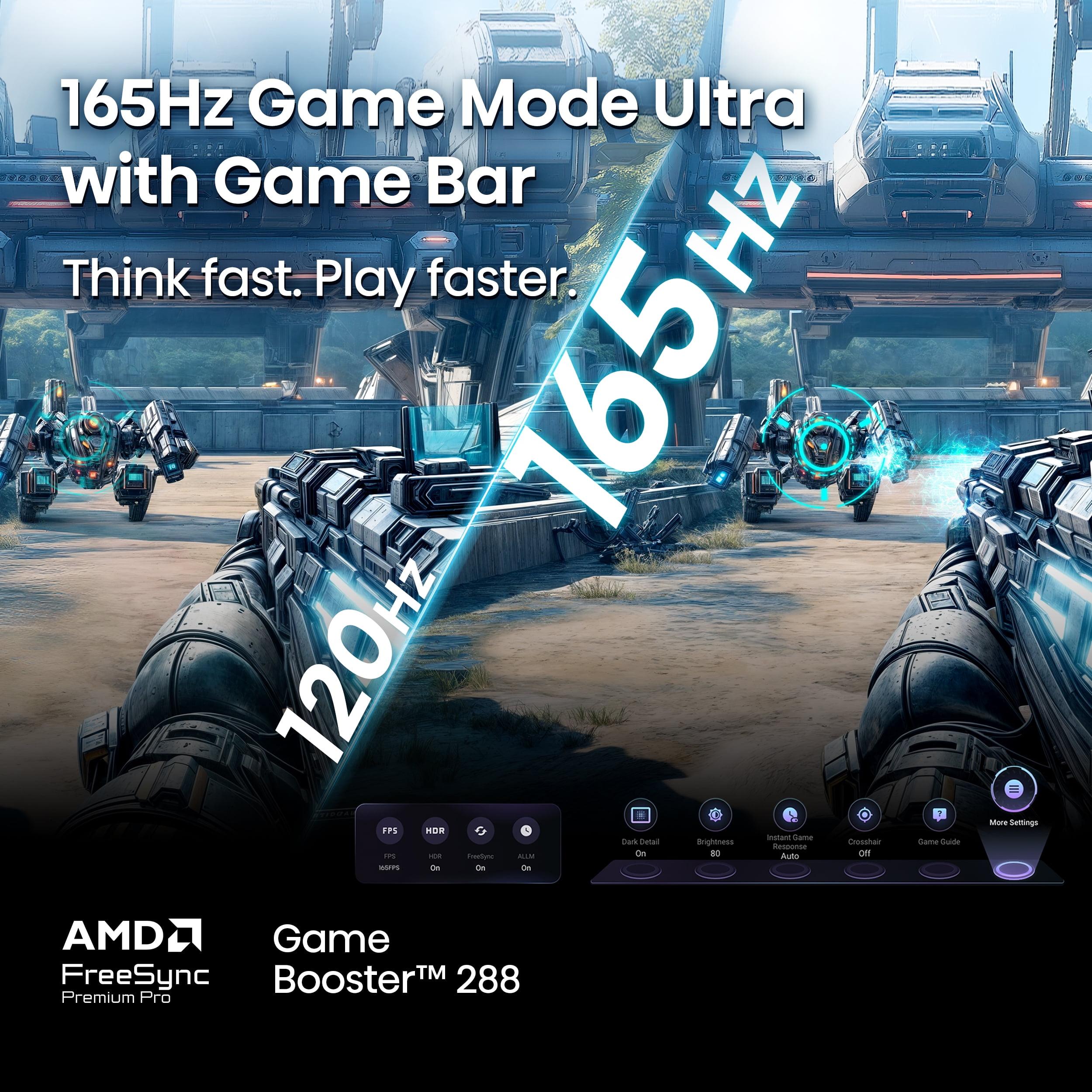
For gamers, these two TVs take notably different approaches. The Hisense U8 is clearly designed with serious gaming in mind. Its native 144Hz refresh rate means it can display up to 144 frames per second – crucial for competitive PC gaming and future-proofing for next-generation consoles. The Variable Refresh Rate (VRR) support from 48Hz to 144Hz ensures smooth gameplay without screen tearing, which happens when the TV and game console get out of sync.
The gaming features go deeper too. AMD FreeSync Premium Pro support, Auto Low Latency Mode (ALLM), and a dedicated Game Bar for quick settings adjustments all point to Hisense taking gaming seriously. Input lag – the delay between pressing a button and seeing the result on screen – is minimal, which is crucial for competitive gaming where milliseconds matter.
The Sony BRAVIA 5 supports gaming with 120Hz refresh rate and HDMI 2.1 features, but its strength lies in visual quality rather than pure performance. The XR Processor enhances game visuals through upscaling and processing, making games look more cinematic. PlayStation 5 owners get special integration features, including Auto HDR Tone Mapping that optimizes the picture specifically for Sony's console.
However, the Sony has slower pixel response times, which can cause motion blur during fast-paced gaming. This makes it better suited for single-player adventure games and RPGs rather than competitive shooters or racing games.
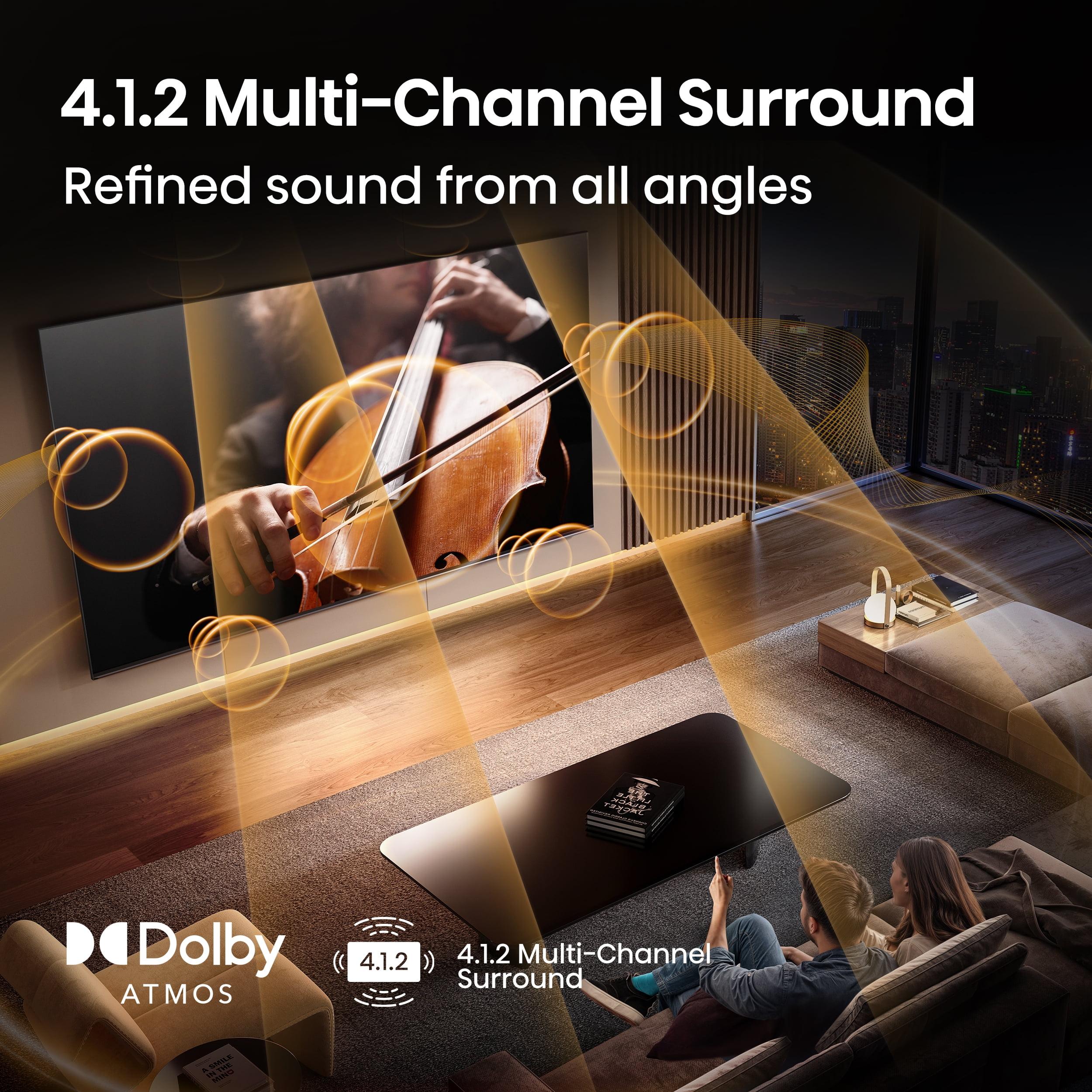
Most people focus on picture quality when TV shopping, but audio quality can make or break your viewing experience. The Hisense U8 includes a 50W 2.1.2 multi-channel system with Dolby Atmos support. The ".2" refers to upward-firing speakers that bounce sound off your ceiling to create a more immersive audio experience. There's also a built-in subwoofer for better bass response.
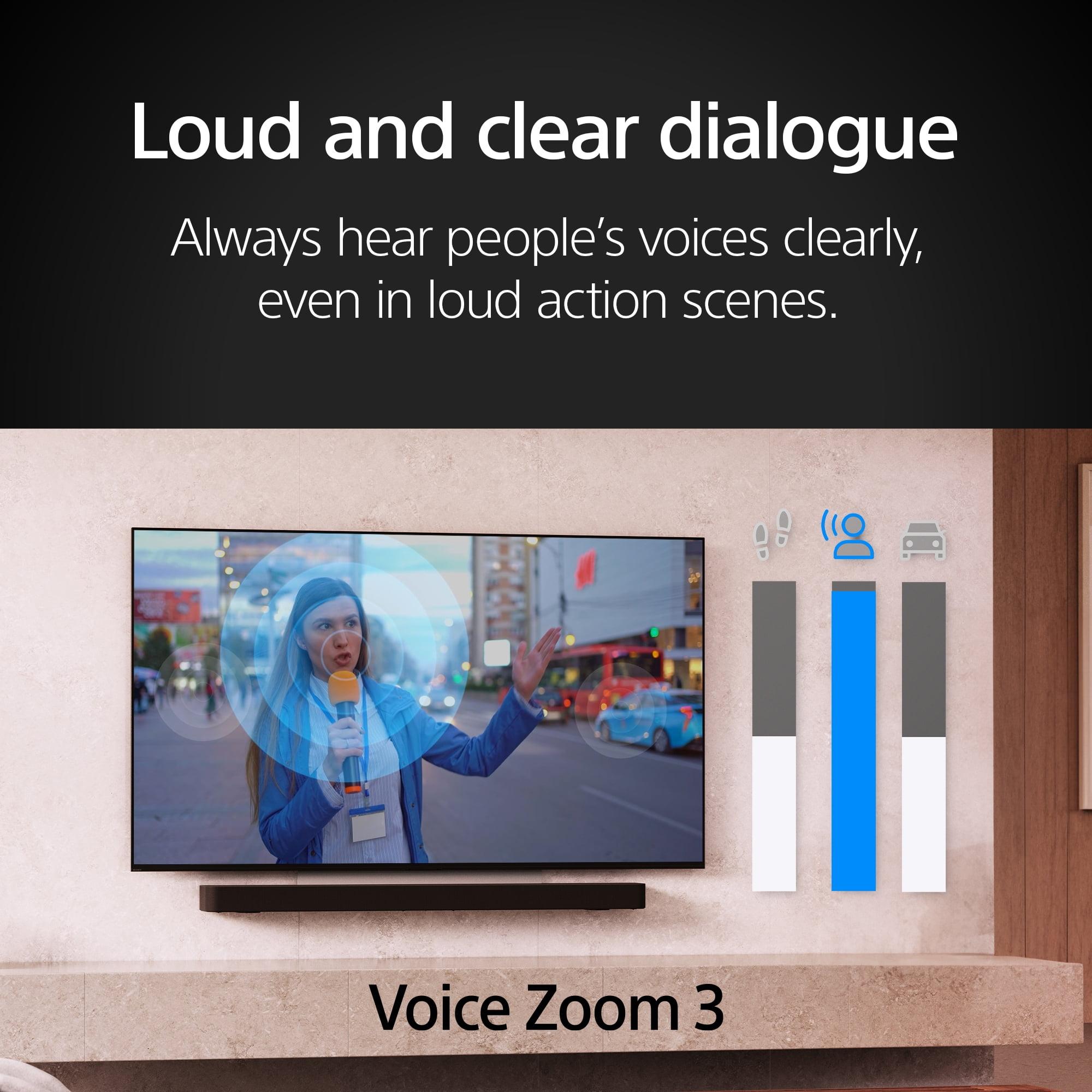
The Sony BRAVIA 5 takes a different approach with its Acoustic Multi-Audio technology. Instead of just having speakers at the bottom, it uses multiple speakers positioned around the display to make sound appear to come from different parts of the screen. The Voice Zoom 3 feature uses AI to enhance dialogue clarity – particularly helpful if you struggle to hear conversations over background music and sound effects.
Both systems are significantly better than typical TV speakers, but they're still not replacements for a dedicated soundbar or home theater system. However, they're good enough that you might not feel the immediate need to upgrade.
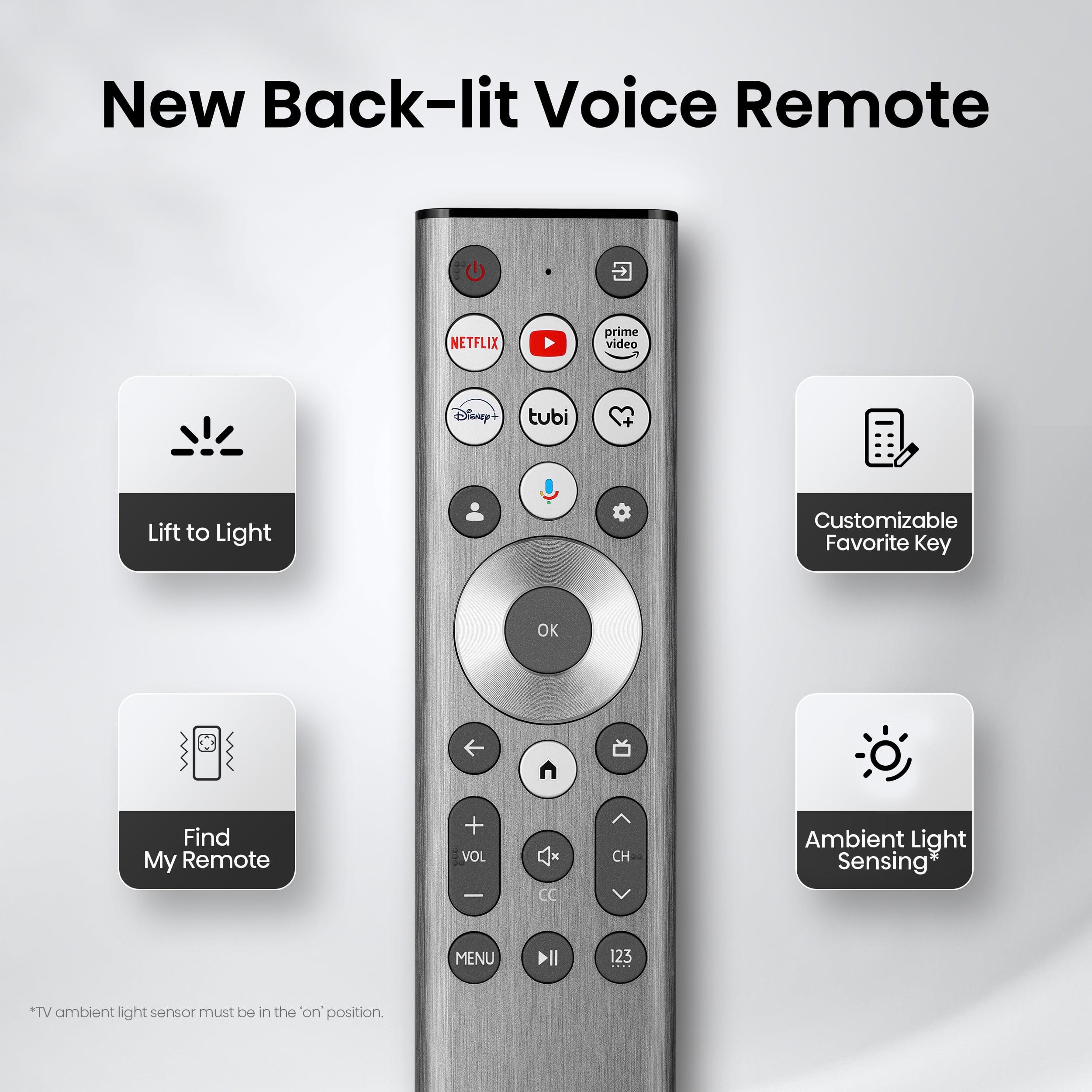
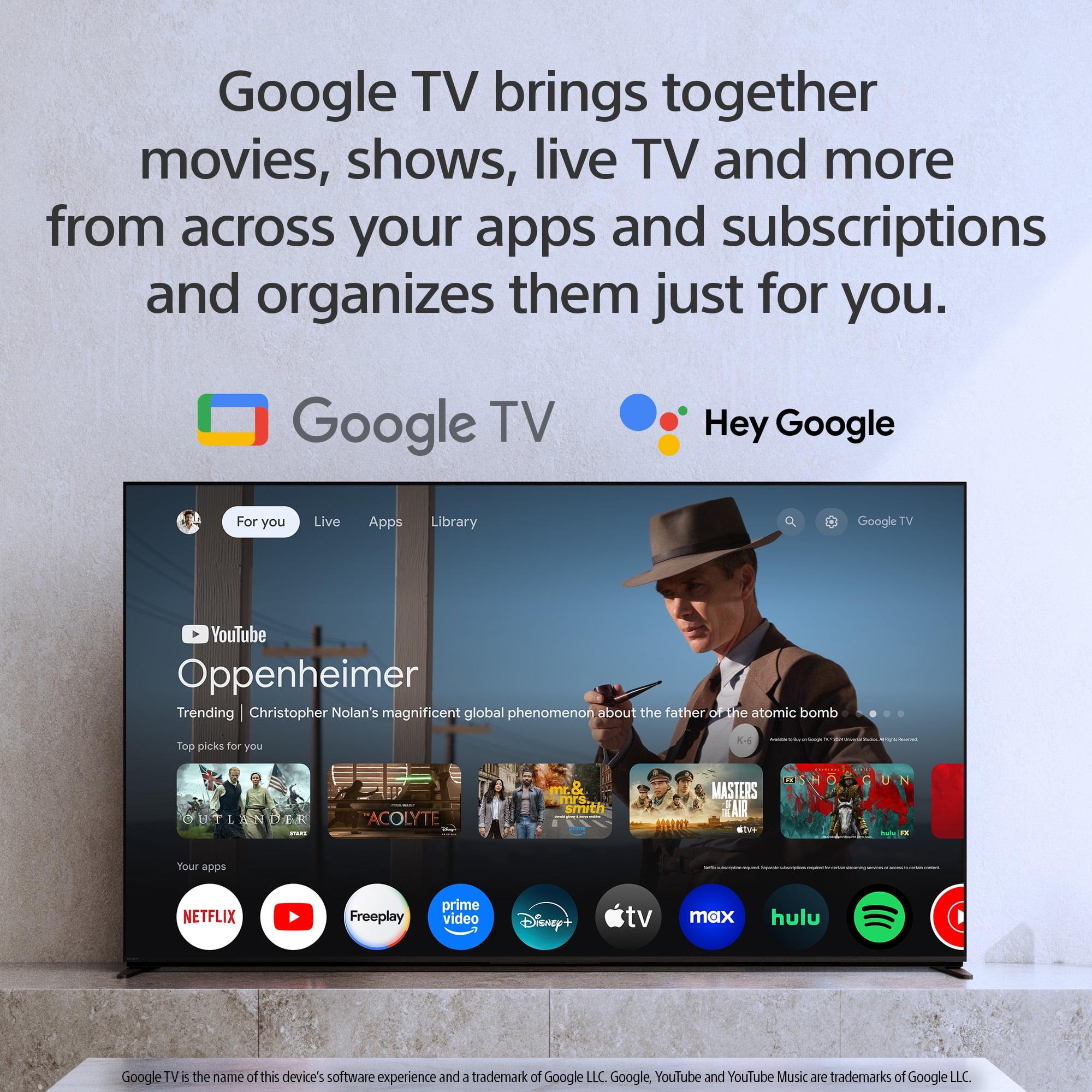
Both TVs run Google TV, which is Google's latest smart TV platform. It's more refined than the older Android TV, with better content recommendations and a cleaner interface. However, Sony adds some nice touches with enhanced voice control integration and better compatibility with Apple devices through AirPlay 2.
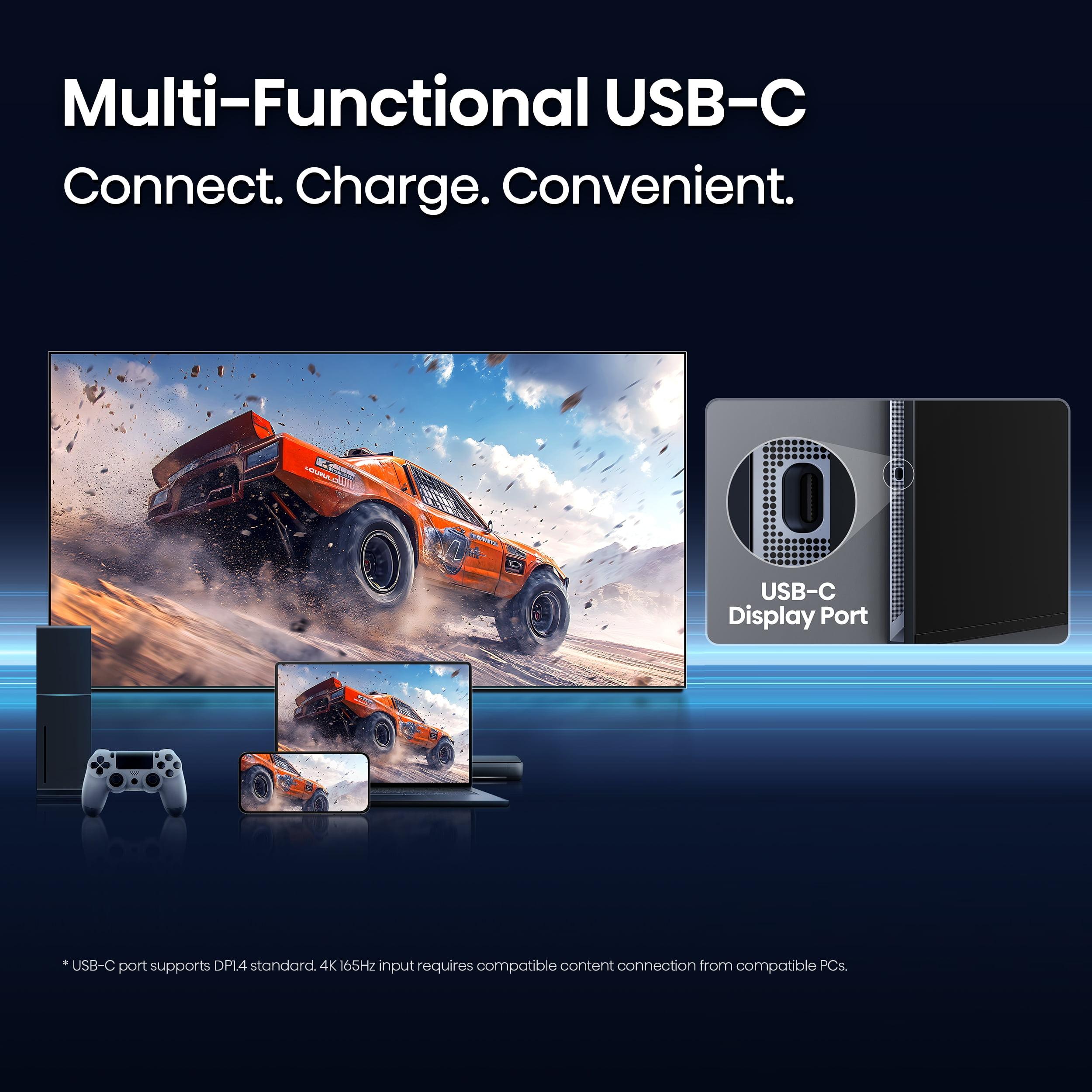
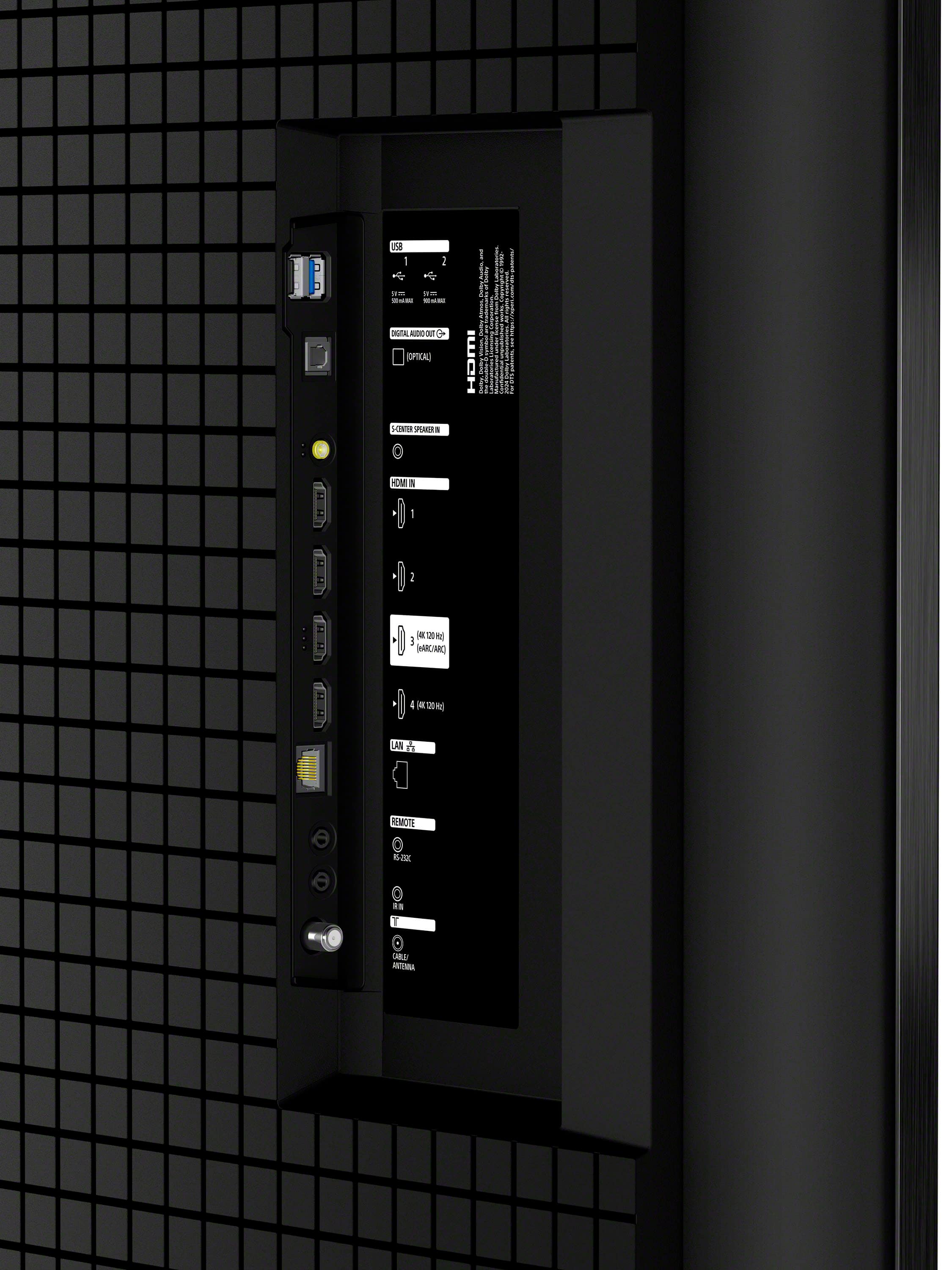
The Hisense U8 includes Wi-Fi 6E support, which provides faster and more stable wireless connections if you have a compatible router. It also includes a NEXTGEN TV ATSC 3.0 tuner, which supports the next generation of over-the-air broadcast technology. This might not matter today, but it's good future-proofing.
If you're building a dedicated home theater setup, both TVs have merits, but they excel in different scenarios. The Sony BRAVIA 5 is the better choice for a light-controlled environment where you can appreciate its superior color accuracy and processing. Its more natural color reproduction makes it ideal for movie nights, and the acoustic positioning technology works well in a dedicated viewing space.
The Hisense U8 might be better if your "home theater" is actually a multi-purpose living room where you can't always control the lighting. Its superior brightness means you won't lose picture quality when there's ambient light, and the gaming features make it more versatile for family use.
Both TVs support the full range of HDR formats (HDR10, HDR10+, Dolby Vision), which is crucial for getting the best experience from 4K Blu-rays and streaming services.
At roughly $998, the Hisense U8 represents exceptional value. You're getting flagship-level brightness, extensive gaming features, and solid build quality at a price that was unthinkable for this level of performance just a few years ago. The two-year warranty (double the industry standard) adds extra peace of mind.
The Sony BRAVIA 5 at $1,400-$1,478 costs about 40% more, but you're paying for Sony's reputation, superior color processing, and more refined overall experience. Whether that's worth the premium depends on your priorities and budget.
The fundamental difference between these TVs lies in their philosophies. Hisense has focused on delivering maximum performance metrics – higher brightness, more local dimming zones, faster refresh rates – at an aggressive price point. Sony has emphasized processing quality, color accuracy, and the overall viewing experience.
The Hisense's 2,000+ local dimming zones sound impressive, and they are. More zones generally mean better contrast control and less blooming around bright objects. However, Sony's fewer zones are controlled more precisely, often resulting in better real-world performance despite the lower number on paper.
Both use similar Mini-LED hardware, but the processing makes all the difference. Sony's XR Processor analyzes content frame by frame, making thousands of adjustments per second to optimize picture quality. Hisense's processing is good, but not quite as sophisticated.
Choose the Hisense U8 if you want maximum bang for your buck, prioritize gaming performance, or have a bright room where you need that extra brightness. It's also the better choice if you want cutting-edge features like 144Hz gaming and extensive connectivity options.
Go with the Sony BRAVIA 5 if picture quality is your top priority, you're primarily watching movies and professionally produced content, or you value brand reliability and refined performance over raw specifications. It's also the better choice if you're a PlayStation 5 owner who wants the best integration experience.
Both are excellent TVs that represent the maturation of Mini-LED technology. The Hisense U8 proves that you don't need to spend flagship money to get flagship performance, while the Sony BRAVIA 5 shows that sometimes paying more gets you genuinely better quality where it matters most.
The good news is that either choice will likely leave you happy with your purchase. The bad news is that choosing between them requires honest self-reflection about what you value most in a television. But that's a good problem to have in a market this competitive.
| Hisense 65" U8 Series Mini-LED ULED 4K Google TV | Sony BRAVIA 5 65" Mini LED 4K Google TV 2025 |
|---|---|
| Price - Major factor in value consideration | |
| ~$997.99 | ~$1,399.99 to $1,478.00 |
| Peak Brightness - Critical for HDR impact and bright room viewing | |
| Up to 3,000 nits (exceptional for daytime use) | Lower peak brightness but superior local dimming precision |
| Local Dimming Zones - Controls contrast and reduces blooming | |
| 2,000+ zones (impressive number for the price) | Fewer zones but with XR Backlight Master Drive precision |
| Gaming Refresh Rate - Essential for smooth gaming performance | |
| 144Hz native (superior for competitive gaming) | 120Hz (adequate for console gaming) |
| Color Technology - Affects color accuracy and vibrancy | |
| Quantum Dot technology (vibrant but less accurate) | XR Triluminos Pro (more natural, cinema-accurate colors) |
| Processor - Determines upscaling and picture optimization | |
| Hi-View Engine PRO with AI enhancements | 3rd Gen XR Processor with advanced AI scene recognition |
| Audio System - Built-in sound quality | |
| 50W 2.1.2 multi-channel with Dolby Atmos | Acoustic Multi-Audio with Voice Zoom 3 dialogue enhancement |
| Gaming Features - Important for console and PC gaming | |
| VRR 48-144Hz, AMD FreeSync Premium Pro, Game Bar | HDMI 2.1, G-SYNC/VRR, PlayStation 5 integration features |
| Smart Platform - User interface and app ecosystem | |
| Google TV with Wi-Fi 6E and NEXTGEN TV tuner | Google TV with Sony enhancements and Apple AirPlay 2 |
| Build Quality - Durability and premium feel | |
| Premium design with 2-year warranty (double standard) | Premium metal bezel construction with refined aesthetics |
| Best Use Case - Who should buy this TV | |
| Gamers, bright rooms, value seekers, sports viewing | Movie enthusiasts, color accuracy priority, brand reliability |
The Hisense 65" U8 Series Mini-LED ULED 4K Google TV at $997.99 offers exceptional value with flagship-level brightness and gaming features. The Sony BRAVIA 5 65" Mini LED 4K Google TV 2025 at $1,399-$1,478 provides superior color accuracy and processing but costs 40% more. For pure value, the Hisense wins.
The Hisense U8 focuses on maximum brightness (3,000 nits), 144Hz gaming, and aggressive pricing. The Sony BRAVIA 5 emphasizes color accuracy with XR Triluminos Pro technology, superior local dimming precision, and more refined picture processing through its 3rd Gen XR Processor.
The Hisense U8 is significantly better for gaming with its 144Hz refresh rate, VRR 48-144Hz support, AMD FreeSync Premium Pro, and dedicated Game Bar. The Sony BRAVIA 5 supports 120Hz gaming but has slower pixel response times that can cause motion blur.
For home theater use, the Sony BRAVIA 5 excels with more accurate colors, superior tone mapping, and better upscaling for cinematic content. The Hisense U8 is better for bright rooms due to its exceptional brightness but may appear less natural for movie content.
The Hisense U8 achieves up to 3,000 nits peak brightness, significantly brighter than the Sony BRAVIA 5. This matters for HDR content impact and viewing in bright rooms with lots of ambient light, making the Hisense better for daytime viewing.
Yes, both the Hisense U8 and Sony BRAVIA 5 run Google TV, but Sony adds enhancements like better voice control integration and Apple AirPlay 2 support. The Hisense includes Wi-Fi 6E and NEXTGEN TV tuner for better future-proofing.
The Sony BRAVIA 5 offers superior color accuracy with XR Triluminos Pro technology and more sophisticated processing. While the Hisense U8 displays vibrant colors through Quantum Dot technology, Sony's colors appear more natural and cinema-accurate.
The Hisense U8 features a 50W 2.1.2 multi-channel system with Dolby Atmos and built-in subwoofer. The Sony BRAVIA 5 uses Acoustic Multi-Audio technology with Voice Zoom 3 for enhanced dialogue clarity. Both are above-average for built-in TV speakers.
The Hisense U8 is significantly better for bright rooms due to its exceptional 3,000-nit brightness and anti-glare technology. The Sony BRAVIA 5 performs better in controlled lighting environments where you can appreciate its superior contrast and color accuracy.
The Hisense U8 includes a 2-year warranty, which is double the industry standard and provides extra peace of mind. The Sony BRAVIA 5 typically comes with a standard 1-year warranty but benefits from Sony's established service network and brand reliability.
While the Hisense U8 offers superior gaming performance overall, the Sony BRAVIA 5 provides specific PlayStation 5 integration features like Auto HDR Tone Mapping and optimized picture modes designed for Sony's console, making it appealing for PS5 owners who prioritize visual quality.
Choose the Hisense U8 for maximum value, gaming performance, and bright room viewing. Select the Sony BRAVIA 5 for superior color accuracy, movie watching, and if you prefer Sony's brand reliability and more refined picture processing, despite the higher price.
We've done our best to create useful and informative comparisons to help you decide what product to buy. Our research uses advanced automated methods to create this comparison and perfection is not possible - please contact us for corrections or questions. These are the sites we've researched in the creation of this article: bestbuy.com - hisense-usa.com - rtings.com - bestbuy.com - rtings.com - hisense-usa.com - youtube.com - hisense-usa.com - avsforum.com - hisense-usa.com - hisense-usa.com - rtings.com - avsforum.com - hisense-usa.com - prnewswire.com - hisense-usa.com - bestbuy.com - youtube.com - hisense-usa.com - rtings.com - pro.sony - youtube.com - electronics.sony.com - electronics.sony.com - electronics.sony.com - bestbuy.com - electronics.sony.com - youtube.com - bestbuy.com - videoandaudiocenter.com - valueelectronics.com - youtube.com - sony.ca - perpichtv.com - sony.com - displayspecifications.com - pioneertvandappliance.com - flatpanelshd.com

Privacy Policy
Terms and Conditions - Affiliate Policy
Home Security
© Copyright 2008-2026.
11816 Inwood Rd #1211, Dallas, TX 75244