

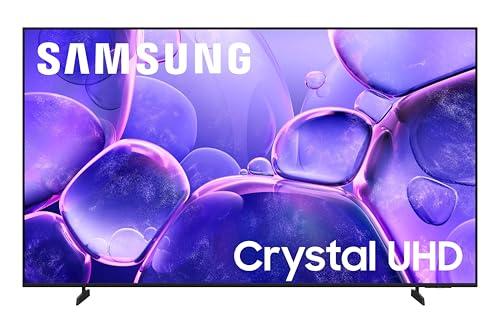
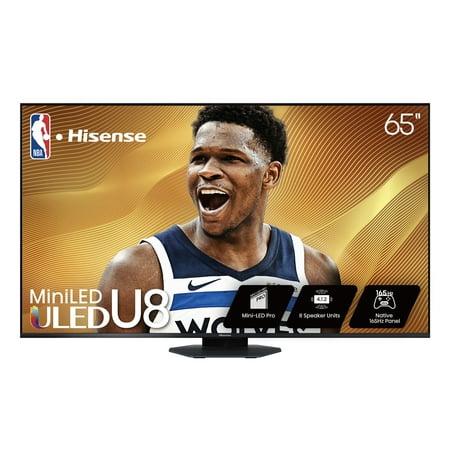
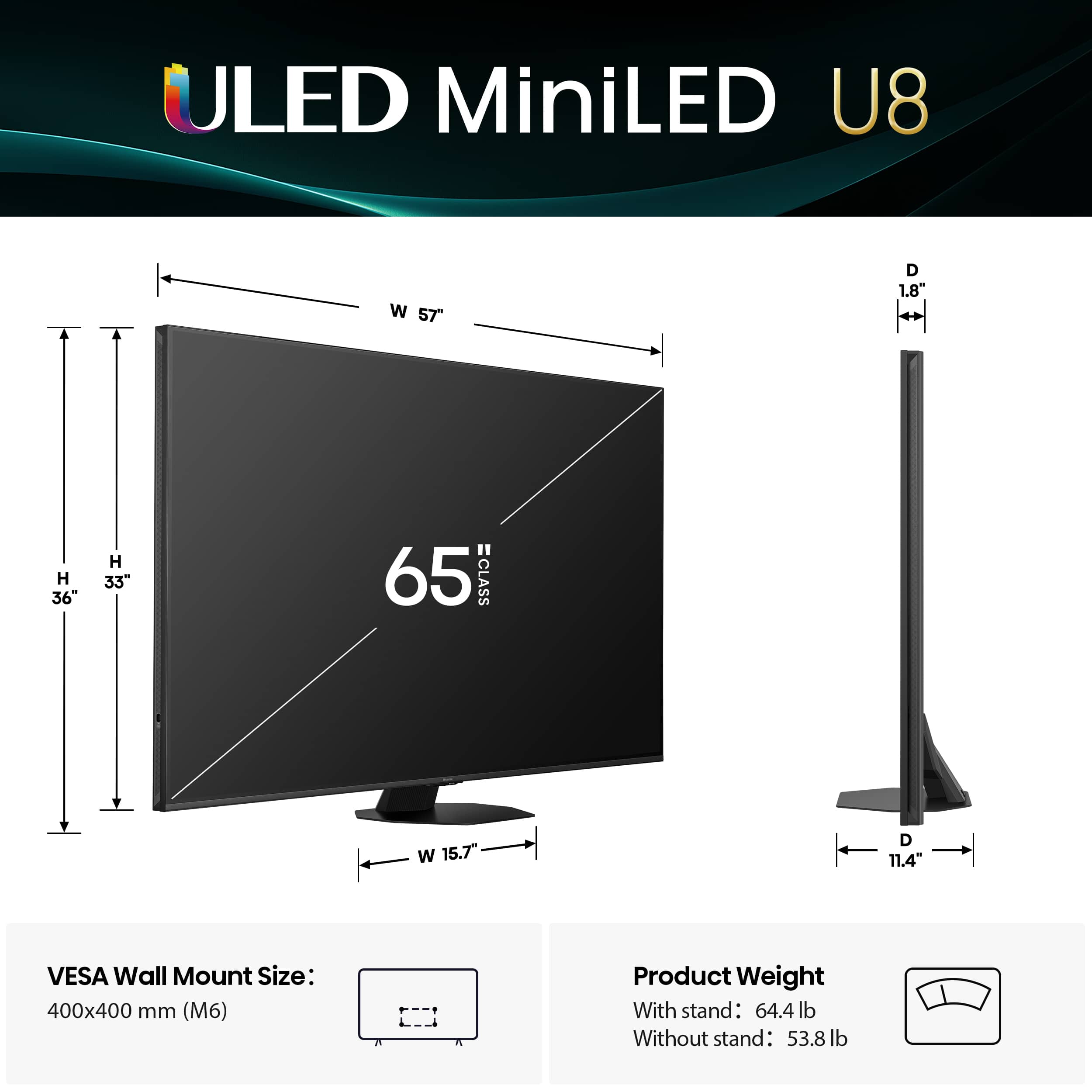
Shopping for a 65-inch 4K TV can feel overwhelming, especially when comparing products that seem similar on the surface but deliver vastly different experiences. The Samsung U8000F and Hisense U8 Series represent two completely different approaches to the same screen size – and understanding these differences is crucial for making the right choice.
At the time of writing, these TVs sit in entirely different price brackets, with the Samsung U8000F positioned as an entry-level option and the Hisense U8 Series commanding a premium price that's roughly double the Samsung's cost. But as we'll explore, this price difference reflects fundamental technology gaps that affect everything from picture quality to gaming performance.
Before diving into specifics, it's worth understanding what separates budget TVs from premium models in 2025. The biggest differentiator is backlight technology – essentially, how the TV illuminates its display to create the images you see.
Traditional LED TVs like the Samsung U8000F use edge-lit or basic direct-lit LED systems. Think of this like having a few bright lights behind a translucent screen – it works, but you can't control specific areas independently. The result is decent overall brightness but limited contrast control.
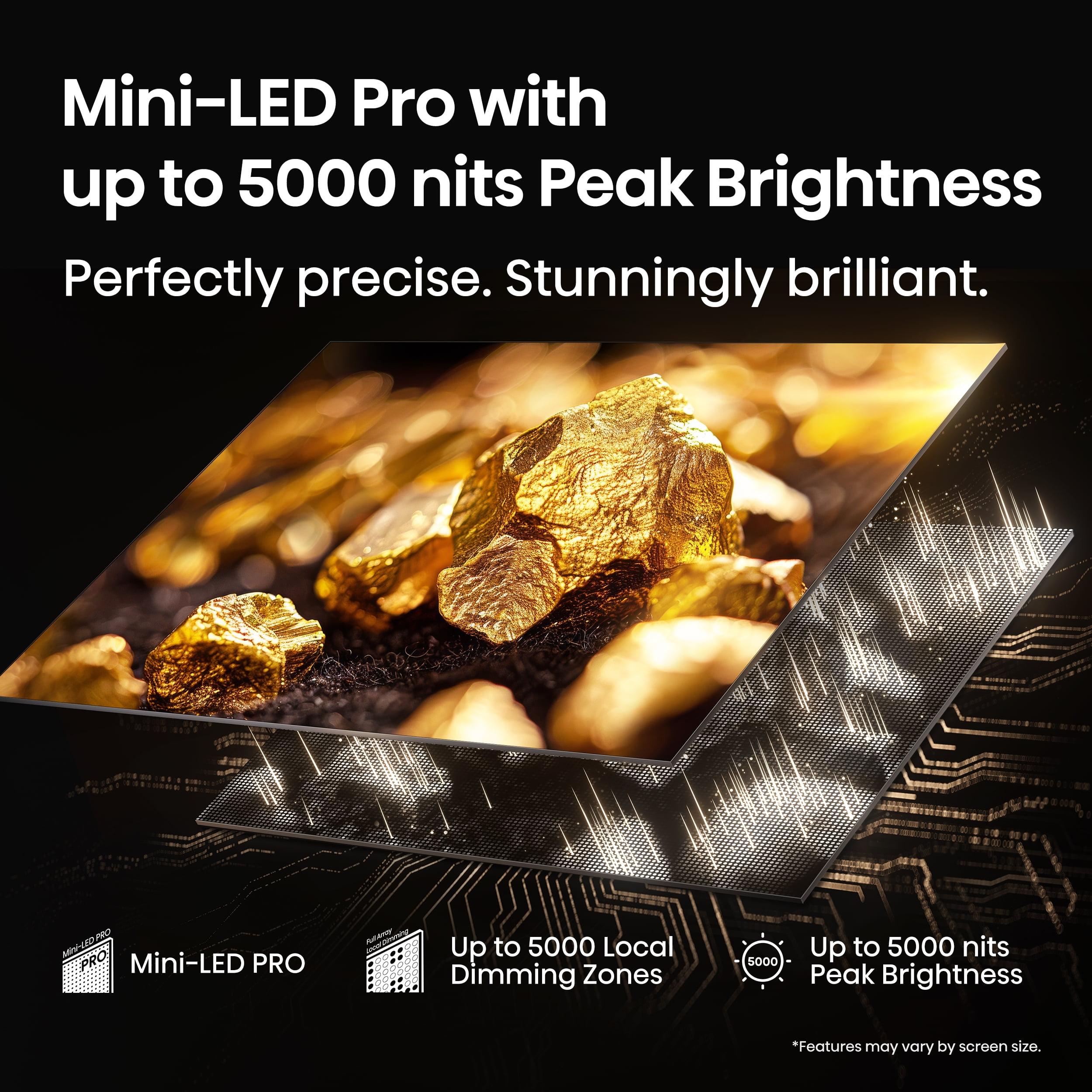
Mini-LED technology in the Hisense U8 Series is fundamentally different. Instead of a handful of large LEDs, it uses thousands of tiny LEDs arranged behind the screen in a grid pattern. Each section can be dimmed or brightened independently – this is called "local dimming." Imagine having thousands of individual dimmer switches instead of just one main light switch for your room. This allows for much deeper blacks right next to brilliant whites, creating the dramatic contrast that makes HDR content truly pop.
The picture quality difference between these TVs is substantial, and it starts with brightness. The Samsung U8000F achieves typical budget TV brightness levels around 300-400 nits (a measurement of luminance). While this is perfectly adequate for watching TV in a dimly lit room, it struggles in brighter environments and can't deliver the punch that HDR content demands.
The Hisense U8 Series, depending on the specific model year, reaches between 3,000 and 5,000 nits peak brightness. To put this in perspective, that's roughly ten times brighter than the Samsung. This isn't just about making everything blindingly bright – it's about having the headroom to display both deep shadows and brilliant highlights simultaneously, which is what makes HDR content look realistic.
Local dimming zones make an even bigger difference. The Samsung's "UHD Dimming" is marketing speak for basic brightness adjustment across the entire screen – there's no true local dimming happening. The Hisense U8 Series features over 2,000 independent dimming zones that can adjust brightness in small sections of the screen. When you're watching a movie scene with a bright explosion against a dark sky, the Hisense can make the explosion brilliant while keeping the surrounding darkness truly black. The Samsung will either wash out the dark areas or dim the explosion – it can't do both effectively.
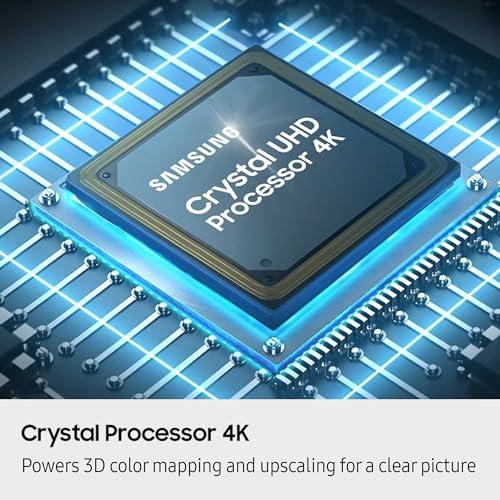
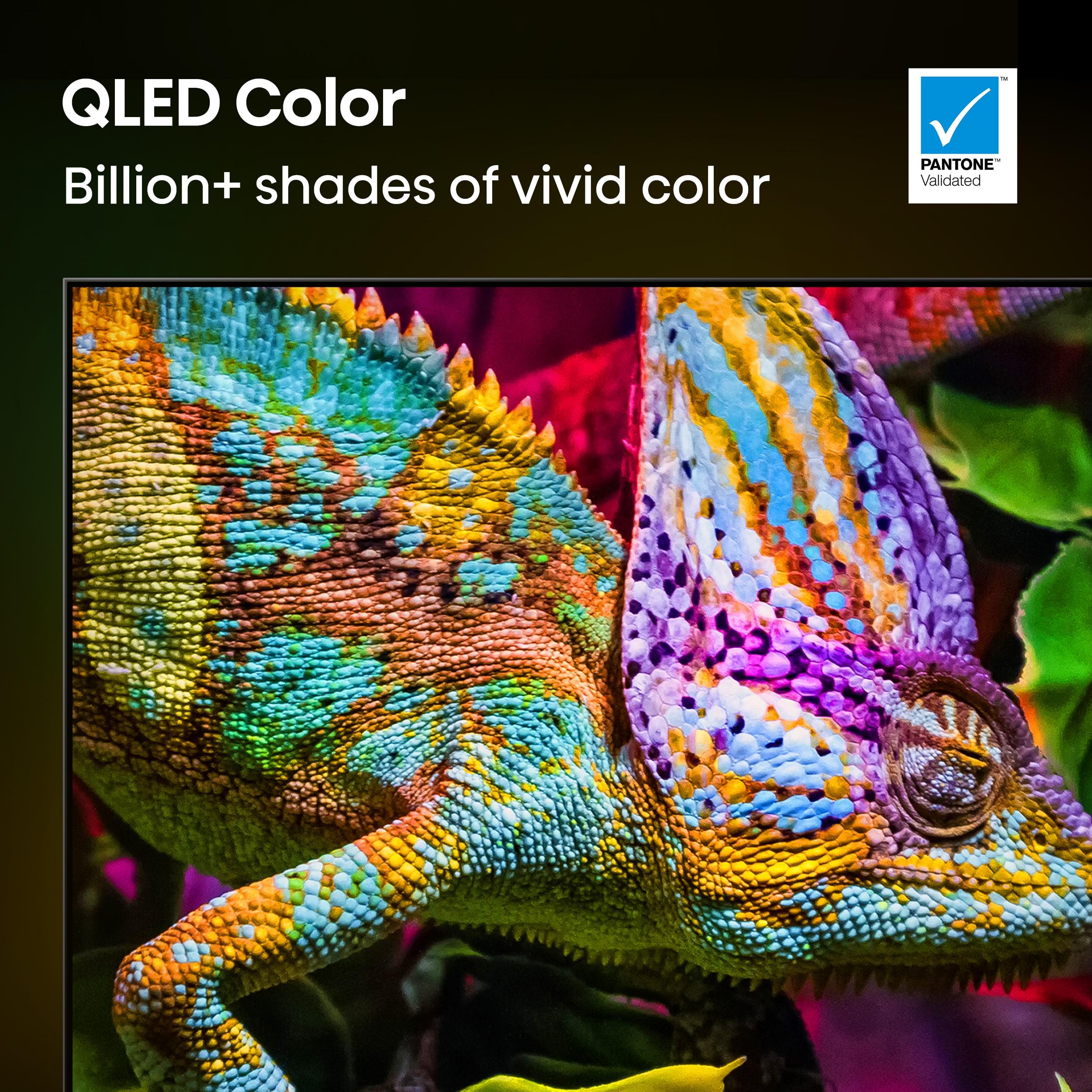
Color reproduction tells a similar story. The Samsung U8000F uses standard LED backlighting with Samsung's Crystal Processor for color mapping. It's competent for everyday viewing, producing pleasant, if not spectacular, colors. The Hisense U8 Series employs Quantum Dot technology (also called QLED), which uses special nanocrystals to produce over a billion distinct color shades. The result is more vibrant, accurate colors that better match what directors intended.
Based on our research into professional reviews and user feedback, the picture quality gap is immediately noticeable. The Hisense consistently delivers more impactful HDR performance, better contrast, and more vivid colors. The Samsung holds its own with standard definition and HD content upscaling, but falls short when displaying 4K HDR material that showcases a TV's true capabilities.
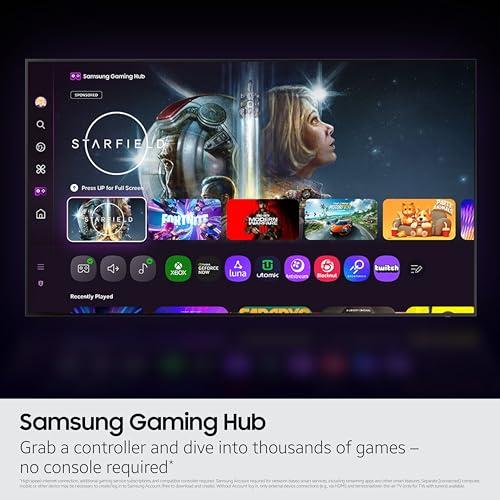
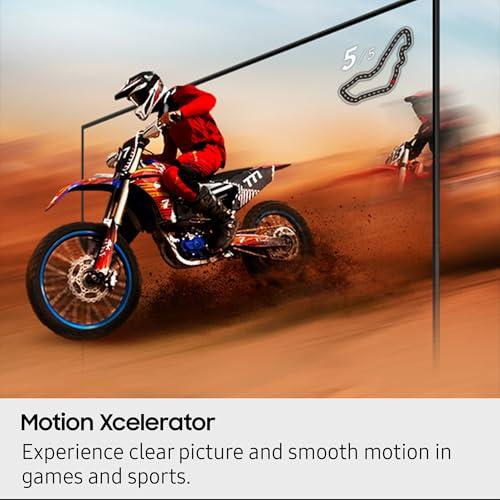
Gaming performance reveals the most dramatic difference between these TVs. The Samsung U8000F, released in 2025, includes basic gaming features like Variable Refresh Rate (VRR) and Auto Low Latency Mode (ALLM), but it's fundamentally limited by its 50-60Hz refresh rate panel. VRR helps reduce screen tearing by matching the TV's refresh rate to your gaming device's output, while ALLM automatically switches to a low-latency mode when it detects gaming input. However, with a maximum 60Hz refresh rate, the Samsung can only display 60 frames per second at most.
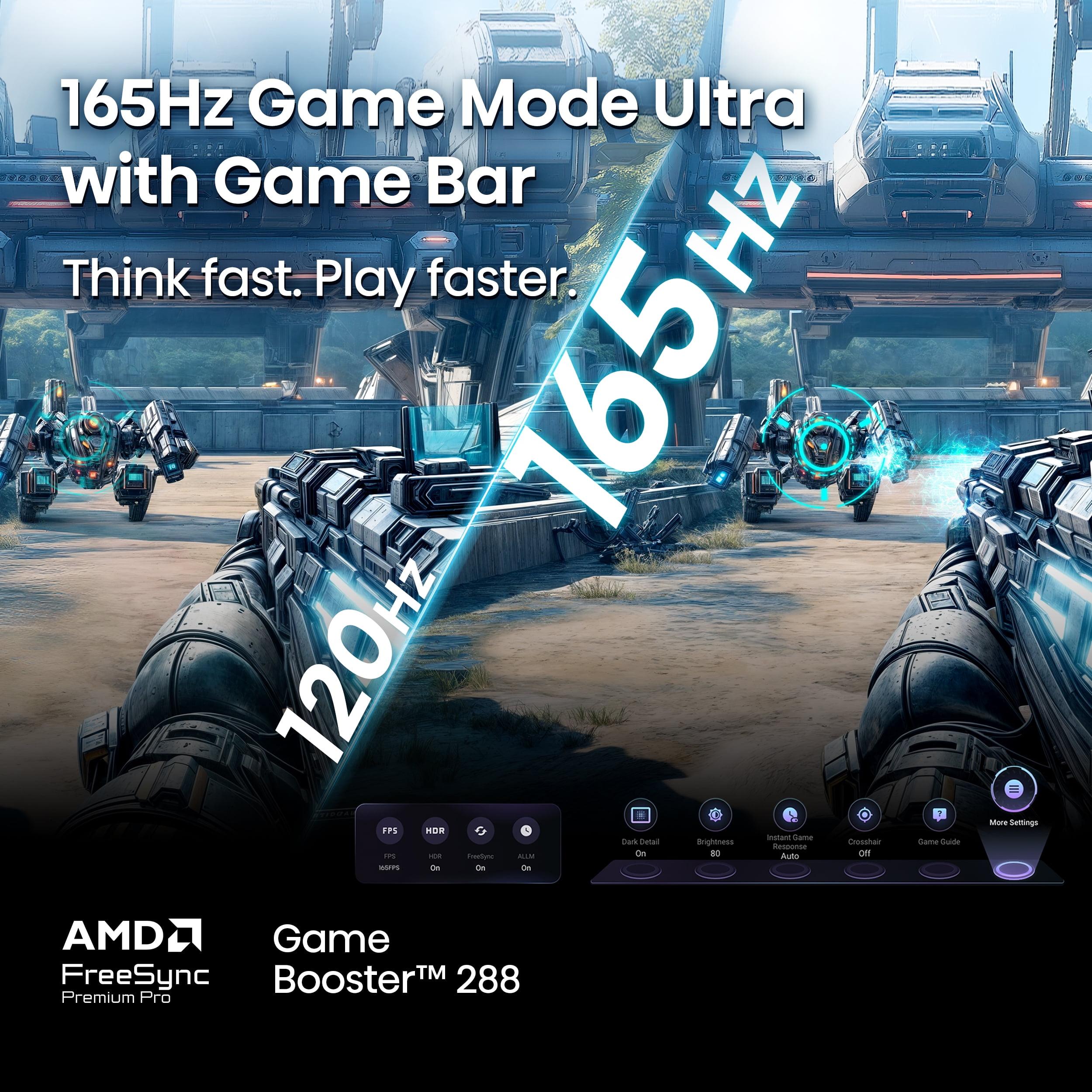
The Hisense U8 Series takes gaming seriously with native 144Hz or 165Hz refresh rates, depending on the model year. This means it can display up to 144 or 165 frames per second, creating incredibly smooth motion that's especially noticeable in fast-paced games. The difference between 60fps and 120fps+ gaming is substantial – it's like the difference between watching a slideshow and seeing fluid motion.
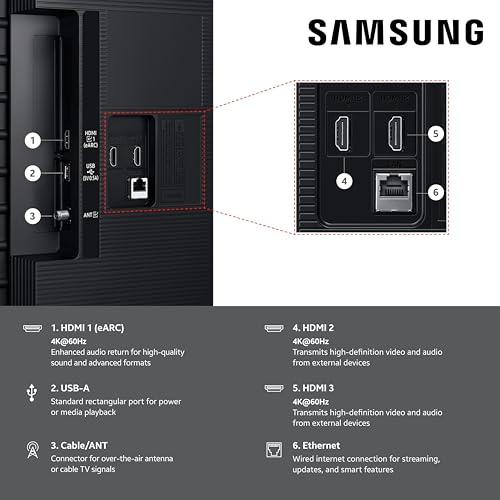
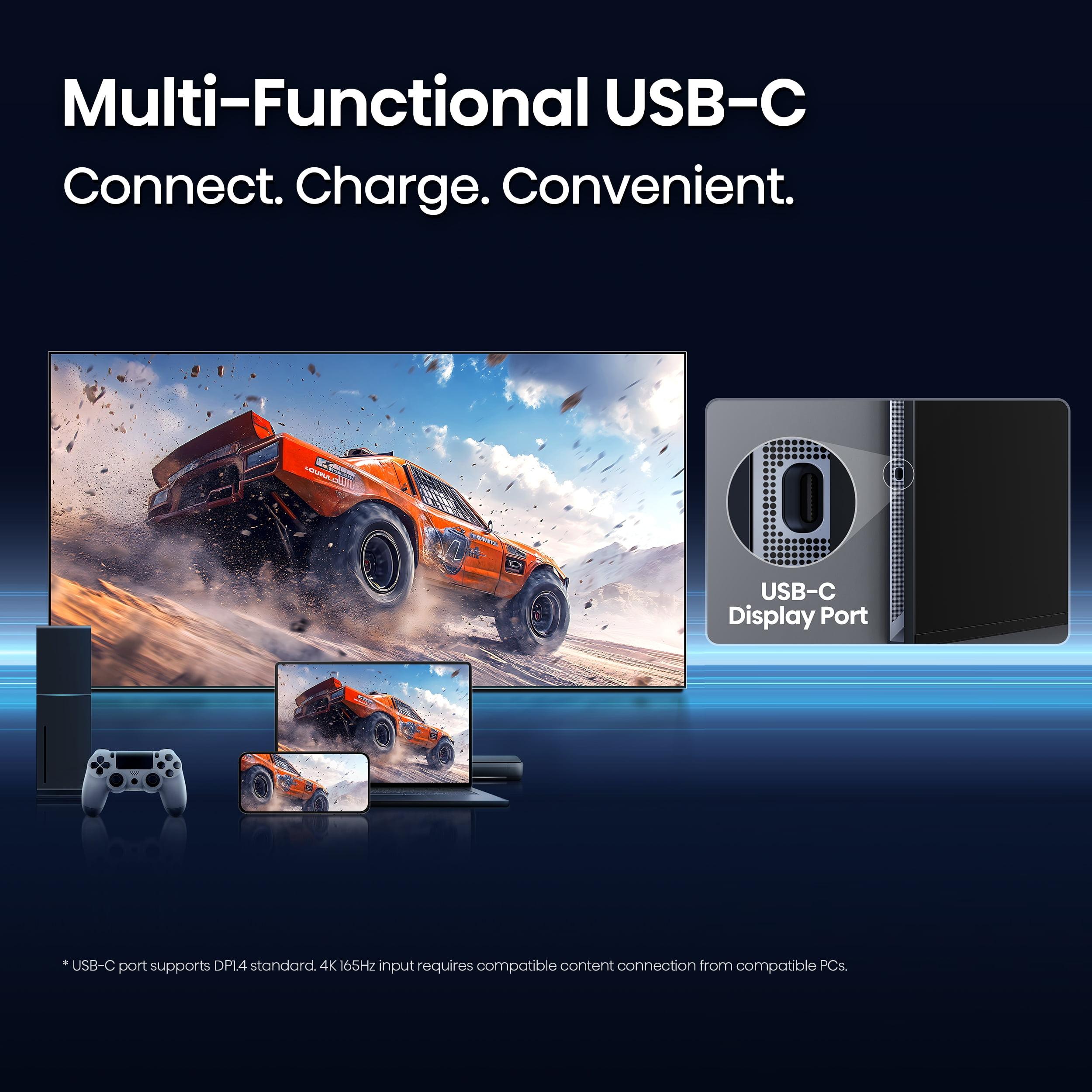
More importantly, the Hisense includes full HDMI 2.1 bandwidth, which is essential for next-generation gaming consoles like the PlayStation 5 and Xbox Series X. These consoles can output 4K resolution at 120Hz, but only if your TV can accept that signal. The Samsung U8000F with its HDMI 2.0 ports caps out at 4K 60Hz, meaning you're not getting the full performance your expensive gaming console can deliver.
AMD FreeSync Premium Pro certification on the Hisense U8 Series provides advanced variable refresh rate technology that works seamlessly with both gaming consoles and PC graphics cards. This eliminates screen tearing and stuttering while maintaining low input lag – the delay between when you press a button and see the result on screen.
For PC gaming, the differences become even more pronounced. The Hisense can handle 1080p gaming at up to 288Hz on some models, creating an incredibly responsive experience for competitive gaming. The Samsung simply can't compete in this arena, making it suitable only for casual console gaming at standard refresh rates.
Audio quality often gets overlooked in TV comparisons, but it's where the Hisense U8 Series truly shines. The Samsung U8000F includes a basic 20-watt, 2-channel speaker system with Object Tracking Sound Lite. This Samsung technology uses audio processing to simulate directional sound, making it seem like audio follows action on screen. While clever, it's still limited by having only two speakers and modest power output.
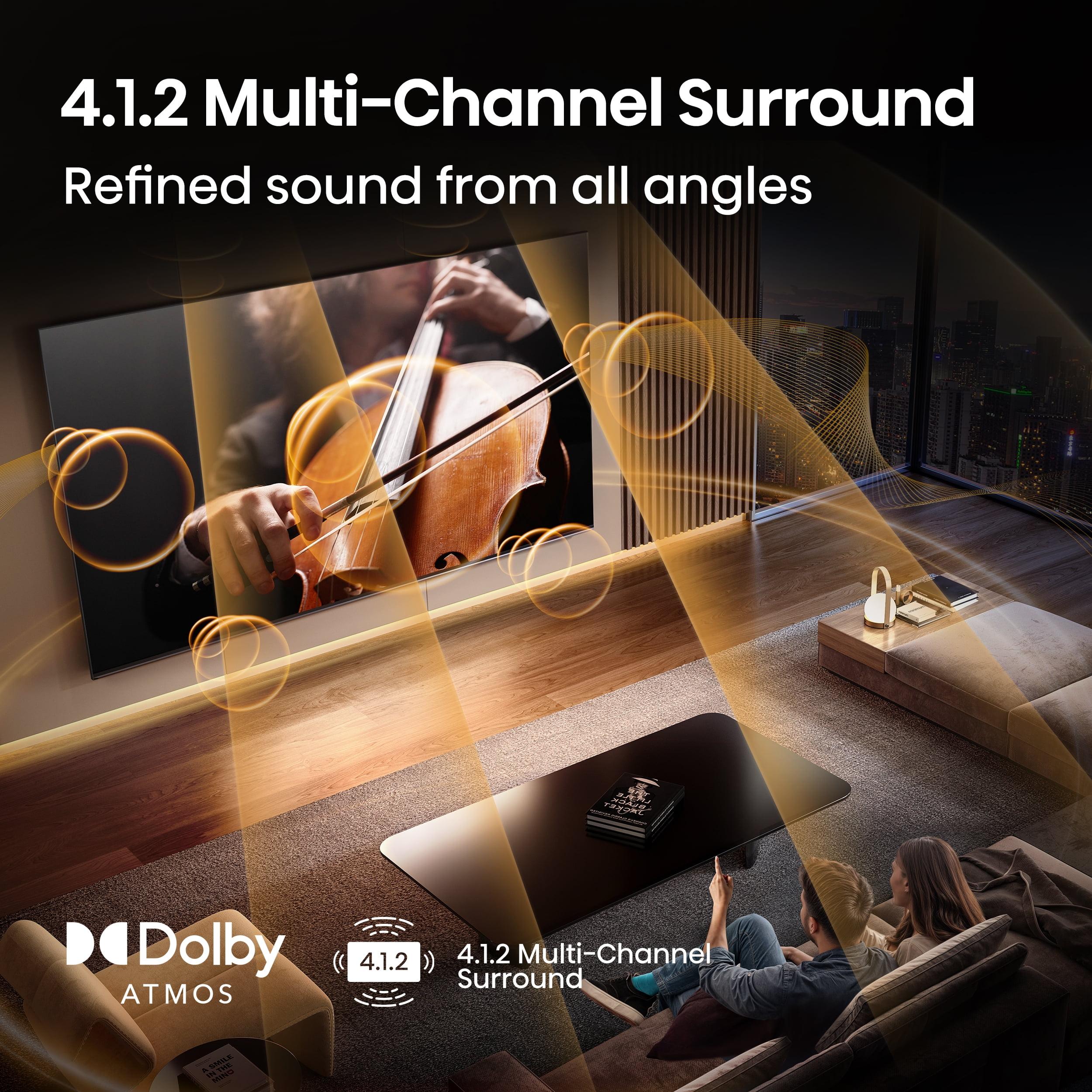
The Hisense U8 Series includes either a 50-watt or 82-watt multi-channel audio system, depending on the model year. More importantly, it's a true surround sound setup with multiple physical speakers, including up-firing drivers for Dolby Atmos height effects and a built-in subwoofer for deep bass response.
Dolby Atmos creates three-dimensional audio by bouncing sound off your ceiling to simulate overhead effects. When a helicopter flies across the screen, you'll hear it move from behind you, over your head, and in front of you. The subwoofer adds the low-frequency effects that make explosions feel powerful and music sound full-bodied.
Based on user reviews we've analyzed, many Hisense U8 Series owners report being surprised by the audio quality, with some saying it eliminated their need for a separate soundbar. The Samsung U8000F produces clear dialogue and adequate sound for casual viewing, but lacks the depth and impact that enhances the viewing experience.
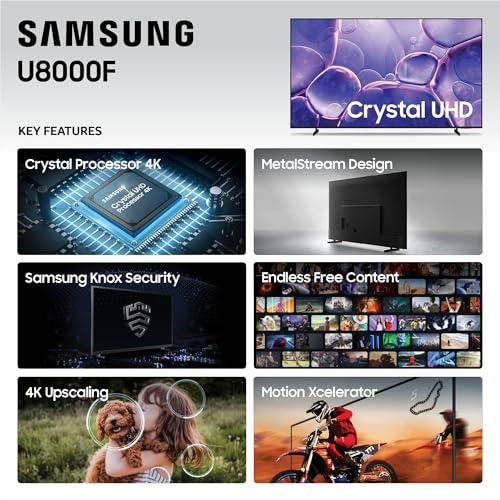
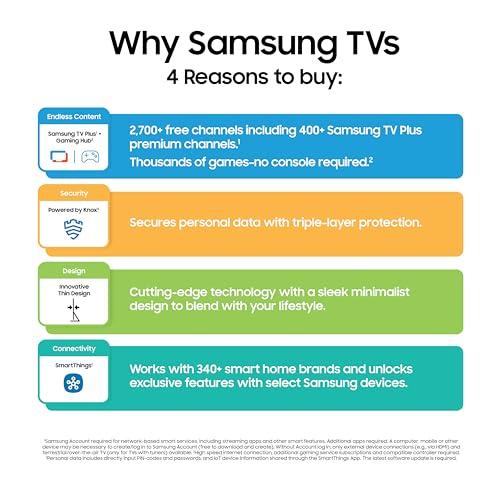
Both TVs offer comprehensive smart TV functionality, but with different approaches. The Samsung U8000F runs Tizen OS with Samsung's One UI interface, which provides a clean, intuitive experience with good app selection. Samsung TV Plus offers free streaming channels, and the TV integrates well with Samsung's SmartThings ecosystem for smart home control.
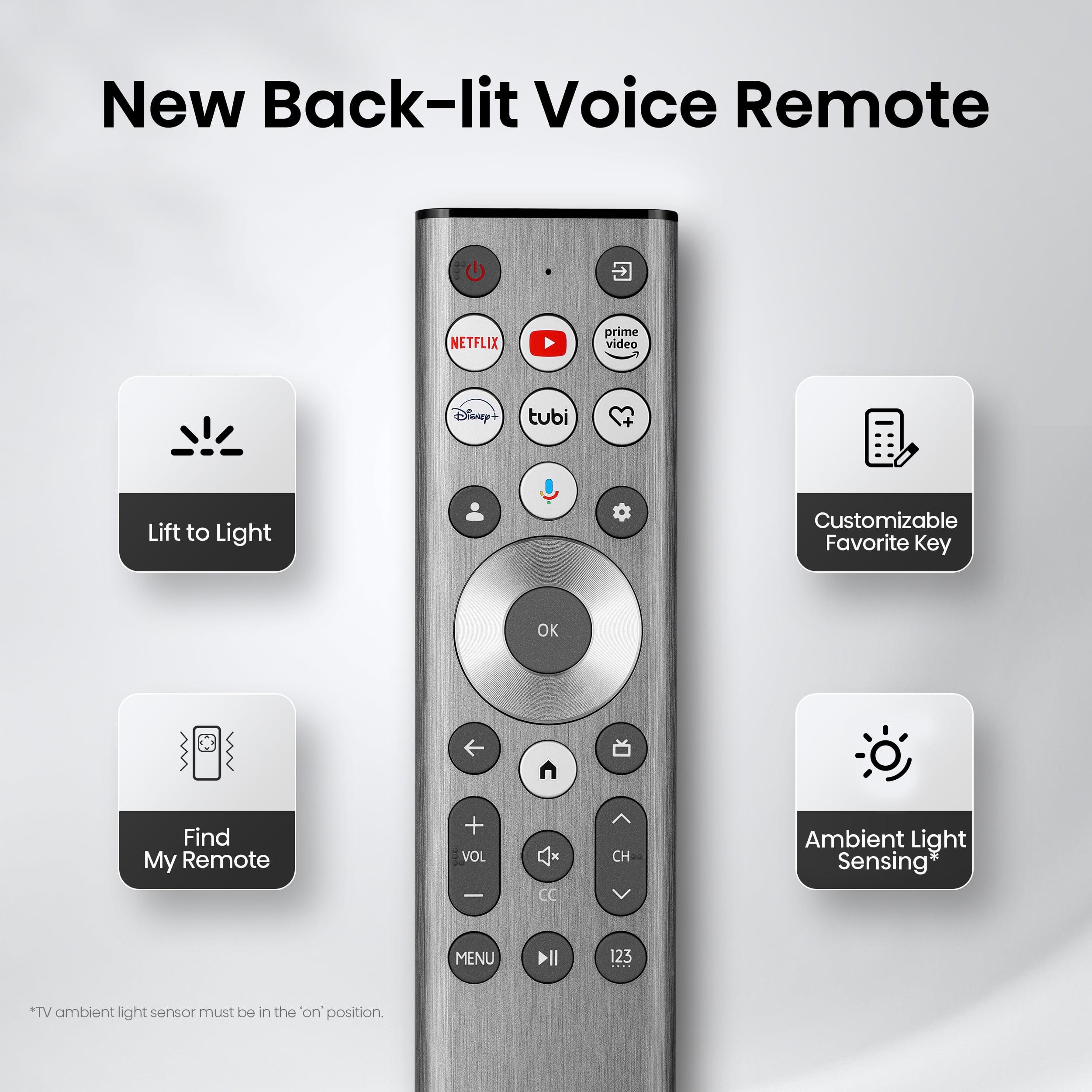
The Hisense U8 Series uses Google TV, which offers deeper integration with Google services and the Android ecosystem. Google TV provides more personalized content recommendations and seamless casting from Android devices. Both platforms include major streaming apps like Netflix, Amazon Prime Video, and Disney+.
The choice between platforms often comes down to existing ecosystem preferences. If you're heavily invested in Samsung devices or Google services, that might influence your decision, though both platforms are capable and user-friendly.
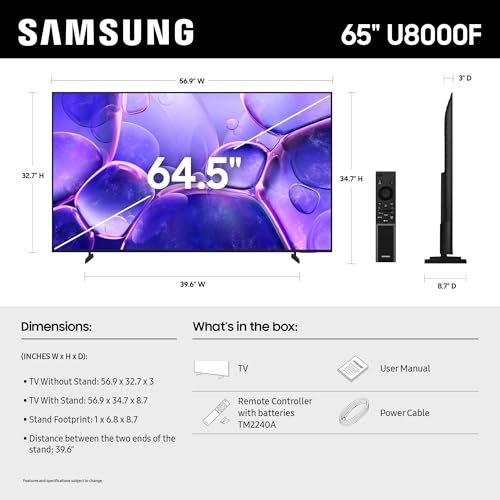
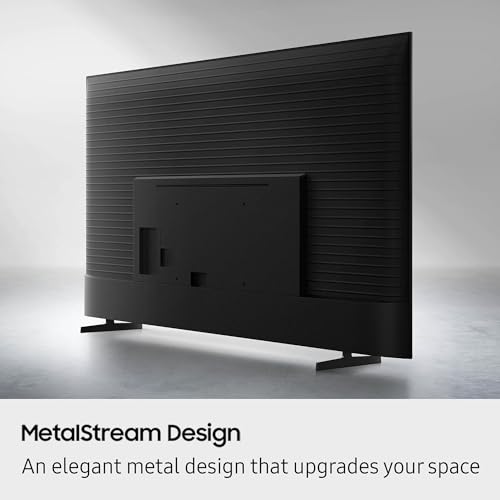
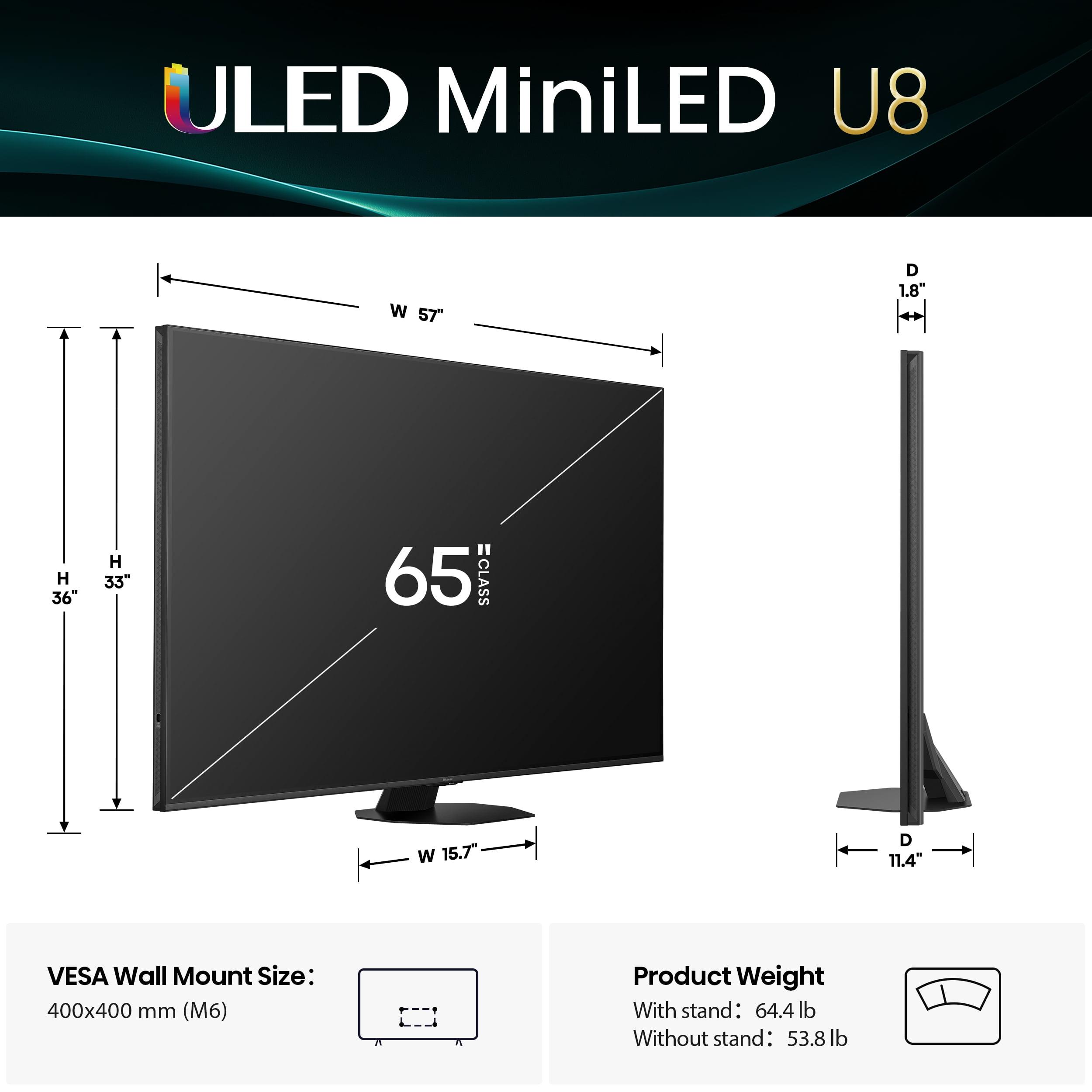
The Samsung U8000F features Samsung's MetalStream Design, which draws inspiration from aircraft construction. This results in an attractive, slim profile with thin bezels that looks premium despite the budget positioning. The TV is relatively lightweight, making installation easier.
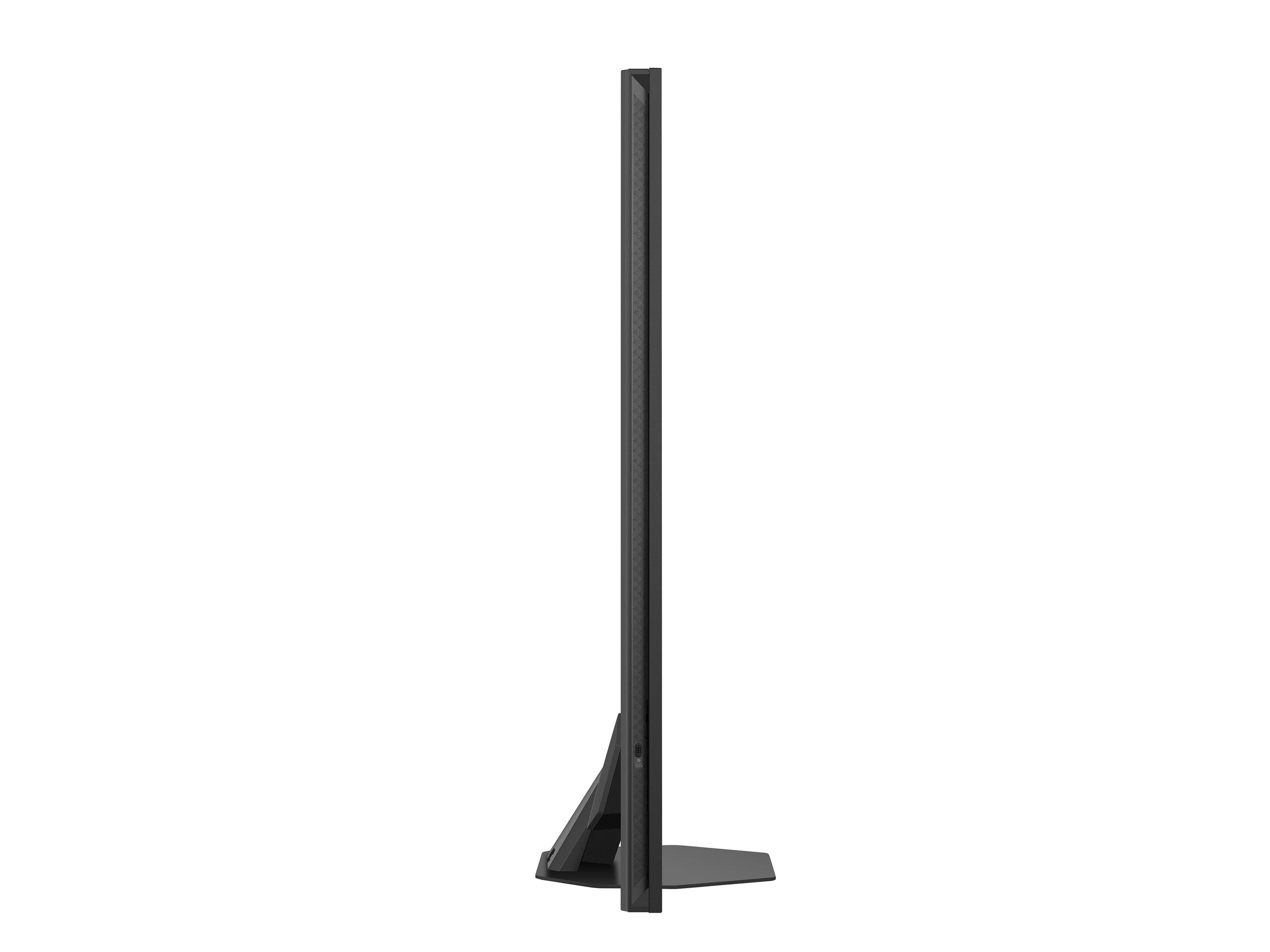
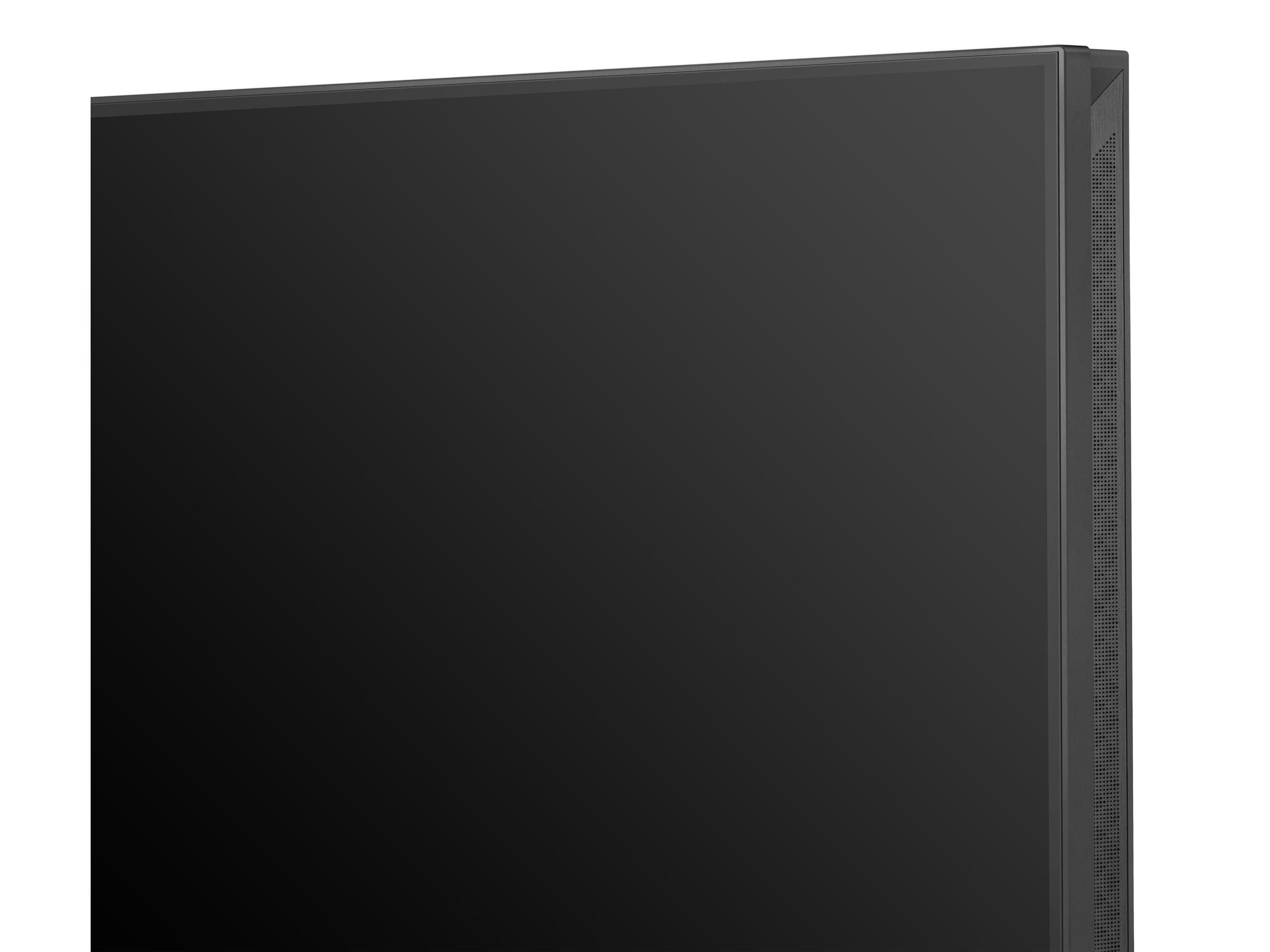
The Hisense U8 Series prioritizes function over form, though it's still an attractive TV. The build quality feels more substantial due to the advanced backlight system, and it includes practical features like an anti-glare coating that reduces reflections from windows and lamps. This makes a significant difference in bright rooms where the Samsung might show distracting reflections.
The TV industry evolves rapidly, and considering future-proofing is important for a purchase you'll likely keep for many years. The Samsung U8000F, released in 2025 as Samsung's entry-level Crystal UHD model, includes current essential features but lacks the connectivity and performance headroom for emerging technologies.
The Hisense U8 Series includes Wi-Fi 6E support for faster wireless connectivity and multiple HDMI 2.1 ports that can handle future high-bandwidth content formats. The higher refresh rate capability also means it's ready for gaming technologies that aren't even mainstream yet.
Streaming services continue pushing higher quality content, and gaming performance keeps advancing. The Hisense's superior brightness, color capabilities, and connectivity give it a longer useful lifespan as these technologies evolve.
For dedicated home theater use, the differences between these TVs become even more pronounced. Home theaters typically involve controlled lighting, high-quality source material, and an emphasis on cinematic experience.
The Hisense U8 Series excels in this environment with its exceptional contrast ratio from local dimming, wide color gamut from Quantum Dot technology, and impressive built-in surround sound. HDR movies from 4K Blu-ray players or premium streaming services showcase the TV's capabilities, delivering the dramatic highlights and deep shadows that create a cinematic feel.
The Samsung U8000F can certainly work in a home theater setting, particularly for casual movie watching, but it lacks the performance to fully realize what modern HDR content can deliver. The limited peak brightness means highlights won't have the intended impact, and the absence of true local dimming reduces contrast in dark scenes.
For serious home theater enthusiasts, the Hisense represents a significant step up from budget options while still being more affordable than premium OLED displays.
The Samsung U8000F makes sense for specific situations. If your primary concern is getting a large, smart 4K TV at the lowest possible price point, it delivers on that goal. It's perfectly adequate for casual TV watching, basic streaming, and situations where you're not pushing the technology's limits. Secondary bedrooms, guest rooms, or kitchens where the TV isn't the primary entertainment focus could be ideal applications.
The Samsung also suits users who are deeply integrated into Samsung's ecosystem and value that connectivity over raw performance. If you primarily watch standard HD content or aren't particularly sensitive to picture quality differences, the Samsung provides a functional 4K experience.
However, for most users considering a 65-inch TV as their primary entertainment display, the Hisense U8 Series represents substantially better value despite the higher upfront cost. The performance advantages are significant across every meaningful metric – brightness, contrast, color accuracy, gaming capability, and audio quality.
Gaming enthusiasts should strongly favor the Hisense, as the Samsung simply can't deliver the performance that next-generation consoles are capable of. Similarly, anyone who watches significant amounts of HDR content from Netflix, Disney+, or 4K Blu-rays will appreciate the Hisense's superior HDR implementation.
At the time of writing, the price difference between these TVs is substantial, but so are the performance differences. The Samsung U8000F costs roughly half what the Hisense U8 Series demands, but it delivers perhaps a quarter of the performance in critical areas like brightness, contrast, and gaming capability.
Professional reviewers and user feedback consistently highlight the Hisense as providing features and performance typically found in TVs costing significantly more. While the Samsung hits its target as a budget 4K option, the Hisense punches well above its weight class.
For most buyers, the Hisense represents better long-term value despite the higher initial investment. The superior performance, future-proofing, and comprehensive feature set make it more likely to satisfy for years to come, while the Samsung might feel limiting as content and gaming technologies continue advancing.
The Hisense U8 Series stands as one of the best values in the premium TV segment, delivering technology that challenges much more expensive options while remaining accessible to enthusiasts who prioritize performance over budget constraints. The Samsung U8000F serves its purpose as an affordable entry into 4K smart TV functionality, but buyers should understand the significant compromises involved in that cost savings.
| Samsung 65-Inch Crystal UHD U8000F | Hisense 65" U8 Series Mini-LED ULED |
|---|---|
| Display Technology - Determines picture quality and contrast capabilities | |
| Basic LED backlight with UHD Dimming (no true local dimming) | Mini-LED Pro+ with 2,000+ local dimming zones |
| Peak Brightness - Critical for HDR content and bright room viewing | |
| ~300-400 nits (adequate for dim rooms only) | 3,000-5,000 nits (excellent for any lighting condition) |
| Refresh Rate - Essential for smooth gaming and sports | |
| 50-60Hz (basic gaming only) | 144Hz-165Hz native (premium gaming performance) |
| Gaming Features - Determines console and PC gaming compatibility | |
| Basic VRR, ALLM, HDMI 2.0 (limited to 60fps) | 4K@144Hz, AMD FreeSync Premium Pro, HDMI 2.1, Dolby Vision Gaming |
| Color Technology - Affects color accuracy and vibrancy | |
| Standard Crystal UHD processor | QLED Quantum Dot (over 1 billion colors) |
| Audio System - Built-in sound quality and surround capabilities | |
| 20W 2-channel with Object Tracking Sound Lite | 50W-82W multi-channel with Dolby Atmos and subwoofer |
| Smart Platform - Interface and ecosystem integration | |
| Tizen OS with Samsung TV Plus and SmartThings | Google TV with native Google Assistant |
| HDR Support - Premium content compatibility | |
| HDR10+ (limited brightness reduces impact) | HDR10+, Dolby Vision, Dolby Vision IQ (full HDR experience) |
| Future-Proofing - Connectivity for upcoming technologies | |
| 3 HDMI 2.0 ports, basic Wi-Fi | Multiple HDMI 2.1 ports, Wi-Fi 6E, NEXTGEN TV tuner |
| Target User - Best fit scenarios | |
| Budget-conscious buyers, casual viewing, secondary rooms | Gaming enthusiasts, home theater users, bright room viewing |
| Value Proposition - Performance per dollar consideration | |
| Entry-level 4K at lowest price point | Premium features at mid-range pricing (exceptional value) |
The biggest difference is display technology. The Samsung U8000F uses basic LED backlighting suitable for budget-conscious buyers, while the Hisense U8 Series features advanced Mini-LED technology with over 2,000 local dimming zones for superior picture quality, brighter HDR, and better contrast.
The Hisense U8 Series is significantly better for gaming with its 144Hz-165Hz refresh rate, HDMI 2.1 ports, and support for 4K gaming at high frame rates. The Samsung U8000F is limited to 60Hz gaming and lacks advanced gaming features needed for next-gen consoles.
Both TVs offer excellent smart features. The Samsung U8000F runs Tizen OS with Samsung TV Plus and SmartThings integration, while the Hisense U8 Series uses Google TV with native Google Assistant and Chromecast built-in. Choose based on your existing ecosystem preferences.
The Hisense U8 Series is dramatically brighter, reaching 3,000-5,000 nits compared to the Samsung U8000F's 300-400 nits. This makes the Hisense much better for bright rooms and delivers more impactful HDR content.
The Hisense U8 Series has superior audio with a 50W-82W multi-channel system including Dolby Atmos and a built-in subwoofer. The Samsung U8000F features a basic 20W 2-channel system that's adequate but lacks depth and power.
While the Samsung U8000F costs less upfront, the Hisense U8 Series delivers significantly better value with premium features typically found in much more expensive TVs. The performance difference justifies the higher investment for most users.
The Hisense U8 Series excels for home theater with its exceptional contrast, wide color gamut, and immersive Dolby Atmos audio. The Samsung U8000F works for casual movie watching but lacks the performance for a true cinematic experience.
The Hisense U8 Series supports HDR10+, Dolby Vision, and has the brightness to make HDR content truly impactful. The Samsung U8000F supports HDR10+ but lacks sufficient brightness to deliver the full HDR experience.
The Hisense U8 Series is much more future-proof with HDMI 2.1 ports, Wi-Fi 6E, high refresh rates, and NEXTGEN TV tuner. The Samsung U8000F has basic connectivity that may limit compatibility with future devices and content formats.
The Hisense U8 Series delivers superior dark room performance with its local dimming zones creating deeper blacks and better contrast. The Samsung U8000F produces acceptable picture quality but can't match the dramatic contrast capabilities of Mini-LED technology.
Casual viewers primarily watching standard content in controlled lighting might find the Samsung U8000F adequate for their needs at a lower cost. However, the Hisense U8 Series provides a noticeably better experience for all types of content.
Only the Hisense U8 Series can fully utilize next-gen consoles like PS5 and Xbox Series X with its HDMI 2.1 ports and high refresh rates. The Samsung U8000F works with these consoles but limits them to basic 60fps gaming without advanced features.
We've done our best to create useful and informative comparisons to help you decide what product to buy. Our research uses advanced automated methods to create this comparison and perfection is not possible - please contact us for corrections or questions. These are the sites we've researched in the creation of this article: bestbuy.com - youtube.com - youtube.com - rtings.com - youtube.com - samsung.com - hometechnologyreview.com - rtings.com - samsung.com - displayspecifications.com - samsung.com - displayspecifications.com - walmart.com - billsmith.com - dentonstv.com - samsung.com - samsung.com - samsung.com - youtube.com - bestbuy.com - bestbuy.com - youtube.com - samsung.com - donstv.com - bestbuy.com - hisense-usa.com - rtings.com - bestbuy.com - rtings.com - hisense-usa.com - youtube.com - hisense-usa.com - avsforum.com - hisense-usa.com - hisense-usa.com - rtings.com - avsforum.com - hisense-usa.com - prnewswire.com - hisense-usa.com - bestbuy.com - youtube.com - hisense-usa.com

Privacy Policy
Terms and Conditions - Affiliate Policy
Home Security
© Copyright 2008-2026.
11816 Inwood Rd #1211, Dallas, TX 75244