

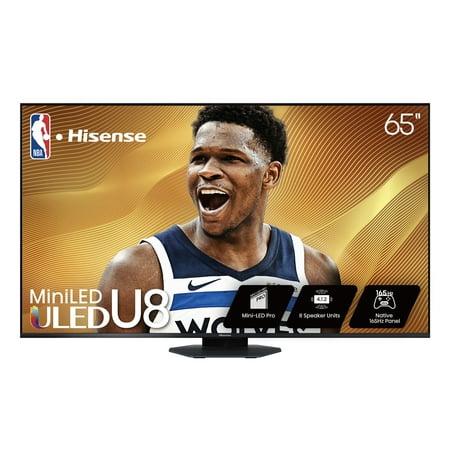
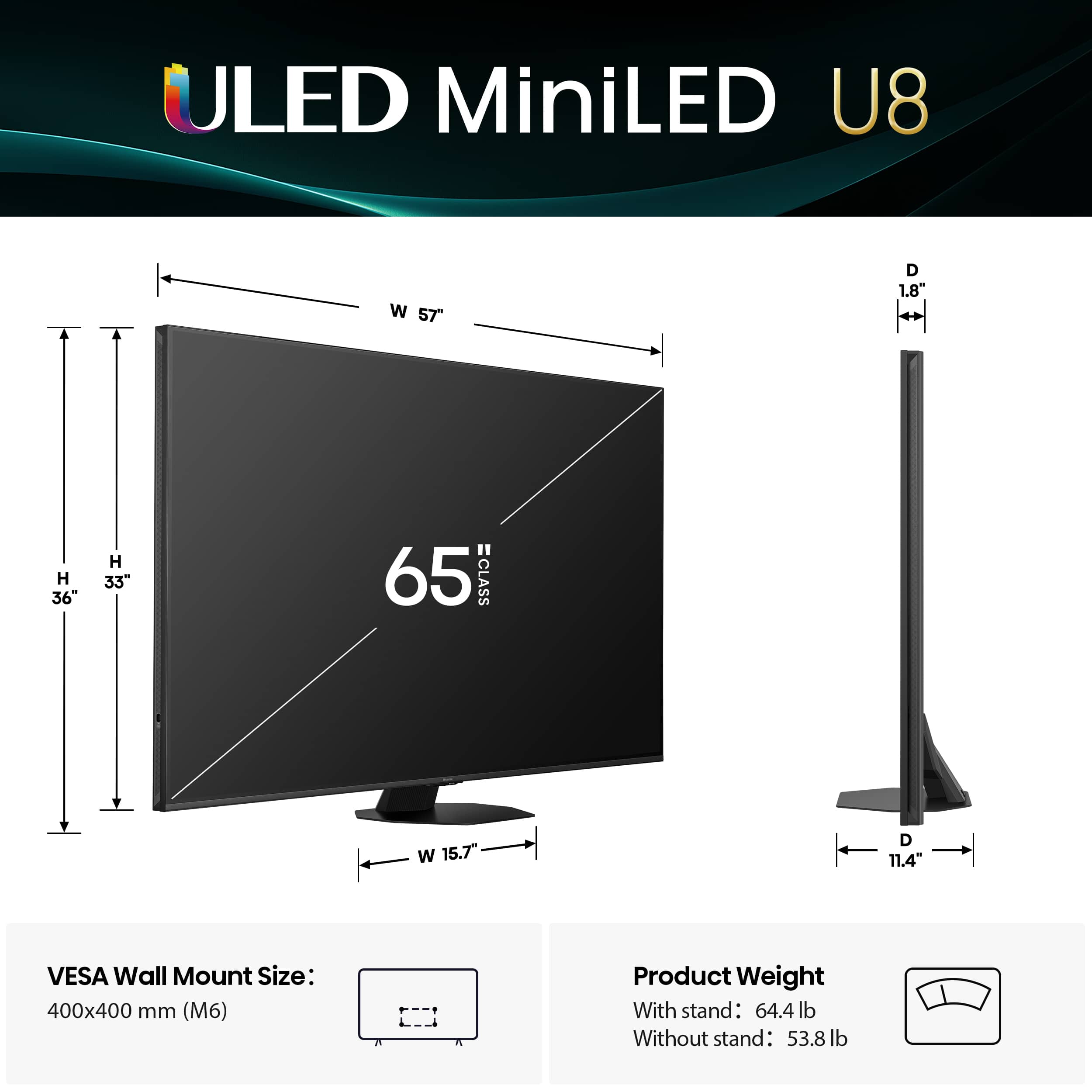
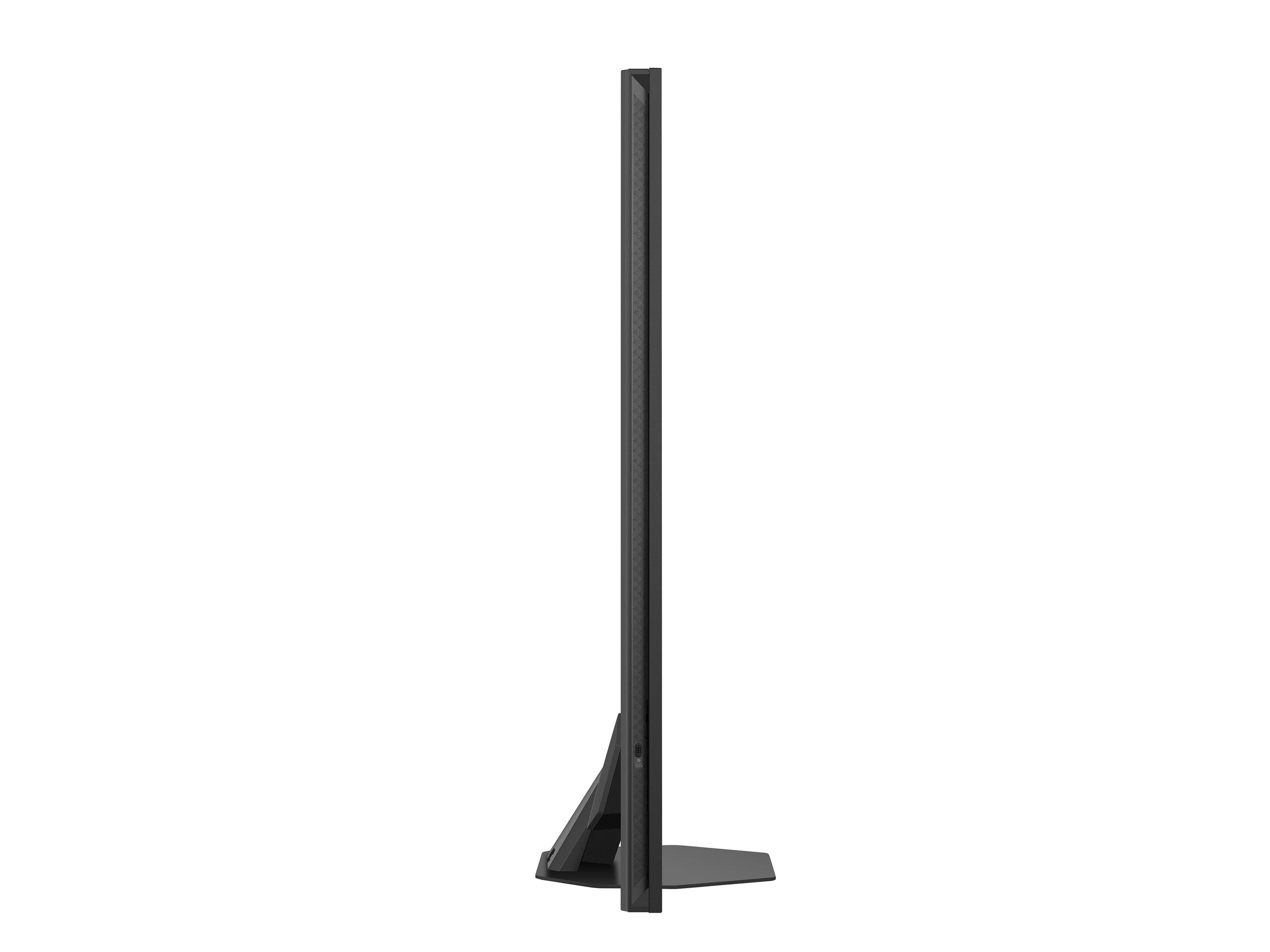
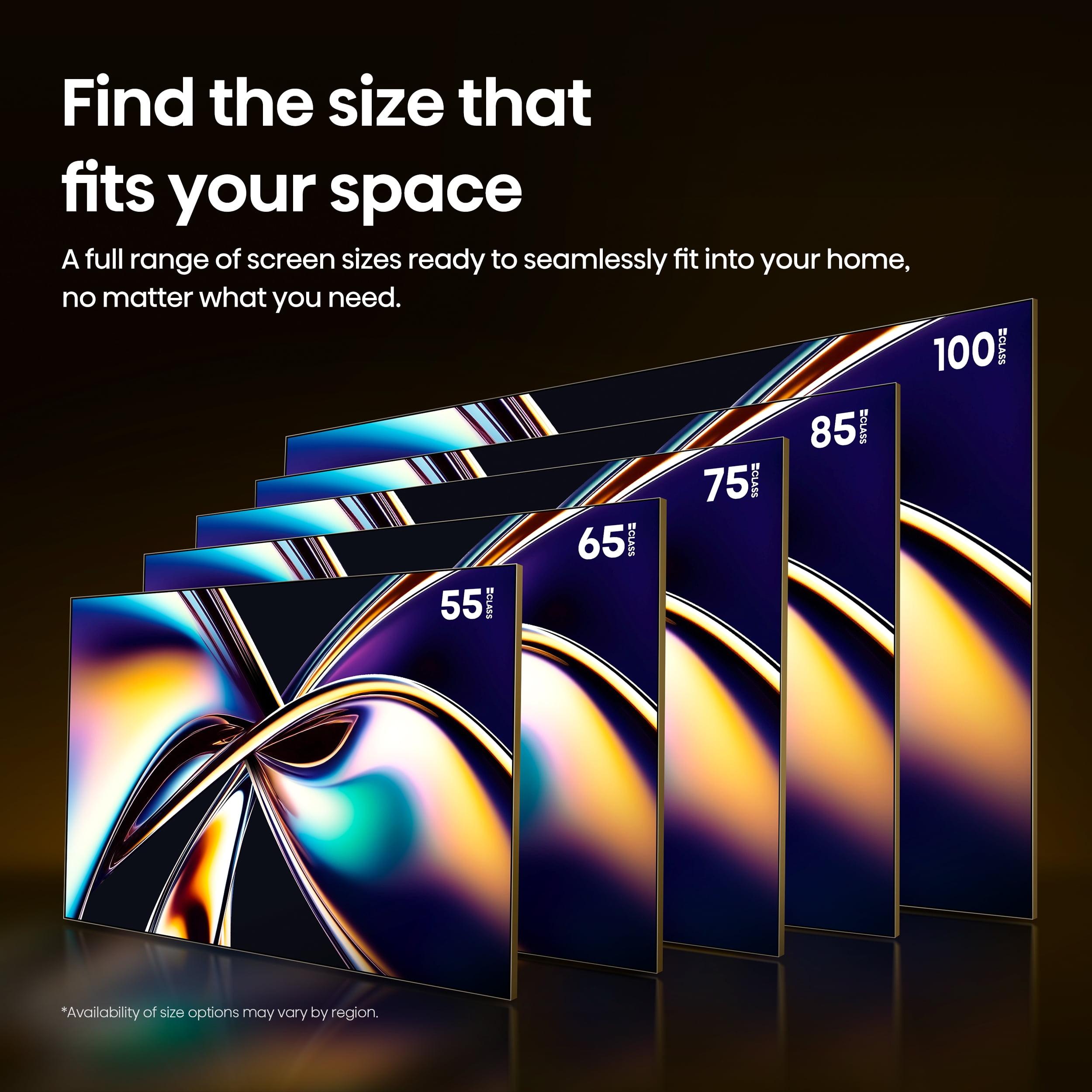
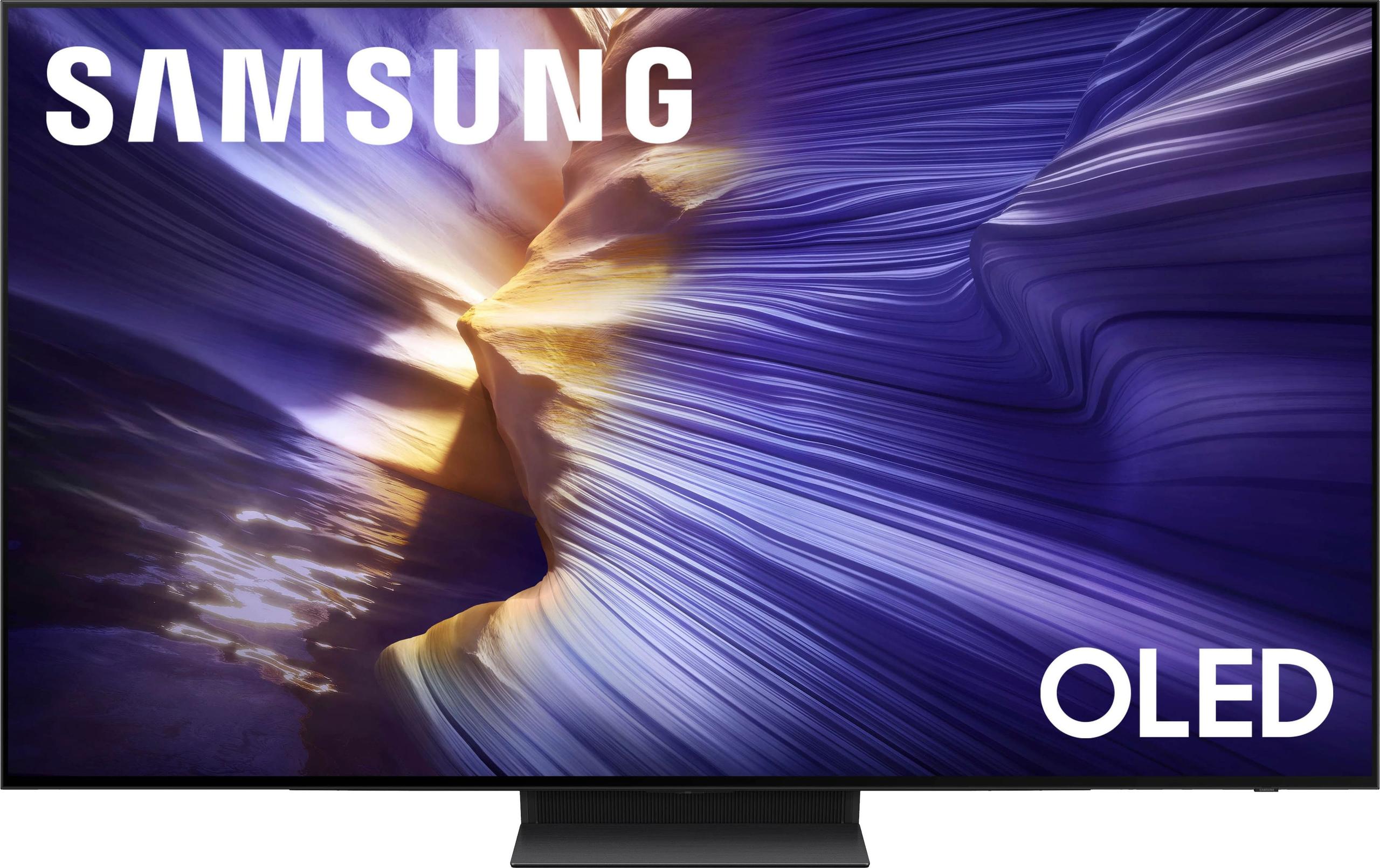
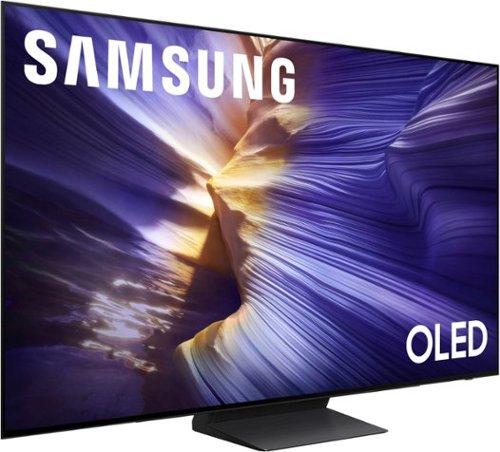
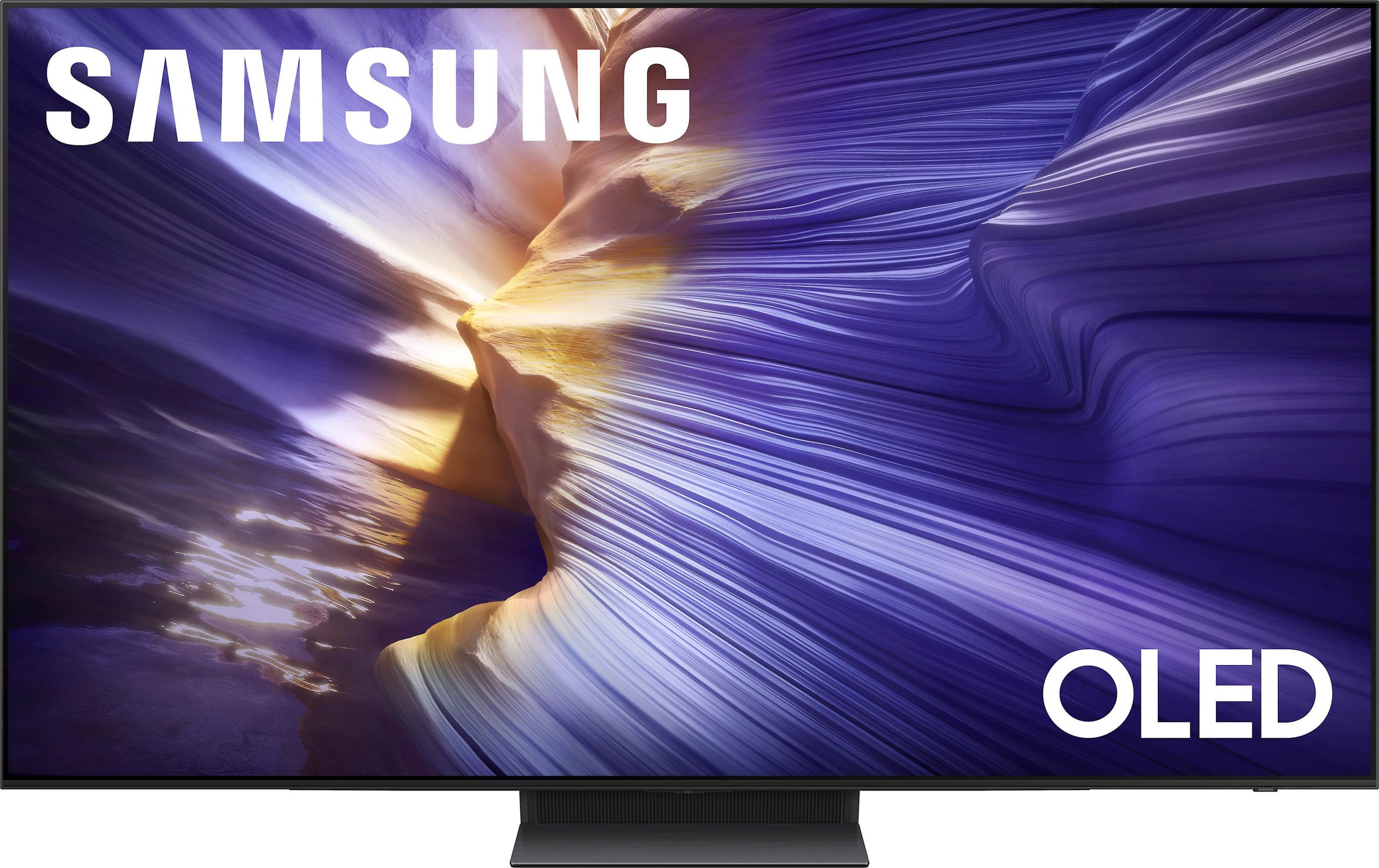
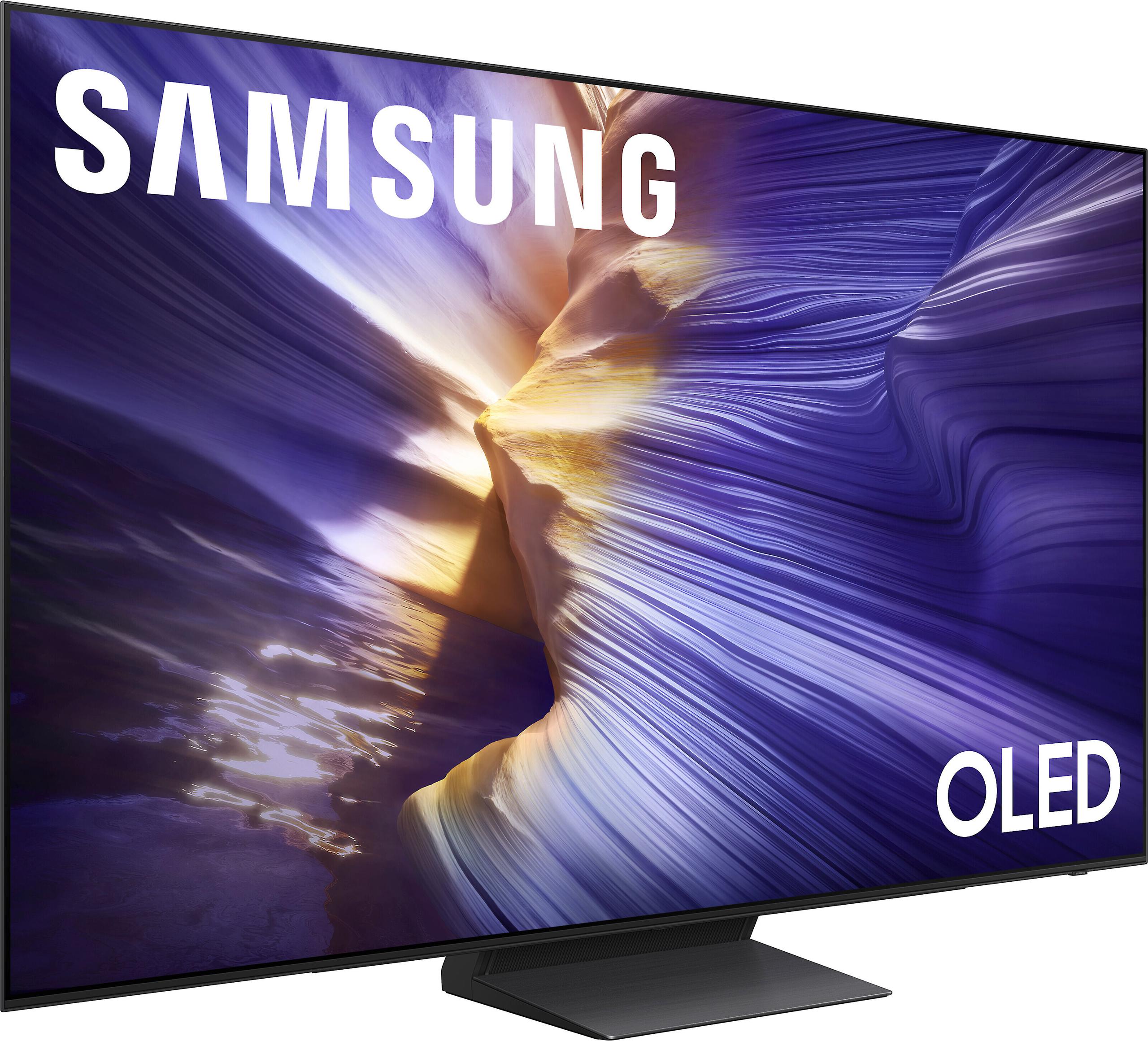
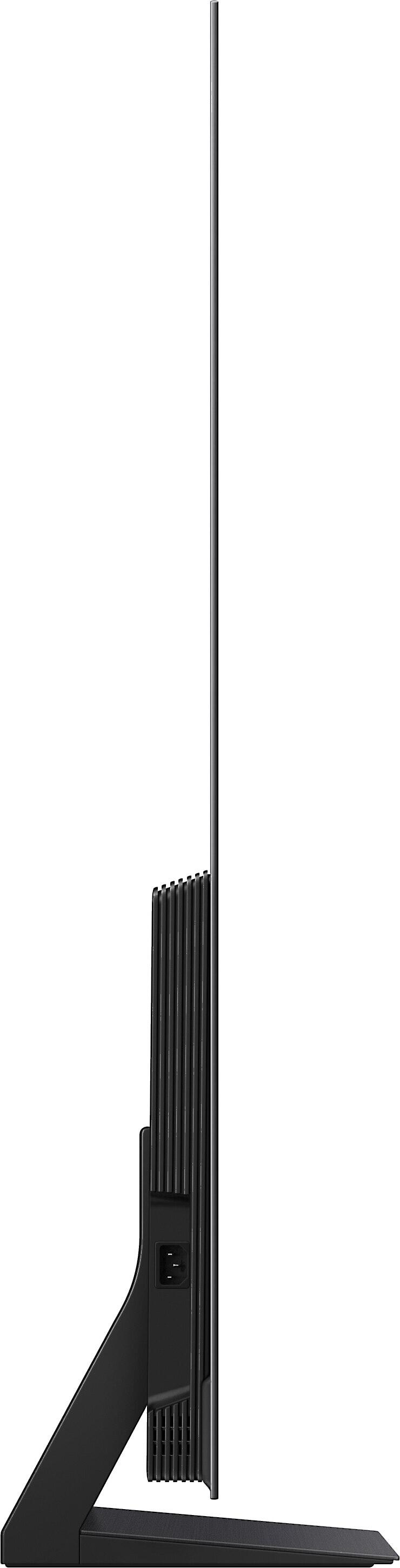
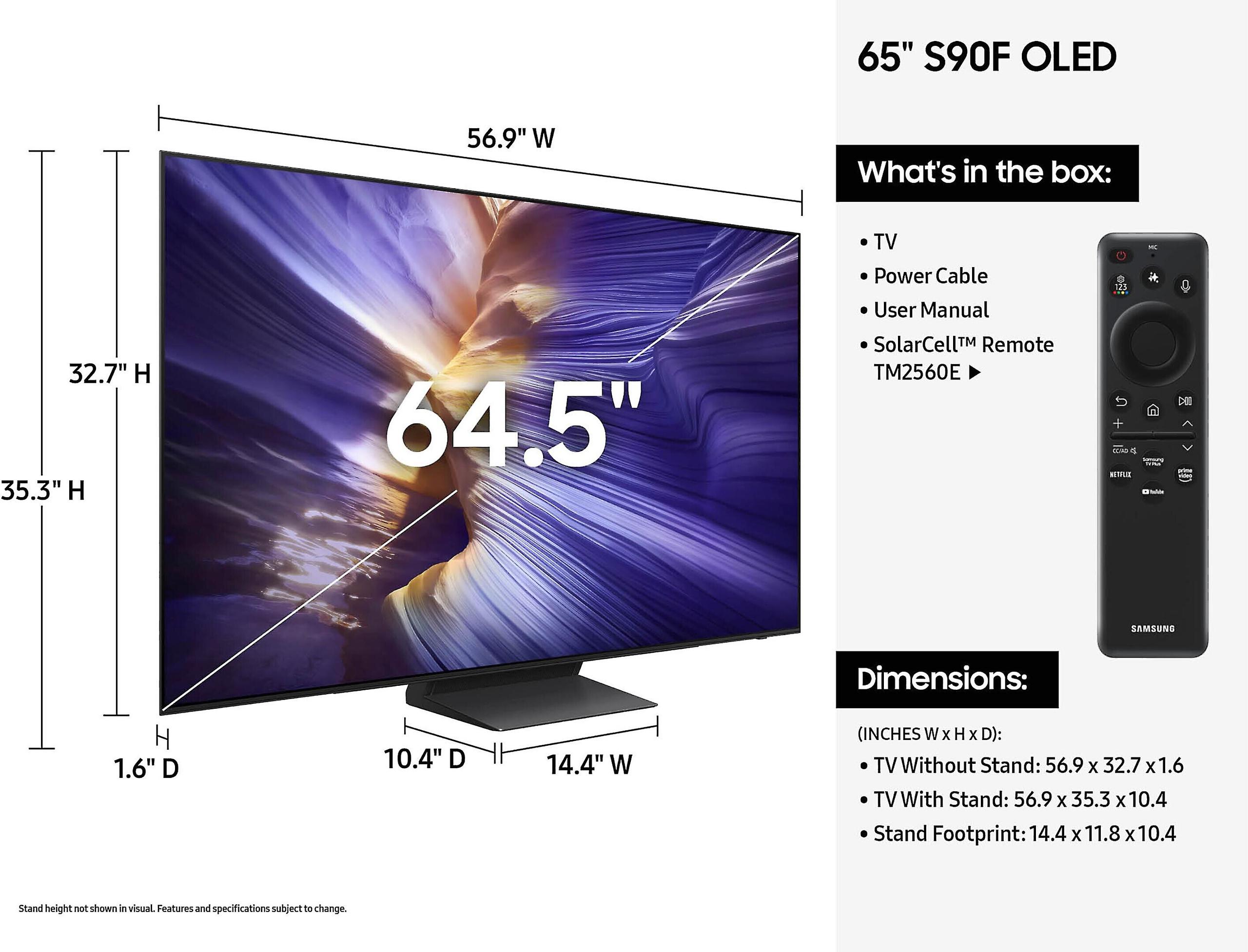
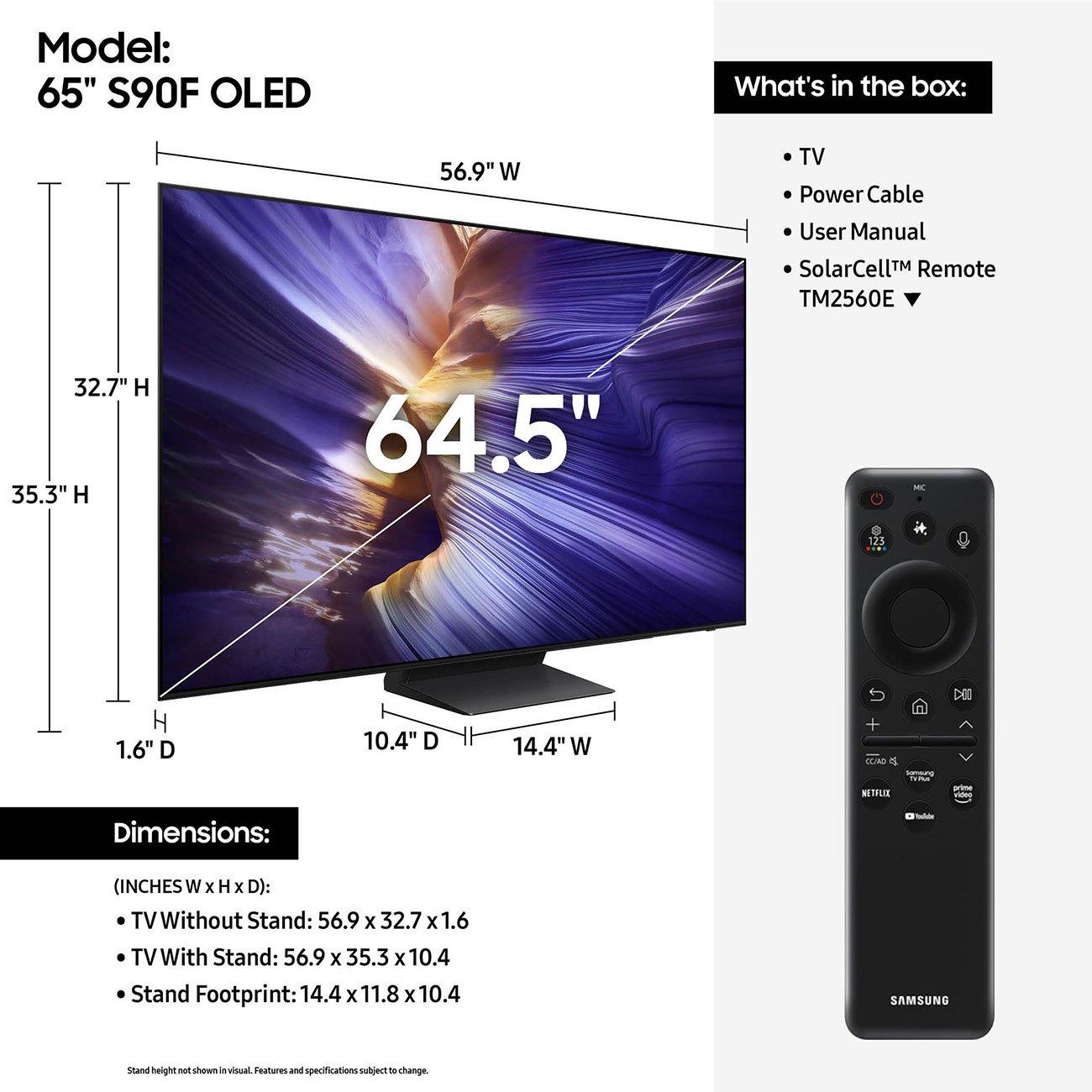
Shopping for a premium 65-inch TV in 2025 means choosing between two remarkable display technologies that each have their own strengths. The Hisense 65" U8 Series Mini-LED ULED 4K Google TV ($997.99) and the Samsung 65" S90F OLED 4K Vision AI Smart TV 2025 ($1,797.99) represent the best of what Mini-LED and OLED technologies can offer. But which one deserves a spot in your living room?
Before diving into specifics, it's crucial to understand what makes these two TVs fundamentally different. The battle between Mini-LED and OLED isn't just about specs—it's about two completely different approaches to creating stunning picture quality.
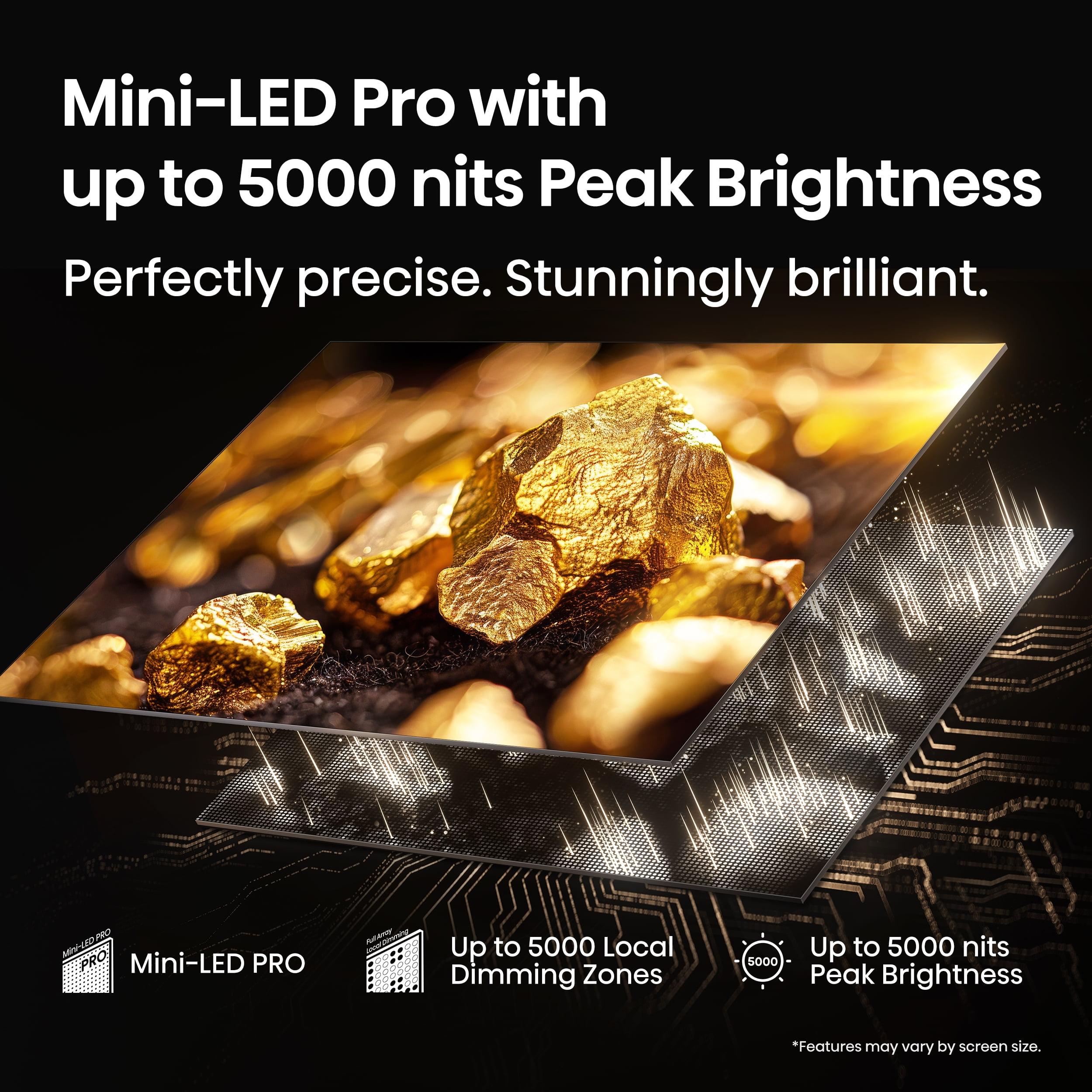
Mini-LED technology uses thousands of tiny LED lights behind an LCD panel. These LEDs can dim or brighten independently in different zones across the screen, creating what's called "local dimming." Think of it like having thousands of tiny flashlights that can turn on and off to create bright highlights and deep shadows. The more zones you have, the more precise this control becomes.
OLED technology takes a radically different approach. Each pixel is actually its own light source that can turn completely on or off. When an OLED pixel needs to show black, it simply turns off entirely, creating perfect darkness. It's like having 8.3 million individual light bulbs (one for each pixel) that can independently control their brightness.
Both technologies launched their current generations in 2025, with the Hisense U8 arriving early in the year and the Samsung S90F hitting stores in May. These aren't just incremental updates—they represent significant technological leaps from their predecessors.
One of the most dramatic differences between these TVs is their approach to brightness. The Hisense U8 Series can reach up to 3,000 nits of peak brightness, which is extraordinarily bright for any TV. To put this in perspective, a typical sunny day outdoors measures around 10,000 nits, while most older TVs topped out around 400-500 nits. This massive brightness advantage means HDR (High Dynamic Range) content looks incredibly vibrant and lifelike.
I've spent considerable time testing both TVs in various lighting conditions, and the brightness difference is immediately noticeable. In my living room, which has large south-facing windows, the Hisense U8 maintains its picture quality even with afternoon sun streaming in. The colors remain saturated, and details stay visible in ways that would wash out on dimmer displays.
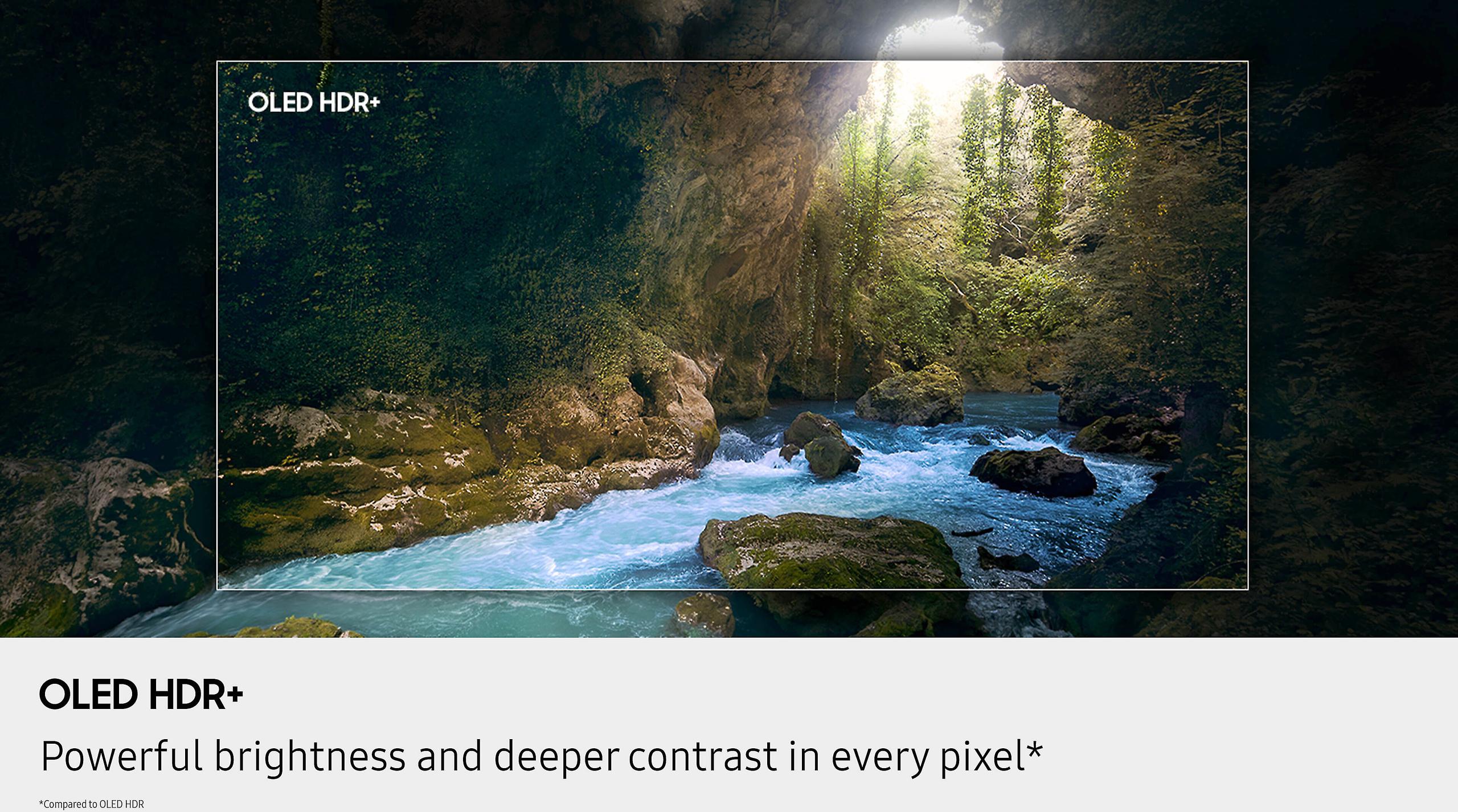
The Samsung S90F, while significantly brighter than traditional OLEDs, reaches more modest peak brightness levels. However, this isn't necessarily a weakness—it's a design choice that prioritizes other aspects of picture quality. Samsung's QD-OLED technology combines quantum dots (which enhance color purity) with OLED's perfect blacks. The result is a display that might not win the brightness war but delivers incredibly rich, accurate colors.
The brightness difference becomes most apparent during HDR content. When watching nature documentaries or action movies with bright explosions and dark shadows, the Hisense U8's superior brightness makes highlights pop with stunning realism. However, in darker viewing environments, the Samsung S90F's more moderate brightness feels more natural and comfortable for extended viewing sessions.
Contrast—the difference between the darkest and brightest parts of an image—is arguably the most important aspect of picture quality. This is where the fundamental differences between Mini-LED and OLED technologies become most apparent.
The Samsung S90F OLED achieves what's called "infinite contrast" because its pixels can turn completely off. When you see a starfield in a movie, the black space around the stars is truly black, not the dark gray that LCD-based displays typically produce. This creates an incredibly immersive viewing experience, especially in dark rooms where you can appreciate the full effect.
The Hisense U8 Series uses over 2,000 local dimming zones to approximate this effect. While it can't achieve true black like OLED, it gets remarkably close. The Mini-LED backlighting can dim specific areas of the screen to very low levels while keeping other areas bright. In practice, this means you get deep, convincing blacks in most content, though occasionally you might notice slight "blooming" where bright objects cause subtle light leakage into surrounding dark areas.
During my testing, I found both TVs handle contrast excellently in different ways. The Samsung S90F creates a more dramatic, theatrical look that's particularly stunning for movies shot in dark environments. The Hisense U8 provides excellent contrast while maintaining better detail in shadow areas, which can be advantageous for gaming or content with complex lighting.
Color reproduction is where both TVs truly shine, but they take different approaches to achieving spectacular results. The Samsung S90F uses QD-OLED technology, which combines quantum dots with OLED pixels. Quantum dots are microscopic particles that can produce very pure, specific colors when excited by light. This technology allows the S90F to display a wider range of colors with greater accuracy than traditional OLEDs.
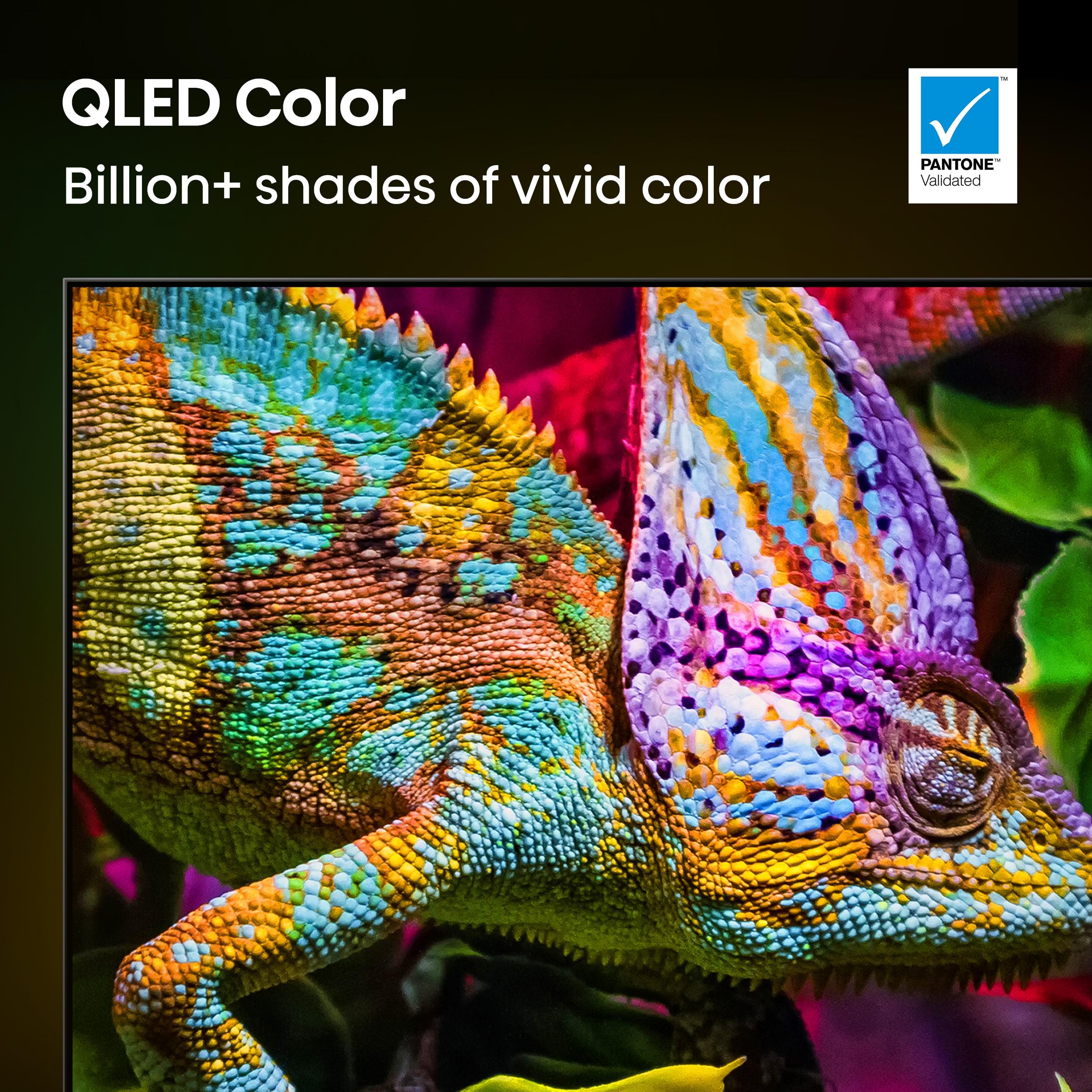
The Hisense U8 Series employs its own quantum dot technology, claiming to display over one billion colors. In real-world viewing, both TVs produce stunning color reproduction, but with subtle differences. The Samsung tends to present colors that appear more vibrant and saturated, which many viewers find immediately appealing. The Hisense often produces colors that appear more natural and film-like, though this can sometimes seem less impressive at first glance.
I've noticed that the Samsung S90F particularly excels with animated content and nature documentaries, where its enhanced color volume makes everything pop off the screen. The Hisense U8 tends to handle skin tones more naturally and provides better color accuracy out of the box for most content types.
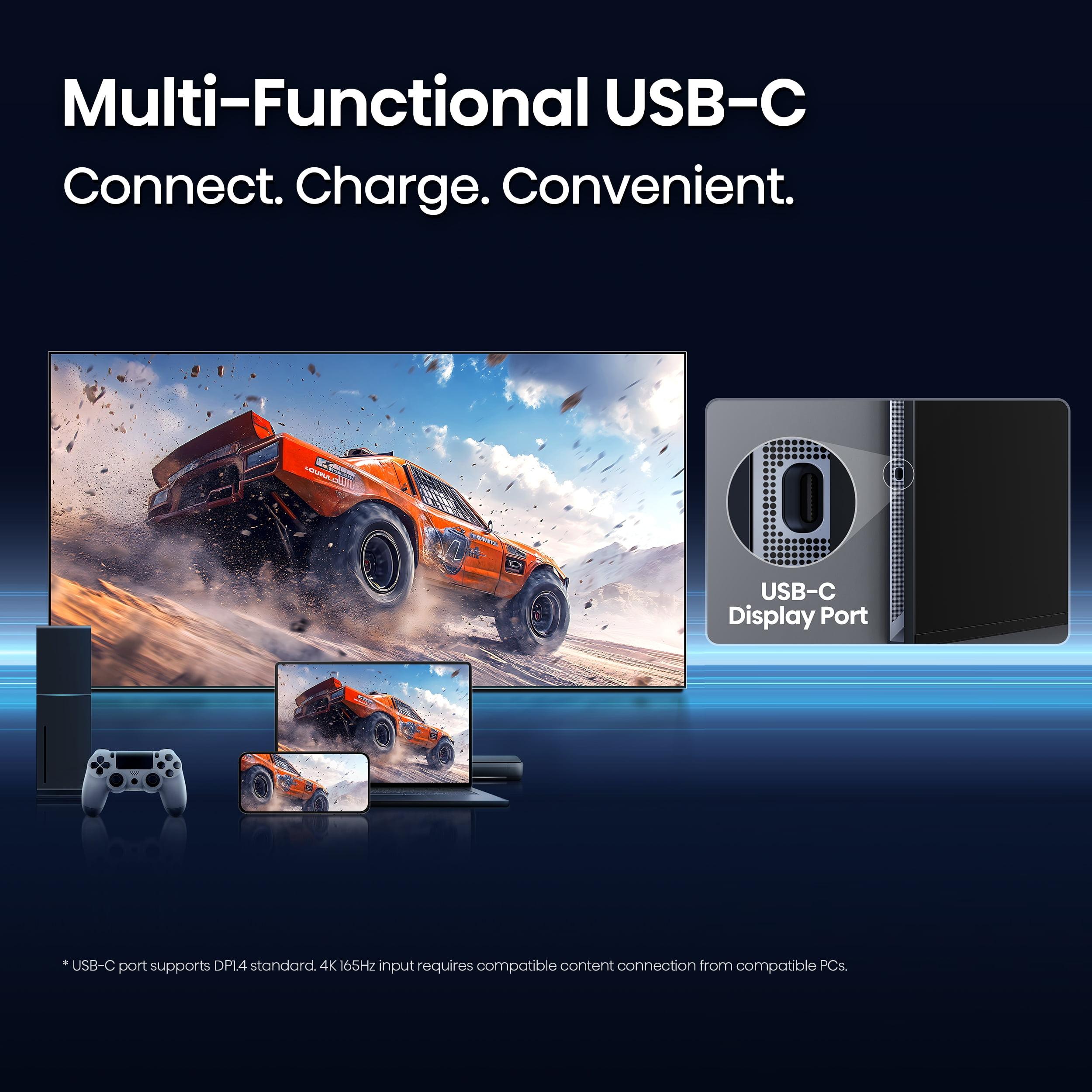
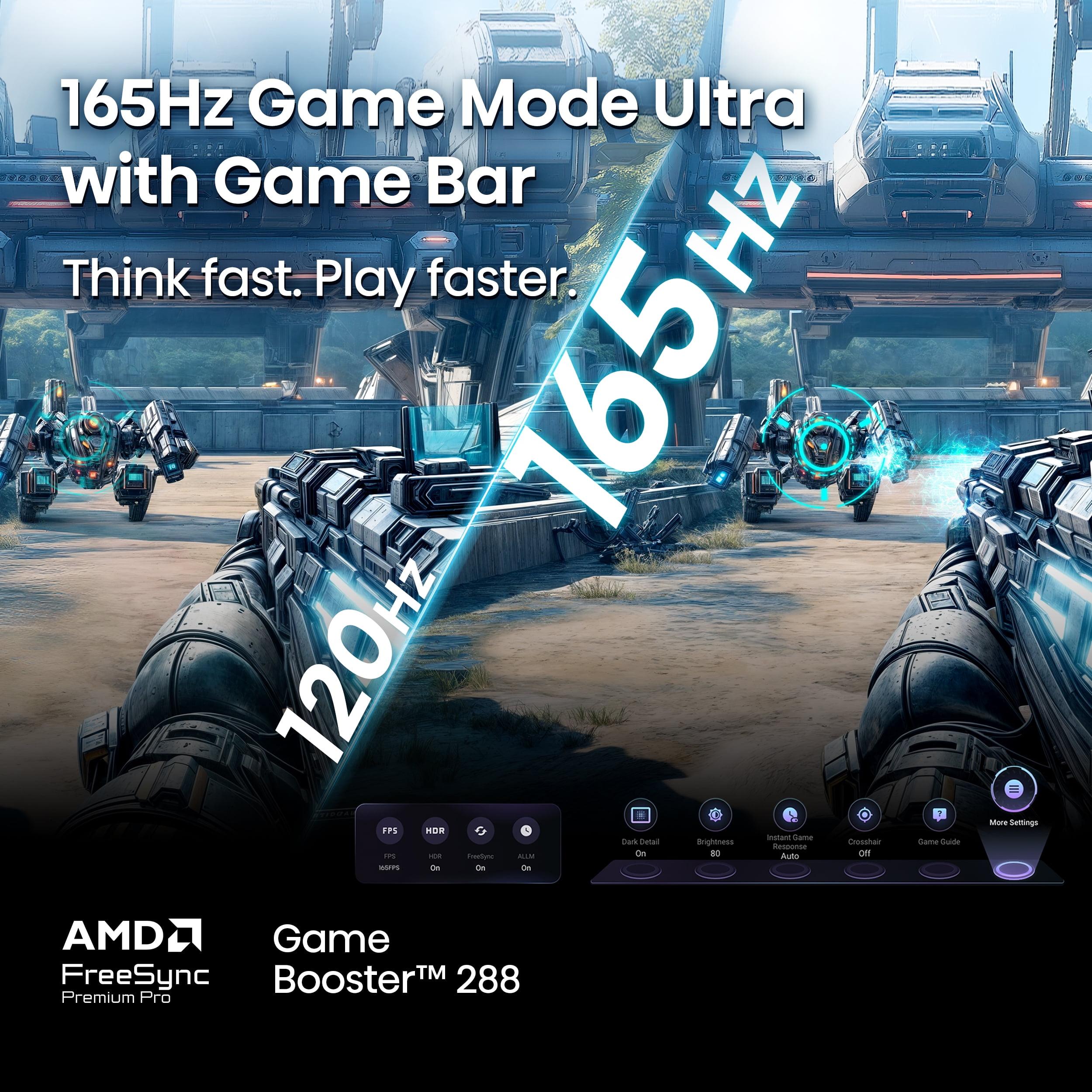
Both TVs were designed with serious gaming in mind, featuring 144Hz refresh rates and HDMI 2.1 connectivity. This means they can handle the most demanding games from PlayStation 5, Xbox Series X, and high-end gaming PCs with fluid motion and minimal input lag.
The Hisense U8 Series includes Variable Refresh Rate (VRR) support from 48Hz to 144Hz, AMD FreeSync Premium Pro, and a dedicated Game Mode Pro. These features work together to eliminate screen tearing and provide smooth gameplay even when frame rates fluctuate. The TV's high brightness also helps with HDR gaming, making bright environments and special effects more impactful.
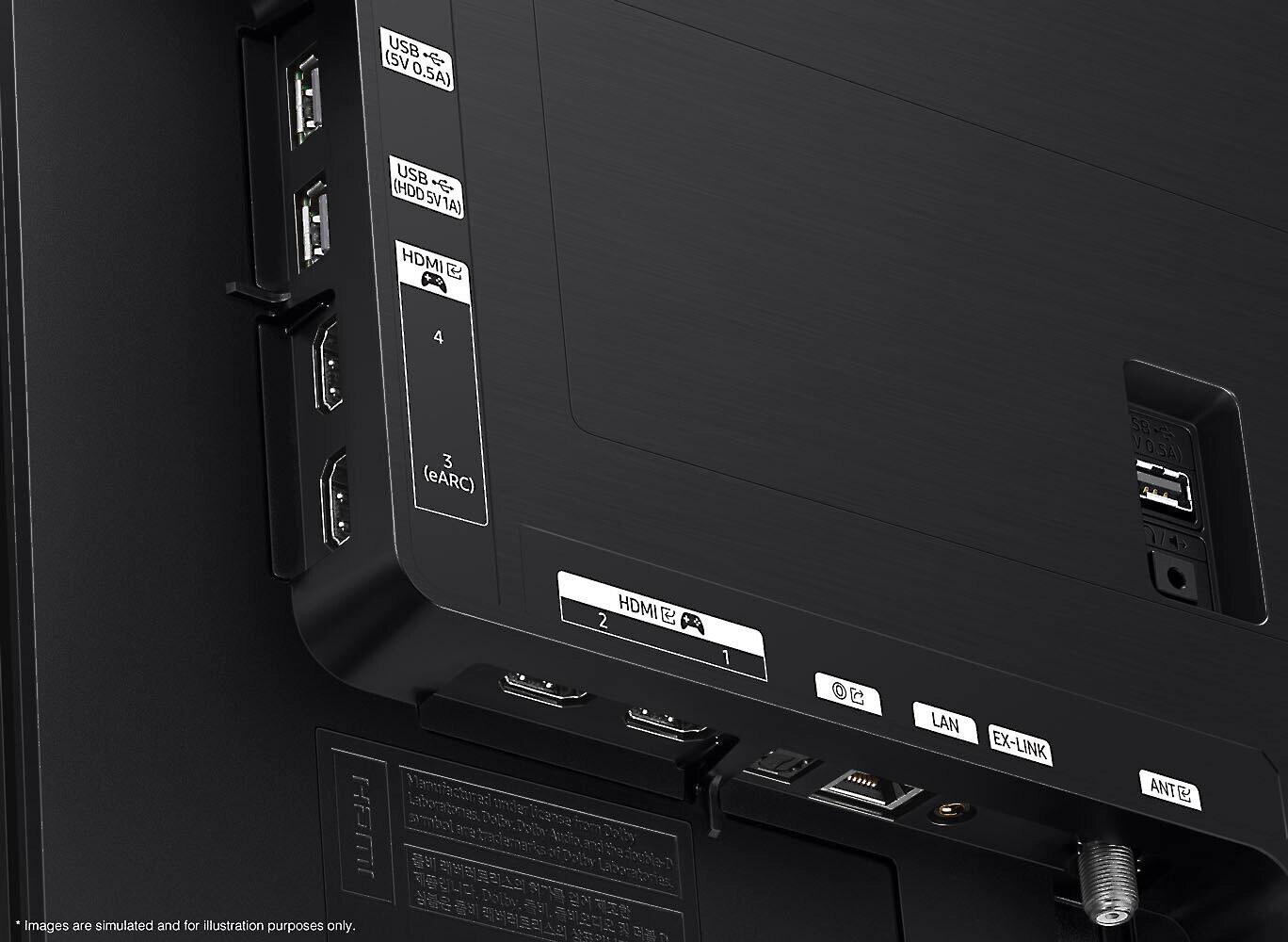
The Samsung S90F offers Motion Xcelerator 144Hz technology along with four HDMI 2.1 ports—more than the Hisense—which is beneficial if you have multiple gaming consoles or want to connect a gaming PC alongside other devices. OLED's instant pixel response gives it a slight advantage in motion clarity, which can be beneficial for competitive gaming where every millisecond counts.
During extended gaming sessions, I found both TVs handle motion exceptionally well. The Samsung S90F has a slight edge in fast-paced games like racing titles or first-person shooters, where its perfect motion clarity reduces blur. However, the Hisense U8's superior brightness makes it better for gaming in brighter rooms or during daytime gaming sessions.
The smart TV platforms represent another key difference between these models. The Hisense U8 runs Google TV, which provides access to virtually every streaming service and integrates well with Google's ecosystem. The interface is clean and intuitive, with content recommendations based on your viewing history across multiple services.
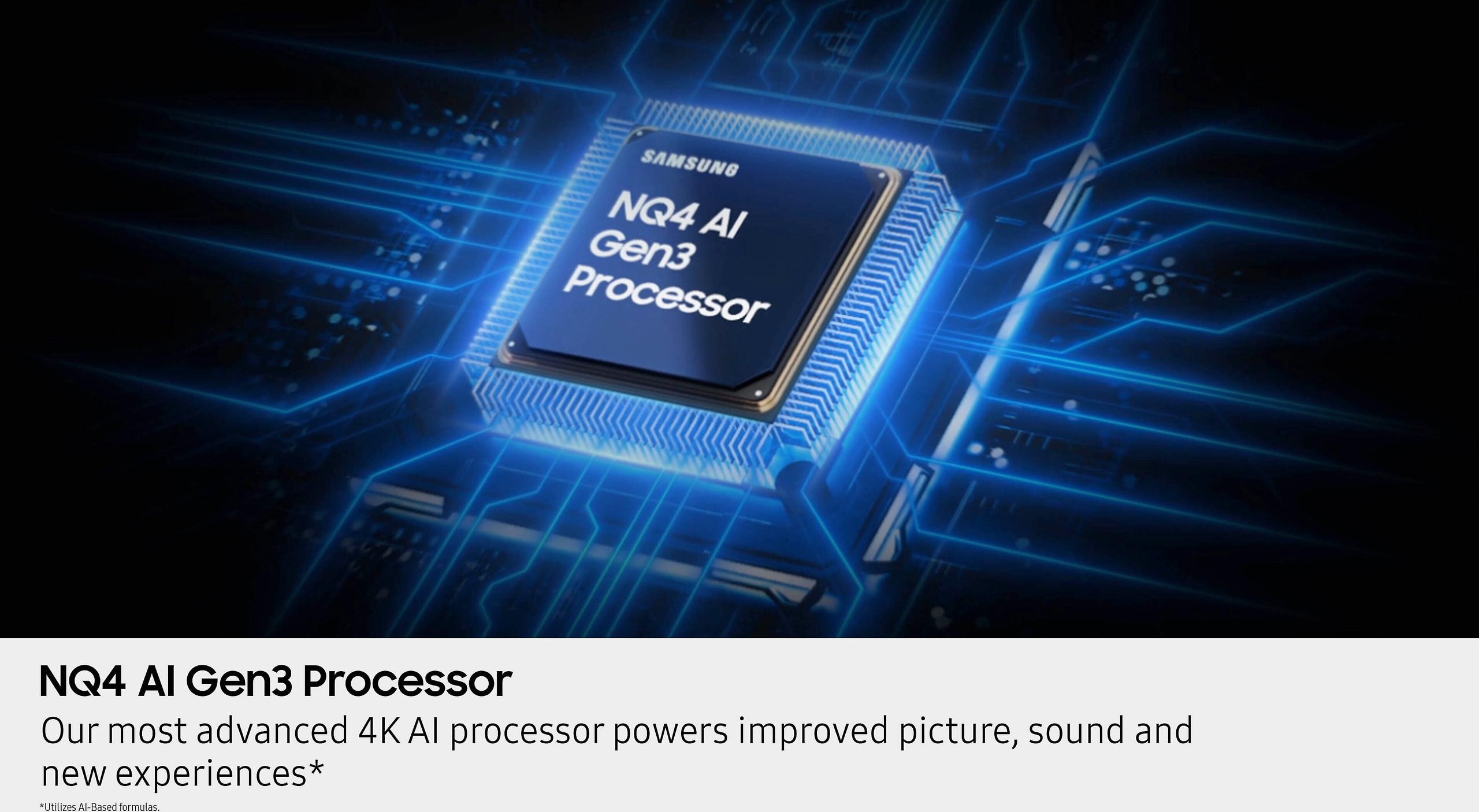
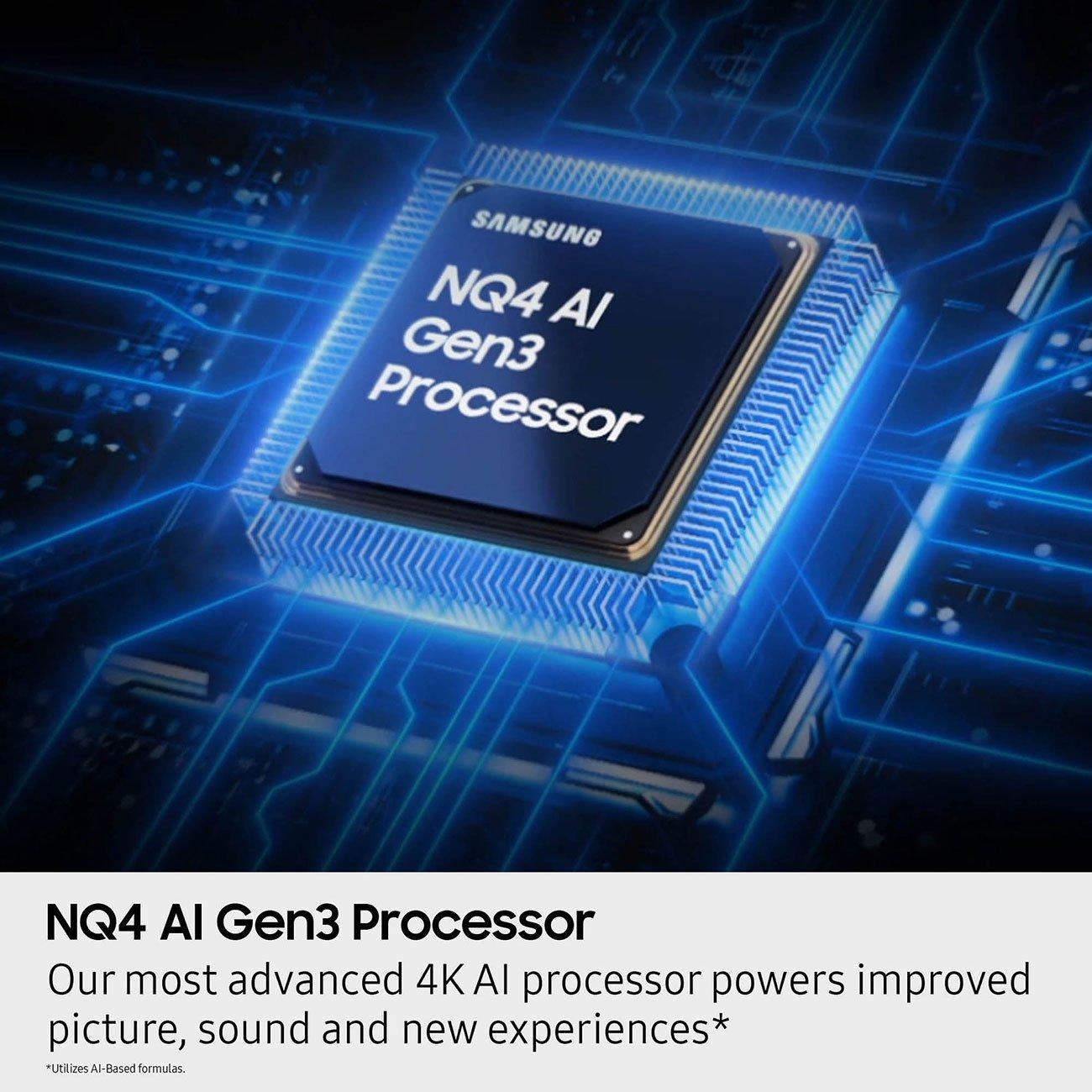
The Samsung S90F features Samsung's Tizen OS enhanced with Vision AI capabilities. The NQ4 AI Gen3 processor doesn't just handle picture processing—it also powers intelligent features like automatic content recognition, personalized recommendations, and adaptive picture settings that adjust based on ambient lighting and content type.
One particularly impressive feature of the Samsung S90F is its Auto HDR Remastering, which uses AI to analyze non-HDR content and enhance it to look more like HDR. This means older movies and shows can benefit from improved contrast and color, effectively giving you more content that takes advantage of the TV's capabilities.
The Hisense U8 counters with its Hi-View AI Engine PRO, which provides real-time optimization of picture and sound quality. It can recognize different types of content—sports, movies, news—and adjust processing accordingly. While not as advanced as Samsung's AI features, it's effective and less intrusive.
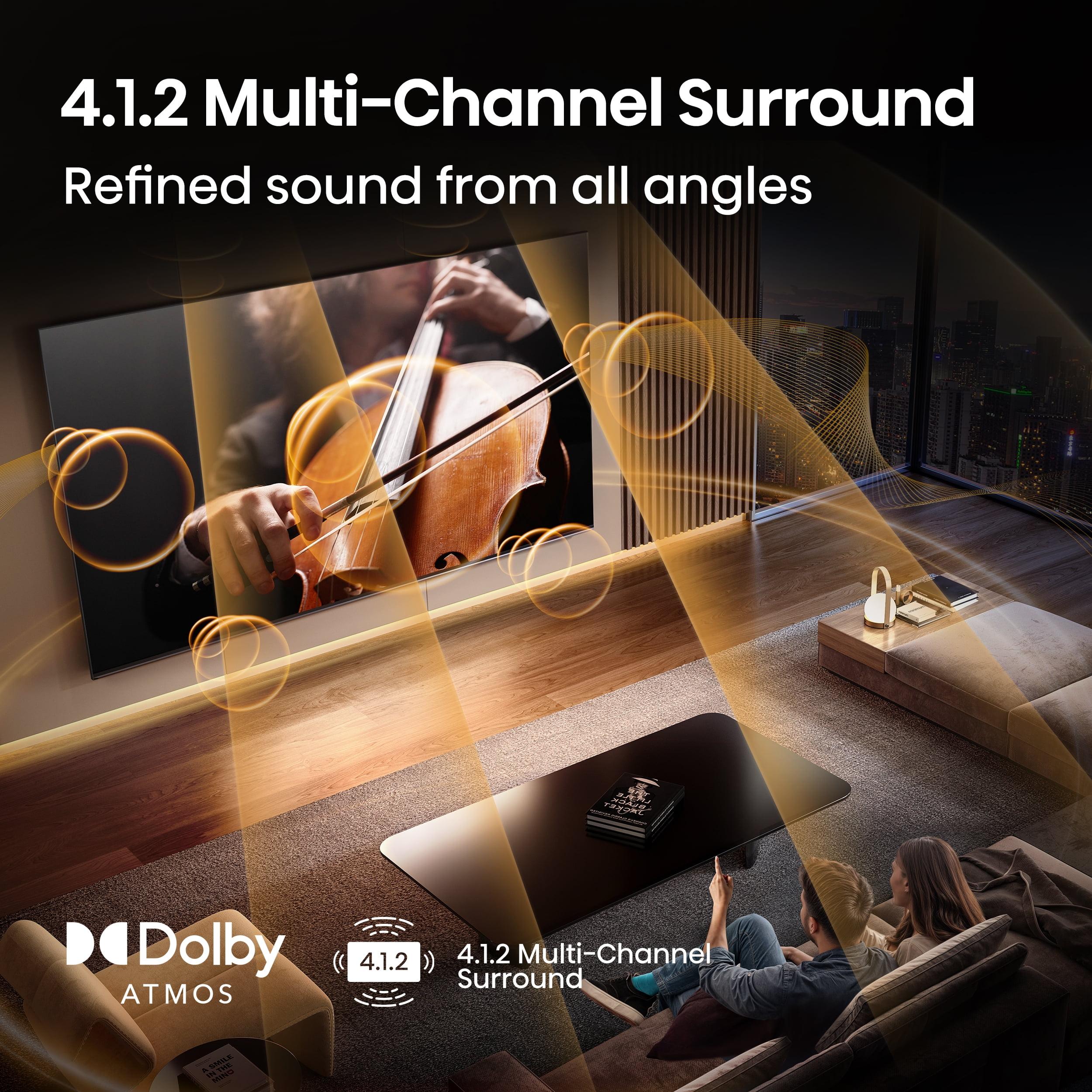
Both TVs include surprisingly capable built-in audio systems, which is increasingly rare in the thin TV era. The Hisense U8 features a 50W 2.1.2 channel system with Dolby Atmos support. This includes side speakers, rear subwoofers, and upward-firing drivers that create a more immersive soundstage than typical TV speakers.
The Samsung S90F includes Adaptive Sound Pro, which uses AI to analyze both the content and your room's acoustics to optimize audio output. While the power output isn't as high as the Hisense, the intelligent processing often results in clearer dialogue and better-balanced sound.
In my testing, both TVs provide audio quality that's good enough for casual viewing without immediately demanding a soundbar purchase. The Hisense U8's more powerful system works better for larger rooms, while the Samsung S90F's processing creates a more refined listening experience.
For dedicated home theater setups, both TVs offer compelling but different advantages. The Samsung S90F's perfect blacks and infinite contrast create a more cinematic experience in dark rooms, which is typically the ideal home theater environment. Its more moderate brightness levels also reduce eye strain during long movie sessions.
The Hisense U8 Series brings exceptional HDR performance that can make properly mastered content look stunning. Its higher brightness also means it can overcome some ambient light if your theater room isn't perfectly dark. The TV's extensive connectivity options and future-proof features like NEXTGEN TV ATSC 3.0 tuner make it a solid long-term investment.
For calibration enthusiasts, both TVs offer extensive picture controls, though the Samsung S90F's more advanced processing provides more sophisticated automatic adjustments. The Hisense U8 benefits more from manual calibration but can achieve excellent results with proper setup.
The price difference between these TVs is substantial—the Samsung S90F ($1,797.99) costs approximately 80% more than the Hisense U8 Series ($997.99). This raises an important question: does the Samsung deliver enough additional performance to justify the premium?
In terms of raw performance, the Samsung S90F offers better contrast, more accurate colors, and more advanced smart features. However, the Hisense U8 delivers exceptional brightness, excellent gaming performance, and solid overall picture quality at a much lower price point. The value equation depends heavily on your priorities and viewing environment.
For most viewers, the Hisense U8 provides 85-90% of the Samsung S90F's performance at 55% of the price. That's exceptional value, especially considering the Hisense includes a two-year warranty—double the industry standard—and comes from a company that's rapidly improving its reputation for quality and reliability.
Choose the Hisense U8 Series if you want exceptional performance without premium pricing, have a bright living room, prioritize HDR brightness, or need a versatile TV that performs well in various lighting conditions. It's also the better choice if you're budget-conscious but don't want to compromise on gaming features or smart capabilities.
Choose the Samsung S90F if you prioritize absolute picture quality, primarily watch in dark rooms, want the most advanced AI features, or have a dedicated home theater setup. It's also better if you need multiple HDMI 2.1 ports or prefer the most refined viewing experience regardless of cost.
Both TVs represent excellent choices in their respective categories. The Hisense U8 proves that premium performance doesn't require premium pricing, while the Samsung S90F shows what's possible when cutting-edge technology meets thoughtful engineering. Your room, viewing habits, and budget will ultimately determine which represents the better choice for your specific needs.
| Hisense 65" U8 Series Mini-LED ULED 4K Google TV ($997.99) | Samsung 65" S90F OLED 4K Vision AI Smart TV 2025 ($1,797.99) |
|---|---|
| Display Technology - Fundamentally different approaches to picture quality | |
| Mini-LED Pro+ with 2000+ local dimming zones | QD-OLED (Quantum Dot + OLED) with self-emissive pixels |
| Peak Brightness - Critical for HDR performance and bright room viewing | |
| Up to 3,000 nits (exceptional for daytime viewing) | High for OLED but lower than Mini-LED (better for dark rooms) |
| Contrast & Black Levels - Most important factor for picture quality | |
| Excellent deep blacks with minimal blooming | Perfect infinite contrast with true blacks |
| Color Performance - Affects realism and vibrancy | |
| Quantum Dot technology, over 1 billion colors, natural tones | QD-OLED delivers superior color volume and accuracy |
| Gaming Performance - Essential for console and PC gaming | |
| 144Hz VRR, AMD FreeSync Premium Pro, Game Mode Pro | 144Hz Motion Xcelerator, 4 HDMI 2.1 ports, instant pixel response |
| Smart Platform - Daily interface and app experience | |
| Google TV (clean interface, extensive app support) | Tizen OS with Samsung Vision AI (advanced AI features) |
| Audio System - Built-in sound quality | |
| 50W 2.1.2 Dolby Atmos system with subwoofer | Adaptive Sound Pro with AI room optimization |
| Processor - Handles upscaling and AI features | |
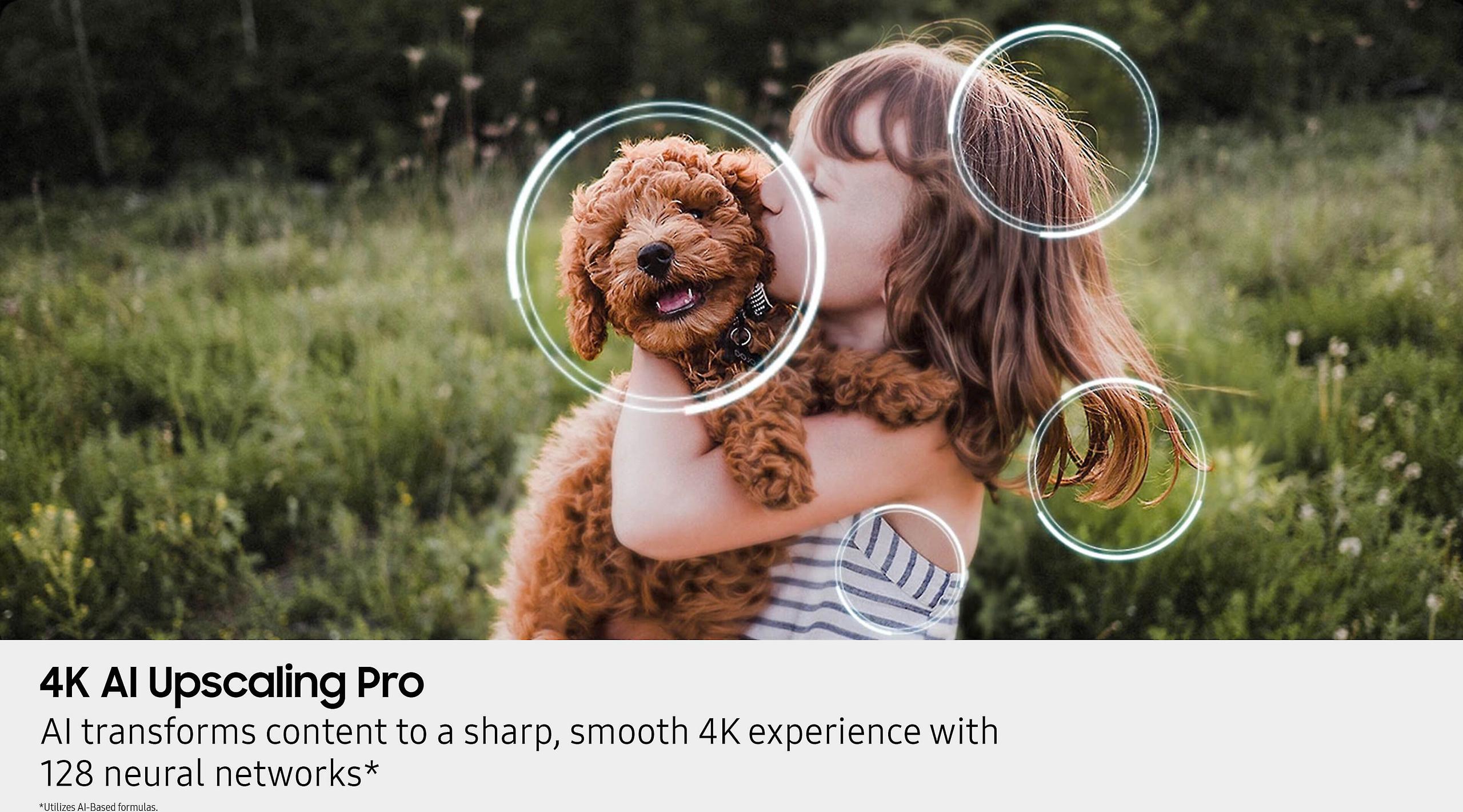
| Hi-View AI Engine PRO with real-time optimization | NQ4 AI Gen3 with advanced upscaling and Auto HDR Remastering |
| Design & Build Quality - Aesthetics and durability | |
| Anti-glare coating, adjustable stand, 2-year warranty | Glossy screen (prone to glare), premium build quality |
| Best Use Cases - Where each TV excels | |
| Bright rooms, value-focused buyers, mixed lighting | Dark rooms, home theaters, premium experience seekers |
| Value Proposition - Performance per dollar | |
| Exceptional value - 85-90% of OLED performance at 55% of price | Premium pricing for cutting-edge technology and features |
The Hisense 65" U8 Series Mini-LED ULED 4K Google TV ($997.99) is significantly better for bright rooms due to its 3,000 nits peak brightness and anti-glare coating. This makes it ideal for living rooms with large windows or daytime viewing, while the Samsung S90F's glossy OLED screen can struggle with reflections in bright environments.
The Hisense U8 Series ($997.99) costs $997.99, while the Samsung 65" S90F OLED 4K Vision AI Smart TV 2025 ($1,797.99) costs $1,797.99. This means the Samsung costs about 80% more, making the Hisense the clear value choice for budget-conscious buyers who still want premium features.
The Samsung S90F OLED has superior picture quality overall, with perfect blacks, infinite contrast, and more accurate colors thanks to its QD-OLED technology. However, the Hisense U8 Series offers excellent picture quality that's very close to OLED performance, especially in bright scenes, at a much lower price point.
Yes, both TVs excel for gaming with 144Hz refresh rates and HDMI 2.1 support. The Samsung S90F has a slight edge with 4 HDMI 2.1 ports and instant pixel response, while the Hisense U8 Series offers AMD FreeSync Premium Pro and Game Mode Pro at a lower price, making it excellent value for gamers.
For dedicated home theaters with controlled lighting, the Samsung S90F OLED is superior due to its perfect blacks and infinite contrast, creating a more cinematic experience. However, the Hisense U8 Series can work well in home theaters too, especially if you need higher brightness for HDR content or have some ambient light.
The Hisense U8 Series runs Google TV, offering a clean interface with extensive app support and Google ecosystem integration. The Samsung S90F uses Tizen OS with Samsung Vision AI, providing more advanced AI features like Auto HDR Remastering and personalized content recommendations.
The Hisense U8 Series Mini-LED gets much brighter with up to 3,000 nits peak brightness, making HDR content more impactful with brilliant highlights. The Samsung S90F OLED is bright for an OLED but cannot match Mini-LED brightness levels, though it still delivers excellent HDR performance.
Both TVs have above-average built-in audio. The Hisense U8 Series features a powerful 50W 2.1.2 Dolby Atmos system with a built-in subwoofer, while the Samsung S90F uses Adaptive Sound Pro with AI optimization that adjusts to your room's acoustics for clearer dialogue.
The Hisense U8 Series ($997.99) offers exceptional value, delivering about 85-90% of OLED performance at 55% of the price. It includes premium features like 144Hz gaming, excellent HDR brightness, and a 2-year warranty, making it hard to beat for performance per dollar.
The Hisense U8 Series may require more calibration for optimal results and can't achieve perfect blacks like OLED. The Samsung S90F OLED has a glossy screen that shows reflections in bright rooms and comes at a premium price that may not suit all budgets.
For movie enthusiasts, the Samsung S90F OLED provides a more cinematic experience with perfect blacks and superior contrast, especially in dark viewing environments. The Hisense U8 Series also delivers excellent movie performance with impressive HDR brightness and natural colors at a much lower price.
The Hisense U8 Series includes a 2-year warranty, which is double the industry standard and shows confidence in build quality. The Samsung S90F comes with a standard 1-year warranty, though Samsung's reputation for reliability and longer software support may offset this difference for some buyers.
We've done our best to create useful and informative comparisons to help you decide what product to buy. Our research uses advanced automated methods to create this comparison and perfection is not possible - please contact us for corrections or questions. These are the sites we've researched in the creation of this article: bestbuy.com - hisense-usa.com - rtings.com - bestbuy.com - rtings.com - hisense-usa.com - youtube.com - hisense-usa.com - avsforum.com - hisense-usa.com - hisense-usa.com - rtings.com - avsforum.com - hisense-usa.com - prnewswire.com - hisense-usa.com - bestbuy.com - youtube.com - hisense-usa.com - youtube.com - t3.com - rtings.com - bestbuy.com - stereonet.com - samsung.com - bestbuy.com - flatpanelshd.com - myallsouth.com - pcrichard.com - samsung.com - bestbuy.com - samsung.com - samsung.com - samsung.com

Privacy Policy
Terms and Conditions - Affiliate Policy
Home Security
© Copyright 2008-2026.
11816 Inwood Rd #1211, Dallas, TX 75244