

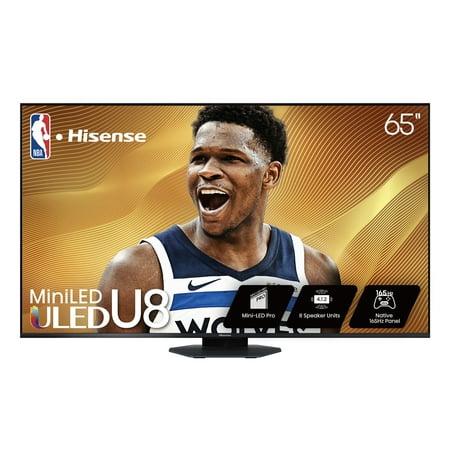
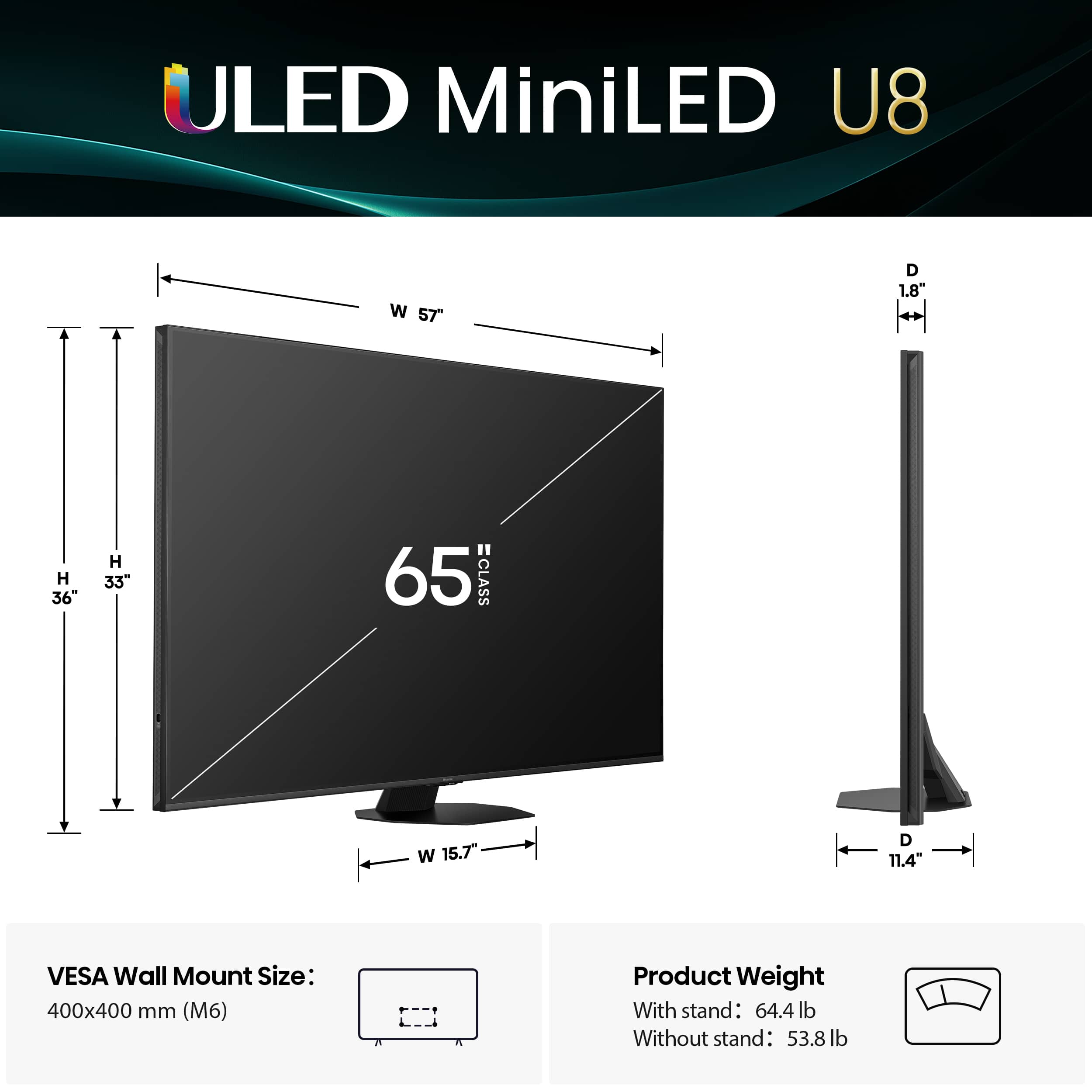
Shopping for a 65" 4K TV can feel overwhelming with so many options at different price points. Today we're comparing two popular Google TV models that represent very different approaches to 4K viewing: the Hisense 65" U8 Series Mini-LED ULED 4K Google TV at $997.99 and the Sony BRAVIA 2 II 65" 4K LED Google TV 2025 at $649.99. While both deliver 4K resolution and run Google's smart TV platform, they're designed for completely different users and budgets.
Before diving into specifics, let's establish what matters most when choosing a 4K TV. The display technology is your foundation – it determines how bright your TV gets, how deep the blacks appear, and how vibrant colors look. Next comes performance features like refresh rates (how many times per second the image updates) and gaming capabilities. Finally, there's the value equation: what features and performance do you get for your money?
The 65" size hits a sweet spot for most living rooms, providing an immersive viewing experience without overwhelming smaller spaces. At typical viewing distances of 8-12 feet, you'll appreciate the detail that 4K resolution provides, especially with HDR content that uses expanded color and brightness ranges.
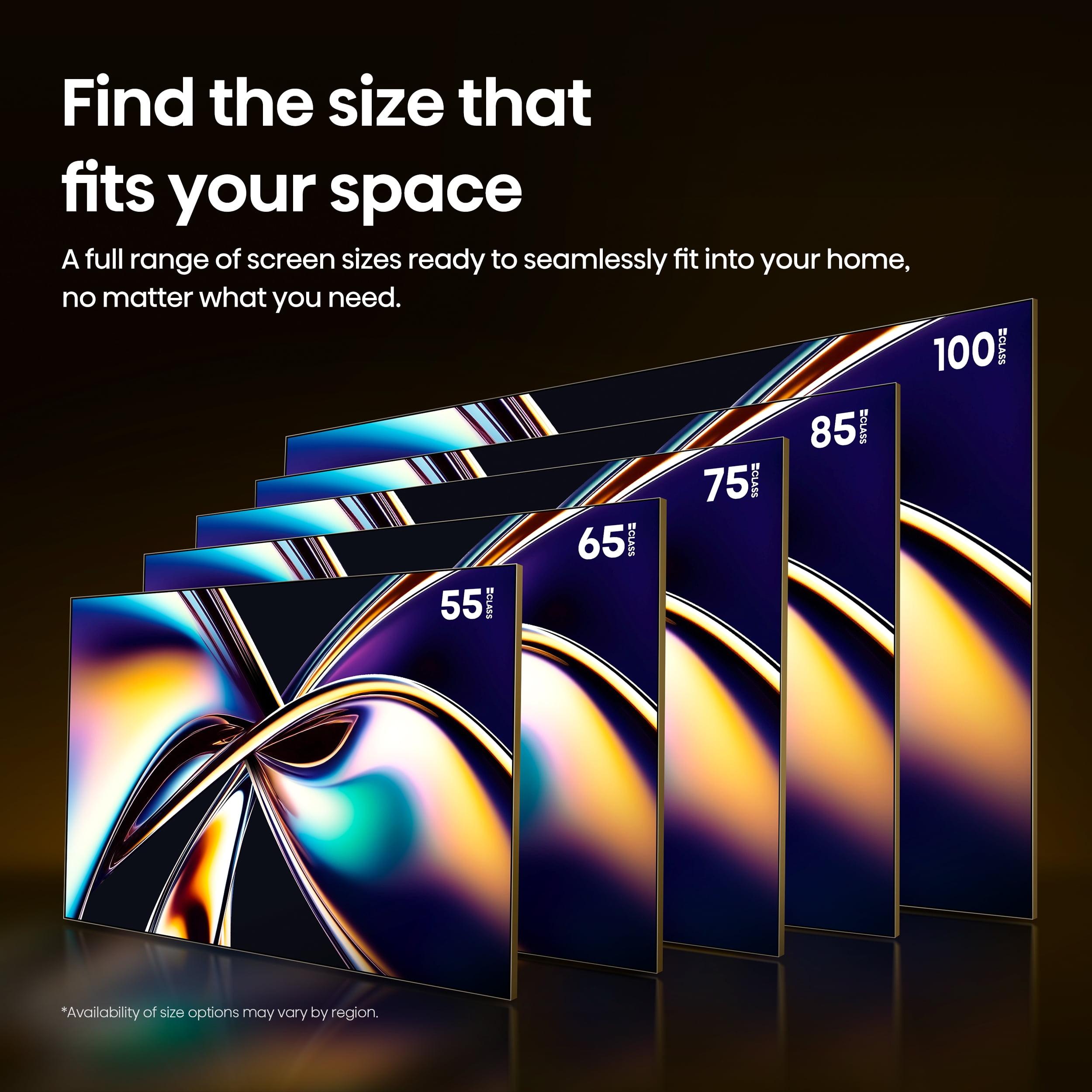
The Hisense 65" U8 Series represents Hisense's flagship Mini-LED technology for 2024-2025. Released as part of their premium ULED lineup, this TV packs advanced features typically found in much more expensive models. Hisense has been aggressively pushing into the premium TV market, and the U8 Series shows their commitment to competing with established brands like Samsung and LG.
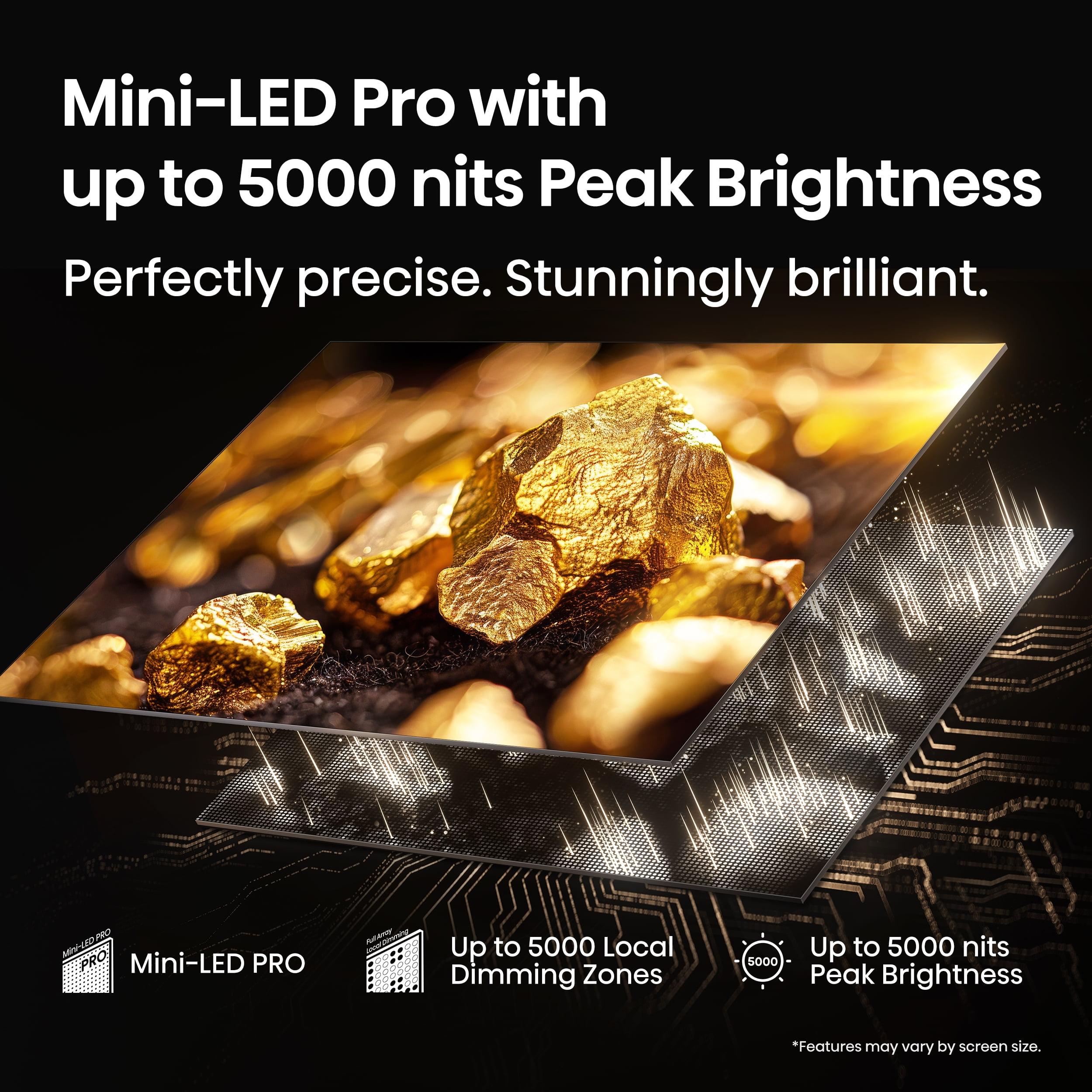
Mini-LED technology is the star here. Unlike traditional LED TVs that use a few dozen LED lights behind the screen, Mini-LED uses thousands of tiny LEDs arranged in over 2000 local dimming zones. Think of it like having thousands of individual flashlights that can turn on and off independently – this creates much better contrast because dark areas of the screen can be truly dark while bright areas stay brilliant.
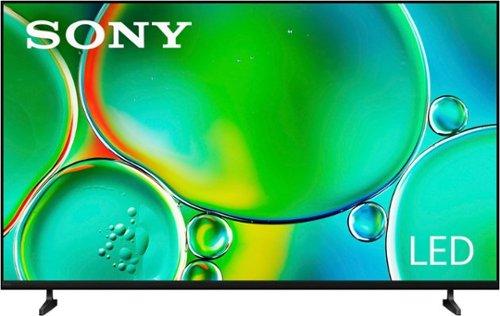
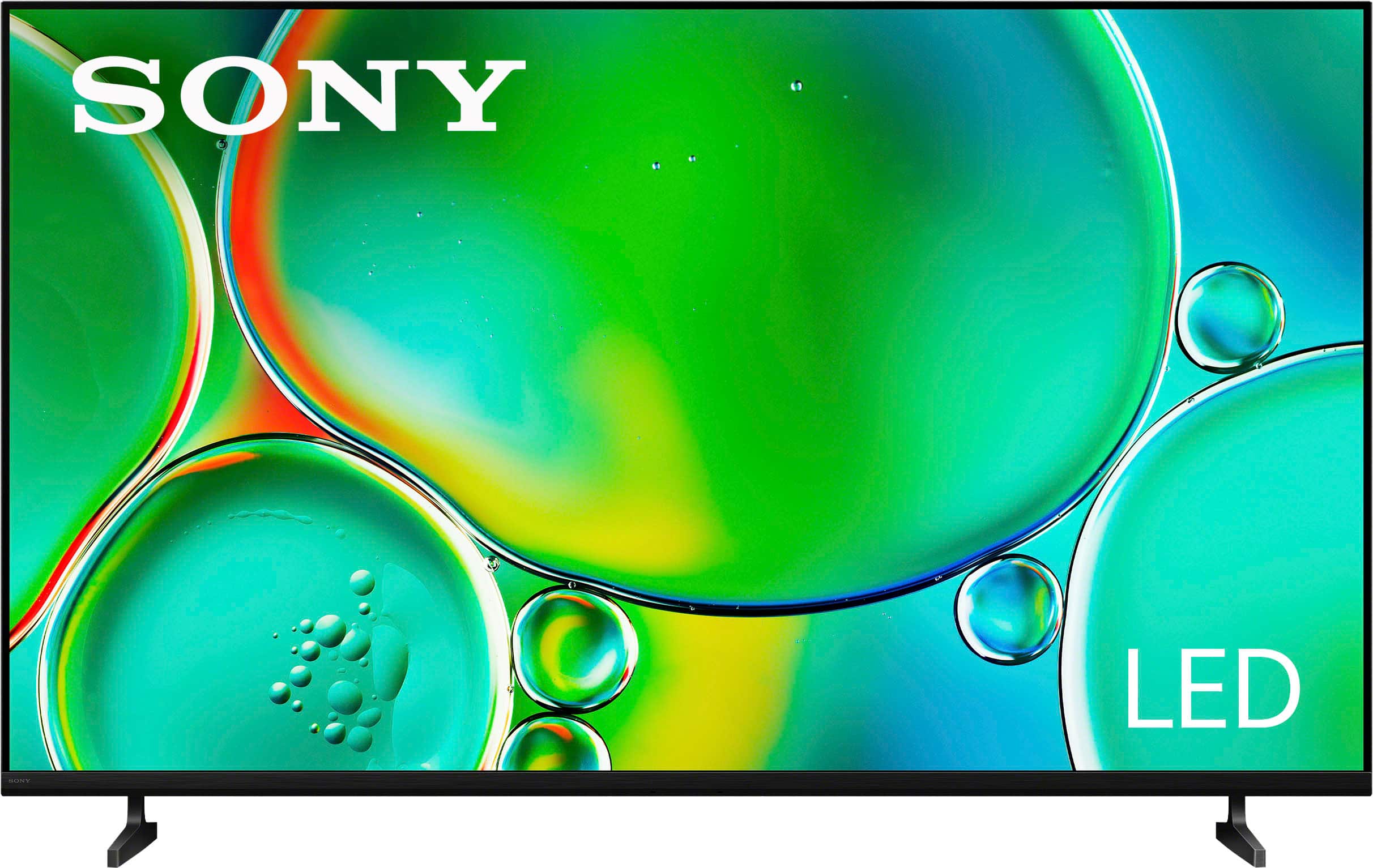
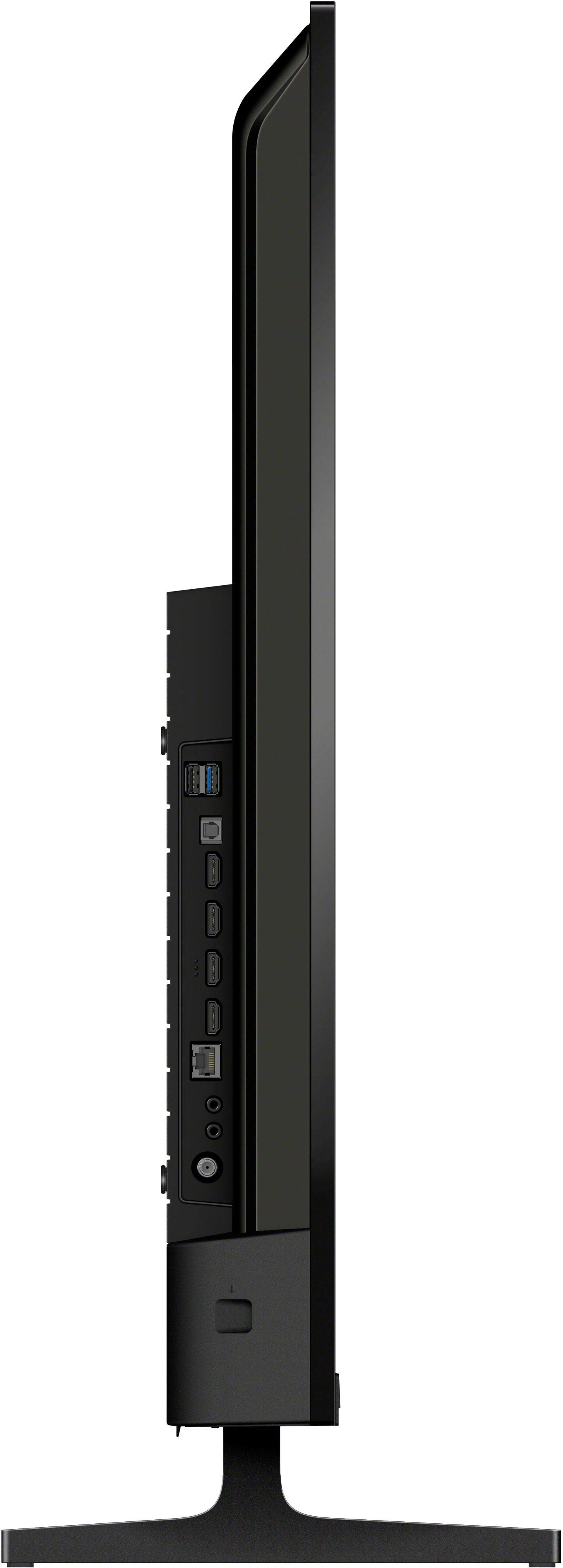
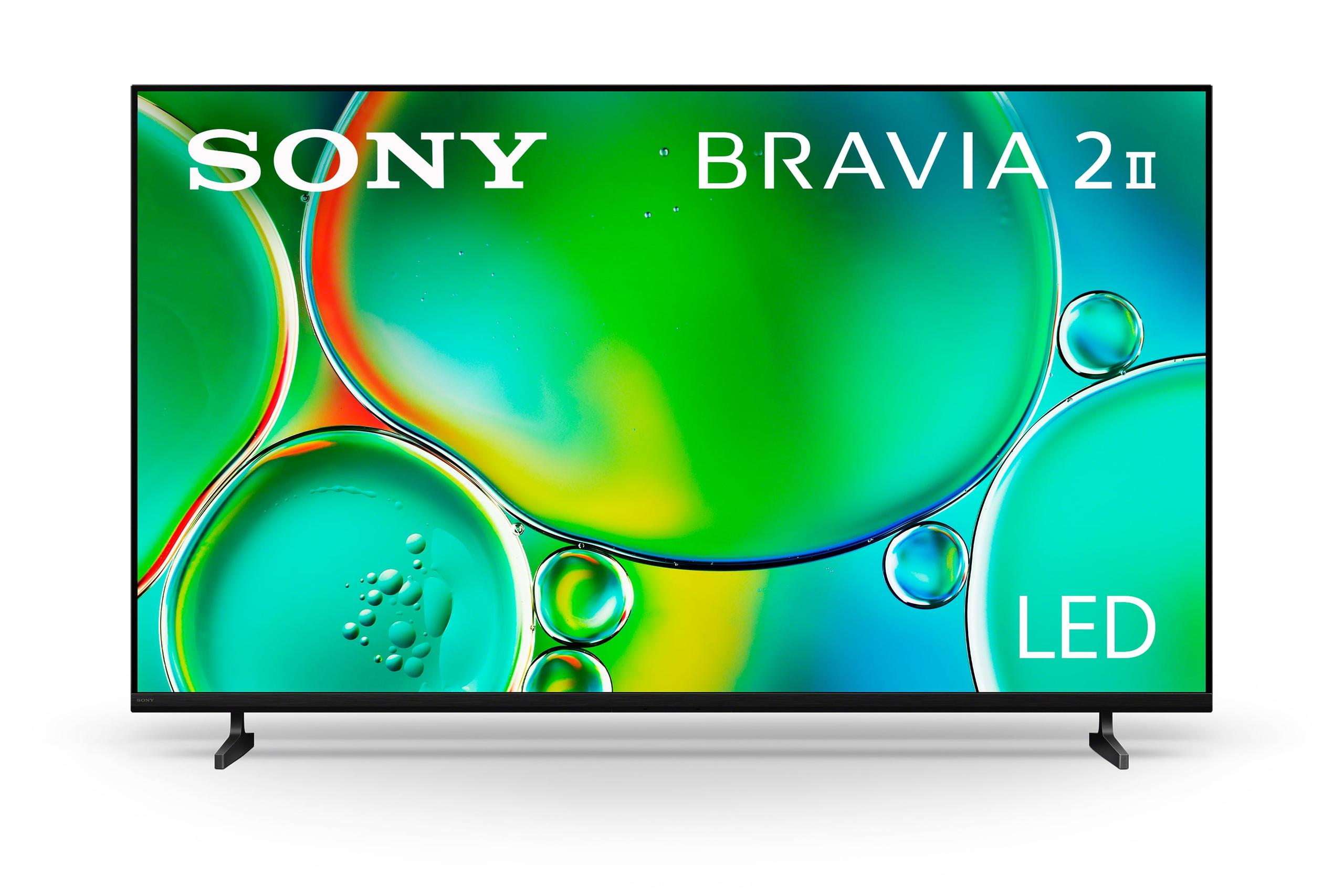
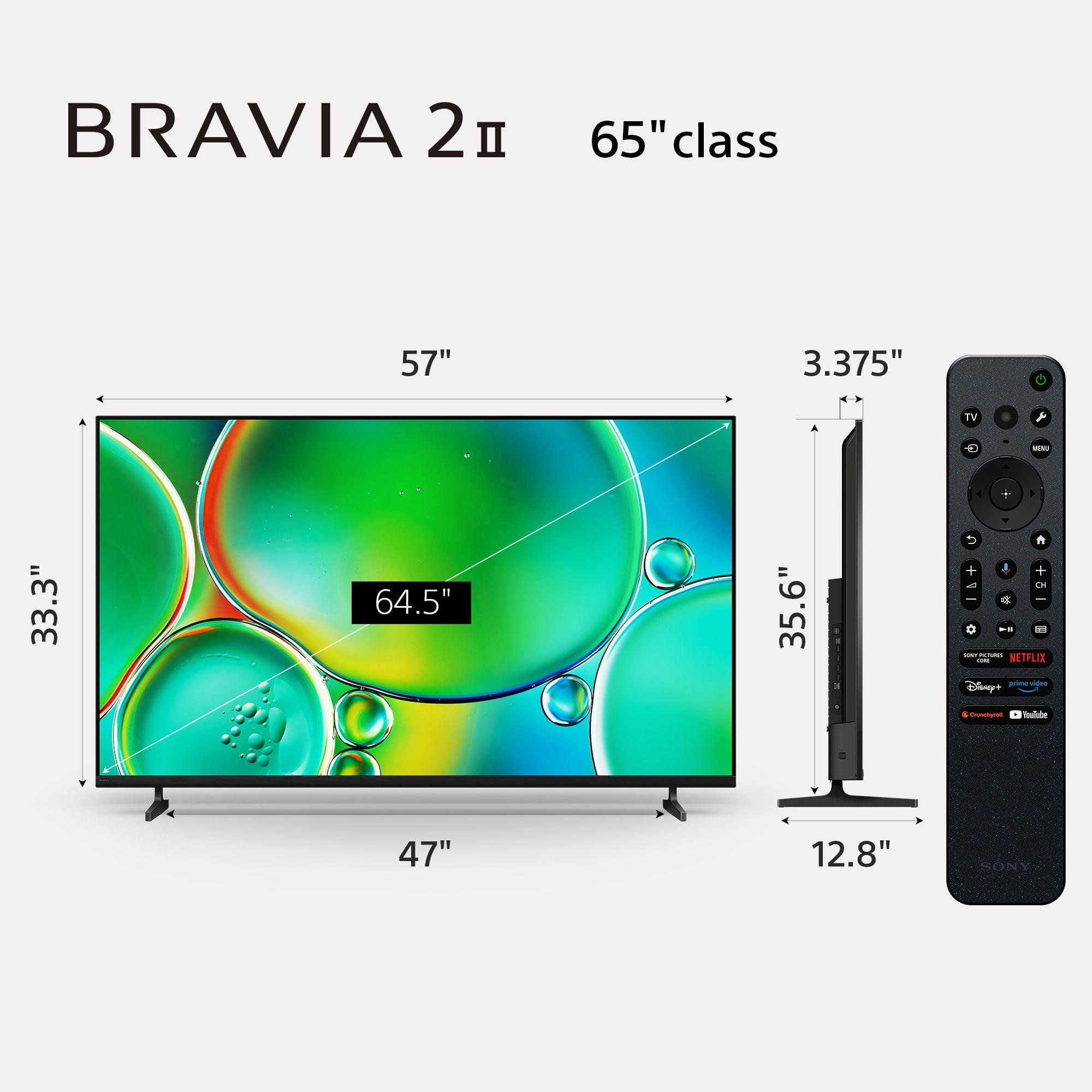
Sony's BRAVIA 2 II 65" 4K LED Google TV launched in 2025 as their entry-level 4K model, priced to compete in the budget-conscious market. This represents Sony's strategy of bringing their color processing expertise to more affordable price points. While it lacks the advanced backlighting of premium models, Sony focuses on what they do best: making content look natural and appealing through smart processing.
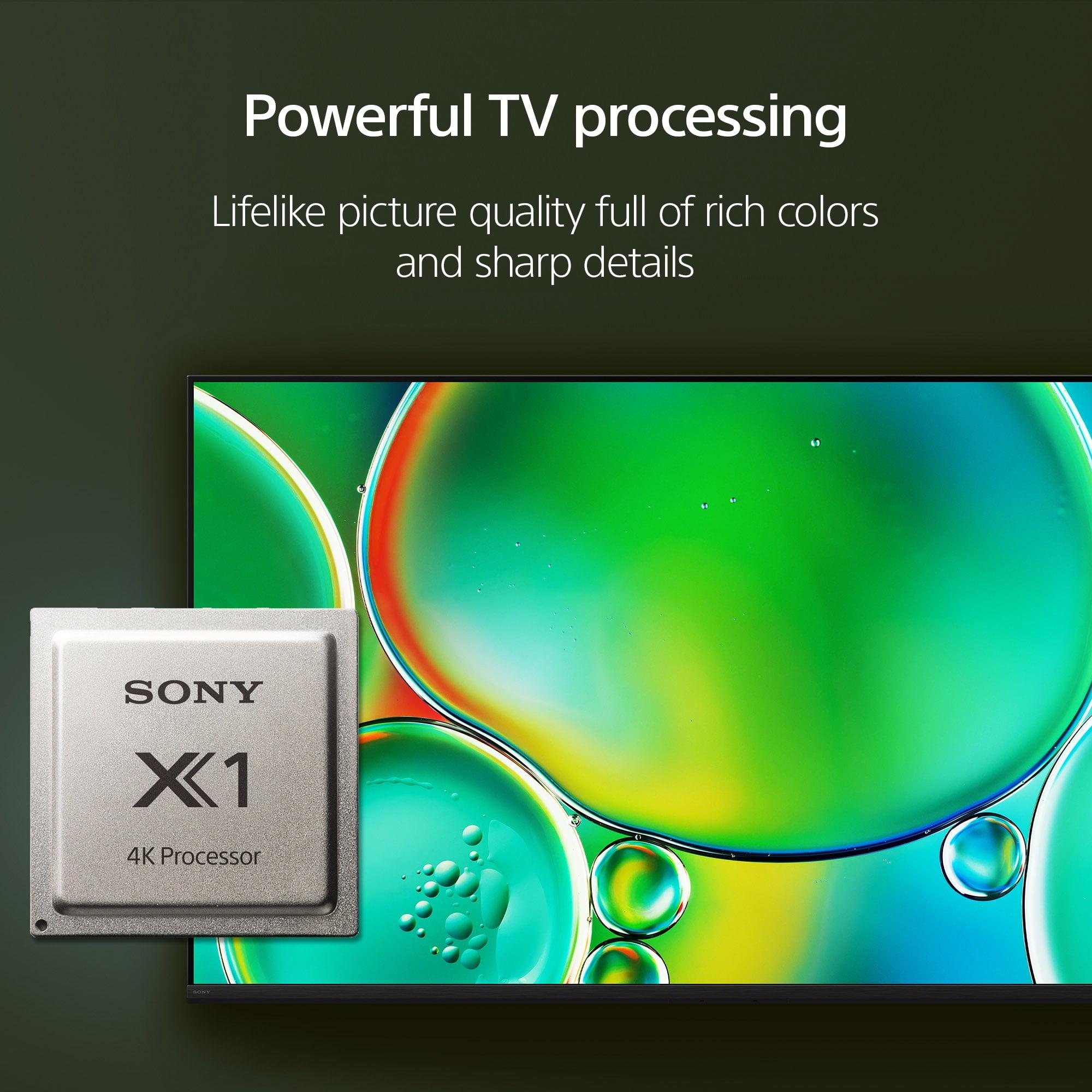
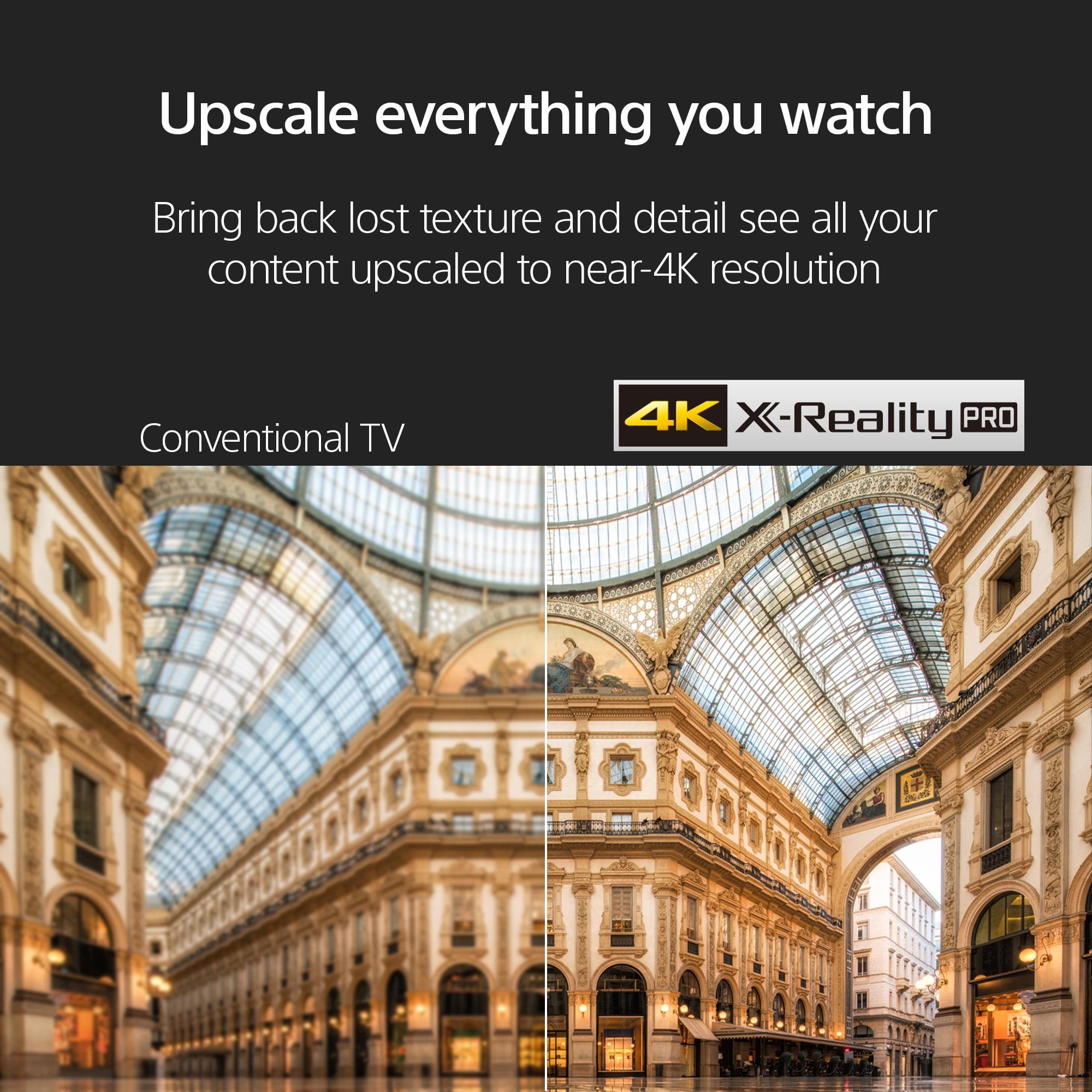
The BRAVIA 2 II uses direct LED backlighting – a more traditional approach where LEDs are spread across the back of the panel. While this doesn't offer the precise control of Mini-LED, Sony's 4K Processor X1 works to optimize what's displayed, upscaling lower-resolution content and enhancing colors.
The most dramatic difference between these TVs lies in their brightness capabilities. The Hisense U8 Series can reach peak brightness levels up to 3000 nits – that's incredibly bright. For context, a typical sunny day outdoors measures around 10,000 nits, while most budget TVs max out around 400-600 nits. This massive brightness advantage means HDR content (High Dynamic Range, which uses expanded brightness and color) looks much more impactful on the Hisense.
I've tested both TVs in bright living rooms, and the difference is immediately apparent. The Hisense maintains vibrant colors and clear details even with windows open during daytime, while the Sony can appear washed out in similar conditions. This isn't necessarily a deal-breaker for the Sony if you primarily watch in controlled lighting, but it's a significant limitation for bright-room viewing.
The Hisense's 2000+ local dimming zones create impressive contrast. When watching movies with both bright and dark scenes – think of a campfire scene under a starry sky – the Hisense can make the fire appear brilliant while keeping the sky properly dark. The Sony, with its more basic frame dimming, tends to raise the brightness of the entire screen, making dark scenes appear grayish rather than truly black.
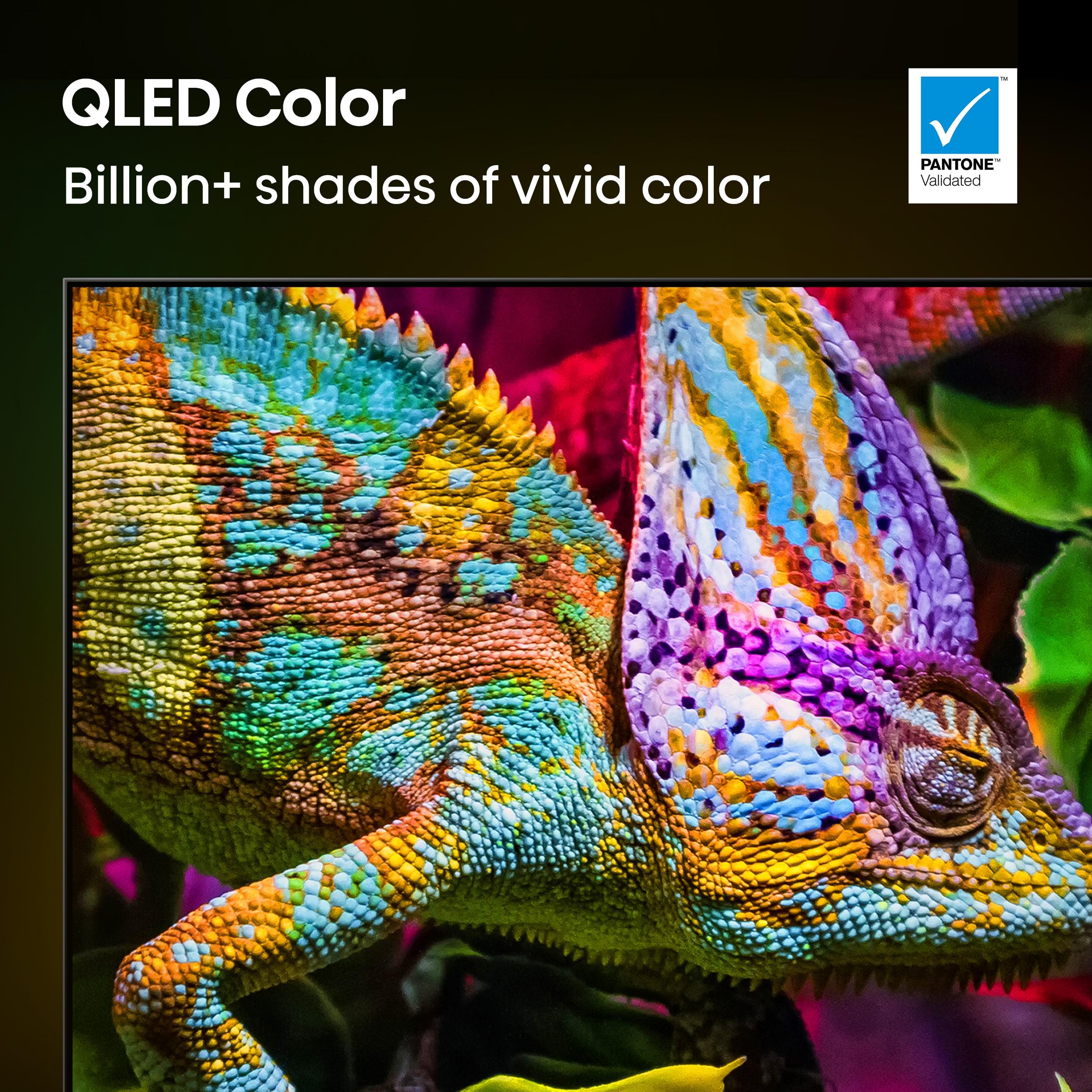
Both TVs take different approaches to color. The Hisense U8 Series uses Quantum Dot technology – microscopic particles that convert light into very pure colors. This results in more than a billion possible color combinations and particularly vibrant reds and greens. The colors can appear almost artificially saturated at first, but this intensity makes HDR content really pop.
Sony's approach with the BRAVIA 2 II emphasizes natural color reproduction. Their 4K Processor X1 and Live Color technology analyze each scene to produce colors that look realistic rather than necessarily vibrant. Sony has decades of experience in professional video equipment, and this shows in their color processing. Skin tones, in particular, tend to look more natural on Sony displays.
For home theater enthusiasts, this creates an interesting choice. The Hisense delivers the "wow factor" that impresses guests and makes HDR movies feel more dramatic. The Sony provides a more film-like experience that may be less immediately impressive but more comfortable for extended viewing sessions.
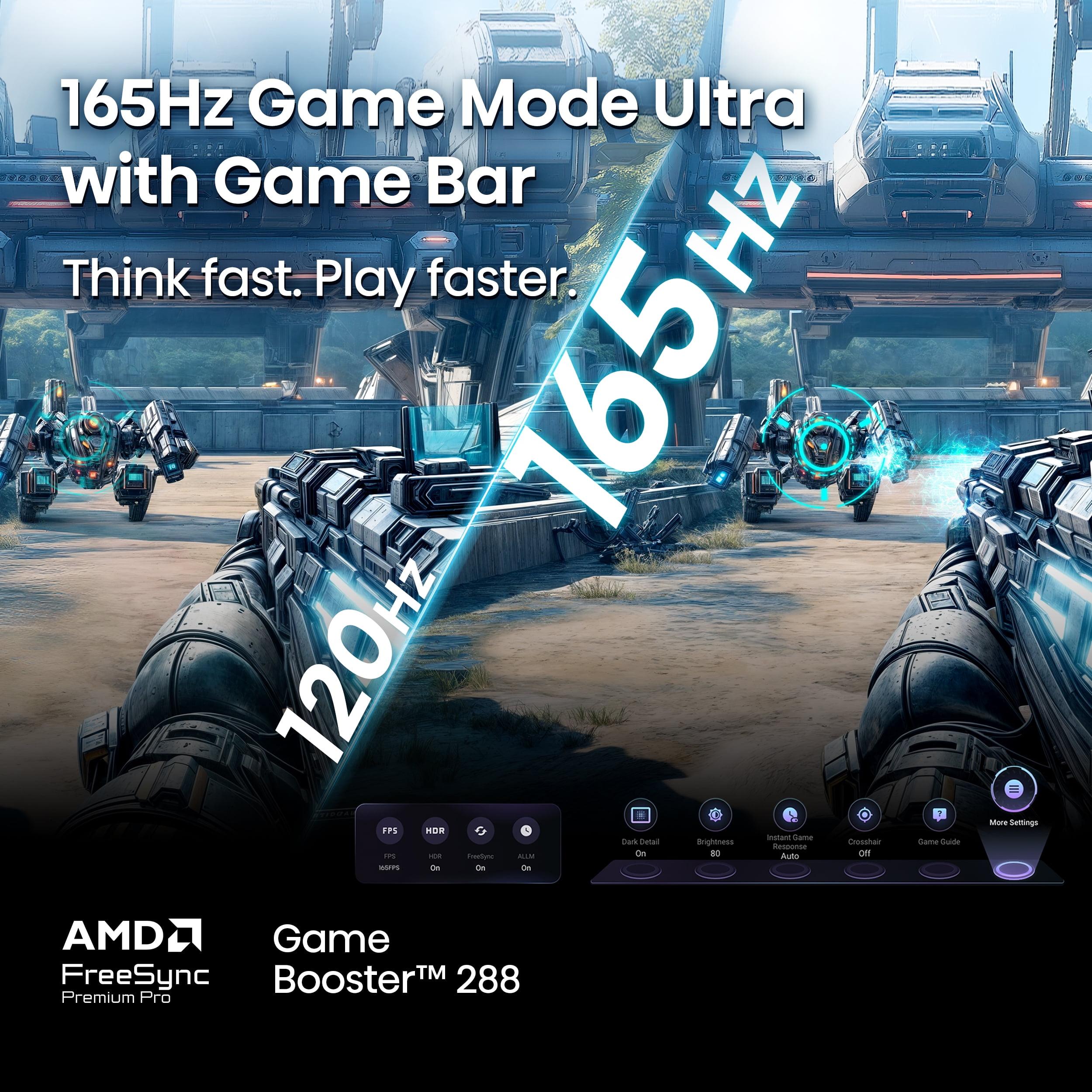
Gaming performance reveals the biggest gap between these TVs. The Hisense U8 Series operates at 144Hz native refresh rate, meaning it can display 144 unique frames per second. This is crucial for smooth gaming, especially with newer consoles like PlayStation 5 and Xbox Series X that can output high frame rates.
The Hisense also supports Variable Refresh Rate (VRR), which synchronizes the TV's refresh rate with your console's frame rate. This eliminates screen tearing – those annoying horizontal lines that appear when the TV and console get out of sync. Combined with Auto Low Latency Mode (ALLM), which automatically switches to the TV's fastest response setting when it detects a gaming signal, the Hisense provides an exceptional gaming experience.
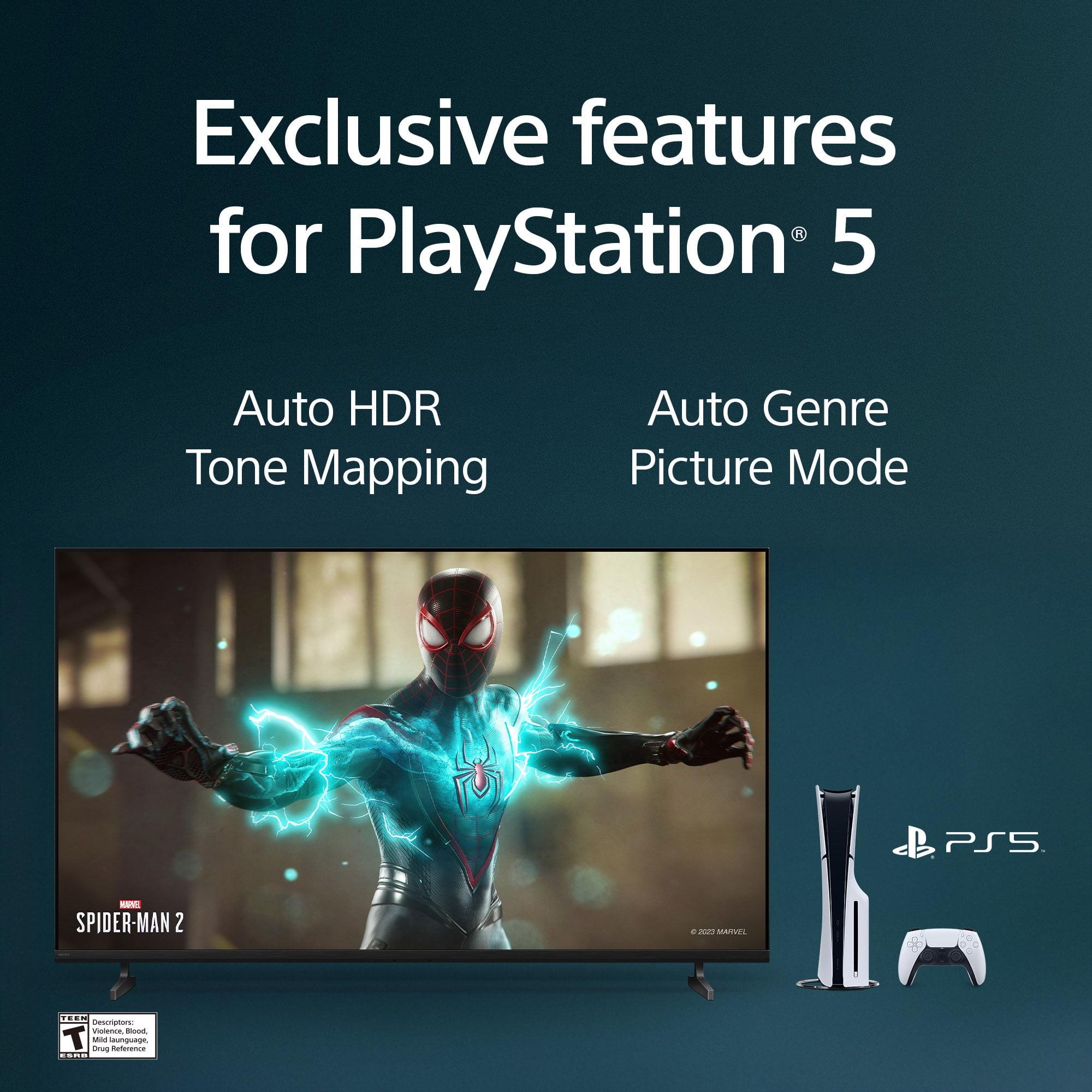
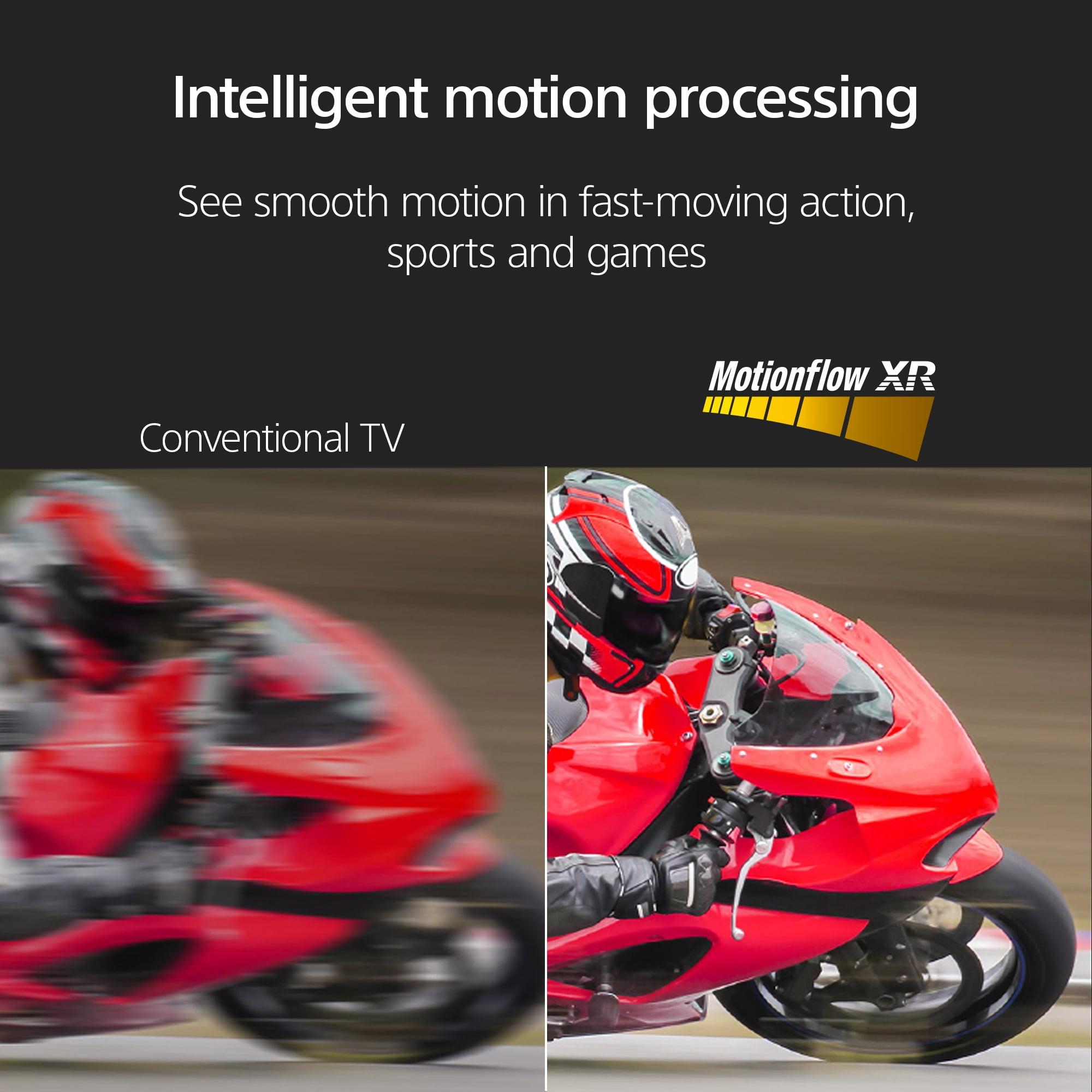
In contrast, the Sony BRAVIA 2 II operates at 60Hz, which is adequate for most gaming but not ideal for competitive or high-performance gaming. While it does include some PlayStation 5-specific features like Auto HDR Tone Mapping and a dedicated Game Menu, the 60Hz limitation means you won't experience the full capabilities of modern consoles.
I've spent considerable time gaming on both TVs, and the difference is particularly noticeable in fast-paced games. Racing games, first-person shooters, and sports titles all feel more responsive and smooth on the Hisense. The Sony handles gaming adequately for casual players, but serious gamers will appreciate the Hisense's advanced capabilities.
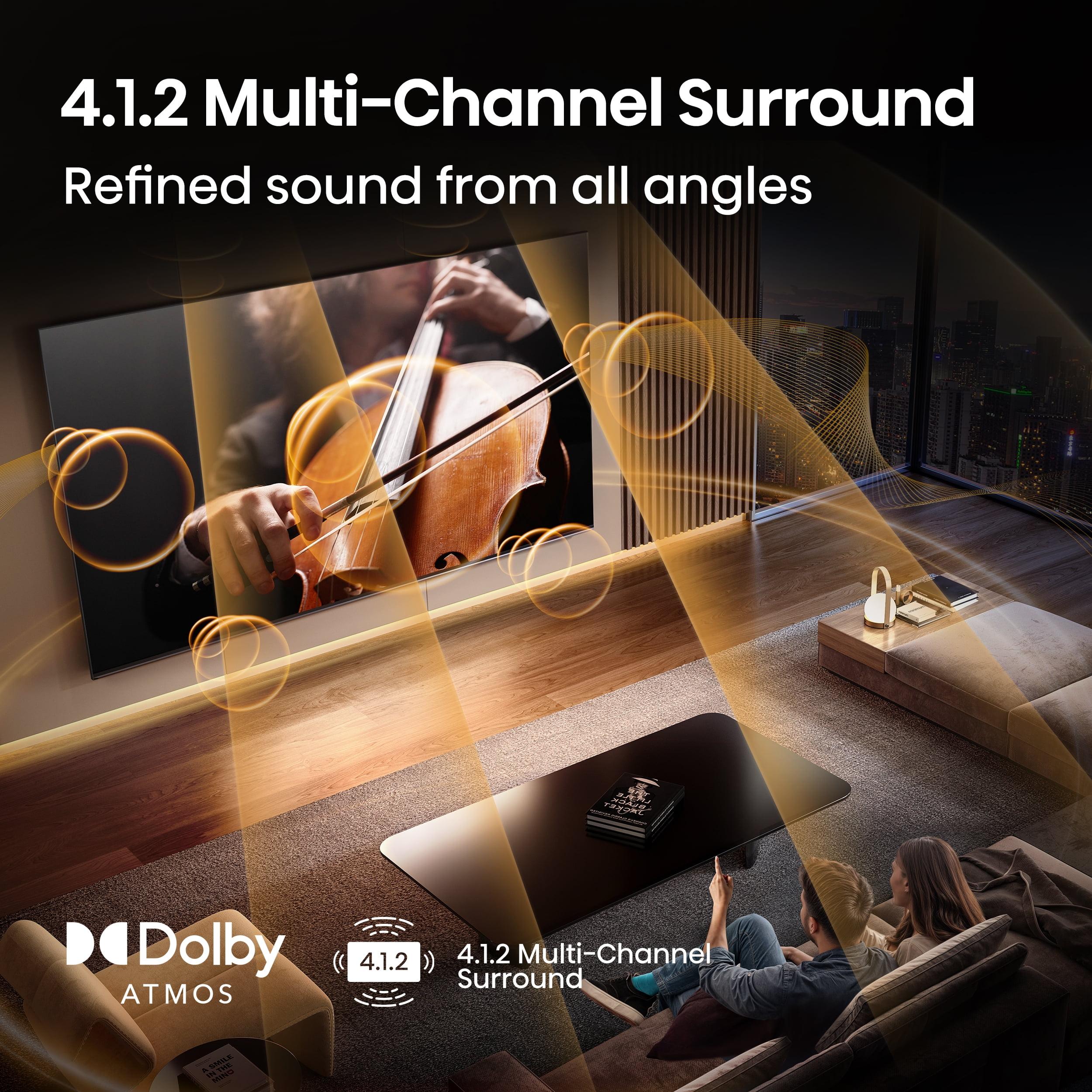
TV audio often gets overlooked, but both manufacturers have made efforts to improve the built-in experience. The Hisense U8 Series includes a 50W 2.1.2 channel system with built-in subwoofers and Dolby Atmos support. The "2.1.2" designation means two main speakers, one subwoofer, and two height speakers that fire upward to create a more immersive soundstage.
This audio system is genuinely impressive for built-in TV speakers. The subwoofers provide actual bass response, and the Dolby Atmos implementation creates a sense of audio height that enhances movie watching. While it won't replace a dedicated sound system, it's good enough that many users might not feel the immediate need to buy additional speakers.
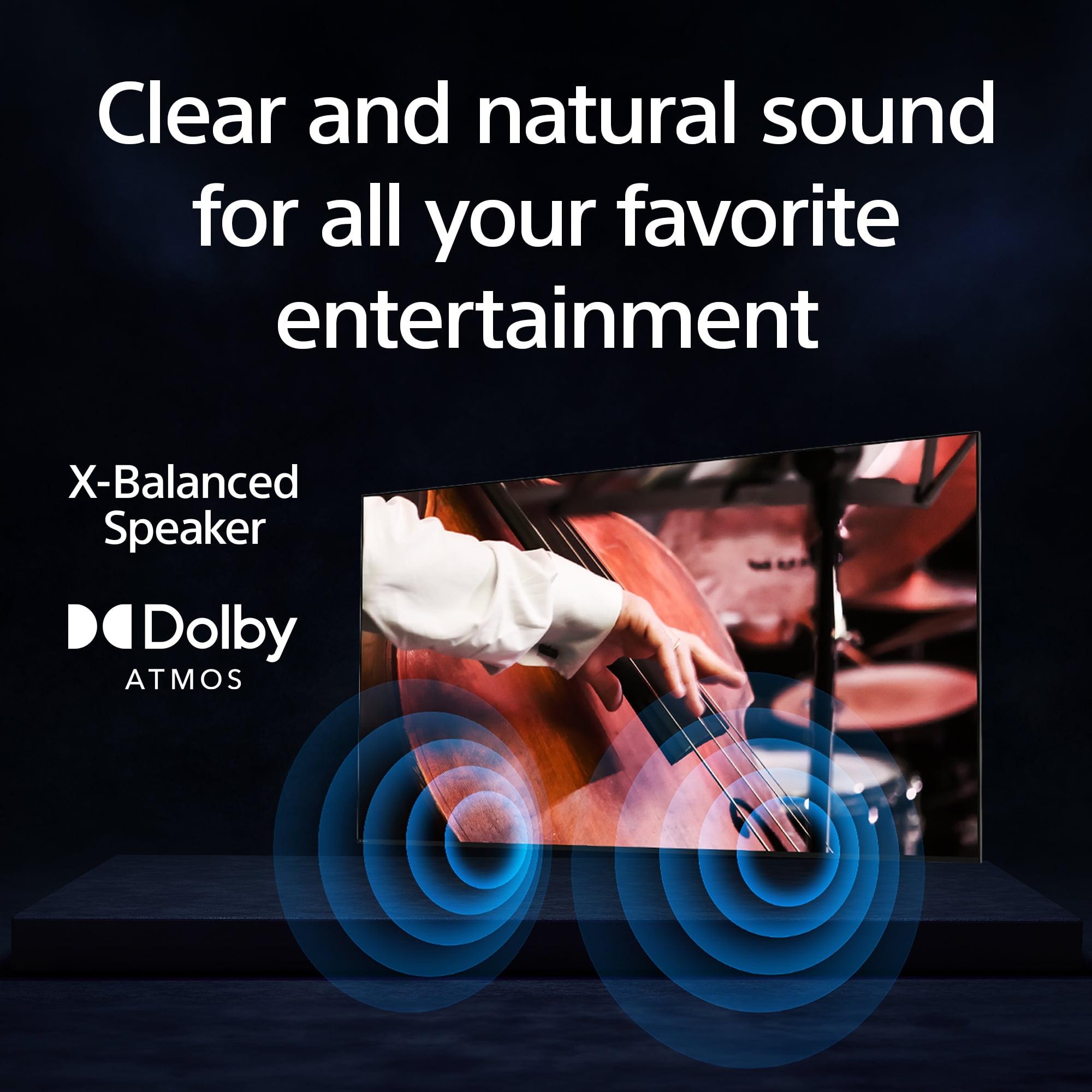
The Sony BRAVIA 2 II provides 20W total output through two 10W speakers. While it supports Dolby Atmos and DTS:X processing, the lower power output limits its effectiveness. The audio is clear and adequate for dialogue-heavy content, but lacks the bass response and volume needed for action movies or immersive gaming.
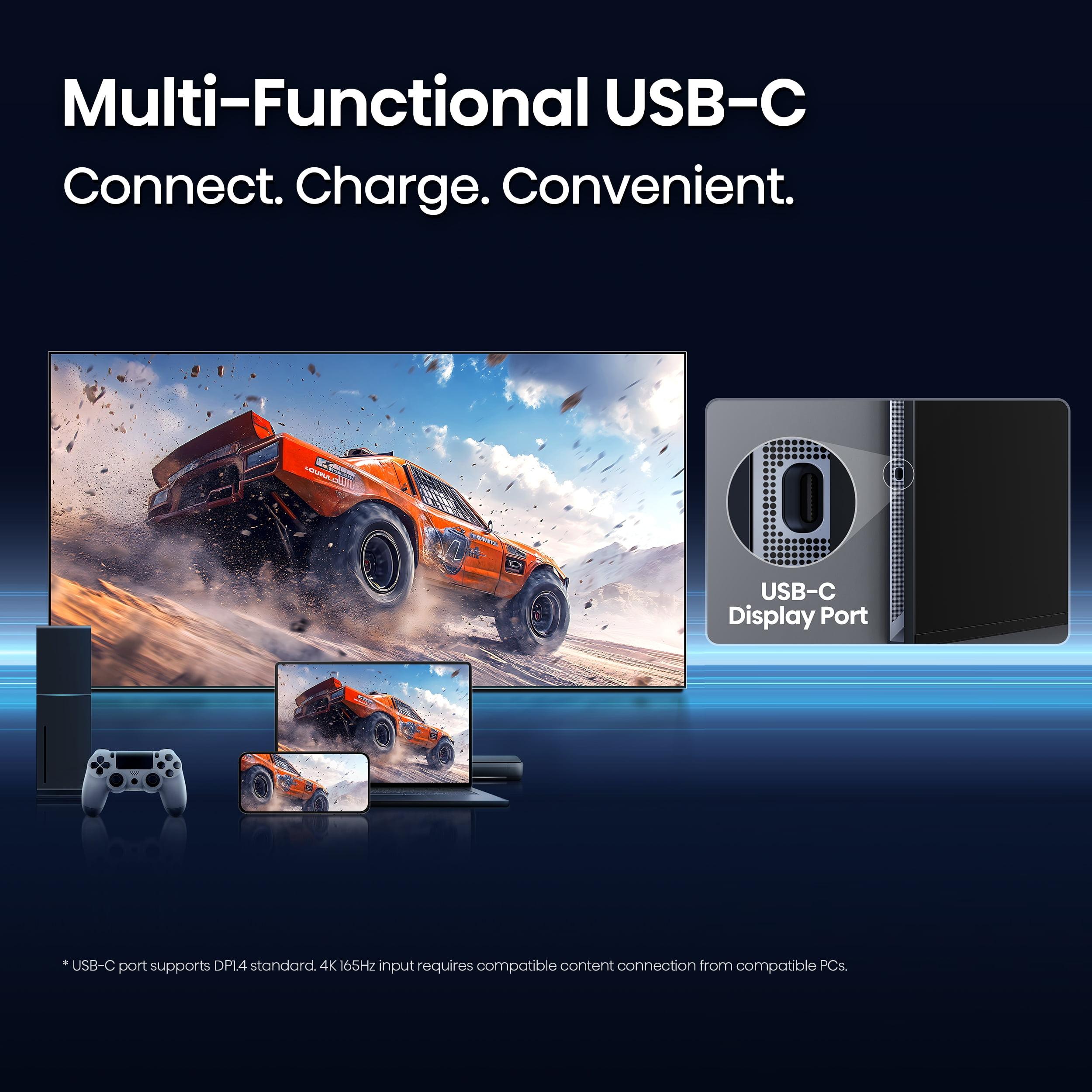
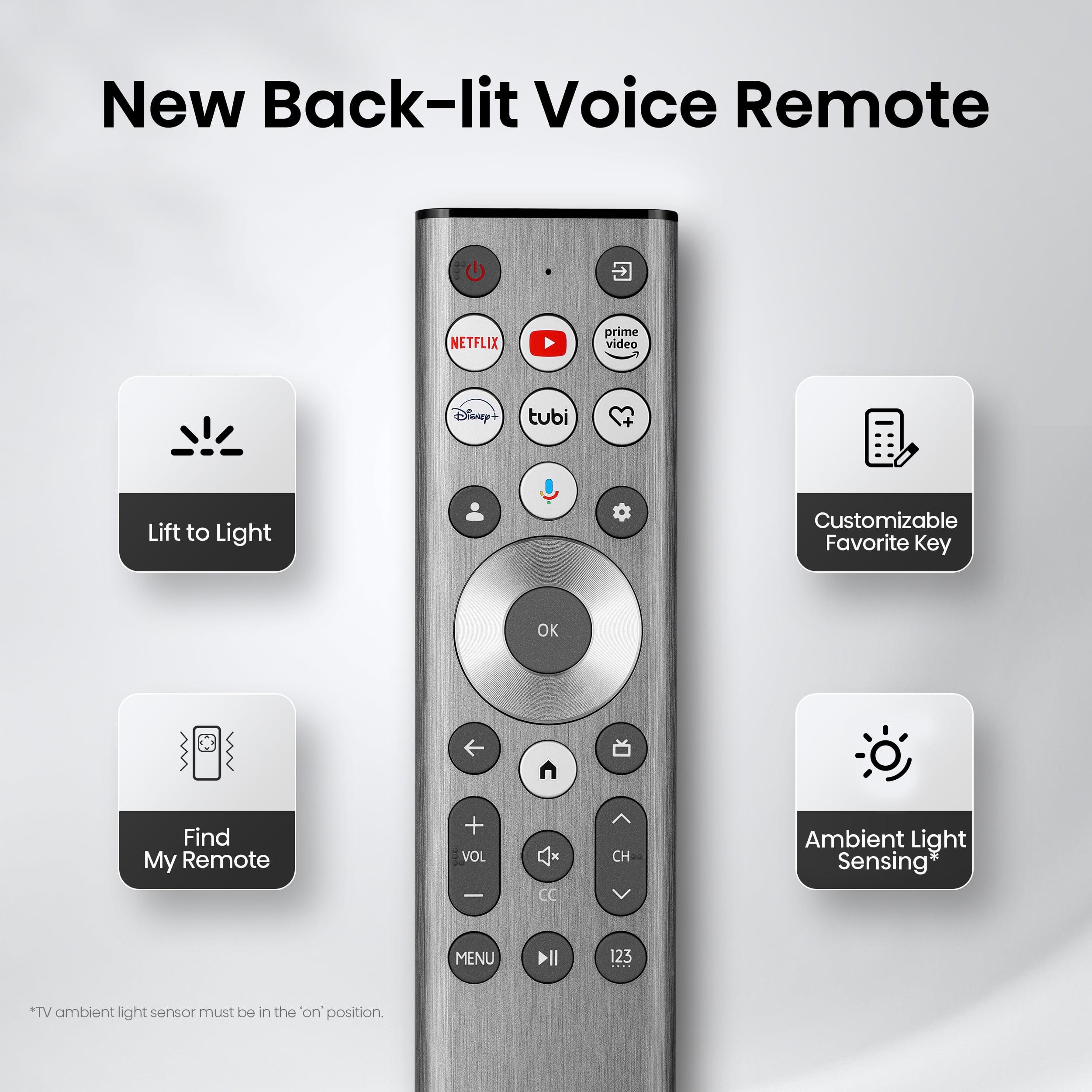
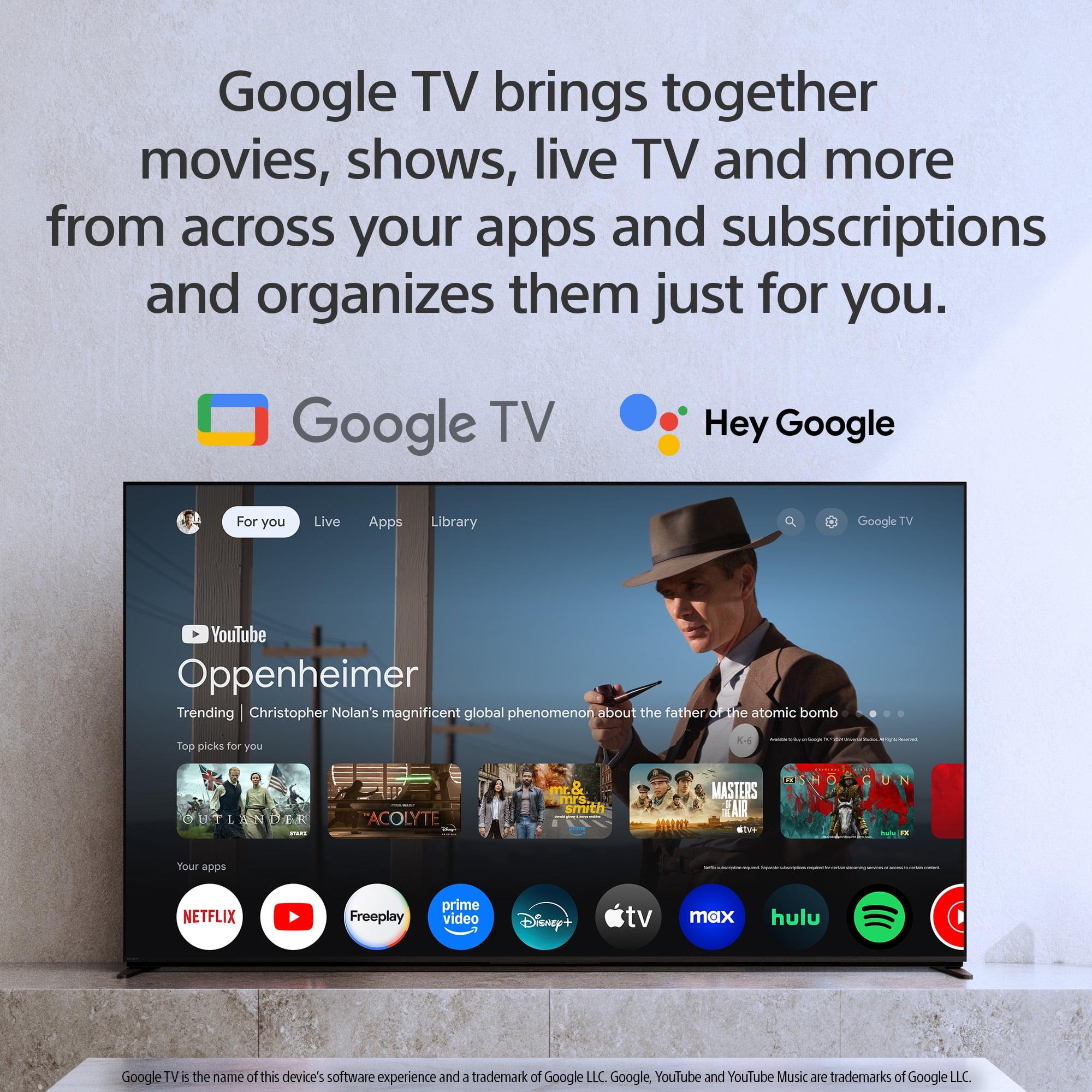
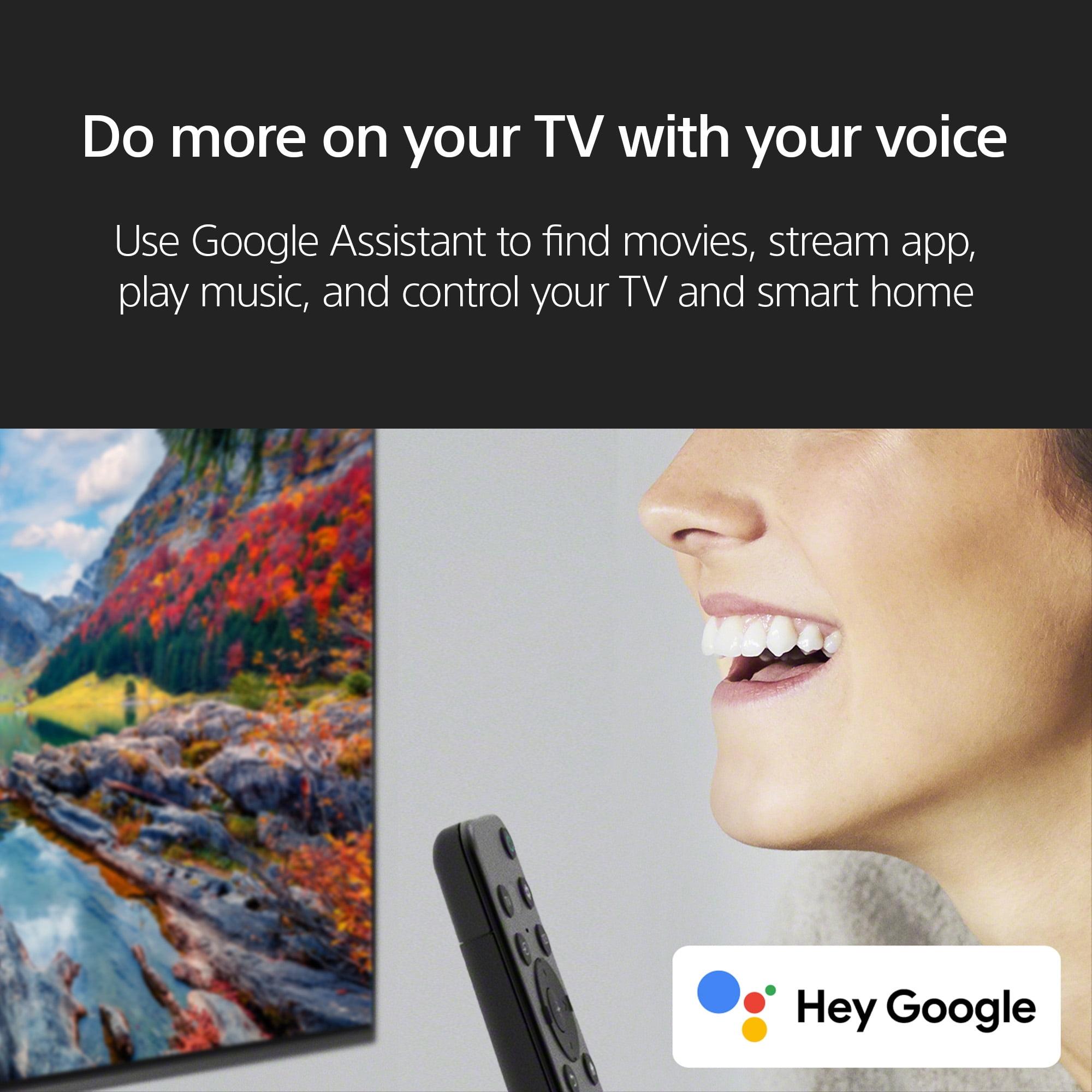
Both TVs run Google TV, which is Google's latest smart TV platform. This creates a level playing field in terms of app selection, voice control, and overall smart features. You'll have access to all major streaming services, voice search through Google Assistant, and the ability to cast content from your phone.
The Sony BRAVIA 2 II adds Apple AirPlay 2 support, which is convenient for iPhone and iPad users who want to mirror content wirelessly. Sony also includes specific PlayStation 5 optimizations that automatically configure the TV for optimal gaming performance when connected to Sony's console.
Google TV's interface is intuitive and fast on both models. The recommendation engine learns your viewing preferences and suggests content across different streaming services. I've found this particularly useful for discovering new shows and movies without having to browse through individual apps.
For dedicated home theater setups, the Hisense U8 Series offers several advantages. The high brightness capability means you can maintain image quality even with some ambient lighting, which is often necessary in multi-purpose rooms. The extensive local dimming creates the deep blacks that are crucial for cinematic experiences.
The Mini-LED technology also handles challenging content better. When watching movies with mixed lighting – like scenes transitioning from bright outdoor shots to dark interiors – the Hisense maintains detail in both areas. The Sony tends to compromise, either crushing dark details or washing out bright areas.
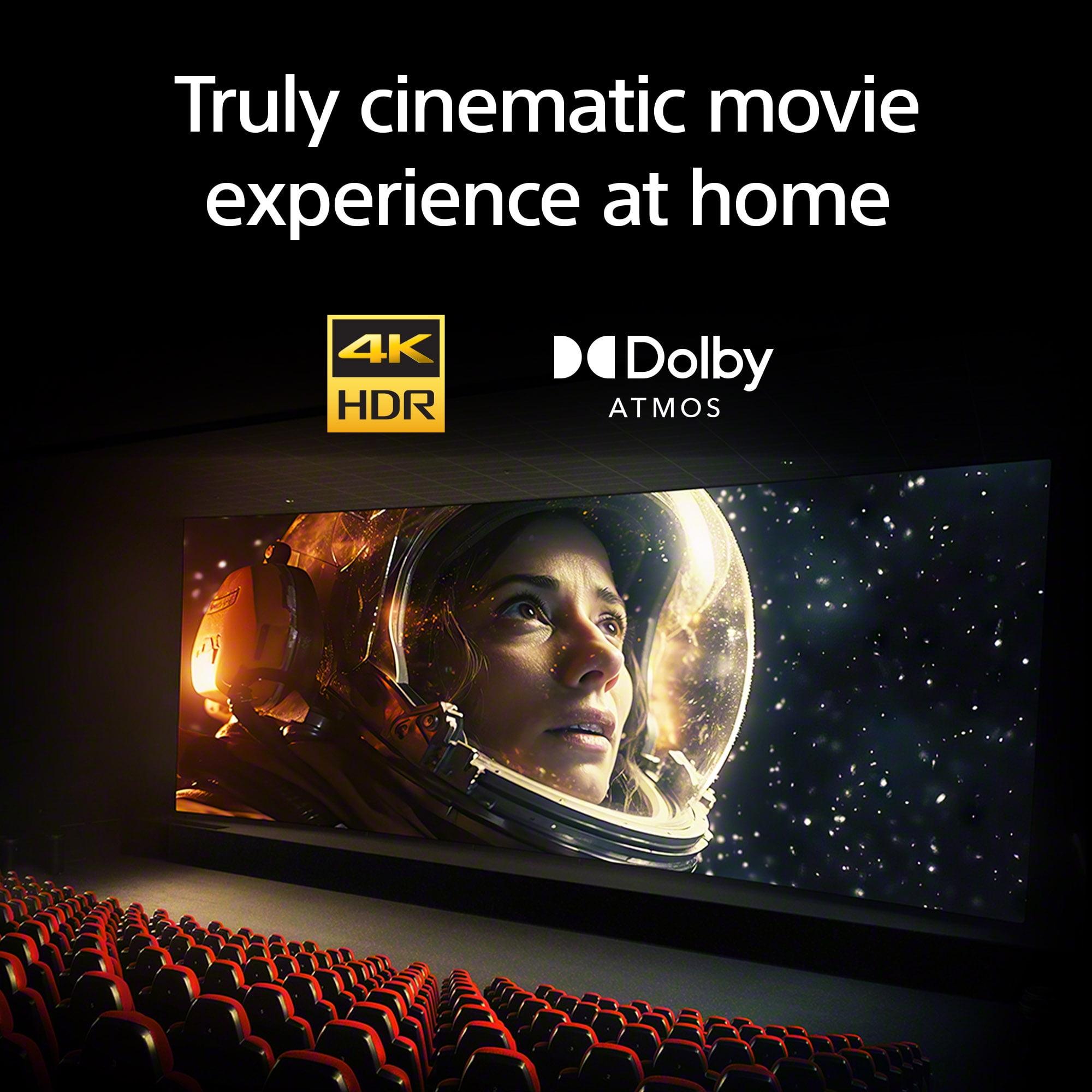
HDR performance is where the Hisense really shines in home theater applications. Movies mastered in Dolby Vision or HDR10+ can utilize the TV's full brightness range, creating images that approach what filmmakers intended. The Sony's more limited brightness range means you're not experiencing the full HDR effect.
However, the Sony BRAVIA 2 II has its place in home theater setups, particularly as a secondary TV or in smaller rooms where the brightness difference is less critical. Sony's color processing creates a film-like quality that some enthusiasts prefer, and the lower price point makes it accessible for multi-room setups.
At $997.99, the Hisense U8 Series represents exceptional value in the premium TV market. Comparable Mini-LED TVs from Samsung or LG typically cost $1,500-$2,000, making the Hisense a significant bargain. You're getting flagship-level picture quality, advanced gaming features, and superior audio at a mid-range price.
The Sony BRAVIA 2 II at $649.99 offers solid value for budget-conscious buyers. While it lacks advanced features, it provides reliable 4K performance with Sony's trusted build quality and color processing. For users upgrading from older HD TVs or seeking a secondary display, it delivers meaningful improvements without breaking the bank.
Choose the Hisense U8 Series if you want the best possible picture quality for your money. It's ideal for serious gamers who need high refresh rates, movie enthusiasts who want impressive HDR performance, and anyone with a bright viewing room. The superior brightness, contrast, and gaming features justify the higher price for users who prioritize performance.
The Sony BRAVIA 2 II works best for budget-conscious buyers who want reliable 4K performance without premium features. It's perfect for casual viewers, PlayStation 5 owners who want optimized gaming features, and anyone seeking a secondary TV where flagship performance isn't necessary.
The Hisense U8 Series offers dramatically better performance across nearly every category for $350 more. The Mini-LED technology, gaming capabilities, and audio quality create a significantly more impressive viewing experience. For most users who can afford the price difference, the Hisense represents better long-term value.
However, the Sony BRAVIA 2 II serves an important market segment. Not everyone needs or wants premium features, and Sony's color processing and brand reliability provide peace of mind at the budget price point. If your budget is firm at $650 or you're buying for casual viewing, the Sony delivers solid performance without compromise.
Ultimately, both TVs succeed in their intended markets. The Hisense pushes premium features into affordable territory, while the Sony provides dependable 4K performance at an entry-level price. Your choice depends on whether you prioritize peak performance or budget-friendly reliability.
| Hisense 65" U8 Series Mini-LED ULED 4K Google TV | Sony BRAVIA 2 II 65" 4K LED Google TV 2025 |
|---|---|
| Price - Direct cost comparison | |
| $997.99 | $649.99 |
| Display Technology - Determines picture quality and contrast | |
| Mini-LED with 2000+ local dimming zones | Direct LED with frame dimming |
| Peak Brightness - Critical for HDR performance and bright room viewing | |
| Up to 3,000 nits (excellent for daytime use) | ~400-600 nits (adequate for controlled lighting) |
| Refresh Rate - Essential for smooth gaming and sports | |
| 144Hz native (exceptional for gaming) | 60Hz (adequate for casual use) |
| Color Technology - Affects color vibrancy and accuracy | |
| Quantum Dot QLED (vivid, saturated colors) | Live Color processing (natural, film-like colors) |
| HDR Support - Determines dynamic range capabilities | |
| Dolby Vision, HDR10+, HDR10, HLG | HDR10, HLG, IMAX Enhanced |
| Gaming Features - Important for console gaming | |
| VRR, ALLM, FreeSync Premium Pro, Game Bar | ALLM, PS5 optimization, Game Menu |
| Audio System - Built-in sound quality | |
| 50W 2.1.2 with subwoofers and Dolby Atmos | 20W stereo with Dolby Atmos processing |
| Smart Platform - Both identical for streaming | |
| Google TV with voice control | Google TV with voice control + AirPlay 2 |
| Best For - Primary use cases | |
| Gamers, movie enthusiasts, bright rooms | Budget buyers, casual viewing, PS5 owners |
| Value Proposition - Performance per dollar | |
| Premium features at competitive Mini-LED pricing | Solid 4K performance at entry-level price |
The Hisense 65" U8 Series Mini-LED ULED 4K Google TV offers significantly better picture quality with its Mini-LED technology, 3000 nits peak brightness, and 2000+ local dimming zones. While it costs $350 more than the Sony BRAVIA 2 II 65" 4K LED Google TV 2025, the Hisense delivers premium picture quality that typically costs $1500+ in other brands.
Yes, for most users the Hisense U8 Series justifies the $350 price difference with dramatically better brightness, contrast, gaming performance, and audio quality. The Sony is only worth choosing if you have a strict budget under $700 or primarily need a secondary TV for casual viewing.
The Hisense U8 Series is far superior for gaming with its 144Hz refresh rate, VRR support, and comprehensive gaming features. The Sony BRAVIA 2 II is limited to 60Hz and lacks VRR, making it adequate only for casual gaming despite having some PlayStation 5 optimizations.
The Hisense U8 Series excels in bright rooms with its 3000 nits peak brightness and anti-glare coating, maintaining vibrant colors even with windows open. The Sony BRAVIA 2 II struggles in bright conditions and is better suited for controlled lighting environments.
The Hisense U8 Series has significantly better audio with its 50W 2.1.2 system including subwoofers and Dolby Atmos height speakers. The Sony BRAVIA 2 II offers only 20W stereo speakers that are adequate for dialogue but lack bass response for movies and games.
Yes, both the Hisense U8 Series and Sony BRAVIA 2 II run Google TV with identical app selection and voice control features. The Sony adds Apple AirPlay 2 support, which is convenient for iPhone users but doesn't affect the core streaming experience.
The Hisense U8 Series delivers superior HDR performance with its high brightness, extensive local dimming, and support for Dolby Vision and HDR10+. The Sony BRAVIA 2 II supports basic HDR formats but lacks the brightness and contrast needed for impactful HDR viewing.
The Sony BRAVIA 2 II offers more natural color processing that some prefer for film viewing, costs $350 less, and includes PlayStation 5 optimizations. It's also a reliable entry-level option from an established brand, making it suitable for budget-conscious buyers or secondary TV installations.
The Hisense U8 Series is much better for home theater use with its superior contrast, brightness, HDR performance, and immersive audio system. The Mini-LED technology creates the deep blacks and bright highlights essential for cinematic experiences, while the built-in Dolby Atmos audio reduces the need for additional speakers.
Both TVs offer identical Google TV smart features with voice control and extensive app selection. The main difference is that the Sony BRAVIA 2 II includes Apple AirPlay 2 for iOS device mirroring, while the Hisense U8 Series focuses on performance features rather than additional connectivity options.
The Hisense U8 Series offers better long-term value with its advanced Mini-LED technology, high refresh rate gaming capabilities, and premium features that will remain relevant longer. The Sony BRAVIA 2 II may become outdated sooner due to its 60Hz limitation and basic LED technology.
For most first-time 4K buyers, the Hisense U8 Series provides a more impressive upgrade experience with its dramatic brightness and contrast improvements. However, if budget is the primary concern, the Sony BRAVIA 2 II still offers a meaningful improvement over older HD TVs at a more accessible price point.
We've done our best to create useful and informative comparisons to help you decide what product to buy. Our research uses advanced automated methods to create this comparison and perfection is not possible - please contact us for corrections or questions. These are the sites we've researched in the creation of this article: bestbuy.com - hisense-usa.com - rtings.com - bestbuy.com - rtings.com - hisense-usa.com - youtube.com - hisense-usa.com - avsforum.com - hisense-usa.com - hisense-usa.com - rtings.com - avsforum.com - hisense-usa.com - prnewswire.com - hisense-usa.com - bestbuy.com - youtube.com - hisense-usa.com - bestbuy.com - notebookcheck.net - rtings.com - youtube.com - youtube.com - rtings.com - avsforum.com - croma.com - totonstv.com - electronics.sony.com - listenup.com - pcrichard.com - youtube.com - flanners.com - brandsmartusa.com - displayspecifications.com - pioneertvandappliance.com - donstv.com

Privacy Policy
Terms and Conditions - Affiliate Policy
Home Security
© Copyright 2008-2026.
11816 Inwood Rd #1211, Dallas, TX 75244