

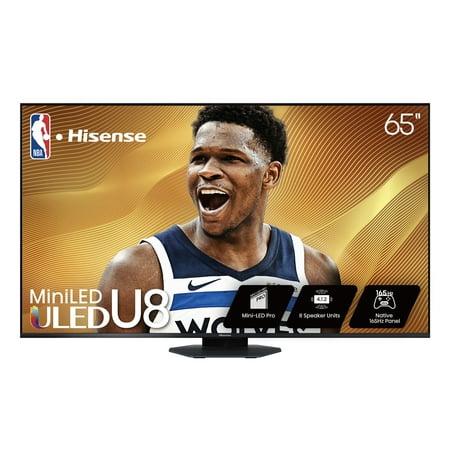
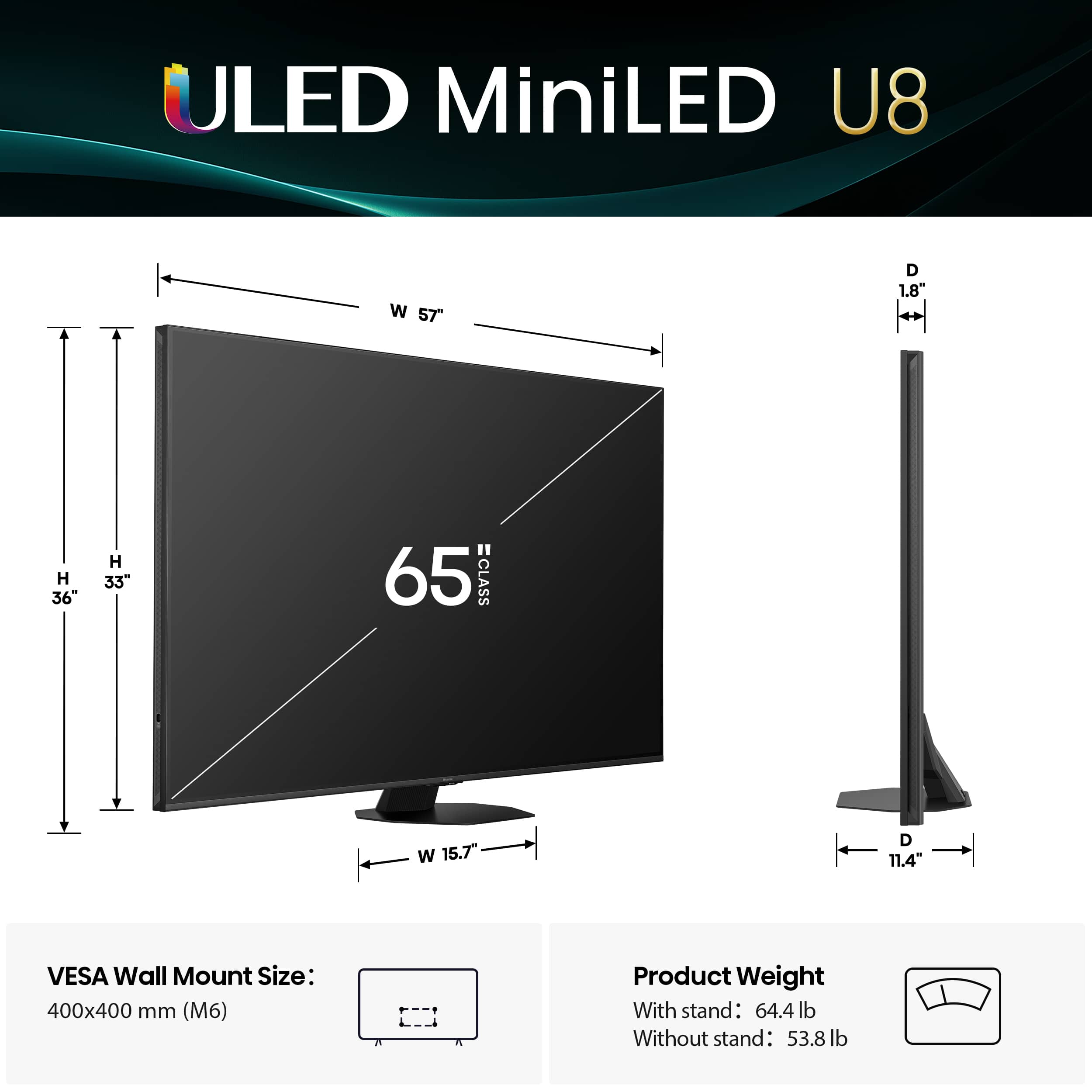
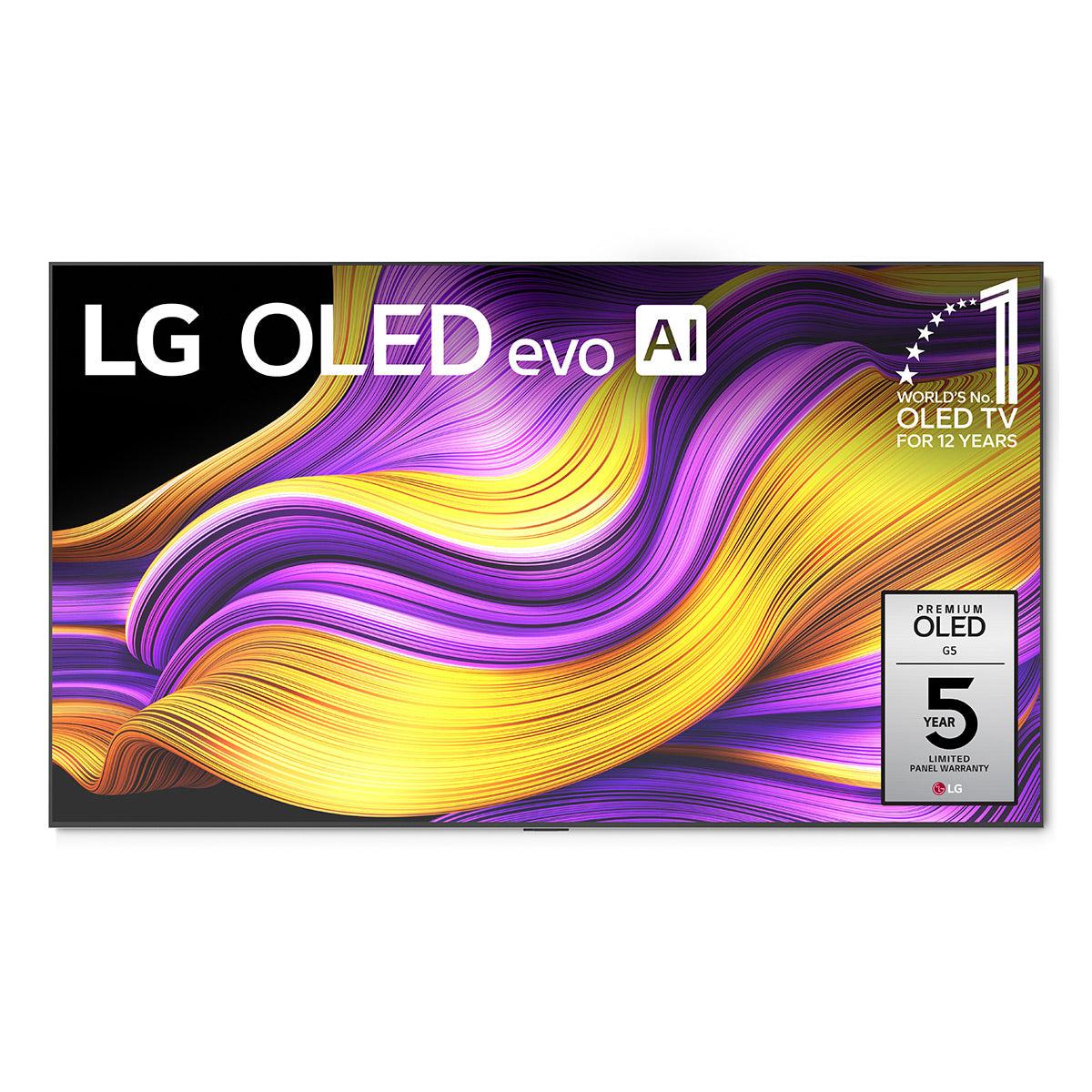
When I first started reviewing TVs professionally, the differences between LCD and OLED were night and day. OLED dominated picture quality while LCD won on brightness and value. But 2025 has brought us two TVs that challenge these old assumptions: the Hisense 65" U8 Series Mini-LED ULED 4K Google TV at $997.99 and the LG OLED evo G5 65" 4K Smart TV (2025) at $3,196.99.
These aren't just incremental updates—they represent genuine leaps forward in display technology. The Hisense U8 brings flagship-level Mini-LED performance to under $1,000, while LG's G5 solves OLED's biggest weakness with a revolutionary new panel design. After spending considerable time with both, I can tell you they're both exceptional TVs that take completely different approaches to the same goal: delivering the best possible viewing experience.
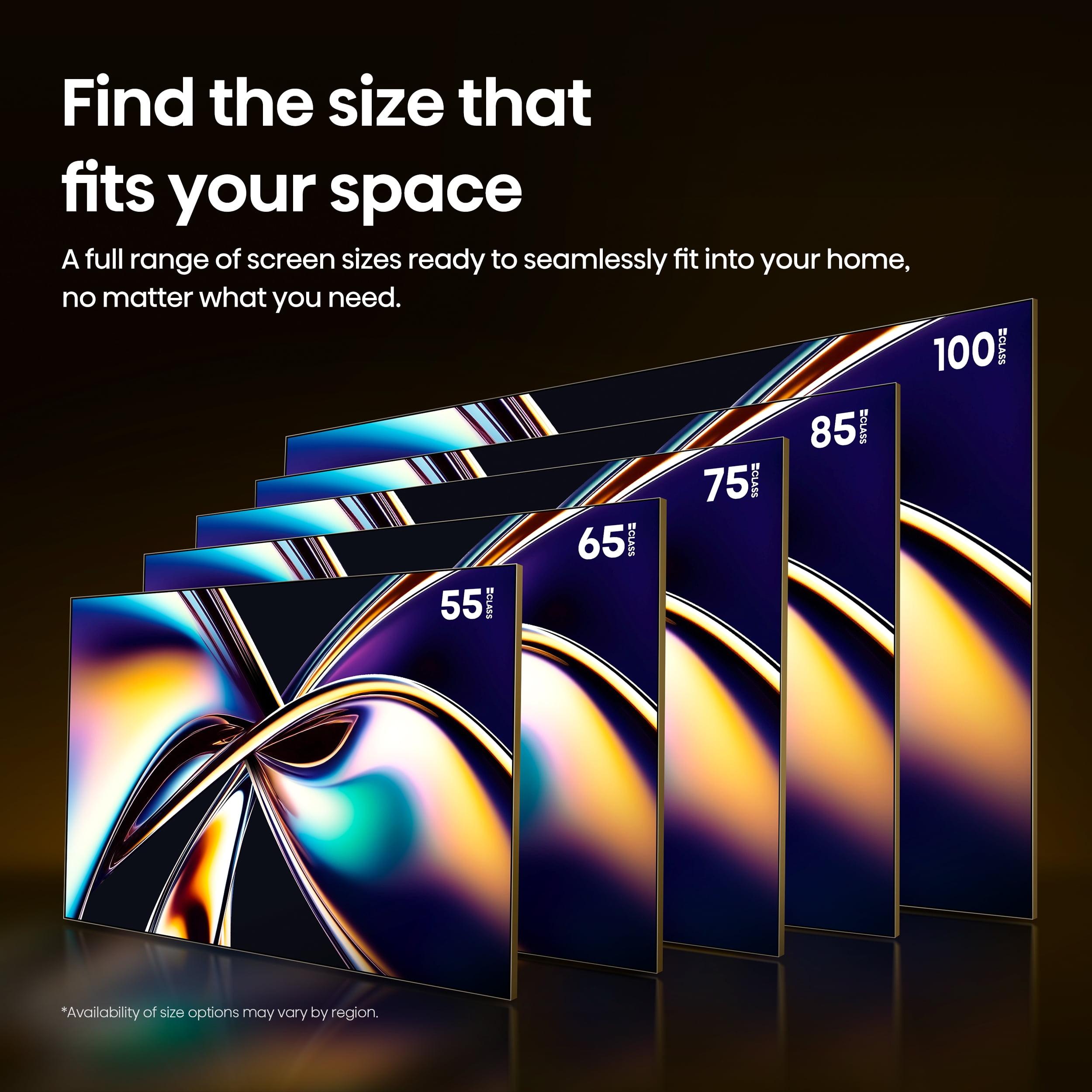
The 65-inch TV market is where most people make their biggest entertainment investment. It's large enough to create that cinematic experience we all crave, yet still fits in most living rooms without overwhelming the space. This size category has become the testing ground for the latest display technologies, which is exactly what we're seeing with these two models.
When shopping for a premium 65" TV, you're essentially choosing between different philosophies. Do you want a TV that can handle any lighting condition with blazing brightness? Or do you prefer perfect blacks and infinite contrast that make dark scenes look like you're peering through a window? The answer depends on your room, your viewing habits, and what you value most in picture quality.
Both displays handle the essentials exceptionally well—4K resolution, HDR support, and modern smart TV features. The real differences emerge in how they achieve these results and what trade-offs they make along the way.
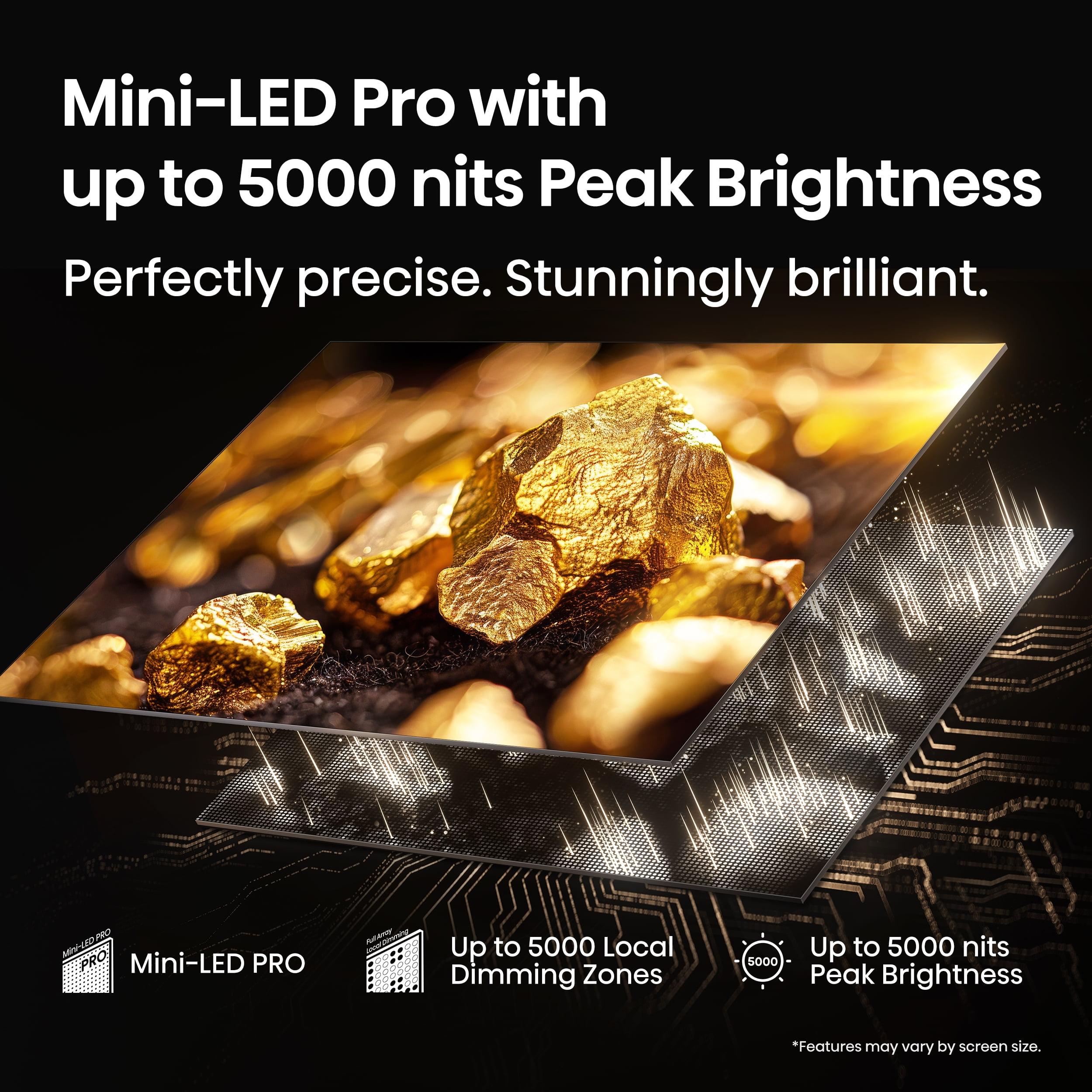
The Hisense U8 Series represents the current pinnacle of Mini-LED technology. Think of traditional LCD TVs as having a few dozen zones of backlight control—Mini-LED cranks this up to over 2,000 zones using thousands of tiny LEDs smaller than a grain of rice. Each zone can independently brighten or dim, creating much more precise control over light and shadow.

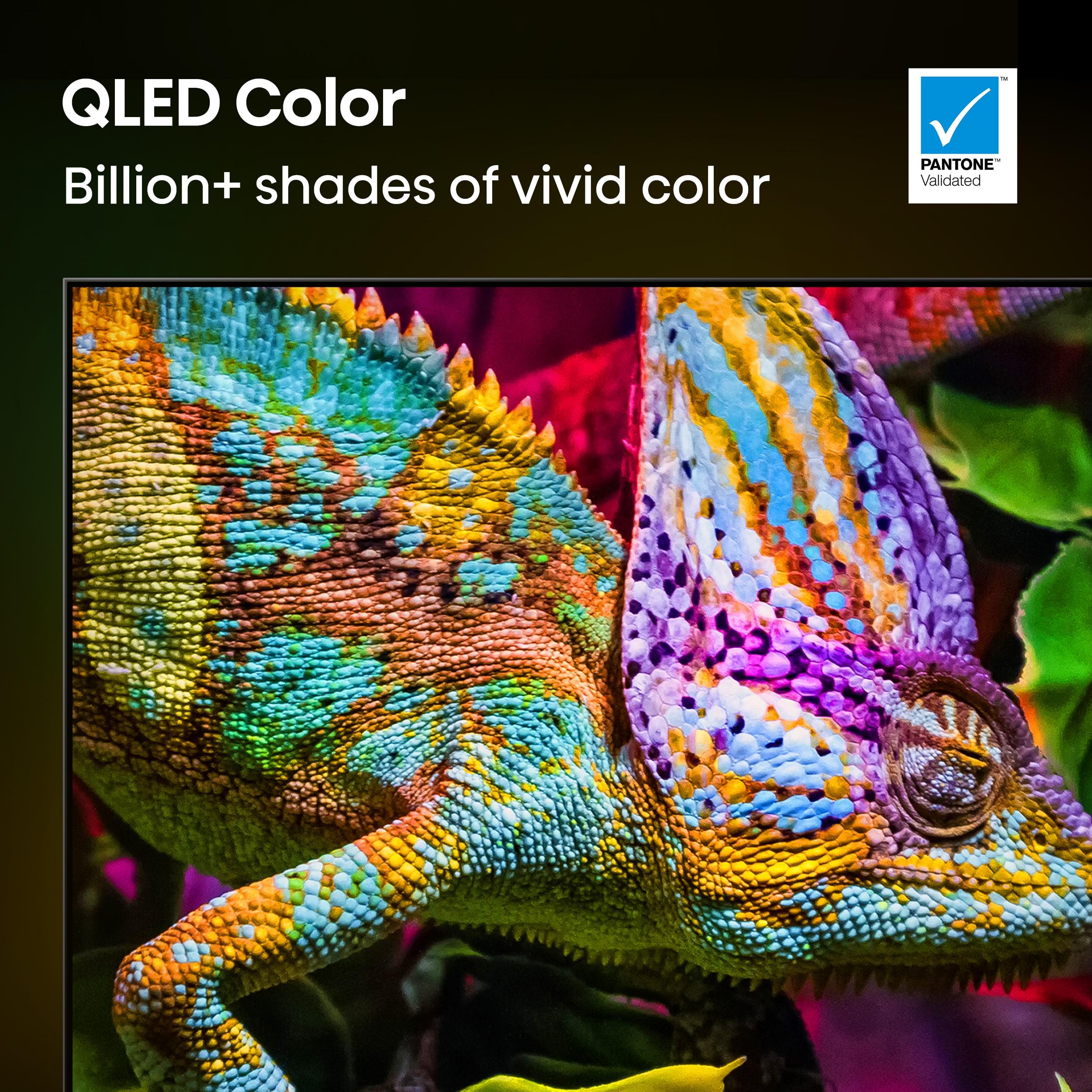
What makes the U8 Series special is its combination of Mini-LED Pro+ backlighting with Full Array Local Dimming Pro. This system analyzes each frame and adjusts the backlight in real-time, creating deeper blacks and brighter highlights than traditional LCD TVs could ever achieve. The Quantum Dot layer adds another performance boost, converting the blue LED light into a wider range of colors with over a billion possible shades.
The result is a display that can hit peak brightness levels of 3,000 nits—bright enough to make HDR content look genuinely eye-popping, even in a sun-drenched living room. I've tested this TV in various lighting conditions, and it consistently delivers vibrant, punchy images that maintain their impact regardless of ambient light.
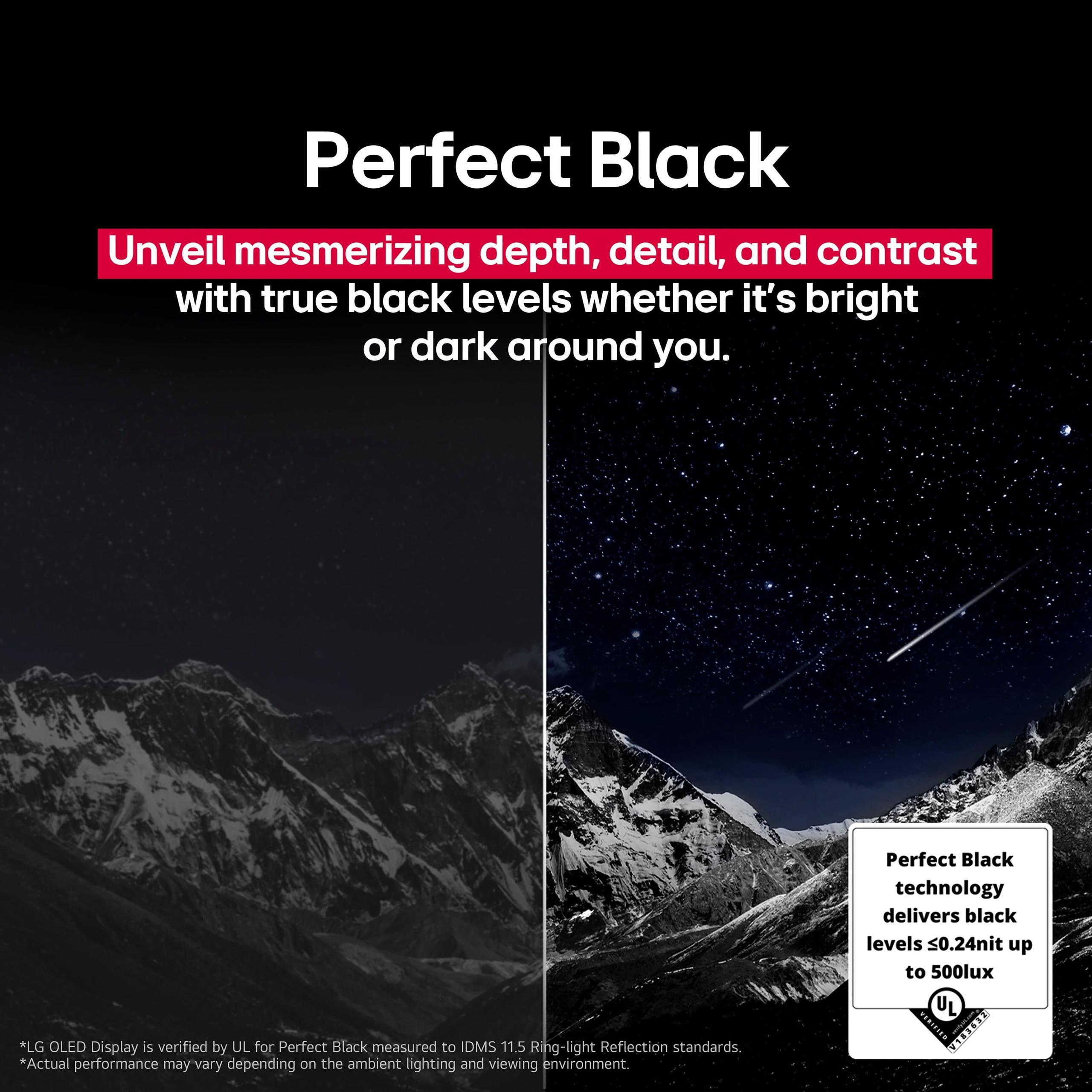
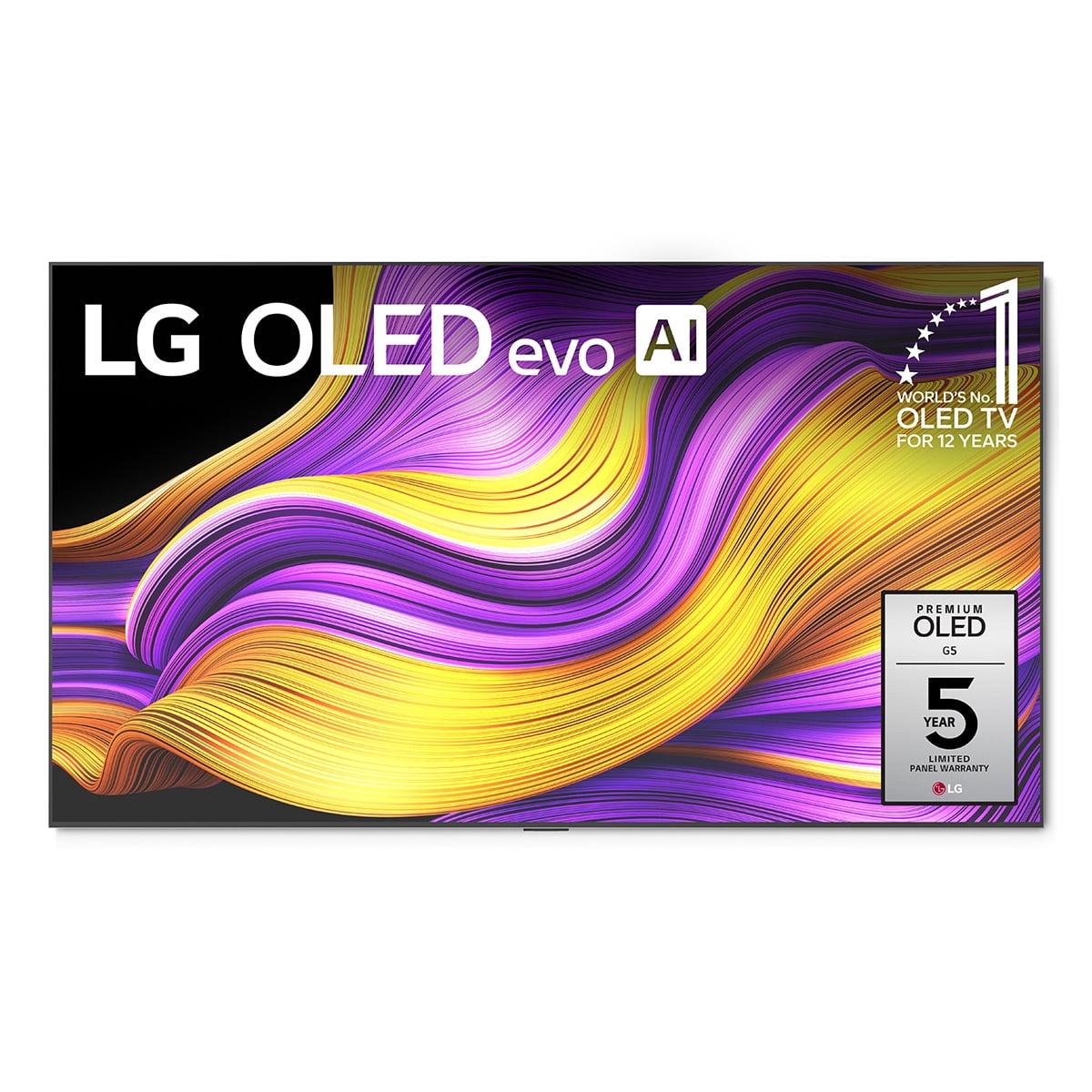
The LG OLED evo G5 (2025) tackles display quality from a completely different angle. Instead of using a backlight, each pixel generates its own light using organic compounds that emit photons when electricity passes through them. This self-emissive technology has always delivered perfect blacks—when a pixel is off, it's truly off, creating infinite contrast.
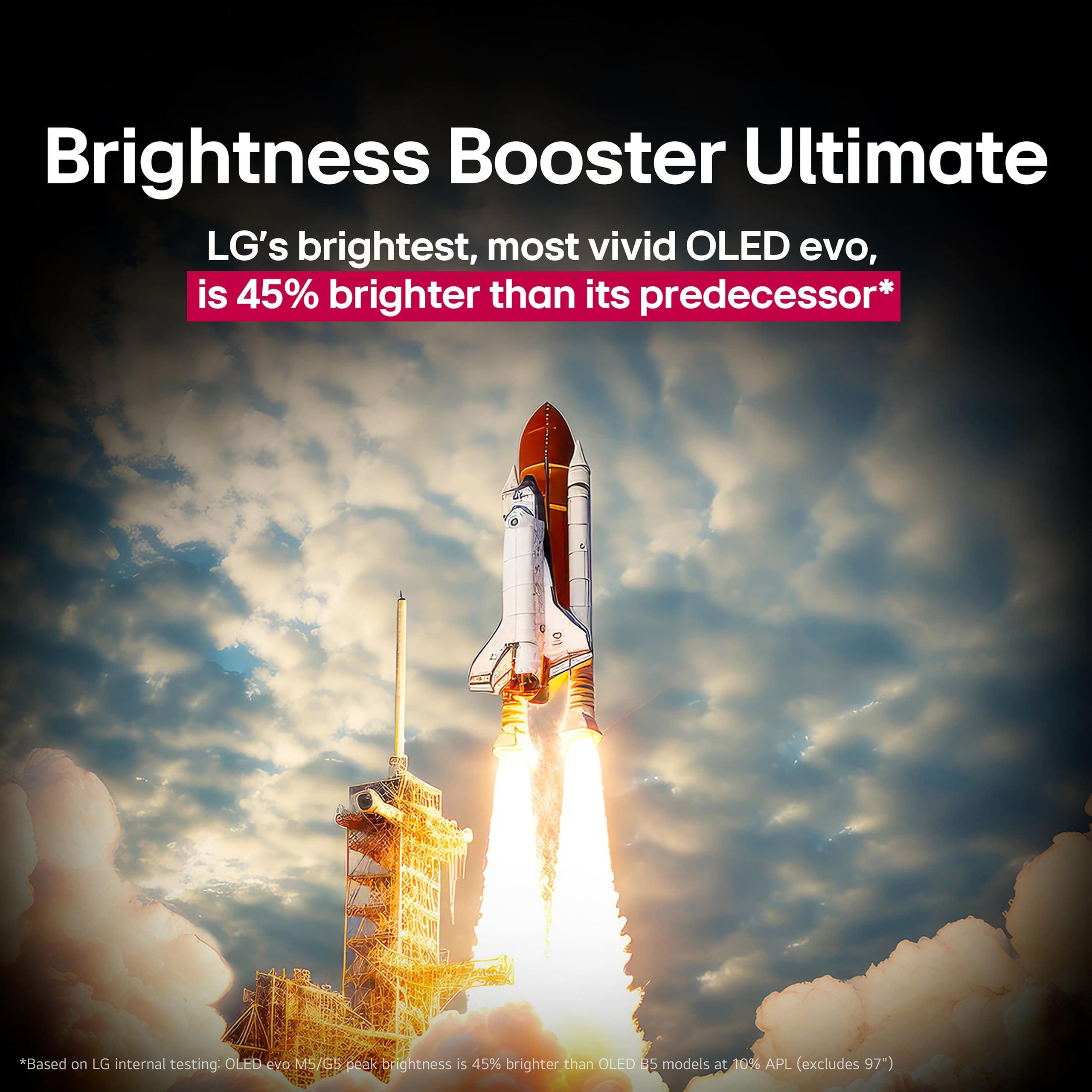
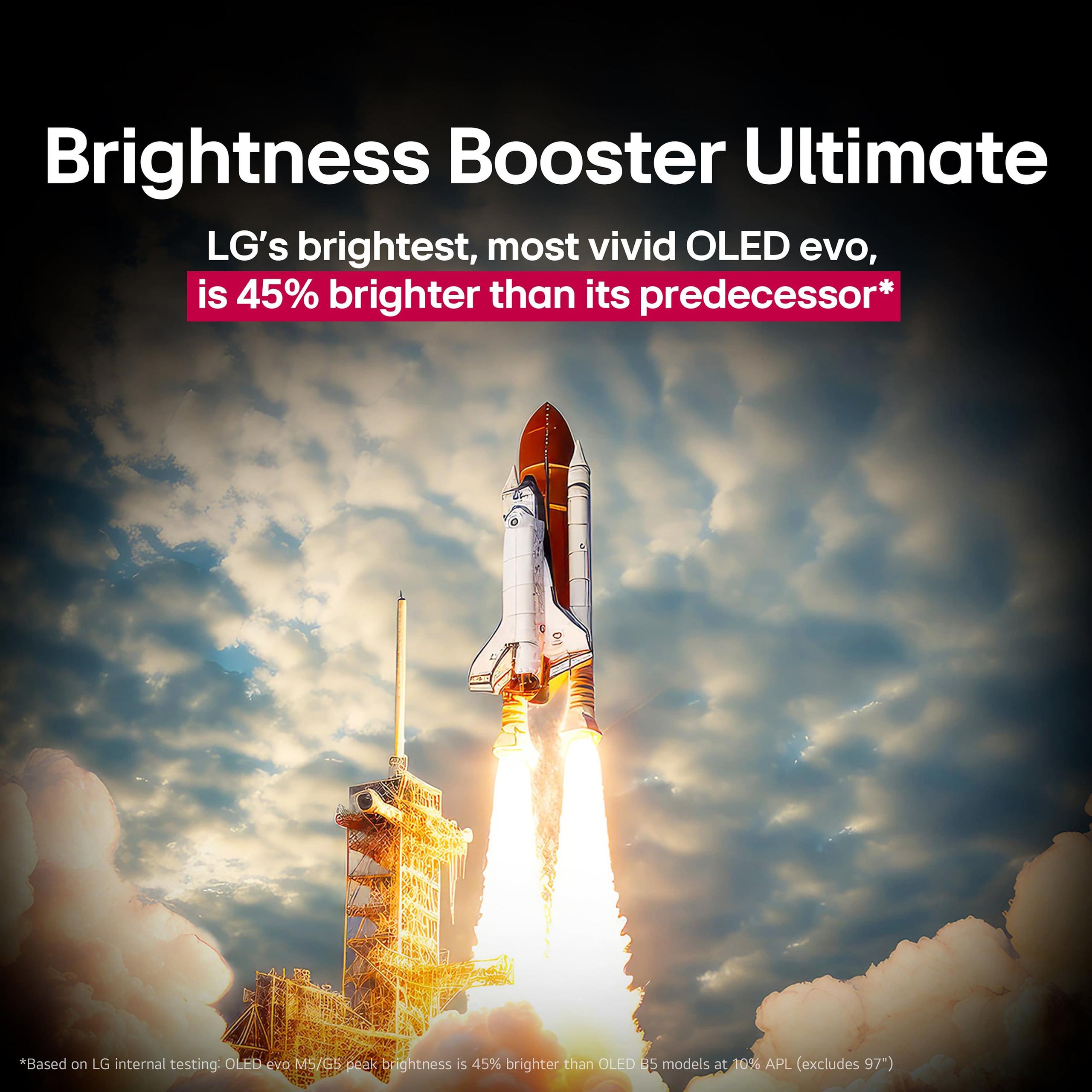
But LG's 2025 G5 solves OLED's traditional weakness with a breakthrough 4-Stack Tandem RGB panel. Previous OLED TVs used a single layer of light-emitting material, which limited how bright they could get before the organic compounds degraded. The G5 stacks four layers of these materials, allowing each layer to work less hard while collectively producing up to 45% more brightness than previous models.
This isn't just a minor improvement—it's a fundamental shift that addresses OLED's biggest limitation. The G5 can now hit over 3,000 nits in bright scenes while maintaining those perfect blacks that make OLED special. Having used both the previous G4 and this new G5, the difference is immediately apparent. Bright scenes have more impact, HDR content looks more realistic, and the display remains perfectly visible even in moderately bright rooms.
Both TVs achieve impressive brightness levels, but they get there through completely different methods. The Hisense U8 uses its Mini-LED array to create intense highlights that can genuinely compete with real-world lighting conditions. When watching HDR content like nature documentaries or action movies, the sun reflections off water or explosions have that eye-catching brilliance that makes you do a double-take.
The LG G5 matches this brightness through its innovative tandem structure, but with a crucial difference—it can turn individual pixels completely off right next to those blazing highlights. This creates a three-dimensional quality to images that's hard to describe until you see it. Dark scenes in movies like "Dune" or "The Batman" reveal details in shadows that simply aren't visible on other display types.
In my testing, both TVs handle HDR content exceptionally well, but they emphasize different aspects. The Hisense excels at making bright scenes look spectacular, while the LG's perfect blacks make dark scenes more immersive. For home theater use, this difference becomes crucial—the G5's ability to render true blacks creates a more cinematic experience, especially in dedicated media rooms where you can control lighting.

The Quantum Dot technology in the Hisense U8 produces colors that are vibrant and eye-catching. In real-world viewing, this translates to content that looks punchy and engaging. Sports broadcasts look particularly impressive, with grass appearing vividly green and team uniforms popping off the screen. The color processing is tuned for impact rather than absolute accuracy, which most viewers prefer for casual viewing.
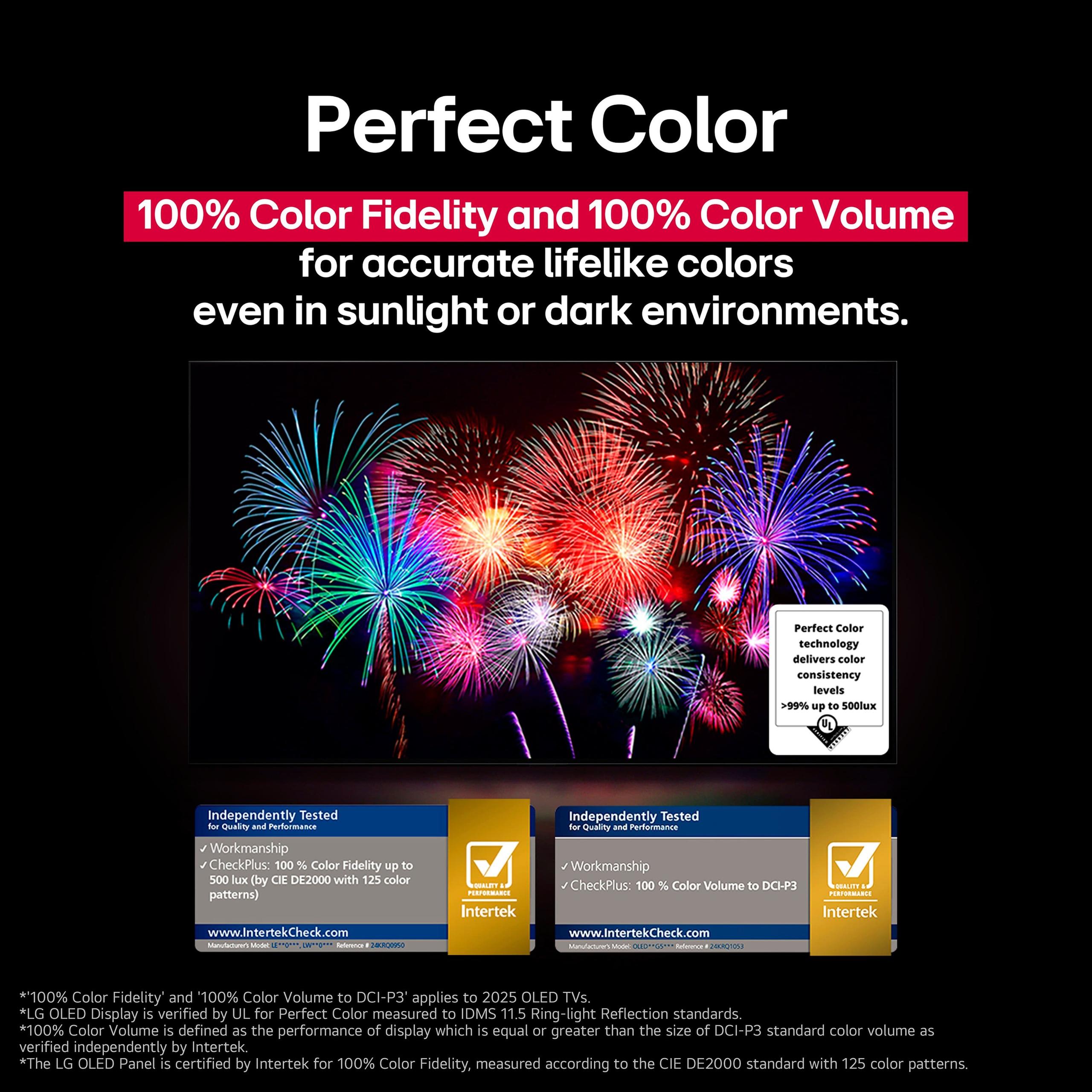
The LG G5 takes a different approach, prioritizing color accuracy while still delivering vibrant results. The new 4-stack structure enhances color purity, especially in blues, greens, and reds. When watching carefully color-graded content like big-budget movies or nature documentaries, the G5's color reproduction feels more natural and nuanced. It's the difference between colors that grab your attention and colors that feel completely believable.
For home theater enthusiasts, this distinction matters significantly. The G5's support for Filmmaker Mode with ambient light compensation ensures that movies look exactly as directors intended, regardless of your room's lighting conditions.
Here's where the fundamental differences between these technologies become most apparent. The Hisense U8 achieves impressive contrast through its local dimming system, with over 2,000 zones working to keep bright and dark areas properly separated. In practice, this creates excellent contrast that rivals much more expensive displays. However, physics still applies—when a bright object appears near a dark area, you might notice subtle blooming or halo effects around the edges.
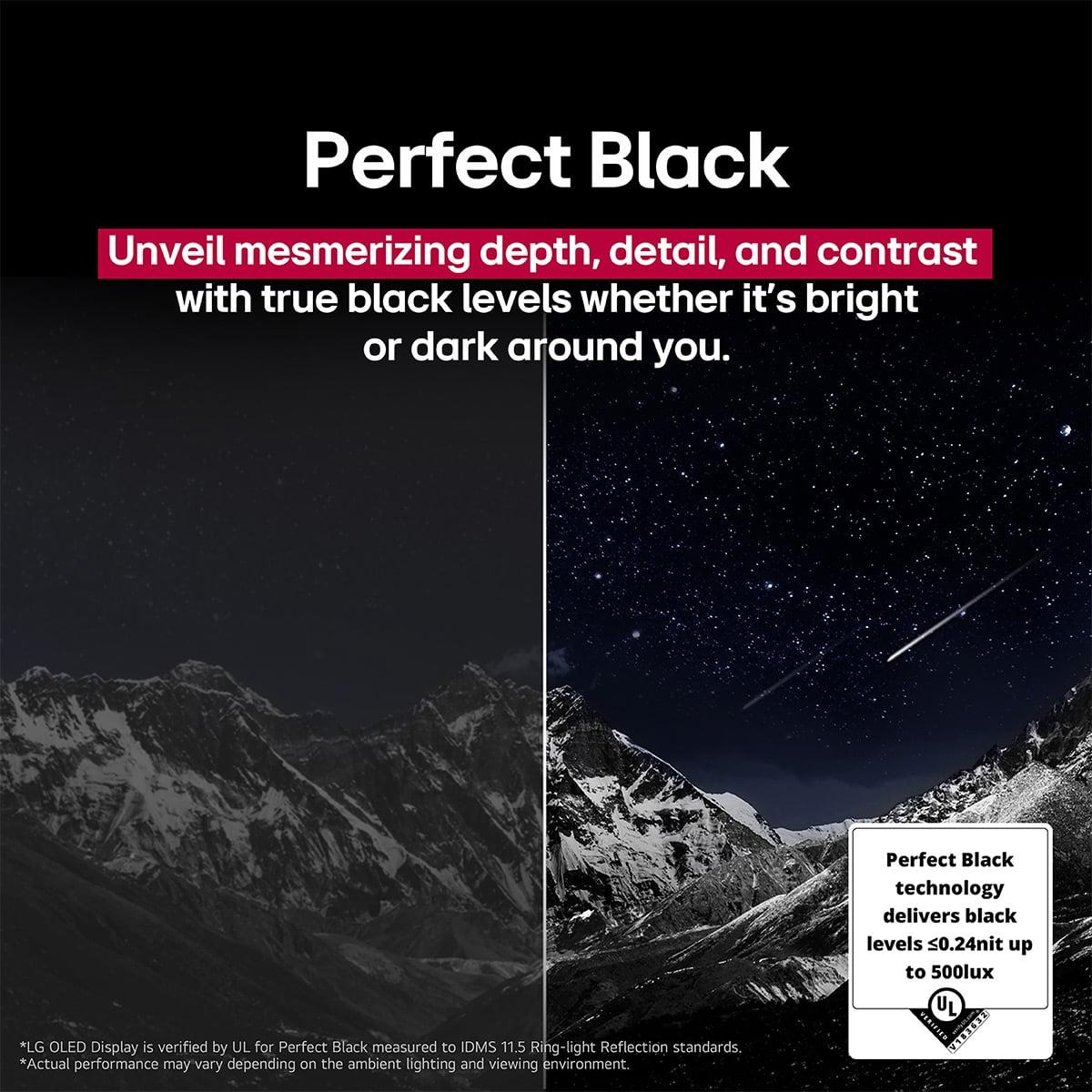
The LG G5 simply doesn't have this limitation. Each pixel controls its own light output, so bright stars against a black space background appear as perfect points of light with no blooming whatsoever. This creates a sense of depth and realism that's particularly noticeable in dark scenes. When watching horror movies or space-based content, the G5's infinite contrast creates an almost window-like viewing experience.
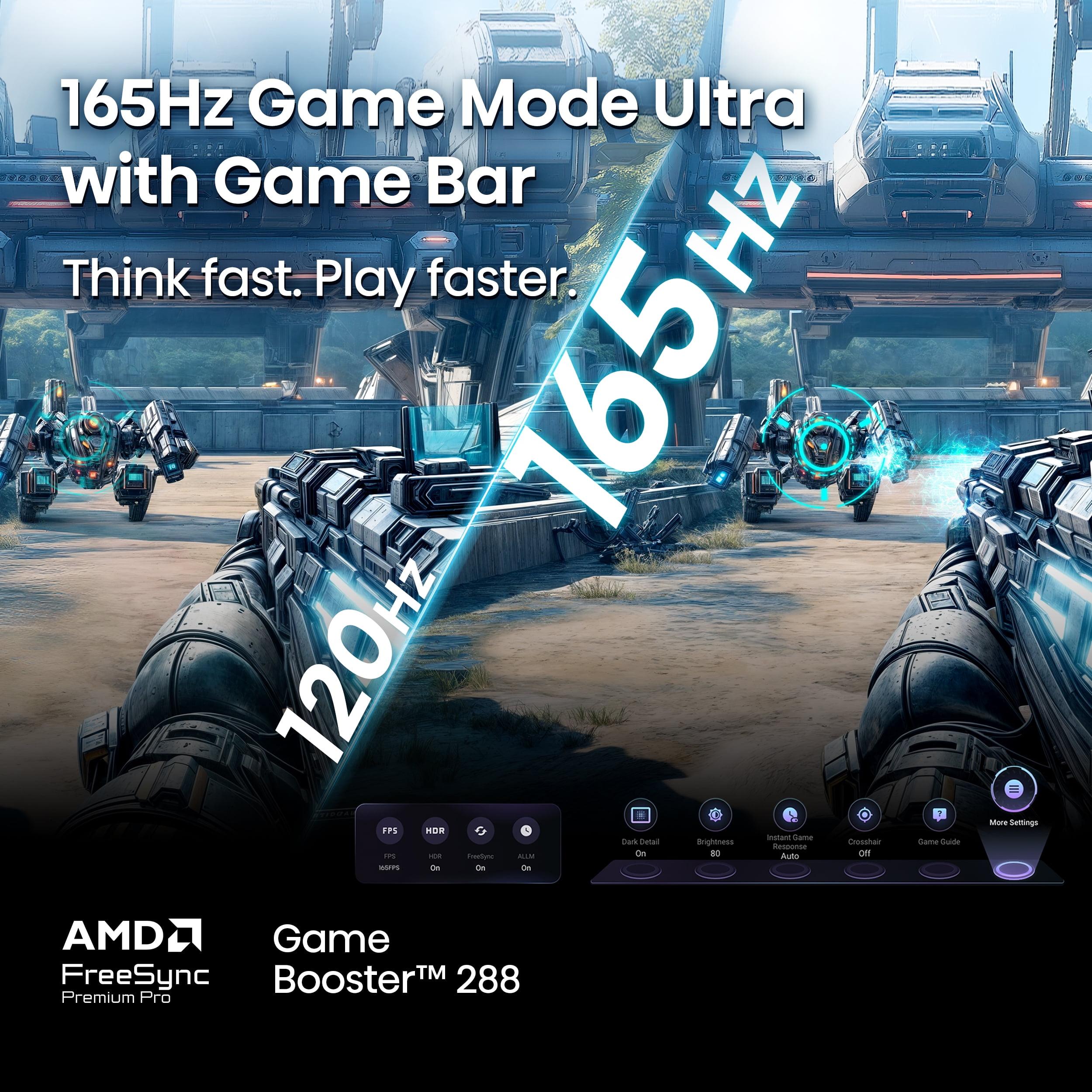
Both TVs cater to serious gamers, but with different strengths. The Hisense U8 offers native 144Hz refresh rates with Variable Refresh Rate (VRR) support from 48Hz to 144Hz. This means games will look smooth whether you're playing a 60fps console game or a high-frame-rate PC title. The AMD FreeSync Premium Pro support eliminates screen tearing, while the dedicated Game Mode Pro reduces input lag to competitive levels.
The LG G5 takes gaming even further with support for 4K at 165Hz across all four HDMI 2.1 ports. This higher refresh rate primarily benefits PC gamers with powerful graphics cards, but it also future-proofs the TV for upcoming console generations. The response time is virtually instantaneous, making it ideal for competitive gaming where every millisecond matters.
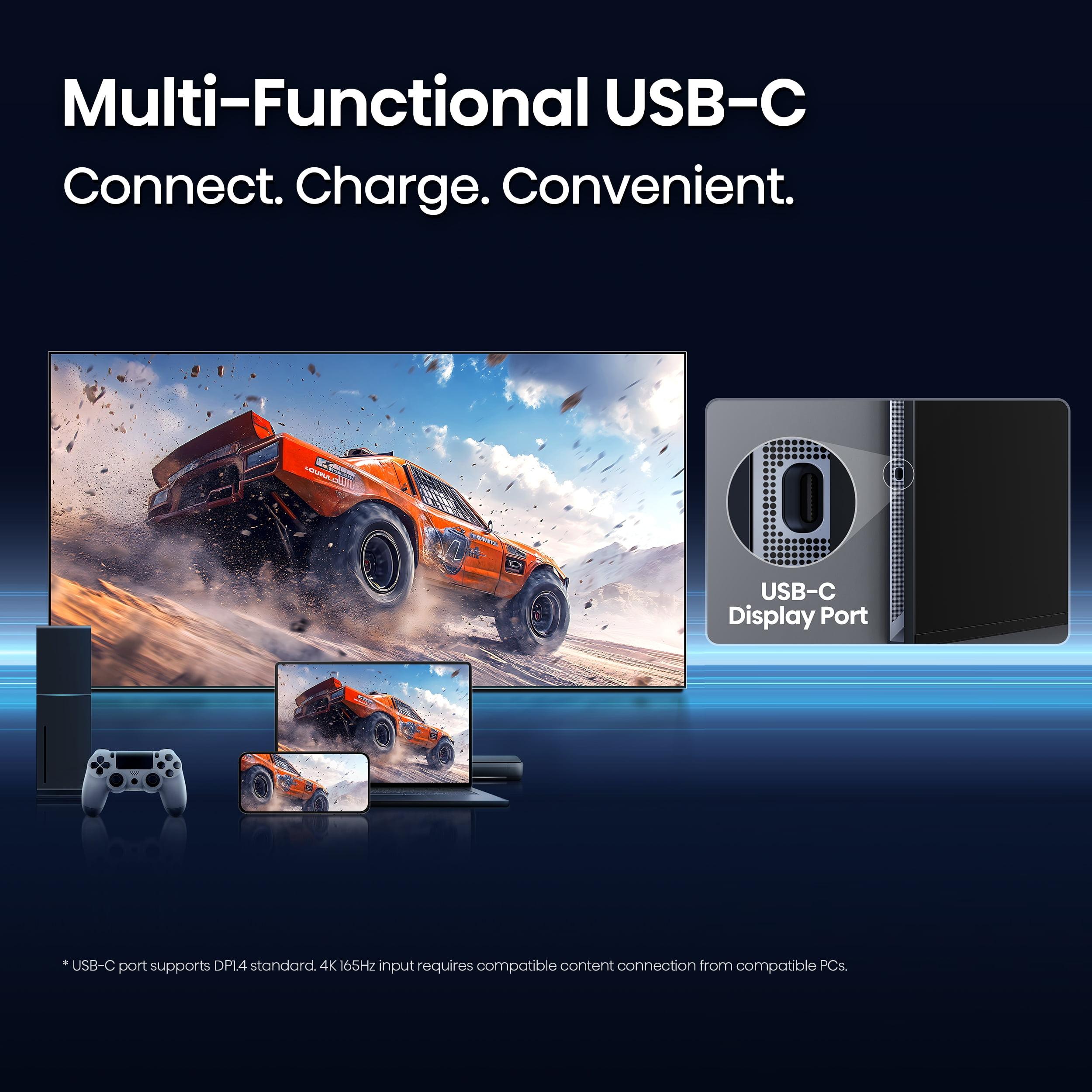
Both TVs fully support the latest PlayStation 5 and Xbox Series X features, including 4K/120Hz gaming, VRR, and Auto Low Latency Mode. The Hisense includes a customizable Game Bar that appears on-screen, letting you adjust settings without leaving your game. The LG goes further with features like Quick Media Switching, which eliminates the black screen delay when switching between different refresh rates.
For PC gaming, the G5's higher refresh rate capabilities make it particularly attractive to enthusiasts with high-end graphics cards. The combination of 165Hz, G-SYNC compatibility, and OLED's instant response times creates a gaming experience that feels incredibly responsive and smooth.
The Hisense U8 runs Google TV, which feels familiar to anyone who's used an Android device. The interface is clean and intuitive, with excellent search capabilities that can find content across multiple streaming services. Google Assistant integration works seamlessly, and the Chromecast built-in functionality makes it easy to cast content from your phone or tablet.
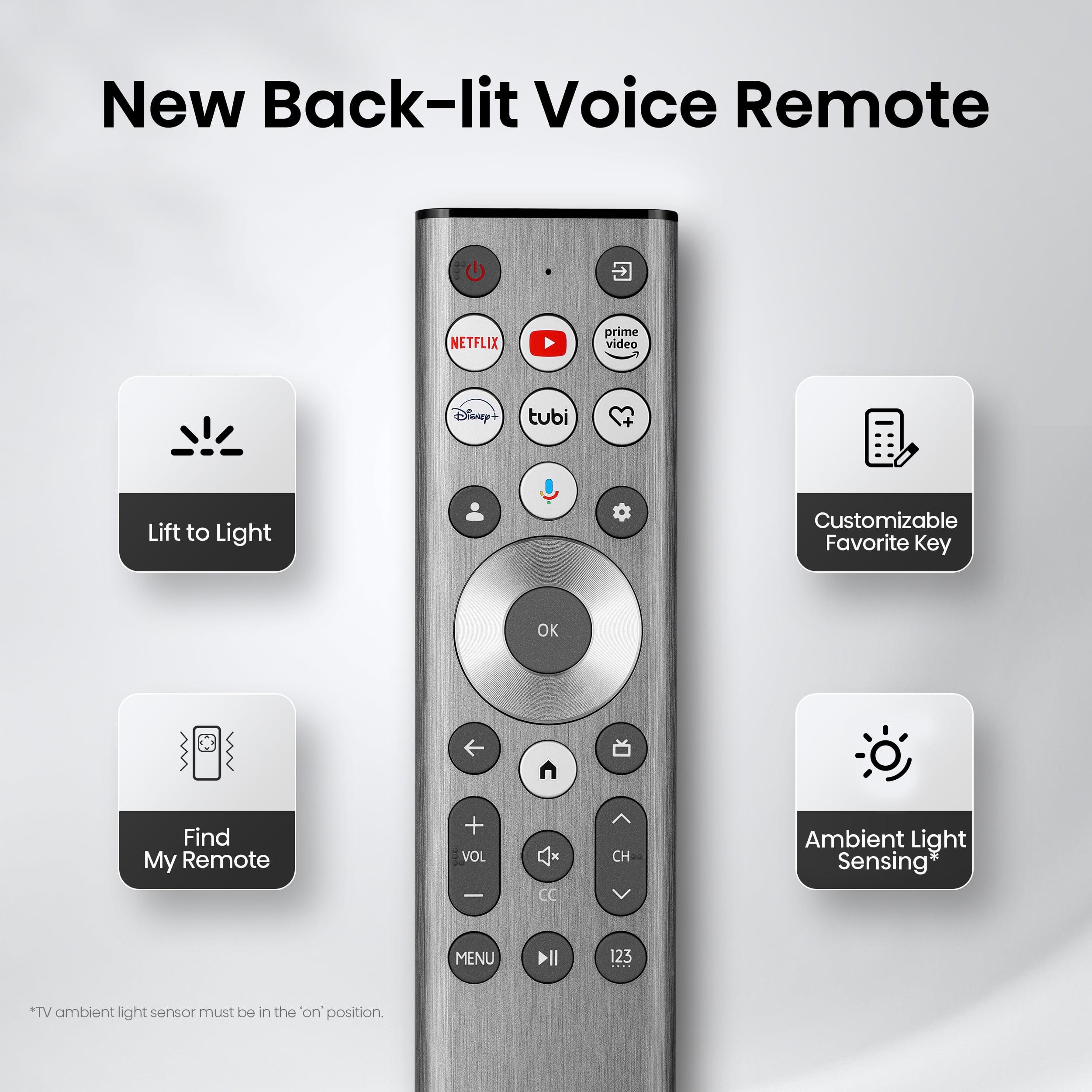
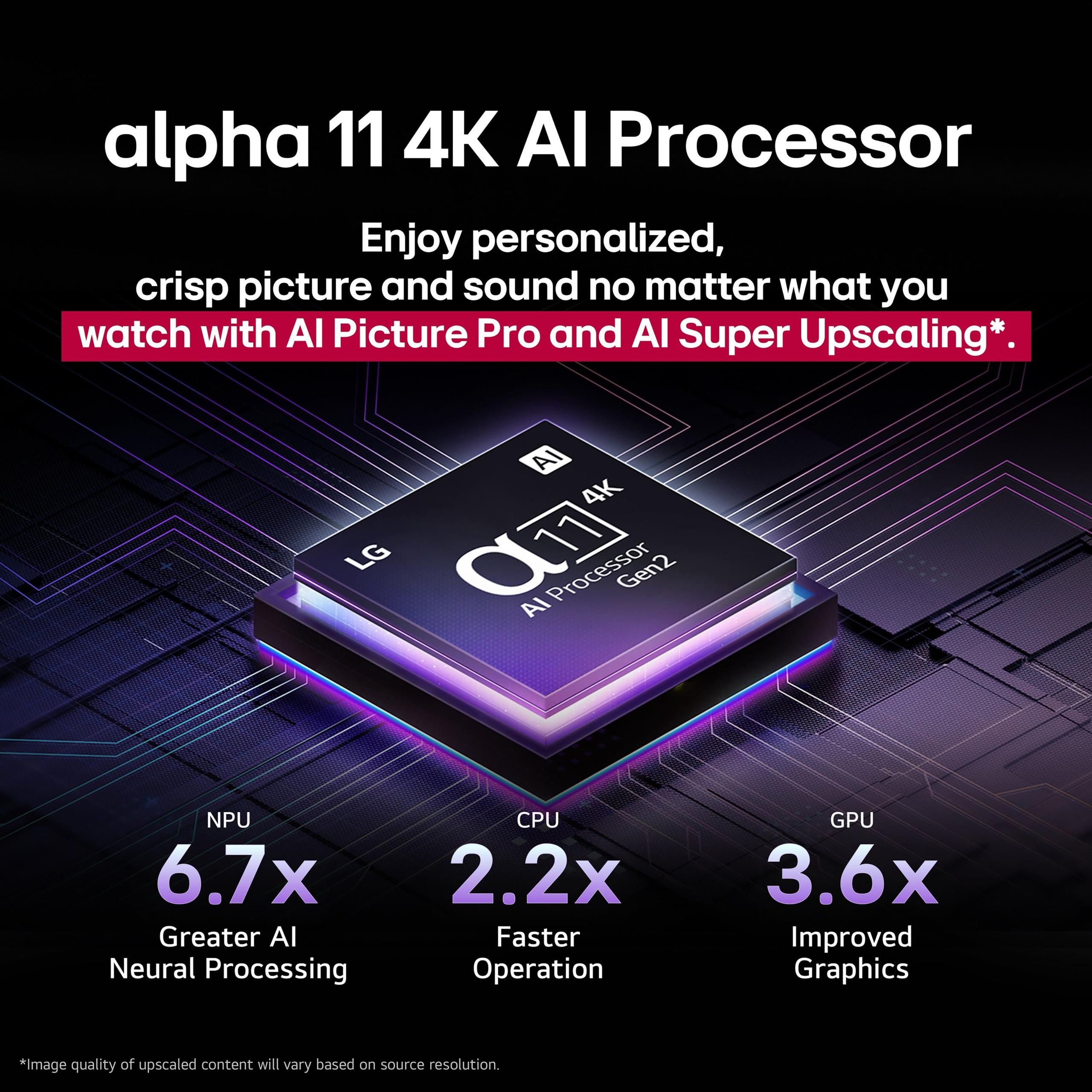
The LG G5 uses webOS 25, which represents a significant evolution of LG's smart TV platform. The new interface includes AI-powered Quick Cards that organize your favorite content, and the Magic Remote now includes an AI button for voice control. The webOS Renew program guarantees software updates for five years, providing excellent long-term value.
Both platforms handle streaming services well, but Google TV's integration with the broader Google ecosystem might appeal to Android users, while webOS offers more advanced AI features and personalization options.
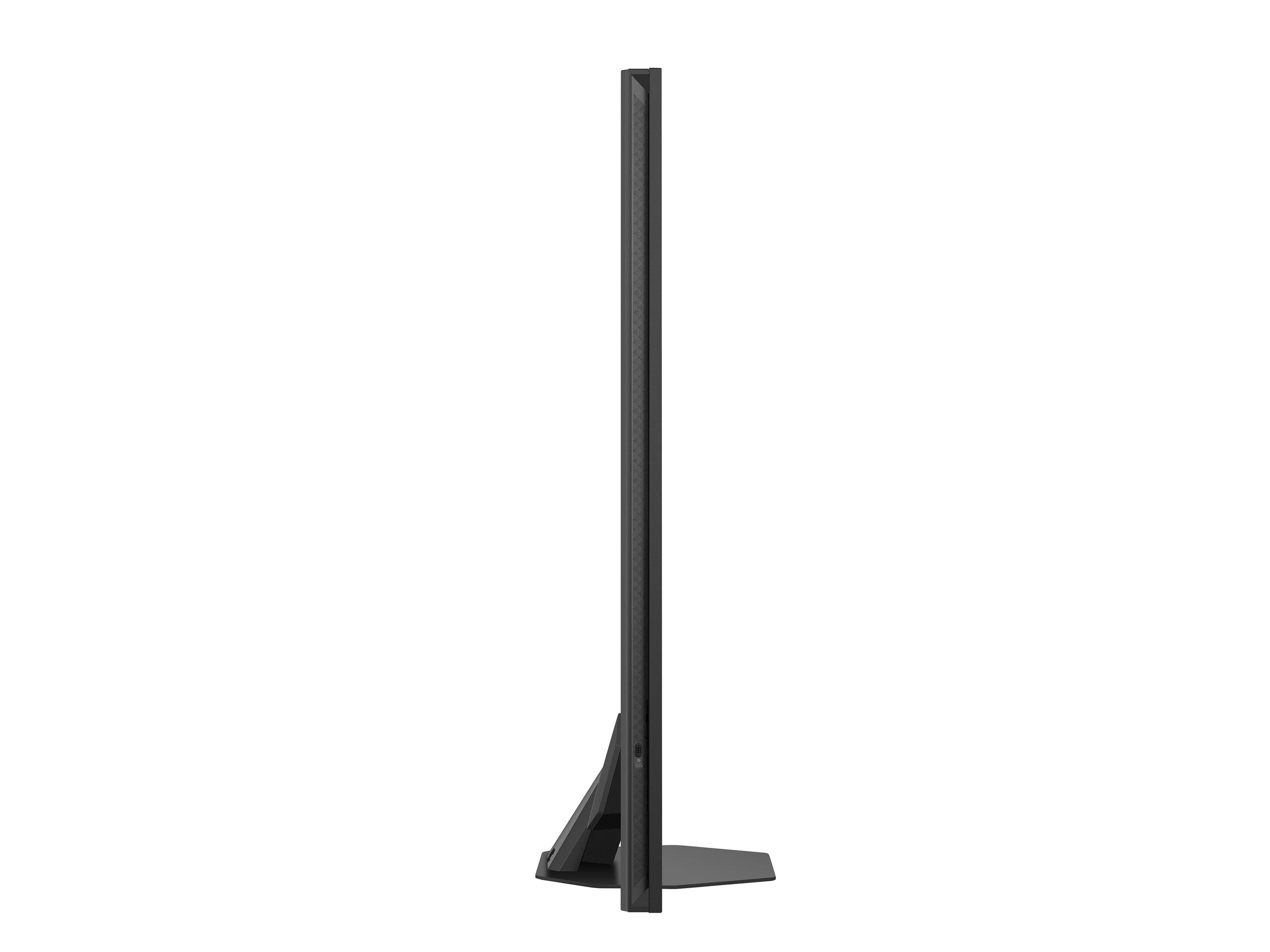
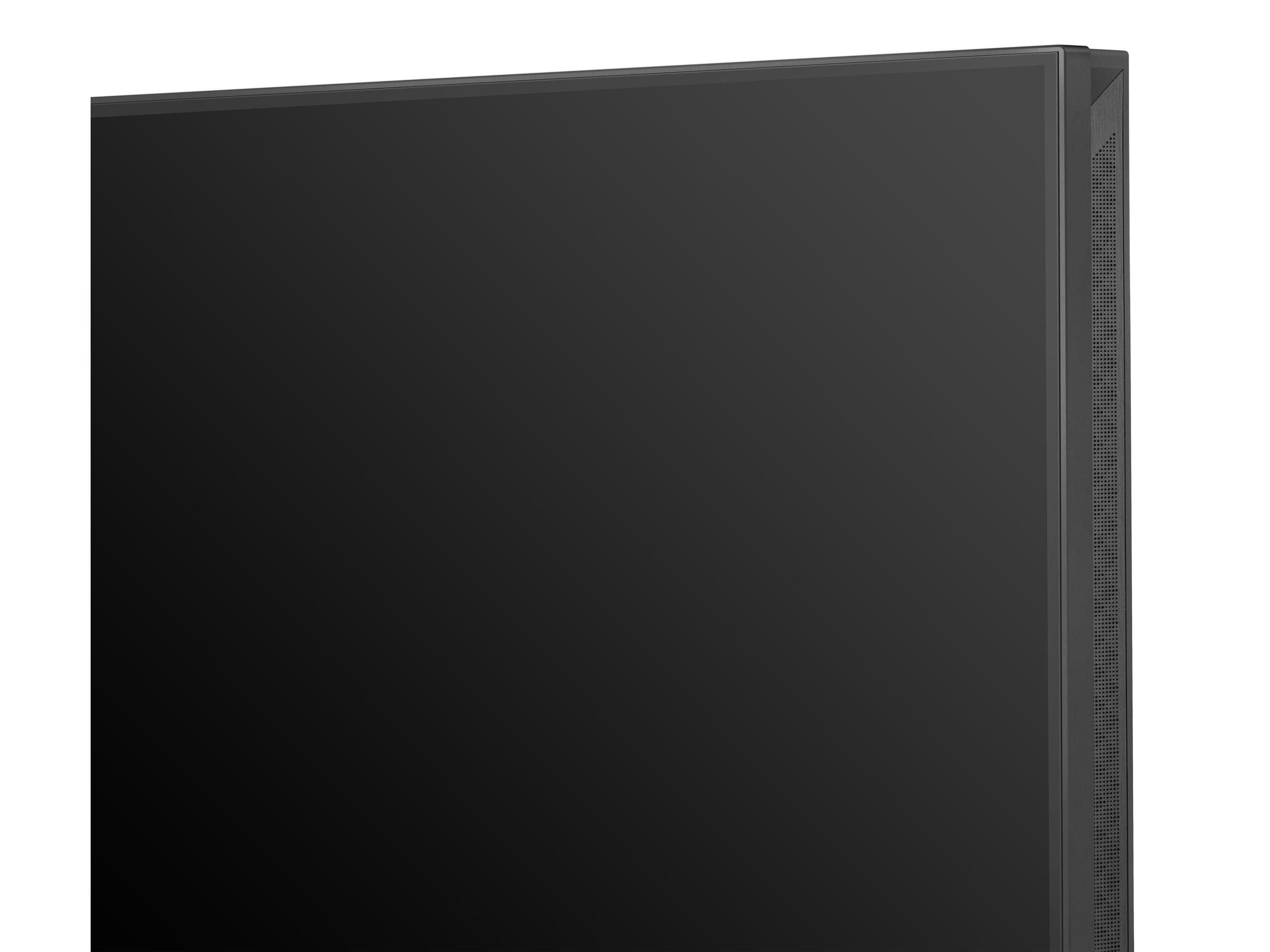
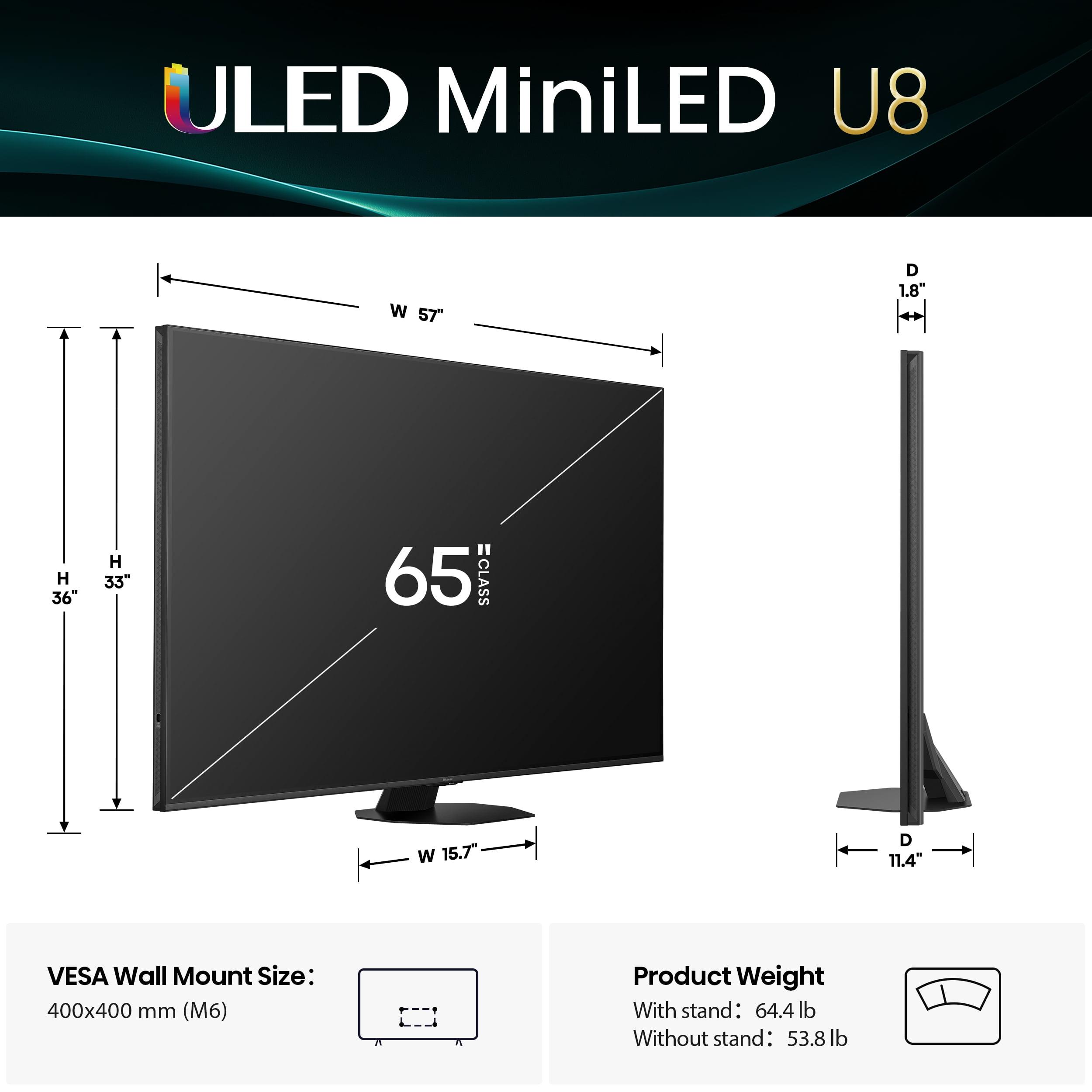
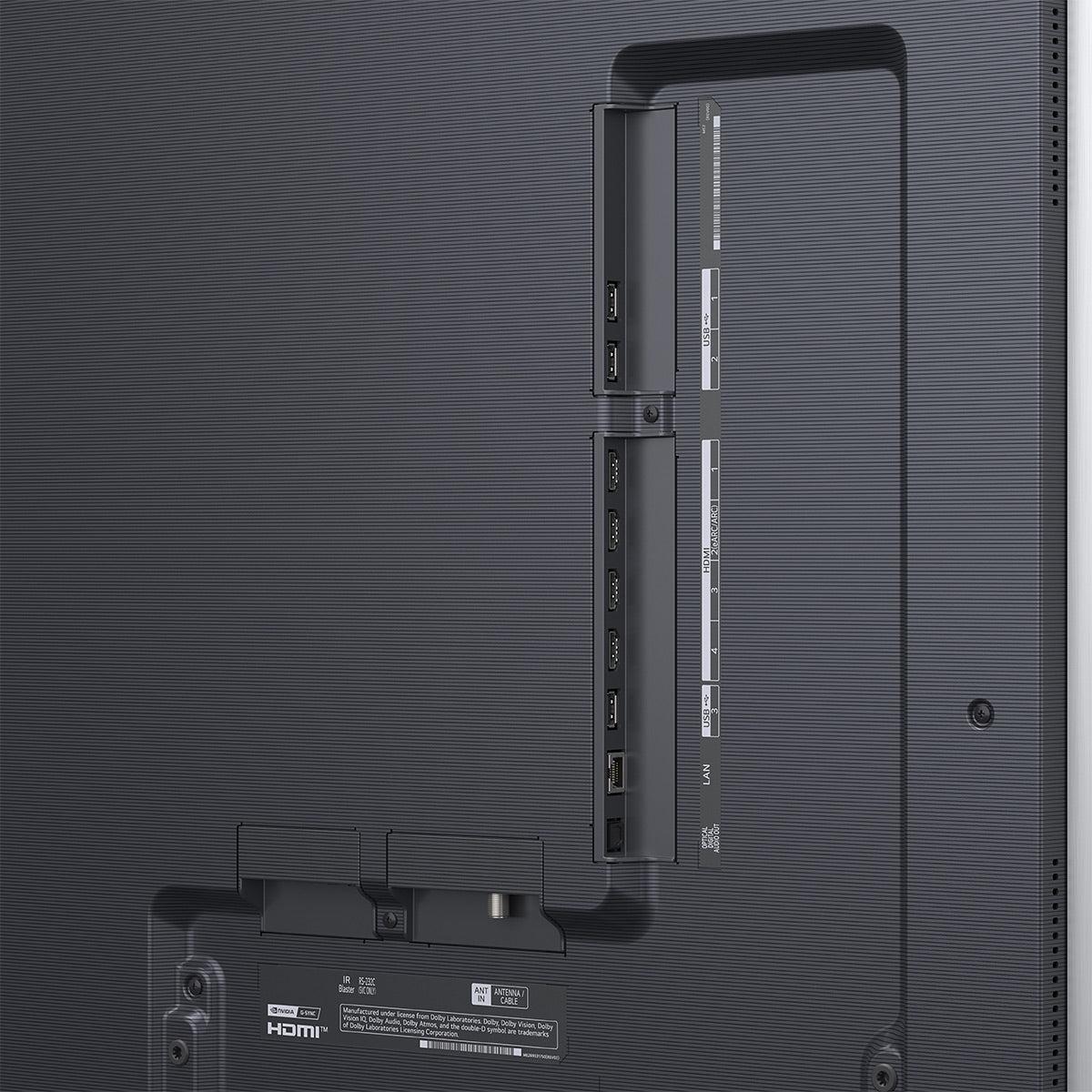
The Hisense U8 follows a traditional TV design philosophy with a central stand that can be adjusted for soundbar placement. The build quality feels solid for the price point, with good cable management and easy access to ports. While not particularly striking, it's a handsome TV that won't look out of place in most living rooms.
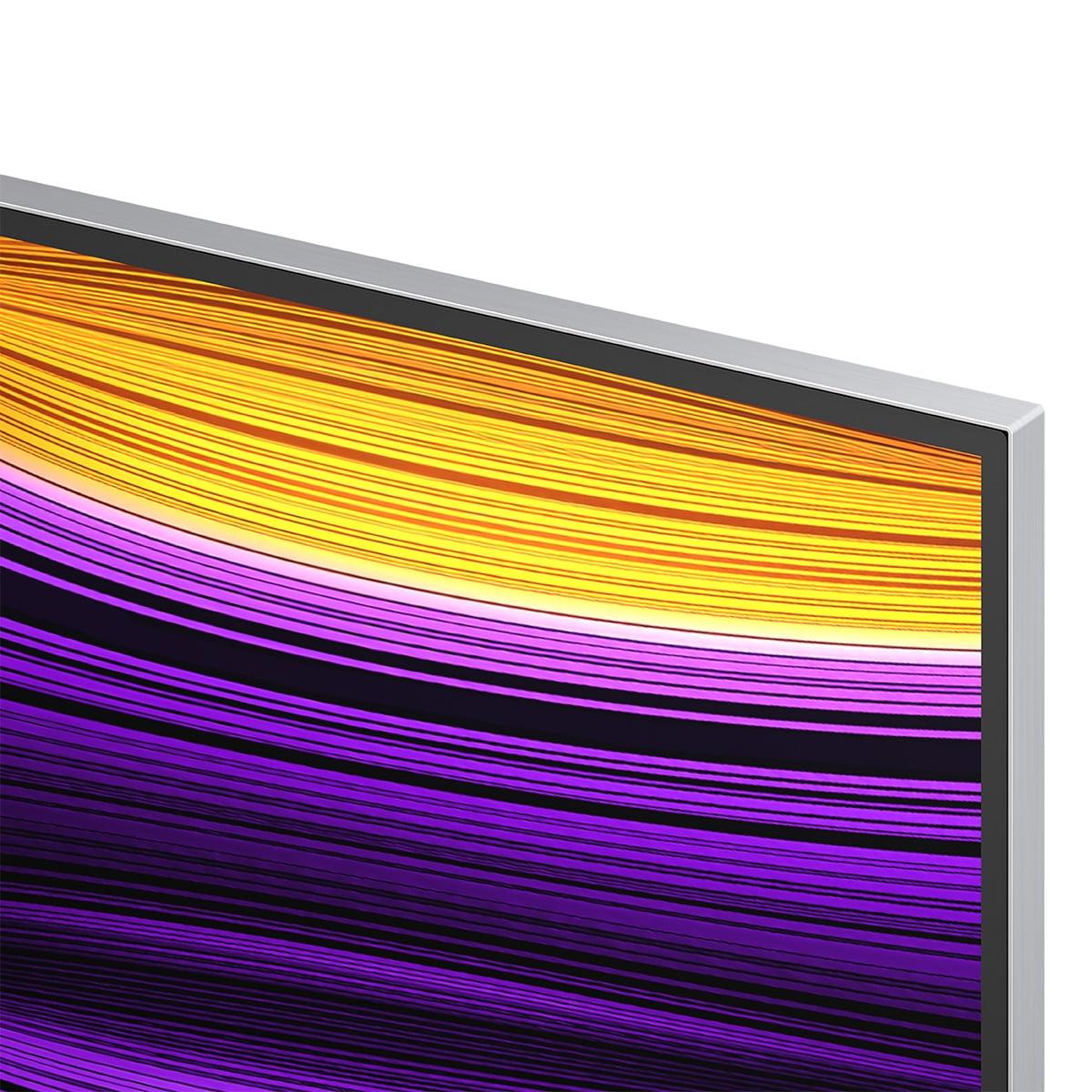
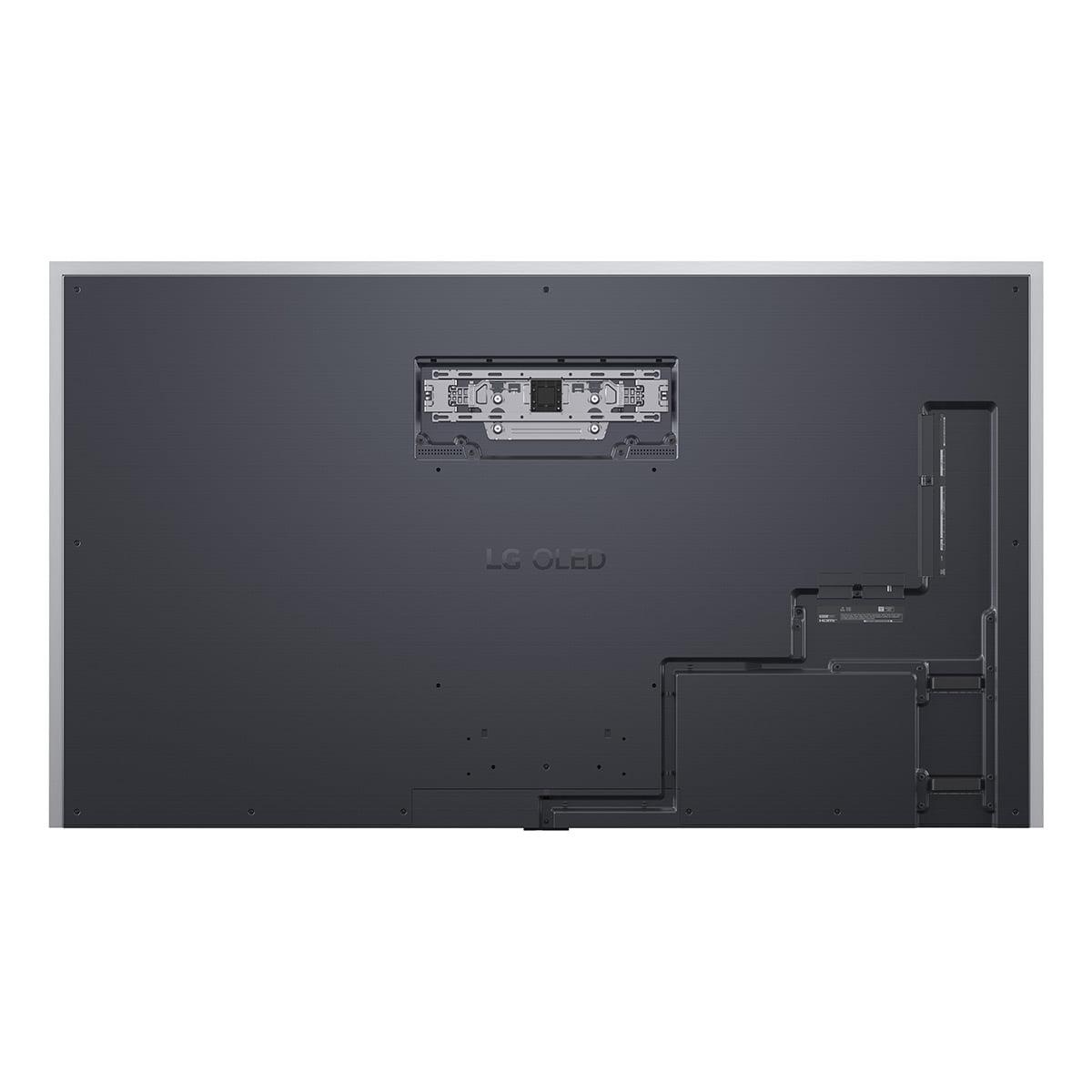
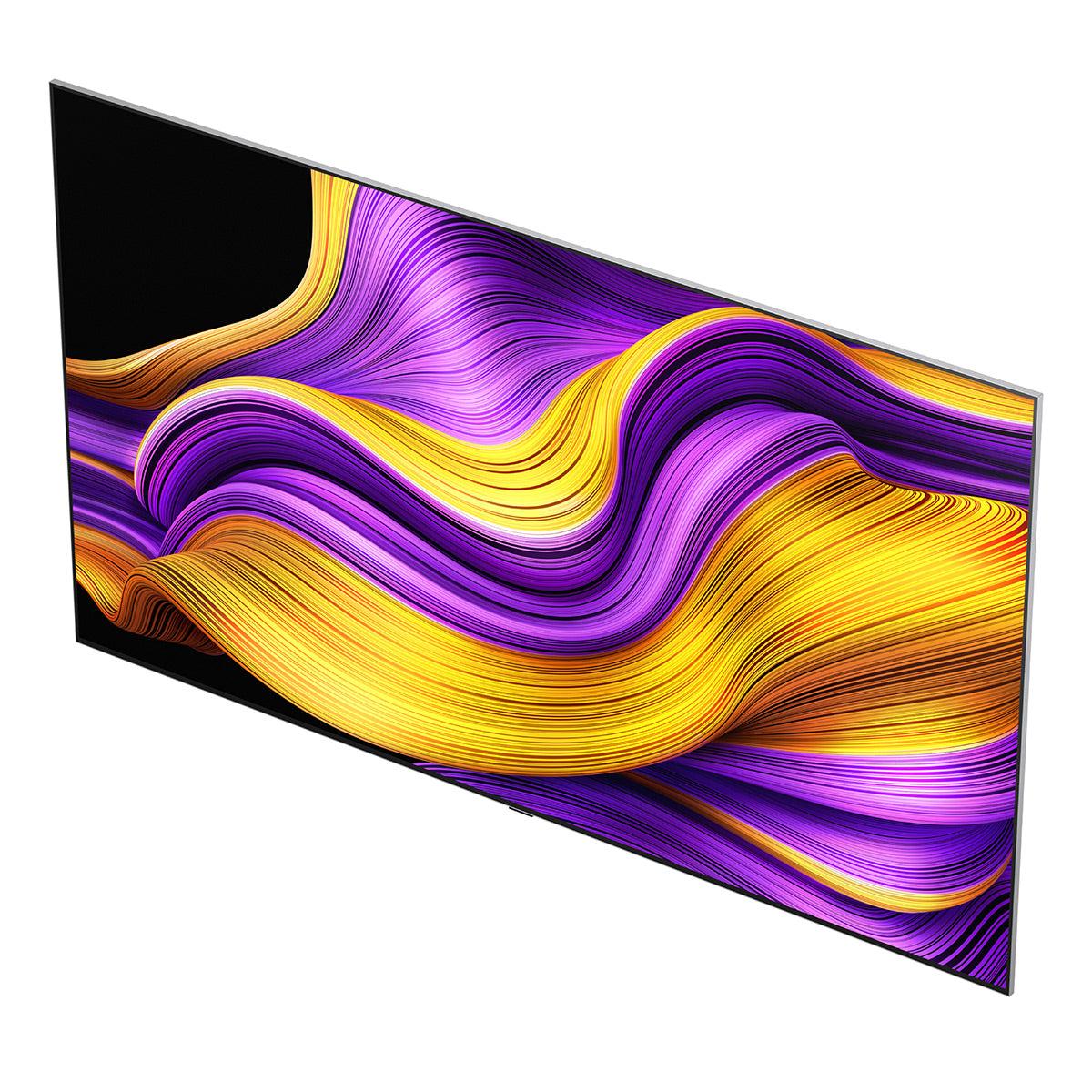
The LG G5 takes a completely different approach with its "Gallery" design. This TV is meant to hang flush against the wall like a piece of art, with an ultra-slim profile that's genuinely impressive. The premium materials and minimalist aesthetics make it feel more like a luxury appliance than a traditional TV. The optional stand is sold separately, reinforcing the wall-mount design philosophy.
At $997.99, the Hisense U8 delivers exceptional value by bringing flagship-level features to a mid-range price point. You're getting Mini-LED technology, comprehensive HDR support, excellent gaming features, and a robust smart TV platform for less than $1,000. This represents about 70-80% of premium TV performance at roughly 30% of the cost.
The LG G5 at $3,196.99 commands a premium price, but it's justified by cutting-edge OLED technology, premium build quality, and a 5-year panel warranty. For buyers who prioritize absolute picture quality and can afford the higher price, the G5 represents the current pinnacle of consumer TV technology.
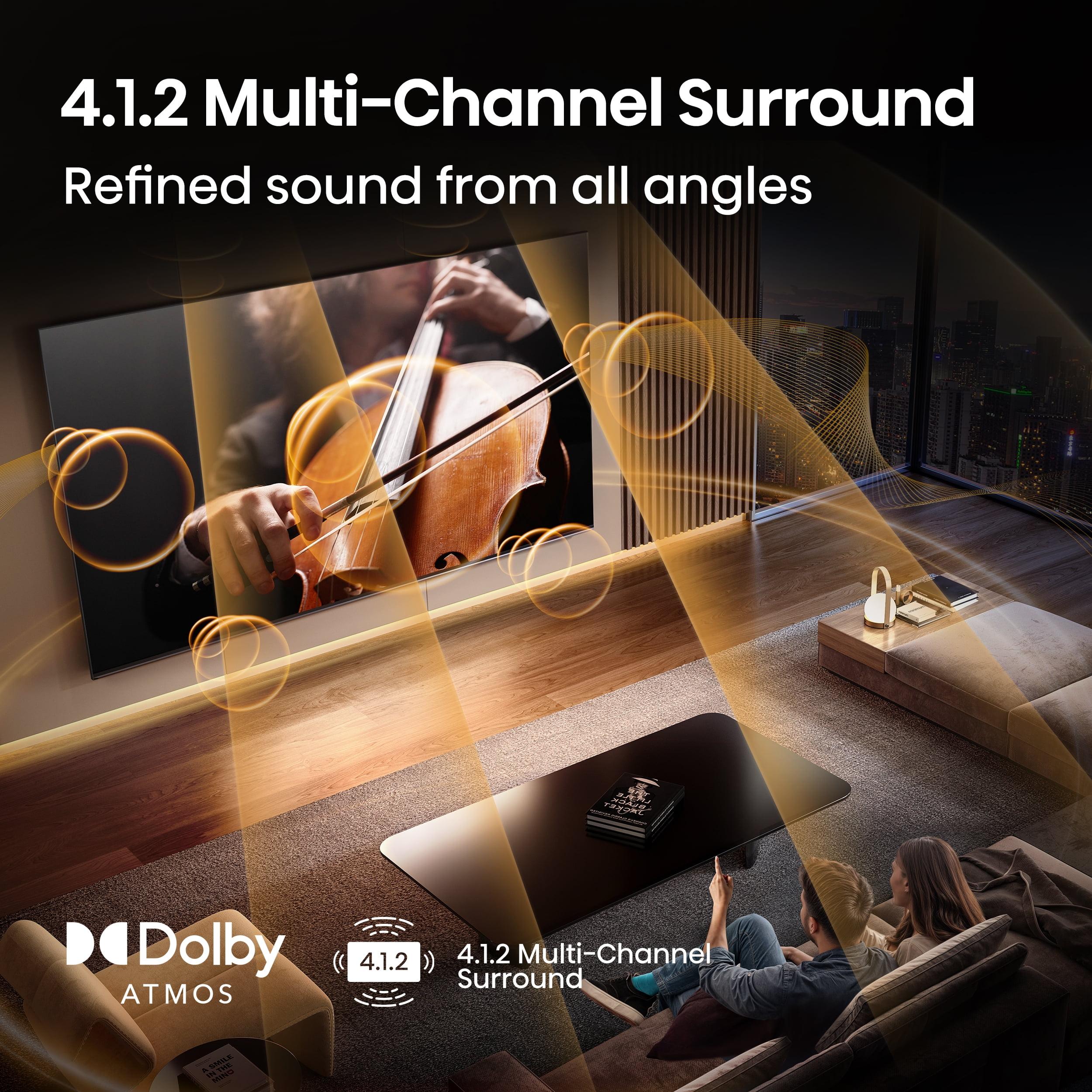
For dedicated home theater use, both TVs excel but in different ways. The Hisense U8 works well in multi-purpose rooms where you might have ambient light, thanks to its exceptional brightness and anti-glare coating. The built-in 50W 2.1.2 audio system with Dolby Atmos provides surprisingly good sound for casual viewing, though serious enthusiasts will want to add a dedicated sound system.
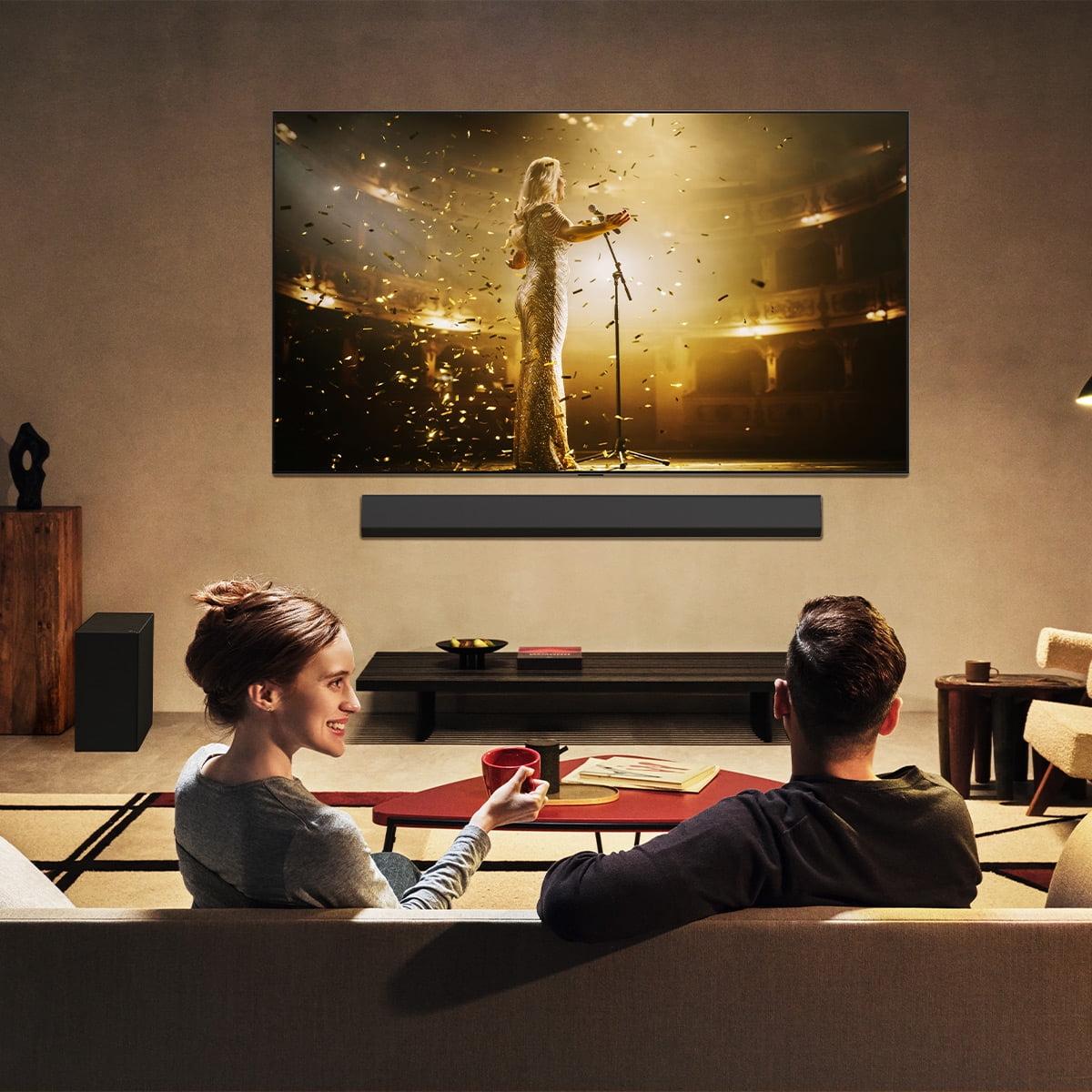
The LG G5 truly shines in darker, more controlled environments where its perfect blacks and infinite contrast create an almost cinematic experience. The Filmmaker Mode with ambient light compensation ensures movies look exactly as intended, making it ideal for serious film enthusiasts. The slim design also works beautifully in custom installations where the TV needs to blend seamlessly into the room's aesthetics.
Choose the Hisense U8 Series Mini-LED if you want flagship performance without the flagship price. It's perfect for bright rooms, mixed usage, and buyers who prioritize value without sacrificing quality. The excellent gaming features and Google TV platform make it versatile enough for any household.
Choose the LG OLED evo G5 if you demand the absolute best picture quality and can appreciate the premium design and build quality. It's ideal for dedicated home theaters, serious gamers with high-end PCs, and anyone who wants the latest display technology.
Both TVs represent significant achievements in their respective categories. The Hisense proves that you don't need to spend a fortune for exceptional performance, while the LG demonstrates that OLED technology continues to evolve and improve. Your choice ultimately depends on your budget, room conditions, and how much you value having the absolute best available technology.
| Hisense 65" U8 Series Mini-LED ULED 4K Google TV | LG OLED evo G5 65" 4K Smart TV 2025 |
|---|---|
| Price - Significant cost difference for similar screen size | |
| $997.99 | $3,196.99 |
| Display Technology - Fundamentally different approaches to image quality | |
| Mini-LED LCD with 2000+ local dimming zones | 4-Stack Tandem RGB OLED with self-emissive pixels |
| Peak Brightness - Critical for HDR impact and bright room viewing | |
| Up to 3,000 nits (excellent for any lighting condition) | Up to 3,141 nits (breakthrough brightness for OLED) |
| Contrast Performance - Affects how realistic dark scenes appear | |
| Excellent contrast with minimal blooming | Perfect blacks with infinite contrast ratio |
| Gaming Refresh Rate - Higher numbers mean smoother motion for gaming | |
| 144Hz native with VRR support | 165Hz on all HDMI 2.1 ports |
| Smart TV Platform - Determines app selection and user experience | |
| Google TV with Chromecast built-in | webOS 25 with 5-year update guarantee |
| HDR Support - Essential for modern streaming and gaming content | |
| Dolby Vision, HDR10, HDR10+, HLG | Dolby Vision, HDR10 Pro, HLG |
| Audio System - Built-in sound quality affects need for soundbar | |
| 50W 2.1.2 multi-channel with Dolby Atmos | Dolby Atmos support with WOW Orchestra compatibility |
| Design Philosophy - Impacts room aesthetics and installation options | |
| Traditional TV design with adjustable stand | Ultra-slim "Gallery" design for wall mounting |
| Warranty Coverage - Protection for your investment | |
| 2-year warranty (double industry standard) | 5-year limited panel warranty |
| Viewing Angles - Important for rooms with multiple seating positions | |
| Good center viewing, some color shift off-angle | Excellent viewing angles from any position |
| Best Use Cases - Who each TV serves best | |
| Bright rooms, value-focused buyers, mixed usage | Dark rooms, premium buyers, home theater enthusiasts |
The Hisense 65" U8 Series Mini-LED at $997.99 is excellent for bright rooms with its 3,000 nits peak brightness and anti-glare coating. While the LG OLED evo G5 at $3,196.99 is 45% brighter than previous OLEDs, Mini-LED technology still has an edge in very bright environments with lots of windows.
Mini-LED uses thousands of tiny LEDs behind an LCD panel for bright, vibrant images but may show slight blooming in dark scenes. OLED pixels emit their own light, creating perfect blacks and infinite contrast but traditionally weren't as bright. The LG G5 bridges this gap with its new 4-stack panel technology.
Both are excellent for gaming. The Hisense U8 offers 144Hz with VRR and gaming-focused features at a great price. The LG G5 goes further with 165Hz on all HDMI ports, lower input lag, and premium gaming features like G-SYNC compatibility, making it ideal for high-end PC gaming.
The LG OLED evo G5 offers superior picture quality with perfect blacks, better viewing angles, and premium design, but the Hisense U8 delivers about 80% of the performance at 30% of the cost. The LG is worth it for enthusiasts who want the absolute best; the Hisense offers better value for most buyers.
For dedicated home theaters with controlled lighting, the LG OLED evo G5 excels with perfect blacks, infinite contrast, and Filmmaker Mode. The Hisense U8 works better in multi-purpose rooms with ambient light. Both support Dolby Vision and Atmos for cinematic experiences.
The Hisense U8 uses Google TV, which is familiar to Android users and offers excellent search across streaming services. The LG G5 runs webOS 25 with AI-powered features and guarantees 5 years of updates. Both platforms work well, but Google TV may feel more familiar to most users.
The LG OLED evo G5 features premium materials, ultra-slim design, and a 5-year panel warranty, reflecting its flagship positioning. The Hisense U8 offers solid build quality with a 2-year warranty (double industry standard) but uses more traditional TV construction and materials.
OLED panels like the LG G5 can potentially develop image retention (burn-in) with static content, though this is much less common in modern models. The Hisense U8 uses proven Mini-LED LCD technology with no burn-in risk. Both brands offer strong warranties for peace of mind.
The Hisense U8 excels at sports with its exceptional brightness, vibrant colors, and smooth motion handling in bright rooms. The LG G5 offers superior motion clarity and wider viewing angles for group viewing, but the Hisense's brightness advantage makes it ideal for daytime sports watching.
The Hisense U8 includes a robust 50W 2.1.2 system with built-in subwoofer and Dolby Atmos, providing surprisingly good sound. The LG G5 supports Dolby Atmos and WOW Orchestra for pairing with LG soundbars. Both will benefit from dedicated audio systems for serious home theater use.
The LG OLED evo G5 comes with a 5-year panel warranty and webOS updates guaranteed for 5 years, showing LG's confidence in longevity. The Hisense U8 offers a 2-year warranty with proven Mini-LED technology. Both should provide years of reliable service with proper care.
For most buyers, the Hisense 65" U8 Series offers exceptional value with flagship features at an accessible price. Choose the LG OLED evo G5 if you're a serious enthusiast who wants the absolute best picture quality and can appreciate the premium design and features that justify the higher cost.
We've done our best to create useful and informative comparisons to help you decide what product to buy. Our research uses advanced automated methods to create this comparison and perfection is not possible - please contact us for corrections or questions. These are the sites we've researched in the creation of this article: bestbuy.com - hisense-usa.com - rtings.com - bestbuy.com - rtings.com - hisense-usa.com - youtube.com - hisense-usa.com - avsforum.com - hisense-usa.com - hisense-usa.com - rtings.com - avsforum.com - hisense-usa.com - prnewswire.com - hisense-usa.com - bestbuy.com - youtube.com - hisense-usa.com - bestbuy.com - techradar.com - rtings.com - youtube.com - youtube.com - rtings.com - bestbuy.com - youtube.com - valueelectronics.com - lg.com - audio-videoplus.com - lg.com - lg.com - lg.com

Privacy Policy
Terms and Conditions - Affiliate Policy
Home Security
© Copyright 2008-2026.
11816 Inwood Rd #1211, Dallas, TX 75244